MAJESTIC CARE OF AVON
445 S COUNTY ROAD 525 E, AVON, IN 46123 (317) 745-2522
For profit - Individual 140 Beds MAJESTIC CARE Data: November 2025
Trust Grade
50/100
#361 of 505 in IN
Last Inspection: August 2024

Within standard 12-15 month inspection cycle. Federal law requires annual inspections.

Overview

Majestic Care of Avon has a Trust Grade of C, which means it is average and falls in the middle of the pack among nursing homes. It ranks #361 out of 505 facilities in Indiana, placing it in the bottom half, and #8 out of 9 in Hendricks County, indicating that only one local option is better. The facility is improving, having reduced issues from 10 in 2024 to just 2 in 2025. Staffing is a weakness, receiving a low rating of 1 out of 5 stars, with a turnover rate of 54%, which is around the state average. There have been no fines reported, which is positive, and the facility has average RN coverage, meaning they have sufficient registered nurse support to catch potential problems. However, there are some concerning incidents. For instance, food was served at unsafe temperatures on the 600 hall, potentially affecting all 14 residents on that floor. Additionally, the facility failed to address residents' complaints about long wait times for call light responses, with reports of staff being distracted during care. On the positive side, quality measures received a 5 out of 5 rating, indicating good outcomes in areas like resident health and safety. Overall, families should weigh these strengths and weaknesses carefully when considering this facility.

Trust Score
C
50/100
In Indiana
#361/505
Bottom 29%
Safety Record
Low Risk
No red flags
Inspections
Getting Better
10 → 2 violations
Staff Stability
⚠ Watch
54% turnover. Above average. Higher turnover means staff may not know residents' routines.
Penalties
✓ Good
No fines on record. Clean compliance history, better than most Indiana facilities.
Skilled Nurses
⚠ Watch
Each resident gets only 27 minutes of Registered Nurse (RN) attention daily — below average for Indiana. Fewer RN minutes means fewer trained eyes watching for problems.
Violations
⚠ Watch
35 deficiencies on record. Higher than average. Multiple issues found across inspections.
★★☆☆☆
2.0
Overall Rating
★☆☆☆☆
1.0
Staff Levels
★★★★★
5.0
Care Quality
★★☆☆☆
2.0
Inspection Score
Stable
2024: 10 issues
2025: 2 issues

The Good

  • 5-Star Quality Measures · Strong clinical quality outcomes
  • Full Sprinkler Coverage · Fire safety systems throughout facility
  • No fines on record

Facility shows strength in quality measures, fire safety.

The Bad

2-Star Overall Rating

Below Indiana average (3.1)

Below average - review inspection findings carefully

Staff Turnover: 54%

Near Indiana avg (46%)

Higher turnover may affect care consistency

Chain: MAJESTIC CARE

Part of a multi-facility chain

Ask about local staffing decisions and management

The Ugly 35 deficiencies on record

Jun 2025 2 deficiencies
CONCERN (D) 📢 Someone Reported This

A family member, employee, or ombudsman was alarmed enough to file a formal complaint

Potential for Harm - no one hurt, but risky conditions existed

Deficiency F0808 (Tag F0808)

Could have caused harm · This affected 1 resident

Based on observations, record review, and interview, the facility failed to serve a resident her diet as ordered for 1 of 3 residents reviewed for diets (Resident B). Findings include: On 6/25/25 at ...

Read full inspector narrative →
Based on observations, record review, and interview, the facility failed to serve a resident her diet as ordered for 1 of 3 residents reviewed for diets (Resident B). Findings include: On 6/25/25 at 11:03 a.m., a record review was completed for Resident B. She had the following diagnoses which included but were not limited to weakness, hypertension, and weight loss. She had orders for regular diet, ground meat, double portions with a magic cup at lunch. On 6/25/25 at 1:30 p.m., Resident B was observed receiving her lunch tray. She did not have double portions or a magic cup on her tray. CNA 8 confirmed she did not have double portions or a magic cup on her tray and went to retrieve those items. A policy was not provided at the time of exit. This citation relates to Complaint IN00459625. 3.1-21(b)
CONCERN (E) 📢 Someone Reported This

A family member, employee, or ombudsman was alarmed enough to file a formal complaint

Potential for Harm - no one hurt, but risky conditions existed

Deficiency F0804 (Tag F0804)

Could have caused harm · This affected multiple residents

Based on observations and interview, the facility failed to serve food at an acceptable temperature to residents residing on the 600 hall. This deficiencyhad the potential to affect residents 14 of 14...

Read full inspector narrative →
Based on observations and interview, the facility failed to serve food at an acceptable temperature to residents residing on the 600 hall. This deficiencyhad the potential to affect residents 14 of 14 residents who had their trays delivered to their rooms. Findings include: During an observation on 6/25/25 at 1:14 p.m., CNA 4 was passing lunch hall trays on the 600 hall by herself. She indicated she was by herself passing the 600 hall trays. A request was made to check the temperature of the lunch trays on the 600 hall cart. The temperatures were checked by [NAME] 6. The temperature of the chicken was 122 degrees. The temperature of the mashed potatoes was 122.7 degrees. The temperature of the mixed vegetables was 117.0. A policy was provided by the Executive Director (ED) on 6/25/25 at 1:25 p.m. It indicated, .Time/Temperature Control for Safety (TCS) hot food will be to a minimum temperature for 15 seconds, as follows: Poultry and stuffed foods 165 degrees F All foods will be held at appropriate temperature, greater than 135 degrees F (or as state regulation requires) This citation relates to Complaint IN00459625. 3.1-21(a)(1) 3.1-21(a)(2)
Aug 2024 7 deficiencies
CONCERN (D)

Potential for Harm - no one hurt, but risky conditions existed

Deficiency F0554 (Tag F0554)

Could have caused harm · This affected 1 resident

Based on observation, interview, and record review, the facility failed to ensure resident assessments were completed for 1 of 1 resident who self-administers medications (Resident 15). Findings incl...

Read full inspector narrative →
Based on observation, interview, and record review, the facility failed to ensure resident assessments were completed for 1 of 1 resident who self-administers medications (Resident 15). Findings include: On 8/4/24 at 12:01 p.m., Resident 15 was observed to have medications in her room and bathroom. On her over the bed table, she had fluticasone nasal spray (treats chronic rhinosinusitis) and carboxymethylcellulose eye drops (treats dry eyes), and on her bathroom counter she had metronidazole (treats facial rosacea). On 8/6/24 at 10:28 a.m., Resident 15's record was reviewed. Her physician orders included, but were not limited to: fluticasone nasal spray dated 1/3/24, may keep at bedside to self-administer; carboxymethylcellulose eye drops dated 1/3/24, may keep at beside and self-administer; and metronidazole lotion dated 5/17/24, unsupervised self-administration. A document titled, Medication Self-Administration Safety Screen, dated 1/3/24, indicated Resident 15 could keep at bedside and self-administer fluticasone nasal spray. It indicated eye drops and topical creams were not applicable. No other medications were listed or assessed. Resident 15's electronic medical record lacked documentation of quarterly self-administration assessments for fluticasone. Resident 15's electronic medical record lacked documentation of quarterly self- administration assessments for carboxymethylcellulose and metronidazole. A new document titled, Medication Self-Administration Safety Screen, dated 8/5/24, indicated Resident 15 could keep at bedside and self-administer carboxymethylcellulose eye drops. The fluticasone and metronidazole were not listed or assessed. A medication care plan, dated 4/4/24, indicated Resident 15 could self-administer eye medication and face cream, the names of the medication were not specifically listed. The metronidazole lotion was not listed. The goal was to take medications safely as prescribed. An approach included to assess the residents ability to safely self-administer medication specified on admission, quarterly, and with significant changes in condition. During an interview, on 8/8/24 at 12:10 p.m., Resident 15 indicated the facility staff took away her rosacea medication on 8/8/24. Previously, they let her keep it in her room because her rosacea flared up so much and she just bugged and bugged them until they gave it to her. She still had her fluticasone nasal spray and carboxymethylcellulose eye drops in the her room. They were observed on her over the bed table. A current policy, titled, Self-Administration of Medications, with no date, was provided by the Executive Director (ED), on 8/8/24 at 9:50 a.m. A review of the policy indicated, .A resident may only self-administer medications after the facility's interdisciplinary teams has determined which medications may be self-administered safely .The results of the interdisciplinary team assessment are recorded on the Medications Self-Administration Assessment Form, which is placed in the resident's medical record All nurses and aides are required to report to the charge nurse on duty any medication found at the bedside not authorized for bedside storage. Unauthorized medications are given to the charge nurse for return to the family or responsible party 3.1-11(a)
CONCERN (D)

Potential for Harm - no one hurt, but risky conditions existed

Assessment Accuracy (Tag F0641)

Could have caused harm · This affected 1 resident

Based on record review and interview the facility failed to accurately code falls on the MDS (Minimum Data Set) for 1 of 2 Residents reviewed for MDS accuracy (Resident 53). Findings include: On 8/6/2...

Read full inspector narrative →
Based on record review and interview the facility failed to accurately code falls on the MDS (Minimum Data Set) for 1 of 2 Residents reviewed for MDS accuracy (Resident 53). Findings include: On 8/6/24 at 2:18 p.m., Resident 53's medical record was reviewed. She was a long-term care resident who resided on the secured Memory Care (MC) unit with diagnoses which included, but were not limited to, Alzheimer's disease with late onset (Alzheimer's is a type of dementia, dementia is an irreversible degenerative brain disease which affects memory and cognitive function). A nursing progress note, dated 5/14/24 at 5:53 a.m., indicated, Resident 53, .was up in the hall several times in the night, and escorted back to bed. During a.m. bed check she was seen in a male patient's bed, while being escorted back to her room she fell on her right hip that had a brush in the pocket and c/o [complains of] pain at that hip . A hospital History & Physical, dated 5/15/24, indicated, Resident 53 sustained a fall and had suffered an acute, impacted, nondisplaced right subcapital femoral neck fracture. Resident 53 underwent surgical repair. A significant change Minimum Data Set (MDS) assessment, dated 5/30/24, section J1800, Any falls since admission or prior assessment . was answered no. A significant change MDS assessment, dated 6/17/24, section J1800, Any falls since admission or prior assessment . was answered yes, but did not indicate she had sustained a fall which resulted in a fracture. On 8/8/24 at 10:09 a.m. the Executive Director (ED) provided a copy of current facility policy titled, Accurate Assessment, with an effective date of 1/2/24. The policy indicated, The purpose of this policy is to assure that all residents receive an accurate assessment, reflective of the resident's status at the time of the assessment, by staff qualified to assess relevant care areas
CONCERN (D)

Potential for Harm - no one hurt, but risky conditions existed

Deficiency F0725 (Tag F0725)

Could have caused harm · This affected 1 resident

Based on interview and record review, the facility failed to ensure sufficient licensed nurse coverage was available on the weekends for 1 of 4 quarters of staffing reviewed which had the potential to...

Read full inspector narrative →
Based on interview and record review, the facility failed to ensure sufficient licensed nurse coverage was available on the weekends for 1 of 4 quarters of staffing reviewed which had the potential to effect 82 of 82 residents who resided in the facility. Findings include: On 8/6/24 at 9:30 a.m., the facilities CASPER report was reviewed and indicated, staffing concerns had been triggered in the second quarter of 2024 for low weekend staffing. On 8/8/24 at 8:36 a.m., the actual worked licensed nursing schedule was request for the month of May 2024. On 8/8/24 at 10:47 a.m., the above requested schedule was provided by the Executive Director (ED) and reviewed at that time. For the first week of the month, May 1 through (-) 7th, the licensed staff per-patient-per-day (licensed staff PPD- the number of hours a licensed nursing staff member is granted per patient, per day) averaged to 0.74. For the second week of the month, May 8th-14th, the licensed staff PPD averaged 0.62. For the third week of the month, May 15th-21st, the licensed staff PPD averaged 0.61. For the fourth week of the month, May 22nd-28th, the licensed staff PPD averaged 0.54. Upon review for patterns, the schedule revealed PPD trended down throughout the month. Starting on Thursdays, and through the weekends the schedule did not meet the minimum 0.50 PPD as evidenced by the following: Thursday the 2nd, PPD= 0.48. Saturday the 4th, PPD= 0.49. Saturday the 11th, PPD= 0.37. Sunday the 12th, PPD= 0.36. Friday the 17th, PPD= 0.45. Saturday the 18th, PPD= 0.39. Sunday the 19th, PPD= 0.38. Thursday the 23rd, PPD= 0.43. Saturday the 25th, PPD= 0.27. Sunday the 26th, PPD= 0.19. Friday the 31st, PPD= 0.39. During an interview on 8/8/24 at 11:38 a.m., the ED reviewed the above schedule review and indicated, it appeared there were an appropriate amount of staff, such as leadership staffing like the Medical Records Coordinator, (MR), who was a licensed practical nurse, (LPN) the Minimum Data Set (MDS) Coordinator, who was a Registered Nurse (RN), several Licensed Nurse Preceptors (LNPs) and the Assistant Director of Nursing, who was a LPN were mainly scheduled Monday - Thursday for routine office hours. The ED indicated some of those weekday nursing hours could be moved and/or rearranged to help cover the weekends as well. On 8/8/24 at 12:02 p.m., the Facility Assessment Tool, dated, 5/20/24, Part 3 indicated, .Facility Resources needed to provide competent support and care for our resident's populations every day and during emergencies . RNs to acuity = 0.54 and LPNs to acuity = 0.74 During an interview on 8/8/24 at 1:23 p.m., the ED indicated, the Facility Assessment Tool was up to date, and it was his understanding that the minimum PPD of RNS and LPNs to acuity of care, meant according to the Facility Assessment and Resident Population Review, the facility required a minimum of the above RN and LPN PPD daily coverage. The ED indicated the Facility Assessment tool served as the policy for facilities staffing policy and requirements.
CONCERN (D)

Potential for Harm - no one hurt, but risky conditions existed

Deficiency F0744 (Tag F0744)

Could have caused harm · This affected 1 resident

**NOTE- TERMS IN BRACKETS HAVE BEEN EDITED TO PROTECT CONFIDENTIALITY** Based on observation, interview, and record review, the facility failed to ensure two cognitively impaired residents who wished ...

Read full inspector narrative →
**NOTE- TERMS IN BRACKETS HAVE BEEN EDITED TO PROTECT CONFIDENTIALITY** Based on observation, interview, and record review, the facility failed to ensure two cognitively impaired residents who wished to have a relationship and resided on the secured memory care unit had assessments for appropriateness, ongoing supervision, and person-centered goals and interventions for 2 of 3 residents reviewed for dementia services (Residents 53 and 55). Findings include: On 8/6/24 at 2:07 p.m., Resident 53 was unable to be located after looking in her room, her private bathroom, the secured memory care (MC) activity/dining room and in the therapy gym. During an interview on 8/6/24 at 2:08 p.m., the MC Facilitator (MCF) indicated, Resident 53 was probably visiting with her friend, Resident 55, and asked two passing Certified Nursing Aides (CNAs) to find Resident 53. CNA 17 and CNA 18 went to Resident 55's room. Resident 55 and Resident 53 were observed lying in bed together with Resident 55's arm wrapped around Resident 53's waist. The CNAs indicated Resident 53 visited Resident 55 all the time and they liked to sleep together. The CNAs indicated Resident 55 was in love with Resident 53. When the CNAs asked Resident 53 to get out of his bed, Resident 53 refused, so the CNAs allowed the residents to remain in bed together. During an interview on 8/6/24 at 2:10 p.m., the MCF indicated both residents' families were ok with the residents' relationship, and it was care planned. The MCF indicated Resident 53 would sometimes wander into other resident's room, but had only laid down with Resident 55. During an interview on 8/7/24 at 11:16 a.m., CNA 19 indicated Residents 53 and 55 were very good friends and she believed Resident 53 thought Resident 55 might have looked like her late husband, and Resident 55 enjoyed her company. CNA 19 indicated staff was supposed to encourage them to visit in common areas for more supervision, but Resident 53 would sneak into his room. Even if Resident 55's stop sign was up, Resident 53 would duck under it. CNA 19 never observed anything untoward or inappropriate. Their relationship seemed to be more about companionship. 1. During an interview on 8/7/24 at 11:25 a.m., Resident 53's family member indicated Resident 53 did like to spend time with Resident 55 and often went into his room. Resident 55 seemed to be friendly with her and the family did not mind if they continued to see each other, or conducted a more intimate relationship i.e. held hands, and snuggled in bed. Resident 53's family indicated they would want Resident 53 to be monitored and supervised sufficiently enough to prevent the possibility of her getting hurt. On 8/6/24 at 2:18 p.m., Resident 53's medical record was reviewed. She was a long-term care resident who resided on the secured MC unit with diagnoses which included, but were not limited to, Alzheimer's disease with late onset (Alzheimer's is a type of dementia, dementia is an irreversible degenerative brain disease which affects memory and cognitive function), unspecified dementia with other behavioral disturbances, insomnia (sleep disorder when one wakes often and easily through the night), nightmare disorder, and psychotic disorder with delusions, (thinking or believing things that are not real). A significant change Minimum Data Set (MDS) assessment, dated 6/17/24, indicated Resident 53 was severely cognitively impaired with a Brief Interview for Mental Status (BIMS) score of 3 out of 15. A routine Psychiatry assessment, conducted on 1/3/24 at 7:19 p.m., indicated, .[Resident 53] is assessed in peers room - resting in bed- she is alert and pleasant. Staff reports patient has periods of low frustration tolerance. Staff reports patient becomes physically violent when redirected. Reviewed medications- noted patient with GDR [gradual dose reduction] 11/6/23- plan to consider that a failed GDR and increase fluoxetine to previous dosing . A routine Psychiatry assessment, conducted on 1/15/24 at 4:14 p.m., indicated, .staff reports patient has been overly sexual- attempting to kiss multiple male residents on the unit. Staff have intervened- however patient behavior continues/repeats. Prozac increased - to decrease sexual libido and stabilize mood . started on cimetidine [an antiacid, gastric acid reducer which has been reported to decrease libido and hypersexual behavior] A routine Psychiatry assessment, conducted on 4/8/24 at 12:11 p.m., indicated, .staff reports resident is having periods of verbal aggression. Staff reports patient is difficult to redirect and inflicts self-harm at times. Plan to introduce low-dose Zyprexa to address obsessiveness, self-harm, and physical and verbal aggression. Likewise resident receiving fluoxetine to address sexual inhibition, plan to transition resident to Zoloft. Sexual inhibition being managed with cimetidine in place . A routine Psychiatry assessment, conducted on 4/22/24 at 5:56 p.m., indicated, .Staff reports patient continues to display physical aggression towards staff - recently assessed for UTI [urinary tract infection] but specimen was contaminated- ordered repeat UA [urinalysis]. Started on Zyprexa [an antipsychotic medication with side effects which can include, but are not limited to; dizziness, weakness, difficulty walking and restlessness]] to address physical aggression and delusional behaviors. Received a pharmacy recommendation to decrease fluoxetine [an antidepressant medication]- recommendation declined at this time The assessment indicated she already received: a. Namenda (a medication used to treat dementia, which can cause dizziness and fatigue) 10 mg twice a day b. Aricept (a medication used to treat dementia, which can cause fatigue, insomnia, muscle cramps and fainting), 10 mg every night c. terazosin (a medication used in the treatment of trauma-related nightmares which can cause drowsiness, blurred vision, dizziness and fainting) 2 mg at night d. melatonin (a supplemental hormone used as a sleep aide) 5 mg every night A routine Psychiatry assessment, conducted on 5/6/24 at 4:38 p.m., indicated, .Staff reports resident is cooperative with care continues to seek affection from male resident however she is easily redirected . At that time, the pharmacist recommended a dose decrease of cimetidine from 200 mg twice a day, to 200 mg once a day. The Psychiatrist accepted and put the order in place. Resident 53's behavioral assessments were reviewed from January 2024 through current date. The Behavioral assessments reviewed psychotropic medication management and adjustments related to her psychiatric related diagnoses, the assessments lacked documentation of Resident 53's seeking affection, from her male peer. Resident 53's Activity Assessments were reviewed from January 2024 through the current date. The Activity Assessments lacked documentation of her preference to have a meaningful relationship with Resident 55 as an overall part of her life enrichment program. Resident 53's comprehensive care plans were reviewed, which included, but were not limited to the following: a. a comprehensive care plan initiated 1/25/22 which indicated, [Resident 53] resides on a secured memory care unit due to diagnosis of dementia and benefits from specialized activity care programming. Interventions for this plan of care included but were not limited to: keep resident involved in activities and o socialization to divert behaviors, loneliness, sadness. No new interventions for this plan of care had been added/revised since the initial implementation to include her preference to maintain an ongoing relationship with Resident 55 which may include more intimate contact such as snuggling in bed. b. a compressive care plan initiated 2/13/24 indicated, [Resident 53] exhibits behavior symptoms of wandering in and out of other resident's rooms and refusing to leave. The care plan lacked revision to include Resident 53's preference/habit of going to Resident 55's room, and that it may be allowed as tolerated by Resident 55. c. a comprehensive care plan initiated on 3/24/23 indicated, [Resident 53] has difficulty sleeping related to [diagnosis] of insomnia as evidenced by sleep disturbance. The care plan was not revised to include Resident 53's habit/tendency to go to Resident 55's room and/or that she may sleep better with her companion. A nursing progress note 5/14/24 at 5:53 a.m., indicated, Resident 53, .was up in the hall several times in the night, and escorted back to bed. During a.m. bed check she was seen in a male patient's bed, while being escorted back to her room she fell on her right hip that had a brush in the pocket and c/o pain at that hip . On 5/14/24 at 10:39 a.m., the Interdisciplinary team (IDT) met to review Resident 53's fall.review for witnessed fall on 5/14. Resident had been up and down throughout night shift and had to be re-directed back to room. During last bed round, it was noted that she had wandered into another resident's room and was in their bed. Resident again redirected back to her room. Staff assisted resident, showing resident location of room. While ambulating back to room, she stumbled and fell . the IDT team determined, .Resident resides on a secured unit, has poor safety awareness and a dx [diagnosis] of dementia . therapy to evaluate 2. During an interview on 8/7/24 at 1:10 p.m., Resident 55's family member indicated they were aware Resident 55 and Resident 53 were close. In fact, Resident 55 often indicated, he was in love with [Resident 53], but in May and June of 2024, Resident 55 had experienced a progression in the worsening of his dementia and started to have aggressive physical and verbal outbursts. The family thought he would never hurt Resident 53, but was concerned about the safety of anyone who might try to intervene between the two or make perceived advances towards Resident 53. Resident 55 was very protective, of Resident 53. Resident 55's family indicated they wanted Resident 55 to be able to continue his relationship with Resident 53, but was worried that when his dementia got worse he might be more of a danger to her or other residents. On 8/7/24 at 3:18 p.m., Resident 55's medical record was reviewed. He was a long-term care resident who resided on the secured MC unit with diagnoses which included, but not limited to, vascular dementia, unspecified mild dementia with psychotic disturbance, psychotic disorder with delusion, other problems related to lifestyle, mood disturbance, anxiety. A quarterly MDS assessment, dated 7/2/24, indicated Resident 55 was moderately cognitively impaired with a BIMS score of 10 out of 15. A routine Psychiatry assessment, conducted on 5/15/24 at 4:06 p.m., indicated, .[Resident 55] is alert and pleasantly confused. States he is doing well- makes good eye contact- conversation is logical and linear. Patient focused on female resident he keeps company with at times. States he enjoys her, but she is a 'two -timer.' The psychiatry note indicated Resident 55 was to continue taking cimetidine 200 mg twice a day for inappropriate sexual behavior. A nursing progress note, dated 6/18/24a t 6:51 a.m., indicated, Resident asking for his social security check, staff attempted to tell resident that bank was not open yet, resident became combative attempting to strike at staff with closed fist and screaming names at nurse. Resident than went to his room and slammed door A nursing progress note, dated 6/24/24 at 10:11 a.m., indicated, .Resident making delusional statements, believes that other residents are conspiring against him and making plans to 'mess up' his life. Resident aggression increased toward staff. Resident has been making statements that he will 'mess them up.' Resident states he isn't talking about anyone in particular. POA said that when she took res [resident] to BINGO, he was ranting and punching her car An acute Psychiatry progress note, dated 6/25/24 at 1:27 p.m., indicated, .Staff reports patient is displaying acute changes in mood and anxiety. Medications reviewed with no recent changes in psychotropic medications since 2/2025. Patient with recent outing with family - where he was reported as verbally and physically aggressive. This was not witnessed during the assessment today A nursing progress note, dated 6/26/24 at 9:22 a.m., indicated, .Resident having increased [behaviors] becoming verbally aggressive with staff and threatening to 'hu' them this day. Redirection difficult, resident hyper-fixated on another male resident, he states that this resident 'wants to date him,' said resident is friendly and non-verbal. All attempts to encourage resident to understand that his thinking is not correct are met with resistance as he believes this to be true. Resident in activity room playing game, other resident entered room to also participate, which set resident off, he instantly became agitated, other resident had not said or done anything. When asked why resident became agitated, he said that he just 'knows he wants me, and I don't want to be around that' . Notified psych NP [Psychiatric Nurse Practitioner] yesterday of ongoing increased bx [behaviors], order obtained for labs to r/o medical cause, resident had GDR of antipsychotic medication in [DATE]. Will notify NP of bx On 6/26/24 the Psych NP started Resident 55 on Trazadone (an antidepressant medication) 50 mg daily and 25mg as needed every 6 hours for 14 days for agitation. A nursing progress note, dated 6/30/24 at 9:08 p.m., indicated, .patient was upset and vented to me in his room saying he thinks we are drugging people that he takes a baby aspirin in the morning for his heart and that was all he was ever going to take. He talked about a woman here that he likes calling her his girlfriend and that she does not return the feeling working himself up into a frenzy Resident 55's behavioral assessments were reviewed from January 2024 through current date. The Behavioral assessments reviewed psychotropic medication management and adjustments related to his psychiatric related diagnoses. The assessments lacked documentation of Resident 55's feelings towards Resident 53 and his preference to visit with her, or that he sometimes considered her a two-timer. Resident 55's Activity Assessments were reviewed from January 2024 through the current date. The Activity Assessments lacked documentation of his preference to have a meaningful relationship with Resident 53 as an overall part of her life enrichment program. Resident 55's comprehensive care plans were reviewed, which included, but were not limited to the following: a. a care plan initiated . He prefers to be involved in in mostly independent interest he enjoys sitting by the window in his room and looking out, he likes to talk with his daughter on the phone. Seems to enjoy the daily chronicle. Enjoys westerns, action movie, coffee and conversations, socialization, music, and snacks and hydration. [He] goes to Bingo with his daughter every Thursday and enjoys this. This plan of care lacked revision to address/include person-centered goals/interventions for his preference to visit with and have a meaningful relationship with his peer, Resident 53. b. a care plan initiated 4/4/23 which indicated, . he has difficulty sleeping related to dx of sleep disorder as evidenced by awakens frequently during the night. The care plan lacked revision/documentation to address Resident 53's behaviors of coming into his bed at night. c. a care plan initiated on 4/28/24 which indicated, .he exhibits behavior symptoms of wanting a STOP sign placed outside door to prevent residents from wandering into room The care plan lacked revision/documentation to address his preference that Resident 53 was allowed to come in his room if the STOP sign was up. d. a care plan initiated on 7/18/23 which indicated, .he exhibits behavior symptoms of: behavioral symptoms thinking he has a girlfriend on the unit and will hold hands with female residents. The care plan lacked revision/documentation of goal/interventions to ensure an appropriate and meaningful relationship with Resident 53 could be maintained. On 8/8/24 at 1:53 p.m., the Regional Nurse Consultant (RNC) provided a copy of current facility policy titled, Comprehensive Care Planning, with an effective dated of 1/2/24. The policy indicated, It is the policy of this facility to develop and implement a comprehensive person-centered care plan for each resident, consistent with resident rights, that includes measurable objective and timeframes to meet a resident's medical, nursing, and mental and psychosocial needs that are identified in the resident's comprehensive assessment . 'person-centered care' means to focus on the resident as the locus of control and support the resident in making their own choices and having control over their daily lives . The care planning process will include an assessment of the resident's strengths and needs and will incorporate the resident's personal and cultural preferences in developing goals of care. Services provided or arranged by the facility, as outlined by the comprehensive care plan, shall be culturally competent and trauma-informed . the comprehensive care plan will describe, at a minimum, the following: . resident specific interventions that reflect the resident's needs and preferences and align with the resident's cultural identity, as indicated The Facility Assessment tool, dated 5/20/24, indicated, Specific Care and Practices, included but not limited to, .Mental Health and Behavior: Manage the medical conditions and medication-related issues causing psychiatric symptoms and behavior, identify and implement interventions to help support individuals with issues such as dealing with anxiety, care pf someone with cognitive impairment Provide person-centered/direct care: psych/social/spiritual support: build a relationship with resident/get to know him/her; engage resident in conversation. Find out what resident's preferences and routines are; what makes a good day for the resident; what upsets him/her and incorporate this information in to the care planning process . record and discuss treatment and care preferences . identify hazards and risks for residents 3.1-37(a)
CONCERN (E)

Potential for Harm - no one hurt, but risky conditions existed

Deficiency F0565 (Tag F0565)

Could have caused harm · This affected multiple residents

**NOTE- TERMS IN BRACKETS HAVE BEEN EDITED TO PROTECT CONFIDENTIALITY** Based on interview and record review, the facility failed to ensure Resident Council Grievance concerns related to call light wa...

Read full inspector narrative →
**NOTE- TERMS IN BRACKETS HAVE BEEN EDITED TO PROTECT CONFIDENTIALITY** Based on interview and record review, the facility failed to ensure Resident Council Grievance concerns related to call light wait and response times was addressed in a timely and effective manner to prevent ongoing concerns for 5 of 82 residents who attended the Resident Council Meeting and complained on behalf of all 82 residents who resided in the facility. Findings include: During an interview on 8/7/24 at 8:53 a.m., the Executive Director (ED) indicated, he could not find Resident Council Minutes from October 2023 through (-) February 2024. The ED indicated, since he and the new Activity Director (AD) started, they had been keeping track of and organized the minutes. At that time, the ED provided copies of the minutes from March 2024 - July 2024. Minutes from a meeting held on 3/26/24 at 2:30 p.m. indicated, .overnight staff call lights on for 1-2 hours- staff on phones all the time including during resident care Minutes from a meeting held on 4/29/24 at 1:30 p.m., indicated, .night shift, rude-'companionate-less' call lights- on over an hour or more, on phone while providing patient care Minutes from a meeting held on 5/29/24 at 1:55 p.m., indicated, .old business reviewed . night shift- call light wait times not getting better. Phones- still talking and texting while providing care Minutes from a meeting held on 6/19/24 at 3:00 p.m., indicated, .old business reviewed . night shift: call lights still not being answered . new business: night shift call lights too long, phones during care or in hallway [NAME] lights are going off Minutes from a meeting held on 7/23/24 at 2:10 p.m., indicated, .call lights still not being answered at night During a Resident Council Meeting on 8/8/24 at 10:00 a.m., the Resident Council President and 4 other residents who regularly attended the meetings indicated, they had ongoing concerns related to nightshift call light wait and response times. They indicated they had to wait a long time for call lights to be answered, and sometimes if the nurse came in, they would turn the light off, say they would come right back, but never did. Three of the five residents in attendance indicated they had to wait too long, and on several occasions they had accidents in their briefs while waiting for assistance to the bathroom. The residents indicated they complained about call lights at every meeting, but nothing was ever done about it because it never seemed to get better. During an interview on 8/8/24 at 10:38 a.m., the AD indicated, since she had started the biggest ongoing concern had been related to call lights not answered in a timely manner and residents had to wait a long time. Residents also complained that staff would be on their phones at inappropriate times especially during resident care. The AD indicated when the Resident Council group had shared concerns, like the call lights and phone use, she would fill out a grievance form and submit it to the Social Service Director, who would review the grievance and facilitate delegation to appropriate Department Heads for responses. The AD indicated sometimes she got grievances responses, and sometimes she didn't. On 8/8/24 at 11:00 a.m., the ED provided copies of Grievance responses from the Resident Council Meetings. A Grievance Response, dated 4/5/24, to address concerns from the 3/26/24 meeting indicated, Department Head review and action taken: Staff has been educated on call lights and not using phone/earbuds on floor A Grievance Response, dated 5/15/24, to address concerns from the 4/29/24 meeting indicated, Department Head review and action taken: Staff has been educated on rounding and answering call lights A Grievance Response, dated 5/12/24, to address concerns from the 5/8/24 meeting indicated, Department Head review and action taken: Staff education on making sure call light in reach and answered in kind and timely manner There were two Grievance Response forms which addressed concerns from the 6/19/24 meeting. The first was related to a specific resident's request for snacks, and the second was related general dietary/food concerns. There was no Grievance Response form to address 6/19/24 concerns related to call light and staff response times. There was a Grievance Response form, dated 7/24/24, to address an individual concern from the 7/23/24 meeting. There was no Grievance Response related to the 7/23/24 concern related to call lights and staff response. During an interview on 8/8/24 at 11:15 a.m., the Assistant Director of Nursing (ADON) indicated, she had come in a couple times for night shift observations, but never had concerns related to call lights, and that staff had been educated multiple times. On 8/8/24 at 1:53 p.m., the Regional Nurse Consultant (RNC) provided a copy of current facility policy titled, Grievances, with an effective dated of 1/2/24. The policy indicated, It is the policy of this facility to support each resident's and family member's right to voice grievance without discrimination, reprisal or fear of discrimination or reprisal . the Grievance Official is responsible for overseeing the grievance process; receiving and tracking grievances through to their conclusion; leading any necessary investigations by the facility; maintaining the confidentiality of all information associated with grievances; issuing written grievance decisions to the resident . the facility will make prompt efforts to resolve grievances 3.1-3(k)
CONCERN (E)

Potential for Harm - no one hurt, but risky conditions existed

Accident Prevention (Tag F0689)

Could have caused harm · This affected multiple residents

Based on observation, interview, and record review, the facility failed to ensure the facility's non-smoking policy was followed and allowed unassessed residents who smoked to smoke on the facility gr...

Read full inspector narrative →
Based on observation, interview, and record review, the facility failed to ensure the facility's non-smoking policy was followed and allowed unassessed residents who smoked to smoke on the facility grounds and keep smoking materials in their rooms for 6 of 6 residents reviewed for smoking (Resident 6, 22, 26, 67, 77, and 79). Findings include: A list of smokers in the facility was requested from the Executive Director (ED) and Director of Nursing (DON) several times on 8/4 and 8/5/24. The facility provided the list on 8/6/24 at 1:52 p.m. 1. On 8/6/24 at 1:08 p.m., Resident 6 was observed smoking a cigarette. He was in his wheelchair, in the parking lot in front of the facility. On 8/6/24 at 10:14 a.m., Resident 6's record was reviewed. His diagnosis included, but were not limited to, chronic obstructive pulmonary disease (COPD), hemiplegia and hemiparesis of left non-dominant side (partial paralysis), epilepsy (brain disorder with recurring seizures), diabetes mellitus (DM) (blood sugar disorder), and tobacco use. A smoking care plan, dated 4/23/24, indicated Resident 6 was a smoker. He had been educated on the, smoking policy. The goal was for him to comply with the facility policy. A few approaches were to complete a smoking assessment quarterly and as needed, instruct the resident regarding the facility policy on smoking: facility designated locations, times, and safety concerns, and with his smoking materials to be kept by the facility. Another care plan, dated 3/4/24, indicated Resident 6 was at risk for respiratory distress related to COPD. The goal was for him to free from symptoms of respiratory distress. Resident 6's electronic record lacked documentation of a smoking assessment nor was a smoking assessment provided by the facility during the survey or at survey exit. 2. On 8/6/24 at 10:29 a.m., Resident 22's record was reviewed. Her diagnosis included, but were not limited to, schizoaffective disorder (mental disorder with hallucinations, false beliefs, with depression or mania), COPD, and delusional disorder (mental health condition in which a person can't tell what's real from what's imagined). Resident 22's electronic record lacked documentation of a smoking assessment nor was a smoking assessment provided by the facility during the survey or at survey exit. A smoking care plan, dated 4/23/24, indicated Resident 22 was a smoker. She had been educated on the, non-smoking policy. The goal was for her to comply with the facility policy. A few approaches were to instruct the resident regarding the facility policy on smoking: facility designated locations, times, and safety concerns and to notify the nurse immediately if it was suspected the resident had violated the facility smoking policy. During an interview, on 8/6/24 at 2:22 p.m., Resident 22 indicated she kept her cigarettes in her room with her. 3. On 8/6/24 at 2:04 p.m., Resident 7's record was reviewed. His diagnosis included, but were not limited to, COPD, morbid obesity, DM, and chronic kidney disease (CKD). Physician orders indicated Resident 7 may go on LOA (leave of absence) with medications with responsible party. A smoking care plan, initiated on 8/6/24, was a smoker and was at risk for not following the facility smoking policy. The goal was for her to comply with the facility policy. A few approaches were to instruct the resident regarding the facility policy on smoking: facility designated locations, times, and safety concerns and to notify the nurse immediately if it was suspected the resident had violated the facility smoking policy. Resident 7's electronic record lacked documentation of a smoking assessment nor was a smoking assessment provided by the facility during the survey or at survey exit. During an interview, on 8/6/24 at 2:27 p.m., Resident 7 indicated he had his cigarettes in his room but, he kept his lighter in his car in the parking lot. He smoked in front of the building yesterday, but sometimes went to the sidewalk in front of nearby houses. On 8/7/24 at 2:45 p.m., Resident 7 was observed smoking outside. He was on facility grounds, sitting in the shade of an evergreen tree, unobservable from the front of the building. 4. On 8/6/24 at 2:16 p.m., Resident 67's record was reviewed. Her diagnoses included, but were not limited to, schizophrenia (serious mental health disorder affecting how one thinks, feels, and behaves), psychosis (symptoms that happen when a person is disconnected from reality), dementia (progressive loss of intellectual functioning, especially with impairment of memory, abstract thinking), and nicotine dependence. A smoking care plan, initiated on 8/6/24, was a smoker and had been educated on the facility's smoking policy. The goal was for her to comply with the facility policy. A few approaches were to complete a smoking assessment quarterly and as needed, instruct the resident regarding the facility policy on smoking: facility designated locations, times, notify the charge nurse immediately if it was suspected the resident had violated the facility smoking policy, and smoking material to be kept with facility staff. Resident 67's electronic record lacked documentation of a smoking assessment nor was a smoking assessment provided by the facility during the survey or at survey exit. During an interview, on 8/6/24 at 2:33 p.m., Resident 67 indicated she had her cigarettes in her room. On 8/7/24 at 1:09 p.m., Resident 67 was observed sitting outside, on a white bench, smoking on front of the building. 5. On 8/6/24 at 2:49 p.m., Resident 77's record was reviewed. He was admitted with moderate cognitive impairment. His diagnoses included, but were not limited to, dementia, a history of psychoactive substance abuse with an induced mood disorder, tobacco use, anxiety disorder, and post-traumatic stress disorder (PTSD). A new care plan, dated 8/6/24, indicated Resident 77 was a smoker and he was educated on the facility's non-smoking policy with a goal to have him comply with the facility smoking policy daily. Approaches included quarterly assessments, instruction about smoking risks and hazards, and cessation. Instructions regarding the facility policy on smoking: designated locations time, safety concerns. Notify the charge nurse immediately if it was suspected resident had violated facility smoking policy, and smoking material to be kept with facility staff. A care plan, dated 6/12/24, indicated Resident 77 received psychotropic medication (or psychotropic like medication) and was at risk for adverse side effects. An approach was to observe for adverse reactions to an antidepressant with change in behavior/mood cognition, hallucinations/delusion, social isolation, and suicidal thoughts. A mental health care plan, dated 6/13/24, indicated Resident 77 had a PASRR (preadmission screening and resident review) Level II concern related to serious mental illness. The goal was for him to receive appropriate specialized services to attain or maintain his highest psychological and psychosocial well-being. A fall care plan, dated 6/12/24, indicated Resident 77 was at risk for fall related to ad lib ambulation,, used of medication, poor safety awareness, and impaired memory. A PTSD care plan, dated 6/14/24, indicated Resident 77 exhibited the following due to history of trauma: feelings of guilt and flashbacks (sudden, vivid, distracting memories). An approach included maintain a safe environment for him. Resident 77's electronic record lacked documentation of a smoking assessment nor was a smoking assessment provided by the facility during the survey or at survey exit. During an interview, on 8/6/24 at 2:23 p.m., Resident 77 indicated he had his cigarettes in his room. The facility staff took his lighter, he could get his lighter back at the front desk. He could not smoke in front of building, but had to go into the outside corners of the building. He pulled a box of cigarettes out of his pocket. 6. On 8/7/24 at 2:45 P.M., Resident 26's record was reviewed. His diagnosis included, but were not limited to, dementia with psychotic disturbance, COPD, asthma, and generalized anxiety disorder. A smoking care plan, dated 4/10/24, indicated Resident 26 was a smoker and had been educated on the facility's smoking policy with a goal for him to comply with the facility's smoking policy daily. Approaches included a complete smoking assessment quarterly, educate him on the non-smoking facility policy as outlined by his behavior contract initiated on 7/25/23, instructions about smoking risks, hazards, and smoking cessation including designated locations, times, and safety concerns, notify charge nurse immediately and if it was suspected the resident had violated the facility smoking policy. Observed clothing and skin for signs of cigarette burns. A care plan, dated 11/14/23, indicated Resident 26 exhibited signed of cognitive impairment due to his score on the Brief Interview of Mental Status (BIMS) with a goal to be able to make simple decision regarding care. Approaches included to give to direction or question at a time, provide him with cues and reminder to assist with decision making and recall, repeat questions or comments as needed, and use simple yes or no questions and allow resident time to respond. A medication care plan, dated 4/3/23, indicated Resident 26 received psychotropic medication (or psychotropic like medication) and was at risk for adverse side effects: sleep aid. A PASRR care plan, dated 6/12/23, indicated Resident 26 had a serious mental illness and with received specialized services to attain or maintain their highest practicable psychological and psychosocial well-being. A behavioral care plan, date 4/3/23, indicated Resident 26 had past behavioral symptoms of suicidal ideation with a goal of demonstrating effective coping skills. An approach was to maintain a safe environment. Resident 26's electronic record lacked documentation of a smoking assessment nor was a smoking assessment provided by the facility during the survey or at survey exit. A document, titled, Resident Behavioral Contract, with no date, was provided by the Executive Director (ED), on 8/8/24 at 9:50 a.m. The ED indicated the facility was unaware he had a behavioral contract in place. A review of the contract, indicated the specific issue with smoking by put himself/others at risk for burns, etc (further smoking issues included). Specific thing he would not do was to smoke on facility grounds. The things he would do were to not smoke on facility ground and turn in my cigarettes/lighter to facility staff. If he chose not to comply with this contract he could expect the following results: a 30 day notice issued for discharge of the facility. It was signed by Resident 26 on 8/9/23. During an interview, on 8/6/24 at 2:36 p.m., Resident 26 indicated he did not have any cigarettes to smoke. When he did smoke he would ask another resident for one. On 8/7/24 at 2:45 p.m., Resident 26 was observed smoking outside. He was on facility grounds, standing in the shade of an evergreen tree, unobservable from the front of the building. Resident 7 provided a cigarette for him and lit it. During an interview, on 8/5/24 at 2:30 p.m., the ED indicated this was a non-smoking facility, residents signed out to smoke, and they kept their smoking utensils with them. A list of residents that signed out to smoke and kept smoking materials in their rooms was requested from the ED multiple times on 8/4/24, 8/5/24, and twice on 8/6/24. During an interview, on 8/6/24 at 11:39 a.m., the ED indicated the facility was not a smoking building. He indicated the Director of Nursing (DON) provided a smoking policy in error. They did not have smoking assessments for residents who signed out and smoked. The residents kept their smoking materials in their rooms and signed in and out to go smoke. During an interview, on 8/8/24 at 11:25 a.m., the receptionist in the lobby, who could observe the residents in front of the building, indicated she observed residents smoking in the front of the building routinely. During an interview, on 8/8/24 at 1:29 p.m., the ED indicated the facility staff had not yet implemented removing cigarettes out of resident rooms yet. During an interview, on 8/8/24 at 1:33 p.m., the Regional Nurse Consultant (RNC) indicated the staff needed time to prepare the residents for a change in policy with behavioral management preparations. On 8/5/24, admission documents provided by the facility upon resident entry indicated the residents received smoking information with their admission packet. The smoking information, titled, Non-Smoking Policy - Residents. A review of the policy indicated, This facility shall establish and maintain safe resident smoking practices .The facility is a NON-SMOKING facility and residents are not permitted to smoke on the premises .If a resident chooses to smoke they must sign out LOA [leave of absence] with a responsible party (if applicable) and leave the facility property 3.1-45(a)(1) 3.1-45(a)(2)
CONCERN (E)

Potential for Harm - no one hurt, but risky conditions existed

Deficiency F0761 (Tag F0761)

Could have caused harm · This affected multiple residents

Based on observation, interview, and record review, the facility failed to label and date medications when opened and remove expired medications from use for 3 of 5 medication carts and 1 of 2 refrige...

Read full inspector narrative →
Based on observation, interview, and record review, the facility failed to label and date medications when opened and remove expired medications from use for 3 of 5 medication carts and 1 of 2 refrigerators observed for medication storage. Findings include: 1.On 8/4/24 at 10:14 a.m., the 600 hall medication cart was observed for medication storage. a. Resident 26 had an albuterol AER 90 mg (milligram) inhaler (used to treat breathing conditions) with no date to indicate when it was opened. b. Resident 26 had trelegy ellipta (used to treat breathing conditions) 100/62.56/25 mcg (microgram) without a date to indicate when it was opened. c. Resident 22 had a bottle of fluticasone nasal spray (used for allergies) 50 mcg without a date to indicate when it was opened. 2.On 8/4/24 the 700 hall medication cart was observed for medication storage. a. Resident 32 had a Humalog insulin pen with a date opened of 5/24/24. It had expired on 6/23/24. b. Resident 2 had a Humalog insulin pen with a date opened of 5/29/24. It had expired on 6/27/24. c. Resident 2 had a glargine insulin pen with a date opened of 5/26/24. It had expired on 6/23/24. d. Resident 39 had a bottle of carboxymethyl solution 0.5% (natural tears) without a date to indicate when it was opened. 3. On 8/4/24 the 800 hall medication cart was observed for medication storage. a. Resident 18 had a basaglar insulin pen with no date on it to indicate when it was opened. b. Resident 18 had a NovoLog insulin pen with no date to indicate when it was opened. c. Resident 9 had a bottle of deep sea nasal spray with no date to indicate when it was opened. 4.On 8/4/24 the 600, 700 and 800 medication room refrigerator were observed for medication storage. a. Had a vial of tuberculin (used to administer tuberculosis testing) that expired on 7/3/24. b. Had a bottle of aplisol (used to administer tuberculosis testing) with an unclear date on it. On 8/8/24 at 2:10 p.m., the Director of Nursing Services (DNS) and Corporate Clinical Specialist (CCS) indicated they have conducted education regarding medication labeling and dating and indicated they are conducting daily auditing. A policy titled, Interdisciplinary Team (IDT) Risk Review Meeting, was provided by the Executive Director (ED) on 8/8/24 at 10:09 a.m., It indicated, .It is the policy of this facility to ensure all medications housed on our premises will be stored in the pharmacy and/or medication rooms according to manufacturer's recommendations and sufficient to ensure proper sanitation, temperature, light, ventilation, moisture control, segregation, and security 3.1-25(j) 3.1-25(m) 3.1-25(n)
Mar 2024 1 deficiency
CONCERN (E) 📢 Someone Reported This

A family member, employee, or ombudsman was alarmed enough to file a formal complaint

Potential for Harm - no one hurt, but risky conditions existed

Deficiency F0744 (Tag F0744)

Could have caused harm · This affected multiple residents

**NOTE- TERMS IN BRACKETS HAVE BEEN EDITED TO PROTECT CONFIDENTIALITY** Based on observations, interviews and record review, the facility failed to ensure the secured memory care unit provided person-...

Read full inspector narrative →
**NOTE- TERMS IN BRACKETS HAVE BEEN EDITED TO PROTECT CONFIDENTIALITY** Based on observations, interviews and record review, the facility failed to ensure the secured memory care unit provided person-centered care, supervision, and engaging activities to prevent resident-to-resident altercations and/or accidents. These deficient practices had the potential to affect 30 of 30 residents who resided in the secured memory care unit (Residents L, B, EE, GG, X, M, N, W, FF, and HH). Findings include: During a confidential interview, a visiting family member indicated, there were a lot of residents that wandered on the locked memory care unit. When they came to visit their loved one, they would be interrupted several times by residents who would wander into the room while they visited. It had really bothered their loved one when they first moved in, but they have since gotten used to it. It could be problematic for some other residents and the visitor sometimes heard other residents yelling at their peers to get out. The family member indicated the unit was usually staffed with two aides and a nurse, but they could use more help especially since there were no activities. There needed to be extra sets of eyes to help with supervision. 1. During a confidential interview, Resident L's family member indicated, Resident L had experienced a decline in her cognitive abilities and an increase of verbal and physical aggression against other residents in the previous months which led up to her move to the facility. She didn't like men and had gotten into an argument with one guy at a previous facility, then got into a second altercation with another, where she pushed him, and he fell. Because of that, she was sent to an in-patient psychiatric facility. Shortly after her return, she was transferred from another skilled nursing facility to [NAME] care of [NAME]. The family member was hopeful that it would be a good fit, as he had been told by the Admissions and Marketing Coordinator, the facility had a specialized and secured memory care unit as well as Doctor on site to help with behaviors and could make medication adjustments as needed. They had her in a room right there near the activity room and a lot of people would wander in and out of her room and she would call me and tell me she didn't like it. They tried to put up one of those Velcro stop-signs but she would take it down, and sometimes when it was up it confused her about leaving or going into her own room. Then they talked like they would try to move her to a less busy area, or at the end of the hall farther away from the commotion, but it didn't happen the family member got a call and was told, she had pushed some guy down, made him fall and he got hurt bad. During a confidential interview, Resident B's family members indicated, he had experienced increased confusion and had a seizure, which resulted in a hospitalization. During his hospital stay, the family realized they could no longer care for him at home and looked for a place for him to go. They were able to find placement at [NAME] Care of [NAME] since they had an open bed in the secured memory care unit. Resident B didn't want to go, but he couldn't go home. He had a hard time adjusting and was very stubborn. He wandered and walked up and down the hallways a lot and would go into other resident's rooms. The night of the accident, he had been really agitated and upset since around dinner, and the girls thought putting him to bed would help but he didn't want to go to bed then. They kept trying to put him back in bed, and that probably made him more mad. He tried to go into another female resident's room and she pushed him. He fell and hit his head really hard, it caused bleeding on the brain and they even tried to drill a hole in his skull to relieve the pressure, but he just never recovered. The family members indicated, we have nothing against that lady she was in Memory care for a reason too, she was confused, and [Resident B] was just so bull-headed. He had been wandering around that unit from day one, so why couldn't they keep him out of that room? During a confidential interview, it was indicated, Resident L had not been at the facility long, she was very particular about her things and her room. She did not like people going into her room. It was hard to keep wandering residents out of her room. When residents went into her room, she would yell at them and cuss at them. It was indicated, it seemed like most of Resident L's behaviors occurred in the evenings, like many other residents who Sundown (a common clinical phenomenon manifested by the increase of confusion/anxiety/aggression and other neuropsychiatric symptoms, usually occurring in the evening or at night). She would turn fast and could be unpredictable. During a confidential interview, it was indicated, Resident L did not like other resident going into her room, it made her mad and she would lash out. She seemed worse in the evenings. She mostly stayed in her room, to keep other residents out, and when she came out of the room, she always asked if she could leave or go home. During an interview on 3/12/24 at 10:30 a.m., Certified Nursing Aide (CNA) 14 indicated she worked the night of the accident but did not witness the fall. She had just walked back onto the unit from break and heard CNA 15 calling out for help and for someone to go and get the nurse. She saw Resident B face down on the floor, there was a lot of blood, and she ran to the other side of the building to get the nurse. CNA 14 indicated there were no activities or other materials for redirection on night shift because most of the residents would be asleep. The activity room door was usually closed and there were no prepared activities to use if needed. During an interview on 3/13/24 at 11:15 a.m., Qualified Medication Aide (QMA) 16 indicated she worked the night of the accident. She had been told during shift report that Resident B seemed more agitated than usual, and the aides had tried to put him to bed. But he refused to stay in bed. He was up and walked around the unit like normal. It was usual for him to wander and try to go into other rooms. At the time of the accident, she had been sitting at the nurse's station, but faced the front door and did not see Resident B behind her when he tried to go into Resident L's room. A sound first alerted her, but then a second sound made her get up and by the time she turned around, Resident B was already on the floor. During an interview on 3/13/24 at 11:27 a.m., CNA 15 indicated she worked the evening of the accident, but did not witness the altercation. She had been in the activity room across the hall from Resident L's room, but her back was to the door because she had to sit with another resident who could not be left alone in the activity room. She heard a loud noise and got up to go see what happened. Resident B was on the floor face down outside of Resident L's room. He was bleeding badly, and Resident L was yelling that he was coming into her room. Before the accident, Resident B had been up because he refused to go to bed, he was agitated and cussed at the staff, he said, F*** you, I'm not F****** going to sleep! CNA 15 indicated it was hard to keep residents in their rooms, and at night even if there were only a few people wandering on the unit, there was nothing to give them to do besides offer a snack and talk to them. The activity room would be closed most of the time, and the cabinets were locked. There were no activity boxes or ideas to help distract or redirect residents for nighttime shifts. On 3/11/24 at 10:15 a.m., Resident B's medical record was reviewed. He was admitted to the facility on [DATE] for long-term care on the secured memory-care unit. He had diagnoses which included, but were not limited to, unspecified dementia, vascular dementia, and a psychotic disorder with delusions due to known physiological condition. A hospital Discharge summary, dated [DATE], indicated, .he was lying in a Soma enclosure bed due to agitation . On 8/14 trial off Soma bed, patient reluctant to go to [Nursing Home] . 8/15 failed trial off Soma bed, not cooperative, wanting to go home. An IDT Admission/readmission Review and Care Plan Initiated/Update form, dated 8/22/23, indicated, Resident B had a diagnosis of dementia, a physician's order to reside on a secured dementia unit, and was at risk for elopement. There was no review of his sustained agitated demeanor and the failed trial off a Soma bed. The form lacked documentation or review of any potential or history of psychiatric behaviors. A nursing progress note, dated 8/23/23 at 8:33 a.m., indicated Resident B refused all Activities of Daily Living (ADL) care and was difficult to redirect and .wandering on unit and entering other resident's rooms . He arrived in only a gown and had no belongings or clothes. Staff continued to redirect resident out of rooms. Staff reported he did not sleep well and had been up and attempted to enter resident's rooms last night. A Medical Doctor (MD) progress note, dated 8/30/24 at 3:25 p.m., indicated, .nursing reports wandering and grumpy demeanor. Continues to look for his wife and sometimes thinks another female resident is his wife A MD progress note, dated 9/13/24, indicated Resident B continued with a grumpy demeanor, insomnia, and thought another female resident was his wife. The MD note indicated, .ordered close observation Resident B had care plans which included the following, but were not limited to: A care plan, initiated 8/24/23, which indicated, he exhibited behavior symptoms of wandering in and out of rooms. Interventions for this plan of care included, but were not limited to: a. encourage family involvement but lacked revision to specify what family, when and how to contact, or types of involvement to expect. b. familiarize resident with own belongings and surrounding, although he had no belongings. c. Give the resident as many choices as possible about care and activities, but lacked revision to specify why kind of activities to attempt. A nursing progress note, dated 9/22/23 at 9:21 p.m., indicated Resident B had been wandering on the locked unit when he wandered into another resident's room. They startled one another which resulted in the resident's making contact with each other and Resident B fell onto the floor. Resident B was assessed and had a head injury to the right side of his face with moderate bleeding and he had altered mental status as he was alert but hard to arouse. 911 was called and Resident B was sent out. Corresponding hospital records were obtained and revealed, Resident B was first sent to the closest local hospital where a CT scan (a type of diagnostic medical imaging) showed multiple life-threatening injuries and he was immediately referred for transfer to a level 1 trauma hospital. While waiting for the transfer, he experienced an episode of vomiting and required intubation to protect his airway, (intubation, the placement of a flexible plastic tube into the trachea to maintain an open airway). Upon arrival to the trauma hospital his initial Glasgow Coma Scale was 3 and improved to 7 after pausing sedation (GCS) a score of 8 or less represents severe brain injury) and was found to have sustained the following injuries upon evaluation: An intracranial hematoma (ICH- a collection of blood within the skull), subdural hematoma (SDH- the result of a severe head injury), Parafalcine and tentorial hemorrhage, bilateral hemorrhagic contusions, Subarachnoid hemorrhage (SAH- a life-threatening type of stroke caused by bleeding into the space surrounding the brain), superior right orbit fracture, right maxillary hematosinus with intraorbital small bone fragment just above the optic globe and bilateral maxillary sinus anterior lateral wall nondisplaced fractures. On 3/11/24 at 11:00 a.m., Resident L's medical record was reviewed. She admitted to the facility on [DATE] into the secured memory care unit. She had diagnoses which included, but were not limited to, Vascular dementia with moderate mood disturbances, unspecified dementia, recurrent and moderate major depressive disorder and generalized anxiety. Pre-admission documentation from her previous facility and her in-patient psychiatric hospital stay were reviewed and revealed the following. Nursing progress notes from the previous facility: a. on 7/31/23 at 2:13 p.m., during video surveillance review it was observed that this resident pushed another resident in the dining room in the early morning of 7/30/23 . b. on 7/31/23 at 2:26 p.m., during camera surveillance from over the weekend, this resident was seen trying to block another resident from passing in the dining room on 7/29/23 c. on 8/10/23 at 1:17 p.m., resident being placed on one on one care due to behaviors d. on 8/10/23 at 1:17 p.m., during video surveillance of another resident's fall that occurred on 8/8/23 at approximately 6:32 a.m., it was observed that this resident had been verbally arguing with the other resident in the hall about 10 minutes prior and were redirected by staff. After being redirected, once staff had exited the hall, this resident went into the other resident's room for approximately 7 minutes. This resident can be seen trying to pull the door closed but experiencing some tension possible from the resident on the other side. This resident walked down the hall and on the other resident can be seen on the ground in the doorway e. on 8/10/23 at 1:28 p.m., .Resident's Power of Attorney (POA) thinks where she is at now triggers her to have more anxiety and aggression because the resident's there seem more out of it and she is not so much out of it for memory, she is just out of her head completely. POA agreed for psychiatric evaluation and she was transferred to in-patient psych. Psychiatric progress notes from her in-patient stay were reviewed and revealed, .the patient has been displaying the following behaviors physical and verbal aggression, increased anxiety and increased aggression over the last 72 hours. On 8/8, patient was observed verbally arguing with another resident for about 10 minutes. After patient was redirected, she went back to the other patients room to continue the argument. It was discovered that this patient pushed the other resident into the wall, which injured him. The patient has been unable to walk, later the patient went to his room and attacked him with the door. He had to get three stitches in his head. The facility attempted to redirect, provided 1:1 and reassure with no success . Suggestions to redirect behaviors: patient enjoys participating in activities. Allow patient her own personal space as needed An IDT Admission/readmission Review and Care Plan Initiated/Update form, dated 9/11/23, indicated Resident L had a diagnosis of dementia, a physician's order to reside on a secured dementia unit, and was at risk for elopement. There was no review of her previous incidents, behaviors, and psychiatric care. A MD progress note, dated 9/13/23 at 12:25 p.m., indicated, .Resident was being seen as a new admission . patient presented to [in-patient psych] hospital from 8/10-8/18 for physical and verbal aggression, anxiety, agitation, and physical altercation with another resident. Stabilized with addition of Buspar and discontinuation of Aricept and Depakote A social Service progress note, dated 9/23/23 at 8:53 a.m., indicated the Memory Care Facilitator (MCF) met with Resident L to discuss the incident that occurred on 9/22. Resident L stated that he entered her room without her knowledge and it scared her. MCF placed stop signs outside of her door which this appeased resident Resident L's comprehensive care plans were reviewed and lacked revision to include person-centered identification and interventions for her history of verbal and physical aggression towards other residents. Resident L had a comprehensive care plan initiated 9/11/23 which indicated, [Resident L] is newly admitted to the facility. An intervention for this plan of care initiated on 9/11/23 lacked revision and was left blank as follows: Behaviors: (SPECIFY) Behavior Interventions: (SPECIFY). During an interview on 3/12/24 at 1:30 p.m., the Director of Nursing Services (DNS) indicated, she got a call from Registered Nurse (RN) 13 who told her about Resident B's fall. The laceration and injury looked severe enough to require stiches to the DON advised to call 911 immediately and he was transported to the hospital shortly after. The DON indicated, when she initiated the investigation she realized there were some troubling circumstances which surrounded both newly admitted residents. Resident B had transferred from a local hospital, and the facility had been told he no longer required the Soma bed, however, when the Emergency Medical Technicians (EMT)s dropped him off at the facility, they told her Resident B had been in the Soma bed when they went to get him. When the DON looked further into Resident L's history, she came across a hospital note that she had gotten into altercations with other residents and had been an in-patient psychiatric resident. The DON indicated all new referrals for admission were sent first to the Corporate Intake and given a Green, Yellow, or Red light for admission. [NAME] meant the referrals had been reviewed and were Okay for admission. Yellow meant admission was dependent on the review of and discretion of the facility Interdisciplinary team (IDT), and Red meant No. Both Residents B and L had been Green Light approved and were reviewed with a standard IDT admission Review and Care Plan Initiation. The DON indicated the Memory Care Facilitator (MCF) at the time of the residents' admissions should have reviewed the records more comprehensively so that person-centered and appropriate interventions/approaches could have been considered. 2. Three additional resident-to-resident altercations which occurred in the secured memory care unit were reviewed and revealed the following. a. Indiana Department of Health incident report indicated, on 10/27/23, Resident EE wandered into Resident GG's room and went into his closet. Resident GG made contact with Resident EE's upper right lip. Resident EE sustained an abrasion to his upper lip. On 3/13/24 at 2:55 p.m., Resident EE's record was reviewed. He had Diagnoses which included, but were not limited to, moderate unspecified dementia with mood disturbance, and other behavioral disturbance. A Wandering/Elopement Risk Assessment, dated 2/22/24, indicated Resident EE was at risk to wander, had a history of wandering, and could propel himself in his wheelchair. A Minimum Data Set (MDS) assessment, dated 2/12/24, indicated Resident EE had the ability to make himself understood. Brief Interview for Mental Status (BIMS) score was a 5/15, which indicated severe cognitive impairment. No behaviors of wandering were coded for the look-back period of review. On 3/13/24 at 2:55 p.m., Resident GG's record was reviewed. He had diagnoses which included, but were not limited to, unspecified dementia with psychotic disturbance. A Wandering/Elopement Risk assessment dated [DATE] indicated, he was at low risk to wander, he was able to propel himself in his wheelchair. A MDS assessment, dated 3/1/24, indicated, Resident GG was usually able to make himself understood. He had a BIMS score of 9/15 which indicated moderate impaired cognition. No behaviors of wandering were coded for the look-back period of review. Residents EE's and GG's comprehensive care plans were reviewed for memory care and resident-to-resident altercations and revealed identical interventions as follows: A care plan which indicated they benefited from residing on the secured memory care unit for structured and specialized programming and each intervention for diversion and redirection were the same: Daily activity programming, encourage family to bring in photos and items to cue and alert of past roles and lifestyles, keep resident involved in activities and or socialization to divert behaviors, loneliness, sadness, maintain room as homelike as possible, provide activity calendar with reminders of daily events and provide snacks and fluids as tolerated. A care plan for behavioral symptoms of resident-to-resident altercations and each intervention for diversion and redirection were the same: administer medications as ordered, allow resident to vent feelings/needs, approach resident in a calm and friendly manor, assess resident's needs: food thirst, toileting needs, comfort level, body positioning, pain etc. treat as indicated, document behaviors per behavior management program, explain to resident what you are going to do before initiating task, family resident with own belongings and surroundings, maintain a safe environment for resident, Notify MD and psych services for increase in behavioral symptoms, provide resident personal space and remove resident from situation. The residents care plans lacked revision to include person-centered, specialized/meaningful interventions for dementia care services and intrusive wandering. b. Indiana Department of Health incident report indicated, on 11/10/23 Resident X wandered into Resident M's room. He made contact with her right arm and right eye. Resident X sustained a skin tear which measured 1.2 centimeter (cm) long, 0.4 cm wide and 0.1 cm deep. Resident X sustained bruising around her eye described on a skin sheet as dark purple and red, and measured 1.1 cm long and 0.3 cm wide. On 3/13/24 at 2:55 p.m., Resident X's record was reviewed. She had a diagnosis which included, but was not limited to, moderate unspecified dementia with psychotic disturbance. A Wandering/Elopement Risk Assessment, dated 12/7/2023, indicated she was at risk to wander, she had a history of wandering, and was able to propel herself in her wheelchair. A MDS assessment, completed on 2/29/24, assessed the resident as usually making herself understood. BIMS score 1/15 indicated severe cognitive impairment. No signs or symptoms of delirium, behaviors, rejection of care, or wandering. On 3/13/24 at 2:55 p.m., Resident M's record was reviewed. Resident M had diagnoses which included, but were not limited to, unspecified dementia with a mood disturbance, recurrent/moderate major depressive disorder and generalized anxiety. A Wandering/Elopement Risk Assessment, dated 3/7/24, indicated he was at low risk for wandering and was able to propel himself in his wheelchair. A significant change MDS, dated [DATE], indicated Resident M had the ability to make himself understood. He had a BIMS score of 5/15 which indicated he had severe cognitive impairment. No behaviors of wandering were coded for the look-back period of review. Residents M's and X's comprehensive care plans were reviewed for memory care and resident-to-resident altercations and revealed identical interventions as follows: A care plan which indicated they benefited from residing on the secured memory care unit for structured and specialized programming and each intervention for diversion and redirection were the same: Daily activity programming, encourage family to bring in photos and items to cue and alert of past roles and lifestyles, keep resident involved in activities and or socialization to divert behaviors, loneliness, sadness, maintain room as homelike as possible, provide activity calendar with reminders of daily events and provide snacks and fluids as tolerated. A care plan for behavioral symptoms of resident-to-resident altercations and each intervention for diversion and redirection were the same: administer medications as ordered, allow resident to vent feelings/needs, approach resident in a calm and friendly manor, assess resident's needs: food thirst, toileting needs, comfort level, body positioning, pain etc. treat as indicated, document behaviors per behavior management program, explain to resident what you are going to do before initiating task, family resident with own belongings and surroundings, maintain a safe environment for resident, Notify MD and psych services for increase in behavioral symptoms, provide resident personal space and remove resident from situation. The residents' care plans lacked revision to include person-centered, specialized/meaningful interventions for dementia care services and intrusive wandering. c. Indiana Department of Health incident report indicated, on 2/12/23, staff heard a verbal altercation between two residents and were unable to identify the second resident. Staff immediately responded to the noise and Resident N was found on the floor. Resident N was offered a personalized evening activity. Resident N sustained a laceration to the back of her head. An IDT progress note, dated 2/12/24 at 4:34 p.m., indicated an investigation was completed. The fall was unwitnessed, and staff were unable to confirm if any physical altercation took place. On 3/13/24 at 2:55 p.m., Resident N's record was reviewed. She had diagnoses which included, but were not limited to, Alzheimer's Disease, Schizophrenia, and generalized anxiety disorder. A Wandering/Elopement Risk Assessment, dated 2/14/2024, indicated she was at low risk for wandering. A quarterly MDS, dated [DATE], indicated she was able to make herself understood and her BIMS score was 8/15 which indicated moderate impaired cognition. No behaviors of wandering were coded for the look-back period of review. Resident N's comprehensive care plans were reviewed for memory care and resident-to-resident altercations and revealed identical interventions as follows: A care plan which indicated they benefited from residing on the secured memory care unit for structured and specialized programming and each intervention for diversion and redirection were the same: Daily activity programming, encourage family to bring in photos and items to cue and alert of past roles and lifestyles, keep resident involved in activities and or socialization to divert behaviors, loneliness, sadness, maintain room as homelike as possible, provide activity calendar with reminders of daily events and provide snacks and fluids as tolerated. A care plan for behavioral symptoms of resident-to-resident altercations and each intervention for diversion and redirection were the same: administer medications as ordered, allow resident to vent feelings/needs, approach resident in a calm and friendly manor, assess resident's needs: food thirst, toileting needs, comfort level, body positioning, pain etc. treat as indicated, document behaviors per behavior management program, explain to resident what you are going to do before initiating task, family resident with own belongings and surroundings, maintain a safe environment for resident, Notify MD and psych services for increase in behavioral symptoms, provide resident personal space and remove resident from situation. Resident N's care plans lacked revision to include person-centered, specialized/meaningful interventions for dementia care services and intrusive wandering. 3. During the survey period, the secured memory care unit was observed on multiple occasions for varying lengths of time for review of dementia care services and life enrichment. The following concerns were observed: Continuous unsafe and unsupervised intrusive wandering by Residents W, FF, and HH. Upon an initial visit to the secured memory care unit (MC) on 3/11/24 from 9:42 a.m. until 10:00 a.m., the following was observed. There were no activities occurring at that time. There was no music and/or other sensory stimulation being provided at that time. QMA 8 was passing medications from a cart and the end of the 300 hall, and two CNAs were busy with private resident care. The Nurse Practitioner (NP) was also on the unit, making clinical rounds. There were several residents seated in chairs at the nurses' station, some ambulated up and down the halls and in and out of the activity room. Residents W, FF, and HH were observed to walk almost in a single file line, one behind the other, up and down the halls and dipped into other residents' rooms if their doors were open. Staff did not appear to notice, and the residents were not redirected. On 3/13/24 from 9:45 a.m., until 11:00 a.m., the following was observed. There was no music and/or other sensory stimulation being provided at that time. No staff were observed at the nurses' station, and an unidentified Resident independently ambulated in and out of the nurses station area. There were approximately 9 unsupervised residents in the activity lounge and Residents W, FF and HH walked up and down the halls. They went in and out of other resident's rooms without awareness or redirection. Resident HH wandered into Resident N's room, and Resident N could be heard and she yelled, Help me! Someone help me! Get her out! CNA 12, who had just come out of another resident's room went to help. Resident N was upset and complained that Resident HH came into her room and tried to steal her lipstick. CNA 12 took Resident HH by the hand and walked her away from Resident N's room. She escorted Resident N to the activity room, but then left to provide resident care. Resident HH left the activity room and continued to wander up and down the halls. On 3/13/24 from 1:10 p.m. until 3:20 p.m., the following was observed. At 1:20 p.m., Resident W wandered in and back out of Resident X's empty room. At 1:27 p.m., Resident W wandered in and out Resident HH's empty room and into the room across the hall where Resident QQ was asleep in her bed. At 1:30 p.m., Resident's FF and HH stood together in Resident Q's empty room. When they walked out, Resident W wandered in, fidgeted with the pillow on Resident Q's bed and then walked out. At 1:33 p.m., Resident W wandered into Resident GG's empty room. She unfolded the blanket back from his bed, picked up his sweatshirt from the bed, played with the sleeve material and draped it over the end of his bed and walked out. At 1:36 p.m., Resident W wandered in and out of Resident X's empty room. At 1:37 p.m., Resident W wandered into DD's room and Residents FF and HH fell in line behind her and wandered into Resident DD's room. Resident FF and HH left the room, and Resident W came out of the room with a magazine in her hand. At 1:40 p.m., Resident W wandered into T's room, opened the bottom of a dresser drawer and rummaged through Resident W's personal items. She left the drawer open and walked out. At 1:42 p.m., Resident W wandered into AA's room who was asleep in her bed. Resident W pushed a button on the P-Tac unit and the turned it off. At 1:43 p.m., Resident W wandered into Resident DD's room, she picked up two more magazines from his dresser and took them out of his room. At 2:24 p.m., Resident W began to push Resident QQ's wheelchair. At 2:29 p.m., Resident W wandered in and back out of Resident NN's room. At 2:39 p.m., Resident W wandered in and out, back and forth between Resident HH and QQ's room. At 2:45 p.m. Resident W entered the activity room where several residents were gathered. Without recognizing personal boundaries, she aimlessly wandered through the crowd of seated and standing residents, often almost bumped into them. When trying to go around the table, she took the handles of NN's wheelchair and attempted to push her out of the way, but the chair was stuck on a cabinet handle and the back of a chair in which a resident was seated. Resident W pushed back and forth several times with enough force to cause the cabinet to knock loudly. This was brought to the attention of staff who were in the activity room, but [TRUNCATED]
Feb 2024 2 deficiencies
CONCERN (D) 📢 Someone Reported This

A family member, employee, or ombudsman was alarmed enough to file a formal complaint

Potential for Harm - no one hurt, but risky conditions existed

Free from Abuse/Neglect (Tag F0600)

Could have caused harm · This affected 1 resident

Based on observation, interview, and record review, the facility failed to ensure a non-verbal, cognitively impaired resident was free from abuse for 1 of 3 residents reviewed for abuse (Resident B). ...

Read full inspector narrative →
Based on observation, interview, and record review, the facility failed to ensure a non-verbal, cognitively impaired resident was free from abuse for 1 of 3 residents reviewed for abuse (Resident B). Findings include: During the survey, the family provided the video from Resident B's web camera showing the abuse on 2/4/24. In the video Qualified Medication Aide (QMA) 11 was standing on the left side of the bed next to Resident B. The blankets were off of Resident B and QMA 11 was preparing to change the resident's incontinence brief. Certified Nurse Aide (CNA) 12 came to the right side of the bed from the bathroom. CNA 12 was smiling and talking with QMA 11. Resident B was calm and watching QMA 11 and CNA 12. Once CNA 12 was next to Resident B, CNA 12 reached over and grabbed Resident B's left arm and left hip to pull her toward her while QMA 11 pushed the resident's back and left shoulder to turn her onto her right side toward CNA 12. Resident B slid her legs down off the edge of the bed like she was getting out of bed. Resident B moved her hands toward CNA 12's lower arm and elbow and then behind CNA 12's back. The residents hands were no longer visible in the video. Suddenly, CNA 12 pushed Resident B's arms away from her body and hit Resident B on the left arm and upper abdomen with both open hands and yelled at the resident about grabbing and tearing her clothes. QMA 11 let go of Resident B to allow the resident to be on her back. QMA 11 shook her left hand side to side over the resident while CNA 12 was yelling at her but was not observed to verbally stop or physically intervene during the incident. CNA 12 and QMA 11 did not reposition Resident B's legs or reassure the resident that she was not falling. Resident B was turned onto her right side by CNA 12 again grabbing her left hip and pulling the resident towards her. She did not reposition the residents' legs. QMA 11 took off the soiled brief and started to clean Resident B. A male's voice was heard in the room and indicated there is no reason for smacking her! Another female's voice was heard indicating the resident had just woken up and staff did not need to be so rough. CNA 12 indicated they were not being rough and Resident B was trying to fall by putting her foot down on the ground. The female voice indicated Resident B did not understand what the staff were doing. Then the video ended. An interview during the survey from Family Member 1 indicated voices heard in the video telling CNA 12 her behavior was inappropriate were from the camera where Resident B's family members were watching the incontinence care. The family members were not in the room but were able to see the care live from the camera and speak directly to staff during care. On 2/5/24 at 4:04 p.m., the Administrator provided the Grievance log for January and February 2024. On 2/4/24 a grievance was filed by a family member related to Resident B as a care concern. The Administrator indicated the grievance had not been completed as they were still completing the abuse investigation, but he had an appointment scheduled to meet with the family. A handwritten Witness Statement, dated 2/5/24, indicated it was written and signed by QMA 11. The statement indicated, QMA 11 had worked on the memory care on February 4, 2024, night shift. At about 5:40 a.m., QMA 11 and CNA 12 entered Resident B's room to provide care. QMA 11 turned Resident B towards CNA 12 to be able to clean her up. Resident B rolled towards CNA 12 and CNA 12 hit Resident B. QMA 11 told CNA 12 not to hit the resident. A typed document without a title, indicated QMA 11 was interviewed by the Administrator and the Director of Nursing (DON). QMA 11 indicated she had not abused a resident but had witnessed CNA 12 hit Resident B on her arm. During a telephone interview on 2/6/24 at 2:52 p.m., Resident B's Family Member 2 indicated the family had had problems with Resident B's care previously, so the family had decided to get a web camera. Multiple family members had access to the camera and the videos were also uploaded to a shared cloud drive (remote storage). On Sunday 2/4/24, Family Member 3 got notified on her phone of movement in Resident B's room and pulled up the video to check on the resident. Family Member 3 observed CNA 12 hit Resident B while providing care. Family Member 2 was able to pull the video from the cloud. The family contacted the facility and filed a grievance with the Administrator. The family provided the video to the facility. The family was told CNA12 would be fired, her license would be reported, and the police were called. The family had an appointment with the facility scheduled for 2/7/24 at 10 a.m. He was told CNA 12 was going to be charged with a felony. During an interview on 2/6/24 at 12:05 p.m., QMA 11 indicated she went to Resident B' room with CNA 12 to assist with cleaning the resident. QMA 11 was helping CNA 12 with her work since Resident B needed 2 people for care. QMA 11 turned the resident toward CNA 12 and the resident moved her arms and was sliding out of bed. CNA 12 hit the resident. QMA 11 told the CNA 12 no don't do that. Then QMA 11 heard a voice from somewhere asking why they were treating Resident B rough. QMA 11 told them she was not being rough, and they would finish care. CNA 12 stayed quiet and would not answer. Once care was done they left the room. QMA 11 tried to call the Administrator but there was no answer. It was the end of the shift and shift change. It had been a chaotic night, and she did not try to call again. She did tell the oncoming nurse what happened. She did not believe Resident B was trying to hit CNA 12. The resident did not know what she was doing she was just moving her arms. Resident B was not a violent person. QMA 11 believed CNA 12 was having a rough night and hit Resident B due to frustration. During an interview on 2/6/24 at 5:33 a.m., Licensed Practical Nurse (LPN) 13 indicated she was the nurse working on the locked unit. She had worked with CNA 12 numerous times in the past and had no concerns about her treatment of residents. She was surprised to hear of the incident Resident B was not combative and allowed care to be done to her. She was not able to help with care much anymore and she got scared or confused easily. Resident B may tug on clothing or hold on to staff, but she was not combative. Resident B tried to communicate that she could not help, or she was scared by moving her hands. Resident B did not verbally speak anymore due to her disease progress. She communicated nonverbally with facial expressions, tapping on things, and hitting the table if she wanted to go to sleep when sitting in activities or at dining. She was a 2 person assist for care due to her not being able to help much with her own care. It was safer for her to have 2 people assisting her. She was the only resident on the unit with a web camera. LPN 13 believed it was the family's request and the facility allowed it. It was a good thing since it showed abuse when no one was aware that was happening. All of the staff were shocked and surprised. During an interview on 2/6/24 at 5:33 a.m., CNA 14 indicated she had worked with CNA 12 previously and never had any concerns about her treatment of residents. Resident B was not combative and did not resist care. During an observation on 2/6/24 at 5:52 a.m., morning care was observed for Resident B with LPN 13 and CNA14. A sign was posted on the outside of the door and in the room on the wall indicating that the room was being recorded by video. As the staff entered the resident's room and turned on the lights a family member came on over the web camera and said, good morning. The family member asked staff to unclip the call light from Resident B's blanket since the resident was unable to use it and the family member was afraid she would get tangled up in cord. During the observation of incontinence care and dressing of the resident LPN 13 and CNA 14 informed Resident B of what they were doing before they did it. When LPN 13 turned Resident B onto her right side, Resident B moved her legs off the bed and attempted to try to slide her legs down to the floor like she was getting out of bed. CNA 14 moved her legs back onto the bed and explained again they were going to lay her on her right side. The resident remained calm and did not resist care. Resident B would clap her hands together when she was unsure of what was happening and when she had been on her side for several minutes. LPN 13 and CNA 14 reassured Resident B and explained what they were doing. LPN 13 and CNA 14 were able to provide incontinence care, cleaned her face and armpits, dressed the resident for the day, and provided a clean top sheet and blanket without concerns. The skin on Resident B's arms and stomach were free from skin impairments and there were no signs of bruising or redness. During a telephone interview on 2/6/24 at 3:48 p.m. CNA 12 indicated she did not abuse Resident B. She had worked with the resident for a year. The early morning of 2/4/24 she was in the room with QMA 11, and they were changing Resident B. The QMA had turned the resident toward her to clean the resident. The resident's feet were falling down off the bed. The resident grabbed CNA 12's shirt and was holding onto it. When CNA 12 went to turn the resident back toward the QMA the resident was holding onto her and it was hard to turn her, so CNA 12 had to get the resident's hand off her shirt and push her hard to get her to turn. CNA 12 did not hit Resident B and would not hit her. CNA 12 was just trying to get Resident B off of her so she could turn her to finish cleaning her. On 2/6/24 at 10:22 a.m. Resident B's record was reviewed. Resident B's diagnoses included, but were not limited to, Pick's disease (frontotemporal or front lobe dementia), general anxiety disorder, depression, and psychotic disorder with delusions. A quarterly Minimum Data Set (MDS) assessment, dated 1/29/24, indicated Resident B had adequate hearing, was not comatose, did not speak, sometimes understood others, and sometimes made others understand her. Resident B had adequate vision, wore corrective lenses. A Brief Interview for Mental Status (BIMS) assessment was not completed by the resident nor staff. Resident B had no behaviors, no impairment of extremities, and used a wheelchair for mobility. A care plan, initiated on 8/3/21 and revised on 9/14/21, indicated Resident B needed assistance with activities of daily living. Interventions included, but were not limited to, assist with incontinent care, staff assistance with bed mobility, and staff assistance with personal hygiene and toileting. A care plan, initiated on 8/12/21 and revised on 6/21/22, indicated Resident B exhibited signs of cognitive impairment. Interventions included, but were not limited to, staff were to allow extra time for the resident to respond, always approach the resident in a friendly gentle manner, and be alert to nonverbal cues. A care plan, initiated on 4/25/23, indicated Resident B exhibited impulsivity of frequent jerking movements and rocking back and forth. Interventions included, but were not limited to, staff were to approach the resident in a calm and friendly manner, explain to the resident what they were going to do before starting the task, allow the resident to regain their composure if she became combative or resistive and postpone care or activity and re-approach as needed, maintain a safe environment, and listen to the resident's needs and adjust the plan of care as needed. A care plan, initiated on 4/25/23, indicated Resident B had difficulty with communication due to neurological symptoms and diagnoses of Pick's disease, dementia, anxiety, and psychotic disorder with delusions. Interventions included, but were not limited to, do not rush and observe for physical and nonverbal indicators of discomfort or distress. A care plan, initiated on 4/25/23, indicated Resident B's family requested a camera to be in the room and signs notifying the staff that recording was in progress would be posted in and outside the room. Interventions included, but were not limited to, staff were to allow the resident to vent feelings and needs, approach the resident in friendly calm manor, assess the resident's needs for toileting and body positioning, provide care in pairs, explain to the resident what they were going to do before initiating the task, maintain a safe environment, and if the resident became combative or resistive staff were to postpone care and allow the resident to regain composure. Focused charting, dated 2/4/24 at 12:33 a.m., indicated Resident B did not have signs or symptoms of emotional distress or tearfulness. There were no changes in the resident's facial expressions or resistance with care. A General Progress Note, dated 2/4/24 at 2:46 p.m., indicated Resident B did not have signs of distress or tearfulness. A skin assessment was completed with no new areas of concern. The resident's record lacked documentation of the incident. On 2/5/24 at 3:09 p.m., the Director of Nursing (DON) provided a current policy titled, Abuse Prevention Program. The policy indicated, .Our residents have the right to be free from abuse, neglect .Our facility is committed to protecting our residents from abuse by anyone including, but not necessarily limited to: facility staff .Our abuse prevention/intervention education program includes .Training staff to understand and manage a resident's verbal or physical aggression .Monitoring staff on all shifts to identify inappropriate behavior toward residents (e.g., using derogatory language, rough handling of residents, ignoring residents while giving care This citation relates to Complaints IN00427703 and IN00427705. 3.1-27(a)(1) 3.1-27(b)
CONCERN (D) 📢 Someone Reported This

A family member, employee, or ombudsman was alarmed enough to file a formal complaint

Potential for Harm - no one hurt, but risky conditions existed

Report Alleged Abuse (Tag F0609)

Could have caused harm · This affected 1 resident

Based on interview and record review, the facility failed to ensure staff immediately reported to the Administrator witnessed abuse by another staff member to a resident for 1 of 3 residents reviewed ...

Read full inspector narrative →
Based on interview and record review, the facility failed to ensure staff immediately reported to the Administrator witnessed abuse by another staff member to a resident for 1 of 3 residents reviewed for abuse (Resident B). Findings include: During the survey, the family provided the video from Resident B's web camera showing the abuse on 2/4/24. In the video Qualified Medication Aide (QMA) 11 was standing on the left side of the bed next to Resident B. The blankets were off of Resident B and QMA 11 was preparing to change the resident's incontinence brief. Certified Nurse Aide (CNA) 12 came to the right side of the bed from the bathroom. CNA 12 was smiling and talking with QMA 11. Resident B was calm and watching QMA 11 and CNA 12. Once CNA 12 was next to Resident B, CNA 12 reached over and grabbed Resident B's left arm and left hip to pull her toward her while QMA 11 pushed the resident's back and left shoulder to turn her onto her right side toward CNA 12. Resident B slid her legs down off the edge of the bed like she was getting out of bed. Resident B moved her hands toward CNA 12's lower arm and elbow and then behind CNA 12's back. The residents hands were no longer visible in the video. Suddenly, CNA 12 pushed Resident B's arms away from her body and hit Resident B on the left arm and upper abdomen with both open hands and yelled at the resident about grabbing and tearing her clothes. QMA 11 let go of Resident B to allow the resident to be on her back. QMA 11 shook her left hand side to side over the resident while CNA 12 was yelling at her but was not observed to verbally stop or physically intervene during the incident. CNA 12 and QMA 11 did not reposition Resident B's legs or reassure the resident that she was not falling. Resident B was turned onto her right side by CNA 12 again grabbing her left hip and pulling the resident towards her. She did not reposition the residents' legs. QMA 11 took off the soiled brief and started to clean Resident B. A male's voice was heard in the room and indicated there is no reason for smacking her! Another female's voice was heard indicating the resident had just woken up and staff did not need to be so rough. CNA 12 indicated they were not being rough and Resident B was trying to fall by putting her foot down on the ground. The female voice indicated Resident B did not understand what the staff were doing. Then the video ended. An interview during the survey from Family Member 1 indicated voices heard in the video telling CNA 12 her behavior was inappropriate were from the camera where Resident B's family members were watching the incontinence care. The family members were not in the room but were able to see the care live from the camera and speak directly to staff during care. A handwritten Witness Statement, dated 2/5/24, indicated it was written and signed by QMA 11. The statement indicated, QMA 11 had worked on the memory care on February 4, 2024, night shift. At about 5:40 a.m., QMA 11 and CNA 12 entered Resident B's room to provide care. QMA 11 turned Resident B towards CNA 12 to be able to clean her up. Resident B rolled towards CNA 12 and CNA 12 hit Resident B. QMA 11 told CNA 12 not to hit the resident. They finished the resident's incontinence care together. When QMA 11 went to the nurses' station she got the Administrator's number and placed a call, but there was no response. During an interview with the Administrator and Director of Nursing (DON), on 2/6/24 at 9:01 a.m., the Administrator indicated he received 3 phone calls around 10:06 a.m. on 2/4/24 reporting the abuse allegation. One call was from Certified Nurse Aide (CNA) 8, one was from Licensed Practical Nurse (LPN) 10, and one was from Resident B's family. Qualified Medication Aide (QMA) 11 indicated in her written statement she had called the Administrator during her shift, but the Administrator did not call back. The Administrator indicated he had no record of QMA 11 calling him. QMA 11 said she called from the nurses' station, but there was no record of the call. The Administrator pulled out his cell phone's call log and showed there were no missed calls on 2/4/24. The first record of receiving a call on 2/4/24 on his phone's call log was at 10:06 a.m. Management was going to address with QMA 11 that there was no evidence of a missed call and re-educate QMA 11 on if she attempted to call the Administrator she was to continue her attempts to call until the Administrator answered and/or she was to call the DON to get an answer. The Administrator indicated if staff witnessed any unsafe behavior from staff to residents, the staff were to remove the alleged staff person away from the residents immediately and then call the Administrator. He indicated he would have preferred for CNA 12 to have been moved to the front lobby instead of completing care and then he would have come to the facility to address the abuse allegation with CNA 12. During an interview with the Administrator and Director of Nursing (DON), on 2/6/24 at 9:01 a.m., The DON indicated she was called around 10 a.m. by the dayshift nurse LPN 10 and the dayshift CNA 8. During an interview on 2/6/24 at 5:33 a.m., Licensed Practical Nurse (LPN) 13 indicated if she had concerns with staff or witnessed abuse she would separate the staff from the residents and call the Administrator. Staff were to call the Administrator repeatedly until he answered. Since they worked night shift the Administrator may be sleeping and it could take a couple of times for him to wake up to the phone, but he would answer. LPN 13 had never had to call about abuse but had called the Administrator regarding other issues before. During an interview on 2/6/24 at 12:05 p.m., QMA 11 indicated she went to Resident B' room with CNA 12 to assist with cleaning the resident. QMA 11 was helping CNA 12 with her work since Resident B needed 2 people for care. QMA 11 turned the resident toward CNA 12 and the resident moved her arms and was sliding out of bed. CNA 12 hit the resident. QMA 11 told the CNA 12 no don't do that. Then QMA 11 heard a voice from somewhere asking why they were treating Resident B rough. QMA 11 told them she was not being rough, and they would finish care. CNA 12 stayed quiet and would not answer. Once care was done they left the room. QMA 11 tried to call the Administrator but there was no answer. It was the end of the shift and shift change. It had been a chaotic night, and she did not try to call again. She did tell the oncoming nurse what happened. She did not believe Resident B was trying to hit CNA 12. The resident did not know what she was doing she was just moving her arms. Resident B was not a violent person. QMA 11 believed CNA 12 was having a rough night and hit Resident B due to frustration. On 2/6/24 at 10:22 a.m. Resident B's record was reviewed. Resident B's diagnoses included, but were not limited to, Pick's disease (frontotemporal or front lobe dementia), general anxiety disorder, depression, and psychotic disorder with delusions. A quarterly Minimum Data Set (MDS) assessment, dated 1/29/24, indicated Resident B had adequate hearing, was not comatose, did not speak, sometimes understood others, and sometimes made others understand her. Resident B had adequate vision, wore corrective lenses. A Brief Interview for Mental Status (BIMS) assessment was not completed by the resident nor staff. Resident B had no behaviors, no impairment of extremities, and used a wheelchair for mobility. On 2/5/24 at 3:09 p.m., the Director of Nursing (DON) provided a current policy titled, Abuse Prevention Program. The policy indicated, .Our facility is committed to protecting our residents from abuse by anyone including, but not necessarily limited to: facility staff .Our abuse prevention/intervention education program include .Expect all personnel, residents, family members, visitors, etc., to report any signs or suspected incidents of abuse to facility management immediately .Reporting and Response .2. All personnel, residents, family members, resident representatives, visitors, etc., are encouraged to report incidents of resident abuse or suspected incidents of abuse. Such reports may be made without fear of retaliation from the facility or its staff. 3. Employees, facility consultants and/or attending Physicians must immediately report any suspected abuse or incidents of abuse to the Administrator. In the absence of the Administrator, such reports may be made to his/her designee. 4. The Administrator must be immediately notified of alleged abuse/neglect or incidents of abuse/neglect. If such incidents occur or are discovered after hours, the Administrator and Director of Nursing Services must be called at home or must be paged and informed of such incident .25.Any staff member or person affiliated with this facility who has witnessed or who believes that a resident has been a victim of mistreatment, abuse, neglect, or any other criminal offenses shall immediately report or cause a report to be made of, the mistreatment or offense. Failure to report such an incident may result in legal/criminal action being filed against the individual(s) withholding such information This citation relates to Complaints IN00427703 and IN00427705. 3.1-28(c)
Jun 2023 12 deficiencies
CONCERN (D)

Potential for Harm - no one hurt, but risky conditions existed

ADL Care (Tag F0677)

Could have caused harm · This affected 1 resident

Based on observation, interview, and record review, the facility failed to provide a resident with timely toileting assistance resulting in discomfort for the resident for 1 of 1 random observation (R...

Read full inspector narrative →
Based on observation, interview, and record review, the facility failed to provide a resident with timely toileting assistance resulting in discomfort for the resident for 1 of 1 random observation (Resident 78). Findings include: During an observation, on 6/27/23 at 2:10 pm, Resident 78 was sitting in his doorway with his call light was on. At 2:14 p.m., an unidentified staff member walked by the resident and asked what he needed. He indicated he needed to use the bed pan and it was almost too late. He indicated he had been waiting 90 minutes. The 2 staff members then went into another room on the hall. At 2:16 p.m., CNA (Certified Nursing Assistant) 7 asked him what he needed, and he told her same information as above. She went into his room and turned off the call light, exited the room, and proceeded down the hall. The resident remained in the doorway. At 2:20 p.m., CNA 7 exited the other resident's room and walked by Resident 78 without assisting him. Resident 78 turned on his call light again. At 2:22 p.m., CNA 7 exited a resident's room, proceeded to the food cart, and moved it down the hallway. CNA 12 and CNA 13 proceeded down the 800 hall to Resident 78's room and asked him what he needed. Again, Resident 78 told the CNA he needed to use the bedpan. The resident was a mechanical lift. CNA 12 left to get the hoyer lift (mechanical lift) that was sitting in the 800 hall, near the nurse's station. CNA 13 stayed with Resident 78. At that time, CNA 12 indicated the lift was not working. At 2:25 p.m., CNA 11 exited a room with a mechanical lift, took the dirty linen down the hall, and then addressed another resident's needs. At 2:31 p.m., and CNA 11 and CNA 12 entered Resident 78's room to provide the resident care. At 2:25 p.m., during the interview with Resident 78, he indicated he had turned his call light on at 12:45 p.m. and had repeated indicated he had to use the bedpan twelve times. On 6/28/23 at 12:10 p.m., a record review was completed for Resident 78. His diagnoses included, but were not limited to, essential hypertension (high blood pressure), anemia (reduce red blood cells), ascites (fluid in the abdomen), insomnia, depression, type 2 diabetes (blood sugar disorder), heart failure and atrial fibrillation (abnormal heart rhythm). During an interview with the Administrator (Admin) on 6/27/23 at 3:00 p.m. He indicated the hoyer lifts were all working and that he did not know why staff reported them not working. A policy was requested on 6/27/23, but not provided by the end of the survey. 3.1-38(a)(3)
CONCERN (D)

Potential for Harm - no one hurt, but risky conditions existed

Accident Prevention (Tag F0689)

Could have caused harm · This affected 1 resident

**NOTE- TERMS IN BRACKETS HAVE BEEN EDITED TO PROTECT CONFIDENTIALITY** B2. During an observation, on 6/28/23 at 9:52 a.m., Resident 252 had a prescription antifungal powder on her nightstand. The med...

Read full inspector narrative →
**NOTE- TERMS IN BRACKETS HAVE BEEN EDITED TO PROTECT CONFIDENTIALITY** B2. During an observation, on 6/28/23 at 9:52 a.m., Resident 252 had a prescription antifungal powder on her nightstand. The medication was miconazole 2% powder. On 6/26/23 at 10:17 a.m., Resident 252 had valproic acid capsule (treats seizures) sitting inside a lid on her bedside table. She indicated she would take the medication when she finished eating. On 6/28/23 at 2:03 p.m., a comprehensive record review was completed for Resident 252. Her diagnoses included, but were not limited to chronic respiratory failure, anemia (deficiency of red blood cells), gastritis (inflammation of the lining of the stomach), epilepsy (neurological events of sudden recurrent episodes of sensory disturbance), venous thrombosis (blood clot) and embolism (obstruction of an artery), osteoporosis (brittle bones), neuropathy (disease of peripheral nerves), pressure ulcers, and osteoarthritis. Resident 252's medical record lacked a medication self-administration assessment. During an interview with the DNS (Director of Nursing Services), on 6/29/23 at 2:10 p.m., she indicated the powder was removed from Resident 252's room. A policy titled; Self-Administration of Medications was provided by the DNS on 6/28/23 at 10:00 a.m. It indicated, .Staff shall identify and give to the Charge Nurse any medications found at the bedside that are not authorized for self-administration, for return to the family or responsible party . 3.1-45(a)(1) 3.1-45(a)(2) A. Based on observation, interview, and record review, the facility failed to ensure a resident who had a history of falls with fractures, had fall interventions in place to prevent the potential for additional falls for 1 of 8 residents reviewed for accidents (Resident 7). B. Based on observation, interview, and record review, the facility failed to ensure a memory care (MC) resident's room was free of medications for 2 of 2 random observations (Resident 16) and failed to ensure a resident with medications in her room was accessed for safety to self-administrate medications (Resident 252) for 1 of 8 residents reviewed for accidents. Findings include: A. On 6/28/23 at 9:25 a.m., Resident 7 was observed. She was seated in a regular high back wheelchair (WC) and was assisted by Certified Nursing Aide (CNA) 19 back into her room to lay down. CNA 19 conducted a stand and pivot transfer without placing a gait belt around the resident, neutralizing/stabilizing the low air loss mattress (LAL) or locking the WC's brakes. After she seated Resident 7 onto the LAL, the mattress ballooned on either side of the Resident and caused her to shift unsteadily to one side. She called out, Whoa! and patted the puffed up mattress. CNA 19 helped Resident 7 get her legs into bed and the mattress deflated slightly but it still appeared hammocked between the inflated sides. Her WC was observed at this time, and although there was a pressure reducing cushion in place on the seat, there was no Dycem (a thin rubber pad used to help prevent the cushion from sliding out of place) in place under the pad. On 6/29/23 at 10:21 a.m., Resident 7 was observed. Although she was reclined in her bed, she was scooted to the far edge of the open side of her mattress. The LAL mattress gave way under her weight, while it remained inflated on the other side. One of her legs hung off the side of the bed and it appeared that she could slide out of bed. A nurse was immediately notified. On 6/29/23 at 10:22 a.m., Unit Manager (UM) 4 came down the hall and asked for a CNA to come help too. UM 4 entered the room and indicated, [Resident 7's name] are you trying to get out of bed, you're sliding down. Resident 7 was very hard of hearing (HOH) and only smiled up at UM 4. UM 4 knelt down to the Resident's level and placed her hands on her leg to help keep her from sliding any further while she waited for a CNA. An aid entered the room and together they gently assisted Resident 7 into a seated position which again caused the LAL mattress to inflate around her. UM 4 indicated she needed to get a new mattress for Resident 7, as it appeared the LAL was no longer appropriate and could potentially cause an accident. Resident 7 pointed and requested to get into her WC. The WC was observed with UM 4 at that time, and she indicated it did not appear that Dycem was in place under the WC cushion. On 6/30/23 at 1:06 p.m., Resident 7 was observed as she independently, without assistance, walked out of her room and began to walk down the hall. She was not observed to have any socks shoes on. On 6/29/23 at 9:29 a.m., Resident 7's medical record was reviewed. She was a long-term care resident with diagnoses which included, but were not limited to, Parkinson's disease (a degenerative brain disorder that causes unintended or uncontrollable movements, such as shaking, stiffness, and difficulty with balance and coordination), dementia, delusional disorder and generalized anxiety. A nursing progress dated 4/17/23 at 3:13 a.m., indicated, Resident was found on the floor in her room by the bathroom . She was sent to the emergency room (ER) and diagnosed with a hip fracture. An Interdisciplinary team (IDT) progress note dated 4/17/23 at 1:26 p.m., indicated, Resident 7 fell because she had poor safety awareness with her diagnoses of dementia and often tried to complete activities of daily living (ADLs) without assistance. She was referred to therapy for an evaluation. A nursing progress note dated 4/25/23 at 5:54 p.m., indicated, Resident 7 was found lying on her left side on the floor by her bed. An IDT progress note dated 4/26/23 at 3: 37 p.m., indicated Resident 7 had poor safety awareness.Resident does utilize low loss air mattress which increases the risk for falls as it is easier to slide out of bed. The IDT agreed that a contour mat should be placed on the floor beside her bed to help prevent injuries. A nursing progress note dated 5/2/23 at 4:18 p.m., indicated, Resident slid down from her WC in the hallway. She did not sustain any injuries. An IDT progress note dated 5/3/23 at 10:32 a.m., indicated, her WC was assessed for proper positioning and Dycem was placed under the WC cushion. Resident 7's comprehensive care plans were reviewed. She had a care plan related to her risk for falls which was dated 10/5/2020. The Care plan indicated, [Resident 7] is at risk for falls or fall related injury related to incontinence, poor safety awareness, impaired memory, psychotropic medication. Interventions for this plan of care included but were not limited to contour mat on floor to open side of bed, Dycem to under WC cushion and encourage and assist to wear appropriate non-skid footwear. During an interview on 6/30/23 at 1:10 p.m., UM 4 indicated, fall interventions needed to be in place for all resident at all times, but especially for Resident 7 as she had already had several falls with injuries and was a very high fall risk. On 6/30/23 at 1:45 p.m., the Director of Nursing Services (DNS) provided a copy of current facility policy titled, Fall Management, revised 6/2023. The policy indicated, It is the policy of [NAME] Care to ensure residents residing within the facility will maintain maximum physical functioning . a care plan will be developed at time of admission with specific care plan interventions to address each resident's fall risk factors. The resident specific care requirements will be communicated to the assigned care team member utilizing the [NAME] . All falls will be discussed by the interdisciplinary team at the 1st IDT meeting after the fall to determine root cause and other possible interventions to prevent future falls. The fall will be reviewed by the team, IDT note will be written, and the care plan will be reviewed and updated as necessary . B1. On 6/30/23 at 2:24 p.m., MC Resident 16's record was reviewed. Her diagnoses included, but were not limited to, neurocognitive disorder with Lewy bodies (deposits of protein in the brain causing problems with thinking, movement, behavior, and moods), dementia with psychotic disturbance (neurological decline with hallucinations and delusions), and major depressive disorder. A care plan, dated 4/12/23, indicated MC Resident 16 needed assistance with activities of daily living (ADLs). It included dressing, bathing, eating, oral care, and continence care. A care plan, dated 10/27/22, indicated MC Resident 16 exhibited behavior symptoms of refusing medications, care, showers, and oxygen related to her Lewy bodies (dementia), depression, psychotic disorder with delusions, bipolar disorder (periods of depression and elevated moods), schizophrenia (breakdown in relation between thought, emotion, and behavior), Parkinson's disease (progressive nervous system disease) and hallucinations (an experience involving the apparent perception of something in present). The interventions included to provide her personal space as needed and maintain a safe environment for her and others. On 6/28/23 at 2:08 p.m., an orange pill was observed in MC Resident 16's room. It was on the floor, in a corner, behind a spider's web, to the right of the PTAC (personal terminal air conditioning). A medication cup was observed on her bathroom counter, it had a blue pill in it. On 6/28/23 at 2:13 p.m., MC Unit Manager (UM) indicated her expectations were for the Qualified Medication Assistant (QMA) to watch all the residents take the medication. The UM stood at the medication cart and looked up the orange pill and the blue pill. She indicated the orange pill was Midodrine (treats blood pressure) and the blue pill was carbidopa levodopa (treats Parkinson's disease - nervous system disease). On 6/30/23 at 11:20 a.m., the Director of Nursing Services (DNS) indicated pills should not be in the resident's rooms. Throughout the survey, MC Resident 71, MC Resident 76, and MC Resident 45 were observed wandering the halls, sometimes going into other resident rooms.
CONCERN (D)

Potential for Harm - no one hurt, but risky conditions existed

Incontinence Care (Tag F0690)

Could have caused harm · This affected 1 resident

Based on interview and record review, the facility failed to ensure a resident received care for constipation for 1 of 1 resident reviewed for bowel continence (Resident 14). Finding includes: On 6/25...

Read full inspector narrative →
Based on interview and record review, the facility failed to ensure a resident received care for constipation for 1 of 1 resident reviewed for bowel continence (Resident 14). Finding includes: On 6/25/23 at 11:18 a.m., Resident 14 indicated on 6/20/23 she was severely constipated. She had been trying to have a bowel movement for two hours and she could not go. She asked the nurse for an enema and was told the staff did not give enemas. The staff only gave laxatives. The resident then called 911 and asked them to take her to the hospital for an enema. The resident went to the hospital by ambulance and was given an enema at the hospital. After she returned to the facility, the staff asked the resident why she had called 911. The resident replied she called because she needed someone who would help her. The resident indicated prior to going to the hospital she was bloated and in severe pain. On 6/28/23 at 1:52 p.m., Licensed Practical Nurse (LPN) 10 indicated after three days of no bowel movement (BM), she would do a bowel assessment, then administer Miralax if the resident did not have a BM, she would administer milk of magnesia, if no BM she would administer a suppository. If the resident still did not have a BM after a suppository, she would call the physician and get an order for an enema. On 6/28/23 at 1:57 p.m., the resident was in bed talking with a visitor and indicated, they were her emergency contact. The resident indicated it was over a week before she had a bowel movement (BM), prior to going to the hospital. She had an order for Miralax as needed but she did not ask for it because she had a reaction to a medication that gave her severe diarrhea the week prior. She indicated the nurse did not give her Miralax, milk of magnesia, or an enema. She indicated she was in pain, and she called 911 for help. Her emergency contact indicated they were at the facility the day she went to the hospital and saw the resident in a lot of pain. On 6/28/23 at 2:20 p.m., the Unit Manager (UM) 4 indicated the day the resident went to the emergency room (ER), the nurse had called the physician and asked for orders for a bowel x-ray. The medical record lacked documentation of staff contacting and requesting a physician's order for an abdominal x-ray. The medical record for Resident 14 was reviewed, on 6/28/23 at 2:30 p.m. Diagnoses included but were not limited to hemiplegia and hemiparesis, (a severe or complete loss of strength, whereas hemiparesis refers to a relatively mild loss of strength, following Cerebral Infarction, which occurred as a result of disrupted blood flow to the brain due to problems with the blood vessels that supply it), affecting right dominant side, pain, hypothyroidism, (when the thyroid gland doesn't make enough thyroid hormones to meet your body's needs), essential primary hypertension, (when you have abnormally high blood pressure that's not the result of a medical condition). A quarterly Minimum Data Set (MDS) assessment (a standardized comprehensive assessment of an adult's functional, medical, psychosocial, and cognitive status), dated 5/17/23, indicated the resident required extensive assistance for toileting, and was frequently incontinent of bowel, (an inability to control the escape of stool from the rectum). A care plan, dated 1/10/23 and revised 5/18/23, indicated the resident was at risk for constipation due to decreased mobility with a goal of the resident will pass soft, formed stool at the least every three days. Interventions included but were not limited to, administer medications/treatments as ordered, assess abdomen and bowel sounds, if no BM after three days or difficulty passing stool, document abnormal findings and notify physician, encourage daily activity as tolerated, follow facility bowel protocol for bowel management, notify physician if interventions are unsuccessful, observe for signs or symptoms of complications related to constipation, change in mental status, new onset, confusion, sleepiness, inability to maintain posture, agitation, bradycardia (slow, low pulse), abdominal distention, vomiting, small or loose stools, fecal smearing, bowel sounds, diaphoresis, abdomen tenderness, guarding, rigidity, fecal impaction, and record bowel movement. A nurse's progress note, dated 6/20/23 at 11:43 a.m., indicated the resident was in her room in bed with a complaint of constipation and Miralax 17 grams (gm) was given as ordered. According to the medical record, Resident 14 was in the hospital on 6/20/23 at 10:59 a.m. On 6/20/23 at 12:02 p.m., a nurse progress note indicated the resident called 911 requesting to be sent to the emergency room for constipation. The resident was given Miralax earlier in the shift. The nurse offered to call the physician and get new orders for alternate treatment, but the resident refused. The on-call nurse practitioner was notified of the resident sending herself to the emergency room. On 6/20/23 at 6:45 p.m., a nurse progress note indicated the resident returned from the emergency room with no new orders at that time. The resident was in bed with no complaints voiced, eating dinner. A review of the resident's daily bowel elimination record indicated from 6/6/23 to 6/20/23, within the previous 14 days the resident had five medium and one small bowel movement (BM). A review of the current, completed, and discontinued orders indicated the medical record lacked documentation of an order for an x-ray of the bowel on the date the resident went to the hospital. A review of medication administration record dated 6/1/23 to 6/30/23, indicated Polyethylene Glycol powder (Miralax) 17 gm by mouth was administered once, on 6/20/23 at 9:56 a.m. A review of hospital treatment records indicated the resident came to the ER, presented with abdominal pain, constant and worsening pain. The resident had x-ray of the bowel while in the emergency room. The findings were bowel gas pattern is nonobstructive. Mild gaseous distention of the colon. Mild colonic stool burden. The blood pressure on 6/20/23 at 10:59 a.m., was 142/105 and on 6/20/23 at 12:30 p.m. the blood pressure was 186/90. The resident was administered an enema; resident had a very large stool output, on 6/20/23 at 6:30 p.m. the blood pressure was 130/67. The medical record lacked documentation of abdominal assessment, pain assessment, assessment for fecal impaction or notification of the physician. On 6/28/23 at 10:00 a.m., the DNS provided and identified a document as the current bowel and bladder program policy titled, Bowel and Bladder Program, dated July 2020. The policy indicated, .Fecal continence/Continence: Each resident will be assessed at admission and with any change in bowel continence via the 3-Day Voiding/Elimination Pattern .after completion of the 3-Day Voiding/Elimination Pattern, the IDT will review and update the care plan as indicated .The care plan must reflect the results of the resident's assessment and include resident specific interventions for any potential reversable causes, and if irreversible, appropriate interventions for management of fecal incontinence On 6/28/23 at 2:50 p.m., the DNS provided and identified a document as a current facility policy titled, Bowel (Lower Gastrointestinal Tract) Disorders - Clinical Protocol, dated September 2017. The policy indicated, .3. In addition, the nurse shall assess and document/report the following: a. vital signs, d. presence of fecal impaction, f. abdominal assessment, g. digital rectal examination, h. onset, duration, frequency, severity of signs and symptoms .6. Check for diffuse or localized tenderness and listen for bowel sounds in area of suspected ileus or obstruction .Treatment Management .5. The physician will help identify the possible need for hospitalization to manage a gastrointestinal disorder; for example, when intestinal infarction, peritonitis, or mechanical obstruction is suspected 3.1-41(a)(2)
CONCERN (E)

Potential for Harm - no one hurt, but risky conditions existed

Deficiency F0565 (Tag F0565)

Could have caused harm · This affected multiple residents

**NOTE- TERMS IN BRACKETS HAVE BEEN EDITED TO PROTECT CONFIDENTIALITY** Based on interview and record review, the facility failed to ensure the Resident Council received responses and follow-up for th...

Read full inspector narrative →
**NOTE- TERMS IN BRACKETS HAVE BEEN EDITED TO PROTECT CONFIDENTIALITY** Based on interview and record review, the facility failed to ensure the Resident Council received responses and follow-up for their requests and grievances related for 6 of 6 months of resident council notes reviewed. This deficient practice had the potential to effect 92 of 92 residents who resided in the facility. Findings include: On 6/29/23 at 12:25 p.m., the Resident Council (RC) Meeting Minutes were reviewed. On 1/10/23 the RC met and requested the creation of a Dietary Council group. There was no response. Additionally, the RC indicated Housekeeping/Laundry department needs work. Although a grievance form was submitted late, on 1/19/23, it was not responded to until 2/16/23. On 2/14/23 the RC met and discussed new concerns related to the Nursing Department which included, staff use of cell phones, language barriers, and call light response times. There was no response. The RC discussed concerns related to the Dietary department which included, a request to have more consistent mealtimes, resident preferences provided on trays, and the RC requested the creation of a Dietary Council group for a second time. A grievance form was submitted on 2/14/23 which included follow up for meal service times, the response did not include any follow up for resident food preferences or a response for the creation of a Dietary Council group. On 3/15/23 the RC met and complained a second time about staff's use of headphones/earbuds. There was no response. On 4/11/23 the RC met and discussed concerns that call light response time was too long, and evening snacks were not being passed. There was no response. On 5/9/23 the RC met and discussed continued concerns related to call light response times and irregular mealtimes. Although a grievance was submitted on 5/9/23, it was related to a question about Resident's use of masks during activities. There was no response related to call lights or mealtimes. An undated RC grievance form requested that the State Ombudsman be contacted to come and introduce themselves and explain the Ombudsman Program. The Social Service Director (SSD) responded on 5/10/23, E-mailed [NAME], long-term care Ombudsman for this to see if she would be willing to come in and speak to the residents. On 6/29/23 at 2:30 p.m., a Resident Council meeting was conducted with 5 residents who regularly attended the monthly meetings and included the attendance of the Resident Council President. When asked if the group had ongoing concerns that had not been addressed, they all agreed there were still a lot of issues with the Dietary Department. Mealtimes were never consistent, the food was not always prepared to their liking, food preferences were sometimes not available, and snacks were not available or not passed. The Residents indicated they had requested a Food Council group since they had so many concerns related to dining, but nothing came of it. During an interview on 6/29/23 02:43 p.m., with the Activity Director (AD) and the Resident Council President, the AD indicated, the two biggest ongoing concerns were related to call light response times and food issues. The facility had switched companies several months ago and things seemed to have gotten better related to the Dietary Department, but there were still ongoing issues. At one time a Food Council group had been scheduled but it was cancelled and had not been rescheduled. The AD indicated the process for grievance follow-up for the RC was not very effective. It was supposed to work that RC met and filled out official grievances forms which were then submitted to the Social Service Director (SSD). The SSD was responsible for ensuring they were given to the appropriate department heads for a response, but the AD did not receive responses in a timely manner or sometimes did not receive responses at all. The AD indicated the Residents still wanted to form a Food Council group and should have been able to. During an interview on 6/30/23 at 10:05 a.m., the SSD indicated he was supposed to receive grievance forms from the RC meetings and make copies to give to the appropriate department heads for a response. They system was not effective because it was very difficult to get response forms, and he often forgot to follow up with the departments heads to remind them to complete the responses. On 6/30/23 at 1:23 p.m., the State Ombudsman replied via e-mail that she, nor any of her field staff Ombudsman had received a request from the facility to come and meet with the RC. During an interview on 6/30/23 at 2:19 p.m., the SSD indicated he looked for the e-mail mentioned on the grievance form, but he must have forgotten to send it because he could not find a record of it. The SSD indicated if the Residents still wanted to form a Food Council group, they should have been assisted to do so. On 6/30/23 at 12:15 p.m., the AD provided a copy of current facility policy titled, Resident Council, dated 06/2018. The policy indicated, .The purpose of the Resident Council is to provide a forum for: a. Residents to have input in the operation of the facility, b. Discussion of group concerns, c. Consensus building and communication between residents and facility staff, and d. staff to disseminate information and gather feedback from interested residents . 8. A Resident Council Response Form will be utilized to track issues and their resolution. The facility department related to any issue will be responsible to address the item(s) of concern On 6/30/23 at 12:15 p.m., the AD provided a copy of current facility policy titled, Resident's Rights, dated 10/2019. The policy indicated, All Residents will be treated with dignity and respect and resident's rights will be followed 3.1-3(o) 3.1-3(o)(4)
CONCERN (E)

Potential for Harm - no one hurt, but risky conditions existed

Deficiency F0574 (Tag F0574)

Could have caused harm · This affected multiple residents

Based on observation, interview, and record review, the facility failed to ensure information for the Indiana Long-Term Care Ombudsman Program was easily available and accessible for Residents and/or ...

Read full inspector narrative →
Based on observation, interview, and record review, the facility failed to ensure information for the Indiana Long-Term Care Ombudsman Program was easily available and accessible for Residents and/or their representatives to review for 5 of 6 days of the survey. This deficient practice had the potential 92 of 92 residents who resided in the facility. Findings include: Upon the survey entrance on 6/25/23 and on 6/26/23, 6/27/23, 6/28/23, and 6/29/23 information related to the Ombudsman program was not visibly posted in the facility. During an interview on 6/28/23 10:18 a.m., the Activity Assistant indicated she had worked since September and had never heard of the Ombudsman program and was unfamiliar with the term. She did not know if information about the program was available for Residents to review and would not know where it would be posted. On 6/29/23 at 2:30 p.m., a Resident Council meeting was conducted with 5 residents who regularly attended the monthly meetings and included the attendance of the Resident Council President. When asked if they knew who their Ombudsman was, they indicated they did not know. When asked if they understood what the Ombudsman program was, they indicated no and asked what the program was. The Ombudsman program was explained as described on the Ombudsman Indiana website as a resident right's advocate with the main purpose is to promote and protect the resident rights guaranteed to residents under federal and state law. During an interview on 6/29/23 02:43 p.m., with the Activity Director (AD) and the Resident Council President, the AD indicated she kept a pamphlet of the Ombudsman program in the Resident Council binder and reviewed the program periodically during Resident Council meetings. The AD indicated the information and contact numbers were not posted anywhere in the building that she was aware of. On 6/30/23 at 11:55 a.m., a small 5x6 picture frame was observed newly posted on a wall in the front lobby. The frame was approximately 5 feet high, and the print was small. The incorrect Ombudsman's name was listed. During an interview on 6/30/23 at 11:57 a.m., the Director of Nursing Services (DNS) observed the frame and indicated it was small and would be difficult for a resident in a wheelchair to see the information posted that high. On 6/30/23 at 12:00 p.m., a laminated copy of an Ombudsman pamphlet was observed to be newly posted in a small alcove next to a large poster of the Resident's [NAME] of Rights. The pamphlet was posted approximately 6 feet high, and the print was small. A passing, unidentified Resident was asked if they were able to read the information on the pamphlet. They were seated in a regular wheelchair, looked up and indicated, no, they were unable to read the information. On 6/30/23 at 12:15 p.m., the AD provided a copy of current facility policy titled, Resident's Rights, dated 10/2019. The policy indicated, .each facility must post the names, addresses and telephone numbers of all pertinent state client advocacy groups, including the State survey and certification agency, the State licensure office, the State Ombudsman program, the protection and advocacy network, the area agency on aging, the local mental health center and the Medicaid fraud control unit 3.1-4(j)(3)(C)
CONCERN (E)

Potential for Harm - no one hurt, but risky conditions existed

Safe Environment (Tag F0584)

Could have caused harm · This affected multiple residents

A. Based on observation, interview, and record review, the facility failed to ensure randomly tested memory care (MC) resident rooms had water temperatures able to reach 100 degrees Fahrenheit (F) for...

Read full inspector narrative →
A. Based on observation, interview, and record review, the facility failed to ensure randomly tested memory care (MC) resident rooms had water temperatures able to reach 100 degrees Fahrenheit (F) for 11 of 11 resident rooms tested for water temperature (Resident 8, 51, 52, 59, 67, 71, 75, 76, 77, 85 and 95). B. Based on observation, interview, and record review, the facility failed to ensure the resident rooms in the 800 hall and in MC were clean and a home-like environment for 22 of 22 residents' rooms observed on the 800 hallway and MC unit (Resident 4, 8, 9, 16, 21, 26, 43, 45, 46, 47, 52, 54, 57, 67, 76, 77, 81, 85, 95, 100, 113, and 252). Findings include: A. On 6/25/23 at 1:52 p.m., Certified Nursing Aide (CNA) 27 indicated the facility had issues with water not getting hot enough on the memory care (MC) unit on the 100 hallway and 300 hallways. The residents' showers were only lukewarm, and the MC residents complained of being cold during showers. On 6/25/23 at 1:55 p.m., the Administrator (Admin) brought a digital thermometer and provided the warmest water temperatures in the MC resident rooms. He indicated the resident's bathroom water temperatures should have been between 100 and 120 degrees Fahrenheit (F). a. Resident 95's bathroom water temperature was 95 degrees F. b. Resident 51's bathroom water temperature was 95.6 degrees F. c. Resident 52's bathroom water temperature was 95.7 degrees F. d. Resident 77's bathroom water temperature was 97.5 degrees F. e. Resident 71's bathroom water temperature was 97.6 degrees F. f. Resident 59's bathroom water temperature was 97.7 degrees F. g. Resident 67's bathroom water temperature was 97.8 degrees F. h. Resident 76's bathroom water temperature was 98.4 degrees F. i. Resident 8's bathroom water temperature was 98.4 degrees F. j. Resident 85's bathroom water temperature was 98.5 degrees F. k. Resident 75's bathroom water temperature was 98.7 degrees F. On 6/25/23 at 2:05 p.m., the Administrator indicated he was not aware the residents' bathroom temperatures were running less than 100 degrees F. On 6/25/23 at 2:34 p.m., the Administrator indicated he would have the Maintenance Director come in tonight to reset the mixing valves and he would re-take the MC bathrooms' water temperatures again. It would be fixed tonight. On 6/25/23 at 4:17 p.m., the Administrator indicated the Maintenance Director came in and fixed the MC water temperatures. On 6/26/23 at 9:01 a.m., the Maintenance Director indicated he adjusted the mixing valve. He provided MC water temperature sheets from both days. B. On 6/26/23, Resident 252's room was observed to have a dark, dry fluid ring on the left side of the resident's bed, along with crumbs and trash. Housekeeping was notified. On 6/27/23 at 2:53 p.m., Resident 252's floor was sticky. The floor had a dark, dry fluid ring on the left side of the resident's bed, along with crumbs and trash. All entry ways into residents' rooms on the 800 hall were observed to be dirty. On 6/28/23 at 12:14 p.m., the floors around the MC nursing station were sticky. During a continuous observation, on 6/28/23 from 1:15 p.m. to 3:12 p.m., the MC rooms were observed for cleanliness. a. Resident 46's had a dirty floor, with part of the vinyl missing at the entry to the bathroom. b. Resident 21's bathroom was dark, the light was not working properly. c. Resident 100's bathroom room floor was dirty and there was a brown substance on the toilet. d. Resident 47's bathroom room floor was dirty and had several quarter sized brown spots. e. Resident 45's floor was sticky, and there were black skid marks from the bed. f. Resident 4's floor was sticky, and the bathroom floor was dirty. g. Resident 57's floor was sticky, with part of the vinyl missing at the entry to the bathroom. h. Resident 77's floor was sticky. i. Resident 67's room had a hole in the wall from the bathroom doorknob. j. Resident 113's floor was sticky, and the bathroom floor was buckled under the counter. A long piece of countertop was missing from the front of the bathroom countertop. k. Resident 61's floor was sticky. l. Resident 76's floor was sticky, with a large brownish stain. The bathroom floor was sticky, with a large scrap into the floor. m. Resident 8's floor was sticky. n. Resident 85's floor was sticky. A urine collection hat was observed on his bathroom floor. o. Resident 54's floor was sticky. p. Resident 43's exterior bathroom door had 4 small holes. q. Resident 26's bathroom floor had stains around the toilet r. Resident 52's bathroom floor was buckled on the right side of the toilet. s. Resident 95's exterior door frame was observed with paint peeled, approximately 3 inches by (x) 9 inches. t. Resident 9's bathroom floor was buckled on the right side and behind the toilet and under the bathroom counter. u. Resident 16's floor was dirty, and a brownish/black spot was observed near a chair in her room. Resident 16 indicated she had tried to get it up but was unable and housekeeping would not clean it. A spider web was observed on the floor in the corner to the right of the personal terminal air conditioner (PTAC), an orange pill was behind the spider web. Her bathroom floors were dirty. On 6/27/23 at 3:57 p.m., the Environmental Services Supervisor (ESS) indicated he was a new manager and used an assignment sheet for the Environmental Services staff, but not a schedule. The facility had laminated floors and they were dirty and sticky. They tried to get in rooms every day to sweep and mop, but these floors were awful. The previous company did not clean the floors before they used cheap wax. They just waxed over the dirt. During a tour of the facility's 100, 200, 300, and 800 halls, on 6/28/23 at 2:42 p.m., with the ESS, he indicated the floors were vinyl and waxed. The wax sealed in the debris. They have deep cleaned 15 rooms since they began services at this facility 3 months ago. He agreed all of the 800 hall was dirty except for one empty resident room. In the MC resident areas, the same debris was observed in the entry ways. The current, Indiana admission Agreement, provided after the entrance conference was reviewed. It indicated, .Facility's Obligation to Provide Care and Services. The Facility shall provide room, dietary services, nursing care, therapy services, laundry services, housekeeping services, telephone services, television, and other care and health care services as directed by the Resident's physician and as required by federal and state law for the health, welfare, and benefit of the Resident A current policy, titled, Water Temperatures, Safety of, dated December 2009, was provided by the Director of Nursing Services (DNS), on 6/28/23 at 10:00 a.m. A review of the policy indicated, .Water heaters that services resident rooms, bathroom, common area, and tub/shower area shall be set to temperatures of no more than 120 degrees F .maintenance staff is [sic] responsible for checking thermostats and temperature control in the facility and recording these checks in a maintenance log . A current policy, titled, Resident Rights, dated July 2020, was provided by the Licensed Practical Nurse (LPN) Unit Manager (UM), on 6/28/23 at 1:32 p.m. A review of the policy indicated, .All staff members recognize the rights of resident at all times and residents assume their responsibilities to enable personal dignity, well-being, and proper deliver of care 3.1-18(a) 3.1-19(a)(4) 3.1-19(f)(4) 3.1-19(f)(5) 3.1-19(r)(1) 3.1-19(r)(2) 3.1-19(bb)
CONCERN (E)

Potential for Harm - no one hurt, but risky conditions existed

Respiratory Care (Tag F0695)

Could have caused harm · This affected multiple residents

Based on observation, interview, and record review, the facility failed to provide oxygen therapy and respiratory care according to physician orders and residents' plans of care for 4 of 4 residents r...

Read full inspector narrative →
Based on observation, interview, and record review, the facility failed to provide oxygen therapy and respiratory care according to physician orders and residents' plans of care for 4 of 4 residents reviewed for oxygen therapy (Residents 6, 48, 251, and 252). Findings include: 1. On 6/26/23 at 11:39 a.m., observed Resident 6, lying in bed. The oxygen was not being administered and the tubing and trach mask were draped over the easy air machine (EasyAir compressor is a high performance portable medical air compressor designed to supply compressed air 24 hours a day), and oxygen concentrator at the bedside. On 6/27/23 at 2:03 p.m., the resident was sitting on the bed. His hair was oily with white and yellow flakes in his hair. The resident was more receptive and communicated with a white board. He had a trach speaking device but chose not to use it. The Larrytube (a flexible silicone tube designed to maintain the stoma right after the laryngectomy surgery) was in a cup filled with water next to the bed. A tracheostomy (trach) inner cannula tube (an inner tube inserted within the main outer cannula of a tracheostomy tube, which was usually inserted inside of a tracheostomy outer cannula tube), was in the stoma and was not secured with a trach collar. The resident was observed holding the trach oxygen mask over the stoma. The resident indicated he must leave the Larrytube out because it kept falling out. The resident removed the inner cannula and laid it on the overbed table next to a banana. The table was soiled with brown debris. The resident held up several alcohol pads and indicated, he cleaned the tube with the alcohol pads before he put it back into the stoma. He did not wash his hands and did not clean the table off before placing the cannula on the table. He had trach collars to secure it and they are sometimes put on but not always. Observed a trach inner cannula laying in a basin, with brown debris and hair on the cannula and red substance on the inside edge of the cannula. During the interview, the resident indicated he had expressed his fear of drowning during his care plan meeting, due to his stoma not being covered during his shower. On 6/28/23 at 10:41 a.m., the resident was sleeping in bed. The filter of the easy air machine was coated with a white debris. An inner cannula was in a cup filled with clear liquid. The humidity bottle attached to the easy air machine was empty and dated 6/24/23. The humidity bottle on the oxygen concentrator was dated 6/24/23. The oxygen liter flow was set at 5 liters (L). The oxygen tube and trach mask were laying across the concentrator. On 6/28/23 at 11:23 a.m., observed the resident's suction canister was full of cloudy green liquid. The resident indicated he suctioned himself sometimes. Observed the nebulizer tubing with trach mask laying on the bedside table unbagged. Observed a bag with tubing inside of the bag, dated 1/2/23, the bag was tied to the bed stand drawer handle and was lying on the floor. On 6/28/23 at 10:32 a.m., during an interview with LPN 10, she indicated the resident did not put the inner cannula into the stoma and if it were in, she would secure it with ties and provided stoma care daily. The resident was observed holding the trach oxygen mask against the stoma with oxygen liter flow set at 5 L. LPN 10 indicated, the physician's order for oxygen was 4 L continuous via trach mask and indicated, the setting on the concentrator was set at 5 L. LPN 10 indicated, she needed to turn it down and would need to change the humidity bottles. One bottle was empty, and both were dated 6/24/23. The nurse then turned the oxygen flow to 4 L. On 6/29/23 at 9:24 a.m., observed the resident sleeping in bed with the oxygen trach mask lying on his chest just below the stoma. The oxygen liter flow was set at 3.5 liters. The nebulizer tubing and trach mask were in an undated bag on the bedside table. The unbagged suction tubing was lying across the suction machine. An inner cannula was lying in a cup that contained a greenish colored liquid. The filter on the easy air machine was coated with a white debris. The suction canister contained a cloudy greenish colored liquid. On 6/27/23 at 2:52 p.m., a medical record review of Resident 48 with diagnoses including but not limited to, chronic obstructive pulmonary disease (COPD) (a group of diseases that cause airflow blockage and breathing-related problems), chronic respiratory failure with hypoxia, (lack of oxygen, low blood oxygen, oxygen starvation). The physician's orders indicated, to change trach collar as needed (PRN), stoma care every shift, change suction canister and tubing weekly and as needed, oxygen 4 liters (L) per trach, self trach suctioning as needed, and tracheostomy stoma with spacer. The treatment administration record, dated 6/1/23 to 6/30/23, indicated an order to change suction tubing and canister weekly and was initialed as being completed on 6/4/23, 6/11/23, 6/18/23, and 6/25/23. An order for endotracheal care to cleanse around stoma site every shift with normal saline, every shift was signed as completed. An order for tracheostomy care, change trach collar as needed for soilage, had not been signed as completed from June 1 to June 28. An order for 4L of oxygen via tracheostomy, every shift was signed as being administered. The quarterly Minimum Data Set (MDS) assessment, dated 5/18/23, indicated the resident required extensive assistance of one person for eating and dressing, required total assistance of one staff for bathing, and was not suctioned during the assessment period. A care plan, dated 5/22/22, indicated the resident had an endotracheal tube, and the trach stoma was at risk for complications related to history of laryngeal cancer, with interventions included, but were not limited to, suction as necessary, endotracheal tube care as ordered, cleanse around stoma every shift with normal saline, ensure trach ties are always secured. The medical record lacked documentation of the resident being instructed on self-suctioning and infection prevention. A care plan, dated 6/22/22, the resident exhibited behavior symptoms of removing his endotracheal tube from the stoma and placing the tube on his bedside table. The interventions lacked documentation of teaching of self-administration of oxygen. 2. On 6/26/23 at 10:50 a.m., during an observation of Resident 48 in his room, the portable oxygen tank with connected unbagged oxygen tubing, including the nasal cannula, was observed lying on the floor, between the resident's bed and the resident's bathroom door. On 6/28/23 at 9:15 a.m., during an observation of Resident 48 in his room, the portable oxygen tank with connected unbagged oxygen tubing, including the nasal cannula, was observed lying on the floor, between the resident's bed and the resident's bathroom door. On 6/27/23 at 10:30 a.m., during an observation of Resident 48 in his room, the unbagged oxygen tubing and nasal cannula, attached to the portable oxygen tank was laying on the floor, between the resident's bed and the resident's bathroom door. On 6/29/23 at 9:36 a.m., Resident 48 was observed walking in his room with oxygen being administered at 2.5 liters (L) via nasal cannula (NC) from the oxygen concentrator. An undated bag was attached to the oxygen concentrator. The portable unbagged and undated oxygen tubing and nasal cannula was attached to the portable oxygen tank, observed lying on the floor. The resident indicated the staff placed the portable oxygen tubing on the floor when they switched the resident from the portable oxygen tank to the main oxygen concentrator in the resident's room. On 6/29/23 at 9:39 a.m., Qualified Medication Aide (QMA) 6 indicated the oxygen tubing and nasal cannula should be dated and stored in a bag, and not lying on the floor. On 6/28/23 at 2:58 p.m., medical record review of Resident 48 diagnosis included, but was not limited to, chronic obstructive pulmonary disease (COPD) (a group of diseases that cause airflow blockage and breathing-related problems). A physician order for oxygen, dated 1/6/23, indicated oxygen to be administered at 2 L via nasal cannula every shift and as needed. The quarterly minimum data set assessment (MDS) (a standardized assessment tool that measures health status in nursing home residents), dated 4/20/23, indicated, the resident was cognitively intact and was not on oxygen therapy. A care plan for COPD, dated 9/16/2019 and revised on 8/27/20, with an intervention included but was not limited to, oxygen as ordered.3. During an observation on 6/25/23 at 11:59 a.m., Resident 252 was observed to have oxygen on at 3.5 liters per minute through nasal cannula tubing. The tubing and humidified water were not dated. She had a nebulizer machine on her nightstand with an aerosol mask attached to the machine. The mask and tubing were not dated and unbagged. During an observation on 6/26/23 at 2:03 p.m., Resident 252's oxygen was labeled 6/26/23. Her nebulizer mask was dated 6/26/23 and unbagged. A comprehensive record review was completed on 6/28/23 at 2:03 p.m. Resident 252 had the following diagnoses but not limited to chronic respiratory failure, anemia, gastritis, epilepsy, venous thrombosis and embolism, osteoporosis, neuropathy, pressure ulcers and osteoarthritis. 4. During an observation, on 6/25/23 at 12:06 p.m., Resident 251 was observed to have oxygen on at 4 liters per nasal cannula (NC). His humidified water and tubing were undated and disconnected from the NC tubing. During an observation, on 6/29/23 at 9:31 a.m., Resident 251 was observed to have oxygen at 4 liters per NC. He did not have humidified water. The tubing was undated. He had a clear plastic bag on the concentrator dated 6/27/23. A comprehensive record review was completed 6/28/23 at 2:33 p.m. Resident 251 had the following diagnoses but not limited to congestive heart failure, hyperlipidemia (abnormal elevated fatty acids in the blood), essential hypertension (high blood pressure), atrial fibrillation (abnormal heart rhythm), chronic obstructive pulmonary disease, type 2 diabetes (blood sugar disorder), obstructive sleep apnea (complete or partial stoppage of breathing) and anemia (reduced red blood cells). During an interview with the Director of Nursing Services (DNS), on 6/29/23 at 10:24 a.m., she indicated she told her staff to change out the oxygen tubing for all residents on 6/26/23. A current policy, titled, Departmental (Respiratory Therapy)-Prevention of Infection, was provided by the DNS, on 6/30/23 at 1:41 p.m. A review of the policy indicated, .Use distilled water for humidification per facility protocol, mark the bottle with the date and initials upon opening and discard after twenty-four (24) hours. Infection control consideration related to medication nebulizers/continuous aerosol: store the circuit in plastic bag marked with date and resident's name and discard the administration set up every seven (7) days 3.1-47(a)(6)
CONCERN (E)

Potential for Harm - no one hurt, but risky conditions existed

Deficiency F0802 (Tag F0802)

Could have caused harm · This affected multiple residents

**NOTE- TERMS IN BRACKETS HAVE BEEN EDITED TO PROTECT CONFIDENTIALITY** Based on observation, interview, and record review, the facility failed to ensure the kitchen had enough staff to provide meals ...

Read full inspector narrative →
**NOTE- TERMS IN BRACKETS HAVE BEEN EDITED TO PROTECT CONFIDENTIALITY** Based on observation, interview, and record review, the facility failed to ensure the kitchen had enough staff to provide meals in a timely manner for 92 of 92 resident who received food from the kitchen. Findings include: 1a. On 6/25/23 at 11:46 a.m., 15 memory care (MC) resident were observed in chairs in the dining room. Awaiting lunch that was due to begin at 12:00 p.m. They had no drinks. On 6/25/23 at 12:49 p.m., 25 MC resident were observed in the dining area waiting for lunch. They had no drinks. Staff were trying to keep them engaged by redirecting them to stay in the dining room. The first tray out to the MC dining room was at 12:57 p.m. The KMIT indicated the trays were late coming out because there were only to dietary staff working in the kitchen. She indicated there were only 2 of us and we are doing the best we can do. 1b. On 6/25/23 at 12:10 p.m., no food had been provided in the main dining room. The Administrator came in and started proving drinks. On 6/25/23 at 1:00 p.m., the residents in the main dining room were still awaiting lunch. It was supposed to be served at 12:30 p.m. On 6/25/23 at 1:20 p.m., the main dining room and halls noon tray service had not yet begun. An Nurse Manager indicated the halls were normally served at 12:30 p.m. Resident in room [ROOM NUMBER] A stated the noon meal was normally delivered at 12:30 p.m. 1c. On 6/25/23 at 1:06 p.m., Staff Member 41 indicated room trays were supposed to be served between 1:00 to 1:15 p.m. On 6/25/23 at 2:05 p.m., meal trays for the residents who ate lunch in their room were being passed. On 6/25/23 at 1:19 p.m., a third unidentified staff person was observed in the kitchen rolling silverware. She did not help with getting lunch out to the residents. During an interview, on 6/25/23 at 1:21 p.m., the Kitchen Manager in training (KMIT) indicated she was supposed to have 3 to 4 dietary staff for lunch on Sunday. The kitchen was short staffed. She was observed hand wiping each tray as she went along. On 6/26/23 at 8:50 a.m., the KMIT indicated she was here all day on Sunday. She did not know what time dinner went out on Sunday. She indicated she could only do what she could do. During an interview about the Sunday kitchen staffing, the KMIT indicated Dietary Aides (DA) 34, DA 35, and KMIT were here for breakfast service. DA 35 left at 11:00 a.m. DA 26 called off before lunch, he left about 10:00 a.m KMIT indicated she worked a double shift from 6:00 a.m. until 9:30 p.m. DA 36, Kitchen Account Manager (KAM) 24, and KMIT were there for dinner service. On 6/29/23 at 12:25 p.m., the Resident Council (RC) meeting minutes were reviewed. The RC discussed concerns related to the Dietary department which included, a request to have more consistent mealtimes, the grievance form was submitted on 2/14/23 which included follow up for meal service times. On 6/29/23 at 2:30 p.m., a Resident Council meeting was conducted with 5 residents who regularly attended the monthly meetings and included the attendance of the Resident Council President. When asked if the group had ongoing concerns that had not been addressed, they all agreed there were still a lot of issues with the dietary department. Mealtimes were never consistent. During an interview, on 6/30/23 at 10:35 a.m., Registered Dietitian (RD) 39 indicated inconsistent meal times can affect the residents by causing lower intakes of food, and increased behaviors. Resident with diabetes mellitus (DM) would also be effected. The facility needed to work on consistent meal times. She indicated she communicated with the Regional Dietary Manager (RDM) and the [NAME] President of Operations (VPO). She would talk with the Kitchen Account Manager (KAM) first. On 6/30/23 at 10:45 a.m., the RDM indicated when the trays were returned from the residents, they should go to the dishwasher. On 6/30/23 at 10:47 a.m., the KAM indicated she came in at 12:30 p.m., but she did not help with the line (getting food out to resident). She went directly to the dishwasher station to start clean-up. She indicated the first food to go out was the MC residents should have been at 12:00 p.m. Then, the main dining room at 12:30 p.m. Room trays go out between 12:30 - 1:00 p.m. KAM indicated she did not help with the line (getting food out to the residents), she started clean up instead. The RDM added the room trays sometimes went out from 12:45 to 1:15 p.m. On 6/30/23 at 10:54 a.m., the RDM indicated when DA 26 went home, it put everything behind. He tried to quit, but they were able to get him to come back on another day. A current policy, titled, Meal Distribution, dated 9/2017, was provided by the RDC, on 6/30/23 at 11:47 a.m. A review of the document indicated, .Meals are transported to the dining locations .and are delivered in a timely and accurate manner 3.1-20(h)
CONCERN (E)

Potential for Harm - no one hurt, but risky conditions existed

Deficiency F0925 (Tag F0925)

Could have caused harm · This affected multiple residents

Based on observation, interview, and record review, the facility failed to ensure the memory care (MC) did not have crawling insects in resident rooms and the kitchen for 2 or 2 observations (Resident...

Read full inspector narrative →
Based on observation, interview, and record review, the facility failed to ensure the memory care (MC) did not have crawling insects in resident rooms and the kitchen for 2 or 2 observations (Resident 57). Findings include: 1. On 6/28/23 at 1:21 p.m., Resident 109, a MC resident, was observed in her bed. Her floor was sticky and three small, separate, gravel ant hills were observed on her outside wall. Her bed was about 3 feet away from the outside wall. The ants were observed crawling on the floor and through two of the ant hills. On 6/28/23 at 1:24 p.m., Qualified Medication Aide (QMA) 6 indicated she saw the ants and ant nests on the floor of Resident 57's room in the past and had reported it. She would let Environmental Services know about it and her expectation was for the housekeeping staff to keep the floors clean. On 6/28/23 at 1:28 p.m., Certified Nursing Assistant (CNA) 29 indicated she had reported the issues with the ant nests in Resident 57's room. The ants brought in that small gravel from outside. On 6/28/23 at 1:32 p.m., Resident 77 indicated sometimes she would see ants in her room, People came in twice a week to clean the floors. On 6/28/23 at 1:38 p.m., Environmental Services Supervisor (ESS) indicated the ants were building nests in the walls. He indicated he reported it to, Group Me, so the facility Maintenance Director would get the report. The ES staff mopped over the ants and they just kept coming back. These ants bite, one of them bit him. It would get better if the Maintenance Director would just spray for them. On 6/29/23 at 9:55 a.m., Resident 57's room was observed again. The first and second ant hill were gone, but the ants were still on the floor. The third ant hill, closest to her bedside table was still there. On 6/29/23 at 10:01 a.m., observed Resident 57's room again with ESS. The third ant hill was not removed yesterday. He indicated the contracted Pest Control sprayed outside the facility yesterday about 5:00 p.m., but none of the MC resident's room were sprayed. He cleaned up the ant hills yesterday with Micro-Kill. He indicated it was a disinfectant, it did not have bleach in it. On 6/29/23 at 10:05 a.m., Resident 57 was observed being moved to access the third ant hill. When the beside table was moved, Environmental Services Aide (ESA) 22 indicated he saw ants beside and behind the bedside table. He swept them up. On 6/29/23 at 10:08 a.m., the ESS indicated he was using Natural Fresh (aerosol air freshener) to finish cleaning up the third ant hill, It was an odor control spray. He indicated he was going to use a disinfectant next. On 6/29/23 at 10:14 a.m., the ESS indicated he asked the nurse to remove the resident from her room because the facility MM was planning to spray insecticides in her room. On 6/29/23 at 10:18 a.m., the Maintenance Director came into Resident 57's room and sprayed the outside wall at the floor. He indicated the spray can had no label. The spray can was observed to be completely white with no label or any words or warnings. On 6/29/23 at 10:20 a.m., the Maintenance Director provided a labeled spray can and indicated that was what he sprayed in the resident's room. The second can was labeled Raid and Ant Roach Spray. On 6/29/23 at 10:38 a.m., the Maintenance Director indicated he just knew the white spray can was the same as the can of Roach and Ant spray. He used it on a regular basis. The label was off of it because it was old. He indicated he starting working here 3 months ago. After he sprayed the pesticide, he would have environmental services come into Resident 57's room and clean that area. He indicated it would still kill the ants for 6 weeks. On 6/29/23 at 12:32 p.m., the Administrator indicated the white can used as an pesticide should have been labeled. On 6/29/23 at 12:33 p.m., the Regional Nursing Consultant indicated the can with the white label could have been thrown out and the facility would use the MSDS sheet as their policy. A Material Data Safety Sheet (MSDS), titled, Real-Kill Ant & Roach Killer, dated 8/30/2016, was provided by the MM, on 6/29/23 at 11:38 a.m. A review of this document indicated to, .Dispose of in accordance with all local, state,/ [sic] provincial and federal regulations. For more information see product label 2. During a kitchen tour, on 6/25/23 at 9:58 a.m., several small flying insect were observed. The Kitchen Manager in Training (KMIT) they sprayed for insects about a week ago. During a third kitchen tour, on 6/28/23 at 11:28 a.m., several flying insects were observed. The Regional Dietary Manager (RDM) was observed batting away a larger flying insect away from her. The Kitchen Account Manager (KAM) indicated the flying insects were coming from the bins of onions, so the kitchen staff did a deep clean. A current policy, titled, Pest Control Policy, dated February 2021, was provided by the Director of Nursing Services (DNS), on 6/30/23 at 1:41 p.m. A review of the policy indicated, To provide a safe and limited pest environment .The facility will strive to maintain a pest free environment 3.1-19(f)(4) 3.1-21(i)(2) 3.1-21(i)(3)
CONCERN (F)

Potential for Harm - no one hurt, but risky conditions existed

Food Safety (Tag F0812)

Could have caused harm · This affected most or all residents

Based on observation, interview, and record review, the facility failed to ensure the kitchen foods were dated, all refrigeration units had working thermometers, the kitchen was clean, and staff facia...

Read full inspector narrative →
Based on observation, interview, and record review, the facility failed to ensure the kitchen foods were dated, all refrigeration units had working thermometers, the kitchen was clean, and staff facial hair was covered for 3 of 3 kitchen observations, and the facility failed to ensure staff used appropriate hand hygiene with making, delivering, and assisting to fed residents for 4 of 4 random observations (Residents 4, 59, 71, and 95). Findings include: 1. On 6/25/23 at 9:46 a.m., a trash can was observed uncovered. On 6/25/23 at 9:48 a.m., Dietary Aide (DA) 34 was observed wearing a surgical mask in the kitchen, the sides of his beard were exposed. On 6/25/23 at 9:49 a.m., the Kitchen Manager in Training (KMIT) provided a tour of the kitchen. She indicated the Kitchen Account Manager (KAM) 24 was her supervisor and was training her. On 6/25/23 at 9:53 a.m., DA 26 was observed in the kitchen with no hair net and no beard cover, only a surgical mask. During the initial kitchen tour, on 6/25/23 from 9:54 a.m. to 10:10 a.m., the following was observed. a. The double refrigerator had 10 undated eggs, and two pitchers of juice, undated. b. Two personal drinks were observed under a stainless steel table. The KMIT indicated both drinks were hers. c. The ice machine filters were observed to be dirty. The KMIT indicated they were cleaned each month. She would find out when they were to be cleaned again. d. The two vents above the single freezer were dirty. e. Several small flying insects were observed in the kitchen during the kitchen tour. The KMIT indicated they sprayed for insects about a week ago. f. The milk cooler had no thermometer. g. The walk-in refrigerator had items with no dates: 2 plastic bags of zucchini, a container of Parmesan cheese, and 2 watermelons. Three molded zucchini were observed unwrapped on top of a box. h. In the walk-in freezer, an angel food cake had no date. i. A trash can was observed with no lid. The KMIT indicated the trash cans should have been covered, but the kitchen did not have enough lids of all the trash cans. During a random kitchen observation, on 6/25/23 at 12:57 p.m., DA 34 was observed wearing his beard cover too low. The sides of his beard and mustache were out. A second kitchen tour was completed with KAM 24, on 6/26/23, from 8:42 a.m. to 8:57 a.m. a. The double refrigerator had undated whip cream. b. The milk cooler had a thermometer in it, but the thermometer did not work. There was water in the thermometer. c. The ice machine filters and the 2 vents above the single freezer were observed to be dirty. The KAM 24 indicated they need to get someone to come out and clean them. A third kitchen tour was completed with KAM 24, on 6/28/23, from 11:11 a.m. to 11:25 a.m. a. The KAM 24 indicated she forgot to put a thermometer in the milk cooler. b. At 11:12 a.m., DA 34 was observed wearing a surgical mask with a beard cover on just his chin. The sides of his beard were out. The KAM 24 indicated for him to cover his beard. c. At 11:25 a.m., DA 34 was observed wearing facial hair coverings, but he had pulled the surgical mask down, and his mustache was exposed. d. Rusty water was observed on the juice machine table. KAM 24 indicated the juice machine was attached to the table. e. KAM 24 indicated the kitchen did not have trash can lids for 2 of four trash cans observed. f. At 11:28 a.m., several flying insects were observed. The Regional Dietary Consultant (RDC) was observed swatting away a larger flying insect. The KAM 24 indicated the flying insects were coming from the onions, so they did a deep clean. g. Observed the ice machine filters and 2 vents above the single freezer with the Regional Dietary Manager (RDM), they were still dirty. 2. On 6/25/23 at 12:52 p.m., Dietary Aide (DA) 34 was observed to be wearing black gloves while making a chef salad for Resident 4. He did not remove his gloves, left the prep table, opened the door to the walk-in refrigerator and retrieved boiled eggs. He brought them back to the prep table and finished the chef salad. He did not change his gloves or wash his hands. Then, he was observed to leave the kitchen, brought the chef salad into the dining room and gave it to MC Resident 4. His thumb was completely on the plate. On 6/25/23 at 1:36 p.m., Dietary Aide (DA) 34 brought out a chef salad for an unidentified resident in the main dining room, and his fingers were touching the plate and lettuce. On 6/25/23, from 1:25 p.m. to 1:42 p.m., memory care (MC) Unit Manager (UM) was assisting MC Resident 95 and MC Resident 71, and Certified Nursing Assistant (CNA) 27 was assisting MC Resident 59 with eating. a. CNA 27 touched Resident 71's forearm and used the same hand to give Resident 59 a drink. b. At 1:25 p.m., Resident 95 was observed eating his paper meal ticket. He had a small amount of paper in his mouth. MC UM was informed, and she gave him a bite of food. She did not remove the paper from his mouth. c. The MC UM was observed to move Resident 95's wheelchair with her bare hands. Without hand washing, she continued to assist him with eating. She realized he needed a spoon, after retrieving it, she touched the chair with her bare hands, and continued to assist him with eating. d. Resident 95 was observed to fork some of Resident 71's cake. The MC UM stopped him by touching his hands. She did not use hand hygiene before helping Resident 71 open her carton of milk more. e. MC UM asked Resident 71 if she wanted a straw for her milk. When she got up to retrieve the straw, she pushed her chair back with her bare hands. When coming back to the table, she used her bare hands to pull the chair up to the table again. She did not use hand hygiene before assisting Resident 95 with a bite of food and offered Resident 71 a drink. f. The MC UM was observed to rub her face with both hands, then crossed her arms. She did not use hand hygiene before she provided a bite of food to Resident 95. g. The MC UM was observed to pull out her phone to check the time, she did not use hand hygiene before giving Resident 95 another bite of food. h. The MC UM moved her chair using the handles with her bare hands and touched her hair with both hands, then gave Resident 71 a bite of food. i. The MC UM gave a drink to Resident 71 and did not hand hygiene before giving a bite to Resident 95. A current policy, titled, Labeling and Dating, dated 1/2017, was provided by the RDC, on 6/30/23 at 11:47 a.m. A review of the document indicated, .All opened and leftover items will be labeled with the date of opening/date stored and a discard/use-by date A current policy, titled, Staff Attire, dated 9/2017, was provided by the Licensed Practical Nurse (LPN) Unit Manager (UM), on 6/28/23 at 1:30 p.m. A review of the document indicated, .All staff members will have .facial hair properly restrained A current policy, titled, Handwashing/Hand Hygiene, with no date, was provided by the Director of Nursing Services (DNS), on 6/30/23 at 1:10 p.m. A review of the document indicated, .This facility considers hand hygiene the primary means to prevent the spread of infection .the preferred method if hand hygiene is with an alcohol-based hand rub .before and after direct contact with resident .After contact with a resident's intact skin 3.1-21(i)(2) 3.1-21(i)(3)
MINOR (B)

Minor Issue - procedural, no safety impact

Assessment Accuracy (Tag F0641)

Minor procedural issue · This affected multiple residents

**NOTE- TERMS IN BRACKETS HAVE BEEN EDITED TO PROTECT CONFIDENTIALITY** Based on observation, interview, and record review, the facility failed to accurately code the use of oxygen on the quarterly Mi...

Read full inspector narrative →
**NOTE- TERMS IN BRACKETS HAVE BEEN EDITED TO PROTECT CONFIDENTIALITY** Based on observation, interview, and record review, the facility failed to accurately code the use of oxygen on the quarterly Minimum Data Set (MDS) assessment for 1 of 1 resident reviewed for oxygen therapy (Resident 48). Findings include: On 6/26/23 at 10:50 a.m., Resident 48 was observed with 2.5 liters (L) of oxygen It was being administered per a nasal canula (NC), continually through an oxygen concentrator machine. The oxygen tubing and nasal cannula (NC) tubing were attached to the portable oxygen tank sitting on the floor next to the resident's bed. The tubing and NC tubing were laying on the floor un-bagged. On 6/29/23 at 9:36 a.m., Resident 48 was up walking in his room. Oxygen was being administered at 2.5 L via NC per the oxygen concentrator. On 6/28/23 at 2:58 p.m., Resident 48's record was reviewed. His diagnoses included, but was not limited to, late onset Alzheimer's disease (a brain disorder that slowly destroys memory and thinking skills and, eventually, the ability to carry out the simplest tasks) and chronic obstructive pulmonary disease (COPD) (a group of diseases that cause airflow blockage and breathing-related problems). A physician order, dated 1/6/23, indicated an order for oxygen 2 liters per minute via NC every hour every shift and as needed for shortness of breath. A quarterly MDS, dated [DATE], indicated no oxygen was in use during the review period. A COPD care plan, dated 9/16/19, with an intervention of oxygen as ordered, dated 8/27/20. The Resident Assessment Instrument (RAI) instruction guide indicated, coding instructions for section O of the MDS, CMS's RAI Version 3.0 Manual, October 2019, page 492, indicated, .Coding Instructions for Column 2, check all treatments, procedures, and programs received or performed by the resident after admission/entry or reentry to the facility and within the 14-day look-back period .O0100C, oxygen therapy, code continuous or intermittent oxygen administered via mask, cannula, etc., delivered to a resident to relieve hypoxia in this item. Code oxygen used in Bi-level Positive Airway Pressure/Continuous Positive Airway Pressure (BiPAP/CPAP) here. Do not code hyperbaric oxygen for wound therapy in this item. This item may be coded if the resident places or removes his/her own oxygen mask, cannula 3.1-31(i)
MINOR (B)

Minor Issue - procedural, no safety impact

Staffing Information (Tag F0732)

Minor procedural issue · This affected multiple residents

Based on observation, interview, and record review, the facility failed to update the daily staff posting for 1 of 6 days of observation. This deficiency had the potential to effect all residents in t...

Read full inspector narrative →
Based on observation, interview, and record review, the facility failed to update the daily staff posting for 1 of 6 days of observation. This deficiency had the potential to effect all residents in the building. Findings include: On 6/25/23 at 9:35 a.m., the daily staffing sheet (information regarding licensed and unlicensed staff responsible for resident care) was observed. It was dated for Friday, 6/22/23. Receptionist 30 provided a copy on 6/25/23 at 9:45 a.m. An updated staffing sheet for Sunday, 6/25/23, was not posted or available. On 6/29/23 at 1:56 p.m., the Director of Nursing Services (DNS) indicated her expectation was for the daily staffing schedule to be posted by the facility scheduler from Monday through Friday. It was not updated on the weekends, unless the facility scheduler worked on the weekend. A current policy titled, Nurse Staffing Posting Information, with no date, was provided by the Regional Nurse Consultant (RNC), on 6/29/23 at 3:21 p.m. A review of the policy indicated, .It is the policy of this facility to make nurse staffing information readily available in a readable format to residents and visitors at any given time .The Nurse Staffing Sheet will be posted on a daily basis
Apr 2023 1 deficiency
CONCERN (E) 📢 Someone Reported This

A family member, employee, or ombudsman was alarmed enough to file a formal complaint

Potential for Harm - no one hurt, but risky conditions existed

Pharmacy Services (Tag F0755)

Could have caused harm · This affected multiple residents

Based on observation, interview, and record review, the facility failed to ensure routine medications were available and dispensed according to physician's orders and stored in an organized manner for...

Read full inspector narrative →
Based on observation, interview, and record review, the facility failed to ensure routine medications were available and dispensed according to physician's orders and stored in an organized manner for 3 of 4 residents reviewed for medication administration (Residents B, X, and Z). Findings include, 1. During an interview on 4/26/23 at 10:09 a.m., Resident B indicated he was not being given his medications correctly causing him to be drugged. He also had either been out of his methocarbamol or someone stole it, but either way his feet and ankles had severe pain due to being stiff. A Grievance/Concern log, dated 4/1/23, indicated Resident B reported his medication methocarbamol (generic for Robaxin a muscle relaxant) was unavailable. Resident B's record was reviewed on 4/26/23 at 11:16 a.m. Diagnoses on Resident B's profile included but were not limited to schizoaffective disorder (a mental health condition with a combination of symptoms of schizophrenia and mood disorder such as depression or bipolar disorder), aftercare following surgery on the nervous system, pain, and hereditary and idiopathic neuropathy (symptoms to include pain, numbness, tingling and muscle weakness, and loss of sensation to a limb). A Physician's order, dated 3/21/23, indicated methocarbamol 750 milligrams (mg) give 2 tablets by mouth every 6 hours for rigidity. A medication administration record (MAR), dated March 2023, indicated documentation of 116 tablets of the medication were administered 4 times daily as ordered at 12:00 a.m., 6:00 a.m., 12:00 p.m., and 6:00 p.m. A pharmacy medication delivery manifest, dated 3/17/23, indicated 112 tablets of methocarbamol 750 mg were delivered, and when compared to the March 2023 MAR the 2 doses ordered for 12:00 p.m. and 6:00 p.m. documented on 3/31/23 could not have been administered as there was no medication available in the facility. A MAR, dated April 2023, indicated documentation of the 4 doses of methocarbamol on 4/1/23 at 12:00 a.m., 6:00 a.m., 12:00 p.m., and 6:00 p.m., were not administered due to other and hold. A Progress Notes, dated 4/1/23 at 9:12 a.m., indicated the resident stated he had not had his methocarbamol for several days. Upon checking on medication cart and eMAR (electronic medication administration record) it was noted that resident has been given medication up until this a.m. Pharmacy called and requested methocarbamol be sent STAT (sent out immediately). The resident was told the medications would be sent from pharmacy as soon as they had a carrier who could bring it. A progress notes, dated 4/1/23 at 11:16 a.m., indicated staff met with the resident to assure staff were meeting his needs. The resident indicated awaiting medication from pharmacy. The Nurse Practitioner (NP) for the medical director was notified of the missing medication. Care plans for Resident B, indicated the resident had pain related to diagnoses of hereditary and idiopathic neuropathy and recent surgery, and behaviors related to paranoia and schizoaffective disorder. The first intervention was for the resident to receive his medications as ordered. During an interview on 4/28/23 at 11:48 a.m., the Director of Nursing Services (DNS) indicated the floor nurses were responsible for ordering medications. The nurse could re-order medications by clicking on the order button on the screen of the electronic MAR, then should call the pharmacy if noticing medications were not available. There had been a few days the Internet kept going on and off after a bad storm. On Friday 3/31/23 night or Saturday 4/1/23 she had been made aware Resident B's methocarbamol was either missing or not unavailable. The Assistant Director of Nursing (ADNS) was in the facility on 4/1/23 and was asked to check on the availability of the medication, and it was not available. The ADNS contacted the pharmacy and asked that the medications be sent STAT. 2. During a random medication observation on 4/28/23 at 9:00 a.m., Qualified Medication Aide (QMA) 7 was observed to take more than 33 minutes to set up Resident X's medications before administering. The following concerns were observed: a. Tylenol Extra Strength 500 mg (analgesic for minor aches and pains or to reduce fever) tablet give 2 by mouth twice a day for pain. The medication label on the card in the medication cart read Tylenol Extra Strength 325 mg, indicating the wrong dose of medication was in the cart. b. Carboxymethylcellulose Sodium 0.5% solution (temporary relief of burning, irritation, and discomfort due to dry eyes) instill 1 drop in both eyes twice a day for dry eyes. The medication was unavailable. c. Eliquis 2.5 mg (an anticoagulant to prevent and treat blood clots) give 1 tablet by mouth twice a day related to chronic atrial fibrillation. The medication was unavailable. d. High Pot Multivitamin/Beta-Car tablet (labeled as high potency with beta carotene and potentially higher doses of potassium) give 1 by mouth once daily for supplement. The medication was unavailable. The Unit Manager pulled a card of medication with a label reading Theres-M tablet and indicated the medication was a therapeutic interchange, although documentation to verify was not provided. e. Torsemide 10 mg (diuretic) give 2 tablets daily, and Fluticasone Furoate 100-25 micrograms (mcg) (a steroid nasal spray to treat pain, itching, and swelling, or asthma attacks) 1 puff daily were not available in the medication cart, but later found in back-up storage on another medication cart. Resident X's record was reviewed on 4/28/23 at 10:40 a.m., Diagnoses on Resident X's profile included, but were not limited to, vascular dementia (brain damage caused by multiple strokes and causes memory loss), chronic systolic congestive heart failure (occurs when the heart does not bump blood effectively), chronic atrial fibrillation (irregular, often rapid heart rate that commonly causes poor blood flow), hypertension (high blood pressure), and chronic obstructive pulmonary disease (group of lung diseases that block airflow and make it difficult to breath). During an interview on 4/28/23 at 9:58 a.m., QMA 7 indicated she did not usually administer medication on the 700 hallway and could not answer as to why Resident X's medications had not been stocked in the cart, had not been re-ordered, or were eventually found stored in random drawers on 2 separate carts. 3. During a random medication pass observation by Licensed Practical Nurse (LPN) 8, on 4/28/23 at 9:48 a.m., Resident Z was found to be missing his routine clonazepam 0.5 mg (used to treat anxiety). Resident Z's record was reviewed on 4/28/23 at 10:56 a.m. Diagnoses on Resident Z's profile included, but were not limited to, adjustment disorder with mixed anxiety and depression (mixed anxiety and depression could include behavioral issues such as acting rebellious, destructive, reckless, or impulsive), generalized anxiety disorder (severe, ongoing anxiety that interferes with daily activities), major depressive disorder (severe, ongoing depression that could appear as outbursts, irritability, frustration, loss of interests or pleasure in most normal activities), personality disorder (mental disorder in which the person has rigid and unhealthy pattern of thinking, functioning, and behaving), and a dependent personality disorder (a type of anxious personality disorder where people often feel helpless, submissive or incapable of taking care of themselves). A Physician's order, dated 3/27/23, indicated clonazepam 0.5 mg give 1 tablet by mouth two times a day related to generalized anxiety disorder. A Narcotic Administration Record for clonazepam 0.5 mg indicated Resident Z had received 27 doses from the pharmacy on 4/12/23. Documentation indicated the medication was administer twice daily as ordered with the last available dose administered on 4/27/23 at 8:00 a.m. The resident record lacked documentation there was medication available or administered on 4/27/23 at 8:00 p.m. or 4/28/23 at 8:00 a.m. Progress notes for Resident Z lacked documentation after 4/24/23. The resident record lacked documentation the physician or resident were made aware clonazepam 0.5 mg was unavailable, or that it had been re-ordered. During an interview on 4/28/23 at 3:15 p.m., the DNS indicated Resident Z had received his clonazepam as ordered due to it having been pulled from the pyxus (emergency medication storage back-up machine). The NP had been in the facility on 4/27/23 and wrote a new script for the clonazepam. The DNS could not answer as to why the nurses were not re-ordering medications timely, but indicated the NP was in the facility 2-3 days per week and available for medication re-orders as needed. On 4/28/23 at 1:35 p.m., the DNS provided a Medication Orders policy, dated 2/1/18, and indicated the policy was the one currently being used by the facility. The policy indicated, Policy: To define the process for ordering and dispensing prescriptions in accordance with State and Federal regulations. Procedure: 1) All medication orders must be faxed to the pharmacy .2) New medication orders faxed prior to standard cut off times [see policy #1.03] are assumed to begin administration during next medication pass time after the next standard delivery .17) Some facilities may enlist the use of eMAR and electronic signatures. This Federal tag relates to Complaint IN00405358. 3.1-25(a)
Feb 2023 2 deficiencies
CONCERN (D) 📢 Someone Reported This

A family member, employee, or ombudsman was alarmed enough to file a formal complaint

Potential for Harm - no one hurt, but risky conditions existed

Quality of Care (Tag F0684)

Could have caused harm · This affected 1 resident

**NOTE- TERMS IN BRACKETS HAVE BEEN EDITED TO PROTECT CONFIDENTIALITY** Based on interview and record review, the facility failed to assess, document, and treat a non-pressure wound to the posterior h...

Read full inspector narrative →
**NOTE- TERMS IN BRACKETS HAVE BEEN EDITED TO PROTECT CONFIDENTIALITY** Based on interview and record review, the facility failed to assess, document, and treat a non-pressure wound to the posterior head for 1 of 3 residents reviewed (Resident D). Findings include: During an interview on 2/14/23 at 3:08 p.m., Resident D's guardian indicated the resident had recently been discharged to the hospital on 1/22/23. While in the facility the resident had multiple falls, however she had no idea the resident had a wound on the back of her head. When she contacted the facility, they attempted to say she had been told about the head wound, but she absolutely had not. Staff told her the wound on back of her head was supposedly from a fall, was fluid filled, opened and started to drain, and was a stage 4 (deep wound reaching the muscles, ligaments, or bones). Resident D's record was reviewed on 2/14/23 at 10:49 a.m. Diagnoses on Resident D's profile included, but were not limited to, severe dementia with psychotic disturbance with delusions, major depressive disorder, and type 2 diabetes mellitus. A Weekly Nursing Summary, dated 12/30/22 at 4:02 p.m., included a weekly skin assessment which indicated Resident D had no current skin issues. Skin Sweep Reports, dated November - February 2023, indicated the resident record lacked documentation regarding skin impairment to the posterior head. A physician's order for Resident D, dated 1/6/23, indicated Resident D was on a low air loss mattress (mattress designed to distribute resident's body weight over a broad surface area and help prevent skin breakdown). An interdisciplinary team (IDT) note, dated 1/3/23 at 11:05 a.m., included a review of a fall occurring on 12/31/22 when resident slid out of her wheelchair landing on her buttocks in the activity room. No injury was noted. Resident D struck her head on floor, and had a laceration to right eyebrow which was cleaned and steri-strips applied. A Nurse's Note, dated 1/4/23 at 1:58 p.m., indicated Resident D was found by staff laying on the floor next to her bed. Her skin was warm, dry, and intact. No skin alterations or discoloration were noted. An IDT Note, dated 1/5/23 at 12:06 p.m., included a review of a fall on 1/4/22. Resident D was found lying on top of contoured mat beside bed in supine position with legs outstretched and arms at side. No new injury was noted. Handwritten Skin Monitoring: CNA Shower Review sheets, provided on 2/16/23, indicated, a. On 1/18/23, Resident D had redness/rash on the back of the head and bottom, scabbed area on the back of the head, open area on the back of the head and bottom, and discharge from the back of the head. b. On 1/20/23, Resident D had redness/rash on the back of the head. The resident record lacked documentation of a skin care plan regarding skin impairment to the posterior head. Nurse Practitioner (NP) 10 notes, dated 1/11/23 at 3:07 p.m., indicated Resident D was seen for a routine visit in a wheelchair in the activity room. Resident D had a reported fall on 1/4/23 with a large posterior head hematoma (seen under the skin as purplish bruises) and abrasion. Noted healing facial bruising at various stages. Wound rounds completed and reconciled with wound nurse today. Wound NP 9 notes, dated 1/11/23 at 3:08 p.m., indicated Resident D was being seen for a comprehensive skin and wound evaluation. The notes lacked documentation regarding skin impairment to the posterior head. An IDT notes, dated 1/19/23 at 3:30 p.m., indicated Resident D was found on the floor beside her bed. Resident D had discoloration to right cheek area, a 2.4 centimeters (cm) by (x) 1.1 cm laceration to right distal area under her eye, and a 1.4 cm x 0.5 cm laceration to right eyebrow. The notes lacked documentation regarding skin impairment to the posterior head. An IDT Risk Review notes, dated 1/20/23 at 1:25 p.m., indicated weekly follow up of weight loss and wound. Care plan updated/reviewed. Lacked documentation regarding skin impairment to the posterior head. An eInteract Transfer Form, dated 1/22/23 at 2:35 p.m., indicated Resident D was transferred to the hospital due to shortness of breath. Section related to skin/wound care for pressure ulcers or other skin wounds, or bruises was left blank with no documentation of wounds. A Nurse's Notes, dated 1/22/23 at 8:35 p.m., indicated Resident D was admitted to a local hospital for infiltrates (pneumonia) and urinary tract infection (UTI). A Nurse's Notes by Registered Nurse (RN) 7, created 1/25/23 at 2:22 p.m., and back dated to 1/19/23 at 2:21 p.m., indicated Resident D had a raised area on back of her head with moderate amount of serous drainage noted. Resident was assessed by MD and no new orders were given. Area was not open, and dressing was in place. The resident's record lacked additional documentation of a wound to the back of Resident D's head being identified, reported to the physician, having treatment orders, or being monitored in the progress notes, skin sweep reports, or care plans dated November 2022 through February 2023. An additional NP 10 note, provided and dated 2/16/23, indicated Resident D was seen for a federally mandated visit on 1/11/23 by this provider. Please refer to note on 1/11/23 of general decline, malnutrition with weight loss, recurrent falls, and noted skin failure. Nursing reported concern of developing area of concern to posterior head on 1/16/23 and 1/18/23. The resident was seen as a courtesy on 1/16/23 and 1/18/23. Reassured nursing area to the back of the head 'appeared stable, and appearance seemed worse than actually was due to area of injury due to there not being anywhere for the fluid to rapidly reabsorb or dissipate. The NP asked the medical director to assess area on 1/20/23. The Medical Director felt area was seroma (accumulation of clear fluid under the skin, typically near the site of a surgical incision), fluid collection, and would resolve spontaneously. A significant change in condition Minimum Data Set (MDS) assessment completed on 1/18/23, assessed the resident as having a Brief Interview for Mental Status (BIMS) score of 5 which indicated significant cognitive impairment. The resident was an extensive assistance of 2 or more (+) persons physical assist for bed mobility, transfers, toilet use and personal hygiene. The resident was always incontinent of bladder and bowel. She had had 2 or more falls since the last assessment without major injury. Resident was at risk of developing pressure ulcers/injuries and had one or more unstageable pressure ulcers. A hospital report, dated 1/23/23, indicated Resident D was transported to the hospital via emergency medical services (EMS) and presented in acute respiratory distress. The resident was bagged in route and on 50 liters (L) oxygen for oxygen saturations levels in the 70's. The resident was found to have pressure related unstageable wounds to her sacral, occiput area (posterior or back of head), left lateral foot, and a laceration over her right eye. The resident was started on intravenous (IV) Ampicillin and azithromycin (both used to treat bacterial infections) for pneumonia and Gentamycin (used to treat bacterial infections of the blood) for a urinary tract infection. Hospital wound documentation, dated 1/23/23, included: a. A posterior occiput full thickness skin loss unstageable pressure ulcer with small tunnel. Measurements: approximately 3.2 cm x 1.8 cm x 1 cm with tunnel 1.5 cm. Description was 100% black eschar. During an interview and review of the resident record on 2/14/23 at 2:47 p.m., RN 7 indicated, Resident D had discharged to the hospital on 1/22/23. RN 7 indicated she had documented a late entry note, with an effective date of 1/19/22, but created on 1/26/23 several days after the resident had discharged to the hospital, that indicated the resident had a soft raised spot on back of her head from an unidentified fall that was beginning to open, she had put a dressing on the wound and notified the MD. An aide had notified her of the area on the back of the head, but she had not documented any of this information at that time. There were no skin sheets, no MD documentation, no MD orders, and the wound team did not see or document the head wound as open. An IDT note on 1/20/23 did not mention a head wound, and there was no care plan related to a head wound. She could not explain how staff were supposed to know to monitor the head wound or how to treat it with no documentation while the resident was in the facility. During an interview on 2/15/23 at 10:13 a.m., the Hospital Wound and Ostomy Nurse indicated Resident D had admitted to the hospital on [DATE] with extensive advanced wounds on her sacrum, back of the head (occiput), left and right ischium (cheeks of buttocks), and lower extremity. The head wound was definitely from pressure, covered in slough, a full thickness ulcer, and caused by chronic pressure on the back of the head and/or not being moved, and usually not having the head on a pillow. The resident's wounds could have contributed to the sepsis diagnosis. During an interview on 2/15/23 at 11:04 a.m., the facility Wound NP 9 indicated when residents were newly admitted a full skin assessment was completed to look for wounds. If an existing resident developed a wound that resident was added to the list of residents to see during weekly visits. As residents were seen skin pictures were taken, a Tissue Analysis (TA) documented with an electronic list generated, and the resident was seen for follow up the next week. The TA reports were available in the resident electronic medical record (EMR) where measurements were automatically documented from the pictures using a green dot for size comparison. Upon review of her records, she had seen Resident D for an unstageable pressure ulcer on the sacrum twice on 1/11/23 and again the next week on 1/18/23. Staff had not reported any further wounds for her to see. During an interview and review of the resident record, on 2/15/23 at 2:01 p.m., the Director of Nursing Services (DNS) indicated Resident D had been diagnosed with COVID-19 on December 11, 2022 and after that her health declined. The resident had a history of falls to include on 12/31/22 with a laceration to the right eyebrow, and again on 1/4/23 with no skin injury noted. The DNS indicated the resident record lacked documentation of a head wound until NP 10 had documented on 1/11/23 during a visit. Discrepancies in wound documentation between NP 10 and wound NP 9 on 1/11/23 was most likely because NP 10 was in the facility multiple times that week and was asked to see the resident's head and wound NP 9 was not told. The DNS indicated NP 10 had diagnosed the area on the back of Resident D's head as a seroma and had asked the MD to also look at it. Per the MD there was no treatment for a seroma nor need for one as it would heal on its own. Documentation was lacking that the MD had been made aware of the head wound or that NP 10 or the MD had followed up the wound. The head wound had not been care planned, and there was no wound documentation on the hospital transfer form. On 1/24/22 Resident D's guardian e-mailed the DNS regarding hospital discharge plans, and this was the first they were aware of a pressure ulcer on the back of the head. During a phone interview with the DNS and ADON in attendance on 2/15/23 at 3:08 p.m., NP 10 indicated the nurses had reported to her multiple times Resident D had a soft area on the back of her head, and she saw it several times due to the size of the area. She diagnosed the area as a seroma although she did not document the diagnosis. Per her request, the MD also observed the resident, and he said the area on her head was fluid filled and nothing to do as it would reabsorb by itself. NP 10 indicated neither she nor the MD had documented on the resident's head wound after her note 1/11/23 where she documented a hematoma from a fall on 1/4/23. The area on the back of Resident D's head could have been an abrasion that further developed. NP 10 acknowledged lack of documentation in the resident record. On 2/15/23 at 3:46 p.m., the DNS provided a Skin Management policy, dated October 2019, and indicated the policy was the one currently being used by the facility. The policy indicated it was the policy of the facility to assess each resident to determine the risk of potential skin integrity impairment. Residents will have a skin assessment completed upon admission and no less than weekly by the licensed nurse in an effort to assess overall skin condition, skin integrity, and skin impairment.Prevention: 1. All resident beds will have a pressure reducing mattress. 2. A head to toe assessment will be completed by a licensed nurse upon admission/readmission and no less weekly .7. Any skin alterations noted by direct care givers during daily care and/or shower days must be reported to the licensed nurse for further assessment, to include but not limited to bruises, open areas .Procedure For Alterations in Skin Integrity: 1. Alterations in skin integrity will be reported to the physician/NP and responsible party/family. 2. Treatment orders will be obtained. 3. All alterations in skin integrity will be documented in the medical record .(b) All newly identified areas after admission will be documented on the weekly pressure/non-pressure evaluation .5. Skin care interventions will be added to the caregiver [NAME]. 6. IDT review of new alterations in skin will be completed weekly. 7. A plan of care will be initiated to include resident specific risk factors with appropriate intervention This Federal tag relates to Complaints IN00400251 and IN00400697. 3.1-40(a)(1) 3.1-40(a)(2) 3.1-40(a)(3)
CONCERN (D) 📢 Someone Reported This

A family member, employee, or ombudsman was alarmed enough to file a formal complaint

Potential for Harm - no one hurt, but risky conditions existed

Pressure Ulcer Prevention (Tag F0686)

Could have caused harm · This affected 1 resident

**NOTE- TERMS IN BRACKETS HAVE BEEN EDITED TO PROTECT CONFIDENTIALITY** Based on interview, and record review, the facility failed to prevent, assess, and accurately document pressure ulcers for 1of 3...

Read full inspector narrative →
**NOTE- TERMS IN BRACKETS HAVE BEEN EDITED TO PROTECT CONFIDENTIALITY** Based on interview, and record review, the facility failed to prevent, assess, and accurately document pressure ulcers for 1of 3 residents reviewed (Resident D). Findings include: During an interview on 2/14/23 at 3:08 p.m., Resident D's guardian indicated the resident had recently been discharged to the hospital on 1/22/23. While in the facility the resident had multiple falls and she had recently been informed of a pressure wound to her bottom which staff told her was healing. However, she had no idea how bad the wound was on her bottom, or that she had additional wounds on her right and left buttocks. Resident D's record was reviewed on 2/14/23 at 10:49 a.m. Diagnoses on Resident D's profile included, but were not limited to, severe dementia with psychotic disturbance with delusions, major depressive disorder, and type 2 diabetes mellitus. A Weekly Nursing Summary, dated 12/30/22 at 4:02 p.m., included Resident D's weekly skin assessment which indicated she had no current skin issues. As of 1/5/23 there were 3 new pressure ulcers identified. 1. The first pressure ulcer was documented to be on the sacrum. A Pressure Ulcer-Weekly Observation report, dated 1/5/23 at 1:47 p.m., indicated a stage 4 pressure ulcer (full-thickness skin and tissue loss with exposed or directly palpable fascia, muscle, tendon, ligament, cartilage or bone in the ulcer with possible visible slough and/or eschar) on the sacrum measuring 1.2 centimeters (cm) by (x) 1.0 cm x 0.2 cm. First observation of ulcer currently an unstageable (Full-thickness skin and tissue loss in which the extent of tissue damage within the ulcer cannot be confirmed because it is obscured by slough or eschar) with slough (a mass of dead tissue separating from an ulcer) tissue present described as yellow, tan, white, and stringy. Necrotic (dead cells) tissue present described as brown, black, leather, scab-like. The wound had 40% slough and 60% eschar, scant amount serous draining, and no odor. Resident had had loose stools frequently and was on scheduled antidiarrheal medications. The resident had a decline in mobility and was not bearing weight upon transfers most days. The resident was to be placed on a low air loss mattress. Skin Sweep Reports, dated November - February 2023, indicated, unstageable pressure ulcer on sacrum, in-house acquired, a. On 1/11/23 a new wound measured 3.66 cm x 1.72 cm x 0 cm b. On 1/18/23 the wound measured 2.2 cm x 1.38 cm x 0.1 cm and was stable. Tissue Analysis Reports indicated, an unstageable pressure wound on sacrum, a. On 1/11/23 at 8:52 a.m. measurements 3.66 cm x 1.72 cm x 0. b. On 1/18/23 at 9:10 a.m. measurements 2.2 cm x 1.8 cm x 0. A physician's order for Resident D, dated 1/5/23 indicated Santyl Ointment (a debriding agent) 250 UNIT/GM (units/gram) apply to sacrum topically every day shift for wound care. Cleanse wound with normal saline, pat dry and apply Santyl on moistened gauze, apply to wound bed and cover with foam dressing daily and as needed (prn) for soilage/dislodgement. 2. The second pressure ulcer was documented to be on the right buttock. A Pressure Ulcer-Weekly Observation report, dated 1/5/23 at 2:05 p.m., indicated stage 3 (full-thickness loss of skin in which adipose [fat] is visible in the ulcer and granulation tissue and epibole [rolled wound edges] are often present) pressure ulcer on right buttock measuring 0.8 centimeters (cm) x 0.7 cm x 0.1 cm. The first observation of ulcer was described as a stage 3 with 100 % granulation tissue present (beefy red), scant serous drainage and no odor. Pressure ulcer notes, dated 1/5/23 at 2:05 p.m., indicated first observation of an acquired stage 3 (through all layers of skin into the fat tissue) pressure ulcer on right buttock. Measurements 0.8 cm x 0.7 cm x 0.1 cm. with scant amount serous (thin watery fluid) drainage. The record lacked additional measurements of the wound after 1/5/23. 3. The third pressure ulcer was documented on the right buttock as well. A Pressure Ulcer-Weekly Observation report, dated 1/5/23 at 2:07 p.m., indicated a stage 3 pressure ulcer on right buttock measuring 0.8 cm x 0.6 cm x 0.1 cm. The first observation of ulcer described the wound as a stage 3 with 100 % granulation tissue present, small amount serous drainage and no odor. A pressure ulcer notes, dated 1/5/23 at 2:07 p.m., indicated first observation of acquired stage 3 on right buttock. Measurements 0.8 cm x 0.6 cm x 0.1 cm. with small amount serous drainage. A physician's order for Resident D dated 1/15/23 indicated Triad Hydrophilic wound paste dressing (absorbs low to moderate amounts of fluid and creates a moist healing environment that assists with autolytic debridement). Apply to left and right buttock topically every shift for wounds. A physician's order for Resident D, dated 1/6/23, indicated low air loss mattress (mattress designed to distribute resident's body weight over a broad surface area and help prevent skin breakdown). A MAR (medication administration record), dated January 2023, indicated Triad paste was documented as applied every shift 1/5/23 through 1/27/23. The resident was in the hospital 1/22/23 through 1/27/23. Handwritten Skin Monitoring: CNA Shower Review sheets provided on 2/16/23, indicated, a. On 1/6/23, Resident D had redness/rash to the buttocks. b. On 1/10/23, Resident D had an open area on the buttocks. c. On 1/18/23, Resident D had redness/rash to the bottom and an open area on bottom. d. On 1/20/23, Resident D had an open area to buttocks. A skin care plan for Resident D, dated 1/5/23, indicated the resident had impaired skin integrity pressure ulcers on the sacrum and left and right buttocks. The goal was for tissue injury to heal and be free from complications. Interventions included assess and document skin condition, notify MD of signs of infection (redness, drainage, pain, fever). Assess for pain and treat as indicated. Assist with bed mobility to turn and reposition routinely. Assist with toileting. Check for incontinence and provide incontinence care as needed. Notify nurse of any redness or irritation. Notify MD of worsening or not improvement in wound. Pressure reduction/redistributing cushion in chair and on bed. Supplements as ordered. Wound treatment as ordered. Wound location: sacrum, right buttock, left buttock. Update to care plan on 1/9/23 indicated low air loss mattress. Nurse Practitioner (NP) 10 notes, dated 1/11/23 at 3:07 p.m., Resident D was seen for a routine visit in a wheelchair in the activity room. Nursing reported new wounds to sacrum with one (1) unstageable and two (2) stage 3 ulcers. Directed to see skin and wound assessment for more information. Wound rounds were completed and reconciled with the wound nurse. Wound NP 9 notes, dated 1/11/23 at 3:08 p.m., indicated Resident D was being seen for a comprehensive skin and wound evaluation for a sacrum unstageable pressure injury. The resident recently was ill with COVID-19 and had a decline in overall status. She developed an unstageable pressure ulcer to sacrum. Directed to see tissue analysis (TA) reports for details. An IDT Risk Review notes, dated 1/20/23 at 1:25 p.m., indicated weekly follow up of weight loss and wound. Resident had a stable unstageable pressure area to sacrum and lost 2 pounds (lb.) this week. Resident had interventions and supplements in place and the plan was to continue current treatments. Care plan updated/reviewed. An eInteract Transfer Form, dated 1/22/23 at 2:35 p.m., indicated Resident D was transferred to the hospital due to shortness of breath. Section related to skin/wound care for pressure ulcers or other skin wounds, or bruises was left blank with no documentation of wounds. A Nurse's Notes, dated 1/22/23 at 8:35 p.m., indicated Resident D was admitted to a local hospital for infiltrates (pneumonia) and urinary tract infection (UTI). The resident's record lacked documentation of a left buttock pressure ulcer had been assessed and description documented. The record lacked additional documentation with measurements or descriptions of a second right buttock pressure ulcer. A significant change in condition Minimum Data Set (MDS) assessment completed on 1/18/23, assessed the resident as having a Brief Interview for Mental Status (BIMS) score of 5 which indicated significant cognitive impairment. The resident was an extensive assistance of 2 or more (+) persons physical assist for bed mobility, transfers, toilet use and personal hygiene. The resident was always incontinent of bladder and bowel. She had had 2 or more falls since the last assessment without major injury. Resident was at risk of developing pressure ulcers/injuries and had one or more unstageable pressure ulcers. A hospital report, dated 1/22/23, indicated Resident D's diagnoses included, but were not limited to, acute hypoxemia (low levels of oxygen in the blood) respiratory failure, anemia, decubitus ulcer of sacral region, and unstageable on the POA (posterior occipital or back of head), fever, tachycardia or high heart rate and leukocytosis or high white blood count), severe malnutrition, and a urinary tract infection. During an interview and review of the resident record on 2/14/23 at 2:47 p.m., RN 7 indicated, Resident D had discharged to the hospital on 1/22/23 with an unstageable pressure wound to the sacrum. The resident had been experiencing chronic diarrhea which had made it hard to keep her clean and dry. She had documented pressure reports dated 1/5/23 to indicate a new unstageable pressure wound to the sacrum and stage 3 pressure wounds on the right and left buttocks. During an interview on 2/15/23 at 11:04 a.m., the facility Wound NP 9 indicated when residents were newly admitted a full skin assessment was completed to look for wounds. If an existing resident developed a wound that resident was added to the list of residents to see during weekly visits. As residents were seen skin pictures were taken, a Tissue Analysis (TA) documented with an electronic list generated, and the resident was seen for follow up the next week. The TA reports were available in the resident electronic medical record (EMR) where measurements were automatically documented from the pictures using a green dot for size comparison. Upon review of her records, she had seen Resident D for an unstageable pressure ulcer on the sacrum twice on 1/11/23 and again the next week on 1/18/23. Staff had not reported any further wounds for her to see. During an interview on 2/15/23 at 2:24 p.m., the Assistant Director of Nursing (ADON) indicated there was no further documentation in the resident record regarding the left and right buttock stage 3 pressure wounds after 1/5/23, when the wound NP assessed Resident D on 1/11/23 the wounds had already resolved. Residents were assessed by the nursing team and a contracted wound NP upon admission, and again during monthly skin sweeps. Residents with wounds were physically assessed by the nursing team and the contracted wound NP weekly. Nurses completed weekly skin assessments, and any resident identified with a new skin issue were reported to the unit manager (UM). The UM would then assess the skin issue and bring information to the DNS and ADON who would also assess the new wound and notify the wound NP for orders. On 2/15/23 at 3:46 p.m., the DNS provided a Skin Management policy, dated October 2019, and indicated the policy was the one currently being used by the facility. The policy indicated it was the policy of the facility to assess each resident to determine the risk of potential skin integrity impairment. Residents will have a skin assessment completed upon admission and no less than weekly by the licensed nurse in an effort to assess overall skin condition, skin integrity, and skin impairment.Prevention: 1. All resident beds will have a pressure reducing mattress. 2. A head to toe assessment will be completed by a licensed nurse upon admission/readmission and no less weekly .7. Any skin alterations noted by direct care givers during daily care and/or shower days must be reported to the licensed nurse for further assessment, to include but not limited to bruises, open areas .Procedure For Alterations in Skin Integrity: 1. Alterations in skin integrity will be reported to the physician/NP and responsible party/family. 2. Treatment orders will be obtained. 3. All alterations in skin integrity will be documented in the medical record .(b) All newly identified areas after admission will be documented on the weekly pressure/non-pressure evaluation .5. Skin care interventions will be added to the caregiver [NAME]. 6. IDT review of new alterations in skin will be completed weekly. 7. A plan of care will be initiated to include resident specific risk factors with appropriate intervention This Federal tag relates to Complaints IN00400251 and IN00400697. 3.1-40(a)(1) 3.1-40(a)(2) 3.1-40(a)(3)
Mar 2022 8 deficiencies
CONCERN (D)

Potential for Harm - no one hurt, but risky conditions existed

Resident Rights (Tag F0550)

Could have caused harm · This affected 1 resident

Based on observation, interview, and record review, the facility failed to assist a resident with eating in a sanitary and dignified way for 1 of 2 residents observed for assistance with eating (Resid...

Read full inspector narrative →
Based on observation, interview, and record review, the facility failed to assist a resident with eating in a sanitary and dignified way for 1 of 2 residents observed for assistance with eating (Resident 8). Findings include: During a continuous observation on 3/7/22 from 12:48 p.m. to 1:27 p.m., Resident 8 was observed seated in her wheelchair, at a memory care dining room table, with Certified Nursing Aide (CNA) 18. Resident 8 was observed to continually lean forward placing her head on either the table or on CNA 18's forearm. Prior to lunch, CNA 18 was breaking off pieces of a cookie with her bare hands. Using a bare hand, she pushed on Resident 8's upper chest until she was in a sitting-up position and placed a piece of cookie in Resident 8's mouth. After the cookie was placed in her mouth, Resident 8 laid her head on the table again. This happened several times until the cookie was gone. Once lunch arrived, CNA 18 was observed to use a fork to assist with eating. She pushed on Resident 8's forehead or chest to push her upper body backward into a sitting up position to get food into her mouth. Between bites of food Resident 8 would lean forward again with her head on the table or on CNA 18's forearm. During this process of Resident 8 leaning forward onto the table or on the CNA's forearm and being continually pushed back, CNA 18 touched her mask and adjusted her eyeglasses multiple times, propped her head on her hands, touched her hair, and rubbed Resident 8's back and her helmet. At no time, after touching her mask, eyeglasses, hair or propping her head on her hands or touching Resident 8's back or helmet did she hand sanitize or wash her hands. These events occurred until 1:27 p.m., when Resident 8 finished eating. On 3/7/22 at 1:27 p.m., CNA 18 indicated Resident 8 leaned forward during lunch because she was falling asleep, and she kept needing to wake her. On 3/14/22 at 8:34 a.m., the Minimum Data Set (MDS) Coordinator indicated the staff should not be feeding any resident with their bare hands, touching themselves and continue feeding the resident. A current policy, titled, Assistance with Meals, dated July 2017, was provided by the DON, on 3/14/22 at 10:26 a.m. A review of this policy indicated, .Residents who cannot feed themselves will be fed with attention to safety, comfort and dignity 3.1-3(a)
CONCERN (D)

Potential for Harm - no one hurt, but risky conditions existed

Deficiency F0657 (Tag F0657)

Could have caused harm · This affected 1 resident

**NOTE- TERMS IN BRACKETS HAVE BEEN EDITED TO PROTECT CONFIDENTIALITY** Based on observation, interview, and record review the facility failed to ensure fall care plans were updated with new intervent...

Read full inspector narrative →
**NOTE- TERMS IN BRACKETS HAVE BEEN EDITED TO PROTECT CONFIDENTIALITY** Based on observation, interview, and record review the facility failed to ensure fall care plans were updated with new interventions after a fall for 2 of 4 residents reviewed for fall care plan interventions (Resident 95 and 47). Findings include: 1. On 3/08/22 at 3:42 p.m., Resident 95's record was reviewed. Resident 95's diagnoses, include but were not limited to, dementia (progressive brain disorder), bipolar disorder with psychotic features (mental condition with alternating periods of elation and depression with a several mental disorder where contact is lost with reality), and generalized anxiety disorder. A nursing progress note, dated 12/18/2021 at 8:00 a.m., a late entry incident note indicated Resident 95 was found on the floor face down. His nursing assessment showed he had no bruises but had a swollen left hand and a blister on his left thumb. Resident 95 indicated he had no pain and could move all extremities. Vital signs were within normal limits. The nurse called the on-call provider. Neuro checks were started. A nursing communication with the provider, dated 12/18/2021 at 2:12 p.m., indicated a change in condition for Resident 95. The assessment showed he had a fall, was tired, weak, and confused with new pain. A nursing progress note, on 12/18/2021 at 6:33 p.m., Resident 95 was transferred to a local hospital via 911 for further treatment and evaluation due to a change in condition of lethargy, pale, weak, and yellowish skin color change. Vital signs were within normal limits. The medical doctor (MD) and Director of Nursing (DON) were notified. His family request he go out 911. On 12/21/2021 at 12:35 p.m., the Interdisciplinary Team (IDT) note indicated on 12/18/2021 Resident 95 was located on the floor in his room. The nurse did a full body assessment with the following findings, Resident 95's left hand appeared to be swollen. His vital signs were within normal limits. He was assisted off the floor. The nurse placed a call to the Nurse Practitioner, she gave the order to x-ray his hand. The family was notified, and they requested he be transfer to a local hospital. The Resident had a diagnosis of insomnia and general anxiety disorder. He had an unsteady gait due to poor safety awareness and impaired memory. The IDT risk intervention was to have the resident be evaluated for PT and OT upon return to the facility. The Minimum Data Set (MDS) information indicated Resident 95's discharged on 12/19/21 and returned to the facility on [DATE]. A nursing progress note, dated 12/27/2021 at 1:42 p.m., indicated Resident 95 returned from the hospital with a diagnosis of cellulitis. He was alert with some confusion. He had an entrance assessment with no additional findings. Resident 95's fall care plan indicated he was at risk for fall related injury related to unsteady gait, medication use, poor safety awareness, impaired memory. The fall interventions were dated 9/8/21 and 1/7/22. There was no intervention for Resident 95's fall on 12/18/21. During an interview, on 3/11/22 at 3:39 p.m., the DON indicated after Resident 95's fall there should have been a new intervention in his fall care plan. During an interview, on 3/11/22 at 3:42 p.m., the MDS Coordinator indicated for Resident 95's fall care plan, a new intervention should have been for PT/OT (physical therapy/occupational therapy) to evaluate. 2. On 3/8/22 at 11:56 a.m., Resident 47's record was reviewed. Her diagnoses included, but were not limited to, non-traumatic brain dysfunction, dementia, and anxiety disorder. A nursing progress note, dated 12/23/20, indicated Resident 47 was standing in her doorway to prevent a male resident from entering her room. The male resident was trying to get through her doorway and Resident 47 fell. She complained of right hip pain. Her vital signs were within normal limits. Resident 47 was not moved by the staff because of pain. 911 was called. The DON and family were notified. This fall was witness by staff. An IDT note, dated 12/23/2020 at 9:10 p.m., indicated Resident 47 was standing at her doorway to not allow another resident to enter her room. The other resident was trying to get through doorway into room. Resident 47 fell. She complained of pain at her right hip and head. Her vital signs were within normal limits. Resident 47 was not moved by the staff because of pain, 911 was called. The DON and family were notified. The fall was witnessed by the staff. No intervention was documented by the IDT team. A communication with the health care provider, on 12/23/2020 at 9:30 p.m., indicated the resident had a fall with uncontrolled pain. Her primary diagnosis was dementia with behavioral disturbance. The recommendation was to send her to the emergency room (ER). A nursing note, on 12/28/2020 at 4:53 p.m., indicated Resident 47's three surgical incision dressings were intact with no sign or symptoms of infection at the surgical sites. During an interview, on 3/14/22 at 12:45 p.m., the DON indicated the Memory Care (MC) nurse called her and indicated another resident bumped into Resident 47. He was trying to enter her room. She was standing with her walker. She left 911. The result was Resident 47 sustained a right hip fracture. A fall care plan, dated 1/7/22, indicated Resident 47 was at risk for falls or fall related injury related to history of falls, likes to lay across bottom of bed with feet in her wheelchair, psychotropic medication use, incontinence, poor safety awareness. She will get up out of wheelchair and self-ambulate down hallway, to her room, and to the dining room. The fall plan interventions were dated 3/11/2020, 11/29/2020, 11/9/21, 10/1/22, 2/1/22, and 2/1/22. There was no fall care plan intervention for her fall on 12/23/20. A current policy, titled, Fall Management, dated October 2019, was provided by the DON on 3/14/22 at 10:26 a.m. A review of the policy indicated, .All falls will be discussed by the interdisciplinary team at the 1st IDT meeting after the fall to determine root cause and other possible interventions to prevent future falls .The care plan will be reviewed and updated, as necessary 3.1-35(b)(1)
CONCERN (D)

Potential for Harm - no one hurt, but risky conditions existed

Quality of Care (Tag F0684)

Could have caused harm · This affected 1 resident

Based on interview, and record review, the facility failed to ensure STAT (immediate) lab results were followed up on in a timely manner for a resident with a history of falls with injuries including ...

Read full inspector narrative →
Based on interview, and record review, the facility failed to ensure STAT (immediate) lab results were followed up on in a timely manner for a resident with a history of falls with injuries including fracture when she sustained a fall and complained of pain which resulted in delayed treatment of a hip fracture requiring surgical repair for 1 of 7 residents reviewed for falls (Resident 97). Findings include: On 3/11/22 at 4:15 p.m., Resident 97's medical record was reviewed. A nursing progress note, dated 12/18/21 at 6:41 p.m., indicated Resident 97 was found lying on the floor on her back near her bathroom. During the head-to-toe assessment, Resident 97 complained of left hip pain and a STAT(immediate) x-ray was ordered. She was assisted back to bed and given Tylenol for pain management. A nursing progress note, dated 12/18/21 at 11:14 p.m., indicated Resident 97 remained in bed with no complaints of pain at that time. The STAT x-ray results were still pending. A nursing progress note, dated 12/19/21 at 5:50 a.m., indicated Resident 96 remained in bed. An additional PRN (as needed) dose of Tylenol was administered as Resident 97 hollered out in discomfort. The STAT x-ray results were still pending at that time. The record lacked documentation that the x-ray results were followed up on nor that a call had been placed to the contracted company who completed the x-ray to determine if the results were available. A nursing progress note, dated 12/19/21 at 10:45 p.m. (approximately 28 hours after the fall), indicated the x-ray result had been received and revealed a left hip fracture. Resident 97 was sent out 911 to the Emergency Department (ED). During an interview on 3/14/22 at 2:35 p.m., Licensed Practical Nurse (LPN) 19 indicated she was the nurse on duty the evening Resident 97 fell. She completed the head-to-toe assessment and ordered the STAT x-ray. After the fall, Resident 97 was assisted back to bed and rested comfortably through the night. When LPN 19 returned to work the following evening, she checked on the x-ray results, but they were still unavailable. She continued onto her shift and completed medication administration and resident assessments. When she was done with medication administration, she checked a second time to see if the x-ray results had been received. The results were not at either nurses' station fax machine but had been sent to the administrative office fax machine. She found the results and arranged for Resident 97 to be sent immediately to the ED because of the hip fracture. During an interview on 3/15/22 at 9:35 a.m., a Medical Records Representative (and former x-ray technician) for the contracted mobile x-ray company who completed the STAT lab indicated, their company received the STAT x-ray, completed and reported the x-ray results in record time. However, no one from the mobile x-ray company called the facility to give report of the positive x-ray findings because the company could no longer afford to staff call centers to do so. Instead, the company had created a new electronic portal where the x-ray results had been uploaded. During an interview on 3/15/22 at 9:38 a.m., the Director of Nursing (DON) indicated there was no set timeframe for STAT lab follow up, but that if the resident complained of pain, and the results were taking longer than usual, then the nurse should call the DON to check on the results because she and the Administrator were the only staff with remote access to the electronic medical records. The DON indicated usually the lab called the facility to inform the nurse of any positive results, but if the lab did not call the facility, and it seemed to take longer than usual, then someone from the facility should have called and followed up with the company. A document titled, Radiology Result Reports, was provided by the DON on 3/14/22 at 2:52 p.m., The report indicated the mobile x-ray was completed on 12/18/21 at 7:50 p.m. and reported on 12/18/21 at 8:53 p.m. Findings of the report revealed, acute intertrochanteric left femoral fracture. A current facility policy titled, Lab and Diagnostic Test Results- Clinical Protocol, dated 11/2018. The policy indicated, .the physician will identify and order diagnostic and lab testing based on the resident's diagnostic and monitoring needs. The staff will process test requirements and arrange for test. The laboratory, diagnostic radiology provider, or other testing source will report test results to the facility .nursing staff may sometimes determine that an individual's condition warrants immediate reporting of lab results A copy of the contract between the facility and the contracted mobile x-ray company was provided by the DON on 3/15/22 at 10:45 a.m. The contract was titled, [Name of Company] Care Portable Services Agreement, and dated 4/1/2021. The Contract agreement indicated, .provider shall provide prompt notice of any critical test results or findings as well as results from all STAT services. If Customer [the facility] chooses to receive Provider's results via fax, Customer shall be responsible for i) providing a designated confidential fax number for such results reported, ii) ensuring that the printer or fax machine is checked often enough for the presence of printed reports, and iii) that the printer or fax machine is in working order. When results are faxed or printed, Customer understands that Provider has no means of indicating on the report the name of the person receiving the fax or printed report at the Customer. Similarly, Provider shall not be responsible for faxed or printed reports not being properly received, printed, or retrieved by the Customer 3.1-17(a)
CONCERN (D)

Potential for Harm - no one hurt, but risky conditions existed

Deficiency F0744 (Tag F0744)

Could have caused harm · This affected 1 resident

**NOTE- TERMS IN BRACKETS HAVE BEEN EDITED TO PROTECT CONFIDENTIALITY** Based on observation, interview, and record review, the facility failed to prevent an injury of unknown origin for a dementia re...

Read full inspector narrative →
**NOTE- TERMS IN BRACKETS HAVE BEEN EDITED TO PROTECT CONFIDENTIALITY** Based on observation, interview, and record review, the facility failed to prevent an injury of unknown origin for a dementia resident with a language barrier and requiring assistance with transfers and activities of daily living when a resident with an uncontrolled nosebleed was sent to the hospital and found to have bilateral nasal bone fractures with uncontrolled bleeding into the sinus cavity, subdural hematoma (head bleed), gastrointestinal bleed, multiple areas of bruising, and a left arm DVT (deep vein thrombosis, clot) for 1 of 5 residents reviewed for dementia care (Resident B). Findings include: On 3/13/22 at 10:00 a.m., the closed medical record was reviewed for Resident B. The diagnoses included, but were not limited to dementia, diabetes and immune thrombocytopenic purpura (bleeding disorder). The resident had no documented falls in the past 6 months reviewed. She did not speak English. An activities of daily living care plan, created 1/7/20 and current as of 3/13/22, indicated Resident B needed assistance with related to dementia. The goal was for Resident B's care needs to be met daily with assistance of staff. Interventions included but were not limited to assist with incontinent care, staff assistance with bed mobility, staff assistance with eating, staff assistance with personal hygiene, assistive device of a wheelchair, staff assistance with toilet use, and staff assistance with transfer. A care plan, dated 1/7/20, indicated Resident B needed assistance with activities of daily living and had impaired physical mobility related to chronic displacement of her left shoulder. The goal was for Resident B will remain free of complications related to immobility, including contractures, thrombus formation, skin-breakdown, fall related injury. Interventions included but were not limited to observe for complications related to immobility, including contractures, thrombus formation, skin-breakdown, fall related injury. A care plan, dated 5/11/21, indicated Resident B spoke Hindi and required use of nonverbal/tactile/visual cues. She was able to follow simple commands and answer yes and no to simple questions. Translator apps worked well on phones and computers as well. A care plan, dated 5/11/21, indicated Resident B was at risk for falls or fall related injury related to decreased mobility and medication and incontinence. Interventions included but were not limited to encourage and assist to wear appropriate nonskid footwear, assist with toileting, assist with transfers. On 2/1/22 at 4:36 a.m., a health status note indicated, Writer was notified by CNA [Certified Nursing Assistant] that resident was noted to have a nose bleed .upon assessment resident was holding her nose as it bled. This writer applied a cold compress to the residents nose for about 15 minutes. Bleeding subsided upon removal of compress. 0 other distress noted. Resident nose was packed on one [sic] with gauze. Will continue to monitor for any further bleeding. VS [vital signs] was within normal limits for resident. 131/68, 72, 18, 97.9. On 2/1/22 at 8:23 a.m., a health status note indicated the resident was sent to the local hospital due to nosebleed that would not stop bleeding. The Nurse Practitioner (NP) and the family was made aware. On 2/3/22 at 7:36 p.m., a health status note indicated, Called [Name of Trauma Hospital] to get updates on resident. Nurse stated she could not give me any updates at this time but that resident was in ICU [intensive care unit]. A hospital report with an admission date of 2/1/22, indicated an Arabic speaking resident was transferred as a Trauma II from another local hospital for a subdural hematoma (SDH, head bleed). Resident stated she was struck multiple times everywhere including abdomen and face by a male at her house yesterday. The resident was originally transferred from the nursing facility to the local hospital for an uncontrollable nosebleed. Resident was interviewed with assistance of a video interpreter, and the son. Bruising, in various stages were noted around her left eye, nose, forehead, and checks extending to the ear. There were multiple areas of purple and blue ecchymosis (bruising) on left shoulder, left humorous (arm) and left forearm. Resident was in significant pain. The resident's son had indicated to the physician, the resident had bruises at the facility prior to the incident. The facility told him she sometimes fell when transferring into her wheelchair. The resident had dementia and was confused. The diagnoses were listed as bilateral nasal bone fractures with uncontrolled bleeding into the sinus cavity, SDH (subdural hematoma) due to a physical assault at the nursing facility. Upon admission, the resident had a decrease in HgB (hemoglobin, blood count) from 6.7 to 5.7 and was transfused with 2 units PRBC (packed red blood cells) and was also given 2 units of plasma. There was blood present in her stool. A consult was called for a GI (gastrointestinal bleed) and endoscopy. There was a DVT (clot) in the left arm. On 3/10/22 at 10:28 a.m., during an interview with the Assistant Director of Nursing (ADON) and the Nurse Supervisor. They indicated neither of them were working in the Memory Care Unit on the day of Resident B's incident. They believed it was an agency nightshift nurse. The Nurse Supervisor had gotten a phone call that Resident B had a nosebleed. She had a history of a low platelet count which could cause bleeding. The DON came into the building and assessed the resident. Then 911 was called to send her to the local hospital. The resident did not speak English, so they were unaware of her allegation that she was hit by someone and knocked down. When the staff was made aware of the nosebleed the resident had rolled out of her room, in her wheelchair with her hands cupped below her face and blood coming from her nose. On 3/10/22 at 10:38 a.m., during an interview the Director of Nursing (DON) indicated the staff had lightly put a piece of gauze into the nose, not really packed it in. Then when EMS (emergency medical services) arrived they put a tampon in the resident's nose. The DON provided a copy of the investigation report, and file of the facility's investigation for review. The report indicated on 2/4/22 the resident's son had made the facility aware of the resident's allegations that she had been assaulted by someone in the facility. A state reportable was filed to the IDOH at that time. Interviews were conducted of all the Memory Care residents and staff members. The facility investigation was unable to substantiate the resident's claim of assault in the facility. The [NAME] County Police report, dated 2/6/22 at 4:19 p.m., indicated dispatched to location for possible battery report. I spoke with (Name of Resident B) who stated that on 1/31/22 a black male nurse of hers came in the room and struck her in the face. I then spoke with (Name of DON) who is in charge of the nursing staff and she stated (Resident Name) was transported because her nose would not stop bleeding. She stated the [sic] was bleeding for two days. (Name of DON) stated that there was no trauma to the face and that (Name of Resident) has a blood disease and prevents clotting. (Name of Resident) suffers from serve [sic] dementia. There were only female nurses working the night she said she was struck. There are no charges in this case. On 3/10/22 at 3:01 p.m., during an interview, the Nurse Supervisor indicated an employee (Name), was suspended during the investigation. Then was allowed to return to work after investigation was completed, and still worked at the facility. The employee had worked evening shift the night before, but not on the night shift when the resident's nosebleed had started. That employee was not in the building when the resident came from her room with her nose bleeding. The resident's room had blood on the door handle and the side of the bed. There was no indication she had fallen, and she had not had any recent falls. The staff thought it was a spontaneous nosebleed. The facility followed the State Rules for investigating and reporting an injury of unknown origin once it had been determined as a possible trauma. They were unable to identify the cause. The resident never returned to the facility. On 3/9/22 at 9:00 a.m., the Administrator provided a current policy, dated as revised March 2021, titled, Abuse Prevention Program. This policy indicated, Our facility is committed to protecting our residents from abuse by anyone, including, but not necessarily limited to: facility staff, other residents, consultants, volunteers, and staff from other agencies providing services to our residents, family members, resident representative, legal guardians, surrogates, sponsors, friends, visitors, or any other individual .When an alleged or suspected (reasonable cause) case of mistreatment, neglect, or exploitation, injuries of unknown source, or abuse is reported, the facility Administrator, DON, or individuals designated will immediately (not to exceed 24 hours if the event does not result in serious bodily injury, no later than 2 hours if the event is an allegation of abuse or where there is significant injury, or neglect where there is bodily injury) notify the following persons or agencies of such incident .Injury of unknown source is defined as an injury that meets both of the following conditions: The source of the injury was not observed by any person or the source of the injury could not be explained by the resident; and the injury is suspicious because of: the extent of the injury; or the location of the injury (e.g. the injury is located in an area not generally vulnerable to trauma); or the number of injuries observed at one particular point in time; or the incidence of injuries over time . This Federal tag relates to Complaint IN00373486. 3.1-37(a)
CONCERN (D)

Potential for Harm - no one hurt, but risky conditions existed

Pharmacy Services (Tag F0755)

Could have caused harm · This affected 1 resident

Based on observation, interview, and record review, the facility failed to ensure narcotic medications were signed out and reconciled in the narcotic book for 3 of 3 residents during medication admini...

Read full inspector narrative →
Based on observation, interview, and record review, the facility failed to ensure narcotic medications were signed out and reconciled in the narcotic book for 3 of 3 residents during medication administration (Resident 21, 96, and 43). Findings include: During a continuous medication administration observation with Registered Nurse (RN) 14, from 11:48 a.m. to 1:06 p.m., it was noted three residents received narcotics and the nurse did not sign them out in the narcotic book or reconcile the narcotics. On 3/11/22 at 11:53 a.m., Resident 21 received one Percocet (pain reliever) 10/325 mg tablet. On 3/11/22 at 12:14 p.m., Resident 96 received one Klonopin (treats seizure and panic attacks) 0.5 mg tablet. On 3/11/22 at 12:47 p.m., Resident 43 received on Perocet 10.325 mg tablet. During an interview, on 3/11/22 at 1:13 p.m., RN 14 indicated she should have signed out (documented) the narcotic medications in the narcotic book as soon as she gave them to each resident to be sure the medication amounts were reconciled for each narcotic. During an interview, on 3/11/22 at 1:19 p.m., RN 14 indicated the narcotic reconciliation was incomplete for the narcotics dispensed for Resident 21, 96, and 43. On 3/11/22 at 1:28 p.m., RN 14 indicated upon narcotic reconciliation completion, the narcotics amounts were found to be accurate. During an interview, on 3/11/22 at 2:30 p.m., the Regional Nurse Consultant indicated the facility did not have a specific narcotic policy, but used the medication administration policy. A current policy, titled, Administering Medications, dated April 2019, was provided by the Director of Nursing (DON), on 3/11/22 and 3:40 p.m. A review of the document indicated, .medications are administered in a safe and timely manner, and as prescribed 3.1-25(b)(3) 3.1-25(e)(2)
CONCERN (D)

Potential for Harm - no one hurt, but risky conditions existed

Deficiency F0809 (Tag F0809)

Could have caused harm · This affected 1 resident

Based on observation, interview, and record review, the facility failed to follow standards of practice for offering protein snacks to aid in the management of insulin dependent diabetics, on the Memo...

Read full inspector narrative →
Based on observation, interview, and record review, the facility failed to follow standards of practice for offering protein snacks to aid in the management of insulin dependent diabetics, on the Memory Care unit for 3 of 3 insulin dependent residents reviewed for dementia care (Residents C, 97, and 60). Findings include: On 3/10/22 at 9:47 p.m., during a random observation, on the Memory Care Unit, Resident C was standing at the nurses' station counter speaking in Spanish to Qualified Medication Aid (QMA) 12. QMA 12 indicated she did not know that language and instructed Resident C to speak English. She asked him if he wanted some water or a snack. The Resident continued speaking in Spanish. QMA 12 went to the pantry and brought back 5 individually wrapped snack cakes and gave them to the resident. She then gave him a cup of water. Resident C remained at the nurses' station, where he continued to speak to staff in Spanish as he consumed all 5 snack cakes. QMA 12 gave him a second cup of water. On 3/10/22 at 10:01 p.m., during an interview, QMA 12 indicated she didn't know exactly what language Resident C had been speaking, he could speak English at times, when he wanted to. They encouraged him to speak English. She didn't have any way to communicate with him in his language. That was why she had tried to get him to speak to her in English. On 3/10/22 at 10:03 p.m., QMA 12 told Patient Care Assistant (PCA) 13 to make sure Resident 97 got a bedtime snack. PCA 13 went to the pantry and took some snack cakes down the hall to Resident 97's room. On 3/10/22 at 10:05 p.m., during an interview, PCA 13 indicated they did not have any other kinds or snacks for residents. They did not have any kind of protein, fruits, or sandwiches. On 3/10/22 at 10:08 p.m., the Infection Preventionist (IP) asked QMA 12 had Resident C had his blood sugar checked. QMA 12 indicated she had checked it earlier, before she gave him a snack, so it was OK. On 3/10/22 at 10:09 p.m., during an observation and interview, the Memory Care Unit's pantry was observed with the Infection Preventionist (IP). There were two large containers on the counter. One contained individually wrapped snack cakes and the other contained individual bags of Goldfish Cheddar Crackers. The cabinets contained at least a dozen boxes filled with snack cakes. The IP indicated there was usually bread and peanut butter available in the cabinets if diabetics needed something, there was none. The refrigerator contained some pudding cups, canned soda pop and 3 apples. The refrigerator's freezer had some individual fruit ice cups/sorbet and ice cream. The IP indicated Resident C was diabetic and his blood sugar had already been checked before he was given the snack cakes. On 3/14/22 at 2:28 p.m., during an interview, the Dietician provided a list of diabetic residents in the facility and a list of residents who received special diets. There were 37 residents with a diabetic diagnosis and 4 of those residents received a carbohydrate-controlled diet. One resident, on the Memory Care Unit (Resident D), received a consistent carb diet. One resident on Memory Care (Resident 97) had an order for a bedtime snack. She indicated most of the diabetic residents were on a regular diet. They were treated more liberal (now). Residents were allowed to choose if they wanted to eat higher carb foods. It was their choice, even if they had impaired cognition (Memory Care residents). Resident C was on a regular diet he could choose what he wanted to eat, even if he had dementia and didn't choose a healthy snack that was his choice and they tended to give him snacks throughout the day to manage his behaviors. If he wanted sugary snacks that was his choice. He should be given options. He can indicate yes or no. The kitchen maintained the unit pantries, there should have been protein options in the kitchen as well as milk and juice. The kitchen did not send out a specific snack to diabetics, unless there was a specific doctor's order to do so. Bedtime snacks were offered to all residents. At that time, she provided, 2 postings from the kitchen, a list of snacks which were supposed to be stocked in the unit pantries, and a posting that indicated stocking of pantries was done every Friday, during clean-up. This posting/list, titled Snacks indicated a variety of cookies, a variety of crackers, P & J (peanut butter and jelly) sandwiches, deli sandwiches (on request), granola bars, chips, oranges, apples, bananas, sugar free pink lemonade, lemonade, punch, milk (2%, whole, chocolate and skim), yogurt, cottage cheese, ice cream, sherbet, and a variety of juice. On 3/11/22 at 3:21 p.m., the IP provided resident grievance forms for the past 6 months, for review. On 9/22/21 at 3:00 p.m., the Social Service Director (SSD) had spoken to a (now former) resident (Confidential Name), related to the resident's concerns. The grievance report indicated the resident was asking for certain foods, PBJ, yogurt, and fruit. She had indicated she had not been receiving insulin and food on time which caused her diabetes to go crazy and stomach upset with increased diarrhea. The Department Head review indicated the Unit Manager fixed the orders for diabetes. 1. On 3/14/22 at 9:30 a.m., the medical record was reviewed for Resident C. The diagnoses included, but were not limited to, dementia with behavioral disturbance and diabetes type 2. The physician's orders indicated a regular diet, no restrictions. Humulin R (regular- fast acting) insulin sliding scale (amount designated based on blood sugar result), glargine insulin (long acting) 40 units at bedtime. Resident 82 resided on the Memory Care Unit. The March Medication Administration Record (MAR) indicated Resident C received blood sugar checks before meals and at bedtime. Sliding scale coverage was given based on the result (range 151-400). The MAR indicated Resident C received sliding scale insulin 38 out of 53 times for blood sugars greater than 151. His blood sugars ranged from 89 to 359. 2. On 3/14/22 at 10:15 a.m., the medical record was reviewed for Resident 97. The diagnoses included, but were not limited to, diabetes type 2 and dementia. The physician's orders indicated encourage a HS (hour of sleep) snack at bedtime to prevent hypoglycemia (low blood sugar). No restriction diet. Humalog insulin (fast acting) with meals, inject 13 units. Notify MD (medical doctor) for blood sugars less than 70 or greater than 300. Humalog (fast acting insulin) per sliding scale insulin (151-350). Glargine insulin (long acting) 22 units two times a day. Resident 97 resided on the Memory Care Unit. The March Medication Administration Record (MAR) indicated Resident 97 received blood sugar checks before meals and at bedtime. Sliding scale coverage was given based on the result (range 151-350). The MAR indicated Resident 97 received sliding scale insulin 39 out 54 times for blood sugars 151 or greater. Resident 97's blood sugars ranged from 86- 384. 3. On 3/14/22 at 11:00 a.m., the medical record was reviewed for Resident 60. The diagnoses included, but were not limited to diabetes type 2, dementia with behavioral disturbances and psychotic disorder. The physician's orders included a no restriction diet, and Lantus (long-acting insulin) 30 units at bedtime. Resident 60 resided on the Memory Care Unit. The March Medication Administration Record (MAR) indicated Resident 60 received blood sugar checks before meals and at bedtime. The record indicated Resident 60 had refused her bedtime long-acting insulin 11 out of 13 times. She often refused blood sugar checks also. The record indicated she had blood sugars of 346, 500, 600, 477, 207, 591, 547, 152, and 155. The resident had call orders for below 70 or greater than 350. No was marked on 4 results for calling the doctor, and yes was marked on 4 results. On 3/14/22 at 1:30 p.m., during an interview the IP indicated the resident often refused her insulin at bedtime. The doctor was aware. Her blood sugars were high when checked because she refused her insulin. The nurses marked Y (yes) or N (no) on the MAR to indicate if they called the doctor. If there were any additional orders at that time, they would have been in the physician's order set (there were none). They did not make a progress note if they talked to the doctor. The conversation was not documented anywhere. The physician's routine visit notes indicated he was aware of her frequent refusals. On 3/11/22 at 12:25 p.m., during a random lunch observation on the Memory Care Unit one meal tray was prepared for a Consist Carbohydrate diet, for Resident D. The meal consisted of spaghetti and meat balls, Italian green beans, garlic French bread, parmesan cheese, lemon pudding and whole milk. Licensed Practical Nurse (LPN) 21 prepared additional drinks for the tray. She placed coffee and fruit punch on the tray. The meal tray card indicated Reg Consistency CHO. LPN 21 took the tray down the hall to Resident D's room. During an interview, at that time she indicated the lemon pudding was not sugar free and the fruit punch, prepared by the kitchen, also contained sugar. She pointed to the meal card and said it was for a regular consistency diet. She did not know what CHO meant. The tray was served to the (new admission) resident in her room. On 3/14/22 at 10:26 a.m., the Regional Nurse Consultant (RNC) provided a copy of the Consistent CHO menu for March 8 through March 12. The lunch menu on March 11 was the same as the regular diet menu except a notation for sugar substitute to be offered with coffee or tea. On 3/11/22 at 10:30 a.m., the Dietician provided a current policy, dated October 2018, titled Bedtime or H.S. Snacks. This policy indicated, All residents will be offered a snack around the bedtime hour .The Nutrition Department will deliver snacks to each nursing station or pantry before closing for the evening .Bedtime/HS Snacks are pre-planned and posted in the Nutrition Department may include but not be limited to cookies, crackers, fruit, milk and low-calorie beverages. Acceptance or refusal of Bedtime/HS snacks will be recorded in the EMR (electronic medical record). On 3/11/22 at 10:30 a.m., the Dietician provided a current policy, dated as revised November 2020, titled Diabetes- Clinical Protocol. This policy indicated .Resident preferences should be taken into account; for example, if someone who understands the risks chooses .the primary or sole use of sliding scale insulin is not a preferred way to handle diabetes over the long term .the idea of diabetic diet is outdated and dietary restrictions may be liberalized in most patients .Where insulin is indicated, simplified treatment regimens are preferred, using long acting insulin .An example of appropriate treatment of hypoglycemia for a responsive individual would be 15 g to 20 g of carbohydrate in the form of glucose, sucrose tablets, or juice, combined with a sandwich, crackers, or other light snack containing protein . 1.3-21(f)(2)
CONCERN (D)

Potential for Harm - no one hurt, but risky conditions existed

Infection Control (Tag F0880)

Could have caused harm · This affected 1 resident

Based on observation, interview, and record review, the facility failed to ensure a shared glucometer (equipment to check a resident's blood sugar level) was cleaned according to policy and manufactur...

Read full inspector narrative →
Based on observation, interview, and record review, the facility failed to ensure a shared glucometer (equipment to check a resident's blood sugar level) was cleaned according to policy and manufacturer's recommendations for 3 of 8 residents reviewed for use of a shared glucometer (Resident 21, 31, and 81). Findings include: On 3/11/22 at 8:24 a.m., Registered Nurse (RN) 14 entered Resident 31's room to check her glucose level, she did not have breakfast yet. Resident 31 asked RN 14 not to do the finger stick on the tip of her finger. RN 14 indicated we always do it on the tip of your finger. Resident 31 closed her eyes, and slowly nodded. RN 14 did not wear gloves, stuck Resident 31 on her fingertip, and acquired the necessary blood to get the blood sugar level. Once in front of the medication cart, she placed the soiled glucometer directly on top of the medication cart. She asked someone to bring her bleach wipes. They brought her Micro-Kill Bleach wipes. She wiped the glucometer for 2 minutes and placed it on a clean paper towel to dry. She fanned the glucometer so it would dry faster. She did not clean the top of the medication cart. On 3/11/22 at 8:41 a.m., RN 14 picked up the glucometer from the paper towel and placed it in the soiled glucometer supply bin. Resident 81 had not started her breakfast yet, but indicated she already drank her Ensure (nutritional supplement). RN 14 did not wear gloves to check her blood sugar. After Resident 81's blood sugar check was completed, RN 14 wiped the glucometer for 5 seconds and then partially wrapped it in the Micro-Kill bleach wipe and laid it on the same paper towel for 1 ½ minutes. The paper towel was wet when she picked up the glucometer and placed it in the soiled glucometer supply bin. On 03/11/22 at 8:56 a.m., Resident 21's blood sugar was checked after he finished his breakfast. RN 14 did not wear gloves to check his blood sugar. After Resident 21's blood sugar was completed, RN 14 placed the soiled glucometer on top of the medication cart. She picked up the glucometer, did not wipe it, and wrapped it in the Micro-Kill bleach wipe. She did not wipe the top of the medication cart. She left the glucometer wrapped in the bleach wipe for 3 minutes. During an interview, on 3/14/22 at 8:35 a.m., the Minimum Data Set Coordinator (MDS) indicated staff should have been cleaning the shared resident glucometer according to policy. During an interview, on 3/14/22 at 11:52 a.m., the Infection Preventionist (IP) indicated to clean the glucometer, it took 3 minutes, not 3 minutes of friction, but 3 minutes being wet. It took 3 minutes to allow it to dry after it has been wiped thoroughly. On 3/15/22 at the exit conference the management team provided a list of 8 residents that utilized the shared glucometer for the unit. A document specific for cleaning the glucometer from the manufacturer titled, Cleaning and Disinfecting Procedures for the Meter, with no date, was provided by the Director of Nursing (DON), on 3/14/22 at 10:26 a.m. A review of this document, indicated, .The meter must be disinfected between patient used by wiping it with .EPA-registered disinfecting wipe in between tests and be cleaned prior to disinfecting. The Disinfection process reduces the risk of transmitting infectious disease if it is performed properly .Cleaning Instructions .Wash hands with soap and water, put on single-use gloves. Wipe the glucose meter thoroughly including the front, back and side. Do not wrap the meter in a wipe .Disinfection Instruction A document specific for cleaning the glucometer with the Micro-Kill Bleach Germicidal Bleach Wipes, with no date, was provided by the Infection Preventionist (IP), on 3/14/22 at 11:52 a.m. A review of this document, indicated, .Special Instructions for Cleaning and Decontamination against HIV-1 (a virus that attacks the body's immune system), HBV (a serious liver infection), and HCV (a serious liver infection) on Surfaces/Objects soiled with Blood/Body Fluids. Personal Protection: When handling items soiled with blood or body fluids, use disposable gloves . Cleaning Procedure: Blood/body fluids must be thoroughly cleaned from surface/objects before application of Micro-Kill Bleach Germicidal Bleach Wipes. Contact Time: Allow surface to remain wet for 30 seconds to kill all the bacteria and viruses on the label except number one contact time is required to kill Candida albicans (causes a yeast infection) and Trichophyton mentagrophytes (causes a fungus infection) and a 3 minute contact time is required to kill Clostridium difficile ( causes bacterial inflammation in the colon) spores. Reapply as necessary to ensure that the surface remains wet for the entire contact time A current policy, titled, Cleaning and Disinfection of Resident-Care Items and Equipment, dated October 2018, was provided by the DON, on 3/11/22 at 3:40 p.m. A review of the policy indicated, .Resident-care equipment, including reusable items and durable medical equipment will be cleaned and disinfected according to current CDC (Centers of Disease Control and Prevention) recommendations for disinfection and the OSHA (Occupational Safety and Health Administration) Bloodborne Pathogens Standard .Reusable resident care equipment will be decontaminated and/or sterilized between residents according manufacturers' instructions 3.1-25(b)
CONCERN (E)

Potential for Harm - no one hurt, but risky conditions existed

Food Safety (Tag F0812)

Could have caused harm · This affected multiple residents

Based on observation, interview, and record review, the facility failed to ensure the kitchen had all food products dated with open and expiration dates and the freezers had internal thermometers for ...

Read full inspector narrative →
Based on observation, interview, and record review, the facility failed to ensure the kitchen had all food products dated with open and expiration dates and the freezers had internal thermometers for 1 of 2 observations of the kitchen, and the cooks had their facial hair covered for 2 of 2 observations of the kitchen. The facility failed to assist a resident with eating in a sanitary and dignified way for 1 of 2 residents observed for assistance with eating (Resident 8). Findings include: 1. On 3/7/22 at 9:14 a.m., the Culinary Area Manager provided a kitchen tour. Food items with no open or expiration dates were as follows: a. Three large bottles of lemon juice. b. A container of garlic in water. c. Two containers of beef base. d. A package of previously opened ham. e. A small package of previously opened turkey. f. A previously opened Tiramisu cake, partially served. g. A plastic container of tomatoes. h. A plastic container of cucumber. i. A opened and rolled down plastic bag of chips. j. An opened package of hot dog buns. A current policy, titled, Labeling and Dating, dated October 2018, provided by the DON, on 3/14/22 at 10:26 a.m. A review of this policy indicated, .Any ready-to-eat food or prepared food will be labeled with the date opened or prepared on and the date of discard A standalone freezer had no thermometer, and the walk-in freezer had no thermometer. On 3/14/22 at 12:01 p.m., the Regional Nurse Consultant indicated thermometers were added to the freezers the and the temperature logs were completed. A current policy, titled, Equipment Temperature Monitoring, dated October 2018, was provided by the DON, on 3/14/22 at 10:26 a.m. A review of this policy indicated, .Each refrigerator/freezer unit will have an internal thermometer On 3/07/22 at 9:49 a.m., [NAME] 17 was wearing a surgical mask but it did not cover the sides of his beard. He indicated he should have been wearing a beard cover. On 3/15/22 at 11:10 a.m., [NAME] 24 was wearing a surgical mask but it did not cover the length of his goatee. The bottom hair of his goatee was exposed. He indicated he should have been wearing a beard cover and immediately put one on. During an interview, on 3/15/22 at 11:06 a.m., the Culinary Area Manager indicated the staff should have been labeling and dating foods with an open date, a date it was prepared, and a use by date. The freezers should have thermometers inside them and all male staff with facial hair should have been wearing beard covers. A current policy, titled, Food Safety and Sanitation, dated March 2019, was provided by the DON, on 3/14/22 at 10:26 a.m. A review of this policy indicated, .Hair will be restrained 2. During a continuous observation on 3/7/22 from 12:48 p.m. to 1:27 p.m., Resident 8 was observed seated in her wheelchair, at a memory care dining room table, with Certified Nursing Aide (CNA) 18. Resident 8 was observed to continually lean forward placing her head on either the table or on CNA 18's forearm. Prior to lunch, CNA 18 was breaking off pieces of a cookie with her bare hands. Using a bare hand, she pushed on Resident 8's upper chest until she was in a sitting-up position and placed a piece of cookie in Resident 8's mouth. After the cookie was placed in her mouth, Resident 8 laid her head on the table again. This happened several times until the cookie was gone. Once lunch arrived, CNA 18 was observed to use a fork to assist with eating. She pushed on Resident 8's forehead or chest to push her upper body backward into a sitting up position to get food into her mouth. Between bites of food Resident 8 would lean forward again with her head on the table or on CNA 18's forearm. During this process of Resident 8 leaning forward onto the table or on the CNA's forearm and being continually pushed back, CNA 18 touched her mask and adjusted her eyeglasses multiple times, propped her head on her hands, touched her hair, and rubbed Resident 8's back and her helmet. At no time, after touching her mask, eyeglasses, hair or propping her head on her hands or touching Resident 8's back or helmet did she hand sanitize or wash her hands. These events occurred until 1:27 p.m., when Resident 8 finished eating. On 3/7/22 at 1:27 p.m., CNA 18 indicated Resident 8 leaned forward during lunch because she was falling asleep, and she kept needing to wake her. On 3/14/22 at 8:34 a.m., the Minimum Data Set (MDS) Coordinator indicated the staff should not be feeding any resident with their bare hands, touching themselves and continue feeding the resident. A current policy, titled, Assistance with Meals, dated July 2017, was provided by the DON, on 3/14/22 at 10:26 a.m. A review of this policy indicated, .Residents who cannot feed themselves will be fed with attention to safety, comfort and dignity 3.1-21(i)(2) 3.1-21(i)(3)
Understanding Severity Codes (click to expand)
Life-Threatening (Immediate Jeopardy)
J - Isolated K - Pattern L - Widespread
Actual Harm
G - Isolated H - Pattern I - Widespread
Potential for Harm
D - Isolated E - Pattern F - Widespread
No Harm (Minor)
A - Isolated B - Pattern C - Widespread

Questions to Ask on Your Visit

  • "Can I speak with families of current residents?"
  • "What's your RN coverage like on weekends and overnight?"

Our Honest Assessment

Strengths
  • • No major safety red flags. No abuse findings, life-threatening violations, or SFF status.
  • • No fines on record. Clean compliance history, better than most Indiana facilities.
Concerns
  • • 35 deficiencies on record. Higher than average. Multiple issues found across inspections.
  • • Grade C (50/100). Below average facility with significant concerns.
Bottom line: Mixed indicators with Trust Score of 50/100. Visit in person and ask pointed questions.

About This Facility

What is Majestic Care Of Avon's CMS Rating?

CMS assigns MAJESTIC CARE OF AVON an overall rating of 2 out of 5 stars, which is considered below average nationally. Within Indiana, this rating places the facility higher than 0% of the state's 100 nursing homes. A rating at this level reflects concerns identified through health inspections, staffing assessments, or quality measures that families should carefully consider.
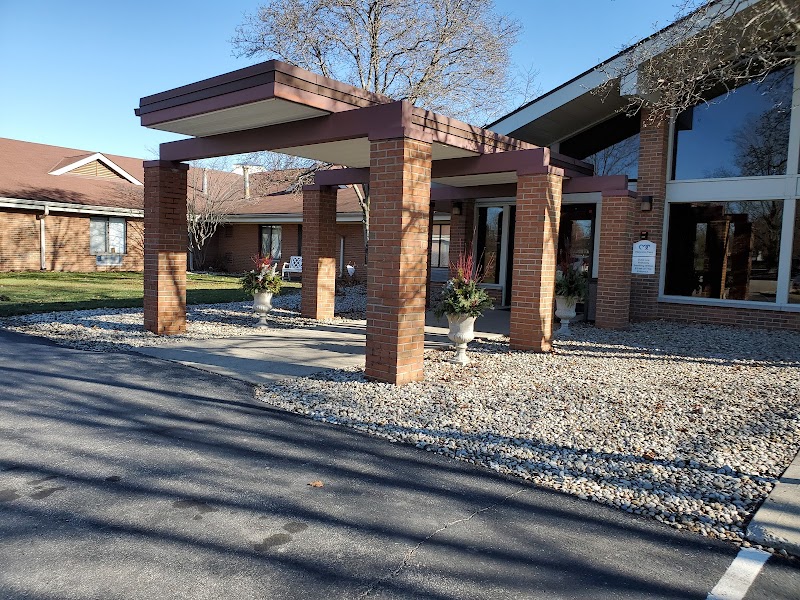
How is Majestic Care Of Avon Staffed?

CMS rates MAJESTIC CARE OF AVON's staffing level at 1 out of 5 stars, which is much below average compared to other nursing homes. Staff turnover is 54%, compared to the Indiana average of 46%. RN turnover specifically is 67%, which is notably high. RNs provide skilled clinical oversight, so turnover in this role can affect medical care quality.

What Have Inspectors Found at Majestic Care Of Avon?

State health inspectors documented 35 deficiencies at MAJESTIC CARE OF AVON during 2022 to 2025. These included: 33 with potential for harm and 2 minor or isolated issues.
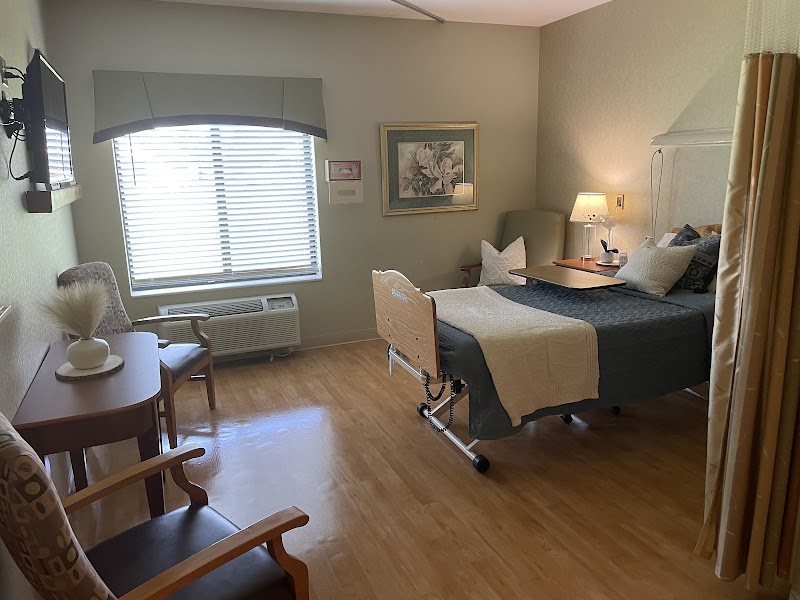
Who Owns and Operates Majestic Care Of Avon?

MAJESTIC CARE OF AVON is owned by a for-profit company. For-profit facilities operate as businesses with obligations to shareholders or private owners. The facility is operated by MAJESTIC CARE, a chain that manages multiple nursing homes. With 140 certified beds and approximately 80 residents (about 57% occupancy), it is a mid-sized facility located in AVON, Indiana.
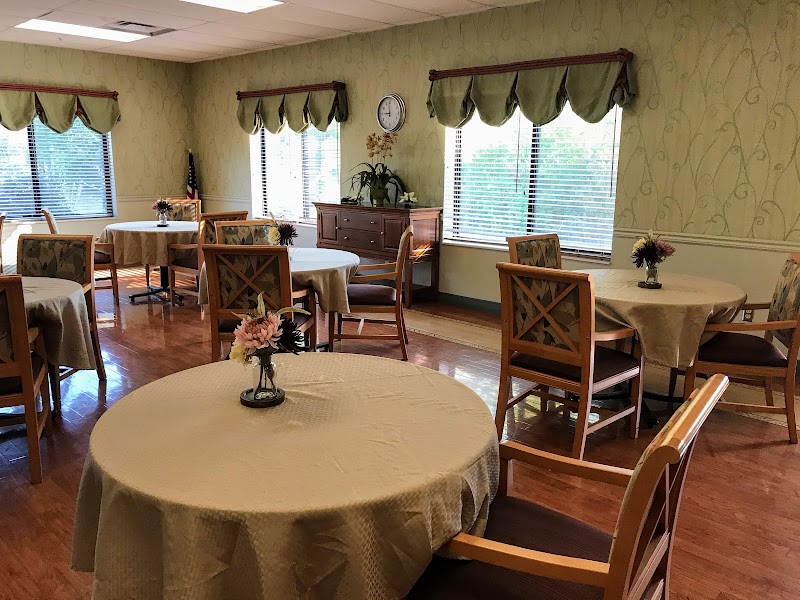
How Does Majestic Care Of Avon Compare to Other Indiana Nursing Homes?

Compared to the 100 nursing homes in Indiana, MAJESTIC CARE OF AVON's overall rating (2 stars) is below the state average of 3.1, staff turnover (54%) is near the state average of 46%, and health inspection rating (2 stars) is below the national benchmark.

What Should Families Ask When Visiting Majestic Care Of Avon?

Based on this facility's data, families visiting should ask: "Can you walk me through typical staffing levels on day, evening, and night shifts?" "Can I visit during a mealtime to observe dining assistance and food quality?" "How do you handle medical emergencies, and what is your hospital transfer rate?" "Can I speak with family members of current residents about their experience?" These questions are particularly relevant given the below-average staffing rating.

Is Majestic Care Of Avon Safe?

Based on CMS inspection data, MAJESTIC CARE OF AVON has a clean safety record: no substantiated abuse findings (meaning no confirmed cases of resident harm), no Immediate Jeopardy citations (the most serious violation level indicating risk of serious injury or death), and is not on the Special Focus Facility watch list (a federal program monitoring the lowest-performing 1% of nursing homes). The facility has a 2-star overall rating and ranks #100 of 100 nursing homes in Indiana. While no facility is perfect, families should still ask about staff-to-resident ratios and recent inspection results during their visit.

Do Nurses at Majestic Care Of Avon Stick Around?

MAJESTIC CARE OF AVON has a staff turnover rate of 54%, which is 7 percentage points above the Indiana average of 46%. Moderate turnover is common in nursing homes, but families should still ask about staff tenure and how the facility maintains care continuity when employees leave.

Was Majestic Care Of Avon Ever Fined?

MAJESTIC CARE OF AVON has no federal fines on record. CMS issues fines when nursing homes fail to meet care standards or don't correct problems found during inspections. The absence of fines suggests the facility has either maintained compliance or corrected any issues before penalties were assessed. This is a positive indicator, though families should still review recent inspection reports for the full picture.

Is Majestic Care Of Avon on Any Federal Watch List?

MAJESTIC CARE OF AVON is not on any federal watch list. The most significant is the Special Focus Facility (SFF) program, which identifies the bottom 1% of nursing homes nationally based on persistent, serious quality problems. Not being on this list means the facility has avoided the pattern of deficiencies that triggers enhanced federal oversight. This is a positive indicator, though families should still review the facility's inspection history directly.