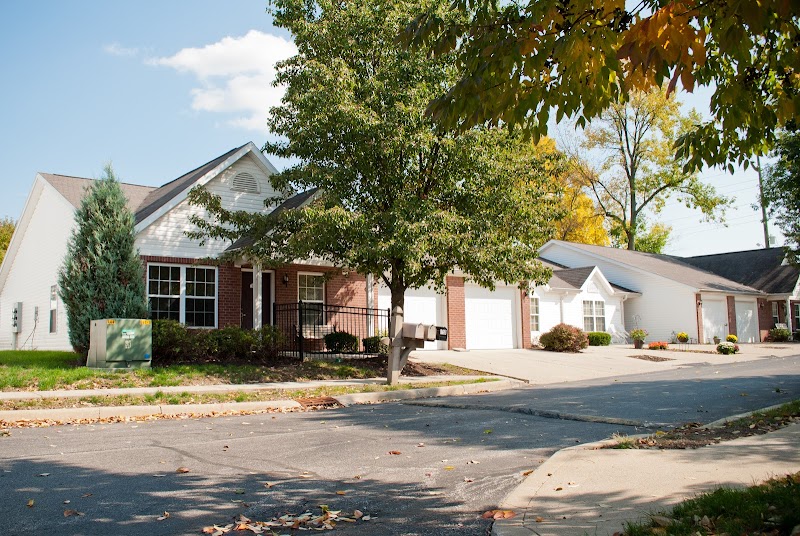
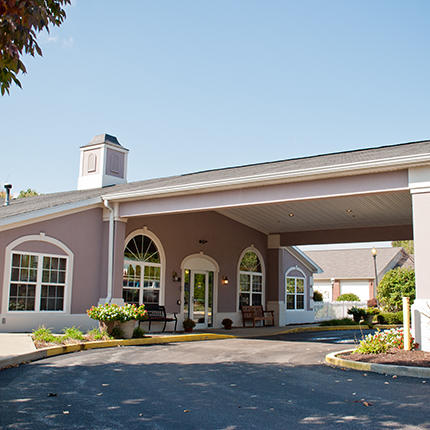
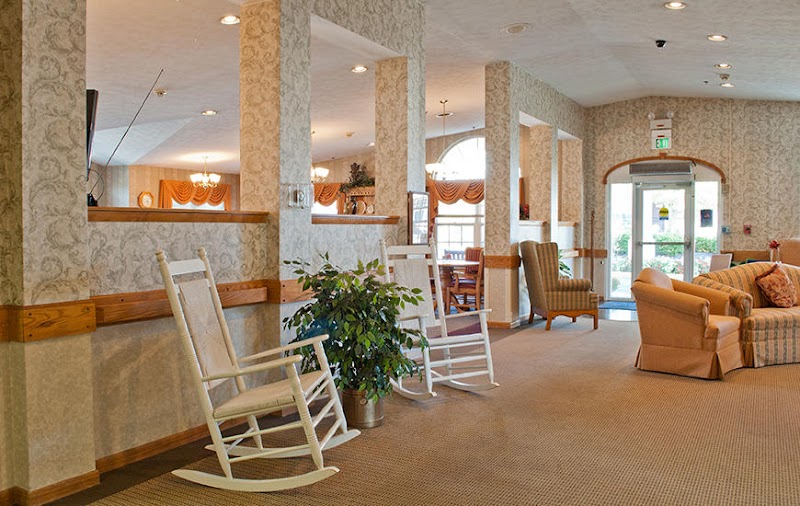
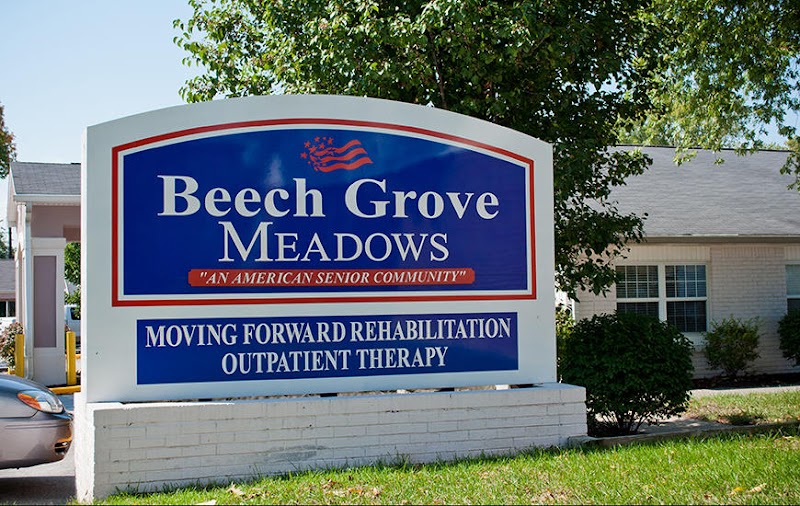
BEECH GROVE MEADOWS

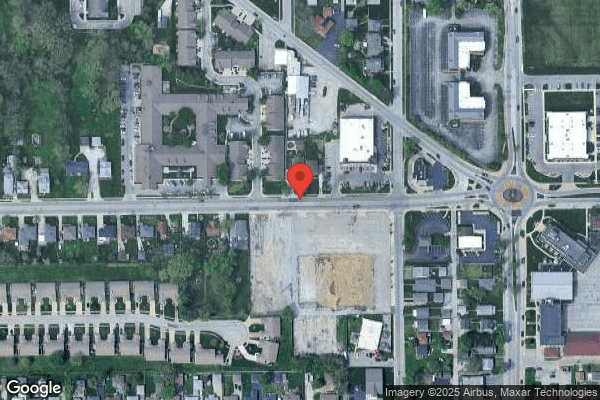
2002 ALBANY ST, BEECH GROVE, IN 46107 (317) 783-2911
Government - County 133 Beds AMERICAN SENIOR COMMUNITIES Data: November 2025 1 Immediate Jeopardy citation
Trust Grade
68/100
#121 of 505 in IN
Last Inspection: January 2025

Within standard 12-15 month inspection cycle. Federal law requires annual inspections.

Overview

Beech Grove Meadows has a Trust Grade of C+, indicating it is slightly above average but not outstanding. It ranks #121 out of 505 facilities in Indiana, placing it in the top half, and #6 out of 46 in Marion County, meaning only five local options are rated higher. However, the facility's trend is worsening, having increased from 2 reported issues in 2024 to 4 in 2025. Staffing is a concern, receiving a 2/5 star rating with a turnover rate of 44%, which is slightly better than the state average of 47%. Additionally, there were no fines recorded, which is positive, but the RN coverage is lower than 76% of Indiana facilities, indicating potential gaps in oversight. Specific incidents noted include a critical failure to supervise a resident with exit-seeking behaviors, which led to an elopement risk, and issues with food storage cleanliness in the kitchen, where mouse droppings were found. The facility also failed to refer a resident for a necessary evaluation after a new mental illness diagnosis. Overall, while Beech Grove Meadows has some strengths in its ranking and lack of fines, the increase in reported issues and staffing concerns highlight significant areas that families should consider.

Trust Score
C+
68/100
In Indiana
#121/505
Top 23%
Safety Record
High Risk
Review needed
Inspections
Getting Worse
2 → 4 violations
Staff Stability
○ Average
44% turnover. Near Indiana's 48% average. Typical for the industry.
Penalties
✓ Good
No fines on record. Clean compliance history, better than most Indiana facilities.
Skilled Nurses
⚠ Watch
Each resident gets only 27 minutes of Registered Nurse (RN) attention daily — below average for Indiana. Fewer RN minutes means fewer trained eyes watching for problems.
Violations
○ Average
6 deficiencies on record. Average for a facility this size. Mostly minor or procedural issues.
★★★★☆
4.0
Overall Rating
★★☆☆☆
2.0
Staff Levels
★★★★★
5.0
Care Quality
★★★☆☆
3.0
Inspection Score
Stable
2024: 2 issues
2025: 4 issues

The Good

  • 5-Star Quality Measures · Strong clinical quality outcomes
  • Full Sprinkler Coverage · Fire safety systems throughout facility
  • No fines on record
  • Staff turnover below average (44%)

    4 points below Indiana average of 48%

Facility shows strength in quality measures, fire safety.

The Bad

Staff Turnover: 44%

Near Indiana avg (46%)

Typical for the industry

Chain: AMERICAN SENIOR COMMUNITIES

Part of a multi-facility chain

Ask about local staffing decisions and management

The Ugly 6 deficiencies on record

1 life-threatening
Apr 2025 1 deficiency 1 IJ
CRITICAL (J) 📢 Someone Reported This

A family member, employee, or ombudsman was alarmed enough to file a formal complaint

Immediate Jeopardy (IJ) - the most serious Medicare violation

Accident Prevention (Tag F0689)

Someone could have died · This affected 1 resident

**NOTE- TERMS IN BRACKETS HAVE BEEN EDITED TO PROTECT CONFIDENTIALITY** Based on observation, interview, and record review, the facility failed to provide supervision to a resident that resided on the...

Read full inspector narrative →
**NOTE- TERMS IN BRACKETS HAVE BEEN EDITED TO PROTECT CONFIDENTIALITY** Based on observation, interview, and record review, the facility failed to provide supervision to a resident that resided on the secured memory unit and had a history of exit seeking behaviors, from exiting the facility through a window in his room. The day of the elopement the resident was angry, exit seeking, trying to leave, stated he needed out of there. (Resident B) This deficient practice resulted in an Immediate Jeopardy. The Immediate Jeopardy began on, 4/15/25 at approximately 6:20 p.m., when the facility failed to provide supervision to a cognitively impaired resident, that resided on the memory care unit, to prevent an elopement. The Administrator, Director of Nursing, Assistant Director of Nursing, and the Regional Director of Nursing were notified of the Immediate Jeopardy on 4/24/25 at 2:00 p.m. The Immediate Jeopardy was removed, and the deficient practice corrected, on 4/16/25, prior to the start of the survey and was therefore Past Noncompliance. Findings include: During an interview on 4/24/25 at 9:36 a.m., the Assistant Director of Nursing (ADON) indicated, on 4/15/25 at approximately 7:00 p.m., the ADON saw Resident B walking alone near a store approximately 100 yards from the facility. The ADON returned Resident B to the secured memory care unit. During an interview on 4/24/25 at 10:58 a.m., the Social Service Director (SSD) indicated Resident B started exit seeking as soon as he was admitted to the facility. Resident B had packed his belongings and set them in the dining room on the secured unit several times in the days prior to Resident B climbing out of his window. Resident B told the staff that he believed they were trying to send him to a nursing home and would stand and knock on the back door, the front door, and the courtyard door. Resident B was adamant that he was going home. During an interview on 4/24/25 at 11:31 a.m., RN 1 indicated she was the nurse for the secured memory care unit, on 4/15/25, when Resident B climbed out of his window but was not actually on the unit. There was a Qualified Medication Aide (QMA) that was working on that unit. RN 1 was not aware that Resident B exited the secured memory care unit until he had been brought back to the facility by the DON at approximately 7:30 p.m. that evening. On 4/24/25 at 12:11 p.m., the windows in the room where Resident B exited the secure memory care unit was observed. There were two windows side by side, each approximately 30 inches wide by approximately 48 inches tall (upper and lower windows 24 inches tall each). There were two window locks at the top of the lower window and a small tab at each side of the top of the lower window. There were screws in the window track to block the window from opening vertically and one screw into each of the tabs. There were silver L shaped brackets screwed into the upper and lower windows frames. Immediately outside the window, was an area of dirt and gravel that extended approximately 4 feet out from the window. Then a retaining wall approximately five feet tall dropped down to the parking lot. At that time, the windows were secured shut and the Administrator indicated the tabs on each side of the top of the bottom window can be pressed inward and the bottom window can be pulled inward and laid flat while still inside the frame. Resident B broke the left tab, with the screws in place, and laid the window flat. Then, Resident B climbed out of his window to exit the secured unit. On 4/24/25 at 11:23 a.m., the ADON provided a copy of an incident timeline and indicated this was the timeline of events when Resident B exited the secured unit through his window. A review of the timeline, dated 4/15/25, indicated: - At 5:49 p.m., Resident B finished his meal and spoke with QMA 1 about another cup of juice and stated he was going to go to bed as he said he was tired - At 5:51 p.m., Resident B was observed by staff walking to his room. - At 6:57 p.m., Resident B was observed outside the facility near a store, ambulating on the sidewalk and was immediately accompanied by staff and returned to the facility. The clinical record for Resident B was reviewed, on 4/24/25 at 12:45 p.m. The diagnoses included, but were not limited to, dementia, hemiplegia and hemiparesis following cerebral infarction affecting left non-dominant side, and glaucoma-bilateral eyes. A Hospital Discharge summary, dated [DATE], indicated Resident B presented to the emergency department for an unknown reason and was being admitted due to concern for his safety on his own. In the emergency department, Resident B became much more agitated and expressed a desire to leave. However, Resident B was not able to provide hospital staff with a concrete plan for where he would go and how he would get there, which raised concern for Resident B's safety while on his own. Resident B lived alone, and family were concerned he was no longer able to care for himself. Resident B's family was actively pursuing guardianship. An admission Observation, dated 4/10/25, indicated Resident B was alert to self only. An Elopement Risk Assessment, dated 4/10/25, indicated Resident B was able to move freely and easily which would allow the resident the capability of leaving the facility unassisted, often asked to go home or searched for home, exhibited significant cognitive impairment that impacted the elopement risk, was diagnosed with dementia, and was assigned a security bracelet. Resident B was at risk for an elopement. Progress Notes included, but were not limited to: - On 4/11/25 at 8:51 a.m., Resident B was exit seeking. -On 4/11/25 at 8:54 a.m., Resident B was in the hallway pushing on doors to go outside. - On 4/15/25 at 9:46 a.m., writer observed Resident B in dining room, Resident B was still looking for an exit. - On 4/15/25 at 11:52 a.m., Resident B was oriented to person, was alert, angry, and exit seeking. Resident B had been going door to door trying to leave. Resident B stated he needed out of here. When assisted to the courtyard, he became angry because he couldn't get out of the courtyard area. - On 4/15/25 at 2:39 p.m., Resident B continued to insist that staff let him leave and stated he came to the facility to volunteer and didn't want to stay. Resident B was redirected but was short lived. - On 4/15/25 at 7:49 p.m., spoke with Resident B following return to the facility. He remembered leaving the facility and planned to go home, but he wasn't sure where he was nor where he lived anymore. - On 4/15/25 at 8:00 p.m., Resident B broke the window in his room and jumped out. The Assistant Director of Nursing found Resident B approximately 100 yards from the facility. Resident B still wanted to leave the facility. An Event Note, dated 4/16/25 at 10:11 a.m., indicated on the previous evening Resident B had eaten dinner, other residents were watching television, and Resident B had asked for a juice and shut his door. Resident B opened his window and jumped out. Resident B was redirected back to the building. On 4/24/25 at 1:10 p.m., observed the path from the facility to the store where Resident B was found by the ADON. The store parking lot was approximately 100 yards from the facility with flat terrain and a sidewalk to the parking lot. On 4/24/25 at 11:21 a.m., the ADON provided a copy of a facility policy, dated 10/2020, titled Elopement Prevention and Response Program, and indicated this was the current policy used by the facility. A review of the policy indicated it was the policy of the facility that staff who have residents under their care are responsible for knowing the location of those residents. The past noncompliance Immediate Jeopardy began on 4/15/25. The Immediate Jeopardy was removed and the deficient practice corrected by 4/16/25 after the facility implemented a systemic plan that included the following actions: audits of elopement evaluations and care plans, inservicing staff on elopement procedures, and ongoing monitoring. This citation relates to Complaint IN00457689. 3.1-45(a)(2)
Mar 2025 1 deficiency
CONCERN (F) 📢 Someone Reported This

A family member, employee, or ombudsman was alarmed enough to file a formal complaint

Potential for Harm - no one hurt, but risky conditions existed

Food Safety (Tag F0812)

Could have caused harm · This affected most or all residents

Based on observation, interview, and record review, the facility failed to ensure food was stored in a sanitary manner for 1 of 1 kitchen observations and 1 of 1 pantry observations. Dry food storage ...

Read full inspector narrative →
Based on observation, interview, and record review, the facility failed to ensure food was stored in a sanitary manner for 1 of 1 kitchen observations and 1 of 1 pantry observations. Dry food storage room and kitchen were not thoroughly cleaned and food was not labeled and dated. Findings include: 1. During the initial tour of the kitchen, on 3/6/25 from 7:11 a.m. until 7:22 a.m., observed the dry food storage room. Inside the dry food storage room the following was observed: - On the floor, under the metal shelving units, observed a buildup of dust and debris, two unopened 0.75 ounce bags of cheddar crackers and two unopened 4 ounce containers of unsweetened apple sauce. - Five - 16 ounce boxes of corn starch sitting inside a hard plastic bin with a hard plastic lid. On top of the lid, small, black, mouse-like droppings were observed. - A plastic bag of brown powder was opened and wrapped tightly with plastic wrap. The label indicated it was received on 3/4/25 at 6:53 p.m. The wrapping had a hole that appeared to have been chewed through to the powder. Approximately, one ounce of powder was missing from the wrapping and the brown powder was lying on the shelf and on a box on the shelf below. Small, black, mouse-like droppings were observed on top of the plastic wrapped brown powder and mixed with the powder on the box on the lower shelf. - A board, approximately one inch (in.) by four in. by seven foot, ran along the wall approximately three feet from the floor. On the board, small, black, mouse-like droppings were observed. - Under the preparation tables and the warming table in the kitchen, a build-up of dust and debris was observed. During an interview on 3/6/25 at 7:15 a.m., Dietary [NAME] 1 indicated the kitchen and dry food storage area was cleaned at the beginning and end of every shift. Dietary [NAME] 1 was not aware of the small, black, mouse-like droppings in the dry food storage room. The kitchen and dry storage should have been cleaned that morning at the beginning of the shift. During an interview on 3/6/25 at 7:22 a.m., Culinary Aide 2 indicated the kitchen was cleaned every shift. The floor under the food preparation tables and cooking area should have been cleaned. 2. During the initial tour of the facility on 3/6/25 from 7:30 a.m. until 8:11 a.m., observed the unit pantry refrigerator. Inside the refrigerator the following was observed: - A dried brown substance covered the bottom door shelf and the bottom of the refrigerator. - A large clear plastic cup, undated and unlabeled, was tipped over on its side with approximately 15 ml (milliliters) of brown liquid. The cup was on the bottom shelf of the refrigerator door. - Approximately an eight once clear glass container with a plastic lid, that was undated and unlabeled, that contained two strawberries that were cut in half. The strawberries were slimy and turning brown and green. - A square styrofoam container with a plastic fork, corn, mashed potatoes, and meat that was undated and unlabeled. During an interview on 3/6/25 at 8:11 a.m., RN 1 indicated all of the items in the pantry refrigerator should have been dated and labeled with the resident's name. On 3/6/25 at 8:31 a.m., the Administrator provided a copy of a facility policy, titled Food Storage, dated 5/2024, and indicated this was the current policy used by the facility. A review of the policy indicated food was stored to prevent contamination. This citation relates to Complaint IN00454897. 3.1-21(i)(2) 3.1-21(i)(3)
Jan 2025 2 deficiencies
CONCERN (D)

Potential for Harm - no one hurt, but risky conditions existed

PASARR Coordination (Tag F0644)

Could have caused harm · This affected 1 resident

Based on record review and interview, the facility failed to ensure a resident was referred to the State-designated authority contractor for a Level II Preadmission Screening and Resident Review (PASR...

Read full inspector narrative →
Based on record review and interview, the facility failed to ensure a resident was referred to the State-designated authority contractor for a Level II Preadmission Screening and Resident Review (PASRR) evaluation for a new mental illness diagnosis for 1 of 1 resident reviewed for PASRR. (Resident 65) Finding includes: On 1/16/25 at 10:40 a.m., Resident 65's clinical record was reviewed. The diagnosis included, but was not limited to, delusional disorder. Resident 65 was admitted to facility on 12/15/23 with a PASRR Level I completed. On 10/15/24, a new diagnosis of delusional disorder was added without a new Level II PASRR evaluation. A Quarterly Minimum Data Set (MDS) assessment, dated 10/28/24, indicated Resident 65 was severely cognitively impaired. During an interview on 1/16/25 at 11:19 a.m., the Administrator indicated that a PASRR Level II evaluation was not completed for the new diagnosis of delusional disorder for Resident 65. On 1/16/25 at 1:27 p.m., the Administrator provided a copy of an American Senior Communities Indiana PASRR Policy, undated, and indicated that it was the current policy being followed by the facility. The policy indicated a screening was completed to identify residents who had mental illness. 3.1-16(d)(1)(A) 3.1-16(d)(1)(B)
MINOR (C)

Minor Issue - procedural, no safety impact

Garbage Disposal (Tag F0814)

Minor procedural issue · This affected most or all residents

Based on observation, interview, and record review, the facility failed to ensure the area next to the trash dumpster container was free from rubbish for 2 of 2 observations. Findings include: 1. Dur...

Read full inspector narrative →
Based on observation, interview, and record review, the facility failed to ensure the area next to the trash dumpster container was free from rubbish for 2 of 2 observations. Findings include: 1. During the initial facility tour with the Dietary Manager (DM), on 1/14/25 from 9:25 a.m. to 9:30 a.m., the dumpster, located at the end of the facility parking lot on the west side of the building, was observed. The following was observed at the dumpster container site: - Three large trash bags were observed laying on the ground next to the dumpster. The untied trash bags were filled with soiled briefs and other unidentifiable debris. - Multiple used plastic gloves and other debris were observed laying on the ground next to the dumpster container. - Two large partially filled clear trash bags were laying on the ground near the dumpster. The trash bags were partially covered with snow. - No staff were visible in the area at that time. During an interview at that time, the DM indicated all trash bags were to be tied and placed into the dumpster container. The ground surrounding the dumpster container was to be kept free of debris. During an interview on 1/14/25 at 9:35 a.m., the Assistant Director of Nursing Services (ADNS) indicated all trash bags were to be tied and placed into the dumpster container. The dumpster area was to be kept free of any debris. 2. During a follow-up observation with the Maintenance Director on 1/16/25 at 2:00 p.m., the dumpster area was observed. Multiple used plastic gloves and other debris were observed on the ground near and around the dumpster area. No staff were visible in the area at that time. During an interview at that time, the Maintenance Director indicated all trash was to be placed inside the dumpster and the area was to be kept free of debris. On 1/16/25 at 3:45 p.m., the Administrator provided a copy of the Trash Removal policy, dated April 2018, and indicated it was the current policy in use by the facility. A review of the document indicated, .always dispense trash in container outside .if the area is getting unsightly, clean it up or alert your supervisor . On 1/17/25 at 2:15 p.m., a review of the Retail Food Establishment Sanitation Requirements - Title 410 IAC 7-24, effective November 13, 2004, indicated, .receptacles and waste handling units for refuse, recyclables and returnables shall be kept covered with tight-fitting lids or doors if kept outside .accumulation of debris .are minimized .effective cleaning is facilitated around .the unit . 3.1-21(i)(2) 3.1-21(i)(5)
Feb 2024 2 deficiencies
CONCERN (D)

Potential for Harm - no one hurt, but risky conditions existed

Deficiency F0761 (Tag F0761)

Could have caused harm · This affected 1 resident

**NOTE- TERMS IN BRACKETS HAVE BEEN EDITED TO PROTECT CONFIDENTIALITY** Based on observation, interview, and record review, the facility failed to ensure medications were stored in accordance with acc...

Read full inspector narrative →
**NOTE- TERMS IN BRACKETS HAVE BEEN EDITED TO PROTECT CONFIDENTIALITY** Based on observation, interview, and record review, the facility failed to ensure medications were stored in accordance with accepted principles for 1 of 3 medication carts reviewed and two random observations of treatment carts. Medication and treatment carts were unlocked and insulin did not have an open date. (300 Hall Medication Cart, 300 Hall Treatment Cart) Findings include: 1. On 2/19/24 at 8:55 a.m., a treatment cart located near the 300-hall nurse's station was observed to be unlocked. No staff were observed in the immediate area at that time. On 2/19/24 from 10:30 a.m. to 10:33 a.m., a medication cart located in the hall and next to next to the 300-hall nurse's station was observed. The medication cart was observed to be unlocked. Inside the cart were multiple syringes and a variety of resident's medications. On top of the cart was a pair of metal scissors. An unidentified staff person was sitting inside the nurse's station area facing the four foot tall half wall. The staff person was facing the opposite direction from where the medication cart was located. The staff person was working intently on the computer and had not looked up or acknowledged that anyone was nearby during that time. Multiple residents were observed in the therapy room which was located approximately 12 feet from the nurse's station. No other staff were visible in the area. On 2/21/24 at 3:00 p.m., Registered Nurse (RN) 2 was observed to position a medication cart in the 100-hall near room [ROOM NUMBER]. RN 2 retrieved supplies and medication from the medication cart. RN 2 was observed to walk away from the medication cart to enter a resident's room located across the hall from the medication cart. The medication cart was observed to be unlocked. No other staff were visible in the area. During an interview at that time, RN 2 indicated the cart was to be kept locked when left unattended by staff. On 2/21/24 from 3:05 p.m. to 3:13 p.m., a treatment cart located in the 300-hall between rooms [ROOM NUMBERS] was observed. The treatment cart was observed to be unlocked. Inside the unlocked treatment cart were multiple medications and supplies including, but not limited to, santyl ointment (used to remove damaged tissue from chronic skin ulcers); diclofenac sodium topical gel 1% (used to treat pain and swelling caused by osteoarthritis of the knees); and bandages. No staff were visible in the area during that time. During an interview on 2/21/24 at 3:15 p.m., the Director of Nursing Services (DNS) indicated the medication and treatment carts were to be kept locked when unattended by staff. On 2/21/24 at 3:55 p.m., the DNS provided a copy of the LTC (Long Term Care) Facility's Pharmacy Services and Procedures Manual policy, dated 7/21/22, and indicated it was the current policy in use by the facility. A review of the document indicated, .facility should ensure that all meds [medications] and biologicals, including treatment items, are securely stored in a locked cabinet/cart or locked medication room that is inaccessible by residents and visitors . 2. On 2/20/24 at 1:20 p.m., the 300 Hall Medication Cart was observed. The following medications were not labeled indicating a date the medications were opened. - One opened vial of Insulin Lispro (an injectable medication used to treat Diabetes Mellitus) 100 units/ml (milliliter). - One used Insulin Glargine (an injectable medication used to treat Diabetes Mellitus) Flex Pen 100 units/ml. - One Levemir (an injectable medication used to treat Diabetes Mellitus) Flex Pen 100 units/ml. - One Lantus Solostar Insulin (an injectable medication used to treat Diabetes Mellitus) Flex Pen. During an interview at that time, LPN 3 indicated the vials and Pens should have been dated at the time they were opened. On 2/21/24 at 11:40 a.m., the Director of Nursing provided a policy titled, Storage and Expiration Dating of Medications, Biologicals, dated 2/2002, and indicated it was the current policy being used by the facility. A review of the policy indicated 5. Once any medication or biological package is opened; Facility should follow manufacturer or supplier guidelines with respect to expirations dates for open medications. Facility staff should record the date opened on the primary medication container (vial, bottle, inhaler) when the medication has a shortened expiration date once opened or opened. 3.1-25(j) 3.1-25(m)
MINOR (C)

Minor Issue - procedural, no safety impact

Staffing Information (Tag F0732)

Minor procedural issue · This affected most or all residents

Based on observation, interview, and record review, the facility failed to ensure the posted nurse staffing document reflected the actual hours worked for 3 of 3 observations. Findings included. On 2...

Read full inspector narrative →
Based on observation, interview, and record review, the facility failed to ensure the posted nurse staffing document reflected the actual hours worked for 3 of 3 observations. Findings included. On 2/19/24 at 8:40 a.m., the Staff Posting Report document was observed in the front lobby sitting on a table in a clear frame. The Staff Posting Report was observed to not include the actual hours worked by staff. On 2/20/24 at 8:20 a.m., the Staff Posting Report document was observed in the front lobby sitting on a table in a clear frame. The Staff Posting Report was observed to not include the actual hours worked by staff. On 2/21/24 at 7:55 a.m., the Staff Posting Report document was observed in the front lobby sitting on a table in a clear frame. The Staff Posting Report was observed to not include the actual hours worked by staff. During an interview on 2/21/24 at 11:40 a.m., the Director of Nursing (DON) indicated the front lobby was the only location the posted staffing hours were posted in the facility. The DON was unaware the actual hours worked were to be posted. On 2/21/24 at 3:55 p.m., the DON provided a policy titled Posted Nurse Staffing Data and Retention Requirements, dated July 2023, and indicated it was the current policy being used by the facility. A review of the policy indicated .Procedure: 1.d The total number and actual hours worked by the following categories of licensed and unlicensed staff directly responsible for resident care per shift: i. Registered nurses ii. Licensed practical nurses iii. Certified nurse aides.
Understanding Severity Codes (click to expand)
Life-Threatening (Immediate Jeopardy)
J - Isolated K - Pattern L - Widespread
Actual Harm
G - Isolated H - Pattern I - Widespread
Potential for Harm
D - Isolated E - Pattern F - Widespread
No Harm (Minor)
A - Isolated B - Pattern C - Widespread

Questions to Ask on Your Visit

  • "What changes have you made since the serious inspection findings?"
  • "Can I speak with families of current residents?"
  • "What's your RN coverage like on weekends and overnight?"

Our Honest Assessment

Strengths
  • • No fines on record. Clean compliance history, better than most Indiana facilities.
  • • 44% turnover. Below Indiana's 48% average. Good staff retention means consistent care.
Concerns
  • • Multiple safety concerns identified: 1 life-threatening violation(s). Review inspection reports carefully.
  • • 6 deficiencies on record, including 1 critical (life-threatening) violation. These warrant careful review before choosing this facility.
Bottom line: Mixed indicators with Trust Score of 68/100. Visit in person and ask pointed questions.

About This Facility

What is Beech Grove Meadows's CMS Rating?

CMS assigns BEECH GROVE MEADOWS an overall rating of 4 out of 5 stars, which is considered above average nationally. Within Indiana, this rating places the facility higher than 99% of the state's 100 nursing homes. This rating reflects solid performance across the metrics CMS uses to evaluate nursing home quality.

How is Beech Grove Meadows Staffed?

CMS rates BEECH GROVE MEADOWS's staffing level at 2 out of 5 stars, which is below average compared to other nursing homes. Staff turnover is 44%, compared to the Indiana average of 46%. This relatively stable workforce can support continuity of care.

What Have Inspectors Found at Beech Grove Meadows?

State health inspectors documented 6 deficiencies at BEECH GROVE MEADOWS during 2024 to 2025. These included: 1 Immediate Jeopardy (the most serious level, indicating potential for serious harm or death), 3 with potential for harm, and 2 minor or isolated issues. Immediate Jeopardy findings are rare and represent the most serious regulatory concerns. They require immediate corrective action.

Who Owns and Operates Beech Grove Meadows?

BEECH GROVE MEADOWS is owned by a government entity. Government-operated facilities are typically run by state, county, or municipal agencies. The facility is operated by AMERICAN SENIOR COMMUNITIES, a chain that manages multiple nursing homes. With 133 certified beds and approximately 92 residents (about 69% occupancy), it is a mid-sized facility located in BEECH GROVE, Indiana.

How Does Beech Grove Meadows Compare to Other Indiana Nursing Homes?

Compared to the 100 nursing homes in Indiana, BEECH GROVE MEADOWS's overall rating (4 stars) is above the state average of 3.1, staff turnover (44%) is near the state average of 46%, and health inspection rating (3 stars) is at the national benchmark.

What Should Families Ask When Visiting Beech Grove Meadows?

Based on this facility's data, families visiting should ask: "What changes have been made since the serious inspection findings, and how are you preventing similar issues?" "Can you walk me through typical staffing levels on day, evening, and night shifts?" "Can I visit during a mealtime to observe dining assistance and food quality?" "How do you handle medical emergencies, and what is your hospital transfer rate?" These questions are particularly relevant given the facility's Immediate Jeopardy citations and the below-average staffing rating.

Is Beech Grove Meadows Safe?

Based on CMS inspection data, BEECH GROVE MEADOWS has documented safety concerns. Inspectors have issued 1 Immediate Jeopardy citation (the most serious violation level indicating risk of serious injury or death). The facility has a 4-star overall rating and ranks #1 of 100 nursing homes in Indiana. Families considering this facility should ask detailed questions about what corrective actions have been taken since these incidents.

Do Nurses at Beech Grove Meadows Stick Around?

BEECH GROVE MEADOWS has a staff turnover rate of 44%, which is about average for Indiana nursing homes (state average: 46%). Moderate turnover is common in nursing homes, but families should still ask about staff tenure and how the facility maintains care continuity when employees leave.

Was Beech Grove Meadows Ever Fined?

BEECH GROVE MEADOWS has no federal fines on record. CMS issues fines when nursing homes fail to meet care standards or don't correct problems found during inspections. The absence of fines suggests the facility has either maintained compliance or corrected any issues before penalties were assessed. This is a positive indicator, though families should still review recent inspection reports for the full picture.

Is Beech Grove Meadows on Any Federal Watch List?

BEECH GROVE MEADOWS is not on any federal watch list. The most significant is the Special Focus Facility (SFF) program, which identifies the bottom 1% of nursing homes nationally based on persistent, serious quality problems. Not being on this list means the facility has avoided the pattern of deficiencies that triggers enhanced federal oversight. This is a positive indicator, though families should still review the facility's inspection history directly.