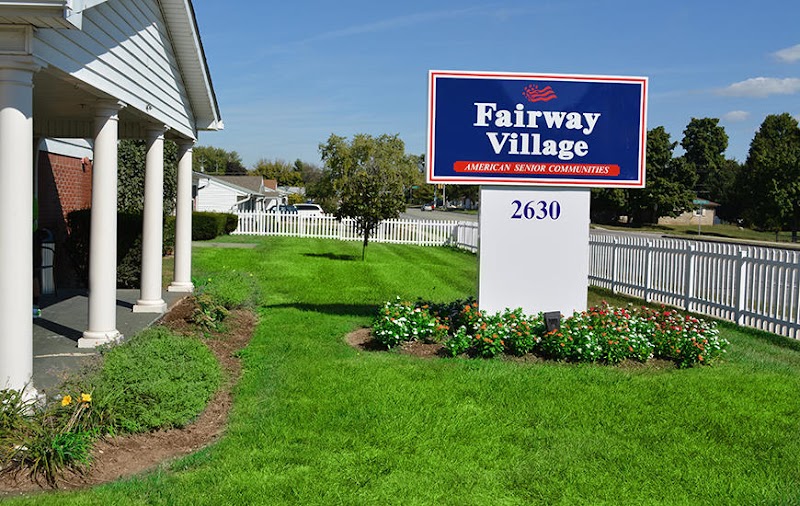
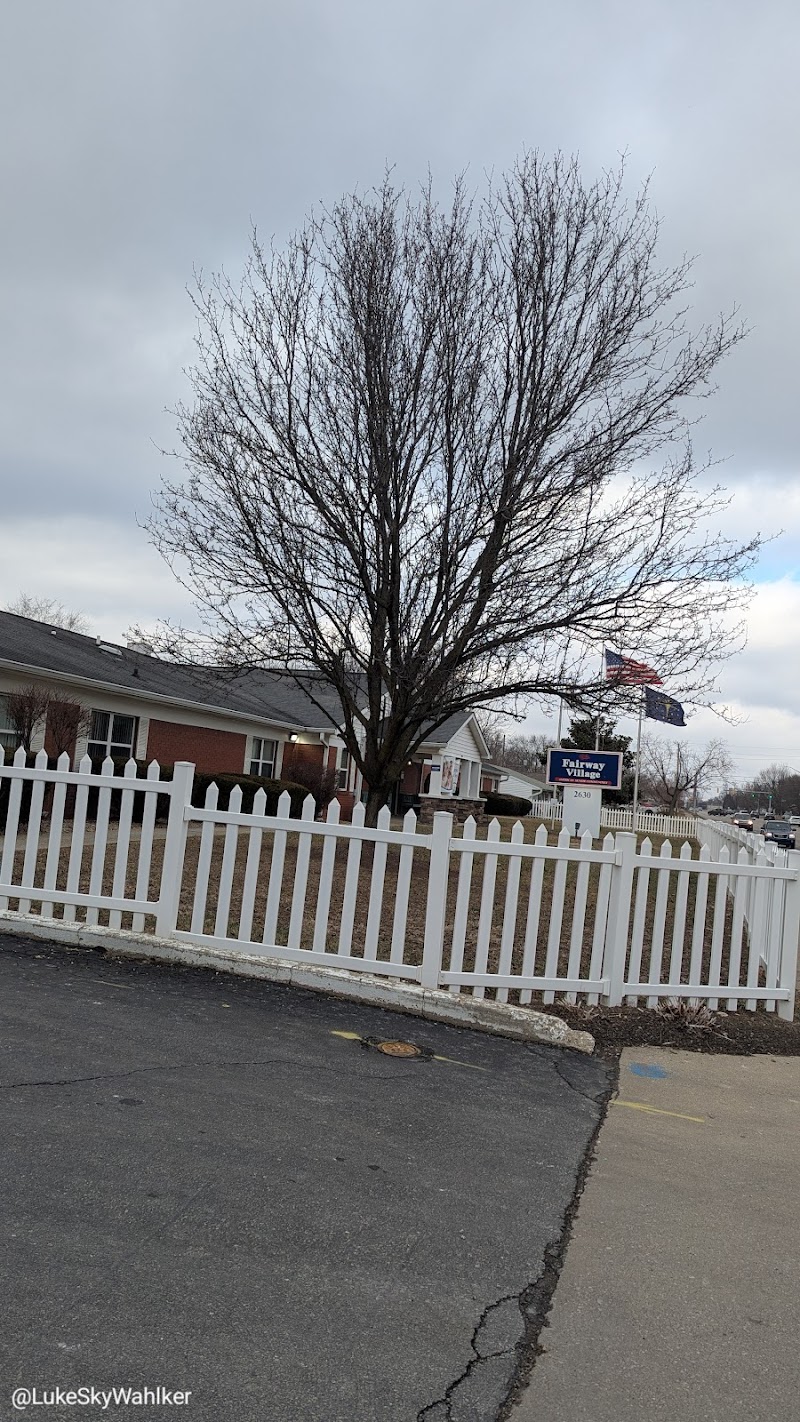
FAIRWAY VILLAGE

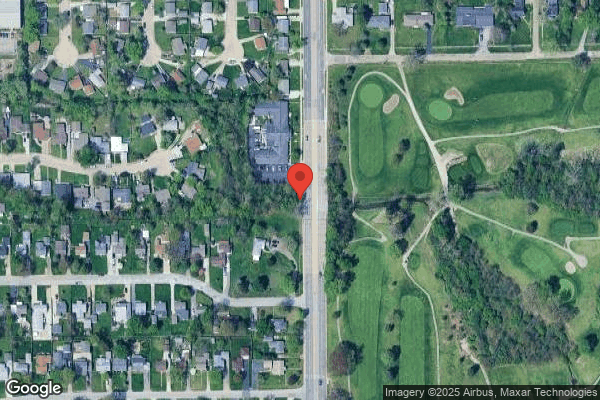
2630 S KEYSTONE AVE, INDIANAPOLIS, IN 46203 (317) 787-8951
For profit - Corporation 53 Beds AMERICAN SENIOR COMMUNITIES Data: November 2025
Trust Grade
90/100
#32 of 505 in IN
Last Inspection: February 2025

Within standard 12-15 month inspection cycle. Federal law requires annual inspections.

Overview

Fairway Village in Indianapolis has earned a Trust Grade of A, indicating excellent quality and high recommendations from previous residents and families. It ranks #32 out of 505 facilities in Indiana, placing it in the top half of all nursing homes in the state, and is the top-rated option among 46 facilities in Marion County. The facility is improving, having reduced its issues from four in 2023 to none in 2025, although staffing is a weakness with a rating of only 2 out of 5 stars and a turnover rate of 49%, which is close to the state average. Notably, there have been no fines reported, which is a positive sign of compliance, and the facility has average RN coverage, meaning there is sufficient oversight. However, specific concerns include the lack of paper towels in several rooms, an inaccurate documentation of a resident's code status, and the potential for accidents due to improper storage of a liquid treatment at a resident's bedside, highlighting areas that need improvement despite the overall strong ratings.

Trust Score
A
90/100
In Indiana
#32/505
Top 6%
Safety Record
Low Risk
No red flags
Inspections
Getting Better
4 → 0 violations
Staff Stability
⚠ Watch
49% turnover. Above average. Higher turnover means staff may not know residents' routines.
Penalties
✓ Good
No fines on record. Clean compliance history, better than most Indiana facilities.
Skilled Nurses
○ Average
Each resident gets 36 minutes of Registered Nurse (RN) attention daily — about average for Indiana. RNs are the most trained staff who monitor for health changes.
Violations
✓ Good
Only 4 deficiencies on record. Cleaner than most facilities. Minor issues only.
★★★★★
5.0
Overall Rating
★★☆☆☆
2.0
Staff Levels
★★★★★
5.0
Care Quality
★★★★★
5.0
Inspection Score
Stable
2023: 4 issues
2025: 0 issues

The Good

  • 5-Star Quality Measures · Strong clinical quality outcomes
  • Full Sprinkler Coverage · Fire safety systems throughout facility
  • No fines on record

Facility shows strength in quality measures, fire safety.

The Bad

Staff Turnover: 49%

Near Indiana avg (46%)

Higher turnover may affect care consistency

Chain: AMERICAN SENIOR COMMUNITIES

Part of a multi-facility chain

Ask about local staffing decisions and management

The Ugly 4 deficiencies on record

Jul 2023 4 deficiencies
CONCERN (D)

Potential for Harm - no one hurt, but risky conditions existed

Deficiency F0578 (Tag F0578)

Could have caused harm · This affected 1 resident

Based on interview and record review, the facility failed to ensure a resident's code status preference was documented accurately in the clinical record for 1 of 16 residents reviewed for advanced dir...

Read full inspector narrative →
Based on interview and record review, the facility failed to ensure a resident's code status preference was documented accurately in the clinical record for 1 of 16 residents reviewed for advanced directives (code status). (Resident 18) Finding includes: On 7/19/23 at 1:51 p.m., the clinical record for Resident 18 was reviewed. The diagnoses included, but were not limited to, dementia, acquired absence of left leg above the knee, and adult failure to thrive. Resident 18's face sheet indicated the resident was a full code (meaning a desire for all life sustaining measures to be implemented) and had an Emergency Contact person responsible for making health care decisions on behalf of the resident. The Quarterly MDS (Minimum Data Set) assessment, dated 6/20/23, indicated Resident 18 was severely cognitively impaired. Resident 18's care plan, initiated on 7/25/19 and current through 9/29/23, indicated Resident/legal representative prefers a full code status .code status will be honored .review advanced directives [code status] with resident/legal representative during care conferences and as needed . Physician Orders, dated 5/4/22, indicated Resident 18 was a full code, effective 5/4/22, with no end date noted. On 7/21/23 at 8:15 a.m., the Director of Nursing Services (DNS) provided a copy of Resident 18's State of Indiana Out of Hospital Do Not Resuscitate Declaration and Order, dated 6/5/20. A review of the document indicated Resident 18's code status was Do not attempt resuscitation [DNR]. Resident 18's Emergency Contact person provided verbal consent via phone on 6/5/20. The document was signed by two witnesses and the physician on 6/5/20. No other advanced directive code status documents were provided. On 7/24/23 at 10:40 a.m., the DNS provided copies of the following progress notes and corresponding care plan meeting results as it related to Resident 18's code status: - Progress notes, dated 9/14/20 at 5:00 p.m., indicated .[Resident] continues with full code status . - Progress notes, dated 9/16/20 at 11:10 a.m., indicated .Resident .moderate cognitively impaired .[Emergency Contact] remains the same .wishes to remain a full code . - Progress notes, dated 1/11/22 at 12:20 p.m., indicated .Resident is full code status and prefers to remain so at this time .[Resident is] moderate cognitively impaired .resident and family invited to care plan [meeting]. The Care Plan Summary, dated 1/20/22, indicated neither the resident or Emergency Contact person attended the meeting. - Progress notes, dated 5/11/22 at 12:21 p.m., indicated .resident on this day able to participate in MDS assessment .[moderately cognitively impaired] .resident is a full code status . The clinical record lacked a response from the Emergency Contact person regarding the planned care plan meeting. - Progress notes, dated 11/14/22 at 1:53 p.m., indicated .attempted to contact [Emergency Contact] to schedule quarterly care plan [meeting] . The clinical record lacked a response from the Emergency Contact person. - Progress notes, dated 4/3/23 at 2:30 p.m., indicated .attempted to contact [Emergency Contact] to invite to quarterly care plan [meeting] . The clinical record lacked a response from the Emergency Contact person. - Progress notes, dated 7/13/23 at 10:44 a.m., indicated .attempted to call [Emergency Contact] to set quarterly care plan [meeting] . The clinical record lacked a response from the Emergency Contact person. - Progress notes, dated 7/20/23 at 9:58 a.m., indicated .attempted to contact [Emergency Contact] to schedule quarterly care plan [meeting] . The clinical record lacked a response from the Emergency Contact person. - Progress notes, dated 7/24/23 at 9:58 a.m., indicated .attempted to call [Emergency Contact] to discuss resident's code status. No reply or answer . The clinical record lacked a response from the Emergency Contact person. On 7/24/23 at 10:40 a.m., the DNS provided copies of the following Observation - Care Plan Summaries related to Resident 18's code status. A review of the documents indicated: - Summary dated: 6/25/20 at 9:57 a.m. indicated neither Resident 18 nor the Emergency Contact person participated in the meeting and had not provided feedback regarding the code status. - Summary dated: 12/15/20 at 12:15 p.m., indicated neither Resident 18 nor the Emergency Contact person participated in the meeting and had not provided feedback regarding the code status. - Summary dated: 2/3/21 at 12:54 p.m. indicated neither Resident 18 nor the Emergency Contact person participated in the meeting and had not provided feedback regarding the code status. - Summary dated: 7/27/21 at 11:28 a.m. indicated neither Resident 18 nor the Emergency Contact person participated in the meeting and had not provided feedback regarding the code status. - Summary dated: 10/28/21 at 2:38 p.m. indicated neither Resident 18 nor the Emergency Contact person participated in the meeting and had not provided feedback regarding the code status. - Summary dated: 6/30/23 at 2:41 p.m. indicated neither Resident 18 nor the Emergency Contact person participated in the meeting and had not provided feedback regarding the code status. During an interview on 7/20/23 at 11:00 a.m., the DNS indicated Resident 18's code status was considered a full code. During an interview on 7/20/23 at 2:38 p.m., Resident 18's Emergency Contact person indicated, the Out of Hospital DNR document was completed on 6/5/20. The document indicated Resident 18 was a DNR and that decision had not changed. During an interview on 7/24/23 at 11:29 a.m., the DNS indicated the only advanced directive document for Resident 18 was the 6/5/20 Out of Hospital DNR document. On 7/21/23 at 8:15 a.m., the DNS provided a copy of Resident Rights policy, dated November 2016, and indicated it was the current policy in use by the facility. A review of the policy indicated, .this document informs each resident/responsible party of his/her rights and responsibilities regarding medical care while a resident at the facility .all staff members recognize the rights of residents at all times and residents assume their responsibilities to enable personal dignity, well-being, and proper delivery of care . On 7/21/23 at 8:15 a.m., the DNS provided a copy of Advanced Directives policy, dated February 2023, and indicated it was the current policy in use by the facility. A review of the policy indicated, .the facility's care will reflect the resident's wishes as expressed in the Directive . 3.1-4(f)(4)(A)(ii)
CONCERN (D)

Potential for Harm - no one hurt, but risky conditions existed

Accident Prevention (Tag F0689)

Could have caused harm · This affected 1 resident

Based on observation, interview, and record review, the facility failed to prevent accident and hazards for 2 of 2 residents reviewed for accidents. A thin liquid treatment was left at a resident's be...

Read full inspector narrative →
Based on observation, interview, and record review, the facility failed to prevent accident and hazards for 2 of 2 residents reviewed for accidents. A thin liquid treatment was left at a resident's bedside. (Resident 12, Resident 39) Finding includes: During an observation on 7/20/23 at 10:30 a.m., Licensed Practical Nurse (LPN) 4 was observed at the treatment cart, located next to the nurse's station. LPN 4 retrieved Resident 12's physician's prescribed betadine solution from the treatment cart. LPN 4 poured the betadine solution into a small medication (med) cup and then carried the un-covered med cup to Resident 12's room, located at the far end of the hall. The following was observed on 7/20/23 from 10:32 a.m. to 10:40 a.m.: - Resident 12 was resting on his bed in the supine position upon entry into the room. Resident 12 was then observed to independently reposition self into a sitting position on the side of the bed. Resident 12's bed and chair were observed to be within 8 inches from each other and were approximately 8 feet from the small table where the betadine med cup was placed. - Resident 12's roommate, Resident 39, was observed sitting in his chair, next to his bed. Resident 39 was approximately 10 feet from the small table where the betadine med cup was placed. - LPN 4 placed the betadine med cup on the small table next to the restroom door. - LPN 4 entered the adjoining restroom for approximately 10 seconds before exiting. - LPN 4 exited Resident 12's room, entered a resident's room across the hall, and then was observed walking down the hall toward the nurse's station. During that time, the med cup containing the betadine was observed on the small table. - LPN 4 returned to Resident 12's room. LPN 4 moved the betadine med cup from the small table and placed it on Resident 12's chair, located next to the bed on where Resident 12 was sitting. LPN 4 spilled a small amount of the betadine solution onto the chair. At that time, LPN 4 indicated she needed to get something to clean up the spill. The betadine med cup was left on the chair and LPN exited the room. - LPN 4 returned to Resident 12's room, cleaned up the spill, and then applied the remaining betadine to Resident 12's scabbed areas on the left hand. No facility staff were observed in the resident's room or in the immediate area during the time periods that LPN 4 had left the betadine med cup unattended in the resident occupied room. 1. On 7/19/23 at 1:48 p.m., the clinical record for Resident 12 was reviewed. The diagnoses included, but were not limited to, Alzheimer's disease and dementia. Physician orders, included, but were not limited to, .apply betadine [a thin liquefied antiseptic non-sterile topical solution that works on a broad range of germs and used on minor wounds] to scabbed skin tears on left hand each shift .start date 7/19/23 with no end date noted . The Annual Minimum Data Set (MDS) assessment, dated 5/10/23, indicated Resident 12 was severely cognitively impaired and required set up assistance with ambulation. 2. On 7/21/23 at 9:57 a.m., the clinical record for Resident 39 was reviewed. The diagnoses included, but were not limited to, Alzheimer's disease, dementia, and dysphagia (difficulty swallowing foods or liquids). Physician orders included, but were not limited to, regular diet with nectar thick/mildly thick liquids .start date 3/28/23 with no end date noted . The Significant Change Minimum Data Set (MDS) assessment, dated 6/9/23, indicated Resident 39 was severely cognitively impaired and required set up assistance with ambulation. On 7/21/23 at 11:00 a.m., a review of a betadine solution label indicated .keep out of reach . During an interview on 7/20/23 at 3:08 p.m., the Director of Nursing Services (DNS) indicated the betadine solution medication should not have been left unattended in the resident's room. The DNS indicated Resident 12 and Resident 39 were severely cognitively impaired and were able to ambulate independently. During an interview on 7/21/23 at 2:23 p.m., the Infection Preventionist (IP) indicated she was near the nurse's station on 7/20/23 around 10:35 a.m. LPN 4 was in the hall at that time and had requested the IP staff member to monitor Resident 12's hall to ensure no residents entered Resident 12's room. The IP staff member indicated she remained at the nurse's station area during that time and indicated LPN 4 should not have left the betadine solution unattended in Resident 12's room. During an interview on 7/24/23 at 9:25 a.m., LPN 4 indicated medications were not to be left unattended in a resident's room. On 7/21/23 at 9:10 a.m., the DNS provided a copy of the Medication Pass Procedure Section: Skills Validation policy, dated December 2016, and indicated it was the current policy in use by the facility. A review of the policy indicated, .7. Medications-not left at bedside . 3.1-45(a)(1)
CONCERN (E)

Potential for Harm - no one hurt, but risky conditions existed

Safe Environment (Tag F0921)

Could have caused harm · This affected multiple residents

**NOTE- TERMS IN BRACKETS HAVE BEEN EDITED TO PROTECT CONFIDENTIALITY** Based on observation, interview, and record review the facility failed to ensure paper towels were available for facility staff ...

Read full inspector narrative →
**NOTE- TERMS IN BRACKETS HAVE BEEN EDITED TO PROTECT CONFIDENTIALITY** Based on observation, interview, and record review the facility failed to ensure paper towels were available for facility staff and residents for 11 of 24 rooms observed. (room [ROOM NUMBER], room [ROOM NUMBER], room [ROOM NUMBER], room [ROOM NUMBER], room [ROOM NUMBER], room [ROOM NUMBER], room [ROOM NUMBER], room [ROOM NUMBER], room [ROOM NUMBER], room [ROOM NUMBER], room [ROOM NUMBER]) Findings include: 1. On 7/20/23 at 10:35 a.m., room [ROOM NUMBER] and room [ROOM NUMBER]'s shared bathroom was observed. The paper towel dispenser was not able to dispense paper towels. 2. On 7/20/23 at 10:36 a.m., room [ROOM NUMBER] and room [ROOM NUMBER]'s shared bathroom was observed. The paper towel dispenser was not able to dispense paper towels. 3. On 7/20/23 at 10:37 a.m., room [ROOM NUMBER] and room [ROOM NUMBER]'s shared bathroom was observed. The paper towel dispenser was not able to dispense paper towels. 4. On 7/20/23 at 10:38 a.m., room [ROOM NUMBER] and room [ROOM NUMBER]'s shared bathroom was observed. The paper towel dispenser was not able to dispense paper towels. 5. On 7/20/23 at 10:39 a.m., room [ROOM NUMBER] and room [ROOM NUMBER]'s shared bathroom was observed. The paper towel dispenser was not able to dispense paper towels. 6. On 7/20/23 at 10:45 a.m., room [ROOM NUMBER]'s bathroom was observed. The paper towel dispenser was not able to dispense paper towels. During an interview on 7/20/23 at 10:30 a.m., Licensed Practical Nurse (LPN) 1, indicated the paper towel dispenser in room [ROOM NUMBER] was out of paper towels. During an interview on 7/20/23 at 10:45 a.m., Housekeeper 3 indicated the available paper towels were too small for the automatic paper towel dispenser, and indicated most of the paper towel holders in the facility did not work. They have not worked for awhile, and indicated she reported the issue to her supervisor. During an interview on 7/20/23 at 11:00 a.m., Certified Nursing Assistant (CNA) 2 indicated the only working paper towel dispenser was located behind the nursing station. During an interview on 7/20/23 at 10:35 a.m., the Director of Nursing indicated all the resident bathrooms should have paper towels available for proper hand hygiene. During an interview on 7/20/23 at 12:55 p.m., the Administrator was unaware the paper towel dispensers were not dispensing paper towels properly. The batteries were dead in some of the dispensers, but the dispensers all had paper towels in them. During an interview on 7/21/23 at 9:00 a.m., Regional Corporate Support Director indicated the facility should always have paper towels available in all the residents rooms. On 7/20/23 at 12:55 p.m., the Administrator provided a policy titled Hand Hygiene, dated February, 2010, and indicated it was the current policy being used by the facility. A review of the policy indicated, 1. check that sink areas are supplied with soap and paper towels.8. Use clean paper towel; dry hands and wrists.10. Use paper towel to turn off faucet. 3.1-19(f)(5)
MINOR (C)

Minor Issue - procedural, no safety impact

Staffing Information (Tag F0732)

Minor procedural issue · This affected most or all residents

Based on interview and record review, the facility failed to ensure the daily posted nurse staffing documents reflected the actual hours worked by staff from 6/14/23 through 7/17/23. Finding includes:...

Read full inspector narrative →
Based on interview and record review, the facility failed to ensure the daily posted nurse staffing documents reflected the actual hours worked by staff from 6/14/23 through 7/17/23. Finding includes: On 7/18/23 at 2:00 p.m., the Director of Nursing Services (DNS) provided a copy of the daily Posted Nursing Staffing Data documents for 6/14/23 through 7/17/23. A review of the documents indicated, but were not limited to, the following: - a column titled Specific Shift had dedicated space available for the actual work start times and end times per shift for each licensed staff. - the documents lacked the actual hours worked by staff. During an interview on 7/21/23 at 1:56 p.m., the DNS indicated the daily posted nurse staffing documents lacked the actual work start and end times for each shift. On 7/21/23 at 8:15 a.m., the DNS provided a copy of the Posted Staffing Data and Retention Requirements policy, dated July 2019, and indicated it was the current policy in use by the facility. A review of the policy indicated, .To allow public access to posted nursing staffing data per federal regulations .the total number and actual hours worked by the following categories of licensed and unlicensed nursing staff directly responsible for resident care per shift: Registered nurses .licensed practical nurses .certified nurse aides .the total hours column should be all hours worked during each specific shift. Total hours should include the total actual hours worked on each shift including partial shifts. For example, a licensed nurse works .and your shifts are 2-10 p.m .
Understanding Severity Codes (click to expand)
Life-Threatening (Immediate Jeopardy)
J - Isolated K - Pattern L - Widespread
Actual Harm
G - Isolated H - Pattern I - Widespread
Potential for Harm
D - Isolated E - Pattern F - Widespread
No Harm (Minor)
A - Isolated B - Pattern C - Widespread

Questions to Ask on Your Visit

  • "Can I speak with families of current residents?"
  • "What's your RN coverage like on weekends and overnight?"

Our Honest Assessment

Strengths
  • • Grade A (90/100). Above average facility, better than most options in Indiana.
  • • No major safety red flags. No abuse findings, life-threatening violations, or SFF status.
  • • No fines on record. Clean compliance history, better than most Indiana facilities.
  • • Only 4 deficiencies on record. Cleaner than most facilities. Minor issues only.
Concerns
  • • No significant concerns identified. This facility shows no red flags across CMS ratings, staff turnover, or federal penalties.
Bottom line: Generally positive indicators. Standard due diligence and a personal visit recommended.

About This Facility

What is Fairway Village's CMS Rating?

CMS assigns FAIRWAY VILLAGE an overall rating of 5 out of 5 stars, which is considered much above average nationally. Within Indiana, this rating places the facility higher than 99% of the state's 100 nursing homes. This rating reflects solid performance across the metrics CMS uses to evaluate nursing home quality.

How is Fairway Village Staffed?

CMS rates FAIRWAY VILLAGE's staffing level at 2 out of 5 stars, which is below average compared to other nursing homes. Staff turnover is 49%, compared to the Indiana average of 46%.

What Have Inspectors Found at Fairway Village?

State health inspectors documented 4 deficiencies at FAIRWAY VILLAGE during 2023. These included: 3 with potential for harm and 1 minor or isolated issues.

Who Owns and Operates Fairway Village?

FAIRWAY VILLAGE is owned by a for-profit company. For-profit facilities operate as businesses with obligations to shareholders or private owners. The facility is operated by AMERICAN SENIOR COMMUNITIES, a chain that manages multiple nursing homes. With 53 certified beds and approximately 46 residents (about 87% occupancy), it is a smaller facility located in INDIANAPOLIS, Indiana.

How Does Fairway Village Compare to Other Indiana Nursing Homes?

Compared to the 100 nursing homes in Indiana, FAIRWAY VILLAGE's overall rating (5 stars) is above the state average of 3.1, staff turnover (49%) is near the state average of 46%, and health inspection rating (5 stars) is much above the national benchmark.

What Should Families Ask When Visiting Fairway Village?

Based on this facility's data, families visiting should ask: "Can you walk me through typical staffing levels on day, evening, and night shifts?" "Can I visit during a mealtime to observe dining assistance and food quality?" "How do you handle medical emergencies, and what is your hospital transfer rate?" "Can I speak with family members of current residents about their experience?" These questions are particularly relevant given the below-average staffing rating.

Is Fairway Village Safe?

Based on CMS inspection data, FAIRWAY VILLAGE has a clean safety record: no substantiated abuse findings (meaning no confirmed cases of resident harm), no Immediate Jeopardy citations (the most serious violation level indicating risk of serious injury or death), and is not on the Special Focus Facility watch list (a federal program monitoring the lowest-performing 1% of nursing homes). The facility has a 5-star overall rating and ranks #1 of 100 nursing homes in Indiana. While no facility is perfect, families should still ask about staff-to-resident ratios and recent inspection results during their visit.

Do Nurses at Fairway Village Stick Around?

FAIRWAY VILLAGE has a staff turnover rate of 49%, which is about average for Indiana nursing homes (state average: 46%). Moderate turnover is common in nursing homes, but families should still ask about staff tenure and how the facility maintains care continuity when employees leave.

Was Fairway Village Ever Fined?

FAIRWAY VILLAGE has no federal fines on record. CMS issues fines when nursing homes fail to meet care standards or don't correct problems found during inspections. The absence of fines suggests the facility has either maintained compliance or corrected any issues before penalties were assessed. This is a positive indicator, though families should still review recent inspection reports for the full picture.

Is Fairway Village on Any Federal Watch List?

FAIRWAY VILLAGE is not on any federal watch list. The most significant is the Special Focus Facility (SFF) program, which identifies the bottom 1% of nursing homes nationally based on persistent, serious quality problems. Not being on this list means the facility has avoided the pattern of deficiencies that triggers enhanced federal oversight. This is a positive indicator, though families should still review the facility's inspection history directly.