SOUTHPOINTE HEALTHCARE CENTER
4904 WAR ADMIRAL DRIVE, INDIANAPOLIS, IN 46237 (317) 885-3333
Non profit - Corporation 100 Beds COMMUNICARE HEALTH Data: November 2025
Trust Grade
90/100
#91 of 505 in IN
Last Inspection: December 2024

Within standard 12-15 month inspection cycle. Federal law requires annual inspections.

Overview

Southpointe Healthcare Center has received an excellent Trust Grade of A, indicating a high level of care and service. It ranks #91 out of 505 facilities in Indiana, placing it in the top half of the state, and #3 out of 46 in Marion County, meaning only two local facilities are rated higher. The facility is currently improving, with a decrease in reported issues from 4 in 2024 to just 1 in 2025. However, staffing is a concern, as it received a 2-star rating and reports a 48% turnover rate, which is average for the state. Importantly, there were no fines issued, suggesting compliance with regulations. Some specific incidents noted in inspector findings include a resident who felt uncomfortable due to not receiving a timely incontinence care change, and another resident whose care plan did not reflect their do-not-resuscitate wishes. Additionally, there were failures to document the administration of recommended pneumococcal vaccinations for two residents. Overall, while Southpointe has several strengths, including strong overall ratings and absence of fines, families should be aware of staffing challenges and the need for consistent adherence to care protocols.

Trust Score
A
90/100
In Indiana
#91/505
Top 18%
Safety Record
Low Risk
No red flags
Inspections
Getting Better
4 → 1 violations
Staff Stability
⚠ Watch
48% turnover. Above average. Higher turnover means staff may not know residents' routines.
Penalties
✓ Good
No fines on record. Clean compliance history, better than most Indiana facilities.
Skilled Nurses
○ Average
Each resident gets 36 minutes of Registered Nurse (RN) attention daily — about average for Indiana. RNs are the most trained staff who monitor for health changes.
Violations
○ Average
8 deficiencies on record. Average for a facility this size. Mostly minor or procedural issues.
★★★★★
5.0
Overall Rating
★★☆☆☆
2.0
Staff Levels
★★★★★
5.0
Care Quality
★★★★☆
4.0
Inspection Score
Stable
2024: 4 issues
2025: 1 issues

The Good

  • 5-Star Quality Measures · Strong clinical quality outcomes
  • Full Sprinkler Coverage · Fire safety systems throughout facility
  • No fines on record

Facility shows strength in quality measures, fire safety.

The Bad

Staff Turnover: 48%

Near Indiana avg (46%)

Higher turnover may affect care consistency

Chain: COMMUNICARE HEALTH

Part of a multi-facility chain

Ask about local staffing decisions and management

The Ugly 8 deficiencies on record

Feb 2025 1 deficiency
CONCERN (D) 📢 Someone Reported This

A family member, employee, or ombudsman was alarmed enough to file a formal complaint

Potential for Harm - no one hurt, but risky conditions existed

Incontinence Care (Tag F0690)

Could have caused harm · This affected 1 resident

Based on observation, interview, and record review, the facility failed to ensure a resident with urinary incontinence received care in accordance with professional standards of care for 1 of 4 reside...

Read full inspector narrative →
Based on observation, interview, and record review, the facility failed to ensure a resident with urinary incontinence received care in accordance with professional standards of care for 1 of 4 residents reviewed for incontinence care. (Resident B) Findings include: On 2/11/25 at 7:52 p.m., observed Resident B's call light on. At that time, Resident B indicated that she felt nasty because she needed her incontinence brief changed. On 2/11/25 at 7:56 p.m., LPN 1 was notified that Resident B wanted to have her incontinence brief changed and felt nasty. On 2/11/25 at 7:58 p.m., observed LPN 1 enter Resident B's room. On 2/11/25 at 8:04 p.m., observed LPN 1 exit Resident B's room, push the medication cart to another resident's room, and started preparing medications again. At that time, Resident B indicated LPN 1 told Resident B she couldn't change her incontinence brief because she had call lights to answer. Resident B indicated she had turned on her call light at approximately 7:00 p.m. During an interview on 2/11/25 at 8:11 p.m., LPN 1 indicated she shouldn't have told Resident B she needed to come back to change her incontinence brief. LPN 1 should have changed Resident B's incontinence brief. On 2/11/25 at 8:15 p.m., no staff were observed to assist Resident B with incontinence care. The clinical record for Resident B was reviewed on 2/12/25 at 8:23 a.m. The diagnoses included, but were not limited to, diabetes, chronic kidney disease, and anxiety. A quarterly Minimum Data Set (MDS) assessment, dated 1/4/25, indicated Resident B was cognitively intact, was dependent for toileting hygiene, and required substantial/maximal assistance to be able to roll left to right. Resident B was always incontinent of bladder. A care plan, dated 5/10/24, indicated Resident B was at risk for adverse effects of incontinence due to incontinent of urine related to need for assistance with bed mobility, transfers and toileting. The interventions included, but were not limited to, check Resident B for incontinence. Wash, rinse, and dry the perineum. On 2/12/25 at 11:06 a.m., the Administrator provided a copy the nurse's job description, dated 6/25/05, and indicated this was the current job description for the nurse. A review of the job description indicated the nurse provides personal nursing care for residents and assures that care standards are met, and the highest degree of quality resident care is provided at all times. This citation relates to Complaint IN00452156. 3.1-41(a)(2)
Dec 2024 2 deficiencies
CONCERN (D)

Potential for Harm - no one hurt, but risky conditions existed

Deficiency F0657 (Tag F0657)

Could have caused harm · This affected 1 resident

Based on interview and record review, the facility failed to ensure care plans were revised for 1 of 24 residents reviewed for advanced directives. (Resident 90) Finding includes: The clinical record ...

Read full inspector narrative →
Based on interview and record review, the facility failed to ensure care plans were revised for 1 of 24 residents reviewed for advanced directives. (Resident 90) Finding includes: The clinical record for Resident 90 was reviewed on 12/3/24 at 11:30 a.m. The diagnoses included, but were not limited to, type 2 diabetes, Alzheimer's disease, congestive heart failure, and chronic obstructive pulmonary disorder. A physician's order, dated 9/16/24, indicated the resident's code status was DNR (do not resuscitate). An Indiana Physician Orders for Scope of Treatment form, dated 9/16/24, indicated that the resident had elected a DNR code status. A care plan, initiated 7/23/24, indicated Resident 42 had a full code status (full code status means that a medical professional will perform all possible life-saving measures if a patient's heart stops or they stop breathing, including cardiopulmonary resuscitation). During an interview on 12/6/24 at 10:45 a.m., the DON (Director of Nursing) indicated that Resident 90's code status was DNR and the care plan should have been revised to reflect the resident's current code status. On 12/6/24 at 12:05 p.m., the DON provided an undated policy titled Plan of Care Overview and indicated it was the current policy in use by the facility. A review of the policy indicated that resident care plans were to be resident centered, reviewed quarterly and/or with significant changes in care, and were to support the resident's goals, choices, and preferences to meet the psychosocial, physical, and emotional needs and concerns of the resident. 3.1-35(d)(2)(B)
CONCERN (D)

Potential for Harm - no one hurt, but risky conditions existed

Deficiency F0883 (Tag F0883)

Could have caused harm · This affected 1 resident

**NOTE- TERMS IN BRACKETS HAVE BEEN EDITED TO PROTECT CONFIDENTIALITY** Based on interview and record review, the facility failed to administer pneumococcal vaccinations for 2 of 5 residents reviewed ...

Read full inspector narrative →
**NOTE- TERMS IN BRACKETS HAVE BEEN EDITED TO PROTECT CONFIDENTIALITY** Based on interview and record review, the facility failed to administer pneumococcal vaccinations for 2 of 5 residents reviewed for pneumococcal vaccinations. (Resident 84, Resident 90) Findings include: 1. On 12/3/24 at 11:15 a.m., Resident 84's clinical record was reviewed. The diagnoses included, but were not limited to, type 2 diabetes and heart failure. Resident 84 was above the age of [AGE] years old. On 12/6/24 at 9:15 a.m., the DON (Director of Nursing) provided a copy of Resident 84's pneumonia vaccine record, dated 10/24/24. A review of the record indicated, on 10/24/24, Resident 84's POA (Power of Attorney) provided verbal consent to the facility for Resident 84 to receive the pneumonia vaccine. Resident 84's clinical record lacked documentation that Resident 84 had received the pneumonia vaccine. 2. On 12/3/24 at 11:30 a.m., Resident 90's clinical record was reviewed. The diagnoses included, but were not limited to, type 2 diabetes mellitus, congestive heart failure, chronic obstructive pulmonary disorder, and both acute and chronic respiratory failure. Resident 84 was above the age of [AGE] years old. On 12/6/24 at 9:15 a.m., the DON provided a copy of Resident 90's pneumonia vaccine record, dated 9/13/24. A review of the record indicated, on 9/13/24, Resident 90 signed the consent form to receive the pneumococcal vaccination. Resident 90's clinical record lacked documentation that Resident 90 had received the pneumonia vaccine. During an interview on 12/6/24 at 10:45 a.m., the DON indicated that the pneumococcal vaccinations should have been administered by this time for Resident 84 and Resident 90. On 12/3/24, the Administrator provided an undated policy titled Resident Pneumococcal Vaccines and indicated it was the policy currently in use. A review of the policy indicated that residents would be offered the pneumococcal vaccine unless medically contraindicated or the resident had already received vaccinations per CDC (Centers for Disease Control and Prevention) recommendations. On 12/9/24 at 8:00 a.m., a review of the CDC guidelines at the following website regarding pneumococcal vaccine timing for adults (https://www.cdc.gov/vaccines/hcp/imz-schedules/adult-notes.html#note-pneumo), dated 11/21/24, indicated that chronic conditions, including diabetes mellitus, chronic cardiovascular diseases, and chronic respiratory diseases are all underlying medical conditions where the pneumococcal vaccine is recommended in addition to being recommended for all adults [AGE] years of age and older. 3.1-13(a)
May 2024 1 deficiency
CONCERN (D) 📢 Someone Reported This

A family member, employee, or ombudsman was alarmed enough to file a formal complaint

Potential for Harm - no one hurt, but risky conditions existed

Pharmacy Services (Tag F0755)

Could have caused harm · This affected 1 resident

**NOTE- TERMS IN BRACKETS HAVE BEEN EDITED TO PROTECT CONFIDENTIALITY** Based on record review and interview, the facility failed to complete the drug disposition for 1 of 3 clinical records reviewed ...

Read full inspector narrative →
**NOTE- TERMS IN BRACKETS HAVE BEEN EDITED TO PROTECT CONFIDENTIALITY** Based on record review and interview, the facility failed to complete the drug disposition for 1 of 3 clinical records reviewed for discharged residents. (Resident E) Findings include: On 5/22/24 at 1:12 p.m., the clinical record of Resident E was reviewed. Diagnosis included, but was not limited to, hypertension. A Physician's Order Summary Report, dated March 2024, included but was not limited to: - Amlodipine (a medication used to treat high blood pressure) 10 mg (milligrams) daily. - Atorvastatin (a medication used to treat high cholesterol) 40 mg daily. - Clonazepam (a medication used to treat anxiety) 0.5 mg daily. - Duloxetine (a medication used to treat depression) 60 mg daily. - Gabapentin (a medication used to treat nerve pain) 300 mg daily. - Metoprolol (a medication used to treat high blood pressure) 200 mg daily. A Discharge summary, dated [DATE] indicated Resident E was to be discharged to home on 3/20/24. Resident E's clinical record lacked a medication release form listing all medications that were sent home with the resident/family. During an interview on 5/23/24 at 12:10 p.m., the Director of Nursing indicated the facility had not been providing a drug disposition record that included the medication name and number of pills that were provided to the resident at the time of the discharge. On 5/22/24 at 1:25 p.m., the Director of Nursing provided a policy titled Discharge with Medications, dated September 2018, and indicated it was the current policy being used by the facility. A review of the policy indicated Procedures .9. the nurse documents the number of doses each medication discharged to the patient or responsible party on the Medication Release Form. This citation relates to Complaint IN00430121. 3.1-25(p)
Jan 2024 1 deficiency
CONCERN (D) 📢 Someone Reported This

A family member, employee, or ombudsman was alarmed enough to file a formal complaint

Potential for Harm - no one hurt, but risky conditions existed

Deficiency F0694 (Tag F0694)

Could have caused harm · This affected 1 resident

Based on observation, interview, and record review, the facility failed to ensure intravenous (IV) tubing was initialed or dated for 3 of 3 residents reviewed for IV therapy. (Resident 65, Resident 13...

Read full inspector narrative →
Based on observation, interview, and record review, the facility failed to ensure intravenous (IV) tubing was initialed or dated for 3 of 3 residents reviewed for IV therapy. (Resident 65, Resident 139, Resident 24) Findings include: 1. During an observation on 1/4/24 at 11:30 a.m., observed an IV pole in Resident 65's room next to the residents bed. The resident's used tubing hanging on the IV pole was not dated or initialed. On 1/5/24 at 10:45 a.m., the same was observed. On 1/5/24 at 11:00 a.m., the clinical record for Resident 65 was reviewed. The diagnoses included, but were not limited to, sepsis, acute infections, and urinary tract infection. The physician orders, dated January 2024, included but were not limited to: - Change administration set (tubing) every 24 hours for intermittent infusions, one time a day for IV care, label with date/time/initials, initiated on 12/30/23. 2. During an observation on 1/5/24 at 10:45 a.m., an IV pole was observed in Resident 139's room next to the residents bed. The resident's used tubing on the IV pole was not dated or initialed. On 1/5/24 at 1:40 p.m., the same was observed. On 1/8/24 at 9:07 a.m., the same was observed. On 1/8/24 at 10:00 a.m., the clinical record of Resident 139 was reviewed. The diagnoses included, but were not limited to, chronic kidney disease. The physician orders, dated January 2024, included but were not limited to: - Change administration set (tubing) every 24 hours for intermittent infusions, one time a day for IV care, label with date and time and initials, initiated 12/22/23. 3. During an observation on 1/4/24 at 11:55 a.m., an IV pole was observed in Resident 24's room, next to the residents bed. The resident's used tubing on the IV pole was not dated or initialed. During an observation on 1/5/24 at 10:50 a.m., the same was observed. During an observation on 1/8/24 at 9:10 a.m., the same was observed. During an interview on 1/8/24 at 9:30 a.m., LPN 2 indicated the tubing for Resident 24, Resident 139, and Resident 65 should have been initialed and dated. During an interview on 1/8/24 at 9:50 a.m., the Director of Nursing indicated the tubing for Resident 24, Resident 139, and Resident 65 should have been initialed and dated. On 1/9/24 at 8:39 a.m., the Director of Nursing provided a policy titled: Changing IV Administration Tubing, dated February 2009, and indicated it was the current policy being used by the facility. A review of the policy indicated .Labeling. Label IV tubing indicating the date and time started and nurse's initials. 3.1-47(a)(2)
Dec 2022 3 deficiencies
CONCERN (D)

Potential for Harm - no one hurt, but risky conditions existed

Deficiency F0658 (Tag F0658)

Could have caused harm · This affected 1 resident

Based on observation, interview, and record review, the facility failed to ensure administered medications were confirmed to have been taken for 1 of 3 randomly observed cognitively intact residents, ...

Read full inspector narrative →
Based on observation, interview, and record review, the facility failed to ensure administered medications were confirmed to have been taken for 1 of 3 randomly observed cognitively intact residents, reviewed for medication administration. (Resident 69) Findings include: On 12/13/22 at 2:43 p.m., Resident 69 was observed resting in bed. On the over the bed table, located next to the resident's bed and within reach of the resident, a white tablet (medication/pill) was observed. The tablet was approximately one-half inch in length, one-quarter inch wide, and one-eight inch thick. Printed on the tablet was the number 93. No staff were visible at that time. During an interview at that time, Resident 69 indicated the white tablet had been on the over the bed table for the past day or two. Resident 69 indicated he was unsure what the medication was or why it had been prescribed. On 12/13/22 at 3:00 p.m., RN 5 entered Resident 69's room. During an interview at that time, RN 5 indicated she was not sure what the white tablet was or why it had been prescribed. RN 5 indicated medications were not to be left in a resident's room. Staff were to administer medications and verify the medication had been consumed by the resident before leaving the resident's room. RN 5 retrieved the white tablet from the over the bed table, exited Resident 69's room and went to the medication cart. RN 5 indicated the white tablet was Resident 69's prescribed Amox-K clav (Augmentin, an antibiotic used for respiratory infections) 875/125 mg (milligram) tablet. RN 5 indicated Resident 69 was prescribed the Augmentin for seven days, starting on 12/8/22, and was to be administered every twelve hours. On 12/15/22 at 2:15 p.m., Resident 69's clinical record was reviewed. The diagnoses included, but were not limited to, pneumonia, acute and chronic respiratory failure with hypoxia (an absence of enough oxygen in the tissues to sustain bodily functions), and chronic obstructive pulmonary disease. The Quarterly MDS (Minimum Data Set) assessment, dated 11/1/22, indicated Resident 69 was cognitively intact. A Post-Acute Care Note, signed by the MD/NP (Medical Doctor/Nurse Practitioner) on 12/8/22, indicated Resident 69 had pneumonia and was prescribed Augmentin 875/125 mg. PO BID [by mouth two times per day] for 7 days. Physician Orders, as identified on the December 2022 Medication Administration Record (MAR) document indicated, Augmentin oral tablet 875-125 mg, give one tablet by mouth every morning and at bedtime for pneumonia for seven days. The MAR indicated the medication had been administered to Resident 69 at bedtime on 12/8/22; in the morning and at bedtime daily from 12/9/22 to 12/14/22; and in the morning on 12/15/22. During an interview on 12/19/22 at 3:15 p.m., the DNS (Director of Nursing Services) indicated the nursing staff were to ensure prescribed medications were administered as directed by the physician. Medications were not to be left at the resident's bedside. On 12/16/22 at 10:35 a.m., the Director of Nursing Services provided a copy of the Policies and Standard Procedures: Medication Administration policy, dated 2013, and indicated it was the current policy in use by the facility. A review of the policy indicated, .Do not leave medication at bedside . 3.1-35(g)(1)
CONCERN (D)

Potential for Harm - no one hurt, but risky conditions existed

Deficiency F0883 (Tag F0883)

Could have caused harm · This affected 1 resident

Based on interview and record review, the facility failed to follow vaccination guidelines for the administration of the influenza vaccination for 3 of 7 residents reviewed for vaccinations. The influ...

Read full inspector narrative →
Based on interview and record review, the facility failed to follow vaccination guidelines for the administration of the influenza vaccination for 3 of 7 residents reviewed for vaccinations. The influenza vaccine consent form was not offered at admission and the vaccinations were not administered. (Resident 8, Resident 11, and Resident 27) Findings include: 1. On 12/13/22 at 12:17 p.m., Resident 27's clinical record was reviewed. Resident 27's immunization record indicated immunization requested under the influenza section. The record lacked a current influenza vaccination. Resident 27 had an admission date of 8/30/22. 2. On 12/13/22 at 1:15 p.m., Resident 11's clinical record was reviewed. Resident 11's immunization record indicated immunization requested under the influenza section. The record lacked a current influenza vaccination. Resident 11 had an admission date of 10/1/22. 3. On 12/13/22 at 1:30 p.m., Resident 8's clinical record was reviewed. Resident 8's immunization record indicated immunization requested under the influenza section. The record lacked a current influenza vaccination. Resident 8 had an admission date of 11/4/22. On 12/15/22 at 2:15 p.m., the DON (Director of Nursing) provided influenza consent forms for Resident 8, Resident 11, and Resident 27. The three forms indicated that the resident or their representative had each provided verbal consent to receive the influenza vaccination and were each dated for 12/14/20. On each form, the month and day were handwritten, and the year was a part of the typed form. During an interview on 12/19/22 at 1:15 p.m., the DON indicated that the three provided influenza forms for Resident 8, Resident 11, and Resident 27 were each supposed to be dated for 12/14/22. She indicated that the forms had a typing error and that the consents were obtained on December 14 of the current year (2022). During an interview on 12/20/22 at 10:00 a.m., the DON indicated that the influenza consent forms for Resident 8, Resident 11, and Resident 27 should have been offered upon admission and that they should have received their influenza vaccinations. On 12/16/22 at 10:35 a.m., the DON provided a copy of the facility policy titled, Resident Influenza Vaccine, dated as revised for 1/14/21, and indicated it was the policy currently in use. A review of the policy indicated under the influenza season heading, The CDC [Center for Disease Control and Prevention] notes that influenza virus is with peak activity in the United States between December and March. For the purpose of this policy, the Influenza Season is considered October 1 through March 31. The policy also indicated, 1. New admission residents will be offered the education and influenza vaccine upon admission in the event admission occurs during the influenza season, October 1 through March 31. 3.1-13(a)
MINOR (C)

Minor Issue - procedural, no safety impact

Garbage Disposal (Tag F0814)

Minor procedural issue · This affected most or all residents

Based on observation, interview, and record review, the facility failed to ensure the dumpster area was kept clean for 4 of 4 dumpster area observations. Trash bags were not tied, debris was on the gr...

Read full inspector narrative →
Based on observation, interview, and record review, the facility failed to ensure the dumpster area was kept clean for 4 of 4 dumpster area observations. Trash bags were not tied, debris was on the ground, the dumpster side panel doors were not closed, and broken furniture was left on the ground. Findings include: 1. On 12/13/22 from 11:10 a.m. to 11:15 a.m., during the initial kitchen tour with the Dietary Manager (DM), the dumpster area, located approximately 30 yards from the kitchen's rear exit door, the following was observed: a. One of the two dumpster sliding side panel doors was observed to not be closed. Inside the dumpster container were multiple filled trash bags. b. One large wooden broken piece of furniture, located on the ground behind the dumpster container, was observed. No staff were visible in the area during that time. During an interview at that time, the DM indicated the sliding side panel door was to be kept closed and the dumpster area was to be kept free from trash and debris. 2. On 12/16/22 from 9:20 a.m. to 9:25 a.m., during a follow up observation of the dumpster area with Dietary Aide 2, the following was observed: a. One large 55 gallon wheeled plastic trash can, lined with an interior plastic bag, was observed approximately 10 feet from the dumpster container. The trash can lacked a lid and the interior plastic bag was observed to not be tied. The interior plastic bag was observed to be full of garbage including, but was not limited to, corn and other un-identifiable foods. b. One of the two dumpster sliding side panel doors was observed to not be closed. Inside the dumpster container were multiple filled trash bags. c. One large wooden broken piece of furniture, located on the ground behind the dumpster container, was observed. d. Behind the dumpster and between the broken furniture, one large plastic trash bag filled with opened soda pop cans, used incontinence briefs, and other un-identifiable medical supplies were visible. No staff were visible in the area during that time. During an interview at that time, Dietary Aide 2 indicated all trash was to be put inside the dumpster container; the dumpster lids and doors were to be kept closed; and the wheeled trash can that was filled with food and other garbage the untied trash bag may have been there since the previous afternoon [12/15/22]. 3. On 12/16/22 from 4:30 p.m. to 4:35 p.m., during a follow up dumpster area observation, the following was observed: a. One large 55 gallon wheeled plastic trash can, lined with an interior plastic bag, was observed approximately 10 feet from the dumpster container. The trash can lacked a lid and the interior plastic bag was observed to not be tied. The interior plastic bag was observed to be full of garbage including, but was not limited to, corn and other un-identifiable foods. b. One large wooden broken piece of furniture, located on the ground behind the dumpster container, was observed. No staff were visible in the area during that time. 4. On 12/19/22 from 9:10 a.m. to 9:15 a.m., during a follow up observation of the dumpster area with Dietary Aide 6, the following was observed: a. One of the two the dumpster sliding side panel doors was observed to not be closed. Inside the dumpster container were multiple filled trash bags. b. One large wooden broken piece of furniture, located on the ground behind the dumpster container, was observed. c. Behind the dumpster and between the broken furniture and on two other sides of the dumpster container were multiple large plastic trash bags filled with used incontinence briefs and other un-identifiable medical supplies and foods were visible. d. Two large 55 gallon wheeled plastic trash cans were observed approximately 10 feet from the dumpster container. The trash cans lacked a lid and both cans contained multiple filled plastic bags. Both trash cans had full plastic trash bags hanging over and outside of the container. The closed plastic bags contained trash, debris and unidentifiable medical supplies and foods products. e. On the ground surrounding the dumpster container the following was observed: multiple plastic gloves, lids and utensils; a large metal lid; one cinnamon roll; an opened quart jug of milk; and noodles and other unidentifiable foods. No staff were visible in the area during that time. During an interview at that time, Dietary Aide 6 indicated the dumpster area was to be kept clean and free of trash and debris. During an interview on 12/16/22 at 3:09 p.m., the ADM indicated the facility did not have a specific trash dumpster policy. The facility followed the local, state, and federal requirements. The trash dumpster area was to be kept free of debris, trash bags were to be tied and all trash was to be placed into the dumpster container. The ADM indicated the untied trash bag that contained food and other garbage may have been at the dumpster area since earlier in the day [12/16/22]. On 12/16/22 at 3:17 p.m., a review of the Retail Food Establishment Sanitation Requirements - Title 410 IAC 7-24, effective November 13, 2004, indicated, .receptacles and waste handling units for refuse, recyclables and returnables shall be kept covered with tight-fitting lids or doors if kept outside . 3.1-21(i)(2) 3.1-21(i)(5)
Understanding Severity Codes (click to expand)
Life-Threatening (Immediate Jeopardy)
J - Isolated K - Pattern L - Widespread
Actual Harm
G - Isolated H - Pattern I - Widespread
Potential for Harm
D - Isolated E - Pattern F - Widespread
No Harm (Minor)
A - Isolated B - Pattern C - Widespread

Questions to Ask on Your Visit

  • "Can I speak with families of current residents?"
  • "What's your RN coverage like on weekends and overnight?"

Our Honest Assessment

Strengths
  • • Grade A (90/100). Above average facility, better than most options in Indiana.
  • • No major safety red flags. No abuse findings, life-threatening violations, or SFF status.
  • • No fines on record. Clean compliance history, better than most Indiana facilities.
Concerns
  • • No significant concerns identified. This facility shows no red flags across CMS ratings, staff turnover, or federal penalties.
Bottom line: Generally positive indicators. Standard due diligence and a personal visit recommended.

About This Facility

What is Southpointe Healthcare Center's CMS Rating?

CMS assigns SOUTHPOINTE HEALTHCARE CENTER an overall rating of 5 out of 5 stars, which is considered much above average nationally. Within Indiana, this rating places the facility higher than 99% of the state's 100 nursing homes. This rating reflects solid performance across the metrics CMS uses to evaluate nursing home quality.
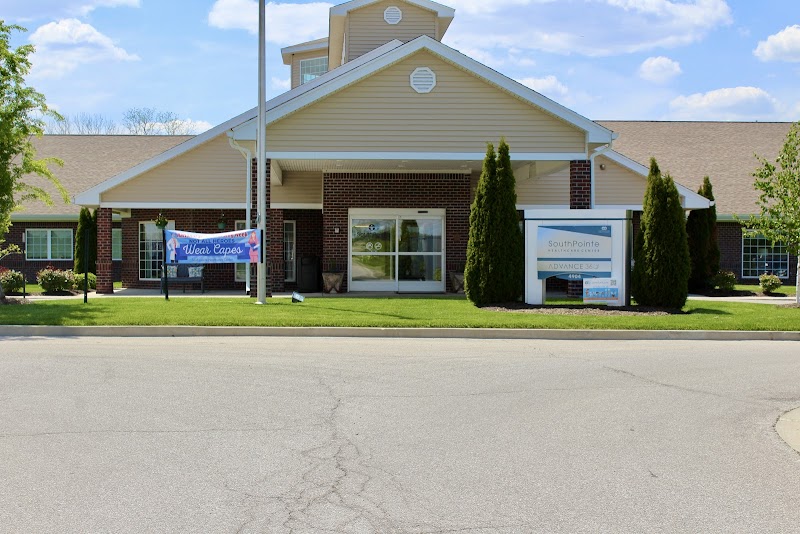
How is Southpointe Healthcare Center Staffed?

CMS rates SOUTHPOINTE HEALTHCARE CENTER's staffing level at 2 out of 5 stars, which is below average compared to other nursing homes. Staff turnover is 48%, compared to the Indiana average of 46%.

What Have Inspectors Found at Southpointe Healthcare Center?

State health inspectors documented 8 deficiencies at SOUTHPOINTE HEALTHCARE CENTER during 2022 to 2025. These included: 7 with potential for harm and 1 minor or isolated issues.

Who Owns and Operates Southpointe Healthcare Center?

SOUTHPOINTE HEALTHCARE CENTER is owned by a non-profit organization. Non-profit facilities reinvest revenue into operations rather than distributing to shareholders. The facility is operated by COMMUNICARE HEALTH, a chain that manages multiple nursing homes. With 100 certified beds and approximately 91 residents (about 91% occupancy), it is a mid-sized facility located in INDIANAPOLIS, Indiana.
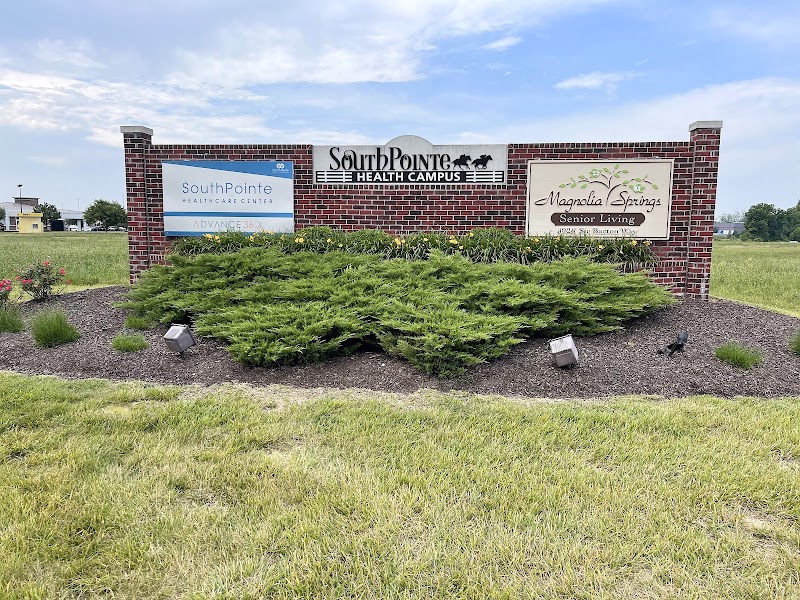
How Does Southpointe Healthcare Center Compare to Other Indiana Nursing Homes?

Compared to the 100 nursing homes in Indiana, SOUTHPOINTE HEALTHCARE CENTER's overall rating (5 stars) is above the state average of 3.1, staff turnover (48%) is near the state average of 46%, and health inspection rating (4 stars) is above the national benchmark.

What Should Families Ask When Visiting Southpointe Healthcare Center?

Based on this facility's data, families visiting should ask: "Can you walk me through typical staffing levels on day, evening, and night shifts?" "Can I visit during a mealtime to observe dining assistance and food quality?" "How do you handle medical emergencies, and what is your hospital transfer rate?" "Can I speak with family members of current residents about their experience?" These questions are particularly relevant given the below-average staffing rating.

Is Southpointe Healthcare Center Safe?

Based on CMS inspection data, SOUTHPOINTE HEALTHCARE CENTER has a clean safety record: no substantiated abuse findings (meaning no confirmed cases of resident harm), no Immediate Jeopardy citations (the most serious violation level indicating risk of serious injury or death), and is not on the Special Focus Facility watch list (a federal program monitoring the lowest-performing 1% of nursing homes). The facility has a 5-star overall rating and ranks #1 of 100 nursing homes in Indiana. While no facility is perfect, families should still ask about staff-to-resident ratios and recent inspection results during their visit.

Do Nurses at Southpointe Healthcare Center Stick Around?

SOUTHPOINTE HEALTHCARE CENTER has a staff turnover rate of 48%, which is about average for Indiana nursing homes (state average: 46%). Moderate turnover is common in nursing homes, but families should still ask about staff tenure and how the facility maintains care continuity when employees leave.

Was Southpointe Healthcare Center Ever Fined?

SOUTHPOINTE HEALTHCARE CENTER has no federal fines on record. CMS issues fines when nursing homes fail to meet care standards or don't correct problems found during inspections. The absence of fines suggests the facility has either maintained compliance or corrected any issues before penalties were assessed. This is a positive indicator, though families should still review recent inspection reports for the full picture.

Is Southpointe Healthcare Center on Any Federal Watch List?

SOUTHPOINTE HEALTHCARE CENTER is not on any federal watch list. The most significant is the Special Focus Facility (SFF) program, which identifies the bottom 1% of nursing homes nationally based on persistent, serious quality problems. Not being on this list means the facility has avoided the pattern of deficiencies that triggers enhanced federal oversight. This is a positive indicator, though families should still review the facility's inspection history directly.