TRANSCENDENT HEALTHCARE OF BOONVILLE - NORTH
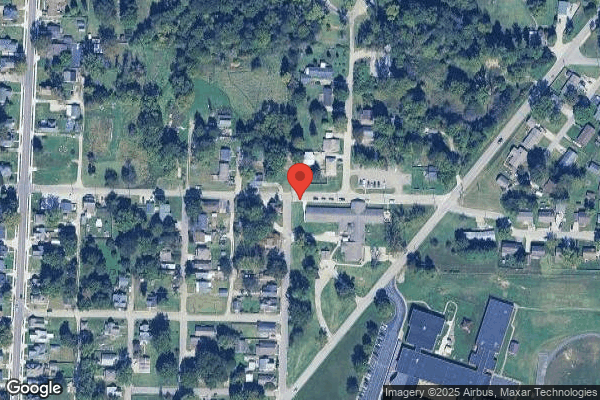
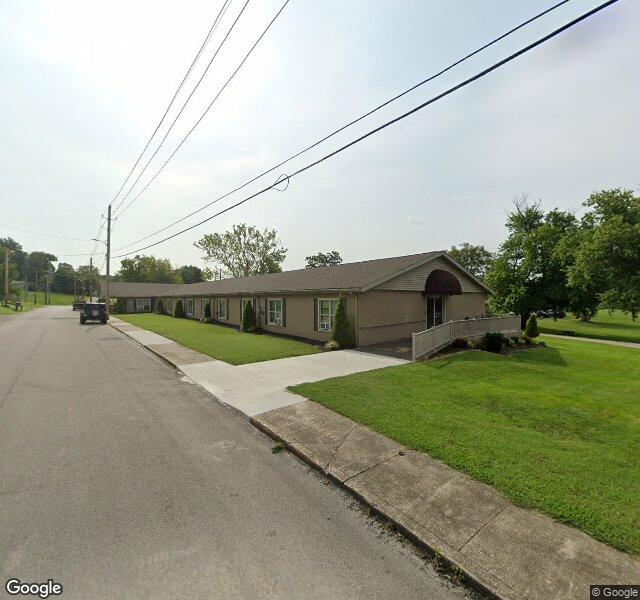
305 E NORTH ST, BOONVILLE, IN 47601 (812) 897-2810
Non profit - Corporation 56 Beds Independent Data: November 2025 1 Immediate Jeopardy citation
Trust Grade
0/100
#485 of 505 in IN
Last Inspection: November 2024

Within standard 12-15 month inspection cycle. Federal law requires annual inspections.

Overview

Transcendent Healthcare of Boonville - North has received a Trust Grade of F, indicating a poor rating with significant concerns about care quality. The facility ranks #485 out of 505 nursing homes in Indiana, placing it in the bottom half of all facilities in the state, and it is the lowest-ranked option in Warrick County. Although the facility has shown improvement over time, reducing the number of issues from 10 in 2024 to 3 in 2025, it still has critical areas of concern, including a concerning staff turnover rate of 61%, which is higher than the state average. Additionally, the facility has faced fines totaling $46,627, which is greater than 97% of Indiana facilities, suggesting ongoing compliance problems. Specific incidents include a critical failure to prevent a resident prone to wandering from exiting the facility, leading to the resident being located 1.2 miles away after staff failed to notice their absence for over an hour. Another serious issue involved a resident developing a stage III pressure ulcer due to a lack of proper care and documentation, resulting in a serious infection. Lastly, there were serious concerns about inadequate fall prevention measures that led to two residents suffering significant injuries requiring hospitalization. Overall, while there are some improvements, families should carefully consider both the strengths and weaknesses of this facility before making a decision.

Trust Score
F
0/100
In Indiana
#485/505
Bottom 4%
Safety Record
High Risk
Review needed
Inspections
Getting Better
10 → 3 violations
Staff Stability
⚠ Watch
61% turnover. Above average. Higher turnover means staff may not know residents' routines.
Penalties
⚠ Watch
$46,627 in fines. Higher than 89% of Indiana facilities, suggesting repeated compliance issues.
Skilled Nurses
⚠ Watch
Each resident gets only 22 minutes of Registered Nurse (RN) attention daily — below average for Indiana. Fewer RN minutes means fewer trained eyes watching for problems.
Violations
⚠ Watch
52 deficiencies on record. Higher than average. Multiple issues found across inspections.
★☆☆☆☆
1.0
Overall Rating
★☆☆☆☆
1.0
Staff Levels
★☆☆☆☆
1.0
Care Quality
★☆☆☆☆
1.0
Inspection Score
Stable
2024: 10 issues
2025: 3 issues

The Good

  • Full Sprinkler Coverage · Fire safety systems throughout facility
  • No fines on record

Facility shows strength in fire safety.

The Bad

1-Star Overall Rating

Below Indiana average (3.1)

Significant quality concerns identified by CMS

Staff Turnover: 61%

15pts above Indiana avg (46%)

Frequent staff changes - ask about care continuity

Federal Fines: $46,627

Above median ($33,413)

Moderate penalties - review what triggered them

Staff turnover is elevated (61%)

13 points above Indiana average of 48%

The Ugly 52 deficiencies on record

1 life-threatening 2 actual harm
Sept 2025 1 deficiency 1 IJ
CRITICAL (J) 📢 Someone Reported This

A family member, employee, or ombudsman was alarmed enough to file a formal complaint

Immediate Jeopardy (IJ) - the most serious Medicare violation

Accident Prevention (Tag F0689)

Someone could have died · This affected 1 resident

**NOTE- TERMS IN BRACKETS HAVE BEEN EDITED TO PROTECT CONFIDENTIALITY** Based on observation, interview, and record review, the facility failed to ensure adequate supervision was provided to prevent a...

Read full inspector narrative →
**NOTE- TERMS IN BRACKETS HAVE BEEN EDITED TO PROTECT CONFIDENTIALITY** Based on observation, interview, and record review, the facility failed to ensure adequate supervision was provided to prevent a resident with a history of exit-seeking/elopement behavior from exiting the facility and leaving the property for 1 of 3 residents reviewed for elopement. This deficient practice resulted in an elopement that occurred during the morning hours of September 1, 2025. The resident was located with the assistance of the local police department, approximately 1.2 miles from the nursing facility, near a previous residence. This Immediate Jeopardy began on September 1, 2025, when the facility failed to ensure Resident C did not exit the facility property through a doorway on the [NAME] Hall at approximately 5:30 A.M. Resident C was not realized to be missing until 7:15 A.M. after staff noticed she was not in her room. A search in and around the facility lasted approximately 30 minutes before local law enforcement was notified and arrived to the facility at approximately 7:50 P.M. Resident C was located by local law enforcement and returned to the facility at approximately 8:30 A.M. The Facility Administrator was notified of the Immediate Jeopardy on 9/15/25 at 3:45 P.M. (Resident C)Finding includes: During record review on 9/15/25 at 11:00 A.M., Resident C's diagnoses included, but were not limited to, early onset Alzheimer's disease, unspecified convulsions, anxiety, depression, and chronic obstructive pulmonary disease (COPD). Resident C's most recent admission date was 8/24/25. Resident C had previously been discharged from the facility on 11/30/24. A risk for elopement assessment, dated 8/24/25 indicated Resident C had a history of or attempted elopement at home, had verbally expressed a desire to go home, packed belongings to go home, or stayed near an exit door, and was recently admitted to the facility and was not accepting of the situation. The elopement assessment indicated a score of 3 or at risk for elopement. ,The most recent admission MDS (Minimum Data Set) assessment, dated 8/31/25 indicated the resident had no cognitive impairment and the resident required supervision for mobility and transfers. Resident C's care plan included, but was not limited to, Resident has sleep issues and takes medication to help sleep with an intervention that included, monitor for abnormal sleep patterns (initiated 8/25/25). Resident C's nurse's progress notes included, but were not limited to:8/24/25 at 7:30 A.M. - Resident arrived at facility at 6:30 A.M. from home.8/26/25 at 9:10 A.M. - Resident ambulated to smoke, staff spoke to her, and she looked at staff in silence then looked away. Staff to monitor for mood. Resident exited building to smoke with the smoking group.8/30/25 at 5:22 A.M. - Resident up and pacing hallways and asking for a light and wants to smoke. Resident is agitated and upset, short in demeanor. Resident reports that someone has wrecked her room but when nursing observed her room, her bed was made and her belongings were all in place, as were the roommate's belongings. Resident went back to her room. 9/1/25 at 8:55 A.M. - Registered Nurse (RN) entered resident's room at approximately 3:30 A.M. to administer medication to the resident's roommate. Resident C was awake and watching television. RN observed Resident C's Hall (West Hall) at approximately 5:20 A.M. and observed Resident C in her room. During shift change at 7:15 A.M, the oncoming RN indicated being unable to locate Resident C in her room or bathroom. A search in and around building was initiated. The Facility Administrator was notified of an elopement. Law enforcement was notified at 7:45 A.M. after 30 minutes of searching and they arrived at the facility at 7:50 A.M. Camera footage showed Resident C walked into the [NAME] hallway, looked up and down hall, and then walked to the exit doors at the end of the hall where she entered the passcode on the keypad and exited the building around 5:30 A.M. Officers were informed of a previous home address and they located Resident C two houses from that address and brought resident back to facility at 8:30 A.M. Resident was placed on elopement precautions. During an interview on 9/15/25 at 10:30 A.M., the Facility Administrator indicated Resident C was able to open the [NAME] Hall exit doors without staff being made aware and without a door alarm sounding by pushing the correct code into the keypad to unlock the door. The keypad had a label that indicated the keycode was month/year (star). An observation on 9/15/25 at 11:10 A.M., included Resident C's room was near the far end of the [NAME] Hall, two doors down from a locked exterior exit door that the resident used to exit the facility on 9/1/25. A keypad controlled the locking mechanism for the exterior doors and no label that indicated the code was observed. During an interview on 9/15/25 at 11:15 A.M., Resident C's Power of Attorney (POA) indicated Resident C had trouble with her memory and occasionally thought she needed to go home, not realizing that she no longer lived there. Resident C had a residence near where she was found on the morning of 9/1/25 around 20 years prior. Resident C had not had any wandering or exit seeking behavior prior to the elopement on 9/1/25 since admission 8/24/25 that the POA was aware of. Resident C had lived at the facility prior to the most recent admission, but the resident did not recall the previous stay. The POA indicated the resident knew the code for the keypad to unlock the door at the end of the [NAME] Hall. Resident C had lived with the POA for 9 months prior to the admission on [DATE]. During the last month while living with the POA, Resident C became increasingly agitated, was having increased thoughts that she needed to go home and would forget that she was living with her POA. Resident C had not eloped or attempted to elope from the home, but that was a concern and part of the reason for the admission to the facility. During an interview on 9/15/25 at 1:30 P.M., the Facility Administrator indicated the resident could be seen on camera leaving the facility wearing a T-shirt, shorts, and tennis shoes. Area weather during the time of elopement on the morning of 9/1/25 was recorded as fair with no precipitation and a temperature range between 55 and 60 degrees Fahrenheit. During an interview on 9/15/25 at 1:40 P.M., the Social Service Director (SSD) indicated any new assessment that indicated a resident was at risk were discussed during daily morning meeting. If a resident is assessed to be at risk for elopement, or other safety concerns, the resident's plan of care should be updated as soon as possible. During an interview on 9/15/25 at 2:55 P.M., the SSD indicated newly admitted residents initially have a baseline care plan that starts off being somewhat generic based on what information the facility knows about the resident and should be updated as new behaviors or as new information is observed. During an interview and observation on 9/16/25 at 11:55 A.M., Resident C was sitting in her room in her recliner dressed in a T-shirt, shorts, and tennis shoes. Resident C indicated she was able to ambulate by herself. Resident C recalled taking a walk from the facility the morning of 9/1/25. Resident C could not recall the route she took but indicated she thought she was walking home at the time and just wanted to get home and that she missed her cat. Resident C made it to a previous address and realized she didn't live there anymore. She recalled having to sit down on porch steps along the way as she was tired and short of breath. Resident C also recalled hiding in bushes because she figured someone was looking for her. She described the incident as just taking a walk and getting her exercise for the day. Resident C then teared up, but did not give a specific reason, just that she cried at times. On 9/15/25 at 3:11 P.M., the Facility Administrator supplied a facility policy titled, Care Plans - Baseline, dated 1/2/19. The policy included, .1. Within 48 hours of admission the facility will develop and implement a baseline care plan for each resident. 2. The content of the baseline care plan will include: .Instructions needed to provide effective and person-centered care that meets professional standards of quality of care. The resident's immediate health and safety needs. On 9/16/25 at 12:00 P.M., the facility administrator supplied undated facility policies titled, Wandering and Elopements, and Routine Resident Checks. The Wandering and Elopements policy included, The facility will identify residents who are at risk of unsafe wandering and strive to prevent harm while maintaining the least restrictive environment for residents. If identified as at risk for wandering, elopement, or other safety issues, the resident's care plan will include strategies and interventions to maintain the resident's safety . The Routine Resident Checks policy included, Staff shall make routine resident checks to help maintain resident safety and well-being. 1. To ensure the safety and well-being of our residents, nursing staff shall make a routine resident check on each unit at least every two hours during each shift. 2. Routine resident checks involve entering the resident's room and/or identifying the resident elsewhere on the unit to determine if the resident's needs are being met, identify any change in the resident's condition, identify whether the resident has any concerns, and see fi the resident is sleeping, needs toileting assistance, etc.Immediate Jeopardy was removed on 9/16/2025 at 2:50 P.M. The deficient practice remained at isolated, no actual harm with potential for more than minimal harm that is not Immediate Jeopardy. The facility implemented a systemic plan that included the following actions: the facility completed audits of clinical records for all residents for all residents at risk for exit-seeking behavior or elopement. Labels that indicated keycodes were removed from keypads, and in-service training was provided to all staff on the elopement exit seeking policy and establishing interventions for residents who have been assessed to be at risk for wandering/elopement. This citation relates to intake 2606761. 3.1-45(a)(2)
Mar 2025 2 deficiencies
CONCERN (D) 📢 Someone Reported This

A family member, employee, or ombudsman was alarmed enough to file a formal complaint

Potential for Harm - no one hurt, but risky conditions existed

Incontinence Care (Tag F0690)

Could have caused harm · This affected 1 resident

Based on observation, interview, and record review, the facility failed to implement the plan of care for 1 of 1 residents observed for catheter care. Catheter care orders and treatments were not comp...

Read full inspector narrative →
Based on observation, interview, and record review, the facility failed to implement the plan of care for 1 of 1 residents observed for catheter care. Catheter care orders and treatments were not completed per the physician orders and the plan of care. (Resident C) Finding includes: During an observation on 3/24/25 at 12:30 P.M., Resident C was observed in the dining room in a wheelchair. Catheter tubing connected to a catheter drainage bag was clipped to the side of the wheelchair. During record review on 3/24/25 at 1:45 P.M., Resident C's diagnoses included, but were not limited to, neuromuscular dysfunction of bladder, prostatic hyperplasia with lower urinary tract symptoms, and dementia. Resident C's most recent quarterly MDS (Minimum Data Set) assessment, dated 1/4/25, indicated the resident had moderate cognitive impairment and had an indwelling catheter. Resident C's physician orders included, but were not limited to, monitor Foley catheter output each shift, (ordered 11/18/24), acetic acid irrigation solution 60 milliliters (ml) via irrigation on time a day every Friday for catheter maintenance (ordered 2/25/25), Foley catheter with 60 ml normal saline flush for blockage every shift (ordered 11/20/24), and change catheter 20 Fr (French) coude (curved tip) one time a day starting on the 20th (day of the month) (ordered 3/11/25). Resident C's care plan included, but was not limited to, resident has indwelling Foley catheter in place for urinary retention (initiated 11/7/24). Interventions included, catheter care as ordered, intake and output as ordered, empty catheter bag at least three times daily (initiated 11/7/24). Resident C's Treatment Administration Record (TAR) for the month of March 2025 indicated the following regarding the completion and documentation of catheter care orders: Change catheter 20 Fr coude one time a day starting on the 20th (ordered 3/11/25) not completed 3/20/25. Foley catheter with 60 ml normal saline flush for blockage every shift (ordered 11/20/24) not completed on day shift of 3/11/25, 3/13/25, 3/14/25, 3/18/25, 3/19/25, and 3/20/25. Monitor Foley catheter output each shift (ordered 11/18/24) not completed on day shift 3/11/25, 3/15/25, day and night shift 3/17/25 & 3/18/25, day shift 3/20/25, and 3/22/25. During an interview on 3/25/25 at 8:40 A.M., LPN 4 indicated being unsure if Resident C had catheter care orders every shift. During an interview on 3/25/25 at 9:55 A.M., CNA 6 indicated Resident C's catheter care should be completed every shift and documented. On 3/25/25 at 10:40 A.M., RN 8 supplied a facility policy titled, Catheter Care, Urinary. The policy included, .Input/Output 1. Observe the resident's urine level for noticeable increases or decreases . 2. Follow the facility procedure for measuring and documenting input and output . 5. Catheter irrigation may be ordered to prevent obstruction in residents at risk for obstruction . This citation relates to complaint IN00455471. 3.1-35(a) 3.1-35(g)(2)
CONCERN (D) 📢 Someone Reported This

A family member, employee, or ombudsman was alarmed enough to file a formal complaint

Potential for Harm - no one hurt, but risky conditions existed

Deficiency F0727 (Tag F0727)

Could have caused harm · This affected 1 resident

Based on interview and record review, the facility failed to provide Registered Nurse (RN) coverage of at least 8 hours daily. Weekend RN coverage did not include at least eight (8) hours on two occas...

Read full inspector narrative →
Based on interview and record review, the facility failed to provide Registered Nurse (RN) coverage of at least 8 hours daily. Weekend RN coverage did not include at least eight (8) hours on two occasions. Finding includes: On 3/25/25 at 10:00 A.M., during a review of the facility's nursing schedule from 3/10/25 through 3/24/25, eight (8) hours of RN coverage was not indicated by the schedule on 3/22/25 or 3/23/25. An RN was scheduled to be in the facility on 3/22/25 from 12:00 A.M. to 7:00 A.M. and on 3/23/25 from 6:30 P.M. to 12:00 A.M. During an interview on 3/25/25 at 10:20 A.M., LPN 15 indicated she worked the weekend of 3/22/25 and 3/23/25 and did not recall that the DON was in the building. LPN 15 indicated the DON was on call during the weekends but did not typically come to the facility to work a full shift. On 3/25/25 at 10:40 A.M , RN 8 provided an undated facility policy titled, Staffing, Sufficient and Competent Nursing. The policy included, .A registered nurse provides services at least eight (8) consecutive hours every 24 hours, seven (7) days a week . This citation relates to complaint IN00455471. 3.1-17(b)(3)
Nov 2024 9 deficiencies 1 Harm
SERIOUS (G)

Actual Harm - a resident was hurt due to facility failures

Pressure Ulcer Prevention (Tag F0686)

A resident was harmed · This affected 1 resident

Based on observation, interview, and record review, the facility failed to ensure a resident without pressure-related skin impairment did not develop a pressure injury for 1 of 2 residents reviewed fo...

Read full inspector narrative →
Based on observation, interview, and record review, the facility failed to ensure a resident without pressure-related skin impairment did not develop a pressure injury for 1 of 2 residents reviewed for pressure injuries. Following the development of a pressure ulcer, no initial assessment was documented, and no documented treatment was given for 4 days and interventions were not routinely documented as completed by the plan of care. This deficient practice resulted in Resident 12 developing a facility acquired stage III pressure ulcer (Full-thickness skin loss with damage to subcutaneous tissue. The ulcer may extend into the subcutaneous tissue layer. Granulation tissue and epibole [rolled wound edges] are often present. No exposure of bone, tendon, or muscle. The sore looks like a crater and may be foul-smelling on the coccyx that led to a colonization of MRSA (Methicillin-resistant Staphylococcus aureus) in the wound. (Resident 12) Finding includes: During an observation and interview on 11/7/24 at 12:20 P.M., Resident 12 was lying in bed on a pressure reducing air mattress. The resident indicated she had a wound on her coccyx that developed in the facility. During record review on 11/8/24 at 1:40 P.M., Resident 12's diagnoses included, but were not limited to, chronic kidney disease, vitamin deficiency, atrial fibrillation, and chronic obstructive pulmonary disease. A Braden scale, completed on 3/18/23, indicated Resident 12 was at risk for pressure. Resident 12's most recent Quarterly Minimum Data Set (MDS) assessment, dated 9/7/24, indicated the resident had moderate cognitive impairment, used a wheelchair for mobility, required partial to moderate assistance with rolling side to side, moving from lying to sitting position, and moving from sitting to standing position. The resident was occasionally incontinent of bladder and frequently incontinent of bowel, was at risk for the development of pressure injuries, had no unhealed pressure injuries, and was on a turning and repositioning program. Resident 12's current physician orders included, but were not limited to, Candida Auris swab of wound on buttocks. One time only for testing (11/8/24), dressing change to coccyx: cleanse with wound cleanser, pat dry. Pack with 1/4 packing strip moistened with NaCl (sodium chloride), cover with bordered gauze dressing. Initial and date, every day shift for wound care, and as needed for soiled or dislodged dressing (started 11/1/24), and barrier cream, apply to buttock/coccyx topically as needed for wound prevention, incontinent episodes, and Incontinent care every shift per protocol (started 11/23/28). An Activity Participation Note, dated 9/9/24 at 4:20 P.M., indicated the resident had a recent decline in group activity participation. Resident 12 bases active participation in activities on mental mindset and physical ability each day. Resident 12 still wishes to participate in activities but struggles to attend some days due to increasing physical limitations. Resident 12's care plan included, but was not limited to, resident has potential for skin breakdown such as pressure ulcers due to decreased mobility, variable need for assistance with Activities of Daily Living (ADLs), occasional incontinence of bladder (revised 9/10/24). Interventions included, but were not limited to, offer/assist with toileting as needed, observe for decline in continence status and notify the physician as needed. Resident is occasionally incontinent of bladder due to variable need for assistance with ADLs, diagnoses of stress incontinence (revised 9/10/24). Interventions included, check routinely for incontinence, and provide incontinent care as needed, observe skin condition during toileting and incontinent care. Notify the nurse of any abnormal findings. A Nurse's Note, dated 9/16/24 at 8:25 A.M., indicated staff reported Resident 12 was needing assistance with meals and experienced increased incontinence. The resident had an area on her coccyx. Staff will attempt to get the resident to the dining room for meals. The resident's decline was reported to the physician and Nurse Practitioner (NP). The note did not include an assessment or further information regarding the area on the coccyx. No documentation of the area on the coccyx was found in the resident's record prior to 9/16/24. Resident 12's care plan was updated to include: resident has Stage III pressure ulcer to coccyx due to immobility (initiated 9/17/24). Interventions included but were not limited to, the resident needs assistance to turn/reposition at least every 2 hours, more often as needed or requested. A Physician's Visit Note, dated 9/18/24 at 1:05 P.M., indicated the physician was in to see Resident 12 and the resident had experienced a noted decline. Resident 12 voiced no complaints. An increase in incontinence and generalized weakness as well as a decline of ADL's was reported to the physician. No new orders were given by the physician. A Weekly Skin Assessment Note, dated 9/18/24 at 3:49 P.M., indicated a recent wound to coccyx was evaluated by RN 11 and treatment orders were received. A review of Resident 12's Medication Administration Record/ Treatment Administration Record (MAR/TAR) for the month of September 2024 included a wound treatment order of, dressing change to coccyx: Lift dressing daily to assess and apply Medihoney (wound dressing containing Leptospermum honey). If the dressing comes dislodged prior to dressing change, use triad paste (wound dressing) until next scheduled dressing application, every day shift for wound care (started 9/18/24). No other wound treatments were ordered or documented as completed prior to 9/18/24. An as needed (PRN) order for barrier cream to buttocks/coccyx topically as needed for wound prevention/ incontinent episodes was not documented as administered during the month of September 2024. A Weekly Wound Assessment, dated 9/17/24 at 11:38 A.M., indicated a facility-acquired stage III pressure ulcer on Resident 12's coccyx measured 4 cm (centimeters) L (length) x 5.5 cm W (width) x 0.1 cm D (depth) and was acquired on 9/14/24. The assessment indicated the wound bed contained 25% epithelial tissue, 25% granulation tissue, 25% slough, and 25% necrotic tissue with minimal serous drainage and that an odor was present. This was documented as the first observation from the wound nurse, and included a new treatment order, a request for an air mattress, and indicated the resident was on a turning and repositioning routine. A Wound Assessment, dated 9/24/24, indicated a facility-acquired stage III pressure ulcer on Resident 12's coccyx measured 4 cm L x 4 cm W x 0.1 cm D. The assessment indicated the wound bed contained 25% epithelial tissue, 25% granulation tissue, 25% slough, and 25% necrotic tissue with moderate serous drainage, and an odor was present. A Wound Assessment, dated 10/1/24, indicated a facility-acquired stage III pressure ulcer on Resident 12's coccyx measured 1cm L x 2 cm W x 0.2 cm D and described tunneling or undermining of 0.8 cm at 12 o'clock. The assessment indicated the wound bed contained 25% epithelial tissue, 10% granulation tissue, 65% slough with moderate serous drainage and that an odor was present. A Wound Assessment, dated 10/8/24, indicated a facility-acquired stage III pressure ulcer on Resident 12's coccyx measured 0.8 cm L x 1.5 cm W x 0.3 cm D and described tunneling or undermining of 0.4 cm at 12 o'clock. The assessment indicated the wound bed contained 25% epithelial tissue, 10% granulation tissue, 65% slough with moderate serous drainage and that an odor was present. A Wound Assessment, dated 10/15/24, indicated a facility-acquired stage III pressure ulcer on Resident 12's coccyx measured 1 cm L x 1.8 cm W x 0.1 cm D and described tunneling or undermining of 0.8 cm at 12 o'clock. The assessment indicated the wound bed contained 25% epithelial tissue, 25% granulation tissue, 50% slough with minimal drainage and that an odor was present. No changes to the plan of treatment. A Wound Assessment, dated 10/22/24, indicated a facility-acquired stage III pressure ulcer on Resident 12's coccyx measured 2 cm L x 1.5 cm W x 0.8 cm D and described tunneling or undermining of 1.2 cm at 12 o'clock and that the wound was worsening. The assessment indicated the wound bed contained 25% epithelial tissue, 50% granulation tissue, 25% slough with minimal drainage. A Wound Assessment, dated 11/5/24, indicated a facility-acquired stage III pressure ulcer on Resident 12's coccyx measured 1 cm L x 1.2 cm W x 0.1 cm D and described tunneling or undermining of 0.4 cm at 12 o'clock. The assessment indicated the wound bed contained 25% epithelial tissue, 75% granulation tissue with minimal drainage. A review of Resident 12's documented tasks for Turn and Reposition Every 2 Hours & PRN from 10/10/24 to 11/7/24 included that no documentation of turning and repositing had occurred on 10/11/24, 10/14/24,10/17/24, and 10/26/24. A Lab Results Report, dated 11/12/24 at 8:18 A.M., included results for Resident 12's wound culture that indicated the wound was positive for MRSA. During an observation and interview on 11/12/24 at 11:40 A.M., RN 11 provided Resident 12's wound treatment and completed a weekly wound assessment. A sign indicated that the resident was on enhanced barrier precautions and a bin of personal protective equipment was located outside the resident's room. RN 11 indicated that Resident 12's wound has recently been cultured and tested positive for MRSA. RN 11 indicated that the wound was healing well and was going to complete the treatment order as it was ordered at the time by packing the wound, however felt wound packing was no longer needed due to healing and nearly no depth to the wound. The wound measured 1.2 cm L x 1 cm W x 0.1 cm D and with 0.2 cm tunneling at 12 o'clock. RN 11 indicated at the time the wound developed, Resident 12 was experiencing a decline in abilities and was having significant loose stools with an increase in incontinence. Resident 12 had a history of bouts of loose stools due to a prior diagnosis. During an interview on 11/13/24 at 1:00 P.M., LPN 9 indicated Resident 12 had a decline in September but had bounced back well. During that time, she required more assistance and did not want to get out of bed. During an interview on 11/13/24 at 1:40 P.M., the ADON (Assistant Director of Nursing) indicated that the resident was having increased incontinence of bowels due to loose stools and developed a small area on coccyx on 9/14/24. The ADON indicated the wound developed during the weekend and could not explain why no documentation of the wound was made from 9/14/24 through 9/16/24 or why no documented treatment was completed before 9/18/24. The ADON indicated that if a new area is observed by staff, the charge nurse on duty should be notified and administer a temporary treatment until new orders are received by either the physician or wound nurse. According to the National Library of Medicine (ncbi.nlm.nih.gov), clinical signs that a pressure ulcer may be infected include, malodorous, purulent exudate, excessive draining, bleeding in the ulcer, and pain. On 11/14/24 at 10:46 A.M., the MDS nurse provided an undated facility policy, titled, Pressure Ulcers/Skin Breakdown - Clinical Protocol. The policy indicated, Assessments and Recognition .the nurse shall describe and document/report the following: a. Full assessment of pressure sore including location, stage, length, width and depth, presence of exudates or necrotic tissue . Treatment/Management 1. The physician will order pertinent wound treatments . 3.1-40(a)(1) 3.1-40(a)(2) 3.1-40(a)(3)
CONCERN (D)

Potential for Harm - no one hurt, but risky conditions existed

Deficiency F0635 (Tag F0635)

Could have caused harm · This affected 1 resident

**NOTE- TERMS IN BRACKETS HAVE BEEN EDITED TO PROTECT CONFIDENTIALITY** Based on observation, interview and record review, the facility failed to have physician orders for the resident's immediate car...

Read full inspector narrative →
**NOTE- TERMS IN BRACKETS HAVE BEEN EDITED TO PROTECT CONFIDENTIALITY** Based on observation, interview and record review, the facility failed to have physician orders for the resident's immediate care for 1 of 1 resident admitted on hospice. One resident failed to have orders for hospice and oxygen. (Resident 204) Finding includes: On 11/12/24 at 9:41 A.M., Resident 204 was observed lying on a mattress on floor with a brief on and covered with sheet with O2 (oxygen) on at 2 lpm (liters per minute) per nasal cannula. On 11/12/24 at 10:26 A.M., Resident 204's clinical records were reviewed. Resident 204 was admitted on [DATE]. Diagnosis included, but were not limited to liver cell carcinoma, abdominal pain, chronic obstructive pulmonary disease, and hypertension. The admission MDS (Minimum Data Set) assessment was still in progress. Physician orders included, but were not limited to, the following: haloperidol lactate Concentrate 2 MG/ML (milligram/milliliter) (anxiety medication) Give 2 mg by mouth every 4 hours for Restlessness, dated 11/10/2024 lorazepam Oral Tablet (anxiety medication) 1 MG Give 1 tablet by mouth every 2 hours as needed for Anxiety/Restlessness, dated 11/06/2024 lorazepam Oral Tablet 1 MG Give 1 tablet by mouth three times a day for Anxiety/Restlessness, dated 11/06/2024 Morphine Sulfate (Concentrate) Oral Solution (pain medication) 100 MG (milligram)/5ML (milliliter) Give 0.5 ml by mouth every 30 minutes as needed for pain or SOB (shortness of breath), dated 11/03/2024 oxycodone HCl (hydrochloride) (pain medication) Oral Tablet 30 MG Give 1 tablet by mouth every 6 hours for end of life comfort related to liver cell carcinoma, dated 11/05/2024 Physician orders lacked an order for hospice and oxygen. Current Care Plans include, but not limited to, the following: Resident is currently on hospice care and exhibits restlessness, agitation, and chronic confusion, alongside short-term memory loss and disorientation. Due to cognitive and physical limitations, resident requires 1:1 supervision and frequent cues at this time. Resident is experiencing ongoing pain, which exacerbates agitation and restlessness. Staff will focus on providing calming sensory activities, supportive interactions, and gentle reorientation to create a safe, low-stimulation environment that reduces agitation and promotes comfort, dated 11/6/2024. admission Progress Note from 10/30/24 indicated O2 98.0 % - 10/30/2024 8:58 A.M. Method: Oxygen via Nasal Cannula .Respiratory: No signs of difficulty breathing. Shortness of breath noted. Resident reported Shortness of breath (upon exertion). Nurse observed Shortness of breath (upon exertion). Lung issue #001: New Location: Right: Anterior Upper Lobe Rhonchi on auscultation. Lung sounds present on exhalation. Lung sounds present on inhalation.#002: New Location: Left: Anterior Upper Lobe Wheezes on auscultation. Diminished on auscultation. Lung sounds present on exhalation.#003: New Location: Left: Posterior Upper Lobe Wheezes on auscultation. Diminished on auscultation. Lung sounds present on exhalation.#004: New Location: Right: Posterior Upper Lobe Rhonchi on auscultation. Lung sounds present on exhalation. Lung sounds present on inhalation.#005: New Location: Right: Anterior Middle Lobe Wheezes on auscultation. Diminished on auscultation. Lung sounds present on exhalation. Lung sounds present on inhalation.#006: New Location: Left: Anterior Lower Lobe Diminished on auscultation. Lung sounds present on inhalation. Lung sounds present on exhalation.#007: New Location: Left: Posterior Lower Lobe Diminished on auscultation.#008: New Location: Right: Posterior Middle Lobe Diminished on auscultation.#009: New Location: Right: Anterior Lower Lobe Diminished on auscultation.#010: New Location: Right: Posterior Lower Lobe Diminished on auscultation. Humidification: Yes. Oxygen via nasal cannula. Cough present. Moist/loose non-productive cough noted. Cough with effective airway: Yes.Cough with retained secretions: Yes. Pain related to coughing: No .Comfort concerns - note: on hospice pain management not controlled yet . During an interview on 11/13/24 at 10:29 A.M., the MDS (Minimum Data Set) Coordinator indicated Resident 204 should have physician orders for hospice and oxygen. On 11/14/24 at 10:43 A.M., the MDS Coordinator provided an undated Physician Services policy which indicated .2. Once a resident is admitted , orders for the resident's immediate care and needs can be provided by a physician . 3.1-30(a)
CONCERN (D)

Potential for Harm - no one hurt, but risky conditions existed

Comprehensive Assessments (Tag F0636)

Could have caused harm · This affected 1 resident

**NOTE- TERMS IN BRACKETS HAVE BEEN EDITED TO PROTECT CONFIDENTIALITY** Based on record review and interview, the facility failed to ensure the comprehensive assessment was completed within 14 days af...

Read full inspector narrative →
**NOTE- TERMS IN BRACKETS HAVE BEEN EDITED TO PROTECT CONFIDENTIALITY** Based on record review and interview, the facility failed to ensure the comprehensive assessment was completed within 14 days after admission for 1 of 5 residents reviewed that were admitted in the last 30 days. A resident admitted on [DATE] did not have a comprehensive assessment completed within 14 days of admission. (Resident 205) Finding includes: On 11/12/24 at 3:14 P.M., Resident 205's clinical records were reviewed. Resident 205 was admitted on [DATE]. Diagnosis included, but were not limited to, unspecified dementia, aphasia, depression, and gastrostomy status. The admission MDS (Minimum Data Set) assessment, dated 10/24/24, was still in progress. The admission MDS assessment should have been completed on 11/7/24. During an interview on 11/13/24 at 10:29 A.M., the MDS Coordinator indicated she had two weeks to complete the admission MDS assessment. On 11/14/24 at 10:44 A.M., the MDS Coordinator provided an undated MDS Completion and Submission Timeframes Policy, which indicated 1. The assessment coordinator or designee is responsible for ensuring that resident assessments are submitted to CMS' (Centers for Medicare and Medicaid Services) QIES (Quality Improvement and Evaluation System) Assessment Submission and Processing (ASAP) system in accordance with current federal and state guidelines. 2. Timeframes for completion and submission of assessments is based on the current requirements published in the Resident Assessment Instrument Manual . 3.1-31(d)(1)
CONCERN (D)

Potential for Harm - no one hurt, but risky conditions existed

Comprehensive Care Plan (Tag F0656)

Could have caused harm · This affected 1 resident

**NOTE- TERMS IN BRACKETS HAVE BEEN EDITED TO PROTECT CONFIDENTIALITY** Based on observation, interview, and record review, the facility failed to ensure a resident specific plan of care was developed...

Read full inspector narrative →
**NOTE- TERMS IN BRACKETS HAVE BEEN EDITED TO PROTECT CONFIDENTIALITY** Based on observation, interview, and record review, the facility failed to ensure a resident specific plan of care was developed for 2 of 14 resident care plans reviewed. A dependent resident was not care planned for ADL's (Activities of Daily Living) and a resident at nutritional risk was not care planned timely following an unplanned significant weight loss. (Resident 25, Resident 44) Findings include: 1. During record review on 11/8/24 at 2:00 P.M., Resident 25 diagnoses included, but was not limited to, bi-polar disorder, anxiety, and major depression. Resident 25's most recent Quarterly MDS (Minimum Data Set) assessment, dated 10/12/24, indicated that the resident had a weight loss while not on a prescribed weight loss regimen. A nutritional assessment dated [DATE] indicated the resident was high risk. Resident 25's documented monthly weights indicated the resident experienced a significant weight loss of greater than 10 % from 3/7/24 weighing 170.9 pounds (lbs) to 146.2 lbs on 3/27/24. Resident 25's care plan included, but was not limited to, resident has potential for nutritional problem, initiated 8/30/24. No other nutritional care plans were created following the nutritional assessment on 10/19/23 or following the significant weight loss on 3/27/24. 2. During an observation on 11/7/24 at 9:21 A.M., Resident 44 was lying in bed. The resident had a trapeze bar hanging over the bed for positioning and the resident appeared to be a bilateral lower leg amputee. During record review on 11/12/24 at 11:39 A.M., Resident 44's diagnoses included but were not limited to, muscle wasting and atrophy, acquired absence of left leg above knee, pain in right shoulder, impingement syndrome in right shoulder, and obesity. Resident 44's most recent Quarterly MDS assessment, dated 9/13/24, indicated the resident had 1 sided lower extremity impairment, used a wheelchair for mobility, required substantial assistance from staff for toileting and rolling side to side, and was totally dependent on staff for toileting, bathing, changing position from lying to sitting, and for all transfers. Resident 44's care plan included, but was not limited to, resident has an amputation of left above the knee and right below the knee due to diabetes. Interventions included, change position frequently and physical therapy and occupational therapy to evaluate and treat as ordered. No other care plans addressed the resident's need for assistance to complete ADL's. During an interview on 11/13/24 at 2:20 P.M., the MDS nurse indicated that a resident with significant weight loss should have a care plan developed addressing the weight loss, and that a resident who is dependent on staff for completing ADL's should have a care plan addressing the need for assistance for those ADL's. On 11/14/24 at 10:44 A.M., the MDS nurse provided an undated facility policy titled, Care Plans, Comprehensive Person-Centered. The policy indicated, A comprehensive, person-centered care plan that includes measurable objectives and timetables to meet the resident's physical, psychosocial and functional needs is developed and implemented for each resident . 11. Assessments of residents are ongoing and care plans are revised as information about the residents and the resident's conditions change . 3.1-35(a) 3.1-35(b)(1)
CONCERN (D)

Potential for Harm - no one hurt, but risky conditions existed

Deficiency F0658 (Tag F0658)

Could have caused harm · This affected 1 resident

Based on observation, interview, and record review, the facility failed to ensure a new diagnosis of schizophrenia followed the professionally accepted diagnostic process for 1 of 5 residents reviewed...

Read full inspector narrative →
Based on observation, interview, and record review, the facility failed to ensure a new diagnosis of schizophrenia followed the professionally accepted diagnostic process for 1 of 5 residents reviewed for unnecessary medications. A resident received a diagnosis of schizophrenia without documented screening/testing or symptoms. (Resident 25) Finding includes: During an observation and interview on 11/6/24 at 9:50 A.M., Resident 25 was sitting on the bed in her room. Resident 25 was dressed, well groomed, appeared alert and oriented, and answered interview questions appropriately. During a record review on 11/8/24 at 2:00 P.M., Resident 25's diagnoses included, but were not limited to, bipolar disorder, anxiety disorder, post-traumatic stress disorder, major depressive disorder and schizophrenia (added 12/5/23). Resident 25's most recent Quarterly Minimum Data Set (MDS) assessment, dated 10/12/24, indicated the resident was over the age of 65 and the resident's admission/re-entry date was 1/1/23, the resident was cognitively intact, presented no behaviors, no hallucinations, and no delusions, and had a diagnosis of schizophrenia. Resident 25's care plan included, but was not limited to, resident has a mood problem due to anxiety and schizophrenia (revised 2/12/24). A nurse practitioner encounter for evaluation and management, dated 12/26/23, indicated Resident 25 was receiving medication Latuda 60 mg (milligrams) for schizophrenia with a start date of 9/28/23. The encounter notes included the resident's appearance as, GENERAL: Well-nourished, well-developed, elderly . female, alert, cooperative and conversant, in no acute distress . PSYCHIATRIC: Alert and pleasant. at baseline. Resident 25's record contained no diagnostic examination regarding a diagnosis of schizophrenia. A psychology progress note, dated 11/6/24, included Resident 25's medication order of, Latuda 60 mg oral tablet, give 1 tablet by mouth one time a day for schizophrenia (start date: 9/28/23). During an interview on 11/13/24 at 1:40 P.M., the Assistant Director of Nursing (ADON) indicated that a nurse practitioner (NP) and physician who were no longer affiliated with the facility had given an inappropriate diagnosis of schizophrenia to Resident 25. The ADON indicated the facility tried to inform the NP and physician that a new diagnosis of schizophrenia cannot by given to a resident without meeting diagnostic criteria, however, the diagnosis was still added. The ADON thought the diagnosis of schizophrenia had been removed from the resident's diagnoses and indicated that it would be removed. Retrieved from: https://www.mayoclinic.org/diseases-conditions/schizophrenia/diagnosis-treatment/drc Diagnosis of schizophrenia involves ruling out other mental health conditions and making sure that symptoms aren't due to substance misuse, medicine or a medical condition. Finding a diagnosis of schizophrenia may include: Physical exam. This may be done to rule out other problems that could cause similar symptoms and check for any related complications. Tests and screenings. These may include tests that help rule out conditions with similar symptoms and screening for alcohol and drug use. A healthcare professional also may request imaging studies, such as an MRI [Magnetic resonance imaging - a noninvasive medical imaging technique] or a CT [computed tomography-medical imaging procedure] scan. Mental health evaluation. A healthcare professional or mental health professional checks mental status by noting how a person looks and behaves, and asking about thoughts, moods, delusions, hallucinations, substance use, and potential for violence or suicide. This evaluation includes family and personal history . Review of the Diagnostic Criteria for schizophreniform disorder (295.40 - F20.81) in the DSM-V provided the following information regarding the professionally accepted diagnostic process and criteria required for the diagnosis of schizophreniform disorder: A. Two (or more) of the following, each present for a significant portion of time during a 1-month period (or less if successfully treated. At least one of these must be (1), (2), or (3). 1. Delusions. 2. Hallucinations. 3. Disorganized speech (e.g. frequent derailment or incoherence). 4. Grossly disorganized or catatonic behaviors. 5. negative symptoms (i.e. diminished emotional expression or avolition). B. An episode of the disorder lasts at least 1 month but less than 6 months, When the diagnosis must be made without waiting for recovery, it should be qualified as provisional. C. Schizoaffective disorder and depressive or bipolar disorder with psychotic features have been ruled out because either 1) no major depressive or manic episodes have occurred concurrently with the active-phase symptoms or 2) if mood episodes have occurred during active-phase symptoms, they have been present for a minority of the total duration of the active and residual periods of the illness. d. The disturbance is not attributable to the physiological effects of a substance (e.g. a drug of abuse, a medication or another medical condition. Specify if: With good prognostic features: This specifier requires the presence of at least two of the following features: onset of prominent psychotic symptoms within 4 weeks of the first noticeable change in usual behavior or functioning; confusion or perplexity, good premorbid social and occupational functioning; and absence of blunted or flat affect. Without good prognostic features: This specifier is applied if two or more of the above features have not been present. Diagnostic features: The characteristic symptoms of schizophreniform disorder are identical to those of schizophrenia (Criterion A). Schizophreniform disorder is distinguished by its difference in duration; the total duration of the illness, including prodromal, active, and residual phases is at least 1 month but less than 6 months. (Criterion B) The diagnosis of schizophreniform disorder is made under two conditions: 1) when an episode of illness lasts between 1 and 6 months and the individual has already recovered, and 2) when an individual is symptomatic for less than the 6 months duration required for the diagnosis of schizophrenia but has not yet recovered. In this case, the diagnosis should be noted as schizophreniform disorder (provisional) because it is uncertain if the individual will recover from the disturbance within the 6-month period. If the disturbance persists beyond 6 months, the diagnosis should be changed to schizophrenia. On 11/14/24 at 10:43 A.M., the MDS nurse supplied an undated facility policy titled, Physician Services. The policy included, .9. The medical director identifies attending physician qualifications and responsibilities, based on clinical and regulatory requirements and the recommendations of relevant professional associations. 3.1-35(g)(1)
CONCERN (D)

Potential for Harm - no one hurt, but risky conditions existed

Deficiency F0692 (Tag F0692)

Could have caused harm · This affected 1 resident

**NOTE- TERMS IN BRACKETS HAVE BEEN EDITED TO PROTECT CONFIDENTIALITY** Based on observation, interview, and record review, the facility failed to ensure adequate nutrition was maintained for 1 of 2 r...

Read full inspector narrative →
**NOTE- TERMS IN BRACKETS HAVE BEEN EDITED TO PROTECT CONFIDENTIALITY** Based on observation, interview, and record review, the facility failed to ensure adequate nutrition was maintained for 1 of 2 residents reviewed for nutrition. The registered dietitian did not document a review of a resident's significant weight loss and no plan of care was created following a nutritional assessment that indicated the resident was at risk, and no plan of care was created immediately following a significant weight loss. (Resident 25) Finding includes: During an observation and interview on 11/6/24 at 9:53 A.M., Resident 25 was sitting on the edge of her bed. Resident indicated that she had lost weight and was not on a prescribed weight loss regimen. During record review on 11/8/24 at 2:00 P.M., Resident 25 diagnoses included, but was not limited to, bi-polar disorder, anxiety, and major depression. Resident 25's most recent MDS (Minimum Data Set) dated 10/12/24, indicated that the resident has a weight loss while not on a prescribed weight loss regimen. A nutritional assessment dated [DATE] indicated the resident was at high risk. Resident 25's physician orders included, but were not limited to, regular diet, regular texture, regular consistency, coffee in morning; sweet tea for lunch and dinner for (initiated 1/1/23), weight weekly one time a day every Wednesday for weight loss monitoring (ordered 5/23/24), and house supplement with meals with meals for weight loss (discontinued - started on 05/30/24). Resident 25's care plan included, but was not limited to, resident has potential for nutritional problem, initiated 8/30/24. No other nutritional care plans were created following the nutritional assessment on 10/19/23 or following a significant weight loss on 3/27/24. Resident 25's documented weights from March 2024 through July 2024 indicated the following: 3/7/24 - 170.9 lbs (pounds) 3/27/24 -146.2 lbs 4/11/24 - 141.6 lbs 5/10/24 - 139.2 lbs 5/29/24 - 130.8 lbs 6/5/24 - 129.6 lbs 6/12/24 - 130.6 lbs 6/26/24 - 127.0 lbs 7/3/24 - 127.4 lbs 7/10/24 - 127.2 lbs 7/17/24 - 128.0 lbs 7/24/24 - 126.6 lbs Resident 25's nurse's progress notes included the following: 3/8/24 at 3:22 P.M. - resident complains of weakness and she also voices the lack of desire to eat, will continue to monitor, no weight loss noted at this time. 3/22/24 at 2:09 P.M. - resident not eating well if at all. Taking few fluids. Obsessed with bowels and cold pack for vaginal itch. Speech slurred, weak and some confusion. Trying to encourage resident to eat. Updated physician. 3/26/24 at 5:09 P.M. - (Nurse Practitioner) NP note - Following issues were addressed: unintentional weight loss, lower abdominal pain, and constipation. New order to give Miralax 1 capful daily for bowel regimen. 3/29/24 at 5:11 P.M. - Pharmacy Review/Documentation - Reviewed pharmacy recommendations and gave order to decrease Remeron to 7.5 mg (milligrams). Aware of weight loss and benefits of decreasing dose should also improve appetite. 3/27/24 at 10:14 A.M. - resident weighed that[; day. Resident has dramatic weight loss recently. Resident saw gastroenterologist yesterday and will have scopes done soon. 3/28/24 at 1:52 P.M. - Aware of weight loss. Resident has not been eating well due to stress of vaginal itching and discomfort. Will reweigh and physician is aware. Supplements offered. Dietitian updated as well for recommendations. 5/16/24 at 2:07 P.M. - Weight Change Note - Resident mental status has declined and treated for Helicobacter pylori which has been completed and resident will be retested. BMI (Body Mass Index) is 23.9. Diet - Regular-nibbles. States she eats meals but staff finds them in trash. Resident refuses supplements but will eat some ice cream at times. Skin issues followed by wound nurse. Physician aware of weight change. Will continue to monitor weight weekly. Registered dietitian available as needed. 5/30/24 at 2:05 P.M. - Nutrition/Dietary Note - Met with ADON (Assistant Director of Nursing) - Resident mental status is improving with the decrease in Xanax. Diet Regular- Knows she needs to eat but continues to be sneaky and disposing food in the trash or sharing. Down 8 lbs since last review. Skin issues followed by wound nurse. MD aware of weight change. Will add house supplement 120 ml (milliliters) every meal. Resident would not take Prostat (supplement) for wound healing. Does have new order for Zinc and Vitamin C for 14 days. Will continue to monitor weight weekly. Registered dietitian available as needed. During an interview on 11/13/24 at 2:20 P.M., the MDS nurse indicated that a care plan should be developed following a nutritional assessment that indicated a resident is at risk. The plan of care should also be updated following a significant weight loss. The MDS nurse indicated the RD (Registered Dietitian) would review the resident's weight loss and have input into new interventions for the plan of care. During an interview on 11/14/24 at 9:30 A.M., the ADON indicated that she had discussed Resident 25's weight loss with the RD and that the RD forgot to document a review regarding the resident's weight loss initially, however the RD felt the facility was addressing the weight loss with adjustments to medications and offering supplements. On 11/14/24 at 10:45 A.M., the MDS Coordinator provided an undated facility policy titled Weight Assessment and Intervention. The policy indicated, Weight Assessment . 3. Any weight change of 5% or more since the last weight assessment is retaken the next day for confirmation. a. If the weight is verified, nursing will immediately notify the dietitian in writing . Evaluation 1. Undesirable weight change is evaluated by the treatment team . Care Planning 1. Care planning for weight loss or impaired nutrition is a multidisciplinary effort and includes the physician, nursing staff, the dietitian, the consultant pharmacist, and the resident or resident's legal surrogate . 3.1-46(a)(1)
CONCERN (D)

Potential for Harm - no one hurt, but risky conditions existed

Deficiency F0728 (Tag F0728)

Could have caused harm · This affected 1 resident

Based on interview and record review, the facility failed to ensure staff were certified as CNAs (Certified Nurse Aides) within 120 days of hire date for 3 of 10 CNAs reviewed for certification. Findi...

Read full inspector narrative →
Based on interview and record review, the facility failed to ensure staff were certified as CNAs (Certified Nurse Aides) within 120 days of hire date for 3 of 10 CNAs reviewed for certification. Findings include: On 11/08/24 at 9:42 A.M., Employee Records were reviewed for licenses or certification. The following were listed as CNAs on the Employee Record form. CNA 14 hire date of 4/14/23 worked in dietary until 7/3/24 when she started working as a CNA-not certified CNA 16 hire date of 7/3/24-not certified CNA 18 hire date of 10/5/23-certified in Illinois but not certified in Indiana During an interview on 11/13/24 at 3:18 P.M., the DON (Director of Nursing) indicated that CNAs have 120 days after their hire date to become certified. On 11/14/24 at 10:43 A.M., the MDS (Minimum Data Set) Coordinator indicated they did not have a policy on CNA certification. We follow the state guidelines. 3.1-14(b)
CONCERN (E)

Potential for Harm - no one hurt, but risky conditions existed

Deficiency F0761 (Tag F0761)

Could have caused harm · This affected multiple residents

Based on observation, interview, and record review, the facility failed to ensure all drugs and biologicals were stored under proper temperature controls for 1 of 1 medication storage rooms reviewed. ...

Read full inspector narrative →
Based on observation, interview, and record review, the facility failed to ensure all drugs and biologicals were stored under proper temperature controls for 1 of 1 medication storage rooms reviewed. Finding includes: On 11/13/24 at 10:40 A.M., the refrigerator in the storage room was observed. The log indicated the last temperature was taken on 5/28/24. The freezer area was covered in ice. Medications in the refrigerator included, but was not limited to, insulin pens. During an interview on 11/13/24 at 10:48 A.M., the Director of Nursing (DON) indicated the nursing staff should be reading the temperature of the refrigerator at least once a day and documenting it in the log. She was unaware of any reason that it wasn't being done. At that time, the refrigerator temperature was observed to be 46 degrees Fahrenheit. The range on the log sheet indicated a temperature of 33-41 degrees Fahrenheit was acceptable. On 11/14/24 at 10:44 A.M., a current non dated Medication Labeling and Storage Policy was provided by the MDS (Minimum Data Set) Coordinator and indicated The facility stores all medications and biologicals in locked compartments under proper temperature . The nursing staff is responsible for maintaining medication storage . Medications requiring refrigeration are stored in a refrigerator located in the medication room at the nurse's station . 3.1-25(m)
CONCERN (E)

Potential for Harm - no one hurt, but risky conditions existed

Infection Control (Tag F0880)

Could have caused harm · This affected multiple residents

**NOTE- TERMS IN BRACKETS HAVE BEEN EDITED TO PROTECT CONFIDENTIALITY** 3. On 11/13/24 7:48 A.M., Qualified Medication Aide (QMA) 10 was observed preparing medications for Resident 54. When she was du...

Read full inspector narrative →
**NOTE- TERMS IN BRACKETS HAVE BEEN EDITED TO PROTECT CONFIDENTIALITY** 3. On 11/13/24 7:48 A.M., Qualified Medication Aide (QMA) 10 was observed preparing medications for Resident 54. When she was dumping the pills into the medication cup from the packet containing multiple medications, the Ezetimebe 10 mg (Milligram) tablet fell onto the medication cart. QMA 10 picked up the pill with her bare hand and placed it into the medication cup with the other pills and then administered them to the resident. 4. On 11/12/24 at 10:35 A.M., the completed Facility Matrix was reviewed and indicated Resident 205 had a gastrostomy tube (gtube-a small, flexible tube surgically inserted through the abdomen and into the stomach used to provide nutrition). On 11/13/24 at 10:46 A.M., Licensed Practical Nurse (LPN) 9 was observed changing the dressing of Resident 205's gtube wearing gloves but not a gown. There was no signage for EBP in Resident 205's room. On 11/12/24 at 3:14 P.M. , Resident 205's clinical record was reviewed. Diagnoses included, but were not limited to, stroke and gastrostomy placement. Resident 205 was admitted (with the gtube) to the facility on [DATE]. The admission MDS (Minimum Data Set) assessment was still in progress. Resident 205's clinical record lacked a Physician's Order and Care Plan for the resident to be on EBP. 5. On 11/12/24 at 10:35 A.M., the completed Facility Matrix was reviewed and indicated Resident 2 had an indwelling urinary catheter and an unstageable pressure ulcer. On 11/08/24 at 1:20 P.M., Resident 2 was observed sitting up in a wheelchair in his room eating lunch, Foley covered hanging on wheelchair. There was no signage for EBP in Resident 2's room. On 11/8/24 at 2:19 P.M., Resident 2's clinical record was reviewed. Diagnoses included, but were not limited to, displaced intertrochanteric fracture of left femur and neuromuscular dysfunction of bladder. Resident 2 was readmitted from the hospital on [DATE] after fracturing his left femur and returned with the Foley. The most recent Quarterly MDS (Minimum Data Set) assessment, dated 10/10/24 indicated Resident 2 had moderate cognitive impairment, was independent in bed mobility, partial/moderate assistance for toilet use and supervision for transfers, had no skin issues and no Foley catheter. Resident 2's clinical record lacked a Physician's Order and Care Plan for the resident to be on EBP. During an interview on 11/13/24 at 11:18 A.M., LPN 9 indicated she was not aware of EBP and nursing staff would only wear gloves while changing dressings or providing care for urinary catheters. At that time, she indicated she was the nurse for all residents and she did not have any residents on EBP currently. During an interview on 11/14/24 at 8:55 A.M., the Infection Preventionist (IP) indicated the facility was not aware of EBP needed to be in place for providing high contact care to residents with open wounds and indwelling devices. At that time, she indicated staff was not in serviced on EBP prior to the survey. If staff passing medications would drop a medication on the medication cart,. she would expect the medication to be discarded and replaced. Staff should not touch medications with bare hands. On 11/14/24 at 10:44 A.M., a current non dated Administering Medications Policy was provided by the MDS Coordinator and indicated . Staff follows established facility infection control procedures (e.g., handwashing, antiseptic technique, gloves, isolation precautions, etc.) for the administration of medications . On 11/14/25 at 10:44 A.M., a current non dated Enhanced Barrier Precautions Policy was provided by the MDS Coordinator and indicated Enhanced barrier precautions are utilized to prevent the spread of multi-drug resistant organisms to residents . EBPs employ targeted gown and glove use during high contact resident care activities when contact precautions do not otherwise apply . examples of high-contact resident care activities requiring the use of gown and gloves for EBPs include: dressing, bathing/showering, transferring, providing hygiene, changing linens, changing briefs or assisting with toileting, device care or use (central line, urinary catheter, feeding tube, tracheostomy/ventilator, etc) and wound care (any skin opening requiring a dressing) . 3.1-18(b)(2) Based on observation, interview, and record review, the facility failed to provide a safe and sanitary environment to help prevent the development and transmission of communicable diseases and infections for 1 of 5 residents observed during medication pass and 4 of 4 residents reviewed for use of Enhanced Barrier Precautions (EBP). A pill was dropped on the medication cart, touched with a bare hand, and administered to the resident. Residents with indwelling catheters and open wounds were not placed on precautions as indicated. (Resident 12, Resident 44, Resident 54, Resident 205, Resident 2) Findings include: 1. During an observation and interview on 11/7/24 at 12:20 P.M., Resident 12 was lying in bed on a pressure reducing air mattress. The resident indicated they had a wound on her coccyx that developed in the facility. No signage was present indicating the resident was on EBP and no personal protective equipment (PPE) was observed inside or outside the resident's room. Resident 12's physician orders included but were not limited to, dressing change to coccyx: cleanse with wound cleanser, pat dry. Pack with 1/4 packing strip moistened with NaCl (sodium chloride), cover with bordered gauze dressing. Initial and date, every day shift for wound care, and as needed for soiled or dislodged dressing (started 11/1/24). No orders for EBP were found in the resident's record. A lab results report dated 11/12/24 at 8:18 A.M. included results for Resident 12's wound culture that indicated the wound was positive for MRSA (Methicillin-resistant Staphylcoccus aureus bacteria). During an observation and interview 11/12/24 at 11:40 A.M., RN 11 was providing Resident 12's wound treatment and completing a weekly wound assessment. A sign indicated that the resident was on enhanced barrier precautions and a bin of PPE was located outside the resident's room. RN 11 indicated that Resident 12's wound has recently been cultured and tested positive for MRSA. 2. During an observation on 11/7/24 at 9:21 A.M., Resident 44 was lying in bed. The resident had a trapeze bar hanging over the bed for positioning and the resident appeared to be a bilateral lower leg amputee. The resident had no signage that indicated the resident was on EBP and no PPE was located inside or outside the resident's room. Resident 44's physician orders included, but were not limited to, dressing change - Right above knee amputation site: Leave steri-strips in place, allow to fall off naturally. Cleanse with wound cleanser, pat dry. Cover with 4x10 bordered gauze dressing. Initial and date every day shift every other day for surgical incision AND as needed for soiled or dislodged dressing (started 11/12/24), change tunneling dual lumen PICC (peripherally inserted central catheter dressing on right chest weekly (started 11/10/24), Vancomycin HCl (hydrochloric acid) Intravenous Solution 1000 MG (milligrams)/10 ML (milliliters) (Vancomycin HCl). Use 1 gram intravenously one time a day for infection with the incision (started 11/4/24). A nurse's progress note dated 11/11/24 at 2:41 A.M., indicated, Infection Note - Resident continues on Vancomycin and Cefepime for infection. Tolerates well without adverse reactions. Resident is afebrile and taking probiotic as ordered. No signs or symptoms of infection to incisions and no drainage or issues with right hip at this time. Right Subclavian continue to flush in both ports without resistance and remains patent. Dressing change to Subclavian site done as ordered and per protocol and resident tolerated well. No redness or drainage or issues.
Sept 2024 1 deficiency
CONCERN (E) 📢 Someone Reported This

A family member, employee, or ombudsman was alarmed enough to file a formal complaint

Potential for Harm - no one hurt, but risky conditions existed

Deficiency F0727 (Tag F0727)

Could have caused harm · This affected multiple residents

Based on interview and record review, the facility failed to provided RN coverage for 8 a day. The nursing schedule reviewed lacked RN coverage for at least 8 hours a day for 3 of 5 weekends reviewed....

Read full inspector narrative →
Based on interview and record review, the facility failed to provided RN coverage for 8 a day. The nursing schedule reviewed lacked RN coverage for at least 8 hours a day for 3 of 5 weekends reviewed. Finding includes: On 9/3/24 at at 5:30 p.m., the nursing schedule was reviewed for the dates of 8/2/24- 9/3/24. The following dates lacked RN coverage for at least 8 hours a day: 8/3/24, 8/17, 8/31/24. On 9/3/24 the Administrator indicated the schedule provided did not provide RN coverage for at least 8 hours a day every day. On 9/3/24 at 12: 21 p.m., the Administrator provided the current undated policy for departmental supervision, nursing. The policy included, but was not limited to: .2. A registered nurse provides services at least eight (8) consecutive hours every 24 hours, seven (7) days a week . 3.1-17(b)(3)
Nov 2023 1 deficiency
CONCERN (D) 📢 Someone Reported This

A family member, employee, or ombudsman was alarmed enough to file a formal complaint

Potential for Harm - no one hurt, but risky conditions existed

Deficiency F0740 (Tag F0740)

Could have caused harm · This affected 1 resident

**NOTE- TERMS IN BRACKETS HAVE BEEN EDITED TO PROTECT CONFIDENTIALITY** Based on interview and record review, the facility failed to complete thorough assessments and to provide behavioral monitoring ...

Read full inspector narrative →
**NOTE- TERMS IN BRACKETS HAVE BEEN EDITED TO PROTECT CONFIDENTIALITY** Based on interview and record review, the facility failed to complete thorough assessments and to provide behavioral monitoring for 2 of 4 residents reviewed for behaviors. Lack of monitoring led to an altercation between residents. (Resident K, Resident H) Findings include: 1. On 11/3/23 at 8:25 A.M., Resident K's clinical record was reviewed. Diagnoses included, but were not limited to, hemiplegia affecting right dominant side, pseudobulbar effect, anxiety disorder, and major depressive disorder. The most recent annual MDS (Minimum Data Set) Assessment, dated 10/3/23, indicated Resident K was cognitively intact, required limited assistance of 1 staff for bed mobility, transfers, eating, and toileting, and had no behaviors. Current physician orders included, but were not limited to: Venlafaxine HCl ER Oral Capsule Extended Release 24 Hour 150 mg (milligrams) - Give 1 capsule by mouth in the morning related to major depressive disorder, dated 9/28/23 Nuedexta Capsule 20-10 mg (dextromethorphan-quinidine) - Give 1 capsule by mouth two times a day related to pseudobulbar affect, dated 10/31/22 Buspirone HCl Oral Tablet 7.5 mg - Give 7.5 mg by mouth two times a day for anxiety, dated 7/12/23 The clinical record lacked orders related to behavior monitoring. A current psychotropic medications care plan contained the intervention observe/record occurrence of for [sic] target behavior symptoms, disrobing, inappropriate response to verbal communication, verbal aggression towards staff/others and document per facility protocol. The clinical record lacked a care plan related to identified and monitored behaviors. Progress notes included, but were not limited to: 11/13/22 Behavior Note: Past 2 days res (resident) has had urine in trash cans found by housekeepers. Floor staff have observed and stopped res few times sitting on edge of bed and urinating into trash can. Res has been easily agitated and yelling obscenities slapping bedside table and banging on wall. Will continue to monitor and encourage proper b/r (bathroom) protochol [sic]. 11/15/22 Behavior Note: res continues to urinate in trash can. States she can't make it to b/r in time and doesn't want to wear a brief. States other residents do it and that is what staff is here for to clean up after them. Will report to [name of provider] and updated SSD (Social Services Director). 11/20/22 Behavior Note: Pt (patient) has pulled sheets off of bed claiming that they are wet and when informed that they aren't she has engaged in several instances of verbal assault to both RN (Registered Nurse) and CNA (Certified Nurses Aide) together and separately. Pt refuses to wear brief yet will not allow CNA or RN to change her sheets and is now sitting on bed with no sheets. Pt states that she does not need RN or CNA's Fing [sic] help and that she is being neglected even though either staff member has answered her call light and attempted to aid patient several times throughout this shift. 11/20/22 Behavior Note: Pt continues to antagonize staff and has changed her speech to personal insults about appearances and lifestyle choices and is, from what this RN can gather, hearing voices as she stated that she heard this RN and a CNA yelling at one another in the hallway, which to both accounts did not happen. The CNA that she states she heard yelling is not on staff this shift and was not here prior to this shift on this calendar day. Pt informed that her hateful language is not appreciated and asked to please refrain from such to which she replies Go back to where you belong, you Fing [sic] drag-queen. Will advise RN on next shift and management of these behaviors on Monday morning 11/21/22. 8/18/23 [name of hospital] called with report this resident came into ER (emergency room) last night due to suicidal thoughts but no action on resident part, ER did lab work up and nothing was off, she tested positive for opiates and cannabites [sic] in her urine, no med (medication) changes needed at this time. 8/21/23 Encounter note: During session, resident was minimally cooperative. She endorsed depressed mood w/ (with) sad/dysphoric affect. Staff reports that resident has been crying for the past several days. Resident verbalizes active SI (suicidal ideation) with identified plan. She reports history of suicide attempt by taking a whole bottle of pills and remorse that her son came home to find her/save her life. She stated I want out of this world I don't want to be here anymore. She began hitting self in head and speech became difficult to understand due to her emotional state. Utilized redirection, calm interaction, education on depressed brain to promote adaptive management of negative affect. 9/12/23 Behavior Note: this resident has an appointment today for her cataract surgery, attempts made to get her up and ready and she refuses until 6:30 am [sic], several attempts to explain the need to get up and dressed in clothes that she didn't sleep, she turned away from me and is not cooperative at this moment. 9/12/23 Behavior Note: this resident is up with assist of 1 CNA, she is in clean clothes but refused to take a shower. 10/5/23 Behavior Note res came to desk around 1810 (6:10 P.M.) stating her and roommate had an altercation over a/c (air conditioning). Event was unwitnessed though both residents are agitated and continued with a verbal exchange out of room. Both were separated and evaluated. Each resident blaming the other for altercation. Both assessed for injury. light marks on face noted. No c/o (complaint of) pain dizziness nausea or any other sx (symptoms). Both are angry. Reported incident to ED (Executive Director) immediately as well as SSD who is coming [sic] in to help de-escalate the situation. Residents both are put on 15 min (minute) checks and this resident is being moved to another room until IDT (Interdisciplinary Team) team can determine further resolution. [Name of provider] called and ordered covid test and u/a (urine analysis) to r/o (rule out) possible illness. No recent med changes have occurred with either resident. Will continue to monitor and keep each in safe environment. Mother who is POA (power of attorney) was notified of situation. The clinical record lacked an IDT note regarding the event that occurred on 10/5/23. On 11/3/23 at 11:00 A.M., LPN (Licensed Practical Nurse) 13 indicated Resident K had behaviors in the past such as yelling and verbal aggression. At that time, she indicated it depended on the trigger as to which behavior Resident K had.2. On 11/3/23 at 8:30 A.M., Resident H's clinical record was reviewed. Diagnoses included, but were not limited to, Dementia in other diseases classified elsewhere with behavioral disturbance, cerebral infarction, vascular dementia, and depression. The most current quarterly MDS assessment dated [DATE] indicated Resident H was mildly cognitively impaired and needed supervision with mobility, transferring, toileting, and dressing. Current physician orders included, but were not limited to: Aricept Tablet 10 mg (Donepezil HCL) - Give 10 mg by mouth, at bedtime related to dementia other diseases classified elsewhere with behavioral disturbance, dated 4/26/21 Celexa Tablet 10 mg (Citalopram Hydrobromide) - Give 1 tablet by mouth a day related to major depressive disorder, recurrent moderate, dated 2/9/22 A current care plan indicated the resident took psychotropic medications as ordered. Interventions included, but were not limited to, observe/document/report PRN (as needed) and adverse reactions of psychotropic medications: behavior symptoms not unusual to the person. The clinical record lacked a care plan related to identified and monitored behaviors. An encounter note, dated 12/15/22, indicated that the resident had an altercation with her roommate who was making disruptive noises while the reside was trying to watch TV. A behavior note, dated 10/5/2023 at 7:14 P.M., indicated the resident had an unwitnessed altercation with her roommate around 6:10 P.M. over air conditioning. Both residents were agitated and had verbal altercations out of the room. Each resident blamed each other for the altercations and thus required the residents to be separated. There were no reported injuries. There would be IDT follow up. The progress notes lacked IDT follow up. On 11/3/23 at the 11:30 A.M., the SSD provided a behavior binder that lacked documentation of behavior encounters for Resident K and Resident H. On 11/3/23 at 10:51 A.M., the Administrator indicated the event that occurred on 10/5/23 was a one time thing and did not warrant a change in care plans. At that time, he indicated he could not provide IDT notes for that event. On 11/3/23 at 11:10 A.M., the SSD indicated she was unaware of any behaviors for Resident K or Resident H. She indicated that if a resident had behaviors, staff was supposed to fill out a report in the behavior binder, the nurse would create a progress note or behavior alert, and it would get discussed in the daily IPOC (interdisciplinary plan of care) meeting. She indicated behavior notes were located by filtering progress notes to behavior notes. She indicated behaviors were not tracked anywhere else, and if behaviors were to occur more than once, a care plan would be made. At that time, she indicated the behaviors with Resident K and Resident H were new to her. On 11/3/23 at 11:20 A.M., a Behavioral Assessment, Intervention and Monitoring Policy, undated, indicated The interdisciplinary team will evaluate behavioral symptoms in residents to determine the degree of severity, distress and potential safety risk to the resident, and develop a plan of care accordingly . Interventions and approaches will be based on a detailed assessment of physical, psychological and behavioral symptoms and their underlying causes, as well as the potential situational and environmental reasons for the behavior. The care plan will include, as a minimum, a description of the behavioral symptoms, including frequency, intensity, duration, outcomes, location, environment, and precipitating factors or situations . targeted and individualized interventions for the behavioral and/or psychosocial symptoms . the rational for the interventions and approaches . specific and measurable goals for targeted behaviors, and . how staff will monitor for effectiveness of the interventions. This citation relates to Complaint IN00420028. 3.1-37(a)
Sept 2023 16 deficiencies 1 Harm
SERIOUS (G) 📢 Someone Reported This

A family member, employee, or ombudsman was alarmed enough to file a formal complaint

Actual Harm - a resident was hurt due to facility failures

Accident Prevention (Tag F0689)

A resident was harmed · This affected 1 resident

**NOTE- TERMS IN BRACKETS HAVE BEEN EDITED TO PROTECT CONFIDENTIALITY** Based on observation, interview, and record review, the facility failed to revise care plans and follow interventions to reduce ...

Read full inspector narrative →
**NOTE- TERMS IN BRACKETS HAVE BEEN EDITED TO PROTECT CONFIDENTIALITY** Based on observation, interview, and record review, the facility failed to revise care plans and follow interventions to reduce the risk of falls for 2 of 4 residents reviewed for accidents. This deficient practice resulted in a fall with fractures requiring hospitalization and a fall with a closed head injury requiring hospitalization. (Resident M, Resident P). Findings include: 1. On 9/19/23 at 1:13 P.M., Resident M's clinical record was reviewed. Resident was admitted on [DATE]. Diagnoses included, but were not limited to, Alzheimer's Disease, Major Depressive Disorder, and Diabetes Mellitus. The most recent quarterly MDS (Minimum Data Set) Assessment, dated 5/14/23, indicated Resident M had severe cognitive impairment, required extensive assistance of 2 or more staff for bed mobility and transfers and a total assistance of 2 or more staff for toileting and bathing, and had no falls since the prior MDS assessment on 4/5/23. Current physician orders included, but was not limited to: Low bed at all times while in bed and not receiving care, dated 8/31/23. Toe touch weight bearing on the left side, dated 8/25/23. Maintain Post total hip precautions for L (left) hip arthroplasty, dated 5/25/23. A current falls care plan, revised 7/17/23, indicated Resident M was at risk for falls due to a history of a wedge compression fracture and included the interventions: Staff to ensure resident using walker at all times while ambulating, dated 11/11/22. Relocate closer to Nurse's station when out of isolation, dated 4/4/23. Assistive device front wheeled rolling walker, dated 11/21/22. Encourage and educate resident on using the call light when needing assistance. Clip call light to shirt for visual reminder when in chair or bed in room, dated 11/21/22. Low bed, dated 8/30/23. Non skid footwear at all times, dated 11/21/22. Non skid strips left side of bed, dated 7/18/23. Therapy as ordered, dated 11/21/22. Transfer assist with 1 staff assist, gait belt and walker at all times, dated 11/21/22. The clinical record indicated Resident M had fallen 5 times since admission. On 11/10/22 at 4:15 A.M., Resident M sustained an unwitnessed fall while attempting to ambulate to the bathroom. The intervention staff to ensure resident using walker at all times while ambulating was added to the care plan. On 11/21/22 the following interventions were added: assistive device front wheeled rolling walker, Encourage and educate resident on using the call light when needing assistance. Clip call light to shirt for visual reminder when in chair or bed in room, non-skid footwear at all times, Therapy as ordered, and transfer assist with one staff member, gait belt and walker at all times. On 4/3/23 at 1:00 P.M., Resident M sustained an unwitnessed fall. At that time, the resident was in isolation for COVID-19. The resident was unable to recall what happened and was sent to the ER (emergency room) for treatment and evaluation. The intervention relocate closer to nurse's station when out of isolation was added to the care plan on 4/4/23. A progress note, dated 5/16/23, indicated that Resident M had been complaining of left hip pain especially when in therapy and was ordered to get a left hip x-ray. A progress note, dated 5/17/23, indicated the x-ray showed an old femoral neck fracture with moderate displacement and bone resorption without callus formation. The resident was sent to the hospital. A progress note, dated 5/18/23, indicated the resident was scheduled for hip surgery. Resident M was readmitted to the facility on [DATE]. On 6/28/23 at 4:15 P.M., Resident M sustained a witnessed fall while attempting to stand up unassisted from the bed. The fall was witnessed by maintenance staff. The resident hit his head on his bedside table and complained of left hip pain. The resident was sent to the ER. The intervention non skid strips left side of bed was added to the care plan on 7/18/23. A progress note, dated 6/28/23 at 6:04 P.M., indicated the resident would be admitted to the hospital with a fracture to his left femur and would require surgery. Resident M was readmitted to the facility on [DATE]. On 8/22/23 at 8:30 P.M., Resident M sustained a witnessed fall. Staff observed the resident sliding from the bed onto the floor landing on his buttocks, but was unable to reach the resident in time to stop the fall. The care plan was not updated with an intervention. The clinical record lacked documentation of an IDT (interdisciplinary team) meeting. Fall Documentation, dated 8/23/23, indicated the resident needed a low to the floor bed. On 8/25/23 at 2:45 A.M., Resident M sustained an unwitnessed fall while attempting to get out of bed. Resident was observed sitting on the floor with both legs out in front of him. At that time, he complained of left hip pain, the left leg appeared to be longer than the right leg and was rotated inward, and resident was unable to move his left leg. The resident was sent to the ER. The intervention low bed was added to the care plan. The clinical record lacked documentation of an IDT meeting. The low bed was added to the care plan on 8/30/23. A progress note, dated 8/25/23, indicated Resident M had a left hip fracture that would be repaired nonsurgically. Orders were given to get repeat films in 2 weeks, monitor pain relief at the facility, and to be toe touch weight bearing on the left side. On 9/18/23 at 10:05 A.M., Resident M was observed lying in bed. The bed was raised. There was a sign next to the bed that indicated Put my bed back in lowest position before you leave! Thank you!. There were no skid strips next to the bed. On 9/20/23 at 8:35 A.M., the resident was observed sitting in his recliner in his room. There were no skid strips next to the bed, no walker in the room, and the call light was wrapped around the bed side rail. On 9/20/23 at 10:52 A.M., OT (occupational therapist) 27 and PT (physical therapist) 19 indicated that Resident M came off of toe touch weight bearing orders last week and was now full weight bearing for transfers. They indicated that the resident used a walker previously, but had not used a walker for a while now. On 9/20/23 at 3:22 P.M., Resident M was observed lying in bed. The bed was raised. At that time, the DON (Director of Nursing) indicated the bed was not in its lowest position and it should be. On 9/21/23 at 9:18 A.M., QMA (Qualified Medication Aide) 2 indicated fall interventions for Resident M were a low bed, assistance of 2 staff for transfers using a gait belt, and skid strips next to the bed. At that time, QMA 2 indicated the skid strips were not there. On 9/21/23 at 9:23 A.M., CNA (Certified Nurses Aide) 7 indicated she was not sure what fall interventions were in place for Resident M. On 9/21/23 at 2:52 P.M., Resident M was observed lying in bed. The bed was raised. At that time, the DON indicated the bed was not in the lowest position and should be. She indicated that all staff were gathered earlier that morning and inserviced about Resident M's bed being in the lowest position.2. On 9/19/23 at 2:16 P.M., Resident P's clinical record was reviewed. Diagnosis included, but were not limited to, dementia and non-traumatic brain dysfunction. admission date was 10/11/22. The most recent quarterly MDS Assessment, dated 7/13/23, indicated a severe cognitive impairment. Resident P required extensive assistance of two staff with bed mobility, transfers, eating, and toileting, and was totally dependent of two staff for bathing. Resident P had experienced one fall with injury since the previous assessment. A falls risk assessment, dated 10/12/22 indicated a moderate fall risk on admission. Current physician orders included, but were not limited to, the following: pommel cushion for positioning, dated 3/21/23. A current risk for falls care plan, dated 10/12/22, included, but were not limited to, the following interventions: Fall mat placed at bedside, dated 6/14/23. If resident is in a stationary chair, keep wheelchair out from resident reach/vision to prevent resident from attempting to transfer without assistance, dated 11/4/22. Non skid footwear at all times, dated 10/12/22. Fall incident reports since admission included the following falls: Fall 1 11/4/22 at 12:10 P.M. Fall was witnessed. Resident stood up from a chair, pushed her wheelchair over, and sat on the floor. She did not hit her head. The new intervention at that time was to move wheelchair out of reach, and the care plan was updated. Fall 2 12/4/22 at 12:15 P.M. Fall was not witnessed by staff. Resident stood from wheelchair attempting to get into bed and fell per roommate, resulting in a facial laceration. First aid applied, and resident was sent to the emergency room (ER). At the ER, a CT of cervical spine without contrast and CT of the head without contrast were both negative for injury. The following day, 12/5/22, the Interdisciplinary Team (IDT) reviewed the fall and agreed that an appropriate intervention following the fall was a pad alarm at all time. The falls care plan was not updated with a new intervention. Fall 3 12/29/22 at 7:30 A.M. Fall was not witnessed. Resident fell while ambulating in her room, and hit back of head. Resident was sent to the ER, where she fell again. Resident received three staples to a laceration on the back of head, and a CT was negative. Upon return from the ER, and alert note dated 12/29/23 indicated a new intervention for a self release alarm belt. The falls care plan was updated. Staples were removed 1/13/23. Fall 4 1/16/23 at 11:35 P.M. Fall was not witnessed. Resident was found with neck cocked to the left side against the wall with blood on the wall. The resident was pale and with loss of consciousness, as she was staring with eyes deviated up not blinking or moving. When assessed, pupils were slightly unequal. The roommate indicated the resident had gotten up to walk and tried to grab the wheelchair and fell. Resident regained consciousness after about a minute, and was sent to the ER, where she received three staples to the back of the head (in a different area than the previous fall). Prior to the fall, an alert note dated 1/15/23 indicated resident got up out of bed and ambulated in the hall, she is placed in her wheelchair, she is making repeated attempts to ambulate on her own, her gait is too unsteady for this, she is toileted given tylenol and put back to bed, no further attempts to ambulate on her own, bed alarm in place. The falls care plan was not updated with a new intervention. Staples were removed on 1/27/23. Fall 5 6/13/23 at 3:30 P.M. Fall was not witnessed. Resident was found on the floor with a large hematoma on the left side of the forehead and dilated pupils. Resident was alert to staff, and blood pressure was elevated at 206/93. Resident was sent to the ER and returned same day. An alert note dated 6/13/23 at 8:04 P.M. indicated Resident received back from hospital with a diagnosis of closed head injury and scalp hematoma, hematoma and bruising noted on the left forehead and a dressing noted on the left elbow . Prior to the fall, on 6/13/23 at 1:35 P.M., an alert note indicated resident noted to be trying to exit the foot of her bed, this resident returned to the correct position per 1, bed in low position and her mat in place. Care plan was updated on 6/14/23 for fall mat at bedside. Progress notes included, but were not limited to, the following: 10/22/22 at 12:39 P.M. admission . While in ER(9/26)fell and hit head causing a hematoma on scalp . 1/17/23 at 2:39 P.M. Res [resident] is lethargic and unable to stand w/o [without] max assist of 2 . 1/30/23 at 1:26 P.M CNAs' reported concern to this RN about residents L [left] facial droop. Resident was laying asleep on her left side in recliner with pull tab alarm on, after receiving morning medication. When resident awoke CNAs took resident to dining room to eat. CNAs statedresident [sic] had L flaccid arm and not making eye contact. Upon RN assessment resident sitting in w/c [wheelchair] leaning to left, but this position not abnormal for resident, neither is residents L facial droop. RN walked behind residents left side, she turned andlooked [sic]. Walked to residents' right side, she turned and looked . RN does not see any indication to send resident to hospital at this time 1/30/23 at 3:37 P.M. Nurse Practioner visit indicated no new orders 2/13/23 at 6:46 A.M. this resident is sitting on the floor at this time. The clinical record lacked any other information related to the fall. 3/6/23 at 12:09 P.M. Resident has slid out of w/c twice in front of nurses. Did not hit head, no injuries. [psych services] called for recommendation. The clinical record lacked any other information related to the fall. 3/6/23 at 12:45 P.M. OK to increase Klonipin [sic] [an anti-anxiety medication] to 0.5mg TID [three times a day] 3/14/23 at 10:42 A.M. HOLD [medication orders] PER LPN/resident lethargic 3/18/23 at 1:48 P.M. HOLD this noon clonazepam [an anti-anxiety medication] per LPN d/t sleeping, lethargy 6/15/23 at 9:57 A.M. Therapy came to RN and expressed concern that resident is lethargic. Asleep in the chair with head lying R [right] side. Resps [respirations] 17 even/ unlabored. Resident arouses to stimuli, moves all extremities. Hematoma to L eye unchanged, scabbed over . Continue to monitor 6/30/23 at 12:21 P.M. resident was in bed lying on back and vomitted [sic] small amount. lungs sounded wet upper anterior and diminished throughout posteriorly. when turned to listen she coughed pretty forcefully clearing some. resident was gotten up in chair. reported that resident had vomited couple times past few days. went and listened to resident again and upper airway has cleared some. she is in no distress. abdomen is soft but bowel sounds are diminished. texted [Nurse Practitioner] all the above. awaiting further instructions 6/30/23 at 2:02 P.M. [Nurse Practitioner] here to see resident. resident looks better. lungs fairly clear diminished posteriorly. BS hypoactive. she is in no distress. no new orders at this time. resident in bed with head of bed elevated 7/5/23 at 2:52 P.M. follow stroke protocol and send to ER for CT scan of brain. Sedating meds held at lunch. Sent to ER . 7/6/23 at 6:02 P.M. Res admitted with Pneumonia. Will continue to follow up 7/8/23 at 5:00 P.M. resident returned from the hospital per transport and is in a wheelchair at this moment, resident transferred per 1 without difficulty, this resident has a fixed glaze at this time and her pupils do not react to light, facial features are not bilateral, adrooping [sic] noted on the left side of her mouth, an MRI in hospital showed negative for stroke [two days prior], bruising noted on her right wrist and left top of her hand, red sacrum covered with a mepilex at this time, 127/69,P80, T98, R16,02 sat is 93%, resident is in bed on her left side and the bed is in low position, call bell at bedside although resident never utilizes it, no attempts to get out of bed, she is trying to sleep 7/8/23 at 7:32 P.M. after 2 attempts made to feed this resident but still not waking up, will try snacks later if she wakes up, in bed in low position, no attempts made to get out on own 7/10/23 at 10:22 A.M. Res has been noted to pocket food at meals. Oral care after meals has Un swallowed food. Res is having difficulty swallowing since return from hospital. left side of face has droop and res tends to lean to left side. Will report to Speech therapist and have evaluated. Will monitor 7/14/23 at 5:48 P.M. I spoke with [POA] and stated that [resident] is declining and could benefit from a hospice evaluation, [POA] approved completely that we could implement hospice, hospice will be notified . 8/5/23 at 6:08 P.M. Resident has appeared restless throughout this shift more so after 12p, fidgeting around while in w/c causing chair alarm to sound, as well as while in bed, had to be assisted from fall mat in bdrm [bedroom] back into bed multiple x's [times] after 1200 On 9/20/23 at 8:38 A.M., Resident P was observed sitting in a high back wheelchair in the common area with an alarm box hanging from the back of it and clipped to the collar of her shirt. The back of the wheelchair was observed with the left anti-tipper facing down and engaged, and the right was facing up. Resident P was observed to rock back and forth in the wheelchair. On 9/21/23 at 1:33 P.M., Resident P was observed during the survey on the floor between the bed and a mat on buttocks wearing incontinence brief and no pants. The fall mat was observed 1-2 feet from the bed. Resident P was observed grimacing and moaning. The sock on the left foot was hanging halfway off. Staff was notified and assisted the resident back into the bed. Once back in the bed, Resident P was observed to move around a lot. On 9/21/23 at 2:19 P.M., the Director of Nursing (DON) indicated Resident P had been care planned to come off of the bed onto a mat, and because of that would not be considered a fall every time she rolled out of bed. At that time, Resident P's care plan were reviewed with the DON and she indicated that intervention had not been care planned as intended. On 9/22/23 at 9:25 A.M., Resident P was observed lying in bed. Resident P's wheelchair was observed beside the foot of the bed within sight of the resident. On 9/22/23 at 11:22 A.M., the DON indicated Resident P's wheelchair should be out of reach as well as out of sight while lying in the bed. On 9/25/23 at 9:26 A.M., Resident P was observed sitting in a high back wheelchair in the common area with no socks or shoes on. On 9/21/23 at 2:10 P.M., the DON indicated that, after a fall, the IDT meets and the care plan should be updated with a relevant intervention that is different than before. On 9/21/23 at 12:49 P.M., the Administrator provided a current non-dated Falls and Fall Risk policy that indicated Based on previous evaluations and current data, the staff will identify interventions related to the resident's specific risks and causes to try to prevent the resident from falling and to try to minimize complications from falling . a fall is defined as Unintentionally coming to rest on the ground, floor or other lower level . Unless there is evidence suggesting otherwise, when a resident is found on the floor, a fall is considered to have occurred . If falling recurs despite initial interventions, staff will implement additional or different interventions, or indicate why the current approach remains relevant . This Federal tag relates to complaint IN00417903. 3.1-45(a)
CONCERN (D)

Potential for Harm - no one hurt, but risky conditions existed

Resident Rights (Tag F0550)

Could have caused harm · This affected 1 resident

Based on observation, interview, and record review, the facility failed to ensure resident dignity was respected for 2 of 2 residents during 3 random observations. (Resident P, Resident 48) Findings i...

Read full inspector narrative →
Based on observation, interview, and record review, the facility failed to ensure resident dignity was respected for 2 of 2 residents during 3 random observations. (Resident P, Resident 48) Findings include: 1. On 9/20/23 at 8:38 A.M., Hospitality Aide (HA) 10 indicated Resident P was already up because she's a feeder. At that time, Resident P was observed in the common area with other residents within hearing distance. On 9/21/23 at 9:53 A.M., the Social Services Director (SSD) indicated Resident P did not have teeth and that she is a feed. At that time, she was in her office, and residents could be heard just outside in the dining area. 2. On On 9/22/23 at 9:35 A.M., Licensed Practical Nurse (LPN) 25 was observed walking toward Resident 48 in the common area while speaking with him. LPN 25 indicated to Resident 48 I just can't stop what I'm doing to help you all the time, then walked away from the resident. On 9/22/23 at 2:35 P.M., the Director of Nursing (DON) indicated staff should not refer to residents as feeders. On 9/22/23 at 2:39 P.M., the DON provided a current non-dated Dignity policy that indicated Residents are treated with dignity and respect at all times . not labeling or referring to the resident by his or her room number, diagnosis, or care needs . 3.1-3(a)
CONCERN (D)

Potential for Harm - no one hurt, but risky conditions existed

Notification of Changes (Tag F0580)

Could have caused harm · This affected 1 resident

Based on observation, interview, and record review, the facility failed to notify appropriate parties after a significant change in resident status for 1 of 1 residents reviewed for insulin and 1 of 3...

Read full inspector narrative →
Based on observation, interview, and record review, the facility failed to notify appropriate parties after a significant change in resident status for 1 of 1 residents reviewed for insulin and 1 of 3 residents reviewed for nutrition. (Resident T, Resident P) Findings include: 1. On 9/18/23 at 10:52 A.M., Resident T indicated her blood sugars had been running high lately. On 9/19/23 at 11:40 A.M., Resident T's clinical record was reviewed. Diagnosis included, but was not limited to, Diabetes Mellitus. The most recent quarterly MDS (Minimum Data Set) Assessment, dated 7/15/23, indicated no cognitive impairment. Resident T was totally dependent of two staff for bed mobility, transfers, toileting, and bathing. Insulin had been administered 7 of 7 days of the look back period. Current physician orders included, but were not limited to: Insulin Aspart FlexPen 100 UNIT/ML (milliliter) Solution pen-injector, Inject as per sliding scale: if 201 - 250 = 6 u (units); 251 - 300 = 9 u; 301 - 350 = 12 u; 351 - 400 = 15 u; 401+ = 18 u and call M.D. (medical doctor), if not reduced, subcutaneously before meals and at bedtime, dated 3/30/23. accu checks achs [sic] (before meals and at bedtime) and prn (as needed), dated 1/18/23. Insulin Aspart Solution Pen-injector 100 UNIT/ML Inject 5 units subcutaneously before meals, dated 10/8/22. A current diabetic care plan, dated 11/3/21, included but were not limited to, the following interventions: Diabetes medication as ordered by doctor and fasting serum blood sugar as ordered by doctor, dated 11/3/21. Resident T's Diabetic Administration Record (DAR) for 7/2023 through 9/2023 indicated the following dates the blood sugar was over 400: 7/10/23 at 4:30 P.M. (424) 7/22/23 at 11:30 A.M. (461) 8/28/23 at 4:30 P.M. (432) 9/3/23 at 11:30 A.M. (404) 9/5/23 at 6:30 A.M. (445) 9/5/23 at 4:30 P.M. (425) 9/6/23 at 4:30 P.M. (460) 9/9/23 at 8:00 P.M. (421) 9/12/23 at 4:30 P.M. (452) 9/12/23 at 8:00 P.M. (452) 9/14/23 at 11:30 A.M. (413) 9/14/23 at 4:30 P.M. (490) 9/19/23 at 4:30 P.M. (401) The clinical record lacked documentation of notification to the MD as ordered for blood sugars over 400. On 9/20/23 at 1:01 P.M., the Director of Nursing (DON) indicated any notifications should have been documented in a progress note. On 9/22/23 at 1:23 P.M., the DON indicated she could not locate any documentation of notification to the MD related to Resident T's blood sugars over 400. 2. On 9/19/23 at 8:48 A.M., Resident P's Power of Attorney (POA) indicated she was unaware if the resident had any weight loss since she has been in the facility. She indicated if she had, the facility had not notified her. On 9/19/23 at 2:16 P.M., Resident P's clinical record was reviewed. admission date was 10/11/22. Diagnoses included, but were not limited to, dementia and non-traumatic brain dysfunction. The most recent quarterly MDS Assessment, dated 7/13/23, indicated extensive assistance of two staff with bed mobility, transfers, toileting, and eating, and weight loss. Current physician orders included, but were not limited to, the following: regular diet, pureed texture, nectar thick consistency, magic cup all 3 meals, dated 6/1/23. Weights included the following since admission with warnings: 10/11/22 129.4 lbs (pounds) 11/10/22 127 lbs 12/12/22 129.4 lbs 1/24/23 124.4 lbs 3/14/23 120.2 lbs 4/16/23 111 lbs (1 month 7.7% loss, 3 month 10.8% loss, 6 month 14.22% loss) 5/2/23 109.8 lbs (6 month 13.5% loss) 6/7/23 112.6 lbs 7/6/23 109.4 lbs 7/17/23 103.6 lbs 8/15/23 106 lbs (11.8% loss since 3/14/23) Resident P's clinical record lacked documentation of notification to POA or physician related to weight losses. On 9/20/23 at 2:43 P.M., the Director of Nursing (DON) indicated the Dietician came to the facility once a week on Tuesdays. While there, they go over any resident concerns including weight loss. On 9/20/23 at 2:54 P.M., Licensed Practical Nurse (LPN 2) indicated the aides obtained resident weights, then give to the DON to enter into the clinical record. Once in the record, if the nurse notices a loss, they would be expected to notify the MD and POA. On 9/22/23 at 1:23 P.M., the DON indicated she could not locate any documentation that the POA or MD had been notified of Resident P's weight loss. At that time, she indicated the notification should have been done. On 9/22/23 at 1:33 P.M., the Administrator provided a current non-dated Change in a Resident's Condition or Status policy that indicated Our facility promptly notifies the resident, his or her attending physician, and the resident representative of changes in the resident's medical/mental condition and/or status (e.g., changes in level of care, billing/payments, resident rights, etc.). 3.1-5(a)
CONCERN (D)

Potential for Harm - no one hurt, but risky conditions existed

Assessment Accuracy (Tag F0641)

Could have caused harm · This affected 1 resident

Based on interview, observation, and record review, the facility failed to ensure the MDS (Minimum Data Set) Assessment was completed accurately for 2 of 5 residents reviewed for unnecessary medicatio...

Read full inspector narrative →
Based on interview, observation, and record review, the facility failed to ensure the MDS (Minimum Data Set) Assessment was completed accurately for 2 of 5 residents reviewed for unnecessary medications and 1 of 1 resident reviewed for insulin. (Resident 7, Resident P, Resident F) Findings include: 1. On 9/20/23 at 11:10 A.M., Resident 7's clinical record was reviewed. Diagnoses included, but were not limited to, congestive heart failure, hypertension, edema, and permanent atrial fibrillation. The most recent quarterly MDS Assessment, dated 7/3/23, indicated Resident 7 had moderate cognitive impairment and did not receive an anticoagulant or diuretic during the 7 day look back period (6/26/23 - 7/3/23). Current physician orders included, but were not limited to: Rivaroxaban (an anticoagulant medication) Oral Tablet 20 MG (milligrams) - Give 1 tablet by mouth one time a day related to permanent atrial fibrillation, dated 2/5/23 Spironolactone (a diuretic medication) Tablet 25 MG - Give 1 tablet by mouth one time a day for edema related to congestive heart failure, dated 9/24/22 Discontinued physician orders included, but were not limited to: Metolazone (a diuretic medication) Oral Tablet 2.5 MG - Give 1 tablet by mouth one time a day for edema related to congestive heart failure, hypertension, edema, dated 9/24/22 and discontinued on 9/19/23. The June 2023 MAR (medication administration record) indicated Resident 7 received rivaroxaban daily in June with the exception of 6/5 and metolazone daily in June with the exception of 6/5 and 6/26. The July 2023 MAR indicated Resident 7 received rivaroxaban daily in July with the exception of 7/4 and metolazone daily in July. On 9/22/23 at 9:42 A.M., the MDS Coordinator indicated that rivaroxaban should have been coded as an anticoagulant received and metolazone should have been coded as a diuretic received on the 7/3/23 quarterly MDS Assessment and was overlooked. 2. On 9/19/23 at 2:16 P.M., Resident P's clinical record was reviewed. Diagnoses included, but were not limited to, dementia and anxiety. The most recent quarterly MDS Assessment, dated 7/13/23, indicated a severe cognitive impairment. Resident P required extensive assistance of two staff with bed mobility, transfers, eating, and toileting. The MDS indicated anti-anxiety medications were administered 4 of 7 days in the look back period from 7/7/23 through 7/13/23. Current physician orders included, but were not limited to: Clonazepam (an anti-anxiety medication) Tablet 0.5 MG (milligrams) Give 1 tablet by mouth every 6 hours as needed for Restlessness, dated 8/6/23. Discontinued orders included, but were not limited to: Lorazepam (an anti-anxiety medication) Oral Tablet 2 MG Give 1 tablet by mouth three times a day, dated 7/11/23 and discontinued 7/12/23. Resident P's Medication Administration Record (MAR) for 7/2023 indicated the following administration of anti-anxiety medications from 7/7/23 through 7/13/23: Clonazepam 0.5mg given 7/9/23, 7/19/23, 7/12/23, 7/13/23. Lorazepam 2mg given 7/11/23. On 9/25/23 at 9:47 A.M., the MDS Coordinator indicated 4 days of anti-anxiety medication was entered in error for Resident P, and should have been entered as 5 days. 3. On 9/20/23 at 8:35 A.M., Licensed Practical Nurse (LPN) 2 indicated Resident F had behaviors of wandering especially at night. On 9/21/23 at 8:41 A.M., Resident F was observed wandering in another resident's room. On 9/22/23 at 9:42 A.M., Hospitality Aide (HA) 6 indicated Resident F wandered a lot in and out of resident rooms, in the hallway, and around the nurses station. She indicated the resident required redirection when observed wandering. On 9/22/23 at 11:26 A.M., the Director of Nursing (DON) indicated a motion sensor had been installed above Resident F's door to alert staff when she was exiting the room due to her wandering. On 9/22/23 at 10:00 A.M., Resident F's clinical record was reviewed. Diagnoses included, but were not limited to, dementia, anxiety, and non-traumatic brain dysfunction. The most recent quarterly MDS Assessment, dated 7/29/23, indicated a severe cognitive impairment. Resident F required limited assistance of one staff with bed mobility, transfers, and eating. The MDS indicated no wandering behaviors. A current wandering care plan dated 1/11/22 indicated the following interventions: I will not leave facility unattended through the review date My safety will be maintained through the review date I will demonstrate happiness with daily routine through the review date Monitor for fatigue and weight loss Pad alarm to bed On 9/25/23 at 9:59 A.M., LPN 23 indicated Resident F had always wandered, and wandered daily. She indicated wandering would not have been documented in the clinical record because it was a normal behavior for the resident. She indicated if the behavior worsened or changed, it would be documented in the behavior binder, then reviewed by the Social Services Director (SSD). On 9/25/23 at 10:47 A.M., the MDS Coordinator indicated behavior (such as wandering) is obtained for the MDS Assessment from the resident's progress notes. If it was not there, it was put into the MDS as not done. She indicated she did not get MDS information for behaviors from the behavior binder or any other place in the clinical record. On 9/22/23 at 9:42 A.M., the MDS Coordinator indicated that the facility follows the RAI (Resident Assessment Instrument) user's manual.
CONCERN (D)

Potential for Harm - no one hurt, but risky conditions existed

Quality of Care (Tag F0684)

Could have caused harm · This affected 1 resident

Based on record review and interview, the facility failed to provide treatment and care in accordance with professional standards of practice for 1 of 1 residents reviewed for insulin. A resident did ...

Read full inspector narrative →
Based on record review and interview, the facility failed to provide treatment and care in accordance with professional standards of practice for 1 of 1 residents reviewed for insulin. A resident did not receive insulin as ordered, and the physician was not notified of blood sugars over 400 as ordered. (Resident T) Finding includes: On 9/18/23 at 10:52 A.M., Resident T indicated her blood sugars had been running high lately, and she was unsure why. She indicated at that time the facility did not offer a diabetic diet, and expected diabetic residents to know what they could and couldn't eat. She indicated she received the same food as all other residents, and had not received education related to what she should and should not eat to regulate her blood sugar. On 9/19/23 at 11:40 A.M., Resident T's clinical record was reviewed. Diagnosis included, but was not limited to, Diabetes Mellitus. The most recent quarterly MDS (Minimum Data Set) Assessment, dated 7/15/23, indicated no cognitive impairment. Resident T was totally dependent of two staff for bed mobility, transfers, toileting, and bathing. Insulin had been administered 7 of 7 days of the look back period. Current physician orders included, but were not limited to: Insulin Aspart FlexPen 100 UNIT/ML (milliliter) Solution pen-injector, Inject as per sliding scale: if 201 - 250 = 6 u (units); 251 - 300 = 9 u; 301 - 350 = 12 u; 351 - 400 = 15 u; 401+ = 18 u and call M.D. (medical doctor), if not reduced, subcutaneously before meals and at bedtime, dated 3/30/23. accu checks achs [sic] (before meals and at bedtime) and prn (as needed), dated 1/18/23. Insulin Aspart Solution Pen-injector 100 UNIT/ML Inject 5 units subcutaneously before meals, dated 10/8/22. Basaglar KwikPen Subcutaneous Solution Pen-Injector 100 UNIT/ML (Insulin Glargine) Inject 30 units subcutaneously at bedtime, dated 3/29/23. May admit to hospice, dated 1/30/23. A current diabetic care plan, dated 11/3/21, included but were not limited to, the following interventions: Diabetes medication as ordered by doctor and fasting serum blood sugar as ordered by doctor, dated 11/3/21. Resident T's Diabetic Administration Record (DAR) for 7/2023 through 9/2023 indicated the following dates the blood sugar was over 400: 7/10/23 at 4:30 P.M. (424) 7/22/23 at 11:30 A.M. (461) 8/28/23 at 4:30 P.M. (432) 9/3/23 at 11:30 A.M. (404) 9/5/23 at 6:30 A.M. (445) 9/5/23 at 4:30 P.M. (425) 9/6/23 at 4:30 P.M. (460) 9/9/23 at 8:00 P.M. (421) 9/12/23 at 4:30 P.M. (452) 9/12/23 at 8:00 P.M. (452) 9/14/23 at 11:30 A.M. (413) 9/14/23 at 4:30 P.M. (490) 9/19/23 at 4:30 P.M. (401) The clinical record lacked documentation of notification to the MD as ordered for blood sugars over 400. The DAR from 7/2023 through 9/2023 indicated the following dates insulin had not been administered as ordered: Insulin Aspart FlexPen not received: 7/1/23 at 8:00 P.M. (blood sugar also not done) 7/2/23 at 8:00 P.M. (blood sugar also not done) 7/7/23 at 8:00 P.M. (blood sugar also not done) 7/9/23 at 8:00 P.M. (blood sugar also not done) 7/13/23 at 8:00 P.M. (blood sugar also not done) 7/14/23 at 8:00 P.M. (blood sugar also not done) 7/17/23 at 8:00 P.M. (blood sugar also not done) 7/20/23 at 8:00 P.M. (blood sugar also not done) 7/21/23 at 8:00 P.M. (blood sugar also not done) 7/29/23 at 8:00 P.M. (blood sugar also not done) 8/6/23 at 8:00 P.M. (blood sugar also not done) 8/7/23 at 4:00 P.M. 8/7/23 at 4:30 P.M. (blood sugar also not done) 8/12/23 at 8:00 P.M. (blood sugar also not done) 8/30/23 at 4:00 P.M. 8/30/23 at 4:30 P.M. (blood sugar also not done) 9/17/23 at 4:00 P.M. 9/17/23 at 4:30 P.M. (blood sugar also not done) The DAR from 7/2023 through 9/2023 indicated the following dates insulin had not been administered as ordered: Basaglar KwikPen 30 units at bedtime: 7/1/23 7/2/23 7/7/23 7/9/23 7/13/23 7/14/23 7/17/23 7/20/23 7/21/23 7/29/23 8/6/23 8/12/23 Resident T's clinical record indicated a Hemoglobin A1c had been collected 8/14/22. The clinical record lacked another collection of Hemoglobin A1c. On 9/20/23 at 1:01 P.M., the Director of Nursing (DON) indicated any notifications should have been documented in a progress note. On 9/22/23 at 12:07 P.M., the Dietary Manager indicated the facility did not currently have therapeutic diets including diabetic diets, but they would be getting them soon to implement. On 9/22/23 at 1:23 P.M., the DON indicated she could not locate any documentation of notification to the MD related to Resident T's blood sugars over 400. On 9/22/23 at 2:12 P.M., the DON indicated since Resident T was on hospice, she could eat whatever she wanted as comfort foods. She further indicated all labs were discontinued when hospice started in January, and prior to that, only one diabetic lab was performed. 3.1-37(a)
CONCERN (D)

Potential for Harm - no one hurt, but risky conditions existed

Respiratory Care (Tag F0695)

Could have caused harm · This affected 1 resident

3. On 9/18/23 at 09:45 A.M., Resident 7 was observed receiving oxygen at 3 L per minute. The oxygen tubing and the humification bottle were not labeled with the date they were last changed. On 9/20/23...

Read full inspector narrative →
3. On 9/18/23 at 09:45 A.M., Resident 7 was observed receiving oxygen at 3 L per minute. The oxygen tubing and the humification bottle were not labeled with the date they were last changed. On 9/20/23 at 8:40 A.M., Resident 7 was observed receiving oxygen at 3 L per minute. The oxygen tubing and the humification bottle were not labeled with the fate they were last changed. On 9/20/23 at 11:10 A.M., Resident 7's clinical record was reviewed. Diagnoses included, but were not limited to, congestive heart failure, obstructive sleep apnea, and chronic obstructive pulmonary disease (COPD). The most recent quarterly assessment, dated 7/3/23, indicated that Resident 7 had moderate cognitive impairment and was on oxygen. Current physician orders included, but was not limited to: May apply oxygen 1-3L NC (nasal canula) to maintain O2 (oxygen) SATS (saturations) above 90%., dated 4/3/23 The clinical record lacked orders, progress notes, or care plans related to how often tubing and humidification bottles were supposed to be changed. On 9/20/23 at 11:02 A.M., LPN (Licensed Practical Nurse) 2 indicated that [name of company] changed the tubing weekly when they were in the facility and the nurses changed the humidification bottles when they noticed they were low, but there was nowhere to document it had been done. During an interview on 9/20/23 at 11:19 A.M., the regional consultant indicated that [name of company] checked machines, made sure they worked, brought in tubing and waters, and used to come in and date them, but didn't do it last week because of COVID in the facility. She further indicated there should be a piece of tape around the tubing with the date, and it was a night shift duty. During an interview on 9:11 A.M., the regional consultant indicated if resident was on continuous oxygen, she would take sats each shift. If PRN (as needed) and she noticed that the resident was symptomatic, she would check O2 sats. If < 90, she would start O2 and report it to the nurse practitioner. Therapy would also check O2 sat. She would also report to MD (medical doctor) if the resident was symptomatic and used O2 more. She indicated the PRN and continuous O2 check should be on the MAR (Medication Administration Record) or TAR (treatment administration record). On 9/20/23 at 1:58 P.M., the DON (Director of Nursing) provided a current Oxygen Administration policy, undated, and indicated the purpose of this procedure is to provide guidelines for safe oxygen administration . check the mask, tank, humidifying jar, etc. to be sure in good working order .Be sure there is water in the humidifying jar and that the water level is high enough .that bubbles as oxygen flows. 3.1-47(a)(6) Based on observation, interview, and record review, the facility failed to ensure that residents received necessary respiratory care and services in accordance with professional standards of practice for 3 of 3 residents reviewed for Respiratory Care. Care plans and orders were not revised, and tubing and humidification bottle changes were not documented. (Resident 14, Resident 46, Resident 7) Findings include: 1. On 9/18/23 at 9:48 A.M., Resident 14's oxygen concentrator was observed to have no water in the humidification bottle and the tubing was not dated. On 9/18/23 at 10:36 A.M., Resident 46 was observed wearing a nasal cannula that was not dated. On 9/20/23 at 9:00 A.M., Resident 46 was observed wearing a nasal cannula that was not dated On 9/20/23 at 9:10 A.M., Resident 14's oxygen concentrator was observed to have no water in the humidification bottle and the tubing was not dated. On 9/20/23 at 9:30 A.M., Resident 14's clinical record was reviewed. Resident 14's diagnoses included, but were not limited to, Chronic Obstructive Pulmonary Disease (COPD) and atrial fibrillation. The most current quarterly MDS (Minimum Data Set) Assessment, dated 9/27/23, indicated that Resident 14 was cognitively intact, required extensive assistance of 1 for transfers and bed mobility, and was on oxygen. Current physician orders included, but were not limited to: May apply O2 (oxygen) 2-4 LPM (liters per minute) via nasal cannula as needed for SOB (shortness of breath) to keep SpO2 (percent of oxygen in the blood) > (greater than) 88% every 12 hours dated 11/26/22. Monitor O2 saturation every 12 hours two times a day for O2 use, dated 11/26/22. On 9/21/23 at 12:30 P.M., the regional director provided a copy of Resident 14's TAR (treatment administration record) for September 2023, for checking oxygen saturation every shift. The following day shifts lacked documentation on 9/1 and 9/7. The following night shifts lacked documentation on 9/2, 9/6, 9/9, 9/12, 9/16, and 9/19. Current care plans included, but were not limited to: Potential for shortness of breath (SOB) while lying flat r/t (related to) COPD and smoking that included the intervention, but was not limited to, administer oxygen per MD (Medical Doctor) order, unknown date. 2. On 9/19/23 at 1:18 P.M., Resident 46's clinical record was reviewed. Diagnoses included, but were not limited to, Chronic Obstructive Pulmonary Disease (COPD) and occlusion stenosis of carotid artery. The most current quarterly MDS Assessment, dated 7/10/23, indicated Resident 46 was cognitively intact, required supervision with the assistance of 1 for transfers and mobility, and was on oxygen. Current physician orders included, but were not limited: wear 2L (liters) of O2 at all times to maintain O2 levels above 90% dated 4/21/23. On 9/21/23 at 12:30 P.M., the regional director provided a copy of Resident 46's TAR for September 2023, for checking oxygen saturation every shift. The following day shifts lacked documentation on 9/1 and 9/15. The following night shifts lacked documentation on 9/2, 9/5, 9/6, 9/9, 9/12, 9/16, 9/18 and 9/19. Current care plans included, but were not limited to: The resident has oxygen therapy r/t COPD that included the intervention but was not limited to, oxygen settings via O2 nasal cannula to maintain levels >90%.
CONCERN (D) 📢 Someone Reported This

A family member, employee, or ombudsman was alarmed enough to file a formal complaint

Potential for Harm - no one hurt, but risky conditions existed

Deficiency F0744 (Tag F0744)

Could have caused harm · This affected 1 resident

**NOTE- TERMS IN BRACKETS HAVE BEEN EDITED TO PROTECT CONFIDENTIALITY** Based on observation, interview, and record review, the facility failed to ensure a resident with dementia received the appropri...

Read full inspector narrative →
**NOTE- TERMS IN BRACKETS HAVE BEEN EDITED TO PROTECT CONFIDENTIALITY** Based on observation, interview, and record review, the facility failed to ensure a resident with dementia received the appropriate treatment and services to maintain their highest level of well-being for 1 of 2 residents reviewed for dementia care. (Resident F) Finding includes: On 9/20/23 at 8:35 A.M., Licensed Practical Nurse (LPN) 2 indicated Resident F had behaviors of leaving her room and getting into bed with other residents especially at night. She indicated an alarm box was placed at the top of her door with a motion sensor to alert staff when she was leaving her room at night, but it had not worked well. She indicated she was unsure what they were going to do as a new intervention. On 9/21/23 at 8:41 A.M., Resident F was observed wandering in Resident T's room. On 9/22/23 at 9:25 A.M., Resident F was observed lying in bed. An alarm box was observed hanging from the side rail, with a cord going under the resident. The lights on the box were not lit. At that time, LPN 25 indicated she was unable to tell if the pad alarm was on or functioning, and did not want to test it because it may wake the resident. After checking the box, LPN 25 indicated the alarm was not on. On 9/22/23 at 9:42 A.M., Hospitality Aide 6 indicated Resident F wandered a lot in and out of other resident rooms, hallways, and at the nurse's station, and had been instructed to re-direct the resident. She indicated it was sometimes difficult to re-direct, and would notify the nurse when she displayed those behaviors. On 9/22/23 at 10:00 A.M., Resident F's clinical record was reviewed. Diagnoses included, but were not limited to, dementia, anxiety, and non-traumatic brain dysfunction. admission date was 12/30/21. The most recent quarterly MDS Assessment, dated 7/29/23, indicated a severe cognitive impairment. Resident F required limited assistance of one staff with bed mobility, transfers, and eating. The MDS indicated no behaviors. Resident F's clinical record lacked a current physician's order related to behaviors or behavior monitoring. A current wandering care plan, dated 1/11/22, indicated the following interventions: I will not leave facility unattended through the review date. My safety will be maintained through the review date. I will demonstrate happiness with daily routine through the review date. Monitor for fatigue and weight loss. Pad alarm to bed. A current cognitive loss related to diagnoses of dementia care plan, dated 1/4/22, indicated the following interventions: Activities to assess and provide appropriate level activities for memory improvement. Approach resident warmly and positively. Attempt to limit re-orientation of resident to once per contact. Check frequently for safety. Encourage family/responsible party to visit at frequent intervals. Engage resident in conversation and arrangement of personal effects in room to help re-orientate. Engage resident in conversation during meal time. Establish daily routine with resident. Give on instruction at a time to resident. Praise resident for appropriate verbal response. Provide consistency in scheduling direct care providers on all shifts when possible. Provide verbal reminders to resident as necessary to assist with recall of recent events. A current impaired cognitive function impaired thought processes related to dementia care plan, dated 1/4/22, indicated the following interventions: Ask yes/no questions in order to determine my needs. Communicate with myself/family/caregivers regarding residents capabilities and needs. Cue, reorient and supervise me as needed. Discuss concerns about confusion, disease process, nursing home placement with myself/family/caregivers. I will take medications as ordered. Monitor/document for side effects and effectiveness. Use task segmentation to support short term memory deficits. Break tasks into one step at a time for me. A current Activities care, dated 6/9/22, indicated the following interventions: All staff to converse with resident while providing care Assist with arranging community activities. Arrange transportation. Ensure that the activities the resident is attending are: Compatible with physical and mental capabilities; Compatible with known interests and preferences; Adapted as needed (such as large print, holders if resident lacks hand strength, task segmentation), Compatible with individual needs and abilities; and age appropriate. Establish and record the resident's prior level of activity involvement and interests by talking with the resident, caregivers, and family on admission and as necessary. Introduce the resident to residents with similar background, interests and encourage/facilitate interaction. Invite the resident to scheduled activities. Provide a program of activities that is of interest and empowers the resident by encouraging/allowing choice, self-expression and responsibility. Provide with activities calendar. Notify resident of any changes to the calendar of activities. Review resident's activation needs with the family/representative. Thank resident for attendance at activity function. The resident needs assistance with activities of daily life as required during the activity. The resident needs 1:1 bedside/in-room visits and activities if unable to attend out of room events. The resident needs assistance/escort to activity functions. Resident F's clinical record lacked resident-centered and resident specific care plans or interventions related to a diagnosis of dementia. Progress notes included, but were not limited to, the following: 7/4/23 at 10:25 P.M. this resident is wandering into others rooms, she is toileted and put into a dry brief and gown and put to bed, staying in bed at this moment 8/7/23 at 12:07 P.M. MD Visit . Patient is found in the common area, resting on sofa. She is easily alerted when name is called. Staff expresses recent change in behaviors. She has been more irritable lately; had an episode of agitation and resistance to care during shower over the weekend. Mood lability noted as well as sexually inappropriate behaviors. Staff shared with me a couple examples of inappropriate behaviors including resident laying next to her roommate in bed with no pants on; she tried sitting on a male co-resident's lap a few times; also kissed a different male co-resident on the lips. These behaviors are very unlike her. When mood changes and behaviors were addressed with PCP, PCP initially increased tramadol . 8/9/23 at 8:51 A.M. res [resident] continues to become very busy, confused, wondering [sic], picking up things, etc. in the evening . 8/11/23 at 4:01 P.M. Resident was at BINGO / ICE CREAM PARTY 8/11/23 afternoon (2:00PM - 3:15PM) Resident sat with activity Director during activity and spoke quietly to staff / self the duration of the activity. Resident was speaking about how she would like to take some of these good looking men back to bed with her and if she could just get her hands on one of these men, she would sure show them a good time This is unusual talk for resident. This staff has noticed that sexual talk has become more frequent with the resident within the past week along with increased agitation and refusal of meals. Nursing staff has been notified of residents changed behavior and is monitoring 8/12/23 at 2:54 A.M. res [resident] up and down frequently tonight. Wondering [sic] down hall. Redirected to room several times and has finally gone to sleep. Increased confusion and easily upset with staff. Agitation has increased even with restart of lexapro [an antidepressant medication]. Will monitor and update [psych services] 8/13/23 at 8:47 P.M. res [resident] wondering [sic] into other res [resident] rooms getting into their beds and belongings. Res redirected and will come out of her room and roam into others. Monitoring and redirecting. Res [resident] becomes agitated at times with redirection 8/15/23 at 12:00 A.M. At last follow-up visit, resident was restarted on Lexapro as behaviors seemed to be increasing since PCP [primary care provider] discontinued the Lexapro [an antidepressant]. However, nursing staff has not noted any improvement over the last couple weeks; instead, her behaviors continue to worsen. Staff states she has started to become combative at times when redirection attempts are made. Staff is requesting a short-term PRN [as needed] anxiolytic [anti-anxiety] to help manage current behaviors for now. According to recent facility progress notes, resident has been wandering into other rooms, and grabbing others belongings and getting into their beds at times. Staff has to keep a very close eye on her toavoid [sic] conflict 8/18/23 at 5:34 P.M. resident is pleasant and cooperative with staff, she is also wandering into others rooms and sitting on the beds, this resident is redirected . 8/23/23 at 1:45 A.M. When making rounds noted that resident was not in her room or in bed. Continued rounds and immediately found resident in room [ROOM NUMBER] bed A. Noted resident had been incontinent as she had removed her brief and place on floor. Assisted female resident OOB [out of bed] andcovered [sic] her withs [sic] sheet to provide privacy and dignity . She ambulated up the hallway and to BR [bedroom] where she was tolieted [sic] and peri care provided. PJs reapplied and resident assisted to bed. Resident placed on 15 minute checks for her safety d/t [due to] wandering 9/6/23 at 1:58 A.M. Resident awake and ambulating past nurse's station. CNA [Certified Nurse Aide] greeted resident but she continued ambulating down the hallway so CNA walked alongside her. CNA asked resident if she needed to use the commode and motioned towards central BR [bathroom]. Resident said No I'mjust [sic] going in the room and ambulated towards door of an occupied room. Staff redirected her easily and assisted back to her room. Resident brief was dry and intact and she wouldn't allow staff to toilet. She climbed back in her bed and laid down. 15 minsafety [sic] checks will be implemented for the remainder of the shift . 9/8/23 at 4:09 P.M. this resident often wanders into others room and sleep in the bed, she is found in another room and easily redirected 9/12/23 at 12:31 A.M. wandering up and around nursing desk, easily redirected, resident then lay down on the sofa to rest 9/14/23 at 2:50 A.M. Resident up wandering hallway attempted to enter room [ROOM NUMBER]B and and [sic] lay down with resident as staff intervened. Assisted resident back to bed. Bed alarm applied to bed per NM [nurse manager] to monitor resident's movements 9/20/23 at 5:40 P.M. calmer since change in medication. Easily redirected. Still up wondering at times. No sexual talks or actions. Will continue to monitor Resident F's clinical record lacked a care plan conference since 3/8/23. Quarterly wandering assessments from 9/2022 through 9/2023 included the following: 2/16/23 High risk to wander 4/25/23 High risk to wander The clinical record lacked a wandering assessment since 4/25/23. Resident F's clinical record lacked behavior assessments. Resident F's clinical record lacked preferences or likes/dislikes. The most recent activities assessment was completed 6/30/22. The most recent social services assessment was completed 1/1/22 upon admission. On 9/25/23 at 10:32 A.M., Resident F was observed lying in her roommate's bed. The Activities Director indicated she was not going to wake her as she did not want to cause behaviors and wanted her to sleep. A pad alarm was not observed on the bed. The following anonymous resident interviews were obtained during the course of the survey: Confidential Resident Interview (CRI) 1 - Resident F wandered into our room during the day and evenings and got into my bed. At one point, Resident F grabbed onto my wrist and would not let go. The resident indicated the wrist had been previously broken and hurt when Resident F grabbed it. Both residents in the room indicated it sometimes took two staff members to get Resident F out of the room, and most of the time staff had to be notified that she had wandered into the room. CRI 2 - Resident F wanders at night and several times I have had to call staff to come and get her. It started about a week ago, and has happened maybe three times. CRI 3 - Resident F has been in my room. She wandered into the room and moved things around. Staff came to get her immediately. CRI 4 - Resident F wandered in my room and tried to get into my bed. Staff would come to take her back to her room. On 9/22/23 at 11:02 A.M., LPN 25 indicated Resident F had dementia and got up out of bed to take care of her kids. They had been trying to adjust her medications because she recently started going through some sort of transition. She indicated Resident F had not always had the behaviors she did now. She indicated the alarm at her door was a night shift intervention because of her tendency to enter other resident rooms at night. During the day, staff could easily monitor and redirect due to there being more staff. On 9/22/23 at 11:26 A.M., the Director of Nursing indicated all staff had been educated to redirect Resident F with wandering behaviors as needed. She further indicated there should have been a care plan in place with specific interventions related to wandering. On 9/25/23 at 10:46 A.M., LPN 23 (the nurse on Resident F's hall) indicated she was not really familiar with Resident F. She indicated she thought the resident liked talking about her mom and cooking, and when Resident F had behaviors, she would redirect and walk/talk with her. She was unsure of any proactive interventions for Resident F related to behaviors. On 9/25/23 at 10:50 A.M., the Activities Director indicated Resident F was passively involved in group activities, and would sit with her during activities. She indicated the resident was not interested in participating, but did enjoy being part of the group. She indicated Resident F liked socializing, and sitting with other residents and staff. Music and TV did not keep her attention very long, and usually turned them on in her room to keep her calm. There were coloring books and workbooks for the resident when she was wandering. When she is in an aggressive mood, staff should walk with her. She indicated being proactive with the resident worked better than reacting when behaviors occurred, as redirection would agitate her more. She indicated preferences for residents were not discussed at staff meetings, and only communicated verbally with report. Any likes or dislikes for the residents would be documented in their electronic medical record. On 9/25/23 at 11:08 A.M., LPN 15 indicated she thought Resident F liked to read and watch TV, as both would keep her attention. At the beginning of a shift, she would do a walk through with the off-going staff, and go over who was a bed check and who was not. Likes and dislikes would only be communicated if it was different. She indicated she was unaware of any specific incidents of Resident F wandering into other resident's rooms. On 9/22/23 at 8:45 A.M., employee files were reviewed. Four of five employee files reviewed for staff members employed greater than a year lacked documentation of dementia-specific training. On 9/22/23 at 1:33 P.M., a current non-dated Intervention and Monitoring Behavioral Assessment policy was provided and indicated The facility will provide and residents will receive behavioral health services as needed to attain or maintain the highest practicable physical, mental and psychosocial well-being in accordance with the comprehensive assessment and plan of care . The resident and family or representative will be involved in the development and implementation of the care plan. Resident and family involvement, or attempts to include the resident and family in care planning and treatment, will be documented . Interventions and approaches will be based on a detailed assessment of physical, psychological and behavioral symptoms and their underlying causes, as well as the potential situational and environmental reasons for the behavior. The care plan will include, as a minimum: (1) frequency; (2) intensity; (3) duration; (4) outcomes; (5) location; (6) environment; and (7) precipitating factors or situations. This Federal tag relates to complaint IN00417903. 3.1-37(a)
CONCERN (D)

Potential for Harm - no one hurt, but risky conditions existed

Medication Errors (Tag F0758)

Could have caused harm · This affected 1 resident

**NOTE- TERMS IN BRACKETS HAVE BEEN EDITED TO PROTECT CONFIDENTIALITY** Based on interview and record review, the facility failed to ensure residents were free from unnecessary medications for 1 of 1 ...

Read full inspector narrative →
**NOTE- TERMS IN BRACKETS HAVE BEEN EDITED TO PROTECT CONFIDENTIALITY** Based on interview and record review, the facility failed to ensure residents were free from unnecessary medications for 1 of 1 residents reviewed for insulin and 2 of 5 residents reviewed for unnecessary medications. Residents' as needed anti-anxiety medication was ordered for greater than 14 days (Resident 7, Resident T. Resident P). Findings include: 1. On 9/20/23 at 11:10 A.M., Resident 7's clinical record was reviewed. Diagnosis included, but was not limited to, generalized anxiety disorder. Resident 7 was admitted on [DATE]. The most recent quarterly MDS (Minimum Data Set) Assessment, dated 7/3/23, indicated Resident 7 had moderately impaired cognition and an anti-anxiety medication was administered for 7 of 7 days during the look back period. Current physician orders included, but were not limited to, the following: Hydroxyzine HCl (an antianxiety medication) tablet 25mg (milligrams) - Give 25 mg by mouth every 6 hours as needed for itching, dated 5/29/23 with no end date documented. There was no extension of the medication ordered by the physician. The June 2023 MAR (medication administration record) indicated Resident 7 received hydroxyzine on 6/1, 6/8, 6/9, 6/11, 6/15, 6/16, 6/18. The July 2023 MAR indicated Resident 7 received hydroxyzine on 7/4, 7/5, 7/12, 7/13, 7/18, 7/20, 7/23, 7/25, and 7/27. The August 2023 MAR indicated Resident 7 received hydroxyzine on 8/1, 8/3, 8/5, 8/10, 8/15, 8/17, 8/18, 8/20, 8/21, 8/22, 8/24, 8/29, and 8/31. The September 2023 MAR indicated Resident 7 received hydroxyzine on 9/2, 9/3, 9/5, 9/6, 9/7, 9/9, 9/18, and 9/19. A medication regimen review (MRR) by the pharmacist, dated 6/14/23, indicated hydroxyzine was a psychotropic medication and required a stop date or a documented clinical rationale if given over 14 days. The clinical record lacked documentation of a clinical rational by a physician for the hydroxyzine given greater than 14 days. On 9/22/23 at 9:42 A.M., the MDS Coordinator indicated that hydroxyzine was coded as an antianxiety medication. 2. On 9/19/23 at 11:40 A.M., Resident T's clinical record was reviewed. Diagnoses included, but were not limited to, anxiety and depression. The most recent quarterly MDS Assessment, dated 7/15/23, indicated no cognitive impairment. Resident T was totally dependent on two staff with bed mobility, transfers, toileting, and bathing, and had received anti-anxiety medications 7 of 7 days during the look back period. Current physician orders included, but were not limited to, the following: Lorazepam (an anti-anxiety medication) Oral Tablet 0.5 MG (milligrams) Give 1 tablet by mouth every 2 hours as needed for restlessness/anxiety, dated 1/30/23. A current psychotropic medication care plan, dated 7/7/23, indicated but was not limited to, the following interventions: Consult with pharmacy, MD (medical doctor) to consider dosage reduction when clinically appropriate at least quarterly. Discuss with MD, family for ongoing need for use of medication. A pharmacy review dated 7/24/23 indicated no recommendations. A pharmacy review was noted in the progress notes on 8/26/23 that indicated cipro/lorazapam recommendations On 9/21/23 at 10:26 A.M., the Regional Consultant indicated the pharmacy recommendation dated 8/26/23 had not been sent yet from the pharmacy. 3. On 9/19/23 at 2:16 P.M., Resident P's clinical record was reviewed. Diagnoses included, but were not limited to, anxiety and dementia. The most recent quarterly MDS Assessment, dated 7/13/23, indicated a severe cognitive impairment. Resident P required extensive assistance of two staff with bed mobility, transfers, eating, and toileting, and had received antianxiety medications 4 of 7 days during the look back period. Current physician orders included, but were not limited to, the following: Clonazepam (an anti-anxiety medication) Tablet 0.5 MG Give 1 tablet by mouth every 6 hours as needed for Restlessness, dated 8/6/23. A current anxiety care plan, dated 7/24/23, indicated, but was not limited to, the following intervention: Medications as ordered. A Medication Administration Record (MAR) for 8/2023 and 9/2023 indicated the following dates clonazepam as needed was administered: 8/12/23 8/15/23 8/17/23 8/19/23 8/20/23 8/22/23 8/23/23 8/24/23 8/28/23 8/29/23 8/31/23 9/2/23 9/3/23 9/5/23 9/7/23 9/8/23 9/9/23 9/10/23 9/13/23 On 9/21/23 at 2:10 P.M., the DON (Director of Nursing) indicated that antianxiety medications should be reviewed every 14 days and the MD should document a response on the pharmacy review. She further indicated that if the medication had a stop date it would be flagged for review, but if there was not a stop date listed it would not be flagged and was overlooked. On 9/22/23 at 1:34 P.M., a current Antipsychotic Medication Use policy, undated, indicated PRN (as needed) orders for antipsychotic medications will not be renewed beyond 14 days unless the healthcare practitioner has evaluated the resident for the appropriateness of that medication and documented the rationale for continued use. The duration of the PRN order will be indicated in the order. 3.1-48(a)(2)
CONCERN (D)

Potential for Harm - no one hurt, but risky conditions existed

Dental Services (Tag F0791)

Could have caused harm · This affected 1 resident

Based on interview and record review, the facility failed to ensure dental services were provided for 2 of 2 residents reviewed for dental. Residents were not referred to a dentist for acute dental pa...

Read full inspector narrative →
Based on interview and record review, the facility failed to ensure dental services were provided for 2 of 2 residents reviewed for dental. Residents were not referred to a dentist for acute dental pain or to obtain replacement dentures. (Resident 22, Resident P) Findings include: 1. On 9/19/23 at 9:24 A.M., Resident 22 indicated he had dental pain and was told he was on a list to see a dentist, but hadn't seen anyone yet. On 9/20/23 at 9:07 A.M., Resident 22's clinical record was reviewed. Diagnoses included, but were not limited to, Chronic Obstructive Pulmonary Disease (COPD), Diabetes Mellitus, and Obstructive Sleep Apnea. The most recent quarterly MDS Assessment (Minimum Data Set), dated 8/10/23, indicated Resident 22 was cognitively intact and had no dental pain. A progress note, date 12/24/22, indicated the resident had a bad tooth and the gum surrounding it was red, swollen, and painful. The note indicated it had been reported to the MD (Medical Doctor) and an appointment would be scheduled with the dentist as soon as possible after the holiday weekend. Documentation of the dentist referral and visit summary was requested and not provided. On 9/20/23 at 8:42 A.M., the Social Services Director indicated that she was unable to find any dentist request forms or summaries for Resident 22. 2. On 9/19/23 at 8:42 A.M., Resident P's Power of Attorney (POA) indicated Resident P had dentures prior to being admitted to the facility. She indicated she was unsure if they were lost at the hospital prior to admission, on the way, or at the facility after she got there. She indicated the facility had not mentioned anything to her or asked about dentures or a dental visit. On 9/19/23 at 2:16 P.M., Resident P's clinical record was reviewed. Diagnoses included, but were not limited to, dementia and anxiety. admission date was 10/11/22. The most recent quarterly MDS Assessment, dated 7/13/23, indicated a severe cognitive impairment. Resident P required extensive assistance of two staff with bed mobility, transfers, eating, and toileting. No dental concerns were identified. Current physician orders included, but were not limited to: regular diet, pureed texture, nectar thick consistency, magic cup all 3 meals, dated 6/1/23. Current physician orders lacked an order related to dental or ancillary visits. A current care plan, dated 1/27/23, indicated edentulous. Interventions included, but were not limited to: Coordinate arrangements for dental care, transportation as needed/as ordered, dated 1/27/23. admission notes, dated 10/22/23 indicated Resident P was admitted edentulous (without teeth). Resident P's clinical record lacked documentation of a dental visit or appointment to see a dentist. On 9/21/23 at 9:53 A.M., the Social Service Director (SSD) indicated a dentist came to the facility at least quarterly, and would send a list of who they would be seeing prior to their visit. When completed, they would send a visit summary, which was scanned into the resident's clinical record. She indicated the facility staff could add to the list of residents to be seen as needed. She indicated she would expect all new residents to be put on the list within their first 90 days. At that time, she indicated she was unsure if Resident P came in with dentures, and had not spoken with her POA about getting dentures or any dental visits. On 9/20/23 at 12:22 P.M., a current Dental Services policy, undated was provided and indicated routine and 24-hour emergency dental services are provided to our residents . All dental services provided are recorded in the resident's medical record. 3.1-24(a)
CONCERN (D)

Potential for Harm - no one hurt, but risky conditions existed

Deficiency F0804 (Tag F0804)

Could have caused harm · This affected 1 resident

Based on observation, record review, and interview, the facility failed to ensure that food was served at palatable temperatures for 1 of 1 trays tested for temperature. Finding includes: On 9/20/23 ...

Read full inspector narrative →
Based on observation, record review, and interview, the facility failed to ensure that food was served at palatable temperatures for 1 of 1 trays tested for temperature. Finding includes: On 9/20/23 at 12:15 P.M., a test tray was obtained. The following temperatures were indicated: Meat loaf -114.7 degrees F (Fahrenheit) Peas and Carrots 110.0 degrees F Potatoes 112.4-degrees F On 9/18/23 at 9:41 A.M., Resident 7 complained of hot foods not hot. On 9/18/23 at 10:12 A.M., Resident 31 complained of hot foods not hot. On 9/18/23 at 10:52 A.M., Resident 11 complained of breakfast being cold. On 9/18/23 at 10:49 A.M., Resident 20 complained the food was cold. On 9/18/23 at 11:26 A.M., Resident 27 indicated she did not like the food because of the temperature variation. During an interview on 9/22/23 at 10:47 A.M., the Dietary Manager indicated the temperature for food should be 135 degrees when plated. On 9/22/23 at 10:50 A.M., the Dietary Manager provided a current Food Preparation and Service policy, undated, and indicated food service employees shall prepare and serve food in a manner that complies with safe food handling practices . The danger zone for food temperatures is between 41 degrees and 135 degrees. This temperature range promotes the rapid growth of pathogenic microorganisms that cause foodborne illness. 3.1-21(a)(2)
CONCERN (D) 📢 Someone Reported This

A family member, employee, or ombudsman was alarmed enough to file a formal complaint

Potential for Harm - no one hurt, but risky conditions existed

Infection Control (Tag F0880)

Could have caused harm · This affected 1 resident

**NOTE- TERMS IN BRACKETS HAVE BEEN EDITED TO PROTECT CONFIDENTIALITY** 3. On 9/21/23 at 1:13 P.M., Registered Nurse (RN) 41 was observed to change a dressing for Resident T. After the dressing change...

Read full inspector narrative →
**NOTE- TERMS IN BRACKETS HAVE BEEN EDITED TO PROTECT CONFIDENTIALITY** 3. On 9/21/23 at 1:13 P.M., Registered Nurse (RN) 41 was observed to change a dressing for Resident T. After the dressing change was completed, RN 41 removed gloves and washed her hands with a 12 second lather. On 9/25/23 at 11:57 A.M., Certified Nurse Aide (CNA) 29 indicated hands should be washed with soap and water with a 30 second lather. 4. On 9/18/23 at 10:00 A.M., two uncovered and unlabeled toothbrushes were observed sitting on the back of the bathroom sink in room [ROOM NUMBER] in between the faucet and wall with three combs resting on them. The bathroom was shared by two residents. At that time, neither resident in room [ROOM NUMBER] were aware of who's toothbrushes were in the bathroom. On 9/25/23 at 11:59 A.M., the same toothbrushes were observed in the bathroom of room [ROOM NUMBER]. At that time, Qualified Medication Aide (QMA) 33 indicated both residents in room [ROOM NUMBER] use toothbrushes, but it was unknown who the toothbrushes belonged to that were in the bathroom. She indicated they needed to be gotton rid of. On 9/21/23 at 12:48 P.M., a current Administering Medication policy, undated, indicated staff follows established facility infection control procedures (e.g. handwashing, antiseptic technique, gloves, isolation precautions, etc.) for the administration of medications, as applicable. This Federal tag relates to complaint IN00417903. 3.1-18(b) 3.1-18(l) 3.1-19(f) Based on observation, interview, and record review, the facility failed to ensure proper hand hygiene was done for 2 of 6 observations of medication administration (Resident L, Resident B) and 1 of 1 observation of a dressing change (Resident T), and the facility failed to ensure toothbrushes were labeled and covered for 1 random observation. Finding includes: 1. On 9/18/23 at 9:14 A.M., LPN (Licensed Practical Nurse) 2 was observed to prepare and administer medications to Resident B. Resident B was standing beside the medication cart. No hand hygiene was observed before or after administering the medications. 2. On 9/18/23 at 9:29 A.M., LPN 2 was observed to prepare Resident L's medications, put them in a drawer, lock the cart, leave the medication cart and walk to the medication room. LPN 2 was observed to come back to the cart, unlock it, obtain the prepared medications, go to Resident L's room and administer the medications to Resident L. No hand hygiene was done before preparing or administering the medications. On 9/21/23 at 10:54 A.M., QMA (Qualified Medication Aide) 2 indicated hand hygiene should be done before and after administering medications.
CONCERN (D)

Potential for Harm - no one hurt, but risky conditions existed

Deficiency F0940 (Tag F0940)

Could have caused harm · This affected 1 resident

Based on observation, interview, and record review, the facility failed to provide training to staff assigned to supervise residents who smoke for 1 of 1 resident reviewed for smoking. A resident viol...

Read full inspector narrative →
Based on observation, interview, and record review, the facility failed to provide training to staff assigned to supervise residents who smoke for 1 of 1 resident reviewed for smoking. A resident violated the facility's smoking policy and the designated staff were not trained in how to handle the situation. (Resident 22) Finding includes: On 9/19/23 at 11:03 A.M., Resident 22 was observed walking out to the smoking area with cigarettes in his hand. Housekeeper 3 handed out cigarettes from individual containers to other residents who smoke, but did not hand cigarettes to Resident 22. Resident 22 was observed smoking. There was not an individual container labeled with Resident 22's name in the box. At that time, Housekeeper 3 indicated Resident 22 kept his cigarettes in his room. On 9/20/23 at 8:59 A.M., Laundry Aide 2 was observed handing out cigarettes to residents. Resident 22 was not handed cigarettes by staff and was observed walking outside with 2 cigarettes in his hand. On 9/20/23 at 9:07 A.M., Resident 22's clinical record was reviewed. Diagnosis included, but was not limited to, Chronic Obstructive Pulmonary Disease (COPD). The most recent quarterly MDS (Minimum Data Set) Assessment, dated 8/10/23, indicated Resident 22 was cognitively intact, had no behaviors, and required supervision of staff for all Activities of Daily Living (ADLs). A smoking assessment, dated 5/5/23, indicated the resident needed the facility to store his lighter and cigarettes. A behavior progress note, dated 8/1/23, indicated the resident told staff that he kept his tobacco in his room. A current smoking care plan, dated 3/14/23, indicated that staff should notify the charge nurse immediately if it is suspected the resident has violated the facility smoking policy. A resident and facility representative signed smoking policy, dated 11/1/22, indicated No resident will be allowed to keep their cigarettes or lighters but rather these items will be kept by staff in a secure area and distributed at smoking times. On 9/20/23 at 9:19 A.M., the DON (Director of Nursing) indicated that Resident 22 was not supposed to have cigarettes in his room and she was unaware that he had his own cigarettes. She further indicated that if non-nursing staff saw that he had his own cigarettes, they should inform nursing staff so that they could educate the resident on facility policy. At 9/20/23 at 9:56 A.M., Laundry Aide 2 indicated Resident 22 rolled his own cigarettes and kept them in his room. She indicated she did not tell anyone about Resident 22 providing his own cigarettes because it wouldn't do any good. On 9/21/23 at 12:55 P.M., orientation materials for Housekeeper 3 and Laundry Aide 2 were provided and lacked documentation of smoking specific policy training. On 9/22/23 at 1:36 P.M., the Administrator indicated that he was unaware of any official training done for supervision of smokers and instruction was provided to those staff verbally. On 9/18/23 at 11:06 A.M., a current Smoking Policy - Residents policy, undated, indicated All smoking materials are to be kept at the nurse's station and will be distributed at each designated smoke time. 3.1-14(k)(4) 3.1-14(k)(5)
CONCERN (E)

Potential for Harm - no one hurt, but risky conditions existed

Deficiency F0657 (Tag F0657)

Could have caused harm · This affected multiple residents

**NOTE- TERMS IN BRACKETS HAVE BEEN EDITED TO PROTECT CONFIDENTIALITY** 8. On 9/20/23 at 11:10 A.M., Resident 7's clinical record was reviewed. Resident 7 was admitted on [DATE]. Diagnoses included, b...

Read full inspector narrative →
**NOTE- TERMS IN BRACKETS HAVE BEEN EDITED TO PROTECT CONFIDENTIALITY** 8. On 9/20/23 at 11:10 A.M., Resident 7's clinical record was reviewed. Resident 7 was admitted on [DATE]. Diagnoses included, but were not limited to, congestive heart failure, spinal stenosis, and generalized anxiety disorder. The most recent quarterly MDS Assessment, dated 7/3/23, indicated Resident 7 had moderate cognitive impairment and required extensive assistance of 2 or more staff for bed mobility, transfers, and toileting. A care Plan Conference was completed on 1/6/23. The clinical record lacked documentation of any other care plan conference. 9. On 9/20/23 at 9:07 A.M., Resident 22's clinical record was reviewed. Resident 22 was admitted on [DATE]. Diagnoses included, but were not limited to, Chronic Obstructive Pulmonary Disease (COPD), Diabetes Mellitus, Obstructive Sleep Apnea, and depression. The most recent quarterly MDS Assessment, dated 8/10/23, indicated Resident 22 was cognitively intact and required supervision from staff for all Activities of Daily Living (ADLs). A care plan conference was completed on 3/15/23. The clinical record lacked documentation of any other care plan conference. 10. On 9/19/23 at 1:13 P.M., Resident M's clinical record was reviewed. Resident M was admitted on [DATE]. Diagnoses included, but were not limited to, Alzheimer's Disease, Diabetes Mellitus, and depression. The most recent quarterly MDS Assessment, dated 5/14/23, indicated Resident M had severe cognitive impairment and required extensive assistance of 2 or more staff for bed mobility and transfers and total assistance of 2 or more staff for toileting and bathing. A care plan conference was completed on 3/8/23. The clinical record lacked documentation of any other care plan conference.Based on record review and interview, the facility failed to ensure care plans were revised for 3 of 3 residents (Resident 16, Resident 27, Resident 38) and lacked documentation of care plan conferences being completed for 11 of 13 residents reviewed for care plan conferences (Resident 1, Resident 14, Resident 16, Resident 20, Resident 46, Resident 7, Resident 22, Resident M, Resident S, Resident F, Resident P) Findings include: 1. On 9/22/23 at 8:15 A.M., Resident 27's clinical record was reviewed. Diagnoses included, but were not limited to, COPD and bipolar disease. The most current quarterly MDS (Minimum Data Set) Assessment, dated 7/12/23, indicated Resident 27 was cognitively intact and needed supervision with the assistance of 1 for mobility, transfers, and eating. Progress notes indicated Resident 27 was hospitalized for suicidal ideation on 9/12/23 and returned on 9/13/23. Current care plans included, but were not limited to: The resident has a mood problem r/t (related to) disease process anxiety that included the intervention monitor/document/report PRN any risk for harm to self: suicidal plan, past attempt at suicide . dated 10/5/21. During an interview on 9/25/23 at 8:47 A.M., the DON (Director of Nursing) indicated the resident had an acute problem and may not be care planned for problems because they were medical interventions. At that time, she indicated the care plan should be updated for suicidal ideation. 2. On 9/21/23 at 8:43 A.M., Resident 38's clinical record was reviewed. Diagnoses included, but were not limited to, generalized anxiety disorder and persisting dementia. The most current quarterly MDS Assessment, dated 7/4/23, indicated Resident 38 was cognitively intact and needed supervision and the assistance of 1 for dressing, transferring, and eating. The MDS indicated there was a 7 day look back for antidepressant. Current physician orders indicated, but were not limited to: Desvenlafaxine ER Oral Tablet Extended Release 24 Hour 100 MG (Desvenlafaxine), Give 1 tablet by mouth one time a day for depression dated 7/6/23. Ziprasidone HCl Oral Capsule 20 MG (Ziprasidone HCl), Give 20 mg by mouth one time a day for agitation for 2 Weeks. This was discontinued on 6/13/2023. Care plans included but were not limited to: I am at risk for adverse side effects due to receiving psychotropic medication (antidepressant and antipsychotic) not dated. The care plan was not updated to reflect the discontinuation of antipsychotic side effects. During an interview on 9/21/23 at 9:36 A.M., the regional clinical support indicated if there are changes in orders the care plan goals should be updated immediately. 3. On 9/20/23 at 8:56 A.M., Resident 16's clinical record was reviewed. Diagnoses included, but were not limited to, cerebral infarction and history of transient ischemic attack. The most current quarterly MDS Assessment, dated 9/7/23, indicated that Resident 16 was cognitively intact and needed extensive assistance with the assist of 1 for mobility, transfer, and toilet. The 7 day look back indicated the use of an anticoagulant. Physician orders included, but were not limited to: Eliquis Tablet 2.5 MG (Apixaban), Give 2.5 mg by mouth two times a day related to unspecified atrial fibrillation dated 2/28/20. Anticoagulation medication - monitor for discolored urine, black tarry stool, sudden severe headache, nausea and vomiting, diarrhea, muscle joint pain, lethargy, bruising, sudden changes in mental status and or vital signs, SOB (Shortness of Breath) nose bleed. Document: Y if monitored and none of the above observed. Document N if monitored and any of the above was observed and complete progress note with findings every shift dated 12/7/21. The care plans lacked a care plan for anticoagulant use. During an interview on 9/18/23 at 10:48 A.M., Resident 16 indicated she does not know about blood thinners. Progress notes lacked a care plan conference since 3/15/2023. 4. On 9/20/23 at 11:56 A.M., Resident 1's clinical record was reviewed. Diagnoses included, but were not limited to, COPD (Chronic Obstructive Pulmonary Disease) and essential hypertension. The most current quarterly MDS Assessment, dated 6/19/23, indicated Resident 1 was cognitively intact and needed supervision with the assist of 1 for mobility, transfers, and toileting. Progress noted lacked documentation of a care conference since 3/15/23. During an interview on 9/19/23 at 9:05 A.M., Resident 1 indicated they did not know about or participate in care conferences. 5. On 9/20/23 at 9:30 A.M., Resident 14's clinical record was reviewed. Resident 14's diagnoses included, but were not limited to, Chronic Obstructive Pulmonary Disease (COPD) and atrial fibrillation. The most current quarterly MDS Assessment, dated 9/27/23, indicated that Resident 14 was cognitively intact, required extensive assistance of 1 for transfers and bed mobility. Progress notes lacked documentation of a care conference since 3/9/23. On 9/18/23 at 10:07 A.M., Resident 14 indicated they do not know about care conferences. 6. On 9/21/23 at 12:32 P.M., Resident 20's clinical record was reviewed. Diagnoses included, but were not limited to, essential tremor and major depressive disorder. The most current quarterly MDS assessment dated [DATE] indicated Resident 20 was cognitively intact and needed supervision with assist of 1 for mobility transfer and eating. Progress notes lacked a care conference since 3/3/23. During an interview on 9/18/23 at 10:48 A.M., Resident 20 indicated she did not know when she last had a care plan conference. 7. On 9/19/23 at 1:18 P.M., Resident 46's clinical record was reviewed. Diagnoses included, but were not limited to, Chronic Obstructive Pulmonary Disease, (COPD) and occlusion stenosis of carotid artery. The most current quarterly MDS Assessment, dated 7/10/23, indicated Resident 46 was cognitively intact, required supervision with the assistance of 1 for transfers and mobility, and was on oxygen. Progress notes lacked documentation of a care plan conference. During an interview on 9/18/23 at 10:29 A.M., Resident 46 indicated they did not know about care plan conferences. 11. On 9/18/23 at 9:51 A.M., Resident S indicated she had not been invited or attended a care plan conference. On 9/19/23 at 1:56 P.M., Resident S's clinical record was reviewed. Diagnoses included, but were not limited to, Lupus, epilepsy, and depression. The most recent quarterly MDS Assessment, dated 6/27/23, indicated Resident S was cognitively intact, and required limited assistance of one staff with bed mobility, transfers, eating, and toileting. Resident S's clinical record indicated a care plan conference summary on 6/6/22 and 3/8/23. Resident S's clinical record lacked any other documentation that a care plan conference had taken place since 3/8/23. 12. On 9/22/23 at 10:00 A.M., Resident F's clinical record was reviewed. Diagnoses included, but were not limited to, dementia, anxiety, and non-traumatic brain dysfunction. The most recent quarterly MDS Assessment, dated 7/29/23, indicated a severe cognitive impairment. Resident F required limited assistance of one staff with bed mobility, transfers, and eating. The MDS indicated no wandering behaviors. Resident F's clinical record indicated a care plan conference summary on 6/6/22 and 3/8/23. Resident F's clinical record lacked any other documentation that a care plan conference had taken place since 3/8/23. 13. On 9/19/23 at 8:44 A.M., Resident P's Power of Attorney (POA) indicated she had not been invited or attended a care plan conference. On 9/19/23 at 2:16 P.M., Resident P's clinical record was reviewed. Diagnoses included, but were not limited to, dementia and anxiety. The most recent quarterly MDS Assessment, dated 7/13/23, indicated a severe cognitive impairment. Resident P required extensive assistance of two staff with bed mobility, transfers, eating, and toileting. Resident P's clinical record lacked documentation of a care plan conference taking place since admission on [DATE]. On 9/21/23 at 9:42 A.M., the Social Services Director (SSD) indicated she had been at the facility for three months and just started documenting care plan conferences in the resident's clinical record. She indicated care plan conferences were supposed to be completed quarterly. At that time, she indicated if a care plan conference had not been documented in the resident's record, it was assumed it had not been done. During an interview on 9/20/23 at 11:37 A.M., the DON indicated care plan conferences were done quarterly, the MDS coordinator kept up with the care plan revision, the nurse staff did them upon admission, and MDS coordinator took over after that. The care plan should be updated with significant changes and as needed. On 9/21/23 at 11:13 A.M., the Administrator presented a current Care Plans, Comprehensive Person policy, undated, and indicated a comprehensive, person-centered care plan includes measurable objectives and timetables to meet resident .needs is developed and implemented for each resident . care plan is consistent with the resident rights to participate in the development of his or her care plan . the resident is informed to participate in his or her treatment . and provided advance notice of care planning conferences . The interdisciplinary team reviews and updates the care plan .significant change .when desired outcomes are not met .at least quarterly in conjunction with the required quarterly MDS Assessment. 3.1-35(a) 3.1-35(d)(2)(B) 3.1-35(e)
CONCERN (F) 📢 Someone Reported This

A family member, employee, or ombudsman was alarmed enough to file a formal complaint

Potential for Harm - no one hurt, but risky conditions existed

Safe Environment (Tag F0921)

Could have caused harm · This affected most or all residents

**NOTE- TERMS IN BRACKETS HAVE BEEN EDITED TO PROTECT CONFIDENTIALITY** 2. On 9/18/23 from 11:05 A.M. to 11:51 A.M., the following water temperatures were obtained from resident rooms and areas: Bathr...

Read full inspector narrative →
**NOTE- TERMS IN BRACKETS HAVE BEEN EDITED TO PROTECT CONFIDENTIALITY** 2. On 9/18/23 from 11:05 A.M. to 11:51 A.M., the following water temperatures were obtained from resident rooms and areas: Bathroom between rooms [ROOM NUMBERS] was 126.6 degrees Fahrenheit. The resident in room [ROOM NUMBER] indicated the water in the bathroom continuously ran hot and you had to be careful to not burn yourself. Shower room sink on the long hall was 124.9 degrees Fahrenheit. Bathroom between rooms [ROOM NUMBERS] was 126.0 degrees Fahrenheit. Bathroom in room [ROOM NUMBER] was 130.1 degrees Fahrenheit. The resident in room [ROOM NUMBER] indicated you had to watch and not keep the hot water on by itself so it did not get too hot. On 9/18/23 from 11:29 A.M. to 12:20 P.M., the following water temperatures were obtained from resident rooms: room [ROOM NUMBER] bathroom was 129.9 degrees Fahrenheit. room [ROOM NUMBER] bathroom was 125.9 degrees Fahrenheit. The resident in room [ROOM NUMBER] indicated the water was pretty hot and had to mix with cold. room [ROOM NUMBER] bathroom was 129.6 degrees Fahrenheit. Bathroom between rooms [ROOM NUMBERS] was 125.0 degrees Fahrenheit. Bathroom between rooms [ROOM NUMBERS] was 125.1 degrees Fahrenheit. Bathroom between rooms [ROOM NUMBERS] was 126.3 degrees Fahrenheit. Bathroom between rooms [ROOM NUMBERS] was 124.6 degrees Fahrenheit. On 9/18/23 at 11:30 A.M., the Maintenance Supervisor indicated the water temperatures in resident bathrooms were checked weekly, and had not been checked since last week. He indicated the temperatures sometimes ran high in dietary but he had not noticed them running high in the resident rooms. He also indicated a tankless water heater was utilized with a digital setting, and the goal for resident room water temperatures was between 115 and 117 degrees Fahrenheit. At that time, the following resident rooms and areas were checked using his thermometer: Bathroom between rooms [ROOM NUMBERS] was 123.8 degrees Fahrenheit. Shower room sink on the long hall was 123.6 degrees Fahrenheit. Bathroom between rooms [ROOM NUMBERS] was 124.2 degrees Fahrenheit. Bathroom in room [ROOM NUMBER] was 131.8 degrees Fahrenheit. On 9/18/23 at 11:40 A.M., water temperature logs were obtained that indicated weekly readings from 1/2023 through 9/2023. The readings ranged from 114 to 118 degrees Fahrenheit, with the most recent taken on 9/14/23. On 9/18/23 at 12:19 P.M., Licensed Practical Nurse (LPN) 15 indicated the staff restroom water ran warm. On 9/18/23 at 12:20 P.M., Housekeeper 35 indicated the water in the housekeeping room ran warm. On 9/18/23 at 12:21 P.M., Hospitality Aide (HA) 6 indicated during showers, some of the residents would indicate the water was too hot. On 9/22/23 at 1:21 P.M., the Administrator provided a current non-dated Safety of Water Temperatures policy that indicated Water heaters that service resident rooms, bathrooms, common areas, and tub/shower areas shall be set to temperatures of no more than 120 [degrees Fahrenheit], or the maximum allowable temperature per state regulation. On 9/21/23 at 11:13 a.m., the Administrator provided the current policy on maintenance/housekeeping with a revision date of 8/15/23. The policy included, but was not limited to, floors throughout the building are to be cleaned in accordance with the cleaning schedule. On 9/21/23 at 11:13 a.m., the Administrator provided the current policy, on cleaning and disinfecting environmental surfaces. The policy was undated. The policy included, but was not limited to, Housekeeping surfaces (e.g.; floors, tabletops) will be cleaned on a regular basis (e.g.; daily, three times per week) and when surfaces are visible soiled. Environmental surfaces will be disinfected (or cleaned) on a regular basis (e.g.; daily, three times per week) and when surfaces are visibly soiled . This Federal tag relates to complaint IN00417903. 3.1-19(f) 3.1-19(r) Based on observation, interview, and record review, the facility failed to provide a safe and sanitary environment. for 1 of 1 laundry areas and 3 of 3 resident halls. Washers had debris build up, floors had debris build up, and point of contact water temperatures were over 122 degrees F (Fahrenheit). Findings include: 1. On 9/20/23 8:22 A.M., the laundry room was observed. A washer was observed to have debris build up under the lid, a washer door was observed to have debris build up, the back of the washer had scale build up, the plastic piping behind the washer had debris build up, and the service hallway was observed to have debris build up along the walls. On 9/20/23 at 8:30 A.M., Laundry Aide 2 indicated she tries to clean the washers daily, and the build up on the back of the washer is from the (name of town) water. On 9/21/23 at 1:20 P.M., Housekeeper 2 indicated the floor is swept daily on the service hall, mopped if needed.
MINOR (C)

Minor Issue - procedural, no safety impact

Garbage Disposal (Tag F0814)

Minor procedural issue · This affected most or all residents

Based on observation and interview, the facility failed to ensure garbage was disposed of properly for 2 of 2 dumpsters observed on the northwest side of the building. The dumpster was left open and t...

Read full inspector narrative →
Based on observation and interview, the facility failed to ensure garbage was disposed of properly for 2 of 2 dumpsters observed on the northwest side of the building. The dumpster was left open and trash bags were not closed and were on the ground around the dumpster. Finding includes: On 9/18/23 at 11:03 A.M., the dumpsters outside of the dining room entrance were observed uncovered. The dumpsters were filled to the top with black plastic trash bags filled with garbage. There were 18 black garbage bags on the ground that were visible with more garbage bags underneath. Some of the garbage bags were not closed. There were flies and bees swarming around the garbage and dumpsters. On 9/21/23 at 8:19 A.M., the dumpster outside of the dining room entrance was observed uncovered. The lids were not fully closed with a black garbage bag half in and half out of one of the dumpsters. On 9/11/23 at 11:15 A.M., the Administrator indicated all trash bags should be tied closed, all trash should be in the receptacle, and the dumpster lid should be closed. He indicated that trash should not be overflowing out of the dumpsters or on the ground. On 9/21/23 at 12:49 P.M., a current Waste Disposal policy was provided and indicated all infectious and regulated waste destined for disposal shall be placed in closable leak-proof containers or bags. 3.1-21(i)(5)
MINOR (C)

Minor Issue - procedural, no safety impact

Staffing Data (Tag F0851)

Minor procedural issue · This affected most or all residents

Based on interview and record review, the facility failed to ensure the facility was sufficiently staffed for 1 of 1 quarters reviewed. Low weekend staffing was triggered by the CMS (Centers for Medic...

Read full inspector narrative →
Based on interview and record review, the facility failed to ensure the facility was sufficiently staffed for 1 of 1 quarters reviewed. Low weekend staffing was triggered by the CMS (Centers for Medicare and Medicaid Services) PB&J. (Payroll Based Journal) (April, May, June, 2023) Finding includes: On 9/18/23 at 9:00 A.M., the CMS [NAME] Report was reviewed. The PB&J Data Report for Quarter 3, 2023 (April 1- June 30) indicated: Excessively Low Weekend Staffing was triggered. On 9/21/23 at 1:57 P.M., the Administrator provided the nursing schedules for the third quarter weekends for April, May, June, 2023. The Administrator indicated the facility was not able to provide the exact dates that low weekend staffing triggered on the PB&J. The Administrator indicated he and the DON reviewed the weekend schedules for the third quarter and flagged the days they thought were low staffing compared to the census. The weekend staffing schedules were reviewed and the following dates were flagged for low weekend staffing: Saturday 4/15/23 Sunday 4/16/23 Saturday 4/22/23 Sunday 4/23/23 Saturday 5/20/23 On 9/22/23 at 9:16 A.M., a current Reporting Direct Care Staffing Information (Payroll-Based Journal) policy, undated, indicated complete and accurate direct care staffing information is reported electronically to CMS through the Payroll-Based Journal system in a uniform format specified by CMS . Reported staffing information is based on payroll records, invoices, tied back to a contract, or other verifiable information.
Jul 2023 1 deficiency
CONCERN (E) 📢 Someone Reported This

A family member, employee, or ombudsman was alarmed enough to file a formal complaint

Potential for Harm - no one hurt, but risky conditions existed

Deficiency F0657 (Tag F0657)

Could have caused harm · This affected multiple residents

Based on interview and record review, the facility failed to revise resident care plans to reflect activity preferences for 4 of 5 residents reviewed for care plans. Residents performed services such ...

Read full inspector narrative →
Based on interview and record review, the facility failed to revise resident care plans to reflect activity preferences for 4 of 5 residents reviewed for care plans. Residents performed services such as fixing doors and folding facility towels without a physician order or care plan. (Resident B, Resident D, Resident E, Resident F) Findings include: 1. On 7/6/23 at 10:23 A.M., Resident B's clinical record was reviewed. Diagnosis included, but was not limited to, Chronic Obstructive Pulmonary Disease (COPD). The most recent quarterly MDS (Minimum Data Set) Assessment, dated 4/13/23, indicated the resident was cognitively intact, used a walker or wheelchair, and required supervision with setup for bed mobility, transferring, toileting, and eating. Current physician orders included, but were not limited to, the following: May participate in activities as tolerated, dated 1/5/23. Resident B's clinical record lacked an order related specifically to domestic chores, fixing doors, or performing work-related services for the facility. Resident B's clinical record lacked a care plan related specifically to domestic chores, fixing doors, or performing work-related services for the facility. An activities quarterly assessment, dated 4/12/23, did not indicate Resident B enjoyed helping around the facility. Progress notes for the last 12 months lacked documentation related to domestic chores, fixing doors, or performing work-related services for the facility. On 7/6/23 at 11:10 A.M., Resident B indicated that he enjoyed helping around the facility, and has helped with paperwork and has hung and leveled doors. On 7/6/23 at 1:25 P.M., the Activities Director indicated that Resident B enjoyed helping Resident D, Resident E, and Resident F fold towels. She further indicated that she was unaware of Resident B doing any activities related to paperwork or fixing doors, and that those were not activities offered in the facility. On 7/6/23 at 1:35 P.M., Resident B indicated that the DON (Director of Nursing) asked him to fix the kitchen door and he helped her remove the door from the hinges to obtain water from the kitchen. On 7/6/23 at 1:56 P.M., the DON indicated that on 6/3/23 around 11:00 P.M. dietary staff forgot to put ice out for the resident's water, and because she didn't have keys to the kitchen, she started to take the door off the hinges to obtain the ice. During that attempt, she left the area with her tools by the door to feed a resident and when she came back, Resident B was attempting to remove the door at which time she told him to stop. She then reported the event to the Regional Consultant. She further indicated that Resident B liked to help with different things around the facility and had previously unclogged a toilet but did not have a care plan in place for him to do things like that. On 7/6/23 at 3:03 P.M., the Regional Consultant indicated the DON reported that she attempted to remove the door from the hinges and left to provide incontinence care to another resident. When she returned, Resident B was fiddling with the door with his fingers. She further indicated that the IDT (Interdisciplinary Team) met to discuss the incident. At that time, documentation regarding the IDT meeting was requested. On 7/6/23 at 3:20 P.M., the Regional Consultant indicated that she could not provide documentation regarding the IDT meeting because there had been a conference call related to the event that occurred on 6/3/23, but no actual meeting. 2. On 7/6/23 at 2:14 P.M., Resident F's clinical record was reviewed. Diagnosis included, but was not limited to, Alzheimer's Disease. The most recent quarterly MDS assessment, dated 3/15/23, indicated a severe cognitive impairment, and requirement of extensive assistance of one staff with transferring and toileting, and supervision of one staff with bed mobility and eating. Current physician orders included, but were not limited to, the following: May participate in activities as tolerated, dated 2/14/22. Resident F's clinical record lacked an order related specifically to domestic chores or folding towels. Resident F's clinical record lacked a care plan related specifically to domestic chores or folding towels. An activities quarterly assessment, dated 3/15/23, indicated Resident F enjoyed folding towels. Progress notes for the last 12 months lacked documentation related to domestic chores or folding towels. 3. On 7/6/23 at 2:15 P.M., Resident D's clinical record was reviewed. Diagnosis included, but were not limited to, vascular dementia. The most recent quarterly MDS Assessment, dated 6/10/23, indicated a moderate cognitive impairment, and requirement of supervision with setup with bed mobility, toileting, transferring, and eating. Current physician orders included, but were not limited to, the following: May participate in activities as tolerated, dated 8/29/22. Resident D's clinical record lacked an order related specifically to household chores or folding towels. Resident D's clinical record lacked a care plan related specifically to household chores or folding towels. An activities quarterly assessment, dated 4/4/23, indicated Resident D enjoyed assisting in folding laundry. Progress notes for the last 12 months lacked documentation related to household chores or folding towels. 4. On 7/6/23 at 2:25 P.M., Resident E's clinical record was reviewed. Diagnosis included, but were not limited to, vascular dementia. The most recent quarterly MDS Assessment, dated 4/28/23, indicated a severe cognitive impairment, and requirement of extensive assistance of one staff with bed mobility and toileting, limited assistance of one staff with transfers, and supervision of one staff with eating. Current physician orders included, but were not limited to, the following: May participate in activities as tolerated, dated 12/30/21. Resident E's clinical record lacked an order related specifically to household chores or folding towels. Resident E's clinical record lacked a care plan related specifically to household chores or folding towels. Activities assessments were requested, and one provided, dated 6/30/33. The assessment did not indicate folding towels as a favorite activity, and/or new interest. Progress notes for the last 12 months lacked documentation related to household chores or folding towels. On 7/6/23 at 3:28 P.M., the Regional Consultant indicated she was unaware that folding towels or any other household chores required a physician's order. On 7/6/23 at 3:20 P.M., a current Interdisciplinary Team Care Planning policy, last revised 1/19/22, was provided and indicated Our facility's Care Planning/Interdisciplinary Team is responsible for the development of an individualized comprehensive care plan for each resident . Each discipline will be responsible for identifying each of the resident's problems/concerns and develop an appropriate plan to meet the needs of each resident. Each respective discipline is responsible for following the plan of care along with the physician's orders for each resident On 7/6/23 at 3:20 P.M., a current Activity Programs policy, last revised 1/19/22, was provided and indicated Activities participation for each resident is approved by the Attending Physician based on information in the resident's comprehensive assessment This Federal tag relates to Complaint IN00410381. 3.1-35(a)
May 2023 2 deficiencies
CONCERN (D) 📢 Someone Reported This

A family member, employee, or ombudsman was alarmed enough to file a formal complaint

Potential for Harm - no one hurt, but risky conditions existed

Free from Abuse/Neglect (Tag F0600)

Could have caused harm · This affected 1 resident

Based on observation, interview, and record review, the facility failed to ensure residents were free from abuse for 1 of 3 residents reviewed for abuse. A staff member handled a resident roughly duri...

Read full inspector narrative →
Based on observation, interview, and record review, the facility failed to ensure residents were free from abuse for 1 of 3 residents reviewed for abuse. A staff member handled a resident roughly during a transfer and was verbally abusive toward the resident. (Resident D) Finding includes: During record review on 5/17/23 at 9:15 A.M., Resident D's diagnoses included, but were not limited to; hemiplegia and hemiparesis affecting left dominant side, type 2 diabetes, major depressive disorder, anxiety, and pain. Resident D's most recent annual MDS (Minimal Data Set) assessment, dated 3/22/23, indicated the resident had no cognitive impairment and required extensive assistance with transfers. During an observation on 5/17/23 at 10:20 A.M., Resident D was observed in the dining room in a wheelchair. CNA 5 assisted Resident D to her room. During an interview on 5/17/23 at 10:25 A.M., Resident D indicated that a staff member had been abusive towards them, but no longer worked at the facility. Resident D indicated CNA 13 had screamed and cursed at her and had jerked and twisted her left arm and leg. CNA 13 had made her cry, CNA 13 told her she can cry all she wants. Other staff had witnessed CNA 13 being abusive and she along with the staff reported CNA to the Social Service Director and to the Facility Administrator. CNA 13 was terminated from employment. During an interview on 5/17/23 at 10:35 A.M., CNA 5 and CNA 7 indicated they had witnessed an incident with CNA 13 and Resident D. CNA 5 indicated this wasn't the first time but it was the worst. CNA 5 indicated that CNA 13 was just mean. During an interview on 5/17/23 at 10:40 A.M., CNA 9 indicated that they had also witnessed an incident with CNA 13 and Resident D and that CNA 13 was verbally abusive. During an interview on 5/17/23 at 12:00 P.M., the DON (Director of Nursing) indicated that CNA 13 could be perceived as being rude, and that CNA 13 was unprofessional. CNA 13 was terminated from employment. During an interview on 5/17/23 at 12:10 P.M., Resident D's roommate, Resident G, indicated that she had witnessed CNA 13 being mean to Resident D. On 5/17/23 at 1:00 P.M., the facility Administrator supplied an undated written statement from CNA 9 that included, [CNA 13] and I (CNA 9) were changing [Resident D] in the shower room. [CNA 13] was saying to [Resident D] several times stop acting like you can't stand, I'm tired of your bullshit. This is all behaviors. We got the sit to stand [lift] she was yelling at her to pick up her effected (sic) foot. [Resident D] kept telling her she couldn't. [Resident D] told her to stop yelling at her it was making it worse. She started crying and [CNA 13] said oh here we go with the crying. She started 'baby talking' [Resident D], asked her if that was better way (sic) to talk to her since that is what she was acting like . [CNA 13] and I (CNA 9) were giving care to [Resident D] putting her to bed. CNA 13 kept saying you can do this, stop acting like you can't, you have to hurry, get in bed, come on [Resident D] we are using the sit to stand and your (sic) over the weight limit. Resident D kept telling [CNA 13] she was hurting, [CNA 13] replied with no pain no gain. We got her into the bed, [Resident D] started crying from all the hollering and screaming [CNA 13] was doing. [CNA 13] told her to go ahead and cry it's good for you, it will make you tougher . On 5/17/23 at 12:40 P.M., the Facility Administrator supplied a facility policy titled, Resident Rights, dated 2010, and a policy titled Abuse Prevention Program, dated 1/1/19. The policies included, Employees shall treat all residents with kindness, respect, and dignity . Our residents have the right to be free from abuse . This federal tag relates to complaint IN00407919. 3.1-27(b)
CONCERN (D) 📢 Someone Reported This

A family member, employee, or ombudsman was alarmed enough to file a formal complaint

Potential for Harm - no one hurt, but risky conditions existed

Report Alleged Abuse (Tag F0609)

Could have caused harm · This affected 1 resident

Based on interview and record review, the facility failed to ensure staff immediately reported abuse to the administrator for 1 of 1 abuse allegations reviewed. The facility Administrator was unaware ...

Read full inspector narrative →
Based on interview and record review, the facility failed to ensure staff immediately reported abuse to the administrator for 1 of 1 abuse allegations reviewed. The facility Administrator was unaware of staff to resident abuse allegations. (Resident D) Finding includes: During an interview on 5/17/23 at 10:25 A.M., Resident D indicated that a staff member had been abusive towards them, but no longer worked at the facility. Resident D indicated CNA 13 had screamed and cursed at her and had jerked and twisted her left arm and leg. CNA 13 had made her cry, CNA 13 told her she can cry all she wants. Other staff had witnessed CNA 13 being abusive and she along with the staff reported CNA 13 to the Social Service Director and to the Facility Administrator. CNA 13 was terminated from employment. During an interview on 5/17/23 at 10:40 A.M., CNA 9 indicated that they had also witnessed an incident with CNA 13 and Resident D and that CNA 13 was verbally abusive. CNA 9 reported this incident to the charge nurse. CNA 9 also indicated they had reported CNA 13 several times before to the DON and to the previous administrator and that nothing was ever done about it until the new administrator came. During an interview on 5/17/23 at 10:45 A.M., the facility Administrator indicated being aware that Resident D and CNA 13 butted heads. CNA 13 was loud and rough around the edges. Complaints about her were received but she specifically asked if her behavior was seen as abusive and she was told no. The facility administrator indicated CNA 13 was terminated from employment, but not for abuse, or she would have reported it to the state agency. On 5/17/23 at 1:00 P.M., the facility Administrator supplied an undated written statement from CNA 9 that described CNA 13's verbally abusive behavior toward Resident D. The statement included, .This is not the only time, we have reported and reported this . On 5/17/23 at 3:00 P.M., the Facility Administrator supplied a facility policy titled, Reporting Abuse to State Agencies and Other Entities/Individuals, dated 2010. The policy included, .Should a suspected violation or substantiated incident of mistreatment, neglect, injuries of an unknown source, or abuse . be reported, the facility Administrator or his/her designee, will promptly notify the following person or agencies (verbally and written) of such incident . This federal tag relates to complaint IN00407919. 3.1-28(c)
Apr 2023 3 deficiencies
CONCERN (D) 📢 Someone Reported This

A family member, employee, or ombudsman was alarmed enough to file a formal complaint

Potential for Harm - no one hurt, but risky conditions existed

Deficiency F0685 (Tag F0685)

Could have caused harm · This affected 1 resident

**NOTE- TERMS IN BRACKETS HAVE BEEN EDITED TO PROTECT CONFIDENTIALITY** Based on observation, interview, and record review, the facility failed to ensure residents had an appointment with an optometri...

Read full inspector narrative →
**NOTE- TERMS IN BRACKETS HAVE BEEN EDITED TO PROTECT CONFIDENTIALITY** Based on observation, interview, and record review, the facility failed to ensure residents had an appointment with an optometrist to receive proper treatment and assistive devices to maintain their vision for 2 of 3 residents reviewed for vision services. Residents made staff aware they would like an optometrist appointment for vision changes and to receive more contact lenses but appointments were not provided. (Resident B, Resident C) Findings include: 1. During an interview on 4/13/23 at 1:13 P.M., Resident C indicated they wore disposable contacts and staff was aware they needed an appointment with an optometrist to get more contact lenses but they hadn't heard back from social services about it. On 4/14/23 at 9:00 A.M., Resident C's clinical record was reviewed. Diagnoses included, but were not limited to, cerebral infarction, and hemiplegia, unspecified affecting right dominant side. Resident C was admitted [DATE]. The most recent quarterly MDS (Minimum Data Set) Assessment, dated 2/22/23, indicated the resident was cognitively intact, an extensive assist of 1 staff for bed mobility and supervision of 1 staff for transfers, eating and toileting. It also indicated Resident C's vision was adequate and corrective lenses were not worn. Current physician's orders included, but were not limited to, may follow up with optometrist as needed, dated 11/18/20. A current I wear contacts care plan, dated 10/1/21, included, but was not limited to, the following intervention: Arrange consultation with eye care practitioner as required, initiated 10/1/21. During an interview on 4/14/23 at 11:09 A.M., Resident C indicated they had been wearing daily disposable contacts in both eyes for months because they needed an appointment with an eye doctor to get more contacts. They indicated they had a discussion with the Social Services Designee (SSD) about getting an appointment with an eye doctor for this reason several times and hadn't heard back about one being scheduled. During an interview on 4/14/23 at 11:18 A.M., LPN (Licensed Practical Nurse) 12 indicated it came to staff's attention that resident was ordering contacts from an online company and at that time, staff tried to get them into an eye doctor, but they weren't sure if they went. During an interview on 4/14/23 at 11:24 A.M., CNA (Certified Nurse Aide) 8 indicated they were not sure if Resident C wore contacts. During an interview on 4/14/23 at 11:26 A.M., the SSD indicated they were not sure if Resident C wore contacts and wasn't sure if they had seen an eye doctor and was not aware of any visual concerns. She indicated resident had an appointment to see (doctor's name) in January 2023, it was canceled for an unknown reason, and the resident would have had to have transportation provided by the facility. On 4/14/23 at 11:41 A.M., progress notes, appointment information, doctor notes, assessments, and any other documents related to contact lenses usage were requested from the DON (Director of Nursing) and SSD and not provided. On 4/14/23 at 12:00 P.M., (doctor's office) was contacted and staff indicated resident had an appointment scheduled with (doctor name) on 1/24/23 and it was canceled but staff could not tell who canceled the appointment or the reason why. During an interview on 4/14/23 at 12:10 P.M., the SSD indicated she just spoke with Resident C and they reminded her that she took an empty contact box with the prescription on it from Resident C, went to her personal eye doctor, and got a pair of contacts for the resident to use until they could get her in for an appointment as a new patient. The appointment was scheduled for 1/2023 and the resident canceled but couldn't remember why. She confirmed Resident C was ordering contacts online in the past. The SSD indicated none of that was documented in the resident's clinical record but she did remember the situation. 2. During an interview on 4/12/23 at 10:52 A.M., Resident B indicated they wore glasses, but needed new ones, as they could not see well out of the current ones. Resident B indicated they had told staff, but did not remember who or when they were told. Resident B indicated after telling staff, nothing had been done or said related to getting new glasses or seeing an eye doctor. On 4/12/23 at 11:20 A.M., Resident B's clinical record was reviewed. Resident B was admitted [DATE]. Diagnosis included, but were not limited to, cerebral infarction and spinal stenosis. The most recent significant change MDS Assessment, dated 3/2/23, indicated Resident B was cognitively intact, was totally dependent of 2 staff for bed mobility, transfers, and bathing, and had adequate vision with no corrective lenses. Current physician orders included, but were not limited to: May follow up with . optometrist . as needed, dated 7/29/21. A current vision care plan, revised 8/7/22, indicated the following intervention: Arrange consultation with eye care practitioner as required. Monitor/document/report any signs or symptoms of acute eye problems as needed. Remind resident to wear glasses when up, and ensure glasses are free from scratches and in good repair, dated 10/5/21. During an interview on 4/13/23 at 12:32 P.M., the SSD indicated an optometrist came to the facility every other month. She indicated she filled out a form for each resident, and sent the forms to the optometrist who then use that information to determine which residents they would see during their visit. Concerns related to vision would be added to the form to ensure those residents would be placed on the list to be seen. She further indicated that if a resident were to voice concerns with vision, staff should have told either her or the scheduler to have their name put on the list. She indicated she was unaware that Resident B had a concern related to glasses, and was not on the list to be seen on the 18th of the current month. On 4/13/23 at 1:15 P.M., a request for services/consultation form was provided for Resident B, dated 12/9/22. The form was filled out with the resident's name, date of birth , the box beside eye care was checked, and was signed by the DON. At that time, the DON indicated a new company was adopted in December of 2022 for eye care, podiatry, and audiology. That month, a form was filled out for all residents. If the box next to the service was checked, it meant that service needed to be provided for the visit on 1/20/23. She indicated the optometrist missed Resident B on that date. She indicated prior to December 2022, all residents had their own physicians for eye care, but did not have any documentation that Resident B had seen anyone. On 4/14/23 at 10:41 A.M., a current Ancillary Services policy, revised 6/16/22, was provided and indicated Each resident will be provided ancillary services of their choice such as dental, vision, hearing, podiatry, etc . The facility will assist the resident in making appointment [sic] with ancillary services providers of their choice This Federal tag relates to Complaint IN00401287. 3.1-39(a)(1)
CONCERN (E) 📢 Someone Reported This

A family member, employee, or ombudsman was alarmed enough to file a formal complaint

Potential for Harm - no one hurt, but risky conditions existed

Resident Rights (Tag F0550)

Could have caused harm · This affected multiple residents

Based on observation, interview, and record review, the facility failed to maintain resident dignity for 1 of 2 residents observed for dining assistance, and during 1 of 2 dining observations. A staff...

Read full inspector narrative →
Based on observation, interview, and record review, the facility failed to maintain resident dignity for 1 of 2 residents observed for dining assistance, and during 1 of 2 dining observations. A staff member stood beside a resident while feeding her, openly talked about other residents while sitting in the dining room, residents were seated over an hour before a meal was served, and residents waited 14 - 25 minutes to receive a tray after another resident was served at the same table. (Resident F, Resident H, Resident J, Resident K, Resident L, main dining room) Findings include: During a dining observation in the main dining room on 4/13/23 from 7:08 A.M. at 8:22 A.M., the following was observed: 1. At 7:08 A.M., CNA (Certified Nurse Aide) 5 assisted Resident L to sit at a table. At that time, there was a resident sitting at another table already. At 7:20 A.M., Resident J and Resident K sat at the same table in the dining room. At that time, Resident J indicated breakfast was usually out by that time. At 7:32 A.M., Resident J got up from the table, and came back with two snacks. After eating them, Resident J obtained a fortune cookie from a table by the kitchen door. At that time, Resident J indicated they were hungry and upset that the food was not out yet. At 7:49 A.M., a breakfast tray was brought to Resident K. At 7:56 A.M., a cart was brought out of the kitchen, rolled by the residents in the dining room (there were eight residents in the dining room at that time), and taken down the hall. At 8:06 A.M., Resident K finished the food on the tray, and left the table. At that time, Resident J got up from the table and came back with another snack. Resident J was still sitting at the same table Resident K was sitting. At 8:10 A.M., another cart was brought out of the kitchen, rolled by the residents in the dining room, and taken down the hall. At 8:12 A.M., Therapy Staff 7 picked up Resident K's empty tray and put it on a cart just outside the kitchen door. At 8:14 A.M., the residents in the dining room were served. Resident J indicated to staff at that time that she was not hungry, as she had eaten snacks waiting on the breakfast tray. 2. Therapy Staff 9 rotated between sitting and standing at a table with four residents. Therapy Staff 9 was speaking off and on about several different residents' cognition level, mood, and behavior (some that were in the dining room, and some that were not) while waiting on the breakfast trays to be served. 3. At 8:22 A.M., Therapy Staff 9 was observed standing to the left side of Resident H while feeding her. At that time, there were three other residents sitting at that same table. 4. During a random observation of dining on 4/13/22 at 12:40 P.M., Resident F, Resident J, and Resident K were seated at a table together in the dining room. Resident K received their food at 12:42 P.M. and had finished eating before Resident J received their food at 12:53 P.M., and Resident F at 12:56 P.M. During an anonymous interview on 4/14/23, the following was indicated: Staff should avoid talking about other residents while assisting to feed residents in the dining room, as well as sit beside the resident they are assisting. At 4/14/23 at 10:41 A.M., a current Meal Service policy, revised 8/15/22, was provided and indicated All residents seated at a table will be served before serving the next table . Not standing over residents while assisting them with meals . Keeping interactions with other staff to a minimum while assisting residents with meals This Federal tag relates to Complaint IN00401287. 3.1-3(t)
CONCERN (E)

Potential for Harm - no one hurt, but risky conditions existed

Infection Control (Tag F0880)

Could have caused harm · This affected multiple residents

**NOTE- TERMS IN BRACKETS HAVE BEEN EDITED TO PROTECT CONFIDENTIALITY** Based on observation, interview, and record review, the facility failed to properly contain COVID-19 for 1 of 3 COVID positive r...

Read full inspector narrative →
**NOTE- TERMS IN BRACKETS HAVE BEEN EDITED TO PROTECT CONFIDENTIALITY** Based on observation, interview, and record review, the facility failed to properly contain COVID-19 for 1 of 3 COVID positive rooms observed, and failed to ensure infection control practices and standards were maintained for 1 of 2 dining service observations, and 1 of 3 residents observed for care. Dinner trays were not disposed of from the night before, tables were not cleaned in between meals, an ice scoop was not covered, used PPE (personal protective equipment) was brought outside of a COVID positive room to be disposed of, and staff did not lather hands during handwashing per policy. (main dining room, room [ROOM NUMBER], Resident E, Resident J, Resident K) Findings include: The Centers for Disease Control and Prevention (CDC) COVID Data Tracker (https://covid.cdc.gov/covid-data-tracker/#datatracker-home <https://covid.cdc.gov/covid-data-tracker/>), accessed on 4/10/23, indicated the county transmission level was moderate. 1. On 4/13/23 at 6:30 A.M., CNA (Certified Nurse Aide) 8 was observed donning (putting on) PPE before going into room [ROOM NUMBER] to care for a resident on droplet/contact precautions. When CNA 8 came out of room [ROOM NUMBER], they were holding a plastic gown wadded up in their bare right hand and discarded it into a trash can placed outside of the resident's room in the hallway. CNA 8 continued doffing (taking off) the rest of their PPE, including their mask and goggles, in the hallway and also discarded them in the same trash can outside the resident's room in the hallway. During an anonymous interview on 4/14/23, it was indicated PPE should be taken off before leaving the room and disposed of in the room. The trash can and linens bin should be located inside the room. 2. On 4/14/23 at 9:30 A.M., LPN (Licensed Practical Nurse) 18 was observed doing wound care on Resident E. At 10:31 A.M., LPN 18 washed their hands with a 10 second lather. After the wound care was complete, LPN 18 washed their hands with an 8 second lather. During an anonymous interview on 4/14/23, it was indicated when washing hands, staff should turn water on, use soap, scrub for 45-60 seconds, rinse, use paper towel to dry hands and then turn water off. 3. On 4/13/23 at 6:00 A.M., two tables in the main dining room were observed with meal trays on them. The contents of the trays were observed to be remnants of the previous night's dinner (mashed potatoes, tuna casserole, and peas). On 4/13/23 at 7:11 A.M., CNA (Certified Nurse Aide) 5 indicated the trays should have been disposed of the night before. On 4/13/23 at 7:17 A.M., the Activities Director put the trays in a garbage bag, and disposed of the bag. One of the two tables cleared had visible crumbs left on the surface. The tables were not wiped or disinfected. On 4/13/23 at 7:20 A.M., Resident J and Resident K sat at the table with the crumbs, and at 7:49 A.M., Resident K was brought a tray that staff placed on the soiled table in front of him. On 4/13/23 at 8:12 A.M., Therapy Staff 7 picked up Resident K's empty tray, put it on a cart just outside the kitchen door, then assisted Resident L to sit in the same place at the table without wiping it off in between residents. 4. On 4/13/23 at 6:00 A.M., an ice cooler was observed sitting in the main dining room by the closed kitchen window. The cooler was sitting in the top of a cart with an ice scoop sitting uncovered on the handle of the cart. The handle of the cart was observed with brown and black spots of an unknown substance covering it. On 4/13/23 at 8:06 A.M., Resident J was observed to pick up the ice scoop on the handle of the ice cooler cart, and used it to obtain ice to place in their cup. Resident J then returned to the table with the ice, poured a drink into it, and drank it. At that time, there were two staff members observed in the main dining room. During an anonymous interview on 4/13/23, it was indicated that kitchen staff should be cleaning off the tables after meals, then housekeeping should come in and clean the floor. It was also indicated that the ice cooler carts should have had a mesh bag that held the ice scoop, but one was missing, and if staff were to observe residents getting into the ice coolers, they should intervene and assist them. On 4/14/23 at 12:13 P.M., a current Donning and Doffing Personal Protective Equipment policy, dated 6/16/22, was provided by the Regional Consultant and indicated . Remove all PPE before exiting the resident's room On 4/14/23 at 12:13 P.M., a current Handwashing policy, dated 8/4/22, was provided by the Regional Consultant and indicated . Vigorously lather hands with soap and rub them together creating friction to all surfaces, for at least forty-sixty (40-60) seconds under a moderate stream of running water On 4/14/23 at 12:13 P.M., a current Dietary Sanitization policy, revised 6/16/22, indicated All kitchens, kitchen areas and dining areas shall be kept clean, free from litter and rubbish and protected from rodents, roaches, flies, and other insects . Kitchen and dining room surfaces not in contact with food shall be cleaned on a regular schedule and frequently enough to prevent accumulation of grime On 4/14/23 at 12:13 P.M., a current Ice Machines and Ice Storage Chests policy, revised 8/4/22, indicated Ice machines and ice storage/distribution containers will be used and maintained to assure a safe and sanitary supply of ice . Keep the ice scoop/bin in a covered container when not in use 3.1-18(b) 3.1-18(b)(4) 3.1-18(l)
Jul 2021 16 deficiencies
CONCERN (D)

Potential for Harm - no one hurt, but risky conditions existed

Transfer Notice (Tag F0623)

Could have caused harm · This affected 1 resident

Based on observation, interview and record review, the facility failed to provide notice of transfer or discharge to residents or resident representatives as soon as was practicable for 1 of 1 residen...

Read full inspector narrative →
Based on observation, interview and record review, the facility failed to provide notice of transfer or discharge to residents or resident representatives as soon as was practicable for 1 of 1 residents reviewed for hospitalizations. (Resident 39) Finding includes: On 7/12/21 at 2:52 p.m., Resident 39 was observed lying in bed. The resident indicated she had recently been transferred and admitted to the hospital. She indicated she had not receive any paperwork when she was transferred. The clinical record for Resident 39 was reviewed on 7/14/21 at 2:15 p.m. The record indicated Resident 39 transferred to the hospital on 5/27/21 due to a change in condition. Diagnoses included, but was not limited to, urinary tract infection, hypertension, and hypokalemia. A quarterly MDS (Minimum Data Set) assessment, dated 6/15/21, indicated Resident 39 had moderate cognitive impairment. A nurse's note, dated 5/27/21 at 10:58 p.m., indicated an ambulance was at the facility to transport the resident to the emergency room. The notes lacked documentation the Notice of Transfer/Discharge had been given to the resident or sent to the resident's representative as soon as practicable. A nurse's note, dated 5/27/21 at 10:21 p.m., indicated the facility had reported a critical level of potassium to the resident's physician. The physician requested the resident be sent to the emergency room to stabilize her electrolytes. The note indicated the resident's sister had been notified of the physician's order to send the resident to the emergency room. The clinical record lacked documentation of the notification in writing to Resident 39 or her representative for the transfer. On 7/14/21 at 3:10 p.m., the Administrator in Training (AIT) indicated the Notice of Transfer/Discharge had not been given to the resident or resident's representative. A copy of the Notice of Transfer/Discharge form was provided by the Administrator on 7/14/21 at 4:22 p.m. The form had the local Ombudsman, the Ombudsman's address and telephone number listed incorrectly. On 7/14/21 at 4:25 p.m., the Administrator indicated the Notice of Transfer/Discharge should have been given to the resident when she was discharged to the hospital. The Administrator indicated the local Ombudsman's name, the Ombudsman's address and telephone number were incorrect on the form and the facility had probably not notified the Ombudsman of the transfer. The current facility policy, Notice of a Transfer and/or Discharge. dated 3/28/19, provided by the Administrator on 7/19/21 at 2:14 p.m., included, but was not limited to, The resident and/or representative (sponsor) will be provided with the following information: The reason for the transfer or discharge, The effective date of the transfer or discharge. The location to which the resident is being transferred or discharged . The name, address, and telephone number of the state long-term care ombudsman, The name, address, and telephone number of the state health department agency responsible for the protection and advocacy of mentally ill or developmentally disabled individuals (as applies); and The name, address, and telephone number of the state health department agency that has been designated to handle appeals of transfers and discharge notices. The social service director will be responsible for mailing the resident and/or the resident's representative a copy of the Notice of Transfer/Discharge form along with the facility bed hold policy and document the mailing of this information in the resident's clinical record. 3.1-12(a)(6)(A)
CONCERN (D)

Potential for Harm - no one hurt, but risky conditions existed

Deficiency F0625 (Tag F0625)

Could have caused harm · This affected 1 resident

Based on observation, interview, and record review, the facility failed to provide a notice of bed hold to residents or resident representatives as soon as was practicable for 1 of 1 resident reviewed...

Read full inspector narrative →
Based on observation, interview, and record review, the facility failed to provide a notice of bed hold to residents or resident representatives as soon as was practicable for 1 of 1 resident reviewed. (Resident 39) Finding includes: On 7/12/21 at 2:52 p.m., Resident 39 was observed lying in bed. The resident indicated she had recently been transferred and admitted to the hospital. She indicated she had not receive any paperwork when she was transferred. The clinical record for Resident 39 was reviewed on 7/14/21 at 2:15 p.m. The record indicated Resident 39 was transferred to the hospital on 5/27/21 due to a change in condition. Diagnoses included, but was not limited to, urinary tract infection, hypertension, and hypokalemia. A quarterly MDS (Minimum Data Set) assessment, dated 6/15/21, indicated Resident 39 had moderate cognitive impairment. A nurse's note, dated 5/28/21 at 4:23 a.m., indicated the resident had been admitted to the hospital. A nurse's note, dated 5/27/21 at 10:58 p.m., indicated an ambulance was at the facility to transport the resident to the emergency room. The notes lacked documentation the Bed Hold policy had been given to the resident or sent to the resident's representative. A nurse's note, dated 5/27/21 at 10:21 p.m., indicated the facility had reported a critical level of potassium to the resident's physician. The physician requested the resident be sent to the emergency room to stabilize her electrolytes. The note indicated the resident's sister had been notified of the physician's order to send the resident to the emergency room. The clinical record lacked documentation of the notification in writing to Resident 39 or her representative of the facility's bed hold policy. On 7/14/21 at 3:10 p.m., the Administrator in Training (AIT) indicated the Bed Hold policy had not been given to resident or resident's representative. A copy of the SNF Bed Hold/re-admission information policy undated, was provided by the Administrator on 7/14/21 at 10:30 a.m. The form indicated Residents leaving on an emergency transfer to the hospital shall have the notice of bed hold and readmission included with the transfer papers to the hospital. As soon as it is practical, the resident, family member, or legal representative will be required to indicate bed-hold preferences and acknowledge that choice in writing. 3.1-12(a)(25) 3.1-12(a)(26)
CONCERN (D)

Potential for Harm - no one hurt, but risky conditions existed

MDS Data Transmission (Tag F0640)

Could have caused harm · This affected 1 resident

**NOTE- TERMS IN BRACKETS HAVE BEEN EDITED TO PROTECT CONFIDENTIALITY** Based on record review and interview, the facility failed to ensure a discharge assessment was completed for 1 of 1 resident rev...

Read full inspector narrative →
**NOTE- TERMS IN BRACKETS HAVE BEEN EDITED TO PROTECT CONFIDENTIALITY** Based on record review and interview, the facility failed to ensure a discharge assessment was completed for 1 of 1 resident reviewed for discharge MDS (Minimum Data Set) assessment. (Resident 1) Finding includes: On 7/13/21 at 2:17 p.m., the clinical record for Resident 1 was reviewed. The recorded indicated Resident 1 entered the facility on 11/23/2020 with last census activity coded on 3/1/21. The discharge form dated 3/1/21, indicated Resident 1 discharged home with his son. The MDS (Minimum Data Set) discharge tracking assessment was not listed in the MDS information. On 7/13/21 at 3:01 p.m., the MDS Coordinator identified the discharge MDS record was missing from the MDS schedule and indicated she had forgot about the MDS. On 7/14/21 at 2:03 p.m., the MDS Coordinator indicated the facility follows the RAI (Resident Assessment Instrument) [NAME]. On 7/19/21 at 2:14 p.m., the Administrator provided the current facility policy, MDS Assessment Completion, revised date 3/20/21. The Policy indicated, but was not limited to, the MDS coordinator will establish the schedule for when an MDS is to be completed .the MDS coordinator will be responsible for completing any discharge MDSs [sic] within the required 14-day time frame. 3.1-31(g)
CONCERN (D)

Potential for Harm - no one hurt, but risky conditions existed

Comprehensive Care Plan (Tag F0656)

Could have caused harm · This affected 1 resident

**NOTE- TERMS IN BRACKETS HAVE BEEN EDITED TO PROTECT CONFIDENTIALITY** Based on observation, interview, and record review, the facility failed to implement a care plan for 1 of 1 resident reviewed fo...

Read full inspector narrative →
**NOTE- TERMS IN BRACKETS HAVE BEEN EDITED TO PROTECT CONFIDENTIALITY** Based on observation, interview, and record review, the facility failed to implement a care plan for 1 of 1 resident reviewed for ADLs (Activities of Daily Living) and dementia, 1 of 2 residents reviewed for skin impairment, and 1 of 2 residents reviewed for receiving antipsychotic medication. (Resident Q, Resident C, Resident J) Findings include: 1. On 7/12/21 at 11:48 a.m., Resident Q was observed to have facial stubble and indicated he was not shaved very often. No one has a razor that does any good On 7/12/21 at 3:40 p.m., the family of Resident Q was interviewed and indicated Resident 38 was normally clean shaven, was particular about being shaved, and wanted to be shaved. On 7/13/21 at 9:26 a.m., Resident Q was observed with facial stubble. On 7/13/21 at 10:57 a.m., the clinical record of Resident Q was reviewed. Diagnoses included, but were not limited to unspecified dementia with behavioral disturbance, hearing loss, macular degeneration, and major depressive disorder recurrent, mild. An ADL care plan listed, the resident has an ADL self-care performance deficit related to dementia, date initiated 2/19/21. Intervention was side rails: bilateral half rails up as per Dr.s [sic] order for safety during care provision, to assist with bed mobility. Observe for injury or entrapment related to side rail use. Reposition approximately every 2 hours and as necessary to avoid injury, dated 2/19/21. Medication orders included, but were not limited to, olanzapine 2.5 milligram, give 1 tablet by mouth one time a day every other day for dementia with behaviors related to unspecified dementia with behavioral disturbance, order dated 2/3/21. Progress notes indicated: 3/24/21 at 8:55 a.m., resident wants to be alone, I'm dying. 3/4/21 at 11:41 a.m., .he also refused his a.m. meds because he says he is dying . 4/5/2021 11:30 a.m., .refuses to take his meds, he refuses the water I offer, he refuses to take a shower, he says he is dying, but he does go to therapy because he believes if he exercises it will speed up his death, resident states he wants to die 4/7/2021 at 11:18 a.m., a social services note . called [psychiatric services agency] and updated about [Resident Q] current behaviors . 4/7/2021 at 11:33 a.m., social services note .spoke to resident in an attempt to gain insight regarding his behaviors. Resident reported that he is struggling to die .spoke with nursing staff and they report that he has not ate or took medications in five days. 4/30/2021 at 6:18 p.m., .declines supper because his is dying . 5/4/2021 at 3:00 p.m., .stating, I don't need all that because I am going to die soon. SS [social services] notified. The plan of care lacked identification of behaviors and interventions to address or lessen potential behaviors. The plan of care also also lacked interventions to address the level of ADL assistance needed to maintain hygiene for Resident Q. On 7/14/21 at 9:31 a.m., CNA 2 indicated during interview, Resident Q was shaved when he allowed it, he refused often. He washed himself, but not as good as a shower would be, and accepted a shower at least once a week. Per the facility [NAME] Assignment Sheet, Resident shower days were Monday, Wednesday, and Friday. He was up independently with walker of wheelchair and was on a regular diet. On 7/14/21 at 1:28 p.m., Resident Q indicated he would be allow being shaved, if it could be done while he was in bed. He only wanted shaved around his mouth because that's all that bothers him. When he was at his best, he shaved every day, but not now. On 7/14/21 at 1:33 p.m., CNA 3 indicated Resident Q was shaved on shower days, but he was kinda funny about it and doesn't always allow it. Therapy 1 then indicated Resident 38 had been on caseload for ADLs recently, and Resident Q would allow trimming of the mustache area at times. On 7/14/21 at 1:59 p.m., MDS Coordinator indicated she does the care plans. When she started not everyone had care plans and it was very possible she hadn't gotten to Resident Q yet. She would develop care plans by reviewing CNA documentation and how they coded information, then put in a care plan for his ADLs, example if he was 1 or 2 assist for the categories. On 7/19/21 at 2:29 p.m., the Social Services Director (SSD) indicated Resident Q was receiving psychiatric services and had spoken to the MD (Medical Doctor) about his wishes. They provide validation of Resident Q's feelings and give reassurance .he is strong on faith and likes to talk to family .he gets greeting cards and staff have to read them to him .give him validation that he is safe and it's just not on paper. 2. On 7/12/21 at 4:10 p.m., family of Resident C indicated resident had been incontinent during a visit. On 7/14/21 at 12:39 p.m., the clinical record for Resident C was reviewed. Diagnoses included, but were not limited to, lyme disease, altered mental status unspecified, disease of spinal cord, unspecified, neuromuscular dysfunction of bladder unspecified, and paraplegia. The MDS Quarterly assessment dated [DATE], indicated physical behaviors 1 to 3 days and verbal behaviors 1 to 3 days, and refusal of care for 1 to 3 days of assessment period. The MDS Quarterly assessment dated [DATE], indicated moderate cognitive impairment, and always incontinent of bladder. The Annual MDS assessment dated [DATE] indicated rejection of care had occurred over 1-3 days of assessment period and Resident C was dependent for toileting and transfers with assist of 2 staff members. Care plans included, but were not limited to, non pressure ulcer related to MASD (moisture associated skin damage). Interventions included, but were not limited to, cleanse with wound cleanser .dated 6/30/21. Encourage [Resident C] to drink fluids throughout the day ., dated 6/30/21. Provide peri-care after each incontinence care .date initiated 7/7/21. Bowel and bladder incontinence, dated 7/7/21. The plan of care lacked refusal of care, physical and/or verbal behaviors, and bladder incontinence. Review of CNA documentation for Resident C for toileting indicated they required extensive assist during the day, limited assist at night, and was always incontinent. On 7/15/21 at 2:07 p.m., Resident C was observed receiving peri care due to incontinence of bladder. Resident was wanting to get up and out. Staff encouraging to Resident C to rest on his side for a while, wait to apply cream to buttocks, and allow new mechanical transfer sling to be positioned. Resident remained adamant to get up in the wheelchair and was transferred to wheelchair per mechanical lift. 3. On 7/12/21 at 10:51 a.m., Resident J was observed to be sitting in a recliner in his room. Resident J had a dressing to his right forearm, dated 7/11/21, and indicated he had received a skin tear which the facility was treating daily and also had itching to his shoulder area, on which the facility had been applying an ointment to. He indicated his physician had ordered him to see a dermatologist but he had visited one in the past for the itching and nothing was done. He indicated he had recently had a scan for possible liver disease. The resident indicated he received an anticoagulant. The clinical record for Resident J was reviewed on 7/15/21 at 1:56 p.m. Diagnoses included, but was not limited to, malignant neoplasm of the prostate and urinary organ. A quarterly MDS (Minimum Data Set) assessment, dated 6/22/21, indicated Resident J was cognitively intact. The MDS assessment indicated the resident was at risk for pressure ulcer, had no skin tears, had a pressure reducing device for the bed, and received application of ointments/medications other than to feet. A nurse's note, dated 7/7/21 at 2:46 p.m., indicated the resident obtained a skin tear to his right forearm on 7/3/21, which was initially covered with a Tegaderm (a waterproof, sterile dressing) dressing. Upon assessment, the periwound tissue was red and swollen granulation tissue was present, the skin was not approximated, the wound had a foul odor with purulent drainage present. The area was cleansed, a thin layer of Bactoban was applied to the wound bed, and an oil emulsion dressing was applied and secured with a dry dressing. The note indicated the resident's physician would be visiting the resident on 7/8/21 at the facility. A physician's order, dated 7/7/21, indicated the resident was to have Bactroban (a topical antibacterial medication) Ointment 2 %, apply to right forearm skin tear topically one time a day for wound care. Cleanse with wound cleanser, pat dry, apply thin layer of bactroban to wound bed, cover with oil emulsion dressing, and secure with dry dressing. The dressing was to be changed daily. The clinical record lacked documentation of a care plan for the alteration in skin integrity. On 7/14/21 at 3:40 p.m., the MDS Coordinator indicate both she and the Social Service Director were responsible for completing the care plans. She had just recently began employment with the facility in December, 2020, and was still learning the process. She indicated the resident needed a skin integrity care plan. The current facility policy, Care Planning - Interdisciplinary Team, dated 3/18/21, provided by the Administrator on 7/19/21 at 2:14 p.m., included, but was not limited to, The care plan is based on the resident's comprehensive assessment and is developed by a Care Planning/Interdisciplinary Team which includes, but is not necessarily limited to the following personnel: The resident's Attending Physician; The Registered Nurse who has responsibility for the resident; The Dietary Manager/Dietician; The Social Services Worker responsible for the resident; The Activity Director/Coordinator; Therapists (speech, occupational, recreational, etc.), as applicable; Consultants (as applicable); The Charge Nurse responsible for resident care; Nursing Assistants responsible for the resident's care; and Others as appropriate or necessary to meet the needs of the resident. Each discipline will be responsible for identifying each of the resident's problems/concerns and develop an appropriate plan to meet the needs of each resident. This Federal tag relates to Complaints IN00357044 and IN00355706. 3.1-35(a)
CONCERN (D)

Potential for Harm - no one hurt, but risky conditions existed

Deficiency F0657 (Tag F0657)

Could have caused harm · This affected 1 resident

**NOTE- TERMS IN BRACKETS HAVE BEEN EDITED TO PROTECT CONFIDENTIALITY** 3. On 7/12/21 at 4:20 p.m., the family of Resident C indicated they had not had a care conference, and hadn't had one since COVI...

Read full inspector narrative →
**NOTE- TERMS IN BRACKETS HAVE BEEN EDITED TO PROTECT CONFIDENTIALITY** 3. On 7/12/21 at 4:20 p.m., the family of Resident C indicated they had not had a care conference, and hadn't had one since COVID-19 restrictions had occurred. The facility did not call or inform them of anything. On 7/14/21 at 12:39 p.m., the clinical record for Resident C was reviewed. Diagnoses included, but were not limited to, lyme disease, altered mental status unspecified, disease of spinal cord, unspecified, neuromuscular dysfunction of bladder unspecified, and paraplegia. The MDS Quarterly assessment dated [DATE], indicated physical behaviors 1 to 3 days and verbal behaviors 1 to 3 days, and refusal of care for 1 to 3 days of assessment period. The MDS Quarterly assessment dated [DATE], indicated moderate cognitive impairment. The Annual MDS assessment dated [DATE] indicated rejection of care had occurred over 1-3 days of assessment period. Care plans included, but were not limited to, [Resident C] has tendencies to miss family and become upset, initiated on 4/29/2019, revised on 12/15/2019. Interventions included, but were not limited to, monitor behavior episodes and attempt to determine underlying cause .document behavior and potential causes .offer resident conversation about family or other topics of interest .dated 4/29/2019. Progress notes indicated, but were not limited to: 7/8/2021 at 7:23 p.m., per the SSD .resident was sitting in the dining room and talking to another resident. Writer could not hear what the discussion was about. [Resident C] decided to go in his wheelchair past the other resident and end the conversation. The other resident stood up and tapped his arm. [Resident C] kept rolling but suffered a skin tear. The nurse, general manager were notified. 7/7/2021 at 4:05 p.m., per the SSD . has been confused and having erratic behaviors .he was difficult to redirect at times. He was resistive to care but not on a daily basis . 5/25/2021 at 9:14 a.m., per the SSD .is prescribed Zoloft (antidepressant medication) .suggests mild depression .nursing staff has noted he can be resistive to care .often yells, kicks, and hits staff when they are trying to provide care gets upset easily and difficult to redirect . The medical record lacked documentation of care plan meetings. On 7/15/21 at 1:09 p.m., SSD indicated she notified the other resident's family, not Resident C's. The AIT (Administrator in Training) was to call and let them know. On 7/15/21 at 2:23 p.m., AIT indicated she did the investigation through the facility, and she did not notify any family. On 7/15/21 at 9:14 a.m., SSD (social services director) indicated during an interview, the care conferences were supposed to be quarterly with the MD'S (Minimum Data Set) assessments. She had had informal conversations with Resident C's family when they come for visitation. The last time family was here they had concerns with his change in behaviors, thinking he was not married, and didn't know he was on an antidepressant medication, and it was very informal. On 7/14/21 at 3:43 p.m., the Social Service Director indicated care conferences should be done in coordination with the MDS assessments, if needed for the resident, or requested by the resident ore resident representative. She had been trying to have care conferences as they were needed, but had only started employment with the facility in March, 2021. She had spoken with Resident L's family member several times but had not had a care conference. She indicated at time some of the residents' families chose not to attend the care conference and she would attempt to document it. The current facility policy, Care Planning - Interdisciplinary Team, dated 3/18/21, provided by the Administrator on 7/19/21 at 2:14 p.m., included, but was not limited to, The resident, resident's family and/or the resident's legal representative/guardian or surrogate are encouraged to participate in the development of and revisions to the resident's care plan. Every effort will be made to schedule care plan meetings at the best time of the day for the resident and family. When a resident has no family, the responsible party will be invited to attend the care conference. This Federal tag relates to Complaints IN00357044 and IN00355706. 3.1-35(d)(2)(B) 3.1-35(g)(2) Based on observation, interview, and record review, the facility failed to conduct care plan conferences with the resident and/or resident representative for 2 of 2 residents reviewed for care plans conferences and failed to revise a care plan for 1 of 4 resident reviewed for choices. (Resident G, Resident L, Resident C) Findings include: 1. On 7/12/21 at 9:40 a.m., Resident G was observed lying in bed. Resident G indicated she had been instructed to make a list of all her missing personal items by the Social Service Director. She indicated she had a lot of missing personal items as she no longer had a home to go to and would be staying indefinitely at the facility. On 7/14/21 at 10:20 a.m., Resident G indicated her home had burnt down and she would be staying long term at the facility. The clinical record for Resident G was reviewed on 9:00 a.m. Diagnoses included, but was not limited to, major depressive disorder and anxiety disorder. Thee quarterly MDS (Minimum Data Set) assessment, dated 6/8/21, indicated the resident was cognitively intact. A care plan, dated 1/5/19, indicated the resident's discharge plan was short term. The goal indicated the resident planned to return home at the time of discharge. Interventions, dated 1/5/19, included, but were not limited to: Honor my preferences, wants, and needs. Periodic care conferences as scheduled. When I discharge the facility will inform me of any appointments I have. Assist me with home health or any other services if needed. The facility will send all of my prescriptions to the pharmacy of my choosing. On 7/14/21 at 3:43 p.m., the Social Service Director indicated she had been going through the care plans and updating them recently, but had not gotten to Resident G. She had just begun employment with the facility in March, 2021. The current facility policy, Care Plans - Comprehensive, dated 3/18/21, included, but was not limited to, Assessments of residents are ongoing and care plans are revised as information about the resident and the resident's condition change. The Care Planning/Interdisciplinary Team is responsible for the review and updating of care plans: When there has been a significant change in the resident's condition; When the desired outcome is not met; When the resident has been readmitted to the facility from a hospital stay; and At least quarterly. 2. On 7/12/21 at 5:37 p.m., during an anonymous interview with Resident L's representative, the representative indicated the facility had not had a care conference with them for over a year. The clinical record for Resident L was reviewed on 7/13/21 at 3:59 p.m. Diagnoses included, but was not limited to, major depressive disorder, dysphagia, heart failure, cerebral infarction affecting the right side, and hypertension. An annual MDS (Minimum Data Set) assessment, dated 5/28/21, indicated Resident L had severe cognitive impairment. A nurse's note, dated 1/25/20 at 12:23 p.m., indicated the resident had a care conference on that day. The clinical record lacked documentation of a care conference since 1/25/20.
CONCERN (D)

Potential for Harm - no one hurt, but risky conditions existed

Accident Prevention (Tag F0689)

Could have caused harm · This affected 1 resident

**NOTE- TERMS IN BRACKETS HAVE BEEN EDITED TO PROTECT CONFIDENTIALITY** Based on observation, interview, and record review, the facility failed to ensure the resident environment remained as free of a...

Read full inspector narrative →
**NOTE- TERMS IN BRACKETS HAVE BEEN EDITED TO PROTECT CONFIDENTIALITY** Based on observation, interview, and record review, the facility failed to ensure the resident environment remained as free of accident hazards as possible for 1 of 2 residents reviewed for smoking. (Resident C) Finding includes: On 7/12/21 at 10:57 a.m., Resident C was observed during smoking time. A smoking apron was applied per Laundry 1 to Resident C. The smoking apron was noted to have fold creases worn and frayed on the creases with holes down the center of the apron with the appearance of being very worn with brown/black discolorations in areas of the chest of the apron. On 7/12/21 at 11:14 a.m., Laundry 1 indicated they only had one smoking apron. One had been ordered and hadn't come in. Laundry 1 was observed to cue and give reminder to Resident C to pick up the cigarette higher due to having laid it on his thigh area of the smoking apron while lit. On 7/13/21 at 11:04 a.m., the Administrator indicated the new smoking apron had arrived at the facility. On 7/14/21 at 12:39 p.m., the clinical record for Resident C was reviewed. Diagnoses included, but were not limited to, lyme disease, altered mental status unspecified, disease of spinal cord, unspecified, neuromuscular dysfunction of bladder unspecified, and paraplegia. The smoking assessment dated [DATE], indicated but was not limited to, need for adaptive equipment smoking apron, supervision .smoke during smoke breaks if asks and supervise while smoking staff to light cigarette .apron to be used for safety due to poor muscle control. The plan of care included, but was not limited to, [Resident C] is a smoker, date initiated 4/22/2019, revision on 8/29/2019. Interventions included, but were not limited to, .non compliant with wearing a smoking apron while smoking, dated 4/1/21. Observe clothing and skin for signs of cigarette burns, dated 2/14/2020. The resident requires a smoking apron while smoking, dated 2/14/2020. On 7/14/21 at 1:04 p.m., Resident C was observed exiting for the smoking break. Observation of new smoking apron folded in a basket in Medical Records hand. On 7/14/21 at 1:14 p.m., Resident C was observed smoking with no smoking apron in use. Medical Records was observed handing out cigarettes and lighting them for the residents in attendance. On 7/14/21 at 1:15 p.m., Medical Records indicated she had only smoked the residents 3 times and was unaware Resident C was to wear a smoking apron. On 7/19/21 at 2:14 p.m., the Administrator provided the facilities current policy, Smoking Policy - Residents, revised December 2007. The Policy indicated, but was not limited to, any smoking- related privileges, restrictions, and concerns . shall be noted on the care plan, and all personnel caring for the resident shall be alerted to these issues. This Federal tag relates to Complaints IN00357044 and IN00355706. 3.1-45(a)(1)
CONCERN (D)

Potential for Harm - no one hurt, but risky conditions existed

Deficiency F0744 (Tag F0744)

Could have caused harm · This affected 1 resident

**NOTE- TERMS IN BRACKETS HAVE BEEN EDITED TO PROTECT CONFIDENTIALITY** Based on observation, record review, and interview the facility failed to provide an environment that enhanced the quality of li...

Read full inspector narrative →
**NOTE- TERMS IN BRACKETS HAVE BEEN EDITED TO PROTECT CONFIDENTIALITY** Based on observation, record review, and interview the facility failed to provide an environment that enhanced the quality of life for 1 of 2 residents review for dementia care. A resident did not receive adequate stimulation to reduce the decline of his cognitive status and maintain resident's well being.(Resident Q) Finding includes: On 7/12/21 at 11:48 a.m., Resident Q was observed to have facial stubble and indicated he was not shaved very often. No one has a razor that does any good On 7/13/21 at 10:57 a.m., the clinical record of Resident Q was reviewed. Diagnoses included, but were not limited to unspecified dementia with behavioral disturbance, hearing loss, macular degeneration, and major depressive disorder recurrent, mild. admission MDS (Minimum Data Set) assessment dated [DATE] indicated no cognitive impairment and no behaviors. The Quarterly MDS dated [DATE] indicated moderate cognitive impairment and no behaviors during the assessment period. A care plan, included but was not limited to, the depression has little or no activity involvement r/t (related to) anxiety, depression, disinterest, immobility, date initiated 10/9/2020, revised on 5/29/21. Interventions included, but were not limited to, Invite/encourage the resident's family members to attend activities with resident in order to support participation, date initiated 5/29/2021 .the resident needs a variety of activity types and locations to maintain interests, dated 5/29/2021 .resident needs assistance/escort to activity functions, dated 5/29/2021. The plan of care lacked interventions to address or lessen potential behaviors related to dementia and enhance Resident Q's daily life. Medication orders included, but here not limited to, olanzapine 2.5 milligram, give 1 tablet by mouth one time a day every other day for dementia with behaviors related to unspecified dementia with behavioral disturbance, order dated 2/3/21. Progress notes indicated: 3/24/21 at 8:55 a.m., resident wants to be alone, I'm dying. 3/4/21 at 11:41 a.m., .he also refused his a.m. meds because he says he is dying . 4/5/2021 11:30 a.m., .refuses to take his meds, he refuses the water I offer, he refuses to take a shower, he says he is dying, but he does go to therapy because he believes if he exercises it will speed up hiss death, resident states he wants to die 4/7/2021 at 11:18 a.m., a social services note . called [psychiatric services agency] and updated about [Resident Q] current behaviors . 4/7/2021 at 11:33 a.m., social services note .spoke to resident in an attempt to gain insight regarding his behaviors. Resident reported that he is struggling to die .spoke with nursing staff and they report that he has not ate or took medications in five days. 4/30/2021 at 6:18 p.m., .declines supper because his is dying . 5/4/2021 at 3:00 p.m., .stating, I don't need all that because I am going to die soon. SS [social services] notified. Psychiatry Progress note dated 5/24/21 indicated, but was not limited to, resident is positive for dementia related behavioral disturbance (lability, attention seeking). He receives individual and pharmacotherapy as treatment. On 7/19/21 at 2:29 p.m., Social Services Director (SSD) indicated Resident Q was seen per psychiatric services the facility provided validation of his feelings and reassurance .he was strong on faith, likes to talk to his family, and gets greeting cards which the staff read to him. They were providing dementia care, it's just not on paper. She had been hired in March of 2021. On 7/19/21 at 2:14 p.m., the Administrator provided the current facility policy, Dementia, Caring for Residents, revision date June 2008. The Policy indicated, but was not limited to, the staff and physician will evaluate individuals with new of progressive cognitive impairment and help identify symptoms and findings that differentiate dementia from other causes .staff, with the physician's input, will stage dementia and identify prognosis .the staff and physician will identify a plan to maximize remaining function and quality of life. This Federal tag relates to Complaints IN00357044 and IN00355706. 3.1-37(a)
CONCERN (D)

Potential for Harm - no one hurt, but risky conditions existed

Deficiency F0805 (Tag F0805)

Could have caused harm · This affected 1 resident

**NOTE- TERMS IN BRACKETS HAVE BEEN EDITED TO PROTECT CONFIDENTIALITY** Based on observation, interview, and record review the facility failed to provide foods to meet the resident's needs for 2 of 2 ...

Read full inspector narrative →
**NOTE- TERMS IN BRACKETS HAVE BEEN EDITED TO PROTECT CONFIDENTIALITY** Based on observation, interview, and record review the facility failed to provide foods to meet the resident's needs for 2 of 2 meals observed. Pureed foods were served repeatedly at meals. Finding includes: On 7/12/21 at 10:12 a.m., the [NAME] 1 was observed to be in the kitchen with his mask under his nose. He indicated the facility had pre-packaged puree foods for the residents who required pureed foods. He indicated the facility did not puree the foods on site. A pot of green beans were observed cooking on the stove and [NAME] 1 was observed to place frozen breaded chicken patties into the deep fryer. No food recipes were observed in the kitchen. On 7/12/21 at 12:07 p.m., the lunch meal was served in the dining room. The residents who required pureed foods were served puree beef and pureed peas along with pudding. Residents who received regular foods received breaded chicken patties, noodles, green beans, and fruit or pudding. The menu for 7/12/21 indicated residents were to receive [NAME] almondine, parsley noodles, sauteed mushrooms, choice of roll, and toffee pecan bar for the noon meal. On 7/13/21 at 12:15 p.m., during the serving of the lunch meal, the residents who required pureed foods were served pureed beef, mashed potatoes, and pureed peas. The menu indicated the residents were to receive country fried steak, American fried potatoes, seasoned greens, southern style biscuit and cherry fruit cobbler for the lunch meal on 7/13/21. No food recipes were observed. On 7/19/21 at 2:10 p.m., the Administrator indicated the residents were being served the same foods, especially the pureed foods repeatedly. On 7/19/21 at 3:26 p.m., the Food Service Manager indicated he ordered the foods for the facility. He provided an Order Details dated 6/21/21, for the pureed foods he had ordered from the facility food vendor and they were to last for the week. He indicated the facility had 4 residents who received pureed foods. He indicated he had bought a case of 24 servings of puree garden broccoli, a case of 24 servings of puree sausage link, a case of 14 servings of puree beef, a case of 24 servings of puree turkey, and a case of 24 puree pancakes. The Food Service Manager also indicated he had ordered a case of 24 servings of a mixture of eggs, bacon/sausage, and pancakes which was mixed together that did not show up on the order form. The Food Service Manager indicated the food that was ordered was pureed foods for the 4 residents meals for a week. The Food Service Manager indicated the residents would received the same meal throughout the week. He also indicated the Dietician had signed off on the menus when he made substitutions but he did not substitute very often. On 7/19/21 at 3:46 p.m., the Administrator indicated the Order Details, dated 6/21/21, did not cover enough meals for the week and the residents were obviously receiving the same foods. He indicated the Food Service Manager was not following the menus. The current facility policy, Food Palatability/Attractiveness, dated 10/22/19, indicated The Dietary Manager or designee, is to assure that food is prepared appropriately in accordance with the recipes. All diets served (regular or mechanically altered) should be seasoned appropriately to make food palatable and appetizing to the residents. 3.1-21(a)(3)
CONCERN (E)

Potential for Harm - no one hurt, but risky conditions existed

Deficiency F0602 (Tag F0602)

Could have caused harm · This affected multiple residents

Based on observation, interview, and record review, the facility failed to ensure residents were free from misappropriation of property for 5 of 7 residents reviewed for misappropriation of personal i...

Read full inspector narrative →
Based on observation, interview, and record review, the facility failed to ensure residents were free from misappropriation of property for 5 of 7 residents reviewed for misappropriation of personal items. The resident's personal items were removed from their rooms and have not been returned. (Resident B, Resident E, Resident F, Resident G, Resident H) Findings include: 1. On 7/12/21 at 11:12 a.m., Resident B indicated approximately 2-3 months ago she was removed from her room and placed in the lobby during the day due to bed bugs. She indicated all of her clothing, shoes, and personal items had been placed in totes by the staff and removed from her room. The resident indicated a pair of breast cancer shoes, 3 pair of blue jeans, 3-4 pair of underwear, and a few nice blouses were still missing. The resident indicated the facility staff had requested the residents make a list of the items they were still missing but she was unable to remember everything. The clinical record for Resident B was reviewed on 7/15/21 at 9:53 a.m. Diagnoses included, but were not limited to, anxiety disorder and major depressive disorder. A quarterly MDS (Minimum Data Set) assessment, dated 5/4/21, indicated the resident was cognitively intact. The clinical record lacked documentation of an personal effects inventory list of the resident's personal items. A Grievance/Complaint Report, dated 6/7/21, indicated the resident was missing 2 little pillows, blue case over them, pictures, fire house dog, 3 pair of slacks, pair of black jeans, an orange and white cat, Christmas blouses, CD player, and CD's. The report indicated all staff were designated to take action on the concern and the date to be resolved by was 6/14/21. The report indicated the facility had looked through the laundry room and searched the resident's room. The facility found the 2 stuffed animals and pictures on 7/1/21. The report lacked documentation the resident's pillows, clothing, CD player and CD's were located. A Grievance/Complaint Report, dated 6/10/21, indicated the resident was missing a cassette player and cassettes. The form indicated all staff would be designated to take action on the concern and the date for the grievance to be resolved by was 6/20/21. The report lacked documentation of the cassette player and cassettes being returned. A Grievance/Complaint Report, dated 6/22/21, indicated the resident was missing red Christmas shoes, white tennis shoes, black shoes, a pair of new blue jeans, a black coat, several breast cancer coats, and a throw. The report indicated the Social Service Director and all staff would be designated to take action on the concern and the date for the grievance to be resolved was 7/14/21. The report indicated the facility would search the resident's room, the laundry, and the storage shed. The report indicated the facility located the resident's coat and throw, but lacked documentation of the other missing items being located. 2. During an interview on 7/12/21 at 9:55 a.m., Resident E indicated in May, 2021, the management staff at the facility had removed all the resident's personal items from their room one day in May, 2021. She indicated the facility had told the residents they were spraying for ants but actually the facility had bed bugs. She indicated her personal items had been placed in totes and taken to an outside laundry to be laundered. Resident B indicated she was still missing clothing and sandals. Resident B was sharing a pair of sandals with her roommate. The clinical record for Resident E was reviewed on 7/13/20 at 2:20 p.m. Diagnosis included, but were not limited to, major depressive disorder. An annual MDS (Minimum Data Set) assessment, dated 6/19/21. indicated the resident was cognitively intact. The clinical record lacked documentation of an personal effects inventory form of the resident's personal items. A Grievance/Complaint Report, dated 6/97/21, indicated the resident was missing a long pillow with Grandma written on it and a green shawl. The form indicated the Social Service Director and all staff was designated to take action on the concern and the date to be resolved by was 6/20/21. The report lacked documentation of the items being located or returned to the resident. A Grievance/Complaint Report, dated 6/10/21, indicated the resident was missing 2 purses, white shirt, green shirt, black sandals, a yellow dress, and a sweater. The form indicated the Social Service Director and all staff was designated to take action on the concern and the date to be resolved by was 6/20/21. The report indicated the purses and yellow dress was found on 6/14/21, but lacked documentation of the other items being located or returned to the resident. A Grievance/Complaint Report, dated 6/10/21, indicated the resident was missing heavy gray scarf, a scarf with a fringe, a white shirt with flowers, different colored baseballs caps, and a blue, white, and yellow scarf. The form indicated the Social Service Director and all staff was designated to take action on the concern and the date to be resolved by was 6/20/21. The form indicated the action taken to resolve the concern was search in laundry/resident room. The report lacked documentation of the items being located or returned to the resident. 3. During an interview on 7/12/21 at 2:19 p.m., Resident F indicated the facility had a deep clean day approximately 4-6 weeks ago. Resident F indicated she was informed the facility had gotten roaches from a resident who had recently been admitted to the facility, but the facility had a case of bed bugs. States she went to physical therapy in her pajamas as the facility staff had removed all her clothing and personal items from her room, placing all the items into totes. She indicated even her stuffed animals were removed from her room. Resident F indicated she was still missing 2 hair brushes and a pair of red shorts. On 7/13/21 at 8:49 a.m., Resident F indicated the Administrator had spoke to her on 7/12/21 and told her the facility did not know what they were going to do about the missing items. She indicated she was also missing 3 pairs of gripper socks and a pair of mittens. The clinical record for Resident F was reviewed on 7/13/21 at 9:12 a.m. Diagnosis included, but was not limited to, major depressive disorder. A quarterly MDS (Minimum Data Set) assessment, dated 6/22/21, indicated the resident was cognitively intact. A Personal Effects form, dated 8/5/20, indicated the resident had black framed glasses, a medical alert necklace, and a gold wedding band. A Grievance/Complaint Report, dated 6/2/21, indicated the resident was missing several items of clothing, mostly bottoms. The form indicated the individual(s) designated to take action on this concern was the Social Service Director and all staff will look in the area that is being processed. The date to be resolved by was 6/10/21. The form indicated the action taken to resolve the concern was search in laundry/resident room. The report lacked documentation of the items being located or returned to the resident. A Grievance/Complaint Report, dated 6/17/21, indicated the resident was missing several pairs of shorts and tee shirts The form indicated the individual(s) designated to take action on this concern was the Social Service Director and all staff will look in the area that is being processed. The date to be resolved by was 6/10/21. The form lacked a date the action would be resolved by. The report indicated 2 pair of pants were found in the laundry. The form lacked documentation of the tee shirts being located or returned to the resident. 4. On 7/12/21 at 9:39 a.m., Resident G indicated in May, 2021, the facility moved all the residents out of their rooms for the day. She indicated the administrative staff had came into her room, removed everything from her room, and placed the items into a bag with the resident's name on it. The items were taken out of the facility and sent to an outside laundry or placed in the outside shed. Resident H indicated the facility staff had told her the facility was spraying for ants, but instead the facility had bed bugs. The resident indicated she still had missing senior citizens' medals, clothing and jewelry. On 7/14/21 at 10:45 a.m., Resident G indicated the facility had brought the items to the resident in totes but a lot of the resident items were still missing. She indicated the Social Service Director had notified the residents to make a list of all the items they still had missing. Resident G indicated she was currently making her list to give to the Social Service Director. The clinical record for Resident G was reviewed on 7/14/21 at 9:00 a.m. Diagnoses included, but was not limited to, major depressive disorder and anxiety disorder. A quarterly MDS (Minimum Data Set) assessment, dated 6/8/21, indicated the resident was cognitively intact. The clinical record lacked documentation of a personal effects inventory form. On 7/14/21 at 2:45 p.m., CNA 1 and CNA 2 indicated in May, 2021, a resident was found to have bedbugs. The administrative staff had the residents moved to the lobby or dining room while they removed everything from the resident's rooms, including jewelry clothing, shoes, stuffed animals. It was a fiasco. The administrative staff placed all the resident's items into bags with their names on the bags, but when the items were sent to the outside laundry, the items were all placed together. They indicated residents were still missing items. On 7/19/21 at 11:29 a.m., CNA 2 indicated Resident H had jewelry and senior citizens' medals which were removed from the resident's room in May, 2021. 5. On 7/14/21 at 10:25 a.m., Resident H indicated the facility had removed all the resident's belongings in May, 2021, due to bed bugs. Resident H indicated she was still missing some three dresses. The clinical record for Resident H was reviewed on 7/19/21 at 8:14 a.m. Diagnosis included, but was not limited to, depression. A quarterly MDS (Minimum Data Set) assessment, dated 4/9/21, indicated the resident was cognitively intact. The clinical record lacked documentation of a personal effects inventory form. A Grievance/Complaint Report, dated 6/14/21, indicated the resident was missing shorts and tee three dresses. The form lacked documentation of the individual(s) designated to take action on the concern, the date assigned, the dated to be resolved by, or results of action taken. The form lacked documentation of the dresses being located or returned to the resident. During an interview on 7/14/21 at 10:19 a.m., the Administrator in Training (AIT) indicated she had been working at the facility the day of the bed bug incident. She indicated the administrative staff had removed the resident's clothing and shoes but other personal items had been left in the resident's rooms. The resident's items were placed into bags and labeled with the resident's names on them but they did not make out an inventory list of the items that were removed. The Social Service Director had a couple of totes with clothing in them in her office. During an interview on 7/14/21 at 5:04 p.m., the Administrator indicated the facility had an incident with bed bugs on May 11, 2021. The Adm indicated the incident had not been handled properly by the administrative staff that was at the facility the day of the incident. The administrative staff had placed all the resident's clothing into bags with their names on them and taken all the items that could be laundered to an outside laundry where they placed everything together to be laundered. Other items were place into the storage shed outside of the facility. The administrative staff had not made an inventory of all the resident's items that had been removed. During an interview on 7/15/21 at 9:59 a.m., the Social Service Director indicated housekeeping should have filled out and update the resident's personal inventory forms in the past, but she would be completing the task now. She indicated if the resident had a personal effects form, it would be in the clinical record. She had removed the items from a couple of resident's rooms: when the facility had bed bugs in May, 2021. She did not know why the administrative staff did not fill out an inventory list of the items that were removed from the resident's room. The current facility policy, Personal Property, undated, provided by the Administrator on 7/19/21 at 2:14 p.m., included, but was not limited to, The resident's personal belongings and clothing shall be inventoried and documented upon admission and as such items are replenished. The facility will promptly investigate any complaints of misappropriation or mistreatment of resident property. This Federal tag relates to Complaints IN00357044 and IN00355706. 3.1-28(a)
CONCERN (E)

Potential for Harm - no one hurt, but risky conditions existed

Deficiency F0727 (Tag F0727)

Could have caused harm · This affected multiple residents

Based on record review and interview, the facility failed to provide a RN (Registered Nurse) working at least 8 hours a day, 7 days a week in the facility for 3 of 8 days reviewed. (July 10, 2021, Jul...

Read full inspector narrative →
Based on record review and interview, the facility failed to provide a RN (Registered Nurse) working at least 8 hours a day, 7 days a week in the facility for 3 of 8 days reviewed. (July 10, 2021, July 11, 2021, and July 12, 2021) Findings include: On 7/15/21 at 10:55 a.m., the Administrator provided the Daily Staffing for July 5, 2021 through July 12, 2021. The schedule indicated a RN was not scheduled or had worked on Friday, July 10, Saturday, July 11, or Sunday, July 12, 2021. On 7/19/21 at 9:12 a.m., the Director of Nursing indicated he had not worked on July 10, July 11, or July 12, 2021. On 7/19/21 at 9:15 a.m., the Administrator indicated the schedule lacked RN coverage on July 10, 11, and 12, 2021. He indicated the facility had difficulty with RN coverage and it was difficult finding RNs to hire. The current facility policy, Staffing Coverage & Posting of Patterns, dated 11/5/19, provided by the Administrator on 7/19/21, included, but was not limited to, Our facility maintains adequate staffing on each shirt to ensure that our resident's needs and services are met. Licensed registered nursing and licensed nursing staff are available to provide and monitor the delivery of resident care services according to appropriate regulations. This Federal tag relates to Complaints IN00357044 and IN00355706. 3.1-17(b)(3)
CONCERN (E)

Potential for Harm - no one hurt, but risky conditions existed

Deficiency F0728 (Tag F0728)

Could have caused harm · This affected multiple residents

**NOTE- TERMS IN BRACKETS HAVE BEEN EDITED TO PROTECT CONFIDENTIALITY** Based on record review and interview, the facility failed to ensure an individual working as a certified nursing assistance had ...

Read full inspector narrative →
**NOTE- TERMS IN BRACKETS HAVE BEEN EDITED TO PROTECT CONFIDENTIALITY** Based on record review and interview, the facility failed to ensure an individual working as a certified nursing assistance had a State certification. A CNA's certification had expired . (CNA 3) Finding includes: During review of the CNA certification on [DATE] at 12:40 p.m., CNA 3 was observed to have begun employment at the facility on [DATE]. CNA 3's certification expired on [DATE]. Review of the CNA schedule from [DATE] through [DATE] indicated CNA 3 had worked on [DATE], [DATE], [DATE], [DATE], [DATE], [DATE], and [DATE] providing showers on the day shift. The facility lacked documentation of CNA 3's recertification from the Indiana Department of Health. On [DATE] at 1:30 p.m., the Administrator indicated CNA 3 had been sent home and removed from the schedule for Friday, [DATE]. On [DATE] at 9:25 a.m., the Administrator indicated the Business Office Manager had sent the information to the State agency for CNA 3's recertification. The current facility policy, Personnel Records, dated [DATE], provided by the Administrator on [DATE] at 2:14 p.m., included, but was not limited to, Federal and state regulations require that our facility maintain an individual personnel record for each employee, However, it shall be the employee's responsibility to provide the Business Office manager and/or supervisor with the required data. Personnel records contain, as each may apply, the following data: . Copy of current licenses (as applicable) . This Federal tag relates to Complaints IN00357044 and IN00355706. 3.1-14(b)
CONCERN (E)

Potential for Harm - no one hurt, but risky conditions existed

Deficiency F0761 (Tag F0761)

Could have caused harm · This affected multiple residents

Based on observation, interview, and record review, the facility failed to ensure medications were labeled with open dates upon opening in 1 of 1 medication rooms and failed to secure medications on m...

Read full inspector narrative →
Based on observation, interview, and record review, the facility failed to ensure medications were labeled with open dates upon opening in 1 of 1 medication rooms and failed to secure medications on medication carts. (Medication Room, [NAME] Medication Cart, East Medication Cart, Resident 30, Resident 2) Finding includes: 1. On 7/13/21 between 8:52 a.m. and 9:07 a.m., DON (Director of Nursing) was observed to have the East medication cart unlocked, with the key engaged in the lock with multiple keys hanging from the key ring, and leave the hallway with no staff observing the medication cart, close the door of Resident 30's room to administer medication to Resident 30. DON returned to the hallway to prepare medication for Resident 2, and locked the cart at 9:07 a.m. On 7/14/21 at 9:23 a.m., DON indicated he was supposed to lock the medication cart every time you leave the cart to go in a room or anything. On 7/14/21 at 1:24 p.m., observation of the [NAME] medication cart in the hallway with the key engaged in the lock with multiple keys hanging from the key ring, with the lock in the unlocked position, and no staff were present. No residents noted in vicinity. 2. On 7/14/21 at 9:18 a.m., QMA 1 opened the medication refrigerator. 3 (Three) vials of the 6 (six) available vials of tuberculin (serum used to detect tuberculosis) in the refrigerator were opened and undated. On 7/14/21 at 9:26 a.m., the Director of Nursing (DON) indicated he was not sure how long the vials were good for. On 7/14/21 at 9:45 a.m., DON indicated the vials of tuberculin were good till 12/2021, but once opened were good for 30 days. He was discarding the 3 opened vials. On 7/19/21 at 2:14 p.m., Administrator provided the current facility policy, Medication Administration, revised date 3/14/2019. The Policy indicated, but was not limited to, the nurse and/or QMA shall administer all medications in accordance with acceptable standards of medication administration practices and manufacturer guidelines .the medication cart is to be locked at all times when unattended by the nurse .medications are also to be dated when opened in accordance with acceptable standards of medication administration practices and discarded in accordance with acceptable standards of practice and the manufacturer guidelines. Additional policy, provided by the Administrator on 7/19/21 at 2:14 p.m., Storage of Medications, revised date 3/12/21. The Policy indicated, but was not limited to, the facility shall not use discontinued, outdated, or deteriorated drugs or biologicals. All such drugs shall be returned to dispensing pharmacy or destroyed . only persons authorized to prepare and administer medications shall have access to the medication room, including any keys. 3.1-25(j)
CONCERN (E)

Potential for Harm - no one hurt, but risky conditions existed

Deficiency F0804 (Tag F0804)

Could have caused harm · This affected multiple residents

**NOTE- TERMS IN BRACKETS HAVE BEEN EDITED TO PROTECT CONFIDENTIALITY** Based on observation, interview, and record review, the facility failed to ensure food was palatable and attractive to eat for 2...

Read full inspector narrative →
**NOTE- TERMS IN BRACKETS HAVE BEEN EDITED TO PROTECT CONFIDENTIALITY** Based on observation, interview, and record review, the facility failed to ensure food was palatable and attractive to eat for 2 of 2 meals observed and 1 of 1 Resident Council meeting. Pureed foods were served repeatedly at meals and residents receiving regular foods indicated the foods were not cooked and they received the same foods repeatedly. Findings include: On 7/12/21 at 10:12 a.m., the [NAME] 1 was observed to be in the kitchen with his mask under his nose. He indicated the facility had pre-packaged puree foods for the residents who required pureed foods. He indicated the facility did not puree the foods on site. A pot of green beans were observed cooking on the stove and [NAME] 1 was observed to place frozen breaded chicken patties into the deep fryer. No food recipes were observed in the kitchen. On 7/12/21 at 12:07 p.m., the lunch meal was served in the dining room. The residents who required pureed foods were served puree beef and pureed peas along with pudding. Residents who received regular foods received breaded chicken patties, noodles, green beans, and fruit or pudding. The menu for 7/12/21 indicated residents were to receive [NAME] almondine, parsley noodles, sauteed mushrooms, choice of roll, and toffee pecan bar for the noon meal. On 7/13/21 at 12:15 p.m., during the serving of the lunch meal, the residents who required pureed foods were served pureed beef, mashed potatoes, and pureed peas. The menu indicated the residents were to receive country fried steak, American fried potatoes, seasoned greens, southern style biscuit and cherry fruit cobbler for the lunch meal on 7/13/21. No food recipes were observed. During the Resident Council meeting on 7/14/21 at 10:10 a.m., the residents indicated the food was terrible at the facility. The same foods were served repeatedly, the portions sizes were small, and the facility was provided a lot of fish and chicken. The foods were not seasoned and were either overcooked or undercooked. They indicated the chili served for the evening meal on 7/11/21 had no meat in it or chili powder. The residents indicated the food service manager could not cook and one of the residents indicated she had offered the food service manager some recipes and the laundry lady had offered to teach him to cook. The residents indicated they do not have a food committee at the facility nor do they do not have a selective menu. If they requested extra helpings they were told they were out of the foods, and the only alternates they were offered were a hamburger or cheeseburger or a salad which had nothing but lettuce in it. During an interview on 7/13/21 at 1:50 p.m., the Food Service Manager indicated the facility did not offer a selective menu and offered a salad, hamburgers or cheeseburgers, and peanut butter sandwiches for alternates. He indicated the residents had to notify the kitchen 3 hours in advance if they wanted an alternate for any of the meals and the residents could have extra helpings of foods if the kitchen had any left. The Food Service Manager indicated the facility had recipes and provided recipes for all the foods including pureed foods for the week of 7/21/21 through 7/27/21. During an interview on 7/14/21 at 2:07 p.m., the Administrator indicated the Food Service Manager had provided the wrong recipes and the facility did not puree foods on site. The Administrator indicated he had ate the noon meal on 7/13/21 and thought the meat was a pork loin and felt the residents should have been served white gravy with their meat. He indicated it was obvious the Food Service Manager did not follow the recipes for the food cooked on 7/12/21 and 7/13/21. He indicated the Food Service Manager had only been in the position for approximately 1 1/2 months and had just started the Safe-Serv course. The Resident Council meeting minutes were reviewed on 7/14/21 at 3:30 p.m. The minutes were as followed: The July 7, 2021, minutes indicated the Food Service Manager would put salt and pepper on the resident's trays and would place burger garnishes on the plate instead of leaving it up to the CNAs to pass out the garnishes in bowls. The minutes indicated the residents would like more snack options and not just peanut butter crackers, they would like more fresh fruits, vegetables, homemade meals, and would like to have meat in the vegetable soup and chili. One of the residents indicated she would like to give the Food Service Manager some recipes. The June 9, 2021, minutes indicated the residents felt as though the Food Service Director could not cook. The May 11, 2021, minutes indicated the food selection was not appetizing, the residents wanted more home made food, and the foods did not taste good and had no flavor. The April 14, 2021, minutes indicated the food was still bad, getting frozen foods on their trays, nothing was homemade, residents were unable to obtain a real egg in the morning, the meat is too tough and the residents were unable to chew it, the food had no taste, as no salt/spices were added, and the dessert portion sizes are small. On 7/19/21 at 2:10 p.m., the Administrator indicated the residents were being served the same foods, especially the pureed foods repeatedly. He indicated the facility needed a food committee for the Food Service Manager and the residents. On 7/19/21 at 3:26 p.m., the Food Service Manager indicated he ordered the foods for the facility. He provided an Order Details dated 6/21/21, for the pureed foods he had ordered from the facility food vendor and they were to last for the week. He indicated the facility had 4 residents who received pureed foods. He indicated he had bought a case of 24 servings of puree garden broccoli, a case of 24 servings of puree sausage link, a case of 14 servings of puree beef, a case of 24 servings of puree turkey, and a case of 24 puree pancakes. The Food Service Manager also indicated he had ordered a case of 24 servings of a mixture of eggs, bacon/sausage, and pancakes which was mixed together that did not show up on the order form. The Food Service Manager indicated the food that was ordered was pureed foods for the 4 residents meals for a week. The Food Service Manager indicated the residents would received the same meal throughout the week. He also indicated the Dietician had signed off on the menus when he made substitutions but he did not substitute very often. On 7/19/21 at 3:46 p.m., the Administrator indicated the Order Details, dated 6/21/21, did not cover enough meals for the week and the residents were obviously receiving the same foods. He indicated the Food Service Manager was not following the menus. The current facility policy, Food Palatability/Attractiveness, dated 10/22/19, indicated The Dietary Manager or designee, is to assure that food is prepared appropriately in accordance with the recipes. All diets served (regular or mechanically altered) should be seasoned appropriately to make food palatable and appetizing to the residents. A food committee consisting of facility residents is to be in place that meets monthly to discuss any areas of improvement from their prospective related to food service/preparation. Any recommendations from the food committee will be taken under consideration by facility management for possible changes when appropriate. 1.3-21(a)(1)(2)
CONCERN (E)

Potential for Harm - no one hurt, but risky conditions existed

Food Safety (Tag F0812)

Could have caused harm · This affected multiple residents

Based on observation, interview, and record review, the facility failed to ensure food was prepared and served in a sanitary manner during 2 of 2 kitchen observations. Facial hair was not covered, han...

Read full inspector narrative →
Based on observation, interview, and record review, the facility failed to ensure food was prepared and served in a sanitary manner during 2 of 2 kitchen observations. Facial hair was not covered, hand hygiene was not performed, face masks were not worn properly, thermometers were not in the refrigerators and freezers, and the dishwasher was not reaching the proper temperatures. (Kitchen, Food service Manager, [NAME] 1, Dietary 1) Findings include: During the initial tour of the kitchen on 7/12/21 between 9:11 a.m. - 9:45 a.m., the following was observed: 1. The stove had a brownish-yellow substance on the back of it. 2. A soiled wet cloth was observed on the floor in front of the 3-compartment sink. 3. Three countertops were soiled with dried food particles on them. 4. A tray of 3 bowls of cereal were uncovered, 5. The middle table which had clean trays and steam table pans stored on it had dirt and debris on the top and the shelves. 6. A black substance was observed on the walls under the dishwasher. 7. The black refrigerator lacked a thermometer in the freezer and lacked a temperature log for documentation of temperatures of the refrigerator and freezer. 8. A plastic bag with Styrofoam cups was observed lying on the floor between the food delivery carts and the dry storage cans. 9. The walk-in freezer had ice build-up on the right side hanging down onto a box, ice build-up on the floor, and icicles hanging down from the top vent. 10. The dishwasher wash cycle thermometer gauge did not move from 150 degrees Fahrenheit (F) from one cycle to the next and the the dishwasher rinse cycle thermometer gauge reached 168 degrees F after 3 complete cycles were ran. The Food Service Manager indicated the dishwasher was just repaired last week but he would notify the Maintenance person. The Food Service Manager indicated he would be using the 3-compartment sink and Styrofoam products until the dishwasher was repaired. The Food Service Manager indicated the dishwasher was a high heat dishwasher. 11. The Food Service Manager and [NAME] 1 were observed to have their masks under their noses. During an observation on 7/13/21 between 10:45 a.m. and 12:17 p.m., the following was observed: 12. The ice build-up remained on the right side of the walk-un freezer and the floor, and the top vent continued to have icicles hanging from it. 13. The Food Service Manager was observed with his mask under his chin and had uncovered facial hair. 14. Dietary Aide 1 was observed without a face mask. After donning the face mask, Dietary Aide 1 was observed to wear the mask under his nose. 15. Large and small Styrofoam bowls were observed uncovered under a table in the kitchen in a bin. 16. The black substance remained on the wall under the dishwasher. The Food Service Manager indicated the substance had been on the wall since he became the manager. 17. The kitchen floor had dirt and debris on it. 18. On 7/14/21 at 9:54 a.m., the nourishment room was observed. The room had 2 refrigerators in it and the Administrator in Training indicated the refrigerator on the left was for the employees and the refrigerator on the right was for the resident's foods. A sign on the left refrigerator indicated that refrigerator was for resident snacks only. Both refrigerators were observed to have employee foods in them. Neither refrigerator had a thermometer in the freezer sections. Both freezers had ice cream in them as well as ice packs and a unknown black plastic item. The nourishment refrigerator temperature logs lacked documentation of a freezer temperatures from January 1, 2021, through July 14, 2021, and lacked documentation of the refrigerator temperatures from January 1, 2021 through June 30, 2021. The Administrator indicated the temperatures of both of the refrigerators had not been obtained until July 1, 2021, and the freezer temperatures of either refrigerator had been obtained. 19. On 7/13/21 at 8:00 a.m., the dishwasher temperature log dated July 1, 2021 through July 12, 2021, was provided by the Food Service Manager. He indicated the dishwasher temperature is checked 3 times a day. The log was initialed with the Food Service Managers initials each day and indicated the following temperatures: 7/1/21 at 5:30 a.m.: wash temp 150 final rinse temp: 180 and 7/1/21 at 12:00 p.m.: no temperatures were documented 7/2/21 at 5:30 a.m.: wash temp 150 final rinse temp 180, 7/2/21 at 12:00 p.m.: wash temp 150 final rinse temp 180, and 7/2/21 at 6:00 p.m.: wash temp 150 final rinse temp 180 7/3/21 at 5:30 a.m.: wash temp 150 final rinse temp 180, 7/3/21 at 12:00 p.m.: wash temp 150 final rinse temp 180, and 7/3/21 at 6:00 p.m.: wash temp 150 final rinse temp 180 7/4/21 at 5:30 a.m.: wash temp 150 final rinse temp 180, 7/4/21 at 12:00 p.m.: wash temp 150 final rinse temp 180, and 7/4/21 at 6:00 p.m.: wash temp 150 final rinse temp 180 7/5/21 at 5:30 a.m.: wash temp 150 final rinse temp 180, 7/5/21 at 12:00 p.m.: wash temp 150 final rinse temp 180 and 7/5/21 at 6:00 p.m.: wash temp 150 final rinse temp 180 7/6/21 at 5:30 a.m.: wash temp 150 final rinse temp 180, 7/6/21 at 12:00 p.m.: wash temp 150 final rinse temp 180, and 7/6/21 at 6:00 p.m.: wash temp 150 final rinse temp 180 7/7/21 at 5:30 a.m.: wash temp 150 final rinse temp 180, 7/7/21 at 12:00 p.m.: wash temp 150 final rinse temp 180, and 7/7/21 at 6:00 p.m.: wash temp 150 final rinse temp 180 7/8/21 at 5:30 a.m.: wash temp 150 final rinse temp 180 - the final rinse temperature had been altered to read 160, 7/8/21 at 12:00 p.m.: wash temp 150 final rinse temp 180 - the final rinse temperature had been altered to read 160, , and 7/8/21 at 6:00 p.m.: wash temp 150 final rinse temp 180 - the final rinse temperature had been altered to read 160. 7/9/21 at 5:30 a.m.: wash temp 150 final rinse temp 180 - the final rinse temperature had been altered to read 160, 7/9/21 at 12:00 p.m.: wash temp 150 final rinse temp 180 - the final rinse temperature had been altered to read 160, , and 7/9/21 at 6:00 p.m.: wash temp 150 final rinse temp 180. A notation to the side of the column indicated the facility had used Styrofoam. The Food Service Manager indicated it was the day the dishwasher had been repaired also as it did not get up to the proper temperatures. 7/10/21 at 5:30 a.m.: wash temp 150 final rinse temp 180 - the final rinse temperature had been altered to read 186, , 7/10/21 at 12:00 p.m.: wash temp 150 final rinse temp 180, and 7/10/21 at 6:00 p.m.: wash temp 150 final rinse temp 180. 7/11/21 at 5:30 a.m.: wash temp 150 final rinse temp 185, 7/10/21 at 12:00 p.m.: wash temp 150 final rinse temp 180, and 7/10/21 at 6:00 p.m.: wash temp 150 final rinse temp 180. 7/12/21 at 5:30 a.m.: wash temp 150 final rinse temp 180 - the final rinse temperature had been altered to read 160. The time of 12:00 p.m. was entered with the temperatures being wash temp 150 and final rinse temperature of 165. The column indicated Styrofoam was used . On 7/14/21 at 8:15 a.m., the Food Service Manager indicated the temperatures were probably incorrect. On 7/19/21 at 2:57 p.m., the Food Service Manager indicated he did not have a cleaning schedule for the kitchen. On 7/19/21 at 3:12 p.m., the Food Service Manager provided the temperature logs for the large kitchen refrigerator and the walk-in freezer. He indicated he did not obtain temperatures on the milk cooler or the black refrigerator or freezer. The Food Service Manager also provided a cleaning schedule with different areas to be cleaned throughout the days of the week for 4 different weeks. The schedules were divided into the morning aide and evening aide and the morning cook and the evening cook and were to be initialed and dated when the jobs were completed, but the schedules lacked any documentation. The current facility policy, Food Receiving and Storage. dated 3/11/21, provided by the Administrator on 7/19/21 at 2:14 p.m., included, but was not limited to, Food Services, or other designated staff, will maintain clean food storage areas at all times. Refrigerated food must be stored at or below 40 degrees Fahrenheit unless otherwise specified by law. The freezer must keep below 0 degrees to ensure frozen foods frozen remain solid. Functioning of the refrigeration and food temperatures will be monitored at designated intervals throughout the day by the Food Service Manager or designee and documented according to state-specific requirements. Dietary staff will wear hair restraints (hair met, hat, beard restraint, etc.) so that hair does not contact food. The facility lacked documentation of a policy for the dishwasher temperatures. This Federal tag relates to Complaints IN00355706. 3.1-21(a)(2) 3.1-21(i)(2) 3.1-21(i)(3)
CONCERN (E)

Potential for Harm - no one hurt, but risky conditions existed

Infection Control (Tag F0880)

Could have caused harm · This affected multiple residents

Based on observation, interview, and record review, the facility failed to properly prevent and/or contain COVID-19 and to ensure infection control practices were followed during resident care for 1 o...

Read full inspector narrative →
Based on observation, interview, and record review, the facility failed to properly prevent and/or contain COVID-19 and to ensure infection control practices were followed during resident care for 1 of 2 observations of glucometer cleaning, 1 of 2 observations mechanical lift transfers, 2 of 2 observations of staff entering transmission based precaution rooms, 1 of 2 observations of resident care, 1 of 2 observations of dining, and 2 of 2 observations of use of N95 masks were worn not worn or worn incorrectly in TBP (transmission based precaution) resident rooms, full PPE (personal protective equipment) was not worn for COVID-19 testing or hand hygiene performed per guidelines. (Resident R, Resident S, Resident N, Resident C, Resident O, Resident E, Resident M, Resident P) Findings include: 1. On 7/13/21 at 11:47 a.m., the Director of Nursing (DON) was observed to wipe the used glucometer with a hydrogen peroxide wipe front and back, returned the glucometer to the drawer of the medication cart, and performed hand hygiene. On 7/13/21 at 11:52 a.m., the DON indicated the contact time should be 20 seconds or so. The DON read the label of the hydrogen peroxide wipes they indicated the glucometer should be wet for approximately 30 seconds which was half the contact time listed on the label for disinfection, then they let it dry. On 7/13/21 at 12:20 p.m., the DON indicated he gave an inaccurate answer, the glucometer should remain wet for the full contact time. 2. On 7/13/21 at 11:32 a.m., the DON was observed in face shield, N95 mask over a surgical mask, isolation gown and gloves entering Resident R's transmission based precaution room (due to new readmission from the hospital) to administer antibiotics per peripheral IV (intravenous access in arm). 3. On 7/14/21 at 8:24 a.m., the DON was observed to dispense broprohin 300 mg from the medication card into his fingers, for Resident S, then deposit the pills into the pill cup. On 7/14/21 at 8:30 a.m., the DON indicated he should have popped the pills into the medication cup. 4. On 7/15/21 at 10:11 a.m., Medical Record was observed to perform COVID-19 testing. Medical Records had the vendors fill out consent form for testing while wearing a face shield, surgical mask. She set up the rapid COVID-19 testing supplies for Vendor 1's test, applied gloves, obtained nasal swabs from Vendor 1, and applied swab to the rapid test card. Medical Records then set up changed gloves, set up the second rapid test, obtained the nasal swab sample from Vendor 2, applied the swab to the card, removed her gloves, left the room without performing hand hygiene and proceeded up the hallway, coded through the door and entered the bathroom in the therapy department to wash her hands. Medical Records then took the rapid tests to the Administrators office. On 7/15/21 at 10:18 a.m., Medical Records indicated a few of the nurses had trained her to do the testing. She then indicated she was supposed to wear a N95 mask, gown, and gloves the way she was taught in Illinois. She was to perform hand hygiene after the test and not just change gloves between the tests. On 7/15/21 at 10:32 a.m., Medical Records indicated the Vendor rapid COVID-19 tests were negative. 5. On 7/12/21 at 12:07 p.m., PCA 1 and CNA 1 were observed to be in the dining room. CNA 1 was observed to apply a clothing protector to Resident C, pulled up the back of her scrub pants, removed Resident N's face mask, obtained the resident's food, and began feeding the resident. No hand hygiene was observed. PCA 1 was observed to place a clothing protector on Resident O, touch her hair, opened the food cart, closed the cart, went down the hall and returned. She obtained Resident E's tray and served the resident in her room. No hand hygiene was observed. 6. On 7/13/21 at 9:32 a.m., CNA 2 and CNA 4 were observed to provide pericare to Resident M. Both CNAs performed hand hygiene and donned gloves. CNA 2 lowered the resident's brief, obtained clean wipes and performed perineal care to the resident. The resident was incontinent of a large amount of loose stool. While providing the care, CNA 4 got stool on her hands. She wiped the stool off using a wipe, assisted the resident to turn onto her left side, and removed the soiled brief. CNA 4 obtained clean wipes and wiped the resident buttocks and rectal area getting stool on her right glove, which she wiped on the soiled disposable incontinent pad. She rolled the incontinent pad under the resident, changed her gloves and performed hand hygiene. CNA 4 placed a clean brief under the resident and assisted the resident to turn to her right side. CNA 2 obtained clean wipes and wiped the resident's left buttock, removed the resident's soiled disposable incontinent pad, and assisted with applying the resident's clean brief. CNA 2 removed her gloves and both CNAs repositioned the resident in her bed. CNA 4 elevated the resident's head, removed her gloves and both CNAs exited the room and performed hand hygiene. On 7/19/21 at 9:52 a.m., CNA 4 indicated hand hygiene should be performed prior to and after providing care, if gloves become soiled, if you touch any part of yourself, and when you remove your gloves. 7. On 7/13/21 at 9:52 a.m., PCA 1 was observed to don a disposable gown and enter Resident P's room. PCA 1 had a surgical mask and face shield on. The resident had a sign on the outside of his entry door indicating the resident was on contact and droplet precautions and required total body protection. The door had a sign indicating a disposable gown, gloves, N95 mask, and face shield was required prior to entering the resident's room. PCA 1 removed the gown in the resident's room and exited the room with a Styrofoam cup. PCA 1 indicated she did not know she was to wear an N95 mask prior to entering the resident's room. At 9:55 a.m., PCA 1 was observed to don a disposable gown and an N95 mask and re-enter the resident's room with the Styrofoam cup. No gloves were applied. Upon exiting the resident's room, PCA 1 indicated she was unaware that gloves needed to be donned and proceeded to read the procedure on the resident's door of the necessary PPE (personal protective equipment) required prior to entering the room. On 7/12/21 at 9:30 a.m., the facility provided the current facility policy, Infection Control, undated. The Policy indicated, but was not limited to, infection control means preventing the spread of microorganisms by following certain practices, precautions, and procedures .wearing gloves when indicated for resident care. Wearing gown, apron, mask, and protective eyewear in situations or during procedures when indicated. Washing hands at appropriate times .Wash your hands before and after performing procedures, using the bathroom, eating, serving food, or feeding a resident use isolation techniques when ordered and follow directions on posted signs .consider all blood, bodily fluids, and excrements contaminated. The CDC (Center of Disease Control) guideline indicate During Specimen collection, facilities must maintain proper infection control and use the recommended personal protective equipment (PPE), which includes an N95 or higher-level respirator (or facemask if respirator is not available), eye protection, gloves, and a gown, when collecting specimen. This Federal tag relates to Complaints IN00357044 and IN00355706. 3.1-18(b)(1) 3.1-18(l)
MINOR (C)

Minor Issue - procedural, no safety impact

Staffing Information (Tag F0732)

Minor procedural issue · This affected most or all residents

Based on observation, interview, and record review, the facility failed to ensure the daily staffing posted the number of nursing staff by category (RN, LPN, and CNA) providing direct care to resident...

Read full inspector narrative →
Based on observation, interview, and record review, the facility failed to ensure the daily staffing posted the number of nursing staff by category (RN, LPN, and CNA) providing direct care to residents during each shift and the actual hours worked by the staff during each shift for 3 of 4 days of posted daily staffing was reviewed. Findings include: On 7/12/21 at 9:20 a.m., the nursing staffing was not posted in the facility. On 713/21 at 9:01 a.m., the posted nursing staffing listed the hours for Days: 1 LPN for 8 hours, 1 QMA for 8 hours, and 4 CNAs for 32 hours, Evening: 2 LPN for 8 hours, 1 QMA for 4 hours, and 4 CNAs for 16 hours, and Nights: 1 LPN for 8 hours and 2 CNAs for 16 hours. The posted nursing staffing lacked documentation of when the shifts/hours were occurring. On 7/14/21 at 8:30 a.m., the posted nursing staffing listed the hours for Days: 1 RN for 8 hours, 1 QMA for 8 hours, and 4 CNAs for 32 hours, Evening: 1 RN for 4 hours, 2 LPN for 8 hours, and 4 CNA/PCA for 16 hours, and Nights: 1 LPN for 8 hours and 2 CNA/PCA for 16 hours. The posted nursing staffing lacked documentation of when the shifts/hours were occurring. On 7/15/21 at 8:56 a.m., the posted nursing staffing lacked documentation of the census. On 7/19/21 at 8:00 a.m., the facility lacked documentation of the posted nursing. On 7/19/21 at 12:05 p.m., the Administrator indicated the staffing was not properly posted. The staff usually worked 12 hour shifts. The current facility policy, Staffing Coverage & Posting of Patterns, dated 11/5/19, provided by the Administrator on 4/19/21 at 2:14 p.m., included, but was not limited to, Our facility publicly posts the daily staffing patterns each day to reflect the specific numbers of licensed and unlicensed staff that are available to provide direct patient care on each shift. This Federal tag relates to Complaints IN00357044 and IN00355706.
Understanding Severity Codes (click to expand)
Life-Threatening (Immediate Jeopardy)
J - Isolated K - Pattern L - Widespread
Actual Harm
G - Isolated H - Pattern I - Widespread
Potential for Harm
D - Isolated E - Pattern F - Widespread
No Harm (Minor)
A - Isolated B - Pattern C - Widespread

Questions to Ask on Your Visit

  • "What changes have you made since the serious inspection findings?"
  • "Why is there high staff turnover? How do you retain staff?"
  • "Can I speak with families of current residents?"
  • "What's your RN coverage like on weekends and overnight?"

Our Honest Assessment

Strengths
  • • Licensed and certified facility. Meets minimum state requirements.
Concerns
  • • Multiple safety concerns identified: 1 life-threatening violation(s), Special Focus Facility, 2 harm violation(s), $46,627 in fines, Payment denial on record. Review inspection reports carefully.
  • • 52 deficiencies on record, including 1 critical (life-threatening) violation. These warrant careful review before choosing this facility.
  • • $46,627 in fines. Higher than 94% of Indiana facilities, suggesting repeated compliance issues.
  • • Grade F (0/100). Below average facility with significant concerns.
Bottom line: This facility is on CMS's Special Focus list for poor performance. Consider alternatives strongly.

About This Facility

What is Transcendent Healthcare Of Boonville - North's CMS Rating?

CMS assigns TRANSCENDENT HEALTHCARE OF BOONVILLE - NORTH an overall rating of 1 out of 5 stars, which is considered much below average nationally. Within Indiana, this rating places the facility higher than 0% of the state's 100 nursing homes. A rating at this level reflects concerns identified through health inspections, staffing assessments, or quality measures that families should carefully consider.

How is Transcendent Healthcare Of Boonville - North Staffed?

CMS rates TRANSCENDENT HEALTHCARE OF BOONVILLE - NORTH's staffing level at 1 out of 5 stars, which is much below average compared to other nursing homes. Staff turnover is 61%, which is 15 percentage points above the Indiana average of 46%. High turnover can affect care consistency as new staff learn residents' individual needs.

What Have Inspectors Found at Transcendent Healthcare Of Boonville - North?

State health inspectors documented 52 deficiencies at TRANSCENDENT HEALTHCARE OF BOONVILLE - NORTH during 2021 to 2025. These included: 1 Immediate Jeopardy (the most serious level, indicating potential for serious harm or death), 2 that caused actual resident harm, 46 with potential for harm, and 3 minor or isolated issues. Immediate Jeopardy findings are rare and represent the most serious regulatory concerns. They require immediate corrective action.

Who Owns and Operates Transcendent Healthcare Of Boonville - North?

TRANSCENDENT HEALTHCARE OF BOONVILLE - NORTH is owned by a non-profit organization. Non-profit facilities reinvest revenue into operations rather than distributing to shareholders. The facility operates independently rather than as part of a larger chain. With 56 certified beds and approximately 47 residents (about 84% occupancy), it is a smaller facility located in BOONVILLE, Indiana.

How Does Transcendent Healthcare Of Boonville - North Compare to Other Indiana Nursing Homes?

Compared to the 100 nursing homes in Indiana, TRANSCENDENT HEALTHCARE OF BOONVILLE - NORTH's overall rating (1 stars) is below the state average of 3.1, staff turnover (61%) is significantly higher than the state average of 46%, and health inspection rating (1 stars) is much below the national benchmark.

What Should Families Ask When Visiting Transcendent Healthcare Of Boonville - North?

Based on this facility's data, families visiting should ask: "What changes have been made since the serious inspection findings, and how are you preventing similar issues?" "How do you ensure continuity of care given staff turnover, and what is your staff retention strategy?" "Can you walk me through typical staffing levels on day, evening, and night shifts?" "Can I visit during a mealtime to observe dining assistance and food quality?" These questions are particularly relevant given the facility's Immediate Jeopardy citations, the facility's high staff turnover rate, and the below-average staffing rating.

Is Transcendent Healthcare Of Boonville - North Safe?

Based on CMS inspection data, TRANSCENDENT HEALTHCARE OF BOONVILLE - NORTH has documented safety concerns. Inspectors have issued 1 Immediate Jeopardy citation (the most serious violation level indicating risk of serious injury or death). The facility is currently on the Special Focus Facility watch list (a federal program monitoring the lowest-performing 1% of nursing homes nationwide). The facility has a 1-star overall rating and ranks #100 of 100 nursing homes in Indiana. Families considering this facility should ask detailed questions about what corrective actions have been taken since these incidents.

Do Nurses at Transcendent Healthcare Of Boonville - North Stick Around?

Staff turnover at TRANSCENDENT HEALTHCARE OF BOONVILLE - NORTH is high. At 61%, the facility is 15 percentage points above the Indiana average of 46%. High turnover means new staff may not know residents' individual needs, medications, or preferences. It can also be disorienting for residents, especially those with dementia who rely on familiar faces. Families should ask: What is causing the turnover? What retention programs are in place? How do you ensure care continuity during staff transitions?

Was Transcendent Healthcare Of Boonville - North Ever Fined?

TRANSCENDENT HEALTHCARE OF BOONVILLE - NORTH has been fined $46,627 across 6 penalty actions. The Indiana average is $33,545. While any fine indicates a compliance issue, fines under $50,000 are relatively common and typically reflect isolated problems that were subsequently corrected. Families should ask what specific issues led to these fines and confirm they've been resolved.

Is Transcendent Healthcare Of Boonville - North on Any Federal Watch List?

TRANSCENDENT HEALTHCARE OF BOONVILLE - NORTH is currently an SFF Candidate, meaning CMS has identified it as potentially qualifying for the Special Focus Facility watch list. SFF Candidates have a history of serious deficiencies but haven't yet reached the threshold for full SFF designation. The facility is being monitored more closely — if problems continue, it may be added to the official watch list. Families should ask what the facility is doing to address the issues that led to this status.