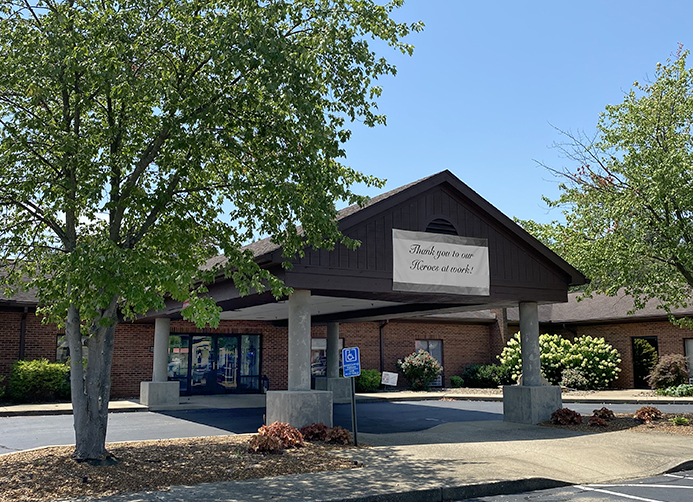
BRICKYARD HEALTHCARE - WOODLANDS CARE CENTER
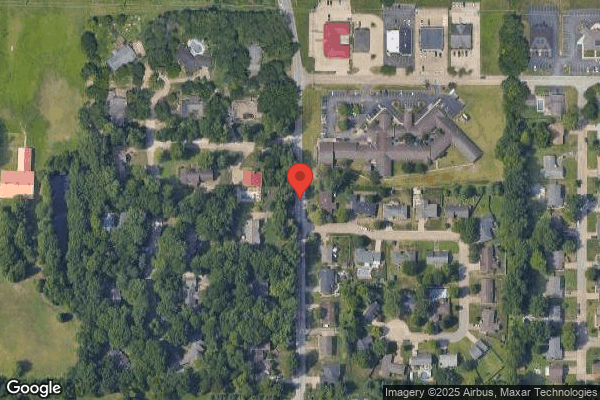
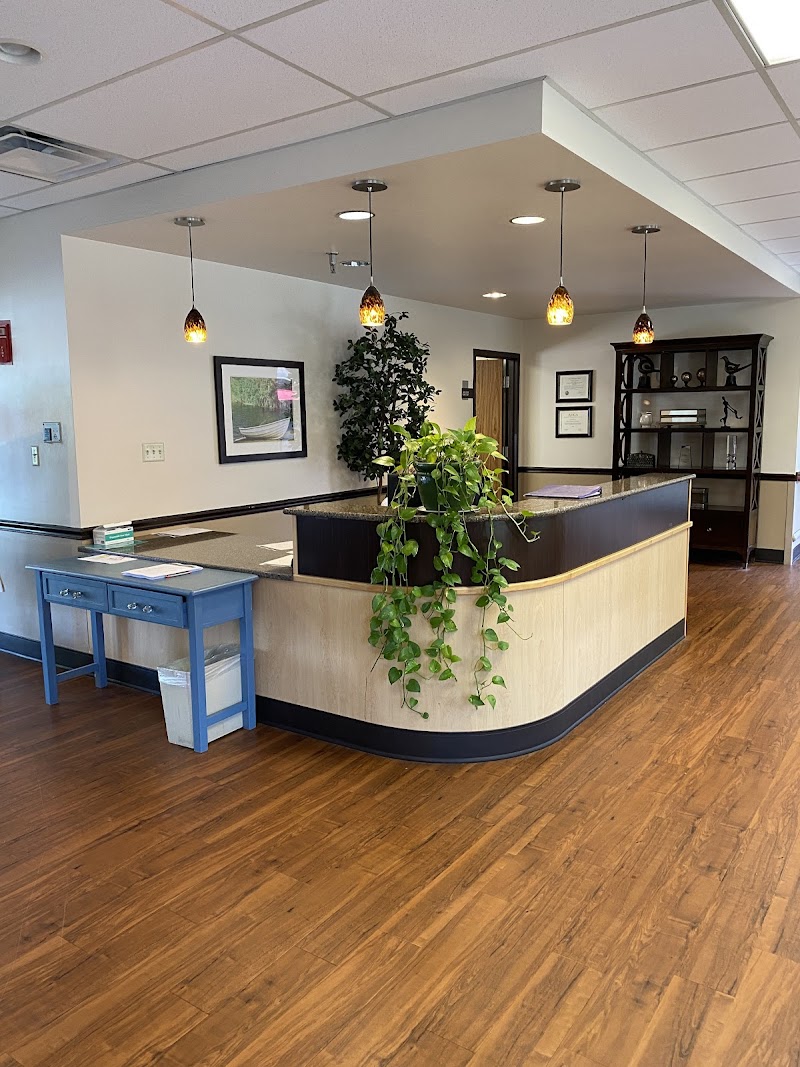
4088 FRAME RD, NEWBURGH, IN 47630 (812) 853-9567
For profit - Corporation 120 Beds BRICKYARD HEALTHCARE Data: November 2025
Trust Grade
75/100
#129 of 505 in IN
Last Inspection: May 2025

Inspected within the last 6 months. Data reflects current conditions.

Overview

Brickyard Healthcare - Woodlands Care Center has a Trust Grade of B, indicating it is a good option for families, scoring better than many facilities. It ranks #129 out of 505 in Indiana, placing it in the top half of the state, and is the best choice among 8 facilities in Warrick County. The facility is improving, with the number of issues decreasing from 11 in 2024 to 3 in 2025. Staffing is a notable strength, with a turnover rate of 30%, well below the state average, and it has more registered nurse coverage than 82% of Indiana facilities. However, there were some concerning findings, such as unclean kitchen conditions and unlabeled food, which point to potential hygiene issues, as well as instances where staff did not fully respect resident dignity, such as applying clothing protectors without consent. While there are strengths in staffing and overall care quality, families should consider these weaknesses when making their decision.

Trust Score
B
75/100
In Indiana
#129/505
Top 25%
Safety Record
Low Risk
No red flags
Inspections
Getting Better
11 → 3 violations
Staff Stability
○ Average
30% turnover. Near Indiana's 48% average. Typical for the industry.
Penalties
✓ Good
No fines on record. Clean compliance history, better than most Indiana facilities.
Skilled Nurses
✓ Good
Each resident gets 45 minutes of Registered Nurse (RN) attention daily — more than average for Indiana. RNs are trained to catch health problems early.
Violations
⚠ Watch
19 deficiencies on record. Higher than average. Multiple issues found across inspections.
★★★★☆
4.0
Overall Rating
★★★☆☆
3.0
Staff Levels
★★★★★
5.0
Care Quality
★★★☆☆
3.0
Inspection Score
Stable
2024: 11 issues
2025: 3 issues

The Good

  • 5-Star Quality Measures · Strong clinical quality outcomes
  • Full Sprinkler Coverage · Fire safety systems throughout facility
  • No fines on record
  • Staff turnover below average (30%)

    18 points below Indiana average of 48%

Facility shows strength in quality measures, fire safety.

The Bad

Staff Turnover: 30%

15pts below Indiana avg (46%)

Typical for the industry

Chain: BRICKYARD HEALTHCARE

Part of a multi-facility chain

Ask about local staffing decisions and management

The Ugly 19 deficiencies on record

May 2025 3 deficiencies
CONCERN (D)

Potential for Harm - no one hurt, but risky conditions existed

Deficiency F0561 (Tag F0561)

Could have caused harm · This affected 1 resident

Based on observation, interview, and record review, the facility failed to accommodate a resident's choice to participate in an activity for 1 of 1 random observations (Resident 9). A resident was not...

Read full inspector narrative →
Based on observation, interview, and record review, the facility failed to accommodate a resident's choice to participate in an activity for 1 of 1 random observations (Resident 9). A resident was not allowed to participate in the resident council meeting held on May 13, 2025. Finding includes: On 5/13/25 at 9:58 A.M., Resident 9 was observed sitting in her wheelchair in the main dining room. Licensed Practical Nurse (LPN) 3 came to take Resident 9 from the room. Resident 9 indicated she wanted to stay for the resident council meeting. LPN 3 told her that she was not allowed to stay because she wasn't on the list. LPN 3 took Resident 9 from the dining room. The resident council meeting started at 10:09 A.M. and Resident 9 was not in attendance. On 5/15/25 at 10:39 A.M., Resident 9's clinical record was reviewed. Diagnoses included, but were not limited to, anxiety disorder. The most current Quarterly Minimum Data Set (MDS) Assessment, dated 3/15/25, indicated that Resident 9 had mild cognitive impairment and had no behaviors. The most recent care plan conference was held on 3/19/25. Resident 9 was in attendance and the plan of care was reviewed. Activities care plans, dated 12/9/24, included the following interventions: Continue to involve me in out of room activities as desired and able Invite me to my favorite activities (coffee socials, tossing games), and to try new things that I might be interested in An Activity Participation Review, dated 3/7/25, indicated Resident 9 was a regular member of the resident council. The most recent Psychiatry progress note, dated 4/24/25, indicated Resident 9 was oriented to person, place, and situation. On 5/15/25 at 11:24 A.M., the Administrator indicated that anyone could come to resident council meetings. The facility had made a list of residents to attend the meeting held on 5/13/25 and only included those residents who were alert and oriented. She indicated that anyone who was alert and oriented could have attended that meeting even if they were not on the list. On 5/15/25 at 12:50 P.M., LPN 7 indicated that Resident 9 was oriented to person and place, but not always situation. On 5/15/25 at 1:09 P.M., the Resident Council Minutes for January, February, March, and April 2025 were reviewed. Resident 9 was listed as in attendance for the meeting held on 2/5/25 and 4/2/25. On 5/15/25 at 2:15 P.M., the Administrator provided a current Resident Council Meetings policy, dated 2025, that indicated All residents are eligible to participate in the Resident Council and are encouraged by facility staff to participate. On 5/15/25 at 2:15 P.M., the Administrator provided a current Promoting/Maintaining Resident Dignity policy, dated 2024, that indicated Assist residents to participate in activities of choice. 3.1-3(u)(3)
CONCERN (D)

Potential for Harm - no one hurt, but risky conditions existed

Infection Control (Tag F0880)

Could have caused harm · This affected 1 resident

Based on observation, interview, and record review, the facility failed to ensure infection control practices and standards were followed for 1 of 1 resident reviewed for urinary catheter use (Residen...

Read full inspector narrative →
Based on observation, interview, and record review, the facility failed to ensure infection control practices and standards were followed for 1 of 1 resident reviewed for urinary catheter use (Resident 49). A resident's catheter bag was observed on the floor. Finding includes: On 5/12/25 at 10:26 A.M., Resident 49 was observed lying in bed. Her catheter bag was observed on the floor. On 5/15/25 at 10:04 A.M., Resident 49 was observed lying in bed. Her catheter bag was hanging on the bed. The bed was in the lowest position and the catheter bag was touching the floor. On 5/14/25 at 10:09 A.M., Resident 49's clinical record was reviewed. Diagnoses included, but were not limited to, neuromuscular dysfunction of bladder and retention of urine. The most recent Significant Change Minimum Data Set (MDS) Assessment, dated 2/22/25, indicated Resident 49 was not cognitively intact, was dependent on staff for toileting, had an indwelling catheter, and did not have a urinary tract infection (UTI). Physician orders included, but were not limited to: Sixteen French Foley catheter for urinary retention/neurogenic bladder every shift, dated 4/21/25 The most recent care plan conference was completed on 2/27/25. Care plans were reviewed. A current urinary catheter care plan, dated 11/22/24, included an intervention to keep the drainage bag of the catheter below the level of the bladder at all times and off of the floor. During an interview on 5/15/25 at 10:43 A.M., the Infection Preventionist indicated that catheter bags should not be on the floor. On 5/15/25 at 2:15 P.M., the Administrator provided a current Indwelling Catheter Use and Removal policy, dated 2024, that indicated If an indwelling catheter is in use, the facility will provide appropriate care for the catheter in accordance with current professional standards of practice and resident care policies and procedures that include but are not limited to: . Insertion, ongoing care and catheter removal protocols that adhere to professional standards of practice and infection prevention and control procedures. 3.18(b)(1)
CONCERN (E)

Potential for Harm - no one hurt, but risky conditions existed

Food Safety (Tag F0812)

Could have caused harm · This affected multiple residents

Based on observation, interview, and record review, the facility failed to ensure food was served in a sanitary manner in accordance with professional standards for food service safety for 2 of 2 obse...

Read full inspector narrative →
Based on observation, interview, and record review, the facility failed to ensure food was served in a sanitary manner in accordance with professional standards for food service safety for 2 of 2 observations of the kitchen. Floors and equipment were soiled, and food was unlabeled. (Kitchen) Findings include: On 5/12/25 at 8:56 A.M., during observation of the kitchen the following was observed: 1. The top of the dish machine was soiled. 2. The floors in the kitchen area were soiled, debris build up around the edges of the walls, debris under racks and tables with equipment, and under the three compartment sink. 3. Debris build up on a pull down plug hanging above the food prep table, and on a fan hanging on the wall. 4. The walk in freezer had two partially used bags of tater tots in clear bags, one partially used bag of potato wedges in a clear bag, all were unlabeled. On 5/14/25 at 9:18 A.M., the same was observed. On 5/14/25 at 9:25 A.M., the Dietary Manager indicated if food is opened it should be tabled with an open date and a use by date, housekeeping does the deep cleaning of the floors usually once a month, the kitchen staff are supposed to sweep and mop the floors after each shift. On 5/14/25 at 1:08 P.M., the Administrator provided the current policy on freezer storage with a revision date of October 2022. The policy included but was not limited to: .Label and note pull date with use by date on all food items when removing from freezer .All items not stored in original container must be labeled and noted with use by date according to storage chart, used or discarded within allowed days . 3.1-21(i)(2) 3.1-21(i)(3)
Oct 2024 1 deficiency
CONCERN (D) 📢 Someone Reported This

A family member, employee, or ombudsman was alarmed enough to file a formal complaint

Potential for Harm - no one hurt, but risky conditions existed

Infection Control (Tag F0880)

Could have caused harm · This affected 1 resident

**NOTE- TERMS IN BRACKETS HAVE BEEN EDITED TO PROTECT CONFIDENTIALITY** Based on observation, interview, and record review, the facility failed to ensure EBP (Enhanced Barrier Precautions) were follow...

Read full inspector narrative →
**NOTE- TERMS IN BRACKETS HAVE BEEN EDITED TO PROTECT CONFIDENTIALITY** Based on observation, interview, and record review, the facility failed to ensure EBP (Enhanced Barrier Precautions) were followed during care of an indwelling urinary catheter for 1 of 3 residents reviewed for Foley Catheters. A gown was not used during care. (Resident C) Finding includes: On 10/9/24 at 9:20 a.m., QMA 2 (Qualified Medication Aide) and CNA 3 (Certified Nursing Assistant) were observed to provided Foley Catheter care to Resident C. Both entered the room, performed hand hygiene, donned gloves, cleaned, rinsed, and dried the tubing of the Foley Catheter. Neither staff donned a gown before providing care. Enhanced barrier precaution signage was posted on Resident C's door that indicated a gown was to be worn. On 10/9/24 at 10:51 a.m., Resident C's clinical record was reviewed. Diagnoses included, but was not limited to, unspecified urinary incontinence, frequency of micturition, neuromuscular dysfunction of bladder, retention of urine, unspecified. An annual MDS (Minimum Data Set) assessment dated [DATE], indicated Resident C's cognition was severely impaired, had an indwelling catheter, toileting extensive, assist of two. Care plans included, but were not limited to: Alteration in elimination of bowel and bladder indwelling urinary catheter, retention, neuromuscular dysfunction of bladder, retention of urine, date initiated 11/18/20. Interventions included, but were not limited to: Indwelling catheter care every shift and as needed, Enhanced barrier precautions when providing any Foley Cath care and any high contact Res care activities (see sign on door). Current physician orders for October 2024 were reviewed and included, but were not limited to: Foley Cath care every shift with soap and water every shift related to neuromuscular dysfunction of bladder, unspecified, retention of urine, unspecified, order date 4/13/24. Enhanced barrier precautions when providing any Foley Cath care and any high contact Res care activities (see sign on door) every shift, order date 3/29/24. On 10/9/24 at 1:20 p.m., QMA 2 indicated a gown and gloves should be worn while providing care to a resident with a Foley Catheter who is on enhanced barrier precautions. On 10/9/24 at 1:41 p.m., the Administrator provided the current policy on Enhanced Barrier Precautions with a copyright date of 2024. The policy included, but was not limited to: .Enhanced Barrier Precautions (EBP) refer to an infection control intervention designed to reduce transmission of multidrug-resistant organisms that employs targeted gown and gloves use during high contact resident care activities b. An order for enhanced barrier precautions will be obtained for residents with any of the following: .and/or indwelling medical devices (e.g;central lines, urinary catheters .3. Implementation of Enhanced Barrier Precautions: a. Make gowns and gloves available immediately near or outside of the resident's room . This citation relates to Complaint IN00444232. 3.1-18(b) 3.1-41(a)(2)
Jun 2024 10 deficiencies
CONCERN (D)

Potential for Harm - no one hurt, but risky conditions existed

Comprehensive Care Plan (Tag F0656)

Could have caused harm · This affected 1 resident

2. On 6/27/24 at 12:13 P.M. RN (Registered Nurse) 3 and LPN (Licensed Practical Nurse) 2 were observed performing a treatment on Resident 351. Resident had slid down in bed, stated could not breathe a...

Read full inspector narrative →
2. On 6/27/24 at 12:13 P.M. RN (Registered Nurse) 3 and LPN (Licensed Practical Nurse) 2 were observed performing a treatment on Resident 351. Resident had slid down in bed, stated could not breathe and needed to sit up. Two minutes passed before LPN 2 and RN 3 used the bed pad under resident to pull up higher in bed. The bed remained flat during treatment. Resident was visualized breathing with pursed lips. Treatment completed at 12:26 P.M. Head of the bed was then raised. On 6/27/24 at 12:13 P.M. Resident 351's clinical record was reviewed. Diagnosis included but was not limited to Chronic Lung Disease. The most recent MDS (Minimum Data Set) Assessment, dated 6/17/24, indicated Resident was cognitively intact, required set up and clean up assistance with eating, substantial or maximum assistance with toileting, substantial or maximum assistance with showering or bathing, and substantial or maximum assistance with bed mobility. Physician orders included but were not limited to head of bed elevated to alleviate/avoid shortness of breath when lying flat every shift related to chronic obstructive pulmonary disease, dated 6/10/24. Care plan for Resident, dated 6/11/24, alteration in respiratory status due to Chronic Obstructive Pulmonary Disease, due to Congestive Heart Failure indicated an intervention but was not limited to elevate head of bed to alleviate/avoid shortness of breath while lying flat. 6/28/24 10:24 A.M. LPN 4 indicated that usually Resident 351 tolerates bed being flat for treatments, but if resident became short of breath or verbalized not being able to breathe staff should stop the treatment so the resident can recover. On 6/28/24 at 2:30 P.M., the Regional Nurse supplied a current, nonrated policy Comprehensive Care Plans. The policy indicated . it was the policy of the facility of develop and implement a comprehensive person-centered care plan for each resident that includes measurable objectives and timeframes .the objectives will be utilized to monitor the resident's progress. Alternative interventions documented, as needed . On 6/28/24 at 2:38 p.m., the Regional Nurse Consultant provided the current accidents and supervision policy with a copyright date of 2023. The policy included, but was not limited to: .Implementation of Interventions- a. Communicate the interventions to all relevant staff, e. Ensuring that the interventions are put into action .Monitoring and Modification- a. Ensuring that interventions are implemented correctly and consistently . 3.1-35(a) 3.1-35(d)(2)(B) Based on observation, record review and interview, the facility failed to develop a care plan for 2 of 5 resident reviewed for care plan intervention. Resident fall interventions and head of bed elevation not being in place. (Resident 24, Resident 351) 1. On 6/24/24 at 2:14 p.m., Resident 24's clinical record was reviewed. Diagnoses included, but were not limited to, unspecified dementia, unspecified severity, without behavioral disturbance, abnormal gait and mobility, displaced supracondylar fracture without intracondylar extension of lower end of left femur, subsequent encounter for closed fracture with routine healing. A Quarterly MDS (Minimum Data Set) assessment, dated 5/7/24, indicated Resident 24's cognition was moderately impaired, bed mobility extensive, one staff assist, transfer extensive two staff assist. A care plan for falls indicated: At risk for falls related to: History of falls. Use of medication, gout, dementia, osteoarthritis macular degeneration right eye, polymyalgia rheumatic, ulcer, abnormal gait and mobility. HTN (hypertension), muscle weakness. Interventions included, but were not limited to: wedge pillows on sides of recliner to prevent resident from rolling out, date initiated, 6/22/24. A progress note dated 6/22/24 at 7:00 a.m., indicated : .Situation: Resident sleeping in recliner in common area in front of nurses station. Heard resident say oh God damn. Noted resident on floor between the 2 recliners. Background: Hx (history) dementia, repeated falls and decreased safety awareness .Response: [name of physician] triage notified as well as RR (resident representative). Intervention to use pillows on sides of recliner to prevent further rolling out . On 6/27/24 at 9:19 a.m., QMA 2 was observed to transfer Resident 24 from his wheelchair to a recliner, put the foot of the recliner up, walk away and return with a cover and lay across Resident 24. No pillows were placed beside Resident 24. On 6/27/24 at 10:07 a.m., Resident 24 was observed asleep in the recliner, no pillows were beside him. On 6/27/24 at 10:09 a.m., LPN 3 was sitting at the nurses station in front of the common area. She indicated Resident 24 was supposed to have pillows beside him in the recliner to help prevent him from falling out. On 6/27/24 at 10:10 a.m., QMA 2 indicated usually the charge nurse will let staff know of any fall and new fall interventions, it is also on their assignment sheet. QMA 3 indicated she was not sure what Resident 24's fall interventions were, she didn't work with him everyday.
CONCERN (D)

Potential for Harm - no one hurt, but risky conditions existed

Deficiency F0657 (Tag F0657)

Could have caused harm · This affected 1 resident

**NOTE- TERMS IN BRACKETS HAVE BEEN EDITED TO PROTECT CONFIDENTIALITY** Based on record review and interview, the facility failed to ensure care plans were revised in 1 of 2 residents reviewed for car...

Read full inspector narrative →
**NOTE- TERMS IN BRACKETS HAVE BEEN EDITED TO PROTECT CONFIDENTIALITY** Based on record review and interview, the facility failed to ensure care plans were revised in 1 of 2 residents reviewed for care plans. (Resident 45) Findings include: On 6/25/24 at 9:03 A.M., Resident 45's clinical record was reviewed. Diagnoses included, but were not limited to, unspecified dementia, unspecified severity, without behavioral disturbance, psychotic disturbance, mood disturbance, and anxiety The most current Quarterly MDS (Minimum Data Set) assessment dated [DATE] indicated Resident 45 was severely cognitively impaired. The resident need supervision for transfer and mobility with substantial help for mobility Current physician orders included but were not limited to: Weekly weights every day shift every Sunday for 4 weeks ordered 6/14/24 Vaseline Pure Ultra [NAME] External Gel (White Petroleum) Apply to right cheek topically every day shift for wound care cleanse facial biopsy site to right cheek with normal saline. Pat dry, apply thin layer of Vaseline to wound bed. Cover with dry dressing dated 6/19/24. There was a current care for a seborrheic lesion to the right cheek dated 8/8/23. Resident had a biopsy done on 6/19/24. The care plan lacked revision of interventions related to wound care. There was a current care plan of nutritional risk for inadequate food/beverage intake with dementia and triggered for 10% weight loss dated 6/17/24. Current interventions indicated monthly weights but lack revision for weekly weights. During an interview on 6/25/24 at 10:07 A.M., MDS RN (Registered Nurse) indicated if a resident had an open area, they would document a care plan and update as needed for surgeries and biopsies On 6/28/24 at 2:30 P.M., the Regional Nurse supplied a current, nondated policy Comprehensive Care Plans. The policy indicated . it was the policy of the facility of develop and implement a comprehensive person-centered care plan for each resident that includes measurable objectives and timeframes .the objectives will be utilized to monitor the resident's progress. Alternative interventions will documented, as needed . 3.1-35(d)(2)(B)
CONCERN (D)

Potential for Harm - no one hurt, but risky conditions existed

Deficiency F0694 (Tag F0694)

Could have caused harm · This affected 1 resident

**NOTE- TERMS IN BRACKETS HAVE BEEN EDITED TO PROTECT CONFIDENTIALITY** Based on observation, record review, and interview, the facility failed to provide care through maintenance of a PICC (periphera...

Read full inspector narrative →
**NOTE- TERMS IN BRACKETS HAVE BEEN EDITED TO PROTECT CONFIDENTIALITY** Based on observation, record review, and interview, the facility failed to provide care through maintenance of a PICC (peripherally inserted central catheter) line for 1 of 1 residents reviewed for IV therapy. (Resident 302) Findings include: On 6/25/24 at 1:14 P.M., Resident 302's clinical record was reviewed. Resident 302 was admitted on [DATE]. Diagnoses included, but were not limited to, infection of joint prosthesis, anxiety, and hypertension. The admission MDS (Minimum Data Set) Assessment, dated 6/17/24 was not completed. Current physician orders included, but were not limited to: PICC (peripherally inserted central catheter) line dressing change every Tuesday. Start date 6/18/24. Current care plans included, but were not limited to: I have a PICC line (in my) right arm and have the potential risk of infection at the site. Do not take blood pressure on arm of access site. Encourage patient not to sleep on arm with access site. Date Initiated: 6/12/24. Dressing change as ordered with measurements of the length of the external catheter and the circumference of arm 10 cm above insertion site. Date Initiated: 6/12/24. On 6/28/24 at 9:15 A.M., Resident 302's electronic medication administration record was reviewed. The following dates/times indicated staff obtained a blood pressure reading in Resident 302's restricted limb: 6/26/24 10:34 A.M. sitting right arm 6/24/24 8:18 A.M. lying right arm 6/22/2024 2:25 P.M. lying right arm 6/17/2024 8:24 A.M. sitting right arm 6/16/2024 8:40 A.M. sitting right arm 6/15/2024 8:16 A.M. sitting right arm 6/14/2024 8:29 A.M. lying right arm 6/10/2024 6:25 P.M. lying right arm During an interview on 6/27/24 9:40 A.M., RN 3 indicated she was the nurse covering nursing duties for the 600 hall today and indicated staff should not be taking blood pressure in Resident 302's right arm because of the PICC line and that it was not policy for PICC line measurements, but if there was conflicting information in the policy and care plan, staff should use the care plan since it is specific to each resident. During an observation on 6/27/24 at 3:19 P.M., Resident 302's PICC line dressing was observed. The dressing read 6-11 1555 CD. During an interview on 6/27/24 3:25 P.M., the Director of Nursing indicated there was no documentation of catheter length in Resident 302's clinical record and she doesn't know why Resident 302 was care planned for her PICC line to be measured during dressing changes because the facility doesn't do that. On 6/28/24 at 2:38 P.M., the clinical regional nurse provided a policy titled PICC/Midline/CVAD Dressing Change, dated 2023, that indicated It is the policy of this facility to changes peripherally inserted central catheters (PICC) dressing weekly or if soiled, in a manner to decrease potential for infection and/or cross-contamination. 13. Use sterile measuring tape to measure external length of the catheter from hub too skin entry to ensure that it has not migrated. 3.1-47(a)(2)
CONCERN (D)

Potential for Harm - no one hurt, but risky conditions existed

Respiratory Care (Tag F0695)

Could have caused harm · This affected 1 resident

**NOTE- TERMS IN BRACKETS HAVE BEEN EDITED TO PROTECT CONFIDENTIALITY** Based on observation, interview, and record review, the facility failed to ensure a resident was receiving oxygen as physician o...

Read full inspector narrative →
**NOTE- TERMS IN BRACKETS HAVE BEEN EDITED TO PROTECT CONFIDENTIALITY** Based on observation, interview, and record review, the facility failed to ensure a resident was receiving oxygen as physician ordered for 1 of 2 residents reviewed for respiratory care. (Resident 39) Finding includes: During an observation on 6/27/24 at 11:36 A.M., Resident 39 was receiving oxygen via nasal cannula from an oxygen concentrator in her room. The oxygen concentrator was set at two liters. RN 3 observed the oxygen concentrator at two liters, checked the resident's orders and confirmed the orders stated three liters, and turned the oxygen up to three liters. On 6/28/24 at 10:09 A.M. Resident 39's clinical record was reviewed. Resident 39 was admitted on [DATE]. Diagnoses included, but were not limited to, chronic obstructive pulmonary disease and chronic respiratory failure with hypoxia. The most recent admission MDS (Minimum Data Set) Assessment, dated 6/4/24, indicated resident 39 was cognitively intact, required maximal assistance from staff for toileting, bathing, and transfers, and was receiving oxygen therapy and dialysis therapy. Current physician orders included, but were not limited to: Supplementary oxygen continuously via nasal cannula at 3 L (three liters) every shift for to prevent/relieve hypoxia related to chronic obstructive pulmonary disease, chronic respiratory failure with hypoxia. Start date 6/4/24. Check fistula to right arm for bruit and thrill every shift for fistula care. Start date 5/29/24. Current care plans included, but were not limited to: Oxygen as ordered. Date Initiated: 5/29/24. I have a fistula RUE (right upper extremity) and have the potential risk of infection at the site. Date Initiated: 5/29/24. Do not take blood pressure on arm of access site. Encourage patient not to sleep on arm with access site. Date Initiated: 5/29/24. On 6/28/24 at 10:09 A.M., Resident 39's electronic medication administration record was reviewed. The following dates/times indicated staff obtained a blood pressure reading in Resident 39's restricted limb: 6/22/24 12:23 P.M. sitting right arm 6/20/24 11:55 A.M. standing right arm 6/18/24 4:09 P.M. lying right arm 6/16/24 12:22 P.M. standing right arm 6/15/24 9:38 A.M. sitting right arm 6/3/24 4:42 P.M. sitting right arm 6/2/24 12:07 P.M. sitting right arm 6/1/24 10:01 A.M. lying right arm On 6/28/24 at 2:38 P.M., the Regional Clinical Nurse provided a policy titled Oxygen Administration, dated 2024, that indicated Oxygen is administered under orders of a physician. The resident's care plan shall identify the interventions for oxygen therapy, based on resident's assessment and orders, such as, but not limited to: equipment setting for the prescribed flow rate. 3.1-47(a)(2)
CONCERN (D)

Potential for Harm - no one hurt, but risky conditions existed

Deficiency F0698 (Tag F0698)

Could have caused harm · This affected 1 resident

**NOTE- TERMS IN BRACKETS HAVE BEEN EDITED TO PROTECT CONFIDENTIALITY** Based on record review, interview, and observation, the facility failed to ensure care and services were implemented for 1 of 2 ...

Read full inspector narrative →
**NOTE- TERMS IN BRACKETS HAVE BEEN EDITED TO PROTECT CONFIDENTIALITY** Based on record review, interview, and observation, the facility failed to ensure care and services were implemented for 1 of 2 residents reviewed for dialysis. (Resident 75) Findings include: On 6/25/24 at 8:44 A.M., Resident 75's clinical record was reviewed. Resident 75 was admitted on [DATE]. Diagnoses included, but were not limited to, end stage renal disease and diabetes mellitus. The most recent Quarterly MDS (Minimum Data Set) Assessment, dated 5/17/24, indicated Resident 75 was moderately cognitively impaired and was dependant on staff for assistance with bathing and transfers, and was receiving dialysis therapy. Current physician orders included, but were not limited to, Dialysis Monday, Wednesday, Friday at 11:20 (A.M.) (arrival time) at (dialysis center) 11: 40 A.M. chair time one time a day every Monday, Wednesday, Friday for dialysis. Start date 5/13/24. Check Bruit and Thrill to fistula to LUE (left upper extremity) every shift for fistula care. Start date 4/15/24. 1800 cc (equivalent to mL) fluid restriction per 24 hours as follows: Nursing to provide a total of 480 cc/24 hr as follows: Days=180 cc Evening=180 cc Nights=120 cc. every shift for fluid restriction. Start date 2/27/23. Current care plans included, but were not limited to: I have a new fistula to LUE (left upper extremity) and have the potential risk of infection at the site. Dated 4/16/24. I have a perma-cath left side of chest and have the potential risk of infection at the site. Dated 5/13/24. Alteration in kidney function evidenced by hendiadys CKD III (chronic kidney disease stage three), acute kidney failure dialysis 3 x a week due to End Stage Renal Disease (ESRD). Date Initiated: 12/4/23. Do not take blood pressure, on arm of access site. Encourage patient not to sleep on arm with access site Date Initiated: 4/16/24. Weights per MD (doctor) order. Date Initiated 7/10/23. The clinical record lacked an order to obtain Resident 75's weight. On 6/25/24 at 8:44 A.M., Resident 75's electronic medication administration record was reviewed. The following dates/times indicated staff obtained a blood pressure reading in Resident 75's restricted limb: 6/21/24 12:21 P.M. sitting left arm 5/24/24 8:07 A.M. sitting left arm 5/19/24 9:19 A.M. sitting left arm During an interview on 6/27/24 2:15 P.M. CNA 6 indicated she was the CNA for the 500 hall today but did not know who was on fluid restrictions. The CNA then went to nurses desk, found CNA assignment sheets and looked for residents who were on fluid restrictions. During an interview on 6/28/24 at 9:35 A.M., LPN 17 indicated nurses and CNA's should be recording fluid amount delivered to residents on fluid restrictions throughout the day and after meals, the nurse then enters the total amount at end of shift, and would expect the CNA's assigned to the hall to know who is on fluid restrictions. On 6/28/24 at 2:38 P.M., the Regional Clinical Nurse provided a policy titled Hemodialysis, dated 2023, that indicated The facility will provide the necessary care and treatment, consistent with professional standards of practice, physician orders, the comprehensive person-centered care plan, and the resident's goals and preferences. 3.1-37(a)
CONCERN (D)

Potential for Harm - no one hurt, but risky conditions existed

Medical Records (Tag F0842)

Could have caused harm · This affected 1 resident

**NOTE- TERMS IN BRACKETS HAVE BEEN EDITED TO PROTECT CONFIDENTIALITY** Based on observation, record review, and interview, the facility failed to document assessment for symptoms of urinary tract inf...

Read full inspector narrative →
**NOTE- TERMS IN BRACKETS HAVE BEEN EDITED TO PROTECT CONFIDENTIALITY** Based on observation, record review, and interview, the facility failed to document assessment for symptoms of urinary tract infection for 1 of 1 residents reviewed for IV therapy. (Resident 302) Findings include: On 6/25/24 at 1:14 P.M., Resident 302's clinical record was reviewed. Resident 302 was admitted on [DATE]. Diagnoses included, but were not limited to, infection of joint prosthesis, anxiety, and hypertension. The admission MDS (Minimum Data Set) Assessment, dated 6/17/24 was not completed. Current care plans included, but were not limited to: Observe for signs and symptoms of UTI (urinary tract infection). Date initiated: 6/11/24. A progress note dated 6/24/24 at 12:23 P.M., indicated Resident 302 complained of lower back pain, received pain medication that was ineffective, peri-area (was) red, blanchable but irritated, barrier cream applied, and (resident) having increased confusion and irritability. Triage (physician phone line) notified and requested urinalysis, awaiting response. The clinical record lacked follow-up of signs and symptoms of a possible urinary tract infection (UTI) or follow up of order request from 6/24/24 at 12:23 P.M. until 6/28/24 at 10:54 A.M. when a progress note was entered that indicated a new order from nurse practitioner for a UA C&S (urinalysis with culture and sensitivity). The record lacked a bowel assessment and need for the administration of Miralax. During an interview on 6/28/24 at 10:20 A.M., the Regional Clinical Nurse indicated the resident received an order for PRN (as needed) Miralax for the possible UTI symptoms. On 6/28/24 at 2:38 P.M., the Regional Clinical Nurse provided a policy titled Documentation in Medical Records, dated 2024, that indicated Licensed staff and interdisciplinary team members shall document all assessments, observations, and services provided in the resident's medical record in accordance with state law and facility policy. Documentation shall be completed at the time of service, but no later than the shift in which the assessment, observation, or care service occurred. 3.1-50(a)
CONCERN (D)

Potential for Harm - no one hurt, but risky conditions existed

Infection Control (Tag F0880)

Could have caused harm · This affected 1 resident

**NOTE- TERMS IN BRACKETS HAVE BEEN EDITED TO PROTECT CONFIDENTIALITY** Based on observation, record review, and interview, the facility failed to ensure a resident was on EBP (enhanced barrier precau...

Read full inspector narrative →
**NOTE- TERMS IN BRACKETS HAVE BEEN EDITED TO PROTECT CONFIDENTIALITY** Based on observation, record review, and interview, the facility failed to ensure a resident was on EBP (enhanced barrier precautions) for open wounds, PPE was worn during wound care for a resident who required EBP, and that wound dressings were changed as ordered for 1 of 2 residents observed for wound care and contact precautions . (Resident 352, Resident 45) Findings include: 1. During an observation of wound care on 6/27/24 at 10:37 A.M., RN 3 and LPN 2 entered Resident 352's room. LPN 2 closed Resident 352's door and pulled the privacy curtain. RN 3 and LPN 2 washed their hands and put gloves on. Resident 352 had two dressings on the middle and lower right abdomen dated 6/25/24 and initials (initials of nurse); RN 3 removed the dressings from Resident 352's abdomen. LPN 2 sat up supplies on the bedside table and dated the new dressings 6/27/24. RN 3 cleansed wounds on Resident 352's abdomen, washed her hands, then applied one dressing covering the open wound on the upper middle abdomen, one dressing covering the open wound on the lower middle abdomen, and two dressings covering the open wounds on the lower right abdomen. RN 3 gathered the trash and removed gloves. RN 3 and LPN 2 washed their hands and exited the room. There was not an EBP (enhanced barrier precaution) sign on Resident 352's door. During an interview on 6/27/24 at 10:40 A.M., LPN 2 indicated Resident 352's dressings covering open wounds were ordered to be changed daily. On 6/27/24 at 1:30 P.M., Resident 352's clinical record was reviewed. Resident 352 was admitted on [DATE]. Diagnoses included, but were not limited to, infection following a procedure surgical site, chronic obstructive pulmonary disease, and sepsis. An admission MDS (Minimum Data Set) Assessment was not complete. Current physician orders included, but were not limited to: Cleanse 2 (two) open lesion on RLQ (right lower quadrant) of abdomen with wound cleanser, pat dry, cover with dry bordered dressing, every day shift for wound care. Start date 6/25/24. Cleanse open lesion to middle lower abdomen with wound cleanser, pat dry, cover with dry bordered dressing every day shift for wound care. Start date 6/24/24. Cleanse navel with wound cleanser, pat dry, apply foam bordered dressing, every day shift for wound care. Start date 6/24/24. Cleanse open lesion on RUQ (right upper quadrant) of abdomen with wound cleanser, pat dry, cover with dry bordered dressing, every day shift for wound care. Start date 6/24/24. Current care plans included, but were not limited to: Altered skin integrity non-pressure related to: 2 (two) JP (Jackson Pratt; a surgical suction drain) drainage to RUQ (right upper quadrant of abdomen) and RLQ (right lower quadrant of abdomen). Resident noted to have eschar (dead skin tissue) from a surgical incision in medial abdominal region. Resident noted to have a previously noted area from JP site removal. Date Initiated: 06/10/24. Enhanced Barrier Precautions when providing any JP drain care and any high contact Resident care activities, See sign on door. Date Initiated: 06/10/24. During an interview on 6/28/24 at 11:47 A.M., RN 12 indicated staff performing high contact activities should wear gown and gloves, and depending on what they are doing should wear masks and goggles if needed with risk of splashes; Resident's with open wounds should have EBP sign posted on their door. 2. On 6/25/24 at 9:22 A.M., a Contact Precautions sign was observed on Resident 45's door. On 6/25/24 at 9:03 A.M., Resident 45's clinical record was reviewed. Diagnoses included, but were not limited to, unspecified dementia, unspecified severity, without behavioral disturbance, psychotic disturbance, mood disturbance, and anxiety The most current Quarterly MDS (Minimum Data Set) assessment dated [DATE] indicated Resident 45 was severely cognitively impaired. The resident need supervision for transfer with substantial help for mobility. Current physician orders included but not limited to: Apply skin prep to shingles on pelvic area and keep covered with dry dressing until crusted every day shift for shingles ordered on 6/19/24. Acyclovir HCl Oral Tablet 500 MG (Valacyclovir HCl) (medication for shingles), Give 2 tablets by mouth every 8 hours for Shingles for 7 Days ordered on 6/19/24. Contact Isolation due to shingles every shift ordered 6/18/24. The current care plan lacked a care plan for Contact Precautions. On 6/28/24 at 2:30 P.M., the Regional Nurse supplied a current, nondated policy Comprehensive Care Plans. The policy indicated . it was the policy of the facility of develop and implement a comprehensive person-centered care plan for each resident that includes measurable objectives and timeframes .the objectives will be utilized to monitor the resident's progress. Alternative interventions will documented, as needed On 6/28/24 at 2:38 P.M., the Regional Nurse consultant provided a policy titled Wound Treatment Management, dated 2023, that indicated: Wound treatments will be provided in accordance with physician orders, including method, type of dressing, and frequency of dressing change. On 6/28/24 at 2:38 P.M., the Regional Nurse consultant provided a policy titled Enhanced Barrier Precautions, dated 2024, that indicated: Enhanced barrier precautions (EBP) refer to an infection control intervention designed to reduce the transmission of multidrug-resistant organisms that employs targeted gown and gloves use during high contact resident care activities. An order for enhanced barrier precautions will be obtained for residents with any of the following: Wound (e.g., (for example) .unhealed surgical wounds .). 3.1-18(b) 3.1-18(j)
CONCERN (E)

Potential for Harm - no one hurt, but risky conditions existed

Deficiency F0583 (Tag F0583)

Could have caused harm · This affected multiple residents

9. During a random observation on 6/27/24 at 9:58 A.M., Physician 2 was sitting on the couch in a resident common area, where additional staff, residents, and resident family were present, asking resi...

Read full inspector narrative →
9. During a random observation on 6/27/24 at 9:58 A.M., Physician 2 was sitting on the couch in a resident common area, where additional staff, residents, and resident family were present, asking residents medical questions and taking a resident's blood pressure. 10. During a meal observation on 6/26/24 at 7:48 A.M., Licensed Practical Nurse (LPN) 21 was observed to apply clothing protectors to two of four residents at a table on the ACU (Alzheimer's Care Unit). LPN 21 applied the clothing protectors from behind the residents without asking permission, and without explaining what she was doing. On 6/28/24 at 1:46 P.M., LPN 17 indicated staff should ask residents before putting on a clothing protector if they wanted one or not, as well as explain what they were doing. On 6/27/24 at 2:38 p.m., the Regional Nurse Consultant provided the current policy on promoting/maintaining resident dignity with a copyright date of February 2023. The policy included, but was not limited to: It is the practice of this facility to protect and promote resident rights and treat each other with respect and dignity as well as care for each resident in a manner and in an environment, that maintains or enhances resident's quality of life by recognizing each resident's individuality. Compliance Guidelines: 1. All staff members are involved in providing care to residents to promote and maintain resident dignity and respect resident rights .12. Maintain resident privacy . 3.1-3(a) 3.1-3(p)(3) Based on observation and record review, the facility failed to ensure dignity for 2 of 2 observations of meal service. Staff did not knock or announce themselves before delivering meal trays to resident rooms. (Resident 9, Resident 14, Resident 66, Resident 75, Resident 78, Resident 84, Resident 96) Findings include: On 6/23/24 during observation of the noon meal the following was observed: 1. At 11:34 a.m., CNA 2 entered Resident 96's room to deliver a beverage without knocking or announcing self. 2. At 11:52 a.m., CNA 2 entered Resident 66's room to deliver a beverage without knocking or announcing self. 3. At 11:53 a.m., CNA 3 entered Resident 84's room, walked back out and got a beverage, walked back in the room to deliver the beverage without knocking or announcing self. 4. At 11:55 a.m., CNA 3 entered Resident 75's room to deliver a meal tray, walked back out and got a beverage, walked back in to deliver the beverage without knocking or announcing self. 5. At 11:57 a.m., CNA 2 entered Resident 9's room to deliver a meal tray without knocking or announcing self. 6. At 11:59 a.m., CNA 3 entered Resident 84's room to deliver a beverage without knocking or announcing self. On 6/27/24 during observation of the noon meal the following was observed: 7. At 11:49 a.m., CNA 2 walked in Resident 78's room to deliver a meal tray without knocking or announcing self. 8. At 11:50 a.m., CNA 2 walked in Resident 14's room to deliver a meal tray without knocking or announcing self. On 6/23/24 at 12:00 p.m., CNA 3 indicated when delivering meal trays to a resident's room, staff should knock on the door, tell the resident nursing, let them know why you are there.
CONCERN (E)

Potential for Harm - no one hurt, but risky conditions existed

Deficiency F0761 (Tag F0761)

Could have caused harm · This affected multiple residents

Based on observation and interview the facility failed to provide proper storage of medications in 1 of 1 treatment carts located in the ACU (Alzheimer Care Unit) for 9 of 9 residents reviewed. Unlabe...

Read full inspector narrative →
Based on observation and interview the facility failed to provide proper storage of medications in 1 of 1 treatment carts located in the ACU (Alzheimer Care Unit) for 9 of 9 residents reviewed. Unlabeled and undated medications were found in the treatment cart. (Resident 12, Resident 15, Resident 22, Resident 25, Resident 45, Resident 47, Resident 49, Resident 57, Resident 88, Findings include: On 6/26/24 at 12:35 P.M., the locked nightstand/treatment cart was observed to have the following: 1 tub of Curad petroleum jelly lacked a prescription label and an open date 1 tub of petroleum jelly for Resident 45 has prescription label but lacked an open date 1 tube of Diclofenac cream (analgesic cream) lacked a label and an open date 1 glass case with unreadable name and no glasses 1 tube of Volteran cream Resident 47 with a prescription label but lacked an open date 1 tub of Sombra (analgesic cream) Resident 49 with a prescription label but lacked an open date 1 tube of Aspercreme (analgesic cream) Resident 25 with a prescription label but lacked an open date 1 tube of Aspercreme (analgesic cream) Resident 25 with a prescription label but lacked an open date 1 tube of arthritis pain medication Resident 12 with a prescription label but lacked an open date 1 tube of Diclofenac (analgesic cream) Resident 57 with a prescription label but lacked an open date 1 tube of Aspercreme (analgesic cream) lacked a prescription label and an open date 1 bottle of fungal powder with Resident 22 with a prescription label but lacked an open date 2 bottles of fungal powder with Resident 88 with a prescription label but lacked an open date 1 tube of arthritis cream with Resident 57 with a prescription label but lacked an open date 1 tub of Sombra (analgesic cream) Resident 49 with a prescription label but lacked an open date 1 tub of Sombra (analgesic cream) without a prescription label and lacked an open date 1 bottle of Nystatin Powder (fungal powder) Resident 15 with a prescription label but lacked an open date During an interview on 6/26/24 at 12:40 P.M., the DON (Director of Nursing) indicated the medications should not be in the nightstand/ treatment cart and be in the medication room. During an interview on 6/28/24 at 9:26 A.M., LPN (Licensed Practical Nurse) 22 indicated medication are to be labels with a resident name, medical doctor, medication name on the prescription. All medications such as ointments creams, and powders should be dated with open date. On 6/28/24 at 2:38 P. M., the Regional Nurse provided a current, non-dated policy Medication Storage. The policy indicated .it was the policy of this facility to ensure all medications housed on the premises will be stored medication rooms .all drugs and biologicals will be stored in locked compartments . only authorized personal will have access to the keys to the locked compartments . 3.1-25(k) 3.1-25(m)
CONCERN (E) 📢 Someone Reported This

A family member, employee, or ombudsman was alarmed enough to file a formal complaint

Potential for Harm - no one hurt, but risky conditions existed

Safe Environment (Tag F0921)

Could have caused harm · This affected multiple residents

**NOTE- TERMS IN BRACKETS HAVE BEEN EDITED TO PROTECT CONFIDENTIALITY** Based on observation and interview, the facility failed to provide a safe and sanitary environment for residents, staff, and the...

Read full inspector narrative →
**NOTE- TERMS IN BRACKETS HAVE BEEN EDITED TO PROTECT CONFIDENTIALITY** Based on observation and interview, the facility failed to provide a safe and sanitary environment for residents, staff, and the public for 11 random observations for environment for 3 of 3 days. Food debris on resident wheelchair and dusty and debris found on a mechanical lift and sit to stand in unit hallways. ( Resident 24, Resident 27, 100 Hallway, 300 Hallway, 600 Hallway) Findings include: 1. On 6/26/24 at 2:16 P.M., a sit to stand device on the 600 Hall was observed to have dust on the seat and white residue on the handles. On 6/27/24 at 9:10 A.M., a sit to stand device on the 600 Hall was observed to have dust on seat and white residue on the handles. On 6/27/24 at 10:10 A.M., a mechanical lift on the 100 Hall was observed to have dust, fiber debris, and white spots on the base. On 6/28/24 at 8:45 A.M., a sit to stand device on the 600 Hall was observed to have dust on the seat and white residue on the handles. On 6/28/24 at 8:46 A.M., a sit to stand device on 100 Hall was observed to have dust on the seat. On 6/28/24 at 8:51 A.M., a mechanical lift on the 300 hall was observed to have dust with fiber debris on the seat. 2. On 6/27/24 at 10:12 A.M., Resident 24's wheelchair was observed to have food debris scattered in front of the cushion while the resident was sitting in it. 3. On 6/28/24 at 8:57 A.M., Resident 27's wheelchair was observed to have chocolate milk splattered on the tires. 4. During an interview on 6/27/24 at 11:33 A.M., Resident 30 indicated the staff does not regularly wipe off or clean the wheelchairs. During an interview on 6/28/24 at 9:00 A/M., CNA (Certified Nursing Aide) 10 indicated the wheelchairs are cleaned weekly and as needed. During an interview on 6/28/24 at 9:02 A/M., Resident 74 indicated they did not know if the wheelchair was wiped off. During an interview on 6/28/24 A.M., Housekeeper 32 indicated the night shift CNAs are the ones that will clean the equipment such as mechanical lifts [NAME] spoke with supervisor and the housekeeping staff does not clean the equipment CNA's do. On 6/28/24 at 2:38 P.M., the Regional Nurse provided a current non-dated policy Cleaning and Disinfection of Resident-Care Equipment. The policy indicated .resident-care equipment can be a source of indirect transmission of pathogens .Staff shall follow established infection control principles for cleaning and disinfecting reusable, non-critical equipment. General guidelines include .each user is responsible for routine cleaning and disinfection of multi-resident items after each use, particularly before use for another resident . This citation relates to complaint IN00434672. 3.1-19(f)
Sept 2023 1 deficiency
CONCERN (D) 📢 Someone Reported This

A family member, employee, or ombudsman was alarmed enough to file a formal complaint

Potential for Harm - no one hurt, but risky conditions existed

Infection Control (Tag F0880)

Could have caused harm · This affected 1 resident

Based on observation, interview, and record review, the facility failed to ensure infection control practices were maintained to mitigate the spread of COVID-19. Staff did not remove gloves after prov...

Read full inspector narrative →
Based on observation, interview, and record review, the facility failed to ensure infection control practices were maintained to mitigate the spread of COVID-19. Staff did not remove gloves after providing care, perform hand hygiene between glove changes, and failed to properly perform hand washing during 3 of 3 observations of care. (Resident C, Resident D, Resident F) Findings include: 1. During an observation on 9/21/23 at 11:30 A.M., LPN 4 used a glucometer to read Resident C's blood sugar level. LPN 4 applied gloves, pricked Resident C's finger, obtained the blood sugar level, then went to the medication cart to dispose of the Lancet and clean the glucometer. LPN 4 removed the gloves, disposed of them, and donned (put on) a new pair of gloves to clean the glucometer without perfoming hand hygiene in between glove changes. 2. During an observation on 9/22/23 at 9:40 A.M., CNA 5 was assisting Resident D to the restroom. CNA 5 donned gloves and assisted Resident D by pulling his pants and brief down and lowering him to the commode. After toileting, CNA 5 provided peri-care, then without changing gloves, assisted Resident D to wash his hands. CNA 5 then removed gloves and washed hands. CNA 5 scrubbed hands for 4 seconds before putting hands under the running water and continued to scrub and rinse for a total of 15 second handwashing time. CNA 5 used her bare hands to comb over the resident's hair with her fingers and then placed her hand on the resident's shoulder as they exited the restroom. CNA 5 pulled the trash bag from the restroom trash can, tied it, and with the trash bag in hand pushed Resident C in a wheelchair out into the hall. CNA 5 stopped at a hall utility room to drop the trash bag, then continued to a common area with Resident C. CNA 5 assisted Resident C back to a relciner in the common area, moved the wheelchair the resident's wheelchair and then left the common area. No hand hygeine was completed. 3. During an observation on 9/22/3 at 11:23 A.M., CNA 5 and CNA 7 were assisting Resident F to the restroom. CNA 5 removed the old brief and handed Resident F a call light prior to stepping out of the restroom to provide privacy. CNA 5 and CNA 7 removed their gloves and did not perform hand hygiene. When Resident F indicated she was ready, CNA 5 donned new gloves and provided peri-care. CNA 5 and CNA 7 assisted the resident back to her wheelchair, then without removing gloves, CNA 5 placed soap into her hand to assist Resident F in handwashing. CNA 5 removed gloves and placed new gloves on without performing hand hygiene. During an interview on 9/22/23 at 11:40 A.M., CNA 9 indicated that staff should change gloves after providing pericare and prior to perfomring a clean task and should perform hand hygeine between each glove change. CNA 9 indicated she sings happy birthday 3 times while washing hands and that staff should scrub hands with soap for 20 seconds prior to rinsing. On 9/22/23 at 12:25 P.M., the IP (Infection Preventionist) supplied a facility policy titled Hand Hygiene, dated 6/2023. The policy included, All staff will perform proper hand hygiene procedures to prevent the spread of infection to other personnel, residents, and visitors . Hand hygiene technique when using soap and water: a. Wet hands with water . b. Apply to hands the amount of soap recommended by the manufacturer. c. Rub hands together vigorously for at least 20 seconds, covering all surfaces of the hands and fingers. d. Rinse hands with water . The use of gloves does not replace hand hygiene. If your task requires gloves, perform hand hygiene prior to donning gloves, and immediately after removing gloves. This Federal tag relates to complaint IN00417150. 3.1-18(b) 3.1-18(l)
Sept 2022 4 deficiencies
CONCERN (D)

Potential for Harm - no one hurt, but risky conditions existed

Deficiency F0554 (Tag F0554)

Could have caused harm · This affected 1 resident

Based on observation, interview, and record review, the facility failed to ensure residents that were self administering medications were assessed for capability to self administer medications for 1 o...

Read full inspector narrative →
Based on observation, interview, and record review, the facility failed to ensure residents that were self administering medications were assessed for capability to self administer medications for 1 of 3 residents observed for accidents. (Resident 69) Findings include: On 9/14/22 at 10:27 A.M., Resident 69 was observed sleeping in bed. On the bedside table, 1 medication cup was observed. In the medication cup, was 2 (two) white oblong pills, 1 (one) yellow capsule, and 1 (one) white, small, oblong pill. During an interview on 9/14/22 at 10:30 A.M., LPN (Licensed Practical Nurse) 7 indicated those were her morning pills. She indicated that when she passed medications that morning, the resident took 2 (two) pills and told her she would take the rest. The nurse left the remaining 4 (four) pills with the resident to take later. During an interview on 9/14/22 at 10:33 A.M., LPN 3 indicated that their policy was to watch the residents take all medications during medication pass and not leave them with the resident. During an interview on 09/14/22 at 11:28 A.M., the DON (Director of Nursing) indicated that Resident 69 did not have a self medication administration assessment because she was not one of their residents that self administers her medications. On 9/14/22 at 11:01 P.M., Resident 69's clinical record was reviewed. The most recent annual MDS (minimum data set) Assessment, dated 8/12/22, indicated Resident 69 was cognitively intact. Diagnoses included, but were not limited to, dementia, depression, and mild cognitive impairment. Resident 69's clinical record lacked a self administration of medications assessment. Resident 69's current orders lacked an order to self administer medications. Resident 69's clinical record lacked a care plan to self administer medications. On 9/14/22 at 12:40 A.M., a current non-dated Resident Self-Administration of Medication policy was provided and indicated A resident may only self-administer medications after the facility's interdisciplinary team has determined which medications may be self-administered. 3.1-11(a)
CONCERN (D)

Potential for Harm - no one hurt, but risky conditions existed

Respiratory Care (Tag F0695)

Could have caused harm · This affected 1 resident

Based on observation, interview, and record review, the facility failed to ensure residents received necessary respiratory care and services in accordance with professional standards of practice. Oxyg...

Read full inspector narrative →
Based on observation, interview, and record review, the facility failed to ensure residents received necessary respiratory care and services in accordance with professional standards of practice. Oxygen concentrator filters were not clean for 2 of 3 oxygen concentrators sampled for observation. (Resident 16, Resident 99) Findings include: 1. On 9/12/22 at 12:47 P.M., Resident 16 was observed sitting in her room with oxygen on via nasal cannula. At that time, the filter on the oxygen concentrator was observed with a layer of dust. On 9/13/22 at 2:38 P.M., the same was observed on Resident 16's oxygen concentrator. On 9/14/22 at 9:53 A.M., the same was observed on Resident 16's oxygen concentrator. At that time, the oxygen concentrator was observed with [company name] on the outside of the concentrator with the date 6/22/21. On 9/13/22 at 10:37 A.M., Resident 16's clinical record was reviewed. Diagnosis included, but were not limited to, asthma. The most recent admission MDS (minimum data set) Assessment, dated 7/3/22, indicated Resident 16 was cognitively intact, required extensive assistance of 1 (one) with bed mobility and transfers, and received oxygen while a resident. Current physician orders included, but were not limited to, the following: O2 (oxygen) at 3L (liters) as needed, started 9/12/22. A current alteration in respiratory status care plan included, but was not limited to, the following interventions: Administer oxygen as needed per physician order During an interview on 9/14/22 at 10:00 A.M., LPN (Licensed Practical Nurse) 3 indicated oxygen concentrators and filters were serviced by the oxygen company that came in weekly to fill the tanks. She indicated they had been in the facility a week prior looking at the concentrators. 2. On 9/11/22 at 10:18 A.M., Resident 99 was observed lying in bed with oxygen on via nasal cannula. At that time, the filter on the oxygen concentrator was observed with a layer of dust. On 9/13/22 at 2:26 P.M., the same was observed on Resident 99's oxygen concentrator. On 9/14/22 at 10:06 A.M., the same was observed on Resident 99's oxygen concentrator. At that time, the concentrator was observed with [company name] on the outside of it, and the date 9/9/21. On 9/13/22 at 10:22 A.M., Resident 99's clinical record was reviewed. Diagnosis included, but were not limited to, COPD (chronic obstructive pulmonary disease) and chronic respiratory failure. The most recent quarterly MDS Assessment, dated 8/31/22, indicated Resident 99 was cognitively intact, required extensive assistance of 2 (two) with bed mobility and transfers, and received oxygen while a resident. Current physician orders included, but were not limited to, the following: O2 3L via nasal cannula every shift, started 7/28/21. A current alteration in respiratory status care plan included, but was not limited to, the following interventions: Administer oxygen as needed per physician order, dated 9/12/22. During an interview on 9/14/22 at 10:10 A.M., RN (Registered Nurse) 9 indicated the oxygen company was in the facility weekly to service the oxygen concentrators. During an interview on 9/14/22 at 11:27 A.M., the DON (Director of Nursing) indicated the oxygen servicing company was responsible for cleaning the oxygen concentrator filters as needed, and that the nurses were also able to clean the filters. On 9/14/22 at 12:40 P.M., a current non-dated Oxygen Concentrator policy was provided and indicated Staff responsible for the use and care of oxygen concentrators receive training on oxygen safety and the functionality of the device The policy lacked information related to oxygen concentrator filters. 3.1-47(a)(6)
CONCERN (E)

Potential for Harm - no one hurt, but risky conditions existed

Assessment Accuracy (Tag F0641)

Could have caused harm · This affected multiple residents

Based on interview and record review, the facility failed to ensure MDS (minimum data set) Assessments were accurate for 2 of 5 residents reviewed for unnecessary medications and 2 of 2 residents revi...

Read full inspector narrative →
Based on interview and record review, the facility failed to ensure MDS (minimum data set) Assessments were accurate for 2 of 5 residents reviewed for unnecessary medications and 2 of 2 residents reviewed for resident assessments. (Resident 54, Resident 74, Resident 67, Resident 100) Findings include: 1. On 9/13/22 at 1:20 P.M., Resident 54's clinical record was reviewed. Diagnoses include, but are not limited to, cerebral infarction, hypertension, and low back pain. The most recent quarterly MDS Assessment, dated 8/3/22, indicated diuretic and opioid use for the previous 7 days. Current physician's order included but were not limited to the following: furosemide tablet (a diuretic) 20MG (milligrams) by mouth one time a day every other day, started on 6/29/22. hydrocodone-acetaminophen tablet (an opioid) 5-325MG 0.5 tablet by mouth every 6 hours as needed, started 7/7/22. Resident 54's MAR (Medication Administration Record) for July and August 2022 indicated resident received furosemide on 7/29/22, 7/31/22, and 8/2/22. The resident also received hydrocodone-acetaminophen on 8/1/22. During an interview on 9/13/22 at 2:39 P.M., MDS Coordinator 1 indicated there were no hydrocodone-acetaminophen or tramadol tablets and 4 (four) furosemide tablets given in 7 day look back period. She further indicated that the MDS was incorrect. 2. On 9/13/22 at 1:30 P.M., Resident 100's clinical record was reviewed. Current diagnoses included, but were not limited to, diabetes mellitus type 2, chronic obstructive pulmonary disease, and dementia. The most recent annual MDS Assessment, dated 7/30/22, indicated insulin use for the previous 7 days. Resident 54's MAR for July 2022 indicated resident received Trulicity Solution Pen-injector 0.75 mg/0.5mL (milliliters) on 7/30/22. During an interview on 9/13/22 at 2:39 P.M., MDS Coordinator 1 indicated there was only 1 dose of Trulicity given because it is a weekly injection. She further indicated that the MDS was incorrect. 3. On 9/13/22 at 1:30 P.M., Resident 74's clinical record was reviewed. Diagnoses included, but were not limited to, spondylosis, hypertension, chronic ischemic heart disease, and fibromyalgia. The most recent significant change MDS Assessment, dated 8/26/22, indicated anticoagulant use for the previous 7 days and opioid use 3 days. Resident 74's MAR for August 2022 indicated the resident did not take an anticoagulant. The resident did receive hydrocodone-acetaminophen (an opioid) on 8/22/22. During an interview on 9/13/22 at 2:39 P.M., MDS Coordinator 1 indicated after reviewing the MAR that the MDS was incorrect. 4. On 9/13/22 at 11:52 P.M., Resident 67's clinical record was reviewed. Diagnoses included, but were not limited to, Non-Alzheimer's Dementia, Bipolar disorder, and depression. The most recent quarterly MDS Assessment, dated 8/11/22, indicated antipsychotic use for the previous 7 days. Resident 67's MAR for August 2022 indicated the resident only received Risperdal Consta Suspension Reconstitued ER 12.5mg (an antipsychotic) on 8/6/22. During an interview on 9/13/22 at 2:39 P.M., MDS Coordinator 1 indicated after reviewing the MAR that the MDS was incorrect. On 9/13/22 at 3:00 P.M., a current non-dated MDS policy was provided and indicated Residents are assessed, using a comprehensive assessment process, in order to identify care needs and to develop an interdisciplinary care plan .accurate and standardized assessment of each resident's functional capacity, using the RAI [resident assessment instrument] specified by the state .persons completing part of the assessment must attest to the accuracy . 3.1-31(i)
CONCERN (E)

Potential for Harm - no one hurt, but risky conditions existed

Safe Environment (Tag F0921)

Could have caused harm · This affected multiple residents

**NOTE- TERMS IN BRACKETS HAVE BEEN EDITED TO PROTECT CONFIDENTIALITY** Based on observation, interview, and record review, the facility failed to ensure a safe, comfortable, and homelike environment ...

Read full inspector narrative →
**NOTE- TERMS IN BRACKETS HAVE BEEN EDITED TO PROTECT CONFIDENTIALITY** Based on observation, interview, and record review, the facility failed to ensure a safe, comfortable, and homelike environment was maintained in resident rooms and restrooms in 2 of 3 units. Resident room floors were not clean, restrooms trash was overflowing, resident personal hygiene items were not covered and labeled in shared restrooms, and a resident restroom sink had come apart from the countertop. (100 unit, 500 unit, Resident 12, 13, 18, 36, 42, 69, 79, 86, 88, 93, 95, 96, 97, 102, 179, Rooms 105, 107, 112, 113, 114, 115, 500, 502) Findings include: 1. During an interview on 9/12/22 at 10:00 A.M., Resident 96 indicated that their room was not cleaned routinely. During an observation on 9/12/22 at 10:02 A.M., room [ROOM NUMBER] and room [ROOM NUMBER]'s, Resident 96, 95, 12, and 18's shared restroom trashcan was overflowing, and a surgical glove was laying on the floor. 2. During an observation in room [ROOM NUMBER] on 9/11/22 at 11:07 A.M., a white tablet was on the floor under a chair near the 2nd bed. During an observation in room [ROOM NUMBER] on, 9/12/22 at 8:25 A.M., a white tablet was on the floor under a chair near the 2nd bed. During an observation in room [ROOM NUMBER] on 9/12/22 at 11:56 A.M., the restroom (shared with room [ROOM NUMBER]), (Resident 93, 69, 42, and 97) had a gap between the sink and countertop where the caulking appeared to be peeled apart leaving an open space. During an observation on 9/13/22 at 1:20 P.M., the restroom (shared with room [ROOM NUMBER]) had a gap between the sink and countertop where the caulking appeared to be peeled apart leaving an open space. 3. During an observation in room [ROOM NUMBER] on 9/12/22 at 11:18 P.M., the restroom (shared with room [ROOM NUMBER]), (Resident 86, 13, and 88) did not have a toilet paper roll holder. During an observation in room [ROOM NUMBER] on 9/13/22 at 1:15 P.M., the restroom (shared with room [ROOM NUMBER]) had overflowing trash on the floor from a full trashcan and no toilet paper roll holder. 4. During an observation in room [ROOM NUMBER] on 09/11/22 10:30 A.M., a shared restroom for Resident's 102 and 36 had an uncovered bedpan laying on the floor and 2 toothbrushes laying next to the sink uncovered and unlabeled. During an observation on room [ROOM NUMBER] on 9/13/22 at 1:25 P.M., a shared restroom had 2 toothbrushes laying next to the sink uncovered and unlabeled. 5. During an observation in room [ROOM NUMBER] on 9/11/22 at 10:45 A.M., a shared restroom for Residents 179 and 39 had a toothbrush was sitting on the countertop unlabeled and uncovered in a shared restroom. During an observation in room [ROOM NUMBER] on 9/13/22 1:10 P.M. personal items including toothbrushes were uncovered and unlabeled in a shared restroom. 6. During a review of resident council minutes from March 2022 through August 2022, the following was included: July 6, 2022 - Resident council minutes - 4 of 15 residents attending the meeting had concerns with housekeeping not cleaning routinely. June 1, 2022 - Resident council minutes- An unspecified number of residents had concerns that rooms were not getting cleaned thoroughly. Mopping and sweeping was not being done daily. During an interview on 9/13/22 at 1:47 P.M. CNA (Certified Nurse Aide) 29 indicated the CNA's should cover resident personal hygiene items such as toothbrushes by putting them in a plastic bag and should label them with the resident name. During an interview on 9/14/22 at 10:32 A.M., the Housekeeping Supervisor indicated each resident room should be cleaned daily, including sweeping and mopping. On 9/13/22 at 2:00 P.M., Regional Nurse 3 supplied a facility policy titled, Routine Cleaning and Disinfection, dated 07/2019. The policy included, It is the policy of this facility to ensure the provision of routine cleaning and disinfection in order to provide a safe, sanitary environment . 3.1-19(f) 3.1-19(f)(5)
Understanding Severity Codes (click to expand)
Life-Threatening (Immediate Jeopardy)
J - Isolated K - Pattern L - Widespread
Actual Harm
G - Isolated H - Pattern I - Widespread
Potential for Harm
D - Isolated E - Pattern F - Widespread
No Harm (Minor)
A - Isolated B - Pattern C - Widespread

Questions to Ask on Your Visit

  • "Can I speak with families of current residents?"
  • "What's your RN coverage like on weekends and overnight?"

Our Honest Assessment

Strengths
  • • No major safety red flags. No abuse findings, life-threatening violations, or SFF status.
  • • No fines on record. Clean compliance history, better than most Indiana facilities.
  • • 30% turnover. Below Indiana's 48% average. Good staff retention means consistent care.
Concerns
  • • 19 deficiencies on record. Higher than average. Multiple issues found across inspections.
Bottom line: Generally positive indicators. Standard due diligence and a personal visit recommended.

About This Facility

What is Brickyard Healthcare - Woodlands's CMS Rating?

CMS assigns BRICKYARD HEALTHCARE - WOODLANDS CARE CENTER an overall rating of 4 out of 5 stars, which is considered above average nationally. Within Indiana, this rating places the facility higher than 99% of the state's 100 nursing homes. This rating reflects solid performance across the metrics CMS uses to evaluate nursing home quality.
How is Brickyard Healthcare - Woodlands Staffed?

CMS rates BRICKYARD HEALTHCARE - WOODLANDS CARE CENTER's staffing level at 3 out of 5 stars, which is average compared to other nursing homes. Staff turnover is 30%, compared to the Indiana average of 46%. This relatively stable workforce can support continuity of care.

What Have Inspectors Found at Brickyard Healthcare - Woodlands?

State health inspectors documented 19 deficiencies at BRICKYARD HEALTHCARE - WOODLANDS CARE CENTER during 2022 to 2025. These included: 19 with potential for harm.
Who Owns and Operates Brickyard Healthcare - Woodlands?

BRICKYARD HEALTHCARE - WOODLANDS CARE CENTER is owned by a for-profit company. For-profit facilities operate as businesses with obligations to shareholders or private owners. The facility is operated by BRICKYARD HEALTHCARE, a chain that manages multiple nursing homes. With 120 certified beds and approximately 101 residents (about 84% occupancy), it is a mid-sized facility located in NEWBURGH, Indiana.
How Does Brickyard Healthcare - Woodlands Compare to Other Indiana Nursing Homes?

Compared to the 100 nursing homes in Indiana, BRICKYARD HEALTHCARE - WOODLANDS CARE CENTER's overall rating (4 stars) is above the state average of 3.1, staff turnover (30%) is significantly lower than the state average of 46%, and health inspection rating (3 stars) is at the national benchmark.

What Should Families Ask When Visiting Brickyard Healthcare - Woodlands?

Based on this facility's data, families visiting should ask: "Can I visit during a mealtime to observe dining assistance and food quality?" "How do you handle medical emergencies, and what is your hospital transfer rate?" "Can I speak with family members of current residents about their experience?"

Is Brickyard Healthcare - Woodlands Safe?

Based on CMS inspection data, BRICKYARD HEALTHCARE - WOODLANDS CARE CENTER has a clean safety record: no substantiated abuse findings (meaning no confirmed cases of resident harm), no Immediate Jeopardy citations (the most serious violation level indicating risk of serious injury or death), and is not on the Special Focus Facility watch list (a federal program monitoring the lowest-performing 1% of nursing homes). The facility has a 4-star overall rating and ranks #1 of 100 nursing homes in Indiana. While no facility is perfect, families should still ask about staff-to-resident ratios and recent inspection results during their visit.

Do Nurses at Brickyard Healthcare - Woodlands Stick Around?

BRICKYARD HEALTHCARE - WOODLANDS CARE CENTER has a staff turnover rate of 30%, which is about average for Indiana nursing homes (state average: 46%). Moderate turnover is common in nursing homes, but families should still ask about staff tenure and how the facility maintains care continuity when employees leave.

Was Brickyard Healthcare - Woodlands Ever Fined?

BRICKYARD HEALTHCARE - WOODLANDS CARE CENTER has no federal fines on record. CMS issues fines when nursing homes fail to meet care standards or don't correct problems found during inspections. The absence of fines suggests the facility has either maintained compliance or corrected any issues before penalties were assessed. This is a positive indicator, though families should still review recent inspection reports for the full picture.

Is Brickyard Healthcare - Woodlands on Any Federal Watch List?

BRICKYARD HEALTHCARE - WOODLANDS CARE CENTER is not on any federal watch list. The most significant is the Special Focus Facility (SFF) program, which identifies the bottom 1% of nursing homes nationally based on persistent, serious quality problems. Not being on this list means the facility has avoided the pattern of deficiencies that triggers enhanced federal oversight. This is a positive indicator, though families should still review the facility's inspection history directly.