CYPRESS GROVE REHABILITATION CENTER
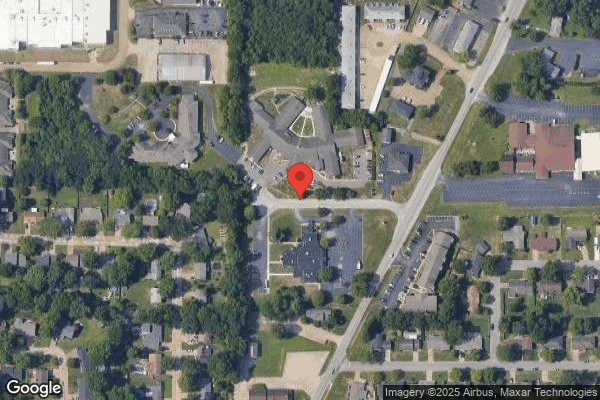
4255 MEDWELL DR, NEWBURGH, IN 47630 (812) 853-2993
Non profit - Corporation 90 Beds AMERICAN SENIOR COMMUNITIES Data: November 2025
Trust Grade
75/100
#137 of 505 in IN
Last Inspection: May 2025

Inspected within the last 6 months. Data reflects current conditions.

Overview

Cypress Grove Rehabilitation Center has a Trust Grade of B, indicating it is a good choice for families, as it falls within the solid range of care. It ranks #137 out of 505 facilities in Indiana, placing it in the top half, and #2 out of 8 in Warrick County, meaning there is only one local option rated higher. The facility is showing an improving trend, with issues decreasing from 6 in 2024 to 3 in 2025, which is a positive sign. However, staffing is a concern, rated only 2 out of 5 stars, although turnover is lower than the state average at 36%. Families may be reassured by the absence of fines, but there have been some specific incidents, such as residents not receiving scheduled showers, which could indicate lapses in care. Additionally, there were failures in providing routine catheter care for some residents, raising concerns about infection control. Overall, while there are strengths like good health inspection ratings and no fines, families should be aware of the staffing challenges and specific care issues.

Trust Score
B
75/100
In Indiana
#137/505
Top 27%
Safety Record
Low Risk
No red flags
Inspections
Getting Better
6 → 3 violations
Staff Stability
○ Average
36% turnover. Near Indiana's 48% average. Typical for the industry.
Penalties
✓ Good
No fines on record. Clean compliance history, better than most Indiana facilities.
Skilled Nurses
⚠ Watch
Each resident gets only 27 minutes of Registered Nurse (RN) attention daily — below average for Indiana. Fewer RN minutes means fewer trained eyes watching for problems.
Violations
⚠ Watch
15 deficiencies on record. Higher than average. Multiple issues found across inspections.
★★★★☆
4.0
Overall Rating
★★☆☆☆
2.0
Staff Levels
★★★★☆
4.0
Care Quality
★★★★☆
4.0
Inspection Score
Stable
2024: 6 issues
2025: 3 issues

The Good

  • 4-Star Quality Measures · Strong clinical quality outcomes
  • Full Sprinkler Coverage · Fire safety systems throughout facility
  • No fines on record
  • Staff turnover below average (36%)

    12 points below Indiana average of 48%

Facility shows strength in quality measures, fire safety.

The Bad

Staff Turnover: 36%

Near Indiana avg (46%)

Typical for the industry

Chain: AMERICAN SENIOR COMMUNITIES

Part of a multi-facility chain

Ask about local staffing decisions and management

The Ugly 15 deficiencies on record

May 2025 3 deficiencies
CONCERN (D)

Potential for Harm - no one hurt, but risky conditions existed

Comprehensive Care Plan (Tag F0656)

Could have caused harm · This affected 1 resident

**NOTE- TERMS IN BRACKETS HAVE BEEN EDITED TO PROTECT CONFIDENTIALITY** 3. During a random observation on 5/29/25 at 9:33 A.M., Resident 79 was observed sitting quietly in a chair talking to another r...

Read full inspector narrative →
**NOTE- TERMS IN BRACKETS HAVE BEEN EDITED TO PROTECT CONFIDENTIALITY** 3. During a random observation on 5/29/25 at 9:33 A.M., Resident 79 was observed sitting quietly in a chair talking to another resident with a Wander Guard (monitoring device) present on his right ankle. During a random observation on 5/30/25 at 9:55 A.M., Resident 79 was observer walking in the kitchen with a Wander Guard (monitoring device) present on his right ankle. On 5/28/25 at 1:14 P.M., Resident 79's clinical record was reviewed. Diagnoses included, but were not limited to, Alzheimer's disease, dementia, and generalized anxiety disorder. The Current admission MDS assessment dated [DATE] indicated Resident 79 was severely cognitively impaired. Resident 79 needed set up for eating, supervision for hygiene, toileting, and transferring, and exhibited wandering behaviors daily. The admission Elopement assessment dated [DATE] at 1:13 P.M., indicated that Resident 79 did not have a security bracelet on at that time. The record lacked documentation of an order for a Wander Guard Device. The admission care plan was reviewed on 4/24/25. The current care plan lacks a care plan for a Wander Guard Security Bracelet. During an interview on 5/30/25 at 9:11 A.M., the Social Service Director indicated there should have been an order for a Wander guard and there should be a care plan for it. On 5/30/25 at 2:05 P.M., the Administrator provided a current policy Interdisciplinary Team (IDT) Comprehensive Care Plan Policy revised 8/2023. The policy indicated it is the policy of the facility that each resident will have an IDT comprehensive person center care plan developed and implemented based on Resident Assessment Instrument (RAI) process. The care plan must include measurable goals and resident specific interventions based on resident needs and preferences to promote the resident's highest level of functioning medical, nursing, mental, and psychological wellbeing. Physician orders are considered part of the comprehensive plan of care. 3.1-35(a) 3.1-35(d)(2)(B) 2. During an observation on 5/27/25 at 1:00 P.M., Resident 78 was sitting in his wheelchair next to the foot of the bed, and the call light was looped around the bed rail, out of the Resident's reach. On 5/28/25 at 10:30 A.M., Resident 78's clinical record was reviewed. Resident 78 was admitted on [DATE]. Diagnosis included, but was not limited to, type 2 Diabetes Mellitus. The most recent admission MDS Assessment, dated 3/31/25, indicated Resident 78 was cognitively intact and dependent on staff (staff do all of the work) for transfers. Current care plans included, but were not limited to: Resident is at risk for falls, Call light in reach; Start date 3/31/25 Resident has impaired vision, Keep call light in reach at all times; Start date 3/25/25 During a resident council meeting on 5/29/25 at 2:35 P.M., Residents indicated staff often do not place their call lights within reach after providing care. Based on observation, record review and interview, the facility failed to ensure person-centered care plans were developed and implemented for 3 of 3 random observations including 1 random observation for falls, 1 random observation for use of call bells, and 1 random observation for use of Wander Guard Security Device. (Resident 1, Resident 78, Resident 79) Findings include: 1. On 5/27/25 at 10:27 A.M., Resident 1 was observed in his room in bed. The bed was not in the lowest position and his reacher was on the small dresser next to the door not in the resident's reach. On 5/28/25 at 9:57 A.M., Resident 1's clinical record was reviewed. Diagnoses included, but were not limited to, multiple sclerosis, muscle weakness, and repeated falls. The most recent Significant Change Minimum Data Set (MDS) Assessment, dated 4/21/25, indicated Resident 1 was not cognitively intact, required substantial to maximal assistance of staff (staff does more than half of the work) for rolling left to right, toileting, and bathing, and had no falls since the previous assessment. A fall risk assessment, dated 4/21/25, indicated Resident 1 was at high risk for falls. A care plan conference was completed on 4/21/25. Care plans were reviewed and updated. A risk for falls care plan, revised 4/23/25, included, but were not limited to, the following interventions: Bed in lowest position, dated 9/9/24 Reacher in room to assist with reaching for items, dated 9/5/17 Personal items in reach, dated 5/8/15 Physician orders included, but were not limited to: Bed in lowest position, dated 9/9/24 On 5/30/25 at 8:48 A.M., Resident 1 was observed in his room in bed. The bed was not in the lowest position and his reacher was on the small dresser next to the door not in the resident's reach. At that time, Qualified Medication Aide (QMA) 9 indicated the bed was not in its lowest position, and she was not sure how the bed was not supposed to be positioned for Resident 1.
CONCERN (D)

Potential for Harm - no one hurt, but risky conditions existed

Unnecessary Medications (Tag F0759)

Could have caused harm · This affected 1 resident

**NOTE- TERMS IN BRACKETS HAVE BEEN EDITED TO PROTECT CONFIDENTIALITY** Based on observation, record review and interview, the facility failed to ensure it was free of a medication error rate of great...

Read full inspector narrative →
**NOTE- TERMS IN BRACKETS HAVE BEEN EDITED TO PROTECT CONFIDENTIALITY** Based on observation, record review and interview, the facility failed to ensure it was free of a medication error rate of greater than 5 percent for 1 of 4 residents (Resident 233) observed during the medication pass. There were 29 opportunities observed with 8 medication errors. This resulted in a 27.59 percent medication error rate. Finding includes: On 5/29/25 at 10:21 A.M., Licensed Practical Nurse (LPN) 3 was observed preparing medication to administer to Resident 233. The following medications were placed in a medication cup: 1 tablet Allopurinol (medication used to lower uric acid levels in the blood) 100 milligrams (mg) 1 tablet Carvedilol (medication used to treat high blood pressure) 25 mg 1 tablet Clopidogrel (an anticoagulant) 75 mg 1 tablet Eliquis (an anticoagulant) 5 mg 1 tablet Famotidine (medication used to treat heart burn) 20 mg 1 tablet Furosemide (a diuretic) 40 mg 1 tablet Jardiance (medication used to treat diabetes mellitus) 25 mg 4 tablets [NAME]-Bid (a probiotic) 250 mg LPN 3 placed the tablets in a small bag, crushed them together, and then mixed them with 70 milliliters (ml) of water. LPN 3 flushed Resident 233's gastric tube with 10 ml of water, administered 50 ml of the medication and water mixture, added 20 ml of water to the medication/water mixture cup, administered 40 ml of the medication and water mixture, and then flushed the gastric tube with 30 mL of water. On 5/29/25 at 11:08 A.M., Resident 233's clinical record was reviewed. Diagnoses included, but were not limited to, dysphasia. The resident was admitted to the facility on [DATE] and the admission Minimum Data Set (MDS) Assessment was still in progress. Physician orders included, but were not limited to: Allopurinol tablet 100 mg - Give once a day via gastric tube, dated 5/23/25 Carvedilol tablet 25 mg - Give twice a day via gastric tube, dated 5/22/25 Clopidogrel tablet 75 mg - Give once a day via gastric tube, dated 5/22/25 Eliquis (apixaban) tablet 5 mg - Give twice a day via gastric tube, dated 5/22/25 Famotidine tablet 20 mg - Give twice a day via gastric tube, dated 5/22/25 Furosemide tablet 40 mg - Give twice a day via gastric tube, dated 5/22/25 Jardiance (empagliflozin) tablet 25 mg - Give once a day via gastric tube, dated 5/22/25 [NAME]-Bid tablet 1 billion cell- 250 mg - Give four tablets once a day via gastric tube, dated 5/23/25 Flush G-tube (gastronomy tube) with 30 mL of water before and after medication administration, dated 5/23/25 Flush tubing with at least 15 ml of water between each medication administered, dated 5/23/25 May crush appropriate medications and administer per G-tube. Dissolve each crushed medication in at least 10 ml to 30 ml of water, dated 5/23/25 A current risk for complications related to tube feeding care plan, dated 5/23/25, included an intervention to provide water flushes as ordered. During an interview on 5/29/25 at 12:18 P.M., LPN 5 indicated that medications were supposed to be given separately via gastric tube with 10 ml of water flushed in between each medication. On 5/29/25 at 11:50 A.M., the Regional Support provided a current Enteral Tube - Medication Administration policy, revised 5/2025, that indicated Prepare medications: .dissolve each crushed medication in at least 10 ml - 30 ml of water . Flush tubing with 30 ml of water or per physician's order . Administer medication as ordered. Flush tubing with at least 15 ml of water between each medication or per physician's order. 3.1-48(c)(1)
CONCERN (E)

Potential for Harm - no one hurt, but risky conditions existed

ADL Care (Tag F0677)

Could have caused harm · This affected multiple residents

**NOTE- TERMS IN BRACKETS HAVE BEEN EDITED TO PROTECT CONFIDENTIALITY** Based on observation, interview, and record review, the facility failed to ensure residents dependent on staff for assistance wi...

Read full inspector narrative →
**NOTE- TERMS IN BRACKETS HAVE BEEN EDITED TO PROTECT CONFIDENTIALITY** Based on observation, interview, and record review, the facility failed to ensure residents dependent on staff for assistance with daily living (ADL) tasks were provided showers or baths for 4 of 6 residents reviewed for ADL care. (Resident 78, Resident 25, Resident 69, and Resident 12) Findings include: 1. On 5/28/25 at 10:30 A.M., Resident 78's clinical record was reviewed. Resident 78 was admitted on [DATE]. Diagnoses included, but were not limited to, type 2 Diabetes Mellitus. The most recent admission MDS Assessment, dated 3/31/25, indicated Resident 78 was dependent on staff (staff do all of the work) for bathing and transfers. A shower schedule, provided by the Director of Nursing on 5/30/25 at 9:14 A.M., indicated Resident 78's scheduled shower days were Tuesday and Saturday. The point of care ADL report indicated Resident 25 had not received, or refused, a shower or complete bed bath on the following days during May 2025: 5/3-Saturday 5/17-Saturday 5/27-Tuesday 2. On 5/28/25 at 10:48 A.M., Resident 25's clinical record was reviewed. Resident 25 was admitted on [DATE]. Diagnosis included, but was not limited to, Alzheimer's disease. The most recent Significant Change Minimum Data Set (MDS) Assessment, dated 5/15/25, indicated Resident 25 was severely cognitively impaired and required maximal assistance from staff (staff do more than half of the work) for bathing. A physician order, dated 5/19/25, indicated Resident 25 was admitted to hospice on 5/19/25. A shower schedule, provided by the Director of Nursing on 5/30/25 at 9:14 A.M., indicated Resident 25's scheduled shower days were Tuesday and Friday. The point of care ADL report indicated Resident 25 had not received, or refused, a shower or complete bed bath on the following days during May 2025: 5/2-Friday 5/13-Tuesday 5/16-Friday 3. On 5/28/25 at 11:16 A.M. Resident 69's clinical record was reviewed. Resident 69 was admitted on [DATE]. Diagnosis included, but was not limited to, quadriplegia. The most recent Significant Change MDS Assessment, dated 4/28/25, indicated Resident 69 was dependent on staff for bathing. A shower schedule, provided by the Director of Nursing on 5/30/25 at 9:14 A.M., indicated Resident 69's scheduled shower days were Tuesday and Friday. The point of care ADL report indicated Resident 25 had not received, or refused, a shower or complete bed bath on the following days during May 2025: 5/2-Friday 5/9-Friday 5/13-Tuesday 5/27-Tuesday 4. On 5/27/25 at 10:52 A.M., Resident 12 indicated she was supposed to get showers on Mondays, Wednesdays and Fridays, but she was not getting showers three times a week as care planned. She indicated that while diagnosed with COVID staff told her that she was not allowed to leave her room to have a shower. Staff offered to give her a bed bath once during her isolation, but never came to do it. On 5/28/25 at 10:54 A.M., Resident 12's clinical record was reviewed. Diagnoses included, but were not limited to, chronic kidney disease and generalized anxiety disorder. The most recent Significant Change MDS Assessment, dated 4/21/25, indicated Resident 12 was cognitively intact and required partial to moderate assistance of staff (staff does less than half of the work) for bathing. A care plan conference was completed on 4/21/25. Care plans were reviewed and updated. A current ADL care plan, revised 4/24/25, included, but was not limited to, the following interventions: Assist with bathing as needed per resident preference. Offer showers three times per week, partial bath in between. Prefers day showers. Completed physician orders included, but were not limited to: Resident is in isolation due to having an active infection with highly transmissible or epidemiologically significant pathogens that have been acquired by physical contact or airborne or droplet transmission. All services provided in room, dated 5/3/25 and completed on 5/12/25 The Point of Care (a charting system for Certified Nurse Aides) Task Response for Bathing indicated Resident 12 did not receive a shower or bed bath on the following days in May 2025: 5/2/25-Friday 5/5/25-Monday 5/7/25-Wednesday 5/12/25-Monday 5/16/25-Friday 5/23/25-Friday 5/26/25-Monday During an interview on 5/29/25 at 12:05 P.M., the Memory Care Director indicated that when a resident was diagnosed with COVID the resident was still able to take a shower in the shower room. Staff would take the resident to the shower room in a gown and mask after all other resident's had received a shower and then clean the shower room. On 5/30/25 at 2:13 P.M., the Director of Nursing (DON) indicated the facility did not have a shower policy, and that it was the facility's policy to give showers as care planned. 3.1-38(a)(2)(A) 3.1-38(b)(2)
May 2024 6 deficiencies
CONCERN (D)

Potential for Harm - no one hurt, but risky conditions existed

Resident Rights (Tag F0550)

Could have caused harm · This affected 1 resident

**NOTE- TERMS IN BRACKETS HAVE BEEN EDITED TO PROTECT CONFIDENTIALITY** Based on observation, interview, and record review, the facility failed to maintain a resident's dignity for 1 of 1 residents vi...

Read full inspector narrative →
**NOTE- TERMS IN BRACKETS HAVE BEEN EDITED TO PROTECT CONFIDENTIALITY** Based on observation, interview, and record review, the facility failed to maintain a resident's dignity for 1 of 1 residents viewed during a random observation. (Resident 75) Finding includes: During an observation on 5/17/24 at 8:58 A.M., Resident 75's bedroom door was fully opened and Resident 75 was observed laying in bed and body was fully exposed. Resident 75 was not wearing pants, an incontinence brief, or covered with a bedsheet. QMA (Qualified Medication Aide) 22 was standing at the medication cart directly across the hall from Resident 75's room. She then took the medication cart towards the opposite end of the hall. At 9:01 A.M., CNA (Certified Nurses Aide) 15 responded to Resident 75's call light and placed an incontinence brief on Resident 75. On 5/15/24 at 11:07 A.M., Resident 75's clinical record was reviewed. Resident 75 was admitted on [DATE]. Diagnoses included, but were not limited to, acute respiratory failure with hypoxia, dysphagia, pneumonitis due to inhalation of food and vomit, and sepsis. The most recent admission MDS (Minimum Data Set) Assessment, dated 3/25/24, indicated Resident 75 was cognitively intact, was completely dependent on staff for toileting, bathing, and transfers, and was receiving nutrition through a feeding tube. During an interview on 5/17/24 9:53 A.M., RN (Registered Nurse) 11 indicated residents should not be left exposed and CNA's should come get a nurse to pause feedings before performing incontinence care. On 5/17/24 at 10:51 A.M., a current policy titled Resident's Rights, dated 11/15, was provided by the Administrator and indicated Residents shall be assured of at least visual privacy in multi-bed rooms. Each resident shall be treated with consideration, respect, and full recognition of his dignity and individuality, including privacy in treatment and in care for his personal needs. Residents have the right to be suitably dressed at all times. 3.1-3(t)
CONCERN (D)

Potential for Harm - no one hurt, but risky conditions existed

Transfer Requirements (Tag F0622)

Could have caused harm · This affected 1 resident

Based on observation, interview, and record review, the facility failed to ensure that documents were sent to the hospital upon transfer for 1 of 2 residents reviewed for hospitalization. (Resident 80...

Read full inspector narrative →
Based on observation, interview, and record review, the facility failed to ensure that documents were sent to the hospital upon transfer for 1 of 2 residents reviewed for hospitalization. (Resident 80) Finding includes: On 5/15/24 at 3:30 P.M., Resident 80's clinical record was reviewed. Diagnoses included, but were not limited to, epilepsy and COPD (Chronic Obstructive Pulmonary Disease). The most recent Quarterly MDS (Minimum Data Set) Assessment, dated 1/16/24, indicated Resident 80 was severely cognitively impaired, needed partial to moderate assistance for bathing, transferring, and mobility, and had epilepsy. Physician orders included, but were not limited to: Keppra (seizure medication) 750 mg (milligrams) 1 by mouth 2 times a day for seizures, dated 2/1/24. Namenda (a cognition-enhancing medication) 5 mg 1 by mouth twice a day for psychotic disturbance, dated 11/1/23. The most recent seizures care plan, dated 10/25/23, indicated Resident 80 had a seizure disorder and interventions included, but were not limited to, administer medications as ordered, notify MD (Medical Doctor) of any seizure activity, and provide oxygen as ordered. A nursing progress note, dated 2/23/2024 at 4:38 P.M., indicated . Resident on his way to the hospital for evaluation. The nurse's noted lacked documentation of sending transfer paperwork and bed hold policy. On 5/16/24 at 10:30 A.M., the Medical Records for Resident 80 was received from [Hospital Name]. The records indicated that EMS (Emergency Medical Services) arrived at 4:14 P.M. and the resident was taken to the ER (Emergency Room) at [Hospital Name]. The medical and clinical records lacked documentation of transfer information and a bed hold policy. The hospital record indicated [Hospital name] had called the facility and the medical transfer paperwork lacked code status information. The clinical record lacked transfer and bed hold paperwork for the hospital transfer on 2/23/24. During an interview on 5/16/24 at 9:29 A.M., RN (Registered Nurse) 3 indicated when residents were sent to the hospital, an order was received, and face sheet, lab work, current orders, and bed hold policy was sent. The staff would notify the family, DON (Director of Nursing), and ED (Executive Director). During an interview on 5/16/24 at 10:08 A.M., RN 3 indicated the facility could not find proof that the packet was sent with the resident on the requested day. During an interview on 5/16/24 at 2:30 P.M., the DON indicated the transfer and bed hold paperwork was not in the medical records. On 5/17/24 at 10:51 A.M., the Administrator provided a current Hospital Transfer policy, dated 11/15, that indicated . staff at the Community has the responsibility of ensuring pertinent information about the resident and the actions taken to receive treatment at a hospital are properly documented .Copies of all information sent with the resident shall be placed in the resident record under the miscellaneous tab . 3.1-12(a)(6)(A) 3.1-12(a)(9)(D)
CONCERN (D)

Potential for Harm - no one hurt, but risky conditions existed

Tube Feeding (Tag F0693)

Could have caused harm · This affected 1 resident

**NOTE- TERMS IN BRACKETS HAVE BEEN EDITED TO PROTECT CONFIDENTIALITY** 2. On 5/13/24 at 10:04 A.M., Resident 68 was observed in her room laying on her bed with enteral nutrition running through a fee...

Read full inspector narrative →
**NOTE- TERMS IN BRACKETS HAVE BEEN EDITED TO PROTECT CONFIDENTIALITY** 2. On 5/13/24 at 10:04 A.M., Resident 68 was observed in her room laying on her bed with enteral nutrition running through a feeding tube at 38 mL/hr (milliliters per hour). The head of the bed was flat, and the nutrition was not labeled or dated. On 5/14/24 at 10:15 A.M., the enteral nutrition was observed turned off in Resident 68's room. Resident 68 was not in her room at that time. On 5/14/24 at 1:24 P.M., Resident 68 was observed in the Gardens lounge in her wheelchair and was not hooked up to enteral nutrition. On 5/15/24 at 2:06 P.M., Resident 68 was observed in the main lounge with a family member and was not hooked up to enteral nutrition. On 5/13/24 at 1:29 P.M., Resident 68's clinical record was reviewed. Diagnoses included, but were not limited to, spastic quadriplegic cerebral palsy, dysphagia, Barrett's esophagus, and profound intellectual disabilities. The most current Quarterly MDS Assessment, dated 3/21/24, indicated Resident 68 was rarely or never understood, was dependent on staff for eating and bed mobility, did not have weight loss, and received 51% or more of calories through a feeding tube. A current enteral feeding care plan, dated 6/28/23, included interventions to elevate the head of the bed and give tube feedings as ordered. Physician orders included, but were not limited to: Continuous Feeding Jevity 1.5 (a calorically dense liquid food) - 38 mL per hour x 22 hours, turn off daily between 2:00 A.M. and 4:00 A.M., dated 9/02/23. Elevate HOB 30 degrees at all times, dated 6/27/23. The MAR (Medication Administration Record) and TAR (Treatment Administration Record) for May did not include documentation of the Jevity 1.5 being turned on or off except for as it was ordered at 2:00 A.M. and 4:00 A.M. The clinical record lacked documentation that the enteral nutrition was turned off outside off the times ordered by the physician. On 5/16/24 at 11:50 A.M., Licensed Practical Nurse (LPN) 7 indicated that when the nutrition got turned off during the day it should be documented in the progress notes. On 5/17/24 at 10:57 A.M., the Administrator provided a current Enteral Therapy policy, revised 1/2016, that indicated a licensed nurse will take, note, and implement physician orders for enteral therapy. 3.1-44(a)(2) Based on observation, record review, and interview, the facility failed to ensure physician orders were followed and resident's nutritional feedings were administered for 2 of 2 residents reviewed for tube feedings. (Resident 75, Resident 68) Findings include: 1. During an observation on 5/17/24 at 8:58 A.M., Resident 75's bedroom door was fully opened and Resident 75 was observed laying in bed and body was fully exposed. Resident 75's feeding pump was running at a rate of 75 mL (milliliters) per hour, and the bottle containing the nutritional formula was dated 5/16/24 6:00 A.M. The gauze surrounding the base of the feeding tube was dated 5/15. On 5/15/24 at 11:07 A.M., Resident 75's clinical record was reviewed. Resident 75 was admitted on [DATE]. Diagnoses included, but were not limited to, acute respiratory failure with hypoxia, dysphagia, pneumonitis due to inhalation of food and vomit, and sepsis. The most recent admission MDS (Minimum Data Set) Assessment, dated 3/25/24, indicated Resident 75 was cognitively intact, was completely dependent on staff for toileting, bathing, and transfers, and was receiving nutrition through a feeding tube. Current physician orders included, but were not limited to: Elevate HOB (head of bed) 30 degrees at all times every shift; start date 3/19/24. Cleanse G-tube (feeding tube) site with soap and water, pat dry, and apply gauze every shift; start date 3/19/24. Continuous feeding x22 hours formula: Jevity 1.5 mL per hour: 75 mL; twice a day 5/9/24. During an interview on 5/17/24 9:53 A.M., RN (Registered Nurse) 11 indicated CNA's (Certified Nursing Aide) should alert a nurse to pause feedings before laying a resident flat to perform incontinence care, and that she had not been notified to pause Resident 75's feeding during that day. During an interview on 5/17/24 at 9:55 A.M., CNA 15 stated she had paused the continuous feeding machine herself while performing incontinence care for Resident 75.
CONCERN (D)

Potential for Harm - no one hurt, but risky conditions existed

Pharmacy Services (Tag F0755)

Could have caused harm · This affected 1 resident

Based on interview and record review, the facility failed to ensure routine medications were available and dispensed according to physician's orders for 1 of 5 residents reviewed for unnecessary medic...

Read full inspector narrative →
Based on interview and record review, the facility failed to ensure routine medications were available and dispensed according to physician's orders for 1 of 5 residents reviewed for unnecessary medications. (Resident 71) Finding includes: On 5/15/24 at 8:45 A.M., Resident 71's clinical record was reviewed. Diagnosis included, but was not limited to, gastro-esophageal reflux disease (GERD). The most current admission Minimum Data Set (MDS) Assessment, dated 2/14/24, indicated Resident 71 had mild cognitive impairment, had no behaviors, and required setup assistance for eating. A current GERD care plan, dated 2/16/24, included an intervention to administer medications as ordered. Physician's orders included, but were not limited to: omeprazole (medication to treat acid reflux) capsule, delayed release (DR) 20 mg (milligrams) orally once a day, dated 5/10/24. pantoprazole (medication to treat acid reflux) tablet, DR 40 mg orally once a day, dated 5/10/24. The May 2024 MAR (Medication Administration Record) indicated omeprazole and pantoprazole was not administered from 5/12/24 through 5/16/24 because the drug was unavailable. A review of the order administration indicated omeprazole and pantoprazole was reordered from the pharmacy on 5/10/24. A list of medications in the EDK (Emergency Drug Kit) indicated the following drugs were available: omeprazole DR, 20 mg - 15 available pantoprazole DR, 40 mg - 5 available On 5/16/24 at 11:50 A.M., Licensed Practical Nurse (LPN) 7 indicated medications ordered usually arrived on the same day because pharmacy came to the facility twice daily. If the medication didn't come, then staff should call the pharmacy. If the medication was in the EDK, it should be given from the EDK. On 5/16/24 at 2:53 P.M., the Director of Nursing (DON) indicated if a medication was unavailable, it should be given from the EDK. Staff should document why the medication was unavailable and should follow up with the pharmacy if it was not received by the next day. At that time, she indicated documentation related to the unavailability of Resident 71's omeprazole and pantoprazole was not in the clinical record like it should have been. On 5/17/24 at 10:52 A.M., the Administrator provided a current Reordering, Changing, and Discontinuing Orders policy, revised 1/1/22, that indicated facility staff should review the transmitted re-orders for status and potential issues and Pharmacy response. 3.1-25(a)
CONCERN (D)

Potential for Harm - no one hurt, but risky conditions existed

Medical Records (Tag F0842)

Could have caused harm · This affected 1 resident

**NOTE- TERMS IN BRACKETS HAVE BEEN EDITED TO PROTECT CONFIDENTIALITY** Based on interview and record review, the facility failed to maintain accurate medical records for 1 of 5 residents reviewed for...

Read full inspector narrative →
**NOTE- TERMS IN BRACKETS HAVE BEEN EDITED TO PROTECT CONFIDENTIALITY** Based on interview and record review, the facility failed to maintain accurate medical records for 1 of 5 residents reviewed for unnecessary medications and 1 of 2 residents reviewed for tube feeding. (Resident 14 and Resident 75) Findings include: 1. On 5/16/24 at 10:01 A.M., Resident 14's clinical record was reviewed. Diagnoses included, but were not limited to, Parkinson's, anxiety disorder, and recurrent depressive disorders. The most recent Significant Change MDS (Minimum Data Set) Assessment, dated 3/12/24, indicated Resident 14 was mildly cognitively impaired, required partial assistance with toileting and transfers, and was receiving antianxiety and antidepressant medications during the seven day lookback period. A social service note dated 2/21/24 12:16 P.M., indicated (Resident) participated in psychotherapy that day. During an interview on 5/17/24 08:47 A.M., Social Services indicated Resident 14 was in the hospital from [DATE] through 2/23/24, and the psychotherapy visit was documented in error. 2. On 5/15/24 at 11:07 A.M., Resident 75's clinical record was reviewed. Resident 75 was admitted on [DATE]. Diagnoses included, but were not limited to, acute respiratory failure with hypoxia, dysphagia, pneumonitis due to inhalation of food and vomit, and sepsis. The most recent admission MDS (Minimum Data Set) Assessment, dated 3/25/24, indicated Resident 75 was cognitively intact, was completely dependent on staff for toileting, bathing, and transfers, and was receiving nutrition through a feeding tube. On 5/17/24 at 9:52 A.M., the DON (Director of Nursing) provided procedure documents that indicated Resident 75 was out of the building from 9 A.M. to 2:30 P.M. on 5/15/24 for an endoscopy, and from 9:15 A.M. to 2:30 P.M. on 5/16/24 for a colonoscopy. The clinical record from 5/15/24 to 5/17/24 lacked documentation of the departure from the facility and arrival back to the facility for Resident 75 on 5/15/24 and 5/16/24. On 5/17/24 at 10:52 A.M., the Administrator provided a document titled Documentation Guidelines for Nursing, revised date 6/23, that indicated the purpose: (is) to accurately document in an organized manner all information related to the resident in the medical record. On 5/17/24 at 10:52 A.M., the Administrator provided a document titled Leave of Absence, revised date 6/19, that indicated The licensed nurse will document resident status upon leave from the facility and upon return from leave, and any other pertinent information. 3.1-50(a)(2)
CONCERN (E)

Potential for Harm - no one hurt, but risky conditions existed

ADL Care (Tag F0677)

Could have caused harm · This affected multiple residents

**NOTE- TERMS IN BRACKETS HAVE BEEN EDITED TO PROTECT CONFIDENTIALITY** Based on interview, observation, and record review, the facility failed to ensure residents who required assistance with Activit...

Read full inspector narrative →
**NOTE- TERMS IN BRACKETS HAVE BEEN EDITED TO PROTECT CONFIDENTIALITY** Based on interview, observation, and record review, the facility failed to ensure residents who required assistance with Activities of Daily Living (ADLs) received showers for 6 of 7 residents reviewed for ADLs. (Resident 40, Resident 46, Resident 20, Resident 12, Resident 19, Resident 75) Findings include: 1. On 5/13/24 at 2:04 P.M., Resident 40 indicated he only got a shower once a week, but he would prefer to take a shower three times a week. At that time, Resident 40 was observed to have dandruff on his shirt. On 5/16/24 at 9:39 A.M., Resident 40's clinical record was reviewed. Diagnoses included, but were not limited to, primary hypertension and overactive bladder. The most current Quarterly Minimum Data Set (MDS) Assessment, dated 4/30/24, indicated Resident 40 had mild cognitive impairment, had no behaviors, and required partial to moderate assistance (staff does less than half) of staff for bathing. A current ADL (Activities of Daily Life) care plan, dated 11/14/19, included an intervention to offer showers two times per week and that the resident preferred showering in the evening. A January 2024 Point of Care (POC) (a charting system for CNAs [Certified Nurse Aide]) history indicated Resident 40 received a shower on 1/4/24, 1/14/24, 1/18/24, and 1/28/24. There were no complete bed baths documented in January. Resident 40 refused his shower on 1/9/24, 1/10/24, and 1/13/24. A February 2024 POC history indicated Resident 40 received a shower on 2/4/24, 2/8/24, 2/11/24, 2/22/24, and 2/29/24. There were no complete bed baths documented in February. Resident 40 refused his shower on 2/15/24 and 2/18/24. A March 2024 POC history indicated Resident 40 received a shower on 3/3/24, 3/10/24, 3/14/24, 3/24/24, and 3/28/24. There were no complete bed baths or refusals documented in March. An April 2024 POC history indicated Resident 40 received a shower on 4/4/24, 4/7/24, 4/19/24, 4/21/24, and 4/25/24. There were no complete bed baths documented in April. Resident 40 refused his shower on 4/11/24 and 4/28/24. A May 2024 POC history indicated Resident 40 received a shower on 5/5/24 and 5/16/24. There were no complete bed baths or refusals documented in May. A Shower assignment sheet, updated 5/14/24, indicated Resident 40 received showers on Thursday and Sunday during the day. 2. On 5/13/24 at 11:50 A.M., Resident 46 indicated she rarely got showers, but was supposed to get them twice a week. On 5/15/24 at 2:51 P.M., Resident 46's clinical record was reviewed. Diagnoses included, but were not limited to, Parkinson's disease, major depressive disorder, and anxiety disorder. The most current Significant Change MDS Assessment, dated 2/27/24, indicated Resident 46 had mild cognitive impairment, had no behaviors, and required substantial/maximal assistance (staff does more than half) of staff for bathing. A current ADL care plan, dated 7/24/23, included an intervention to offer showers two times per week and that the resident preferred showering in the evening. A January 2024 POC history indicated Resident 46 received a shower on 1/3/24, 1/6/24, 1/20/24, 1/24/24, and 1/31/24. There were no complete bed baths documented in January. Resident 46 refused her shower on 1/14/24. A February 2024 POC history indicated Resident 46 received a shower on 2/10/24, 2/18/24, and 2/26/24. There were no complete bed baths or refusals documented in February. A March 2024 POC history indicated Resident 46 received a shower on 3/3/24, 3/13/24, and 3/16/24. Resident 26 received a complete bed bath on 3/27/24. There were no refusals documented in March. An April 2024 POC history indicated Resident 46 received a shower on 4/3/24. There were no complete bed baths documented in April. Resident 46 refused her shower on 4/13/24. A May 2024 POC history indicated Resident 46 received a shower on 5/4/24. There were no complete bed baths or refusals documented in May. A shower assignment sheet, updated 5/14/24, indicated Resident 46 received showers on Monday and Thursday during the day. 4. On 5/15/24 at 8:09 A.M., Resident 12's clinical record was reviewed. Diagnoses included, but were not limited to, vascular dementia, osteoarthritis, and osteoporosis. The most recent Quarterly MDS Assessment, dated 2/16/24, indicated Resident 12 was severely cognitively impaired, was dependent on staff for transfers, and required maximal assistance from staff for toileting. A care plan included, but was not limited to: (Resident) requires assistance with ADL's; Assist with bathing as needed per resident preference. Offer showers two times per week, partial bath in between. Start date: 3/29/22. On 5/17/24 at 10:52 A.M., Resident 12's shower record from 1/1/24 to 5/17/24 indicated Resident 12 received a complete bed bath or shower for that time period, with one refusal of care documented on 2/28/24, for the following dates: January: 1/4, 1/11, 1/25, 1/31 February: 2/4, 2/7, 2/8, 2/11, 2/13, 2/25 March: 3/6, 3/10, 3/31 April: 4/15, 4/17, 4/21 May: 5/5, 5/12, 5/15 5. On 5/14/24 at 2:42 P.M., Resident 19's clinical record was reviewed. Diagnoses included, but were not limited to, hemiplegia and hemiparesis following other cerebrovascular disease affecting right dominant side and chronic pain. The most recent Significant Changes MDS Assessment, dated 4/22/24, indicated Resident 19 was cognitively intact, was dependent on staff for bathing and toileting, and required maximal assistance for transfers. A care plan included, but was not limited to: Assist with bathing as needed per resident preference. Offer showers two times per week, partial bath in between. Start date: 6/4/19. Hospice Aide visits three times per week to provide ADL's, nursing facility will provide scheduled Hospice care in the event Hospice unable to make visit. Start date: 4/16/24. On 5/17/24 at 10:29 A.M., Resident 19's shower record from 1/1/24 to 5/17/24 indicated Resident 19 received a complete bed bath or shower for that time period, with no refusal of care documented, for the following dates: January: 1/18, 1/22, 1/30 February: 2/3, 2/19, 2/22, 2/26 March: 3/1, 3/15, 3/18, 3/20, 3/22, 3/25, 3/27 April: 4/1, 4/3, 4/5, 4/27 May: 5/6, 5/9 6. On 5/15/24 at 11:07 A.M., Resident 75's clinical record was reviewed. Resident 75 was admitted on [DATE]. Diagnoses included, but were not limited to, acute respiratory failure with hypoxia, dysphagia, pneumonitis due to inhalation of food and vomit, and sepsis. The most recent admission MDS Assessment, dated 3/25/24, indicated Resident 75 was cognitively intact, was completely dependent on staff for toileting, bathing, and transfers, and was receiving nutrition through a feeding tube. A care plan included, but was not limited to: Assist with bathing as needed per resident preference. Offer showers (prefers complete bed baths) two times per week, partial bath in between. Start date: 3/19/24. On 5/17/24 at 11:07 A.M., Resident 75's shower record from 3/19/24 to 5/17/24 indicated Resident 19 received a complete bed bath or shower for that time period, with no refusal of care documented, for the following dates: March: none April: 4/14, 4/17, 4/22 May: none On 5/16/24 at 2:53 P.M., the Director of Nursing (DON) indicated residents received a shower or complete bed bath 2 days a week. Partial bed baths were not an acceptable substitution because every resident received a partial bed bath during morning care every day. Some residents preferred showers three times a week which would be accommodated and documented in the care plan. Showers, complete bed baths, and refusals should be documented in the POC. She indicated shower sheets were to be used as a communication tool between the aide and nurse and did not necessarily need to be filled out. On 5/17/24 at 10:06 A.M., the Administrator indicated the QAPI (Quality Assurance and Performance Improvement) committee was aware there was an issue with residents getting their showers. They had been working on that issue for at least a year and it had improved. Now that they had staff documenting in POC, they needed to work on the accuracy of the documentation. At that time, he indicated there was no policy related to ADL care or showers. On 5/17/24 at 10:51 A.M., the Administrator provided a current Resident Care/ADL Sheet policy, dated 11/15, that indicated The Daily Living Flow Chart shall be used to document resident's daily care provided. On 5/17/24 at 11:21 A.M., the Administrator indicated that the facility did not have daily living flow charts. 3.1-38(a)(2)(A) 3.1-38(a)(3)(B) 3.1-38(b)(2) 3.1-38(b)(3) 3. During an interview on 5/15/24 at 2:30 P.M., Resident 20 indicated showers were not received on a regular basis. On 5/16/24 at 10:24 A.M., Resident 20's clinical record was reviewed. Diagnoses included, but were not limited to, unspecified dementia, without behavioral disturbance, and vascular dementia. A current Quarterly MDS Assessment, dated 5/10/24, indicated Resident 20 was moderately cognitively impaired and needed set up assistance with bathing and dressing. Current physician orders included, but were not limited to: Activity level of resident - up ad lib (as desired) with walker, dated 12/8/21. The current ADL care plan, dated 12/8/21, indicated the resident required help with the ADL. Interventions included, but were not limited to, assist with bathing as per resident preference, offer showers two times a week, in the evenings. On 5/16/24 at 2:00 P.M., Human Resources (HR) 4 provided a copy of the weekly shower sheets for [Unit Name] which indicated the resident received evening showers on Tuesdays and Fridays. On 5/15/24 at 3:00 P.M., the POC charting in Resident 20's EMR (Electronic Medical Records) indicated that, on the following days, Resident 20 received showers from January 2024 to May 2024: January 2, 6, 9, 13, and 20. The POC only recorded one refusal on 1/30/24. February 13, 20, 23, and 27. The POC only recorded one refusal on 2/2/24. March 5,12, and 5 April 9, 14, and 26 May 3 ,7, and 10
Nov 2023 1 deficiency
CONCERN (E) 📢 Someone Reported This

A family member, employee, or ombudsman was alarmed enough to file a formal complaint

Potential for Harm - no one hurt, but risky conditions existed

Incontinence Care (Tag F0690)

Could have caused harm · This affected multiple residents

**NOTE- TERMS IN BRACKETS HAVE BEEN EDITED TO PROTECT CONFIDENTIALITY** Based on observation, interview, and record review, the facility failed to ensure routine catheter care was provided and infecti...

Read full inspector narrative →
**NOTE- TERMS IN BRACKETS HAVE BEEN EDITED TO PROTECT CONFIDENTIALITY** Based on observation, interview, and record review, the facility failed to ensure routine catheter care was provided and infection control measures were maintained to prevent the development of urinary tract infections for 3 of 4 residents reviewed for catheter care. Routine catheter care and monthly catheter changes were not provided as ordered by a physician and catheter tubing was observed on the floor during 2 of 2 days of the survey. (Resident C, Resident D, Resident F, Resident G) Findings include: 1. During record review on 11/28/23 at 11:20 A.M., Resident C's diagnoses included, but were not limited to dementia, urinary tract infection, severe sepsis, hydroureter, type II diabetes, obstructive and reflux uropathy, and chronic kidney disease. Resident C's most recent annual MDS (Minimum Data Set) assessment, dated 9/21/23, indicated the resident had severe cognitive impairment and had an indwelling catheter. Resident C's physician orders included, but were not limited to; Foley catheter care every shift (started 6/4/19) and change Foley catheter first Monday of every month (started 5/15/20). Resident C's care plan included, but was not limited to; resident has history of taking prophylactic antibiotic for chronic urinary tract infections (started 3/28/18), resident requires an indwelling urinary catheter for obstructive and reflux uropathy. Resident often pulls catheter apart and opens bag at times, spilling urine on bed and floor. Resident is at risk for infection and skin breakdown. (started 11/27/16). Care plan interventions included, but were not limited to change catheter per physician order, do not allow tubing or any part of the drainage system to touch the floor, and provide assistance with Foley catheter care. Resident C's medication administration (MAR) / treatment administration record (TAR) was reviewed from 7/1/23 through 10/25/23. The following orders were not documented as administered on the following dates: Foley catheter care every shift (started 6/4/19) was not provided on 7/2/23 (night shift), 7/8/23 (night shift), 8/21/23 (night shift), 8/25/23 (night shift), 8/27/23 (night shift), and 9/1/23 (night shift). Change Foley catheter first Monday of every month (started 5/15/20) was not completed on 8/7/23 and 10/2/23. Resident C's progress notes from 7/1/23 through 10/25/23 included the following: 8/5/23 - Resident on antibiotic for UTI 10/12/23 - Resident not responding to staff and will not take anything by mouth. Orders received for stat labs and urinary analysis. 10/12/23 - Orders received to send to hospital. Resident C's hospital Discharge summary, dated [DATE], included that Resident C's admitting diagnoses included UTI and sepsis. A discharge diagnosis included UTI associated with indwelling urethral catheter. The Hospital Course included, He was sent to the emergency department where he was noted to have significant urinary tract infection. Urine is very dark with considerable sediment and strong odor . Workup in [Emergency Room] shows white count of 13.8, temp 100.8° (degrees Fahrenheit), pulse of 92 with a lactate of 1.3. However given his altered mental status and worsening kidney function, patient does meet criteria for severe sepsis . 2. During an observation on 11/29/23 at 9:25 A.M., Resident D was sitting in a wheelchair in his room on the [NAME] hall. The resident's catheter bag was clipped to the bottom of his wheelchair and the tubing was resting on the floor. During an observation on 11/29/23 at 9:45 A.M., Resident D was wheeling himself in his wheelchair from the [NAME] hall to the East hall to a common TV area in front of the East hall nurse's station. Resident D's catheter tubing was dragging the hall floor as he wheeled himself. During an observation of care on 11/29/23 at 10:15 A.M., QMA 5 provided catheter care to Resident D. Following the completion of care, QMA 5 assisted Resident D back to his wheelchair and clipped the resident's catheter bag to the bottom of the wheelchair. The catheter tubing was resting on the resident's room floor. During record review on 11/29/23 at 10:20 A.M., Resident D's diagnoses included, but were not limited to chronic kidney disease, neuromuscular dysfunction of bladder, retention of urine, and overactive bladder. Resident D's most recent annual MDS (Minimum Data Set) assessment, dated 8/18/23, indicated the resident had an indwelling catheter. Resident D's physician orders included, but were not limited to catheter care every 4 hours due to excessive intake and output (started 3/20/23). Resident D's care plan included, but was not limited to; Resident requires a supra pubic catheter due to retention of urine due to neuromuscular dysfunction of bladder and is at risk for infection (started 9/29/21). Care plan interventions included, do not allow tubing or any part of the drainage system to touch the floor, and provide assistance with catheter care. Resident D's medication administration (MAR) / treatment administration record (TAR) was reviewed from 10/1/23 through 11/29/23. Catheter care every 4 hours (started 3/20/23) was not provided on 10/1/23 ( 5:00 P.M.), 10/2/23 (1:00 A.M. and 9:00 A.M.), 10/10/23 (5:00 P.M.), 10/14/23 (1:00 A.M.), 10/16/23 (1:00 A.M.), 10/20/23 (9:00 A.M.), 10/27/23, (9:00 A.M.), 11/3/23 (9:00 A.M.), 11/4/23 (1:00 P.M.), 11/5/23 (1:00 P.M.), 11/6/23 (9:00 A.M.), 11/11/23 (9:00 P.M.), 11/17/23 (9:00 A.M.), 11/19/23 (9:00 A.M.), 11/20/23 (9:00 P.M.), 11/21/23 (9:00 A.M. and 9:00 P.M.) and 11/27/23 (9:00 A.M.). 3. During an observation on 11/29/23 at 9:30 A.M., Resident F was lying in bed in his room. The resident's catheter bag and tubing were lying on the floor next to the bed. During record review on 11/29/23 at 10:03 A.M., Resident F's diagnoses included, but were not limited to neuromuscular dysfunction of bladder and multiple sclerosis. Resident F's most recent significant change MDS (Minimum Data Set) assessment, dated 11/1/23, indicated the resident had an indwelling catheter. Resident F's physician orders included, but were not limited to supra pubic catheter care every shift (started 6/4/19). Resident F's care plan included, but was not limited to; Resident has history of urinary tract infection (UTI) recurrent with supra pubic catheter due to neurogenic bladder and multiple sclerosis (started 6/15/19) and resident requires a supra pubic catheter due to neurogenic bladder, at risk for infection, recurrent UTI, due to multiple sclerosis. Resident at times will remove his catheter bag and put on floor, will also put in lap (started 5/8/15). Care plan interventions included, do not allow tubing or any part of the drainage system to touch the floor, and provide assistance with catheter care. Resident F's medication administration (MAR) / treatment administration record (TAR) was reviewed from 10/1/23 through 11/29/23. Supra pubic catheter care every shift (started 6/4/19) was not provided on 10/1/23 (day shift), 10/11/23 (night shift), 11/6/23 (night shift), and 11/13/23 (day shift). 4. During a random observation on 11/28/23 at 12:25 P.M., Resident G was sitting in a wheelchair in her room. The resident's catheter tubing was resting on the room floor. During an interview on 11/29/23 at 9:50 A.M., RN 2 indicated staff should ensure that residents with a catheter have their catheter bags and tubing up off of the floor to help prevent UTI's. During an interview on 11/29/23 at 10:15 A.M., QMA 5 indicated catheter care should be charted each shift or more often if ordered, and that staff should document if a resident refuses catheter care. During an interview on 11/29/23 at 10:45 A.M., CNA 6 indicated staff should clean the residents catheters every day and empty the catheter drainage bag every shift. On 11/29/23 at 2:30 P.M., the facility administrator supplied a facility policy titled, Nursing, dated 6/2023. The policy included, Policy: The nursing staff shall follow infection control guidelines to prevent the spread of infection . 2. Resident Care equipment: a. Licensed nursing staff is responsible for the insertion/removal of medical devices, including but not limited to, indwelling urinary catheters . b. Urinary catheters should have a catheter bag cover over them or a wash basin underneath them as a barrier to prevent catheter bag or tubing from touching the ground. This citation relates to complaint IN00421148. 3.1-41(a)(2)
Nov 2023 2 deficiencies
CONCERN (D) 📢 Someone Reported This

A family member, employee, or ombudsman was alarmed enough to file a formal complaint

Potential for Harm - no one hurt, but risky conditions existed

Infection Control (Tag F0880)

Could have caused harm · This affected 1 resident

Based on observation, interview, and record review, the facility failed to ensure proper hand hygiene and glove use was done for 2 of 2 residents observed for care. Hands were not washed and gloves no...

Read full inspector narrative →
Based on observation, interview, and record review, the facility failed to ensure proper hand hygiene and glove use was done for 2 of 2 residents observed for care. Hands were not washed and gloves not changed. (Resident B, Resident D) Findings include: 1. On 10/30/23 at 9:34 a.m., CNA 2 was observed to provide incontinence care to Resident B. With gloved hands CNA 2 was observed to remove a bed bolster from under Resident B's legs, unfasten the brief, use incontinence wipes to clean the penis, roll resident to both side cleaning a large amount of feces off buttocks and scrotum, put the dirty wipes in a trash bag, put a clean brief under the resident, obtain a tube of barrier cream and apply it the buttocks, obtain a tube of anti fungal cream and apply it to the scrotum. Gloves were not changed during the tasks or hand hygiene done. 2. On 10/31/23 at 9:54 a.m., CNA 3 was observed to provide care to Resident D. CNA 3 was observed to take Resident D's pants off with gloved hands, put in a trash bag, clean Resident D's penis and scrotum with an incontinence wipe and wet washcloths, roll Resident D to his side and clean and dry buttocks, apply barrier cream to the buttocks, put a new brief under Resident D, roll Resident D over and apply cream to the groin and scrotum area, put deodorant on the resident, obtained socks out of the drawer and put on feet. CNA 3 was observed to pull his own pants up with same gloved hands, put a clean pair of pants on the resident, tuck the Hoyer pad under the resident, use the bed control to raise the bed, take off gloves and throw in the trash. CNA 3 was observed to use a incontinence wipe to wipe the palm of his gloved hands after applying the cream to the buttocks and groin area. Gloves were not changed during the tasks. CNA 3 left the room, came back and donned gloves no hand hygiene before was observed. On 11/1/23 at 11:55 a.m., CNA 3 indicated after entering a resident room, hands should be washed before applying gloves, change gloves if viably soiled, definitely change gloves after changing a resident for incontinent care. On 11/1/23 at 2:25 p.m., the Administrator provided the current hand hygiene policy with a revision date of 12/2021. The policy included, but was not limited to: healthcare personnel should use an alcohol -based hand rub or wash with soap and water for the following clinical indications: Before moving from work on a on soiled body site to clean body site on the same resident immediately after glove or PPE removal. The Administrator indicated the facility did not have a specific policy on glove use. 3.1-18(b) 3.1-18(l)
CONCERN (E) 📢 Someone Reported This

A family member, employee, or ombudsman was alarmed enough to file a formal complaint

Potential for Harm - no one hurt, but risky conditions existed

ADL Care (Tag F0677)

Could have caused harm · This affected multiple residents

Based on observation, interview, and record review, the facility failed to provide ADL's (activities of daily living) care to 4 of 4 residents reviewed. Bathing and bathing preferences were not provid...

Read full inspector narrative →
Based on observation, interview, and record review, the facility failed to provide ADL's (activities of daily living) care to 4 of 4 residents reviewed. Bathing and bathing preferences were not provided to residents. (Resident D, Resident E, Resident F, Resident H) Findings include: 1. On 10/30/23 at 10:02 a.m., Resident D indicated they are supposed to get showers but only get bed baths, and staff are not doing it at all. On 10/30/23 at 10:45 a.m., Resident D's clinical record was reviewed. Diagnoses included, but were not limited to, paraplegia, traumatic brain injury. A quarterly MDS (Minimum Data Set) assessment, dated 7/25/23, indicated cognition intact, shower/bathe self substantial/maximal assistance. Care plans were reviewed and included, but were not limited to: Self care deficit including bed mobility, transfers, eating and toileting related to: decreased mobility related to paraplegia, spastic movements, extensive assist needed for transfers, noted to refuse assistance at times, B&B incontinence, neurogenic bladder with HX of urinary retention, use of psychotropic medication, attention deficit related to TBI (traumatic brain injury), start date 10/23/15. Approach: assist with bathing as needed per resident preference. Offer showers two times per week, partial bath in between. Encourage resident to make choices in care such as clothing, shower time preference, etc . POC (point of care) was reviewed for October 2023 and the following were recorded for bathing: 10/1- PBB (partial bed bath) 10/2- PBB 10/3- activity did not occur 10/4- activity did not occur 10/5- PBB 10/6- activity did not occur 10/7- PBB 10/8- no documentation 10/9- PBB 10/10- PBB 10/11- no documentation 10/12- no documentation 10/13-no documentation 10/14- PBB 10/15- no documentation 10/16- PBB 10/17- no documentation 10/18- CBB (complete bed bath) 10/19- no documentation 10/20- no documentation 10/21- no documentation 10/22- no documentation 10/23- no documentation 10/24- no documentation 10/25- CBB 10/26- no documentation 10/27- no documentation 10/28- no documentation 10/29- CBB 10/30- no documentation 10/31- no documentation but observed a PBB A current shower schedule was reviewed and Resident D's shower days were listed as Wednesday and Sunday evenings. Shower dates for October were: 10/4 10/8 10/11 10/15 10/18 10/22 10/25 10/29 Shower sheets were reviewed and contained the following dates: 10/18/23 - CBB marked 10/25- CBB 10/29- CBB No refusals were documented in the clinical record. 2. On 11/1/23 at 8:53 a.m., Resident H indicated they were supposed to get a bed bath yesterday, did not receive it, it's like that quite often, sometimes goes 2 or 3 weeks without a bath, and sometimes wears the same clothes for a week. Resident D indicated they never refuse, if lucky only get a bath twice a week, at home they took a shower every day, sometimes two a day, administration had been told but it went in one ear and out the other. On 11/1/23 at 10:05 a.m., Resident H's clinical record was reviewed. Diagnoses included, but were not limited to, hemiplegia and hemiparesis following cerebral infarction affecting right dominant side, peripheral vascular disease. A quarterly MDS (Minimum Data Set) assessment, dated 10/30/23, indicated Resident H's cognition was intact, shower/bathe self substantial/maximal assistance. Care plans were reviewed and included, but were not limited to: Resident requires assistance with ADL's including bed mobility, transfers, eating and toileting related to: osteomyelitis, rt foot 5th metatarsal amputation, encounter for surgical aftercare following surgery on the circulatory system .hemiplegia and hemiparesis following cerebral infarction affecting right dominant side .start date 7/21/23. Approach: assist with bathing as needed per resident preference. Offer showers two times per week, partial bath in between, Prefers AM complete bed baths. POC (point of care) was reviewed for October 2023 and the following were recorded for bathing: 10/1- not documented 10/2- not documented 10/3- CBB 10/4- activity did not occur 10/5- activity did not occur 10/6- refused 10/7- PBB 10/8- PBB 10/9- activity did not occur 10/10- CBB 10/11- activity did not occur 10/12- activity did not occur 10/13- CBB 10/14- no documentation 10/15- activity did not occur 10/16- PBB 10/17- CBB 10/18- activity did not occur 10/19- activity did not occur 10/20- PBB 10/21- activity did not occur 10/22- activity did not occur 10/23- activity did not occur 10/24- CBB 10/25- no documentation 10/26- activity did not occur 10/27- CBB 10/28- not documented 10/29- not documented 10/30- PBB 10/31- not documented A current shower schedule was reviewed and Resident H's shower days were listed as Tuesday and Friday days complete bed bath. Complete bed bath dates for October were: 10/3 10/6 10/10 10/13 10/17 10/20 10/24 10/27 10/31 Shower sheets were reviewed and contained the following dates: 10/3- CBB 10/10- CBB 10/13- CBB 10/17- CBB 10/24- CBB 10/27- 10/27 No refusals were documented in the clinical record for the days documented as activity did not occur or days not documented. 3. On 10/31/23 at 1:19 p.m., Resident E indicated they sometimes only get 1 shower a week and have to remind staff to do. On 11/1-23 at 10:34 a.m., Resident E's clinical record was reviewed. Diagnoses included, but were not limited to, Parkinson disease without dyskinesia, primary osteoarthritis unspecified shoulder, muscle weakness, tremor unspecified, age related debility, other abnormalities gait and mobility. An admission MDS (Minimum Data Set) assessment, dated 7/31/23 indicated Resident E's cognition was intact, bathing physical help in part of bathing support of one. Care plans were reviewed and included, but were not limited to: Resident requires assistance with ADL's including bed mobility, transfers, eating and toileting related to: Parkinson's disease, chronic obstructive pulmonary disease, essential tremor .start date 7/24/23. Approach: assist with bathing as needed per resident preference. Offer showers two times per week, partial bath in between. Current preference for bathing/shower/bed bath PM. POC (point of care) was reviewed for October 2023 and the following were recorded for bathing: 10/1- PBB 10/2- PBB 10/3- activity did not occur 10/4- shower 10/5- PBB 10/6- activity did not occur 10/7- CBB 10/8- PBB 10/9- activity did not occur 10/10- PBB 10/11- CBB 10/12- activity did not occur 10/13- not documented 10/14- refused 10/15- activity did not occur 10/16- PBB 10/17- activity did not occur 10/18- shower 10/19- activity did not occur 10/20- PBB 10/21- activity did not occur 10/22- PBB 10/23- activity did not occur 10/24- activity did not occur 10/25- shower 10/26- activity did not occur 10/27- PBB 10/28- not documented 10/29- not documented 10/30- PBB 10/31- PBB A current shower schedule was reviewed and Resident E's shower days were listed as Wednesday and Saturday evenings. Shower dates for October were: 10/4 10/7 10/11 10/14 10/18 10/21 10/25 10/28 Shower sheets were reviewed and contained the following dates: 10/4- shower 10/7- CBB 10/11- CBB 10/14- refused 10/18- shower 10/21- refused 10/25- shower No refusals were documented in the clinical record for the days documented as activity did not occur or days not documented. 4. On 11/1/23 at 11:50 a.m., Resident F was observed sitting in a wheel chair in a common area. Resident F indicated they were not always getting their showers. On 11/1/23 at 11:05 a.m., Resident F's clinical record was reviewed. Diagnoses included, but were not limited to, muscle weakness (generalized), unsteadiness on feet, epilepsy. An admission MDS (Minimum Data Set) assessment , dated 8/16/23, indicated Resident F's cognition was intact, bathing total dependence two assist. Care plans were reviewed and included, but were not limited to, ADL's functional status/rehabilitation potential resident requires assistance with ADL's including bed mobility, transfers, eating and toileting related to: weakness, impaired balance, HX of falls, fall risk .start date 8/16/23. Approach: assist with bathing as needed per resident preference. Offer showers two times per week partial bath in between. POC (point of care) was reviewed for October 2023 and the following were recorded for bathing: 10/1- PBB 10/2- PBB 10/3- activity did not occur 10/4- activity did not occur 10/5- activity did not occur 10/6- CBB 10/7- PBB 10/8- PBB 10/9- activity did not occur 10/10- PBB 10/11- activity did not occur 10/12- activity did not occur 10/13- refused 10/13- 10/20- resident was out to the hospital 10/21- activity did not occur 10/22- no documentation 10/23- no documentation 10/24- shower 10/25- no documentation 10/26- activity did not occur 10/27- CBB 10/28- no documentation 10/29- no documentation 10/30- PBB 10/31- activity did not occur A current shower schedule was reviewed and Resident F's shower days were listed as Tuesday and Friday days. Shower dates for October were: 10/3 10/6 10/10 10/13 10/17 10/20 10/24 10/27 10/31 Shower sheets were reviewed and contained the following dates: 10/6- CBB 10/13- refused 10/20- LOA 10/24- shower 10/27- CBB No refusals were documented in the clinical record for the days documented as activity did not occur or days not documented. On 11/1/23 at 1:52 p.m., RN 1 indicated if a CNA tells nursing that a resident refuses their shower, they go in and try to get the resident to take a shower, CNA's are supposed to document refusals in the computer, also on the shower sheets, the nurse signs the shower sheet nursing should document a refusal in the progress notes. An anonymous interview indicated they are not always able to get resident showers done,1 resident assigned did not get their complete bed bath, the main areas were cleaned, one resident assigned did not receive their shower that day, they had spoken with administration and they said just do the best you can. No specific policy was obtained on activities of daily living from the facility. This citation relates to Complaint IN00419136. 3.1-38(b)(2)
Feb 2023 3 deficiencies
CONCERN (E)

Potential for Harm - no one hurt, but risky conditions existed

Deficiency F0761 (Tag F0761)

Could have caused harm · This affected multiple residents

Based on observation and interview, the facility failed to ensure proper storage of medications in 2 of 2 medication storage rooms, 2 of 2 resident treatment carts, and 4 of 4 medication cart observat...

Read full inspector narrative →
Based on observation and interview, the facility failed to ensure proper storage of medications in 2 of 2 medication storage rooms, 2 of 2 resident treatment carts, and 4 of 4 medication cart observations. Resident treatment carts and medication carts were left unlocked and unattended. Loose pills were found in the bottom of the medication cart drawers. Discontinued/expired medications were stored in the storage rooms and not appropriately disposed. (Veteran's Hall, [NAME] hall, Moving Forward Hall) Findings include: On 2/13/23 at 10:05 A.M., the resident treatment cart for the Moving Forward hall was observed at the nurse's station unlocked without staff present. On 2/14/23 at 8:07 A.M., the resident treatment cart for the Moving Forward hall was observed at the nurse's station unlocked without staff present. On 2/14/23 8:13 A.M., the resident treatment cart in the Veteran's hall by nurse's station was observed unlocked without staff present. On 2/14/23 at 8:13 A.M., the medication cart on the [NAME] hall was observed unlocked without staff present. On 2/21/23 at 8:18 A.M., the medication cart in the Veteran's hall was observed unlocked. The narcotic box was also unlocked without staff present. At this time, the Veteran's hall treatment cart was also observed unlocked without staff present. On 2/15/23 at 12:40 P.M., a bag laying on the counter in the Moving Forward hall medication storage room was observed with the following medication bottles inside: rosuvastatin 40 mg (milligram) ferrous sulfate 325 mg citalopram 20 mg donazepril 10 mg tamsulosin 0.4 mg lisinopril 5 mg Multivitamin memantine 10 mg latanoprost 0.005% eye drops During an interview on 2/15/23 at 12:53 P.M., RN (Registered Nurse) 6 indicated this resident passed away approximately 2 (two) weeks ago, the medications looked like they are from the VA (Veteran's Association), and they were not sure what should be done with them. On 2/15/23 at 1:00 P.M., medication cart 1 of 2 on the Moving Forward hall was observed to have the following medications laying loose in the bottom of the drawer: 5 (five) ipratropium vials 1 (one) small, green pill with D01 on one side 1/2 (half) of a small blue pill On 2/15/23 at 1:07 P.M., medication cart 2 of 2 on the Moving Forward hall was observed to have the following medication laying loose in the bottom of the drawer: 1/2 (half) of a rectangular light green pill On 2/15/23 at 1:10 P.M., RN 6 indicated he was unable to identify the pills observed and he would put them in the pharmacy return bag if found. At that time, he indicated a pharmacy representative for (pharmacy name) comes in periodically and does a complete audit of all medications and carts. He further indicated that the carts should always be locked when staff walk away. On 2/15/23 at 1:15 P.M., a bag containing multiple medication bottles and the following medications laid on the counter in the Veteran's hall medication storage room: wixela inhaler 250 mcg (micrograms)/50 mcg in box, labeled opened 1/10/23 wixela inhaler 250 mcg/50 mcg, unopened latanoprost 0.005% eye drops, unopened fluticasone nasal spray 50 mcg systane balance 0.6% eye drops Advair diskus 250 mcg/50mcg in box, labeled opened 12/23/22 brimonidine 0.2% eye drops in box, labeled opened 11/26 vitamin D3 2000 units pill pack with 28 pills inside small bag albuterol inhaler 90 mcg in box, labeled opened 8/2/22 budesonide formoterol inhaler 80/4.5 mcg 2 (two) fluticasone nasal sprays 50 mcg fluticasone nasal spray 50 mcg in box, dated 10/15/22 fluticasone inhaler 50 mcg Advair 250 mcg/50 mcg in box, dated 11/9/22 zinc sulfate 50 mg (milligram) pill pack with 15 capsules inside small bag vitamin D3 2000 units pill pack with 18 pills inside small bag 2 (two) lovenox 120 mg/0.8 ml (milliliter) syringes in small bag flextouch tresiba insulin pen, dated 1/21/23 On 2/15/23 at 1:25 P.M., the refrigerator inside the Veteran's hall medication storage room was observed unlocked with medications in it. A bag labeled lorazepam 2 mg/ml was observed in the bottom drawer and contained 1 (one) 1 ml vial with expiration date 3/2022 and a unopened box of 25 lorazepam 2 mg/ml vials with expiration date 4/2022. During an interview on 2/15/23 at 1:30 P.M., RN 10 indicated the bag of pills were from a VA resident that was discharge and had been there for a while. They further indicated that all the medications should be discarded and since the lorazepam is a controlled medication, they should get a witness and they will discard because it's expired. On 2/15/23 at 1:45 P.M., medication cart 1 of 2 on the Veteran's hall was observed with the narcotic box unlocked and to have the following medications laying loose in the bottom of the drawer: 1/2 (half) white rectangular pill with 5 on one side 1 (one) medium, round, peach pill with 124 on one side 1 (one) small oblong pill with A10 on one side 1 (one) refresh vial On 2/15/23 at 1:52 P.M., medication cart 1 of 2 on the Veteran's hall was observed with the narcotic box unlocked and to have the following medications laying loose in the bottom of the drawer: 1 (one) large white pill with J75 on one side 1 (one) round white pill with Cl40 on one side 1 (one) oval peach pill with A on one side 1 (one) small blue pill with E5 on one side 1 (one) oval white pill with TV on one side 1 (one) tiny white oval pill withTV on one side On 2/15/23 at 1:58 P.M. resident treatment cart 1 of 1 on the Veteran's hall was observed to have 2 (two) packages of Puracol Plus AG+ wound dressings with expiration of 3/2020. During an interview on 2/15/23 at 2:00 P.M., RN 8 indicated they were not sure what the loose pills were but loose pills laying in the cart should all be discarded, they were unsure if any residents were using the wound dressings but they were expired and should be discarded, and the narcotic box should be locked inside a locked medication cart and you should not be able to get medications from it without a key. During an interview on 2/21/23 at 10:49 A.M., the DON (Director of Nursing) indicated a pharmacist does medication cart audits and the last one done was November 1-3, 2022 and the facility paid extra to get expired, discontinued, and loose pills out of the carts. In between pharmacy audits, the floor nurses should discard these as they see them. The medication fridge and all carts should be locked and the boxes containing narcotics should be locked. The medications not being used for residents on the counter in the storage room should be discarded appropriately. Medical record staff usually will go through them bi-weekly and dispose of or scan to return to pharmacy. Usually when the pharmacy representatives come to drop off medications, the medications to be returned should be sent with them. A current Storage of Medications policy, dated January 2022, was provided by regional staff on 2/20/23 at 2:25 P.M., and indicated . 3.1.1 Store all drugs and biologicals in locked compartments, including the storage of Schedule II-V medications in separately locked, permanently affixed compartments, permitting only authorized personnel to have access . 3.3 Facility should ensure that all medications and biologicals, including treatment items, are securely stored in a locked cabinet/cart or locked medication room that is inaccessible by residents and visitors . 9. Facility should ensure that the medications and biologicals for each resident are stored in the containers in which they were originally received . 16. Facility should destroy or return all discontinued, outdated/expired, or deteriorated medications or biologicals . 3.1-25(m)
CONCERN (E)

Potential for Harm - no one hurt, but risky conditions existed

Food Safety (Tag F0812)

Could have caused harm · This affected multiple residents

Based on observation and interview, the facility failed to ensure food was stored appropriately for 1 of 1 kitchen observations. Food containers were not labeled with the complete date in the dry stor...

Read full inspector narrative →
Based on observation and interview, the facility failed to ensure food was stored appropriately for 1 of 1 kitchen observations. Food containers were not labeled with the complete date in the dry storage area, refrigerator, and shelves in the kitchen area. (Kitchen) Findings include: On 2/13/23 at 9:19 A.M., the following was observed in the kitchen: Dry storage: spaghetti noodles wrapped in saran wrap without a label an opened bag of chocolate chips, dated 11/5 Refrigerator: an unopened gallon of 2 % milk, expiration date of February 10, 2023 an opened tub of cherries with use by date 2/13 an opened tub of bite size meat with use by date 2/13 an opened tub of pork fritters with use by date 2/14 an opened tub of gravy with use by date 2/16 an opened tub of bologna with use by date 2/16 an opened tub of butterscotch pudding with use by date 2/16 an opened tub of pimento cheese with use by date of 2/20 an opened tub of small curd cottage cheese dated 2/5 a jar of sweet pickle relish with date 12/30 marked out and 1/31 put in place on lid a bottle of lemon juice 1/3 full with visible sediment in bottom dated 2/1 and 2/11 an opened tub of caesar dressing opened 12/6, dated 11/4, 2/1 and 3/1 an opened bag of parmesan cheese with use by date of 2/10 an opened bag of mozzarella cheese with use by date of 2/17 an opened tub of salami dated 1/30 In kitchen area on shelves: lemonade beverage mix open to air sitting on shelf above sink unlabeled 1 (one) opened bag of shredded wheat cereal, 1/4 full unlabeled 1 (one) opened bag of cinnamon toasts, 1/2 full unlabeled and a slit in package 1 (one) opened bag of Cheerios, 1/2 full unlabeled 1 (one) opened, bag of [NAME] Krispies, 1/4 full unlabeled 5 (five) cereal containers (1 shredded wheat, 1 [NAME] Krispies, 1 Fruit Loops, 1 Frosted Flakes, 1 Cheerios) all have use by date 3/1, prepared date 2/1 oatmeal in big dry storage bin prepared 12/2/22 use by date 5/2 On 2/13/23 at 10:26 A.M., in the Memory Care Unit refrigerator, a pitcher of orange/reddish liquid half full-no label was observed. At that time, above the sink in the cabinet, 2 (two) cereal containers were observed, 1 (one) 1/2 full of Frosted Flakes and 1 (one) 1/2 full of Cheerios were unlabeled. During an interview on 2/20/23 at 12:16 P.M., Kitchen Staff 1 indicated newly opened item will go in a container with a label containing the date of preparation, the use by date . They further indicated they usually just put month and day but don't put the year on it. During an interview on 2/20/23 at 12:18 P.M., the Kitchen Manager indicated dates on the label should contain month, day, and year. At this time, she indicated that the kitchen staff usually try to go through the items and discard them if it's past use by date at the end of each day. A current Food Storage policy, dated October 2017, provided by Regional Staff on 2/20/23 at 2:20 P.M., indicated . 4. All containers must be accurately labeled and dated . 12. The food must clearly be labeled with the name of the product, the date it was prepared and marked to indicate the date by which the food shall be consumed or discarded . 13. Refrigerated, ready-to-eat, potentially hazardous food . shall be clearly marked with the date the original container is opened and the date by which the food shall be consumed or discarded . 3.1-21(i)(2) 3.1-21(i)(3)
MINOR (C)

Minor Issue - procedural, no safety impact

Staffing Information (Tag F0732)

Minor procedural issue · This affected most or all residents

Based on observation, interview, and record review, the facility failed to ensure completed staffing sheets were posted daily for 7 of 7 days during the survey. Findings include: On 2/13/23 at 11:41 A...

Read full inspector narrative →
Based on observation, interview, and record review, the facility failed to ensure completed staffing sheets were posted daily for 7 of 7 days during the survey. Findings include: On 2/13/23 at 11:41 A.M., a nurse staffing sheet was observed across from the front desk on the bottom shelf of a sofa table at foot level, dated 2/10/23. The sheet included, but was not limited to, the following information: Shift hours for RN (Registered Nurse), LPN (Licensed Practical Nurse), and CNA (Certified Nurse Aid) Total number of licensed nursing and unlicensed nursing staff Total hours of RN, LPN, and CNA for each shift Total hours worked The sheet did not specify which hours were worked by each discipline during the specified shift. On 2/14/23 at 12:27 P.M., a nurse staffing sheet was observed across from the front desk on the bottom shelf of a sofa table at foot level, dated 2/13/23. On 2/16/23 at 11:51 A.M., a nurse staffing sheet was observed sitting at the front desk, dated 2/15/23. On 2/21/23 at 9:30 A.M., staffing sheets for dates 2/13/23, 2/14/23, 2/15/23, 2/16/23, 2/17/23, 2/20/23, and 2/21/23 were reviewed. Each date lacked the specific hours worked by each discipline during the specified shift. At that time, the DON (Director of Nursing) indicated the column on the staffing sheets titled total number of licensed and unlicensed nursing staff actually listed the total number of hours worked by staff. She indicated the actual number of staff in the building was not listed on the forms. On 2/20/23 at 2:25 P.M., a current Posted Nurse Staffing policy, dated 7/2019, indicated It is the policy of [company] to make staffing information readily available in a readable format and publicly posted to residents and visitors at any given time . The facility must post the following information at the beginning of each shift . The total number and actual hours worked by the following categories of licensed and unlicensed nursing staff directly responsible for resident care per shift: i. Registered nurses ii. Licensed practical nurses iii. Certified nurse aides . The Total Hours columns should be all hours worked during each specific shift. Total hours should include the total actual hours worked on each shift including partial shifts
Understanding Severity Codes (click to expand)
Life-Threatening (Immediate Jeopardy)
J - Isolated K - Pattern L - Widespread
Actual Harm
G - Isolated H - Pattern I - Widespread
Potential for Harm
D - Isolated E - Pattern F - Widespread
No Harm (Minor)
A - Isolated B - Pattern C - Widespread

Questions to Ask on Your Visit

  • "Can I speak with families of current residents?"
  • "What's your RN coverage like on weekends and overnight?"

Our Honest Assessment

Strengths
  • • No major safety red flags. No abuse findings, life-threatening violations, or SFF status.
  • • No fines on record. Clean compliance history, better than most Indiana facilities.
  • • 36% turnover. Below Indiana's 48% average. Good staff retention means consistent care.
Concerns
  • • 15 deficiencies on record. Higher than average. Multiple issues found across inspections.
Bottom line: Generally positive indicators. Standard due diligence and a personal visit recommended.

About This Facility

What is Cypress Grove Rehabilitation Center's CMS Rating?

CMS assigns CYPRESS GROVE REHABILITATION CENTER an overall rating of 4 out of 5 stars, which is considered above average nationally. Within Indiana, this rating places the facility higher than 99% of the state's 100 nursing homes. This rating reflects solid performance across the metrics CMS uses to evaluate nursing home quality.
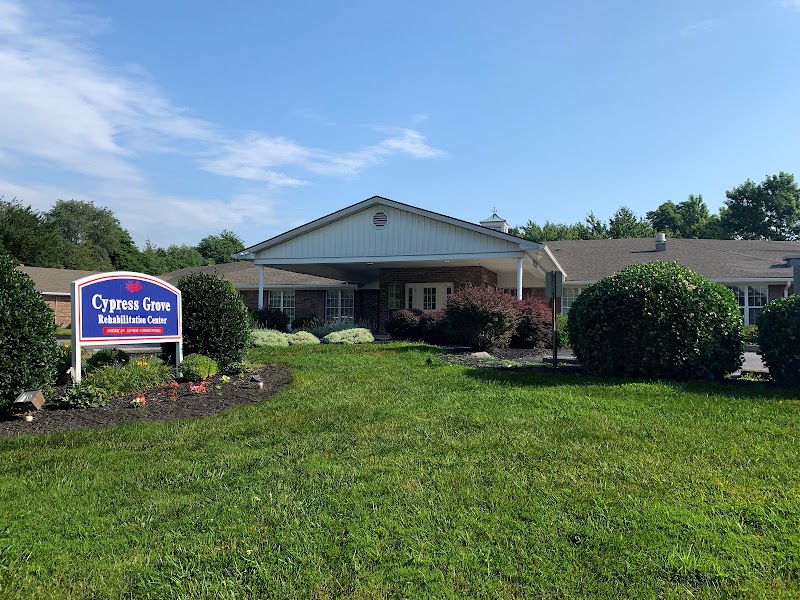
How is Cypress Grove Rehabilitation Center Staffed?

CMS rates CYPRESS GROVE REHABILITATION CENTER's staffing level at 2 out of 5 stars, which is below average compared to other nursing homes. Staff turnover is 36%, compared to the Indiana average of 46%. This relatively stable workforce can support continuity of care.

What Have Inspectors Found at Cypress Grove Rehabilitation Center?

State health inspectors documented 15 deficiencies at CYPRESS GROVE REHABILITATION CENTER during 2023 to 2025. These included: 14 with potential for harm and 1 minor or isolated issues.
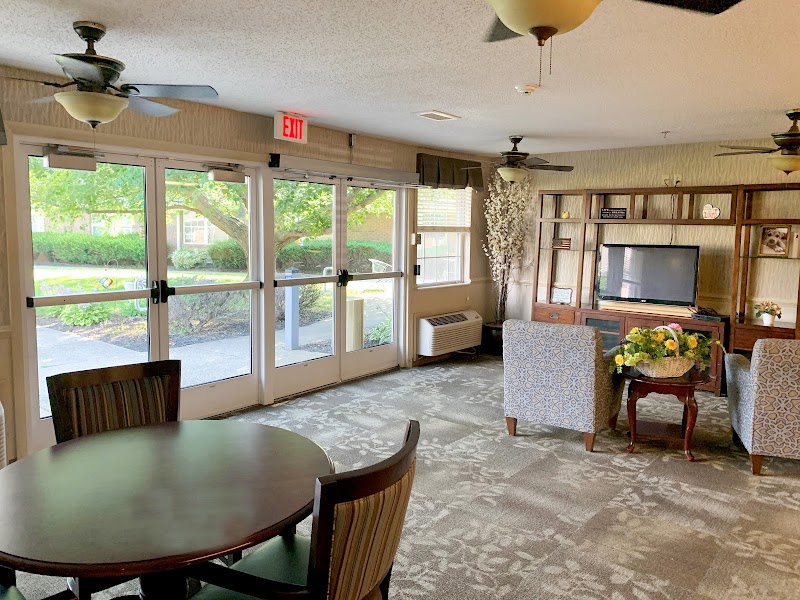
Who Owns and Operates Cypress Grove Rehabilitation Center?

CYPRESS GROVE REHABILITATION CENTER is owned by a non-profit organization. Non-profit facilities reinvest revenue into operations rather than distributing to shareholders. The facility is operated by AMERICAN SENIOR COMMUNITIES, a chain that manages multiple nursing homes. With 90 certified beds and approximately 80 residents (about 89% occupancy), it is a smaller facility located in NEWBURGH, Indiana.
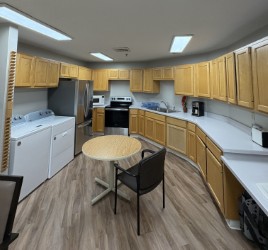
How Does Cypress Grove Rehabilitation Center Compare to Other Indiana Nursing Homes?

Compared to the 100 nursing homes in Indiana, CYPRESS GROVE REHABILITATION CENTER's overall rating (4 stars) is above the state average of 3.1, staff turnover (36%) is near the state average of 46%, and health inspection rating (4 stars) is above the national benchmark.

What Should Families Ask When Visiting Cypress Grove Rehabilitation Center?

Based on this facility's data, families visiting should ask: "Can you walk me through typical staffing levels on day, evening, and night shifts?" "Can I visit during a mealtime to observe dining assistance and food quality?" "How do you handle medical emergencies, and what is your hospital transfer rate?" "Can I speak with family members of current residents about their experience?" These questions are particularly relevant given the below-average staffing rating.

Is Cypress Grove Rehabilitation Center Safe?

Based on CMS inspection data, CYPRESS GROVE REHABILITATION CENTER has a clean safety record: no substantiated abuse findings (meaning no confirmed cases of resident harm), no Immediate Jeopardy citations (the most serious violation level indicating risk of serious injury or death), and is not on the Special Focus Facility watch list (a federal program monitoring the lowest-performing 1% of nursing homes). The facility has a 4-star overall rating and ranks #1 of 100 nursing homes in Indiana. While no facility is perfect, families should still ask about staff-to-resident ratios and recent inspection results during their visit.

Do Nurses at Cypress Grove Rehabilitation Center Stick Around?

CYPRESS GROVE REHABILITATION CENTER has a staff turnover rate of 36%, which is about average for Indiana nursing homes (state average: 46%). Moderate turnover is common in nursing homes, but families should still ask about staff tenure and how the facility maintains care continuity when employees leave.

Was Cypress Grove Rehabilitation Center Ever Fined?

CYPRESS GROVE REHABILITATION CENTER has no federal fines on record. CMS issues fines when nursing homes fail to meet care standards or don't correct problems found during inspections. The absence of fines suggests the facility has either maintained compliance or corrected any issues before penalties were assessed. This is a positive indicator, though families should still review recent inspection reports for the full picture.

Is Cypress Grove Rehabilitation Center on Any Federal Watch List?

CYPRESS GROVE REHABILITATION CENTER is not on any federal watch list. The most significant is the Special Focus Facility (SFF) program, which identifies the bottom 1% of nursing homes nationally based on persistent, serious quality problems. Not being on this list means the facility has avoided the pattern of deficiencies that triggers enhanced federal oversight. This is a positive indicator, though families should still review the facility's inspection history directly.