BROWNSBURG HEALTH CARE CENTER
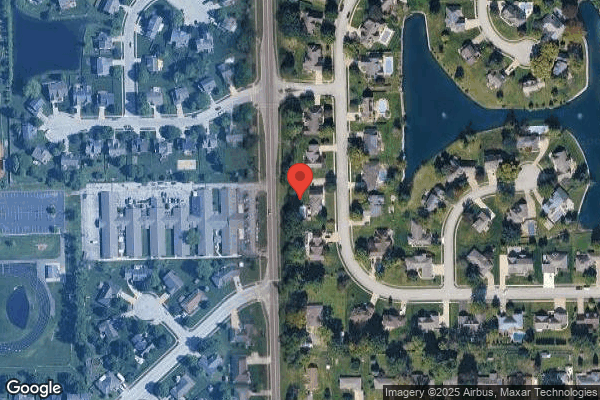
1010 HORNADAY RD, BROWNSBURG, IN 46112 (317) 852-3123
For profit - Corporation 160 Beds Independent Data: November 2025
Trust Grade
30/100
#333 of 505 in IN
Last Inspection: October 2024

Within standard 12-15 month inspection cycle. Federal law requires annual inspections.

Overview

Brownburg Health Care Center has received a Trust Grade of F, indicating significant concerns about the quality of care provided. With a state rank of #333 out of 505 in Indiana, they fall in the bottom half of facilities, and are ranked #7 out of 9 in Hendricks County, meaning only two local options are worse. The facility is showing signs of improvement, as the number of issues reported has decreased from 10 in 2024 to 5 in 2025. However, staffing is a major concern, with a very low rating of 1 out of 5 stars and a high turnover rate of 64%, which is significantly above the state average. While there have been no fines reported, which is a positive aspect, the facility has been cited for serious shortcomings. For instance, they failed to ensure that residents dependent on staff for daily activities like bathing and mealtime assistance received these services consistently. In one case, a resident was observed lying in bed without having received breakfast, indicating neglect. Additionally, medications were found unsecured in residents' rooms, raising safety concerns about possible accidents. Overall, while there are some positive trends, the numerous issues and poor staffing may be concerning for families considering this facility for their loved ones.

Trust Score
F
30/100
In Indiana
#333/505
Bottom 35%
Safety Record
High Risk
Review needed
Inspections
Getting Better
10 → 5 violations
Staff Stability
⚠ Watch
64% turnover. Above average. Higher turnover means staff may not know residents' routines.
Penalties
✓ Good
No fines on record. Clean compliance history, better than most Indiana facilities.
Skilled Nurses
⚠ Watch
Each resident gets only 29 minutes of Registered Nurse (RN) attention daily — below average for Indiana. Fewer RN minutes means fewer trained eyes watching for problems.
Violations
⚠ Watch
31 deficiencies on record. Higher than average. Multiple issues found across inspections.
★★☆☆☆
2.0
Overall Rating
★☆☆☆☆
1.0
Staff Levels
★★★★★
5.0
Care Quality
★★☆☆☆
2.0
Inspection Score
Stable
2024: 10 issues
2025: 5 issues

The Good

  • 5-Star Quality Measures · Strong clinical quality outcomes
  • Full Sprinkler Coverage · Fire safety systems throughout facility
  • No fines on record

Facility shows strength in quality measures, fire safety.

The Bad

2-Star Overall Rating

Below Indiana average (3.1)

Below average - review inspection findings carefully

Staff Turnover: 64%

17pts above Indiana avg (46%)

Frequent staff changes - ask about care continuity

Staff turnover is elevated (64%)

16 points above Indiana average of 48%

The Ugly 31 deficiencies on record

Jun 2025 1 deficiency
CONCERN (D) 📢 Someone Reported This

A family member, employee, or ombudsman was alarmed enough to file a formal complaint

Potential for Harm - no one hurt, but risky conditions existed

Free from Abuse/Neglect (Tag F0600)

Could have caused harm · This affected 1 resident

Based on observations, interviews, and record reviews, the facility failed to protect the resident's right to be free from verbal and physical abuse by staff for 1 of 3 resident reviewed for abuse (Re...

Read full inspector narrative →
Based on observations, interviews, and record reviews, the facility failed to protect the resident's right to be free from verbal and physical abuse by staff for 1 of 3 resident reviewed for abuse (Resident B). This deficient practice was corrected on 6/27/25, prior to the start of the survey, and was therefore past noncompliance. Findings include: On 6/30/25 at 10:30 a.m., a record review was completed for Resident B. He had the following diagnoses which included but were not limited to, amyotrophic lateral sclerosis (ALS) (a progressive neurodegenerative disease that affects motor nerve cells the nerve cells that control voluntary muscle movement), dysphagia (difficulty speaking), and facial weakness. The facility self-reported incident, dated 6/23/25, indicated two Certified Nursing Aides (CNA) pulled on Resident B's arms during care while he shook his head no and expressed discomfort. Resident B indicated the CNA on his right side yanked his arm in bed to pull him to the ground, but the other CNA stopped her. On 6/30/25 at 10:45 a.m., Resident B was interviewed. Resident B indicated the CNAs moved his eye gaze machine (a machine that uses his eyes to communicate via a computer) away from him, therefore, he could not communicate his needs to them. He indicated the CNAs pulled on his arms and caused him pain and his minor aged family member, who was visiting, had to tell the CNAs to stop pulling on his arms because he was in pain. He indicated the CNAs stopped finally and left him in his shirt for bedtime. He indicated the CNAs changed his brief in front of his minor aged family member. He indicated the CNAs were trying to put him too bed too early. He indicated the CNAs used a mechanical lift to put him to bed when he can stand and shuffle his feet to where he needed to go. He indicated he could not lie flat in bed, the CNAs were pulling him down in bed and it felt like he was going to fall onto the floor, and his minor aged family member had to tell the CNAs he could not lie flat because his communication machine was away from him. He indicated one CNA indicated to roll him onto his side and drop him and it will look like an accident. He indicated he did not want the two CNAs to care for him in the future. On 6/30/35 at 10:24 a.m., during an interview, the Hospice Case Manager indicated the CNAs were unfamiliar with the care of an ALS resident. She indicated the situation was corrected rather quickly. The two CNAs were suspended. The resident's adult family member and the Executive Director (ED) came into the facility immediately following the incident to assist Resident B. On 6/30/25 the ED indicated she came into the facility and CNAs 6 and 7 were immediately suspended pending an investigation. She indicated she interviewed the resident, and he indicated he felt safe and was satisfied with the results. She indicated if the CNAs returned to duty, they would no longer care for Resident B. On 6/30/25 at 1:40 p.m., during an interview with CNA 7, she indicated Resident B was not ready to go to bed when the incident occurred. She took her break and came back. She indicated Resident B cried out when they took off his pants and continued tp cry with removing his shirt, so they left it on. She indicated that when the resident started to cry out, they stopped what they were doing. On 6/30/25 at 1:46 p.m., during an interview with CNA 6, she indicated she was not on Resident B's assignment, but two people were required when using a mechanical lift. She attempted to take off his shirt, but he started crying so she left him in his shirt. When they hooked up the mechanical lift he was crying, they got him to bed when his minor aged family member indicated he did not like to lay flat in bed. Resident B was upset and wanted to call 911. She indicated four people were in his room and the resident's adult family member took over his care. The deficient practice was corrected by 6/27/25 after the facility implemented a systemic plan that included the following actions: the two CNAs were suspended pending an investigation, a complete and thorough investigation was completed, interviews were completed, staff were educated on ALS, turning, repositioning, and provision of ADL care and prevention of discomfort during provision of care. The identified CNAs received one on one education, Resident B will have care in pairs (two persons will care for him), a care plan meeting was scheduled for him to include his hospice care givers, and social services continued to follow up with Resident B. A policy titled, Abuse Prevention and Prohibition Program, was provided by the Regional Director of Operations (RDO) on 6/30/25 at 1:04 p.m. It indicated, .Each resident has the right to be free from mistreatment, neglect, abuse, involuntary seclusion, and misappropriation of property. The facility has zero-tolerance for abuse, neglect, mistreatment, and/or misappropriation of resident property. Staff must not permit anyone to engage in verbal, mental, sexual, or physical abuse, neglect, mistreatment, or misappropriation of resident property This citation relates to Complaint IN00462259. 3.1-27(a)(1)
Apr 2025 4 deficiencies
CONCERN (E) 📢 Someone Reported This

A family member, employee, or ombudsman was alarmed enough to file a formal complaint

Potential for Harm - no one hurt, but risky conditions existed

ADL Care (Tag F0677)

Could have caused harm · This affected multiple residents

Based on observation, interview, and record review, the facility failed to ensure residents who were dependent on staff for meal service, toileting, bathing and dressing, and getting residents out of ...

Read full inspector narrative →
Based on observation, interview, and record review, the facility failed to ensure residents who were dependent on staff for meal service, toileting, bathing and dressing, and getting residents out of bed, received those services for 8 of 15 residents reviewed for Activities of Daily Living (ADL) assistance (Residents C, F, G, H, K, L, N, and S). Findings include: 1. Observations of Resident C included: a. On 4/27/25 at 9:50 a.m., Resident C was observed lying in bed with her eyes closed, the head of the bed was elevated, and the resident's upper torso was slumped to the right. There was paper debris on the floor around the bed. b. On 4/27/25 at 11:51 a.m., the resident remained in the same position with her eyes closed, the head of the bed was elevated, and the resident's upper torso slumped to the right. c. On 4/28/25 at 9:45 a.m., the resident was observed sitting in a manual wheelchair (WC) next to the bed, sitting on a blue transfer pad. The resident indicated she had not yet had breakfast. An untouched breakfast tray of food was observed sitting on top of a small black refrigerator on a dresser, out of reach of the resident. Resident C's record was reviewed on 4/28/25 at 11:29 a.m. Diagnoses on Resident C's profiled included, but not limited to, acute and chronic obstructive pulmonary disease (COPD - sudden onset and ongoing lung diseases including emphysema and bronchitis), muscle weakness, and reduced mobility. The admission Minimum Data Set (MDS) assessment and state optional assessments, completed on 3/9/25, assessed Resident C as having the ability to make herself understood and to understand others. She had no signs or symptoms of delirium, behavior, or rejection of care. A Brief Interview for Mental Status (BIMS) score 12/15 indicated she had moderately impaired cognition. The resident was incontinent of bladder and bowel. Resident C required extensive assistance of one-person physical assist for bed mobility and toileting, supervision and two plus persons physical assist for transfers, and supervision and setup help only for eating. Adaptive equipment included a WC. A current care plan for ADL self-care performance deficit related to impaired balance, limited mobility, and limited range of motion, had a goal that the resident would maintain current level of function in bed mobility, transfers, eating, dressing, toilet use, and personal hygiene. Interventions included encourage resident to discuss her feelings about self-care, encourage the resident to participate to the fullest extent possible with each interaction, encourage the resident to use bell to call for assistance, and monitor/document/report to MD (physician) any changes. 2. Observations of Resident F included: a. On 4/27/25 at 9:36 a.m., the resident was observed lying in bed watching television (TV), his left forearm and hand resting on his waist, and a hand splint on a bedside table. The resident indicated he would like to be out of bed by 10:00 a.m. daily, but due to low staffing he had yet to get up or had his brief changed by the morning shift, and he was wet. b. On 4/27/25 at 10:09 a.m., a second observation of Resident F lying in bed in the same position and he indicated he was still waiting for care. c. On 4/27/25 at 10:37 a.m., a third observation of Resident F lying in bed in the same position when a visitor entered his room. The resident's relative indicated that it was not unusual for the resident to have to wait on care, especially on weekends. d. On 4/27/25 at 11:48 a.m., the resident was observed lying in bed visiting with a peer. The resident indicated he had not been given care per the day shift yet and his brief was still wet. e. On 4/27/25 at 12:02 p.m., there were no CNAs or nurses observed in the hallway. A visitor asked QMA 4 why the resident had not gotten out of bed or had his brief changed. Resident F was overheard telling QMA 4 he had asked the CNAs to change him that morning, but no one had come back. QMA 4 was observed to check the resident's brief, acknowledge it was soiled, indicated she was uncertain why he had not yet been cared for, and that she would make sure he got cleaned up and his linens changed. Resident F's record was reviewed on 4/29/25 at 10:19 a.m. Diagnoses on Resident F's profiled included, but not limited to, cerebral infarction (stroke), hemiplegia and hemiparesis (paralysis) on left non-dominant side, reduced mobility, abnormalities of gait and mobility, and muscle weakness. The admission MDS and state optional assessments, completed on 2/16/25, assessed Resident F as having the ability to make himself understood and to understand others. He had no signs or symptoms of delirium, behavior, or rejection of care. A BIMS score 14/15 indicated he was cognitively intact. The resident was frequently incontinent of bladder and bowel. Resident F required extensive assistance with two plus persons physical assist for bed mobility, transfers, toileting, and supervision and set-up help only for eating. Adaptive equipment included a WC. A current care plan for ADL self-care performance deficit related to fatigue and limited mobility, had a goal that the resident would demonstrate the appropriate use of adaptive device(s) to increase ability in bed mobility, transfers, eating, dressing, toilet use, and personal hygiene. Interventions included encourage resident to discuss her feelings about self-care, encourage the resident to participate to the fullest extent possible with each interaction, encourage the resident to use bell to call for assistance, and monitor/document/report to MD (physician) any changes. 3. Observations of Resident G included: a. On 4/27/25 at 9:41 a.m., the resident was observed lying in the bed awake, smelling of urine, a breakfast tray of untouched food and drinks at the bedside and a cup of unidentified pills sitting on the bedside stand near his breakfast tray. The resident indicated the staff was supposed to have changed his brief and assisted him to bathe, dress, and be out of bed by 8:00 a.m. so he could have breakfast. Resident G indicated he had been lying in a urine-soaked brief for hours waiting on staff, and now his breakfast food was cold. The resident indicated he had no idea his medications were on the bedside stand out of sight, but the nurse had already taken his blood sugar earlier that morning. Resident G indicated the weekends were the worst as there were never enough staff to care for the residents, and it was pure hell. b. On 4/27/25 at 9:50 a.m., the Housekeeping Supervisor was observed telling CNA 8 that Resident G needed assistance with bathing and dressing when she had time. c. On 4/27/25 at 10:36 a.m., CNA 8 was observed leaving the resident's room, and the resident was in his WC at bedside. The resident pointed to his breakfast tray and indicated the food and his water for hot chocolate were now cold. The CNA indicated she would take his water to be heated in the employee breakroom; she wanted him to at least have a hot drink as he had a cold breakfast. The resident indicated by the time he was getting out of bed he was soaking wet, and his breakfast was cold, so he frequently sent it back. d. On 4/27/25 at 10:37 a.m., a visitor indicated the day before, on Saturday 4/26/25, Resident G had been observed in his WC, wheeling himself up and down the hallway right before noon wearing only a gown and holding his clothing awaiting care. Resident G's record was reviewed on 4/29/25 at 10:45 a.m. Diagnoses on Resident G's profile included, but not limited to, type 2 diabetes mellitus, age related physical disability, overactive bladder, depression, and muscle weakness. The admission MDS and state optional assessments, completed on 2/27/25, assessed Resident G as having the ability to make himself understood and to understand others. He had no signs or symptoms of delirium, behavior, or rejection of care. A BIMS score 15/15 indicated the resident was cognitively intact. The resident was occasionally incontinent of bladder and frequently incontinent of bowel. Resident G required extensive assistance of one-person physical assist for bed mobility, transfers, toileting, and supervision of one-person physical assist for eating. Adaptive equipment included a WC. A current care plan for ADL self-care performance deficit related to fatigue and limited mobility, had a goal that the resident would improve the current level of function in bed mobility, transfers, eating, dressing, toilet use, and personal hygiene. Interventions included encourage resident to discuss her feelings about self-care, encourage the resident to participate to the fullest extent possible with each interaction, encourage the resident to use bell to call for assistance, and monitor/document/report to MD (physician) any changes. 4. Resident H was observed lying in bed with an over the bed table in front of her, watching TV. The resident indicated she had not yet had her bath, did not believe she'd had her brief changed, and was most likely wet. Resident H's record was reviewed on 4/29/25 at 1:45 p.m. Diagnoses on Resident H's profile included, but not limited to, cerebral infarction, altered mental status, type 2 diabetes mellitus, age related physical disability, and muscle weakness. The admission MDS and state optional assessments, completed on 3/24/25, assessed Resident H as having the ability to make herself understood and to understand others. She had no signs or symptoms of delirium, behavior, or rejection of care. A BIMS score 10/15 indicated she had moderately impaired cognition. The resident was frequently incontinent of bladder and bowel. Resident H required extensive assistance of one-person physical assist for bed mobility, transfers, and toileting, and supervision of one-person physical assist for eating. Adaptive equipment included a WC. A current care plan for ADL self-care performance deficit related to impaired balance, limited mobility, and limited range of motion (ROM) had a goal that the resident would improve the current level of function in bed mobility, transfers, eating, dressing, toilet use, and personal hygiene. 5. Resident K was observed lying in bed, wearing a gown, food crumbs on his gown and bedding, positioned with his contracted right hand and arm lying on his chest, and his left arm behind his head. The resident indicated he had fed himself the food from the breakfast tray in front of him on an over the bed tray stand. The resident indicated he had not yet had a bath or had his brief changed, and his adult brief was observed saturated with urine. Resident K's record was reviewed on 4/29/25 at 2:19 p.m. Diagnoses on Resident K's profile included, but not limited to, traumatic brain injury (brain dysfunction usually caused by a violent blow to the head), spastic hemiplegia (constant contraction of muscle) affecting right non-dominant side, aphasia (affects a person's ability to communicate), reduced mobility, muscle weakness, and difficulty walking. The admission MDS and state optional assessments, completed on 3/18/25, assessed Resident K as never/rarely having the ability to make himself understood and sometimes having the ability to understand others. He had no signs or symptoms of delirium, behavior, or rejection of care. A BIMS score of 99 indicated the resident was not able to complete the assessment. The resident was frequently incontinent of bladder and always incontinent of bowels. Resident K required extensive assistance of two plus persons physical assist for bed mobility, and transfers, extensive assistance of one-person physical assist for toileting, and supervision of one-person physical assist for eating. Adaptive equipment included a WC. A current care plan for ADL self-care performance deficit related to hemiplegia, limited mobility, and limited ROM had a goal that the resident would maintain current level of unction in bed mobility, transfers, eating, dressing, toilet use, and personal hygiene. Interventions included encourage resident to discuss her feelings about self-care, encourage the resident to participate to the fullest extent possible with each interaction, encourage the resident to use bell to call for assistance, and monitor/document/report to MD (physician) any changes. 6. On 4/27/25 at 10:42 a.m., Resident L was observed lying in bed with her eyes closed, wearing a floral night gown. The resident indicated she went to the bathroom on her own, but was waiting on staff to help get her dressed. Resident L's record was reviewed on 4/29/25 at 3:30 p.m. Diagnoses on Resident L's profile included, but not limited to, Parkinson's disease (central nervous system disorder affecting movement and often included tremors), dementia (impairment of brain function such as memory loss and judgement), unsteadiness on feet, and muscle weakness. The admission MDS and state optional assessments, completed on 4/21/25, assessed Resident L as having the ability to make herself understood and to understand others. She had no signs or symptoms of delirium, behavior, or rejection of care. A BIMS score 8/15 indicated she had moderately impaired cognition. The resident was occasionally incontinent of bladder and bowel. Resident L required limited assistance of one-person physical assist for bed mobility, transfers, eating, and toileting. Adaptive equipment included a WC. A current care plan for ADL self-care performance deficit related to the resident required extensive assistance with ADL's related Parkinson's, dementia, and other diagnoses. The goal was for the resident to present a neat, clean, odor free appearance daily. Interventions included, allow the resident to wear a gown during the day upon request, a bed baths per resident/family preference, encourage the resident to participate in ADL's as much as possible, provide clean clothes daily, and when approaching the resident about care, speak directly and state it is time for a shower/bed bath to reduce resistance. 7. On 4/27/25 at 10:51 a.m., Resident N was observed lying in bed wearing a hospital gown and watching TV. The resident indicated she had not yet been dressed, and her brief had not yet been changed. The resident indicated it was her understanding everyone had to stay in bed that day, but she was not sure why. Resident N's record was reviewed on 4/29/25 at 2:39 p.m. Diagnoses on Resident N's profile included, but not limited to, multiple sclerosis (central nervous system damage resulting in muscle weakness, vision changes, numbness, and memory issues), type 2 diabetes mellitus, neuromuscular disorder of the bladder, muscle weakness, and difficulty walking. The quarterly MDS and state optional assessments, completed on 3/12/25, assessed Resident N as usually having the ability to make herself understood and to understand others. She had no signs or symptoms of delirium, behavior, or rejection of care. A BIMS score 12/15 indicated the resident had moderately impaired cognition. The resident was always incontinent of bladder and bowel. Resident N required extensive assistance of two plus person physical assist for transfers, and toileting, extensive assistance of one-person physical assist for bed mobility, and supervision and one-person physical assist for eating. Adaptive equipment included a WC. A current care plan for ADL self-care performance deficit related to resistance to doing care herself, and she preferred to wear gowns rather than regular clothing, had a goal that the resident would maintain her current level of function in bed mobility, transfers, eating, dressing, toilet use, and personal hygiene. 8. Observations of Resident S included: a. On 4/27/25 at 11:15 a.m., Resident S was observed sitting in a manual WC at bedside, wearing a hospital gown with a fleece cardigan over her shoulders, her bare feet resting on the floor, and emitting a deep congested tight cough. The resident had a nasal cannula for oxygen in her nose attached to a bedside concentrator and gestured to her oxygen tubing which she took out of her brief, and indicated the CNA had put the oxygen tubing inside her brief and the resident had untaped her brief to get the tubing out. A tray of breakfast food was observed sitting on an over the bed table untouched. The resident indicated she preferred to eat breakfast after being out of bed, but most often did not get up until around 10:00 a.m., and by then the food was cold. b. On 4/28/25 at 10:02 a.m., Resident S was observed lying in bed on her right side facing the wall. An untouched breakfast tray was sitting on a table near the doorway out of the resident's reach. c. On 4/28/25 at 1:56 p.m., Resident S was observed sitting in a WC at bedside, wearing a hospital gown and her bare feet on the floor, sleeping, a TV remote in her right hand, and a breakfast tray in front of her with the food untouched. A tray of lunch foods sat on the bed near the resident with the food untouched. Resident S's record was reviewed on 4/29/25 at 3:30 p.m. Diagnoses on Resident S's profile included, but not limited to, emphysema (a type of COPD that worsens over time and makes breathing difficult), chronic respiratory failure with hypoxia, chronic COPD, difficulty walking, cognitive communication deficit, reduced mobility, unsteady on feet, age-related physical debility, and need for personal care. The annual MDS and state optional assessments, completed on 4/13/25, assessed Resident S as having the ability to make herself understood and to understand others. She had no signs or symptoms of delirium, behavior, or rejection of care. A BIMS score 15/15 indicated she was cognitively intact. The resident was always incontinent of bladder and bowel. Resident S required extensive assistance of 2 plus person physical assist for bed mobility and transfers, extensive assistance of one-person physical assist for toilet use, and supervision and set up help only for eating. Adaptive equipment included a WC. A current care plan for ADL self-care performance deficit related to resistance to doing care herself, and she preferred to wear gowns rather than regular clothes. The goal was for the resident to maintain her current level of function in bed mobility, transfers, eating, dressing, toilet use, and personal hygiene. Interventions included, the resident required staff participation to use toilet, reposition and turn in bed, bathing, oral care, personal hygiene, transfers, and dressing. Encourage the resident to participate to the fullest extent possible with each interaction. On 4/27/25 during a continuous observation of the 500 hallway from 10:42 a.m. to 11:03 a.m., there were no CNAs or nurses on the hallway, and 13 of 25 residents were observed to still be in bed. On 4/27/25 during a continuous observation of the 700 and 800 hallways from 11:08 a.m. to 11:36 a.m., 4 of 30 residents were out of bed. CNA 17 did not respond when asked why most of the residents would be in bed for lunch, instead indicated there were 2 more residents that she would be getting up for lunch. On 4/27/25 at 11:42 a.m., there were 4 residents observed sitting in wheelchairs in the back dining room awaiting lunch. On 4/27/25 at 1:45 p.m., nurses on the day shift were observed passing medications, documenting, and walking up and down the hallways. There was no observation of nurses providing direct resident care or assisting CNAs who were providing direct resident care. A list of residents per hallway that require assistance with feeding documented 12 of 78 (15%) residents: one on 300, three on 500, three on 600, and five on 700/800. A list of residents per hallway that required extensive to total assistance with toileting documented 51 of 78 (65%) residents: one on 100, three on 200, three on 400, eight on 500, ten on 600, and twenty-two on 700/800. During an interview on 4/27/25 at 11:52 a.m., the Dietary Manager (DM) indicated the front dining room was no longer used for meals as residents in the front preferred to eat in their rooms. She indicated meals were served at 12:00 p.m. on the 600 hallways, at 12:15 p.m. on the 700 and 800 hallways, around 12:35 p.m. on the 100, 200, and 300 hallways, and around 12:45 p.m. on the 400 and 500 hallways. The DM indicated on a good day 15 residents ate meals in the back dining room. During an interview on 4/28/25 at 2:11 p.m., CNA 15 indicated she was working on the 700 and 800 hallways as one of two CNAs that day, and lower staffing of CNAs generally happened 2 to 3 times weekly. CNA 15 indicated she had not sat down all day and had not had a break or lunch as there were 30 residents on the hallways of which 6 residents required assistance for eating and 15 required mechanical lifts for transfers. CNA 15 indicated it was not possible to get all 30 of the residents out of bed timely for lunch, and she had just finished getting her last resident out of bed. During an interview on 4/28/25 at 2:15 p.m., CNA 16 indicated she was working on the 700 and 800 hallways as one of two 2 CNAs that day. She indicated it took time management to get everyone done during the time allotted on her shift. If management were in the facility, line staff could request help, but if management was not in the facility the staff did the best they could; just one resident at a time. During an interview on 4/28/25 at 2:23 p.m., RN 14 indicated on days like today with just a nurse and 2 CNAs on the 700 and 800 hallways, no one got a break. They just banded together and did the best they could. It was not possible to get everyone taken care of, fed, and out of bed timely. During an interview on 4/30/25 at 2:35 p.m., CNA 5 indicated she had worked the front 100 and 200 hallways on 4/27/25. She had been unaware of the CNA scheduled to work the 300 and 400 hallways had called off until around 9:00 a.m. when the DM asked if she needed assistance passing the breakfast trays on the 300 and 400 hallways. The breakfast trays were usually delivered to the hallways to be passed no later than 8:00 a.m. and were still in the dietary transport cart. Confidential interviews were conducted during the course of the survey: a. The employee indicated when a CNA had not come in to work on a weekend, the remaining staff member for the hallway was not notified and was left to care for 30 residents that required assistance with eating, being changed and toileted, total dependent residents, and heavy lifting. The manager on duty, Qualified Medication Aide (QMA) 4, was out of town and couldn't come in and help. b. The employee indicated multiple residents were making complaints to the ADM about staff refusal to assist with changing wet briefs, refusing to empty urinals, and residents being left soiled and for the following shift to care for. c. The employee indicated nursing assistant hours had been cut, leaving 2 CNAs to work on 4 hallways, and the 500 hallways had been staffed with 1 CNA to care for multiple residents requiring showers and mechanical lifts for transfers. On 4/29/25 at 12:47 p.m., the Administrator (ADM) provided a Care and Services policy, dated 6/2020, and indicated the policy was the one currently being used by the facility. The policy indicated, Residents are provided with the necessary care and services to maintain the highest practicable physical, mental, and social well-being level in an environment that enhances quality of life in the scope of a long-term care facility. Care and services are provided in a manner that consistently enhances self-esteem and self-worth .V. The IDT [Interdisciplinary Team] facilitates opportunities for residents to exercise choice and self-determination during activities of daily living [ADLs] .VII. The IDT provides care and services to residents with reasonable accommodations of each resident's individual needs and preferences Cross reference tag F725. This citation relates to Complaints IN00452678 and IN00455563. 3.1-38(a)(2) 3.1-38(b)(2) 3.1-38(b)(5)
CONCERN (E) 📢 Someone Reported This

A family member, employee, or ombudsman was alarmed enough to file a formal complaint

Potential for Harm - no one hurt, but risky conditions existed

Accident Prevention (Tag F0689)

Could have caused harm · This affected multiple residents

Based on observation, interview, and record review, the facility failed to ensure all medications and wound treatment solutions were secured in the public hallway and in the resident rooms for 5 of 5 ...

Read full inspector narrative →
Based on observation, interview, and record review, the facility failed to ensure all medications and wound treatment solutions were secured in the public hallway and in the resident rooms for 5 of 5 residents reviewed for potential accidents (Residents G, S, T, Y, and BB). Findings include: 1. On 4/27/25 at 9:41 a.m., Resident G was observed lying in the bed awake, and a cup of unidentified pills sitting on an over the bed table beside the bed. The resident indicated he had no idea his medications were on the bedside stand as they were out of sight. Resident G's record was reviewed on 4/29/25 at 10:45 a.m. Diagnoses on Resident G's profile included, but not limited to, type 2 diabetes mellitus, age related physical disability, overactive bladder, depression, and muscle weakness. The admission MDS and state optional assessments, completed on 2/27/25, assessed Resident G as having the ability to make himself understood and to understand others. He had no signs or symptoms of delirium, behavior, or rejection of care. A BIMS score 15/15 indicated the resident was cognitively intact. Physician's orders included: a. Aspirin 81 milligrams (mg) 1 tablet by mouth one time a day for hypertension. b. Daily -Vite Multivitamin give 1 tablet by mouth one time a day for supplement. c. Doxazosin Mesylate 4 mg give 1 tablet by mouth one time a day for hypertension. d. Fluoxetine HCI 20 mg give 1 tablet by mouth one time a day for depression. e. Oxybutynin Chloride ER 10 mg give 1 tablet by mouth one time a day for overactive bladder. f. Vitamin B Complex give 1 capsule by mouth one time a day for age related physical disability. g. Juvan Oral Packet give 1 packet by mouth two times a day for wound healing, mix 1 packet with 4-6 ounces (oz) of fluids. h. Metformin HCI 500 mg give 1 tablet by mouth two times a day for diabetes mellitus type 2. i. Omeprazole 40 mg give 1 tablet by mouth two times a day for gastroesophageal reflux disease (GERD) j. Gabapentin 100 mg give 1 capsule by mouth three times a day for neuropathy. k. Lactaid 3000 units give 1 tablet by mouth before meals for lactose intolerance. On 4/27/25 all 8:00 a.m., and 9:00 a.m. medications were documented as having been administered by RN 7. The resident record lacked documentation of an assessment for self-administration of medications, a physician's order for self-administration of medications or leave medications at bedside, or a care plan for self-administration of medications. 2. On 4/28/25 at 1:56 p.m., Resident S was observed sitting in a wheelchair (WC) at bedside, sleeping. A plastic medication cup with 5 unidentified pills and an Anoro Ellipta inhaler (bronchodilator) sat on the breakfast tray in front of her. Resident S's record was reviewed on 4/29/25 at 3:30 p.m. Diagnoses on Resident S's profile included, but not limited to, emphysema (a type of COPD that worsens over time and makes breathing difficult), chronic respiratory failure with hypoxia, chronic COPD, difficulty walking, cognitive communication deficit, reduced mobility, unsteady on feet, age-related physical debility, and need for personal care. The annual MDS and state optional assessments, completed on 4/13/25, assessed Resident S as having the ability to make herself understood and to understand others. She had no signs or symptoms of delirium, behavior, or rejection of care. A BIMS score 15/15 indicated she was cognitively intact. Physician's orders included: a. Anoro Ellipta Inhalation 62.5-25 micrograms (mcg) inhale 1 puff orally one time a day for respiratory failure. b. Aspirin 81 milligrams (mg) 1 tablet by mouth one time a day for prophylaxis heart health. c. Daily -Vite Multivitamin 400 mcg give 1 tablet by mouth one time a day for supplement. d. Ferrous Sulfate 325 mg give 1 tablet by mouth one time a day for iron supplement. e. FiberCon 625 mg give 1 tablet one time a day for constipation, give in 8 oz of water or juice. f. Omeprazole 20 mg give 1 tablet by mouth in the morning for dyspepsia (indigestion) g. Sertraline HCI 50 mg give 75 mg (1 ½) tablets by mouth one time daily for major depressive disorder. h. Mucinex ER 600 mg give 1 tablet by mouth two times a day for congestion. i. Sulfasalazine DR 500 mg give 1500 mg (3 tablets) by mouth two times a day for rheumatoid arthritis. j. Albuterol Inhalation Solution 2.5 mg/3 ml 0.83% inhale 1 application via nebulizer three times a day for emphysema. On 4/27/25 all 8:00 a.m., and 9:00 a.m. medications were documented as having been administered by QMA 4. The resident record lacked documentation of an assessment for self-administration of medications, a physician's order for self-administration of medications or leave medications at bedside, or a care plan for self-administration of medications. On 4/28/25 at 2:23 p.m., Registered Nurse (RN) 14 observed the cup of medications sitting on the resident's breakfast tray and indicated Qualified Medication Aide (QMA) 4 had administered the medications that morning, and staff knew better than to leave medications at bedside. 3. On 4/28/25 at 1:58 p.m., Resident T was observed with medications sitting on an over the bed table among personal items to include 2 bottles of Therma tears (lubricating eye drops), Neo-Poly-Dex eye drops (antibiotic drops), a bottle of Systane (lubricating eye drops) and a Breo Ellita inhaler (corticosteroid). Resident T's record was reviewed on 4/30/25 at 10:19 p.m. Diagnoses on Resident T's profile included, but not limited to, COPD, asthma, major depressive disorder (mental health condition characterized by persistent low mood, loss of interest or pleasure in activities), change in retinal vascular appearance (can be caused by diabetes, and be a marker for cerebral vascular disease), dry eye syndrome (tears aren't able to provide adequate moisture to the eye), and need for personal care. The annual MDS and state optional assessments, completed on 3/18/25, assessed Resident T as having the ability to make herself understood and to understand others. She had no signs or symptoms of delirium, behavior, or rejection of care. A BIMS score 15/15 indicated she was cognitively intact. Physician's orders included: a. Thera tears Solution 0.25 % instill 1 drop in both eyes three times a day for dry eyes. b. Neomycin-Polymy-Dexameth 0.1 % instill 1 application in right eye two times a day along the eyelids and lashes for dry eyes. c. Systane Gel 0.4-0.3 % instill 1 drop in right eye two times a day for eye dryness. d. Breo Ellipta Inhalation Aerosol Powder 100-25 mcg 1 puff inhale orally in the morning related to chronic obstructive pulmonary disease (COPD), rinse mouth after use. On 4/27/25 all 8:00 a.m., and 12:00 p.m. medications were documented as having been administered by RN 14. The resident record lacked documentation of an assessment for self-administration of medications, a physician's order for self-administration of medications or leave medications at bedside, or a care plan for self-administration of medications. 4. On 4/28/25 at 1:58 p.m., Resident Y was observed with medications sitting on a over the bed table among his personal items to include a bottle of Miralax laxative powder, Structured silver liquid (used as a dietary supplement or topically for wound care), a bottle of parasite liquid supplement drops (marketed as a way to cleanse the body of parasites and improve gut health), liquid chlorophyll (a trending health supplement derived from the green pigment found in plants), detox drops (used to support the body's natural detoxification and overall well-being), and high blood pressure drops (antihypertensive medication), all with no pharmacy label for usage, soiled almost unreadable labels, and no readable expiration date. Resident Y's record was reviewed on 4/30/25 at 9:52 a.m. Diagnoses on Resident Y's profile included, but not limited to, hemiplegia and hemiparesis following a cerebral infarction affecting the left non-dominant side, major depressive disorder, and anxiety disorder. Physician's orders included: a. Miralax Oral Powder 17 grams (gm)/scoop give 1 scoop by mouth in the morning for constipation in 6-8 oz of fluid of choice. b. Chlorhexidine Gluconate Mouth/Throat Solution 0.12% give 15 ml by mouth two times a day for chronic gingivitis. The resident record lacked physician's orders for the high blood pressure drops, structured silver liquid, parasite liquid supplement drops, and the order for debrox drops had been discontinued on 2/17/25. The resident record lacked documentation of an assessment for self-administration of medications, a physician's order for self-administration of medications or leave medications at bedside, or a care plan for self-administration of medications. 5. On 4/28/25 at 1:58 p.m., Resident BB had a medication cup of unidentified white cream sitting on the handrail outside the resident room. Resident BB's record was reviewed on 4/30/25 at 12:08 p.m. Diagnoses on Resident BB's profile included, but not limited to, osteomyelitis unspecified (bone infection), acquired absence of left toes, acquired absence of right leg below the knee, and homelessness. Physician's orders included, apply house barrier cream to bilateral lower buttocks every shift and PRN (pro re nata - as needed) after incontinent episodes. The resident record lacked documentation of a physician order for prescription ointments or creams. During an interview on 4/28/25 at 4:00 p.m., the Administrator (ADM) indicated she had been unaware of residents having prescription medications at bedside, but professional staff were aware that prescription medications were not allowed to be kept at beside without an order. On 4/29/25 at 10:00 a.m., the Regional Nurse Consultant provided a Medication - Administration policy, undated, and indicated the policy was the one currently being used by the facility. The policy indicated, .Medications will be administered by a Licensed Nurse per the order of an Attending Physician or licensed independent practitioner .XIV. Administer the medication to the resident. XV. The Licensed Nurse will remain with the resident until the medication is actually swallowed .XIX.A. The time and dose of the drug or treatment administered to the resident will be recorded in the resident's individual medication record by the person who administered the drug or treatment On 4/29/25 at 10:00 a.m., the Regional Nurse Consultant provided a Medication Storage in the Facility policy, dated 1-2024, and indicated the policy was the one currently being used by the facility. The policy indicated, .Medications and biologicals are stored safely, securely and properly following manufacturer's recommendations or those of the supplier. The medication supply is accessible only to licensed nursing personnel, pharmacy personnel, or staff members lawfully authorized to administer medications Cross reference tag F725. This citation relates to Complaints IN00452678 and IN00455563. 3.1-45(a)(1)
CONCERN (E) 📢 Someone Reported This

A family member, employee, or ombudsman was alarmed enough to file a formal complaint

Potential for Harm - no one hurt, but risky conditions existed

Respiratory Care (Tag F0695)

Could have caused harm · This affected multiple residents

Based on observation, interview, and record review, the facility failed to properly clean and store nebulizer (small machine that turns liquid medication into a mist that can be easily inhaled) and ox...

Read full inspector narrative →
Based on observation, interview, and record review, the facility failed to properly clean and store nebulizer (small machine that turns liquid medication into a mist that can be easily inhaled) and oxygen equipment for 4 of 4 residents reviewed for respiratory care (Residents S, V, X, and Z). Findings include: 1. On 4/27/25 at 11:15 a.m., Resident S was observed sitting in a manual wheelchair (WC) at the bedside. The resident had a nasal cannula for oxygen in her nose attached to a bedside concentrator and gestured to her oxygen tubing which she took out of her brief, and indicated Certified Nursing Assistant (CNA) 15 had put the oxygen tubing inside her brief and the resident had untaped her brief to get the tubing out. The resident gestured to her nebulizer sitting on the bed beside her and the nebulizer handheld mouthpiece was unbagged and lying in the middle of the bed among her bedding. A portable oxygen concentrator was observed on a bedside table on the back side of the bed, in the on position, and the attached nasal cannula was laying on the floor. The resident indicated she used the portable concentrator when going out of her room. On 4/28/25 at 10:02 a.m., Resident S was observed lying in bed on her right side facing the wall. A portable oxygen concentrator was observed on a bedside table on the back side of the bed, in the on position, and the attached nasal cannula was laying on the floor. On 4/28/25 at 1:56 p.m., Resident S was observed sitting in a WC at bedside. A nebulizer sat on the bed beside the resident with the mouthpiece lying on the bare mattress. A portable oxygen concentrator was observed on a bedside table on the back side of the bed, in the on position, the attached nasal cannula was laying on the floor. Resident S's record was reviewed on 4/29/25 at 3:30 p.m. Diagnoses on Resident S's profile included, but not limited to, emphysema (a type of COPD that worsens over time and makes breathing difficult), chronic respiratory failure with hypoxia, chronic COPD, difficulty walking, cognitive communication deficit, reduced mobility, unsteady on feet, age-related physical debility, and need for personal care. The annual MDS and state optional assessments, completed on 4/13/25, assessed Resident S as having the ability to make herself understood and to understand others. She had no signs or symptoms of delirium, behavior, or rejection of care. A BIMS score 15/15 indicated she was cognitively intact. Physician's orders included: a. Anoro Ellipta Inhalation 62.5-25 micrograms (mcg) inhale 1 puff orally one time a day for respiratory failure. b. Aspirin 81 milligrams (mg) 1 tablet by mouth one time a day for prophylaxis heart health. c. Daily -Vite Multivitamin 400 mcg give 1 tablet by mouth one time a day for supplement. d. Ferrous Sulfate 325 mg give 1 tablet by mouth one time a day for iron supplement. e. FiberCon 625 mg give 1 tablet one time a day for constipation, give in 8 oz of water or juice. f. Omeprazole 20 mg give 1 tablet by mouth in the morning for dyspepsia (indigestion) g. Sertraline HCI 50 mg give 75 mg (1 ½) tablets by mouth one time daily for major depressive disorder. h. Mucinex ER 600 mg give 1 tablet by mouth two times a day for congestion. i. Sulfasalazine DR 500 mg give 1500 mg (3 tablets) by mouth two times a day for rheumatoid arthritis. j. Albuterol Inhalation Solution 2.5 mg/3 ml 0.83% inhale 1 application via nebulizer three times a day for emphysema. On 4/27/25 all 8:00 a.m., and 9:00 a.m. medications were documented as having been administered by QMA 4. 2. On 4/28/25 at 9:25 a.m., Resident V was observed lying in bed working on word puzzles. The resident indicated she was looking for a nurse to start her nebulizer treatment, the resident was slightly short of breath and wheezy when speaking. On 4/28/25 at 1:58 p.m., Resident V's nebulizer machine was observed sitting on the bedside table on the backside of the bed and the handheld mouthpiece was unbagged and clipped to the machine. The handheld mouthpiece was observed to have nebulizer liquid medication in the medication chamber. A physician's order, dated 3/17/25, indicated Ipratropium-Albuterol Solution 0.5-2.5 mg/ml inhale 3 ml orally three times a day for asthma at 9:00 a.m., 2:00 p.m., and 9 p.m. On 4/27/25 the 9:00 a.m. and 2:00 p.m. nebulizer treatments were documented as having been administered by Licensed Practical Nurse (LPN) 13. The resident record lacked documentation of an assessment for self-administration of medications, a physician's order for self-administration of medications or leave medications at bedside, or a care plan for self-administration of medications. A care plan indicated the resident had asthma, and the goal was for her to remain free from complications of asthma. Interventions included medications as ordered, give nebulizer treatments and oxygen therapy as ordered, and monitor for side effects and effectiveness. 3. On 4/28/25 at 1:58 p.m., Resident X was observed sitting in a WC at bedside. A Continuous Positive Airway Pressure (CPAP) machine was sitting on a stand beside the bed, with the CPAP mask unbagged and lying among his personal items on the bedside stand. The resident indicated he used the CPAP at night when he needed it. Resident X's record was reviewed on 4/30/25 at 9:52 a.m. Diagnoses on Resident X's profile included, but not limited to, hemiplegia and hemiparesis following a cerebral infarction affecting the left non-dominant side, obstructive sleep apnea, and tobacco use. The resident record lacked documentation of physician's orders for cleaning and storage of the CPAP machine. A care plan for CPAP therapy related to obstructive sleep apnea had a goal of the resident would adhere to the CPAP/BiPAP regimen. The care plan lacked interventions related to the CPAP regiment and instructions for staff and the residents' use. 4. On 4/28/25 at 1:58 p.m., Resident Z was observed to be out of his room. A nebulizer machine was observed on the bedside stand, and the handheld mouthpiece was lying unbagged among his personal items, covered with a soiled winter coat. Resident Z's record was reviewed on 4/30/25 at 11:48 a.m. Diagnoses on Resident Z's profile included, but not limited to, myocardial infarction (heart attack), and paranoid schizophrenia (prominent delusions and hallucinations, particularly auditory ones). The resident record lacked documentation of physician's orders for cleaning and storage of the nebulizer machine, tubing, and mask. On 4/29/25 at 10:00 a.m., the Regional Nurse Consultant provided an Oral and Nasal Inhalation Administration policy, dated 1-2024, and indicated the policy was the one currently being used by the facility. The policy indicated, .6. Pour medication into nebulizer cup .12. Remain with the resident for the treatment unless the resident has been assessed and authorized to self-administer .18. Administer therapy until medication is gone [mist has stopped] or until the designated time of treatment has been reached. 19. When treatment is complete, turn off nebulizer and disconnect T-piece, mouthpiece, and medication cup .21. Rinse and disinfect the nebulizer equipment according to manufacturer's recommendations .23. When equipment is completely dry, store in a plastic bag with the resident's name and date on it On 4/30/25 at 12:02 p.m. the Administrator (ADM) provided a BiPap/CPAP policy, dated 5/2017, and indicated the policy was the one currently being used by the facility. The policy indicated, .1. Clean the unit weekly .6. Clean the mask as needed for soiling .Clean head gear, chin strap, and/or soft cap as needed for soiling .Allow items to air dry on a line - if possible On 4/30/25 at 12:02 p.m. the ADM provided a Respiratory Care Policy, dated 1/2025, and indicated the policy was the one currently being used by the facility. The policy indicated, .3. Administer medications or other respiratory services as prescribed by a physician or non-physician practitioner including but not limited inhalers, nebulizers, oxygen therapy, and oral medications. 4. BiPAP [Bilevel Positive Airway Pressure] and CPAP services to be provided as ordered by physician or non-physician practitioner .III. Weekly observation of respiratory equipment to ensure proper functioning and cleanliness .V. Ensure proper storage, handling, and sanitation of all respiratory equipment Cross reference tag F725. This citation relates to Complaints IN00452678 and IN00455563. 3.1-47(a)(6)
CONCERN (E) 📢 Someone Reported This

A family member, employee, or ombudsman was alarmed enough to file a formal complaint

Potential for Harm - no one hurt, but risky conditions existed

Deficiency F0725 (Tag F0725)

Could have caused harm · This affected multiple residents

Based on observation, interview, and record reviews, the facility failed to ensure adequate staffing levels to ensure residents received activities of daily living (ADL) care for meal service, toileti...

Read full inspector narrative →
Based on observation, interview, and record reviews, the facility failed to ensure adequate staffing levels to ensure residents received activities of daily living (ADL) care for meal service, toileting, bathing and dressing, medication administration, and getting residents out of bed for 14 of 16 residents reviewed for sufficient nurse staffing (Residents C, F, G, H, J, K, L, N, S, T, V, X, Y, and BB) and for 5 of 7 hallways (200, 400, 500, 700, and 800) observed for sufficient nurse staffing. Findings include: On 4/27/25 at 9:13 a.m., Certified Nursing Assistant (CNA) 5 indicated she was assigned to care for 7 residents on the 100 and 200 hallways by herself. There was no CNA in the facility to care for residents on the 300 and 400 hallways, but she was not sure why. The nursing scheduler QMA 4 had been called in to cover for a nurse call-off on the 400 hallways, but CNA 5 had yet to hear the backup plan to cover the CNA's hours. On 4/27/25 at 9:27 a.m., Registered Nurse (RN) 7 was observed administering medications on the 300 hallway. He indicated he usually worked double shifts on Tuesdays, Thursdays and every other weekend, and on this date he was responsible for the 100, 200, and 300 hallways. RN 7 indicated the CNA for the 300 and 400 hallways had not shown up, there were 12 residents total, and staff were handling the situation as a group. RN 7 indicated staffing problems usually happened mostly on the weekends, but the 700 and 800 hallways were usually staffed with 3 CNAs, and one would be pulled to help where needed. He indicated the day shift started at 7:00 a.m., and at that time the 5 residents on the 300 hallway were not yet out of bed. On 4/27/25 at 9:29 a.m., CNA 8 was observed arriving on the 300 hallway. The CNA indicated, she was a new employee of about 3 weeks in the facility and had just been re-assigned this morning from the 700 and 800 hallways to the 300 and 400 hallways where she had never worked. Observations of Resident C, included: a. On 4/27/25 at 9:50 a.m., Resident C was observed lying in bed with her eyes closed, the head of the bed was elevated, and the resident's upper torso was slumped to the right. There was paper debris on the floor around the bed. b. On 4/27/25 at 11:51 a.m., the resident remained in the same position with her eyes closed, the head of the bed was elevated, and the resident's upper torso slumped to the right. c. On 4/28/25 at 9:45 a.m., the resident was observed sitting in a manual wheelchair (WC) next to the bed, sitting on a blue transfer pad. The resident indicated she had not yet had breakfast. An untouched breakfast tray of food was observed sitting on top of a small black refrigerator on a dresser, out of reach of the resident. Observations of Resident F included: a. On 4/27/25 at 9:36 a.m., the resident was observed lying in bed watching television (TV), his left forearm and hand resting on his waist, and a hand splint on a bedside table. The resident indicated he would like to be out of bed by 10:00 a.m. daily, but due to low staffing he had yet to get up or had his brief changed by the morning shift, and he was wet. b. On 4/27/25 at 10:09 a.m., a second observation of Resident F lying in bed in the same position and he indicated he was still waiting for care. c. On 4/27/25 at 10:37 a.m., a third observation of Resident F lying in bed in the same position when a visitor entered his room. The resident's relative indicated that it was not unusual for the resident to have to wait on care, especially on weekends. d. On 4/27/25 at 11:48 a.m., the resident was observed lying in bed visiting with a peer. The resident indicated he had not been given care per the day shift yet and his brief was still wet. e. On 4/27/25 at 12:02 p.m., there were no CNAs or nurses observed in the hallway. A visitor asked QMA 4 why the resident had not gotten out of bed or had his brief changed. Resident F was overheard telling QMA 4 he had asked the CNAs to change him that morning, but no one had come back. QMA 4 was observed to check the resident's brief, acknowledge it was soiled, indicated she was uncertain why he had not yet been cared for, and that she would make sure he got cleaned up and his linens changed. Observations of Resident G included: a. On 4/27/25 at 9:41 a.m., the resident was observed lying in the bed awake, smelling of urine, a breakfast tray of untouched food and drinks at the bedside and a cup of unidentified pills sitting on the bedside stand near his breakfast tray. The resident indicated the staff was supposed to have changed his brief and assisted him to bathe, dress, and be out of bed by 8:00 a.m. so he could have breakfast. Resident G indicated he had been lying in a urine-soaked brief for hours waiting on staff, and now his breakfast food was cold. The resident indicated he had no idea his medications were on the bedside stand out of sight, but the nurse had already taken his blood sugar earlier that morning. Resident G indicated the weekends were the worst as there were never enough staff to care for the residents, and it was pure hell. b. On 4/27/25 at 9:50 a.m., the Housekeeping Supervisor was observed telling CNA 8 that Resident G needed assistance with bathing and dressing when she had time. c. On 4/27/25 at 10:36 a.m., CNA 8 was observed leaving the resident's room, and the resident was in his WC at bedside. The resident pointed to his breakfast tray and indicated the food and his water for hot chocolate were now cold. The CNA indicated she would take his water to be heated in the employee breakroom; she wanted him to at least have a hot drink as he had a cold breakfast. The resident indicated by the time he was getting out of bed he was soaking wet, and his breakfast was cold, so he frequently sent it back. d. On 4/27/25 at 10:37 a.m., a visitor indicated the day before, on Saturday 4/26/25, Resident G had been observed in his wheelchair, wheeling himself up and down the hallway right before noon wearing only a gown and holding his clothing awaiting care. On 4/27/25 at 10:12 a.m., QMA 4 was observed passing medications on the 400 hallway, and indicated she had been called in to cover the 400 and 500 hallways, and CNA 8 had been pulled from the 700 and 800 hallways to cover the 300 and 400 hallways for employees that had called off. QMA 4 indicated that CNA 8 had a total of 13 residents to care for between the 300 and 400 hallways, but there were only 3 residents on the 400 hallway that needed hands on care, including Residents H, J, and K, the rest would use their call lights to call for assistance when needed. a. Resident H was observed lying in bed with an over the bed table in front of her, watching TV. The resident indicated she had not yet had her bath, did not believe she'd had her brief changed, and was most likely wet. b. Resident J was observed lying in bed watching TV and wearing a gown. c. Resident K was observed lying in bed, wearing a gown, food crumbs on his gown and bedding, positioned with his contracted right hand/arm lying on his chest, and his left arm behind his head. The resident indicated he had fed himself the food from the breakfast tray in front of him on an over the bed tray stand. The resident indicated he had not yet had a bath or had his brief changed, and his adult brief was observed saturated with urine. On 4/27/25 at 10:42 a.m., Resident L was observed lying in bed with her eyes closed, wearing a floral night gown. The resident indicated she went to the bathroom on her own, but was waiting on staff to help get her dressed. On 4/27/25 at 10:51 a.m., Resident N was observed lying in bed wearing a hospital gown and watching TV. The resident indicated she had not yet been dressed, and her brief had not yet been changed. The resident indicated it was her understanding everyone had to stay in bed that day, but she was not sure why. During a continuous observation on 4/27/25 from 10:42 a.m. to 11:03 a.m., there were no CNA's or nurses on the 500 hallway, and 13 of 25 residents were observed to still be in bed. Observations of Resident S included, a. On 4/27/25 at 11:15 a.m., Resident S was observed sitting in a manual wheelchair at bedside, wearing a hospital gown with a fleece cardigan over her shoulders, her bare feet resting on the floor, and emitting a deep congested tight cough. The resident had a nasal cannula for oxygen in her nose attached to a bedside concentrator and gestured to her oxygen tubing which she took out of her brief, and indicated the CNA had put the oxygen tubing inside her brief and the resident had untaped her brief to get the tubing out. A tray of breakfast food was observed sitting on an over the bed table untouched. The resident indicated she preferred to eat breakfast after being out of bed, but most often did not get up until around 10:00 a.m., and by then the food was cold. The resident gestured to her nebulizer sitting on the bed beside her and the nebulizer handheld mouthpiece was unbagged and lying in the middle of the bed among her bedding. Resident S indicated the nurse had put the nebulizer handpiece on the bedside table that morning, and after she was assisted out of bed, CNA 17 handed her the nebulizer handpiece, spilled half of the medication, and turned on the machine, therefore she did not get her full treatment. A portable oxygen concentrator was observed on a bedside table on the back side of the bed, in the on position, and the attached nasal cannula was laying on the floor. The resident indicated she used the portable concentrator when going out of her room. b. On 4/28/25 at 10:02 a.m., Resident S was observed lying in bed on her right side facing the wall. A portable oxygen concentrator was observed on a bedside table on the back side of the bed, in the on position, and the attached nasal cannula was laying on the floor. An untouched breakfast tray was sitting on a table near the doorway out of the resident's reach. c. On 4/28/25 at 1:56 p.m., Resident S was observed sitting in a WC at bedside, wearing a hospital gown and her bare feet on the floor, sleeping, a TV remote in her right hand, and a breakfast tray in front of her with the food untouched. A plastic medication cup with 5 unidentified medications and an Anoro Ellipta inhaler (bronchodilator) sat on the breakfast tray. A tray of lunch foods sat on the bed near the resident with the food untouched. A nebulizer sat on the bed beside the resident with the mouthpiece on the bare mattress. A portable oxygen concentrator was observed on a bedside table on the back side of the bed, in the on position, the attached nasal cannula was laying on the floor. d. On 4/28/25 at 2:23 p.m., Registered Nurse (RN) 14 observed the medications sitting on the resident's breakfast tray and indicated QMA 4 had administered the medications that morning, and staff knew better than to leave medications at bedside. On 4/27/25 at 11:33 a.m., Resident T was observed at bedside reading a book, and indicated on Friday 4/25/25 she had not received her bedtime medications until she called up front, and a nurse came and gave her the medication right at shift change at 11:00 p.m. On 4/27/25 a continuous observation of the 700 and 800 hallways from 11:08 a.m. to 11:36 a.m., 4 of 30 residents were out of bed. CNA 17 did not respond when asked why most of the residents would be in bed for lunch, instead indicated there were 2 more residents that she would be getting up for lunch. On 4/27/25 at 11:42 a.m., there were 4 residents observed sitting in WCs in the back dining room awaiting lunch. During an interview on 4/27/25 at 11:52 a.m., the Dietary Manager (DM) indicated the front dining room was no longer used for meals as residents in the front preferred to eat in their rooms. She indicated meals were served at 12:00 p.m. on the 600 hallways, at 12:15 p.m. on the 700 and 800 hallways, around 12:35 p.m. on the 100, 200, and 300 hallways, and around 12:45 p.m. on the 400 and 500 hallways. The DM indicated, on a good day 15 residents ate meals in the back dining room. On 4/27/25 at 1:15 p.m., CNA 5 who was responsible for residents on the 100 and 200 hallways was observed most of this day one on one (1:1) with Resident D at the front of the facility, to include entertaining her and feeding her lunch. On 4/27/25 at 1:45 p.m., nurses on the day shift were observed passing medications, documenting, and walking up and down the hallways. There was no observation of nurses providing direct resident care or assisting CNAs who were providing direct resident care. Observations of Resident V included, a. On 4/28/25 at 9:25 a.m., Resident V was observed lying in bed working on word puzzles. The resident indicated she was looking for a nurse to start her nebulizer treatment, the resident was slightly short of breath and wheezy when speaking. b. On 4/28/25 at 1:58 p.m., Resident V's nebulizer machine was observed sitting on the bedside table on the backside of the bed and the handheld mouthpiece was unbagged and clipped to the machine. The handheld mouthpiece was observed to have nebulizer liquid medication in the medication chamber. On 4/28/25 at 10:01 a.m., observation of QMA 4 passing medications on the 800 hallway, and 2 CNAs working together on the 700 and 800 hallways. QMA 4 indicated, a CNA had called off that morning and the 3rd CNA from the 700 and 800 hallways had been moved to cover. QMA 4 indicated that the facility was not currently hiring more staff as all positions had been filled. There used to be more pro re nata (prn - as needed) staff, but due to not working at least 1 shift per month, those positions had been terminated. QMA 4 indicated that if all staff came in to work their scheduled shifts there was no need to hire more staff. QMA 4 indicated 2 aides were working together to care for the 30 residents on the 700 and 800 hallways, of which 15 required mechanical lifting from bed. She would come out of her office and assist when residents were being mechanically transferred. During an interview on 4/28/25 at 2:11 p.m., CNA 15 indicated she was working on the 700 and 800 hallways as one of two 2 CNAs that day, and lower staffing of CNAs generally happened 2-3 times weekly. CNA 15 indicated she had not sat down all day and had not had a break or lunch as there were 30 residents on the hallways of which 6 residents required assistance for eating and 15 required mechanical lifts for transfers. CNA 15 indicated it was not possible to get all 30 of the residents out of bed timely for lunch, and she had just finished getting her last resident out of bed. During an interview on 4/28/25 at 2:15 p.m., CNA 16 indicated she was working on the 700 and 800 hallways as one of two 2 CNAs that day. She indicated it took time management to get everyone done during the time allotted on her shift. If management were in the facility, line staff could request help, but if management was not in the facility the staff did the best they could; just one resident at a time. During an interview on 4/28/25 at 2:23 p.m., RN 14 indicated on days like today with just a nurse and 2 CNAs on the 700 and 800 hallways, no one got a break. They just banded together and did the best they could. It was not possible to get everyone taken care of, fed, and out of bed timely. Confidential interviews were conducted during the course of the survey: a. The employee indicated when a CNA had not come in to work on a weekend, the remaining staff member for the hallway was not notified and was left to care for 30 residents that required assistance with eating, being changed and toileted, total dependent residents, and heavy lifting. The manager on duty, Qualified Medication Aide (QMA) 4, was out of town and couldn't come in and help. b. The employee indicated multiple residents were making complaints to the ADM about staff refusal to assist with changing wet briefs, refusing to empty urinals, and residents being left soiled and for the following shift to care for. c. The employee indicated nursing assistant hours had been cut, leaving two CNAs to work on 4 hallways, and the 500 hallways had been staffed with one CNA to care for multiple residents requiring showers and mechanical lifts for transfers. During an interview on 4/30/25 at 2:35 p.m., CNA 5 indicated she had worked the front 100 and 200 hallways on 4/27/25. She had been unaware of the CNA scheduled to work the 300 and 400 hallways had called off until around 9:00 a.m. when the DM asked if she needed assistance passing the breakfast trays on the 300 and 400 hallways. The breakfast trays were usually delivered to the hallways to be passed no later than 8:00 a.m. and were still in the dietary transport cart. A dietary mealtime posting indicated breakfast 7:30 a.m. - 8:30 a.m., lunch 12:00 p.m. - 1:00 p.m., and dinner 5:30 p.m. - 6:30 p.m. A list of residents per hallway that require assistance with feeding documented 12 of 78 (15%) residents: one on 300, three on 500, three on 600, and five on 700/800. A list of residents per hallway that required extensive to total assistance with toileting, documented 51 of 78 (65%) residents: one on 100, three on 200, three on 400, eight on 500, ten on 600, and twenty-two on 700/800. The Facility Assessment, dated 2/3/25, and provided by the Administrator (ADM) on 4/28/25 at 4:07 p.m., indicated there were 56 residents requiring assistance with dressing, 72 requiring assistance with bathing, 56 requiring assistance with transfers, 72 requiring assistance with eating, 56 requiring assistance with toileting, 35 requiring assistance with mobility, and 25 requiring assistance with respiratory treatments. The facility assessment indicated that the staffing ratio was to be 1:15 CNA/Resident and 1:32 Licensed Nurse/Resident. The facility assessment indicated that the hours per resident day (HPRD) was to be 3.48 hours, with 0.44 HPRD to be RN, 2.45 HPRD to be CNA/QMA, and 0.48 could be a combination. The Facility Assessment indicated that the facility's Nurse Staffing Plan was to have 2 to 4 LPN or RNs and 5 CNAs on night shift, 2 to 4 LPN or RNs and 7 CNAs on day shift, and 2 to 4 LPN or RNs and 6 CNAs on evening shift. During an interview on 4/30/25 at 12:00 p.m., the ADM indicated she was unaware of what the HPRD was and how it was calculated. She was not at the facility when the facility assessment was created. The ADM indicated the Per Patient Day (PPD) goal was to be around 2.8 or 3.0. The PPD report for February 2025 through April 2025 was reviewed. The report indicated that in February 2025 there was one day out of 28 days the PPD was less than 2.8 when on 2/15/25, it was 2.77. In March there were 5 days out of 30 days where the PPD was less than 2.8. On 3/1/25 it 2.78, on 3/2 it was 2.72, on 3/16 it was 2.74, on 3/22 it was 2.74, and on 3/29 it was 2.73. The schedules worked were provided on 4/28/25 at 2:40 p.m. by the ADM. The schedules for February 2025 were reviewed to determine if CNAs were staffed per the Facility Assessment numbers of seven CNAs on day shift, six CNAs on evening shift, and five CNAs on night shift. There were 22 days out of 28 days on day shift that the facility did not have seven CNAs. There were 4 days out of 28 days that the facility did not have six CNAs on evening shift. There were 16 days out of 28 days that the facility did not have five CNAs on night shift. The schedules for March 2025 were reviewed to determine if CNAs were staffed per the Facility Assessment numbers. There were 9 days out of 31 days on day shift that the facility did not have seven CNAs. There were 4 days out of 31 days that the facility did not have five CNAs on night shift. The schedules for April 2025 were reviewed to determine if CNAs were staffed per the Facility Assessment numbers. There were 9 days out of 28 days that the facility did not have seven CNAs on day shift. There were 18 days out of 28 days that the facility did not have five CNAs on night shift. On 4/30/25 at 12:02 p.m. the Administrator (ADM) provided a Nursing Department - Staffing, Scheduling, & Posting policy, dated 10/24/11, and indicated the policy was the one currently being used by the facility. The policy indicated, .I. The Facility will employee sufficient Nursing Staff on a 24-hour basis that meet the appropriate competencies, skill set and required qualifications to provide nursing and related services to attain or maintain the highest practicable physical, mental, and psychosocial well-being for each resident. II. In staffing an adequate number of nursing service personnel, scheduling will be done as needed to meet resident needs and will account for the number, acuity and diagnoses the facilities resident populations .C. The Facility will employee and schedule sufficient nursing staff as determined by resident assessments and individual plans of care. i. Nursing staffing will take into account the number, acuity, and diagnosis of the Facility's resident population. This will be documented in the Resident Assessment. D. The Facility will utilize the Facility Assessment to identify competency needs of Nursing Staff Cross reference F677, F689, and F695. This citation relates to Complaints IN00452678 and IN00455563. 3.1-17(a)
Oct 2024 9 deficiencies
CONCERN (D)

Potential for Harm - no one hurt, but risky conditions existed

Assessment Accuracy (Tag F0641)

Could have caused harm · This affected 1 resident

**NOTE- TERMS IN BRACKETS HAVE BEEN EDITED TO PROTECT CONFIDENTIALITY** Based on record review and interview, the facility failed to code a pressure ulcer correctly on the Minimum Data Set (MDS) asses...

Read full inspector narrative →
**NOTE- TERMS IN BRACKETS HAVE BEEN EDITED TO PROTECT CONFIDENTIALITY** Based on record review and interview, the facility failed to code a pressure ulcer correctly on the Minimum Data Set (MDS) assessment for 1 of 2 residents reviewed (Resident 72) and failed to code Preadmission Assessment and Resident Review (PASARR) correctly on the MDS for 1 of 1 resident reviewed (Resident 14). Findings include: 1. On 10/24/24 at 11:39 a.m., a record review was completed for Resident 72. He had the following diagnoses which included but were not limited to paraplegia, pressure ulcer of sacral region stage 3 (a full-thickness wound that extends through the skin and into the subcutaneous fat, but not into the muscle, tendon, or bone), essential hypertension (HTN), and type 2 diabetes mellitus. Resident 72 had a wound care assessment dated [DATE]. It indicated he had three pressure ulcers. A stage 3 to his sacrum, a stage 3 to his left medial (middle) knee and a stage 3 to his right medial knee. His MDS, dated [DATE], indicated he had two stage 3 pressure ulcers and one unstageable (a full-thickness tissue loss that is covered by eschar, slough, or a non-removable dressing, making it difficult to determine the extent of the wound) pressure ulcer. His care plan, dated 10/14/24, indicated he had pressure ulcers to his sacrum, left and right medial knee. On 10/28/23 at 12:35 p.m., during an interview with the Regional MDS Coordinator, she indicated she would correct the MDS from one unstageable pressure and two stage 3 pressure ulcers to three stage 3 pressure ulcers. She indicated they have a new MDS coordinator starting. 2. On 10/28/24 at 10:11 a.m., a record review was completed for Resident 14. She had the following diagnoses which included but were not limited to dementia, anxiety disorder, major depression, and difficulty walking. Resident 14 had an MDS, dated [DATE], which indicated she did not require a level 2 assessment. She had a level 2 assessment dated [DATE]. She had a care plan, dated 3/27/24, that indicated she had a positive PASSR due to diagnosis of major depressive disorder. On 10/28/24 at 12:35 p.m., the Regional MDS Coordinator indicated the MDS would be corrected. On 10/28/24 at 1:00 p.m., a policy was requested. The policy was not received by the time of exit.
CONCERN (D)

Potential for Harm - no one hurt, but risky conditions existed

Comprehensive Care Plan (Tag F0656)

Could have caused harm · This affected 1 resident

Based on observations, interviews, and record review, the facility failed to ensure a comprehensive resident centered care plan was implemented for two residents related to their indwelling urinary ca...

Read full inspector narrative →
Based on observations, interviews, and record review, the facility failed to ensure a comprehensive resident centered care plan was implemented for two residents related to their indwelling urinary catheters for 2 of 3 residents reviewed for urinary catheters (Residents 68 and 1). Findings include: 1. On 10/21/2024 at 10:39 a.m. Resident 68 was observed. He was propped up on his left side in his bed. There was a sign on his door which indicated he was in enhanced barrier precautions. A urinary collection bag was hung on the side of the bed. On 10/23/2024 at 12:32 p.m., Resident 68's medical record was reviewed. He was a long term care resident who's diagnoses included but were not limited to, retention of urine and neuromuscular dysfunction of the bladder (a condition where the muscles and nerves of the bladder do not work together properly). He had a current physician's order for placement and securement of a urinary foley catheter. Resident 68's comprehensive care plans were reviewed and lacked documentation of a plan of care to address his need for a catheter. 2. On 10/21/24 at 2:03 p.m., Resident 1 was observed. She sat up in bed and indicated she had a catheter and it bothered her from time to time. On 10/24/24 at 2:43 p.m., Resident 1's medical record was reviewed. She was a long-term care resident with a diagnosis of neurogenic bladder. She had current physician's order for a foley catheter placement and securement. Resident 1's comprehensive care plans were reviewed and lacked documentation of a plan of care to address his needs for a catheter. On 10/23/2024 at 1:25 p.m., the Administrator provided a copy of a current facility policy titled, Care Planning dated 10/24/2022. The policy indicated .The facility's interdisciplinary team(IDT) will develop a baseline and/or a comprehensive care plan for each resident in accordance with OBRA and MDS guidelines . A licensed nurse will initiate the care plan, and the plan will be finalized in accordance with OBRA/MDS guidelines and updated as indicated for change in condition, onset of new problems, resolution of current problems and as deemed appropriate by clinical assessment and judgement on an as needed bases 3.1-35(a)
CONCERN (D) 📢 Someone Reported This

A family member, employee, or ombudsman was alarmed enough to file a formal complaint

Potential for Harm - no one hurt, but risky conditions existed

Quality of Care (Tag F0684)

Could have caused harm · This affected 1 resident

Based on observations, interviews and record review, the facility failed to coordinate treatments and services with hospice after new skin impairment areas were discovered on the bilateral lower extre...

Read full inspector narrative →
Based on observations, interviews and record review, the facility failed to coordinate treatments and services with hospice after new skin impairment areas were discovered on the bilateral lower extremities (BLE) for 1 of 2 residents reviewed for change of condition (Resident B). Findings include: On 10/22/2024 at 9:50 a.m., Resident B was observed as she laid in bed. Here eyes were closed and she was positioned on her back. On 10/22/2024 at 10:12 a.m., Certified Nursing Aide (CNA) 23 and an unidentified CNA were observed as they changed Resident B's brief. During her care, Resident B's BLE were observed to be reddened and edematous which extended from below her knees to the top of her ankles. Both CNAs indicated Resident B was totally depended on staff for all care. On 10/22/2024 at 10:23 a.m., Registered Nurse (RN) 120 indicated she changed Resident Bs' dressings in the morning and any time the dressing was soiled or loose. RN indicated that the resident had stopped eating, and that the hospice nurse came in more frequently to check on the resident and to do wound care since the significant change in the residents' condition began. During a confidential interview, Resident B's family member indicated they were very unhappy with the nursing care that the Resident had received. The family member indicated there was a lack of quality of care being provided which they felt had contributed to the rapid decline in the residents' condition. During a confidential interview, RN 15 indicated after a hospice nurse visited their patient, if any new areas of concerns had been noted, they would check in to let the floor nurse of the facility know. If there were any need for new orders, the hospice nurse would notify the nurse or contact the doctor themselves to request new orders. On 10/23/2024 at 10:00 a.m., Resident B's medical record was reviewed. She was a long-term care resident with diagnoses which included but were not limited to, hypertension (high blood pressure), congestive heart failure, and Lymphedema (a chronic condition that causes swelling due to a buildup of lymph fluid in the body). On 10/23/2024 at 10:30 a.m., Resident B's skin assessments were reviewed and indicated there were no new open areas. She had an active physician's order, dated 8/29/2024, to cleanse BLE from the knees down with wound cleanser, apply silicone cream to BLE from the knees down twice daily and may apply telfa (non-stick dressing pad) and sleeve if drainage occurred. A nursing progress note, dated 10/3/2024 at 6:21 p.m., indicated the Director of Nursing (DON) spoke with the Resident's hospice provider about BLE blisters, and that an RN from the hospice company would be out to evaluate the resident. A hospice visit narrative note, dated 9/9/2024, indicated that Resident B showed signs of continued disease progression as evidence by plus 4 pitting edema in bilateral lower extremities with new open wounds. A hospice visit narrative note, dated 9/12/2024, indicated Resident B had deep purple bruising on her BLE from laying on pillows and she was at risk for infection due to new wounds as evidence by compromised skin integrity on bilateral posterior (the back of) lower extremities and new open sores on bilateral anterior (the front of) lower extremities compared to 9/9/24 when sores were not open. A hospice narrative note, dated 9/23/2024, indicated that Resident B had a new wound on their right leg from skin peeling off. During an interview on 10/28/24 at 3:28 p.m., the Regional Nurse Consultant (RNC) indicated they did not have the hospice narrative notes mentioned above. Hospice had not sent the notes, and he did not know if hospice told the floor nurse. He was unable to find anything in the facility records related to the wounds on her legs and the physician was not notified. When asked why the facility did not have the hospice narrative notes, he indicated hospice had not provided the notes, but the facility had also not reached out to hospice to request them. On 10/23/2024 at 1:25 p.m., the Administrator provided a copy of a current facility policy titled, End of Life Care dated 08/2020. The policy indicated that .Social services staff will coordinate with hospice staff to ensure that the residents needs are communicated to hospice . This citation relates to Complaint IN00445712. 3.1-37
CONCERN (D)

Potential for Harm - no one hurt, but risky conditions existed

Tube Feeding (Tag F0693)

Could have caused harm · This affected 1 resident

**NOTE- TERMS IN BRACKETS HAVE BEEN EDITED TO PROTECT CONFIDENTIALITY** Based on interview and record review, the facility failed to ensure all tube feedings were completed according to physician's or...

Read full inspector narrative →
**NOTE- TERMS IN BRACKETS HAVE BEEN EDITED TO PROTECT CONFIDENTIALITY** Based on interview and record review, the facility failed to ensure all tube feedings were completed according to physician's orders for 2 of 2 residents reviewed for tube feeding (Resident 74 and 134). Findings include: 1. On 10/25/24 at 12:28 p.m., Resident 134's record was reviewed. Her diagnoses included but were not limited to the after-effects of cerebral infarction (stroke) including hemiparesis (weakness and paralysis) on her right dominant side, gastrostomy (g-tube for consuming nutrition), and diabetes mellitus (blood sugar disorder). A progress note, dated 10/17/24 at 9:28 p.m., indicated Resident 134 arrived at the facility after suffering an acute cerebral vascular accident (CVA, stroke). She was to have nothing by mouth (NPO) and had a gastric tube (g-tube). Her sister indicated all medications and Glucerna were provided via her g-tube. Her admission weight was 243 pounds. On 10/23/24, her weight was 235.4. She lost 7.6 pounds in 6 days. Her physician's orders, dated 10/18/24, included but were not limited to: Resident 134's diet order, dated 10/18/24, was nothing by mouth (NPO). Resident 134's enteral feedings (per g-tube feedings), started on 10/17/24 at 5:35 p.m., and discontinued on 10/18/24 at 11:21 a.m., indicated to provide a 237 mL (milliliter) bolus of Glucerna 1.5 three times a day for supplement. No free water was indicated. Resident 134's enteral feedings, dated 10/18/24 at 2:00 p.m., indicated to provide a 300 mL (milliliter) bolus of Glucerna 1.5 five times a day with 120 mL free water flush before and after each feeding. Resident 134 was at risk of malnutrition, dated 10/18/24, related to being a new admission and her diagnosis of cerebral infarction with the registered dietician to consult as needed. Her baseline care plans were reviewed. Her dietary/nutritional stats indicated she was dependent and required tube feedings. The resident's goal was to maintain her current weight. The dietary risk was weight loss. The Treatment Administration Record (TAR), dated 10/17/24, indicated she was provided with 237 mL of Glucerna 1.5 via her g-tube in the evening. The TAR indicated she was not provided with nutritional supplements on 10/18/24 for the 8:00 a.m. or the 11:00 a.m. tube feeding times. The TAR, dated 10/18/24, indicated her tube feedings were resumed at 2:00 p.m. The five tube feedings per day were as follows: 8:00 a.m., 11:00 a.m., 2:00 p.m., 5:00 p.m., and 9:00 p.m. A Nutritional Assessment, dated 10/25/24 at 4:16 p.m., indicated the total calories needed were 2136 - 2456 kcal/day (a measurement of the amount of energy a person needs or uses in a day). A Registered Dietician (RD) Nutrition High Risk Review was provided by the RD, on 10/28/24 at 11:18 a.m. A review indicated a recommendation to provide Glucerna 1.5 bolus at 325 mL five times a day with 100 mL free water flush before and after each feeding. During an interview, on 10/22/24 at 9:35 a.m., Resident 134's sister indicated the facility gave the resident 3 cartons of Glucerna at once and made her sick to her stomach. They gave it to her to catch up on missed doses. During an interview, on 10/25/24 at 12:47 p.m., Licensed Practical Nurse (LPN) 68 indicated there was a Qualified Medical Aide (QMA) on the day-shift 300 Hall medication cart on 10/18/24. A nurse needed to provide g-tube nutrition for residents and the QMA did not inform her of the needed doses at 8:00 and 11:00 am. She indicated one container of Glucerna equals one tube feeding dose. She indicated the tube feeding dose was 237 mL. She indicated she provided 3 g-tube feedings with free water for Resident 134 at the same time at 2:00 p.m. She indicated the resident did well with that much liquid on her stomach. She checked on her later and the resident did not complain about stomach issues. Sixteen minutes later, on 10/25/24 at 1:03 p.m., LPN 68 re-canted her statement and indicated she only gave Resident 134 one feeding with free water at 2:00 p.m. She indicated the QMA failed to tell her Resident 134 needed 8:00 a.m., and 11:00 a.m. g-tube feedings. LPN 68 indicated she was unaware the order had been changed from 237 mL to 300 mL for the 2:00 p.m. g-tube feeding. During an interview, on 10/25/24 at 1:16 p.m., Registered Nurse (RN) 72 indicated when providing Resident 134's tube feeding, he started with 30 - 50 mL of free water, then he would pour one Glucerna container (237 mL) into the syringe connected to her g-tube and let it flow in with gravity, afterward he provided 120 mL of free water. He indicated this was the second day he has worked in this hall, and provided g-tube nutrition to Resident 134. He indicated she liked 3 Glucerna tube feeding a day. If a tube feeding was missed, he would ask her if she wanted to make it up. So far today, he had provided her with 237 mL Glucerna tube feedings that were due at 8:00 a.m., and 11:00 a.m., one at 1030, the other at 11:48 a.m. Yesterday, he indicated he worked a double shift and also gave her 237 mL Glucerna tube feedings. The tube feedings due at 8:00 a.m., 11:00 a.m., 2:00 p.m., 5:00 p.m., and 9:00 p.m., were provided at 9:52 a.m., 10:13 a.m., 1:18 p.m., 6:32 p.m., and 8:57 p.m. respectively. RN 72 indicated he did not follow the five rights of medication administration (the right patient, right drug, right time, right dose, and the right route) and did not provide 300 mL Glucerna with 120 mL free water with each tube feeding. He did not receive the change in her order on 10/18/24 during shift change in report and believed all the nurses had been providing one 237 mL carton of Glucerna for each tube feeding. During an interview, on 10/25/24 at 1:33 p.m., RN 72 indicated the nurses were responsible for being aware of and providing tube feedings to residents who required it. The nurses get that information in shift change report. The QMAs were not required to remind the nurses to provide tube feedings. On 10/25/24 at 1:15 p.m., a carton of Glucerna 1.5 was noted on top of 300 hall med cart. It was observed to be 237 mL and provided 356 calories per carton. The tube feedings provided by RN 72, on 10/24/24 equaled 1780 calories for the day. 2. On 10/23/24 at 1:47 p.m., Resident 74's record was reviewed. He was admitted on [DATE]. His diagnoses included, but were not limited to, gastric ulcer with hemorrhage (bleeding sore in the stomach lining), schizophrenia (mental illness that affects a person's thoughts, feelings, and behaviors), and diabetes mellitus (blood sugar disorder). His physician's orders included, but were not limited to: An order, dated 10/1/24 and still active, indicated to provide enteral feeding four times a day with 100 cc (mL) of free water flush via g-tube four times a day. An order, dated 10/10/24 and still active, indicated to provide Glucerna 237 mL three times a day for nutrition support. On 10/25/24 at 2:26 p.m., Resident 74's September Treatment Administration Record (TAR) was reviewed. The tube feeding order on the TAR, started on 8/6/24 and discontinued on 10/1/24, indicated the enteral feeding order was to provide Glucerna 1.5 carton (237 mL) five times per day with 70 mL of water before and after each tube feeding. On 9/2/24 and 9/3/24, he was not provided with his tube feeding at 2:00 p.m., limiting his calories for the day to 1424. On 9/22/24, he was not provided with his tube feedings at 8:00 a.m., 11:00 a.m., and 2:00 p.m., limited his calories for the day to 712 calories. A current policy, titled, Tube Feeding/TPN, dated 12/2020, was provided by the Executive Director (ED), on 10/28/24 at 10:16 a.m. A review of the policy indicated, .To ensure that the Facility meets the nutritional guidelines and resident's nutritional requirements per physician's orders. A physician order is required to administer tube feeding .The physician order .should include type of formula, amount of formula and fluid and frequency and amount of feeding .it is recommended that commercial tube feedings not be less than 1500 calories per day for females and 1800 calories per day for males 3.1-44(a)(2)
CONCERN (D)

Potential for Harm - no one hurt, but risky conditions existed

Deficiency F0697 (Tag F0697)

Could have caused harm · This affected 1 resident

Based on record review and interviews, the facility failed to ensure a resident, (Resident 82) who was newly admitted from the hospital, received appropriate and timely interventions to assess and tre...

Read full inspector narrative →
Based on record review and interviews, the facility failed to ensure a resident, (Resident 82) who was newly admitted from the hospital, received appropriate and timely interventions to assess and treat her pain, which resulted in her choice to discharge from the facility against medical advice (AMA) for 1 of 1 resident reviewed for pain. Findings include: On 10/25/24 at 12:40 p.m., a closed record review was completed for Resident 82. She had the following diagnoses which included but were not limited to, multiple sclerosis (MS, a chronic disease that damages the central nervous system and often causes pain), and pain in right arm due to compartment syndrome, (a serious condition that occurs when pressure increases in a muscle compartment, which can restrict blood flow and cause pain). A nursing progress note, dated 8/10/24 at 12:50 p.m., indicated Resident 82 admitted to the facility, from a local hospital and she was alert and oriented to person, place, time and situation. On 8/10/24 at 2:49 p.m., a pain assessment was completed. It indicated her pain intensity in the past 24 hours was a 9 out of 10 in her right arm that was aching. This would occur when her pain medication wore off. A nursing progress note, dated 8/10/24 at 3:19 p.m., indicated Resident 82's physician order for HYDROcodone-Acetaminophen Oral Tablet 5-325 MG (Hydrocodone-Acetaminophen- a narcotic pain medication) with instructions to give 2 tablets by mouth every 6 hours as needed for pain was entered into the system. A nursing progress note, dated 8/10/24 at 6:51 p.m., (more than three hours later), indicated the nurse attempted to call pharmacy for an authorization code for access to the EDK (emergency drug kit), and waited for a call back. A nursing progress note, dated 8/10/24 at 7:45 p.m., indicated the facility was still waiting for a call back from the pharmacy for an authorization code to the EDK. A nursing progress note, dated 8/10/24 at 8:54 p.m., indicated the facility was still waiting for a call back for an authorization code to the EDK. Resident 82 was informed, but she remained upset. A nursing progress note dated 8/10/24 at 10:47 p.m., indicated Resident 82 was upset and chose to discharge herself AMA and refused to sign AMA form. The record lacked documentation of additional and/or ongoing pain assessments as Resident 82 continued to complain of pain. The record lacked documentation of an AMA form, with indication to the reason for her wish to discharge AMA, and/or a nurses and witness's signature of her refusal to sign out AMA. The record lacked documentation of non-pharmacological interventions or non-controlled medications to help manage the pain until controlled medication could be administered. The record lacked documentation that the physician was not notified of the inability to access the emergency drug dispenser due to awaiting an authorization code from the pharmacy. During an interview on 10/25/24 at 1:23 p.m., the Regional Nurse Consultant (RNC) indicated he had been in the facility on the day Resident 82 discharged . When asked why she left AMA, the RNC indicated, she was upset because she did not get her pain medication. The RNC indicated, according to documentation, the order for her hydrocodone had entered around 3:19 p.m. Around 7:00 p.m., Resident 82 started to complain of pain, and by 10:47 p.m., she decided to leave because she did not receive her medicine. During a follow up interview on 10/28/24 at 1:00 p.m., the RCS indicated, if the nurse was unable to get an authorization code to the EDK, they should have offered Tylenol and/or other non-pharmacological interventions to alleviate her pain. On10/28/24 at 11:07 a.m., the RNC provided a copy of current facility policy titled, Pain Management. The policy indicated, .Nursing staff will implement timely interventions to reduce the increase in severity of pain . Nursing staff will also utilize non-pharmacological interventions by adjusting resident's environment to reduce pain . 3.1-37(a)
CONCERN (D)

Potential for Harm - no one hurt, but risky conditions existed

Pharmacy Services (Tag F0755)

Could have caused harm · This affected 1 resident

Based on record reviews and interviews, the facility failed to ensure an alternative or additional emergency pharmaceutical services were available to obtain an authorization code for a resident, (Res...

Read full inspector narrative →
Based on record reviews and interviews, the facility failed to ensure an alternative or additional emergency pharmaceutical services were available to obtain an authorization code for a resident, (Resident 82) when she began to experience pain and needed medication from the emergency medication kit (EDK) for 1 of 1 residents reviewed for pharmacy services. Findings include: On 10/25/24 at 12:40 p.m., a closed record review was completed for Resident 82. She had the following diagnoses which included but were not limited to, multiple sclerosis (MS, a chronic disease that damages the central nervous system and often causes pain), and pain in right arm due to compartment syndrome, (a serious condition that occurs when pressure increases in a muscle compartment, which can restrict blood flow and cause pain). Resident 82 was admitted to the facility from a local hospital on 8/10/24 at 12:50 p.m. A physician's order for a narcotic pain medication had been entered into the medical record at 3:19 p.m., but by 10:47 p.m., more than 7 hours later that night, she still had not received pain relief and chose to discharge herself against medical advice (AMA). On 10/25/24 at 3:20 p.m., an email was received from the pharmacist who had been on call the evening of 8/10/24. The pharmacist indicated, she received three text messages from the facility regarding Resident 82, for the request of a EDK code. Her phone had been in silent mode as she tended to some personal tasks which caused a 1 hours and 20-minute delay in her response. On 10/28/24 at 11:07 a.m., the Regional Nurse Consultant (RNC), provided a copy of a procedure guideline titled, Pharmcare USA. The procedure indicated, .The E-kit (emergency drug dispensing machine) should always be checked to see if the medication is already in the building . after business hours if the drug is not in the E-kit, call the pharmacy, leave a message and a pharmacist will call you back. Cross Reference F697. 3.1-25(a) 3.1-25(b)(1) 3.1-25(c)
CONCERN (D)

Potential for Harm - no one hurt, but risky conditions existed

Infection Control (Tag F0880)

Could have caused harm · This affected 1 resident

Based on observation, interview, and record review, the facility failed to ensure staff provided lunches according to policy for enhanced barrier precaution residents (Resident 17 and 77). Findings i...

Read full inspector narrative →
Based on observation, interview, and record review, the facility failed to ensure staff provided lunches according to policy for enhanced barrier precaution residents (Resident 17 and 77). Findings include: 1. On 10/21/24 at 12:38 p.m., Qualified Medication Aide (QMA) 6 was observed removing Resident 77's lunch from the lunch cart. She did not perform hand hygiene before entering or after leaving her room. Resident 77 was on enhanced barrier precautions (EBP) due to g-tube (for long-term nutrition) and pressure ulcer (skin injury caused by prolonged pressure on an area of the body). On 10/21/24 at 12:39 p.m., QMA 6 was observed removing Resident 17's lunch from the lunch cart. She did not perform hand hygiene before entering or after leaving her room. Resident 17 was on EBP due to her indwelling catheter and wound. On 10/21/24 at 12:45 p.m., QMA 6 was observed entering Resident 17's room with an additional lunch item. She did not complete hand hygiene before entering or upon exiting her room. On 10/21/24 at 1:53 p.m., Certified Nursing Aide (CNA) 8 indicated when staff members provide lunch to residents in EBP rooms, they need to hand sanitize before entering and after leaving the resident's room. A sign on the EBP rooms indicated, .Everyone must clean their hands, including before entering and when leaving the room A current policy, titled, Hand Hygiene, dated 6/2020, was provided by the Executive Director (ED) on 10/21/24 at 2:21 p.m. A review of the policy indicated for alcohol-based hand rubs, .apply product to palm of hand and rub hands together. Cover all surfaces of hands and fingers until hands are dry 3.1-18(a)
CONCERN (E)

Potential for Harm - no one hurt, but risky conditions existed

Deficiency F0744 (Tag F0744)

Could have caused harm · This affected multiple residents

**NOTE- TERMS IN BRACKETS HAVE BEEN EDITED TO PROTECT CONFIDENTIALITY** Based on observations, interviews and record review, the facility failed to ensure specialized dementia care programming was imp...

Read full inspector narrative →
**NOTE- TERMS IN BRACKETS HAVE BEEN EDITED TO PROTECT CONFIDENTIALITY** Based on observations, interviews and record review, the facility failed to ensure specialized dementia care programming was implemented to provide meaningful, engaging and diverse activities and/or opportunities for residents with a diagnosis of dementia for 5 of 15 residents who resided in the specialized secured memory care (MC) unit, (Residents 21, 37, 38, 50 and 63). Findings include: Activities, events, and opportunities for MC unit residents were observed throughout the survey week. Those observations were reconciled with the posted Activity Calendar and special events hosted by the facility that week. While all residents were periodically observed, special focus was directed to Residents 21, 37, 38, 50 and 63. Observations and interviews below are organized by days 1-5, with morning, afternoon, or evening activities specified, as well as two special events hosted by the facility. Day 1, 10/21/24 scheduled activities for MC unit: 9:30 a.m., Morning Social 10:00 a.m., Coffee & Snax 10:30 a.m. Current Events 11:00 a.m., Trivia 11:30 a.m., Sittercise 12:00 p.m., Dining Music 1:00 p.m., Cleaning Crew 2:00 p.m., Snax/Bingo 3:30 p.m., Afternoon Sitcoms Afternoon Observations: At 12:32 p.m., the Memory Care Unit (MC) was observed. There were 8 residents seated in the only common area, which served as the dining room and activity room. An announcement whiteboard was blank. The T.V. was on, but unable to be heard. There was no music, and there were no activities. There was one Certified Nursing Assistant (CNA) who assisted residents at a time to the restroom. There was one Licensed Practical Nurse (LPN) who was seated at a computer in the nurses' station, out of sight from the common area. Resident 21 was seated in a recliner in her room. She read a piece of paper out loud to herself. Resident 37 was seated in a blue cushioned recliner chair. The chair was covered with a white sheet, and Resident 37's head was lowered, and her eyes were closed. She was covered by a sheet. Resident 38 was seated in a wheelchair (wc) at a table. She rested her elbow on her table, with her head in her hand. Her eyes were closed. Resident 50 was observed as she independently walked in and out of the common area. She would sit, but then got back up and walked through the hall, then come back and sit. Resident 63 was seated in a Broda chair (a specialized high-back wheelchair). There were no activity and/or sensory materials to engage with. She made occasional faces by squinting her face and gritted her teeth. Her eyes were open but unseeing as she looked at the ceiling and around the room. An 8.5 (inch) by 11 Activity Calendar was posted on a bulletin board in the MC hallway. The Calendar was observed to have very small print and was not eye level for anyone who would be seated in a wheelchair. The Activities scheduled for 10/21/24 at 12:00 p.m. was Dining Music and at 1:00 p.m., was Cleaning Crew. Neither were observed. From 1:45 p.m. until 2:15 p.m.: At 1:45 p.m., upon entrance to the MC unit, there were 7 residents in the common area. The T.V. was on and played County Gospel music. Resident 21 was seated in a recliner in her room. She read a piece of paper out loud to herself. She held a baby doll, and spoke as if someone else was in the room, but no one was with her. Resident 37 was seated in a blue cushioned recliner chair. The chair was covered with a white sheet, and Resident 37's head was lowered, and her eyes were closed. She was covered by a sheet. She occasionally opened her eyes. She did not engage in the activity around her. Resident 38 was seated in her WC at a dining room table. Here eyes were open and she watched out the glass window as people occasionally passed by in the hallway. Resident 50 independently walked in and out of the common area, then up and down the hall. She would sit for in a dining room chair for a period at a time, but then returned to the hallway. Resident 63 was observed in bed after lunch. The lights were off. There was no music on. No T.V. on. She laid on her left side and faced the bare wall which she picked at. Pieces of paint were observed to be chipped away from the wall where her hand tapped and picked at the wall. At 1:45 p.m., An Activity Assistant (AA) 7, entered the unit with a Mickey Mouse coloring book. She pulled some pages out and asked if some of the residents would like to color. They declined. At 1:52 p.m., the Activity Director (AD) entered the unit and invited the residents to Bingo. Several residents were assisted off the unit for the activity. At 2:00 p.m., the AD returned to the unit and wrote the day's date and some trivia questions on the announcement whiteboard then left the unit. At 2:15 p.m., as the scheduled activity, Snax /Bingo took place off the unit, no alternative activity was offered for the resident who remained in MC. The Activities scheduled for 10/21/24 at 1:00 p.m., had been Cleaning Crew, which did not take place. Coloring was a scheduled activity, and no alternative activity/opportunity was offered for the residents who remained on the unit during Bingo. Day 2, 10/22/24 scheduled activities for MC unit: 9:30 a.m., Coffee & Snax 10:00 a.m., Today in History 10:30 a.m., Trivia 11:00 a.m., Adult Coloring 11:30 a.m., Sensory Table Games 12:00 p.m., Dining Music 1:00 p.m., Cleaning Crew 2:00 p.m., Flip It 2:15 p.m., Snax Morning observations: From 9:10 a.m., until 11:00 a.m.: Upon entrance to the MC unit at 9:10 a.m., the activity calendar was observed. A new note had been thumb tacked to the bottom of the calendar which indicated, Activities Subject to Change. At 9:11 a.m., nine residents were observed in the common area. 6 residents had their eyes closed. The T.V. was on. There was no music and no activity. A housekeeper was observed as she finished mopping the common area floor. At 9:13 a.m., AA 47 entered the unit with a rolling cart of snacks and passed out small snacks to some residents who wanted them. At 9:29 a.m., AA 7 entered the unit and gave pumpkin coloring pages to AA 47 who placed them on the bottom of her cart. At 9:34 a.m., AA 47 began to read aloud from the Daily Chronicle. Residents 37, 38, 50 and 63 were present as the activity occurred, but were not engaged. Resident 21 remained in her room talking/reading to herself. At 10:08 a.m., AA 47 led some of the residents in acappella singing and read some simple trivia questions. At 10:27 a.m., AA 47 and AA 7 circled up several residents for an unscheduled Ball-Toss game. Resident 21 was not invited and remained in her room. Resident 63 could not participate and was not provided an alternative activity/oppurtunity. Resident 37 remained in the recliner chair with her eyes closed and did not participate. At 10:45 a.m., AA 47 and 7 passed out the pumpkin coloring pages and an unnamed resident threw her page across the table and indicated, this is stupid. Afternoon observation: At 11:00 a.m., the T.V. was on and played some quiet music while several residents colored. Resident 21 remained in her room. Resident 37 remained in the recliner in the common area with her head lowered and her eyes closed. Resident 50 came and went independently, she would sit momentarily but then got up and paced up and down the hallway. She was not offered and alternative activity/opportunity. Day 3, 10/23/24 scheduled activities for MC unit: 9:30 a.m., Coffee and Snax 10:15 a.m., Current Events 10:30 a.m., Bible Study 11:30 a.m., Dining Set-Up 12:00 p.m., Dining Music 1:00 p.m., Cleaning Crew 2:00 p.m., Snax/Bingo 3:30 p.m., Sittercise 4:00 p.m., Arm Massages Morning Observations: Upon entrance at 9:25 a.m., AA 47 was observed as she passed out some snacks while a children's move, Nanny McFee played on the T.V. Resident 21 was in her room, in her recliner and read/talked to herself. Resident 63 was seated in her broad chair, at the same table place as the previous days, she was positioned directly under the T.V. and did not have very good line of sight to the screen. She was not offered a snack. Resident 37 was seated in the blue recliner, and her eyes opened on and off. She was not offered a snack. At 9:39 a.m., AA 47 began to read trivia quotes, which were repeated from the previous days. Residents 21, 37, 38, 50 and 63 could not/did not participate. At 10:27 a.m., AA 47 was seated as she read out loud more trivia and finish the line sayings. Afternoon Observations: At 1:23 p.m., six residents were in the common area. 3 residents were coloring the same pumpkin pages from the day before. 3 residents were not coloring and just watched, or had their eyes closed. Resident 63 had been laid down after lunch. Her lights were off, there was no music playing, the T.V. was not on. Her eyes were open as she laid on her left side and picked at the bare wall. Resident 50 sat in a chair and stared blankly. Resident 38 was seated in her WC at a table spot and her eyes were closed. On 10/23/24 at 1:54 p.m., several MC residents were invited and assisted off the unit for Snax/Bingo. No alternative activity/opportunity was offered for the residents who remained in MC. Day 4, 10/24/24 scheduled activities for MC unit: 9:30 a.m., Coffee and Snax 10:15 a.m., Chronicle Review 10:30 a.m., Catholic Rosary 11:30 a.m., Dining set up 1:00 p.m., Cleaning Crew 2:00 p.m., Flip It 2:15 p.m., Snax & Social 3:30 p.m., Sing-A-Longs Afternoon observations, from 11:03 a.m. until 12:19 p.m.: At 11:03 a.m., several residents returned from Catholic Rosary. An unnamed resident indicated, I'm not Catholic, I'm protestant, I don't know anything about Rosary or why I went. AA 33 turned the T.V. to an Elvis music channel and began to pass out coloring pages. An unnamed resident indicated, are we coloring again? During an interview on 10/24/24 at 11:07 a.m., AA 33 indicated, she was new and still training. She was not sure exactly what the activities Dining Music and Cleaning Crew were. She indicated, she thought it was mostly having music on during lunch and watching staff clean up lunch. When asked if any of the residents were asked/invited to help as an act of service type of activity, AA 33 indicated, no. When asked what Dining Set Up meant, AA 33 indicated, it was probably the same as cleaning crew, where the residents would watch as staff set up lunch. When asked what Set up included, AA 33 indicated it would probably be setting up lunch trays after the cart arrived on the unit. When asked if there were acts of service opportunities for the residents to fold napkins, or lay table clothes, or roll silver wear etc. she indicated, no. At 11:10 a.m., Resident 50 was seated at a table with 5 other table mates. Resident 63 was in her broad chair beneath the T.V. Resident 21 was in her room and talked/read out loud to herself. Resident 38 was seated at a table with two table mates and stared blankly out the glass window into the hallway. AA 33 indicated, we are surely going to do an activity and have some fun. At 11:13 a.m., no Dining Set Up activity was observed as AA 33 led the group in some unscheduled acepello singing. She attempted a first song, but did not know the tune, and the residents did not participate. Then she attempted to find music to sing along to on the T.V. on a YouTube channel and started a nursey rhyme Twinkle Twinkle Little Star. It was an unfamiliar version/tune and the video displayed images of dancing stars and babies. At 11:49 a.m., Resident 63's family member came for a visit. During an interview, he indicated, he did not have any nursing concerns, but there did not seem to be any dementia activities especially for some of the folks like [Resident 63] who really could not participate in most of the group activities. They did things like bingo, card games, and trivia, but all that was way beyond Resident 63's abilities at that point. He suggested it might be nice to sit outside in the courtyard, or have certain familiar smells, or different kinds of music that wasn't played off a T.V., but an old stereo like some of those folks might remember. At 12:19 p.m., the AD entered the MC unit common area to fill a water jug at the sink. In passing she indicated to the AAs and residents, it's a lot cooler today, I like it, its really nice outside. Going outside was not offered during any survey observation. At 1:52 p.m., several residents finished a ball-toss game, where a beach-ball was rolled across the table tops back and forth. At that time, Resident 21 was observed in her room, seated in her recliner and read out loud to herself. Resident 37 was seated in the recliner in the common area and watched some, but then closed her eyes. Resident 38 sat at a table away from the activity and did not participate. At 1:57 p.m., the AD and AA 47 entered the MC unit and invited/assisted several residents off the unit to play Bingo. Resident 63 and 37 as well as one other unnamed resident remained in the MC common area. At 2:02 p.m., AA 33 indicated she would try to help them with a puzzle but changed her mind, sat down and continued reading the Daily Chronicle. Resident 37's eyes remained closed. Shortly after AA 33 began to read, a CNA came to assist Resident 63 to go lay down. At 2:05 p.m., Resident 50 entered the dining room. AA 33 handed her a Daily Chronicle, but Resident 50 just held the paper and smiled. She walked away, out of the common area and dropped the page to the floor. At 2:09 p.m., a Floor Technician entered the MC and began working a machine on the hallway floors. The machine was very loud. AA 33 attempted to continue reading Trivia questions for one remaining resident, but it was too loud and she indicated they could finish later. Evening Observation: Throughout the survey week, an announcement T.V. at the front of the building advertised a Halloween Party and Trick-or-Treating event to take place on 10/24/24 from 6:00 - 8:00 p.m. No posts or announcements were observed for the Special Event in the MC unit. No activity/opportunity was schedule as an alternative for MC residents during the party. From 6:16 p.m., until 7:13 p.m., the Halloween Party & Trick-or-Treat Special Event was observed. Upon entrance into the facility, at 6:16 p.m., staff, visitors and children were dressed in costumes and participated in the event which took place up and down the main hallway of the facility, and in the long-term care dining rooms. Upon entrance to the MC unit, at 6:33 p.m., the lights remained on, and the unit was brightly lit. Resident 37 was observed in the blue recliner chair, with her eyes closed and covered with a blanket. Resident 50 walked up and down the hallway, in and out of her room, and through the common area. She paced without purpose or redirection. Most residents were in bed. During an interview on 10/24/24 at 6:58 p.m., LPN 121 indicated, she was not sure if any residents had gone to the Halloween party. She did not think any of them had since no one had come in to invite them or assist them to the party, because most of the residents had already been put to bed. During an interview on 10/24/24 at 7:08 p.m., CNA 34 indicated, only 2 residents had participated in the Halloween party since they were still awake. Everyone else had been put to bed. She indicated, Resident 50 sun-downed and would restlessly pace up and down the hall until it was time for her to go to bed, but then she would get back up. By 7:13 p.m., both resident who had gone to the party returned to the unit and were assisted to bed. Day 3, 10/23/24 scheduled activities for MC unit: 9:30 a.m., Coffee & Snax 10:15 a.m., Chronicle Review 10:30 a.m., Sittercise At 11:00 a.m., Sensory Table Games At 12:00 p.m. Dining Music 1:00 p.m. Cleaning Crew 2:00 p.m., [Special event Guest Musician] October Birthday Party Celebration . Morning observations: Upon entrance to the MC unit at 9:50 a.m., AA 47 was observed as she attempted to read Trivia questions and the Daily Chronicle overtop of the noise of the T.V. At 10:00 a.m., Resident 38 was observed with 2 visitors who stood beside her and talked over the ongoing activity at that time. There were no empty chairs in the common area, and no staff offered to escort them to a more private or quiet place to visit. Resident 38's visitors agreed to an interview, and moved to Resident 38's room on their way out of the unit. They indicated, they had no concerns with Resident 38's nursing care and always found her to be neat and clean, but wondered if there could be opportunities for her to participate in different activities. Resident 38 would often get overstimulated in larger groups, with loud noises and lots of commotion. Overall, she was sweet and calm but could flip like a switch. When she was younger, Resident 38 was a very talented needle-worker and enjoyed stitching. During a recent hospital stay, the staff there had some kind of lap blanket which had buttons, strings, Velcro, zippers and other tactile-type items. She was fascinated by it and it kept her occupied for hours. They had not seen anything like that for Resident 38 in the MC unit. They also suggested, Resident 38 might benefit from more natural lights throughout the day, maybe by going to sit outside, instead of always sitting in the same room under florescent lights and starring into the hallway. At 10:03 a.m., AA 47 entered the common area and asked the resident who were there, did you guys see all those cute trick-or treaters last night? They indicated, no. At 10:15 a.m., (the scheduled activity was Chronicle Review) AA 47 indicated to AA 7, she should take over leading the activity until 10:30. AA 7 indicated, what should I do? AA 47 indicated, maybe she should try getting them to sing. AA 7 led the group to sing God Bless America accopello. At 10:19 a.m., CNA 9 brought a sensory fidget toy, (a squishy, liquid filled rubber tube) for Resident 63. CNA 7 attempted to put it in the Resident's hand, but she was unable to hold it by herself. CNA 7 left the fidget in Resident 63's hand and walked away. Resident 63 dropped the toy, and it fell to the floor. At 10:20 a.m., AA 47 facilitated Sittercise and three resident actively participated. Resident 37 was seated in the recliner in the common area with her eyes closed, and a blanket over her lap. Resident 21 was in her room talking to herself, and had not been invited to participate in Sittercise. Resident 63 was unable to participate. Resident 38 kept her back turned to the activity and did not participate. At 10:50 a.m., Sittercise was over, and AA 47 and AA 7 moved two tables together to play a [NAME] toss game. 6 residents actively participated. Resident 21 remained in her room and was not invited. Resident 37 was seated in the recliner in the common area with her eyes closed. Resident 38 was seated at a separate table and did not participate. A black plastic basket with another resident's name was placed on the table in front of Resident 63. She was unable to engage with the materials. Afternoon Observations: At 1:18 p.m., AA 47 read Trivia questions out loud. (The Trivia facts were the same that had been shared throughout the week). She read out loud overtop of the T.V. which was on. As she read, an unnamed resident attempted to stand up form her wheelchair several times. Each time, AA 47 called to the Resident, Sit down, and continued reading. This was observed 4 times. The resident was not offered an alternative activity/opportunity. At 1:30 p.m., Resident 38 had a visitor who sat in a chair at the table with her in the common area. At that time, AA 47 continued to read Trivia questions out loud and other residents conversed with each other over the T.V. Resident 38 leaned forward to her visitor several times with her hand on her ear and indicated she couldn't hear her friend. Resident 38, and her visitor, were not offered or assisted to a more quiet or private place to finish their visit as the activity continued. At 1:34 p.m., AA 47 moved from Trivia questions, to Finish the Phrase, prompts. At 1:58 p.m., 2 residents were assisted off the unit to attend the Special Birthday Party Event. Resident 21 was not invited and remained in her room. Resident 63 had been laid down in bed. Resident 50 had a Happy Birthday paper posted on her bedroom door which indicated she had an October Birthday. She was not invited or assisted to the Special Event. At 2:01 p.m., an unnamed resident continued to attempt to stand up from her WC and was repeatedly told to sit back down. CNA 34 indicated to AA 47 she would take the resident to the restroom and lay her down. She was not invited to the Special Event or provided an alterative activity/opportunity. All other residents who remained on the MC unit, were not offered an alternative activity or opportunity. On 10/25/24 at 10:30 a.m., the Executive Director (ED) provided a copy of the AD's annual ongoing dementia-specific training. The ED indicated, the AD was both the Activity Director for the whole building and the Memory Care Facilitator (MCF). The training provided was an untitled, 36 page PowerPoint print off. The training did not include a specified number of hours it qualified for ongoing trainings. During an interview on 10/25/24 at 10:34 p.m., with the ED present, the AD indicated, she became the MCF when the new company took over. The Dementia-Specific training provided, was called, Mosaic Moments, and the power point was her training on the new program requirements. The ED and AD indicated, activities for the MC residents were similar to the main activities with modifications related to the resident's abilities. Overall the MC was different because it was a secured unit to provide a safe environment and prevent elopement, but should also offer specialized programming to engage the residents. When asked about the Categories mentioned in the training information, the AD indicated, it was something she meant to do, but had not gotten to yet. The AD indicated she also enjoyed and tried to implement programming and activities based off her education and training via Teepa Snow. During an interview on 10/25/24 at 12:40 p.m., the ED indicated, the purpose of the specialized MC unit should be more than just a locked door for safety. Programming should be specialized and individualized to meet the needs and preferences of the those residents who have a diagnosis of dementia. On 10/25/24 at 1:00 p.m., Resident 21, 37, 38, 50 and 63 were reviewed. 1. Resident 21 was a long-term care resident who had diagnoses which included but were not limited to, vascular dementia. An admission minimum data set (MDS) assessment dated [DATE] indicated, the following activity preferences were very important reading, listening to music, being around animals, do things with groups of people, going outside to get fresh air when the weather is nice. A Social History assessment dated [DATE] indicated, some of her hobbies and past interests included, enjoying sweets, liked to watch CNN, and enjoyed dogs and music. An Initial Activity assessment dated [DATE] indicated, she usually accepted any activity but required reminders and cues to attend activities. A quarterly Activity assessment dated [DATE] indicated, she preferred to be out of her room and preferred to be with people. A comprehensive care plan, revised 7/2/24 indicated, Resident 21 required reminder and cues to participate in activities related to her dementia and confusion. Interventions included, but not limited to, her preferred activities were watching CNN, pet visits, watching animal movies/shows, food/beverages/socials and Lutheran religious practices. Resident 21's activity participation logs were reviewed for the survey week from 10/21/24 - 10/25/24 and indicated the following: She had actively engaged with Games/Trivia and religious programs every day. Parties and Special events were blank. 2. Resident 37 was a long-term care resident who had diagnoses which included but were not limited to, Alzheimer's dementia and unspecified dementia. An Annual MDS assessment dated [DATE] Staff Assessment for customary routines and preferences included, but were not limited to the following applicable items, spending time outdoors, religious activities, reading, listening to music and being around animals. A Social History assessment dated [DATE] indicated, information had to be obtained from family as she was unable to give answers. Some of her hobbies and past interests included, being involved with her church, watching Westerns, and being around animals. She had been a stay-at-home mom for her adopted children and loved gardening flowers. A quarterly Activity assessment dated [DATE] indicated, she preferred to be with people and initiated conversations. A comprehensive care plan revised 6/7/24 indicated, Resident 37 had decreased activity involvement due to her dementia and she required reminders and cues to participate in activities. Interventions included, but not limited to, offer resident to attend activities that occur off the MC unit, offer refreshments daily and supplies for independent leisure in her room. Resident 37's activity participation logs were reviewed for the survey week from 10/21/24 - 10/25/24 and indicated the following: She had actively listened to movies/T.V., actively participated in discussions and actively participated in sensory stimulation groups. 3. Resident 38 was a long-term care resident who had diagnoses which included but were not limited to, unspecified dementia and mild cognitive impairment. A Significant Change MDS assessment dated [DATE] indicated the following routines and preferences as very important, reading, listening to music, being around animals, keeping up with the news, doing things with groups of people, doing her favorite activities and going outside for fresh air when the weather was nice. A Social History assessment dated [DATE] indicated, she was widowed with one daughter who was deceased , but had very good support from neighbors and friends. She had been an accounting bookkeeper with business and secretarial skills. A quarterly Activity assessment dated [DATE] indicated, she preferred to be with people and was an active participant in activities. An undated comprehensive care plan indicated, Resident 38 was dependent on staff for cognitive stimulation, social interaction and activity participation related to her dementia. Interventions included, but not limited to, offer out of room and off the unit activities, compatible with know interests and preferences such as large print books, puzzles and age appropriate. Resident 38's activity participation logs were reviewed for the survey week from 10/21/24 - 10/25/24 and indicated the following: She had actively participated in current events, exercise, discussion, religious programs, sensory stimulation groups and games/trivia. 4. Resident 50 was a long-term care resident who had diagnoses which included but were not limited to, unspecified dementia. An Annual MDS assessment dated [DATE] Staff Assessment for customary routines and preferences included, but were not limited to the following applicable items, participating in religious programs, going outside to get fresh air when the weather is nice, spending time away from nursing home, being around animals, reading and listening to music. A Social History assessment dated [DATE] indicated, she had been a stay at home mom of 3 children who enjoyed baking and loved dogs. A quarterly Activity assessment dated [DATE] indicated, she preferred to be with people and was an active participant in activities. Resident 50's activity participation logs were reviewed for the survey week from 10/21/24 - 10/25/24 and indicated the following: She had actively participated in discussions, religious programs, sensory stimulation groups and games/trivia. 5. Resident 63 was a long-term care resident who had diagnoses which included but were not limited to, Alzheimer's dementia. An Annual MDS assessment dated [DATE] Staff Assessment for customary routines and preferences included, but were not limited to the following applicable items, participating in religious programs, going outside to get fresh air when the weather is nice, being around animals, reading and listening to music. A Social History assessment dated [DATE] indicated, she had been a factory worker who enjoyed hiking and camping. An undated comprehensive care plan indicated, Resident 63 was dependent on staff for cognitive stimulation, social interaction and activity participation related to her dementia. Interventions included, but not limited to, offer out of room and off the unit activities, and prefers activities which do not involve overly demanding cognitive tasks. Engage in simple, structured activities such as sensory activities, music, arts and crafts. Resident 63's activity participation logs were reviewed for the survey week from 10/21/24 - 10/25/24 and indicated the following: She had actively participated in sensory stimulation groups. MC unit Activity calendars for the previous months of July, August and September were reviewed. There were no scheduled pet/animal visits. There were no scheduled/designated days to enjoy fresh air outside. There were no specification of small vs. large group activities. On 10/25/24 at 12:40 p.m., the ED provided a copy of current facility policy titled, Secure Care neighborhood Activity Program, revised 8/2020. The policy indicated, The Secure Care Neighborhood will provide a therapeutic activity program to enhance the ability to express feelings, maintain social skills, develop a sense of belonging, improve self-esteem, self-confidence and quality of life for the residents who reside in the neighborhood . Creative Expression Activities provide the resident the opportunity to express feelings and thoughts through arts and crafts, and other creative mediums. Creative Expression Activities include but are not limited to: Arts and crafts, yarn crafts, wood crafts, paper crafts, Holiday decorating, poetry, puppetry, coloring or painting, photography . Service Activities will five the resident the opportunity to develop roles in the environment which may parallel to past roles. Service Activities are offered in a variety of ways to include a wide range of residents regardless of function abilities. Service Activities include but are not limited to, baking, washing dishes, folding towels, plant care, dusting, coupon clipping, sorting socks, bed making, stuffing envelops . Activities outside the secure neighborhood is encouraged when appropriate . Physical activities will
CONCERN (E)

Potential for Harm - no one hurt, but risky conditions existed

Deficiency F0882 (Tag F0882)

Could have caused harm · This affected multiple residents

**NOTE- TERMS IN BRACKETS HAVE BEEN EDITED TO PROTECT CONFIDENTIALITY** Based on interview and record review, the facility failed to ensure the Infection Preventionist (IP) role was filled for 6 of 12...

Read full inspector narrative →
**NOTE- TERMS IN BRACKETS HAVE BEEN EDITED TO PROTECT CONFIDENTIALITY** Based on interview and record review, the facility failed to ensure the Infection Preventionist (IP) role was filled for 6 of 12 months reviewed, and all new residents were screened to control infections for tuberculosis (TB) for 5 of 7 newly admitted residents reviewed for implementation of TB screenings (Resident 133, 134, 135, 136, and 184) and one previously admitted resident who did not receive TB screenings for 1 of 3 previously admitted residents (Resident 72). Findings include: 1 During the entrance conference, on 10/21/24, the Executive Director (ED) indicated the Infection Preventionist (IP) was their Regional Director of Operations (RDO). During an interview, on 10/28/24 at 11:08 a.m., the RDO indicated, although he had his IP certification from the CDC, he was not the IP for this facility but their RDO. He assisted with their survey readiness. He indicated he had asked all leadership members, including the Director of Nursing (DON) to get their IP certifications. He indicated this facility did not have a IP person. During an interview, on 10/28/24 at 11:12 a.m., the ED indicated the facility did not have an IP person, and no one working in the building had their IP certification. During an interview, on 10/28/24 at 2:52 p.m., the ED indicated their last IP person left the faciity on 4/15/24. She hired a new Assistant Director of Nursing (ADON) and gave her 2 months to complete the IP certification. She did not complete the IP certification and her last day was 9/4/24. She hired another ADON on 10/2/24. She was told to stay on orientation until she finished her CDC IP certification. She only stayed 3 days and left on 10/5/24. On 10/21/24, she hired a new ADON who had not yet completed the CDC IP certification. But, after talking with her RDO, he indicated she could hire a dedicated IP nurse. She indicated she was in the process of facilitating a floor nurse to become their full-time IP nurse and would be getting her IP certification. She would be giving her 2 weeks to complete the IP certification program. On 10/23/24 at 11:21 a.m., newly admitted residents were found to have incomplete tuberculosis (TB) screenings. 2. During an interview, 10/23/24 at 12:17 p.m., the Regional Nurse Consultant (RNC) indicated Resident 72 had not received any TB screening. On 10/28/24 at 12:22 p.m., Resident 72's record was reviewed. He was admitted on [DATE]. On 10/25/24 at 7:22 a.m., a physician's order was added to inject 0.1 mL (milliliter) for a one-time only tuberculin skin test and to be read within 48-72 hours. Administer another tuberculin skin test in 1-3 weeks after the first injection had been read and read within 48-72 hours of administration. Resident 72's October Medication Administration Record (MAR) was reviewed. No tuberculin skin tests were observed to be injected or read. 3. On 10/28/24 at 1:02 p.m., Resident 135's record was reviewed. She was admitted on [DATE]. On 10/13/24 at 12:27 a.m., a physician's order indicated to inject 0.1 mL for a one-time only tuberculin skin test and to be read within 48-72 hours. According to her October MAR, she received her TB screening injections on 10/13/24 and 10/15/24. After reviewing Resident 136's MAR and TAR, it was observed that it was not read within 48-72 hours but read on 10/22/24. 4. On 10/28/24 at 12:42 p.m., Resident 134's record was reviewed. She was admitted on [DATE]. On 10/17/24 at 6:35 p.m., a physician's order indicated to inject 0.1 mL for a one-time only tuberculin skin test and to be read within 48-72 hours. According to her October MAR, she received her TB screening injection on 10/17/24. After reviewing Resident 134's MAR and TAR, it was observed that it was not read within 48-72 hours. 5. On 10/28/24 at 12:52 p.m., Resident 136's record was reviewed. She was admitted on [DATE]. On 10/20/24 at 4:04 p.m., a physician's order indicated to inject 0.1 mL for a one-time only tuberculin skin test and to be read within 48-72 hours. According to her October MAR, she received her TB screening injection on 10/19/24. After reviewing Resident 136's MAR and TAR, it was observed that it was not read within 48-72 hours but read on 10/20/24. 6. On 10/28/24 at 1:12 p.m., Resident 133's record was reviewed. She was admitted on [DATE]. On 10/19/24 at 8:17 a.m., a physician's order indicated to inject 0.1 mL for a one-time only tuberculin skin test and to be read within 48-72 hours. Resident 133's October MAR and TAR were reviewed. She received the TB screening injection on 10/17/24. The results were still pending. 7. On 10/28/24 at 12:42 p.m., Resident 184 record was reviewed. He was admitted on [DATE]. He did not have physician's orders to receive initial or subsequent TB screenings. After reviewing his October TAR, no record was found of him receiving TB screenings. On 10/23/24 at 12:17 p.m., the RDO provided a document from another facility indicating he was tested on [DATE] with a negative result. The document did not indicate where it was from, when the resident was injected and by whom and when it was read and by whom. A current job description, titled, Infection Control Preventionist - RN, dated December 2023, was provided by the ED, on 10/28/24 at 11:21 a.m. A review of the job description indicated, .Responsible for assuming the responsibility for the Infection Control Program of the facility in accordance with accepted standards of practice, state and federal regulations and licensing requirements A current policy, titled, Tuberculosis - Screening of Residents, dated 6/2020, was provided by the ED, on 10/25/24 at 10:22 a.m. A review of the policy indicated, .To ensure that residents are screened for Tuberculosis upon admission, readmission, and as indicated thereafter .Any resident who admits to the facility receives a baseline (two-step) TST [tuberculin skin test] upon admission. When the first TST is negative, a follow-up TST is administered 1 to 3 weeks after the initial test is read 3.1-18(a)
May 2024 1 deficiency
CONCERN (D) 📢 Someone Reported This

A family member, employee, or ombudsman was alarmed enough to file a formal complaint

Potential for Harm - no one hurt, but risky conditions existed

Deficiency F0602 (Tag F0602)

Could have caused harm · This affected 1 resident

**NOTE- TERMS IN BRACKETS HAVE BEEN EDITED TO PROTECT CONFIDENTIALITY** Based on interview, and record review, the facility failed to ensure residents' narcotic medications were protected from diversi...

Read full inspector narrative →
**NOTE- TERMS IN BRACKETS HAVE BEEN EDITED TO PROTECT CONFIDENTIALITY** Based on interview, and record review, the facility failed to ensure residents' narcotic medications were protected from diversion resulting in at least 56 missing narcotic medication tablets, from 4 of 4 medication carts and 1 of 1 automated drug unit (ADU - an electronic drug dispensary machine) reviewed for misappropriation of medications (Residents C and D). The deficient practice was corrected on 2/16/24, prior to the start of the survey, and was therefore past noncompliance. Finding includes: An Indiana State Department of Health Survey Report System report, dated 2/1/24, indicated the Director of Nursing (DON) observed Licensed Practical Nurse (LPN) 14 had pulled multiple controlled substance medications from an [NAME], the controlled substances pulled did not reflect the medications that were documented as having been administered. 1. On 5/23/24 at 10:56 a.m., Resident C was observed sitting in a wheelchair (wc) in her room. She was alert and talkative, but there were signs of confusion as she talked about caring for her stuffed cats in the room as if they were real. The resident asked visitors in her room to sit close beside her as she could not see well. Resident C's record was reviewed on 5/24/23 at 10:56 a.m. Diagnoses on Resident C's profile included, but were not limited to, dementia with psychotic disturbance (may include symptoms of deficits in thinking and problem-solving, hallucinations, and paranoia), delusional disorders, and category 5 blindness of the right eye (severe blindness without light perception). A physician's order, dated 11/6/23, indicated to administer hydrocodone - acetaminophen 5-325 (Norco- an opioid pain medication) mg(milligrams) 1 tablet by mouth three times a day for pain. ADU reports indicated, a. On 1/24/24 at 9:00 p.m., Hydrocodone 5-325 mg 6 tablets dispensed for prn (as needed) use by LPN 14. b. On 1/26/24 at 6:30 p.m., Hydrocodone 5-325 mg 6 tablets dispensed for prn use by LPN 14. c. On 1/27/24 at 12:49 p.m., Hydrocodone 5-325 mg 6 tablets dispensed for prn use by LPN 14. A Controlled Substance Accountability Sheet for Hydrocodone 5-325 mg, indicated on 1/24/24 at 2:00 p.m. three tablets were dispensed, on 1/25/24 at 2:00 p.m. three tablets were dispensed, on 1/26/24 at 9:00 p.m. three tablets were dispensed, and on 1/27/24 at 12:25 p.m. three tablets were dispensed. A Medication Administration Record (MAR) for Resident C, dated January 2024, indicated the resident was administered Hydrocodone 5-325 mg three times a day as ordered, and her pain level was routinely documented as 0 for no pain. The MAR lacked documentation that the resident was administered Hydrocodone 5-325 mg prn for pain. Quarterly and state optional Minimum Data Set (MDS) assessments completed on 11/24/23, indicated Resident C had the ability to make herself understood and to understand others. A BIMS score of 10/15 indicated moderately impaired cognition. The resident received routine pain medication daily. The resident had frequent pain in the past 5 days, which occasionally made it hard to sleep at night and occasionally limited her day-to-day activities. The resident rated her pain a 5/10 rate for her worst pain over the last 5 days on a zero to ten scale, with zero being no pain and ten as the worst pain she could imagine. A care plan for Resident C, dated 12/1/22, indicated the resident was at risk for pain related to cholecystitis, brain tumor, congestive heart failure (CHF), coronary heart disease (CAD) and rheumatoid arthritis (RA). The goal was for the resident to not have an interruption in daily activities related to pain. Interventions included administering medications as per order, attempting non-medication interventions i.e.: repositioning, distraction, hot/cold packs, monitoring for complaints of pain, and monitoring for non-verbal signs and symptoms of pain i.e.: crying, increased restlessness, moaning, groaning, guarding of her extremities. 2. On 5/24/25 at 12:00 p.m., Resident D was observed lying in bed watching television (TV) with a stuffed dog lying across her lap. RN 12 indicated, the resident was non-verbal, but could activate her call light for assistance by touching the little box that was on top the stuffed dog on her lap. The resident acknowledged what she wanted by slightly moving her fingers to indicate yes when asked questions. Resident D's record was reviewed on 5/24/24 at 10:31 a.m. Diagnoses on Resident D's profile included, but were not limited to, Huntington's disease (condition in which nerve cells in the brain break down over time resulting in progressive movement, thinking [cognitive], and psychiatric symptoms), and quadriplegia (paralysis that affects all four limbs plus the torso). A physician's order, dated 12/26/23, indicated to administer Hydrocodone-acetaminophen 5-325 mg, 1 tablet via gastrostomy tube (g-tube) every 4 hours as needed (prn) for pain. A physician's order, dated 1/2/24, indicated to administer Hydrocodone-acetaminophen 5-325 mg, 1 tablet via g-tube two times a day for pain. ADU reports indicated, a. On 1/24/24 at 6:58 p.m., Hydrocodone 5-325 mg 6 tablets dispensed for prn use by LPN 14. b. On 1/26/24 at 9:50 p.m., Hydrocodone 5-325 mg 6 tablets dispensed for prn use by LPN 14. c. On 1/27/24 at 8:23 p.m., Hydrocodone 5-325 mg 6 tablets dispensed for prn use by LPN 14. A Controlled Substance Accountability Sheet for Hydrocodone 5-325 mg, indicated on 1/24/24 at 2:00 p.m. two tablets were dispensed, on 1/25/24 at 8:00 a.m. one tablet was dispensed and at 2:00 p.m. two tablets were dispensed, on 1/26/24 at 9:00 p.m. two tablets were dispensed, and on 1/27/24 at 2:00 p.m. two tablets were dispensed. A Medication Administration Record (MAR) for Resident D, dated January 2024, indicated the resident was administered Hydrocodone 5-325 mg two times a day as ordered. The MAR lacked documentation that the resident was administered Hydrocodone 5-325 mg prn for pain 1/21/24 - 1/31/24. Quarterly and state optional MDS assessments, completed on 12/1/23, indicated Resident D was usually able to make herself understood and usually able to understand others. A brief interview for mental status (BIMS) score 9/15 indicated moderately impaired cognition. The resident received routine pain medication daily. She was unable to participate in an interview regarding how often she had pain, the pain intensity, if the pain limited her day to day activities, or made it hard for her to sleep. A care plan for Resident D, dated 9/27/22, indicated she was at risk for pain related to Huntington's disease, neuropathy (weakness, numbness, and pain from nerve damage), and general aches and pain. The goal was for her to not have an interruption in daily activities related to pain. Interventions included administering medications as per order, monitoring for complaints of pain, and monitoring for non-verbal signs and symptoms of pain i.e. crying, increased restlessness, moaning, groaning, or guarding of her extremities. 3. Additional diversion by LPN 14 identified during the facility investigation included, a. On 1/28/24 Resident P had Tramadol (narcotic pain medication) 50 mg 2 tablets diverted. b. On 1/21/24 Resident Q had Hydrocodone 5-325 mg 3 tablets diverted, and on 1/24/24 6 tablets of Hydrocodone 5-325 mg tablets were diverted. On 1/12/24, LPN 14 signed as having received education on the Prohibition of Mistreatment, Neglect, Exploitation, and Abuse of Residents and Misappropriation of Resident Property policy. An Indiana State Department of Health Survey Report System 5 day follow - up report, dated 2/1/24, indicated LPN 14 had pulled multiple controlled substance medications from an ADU, the controlled substances pulled did not reflect the medications that were documented as having been administered. A 5-day follow-up, dated 2/6/24 indicated LPN 14 was suspended pending an investigation. Multiple calls and messages were left for LPN 14 to obtain a statement with no response. The local police, the physician, and family members were notified of the drug diversion. Staff and resident statements were obtained, pain assessments were completed with no abnormal findings, and staff education on drug diversion was initiated. The investigation found LPN 14 had pulled prn narcotic medications from the ADU for 5 residents. LPN 14 was terminated. A Staff Education Signature Sheet, dated 2/1/24, indicated 14 nurse and Qualified Medication Aide (QMA) signatures were documented as having received education on drug diversion and the consequences. On 2/1/24 at 3:45 p.m., an officer from the enforcement department of a local policy department met with the facility administrator and opened a case related to the alleged drug diversion by LPN 14. A pharmacy fax, dated 2/16/24, indicated, a. Resident C was compensated for 18 Hydrocodone 5-325 mg tablets. b. Resident D was compensated for 27 Hydrocodone 5-325 mg tablets. c. Resident P was compensated for 2 Tramadol 50 mg tablets. d. Resident Q was compensated for 9 Hydrocodone 5-325 mg tablets. A State of Indiana Office of The Attorney General, Subpoena, dated 2/19/24, indicated the facility had been asked to produce complete and unredacted copies of all relevant records and documents related to the internal investigation of LPN 14 to the Attorney General office at 5:00 p.m. on March 19, 2024. During an interview on 5/24/24 at 2:00 p.m., Registered Nurse (RN) 11 indicated staff had recently received education on drug diversion after an incident of narcotic theft in January 2024. Before the incident, most prn narcotics were gotten out of the ADU as needed. After the incident the process was changed, and resident prn narcotics were ordered from the pharmacy to be kept in bingo cards or bottles locked in the medication carts on the hallways. Nursing personnel were supposed to complete a narcotic count between shift changes. Nurses now only dispensed medications from the ADU if the resident was a new admission with orders or got a new order for the medication and a pill(s) were pulled until supplied by the pharmacy. During an interview with the DON on 5/24/24 at 12:28 p.m., she indicated on 1/19/24 at 10:30 p.m., LPN 14 had filled out a narcotic destruction sheet and signed as having destroyed an Oxycodone tablet (narcotic pain medication) for Resident R by herself, and all nursing staff knew two signatures were required when destroying narcotic medication. This prompted an investigation. The DON interviewed staff and residents, and those residents suspected of having their pain medications diverted had pain assessments completed and were monitored for pain. Staff education was completed regarding drug diversion, and the local police were notified. LPN 14 had been called and told not to come in to work due to the investigation, and then when she was called to come in for an interview, she would not answer the phone or return calls. The residents' medications were replaced, or they were monetarily compensated. The DON indicated, LPN 14 was hired on 1/12/24, and worked only 9 shifts before she was suspended on 2/1/24. During the investigation, the DON observed documentation that LPN 14 had been pulling prn narcotics from the ADU for residents that normally did not ask for prn medications or those residents that were not cognitively intact enough to answer questions about medications they may or may not have received. The DON ran reports from the ADU that listed resident names, dates, medication names and amounts dispensed by LPN 14, and found she was signing out more pills than she would have needed to in a shift. At the conclusion of the investigation, it was determined LPN 14 had diverted at least 56 narcotic pills. On 5/24/24 at 1:45 p.m., the DON provided a Prohibition of Mistreatment, Neglect, Exploitation, and Abuse of Residents and Misappropriation of Resident Property policy, undated, and indicated the policy was the one currently being used by the facility. The policy indicated, .Definition of [Misappropriation of Resident Property] -The taking, secretion, misapplication, deprivation, transfer, or attempted transfer to any person not entitled to receive any property, real or personal, or anything of value belonging to or under the legal control of a resident without the effective consent of the resident or other appropriate legal authority .By signing below, I acknowledge that I have been made aware of and agree to abide by the above-explained policy. I further understand that my failure to abide by this prohibitive policy by taking part in and or failed to immediately report such activity to the administrator of the facility subjects me to immediate termination and/or criminal liability. On 5/24/24 at 1:45 p.m., the DON provided a Narcotic Drugs: Handling and Documentation policy, dated November 2023, and indicated the policy was the one currently being used by the facility. The policy indicated, .Automated drug dispensing systems .Some automated systems have individual drawers for patients and others individual drawers for medications, like a mini pharmacy. These systems are more secure and allow restricted access .Also, these systems help to monitor for diversion as they can pinpoint records for individuals patients and individual caregivers. If for example, one nurse gives many more narcotics than other nurses, this information is easily tracked .Disposal .When controlled substances must be disposed of, the disposal should be witnessed by two RN's and the disposal documented with both healthcare providers signing This citation relates to Complaint IN00427538. 3.1-28(a)
Sept 2023 6 deficiencies
CONCERN (D)

Potential for Harm - no one hurt, but risky conditions existed

Quality of Care (Tag F0684)

Could have caused harm · This affected 1 resident

**NOTE- TERMS IN BRACKETS HAVE BEEN EDITED TO PROTECT CONFIDENTIALITY** Based on observation, interview, and record review, the facility failed to ensure a resident with non-pressure wounds received t...

Read full inspector narrative →
**NOTE- TERMS IN BRACKETS HAVE BEEN EDITED TO PROTECT CONFIDENTIALITY** Based on observation, interview, and record review, the facility failed to ensure a resident with non-pressure wounds received treatments upon her admission to the facility for 1 of 1 residents reviewed for non-pressure wounds (Resident 52). Findings include: On 9/11/23 at 10:24 a.m., Resident 52 was observed as she was assisted out of bed and into her recliner chair. She wore an oversized nightgown and as she repositioned herself in the bed, the back of her thighs were observed. The skin was discolored, darker in color than the surrounding healthy tissue and closer to the edge of her brief, was redder in color. During an interview on 9/11/23 at 10:30 a.m., Resident 52 indicated she had previously lived in an assisted living facility, until she developed wounds on her bottom, in her groin area and under the skin fold of her stomach. She went to the hospital, and they got a lot better but she had spent so much time in the bed, her legs were weak. She was transferred to the nursing home for rehab to regain strength in her legs. During an interview on 9/14/23 at 9:00 a.m., Resident 52 indicated the wound under her abdominal fold was much better. She raised her gown and pulled a towel out from under her skin fold. She indicated sometimes the staff used towels or pillowcases, and she preferred the pillowcases because they were not as scratchy and itchy. When asked about the use of interdry she indicated it had been used in the hospital but not since she had been back. On 9/13/23 at 11:42 a.m., Resident 52's medical record was reviewed. She admitted to the facility on [DATE] with diagnoses which included, but were not limited to heart failure, cellulitis (a type of skin infection) of her lower right and left limbs, and chronic non-pressure ulcers of the skin. A hospital Discharge summary, dated [DATE], indicated Resident 52 reported she developed a wound in her buttock region and had been received wound care. She required more assistance with wiping and putting on barrier cream. The discharge summary gave new orders for wound management including, .Nursing- clean gluteal cleft, buttocks, perineum with no rinse foam wipes, then dab dry and apply a thin layer of zinc oxide-based barrier paste, two times daily and as needed. Avoid time on back. A nursing admission progress note, dated 5/24/23 at 1:58 a.m., indicated Resident 52 was alert and oriented times 4. Her perineal area was excoriated and although no open areas were noted, there was a small amount of bloody drainage, .possibly coming from buttock area, and slight redness to both lower extremities An initial nursing admission assessment, dated 5/23/23, indicated Resident 52 had compromised skin integrity in her groin area which was described as, .moisture, frequent redness and or excoriation & treatment to gluteal cleft, zinc oxide unable to verify at this time due to lack of visual capability. The record lacked documentation of follow up or a more comprehensive skin assessment to verify as the area was not fully visualized. An initial physician progress note, dated 5/26/23 at 2:05 p.m., indicated Resident 52 was newly admitted to the facility after she had presented to the hospital from an assisted living facility with reports of perineum wound bleeding and chronic wounds. The wound team was requested to follow and manage. Resident 52's admission physician orders were reviewed. There were no orders corresponding to her hospital discharge instructions to manage her wounds. The record lacked documentation of an initial wound assessment and or weekly follow up. Although there were weekly skin assessments recorded, no new areas were noted. A nursing progress note, date 6/23/23 at 10:52 a.m., indicated, Resident 52 had been seen by the wound nurse for new moisture associated skin damage (MASD) to her coccyx and on her thighs under her buttocks. New wound observations were opened on 6/23/23 and indicated: a. Wound #1 - MASD to coccyx and intergluteal cleft, which measured 26 centimeters (cm) long, by 6.5 cm wide and 0.1 cm deep. b. Wound #2 - MASD to the back left thigh, which measured 20 cm long by 20 cm wide and 0.1 cm deep. New orders were placed to cleanse the areas with soap and water, pat dry, and apply antifungal powder and barrier cream mixed, every shift. A new wound observation was opened on 7/1/23 and indicated: c. Wound #3 - an unspecified ulcer on the left posterior leg which measured 3.1 cm long by 3.5 cm wide and 0.1 cm deep. New orders were placed to cleanse the area with normal saline and apply calcium alginate to ulcer and wrap with kerlix. A nursing progress note, dated 7/2/23 at 1:18 p.m., indicated Resident 52 complained of shortness of breath and had a productive cough with yellow/green mucous. The doctor was notified, and a new order was received to complete a chest x-ray and a COVID-19 swab. A nursing progress note, dated 7/2/23 at 7:14 p.m., indicated Resident 52 still complained of shortness of breath and requested to be sent to the hospital. A new order was received, and she was sent to the hospital. The corresponding hospital admission note was, dated 7/3/23, indicated, .patient tell me that she came here because she has new wounds, and these have not been adequately cared for at facility. Patient has had perineal wounds and wound on left posterior leg from her wheelchair for quite some time . an additional wound on the posterior aspect of her left leg and a wound under her pannus. She feels that her wounds have worsened over time . Assessment/Plan: multiple ulcers- left posterior leg (2), buttock/perineum, intertrigo with ulceration of pannus Discharge instructions from this visit indicated the following wound care: a. Clean abdominal folds and breast folds with soap and water, then dab dry and apply pieces of interdry alginate into folds in a single layer. Cut large enough to extend out from the folds 2-4 inches for drying to air. Change interdry every 4 days and as needed with saturation. Do not use powder or creams with interdry. b. Clean buttocks/gluteal cleft/perineum with easicleanse wipes, then dab dry and apply a thin layer of triad paste daily and as needed. Avoid time on back. Utilize a Bariatric Low Airloss bed for better moisture management and prevention from pressure. Offload heels using pillows or waffle boots. c. Clean MASD to bilateral inner thighs with easicleanse wipes, then dab dry and apply a thin layer of triad daily and as needed. The record lacked documentation of physician's orders for interdry. A care plan, created 5/24/23 and revised 9/13/23, indicated she required assistance with Activities of Daily Living (ADLs). Resident/family aware of ability to use spa room for personal and toileting needs. Will refuse care at times. The care plan indicated she required extensive assistance with ADLS which included, but were not limited to, toileting, bathing, and personal hygiene. The care plan lacked revision to include person-centered approaches or interventions on how/what to do when she refused care. A care plan, created 5/24/23 and revised 8/4/23, indicated she had open areas of MASD to gluteus and that the sat in her recliner and lays in bed all day and voids and declines brief changes and repositioning. Catheter placed for wound healing. The care plan lacked revision to include person-centered approaches or interventions on how/what to do when she wore the wrong size brief and/or refused to change her brief. A care plan, created on 6/15/23 and revised on 7/14/23, indicated Resident 52 was non-adherent to treatment plan, will sleep in w/c and not elevate legs causing wounds. Resident has been educated on risks of non-compliance with elevating legs. An intervention for this plan of care included, but was not limited to, .allow the resident to make decisions about treatment regime, to provide sense of control A care plan, created on 8/2/23, indicated a foley catheter was placed temporarily for 14 days for wound healing. Nursing progress notes were reviewed from the date of her admission on [DATE] until 6/23/23 when her wounds re-developed. Although there was documentation that she sometimes refused to elevate her legs, the record lacked documentation of her refusal to receive ADL care, (incontinent care, shower/bath and/or personal hygiene). During an interview on 9/14/23 at 9:30 a.m., with the Wound Nurse (WN) and Interim Director of Nursing (I-DON) present, Resident 52's record related to her wound development was reviewed. The record lacked documentation of orders and treatments from her initial hospital admission and lacked documentation that interdry had been ordered from her re-hospitalization. Resident 52 was not seen by the wound team after her initial admission as noted in the physician's initial assessment, and she was not picked up for wound rounds until 6/23 when her wounds re-opened. The I-DON indicated the policy of the facility was to ensure all residents with wounds upon admission were seen by the doctor and wound team to establish a treatment plan, which was not done in this case as the previous Director of Nursing (DON) had been responsible for the wound management program and failed to ensure Resident 52 was referred or followed up with. The WN indicated when the previous DON walked out without notice, she did an assessment on every resident for wounds, which was when Resident 52's areas were found. On 9/13/23 at 3:32 p.m., the I-DON provided a copy of current facility policy titled, Pressure Ulcers/Skin Breakdown- Clinical Protocol, revised 4/2018. The policy indicated, .the staff and practitioner will examine the skin of newly admitted residents for evidence of existing pressure ulcers or other skin conditions . the physician will order pertinent wound treatments . during resident visits, the physician will evaluate and documents the progress of wound healing- especially for those with complicated, extensive, or poorly-healing wounds 3.1-37(a) 3.1-37(b)
CONCERN (D)

Potential for Harm - no one hurt, but risky conditions existed

Accident Prevention (Tag F0689)

Could have caused harm · This affected 1 resident

**NOTE- TERMS IN BRACKETS HAVE BEEN EDITED TO PROTECT CONFIDENTIALITY** Based on observation, record review, and interview, the facility failed to implement interventions added post fall for a residen...

Read full inspector narrative →
**NOTE- TERMS IN BRACKETS HAVE BEEN EDITED TO PROTECT CONFIDENTIALITY** Based on observation, record review, and interview, the facility failed to implement interventions added post fall for a resident (Resident 57) for 1 of 1 resident reviewed for falls, and failed to complete a smoking assessment after a resident had a significant change (Resident 40) for 1 of 1 residents reviewed for smoking. Findings include: 1. On 9/13/23 at 1:30 p.m., a comprehensive record review was completed for Resident 57. He had diagnoses that included but were not limited to COPD (chronic obstructive pulmonary disease), vascular dementia, psychotic disturbance, essential hypertension, age related physical disability, muscle weakness, and abnormalities of gait and mobility. Resident 57 had a fall on 8/2/23 at 5:00 a.m. He was calling out that he had to use the bathroom. When staff entered the room, they found him lying on the floor with his back next to the bed. He had bruising to this chest and top of right hand, along with abrasions to his left and right buttock and right upper extremity (arm). On 8/2/23 at 9:45 a.m., the IDT (interdisciplinary team) reviewed resident's fall. The note indicated he had non-skid strips on both sides of his bed. New interventions were placed to implement a toileting program to reduce the risk of resident' urgent need to use the restroom. A care plan dated 7/18/23 indicated a problem for Resident 57 was at risk for injury related to falls due to diagnosis of COPD, vascular dementia, diabetes, HTN (hypertension), HLD (hyperlipidemia) and RLS (restless leg syndrome). Resident took antidepressants daily. He was non-compliant with call light use, had a history of non-compliance with call light use. He had a history of removing non-skid footwear. He had poor safety awareness and was impulsive. A goal, dated 7/18/23, indicated that resident would allow staff to provide effective interventions to help decrease the risk of significant injury from falls through the next review. Resident 57's care plan had interventions in place to reduce the risk of injury from falls. On 7/18/23 non-skid strips were added to both sides of his bed. On 7/31/23 a scoop mattress was added to his bed. During an observation on 9/13/23 at 2:28 p.m., Resident 57 did not have a scoop mattress or non-skid strips to each side of his bed as indicated on his fall care plan. On 9/13/23 at 2:28 p.m., The Administrator (ADM) and Interim Director of Nursing (IDON) were made aware that Resident 57 lacked fall interventions in his room. They indicated they would correct immediately to protect resident from falls. 2. On 9/12/23 at 2:51 p.m., a comprehensive record review was completed for Resident 40. She had diagnoses which included but were not limited to unsteadiness on feet, abnormal posture, heart disease, diabetes mellitus (DM) without complications, HLD, PVD (peripheral vascular disease) and COPD. Resident had a smoking assessment dated [DATE]. She had a significant change on 7/27/23. A new smoking assessment was not completed. On 9/12/23 at 3:12 p.m., a policy was provided by the ADM, it was titled Smoking Policy-Residents. It indicated, .A resident's ability to safely smoke will be re-evaluated annually, upon a significant change (physical or cognitive) and as determined by the staff 3.1-45(a)
CONCERN (D)

Potential for Harm - no one hurt, but risky conditions existed

Deficiency F0761 (Tag F0761)

Could have caused harm · This affected 1 resident

**NOTE- TERMS IN BRACKETS HAVE BEEN EDITED TO PROTECT CONFIDENTIALITY** Based on observation, interview, and record review, the facility failed to destroy expired and outdated tuberculin serum and sin...

Read full inspector narrative →
**NOTE- TERMS IN BRACKETS HAVE BEEN EDITED TO PROTECT CONFIDENTIALITY** Based on observation, interview, and record review, the facility failed to destroy expired and outdated tuberculin serum and single dose influenza vaccinations for 1 of 3 medication rooms observed. Findings include: On [DATE] at 1:16 p.m., the rehab medication room refrigerator was observed with the IDON (Interim Director of Nursing). There were 4 boxes of individual influenza serum that had an expiration date on the boxes for [DATE]. There were 2 bottles of tuberculin serum that were opened but lacked a date to indicate when the bottles were opened. On [DATE] at 1:32 p.m., the IDON removed the tuberculin serum and influenza serum from the refrigerator and indicated they should be dated and removed when expired. On [DATE] at 11:37a.m., the IDON provided a copy of the information insert of the tuberculin serum. The serum was named Aplisol. It indicated, Vials in use more than 30 days should be discarded due to possible oxidation and degradation may effect potency. 3.1-25(j) 3.1-25(m) 3.1-25(n)
CONCERN (D)

Potential for Harm - no one hurt, but risky conditions existed

Infection Control (Tag F0880)

Could have caused harm · This affected 1 resident

Based on observation, interview, and record review, the facility failed to ensure the glucometer was cleaned prior to resident use, before being placed in a staff member's pocket, cleaned appropriatel...

Read full inspector narrative →
Based on observation, interview, and record review, the facility failed to ensure the glucometer was cleaned prior to resident use, before being placed in a staff member's pocket, cleaned appropriately before being put away, and before it being used on the next resident for 2 of 2 residents observed for glucometer use (Resident 32 and 29). Finding include: On 9/13/23 at 7:38 a.m., Qualified Medication Aide (QMA) 14 was observed taking the glucometer out of the 400 hall medication cart (med cart). She did not clean it before taking Resident 32's blood sugar (BS). Afterward, she dropped it into the right pocket of her scrub shirt. Back at the medication cart, she did not clean it and laid it on top of the medication cart. On 9/13/23 at 7:40 a.m., QMA 14 was observed putting it into the top drawer of the medication cart without further cleaning. On 9/13/23 at 3:23 p.m., Resident 32's record was reviewed. Her diagnoses included, but were not limited to, diabetes mellitus (DM) (blood sugar disorder) and dementia (progressive brain disorder). A physician's order indicated to complete accu-checks (device with a drop of blood to determine blood sugar levels) twice a day related to DM. On 9/13/23 at 7:42 a.m., QMA 14 was observed taking the glucometer out of the 400 hall medication cart. She did not clean it before taking Resident 29's BS. Afterward, she dropped it into the right pocket of her scrub shirt. On 9/13/23 at 7:52 a.m., QMA 14 was observed as she wiped the glucometer with an alcohol wipe for 3-5 seconds. She put the glucometer in the top drawer of the medication cart. On 9/13/23 at 8:00 a.m., QMA 14 indicated to clean the glucometer, use an alcohol pad after every resident. Then, the glucometer would be clean going into the drawer, so it did not need to be cleaned again when it came out of the drawer because it was already clean. On 9/13/23 at 3:23 p.m., Resident 29's record was reviewed. Her diagnoses included, but were not limited to, diabetes mellitus (DM) and chronic obstructive pulmonary disease (COPD) (breathing disorder). A physician's order indicated to complete accu-checks twice a day related to DM. On 9/13/23 at 8:23 a.m., Interim Director of Nursing (IDON) indicated to clean the glucometer, the staff should be using the wipe that comes in the purple container, Micro Kill. A current policy, titled, Obtaining a Fingerstick Glucose Level, dated October 2011, was provided the IDON, on 9/13/23 at 8:46 a.m. A review of the policy indicated, .Always ensure that blood glucose meters intended for reuse are cleaned and disinfected between resident uses .Wear clean gloves .Clean and disinfect reusable equipment between used according to the manufacturer's instructions and current infection control standards of practice .Remove gloves and discard into designated container .Wash hands Manufacturer's instructions for, Micro Kill One Germicidal Alcohol Wipes, with no date, was provided by the IDON, on 9/13/23 at 8:46 a.m. A review of the instructions, indicated, .use one or more wipes, as necessary, to thoroughly wet the surface to be treated. Treated surface must remain visibly wet for one minute to achieve complete disinfection of all pathogens listed on this label A current policy, titled, Administering Medications, dated April 2019, was provided the IDON, on 9/13/23 at 8:46 a.m. A review of the policy indicated, .Medications are administered in accordance with prescriber orders 3.1-18(a)
CONCERN (E)

Potential for Harm - no one hurt, but risky conditions existed

Pharmacy Services (Tag F0755)

Could have caused harm · This affected multiple residents

**NOTE- TERMS IN BRACKETS HAVE BEEN EDITED TO PROTECT CONFIDENTIALITY** Based on interview and record review, the facility failed on ensure narcotic and non-narcotic drugs were received, administered,...

Read full inspector narrative →
**NOTE- TERMS IN BRACKETS HAVE BEEN EDITED TO PROTECT CONFIDENTIALITY** Based on interview and record review, the facility failed on ensure narcotic and non-narcotic drugs were received, administered, and accounted for with facility Controlled Substance Accountability Sheets and Medication Disposition Sheets according to policy to prevent possible drug diversion for 6 of 6 residents who passed away in the facility (Resident 66, 68, 119, 121, 122, and 123). Findings include: 1. On [DATE] at 3:36 p.m., Resident 119's record was reviewed. She was admitted to the facility on [DATE], and expired in the facility on [DATE] at 5:55 a.m. Her diagnoses included, but were not limited to, acute myeloid leukemia (AML) (bone marrow disorder) and diabetes mellitus (DM) (blood sugar disorder). Her physician ordered medication included, but were not limited to, lorazepam (anti-anxiety) liquid 2 mg/mL give 0.5 mL by mouth every 2 hours as needed for anxiety, and morphine sulfate (severe pain relief) 20 mg/mL give 0.25 mL by mouth every one hour as needed for pain related to AML. A pain care plan, dated [DATE], indicated Resident 119 was a risk for pain related to osteoarthritis (joint disorder), AML, general pain, and gastroesophageal reflux disease (GERD) (stomach-esophagus disorder). An intervention indicated to provide medications and monitor for effectiveness as ordered. A limited review of her July Medication Administration Record (MAR) indicated: a. Lorazepam Intensol: Give 0.5 mL by mouth every 2 hours as needed (PRN). On [DATE], it was provided at 5:06 a.m., 11:44 a.m., and 5:31 p.m. b. Morphine Sulfate: Give 0.25 mL by mouth ever 1 hour PRN. On [DATE], it was given at 10:41 p.m. On [DATE], it was given at 5:07 a.m., 11:44 a.m., and 5:32 p.m. c. Lidocaine (pain relief) External Gel 4%. Apply to low back topically in the morning. It was applied from [DATE] to [DATE]. d. Remove Lidocaine Patch at bedtime (HS) for pain. The patch was removed from [DATE] to [DATE] and [DATE] to [DATE]. Resident 119's, Controlled Substance Accountability Sheet[s], were reviewed. One document, dated, 7/26, was for morphine sulfate 100 mg/5 mL. The quantity received was 15 mL. No doses were administered. The amount of doses destroyed were 30 mL, on [DATE]. Only one nursing signature: Assistance Director of Nursing (ADON). No second nursing signature was observed. Another document, with no date, was for morphine sulfate 100 mg/5 mL. The quantity received was unclear. a. The first entry, dated [DATE] at 9:30 p.m., indicated 30 mL were received. Signed by illegible, and error was written next to initials only, presumably Nurse 35. This entry had a straight line through it. b. The second entry, dated [DATE] at 9:30 p.m., was one dose of 0.25 mL given on [DATE], leaving 29.75 mL. This entry had a straight line through it. c. The third entry, dated 7/26 at 9:30 p.m., indicated 15 mL, the 2 illegible nursing signatures were the same, one was for witness destruction/waste only. A straight line was observed through both signatures. d. The fourth entry, dated [DATE] at 9:30 p.m., dispensed of 0.25 mL, leaving 14.75 mL left. No nurse signature for this dose was given. e. The fifth entry, dated 7/28 at 6:00 a.m , dispensed 0.25 mL, leaving 14.50 mL with an illegible signature. f. The sixth entry, dated 7/28 at 11:50 a.m., dispensed 0.25 mL, leaving 14.25 mL with initials only for Registered Nurse (RN) 30. g. The seventh entry, dated [DATE] at 5:30 p.m., dispensed 0.25 mL, leaving 14.0 mL with partial LPN 19 signature. h. The amount of doses destroyed were entered as 14.0 mL, on [DATE]. Only one nursing signature was observed: ADON. No second nursing signature was observed. Another document, dated 7/28, was for lorazepam 2 mg/mL. The quantity received was 30 mL. The instructions indicated to give 0.25 mL by mouth PRN. One dose, dated 7/28 at 11:50 a.m., the amount given was 0.5 mL, initialed by RN 30, no nursing signature. The second dose, dated 7/28 at 5:30 p.m., the amount given was 0.5 mL, initialed by LPN 19 with no nurse signature. Doses destroyed were entered as 29 mL, on 7/31, one nursing signature: ADON. No second signature observed. Resident 119's, Medication Disposition Sheet, dated [DATE], was reviewed. a. Jentadueto tab 2.5-1000 (lowers blood sugar), dispensed [DATE], quantity disposed 33. Reasons: A: deceased return to pharmacy and D. Destroyed, with no date. Form signed by Medical Records/QMA 21. b. Oxybutynin tab 5 mg ER (bladder relaxant), dispensed [DATE], quantity disposed 33. Reason: A and D. Form signed by Medical Records/QMA 21. c. Polyeth Glyc [NAME] 3350 (polyethylene glycol powder) (treats constipation), dispensed [DATE], quantity disposed 17.9 oz (ounces). Reasons: A and D. Form completed by Medical Records/QMA 21. d. Alocane Emer Gel (Alocane Emergency Gel) (pain and itch relief), dispensed [DATE], quantity disposed 17.9 oz (ounces). Reasons: A and D. Form signed by Medical Records/QMA 21. On [DATE] at 10:39 a.m., the IDON indicated Medical Records/QMA 21 could not sign-out drugs for medication final disposition or medication destruction. On [DATE] at 9:35 a.m , a pharmacy email, dated [DATE], was provided by the Interim Director of Nursing (IDON). A review of the email indicated pharmacy medications were received for Resident 119. One 15 mL bottle of Morphine sulfate solution 100 mg/5 mL was pulled from the EMC (emergency medication from the pharmacy dispensary machine) on [DATE] at 10:34 p.m., and one 15 mL bottle of Morphine sulfate was sent from the pharmacy on [DATE] at 12:26 a.m. It was signed in by RN 33. On [DATE] at 10:41 a.m., the IDON indicated the pharmacy documentation showed Resident 119 received from their pharmacy 30 mL lorazepam and 30 mL morphine sulfate. The EMC was the ekit (emergency kit) inside the pharmacy dispensary in the facility and one from the pharmacy from a total of 30 mL. On [DATE] at 10:21 a.m., the IDON indicated she talked with LPN 19 regarding signed in medications, missing resident doses, and missing narcotics. She provided Controlled Substance Accountability Sheets for Resident 119. She indicated the ADON did not sign for the destruction of those remaining medications. She indicated during their investigation, she identified a nurse, LPN 19, as problematic and she was now suspended. LPN 19 denied taking the narcotics and signing the documentation. She was the last one to sign out narcotics given on [DATE] and worked nights on 7/28, 7/29, and 7/30. 2. On [DATE] at 11:56 a.m., Resident 122's record was reviewed. She was admitted to the facility on [DATE], and expired in the facility on [DATE] at 10:32 a.m. Her diagnoses included, but were not limited to, heart disease and hypertension (high blood pressure). Her physician ordered medication included, but were not limited to, diazepam (treats anxiety) oral 2 mg give 1 tablet by mouth three time a day for anxiety, and tramadol (treats severe pain) oral tablet 50 mg, give 1 tablet by mouth four times a day for pain. On [DATE] at 10:21 a.m., the IDON provided Resident 122's Controlled Substance Accountability Sheets. One document, dated [DATE], it indicated 5 tablets of Tramadol 50 mg was received. Eleven times from 7/20 and 7/31, 4 additional tablets were added. Thirteen times the nurse signatures were initials only. Thirty-seven signatures or initials did not indicate nursing credentials. On [DATE], 9 tablets were transferred to another accountability sheet per RN 30's initials. The bottom of the third sheet indicated 7 Tramadol 50 mg tablets were destroyed, it was initialed by two RNs. Another document, dated 7/17, indicated 48 tablets of Tramadol 50 mg were received. Four times the nurse signatures were initials only. Five signatures or initials did not indicate nursing credentials. On [DATE], 37 tablets indicated 7 of Tramadol 50 mg tablets were destroyed, it was initialed by two RNs. Another document, dated 7/17, indicated 34 tablets of diazepam 2 mg were received. Twelve times the nurse signatures were initials only. Twenty-five signatures or initials did not indicate nursing credentials. On [DATE], 3 tablets of diazepam 2 mg tablets were destroyed, it was initialed by two RNs. Another document, dated 7/19, indicated 9 diazepam tablets were received and signed in by LPN 19. Two times the nurse signatures were initials only. Eight signatures or initials did not indicate nursing credentials. On [DATE], all tablets of diazepam 2 mg tablets were administered. 3. On [DATE] at 12:05 p.m., Resident 123's record was reviewed. She was admitted to the facility on [DATE], and expired in the facility on [DATE] at 1:54 a.m. Her diagnoses included, but were not limited to, Alzheimer's disease (progressive, degenerative brain dysfunction) and hypertension. Her physician ordered medication included, but were not limited to, lorazepam intensol oral concentrate 2 mg/mL give 1 mg by mouth every 2 hours as needed for anxiety per hospice, and Morphine sulfate 20 mg/mL give 0.5 mL by mouth every 4 hours for pain/labored breathing. On [DATE] at 10:21 a.m., the IDON provided Resident 123's Controlled Substance Accountability Sheets. One document, dated [DATE], it indicated 30 mL of Lorazepam 2 mg/mL was received. There was no nursing signature of who received it. No doses were given. The amount destroyed on [DATE], was 10.25 mL. One signature, with no credentials was observed, no second signature was found. No explanation for what happened to the 19.75 mL missing. Another document consisting of three pages, the first page, dated [DATE], indicated 30 mL of Lorazepam 2 mg/mL was signed in by LPN 19. The second page did not list the medication given, no resident or pharmacy information. The doses were signed out by initials 27 times, not nursing signatures with titles. Four count corrections were observed accounting for 7.5 mL missing: bottle leaking on 7/15, bottle spilled 8/10 and 8/11, or unexplained 8/22. Inconsistence doses were given. The orders indicated from 8/18 to 8/20, to give 0.25 mL. On 8/21, a handwritten dosage change to 0.5 mL. On 8/24, QMA 14 gave 0.25 mL. The doses destroyed were 10.25 mL on [DATE], illegible initials by one staff member with no credentials. No second signature was observed. Another document, dated [DATE], indicated 30 mL morphine sulfate was received by LPN 19. Three doses were given and initialed only, no nursing signature or credentials. The doses destroyed were 25.50 mL on [DATE], illegible initials by one staff member with no credentials. No second signature was observed. 4. On [DATE] at 12:26 p.m., Resident 68's record was reviewed. He was admitted to the facility on [DATE], and expired in the facility on [DATE] at 7:18 a.m. His diagnoses included, but were not limited to, heart disease and COPD. His physician ordered medication included, but were not limited to, lorazepam intensol oral concentration 2 mg/mL give 0.5 mL by mouth every 2 hours PRN, morphine sulfate oral solution 20 mg/mL give 0.5 mL by mouth every 2 hours PRN, and oxycodone oral tablet 10 mg give 1 tablet by mouth every 4 hours PRN. On [DATE] at 10:21 a.m., the IDON provided Resident 68's Controlled Substance Accountability Sheets. One document, dated 7/13, was for morphine sulfate 20 mg/mL. Handwritten instructions indicated to give 0.25 mL every 2 hours PRN. It was marked out with two straight lines and rewritten. Changed to 1 mL every 2 hours PRN on 7/13 by LPN 35. Five doses were given and initialed only, four with no nursing signature or credentials. The doses destroyed were 27 mL on [DATE], illegible initials by one staff member with no credentials. An illegible second initials was observed with no credentials. One document, dated 7/13, was for lorazepam 2 mg/mL. Handwritten instructions indicated to give 0.25 mL every 6 hours PRN. It was marked out with two straight lines and rewritten. Changed to 1 mL every 2 hours PRN on 7/13. Five doses were given and initialed only, four with no nursing signature or credentials. The doses destroyed were 27 mL on [DATE], illegible initials by one staff member with no credentials. An illegible second initials was observed with no credentials. A Medication Disposition Sheet, dated [DATE], indicated 27 mL of Lorazepam 2 mg/mL and 29 mL of morphine sulfate 20 mg/mL had no disposition or destruction information. The form was completed by the ADON, no date observed. Two Medication Disposition Sheets, dated [DATE], for drugs dated from 6/21 to 7/12, the form was signed by the Medical Records/QMA 21. There were 25 drugs listed. No destruction date or nursing signatures were observed. One Medication Disposition Sheet, dated [DATE], for drugs dated on [DATE], the form was signed by the Medical Records/QMA 21. There was one drugs listed: Trulicity. No destruction date or nursing signatures were observed. One Medication Disposition Sheet, dated [DATE], for drugs dated on [DATE], the form was signed by the Medical Records/QMA 21. There was one drugs listed: enoxaparin. No destruction date or nursing signatures were observed. On [DATE] at 10:44 a.m., the IDON indicated she destroyed Resident 68's lorazepam with RN 30 and destroyed his morphine sulfate with the ADON. She indicated medication disposition or medication destruction forms were completed. Medical Records/QMA 21 indicated to the IDON that she filled out the destruction papers but did not [NAME] the ADON's name. On [DATE] at 10:50 a.m., the IDON indicated drug instructions should not be marked out and the label changed. A new drug sheet should be used with the new instructions. 5. On [DATE] at 2:08 p.m., Resident 121's record was reviewed. She was admitted to the facility on [DATE]/23, and expired in the facility on [DATE] at 10:22 a.m. Her diagnoses included, but were not limited to, Alzheimer's disease and DM. Her physician ordered medication included, but were not limited to, morphine sulfate 20 mg/mL. Give 0.25 mL by mouth every two hour as needed for severe pain and lorazepam liquid 2 mg/mL. Give 0.5 mL by mouth every 4 hours as needed for anxiety. Three Controlled Substance Accountability Sheets, with no date, indicated Resident 121 had three bottles of 30 mL of morphine sulfate 100 mg/5 mL with instructions to give 0.25 mL by mouth every 2 hours PRN. There was no date or amount for drug destruction. An S was signed in the destruction area, with no other nursing signature. The ADON indicated he did not sign these documents. A Controlled Substance Accountability Sheet, with no date, indicated Resident 121 had 30 mL of morphine sulfate 100 mg/5 mL. Give 0.25 mL by mouth every 2 hours PRN. There was no date or amount for drug destruction, but it was signed by the ADON and the former DON 17. A Controlled Substance Accountability Sheet, dated 5/27, indicated Resident 121 had 30 mL of lorazepam 2 mg/mL. Give 0.25 mL by mouth every 4 hours PRN. One dose was given on 5/27, leaving 29.75 mL. There was no date or amount for drug destruction, but it was signed with an S by the ADON. He indicated it was not his signature. A Controlled Substance Accountability Sheet, dated 6/1, indicated Resident 121 had 30 mL of lorazepam 2 mg/mL. Give 0.25 mL by mouth every 4 hours PRN. It was signed in by QMA 18. There was no date or amount for drug destruction, but it was signed with an S by the ADON. He indicated it was not his signature. The second nursing signature was the former DON 17. On [DATE] at 9:49 a.m., the IDON indicated Resident 121 did not have any medication disposition sheets. Only sign off sheets for destruction. She indicated she did not have any information regarding their destruction. She believed someone tried to duplicate the ADON's signature. On [DATE] at 9:56 a.m., the IDON indicated QMA 18 signed in 30 mL of lorazepam on [DATE] and it should have been witnessed by a nurse. 6. On [DATE] at 7:05 a.m., Resident 66's record was reviewed. She was admitted to the facility on [DATE] and expired in the facility on [DATE]. Her diagnoses included, but were not limited to, chronic kidney disease and atrial fibrillation (heart rhythm disorder). Her physician ordered medication included, but were not limited to, acetaminophen 500 mg, amlodipine besylate (treats high blood pressure) tablet 5 mg, aspirin capsule 81 mg, ibuprofen 200 mg, melatonin 5 mg, and Metamucil chewable fiber tablets. On [DATE] at 2:01 p.m., the IDON indicated the facility had no medication destruction sheets for Resident 66. On [DATE] at 3:57 p.m., the IDON indicated the facility should have had drug disposition information for all drugs, narcotics and non-narcotics. The information should be on both the controlled substance accountability sheet and drug disposition sheet. The nursing staff should be following the facility's drug disposition policies. On [DATE] at 11:01 a.m., the ADON indicated his signature was forged on three of Resident 119's Controlled Substance Accountability Sheets and on Resident 68's medication disposition/destruction sheets too. He did not sign those documents. He did not destroy medication as a Licensed Practical Nurse (LPN), but only with an RN. His expectation of the nursing staff was to always use an RN and LPN or two RNs to destroy medications. He indicated his signature on medication documents was a gigantic S. He indicated it was not an appropriate signature for signing off on medication and would sign his name with credentials now. On [DATE] at 9:58 a.m., the IDON indicated the ADON should have signed more than an S as his official signature on medication documents because it was too easy for others to duplicate. On [DATE] at 10:00 a.m., the Administrator (Adm) indicated the potential for drug diversion was reported to their corporate staff, the Nurse Practitioner, their pharmacy, Indiana Department of Health (IDOH), and the Brownsburg Police department. On [DATE], the former DON 17, left her job in the middle of the night. On [DATE] at 10:06 a.m., the IDON indicated the narcotic accountability sheets should have been filled out in their entirety, from who received it into the facility, who administered it and who destroyed it. A current policy, titled, Administering Medications, dated [DATE], was provided by the IDON, on [DATE] at 8:46 a.m. A review of the policy indicated, .Medications are administered in accordance with prescriber orders A current policy, titled, Discarding and Destroying Medications, dated [DATE], was provided by the IDON, on [DATE] at 3:32 p.m. A review of the policy indicated, .Non-controlled and Schedule V (non-hazardous) controlled substances will be disposed of in accordance with state regulations and federal guidelines regarding disposition of non-hazardous medications .Schedule II, III, and IV (non-hazardous) controlled substances will be disposed of in accordance with state regulations and federal guidelines regarding disposition of non-hazardous controlled medications .For unused, non-hazardous controlled substances that are not disposed of by an authorized collector, the EPA [Environmental Protection Agency] recommends destruction and disposal of the substance with other solid waste following the steps below: a. Take the medication out of the original containers. b. Mix medication, either liquid or solid, with an undesirable substance. Undesirable substances include sand, coffee grounds, kitty litter, or other absorbent materials. Place the waste mixture in a sealable bag, empty can, or other container to prevent leakage. c. Dispose with the solid waste (i.e., regular trash) in the presence of two witnesses. d. Document the disposal on the medication disposition record. e. Include the signature(s) of at least two witnesses .The medication disposition record will contain the following information: a. The resident's name: b. Date medication disposed; c. The name and strength of the medication; d. The name of the dispensing pharmacy; e. The quantity disposed; f. Method of disposition; g. Reason for disposition; and h. Signature of witnesses .Completed medication disposition records shall be kept on file in the facility for at least two (2) years A current policy, titled, Miscellaneous Special Situations Discrepancies, Loss and/or Diversion of Medications, dated 12/17, was provided by the IDON, on [DATE] at 1:00 p.m. A review of the policy indicated, .Upon the discovery or suspicion of a discrepancy or suspected loss through diversion, the Administrator, Director of Nursing (DON) and Consultant Pharmacist are notified and an investigation conducted. The Director of Nursing leads the investigation. 1) The information is not to be discussed with other individuals. 2) During the process, the Consultant Pharmacist will verify suspected loss .The dispensing pharmacy should be notified and the pharmacy should verify that the medication was actually dispensed 3.1-25(o) 3.1-25(p) 3.1-25(q) 3.1-25(r) 3.1-25(s)(1) 3.1-25(s)(2) 3.1-25(s)(3) 3.1-25(s)(4) 3.1-25(s)(5) 3.1-25(s)(6) 3.1-25(s)(7) 3.1-25(s)(8)
CONCERN (F)

Potential for Harm - no one hurt, but risky conditions existed

Staffing Data (Tag F0851)

Could have caused harm · This affected most or all residents

Based on interview and record review, the facility failed to ensure mandatory staffing information for the payroll-based journal (PBJ) was submitted by the required deadline for 1 of 1 quarters review...

Read full inspector narrative →
Based on interview and record review, the facility failed to ensure mandatory staffing information for the payroll-based journal (PBJ) was submitted by the required deadline for 1 of 1 quarters reviewed for PBJ submission. Findings include: The facilities Certification and Survey Provider Enhanced Reports, (CASPER) was reviewed. The report indicated 1-star staffing had been triggered for the 2nd quarter of 2023. During an interview on 9/12/23 at 11:43 a.m., the Regional Director of Operations (RDO) indicated, PBJ data was submitted out of the company's home office in Florida. Unfortunately, an administrative error had been made when the individual home-office staff responsible for the data submission missed the deadline by one day. The company filed an appeal which was denied by the Centers for Medicare and Medicaid Services (CMS).
Jun 2022 10 deficiencies
CONCERN (D)

Potential for Harm - no one hurt, but risky conditions existed

Deficiency F0558 (Tag F0558)

Could have caused harm · This affected 1 resident

Based on observation, interview, and record review, the facility failed to ensure call lights were available or in reach for Memory Care (MC) resident who were able to use them for 4 of 14 residents w...

Read full inspector narrative →
Based on observation, interview, and record review, the facility failed to ensure call lights were available or in reach for Memory Care (MC) resident who were able to use them for 4 of 14 residents who resided in MC (Residents 7, 17, 18, and 22). Findings include: On 6/14/22 at 11:37 a.m., Resident 18 was observed in bed with her eyes closed. There was no call light in reach. Upon further inspection, there was no call light in her room. On 6/14/22 at 11:42 p.m., Resident 22 was observed in bed with her eyes closed. There was no call light in reach. Upon further inspection there was no call light in her room. On 6/15/22 at 8:58 a.m., Resident 17 was observed in bed with her eyes closed. Her call light was not in reach. Upon further inspection, the call light was found on the floor several feet away. It was coiled behind her recliner. On 6/15/22 at 9:00 a.m., Resident 7 was observed in her recliner with her eyes closed. Her call light was not in reach. Upon further inspection there was no call light in her room. During an interview, on 6/17/22 at 11:59 a.m., the Administrator of a sister facility spoke for the facility administrator who was also in the room. She indicated Resident 6 liked to clean-up, he was known to wander into other resident rooms and coiled the call lights behind the chairs. The facility was previously concerned the call lights were too long and were a concern for the residents' safety. Shorter call lights were placed in MC this week. On 6/17/22 at 1:00 p.m., the Director of Nursing (DON) indicated the facility did not have a policy for call lights. 3.1-3(v)(1)
CONCERN (D)

Potential for Harm - no one hurt, but risky conditions existed

Deficiency F0578 (Tag F0578)

Could have caused harm · This affected 1 resident

**NOTE- TERMS IN BRACKETS HAVE BEEN EDITED TO PROTECT CONFIDENTIALITY** 2. On [DATE] at 11:14 a.m., the closed medical record was reviewed for Resident 48. There was no code status on the Face Sheet P...

Read full inspector narrative →
**NOTE- TERMS IN BRACKETS HAVE BEEN EDITED TO PROTECT CONFIDENTIALITY** 2. On [DATE] at 11:14 a.m., the closed medical record was reviewed for Resident 48. There was no code status on the Face Sheet Profile. On [DATE] at 9:03 p.m., a nurse's note indicated, Writer went to check on res. [resident] Res. [resident] found with no pulse [heart rate] or resp. [respirations/breathing] 2 staff nurse verified. NP [Nurse Practitioner], DON [Director of Nursing]and daughter [Name] aware. On [DATE] at 9:53 p.m., a Physician Progress Note indicated Resident 48 was a [AGE] year old male seen for medical management while in rehab. His diagnoses included, but were not limited to abdominal aortic aneurysm, carotid stenosis and hypertension. Code Status: Full Code. On [DATE] at 5:10 p.m., a Physician Progress Note indicated Resident 48 .was seen for GeriCare Acute/Medically Necessary Visit. The patient has comorbidities that place him at higher risk and a change in condition may occur at any time . The chief complaint for this visit is Rehab F/U [follow-up] .patient's overall condition and lack of progress with therapy. Recommendation was made for hospice referral, which family was in agreement with today. Nephew stated he would text daughter with update about the referral. Advanced directives conversation did take approximately 20 minutes in addition to medical visit/management. DC [discontinue] all extraneous medications as patient unable to take most of them at this time. Schedule Ativan TID [three times a day], continue with prn [as needed]dosing, add prn morphine. DON, nursing, SW [Social Work], and therapy team updated on change in plan of care. A change in condition is likely at any time and without 24 hour care there is a reasonable likelihood that untoward outcomes may occur. Faxes, Laboratory studies, and imaging studies reviewed. Nurses notes, orders, meds noted. Chart reviewed .Code Status: Full Code On [DATE] at 12:37 a.m., the DON provided a copy of the Code Status care plan for Resident 48. She indicated it was the only Code Status care plan on the record, initiated at admission [DATE]. The focus indicated Full Code. The goal indicated Treatment will respond to resident's/responsible party's preferences through the next review. The interventions indicated Begin CPR, call 911 as needed. Educate the resident/family on condition and disease process. Talk to resident/family/responsible party about resident's treatment decisions. The care plan was closed on [DATE] for discharge. The record contained a scanned in form, Indiana Physician Orders for Scope of Treatment (POST form) which indicated Do not attempt Resuscitation (DNR), dated [DATE], signed by Resident 48's wife. On [DATE] at 11:58 a.m., during an interview the Nurse Practitioner (NP) indicated she had documented Resident 48 was a full code in error, which was her fault. She would write a correction for the record. The resident was confused and disoriented, his wife had signed a POST form on [DATE] for DNR status. The staff would have known he was a DNR by his post form in the chart. On [DATE] at 3:15 p.m., the Administrator provided a current, undated, policy titled, Advanced Directives. This policy indicated, Advance directives will be respected in accordance with state law and facility policy .The attending physician will provide information to the resident and legal representative regarding the resident's health status, treatment options and expected outcomes during the development of the initial comprehensive assessment and care plan .The plan of care with each resident will be consistent with his or her documented treatment preferences and/or advance directive. 3.1-4(f)(5) Based on observation, interview, and record review, the facility failed to ensure advanced directive information was consistent throughout 2 of 5 resident's medical record reviewed for advanced directives (Resident 39 and 48). Findings include: 1. On [DATE] at 11:33 a.m., Resident 39's record was reviewed. Resident 39's admission record indicated her advanced directive was a Do Not Resuscitate (DNR). The care plan indicated Resident 39 was a full code. The goal was to respond to the resident's preferences. An intervention indicated to begin cardio-pulmonary resuscitation (CPR) and to call 911 as needed. The physician orders indicated Resident 39 was a full code. During an interview, on [DATE] on 1:28 p.m., the Regional Consultant indicated the information on the admissions record should have been the same as the resident's physician orders for scope of treatment (POST) form and should have been the same throughout the resident's record. During an interview with the Administrator and the Administrator of a sister facility (Administrator 2), on [DATE] at 12:05 p.m., Administrator 2 indicated all the advanced directive information in a resident's medical record should have been the same throughout the medical record. A current policy titled, Advanced Directives, dated [DATE], was provided by the Administrator, on [DATE] at 3:15 p.m. A review of the policy indicated, .The plan of care for each resident will be consistent with his or her documented treatment preferences and/or advance directive .The director of nursing services or designee will notify the attending physician of advance directives so that appropriate orders can be documented in the resident's medical record and plan of care
CONCERN (D)

Potential for Harm - no one hurt, but risky conditions existed

Quality of Care (Tag F0684)

Could have caused harm · This affected 1 resident

Based on observation, interview, and record review, the facility failed to ensure a resident at risk for compromised skin integrity received weekly skin assessments as ordered to ensure a new area was...

Read full inspector narrative →
Based on observation, interview, and record review, the facility failed to ensure a resident at risk for compromised skin integrity received weekly skin assessments as ordered to ensure a new area was discovered in a timely manner, and the facility failed to ensure that a new serious allergic reaction was added to her profile after the treatment significantly worsened the resident's wound for 1 of 1 resident reviewed for non-pressure skin conditions (Resident 26). Findings include: On 6/14/22 at 10:35 a.m., Resident 26 was observed as she laid in bed with her eyes open, but unresponsive to questions. At this time, she received a visit from a family member who indicated Resident 37 did not speak as she had end stage dementia. He visited her every day and the only concern he had was the wound on her foot. He was not sure how she got the wound, but it might have been his fault since he took her in her wheelchair on a walk every day. He might have bumped her foot, and they did not realize. At first it was just the toenail that fell off, but then the rest of her foot became infected, and she developed more wounds. At that time, he lifted Resident 26's sheets to reveal her foot. Her left foot was observed to be wrapped from the toes to the middle of her foot. There was a scant amount of yellowish drainage noted, and the bandage did not have a date or initials of when it had last been completed. On 6/16/22 at 9:00 a.m., Resident 26's medical record was reviewed. She had diagnoses which included but were not limited to dementia, type II diabetes mellitus, and acute kidney failure. A nursing progress note, dated 6/8/22 at 6:07 a.m., was entered by Nurse Practitioner (NP). The note indicated she had been requested to assess Resident 26's left toenail which was partially lifted from the nailbed. The NP ordered Mupirocin as a preventative antibiotic treatment and daily dressing changed to the toe until the podiatrist could come and remove the toenail. A nursing progress note, dated 6/8/22 at 7:52 a.m., indicated when the nursing aid removed her sock, the great toenail became displaced. The nurse applied bacitracin and covered with a pad. The record lacked documentation that weekly skin assessments, leading up to the discovery of the toenail being displaced, had been completed for the following dates: 3/16/22, 4/7/22, 4/14/22, 4/22/22, 4/29/22, 5/6/22, 5/13/22, 5/20/22, 5/27/22, and 6/9/22. A nursing progress note, dated 6/9/22 at 3:29 p.m., indicated the nurse was called to assess Resident 26's foot which was noted to have MASD (moisture Associated Skin Damage) to the entire toe area of the foot. [NAME] slough/exudate was noted between all toes and between the toes and the bottom of the foot. The nurse cleaned the foot and her skin sloughed off, so several small sites were opened. There was a large fluid-filled blister on the top of the foot as well. The NP and the resident's Power of Attorney (POA) were notified. Resident 26 was a diabetic and worsening of the wound was likely. A NP progress note, dated 6/9/22 at 6:37 p.m., indicated, the NP provider was contacted by a nurse at the facility regarding concerns for substantial worsening of Resident 26's left (L) great toe wound, as well as new open areas to posterior aspect of L great toe, L 2nd toe, L 3rd toe, and L 4th toe and dorsal aspect of L foot. L foot had blistering and purple discoloration to medial aspect of L great toe and dorsal aspect of L foot. Maceration was also noted. The mupirocin treatment was discontinued. A nursing progress note, dated 6/9/22 at 10:09 p.m., indicated a conversation with Resident 26's POA had been conducted earlier that day at 8:30 p.m., to notify him of the worsening wound. The POA indicated, oh yeah, I bet that happened when I was taking her outside. It happens a lot. Her feet drop in between the pedals. The POA often took Resident 26 out for walks and rolled her up and down the hallways daily. The nurse updated the POA on all orders received, which included antibiotics, a wound culture, doppler study of the arterial and venous functionality, x-ray, and blood work. Education was also provided to POA about reporting anything to the nurse. The record lacked documentation that Mupirocin had been added to Resident 26's list of allergies. Resident 26 had a comprehensive care plan dated 6/14/22 which indicated she was at risk for skin tears and bruising, however lacked documentation that the care plan had been updated to include the new area to her left foot, and lacked any new interventions put in place to prevent the potential for the wounds worsening or the development of new areas. Resident 26 was being followed by wound rounds for a bruise to her left hand, but it was not until 6/15/22 that a new wound observation was opened for the area to her left foot. On 6/17/22 at 9:31 a.m., the Wound Nurse indicated the injury to Resident 26's foot had been from an acute trauma. It was not pressure. They think when her family member had taken her on a daily roll in her wheelchair that her foot fell from the pedal, dropped onto the floor and rolled over. The family member did not know when it could have happened. They did not know how old the injury was when it was discovered. The NP ordered Mupirocin, but she had a bad allergic reaction to it, so really it was the wounds from the allergic reaction they were in the process of healing. She had current physician's orders as of 6/17/22 which included but were not limited to: a. Weekly skin assessments- Open and complete assessment b. Cleanse left toes top and bottom of foot with wound cleanser, apply triple antibiotic ointment to great toe and betadine to 5th toe and dorsal blister, weave dry gauze between toes, cover great toe with gauze, wrap with Kerlix, secure with tape, date and time dressing change. A treatment observation was conducted on 6/17/22 at 9:50 a.m., completed by the Wound Nurse with the ADON (Assistant Director of Nursing) present for assistance. No concern was noted with the treatment procedure. The wounds were observed. The left great toenail was missing. The toenail bed was raw, but pink with scabbed areas. A large green and purple bruise was noted to the top of her foot, at the base of her toes. The Wound Nurse indicated they thought that was from where her foot may have dragged across the floor. The areas between all her toes were observed to be crusted with a dried brown/red substance that the Wound Nurse indicated was probably both dried betadine and blood. During an interview on 6/17/22 at 10:17 a.m., the Regional Nurse Consultant indicated an order for any newly identified allergies should be obtained, and added to the resident's allergy list, as soon as it was apparent there had been a reaction. On 6/17/22 at 11:00 a.m., the Director of Nursing (DON) provided a copy of a current facility policy titled, Prevention of Pressure Injuries, dated 4/2020. Although the policy specifically indicated pressure ulcers the DON indicated it was applicable to other skin conditions as well. The policy indicated, .the purpose of this procedure is to provide information regarding identification of pressure injury risk factors and interventions for specific risk factors . Risk Assessment . assess the resident on admission (within eight hours) for existing pressure injury risk factors. Repeat the risk assessment weekly and upon any changes in condition . Skin Assessment . 3. Inspect the skin on a daily basis when performing or assisting with persona care of ADLs (activities of daily living) . Monitoring . evaluate, report and document potential changes in the skin. Review the interventions and strategies for effectiveness on an ongoing basis 3.1-37(a)
CONCERN (D)

Potential for Harm - no one hurt, but risky conditions existed

Incontinence Care (Tag F0690)

Could have caused harm · This affected 1 resident

Based on observation, interview, and record review, the facility failed to comprehensively assess a resident upon admission with an indwelling urinary Foley catheter, obtain orders for changing an ind...

Read full inspector narrative →
Based on observation, interview, and record review, the facility failed to comprehensively assess a resident upon admission with an indwelling urinary Foley catheter, obtain orders for changing an indwelling urinary catheter, and ensure appropriate care and services to prevent urinary tract infections for 1 of 1 resident reviewed for urinary catheters (Resident 4). Findings include: On 6/14/22 at 9:30 a.m., Resident 4 record was reviewed. Her diagnoses included but were not limited to congestive heart failure (CHF), chronic kidney disease (CKD), type 2 diabetes (blood sugar disorder), obstructive uropathy (condition where the flow of urine is blocked), atrial fibrillation (quivering movement of upper portion of the heart), major depression, gastro-esophageal reflux disease (GERD) (heart burn), sleep disorders, hypothyroidism (reduce metabolism due to limited function of the thyroid), and a heart pacemaker. A physician's order, dated 2/3/22, was to flush her indwelling urinary Foley catheter with 50 mL (milliliters) sterile water as needed for patency (to keep it open) daily An admission assessment, dated 4/11/22, a genitourinary (GU) assessment was observed to be incomplete with the catheter section questions were unanswered. A physician's order, dated 5/25/21, indicated assess the indwelling Foley catheter care every shift. The resident was to have a foley catheter size 22 French (FR) with a 30 cc (measurement) balloon. Staff was to measure urine output every shift and administer Oxybutynin chloride ER (a medication used to treat symptoms of an overactive bladder) 5 milligrams (mg) every 24 hours as needed for bladder spasms. As of 6/14/22, the current care plan indicated Resident 4 had a suprapubic catheter (indwelling catheter inserted into the bladder through a hole in the abdomen). During an observation, on 6/14/22 at 10:24 a.m., Resident 4 was observed in bed. Her catheter bag was touching the floor. During an interview, on 6/14/22 at 10:25 a.m., Resident 4 indicated she has a catheter that was inserted into her urethra (tube from the bladder to the outside of the body) not her abdomen. Resident 4 reported that she had spasms and when she had spasms, the only thing that helped relieve the pain, was to have the nursing staff change her catheter. Resident 4 reports the medication does not help her spasms and the staff had changed her catheter several times in the past due to spasms. During an interview, on 6/14/22 at 3:30 p.m. Resident 4 indicated she told the nurse to change her urinary catheter. During an observation, on 6/15/22 at 10:33 a.m., Resident 4 was sitting in her wheelchair in the therapy room. Her catheter was attached to her walker above her waist. It was in a blue dignity bag. Resident 4 indicated that her catheter had not been changed yet. During an interview, on 6/16/22 at 10:23 a.m., Resident 4 indicated her catheter was changed yesterday. On 6/16/22, at 2:30 p.m., the Assistant Director of Nursing (ADON) provided a handwritten order dated 6/15/22 with no time. It indicated, may change Foley catheter as needed for resident discomfort. The order was signed by the NP on 6/16/22. During an interview, on 6/16/22, at 4:05 p.m., of the Director of Nursing (DON) and the Regional Consultant indicated their expectations for physician orders for residents was for who had indwelling catheters. The DON indicated changing indwelling catheters routinely or as needed was contraindicated. During an interview, on 6/17/22, at 10:08 a.m., the DON indicated regarding catheter orders residents with indwelling catheters did not require a standard as needed (PRN) catheter change order. If the catheter needed changed, the nurse would contact the physician or Nurse Practitioner for an order. Resident 4 requested to have her indwelling catheter changed on the following dates for spasms: 3/14/22, 3/13/22, 2/28/22, 1/31/22, and 1/16/22. The DON was unable to provide physician's orders to change Resident 4's indwelling catheter on those dates. A current policy, titled, Catheter Care, Urinary, dated 9/2014, was provided by the DON, on 6/17/22 at 4:00 p.m. A review of this policy, indicated, .The urinary drainage bag must be always held or positioned lower than the bladder to prevent the urine in the tubing and drainage bag from flowing back into the bladder .be sure the catheter tubing and drainage bag are kept off the floor .changing indwelling catheters or drainage bags at routine, fixed intervals is not recommended. Rather, it is suggested to change catheters and drainage bags based on clinical indications such as infection, obstruction, or when the closed system is compromised or unless requested by the resident 3.1-41(a)(2)
CONCERN (D)

Potential for Harm - no one hurt, but risky conditions existed

Tube Feeding (Tag F0693)

Could have caused harm · This affected 1 resident

Based on observation, interview, and record review, the facility failed to label and date tube feeding supplies for 2 of 2 residents observed for tube feeding (Residents 148 and 29). Findings include:...

Read full inspector narrative →
Based on observation, interview, and record review, the facility failed to label and date tube feeding supplies for 2 of 2 residents observed for tube feeding (Residents 148 and 29). Findings include: 1. On 6/14/22 at 10:09 a.m., during a random observation and interview, Resident 148 was observed as he rested on his bed, with the head of the bed elevated. A family member was at the bedside. A feeding pump at the bedside had a double (connected Y tubing) bag of feeding hanging on the pump. One bag contained a brown liquid, and the other bag was empty. The pump was infusing at 45 ml/hour. A plastic bottle of Nepro (type of liquid feeding) was observed on a table, beside the refrigerator, in the resident room. The tube feeding bag had no label or markings on it. On 6/15/22 at 10:50 a.m., Resident 148 was observed sitting up in a chair. Family was present in the room. Licensed Practical Nurse (LPN) 23 was attending to the resident's intravenous (IV) line. She indicated the feeding bag had a date in the top corner. Feeding supplies were dated when opened each day. 6/15/22 was written in ink (no time, contents or directions for administration). There was no label on the bag. She believed the bag was changed on nights. She did not know when the feeding was added to the bag. She did not know what type of feeding the Resident received without looking at the order. The bag had no label. The flush was not working on this pump which was why the water bag was empty. The staff was flushing it manually. On 6/15/22 at 11:06 a.m., Resident 148's medical record was reviewed. The diagnoses included but were not limited to pseudomonas, heart failure, and gastrointestinal hemorrhage. The physician's order, dated 6/13/22, indicated GT (gastric/ g-tube), Continuous tube feeding of: Nepro [a renal formula] at 45ml/hr with water Auto-flush of 120ml/4hr for 24hours/day. An order, dated 6/13/22, indicated GT-Change Feeding Set / Bag / Syringe every 72 hours every night shift for gt AND every night shift every 3 day(s) for gt. 2. On 6/14/22 at 11:37 a.m., during a random observation and interview, Resident 29 was observed as she rested on her bed. The resident indicated she had a gastric tube (g-tube) in her stomach for feeding, but she did not get feedings all the time. A piston syringe was observed on the bedside table. The syringe was in an opened package inside a clear plastic cup. There was no open date or time on the package. On 6/15/22 at 2:06 p.m., the medical record for Resident 29 was reviewed. The diagnoses included but were not limited to heart failure, chronic kidney disease, diverticulitis and eating disorder. The physician order, dated 4/10/22, indicated Glucerna (liquid formula) for tube feeding three times a day for G-tube administer 237mL (Glucerna 1.5). May use Jevity 1.5 if Glucerna was not available. On 5/18/22 an order indicated GT-Flush tube with 240 ml of water three times a day (TID) for Hydration. An order, dated 3/17/22, indicated change piston syringe every night shift. On 6/16/22 at 10:42 a.m., the Director of Nursing (DON) provided a current policy, revised November 2018, titled Enternal Tube Feeding via Syringe (Bolus) This policy indicated .Refer to facility procedures for hang times and administration set changes On 6/16/22 at 10:42 a.m., the Director of Nursing (DON) provided a current policy, dated revised November 2018, titled Enternal Tube Feeding via Continuous Pump) This policy indicated .Refer to facility procedures for hang times and administration set changes A copy of the facility procedures was not provided. 3.1-44(a)(2)
CONCERN (D)

Potential for Harm - no one hurt, but risky conditions existed

Dental Services (Tag F0791)

Could have caused harm · This affected 1 resident

Based on interview and record review, the facility failed to schedule a consultation visit with an oral surgeon following an emergent dental visit for 1 of 1 residents reviewed for dental services (Re...

Read full inspector narrative →
Based on interview and record review, the facility failed to schedule a consultation visit with an oral surgeon following an emergent dental visit for 1 of 1 residents reviewed for dental services (Resident 5). Findings include: On 6/14/22 at 10:26 a.m., during an interview, Resident 5 indicated he still had his own teeth with many missing and he would like to have them taken care of with the dentist. On 6/15/22 at 12:02 p.m., Resident 5's medical record was reviewed. The diagnoses included but were not limited to Chronic Obstructive Pulmonary Disease (COPD), respiratory failure, and hypertension. A physician's order, dated 10/5/21, indicated, Dental, podiatry and Ophthalmologist consult PRN [as needed]. A dental summary report, dated 4/18/22 indicated an emergency focused exam was completed. Resident 5's crown had fallen off. The following course of treatment was recommended extraction. The note indicated, Patient broke existing porcelain metal crown off #26 at the gingiva [gum] Recommend patient have both #23 and #26 surgically extracted. Gave Social Services an oral surgery referral form The oral surgery referral form was scanned into the resident record. It was dated 4/18/22 and indicated x-rays and extraction of teeth #23 and #26 was needed. On 6/15/22 at 1:50 p.m., during an interview, the Social Service Director (SSD) indicated Resident 5 had seen the dentist and the plan was for him to have extractions done. That was to be done soon and they were setting it up. On 6/16/22 at 9:27 a.m., during a follow up interview Resident 5 indicated he was not having any pain, right now, but he had last 2 crowns since he had been admitted to the facility. Something needed done. He was glad he did not swallow them. They had not given him a date for any dental appointments. On 6/16/22 at 9:45 a.m., the Director of Nursing (DON) indicated she was aware of Resident 5's dental situation. She did not know where they were in the process of getting him scheduled for an appointment with an oral surgeon. On 6/16/22 at 11:39 a.m., the DON indicated Resident 5 got pneumonia after his dental appointment and they never followed through with scheduling the surgeon consult after he recovered. On 6/16/22 at 12:30 p.m., the DON provided a current policy, revised December 2008, titled Referrals, Social Services. This policy indicated Social Services shall coordinate most resident referrals .Social Services will collaborate with the nursing staff or other pertinent disciplines to arrange for services that have been ordered by the physician 3.1-24(b)
CONCERN (D)

Potential for Harm - no one hurt, but risky conditions existed

Infection Control (Tag F0880)

Could have caused harm · This affected 1 resident

Based on observation, interview, and record review, the facility failed to follow isolation procedures for 3 of 3 residents in transmission based precautions (Residents 147, 151, and 152). Findings in...

Read full inspector narrative →
Based on observation, interview, and record review, the facility failed to follow isolation procedures for 3 of 3 residents in transmission based precautions (Residents 147, 151, and 152). Findings include: On 6/14/22 at 9:30 a.m., during an interview, the Kitchen Manager indicated the facility had 3 unvaccinated new admission residents in isolation for transmission based precautions (TBP). On 6/14/22 at 10:00 a.m., during a random observation of the 100 and 200 halls, 3 residents were identified as droplet, transmission-based precautions (TBP), Residents 147, 151 and 152. Each resident had a sign on the door with a cart of Personal Protective Equipment (PPE) and a trash can outside their door. On 6/14/22 at 10:01 a.m., Qualified Medication Aid (QMA) 11 was observed as she knocked at door of Resident 147 and entered without putting on any additional PPE. She was wearing an N-95 mask. She did not wear a gown, face shield, or gloves. On 6/14/22 at 12:34 p.m., during a random observation room tray distribution on the 100 and 200 halls, QMA 11 put on a disposable gown and took a room tray into Resident 151. She did not put on a face shield or wear gloves. She was wearing a N-95 mask. She then changed her gown and took a tray into Resident 152's room. She came out and indicated Resident 152 had the wrong tray and she would have to call the Dietary Manager. On 6/14/22 at 12:35 p.m., Certified Nursing Assistant (CNA)18 was observed as she took a lunch tray to Resident 147's room. She put on a disposable gown and entered the room. The door was left open. From the hallway CNA 18 was observed as she cut up the resident's ham on her overbed table and cut also cut up and buttered her potato. She then assisted the resident with spices. She was not wearing a face shield of gloves as she leaned in close to the resident's face and touched items on the overbed table, without wearing gloves. She was wearing a N-95 mask. On 6/14/22 at 12:40 p.m., CNA 18 removed her gown and hung it on the back of the resident's room door. She came out and performed hand hygiene. On 6/14/22 at 12:41 p.m., the Assistant Director of Nursing (ADON) brought milk and handed it to CNA 18. The CNA re-gowned and took the milk into Resident 147's room. The resident handed her TV remote to turn on TV, for her. The CNA adjusted the TV to the resident's directions. She then left the room and discarded her gown in the trash and performed hand hygiene. She was wearing a N-95 mask but no gloves or face shield in the resident's room. On 6/16/22 at 3:53 p.m., during an interview, the Director of Nursing (DON) indicated it was policy to follow the instructions of the sign on the door when entering TBP rooms. The sign on the door read: Droplet Precautions Attention: Family, visitors, and Associates, before entering please carefully review the instructions below .(door may remain open) . Personal Protective Equipment Requirements Gown, Gloves and eye protection . Equipment: clean and disinfect all equipment before leaving this room .Hand Hygiene: Upon entering and leaving the Resident's room wash/sanitize your hands .Remove gloves and gown, then perform hand hygiene. 3.1-18(b)(1)
CONCERN (E)

Potential for Harm - no one hurt, but risky conditions existed

Deficiency F0679 (Tag F0679)

Could have caused harm · This affected multiple residents

Based on observation, interview, and record review, the facility failed to ensure activities were completed in the Memory Care (MC) area for 14 of 14 residents requiring activities in MC. Findings in...

Read full inspector narrative →
Based on observation, interview, and record review, the facility failed to ensure activities were completed in the Memory Care (MC) area for 14 of 14 residents requiring activities in MC. Findings include: On 6/14/22 at 10:20 a.m., nine residents were observed in the activity/dining room. The television was on. The activity calendar indicated from 10:00 to 10:30 a.m., refreshments should have been served. On 6/14/22 at 10:24 a.m., Resident 18 was observed to ask MC Certified Nursing Aide (CNA) 8, What is there to do? MC CNA 8 indicated she could go to her room and take a nap. On 6/14/22 at 10:29 a.m., an unidentified resident seated in the activity room asked, What is there to do? MC CNA 8 indicated coloring books were available, but no coloring book was provided. The activity calendar indicated from 10:30 to 11:00 a.m., the activity should have been, Finish the Lines Trivia. On 6/14/22 at 11:05 a.m., nine residents were observed in the activity room. The activity calendar indicated from 11:00 to 11:30 a.m., the activity should have been, Morning Walk. On 6/15/22 at 9:35 a.m., ten residents were observed in the activity room. No activities were observed. The activity calendar indicated from 9:30 a.m. to 10:00 a.m., the activity should have been, Activity Cart/Chronicle. On 6/16/22 at 10:34 a.m., the Activity Director (AD) indicated she was usually back in the MC from 9:30 a.m. to noon. On Tuesdays and Thursdays, Activity Assistant 27 came in later in the day and she could not be in two places at once. So, on those days she was unable to get to the MC area residents until 2:00 p.m. Her goal was to hire someone full time for activities in MC. During an interview, on 6/17/22 at 12:10 p.m., Administrator 2 indicated if activities cannot be completed in the MC area, then her expectation was for the MC CNAs to do activities with the residents. The supplies were available, and they should have followed the MC activity calendar. A current policy titled, Activity Programs, dated June 2018, was provided by the Director of Nursing (DON), on 6/15/22 at 3:24 p.m. A review of the policy indicated, .Activity programs are designed to meet the interests of and support the physical, mental and psychosocial well-being of each resident 3.1-33(a)
CONCERN (E)

Potential for Harm - no one hurt, but risky conditions existed

Accident Prevention (Tag F0689)

Could have caused harm · This affected multiple residents

**NOTE- TERMS IN BRACKETS HAVE BEEN EDITED TO PROTECT CONFIDENTIALITY** 2. On 6/17/22 at 9:35 a.m., the Minimum Data Set Coordinator (MDSC) knocked on Resident 37's door. There was no verbal answer, b...

Read full inspector narrative →
**NOTE- TERMS IN BRACKETS HAVE BEEN EDITED TO PROTECT CONFIDENTIALITY** 2. On 6/17/22 at 9:35 a.m., the Minimum Data Set Coordinator (MDSC) knocked on Resident 37's door. There was no verbal answer, but Certified Nursing Assistant (CNA) 25 opened the door. Behind her, Resident 37 was observed suspended in a Hoyer lift (a mobility tool that uses a sling to lift the resident to assist with transferring between a bed and chair), over the bare floor, approximately 3 feet off the ground. There was no other staff in the room. At this time, the MDSC indicated, it was the facility policy for two staff to assist with a Hoyer transfer at all times. The CNA should have answered to the knock on the door with resident care, or gave some indication that she was unable to answer the door until the resident had been safely transferred. On 6/17/22 at 9:40 a.m., a second CNA was observed to enter Resident 37's room to assist and complete the resident's transfer. During an interview on 6/17/22 at 9:45 a.m., the ADON (Assistant Director of Nursing) indicated the CNA should not have completed the transfer by herself, and certainly should not have stepped away from the resident. As a part of basic CNA training and the facility's policy, Hoyer lifts always required two people, one to maneuver the machine, and the second person to stay close to the resident and support the move. Too many accidents had happened or could happen without proper support. During an interview on 6/17/22 at 12:19 p.m., Resident 37 indicated she knew they were always supposed to have two people with her when she was put in the Hoyer lift. There had been a second person, but she stepped out of the room and the resident did not know why. Resident 37 indicated it had happened a couple times before, and it was nerve wracking to be left swinging up there like that. On 6/17/22 at 10:30 a.m., Resident 37's medical record was reviewed. She had diagnoses which included, but were not limited to, multiple sclerosis, muscle weakness, and muscle spasms. Her most recent comprehensive assessment was an annual Minimum Data Set (MDS) assessment dated [DATE]. The MDS indicated Resident 37 required extensive assistance with transfer from at least two nursing staff members. She had a current comprehensive care plan, dated 5/20/22, which indicated her need for assistance with activities of daily living (ADLS). The care plan indicated she required extensive assistance from 1 to 2 staff member for transfers, and a Hoyer lift could be used. On 6/17/22 at 11:00 a.m., the Director of Nursing (DON) provided a copy of current facility policy titled, Lifting Machine, Using a Mechanical, dated 7/2017. The policy indicated, The purpose of this procedure is to establish the general principles of safe lifting using a mechanical lifting device . 1. At least two (2) nursing assistants are needed to safely move a resident with a mechanical lift 15. Slowly lift the resident. Only lift as high as necessary to complete the transfer. 16. Gently support the resident as he or she is moved 3.1-45(a)(1) 3.1-45(a)(2) Based on observation, interview, and record review, the facility failed to ensure the Memory Care (MC) storage room and soiled linen/trash rooms remained locked for the safety of 14 of 14 residents residing on MC and failed to ensure the safety of a resident in a Hoyer lift for 1 of 1 resident reviewed for Hoyer lifts (Resident 37). Findings include: 1. On 6/14/22 at 10:41 a.m., the Memory Care (MC) soiled utility room was observed unlocked with covered trash and soiled linen barrels partially full. On 6/14/22 at 10:42 a.m., the MC storage room was observed unlocked with multiple resident hygiene bins uncovered and many supplies stored in the room. There were safety razors, mouthwashes, body lotions, shampoo and body washes, deodorants, nail clippers, nail files, and orange sticks (sharp wooden stick for cuticles). A small pack of assorted candy was observed in the cabinet drawer. On 6/14/22 at 3:19 p.m., the storage room and linen/trash rooms were observed to be unlocked. On 6/14/22 at 3:25 p.m., Licensed Practical Nurse (LPN) 7 indicated the storage room door was not unlocked. She pulled on the door, and it opened. She indicated it was not closed all the way. The door was hard to close. She pushed the linen/trash door closed before trying to open it. She indicated those doors needed to remain closed and locked at all times for resident safety. On 6/15/22 at 8:56 a.m., the soiled utility room with trash and soiled linens was observed to be unlocked. During an interview with the Administrator and the Administrator of a sister facility (Administrator 2), on 6/17/22 at 12:13 p.m., Administrator 2 indicated all closet doors for storage of chemicals and linen/trash on all units should always be locked. During an interview, on 6/17/22 at 1:00 p.m., the Director of Nursing (DON) indicated there was no policy for the locking of storage and linen/trash doors.
CONCERN (E)

Potential for Harm - no one hurt, but risky conditions existed

Food Safety (Tag F0812)

Could have caused harm · This affected multiple residents

Based on observation, interview, and record review, the facility failed to ensure drinks were distributed in a sanitary manner during room service for 7 of 7 Residents who resided on the 100 and 200 h...

Read full inspector narrative →
Based on observation, interview, and record review, the facility failed to ensure drinks were distributed in a sanitary manner during room service for 7 of 7 Residents who resided on the 100 and 200 halls and failed to ensure hand hygiene was completed before assisting 2 of 2 residents who required assistance with eating (Resident 13 and 31). Findings include: 1. On 6/14/22 from 12:15 p.m. to 12:50 p.m., during a continuous dining observation of room service, seven residents on the 100 and 200 halls were served lunch. On 6/14/22 at 12:15 p.m., the meal carts were delivered to the 200 hall, from the dietary department. A three-tiered cart was observed behind the Nurses' Station. The cart contained pitchers of ice water and lemonade, and a carafe of coffee. Certified Nurse Aide (CNA) 17 and CNA 18 prepared lemonade and water glasses behind the Nurses' Station where they filled individual glasses from the pitchers. On 6/14/22 at 12:23 p.m., the drink cart was brought out from behind the desk at nursing station and wheeled down the 200 hall. The drink glasses were uncovered, and the cart sat beside the meal cart in the hall. Lids for the glasses were observed in a gray plastic bin on the cart. On 6/14/22 at 12:25 p.m., CNA 17 and 18 began serving trays to the resident rooms. Once the drinking glass was placed on the resident tray, for delivery, the aids placed a lid on the glass to take it into the room. On 6/17/22 at 10:32 a.m., during an interview the Dietary Manager indicated drinks should have had lids on the cups to transport through the hall. On 6/17/22 at 11:36 a.m., the Administrator (ADM) provided a current policy, dated as revised on July 2014, titled, Food Receiving and storage. This policy indicated .Foods shall be received and stored in a manner that complies with safe food handling practices .other opened containers must be dated and sealed or covered 2. On 6/14/22 at 12:30 p.m., Certified Nursing Aide (CNA) 8 moved a chair to assisted Resident 13 with eating. After touching the chair with her bare hands, she did not wash her hands before assisting the resident with eating. On 6/14/22 at 12:36 p.m., Licensed Practical Nurse (LPN) 6 stood while assisting Resident 31 with eating. After 4 minutes, she moved a chair near the resident by touching the back, front, and sides of the chair with her bare hands. She did not wash her hands before she continued to assist Resident 31 with eating. During an interview, on 6/17/22 at 12:14 p.m., Administrator 2 indicated any time before assisting a resident with dining, staff should have washed their hands. A current policy, titled, Assistance with Meals, dated July 2017, was provided by the Director of Nursing (DON), on 6/17/22 at 9:20 a.m. A review of the policy indicated, .Residents who cannot feed themselves will be fed with attention to safety, comfort and dignity A current policy, titled, Handwashing/Hand Hygiene, dated August 2019, was provided by the DON, on 6/17/22 at 9:20 a.m. A review of the policy indicated, .this facility considers hand hygiene the primary means to prevent the spread of infection 3.1-21(i)(3)
Understanding Severity Codes (click to expand)
Life-Threatening (Immediate Jeopardy)
J - Isolated K - Pattern L - Widespread
Actual Harm
G - Isolated H - Pattern I - Widespread
Potential for Harm
D - Isolated E - Pattern F - Widespread
No Harm (Minor)
A - Isolated B - Pattern C - Widespread

Questions to Ask on Your Visit

  • "What safeguards are in place to prevent abuse and neglect?"
  • "Why is there high staff turnover? How do you retain staff?"
  • "Can I speak with families of current residents?"
  • "What's your RN coverage like on weekends and overnight?"

Our Honest Assessment

Strengths
  • • No fines on record. Clean compliance history, better than most Indiana facilities.
Concerns
  • • Multiple safety concerns identified: Federal abuse finding. Review inspection reports carefully.
  • • 31 deficiencies on record. Higher than average. Multiple issues found across inspections.
  • • Grade F (30/100). Below average facility with significant concerns.
  • • 64% turnover. Above average. Higher turnover means staff may not know residents' routines.
Bottom line: This facility has a substantiated abuse finding. Extreme caution advised. Explore alternatives.

About This Facility

What is Brownsburg Health's CMS Rating?

CMS assigns BROWNSBURG HEALTH CARE CENTER an overall rating of 2 out of 5 stars, which is considered below average nationally. Within Indiana, this rating places the facility higher than 0% of the state's 100 nursing homes. A rating at this level reflects concerns identified through health inspections, staffing assessments, or quality measures that families should carefully consider.
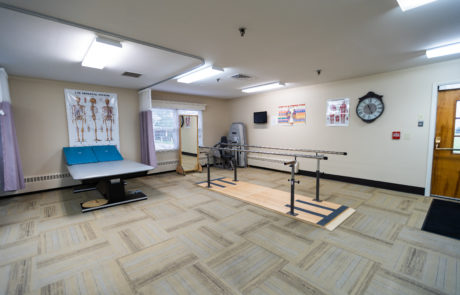
How is Brownsburg Health Staffed?

CMS rates BROWNSBURG HEALTH CARE CENTER's staffing level at 1 out of 5 stars, which is much below average compared to other nursing homes. Staff turnover is 64%, which is 17 percentage points above the Indiana average of 46%. High turnover can affect care consistency as new staff learn residents' individual needs. RN turnover specifically is 62%, which is notably high. RNs provide skilled clinical oversight, so turnover in this role can affect medical care quality.

What Have Inspectors Found at Brownsburg Health?

State health inspectors documented 31 deficiencies at BROWNSBURG HEALTH CARE CENTER during 2022 to 2025. These included: 31 with potential for harm.
Who Owns and Operates Brownsburg Health?

BROWNSBURG HEALTH CARE CENTER is owned by a for-profit company. For-profit facilities operate as businesses with obligations to shareholders or private owners. The facility operates independently rather than as part of a larger chain. With 160 certified beds and approximately 77 residents (about 48% occupancy), it is a mid-sized facility located in BROWNSBURG, Indiana.
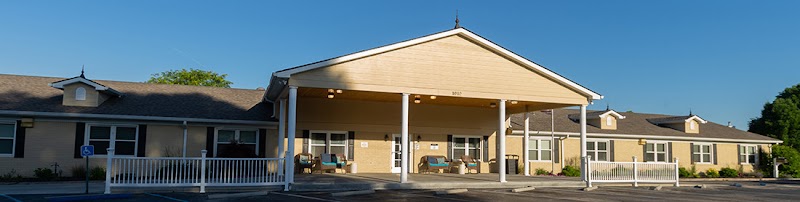
How Does Brownsburg Health Compare to Other Indiana Nursing Homes?

Compared to the 100 nursing homes in Indiana, BROWNSBURG HEALTH CARE CENTER's overall rating (2 stars) is below the state average of 3.1, staff turnover (64%) is significantly higher than the state average of 46%, and health inspection rating (2 stars) is below the national benchmark.

What Should Families Ask When Visiting Brownsburg Health?

Based on this facility's data, families visiting should ask: "What safeguards and monitoring systems are in place to protect residents from abuse or neglect?" "How do you ensure continuity of care given staff turnover, and what is your staff retention strategy?" "Can you walk me through typical staffing levels on day, evening, and night shifts?" "Can I visit during a mealtime to observe dining assistance and food quality?" These questions are particularly relevant given the substantiated abuse finding on record, the facility's high staff turnover rate, and the below-average staffing rating.

Is Brownsburg Health Safe?

Based on CMS inspection data, BROWNSBURG HEALTH CARE CENTER has documented safety concerns. The facility has 1 substantiated abuse finding (meaning confirmed case of resident harm by staff or other residents). The facility has a 2-star overall rating and ranks #100 of 100 nursing homes in Indiana. Families considering this facility should ask detailed questions about what corrective actions have been taken since these incidents.

Do Nurses at Brownsburg Health Stick Around?

Staff turnover at BROWNSBURG HEALTH CARE CENTER is high. At 64%, the facility is 17 percentage points above the Indiana average of 46%. Registered Nurse turnover is particularly concerning at 62%. RNs handle complex medical decisions and coordinate care — frequent RN changes can directly impact care quality. High turnover means new staff may not know residents' individual needs, medications, or preferences. It can also be disorienting for residents, especially those with dementia who rely on familiar faces. Families should ask: What is causing the turnover? What retention programs are in place? How do you ensure care continuity during staff transitions?

Was Brownsburg Health Ever Fined?

BROWNSBURG HEALTH CARE CENTER has no federal fines on record. CMS issues fines when nursing homes fail to meet care standards or don't correct problems found during inspections. The absence of fines suggests the facility has either maintained compliance or corrected any issues before penalties were assessed. This is a positive indicator, though families should still review recent inspection reports for the full picture.

Is Brownsburg Health on Any Federal Watch List?

BROWNSBURG HEALTH CARE CENTER is not on any federal watch list. The most significant is the Special Focus Facility (SFF) program, which identifies the bottom 1% of nursing homes nationally based on persistent, serious quality problems. Not being on this list means the facility has avoided the pattern of deficiencies that triggers enhanced federal oversight. This is a positive indicator, though families should still review the facility's inspection history directly.