ADDISON POINTE HEALTH & REHABILITATION CENTER
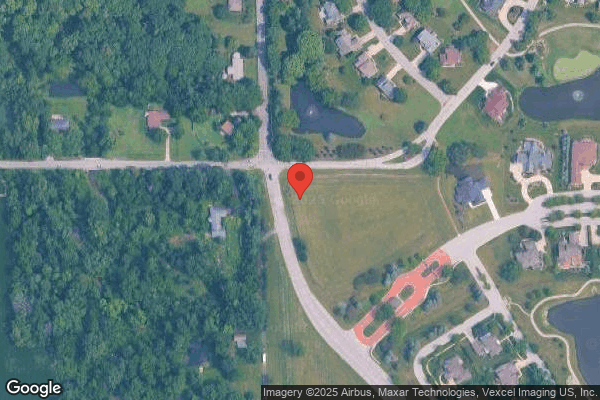

780 DICKINSON ROAD, CHESTERTON, IN 46304 (219) 921-2200
Non profit - Corporation 100 Beds TLC MANAGEMENT Data: November 2025
Trust Grade
53/100
#211 of 505 in IN
Last Inspection: March 2025

Within standard 12-15 month inspection cycle. Federal law requires annual inspections.

Overview

Addison Pointe Health & Rehabilitation Center has received a Trust Grade of C, which means it is average and falls in the middle of the pack compared to other facilities. It ranks #211 out of 505 in Indiana, placing it in the top half of state facilities, and #4 out of 10 in Porter County, indicating that only three local options are better. The facility's performance trend is stable, with seven issues reported in both 2024 and 2025. Staffing is a relative strength, with a turnover rate of 32%, which is lower than the state average of 47%, suggesting that staff members are likely to stay longer and develop relationships with residents. However, the center's $9,929 in fines is concerning, as it is higher than 83% of other Indiana facilities, hinting at potential compliance issues. Specific incidents from recent inspections highlight both strengths and weaknesses. A serious concern involved a resident who fell and fractured their arm during a mechanical lift transfer due to inadequate supervision, although this issue was corrected shortly after. There were also concerns regarding the kitchen's sanitation, with improper food storage and temperature monitoring, which could affect many residents. Additionally, the facility failed to provide scheduled activities and outings, leading to missed opportunities for resident engagement. Overall, while there are notable strengths in staffing, the incidents and fines indicate that families should carefully consider these issues when evaluating this facility.

Trust Score
C
53/100
In Indiana
#211/505
Top 41%
Safety Record
Moderate
Needs review
Inspections
Holding Steady
7 → 7 violations
Staff Stability
○ Average
32% turnover. Near Indiana's 48% average. Typical for the industry.
Penalties
⚠ Watch
$9,929 in fines. Higher than 90% of Indiana facilities, suggesting repeated compliance issues.
Skilled Nurses
○ Average
Each resident gets 39 minutes of Registered Nurse (RN) attention daily — about average for Indiana. RNs are the most trained staff who monitor for health changes.
Violations
⚠ Watch
27 deficiencies on record. Higher than average. Multiple issues found across inspections.
★★★☆☆
3.0
Overall Rating
★★★☆☆
3.0
Staff Levels
★★★★★
5.0
Care Quality
★★☆☆☆
2.0
Inspection Score
Stable
2024: 7 issues
2025: 7 issues

The Good

  • 5-Star Quality Measures · Strong clinical quality outcomes
  • Full Sprinkler Coverage · Fire safety systems throughout facility
  • No fines on record
  • Staff turnover below average (32%)

    16 points below Indiana average of 48%

Facility shows strength in quality measures, fire safety.

The Bad

3-Star Overall Rating

Near Indiana average (3.1)

Meets federal standards, typical of most facilities

Staff Turnover: 32%

14pts below Indiana avg (46%)

Typical for the industry

Federal Fines: $9,929

Below median ($33,413)

Minor penalties assessed

Chain: TLC MANAGEMENT

Part of a multi-facility chain

Ask about local staffing decisions and management

The Ugly 27 deficiencies on record

1 actual harm
Mar 2025 7 deficiencies 1 Harm
SERIOUS (G)

Actual Harm - a resident was hurt due to facility failures

Accident Prevention (Tag F0689)

A resident was harmed · This affected 1 resident

Based on interview and record review, the facility failed to ensure a resident, dependent on staff for transferring from the chair to bed, had received adequate assistance and supervision to prevent a...

Read full inspector narrative →
Based on interview and record review, the facility failed to ensure a resident, dependent on staff for transferring from the chair to bed, had received adequate assistance and supervision to prevent accidents related to staff not following the manufacture's manual regarding keeping the legs of the lift at their maximum opened position before lifting a resident during a mechanical lift transfer for 1 of 2 residents reviewed for accidents. (Resident 21) This deficient practice resulted in the resident falling and receiving a fracture to her left upper arm. The deficient practice was corrected on 10/16/24, prior to the start of the survey, and was therefore past noncompliance. The facility identified the concern, completed a house wide sweep of the Hoyer lifts (a mechanical lift) and Hoyer slings, an inservice was held related to transfer techniques, two person staff assist while using the Hoyer lift, and leg of the base in their widest opened position, and return demonstration by staff was observed, and audits related to the use of the Hoyer lift were completed. Finding includes: During an interview on 3/17/25 at 2:13 p.m., Resident 21 indicated she had fallen when the Hoyer lift had tipped over. She indicated she had laid on her arm and had not gotten up until an ambulance arrived. The record for Resident 21 was reviewed on 3/18/25 at 1:57 p.m. Diagnoses included, but were not limited to, fracture to the left humerus (upper arm) and need for assistance with personal care. The Annual Minimum Data Set (MDS) assessment, dated 9/16/24, indicated the resident was cognitively intact, dependent on staff for transfers and had had no falls since the prior assessment. A Quarterly Risk Evaluation Note, dated 9/16/24 at 3:31 p.m., indicated the resident was at moderate risk for a fall. A Nurse's Note, dated 10/11/24 at 7:15 p.m., indicated the resident had fallen in her room. The CNA reported to the nurse the resident had fallen when they tried to put her to bed with the Hoyer lift. The nurse indicated she saw the Hoyer lift tipped on it's side on the resident's wheelchair, the resident was on the floor on her left side. The CNAs reported the wheel on the Hoyer lift had gotten stuck when they tried to get the resident in bed, when they moved the Hoyer, it had tipped over and the resident had fallen. The resident was crying, grimacing, and favored her left hand. The resident was sent to a local hospital emergency room for an evaluation and treatment. The immediate intervention indicated the Hoyer lift was moved off of the unit and maintenance was notified. A Nursing progress note, dated 10/12/24 at 1:30 p.m., indicated the resident had returned to the facility at 8:40 a.m. She returned with the diagnoses of a contusion to her left elbow, a fracture to her left humeral head (upper arm), and a left wrist sprain. She had an order for Norco (an opioid pain medication) 5 mg (milligram) with 325 mg of acetaminophen every six hours as needed for pain. A Social Service progress note, dated 10/15/24 at 11:51 a.m., indicated the resident was encouraged to get out of bed as much as possible. The resident had reported having pain and some anxiety due to her recent fall. A Care Plan, dated 10/15/24, indicated the resident had a risk for falls related to a history of falls, use of psychotropic medications, involuntary movements, narcotic analgesics, and use of a mechanical lift. Interventions included, Hoyer lift for transfers. A Care Plan, dated 10/15/24, indicated the resident had a history of a traumatic fracture of the left shoulder. Interventions included, remind the resident about her weight bearing status to her affected extremity. During an interview on 3/20/25 at 9:03 a.m., CNA 5 indicated she had responded to Resident 21's room after hearing the call for assistance and she also indicated all staff had been re-trained on the use of the Hoyer lift. During an interview on 3/20/25 at 10:31 a.m., CNA 7 indicated she was the second staff member that had assisted with the transfer that resulted in the fall. She indicated a wheel on the lift got stuck on a wheel from the wheelchair and when they tried to turn the lift and it fell along with the resident and the other CNA. When the emergency medical personnel arrived, they assisted with getting the resident into the bed, then she was transferred to the emergency room. The CNA had been re-trained on use on the Hoyer lift and they were to keep the legs of the lift opened. A review of the investigation related to the fall, provided by the Director of Nursing on 3/20/25 at 11:32 a.m., included CNA 25's written statement, signed and dated 10/11/24, and indicated she had closed the legs of the Hoyer lift and pulled back the Hoyer, away from the wheelchair, when she turned the lift the wheelchair wheel got stuck on the Hoyer so she used her foot to pull the wheel over, all of the resident's weight went to one side, she tried to push the resident's weight back but couldn't and the Hoyer tipped over and the resident fell. During an interview on 3/20/25 at 11:38 a.m., the Administrator indicated the facility had the Hoyer lift go through preventative maintenance and nothing was found to be wrong with the lift. The facility had inserviced staff, performed competency skill checks, sling sizes, and began safety rounds. Documentation of facility inservices and subsequent auditing was reviewed and confirmed to be completed by 10/16/24. Staff interviews and observations also indicated adequate knowledge related to Hoyer lift transfers. The Hoyer lift manufacturer's recommendations included .Lift the Patient WARNING When using an adjustable base lift, the legs MUST be in the maximum Opened/Locked position before lifting the patient 3.1-45(a)(2)
CONCERN (D)

Potential for Harm - no one hurt, but risky conditions existed

Comprehensive Care Plan (Tag F0656)

Could have caused harm · This affected 1 resident

Based on observation, record review, and interview, the facility failed to implement a resident's care plan related to positioning for 1 of 3 residents reviewed for limited range of motion (ROM). (Re...

Read full inspector narrative →
Based on observation, record review, and interview, the facility failed to implement a resident's care plan related to positioning for 1 of 3 residents reviewed for limited range of motion (ROM). (Resident 33) Finding includes: During an observation on 3/17/25 at 10:00 a.m., Resident 33 was observed resting in bed. He had limited movement of his left arm and his left hand appeared contracted (unable to open). At that time, the resident indicated he could only open his left hand if he used his right hand to open it since he had had a stroke. There were no rails or bars present on the bed. During the following observations on 3/18/25 at 9:54 a.m., 3/19/25 at 10:37 a.m. and 3/20/25 at 11:00 a.m., the resident was lying in bed and there were no rails or bars present on his bed. The resident's record was reviewed on 3/20/25 at 10:06 a.m. Diagnoses included, but were not limited to, disorders of the brain, vascular dementia, and chronic heart failure. The 2/24/25 Quarterly Minimum Data Set (MDS) assessment, indicated the resident had severe cognitive impairment and was dependent on staff for assistance for ADLs (activities of daily living) and transfers. A Physician's Order, dated 1/18/25, indicated the resident was to have a left side enabler bar (a bar that attaches to the bed for the resident to use to assist with turning and repositioning). A Care Plan, revised on 1/20/25, indicated the resident needed assistance with ADLs related to activity intolerance and impaired cognition. Interventions included the use of a left side enabler bar for turning and repositioning. During an interview on 3/21/25 at 9:04 a.m., the Unit Manager for the 100 and 200 halls indicated she thought the resident used to have an enabler bar, but she did not know what happened to it. She indicated she would have to look into getting him one. 3.1-35(a)
CONCERN (D)

Potential for Harm - no one hurt, but risky conditions existed

ADL Care (Tag F0677)

Could have caused harm · This affected 1 resident

Based on observation, record review, and interview, the facility failed to ensure activities of daily living (ADLs) were completed for dependent residents, related to turning and repositioning for 1 o...

Read full inspector narrative →
Based on observation, record review, and interview, the facility failed to ensure activities of daily living (ADLs) were completed for dependent residents, related to turning and repositioning for 1 of 2 residents reviewed for ADLs. (Resident 33) Finding includes: During an observation on 3/17/25 at 10:00 a.m., Resident 33 was observed resting in bed, lying on his back. He had limited movement of his left arm and his left hand appeared contracted (unable to open). During the following observations on 3/18/25 at 9:54 a.m. and 2:14 p.m., 3/19/25 at 10:37 a.m., and 3/20/25 at 9:35 a.m. and 11:00 a.m., the resident was lying in bed on his back. The resident's record was reviewed on 3/20/25 at 10:06 a.m. Diagnoses included, but were not limited to, disorders of the brain, vascular dementia, and chronic heart failure. The 2/24/25 Quarterly Minimum Data Set (MDS) assessment, indicated the resident had severe cognitive impairment, and was dependent in ADLs (activities of daily living) and transfers. A review of a Care Plan, revised on 9/4/24, indicated the resident had hemiplegia (paralysis of one side of the body) to his left side and required staff assistance with ADLs. Interventions included to assist/encourage him to change his position frequently. The Tasks section of the record indicated the resident should have been turned and repositioned every shift. There was no documentation of turning/repositioning or resident refusals to be turned for the following shifts: 2/24/25 night shift, 2/26/25 night shift, 2/28/25 night shift, 3/2/25 night shift, 3/4/25 night shift, 3/7/25 night shift, 3/8/25 night shift, 3/9/25 night shift, 3/13/25 day and evening shifts, 3/14/25 night shift, and 3/16/25 night shift. During an interview on 3/21/25 at 9:04 a.m., the Unit Manager for the 100 and 200 halls indicated the resident did not get out of bed, and the staff should have documented either repositioning or resident refusal every shift. 3.1-38(a)(3)
CONCERN (D)

Potential for Harm - no one hurt, but risky conditions existed

Quality of Care (Tag F0684)

Could have caused harm · This affected 1 resident

Based on observation, record review, and interview, the facility failed to ensure areas of discoloration were assessed and monitored for 2 of 2 residents reviewed for non-pressure skin conditions .(Re...

Read full inspector narrative →
Based on observation, record review, and interview, the facility failed to ensure areas of discoloration were assessed and monitored for 2 of 2 residents reviewed for non-pressure skin conditions .(Residents 62 and 44) Findings include: 1. On 3/17/25 at 9:47 a.m., Resident 62 was observed with two small areas of reddish/purple discoloration to his right elbow. On 3/18/25 at 2:03 p.m. and 3/19/25 at 10:01 a.m., the discoloration remained to the resident's elbow. The record for Resident 62 was reviewed on 3/18/25 at 2:55 p.m. Diagnoses included, but were not limited to, Parkinson's disease, anemia, and dementia without behavior disturbance. The Quarterly Minimum Data Set (MDS) assessment, dated 3/5/25, indicated the resident was moderately impaired for daily decision making and had no skin issues. The Weekly Skin Observation Assessment, dated 3/17/25 at 3:06 a.m., indicated the resident had no bruising. The March 2025 Physician's Order Summary (POS), indicated there were no orders to monitor the areas of discoloration to the resident's right elbow. During an interview on 3/19/25 at 1:50 p.m., the Wound Nurse indicated she had noticed the areas of purpura (a rash of purple spots) on the resident's arms on the morning of 3/19/25. She indicated there was more of the rash noted on the left arm than on the right and she had filled out a skin form. The Wound Nurse had been informed of the areas of discoloration near the right elbow which had been observed on 3/17/25. The Non-Pressure Ulcer Skin Condition Progress Report, dated 3/19/25 at 10: 56 a.m., indicated scattered purpura was observed to the upper extremities, more prevalent on the left arm. Continue to monitor. 2. During a random observation on 3/17/25 at 10:31 a.m., large dark purple bruises were observed on the back of Resident 44's left and right hands. At that time, the resident's family member indicated the bruises had been there since the resident had left the hospital on 2/25/25. The bruises to both hands remained present during the following observations: 3/18/25 at 2:04 p.m., 3/19/25 at 3:10 p.m. and 3/20/25 at 9:28 a.m. The resident's record was reviewed on 3/18/25 at 2:17 p.m. Diagnoses included, but were not limited to, post-hip replacement, dementia, and muscle weakness. The 2/27/25 admission Minimum Data Set (MDS) assessment, indicated the resident had severe cognitive impairment and was dependent in Activities of Daily Living (ADLs) and transfers. A Care Plan, revised on 2/27/25, indicated the resident was at risk for abnormal bruising and bleeding related to the use of blood thinners. Interventions included observing for bruising and bleeding. The treatment record included observing for side effects of blood thinners every shift. Each shift from 2/26/25 through 3/20/25 indicated no side effects were noted. The nurses' skin assessments from 2/25/25 through 3/20/25 lacked documentation of the bruises to the hands. During an interview on 3/21/25 at 9:19 a.m., the Unit Manager indicated the bruises should have been assessed and documented in the record. She indicated she could not find any documentation of the bruises to the hands in the record. A policy titled, PCC [Point Click Care--the electronic medical record program] Wound Documentation Protocol, received as current on 3/21/25 at 2:55 p.m. from the Unit Manager, indicated, . Weekly assessment of wounds and skin conditions will be documented weekly in the electronic medical record . Bruises and rashes may be evaluated using the skin and wound application or the non-pressure Ulcer Skin Condition Progress Report no later than every 7 days . When bruises are healing without complications . the nurse will monitor the site weekly. At the point of healing . the nurse will make a last entry in the medical record indicating the normal healing process has taken place without complications . 3.1-37(a)
CONCERN (D)

Potential for Harm - no one hurt, but risky conditions existed

Pressure Ulcer Prevention (Tag F0686)

Could have caused harm · This affected 1 resident

Based on observation, record review, and interview, the facility failed to ensure pressure reduction devices were in use for a resident with a pressure ulcer for 1 of 2 residents reviewed for pressure...

Read full inspector narrative →
Based on observation, record review, and interview, the facility failed to ensure pressure reduction devices were in use for a resident with a pressure ulcer for 1 of 2 residents reviewed for pressure ulcers. (Resident 66) Finding includes: On 3/19/25 at 1:17 p.m. and 3:22 p.m., Resident 66 was observed in her room in bed. Her heel boots (a pressure reducing device) were observed on the chair next to the resident's bed. The resident's feet were not elevated while she was lying in bed. On 3/20/25 at 1:44 p.m. and 2:30 p.m., the resident was again observed in her bed. Her heel boots were in the chair, next to her bed and her feet were not elevated. The record for Resident 66 was reviewed on 3/19/25 at 10:07 a.m. Diagnoses included, but were not limited to, Alzheimer's disease and dementia without behavior disturbance. The admission Minimum Data Set (MDS) assessment, dated 1/10/25, indicated the resident was severely impaired for daily decision making, was dependent on staff for rolling left and right and for chair to bed transfers. The resident was not identified as having any pressure areas on the assessment. A Care Plan, dated 3/12/25, indicated the resident had a suspected deep tissue injury (a purple or maroon localized area of intact discoloration) to the left great toe. Interventions included, but were not limited to, float heels off of the mattress when in bed or wear heel off loading boots. A Physician's Order, dated 3/11/25, indicated the resident was to receive skin prep to her left great toe every shift. The Skin and Wound Evaluation, dated 3/17/25, indicated the resident had a deep tissue injury to her left great toe that measured length 0.9 centimeters (cm) by width 1 cm. During an interview on 3/21/25 at 1:44 p.m., the Wound Nurse was informed the resident's heel boots were not in use and/or her heels were not off loaded while she was in bed. The Wound Nurse indicated she would look into it. During an interview on 3/21/25 at 1:50 p.m., the Director of Nursing indicated the resident's heel boots should have been in use or her feet off loaded while she was in bed. 3.1-40(a)(2)
CONCERN (D)

Potential for Harm - no one hurt, but risky conditions existed

Respiratory Care (Tag F0695)

Could have caused harm · This affected 1 resident

Based on observation, record review, and interview, the facility failed to ensure each resident requiring respiratory care received necessary services related to changing oxygen tubing for 1 of 4 resi...

Read full inspector narrative →
Based on observation, record review, and interview, the facility failed to ensure each resident requiring respiratory care received necessary services related to changing oxygen tubing for 1 of 4 residents reviewed for respiratory services. (Resident 44) Finding includes: During a random observation on 3/17/25 at 10:35 a.m., Resident 44 was observed sitting in her wheelchair. She was wearing a nasal cannula (a pronged tube that delivers oxygen through the nostrils), connected to a portable oxygen tank. The oxygen tubing was not dated. On 3/18/25 at 9:20 a.m., the resident was observed wearing her oxygen cannula. The oxygen tubing was not dated. The resident's record was reviewed on 3/18/25 at 2:17 p.m. Diagnoses included, but were not limited to, post-hip replacement, dementia, and muscle weakness. The 2/27/25 admission Minimum Data Set (MDS) assessment, indicated the resident had severe cognitive impairment and was dependent in Activities of Daily Living (ADLs) and transfers. A Physician's Order, dated 2/25/25, indicated oxygen at 2 lpm (liters per minute) continuous, may titrate as needed. A Physician's Order, dated 3/11/25, indicated oxygen at 2 lpm continuous, may titrate for oxygen saturation less than 90% or shortness of breath. A Physician's Order, dated 3/19/25, indicated oxygen at 2 lpm per nasal cannula for oxygen saturation less than 90% or shortness of breath. A review of the eMAR (electronic medication administration record) indicated the resident used oxygen every day from 2/25/25 to 3/18/25. There was no documentation indicating the changing of the oxygen tubing. During an interview on 3/18/25 at 3:12 p.m., the Unit Manager for the 100 and 200 halls indicated oxygen tubing should be changed once a week if the oxygen was in use, and this change should be documented in the eMAR. A policy titled, Oxygen Administration, received as current on 3/21/25 at 1:57 p.m. from the Director of Nursing indicated, . Change oxygen tubing and mask/cannula weekly and as needed if it becomes soiled or contaminated . 3.1-47(a)(6)
CONCERN (E)

Potential for Harm - no one hurt, but risky conditions existed

Food Safety (Tag F0812)

Could have caused harm · This affected multiple residents

Based on observation, record review, and interview, the facility failed to maintain the kitchen in a sanitary manner and in good repair related to lack of monitoring of freezer, refrigerator, and dish...

Read full inspector narrative →
Based on observation, record review, and interview, the facility failed to maintain the kitchen in a sanitary manner and in good repair related to lack of monitoring of freezer, refrigerator, and dishwasher temperatures and food not labeled and dated, for 1 of 1 kitchen. This had the potential to affect 86 of 87 residents who resided in the facility and received food from the kitchen. Findings include: During the Initial Kitchen Sanitation Tour on 3/17/25 at 8:47 a.m., with the Kitchen Manager, the following was observed: 1. There was no thermometer in the walk-in freezer. 2. There was no thermometer in the reach-in cooler. 3. The dishwasher temperature log was already filled out for breakfast, lunch and dinner time temperature checks for 3/17/25. 4. There was an unlabeled and undated tray of pre-filled cups of juice in the walk-in refrigerator. 5. The following items were found undated in the walk-in freezer: a bag of cookies, a bag of bread, a package of unidentified meat, a container of ice cream, a bag of ground sausage, and an open box of tropical freezes. 6. The following bagged items were found open, unlabeled and undated in the reach-in freezer: chicken breasts, potato wedges, and breaded chicken patties. During an interview on 3/17/25 at 9:20 a.m., the Kitchen Manager indicated the thermometer from the freezer must have fallen behind some boxes and they could not find it, and there should have been a thermometer in the reach-in cooler, but there was not. The temperature log for the dishwasher should have been filled out at the time each of the meal time checks were completed, and all food items should have been labeled and dated when opened. A policy titled Dishwasher Temperature, received as current from the Kitchen Manager on 3/18/25 at 2:53 p.m. indicated, . Water temperatures shall be measured and recorded prior to each meal and/or after the dishwasher has been emptied or re-filled for cleaning purposes. A policy titled Date Marking for Food Safety, received as current from the Kitchen Manager on 3/18/25 at 2:53 p.m. indicated, The facility adheres to a date marking system to ensure the safety of ready-to-eat, time/temperature control for safety food . The food shall be clearly marked to indicate the date or day by which the food shall be consumed or discarded. The individual opening or preparing a food shall be responsible for date marking the food at the time the food is opened or prepared. The marking system shall consist of a color-coded label, the day/date of opening, and the day/date the item must be consumed or discarded . 3.1-21(i)(3)
Jul 2024 2 deficiencies
CONCERN (D) 📢 Someone Reported This

A family member, employee, or ombudsman was alarmed enough to file a formal complaint

Potential for Harm - no one hurt, but risky conditions existed

Grievances (Tag F0585)

Could have caused harm · This affected 1 resident

Based on observation, record review, and interview, the facility failed to file and resolve a resident grievance for a missing wheelchair for 1 of 1 resident reviewed for grievances. (Resident M) Fin...

Read full inspector narrative →
Based on observation, record review, and interview, the facility failed to file and resolve a resident grievance for a missing wheelchair for 1 of 1 resident reviewed for grievances. (Resident M) Finding includes: On 7/30/24 at 1:20 p.m., Resident M was observed awake, sitting up in bed and talking with his son. Resident M indicated he was unhappy with how the facility handled his missing wheelchair. During an interview at that time, Resident M indicated he had been missing a personal wheelchair since before Father's Day. The facility was aware his wheelchair was missing and he was told they would get him fitted for another wheelchair. The resident's son talked with the the therapy director a couple weeks ago, and it was communicated that the resident would be measured for a new wheelchair the following day. They were unsure if the facility had a grievance on file for their concern. Resident M's record was reviewed on 7/30/24 at 3:59 p.m. Diagnoses included, but were not limited to, heart failure, chronic pain, arthritis, insomnia (difficulty sleeping), gout (excess of uric acid in joints), and hypertension (high blood pressure). The Quarterly Minimum Data Set (MDS) assessment, dated 6/11/24, indicated the resident was moderately intact for daily decision making. The resident had impairment on both sides of his lower extremities and used a wheelchair. The resident was dependant with toileting, shower/bathing, and lower body dressing. Personal hygiene required partial/moderate assistance. A Therapy Note, signed by the Rehabilitation Director and dated 7/24/24, indicated due to the resident's weight gain, he would likely require a larger chair. The resident and son agreed to Resident M getting fitted for a new chair within the next day or so. During an interview on 7/30/24 at 3:01 p.m., the Social Service Assistant indicated Resident M's wheelchair was found shortly after it went missing. The wheelchair was returned to the resident and they refused it, indicating it was the wrong wheelchair. When they attempted to measure the resident, he refused to get out of bed. There was a wheelchair in the resident's room and the resident had it stored in the bathroom. A grievance for the missing wheelchair was filed today on 7/30/24 and there was not one previously filed. There was no additional information provided. During an interview on 7/31/24 at 9:38 a.m., the Administrator indicated she understood the grievance concern and had no additional information to provide. 3.1-7(a)(2)
CONCERN (D) 📢 Someone Reported This

A family member, employee, or ombudsman was alarmed enough to file a formal complaint

Potential for Harm - no one hurt, but risky conditions existed

Infection Control (Tag F0880)

Could have caused harm · This affected 1 resident

Based on observation, interview, and record review, the facility failed to ensure correct Personal Protective Equipment (PPE) was used by staff members when providing care to a resident who was in Enh...

Read full inspector narrative →
Based on observation, interview, and record review, the facility failed to ensure correct Personal Protective Equipment (PPE) was used by staff members when providing care to a resident who was in Enhanced Barrier Precautions (EBP) for 1 of 3 residents reviewed for infection control isolation practices. (RN 1, CNA 1, and Resident E). Finding includes: During an observation on 7/30/24 at 11:45 a.m., Resident E was observed lying in bed in the room. There was a sign on the door that indicated the resident was in EBP and PPE of a gown and gloves was to be worn during high contact activities. CNA 1 brought a Hoyer (mechanical) lift to Resident E's room and attempted to transfer Resident E. CNA 1 then asked RN 1 to assist her in the transfer of Resident E. RN 1 sanitized her hands and entered Resident E's room, where she assisted with the Hoyer lift transfer. Both CNA 1 and RN 1 were not wearing the proper PPE which included gowns and gloves. During an interview with RN 1 on 7/30/24 at 11:50 a.m., she indicated the staff does not apply PPE unless they were actually touching the resident's wound. Resident E's record was reviewed on 7/30/24 at 11:30 a.m. The diagnoses included, but were not limited to, difficulty walking, dementia, and displaced mid cervical fracture of the left femur. A Physician's Order, dated 4/22/24, ordered enhanced barrier precautions for a chronic sacral wound. A Care Plan, dated 5/22/24, indicated the resident required enhanced barrier precautions related to a chronic sacral wound. Interventions included to follow enhanced barrier precautions with the resident's care as needed, and to provide the resident's treatments as ordered. During an interview with the Wound Nurse on 7/30/24 at 2:32 p.m., she indicated the resident had a coccyx wound that was infected with Methicillin Resistant Staphylococcus Aureus (MRSA) in April of 2024, and the staff should apply the appropriate PPE when providing care and transferring the resident. The facility policy titled, Infection Prevention and Control Program (IPCP), Enhanced Barrier Precautions, provided by the Director of Nursing as current on 7/31/24 at 10:24 a.m., indicated . staff can use gloves and gowns in order to prevent contamination of hands and clothing while performing high-contact resident care that poses the highest risk for MDRO (Multi Drug Resistant Organisms) transmission. These high contact activities include dressing, bathing, or providing hygiene, transferring, changing briefs, or assisting with toileting, changing linens, or providing any type of device or wound care This citation relates to Complaint IN00435593. 3.1-18(b)
Feb 2024 5 deficiencies
CONCERN (D)

Potential for Harm - no one hurt, but risky conditions existed

Deficiency F0554 (Tag F0554)

Could have caused harm · This affected 1 resident

Based on observation, record review, and interview, the facility failed to ensure residents had Physician's Orders to administer their own medications, as well as a self-administration of medication a...

Read full inspector narrative →
Based on observation, record review, and interview, the facility failed to ensure residents had Physician's Orders to administer their own medications, as well as a self-administration of medication assessment, for 1 of 1 residents reviewed for self-administration of medication. (Resident 6) Finding includes: During a random observation on 2/19/24 at 11:22 a.m., a container of Nystatin cream (an antifungal medication) was on Resident 6's bedside table. During a random observation on 2/21/24 at 10:30 a.m., two containers of Biofreeze (a topical pain reliever) were on the resident's television stand. Resident 6's record was reviewed on 2/21/24 at 11:26 a.m. Diagnoses included, but were not limited to, type 2 diabetes, vascular dementia, hemiplegia (muscle paralysis) and hemiparesis (muscle weakness). The Annual Minimum Data Set (MDS) assessment, dated 2/12/24, indicated the resident was cognitively intact for daily decision making. There was no Care Plan for the resident to self-administer her medications. Physician's Orders, dated 4/13/23 and listed as current on the February 2024 Physician's Order Summary (POS), indicated the resident was to receive Nystatin cream to the buttocks every shift and Biofreeze external gel 4 % was to be applied to the left leg topically every 12 hours as needed (PRN) for left leg pain. There was no order for the resident to self-administer the medication and a Self-Administration of Medication Assessment had not been completed. During an interview on 2/21/24 at 11:02 a.m., LPN 1 indicated the resident's family had been bringing things into the room and she would inform Social Services. During an interview on 2/21/24 at 1:53 p.m., the Director of Nursing indicated the resident had not requested the Biofreeze that day and she wasn't sure why the containers were in the room. She was also not sure why the Nystatin cream was left in the room. 3.1-11(a)
CONCERN (D)

Potential for Harm - no one hurt, but risky conditions existed

Quality of Care (Tag F0684)

Could have caused harm · This affected 1 resident

Based on observation, record review, and interview, the facility failed to ensure areas of bruising were assessed and monitored, and treatment orders were obtained timely for a resident with a skin te...

Read full inspector narrative →
Based on observation, record review, and interview, the facility failed to ensure areas of bruising were assessed and monitored, and treatment orders were obtained timely for a resident with a skin tear, for 2 of 2 residents reviewed for skin conditions non-pressure related. (Residents 66 and 79) Findings include: 1. During a random observation on 2/20/24 at 9:48 a.m., Resident 66 had two areas of reddish/purple discoloration to his right wrist. During a random observation on 2/23/24 at 11:03 a.m., the discoloration remained to the resident's right wrist. The record for Resident 66 was reviewed on 2/22/24 at 2:05 p.m. Diagnoses included, but were not limited to, Parkinson's disease, dementia without behavior disturbance, and atherosclerotic heart disease. The Quarterly Minimum Data Set (MDS) assessment, dated 2/14/24, indicated the resident was cognitively intact. He required extensive assistance with bed mobility and was dependent on staff for transfers. A Physician's Order, dated 1/4/24, indicated the resident was to have skin sleeves or a long sleeve shirt on when out of bed as tolerated. There was no order to monitor the discoloration to the right wrist. The Weekly Skin Observation, dated 2/19/24, indicated the resident had no skin concerns. During an interview on 2/23/24 at 1:40 p.m., the Director of Nursing indicated the areas of discoloration should have been assessed and monitored. 2. During random observations on 2/20/24 at 10:12 a.m. and 3:04 p.m., Resident 79 was observed with a foam dressing to his right elbow. The dressing was dated 2/10/24. During a random observation on 2/21/24 at 9:11 a.m., a foam dressing to the resident's right elbow was dated 2/21/24. The record for Resident 79 was reviewed on 2/21/24 at 1:23 p.m. Diagnoses included, but were not limited to, anemia, type 2 diabetes, and restlessness with agitation. The Quarterly Minimum Data Set (MDS) assessment, dated 1/4/24, indicated the resident was moderately impaired for daily decision making. He required extensive assist with bed mobility and was dependent on staff for transfers. A Nurses' Note, dated 2/10/24 at 9:24 p.m., indicated the resident was observed sliding in his chair. While being repositioned, a bleeding skin tear was observed to the right forearm, which measured 2.5 centimeters (cm) by 0.5 cm. The wound was cleansed with saline and a bacitracin dressing was applied. A Physician's Order, dated 2/12/24, indicated the resident was to receive a Bacitracin (an antibiotic ointment) dressing to the right forearm skin tear every 48 hours. The treatment was discontinued on 2/16/24. The 2/2024 Treatment Administration Record (TAR), indicated the treatment had been signed out as being completed on 2/12 and 2/14/24. A Physician's Order, dated 2/21/24, indicated the skin tear to the right forearm was to be cleansed with wound wash, pat dry, and cover with a foam dressing every day shift on Wednesday and Saturday and as needed (PRN). The Weekly Skin Observations dated 2/12 and 2/19/24, indicated there was no documentation related to the skin tear. During an interview on 2/22/24 at 1:24 p.m., the Wound Nurse indicated that she noticed the dressing to the resident's elbow yesterday. She confirmed the dressing was dated 2/10/24. She assessed the area and obtained an order from the Physician. 3.1-37(a)
CONCERN (D)

Potential for Harm - no one hurt, but risky conditions existed

Deficiency F0688 (Tag F0688)

Could have caused harm · This affected 1 resident

Based on observation, record review, and interview, the facility failed to ensure finger orthotics were available and worn as ordered, for 1 of 1 residents reviewed for range of motion. (Resident 12) ...

Read full inspector narrative →
Based on observation, record review, and interview, the facility failed to ensure finger orthotics were available and worn as ordered, for 1 of 1 residents reviewed for range of motion. (Resident 12) Finding includes: On 2/19/24 at 3:09 p.m., Resident 12 was observed seated in her recliner in her room. A finger splint was observed to her right 4th finger with clear tape wrapped around it. During an interview at that time, Resident 12 indicated she wore the splint to her 4th finger for arthritis and kept it on at all times. Staff did not assist her with taking it off or tell her if/when she should take it off. On 2/21/24 at 10:26 a.m., the resident was observed seated in her recliner in her room. A finger splint was observed on her right 4th finger with clear tape wrapped around it. During an interview at that time, Resident 12 indicated she used to have a splint for her left pinky finger as well, but it had been missing for a while and she didn't know where it was. The record for Resident 12 was reviewed on 2/21/24 at 1:21 p.m. Diagnoses included, but were not limited to, hypertension, general anxiety disorder, and arthritis. The Quarterly Minimum Data Set (MDS) assessment, dated 2/13/24, indicated the resident had impaired range of motion to the upper extremities on both sides and was moderately cognitively impaired. A Physician's Order, dated 1/6/24, indicated left 5th digit and right 4th digit finger orthotics, on at 9:00 p.m. and off at 5:00 a.m. The Medication Administration Record (MAR) and Treatment Administration Record (TAR), dated 2/2024, indicated the finger splints had been applied and removed as ordered. During an interview on 2/22/24 at 1:36 p.m., the Administrator indicated the pinky finger splint was missing and therapy had ordered a new one. The resident preferred to wear the finger splints at all times. They would update the orders and care plan to reflect that. 3.1-42(a)(2)
CONCERN (D)

Potential for Harm - no one hurt, but risky conditions existed

Deficiency F0698 (Tag F0698)

Could have caused harm · This affected 1 resident

Based on observation, record review, and interview, the facility failed to provide the necessary care and services for residents who received hemodialysis, related to not monitoring the dialysis acces...

Read full inspector narrative →
Based on observation, record review, and interview, the facility failed to provide the necessary care and services for residents who received hemodialysis, related to not monitoring the dialysis access site, for 1 of 1 residents reviewed for dialysis. (Resident 199) Finding includes: On 2/20/24 at 9:22 a.m., Resident 199 was observed lying in bed in her room. During an interview at that time, Resident 199 indicated she went to dialysis on Mondays, Wednesdays, and Fridays. She recently had surgery on her left arm to fix her fistula, so they were not currently using that access as they were waiting for it to heal. She had a catheter to her chest that she used for dialysis. She indicated the facility would check the catheter sometimes but mostly the dialysis center would monitor it. The record for Resident 199 was reviewed on 2/22/24 at 2:32 p.m. Diagnoses included, but were not limited to, end stage renal disease, congestive heart failure, and hypertension. The admission Minimum Data Set (MDS) assessment, dated 2/18/24, indicated the resident was cognitively intact and received hemodialysis services. A current Care Plan indicated the resident had end stage renal disease and required dialysis. There were no interventions listed related to monitoring the dialysis catheter site. The Physician's Order Summary, dated 2/2024, indicated the resident had dialysis on Mondays, Wednesdays, and Fridays at 9:30 a.m. There was to be no blood pressure or blood draws to the left arm. There were no orders related to monitoring the dialysis catheter. The Medication Administration Record (MAR) and Treatment Administration Record (TAR), dated 2/2024, lacked any monitoring of the dialysis catheter. There were Pre-Dialysis Data and Post Dialysis Data Assessments completed on the resident's dialysis days which included monitoring of the dialysis access site on those days, however, some of the assessments were incomplete. During an interview on 2/23/24 at 12:39 p.m., the Director of Nursing (DON) indicated the dialysis catheter was assessed on the Pre and Post Dialysis assessments on dialysis days. No further information was provided. A Facility Policy, titled Monitoring of Dialysis Fistula/Catheter, received as current, indicated, .6. If the resident has a catheter for dialysis the nurse will assess the catheter site for any signs of drainage and condition of the dressing to the site every shift. 7. The results will be documented on the MAR every shift. 3.1-37(a)
CONCERN (D)

Potential for Harm - no one hurt, but risky conditions existed

Medical Records (Tag F0842)

Could have caused harm · This affected 1 resident

Based on record review and interview, the facility failed to ensure clinical records were complete and accurately documented, related to meal consumption, for 1 of 3 residents reviewed for nutrition. ...

Read full inspector narrative →
Based on record review and interview, the facility failed to ensure clinical records were complete and accurately documented, related to meal consumption, for 1 of 3 residents reviewed for nutrition. (Resident 46) Finding includes: The record for Resident 46 was reviewed on 2/21/24 at 2:26 p.m. Diagnoses included, but were not limited to, stroke, dementia without behavior disturbance, gastroesophageal reflux disease (GERD), and protein calorie malnutrition. The Quarterly Minimum Data Set (MDS) assessment, dated 11/23/23, indicated the resident was moderately impaired for daily decision making and he required supervision with eating. The resident had sustained a weight loss during the assessment reference period. A Care Plan, reviewed and revised on 2/13/24, indicated the resident required a therapeutic diet. Interventions included, but were not limited to, meal intakes were to be documented daily. The Food Consumption sheets for the month of February 2024, indicated there was no daily meal consumption documented between 2/1-2/14/24. During an interview on 2/23/24 at 10:14 a.m., the Director of Nursing (DON ) indicated there was no documentation of the resident's food consumption between 2/1-2/14/24. The DON indicated that it could have been an issue with the computer system. She indicated the resident had lost his weight in the hospital last fall and he was still above his ideal body weight. 3.1-50(a)(1)
Sept 2023 1 deficiency
CONCERN (D) 📢 Someone Reported This

A family member, employee, or ombudsman was alarmed enough to file a formal complaint

Potential for Harm - no one hurt, but risky conditions existed

ADL Care (Tag F0677)

Could have caused harm · This affected 1 resident

Based on observation, record review, and interview, the facility failed to ensure a dependent resident received timely ADL (activities of daily living) assistance needed related to incontinence care f...

Read full inspector narrative →
Based on observation, record review, and interview, the facility failed to ensure a dependent resident received timely ADL (activities of daily living) assistance needed related to incontinence care for 1 of 1 random observations. (Resident D) Finding includes: On 9/18/23 at 9:42 a.m., there was a strong bowel movement (BM) odor noted when walking in the hall near the 300 unit nurses' station. Across from the nurses' station there was a television area where 3 residents were seated in their wheelchairs. Upon entering the television area, the BM odor was noted to be very strong. Nurse 1 was observed seated at the nurses' station. At 10:05, Resident D was observed leaning forward in her wheelchair. There was BM observed coming out of her pants and up her back. At 10:14 a.m. and 10:18 a.m., the Director of Nursing (DON) was observed walking past the TV area. At 10:39 a.m., Nurse 1 was standing at the medication cart, which was closer to the TV area. At 10:43 a.m., a staff member brought another resident into the TV area and then left. Several staff were observed walking past the TV area from 9:42 a.m. to 10:46 a.m. and the source of the odor was never questioned. The resident's record was reviewed on 9/18/23 at 12:15 p.m. Diagnoses included, but were not limited to, vascular dementia and asthma. The Annual Minimum Data Set assessment, dated 8/8/23, indicated the resident had moderate cognitive impairment and required extensive assist +1 for bed mobility and toileting. Interview with Nurse 1, on 9/18/23 at 10:46 a.m., identified the resident's name. The resident had pulled her shirt up over her stomach. The nurse approached her and adjusted her shirt, then turned to leave. When asked if he smelled anything, he indicated yes. He was notified the odor was coming from the resident. He went back and confirmed the source of the odor, then removed her from the area to be changed. Interview with the DON, on 9/18/23 at 11:48 a.m., indicated she thought she had smelled fire when walking past the area earlier. She indicated she understood the concern. 3.1-38(a)(3)
Aug 2023 3 deficiencies
CONCERN (D) 📢 Someone Reported This

A family member, employee, or ombudsman was alarmed enough to file a formal complaint

Potential for Harm - no one hurt, but risky conditions existed

Deficiency F0558 (Tag F0558)

Could have caused harm · This affected 1 resident

Based on record review and interview, the facility failed to provide reasonable accommodation of needs related to not transporting a resident to outings due to footrests on her wheelchair for 1 of 3 r...

Read full inspector narrative →
Based on record review and interview, the facility failed to provide reasonable accommodation of needs related to not transporting a resident to outings due to footrests on her wheelchair for 1 of 3 residents reviewed for activities. (Resident D) Finding includes: Resident D's record was reviewed on 8/29/23 at 9:17 a.m. Diagnoses included, but were not limited to hemiplegia and hemiparesis (one sided weakness and paralysis) following a CVA (stroke), and Diabetes Mellitus. The Quarterly Minimum Data Set (MDS) assessment, dated 8/18/23, indicated she was cognitively intact and required extensive 2 staff assist for bed mobility and was dependent on 2 staff for transfers. Interview with Resident D on 8/29/23 at 8:53 a.m., indicated the facility rarely took them for outings. She indicated there was always an excuse that the bus was broken, or needed for an appointment or too hot. She has canceled doctor appointments to go on outings, then they don't go. Interview with the Activity Director on 8/29/23 at 12:41 p.m., indicated the resident had a wheelchair with footrests. They were afraid she may slip out of the wheelchair if the footrests were removed to fit on the bus, so they would have to make two trips to transfer the resident by herself to fit on the bus. They had to pick and choose which activities were important for the resident to go to. Interview with the Administrator on 8/29/23 at 1:57 p.m., indicated they had been reluctant to transfer the resident on the bus because of her footrests. She indicated they would look into different type of seatbelts and consult with therapy for solutions. This Federal tag relates to Complaints IN00408741 and IN00408800. 3.1-3(v)(1)
CONCERN (D) 📢 Someone Reported This

A family member, employee, or ombudsman was alarmed enough to file a formal complaint

Potential for Harm - no one hurt, but risky conditions existed

Deficiency F0806 (Tag F0806)

Could have caused harm · This affected 1 resident

Based on observation, record review, and interview, the facility failed to provide a diet as requested per resident preference related to fluid restriction and diet desserts for 1 of 3 residents revie...

Read full inspector narrative →
Based on observation, record review, and interview, the facility failed to provide a diet as requested per resident preference related to fluid restriction and diet desserts for 1 of 3 residents reviewed for dietary services. (Resident C) Finding includes: On 8/29/23 at 11:55 a.m., Resident C was observed in her room with her lunch tray in front of her. She had a Salisbury steak, mixed vegetables, garlic bread, an 8 ounce glass of water, a 4 ounce glass of juice and a half cup serving of sherbet. She indicated the meal was not what she had ordered. She could not eat processed meat on a renal diet and was on fluid restrictions, and had ordered a chef salad or fruit plate. The tray ticket on the lunch tray indicated a regular renal diet, regular texture and an Alert noted 1500 ml fluid restriction and diet desserts. The Notes indicated 1-8 ounce beverage only. Resident C's record was reviewed on 8/29/23 at 10:30 a.m. Diagnoses included, but were not limited to, Diabetes Mellitus, chronic respiratory failure and dependence on renal dialysis. The Annual Minimum Data Set assessment, dated 8/15/23, indicated she was cognitively intact, and required extensive 2 staff assist for bed mobility and was dependent on 2 staff for transfers. A Physician's Order, dated 3/11/23, indicated the resident was on a renal diet. There was no order for fluid restrictions or diet desserts. A Dietary note, dated 8/15/23, indicated, .Registered Dietician recommends 1500 ml fluid restriction; however resident has a hx (history) of choosing not to follow fluid restrictions as ordered, was previously d/c'ed per resident's request and preferences. Resident does try to limit her own fluid intakes on her own Interview with the Dietary Manager on 8/29/23 at 12:10 p.m., indicated the Alerts were resident preferences. She indicated the resident shouldn't have the sherbet or the additional 4 ounce juice on her lunch tray as requested. She indicated she would also get the resident a chef salad instead as requested. This Federal tag relates to Complaints IN00408741 and IN00408800.
CONCERN (E) 📢 Someone Reported This

A family member, employee, or ombudsman was alarmed enough to file a formal complaint

Potential for Harm - no one hurt, but risky conditions existed

Deficiency F0679 (Tag F0679)

Could have caused harm · This affected multiple residents

Based on observation, record review, and interview the facility failed to ensure activities were provided as scheduled and failed to provide routine outings as scheduled which had the potential to eff...

Read full inspector narrative →
Based on observation, record review, and interview the facility failed to ensure activities were provided as scheduled and failed to provide routine outings as scheduled which had the potential to effect all residents who wanted to participate in activities. The facility also failed to ensure an annual activity assessment was completed for 1 of 3 residents reviewed for activities. (Resident C) Findings include: 1. On 8/29/23, between 9:33 a.m. and 9:52 a.m., the facility was observed for the scheduled activity of exercise. The main lobby and activity room was empty, the main dining room was empty. A staff member indicated SDR was the Satellite Dining Room, and was located between the 300 and 400 halls and that was where the exercise took place. The SDR was also empty upon observation. On 8/29/23 at 10:00 a.m., the activity room had three orientees in it. They indicated they did not know where activity staff were. All dining rooms were empty. A staff member indicated if the activity room was empty, the activity should be taking place in the dining room on the 200 unit. The 200 unit dining room was empty. Upon entering the 400 unit at 10:10 a.m., Employee 1 was observed playing the guitar and singing, there were five residents present. The August 2023 activity calendar indicated at 9:30 a.m. there was exercise in the SDR and on channel 2. At 10:00 a.m., there was News and Brew. Interview with the Activity Director on 8/29/23 at 12:41 p.m., indicated Employee 1 did a very brief exercise for a few minutes on the 400 unit with a kick ball. News and Brew normally took place in the activity room, but they were displaced due to survey activity and orientees in the building, so Employee 1 made a decision to play guitar on the 400 unit. She indicated there was a disclosure on the activity calendar that times and/ or locations were subject to change. She did not have information how the residents were notified of changes. Interview with the Director of Nursing (DON) on 8/29/23 at 10:18 a.m., indicated she was unsure where News and Brew took place. She did not know how residents were to know where an activity had been relocated to and indicated she understood the concern. 2. The June 2023 activity calendar indicated, We hope to go to the Chesterton Museum and Round the Clock (restaurant) this month if the bus schedule allows. The July 2023 activity calendar indicated, We will try to go to the fair on Wed, July 26 .We will also try to have a picnic at the beach if weather and bus schedule permit. The August 2023 activity calendar indicated, We will try to do a picnic at the park and go to the Chesterton Museum if the bus schedule and weather allow this month. Resident D's record was reviewed on 8/29/23 at 9:17 a.m. Diagnoses included, but were not limited to hemiplegia and hemiparesis (one sided weakness and paralysis) following a CVA (stroke), and Diabetes Mellitus. The Quarterly Minimum Data Set (MDS) assessment, dated 8/18/23, indicated she was cognitively intact and required extensive 2 staff assist for bed mobility and was dependent on 2 staff for transfers. Resident C's record was reviewed on 8/29/23 at 10:30 a.m. Diagnoses included, but were not limited to, Diabetes Mellitus, chronic respiratory failure and dependence on renal dialysis. The Annual MDS assessment, dated 8/15/23, indicated she was cognitively intact, and required extensive 2 staff assist for bed mobility and was dependent on 2 staff for transfers. Interview with Resident D on 8/29/23 at 8:53 a.m., indicated the facility rarely took them for outings. She indicated there was always an excuse that the bus was broke, or needed for an appointment or too hot. She has canceled doctor appointments to go on outings, then they don't go. Interview with Resident C on 8/29/23 at 9:30 a.m., indicated activities never took them anywhere. They canceled the fair outing and they were very disappointed. She indicated she had not been on an outing since prior to the COVID outbreak. Interview with the Activity Director on 8/29/23 at 12:41 p.m., indicated she made the monthly activity calendars with resident input. The last outing was a Railcat's game on June 28, 2023. Prior to that she could not remember. They were going to go to the fair in July but it was too hot. Sometimes the bus is broken down or needed to take a resident on an appointment. During a follow up interview at 1:00 p.m., the Activity Director indicated the last outing had actually been to Culver's restaurant on January 17, 2023. Interview with the Administrator on 8/29/23 at 1:57 p.m., indicated they had to prioritize use of the bus and if someone needed it for an appointment they would have to cancel the activity. She indicated they had requested a single person transfer van from corporate to prevent that problem, but it had not occurred. 3. Resident C's record was reviewed on 8/29/23 at 10:30 a.m. Diagnoses included, but were not limited to, Diabetes Mellitus, chronic respiratory failure and dependence on renal dialysis. There was not a recent activity preference assessment. The last assessment was dated 10/24/19. Interview with Activity Director on 8/29/23 at 1:00 p.m., indicated activity assessments should be completed annually. She did not know why the resident did not have a recent assessment, but would look into it. Interview with Medical Records on 8/29/23 at 1:22 p.m., indicated for some reason her activity assessments were not triggered to be completed. The MDS staff should be using assessments to update the resident's care plan. This Federal tag relates to Complaints IN00408741 and IN00408800. 3.1-33(a)
Jan 2023 9 deficiencies
CONCERN (D)

Potential for Harm - no one hurt, but risky conditions existed

Deficiency F0554 (Tag F0554)

Could have caused harm · This affected 1 resident

Based on observation, record review, and interview, the facility failed to ensure residents had Physician's Orders for medications and an assessment to self-administer their own medications for 1 of 1...

Read full inspector narrative →
Based on observation, record review, and interview, the facility failed to ensure residents had Physician's Orders for medications and an assessment to self-administer their own medications for 1 of 1 residents reviewed for self-administration of medication. (Residents 48) Finding includes: On 1/9/23 at 2:27 p.m., an inhaler and a nasal spray were observed on Resident 48's bedside table. On 1/10/23 at 1:20 p.m., the same inhaler and a nasal spray were observed on the resident's bedside table. The record for Resident 48 was reviewed on 1/11/23 at 10:56 a.m. Diagnoses included, but were not limited to, chronic obstructive pulmonary disease (COPD) and diabetes mellitus. The 12/5/22 Annual Minimum Data Set (MDS) assessment, indicated the resident was cognitively intact. A Self-Administration of Medication Assessment, dated 10/14/21, was completed for the self-administration of saline nasal spray only. The resident did not have a Care Plan for self-administration of medications nor did she have an Self-Administration of medication assessment completed for the inhaler. A Physician's Order, dated 11/5/22, indicated the resident was to receive Anoro Ellipta inhalation aerosol powder breath activated 62.5-25 microgram/actuation (mcg/act), 1 puff inhale in the morning. A Physician's Order, dated 9/7/22, indicated the resident was to receive ocean nasal spray nasal solution (saline), 1 spray in both nostrils every 6 hours as needed for congestion. There was no order indicating the inhaler or nasal spray could be left at the bedside or the resident could apply it. Interview with the Administrator on 1/12/23 at 10:34 a.m., indicated there should have been orders for self-administration and an assessment completed for each medication. 3.1-11(a)
CONCERN (D)

Potential for Harm - no one hurt, but risky conditions existed

ADL Care (Tag F0677)

Could have caused harm · This affected 1 resident

Based on observation, record review and interview, the facility failed to provide ADL (activities of daily living) assistance to a dependent resident related to shaving for 1 of 4 residents reviewed f...

Read full inspector narrative →
Based on observation, record review and interview, the facility failed to provide ADL (activities of daily living) assistance to a dependent resident related to shaving for 1 of 4 residents reviewed for ADL care. (Resident 26) Finding includes: On 1/9/23 at 2:31 p.m., Resident 26 was observed in bed. At that time, she had very long black and gray facial hair on her upper lip, chin, and under her chin. During an interview at that time, she indicated it was not okay to have long facial hair, she gets a bath which seems like every other day and no one had ever offered to shave her. She would shave herself when she was at home. On 1/10/23 at 1:17 p.m., and 3:20 p.m., and on 1/11/23 at 10:00 a.m., the resident was observed in bed. The facial hair remained on her face. The record for Resident 26 was reviewed on 1/10/23 at 3:30 p.m. Diagnoses included, but were not limited to, stroke, dementia, psychotic disorder, anxiety, major depressive disorder, and contracture of the left hand. The 12/8/22 Quarterly Minimum Data Set (MDS) assessment, indicated the resident was moderately impaired for decision making. The resident needed extensive assist with 1 person physical assist for personal hygiene. The resident had range of motion impairment to one side for an upper extremity. The Care Plan, revised on 11/29/22, indicated the resident needed extensive assistance with ADLs related to left hemiplegia secondary to a stroke. The resident received a bed bath on 12/14/22, 12/21/22, 12/25/22, 12/28/22, 1/1/23, and 1/8/23. There was no documentation related to shaving or refusals noted. Interview with CNA 1 on 1/11/23 at 11:16 a.m., indicated the resident did refuse to allow staff to give her a shave after morning care or her bed baths. There was no place for the CNAs to document when she refused to shaved. Interview with LPN 1 on 1/11/23 at 11:40 a.m., indicated the resident refused ADL care all the time, if a CNA would have reported to her the resident refused care or shaving then she would complete a behavior note and document it in the chart. 3.1-38(a)(3)(D)
CONCERN (D)

Potential for Harm - no one hurt, but risky conditions existed

Quality of Care (Tag F0684)

Could have caused harm · This affected 1 resident

2. On 1/9/23 at 10:12 a.m., Resident 2 was observed in bed wearing a short sleeve gown. There were 2 bruises noted to her left outer and upper arm. They were yellow, red and purple in color. The recor...

Read full inspector narrative →
2. On 1/9/23 at 10:12 a.m., Resident 2 was observed in bed wearing a short sleeve gown. There were 2 bruises noted to her left outer and upper arm. They were yellow, red and purple in color. The record for Resident 2 was reviewed on 1/11/23 2:10 p.m. Diagnoses included, but were not limited to, multiple sclerosis, cardiac pacemaker, syncope, atrial fibrillation, and heart failure. The 12/12/22 Quarterly Minimum Data Set (MDS) assessment, indicated the resident was cognitively intact. In the last 7 days the resident had received an anticoagulant medication. The Care Plan, revised on 11/9/22, indicated the resident was at risk for abnormal bruising and bleeding related to the use of anticoagulants. The approaches were to report and observe bruising and bleeding. Physician's Orders, dated 12/5/22, indicated Warfarin Sodium tablet 2 milligrams (mg) by mouth one time a day. There was no documentation in Nurses' Notes from 12/1/22 - 1/11/23 regarding any bruising to the resident's arm. Interview with Evening RN 1 on 1/11/23 at 3:15 p.m., indicated the night shift does the weekly skin assessment for the residents. The CNAs will notify the nurse if there were any skin issues during showers or bed baths. After being notified of a new skin issue, the nurse should measure, assess, and document the area on a pressure or non pressure report form. She was not aware of any bruises on the resident's left arm and she was not made aware of any new bruising in her shift report. An initial Non Pressure Skin Report, dated 1/11/23 at 3:24 p.m., indicated the resident had a purple bruise above the left elbow on the outer side of the arm about the size of a quarter. Interview with the Administrator on 1/12/23 at 10:30 a.m., indicated the nurse asked the what the bruise was from and the resident indicated it was from a blood draw. 3.1-37(a) Based on observation, record review, and interview, the facility failed to ensure areas of bruising were assessed and monitored for 2 of 2 residents reviewed for anticoagulant (blood thinner) medication side effects. (Residents 79 and 2) Findings include: 1. On 1/10/23 at 11:10 a.m. and 1:26 p.m., Resident 79 was observed with an area of reddish/purple discoloration to the top of her right hand near her thumb. There was also an area of discoloration to the resident's right upper arm. The record for Resident 79 was reviewed on 1/10/23 at 2:00 p.m. Diagnoses included, but were not limited to, artrial fibrillation (irregular heartbeat) and hypertension. The Quarterly Minimum Data Set (MDS) assessment, dated 1/4/23, indicated the resident was cognitively intact for daily decision making. She required extensive assistance with bed mobility and total assist with transfers. The resident had received an anticoagulant medication during the assessment reference period. A Care Plan, reviewed on 1/5/23, indicated the resident was at risk for abnormal bruising and bleeding related to the use of anticoagulants. Interventions included, but were not limited to, staff will observe for bruising and bleeding. A Physician's Order, dated 12/19/22, indicated the resident was to receive Coumadin (a blood thinner) 3 milligrams (mg) one time a day on Monday, Wednesday, Friday, and Sunday for atrial fibrillation. A Physician's Order, dated 1/10/23, indicated the resident was to receive Coumadin 3.5 mg one time a day on Tuesday, Thursday, and Saturday for atrial fibrillation. There were no Physician's Orders to monitor the bruising to the resident's right hand. There was also no documentation in the nursing progress notes related to the bruising. Interview with the Director of Nursing (DON) on 1/13/22 at 9:10 a.m., indicated a skin assessment was completed on 1/12/23 since the resident had no skin issues prior. The DON was informed the area had been present since 1/10/23. A Non Pressure Skin Report, dated 1/12/23, indicated the resident had a purple/red bruise to her posterior right hand that measured 2 centimeters (cm) by 2.5 cm. A scab was also present to the right upper extremity to the anterior medial arm above the brachial area which measured 0.1 cm by 0.1 cm. The area was black with no drainage, no redness, no swelling, and no complaints of pain. The area was an old intravenous (IV) site.
CONCERN (D)

Potential for Harm - no one hurt, but risky conditions existed

Pressure Ulcer Prevention (Tag F0686)

Could have caused harm · This affected 1 resident

**NOTE- TERMS IN BRACKETS HAVE BEEN EDITED TO PROTECT CONFIDENTIALITY** Based on observation, record review and interview, the facility failed to ensure a resident with pressure ulcers received the ne...

Read full inspector narrative →
**NOTE- TERMS IN BRACKETS HAVE BEEN EDITED TO PROTECT CONFIDENTIALITY** Based on observation, record review and interview, the facility failed to ensure a resident with pressure ulcers received the necessary treatment and services to promote healing, related to the Registered Dietitian's (RD) recommendations not being implemented for a supplement for 1 of 2 residents reviewed for pressure ulcers. (Resident 82) Finding includes: On 1/11/23 10:33 a.m. the wound nurse performed the treatment for Resident 82. The bandages were removed from the resident's left foot and there was a black hard scab observed to the heel. There was no drainage noted. The record for Resident 82 was reviewed on 1/10/23 at 1:25 p.m. The resident was admitted to the facility on [DATE]. Diagnoses included, but were not limited to, displaced fracture of the left femur, dementia, stroke, high blood pressure, and anemia. The Modification of the Quarterly Minimum Data Set (MDS) assessment, dated 12/6/22, indicated the resident was severely impaired for decision making. The resident had an unhealed pressure ulcer that was present on admission. A Care Plan, revised on 11/8/22, indicated the resident had a Deep Tissue Injury to the left heel. The approaches were to give dietary supplements as indicated. A Nurses' Note, dated 10/28/22 at 5:11 p.m., indicated the resident had a pressure injury. An initial Wound Observation Report, dated 10/28/22, indicated the ulcer measured 0.9 centimeters (cm) by 0.9 cm. Physician's Orders, dated 10/28/22, indicated apply skin prep to the left heel and cover with a foam dressing, and secure with kerlix every night shift on Monday, Wednesday, and Friday. A RD Note, dated 11/1/22 at 2:14 p.m., indicated the resident had a new DTI to the left heel per the wound notes. Recommend Prostat 30 milliliters (ml) twice a day between meals for nutritional support. A RD Note, dated 11/3/22 at 12:56 p.m., indicated the resident was being seen in Nutrition at Risk. DTI to left heel shows no change times 1 week. Recommend Prostat 30 ml twice a day. Physician's Orders, dated 11/3/22, indicated Prostat 30 ml two times a day for wound care. The supplement was discontinued on 11/9/22. A RD Note, dated 11/10/22 at 1:55 p.m., indicated the resident was hospitalized [DATE]-[DATE]. The resident had a DTI to the left heel per the wound notes. Recommend Prostat 30 ml twice a day. A RD Note, dated 11/17/22 at 11:49 a.m., indicated the resident had a DTI to the left heel per wound notes. RD recommended Prostat 30 ml twice a day. A current Wound Observation Report, dated 1/5/23, indicated the left heel pressure ulcer measured 2.8 cm by 1.7 cm and had 100% eschar noted to the heel which was intact and unbroken skin. Interview with Wound Nurse on 1/11/23 at 11:12 a.m., indicated the Prostat was ordered prior to the hospitalization on 11/4/22 and discontinued on 11/9/22. She had thought she was already receiving the Prostat and was going to put the order back in. 3.1-40(a)(2)
CONCERN (D)

Potential for Harm - no one hurt, but risky conditions existed

Deficiency F0688 (Tag F0688)

Could have caused harm · This affected 1 resident

**NOTE- TERMS IN BRACKETS HAVE BEEN EDITED TO PROTECT CONFIDENTIALITY** Based on observation, record review, and interview, the facility failed to ensure a palm protector was in place as ordered for 1...

Read full inspector narrative →
**NOTE- TERMS IN BRACKETS HAVE BEEN EDITED TO PROTECT CONFIDENTIALITY** Based on observation, record review, and interview, the facility failed to ensure a palm protector was in place as ordered for 1 of 1 residents reviewed for limited range of motion. (Resident 26) Finding includes: On 1/9/23 at 2:34 p.m., Resident 26 was observed in bed. At that time, the resident's left hand was curled in the shape of a fist. The resident indicated she could not open her hand on her own. There was no palm protector observed in her left hand. On 1/10/23 at 1:17 p.m., and 3:20 p.m., and on 1/11/23 at 10:00 a.m., the resident was observed in bed. At those times, there was no palm protector in her left hand. The record for Resident 26 was reviewed on 1/10/23 at 3:30 p.m. Diagnoses included, but were not limited to, stroke, dementia, psychotic disorder, anxiety, major depressive disorder, and contracture of the left hand. The 12/8/22 Quarterly Minimum Data Set (MDS) assessment indicated the resident was moderately impaired for decision making. The resident needed extensive assist with 1 person physical assist for personal hygiene. The resident had range of motion impairment to one side for an upper extremity. The Care Plan, revised on 11/29/22, I have left hemiplegia related to a stroke. The approaches were to wear the splinting device as indicated. A Care Plan, revised on 11/29/22, indicated the resident had behaviors such as choosing not to have care provided and refusing to wear palm protectors. Physician's Orders, dated 8/8/20, indicated left palm protector on in the morning and off in the evening. The Treatment and Medication Administration Records (TAR/MAR) for the months of 10/22, 11/22, 12/22 and 1/23, indicated there was no documentation that the palm protector had been signed out as being donned every day. Interview with CNA 1 on 1/11/23 at 11:16 a.m., indicated she was not aware the resident was supposed to wear a palm protector to her left hand. At that time, she looked in the computer on the CNA [NAME]. The resident was wear the palm protector in her left hand during the day. At 11:30 a.m., the CNA indicated she found the palm protector in the closet and tried to don it the left hand but the resident refused. Interview with LPN 1 on 1/11/23 at 11:40 a.m., indicated the resident had not worn the palm protector in a very long time due to refusals. She was unable to provide documentation of the refusals as the order was not on the MAR or TAR. 3.1-42(a)(2)
CONCERN (D)

Potential for Harm - no one hurt, but risky conditions existed

Incontinence Care (Tag F0690)

Could have caused harm · This affected 1 resident

Based on observation, record review, and interview, the facility failed to ensure a resident's urinary catheter bag was not placed on the floor for 1 of 2 residents reviewed for urinary tract infectio...

Read full inspector narrative →
Based on observation, record review, and interview, the facility failed to ensure a resident's urinary catheter bag was not placed on the floor for 1 of 2 residents reviewed for urinary tract infections. (Resident 78) Finding includes: On 1/10/23 at 11:10 a.m. and 1:26 p.m., Resident 78 was observed in his room in bed. Sediment was observed in the resident's foley (urinary) catheter tubing and dark amber urine was in the drainage bag. The resident had indicated that he didn't feel well. On 1/11/23 at 10:23 a.m., 11:55 a.m., 1:30 p.m., and 3:25 p.m., the resident's foley catheter drainage bag was observed on the floor next to the resident's bed. [NAME] sediment was again observed in the tubing and the catheter was draining dark amber urine. The drainage bag was not covered with a dignity bag. The record for Resident 78 was reviewed on 1/11/23 at 1:04 p.m. Diagnoses included, but were not limited to, neurogenic bladder and benign prostatic hyperplasia (BPH) with lower urinary tract symptoms. The Quarterly Minimum Data Set (MDS) assessment, dated 12/2/22, indicated the resident was moderately impaired for daily decision making and he required extensive assistance with toileting. He also had an indwelling foley catheter. A Care Plan, reviewed on 12/1/22, indicated the resident had an indwelling catheter related to BPH and neurogenic bladder. Interventions included, but were not limited to, report and observe for changes in the color, consistency, odor of urine, changes in mental status, changes in amount of urine produced, and pain in the lower back or lower abdomen. The resident had been treated for a urinary tract infection on 11/16/22. An Alert Charting note, dated 1/8/23 at 2:00 p.m., indicated the resident's urine was dark yellow and mucous was noted in the urine. Interview with the Director of Nursing on 1/13/22 at 9:15 a.m., indicated the resident's foley bag should not have been on the floor and should have been covered with a dignity bag. 3.1-41(a)
CONCERN (D)

Potential for Harm - no one hurt, but risky conditions existed

Deficiency F0698 (Tag F0698)

Could have caused harm · This affected 1 resident

Based on record review and interview, the facility failed to ensure a pre and post dialysis assessment was completed prior to leaving and upon return from hemodialysis for 1 of 1 residents reviewed fo...

Read full inspector narrative →
Based on record review and interview, the facility failed to ensure a pre and post dialysis assessment was completed prior to leaving and upon return from hemodialysis for 1 of 1 residents reviewed for dialysis. (Resident 1) Finding includes: The record for Resident 1 was reviewed on 1/11/23 at 11:10 a.m. Diagnoses included, but were not limited to heart failure, high blood pressure, renal insufficiency, diabetes mellitus, and chronic lung disease. The Quarterly Minimum Data Set (MDS) assessment, dated 11/18/22, indicated the resident was cognitively intact and was receiving dialysis treatments. A Care Plan, dated 1/24/19, indicated the resident had end stage renal disease requiring dialysis. Interventions included, but were not limited to, monitor weight and vital signs and participate in dialysis as scheduled on (Monday-Wednesday-Friday). A Physician's Order, dated 10/18/2021, indicated to check site of dialysis catheter every shift for drainage and condition of dressing. There were no Physician's Orders for the resident to receive dialysis treatments. Interview with LPN 2 on 1/11/23 at 2:50 p.m., indicated each resident who received dialysis treatments had a binder for the pre-dialysis and post-dialysis assessments, as each resident was supposed to be assessed before they leave and after they return to the facility. Resident 1 received dialysis treatments on Monday, Wednesday, and Friday each week. The Dialysis Binder and Nursing Assessment's were reviewed for December 2022 and January 2023. The following assessments were not documented: - 12/5/22 pre-dialysis assessment - 12/7/22 pre-dialysis and post-dialysis assessment - 12/9/22 pre-dialysis assessment - 12/12/22 pre-dialysis and post-dialysis assessment - 12/14/22 pre-dialysis assessment - 12/16/22 post-dialysis assessment - 12/22/22 pre-dialysis assessment - 1/2/23 pre-dialysis assessment - 1/4/23 pre-dialysis and post-dialysis assessment - 1/6/23 pre-dialysis assessment - 1/10/23 pre-dialysis assessment Interview with the Director of Nursing on 1/13/23 at 11:32 a.m., indicated there were no other pre-dialysis or post-dialysis assessments completed. The Dialysis policy, provided as current, indicated .Pre and Post Dialysis: 1. A TLC pre-dialysis assessment will be completed before dialysis .2. A TLC post dialysis form will be completed after dialysis and compared to the pre-assessment . 3.1-37(a)
CONCERN (D)

Potential for Harm - no one hurt, but risky conditions existed

Deficiency F0757 (Tag F0757)

Could have caused harm · This affected 1 resident

2. During an interview with Resident 20 on 1/9/23 at 10:45 a.m., the resident indicated she did not always receive her medications for Parkinson's disease at the right time. Resident 20's record was ...

Read full inspector narrative →
2. During an interview with Resident 20 on 1/9/23 at 10:45 a.m., the resident indicated she did not always receive her medications for Parkinson's disease at the right time. Resident 20's record was reviewed on 1/11/23 at 9:07 a.m. Diagnoses included, but were not limited to, metabolic encephalopathy, Parkinson's disease, and generalized anxiety disorder. The Quarterly Minimum Data Set (MDS) assessment, dated 12/6/22, indicated the resident was moderately cognitively impaired. The Medication Administration Audit Report for December 2022 indicated the following: Carbidopa-levodopa tablet 25-100 mg scheduled at 9:00 a.m. were administered on the following dates and times: - 12/7/22 at 10:52 a.m. - 12/13/22 at 10:37 a.m. - 12/20/22 at 11:08 a.m. - 12/29/22 at 11:28 a.m. Carbidopa-levodopa tablet 25-100 mg scheduled at 2:00 p.m. were administered on the following dates and times: - 12/7/22 at 5:53 p.m. - 12/17/22 at 5:00 p.m. - 12/18/22 at 4:59 p.m. - 12/29/22 at 11:28 a.m. Carbidopa-levodopa tablet 25-100 mg scheduled at 4:30 p.m. were administered on the following dates and times: - 12/2/22 at 6:37 p.m. - 12/6/22 at 5:59 p.m. - 12/13/22 at 7:55 p.m. - 12/20/22 at 6:39 p.m. - 12/21/22 at 5:00 p.m. - 12/27/22 at 6:27 p.m. Carbidopa-levodopa tablet 25-100 mg scheduled at 7:00 p.m. were administered on the following dates and times: - 12/14/22 at 9:49 p.m. - 12/18/22 at 8:38 p.m. - 12/22/22 at 8:42 p.m. - 12/31/22 at 8:53 p.m. Carbidopa-levodopa tablet 25-100 mg scheduled at 11:00 p.m. were administered on the following dates and times: - 12/3/22 at 12:32 p.m. - 12/4/22 at 1:06 a.m. - 12/6/22 at 4:23 a.m. - 12/16/22 at 5:27 a.m. - 12/22/22 at 3:19 a.m. - 12/28/22 at 5:46 a.m. - 1/1/23 at 1:38 a.m. Interview with the Director of Nursing on 1/13/23 at 9:10 a.m., indicated that she believed the staff were just signing it out later, but the medication was being given on time. 3. Resident 80's record was reviewed on 1/11/23 at 9:32 a.m. Diagnoses included, but were not limited to, stroke, hemiplegia (muscle weakness) affecting the left dominant side, and high blood pressure. The Quarterly Minimum Data Set (MDS) assessment, dated 12/5/22, indicated the resident was cognitively intact. She had received anti-anxiety, antidepressant, anticoagulant, and opioid medications each day over the past 7 days. A Physician's Order, dated 12/6/22, indicated the resident received Eliquis (an anticoagulant medication) 2.5 milligrams tablet, 1 tablet by mouth two times a day. There was no care plan related to the use of anticoagulant medications. There was no documentation related to monitoring for anticoagulant adverse side effects. Interview with the Administrator on 1/12/23 at 10:33 a.m., indicated the anticoagulant medication use was just added to the care plan. A follow-up interview with the Administrator on 1/12/22 at 1:45 p.m., indicated the nursing staff received a pop-up on the computer when they administer the Eliquis to the resident. The pop-up explained the medication was under a Black Box Warning, which specifically warned of discontinuation increasing the risk of clotting or bruising occurring in patients receiving Eliquis who are also receiving anesthesia or undergoing a spinal puncture. 3.1-48(a)(6) Based on record review and interview, the facility failed to ensure a resident's heart rate was checked prior to giving a cardiac medication, medications were given at the correct time, and medication side effects were monitored for 3 of 5 residents reviewed for unnecessary medications. (Residents 79, 20, and 80) Findings include: 1. The record for Resident 79 was reviewed on 1/10/23 at 2:00 p.m. Diagnoses included, but were not limited to, atrial fibrillation (irregular heartbeat) and hypertension. The Quarterly Minimum Data Set (MDS) assessment, dated 1/4/23, indicated the resident was cognitively intact for daily decision making. A Physician's Order, dated 11/7/22, indicated the resident was to receive Metoprolol Tartrate (a heart medication) 25 milligrams (mg) twice a day for atrial fibrillation (irregular heartbeat), hold if heart rate was less than 60. The November 2022 Medication Administration Record (MAR) indicated the resident's heart rate had not been documented prior to giving the medication from 11/7/22 through 11/30/22. There was no area to document the resident's heart rate on the MAR. The December 2022 and January 2023 MAR's indicated the resident's heart rate was not documented and the Metoprolol was signed out as being administered. Interview with the Director of Nursing on 1/13/22 at 9:10 a.m., indicated documentation related to the resident's heart rate should have been completed on the MAR.
CONCERN (D)

Potential for Harm - no one hurt, but risky conditions existed

Infection Control (Tag F0880)

Could have caused harm · This affected 1 resident

Based on observation, record review, and interview, the facility failed to ensure infection control guidelines were in place and implemented, related to ensuring hand hygiene was completed before and ...

Read full inspector narrative →
Based on observation, record review, and interview, the facility failed to ensure infection control guidelines were in place and implemented, related to ensuring hand hygiene was completed before and after glove removal during medication pass and lancets were disposed of properly for 1 of 8 residents observed during medication pass. (Resident 7) Finding includes: On 1/11/23 at 3:25 p.m., RN 2 was observed during medication pass. At that time, she removed the glucometer from the medication cart and donned clean gloves to both hands. She did not perform hand hygiene before donning the gloves. After entering Resident 7's room, she had forgotten the alcohol pads, so she removed the gloves and walked out of the room to the cart, obtained the pads and walked back into the room. She brought a new pair of gloves in the room and donned them to both hands without performing hand hygiene. She used the lancet and pricked the resident's finger, obtained the blood, and placed it on the strip inside the glucometer. After the blood sugar level was checked, she picked up the used supplies and walked out of the room. She removed her gloves and folded up the used lancet, strip and wipe and placed all of it into the garbage can. Interview with RN 2 at 4:20 p.m. on 1/11/23 indicated the lancet was supposed to be discarded in the sharps container. She was also aware hand hygiene was supposed to be performed before and after glove removal. Interview with the Director of Nursing on 1/12/23 at 8:45 a.m., indicated the nurse should have washed her hands before donning clean gloves and after glove removal. The lancet was supposed to be discarded in the sharps container. 3.1-18(b)
Understanding Severity Codes (click to expand)
Life-Threatening (Immediate Jeopardy)
J - Isolated K - Pattern L - Widespread
Actual Harm
G - Isolated H - Pattern I - Widespread
Potential for Harm
D - Isolated E - Pattern F - Widespread
No Harm (Minor)
A - Isolated B - Pattern C - Widespread

Questions to Ask on Your Visit

  • "Can I speak with families of current residents?"
  • "What's your RN coverage like on weekends and overnight?"

Our Honest Assessment

Strengths
  • • 32% turnover. Below Indiana's 48% average. Good staff retention means consistent care.
Concerns
  • • 27 deficiencies on record, including 1 serious (caused harm) violation. Ask about corrective actions taken.
  • • Grade C (53/100). Below average facility with significant concerns.
Bottom line: Mixed indicators with Trust Score of 53/100. Visit in person and ask pointed questions.

About This Facility

What is Addison Pointe Health & Rehabilitation Center's CMS Rating?

CMS assigns ADDISON POINTE HEALTH & REHABILITATION CENTER an overall rating of 3 out of 5 stars, which is considered average nationally. Within Indiana, this rating places the facility higher than 0% of the state's 100 nursing homes. This mid-range rating indicates the facility meets federal standards but may have areas for improvement.

How is Addison Pointe Health & Rehabilitation Center Staffed?

CMS rates ADDISON POINTE HEALTH & REHABILITATION CENTER's staffing level at 3 out of 5 stars, which is average compared to other nursing homes. Staff turnover is 32%, compared to the Indiana average of 46%. This relatively stable workforce can support continuity of care.

What Have Inspectors Found at Addison Pointe Health & Rehabilitation Center?

State health inspectors documented 27 deficiencies at ADDISON POINTE HEALTH & REHABILITATION CENTER during 2023 to 2025. These included: 1 that caused actual resident harm and 26 with potential for harm. Deficiencies causing actual harm indicate documented cases where residents experienced negative health consequences.
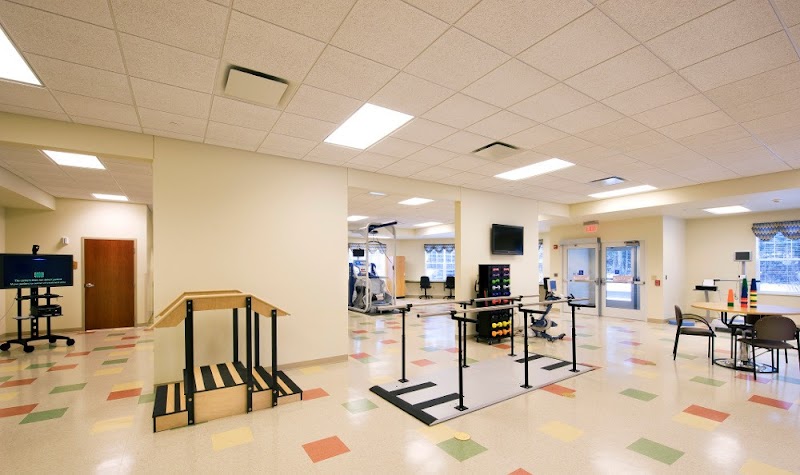
Who Owns and Operates Addison Pointe Health & Rehabilitation Center?

ADDISON POINTE HEALTH & REHABILITATION CENTER is owned by a non-profit organization. Non-profit facilities reinvest revenue into operations rather than distributing to shareholders. The facility is operated by TLC MANAGEMENT, a chain that manages multiple nursing homes. With 100 certified beds and approximately 92 residents (about 92% occupancy), it is a mid-sized facility located in CHESTERTON, Indiana.

How Does Addison Pointe Health & Rehabilitation Center Compare to Other Indiana Nursing Homes?

Compared to the 100 nursing homes in Indiana, ADDISON POINTE HEALTH & REHABILITATION CENTER's overall rating (3 stars) is below the state average of 3.1, staff turnover (32%) is significantly lower than the state average of 46%, and health inspection rating (2 stars) is below the national benchmark.

What Should Families Ask When Visiting Addison Pointe Health & Rehabilitation Center?

Based on this facility's data, families visiting should ask: "Can I visit during a mealtime to observe dining assistance and food quality?" "How do you handle medical emergencies, and what is your hospital transfer rate?" "Can I speak with family members of current residents about their experience?"

Is Addison Pointe Health & Rehabilitation Center Safe?

Based on CMS inspection data, ADDISON POINTE HEALTH & REHABILITATION CENTER has a clean safety record: no substantiated abuse findings (meaning no confirmed cases of resident harm), no Immediate Jeopardy citations (the most serious violation level indicating risk of serious injury or death), and is not on the Special Focus Facility watch list (a federal program monitoring the lowest-performing 1% of nursing homes). The facility has a 3-star overall rating and ranks #100 of 100 nursing homes in Indiana. While no facility is perfect, families should still ask about staff-to-resident ratios and recent inspection results during their visit.

Do Nurses at Addison Pointe Health & Rehabilitation Center Stick Around?

ADDISON POINTE HEALTH & REHABILITATION CENTER has a staff turnover rate of 32%, which is about average for Indiana nursing homes (state average: 46%). Moderate turnover is common in nursing homes, but families should still ask about staff tenure and how the facility maintains care continuity when employees leave.

Was Addison Pointe Health & Rehabilitation Center Ever Fined?

ADDISON POINTE HEALTH & REHABILITATION CENTER has been fined $9,929 across 1 penalty action. This is below the Indiana average of $33,178. While any fine indicates a compliance issue, fines under $50,000 are relatively common and typically reflect isolated problems that were subsequently corrected. Families should ask what specific issues led to these fines and confirm they've been resolved.

Is Addison Pointe Health & Rehabilitation Center on Any Federal Watch List?

ADDISON POINTE HEALTH & REHABILITATION CENTER is not on any federal watch list. The most significant is the Special Focus Facility (SFF) program, which identifies the bottom 1% of nursing homes nationally based on persistent, serious quality problems. Not being on this list means the facility has avoided the pattern of deficiencies that triggers enhanced federal oversight. This is a positive indicator, though families should still review the facility's inspection history directly.