IGNITE MEDICAL RESORT CHESTERTON
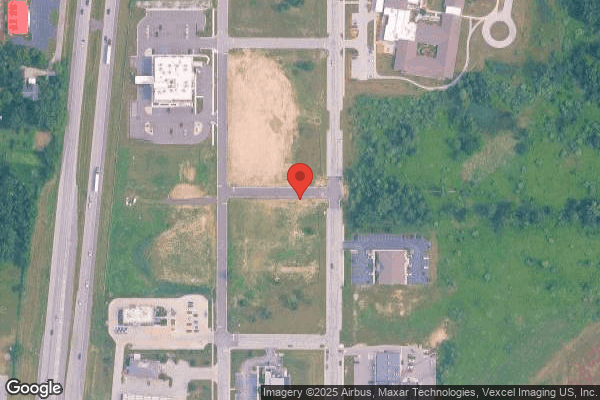
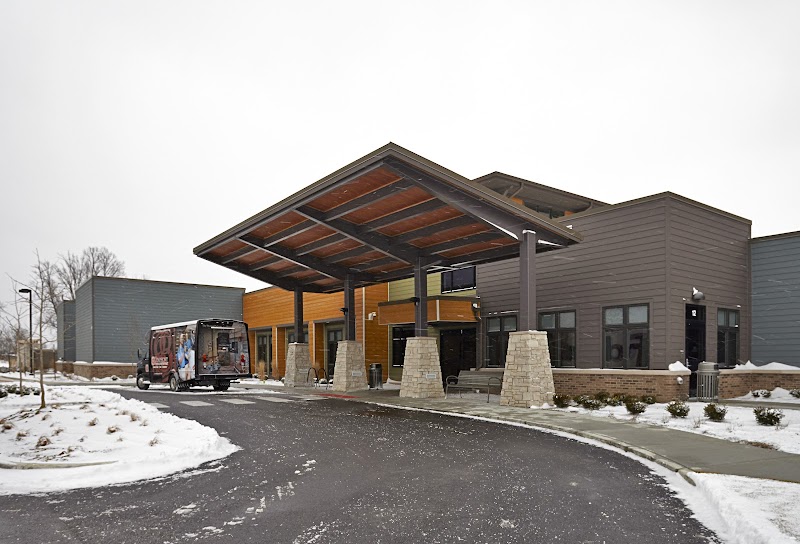
2775 VILLAGE POINT, CHESTERTON, IN 46304 (219) 304-6700
For profit - Limited Liability company 70 Beds IGNITE MEDICAL RESORTS Data: November 2025
Trust Grade
35/100
#459 of 505 in IN
Last Inspection: November 2024

Within standard 12-15 month inspection cycle. Federal law requires annual inspections.

Overview

Ignite Medical Resort Chesterton has a Trust Grade of F, indicating significant concerns about its quality of care. Ranked #459 out of 505 facilities in Indiana and #10 out of 10 in Porter County, it falls within the bottom half of options available. While the facility is improving, having reduced issues from 21 in 2024 to 15 in 2025, its staffing situation is troubling, with a turnover rate of 68%, significantly higher than the state average. On the positive side, there are no fines on record, and the facility has average RN coverage, which is important for monitoring resident health. However, recent inspections revealed problems such as unclean kitchen conditions that could affect all residents, and a resident was found with a tube of cream left inappropriately in their room, highlighting lapses in care and attention.

Trust Score
F
35/100
In Indiana
#459/505
Bottom 10%
Safety Record
Low Risk
No red flags
Inspections
Getting Better
21 → 15 violations
Staff Stability
⚠ Watch
68% turnover. Above average. Higher turnover means staff may not know residents' routines.
Penalties
✓ Good
No fines on record. Clean compliance history, better than most Indiana facilities.
Skilled Nurses
○ Average
Each resident gets 34 minutes of Registered Nurse (RN) attention daily — about average for Indiana. RNs are the most trained staff who monitor for health changes.
Violations
⚠ Watch
55 deficiencies on record. Higher than average. Multiple issues found across inspections.
★☆☆☆☆
1.0
Overall Rating
★☆☆☆☆
1.0
Staff Levels
★★★★☆
4.0
Care Quality
★☆☆☆☆
1.0
Inspection Score
Stable
2024: 21 issues
2025: 15 issues

The Good

  • 4-Star Quality Measures · Strong clinical quality outcomes
  • Full Sprinkler Coverage · Fire safety systems throughout facility
  • No fines on record

Facility shows strength in quality measures, fire safety.

The Bad

1-Star Overall Rating

Below Indiana average (3.1)

Significant quality concerns identified by CMS

Staff Turnover: 68%

22pts above Indiana avg (46%)

Frequent staff changes - ask about care continuity

Chain: IGNITE MEDICAL RESORTS

Part of a multi-facility chain

Ask about local staffing decisions and management

Staff turnover is elevated (68%)

20 points above Indiana average of 48%

The Ugly 55 deficiencies on record

Jun 2025 3 deficiencies
CONCERN (D) 📢 Someone Reported This

A family member, employee, or ombudsman was alarmed enough to file a formal complaint

Potential for Harm - no one hurt, but risky conditions existed

Deficiency F0628 (Tag F0628)

Could have caused harm · This affected 1 resident

Based on record review and interview, the facility failed to ensure a copy of the resident transfer or discharge form was provided to the Office of the State Long Term Care Ombudsman's office prior to...

Read full inspector narrative →
Based on record review and interview, the facility failed to ensure a copy of the resident transfer or discharge form was provided to the Office of the State Long Term Care Ombudsman's office prior to transfers or discharges as required. This had the potential to affect all discharged residents since May 2024. Finding includes: During an e-mail correspondence on 6/3/25, the State Ombudsman indicated the they had not received any notifications of transfers or discharges from the facility since May 2024. During an interview on 6/4/25 at 12:58 a.m., the Administrator indicated she was not aware the State Ombudsman notifications of transfers and discharges were still a requirement. She indicated the facility had not been sending them out. The policy, Ombudsman Notification, updated 5/2024, indicated, 1. Transfers/discharges initiated by the facility require the Ombudsman be sent a copy of the notice before or as close possible to the actual time of the facility-initiated notification to the resident
CONCERN (D) 📢 Someone Reported This

A family member, employee, or ombudsman was alarmed enough to file a formal complaint

Potential for Harm - no one hurt, but risky conditions existed

Deficiency F0679 (Tag F0679)

Could have caused harm · This affected 1 resident

Based on record review and interview, the facility failed to ensure cognitively impaired residents were provided with ongoing activities to meet their preferences for 3 of 3 residents reviewed for act...

Read full inspector narrative →
Based on record review and interview, the facility failed to ensure cognitively impaired residents were provided with ongoing activities to meet their preferences for 3 of 3 residents reviewed for activities. (Residents E, J and B) Findings include: 1. Resident E's record was reviewed on 6/2/25 at 9:10 a.m. Diagnoses included, but were not limited to, metabolic encephalopathy, heart disease and fracture of the right pubis. The admission Minimum Data Set (MDS) assessment, dated 5/8/25, indicated the resident had severe cognitive impairment and required maximum assistance for toileting and moderate assistance for transfers. The admission Activity assessment, dated 5/2/25, indicated the resident enjoyed snacks between meals, Hallmark movies, game shows, going out with family, pet visits and to attend Catholic services. The Activity Director provided a list of residents who were scheduled to be seen for one-on-one visits on 5/6, 5/15, 5/28 and 5/29/25. On 5/15/25, Resident E was noted not to be in the room. There was no documentation if the one-on-one visits had occurred or what type of activity had been provided. A Group Programs log for the past 30 days was provided and indicated the resident was active in one event on 5/5/25. On 6/2/25 at 11:15 a.m., the resident was observed in the therapy room, not actively engaged. On 6/2/25 at 1:35 p.m., the resident was observed seated in a chair in her room with the blinds shut and the lights off. During an interview on 6/3/25 at 11:10 a.m., the Activity Director indicated the resident would vary day to day, she would participate some days and would want to be left alone at other times. They could document in the computer if the resident participated or not. The Executive Director indicated the one-on-one sheets should be updated to include what type of activity was provided. 2. Resident J's record was reviewed on 6/2/25 at 2:45 p.m. Diagnoses included, but were not limited to, metabolic encephalopathy, adult failure to thrive, dementia and alcohol dependence. The admission Minimum Data Set (MDS) assessment, dated 5/21/25, indicated the resident had severe cognitive impairment and required partial assistance for bed mobility and transfers. The Leisure Preferences, dated 5/23/25, indicated the resident enjoyed creative arts, having visitors, crafts and cooking, music, outdoor activities, parties and socials, reading and writing, and spiritual activities. During an interview on 6/3/25 at 11:10 a.m., the Activity Director indicated the resident preferred independent activities like reading and coloring. She had just provided the resident with some activity material in her room. She indicated activities were documented in the computer. On 6/3/25 at 2:43 p.m., Resident J was observed in her room with the TV on. She indicated she didn't like singing programs but liked BINGO. A Group Programs log for the past 30 days indicated the resident was active on 5/27 and 5/28/25, and had refused on 5/16, 5/17, 5/19, 5/22, 5/23, 5/30 and 5/31/25. There was no documentation what type of activity had been provided or refused, and there was no documentation of independent activities provided. 3. The closed record for resident B was reviewed on 6/3/25 at 10:49 a.m. Diagnoses included but were not limited to, multiple fractures of the ribs, metabolic encephalopathy (a brain dysfunction resulting from underlying metabolic problems), and heart failure. A Care Plan, initiated 5/6/25, indicated the resident would participate in the leisure activities they preferred: having visitors, sewing, cleaning, oldies music, outdoor activities, and reading/writing. The 5/7/25 admission Minimum Data Set (MDS) assessment indicated the resident had severe cognitive impairment, and required substantial / maximum assistance with activities of daily living and transfers. The 5/7/25 Activity Preferences Assessment indicated the following activities were very important to the resident: to have books, newspapers, and magazines to read, to listen to music, to be around animals such as pets, to keep up with the news, to do things with groups, to do their favorite activities, to go outside to get fresh air when the weather was good. The assessment indicated participating in religious services or practices was not important at all to the resident. The record lacked documentation of the resident participating in or being offered any of the activities that were important to them. During an interview on 6/3/25 at 11:04 a.m., the Activities Director indicated they only documented activities for the resident who were receiving communion. During an interview on 6/4/25 at 10:20 a.m., the Activities Director indicated the aides brought the resident word searches, but it was not documented. This citation relates to Complaint IN00459710. 3.1-33(a)
CONCERN (D) 📢 Someone Reported This

A family member, employee, or ombudsman was alarmed enough to file a formal complaint

Potential for Harm - no one hurt, but risky conditions existed

Pharmacy Services (Tag F0755)

Could have caused harm · This affected 1 resident

Based on record review and interview, the facility failed to initiate medication administration in a timely manner for 1 of 3 residents reviewed for pharmacy services. (Resident C) Finding includes: ...

Read full inspector narrative →
Based on record review and interview, the facility failed to initiate medication administration in a timely manner for 1 of 3 residents reviewed for pharmacy services. (Resident C) Finding includes: The record for Resident C was reviewed on 6/3/25 at 1:12 p.m. Diagnoses included, but were not limited to, congestive heart failure, COVID-19, and pneumonia. The 5/9/25 admission Minimum Data Set (MDS) assessment indicated the resident had moderate cognitive impairment and required moderate assistance with activities of daily living and transfers. A Progress Note, dated 5/9/2025, indicated the resident tested positive for COVID-19. The May 2025 Medication Administration Record (MAR) indicated Paxlovid (an antiviral medication used to treat COVID-19 infection for those who are at a high risk of developing severe illness) was ordered for the resident on 5/9/2025. The medication was not initiated until 5/12/2025. During an interview on 6/4/25 at 11:30 a.m. the Director of Nursing indicated the Paxlovid was not started until 5/12/2025 because they were waiting for the medication to arrive from the pharmacy. Pharmacy deliveries were made twice daily, and once on Sundays. Paxlovid was not kept in floor stock. The medication arrived Sunday 5/11/2025, but was not started until Monday 5/12/2025. Their pharmacy was located in Indianapolis. They did not have a contract with a local pharmacy, but it was something they were working on. This citation relates to Complaint IN00458911. 3.1-25(a)
Apr 2025 3 deficiencies
CONCERN (D) 📢 Someone Reported This

A family member, employee, or ombudsman was alarmed enough to file a formal complaint

Potential for Harm - no one hurt, but risky conditions existed

Deficiency F0557 (Tag F0557)

Could have caused harm · This affected 1 resident

Based on observation, record review, and interview, the facility failed to ensure a resident was treated with respect and dignity related to a delay in assisting a resident to the bathroom upon reques...

Read full inspector narrative →
Based on observation, record review, and interview, the facility failed to ensure a resident was treated with respect and dignity related to a delay in assisting a resident to the bathroom upon request by the resident for 1 of 10 residents reviewed for respect and dignity. (Resident B) Finding includes: During an interview and observation on 4/23/25 at 4:42 p.m., Resident B's call light had been activated. She was sitting in her wheelchair in her room and two family members were also present. The resident indicated she needed to use the bathroom and began to propel her wheelchair to the bathroom. At 4:50 p.m., LPN 1 entered the room and the resident informed the nurse she really needed to use the bathroom. The LPN indicated she would be a second and left the room. At 4:54 p.m., the resident stated, I guess they forgot I needed to go, then stated, come on. At 4:55 p.m. the resident wanted to know where the staff was and indicated she was told they would be right back. CNA 2 and CNA 3 then entered the room and assisted the resident to the bathroom. The resident then voided on the toilet. Resident B's record was reviewed on 4/24/25 at 9:24 a.m. The diagnoses included, but were not limited to right femur fracture, pressure wound, and falls. A Care Plan, dated 4/7/25, indicated assistance was required for activities of daily living. The interventions included the resident was dependent for toileting. An admission Minimum Data Set (MDS) assessment, dated 4/12/25, indicated a severely impaired cognition, no impairment to the upper and lower extremities, was dependent for toileting and transfers, had a fall prior to admission, and was occasionally incontinent of urine. A Care Card, located in the Shower Book, indicated the resident was a one person assistance for transfers. During an interview with the Executive Director on 4/24/25 at 10:59 a.m., she indicated the call light was activated at 4:38 p.m. per the call light log. During an interview on 4/24/25 at 11:11 a.m., Physical Therapy Assistant (PTA) 4 indicated the resident was able to transfer with one staff member. This citation relates to Complaint IN00457192. 3.1-3(t)
CONCERN (D) 📢 Someone Reported This

A family member, employee, or ombudsman was alarmed enough to file a formal complaint

Potential for Harm - no one hurt, but risky conditions existed

Incontinence Care (Tag F0690)

Could have caused harm · This affected 1 resident

Based on observation, record review, and interview, the facility failed to ensure bladder training and post void residuals (urine amount in the bladder after voiding) were completed and documented aft...

Read full inspector narrative →
Based on observation, record review, and interview, the facility failed to ensure bladder training and post void residuals (urine amount in the bladder after voiding) were completed and documented after a urinary catheter was discontinued. The facility also failed to ensure the amount of urinary output was recorded for 3 of 3 residents reviewed for urinary catheters. (Residents D, H, and L) Findings include: 1. During an observation and interview on 4/23/25 at 7:05 p.m., Resident D was sitting on the side of her bed. A urinary catheter was present with clear urine in the tubing. She indicated she voided constantly and has an appointment with a urologist. Resident D's record was reviewed on 4/24/25 at 2:25 p.m. The diagnoses included, but were not limited to, right femur fracture, stroke, and urinary tract infection. An admission Minimum Data Set (MDS) assessment, dated 4/10/25, indicated a moderately impaired cognitive status, no behaviors, required maximum assistance for toileting, moderate assistance for transfers, a urinary catheter was present, and no bladder training had been completed. A Care Plan, dated 4/14/25, indicated a urinary catheter was present. The interventions indicated to monitor for signs and symptoms of a urinary tract infection, which included no urinary output and urinary frequency. A Nurse's Progress Note, dated 4/5/25 at 2:08 p.m., indicated a family member had contacted the facility and requested the urinary catheter be clamped every six hours during the day and left unclamped at night. The physician was notified and orders were received for the catheter clamping and bladder scans. A Physician's Order, dated 4/5/25 and discontinued on 4/9/25, indicated bladder training was to be attempted. The urinary catheter was to be clamped every six hours during the day and the resident was to alert the staff when she felt the urge to void. The urinary catheter was to be unclamped during the night. The Medication Administration Record (MAR), dated 4/2025, indicated on 4/8/25 at 5:59 p.m. a bladder scan had been completed. A Bladder Scan Documentation form, dated 4/5/25 at 5:47 p.m., indicated the scan was completed as ordered by the physician and the total volume scanned was 68-132 cc's (cubic centimeters). There was no documentation of the amount of urine in the urinary catheter drainage bag at the time of the scan. A Nurse Practitioner's (NP) Progress Note, dated 4/7/25 at 4:49 p.m., indicated the resident's abdomen was soft and non-tender and a urinary catheter was present. There was no documentation on the 4/2025 MAR or in the Nurses' Progress Notes from 4/5/25 through 4/8/25 that verified the urinary catheter had been clamped as ordered and if the resident had alerted the staff of the urge to void. An NP Progress Note, dated 4/8/25 at 9:09 a.m., indicated the resident continued bladder training for 48 hours prior to the removal of the urinary catheter for voiding trial on 4/10/25. A Physician's Order, dated 4/8/25 at 2:53 p.m. and discontinued on 4/11/25, indicated a bladder scan was to be completed every six hours and if the post void residual was over 300 cc's, the urinary catheter was to be re-inserted. The bladder scans were to be completed for three days. A Bladder Scan Documentation form, dated 4/9/25 at 6:22 p.m., indicated a post urinary catheter removals/residual check scan had been completed by the NP due to abdominal distention and there was 287 cc's of urine in the bladder. An NP Progress Note, dated 4/10/25 at 11:06 a.m., indicated the urinary catheter had been discontinued on 4/9/25, there were no bladder scan results in the resident's record, and a bladder scan had been completed at the time of the NP visit and 201 cc's of urine had been scanned. Bladder scans were to be completed every six hours for voiding trial on 4/10/25 and would be monitored closely. The 4/2025 MAR indicated the first bladder scan had not been completed until 4/10/25 at 6:00 a.m., 12:00 p.m., and 6:00 p.m. There was no documentation that indicated if the scans were a post void scan or the amount of urine scanned. There was no documentation in the Nurses' Progress Notes that indicated the scans had been completed. A Physician's Order, dated 4/10/25 at 6:24 p.m. and discontinued on 4/11/25 at 7:45 p.m., indicated bladder scans were to be completed every six hours for 48 hours for urinary retention. A Radiology Results Report, dated 4/10/25 at 5:10 p.m., indicated a urinary bladder ultrasound had been completed and the calculated bladder volume was 48 cc's. There was no documentation on the 4/2025 MAR or the Nurses' Progress Notes 4/8/25 through 4/10/25 at 6:00 a.m. to indicate the clamping of the urinary catheter was being continued, the bladder scans had been completed by the nurse, or if the urinary catheter had been discontinued. There was no documentation of the urinary output amount on the output record for April 6, 2025 after 2:51 a.m. through April 11, 2025 at 5:59 p.m. The 4/2025 MAR indicated a bladder scan had been completed on 4/11/25 at 4:00 a.m. and there was no residual in the bladder. An NP Progress Note, dated 4/11/25 at 6:30 a.m., indicated the resident's abdomen was distended and the bladder was palpated. The resident indicated she had not urinated the last time a bladder scan had been completed, which was around 8:00 p.m. the previous evening. A bladder scan had been completed by the NP which estimated 641 cc's of urine and an order to re-insert the urinary catheter was written. The urinary output amounts had not been documented every shift/daily from 4/5/25 through 4/28/25. During an interview on 4/28/25 at 8:32 a.m., the Director of Nursing (DON) indicated there was no documentation that indicated the clamping and unclamping of the catheter, the resident's reported urge to void, the amount of voids, and the bladder scans with the pre and post urine amounts had been completed as ordered. The catheter had been discontinued on 4/9/25 as documented on the bladder scan form and there had been no documentation in the Nurses' Progress Notes indicating the bladder training, scans, and discontinuation of the urinary catheter had been completed. She indicated there were several orders written and there was no consistent record of the urine output documented. A catheter removal policy, dated 7/2024 and received by the DON as current, indicated the date and time of the urinary catheter removal was to be documented. A bladder scan policy, dated 9/2024 and received by the DON as current, indicated post void residuals will be completed via the bladder scan device with a physician's order. The provider would be notified of abnormal results. 2. During an observation on 4/24/25 at 8:00 a.m., Resident H was sitting at a table by the Nurses' Station. A covered urinary catheter bag was observed. Resident H's record was reviewed on 4/28/25 at 9:51 a.m. The diagnoses included, but were not limited to, obstructive uropathy and dementia. A Care Plan, dated 4/11/25, indicated a urinary catheter was present related to obstructive uropathy. The interventions included to monitor for signs and symptoms of a urinary tract infection, which included the amount of urine output. A Care Plan, dated 4/11/25, indicated an enlarged prostate. The interventions included, urine retention would be monitored. A Physician's Order, dated 4/11/25, indicated the urinary output was to be monitored every shift. An admission MDS assessment, dated 4/15/25, indicated a severely impaired cognitive status and a urinary catheter was utilized. The urinary output monitoring log indicated there had been urinary output documented on April 14, 15, 16, 18, 19, 20, 21, and 22, 2025. There was only one documented urinary output on April 13 at 2:14 p.m. with 750 cc's of urine, 4/17/25 at 12:15 p.m. with 500 cc's of urine, 4/23/25 at 5:59 p.m. with 100 cc's of urine, and 4/27/25 at 4:08 a.m. with 500 cc's of urine. 3. During an interview and observation on 4/23/25 at 7:45 p.m., Resident L was lying in bed. There was a urinary catheter present. She indicated the catheter was used because she had a sore they wanted to keep clean. Resident L's record was reviewed on 4/28/25 at 10:49 a.m. The diagnoses included, but were not limited to abscess of the groin. A Care Plan, dated 4/14/25, indicated a urinary catheter was present. The interventions included to monitor for signs and symptoms of a urinary tract infection, which included no urinary output. An admission MDS assessment, dated 4/18/25, indicated an intact cognitive status and a urinary catheter was present. The urinary output monitoring indicated there were no urinary outputs documented on April 13, 15, 26, 17, 20, 21, 22, 26, and 27, 2025. There was only one urinary output documented on 4/18/25 at 3:21 p.m. with 650 cc's of urine, 4/19/25 at 3:11 a.m. with 600 cc's of urine, 4/23/25 at 4:27 p.m. with 500 cc's of urine, 4/24/25 at 1:28 a.m. with 800 cc's of urine, 4/24/25 at 1:28 a.m. with 800 cc's urine and 4/25/25 at 5:59 a.m. with 250 cc's of urine. A catheter care policy, dated 5/2024 and received from the DON as current, indicated the urinary drainage bag was to be emptied at the end of each shift or more often if needed and the total amount of urine was to be documented in the clinical record. This citation relates to Complaint IN00457659. 3.1-41(a)(2)
CONCERN (D) 📢 Someone Reported This

A family member, employee, or ombudsman was alarmed enough to file a formal complaint

Potential for Harm - no one hurt, but risky conditions existed

Infection Control (Tag F0880)

Could have caused harm · This affected 1 resident

Based on observation, interview, and record review, the facility failed to ensure correct Personal Protective Equipment (PPE) was used by a staff members (CNA 2 and CNA 3) when providing care to a res...

Read full inspector narrative →
Based on observation, interview, and record review, the facility failed to ensure correct Personal Protective Equipment (PPE) was used by a staff members (CNA 2 and CNA 3) when providing care to a resident (Resident B) who was in Enhanced Barrier Precautions (EBP) for one random observation for infection control. Finding includes: During an interview and observation on 4/23/25 at 4:42 p.m., Resident B's call light had been activated. Upon entering the room, a magnetic sign was on the outside door frame that indicated EBP was required when providing care. At 4:55 p.m., CNA 2 and CNA 3 entered the room, donned gloves and began to assist the resident to the toilet. The CNA's were stopped and asked if the resident required EBP and both CNA's stated, no and continued to assist the resident to transfer to the toilet. The resident's incontinent brief was changed after incontinence care had been completed. She was then dressed in a clean pair of slacks and transferred back to the wheelchair. Resident B's record was reviewed on 4/24/25 at 9:24 a.m. The diagnoses included, but were not limited to right femur fracture, pressure wound, and falls. A Physician's Order, dated 4/7/25, indicated EBP was to be implemented due to wounds being present. A Care Plan, dated 4/7/25, indicated EBP was required related to a wound. The interventions included PPE of gowns and gloves were to be worn during high contact care activities. A facility EBP policy, dated 3/2024 and identified as current by the Executive Director, indicated staff were to don a gown and gloves during high-contact resident care. EBP PPE was to be used for residents with wounds. 3.1-18(b)
Mar 2025 9 deficiencies
CONCERN (D) 📢 Someone Reported This

A family member, employee, or ombudsman was alarmed enough to file a formal complaint

Potential for Harm - no one hurt, but risky conditions existed

Deficiency F0557 (Tag F0557)

Could have caused harm · This affected 1 resident

Based on observation, record review, and interview, the facility failed to ensure a resident was treated with respect and dignity, related to a delay in assisting a resident out of bed upon request by...

Read full inspector narrative →
Based on observation, record review, and interview, the facility failed to ensure a resident was treated with respect and dignity, related to a delay in assisting a resident out of bed upon request by the resident for 1 of 8 residents reviewed for respect and dignity. (Resident J) Finding includes: During an observation on 3/11/25 at 12:30 p.m., Resident J activated the call light. RN 1 responded to the call light and the resident indicated she wanted her meal tray removed and assistance to get out of bed. RN 1 informed the resident the staff were with another resident and when they were done, someone would assist her out of bed. During observations on 3/11/25 at 12:44 p.m., 1:21 p.m., 1:21 p.m., and 2:37 p.m., the resident remained in bed. During an interview on 3/11/25 at 2:37 p.m., the resident indicated she had been informed someone would be in to help her out of bed and no one had come to assist her. She indicated this happened often and she had things she had planned to do, but was unable to do them since she still remained in bed. During an interview on 3/11/25 at 2:39 p.m., RN 1 indicated she had informed the CNA the resident needed help to get out of bed. The resident required a mechanical lift and a second person was needed to assist with the transfer. She indicated she would assist with the transfer. Resident J's record was reviewed on 3/12/25 at 3:24 p.m. The diagnoses included, but were not limited to, congestive heart failure. A Care Plan, revised on 1/2/25, indicated assistance was required for activities of daily living. The interventions included a mechanical lift and two staff were required for transfers. A Quarterly Minimum Data Set assessment, dated 1/13/25, indicated an intact cognitive status, was dependent for transfers, and had sustained a fall. This citation relates to Complaint IN00454481. 3.1-3(t)
CONCERN (D) 📢 Someone Reported This

A family member, employee, or ombudsman was alarmed enough to file a formal complaint

Potential for Harm - no one hurt, but risky conditions existed

Notification of Changes (Tag F0580)

Could have caused harm · This affected 1 resident

Based on record review and interview, the facility failed to ensure a resident's Power of Attorney (POA) was notified of falls for 1 of 3 residents reviewed for physician/responsible party notificatio...

Read full inspector narrative →
Based on record review and interview, the facility failed to ensure a resident's Power of Attorney (POA) was notified of falls for 1 of 3 residents reviewed for physician/responsible party notification. (Resident E) Finding includes: Resident E's record was reviewed on 3/11/25 at 3:11 p.m. The diagnoses included, but were not limited to, pneumonia, fracture of the right arm, infection of the right hand, and dementia. The record indicated the resident had a POA who was the first contact person in case of changes/emergency. An admission Minimum Data Set assessment, dated 1/23/25, indicated a severely impaired cognitive status. Fall Investigations, dated 2/1/25 at 4:09 p.m., 2/9/25 at 7:40 a.m., and 2/15/25 at 5:34 p.m., indicated the resident had fallen. The person listed as number two for contact had been notified and not the POA. There was no documentation in the record that indicated the POA had been notified or why the second person was the one notified of the falls. During an interview on 3/13/25 at 10:50 a.m., the Clinical [NAME] President and Director of Nursing were unsure why the POA was not notified. A facility policy for Physician and Responsible Party Notification, dated 10/2024 and received from the [NAME] President of Operations as current, indicated the communication with the responsible party would be documented in the resident's record. The Responsible Party would be notified after the physician was notified. This citation relates to Complaint IN00455073. 3.1-5(a)(2)
CONCERN (D) 📢 Someone Reported This

A family member, employee, or ombudsman was alarmed enough to file a formal complaint

Potential for Harm - no one hurt, but risky conditions existed

ADL Care (Tag F0677)

Could have caused harm · This affected 1 resident

Based on observation, record review, and interview, the facility failed to ensure a resident who was dependent for care received incontinent care in a timely manner for 1 of 3 residents reviewed for i...

Read full inspector narrative →
Based on observation, record review, and interview, the facility failed to ensure a resident who was dependent for care received incontinent care in a timely manner for 1 of 3 residents reviewed for incontinent care. (Resident F) Finding includes: During an observation on 3/11/25 at 10:50 a.m., Resident F's call light had been activated by a visitor in the room. RN 4 answered the call light and was informed by the visitor that the resident needed his incontinent brief changed. RN 4 and CNA 5 began the incontinence care. The resident's gown and top sheet were wet and the incontinent brief was saturated with urine. The incontinent pad under the resident was soaked with urine and under the pad were two large dried yellow/brownish rings from urine. The abdominal binder worn by the resident was also wet. RN 4 acknowledged the urine saturation and dried urine rings. The resident indicated he was last changed yesterday. During an interview on 3/11/25 at 11:16 a.m., CNA 2 indicated she was assigned to Resident F. She started work at 6 a.m. and had not yet checked on Resident F. She indicated she was still completing her morning rounds. During an interview on 3/11/25 at 11:36 a.m., the Administrator indicated the resident had his call light on at 2 a.m. on 3/11/25 and had probably been checked at that time. Resident F's record was reviewed on 3/12/25 at 2:35 p.m. The diagnoses included, but were not limited to, blood stream infection due to central venous catheter and dementia. The resident was admitted into the facility on 3/7/25. A Care Plan, dated 3/7/25, indicated assistance was required for activities of daily living. The interventions indicated he was dependent for hygiene and toileting. A Care Plan, dated 3/7/25, indicated incontinence of bowel and bladder. The interventions included he would be checked every 2-3 hour and as needed for incontinence. A mental status assessment, dated 3/10/25 at 11:16 a.m., indicated his cognition was moderately impaired. This citation relates to Complaints IN00447280, IN00452124, IN00454481, and IN00455073. 3.1-38(a)(3)
CONCERN (D) 📢 Someone Reported This

A family member, employee, or ombudsman was alarmed enough to file a formal complaint

Potential for Harm - no one hurt, but risky conditions existed

Quality of Care (Tag F0684)

Could have caused harm · This affected 1 resident

Based on observation, record review, and interview, the facility failed to ensure residents received necessary care and services, related to skin assessments not completed as ordered by the Physician ...

Read full inspector narrative →
Based on observation, record review, and interview, the facility failed to ensure residents received necessary care and services, related to skin assessments not completed as ordered by the Physician for residents with a brace and a immobilizer for 2 of 8 residents reviewed for quality of care. (Residents E and H) Findings include: 1. During an observation on 3/11/25 at 11:24 a.m., resident E was sitting in the wheelchair. There was a brace on the right wrist/forearm. Resident E's record was reviewed on 3/11/25 at 3:11 p.m. The diagnoses included, but were not limited to, pneumonia, fracture of the right arm, infection of the right hand, and dementia An admission Minimum Data Set assessment, dated 1/23/25, indicated a severely impaired cognitive status and had a fall with a fracture prior to the admission into the facility. A Physician's Order, dated 1/17/25, indicated skin checks were to be completed weekly on day shift every Monday and Thursday and a Skin Evaluation must be completed when each assessment was completed. A Physician's Order, dated 1/18/25, indicated the staff were to monitor the non-removable surgical splint to the right arm every shift and all abnormal findings were to be reported to the physician. A Care Plan, dated 1/20/25, indicated a fracture of the right radius and post internal fixation for stabilization of the fracture. The goal indicated the fracture would heal without complications. The interventions indicated the physician's orders would be followed and the resident would be monitored for complications. The Treatment Administration Record (TAR), dated 1/2025 & 2/2025, indicated the weekly skin checks had not been completed on January 20, 23, 27, and 30, 2025 and February 3, 6, 17, 20, and 24, 2025. The TAR, dated 1/2025 and 2/2025, indicated the splint had not been monitored on night shift on January 21, 22, 23, 25, 28, 30, and 31, 2025 and February 4, 13, 24, 15, 21, 23, 26, and 28, 2025. The splint had not been monitored on day shift on February 19, 2025. The Clinical [NAME] President was informed of the missed assessments on 3/11/25 at 4:00 p.m. No further information was received by the facility. 2. Resident H's record was reviewed on 3/12/25 at 3:45 p.m. The diagnoses included, but were not limited to, anemia (low iron), dementia, fracture of humerus, and muscle weakness. The admission Minimum Data Set (MDS) assessment, dated 2/15/25, indicated the resident was severely impaired for daily decision making. A Care Plan, dated 2/11/25, indicated the resident was at risk for alteration in skin integrity related to decreased mobility and anticoagulant use. Interventions were to provide skin and wound treatments as ordered. A Care Plan, dated 2/11/25, indicated the resident had an alteration in musculoskeletal status related to a left humerus fracture. Interventions were to follow physician's orders for weight bearing status and see the Physician Orders and Physical Therapy Treatment Plan. A Physician's Order, dated 2/11/25, indicated for the resident to always wear the left arm immobilizer and could be removed for showers. A Physician's Order, dated 2/11/25, indicated to administer weekly skin checks every evening shift on Tuesday and Friday. Staff must open and document a Skin Evaluation for each assessment and include no new areas found. There were no Skin Evaluations completed for the following dates: 2/11, 2/14, 2/21, 2/25, 2/28, 3/4, 3/7, and 3/11/25. The Treatment Administration Record (TAR) for 2/2025 indicated skin checks were not signed out on 2/11, 2/14, and 2/21/25. During an interview on 3/13/25 at 10:54 a.m., the Director of Nursing (DON) indicated she understood the concern regarding weekly skin checks not being signed out on the TAR and weekly Skin Evaluations not being completed. This citation relates to Complaint IN00455073. 3.1-37(a)
CONCERN (D) 📢 Someone Reported This

A family member, employee, or ombudsman was alarmed enough to file a formal complaint

Potential for Harm - no one hurt, but risky conditions existed

Accident Prevention (Tag F0689)

Could have caused harm · This affected 1 resident

Based on observation, record review and interview, the facility failed to ensure care plan interventions were in place to prevent falls for 1 of 3 residents reviewed for falls. (Resident E) Finding in...

Read full inspector narrative →
Based on observation, record review and interview, the facility failed to ensure care plan interventions were in place to prevent falls for 1 of 3 residents reviewed for falls. (Resident E) Finding includes: During observations on 3/11/25 at 10:49 a.m., 2:44 p.m. and on 3/12/25 at 10:13 a.m., there was no stop sign in Resident E's room to remind the resident to call for assistance and no floor mat in the room. During an interview on 3/12/25 at 10:13 a.m., RN 3 indicated there was no stop sign or floor mat located in the room. Resident E's record was reviewed on 3/11/25 at 3:11 p.m. The diagnoses included, but were not limited to, pneumonia, fracture of the right arm, infection of the right hand, and dementia. An admission Fall Risk Assessment, dated 1/17/25, indicated a high risk for falls. An admission Minimum Data Set assessment, dated 1/23/25, indicated a severely impaired cognitive status, required maximum assistance with transfers, was dependent for toileting and wheelchair mobility, was occasionally incontinent of bladder and frequently incontinent of bowel, and had a fall with a fracture prior to admission into the facility. A Care Plan, dated 2/9/25, indicated an actual fall and a history of falls. The interventions included on 2/1/25, a floor mat would be placed next to the bed and on 2/9/25, a stop sign wound be placed in the room as a visual reminder to stop and wait for assistance with transfers. The Nursing Progress Notes, dated 2/1/25 at 4:35 p.m., 2/9/25 at 7:00 a.m., and 2/15/25 at 6:42 p.m., indicated the resident had fallen. A fall prevention policy, dated 10/2024 and received from the [NAME] President of Operations as current, indicated the interdisciplinary team would develop interventions to reduce the resident's risk for falls. This citation relates to Complaint IN00455073. 3.1-45(a)(2)
CONCERN (D) 📢 Someone Reported This

A family member, employee, or ombudsman was alarmed enough to file a formal complaint

Potential for Harm - no one hurt, but risky conditions existed

Tube Feeding (Tag F0693)

Could have caused harm · This affected 1 resident

Based on observation, record review, and interview, the facility failed to ensure a resident's feeding tube was infusing at the correct flow rate for 1 of 1 resident reviewed for feeding tube usage. (...

Read full inspector narrative →
Based on observation, record review, and interview, the facility failed to ensure a resident's feeding tube was infusing at the correct flow rate for 1 of 1 resident reviewed for feeding tube usage. (Resident F) Finding includes: Resident F was observed lying in bed with the head of the bed elevated on 3/11/25 at 10:50 a.m. and 3/12/25 at 2:56 p.m. The tube feeing of Jevity 1.5 was infusing at 55 cc/hr (cubic centimeters (cc) per hour). During an interview on 3/12/25 at 2:56 p.m., LPN 6 indicated the tube feeding was infusing at 55 cc/hr and the bottle of the feeding indicated the feeding should have been infusing at 20 cc/hr. Resident F's record was reviewed on 3/12/25 at 2:35 p.m. The diagnoses included, but were not limited to, blood stream infection due to central venous catheter and dementia. The resident was admitted into the facility on 3/7/25. A Care Plan, dated 3/7/25, indicated a gastrostomy tube was present and he required enteral nutrition. The interventions included the tube feeding would infuse per current physician orders. A Physician Order, dated 3/7/25 and discontinued on 3/12/25, indicated Jevity 1.5 was to infuse at 20 cc/hr for 24 hours a day. A Physician's Order, dated 3/12/25, indicated Jevity 1.5 was to infuse at 20 cc/hr for 22 hours per day. A Registered Dietician's Progress Note, dated 3/11/25 at 6:48 p.m., indicated a recommendation to increase the tube feeding to 55 cc/hr for 22 hours. There were no Physician's Orders to increase the tube feeding to 55 cc/hr. A tube feeding policy, dated 10/2024 and received by the Administrator as current, indicated an order by the physician or nurse practitioner for the type of formula and rate was required. 3.1-44(a)(2)
CONCERN (D) 📢 Someone Reported This

A family member, employee, or ombudsman was alarmed enough to file a formal complaint

Potential for Harm - no one hurt, but risky conditions existed

Deficiency F0694 (Tag F0694)

Could have caused harm · This affected 1 resident

Based on record review and interview, the facility failed to care for a midline catheter (inserted into a vein in the upper arm for intravenous [IV] treatments) in accordance with professional standar...

Read full inspector narrative →
Based on record review and interview, the facility failed to care for a midline catheter (inserted into a vein in the upper arm for intravenous [IV] treatments) in accordance with professional standards of practice related to lack of measurements of the catheter length, dressing changes to the site, assessments of the site and flushes of the catheter for 1 of 1 resident reviewed with a midline catheter. (Resident E) Finding includes: Resident E's record was reviewed on 3/11/25 at 3:11 p.m. The diagnoses included, but were not limited to, pneumonia, fracture of the right arm, infection of the right hand, and dementia. An admission Minimum Data Set assessment, dated 1/23/25, indicated a severely impaired cognitive status. A Physician's Order, dated 3/6/25, indicated a midline catheter was to be inserted for IV antibiotic administration. A Physician's Order, dated 3/6/25, indicated Unasyn (antibiotic) 1.5 grams was to be given every 12 hours for seven days for a hand infection. The treatment was to start on 3/7/25 at 6:00 a.m. A Care Plan, dated 3/7/25, indicated IV antibiotics were ordered related to an infection of the right hand. The interventions included the IV would be flushed per the physician's orders and the site would be monitored for infection. A Care Plan, dated 3/10/25, indicated an antibiotic was ordered due to right lung infiltrates. There was no documentation when the midline catheter had been placed in the resident's clinical record. There were no physician's orders for flushing the midline, nor for the care of the midline. The Medication Administration Record and/or Treatment Administration Record, dated 3/2025, had no information that indicated the flushes were completed, dressing changes to the site had been completed, and the arm circumference and insertion site had been monitored. The Director of Nursing and [NAME] President of Operations were informed of the lack of care for the IV site and orders for the flushes on 3/12/25 at 2:26 p.m. No further information was provided. The [NAME] President of Operations presented a form from the Vascular Access Specialist on 3/12/25 at 3 p.m. that indicated a midline had been placed on 3/6/25. The arm circumference was 24 cm (centimeters). The nursing care was to include a 10 milliliter flush of normal saline before and right after all infusions and per facility protocols. The dressing was to be changed within 24 hours of insertion and then every seven days afterwards and as needed. A facility policy for the administration of IV fluids, dated 6/2024 and received by the [NAME] President of Operations as current, indicated the type and amount of IV fluids must be ordered by a licensed practitioner. IV fluid administration must be documented and resident monitoring was to be documented in the the clinical record. The IV site was to be monitored. 3.1-47(a)(2)
CONCERN (D) 📢 Someone Reported This

A family member, employee, or ombudsman was alarmed enough to file a formal complaint

Potential for Harm - no one hurt, but risky conditions existed

Respiratory Care (Tag F0695)

Could have caused harm · This affected 1 resident

Based on observation, record review, and interview, the facility failed to ensure a resident who required respiratory care received care consistent with profession standards and was administered oxyge...

Read full inspector narrative →
Based on observation, record review, and interview, the facility failed to ensure a resident who required respiratory care received care consistent with profession standards and was administered oxygen as ordered by the physician for 1 of 1 resident reviewed for respiratory care. (Resident E) Finding includes: During observations on 3/11/25 at 11:24 a.m., 12:24 p.m., and 12:27 p.m., Resident E was sitting in the wheelchair at a table in the lounge by the Nurses' Station. There was a nasal cannula present and in place. The portable oxygen unit was turned off. During the observation on 3/11/25 at 12:27 p.m., the Assistant Director of Nursing turned the portable oxygen unit on. She indicated the oxygen was just turned on at two liters per minute. Resident E's record was reviewed on 3/11/25 at 3:11 p.m. The diagnoses included, but were not limited to, pneumonia, fracture of the right arm, infection of the right hand, and dementia. A Physician's Order, dated 3/8/25, indicated oxygen was to be administered at two liters per minute every shift. A Care Plan, dated 3/9/25, indicated oxygen therapy was required. The interventions included oxygen would be administered as ordered by the Physician. A facility policy for oxygen usage, dated 11/2018 and received as current from the Administrator, indicated residents who had orders for oxygen should have the oxygen administered per the physician's orders. 3.1-47(a)(6)
CONCERN (D) 📢 Someone Reported This

A family member, employee, or ombudsman was alarmed enough to file a formal complaint

Potential for Harm - no one hurt, but risky conditions existed

Infection Control (Tag F0880)

Could have caused harm · This affected 1 resident

Based on observation, interview, and record review, the facility failed to ensure correct Personal Protective Equipment (PPE) was used by a staff member (CNA 2) when providing care to a resident (Resi...

Read full inspector narrative →
Based on observation, interview, and record review, the facility failed to ensure correct Personal Protective Equipment (PPE) was used by a staff member (CNA 2) when providing care to a resident (Resident E) who was in Enhanced Barrier Precautions (EBP) for two random observation for infection control. Finding includes: During an observation on 3/11/25 at 2:44 p.m., CNA 2 applied gloves and placed Resident E in bed. The resident had been incontinent of a moderate amount of urine and a small bowel movement. Incontinent care was completed by CNA 2. There was no sign on the door that indicated the resident was on EBP. During an observation on 3/12/25 at 10:13 a.m., there was a sign on the door that indicated the resident was on EBP and a container for the PPE was located on the door of the room. CNA 2 was in the bathroom with the resident and had assisted her into the wheelchair from the toilet. CNA 2 wore gloves and indicated care had just been completed due to diarrhea. CNA 2 had not donned a protective gown for the care and stated she was unaware the resident was on EBP. CNA 2 indicated there would be a sign on the door and PPE supplies available if the resident required EBP. Resident E's record was reviewed on 3/11/25 at 3:11 p.m. The diagnoses included, but were not limited to, pneumonia, fracture of the right arm, infection of the right hand, and dementia. A Physician's Order, dated 1/18/25, indicated EBP was to be initiated. A Care Plan, dated 1/20/25, indicated EBP was required related to the wounds that were present upon admission. The interventions include protective gowns and gloves would be worn during high contact resident care activities. An admission Minimum Data Set assessment, dated 1/23/25, indicated a severely impaired cognitive status, was dependent for toileting, was occasionally incontinent of bladder and frequently incontinent of bowel, had an unstageable (pressure wound covered with slough or eschar) and venous/arterial ulcers, a surgical wound, moisture associated skin damage (MASD), and a surgical wound upon admission into the facility. A Physician's Order, dated 3/6/25, indicated a midline catheter for intravenous antibiotic therapy was to be inserted. A Vascular Access form, dated 3/6/25, indicated a midline catheter was inserted on 3/6/25. A facility EBP policy, dated 3/2024 and identified as current by the [NAME] President of Operations, indicated staff were to don a gown and gloves during high-contact resident care. EBP PPE was to be used for residents with a central line and with wounds. 3.1-18(b)
Nov 2024 17 deficiencies
CONCERN (D)

Potential for Harm - no one hurt, but risky conditions existed

Resident Rights (Tag F0550)

Could have caused harm · This affected 1 resident

Based on observation, record review, and interview, the facility failed to ensure each resident's dignity was maintained related to wearing a hospital gown while in bed during the day for 1 of 1 resid...

Read full inspector narrative →
Based on observation, record review, and interview, the facility failed to ensure each resident's dignity was maintained related to wearing a hospital gown while in bed during the day for 1 of 1 resident reviewed for dignity. (Resident 30) Finding includes: On 10/27/24 at 11:32 a.m., Resident 30 was observed in his room in bed wearing a hospital gown. On 10/28/24 at 9:52 a.m., 12:09 p.m., and 4:35 p.m., the resident was again observed in his room in bed wearing a hospital gown. On 10/29/24 at 9:25 a.m., 11:28 a.m., and 2:20 p.m., the resident was observed in his room in bed wearing a hospital gown. On 10/30/24 at 9:26 a.m., 10:36 a.m. and 3:30 p.m., the resident was observed in his room in bed wearing a hospital gown. At 1:25 p.m., the resident was seated in his broda chair by the nurses' station, he continued to wear a hospital gown. On 10/31/24 at 9:12 a.m., the resident was in his room in bed watching television. The resident was wearing a hospital gown at that time. The record for Resident 30 was reviewed on 10/30/24 at 10:52 a.m. Diagnoses included, but were not limited to, dementia without behavior disturbance, delusional disorder, anxiety, dysphagia (difficulty swallowing), and gastrostomy status (a tube inserted directly into the stomach for nutrition). The 9/13/24 Quarterly Minimum Data Set (MDS) assessment indicated the resident was cognitively impaired for daily decision making and he required substantial/maximum assistance with dressing. A Care Plan, dated 3/14/24 and reviewed on 9/6/24, indicated the resident had self-care deficits which required limited to extensive assist with activities of daily living (ADL's). Interventions included, but were not limited to, extensive assist of one to help with dressing. There was no current care plan related to wearing a gown in bed during the day. During an interview on 11/1/24 at 10:40 a.m., the [NAME] President of Clinical Operations indicated the resident's care plan was being updated. 3.1-3(t)
CONCERN (D)

Potential for Harm - no one hurt, but risky conditions existed

ADL Care (Tag F0677)

Could have caused harm · This affected 1 resident

**NOTE- TERMS IN BRACKETS HAVE BEEN EDITED TO PROTECT CONFIDENTIALITY** Based on observation, record review, and interview, the facility failed to ensure activities of daily living (ADLs) were complet...

Read full inspector narrative →
**NOTE- TERMS IN BRACKETS HAVE BEEN EDITED TO PROTECT CONFIDENTIALITY** Based on observation, record review, and interview, the facility failed to ensure activities of daily living (ADLs) were completed for dependent residents related to dirty and long fingernails, greasy hair, and the removal of facial hair for 2 of 6 residents reviewed for ADLs. (Residents F and 170) Findings include: 1. During an interview on 10/27/24 at 10:14 a.m., Resident F indicated her hair had not been washed since she had been at the facility. At that time, her hair was greasy in appearance. The record for Resident F was reviewed on 10/29/24 at 9:30 a.m The resident was admitted to the facility on [DATE]. Diagnoses included, but were not limited to, heart failure, type 2 diabetes, peripheral vascular disease, anemia, high blood pressure, gout and migraines. The 10/23/24 admission Minimum Data Set (MDS) assessment indicated the resident was cognitively intact for daily decision making. It was very important for the resident to choose between a shower or a bed bath and the task of bathing was not attempted during the observation period. A Care Plan, dated 10/17/24, indicated the resident had an ADL self care performance deficit related to physical mobility. The approaches indicated the resident needed substantial/maximal assistance for showers and/or baths. The shower sheet for 10/2024 indicated the resident refused a shower on 10/24 and had a bed bath on 10/28/24, which included her hair being washed. The resident did not receive a bath or shower on 10/21/24. During an interview on 10/29/24 at 9:15 a.m., the Unit Manager indicated they attempted multiple times on 10/24/24 to assist the resident with taking a shower, however, she kept refusing due to the chair being too high for her. During an interview on 10/30/24 at 9:48 a.m., the Chief Nursing Officer indicated the resident did not receive a shower on 10/21/24 nor was there documentation she had refused. The resident's hair was to be washed as needed. 2. During random observations on 10/27/24 at 11:23 a.m. and 1:20 p.m., and on 10/28/24 at 9:40 a.m. and 10:45 a.m., Resident 170 was observed in bed. At those times, the resident's fingernails were long and dirty and he had a large amount of facial hair on his cheeks, chin, and neck. The record for Resident 170 was reviewed on 10/28/24 at 3:15 p.m. The resident was admitted to the facility on [DATE]. Diagnoses included, but were not limited to, brain disorder, type 2 dm, end stage renal disease, anemia, and stroke. The 10/22/24 admission Minimum Data Set (MDS) assessment indicated the resident was not cognitively intact for daily decision making and needed partial to moderate assistance with personal hygiene. A Care Plan, dated 10/16/24, indicated the resident had an ADL self care deficit performance related to physical mobility. The approaches indicated the resident needed partial to moderate assistance with personal hygiene. The shower sheet for the month of 10/2024 indicated the resident received a bed bath on 10/19/24 and refused baths on 10/23 and 10/26/24. There was no documentation to indicate the resident received nail care or a shave. During an interview on 10/30/24 at 9:48 a.m., the Chief Nursing Officer indicated the resident's nails were long and dirty and he was in need of shave. The resident wanted his electric razor, so they were waiting on that from his home. 3.1-38(a)(3)(D) 3.1-38(a)(a)(E)
CONCERN (D)

Potential for Harm - no one hurt, but risky conditions existed

Quality of Care (Tag F0684)

Could have caused harm · This affected 1 resident

**NOTE- TERMS IN BRACKETS HAVE BEEN EDITED TO PROTECT CONFIDENTIALITY** Based on observation, record review, and interview, the facility failed to ensure treatments were completed as ordered for dry f...

Read full inspector narrative →
**NOTE- TERMS IN BRACKETS HAVE BEEN EDITED TO PROTECT CONFIDENTIALITY** Based on observation, record review, and interview, the facility failed to ensure treatments were completed as ordered for dry flaky skin and signs of constipation were monitored for 2 of 4 residents reviewed for non pressure skin conditions and for 1 of 1 resident reviewed for constipation. (Residents 31, F and 170) Findings include: 1. During an interview on 10/27/24 at 1:36 p.m., Resident 31 indicated he had issues with constipation and would go longer than three days without having a bowel movement. The record for Resident 31 was reviewed on 10/29/24 at 9:00 a.m. Diagnoses included, but were not limited to, high blood pressure, anxiety disorder, panic disorder, post traumatic stress disorder, and COPD. The 9/4/24 Quarterly Minimum Data Set (MDS) assessment indicated the resident was cognitively intact for daily decision making. The Care Plan, revised on 9/8/23, indicated the resident was at risk for constipation related to the use of opioids. The approaches were to administer medications as ordered by the doctor and monitor effectiveness and side effects. Physician's Orders, dated 2/4/21 and on the current Physician Order Summary dated 10/2024, indicated Senokot S Tablet 8.6-50 milligrams (mg), give 2 tablet by mouth at bedtime for constipation. Physician's Orders, dated 1/31/21 and on the current Physician Order Summary dated 10/2024, indicated Lactulose Solution 10 grams/15 milliliters (ml), give 30 ml by mouth every 24 hours as needed for constipation. Physician's Orders, dated 7/28/23 and on the current Physician Order Summary dated 10/2024, indicated Bisacodyl Laxative Rectal Suppository 10 mg insert one suppository rectally every 12 hours as needed for constipation. Physician's Orders, dated 4/2/24, indicated Acetaminophen-Codeine Tablet 300-30 mg, give one tablet by mouth every four hours as needed for severe pain. Physician's Orders dated 10/2/24, indicated Bisacodyl EC Tablet Delayed Release 5 mg, give 10 mg by mouth every 24 hours as needed for as needed for constipation. The bowel movements for the last 30 days were as follows: No bowel movement on 9/30, 10/2, 10/3, 10/5, 10/6, 10/7, 10/10, 10/11, 10/15, 10/16, 10/17, 10/18, 10/20, 10/22, 10/24, 10/25, and 10/27/24. Blank (nothing recorded) on 10/1, 10/8,10/9, 10/12, 10/19, 10/23, and 10/26/24. 1 large bowel movement on 10/4/24. 1 small bowel movement on 10/13 and 10/14/24. 1 medium bowel movement on 10/21/24. A Kidney, Ureter, and Bladder (KUB) X-ray was obtained on 10/7/24. The X-ray indicated there was some amount of retained fecal debris and air noted in the rectum and in portions of the colon with slight gastric dilatation with air. The Medication Administration Record (MAR) for the month of 10/2024 indicated the Lactulose, Bisacodyl suppositories and the tablets were not administered. The resident had refused the daily scheduled medication of Senokot 10/19-10/28. A risk versus benefits evaluation, dated 9/17/24, indicated the area of concern was the refusal of medications and the physician was notified on 9/17/24 of this problem. There was no further documentation the physician had been notified the resident had been refusing his medication in the month of 10/2024. There was no documentation nursing staff had offered the resident any as needed bowel relief medications for constipation. During an interview on 10/30/24 at 9:48 a.m., the Chief Nursing Officer indicated the resident had refused his medications and was a private person. She had no further information to provide. The current 7/2024 Bowel Protocol policy, provided by the [NAME] President of Clinical Operations on 10/30/24 at 11:49 a.m., indicated the residents at the facility were assessed by shift for bowel patterns per staff reporting in the charting system. Per bowel protocol, if the resident had not had a bowel movement or only small documented bowel movement for days outside of baseline, the provider would determine if additional testing and/or medications were warranted. Refusals of medications (stool softener/laxatives) should be documented, and education of risk versus benefit provided if resident is cognitive enough to understand. 2. During random observations on 10/27/24 at 10:24 a.m. and 1:10 p.m., on 10/28/24 at 9:25 a.m. and 2:28 p.m., and on 10/29/24 at 9:05 a.m., Resident F was observed sitting in her bed. At those times, the resident's bilateral lower legs were dry with flaky and red skin observed. During an interview on 10/27/24 at 10:24 a.m., the resident indicated she had an open area on her ankle, but it was healed, and when the nurse came to do the treatment, he would sometimes put lotion on her legs, otherwise no other staff put lotion on her legs. During an interview on 10/29/24 at 9:05 a.m., the resident indicated no nursing staff had applied lotion to her legs. The record for Resident F was reviewed on 10/29/24 at 9:30 a.m The resident was admitted to the facility on [DATE]. Diagnoses included but were not limited to, heart failure, type 2 diabetes, peripheral vascular disease, anemia, high blood pressure, gout and migraines. The 10/23/24 admission Minimum Data Set (MDS) assessment indicated the resident was cognitively intact for daily decision making and had no skin issues. A Care Plan, dated 10/18/24, indicated the resident was at risk for impaired skin integrity. The approaches were to provide skin/wound treatments as ordered. A Nurse's Note, dated 10/18/24 at 2:27 p.m., indicated the resident's bilateral lower legs were dry, scaly, and hemosiderin stained (a condition that caused discolored patches on the skin that appear as bruises, or were brownish or rust-colored) A Physician's Order, dated 10/18/24, indicated Ammonium Lactate Cream 12%, apply to bilateral lower legs topically every day shift for prevention and protection. The Treatment Administration Record (TAR) for the month of 10/2024 indicated the Ammonium Cream was signed out as being completed on 10/18-10/27/24. During an interview on 10/29/24 at 1:45 p.m., the Chief Nursing Officer indicated the cream was to be administered as ordered by the physician. The current 3/2020 Wound Policy and Procedure policy, provided by the [NAME] President of Clinical Operations on 10/29/24 at 3:10 p.m., indicated the wound management program identified staff participation and accountability to include: staff involved in prevention and treatment and the expectation of all care givers to observe resident skin integrity during the daily provision of the resident's personal care. 3. During random observations on 10/27/24 at 11:23 a.m. and 1:20 p.m., and on 10/28/24 at 9:40 a.m., Resident 170 was observed in bed. At those times he was not wearing any socks and his legs and feet were very dry with flaky and scaly skin. On 10/28/24 at 10:45 a.m., the treatment cart was observed with RN 3 and there was no Balsum [NAME] Oil cream located inside the cart. During an interview at that time, Wound Nurse 2 indicated the cream for the treatment should be inside the nurses' treatment cart. At 10:55 a.m., Wound Nurse 2 was asked to perform a skin assessment to the resident's legs and feet. The resident's legs and feet were extremely dry, with flakes of skin noted. During an interview at that time, Wound Nurse 2 could not indicate if the resident's treatment was being completed as ordered every night. The record for Resident 170 was reviewed on 10/28/24 at 3:15 p.m. The resident was admitted to the facility on [DATE]. Diagnoses included, but were not limited to, brain disorder, type 2 diabetes, end stage renal disease, anemia, and stroke. The 10/22/24 admission Minimum Data Set (MDS) assessment indicated the resident was not cognitively intact for daily decision making and had no skin conditions. A Care Plan, dated 10/16/24, indicated the resident was at risk for alteration in skin integrity. The approaches were to administer treatments as ordered. A Nursing Evaluation, dated 10/16/24, indicated the resident had dry skin to both upper and lower extremities. A Physician's Order, dated 10/16/24, indicated Balsam Peru Castor Oil External Ointment, apply to bilateral feet/ heels, topically every evening shift. The Treatment Administration Record for the month of 10/2024 indicated the cream was signed out as being completed 10/17-10/27/24. During an interview on 10/28/24 at 3:40 p.m., RN 3 indicated she could not find the physician ordered cream for the resident earlier, however, pharmacy just delivered Venelex cream, which was the brand name for the [NAME]/castor oil cream. During an interview on 10/28/24 at 4:30 p.m., Wound Nurse 2 indicated the tube of Balsum cream was not able to be located, so he ordered one immediately and indicated he would be changing the treatment to the day shift so he could be assured it would get done. The current 3/2020 Wound Policy and Procedure policy, provided by the [NAME] President of Clinical Operations on 10/29/24 at 3:10 p.m., indicated the wound management program identifies staff participation and accountability to include: staff involved in prevention and treatment and the expectation of all care givers to observe resident skin integrity during the daily provision of the resident's personal care. 3.1-37(a)
CONCERN (D)

Potential for Harm - no one hurt, but risky conditions existed

Incontinence Care (Tag F0690)

Could have caused harm · This affected 1 resident

**NOTE- TERMS IN BRACKETS HAVE BEEN EDITED TO PROTECT CONFIDENTIALITY** Based on observation, record review, and interview, the facility failed to ensure Foley (urinary) catheter orders were obtained ...

Read full inspector narrative →
**NOTE- TERMS IN BRACKETS HAVE BEEN EDITED TO PROTECT CONFIDENTIALITY** Based on observation, record review, and interview, the facility failed to ensure Foley (urinary) catheter orders were obtained timely and orders for catheter care were obtained for 1 of 1 resident reviewed for catheters. (Resident 131) Finding includes: On 10/27/24 at 1:30 p.m., Resident 131 was observed in her room in bed. Cloudy, yellow urine was observed draining from the resident's Foley catheter tubing. There was also a urine odor noted in the resident's room. On 10/28/24 at 9:30 a.m. and 4:30 p.m., the resident was observed in bed and her Foley catheter tubing was draining cloudy, yellow urine. The urine odor remained in the resident's room. On 10/29/24 at 9:22 a.m., the resident was observed in bed and her Foley catheter tubing was draining cloudy, yellow urine. The urine odor remained in the resident's room. The record for Resident 131 was reviewed on 10/29/24 at 10:41 a.m. Diagnoses included, but were not limited to, dementia without behavior disturbance and fracture of the the lower end of the right femur. The resident was admitted to the facility on [DATE]. The admission Minimum Data Set (MDS) assessment, dated 10/20/24, indicated the resident was cognitively impaired for daily decision making and she had an indwelling urinary catheter. A Care Plan, dated 10/15/24, indicated the resident had a urinary catheter. Interventions included, but were not limited to, monitor/record/report to physician for signs and symptoms of urinary tract infection (UTI): pain, burning, blood tinged urine, cloudiness, no output, deepening of urine color, increased pulse, increased temperature, urinary frequency, foul smelling urine, fever, chills, altered mental status, change in behavior, and change in eating patterns. A Physician's Order, dated 10/24/24, indicated the resident was to have a 16 french, 10 cubic centimeter (cc) balloon indwelling catheter. There was no order for catheter care. The October 2024 Medication and Treatment Administration Records indicated there was no documentation of catheter care being completed. During an interview, on 10/29/24 at 1:54 p.m., the [NAME] President of Clinical Operations indicated the resident should have had an order for the catheter upon admission and orders for catheter care. 3.1-41(a)(1)
CONCERN (D)

Potential for Harm - no one hurt, but risky conditions existed

Deficiency F0692 (Tag F0692)

Could have caused harm · This affected 1 resident

Based on record review and interview, the facility failed to complete weekly weights for an underweight resident for 1 of 1 resident reviewed for nutrition. (Resident J) Finding includes: The record f...

Read full inspector narrative →
Based on record review and interview, the facility failed to complete weekly weights for an underweight resident for 1 of 1 resident reviewed for nutrition. (Resident J) Finding includes: The record for Resident J was reviewed on 10/30/24 at 9:34 a.m. The diagnoses included, but were not limited to, heart failure, dementia, hypertension (high blood pressure), muscle weakness, need for assistance with personal care, and depression. The admission Minimum Data Set (MDS) assessment, dated 10/13/24, indicated the resident was severely impaired for daily decision making. The resident had no impairment of the upper and lower extremities and used a wheelchair. A Comprehensive Nutrition Assessment, dated 10/10/24 at 11:47 a.m., indicated the resident was underweight, not well nourished and at risk for malnutrition. Nutrition monitoring and evaluation included, monitor weight, appetite, skin, labs, and fluid status. A Physician's order, dated 10/13/24, indicated for weekly weights to be completed every Sunday. There were no weekly weights recorded after the 10/7/2024 admission weight. During an interview on 11/1/24 at 11:00 a.m., the VP clinical operations indicated the resident should have been weighed weekly. 3.1-46(a)
CONCERN (D)

Potential for Harm - no one hurt, but risky conditions existed

Deficiency F0694 (Tag F0694)

Could have caused harm · This affected 1 resident

**NOTE- TERMS IN BRACKETS HAVE BEEN EDITED TO PROTECT CONFIDENTIALITY** Based on observation, record review, and interview, the facility failed to ensure a peripheral intravenous (IV) catheter was mai...

Read full inspector narrative →
**NOTE- TERMS IN BRACKETS HAVE BEEN EDITED TO PROTECT CONFIDENTIALITY** Based on observation, record review, and interview, the facility failed to ensure a peripheral intravenous (IV) catheter was maintained, monitored and assessed for patency for 1 of 1 resident reviewed for hydration. (Resident 41) Finding includes: During random observations on 10/27/24 at 9:07 a.m. and 1:14 p.m., Resident 41 was observed with a peripheral IV in her right hand with a date of 10/23/24. On 10/28/24 at 9:30 a.m., the resident was observed with a bandaid on her right hand where the peripheral IV used to be. The IV was not visible at that time. The record for Resident 41 was reviewed on 10/28/24 at 3:55 p.m., The resident was admitted to the facility on [DATE]. Diagnoses included, but were not limited to, major depressive disorder with recurrent and severe psychotic symptoms, heart disease, history of breast cancer, anemia, anxiety, and high blood pressure. The 10/9/24 admission Minimum Data Set (MDS) assessment indicated the resident was moderately impaired for daily decision making and was frequently incontinent of urine. The resident received an antipsychotic, antidepressant, antibiotic, and diuretic while at the facility. A Nurse's Note, dated 10/23/24 at 5:00 p.m., indicated the physician was in the facility and gave new orders for 0.9% normal saline 500 milliliters at 70 cubic centimeters (cc) per hours until completed. A peripheral IV was placed and the diagnosis was for dehydration. There were no physician's orders to maintain the peripheral IV for saline flushes after use. There was no documentation of the IV site on a daily basis after the infusion. There was no documentation when the IV was discontinued or an assessment of the site after it was discontinued. During an interview on 10/30/24 at 9:48 a.m., the Chief Nursing Officer indicated there was no assessment of the peripheral IV on a daily basis, nor were there orders for a saline flush to keep it patent after the infusion. There was no documentation of an assessment after the IV was removed. The current 7/2024 Peripheral IV Management policy, provided by the [NAME] President of Clinical Operations on 10/30/24 at 11:49 a.m., indicated monitoring of the IV site for signs and symptoms of infection, and phlebitis will be completed by the licensed nurse. 3.1-47(a)(2)
CONCERN (D)

Potential for Harm - no one hurt, but risky conditions existed

Deficiency F0698 (Tag F0698)

Could have caused harm · This affected 1 resident

Based on record review and interview, the facility failed to ensure ongoing communication with the dialysis center was completed with each dialysis session for 1 of 1 resident reviewed for dialysis. (...

Read full inspector narrative →
Based on record review and interview, the facility failed to ensure ongoing communication with the dialysis center was completed with each dialysis session for 1 of 1 resident reviewed for dialysis. (Resident 43) Finding includes: The record for Resident 43 was reviewed on 10/28/24 at 3:37 p.m. The diagnoses included, but were not limited to, diabetes with ketoacidosis, muscle weakness, dependence on renal dialysis, renal disease, anemia (low iron), insomnia (difficulty sleeping), heart failure, and hypertension (high blood pressure). The admission Minimum Data Set (MDS) assessment, dated 10/11/24, indicated the resident was cognitively intact for daily decision making. The resident had no impairment of the upper and lower extremities and was on dialysis. A Care Plan, dated 10/8/24, indicated the resident required dialysis related to end stage renal disease. Interventions were to check the permacath site daily and upon dialysis return, and monitor vital signs and labs. A Physician's Order, dated 10/9/24, indicated to obtain dialysis pre-weights and pre-vital signs in the morning every Monday, Wednesday, and Friday. A Physician's Order, dated 10/7/24, indicated to transport resident to dialysis on Monday, Wednesday, and Friday. A Nurse's Note, dated 10/16/2024 at 11:00 a.m., indicated the resident was out at dialysis. The Dialysis Communication binder included communication forms that had information for the facility to fill out prior to the resident going to the dialysis center and upon return. The information included last meal, medications given, vital signs, and other pertinent information. There were no Dialysis Communication sheets for 10/11, 10/14, 10/16, 10/18, 10/23, and 10/28/2024. During an interview on 10/29/24 at 1:55 p.m., the General Manager indicated she understood the dialysis concerns and had no further information to provide. During an interview on 10/31/24 at 3:17 p.m., LPN 6 indicated the dialysis binder should get filled out prior to the resident leaving for dialysis and upon return from dialysis. 3.1-37(a)
CONCERN (D)

Potential for Harm - no one hurt, but risky conditions existed

Deficiency F0757 (Tag F0757)

Could have caused harm · This affected 1 resident

2. The record for Resident D was reviewed on 10/29/24 at 10:50 a.m. The diagnoses included, but were not limited to, anxiety, insomnia (difficulty sleeping), hypertension (high blood pressure), gout, ...

Read full inspector narrative →
2. The record for Resident D was reviewed on 10/29/24 at 10:50 a.m. The diagnoses included, but were not limited to, anxiety, insomnia (difficulty sleeping), hypertension (high blood pressure), gout, depression, atrial fibrillation (abnormal heart rhythm), chronic kidney disease, and anemia (low iron). The Medicare 5-day Minimum Data Set (MDS) assessment, dated 10/16/24, indicated the resident was cognitively intact for daily decision making. The resident had no impairment of the upper and lower extremities and used a wheelchair. The resident required partial to moderate assistance for oral hygiene, personal hygiene and upper body dressing. The resident was dependent with toileting, putting on/off footwear and lower body dressing. A Physician's Order, dated 10/11/24, indicated to monitor blood pressure, pulse, respirations, temperature, and oxygen saturation every shift. A Physician's Order, dated 10/12/24, indicated to give midodrine (blood pressure medication) by mouth three times a day for low blood pressure (BP). The resident's blood pressure was not documented on 10/9, 10/10 and 10/23/24. Blood pressures were documented only once a day on 10/1, 10/5, 10/11, 10/12, 10/13, 10/14, 10/15, 10/16, 10/17, 10/18, 10/19, 10/21, 10/22, 10/25, 10/26, 10/28 and 10/29/24. During an interview on 10/29/24 at 1:55 p.m., the Director of Nursing (DON) and [NAME] President Clinical Operations indicated the blood pressure should have been checked at least twice a day. During an interview on 10/31/24 at 3:20 p.m., the LPN 2 indicated the resident's blood pressure should be checked each time the midodrine was given. 3.1-48(a)(3) Based on record review and interview, the facility failed to ensure each resident's medication regimen was managed and monitored related to not monitoring the resident's blood pressure as ordered for 2 of 5 residents reviewed for unnecessary medications. (Residents H and D) Findings include: 1. Record review for Resident H was completed on 10/29/24 at 3:56 p.m. Diagnoses included, but were not limited to, disruption of external operation (surgical) wound, muscle weakness, and chronic respiratory failure. The admission Minimum Data Set (MDS) assessment, dated 10/1/24, indicated the resident was cognitively intact and required moderate to maximum assistance with activities of daily living and transfers. The October 2024 Physician's Order Summary indicated an order for Diltiazem HCl 60 mg one time daily for hypertension. A Care Plan, dated 9/25/24, indicated the resident's blood pressure, pulse, temperature, and respiratory rate were to be checked every shift (twice a day). The record lacked any documentation of blood pressure monitoring for 10/5/24, 10/7/24, 10/15/24, and 10/19/24. No morning blood pressure was documented on 10/1/24, 10/2/24, 10/8/24, 10/10/24, 10/13/24, and 10/25/24. No evening blood pressure was documented on 10/4/24, 10/11/24, and 10/22/24. During an interview on 10/30/24 at 3:30 p.m., the [NAME] President of Clinical Operations indicated the blood pressures should have been documented twice per day and offered no further documentation.
CONCERN (D)

Potential for Harm - no one hurt, but risky conditions existed

Unnecessary Medications (Tag F0759)

Could have caused harm · This affected 1 resident

2. On 10/28/24 at 9:31 a.m., RN 2 was observed preparing Resident L's medications. She placed Vitamin C one tablet and Osteo Bi-flex (medication for joints) one tablet into a pouch, crushed them, and ...

Read full inspector narrative →
2. On 10/28/24 at 9:31 a.m., RN 2 was observed preparing Resident L's medications. She placed Vitamin C one tablet and Osteo Bi-flex (medication for joints) one tablet into a pouch, crushed them, and mixed them with applesauce in a medication cup. RN 2 confirmed she had crushed two pills, and administered them to the resident in their room. Resident L's record was reviewed on 10/28/24 at 10:21 a.m. The Medication Administration Record (MAR) indicated RN 2 administered Methylsulfonylmethane (a supplement used for arthritis) 1000 milligrams (mg) tablet, as well as Vitamin C and Osteo Bi-flex at 9:00 a.m. on 10/28/24. During an interview on 10/28/24 at 11:11 a.m., RN 2 indicated she did not administer the Methylsulfonylmethane that morning and documented she had in error. She indicated the medication was not in the drawer and she would need to call the pharmacy. This citation relates to Complaint IN00443841. 3.1-48(c)(1) Based on observation, record review, and interview, the facility failed to ensure a medication error rate of less than 5% for 2 of 6 residents observed during medication pass. Two errors were observed during 34 opportunities for errors during medication administration. This resulted in a medication error rate of 5.88%. (Residents K and L) Findings include: 1. On 10/28/24 at 10:23 a.m., LPN 4 was observed preparing to administer an antibiotic to a resident via a PICC (peripherally inserted central catheter) line. The LPN applied gloves, then opened and attached new tubing to a medication bag with the antibiotic Unasyn. She finished setting up the machine and started the antibiotic on the resident at 10:30 a.m. She indicated the medication would take 30 minutes to administer. Record review for Resident K was completed on 10/28/24 at 10:35 a.m. The October 2024 Physician's Order Summary indicated an order for Unasyn 3000 mg (milligrams) intravenously three times a day for a left foot wound for 6 weeks. The administration times were to be at 12:00 a.m., 8:00 a.m., and 4:00 p.m. During an interview on 10/28/24 at 10:40 a.m., LPN 4 indicated the resident's antibiotic was supposed to be started at 8:00 a.m. She started the medication late because she had been busy getting another resident's weight and running around administering other resident's pain medications.
CONCERN (D)

Potential for Harm - no one hurt, but risky conditions existed

Medical Records (Tag F0842)

Could have caused harm · This affected 1 resident

3. The record for Resident 43 was reviewed on 10/28/24 at 3:37 p.m. The diagnoses included, but were not limited to, diabetes with ketoacidosis, muscle weakness, dependence on renal dialysis, renal di...

Read full inspector narrative →
3. The record for Resident 43 was reviewed on 10/28/24 at 3:37 p.m. The diagnoses included, but were not limited to, diabetes with ketoacidosis, muscle weakness, dependence on renal dialysis, renal disease, anemia (low iron), insomnia (difficulty sleeping), heart failure, and hypertension (high blood pressure). The admission Minimum Data Set (MDS) assessment, dated 10/11/24, indicated the resident was cognitively intact for daily decision making. The resident had no impairment of the upper and lower extremities, was on dialysis and received insulin. A Care Plan, dated 10/8/24, indicated the resident received insulin. Interventions were to monitor blood glucose as per physician order and to administer medication as ordered. A Care Plan, dated 10/8/24, indicated the resident had diabetes with ketoacidosis (DKA). Interventions were to monitor, document, and report for signs and symptoms of hyperglycemia. A Physician's order, dated 10/6/24, indicated to inject Insulin Lispro per sliding scale before meals and at bedtime and to notify the physician when the blood sugar was greater than 400. A Physician's order, dated 10/15/24, indicate to inject 15 units of Insulin Glargine subcutaneously at bedtime for diabetes. The Medication Administration Record (MAR) indicated the resident had a blood sugar greater than 400 on 10/8, 10/10, 10/14, 10/15, 10/18, 10/20, 10/21, and 10/24. There was no documentation that indicated the physician was notified for blood sugars greater than 400. During an interview on 10/29/24 at 1:55 p.m., the General Manager indicated she understood the concerns and had no further information to provide. During an interview on 10/29/24 at 3:55 p.m., the [NAME] President of Clinical Operations indicate the physician had been notified and made aware of the resident's blood sugars, however, the nurses did not document the conversations. 3.1-50(a)(1) 2. Record review for Resident H was completed on 10/29/24 at 3:56 p.m. Diagnoses included, but were not limited to, disruption of external operation (surgical) wound, muscle weakness, and chronic respiratory failure with hypoxia. An admission Minimum Data Set (MDS) assessment, dated 10/1/24, indicated the resident was cognitively intact and required moderate to maximum assistance with activities of daily living and transfers. The eMAR (electronic Medication Administration Record) for 10/2024 indicated the following sliding insulin scale was to be used for the resident's blood sugar levels twice daily: HumaLOG Injection Solution 100 UNIT/ML (Insulin) Inject as per sliding scale: if 0 - 70 call MD and initiate hypoglycemia protocol; 71 - 150 = 0 units; 151 - 200 = 3 units; 201 - 250 = 5 units; 251 - 300 = 7 units; 301 - 350 = 10 units; 351+ = 12 units 351 and > give 12 units and call MD, Order Date 9/27/2024. The record lacked documentation of physician notification of the following blood sugars outside parameters: 10/4/24 at 7 a.m. BS was 66, 10/14/24 at 7 a.m. BS was 64, 10/15/24 at 7 a.m. BS was 56, and 10/27/24 at 5 p.m. BS was 375. During an interview on 10/30/24 at 3:30 p.m., the VP of Clinical Operations indicated that sliding scale should not have been in the record and it may have accidentally come over from the hospital orders. There was different sliding scale protocol that should have been used which didn't require physician notification unless the blood sugar was less than 60 or greater than 400. She said the nurses were used to that protocol and that's why they didn't call. The record indicated on 10/17/24 at a.m., for a blood sugar of 118, LPN 3 administered 3 units of insulin. During an interview on 10/30/24 at 3:50 p.m., LPN 3 indicated she documented the insulin administration in error, and that she did not give the resident any insulin at that time. Based on record review and interview, the facility failed to maintain clinical records that were complete and accurately documented related to tube feeding administration for 1 of 1 resident reviewed for tube feeding. The facility also failed to document physician notification was completed related to blood sugar parameters and insulin documentation for 2 of 5 residents reviewed for unnecessary medications. (Residents 30, H, and 43) Findings include: 1. The record for Resident 30 was reviewed on 10/30/24 at 10:52 a.m. Diagnoses included, but were not limited to, dementia without behavior disturbance, delusional disorder, anxiety, dysphagia (difficulty swallowing), and gastrostomy status (a tube inserted directly into the stomach for nutrition). The 9/13/24 Quarterly Minimum Data Set (MDS) assessment indicated the resident was cognitively impaired for daily decision making and he received a tube feeding while a resident of the facility. A Care Plan, dated 3/21/23 and reviewed on 9/6/24, indicated the resident required a tube feeding related to resisting eating, weight loss, failure to thrive, and malnutrition. Interventions included, but were not limited to, the resident would receive tube feeding and water flushes per physician orders. A Physician's Order, dated 3/4/24 and listed as current on the October 2024 Physician's Order Summary (POS), indicated the resident was to receive Jevity 1.5 tube feeding at 80 milliliters (ml) per hour, start at bedtime (10:00 p.m.) and stop in the morning (6:00 a.m.) The July 2024 Medication Administration Record (MAR) indicated the tube feeding was not signed out as being started at 10:00 p.m. on 7/4/24 and 7/14/24. The stop time of 6:00 a.m. was not signed out as being completed on 7/1/24, 7/2/24, 7/10/24, and 7/15/24. The August 2024 MAR indicated the tube feeding was not signed out as being started at 10:00 p.m. on 8/1/24 and 8/23/24. The stop time of 6:00 a.m. was not signed out as being completed on 8/2/24, 8/6/24, 8/20/24, and 8/30/24. The September 2024 MAR indicated the tube feeding was not signed out as being started at 10:00 p.m. on 9/7/24. The stop time of 6:00 a.m. was not signed out as being completed on 9/2/24, 9/3/24, 9/7/24, 9/8/24, and 9/14/24. During an interview on 11/1/24 at 10:40 a.m., the [NAME] President of Clinical Operations indicated the tube feeding start and finish times should have been signed out as ordered.
CONCERN (D)

Potential for Harm - no one hurt, but risky conditions existed

Antibiotic Stewardship (Tag F0881)

Could have caused harm · This affected 1 resident

**NOTE- TERMS IN BRACKETS HAVE BEEN EDITED TO PROTECT CONFIDENTIALITY** Based on record review and interview, the facility failed to promote antibiotic stewardship by ensuring the appropriate use of a...

Read full inspector narrative →
**NOTE- TERMS IN BRACKETS HAVE BEEN EDITED TO PROTECT CONFIDENTIALITY** Based on record review and interview, the facility failed to promote antibiotic stewardship by ensuring the appropriate use of antibiotic therapy and a system of monitoring to improve resident outcomes and reduce antibiotic resistance related to a practitioner prescribing antibiotics for not true infections based on the McGeer Criteria for 1 of 5 residents reviewed unnecessary medications. (Resident 41) Finding includes: The record for Resident 41 was reviewed on 10/28/24 at 3:55 p.m., The resident was admitted to the facility on [DATE]. Diagnoses included, but were not limited to, major depressive disorder with recurrent and severe psychotic symptoms, heart disease, history of breast cancer, anemia, anxiety, and high blood pressure. The 10/9/24 admission Minimum Data Set (MDS) assessment indicated the resident was moderately impaired for daily decision making and was frequently incontinent of urine. The resident received an antipsychotic, antidepressant, antibiotic, and diuretic while at the facility. A Care Plan, dated 10/22/24, indicated the resident received antibiotic therapy related to an urinary tract infection. A Physician's Order, dated 10/18/24, indicated to obtain an urinalysis related to major depressive disorder with severe psychotic symptoms. A Nursing Note, dated 10/19/24, indicated a urine sample was collected and placed in the refrigerator for lab to pick up. The lab result for the urinalysis, dated 10/21/24 with the final culture dated 10/22/24, indicated the urine was cloudy, had a large amount leukocytes, was negative for nitrates and blood, and had 5 to 10 of white blood cells. The urine culture indicated there was less than 10,000 enterococcus faecalis species and a sensitivity was not performed. The resident did not have a true urinary tract infection. A Nursing Note, dated 10/22/24 at 12:33 p.m., indicated the physician was notified of the urine results and gave new orders to start Keflex 500 milligrams (mg) three times a day times seven days or until culture was back and changes needed to be made. The floor nurse was made aware and initiated the antibiotic. A Physician's Order, dated 10/22/24, indicated Keflex (an antibiotic medication) 500 mg, give one capsule by mouth three times a day for an urinary tract infection for seven days. The Physician's Progress Note, identified as a late entry for 10/22/24 at 9:11 a.m. and created on 10/30/24 at 12:33 p.m., indicated the urinalysis was reviewed and the cultures were insignificant. Keflex continued since patient's symptoms of confusion and urinary frequency and urgency better with antibiotics. There was no documentation in nursing notes of increased confusion, urinary frequency and urgency. During an interview on 10/30/24 at 9:48 a.m., the Chief Nursing Officer (CNO) indicated the physician had made a late entry on 10/30/24 indicating she chose to continue the antibiotic due to increased confusion, frequency and urgency. The CNO indicated there was no documentation in nursing progress notes of the resident's symptoms of increased frequency and urgency of urination. The facility followed McGeer's criteria for all infections. 3.1-18(b)
CONCERN (E) 📢 Someone Reported This

A family member, employee, or ombudsman was alarmed enough to file a formal complaint

Potential for Harm - no one hurt, but risky conditions existed

Deficiency F0554 (Tag F0554)

Could have caused harm · This affected multiple residents

**NOTE- TERMS IN BRACKETS HAVE BEEN EDITED TO PROTECT CONFIDENTIALITY** 7. On 10/28/24 at 11:08 a.m., 3:24 p.m., and 4:20 p.m., Resident D was observed in his room, there was a tube of Venelex cream i...

Read full inspector narrative →
**NOTE- TERMS IN BRACKETS HAVE BEEN EDITED TO PROTECT CONFIDENTIALITY** 7. On 10/28/24 at 11:08 a.m., 3:24 p.m., and 4:20 p.m., Resident D was observed in his room, there was a tube of Venelex cream inside a wash basin by the television. The record for Resident D was reviewed on 10/29/24 at 10:50 a.m. The diagnoses included, but were not limited to, anxiety, insomnia (difficulty sleeping), hypertension (high blood pressure), gout, depression, atrial fibrillation (abnormal heart rhythm), chronic kidney disease, and anemia (low iron). The Medicare 5-day Minimum Data Set (MDS) assessment, dated 10/16/24, indicated the resident was cognitively intact for daily decision making. The resident had no impairment of the upper and lower extremities and used a wheelchair. The resident required partial to moderate assistance for oral hygiene, personal hygiene and upper body dressing. The resident was dependent with toileting, putting on/off footwear and lower body dressing. A Physician's Order, dated 10/12/24, indicated to apply venelex ointment to right heel daily and as needed A Physician's Order, dated 10/12/24, indicated to apply venelex ointment (Balsam Peru Castor Oil) to the left 3rd toe topically every day shift and as needed for wound care. A Physician's Order, dated 10/26/24, indicated to apply venelex ointment to left ischial tuberosity every day shift and as needed for wound care. There was no care plan for the resident to self-administer their own medications. There were no physician orders for self-administration of the medications. There was no self-administer of medications assessment completed. During an interview on 10/30/24 at 9:55 a.m., the Director of Nursing (DON) indicated she understood the concern about medication left at the bedside and had no additional information to provide. 8. On 10/27/24 at 11:29 a.m. and 2:03 p.m., Resident J was observed in his room, there was a tube of portocort cream (cream for itching) on his nightstand. On 10/28/24 at 10:43 a.m., 3:21 p.m., and 4:22 p.m., the resident was observed in his bed watching television, the portocort cream remained on the nightstand. On 10/29/24 at 9:51 a.m., the resident was lying in bed watching television and the portocrot cream was on the nightstand. Resident J indicated he had just finished applying the cream. The record for Resident J was reviewed on 10/30/24 at 9:34 a.m. The diagnoses included, but were not limited to, heart failure, dementia, hypertension (high blood pressure), muscle weakness, need for assistance with personal care, and depression. The admission Minimum Data Set (MDS) assessment, dated 10/13/24, indicated the resident was severely impaired for daily decision making. The resident had no impairment of the upper and lower extremities and used a wheelchair. A Physician's Order, dated 10/25/24, indicated to apply Hydrocortisone External Cream (portocort cream) to the right side flank topically every 8 hours as needed for Itching. There was no care plan for the resident to self-administer their own medications. There were no physician orders for self-administration of the medications. There was no self-administer of medications assessment completed. During an interview on 10/30/24 at 9:55 a.m., the Director of Nursing (DON) indicated she understood the concerns and had no additional information to provide. During an interview on 11/1/24, the [NAME] President of Clinical Operations indicated the resident was cognitively impaired and should not have had medication at bedside. The current 6/2024 Medication at Bedside policy, provided by the [NAME] President of Clinical Operations on 10/29/24 at 3:10 p.m., indicated a physician must provide an order for medication at the bedside. This citation relates to Complaint IN00442605. 3.1-11(a) 4. On 10/28/24 at 10:52 a.m. and 1:18 p.m., a bottle of chewable antacids and a bottle of nasal spray were observed on Resident G's bedside table. On 10/28/24 at 9:44 a.m. and 3:53 p.m., the antacids and nasal spray remained on the table. The resident indicated he took the medications when he needed them. Resident G's record was reviewed on 10/29/24 at 1:23 p.m. Diagnoses included, but were not limited to, cardiomyopathy, pressure ulcer of the right buttock, heart failure, and chronic pain. An admission Minimum Data Set (MDS) assessment, dated 8/15/24, indicated the resident was cognitively intact, required moderate assistance with upper body dressing and personal hygiene, and maximum assistance with transferring. Physician's orders and the eMAR (electronic medication administration record) for 10/2024 lacked orders for the antacids, nasal spray, and self-administration of medications. There was no assessment of the resident's ability to self-administer medications. During an interview on 10/28/24 at 4:05 p.m., RN 2 indicated a physician's order was needed for a resident to have medications at the bedside and to self-administer and that she would take the medications and put them in the medication cart until that was completed. 5. On 10/27/24 at 11:31 a.m., a cup with four pills and two bottles of eye drops were observed on Resident B's over bed table. On 10/27/24 at 1:25 p.m. and 10/28/24 at 11:01 a.m., the eye drops remained on the table. On 10/28/24 at 3:43 p.m., Resident B indicated she had a bottle of eye drops in her purse that she used as needed, and that the nurse used to leave her pills in a cup for her to take by herself, but they got in trouble for that. Resident B's record was reviewed on 10/28/24 at 3:00 p.m. Diagnoses included, but were not limited to, COPD, neuromuscular dysfunction of bladder, delusional disorders, depressive episodes, pain in right knee, and anxiety disorder. An Annual Minimum Data Set (MDS) assessment, dated 10/13/24, indicated the resident was cognitively intact and was dependent for most activities of daily living and transfers. Physician's orders and the eMAR (electronic medication administration record) for 10/2024 lacked orders for the eye drops. A Care Plan, dated 6/8/23, indicated the resident's ability to self administer medications/treatments should be re-assessed Quarterly and with Change in Condition. An assessment of the resident's ability to self-administer medications had not been completed since 10/23/23. During an interview on 10/29/24 at 10:09 a.m., LPN 5 indicated there was not a current evaluation for the resident to self administer any medications. During an interview on 10/29/24 at 2:03 p.m., the General Manager was informed of the findings and offered no further information. 6. On 10/29/24 at 10:14 a.m., a bottle of Biofreeze (a topical pain relief medication) was observed on Resident H's over bed table. The resident indicated she used the medication as needed on her shoulders. Resident H's record was reviewed on 10/29/24 at 3:56 p.m. Diagnoses included, but were not limited to, disruption of external operation (surgical) wound, muscle weakness, and chronic respiratory failure with hypoxia. An admission Minimum Data Set (MDS) assessment, dated 10/1/24, indicated the resident was cognitively intact and required moderate to maximum assistance with activities of daily living and transfers. Physician's orders and the eMAR (electronic medication administration record) for 10/2024 lacked orders for Biofreeze and self-administration. There was no assessment of the resident's ability to self-administer medications. During an interview on 10/29/24 at 10:20 a.m., LPN 1 indicated there should be an order for the medication and for it to be kept at the bedside, and she was going to remove the medication from the resident's room until that was completed. Based on observation, record review, and interview, the facility failed to ensure residents had Physician's Orders for medications and an assessment to self-administer their own medications for 8 of 8 residents reviewed for self-administration of medication. (Residents C, E, F, G, B, H, D, and J) Findings include: 1. During random observations on 10/27/24 at 10:39 a.m., and 1:14 p.m., Resident C was observed sitting in a chair in her room. At those times, there was a plastic medication cup of a white powder substance in the window sill. During an interview on 10/27/24 at 1:14 p.m., the resident indicated she had a rash on her upper left shoulder and asked a nurse for something for it and she came back with the white powder. During an observation on 10/29/24 at 10:25 a.m., the resident was in her room sitting in the wheelchair. There was a facility labeled bottle of Ammonium Lactate on the over bed table. The resident indicated the nurse had brought it into her room so she could apply the lotion to her foot. The record for Resident C was reviewed on 10/28/24 at 3:05 p.m. The resident was admitted to the facility on [DATE]. Diagnoses included, but were not limited to, orthopedic after care, difficulty walking, type 2 diabetes, acute respiratory failure, chronic obstructive pulmonary disease, end stage renal disease, high blood pressure, heart disease, anxiety, and atrial fibrillation. The Modification of the admission Minimum Data Set (MDS) assessment, dated 10/2/24, indicated the resident was cognitively intact for daily decision making. There was no care plan for the resident to self-administer her own medications. There was no physician's order for the powder. A Physician's Order, dated 10/28/24, indicated Ammonium Lactate External Lotion 12 %, apply to the right lower leg topically every day shift for dry skin. There was no self-administration assessment for the resident to apply the lotion. During an interview on 10/29/24 at 10:40 a.m., LPN 1 indicated she was unaware what the powdered substance was and did not know the lotion was on her over bed table. 2. During random observations on 10/27/24 9:59 a.m. and 1:06 p.m., on 10/28/24 at 9:13 a.m. and 4:31 p.m., and on 10/29/24 at 9:05 a.m., Resident E was observed in her room. At those times, there were three bottles of over the counter vitamins on the over bed table. There was one bottle of Vitamin D3, one bottle of Magnesium tablets and one bottle of a Probiotic. On 10/29/24 at 10:42 a.m., LPN 1 was observed in the resident's room. At that time, she was made aware of the three bottles of vitamins on the over bed table. The record for Resident E was reviewed on 10/29/25 at 9:10 a.m. The resident was admitted to the facility on [DATE]. Diagnoses included, but were not limited to, fracture around the internal right hip joint, type 2 diabetes, heart disease, high blood pressure and osteoarthritis. The 10/10/24 admission Minimum Data Set (MDS) assessment indicated the resident was cognitively intact for daily decision making. There was no care plan indicating the resident was able to self-administer her own medications. There was no self-administration of medication assessment available for review. There were no Physician's Orders for the over the counter medications that were in the resident's room, nor was there an order to self-administer her own medications. During an interview on 10/29/24 10:42 a.m., LPN 1 indicated the resident had no orders for the above over the counter vitamins, nor was she able to self-administer her own medications. 3. During random observations on 10/27/24 at 10:24 a.m. and 1:10 p.m., on 10/28/24 at 9:25 a.m., 10:17 a.m. and 2:28 p.m., and on 10/29/24 at 9:05 a.m., Resident F was observed in her bed. At those times, there was a bottle of over the counter nasal spray on her over bed table. During an interview on 10/27/24 at 10:24 a.m., the resident indicated she used the spray all the time during the day, as it helped her breathe easier. On 10/29/24 at 10:34 a.m., LPN 1 was observed in the resident's room. At that time, she was made aware of the nasal spray on the over bed table. The record for Resident F was reviewed on 10/29/24 at 9:30 a.m The resident was admitted to the facility on [DATE]. Diagnoses included but were not limited to, heart failure, type 2 diabetes, peripheral vascular disease, anemia, high blood pressure, gout and migraines. The 10/23/24 admission Minimum Data Set (MDS) assessment indicated the resident was cognitively intact for daily decision making. There was no care plan indicating the resident was able to self-administer her own medications. There was no self-administration of medication assessment available for review. There was no Physician's Order for the resident to self-administer her own medications. A Physician's Order, dated 10/17/24, indicated Nasal Moist Solution 0.65 %, 2 spray in both nostrils every 48 hours as needed for dry nasal passage. During an interview on 10/29/24 10:34 a.m., LPN 1 indicated the resident had no orders to self-administer her own medications and she was unaware the nasal spray was on the over bed table.
CONCERN (E)

Potential for Harm - no one hurt, but risky conditions existed

Respiratory Care (Tag F0695)

Could have caused harm · This affected multiple residents

**NOTE- TERMS IN BRACKETS HAVE BEEN EDITED TO PROTECT CONFIDENTIALITY** 4. On 10/28/24 at 3:32 p.m., and 4:18 p.m., Resident 127 was observed lying in bed in a hospital gown and she was wearing oxygen...

Read full inspector narrative →
**NOTE- TERMS IN BRACKETS HAVE BEEN EDITED TO PROTECT CONFIDENTIALITY** 4. On 10/28/24 at 3:32 p.m., and 4:18 p.m., Resident 127 was observed lying in bed in a hospital gown and she was wearing oxygen via nasal cannula at 2 liters. On 10/29/24 at 9:51 a.m. and 10:30 a.m., the resident was observed asleep in bed, wearing oxygen via nasal cannula at 2 liters. The record for Resident 127 was reviewed on 10/28/24 at 4:38 p.m. The diagnoses included, but were not limited to, hypertension (high blood pressure), bipolar, and kidney failure. The admission Minimum Data Set (MDS) assessment, dated 10/25/24, indicated the resident was moderately impaired for daily decision making. A Physician's Order, dated 10/14/24, indicated to administer supplemental oxygen as needed The Medication Administration Record (MAR), indicated the oxygen was not signed out on 10/28 and 10/29/24. During an interview on 10/29/24 at 10:35 a.m., RN 1 indicated the resident had been wearing oxygen daily since her decline. During an interview on 10/29/24 at 1:55 p.m., the General Manager indicated she understood the oxygen concerns and said they spoke with the respiratory therapist and will be starting a new process to monitor oxygen administration and orders. The current 11/2018, Door Signs policy, provided by the [NAME] President of Clinical Operations on 10/29/24 at 3:10 p.m., indicated a resident on oxygen would have orders recorded in the resident's chart. 3.1-47(a)(6) 2. During random observations on 10/27/24 at 10:39 a.m. and 1:15 p.m., and on 10/28/24 at 3:00 p.m., Resident C was observed sitting in her chair in the room. At those times, the resident was wearing oxygen at 3.5 liters per minute. During a random observation on 10/29/24 at 10:25 a.m., the resident was observed wearing oxygen at 4 liters per minute. During an observation on 10/29/24 at 10:40 a.m., LPN 1 was in the resident's room and observed the oxygen at 4 liters per minute. The record for Resident C was reviewed on 10/28/24 at 3:05 p.m. The resident was admitted to the facility on [DATE]. Diagnoses included, but were not limited to, orthopedic after care, difficulty walking, type 2 diabetes, acute respiratory failure, chronic obstructive pulmonary disease (COPD), end stage renal disease, high blood pressure, heart disease, anxiety, and atrial fibrillation. The Modification of the admission Minimum Data Set (MDS) assessment, dated 10/2/24, indicated the resident was cognitively intact for daily decision making and used oxygen while a resident. A Care Plan, dated 10/1/24, indicated the resident had COPD. A Care Plan, dated 10/1/24, indicated the resident required oxygen therapy. The approaches were administer oxygen per physician's orders. A Physician's Order, dated 9/28/24, indicated oxygen at 2 liters per minute continuously. During an interview on 10/29/24 at 10:40 a.m., LPN 1 indicated the resident's oxygen level was to be at 2 liters per nasal cannula. She had not checked the resident's oxygen at all today. 3. During random observations on 10/27/24 at 10:22 a.m., and 1:10 p.m., Resident F was observed wearing oxygen per nasal cannula at 2.5 liters per minute. During random observations on 10/28/24 at 9:26 a.m. and 2:28 p.m., and on 10/29/24 at 9:05 a.m., the resident was observed wearing oxygen at 5 liters per minute. The record for Resident F was reviewed on 10/29/24 at 9:30 a.m The resident was admitted to the facility on [DATE]. Diagnoses included but were not limited to, heart failure, type 2 diabetes, peripheral vascular disease, anemia, high blood pressure, gout and migraines. The 10/23/24 admission Minimum Data Set (MDS) assessment indicated the resident was cognitively intact for daily decision making and used oxygen while a resident. A Care Plan, dated 10/18/24, indicated the resident required oxygen therapy. The approaches were to administer oxygen per physician's orders. A Physician's Order, dated 10/17/24, indicated oxygen at 3 liters per minute every shift for shortness of breath. During an interview on 10/29/24 10:34 a.m., LPN 1 indicated the resident's oxygen was supposed to be set at 3 liters per minute. She had not checked the resident's oxygen at all today. Based on observation, record review, and interview, the facility failed to ensure oxygen orders were complete, oxygen concentrators were set at the correct flow rate, and oxygen was signed out as being in use for 4 of 4 residents reviewed for oxygen therapy. (Residents 130, C, F and 127) Findings include: 1. On 10/27/24 at 1:20 p.m., Resident 130 was observed in his room in bed. The resident was wearing oxygen by the way of a nasal cannula at 3 liters. On 10/28/24 at 9:37 a.m., 12:06 p.m., and 4:32 p.m., the resident had oxygen in place via a nasal cannula at 3 liters. The record for Resident 130 was reviewed on 10/29/24 at 9:43 a.m. Diagnoses included, but were not limited to, congestive heart failure (CHF), type 2 diabetes, and sleep apnea. The admission Minimum Data Set (MDS) assessment, dated 10/30/24, indicated the resident was cognitively intact. A Care Plan, dated 10/25/24, indicated the resident required oxygen therapy. Interventions included, but were not limited to, administer oxygen per physician's orders. A Physician's Order, dated 10/24/24, indicated may administer supplemental oxygen as ordered. There was no flow rate for the oxygen listed. The October 2024 Medication and Treatment Administration Records indicated the oxygen was not signed out as being applied. A Physician's Order, dated 10/28/24 at 3:00 p.m., indicated the resident was to receive continuous oxygen at 3 liters per nasal cannula. During an interview, on 10/29/24 at 1:54 p.m., the [NAME] President of Clinical Operations indicated the as needed (PRN) oxygen order should have specified the flow rate.
CONCERN (E) 📢 Someone Reported This

A family member, employee, or ombudsman was alarmed enough to file a formal complaint

Potential for Harm - no one hurt, but risky conditions existed

Deficiency F0761 (Tag F0761)

Could have caused harm · This affected multiple residents

2. During a random observation on 10/27/24 at 9:16 a.m., Wound Nurse 1 was observed in a resident's room. At that time, the wound treatment cart was located outside of a resident's room and was unlock...

Read full inspector narrative →
2. During a random observation on 10/27/24 at 9:16 a.m., Wound Nurse 1 was observed in a resident's room. At that time, the wound treatment cart was located outside of a resident's room and was unlocked and easily opened. There were at least 20 opened tubes of creams with no labels or resident names on them inside the cart. There were tubes of Silvasorb, Silvadene cream, nystatin powder and cream, Iodoform, lidocaine cream and a vial of lidocaine all inside the cart. During an interview at that time, the Wound Nurse indicated she was aware her cart should have been locked. The numerous and multiple opened tubes of cream were house stock and used for all the residents when they did not have their creams available. 3. During a random observation on 10/28/24 at 10:55 a.m., Wound Nurse 2's treatment cart was observed. At that time, there were numerous opened tubes of lidocaine cream, iodosorb cream, mupirax cream, venelex cream, and ammonium acetate cream, that had no resident names on them. There were 3 boxes of creams inside the cart for which the resident had been discharged months ago. During an interview at that time, Wound Nurse (WN) 2 indicated his cart was locked up in his office every night and no nurse had access to it. He used the creams for the residents out of the treatment cart and would not indicate if he had used the creams inside his wound treatment cart for other residents. WN 2 indicated the facility had no house stock ointments for residents to use. The multiple tubes of creams should have been destroyed and thrown away and he just had not had time to do it. During an interview on 10/29/24 at 1:45 p.m., the Chief Nursing Officer (CNO) indicated the treatment cart should have been locked and the creams should have been labeled with specific residents' names on them. The 1/2023 Medication Labeling and Storage policy, provided by the [NAME] President of Clinical Operations on 10/29/24 at 3:10 p.m., indicated medications were to be labeled in accordance with facility requirements and stage and federal laws. All drug containers will be labeled and drug labels must be clear, consistent, legible, and in compliance with state and federal requirements. There will be a standard method for appropriately and safely labeling medications dispensed to all residents. Floor stock medications were labeled Floor Stock or House Supply and kept in the original manufactures container with the expiration date and lot number. This citation relates to Complaint IN00443841. 3.1-25(m) Based on observation, record review and interview, the facility failed to ensure medications were not prepared in advance and treatment carts were locked for 1 of 2 units. (The C Wing) This had the potential to affect all residents receiving medications from LPN 6 and wound treatments. Findings include: 1. On 10/27/24 at 9:14 a.m., LPN 6 was seated in a chair at the C Wing nurse's station. The LPN was seated next to the medication cart and five plastic medication cups were observed on top of the medication cart. The medication cups had room numbers written on them. During an interview at that time, the LPN indicated that she always pre-poured her medications, then she quickly changed her answer and indicated that she didn't always do that, but today was a bad day. During an interview, on 11/1/24 at 10:55 a.m., the [NAME] President of Clinical Operations indicated the facility did not have a policy but the LPN should not have pre-poured the medications and education was going to be provided.
CONCERN (E)

Potential for Harm - no one hurt, but risky conditions existed

Infection Control (Tag F0880)

Could have caused harm · This affected multiple residents

4. On 10/28/24 at 9:16 a.m., RN 2 was observed preparing Resident 170's medications. She popped each of the 4 pills out of their cards into her bare hand before placing them into a medicine cup. She t...

Read full inspector narrative →
4. On 10/28/24 at 9:16 a.m., RN 2 was observed preparing Resident 170's medications. She popped each of the 4 pills out of their cards into her bare hand before placing them into a medicine cup. She then crushed the pills, mixed them with applesauce, and administered them to the resident. No hand hygiene or donning of gloves was observed before handling the medication. 5. On 10/28/24 at 9:22 a.m., RN 2 was observed preparing Resident G's medications. She popped each of the 3 pills out of their cards into her bare hand before placing them into a medicine cup. She then administered the pills to the resident. No hand hygiene or donning of gloves was observed before handling the medication. 6. On 10/28/24 at 9:31 a.m., RN 2 was observed preparing Resident L's medications. She popped each of the 2 pills out of their cards into her bare hand before placing them into a medicine cup. She then crushed the pills, mixed them with applesauce, and administered them to the resident. No hand hygiene or donning of gloves was observed before handling the medication. During an interview on 10/28/24 at 9:32 a.m., RN 2 indicated she usually sanitized her hands when leaving the patient's room, but not before handling medications. She stated she knew she should probably empty the pills from the card directly into the cup, but that she wasn't good at it and needed more practice. 3.1-18(b) 2. On 10/28/24 at 10:23 a.m. LPN 4 was observed preparing to administer an antibiotic to a resident via a PICC (peripherally inserted central catheter) line. The LPN applied gloves, then opened and attached new tubing to a medication bag with the antibiotic Unasyn. She finished setting up the machine and started the antibiotic on the resident at 10:30 a.m. She indicated the medication would take 30 minutes to administer. The nurse did not apply a gown when she hooked up the medication via the PICC line. There was no sign on the door or anywhere in the room that indicated the resident was on EBP (enhanced barrier precautions). There was no bin observed inside or outside of the room with PPE (personal protective equipment) that included gowns. Record review for Resident K was completed on 10/28/24 at 10:35 a.m. The October 2024 Physician's Order Summary (POS) indicated the resident had a PICC line and was to receive Unasyn 3000 mg (milligrams) intravenously three times a day for a left foot wound for 6 weeks. The POS lacked an order for EBP. During an interview on 10/28/24 at 10:40 a.m., LPN 4 indicated the resident did not have an order for EBP. She would have only applied a gown if she was changing the PICC bandage and not when she was administering the medication or flushing the line. During an interview on 10/28/24 at 11:12 a.m., the Infection Preventionist indicated there should have been an order for EBP since the resident had a PICC. The nurse should have put on a gown when she started the medication via the PICC. A policy titled, Enhanced Barrier Precautions and received as current from the General Manager on 10/28/24, indicated, .EBP is used in conjunction with standard precautions and expand the use of Personal Protective Equipment (PPE) to donning of gown and gloves during high-contact resident care activities .Gowns and gloves are used during high-contact activities with increased risk for MDRO transmission to staff clothing and hands including but not limited to: .Device care or use including but not limited to: Central line . 3. On 10/28/24 at 12:01 p.m., LPN 5 was observed administering a glucometer test on Resident 21. The LPN applied gloves, wiped the resident's finger with an alcohol wipe and proceeded to poke the finger with a lancet. The blood was then transferred to the glucometer strip attached to the glucometer. After the blood sugar was read on the glucometer, the LPN disposed of the lancet into the sharps container. She disposed of the glucometer strip and her gloves into the garbage. She took the glucometer back to the medication cart and then proceeded to open up 2 alcohol wipes and wipe down the glucometer with the alcohol wipes. After she wiped down the glucometer with the alcohol wipes she placed the glucometer back into her medication cart. During an interview at that time, the LPN indicated she would normally use a germicidal bleach wipe and not an alcohol wipe, but she did not have any bleach wipes in the medication cart. During an interview on 10/28/24 at 12:17 p.m., the Infection Preventionist indicated the staff were expected to use a bleach wipe and not an alcohol wipe to clean the glucometers after use. A policy titled, Blood Glucose Monitoring and received as current from the [NAME] President of Clinical Operations on 11/1/24, indicated, .The glucometer will be cleaned prior to each use and after each use per manufacturer recommendation . Based on observation, record review, and interview, the facility failed to ensure infection control guidelines were in place and implemented, related to handling of medications with bare hands for 3 of 6 residents observed during medication administration and one random observation, enhanced barrier precautions (EBP) not in use for a resident with a peripherally inserted central catheter (PICC), and incorrect disinfecting of the glucometer for 1 of 1 glucometer observed. (Residents K, 21, G, L and 170) Findings include: 1. On 10/27/24 at 9:14 a.m., LPN 6 was seated in a chair at the C Wing nurse's station. The LPN was seated next to the medication cart and five plastic medication cups were observed on top of the medication cart. The medication cups had room numbers written on them. The LPN continued to prepare medications at that time. She punched the pills from the medication card into her bare hand and then placed them into the medication cups. During an interview, on 11/1/24 at 10:55 a.m., the [NAME] President of Clinical Operations indicated the LPN should not have touched the medications with her bare hands.
CONCERN (F)

Potential for Harm - no one hurt, but risky conditions existed

Food Safety (Tag F0812)

Could have caused harm · This affected most or all residents

Based on observation, record review, and interview, the facility failed to keep the kitchen clean and in good repair related to food debris on food preparation equipment, dirty convection ovens, food ...

Read full inspector narrative →
Based on observation, record review, and interview, the facility failed to keep the kitchen clean and in good repair related to food debris on food preparation equipment, dirty convection ovens, food not labeled and dated, and the proper test strips not available to check the sanitation buckets for 1 of 1 kitchen. (The Main Kitchen) and 1 of 2 resident refrigerators. (The D Wing refrigerator) This had the potential to affect 67 of 67 residents who resided in the facility and received food from the kitchen. Findings include: 1. During the Initial Kitchen Sanitation Tour on 10/27/24 at 9:47 a.m. with [NAME] 1, the following was observed: a. There was food debris underneath and behind the stainless steel lid for the salad bar. b. There was a sticky residue on the lid of the storage bins for the flour and sugar. c. An accumulation of dust and debris was observed on top of the convection oven and the bottom shelf of the stand that housed the convection oven. d. A bag of cocoa was opened on a shelf in the dry storage room. e. The reach in freezer contained a bag of onion rings that were not dated when opened. There were two brown bags of frozen food that had been opened and not dated. f. A plastic container of lemon slices in the reach in cooler were not covered. g. The test strips for 2 of 2 sanitation buckets did not change color when the sanitation solution was tested. During an interview, on 11/1/24 at 9:50 a.m., the Executive Chef indicated all of the above had either been cleaned or were in need of cleaning. He also indicated the [NAME] was testing the sanitation buckets with the wrong test strips on 10/27/24, the [NAME] was using bleach strips instead of quat testing strips. 2. On 11/1/24 at 10:14 a.m., the following was observed in the D Wing refrigerator: a. A container of food from a fast food restaurant was not labeled with a resident's name or date. b. A plastic container of food labeled with a resident's name was not dated. c. A plastic container of cantaloupe was labeled with a room number but not dated. d. A bag of fast food was labeled with a resident's name and room number but not dated. e. Left over food was wrapped in aluminum foil and there was a plastic container of food labeled with the resident's room number but not dated. There was a sign on the door of the refrigerator indicating resident food must be dated. During an interview on 11/1/24 at 10:17 a.m., CNA 1 indicated the food inside of the refrigerator should have been dated. During an interview on 11/1/24 at 11:07 a.m., the Executive Chef indicated dietary staff should have labeled the items in the refrigerator. The current facility policy titled, Personal Food indicated food brought from outside resources by residents, friends, or family would be stored in a designated location and labeled as such, separately from facility food. Labeling would include product name, received date, use by date, and resident's name. 3.1-21(i)(3)
CONCERN (F) 📢 Someone Reported This

A family member, employee, or ombudsman was alarmed enough to file a formal complaint

Potential for Harm - no one hurt, but risky conditions existed

Safe Environment (Tag F0921)

Could have caused harm · This affected most or all residents

Based on observation and interview, the facility failed to keep kitchen areas clean related to debris on the floor, an accumulation of a dried substance on the garbage disposal, and an accumulation of...

Read full inspector narrative →
Based on observation and interview, the facility failed to keep kitchen areas clean related to debris on the floor, an accumulation of a dried substance on the garbage disposal, and an accumulation of dust and dead insects inside the plastic light covers for 1 of 1 kitchen observed. (The Main Kitchen) Findings include: 1. During the Initial Kitchen Sanitation Tour on 10/27/24 at 9:47 a.m. with [NAME] 1, the following was observed: a. There was an accumulation of food debris on the floor of the walk in freezer and underneath the shelf. b. The garbage disposal, located next to the dishwasher, had a thick accumulation of an orange substance on the outside. 2. During the Kitchen Sanitation Tour on 10/31/24 at 12:10 p.m. with the Executive Chef, five plastic light covers located above the steam table and food preparation area had an accumulation of dust and dead insects on the inside. During an interview on 11/1/24 at 9:50 a.m., the Executive Chef indicated all of the above had either been cleaned or were in need of cleaning. 3.1-19(f)
Aug 2024 1 deficiency
CONCERN (D) 📢 Someone Reported This

A family member, employee, or ombudsman was alarmed enough to file a formal complaint

Potential for Harm - no one hurt, but risky conditions existed

Quality of Care (Tag F0684)

Could have caused harm · This affected 1 resident

Based on record review and interview, the facility failed to ensure correct parameters for a blood pressure medication were followed and medications were administered as ordered for 1 of 3 residents r...

Read full inspector narrative →
Based on record review and interview, the facility failed to ensure correct parameters for a blood pressure medication were followed and medications were administered as ordered for 1 of 3 residents reviewed for unnecessary medications. (Resident B) Finding includes: Resident B's closed record was reviewed on 8/29/24 at 9:36 a.m. Diagnoses included, but were not limited to, pneumonia, sepsis (condition in which the body responds improperly to an infection), type 2 diabetes mellitus, end stage renal disease, hypotension (low blood pressure), heart failure, and dependence on renal dialysis. The Discharge Minimum Data Set (MDS) assessment, dated 7/23/24, indicated the resident was cognitively intact for daily decision making. He received scheduled pain, anti-anxiety, antidepressant, hypnotic, antibiotic, opioid, and antiplatelet medications. The July 2024 Physician's Order Summary indicated the resident received the following medications: - ascorbic acid tablet 500 milligrams (mg) once a day - aspirin 81 mg capsule once a day - chlorhexidine gluconate external pad 2% (antiseptic agent) application from neck down once a day - vitamin D3 tablet 1000 unit once a day - digoxin (treatment for irregular heart rhythm/rate) 125 microgram tablet once a day - finasteride 5 mg tablet (benign prostate hyperplasia treatment) once a day - gabapentin 300 mg capsule (for neuropathy) once a day - niacin 1000 mg extended release tablet (cholesterol reducing medication) once a day - pantoprazole sodium 40 mg tablet (heartburn medication) once a day - pravastatin sodium 40 mg tablet (cholesterol reducing medication) once a day - sertraline 150 mg capsule (antidepressant) once a day - vitamin E capsule once a day - ativan 0.5 mg tablet (anti-anxiety medication) twice daily - ticagrelor 60 mg tablet (anticoagulant) twice daily - topiramate (anticonvulsant) 50 mg tablet twice daily - midodrine (treats hypotension) 5 mg tablet three times daily if systolic blood pressure (the top number of the blood pressure) is less than 130 - nystatin 10000 units/milliliter 6 milliliters (ml) four times a day for oral thrush - nafcillin sodium injection solution 2000 mg intravenously (IV) every four hours (antibiotic medication) The July 2024 Medication Administration Record (MAR) indicated the medications were not administered on the following dates and times: - ascorbic acid, aspirin, chlorhexidine gluconate, cholecalciferol, digoxin, finasteride, ticagrelor, topiramate, vitamin E, sertraline, pantoprazole, pravastatin sodium, and gabapentin at 9:00 a.m. on 7/8, 7/10, 7/12, 7/15, 7/17, 7/19, and 7/22/24 - ativan 0.5 mg tablet at 9:00 a.m. on 7/11/24, 7/12/24, 7/15/24, and 7/17/24, at 2:00 p.m. on 7/22/24, and 5:00 p.m. on 7/11/24. - midodrine 5 mg tablet at 6:00 a.m. on 7/19/24, 11:00 a.m. on 7/6, 7/8, 7/10, 7/11, 7/13, 7/15, 7/17, 7/18, 7/19, 7/22, and at 4:30 p.m. on 7/14, 7/18, and 7/19/24. - niacin 1000 mg tablet at 9:00 p.m. on 7/3, 7/6, 7/13, and 7/15/24. - nystatin 10000 unit/ml at 8:00 a.m. on 7/12 and 7/15, 12:00 p.m. on 7/8, 7/10, 7/11, and 4:00 p.m. on 7/10/24. -nafcillin 2000 mg solution at 12:00 a.m. on 7/4, 8:00 a.m. on 7/8, 7/10, 7/12, 7/15, 7/17, 7/19, 7/22, 12:00 p.m. on 7/8, 7/10, 7/15, 7/17, and 7/22/24 The July 2024 MAR indicated the midodrine 5 mg tablet was administered outside of the parameters on the following dates and times: - 7/4/24 at 6:00 a.m., blood pressure (bp) 158/79 - 7/5/24 at 4:30 p.m., bp 151/57 - 7/9/24 at 6:00 a.m., bp 140/30 - 7/10/24 at 4:30 p.m., bp 159/86 - 7/11/24 at 4:30 p.m., bp 132/64 - 7/15/24 at 6:00 a.m., bp 162/72 - 7/15/24 at 4:30 p.m., bp 162/72 - 7/16/24 at 4:30 p.m., bp 134/78 - 7/17/24 at 6:00 a.m., bp 150/72 - 7/17/24 at 4:30 p.m., bp 150/72 - 7/18/24 at 6:00 a.m., bp 132/78 During an interview on 8/29/24 at 1:30 p.m., the Director of Nursing indicated in preparation for the facility's annual survey, they found that some medications were not administered as ordered, especially for their residents who went out to dialysis. They implemented a new admission checklist, which added an order for any medication needing to go with the resident to dialysis and notification to the clinician when verifying the medications. There was no documentation the physician was notified of the missed medications for Resident B. In the case of missed antibiotics, the physician would usually give orders to continue the medication for the amount of missed doses at the end. She believed the medications were administered when the resident returned from dialysis, but was unable to locate documentation. This citation relates to Complaint IN00438622. 3.1-37(a)
Jul 2024 1 deficiency
CONCERN (D) 📢 Someone Reported This

A family member, employee, or ombudsman was alarmed enough to file a formal complaint

Potential for Harm - no one hurt, but risky conditions existed

Deficiency F0757 (Tag F0757)

Could have caused harm · This affected 1 resident

**NOTE- TERMS IN BRACKETS HAVE BEEN EDITED TO PROTECT CONFIDENTIALITY** Based on record review and interview, the facility failed to ensure each resident's medication regimen was managed and monitored...

Read full inspector narrative →
**NOTE- TERMS IN BRACKETS HAVE BEEN EDITED TO PROTECT CONFIDENTIALITY** Based on record review and interview, the facility failed to ensure each resident's medication regimen was managed and monitored to promote or maintain the resident's highest practicable mental, physical, and psychosocial well-being, related to a resident receiving an anti-anxiety medication due to a transcription error for 1 of 3 residents reviewed for unnecessary medications. (Resident C) The deficient practice was corrected on 6/21/24, prior to the start of the survey, and was therefore past noncompliance. The facility identified the concern, completed audits of new admission medication orders, required two nurses to verify admission medications, and completed an inservice for staff on confirmation of admission medications. Finding includes: Resident C's closed record was reviewed on 7/2/24 at 9:05 a.m. Diagnoses included, but were not limited to, hypertension, atrial fibrillation, and anxiety disorder. The resident was readmitted to the facility on [DATE]. The admission Minimum Data Set (MDS) assessment, dated 6/18/24, indicated the resident was cognitively impaired and had received anti-anxiety medications. A care plan, updated 6/6/24, indicated the resident had an anxiety disorder and used anti-anxiety medications. The interventions included, to give the anti-anxiety medication as ordered by the Physician and monitor for side effects and effectiveness. The Hospital Discharge Medication List, dated 6/14/24, indicated an order for alprazolam (Xanax, an anti-anxiety medication) 0.5 milligrams (mg) three times a day as needed for anxiety. A Physician's Order, dated 6/15/24, indicated to give alprazolam 0.5 mg three times a day for anxiety. The medication order was put in as scheduled, not PRN (as needed). The Medication Administration Record (MAR), dated 6/2024, indicated the resident received the alprazolam medication scheduled on the following dates: 6/16/24 at 8:00 p.m. 6/17/24 at 8:00 a.m., 2:00 p.m., and 8:00 p.m. There was a lack of any documentation the resident had experienced any anxiety or any behaviors to require the use of the alprazolam PRN (as needed). A Progress Note, dated 6/18/24 at 3:51 p.m., indicated the resident had been sleeping on and off all day. The nurse had updated the resident's family on the resident's status and informed the family the resident had been receiving alprazolam. The resident's family requested the medication be put on hold. A Skilled Nursing Evaluation, dated 6/18/24, indicated the resident was very lethargic and slept all day. A Bed Hold Policy/Ombudsman Notification Form, dated 6/18/24, indicated the resident was lethargic, had a low heart rate, and altered mental status. An Indiana Department of Health (IDOH) reportable incident, dated 6/21/24, indicated the facility was made aware of a concern with the resident's medication by the resident's family. The facility's investigation indicated the resident had experienced a change in condition and was sent out to the hospital on 6/18/24 due to lethargy and the family's request. The resident's medications had been reviewed and she had received four scheduled doses of alprazolam 0.5 mg since she had been readmitted to the facility. During an interview on 7/2/24 at 11:23 a.m., the Chief Nursing Officer (CNO) and the [NAME] President of Clinical Operations indicated the resident was sent to the hospital on 6/18/24 due to lethargy and per the family's request. The family reported a concern with the resident's medications and upon review, the facility noted the alprazolam order had been put in as a scheduled order instead of a PRN order. The resident had received four scheduled doses of alprazolam 0.5 mg. She had not received over the intended Physician's ordered dosage of 0.5 mg three times a day. They were unable to provide any further documentation that the resident had experienced any anxiety or behaviors to warrant administering any PRN alprazolam. Once they had identified the concern, they completed audits of all new admission medication orders, required two nurses to verify admission medications, and completed an inservice for staff on confirmation of admission medications. A Nurse Manager was also to review all admission medications within 24 hours of admission. This citation relates to Complaint IN00437236. 3.1-48(a)(6)
Jun 2024 2 deficiencies
CONCERN (D) 📢 Someone Reported This

A family member, employee, or ombudsman was alarmed enough to file a formal complaint

Potential for Harm - no one hurt, but risky conditions existed

Quality of Care (Tag F0684)

Could have caused harm · This affected 1 resident

**NOTE- TERMS IN BRACKETS HAVE BEEN EDITED TO PROTECT CONFIDENTIALITY** Based on record review and interview, the facility failed to ensure a resident received the necessary care and treatment related...

Read full inspector narrative →
**NOTE- TERMS IN BRACKETS HAVE BEEN EDITED TO PROTECT CONFIDENTIALITY** Based on record review and interview, the facility failed to ensure a resident received the necessary care and treatment related to a wound treatment not provided as ordered for 1 of 3 residents reviewed for non-pressure wound care. (Resident B) Finding includes: Resident B's closed record was reviewed on 6/3/24 at 9:02 a.m. The resident was admitted to the facility on [DATE] and was discharged on 4/5/24. Diagnoses included, but were not limited to, infection and inflammatory reaction of right knee prosthesis, Diabetes Mellitus and hypertension. The admission Minimum Data Set assessment, dated 3/11/24, indicated the resident was cognitively intact, had a surgical wound, and received surgical wound care. A Physician's Order, dated 3/23/24, indicated to cleanse the right knee with 0.9% normal saline, apply xeroform gauze and apply a cover dressing daily and as needed for soilage or dislodgment. The March 2024 Treatment Administration Record lacked documentation the dressing change had been completed on 3/24, 3/26 and 3/28. The progress notes lacked documentation indicating if the dressing had been completed. A Care Plan, dated 3/5/24, indicated the resident was admitted with a surgical incision to the right knee. Interventions included, but were not limited to, treat per Physician's orders. During an interview on 6/3/24 at 3:17 p.m. with the Director of Nursing, she indicated she was unable to locate documentation related to the dressings being completed on the above dates. This citation relates to Complaint IN00432281. 3.1-37(a)
CONCERN (D) 📢 Someone Reported This

A family member, employee, or ombudsman was alarmed enough to file a formal complaint

Potential for Harm - no one hurt, but risky conditions existed

Deficiency F0760 (Tag F0760)

Could have caused harm · This affected 1 resident

**NOTE- TERMS IN BRACKETS HAVE BEEN EDITED TO PROTECT CONFIDENTIALITY** Based on record review and interview, the facility failed to ensure a resident was free of significant medication errors related...

Read full inspector narrative →
**NOTE- TERMS IN BRACKETS HAVE BEEN EDITED TO PROTECT CONFIDENTIALITY** Based on record review and interview, the facility failed to ensure a resident was free of significant medication errors related to missed doses of an antibiotic for 1 of 3 residents reviewed for infections. (Resident C) Finding includes: Resident C's record was reviewed on 6/3/24 at 12:08 p.m. The resident was admitted to the facility on [DATE]. Diagnoses included, but were not limited to, mechanical complication of other vascular grafts, localized infection of the skin and subcutaneous tissue and peripheral vascular disease. The admission Minimum Data Set assessment, dated 5/1/24, indicated the resident was cognitively intact, had a surgical wound, and received surgical wound care. A Physician's Order, dated 4/25/24, indicated to give meropenem (an antibiotic) 1 gram intravenously every 8 hours for a wound infection for 8 weeks. The May 2024 Medication Administration Record lacked documentation the antibiotic was given on 5/7 x 2 doses, 5/14, 5/22 and 5/28. The there was no documentation in the progress notes related to the medication not being given. A Care Plan, dated 4/25/24, indicated the resident was on antibiotic therapy related to local infections of the skin and subcutaneous tissue. Interventions included, but were not limited to, administer the medication as ordered. During an interview with the Director of Nursing on 6/3/24 at 2:18 p.m., she indicated she had spoken on the phone to 4 of the 5 nurses who had not signed out the medication and they claim they had given the medication but had not signed it out. She indicated the medication should have been signed out if given. This citation relates to Complaint IN00432281. 3.1-48(c)(2)
Oct 2023 3 deficiencies
CONCERN (D)

Potential for Harm - no one hurt, but risky conditions existed

Deficiency F0694 (Tag F0694)

Could have caused harm · This affected 1 resident

Based on observation, record review, and interview, the facility failed to ensure the intravenous (IV) antibiotic run time infused according to the physician's order for 1 of 1 IV medications observed...

Read full inspector narrative →
Based on observation, record review, and interview, the facility failed to ensure the intravenous (IV) antibiotic run time infused according to the physician's order for 1 of 1 IV medications observed. (Resident 6) Finding includes: On 10/5/23 at 1:15 p.m., LPN 2 entered Resident 6's room to administer his intravenous (IV) antibiotic. The LPN gathered her supplies, donned a gown and gloves, and began to set up the IV pump for the medication administration. The IV pump displayed a warning to reset the machine. Four separate attempts were made to reset the machine. The LPN retrieved a Dial-A-Flo IV tubing set (manual flow regulator or IV flow regulator). The LPN connected the Dial-A-Flo IV tubing to Resident 6's PICC line (Peripherally Inserted Central Catheter). The LPN began to administer the IV medication via the PICC line, using the Dial-A-Flo tubing. On 10/5/23 at 1:45 p.m., LPN 2 attempted to remove Resident 6's IV antibiotic. There was medication remaining in the IV bag so the LPN continued to let the medication infuse. On 10/5/23 at 3:07 p.m., LPN 2 informed the Director of Nursing (DON), that the resident had IV antibiotic fluid remaining in the bag. The DON indicated she would notify the Nurse Practitioner to make her aware that the resident would not receive the full dose of the IV medication and to notify the family. LPN 2 went back to the resident's room and the medication had completely infused. The infusion time was 1 hour and 52 minutes via the Dial-A-Flo. The label on the IV bag indicated the medication was to infuse over 30 minutes. The record for Resident 6 was reviewed on 10/5/23 at 1:45 p.m. Diagnoses included, but were not limited to, vascular disease, acute osteomyelitis (bone infection) right ankle and foot, acquired absence of other right toe, and diabetes mellitus. A Physician's Order, dated 9/16/23, indicated the resident was to receive IV Pipericillin (an antibiotic) 3.375 milligrams (mg) per 100 milliliters (ml) over 30 minutes every 8 hours via his PICC line. Interview with the DON on 10/5/23 at 3:20 p.m., indicated an IV pump was ordered for the resident. She also indicated they didn't like using the Dial-A-Flo tubing because it doesn't always give the resident the full amount of the IV medication. 3.1-47(a)(2)
CONCERN (D)

Potential for Harm - no one hurt, but risky conditions existed

Unnecessary Medications (Tag F0759)

Could have caused harm · This affected 1 resident

Based on observation, record review, and interview, the facility failed to ensure a medication error rate of less than 5% for 2 of 6 residents observed during medication pass. Two errors were observed...

Read full inspector narrative →
Based on observation, record review, and interview, the facility failed to ensure a medication error rate of less than 5% for 2 of 6 residents observed during medication pass. Two errors were observed during 31 opportunities for errors during medication administration. This resulted in a medication error rate of 6.45%. (Residents 5 and 6) Findings include: 1. During observation of medication administration on 10/5/23 at 4:30 p.m., RN 1 handed Resident 5 a Ventolin HFA inhaler. The resident administered his own inhaler with no instructions from RN 1 on how to properly administer the medication. The resident quickly pushed down on the inhaler twice for two puffs and immediately capped the inhaler and handed it to the RN. The RN put the inhaler in the cart and locked it. The record for Resident 5 was reviewed on 10/5/23 at 4:40 p.m. The October 2023 Physician's Order Summary (POS) indicated the resident was to receive his Ventolin HFA Inhaler, 2 puffs, 4 times per day. Interview with RN 1 on 10/5/23 at 4:45 p.m., indicated the resident initiated the puffs too quickly, and he did not wait in between puffs. A current facility policy, titled Specific Medication Administration Procedures: Oral Inhalation Administration, indicated, . press down on inhaler once to release medication as resident starts to breathe in slowly through the mouth over 3 to 5 seconds . Do not spray more than one puff at a time . If another puff of the same or different medication is required, wait at least 1-2 minutes between, or per manufacturer specifications, then repeat procedures above . 2. During observation of medication administration on 10/5/23 at 3:07 p.m., LPN 2 was observed preparing to remove Resident 6's intravenous (IV) antibiotic. The LPN donned a gown and gloves and entered the resident's room. She flushed the resident's PICC line (Peripherally Inserted Central Catheter) with normal saline after disconnecting the antibiotic. No heparin (prevents clotting) was used to flush the PICC line. The record for Resident 6 was reviewed on 10/5/23 at 1:45 p.m. Diagnoses included, but were not limited to, vascular disease, acute osteomyelitis (bone infection) right ankle and foot, acquired absence of other right toe, and diabetes mellitus. A Physician's Order, dated 9/16/23, indicated the resident's PICC line was to be flushed with 10 milliliters (ml) of normal saline before and after medications, and then flush with 5 ml of heparin. Interview with LPN 2 on 10/5/23 at 3:39 p.m., indicated that she never used heparin to flush the PICC line and she didn't know that she was supposed to. Interview with the Director of Nursing on 10/5/23 at 3:41 p.m., indicated they didn't use heparin, but she would call and clarify the order to flush with saline after medication administration. 3.1-48(c)(1)
CONCERN (D)

Potential for Harm - no one hurt, but risky conditions existed

Deficiency F0761 (Tag F0761)

Could have caused harm · This affected 1 resident

Based on observation, record review, and interview, the facility failed to ensure medications were stored properly for 1 of 3 medication carts observed. (C hallway, Cart 2). Finding includes: On 10/...

Read full inspector narrative →
Based on observation, record review, and interview, the facility failed to ensure medications were stored properly for 1 of 3 medication carts observed. (C hallway, Cart 2). Finding includes: On 10/6/23 at 9:37 a.m., LPN 3 was observed at the medication cart preparing to pass medications from Cart 2 on the C hallway. The cart was found to have 12 loose pills, varying in size, shape, and color. The pills were found in the bottom 3 drawers of the medication cart. The LPN removed the pills from the cart and disposed of them in the sharps container. Interview with LPN 3 on 10/6/23 at 9:37 a.m., indicated she always cleaned her med cart and she knew the loose pills should not have been in the cart. Interview with the Director of Nursing on 10/6/23 at 10:03 a.m., indicated the loose pills should not have been in the cart. A current facility policy, titled Medication Storage in the Facility: Storage of Medications, indicated . Medications and biologicals are stored safely, securely, and properly, following manufacturer's recommendations or those of the supplier . 3.1-25(m)
Jun 2023 5 deficiencies
CONCERN (D) 📢 Someone Reported This

A family member, employee, or ombudsman was alarmed enough to file a formal complaint

Potential for Harm - no one hurt, but risky conditions existed

ADL Care (Tag F0677)

Could have caused harm · This affected 1 resident

**NOTE- TERMS IN BRACKETS HAVE BEEN EDITED TO PROTECT CONFIDENTIALITY** Based on observation, record review, and interview, the facility failed to provide ADL (activities of daily living) assistance t...

Read full inspector narrative →
**NOTE- TERMS IN BRACKETS HAVE BEEN EDITED TO PROTECT CONFIDENTIALITY** Based on observation, record review, and interview, the facility failed to provide ADL (activities of daily living) assistance to a dependant resident related to completing scheduled bathing for 1 of 7 residents reviewed for ADL care. (Resident H) Finding includes: On 6/21/23 at 12:55 p.m., Resident H was lying in bed. The resident indicated she had only received one sponge bath since admission and would have preferred a few more showers. Record review for Resident H was completed on 6/21/23 at 2:20 p.m. Diagnoses included, but were not limited to diabetes mellitus, arthritis, and hypertension. The resident was admitted to the facility on [DATE]. The admission Minimum Data Set (MDS) assessment, dated 6/15/23, indicated the resident was moderately cognitively impaired. The resident required an extensive 1 person assistance for personal hygiene. The resident had not received bathing during the assessment period. A Guest Preference, not dated, indicated the resident was admitted on [DATE]. The resident preferred a shower/bed bath on the day shift on Tuesdays and Fridays. A Shower Sheet, dated 6/16/23, indicated the resident had received a sponge bath. There was no documentation to indicate the resident had received any other bathing since prior to admission on [DATE]. Interview with the Unit Manager on 6/21/23 at 4:05 p.m., indicated she could not provide any documentation the resident had been offered any bathing prior to 6/16/23. This Federal tag relates to Complaints IN00399778, IN00403415, IN00409265, and IN00411293. 3.1-38(a)(3)
CONCERN (D) 📢 Someone Reported This

A family member, employee, or ombudsman was alarmed enough to file a formal complaint

Potential for Harm - no one hurt, but risky conditions existed

Quality of Care (Tag F0684)

Could have caused harm · This affected 1 resident

Based on observation, record review, and interview, the facility failed to ensure each resident was provided the necessary care and services to attain or maintain the highest practicable physical, men...

Read full inspector narrative →
Based on observation, record review, and interview, the facility failed to ensure each resident was provided the necessary care and services to attain or maintain the highest practicable physical, mental and psychosocial well being related to a resident not being reviewed or monitored after a fall with a major injury for 1 of 3 residents reviewed for falls. (Resident F) Finding includes: On 6/20/23 at 9:05 a.m., Resident F was observed in her room sitting on her bed. She had abrasions on her left cheek and arms, and sutures on her left eyebrow. She indicated she had fallen off the bed last week and hit her head. The resident's record was reviewed on 6/20/23 at 2:40 p.m. Diagnoses included, but were not limited to, chronic pain syndrome, general muscle weakness and chronic obstructive pulmonary disease. The admission Minimum Data Set assessment, dated 6/11/23, indicated the resident was cognitively intact and required extensive assistance of one staff for bed mobility and transfers. A Progress Note, dated 6/16/23, indicated the resident came back from the hospital. No new orders but had skin tears to her right and left forearms and a laceration to her left eye with stitches. A Physician's Order, dated 6/16/23, indicated to monitor skin tears to right and left forearms and stitches to left eyebrow for signs of infection. The Fall Care Plan indicated the resident was at risk for falls. Interventions included, but were not limited to, ensure the resident was positioned correctly on bed after care and ensure proper footwear when mobilizing or ambulating. There was no fall event documented. There was no review of the incident by the Interdisciplinary Team (IDT) or revisions to the Fall Care Plan. There were no neurological checks completed. Interview with the Interim Director of Nursing (IDON) on 6/20/23 at 3:25 p.m., indicated she was not aware of the fall but would look into it. Interview with the IDON on 6/21/23 at 9:50 a.m., indicated there had been Internet issues the weekend of 6/16/23 and some residents' information had not been saved in the computer. She had spoken to the nurse on duty who indicated the fall had been documented, family and Physician notified and neurological checks initiated, but it had not saved in the computer. The fall event occurred on Friday evening and was somehow overlooked when the management team returned on Monday morning. There was no documentation of completed neurological checks, post fall assessments, or fall review by the IDT. This Federal tag relates to Complaint IN00399113. 3.1-37(a)
CONCERN (D) 📢 Someone Reported This

A family member, employee, or ombudsman was alarmed enough to file a formal complaint

Potential for Harm - no one hurt, but risky conditions existed

Incontinence Care (Tag F0690)

Could have caused harm · This affected 1 resident

**NOTE- TERMS IN BRACKETS HAVE BEEN EDITED TO PROTECT CONFIDENTIALITY** Based on record review and interview, the facility failed to ensure care and services were provided to a resident with an indwel...

Read full inspector narrative →
**NOTE- TERMS IN BRACKETS HAVE BEEN EDITED TO PROTECT CONFIDENTIALITY** Based on record review and interview, the facility failed to ensure care and services were provided to a resident with an indwelling catheter for 1 of 3 residents reviewed for urinary catheters. (Resident E) Finding includes: Resident E's record was reviewed on 6/20/23 at 12:33 p.m. The resident was admitted on [DATE]. Diagnoses included, but were not limited to, encounter for orthopedic aftercare and muscle weakness. The admission Minimum Data Set assessment, dated 4/2/23, indicated the resident was cognitively intact and required extensive assistance of one for toileting and transfers. The resident had an indwelling urinary catheter. The Catheter Care Plan indicated to measure and record urinary output per guidelines. There was no documentation of output for the resident recorded during the stay at the facility. Interview with the Unit Manager on 6/21/23 at 1:22 p.m., indicated CNAs should empty the catheter bags every shift and record the urine output. There was no documentation for the resident's urinary output. The current policy, Indwelling Catheter, was received from the Interim Director of Nursing, on 6/21/23, indicated, .4. Output will be documented in the medical record daily for all shifts, on all residents with an indwelling catheter This Federal tag relates to Complaint IN00399113.
CONCERN (D) 📢 Someone Reported This

A family member, employee, or ombudsman was alarmed enough to file a formal complaint

Potential for Harm - no one hurt, but risky conditions existed

Respiratory Care (Tag F0695)

Could have caused harm · This affected 1 resident

Based on observation, record review, and interview, the facility failed to ensure respiratory care provided was consistent with professional standards of practice related to no order for oxygen for a ...

Read full inspector narrative →
Based on observation, record review, and interview, the facility failed to ensure respiratory care provided was consistent with professional standards of practice related to no order for oxygen for a resident receiving oxygen and a resident with dual orders for oxygen for 2 of 3 residents reviewed for respiratory care. (Residents F and D) Findings include: 1. On 6/20/23 at 9:05 a.m., Resident F was observed in her room sitting on her bed. She had a nasal cannula in place and oxygen was flowing at 2 liters per minute (lpm) The resident's record was reviewed on 6/20/23 at 2:40 p.m. Diagnoses included, but were not limited to, chronic pain syndrome, general muscle weakness and chronic obstructive pulmonary disease (COPD). The admission Minimum Data Set assessment, dated 6/11/23, indicated the resident was cognitively intact and required extensive assistance of one staff for bed mobility and transfers and used oxygen in the previous 5 days. The current Oxygen Care Plan indicated the resident was on oxygen therapy related to COPD. Interventions included to administer oxygen per Physician Orders. A Physician's Order, dated 6/4/23, indicated oxygen at 2 lpm to maintain an oxygen saturation of 92% or greater. Another Physician's Order, dated 6/4/23, indicated oxygen at 3 lpm to maintain a oxygen saturation of 92% or greater. Interview with the Interim Director of Nursing (IDON), on 6/21/23 at 9:50, indicated she had clarified the order and corrected it. The order should have been for 3 lpm of oxygen. 2. The record for Resident D was reviewed on 6/20/23 at 9:41 a.m. Diagnoses included, but were not limited to, pneumonia and acute respiratory failure with hypoxia. The admission Minimum Data Set assessment, dated 4/21/23, indicated the resident was cognitively intact and had not used oxygen prior to admission. A Respiratory Note, dated 4/27/23, indicated the resident was placed on 2 lpm of oxygen and her oxygen saturation was 93%, this was discussed with Nursing. A Nurse Practitioner note, dated 5/15/23, indicated to monitor pulse oximetery before and after nebulizer treatments and oxygen as needed to augment therapy. There was no Physician's order for oxygen. During an interview with the IDON on 6/21/23 at 9:50 a.m., she was made aware there was no order for oxygen. There was no additional information provided. This Federal tag relates to Complaint IN00409265. 3.1-47(a)(6)
CONCERN (D) 📢 Someone Reported This

A family member, employee, or ombudsman was alarmed enough to file a formal complaint

Potential for Harm - no one hurt, but risky conditions existed

Deficiency F0697 (Tag F0697)

Could have caused harm · This affected 1 resident

**NOTE- TERMS IN BRACKETS HAVE BEEN EDITED TO PROTECT CONFIDENTIALITY** Based on record review and interview, the facility failed to ensure prescribed pain medication was available on admission for a ...

Read full inspector narrative →
**NOTE- TERMS IN BRACKETS HAVE BEEN EDITED TO PROTECT CONFIDENTIALITY** Based on record review and interview, the facility failed to ensure prescribed pain medication was available on admission for a resident experiencing pain for 1 of 4 residents reviewed for pain. (Resident P) Finding includes: Resident P's record was reviewed on 6/21/23 at 2:17 p.m. The resident was admitted to the facility on [DATE]. Diagnoses included, but were not limited to, encounter for orthopedic aftercare and aneurismal bone cyst. The admission Minimum Data Set assessment, dated 5/26/23, indicated the resident was cognitively intact and had been having occasional pain rated 6 out of 10, and received as needed pain medications in the past 5 days. A Physician's Order, dated 5/19/23, indicated to give Percocet (a strong opioid pain medication with acetaminophen) 5 milligrams (mg)/ 325 mg, every four hours as needed for mild to moderate pain. The pain assessment completed on 5/19/23 during the 3-11 shift, indicated the resident's pain was 5 out of 10. There was no documentation on the May 2023 Medication Administration Record (MAR) the Percocet had been administered. There were no progress notes related to the resident's complaint of pain or interventions attempted. Interview with LPN 1 on 6/21/23 at 3:45 p.m., indicated he was the resident's nurse the evening of 5/19/23. She was complaining of pain, but there was not a hard prescription available to give the Percocet. He indicated he offered to elevate her legs and give an ice pack. He gave Tylenol per the facility's standing order. He did not document interventions or Tylenol given. Interview with the Unit Manager on 6/21/23 at 3:45 p.m., indicated the procedure was to call the Physician on duty and request a hard prescription to be sent to the pharmacy. They could then receive authorization to remove the medication from the Cubex (an automated prescription medication dispensing device). The on-duty Physician had been notified, and indicated she would be in the facility that evening and provide the prescription. She was unsure what happened, or why the resident did not receive any Percocet on 5/19/23. This Federal tag relates to Complaints IN00399113 and IN00411293. 3.1-37(a)
Aug 2022 11 deficiencies
CONCERN (D)

Potential for Harm - no one hurt, but risky conditions existed

ADL Care (Tag F0677)

Could have caused harm · This affected 1 resident

**NOTE- TERMS IN BRACKETS HAVE BEEN EDITED TO PROTECT CONFIDENTIALITY** Based on observation, record review, and interview, the facility failed to ensure dependent residents were provided assistance w...

Read full inspector narrative →
**NOTE- TERMS IN BRACKETS HAVE BEEN EDITED TO PROTECT CONFIDENTIALITY** Based on observation, record review, and interview, the facility failed to ensure dependent residents were provided assistance with activities of daily living (ADL's) related to assistance with eating and showers for 2 of 5 residents reviewed for ADL's. (Residents 30 and 177) Findings include: 1. On 8/15/22 at 9:30 a.m., Resident 30 was sitting upright in bed. Her breakfast meal was in front of her on the over bed table. She was observed staring at the food and moaning out loud. She was not eating any of her food. She was served sausage links which were cut up, scrambled eggs, hash browns and hot cereal. There were no staff in the room to assist the resident. The resident was in droplet/contact isolation for being COVID-19 positive. On 8/16/22 at 9:01 a.m., the resident was observed sitting upright in bed. Her breakfast meal was in front of her on the over bed table. She was observed fumbling with her napkin and was not eating any of her food. She was served toast which was cut in half, scrambled eggs, hash browns, and a strip of sausage that was not cut up into pieces. There were no staff in the room to assist the resident. Interview with CNA 1 on 8/16/22 at 9:17 a.m., indicated the breakfast trays arrived to the unit around 8:30 a.m. that morning. The record for Resident 30 was reviewed on 8/15/22 at 11:30 a.m. The resident was admitted on [DATE]. Diagnoses included, but were not limited to, dementia without behaviors, major depressive disorder, psychotic disorder with hallucinations, chronic kidney disease, high blood pressure, and osteoporosis. The admission Minimum Data Set (MDS) assessment, dated 7/11/22, indicated the resident was not alert and oriented and she needed supervision with one person physical help with eating. She had no oral problems, weight loss, and was not on a special diet. A Care Plan, dated 7/5/22, indicated the resident had a regular diet. The approaches were to assist with feeding as needed. Physician's Orders, dated 7/4/22, indicated regular diet and texture. Feed assist when the family was not present. The resident weighed 122 pounds on 7/10/22 and 114 pounds on 8/1/22, which was a 6.56% weight loss. Interview with the Director of Nursing on 8/17/22 at 8:45 a.m., indicated in the past the resident would refuse for staff to help her eat. 2. During a family interview with Resident 177's son on 8/11/22 at 10:53 a.m., indicated he had concerns with her getting bathed and her hair washed. The record for Resident 177 was reviewed on 8/15/22 at 1:40 p.m. The resident was admitted on [DATE]. Diagnoses included, but were not limited to, stroke, hemiplegia, aphasia, muscle weakness, high blood pressure, osteoarthritis, and urinary incontinence. The admission Minimum Data Set (MDS) assessment, dated 7/30/22, indicated the resident had long term memory problems and was not able to recall her room, staff names, and the current season. The resident was totally dependent on staff for bathing. A Care Plan, dated 8/10/22, indicated the resident's preference was to shower. A Care Plan, dated 7/29/22, indicated the resident had a self care deficit with ADL's related to stroke. The showers were scheduled every Tuesday and Friday on the day shift. The resident had received 1 shower since admission on [DATE] and a complete bed bath on 7/29/22 and 8/5/22. There was no documentation the resident had refused bathing. Interview with the Director of Nursing on 8/17/22 at 8:45 a.m., indicated residents were to receive two showers per week. 3.1-38(a)(2)(D) 3.1-38(b)(2)
CONCERN (D)

Potential for Harm - no one hurt, but risky conditions existed

Quality of Care (Tag F0684)

Could have caused harm · This affected 1 resident

**NOTE- TERMS IN BRACKETS HAVE BEEN EDITED TO PROTECT CONFIDENTIALITY** 2. During an interview with Resident 165 on 8/11/22 at 11:45 a.m., she indicated both of her feet were very swollen and they wer...

Read full inspector narrative →
**NOTE- TERMS IN BRACKETS HAVE BEEN EDITED TO PROTECT CONFIDENTIALITY** 2. During an interview with Resident 165 on 8/11/22 at 11:45 a.m., she indicated both of her feet were very swollen and they were not like that in the hospital. She also indicated there was a blistered area to the left outer leg and the doctor told her she was supposed to have wraps for both of her legs, but had not had them since she had been there. On 8/15/22 at 9:30 a.m. and 11:20 a.m., the resident was up and dressed sitting in her wheelchair. She was wearing a pair of anti-skid socks to both feet. There was a bandage on her left leg. She was not wearing any TED hose (a compression stocking) or tubi grips (a tubular elastic bandage designed to provide tissue support and compression in the treatment of conditions such as edema, soft tissue injuries, and weak joints) to either leg. The record for Resident 165 was reviewed on 8/15/22 at 9:40 a.m. The resident was admitted to the facility on [DATE]. Diagnoses included, but were not limited to, high blood pressure, anemia, osteoarthritis, and acute kidney failure. The admission Minimum Data Set (MDS) assessment, dated 8/7/22, indicated the resident was alert and oriented and had no open areas, no foot infections, and no skin problems. A Care Plan, dated 8/15/22, indicated the resident had bilateral lower extremity edema. The approaches were to elevate the affected extremities. A Nursing admission Assessment, dated 7/31/22, indicated the resident had no edema, but had discolorations to bilateral feet and ankles. A Physician Progress Note, dated 8/8/22 at 12:35 p.m., indicated the resident complained of bilateral lower extremity edema. The assessment plan for the pedal edema indicated the edema was most likely secondary to venous stasis, and to elevate legs and to have TED hose during the daytime. A Wound Care Note, dated 8/11/22 at 1:40 p.m., indicated the resident had a clear fluid filled blister to the left lower leg. The resident's legs were edematous and the resident stated she had a wound in the past in this area and every so often when her legs were swollen she would get a blister. A Wound Care Note, dated 8/15/22 at 8:47 a.m., indicated the fluid filled blister was now ruptured. The wound bed was pale pink with moderate amount of drainage. Physician made aware of increased edema to legs. Physician's Orders, dated 8/15/22, indicated to cleanse left lower leg blister with 0.9% normal saline, pat dry, and apply xeroform (an occlusive wound dressing) to wound bed, cover with OptiLock (an absorbent wound dressing), ABD bandage (an absorbent wound dressing) and wrap with Kerlix (a bandage roll) daily and as needed (prn). Secure with tubi grip as guest will allow. Interview with RN 1 on 8/15/22 at 2:00 p.m., indicated there were no orders for TED hose in the resident's chart. She indicated if the Physician did not tell the nurse what they wanted ordered, she would not necessarily go back and read their progress notes. Interview with the Director of Nursing on 8/15/22 at 2:10 p.m., indicated the resident had a newly opened blister on the left leg and she would look into why the TED hose were not ordered. Continued interview with the Director of Nursing on 8/16/22 at 1:30 p.m., indicated the resident should have had a tubi grip to the left leg per the new treatment order on 8/15/22. 3.1-37(a) Based on observation, record review, and interview, the facility failed to ensure areas of bruising were assessed and monitored for 1 of 6 residents reviewed for unnecessary medications. The facility also failed to ensure TED hose and/or tubi grips (anti-embolism/compression stockings) were applied as ordered for 1 of 3 residents reviewed for skin conditions (non-pressure related). (Residents 114 and 165) Findings include: 1. On 8/11/22 at 2:09 p.m., Resident 114 was observed with fading areas of bruising to her right hand and the left and right antecubital area (the area located near the crook of the elbow) on both arms. Interview with the resident at that time, indicated the bruises were from, lab sticks. The record for Resident 114 was reviewed on 8/15/22 at 2:50 p.m. Diagnoses included, but were not limited to, history of stroke and history of venous thrombosis and embolism (blood clots). The admission Minimum Data Set (MDS) assessment, dated 8/11/22, indicated the resident was cognitively intact and she needed extensive assistance with bed mobility and transfers. The resident had received an anticoagulant (blood thinner) within the past 7 days. The Care Plan, dated 8/10/22, indicated the resident was on anticoagulant/Aspirin therapy related to cardiac disease. Interventions included, but were not limited to, monitor/document/report to Physician as needed for signs and symptoms of anticoagulant complications: blood tinged or frank blood in urine, black tarry stools, dark or bright red blood in stools, sudden severe headaches, nausea, vomiting, diarrhea, muscle joint pain, lethargy, bruising , blurred vision, shortness of breath (SOB), loss of appetite, bleeding of the gums, sudden changes in mental status, and significant or sudden changes in vital signs. A Physician's Order, dated 8/5/22, indicated the resident received Apixaban (a blood thinner) 5 milligrams (mg) two times a day related to personal history of venous thrombosis and embolism. Wound Care Notes, dated 8/10/22 at 2:20 p.m., indicated scattered bruising continued. There was no documentation of where the areas of bruising were located. There were no orders to monitor the bruising to the resident's right hand and bilateral arms. The resident had blood work drawn on 8/5/22, 8/8/22, and 8/15/22. Nurses' Notes, dated 8/17/22 at 12:40 p.m., indicated during a head to toe assessment, bruising was observed to the left and right arm. Scattered purple/green bruising was observed from lab draws per the resident. The left arm measured 30 centimeters (cm) x 10 cm and the right arm measured 35 cm x 8 cm. Will continue to follow weekly for healing and as needed. Physician updated. A Physician's Order, dated 8/17/22, indicated to monitor scattered bruising to the left arm, right arm, and right breast until resolved every shift for skin check. Interview with the Director of Nursing on 8/17/22 at 2:30 p.m., indicated the bruising to the resident's hand and arms should have been monitored.
CONCERN (D)

Potential for Harm - no one hurt, but risky conditions existed

Tube Feeding (Tag F0693)

Could have caused harm · This affected 1 resident

Based on observation, record review and interview, the facility failed to ensure g-tube (gastrostomy tube, a tube inserted directly into the stomach) medications and flushes were instilled via gravity...

Read full inspector narrative →
Based on observation, record review and interview, the facility failed to ensure g-tube (gastrostomy tube, a tube inserted directly into the stomach) medications and flushes were instilled via gravity for 1 of 6 residents observed for medication administration. (Resident 119) Finding includes: On 8/16/22 at 11:54 a.m., RN 2 was observed preparing Resident 119's medications. She crushed each pill and placed it in a separate cup. She entered the resident's room and checked for placement of the g-tube with a stethoscope and air bolus. She obtained water from the faucet and filled each cup halfway with water. She also filled the flush bottle with water. She inserted the syringe into the flush bottle and drew up 30 cubic centimeters (cc) of water. She opened the g-tube and placed the syringe directly into the tube and pushed the water down the tube using the plunger. She removed the syringe, drew up the first cup of diluted medication, placed the syringe into the tube and pushed the medication down the tube using the plunger. She removed the syringe, drew up 30 cc of water from the flush bottle, placed the syringe into the tube and pushed the water down the tube using the plunger. She then removed the syringe, drew up the second cup of diluted medication, placed the syringe into the tube and pushed the medication down the tube using the plunger. She removed the syringe, drew up 30 cc of water from the flush bottle, placed the syringe into the tube and pushed the water down the tube using the plunger. She then closed the g-tube. She had not administered any of the medication or flushes via gravity. The record for Resident 119 was reviewed on 8/17/22 at 10:57 a.m. Diagnoses included, but were not limited to, hypertension and gastrostomy status. The admission Minimum Data Set (MDS) assessment, dated 8/6/22, indicated the resident was cognitively impaired, was dependent on enteral feedings, and received 51% or greater of all nutrition through the g-tube. Interview with the Director of Nursing on 8/17/22 at 8:53 a.m., indicated she would provide the current facility policy for g-tube medication administration. A facility policy, titled Enteral Tube Medication Administration, indicated, .16 .Allow medications to flow down the medication syringe via gravity. Do not push medications through a tube . 3.1-44(a)(2)
CONCERN (D)

Potential for Harm - no one hurt, but risky conditions existed

Respiratory Care (Tag F0695)

Could have caused harm · This affected 1 resident

Based on observation, record review, and interview, the facility failed to ensure a Physician's Order was in place for a resident who received oxygen for 1 of 3 residents reviewed for oxygen. (Residen...

Read full inspector narrative →
Based on observation, record review, and interview, the facility failed to ensure a Physician's Order was in place for a resident who received oxygen for 1 of 3 residents reviewed for oxygen. (Resident 4) Finding includes: On 8/12/22 at 9:37 a.m., Resident 4 was observed wearing oxygen via a nasal cannula with a flow rate of 2 liters. The resident indicated she always wore her oxygen. On 8/15/22 at 12:59 p.m., Resident 4 was observed wearing oxygen with a flow rate at 2 liters. Record review for Resident 4 was completed on 8/15/22 at 2:07 p.m. Diagnoses included, but were not limited to, chronic obstructive pulmonary disease, diabetes mellitus, and anxiety disorder. A Care Plan, initiated on 3/21/22, indicated the resident had oxygen therapy. Interventions included, but were not limited to, administer oxygen per orders. The record lacked any documentation of a Physician's Order for the use of oxygen. Interview with Director of Nursing on 8/15/22 at 2:25 p.m., indicated the resident did not have a Physician's Order for oxygen in place when she was observed wearing the oxygen, but should have had an order. 3.1-47(a)(6)
CONCERN (D)

Potential for Harm - no one hurt, but risky conditions existed

Deficiency F0698 (Tag F0698)

Could have caused harm · This affected 1 resident

**NOTE- TERMS IN BRACKETS HAVE BEEN EDITED TO PROTECT CONFIDENTIALITY** Based on record review and interview, the facility failed to ensure a dialysis perma cath was monitored and assessed daily for s...

Read full inspector narrative →
**NOTE- TERMS IN BRACKETS HAVE BEEN EDITED TO PROTECT CONFIDENTIALITY** Based on record review and interview, the facility failed to ensure a dialysis perma cath was monitored and assessed daily for signs and symptoms of infection and bleeding for 1 of 1 residents reviewed for dialysis. (Resident 175) Finding includes: The record for Resident 175 was reviewed on 8/15/22 at 2:45 p.m. The resident was admitted to the facility on [DATE]. Diagnoses included, but were not limited to, dependence on renal dialysis and end stage renal dialysis. The admission Minimum Data Set (MDS) assessment, dated 7/29/22, indicated the resident was alert and oriented and received dialysis while a resident. The Care Plan, revised on 7/24/22, indicated the resident needed dialysis. The approaches were to monitor, document, and report to the doctor any signs and symptoms of infection to access site. The Care Plan, dated 7/31/22, indicated the resident had potential for complications related to right perma cath. The approaches were to check perma cath site daily and upon return from dialysis. Physician's Orders, dated 7/22/22, indicated check perma cath site daily and upon return from dialysis. The 7/2022 and 8/2022 Medication Administration Records (MAR), indicated the perma cath assessment was only completed on dialysis days every Monday, Wednesday, and Friday. Interview with the Director of Nursing on 8/17/22 at 8:45 a.m., indicated the perma cath should have been assessed and checked on a daily basis, not just dialysis days. 3.1-37(a)
CONCERN (D)

Potential for Harm - no one hurt, but risky conditions existed

Medication Errors (Tag F0758)

Could have caused harm · This affected 1 resident

**NOTE- TERMS IN BRACKETS HAVE BEEN EDITED TO PROTECT CONFIDENTIALITY** 2. The record for Resident 10 was reviewed on 8/12/22 at 1:01 p.m. Diagnoses included, but were not limited to, anxiety disorder...

Read full inspector narrative →
**NOTE- TERMS IN BRACKETS HAVE BEEN EDITED TO PROTECT CONFIDENTIALITY** 2. The record for Resident 10 was reviewed on 8/12/22 at 1:01 p.m. Diagnoses included, but were not limited to, anxiety disorder, depression, and psychotic disorder. The Significant Change Minimum Data Set (MDS) assessment, dated 6/10/22, indicated the resident was severely cognitively impaired. The resident received an antipsychotic medication 5 times in the last 7 days. The antipsychotic medication was scheduled on a routine basis. A Care Plan, revised on 6/13/22, indicated the resident received an antipsychotic medication related to psychosis, major depressive disorder, insomnia, and anxiety. Interventions included, but were not limited to, administer medications as ordered. A Physician's Order, dated 7/24/22 at 5:30 p.m., indicated Seroquel (an antipsychotic medication) 25 milligram (mg) tablet every 8 hours as needed. The order had a start date of 7/24 and an end date of 8/11/22 which is 18 days. A Physician's Order, dated 8/11/22 at 11:30 a.m., indicated Seroquel (an antipsychotic medication) 25 milligram (mg) tablet every 8 hours as needed for 14 days. The record lacked documentation of a Physician assessment for the renewal of the antipsychotic medication. Interview with the Director of Nursing on 8/15/22 at 3:18 p.m., indicated the antipsychotic medication should have only been ordered as needed for a maximum of 14 days. A policy titled, Psychotropic Medications, was received from the Director of Nursing on 8/17/22 at 8:55 a.m. This current policy indicated .Guideline .7. If a resident has a PRN psychotropic medication order is should not exceed 14 days . 3.1-48(a)(3) 3.1-48(b)(1) Based on record review and interview, the facility failed to ensure an AIMS (Abnormal Involuntary Movement Scale) assessment was completed and psychotropic medication was not ordered prn (as needed) longer than 14 days for 2 of 5 residents reviewed for unnecessary medications. (Residents 20 and 10) Findings include: 1. The record for Resident 20 was reviewed on 8/16/22 at 10:15 a.m. The resident was admitted to the facility on [DATE]. Diagnoses included, but were not limited to, delusions, insomnia, psychotic disorder, and dementia without behaviors. The admission Minimum Data Set (MDS) assessment, dated 7/6/22, indicated the resident was cognitively intact and had received an antipsychotic medication 7 times in the last 7 days. The antipsychotic medication was scheduled on a routine basis. A Care Plan, dated 7/3/22, indicated the resident used psychotropic medications related to delusional disorder and brief psychotic disorder. The approaches were complete an AIMS assessment quarterly and as needed. Physician's Orders, dated 6/30/22 indicated Seroquel (an antipsychotic medication) 25 milligrams (mg) every evening. Physician's Orders, dated 7/11/22, indicated Seroquel 25 mg, give 2 tablets by mouth in the evening. Physician's Orders, dated 7/14/22, indicated Seroquel 25 mg, give 3 tablets by mouth three times a day. The first and initial AIMS assessment was completed on 7/18/22. A Pharmacy recommendation, dated 7/12-7/15/22, indicated the resident had an order for Seroquel, recommend an AIMS assessment. Interview with the Director of Nursing (DON) on 8/17/22 at 8:45 a.m., indicated the AIMS assessment was not completed at the time of admission. The current and revised 11/2019 Psychotropic Medications policy, provided by the DON on 8/17/22 at 8:55 a.m., indicated a baseline AIMS test may be done prior to starting any new psychotropic medication. After initiating a new drug the test will be repeated quarterly.
CONCERN (D)

Potential for Harm - no one hurt, but risky conditions existed

Unnecessary Medications (Tag F0759)

Could have caused harm · This affected 1 resident

Based on observation, record review, and interview, the facility failed to ensure a medication error rate of less than 5% for 1 of 6 residents observed during medication administration. Two medication...

Read full inspector narrative →
Based on observation, record review, and interview, the facility failed to ensure a medication error rate of less than 5% for 1 of 6 residents observed during medication administration. Two medication errors were observed during 25 opportunities for error in medication administration. This resulted in a medication error rate of 8%. (Resident 118) Finding includes: On 8/16/22 at 4:38 p.m., QMA 2 was observed preparing Resident 118's medications, which included diclofenac gel (a topical pain medication). She put a small amount of the gel into a medication cup and entered the resident's room. She donned gloves and applied the gel to the resident's left knee. Resident 118 then asked if QMA 2 was going to put some of the gel on her right shoulder and indicated that was where it was supposed to be applied. QMA 2 removed her gloves, went back to the medication cart, put some more of the gel into a medication cup and re-entered the resident's room. She donned gloves and applied the gel to the resident's right shoulder and back. QMA 2 had not measured the amount of gel prior to administering it. Resident 118's record was reviewed on 8/16/22 at 4:50 p.m. A Physician's Order, dated 8/10/22, indicated diclofenac sodium external gel 1%, 4 grams, apply to right shoulder and back topically three times a day. Interview with QMA 2 on 8/16/22 at 4:45 p.m., indicated she should have applied the gel to the resident's right shoulder and back as the order indicated. She was not aware of how to measure the amount of gel ordered and should have asked the nurse for assistance. A facility policy, titled, Medication Administration, Administration of Treatments/Topical Medications, indicated, A. Nurse reviews the order .O. If needed, chooses an appropriate applicator to remove medication/treatment from the container. Once used, applicator is never reintroduced into the container .P. Applies treatment as per the Physician's order . 3.1-48(c)(1)
CONCERN (D)

Potential for Harm - no one hurt, but risky conditions existed

Deficiency F0761 (Tag F0761)

Could have caused harm · This affected 1 resident

Based on observation, record review and interview, the facility failed to ensure a medication cart was locked at all times while unattended for 1 of 3 medication carts observed. (C Wing) Finding inclu...

Read full inspector narrative →
Based on observation, record review and interview, the facility failed to ensure a medication cart was locked at all times while unattended for 1 of 3 medication carts observed. (C Wing) Finding includes: On 8/16/22 at 4:17 p.m., QMA 2 was observed at her medication cart preparing to pass medications. She indicated she needed to go look to see if a new medication had arrived yet. She walked away from her medication cart and left the cart unlocked. The cart was not in sight of QMA 2 or any other staff member. At 4:32 p.m., QMA 2 returned to the medication cart. Interview with QMA 2 on 8/16/22 at 4:32 p.m., indicated she had left the medication cart unlocked. Interview with the DON on 8/17/22 at 8:53 a.m., indicated she would provide the current policy on medication storage. A facility policy, titled Medication Storage in the Facility, indicated, .B .Medication rooms, carts, and medication supplies are locked when not attended by persons with authorized access . 3.1-25(m)
CONCERN (D)

Potential for Harm - no one hurt, but risky conditions existed

Infection Control (Tag F0880)

Could have caused harm · This affected 1 resident

4. During a random observation on 8/11/22 at 2:20 p.m., CNA 3 was observed entering Resident 161's room wearing an N95 mask and face shield. The signage on the outside of the resident's door indicated...

Read full inspector narrative →
4. During a random observation on 8/11/22 at 2:20 p.m., CNA 3 was observed entering Resident 161's room wearing an N95 mask and face shield. The signage on the outside of the resident's door indicated she was in contact/droplet isolation which required personal protective equipment (PPE) including a face shield, N95 mask, gown, and gloves prior to entry of the room. Interview with the Administrator on 8/17/22 at 4:00 p.m., indicated the CNA should have had the appropriate PPE on before entering the isolation room. 3.1-18(b) Based on random observations, record review, and interview, the facility failed to ensure infection control guidelines were in place and implemented, including those to prevent and/or contain COVID-19, related to N95 masks not removed after leaving transmission based precaution (TBP) isolation rooms, not containing dirty dishes after leaving a COVID-19 positive room, and not wearing appropriate personal protective equipment into a TBP isolation room during random infection control observations. (Residents 30 and 161) Findings include: 1. During a random observation on 8/12/22 at 8:20 a.m., CNA 1 was observed leaving Resident 30's room. The CNA was wearing a face shield and an N95 face mask. The signage on the outside of the resident's room door indicated a Red Stop Sign which meant the resident had tested positive for COVID-19. The CNA did not remove her N95 face mask after leaving the room and then walked into other [NAME] Zone (Covid free) rooms down the hall. 2. During a random observation on 8/12/22 at 8:30 a.m., the HR (Human Resource) assistant was observed leaving Resident 30's room. She was wearing a face shield and an N95 face mask. The HR assistant did not change her mask after leaving the room. She was observed to walk down the hall and enter other [NAME] Zone rooms. Interview with the HR Assistant on 8/12/22 at 8:34 a.m., indicated she was unaware she had to change her N95 face mask after she left a COVID-19 positive room and before she entered a [NAME] Zone room. 3. During a random observation on 8/15/22 at 1:25 p.m., the dietary aide brought Resident 30's meal tray to the nurses' station. CNA 2 picked up the tray and walked to the resident's room, donned personal protective equipment (PPE) and entered the room to assist the resident with her lunch meal. The food was on a regular plate, tray and glassware. The dishes were not disposable. At 1:47 p.m., CNA 2 left the resident's room and carried the lunch tray down the hallway and placed it in a plastic zipper enclosed transportation cart. The dirty dishware that came out of the COVID-19 positive room was not contained as the CNA transported it down the hallway to the nurses' station where the carts were located. Interview with QMA 1 on 8/16/22 at 11:30 a.m., indicated disposable plates and cups were to be used for the residents that were positive for COVID-19. She was going to throw away the real plates inside the room from breakfast that morning. Interview with the Administrator on 8/17/22 at 9:00 a.m., indicated she had in-serviced staff to contain the dirty dishware in a plastic bag to carry down the hall and then place it on the contained transportation carts. The current and updated 2/8/22, COVID-19 Infection Control Guidance in Long-term Care Facilities indicated If facilities have private rooms, there is an option to place COVID-19 residents throughout the facility provided ALL the following could be followed with full diligence without having a red zone. If the facility is not confident of its ability to follow this guidance, they should continue to maintain a red zone for COVID-19 positive residents: - Residents with confirmed COVID-19 should be placed in private rooms with doors closed. - If 2 residents in semi-private rooms are positive for COVID-19 they may remain in their room in TBP. - All individuals must fully don all appropriate PPE (gloves, gown, N95 respirator mask and eye protection) before entering the room, doff and perform hand hygiene before exiting the room. - N95 respirators masks should be discarded upon exit.
CONCERN (D)

Potential for Harm - no one hurt, but risky conditions existed

Antibiotic Stewardship (Tag F0881)

Could have caused harm · This affected 1 resident

Based on record review and interview, the facility failed to promote antibiotic stewardship by ensuring the appropriate use of antibiotic therapy and a system of monitoring to improve resident outcome...

Read full inspector narrative →
Based on record review and interview, the facility failed to promote antibiotic stewardship by ensuring the appropriate use of antibiotic therapy and a system of monitoring to improve resident outcomes and reduce antibiotic resistance related to remaining on an antibiotic after a negative urine culture for 1 of 6 residents reviewed for unnecessary medications. (Resident 112) Finding includes: The record for Resident 112 was reviewed on 8/15/22 at 11:18 a.m. Diagnoses included, but were not limited to, type 2 diabetes mellitus and spinal stenosis of the lumbar region. The admission Minimum Data Set (MDS) assessment, dated 8/13/22, was in progress. The resident was identified as being moderately impaired for daily decision making. A Physician's Order, dated 8/6/22, indicated the resident was to have a urinalysis (UA) with a culture and sensitivity (C & S) collected. Nurses' Notes, dated 8/9/22 at 3:55 p.m., indicated the UA results were invalid and staff would recollect. A Physician's Order, dated 8/11/22, indicated the resident was to receive Macrobid (an antibiotic) 100 milligrams (mg) twice a day for a urinary tract infection (UTI) for 5 days. The Urine Culture Results, dated 8/12/22, indicated the culture showed no growth. A Laboratory Note, completed by the Physician on 8/12/22 at 7:15 p.m., indicated the urine culture was negative. There was no order to discontinue the antibiotic. Interview with the Director of Nursing on 8/17/22 at 2:18 p.m., indicated the Macrobid should have been discontinued due to the urine culture being negative. 3.1-18(b)(1)
CONCERN (E)

Potential for Harm - no one hurt, but risky conditions existed

Food Safety (Tag F0812)

Could have caused harm · This affected multiple residents

Based on observation, record review and interview, the facility failed to ensure food equipment was clean and nursing staff changed gloves in between touching food and other items for 1 of 1 kitchens ...

Read full inspector narrative →
Based on observation, record review and interview, the facility failed to ensure food equipment was clean and nursing staff changed gloves in between touching food and other items for 1 of 1 kitchens and 1 of 1 random observations during dining. (The Main Kitchen and Resident 177) Findings include: 1. During the brief kitchen sanitation tour on 8/11/22 at 9:30 a.m., with the Dietary Food Manager (DFM) the following was observed: a. There was a large amount of dirt and dust on both oven hoods. b. There was a large amount of dried and burned food on the grill grates. c. There was a heavy accumulation of grease on the side and top of the deep fryer. There was a large amount of food crumbs and particles noted. d. The stove top grates were dirty with dried and burned food. e. The griddle was dirty with a moderate amount of food residue. Interview with the DFM on 8/17/22 at 10:15 a.m., indicated all of the above was in need of cleaning. 2. On 8/15/22 at 1:25 p.m. RN 1 donned a pair of clean gloves to both hands and began to assist Resident 177 with her meal. She touched the resident's arm with one of her gloved hands and then picked up the packages of ketchup and mustard off of the plate. She opened both packets and put them on her hamburger. The RN took a knife and with her gloved hands touched the burger and cut it into quarter slices. She then picked up french fries with her gloved hands and placed them back on the plate. She did not change her gloves out after touching the food and all of the other non-food items. She removed her gloves, performed hand hygiene and walked away. Interview with the Director of Nursing on 8/17/22 at 10:30 a.m., indicated the nurse should not have touched the resident's food with the gloved hands after handling other non-food items on the tray. 3.1-21(i)(3)
Understanding Severity Codes (click to expand)
Life-Threatening (Immediate Jeopardy)
J - Isolated K - Pattern L - Widespread
Actual Harm
G - Isolated H - Pattern I - Widespread
Potential for Harm
D - Isolated E - Pattern F - Widespread
No Harm (Minor)
A - Isolated B - Pattern C - Widespread

Questions to Ask on Your Visit

  • "Why is there high staff turnover? How do you retain staff?"
  • "Can I speak with families of current residents?"
  • "What's your RN coverage like on weekends and overnight?"

Our Honest Assessment

Strengths
  • • No major safety red flags. No abuse findings, life-threatening violations, or SFF status.
  • • No fines on record. Clean compliance history, better than most Indiana facilities.
Concerns
  • • 55 deficiencies on record. Higher than average. Multiple issues found across inspections.
  • • Grade F (35/100). Below average facility with significant concerns.
  • • 68% turnover. Above average. Higher turnover means staff may not know residents' routines.
Bottom line: Trust Score of 35/100 indicates significant concerns. Thoroughly evaluate alternatives.

About This Facility

What is Ignite Medical Resort Chesterton's CMS Rating?

CMS assigns IGNITE MEDICAL RESORT CHESTERTON an overall rating of 1 out of 5 stars, which is considered much below average nationally. Within Indiana, this rating places the facility higher than 0% of the state's 100 nursing homes. A rating at this level reflects concerns identified through health inspections, staffing assessments, or quality measures that families should carefully consider.

How is Ignite Medical Resort Chesterton Staffed?

CMS rates IGNITE MEDICAL RESORT CHESTERTON's staffing level at 1 out of 5 stars, which is much below average compared to other nursing homes. Staff turnover is 68%, which is 22 percentage points above the Indiana average of 46%. High turnover can affect care consistency as new staff learn residents' individual needs.

What Have Inspectors Found at Ignite Medical Resort Chesterton?

State health inspectors documented 55 deficiencies at IGNITE MEDICAL RESORT CHESTERTON during 2022 to 2025. These included: 55 with potential for harm. While no single deficiency reached the most serious levels, the total volume warrants attention from prospective families.

Who Owns and Operates Ignite Medical Resort Chesterton?

IGNITE MEDICAL RESORT CHESTERTON is owned by a for-profit company. For-profit facilities operate as businesses with obligations to shareholders or private owners. The facility is operated by IGNITE MEDICAL RESORTS, a chain that manages multiple nursing homes. With 70 certified beds and approximately 61 residents (about 87% occupancy), it is a smaller facility located in CHESTERTON, Indiana.

How Does Ignite Medical Resort Chesterton Compare to Other Indiana Nursing Homes?

Compared to the 100 nursing homes in Indiana, IGNITE MEDICAL RESORT CHESTERTON's overall rating (1 stars) is below the state average of 3.1, staff turnover (68%) is significantly higher than the state average of 46%, and health inspection rating (1 stars) is much below the national benchmark.

What Should Families Ask When Visiting Ignite Medical Resort Chesterton?

Based on this facility's data, families visiting should ask: "How do you ensure continuity of care given staff turnover, and what is your staff retention strategy?" "Can you walk me through typical staffing levels on day, evening, and night shifts?" "Can I visit during a mealtime to observe dining assistance and food quality?" "How do you handle medical emergencies, and what is your hospital transfer rate?" These questions are particularly relevant given the facility's high staff turnover rate and the below-average staffing rating.

Is Ignite Medical Resort Chesterton Safe?

Based on CMS inspection data, IGNITE MEDICAL RESORT CHESTERTON has a clean safety record: no substantiated abuse findings (meaning no confirmed cases of resident harm), no Immediate Jeopardy citations (the most serious violation level indicating risk of serious injury or death), and is not on the Special Focus Facility watch list (a federal program monitoring the lowest-performing 1% of nursing homes). The facility has a 1-star overall rating and ranks #100 of 100 nursing homes in Indiana. While no facility is perfect, families should still ask about staff-to-resident ratios and recent inspection results during their visit.

Do Nurses at Ignite Medical Resort Chesterton Stick Around?

Staff turnover at IGNITE MEDICAL RESORT CHESTERTON is high. At 68%, the facility is 22 percentage points above the Indiana average of 46%. High turnover means new staff may not know residents' individual needs, medications, or preferences. It can also be disorienting for residents, especially those with dementia who rely on familiar faces. Families should ask: What is causing the turnover? What retention programs are in place? How do you ensure care continuity during staff transitions?

Was Ignite Medical Resort Chesterton Ever Fined?

IGNITE MEDICAL RESORT CHESTERTON has no federal fines on record. CMS issues fines when nursing homes fail to meet care standards or don't correct problems found during inspections. The absence of fines suggests the facility has either maintained compliance or corrected any issues before penalties were assessed. This is a positive indicator, though families should still review recent inspection reports for the full picture.

Is Ignite Medical Resort Chesterton on Any Federal Watch List?

IGNITE MEDICAL RESORT CHESTERTON is not on any federal watch list. The most significant is the Special Focus Facility (SFF) program, which identifies the bottom 1% of nursing homes nationally based on persistent, serious quality problems. Not being on this list means the facility has avoided the pattern of deficiencies that triggers enhanced federal oversight. This is a positive indicator, though families should still review the facility's inspection history directly.