CAROLETON HEALTHCARE CENTER
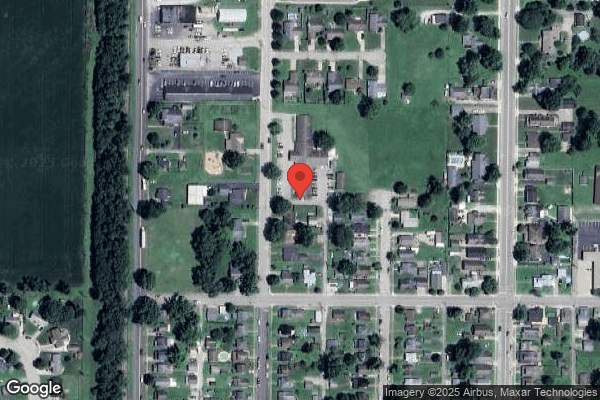

2500 IOWA AVE, CONNERSVILLE, IN 47331 (765) 825-7514
For profit - Corporation 50 Beds COMMUNICARE HEALTH Data: November 2025
Trust Grade
90/100
#21 of 505 in IN
Last Inspection: March 2024

Within standard 12-15 month inspection cycle. Federal law requires annual inspections.

Overview

Caroleton Healthcare Center in Connersville, Indiana, has received an excellent Trust Grade of A, indicating it is highly recommended among nursing homes. It ranks #21 out of 505 facilities in the state, placing it in the top half and #1 out of 4 in Fayette County, meaning it is the best local option available. However, the facility's trend is worsening, with issues increasing from 3 in 2022 to 4 in 2024. Staffing is a moderate strength here with a rating of 3 out of 5 stars and a turnover rate of 42%, which is slightly below the state average. Notably, the facility has had no fines, indicating a lack of compliance issues. There were specific concerns noted during inspections, such as food not being kept at safe temperatures and a resident not having access to a reacher to help prevent falls, which could pose risks to residents' safety. While the overall quality and staffing are commendable, these recent findings suggest that there are areas that need attention.

Trust Score
A
90/100
In Indiana
#21/505
Top 4%
Safety Record
Low Risk
No red flags
Inspections
Getting Worse
3 → 4 violations
Staff Stability
○ Average
42% turnover. Near Indiana's 48% average. Typical for the industry.
Penalties
✓ Good
No fines on record. Clean compliance history, better than most Indiana facilities.
Skilled Nurses
○ Average
Each resident gets 36 minutes of Registered Nurse (RN) attention daily — about average for Indiana. RNs are the most trained staff who monitor for health changes.
Violations
○ Average
7 deficiencies on record. Average for a facility this size. Mostly minor or procedural issues.
★★★★★
5.0
Overall Rating
★★★☆☆
3.0
Staff Levels
★★★★★
5.0
Care Quality
★★★★☆
4.0
Inspection Score
Stable
2022: 3 issues
2024: 4 issues

The Good

  • 5-Star Quality Measures · Strong clinical quality outcomes
  • Full Sprinkler Coverage · Fire safety systems throughout facility
  • No fines on record
  • Staff turnover below average (42%)

    6 points below Indiana average of 48%

Facility shows strength in quality measures, fire safety.

The Bad

Staff Turnover: 42%

Near Indiana avg (46%)

Typical for the industry

Chain: COMMUNICARE HEALTH

Part of a multi-facility chain

Ask about local staffing decisions and management

The Ugly 7 deficiencies on record

Mar 2024 4 deficiencies
CONCERN (D)

Potential for Harm - no one hurt, but risky conditions existed

Accident Prevention (Tag F0689)

Could have caused harm · This affected 1 resident

Based on observation, interview and record review the facility failed to implement a fall intervention of a reacher to assist the resident with picking items off the floor for a resident who had a his...

Read full inspector narrative →
Based on observation, interview and record review the facility failed to implement a fall intervention of a reacher to assist the resident with picking items off the floor for a resident who had a history of falls and was at risk for falls for 1 of 2 residents reviewed for accidents (Resident 20). Finding include: During an observation and interview with Resident 20 on 2/27/24 at 10:49 a.m., indicated he had a fall recently due to something slick on the floor. The resident had no reacher visible in his room. During an observation and interview on 2/27/24 at 12:59 p.m., the resident indicated he use to have a reacher to use to pick items up off the floor, but he had not seen it for awhile and was unsure where it was. The resident had no reacher visible in his room. During an observation on 2/28/24 at 10:35 a.m., Resident 20 did not have a reacher visible in his room. During an observation and interview with LPN 1 on 2/28/24 at 11:19 a.m., looked for Resident 20's reacher in his room and was unable to locate it. LPN 1 indicated she would request a reacher from therapy for the resident. Review of the record of Resident 20 on 2/27/24 at 1:01 p.m., indicated the resident's diagnoses included, but were not limited to, Parkinson's disease, diabetes, major depressive disorder, chronic pain disorder, chronic inflammatory demyelinating polyneuritis, muscle weakness and benign prostatic hyperplasia with lower urinary tract symptoms. The fall risk assessment for Resident 20, dated 12/21/23, indicated the resident was diminished safety awareness, used a walker for ambulation, impaired walking with difficulty rising from chair, head down, grasps furniture, minimal assist with gait belt, the resident had balance problems while walking, instability while turning. The resident had 3 or more predisposing conditions for risk of falls. The resident was identified as a fall risk. The care plan for Resident 20, dated 3/2/23, indicated the resident was at risk for falls related to gait/balance problems, history of falls, medications, safety awareness and weakness. The interventions included, but were not limited to, therapy to get me a reacher so that I can pick up items on the floor. The Annual Minimum Data Set (MDS) assessment for Resident 20, dated 2/13/24, indicated the resident was moderately impaired for daily decision making. The resident utilized a walker for mobility device. The State Optional MDS assessment for Resident 20, dated 2/13/24, indicated the resident required extensive assistance of one person for transfers and extensive assistance of two people for toileting needs. The resident was on a scheduled pain medication regimen, received PRN (as needed), did not receive non medication interventions for pain, The progress note for Resident 20, dated 2/22/24 at 7:15 a.m., indicated the nurse was called to the resident's room by a CNA. The resident was observed laying on the floor in front of his lift chair beside his bed. The resident had candy wrappers all over the floor by his feet. The resident indicated he stood up to go to his bed and slipped. The Interdisciplinary Team (IDT) progress note for Resident 20, dated 2/23/24 at 12:31 p.m., indicated the resident had an unwitnessed fall. The root cause of the incident was the resident was up without assistance and the floor was cluttered. During an interview with the Director Of Nursing (DON) on 2/28/24 at 1:25 p.m., indicated all nursing staff were responsible to ensure Resident 20's fall intervention of a reacher was in place. The fall policy provided by the DON on 2/29/24 at 10:00 a.m., indicated the facility would provide resident centered care that meets the psychosocial, physical and emotional needs and concerns of the residents. Fall prevention and management was the process of identifying risk factors that minimize the potential for falls and also a process to manage a resident's care if a fall occurs. The facility would attempt to put an intervention in place to prevent further falls. 3.1-45(a)(2)
CONCERN (D)

Potential for Harm - no one hurt, but risky conditions existed

Incontinence Care (Tag F0690)

Could have caused harm · This affected 1 resident

Based on observations, interview, and record review, the facility failed to promote a resident's dignity by ensuring the use of a catheter drainage bag and have an order for the use of an indwelling u...

Read full inspector narrative →
Based on observations, interview, and record review, the facility failed to promote a resident's dignity by ensuring the use of a catheter drainage bag and have an order for the use of an indwelling urinary catheter for 1 of 3 residents reviewed for urinary catheters. (Resident 43) Findings include: The clinical record for Resident 43 was reviewed on 2/27/2024. The medical diagnosis included muscle weakness. An admission Minimum Data Set Assessment, dated 12/13/2023, indicated that Resident 43 utilized an indwelling urinary catheter. Physician orders did not reflect the size of urinary catheter for Resident 43. A urinary catheter care plan, dated 12/15/2023, indicated to provide a privacy bag to Resident 43's drainage bag and he utilized a 16 Fr (French) catheter with a 10-milliliter balloon anchor. During an observation on 2/27/2024 at 10:39 a.m., Resident 43 was sitting in his wheelchair in the dining room with his urinary catheter drainage bag hanging under his wheelchair. A moderate amount of yellow urine was visible in the bag. During an observation on 2/27/2024 at 10:43 a.m., Resident 43 was sitting in his wheelchair in the dining room with his urinary catheter drainage bag hanging under his wheelchair. A moderate amount of yellow urine was visible in the bag. During an observation on 2/27/2024 at 1:20 p.m., Resident 43 was laying in bed and his catheter was noted to be a 22 Fr with a 30 mL balloon anchor. During an interview on 3/1/2024 at 11:20 a.m. with the Director of Nursing, she indicated that the size of his catheter had been changed to the 22 Fr with a 30 ml balloon after a recent surgical procedure. It was the expectation of the facility to utilize privacy bags and to have orders for the correct sizing and/or indication for use for urinary catheters. A physician's order for Resident 43's catheter size and indication of use was added to the clinical record on 2/29/2024. 3.1-41(a)(2)
CONCERN (D)

Potential for Harm - no one hurt, but risky conditions existed

Respiratory Care (Tag F0695)

Could have caused harm · This affected 1 resident

Based on observation, interview and record review the facility failed to ensure Resident 13's portable oxygen tubing and storage bag was dated for 1 of 1 resident reviewed for respiratory care (Reside...

Read full inspector narrative →
Based on observation, interview and record review the facility failed to ensure Resident 13's portable oxygen tubing and storage bag was dated for 1 of 1 resident reviewed for respiratory care (Resident 13). Finding include; During an observation on 2/26/24 at 1:05 p.m., Resident 13's storage bag and tubing was not dated on portable oxygen. During an observation on 2/27/24 at 12:54 p.m., Resident 13's storage bag and tubing was not dated on portable oxygen. During an observation on 2/29/24 at 12:57 p.m., Resident 13's portable oxygen tubing/storage bag was not dated. During an observation and interview with CNA 2 on 2/29/24 at 2:22 p.m., verified Resident 13's portable oxygen tank tubing and storage bag was not dated. During an interview with the Director Of Nursing (DON) on 3/1/24 at 11:21 a.m., indicated Resident 13's portable oxygen tubing and storage bag should have been dated. Review of the record of Resident 13 on 3/1/24 at 11:45 a.m., indicated the resident's diagnoses included, but were not limited to, chronic obstructive pulmonary disease, asthma, acute respiratory failure with hypoxia and dependence ion supplemental oxygen. The physician order for Resident 13, dated March 2024, the resident was ordered oxygen 2 liters via nasal cannula to keep oxygen saturation above 90%. 3.1-47(a)(6)
CONCERN (E)

Potential for Harm - no one hurt, but risky conditions existed

Food Safety (Tag F0812)

Could have caused harm · This affected multiple residents

Based on observation, interview, and record review, the facility failed to ensure food was kept at safe holding temperatures on the steam table, and failed to ensure dishes were stored dry for 2 of 4 ...

Read full inspector narrative →
Based on observation, interview, and record review, the facility failed to ensure food was kept at safe holding temperatures on the steam table, and failed to ensure dishes were stored dry for 2 of 4 observations and had the potential to affect all 47 residents in the facility. Findings include: On 2/26/24, at 9:14 a.m., [NAME] 3 was observed as she removed a tray of dishes from the dish machine, removed the dishes from the tray and immediately put them away while still wet. On 2/26/24 at 10:50 a.m., food temperatures were observed as taken, by [NAME] 3. The mashed potatoes were 117, then when rechecked were 115.8. The hamburgers were 131.8, and the hot dogs were 131.3. Cook 3 indicated foods are served at 130 (degrees) once they are on the steam table. Cook 3 began to plate the food for the noon meal and was stopped by the surveyor due to the low food temperatures of the mashed potatoes, hamburgers, and hot dogs. [NAME] 3 removed the steam table pans of mashed potatoes, hamburgers and hot dogs and reheated them on the range until the mashed potatoes reached 142, the hamburgers reached 137 and the hot dogs reached 137.5. [NAME] 3 said she took the food temperatures when the food was brought out and placed on the steam table, and the food sat, about 15 minutes on the steam table, before the temperatures were taken with the surveyor. On 2/28/24 at 1:30 p.m., with the Dietary Manager dishes were observed stored as clean. In 3 stacks of 19 total, 7 monkey dishes (small bowls) had moisture inside the bowls. On 2 trays, one with 10 cups and one with 15 cups, 3 had moisture inside the cups. In a stack of 7 plates, 1 had moisture. The Dietary Manager indicated they should let the dishes set and air dry before putting them away. A policy for Food: Preparation was provided by the Dietitian, on 3/1/24 at 10:31 a.m. The policy included, but was not limited to, Policy Statement: All foods are prepared in accordance with the FDA Food Code. Procedures: 4. The Dining Services Director/Cook(s) will be responsible for food preparation techniques which minimize the amount of time that food items are exposed to temperatures greater than 41 [degrees] F (Fahrenheit) and/or less than 135 [degrees] F, or per state regulation A policy titled Warewashing was provided by the Dietitian, on 3/1/24 at 19:31 a.m., and included, but was not limited to, Policy statement: All dishware, serviceware, and utensils will be cleaned and sanitized after each use .4. All dishware will be air dried and properly stored. 3.1-21(i)(3)
Dec 2022 3 deficiencies
CONCERN (D)

Potential for Harm - no one hurt, but risky conditions existed

Quality of Care (Tag F0684)

Could have caused harm · This affected 1 resident

Based on observation, interview and record review the facility failed to provide effective interventions to prevent skin tears and bruising for 1 of 3 residents reviewed for non- pressure skin conditi...

Read full inspector narrative →
Based on observation, interview and record review the facility failed to provide effective interventions to prevent skin tears and bruising for 1 of 3 residents reviewed for non- pressure skin condition (Resident 26). Finding include: During an observation on 11/29/22 at 11:09 a.m., Resident 26 was sitting in the dining room, the resident had multiple discolorations to the right arm. The resident had arm protectors in place on both arms that were large and falling off the resident's arms. Review of the record of Resident 26 on 11/29/22 at 2:55 p.m., indicated the resident's diagnoses included, but were not limited to, type 2 diabetes, chronic kidney disease, dementia, psychotic disturbance, anxiety, stiffness of joints and mood disturbance. The Quarterly Minimum Data Set (MDS) assessment for Resident 26, 11/18/22, indicated the resident was moderately cognitively impaired. The resident was total assistance of two people for transfers and did not ambulate. The plan of care for Resident 26, dated 10/6/22, indicated the resident had potential for skin integrity, bruising and skin tears. The resident had fragile skin, history of bruising to mouth related to jerking movements associated with Parkinson disease. The resident had poor safety awareness and bumped into objects frequently and was impulsiveness. The interventions included, but were not limited to, skin sleeves to bilateral upper extremities on at all times and pad side rails. The non skin assessment for Resident 26, dated 11/29/22, indicated the resident had a skin tear to his right forearm measuring 2 centimeter (cm) by 2 cm. During an observation on 11/30/22 at 10:58 a.m., Resident 26 was sitting in the dayroom asleep in his high back wheelchair. The resident had on a protective sleeve on right arm and was too large for the resident's arm, the left protective sleeve was laying on the ground underneath the resident's wheelchair. The resident's side rails on his bed were not padded. During an observation and interview with the Director Of Nursing (DON) on 11/30/22 at 3:15 p.m., Resident 26 was laying in bed and one of his protective sleeves came off. The DON verified the protective sleeves were too big for the resident and his side rails on his bed were not padded. The DON indicated she would ensure to provide the resident with the appropriate size of protective sleeves. The DON indicated the resident's side rails had been padded at one time and she was unsure what happened. The DON would have maintenance staff pad the side rails on the resident's bed. The skin care and wound management policy provided by the DON on 11/30/22 at 4:15 p.m., indicated the facility strived to prevent resident kin impairment and promote the healing of existing wounds. The facility would identify and implement interventions to prevent and treat potential skin integrity issues. The facility would evaluate for consistent implementation of interventions and effectiveness at clinical meetings. 3.1-37
CONCERN (D)

Potential for Harm - no one hurt, but risky conditions existed

Deficiency F0757 (Tag F0757)

Could have caused harm · This affected 1 resident

Based on interview and record review, the facility failed to administer antibiotics for urinary tract infections (UTI) at the duration ordered per physician for 2 of 7 residents reviewed for unnecessa...

Read full inspector narrative →
Based on interview and record review, the facility failed to administer antibiotics for urinary tract infections (UTI) at the duration ordered per physician for 2 of 7 residents reviewed for unnecessary medications. (Resident 8 and 32) Findings include: 1. The clinical record for Resident 8 was reviewed on 11/30/2022 at 2:45 p.m. The medical diagnoses included, but were not limited to, dementia and chronic kidney disease. A UTI care plan, dated 10/06/2020, indicated that Resident 8 was at risk for UTI's and to administer medications as ordered. A urinalysis with culture and sensitive, dated 10/24/2022, indicated that Resident 8 had a UTI that was sensitive for minocycline (an antibiotic) and a handwritten order from nurse practitioner for minocycline 100 milligram (mg) twice a day for 5 days. Review of the October 2022 Medication Administration Records (MAR) for Resident 8 indicated she received minocycline 100 mg starting on 10/25/2022 through 10/31/2022 for a total of 12 doses over 7 days. An Interdisciplinary Team (IDT) note for Resident 8, dated 12/2/2022, indicated the aforementioned order was a medication error due to transcription error. 2. The clinical record for Resident 32 was reviewed on 12/1/2022 at 10:00 a.m. The medical diagnoses included, but were not limited to, Alzheimer's dementia and UTI. A UTI care plan, date revised on 11/22/2022, indicated that Resident 32 had a UTI and to administer antibiotics as ordered. A hospital discharge note, dated 9/13/2022, indicated for Resident 32 to have Macrobid (an antibiotic) 100 mg every 12 hours for 3 days for a fill quantity of 6 capsules. The September 2022 MAR for Resident 32 indicated she received Macrobid 100 mg starting on 9/13/2022 through 9/17/2022 for a total of 7 doses over 4 days. An IDT for Resident 32, dated 12/2/2022, indicated the aforementioned order was a medication error due to a transcription error. An interview with DON on 12/1/2022 at 4:15 p.m., indicated the antibiotics were administered in excessive duration/dose and medication error reports would be initiated for Resident 8 and Resident 32. A policy entitled, Physician Orders, was provided by the Director of Nursing on 12/2/2022 at 9:30 a.m. The policy indicated, .The purpose off this policy is to provide guidance for licensed nurses and licensed therapist to accurately document physician and provider orders .The nurse will transcribe the order into [the electronic medical record] . 3.1-48(a)(1) 3.1-48(a)(2)
CONCERN (E)

Potential for Harm - no one hurt, but risky conditions existed

Safe Environment (Tag F0584)

Could have caused harm · This affected multiple residents

Based on observation, interview, and record review, the facility failed to ensure a homelike environment by not maintaining walls in good repair for 5 rooms observed in the facility. (Room North 1, No...

Read full inspector narrative →
Based on observation, interview, and record review, the facility failed to ensure a homelike environment by not maintaining walls in good repair for 5 rooms observed in the facility. (Room North 1, North 4, North 5, South 2, and South 11) Findings include: An observation was conducted of Room North 4 on 11/29/22 at 10:50 a.m. There was chipped paint observed on the wall. An observation was conducted of Room North 1 on 11/29/22 at 10:33 a.m. There was peeling paint observed on the wall with angled blinds that were not covering the entirety of the window. An observation was conducted of Room South 11 on 11/29/22 at 11:02 a.m. There was peeling paint on the wall. An observation was conducted of Room North 5 on 11/29/22 at 11:21 a.m. There was chipped paint observed on the wall. An interview was conducted with the Director of Nursing (DON) on 11/30/22 at 3:24 p.m. indicated Room South 11 had peeling paint and missing paint in the room. The problem with the walls has been ongoing that needed fixed. There were multiple rooms that had missing paint. An environmental tour conducted with the Maintenance Director (MD), on 12/1/22 at 11:45 a.m., indicated Room North 4 had chipped paint. Room North 1 was observed with chipped paint and bended blinds. There was missing trim noted behind on of the beds in Room North 1. Room South 11 had peeling paint. Room South 2 had peeling paint. The MD indicated there had been a difficult time with getting residents out of their rooms to conduct sanding and painting over the affected areas. It was on the list of items to be completed. An interview conducted with the Executive Director (ED), on 12/1/22 at 3:07 p.m., indicated there was no policy in regard to general environment. She noticed that there was missing paint in some of the rooms. Her expectations are to ensure residents have a homelike environment. 3.1-19(f) 3.1-19(f)(5)
Understanding Severity Codes (click to expand)
Life-Threatening (Immediate Jeopardy)
J - Isolated K - Pattern L - Widespread
Actual Harm
G - Isolated H - Pattern I - Widespread
Potential for Harm
D - Isolated E - Pattern F - Widespread
No Harm (Minor)
A - Isolated B - Pattern C - Widespread

Questions to Ask on Your Visit

  • "Can I speak with families of current residents?"
  • "What's your RN coverage like on weekends and overnight?"

Our Honest Assessment

Strengths
  • • Grade A (90/100). Above average facility, better than most options in Indiana.
  • • No major safety red flags. No abuse findings, life-threatening violations, or SFF status.
  • • No fines on record. Clean compliance history, better than most Indiana facilities.
  • • 42% turnover. Below Indiana's 48% average. Good staff retention means consistent care.
Concerns
  • • No significant concerns identified. This facility shows no red flags across CMS ratings, staff turnover, or federal penalties.
Bottom line: Generally positive indicators. Standard due diligence and a personal visit recommended.

About This Facility

What is Caroleton Healthcare Center's CMS Rating?

CMS assigns CAROLETON HEALTHCARE CENTER an overall rating of 5 out of 5 stars, which is considered much above average nationally. Within Indiana, this rating places the facility higher than 99% of the state's 100 nursing homes. This rating reflects solid performance across the metrics CMS uses to evaluate nursing home quality.

How is Caroleton Healthcare Center Staffed?

CMS rates CAROLETON HEALTHCARE CENTER's staffing level at 3 out of 5 stars, which is average compared to other nursing homes. Staff turnover is 42%, compared to the Indiana average of 46%. This relatively stable workforce can support continuity of care.

What Have Inspectors Found at Caroleton Healthcare Center?

State health inspectors documented 7 deficiencies at CAROLETON HEALTHCARE CENTER during 2022 to 2024. These included: 7 with potential for harm.

Who Owns and Operates Caroleton Healthcare Center?

CAROLETON HEALTHCARE CENTER is owned by a for-profit company. For-profit facilities operate as businesses with obligations to shareholders or private owners. The facility is operated by COMMUNICARE HEALTH, a chain that manages multiple nursing homes. With 50 certified beds and approximately 46 residents (about 92% occupancy), it is a smaller facility located in CONNERSVILLE, Indiana.

How Does Caroleton Healthcare Center Compare to Other Indiana Nursing Homes?

Compared to the 100 nursing homes in Indiana, CAROLETON HEALTHCARE CENTER's overall rating (5 stars) is above the state average of 3.1, staff turnover (42%) is near the state average of 46%, and health inspection rating (4 stars) is above the national benchmark.

What Should Families Ask When Visiting Caroleton Healthcare Center?

Based on this facility's data, families visiting should ask: "Can I visit during a mealtime to observe dining assistance and food quality?" "How do you handle medical emergencies, and what is your hospital transfer rate?" "Can I speak with family members of current residents about their experience?"

Is Caroleton Healthcare Center Safe?

Based on CMS inspection data, CAROLETON HEALTHCARE CENTER has a clean safety record: no substantiated abuse findings (meaning no confirmed cases of resident harm), no Immediate Jeopardy citations (the most serious violation level indicating risk of serious injury or death), and is not on the Special Focus Facility watch list (a federal program monitoring the lowest-performing 1% of nursing homes). The facility has a 5-star overall rating and ranks #1 of 100 nursing homes in Indiana. While no facility is perfect, families should still ask about staff-to-resident ratios and recent inspection results during their visit.

Do Nurses at Caroleton Healthcare Center Stick Around?

CAROLETON HEALTHCARE CENTER has a staff turnover rate of 42%, which is about average for Indiana nursing homes (state average: 46%). Moderate turnover is common in nursing homes, but families should still ask about staff tenure and how the facility maintains care continuity when employees leave.

Was Caroleton Healthcare Center Ever Fined?

CAROLETON HEALTHCARE CENTER has no federal fines on record. CMS issues fines when nursing homes fail to meet care standards or don't correct problems found during inspections. The absence of fines suggests the facility has either maintained compliance or corrected any issues before penalties were assessed. This is a positive indicator, though families should still review recent inspection reports for the full picture.

Is Caroleton Healthcare Center on Any Federal Watch List?

CAROLETON HEALTHCARE CENTER is not on any federal watch list. The most significant is the Special Focus Facility (SFF) program, which identifies the bottom 1% of nursing homes nationally based on persistent, serious quality problems. Not being on this list means the facility has avoided the pattern of deficiencies that triggers enhanced federal oversight. This is a positive indicator, though families should still review the facility's inspection history directly.