MAJESTIC CARE OF CONNERSVILLE
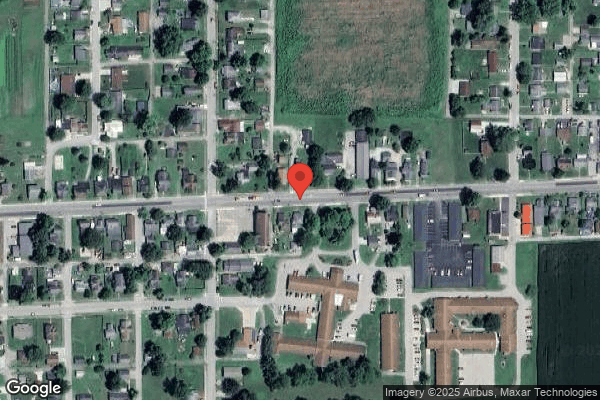
1029 E 5TH STREET, CONNERSVILLE, IN 47331 (765) 825-0543
For profit - Limited Liability company 166 Beds MAJESTIC CARE Data: November 2025
Trust Grade
35/100
#462 of 505 in IN
Last Inspection: July 2024

Within standard 12-15 month inspection cycle. Federal law requires annual inspections.

Overview

Majestic Care of Connersville has received a Trust Grade of F, indicating significant concerns about the quality of care provided at this facility. Ranking #462 out of 505 nursing homes in Indiana places it in the bottom half, and it is #4 out of 4 in Fayette County, meaning there are no better local options. While the facility is showing improvement, dropping from 22 issues in 2024 to just 1 in 2025, staffing remains a concern with a high turnover rate of 68%, which is above the state average. Notably, there have been some troubling incidents, including a lack of pest control that allowed rodents into the building and a resident’s room, and issues with broken equipment that affected residents' comfort and safety. On a positive note, the facility has not incurred any fines, which suggests that there are no recorded compliance violations.

Trust Score
F
35/100
In Indiana
#462/505
Bottom 9%
Safety Record
Low Risk
No red flags
Inspections
Getting Better
22 → 1 violations
Staff Stability
⚠ Watch
68% turnover. Above average. Higher turnover means staff may not know residents' routines.
Penalties
✓ Good
No fines on record. Clean compliance history, better than most Indiana facilities.
Skilled Nurses
⚠ Watch
Each resident gets only 26 minutes of Registered Nurse (RN) attention daily — below average for Indiana. Fewer RN minutes means fewer trained eyes watching for problems.
Violations
⚠ Watch
37 deficiencies on record. Higher than average. Multiple issues found across inspections.
★☆☆☆☆
1.0
Overall Rating
★☆☆☆☆
1.0
Staff Levels
★★★★☆
4.0
Care Quality
★★☆☆☆
2.0
Inspection Score
Stable
2024: 22 issues
2025: 1 issues

The Good

  • 4-Star Quality Measures · Strong clinical quality outcomes
  • Full Sprinkler Coverage · Fire safety systems throughout facility
  • No fines on record

Facility shows strength in quality measures, fire safety.

The Bad

1-Star Overall Rating

Below Indiana average (3.1)

Significant quality concerns identified by CMS

Staff Turnover: 68%

22pts above Indiana avg (46%)

Frequent staff changes - ask about care continuity

Chain: MAJESTIC CARE

Part of a multi-facility chain

Ask about local staffing decisions and management

Staff turnover is elevated (68%)

20 points above Indiana average of 48%

The Ugly 37 deficiencies on record

May 2025 1 deficiency
CONCERN (D) 📢 Someone Reported This

A family member, employee, or ombudsman was alarmed enough to file a formal complaint

Potential for Harm - no one hurt, but risky conditions existed

Quality of Care (Tag F0684)

Could have caused harm · This affected 1 resident

**NOTE- TERMS IN BRACKETS HAVE BEEN EDITED TO PROTECT CONFIDENTIALITY** Based on interview and record review, the facility failed to ensure accurate documentation of a lack of bowel movements, which c...

Read full inspector narrative →
**NOTE- TERMS IN BRACKETS HAVE BEEN EDITED TO PROTECT CONFIDENTIALITY** Based on interview and record review, the facility failed to ensure accurate documentation of a lack of bowel movements, which contributed to not following physician's orders related to PRN (as needed) administration of medications to encourage stooling for 1 of 3 residents reviewed for monitoring of bowel movements. (Resident C) Findings include: The clinical record for Resident C was reviewed on 5-6-25 at 1:30 p.m. His diagnoses included, but were not limited to, unspecified dementia, COPD (chronic obstructive pulmonary/lung disease), left femur/hip fracture (4-3-25) and a history of constipation. His most recent Minimum Data Set (MDS) assessment, dated 4-15-25, indicated he was severely cognitively impaired, used a wheelchair for mobility, and was dependent on staff for bed mobility, toileting, bathing, and transfers. It indicated he was not ambulatory. It indicated he had been hospitalized from [DATE] to 4-8-25, related to the recent femur/hip fracture and repair. A review of the progress notes reflected Resident C did utilize narcotic pain medication for pain control during his post-operative period. Resident C had a care plan in place which recognized him as being at risk for constipation. During an interview with the Director of Nursing (DON) on 5-6-25 at 2:50 p.m., she indicated Resident C's BM (bowel movement or stooling) documentation in the facility's electronic medical record (EMR), for the time period of 4-12-25 through 4-16-25, revealed he did not have a BM during this time frame. The DON indicated the BM charting within the EMR provides several selections to indicate a lack of stooling. For this time period for Resident C, the selection was listed as, Response Not Required, referring to a lack of a BM. She indicated a better choice of the available selections would have been, No bowel movement. The DON indicated the EMR system should have sent an alert to the nursing staff to identify this resident had not had a BM within a 72-hour period and she was unable to locate such an alert. The DON indicated the facility does not have a specific policy related to a bowel protocol for lack of stooling. However, the majority of residents do have physician orders for no BM within three consecutive days, the resident should be administered with a PRN laxative, such as Milk of Magnesia. If there was still no stool within the next 24 hours, to administer a laxative suppository, such as Dulcolax suppository. If there was still no stool within 24 hours, to administer a laxative enema, such as a Fleet enema. Then if there was still no response, the nursing staff should reach out to the physician or nurse practitioner for further guidance and/or care orders for the resident. The DON indicated Resident C did not display any symptoms of abdominal discomfort during this time period. The DON indicated when Resident C returned to the facility, on 4-8-25, he was physician ordered to receive routine docusate, a stool softener, twice daily and senna-docusate, a stool softener and laxative stimulant, twice daily. These medications were identified as administered as ordered. A review of the progress notes did not reflect any stooling concerns, including no documentation of the lack of stooling during this time period. It did not indicate the physician or nurse practitioner were made aware of Resident C being constipated and/or without a bowel movement within 72 hours. A review of the medication administration record (MAR) during this time indicated the orders for the following PRN medications were not administered to Resident C: -Glycolax Powder (an osmotic laxative); one scoop by mouth every 12 hours as needed for constipation. -Milk of Magnesia Suspension 400 mg (milligrams) per 5 ml (milliliters), give 30 ml by mouth every 24 hours as needed for constipation if no bowel movement for three days. -Dulcolax Suppository 10 mg (Bisacodyl); insert one suppository rectally every 24 hours as needed for constipation if no result from Milk of Magnesia, administer Dulcolax Suppository rectally at bedtime for constipation. -Fleet Oil Enema (mineral oil); insert one dose rectally every 24 hours as needed for constipation if no results from Dulcolax, administer Fleet enema rectally daily as needed for constipation. This citation relates to Complaint IN00458469. 3.1-37(a)
Sept 2024 1 deficiency
CONCERN (E) 📢 Someone Reported This

A family member, employee, or ombudsman was alarmed enough to file a formal complaint

Potential for Harm - no one hurt, but risky conditions existed

Deficiency F0925 (Tag F0925)

Could have caused harm · This affected multiple residents

Based on observation, interview, and record review the facility failed to maintain the entry door into the main kitchen resulting in rodents entering the (west) building for 1 of 2 kitchens observed. ...

Read full inspector narrative →
Based on observation, interview, and record review the facility failed to maintain the entry door into the main kitchen resulting in rodents entering the (west) building for 1 of 2 kitchens observed. This had the potential to affect the 42 residents that resided in the west building. Findings include: The resident listing provided by the Administrator on 9/25/24 at 11:00 a.m., indicated there were 42 residents residing in the west building. During an observation and interview with the Dietary Manager on 9/25/24 at 11:05 a.m., there were mice traps set in the west building kitchen and the east kitchen. The Dietary Manager indicated a pest control company came every month and checked the traps. During an observation on 9/25/24 at 12:30 p.m., the west building kitchen door to the outside was shut and did not have a seal around the door. During an interview with Licensed Practical Nurse (LPN) 1 on 9/25/24 at 1:28 p.m., indicated she had seen a mouse in Resident H's room in the west building last week and reported it to the Maintenance staff. During an interview with the Pest Control Technician on 9/26/24 at 11:32 a.m., indicated he was the technician that serviced the facility monthly, and they had an ongoing problem with mice in the west building. The Pest Control Technician indicated from his assessment of the facility the cause was from the kitchen door from the kitchen to the outside not sealing all the way, shutting all the way and staff propping the door open. The Pest Control Technician indicated he had talked with the head of maintenance about the door. During an observation and interview with the Dietary Manager in Training on 9/26/24 at 1:18 p.m., there was a brick located to the right of the exterior kitchen door in the west building. The Dietary Manager in Training indicated staff used the brick to prop open the kitchen door when dietary staff were coming in and out and the dietary staff did not close the door all the way to latch because it locked. During an interview with the Maintenance Director on 9/27/24 at 11:14 a.m., indicated he had attempted to fix the kitchen door in the west building numerous times, but it needed replaced. There had been multiple times the Pest Control Technician had taken a rock out of the door where staff had propped it open. The dietary staff say they prop the door open because it locks when they shut it, and they cannot get back in. The dietary staff broke the lock mechanism off the doorknob. The pest control report for the west building, dated 5/24/24, indicated the action required was to keep the kitchen door shut to avoid pest entry and/or fix the door so it would fully close. The door was observed to be slightly open and was often propped open. It was unclear if the door could close properly. The door was opened on 3/29/24. The rodent traps had two house mice in them. The pest control report for the west building, dated 6/24/24, indicated there were two deer mice in the rodent trap. The pest control report for the west building, dated 7/29/24, indicated there was one house mouse in the rodent trap. The pest control report for the west building, dated 8/26/24, indicated the action required was to keep the kitchen door shut to avoid pest entry and/or fix the door so it would fully close. The door was observed to be slightly open and was often propped open. It was unclear if the door could close properly. The pest control report for the west building, dated 9/20/24, indicated the action required was to keep the door shut to avoid pest entry and/or fix the door so it would fully close. The door was observed slightly open and was often found propped open. It was unclear if the door could close properly. There was one house mouse in the rodent trap. The pest control policy provided by the Administrator on 9/27/24 at 11:05 a.m., indicated it was the facilities policy to maintain an effective pest control program that eradicates and contains common household rodents. This citation relates to Complaint IN00443547. 3.1-19(f)(4)
Jul 2024 9 deficiencies
CONCERN (D)

Potential for Harm - no one hurt, but risky conditions existed

Deficiency F0558 (Tag F0558)

Could have caused harm · This affected 1 resident

Based on observation, interview and record review the facility failed to provide fresh fluids and keep fluids within reach for 3 of 3 residents reviewed for hydration (Resident 54, Resident 18 and Res...

Read full inspector narrative →
Based on observation, interview and record review the facility failed to provide fresh fluids and keep fluids within reach for 3 of 3 residents reviewed for hydration (Resident 54, Resident 18 and Resident 1). Findings include: 1. During an observation, on 7/24/24 at 11:36 a.m., Resident 54 was lying in bed, the resident had a 1/4 a cup of juice on the bedside table, the table was across the room out of reach of the resident, and the resident did not have any water in his room. During an observation, on 7/25/24 at 10:54 a.m., Resident 54 was lying in bed, the resident had no water or any type of fluids in his room. During an observation, on 7/25/24 at 12:53 p.m., Resident 54 was lying in bed, the resident had no water or any type of fluids in his room. During an observation, on 7/26/24 at 11:47 a.m., Resident 54 was lying in bed, the resident had a Styrofoam cup with ice water in it on the bedside table, the table was across the room and out of the resident's reach. Review of the record of Resident 54, on 7/29/24 at 11:28 a.m., indicated the diagnoses included, but were not limited to, Alzheimer's disease, dementia, seizure disorder, anxiety disorder and hypokalemia. The July 2024 physician recapitulation for Resident 54 indicated the resident was ordered thin liquids. The plan of care for Resident 54, dated 3/15/22, indicated the resident had a history of urinary tract infections. The interventions included, but were not limited to, encourage fluids. 2. During an observation, on 7/23/24 at 12:40 p.m., Resident 18 did not have any fluids available in his room. During an observation, on 7/24/24 at 11:40 a.m., Resident 18 did not have any fluids available in his room. During an observation, on 7/25/24 at 10:52 a.m., Resident 18 did not have any fluids available in his room. During an observation, on 7/26/24 at 11:44 a.m., Resident 18 had a Styrofoam cup of ice water in his room. Review of the record of Resident 18, on 7/29/24 at 10:38 a.m., indicated the resident's diagnoses included, but were not limited to, schizophrenia, hypertension, major depressive disorder, Alzheimer's disease, dementia and moderate intellectual disabilities. The July 2024 physician recapitulation for Resident 18 indicated the resident was ordered thin liquids. 3. During an observation, on 7/25/24 at 11:00 a.m., Resident 1 was lying in bed and the resident had no fluids available in her room. During an observation, on 7/26/24 at 11:49 a.m., Resident 1 was lying in bed and had no fluids available in her room. The resident indicated she was lucky if she received one cup of ice water a day. Review of the record of Resident 1, on 7/25/24 at 11:50 a.m., indicated the resident's diagnoses included, but were not limited to, Parkinson's disease, chronic obstructive pulmonary disease, dementia, diabetes, atherosclerotic heart disease, major depressive disorder, paranoid personality disorder, and conversion disorder with seizures. The Annual Minimum Data Set assessment for Resident 1, dated 4/4/24, indicated the resident was cognitively intact for daily decision making. The resident hydration policy provided by the Director of Nursing, on 7/29/24 at 1:15 p.m., indicated the facility would strive to provide adequate fluids. The Nurse aides would provide and encourage of bedside fluids on a routine basis as part of daily care. 3.1-3(v)(1)
CONCERN (D)

Potential for Harm - no one hurt, but risky conditions existed

Deficiency F0679 (Tag F0679)

Could have caused harm · This affected 1 resident

Based on observation, interview, and record review the facility failed to provide in room self-initiated activities for 1 of 3 residents reviewed for activities (Resident 1). Finding include: During ...

Read full inspector narrative →
Based on observation, interview, and record review the facility failed to provide in room self-initiated activities for 1 of 3 residents reviewed for activities (Resident 1). Finding include: During an observation and interview with Resident 1, on 7/23/24 at 12:44 p.m., they were lying in bed, awake, and staring at the ceiling. Their television was unplugged with no music, books, magazines, puzzles, daily chronicle, or any type of activity was available for the resident. The resident indicated she did not like her room. During an observation and interview with Resident 1, on 7/25/24 at 11:00 a.m., they were lying in bed, awake, and staring at the ceiling. Their television remained unplugged with no music, books, magazines, puzzles, daily chronicle, or any type of activity was available for the resident. The resident indicated she hated her room. The resident indicated she did not necessarily like to do activities with other people. So, she stayed to herself and did her own thing. The resident refused to tell the writer what her favorite activity was. Review of the record of Resident 1, on 7/25/24 at 11:50 a.m., indicated diagnoses included, but were not limited to, Parkinson's disease, chronic obstructive pulmonary disease, dementia, diabetes, atherosclerotic heart disease, major depressive disorder, paranoid personality disorder, and conversion disorder with seizures. The Annual Minimum Data Set assessment, dated 4/4/24, for Resident 1 indicated the resident was cognitively intact for daily decision making. The resident was consistent and reasonable. It was very important for the resident to take care of her personal belongings and things. It was somewhat important to listen to music, keep up with the news, and do things with groups of people. It was very important for her to conduct a favorite activity and go outside. The plan of care for Resident 1, dated 9/14/23, indicated the resident preferred to be engaged in independent self-directed activities. The interventions included watching television, reading, provide daily chronical, respect resident's right to decline activity, praise resident's participation in activities and resident needs encouragement, and reassurance to participate in activity. During an interview with the Activity Director, on 7/26/24 at 2:20 p.m., indicated it was the Activity Aides responsibility to ensure Resident 1 had self-initiated activities available in her room. The Activity policy provided by the Director of Nursing, on 7/29/24 at 11:00 a.m., indicated the facility would provide an ongoing activity program to support residents in their choice of activities. Individual and independent activities would be designed to meet the interest of each resident, as well as support their physical, mental and psychosocial well-being. 3.1-33(a)
CONCERN (D)

Potential for Harm - no one hurt, but risky conditions existed

Incontinence Care (Tag F0690)

Could have caused harm · This affected 1 resident

Based on observation, interview, and record review, the facility failed to ensure a resident's urinary catheter drainage bag and/or tubing remained free of contact with the floor for 1 of 2 residents ...

Read full inspector narrative →
Based on observation, interview, and record review, the facility failed to ensure a resident's urinary catheter drainage bag and/or tubing remained free of contact with the floor for 1 of 2 residents reviewed for indwelling urinary catheters. (Resident 33) Findings include: The clinical record for Resident 33 was reviewed on 7/26/2024 at 11:35 a.m. The medical diagnoses included obstructive uropathy, urinary tract infections, and dysuria. A Quarterly Minimum Data Set Assessment, dated 5/3/2024, indicated that Resident 33 was mildly cognitively impaired, had an indwelling urinary catheter, and needed extensive assistance of staff for toileting needs. A urinary catheter care plan, revised on 2/23/2023, indicated that Resident 33 was at risk for complications and infection related to utilizing an indwelling catheter for treatment of obstructive uropathy. A physician order, dated 6/11/2024, indicated that Resident 33 utilized an indwelling catheter for obstructive uropathy. An observation of Resident 33, on 7/23/2024 at 2:10 p.m., indicated he was sitting in his wheelchair by the nurses' station. This urinary catheter tubing was contacting the floor. An observation of Resident 33, on 7/26/2024 at 11:09 a.m. indicated that the urinary catheter drainage bag was hanging off the side of the bed and contacting the floor. An observation and interview of Resident 33, on 7/26/2024 at 11:16 a.m., indicated that his urinary catheter bag was hanging off the side of his bed. Certified Nursing Assistant (CNA) 4 verified that the bag was contacting the floor. She did not know how she should ensure the catheter was not contacting the floor. An interview with the Regional Nurse Consultant 1, on 7/26/2024 at 2:25 p.m., indicated that is the current standard of practice for the urinary catheter tubing and drainage bag to remain free of contact with the floor. A policy entitled, Appropriate Use of Indwelling Catheters, was provided by the Regional Nurse Consultant 1 on 7/26/2024 at 2:25 p.m. The policy indicated the following, .Indwelling urinary catheter (urethral or suprapubic) will be utilized in accordance with current standards of practice . 3.1-41(a)(2)
CONCERN (D)

Potential for Harm - no one hurt, but risky conditions existed

Deficiency F0697 (Tag F0697)

Could have caused harm · This affected 1 resident

Based on observation, interview, and record review, the facility failed to routinely assess a resident receiving pain medications and administer narcotic pain medication for a resident with chronic pa...

Read full inspector narrative →
Based on observation, interview, and record review, the facility failed to routinely assess a resident receiving pain medications and administer narcotic pain medication for a resident with chronic pain for 1 of 1 resident reviewed for pain. (Resident 12) Findings include: The clinical record for Resident 12 was reviewed on 7/25/2024 at 1:15 p.m. The medical diagnosis included chronic pain syndrome. A Quarterly Minimum Data Set Assessment, dated 5/20/2024, indicated that Resident 12 was cognitively intact, received routine and as needed pain medication, and was almost constantly in pain. A pain care plan, revised on 3/8/2024, indicated Resident 12 was at risk for pain related to her chronic pain syndrome. A care planned intervention of administering medications as ordered was dated 5/3/2021. A physician order, dated 7/11/2024, indicated for Resident 12 to receive tramadol 50 milligrams (mg) three times a day routinely for pain. A physician order, dated 5/18/2023, indicated for Resident 12 to receive Tylenol 650 mg by mouth every six hours routinely for pain. During an interview, on 7/23/2024 at 12:55 p.m., Resident 12 indicated that last week she went without her pain medication for two days. During that time, her pain was elevated, but it did not keep her from doing her usual routine. Family Member was present during the interview. He indicated Resident 12 appeared uncomfortable those two days when he was visiting and that the staff told him the facility could not get the pain medication because of the outage. Review of the July 2024 medication administration record for Resident 12 indicated that she did receive her routine Tylenol as ordered, but not receive her routine tramadol for four doses as follows: 7/18/2024 - 6:00 p.m., 7/19/2024 - 7:00 a.m., 7/19/2024 - 3:00 p.m., & 7/19/2024 - 6:00 p.m. A rounding document, dated 7/19/2024, indicated that pain was managed with tramadol. No pain scale or assessment were documented between, 7/18/2024 at 5:36 p.m., and 7/20/2024 at 6:11 a.m. A policy, entitled Pain Management, was provided by the Regional Nurse Consultant on 7/26/2024 at 2:10 p.m. The policy indicated the following, .Residents receiving routine pain medications should be assessed each shift by the charge nursing during round and/or medication pass . 3.1-37(a)
CONCERN (D)

Potential for Harm - no one hurt, but risky conditions existed

Deficiency F0776 (Tag F0776)

Could have caused harm · This affected 1 resident

Based on observation, interview, and record review, the facility failed to timely follow-up on scheduling a resident's appointment for a CT (computerized tomography-diagnostic imaging procedure that u...

Read full inspector narrative →
Based on observation, interview, and record review, the facility failed to timely follow-up on scheduling a resident's appointment for a CT (computerized tomography-diagnostic imaging procedure that uses x-rays and computers to create detailed images of the inside of the body) scan for 1 of 2 residents reviewed for skin conditions. (Resident 52) Findings include: The clinical record for Resident 52 was reviewed on 7/26/24 at 2:15 p.m. His diagnoses included, but were not limited to, osteoarthritis and end stage renal disease. An observation and interview was conducted with Resident 52 on 7/25/24 at 2:29 p.m. He was lying in bed in his room. He indicated he knew he was supposed to have a CT scan of his back, but the facility never followed up with him on when the appointment would be. The physician's orders indicated a referral for a CT scan of the spine without contrast including cervical, lumbar, and thoracic spine with a local hospital provider, effective 7/10/24. The 7/10/24 order note indicated the following, New order received by NP (nurse practitioner) for a CT scan of the spine with no contrast. Including the cervical, thoracic, and lumbar spine. Referral was sent to [name of local provider] central scheduling. The note included a fax and phone number for the provider. There was no information in the clinical record to indicate a CT scan appointment was scheduled or follow-up with the local provider after the referral was sent on 7/10/24. An interview was conducted with the DON (Director of Nursing) on 7/26/24 at 11:06 a.m. She indicated the process for scheduling CT scans was to call the local provider to let them know they needed an appointment and send the order to the provider. The provider would call back with an appointment or to let them know if they needed any additional information. She knew staff called to schedule the appointment, but there was no verification of any follow-up before now. She spoke with central scheduling at the local provider to which Resident 52's CT scan referral was sent. They needed a diagnosis code, so they were going to get that today, on 7/26/24, and get the appointment scheduled. 3.1-49(g)
CONCERN (D)

Potential for Harm - no one hurt, but risky conditions existed

Dental Services (Tag F0791)

Could have caused harm · This affected 1 resident

Based on observation, interview and record review, the facility failed to ensure a resident was seen for routine dental services for 1 of 4 residents reviewed for dental services. (Resident 1) Finding...

Read full inspector narrative →
Based on observation, interview and record review, the facility failed to ensure a resident was seen for routine dental services for 1 of 4 residents reviewed for dental services. (Resident 1) Findings include: During an observation and interview with Resident 1, on 7/25/24 at 11:00 a.m., she indicated it was difficult for her to eat because she did not have any teeth. The resident indicated she would like to have dentures. The resident was observed to have no lower or upper teeth. Review of the record of Resident 1, on 7/25/24 at 11:50 a.m., indicated the resident's diagnoses included, but were not limited to, Parkinsonism, chronic obstructive pulmonary disease, dementia, diabetes, atherosclerotic heart disease, major depressive disorder, paranoid personality disorder, and conversion disorder with seizures. The Annual Minimum Data Set assessment for Resident 1, dated 4/4/24, indicated the resident was cognitively intact for daily decision making. The resident was edentulous (no natural teeth). During an interview with Social Services 1, on 7/26/24 at 11:04 a.m., indicated Resident 1 had not seen a dentist since June 2023. The dentist made impressions for the resident to get dentures at that time. The dentures were not made because the dentist did not hear from the Power of Attorney (POA). Social Services would be responsible for following up with the POA and dentist. The resident now has an appointment for next month. The Dental policy provided by the Director of Nursing, on 7/29/24 at 1:15 p.m., indicated the facility would obtain routine dental services. 3.1-24(a)(1)
CONCERN (D)

Potential for Harm - no one hurt, but risky conditions existed

Medical Records (Tag F0842)

Could have caused harm · This affected 1 resident

Based on interview and record review, the facility failed to document treatments were completed, or refused, and failed to document if enteral feeding were administered, or refused, for 1 of 23 reside...

Read full inspector narrative →
Based on interview and record review, the facility failed to document treatments were completed, or refused, and failed to document if enteral feeding were administered, or refused, for 1 of 23 residents reviewed for documentation (Resident C). Finding include: Review of the record of Resident C, on 7/26/24 at 2:14 p.m., indicated the diagnoses included, but were not limited to, chronic respiratory failure with hypoxia, quadriplegia, dependence on respirator (ventilator) status, neuromuscular dysfunction, tracheotomy and gastrostomy (g-tube) status. During an interview with the Corporate Director of Respiratory, on 7/29/24 at 2:42 p.m., he verified the following treatments were not documented as completed, or refused on the May 2024 Treatment Administration Record (TAR) and verified that the enteral g-tube feeding was not documented as provided or refused. The May 2024 TAR for Resident C indicated Dakins (1/2 strength) external solution to left buttock every shift. Apply wound cleanser, Dakins moistened fluffed gauze, and cover with an ABD (abdominal) pad. There was no documentation the treatment was completed, or refused, for 5/19/24 for day shift and nightshift; 5/20/24, 5/21/24, 5/31/24 for day shift; and 5/28/24 for nightshift. The May 2024 TAR for Resident C indicated Dakins (1/2 strength) external solution to the right buttock every shift. Apply wound cleanser, Dakins moistened fluffed gauze, and cover with an ABD pad. There was no documentation the treatment was completed, or refused, for 5/19/24 for day shift and nightshift; 5/20/24, 5/21/24 and 5/31/24 for day shift; and 5/28/24 for nightshift. The May 2024 TAR for Resident C indicated to cleanse right lateral foot with wound cleanser, apply betadine, and leave open to air two times a day for wound care. There was no documentation the treatment was completed, or refused, for 5/4/24, 5/7/24, 5/9/24, 5/11/24, 5/12/24, 5/15/24, 5/16/24 and 5/18/24 for day shift; and 5/8/24, 5/12/24, 5/13/24, 5/14/24, 5/15/24 for evening shift. The May 2024 TAR for Resident C indicated to cleanse with wound cleanser, apply calcium alginate, and cover with a border dressing two times a day to the right lateral leg. There was no documentation the treatment was completed, or refused, for 5/7/24, 5/9/24, 5/11/24, 5/12/24, 5/15/24, 5/16/24, 5/18/24 for day shift; and 5/8/24, 5/12/24, 5/13/24, 5/14/23, 5/15/24 for evening shift. The May 2024 TAR for Resident C indicated to cleanse with wound cleanser, apply collagen to wound, and cover with ABD pad to the right elbow. There was no documentation the treatment was completed, or refused, for 5/4/24, 5/7/24, 5/9/24, 5/11/24, 5/12/24, 5/15/24, 5/16/24, 5/18/24 for day shift; and 5/8/24, 5/12/24, 5/13/24, 5/14/24, 5/15/24 for evening shift. The May 2024 TAR for Resident C indicated to cleanse the coccyx wound with wound cleanser, apply alginate, and cover two times a day. There was no documentation the treatment was completed, or refused, for 5/4/24, 5/7/24, 5/9/24, 5/11/24, 5/12/24, 5/15/24, 5/16/24, 5/18/24 for day shift; and 5/8/24, 5/12/24, 5/13/24, 5/14/24, 5/15/24 for evening shift. The May 2024 TAR for Resident C indicated to cleanse the left and right buttock and right ischium with wound cleanser, apply alginate, and cover. There was no documentation the treatment was completed, or refused, for 5/9/24, 5/11/24, 5/12/24, 5/15/24, 5/16/24 for day shift; and 5/8/24, 5/12/24, 5/13/24, 5/14/24, 5/15/24 for evening shift. The May 2024 TAR enteral feed order indicated Resident C was to have g-tube feeding formula at 55 milliliters (ml) every hour for 12 hours. There was no documentation the resident received the formula, or refused, the feeding formula for 5/9/24, 5/11/24, 5/19/24. The documentation policy provided by the Assistant [NAME] President of Clinical Services, on 7/29/24 at 2:10 p.m., indicated each resident record shall contain an accurate representation of the actual experiences of the resident to include accurate and timely documentation. 3.1-50(a)(1) 3.1-50(a)(2)
CONCERN (E)

Potential for Harm - no one hurt, but risky conditions existed

Safe Environment (Tag F0584)

Could have caused harm · This affected multiple residents

3. The clinical record for Resident 75 was reviewed on 7/26/24 at 2:33 p.m. The medical diagnosis included bipolar disorder. A Quarterly Minimum Data Set assessment, dated 7/4/24, indicated that Resi...

Read full inspector narrative →
3. The clinical record for Resident 75 was reviewed on 7/26/24 at 2:33 p.m. The medical diagnosis included bipolar disorder. A Quarterly Minimum Data Set assessment, dated 7/4/24, indicated that Resident 75 was cognitively intact. During an observation and interview, on 7/23/2024 at 1:29 p.m., Resident 75 indicated that the blinds in her room had a large break on the right-hand side. A napkin was placed over the opening and per Resident 75 they have been broken for some time. 4. The clinical record for Resident 38 was reviewed on 7/26/24 at 2:34 p.m. The medical diagnosis included COPD and stroke. A Quarterly Minimum Data Set Assessment, dated 6/10/24, indicated that Resident 38 was cognitively intact. During an observation and interview, on 7/23/24 at 12:30 p.m., Resident 38 indicated the over bed light does not work all the time and she has one light out in her bathroom. She demonstrated pulling the cord to her over bed light seven times before it turned on. The right side of the light over the sink the bathroom did not turn on. Resident 38 stated she had told multiple staff about the lights being out, but they have not been fixed. 5. The clinical record for Resident 64 was reviewed on 7/26/24 at 2:37 p.m. The medical diagnosis included heart failure. A Quarterly Minimum Data Set Assessment, dated 4/24/24, indicated that Resident 64 was cognitively intact. During an observation, on 7/24/24 11:05 a.m., the light over the sink in Resident 64's bathroom was noted to have unmatched paint and two holes on either side in the drywall. During a tour of the facility with the Administrator, on 7/26/24 2:38 p.m., indicated he was not aware of the issues as above for Resident 75, Resident 38, or Resident 64's room, but would have them addressed as soon as possible. A policy entitled, Resident Rights, was provided by the Area [NAME] President of Clinical Services on 7/29/24 at 2:10 p.m. The policy indicated, .The resident has a right to safe, clean, comfortable and homelike environment . 3.1-19(f)(5) Based on observation, interview, and record review, the facility failed to provide a homelike environment for 5 of 7 residents reviewed for environment (Resident 18, Resident 1, Resident 75, Resident 38, and Resident 64). Findings include: 1. During an observation, on 7/23/24 at 12:40 p.m., Resident 18's bedroom was bare. The resident had no personal belongings and no pictures. The resident had a broken clock on the wall. During an observation, on 7/25/24 at 10:52 a.m., Resident 18's bedroom was bare. The resident had no personal belongings and no pictures. The resident had a broken clock on the wall. Review of the record of Resident 18, on 7/29/24 at 10:38 a.m., indicated the diagnoses included, but were not limited to, schizophrenia, hypertension, major depressive disorder, Alzheimer's disease, dementia, and moderate intellectual disabilities. The plan of care for Resident 18, dated 8/3/22, indicated the resident desired to remain in the facility long term. The interventions included, but were not limited to, encourage resident and family to create a familiar and homelike environment. The plan of care for Resident 18, dated 8/4/22, indicated the resident resided on a secured memory care unit due to diagnosis of dementia and benefits from specialized activity care programming. The resident had a diagnosis of Alzheimer's disease. The interventions included, but were not limited to, maintain the room as homelike as possible. 2. During an observation, on 7/23/24 at 12:44 p.m., Resident 1 was lying in bed. The resident had no pictures, a clock, or any personal items in her bedroom. Resident 1 indicated she did not like her bedroom. During an observation, on 7/25/24 at 11:00 a.m., Resident 1 was lying in bed. The resident had no pictures, a clock, or any personal items in her bedroom. Resident 1 indicated she hated her bedroom and did not feel like it was homelike. Review of the record of Resident 1, on 7/25/24 at 11:50 a.m., indicated the resident's diagnoses included, but were not limited to, Parkinson's disease, chronic obstructive pulmonary disease (COPD), dementia, diabetes, atherosclerotic heart disease, major depressive disorder, paranoid personality disorder, and conversion disorder with seizures. The plan of care for Resident 1, dated 4/13/22, indicated the resident resided on a secured memory care unit due to the diagnosis of dementia. The intervention included, but were not limited to, maintain the room as homelike as possible. The Annual Minimum Data Set assessment for Resident 1, dated 4/4/24, indicated the resident was cognitively intact for daily decision making. During an observation and interview with the Social Service Director (S.S.D.), on 7/26/24 at 11:55 a.m., they agreed that Resident 18 and Resident 1's bedrooms were not homelike. The S.S.D. indicated it was Social Services, Nursing, and Marketing responsibility to ensure resident bedrooms were homelike.
CONCERN (E)

Potential for Harm - no one hurt, but risky conditions existed

Quality of Care (Tag F0684)

Could have caused harm · This affected multiple residents

**NOTE- TERMS IN BRACKETS HAVE BEEN EDITED TO PROTECT CONFIDENTIALITY** 3. The clinical record for Resident 45 was reviewed on 7/24/24 at 2:17 p.m. The diagnoses included, but were not limited to, dep...

Read full inspector narrative →
**NOTE- TERMS IN BRACKETS HAVE BEEN EDITED TO PROTECT CONFIDENTIALITY** 3. The clinical record for Resident 45 was reviewed on 7/24/24 at 2:17 p.m. The diagnoses included, but were not limited to, dependance on respirator (ventilator) status, chronic pain syndrome, depression, morbid (severe) obesity, generalized anxiety disorder, and unspecified cirrhosis of liver. The Quarterly Minimum Data Set (MDS) assessment for Resident 45, dated 4/18/24, indicated the resident was cognitively intact for daily decision making. During an interview with Resident 45, on 7/23/24 at 1:30 p.m., indicated he had a gastrointestinal tube (G-tube) that he had been waiting to be removed. Resident 45 indicated that the g-tube had never been used and it occasionally would bleed. During an interview and observation with Resident 45, on 7/24/25 at 10:38 a.m., indicated that the g-tube would be painful if he laid on it wrong. No redness or drainage was observed from the g-tube site. The physician order for Resident 45, dated 6/28/24 at 12:39 p.m., indicated the resident's g-tube was to be removed. A physician's order and resident face sheet was faxed to the hospital central scheduling office. During an interview with the Corporate Director of Respiratory, on 7/25/24 at 12:27 p.m., they indicated the g-tube removal order was initially placed, on 6/28/24, but did not include the resident's diagnosis. So, the order had to be re-written on 7/2/24. On 7/8/24, the order was faxed again to the hospital central scheduling office clarifying Resident 45's diagnosis, date of birth , and the physician's printed name. During an interview with the Corporate Director of Respiratory, on 7/25/24 12:07 p.m., they indicated the facility called central scheduling to schedule an appointment with a gastro-intestinal doctor [GI doctor] to remove the g-tube, and faxed them all the information, then they get back with us to make the appointment, and the facility was still waiting to hear back from the hospital. The Corporate Director of Respiratory indicated the nurses were responsible to follow up on Resident 45's g-tube removal. An interview conducted with the Regional Nurse Consultant 2, on 7/26/24 at 2:10 p.m., indicated that the facility did not have a policy for following physician's orders. The facility followed the standards of practice. An Appropriate Use of Feeding Tubes policy provided by the [NAME] Nurse Consultant 2, on 7/26/24 at 2:10 p.m., indicated the following, .Feeding tubes will be used only as necessary to address malnutrition and dehydration, or when the resident's clinical condition deems this intervention medically necessary. 4. The clinical record for Resident 14 was reviewed on 7/24/2024 at 1:20 p.m. The medical diagnosis included chronic obstructive pulmonary disease. The Quarterly Minimum Data Set Assessment, dated 6/14/2024, indicated that Resident 14 was cognitively intact and needed assistance of setup to limited for dressing. A care plan, revised on 2/21/2024, indicated that Resident 14 had impaired cardiac function. An intervention, dated 5/12/2022, indicated for Resident to utilize compression socks as ordered. A physician order, dated 3/16/2020, indicated for Resident 14 to have compression stockings placed in the morning and off in the evening for edema. An interview and observation, on 7/23/2024 at 12:36 p.m., indicated that Resident 14 was sitting in his recliner with his feet elevated. [NAME] tube socks were wrinkled at the ankle and indented the skin. Resident 14 indicated that he had edema for a while, and they have not been placing his compression stockings or ace wraps. He stated the swelling is uncomfortable and that he cannot get his compression stockings on or place them on his own. An interview and observation, on 7/25/2024 at 11:05 a.m., indicated that Resident 14 was sitting in his recliner with his feet elevated. [NAME] tube socks were wrinkled at the ankle and indented the skin. Resident 14 indicated that he had edema that was unchanged, and they have not placed his compression stockings all week. An interview and observation with Licensed Practical Nurse 3, on 7/25/2024 at 11:10 a.m., indicated that she did mark off the treatment record that Resident 14's compression stockings were administered, but she had not placed them yet. She completed an assessment of Resident 14's swelling of plus one pitting edema. She indicated this was baseline for Resident 14 and that compression stockings should have been in place. An interview with Regional Nurse Consultant 1, on 7/26/2024 at 2:10 p.m., indicated there was not a specific policy for following physician orders. The facility would follow the standards of practice to follow physician orders as written unless clinically contraindicated. 3.1-37(a) Based on observation, interview, and record review, the facility failed to administer residents' medication as ordered; notify the physician of a weight gain, as ordered; clarify a resident's medication order; ensure a resident's compression stockings were in place, as ordered; and follow-up on a physician's order for gastrostomy tube removal for 1 of 1 resident reviewed for dialysis, 1 of 5 residents reviewed for unnecessary medication, 1 of 1 resident reviewed for edema, and 1 of 1 resident reviewed for tube feeding. (Residents 14, 45, 52, and 64) Findings include: 1. The clinical record for Resident 52 was reviewed on 7/26/24 at 2:15 p.m. His diagnoses included, but were not limited to, end stage renal disease and hypotension. The dialysis care plan indicated he required hemodialysis on Monday, Wednesday and Friday. He left the facility at 6:00 a.m. and returned around 11:30 a.m. The goal was for him to be free from complications related to dialysis. An intervention was to administer medications, as ordered. The impaired cardiac output care plan, revised 2/21/24, indicated the goal was for him to be free from complications and symptoms of cardiac dysfunction. An intervention was to observe for signs/symptoms of cardiac dysfunction such as decreased heart rate or blood pressure, initiated 3/20/22. The physician's orders indicated he had dialysis appointments three times a week on Monday, Wednesday, and Friday. The physician's orders indicated to administer a 10 mg (milligrams) tablet of Midodrine one time a day every Monday, Wednesday, and Friday for low blood pressure one hour prior to dialysis, starting 10/18/23. There was no parameter on the blood pressure indicating what constituted a low blood pressure. There was another order to administer a 10 mg tablet of Midodrine every 12 hours as needed for a systolic blood pressure equal to or less than 100 on non-dialysis days, starting 3/28/24. There was no order for blood pressure to be taken on non-dialysis days. The July 2024 MAR (medication administration record) indicated the regularly scheduled Midodrine was not administered on Wednesday, 7/3/24, or Monday, 7/15/24. It indicated the as needed Midodrine was not administered at all in the month July 2024 thus far, but there were no regularly documented blood pressure results for non-dialysis days in the clinical record verifying Resident 52's systolic blood pressure was not equal to or less than 100 and didn't require administration. The 6/26/24 nurse practitioner note indicated Resident 52 verbalized that blood pressure had been low at dialysis and discussion with nursing - HD [hemodialysis] reports SBP [systolic blood pressure] dropping less than 80 during treatment. The Assessment and Plan section of the note indicated to add Midodrine 10 mg the night before dialysis in addition to the prn (as needed) morning dose. The Midodrine orders in this note did not match Resident 52's above physician's orders or July 2024 MAR. An interview was conducted with the DON (Director of Nursing) on 7/26/24 at 12:10 p.m. She reviewed Resident 52's Midodrine orders and indicated she was not sure what his Midodrine orders were supposed to be; why the Midodrine was not administered on 7/3/24 or 7/15/24; or why blood pressures were not being obtained on non-dialysis days, but she would get clarification. 2. The clinical record for Resident 64 was reviewed on 7/29/24 at 10:48 a.m. The diagnoses included, but were not limited to, congestive heart failure and edema. The at risk for fluid imbalance care plan, revised 7/26/24, indicated the goal was to remain free of signs of fluid overload. Interventions were to administer medications as ordered, initiated 10/24/23, and weights as ordered/indicated and to notify physician of significant weight changes, initiated 10/24/23. The physician's orders indicated to obtain daily weight and notify the physician of a weight gain greater than 3 pounds in a day or 5 pounds in a week, starting 10/25/23. They indicated to administer a 2.5 mg tablet of Metolazone one time a day for a diuretic, starting 6/12/24. The July 2024 MAR indicated a 4.7 pound gain on 7/5/24 from the previous day, a 5.8 pound gain on 7/7/24 from the previous day, and a 7.8 pound gain on 7/25/24 from the previous day. There was no information in the clinical record to indicate the physician was informed of these over 3 pounds in a day weight gain. There were no weights recorded on 7/13/24, 7/19/24, and 7/27/24 in the July 2024 MAR. The 7/26/24 progress note indicated, Cardiology called today with lab results for Pro BNP [Brain natriuretic peptide-blood test that detects heart failure]. Pro BNP was elevated, cardiologist wants to increase Metolazone Tablet from 2.5 mg to 5 mg. Get daily weight, call cardiologist if 3 lb weight gain. The current physician's orders indicated the Metolazone was not increased from 2.5 mg to 5 mg, as indicated, in the above verbal order. The July 2024 MAR indicated Resident 64 continued to receive 2.5 mg of Metolazone 7/27/24, 7/28/24, and 7/29/24, after the verbal order to increase to 5 mg. An interview was conducted with the DON on 7/29/24 at 1:00 p.m. She indicated there was no verification the physician was notified of Resident 64's daily weight gain more than 3 pounds on 7/5/24, 7/7/24, or 7/25/24, and she was going to proceed with changing the Metolazone order.
May 2024 5 deficiencies
CONCERN (D) 📢 Someone Reported This

A family member, employee, or ombudsman was alarmed enough to file a formal complaint

Potential for Harm - no one hurt, but risky conditions existed

Resident Rights (Tag F0550)

Could have caused harm · This affected 1 resident

Based on interview and record review the facility failed to provide colostomy care in a manner to promote dignity for 1 of 3 residents reviewed for colostomy care (Resident G). Findings include: Revi...

Read full inspector narrative →
Based on interview and record review the facility failed to provide colostomy care in a manner to promote dignity for 1 of 3 residents reviewed for colostomy care (Resident G). Findings include: Review of the clinical record of Resident G on 5/22/24 at 11:55 a.m., indicated the resident's diagnosis included, but was not limited to acute and chronic respiratory failure, dysphagia, colostomy status, and depression. During an interview with Resident G on 5/21/24 at 3:00 p.m. indicated that 3 to 4 days ago, a nurses aide ran out of the correct fitting nursing supplies during the evening shift and placed a regular clear plastic trash bag over his stoma site and it was not changed with a correct fitting colostomy bag until the following morning. The resident indicated that my dignity was crushed when they did this and it made me feel worthless. During an interview with CNA 7 on 5/22/24 at 12:05 p.m., indicated she was working second shift and Resident G did not have a colostomy bag over his stoma. She indicated that she was told that they had ran out of the colostomy bags and had nothing to put on it. CNA 7 indicated that stool was running all over Resident G and she placed a small trash bag over the stoma and taped it. The resident's rights policy provided on 5/24/24 at 10:30 a.m., by the Executive Director (ED) indicated that all care team members recognize the rights of residents at all times and residents assume their responsibilities to enable dignity, respect, and proper delivery of care. This federal tag relates to Complaint IN00434793. 3.1-3(t)
CONCERN (D) 📢 Someone Reported This

A family member, employee, or ombudsman was alarmed enough to file a formal complaint

Potential for Harm - no one hurt, but risky conditions existed

Comprehensive Care Plan (Tag F0656)

Could have caused harm · This affected 1 resident

Based on observation, interview, and record review the facility failed to develop a plan of care for a resident who would refuse to wear a pulse oximeter for 1 of 3 residents reviewed for respiratory ...

Read full inspector narrative →
Based on observation, interview, and record review the facility failed to develop a plan of care for a resident who would refuse to wear a pulse oximeter for 1 of 3 residents reviewed for respiratory care (Resident J). The finding include: Review of the clinical record of Resident J on 5/21/24 at 2:45 p.m. indicated the resident's diagnosis included, but was not limited to chronic respiratory failure with hypoxia, dependence on respirator (ventilator) status, and anxiety disorder. The physician Recapulation (recap), dated May 2024, indicated Resident J had order continuous pulse oximeter. During an observation and interview on 5/21/24 at 1:05 p.m., Resident J was lying in bed with no pulse oximeter on or in his room. Resident J indicated he refused to wear his pulse oximeter. During an Interview 5/21/24 at 1:30 p.m. with Respiratory Therapist (RT) 1 indicated that Resident J refused to wear the pulse oximeter. During an interview with the Director of Nursing (DON) 5/22/24 at 12:30 p.m. indicated that it was Social Services responsibility to implement a care plan for Resident J's refusal to wear a pulse oximeter. The care plan policy provided on 5/22/24 at 10:30 a.m. by the Director of Nursing Services (DNS) indicated the facility's Care Planning/Interdisciplinary Team was responsible for the development of an individualized comprehensive care plan for each resident. This federal tag relates to complaint IN00435056. 3.1-35(a)
CONCERN (D) 📢 Someone Reported This

A family member, employee, or ombudsman was alarmed enough to file a formal complaint

Potential for Harm - no one hurt, but risky conditions existed

Accident Prevention (Tag F0689)

Could have caused harm · This affected 1 resident

Based on interview and record review, the facility failed to ensure an interdisciplinary team review of a post fall event that would include a root cause analysis and implementation of fall interventi...

Read full inspector narrative →
Based on interview and record review, the facility failed to ensure an interdisciplinary team review of a post fall event that would include a root cause analysis and implementation of fall interventions for 1 of 3 residents reviewed for accidents. (Resident B) Findings include: The clinical record for Resident B was reviewed on 5/24/24 at 10:47 a.m. The diagnoses included, but were not limited to, encephalopathy, anemia, hypertension, repeated falls, psychotic disorder, diabetes mellitus, and anxiety disorder. A fall care plan, initiated on 7/18/22 and revised on 5/17/24, indicated Resident B was at risk for falls related to history of falls, cognitive deficits, dementia, and use of medications. The interventions added most recently was on 3/28/24 for the following: Bed in lowest position while in bed, Provide reacher, & Bright colored tape to call light on bed. A fall report, dated 5/6/24, indicated the following, .CNA [certified nursing aide] yelled for nurse. upon entering dining room resident was lying on the floor, no injuries noted at this time. Resident helped writer and CNA stand up and get back into wheelchair .resident states, I was trying to stand up and look for my cell phone A fall report, dated 5/10/24, indicated the following, writer called into residents room by activity aid. resident lying on floor next to bed and wheelchair .resident states, I was trying to get into my wheelchair The progress notes did not indicate any interdisciplinary team (IDT) notes that would include a root cause analysis or any new fall interventions to implement after the fall events on 5/6/24 and 5/10/24. An interview conducted with the Director of Nursing (DON), on 5/24/24 at 12:28 p.m., indicated the expectations are to have IDT review the fall event and implement a new fall intervention including the root cause analysis. The DON indicated she was not the active DON when Resident B fell on 5/6/24 and 5/10/24. A policy titled Fall Management, revised June 2023, was provided by the Executive Director on 5/24/24 at 12:20 p.m. The policy indicated the following, .Post Fall .Information will be entered into Risk Management .2. The nurse will implement an intervention following the fall .5. All falls will be discussed by the interdisciplinary team at the 1st IDT meeting after the fall to determine root cause and other possible interventions to prevent future falls .The fall with be reviewed by the team .IDT note will be written .The care plan will be reviewed and updated, as necessary This citation relates to Complaints IN00434936 and IN00434861. 3.1-45(a)(2)
CONCERN (D) 📢 Someone Reported This

A family member, employee, or ombudsman was alarmed enough to file a formal complaint

Potential for Harm - no one hurt, but risky conditions existed

Deficiency F0691 (Tag F0691)

Could have caused harm · This affected 1 resident

Based on observation, interview, and record review the facility failed to provide colostomy services with professional standards when reviewing 1 out of 3 residents for colostomy care (Resident G). Th...

Read full inspector narrative →
Based on observation, interview, and record review the facility failed to provide colostomy services with professional standards when reviewing 1 out of 3 residents for colostomy care (Resident G). The findings include: The clinical record for Resident G reviewed on 5/22/24 at 11:55 a.m., indicated the resident's diagnosis included, but was not limited to acute and chronic respiratory failure, dysphagia, colostomy status, and depression. The physician Recapulation (recap), dated for May 2024, indicated colostomy care every shift and as needed and to rinse colostomy bag with water after emptying . During an observation on 5/21/24 at 1:52 p.m. with QMA 4, Resident G had a colostomy bag intact with clear tape reinforced around it. During an interview with Resident G on 5/22/24 at 11:32 a.m. the resident indicated that staff used a small trash bag instead of a colostomy bag to cover his stoma. The residient also indicated that he took a picture with his phone of the trash bag over his stoma to provide proof to the facility that the staff had done this. During an interview with CNA 7 on 5/22/24 at 12:05 p.m., indicated she was working second shift and Resident G did not have a colostomy bag over his stoma. She indicated that she was told that they had ran out of the colostomy bags and had nothing to put on it. CNA 7 indicated that stool was running all over Resident G and she placed a small trash bag over the stoma and taped it. CNA 7 indicated that she informed the Executive Director (ED) and nursing staff. During an interview with RN 5 on 5/23/24 at 12:03 p.m., indicated that she kept having to replace the colostomy bags because they were leaking and she informed the Executive Director (ED) and he said for her to notify the Director of Nursing Services (DNS) which she indicated she did. She indicated that the DNS instructed her to use adhesive paste and tape to help keep the colostomy bag intact. She indicated that the facility did not run out of bags, but did run out of the correct fitting ones for Resident G. She indicated that CNA 7 indicated to her that the colostomy bags kept leaking and that they were having to be changed several times through the shift by CNA 7. During an interview with the Executive Director (ED) on 5/22/24 at 2:35 p.m. indicated that the facility never ran out of colostomy supplies. ED indicated that he was informed by nursing staff that the bags were leaking because they ran out of the correct size for Resident G, but they had plenty of supplies. The ED indicated that he was not made aware of being short supplied until days after the trash bag had been placed over Resident G's stoma. During an interview with the Director of Nursing Services (DNS) on 5/23/24 at 12:14 p.m. indicated that she was not made aware of the trash bag situation until the day that the IDOH had entered the building regarding complaints against the facility. Indicated that staff had notified her 5/12/24 about colostomy bags not sticking to resident's skin. She indicated then for them to use stoma adhesive for the time, then ordered better fitting bags. She indicated that she was never notified after that day about supplies or the evening that the trash bag was placed on Resident G's stoma. The colostomy policy provided by the DNS 5/22/24 at 2:00 p.m. indicated that residents who require colostomy services receive care consistent with professional standards of practice ostomy care will be provided by licensed nurses under the orders of the attending physician. This Federal tag relates to Complaint IN00434793. 3.1-47(a)(3)
CONCERN (D) 📢 Someone Reported This

A family member, employee, or ombudsman was alarmed enough to file a formal complaint

Potential for Harm - no one hurt, but risky conditions existed

Respiratory Care (Tag F0695)

Could have caused harm · This affected 1 resident

**NOTE- TERMS IN BRACKETS HAVE BEEN EDITED TO PROTECT CONFIDENTIALITY** 2.) Review of the clinical record of Resident J on 5/21/24 at 2:45 p.m. indicated the resident's diagnosis included, but was not...

Read full inspector narrative →
**NOTE- TERMS IN BRACKETS HAVE BEEN EDITED TO PROTECT CONFIDENTIALITY** 2.) Review of the clinical record of Resident J on 5/21/24 at 2:45 p.m. indicated the resident's diagnosis included, but was not limited to chronic respiratory failure with hypoxia, dependence on respirator (ventilator) status, and anxiety disorder. The physician Recapulation (recap), dated May 2024, indicated Resident J had order continuous pulse oximeter. The Quarterly Minimum Data Set (MDS) for Resident J, dated 2/23/24, indicated the resident was cognitively intact for daily decision making. During an observation and interview on 5/21/24 at 1:05 p.m., Resident J was lying in bed with no pulse oximeter on or in his room. Resident J indicated he refused to wear his pulse oximeter. During an Interview 5/21/24 at 1:30 p.m. with Respiratory Therapist (RT) 1 indicated that Resident J refused to wear the pulse oximeter. A pulse oximetry policy provided by Director of Nursing Services (DNS) on 5/22/24 at 10:30 a.m. indicated that the [NAME] Care Connersville (MCC) staff will provide [PULSE OXIMETRY] only as ordered by the physician. This Federal tag relates to Compliant IN00435056. 3.1-47(a)(6) Based on observation, interview and record review the facility failed to have pulse oximeter (measures oxygenated hemoglobin in the blood and heart rate) in place as ordered by the physician for ventilator residents, failed to ensure Respiratory Therapist was knowledgeable where to locate respiratory supplies, failed to provide education to the resident on the importance of wearing the pulse oximeter and failed to notify the physician of the resident's refusal to wear the pulse oximeter for 2 of 3 residents reviewed for respiratory care (Resident C and Resident J). Findings include: 1.) Review of the record of Resident C on 5/22/24 at 1:40 p.m., indicated the resident's diagnosis included, but were not limited to, chronic respiratory failure with or without hypoxia or hypercapnia, diabetes, acute embolism with chronic kidney disease, anemia, anxiety, paraplegia, dependence on ventilator and tracheotomy status. The May 2024 Recapitulation for Resident C, indicated the resident was ordered to have an continuous pulse oximeter and may be off during Activities of Daily Living (ADL) and when out of room. During an interview CNA 3 on 5/21/24 at 1:40 p.m., indicated she was caring for Resident C on 5/20/24 and his pulse oximeter machine was not turned on. During an interview with Respiratory Therapist 1 on 5/21/24 at 12:58 p.m., indicated she was caring for Resident C on 5/20/24 and he did not have on his pulse oximeter. During an interview with RT 8 on 5/22/24 at 11:01 a.m., indicated she had been caring for Resident C during the night shift on 5/20/24 and he did not have on a pulse oximeter on. RT 8 indicated Resident C had been without a pulse oximeter for 1 or 2 days. RT 8 indicated that the facility had run out of pulse oximeter probes. RT 8 indicated the pulse oximeter probes had been delivered, but no one reported it to her that the supplies was there and she did not see the oxygen probes in the respiratory supply room. RT 8 indicated a day shift nurse located the oxygen saturation probes in the supply room on 5/20/24 and applied it on Resident C. During an interview with the Medical Director on 5/22/24 at 1:55 p.m., indicated his expectations were the facility would have a pulse oximeter in place continuously for Resident C.
Feb 2024 7 deficiencies
CONCERN (D)

Potential for Harm - no one hurt, but risky conditions existed

Comprehensive Care Plan (Tag F0656)

Could have caused harm · This affected 1 resident

Based on interview and record review, the facility failed to develop a care plan, for blood pressure medications, for a resident with hypertensive heart disease. This affected 1 of 28 residents review...

Read full inspector narrative →
Based on interview and record review, the facility failed to develop a care plan, for blood pressure medications, for a resident with hypertensive heart disease. This affected 1 of 28 residents reviewed for care plan development. (Resident 21) Findings include: Resident 21's record was reviewed on 2/07/24 at 1:36 p.m. The record indicated Resident 21 had diagnoses that included, but were not limited to, presence of cardiac pacemaker, pulmonary hypertension, and hypertensive heart disease without heart failure. Current physician's orders indicated the resident received the following medications: Amlodipine 10 milligrams by mouth, one time a day, for hypertensive heart disease without heart failure, hold if systolic blood pressure is less than 110, with a start date of 12/11/23. Lisinopril 20 milligrams by mouth, one time a day, for hypertensive heart disease without heart failure, with a start date of 10/16/23. Clonidine 0.1 milligrams by mouth, two times a day, hold for systolic blood pressure less than 150 and/or diastolic blood pressure less than 80, for hypertensive heart disease without heart failure, with a start date of 10/20/23. Furosemide 20 milligrams by mouth, two times a day for high blood pressure, started 8/20/23. There was no care plan in the clinical record for the use of blood pressure medications. On 2/12/24 at 11:30 a.m., the Director of Nurses indicated they did not have a care plan for blood pressure medications so they developed one today. On 2/12/24 at 11:30 a.m., the Director of Nurses provided a policy for Care Plans - Comprehensive. The policy included, but was not limited to: Policy Statement: An individualized Comprehensive Care Plan that includes measurable objectives and timetables to meet the resident's medical, nursing, mental and psychological needs is developed for each resident .3. Each resident's Comprehensive Care Plan has been designed to: a. Incorporate identified problem areas 3.1-35(a) 3.1-35(b)(1)
CONCERN (D)

Potential for Harm - no one hurt, but risky conditions existed

Deficiency F0657 (Tag F0657)

Could have caused harm · This affected 1 resident

Based on interview and record review, the facility failed to ensure each resident and their representative(s) are invited to care plan meetings for 1 of 3 residents reviewed for care plan meetings. (R...

Read full inspector narrative →
Based on interview and record review, the facility failed to ensure each resident and their representative(s) are invited to care plan meetings for 1 of 3 residents reviewed for care plan meetings. (Resident 40) Findings include: The clinical record of Resident 40 was reviewed on 2-9-24 at 10:10 a.m. It indicated she has been a resident of the facility for over one year. A review of her most recent Minimum Data Set (MDS) assessment, dated 12-12-23, indicated she was cognitively intact. In an interview with Resident 40 on 2-5-24 at 2:33 p.m., she indicated she could not recall being asked to participate in a care plan meeting or previously participating in a care plan meeting and would like to do so. In a review of care plan meeting notes, the clinical record reflected Resident 40 had participated in care plan meetings on 8-10-23, 10-3-23 and 12-11-23, but did not participate or attend a care plan meeting on 9-13-23. A review of the IDT [interdisciplinary team] Care Plan Conference Summary, for 9-13-23, the the form queried if the resident was unable to attend, what other methods were offered to review the care plan. The response provided by the facility was, IDT review of care plan. For the query of, Was family/representative in attendance?, the response was listed as no. For the query of If family/representative did not attend, indicate when they were notified of the care conference by what means and were alternative care conference times or methods offered? Response was, IDT review of care plan. In an interview on 2-8-24 at 2:20 p.m., with the Director of Nursing (DON), she indicated the facility has a new Social Services Designee (SSD), who has been employed for approximately one month. The DON indicated the former SSD maintained a log for care plan meetings. She indicated she would reach out to her to seek additional information. In a subsequent interview with the DON on 2-9-24 at 10:40 a.m., she indicated the facility was able to obtain a copy of the care plan meeting log from the former SSD. The DON indicated, It doesn't look like there are dates of when she reached out to the families or residents to schedule the meetings. I can't really tell you why it looks like some of the residents, especially on the vent unit, may not have been included. In review of the care plan meeting log for Resident 40, it indicated on/about 12-11-23, the SSD had notified the resident and her representative of the upcoming care plan meeting, conducted on 12-13-23. The log had no notations reflecting the advance notice of care plan meetings of 8-10-23, 9-13-23 or 10-3-23. On 2-12-24 at 9:59 a.m., the DON provided a copy of a policy entitled, Resident/Family Participation 72 Care Review-Assessment/Care Plans. This policy had a revision date of 6-1-18 and was indicated to be the current policy utilized by the facility. It indicated, Each resident and his/her family members are encouraged to participate in the development of the resident's comprehensive assessment and care plan. The resident and his/her family, and/or the legal representative (sponsor), are invited to attend and participate in the resident's assessment and care planning conference .The Comprehensive Care Conference is scheduled after the completion of the Comprehensive Care Plan and quarterly .Give seven (7) days advance notice of the care planning conference to the resident and interested family members for all conferences. Such notice is made by mail and/or telephone. The Social Services Director or designee is responsible for contacting the resident's family and for maintaining records of such notices. Notices include: The date of the conference; The time of the conference; The location of the conference; The name of each family member contacted; The date and time of the family was contacted; The method of contacting the family (e.g., mail, telephone, email, etc.); Input from family members when they are not able to attend; Input from the resident when he/she is not able to attend .The date and signature of the individual making the contact. 3.1-35(c)(2)(C)
CONCERN (D)

Potential for Harm - no one hurt, but risky conditions existed

ADL Care (Tag F0677)

Could have caused harm · This affected 1 resident

Based on interview, observations, and record review, the facility failed to ensure a dependent resident had facial hair to their preferences for 1 of 3 residents reviewed for activities of daily livin...

Read full inspector narrative →
Based on interview, observations, and record review, the facility failed to ensure a dependent resident had facial hair to their preferences for 1 of 3 residents reviewed for activities of daily living. (Resident 28) Findings include: The clinical record for Resident 28 was reviewed on 2/8/2024 at 1:45 p.m. The medical diagnosis included muscle weakness. An annual Minimum Data Set Assessment, dated 12/23/2023, indicated Resident 28 was moderately cognitively impaired. An interview and observation of Resident 28 on 2/6/2024 at 11:02 a.m. indicated she was in her wheelchair. She has some noticeable facial hair upon her upper lip. She stated she used to be able to take care of it by herself, but she's been needing more help recently and prefers to not have facial hair. An interview with Unit Manager 3 on 2/7/2024 at 1:00 p.m. indicated that Resident 28 needs extensive assistance with activities of daily living and utilizes a mechanical lift for transfers. An observation on 2/9/2024 at 11:35 a.m., indicated Resident 28 was sitting in the dining room with other residents listening to music. She continued to have noticeable facial hair upon her upper lip. An interview with the DON on 2/9/2024 at 12:00 p.m. indicated the direct care staff would be responsible for ensuring facial hair is groomed to preferences for residents needing assistance with activities of daily living. A policy entitled, Activities of Daily Living (ADLs), was provided by the DON on 2/9/2024 at 10:35 a.m. the policy indicated, .A resident who is unable to carry out activities of daily living will receive the necessary services to maintain good nutrition, grooming, and person and oral hygiene . 3.1-38(a)(2)(A)
CONCERN (D)

Potential for Harm - no one hurt, but risky conditions existed

Quality of Care (Tag F0684)

Could have caused harm · This affected 1 resident

Based on observation, record review and interview, the facility failed to administer pain medication according to the physician's orders, for 1 of 3 medication administration pass opportunities. (Resi...

Read full inspector narrative →
Based on observation, record review and interview, the facility failed to administer pain medication according to the physician's orders, for 1 of 3 medication administration pass opportunities. (Resident 41) Findings include: During a medication pass observation, on 2/08/24, at 8:58 a.m., QMA 4 prepared hydrocodone (narcotic pain medication)and acetaminophen 5/325 milligrams (mg), 1 tablet, and 1/2 of a hydrocodone/acetaminophen 5/375 mg tablet and administered the medication to resident 41. The medication as given equaled 7.5 mg of hydrocodone and 487.5 mg of acetaminophen which was 162.5 mg more than the prescribed order for acetaminophen for each medication administration. The physician's order, dated 5/12/23, indicated the following order: Hydrocodone-Acetaminophen Oral Tablet 7.5-325 MG (Hydrocodone-Acetaminophen) Give 1 tablet by mouth every 6 hours for pain Resident 41's record was reviewed on 2/12/24 at 11:45 a.m. and indicated diagnoses that included, but were not limited to, rheumatoid arthritis with rheumatoid factor of multiple sites, fibromyalgia (widespread pain), and chronic pain syndrome. On 2/12/24 at 10:45 a.m., the Director of Nurses (DoN) indicated the hydrocodone/acetaminophen 7.5/325 are on back order, so the pharmacy is sending a card of hydrocodone 5 milligram tablets, and hydrocodone 5 milligram tablets split in half. She said the physician is aware of the shortage, when pharmacy sent us the pills, they didn't know how long it would take to get the order in, and they will change the 325 mg part of the acetaminophen until pharmacy gets the order in. Ideally she is supposed to receive the 7.5/325. On 2/12/24 at 11:20 a.m., the DoN indicated it was a transcription error in their electronic health records. 3.1-37(a)
CONCERN (D)

Potential for Harm - no one hurt, but risky conditions existed

Accident Prevention (Tag F0689)

Could have caused harm · This affected 1 resident

Based on interview, observations, and record review, the facility failed to ensure fall interventions of nonskid strips were in place for 1 of 6 residents reviewed for falls. (Resident 15) Findings in...

Read full inspector narrative →
Based on interview, observations, and record review, the facility failed to ensure fall interventions of nonskid strips were in place for 1 of 6 residents reviewed for falls. (Resident 15) Findings include: The clinical record for Resident 15 was reviewed on 2/5/2024 at 1:45 p.m. The medical diagnosis included traumatic brain injury. A fall care plan with an interventions, dated 4/29/2021, indicated Resident 15 was to have nonskid strips in front of his toilet to avoid slippage. An interview and observation on 2/5/2024 at 1:00 p.m., indicated Resident 15 did not have nonskid strips in front of his toilet. He stated in the morning he gets himself out of bed and he feels like the floor is too slick beside his bed and in the bathroom. He stated he is afraid of falling and he is supposed to have those black strips on the floor. An observations on 2/5/2024 at 1:25 p.m. after CNA 2 had left the bathroom in Resident 15's room indicated that Resident 15 did not have nonskid strips in front of his toilet. A policy entitled, Fall Management, was provided by the DON on 2/9/2024 at 10:35 a.m. The policy indicated, .A care plan will be developed at time of admission with specific care plan interventions to address each resident's fall risk factors . 3.1-45(a)(2)
CONCERN (D)

Potential for Harm - no one hurt, but risky conditions existed

Deficiency F0761 (Tag F0761)

Could have caused harm · This affected 1 resident

Based on observation, interview and record review, the facility failed to ensure each medication in the medication cart was appropriately labeled, including directions for use, for 1 of 4 medication c...

Read full inspector narrative →
Based on observation, interview and record review, the facility failed to ensure each medication in the medication cart was appropriately labeled, including directions for use, for 1 of 4 medication cart observations. (Resident 31) Findings include: During a medication cart observation of the 300 hall with LPN 3 on 2-12-24 at 10:30 a.m., a Basaglar Pen, of 100 units per milliliter strength, was observed lying in an upper drawer, without a protective bag nor directions for use present. The pen did have the name of Resident 31 present, along with the expiration date, the lot number and a handwritten date of 12-28 on the pen. In an interview with LPN 3 at this time, he indicated he could not locate a bag for this medication which typically has the above information, as well as the specific directions for use. LPN 3 indicated it appeared with the date of 12-28-23 as the open date, the medication should have been discarded due to expiration date of greater than a month. An additional eight (8) pens of the same medication were located in the refrigerator of the 300 hall medication storage room. These pens were labeled with directions for use on the plastic bags they were found in. A review of Resident 31's clinical record indicated he had an order, originated on 8-30-23, for glargine insulin Solution 100 units per milliliter to inject 10 units subcutaneously (under the skin) one time a day for diabetes. A review of his medication administration record indicated this medication was given daily at bedtime and was administered routinely. On 2-12-24 at 11:33 a.m., the Director of Nursing (DON) provided a copy a policy entitled, Storage of Medications. This policy had a revision date of November, 2020, and was indicated to be the current policy utilized by the facility. This policy indicated, The facility stores all drugs and biologicals in a safe, secure, and orderly manner .The nursing staff is responsible for maintaining medication storage Drug containers that have missing, incomplete, improper, or incorrect labels are returned to the pharmacy for proper labeling before storing . On 2-12-24 at 11:50 a.m., the DON provided a listing of medication expiration dates of commonly used medications. This document had a revision date of May, 2023. It indicated glargine insulin, also known as Toujeo, Lantus or Basaglar, can be used for up to 56 days at room temperature after it is opened. 3.1-25(j) 3.1-25(k)(5)
CONCERN (D)

Potential for Harm - no one hurt, but risky conditions existed

Medical Records (Tag F0842)

Could have caused harm · This affected 1 resident

Based on interview and record review, the facility failed to ensure Weekly Nursing Summary Assessment for 1 of 2 residents reviewed for Weekly Nursing Summary Assessment accuracy. (Resident 16) Findi...

Read full inspector narrative →
Based on interview and record review, the facility failed to ensure Weekly Nursing Summary Assessment for 1 of 2 residents reviewed for Weekly Nursing Summary Assessment accuracy. (Resident 16) Findings include: The clinical record for Resident 16 was reviewed on 2/8/2024 at 1:35 p.m. The medical diagnosis included dementia. An Annual Minimum Data Set Assessment, dated 12/23/2023, indicated Resident 16 was moderately cognitively impaired. Review of Resident 16's Medication Administration Record for January 2024 indicated Resident 16 received as needed (or PRN) Tylenol for pain on 1/5/2024 and 1/17/2024. A Weekly Nursing Summary Assessment for Resident 16, dated 1/6/2024, indicated Resident 16 did not received any PRN pain medication in the last seven days. A Weekly Nursing Summary Assessment for Resident 16, dated 1/20/2024, indicated Resident 16 did not received any PRN pain medication in the last seven days. A policy entitled, Documentation in the Medical Record, was provided by the DON on 2/9/2024 at 10:35 a.m. The policy indicated, .Each resident's medical record shall contain an accurate representation of the actual experiences of the resident's progress through complete, accurate, and timely documentation . 3.1-50(a)(2)
Aug 2023 10 deficiencies
CONCERN (D)

Potential for Harm - no one hurt, but risky conditions existed

Resident Rights (Tag F0550)

Could have caused harm · This affected 1 resident

Based on observation, interview, and record review, the facility failed to ensure a dignified environment by a staff member observed cursing in a common area near 3 resident rooms. Findings include: ...

Read full inspector narrative →
Based on observation, interview, and record review, the facility failed to ensure a dignified environment by a staff member observed cursing in a common area near 3 resident rooms. Findings include: An interview conducted with Resident 46, on 8/16/23 at 1:47 p.m., indicated Unit Manager (UM) 6 attempted to take a fan out of her room indicating it wasn't Resident 46's. UM 6 was coming across as rude. An observation conducted of the Ventilator Unit, on 8/18/23 at 10:43 a.m., of UM 6 stating in a loud tone, getting on my f***ing nerves at the nurses' station. This comment was able to be heard from the dining room located behind the nurses' station. There were no other residents at the nurses' station but 3 resident rooms were in close proximity to the nurses' station with their doors open. An interview conducted with the Director of Nursing (DON), on 8/23/23 at 3:26 p.m., indicated the comment made by UM 6 was not appropriate. A policy titled Promoting/Maintaining Resident Dignity, undated, was provided by the DON on 8/23/23 at 3:18 p.m. The policy indicated to treat each resident with respect and dignity as well as care for each resident in a manner and in an environment, that maintains or enhances resident's quality of life by recognizing each resident's individuality. 3.1-3(t)
CONCERN (D)

Potential for Harm - no one hurt, but risky conditions existed

Deficiency F0578 (Tag F0578)

Could have caused harm · This affected 1 resident

**NOTE- TERMS IN BRACKETS HAVE BEEN EDITED TO PROTECT CONFIDENTIALITY** Based on interview and record review, the facility failed to honor Resident 14's advanced directive for 1 of 1 residents reviewe...

Read full inspector narrative →
**NOTE- TERMS IN BRACKETS HAVE BEEN EDITED TO PROTECT CONFIDENTIALITY** Based on interview and record review, the facility failed to honor Resident 14's advanced directive for 1 of 1 residents reviewed for code status. Findings include: The clinical record for Resident 14 was reviewed on [DATE] at 11:45 a.m. The medical diagnoses respiratory failure and chronic obstructive pulmonary disease. A Quarterly minimum data set assessment, dated for [DATE], indicated that Resident 14 was cognitively intact. During an interview with Resident 14 on [DATE] at 1:29 p.m., she indicated back in April she had went unresponsive and the staff had to give her CPR for 5 minutes before they got her back. She stated she was a do not resuscitate (DNR) at the time and she wishes the staff had just let her go. An Indiana Physician Order for Scope of Treatment (POST), dated for [DATE], indicated that Resident 14 was a DNR and was signed by both the resident and her care provider. A nursing progress note for Resident 14, dated [DATE], indicated .writer [LPN 14] had initiated CPR, stop CPR when writer saw DNR orders on res [resident] files . During an interview with LPN 14 on [DATE] at 1:35 p.m., she indicated she was taking care of Resident 14 on the morning of [DATE]. She had gone into Resident 14's room to check on resident during morning rounds and found her unresponsive and pulseless. LPN 14 immediately started CPR, including compressions and used her smart watch to call 911 and for help from staff. Two CNAs came in to take over CPR and she went to verify Resident 14's code status. When LPN 14 realized Resident 14 was a DNR, she went to the room and instructed the two CNAs to stop CPR. She did a pulse check and Resident 14 had regained a pulse at that time. LPN 14 indicated she did not know any other way to verify code status other than to check the medical record. A policy entitled, Advanced Directives, was provided by the DON on [DATE] at 3:00 p.m. The policy indicated, .If a resident has a valid Advanced Directive, the facility's care will reflect the resident's wishes as expressed in the Directive . 3.1-4(f)(7)
CONCERN (D) 📢 Someone Reported This

A family member, employee, or ombudsman was alarmed enough to file a formal complaint

Potential for Harm - no one hurt, but risky conditions existed

Safe Environment (Tag F0584)

Could have caused harm · This affected 1 resident

Based on observation, interview, and record review, the facility failed to ensure a homelike environment on the 300-hallway due to strong urine odor present near Resident G's room. Findings include: ...

Read full inspector narrative →
Based on observation, interview, and record review, the facility failed to ensure a homelike environment on the 300-hallway due to strong urine odor present near Resident G's room. Findings include: Observations were conducted of the 300-hallway to where there was a urine odor present near and around Resident G's room on the following date(s)/time(s): 8/16/23 at 1:15 p.m., 8/16/23 at 2:39 p.m., 8/17/23 at 9:12 a.m., 8/18/23 at 9:29 a.m., 8/18/23 at 10:16 a.m., & 8/18/23 at 11:42 a.m. An interview conducted with Housekeeping Staff 3, on 8/17/23 at 9:33 a.m., indicated she had worked at the facility for about 4 months. The urine odor comes and goes but she was unsure where it's coming from. She conducted cleaning to all rooms on the 300-hallway daily. She doesn't have any special instructions to clean Resident G's room regarding frequency. An interview with Licensed Practical Nurse (LPN) 4, on 8/17/23 at 9:35 a.m., indicated there was a urine odor near Resident G's room. Resident G tends to refuse showers and care. An observation was conducted, on 8/18/23 at 11:42 a.m., to where there were 3 staff members in the process of cleaning Resident G's room. One staff person was on the floor and asking for a scraper to clean the floor to Resident G's room. An interview conducted with the Executive Director, on 8/18/23 at 4:00 p.m., indicated they believed the odor was possibly coming from the air conditioning/heat unit in Resident G's room. So, that was replaced, and he could tell a difference in the smell. An interview conducted with the Director of Nursing (DON), on 8/23/23 at 3:26 p.m., indicated she would notice an odor in Resident G's room if the staff had just conducted care on him but not on a regular basis. A policy titled Quality of Life - Homelike Environment, revised May 2017, was provided by the DON on 8/23/23 at 3:18 p.m. The policy indicated the following, .Residents are provided with a safe, clean, comfortable and homelike environment and encouraged to use their personal belongings to the extent possible .Policy Interpretation and Implementation .2. The facility staff and management shall maximize, to the extent possible, the characteristics of the facility that reflect a personalized, homelike setting. These characteristics include .f. Pleasant, neutral scents This Federal tag relates to Complaints IN00407259 and IN00414446. 3.1-19(f)(5)
CONCERN (D)

Potential for Harm - no one hurt, but risky conditions existed

Deficiency F0679 (Tag F0679)

Could have caused harm · This affected 1 resident

Based on observation, interview, and record review, the facility failed to ensure activity interventions were available for use and in use for 3 of 3 residents reviewed for activities. (Resident 8, 32...

Read full inspector narrative →
Based on observation, interview, and record review, the facility failed to ensure activity interventions were available for use and in use for 3 of 3 residents reviewed for activities. (Resident 8, 32, and 98) Findings include: 1. The clinical record for Resident 8 was reviewed on 8/22/23 at 9:10 a.m. The diagnoses included, but were not limited to, Alzheimer's disease, anxiety disorder, mood disorder, and pain. An evaluation for activities, dated 8/4/23, indicated past activity interest and hobbies of travel and television (TV)/radio. An activity care plan, 1/25/23, indicated Resident 8 preferred to be involved in group, independent, and self-directed activities. An intervention was listed as Preferred activities include: listening to music, work like activities, watching tv, being social when he chooses. Observations were conducted of Resident 8 to where there was no TV located in his room nor music playing on 8/18/23 at 11:53 a.m., 8/21/23 at 1:18 p.m., and 8/22/23 at 11:35 a.m. 2. The clinical record for Resident 32 was reviewed on 8/22/23 at 9:15 a.m. The diagnoses included, but were not limited to, dementia, hypertension, hearing loss, and muscle weakness. An annual minimum data set (MDS) assessment, dated 4/7/23, indicated severe cognitive impairment and listed very important to listen to music and to be kept up with the news under activity preferences. An evaluation for activities, dated 8/4/23, indicated Resident 32's past activity interest and hobbies of crafts and TV/radio. She liked independent activities and needed cues and/or encouragement to participate in activities due to cognitive impairment. An activity care plan, revised 7/13/23, indicated Resident 32 to be involved in independent self-directed activities. The intervention indicated her preferred activities included: TV, socializing, reading, and table games. Observations were conducted of Resident 32 to where the TV was either not on, had a fuzzy/blurred screen, and/or no music playing on 8/18/23 at 11:56 a.m., 8/21/23 at 1:20 p.m., and 8/22/23 at 11:35 a.m. 3. The clinical record for Resident 98 was reviewed on 8/22/23 at 9:16 a.m. The diagnoses included, but were not limited to, dementia, cognitive communication deficit, and irritability and anger. An admission MDS assessment, dated 6/18/23, indicated moderate cognitive impairment and listed very important to listen to music under activity preferences. An evaluation for activities, dated 6/17/23, indicated past activity interests of Bingo, cards, gardening, and TV/Radio. Under current activity participation the comments listed Watching TV. An activity care plan, revised 7/24/23, listed an intervention as resident needs encouragement and reassurance to participate in activity. Observations were conducted of Resident 98 to where a TV was not located in the room nor had music playing on 8/18/23 at 11:53 a.m., 8/21/23 at 1:18 p.m., and 8/22/23 at 11:35 a.m. An interview conducted with Certified Nursing Assistant (CNA) 5, on 8/22/23 at 11:39 a.m., indicated she thought it was weird that Residents 8 and Resident 98 didn't have TVs in their room. Resident 8 and 98 typically stay in their room. Resident 32 typically stays in her room as well but she might like the TV. An interview conducted with the Director of Nursing (DON), on 8/23/23 at 3:26 p.m., indicated Resident 8 and Resident 98 were previously on another unit and both had televisions previously. The DON told maintenance about getting Resident 8 and Resident 98 a TV. Maintenance was also looking at Resident 32's TV to see if something was wrong with it. A policy titled Activity Programs, revised 7/2018, was provided by the DON on 8/23/23 at 3:18 p.m. The policy indicated the following, .Activity programs designed to meet the needs of each resident are available daily 3.1-33(a)
CONCERN (D) 📢 Someone Reported This

A family member, employee, or ombudsman was alarmed enough to file a formal complaint

Potential for Harm - no one hurt, but risky conditions existed

Pressure Ulcer Prevention (Tag F0686)

Could have caused harm · This affected 1 resident

**NOTE- TERMS IN BRACKETS HAVE BEEN EDITED TO PROTECT CONFIDENTIALITY** Based on interview and record review, the facility failed to ensure pressure ulcers were assessed upon admission/readmission to ...

Read full inspector narrative →
**NOTE- TERMS IN BRACKETS HAVE BEEN EDITED TO PROTECT CONFIDENTIALITY** Based on interview and record review, the facility failed to ensure pressure ulcers were assessed upon admission/readmission to the facility, ensure treatments were initiated timely for identified pressure ulcers, follow-up with recommendations from a wound care provider, and ensure ongoing treatment for pressure ulcers for 2 of 6 residents reviewed for pressure ulcers. (Resident H and Resident J) Findings include: 1a. The clinical record for Resident H was reviewed on 8/18/23 at 10:27 a.m. The diagnoses included, but were not limited to, osteomyelitis of vertebra, pressure ulcer of sacral region, diabetes mellitus, chronic pain syndrome, and contracture. An admission minimum data set (MDS) assessment, dated 7/10/23, indicated Resident H was cognitively intact along with a stage 2 pressure ulcer, a stage 4 pressure ulcer, and 3 deep tissue injuries documented as noted upon admission to the facility. An impaired skin integrity care plan, revised 8/22/23, indicated Resident H had a stage 3 pressure ulcer to left ischium, stage 3 pressure ulcer to right ischium, and a stage 4 to coccyx/sacrum. The interventions included, but not limited to, assess and document skin condition and wound treatment as ordered. An admission nursing assessment, dated 7/4/23, indicated the following skin conditions: - left trochanter (hip) with wound vac in place as description, - sacrum as a stage 4 with border gauze in place as description, - right gluteal fold with pannus present/open blisters as description, - other as abrasions to bilateral thighs on description, & - other as abrasions to tops of feet bilaterally as description. There was no facility assessment for the identified skin impairments noted upon admission for Resident H. A wound management company note, dated 7/6/23, indicated a detailed assessment of the following areas noted: - left thigh as a rash with skin prep as treatment twice daily and leave open to air, - right thigh as a rash with skin prep as treatment twice daily and leave open to air, - right abdomen as a venous ulcer with skin prep as treatment twice daily and leave open to air, - left medial heel as a deep tissue injury with skin prep as treatment twice daily and leave open to air, & - right great toe as an arterial ulcer with treatment with betadine twice daily and leave open to air. There was no assessment that included the skin impairment to the sacrum, right gluteal fold, and/or left trochanter/hip. 1b. The electronic medication administration record (EMAR) and electronic treatment administration record (ETAR) was reviewed for July of 2023. The following treatment orders were noted: - Apply house barrier cream to bilateral buttocks, coccyx, and peri-area every shift with a start date of 7/4/23, - Betadine solution to be applied to right great toe twice daily with a start date of 7/7/23, - Skin prep wipes to be applied to right thigh twice daily with a start date of 7/7/23, - Skin prep wipes to be applied to left medial heel twice daily with a start date of 7/7/23, - Skin prep wipes to be applied to left thigh twice daily with a start date of 7/7/23, - Skin prep wipes to be applied to right abdomen twice daily with a start date of 7/7/23, - Apply wound vac at 150 mmHg (millimeters of mercury) continuous with 3 pieces of black foam to ischial wound, sacrum, and right ischium. Change three times weekly on Monday, Wednesday, and Friday with a start date of 7/8/23 and a discontinue date of 7/13/23, - Calcium alginate silver to apply to coccyx and cover with bordered foam daily with a start date of 7/12/23, & - Apply wound vac at 150 mmHg (millimeters of mercury) continuous with 3 pieces of black foam to ischial wound, sacrum, and right ischium. Change three times weekly on Monday, Wednesday, and Friday with a start date of 7/14/23. There were no physician orders implemented for the treatment of the identified skin impairments noted upon admission, on 7/4/23, until 7/7/23 and 7/8/23. 1c. An interview conducted with Resident H, on 8/16/23 at 2:14 p.m., indicated his wound vac was not working for a week and the staff did not change the dressing for that time period. They are inconsistent with treating his wounds. The ETAR for July of 2023 indicated the order for the wound vac to the ischial wound, sacrum, and right ischium, dated for 7/8/23, was blank on 7/8/23, 7/10/23, and 7/12/23. A progress note, dated 7/7/23 at 1:58 a.m., indicated Resident H's wound vac was changed per physician orders. The initial order for the wound vac was dated for 7/8/23. 2a. The clinical record for Resident J was reviewed on 8/22/23 at 10:50 a.m. The diagnoses included, but were not limited to, chronic pain, sepsis, osteomyelitis of vertebra, contracture of muscle, and pressure ulcer to right elbow, sacral region, right buttock, left buttock, and left heel. Resident J was admitted to the facility on [DATE]. An admission nursing assessment, dated 6/14/23, indicated the following skin impairments: - Left heel unstageable pressure ulcer with description and measurements, - Left buttock stage 3 pressure ulcer with description and measurements, - Coccyx stage 3 pressure ulcer with description and measurements, - Right buttock unstageable pressure ulcer with description and measurements, & - Right elbow stage 2 pressure ulcer with description and measurements. A care plan for pressure ulcers, revised 7/17/23, indicated the following, .Due to resident condition, resident is prone to pressure ulcers, and these are considered to be unavoidable .Interventions .Assess and document skin condition .wound treatment as ordered A wound assessment, dated 8/1/23, indicated a previous area to Resident J's coccyx reopened as a deep tissue injury on 7/25/23. It was previously classified as a stage 3 pressure ulcer. The treatment was to cleanse with wound cleanser, utilize medical grade honey, and cover with bordered foam daily. A physician order, with a start date of 7/27/23 at 4:00 a.m., for Medihoney gel to coccyx daily. There were no dressings to coccyx for 7/25/23 and 7/26/23. The ETAR for August of 2023 was reviewed and indicated the following holes for the treatment to Resident J's coccyx with medical grade honey: 8/4/23, 8/5/23, 8/9/23, 8/10/23, & 8/11/23. 2b. Resident J was discharged to the hospital from [DATE] to 8/16/23. A readmission nursing assessment, dated 8/16/23, indicated the following skin conditions: - right elbow noted but no description or measurements, - left lower leg (rear) with no description or measurements, - right heel with no description or measurements, - left shoulder (rear) with no description or measurements, & - other and right and left buttocks and left ischium, sacrum noted under the description without measurements. There was no further documentation of descriptions and/or measurements to Resident J's wounds noted on readmission for 8/16/23. 2c. A physician order, dated 8/17/23, was noted for Medihoney gel to Resident J's coccyx daily. The ETAR for August of 2023 noted the following hole(s) for the Medihoney gel to Resident J's coccyx: 8/17/23 & 8/18/23. An interview conducted with the Director of Nursing (DON), on 8/23/23 at 3:26 p.m., indicated by looking at the paperwork it appeared that the wound vac for Resident H was not signed off as ordered. The facility had started moving some wound treatments to night shift. We have a new Unit Manager to ensure completion and overall consistency of things. The nurses need to put their full assessment in the computer. The goal would be for management to follow up the next business day and that would be our wound care nurse. Treatments should be initiated or requested if there was no order for wound care. A policy titled Skin Management, dated October of 2019, was provided by the DON on 8/23/23 at 3:18 p.m. The policy indicated the following, .Policy .It is the policy of [name of corporation] to assess each resident to determine the risk of potential skin integrity impairment. Residents will have a skin assessment completed upon admission and no less than weekly by the licensed nurse in an effort to assess overall skin condition, skin integrity, and skin impairment .PREVENTION .2. A head to toe assessment will be completed by a licensed nurse upon admission/re-admission and no less weekly .4 .a) Care plan interventions will be implemented based on resident specific risk factors .PROCEDURE FOR ALTERATIONS IN SKIN INTEGRITY .2. Treatment order will be obtained .3. All alterations in skin integrity will be documented in the medical record .a) Residents admitted or readmitted with alterations in skin integrity will be documented on admission evaluation .4. The wound nurse (licensed nurse assigned responsibility for wounds for the building) will be notified of alterations in skin integrity .a) The facility assigned wound nurse will complete further evaluation of the wounds identified and complete the appropriate skin evaluation on the next business day .7. A plan of care will be initiated to include resident specific risk factors with appropriate interventions This Federal tag relates to Complaint IN00407259. 3.1-40(a)(2)
CONCERN (D)

Potential for Harm - no one hurt, but risky conditions existed

Deficiency F0688 (Tag F0688)

Could have caused harm · This affected 1 resident

Based on observation, interview, and record review, the facility failed to ensure a carrot device was present and the plan of care reflected the utilization of a boot for 1 of 2 residents reviewed for...

Read full inspector narrative →
Based on observation, interview, and record review, the facility failed to ensure a carrot device was present and the plan of care reflected the utilization of a boot for 1 of 2 residents reviewed for range of motion. (Resident 82) Findings include: The clinical record for Resident 82 was reviewed on 8/22/23 at 1:19 p.m. The diagnoses included, but were not limited to, hypertension, tracheostomy status, muscle wasting and atrophy, and convulsions. A quarterly minimum data set (MDS) assessment, dated 5/24/23, indicated resident 82 was rarely/never understood. He required extensive assistance with 2 staff for bed mobility, total assistance with 2 staff for transfers, toilet use, personal hygiene, bathing, and total assistance with one staff for dressing. There were no impairments noted for Resident 82's upper or lower extremities. A mobility care plan, revised 5/30/23, indicated Resident 82 had impaired mobility related to contractures to left hand. The interventions listed adaptive equipment for the utilization of carrot for left hand contractures. Observations were conducted to where Resident 82 did not have a carrot in place to left hand: 8/16/23 at 1:17 p.m., 8/16/23 at 2:12 p.m., 8/17/23 at 9:12 a.m., 8/18/23 at 9:28 a.m., & 8/21/23 at 1:33 p.m. During the observation on 8/21/23 at 1:33 p.m., Resident 82 was noted with a boot in place to his left foot that extended to the middle of his shin. There were no care plans or physician orders for the utilization of such boot. An interview conducted with the Director of Nursing (DON), 8/23/23 at 3:26 p.m., indicated on Resident 82's care plan it does reflect the utilization of the carrot to his left hand but didn't see physician orders for a carrot or the boot. According to Resident 82's care plan did not have any clear direction on when or how often to utilize it. A policy titled Use of Assistive Devices, undated, was provided by the DON on 8/23/23 at 3:18 p.m. The policy indicated the following, .2. The use of assistive devices will be based on the resident's comprehensive assessment, in accordance with the resident's plan of care .3. The facility will provide assistive devices for residents who need them. Nursing, dietary, social services, and therapy departments will work together to ensure availability of devices, such as for ordering and/or replacement 3.1-42(a)(2)
CONCERN (D) 📢 Someone Reported This

A family member, employee, or ombudsman was alarmed enough to file a formal complaint

Potential for Harm - no one hurt, but risky conditions existed

Accident Prevention (Tag F0689)

Could have caused harm · This affected 1 resident

**NOTE- TERMS IN BRACKETS HAVE BEEN EDITED TO PROTECT CONFIDENTIALITY** Based on interview, observation, and record review, the facility failed to implement the fall interventions for Resident K for 1...

Read full inspector narrative →
**NOTE- TERMS IN BRACKETS HAVE BEEN EDITED TO PROTECT CONFIDENTIALITY** Based on interview, observation, and record review, the facility failed to implement the fall interventions for Resident K for 1 of 3 residents reviewed for falls. Findings include: The clinical record for Resident K was reviewed on 8/22/2023 at 3:35 p.m. The medical diagnoses included bipolar disorder and acquired absence of the left and right leg. A Quarterly minimum data set assessment, dated for 6/20/2023, indicated Resident K was cognitively intact. A fall risk assessment, dated for 11/14/2022, indicated Resident K was a high risk for falls. A nursing progress note, dated for 3/9/2023, indicated Resident K had attempted to self-transfer back to bed, resulting in a fall. An intradisciplinary team note, dated for 3/16/2023, indicated the team reviewed Resident K's fall from 3/9/2023 and would implement an intervention of assisting Resident K back to bed after smoke breaks. During an interview with Resident K on 8/21/2023 at 1:29 p.m., she indicated staff does not as offer to assist her back to bed after smoking. During an interview with CNA 8 on 8/22/2023 at 1:45 p.m., she indicated she was not aware to offer to assist Resident K back to bed after smoking. During an observation and interview on 8/22/2023 at 2:40 p.m., Resident K indicated she transferred herself back to be via slide board and staff does not offer to assist her back to bed. During an interview with the DON on 8/22/2023 at 2:52 p.m., she verified that the care plan had not been updated to reflect Resident K's intervention after the 3/9/2023. A policy entitled, Fall Management, was provided by the DON on 8/22/2023 at 10:30 a.m. The policy indicated, .The resident specific care requirements will be communicated to the assigned care team members utilizing the [NAME] .The nurse will implement an intervention following the fall .The care plan will be reviewed and updated, as necessary . This Federal tag relates to Complaint IN00415628. 3.1-45(a)(2)
CONCERN (D)

Potential for Harm - no one hurt, but risky conditions existed

Deficiency F0692 (Tag F0692)

Could have caused harm · This affected 1 resident

Based on observation, interview and record record review the facility failed to reweigh a resident after a significant weight loss, notify the family and physician of a significant weight loss and Int...

Read full inspector narrative →
Based on observation, interview and record record review the facility failed to reweigh a resident after a significant weight loss, notify the family and physician of a significant weight loss and Interdisciplinary Team (IDT) failed to follow a resident with a significant weight loss in the risk nutrition meeting for 1 of 7 residents reviewed for nutrition (Resident 80). Finding include: During an interview and observation with Resident 80 on 8/17/23 at 10:25 a.m., indicated his teeth hurt and bother him all the time. The resident indicated it caused him problems with eating. The resident indicated he was unsure what his normal weight was. The resident was thin in appearance. Review of the record of Resident 80 on 8/22/23 at 11:00 a.m., indicated the resident's diagnoses included, but were not limited to, dementia without behavioral disturbance, psychotic disturbance, mood disturbance, anxiety, chronic obstructive pulmonary disease, hypertension, unsteadiness on feet, altered mental status and major depressive disorder. The plan of care for Resident 80, dated 6/14/23, indicated the resident presented with a potential for nutritional risk related to dementia, heart disease, Chronic Obstructive Pulmonary Disease, congestive heart failure with diuretic use and chronic duodenal ulcer. The interventions included, but were not limited to, notify the physician of significant weight changes. The Quarterly Minimum Data Set (MDS) assessment for Resident 80, dated 6/15/23, indicated the resident was moderately impaired for daily decision making. The resident required supervision of one person for eating. The resident weight on 4/11/23 was 163 pounds, the resident's weight on 5/2/23 was 150 pounds. This indicated a 7.98 % weight loss in less then 30 days. The Registered Dietician progress note for Resident 80, dated 5/19/23 at 1:54 p.m., indicated the resident had a 9.6 % weight loss in 30 days. The resident's weight fluctuates 150-156 pounds. Weight loss is within usual body weight fluctuation. There were no new recommendations. This indicated the facility did not address the resident's weight loss for 17 days after the resident had a significant weight loss. During an interview with the Director Of Nursing (DON) on 8/23/23 at 2:45 p.m., indicated the floor staff or management was responsible to complete a re weight for Resident 80 after he experienced a significant weight loss May 2023. The nursing staff was responsible to notify the physician and the resident's family of the May 2023 weight loss and the DON or Assistant Director Of Nursing (ADON) should have brought it to the attention of the IDT for the resident to be followed in the risk management meeting. The resident weight monitoring policy provided by the DON on 8/23/23 at 11:30 a.m., indicated a significant weight change was defined as 5% in 30 days. The resident's physician and family would be notified of any verified significant weight change. Residents with verified significant weight change would be followed by the IDT in the risk nutrition meeting. A verified re-weight would be indicated and documented. 3.1-46(a)(1)
CONCERN (D)

Potential for Harm - no one hurt, but risky conditions existed

Respiratory Care (Tag F0695)

Could have caused harm · This affected 1 resident

Based on observation, interview and record review the facility failed to follow the physician order for oxygen therapy and oxygen saturation levels for 1 of 1 resident reviewed for respiratory therapy...

Read full inspector narrative →
Based on observation, interview and record review the facility failed to follow the physician order for oxygen therapy and oxygen saturation levels for 1 of 1 resident reviewed for respiratory therapy (Resident 44). Finding include: During an observation on 9/17/23 at 10:06 a.m., Resident 44 was laying in bed with oxygen on via nasal cannula, the oxygen was set at 1.5 liters. During an observation on 9/18/23 at 1:49 p.m , Resident 44 was laying in bed with oxygen on via nasal cannula, the oxygen was set at 1.5 liters. Review of the record of Resident 44 on 8/22/23 at 1:00 p.m., indicated the resident's diagnoses included, but were not limited to, dementia, anemia, atrial fibrillation, sleep disorder and hypertension. The plan of care for Resident 44, dated 4/18/23, indicated the resident had impaired cardiac output related to hypertension, bundle branch block, aneurysm of the neck artery, atrial fibrillation and anemia. The interventions included, but were not limited to, oxygen as ordered. The progress note for Resident 44, dated 7/13/23 at 10:26 a.m., indicated the Nurse Practitioner was in this morning and a new order was obtained to increase oxygen to 2 liters. The physician order dated 7/13/23 indicated the resident was to have oxygen at 2 liters per minute continuously via nasal cannula every shift for shortness of breath and oxygen saturation less than 95%. Evaluate the resident's heart rate, respiratory rate, pulse oximetry, skin color and breath sounds. The Annual Minimum Data Set (MDS) assessment for Resident 44, dated 8/2/23, indicated the resident was moderately impaired for daily decision making. The resident did not ambulate and required extensive assistance of two for transfers. During an interview with the Director Of Nursing (DON) on 8/22/23 at 3:15 p.m., indicated the nurse was responsible to ensure Resident 44's oxygen was implemented as ordered. During an interview with the Regional Nurse Consultant on 8/24/23 at 11:25 a.m., the facility did not obtain oxygen saturation every shift. The order did not get correctly put on the Medication Record Administration (MAR) and was unsure what happened. The oxygen policy provided by DON on 8/24/23 at 9:40 p.m., indicated the facility should verify that there was a physician order and review the physician orders or facility protocol for oxygen administration. The assessment included, but were not limited to, oxygen saturation if applicable. 3.1-47(a)(6)
CONCERN (E)

Potential for Harm - no one hurt, but risky conditions existed

Food Safety (Tag F0812)

Could have caused harm · This affected multiple residents

Based on observation, interview and record review the facility failed to have chlorine sanitizer in the dishwasher, cleaning bucket and the third compartment sink for 1 of 3 observations. Finding inc...

Read full inspector narrative →
Based on observation, interview and record review the facility failed to have chlorine sanitizer in the dishwasher, cleaning bucket and the third compartment sink for 1 of 3 observations. Finding include: During initial tour of the kitchen on 8/16/23 at 10:30 a.m., with the Dietary Manager (DM), the Dietary Aide was washing the breakfast dishes, the DM indicated it was a heat dishwasher. The rinse was 120 degrees the wash was 150 degrees, the chlorine sanitizer would not register. The DM attempted multiple times up to five attempts to get the chlorine sanitizer to register and did not. The DM indicated the sanitizer was suppose to be at 50 Part Per Million (PPM). The eco lab chlorine test strips expiration date 12/1/2024 would not register for the cleaning bucket or when coming straight out of sanitizer hose in the three compartment sink. The DM called eco lab and they advised to call another local long term care facility and request some test strips from them. During an interview with the District Dietary Manager on 8/16/23 at 2:37 p.m., indicated there was air in the lines and the facility had to prime the lines to get the sanitizer to flow out. The staff were educated to prime the line when buckets are changed out but need to be retrained. There was nothing wrong with the test strips. The dishwasher, cleaning bucket and sanitizer in the three compartment sink all registered appropriately for sanitizer at this time. The ecolab manufacturer guidelines provided by the Administrator on 8/22/23 at 2:30 p.m., indicated dishwasher was to be at a minimum chlorine required was 50 PPM. 3.1-2(i)3
Apr 2023 2 deficiencies
CONCERN (E) 📢 Someone Reported This

A family member, employee, or ombudsman was alarmed enough to file a formal complaint

Potential for Harm - no one hurt, but risky conditions existed

Deficiency F0679 (Tag F0679)

Could have caused harm · This affected multiple residents

**NOTE- TERMS IN BRACKETS HAVE BEEN EDITED TO PROTECT CONFIDENTIALITY** Based on observation, interview and record review, the facility failed to provide activities programming for the facility's adva...

Read full inspector narrative →
**NOTE- TERMS IN BRACKETS HAVE BEEN EDITED TO PROTECT CONFIDENTIALITY** Based on observation, interview and record review, the facility failed to provide activities programming for the facility's advanced memory care unit (AMCU), which has the capability of affecting all 18 residents of the AMCU. Findings include: On 4-12-23 at 11:30 a.m., Corporate Support Staff provided a copy of the April 2023 [NAME] Gardens 300, or AMCU activities calendar. The scheduled activities for 4-10-23 included, but was not limited to Coffee/News at 10:00 a.m., Exercises at 10:30 a.m., and Word Games at 11:15 a.m. None of these scheduled activities were observed to be provided to the residents of the AMCU. On 4-12-23 at 11:30 a.m., Corporate Support Staff provided a copy of the April 2023 [NAME] Gardens 300, or AMCU activities calendar. The scheduled activities for 4-11-23 included, but was not limited to Ball Toss at 1:00 p.m. This activity was not observed to be provided to the residents of the AMCU. In an interview on 4-10-23 at 10:45 a.m., with the Memory Care Unit (MCU) Facilitator, she indicated she has been struggling with staffing for the activities department. I used to have several activity staff and I am down to one person for both units. I try to help when I can, but I am the Social Services person for both units and the vent unit, as well as over-seeing the memory care units. So, there are limited staff to help with any activities. I hate it, but I just don't have the people to provide to do activities for both memory care units. In an interview with LPN 3 on 4-12-23 at 10:45 a.m., she indicated the nursing assistants and nurses do try to help with activities, but we don't have much time for that. She indicated it has been difficult to do much in the way of activities with not having many staff in activities. In an interview with the Activity Director on 4-12-23 at 2:15 p.m., she indicated she assumed the position of Activity Director in recent months and has been primarily responsible for activities programming for the [NAME] building, along with one assistant. She indicated the Memory Care Unit Facilitator has assumed responsibility for the East building and has one assistant for both memory care units and the vent unit. She indicated she helps in both buildings as she can, but due to a limited number of activity staff, she can only do so much. I feel like we are doing much better than when I first came here, but we could use more staff. She indicated the activity programming for the memory care units require a variety of programs due to each residents's abilities and preferences. In an associated interview on 4-12-23 at 3:20 p.m., with the Activity Director, she indicated when she went to print out the activity records for Resident B and Resident D, there was nothing there to show they had had any activities programming for the last two months. I don't know what to say. The computer documentation shows what we have been working with each resident, whether that is something active or passive. I thought all the activity staff knew how to do that. It looks like we have a lot to work on. The Activity Director provided a copy of Resident B and Resident D's for the time period of . Both documents were blank. On 4-12-23 at 2:40 p.m., the Corporate Support Staff provided a copy of a policy entitled, Activity Programs, with a policy revision date of 7/2018. This policy indicated, Activity programs designed to meet the needs of each resident are available daily. Our activity programs are designed to encourage maximum individual participation and are geared to the individual resident's needs. Activities are scheduled 7 (seven) days a week during the day and some evenings and residents are given an opportunity to contribute to the planning, preparation, conducting, cleanup, and critique of the programs. Our activity programs consist of individual and small and large group activities . This Federal tag relates to Complaint IN00405361. 3.1-33(a)
CONCERN (E) 📢 Someone Reported This

A family member, employee, or ombudsman was alarmed enough to file a formal complaint

Potential for Harm - no one hurt, but risky conditions existed

Safe Environment (Tag F0921)

Could have caused harm · This affected multiple residents

Based on observation, interview and record review, the facility failed to ensure the dining room floor was free from spills and food for 7 of 7 residents in the dining area and a resident's bedroom fl...

Read full inspector narrative →
Based on observation, interview and record review, the facility failed to ensure the dining room floor was free from spills and food for 7 of 7 residents in the dining area and a resident's bedroom floor was clean for 8 of 18 residents residing on the Advanced Memory Care Unit (AMCU) of the facility reviewed for clean and safe environment. Findings include: 1. An observation of the AMCU dining hall on 4-11-23 at 1:27 p.m., indicated the presence of a large amount of medium brown liquid on the central portion of the dining room floor, near and under a circular table with 2 residents present at the circular table, each wearing non-skid socks. At the initial observation, no staff were present in the dining room. An additional five residents were present in the dining room with 5 of the 7 residents wearing non-skid socks and 2 wearing shoes. In addition to the liquid on the floor, food items from the lunch meal of pasta were present on the floor near the circular table. The table was located directly in front of the entrance to the dining room. Within five minutes of the observation, three staff entered the room to begin cleaning the floor. An observation at 1:55 p.m., of the dining room indicated the floor was clean and dry. In interview on 4-11-23 at 2:05 p.m., with CNA 4 and LPN 5, each indicated the lunch meal service had began around noon, and concluded between 1:00 p.m. and 1:30 p.m. 2. In an observation of Resident B's room on 4-10-23 at 8:15 a.m., the floor was very sticky to walk on, with small amounts of debris of paper present and appeared dingy. A tour of each resident room and bathroom on the AMCU was conducted on 4-11-12 at 1:35 p.m. Resident B's floor remained with a stickiness to it when walked on. In an interview with CNA 4 at this time, she indicated the floor has had the stickiness present for a while (time frame unknown) because it makes a funny sound on it when you walk on it for a while now. On 4-11-23 at 1:55 p.m., Housekeeper 6 was observed exiting Resident B's room with mop in hand. She indicated she had been trying to work on Resident B's floor's stickiness. I have been mopping it with hot water to try and get the stickiness to go away. Indicated she is unsure how long the problem has been going on, but is trying to mop the floor at least daily with hot water. An observation on 4-12-23 at 10:25 a.m., indicated Resident B's room floor was clean and dry with minimal stickiness noted when walking across the floor. On 4-12-23 at 2:40 p.m., the Corporate Support Staff provided a copy of a policy entitled, Safe and Homelike Environment, with a revision date of 2/2023. This policy indicated, In accordance with residents' rights, the facility will provide a safe, clean, comfortable and homelike environment .Housekeeping and maintenance services will be provided as necessary to maintain a sanitary, orderly and comfortable environment . This Federal tag relates to Complaints IN00403929 and IN00405361. 3.1-19(f)
Mar 2023 2 deficiencies
CONCERN (D) 📢 Someone Reported This

A family member, employee, or ombudsman was alarmed enough to file a formal complaint

Potential for Harm - no one hurt, but risky conditions existed

Abuse Prevention Policies (Tag F0607)

Could have caused harm · This affected 1 resident

Based on interview and record review, the facility failed to follow policies and procedures related to the timely reporting of an allegation of verbal and physical abuse and failed to notify the famil...

Read full inspector narrative →
Based on interview and record review, the facility failed to follow policies and procedures related to the timely reporting of an allegation of verbal and physical abuse and failed to notify the family of 1 of 3 residents reviewed for an allegation of abuse in a timely manner. (Resident C) Findings include: A review of an Indiana State Department of Health reportable incident, dated 1-19-23, indicated the Administrator (ADM) had received an allegation of verbal abuse that date by QMA 3 towards Resident C. The follow-up report, dated 1-25-23, indicated the facility was unable to substantiate the abuse allegation. In an interview on 3-9-23 at 3:05 p.m., with CNA 2, indicated on 1-6-23, around 6:00 p.m., she observed QMA 3 be verbally abusive towards Resident C. She indicated she shared this information with the Assistant Director of Nursing (ADON) shortly thereafter, as well as informing the ADON she felt like QMA 3 would pick on her when she worked with him. CNA 2 indicated on 1-12-23, she observed QMA 3 being rough in his treatment towards Resident C and yelling at him. She indicated at that time, she texted the Administrator-in-Training (AIT) at 8:30 p.m. She indicated her text said she needed to address something with him when he had time. I just assumed he would know what I was talking about because [name of the ADON] had told me she had talked to him about this. He responded that tomorrow would be fine when I came on shift. The next day, I didn't speak with him because I couldn't find him. CNA 2 indicated she worked with QMA 3 on 1-14-23. She indicated on this evening, she again witnessed QMA 3 being rough with Resident C and speaking to him in a hateful manner. I texted [name of the AIT] again on 1-14-23 at 8:54 p.m., telling him I needed to speak to him about the situation. CNA 2 was queried as to the content of the text to the AIT and she indicated she did not explicitly say what her concerns were or use the term abuse. She indicated this all went back to the initial report she made to the ADON on 1-6-23. I just assumed [name of the AIT] knew what I was talking about. She indicated the AIT responded on the same date at 11:26 p.m., that he would be able to speak with both staff members the next week. CNA 2 indicated on the evening shift of 1-18-23, she had unpleasant words with QMA 3. She indicated QMA 3 reported this interaction to the facility's management team. She shared the next day, 1-19-23, the ADM spoke with her around 2:00 p.m., before she went on duty. She indicated the ADM told her QMA 3 had reported her for speaking to him rudely and CNA 2 was asked if she had anything to say. I just kind of laid into him. I told him that I had attempted to report all the stuff .from January 6th, 12th and 14th. [I] Told him everything at that time. He told me, 'Are you sure you are trying to insinuate a report of abuse, are you sure?' I told him that was exactly what I was trying to report. She indicated her statement was taken at that time. I know I could have done things better, now .I found out, since, even though I tried to report it, I didn't use the correct terms. I was suspended the next day due to not reporting it properly and having my phone on the floor. CNA 2 indicated she had accidentally informed a family of Resident C about the abuse allegation, she estimated to have occurred around 2-14-23. She indicated she mentioned to one of Resident C's children she had not been in the facility for a short time due to her suspension related to the abuse allegation involving Resident C. I just assumed the family would have been notified. A Statement of Witness, report, dated 1-20-23, from CNA 2, indicated on 1-14-23, she texted the AIT told him I needed to speak with him about the way [name of QMA 3] was speaking to residents .I had reported him to [name of ADON] and tried reporting to [name of AIT]. In an interview on 3-9-23 at 4:18 p.m., with the ADON, she indicated on 1-6-23, she was scheduled to work 6:00 p.m., to 6:00 a.m., of 1-7-23. She indicated after she arrived to work, CNA 2 came to me in the [NAME] building and said there had been some issues between her and [name of QMA 3] .She never mentioned anything about any concerns for any resident and certainly no mention of any suspected or observed abuse. She may have thought she said something, but she did not .I have been in long term care for many years. If I had any concerns about any abuse, I know how to handle it. She indicated on 1-7-23, sometime between 3:00 p.m. and 5:00 p.m., CNA 2 came to speak with her in her office. She clarified CNA 2 vented about the issues between her and QMA 3. She explained CNA 2 gave her some examples of what she felt was unfair treatment, but, never once did she mention anything about any residents or abuse, only just the problems she saw between her and [name of QMA 3.] A Statement of Witness, report, dated 1-19-23, from the ADON, she indicated in the week of 1-9-23, CNA 2 came to her in her office and addressed concerns she had with a care team member. At NO time before or since my conversation with [name of CNA 2], did she bring up a specific resident's name or allegation of abuse into the conversation. Had that been the case, it is my responsibility and duty to report such accusations immediately. A Statement of Witness, report, dated 1-20-23, from the AIT, he indicated CNA 2 has never reported abuse to me, but had she voiced concerns regarding QMA 3 needs to work on his communication towards residents. In an interview on 3-9-23 at 1:05 p.m., with the Corporate Social Services staff, she indicated she was involved with an allegation of abuse investigation, involving CNA 2 and Resident C. She shared CNA 2 was initially suspended, related to a failure to follow the facility's policies and procedures of abuse, specifically about reporting any allegations of abuse as she had sent a text message to the AIT in which the text message did not come across as being an allegation of abuse. The Corporate Social Services staff indicated she found the details and dates of CNA 2's statements to not be consistent from one time to another. She kept adding to her statements more allegations or potential allegations with each interview from me or others. We finally asked her to give us a statement with any possible concerns. The Corporate Social Services staff indicated she had viewed the cell phone video, from CNA 2, alleging QMA 3 was verbally inappropriate. What I saw looked like it was shot from maybe hip level of a male care team member standing at the med cart in the hallway, saying something to the effect of he would be down there to deal with something. There were no residents in the video. He did not appear to be rude, maybe a little gruff sounding, but nothing inappropriate was heard by me. In an interview on 3-10-23 at 4:25 p.m., with the [NAME] President of Operations (Corporate VP), he indicated he had been in contact with the family of Resident C several times since becoming aware of the abuse allegations on 1-19-23. The Corporate VP indicated the family of Resident C wanted to know why there was a delay in notifying their family about the abuse investigation. He explained the reasons that corporate staff took over the investigation of this situation was to avoid any accusations of possible nepotism due to one of the care team members involved in the abuse allegation was related to a member of the facility's management team. Then we had the issue of the one staff member videotaping another employee. There were no residents in the video, but it was done without the other staff's permission. The staff member being taped did use explicit language while being derogatory towards a resident while speaking to the person taping it. In an interview on 3-10-23 at 2:02 p.m., with the Memory Care Unit Facilitator, she indicated at the time the allegations of abuse were made, she was off work and when she returned to work, because the corporate people were handling the investigation, I asked if anything needed to be done. I will say I did not specifically ask if the family had been notified, because to me, that is a normal part of the investigation. I was told everything had been done. She recalled speaking to a family member of Resident C on or around 1-24-23, and he told her CNA 2 had told him there had been an allegation of abuse by her (CNA 2), several weeks before that, but the facility staff had not spoken to him or any of the family about this. I was very surprised. I apologized several times to him. She indicated she not did not ask the date the family member was informed of the abuse allegations. In an interview on 3-9-23 at 10:45 a.m., with the ADM, he indicated the facility recently experienced a rather complicated abuse investigation for Resident C. He indicated the facility was somewhat delayed in notification to the family, regarding the 1-19-23, allegation of abuse, with the family not getting notified until sometime in February of the allegation. He indicated during this time, the Memory Care Unit Facilitator was off work and one of the care team members involved with the abuse allegation was related to a member of the facility's management team, so the corporate staff became involved in the investigation. He indicated the facility was not able to substantiate any abuse, specific to the 1-19-23, allegations. He indicated the initial allegation was inappropriate verbiage toward a resident, on the higher functioning memory care unit. On 3-9-23 at 11:20 a.m., the Director of Nursing provided a copy of a policy entitled, Abuse Prevention Program, with a revision date of 2-22-2018. This policy indicated, Our residents have the right to be free from abuse, neglect, misappropriation of resident property, exploitation, corporal punishment and involuntary seclusion and any physical or chemical restraint not required to treat the resident's symptom. (Collectively, hereinafter abuse) .Comprehensive policies and procedures have been developed to aid in our facility in preventing abuse .Timely and thorough investigations of all reports and allegations of abuse .The Administrator must be immediately notified of alleged abuse/neglect or incidents of abuse/neglect. If such incidents occur or are discovered after hours, the Administrator and Director of Nursing Services must be called at home or must be paged and informed of such incident. When an alleged or suspected case of mistreatment, neglect, injuries of unknown source, or abuse is reported, the facility Administrator, DON, or individuals designated will immediately (not to exceed 24 hours if the event does not result in serious bodily injury. No later than 2 hours if the event is an allegation of abuse or where there is significant injury or neglect where there is significant bodily injury) notify the following persons .The Resident's Representative (Sponsor) of Record .Any individual observing an incident of resident abuses or suspecting resident abuse must immediately report such incident to the Administrator or Director of Nursing or designee .The Administrator will keep the resident and his/her representative (sponsor) informed of the progress of the investigation. This Federal tag relates to Complaint IN00402727. 3.1-28(a) 3.1-28(c)
CONCERN (D) 📢 Someone Reported This

A family member, employee, or ombudsman was alarmed enough to file a formal complaint

Potential for Harm - no one hurt, but risky conditions existed

Report Alleged Abuse (Tag F0609)

Could have caused harm · This affected 1 resident

Based on interview and record review, the facility failed to ensure an allegation of physical and verbal abuse was reported in a clear manner to the Administrator within two hours or less of occurrenc...

Read full inspector narrative →
Based on interview and record review, the facility failed to ensure an allegation of physical and verbal abuse was reported in a clear manner to the Administrator within two hours or less of occurrence for 1 of 3 residents reviewed for abuse. (Resident C) Findings include: A review of an Indiana State Department of Health reportable incident, dated 1-19-23, indicated the Administrator (ADM) had received an allegation of verbal abuse that date by QMA 3 towards Resident C. The follow-up report, dated 1-25-23, indicated the facility was unable to substantiate the abuse allegation. In an interview on 3-9-23 at 3:05 p.m., with CNA 2, she indicated on 1-6-23, around 6:00 p.m., QMA 3 told her to put Resident C in his room. She indicated QMA 3 told her he did not want to f-----g deal with him that evening and for me to put him in his room and told [name of Resident C], to his face, to go to his f-----g room. CNA 2 indicated she went to the Assistant Director of Nursing (ADON), who was working in the facility's other building, shortly thereafter to let her know what QMA 3 had said to Resident C and that he said he (QMA 3) wasn't in the mood to deal with him (Resident C). She added that she also told the ADON she felt like QMA 3 would pick on her when she worked with him. CNA 2 indicated the ADON responded she would speak with QMA 3 before she left that evening. She indicated the next day, 1-7-23, she was scheduled to work with QMA 3 again on the Memory Care Unit (MCU). She indicated she clarified with the ADON if she had spoken with QMA 3 yet and the ADON told her she had not spoken with him yet. CNA 2 indicated on 1-12-23, she observed QMA 3 walking down the hallway with his medication cart and observed Resident C walking towards QMA 3. She indicated QMA 3 again told her to take Resident C to his room. I recorded [cell phone video] [name of QMA 3] saying 'J---s C----t, take him to his room, I don't want to deal with it' .Did not set well with me. I told him I had taken him to his room and got him ready for bed. This was around 8:00 p.m., but told him he had gotten back up. This was not unusual for [name of Resident C.] He asked if I had taken his shoes off. He told [name of Resident C] to follow him and he took [name of Resident C] down to his room. I saw him take him by the shoulders, unsure of what force was used, and pushed him down into a seated position and removed his shoes. He told me then, 'This is how you make him f'ing stay.' CNA 2 indicated at that time, she texted the Administrator-in-Training (AIT) at 8:30 p.m. She indicated her text said she needed to address something with him when he had time. I just assumed he would know what I was talking about because [name of the ADON] had told me she had talked to him about this. He responded that tomorrow would be fine when I came on shift. The next day, I didn't speak with him because I couldn't find him. Not sure if I worked with [name of QMA 3] on the 13th, but did work with him 1-14-23. She shared on the evening of 1-14-23, Resident C had wandered into another resident's room and when QMA 3 found Resident C, [Name of QMA 3] came down there, pulled [name of Resident C] by his shirt at his shoulder and yelled at Resident C. His voice was elevated and sounded hateful to me. I texted [name of the AIT] again on 1-14-23 at 8:54 p.m., telling him I needed to speak to him about the situation. CNA 3 was queried as to the content of the text to the AIT was and she indicated she did not explicitly say what her concerns were or use the term abuse. She indicated this all went back to the initial report she made to the ADON on 1-6-23. I just assumed [name of the AIT] knew what I was talking about. She indicated the AIT responded on the same date at 11:26 p.m., that he would be able to speak with both staff members the next week. CNA 2 indicated on the evening shift of 1-18-23, she had unpleasant words with QMA 3. She indicated QMA 3 reported this interaction to the facility's management team. She shared the next day, 1-19-23, the ADM spoke with her around 2:00 p.m., before she went on duty. She indicated the ADM told her QMA 3 had reported her for speaking to him rudely and CNA 2 was asked if she had anything to say. I just kind of laid into him. I told him that I had attempted to report all the stuff .from January 6th, 12th and 14th. [I] Told him everything at that time. He told me, 'Are you sure you are trying to insinuate a report of abuse, are you sure?' I told him that was exactly what I was trying to report. She indicated her statement was taken at that time. I know I could have done things better, now .I found out, since, even though I tried to report it, I didn't use the correct terms. I was suspended the next day due to not reporting it properly and having my phone on the floor. A Statement of Witness, report, dated 1-20-23, from CNA 2, indicated on 1-14-23, she texted the AIT told him I needed to speak with him about the way [name of QMA 3] was speaking to residents .I had reported him to [name of ADON] and tried reporting to [name of AIT]. In an interview on 3-9-23 at 4:18 p.m., with the ADON, she indicated on 1-6-23, she was scheduled to work 6:00 p.m., to 6:00 a.m. on 1-7-23. She indicated after she arrived to work, CNA 2 came to me in the [NAME] building and said there had been some issues between her and [name of QMA 3] .She never mentioned anything about any concerns for any resident and certainly no mention of any suspected or observed abuse. She may have thought she said something, but she did not .I have been in long term care for many years. If I had any concerns about any abuse, I know how to handle it. She indicated on 1-7-23, sometime between 3:00 p.m. and 5:00 p.m., CNA 2 came to speak with her in her office. She clarified CNA 2 vented about the issues between her and QMA 3. She explained CNA 2 gave her some examples of what she felt was unfair treatment, but, never once did she mention anything about any residents or abuse, only just the problems she saw between her and [name of QMA 3.] A Statement of Witness, report, dated 1-19-23, from the ADON, she indicated in the week of 1-9-23, CNA 2 came to her in her office and addressed concerns she had with a care team member. At NO time before or since my conversation with [name of CNA 2], did she bring up a specific resident's name or allegation of abuse into the conversation. Had that been the case, it is my responsibility and duty to report such accusations immediately. A Statement of Witness, report, dated 1-20-23, from the AIT, he indicated CNA 2 has never reported abuse to me, but had she voiced concerns regarding QMA 3 needs to work on his communication towards residents. In an interview on 3-9-23 at 1:05 p.m., with the Corporate Social Services staff, she indicated she was involved with an allegation of abuse investigation, involving CNA 2 and Resident C. She shared CNA 2 was initially suspended, related to a failure to follow the facility's policies and procedures of abuse, specifically about reporting any allegations of abuse as she had sent a text message to the AIT in which the text message did not come across as being an allegation of abuse. The Corporate Social Services staff indicated she found the details and dates of CNA 2's statements to not be consistent from one time to another. She kept adding to her statements more allegations or potential allegations with each interview from me or others. We finally asked her to give us a statement with any possible concerns. The Corporate Social Services staff indicated she had viewed the cell phone video, from CNA 2, alleging QMA 3 was verbally inappropriate. What I saw looked like it was shot from maybe hip level of a male care team member standing at the med cart in the hallway, saying something to the effect of he would be down there to deal with something. There were no residents in the video. He did not appear to be rude, maybe a little gruff sounding, but nothing inappropriate was heard by me. On 3-9-23 at 11:20 a.m., the Director of Nursing provided a copy of a policy entitled, Abuse Prevention Program, with a revision date of 2-22-2018. This policy indicated, Our residents have the right to be free from abuse, neglect, misappropriation of resident property, exploitation, corporal punishment and involuntary seclusion and any physical or chemical restraint not required to treat the resident's symptom. (Collectively, hereinafter abuse) .Comprehensive policies and procedures have been developed to aid in our facility in preventing abuse Timely and thorough investigations of all reports and allegations of abuse The Administrator must be immediately notified of alleged abuse/neglect or incidents of abuse/neglect. If such incidents occur or are discovered after hours, the Administrator and Director of Nursing Services must be called at home or must be paged and informed of such incident .Any individual observing an incident of resident abuses or suspecting resident abuse must immediately report such incident to the Administrator or Director of Nursing or designee . This Federal tag relates to Complaint IN00402727. 3.1-28(c)
Understanding Severity Codes (click to expand)
Life-Threatening (Immediate Jeopardy)
J - Isolated K - Pattern L - Widespread
Actual Harm
G - Isolated H - Pattern I - Widespread
Potential for Harm
D - Isolated E - Pattern F - Widespread
No Harm (Minor)
A - Isolated B - Pattern C - Widespread

Questions to Ask on Your Visit

  • "Why is there high staff turnover? How do you retain staff?"
  • "Can I speak with families of current residents?"
  • "What's your RN coverage like on weekends and overnight?"

Our Honest Assessment

Strengths
  • • No major safety red flags. No abuse findings, life-threatening violations, or SFF status.
  • • No fines on record. Clean compliance history, better than most Indiana facilities.
Concerns
  • • 37 deficiencies on record. Higher than average. Multiple issues found across inspections.
  • • Grade F (35/100). Below average facility with significant concerns.
  • • 68% turnover. Above average. Higher turnover means staff may not know residents' routines.
Bottom line: Trust Score of 35/100 indicates significant concerns. Thoroughly evaluate alternatives.

About This Facility

What is Majestic Care Of Connersville's CMS Rating?

CMS assigns MAJESTIC CARE OF CONNERSVILLE an overall rating of 1 out of 5 stars, which is considered much below average nationally. Within Indiana, this rating places the facility higher than 0% of the state's 100 nursing homes. A rating at this level reflects concerns identified through health inspections, staffing assessments, or quality measures that families should carefully consider.
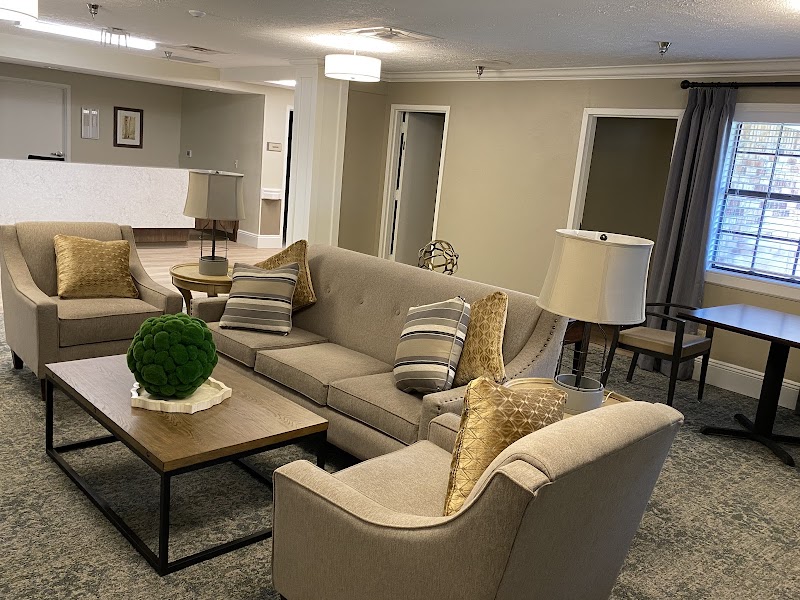
How is Majestic Care Of Connersville Staffed?

CMS rates MAJESTIC CARE OF CONNERSVILLE's staffing level at 1 out of 5 stars, which is much below average compared to other nursing homes. Staff turnover is 68%, which is 22 percentage points above the Indiana average of 46%. High turnover can affect care consistency as new staff learn residents' individual needs. RN turnover specifically is 86%, which is notably high. RNs provide skilled clinical oversight, so turnover in this role can affect medical care quality.

What Have Inspectors Found at Majestic Care Of Connersville?

State health inspectors documented 37 deficiencies at MAJESTIC CARE OF CONNERSVILLE during 2023 to 2025. These included: 37 with potential for harm.
Who Owns and Operates Majestic Care Of Connersville?

MAJESTIC CARE OF CONNERSVILLE is owned by a for-profit company. For-profit facilities operate as businesses with obligations to shareholders or private owners. The facility is operated by MAJESTIC CARE, a chain that manages multiple nursing homes. With 166 certified beds and approximately 79 residents (about 48% occupancy), it is a mid-sized facility located in CONNERSVILLE, Indiana.
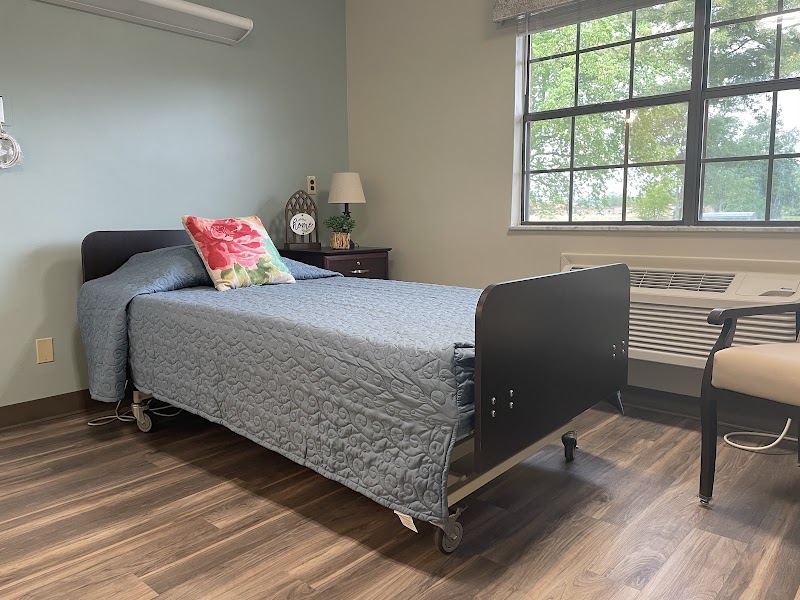
How Does Majestic Care Of Connersville Compare to Other Indiana Nursing Homes?

Compared to the 100 nursing homes in Indiana, MAJESTIC CARE OF CONNERSVILLE's overall rating (1 stars) is below the state average of 3.1, staff turnover (68%) is significantly higher than the state average of 46%, and health inspection rating (2 stars) is below the national benchmark.

What Should Families Ask When Visiting Majestic Care Of Connersville?

Based on this facility's data, families visiting should ask: "How do you ensure continuity of care given staff turnover, and what is your staff retention strategy?" "Can you walk me through typical staffing levels on day, evening, and night shifts?" "Can I visit during a mealtime to observe dining assistance and food quality?" "How do you handle medical emergencies, and what is your hospital transfer rate?" These questions are particularly relevant given the facility's high staff turnover rate and the below-average staffing rating.

Is Majestic Care Of Connersville Safe?

Based on CMS inspection data, MAJESTIC CARE OF CONNERSVILLE has a clean safety record: no substantiated abuse findings (meaning no confirmed cases of resident harm), no Immediate Jeopardy citations (the most serious violation level indicating risk of serious injury or death), and is not on the Special Focus Facility watch list (a federal program monitoring the lowest-performing 1% of nursing homes). The facility has a 1-star overall rating and ranks #100 of 100 nursing homes in Indiana. While no facility is perfect, families should still ask about staff-to-resident ratios and recent inspection results during their visit.

Do Nurses at Majestic Care Of Connersville Stick Around?

Staff turnover at MAJESTIC CARE OF CONNERSVILLE is high. At 68%, the facility is 22 percentage points above the Indiana average of 46%. Registered Nurse turnover is particularly concerning at 86%. RNs handle complex medical decisions and coordinate care — frequent RN changes can directly impact care quality. High turnover means new staff may not know residents' individual needs, medications, or preferences. It can also be disorienting for residents, especially those with dementia who rely on familiar faces. Families should ask: What is causing the turnover? What retention programs are in place? How do you ensure care continuity during staff transitions?

Was Majestic Care Of Connersville Ever Fined?

MAJESTIC CARE OF CONNERSVILLE has no federal fines on record. CMS issues fines when nursing homes fail to meet care standards or don't correct problems found during inspections. The absence of fines suggests the facility has either maintained compliance or corrected any issues before penalties were assessed. This is a positive indicator, though families should still review recent inspection reports for the full picture.

Is Majestic Care Of Connersville on Any Federal Watch List?

MAJESTIC CARE OF CONNERSVILLE is not on any federal watch list. The most significant is the Special Focus Facility (SFF) program, which identifies the bottom 1% of nursing homes nationally based on persistent, serious quality problems. Not being on this list means the facility has avoided the pattern of deficiencies that triggers enhanced federal oversight. This is a positive indicator, though families should still review the facility's inspection history directly.