HICKORY CREEK AT CRAWFORDSVILLE
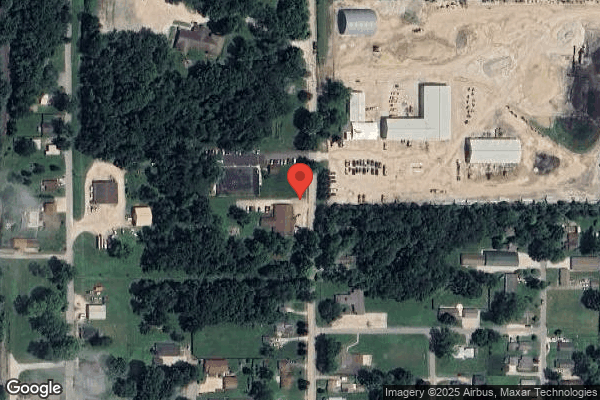

817 N WHITLOCK AVE, CRAWFORDSVILLE, IN 47933 (765) 362-8590
For profit - Corporation 36 Beds AMERICAN SENIOR COMMUNITIES Data: November 2025
Trust Grade
65/100
#250 of 505 in IN
Last Inspection: July 2025

Inspected within the last 6 months. Data reflects current conditions.

Overview

Hickory Creek at Crawfordsville has a Trust Grade of C+, which means it is slightly above average but not exceptional. In terms of rankings, it sits at #250 out of 505 facilities in Indiana, placing it in the top half, and #3 out of 4 in Montgomery County, indicating only one nearby option is better. The facility is improving, with the number of reported issues decreasing from 5 in 2024 to 3 in 2025. However, staffing is a concern, rated at 1 out of 5 stars, with a turnover rate of 54%, which is higher than the state average. While there are no fines on record, indicating compliance with regulations, there have been specific incidents such as a lack of Registered Nurse coverage for several days, creating potential safety risks, and lapses in infection control practices that could expose residents to COVID-19. Overall, while there are strengths in some areas, families should carefully weigh these concerns when considering this facility.

Trust Score
C+
65/100
In Indiana
#250/505
Top 49%
Safety Record
Low Risk
No red flags
Inspections
Getting Better
5 → 3 violations
Staff Stability
⚠ Watch
54% turnover. Above average. Higher turnover means staff may not know residents' routines.
Penalties
✓ Good
No fines on record. Clean compliance history, better than most Indiana facilities.
Skilled Nurses
⚠ Watch
Each resident gets only 23 minutes of Registered Nurse (RN) attention daily — below average for Indiana. Fewer RN minutes means fewer trained eyes watching for problems.
Violations
⚠ Watch
13 deficiencies on record. Higher than average. Multiple issues found across inspections.
★★★☆☆
3.0
Overall Rating
★☆☆☆☆
1.0
Staff Levels
★★★★★
5.0
Care Quality
★★★☆☆
3.0
Inspection Score
Stable
2024: 5 issues
2025: 3 issues

The Good

  • 5-Star Quality Measures · Strong clinical quality outcomes
  • Full Sprinkler Coverage · Fire safety systems throughout facility
  • No fines on record

Facility shows strength in quality measures, fire safety.

The Bad

3-Star Overall Rating

Near Indiana average (3.1)

Meets federal standards, typical of most facilities

Staff Turnover: 54%

Near Indiana avg (46%)

Higher turnover may affect care consistency

Chain: AMERICAN SENIOR COMMUNITIES

Part of a multi-facility chain

Ask about local staffing decisions and management

The Ugly 13 deficiencies on record

Jul 2025 3 deficiencies
CONCERN (D)

Potential for Harm - no one hurt, but risky conditions existed

Respiratory Care (Tag F0695)

Could have caused harm · This affected 1 resident

Based on observation, record review, and interview, the facility failed to ensure a resident's nebulizer (a medical device that turns liquid medication into a fine mist, which is then inhaled through ...

Read full inspector narrative →
Based on observation, record review, and interview, the facility failed to ensure a resident's nebulizer (a medical device that turns liquid medication into a fine mist, which is then inhaled through a mask or mouthpiece to deliver medication directly to the lungs) mask was maintained in a safe and sanitary manner for 1 of 2 residents reviewed for respiratory care (Resident 88). Findings include: During a random observation, on 6/30/25 at 9:54 a.m., Resident 88's nebulizer mask was observed sitting un-bagged, on the resident's bedside table. During a random observation, on 6/30/25 at 11:55 a.m., the resident's nebulizer mask was observed sitting un-bagged, on the resident's bedside table. During a random observation, on 6/30/25 at 2:11 p.m., the resident's nebulizer mask was observed sitting un-bagged, on the resident's bedside table. Resident 88's record was reviewed on 6/30/25 at 1:48 p.m. The profile indicated the resident's diagnoses included, but were not limited to, chronic obstructive pulmonary disease (COPD- a chronic lung disease that makes it hard to breathe) and acute and chronic respiratory failure with hypercapnia (hypercapnic respiratory failure occurs when the lungs cannot remove enough carbon dioxide [CO2] from the blood, leading to a buildup of CO2). A care plan, dated 6/25/25, indicated the resident had the potential for impaired gas exchange related to COPD. Interventions included, but were not limited to, administer nebulizer treatments as ordered. A physician's order, dated 6/26/25, indicated to administer 3 milliliters (ml) of 0.5 milligrams (mg)-3 mg of ipratropium-albuterol solution (a combination medication used to help control the symptoms of COPD) via nebulization (nebulizer) every 4 to 6 hours as needed. The June 2025 medication administration record (MAR) indicated the resident had received a treatment of ipratropium-albuterol, via nebulizer, on 6/30/25 at 8:58 a.m. During an interview, on 7/1/25 at 11:24 a.m., the Assistant Director of Nursing (ADON) indicated the expectation was that nebulizers should be stored in a bag when not in use. On 7/1/25 at 11:35 a.m., the Director of Nursing (DON) provided a skills competency document, with a revision date of 5/2025, titled, Nebulizer (Small Volume Nebulizer-SVN-Medicated Aerosol Therapy, and indicated it was the policy currently being used by the facility. The policy indicated, .Procedure Steps: .13. Store nebulizer tubing per facility policy. 14 .c .place nebulizer .in plastic bag 3.1-47(a)(6)
CONCERN (D)

Potential for Harm - no one hurt, but risky conditions existed

Infection Control (Tag F0880)

Could have caused harm · This affected 1 resident

Based on observation and interview, the facility failed to ensure infection control procedures were followed to prevent possible contamination of work surfaces, with potential to affect residents for ...

Read full inspector narrative →
Based on observation and interview, the facility failed to ensure infection control procedures were followed to prevent possible contamination of work surfaces, with potential to affect residents for 1 of 1 glucometer (a small, portable device that measures the amount of glucose in the blood) observation. Findings include: On 6/30/25 at 10:42 a.m., observed Licensed Practical Nurse (LPN) 7 complete glucometer blood sugar assessment for Resident 13. The LPN placed the glucometer on top of the medication cart without a barrier. Once the assessment was completed the nurse removed a hand sanitizing wipe from a canister and wrapped the glucometer in the wipe and placed the glucometer into a plastic cup. On 6/30/25 at 10:45 a.m., during an interview, LPN 7 indicated the hand sanitizing wipes were the wipes she used to clean the glucometer after use. On 6/30/25 at 11:00 a.m., during an interview, the Director of Nursing (DON) indicated the nurse should use specific disinfecting wipes to clean the glucometer after use. The hand sanitizing wipes were not the approved wipes to be used to disinfect the glucometer. The DON indicated that the facility shared glucometers between residents. On 6/30/2025 at 1:17 p.m., the DON provided a document titled, Shared Glucometer Cleaning and Disinfecting, dated 1/2024, and indicated it was the policy currently being used by the facility. The policy indicated, .Policy: Shared glucometers will be cleaned and disinfected aster every use with an approved germicidal wipe .1 .b. Place clean paper towel, plastic cup, or other clean barrier on solid surface such as medication cart .c. Use a fresh approved disinfectant wipe each time the glucometer is cleaned and disinfected. d. Wipe all surfaces, top, bottom and sides of the blood glucose meter with wipe and allow the surface of the meter to remain wet for 3 minutes or recommended contact time for the disinfecting wipe. You may wrap the glucometer in the disinfecting wipe after all surfaces have been wiped to assist in the glucometer remaining wet per contact time. e. Allow to air dry on clean paper towel, in a clean plastic cup, or other clean barrier before use on the next resident 3.1-18(b)
CONCERN (F)

Potential for Harm - no one hurt, but risky conditions existed

Deficiency F0727 (Tag F0727)

Could have caused harm · This affected most or all residents

Based on record review and interview, the facility failed to ensure Registered Nurse (RN) coverage of at least 8 consecutive hours each day for 7 days a week, for 1 of 4 quarters of the Payroll Based ...

Read full inspector narrative →
Based on record review and interview, the facility failed to ensure Registered Nurse (RN) coverage of at least 8 consecutive hours each day for 7 days a week, for 1 of 4 quarters of the Payroll Based Journal (PBJ-a detailed report that tracks staffing and payroll information, primarily used in the healthcare sector) report reviewed. Findings include: During the entrance conference meeting, on 6/27/25 at 9:56 a.m., review of the PBJ report indicated the facility had failed to have at least 8 consecutive hours of RN coverage on, 1/12/25, 1/17/25, 1/26/25, 2/2/25, 2/8/25, 2/9/25, 2/16/25, and 2/23/25. On 6/27/25 at 12:11 p.m., staffing sheets were provided by the Executive Director (ED). The staffing sheets indicated the following: a. The staffing sheets for 1/12/25, lacked documentation of an RN working in the facility on any shift for that date. b. The staffing sheets for 1/17/25, lacked documentation of an RN working in the facility on any shift for that date. c. The staffing sheets for 1/26/25, lacked documentation of an RN working in the facility on any shift for that date. d. The staffing sheets for 2/2/25, lacked documentation of an RN working in the facility on any shift for that date. e. The staffing sheets for 2/8/25, lacked documentation of an RN working in the facility on any shift for that date. f. The staffing sheets for 2/9/25, lacked documentation of an RN working in the facility on any shift for that date. g. The staffing sheets for 2/16/25, lacked documentation of an RN working in the facility on any shift for that date. h. The staffing sheets for 2/23/24, lacked documentation of an RN working in the facility on any shift for that date. During an interview, on 6/27/25 at 12:11 p.m., the ED indicated he was aware of the dates without RN coverage on the PBJ report for the second quarter of 2025. He was expecting the citation. The expectation was that the facility would comply with the regulation for having an RN for at least 8 consecutive hours a day. 3.1-17(a)(3)
May 2024 5 deficiencies
CONCERN (D)

Potential for Harm - no one hurt, but risky conditions existed

Deficiency F0567 (Tag F0567)

Could have caused harm · This affected 1 resident

Based on interview and record review, the facility failed to ensure that personal funds were available on the weekends for 1 of 16 residents reviewed for personal funds (Resident 19). Finding include...

Read full inspector narrative →
Based on interview and record review, the facility failed to ensure that personal funds were available on the weekends for 1 of 16 residents reviewed for personal funds (Resident 19). Finding includes: During an interview, on 5/17/24 at 11:36 a.m., Resident 19 indicated she was not able to get money on the weekends and hadn't been able to for a while. Resident 19's record was reviewed on 5/22/24 at 2:00 p.m. A quarterly Minimum Data Set (MDS) assessment, dated 5/1/24, indicated the resident was cognitively intact. During an interview, on 5/22/24 at 2:30 p.m., the Business Office Manager (BOM) indicated the residents could obtain their money out of their personal funds Monday through Friday. She was not at the facility on the weekends and had not been employed by the facility for very long. She wasn't aware of the procedure for the weekends. During an interview, on 5/22/24 at 2:33 p.m., the Corporate Business Office Specialist indicated a money bag should be kept at the nurse's station so the residents could obtain the money on the weekends. She was not sure where it was kept exactly at this facility. She indicated they had not had consistent business office staff at the facility for a while. Staff and residents needed to be educated on the procedure for obtaining personal funds on the weekends. During an interview, on 5/22/24 at 2:39 p.m., Licensed Practical Nurse (LPN) 6 indicated she was not aware of any money bag being at the nurse's station on the weekends for the residents to have personal funds. During an interview, on 5/22/24 at 2:41 p.m., Registered Nurse 3 indicated there had not been a money bag or cash box at the facility for personal funds. She indicated the Director of Nursing had recently purchased a cash box that she thought was for personal funds, but they had not been educated on the process yet. On 3/22/24 at 3:01 p.m., the Regional Director of Clinical Services provided an undated document titled, Resident Trust Overview, and indicated it was the policy currently used by the facility. The policy indicated, .Funds should be available to residents 24 hours a day and 7 days a week. A method for distributing funds after hours and on weekends must be established 3.1-6(a)
CONCERN (D)

Potential for Harm - no one hurt, but risky conditions existed

ADL Care (Tag F0677)

Could have caused harm · This affected 1 resident

**NOTE- TERMS IN BRACKETS HAVE BEEN EDITED TO PROTECT CONFIDENTIALITY** Based on observation, interview, and record review, the facility failed to ensure dependent residents were shaved, for 2 of 16 r...

Read full inspector narrative →
**NOTE- TERMS IN BRACKETS HAVE BEEN EDITED TO PROTECT CONFIDENTIALITY** Based on observation, interview, and record review, the facility failed to ensure dependent residents were shaved, for 2 of 16 residents reviewed for Activities of Daily Living (ADLs- activities related to personal care) (Residents 30 and 17). Findings include: 1. During the initial observation, on 5/17/24 at 2:17 p.m., Resident 30 was observed with long facial hair. At the same time, the resident indicated he had not been shaved for quite a while. The staff had told him the facility had run out of razors. His preference was to be shaved when he received his shower. He did not wish to shave himself because of his seizure disorder and his fear of having a seizure while shaving. During a random observation. on 5/20/24 at 11:18 a.m., The resident was observed sitting in the dining room waiting on his lunch meal to be served. The resident was observed to be unshaven. Resident 30's record was reviewed on 5/23/24 at 10:11 a.m. The profile indicated the resident's diagnoses included, but were not limited to, other sequalae of cerebral infarction (damage to tissues in the brain due to a loss of oxygen to the area) and epilepsy, unspecified (brain condition that causes recurring seizures [a burst of uncontrolled electrical activity between brain cells that causes temporary abnormalities in muscle tone or movements such as twitching, stiffness, or limpness]). An admission Minimum Data Set (MDS) assessment (part of the federally mandated process for clinical assessment of all residents in Medicare and Medicaid certified nursing homes), dated 2/26/24, indicated the resident had moderate cognitive deficit, had no documented behaviors of rejection of care, and required partial to moderate assistance with bathing or showers. A care plan, dated 2/23/2024, indicated the resident required assistance with ADLs. Interventions included, but were not limited to, assist with bathing per resident preference and offer showers two times per week, with partial bath in between and assist with hygiene. A care plan, dated 2/23/2024, indicated the resident was at risk for bleeding related to use of an antiplatelet medication (medicines that stop blood cells from sticking together and forming a blood clot). A care plan, dated 2/23/2024, indicated the resident was at risk for bleeding due to the use of an anticoagulant medication (medication used to prevent and treat blood clots in blood vessels and the heart). A physician's order, dated 2/21/24, indicated to administer aspirin (antiplatelet medication), 81 milligrams (mg) chewable once a day. A physician's order, dated 2/21/24, indicated to administer Eliquis (apixaban-anticoagulant medication), tablet; 5 milligrams (mg) two times a day. Resident 30's May 2024 shower sheets indicated shaving was a part of the bathing and/or showering process. The shower sheets indicated the resident had not been shaved from 5/9/24 through 5/19/24. A shower sheet, dated 5/20/24, indicated the resident had been shaved on that date. 2. During an initial observation, on 5/17/24 at 2:18 p.m., Resident 17 was observed with long facial hair. At the same time, the resident indicated he had not been shaved for several days. The staff had told him the facility had run out of razors. He desired to be shaved regularly and did not want to have a beard. He was unable to shave himself and depended on the staff to do it for him when he received his shower or bed bath. During a random observation, on 5/20/24 at 11:22 a.m., the resident was observed in his bed watching TV. The resident's long facial hair was still observed. At the same time, the resident indicated the staff had been told that the facility had ordered razors, but they had not come in yet. During a random observation, on 5/22/24 at 12:20 p.m., the resident was observed to be clean shaven. At the same time, the resident indicated the facility had finally received some razors and he was shaved last evening. It had been 4-5 days since he had last been shaved. He again indicated that he wished to be shaved every time he gets his baths. Resident 17's record was reviewed on 5/22/24 at 1:56 p.m. The profile indicated the resident's diagnoses included, but were not limited to, hypertensive heart and chronic kidney disease with heart failure (high blood pressure and damage to the heart caused by damage to the kidneys) and type 2 diabetes mellitus with diabetic chronic kidney disease (a decrease in kidney function that occurs in some people who have diabetes [uncontrolled blood sugar levels]). A significant change Minimum Data Set MDS assessment (part of the federally mandated process for clinical assessment of all residents in Medicare and Medicaid certified nursing homes), dated 6/15/23, indicated the resident had no cognitive deficit and required total assistance with bathing and extensive assistance with personal hygiene. A quarterly MDS, dated [DATE], indicated the resident had no cognitive deficit and had no documented behaviors for rejection of care. A care plan, dated 9/2/2022, indicated the resident required assistance with ADLs. Interventions included, but were not limited to, assist with bathing per resident preference and offer showers two times per week, with partial bath in between and assist with hygiene. A care plan, dated 2/23/2024, indicated the resident was at risk for bleeding related to use of an antiplatelet medication (medicines that stop blood cells from sticking together and forming a blood clot). A physician's order, dated 5/10/24, indicated to administer aspirin (antiplatelet medication), 81 milligrams (mg) chewable once a day. Resident 17's May 2024 shower sheets indicated shaving was a part of the bathing and/or showering process. The shower sheets indicated the resident had not been shaved from 5/16/24 to 5/21/24. A shower sheet, dated 5/22/24, indicated the resident had been shaved on that date. During an interview, on 5/22/24 at 2:46 p.m., the Regional Director of Clinical Services (RDCS) indicated that it often took the facility several days to receive their supply order. She had been made aware that the facility had only 1 box of razors. She was unsure as to why the residents had not been shaved. It was possible that the facility could have gone to pick up some razors at a local store. During an interview, on 5/23/24 at 10:02 a.m., Certified Nursing Assistant (CNA) 10 indicated she was aware that there had been at least one day when the facility did not have any razors. It had been reported to the nurses so that some could be ordered. During an interview, on 5/23/24 at 10:05 a.m., the Administrator (ADM) indicated the facility had some issues with the ordering process. The Director of Nursing (DON) had taken on the process in hopes of getting the issues resolved. He had not been made aware that the facility was out of razors or of the residents not getting shaved. Someone could have gone to a local store to purchase razors to ensure the facility had them on hand for use. During an interview, on 5/23/24 at 10:19 a.m., the ADM indicated he was not able to locate a policy specific on razors or supplies being in stock. The expectation was that the facility would always have enough supplies on hand, to meet the needs of the residents. 3.1-38(a)(3)(D)
CONCERN (D)

Potential for Harm - no one hurt, but risky conditions existed

Food Safety (Tag F0812)

Could have caused harm · This affected 1 resident

Based on observation, interview, and record review, the facility failed to ensure dining meal service was completed in a sanitary manner, for 1 of 2 dining service observations. Findings include: Dur...

Read full inspector narrative →
Based on observation, interview, and record review, the facility failed to ensure dining meal service was completed in a sanitary manner, for 1 of 2 dining service observations. Findings include: During the initial dining meal service observation, on 5/17/24 at 12:36 p.m., Registered Nurse (RN) 3 was observed assisting Resident 9 to cut her sandwich. The nurse was observed to hold a portion of the sandwich with her ungloved left index finger while cutting the sandwich. On 05/17/24 at 12:37 p.m., Certified Nursing Assistant (CNA) 4 was observed assisting Resident 24 with cutting her sandwich. The CNA was observed to push down on the resident's sandwich with her ungloved hand as she cut the sandwich for the resident. During an interview, on 5/22/24 at 2:50 p.m., the Regional Director of Clinical Services (RDCS) indicated it was not appropriate for staff to touch resident food items with ungloved hands. The facility would follow the Indiana retail food guidelines. Section 410 IAC 7-24-171 of the Indiana Department of Health Retail Food Establishment Sanitation Requirements, effective November 13, 2004, indicated, Preventing contamination from hands .Sec. 171 (c) Food employees shall minimize bare hand .contact with exposed food 3.1-21(i)(3)
CONCERN (E)

Potential for Harm - no one hurt, but risky conditions existed

Deficiency F0727 (Tag F0727)

Could have caused harm · This affected multiple residents

Based on record review and interview, the facility failed to ensure a Registered Nurse was in the facility for 8 consecutive hours during a 24-hour period for 2 of 3 months of the first quarter of 202...

Read full inspector narrative →
Based on record review and interview, the facility failed to ensure a Registered Nurse was in the facility for 8 consecutive hours during a 24-hour period for 2 of 3 months of the first quarter of 2024 reviewed for sufficient staffing (10/23, 10/29, 12/3, 12/9, 12/10, 12/14, 12/16, 12/17, 12/23, 12/24, 12/25, and 12/30). Findings include: A Payroll-Based Journal (PBJ) Staffing report, for the first quarter (October 1-December 31) of 2024, indicated the facility failed to have Registered Nurse (RN) coverage for 8 consecutive hours on 10/23, 10/29, 12/3, 12/9, 12/10, 12/14, 12/16, 12/17, 12/23, 12/24, 12/25, and 12/30. During an interview on 5/22/24 at 11:37 a.m., the Regional Director of Clinical Services (RDCS) indicated they had reviewed the PBJ and she could not verify if the information on the PBJ was correct and would pull staffing reports. She indicated the facility submitted the PBJ data to the home office who reviewed and submitted it for them. During an interview on 5/22/24 at 12:14 p.m., the RDCS provided staffing schedules and indicated they did not have RN coverage for 10/23, 10/29, 12/3, 12/9, 12/10, 12/14, 12/16, 12/17, 12/23, 12/24, 12/25, and 12/30. During a record review, on 5/22/24 at 12:15 p.m., the actual worked staffing schedules indicated there was no RN coverage for 10/23, 10/29, 12/3, 12/9, 12/10, 12/14, 12/16, 12/17, 12/23, 12/24, 12/25, and 12/30. During an interview on 5/22/24 at 2:01 p.m., the RDCS indicated the reason why there was not an RN on duty for 10/23, 10/29, 12/3, 12/9, 12/10, 12/14, 12/16, 12/17, 12/23, 12/24, 12/25, and 12/30 was because they did not have a Director of Nursing Services (DNS), they had a float DNS at that time, but they were not there on those days. During an interview on 5/22/24 at 2:05 p.m., the RDCS indicated the facility did not have a policy related to RN coverage. 3.1-17(b)(3)
CONCERN (E)

Potential for Harm - no one hurt, but risky conditions existed

Deficiency F0761 (Tag F0761)

Could have caused harm · This affected multiple residents

Based on observation, interview, and record review, the facility failed to ensure medications were labeled properly and the facility failed to ensure expired medications were disposed of for 2 of 2 me...

Read full inspector narrative →
Based on observation, interview, and record review, the facility failed to ensure medications were labeled properly and the facility failed to ensure expired medications were disposed of for 2 of 2 medication carts reviewed for medication storage (Residents 22, 11, and 8). Findings include: 1. On 5/22/24 at 10:19 a.m., the front hall medication cart contained an undated and opened bottle of eye drop solution. The eye drops solution bottle contained a label that indicated it was for Resident 22. During an interview, on 5/22/24 at 10:20 a.m., Qualified Medication Aide (QMA) 9 indicated eye drops were good for 28 days once opened and should have an open date on the bottle when opened by staff. Resident 22's record was reviewed on 5/22/24 at 10:48 a.m. A physician order, dated 5/17/24, indicated to administer Refresh Optive Advanced (relieves dry, burning, and irritated eyes) 0.5-1-0.5%, 2 drops in each eye twice a day. 2. On 5/22/24 at 10:25 a.m., the back hall medication cart contained an undated and opened insulin pen. The insulin pen contained a label that indicated it was for Resident 11. Resident 11's record was reviewed on 5/22/24 at 11:00 a.m. The profile indicated the resident's diagnosis included, but were not limited to, type 2 diabetes mellitus with diabetic neuropathy (a complication of diabetes mellitus that occurs when high blood sugar damages the peripheral nervous system). A physician order, dated 3/25/24, indicated to administer Fiasp (insulin medication) FlexTouch 100 unit/ml (milliliter) 3ml by injecting 7 units subcutaneous (under the skin) three times a day. 3. On 5/22/24 at 10:27 a.m., the back hall medication cart contained an open insulin pen with an open date of 1/9/24. The insulin pen contained a label that indicated it was for Resident 8. During an interview, on 5/22/24 at 10:27 a.m., Licensed Practical Nurse (LPN) 6 indicated she thought insulin pens were good for 60 days once opened but she was not sure and would have to check the policy. During an interview, on 5/22/24 at 10:29 a.m., Regional Director of Clinical Services indicated insulin pens were good for 28 days once opened. Resident 8's record was reviewed on 5/22/24 at 11:10 a.m. The profile indicated the resident's diagnosis included, but were not limited to, type 2 diabetes mellitus without complications (a chronic condition that affects the way the body processes blood sugar). A physician order indicated to administer Novolog (insulin medication) FlexPen 100unit/ml (3ml) by injecting per sliding scale subcutaneously three times a day at 8:00 a.m., 12:00 p.m., and 5:00 p.m. On 5/22/24 at 10:31 a.m., the Regional Director of Clinical Services, provided a document as a current facility policy titled, LTC Facility's Pharmacy Services and Procedures Manual, revised date of 7/21/22. The policy indicated, .5.3 If a multi dose vial of an injectable medication has been opened or accessed, the vial should be dated and discarded within 28 days .5.4 When an ophthalmic solution or suspension has a manufactures' shortened beyond use date once opened, facility staff should record the date opened and the date to expire on the container On 5/22/24 at 10:52 a.m., the Regional Director of Clinical Services, provided an undated document as a currently facility policy, titled, Storage Recommendations for Injectable Diabetes Mediations. The policy indicated, .Fiasp cartridge or pen .expiration date at room temperature was 28 days .Novolog cartridge or pen .expiration date at room temperature was 28 days 3.1-25(j)
Nov 2023 1 deficiency
CONCERN (F) 📢 Someone Reported This

A family member, employee, or ombudsman was alarmed enough to file a formal complaint

Potential for Harm - no one hurt, but risky conditions existed

Infection Control (Tag F0880)

Could have caused harm · This affected most or all residents

Based on observation, interview, and record review, the facility failed to ensure appropriate infection control practices were in place to mitigate and prevent the potential for the spread of the COVI...

Read full inspector narrative →
Based on observation, interview, and record review, the facility failed to ensure appropriate infection control practices were in place to mitigate and prevent the potential for the spread of the COVID-19). This deficient practice had the potential to effect 33 of 33 residents who resided in the facility. Findings include: On 11/9/23 at 9:00 a.m., upon entrance into the facility, Resident D (who was later discovered to be COVID-19 positive) was observed seated in the main dining room with three other unidentified residents. None of them were wearing masks as the finished their breakfast meals. Several staff member, unidentified at that time, walked in and out of the dining room, past Resident D. He was not encouraged to wear a mask to return to his room. On 11/9/23 at 9:21 a.m., Housekeeper (HK) 7 was observed in a Red Room (an isolation room with a COVID-19 positive resident). She was observed to wear a surgical mask underneath an N-95 and did not have any eye protection on at that time. On 11/9/23 at 9:25 a.m., Resident C (who was later discovered to have close contact to COVID-19 as his roommate was positive) was observed as he sat in his wheelchair outside of a communal shower room, he was not wearing a mask. Certified Nursing Aide (CNA) 9, joked with him and they had a short conversation. Resident C was not encouraged to go back to his room or put a mask on. On 11/9/23 at 9:30 a.m., HK 7 entered a second Red Room. Although she removed her surgical mask from underneath an N-95, she did not put on eye protection. On 11/9/23 at 9:40 a.m., Resident D was observed as he was assisted back to his room by Occupational Therapist (OT) 5. OT 5 wore an N-95 face mask and a face shield. At that time, she indicated, Resident D was COVID-19 positive and should not have eaten breakfast in the dining room. He returned to his room with her without refusing. At his table place, his plate and utensils remained, as well as an initialed medication cup. During an interview on 11/9/23 at 9:44 a.m., the Director of Nursing Services in Training (DNS-T) indicated Resident D was COVID-19 positive, and he should not be permitted to eat in the main dining room around other COVID-19 negative residents. During an interview on 11/9/23 at 9:46 a.m., Qualified Medication Aid (QMA) 6 indicated she passed morning medications. Resident D was already in the main dining room and when she asked him to go back to his room he refused. So, she administered his medications in the dining room without donning additional personal protective equipment (PPE). On 11/9/23 at 10:00 a.m., the following Red Rooms were observed to have trash cans without lids or a covering in place which were placed outside the doors in the main hallways. They were observed to have used PPE. On 11/9/23 at 10:35 a.m., CNA 8 was observed as she placed an N-95 mask on top of a surgical mask and entered a Red Room. On 11/9/23 at 11:35 a.m., Residents E and F were observed to come out of their Red Rooms to use the communal COVID-19 bathroom, they were not wearing a mask. At that time, another resident who had not tested positive, walked past Resident E. Throughout the survey period, Resident B was observed, as he preferred and was care planned, to ambulate by crawling throughout the facility hallways and common areas on his hand and knees and he occasionally put his hands in his mouth. The staff were not observed to don shoe covering in the Red Rooms or change shoes. On 11/9/23 at 11:48 a.m., an interview was conducted with the Administrator, Interim DNS, DNS-t and the Social Service Director were present. Because there were no empty available rooms, if one resident tested positive and the roommate did not, staff were to encourage the COVID-19 negative resident to remain in their room, wear a mask upon exiting the room, and maintain social distancing with other residents. The Interim DNS indicated staff should wear all PPE including eye protection as instructional signage on the Red Room door indicated. Staff should not wear a surgical mask under the N-95 as it interfered with the N-95's integrity to create an effective seal. Further, PPE trash cans needed to be covered to reduce the potential for aerosolized spread of the virus, and shoe covering could be considered as an extra precaution to help protect Resident B. On 11/9/23 at 11:00 a.m., the Administrator provided a copy of current facility policy titled, Covid-19 Policy, revised 7/2023. The policy indicated, .This community will implement infection control practices to reduce the risk of transmission of SARS-CoV-2 (Covid-19) . face covering or mask . in accordance with CDC guidance and based on the Infection Preventiont's assessment of the community virus transmission rates and other infection control. Instructional signage throughout the facility . staff to follow appropriate PPE use according to the Standard and Transmission Based Precautions policy . source control options for HCP include: a NIOSH-approved particulate respirator with N-95 filter or higher 3.1-18(b)(1)
Mar 2023 4 deficiencies
CONCERN (D)

Potential for Harm - no one hurt, but risky conditions existed

Notification of Changes (Tag F0580)

Could have caused harm · This affected 1 resident

Based on observation, record review, and interview, the facility failed to notify the family/responsible party of the resident's gradual dose reduction of an antipsychotic medication recommended by ph...

Read full inspector narrative →
Based on observation, record review, and interview, the facility failed to notify the family/responsible party of the resident's gradual dose reduction of an antipsychotic medication recommended by pharmacy for 1of 5 residents reviewed for unnecessary medications (Resident 181). Findings Include: On 3/6/2023 at 2:30 p.m., Resident 181 was observed outside of his room speaking with staff. Resident indicated to staff he wanted the code to get out of here. On 3/9/2023 at 11:48 a.m., Resident 181 was observed ambulating in hallway wandering around looking into different rooms. Resident 181's record was reviewed on 3/8/2023 at 2:30 p.m. The profile indicated the resident's diagnoses included, but were not limited to, Heart failure (a condition in which the heart doesn't blood pump as well as it should), Type 2 diabetes mellitus (a chronic condition that affects the way the body processes blood sugar), Dementia (a condition characterized by progressive or persistent loss of intellectual functioning) in other diseases classified elsewhere, mild with anxiety (a feeling of worry, nervousness, or unease), and Paroxysmal atrial fibrillation (an irregular and often very rapid heart rhythm that causes poor blood flow). An admission Minimum Data Set (MDS) assessment, dated 2/19/2023, indicated the resident had moderate cognitive deficit and received antipsychotic (used to treat a range of psychotic disorders) and antidepressant (used to treat depressive symptoms) medications. A care plan, dated 2/27/2023, indicated the resident received psychotropic medication, antidepressant, and antipsychotic. Interventions included, but were not limited to, administer medications as ordered, observe for effectiveness, and pharmacist to review medications routinely. A care plan, dated 02/21/2023 and revised on 03/06/2023, indicated the resident was at risk for elopement due to resident having a diagnosis of dementia and requesting a secured key code to get outside. Interventions included, but were not limited to, wander guard placed on left leg per physician order, all facility exits secured with key code pad, and provide one on one (1:1) attention and conversation as needed. A pharmacy recommendation, dated 02/14/2023, recommended to attempt a gradual dose reduction (GDR) of olanzapine (antipsychotic medication) to 2.5 milligrams (mg) every hs (bedtime) from 5 mg every hs. The record lacked documentation that family was notified of recommendation. A physician order dated 02/17/2023, indicated to change olanzapine from 5 mg every hs to 2.5 mg every hs. The March 2023 MAR (medication administration record) indicated Resident 181 received the olanzapine 2.5 mg dose on 02/18/2023, 02/19/2023, 02/20/2023, and 02/21/2023. Review of progress note, dated 02/17/2023 at 7:23 p.m., indicated the psychiatric NP (nurse practitioner) was in the facility on that date. A new order was obtained to discontinue olanzapine 5 mg and start olanzapine 2.5 mg orally (by mouth) every hs. Review of progress note, dated 02/18/2023 at 3:06 p.m., indicated resident had increased confusion and was pointing down the hallway asking for assistance to his car in the ditch so that he could go home. Review of progress note, dated 02/21/2023 at 12:06 a.m., indicated resident was confused and exit seeking. Resident 181 had been in several different rooms searching for a way to get out. Review of progress note, dated 02/21/2023 at 1:18 a.m., indicated resident continued to exit seek, threatened to bust the doors down, and taunted staff to call the law and have him arrested. Review of progress note, dated 02/21/2023 at 5:32 a.m., indicated resident had been up the entire night wandering the halls and exit seeking. Continued to enter other residents' room. Resident became very frustrated and verbally abusive to staff. Review of progress note, dated 02/21/2023 at 10:44 a.m., indicated resident had been up all night wandering the hallways looking for staff in residents' rooms. Resident would become verbally aggressive and threatening. IDT (interdisciplinary team and consists of members from different disciplines working collaboratively to set goals and make decisions) met and in agreement was a failed gradual dose reduction of his olanzapine medication. Review of progress note, dated 02/21/2023 at 12:37 p.m., indicated the nurse notified resident's wife of the decrease in antipsychotic medication. Review of progress note, dated 02/22/2023 at 7:52 a.m., indicated the resident has had increased behaviors since medication had been decreased and the family was concerned. Review of progress note, dated 02/22/2023 at 2:15 p.m., indicated the NP was in the facility and increased the olanzapine back to 5 mg orally every hs. During a family interview, on 03/10/23 at 09:53 a.m., Resident 181's family member indicated they were not informed of the physician order to decrease the olanzapine medication until days later. The family had noticed the resident was having increased behaviors when they came to visit him at the facility. The family member indicated they would not have approved of the decrease in medication if they were made aware of it in a timely manner. During an interview, on 3/10/2023 at 10:57 a.m., LPN 6 indicated the family should be notified immediately of any new order or change of condition. If the family did not answer, they would leave them a message for them to return their call. On 3/10/2023 at 12:12 p.m., the Executive Director provided a document, with a revised date of 11/2018, titled, Resident Change of Condition Policy, and indicated it was the policy currently being used by the facility. The policy indicated, .3b. the nurse in charge is responsible for notification of family/responsible party prior to end of assigned shift when a significant change in the resident's condition is noted 3.1-5(a)(2)
CONCERN (D)

Potential for Harm - no one hurt, but risky conditions existed

Respiratory Care (Tag F0695)

Could have caused harm · This affected 1 resident

1b. During an observation on 3/06/23 at 10:25 a.m., Resident 21 was observed sitting in her recliner receiving supplemental oxygen per a nasal cannula from an oxygen concentrator on the floor. A nebul...

Read full inspector narrative →
1b. During an observation on 3/06/23 at 10:25 a.m., Resident 21 was observed sitting in her recliner receiving supplemental oxygen per a nasal cannula from an oxygen concentrator on the floor. A nebulizer machine was observed on a table next to the recliner, the mouthpiece and tubing were observed to be out of a bag next to the machine. On 3/8/23 at 11:48 a.m., Licensed Practical Nurse (LPN) 5 was observed entering the resident room to administer a nebulizer aerosol treatment to Resident 21. The nurse removed a mouthpiece from a bag hanging from the side of a bedside stand, poured medication into the nebulizer cup, turned on the nebulizer machine, and stood with the resident as she received her treatment. The nurse was then observed to turn off the nebulizer machine and place the mouthpiece back into the bag hanging from the bedside stand. The nurse was not observed to wash or rinse the remaining medication from the mouthpiece. A second observation of Resident 21's nebulizer mouthpiece on 3/08/23 at 1:42 p.m., indicated small amounts of liquid medication remained in the nebulizer cup. On 3/09/23 at 8:46 a.m., Resident 21's nebulizer mouthpiece and tubing were observed to be inside a clear plastic bag hanging from the bedside stand, the mouthpiece was observed to still contain liquid inside the nebulizer cup. On 3/09/23 at 11:44 a.m., Resident 21 was observed sitting in a wheelchair in her room after LPN 6 was observed giving her a nebulizer treatment. The nebulizer mouthpiece was observed inside a clear plastic bag on the side of a bedside stand, small amounts of liquid medication remained in the nebulizer cup. Resident 21 indicated staff changed the mouthpiece weekly, and the resident cleaned off the outside of the mouthpiece with alcohol preps. To her knowledge, no one took the mouthpiece apart and rinsed out the excess medication from the nebulizer cup after each treatment. Resident 21's record was reviewed on 3/09/23 at 8:58 a.m. Diagnoses on Resident 21's profile included, but were not limited to, chronic COPD (chronic obstructive pulmonary disease - a group of lung diseases that block airflow and make it difficult to breath) and chronic respiratory failure (develops when the lungs can't get enough oxygen into the blood). Physician's orders for Resident 21 indicated, a. On 8/9/22 change nebulizer tubing/set on Sunday 6:00 p.m. - 6:00 a.m. b. On 1/19/23 ipratropium-albuterol solution (bronchodilators used to treat and prevent wheezing and shortness of breath) for nebulization 0.5 mg (milligrams)/3 mg) per 3 ml (milliliter) give 1 vial three times a day at 6:00 a.m., 12:00 p.m., and 6:00 p.m. and as needed. A quarterly MDS (Minimum Data Set) assessment (part of the federally mandated process for clinical assessment of all residents in Medicare and Medicaid certified nursing homes), completed on 2/5/23, assessed the resident as receiving oxygen therapy. A care plans for Resident 21 indicated she was at risk for impaired gas exchange related to COPD with exacerbation with shortness of breath while lying flat, patient to have head of bed elevated. The goal was for the resident to have adequate respiratory functions as evidenced by decreased or absence of dyspnea (shortness of breath), improved breath sounds, decreased or absence of shortness of breath, and improved oximetry (non-invasive method for monitoring oxygen saturation) results. Approaches included oxygen at 3 L (liters), elevate head of bed for shortness of breath when lying flat, monitor the resident, and administer medications as ordered. An In-Service Class Attendance Record, dated 9/12/22 at 2:00 p.m., subject(s) oxygen application, tubing in bags, and observations, indicated 13 staff members signed as having received the education. On 3/10/23 at 1:50 p.m., the Executive Director (ED) provided a Respiratory Care: Competency Assessment Form: Aerosolized Medication Nebulizer Treatment, undated, and indicated the process was the one currently being used by the facility. The competency indicated, Verify physician's order. Obtain all necessary equipment and supplies .Attach one end of the tubing to the nebulizer and the other end to the compressor or oxygen source. Remove the nebulizer top, place prescribed medication into the cup, then secure the top back onto the nebulizer. Attach mouthpiece, aerosol mask, or trach mask to the nebulizer [use the reservoir tubing on the t-piece when using a mouthpiece for better medication delivery] .Once the treatment is complete, place the nebulizer in a plastic bag with the resident's name and date. Change out nebulizer weekly per facility policy . How to Clean a Nebulizer - American Lung Association (11/17/22) at www.lung.org was retrieved from the American Lung Association website. The guidance indicated cleaning a nebulizer was important to prevent the spread of germs and keep individuals from getting sick. It was recommended to wash the parts of the nebulizer after each use, including the mouthpiece or mask, top piece, and medicine cup per manufacturer's instructions. After rinsing, the mouthpiece or mask, top piece, and medication cup were to be left to air-dry in a cool, dry place. Based on observation, interview, and record review, the facility failed to properly clean and store nebulizer (small machine that turns liquid medication into a mist that can be easily inhaled) and oxygen equipment for 3 of 4 residents reviewed for respiratory care (Residents 21, 1, and 16). Findings include: 1a. On 3/6/2023 at 1:53 p.m., Resident 21's nebulizer tubing and equipment was observed to be in a clear plastic bag and was unlabeled and not dated. The clear plastic bag was hanging from the nebulizer machine. On 3/7/2023 at 11:01 a.m., Resident 21's nebulizer tubing and equipment including mouthpiece was observed to be out of the bag sitting next to the nebulizer machine. No date noted to be on the tubing. Resident was resting in her recliner resting. The clear plastic bag for nebulizer observed to be on the floor next to side table. On 3/7/2023 at 12:00 p.m., Resident 21's nebulizer tubing and equipment including mouthpiece was observed to be out of the bag sitting next to machine. Resident was resting in her recliner. On 3/7/2023 at 12:59 p.m., Resident 21's nebulizer tubing and equipment including mouthpiece was observed to be out of the bag sitting next to machine. Resident was sitting up in wheelchair eating lunch. Clear plastic bag for nebulizer tubing was on the floor next to recliner. On 03/07/2023 at 1:56 p.m., Resident 21'a nebulizer tubing and equipment including mouthpiece was observed to be out of the bag sitting next to machine. There was a clear liquid noted to be in the chamber of the nebulizer equipment. On the floor next to the resident's recliner was an empty clear plastic bag that was unlabeled and not dated. A second clear plastic bag was observed to be on the window ledge that contained the word Nebulizer on the bag with the resident's name on it and it was dated 12/4/2022. On 03/08/23 at 1:40 p.m., Resident 21's nebulizer tubing and equipment was observed to be inside a clear plastic bag that was unlabeled and not dated hanging on the nebulizer machine. No date noted to be on the nebulizer tubing. A clear liquid was noted to be inside the chamber of the nebulizer equipment. 2. During the initial observation, on 3/6/23 at 2:35 p.m., Resident 16 was lying in his bed with his supplemental oxygen (O2) being administered via nasal canula (NC-a medical device to provide supplemental oxygen therapy to people who have lower oxygen levels). The resident's O2 concentrator (a medical device that provides supplemental oxygen) was observed to be dust covered. The humidification bottle (a sealed bottle of water inserted into a breathing circuit to add moisture to the breathing gases for administration) was not dated. A nebulizer (an electrically powered machine that turns liquid medication into a mist so that it can be breathed directly into the lungs through a face mask or mouthpiece) and tubing were observed in a bag which was dated 2/23/23. During a random observation, on 3/7/23 at 2:18 p.m., the resident was lying in his bed with his NC in place. The O2 concentrator was observed to be set to administer his O2 at 3 liters (L). The resident's O2 concentrator was observed to be dust covered. The humidification bottle was not dated. A O2 tubing bag, attached to the concentrator, was dated 2/23/23. The nebulizer mask was observed in a bag dated 2/23/23, and noted to have brown debris inside of the mask, near where it would be placed on the resident's mouth. During a random observation of the resident's room, on 3/8/23 at 10:55 a.m., the resident was not in the room. The O2 concentrator was turned off. The O2 concentrator was observed to be dust covered. The nebulizer mask appeared to have been changed to a new mask. No debris noted on the mask. No date noted on the bag which contained the nebulizer. The humidification bottle on the O2 concentrator was not dated. During a random observation, of the resident's room, on 3/8/23 at 11:56 a.m., the resident was not in the room. The O2 concentrator was turned off. The O2 concentrator was observed to be dust covered. The O2 NC tubing was in a bag, dated 2/23/23, hanging on the back of the concentrator. The tubing was observed to have clear fluid drops in the tubing. None of the clear fluid was noted on the inside of the bag where the tubing was placed. During a random observation on, 3/8/23 at 12:00 p.m., the resident was sitting in the dining room. The resident's supplemental O2 was being administered through a portable O2 tank. The O2 tank was set at 3 L and was being administered via NC. The NC was noted to be out of the nostrils to the left side of his nose. During a random observation, on 3/9/23 at 10:15 a.m., the resident was lying in bed with his O2 NC in place. The nebulizer tubing and mask were in an undated bag. The inside of nebulizer mask was observed to be soiled with a dust like debris and oily residue. The tubing, mask, and nebulizer chamber were dry. At the same time, the resident indicated the nurse puts the mask on and takes it off for him. Resident 16's record was reviewed on 3/8/23 at 1:50 p.m. The profile indicated the resident's diagnoses included, but were not limited to, chronic obstructive pulmonary disease (COPD-a group of diseases that cause airflow blockage and breathing-related problems). An annual Minimum Data Set (MDS-part of the federally mandated process for clinical assessment of all residents in Medicare and Medicaid certified nursing homes) assessment, dated 11/11/22, indicated the resident had severe cognitive deficit, was short of breath (SOB) when lying flat, and required supplemental O2. A care plan, dated 10/13/21, indicated the resident required supplemental O2 due to his diagnosis of COPD. Interventions included, but were not limited to, administer O2 per physician's order at 2 L per NC. A physician's order, dated 8/24/21, indicated change oxygen tubing and humidity. Clean concentrator and filter. Once A Day on Sunday. A physician's order, dated 10/13/21, indicated O2 at 2 L per NC continuously. A physician's order, dated 10/13/21, indicated change oxygen tubing and water canister (humidification bottle) every week on Sunday night shift. Label tubing with date and initials. A physician's order, dated 1/7/23, indicated ipratropium-albuterol solution (a medication used to help control the symptoms of lung diseases, such as asthma, chronic bronchitis, and emphysema) for nebulization; 0.5 milligrams (mg)-3 mg (2.5 mg base)/3 milliliters (mL). 1 vial inhalation two times a day. 3. During the initial observation, on 3/6/23 at 10:24 a.m., Resident 1 was lying in bed with supplemental oxygen (O2) being administered by nasal canula (NC-a medical device to provide supplemental oxygen therapy to people who have lower oxygen levels). The resident's O2 concentrator (a medical device that provides supplemental oxygen) was set at 2.5 liters (L). The date on O2 tubing bag was 2/23/23, and the date on the humidification bottle (a sealed bottle of water inserted into a breathing circuit to add moisture to the breathing gases for administration) was 3/5/23. During a random observation, on 3/7/23 at 10:00 a.m., the resident was lying in bed with O2 being administered at 2.5 L by NC. The date on O2 tubing bag was 2/23/23, and the date on the humidification bottle was 3/5/23. During a random observation, on 3/8/23 at 10:41 a.m., the resident was lying in bed with O2 being administered at 2.5 L by NC. The date on O2 tubing bag was 2/23/23, and the date on the humidification bottle was 3/5/23. During a random observation, on 3/9/23 at 10:00 a.m., the resident was lying in bed with O2 being administered at 2.5 L by NC. The date on O2 tubing bag was 2/23/23, and the date on the humidification bottle was 3/5/23. Resident 1's record was reviewed on 3/9/23 at 1:15 p.m. The profile indicated the resident's diagnoses included, but were not limited to, chronic obstructive pulmonary disease (COPD-a group of diseases that cause airflow blockage and breathing-related problems) and congestive heart failure (CHF-occurs when the heart muscle doesn't pump blood as well as it should). A quarterly Minimum Data Set (MDS-part of the federally mandated process for clinical assessment of all residents in Medicare and Medicaid certified nursing homes) assessment, dated 12/9/22, indicated the resident had moderate cognitive deficit, was short of breath (SOB) when lying flat, and required supplemental O2. A care plan, dated 10/13/21, indicated the resident required O2 per NC continuously related to his diagnosis of CHF and COPD. Interventions included, but were not limited to, administer O2 per physician's order order and staff to change O2 tubing and water canister (humidification bottle) every week on Sunday night shift. Label tubing with date and initials. A physician's order, dated 2/17/21, indicated O2 at 3 liters (L) per NC continuously. A physician's order, dated 12/10/22, indicated change O2 tubing and humidification bottle, clean concentrator and filter, once daily on Sunday. During an interview, on 3/10/23 at 11:57 a.m., Licensed Practical Nurse (LPN) 6 indicated, there were 4 or 5 residents who had orders for oxygen, and 2 who received nebulizer treatments. The residents must have a physician's order for oxygen use and for nebulizer treatments. Nebulizer hand piece and oxygen masks were replaced with new units weekly, and placed back into storage bags. Both oxygen and nebulizer equipment had physician's orders to be changed weekly on Sunday night shift, and to be documented in the medication administration record (MAR) in electronic medical record (EMR). Equipment should be dated when changed. If equipment was soiled in any way in between scheduled change dates the nurse would be responsible for cleaning it or changing the soiled piece of equipment. Cleaning of the nebulizer or oxygen concentrators should be cleaning at the same time the tubing, masks and bottles, to include the filter as needed. During an interview, on 3/10/23 at 12:05 p.m., LPN 6 indicated, the process for nebulizer treatments were, there must be a physician's order for medication. The resident's vital signs (respirations, oxygen saturations, listen to breath/lung sounds) should be completed. The medication would then be placed into the nebulizer hand piece. Hand the nebulizer to resident to hold. Mid way through the procedure, recheck vitals and breath sounds. When finished help resident place nebulizer in bag, and recheck vitals. On 3/10/23 at 1:50 p.m., the Executive Director (ED) provided an undated document, titled, Oxygen Therapy and Devices, and indicated it was the policy currently being used by the facility. The policy indicated, .Definition of Oxygen: 1) Oxygen is a drug which must be ordered by a physician .Initiation of Oxygen: 1) Verify physician order .7) Apply device to the patient with appropriate liter flow .Oxygen Devices: 1) Nasal Canula .e. Change out weekly and PRN (as needed). f. Place in a labeled bag when not in use 3.1-47(a)(6)
CONCERN (D)

Potential for Harm - no one hurt, but risky conditions existed

Deficiency F0757 (Tag F0757)

Could have caused harm · This affected 1 resident

Based on record review and interview, the facility failed to ensure medications and blood sugars had been documented as administered and obtained, and they failed to ensure physician documentation add...

Read full inspector narrative →
Based on record review and interview, the facility failed to ensure medications and blood sugars had been documented as administered and obtained, and they failed to ensure physician documentation addressing pharmacy recommendations for 2 of 5 residents reviewed for unnecessary medications (Residents 18 and 26). Findings include: 1. Resident 18's record was reviewed on 3/8/2023 at 10:49 a.m. The profile indicated the resident's diagnoses included, but were not limited to, Type 2 diabetes mellitus with diabetic neuropathy (a type of nerve damage caused by long term high blood sugar levels), phantom limb syndrome with pain (pain in the part of limb that is no longer there), chronic kidney disease stage 2 (mild damage to your kidneys), and unspecified atrial fibrillation (an irregular and often very rapid heart rhythm that can lead to blood clots in the heart). A quarterly Minimum Data Set (MDS) assessment, dated 2/4/2023, indicated the resident had moderate cognitive deficit and received routine insulin medications. A care plan, dated 1/14/2020, indicated the resident received insulin medication related to her diagnoses of diabetes. Interventions included, but were not limited to, blood sugar checks as ordered by physician, medication administered as ordered by physician. Review of the resident's March 2023 medication administration records (MARs) indicated the following: A physician's order, dated 12/5/2022, indicated Insulin glargine (insulin medication) 10 units, by subcutaneous (under the skin) injection at 9:00 p.m. daily. The March 2023 MAR lacked documentation of the medication having been administered at 9:00 p.m. on 3/3/2023. The record lacked documentation of resident refusal. A physician's order, dated 7/12/2022, indicated Accu check (blood sugar level) to be obtained twice daily at 6:00 a.m. and 8:00 p.m. March 2023 MAR lacked documentation of the blood sugar level was obtained at 8:00 p.m. on 3/3/2023, 3/4/2023, and 3/5/2023. The record lacked documentation of resident refusal. The resident's MAR indicated her blood sugars were running high at bedtime. On 3/1/2023 her blood sugar was 294, on 3/2/2023 was 292, on 3/6/2023 was 347, and on 3/7/2023 was 243. During an interview, on 3/8/2023 at 10:49 a.m., Licensed Practical Nurse (LPN) 5 indicated Resident 18 was on insulin injections. The resident received injections in the morning and at bedtime. During an interview, on 3/8/2023 at 11:53 a.m., Resident 18 indicated the staff often forget to check her blood sugar at bedtime. During an interview, on 3/8/2023 at 1:53 p.m., the Assistant Director of Nursing Services (ADNS) indicated she had noticed there were holes in the Resident 18's MAR. She further indicated it was an agency nurse that had worked the weekend. She was sure the nurse obtained the blood sugar and gave the insulin because she pre-sets her medication for her shift, she just forgot to sign it off. The ADNS indicated she had called the agency to see if the nurse could finish her documentation. On 3/9/2023 at 2:53 p.m., the Executive Director (ED) provided a document with a revised date of 1/1/2013, titled, 6.0 General Dose Preparation and Medication Administration, and indicated it was the policy currently being used by the facility. The policy indicated, .6.1 Document necessary medication administration/treatment information when medications are opened, when medications are given, injection site of a medication, if medications are refused. PRN medications .on appropriate forms 2. Resident 26's record was reviewed on 3/8/23 at 10:07 a.m. The profile indicated the resident's diagnoses included, but were not limited to, atherosclerotic heart disease (the buildup of fats, cholesterol and other substances in and on the artery walls) and peripheral vascular disease (a slow and progressive circulation disorder). A quarterly Minimum Data Set (MDS-part of the federally mandated process for clinical assessment of all residents in Medicare and Medicaid certified nursing homes) assessment, dated 2/8/23, indicated the resident had severe cognitive deficit. The assessment lacked documentation of an anticoagulant medication (substance that hinders the clotting of blood) having been administered. A physician's order, dated 5/29/22, indicated aspirin tablet (ASA-a drug that reduces pain, fever, inflammation, and blood clotting) chewable, 81 milligrams (mg), by mouth daily. A physician's order, dated 11/10/22, indicated enoxaparin (an anticoagulant that helps prevent the formation of blood clots) syringe, 40 mg/0.4 milliliters (mL), subcutaneous (SQ-beneath, or under, all the layers of the skin), every evening for 10 days, then discontinue. For post Covid therapy. A pharmacy recommendation, dated 11/16/22, indicated the resident received ASA and enoxaparin. Recommended to consider holding the resident's ASA until the enoxaparin was no longer needed. The physician declined the recommendation. The recommendation lacked documentation of the physician's rationale to decline the recommendation. The document had been signed and dated by the physician on 11/20/22. During an interview, on 3/8/23 at 12:09 p.m., the acting Director of Nursing Services (DNS) indicated the physician was responsible for documenting a written rationale for any declined pharmacy recommendations. She was not sure why the document lacked the physician's written rationale. On 3/10/23 at 2:30 p.m., the Executive Director (ED) provided a document, dated 10/2018, titled, Medication Regimen Reviews and Pharmacy Recommendations, and indicated it was the policy currently being used by the facility. The policy indicated, .Medication Regimen Review .The consultant pharmacist recommendations will be reviewed by the Director of Nursing and the attending physician will be notified promptly of any recommendations .Pharmacy recommendations should be reviewed with follow up by the physician 3.1-48(a)(1)
CONCERN (D)

Potential for Harm - no one hurt, but risky conditions existed

Food Safety (Tag F0812)

Could have caused harm · This affected 1 resident

Based on observation, interview, and record review, the facility failed to ensure proper handwashing for 1 of 2 kitchen observations. Findings include: The initial kitchen observation was conducted, ...

Read full inspector narrative →
Based on observation, interview, and record review, the facility failed to ensure proper handwashing for 1 of 2 kitchen observations. Findings include: The initial kitchen observation was conducted, on 3/6/23 at 10:07 a.m., with the Culinary & Nutritional Manager (Manager). On 3/6/23 at 10:09 a.m., the Manager was observed to washed hands for less than 20 seconds and touch the faucet handles, without paper towels, when turning off the water. On 3/6/23 at 10:13 a.m., the Manager was observed to wash his hands a second time. He again was observed to washed hands for less than 20 seconds and touch the faucet handles, without paper towels, when turning off the water. During an interview, on 3/6/23 at 10:24 a.m., the Manager indicated he knew better than not to use the paper towel to turn off the faucet and was unsure how long he had washed his hands for. On 3/7/23 at 11:40 a.m., the Executive Director provided a document, with a revision date of July 2022, titled, Hand Hygiene, and indicated it was the policy currently being used by the facility. The policy indicated, .Procedure Steps: Hand Hygiene with soap and water (handwashing) .6. Vigorously rub hands for at least 20 seconds .10. Use paper towel to turn off faucet 3.1-21(a)(3)
Understanding Severity Codes (click to expand)
Life-Threatening (Immediate Jeopardy)
J - Isolated K - Pattern L - Widespread
Actual Harm
G - Isolated H - Pattern I - Widespread
Potential for Harm
D - Isolated E - Pattern F - Widespread
No Harm (Minor)
A - Isolated B - Pattern C - Widespread

Questions to Ask on Your Visit

  • "Can I speak with families of current residents?"
  • "What's your RN coverage like on weekends and overnight?"

Our Honest Assessment

Strengths
  • • No major safety red flags. No abuse findings, life-threatening violations, or SFF status.
  • • No fines on record. Clean compliance history, better than most Indiana facilities.
Concerns
  • • 13 deficiencies on record. Higher than average. Multiple issues found across inspections.
Bottom line: Mixed indicators with Trust Score of 65/100. Visit in person and ask pointed questions.

About This Facility

What is Hickory Creek At Crawfordsville's CMS Rating?

CMS assigns HICKORY CREEK AT CRAWFORDSVILLE an overall rating of 3 out of 5 stars, which is considered average nationally. Within Indiana, this rating places the facility higher than 0% of the state's 100 nursing homes. This mid-range rating indicates the facility meets federal standards but may have areas for improvement.

How is Hickory Creek At Crawfordsville Staffed?

CMS rates HICKORY CREEK AT CRAWFORDSVILLE's staffing level at 1 out of 5 stars, which is much below average compared to other nursing homes. Staff turnover is 54%, compared to the Indiana average of 46%.

What Have Inspectors Found at Hickory Creek At Crawfordsville?

State health inspectors documented 13 deficiencies at HICKORY CREEK AT CRAWFORDSVILLE during 2023 to 2025. These included: 13 with potential for harm.

Who Owns and Operates Hickory Creek At Crawfordsville?

HICKORY CREEK AT CRAWFORDSVILLE is owned by a for-profit company. For-profit facilities operate as businesses with obligations to shareholders or private owners. The facility is operated by AMERICAN SENIOR COMMUNITIES, a chain that manages multiple nursing homes. With 36 certified beds and approximately 33 residents (about 92% occupancy), it is a smaller facility located in CRAWFORDSVILLE, Indiana.
How Does Hickory Creek At Crawfordsville Compare to Other Indiana Nursing Homes?

Compared to the 100 nursing homes in Indiana, HICKORY CREEK AT CRAWFORDSVILLE's overall rating (3 stars) is below the state average of 3.1, staff turnover (54%) is near the state average of 46%, and health inspection rating (3 stars) is at the national benchmark.

What Should Families Ask When Visiting Hickory Creek At Crawfordsville?

Based on this facility's data, families visiting should ask: "Can you walk me through typical staffing levels on day, evening, and night shifts?" "Can I visit during a mealtime to observe dining assistance and food quality?" "How do you handle medical emergencies, and what is your hospital transfer rate?" "Can I speak with family members of current residents about their experience?" These questions are particularly relevant given the below-average staffing rating.

Is Hickory Creek At Crawfordsville Safe?

Based on CMS inspection data, HICKORY CREEK AT CRAWFORDSVILLE has a clean safety record: no substantiated abuse findings (meaning no confirmed cases of resident harm), no Immediate Jeopardy citations (the most serious violation level indicating risk of serious injury or death), and is not on the Special Focus Facility watch list (a federal program monitoring the lowest-performing 1% of nursing homes). The facility has a 3-star overall rating and ranks #100 of 100 nursing homes in Indiana. While no facility is perfect, families should still ask about staff-to-resident ratios and recent inspection results during their visit.

Do Nurses at Hickory Creek At Crawfordsville Stick Around?

HICKORY CREEK AT CRAWFORDSVILLE has a staff turnover rate of 54%, which is 8 percentage points above the Indiana average of 46%. Moderate turnover is common in nursing homes, but families should still ask about staff tenure and how the facility maintains care continuity when employees leave.

Was Hickory Creek At Crawfordsville Ever Fined?

HICKORY CREEK AT CRAWFORDSVILLE has no federal fines on record. CMS issues fines when nursing homes fail to meet care standards or don't correct problems found during inspections. The absence of fines suggests the facility has either maintained compliance or corrected any issues before penalties were assessed. This is a positive indicator, though families should still review recent inspection reports for the full picture.

Is Hickory Creek At Crawfordsville on Any Federal Watch List?

HICKORY CREEK AT CRAWFORDSVILLE is not on any federal watch list. The most significant is the Special Focus Facility (SFF) program, which identifies the bottom 1% of nursing homes nationally based on persistent, serious quality problems. Not being on this list means the facility has avoided the pattern of deficiencies that triggers enhanced federal oversight. This is a positive indicator, though families should still review the facility's inspection history directly.