WELLBROOKE OF CRAWFORDSVILLE
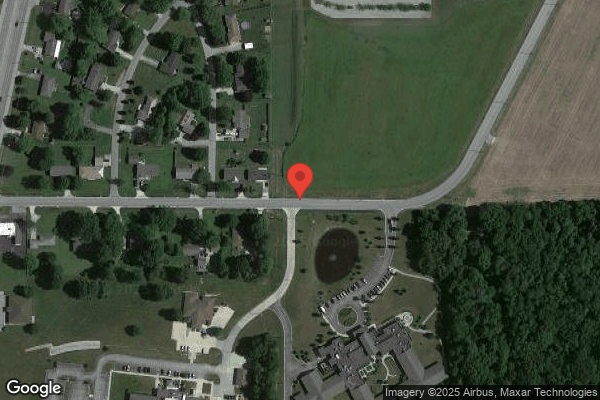

517 CONCORD ROAD, CRAWFORDSVILLE, IN 47933 (765) 362-9122
For profit - Corporation 70 Beds TRILOGY HEALTH SERVICES Data: November 2025
Trust Grade
70/100
#203 of 505 in IN
Last Inspection: August 2024

Within standard 12-15 month inspection cycle. Federal law requires annual inspections.

Overview

Wellbrooke of Crawfordsville has a Trust Grade of B, indicating it is a good choice, solid but not outstanding. It ranks #203 out of 505 nursing homes in Indiana, placing it in the top half of facilities state-wide, and is #2 out of 4 in Montgomery County, meaning only one local option is better. The facility's performance has been stable, with five issues reported in both 2023 and 2024. Staffing is a concern, rated at 2 out of 5 stars, with a turnover rate of 42%, which is lower than the state average. While there have been no fines, which is a positive sign, the facility has faced serious and concerning incidents, including a resident fracturing a femur due to improper care and failures in hand hygiene during meal service, highlighting areas that need improvement. Overall, while Wellbrooke has some strengths, such as no fines and a solid trust score, there are significant weaknesses that families should consider.

Trust Score
B
70/100
In Indiana
#203/505
Top 40%
Safety Record
Moderate
Needs review
Inspections
Holding Steady
5 → 5 violations
Staff Stability
○ Average
42% turnover. Near Indiana's 48% average. Typical for the industry.
Penalties
✓ Good
No fines on record. Clean compliance history, better than most Indiana facilities.
Skilled Nurses
✓ Good
Each resident gets 44 minutes of Registered Nurse (RN) attention daily — more than average for Indiana. RNs are trained to catch health problems early.
Violations
⚠ Watch
20 deficiencies on record. Higher than average. Multiple issues found across inspections.
★★★★☆
4.0
Overall Rating
★★☆☆☆
2.0
Staff Levels
★★★★★
5.0
Care Quality
★★★☆☆
3.0
Inspection Score
Stable
2023: 5 issues
2024: 5 issues

The Good

  • 5-Star Quality Measures · Strong clinical quality outcomes
  • Full Sprinkler Coverage · Fire safety systems throughout facility
  • No fines on record
  • Staff turnover below average (42%)

    6 points below Indiana average of 48%

Facility shows strength in quality measures, fire safety.

The Bad

Staff Turnover: 42%

Near Indiana avg (46%)

Typical for the industry

Chain: TRILOGY HEALTH SERVICES

Part of a multi-facility chain

Ask about local staffing decisions and management

The Ugly 20 deficiencies on record

1 actual harm
Aug 2024 5 deficiencies
CONCERN (D)

Potential for Harm - no one hurt, but risky conditions existed

Deficiency F0565 (Tag F0565)

Could have caused harm · This affected 1 resident

Based on interview and record review, the facility failed to ensure resolutions to the concerns voiced by the Resident Council were communicated back to the Resident Council for 1 of 3 months of Resid...

Read full inspector narrative →
Based on interview and record review, the facility failed to ensure resolutions to the concerns voiced by the Resident Council were communicated back to the Resident Council for 1 of 3 months of Resident Council minutes reviewed (Resident 35). Findings include: During an interview with the Resident Council, on 8/5/24 at 1:20 p.m., Resident 35 indicated she could not recall ever having any of the department managers or anyone else coming in to meet with the Resident Council to discuss the resident council's grievances. Review of the Resident Council Meeting Minutes, dated 5/13/24, indicated the following: a. A form related to nursing concerns of call light wait times and staffing number concerns, lacked documentation of any response from the nursing department. b. A form related to a maintenance concern of a missing bathroom door, lacked documentation of any response from the maintenance department. c. A form related to a request for more variety in menu options, lacked documentation of any response from the dietary department. During an interview, on 8/5/24 at 1:30 p.m., the Activity Director indicated she would document the Resident Councils concerns on the Resident Council response forms. She then would put the form in the mailbox of the appropriate department directors. The department directors were responsible to address the concern. She rarely received any response from the directors. During an interview, on 8/5/24 at 2:19 p.m., the Executive Director (ED) indicated no staff would ever attend one of the Resident Council meetings unless they had been invited. Any grievance from the Resident Council would be documented on the facility grievance forms and given to the appropriate department director for a resolution. The resolution would then be communicated to the Resident Council by the staff who was invited to attend the meeting. The information would be documented under old business on the Resident Council meeting minutes. On 8/5/24 at 3:18 p.m., the ED provided a document, dated January 1, 2017, titled, Resident Council, and indicated it was the policy currently being used by the facility. The policy indicated, .Procedures: .8. The group's grievances and recommendations will be brought to the attention of the Executive Director who will forward the concerns to the appropriate department leader for attention and response. 8.1 Responses regarding resolutions will be documented, reviewed by the Executive Director, and kept with the Resident Council minutes .9. Actions taken and/or considerations given to issues will be reported back to the Resident Council at the next meeting 3.1-3(l)
CONCERN (D)

Potential for Harm - no one hurt, but risky conditions existed

Deficiency F0657 (Tag F0657)

Could have caused harm · This affected 1 resident

**NOTE- TERMS IN BRACKETS HAVE BEEN EDITED TO PROTECT CONFIDENTIALITY** 2. During an interview, on 7/31/24 at 12:21 p.m., Resident 23 indicated she did not remember being invited to or attending a car...

Read full inspector narrative →
**NOTE- TERMS IN BRACKETS HAVE BEEN EDITED TO PROTECT CONFIDENTIALITY** 2. During an interview, on 7/31/24 at 12:21 p.m., Resident 23 indicated she did not remember being invited to or attending a care plan meeting recently. She could not recall when the last one was. Resident 23's record was reviewed on 8/2/24 at 10:59 a.m. A quarterly Minimum Data Set (MDS) assessment, dated 7/3/23, indicated the resident was cognitively intact. Census information indicated the resident was admitted to the facility on [DATE]. A Resident First [NAME] note, dated 5/3/24 at 2:51 p.m., indicated a care plan meeting was conducted on this day for Resident 23. A Resident First Meeting note, dated 8/3/23 at 10:08 a.m., indicated a care plan meeting was conducted on this day for Resident 23. Resident 23's record lacked documentation of a quarterly care plan meeting being conducted between the months of August 3, 2023 - May 3, 2024. 3. During an interview, on 8/1/24 at 1:42 p.m., Resident 1 indicated he did not remember being invited to or attending a care plan meeting recently. He could not recall when the last one was. Resident 1's record was reviewed on 8/2/24 at 10:22 a.m. A quarterly Minimum Data Set (MDS) assessment, dated 7/16/24, indicated the resident was cognitively intact. Census information indicated the resident was admitted to the facility on [DATE]. A Resident First Meeting note, dated 5/7/24 at 9:47 a.m., indicated a care plan meeting was conducted on this day for Resident 1. Resident 1's record lacked documentation of a quarterly care plan meeting being conducted between the months of July 4, 2023 through May 7, 2024. During an interview, on 8/5/24 at 1:42 p.m., the Social Service Director (SSD) indicated she was aware that they were behind on the quarterly care plan meetings. She indicated the care plan meetings should be conducted quarterly. She indicated Resident 23 and 1 did not have the quarterly care plan meetings conducted. She was hired at the facility in November of 2023, and she had been trying to get caught up on them since then. During an interview, on 8/5/24 at 2:51 p.m., the Regional MDS Support indicated she was aware that some of the residents had missed their quarterly care plan meetings. She indicated the facility identified they were behind in January of 2024 and began an audit action plan. She indicated the audit was ongoing and they were getting close to being caught up. On 8/5/24 at 2:05 p.m., the Director of Nursing provided a document, dated 12/31/23, titled, Resident's First Meeting Guidelines, and indicated it was the current policy being used by the facility. The policy indicated, .2. Subsequent meeting for non-Medicare residents should be conducted at a minimum of quarterly and with a significant change 3.1-35(e) Based on interview and record review, the facility failed to ensure care plan meetings were conducted at least quarterly for 3 of 24 resident's reviewed for care plan meetings (Residents 34, 23, and 1). Findings include: 1. During a family interview, on 8/1/24 at 11:14 a.m., Resident 34's daughter-in-law indicated she could not recall having a care plan meetings quarterly over the past year. Resident 34's record was reviewed on 8/5/24 at 9:56 a.m. The census indicated the resident had been admitted to the facility on [DATE]. A quarterly Minimum Data Set (MDS) assessment, dated 5/3/24, indicated the resident had severe cognitive deficit. A Resident First Meeting (care plan meeting) notes, dated 7/1/23 to 8/5/24, indicated the following: a. A Resident First Meeting was held on 5/2/24. The resident's representative had attended the meeting via telephone. The resident declined to attend. b. A Resident First Meeting was held on 8/1/24. The resident's representative had attended the meeting via telephone. The resident declined to attend. The record lacked documentation of a Resident First Meeting being conducted between the dates of 7/1/23 and 5/3 2/24.
CONCERN (D)

Potential for Harm - no one hurt, but risky conditions existed

Deficiency F0692 (Tag F0692)

Could have caused harm · This affected 1 resident

Based on record review and interview, the facility failed to ensure a resident with a weight loss of greater than 5% in a 30-day period, had been addressed at the time the weight loss occurred for 1 o...

Read full inspector narrative →
Based on record review and interview, the facility failed to ensure a resident with a weight loss of greater than 5% in a 30-day period, had been addressed at the time the weight loss occurred for 1 of 1 residents reviewed for nutrition (Resident 34). Findings include: Resident 34's record was reviewed on 8/5/24 at 9:56 a.m. The profile indicated the resident's diagnoses included, but were not limited to, unspecified dementia (the loss of cognitive functioning - thinking, remembering, and reasoning - to such an extent that it interferes with a person's daily life and activities) and dysphasia oropharyngeal phase (swallowing problems occurring in the mouth and/or the throat). A quarterly Minimum Data Set (MDS) assessment, dated 5/3/24, indicated the resident had severe cognitive deficit, required supervision with eating, had no documented weight loss, and had no swallowing or nutritional concerns. A care plan, dated 4/6/23, indicated the resident was malnourished and was at risk for malnutrition. Interventions included, but were not limited to, dietician to re-evaluate as indicated and weight as ordered. A care plan, dated 2/6/24, indicated the resident had impaired swallowing related to dysphasia. Interventions included, but were not limited to, monitored record weight. Notify physician and family of significant weight loss. A care plan, dated 7/31/24, indicated the resident had experienced a significant weight loss. Interventions included, but were not limited to, weight as ordered. Review of the resident's weight from 2/1/24 to 8/5/24, indicated on 5/5/24 the resident weighed 129.8 pounds (lbs). Her weight on 6/5/24 was 121 lbs. The weight review indicated the resident had lost 8.8 lbs or 9.3% in 30 days. The record lacked documentation of the weight loss being identified and acted upon. A quarterly nutrition note, dated 5/17/24 at 9:17 a.m., indicated the resident's average intake was 13.63%. The note lacked documentation of any weight loss for the resident. A nutrition note, dated 6/20/24 at 3:09 p.m., indicated the resident was being followed by the interdisciplinary team (IDT-brings together knowledge from different health care disciplines to help people receive the care they need) for weight loss. The IDT recorded the resident average intake at 13.63%. The note lacked documentation of any weight loss by the resident. A dietician's note, dated 7/31/24 at 4:02 p.m., indicated the resident had a significant weight loss for the period of 3 and 6 months from the weight recorded on 7/28/24. A physician's order, dated 8/1/24, indicated to administer 120 milliliters (ml) of MedPass 2.0 (a dietary supplement to help people to gain weight and/or recover from illness) between meals two times a day. A physician's order, dated 8/1/24, indicated to provide a diet to include fortified foods (foods that have extra nutrients added to it or has nutrients added that are not normally there), under a mechanical soft consistency (soft-textured foods that could be pureed, mashed, or blended), and thin liquids, at each meal. During an interview, on 8/5/24 at 2:54 p.m., the Regional MDS Support indicated she was unsure why the resident's weight loss had not been addressed. She believed the resident was being treated for a UTI (urinary tract infection) during the time of the weight loss. During an interview, on 8/5/24 at 2:58 p.m., the Regional Clinical Support indicated she was unsure why the 30-day weight loss had not been addressed. She had reviewed the resident's actual intakes, and they did not correlate with the documentation found in the dietician assessment, which indicated 13.63% of meals. On 8/5/24 at 3:03 p.m., the Regional MDS Support provided a document, with a revised date of 5/10/24, titled, Guidelines for Weight Tracking, and indicated it was the policy currently being used by the facility. The policy indicated, .Procedures .3. The Registered Dietician (RD) or the Nutrition & Dietetics Technician, Registered (NDTR) will review the resident's nutritional status, usual body weight and current weight .8. The physician, resident representative, and Registered Dietician (RD) or the Nutritional & Dietetics Technician, Registered (NDTR) shall be notified of a weight variance of 5% in 30 days, 7.5% in 90 days, and 10% in 180 days .9. The facility may open and complete a .Weight/Nutrition Event for a significant weight variance of 5% in 30 days, 7.5% in 90 days, or 10% in 180 days 3.1-46(a)(1)
CONCERN (D)

Potential for Harm - no one hurt, but risky conditions existed

Deficiency F0761 (Tag F0761)

Could have caused harm · This affected 1 resident

Based on observation, interview, and record review, the facility failed to ensure medications were labeled properly for 1 of 2 medication carts observed for medication storage (Residents 254, 255, and...

Read full inspector narrative →
Based on observation, interview, and record review, the facility failed to ensure medications were labeled properly for 1 of 2 medication carts observed for medication storage (Residents 254, 255, and 18). Findings include: During a medication storage observation with the Director of Nursing (DON) and Licensed Practical Nurse (LPN) 20, on 8/5/24 at 1:45 p.m., the 200-hall medication cart contained the following items: a. An undated and opened Humalog (medication used to lower blood sugar) insulin medication, it contained a label that indicated it was for Resident 254. b. An undated and opened Lantus (medication used to lower blood sugar) insulin medication, it contained a label that indicated it was for Resident 255. c. An opened and undated Lantus insulin pen that contained an incomplete sticker label. The label name and room number lines were blank, directions line indicated to see the medication administration record (MAR), and the date line was blank. At the bottom of the label was a residents handwritten first name only. During an interview, on 8/5/24 at 1:47 p.m., LPN 20 indicated all insulins should be dated when opened, and the reason the insulin pen had a different label was because it was pulled from their MedBank tower (automated medication dispensing unit). She did not know when the insulin pen was pulled or opened. At first, she was unable to determine the resident's last name, but after looking she was able to determine the insulin pen belonged to Resident 18. During an interview, on 8/5/24 at 1:48 p.m., the DON indicated she tried to access the system to find out when the medication was pulled from the MedBank tower but was unable to determine when it was retrieved. The only time they pulled medications from the tower was if it was a new medication, change in medication, or a new admission. She was unsure why it had been pulled and was going to contact the pharmacy. During an interview on 8/5/24 at 3:20 p.m., Employee 25 indicated he was the Account Manager, he had tried, but was unable to locate any documentation in the MedBank of any insulin pen being pulled for Resident 18, and that sometimes, if not stocked properly, it would not log it when it was removed. On 8/6/24 at 11:06 a.m., Resident 254's record was reviewed. The profile indicated the resident's diagnoses included, but were not limited to, type 2 diabetes mellitus with hyperglycemia (a chronic condition that affects the way the body processes blood sugar, where the person has high blood sugar levels). A physician's order, dated 7/31/24, indicated to administer Humalog U-100 insulin solution subcutaneously (into the deepest layer of the skin) per sliding scale (a method of calculating insulin dosages based on blood glucose levels and mealtime) before meals. On 8/6/24 at 11:10 a.m., Resident 255's record was reviewed. The profile indicated the resident's diagnoses included, but were not limited to, type 2 diabetes mellitus with hyperglycemia A physician's order, dated 8/2/24, indicated to administer Lantus U-100 insulin, 10 units subcutaneously at bedtime. On 8/5/24 at 11:20 a.m., Resident 18's record was reviewed. The profile indicated the resident's diagnoses included, but were not limited to, type 2 diabetes mellitus with hyperglycemia. A physician's order, dated 6/30/24, indicated to administer Lantus SoloStar U-100 insulin; 100 units/milliliter (ml); 14 units subcutaneously once a day. On 8/5/24 at 2:00 p.m., the DON provided and identified a document as a current facility policy, titled, MEDICATION STORAGE IN THE FACILITY, revised date 11/18. The policy indicated, .D. When the original seal of a manufacturer's container or vial is initially broken, the container or vial will be dated. 1) A date opened sticker shall be placed on the medication .E. The medication administration personnel will check the expiration date of each medication before administering it 3.1-25(j) 3.1-25(k)
CONCERN (E)

Potential for Harm - no one hurt, but risky conditions existed

Food Safety (Tag F0812)

Could have caused harm · This affected multiple residents

Based on observation, interview, and record review, the facility failed to ensure proper handwashing for 2 of 2 dining observations. This had the potential to affect 53 of 53 residents who ate meals f...

Read full inspector narrative →
Based on observation, interview, and record review, the facility failed to ensure proper handwashing for 2 of 2 dining observations. This had the potential to affect 53 of 53 residents who ate meals from the kitchen. Findings include: During a dining observation on 7/31/24 the following was observed: a. At 11:41 a.m., [NAME] 5 was observed washing his hands at the sink in the dining room, he turned off the faucet with his bare hands, without using a paper towel to turn off the water. He then proceeded back into the kitchen. b. At 11:43 a.m., [NAME] 5 was observed washing his hands at the sink in the dining room, he turned off the faucet with his bare hands, without using a paper towel to turn off the water. He then grabbed paper towels to dry off his hands and dropped the paper towel on the floor. [NAME] 5 picked up the paper towels from the floor and continued to finish drying his hands. The paper towels were then disposed of, and he obtained a plate of food from the steam table and served a resident their lunch plate. c. At 11:45 a.m., Dietary Services Assistant 6 was observed to wash his hands for less than 20 seconds and touched the faucet handle with bare hands, without using a paper towel to turn off the water. He then proceeded back into the kitchen. d. At 11:49 a.m., Dietary Services Assistant 6 was observed to have soap on his hands at the sink, he was lathering his hands with the soap and then proceeded to turn on the faucet handle with soapy hands, he touched the touched the faucet handle with bare hands without using a paper towel to turn off the water. He entered the kitchen and returned with a bowl of food that he served to a resident. e. At 11:51 a.m., [NAME] 5 was observed washing his hands at the sink in the dining room, he turned off the faucet with his bare hands, without using a paper towel to turn off the water. He then proceeded to steam table and obtained a plate a food to serve to a resident. f. At 11:53 a.m., Dietary Services Assistant 3 was observed to wash his hands for less than 20 seconds and touched the faucet handle with bare hands, without using a paper towel to turn off the water. He then proceeded back into the kitchen and returned with a bowl of food and served it to a resident. During a second dining observation on 8/5/24 the following was observed: g. At 11:44 a.m., Activity Associate 17 was observed to wash his hands for less than 20 seconds and touched the faucet with bare hands, without using a paper towel to turn off the water. He then proceeded to steam table and obtained a plate a food to serve to a resident. h. At 11:47 a.m., Dietary Services Assistant 6 was observed to have soap on his hands at the sink, he was lathering his hands with the soap and then proceeded to turn on the faucet handle with soapy hands, he touched the faucet handles with bare hands without using a paper towel to turn off the water. He went into a cabinet and obtained a glass to prepare a drink for a resident. During an interview, on 8/5/24 at 11:54 a.m., Certified Residential Medication Aide (CRMA) 16 indicated staff were to wash their hands with soap and water and they were to turn off the faucet handle by using a paper towel. Staff were not to touch the faucet handle with their bare hands. During an interview, on 8/5/24 at 11:57 a.m., Registered Nurse (RN) 18 indicated staff were to wash their hands with soap and water, make sure to scrub well, and they were to turn off the faucet handle by using a paper towel. Staff were not to touch the faucet handle with their bare hands. On 8/5/24 at 1:15 p.m., the Director of Nursing (DON) provided a document, with a revised date of 2/9/17, titled, Guideline for Handwashing/Hand Hygiene, and indicated it was the policy currently being used by the facility. The policy indicated, .1. Hand Washing a) turn water on to a comfortable temperature b) Wet hands with running water. Appy liquid soap and work into a lather c) Wash well for at least 20 seconds .d) Rinse hands well under running water .e) Dry hands with paper towels f) Turn off faucet with paper towels to avoid recontamination hands from faucet 3.1-21(i)(3)
Jul 2023 5 deficiencies 1 Harm
SERIOUS (G)

Actual Harm - a resident was hurt due to facility failures

Accident Prevention (Tag F0689)

A resident was harmed · This affected 1 resident

A. Based on interview, observation, and record review, the facility failed to ensure that staff used the assistance of two people when providing care and staff had the proper knowledge of the use of a...

Read full inspector narrative →
A. Based on interview, observation, and record review, the facility failed to ensure that staff used the assistance of two people when providing care and staff had the proper knowledge of the use of a low air loss mattress to prevent a resident's fall out of bed, which resulted in harm when the resident obtained a fractured femur (thigh bone) that required surgery for 1 of 14 residents reviewed for accidents (Resident 27). B. Based on interview, observation, and record review, the facility failed to ensure hot water temperatures were maintained within safe range for 3 of 14 residents reviewed for accidents (Residents 11, 40, and 26). Findings include: A. During an interview, on 7/11/23 at 10:06 a.m., Resident 27 indicated on 5/2/23 Certified Resident Care Aide (CRCA) 18 was providing incontinence care while she was in bed. CRCA 18 rolled her over to the right side of the bed and just kept rolling until she rolled her out of bed. She fractured her femur and had to have surgery. There was only one staff member who provided incontinence care at that time. Resident 27's record was reviewed on 7/13/23 at 1:31 p.m. The profile indicated the resident diagnoses included, but were not limited to, nondisplaced spiral fracture (fracture due to torsion or twisting force that produces a fracture that circles or spirals around the shaft) of shaft of left femur (thigh bone, the longest strongest bone in the body) and multiple sclerosis (a disease in which the immune system eats away at the protecting covering of nerves). An annual Minimum Data Set (MDS) assessment, dated 1/6/23, indicated the resident was cognitively intact and required assistance of two persons for bed mobility, transfers, and toileting. The MDS indicated she was dependent on the assistance of 2 or more staff for lower body dressing. A quarterly MDS assessment, dated 4/8/23, indicated the resident was cognitively intact and required assistance of two persons for bed mobility, transfers, toileting, and lower body dressing. A care plan, dated 7/1/2020 and revised 5/3/23, indicated the resident was at risk for falls related to weakness to all extremities, use of anti-depressant medication, and impaired mobility. Interventions included but were not limited to provide two caregivers to give assistance while providing care. Review of the Occupational Therapy (OT) plan of treatment note, dated 1/2/23, indicated the resident was referred to therapy due to a decline of active range of motion (AROM) to her left upper extremity (arm). The therapy note indicated, Resident 27 was dependent for toileting hygiene, lower body dressing, and transfers. A progress note, dated 5/2/23 at 12:52 p.m., indicated Resident 27 was lying on her side when staff was changing her brief. Staff was standing behind the resident providing peri-care when the resident began to slide out of the bed, legs first, away from staff. Staff were able to grab the resident around her torso and assisted to her to the floor with the resident's left knee bent. A progress note, dated 5/2/23 at 3:00 p.m., indicated Resident 27 had a stat (immediately) x-ray and had an acute fracture of distal femur with a small lipohemarthrosis (mixture of fat and blood in a joint cavity following trauma). The Nurse Practitioner was notified, and the resident transported to the emergency room. An Interdisciplinary Team (IDT) note, dated 5/3/23 at 8:43 a.m., indicated Resident 27 was lying on her side while staff was changing her brief. The staff person was standing behind the resident providing peri-care when the resident began to slide out of bed, legs first, away from the caregiver. The intervention was to provide two caregivers while care was provided to the resident. An episodic event form, dated 5/3/23, indicated a root cause of the fall to be the air mattress. A plan of action was to ensure that the air mattress was to be firm during care and to have two staff members when care was provided while resident was in bed. The facility was to ensure the safety of all residents who receive care while in bed on an air mattress. An in-service sheet, dated 5/3/23 and 5/4/23, indicated staff attended an in-service on bed mobility, transfer, and care. There were 29 staff members in attendance. A hospital discharge report, dated 5/8/23, indicated Resident 27 had surgery, on 5/3/23, on the intramedullary retrograde nail femur (surgeon will make two small incisions near the knee joint to insert two flexible titanium rods through the femur). An undated investigation summary, indicated the resident was holding on to the mobility bar during incontinence care and was not strong enough to prevent herself from sliding off the bed. During an interview, on 7/14/23 at 10:17 a.m., Resident 27 indicated she had required the use of a mechanical lift for a long time, and she needed the assistance of two persons for incontinence care, transfers, showers, and turning side to side while in bed, and had been that way for a long time prior to the fall. During an interview, on 7/14/23 at 10:19 a.m., Registered Nurse (RN) 11 indicated Resident 27 required a mechanical lift for transfers and was two person assist for turning and repositioning. During interview, on 7/14/23 at 11:21 a.m., Qualified Medication Aide (QMA) 14 indicated Resident 27 had a low air loss mattress, and the low air loss mattress had a machine that contained a button and could be pushed to firm the mattress while staff was providing care. During an interview, on 7/14/23 at 11:59 a.m., CRCA 18 indicated that when Resident 27 had her fall, incontinence care was being provided. She indicated the resident was turned onto her side and began to slide off her mattress. The CRCA 18 was able to help assist the resident as she fell to the floor with her left leg bent. She was unable to explain what a low air loss mattress was and was not aware there was a firm button that could be used while providing care when the resident was in bed. Review of the low air loss mattress manufacturer guidelines indicated a mode of operation was an auto firm mode and provided maximum air inflation designed to assist both resident and caregivers during resident transfer and treatment. On 7/14/23 at 1:29 p.m., the Regional Clinical Support provided a document, dated 5/10/16, titled, Nursing ADL Documentation Guidelines, and indicated it was the policy currently being used by the facility. The policy indicated, .Procedures: .2. ADL services will be conducted and documented by the Certified Nurses Aide (CNA) each shift 6 .The paper format shall be submitted to the MDS Coordinator On 7/14/23 at 1:46 p.m., the Executive Director (Ed) provided a document, dated 5/31/17, titled, Fall Management Program Guidelines, and indicated it was the policy currently being used by the facility. The policy indicated, .Procedure: .a. Identified risk factors should be evaluated for the contribution they may to the resident's likelihood of falling B1. During an observation, on 7/10/23 at 11:23 a.m., Resident 11's bathroom sink hot water was too hot to hold hands under the water for more than a few seconds without burning the skin. The Director of Plant Operations (DPO) checked the hot water temperature, on 7/10/23 at 12:08 p.m., and indicated Resident 11's bathroom sink hot water temperature was too warm, at 127.4 degrees Fahrenheit (F), per the facility's thermometer and the hot water temperature should be between 100 F to 120 F. Resident 11's record was reviewed, on 7/13/23 at 10:15 a.m., with diagnoses included, but were not limited to, hypertension (high blood pressure), cognitive communication deficit, and difficulty in walking. An admission Minimum Data Set (MDS) assessment, dated 6/20/23, indicated the resident was cognitively intact, required extensive assistance of two persons for bed mobility, transfer, and toilet use, and was a total dependence of one person for personal hygiene. B2. During an observation with the DPO, on 7/10/23 at 12:11 p.m., the hot water temperature in Resident 40's bathroom sink was 122.0 F per the facility's thermometer. The DPO indicated, the hot water temperature in Resident 40's bathroom was too warm and the facility had recently purchased a new hot water boiler. Resident 40's record was reviewed, on 7/11/23 at 3:06 p.m., with diagnoses included, but were not limited to, dementia (the loss of cognitive functioning, thinking, remembering, and reasoning, to such an extent that it interferes with a person's daily life and activities) and malignant neoplasm of unspecified part of unspecified bronchus or lung (lung cancer). An admission MDS assessment, dated 5/8/23, indicated the resident had a severe cognitive impairment and required extensive assistance of one person for bed mobility, transfer, toilet use, and personal hygiene. B3. During an observation with the DPO, on 7/10/23 at 12:15 p.m., the hot water temperature in Resident 26's bathroom sink was 125.6 F per the facility's thermometer. The DPO indicated the hot water temperature in Resident 26's bathroom was too warm, and he checked random resident bathrooms water temperatures daily, kept a temperature log, and had not had any water temperatures in the facility more than 120 degrees Fahrenheit. Resident 26's record was reviewed, on 7/14/23 at 10:07 a.m., with diagnoses included, but were not limited to, hypertension (high blood pressure) and altered mental status. An annual MDS assessment, dated 6/24/23, indicated the resident was cognitively intact, required extensive assistance of two persons for bed mobility, transfer, and toilet use, and was an extensive assistance of one person for personal hygiene. On 7/11/23 at 9:05 a.m., the Executive Director (ED) indicated, all the hot water temperatures in the residents' rooms should be between 100 F to 120 F, the DPO had turned down the hot water temperature in the boiler because the hot water temperature was too warm, and the DPO was checking the water temperatures throughout the day to make sure that the water was not too hot in any of the residents' rooms. The ED indicated, there had been no reported burns or scalding's as a result of the hot water temperatures. On 7/13/23 at 8:55 a.m., the ED indicated the mixing valve had been changed out in the hot water system and the DPO had been checking the hot water temperatures in the facility to ensure the hot water temperature was maintained between 100 F to 120 F. The ED, on 7/10/23 at 12:29 p.m., provided and identified a document as a current facility policy, titled Water Temperature Testing Life Safety, dated 8/20/2018. The policy indicated, .It is Trilogy policy to test water temperatures daily .Required Water Temperatures .Patient room temperatures are specified by state requirements .Indiana 100 F-120 F 3.1-45(a)
CONCERN (D)

Potential for Harm - no one hurt, but risky conditions existed

Resident Rights (Tag F0550)

Could have caused harm · This affected 1 resident

Based on observation, interview, and record review, the facility failed to ensure that contracted staff completed a resident assessment and vital signs in privacy for 1 of 1 resident randomly observed...

Read full inspector narrative →
Based on observation, interview, and record review, the facility failed to ensure that contracted staff completed a resident assessment and vital signs in privacy for 1 of 1 resident randomly observed (Resident 32). Finding includes: During a dining observation, on 7/10/23 at 11:43 a.m., Resident 32 was sitting at a table in his Geri chair (large, padded chair with wheeled bases) waiting for lunch to be served. Two contracted hospice nurses entered the dining room and went to where Resident 32 was sitting. Registered Nurse (RN) 4 obtained vital signs on the resident. The RN obtained a temporal (forehead) temperature, pulse oximeter reading, heart rate, manual blood pressure, and auscultated (listened) his lungs with her stethoscope. There were several other residents in the dining room at that time along with dietary staff and other facility staff. During an interview, on 7/10/23 at 11:48 a.m., RN 4 indicated she was not told that she could not obtain a resident's vital signs while they were in the dining room. Resident 32's record was reviewed on 7/11/23 at 9:42 a.m. The profile indicated the resident diagnoses included, but were not limited to, Rhabdomyolysis (a breakdown of muscle tissue that releases damaging protein in the blood), unspecified dementia (group of conditions characterized by impairment of at least two brain functions such as memory and judgment), and cerebral infarction (occurs as a result of disrupted blood flow to the brain due to problems with the blood vessels that supply it). A quarterly Minimum Data Set (MDS) assessment, dated 5/17/23, indicated the resident was severely impaired cognitively and was on hospice services. During an interview, on 7/12/23 at 9:39 a.m., the Executive Director (ED) indicated that staff should not be performing assessments and/or vital signs in the dining room on any resident. During an interview, on 7/12/23 at 9:53 a.m., the ED indicated that hospice staff had been told before not to do assessments and vital signs in the dining room. On 7/12/23 at 9:50 a.m., the ED provided a document, with a revised date of 5/11/17, titled, Resident Rights Guidelines, and indicated it was the policy currently being used by the facility. The policy indicated, .2. Our residents have a right to: a. Be treated with dignity and respect .d. Privacy 3.1-3(t)
CONCERN (D)

Potential for Harm - no one hurt, but risky conditions existed

Deficiency F0583 (Tag F0583)

Could have caused harm · This affected 1 resident

Based on observation, interview, and record review, the facility failed to ensure a privacy curtain was installed for 1 of 1 resident reviewed for privacy (Resident 29). Findings include: During an ...

Read full inspector narrative →
Based on observation, interview, and record review, the facility failed to ensure a privacy curtain was installed for 1 of 1 resident reviewed for privacy (Resident 29). Findings include: During an observation on 7/11/23 at 10:36 a.m., Resident 29 was lying on her bed and there was no privacy curtain on the resident's side of the room. During an observation on 7/12/23 at 10:32 a.m., the resident was lying on her bed and no privacy curtain for the resident's side of the room. The resident indicated she asked for a curtain when she was moved into the room, but none had been provided. She would go into the bathroom for care from the staff, whenever she needed privacy. The privacy curtain for the other resident was pushed aside against the far wall next to the other resident's bed. During an observation on 7/12/23 at 10:35 a.m., the resident was lying on her bed. The roommate's privacy curtain was pulled out and around the roommate. The curtain did not provide privacy for Resident 29. On 7/13/23 at 9:34 a.m., the Director of Nursing (DON) indicated all residents in a double occupancy room should have their own privacy curtain. On 7/13/23 at 9:39 a.m., Licensed Practical Nurse (LPN) 8 indicated all residents in double occupancy rooms should have their own privacy curtain. LPN 8 indicated she would close the door when providing care for a resident, if a person walked in, she would cover the resident with a blanket. On 7/13/23 at 9:53 a.m., during the room observation no privacy curtain was on the resident's side of the room. On 7/13/23 at 10:00 a.m., the Executive Director (ED) indicated the privacy curtain had been removed due to it being soiled by the previous roommate and the housekeepers had not replaced it yet. During the room observation on 7/13/23 at 3:00 p.m., the resident was lying on her bed, a privacy curtain was hanging on Resident 29's side of the room. The roommate's privacy curtain was pushed back against the far wall against the roommate's bed. Resident 29's record was reviewed on 7/13/23 at 10:24 a.m. A quarterly Minimum Data Set (MDS) assessment (a standardized assessment tool that measures health status in nursing home residents), dated 6/16/23, indicated the resident was cognitively intact and required limited assistance of one person for toileting and dressing. The resident's care plan, dated 12/8/22, indicated the resident was at risk for incontinence and needed assistance of one person with toileting as needed. On 7/12/23 at 9:50 a.m., the DON provided a document, with a revised date of 5/11/17, titled, Resident Rights Guidelines, and indicated it was the policy currently being used by the facility. The policy indicated, .2. Our residents have a right to .a. be treated with dignity and respect .d. privacy 3.1-3(o)
CONCERN (D)

Potential for Harm - no one hurt, but risky conditions existed

Incontinence Care (Tag F0690)

Could have caused harm · This affected 1 resident

Based on observation, record review, and interview, the facility failed to ensure a resident's indwelling urinary catheter (a catheter which is inserted into the bladder and remains in to drain urine)...

Read full inspector narrative →
Based on observation, record review, and interview, the facility failed to ensure a resident's indwelling urinary catheter (a catheter which is inserted into the bladder and remains in to drain urine) tubing was kept from contact with the floor for 1 of 2 residents reviewed for urinary catheters (Resident 198). Finding includes: During a random observation, on 7/10/23 at 11:36 a.m., Certified Occupational Therapist Assistant (COTA) 9 was pushing Resident 198 in the hallway, in his wheelchair. The resident's indwelling catheter tubing was observed dragging the floor. During the initial pool observation, on 7/10/23 at 11:54 a.m., Resident 198 was observed in his room sitting in front of his television. His indwelling urinary catheter tubing was in contact with the floor. During a random observation, on 7/11/23 at 10:33 a.m., Resident 198 was sitting next to his bed in his room. His indwelling catheter tubing was in contact with the floor. During a random observation, on 7/11/23 at 10:55 a.m., Resident 198 was observed in therapy. His indwelling catheter tubing was in contact with the floor. Resident 198's record was reviewed on 7/13/23 at 2:37 p.m. The profile indicated the resident's diagnoses included, but were not limited to, obstructive and reflux uropathy (a disorder of the urinary tract that occurs due to obstructed urinary flow and can be either structural or functional) and benign prostatic hyperplasia with lower urinary tract symptoms (needing to urinate frequently [during the day and night], a weak urine stream, and leaking or dribbling of urine). A care plan, dated 7/10/2023, indicated the resident used a catheter for the diagnosis of obstructive and reflux uropathy. Interventions included, but were not limited to, observe tubing. During an interview, on 7/12/23 at 2:57 p.m., the Director of Nursing (DON) indicated catheter tubing should never come into contact with the floor, as it could create and infection risk. On 7/12/23 at 3:12 p.m., the Regional Clinical Support provided a document, dated 5/11/2016, titled, Preserving Dignity with Indwelling Catheter, and indicated it was the policy currently being used by the facility. The policy indicated, .1. General guidelines: .e) Urinary drainage bags and catheter tubing should be kept from touching the floor surface. 3.1-41(a)(2)
CONCERN (D)

Potential for Harm - no one hurt, but risky conditions existed

Deficiency F0757 (Tag F0757)

Could have caused harm · This affected 1 resident

Based on record review and interview, the facility failed to ensure a pharmacy recommendation was addressed timely for 1 of 5 residents reviewed for unnecessary medications (Resident 5). Finding inclu...

Read full inspector narrative →
Based on record review and interview, the facility failed to ensure a pharmacy recommendation was addressed timely for 1 of 5 residents reviewed for unnecessary medications (Resident 5). Finding includes: Resident 5's record was reviewed on 7/12/23 at 10:57 a.m. The profile indicated the resident's diagnoses included, but were not limited to, unspecified atrial fibrillation (AFIB-the heart's upper chambers beat chaotically and irregularly - out of sync with the lower chambers of the heart) and hypertension (high blood pressure). A physician's order, dated 1/14/22, indicated digoxin (a drug used to treat irregular heartbeat and some types of heart failure) tablet 0.125 milligrams (mg) once daily. A care plan, dated 1/26/22, indicated the resident had potential for cardiovascular distress related to diagnoses of hypertension and AFIB. Interventions included, but were not limited to, labs per physician's order. A pharmacy recommendation, dated 3/14/23, indicated to consider monitoring digoxin trough level (a lab drawn just before the next dose of digoxin medication to determine the level of the medication in the blood) and BMP (a test that measures eight different substances in the blood) on the next lab day and every 6 months. A handwritten note at the bottom of the recommendation form indicated BMP done 3/8/23 and had someone's initials next to it. The record lacked documentation of the digoxin trough level having been ordered or completed. A pharmacy recommendation, dated 5/24/23, indicated to consider monitoring digoxin trough level and BMP on the next lab day and every 6 months. The form indicated the lab had been ordered. A physician's order document, attached to the pharmacy recommendation, dated 5/17/23, indicated digoxin level, once a day on 2nd Wednesday of May and November. The record lacked documentation of the digoxin trough level having been completed. A pharmacy recommendation, dated 6/14/23, indicated a digoxin level had been ordered, but no results were in the chart for level ordered 5/17/23. The record indicated the lab had not been drawn until 6/23/23. A lab report document, dated 6/26/23 at 5:26 a.m., indicated the digoxin level had been completed. The document indicated the level was low. During an interview, on 7/12/23 at 3:13 p.m., the Regional Clinical Support indicated she had investigated the recommendation for the resident's digoxin level. The lab had not been drawn in a timely manner. During an interview, on 7/14/23 at 9:34 a.m., the Executive Director (ED) indicated not addressing the digoxin level for 3 months was not good practice and did not conform to the facility policy. On 7/14/23 at 9:24 a.m., the ED provided a document, with a revision dated of 11/18, titled, Consultant Pharmacist Reports, and indicated it was the policy currently used by the facility. The policy indicated, .Procedures: .E. Recommendations are acted upon and commented on by the facility personnel and/or the prescriber. 1) Prescriber accepts and acts upon the upon suggestion or rejects and provides an explanation for disagreeing 3.1-48(a)(3)
Apr 2022 10 deficiencies
CONCERN (D)

Potential for Harm - no one hurt, but risky conditions existed

Deficiency F0582 (Tag F0582)

Could have caused harm · This affected 1 resident

**NOTE- TERMS IN BRACKETS HAVE BEEN EDITED TO PROTECT CONFIDENTIALITY** Based on record review and interview, the facility failed to ensure a notice of Medicare non-coverage (NOMNC) (a notice which sh...

Read full inspector narrative →
**NOTE- TERMS IN BRACKETS HAVE BEEN EDITED TO PROTECT CONFIDENTIALITY** Based on record review and interview, the facility failed to ensure a notice of Medicare non-coverage (NOMNC) (a notice which should be provided at least 48 hours prior to services being discontinued) was provided prior to discontinuing service for 2 of 3 residents reviewed for beneficiary notification protection review (Residents 219 and 220). Findings include: 1. Resident 219's record was reviewed on 4/26/22 at 11:12 a.m. Census information indicated the resident admitted to the facility on [DATE] and discharged on 11/24/21. An entrance conference worksheet, beneficiary notice, residents discharged within the last six months was completed, and provided by the Executive Director on 4/19/22 at 10:00 a.m. The worksheet indicated Resident 219 was discharged from the facility to home within the prior six months from a Medicare covered Part A stay with benefit days remaining. The resident's clinical record lacked documentation a notice of Medicare non-coverage (NOMNC) (a notice which should be provided at least 48 hours prior to services being discontinued) was provided. 2. Resident 220's record was reviewed on 4/26/22 at 11:19 a.m. Census information indicated the resident admitted to the facility on [DATE] and discharged on 11/18/21. An entrance conference worksheet, beneficiary notice, residents discharged within the last six months was completed, and provided by the Executive Director on 4/19/22 at 10:00 a.m. The worksheet indicated Resident 220 was discharged from the facility to home within the prior six months from a Medicare covered Part A stay with benefit days remaining. The resident's clinical record lacked documentation a notice of Medicare non-coverage (NOMNC) (a notice which should be provided at least 48 hours prior to services being discontinued) was provided During an interview, on 4/26/22 at 10:32 a.m., the Executive Director (ED) indicated they checked the records and were unable to find documentation a NOMNC was issued to Residents 219 and 220. It should have been issued and signed by the residents or resident representatives. On 4/26/22 at 11:02 a.m., the ED provided a document titled, NOMNC Completion , and indicated it was the policy currently being used by the facility. The policy indicated, .When would we issue a NOMNC? If a resident is within their 100-day benefit period but we are notifying them that their coverage is ending (i.e., therapy or nursing can no longer skill them), the NOMNC should be issued. For residents being notified of discontinuation of their Medicare coverage, the NOMNC is required to be issued 2 calendar days prior to the actual discharge from Medicare (NOTE: just because someone is discharging from Medicare does not mean they must discharge from the campus, they need to be informed they have a right to remain and pay privately)
CONCERN (D)

Potential for Harm - no one hurt, but risky conditions existed

Deficiency F0657 (Tag F0657)

Could have caused harm · This affected 1 resident

**NOTE- TERMS IN BRACKETS HAVE BEEN EDITED TO PROTECT CONFIDENTIALITY** Based on interview and record review, the facility failed to ensure care plan meetings were conducted at least quarterly for 3 o...

Read full inspector narrative →
**NOTE- TERMS IN BRACKETS HAVE BEEN EDITED TO PROTECT CONFIDENTIALITY** Based on interview and record review, the facility failed to ensure care plan meetings were conducted at least quarterly for 3 of 16 residents reviewed for care planning (Residents 34, 52, and 14). Findings include: 1. During an interview, on 4/18/22 at 2:28 p.m., Resident 34 indicated she did not remember attending or being invited to a care plan meeting. Resident 34's record was reviewed on 4/21/22 at 2:22 p.m. A quarterly Minimum Data Set (MDS) assessment, dated 3/5/22, indicated the resident had a moderate cognitive impairment. Census information indicated the resident was admitted to the facility on [DATE]. Observations indicated there was a Resident First Meeting (care plan) on 11/29/21. The record lacked documentation a care plan meeting was conducted after 11/29/21. During an interview, on 4/22/22 at 10:27 a.m., the Executive Director (ED) indicated the most recent care plan meeting was 11/29/21. During an interview, on 4/22/22 at 10:50 a.m., the Registered Nurse (RN) Clinical Support indicated there should have been a care plan meeting conducted quarterly. 2. During an interview, on 4/19/22 at 9:38 a.m., Resident 52's wife indicated they had a care plan meeting when he first came to the facility but had not had a care plan meeting since then. Resident 52's record was reviewed on 4/20/22 at 9:26 a.m. A significant change in status Minimum Data Set (MDS) assessment, dated 12/10/21, indicated the resident had a severe cognitive impairment. Census information indicated the resident was admitted to the facility on [DATE]. Resident 52's clinical record lacked documentation a care plan meeting was held in 2022. During an interview, on 4/25/22 at 10:40 a.m., the Social Services Director (SSD) indicated, Resident 52 had care plan meetings on 8/26/21 and 11/29/21. Resident 52 should have had another quarterly care plan meeting in February 2022, but it was missed. On 4/25/22 at 12:03 p.m., the Executive Director (ED) indicated Resident 52 should have had a quarterly care plan meeting in February 2022, but the care plan meeting did not occur. 3. During an interview, on 4/18/22 at 11:19 a.m., Resident 14 indicated she could not recall having a care plan meeting. Resident 14's record was reviewed on 4/25/22 at 10:20 a.m. An admission Minimum Data assessment, dated 10/18/21, indicated the resident had a severe cognitive impairment. Census information indicated the resident was admitted to the facility on [DATE]. Resident 14's clinical record lacked documentation a care plan meeting was held in 2022. During an interview, on 4/25/22 at 10:46 a.m., the Social Services Director (SSD) indicated, Resident 14 had a care plan meeting (resident first meeting) on 10/15/21 but had not had a care plan meeting since. Resident 14 should have had a quarterly care plan meeting in January 2022 and the meeting should have been documented in the resident's clinical record in the observation tab. On 4/25/22 at 12:05 p.m., the Executive Director (ED) indicated Resident 14 should have had a quarterly care plan meeting in January 2022, but the care plan meeting did not occur. All residents in the facility should have care plan meetings at least quarterly. At that time, the ED provided and identified a document as a current facility policy titled, Resident's First Meeting Guidelines, dated 3/7/19, which indicated, .Policy: .Resident First Meeting Guidelines .Purpose: .To facilitate communication and participation regarding the resident's plan of care, medical condition and care needs between the resident, family, resident representative and care givers .Procedures: .1. A Resident First Meeting should be scheduled and held within 10 days of admission .2. Subsequent meeting for non-Medicare residents should be conducted at a minimum of quarterly and with significant change .3. Subsequent meeting for Medicare residents should be conducted minimally quarterly and prior to discontinuing Medicare services or being discharged from facility 3.1-35(e)
CONCERN (D)

Potential for Harm - no one hurt, but risky conditions existed

Accident Prevention (Tag F0689)

Could have caused harm · This affected 1 resident

Based on interview and record review, the facility failed to ensure a resident who required transfer with a mechanical lift (devices used to assist with transfers and movement of individuals who requi...

Read full inspector narrative →
Based on interview and record review, the facility failed to ensure a resident who required transfer with a mechanical lift (devices used to assist with transfers and movement of individuals who require support for mobility beyond the manual support provided by caregivers alone) had been assessed for use of the lift, resulting in the potential for unsafe mechanical lift transfer for 1 of 4 residents reviewed for accidents (Resident B). Findings include: During an interview, on 4/19/22 at 11:44 a.m., Resident B, indicated she required transferred from bed to wheelchair with a mechanical lift. Most times the transfers were performed with only 1 staff person. Resident B's record was reviewed on 4/20/22 at 1:14 p.m. The profile indicated the resident's diagnoses included but were not limited to Parkinson's disease (a progressive disease of the nervous system marked by tremor, muscular rigidity, and slow, imprecise movement, chiefly affecting middle-aged and elderly people), cerebral infarction (occurs as a result of disrupted blood flow to the brain due to problems with the blood vessels that supply it), and unspecified tremor (a nervous system disorder that causes involuntary and rhythmic shaking). The observation section of the resident record lacked documentation that a mechanical lift assessment had been completed. An admission Minimum Data set (MDS) assessment, dated 4/17/21, indicated the resident had no cognitive deficit and required the assistance of 2 or more (+) persons with transfer. A quarterly MDS assessment, dated 1/18/22, indicated no cognitive assessment had been completed and the resident required the assistance of 2+ persons with transfers. A care plan, dated 4/26/21, indicated the resident would have her activities of daily living (ADL) needs met safely by staff. A care plan, dated 4/20/22, indicated the resident required a Hoyer (a type of mechanical lift) lift for transfers. The mechanical lift user instruction manual, dated 2014, was reviewed. The manual lacked documentation of the number of staff recommended to use the mechanical lift in a safe manner. During an interview, on 4/21/22 at 10:08 a.m., Certified Nursing Assistant (CNA) 8 indicated many times she would have to transfer the resident with the mechanical lift resident by herself when no one else was available. The resident was supposed to be a 2 person mechanical lift transfer. The CNA wanted to use other staff from housekeeping and activities to assist with the mechanical lift transfer, in the past, when no one else had been available to help, but was not sure if that was appropriate. During an interview, on 4/21/22 at 11:58 a.m., CNA 9 indicated the staff were aware of which residents, who required mechanical lifts for transfer, were easy to transfer with 1 person and which ones were not. The CNA estimated that at least one-third of the time, there was not enough staff available to ensure a 2 person mechanical lift transfers could be done. On weekends, it would be increased to at least one-half of the time. During an interview, on 4/21/22 at 1:48 p.m., CNA 10 indicated there were many times when there was not enough staff to be able to transfer residents who required mechanical lifts with 2 persons. The CNA was aware that mechanical lift transfers were ideally to be completed with 2 staff for safety. During an interview, on 4/21/22 at 1:50 p.m., CNA 11 indicated the CNA assignment sheets indicated each of the mechanical lift residents should use 2 staff when they perform the mechanical lift transfer. Many times, she would look for someone to help with the mechanical lifts, but the other staff were busy doing their jobs, and were not available. The previous administration had told the staff that the State regulation had changed, and it no longer required 2 staff for mechanical lift transfers. During an interview, on 4/21/22 at 2:03 p.m., CNA 12 indicated she worked on the evening shift. One of the evening shift's responsibility was to help put residents to bed. There was a good deal of time where she would have to transfer a mechanical lift resident by herself. She indicated the CNA assignment sheet indicated transfer with a mechanical lift required 2 persons. During an interview, on 4/21/22 at 2:20 p.m., Licensed Practical Nurse (LPN) 14 indicated most of the time she was too busy performing her own job duties, to help with resident care. She was not sure how often mechanical lift residents had been transferred with 1 staff instead of 2 staff. She remembered having been told that the regulation regarding 2 staff for mechanical lift transfers had changed and it was no longer required of 2 staff. She believed that the facility policy still required 2 staff for transfers. During an interview, on 4/21/22 at 2:38 p.m., Resident C indicated there were times when she would be transferred with the mechanical lift by only 1 person. During an interview, on 4/22/22 at 10:50 a.m., the Registered Nurse (RN) clinical support indicated she was unable to find any mechanical lift assessment that had been completed for Resident B. She believed that the manufacturer's guidelines for the mechanical lift, used by the resident, indicated the lift could be used safely by 1 person. During an interview, on 4/22/22 at 11:36 a.m., the RN clinical support indicated she had reviewed the manufacturer's guidelines for the mechanical lift, used by the resident, and was unable to find any verbiage that indicated 1 staff was appropriate for transfers. On 4/22/22 at 10:25 a.m., the Executive Director (ED) provided a document, dated 5/11/2018, reviewed on 5/23/2018, titled, Guidelines for Resident Utilizing a Lift, and indicated it was the policy currently being used by the facility. The policy indicated, .Procedures .2. The Lift Evaluation will be completed by nurse if device is used This Federal tag relates to Complaint IN00377180. 3.1-45(a)(1) 3.1-45(a)(2)
CONCERN (D)

Potential for Harm - no one hurt, but risky conditions existed

Respiratory Care (Tag F0695)

Could have caused harm · This affected 1 resident

**NOTE- TERMS IN BRACKETS HAVE BEEN EDITED TO PROTECT CONFIDENTIALITY** Based on record review and interview, the facility failed to ensure supplemental oxygen was administered via the delivery device...

Read full inspector narrative →
**NOTE- TERMS IN BRACKETS HAVE BEEN EDITED TO PROTECT CONFIDENTIALITY** Based on record review and interview, the facility failed to ensure supplemental oxygen was administered via the delivery device ordered by the physician for 1 of 1 residents reviewed for respiratory care (Resident 218). Findings include: Resident 218's record was reviewed on [DATE] at 10:54 a.m. An admission Minimum Data Set (MDS) assessment, dated [DATE], indicated the resident was cognitively intact. Census information indicated the resident was admitted to the facility on [DATE] and expired on [DATE]. A nurse's note, dated [DATE] at 7:38 p.m., indicated the resident returned to the facility from a visit to the emergency room (ER). The resident was found with a blood pressure of 60/42 (normal level is 120/80), pulse 73, and oxygen saturation 74% (the amount of oxygen in the blood, normal level is 90% or higher). A non-rebreather (a mask system with a reservoir bag attached, with one-way valve to prevent a patient's breath from returning to the reservoir bag, and also prevents the patient from breathing air from the rest of the room) was placed on the resident and supplemental oxygen was turned up to six liters per minute (lpm). Oxygen saturation was then 88%. Family requested the resident was placed on hospice (care for the terminally ill) services. An order was obtained to initiate hospice. The Executive Director (ED) notified the hospice company. The note lacked documentation a physician's order was obtained for a non-rebreather. A nurse's note, dated [DATE] at 10:04 p.m., indicated the hospice nurse was at the facility and received orders for medications. The note lacked documentation an order was obtained for a non-rebreather mask. A telephone order, dated [DATE], indicated two to six lpm as needed, may titrate by 0.5 lpm until saturation was maintained at 90% or greater. Contact the physician if saturation was not at 90% after increase to six lpm. The order lacked documentation of what oxygen delivery system should have been used. A nurse's note, dated [DATE] at 12:52 a.m., indicated the resident expired. During an interview, on [DATE] at 10:56 a.m., the Registered Nurse (RN) Clinical Support indicated she did not think the resident actually had a non-rebreather placed. The nurse placed a regular oxygen mask on the resident but documented incorrectly. There was not enough oxygen placed on the resident to support a non-rebreather. On [DATE] at 11:02 a.m., the ED provided a document titled, Administration of Oxygen, and indicated it was the policy currently being used by the facility. The policy indicated, .Overview: Guidelines to properly Administering Oxygen and any Respiratory procedure. SOP DETAILS: 1. Verify physician's order for this procedure. 2. In cases of emergency oxygen may be administered as a nursing intervention until a physician's order may be obtained .16. Place appropriate oxygen device on the resident (i.e., mask, nasal cannula, and/or nasal catheter). a. The oxygen mask is a device that fits over the resident's nose and mouth. It is held in place by an elastic band placed around the resident's head adjusted for comfort. i. Simple oxygen mask-delivers oxygen to a resident needing a higher level of oxygenation inspiration that is more than what a nasal cannula provides but is less than 60% .iii. Non-rebreather mask-delivers an oxygen concentration of 100%. The liter flow of oxygen should be 10 or more liters when using this type of mask 3.1-47(a)(6)
CONCERN (D)

Potential for Harm - no one hurt, but risky conditions existed

Pharmacy Services (Tag F0755)

Could have caused harm · This affected 1 resident

Based on record review and interview, the facility failed to ensure a medication was received by the pharmacy in a timely manner for 1 of 5 residents reviewed for unnecessary medications (Resident B)....

Read full inspector narrative →
Based on record review and interview, the facility failed to ensure a medication was received by the pharmacy in a timely manner for 1 of 5 residents reviewed for unnecessary medications (Resident B). Findings include: Resident B's record was reviewed on 4/20/22 at 1:14 p.m. The profile indicated the resident's diagnoses included but were not limited to unspecified tremor (a nervous system [neurological] disorder that causes involuntary and rhythmic shaking) and Parkinson's disease (a progressive disease of the nervous system marked by tremor, muscular rigidity, and slow, imprecise movement, chiefly affecting middle-aged and elderly people). The resident's care plans lacked documentation related to the resident's diagnosis of unspecified tremors. A pharmacy recommendation, dated 10/28/21, indicated according to a progress note from a Neurology visit, the resident had a diagnosis of tardive dyskinesia (TD-a disorder that involves involuntary movements caused by drugs which include typical antipsychotics, neuroleptics, and major tranquilizers [types of antipsychotic medications]), and had prescribed Ingrezza (a medication used to treat tardive dyskinesia). Due to the high cost of the medication and a requirement for prior authorization (a management process used by insurance companies to determine if a prescribed product or service is appropriate and would be covered), the medication was on hold awaiting input from Neurologist. If the resident was still experiencing TD symptoms, it was recommended to reduce the dose of Seroquel (antipsychotic medication) from 50 mg at bedtime to 25 mg at bedtime times 7 days and consider discontinuing and considering alternative treatments for hallucinations (a sensory perception of a visual image or a sound), if still present. A timeline of events, provided by the Registered Nurse (RN) clinical support, on 4/21/22 at 1:15 p.m., indicated the following: a. On 10/15/21, during an appointment with her Neurologist, an order for Ingrezza was written. The same day, the pharmacy notified the facility of the need for a prior authorization for the medication. b. On 10/18/21, the facility's Nurse Practitioner (NP) had seen the resident and had reviewed the Ingrezza order and was notified of the medication being on hold due to the prior authorization need. The NP called the Neurologist and requested a return call. c. On, 10/20/21, the facility called the Neurologist office to request an alternative for the Ingrezza. The facility was notified that the Neurologist office would call when the request had been completed. d. On 10/21/21, the Neurologist office contacted the facility and indicated there were no new orders placed and a representative would contact the Neurologist's NP for further evaluation. e. On 10/26/21, the facility contacted the Neurologist's office to follow-up and a message was left. f. On 10/28/21, the Neurologist's office notified the facility that the medication would be covered at no cost to the resident and would be provided by a specific pharmacy. The pharmacy would be contacting the facility to set up delivery of the medication. g. On 2/1/22, the facility received the medication via the mail service. During an interview, on 4/21/22 at 1:14 p.m., the RN clinical support indicated the pharmacy the medication came from was a non-contracted pharmacy. She had contacted the pharmacy to get an explanation as to what took so long for the medication to be delivered. No response had been provided at the time of the completion of the annual survey. On 4/22/22 at 10:25 a.m., the Executive Director (ED) provided a document, with a revised date of 11/2018, titled, IA4: Arrangements With Non-Contract Pharmacy, and indicated it was the policy currently being used by the facility. The policy indicated, Policy: A resident or responsible party may request that medication be obtained for a pharmacy other than the facility's primary provider .Such non-contract pharmacies will adhere to medication policies and procedures for pharmaceutical services and ensure delivery on a timely basis. Procedures .G. The non-contract pharmacy should provide routine and timely pharmacy service .and emergency pharmacy service 24 hours a day, seven days a week .R. The non-contract pharmacy provides the facility with a delivery and on-call schedule and notifies the facility immediately of any changes in the schedule or their contact information when appropriate. 3.1-25(a)(2)
CONCERN (D)

Potential for Harm - no one hurt, but risky conditions existed

Medication Errors (Tag F0758)

Could have caused harm · This affected 1 resident

**NOTE- TERMS IN BRACKETS HAVE BEEN EDITED TO PROTECT CONFIDENTIALITY** Based on record review and interview, the facility failed to ensure interventions were attempted prior to the administration of ...

Read full inspector narrative →
**NOTE- TERMS IN BRACKETS HAVE BEEN EDITED TO PROTECT CONFIDENTIALITY** Based on record review and interview, the facility failed to ensure interventions were attempted prior to the administration of an as needed (PRN) antianxiety medication and an abnormal involuntary movement scale (AIMS) (an assessment of movement patterns for people taking antipsychotic medications) was completed for 1 of 5 residents reviewed for unnecessary medications (Resident 32). Findings include: Resident 32's record was reviewed on 4/20/22 at 2:35 p.m. An admission Minimum Data Set (MDS) assessment, dated 2/27/22, indicated the resident was cognitively intact, received an antipsychotic (used to manage psychosis) medication seven days, and received an antianxiety (used to reduce anxiety) medication four days of the assessment period. Census information indicated the resident was admitted to the facility on [DATE]. Diagnoses on the resident's profile included but were not limited to unspecified dementia (a group of thinking and social symptoms that interferes with daily functioning) without behavioral disturbance and anxiety disorder (a mental health disorder characterized by feelings of worry, anxiety, or fear that are strong enough to interfere with one's daily activities) unspecified. The clinical record lacked documentation an abnormal involuntary movement scale (AIMS) (an assessment of moving patters for people taking antipsychotic medications) assessment was completed. A physician's order, dated 2/22/22, indicated Risperdal (an antipsychotic medication) 0.5 milligrams (mg) by mouth daily. A physician's order, dated 2/22/22 and discontinued 3/8/22, indicated diazepam (an antianxiety medication) five mg by mouth three times a day as needed (PRN). A medication administration record (MAR), dated February 2022, indicated the resident received one dose of diazepam five mg by mouth on 2/24/22 and 2/25/22. The MAR lacked documentation of interventions attempted prior to the administration of the PRN antianxiety medication and what symptoms the resident experienced. A care plan, initiated 3/4/22, indicated the resident was at risk for adverse consequences related to receiving an antianxiety medication for agitation, restlessness, and increased heart rate. Interventions included, but were not limited to, attempt non-pharmacological interventions prior to administering the PRN antianxiety medication. The care plan lacked documentation the resident refused alternatives to medications. A care plan, initiated 3/4/22, indicated the resident was at risk for adverse consequences related to receiving an antipsychotic mediation for delirium, agitation, restlessness, and increased heart rate. Interventions included, but were not limited to, AIMS assessment per guidelines. A physician's order, dated 3/8/22 and discontinued 3/22/22, indicated diazepam five mg by mouth three times a day PRN. A physician's order, dated 3/24/22 and discontinued on 3/30/22, indicated clonazepam (an antianxiety medication) 0.25 mg by mouth daily PRN for anxiety. A physician's order, dated 3/30/22 and discontinued on 4/13/22, indicated clonazepam 0.25 mg by mouth daily PRN for anxiety. A MAR, dated March 2022, indicated the resident received one dose of diazepam five mg by mouth once on 3/1/22, 3/2/22, 3/3/22, 3/10/22, 3/11/22, 3/14/22, 3/17/22, 3/20/22, and 3/21/22. The resident received clonazepam 0.25 mg by mouth on 3/24/22 and 3/26/22. The MAR lacked documentation of interventions attempted prior to the administration of the PRN antianxiety medications and what symptoms the resident experienced. A MAR, dated April 2022, indicated the resident received one dose of clonazepam 0.25 mg by mouth on 4/1/22, 4/2/22, 4/3/22, 4/5/22, 4/7/22, 4/11/22, and 4/12/22. The MAR lacked documentation of interventions attempted prior to the administration of the PRN antianxiety medications and what symptoms the resident experienced. A pharmacy recommendation, dated 4/20/22, indicated the resident received Risperdal, an antipsychotic medication, and an AIMS assessment should have been completed at baseline and at least every six months. During an interview, on 4/21/22 at 1:17 p.m., Registered Nurse (RN) clinical support indicated an AIMS assessment should have been completed upon admission, but she was unable to find any documentation it was done. She was unable to find any additional documentation of what interventions were attempted prior to the administration of the PRN antianxiety medications, or any specific symptoms the resident experienced at the times of administration. On 4/21/22 at 1:15 p.m., RN clinical support provided a document titled, ADMINISTRATION OF PRN MEDICATIONS, and indicated it was the policy currently being used by the facility. The policy indicated, .OVERVIEW: To provide SOP for the administration of non-routine (PRN) medication administration. SOP DETAILS: 1. Prior to administration of PRN medication, the nurse shall review the physician orders and note any parameters for administration. 2. Non-pharmacological interventions (i.e. activity, food, re-direction, emotional support, position for comfort or other interventions as defined on the individualized plan of care) shall be attempted and documented prior to administration of PRN medications. a. NOTE: Some residents may refuse alternatives to medication. This shall be noted in their plan of care. 3. Documentation should reflect the reason for administering the PRN medication. a. i.e.: .symptoms of anxiety such as pacing, wringing hands On 4/21/22 at 1:15 p.m., RN clinical support provided a document titled, Guidelines for: Abnormal Involuntary Movement Scale (AIMS), and indicated it was the policy currently being used by the facility. The policy indicated, .POLICY: Guidelines for: Abnormal Involuntary Movement Scale (AIMS). PURPOSE: To assess residents that have prescribed antipsychotic medications to identify symptoms that may indicate the presence of Tardive Dyskinesia; a neurologic disorder characterized by abnormal involuntary movements which may occur as an undesired effect of dopamine blocking medications .PROCEDURES: 1. A licensed nurse will complete an AIMS scale assessment on all residents on antipsychotic medications .2. The AIMS assessment will be completed if possible, prior to the resident beginning this type of medication, or at the earliest possible time; either after admission; after medications listed above are prescribed; and with dosage changes 3.1-48(a)(3)
CONCERN (D)

Potential for Harm - no one hurt, but risky conditions existed

Food Safety (Tag F0812)

Could have caused harm · This affected 1 resident

Based on observation, interview, and record review, the facility failed to ensure hand hygiene was completed during dining service during 1 of 2 dining observations. Findings include: During a lunch d...

Read full inspector narrative →
Based on observation, interview, and record review, the facility failed to ensure hand hygiene was completed during dining service during 1 of 2 dining observations. Findings include: During a lunch dining room service observation, on 4/18/22, Activity Assistant 6 was observed serving lunch. Activity Aide 6 removed dirty dishes from a table touching a trash can lid, then served pie to a resident, touched her face, refilled a drink for a resident, cleared more dirty dishes, removed a pen from her pocket and wrote on a piece of paper, cleared more dirty dishes touching a trash can lid, removed a pen from her pocket a second time and wrote on a piece of paper, touched her hair, transported a resident back to their room without performing hand hygiene between any of the tasks. After the resident was assisted back to their room, Activity Aide 6 used hand sanitizer, then touched her apron, cleared dirty dishes touching a trash can lid, served pie to a resident, removed a pen from her pocket and wrote on a piece of paper, touched her hair, cleared more dirty dishes touching a trash can lid, and got cottage cheese on her bare hand from a dirty dish she was cleaning off a table. Activity Aide 6 washed her hands, turned the faucet off bare handed, and retrieved a paper towel to dry her hands. Activity Aide 6 cleared dirty dishes touching a trash can lid, wiped hands on her apron, served pie to a resident, and served coffee to another resident without performing hand hygiene. During an interview, on 4/25/22 at 11:59 a.m., Activity Aide 17 indicated hand hygiene should have been done after touching dirty dishes, trash cans, hair, or clothing. On 4/25/22 at 12:58 p.m., Corporate Minimum Data Set (MDS) Support provided a document titled, Guideline for Handwashing/Hand Hygiene, and indicated it was the policy currently being used by the facility. The policy indicated, .POLICY: Guideline for Handwashing/Hand Hygiene. PURPOSE: Handwashing is the single most important factor in preventing transmission of infections. Hand hygiene is a general term that applies to either handwashing or the use of an antiseptic hand rub, also known as alcohol-based hand rub (ABHR). 1. All health care workers shall utilize hand hygiene frequently and appropriately .3. Health Care Workers shall use hand hygiene at times such as: .b. Before/after preparing/serving meals, drinks .c. Before/after having direct physical contact with residents .PROCEDURES: 1. Hand Washing: .f. Turn off faucet with paper towel to avoid recontamination hands from the faucet 3.1-21(i)(3)
CONCERN (D)

Potential for Harm - no one hurt, but risky conditions existed

Medical Records (Tag F0842)

Could have caused harm · This affected 1 resident

Based on observation, record review, and interview, the facility failed to ensure accurate documentation related to a nursing measure order to check function of a wandering alert bracelet/device daily...

Read full inspector narrative →
Based on observation, record review, and interview, the facility failed to ensure accurate documentation related to a nursing measure order to check function of a wandering alert bracelet/device daily was discontinued when the physician's order for the wandering alert bracelet/device had been discontinued for 1 of 16 residents' records reviewed for complete and accurate documentation (Resident 52). Finding includes: On 4/19/22 at 9:23 a.m., Resident 52 was observed in his room, seated in a high-back reclining wheelchair without a wander alert bracelet/device. Resident 52's record was reviewed on 4/20/22 at 9:26 a.m. Diagnoses included, but were not limited to, Alzheimer's disease (brain disorder that slowly destroys memory and thinking skills), dementia (chronic or persistent disorder of the mental processes caused by brain disease or injury and marked by memory disorders, personality changes, and impaired reasoning), and rheumatoid arthritis (chronic progressive disease causing inflammation in the joints and resulting in painful deformity and immobility, especially in the fingers, wrists, feet, and ankles). A significant change in status Minimum Data Set (MDS) assessment, dated 12/10/21, indicated Resident 52 had a severe cognitive impairment, required extensive assistance of two staff for bed mobility and transfers, extensive assistance of one staff for locomotion with a wheelchair, had impairments on both sides of the upper and lower extremities, and was on hospice services with a life expectancy of less than six months. A progress note, dated 1/12/22, by the IDT (inter disciplinary team) indicated Resident 52's confusion continued but no additional wandering behaviors nor verbalized intentions to exit noted in more than eight weeks, with the preventative wander guard (wandering alert bracelet/device), placed on 8/30/21, to be removed. Resident 52 had a current, April 2022, nursing measure order, initiated on 9/1/21, to check function of wandering alert bracelet/device daily and was signed daily, in April 2022, by staff on the treatment/medication record for the wander guard. On 4/26/22 at 9:35 a.m., Licensed Practical Nurse (LPN) 18 indicated Resident 52 did have a wander guard device at one time, but that was a while back and the wander guard nursing measure order should have been discontinued, when the device had been removed. During an interview, on 4/26/22 at 1:11 p.m., the corporate clinical support consultant indicated, Resident 52's wife had requested the wander guard be taken off the resident since he was no longer an elopement risk. The physician discontinued the wander guard order, but the nursing measure order to check the function of the wandering alert bracelet/device guard should have been discontinued at the time the physician discontinued the wander guard on 1/12/22. A facility policy and procedure for discontinuing a nursing measure order was requested but not provided by the facility. 3.1-50(a)(1) 3.1-50(a)(2)
CONCERN (E)

Potential for Harm - no one hurt, but risky conditions existed

Deficiency F0655 (Tag F0655)

Could have caused harm · This affected multiple residents

**NOTE- TERMS IN BRACKETS HAVE BEEN EDITED TO PROTECT CONFIDENTIALITY** 3. Resident 32's record was reviewed on 4/20/22 at 2:35 p.m. The profile indicated the resident was admitted to the facility on ...

Read full inspector narrative →
**NOTE- TERMS IN BRACKETS HAVE BEEN EDITED TO PROTECT CONFIDENTIALITY** 3. Resident 32's record was reviewed on 4/20/22 at 2:35 p.m. The profile indicated the resident was admitted to the facility on [DATE]. A baseline care plan had been completed on 2/22/22 and lacked documentation of a copy of the baseline care plan being provided to resident or their representative. Care plan documentation indicated the resident's initial Resident First Meeting had been held on 3/25/22. 4. Resident 58's record was reviewed on 4/19/22 at 3:15 p.m. The profile indicated the resident was admitted to the facility on [DATE]. A baseline care plan had been completed on 12/14/21 and lacked documentation of a copy of the baseline care plan being provided to resident or their representative. Care plan documentation indicated there was a Resident First Meeting conducted on 3/24/22. The record lacked documentation a Resident First Meeting was conducted prior to 3/24/22. During an interview, on 4/21/22 at 9:58 a.m., the Minimum Data Set (MDS) Coordinator indicated she reviewed the resident's record and was unable to find documentation a care plan meeting was held with the resident or resident representative until the meeting on 3/24/22. 5. Resident 50's record was reviewed on 4/22/22 at 9:37 a.m. The profile indicated the resident was admitted to the facility on [DATE]. A baseline care plan had been completed on 3/11/22 and lacked documentation of a copy of the baseline care plan being provided to resident or their representative. Care plan documentation indicated the resident's initial Resident First Meeting had been held on 3/24/22. 6. Resident 213's record was reviewed on 4/25/22 at 9:36 a.m. The profile indicated the resident was admitted to the facility on [DATE]. A baseline care plan had been completed on 4/8/22 and lacked documentation of a copy of the baseline care plan being provided to resident or their representative. Care plan documentation indicated the resident's initial Resident First Meeting had been held on 4/18/22. During an interview, on 4/25/22 at 11:34 a.m., Registered Nurse (RN) Clinical Support indicated there should have been a Resident First Meeting provided for each resident within ten days of their admission. There should have been a copy of the baseline care plan provided to the resident or representative at the meeting. She thought they should have also provided a copy of the baseline care plan within 72 hours of admission but was not sure. On 4/22/22 at 10:39 a.m., the Executive Director (ED) provided a document, with a review date of 3/16/22, titled, Resident First Meeting Guidelines, and indicated it was the policy currently being used by the facility. The policy indicated, .Procedures: 1. A Resident First Meeting should be scheduled and held within 10 days of admission On 4/25/22 at 12:05 p.m., the RN Clinical Support provided a document titled, 48 Hour Baseline Care Plan Guideline, and indicated it was the policy currently being used by the facility. The policy indicated, .POLICY: 48 Hour Baseline Care Plan Guideline .3. The MDS coordinator or MDS nurse will print the 48-hour baseline care plan and provide it to the resident or resident representative during the initial resident first meeting Based on record review and interview, the facility failed to ensure a copy of the baseline care plan was provided to the residents or their representatives (Residents 39, 58, 32, 49, 50, and 213), and failed to follow their facility policy for holding the resident's initial care plan (Resident First) meetings in a timely manner (Residents 39 and 58). Findings include: 1. Resident 39's record was reviewed on 4/22/22 at 2:12 p.m. The profile indicated the resident had been admitted to the facility on [DATE]. A baseline care plan had been completed on 2/28/22 and lacked documentation of a copy of the baseline care plan being provided to resident or their representative. Care plan documentation indicated the resident's initial Resident First Meeting had been held on 3/23/22. 2. Resident 58's record was reviewed on 4/25/22 at 9:54 a.m. The profile indicated the resident had been admitted to the facility on [DATE]. A baseline care plan had been completed on 3/18/22 and lacked documentation of a copy of the baseline care plan being provided to resident or their representative. Care plan documentation indicated the resident's initial Resident First Meeting had been held on 4/4/22.
MINOR (B)

Minor Issue - procedural, no safety impact

Assessment Accuracy (Tag F0641)

Minor procedural issue · This affected multiple residents

4. Resident 49's record was reviewed on 4/19/22 at 3:15 p.m. The admission Minimum Data Set (MDS) assessment, dated 12/16/21, indicated a Brief Interview for Mental Status (BIMS) (a cognition assessme...

Read full inspector narrative →
4. Resident 49's record was reviewed on 4/19/22 at 3:15 p.m. The admission Minimum Data Set (MDS) assessment, dated 12/16/21, indicated a Brief Interview for Mental Status (BIMS) (a cognition assessment), a patient health questionnaire (PHQ-9) (an assessment to screen for depression) were not assessed, and the resident required a supervision level of assistance of two staff members for eating. A speech therapy plan of care, dated 12/15/21, lacked documentation the resident required assistance of two staff with eating. An activity of daily living (ADL) grid, dated 12/15/21, indicated the resident required total assistance of two staff with eating one time. During an interview on 4/21/22 at 9:58 a.m., the Corporate MDS Support indicated the MDS Coordinator had not completed a BIMS or PHQ-9 during the assessment period. The assessments should have been completed during that time. There was an ADL grid which indicated the resident required two assist with eating once during the assessment period. If they see someone was a two assist with eating, prior to coding the MDS assessment, they should have ensured this documentation was correct. The resident had not required two assistance with eating to her knowledge. During an interview, on 4/21/22 at 10:41 a.m., the Corporate MDS Support indicated she further reviewed the resident's record, and there was a speech therapy evaluation completed on, 12/15/21, during the assessment period. She thought he might have required two assistance with eating then but was unable to verbalize how two staff members would have assisted a resident to eat. A copy of Section C of the Centers for Medicare and Medicaid Services (CMS) Resident Assessment Instrument (RAI) Version 3.0 Manual, was provided by the MDS Coordinator on 4/21/22 at 10:32 a.m. The manual indicated, .C0200-0500: Brief Interview for Mental Status (BIMS) .Steps for Assessment: .1. Add up the values for all questions from C0200 through C0400 .Coding Instructions: Enter the total score as a two-digit number .Code 99, unable to complete the interview: if (a) the resident chooses not to participate in the BIMS, (b) if four or more items were coded 0 because the resident chose not to answer or gave a nonsensical response, or (c) if any of the BIMS items is coded with a dash A copy of Section D of the Centers for Medicare and Medicaid Services (CMS) Resident Assessment Instrument (RAI) Version 3.0 Manual, was provided by the MDS Coordinator on 4/21/22 at 10:32 a.m. The manual indicated, .SECTION D: MOOD: .Steps for Assessment .1. Add the numeric scores across all frequency items in Resident Mood Interview .Coding Instructions: The interview is successfully completed if the resident answered the frequency responses of at least 7 of the 9 items on the PHQ-9. If symptom frequency is blank for 3 or more items, the interview is deemed NOT complete. Total severity score should be coded as 99 and the Staff Assessment of Mood should be conducted. Enter the total score as a two-digit number A copy of Section G of the Centers for Medicare and Medicaid Services (CMS) Resident Assessment Instrument (RAI) Version 3.0 Manual, was provided by the MDS Coordinator on 4/21/22 at 10:32 a.m. The manual indicated, .SECTION G: FUNCTIONAL STATUS: .Coding Instructions for G0110, Column 2, ADL Support: Code for the most support provided over all shifts. Code regardless of how Column 1 ADL Self-Performance is coded .Code 3, two+ person physical assist: if the resident was assisted by two or more staff persons 3.1-31(c)(7) 3.1-31(c)(12) Based on record review and interview, the facility failed to ensure the accuracy of Minimum Data Set (MDS) assessments for 4 of 16 residents MDS assessments reviewed (Residents B, 14, 52, and 49). Findings include: 1. Resident B's record was reviewed on 4/20/22 at 1:14 p.m. The profile indicated the resident's diagnoses included but were not limited to Parkinson's disease (a progressive disease of the nervous system marked by tremor, muscular rigidity, and slow, imprecise movement, chiefly affecting middle-aged and elderly people) and unspecified tremor (a nervous system disorder that causes involuntary and rhythmic shaking). Review of the quarterly Minimum Data Set (MDS) assessment, dated 1/18/22, indicated the cognitive function assessment had been documented as not assessed/no information. The resident's mood assessment had also not been completed. During an interview, on 4/21/22 at 10:42 a.m., the corporate MDS Coordinator indicated the previous Social Services Director (SSD) had resigned and the facility was in transition. The resident's MDS assessment had not been completed as it should have been. 2. Resident 14's record was reviewed on 4/25/22 at 10:20 a.m. Diagnoses included but were not limited to dementia (chronic or persistent disorder of the mental processes caused by brain disease or injury and marked by memory disorders, personality changes, and impaired reasoning) and malnutrition (lack of proper nutrition, caused by not having enough to eat, not eating enough of the right things, or being unable to use the food that one does eat). Review of the admission MDS assessment, dated 10/18/21, indicated Resident 52 required supervision of 2 staff for eating. Review of the quarterly MDS assessment, dated 1/18/22, indicated the cognitive function assessment had been documented as not assessed/no information. During an interview, on 04/26/22 at 11:06 a.m., the corporate MDS Coordinator indicated the 10/18/21 admission MDS assessment functional status of eating should have been supervision of 1 staff and the 1/18/22 quarterly MDS cognitive status should have been assessed. 3. Resident 52's record was reviewed on 4/20/22 at 9:26 a.m. Diagnoses included but were not limited to Alzheimer's disease (brain disorder that slowly destroys memory and thinking skills), dementia (chronic or persistent disorder of the mental processes caused by brain disease or injury and marked by memory disorders, personality changes, and impaired reasoning), and rheumatoid arthritis (chronic progressive disease causing inflammation in the joints and resulting in painful deformity and immobility, especially in the fingers, wrists, feet, and ankles). Review of a significant change in status MDS assessment, dated 12/10/21, indicated Resident 52 required extensive assistance of two staff for eating. Review of the quarterly MDS assessment, dated 3/12/22, indicated the cognitive function assessment had been documented as not assessed/no information. During an interview, on 4/26/22 at 10:58 a.m., the corporate MDS Coordinator indicated the 12/10/21 significant change in status MDS assessment functional status of eating should have been supervision of 1 staff and the 3/12/22 quarterly MDS assessment cognitive status should have been assessed.
Understanding Severity Codes (click to expand)
Life-Threatening (Immediate Jeopardy)
J - Isolated K - Pattern L - Widespread
Actual Harm
G - Isolated H - Pattern I - Widespread
Potential for Harm
D - Isolated E - Pattern F - Widespread
No Harm (Minor)
A - Isolated B - Pattern C - Widespread

Questions to Ask on Your Visit

  • "Can I speak with families of current residents?"
  • "What's your RN coverage like on weekends and overnight?"

Our Honest Assessment

Strengths
  • • No fines on record. Clean compliance history, better than most Indiana facilities.
  • • 42% turnover. Below Indiana's 48% average. Good staff retention means consistent care.
Concerns
  • • 20 deficiencies on record, including 1 serious (caused harm) violation. Ask about corrective actions taken.
Bottom line: Mixed indicators with Trust Score of 70/100. Visit in person and ask pointed questions.

About This Facility

What is Wellbrooke Of Crawfordsville's CMS Rating?

CMS assigns WELLBROOKE OF CRAWFORDSVILLE an overall rating of 4 out of 5 stars, which is considered above average nationally. Within Indiana, this rating places the facility higher than 99% of the state's 100 nursing homes. This rating reflects solid performance across the metrics CMS uses to evaluate nursing home quality.

How is Wellbrooke Of Crawfordsville Staffed?

CMS rates WELLBROOKE OF CRAWFORDSVILLE's staffing level at 2 out of 5 stars, which is below average compared to other nursing homes. Staff turnover is 42%, compared to the Indiana average of 46%. This relatively stable workforce can support continuity of care.

What Have Inspectors Found at Wellbrooke Of Crawfordsville?

State health inspectors documented 20 deficiencies at WELLBROOKE OF CRAWFORDSVILLE during 2022 to 2024. These included: 1 that caused actual resident harm, 18 with potential for harm, and 1 minor or isolated issues. Deficiencies causing actual harm indicate documented cases where residents experienced negative health consequences.

Who Owns and Operates Wellbrooke Of Crawfordsville?

WELLBROOKE OF CRAWFORDSVILLE is owned by a for-profit company. For-profit facilities operate as businesses with obligations to shareholders or private owners. The facility is operated by TRILOGY HEALTH SERVICES, a chain that manages multiple nursing homes. With 70 certified beds and approximately 52 residents (about 74% occupancy), it is a smaller facility located in CRAWFORDSVILLE, Indiana.
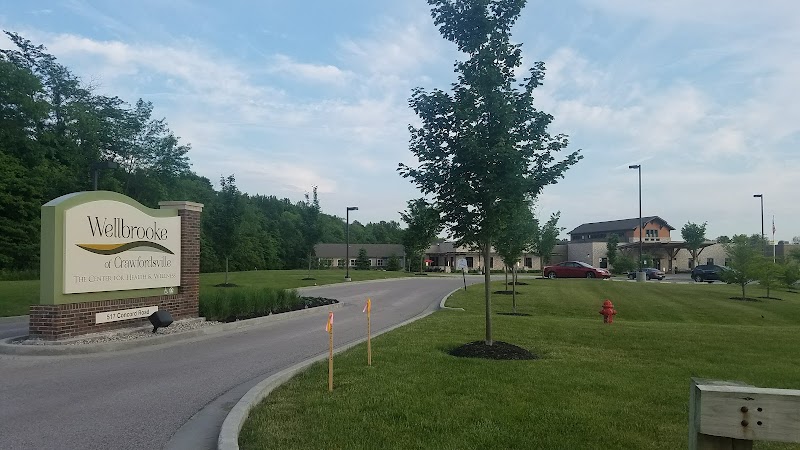
How Does Wellbrooke Of Crawfordsville Compare to Other Indiana Nursing Homes?

Compared to the 100 nursing homes in Indiana, WELLBROOKE OF CRAWFORDSVILLE's overall rating (4 stars) is above the state average of 3.1, staff turnover (42%) is near the state average of 46%, and health inspection rating (3 stars) is at the national benchmark.

What Should Families Ask When Visiting Wellbrooke Of Crawfordsville?

Based on this facility's data, families visiting should ask: "Can you walk me through typical staffing levels on day, evening, and night shifts?" "Can I visit during a mealtime to observe dining assistance and food quality?" "How do you handle medical emergencies, and what is your hospital transfer rate?" "Can I speak with family members of current residents about their experience?" These questions are particularly relevant given the below-average staffing rating.

Is Wellbrooke Of Crawfordsville Safe?

Based on CMS inspection data, WELLBROOKE OF CRAWFORDSVILLE has a clean safety record: no substantiated abuse findings (meaning no confirmed cases of resident harm), no Immediate Jeopardy citations (the most serious violation level indicating risk of serious injury or death), and is not on the Special Focus Facility watch list (a federal program monitoring the lowest-performing 1% of nursing homes). The facility has a 4-star overall rating and ranks #1 of 100 nursing homes in Indiana. While no facility is perfect, families should still ask about staff-to-resident ratios and recent inspection results during their visit.

Do Nurses at Wellbrooke Of Crawfordsville Stick Around?

WELLBROOKE OF CRAWFORDSVILLE has a staff turnover rate of 42%, which is about average for Indiana nursing homes (state average: 46%). Moderate turnover is common in nursing homes, but families should still ask about staff tenure and how the facility maintains care continuity when employees leave.

Was Wellbrooke Of Crawfordsville Ever Fined?

WELLBROOKE OF CRAWFORDSVILLE has no federal fines on record. CMS issues fines when nursing homes fail to meet care standards or don't correct problems found during inspections. The absence of fines suggests the facility has either maintained compliance or corrected any issues before penalties were assessed. This is a positive indicator, though families should still review recent inspection reports for the full picture.

Is Wellbrooke Of Crawfordsville on Any Federal Watch List?

WELLBROOKE OF CRAWFORDSVILLE is not on any federal watch list. The most significant is the Special Focus Facility (SFF) program, which identifies the bottom 1% of nursing homes nationally based on persistent, serious quality problems. Not being on this list means the facility has avoided the pattern of deficiencies that triggers enhanced federal oversight. This is a positive indicator, though families should still review the facility's inspection history directly.