
WILLOWDALE VILLAGE

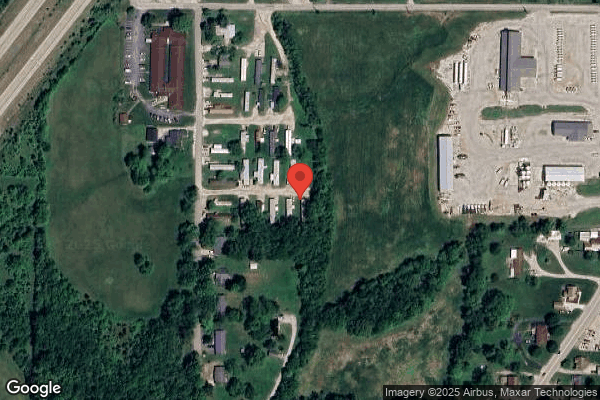
404 W WILLOW RD, DALE, IN 47523 (812) 937-4489
For profit - Corporation 50 Beds AMERICAN SENIOR COMMUNITIES Data: November 2025
Trust Grade
90/100
#111 of 505 in IN
Last Inspection: December 2024

Within standard 12-15 month inspection cycle. Federal law requires annual inspections.

Overview

Willowdale Village in Dale, Indiana has received an impressive Trust Grade of A, which indicates it is an excellent facility that is highly recommended. It ranks #1 out of 3 nursing homes in Spencer County and is in the top half at #111 of 505 in the state of Indiana. The facility is improving, with the number of issues decreasing from 4 in 2023 to just 2 in 2024. Staffing is a strength here, with a rating of 4 out of 5 stars and a turnover rate of 41%, which is below the state average. However, there have been some concerns, such as inadequate RN coverage on certain days and failures to conduct quarterly care plan conferences for some residents, as well as lapses in infection control practices. Overall, while Willowdale Village has notable strengths, families should be aware of these weaknesses when considering this facility for their loved ones.

Trust Score
A
90/100
In Indiana
#111/505
Top 21%
Safety Record
Low Risk
No red flags
Inspections
Getting Better
4 → 2 violations
Staff Stability
○ Average
41% turnover. Near Indiana's 48% average. Typical for the industry.
Penalties
✓ Good
No fines on record. Clean compliance history, better than most Indiana facilities.
Skilled Nurses
✓ Good
Each resident gets 56 minutes of Registered Nurse (RN) attention daily — more than average for Indiana. RNs are trained to catch health problems early.
Violations
○ Average
6 deficiencies on record. Average for a facility this size. Mostly minor or procedural issues.
★★★★★
5.0
Overall Rating
★★★★☆
4.0
Staff Levels
★★★★★
5.0
Care Quality
★★★★☆
4.0
Inspection Score
Stable
2023: 4 issues
2024: 2 issues

The Good

  • 4-Star Staffing Rating · Above-average nurse staffing levels
  • 5-Star Quality Measures · Strong clinical quality outcomes
  • Full Sprinkler Coverage · Fire safety systems throughout facility
  • No fines on record
  • Staff turnover below average (41%)

    7 points below Indiana average of 48%

Facility shows strength in staffing levels, quality measures, fire safety.

The Bad

Staff Turnover: 41%

Near Indiana avg (46%)

Typical for the industry

Chain: AMERICAN SENIOR COMMUNITIES

Part of a multi-facility chain

Ask about local staffing decisions and management

The Ugly 6 deficiencies on record

Dec 2024 2 deficiencies
CONCERN (D)

Potential for Harm - no one hurt, but risky conditions existed

Infection Control (Tag F0880)

Could have caused harm · This affected 1 resident

Based on observation, interview, and record review, the facility failed to ensure infection control practices were followed for 1 of 1 residents reviewed for Transmission Based Precautions (TBP). Staf...

Read full inspector narrative →
Based on observation, interview, and record review, the facility failed to ensure infection control practices were followed for 1 of 1 residents reviewed for Transmission Based Precautions (TBP). Staff failed to don (put on) personal protective equipment (PPE) prior to entering a contact isolation room. (Resident 16) Findings include: During an observation on 12/11/24 at 8:45 A.M., the following sign was observed on Resident 16's door, STOP CONTACT PRECAUTIONS EVERYONE MUST: Clean their hands (hand sanitizer or hand washing) before entering and when leaving the room. Put on gloves before room entry. Discard gloves before room exit. Put on a gown before room entry. Discard gown before room exit .Use dedicated or disposable equipment . During an interview on 12/11/24 at 8:46 A.M., the Infection Preventionist (IP) indicated Resident 16 had a contact precautions sign on the door due to a diagnosis of extended-spectrum beta-lactamase (ESBL bacteria) in her urine. During an observation on 12/11/24 at 12:13 P.M., Housekeeper 4 entered Resident 16's room and grabbed hangers. Housekeeper 4 failed to don PPE before she entered the room. During an observation on 12/11/24 at 12:14 P.M., CNA (Certified Nurse Aide) 2 failed to don PPE before she brought Resident 16 a meal tray. CNA 2 then exited the room, failed to sanitize hands, grabbed packets off the top of the meal cart, and then re-entered Resident 16's room without donning PPE. During an observation on 12/11/24 at 12:17 P.M., CNA 2 exited Resident 16's room, failed to sanitize hands, pushed the meal cart down the hall, and delivered a meal tray to Resident 14. During an observation on 12/12/24 at 11:51 A.M., LPN (Licensed Practical Nurse) 6 failed to don PPE prior to entering Resident 16's room when she administered medications. During an interview on 12/16/24 at 9:40 A.M., the Housekeeping Supervisor indicated all housekeeping staff should don a gown and gloves before they enter a contact isolation room. During an interview on 12/16/24 at 11:05 A.M., the IP indicated all staff should have had a gown and gloves on before they entered the contact isolation room. On 12/16/24 at 11:29 A.M., the IP provided a current Standard and Transmission-Based Precautions (Isolation) Policy, revised 4/24/24, that indicated, CONTACT PRECAUTIONS: .put on gown and gloves upon entry to room . 3.1-18(b)(2) 3.1-18(l)
CONCERN (E)

Potential for Harm - no one hurt, but risky conditions existed

Deficiency F0727 (Tag F0727)

Could have caused harm · This affected multiple residents

Based on interview and record review, the facility failed to ensure services of a Registered Nurse (RN) were available at least 8 consecutive hours in a 24 hour period, 7 days a week for 2 of 7 days r...

Read full inspector narrative →
Based on interview and record review, the facility failed to ensure services of a Registered Nurse (RN) were available at least 8 consecutive hours in a 24 hour period, 7 days a week for 2 of 7 days reviewed for nurse staffing. (11/29/24, 11/30/24) Findings include: On 12/11/24 at 9:50 A.M., the daily nursing schedules were provided for the week of 11/27/24 through 12/3/24 and reviewed. The schedules indicated there was an RN that worked from 6:00 P.M. to midnight (6 consecutive hours) on Friday, 11/29/24 and lacked RN coverage on Saturday, 11/30/24. During an interview on 12/16/24 at 12:10 P.M., the Director of Nursing (DON) indicated there was not RN coverage for those dates but there should have been 8 hours of consecutive RN coverage every day. On 12/16/24 at 1:10 P.M., a current RN Coverage Policy was requested. The DON indicated they did not have a policy, but they would follow the regulations. 3.1-17(b)(3)
Dec 2023 3 deficiencies
CONCERN (D)

Potential for Harm - no one hurt, but risky conditions existed

Deficiency F0761 (Tag F0761)

Could have caused harm · This affected 1 resident

Based on observation, interview, and record review the facility failed to ensure proper storage of medications in 1 of 2 medication carts. The narcotic box was not locked in the medication cart. (West...

Read full inspector narrative →
Based on observation, interview, and record review the facility failed to ensure proper storage of medications in 1 of 2 medication carts. The narcotic box was not locked in the medication cart. (West Hall) Finding includes: On 12/20/23 at 7:23 A.M., the narcotic box in the [NAME] Hall Medication Cart was observed unlocked. On 12/20/23 at 9:56 A.M., the narcotic box in the [NAME] Hall Medication Cart was observed unlocked. During an interview on 12/20/23 at 10:00 A.M., Registered Nurse (RN) 20 indicated the narcotic box should be locked. During an interview on 12/20/23 at 10:10 A.M., RN 35 indicated narcotic boxes in the medication cart should be locked anytime the nurse was not in it. On 12/21/23 at 10:15 A.M., a current Controlled Substance Policy, dated November 2015, was provided by the Administrator and indicated . 1. All controlled substances prescribed for all residents must be double locked in a secure container in the community . 3.1-25(m)
CONCERN (D)

Potential for Harm - no one hurt, but risky conditions existed

Deficiency F0849 (Tag F0849)

Could have caused harm · This affected 1 resident

**NOTE- TERMS IN BRACKETS HAVE BEEN EDITED TO PROTECT CONFIDENTIALITY** Based on interview and record review, the facility failed to ensure a communication process with hospice personnel was developed...

Read full inspector narrative →
**NOTE- TERMS IN BRACKETS HAVE BEEN EDITED TO PROTECT CONFIDENTIALITY** Based on interview and record review, the facility failed to ensure a communication process with hospice personnel was developed and implemented, including how the communication will be documented between the LTC (long term care) facility and the hospice provider, and to ensure that the needs of the resident were addressed. The clinical record lacked documentation of ongoing communication between facility staff and hospice staff for 1 of 1 residents reviewed for hospice. (Resident 3) Findings include: On 12/20/23 at 9:22 A.M., Resident 3's clinical record was reviewed. Resident 3 was admitted on [DATE]. Diagnoses included, but were not limited to, type 2 diabetes mellitus and dysphagia. The most recent quarterly MDS (minimum data set) Assessment was completed on 9/20/23. Resident 3's cognitive level was moderately impaired, and required extensive assistance for mobility and eating, and total dependence for toileting and bathing. Current physician orders included, but were not limited to, [admission to] (hospice company) with diagnosis of COPD (chronic obstructive pulmonary disease) dated 3/27/23. During an interview on 12/21/23 at 11:41 A.M., LPN 12 indicated Resident 3 did not have a hospice communication binder, or any other source of communication, and hospice would verbally communicate any changes or hand write any new orders on a telephone order sheet. During an interview on 12/21/23 at 12:01 P.M., the DON (director of nursing) indicated nurses working the floor do not have access to (hospice company) charting system, and medical records has to print (hospice company) notes from their charting system and upload them in to the patient's chart in the facility's charting system, and that should be done each time hospice has completed a visit. The DON was unable to provide documentation that any notes had been uploaded from (hospice company) charting system to the facility's charting system. During an interview on 12/21/23 at 12:29 P.M., the Hospice Nurse indicated all of the charting completed by hospice is entered into their charting system, was not accessible by floor nurses but was accessible by administrative staff, and when hospice faculty are in the facility they verbalize any changes of Resident 3 to the nurse working the floor at that time. On 12/19/23 a document titled Hospice Services Agreement, dated 2/11/15, was provided. This document served as a contract between the facility and Resident 3's current contracted hospice company, and indicated 2. Responsibilities of the Facility: (f) Maintain an accurate medical record that includes all services and events provided. Required documentation provided by Hospice will be included in a designated area/section. A current hospice policy, dated 1/2016 revised 8/19, was provided by the DON on 12/21/23 at 2:20 P.M. and indicated Recommend using the Hospice Initiation observation in Matrix for documentation. 3. For resident's who have elected the hospice benefit, there will be e. Hospice documentation available at the facility.
CONCERN (E)

Potential for Harm - no one hurt, but risky conditions existed

Deficiency F0657 (Tag F0657)

Could have caused harm · This affected multiple residents

**NOTE- TERMS IN BRACKETS HAVE BEEN EDITED TO PROTECT CONFIDENTIALITY** Based on interview and record review, the facility failed to insure care plan conferences were completed quarterly for 4 of 10 r...

Read full inspector narrative →
**NOTE- TERMS IN BRACKETS HAVE BEEN EDITED TO PROTECT CONFIDENTIALITY** Based on interview and record review, the facility failed to insure care plan conferences were completed quarterly for 4 of 10 residents reviewed for care plans. (Resident 2, Resident 3, Resident 15, Resident 22) Findings include: 1. On 12/20/23 at 9:22 A.M., Resident 3's clinical record was reviewed. Resident 3 was admitted on [DATE]. Diagnoses included, but were not limited to, type 2 diabetes mellitus and dysphagia. The most recent quarterly MDS (minimum data set) Assessment was completed on 9/20/23. Resident 3's cognitive level was moderately impaired, and required extensive assistance for mobility and eating, and total dependence for toileting and bathing. Care plan conferences during the past 12 months were held on 3/3/23, 3/31/23, and 7/5/23. 2. On 12/20/23 at 10:07 A.M., Resident 22's clinical record was reviewed. Resident 22 was admitted on [DATE]. Diagnoses included, but were not limited to, type 2 diabetes mellitus and dementia. The most recent quarterly MDS Assessment was completed on 11/18/23. Resident 22's cognitive level was moderately impaired, and required extensive assistance for mobility and transfers, maximal assistance for toileting, and was dependent on staff for bathing. Care plan conferences during the past 12 months were held on 5/31/23 and 12/18/23. 3. On 12/20/23 at 10:59 A.M., Resident 15's clinical record was reviewed. Diagnosis included, but were not limited to, chronic obstructive pulmonary disease, unspecified dementia, Type II diabetes mellitus, anxiety and major depressive disorder. The most recent quarterly MDS Assessment, dated 11/4/23, indicated Resident 15 had severe cognitive impairment, required extensive assistance of two for bed mobility and toilet use, and was totally dependent on two staff members for transfers, and one staff member for bathing. Resident 15's most recent care plan conference was completed on 8/31/23. The clinical record lacked a care plan conference, or an invitation to one since 8/31/23. During an interview on 12/21/23 at 1:10 P.M., the administrator indicated she was unable to find a care plan conference or an invitation to one after 8/31/23 in Resident 15's clinical records. 4. During an interview on 12/19/23 10:11 A.M., Resident 2 indicated she had not received a care plan conference. On 12/20/23 at 9:33 A.M., Resident 2's clinical record was reviewed. The most recent significant change MDS Assessment, dated 11/15/23 indicated Resident 2 had a moderate cognitive impairment. Resident 2 failed to receive a care plan conference between 6/16/23 and 12/21/23. The care plan conference form indicated Resident 2 received an observation on 12/20/23 and the form was completed on 12/21/23. During an interview on 12/21/23 at 10:07 A.M., the Social Services Director indicated care plan conferences should be completed quarterly or if there is a significant change, and the facility completed the care plan conferences when the resident was due for a MDS Assessment. She indicated several residents failed to receive their care plan conferences as they should have. She further indicated that the observation date on the form was when the form was opened and the completed date was when the care plan conference was completed with the facility. On 12/21/23 at 12:34 P.M., the Infection Preventionist provided the Comprehensive Care Plan Policy, revised 8/2023 that indicated, Care plan problems, goals, and interventions must be reviewed and revised by the interdisciplinary team periodically and following completion of each MDS assessment. 3.1-35(c)(2)(C)
Jun 2023 1 deficiency
CONCERN (D) 📢 Someone Reported This

A family member, employee, or ombudsman was alarmed enough to file a formal complaint

Potential for Harm - no one hurt, but risky conditions existed

Infection Control (Tag F0880)

Could have caused harm · This affected 1 resident

2. On 6/28/23 at 8:11 A.M., CNA 13 and CNA 15 performed incontinence care on Resident D. Upon entering the room, both aides washed their hands at the sink and put gloves on. CNA 13 went to the right s...

Read full inspector narrative →
2. On 6/28/23 at 8:11 A.M., CNA 13 and CNA 15 performed incontinence care on Resident D. Upon entering the room, both aides washed their hands at the sink and put gloves on. CNA 13 went to the right side of the bed and pulled the bedside table away from the resident and pulled the privacy curtain. CNA 15 went to the left side of the bed, pulled the privacy curtain and using the bed controller lowered the head of the bed. Neither CNA changed gloves before starting incontinence care. While Resident D was lying on her back, CNA 13 unfastened the brief. Resident D turned to her left side. CNA 15 held the resident while CNA 13 pulled the brief down, used two wipes to clean her back side and removed the soiled brief. CNA 13 threw the brief and wipes in the trash bag, removed her gloves, went to the sink to wash her hands and put on clean gloves. CNA 15 put a clean brief under Resident D, had her turn to her back, cleaned the front perineal area with two wipes, placed the wipes in the trash bag, pulled the clean brief up, removed gloves, and went to the sink to wash her hands. CNA 13 fastened the brief. Resident D turned to her left side. CNA 13 covered the resident with blankets, gave her the call light, pushed the curtain back and raised the head of the bed. CNA 13 removed her gloves and put them in the trash bag, went to the sink, and washed her hands. CNA 15 removed the trash bag from the trash can, tied it in a knot and put a clean trash bag into the trash can. CNA 13 carried the trash bag out of the room. During an interview on 6/29/23 at 8:31 A.M., the (IP) Infection Preventionist indicated hands should be lathered for 40 seconds, and the total handwashing time should be 60 seconds. The IP indicated that staff should perform hand hygiene from dirty to clean tasks. The IP indicated she would expect staff to change gloves if they touched items before performing care. On 6/28/23 at 9:11 A.M., a current Hand Hygiene Policy, revised 12/2021, provided by the IP, indicated .Healthcare personnel should use an alcohol-based hand rub or wash with soap and water for the following clinical indications: Immediately before touching a resident. Before moving from work on a soiled body site to a clean body site on the same resident This Federal tag relates to complaints IN00411185 and IN00411241. 3.1-18(l) Based on observation and interview, the facility failed to ensure infection control practices were in place for 2 of 2 residents observed during incontinence care. Staff failed to sanitize hands between dirty to clean tasks, staff touched items with their gloves before perineal care was performed, and staff washed hands using a 3 second lather. (Resident G, Resident D) Findings include: 1. During an observation on 6/28/23 at 7:19 A.M., CNA (Certified Nurse Aide) 17 and CNA 19 performed incontinence care on Resident G. CNA 17 and CNA 19 donned gloves. CNA 17 used her gloved hands and used the remote to raise the bed up. CNA 19 used her gloved hands to move the bedside table, opened the door of the closet and grabbed a brief, opened a drawer and grabbed barrier cream. CNA 17 removed the straps on the brief and wiped the resident with 2 wipes with the same gloves. Then, Resident G was rolled to her left side and CNA 19 wiped the resident with 3 wipes and removed the soiled brief and applied barrier cream. At that time, Resident G voided. CNA 19 removed gloves and failed to sanitize or wash hands before new gloves were donned. CNA 19 wiped resident and applied barrier cream. CNA 17 and CNA 19 removed gloves and pulled the resident up in the bed using the draw sheet, covered Resident G up with her blankets, CNA 19 opened a drawer and put the wipes in it. CNA 19 washed hands using a 3 second lather.
Understanding Severity Codes (click to expand)
Life-Threatening (Immediate Jeopardy)
J - Isolated K - Pattern L - Widespread
Actual Harm
G - Isolated H - Pattern I - Widespread
Potential for Harm
D - Isolated E - Pattern F - Widespread
No Harm (Minor)
A - Isolated B - Pattern C - Widespread

Questions to Ask on Your Visit

  • "Can I speak with families of current residents?"
  • "What's your RN coverage like on weekends and overnight?"

Our Honest Assessment

Strengths
  • • Grade A (90/100). Above average facility, better than most options in Indiana.
  • • No major safety red flags. No abuse findings, life-threatening violations, or SFF status.
  • • No fines on record. Clean compliance history, better than most Indiana facilities.
  • • 41% turnover. Below Indiana's 48% average. Good staff retention means consistent care.
Concerns
  • • No significant concerns identified. This facility shows no red flags across CMS ratings, staff turnover, or federal penalties.
Bottom line: Generally positive indicators. Standard due diligence and a personal visit recommended.

About This Facility

What is Willowdale Village's CMS Rating?

CMS assigns WILLOWDALE VILLAGE an overall rating of 5 out of 5 stars, which is considered much above average nationally. Within Indiana, this rating places the facility higher than 99% of the state's 100 nursing homes. This rating reflects solid performance across the metrics CMS uses to evaluate nursing home quality.

How is Willowdale Village Staffed?

CMS rates WILLOWDALE VILLAGE's staffing level at 4 out of 5 stars, which is above average compared to other nursing homes. Staff turnover is 41%, compared to the Indiana average of 46%. This relatively stable workforce can support continuity of care.

What Have Inspectors Found at Willowdale Village?

State health inspectors documented 6 deficiencies at WILLOWDALE VILLAGE during 2023 to 2024. These included: 6 with potential for harm.

Who Owns and Operates Willowdale Village?

WILLOWDALE VILLAGE is owned by a for-profit company. For-profit facilities operate as businesses with obligations to shareholders or private owners. The facility is operated by AMERICAN SENIOR COMMUNITIES, a chain that manages multiple nursing homes. With 50 certified beds and approximately 25 residents (about 50% occupancy), it is a smaller facility located in DALE, Indiana.

How Does Willowdale Village Compare to Other Indiana Nursing Homes?

Compared to the 100 nursing homes in Indiana, WILLOWDALE VILLAGE's overall rating (5 stars) is above the state average of 3.1, staff turnover (41%) is near the state average of 46%, and health inspection rating (4 stars) is above the national benchmark.

What Should Families Ask When Visiting Willowdale Village?

Based on this facility's data, families visiting should ask: "Can I visit during a mealtime to observe dining assistance and food quality?" "How do you handle medical emergencies, and what is your hospital transfer rate?" "Can I speak with family members of current residents about their experience?"

Is Willowdale Village Safe?

Based on CMS inspection data, WILLOWDALE VILLAGE has a clean safety record: no substantiated abuse findings (meaning no confirmed cases of resident harm), no Immediate Jeopardy citations (the most serious violation level indicating risk of serious injury or death), and is not on the Special Focus Facility watch list (a federal program monitoring the lowest-performing 1% of nursing homes). The facility has a 5-star overall rating and ranks #1 of 100 nursing homes in Indiana. While no facility is perfect, families should still ask about staff-to-resident ratios and recent inspection results during their visit.

Do Nurses at Willowdale Village Stick Around?

WILLOWDALE VILLAGE has a staff turnover rate of 41%, which is about average for Indiana nursing homes (state average: 46%). Moderate turnover is common in nursing homes, but families should still ask about staff tenure and how the facility maintains care continuity when employees leave.

Was Willowdale Village Ever Fined?

WILLOWDALE VILLAGE has no federal fines on record. CMS issues fines when nursing homes fail to meet care standards or don't correct problems found during inspections. The absence of fines suggests the facility has either maintained compliance or corrected any issues before penalties were assessed. This is a positive indicator, though families should still review recent inspection reports for the full picture.

Is Willowdale Village on Any Federal Watch List?

WILLOWDALE VILLAGE is not on any federal watch list. The most significant is the Special Focus Facility (SFF) program, which identifies the bottom 1% of nursing homes nationally based on persistent, serious quality problems. Not being on this list means the facility has avoided the pattern of deficiencies that triggers enhanced federal oversight. This is a positive indicator, though families should still review the facility's inspection history directly.