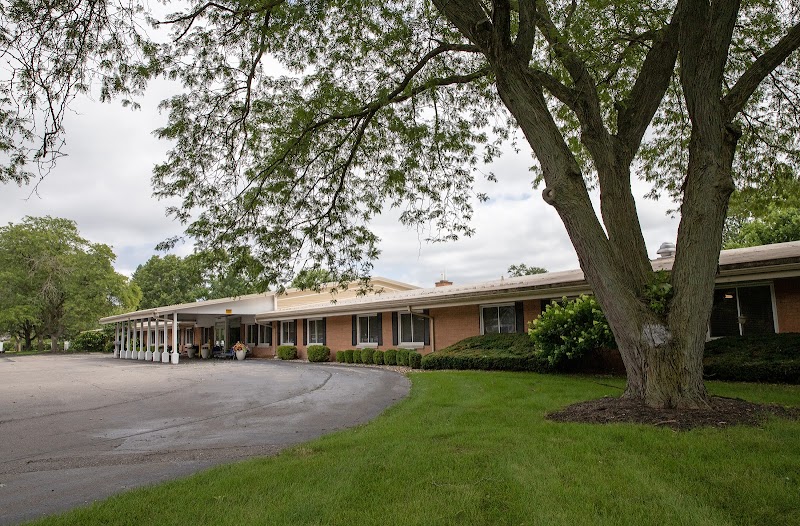
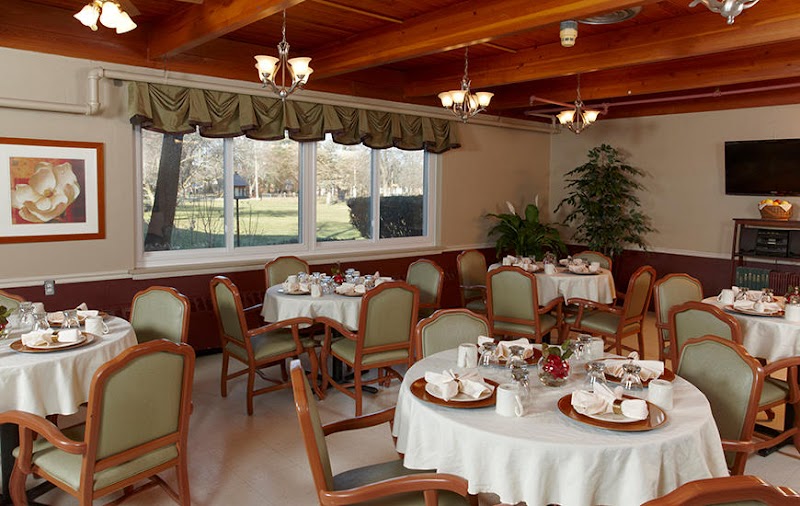
ELKHART MEADOWS

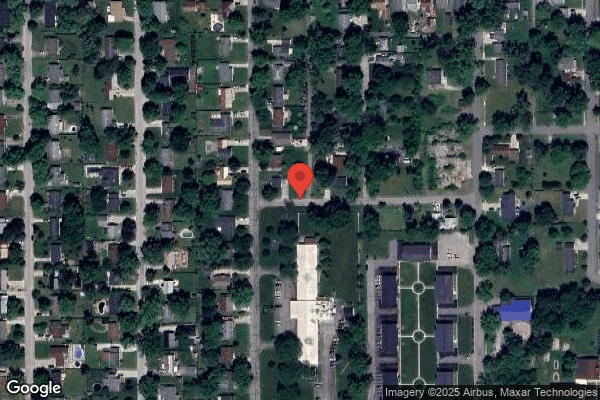
2600 MOREHOUSE AVE, ELKHART, IN 46517 (574) 295-8800
Government - City/county 58 Beds AMERICAN SENIOR COMMUNITIES Data: November 2025
Trust Grade
90/100
#30 of 505 in IN
Last Inspection: August 2024

Within standard 12-15 month inspection cycle. Federal law requires annual inspections.

Overview

Elkhart Meadows has an excellent Trust Grade of A, indicating it is highly recommended for families seeking care. It ranks #30 out of 505 facilities in Indiana, placing it in the top half of the state, and #2 out of 12 in Elkhart County, meaning only one local facility is rated higher. However, the facility's trend is concerning as it has doubled its issues from 2 in 2023 to 4 in 2024. Staffing is a mixed bag; while there is a decent turnover rate of 40%, which is below the state average, the RN coverage is lower than 87% of other Indiana facilities, potentially impacting resident care. Notably, there have been specific concerns, such as unclean kitchen conditions that could affect food safety for all residents and a resident with dirty fingernails and soiled clothes, indicating lapses in personal care. Overall, while Elkhart Meadows has strengths in its ranking and some staffing areas, families should be aware of the recent trends and specific incidents that need addressing.

Trust Score
A
90/100
In Indiana
#30/505
Top 5%
Safety Record
Low Risk
No red flags
Inspections
Getting Worse
2 → 4 violations
Staff Stability
○ Average
40% turnover. Near Indiana's 48% average. Typical for the industry.
Penalties
✓ Good
No fines on record. Clean compliance history, better than most Indiana facilities.
Skilled Nurses
⚠ Watch
Each resident gets only 22 minutes of Registered Nurse (RN) attention daily — below average for Indiana. Fewer RN minutes means fewer trained eyes watching for problems.
Violations
⚠ Watch
11 deficiencies on record. Higher than average. Multiple issues found across inspections.
★★★★★
5.0
Overall Rating
★★★☆☆
3.0
Staff Levels
★★★★★
5.0
Care Quality
★★★★☆
4.0
Inspection Score
Stable
2023: 2 issues
2024: 4 issues

The Good

  • 5-Star Quality Measures · Strong clinical quality outcomes
  • Full Sprinkler Coverage · Fire safety systems throughout facility
  • No fines on record
  • Staff turnover below average (40%)

    8 points below Indiana average of 48%

Facility shows strength in quality measures, fire safety.

The Bad

Staff Turnover: 40%

Near Indiana avg (46%)

Typical for the industry

Chain: AMERICAN SENIOR COMMUNITIES

Part of a multi-facility chain

Ask about local staffing decisions and management

The Ugly 11 deficiencies on record

Aug 2024 4 deficiencies
CONCERN (D)

Potential for Harm - no one hurt, but risky conditions existed

Comprehensive Assessments (Tag F0636)

Could have caused harm · This affected 1 resident

**NOTE- TERMS IN BRACKETS HAVE BEEN EDITED TO PROTECT CONFIDENTIALITY** Based on record review and interview, the facility failed to complete an Annual Minimun Data Set (MDS) assessment for 1 of 15 re...

Read full inspector narrative →
**NOTE- TERMS IN BRACKETS HAVE BEEN EDITED TO PROTECT CONFIDENTIALITY** Based on record review and interview, the facility failed to complete an Annual Minimun Data Set (MDS) assessment for 1 of 15 residents who were reviewed. (Resident 107) Finding includes: A record review was completed on 8/28/2024 at 9:52 A.M. for Resident 107. Diagnoses included but were not limited to: vascular dementia and obsessive compulsive disorder. An Annual (MDS) assessment, dated 6/4/2024, indicated Section C was not completed. During an interview on 8/28/2024 at 10:27 A.M., the Memory Care Support Specialist indicated Section C was not completed on the Annual MDS and should have been. She indicated she usually completed Section C on day 6 or 7 and Resident 107 admitted on [DATE]. 3.1-31 (c)(12)
CONCERN (D)

Potential for Harm - no one hurt, but risky conditions existed

Deficiency F0638 (Tag F0638)

Could have caused harm · This affected 1 resident

Based on record review and interview, the facility failed to complete a Quarterly Minimum Data Set (MDS) assessment for 1 of 15 residents reviewed. (Resident 25) Finding includes: A record review for ...

Read full inspector narrative →
Based on record review and interview, the facility failed to complete a Quarterly Minimum Data Set (MDS) assessment for 1 of 15 residents reviewed. (Resident 25) Finding includes: A record review for Resident 25 was completed on 8/28/2024 at 2:06 P.M. Her diagnoses included, but were not limited to: major depressive disorder, anxiety disorder, delete comma and dementia. An admission MDS assessment was completed on 3/19/2024. Resident 25's record lacked the documentation to indicate a Quarterly MDS assessment was completed after 3/19/2024 and before 8/29/2024. During an interview on 8/29/2024 at 10:45 A.M., the MDS Coordinator indicated the resident had not had an MDS assessment completed since 3/19/2024 and should have had a quarterly MDS assessment by 6/19/2024. She indicated the facility did not have a policy on completing MDS assessments but followed the Resident Assessment Instrument (RAI) as a guide to completing MDS assessments. 3.1-31 (d)(3)
CONCERN (D)

Potential for Harm - no one hurt, but risky conditions existed

Unnecessary Medications (Tag F0759)

Could have caused harm · This affected 1 resident

**NOTE- TERMS IN BRACKETS HAVE BEEN EDITED TO PROTECT CONFIDENTIALITY** Based on observation, record review and interview, the facility failed to ensure it was free of a medication error rate of great...

Read full inspector narrative →
**NOTE- TERMS IN BRACKETS HAVE BEEN EDITED TO PROTECT CONFIDENTIALITY** Based on observation, record review and interview, the facility failed to ensure it was free of a medication error rate of greater than 5 percent for 2 of 9 residents (Resident 2 & 49) observed during medication pass. There were 25 opportunities observed with 2 medication errors, resulting in a medication error rate of 8 percent. Findings include: 1. During an observation of insulin administration for Resident 49, on 8/27/2024 at 4:27 P.M., LPN 2 performed the following steps: First, she attached the needle to the insulin pen and set the dose meter to 10 units. Next, she entered Resident 49's room and cleansed his arm with an alcohol pad, Last she injected the medication into the resident's arm and immediately removed the needle/pen from the resident's arm. A record review was completed on 8/27/2024 at 4:40 P.M. for Resident 49. Diagnoses included, but were not limited to: type 2 diabetic mellitus with diabetic chronic kidney disease. A Physician's Order, dated 8/14/2024, indicated Resident 49 was to receive Humalog [NAME] KwikPen U-100, administer 10 units subcutaneous three times a day. During the interview on 8/27/2024 at 4:31 P.M., LPN 2 indicated she thought she had primed the insulin pen and the needle should have remained in the resident's arm 3-5 seconds after the medication was administered with the insulin pen During an interview on 8/28/2024 at 11:30 A.M., the Director of Nursing (DON) indicated the insulin pen should have been primed, with 2 units add of insulin and the needle should have been left in the arm for 5-10 seconds after the medication was administered. During an interview on 8/29/2024 at 9:48 A.M., the Regional Nurse indicated that when the insulin pen was not primed and the needle was not left in the arm 5-10 seconds after the medication was administered, then the correct dose would not have been given. 2. During an observation of a medication pass on 8/29/2024 at 7:48 A.M., QMA 4 administered polyethylene glycol 3350 powder to Resident 2. She was observed to place the powdered medication into a small plastic cup containing approximately 4 ounces of water and mixed the medication and water together before handing the cup to Resident 2. Resident 2 consumed the liquid. A record review was completed on 8/29/2024 at 9:20 A.M., for Resident 2. Diagnoses included, but were not limited to: constipation, unspecified. A Physician's Order, dated 4/28/2022, indicated the resident was to receive polyethylene glycol 3350 powder, 17 grams with 8 ounces of water. A Care Plan, dated 5/2/2022, indicated Resident 2 was at risk for constipation due to decreased mobility with an intervention to administer medication as ordered. During an interview on 8/29/2024 at 9:04 A.M., QMA 4 confirmed the order indicated to give the polyethylene glycol powder with 8 ounces of water She turned the cup over and it was stamped 5 ounces on the bottom. She did not think they had 8- ounce cups. On 8/29/2024 at 11:45 A.M., the DON indicated the facility did not have a policy on following physician orders. On 8/28/2024 at 12:00 P.M., the DON provided a skills competency titled, Insulin Pen Administration, dated 6/2018, and indicated the competency was the one currently used by the facility. The skills competency indicated .9. pull off and remove outer pen needle protective cap and cover. 10. Prime the pen by dialing 2 units. 11. Push the end of the pen to push out the 2 units. (A small drop of insulin should be visible. If insulin does not appear, repeat). 12. Dial desired insulin dosage to be administered to resident. 17. Push injection bottom down to end of pen completely to give insulin. 18. Wait 5-10 seconds while keeping insulin pen and pen needle in place, to ensure all insulin is given. 19. Pull the insulin pen and needle out from the injection site . 3.1-48(c)(1)
CONCERN (F)

Potential for Harm - no one hurt, but risky conditions existed

Food Safety (Tag F0812)

Could have caused harm · This affected most or all residents

Based on observations and interviews the facility failed to maintain clean and sanitary food preparation and storage areas, which had the potential to affect 51 of 51 residents whose food was prepared...

Read full inspector narrative →
Based on observations and interviews the facility failed to maintain clean and sanitary food preparation and storage areas, which had the potential to affect 51 of 51 residents whose food was prepared by the kitchen. Finding includes: During an observation of the dining room kitchen area with the Maintenance Supervisor on 8/30/2024 at 9:52 A.M, the microwave had food spilled on the turn table, and the door. The reach-in refrigerator and freezer contained undated food and liquids which belonged to staff members. In addition, there was a yellow liquid spilled in the bottom of the freezer. During an interview on 8/30/2024 at 10:00 A.M., the Maintenance Supervisor indicated housekeeping staff were responsible for cleaning the dining room microwave and refrigerator. He indicated staff should not have kept food in the dining room refrigerator or freezer. On 8/30/2024 at 11:00 A.M., the Executive Director (ED) provided a current policy, dated 7/15/2024, titled, Cleaning Microwave Oven. The policy indicated, .1. Remove glass tray, if applicable, from inside the oven, wash, rinse, sanitize and allow to air dry. 2. Remove any food particles from interior of oven with a clean, wet cloth. 3. Wipe the interior of the oven with hot soapy water On 8/30/2024 at 11:00 A.M., the Executive Director (ED) provided a current policy, dated 7/15/2024, titled, Cleaning Refrigerators. The policy indicated, .1. Remove all food from reach-in refrigerator. Store food in another refrigerator or cooler until refrigerator is cleaned. 2. Remove shelves, drawers and other removable parts. Clean and sanitize. 3. Wash walls and base with warm detergent water. 4. Rinse and sanitize. Allow to air dry 3.1-21(i)(3)
Sept 2023 2 deficiencies
CONCERN (D)

Potential for Harm - no one hurt, but risky conditions existed

Deficiency F0582 (Tag F0582)

Could have caused harm · This affected 1 resident

Based on record review and interview, the facility failed to ensure notification of change in Medicare covered services was provided for 1 of 2 residents reviewed for Medicare services. (Resident 99) ...

Read full inspector narrative →
Based on record review and interview, the facility failed to ensure notification of change in Medicare covered services was provided for 1 of 2 residents reviewed for Medicare services. (Resident 99) Finding includes: A record review was completed on 9/7/2023 at 2:55 P.M. Diagnoses included, but not limited to: dementia without behavioral disturbances, type 2 diabetes and hypertension. Resident 99 was readmitted back to the facility on 2/9/2023 and was receiving Medicare Part A Services. Review of the record indicated the resident's last covered Medicare Part A service day was 3/23/2023. During an interview, on 9/7/2023 at 3:02 P.M., the Business Office Manager indicated that a skilled care ABN (Advanced Beneficiary Notice of Non-Coverage) form and a NOMNC (Notice of Medicare Non-Coverage) form were not issued to Resident 99. Resident 99 chose to remain a resident of the facility after 3/23/2023. He was not aware that he was discharged from therapy and both forms should have been provided to the resident. On 9/7/2023 at 3:10 P.M., the Business Office Manager provided NOMNC Instructions and indicated that it was all that they had and what they followed. The form instructions for the NOMNC form indicated a completed copy was to be delivered to the resident and/or their representative two calendar days prior to Medicare covered services ending. He indicated he did not have anything on the ABN. 3.1-4(f)(2)
CONCERN (D)

Potential for Harm - no one hurt, but risky conditions existed

Deficiency F0679 (Tag F0679)

Could have caused harm · This affected 1 resident

**NOTE- TERMS IN BRACKETS HAVE BEEN EDITED TO PROTECT CONFIDENTIALITY** Based on observations, record reviews, and interviews, the facility failed to provide activities that support the physical, ment...

Read full inspector narrative →
**NOTE- TERMS IN BRACKETS HAVE BEEN EDITED TO PROTECT CONFIDENTIALITY** Based on observations, record reviews, and interviews, the facility failed to provide activities that support the physical, mental, and psychosocial well-being for 4 of 14 residents reviewed for activities. (Residents 1, 30, 42, and 5) Findings include: 1. During an interview, on 9/6/2023 at 10:09 A.M., Resident 1 indicated that she enjoys listening to music and dancing, but doesn't participate in too many activities. A record review was conducted, on 9/7/2023 at 11:04 A.M., Resident 1's diagnoses included, but were not limited to: metabolic encephalopathy and multiple sclerosis. An Annual MDS (Minimum Data Set) assessment, dated 8/16/2023, indicated moderate cognitive impairment. Activity preferences indicated that it was very important to Resident 1 to participate in group activities, go outside for fresh air, attend religious services, and to do her favorite activities such as music. A care plan dated 10/16/2015 and reviewed/revised on 8/10/2023, included but was not limited to: the resident frequently prefers to watch TV in her room, but may enjoy going outside when the weather is nice, and used to enjoy cooking. She may be interested in coming to food related activities or church services. She enjoys music, and likes dogs. She also likes bingo, Parcheesi, trivia, and word searches. The goal was for the resident to participate in activities of interest. Interventions included, but were not limited to: Give verbal reminders to activities of interest. Provide assist to activities as needed. During an observation, on 9/7/2023 at 11:02 A.M., Resident 1 was in the activity room but no activity was going on at the time. At 1:49 P.M., religious music was playing and the resident was actively listening and singing along at times. Staff was not present in the room. On 9/8/2023, at 9:46 A.M., Resident 1 was observed in the activity room for Daily Chronicle. Staff read articles but resident was not encouraged to comment or engage in conversation about the information. At 10:30 A.M., the activity calendar indicated Cooking Club but the activity did not take place. On 9/11/2023, at 10:30 A.M., the activity calendar indicated Cake Creations. Resident 1 was present in the activity room but the activity did not take place. On 9/12/2023, at 9:37 A.M., a staff member was reading the Daily Chronicle, but again, Resident 1 was not encouraged to participate. Documentation of activity participation indicated Resident 1 attended 1 to 2 activities per day that were passive observation of movies, tv, or music. During an interview, on 9/11/2023 at 10:12 A.M., employee 2 indicated attendance at activities was documented in MatrixCare. During an interview, on 9/12/2023 at 9:49 A.M., the Activity Director indicated that she meets with staff about engaging residents in activities. They also have the yearly dementia inservices that include information about activities for such residents. When planned activities don't take place it is due to having to be flexible with this population. She plans on adjusting the schedule but she is also the social worker in the facility and therefore has limited time to lead activities herself. She currently has 5 assistants and will be hiring a 6th soon. 2. During an observation, on 9/6/2023 at 9:44 A.M., Resident 30 was sitting in her room with the tv on but she was not watching it. On 9/7/2023, at 10:58 A.M., the resident was standing in the hallway. Documentation for activities that day indicated she spent 180 minutes watching tv, walking in the hall, interacted with staff, and observed activities. During a continuous observation, on 9/8/2023 from 9:42 A.M. to 10:40 A.M., the resident was in her room and did not attend activities. Staff did not encourage or ask resident if she wanted to go to the activity room. The activity scheduled at 9:45 A.M. was Daily Chronicle. Scheduled at 10:15 A.M. was Morning Coffee, but this activity did not take place. On 9/11/2023 at 9:45 A.M., Resident 30 was wandering in the hall but was not invited or encouraged to attend activity, Daily Chronicle. A record review conducted, on 9/11/2023 at 9:31 A.M., indicated Resident 30's diagnoses included, but were not limited to: Alzheimer's disease with late onset, adjustment disorder with mixed anxiety and depressed mood. A Quarterly MDS assessment, dated 6/23/2023, indicated severe cognitive impairment. Her mood assessment indicated minimal depression. No behavior problems were noted. She required limited assist of 1 staff for bed mobility and transfers. The resident was able to walk in her room and the corridors with supervision. The annual MDS, dated [DATE], indicated that being around animals and doing her favorite activities were very important to her, and having books or magazines and listening to music were somewhat important to her. Physician orders included, but were not limited to: on 8/26/2021 encourage resident to activities of choice at 3pm once a day. A care plan problem, dated 3/18/2021 and reviewed/revised 8/10/2023, included, but was not limited to: Resident 30 enjoys the following types of activities: reading, listening to music, being around animals, sometimes interested in the news, being outside when the weather is nice, participating in religious services/practices, crosswords/word searches, being active, and goes for walks in hallway as part of her daily routine. Goal was for Resident 30 to participate in activities weekly. Interventions included, but were not limited to: Give verbal reminders to activities of interest. Resident may participate in therapeutic, structured work activities Provide assist to activities as needed. Provide independent supplies for room as needed. During an interview, on 9/11/2023 at 10:12 A.M., employee 2 indicated attendance at activities was documented in MatrixCare. During an interview, on 9/12/2023 at 9:49 A.M., the Activity Director indicated that she meets with staff to about engaging residents in activities. They also have the yearly dementia inservices that include information about activities for such residents. When planned activities don't take place it is due to having to be flexible with this population. She plans on adjusting the schedule but she is also the social worker in the facility and therefore has limited time to lead activities herself. She currently has 5 assistants and will be hiring a 6th soon. 3. A record review conducted, on 9/8/2023 at 10:11 A.M., indicated Resident 42's diagnoses included, but were not limited to: vascular dementia without behavioral disturbance, unspecified injury of head, and traumatic subdural hematoma. An admission MDS assessment, dated 6/7/2023, indicated severe cognitive deficit. No mood or behavior issues noted. Activity preferences as relayed by family, indicated Resident 42 considered it very important to listen to music that he likes, be around animals, do things with groups of people, do favorite activities, and go outside to get fresh air. He required extensive assist of 1 staff for bed mobility and transfers. He walked in the corridors and his room with supervision of 1 staff person. A care plan, dated 6/9/2023 and reviewed/revised on 8/29/2023, indicated Resident 42 enjoys the following types of activities: listening to 50's and 60's music, being around animals such as pets, doing things with groups of people, and going outside to get fresh air when the weather is good. The goal was for the resident to participate in activities weekly. Interventions included, but were not limited to: Resident may participate in therapeutic, structured work activities.Provide assist to activities as needed. Give verbal reminders to activities of interest. During an observation, on 9/6/2023 at 10:19 A.M., Resident 42 was sitting in his room staring at the wall. On 9/7/2023 at 2:04 P.M., the resident was wandering up and down the hall. A music activity was taking place in the activity room but staff did not invite the resident to attend. On 9/8/2023 at 9:46 A.M., Resident 42 was sitting in a chair in the activity room with his eyes closed. Activity staff were reading articles from the Daily Chronicle but did not attempt to engage the resident in the activity. Activity documentation indicated that the resident usually attends movie or music activities, walks in the hall, and interacts with staff. Documentation is noted only once or twice a day and did not vary from passive observation of activities. The record lacked documentation that staff attempted to engage resident or his response to such attempts. During an interview, on 9/11/2023 at 10:12 A.M., Employee 2 indicated attendance at activities was documented in MatrixCare. During an interview, on 9/12/2023 at 9:49 A.M., the Activity Director indicated that she meets with staff to about engaging residents in activities. They also have the yearly dementia inservices that include information about activities for such residents. When planned activities don't take place it is due to having to be flexible with this population. She plans on adjusting the schedule but she is also the social worker in the facility and therefore has limited time to lead activities herself. She currently has 5 assistants and will be hiring a 6th soon.4. A record review was completed for Resident 5 on 9/11/2023 at 9:39 A.M. Diagnoses included but were not limited to: vascular dementia with behavioral disturbances, spastic hemiplegia affecting left non dominant side, hemiplegia and hemiparesis following a cardiovascular disease affecting left non-dominant side and type 2 diabetes. During an observation, on 9/6/2023 between 9:39 A.M. to 11:00 A.M., Resident 5 was sitting in the activity room in his wheelchair with their eyes closed. A movie was playing on the TV. There was an activity aide present in the room sitting at a table doing a craft placing little sparkle pieces on a picture with a few residents sitting at the table. The activity aide did not engage any assistance from the residents and Resident 5 slept the whole time. No coffee was offered to the resident at 10:15 A.M. per the activity schedule. During an observation on 9/7/2023 at 9:20 A.M. to 10:18 A.M., Resident 5 was sitting in his wheelchair with eyes closed, there was a game show on the TV for the residents to answer questions but the activity aide did not assist to engage the resident involvements. At 9:45 A.M., an Activity Aide entered the room reading from a tablet the Daily Chronicle without resident involvement. During an observation, on 9/11/2023 at 10:06 A.M., the resident 5 was in bed sleeping. During an observation, on 9/11/2023 between 10:00 A.M. and 11:30 A.M., the Activity Aide entered the room at 11:07 A.M. and announced they were going to name that tune, put it up on the TV and left the room. The program played a tune and then the residents were to answer and it went onto the next tune and so on, there were 3 residents sitting in front of the TV with eyes closed, and two other Residents at a table with another Activity Aide reading a magazine to them. No one was present to engage resident involvement. Resident 5 was still in his room in bed sleeping. During an observation, on 9/11/2023 at 2:10 P.M., resident 5 was in bed sleeping. POC (Point of Care) history report/documentation for activities indicated that the resident was present and participated in activities on 9/11/2023. During an interview, on 9/12/2023 at 10:17 A.M., Activity Aide 2 indicated that the resident was present for both activities on 9/11/2023 in the morning and in the afternoon after lunch and participated. He was at the table with the other activity aide looking at a magazine and that he participated in trivia and watched TV in the A.M. She was unclear what he participated in after lunch prior to his afternoon nap. During an observation, on 9/12/2023 at 10:25 A.M., the activity was Morning Coffee at 10:15 A.M. and no activity aide was present with no coffee being consumed by the residents. The TV was on playing music. The activity room was full of residents. Resident 5 was present sitting in his wheelchair with his head down and eyes closed. An Annual MDS (Minimum Data Set) assessment, dated 4/12/2023, activity preference indicated that group activities, music, going outside for fresh air, religious services and doing his favorite activity is very important to him. A Care Plan, dated 3/17/2016, included but was not limited to: the resident enjoys playing chess, family/pastor visits, coffee and snacking on sweets, country music, trivia and reminiscing about the [NAME] and circus work. A current policy dated 1/06, provided on 9/12/2023 at 10:04 A.M., by the Executive Director, included, but was not limited to: .It is the policy of this facility to provide for an ongoing program of activities designed to meet the interests and the physical, mental, and psychosocial well-being of each resident in accordance with the comprehensive assessment 3.1-33(a)
Sept 2022 5 deficiencies
CONCERN (D)

Potential for Harm - no one hurt, but risky conditions existed

Comprehensive Care Plan (Tag F0656)

Could have caused harm · This affected 1 resident

Based on observation, interview and record review, the facility failed to develop and implement a person centered care plan on a residents skin condition of bruises and abrasions for 1 out of 21 recor...

Read full inspector narrative →
Based on observation, interview and record review, the facility failed to develop and implement a person centered care plan on a residents skin condition of bruises and abrasions for 1 out of 21 records reviewed for care plans. (Resident 46) Finding includes: A clinical record review was completed on 9/12/2022 at 11:22 A.M., for resident 46 and indicated his diagnoses included, but were not limited to: cerebral amyloid angiopathy, dementia without behavioral disturbances, hypertension, type II diabetes, depressive disorder, and benign prostatic hyperplasia. Wound Management forms were filled out for 4 areas dated, 8/19/2022,and indicated that Resident 46 obtained bruises to his right forehead and upper lip and abrasions to his right hand, left elbow and shoulder. Physician Orders, dated 8/19/2022, indicated cleanse left shoulder abrasion, pat dry, apply skin prep, and cover with border gauze once a day; cleanse left elbow abrasion with wound cleanse or nirmal saline, pat dry, apply skin prep, and cover with a bandaid; and cleanse right hand abrasion with wound cleanse or normal saline, pat dry, apply skin prep, and cover with a bandaid. During an interview, on 9/12/2022 at 12:11 P.M., the Director of Nursing indicated that there was no care plan for these skin conditions and they do not do care plans for skin areas that will heal within 7-14 days. On 9/12/2022 at 2:04 P.M., the Director of Nursing indicated they should have had care plans for his skin issues. On 9/14/2022 at 1:23 P.M., the Director of Nursing provided a policy titled, IDT Comprehensive Care Plan Policy, revised on 10/2019, and indicated the policy was the one currently used by the facility. The policy indicated .Policy: It is the policy of this facility that each resident will have a comprehensive person-centered care plan developed based on comprehensive assessment. The care plan will include measurable goals and resident specific, interventions based on resident needs and preferences to promote the resident's highest level of functioning including medical, nursing, mental and psychosocial needs. Procedure: Care plan problems, goals, and interventions will be updated based on changes in resident assessment condition, resident preferences or family input 3.1-35(a)
CONCERN (D)

Potential for Harm - no one hurt, but risky conditions existed

Deficiency F0679 (Tag F0679)

Could have caused harm · This affected 1 resident

Based on observation, record review and interview, the facility failed to provide activities for 1 of 1 residents that were reviewed for transmission based precautions. (Resident 41) Finding includes:...

Read full inspector narrative →
Based on observation, record review and interview, the facility failed to provide activities for 1 of 1 residents that were reviewed for transmission based precautions. (Resident 41) Finding includes: During an observation, on 9/9/2022 at 10:30 A.M., Resident 41, who was currently in transmission based precautions, was observed lying in her bed. The television was off, the room was quiet, lighting was dim, blinds were closed and the privacy curtain was pulled. During an observation, on 9/12/2022 at 9:29 A.M., Resident 41 was observed lying in bed, the television was off. A clinical record review was completed on 9/12/2022 at 11:15 A.M. Resident 41's diagnoses included, but were not limited to: Non- traumatic brain dysfunction, dementia, anxiety, depression, psychosis, hearing loss and pancreatic cancer. An Annual MDS (Minimum Data Set) assessment, dated 2/23/2022, indicated Resident 41 had a BIMS (Brief Interview for Mental Status) score that indicated severe cognitive impairment. The activities section for preferences, indicated it was very important to have :books; magazines; newspapers; listening to music; being around animals; attending group activities; going outside for fresh air and participating in religious activities. The MDS indicated Resident 41 required extensive assist of 1 staff for bed mobility, transfers, dressing and toileting, and required limited assist for eating. A current careplan, dated 4/2/2021, indicated Resident 41 enjoyed the following activities: reading, books, newspapers, listening to music, being around animals, being outside when the weather is nice and religious activities. Interventions included but were not limited to: provide independent supplies for room and provide assistance with activities as needed. During an interview, on 9/12/2022 at 3:01 P.M., the Social Service Director indicated Resident 41 had a lot of visitors, but will locate records as it relates to the resident. During an observation, on 9/13/2022 at 9:13 A.M., Resident 41 was observed lying at the foot of her bed, with the television on but the screen was blank. The resident was unable to visualize the television due to it being positioned behind her head. During an observation, on 9/13/2022 at 1:32 P.M., Resident 41 was observed lying at the foot of her bed , television was on with a blank screen and unable to visualize the television screen. On 9/13/2022 at 1:40 P.M., the Social Services Director provided a report for activities, dated 9/1/2022-9/11/2022, which indicated Resident 41 had only participated in family visitation. On 9/14/2022 at 2:23 P.M., the Executive Director provided a policy titled, Activities, dated 1/2006, and indicated the policy was the one currently being used by the facility. The policy indicated . It is the policy of this facility to provide for an ongoing program of captivities designed to meet the interest and the physical, mental, and psychosocial well-being of each resident in accordance with the comprehensive assessment 3.1-33(a)
CONCERN (E)

Potential for Harm - no one hurt, but risky conditions existed

ADL Care (Tag F0677)

Could have caused harm · This affected multiple residents

During a random observation, on 9/08/2022 at 11:31 A.M., Resident 34 had long soiled fingernails. During an observation of Resident 34, on 9/12/2022 at 9:48 A.M., the resident's fingernails were dirt...

Read full inspector narrative →
During a random observation, on 9/08/2022 at 11:31 A.M., Resident 34 had long soiled fingernails. During an observation of Resident 34, on 9/12/2022 at 9:48 A.M., the resident's fingernails were dirty and her clothes visibly soiled with dry food. A clinical record review was completed on 9/13/2022 at 9:54 A.M. Resident 34's diagnoses included, but were not limited to: Alzheimer's disease, dementia, osteoporosis, and weakness. A Quarterly MDS (Minimum Data Set) Assessment, dated 7/29/2022, indicated Resident 34 required extensive assist of one staff with personal hygiene and total assistance with bathing. A current care plan, with a revised date of 8/25/2022, indicated the resident required assistance with ADL's (Activities of Daily Living) to maintain current functional status. Interventions included, but were not limited to: assist with bathing as needed, per resident preference, offer showers 2 times per week with partial bed baths in between, and assist with dressing, grooming, and hygiene as needed. During an observation on, 9/13/2022 at 10:36 A.M., Resident 34 continued to have a black substance underneath all of her fingernails. A shower schedule for the facility indicated Resident 34 was to have her showers on Sunday and Wednesday evenings. The CNA shower documentation indicated Resident 34 received a shower on Friday 9/9/2022 and Sunday 9/11/2022. During an observation, on 9/14/2022 at 10:27 A.M., Resident 34 was observed in the activity lounge sitting in her wheelchair with her fingernails visibly soiled with a black substance. During an interview, on 9/14/2022 at 10:49 A.M., CNA 4 indicated, When you give a resident a shower you need to make sure to provide them privacy, wash hair and body, clean fingernails, shave if needed, and offer to brush teeth. During a continuous observation, on 9/13/2022 from 12:12 P.M. to 1:30 P.M., Resident 34 was seated away from the dining table. No staff were observed encouraging or assisting her to eat her lunch. Various nursing staff (Nurses, QMAs and Aides) were observed to walk past the resident in and out of the dining room with no assistance or encouragement given. Resident 34's meal consisted of chicken, green beans, rice and peaches. She had only consumed the peaches, mighty shake, and milk. The chicken, green beans and rice had not been touched. During an interview on, 9/13/2022 at 1:31 P.M., the MDS Coordinator indicated she had been assisting another resident to eat and did not know Resident 34 had not eaten. She indicated the staff should have tried to encourage and/or assist her to eat. On 9/14/2022 at 1:46 P.M,. the Regional Director of Clinical Services indicated, the facility did not have a specific policy regarding showers. 3.1-38(a)(3) Based on observation, record review and interviews, the facility failed to ensure 9 residents were assisted to eat during 4 of 4 meal observations. (Residents 36 27 35, 47, 13, 30, 4, 37, and 34) In addiction, the facility failed to ensure fingernails were cleaned and trimmed for 1 of 3 residents reviewed for Assistance with Daily Living (Resident 34) Findings include: During an observation of the noon meal, conducted on 9/8/2022 at 12:00 P.M., the following was noted: Resident 36 was observed eating pureed food with her fingers. Nursing staff cued her once to utilize her silverware and she did for approximately 4 bites but then put her spoon down, drank from a glass and then reverted to scooping pureed food with her fingers and licking it off her fingers. Although multiple nursing staff members walked by Resident 36 as she ate, no other staff member attempted to assist her to utilize her silverware. Resident 37's meal tray was placed on the dining table in front of him and no staff sat to assist him for over 4 minutes. Resident 34 was not pushed up to the table and was observed to be eating her food with her fingers. During an observation of the noon meal, conducted on 9/12/2022 at 12:00 P.M., the following was noted: Resident 36 was observed seated at a dining table close to the hallway. Resident 36's tray was delivered to her and set up on the table in front of her at 12:20` P.M. Resident 36 made several attempts to dip her spoon into her rolled up napkin before locating her dessert bowl. After taking a few bites of her pureed fruit with her spoon, Resident 36 set her spoon down and then attempted to drink her pureed fruit from her bowl then dropped her napkin and ice cream type dessert onto the floor. At 12:28 P.M., the Administrator stopped, picked up the napkin and ice cream dessert container and handed Resident 36 her spoon and offered her a clothing protector. At 12:33 P.M., a nursing staff member put Resident 36's spoon in her hands, placed a new opened ice cream dessert container on the table in front of the resident and placed an empty chair beside the resident, but did not sit down in the chair until 12:37 P.M. The nursing staff member started to feed Resident 36, but the resident knocked her beverage glass and the ice cream dessert container onto the floor. The nursing staff member then left the resident and later returned to mop the floor. Resident 36 had reverted to eating her pureed food with her fingers. At 12:40 P.M., the resident, while continuing to eat her pureed food from her plate with her fingers, was noted to knock the second ice cream dessert container onto the floor. Nursing staff again replaced the ice cream dessert with a new container, opened it but did not provide any assistance for Resident 36. At 12:49 P.M., Resident 36 was observed attempting to scoop out the ice cream dessert with her fingers and lick the ice cream off her fingers. No staff was providing consistent cues and/or assistance. At 12:53 P.M., Resident 27 was observed licking ice cream out of a plastic bowl. There were multiple staff walking behind her and located in the dining room, but no staff attempted to cue or assist the resident to utilize her silverware. At 12:54 P.M., Resident 34 was observed eating her food with her fingers. There were no staff observed to attempt to cue and/or assist the resident with her meal. She was also noted to be away from the table and had to extend her arms to reach her plate of food. At 12:54 P.M., Resident 35 was observed seated in the attached sunroom section of the dining room. Although his food was in front of him in separate bowls, he was not eating his food. When Resident 35 was queried as to why he was not eating, he indicated he could not find his fork. His fork was noted to be on the table in between his food bowls. There was no staff noted to attempt to cue and/or assist Resident 35 with his meal. At 12:54 P.M., Resident 47 was observed seated in his wheelchair in front of the dining table. His food was on the table in front of him and he was not eating. There was no staff noted to be assisting and/or cueing Resident 47 with his meal. During the observation of the breakfast meal, conducted on 9/13/2022 at 9:15 A.M., Resident 36 was not observed in the dining room. Resident 36 was in her room, seated in her wheelchair. The door to Resident 36's room was closed and there were no staff noted in her room. The resident was observed with her breakfast meal on an overbed tray table in front of her. She had a bath towel draped over her right shoulder. She was observed to be attempting to feed herself the pureed food. She had smeared a large portion of her food all over her clothing, the tray table and her beverage cups and her hands. She pointed at a plastic coffee cup, which was upside down, and stated I can't get that open. LPN 13 was summoned from the hallway and queried as to why Resident 36 was eating in her room behind a closed door without any assistance. LPN 13 indicated the dining room was sometimes too much stimulation for Resident 36 and indicated Resident 36 does well with utensils and feeding herself. LPN 13 made no comment when informed the resident had been observed on multiple meals feeding herself pureed food with her fingers. Resident 36 was observed attempting to drink from her empty beverage cups and LPN 13 indicated she would bring her another drink. At 9:20 A.M., LPN 13 and another nursing staff member were observed removing the breakfast tray from Resident 36's room, wiping down the overbed table and told the resident You are all done [resident's name]. There was no additional beverage provided to Resident 36 and she was not assisted to finish the rest of the food left on her plate. During an interview with the MDS (Minimum Data Set) Coordinator, conducted on 9/14/2022 between 10:20 A.M. - 10::45 A.M. she indicated she would expect staff to attempt to assist them by offering a resident observed feeding themselves inappropriate food items with their fingers, silverware or feeding assistance. The clinical records for the following residents were reviewed on 9/14/2022 with the MDS coordinator: Resident 27's most recent quarterly MDS assessment, completed on 7/6/2022 indicated the resident required the extensive staff assistance of one staff for eating needs. The MDS coordinator indicated Resident 27 would sometimes feed herself without issues, but other times required cues. She indicated at the time; Resident 27 would refuse staff assistance to eat. Resident 34's most recent MDS assessment, completed on 7/29/2022 indicated the resident required extensive staff assistance of one for eating needs. The MDS coordinator indicated the resident would not always allow staff assistance and would sometimes use her utensils and other times just fed herself with her fingers. Resident 35's most recent MDS assessment, completed on 8/9/2022 indicated he required extensive assist with set up. The MDS coordinator indicated the resident needs lots of encouragement to feed himself and had very poor vision. Resident 47's most recent MDS assessment, completed on 8/24/2022 indicated the resident required extensive staff assistance for meal set up. The MDS coordinator indicated the resident would feed himself at times but usually required staff assistance to eat to finish his meal and he just would forget what he was to be doing. Resident 36 required the extensive assistance of one staff for eating needs. The MDS coordinator indicated it was Hit or Miss as to whether she would allow staff to assist her to eat. She indicated the resident would sometimes not allow staff assistance to eat. Resident 37 required extensive assistance of one staff for eating needs. The MDS coordinator indicated the resident was unable to feed himself and required total staff assistance for feeding needs
CONCERN (E)

Potential for Harm - no one hurt, but risky conditions existed

Food Safety (Tag F0812)

Could have caused harm · This affected multiple residents

Based on observation, record review, and interview, the facility failed to ensure foods were labeled and dated, and failed to remove expired foods. In addition, the facility failed to follow the recip...

Read full inspector narrative →
Based on observation, record review, and interview, the facility failed to ensure foods were labeled and dated, and failed to remove expired foods. In addition, the facility failed to follow the recipe when preparing pureed foods, and failed to ensure cookware were clean and stored appropriately in 1 of 1 kitchen reviewed. This deficient practices had the potential 53 of 53 resident who received meals prepared by the kitchen. Findings include: A tour of the kitchen was conducted on 9/08/2022, at 9:54 A.M., with Dietary Saff 5 the following were observed during the tour: A container of sliced cheese with a use by date of 8/17/2022. A container of hard boiled eggs with a use by date of 9/7/2022. A undated tray of mighty shakes. A undated open bag of frozen peas. Two open bags of salami pieces and a bag of chicken patties that had expired. Inside the refrigerator on the bottom was a dried red substance. During an interview on 9/8/2022 at 10:00 A.M., the Administrator indicated the foods should be labeled and dated. During an observation on 9/9/2022 at 11:29 A.M., the Certified Dietary Manger (CDM) was preparing pureed foods. Four bratwurst had already been placed in the blender. The CDM indicted there were 7 pureed diets. She then poured water into the blender and pureed the meat. The CDM then added thickener to thicken up the pureed meat. The CDM was not observed to measure out the water or thickener prior to adding to the pureed meat. The CDM placed 30 ounces of sauerkraut into the blender. The CDM then added water into the blender and blended the vegetable. The CDM was not observed to measure the water prior to pureeing the sauerkraut. During an interview, on 9/9/2022 at 11:41 A.M., the CDM indicated what she put in was about 2/3's of a cup and she followed the recipes for the pureed the foods. On 9/9/2022 at 11:45 A.M., Dietary Staff 5 provided a recipe for pureed Braised Red Cabbage and indicated this is what they use for pureeing the sauerkraut. The policy indicated for 5 serving use 2/3's cup of food thickener was to be used. For 10 servings the policy indicated to use 1 1/3 cups of food thickener was to be used. During a follow up observation 9/9/2022 at 11:38 A.M., the following issues were observed: 9 light covers had dirt and dust built up. Cookware was observed with dried food particles and visible water. 2 kitchen drawers had visible food crumbs in them. The wall behind the plate warmer a had large accumulation of dried food and a red sticky substance. On 9/14/2022 at 11:20 A.M., the Administer provided the policy titled, Food Storage, dated 10/2017, and indicated the policy was the one currently used by the facilty. The policy indicated .4. All container must be accurately labeled and dated .12. Leftover prepared foods prepared are to be stored in covered . containers or wrapped securely. The food must clearly be labeled with the name of the product, the date it was prepared and marked to indicate the date by which the food shall be consumed or discarded. 13 Refrigerated, ready-to-eat, potentially hazardous food purchased from approved vendors, shall be clearly marked with the date the original container is opened and the date by which the food shall be consumed or discarded. Label these items when opened and use or dispose of within 30 days of opening to ensure quality. 14 .e. All foods should be covered or wrapped tightly, labeled and dated. 15 .d. Foods should be covered or wrapped tightly, labeled and dated with an open date on it On 9/14/2022 at 11:21 A.M., the Administer provided the policy titled, Standardized Recipe, dated 10/17, and indicated the policy was the one currently used by the facility. The policy indicated, . to train the cooking staff to correctly follow menus by following the recipes set forth and completing production as outlined on production guides . On 9/14/2022 at 11:21 A.M., the Administer provided the policy titled, General Food Preparation and Handling, dated 02/02, and indicated the policy was the one currently used by the facility. The policy indicated, .1. The kitchen is clean, neat and orderly and equipment is kept clean .13 Handle utensils, cups, glasses and dishes in such a way as to avoid touching surfaces with which food or drink will come into contact On 9/14/2022 At 11:21 A.M., the Administer provided the policy titled, Cleaning Dishes and Dish Machine, dated 10/17, and indicated the policy was the one currently used by the facility. The policy indicated .7. Air-dry all items 3.1-21(3)
CONCERN (E)

Potential for Harm - no one hurt, but risky conditions existed

Deficiency F0920 (Tag F0920)

Could have caused harm · This affected multiple residents

Based on observation and interviews, the facility failed to ensure there was sufficient space in the dining room. This potentially affected 30 of 53 residents in the building that ate their meals in t...

Read full inspector narrative →
Based on observation and interviews, the facility failed to ensure there was sufficient space in the dining room. This potentially affected 30 of 53 residents in the building that ate their meals in the dining room. Findings include: During an observation of the noon meal, conducted on 9/8/2022 at 12:00 P.M. - 1:10 P.M., the following was noted: There were three square shaped tables located along the west side of the main dining room. Residents were seated in either dining room chairs and/or wheelchairs, three residents to a table, one side of the table was against the wall. The residents seated on the sides of the table in between each table could not scoot their chair and/or wheelchair back to exit the table without having the resident directly behind them seated at the adjacent table moved. In addition, there were two tables positioned on either side of the to the kitchen door where staff obtained meal trays, beverage carts and supplies from the kitchen. The resident seated with his/her back to the open kitchen door was constantly being brushed up against by some of the staff going behind him to obtain food trays and supplies. Resident 37 was seated at a table close to the kitchen door and needed total staff assistance for feeding. There was another table located directly behind his table and the kitchen door was located on the other side of his table. Staff were noted to have to squeeze by other residents, eating at those tables, to get to a chair placed beside Resident 37 to assist him. Staff were noted to either move the other residents briefly and/or place their uniforms and bodies against the tables to get in and out. Two residents in large, reclining chairs, were unable to fit underneath the facility dining tables and had to be placed sideways along the table while they were assisted to eat. During the meal observation, Resident 42 was heard requesting assistance to leave the dining room. Staff had to move another resident at an adjacent table for her to exit the dining room. During an observation of the noon meal, conducted on 9/13/2022 at 12:20 P.M., Resident 28 was noted to be seated in a dining room chair place sideways along the dining table. Resident 38 was noted to be seated at an adjacent table in a wheelchair directly behind Resident 28. Resident 38 was noted to have finished her meal and stacked her dishes. During an interview with Resident 38 she indicated she could not leave until her roommate, Resident 28 moved. She was then heard asking Resident 28 how long they were going to be at the tables. There was not enough space in between the resident's chairs, even with Resident 28 seated sideways to allow Resident 38 to leave the dining without having Resident 28 move first. During an interview with the Administrator, regarding dining spacing on 9/14/2022 at 1:48 P.M. he indicated in the past the facility had split the resident's 1/2 and 1/2 between the dining room and an assisted dining/activity room but had recently brought them back together in the same dining room. He was unaware of the issues with residents not being able to get in and out without moving other residents. He indicated the building did have space constraints but thought he could fix the issue by rearranging the tables and their configuration. During an interview with the Administrator, conducted on 9/14/2022 at 2:22 P.M., he indicated the facility did not have a specific policy regarding space in the dining room. 3.1-19(cc)
Understanding Severity Codes (click to expand)
Life-Threatening (Immediate Jeopardy)
J - Isolated K - Pattern L - Widespread
Actual Harm
G - Isolated H - Pattern I - Widespread
Potential for Harm
D - Isolated E - Pattern F - Widespread
No Harm (Minor)
A - Isolated B - Pattern C - Widespread

Questions to Ask on Your Visit

  • "Can I speak with families of current residents?"
  • "What's your RN coverage like on weekends and overnight?"

Our Honest Assessment

Strengths
  • • Grade A (90/100). Above average facility, better than most options in Indiana.
  • • No major safety red flags. No abuse findings, life-threatening violations, or SFF status.
  • • No fines on record. Clean compliance history, better than most Indiana facilities.
  • • 40% turnover. Below Indiana's 48% average. Good staff retention means consistent care.
Concerns
  • • 11 deficiencies on record. Higher than average. Multiple issues found across inspections.
Bottom line: Generally positive indicators. Standard due diligence and a personal visit recommended.

About This Facility

What is Elkhart Meadows's CMS Rating?

CMS assigns ELKHART MEADOWS an overall rating of 5 out of 5 stars, which is considered much above average nationally. Within Indiana, this rating places the facility higher than 99% of the state's 100 nursing homes. This rating reflects solid performance across the metrics CMS uses to evaluate nursing home quality.

How is Elkhart Meadows Staffed?

CMS rates ELKHART MEADOWS's staffing level at 3 out of 5 stars, which is average compared to other nursing homes. Staff turnover is 40%, compared to the Indiana average of 46%. This relatively stable workforce can support continuity of care.

What Have Inspectors Found at Elkhart Meadows?

State health inspectors documented 11 deficiencies at ELKHART MEADOWS during 2022 to 2024. These included: 11 with potential for harm.

Who Owns and Operates Elkhart Meadows?

ELKHART MEADOWS is owned by a government entity. Government-operated facilities are typically run by state, county, or municipal agencies. The facility is operated by AMERICAN SENIOR COMMUNITIES, a chain that manages multiple nursing homes. With 58 certified beds and approximately 44 residents (about 76% occupancy), it is a smaller facility located in ELKHART, Indiana.

How Does Elkhart Meadows Compare to Other Indiana Nursing Homes?

Compared to the 100 nursing homes in Indiana, ELKHART MEADOWS's overall rating (5 stars) is above the state average of 3.1, staff turnover (40%) is near the state average of 46%, and health inspection rating (4 stars) is above the national benchmark.

What Should Families Ask When Visiting Elkhart Meadows?

Based on this facility's data, families visiting should ask: "Can I visit during a mealtime to observe dining assistance and food quality?" "How do you handle medical emergencies, and what is your hospital transfer rate?" "Can I speak with family members of current residents about their experience?"

Is Elkhart Meadows Safe?

Based on CMS inspection data, ELKHART MEADOWS has a clean safety record: no substantiated abuse findings (meaning no confirmed cases of resident harm), no Immediate Jeopardy citations (the most serious violation level indicating risk of serious injury or death), and is not on the Special Focus Facility watch list (a federal program monitoring the lowest-performing 1% of nursing homes). The facility has a 5-star overall rating and ranks #1 of 100 nursing homes in Indiana. While no facility is perfect, families should still ask about staff-to-resident ratios and recent inspection results during their visit.

Do Nurses at Elkhart Meadows Stick Around?

ELKHART MEADOWS has a staff turnover rate of 40%, which is about average for Indiana nursing homes (state average: 46%). Moderate turnover is common in nursing homes, but families should still ask about staff tenure and how the facility maintains care continuity when employees leave.

Was Elkhart Meadows Ever Fined?

ELKHART MEADOWS has no federal fines on record. CMS issues fines when nursing homes fail to meet care standards or don't correct problems found during inspections. The absence of fines suggests the facility has either maintained compliance or corrected any issues before penalties were assessed. This is a positive indicator, though families should still review recent inspection reports for the full picture.

Is Elkhart Meadows on Any Federal Watch List?

ELKHART MEADOWS is not on any federal watch list. The most significant is the Special Focus Facility (SFF) program, which identifies the bottom 1% of nursing homes nationally based on persistent, serious quality problems. Not being on this list means the facility has avoided the pattern of deficiencies that triggers enhanced federal oversight. This is a positive indicator, though families should still review the facility's inspection history directly.