GREENLEAF HEALTH CAMPUS
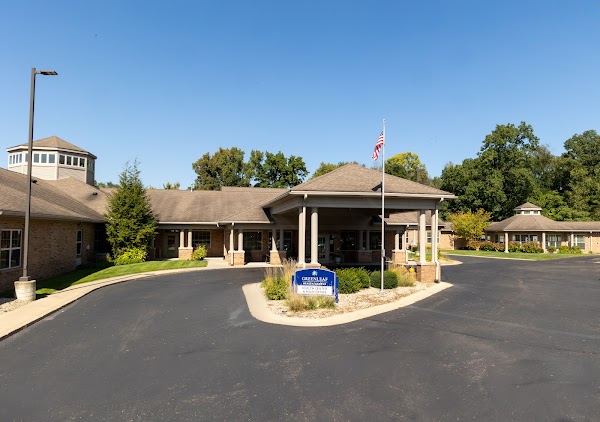
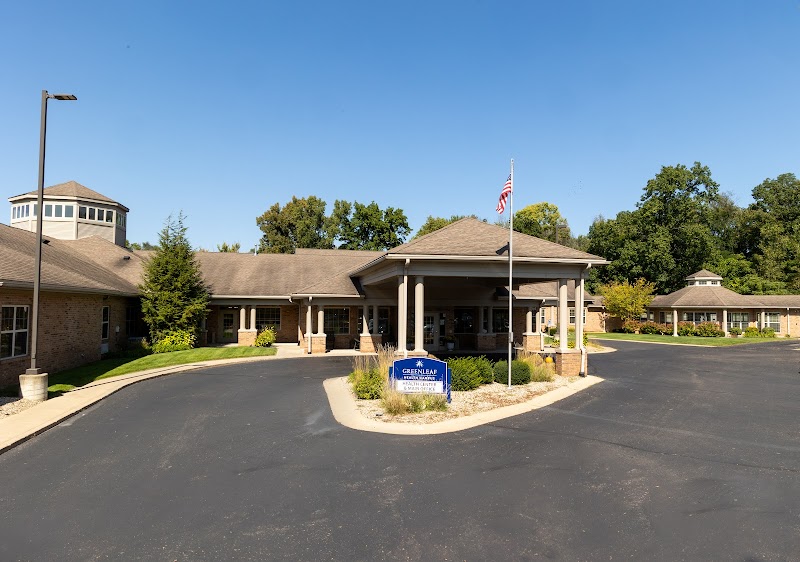
1201 E BEARDSLEY AVE, ELKHART, IN 46514 (574) 206-0086
For profit - Limited Liability company 60 Beds TRILOGY HEALTH SERVICES Data: November 2025
Trust Grade
68/100
#244 of 505 in IN
Last Inspection: September 2024

Within standard 12-15 month inspection cycle. Federal law requires annual inspections.

Overview

Greenleaf Health Campus has a Trust Grade of C+, indicating it is slightly above average but not without concerns. It ranks #244 out of 505 nursing homes in Indiana, placing it in the top half of facilities, and #5 out of 12 in Elkhart County, meaning only four local options are better. Unfortunately, the facility is experiencing a worsening trend, with issues increasing from 7 in 2023 to 10 in 2024. While staffing is a relative strength, with a 3 out of 5 rating and a turnover rate of 29% (well below the state average), the health inspection score is concerning at 2 out of 5, reflecting potential problems. There have been no fines reported, which is a positive sign. However, specific incidents include unsanitary food storage practices that could affect all residents, a failure to report a serious fall that led to hospitalization for a resident, and delays in completing required assessments for residents. Overall, while there are strengths, particularly in staffing stability, families should be aware of the facility's ongoing challenges.

Trust Score
C+
68/100
In Indiana
#244/505
Top 48%
Safety Record
Low Risk
No red flags
Inspections
Getting Worse
7 → 10 violations
Staff Stability
✓ Good
29% annual turnover. Excellent stability, 19 points below Indiana's 48% average. Staff who stay learn residents' needs.
Penalties
✓ Good
No fines on record. Clean compliance history, better than most Indiana facilities.
Skilled Nurses
✓ Good
Each resident gets 43 minutes of Registered Nurse (RN) attention daily — more than average for Indiana. RNs are trained to catch health problems early.
Violations
⚠ Watch
20 deficiencies on record. Higher than average. Multiple issues found across inspections.
★★★☆☆
3.0
Overall Rating
★★★☆☆
3.0
Staff Levels
★★★★★
5.0
Care Quality
★★☆☆☆
2.0
Inspection Score
Stable
2023: 7 issues
2024: 10 issues

The Good

  • 5-Star Quality Measures · Strong clinical quality outcomes
  • Low Staff Turnover (29%) · Staff stability means consistent care
  • Full Sprinkler Coverage · Fire safety systems throughout facility
  • No fines on record
  • Staff turnover is low (29%)

    19 points below Indiana average of 48%

Facility shows strength in quality measures, staff retention, fire safety.

The Bad

3-Star Overall Rating

Near Indiana average (3.1)

Meets federal standards, typical of most facilities

Chain: TRILOGY HEALTH SERVICES

Part of a multi-facility chain

Ask about local staffing decisions and management

The Ugly 20 deficiencies on record

Sept 2024 10 deficiencies
CONCERN (D)

Potential for Harm - no one hurt, but risky conditions existed

Report Alleged Abuse (Tag F0609)

Could have caused harm · This affected 1 resident

Based on observation, interview, and record review, the facility failed to report a fall resulting in major injury to the Indiana Department of Health (IDOH) for a resident requiring hospitalization g...

Read full inspector narrative →
Based on observation, interview, and record review, the facility failed to report a fall resulting in major injury to the Indiana Department of Health (IDOH) for a resident requiring hospitalization greater than 23 hours, for one of four residents reviewed for falls. (Resident 46) Finding includes: A Nursing Progress Note, dated 8/22/2024 at 8:00 P.M., indicated Resident 46 was found on the floor in her room. She was lying on her right side with blood coming from her head. Emergency Personnel were called and the resident was sent to the emergency room. A Nursing Progress Note, dated 8/23/2024 at 4:52 A.M., indicated Resident 46 was admitted to the hospital for observation of a large hematoma. A Nursing Progress Note, dated 8/24/2024 at 4:45 P.M., indicated Resident 46 arrived back to the facility with a laceration to the back of her head. The wound had 10 staples and measured 4.5 centimeters (cm) long. A CT (Computed Tomography) scan of Resident 46's brain without contrast, completed at the hospital on 8/22/2024 at 8:50 P.M., indicated the resident had a small intraventricular hemorrhage of the occipital horn and a right posterior scalp hematoma. A record review was completed on 9/10/2024 at 10:00 A.M., for Resident 46. Diagnoses included, but were not limited to: traumatic hemorrhage of cerebrum unspecified with loss of consciousness status unknown, laceration without foreign body of scalp, unspecified fracture of left pubis, subsequent encounter for fracture with routine healing-chronic, unspecified dementia, severe, without behavioral disturbance, psychotic disturbances, mood disturbances and anxiety. During an interview on 9/10/2024 at 1:37 P.M., the Administrator indicated the facility reported a laceration over 5 cm, fractures and subdural hematomas. The resident was not aware that she had an intraventricular hemorrhage and she also misunderstood the portion of the policy referring to phrase of unknown origin or requires hospitalization > 23 hours. On 9/10/2024 at 10:25 A.M., the Administrator provided a policy titled, Reportable Event Guidelines, revised 10/24/2022, and indicated the policy was the one currently used by the facility. The policy indicated .PURPOSE To provide guidelines to ensure reportable occurrences are recorded and monitored in accordance with state and federal guidelines. PROCEDURES 1. iii. Large lacerations or contusions ( of unknown origin or requires hospitalization > 23 hrs . 3.1-28(c)
CONCERN (D)

Potential for Harm - no one hurt, but risky conditions existed

Comprehensive Assessments (Tag F0636)

Could have caused harm · This affected 1 resident

Based on record review and interview, the facility failed to complete an Annual MDS (Minimum Data Set) assessment timely for 1 of 16 residents. Finding includes: Resident 46's record review was compl...

Read full inspector narrative →
Based on record review and interview, the facility failed to complete an Annual MDS (Minimum Data Set) assessment timely for 1 of 16 residents. Finding includes: Resident 46's record review was completed on 9/10/2024 at 10:00 A.M. Diagnoses included, but were not limited to dementia, psychotic disturbance, mood disturbance, anxiety, and type 2 diabetes. An Annual MDS assessment was initiated on 8/26/2024 but had not been completed as of 9/13/2024. During an interview on 9/13/2024 at 9:15 A.M., the MDS Coordinator indicated the Annual MDS assessment for Resident 46 was not completed and there was still one section to be completed by the Life and Enrichment staff member. The Annual MDS assessment should have been completed on 9/8/2024. The MDS Coordinator indicated the facility did not have a policy regarding completing MDS assessments but they followed the Resident Assessment Instrument (RAI) manual. During an interview on 9/13/2024 at 9:17 A.M., the MDS Regional Support Specialist indicated Resident 46 should have had an Annual MDS Assessment completed within 14 days from the Assessment Reference Date. 3.1-31(d)(1)
CONCERN (D)

Potential for Harm - no one hurt, but risky conditions existed

ADL Care (Tag F0677)

Could have caused harm · This affected 1 resident

Based on observation, record review and interview, the facility failed to provide ADL (Activities of Daily Living) services related to nail care and facial hair removal for 1 of 3 residents reviewed f...

Read full inspector narrative →
Based on observation, record review and interview, the facility failed to provide ADL (Activities of Daily Living) services related to nail care and facial hair removal for 1 of 3 residents reviewed for ADL care. (Resident 46) Finding includes: During an observation on 9/8/2024 at 2:11 P.M., Resident 46 was in the common area and had facial hair on her chin and dirt under the fingernails. During an observation on 9/09/24 at 10:05 A.M., Resident 46 was seated at a table and had facial hair on her chin and a brown substance under her fingernails. During an observation on 9/10/24 at 9:40 A.M., Resident 46 had facial hair on her chin and a brown substance under her fingernails. During an observation on 9/10/24 at 2:29 P.M., Resident 46 had facial hair on her chin and a brown substance under her nails. During an observation on 9/12/24 at 9:51 A.M., Resident 46 had facial hair on her chin. During an observation on 9/13/24 at 9:43 A.M., Resident 46 had facial hair on her chin and a brown substance under her nails. Resident 46's record review was completed on 9/10/2024 at 10:00 A.M. Her diagnoses included but were not limited to: traumatic hemorrhage of cerebrum unspecified with location, laceration without foreign body of scalp, fracture of left pubic, dementia, psychotic disturbance, mood disturbance, anxiety, and type 2 diabetes. A Quarterly Minimum Data Set (MDS) assessment, dated 5/31/2024, indicated Resident 46 had severe cognitive impairment and required substantial assistance for bathing and moderate assistance for personal hygiene. The current care plan for Resident 46, initiated on 10/11/2023, included a plan related to the resident's impairment of functional status problems. Interventions included: Offer facial shaving on shower days, as needed, and as requested and provide nail care on shower days and as needed. A review of the facility's Shower Book, completed on 9/10/2024 at 10:15 A.M., indicated Resident 46 had received a partial bed bath on 9/5/2024 and bed bath on 9/9/2024. Resident 46's record lacked documentation indicating she had refused to be shaved or have nail care performed by staff. During an interview with CNA 3, completed on 9/12/2024 at 11:39 A.M., she indicated she provided the following care for A.M Care (morning care routine): clean incontinent residents, change them into clean clothes, help with oral care and personal hygiene, give a shower if it is the resident's shower day. CNA 3 indicated a shower would consist of the resident's body and hair being washed, then applying deodorant and dressing the resident. During an interview with CNA 7, completed on 9/12/2024 at 11:45 A.M., she indicated A.M Care included showering the resident if it were the resident's shower day. A shower included washing the residents body and hair, helping them apply deodorant, dressing the resident, assisting the resident during oral care, shaving the resident and cleaning the resident's nails. During an interview with CNA 8, completed on 9/12/2024 at 11:51 A.M., she indicated A.M Care included washing the resident's arm pits, perineal care, oral hygiene, changing the residents clothes, brushing their hair and making sure the resident was clean. If the resident was receiving a shower, the resident would be assisted with washing their body from top to bottom, hair washed, perineal care performed with a clean wash cloth, dried with a towel, dressed and nail care performed. During an interview with CNA 6, completed on 9/12/2024 at 11:55 A.M., she indicated A.M Care included oral care, brushing hair, providing drinks, positioning in bed, toileting the resident or check and changing the resident. During a shower, the resident would be washed from top to bottom, their hair would be washed, oral care would be provided, they would be assisted to dress and taken to breakfast. During an interview with the RCN (Regional Clinical Nurse), completed on 9/13/2024 at 10:00 A.M., she indicated shaving and nail care are performed during A.M and P.M Care (morning and nightly care routine) by the CNAs. Nail care could also be provided by the Activities Department when they painted resident's nails as a scheduled activity. Refusal for nail care and shaving should be documented on the shower sheet or in a Nurse's Progress Notes. A policy for ADL care was requested but the facility indicated they did not have a policy for providing ADL care. 3.1-38 (a)(3)
CONCERN (D)

Potential for Harm - no one hurt, but risky conditions existed

Deficiency F0679 (Tag F0679)

Could have caused harm · This affected 1 resident

Based on observation, interview and record review, the facility failed to provide activity programs in the evenings. This had the potential to affect 57 out of 57 residents residing in the facility. ...

Read full inspector narrative →
Based on observation, interview and record review, the facility failed to provide activity programs in the evenings. This had the potential to affect 57 out of 57 residents residing in the facility. Finding includes: During an interview on 9/8/2024 at 10:27 A.M., Resident 7 indicated they have not had any evening activities and she would like to have attended them. A record review was completed on 9/9/2024 at 1:52 P.M., for Resident 7. Diagnoses included, but were not limited to: hemiplegia and hemiparesis following cerebral infarction affecting right dominant side, facial weakness following cerebral infarction, unilateral primary osteoarthritis, left hip, low back pain, unspecified, and other chronic pain. An Annual Minimum Data Set (MDS) assessment, dated 11/30/2023, indicated that it was very important to the resident to invite her to group activities. A current Care Plan, titled Activities, initiated on 8/30/2019, indicated that it was important to her to be with groups of people and to invite to activities. The January 2024 Activity schedule provided to the Residents had no activities listed in the evening hours for the month. The August 2024 Activity schedule provided to the Residents only had one special themed dinner listed for the month on 8/22/2024, no other group activity scheduled for the evening hours. The September 2024 Activity calendar provided to the Residents had no evening activities scheduled. During an interview on 9/10/2024 at 9:56 A.M., the Life Enrichment Director indicated the last activity for the day started at 3:00 P.M., then the residents got ready for dinner. He currently did not have anyone working evenings, so he stopped providing activities in the evenings for the past couple of months. He indicated there should have been at least two activities scheduled a week in the evenings. On 9/10/2024 at 10:41 A.M., the Life Enrichment Director, provided a policy titled, Program Components/Standards, dated 6/3/2017, and indicated the policy is the one currently used by the facility. The policy indicated .The Life Enrichment Department designs programs which are meaningful, diverse, stimulating, and consistent with the needs, preferences, and abilities of each individual resident/patient . 3.1-33(c)
CONCERN (D)

Potential for Harm - no one hurt, but risky conditions existed

Accident Prevention (Tag F0689)

Could have caused harm · This affected 1 resident

Based on observation, interview and record review, the facility failed to ensure the environment was free from accidents and hazards related to medication left unattended on 1 or 2 halls. (200 hall, R...

Read full inspector narrative →
Based on observation, interview and record review, the facility failed to ensure the environment was free from accidents and hazards related to medication left unattended on 1 or 2 halls. (200 hall, Resident 7) Finding includes: During an observation on 9/8/2024 at 11:30 A.M., Resident 7 had a tube of Voltaren gel and Biofreeze pain relief cream on her nightstand, and an opened bag of Hall's cough drops on the bedside table. During an observation on 9/9/2024 at 9:19 A.M., Resident 7 had a tube of Voltaren gel and Biofreeze on her nightstand, and an opened bag of Hall's cough drops on the bedside table. A record review was completed on 9/9/24 at 1:52 P.M., for Resident 7. Diagnoses included, but were not limited to: hemiplegia and hemiparesis following cerebral infarction affecting right dominant side, facial weakness following cerebral infarction, unilateral primary osteoarthritis, left hip, low back pain, unspecified, and other chronic pain. A review of the Physician Orders, dated September 2024, indicated Resident 7 did not have an order for Voltaren gel, Biofreeze or Hall's cough drops. A review of clinical record assessments indicated there was no self-administration assessment completed for Resident 7. During an interview on 9/9/2024 at 2:13 P.M., RN 11 indicated the facility kept medicated creams in a cart in the medication room. RN 11 indicated the Voltaren gel, Biofreeze, and cough drops should not have been in Resident 7's room and she should have had an order for use of the medication as well as for self-administration of the medications. RN 11 indiated Resident 7 did not self-administer her own medications. In addition, RN 11 indicated there were two cognitively impaired Resident's (43 and 46) housed on the unit that wandered into other residents rooms. On 9/9/2024 at 2:00 P.M., the DON provided a policy titled, Guidelines for Self Administration of Medications, dated 12/31/2023, and indicated the policy was the one currently used by the facility. The policy indicated .Procedures: 1. Residents requesting to self-medicate or self-medications as a part of their plan of care shall be assessed using the observation Trilogy-Self Administration of Medication within the electronic health record. Results of the assessment will be presented to the physician for evaluation and an order for self medication. 3. The medication will be kept in a locked drawer in the residents' room. The resident will maintain the key, as well as, a key will be maintained by the licensed nurse and or QMA. 8. The assessment will be documented in the EHR . 3.1-45(a)1
CONCERN (D)

Potential for Harm - no one hurt, but risky conditions existed

Respiratory Care (Tag F0695)

Could have caused harm · This affected 1 resident

Based on observation, record review, and interview the facility failed to ensure oxygen tubing and humidifiers were maintained per standards appropriately for 2 of 3 residents observed for respiratory...

Read full inspector narrative →
Based on observation, record review, and interview the facility failed to ensure oxygen tubing and humidifiers were maintained per standards appropriately for 2 of 3 residents observed for respiratory care. (Residents 259 & 36) Findings include: 1. During an observation, on 9/8/2024 at 10:38 A.M., Resident 259's oxygen tubing and humidifier lacked a date to ietntify when they were last changed. During an observation, on 9/9/2024 at 10:11 A.M., the oxygen tubing for Resident 259 had a date of 9/7/2024 and the humidifier still lacked a date. On 9/9/2024 at 2:28 P.M., a record review was completed for Resident 259. Diagnoses included, but were not limited to respiratory failure and bronchitis. A Physician's order, dated 8/26/2024, indicated to change the oxygen tubing monthly, once per day, on the first day of the month. During an observation, on 9/12/2024 at 10:54 A.M., the oxygen humidifier now had a date of 9/12/2024. 2. During an observation on 9/8/2024 at 10:07 A.M., Resident 36 was asleep in her wheelchair wearing oxygen. The respiratory equipment storage bag and oxygen tubing were dated 8/29/2024. The BIPAP tubing was undated and laying on top of the machine uncovered. During an observation on 9/9/2024 at 9:24 A.M., Resident 7 was up in her wheelchair wearing oxygen and the respiratory storage bag and tubing were now dated 9/7 and the BIPAP tubing was undated and laying on top of the machine uncovered. A record review completed on 9/9/2024 at 2:41 P.M., for Resident 36. Diagnoses included, but were not limited to: chronic respiratory failure with hypoxia, acute and chronic respiratory failure with hypercapnia, chronic respiratory failure with hypercapnia, respiratory failure, unspecified with hypercapnia, other disorders of lung note: restrictive lung disease, and chronic obstructive pulmonary disease, unspecified. A Physician Order for Resident 36, dated 5/15/2024, indicated BIPAP 12.5 with 2 liters of oxygen at bedtime and as needed. A Physician Order for Resident 36, dated 5/26/2024, indicated to change oxygen tubing monthly on the 27 th of the month. A Physician Order for Resident 36, dated 4/25/2024, continuous oxygen at 2 liters per nasal cannula. During an interview on 9/12/2024 at 10:48 A.M., LPN 5 indicated the BIPAP tubing should be stored in a bag when not in use. The tubing and mask should be cleaned weekly, and the tubing should be changed out monthly. She could not tell when the BIPAP was cleaned or changed last because she did not have an order for either and the tubing was undated. On 9/10/2024 at 2:53 P.M., the Administrator provided a policy titled. Administration of Oxygen, reviewed 12/31/2023, and indicated the policy was the one currently used by the facility. The policy indicated . SOP DETAILS 14. Date the tubing for the date it was initiated. a. Tubing should be changed monthly and PRN . On 9/12/2024 at 11:40 A.M., the Administrator indicated they did not have a policy for the use and storage of CPAP or BIPAP equipment. 3.1-47(a)(6)
CONCERN (D)

Potential for Harm - no one hurt, but risky conditions existed

Medication Errors (Tag F0758)

Could have caused harm · This affected 1 resident

Based on record review and interview, the facility failed to discontinue or obtain a new order for a PRN (as needed) psychotropic medication after 14 days, for 1 of 5 residents whose medications were ...

Read full inspector narrative →
Based on record review and interview, the facility failed to discontinue or obtain a new order for a PRN (as needed) psychotropic medication after 14 days, for 1 of 5 residents whose medications were reviewed. (Resident 44) Finding includes: Resident 44's record review was completed on 9/12/2024 at 2:04 P.M. Her diagnoses included, but were not limited to: bipolar disorder, depression, anxiety disorder. A current Physician's order dated, 8/8/2024, indicated Resident 44 could have 0.5 milligrams of Alprazolam twice a day if needed. Resident 44's record lacked the documentation providing a reason why a PRN psychotropic was used longer than 14 days. During an interview on 9/13/2024 1:57 P.M., the Director of Nursing indicated the facility should have stopped the Alprazolam after 14 days and notified the Nurse Practioner. On 9/13/2024 at 2:25 P.M. the Director of Nursing provided an undated policy titled, Psychotropic Medication Usage and Gradual Dose Reduction, and identified it as the policy currently used by the facility. The policy indicated, .8. PRN order for psychotropic drugs are limited to 14 days. Except as provided if the attending physician or prescriber believes that it is appropriate for PRN order to be extended beyond 14 days, he or she should document their rationale in the resident's medical record and indicate the duration for the PRN order. 9. PRN orders for anti-psychotic drugs are limited to 14 days and cannot be renewed unless the attending physician or prescribing practitioner evaluates the resident for the appropriateness of that medication. 3.1-48 (a)(2)
CONCERN (D)

Potential for Harm - no one hurt, but risky conditions existed

Deficiency F0773 (Tag F0773)

Could have caused harm · This affected 1 resident

Based on observation, interview, and record review, the facility failed to promptly notify the ordering physician of laboratory results requiring medical treatment according to policies and procedures...

Read full inspector narrative →
Based on observation, interview, and record review, the facility failed to promptly notify the ordering physician of laboratory results requiring medical treatment according to policies and procedures for notification and the medical order for 1 of 3 reviewed for antibiotics. (Resident 7) Finding includes: During an interview on 9/8/2024 at 10:34 A.M., Resident 7 indicated she gets frequent urinary tract infections (UTI) but does not recall when she had the last one. A Nursing Progress Note, dated 4/21/2024 at 6:41 A.M., indicated the spouse requested a laboratory test for an UTI due her head being shaky. A physician's order was received. A Physician's Order, dated 4/21/2024, indicated to collect a urinalysis (UA) with culture. A Nursing Progress Note, dated 4/22/2024 at 7:02 P.M., indicated the urine was collected. A laboratory result, with a collection date of 4/22/2024, received date of 4/24/2024 and report date of 4/25/2024 indicated bacterial pathogen detected was Escherichia coli 99.998%. A Nursing Progress Note, dated 5/1/2024 at 4:30 P.M., indicated the urine culture results were reviewed by the Nurse Practitioner and orders were received for Nitrofurantoin, an antibiotic. A Physician Order, dated 5/1/2024, indicated Nitrofurantoin, an antibiotic, 100 mg twice a day for 7 days. A Care Plan, dated 8/30/2023, indicated the had the potential for UTI due to diagnoses of overactive bladder and history of UTI's and incontinence. Interventions included labs as ordered and report abnormal values to the Medical Director. A record review was completed on 9/9/24 at 1:52 P.M., for Resident 7. Diagnoses included, but were not limited to: hemiplegia and hemiparesis following cerebral infarction affecting right dominant side, overactive bladder and type 2 diabetes. During an interview, on 9/12/2024 at 9:35 A.M., the Infection Preventionist indicated the lab was notified of the order when it was entered and then the laboratory sends the results back to the facility electronically under the diagnostics section. The nurse was expected to check the EMR each shift after the culture was ordered. She would have expected the nurse to respond within 4 hours after the results were received. May 1, 2024 was the date the laboratory results were followed up on when the follow up should have occurred on 4/25/2024. The NP indicated delay in treating the infection could have resulted in the resident's condition worsening. On 9/12/2024 at 10:59 A.M., the Administrator provided a policy Physician Provider Notification Guidelines, review date 12/31/2023, and indicated the policy was the one currently used by the facility. The policy indicated .PURPOSE: To ensure the resident's physician or practitioner (may include NP, PA, or clinical nurse specialist) is aware of all diagnostic testing results or change in condition in a timely manner to evaluate conation for need of provision of appropriate interventions for care. 1. Resident assessments for change in condition, suspect injury, event of unknown origin or ordered lab and/or other diagnostic tests should be completed in a timely manner. 11. Attempts to notify the physician/provider and their response should be documented in the resident electronic health record . 3.1-49(a)(f)(2)
CONCERN (D)

Potential for Harm - no one hurt, but risky conditions existed

Infection Control (Tag F0880)

Could have caused harm · This affected 1 resident

Based on observation and interview, failed to ensure infection control practices were in place for 1 of 1 resident observed during catheter care. (Resident 259) Findings include: On 9/12/2024 at 1:23 ...

Read full inspector narrative →
Based on observation and interview, failed to ensure infection control practices were in place for 1 of 1 resident observed during catheter care. (Resident 259) Findings include: On 9/12/2024 at 1:23 P.M., Resident 259 was observed for catheter care. CNA 3 entered the resident's room. Once in the room, CNA 3 washed her hands prior to putting on a gown and gloves. She removed a disposable wipe from the package and began cleansing the catheter tubing, starting at the insertion site and going down the tube. CNA 3 disposed of the wipe and removed another one from the package and repeated the process. CNA 3 grabbed the residents bed sheets and covered her up, pulled the residents shirt down to cover her abdomen, placed a new bag in the trash, and grabbed the resident's bedside table to move it closer to the. CNA 3 then removed her gown and gloves and washed her hands. On 9/9/2024 at 2:28 P.M., a record review was completed for Resident 259. Diagnoses included, but were not limited to retention of urine. During an interview, on 9/12/2024 at 1:36 P.M., CNA 3 indicated she should have removed her gloves and washed her hands before touching anything else in the room. A current Care Plan, dated 8/27/2024 indicated Resident 259 required enhanced barrier precautions (EBP) during high-contact care related to presence of: an indwelling catheter, infection or colonization of MDRO (Multi drug resistant organism). Interventions included to perform hand hygiene before and after care, per policy, and as required. Utilize gown and gloves per EBP policy during indwelling device care, central lines and urinary catheter care. On 9/12/2024 at 2:08 P.M., the Administrator provided the policy titled, Urinary Catheter Care,undated, and indicated it was the policy currently being used by the facility. The policy indicated, 21. After completion of the procedure: b. Discard disposable items into designated containers. Remove gloves and discard into designated container. Wash hands and dry thoroughly. c. Reposition bed covers. Make the resident comfortable. e. Return the over bed table to its proper position. f. Wash and dry hands thoroughly. 3.1-19(l)
CONCERN (F)

Potential for Harm - no one hurt, but risky conditions existed

Food Safety (Tag F0812)

Could have caused harm · This affected most or all residents

**NOTE- TERMS IN BRACKETS HAVE BEEN EDITED TO PROTECT CONFIDENTIALITY** Based on observation, record review and interview, the facility failed to store food under sanitary conditions related to foods ...

Read full inspector narrative →
**NOTE- TERMS IN BRACKETS HAVE BEEN EDITED TO PROTECT CONFIDENTIALITY** Based on observation, record review and interview, the facility failed to store food under sanitary conditions related to foods not tightly sealed, outdated foods and dirty kitchen equipment. In addition, the facility failed to prepare and serve food related to staff members not wearing hair nets as required for 2 of 2 kitchens observed. (Main and Activities kitchen) This issue had the potential to affect 57 of 57 residents who resided in the facility and received food from this dietary kitchen. Finding includes: On 9/8/24 at 10:09 A.M., a kitchen tour was conducted with the Assistant Director of Food Services. The following was observed in the walk in fridge: - A bag of salad mix not sealed properly. - A container of salad dressing with a use by date of 9/6/2024. The following was observed in the walk in freezer: - A bag of potatoes not sealed appropriately. The following was observed in the milk fridge: - A bottle of cinnamon yogurt flavoring with no use by date. - A bag of [NAME] jack cheese with a use by date of 9/5/2024. The following was observed in the juice fridge: - Two bottles of prune juice with use by dates of 9/4/2024 and 9/6/2024. The following was observed in the dry storage: - A box of pancake mix with a use by date of 8/30/2024. During an interview, on 9/8/2024 at 10:36 A.M., the Assistant Director of Food Services indicated the foods should have been sealed appropriately and expired foods should have been thrown in the trash. During an observation and interview, on 9/8/2024 at 10:06 A.M., [NAME] 4 was not wearing a hair net. She indicated she should have had one on. On 9/10/2024 at 11:07 A.M., a tour of the activities kitchen was conducted with the Activities Director. The following was observed: - A microwave with dried food on the glass plate, the roof, and all sides. During an interview, on 9/10/2024 at 11:09 A.M., the Activities Director indicated the microwave should have been cleaned. On 9/10/2024 at 10:42 A.M., the Administrator provided the policies titled, Food Safety and Handling, Food Labeling and Dating Policy, and Hair Restraint, dated 3/18/2019 and indicated the policies were the ones currently used by the facility. The policies indicated Prepared leftover food items must be discarded within 3 days. Any food product removed from its original container, has a broken seal, has been processed in any way must have a label that contains the following: 1. Item Name. 2. Date and time the food was labeled. 3. Use by date. 4. Initials of the person labeling the item. 5. Securely cover the food item. All Dining Service employees will be required to wear hair restraints as required by the 2009 Federal Food Code. Food employees shall wear hair restraints such as hats, hair coverings or nets, beard restraints, and clothing that covers body hair, that are designed and worn to effectively keep their hair from contacting exposed food 3.1-21(h)(3)
Oct 2023 5 deficiencies
CONCERN (D)

Potential for Harm - no one hurt, but risky conditions existed

Deficiency F0554 (Tag F0554)

Could have caused harm · This affected 1 resident

Based on record review and interview, the facility failed to assess a resident's ability to self-administer medication timely for 1 of 1 resident's reviewed for self-administration of medication. (Res...

Read full inspector narrative →
Based on record review and interview, the facility failed to assess a resident's ability to self-administer medication timely for 1 of 1 resident's reviewed for self-administration of medication. (Resident 1) Finding includes: During an observation, on 10/4/2023 at 9:15 A.M., a locked box was sitting on a table next to Resident 1's recliner. During an interview, on 10/4/2023 at 9:16 A.M., Resident 1 indicated she self-administers most of her nightly medications. A record review was completed, on 10/5/2023 at 2:08 P.M. Resident 1's diagnoses included, but were not limited to: atrophy of thyroid, chronic kidney failure stage 4, hyperlipidemia, heart failure, hypertension, and fibromyalgia. A care plan, dated 3/3/2022, indicated the resident may keep medications at bedside and self-administer: all oral medications, powders, eye drops, and creams. Resident 1's current Self-Administration of Medications assessment had been completed on 3/3/2023. During an interview, on 10/6/2023 at 10:03 A.M., the Director of Health Services indicated the Self-Administration of Medications Assessment, dated 3/3/2023 for Resident 1 was the most current. The Director of Health Services indicated there should have been an assessment completed every quarter and was not. ON 10/10/2023 at 9:45 A.M., the Executive Director provided the policy titled,Guidelines for Self-Administration of Medications, dated 12/31/2022, and indicated the policy was the one currently used by the facility. The policy indicated, To ensure the safe administration of medication for residents that request to self-medicate .7. The assessment will be reviewed quarterly, and PRN (as needed) with change of condition. 8. The assessment will be documented in the EHR (Electronic Health Record) 3.1-11
CONCERN (D)

Potential for Harm - no one hurt, but risky conditions existed

Comprehensive Care Plan (Tag F0656)

Could have caused harm · This affected 1 resident

Based on interview, and record review the facility failed to develop a person-centered care plan for 1 of 21 residents whose care plans were reviewed. (Resident 10) Finding includes: During an intervi...

Read full inspector narrative →
Based on interview, and record review the facility failed to develop a person-centered care plan for 1 of 21 residents whose care plans were reviewed. (Resident 10) Finding includes: During an interview, on 10/2/2023 at 11:07 A.M., Resident 10's daughter indicated that he has issues with constipation and was not sure when he last had a bowel movement. A record review for Resident 10 conducted, on 10/03/2023 at 1:33 P.M., indicated diagnoses that included, but were not limited to: metabolic encephalopathy, urinary tract infection, bacteremia, neuromuscular dysfunction of the bladder, and benign prostatic hypertrophy. An admission MDS (Minimum Data Set) assessment indicated Resident 10's cognition was intact. He required extensive assist of 1 staff for bed mobility, dressing, and toileting, and total dependence of 2 staff for transfers. Resident 10's physician orders included, but were not limited to: -9/6/2023 polyethylene glycol powder 17gm (grams) oral once a day for constipation. -8/30/2023 bisacodyl suppository 10mg (milligrams) 1 suppository rectally once a day as needed for constipation. Resident 10's care plan lacked documentation that addressed constipation. During an interview, on 10/6/2023 at 2:03 P.M., the Director of Health Services indicated that constipation should be addressed in the care plan but was not. A current policy provided by the Executive Director, on 10/6/2023 at 9:45 A.M., titled, Comprehensive Care Plan and Guideline included, but was not limited to: .Problem areas should identify relative concerns .Comprehensive care plans need to remain accurate and current 3.1-35(b)(1)
CONCERN (D)

Potential for Harm - no one hurt, but risky conditions existed

Pressure Ulcer Prevention (Tag F0686)

Could have caused harm · This affected 1 resident

Based on observation, record review and interview, the facility failed to ensure infection control practices were maintained during wound care for a 1 of 1 residents reviewed. (Resident 30) Finding in...

Read full inspector narrative →
Based on observation, record review and interview, the facility failed to ensure infection control practices were maintained during wound care for a 1 of 1 residents reviewed. (Resident 30) Finding includes: During an observation of Resident 30's wound treatment, on 10/10/2023, the following was observed: - LPN 7 washed her hands and applied gloves. She provided pericare to Resident 30 and upon completion she removed and reapplied new gloves without washing her hands. She then proceeded to clean the coccyx area with gauze that had been soaked in a normal saline solution. She removed and reapplied new gloves without washing her hands and proceeded to measure the area on Resident 30's coccyx. She then removed and reapplied gloves without washing her hands and applied Triad paste to the area. During an interview, on 10/10/2023 at 10:25 A.M., LPN 7 indicated she should have washed her hands or used hand sanitizer after changing her gloves. On 10/10/2023 ar 11:25 A.M., the Director of Nursing provided the policy titled, Guideline for Handwashing/Hand Hygiene, dated 2/9/2017, and indicated the policy was the one currently used by the facility. The policy indicated .3. Health Care Workers (HCW) shall use hand hygiene at times such as: .d. After removing gloves, worn per Standard Precautions for direct contact with excretions or secretions, mucous membranes, specimens, resident equipment, grossly soiled linen, ect 3.1-40
CONCERN (D)

Potential for Harm - no one hurt, but risky conditions existed

Deficiency F0761 (Tag F0761)

Could have caused harm · This affected 1 resident

Based on observation, and interview, the facility failed to ensure medication storage areas were free form loose medications; undated opened medications; and medication with no resident identifiers du...

Read full inspector narrative →
Based on observation, and interview, the facility failed to ensure medication storage areas were free form loose medications; undated opened medications; and medication with no resident identifiers during medication storage reviews for 1 of 2 medication rooms observed and 1 of 2 medication carts observed. (200 Hall Front Medication cart, 100 Hall medication room and 300 Hall medication room) Findings include: 1. During a medication storage observation, on 10/10/2023 at 10:47 A.M., on the 200 Hall front medication cart, with LPN 4, the following was observed: 1 loose pill in the second drawer, an opened bottle of Milk of Magnesia, Miralax and Robitussin undated. During an interview, on 10/10/2023 at 10:50 A.M., LPN 4 indicated there should be no loose pills in the cart and the medications's should have date opened. 2. During a medications storage observation, on 10/10/2023 at 10:52 A.M., on the 100 Hall medication room,with LPN 5, the following was observed: a bottle of sparkling ice drink, a yogurt and a breakfast burrito in a bag all with no resident identifying information. The refrigerator had a red sticky substance on a shelf. During an interview, on 10/10/2023 at 10:53 A.M., LPN 5 indicated the food items should have a residents name and the refrigerator should have been cleaned. 3. During a medication storage observation, on 10/10/2023 at 11:18 A.M., on the 300 Hall medication room with LPN 6, the following was observed: Lubricant eye drops that had expired on 1/2022; glucose tabs with no resident identifiers. During an interview, on 10/10/2023 at 11: 19 A.M., LPN 6 indicated the eye drops should not be in the medication room, and the tabs should have name on them. On 10/10/2023 at 3:15 P.M., the Diretor of Nursing provided the policy titled,Medication Storage In The Facility, dated 10/2019, and indicated the policy was the one currently used by the facility.The policy indicated . K. Other foods such as employee lunches and activity department refreshements are not stored in this refrigerator . When the original seal of a manufacture's container or vial that requires a shorter expiration is initially broken, the container or vial will be dated. a.) A date opened sticker shall be placed on these medications . F. All expired medications will be removed from the active supply and destroyed in the facility, regarless of amount remaining. 3.1-25(j)(o)
CONCERN (D)

Potential for Harm - no one hurt, but risky conditions existed

Infection Control (Tag F0880)

Could have caused harm · This affected 1 resident

Based on observation, record review and interview, the facility failed to ensure infection control practices were maintained for the cleaning and disinfection of a glucose monitoring machine and durun...

Read full inspector narrative →
Based on observation, record review and interview, the facility failed to ensure infection control practices were maintained for the cleaning and disinfection of a glucose monitoring machine and durung the administration of a subcutaneous injection for 1 of 1 resident reviewed. (Resident 45) Finding includes: During an observation, on 10/6//2023 at 6:55 A.M., the following was observed: - LPN 3 placed a glucose monitoring machine on the over the bed side table in Resident 45's room. The table had no barrier. LPN 3 cleansed the resident's finger with an alcohol pad and with an opened hand and fanned the area she had just cleansed with the pad. LPN 3 completed the finger stick and obtained the blood sample, and placed the glucose monitoring machine back on the bed side table. - LPN 3 exited the resident; room and cleaned the accu check machine with an alcohol pad. - LPN 3 obtained the residents insulin pen from the medication cart, and returned to the resident room to administer the insulin. LPN 3 cleansed the abdomen with an alcohol pad, then with an opened hand fanned the area that was just cleansed. During an interview, on 10/6/2023 at 7:07 A.M., LPN 3 indicted she should have used a barrier and should not have fanned the areas. On 10/10/2023 ar 11:25 A.M., the Director of Nursing provided the policy titled, Guideline for Handwashing/Hand Hygiene, dated 2/9/2017, and indicated the policy was the one currently used by the facility. The policy indicated .3. Health Care Workers (HCW) shall use hand hygiene at times such as: .d. After removing gloves, worn per Standard Precautions for direct contact with excretions or secretions, mucous membranes, specimens, resident equipment, grossly soiled linen, ect On 10/10/2023 at 11:25 A.M., the Director of Nursing provided the policy tilted, Specific Medication Administration Procedures, dated 11/2018, and indicated the policy was the one currently used by the facility. The policy indicated .Injectable Medication Administration. Equipment Required . F. Barrier(e.g., disposable tray or plastic cup), if supplies or medication will be set down in resident's room On 10/6/2023 at 9:10 A.M., the Executive Director provided the policy titled, Cleaning Instructions for Glucometer, undated, and indicated the policy was the one currently used by the facility. The policy indicated .3. Acceptable cleaning solutions include alcohol and ammonia- based cleaners. Recommended solutions are Sani Cloth HB, Sani Cloth Plus and Super Sani Cloth On 10/6/2023 at 10:28 A.M., the Director of Nursing provided the Manufactures guideline for the Cleaning and Disinfecting the Assure Prism Blood Glucose Monitoring System. The guidelines indicated: The cleaning procedure is needed to clean dirt, blood and other bodily fluids off the exterior of the meter before performing the disinfecting procedure. The disinfection procedure is needed to prevent the transmission of blood-borne pathogens. 3.1-18(a)
Aug 2023 2 deficiencies
CONCERN (D) 📢 Someone Reported This

A family member, employee, or ombudsman was alarmed enough to file a formal complaint

Potential for Harm - no one hurt, but risky conditions existed

Comprehensive Care Plan (Tag F0656)

Could have caused harm · This affected 1 resident

Based on interview and record review, the facility failed to develop a comprehensive person centered care plan for 1 of 3 residents reviewed for infections, (Resident E). Finding includes: On 8/9/23 ...

Read full inspector narrative →
Based on interview and record review, the facility failed to develop a comprehensive person centered care plan for 1 of 3 residents reviewed for infections, (Resident E). Finding includes: On 8/9/23 at 11:30 A.M., Resident E's clinical record was reviewed, and indicated the resident was admitted to the facility with diagnoses that included overactive bladder, urge incontinence, and personal history of urinary tract infections. An admission Minimum Data Set (MDS) assessment, dated 5/25/23, indicated Resident E was cognitively intact, required extensive assistance for transfers, and toilet use, and was occasionally incontinent of bladder. A fax, from Resident E's urologist, dated 8/1/23, indicated, .Attached is a new RX [prescription] for the patient [Resident E] to treat UTI. Please start her on this ASAP . A Physicians order, dated 8/1/23, indicated to administer Levo floxacin 250 mg orally every day and Diphenhydramine HCL 25 mg capsule orally every day for urinary tract infection. Review of Resident E's Care Plans indicated a lack of a comprehensive person centered care plan that addressed the resident's history of urinary tract infections until 8/7/23 after the resident had been diagnosed with a urinary tract infection. On 8/8/23 at 12:30 P.M., during an interview with ( MDS) Clinical Support nurse, she indicated Resident E did not have a care plan in place to address her history of urinary tract infections until 8/7/23, and that the resident should have had a care plan in place related to her history of urinary tract infections upon admission. On 8/9/23 at 12:30 P.M., a policy titled, Comprehensive Care Plan Guideline Policies and Procedures Clinical, dated 12/31/22, was provided by the Executive Director and indicated, .To ensure appropriateness of services and communication that will meet the resident's needs .b. The comprehensive care plan .should be reflective of risk areas or disease processes that impact the individual resident .d. A comprehensive care plan will be developed within 7 days of completion of the admission comprehensive assessment . This Federal tag is related to complaints IN00414225. 3.1-35(a) 3.1-35(c)(1)
CONCERN (D) 📢 Someone Reported This

A family member, employee, or ombudsman was alarmed enough to file a formal complaint

Potential for Harm - no one hurt, but risky conditions existed

Incontinence Care (Tag F0690)

Could have caused harm · This affected 1 resident

**NOTE- TERMS IN BRACKETS HAVE BEEN EDITED TO PROTECT CONFIDENTIALITY** Based on interview and record review, the facility failed to ensure 1 of 3 residents reviewed for infections (Resident E), recei...

Read full inspector narrative →
**NOTE- TERMS IN BRACKETS HAVE BEEN EDITED TO PROTECT CONFIDENTIALITY** Based on interview and record review, the facility failed to ensure 1 of 3 residents reviewed for infections (Resident E), received appropriate services to prevent a worsening urinary tract infection when a resident's personal caregiver reported a suspicion of a urinary tract infection and requested urine testing for infection. Finding includes: On 8/8/23 at 10:41 A.M., during an interview with the Director of Nursing Services (DNS), she indicated on 7/31/23 Resident E's personal care giver wanted an antibiotic ordered for the resident because she felt the resident had a urinary tract infection (UTI). The DNS indicated LPN 2 indicated to the personal care giver that she could not order an antibiotic but could test Resident E's urine for infection. The DNS indicated LPN 2 was unable to collect a urine sample that evening, so the resident's urine was not tested at the facility. On 8/8/23 at 2:00 P.M., during an Interview with LPN 2, she indicated on 7/31/23 at around 6:00 P.M., Resident E's personal care giver indicated the resident had a UTI and demanded an antibiotic. LPN 2 indicated she didn't have reason to suspect a UTI because Resident E was at baseline and had offered no complaints. LPN 2 indicated she told the personal care giver that she could dip the resident's urine for infection if needed. LPN 2 indicated she never saw Resident E after the personal care giver indicated the resident had a UTI and needed antibiotics. LPN 2 indicated she passed the concern to the evening shift nurse. On 8/8/23 at 2:20 P.M., during a second interview with the DNS, she indicated on 8/1/23, Resident E's personal care giver came to her at the facility and was upset that the facility had not tested the resident's urine the night before and that she collected a urine sample herself, took it to the resident's urologist for testing, and found the resident was positive for a UTI. The DNS indicated by 8/01/23 at 12:00 P.M., Resident E had an order for an antibiotic. The Director of Nursing Services indicated she was unaware of the concern of a possible UTI, or the request for an antibiotic until Resident E's personal care giver notified her on 8/1/23. The DNS indicated LPN 2 was written-up for not documenting the incident. The DNS indicated the facility has Standing Orders for UTI testing. On 8/8/23 at 3:05 P.M., during an interview with Resident E, she indicated she was feeling symptoms of frequency and urgency on 7/31/23 and had reported to an unknown CNA that she thought she may have a urinary tract infection. Resident E indicated the CNA told her the nurse would be in to see her, but the nurse never came in. Resident E indicated her personal care giver came to the facility in the afternoon and the care giver reported to LPN 2 that the resident may have a UTI, and the resident needed to be tested for a UTI. After her personal care giver requested that LPN 2 initiate a urine test, LPN 2 never came in to assess her or ask if she was having any UTI symptoms. She did not see LPN 2 again that day. On 8/8/23 at 3:20 P.M., during an interview with Resident E's personal care giver, she indicated she had come to the facility on 7/31/23 and Resident F was complaining that she was having frequency and urgency with urination. Resident F was not having pain, but other symptoms. The personal care giver indicated around 2:30 P.M., she reported Resident F's concerns to LPN 2 and that the LPN indicated she could dip her urine as it was a Standing Order. She returned to the facility the following morning to find they had not tested the resident's urine so she collected a sample herself and took it to the resident's urologist for testing and it was positive for a urinary tract infection that required treatment of antibiotics. On 8/9/23 at 11:41 A.M., during an interview RN 3 indicated on 7/31/23 around 6:00 P.M., LPN 2 reported that Resident E requested urine testing, and that LPN 2 indicated the resident did not have symptoms of a UTI, so did not test the resident's urine. LPN 2 never reported to her that the resident's urine needed to be tested and was unaware that the personal care giver requested urine testing. RN 2 indicated she did not chart an assessment related to UTI or UTI symptoms when she saw the resident that evening. On 8/9/23 at 11:30 A.M., Resident E's clinical record was reviewed, and indicated the resident was recently admitted with a fractured femur. Other diagnoses included heart failure, overactive bladder, urge incontinence, and personal history of urinary tract infections. An admission Minimum Data Set (MDS), assessment dated [DATE], indicated Resident E was fully cognitively intact, required extensive assistance for transfers, and toilet use. A fax, from Resident E's Urologist, dated 8/01/23, indicated, .Attached is a new RX [prescription] for the patient [Resident E] to treat UTI. Please start her on this ASAP . The resident's Physician Order Report dated 5/22/23 -8/09/23, indicated an open ended order dated 5/22/23, .May dip urine is [if] s/s [signs or symptoms] of UTI, then may send urine for C & S [culture and sensitivity] if positive for leukocytes A Physician order, dated 8/01/23, indicated to administer Levofloxacin (an antibiotic) 250 mg (milligram) orally every day and Diphenhydramine HCL 25 mg capsule orally every day. On 8/9/23 at 12:30 P.M., a current policy titled, Guideline for Medication Orders Policies and Procedures Clinica, dated 12/31/22, was provided by the Executive Director and indicated, .Standing Orders a. The admitting nurse shall review the standing order list with the physician when verifying admission orders. b. the physician shall inform the admitting nurse if any of the standing orders should be eliminated, modified and/or other standing orders added for the specific resident. c. Standing orders shall be in the medical record with other physician orders This Federal tag relates to complaint IN00414225. 3.1-41(2)
Jul 2022 3 deficiencies
CONCERN (D)

Potential for Harm - no one hurt, but risky conditions existed

Deficiency F0813 (Tag F0813)

Could have caused harm · This affected 1 resident

Based on observation, interview, and record review the facility failed to ensure resident foods were kept separate from foods brought in by staff for 1 of 1 freezer reviewed. Findings include: On 7/1...

Read full inspector narrative →
Based on observation, interview, and record review the facility failed to ensure resident foods were kept separate from foods brought in by staff for 1 of 1 freezer reviewed. Findings include: On 7/12/22 at 10:15 AM, during a tour with the Dietary Manager, ice cream pails were observed in an ice cream freezer. During an interview, the Dietary Manage indicated the ice cream pails from local stores belonged to a resident of the facility. The resident ice cream pails were labeled with the date received, the shelf life, and the staff member's name who printed the label. There was no indication on the label the ice cream belonged to a resident. The Dietary Manager indicated she was not sure if the resident's food was to be kept separate, and the resident's name should be on the label. She also indicated that she was unsure of the policy and would have to check the policy. In an interview On 7/12/22 at 11:00 AM, with the Executive Director, she indicated she was not aware of food brought in by family being stored in the kitchen. She indicated that she was unfamiliar with the policy related to outside food brought in. On 7/14/22 at 12:45 PM a current policy titled, Food Brought into the Facility indicated resident food brought into the facility should be separate from facility food. The policy also indicated food brought into the facility should be easily identified as belonging to the resident.
CONCERN (D)

Potential for Harm - no one hurt, but risky conditions existed

Garbage Disposal (Tag F0814)

Could have caused harm · This affected 1 resident

Based on observation, interview, and record review, the facility failed to dispose of garbage and refuse in a sanitary manner during 1 of 1 observation. Findings include: On 7/12/22 at 10:15 AM durin...

Read full inspector narrative →
Based on observation, interview, and record review, the facility failed to dispose of garbage and refuse in a sanitary manner during 1 of 1 observation. Findings include: On 7/12/22 at 10:15 AM during a tour with the Dietary Manager, the outside dumpster area was observed. The dumpster lid was open. Debris surrounded the ground around the dumpster. Items on the ground included multiple transparent gloves, a soiled absorbent liner with blue plastic backing, coffee grounds, cigarette butts, and loose cardboard. The Dietary Manager indicated the trash should not be on the ground and the dumpster lid should not be open. She also indicated it was the responsibility of all departments to dispose of trash properly. During an interview with the Dietary Manager, on 7/12/22 at 11:45 AM she indicated the kitchen staff were ultimately responsible for maintaining cleanliness around the dumpster and it was now clean. On 7/18/22 at 9:20 AM the Executive Director presented a current policy titled Garbage and Refuse which indicated garbage and refuse will be deposited in sealed containers outside and the dumpster area. It further indicated the dumpter and the area will be maintained in sanitary conditions clear of trash and spills. She also presented an inservice record titled Dumpster Area Cleanliness and Protocol which indicated dietary staff is ultimately responsible for maintaining cleanliness of the dumpster area and that the dumpster lid is to be closed at all times. 3.1-21(i)(5)
CONCERN (D)

Potential for Harm - no one hurt, but risky conditions existed

Deficiency F0886 (Tag F0886)

Could have caused harm · This affected 1 resident

Based on observation, interview, and record review, the facility failed to follow CDC guidelines for completing immediate COVID-19 testing in a symptomatic resident (Resident 6). Findings include: On ...

Read full inspector narrative →
Based on observation, interview, and record review, the facility failed to follow CDC guidelines for completing immediate COVID-19 testing in a symptomatic resident (Resident 6). Findings include: On 7/12/22 at 10:13 AM, the Executive Director (ED) and Director of Health Services (DHS) indicated the facility had 10 residents who were currently positive for COVID-19 and were located on a designated unit in the facility. The DHS indicated COVID-19 positive residents were identified on July 6, 2022 when they displayed COVID-19 symptoms. She indicated residents with signs or symptoms of COVID-19, regardless of their vaccination status or exposure risk, were to be immediately tested for COVID and appropriate precautions put into place. On 7/13/22 at 12:07 PM, Resident 6's record was reviewed. Diagnoses included, but were not limited to, dementia, diabetes, and acute pneumonia. A quarterly MDS (Minimum Data Set) assessment, dated 4/23/22, indicated the resident had severely impaired cognition and required extensive assistance with her activities of daily living. On 7/12/22 at 10:30 AM, Resident 6 was observed in her private room, which was not located on the designated COVID unit, seated in a wheelchair next to her bed. She had her eyes closed but opened them when engaged in conversation. She was observed to lean heavily to the right side of her chair. 7/14/22 at 10:22 AM, Resident 6 was observed lying in bed with her eyes closed. She was leaning to the right side in bed. At 12:40 PM, the resident was observed still lying in bed. There were 2 family members present who were wearing PPE (Personal Protective Equipment) as required per the newly displayed sign on the door that indicated the resident was in Transmission Based Precautions (TBP). During a interview with the family, they indicated staff had just come in and done a rapid COVID test and put the resident into isolation. Resident 6 was awake and kept rubbing her upper abdomen/lower chest. She indicated, when asked, that she had pain there. She was heard to have a congested cough which family indicated produced thick sputum. Progress notes for Resident 6 indicated the following: -7/8/22 at 4:45 PM (recorded as a late entry on 7/13/22 at 10:02 AM) indicated Resident 6's family member contacted the DHS with concerns about the resident having increased fatigue, complaints of stomach ache, and looking different. The resident's assessment hadn't indicated anything abnormal but the physician was notified of the family's concern. At 5:14 PM, the resident's physician indicated based on the resident's assessment, further evaluation was not warranted at the time. The family member was notified who was upset and indicated she would wait and see what happened to the resident but was sure that the resident was not okay. -7/10/22 at 1:40 PM, Resident 6's family member indicated the resident appeared to be sleepy and wondered if the resident had left her room for meals. The resident had been taken to the dining room for breakfast and lunch. -7/12/22 at 6:19 PM, resident's family members indicated the resident was gurgling when breathing. The physician was notified and orders obtained for a chest X-ray to be done. -7/13/22 at 5:16 AM, results of the resident's chest X-ray indicated she had right sided pneumonia and the family was notified. -7/14/22 at 12:02 PM, a rapid COVID test was done on the resident and was negative. The resident was placed in TBP and a COVID PCR test was obtained and sent to the lab. On 7/18/22 at 9:30 AM, the Executive Director indicated Resident 6's PCR lab test for COVID-19 came back positive and the resident was moved to the designated COVID unit. A current policy titled COVID-19 Mandatory Staff and Health Center Resident Testing, provided by the Executive Director on 7/13/22 at 9:22 AM, indicated the following: Policy: CMS recommends testing .aimed at preventing COVID 19 from entering nursing homes, detecting cases quickly and stopping transmission. Swift identification of confirmed COVID-19 cases allows the facility to take immediate action to remove exposure risks to nursing home residents and staff .2. Testing of campus staff and residents up-to-date and not up-to-date with COVID-19 symptoms or signs: Staff and residents with signs or symptoms of COVID-19 must be tested immediately using POC antigen testing Review of Centers for Disease Control (CDC) guidelines Interim Infection Prevention and Control Recommendations to Prevent SARS-CoV-2 Spread in Nursing Homes, updated Feb. 2, 2022, indicated the following: Anyone with even mild symptoms of COVID-19, regardless of vaccination status, should receive a viral test as soon as possible.
Understanding Severity Codes (click to expand)
Life-Threatening (Immediate Jeopardy)
J - Isolated K - Pattern L - Widespread
Actual Harm
G - Isolated H - Pattern I - Widespread
Potential for Harm
D - Isolated E - Pattern F - Widespread
No Harm (Minor)
A - Isolated B - Pattern C - Widespread

Questions to Ask on Your Visit

  • "Can I speak with families of current residents?"
  • "What's your RN coverage like on weekends and overnight?"

Our Honest Assessment

Strengths
  • • No major safety red flags. No abuse findings, life-threatening violations, or SFF status.
  • • No fines on record. Clean compliance history, better than most Indiana facilities.
  • • 29% annual turnover. Excellent stability, 19 points below Indiana's 48% average. Staff who stay learn residents' needs.
Concerns
  • • 20 deficiencies on record. Higher than average. Multiple issues found across inspections.
Bottom line: Mixed indicators with Trust Score of 68/100. Visit in person and ask pointed questions.

About This Facility

What is Greenleaf Health Campus's CMS Rating?

CMS assigns GREENLEAF HEALTH CAMPUS an overall rating of 3 out of 5 stars, which is considered average nationally. Within Indiana, this rating places the facility higher than 0% of the state's 100 nursing homes. This mid-range rating indicates the facility meets federal standards but may have areas for improvement.

How is Greenleaf Health Campus Staffed?

CMS rates GREENLEAF HEALTH CAMPUS's staffing level at 3 out of 5 stars, which is average compared to other nursing homes. Staff turnover is 29%, compared to the Indiana average of 46%. This relatively stable workforce can support continuity of care.

What Have Inspectors Found at Greenleaf Health Campus?

State health inspectors documented 20 deficiencies at GREENLEAF HEALTH CAMPUS during 2022 to 2024. These included: 20 with potential for harm.
Who Owns and Operates Greenleaf Health Campus?

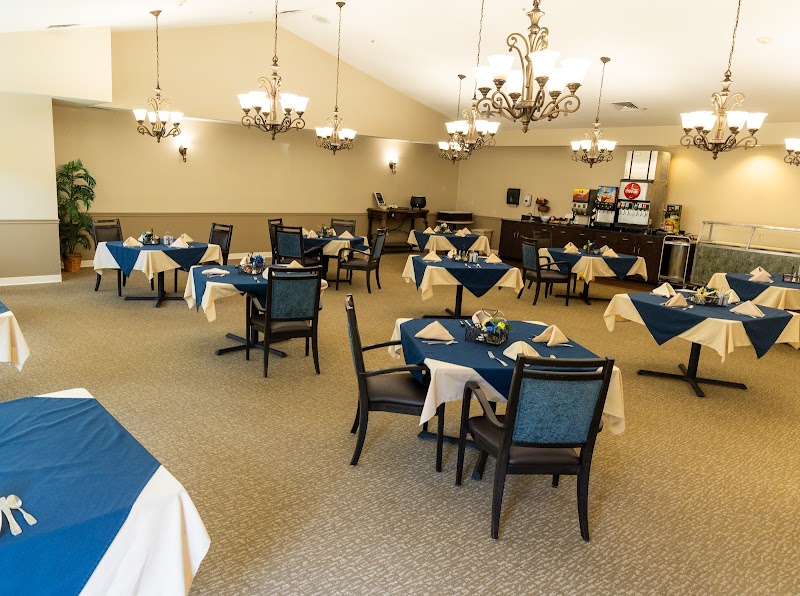
GREENLEAF HEALTH CAMPUS is owned by a for-profit company. For-profit facilities operate as businesses with obligations to shareholders or private owners. The facility is operated by TRILOGY HEALTH SERVICES, a chain that manages multiple nursing homes. With 60 certified beds and approximately 56 residents (about 93% occupancy), it is a smaller facility located in ELKHART, Indiana.
How Does Greenleaf Health Campus Compare to Other Indiana Nursing Homes?

Compared to the 100 nursing homes in Indiana, GREENLEAF HEALTH CAMPUS's overall rating (3 stars) is below the state average of 3.1, staff turnover (29%) is significantly lower than the state average of 46%, and health inspection rating (2 stars) is below the national benchmark.

What Should Families Ask When Visiting Greenleaf Health Campus?

Based on this facility's data, families visiting should ask: "Can I visit during a mealtime to observe dining assistance and food quality?" "How do you handle medical emergencies, and what is your hospital transfer rate?" "Can I speak with family members of current residents about their experience?"

Is Greenleaf Health Campus Safe?

Based on CMS inspection data, GREENLEAF HEALTH CAMPUS has a clean safety record: no substantiated abuse findings (meaning no confirmed cases of resident harm), no Immediate Jeopardy citations (the most serious violation level indicating risk of serious injury or death), and is not on the Special Focus Facility watch list (a federal program monitoring the lowest-performing 1% of nursing homes). The facility has a 3-star overall rating and ranks #100 of 100 nursing homes in Indiana. While no facility is perfect, families should still ask about staff-to-resident ratios and recent inspection results during their visit.

Do Nurses at Greenleaf Health Campus Stick Around?

Staff at GREENLEAF HEALTH CAMPUS tend to stick around. With a turnover rate of 29%, the facility is 17 percentage points below the Indiana average of 46%. Low turnover is a positive sign. It means caregivers have time to learn each resident's needs, medications, and personal preferences. Consistent staff also notice subtle changes in a resident's condition more quickly.

Was Greenleaf Health Campus Ever Fined?

GREENLEAF HEALTH CAMPUS has no federal fines on record. CMS issues fines when nursing homes fail to meet care standards or don't correct problems found during inspections. The absence of fines suggests the facility has either maintained compliance or corrected any issues before penalties were assessed. This is a positive indicator, though families should still review recent inspection reports for the full picture.

Is Greenleaf Health Campus on Any Federal Watch List?

GREENLEAF HEALTH CAMPUS is not on any federal watch list. The most significant is the Special Focus Facility (SFF) program, which identifies the bottom 1% of nursing homes nationally based on persistent, serious quality problems. Not being on this list means the facility has avoided the pattern of deficiencies that triggers enhanced federal oversight. This is a positive indicator, though families should still review the facility's inspection history directly.