

RIVERSIDE VILLAGE

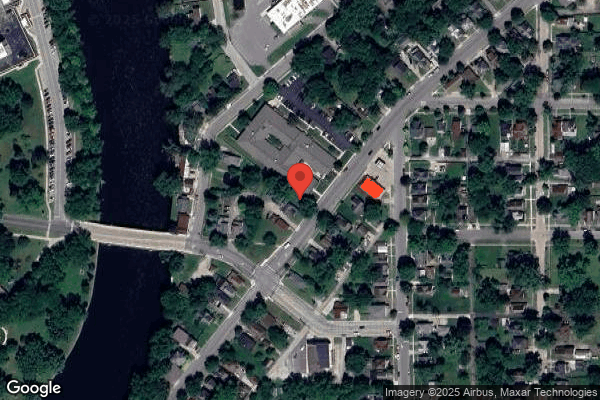
1400 W FRANKLIN ST, ELKHART, IN 46516 (574) 522-2020
Non profit - Corporation 97 Beds AMERICAN SENIOR COMMUNITIES Data: November 2025
Trust Grade
45/100
#382 of 505 in IN
Last Inspection: November 2024

Within standard 12-15 month inspection cycle. Federal law requires annual inspections.

Overview

Riverside Village in Elkhart, Indiana, has a Trust Grade of D, indicating below-average performance with some concerns about care quality. They rank #382 out of 505 facilities in Indiana, placing them in the bottom half, and #8 out of 12 in Elkhart County, which means there are only a few local homes that offer better options. The facility appears to be improving, with issues decreasing from 10 in 2024 to 2 in 2025. However, staffing is a weakness, receiving only 1 out of 5 stars, with a high turnover rate of 56%, which is concerning for consistent care. Specific incidents have raised alarms, such as unsafe food storage practices in the kitchen that could affect residents and a failure to properly document discharges for multiple residents, indicating potential gaps in care management. On a positive note, Riverside Village has no fines on record, suggesting compliance with regulations, and they have a strong quality measure rating of 5 out of 5 stars.

Trust Score
D
45/100
In Indiana
#382/505
Bottom 25%
Safety Record
Low Risk
No red flags
Inspections
Getting Better
10 → 2 violations
Staff Stability
⚠ Watch
56% turnover. Above average. Higher turnover means staff may not know residents' routines.
Penalties
✓ Good
No fines on record. Clean compliance history, better than most Indiana facilities.
Skilled Nurses
⚠ Watch
Each resident gets only 15 minutes of Registered Nurse (RN) attention daily — below average for Indiana. Fewer RN minutes means fewer trained eyes watching for problems.
Violations
⚠ Watch
35 deficiencies on record. Higher than average. Multiple issues found across inspections.
★★☆☆☆
2.0
Overall Rating
★☆☆☆☆
1.0
Staff Levels
★★★★★
5.0
Care Quality
★★☆☆☆
2.0
Inspection Score
Stable
2024: 10 issues
2025: 2 issues

The Good

  • 5-Star Quality Measures · Strong clinical quality outcomes
  • Full Sprinkler Coverage · Fire safety systems throughout facility
  • No fines on record

Facility shows strength in quality measures, fire safety.

The Bad

2-Star Overall Rating

Below Indiana average (3.1)

Below average - review inspection findings carefully

Staff Turnover: 56%

Near Indiana avg (46%)

Frequent staff changes - ask about care continuity

Chain: AMERICAN SENIOR COMMUNITIES

Part of a multi-facility chain

Ask about local staffing decisions and management

Staff turnover is elevated (56%)

8 points above Indiana average of 48%

The Ugly 35 deficiencies on record

Jun 2025 1 deficiency
CONCERN (D) 📢 Someone Reported This

A family member, employee, or ombudsman was alarmed enough to file a formal complaint

Potential for Harm - no one hurt, but risky conditions existed

Deficiency F0697 (Tag F0697)

Could have caused harm · This affected 1 resident

Based on interview and record review, the facility failed to ensure a resident was assessed, monitored and treated for pain, which resulted in the resident calling 911 and going to the hospital due to...

Read full inspector narrative →
Based on interview and record review, the facility failed to ensure a resident was assessed, monitored and treated for pain, which resulted in the resident calling 911 and going to the hospital due to her pain, for 1 of 3 residents reviewed for pain management, (Resident B). Finding includes: On 6/23/25 at 9:14 A.M., Resident B's clinical record was reviewed. The resident was admitted to the facility for one day, following an eight day hospital admission from home. The resident diagnoses included, but were not limited to, left shoulder and left arm pain, multiple sclerosis, spastic hemiplegia to the right side, polyneuropathy, chronic pain, venous insufficiency, overactive bladder, and spinal enthesopathy of the cervical region. Review of the Resident B's hospital records indicated the resident had been admitted for complaints of left shoulder, neck and left arm pain. The physician's assessment following testing indicated the resident had . a less that 50% partial-thickness partial width articular surface tear of the supraspinatus and infraspinatus tendons (a significant injury to the rotator cuff where the tear extends halfway through the thickness of the tendon on the joint surface, and also fraying on the outer surface of the tendons, which are part of the rotator cuff) . The Hospital medication orders, dated 6/3/25, included but were not limited to acteaminophen-oxycodon 325 mg-7.5mgon e tablet by mouth, every 4 hours as needed for pain. The facility physician's admission orders, dated 6/11/25, included, but were not limited to the instruction to administer oxycodone acetaminophen 7.5-3.5 mg, 1 tablet by mouth , every 4 hours as needed for pain. Resident B's admission Observation assessment form, dated 6/11/25, indicated at the time of admission (approximately 12:32 P.M., per nursing progress notes), the resident reported that she had had a new onset of pain that was not a chronic condition. There were no further documentation of pain, pain assessments or treatments to address the residents pain on admission. Review of the resident's medication administration record (MAR) indicated the resident had not received any medications for pain relief on 6/11/25. A Nursing Progress Note, dated 6/11/25 at 11:05 P.M., indicated .Resident used her personal cell phone in room and called 911 stating she has increased left shoulder pain and wants relief. Resident insists that she return back to hospital and will not be returning back to our facility. Resident informed of risks of leaving AMA [against medical advice]. Resident states she id leaving anyway. AMA form printed and signed by resident. DNS [Director of Nursing Services] .notified. Resident left with EMT [Emergency Medical Technician] via stretcher . The emergency room (ER) documentation, dated 6/12/25 at 12:40 A.M., indicated Resident B told the ER physician that when the facility staff had cleaned her up, they had rolled her to her left side and she protested because it had hurt her arm badly. Consequently, she had signed herself out of the facility and was brought to the ER. The x-ray of the left shoulder, indicated there was no fracture and no acute findings. The resident was admitted to the local hospital for a recurring urinary tract infection and pain. During an interview, on 6/23/25 at 12:00 P.M., Certified Nursing Assistant (CNA) 3, indicated she and CNA 6 were in Resident B's room at about 9:00 P.M., to change and reposition the resident. She indicated they had rolled the resident to her side to clean her and the resident had complained of pain, so they rolled her back to her back and completed her care. During an interview, on 6/23/25 at 12:45 P.M., CNA 6 indicated she had helped CNA 3 with Resident B's evening care when they properly rolled the resident with a draw-sheet to clean her, the resident had screamed out in pain, so they had rolled her back to her back to continue care. During an interview on 6/23/25 at 1:26 P.M., the Administrator indicated the resident had complained of pain, but had not requested pain medication. The Administrator indicated the resident should have been assessed for pain and her pain should have been addressed through intervention and/or medication. During an interview, on 6/23/25 at 3:02 P.M., the Director of Nursing indicated Resident B should have been assessed for pain every shift for 72 hours following her admission, but was not. The Director of Nursing indicated the nurse on duty, Licence Practical Nurse (LPN) 7 should have assessed the resident for pain and offered pain medication when the resident had yelled out in pain, but had not. During an interview with LPN 7, she indicated she went to the resident's room after CNA 6 and CNA 7 completed her evening care, to administer evening medications, and the resident had been tearful. LPN 7 indicated the resident was in a lot of pain from positioning with evening care. LPN indicated she had not completed a pain assessment, nor had she offered the resident pain medication. Finally, LPN 7 indicated she did not know when the resident had last had pain medication. LPN 7 indicated if the resident had wanted pain medications, she should have asked for them. On 6/24/25 at 12:15 P.M., the Administrator provided a policy titled, Pain Management Policy, dated 7/24 and indicated it was the current pain management policy. The policy indicated, .Residents are assessed for pain upon admission, and during medication administration .Interview Resident-Pain medications will be prescribed and given based upon the intensity of pain .MILD =(1-2) MODERATE = (3-5) SEVERE = (6-8) VERY SEVERE, HORRIBLE = (9-10) .Pain [using faces indicated tears = 10 worst pain] . This citation relates to Complaints IN00461459 and IN00461410. 3.1-37(a)
Mar 2025 1 deficiency
CONCERN (E) 📢 Someone Reported This

A family member, employee, or ombudsman was alarmed enough to file a formal complaint

Potential for Harm - no one hurt, but risky conditions existed

Transfer Requirements (Tag F0622)

Could have caused harm · This affected multiple residents

**NOTE- TERMS IN BRACKETS HAVE BEEN EDITED TO PROTECT CONFIDENTIALITY** Based on interview and record review, the facility failed to ensure discharge documentation was obtained and/or complete upon di...

Read full inspector narrative →
**NOTE- TERMS IN BRACKETS HAVE BEEN EDITED TO PROTECT CONFIDENTIALITY** Based on interview and record review, the facility failed to ensure discharge documentation was obtained and/or complete upon discharge for 5 of 6 residents reviewed for transfer/discharge. (Residents F, H, J, K and L) Finding include: 1. The record for Resident F was reviewed on 3/5/2025 at 10:48 A.M. Diagnoses included, but were not limited to low back pain, Cerebral palsy, obesity and contracture to the right upper arm. A Social Service Progress Note, dated 2/11/2025 at 10:20 A.M., indicated the following: Discharge to preferred address. Resident was alert and oriented. All personal possessions sent with the resident. Resident F's physician orders lacked an order to discharge the resident. During an interview, on 3/6/2025 at 9:56 A.M., the Regional Director of Clinical Services (RDCS) indicated there should have been a physician's order to discharge the resident home. 2. The record for Resident H was reviewed on 3/5/2025 at 2:34 P.M. Diagnoses included, but were not limited to anemia, diabetes, and cellulitis of the lower left leg. A Nurse's Progress Note dated 9/26/2025, indicated Resident H had been discharged home with their belongings along with discharge papers. There was no physician order to discharge Resident H to their home. A Transfer of Care/Discharge summary, dated [DATE], located in the Clinical Discharge and Narrative section of the electronic record was incomplete. There were blank sections for the following areas: transportation; customary routine; continence; cognitive patterns; dental; communication; nutritional status, vision; pressure ulcer/injury; mood and behavior patterns; activity pursuits; psychosocial well-being; physical functioning and structural problems- mobility devices, self-care and mobility. Resident H's current medications were also not listed on the Discharge Summary and the summary lacked a signature from the resident and/or the resident's representative. During an interview, on 3/6/2025 at 9:56 A.M., the RDCS indicated there should have been a physician's order to discharge the resident home. During an interview, on 3/6/2025 at 1:47 P.M., the RDCS indicated the Clinical Discharge and Narrative sections should have been completed based off the information in the most recent Minimum Data Set Assessment (MDS) assessment and should not have been left blank. During an interview, on 3/6/2025 at 1:49 P.M., the RDCS indicated a copy of the physician orders report for medications, from the electronic medical record, should have been printed and attached to the discharge summary and a copy should have been sent home with the resident. 3. The record for Resident J was reviewed on 3/5/2025 at 2:38 P.M. Diagnoses included, but were not limited to diabetes, hypertension, obesity and congestive heart failure. Resident J's payer source was private pay as of 7/22/2024. A Physician's Order, dated 8/29/2025, indicated an order to discharge the resident home with three (3) days of medications. A Transfer of Care/Discharge summary, dated [DATE], located in the Clinical Discharge and Narrative section of the electronic record had the following areas left blank: transportation; customary routine; continence; cognitive patterns; dental; communication; nutritional status, vision; pressure ulcer/injury; mood and behavior patterns; activity pursuits; psychosocial well-being; physical functioning and structural problems- mobility devices, self-care and mobility. The care plan goals and the medications to be taken at home were also not documented. A Receipt for Returned Products from [Name of Pharmacy], dated 8/30/2024, indicated the following medications were returned to the pharmacy: 2 Levofloxacin (antibiotic), 73 metformin (anti diabetes), 35 Lisinopril (blood pressure), 22 acetaminophen (pain), 4 multivitamins, 4 aspirin, 5 carvedilol (heart), 4 furosemide (water retention) and 39 atorvastatin (cholesterol). The reason for the return of all the medications was documented as discharged . During an interview, on 3/6/2025 at 1:19 P.M., the RDCS indicated the medications for Resident J should have been sent home with him. A Quarterly Minimum Data Set (MDS) assessment for Resident J was completed, on 8/27/2024, 2 days prior to the discharge date of 8/29/2024. During an interview, on 3/6/2025 at 1:47 P.M., the RDCS indicated the Clinical Discharge and Narrative sections should have been completed based off the information in the most recent Minimum Data Set (MDS) Assessment and not left blank. During an interview, on 3/6/2025 at 1:49 P.M., the RDCS indicated a copy of the physician's orders report from the electronic medical record should have been printed and attached to the discharge summary. 4. The record for Resident K was reviewed on 3/5/2025 at 2:30 P.M. Diagnoses included, but were not limited to anxiety, hypertension, pancreatitis, and alcoholic cirrhosis of the liver. There was no physician's order to discharge Resident J on 10/20/2025. A Transition of Care/Discharge summary, dated [DATE], indicated Resident J had been discharged home. The Clinical Discharge and Narrative section lacked any documentation in the following areas: transportation; customary routine; continence; cognitive patterns; dental; communication; nutritional status, vision; pressure ulcer/injury; mood and behavior patterns; activity pursuits; psychosocial well-being; physical functioning and structural problems- mobility devices, self-care and mobility. There was also no home medications listed on the summary and the summary was not signed by Resident J and/or Resident J's representative. During an interview, on 3/6/2025 at 9:56 A.M., the RDCS indicated there should have been a physician's order to discharge Resident J home. During an interview, on 3/6/2025 at 1:47 P.M., the RDCS indicated the Clinical Discharge and Narrative sections should have been completed based off the information in the most recent Minimum Data Set Assessment (MDS) and not left blank. An admission MDS had been completed, on 10/1/2025, nineteen (19) days prior to his discharge. During an interview, on 3/6/2025 at 1:49 P.M., the RDCS indicated a copy of the physician's orders report from the electronic medical record, which would have included a list of medications, should have been printed and attached to the discharge summary. 5. A record review for Resident L was completed on 3/5/2025 at 1:33 P.M. Diagnoses included, but were not limited to Diabetes Type 2, staphylococcal arthritis to the right knee, rheumatoid arthritis and anemia. Resident L's Physician's orders included the following medications: atorvastatin 80 milligrams (mg) daily, duloxetine 20 mg daily, Flomax 0.4 mg daily, rifampin 300 mg twice daily, and pantoprazole 40 mg daily. Resident L's medical record did not include a Physician's Order to be discharged to the community. In addition, there was no physician's order regarding if medications could be sent with the resident when he was discharged . A Transition of Care/Discharge summary, dated [DATE], indicated Resident L had been discharged home. The summary did not include a discharge medication list and the clinical discharge/narrative was incomplete. During an interview on 3/6/2025 at 1:49 P.M., the Regional Director of Clinical Services (RDCS) indicated a Physician's [NAME] should have been written for Resident L to discharge home, and a copy of the physician orders report from the electronic medical record should have been printed and attached to the discharge summary. The RDCS indicated the section for clinical discharge and narrative should have been completed based off the information in the most recent Minimum Data Set Assessment (MDS) and not left blank. On 3/6/2025 at 9:22 A.M., the RDCS provided the policy titled, Discharging Planning, dated 3/2023, and indicated the policy in the one currently used by the facility. The policy included the following: . Appropriate IDT members will participate in formulating a comprehensive discharge plan . 6. A physician's order for discharge including related medications, equipment, treatments, and home health will be obtained as applicable . 8. The instructions will be reviewed and signed by the resident/representative in a manner they are able to understand; a copy of the instructions will be given to the resident/representative On 3/6/2025 at 1:15 P.M., the RDCS provided the policy titled, Discharging a Resident with Medications, with a revision date of 8/1/2024, and indicated the policy was the one currently used by the facility. The policy included the following: . 1. Facility nurse shall review the medication list with the prescriber to determine which medication orders will be continued upon discharge. 1.1 A reconciliation of all discharge orders against medications taken during the resident stay shall be completed per facility policy. 2. Resident's physician/prescriber shall provide an order indicating that the resident may take medications with them upon discharge On 3/6/2025 at 1:47 P.M., the RDCS provided the Transition of Care/Discharge Summary Guidelines, undated, and indicated the guidelines were the ones currently used by the facility. The guidelines indicated the following: .Clinical Discharge and Narrative- MDS ARD: select the most recent MDS (if no MDS available leave blank) .Discharge Medications- Please print out home discharge medication instructions from [name of charting program], using the Physician Orders Report, with the discharge date as the Start date and end 30 days later This citation relates to complaint IN00453560. 3.1-12(a)(3)
Nov 2024 6 deficiencies
CONCERN (D)

Potential for Harm - no one hurt, but risky conditions existed

Transfer Requirements (Tag F0622)

Could have caused harm · This affected 1 resident

**NOTE- TERMS IN BRACKETS HAVE BEEN EDITED TO PROTECT CONFIDENTIALITY** Based on interview and record review, the facility failed to provide the resident and/or the resident's representative with a no...

Read full inspector narrative →
**NOTE- TERMS IN BRACKETS HAVE BEEN EDITED TO PROTECT CONFIDENTIALITY** Based on interview and record review, the facility failed to provide the resident and/or the resident's representative with a notice of transfer for 2 of 2 residents reviewed for hospitalization (Residents 21 & 48). 1. During an interview on 11/21/2024 at 10:22 A.M., Resident 21 indicated she had been to the hospital in the last 4 months. On 11/25/2024 at 11:25 A.M., a record review was completed for Resident 21. A Quarterly Minimum Data Set assessment (MDS), dated [DATE] indicated the resident had mild cognitive impairment. A review of Resident 21's census record indicated the resident was hospitalized on [DATE] and returned to the facility on 4/23/2024. A Nursing Progress Note, dated 4/19/2024 at 4:50 P.M., indicated after assessing the resident, the nurse called Emergency Services and the resident was transported to the hospital. During an interview on 11/25/2024 at 1:07 P.M., LPN 12 indicated the process for sending a resident to the hospital included filling out paperwork prior to the resident leaving the facility and completing a transfer/discharge assessment in the resident's chart. During an interview on 11/25/2024 at 1:14 P.M., the Infection Prevention Nurse indicated the transfer/discharge assessment could be found in the observations tab in the resident's chart. She indicated the transfer/discharge paperwork was uploaded to the chart with the resident's discharge paperwork from the hospital. The record lacked the documentation that a transfer/discharge assessment was completed in conjunction with Resident 21's transfer to the hospital on 4/19/2024. During an interview on 11/25/2024 at 1:30 P.M., the Infection Prevention Nurse indicated she was unable to find a transfer/discharge assessment for Resident 21. She indicated one was not completed and should have been. 2. A record review was completed on 11/25/2024 at 9:02 A.M. for Resident 48. Diagnoses included, but was not limited to: unspecified dementia, unspecified severity, with other behavioral disturbance, unspecified psychosis not due to a substance or known physiological condition, and generalized anxiety disorder. A Nursing Progress Note, dated 1/11/2024 at 1:05 P.M., indicated there was an order for Resident 48 to be sent to the psychiatric hospital for an evaluation and treatment related to behaviors. A Nursing Progress Note, dated 1/18/2024 at 12:20 P.M., indicated Resident 48 returned to the facility. A record of hospital transfer forms to the hospital was not found in the electronic medical record. During an interview on 11/25/2024 at 10:51 A.M., LPN 10 indicated that when a resident was sent to the hospital the following papers would be sent with the resident: emergency transfer observation, CCD (Continuity of Care Document), and a bed hold policy. LPN 10 could not locate the transfer paperwork for 1/11/2024 and indicated it should have been filled out. On 11/25/2024 at 2:50 P.M., the Regional Nurse provided a policy titled, Hospital Discharge/Transfer, revised 2/2019, and indicated the policy was the one currently used by the facility. The policy indicated .Nursing will complete an Emergency transfer observation and attach copies of the following information from the resident medical record: Face Sheet, H&P Physician Notes, Current orders, CCD, Advance directives, Comprehensive Care Plan, Pertinent labs, Notice of Transfer/Discharge, Bed hold policy, Nursing Notes . 3.1-12(3)
CONCERN (D)

Potential for Harm - no one hurt, but risky conditions existed

Deficiency F0625 (Tag F0625)

Could have caused harm · This affected 1 resident

**NOTE- TERMS IN BRACKETS HAVE BEEN EDITED TO PROTECT CONFIDENTIALITY** Based on interview and record review, the facility failed to ensure bed hold policies were provided to the resident and/or respo...

Read full inspector narrative →
**NOTE- TERMS IN BRACKETS HAVE BEEN EDITED TO PROTECT CONFIDENTIALITY** Based on interview and record review, the facility failed to ensure bed hold policies were provided to the resident and/or responsible parties at the time of the hospital transfer for 2 of 3 residents reviewed for hospitalization (Residents 21 & 48). Findings include: 1. During an interview on 11/21/2024 at 10:22 A.M., Resident 21 indicated she had been to the hospital in the last 4 months and did not recall receiving any paperwork prior to leaving the facility. On 11/25/2024 at 11:25 A.M., a record review was completed for Resident 21. A Quarterly Minimum Data Set assessment (MDS), dated [DATE] indicated the resident had mild cognitive impairment. A review of Resident 21's census record indicated the resident was hospitalized on [DATE] and returned to the facility on 4/23/2024. A Nursing Progress Note, dated 4/19/2024 at 4:50 P.M., indicated after assessing the resident, the nurse called Emergency Services and the resident was transported to the hospital. A Nursing Progress Note, dated 4/23/2024 at 4:30 P.M., indicated Resident 21 was readmitted to the facility from the hospital. During an interview on 11/25/2024 1:07 P.M., LPN 12 indicated the process for sending a resident to the hospital included filling out paperwork prior to the resident leaving the facility. The paperwork included the bed hold policy and a transfer/discharge assessment. During an interview on 11/25/2024 at 1:14 P.M., the Infection Prevention Nurse indicated the bed hold policies would either be in the miscellaneous tab in the resident's chart or possibly in the paperwork waiting to be scanned into the resident's record. During an interview on 11/25/2024 at 1:30 P.M., the Infection Prevention Nurse indicated she was unable to find a bed hold policy for Resident 21. She indicated a bed hold policy should have been sent with the resident prior to leaving the facility. The record lacked the documentation that a bed hold policy was provided to Resident 21 prior to leaving for the hospital.2. A record review was completed on 11/25/2024 at 9:02 A.M. for Resident 48. Diagnoses included, but was not limited to: unspecified dementia, unspecified severity, with other behavioral disturbance, unspecified psychosis not due to a substance or known physiological condition, and generalized anxiety disorder. A Nursing Progress Note, dated 1/11/2024 at 1:05 P.M., indicated there was an order for Resident 48 to be sent to the psychiatric hospital for an evaluation and treatment related to behaviors. A Nursing Progress Note, dated 1/18/2024 at 12:20 P.M., indicated Resident 48 returned to the facility. A record of hospital transfer forms to the hospital was not found in the electronic medical record. During an interview on 11/25/2024 at 10:51 A.M., LPN 10 indicated that when a resident was sent to the hospital the following papers would be sent with the resident: emergency transfer observation, CCD (Continuity of Care Document), and a bed hold policy. LPN 10 could not locate the transfer paperwork for 1/11/2024 and indicated it should have been filled out. On 11/25/2024 at 2:50 P.M., the Regional Nurse provided a policy titled, Hospital Discharge/Transfer, revised 2/2019, and indicated the policy was the one currently used by the facility. The policy indicated .Nursing will complete an Emergency transfer observation and attach copies of the following information from the resident medical record: Face Sheet, H&P Physician Notes, Current orders, CCD, Advance directives, Comprehensive Care Plan, Pertinent labs, Notice of Transfer/Discharge, Bed hold policy, Nursing Notes . On 11/26/2024 at 8:40 A.M., the Regional Nurse provided a policy titled, Bed Hold, revised 1/2019, and indicated the policy was the one currently used by the facility. The policy indicated .2. The residents will be provided the bed hold policy at the time of the hospital transfer or therapeutic leave . 3.1-12(25)(A)(B)
CONCERN (D)

Potential for Harm - no one hurt, but risky conditions existed

ADL Care (Tag F0677)

Could have caused harm · This affected 1 resident

Based on observation, record review and interview, the facility failed to provide Activities of Daily Living (ADLs) for dependent residents timely related to nail care, shaving, and turning and reposi...

Read full inspector narrative →
Based on observation, record review and interview, the facility failed to provide Activities of Daily Living (ADLs) for dependent residents timely related to nail care, shaving, and turning and repositioning for 3 of 5 dependent residents who were reviewed for ADLs. (Residents 15, 38 & 14) Findings include: 1. During an observation on 11/21/2024 at 11:28 A.M., Resident 15 had long fingernails with a brown substance under them on his left hand. During an interview on 11/22/2024 at 2:15 P.M., Resident 15 indicated he had requested his nails be trimmed twice in the last week. He indicated he was unable to trim his own nails because he was blind. Resident 15 had a scab under his left eye and he indicated it was from scratching himself with his long nails. During an observation on 11/22/2024 at 2:15 P.M., Resident 15's fingernails were long and there was a brown substance under most of his nails. Resident 15's record review was completed on 11/25/2024 at 1:50 P.M. Diagnoses included, but were not limited to: Parkinson's disease, congestive heart failure, Type 2 diabetes mellitus, Major depressive disorder, legal blindness, delusional disorder and psychotic disorder. A Significant Change Minimum Data Set (MDS) assessment, dated 11/8/2024, indicated Resident 15 had intact cognition, had not rejected care, had severely impaired vision, was able to understand others and make himself understood and required substantial assistance for showering. A current Care Plan, dated 11/2/2024, indicated Resident 15 required assistance with ADLs. His goal was to have ADL needs met. His interventions included, but were not limited to: AM and PM Care. During an interview on 11/25/2024 at 11:00 A.M., CNA 3 indicated AM Care were the tasks done in the morning when a resident woke up and PM Care were the tasks performed when the resident was getting ready for bed. The tasks for AM and PM Care included face washing, oral care, hair brushing, applying lotion and deodorant, shaving, and nail trimming. During a follow-up interview on 11/25/2024 at 2:00 P.M., Resident 15 indicated his nails had not been trimmed and asked, Who is going to cut my nails? During an interview on 11/25/2024 at 2:04 P.M., CNA 11 indicated Resident 15's fingernails were long and dirty and should not be long or dirty. CNA 11 indicated nail care was part of a resident's shower routine or done during AM or PM Care. 2. During an interview on 11/21/2024 at 2:12 P.M., Resident 38 indicated he did not like having facial hair or long fingernails and had requested to be shaved and have his nails trimmed. He indicated he had asked multiple times in the last two weeks and was told someone would do it tomorrow, but staff had not shaved his face or trimmed his nails. During an observation on 11/22/2024 at 11:06 A.M., Resident 38 had long nails and facial hair on his face. During an interview on 11/25/2024 at 9:05 A.M., Resident 38 indicated his roommate had shaved him on 11/22/2024 after he had asked staff twice to shave his facial hair and staff had not shaved him. Resident 38's record review was completed on 11/25/24 at 1:40 P.M. Diagnoses included, but were not limited to: radiculopathy (pinched nerve), generalized anxiety, hemiparesis/hemiplegia and muscle weakness. A Significant Change MDS assessment, dated 11/14/2024, indicated Resident 38 had intact cognition, had not rejected care, required substantial assistance with showering and supervision for personal hygiene tasks. A current Care Plan, initiated on 5/31/2024, indicated Resident 38 required assistance with ADLs. Resident 38 had a goal to improve his current functional status. Interventions included, but were not limited to: assist with dressing, grooming and hygiene as needed. During an interview on 11/25/2024 at 1:56 P.M., CNA 3 indicated AM and PM Care included partial bedbath, oral care, perineal care, deodorant applied to under arms and shaving was to be offered. During an interview on 11/26/2024 at 9:22 A.M., Resident 38 indicated he had requested his nails trimmed on 11/22/2024 by staff, but they had not been trimmed. He indicated he had not been shaved since his roommate had shaved him on 11/22/2024. During an interview on 11/26/2024 at 9:38 A.M., the Executive Director (ED) indicated she had spoken to staff about shaving Resident 38 on 11/22/2024 and was not aware Resident 38 had not had his face shaved by staff. The ED indicated residents should be shaved and have their nails trimmed when they requested to be shaved or have their nails trimmed. 3. During observations on 11/21/2024 at 10:02 A.M.,11:26 A.M., and 2:09 P.M., Resident 14 was supine in bed with a soft triangular wedge lying next to the left upper body. During observations on 11/22/2024 at 9:27 A.M. and 3:32 P.M. Resident 14 was supine in bed with a soft triangular wedge lying next to the upper body. During observations on 11/25/2024 at 8:36 A.M., 10:14 A.M., 11:21 A.M., 2:31 P.M., Resident 14 was supine in bed with a triangular wedge next to the left upper body. During an observation on 11/25/2024 at 11:47 A.M. CNA 3 entered Resident 14's room and exited with the roommate. During observations on 11/26/2024 at 9:12 A.M., 10:19 A.M., 11:40 A.M., and 2:21 P.M., Resident 14 was supine with a triangular wedge next to his body. During an observation on 11/26/2024 at 10:52 A.M. two staff went into Resident 14's room and exited at 11:36 A.M. with Resident 14's roommate. At 11:40 A.M. Resident 14's bed was in low position, and he was supine with a triangular wedge lying next to the left upper body. A record review was completed on 11/25/2024 at 3:07 P.M. Diagnoses included, but were not limited to: hemiplegia and hemiparesis following other cerebrovascular diseases affecting right dominant side, other vascular syndromes of brain in cerebrovascular diseases cadasil syndrome, dysphagia following cerebral infarction, aphasia following cerebral infarction. A Care Plan dated 4/16/2018, for impaired mobility included an intervention to turn and reposition the resident every 2 hours and as needed. A Care Plan dated 8/27/2015, for at risk for skin breakdown included an intervention dated 5/7/2022 indicated to turn and reposition the resident at least every 2 hours. During an interview on 11/25/2024 at 1:23 P.M., CNA 3 indicated she provided care to Resident 14 around 10:15 A.M. with a check and change so far twice during the shift. She indicated she had checked Resident 14 for incontinence and changed him twice during her shift. She indicated he was not on a rotation position schedule, but she was aware there was something wrong with his left side and he could not be left on his left side. She indicated Resident 14 had had a stroke. During an interview on 11/25/2024 at 2:14 P.M., CNA 4 indicated when she took care of a dependent resident, she provided the following care: she washed them, checked and changed them for incontinence every two hours, fed them, applied lotion, cut their nails and combed their hair. During an interview on 11/25/2024 at 2:22 A.M., CNA 6 indicated when she took care of a dependent resident she provided the following care: she did everything for them, checked and changed them for incontinence, assisted them with meals, transferred and emptied Foley catheter if they had one. During an interview on 11/25/2024 at 2:25 P.M., CNA 7 indicated when she took care of a dependent resident, she provided the following care: oral care, if incontinent bed and brief changed, washed their face and made sure they were comfortable in the right position and safe. During an interview on 11/26/2024 at 10:43 A.M. CNA 2 indicated when she took care of a dependent resident, she provided the following care: oral and nail care, peri- care, toileted, showered, combed hair, transferred, and foot care. During an interview on 11/26/2024 at 1:10 P.M., CNA 2 indicated she had taken care of Resident 14 and provided the following care: before bed bath, oral and nail care, changed his brief three times, and applied lotion. He was turned on his side briefly when she was washed him and provided incontinence care. She indicated his right side was his affected side and the wedge cushion was placed next to his upper body to prevent him from leaning to the left. She indicated he was on his back all the time and was only on his side when he was turned to do peri- care. On 11/25/2024 at 2:30 P.M. the Regional Nurse indicated the facility did not have a policy for providing ADLs to dependent residents. The Regional Nurse provided a checklist, dated 9/2023, and titled, Fingernail Care, and identified it as the checklist currently by used the facility to provide fingernail care. The checklist did not indicate when fingernail care was to be performed, but listed the steps used by the facility to perform nailcare. The checklist indicated, .9. Clean under nails with orange stick. 10. Clip fingernails straight across, then file in a curve On 11/26/2024 at 11:30 A.M. the ED indicated the facility did not have a policy for providing ADLs to dependent residents. The ED provided a checklist dated, 4/2012, and titled, AM Care, and identified it as the checklist currently used by the facility. The checklist indicated, . 8. Shave resident, if needed or requested On 11/26/2024 at 2:13 P.M. the DON indicated they did not have a policy on turning and repositioning but indicated it was the standard of care. 3.1-38 (a)(1)
CONCERN (D)

Potential for Harm - no one hurt, but risky conditions existed

Drug Regimen Review (Tag F0756)

Could have caused harm · This affected 1 resident

Based on interview and record review, the facility failed to address pharmacy recommendations timely for 1 of 5 residents reviewed for unnecessary medications. (Resident 38) Finding includes: A record...

Read full inspector narrative →
Based on interview and record review, the facility failed to address pharmacy recommendations timely for 1 of 5 residents reviewed for unnecessary medications. (Resident 38) Finding includes: A record review was completed on 11/25/2024 at 1:40 P.M. for Resident 38. Diagnoses included but were not limited to: generalized anxiety, radiculopathy (pinched nerve), hemiparesis/hemiplegia and repeated falls. A Significant Change Minimum Data Set (MDS) assessment, dated 11/14/2024, indicated Resident 38's cognition was intact, he had no behavior issues, had pain and took antianxiety and antidepressant medications daily. Physician Orders for Resident 38 included, but were not limited to: -11/7/2024 buspirone 10 milligrams (mg) by mouth twice a day. -11/8/2024 diazepam 5 mg by mouth twice a day -11/7/2024 trazodone 75 mg by mouth at bedtime -11/14/2024 fluoxetine 20 mg by mouth once a day -11/7/2024 gabapentin 600 mg by mouth three times a day A Pharmacy Review for Resident 38, completed on August 5, 2024 and September 10, 2024 regarding decreasing the resident's gabapentin dose were not addressed by the physician until after the pharmacist review and recommendations were completed in October 2024. On October 8, 2024 the recommendation was to decrease the gabapentin from 300 mg three times a day to 200 mg three times a day due to the potential for an increased risk for falls. The physician addressed the October recommendation and indicated the gabapentin was unrelated to falls. During an interview on 11/26/24 at 1:44 P.M., the DON indicated Pharmacy recommendations should be addressed when received or at least within 30 days. A current policy provided on 11/26/2024 at 1:56 P.M. by the Regional Nurse, dated October 2018 and titled, Medication Regimen Reviews and Pharmacy Recommendation, indicated the following, .Pharmacy recommendations should be reviewed with follow up the the physician within 30 days of the facility receiving 3.1-48(3)
CONCERN (D)

Potential for Harm - no one hurt, but risky conditions existed

Infection Control (Tag F0880)

Could have caused harm · This affected 1 resident

Based on observation, interview and record review, the facility failed to ensure infection control practices were carried out appropriately for 1 of 1 staff observed providing high contact care in an ...

Read full inspector narrative →
Based on observation, interview and record review, the facility failed to ensure infection control practices were carried out appropriately for 1 of 1 staff observed providing high contact care in an Enhanced Barrier Precautions (EBP) room for 1 of 1 residents observed in isolation (Resident 23). Finding includes: During an observation on 11/22/2024 at 9:10 A.M., Resident 23 had an Enhanced Barrier Precautions sign above her bed and an isolation cart in the room. During an observation on 11/22/2024 at 9:14 A.M., CNA 8 was observed changing the bed linens in Resident 23's room. The CNA did not have on a pair of gloves or a gown while changing the resident's bed linens. During an interview on 11/22/2024 at 9:15 A.M., CNA 8 indicated she was unaware that Resident 23 was on Enhanced Barrier Precautions. She indicated she had not seen the sign on the resident's door. During an interview on 11/22/2024 at 9:20 A.M., CNA 8 indicated, after checking with the licensed nurse, she was informed Resident 23 was on EBP due to wounds on the bottoms of both of her feet. She indicated she should have been wearing a gown and gloves prior to providing care to Resident 23. On 11/25/2024 at 9:15 A.M., a record review was completed for Resident 23. Diagnoses included, but were not limited to: type 2 diabetes with foot ulcer. A current Care Plan, initiated on 8/16/2024 indicated Resident 23 was at risk for becoming colonized with a Multi-drug Resistant Organism (MDRO) and required enhanced barrier precautions due to chronic wounds. Interventions included, but were not limited to: identify resident as needing EBP through signage and medical record, use standard precautions including hand hygiene in addition to EBP, and wear a gown and gloves prior to high contact resident care activities. On 11/27/2024 at 8:57 A.M., the Regional Nurse provided the policy titled, Enhanced Barrier Precautions, undated, and indicated it was the policy currently being used by the facility. The policy indicated .Enhanced barrier precautions are used for: Resident's with chronic wounds and/or indwelling medical devices, regardless of their MDRO status. Examples of chronic wounds include, but are not limited to, pressure ulcers, diabetic foot ulcers, unhealed surgical wounds, and venous stasis ulcers. Use of personal protective equipment - gown and gloves: During high contact resident care activities and changing linens 3.1-18(a)
CONCERN (F)

Potential for Harm - no one hurt, but risky conditions existed

Food Safety (Tag F0812)

Could have caused harm · This affected most or all residents

Based on observation, interview and record review, the facility failed to store food in a safe and sanitary manner in 1 of 1 kitchen observed. The deficient practice had the potential to affect 70 of ...

Read full inspector narrative →
Based on observation, interview and record review, the facility failed to store food in a safe and sanitary manner in 1 of 1 kitchen observed. The deficient practice had the potential to affect 70 of 71 residents who consumed food prepared in the kitchen. Findings include: During an observation of the kitchen conducted on 11/21/2024 at 9:39 A.M. with the Culinary Nutrition Manager the following was observed in the reach-in freezer: -an open, unsealed, bag of frozen peas -an open, unsealed, bag of frozen mixed vegetables were found in the reach in freezer. During an interview on 11/21/2024 at 9:40 A.M., the Culinary Nutrition Manager indicated the bags of opened, frozen food should have been sealed after use. 3.1-21(i)(3)
Oct 2024 3 deficiencies
CONCERN (D) 📢 Someone Reported This

A family member, employee, or ombudsman was alarmed enough to file a formal complaint

Potential for Harm - no one hurt, but risky conditions existed

Notification of Changes (Tag F0580)

Could have caused harm · This affected 1 resident

Based on interview and record review, the facility failed to notify the physician of multiple missed medication administrations for 1 of 3 residents reviewed for notification. (Resident C) Finding in...

Read full inspector narrative →
Based on interview and record review, the facility failed to notify the physician of multiple missed medication administrations for 1 of 3 residents reviewed for notification. (Resident C) Finding includes: The clinical record for Resident C was reviewed on 10/9/24 at 3:37 P.M. Diagnosis included, but were not limited to, Bipolar II disorder, borderline personality, anxiety, obsessive-compulsive disorder and chronic low back pain. Physician's Orders dated 6/10/24 to 7/2/24, indicated Resident C's prescribed orders included: Baclophen one 10 mg tablet four times a day with meals and at bedtime at 8:00 A.M., 12:00 P.M., 5:00 P.M., and 9:00 P.M., for chronic back pain, with a start date of 6/10/24 and end date of 8/12/24. Caplyta one 42 mg capsule once a day in the evenings between 7:00 P.M. and 10:00 P.M., for Bipolar II disorder, with a start date of 6/10/24 and end date of 8/12/24. Pregabalin one 100 mg capsule two times a day in the morning between 7:00 A.M. and 10:00 A.M. and again between 7:00 P.M. and 10:00 P.M., for chronic back pain with a start date of 6/10/24 and end date 6/20/24. A review of Resident C's Medication Administration Record (MAR) from 6/10/24 to 7/2/24, indicated the resident did not receive the prescribed medications on the following dates and times: Baclophen one 10 mg tablet four times a day with meals and at bedtime on 6/11/24 at 5:00 P.M., 6/17/24 at 8:00 A.M., 6/28, 19, 23, 2024 at 5:00 P.M., and 6/27/24 at 9:00 P.M. There were no nursing comments to indicated why the resident had not received the medication. Caplyta on 6/11/24 at 6/11/24, 6/12/24, 6/18/24, 6/19/24, and 6/23/24 at 7:00 P.M. - 10:00 P.M. The nursing comment on the MAR indicated, Not Administer: Drug/Item Unavailable, each time the medication was not administered. Pregabalin on 6/11/24 at 7:00 A.M. to 11:00 A.M. and 7:00 P.M. - 11:00 P.M., 6/12/24 at 7:00 A.M. to 11:00 A.M. and 7:00 P.M. - 11:00 P.M. The nursing comment on the MAR indicated Not Administer: Drug/Item Unavailable, each time the medication was not administered. Review of the pharmacy Proof of Delivery statement indicated the resident's Baclophen was shipped from the pharmacy on 6/10/24 and received by the facility on 6/11/24 at 1:23 A.M., The Caplyta medication was shipped from the pharmacy on 6/12/24 and received by the facility on 6/13/24 at 12:47 A.M., and Pregabalin medication was shipped from the pharmacy on 6/12/24 and received by the facility on 6/13/24 at 12:47 A.M. During an interview on 10/10/24 at 10:39 A.M., the Director of Nursing indicated an order was sent to the pharmacy for Resident C's Caplyta in a timely manor, but the medication did not come immediately. The Director of Nursing indicated if medications were not immediately available for administration, the physician should be notified for further instructions and the MAR should reflect the reason the medication was not administered. The Director of Nursing indicated the physician should have been notified when Resident C did not receive medication administrations as ordered. During an interview on 10/10/24 at 1:44 P.M., the Regional Nurse Consultant indicated the physician should have been notified when the resident did not receive medications per physician orders. On 10/10/24 at 1:30 P.M., the Regional Nurse Consultant provided a policy titled, Medication Shortages/Unavailable Medications, dated 12/1/10 and revised on 1/01/22, and again on 8/1/24, indicating it was the current facility policy. The policy indicated if the available delivery of a medication causes delay or a missed dose in the resident's medication schedule, the facility nurse should obtain the medication from the Emergency Medication Supply to administer the dose, If an emergency delivery was unavailable, The facility nurse was to contact the attending physician to obtain new orders or directions for alternate administration. This citation relates to Complaint IN00438192. 3.1-5(a)(3)
CONCERN (D) 📢 Someone Reported This

A family member, employee, or ombudsman was alarmed enough to file a formal complaint

Potential for Harm - no one hurt, but risky conditions existed

Quality of Care (Tag F0684)

Could have caused harm · This affected 1 resident

Based on interview and record review, the facility failed to ensure 1 of 3 residents reviewed for medication administration, received medications as ordered by the resident's physician, (Resident C). ...

Read full inspector narrative →
Based on interview and record review, the facility failed to ensure 1 of 3 residents reviewed for medication administration, received medications as ordered by the resident's physician, (Resident C). Finding includes: The clinical record for Resident C was reviewed on 10/9/24 at 3:37 P.M. Diagnosis included Bipolar II disorder, borderline personality, anxiety, obsessive-compulsive disorder and chronic low back pain. Physician's Orders dated 6/10/24 to 7/2/24 indicated Resident C's prescribed orders included the following medications: Baclophen one 10 mg tablet four times a day with meals and at bedtime at 8:00 A.M., 12:00 P.M., 5:00 P.M., and 9:00 P.M., for chronic back pain, with a start date of 6/10/24 and end date of 8/12/24. Caplyta one 42 mg capsule once a day in the evenings between 7:00 P.M. and 10:00 P.M., for Bipolar II disorder, with a start date of 6/10/24 and end date of 8/12/24. Pregabalin one 100 mg capsule two times a day in the morning between 7:00 A.M. and 10:00 A.M. and again between 7:00 P.M. and 10:00 P.M., for chronic back pain with a start date of 6/10/24 and end date 6/20/24. A review of Resident C's Medication Administration Record (MAR) from 6/10/24 to 7/2/24, indicated the resident did not receive medications on the following dates and times: Baclophen one 10 mg tablet four times a day with meals and at bedtime on 6/11/24 at 5:00 P.M., 6/17/24 at 8:00 A.M., 6/28, 19, 23, 2024 at 5:00 P.M., and 6/27/24 at 9:00 P.M. There were no nursing comments to indicated why the resident had not receive the medication. Caplyta on 6/11/24 at 6/11/24, 6/12/24, 6/18/24, 6/19/24, and 6/23/24 at 7:00 P.M. - 10:00 P.M. The nursing comment on the MAR indicated, Not Administer: Drug/Item Unavailable, each time the medication was not administered. Pregabalin on 6/11/24 at 7:00 A.M. to 11:00 A.M. and 7:00 P.M. - 11:00 P.M., 6/12/24 at 7:00 A.M. to 11:00 A.M. and 7:00 P.M. - 11:00 P.M. The nursing comment on the MAR indicated Not Administer: Drug/Item Unavailable, each time the medication was not administered. Review of the pharmacy Proof of Delivery statement indicated the resident's Baclophen was shipped from the pharmacy on 6/10/24 and received by the facility on 6/11/24 at 1:23 A.M., Caplyta was shipped from the pharmacy on 6/12/24 and received by the facility on 6/13/24 at 12:47 A.M., and Pregabalin was shipped from the pharmacy on 6/12/24 and received by the facility on 6/13/24 at 12:47 A.M. During an interview on 10/10/24 at 10:39 A.M., the Director of Nursing indicated an order was sent to the pharmacy for Resident C's Caplyta in a timely manor, but the medication did not come immediately. The Director of Nursing indicated if medications were not immediately available for administration, the physician should be notified for further instructions and the MAR should reflect the reason the medication was not administered. During an interview on 10/10/24 at 1:44 P.M., the Regional Nurse Consultant indicated the facility did not carry Caplyta in the emergency medication supply and the physician should have been notified when the resident did not receive medications per physician orders. On 10/10/24 at 1:30 P.M., the Regional Nurse Consultant provided a policy titled, Medication Shortages/Unavailable Medications, dated 12/1/10 and revised on 1/01/22, and again on 8/1/24, indicating it was the current facility policy. The policy indicated the following: Upon discovery that Facility has an inadequate supply of a medication to administer to a resident, Facility staff should immediately initiate action to obtain the medication from Pharmacy. If the available delivery causes delay or a missed dose in the resident's medication schedule, Facility nurse should obtain the medication from the Emergency Medication Supply to administer the dose, and if the medication is not available in the Emergency Medication Supply, Facility staff should notify Pharmacy and arrange for a STAT immediate delivery if medically necessary. If an emergency delivery is unavailable, Facility nurse should contact the attending physician to obtain new orders or directions for alternate administration. The National Library of Medicine indicated in Nursing Rights of Medication Administration dated 9/4/23, indicated, It was a standard during nursing education to receive instruction on a guide to clinical medication administration and upholding patient safety known as the ' five rights ' or ' five R ' s ' of medication administration, Right Patient, Right Drug, Right Route, Right Dose and Right time. The right time meaning administering medications at a time that was intended by the prescriber. Often, certain drugs have specific intervals or window periods during which another dose should be given to maintain a therapeutic effect or level. This citation relates to Complaint IN00438192. 3.1-37(a)
CONCERN (D) 📢 Someone Reported This

A family member, employee, or ombudsman was alarmed enough to file a formal complaint

Potential for Harm - no one hurt, but risky conditions existed

Pharmacy Services (Tag F0755)

Could have caused harm · This affected 1 resident

Based on interview and record review, the facility failed to ensure 1 of 3 residents reviewed for medication administration, had medications available from the pharmacy in a timely manor, (Resident C)...

Read full inspector narrative →
Based on interview and record review, the facility failed to ensure 1 of 3 residents reviewed for medication administration, had medications available from the pharmacy in a timely manor, (Resident C). Finding includes: The clinical record for Resident C was reviewed on 10/9/24 at 3:37 P.M. Diagnosis included Bipolar II disorder, borderline personality, anxiety, obsessive-compulsive disorder, and chronic low back pain. The Physician's Orders, dated 6/10/24 to 7/2/24, indicated Resident C's prescribed orders included the following: Caplyta one 42 mg capsule once a day in the evenings between 7:00 P.M. and 10:00 P.M., for Bipolar II disorder, with a start date of 6/10/24 and end date of 8/12/24. Pregabalin one 100 mg capsule two times a day in the morning between 7:00 A.M. and 10:00 A.M. and again between 7:00 P.M. and 10:00 P.M., for chronic back pain with a start date of 6/10/24 and end date 6/20/24. A review of Resident C's Medication Administration Record (MAR) from 6/10/24 to 7/2/24, indicated the resident did not receive the Caplyta medication on 6/11/24 at 6/11/24, 6/12/24, 6/18/24, 6/19/24, and 6/23/24 for the 7:00 P.M. - 10:00 P.M dose. The nursing comment on the MAR indicated, Not Administer: Drug/Item Unavailable, each time the medication was not administered. Pregabalin on 6/11/24 at 7:00 A.M. to 11:00 A.M. and 7:00 P.M. - 11:00 P.M., 6/12/24 at 7:00 A.M. to 11:00 A.M. and 7:00 P.M. - 11:00 P.M. The nursing comment on the MAR indicated Not Administer: Drug/Item Unavailable, each time the medication was not administered. Review of the pharmacy Proof of Delivery statement indicated the resident's Caplyta was shipped from the pharmacy on 6/12/24 and received by the facility on 6/13/24 at 12:47 A.M. and Pregabalin was shipped from the pharmacy on 6/12/24 and received by the facility on 6/13/24 at 12:47 A.M. During an interview on 10/10/24 at 10:39 A.M., the Director of Nursing indicated an order was sent to the pharmacy for Resident C's Caplyta medication in a timely manor, but the medication did not come immediately. The Director of Nursing indicated if medications were not immediately available for administration, the physician should be notified for for further instructions and the MAR should reflect the reason the medication was not administered. During an interview on 10/10/24 at 1:44 P.M., the Regional Nurse Consultant indicated the facility did not carry Caplyta in the emergency medication supply and the physician should have been notified when the resident did not receive medications per physician orders. On 10/10/24 at 1:30 P.M., the Regional Nurse Consultant provided a policy titled, Medication Shortages/Unavailable Medications, dated 12/1/10 and revised on 1/01/22, and again on 8/1/24, indicating it was the current facility policy. The policy indicated the following: . Upon discovery that Facility has an inadequate supply of a medication to administer to a resident, Facility staff should immediately initiate action to obtain the medication from Pharmacy. If the available delivery causes delay or a missed dose in the resident's medication schedule, Facility nurse should obtain the medication from the Emergency Medication Supply to administer the dose, and if the medication is not available in the Emergency Medication Supply, Facility staff should notify Pharmacy and arrange for a STAT immediate delivery if medically necessary. If an emergency delivery is unavailable, Facility nurse should contact the attending physician to obtain new orders or directions for alternate administration. This citation relates to Complaint IN00438192. 3.1-25(a)
Jan 2024 1 deficiency
CONCERN (D) 📢 Someone Reported This

A family member, employee, or ombudsman was alarmed enough to file a formal complaint

Potential for Harm - no one hurt, but risky conditions existed

Safe Environment (Tag F0921)

Could have caused harm · This affected 1 resident

**NOTE- TERMS IN BRACKETS HAVE BEEN EDITED TO PROTECT CONFIDENTIALITY** Based on observation, interview, and record review, the facility failed to ensure residents' environment was safe, functional, s...

Read full inspector narrative →
**NOTE- TERMS IN BRACKETS HAVE BEEN EDITED TO PROTECT CONFIDENTIALITY** Based on observation, interview, and record review, the facility failed to ensure residents' environment was safe, functional, sanitary, and comfortable, related to restroom flooring not intact in 1 of 3 rooms observed. (room [ROOM NUMBER]) Findings include: On 1/29/24 at 2:42 P.M., an observation of the bathroom in room [ROOM NUMBER] was conducted. The bathroom floor was missing parts of the vinyl flooring, located on both the sides of the toilet and in front of the toilet. On 1/29/24 at 3:27 P.M., an observation of room [ROOM NUMBER]'s bathroom flooring was conducted with the Maintenance Director. He indicated the floor should not be in that condition and it looked bad. He indicated he was unaware of the flooring and indicated it was not good. He was filling in for the facility and was unaware of the floors condition. He would check to see if there had been a work order for it's repair. During an interview, on 1/29/24 at 3:32 P.M., one resident in room [ROOM NUMBER] indicated she used the bathroom daily, and the floor had been messed up for a long time, maybe since fall. She was then observed going into the restroom and shutting the door. During an interview, on 1/29/24 at 3:36 P.M., CNA 1 indicated she started working at the facility in October, and the floor was broken and missing pieces around the toilet back then. During an interview, on 1/29/24 at 3:42 P.M., the Housekeeping Manager indicated her staff reported the broken flooring, and the last two Maintenance Directors were supposed to have it replaced. She indicated there had been a plumbing problem and they had to have the pipes cleared out in room [ROOM NUMBER]. On 1/29/24 at 3:50 P.M., the Maintenance Director indicated he had not found a work order from the previous Maintenance Director. On 1/30/24 at 9:57 A.M., the Administrator provided a current policy, titled, Maintenance Work Order, dated 10/2002, with revision on 4/2018. The policy indicated .Our Community provides routine maintenance for tenants and is responsible for the overall management of the physical plant. Work orders for maintenance needs shall be used to maintain effective communication and tracking .Maintenance Director will update the General Manager during each morning meeting on the status of open work orders. Maintenance Director is responsible to keep person requesting maintenance and the General Manager updated regularly on the progress being made until each work order has been completed This citation relates to Complaint IN00424179. 3.1-19(e)
Dec 2023 8 deficiencies
CONCERN (D)

Potential for Harm - no one hurt, but risky conditions existed

Free from Abuse/Neglect (Tag F0600)

Could have caused harm · This affected 1 resident

Based on interview and record review, the facility failed to prevent verbal abuse from occurring for 2 of 3 residents reviewed for abuse. (Residents 32 and 45) Finding includes: During an interview on...

Read full inspector narrative →
Based on interview and record review, the facility failed to prevent verbal abuse from occurring for 2 of 3 residents reviewed for abuse. (Residents 32 and 45) Finding includes: During an interview on 12/5/2023 at 9:38 A.M., Resident 32 indicated that the facility was allowing Resident 45 to engage in verbal violence. She indicated the last occurrence was 3 days ago on 12/2/2023. Resident 45 called her a pig and other names while in the dining room at an adjacent table when the incident occurred. Resident 32 indicated the facility allowed the verbally aggressive resident to sit at the table next to her. She shouldn't have to feel afraid, and feels bad about Resident 45 laughing at her. Resident 32 indicated the guy in the office won't do anything about the issue. During an interview on 12/6/2023 at 9:45 A.M., Resident 53 indicated that two ladies got into an argument in the dining room, and he intervened verbally. Residents 32 and 45 were involved. He indicated these verbal issues happened frequently between the two residents and no staff intervened in this incident until he became verbal. On 12/6/2023 at 11:52 A.M., a conversation could be heard with Resident 32 and the Administrator in the hallway, with Resident 32 asking the administrator about the incident that occurred on 12/2/2023 in the dining room. A record review for Resident 32 was completed on 12/07/2023 at 2:08 P.M. Diagnoses included, but were not limited to: schizoaffective disorder, delusional disorder, and intellectual disabilities. A Significant Change Minimum Data Set (MDS) assessment, dated 10/27/2023, indicated Resident 32 was cognitively intact, and had no behaviors during the assessment period. A Progress Note for Resident 32, dated 12/6/2023 at 12:01 P.M., indicated, .Notified that resident reported hearing co-resident yelling in main dining area, not at her, but in general vicinity, and did not like statements yelled. Resident reports no psychosocial distress at this time with writer. Will continue to observe. Notified guardian, no questions or concerns at this time A Care Plan, initiated 6/14/2021 and revised on 10/31/2023, indicated Resident 32 had been observed yelling at another resident after being yelled at by that resident. A record review for Resident 45 was completed on 12/11/2023 at 1:54 P.M. Diagnoses included, but were not limited to: cerebral infarction, vascular dementia, adjustment disorder with mixed anxiety and depressed mood. A Quarterly MDS assessment, dated 12/5/2023, indicated Resident 45 had moderate cognitive impairment and had verbal behavioral symptoms direct towards others for 2-6 days of the assessment period. A Nurse's Note, dated 12/2/2023 at 6:00 P.M., indicated Resident 45 was sitting at a table in the dining room talking to another resident. Resident 45 started yelling and swearing at a second resident (Resident 32) sitting at another table, and then at a third resident (Resident 53) sitting at a different table after a comment was made by the third Resident to staff. Resident 45 was assisted out of the dining room and put on 15-minute safety checks. On 12/4/2023 at 10:17 A.M., an Interdisciplinary Team Behavior Note indicated Resident 45 started swearing and yelling at two residents. A Care plan, initiated on 7/9/2023 and updated 12/6/2023, indicated Resident 45 would make comments that may become offensive to others, and may make threatening statements towards staff and other residents. A Psychiatry Progress Note, dated 11/9/2023, indicated, .Patient with continued episodes of antagonizing other residents and staff. She continues to get into verbal alterations. She is somewhat redirectable During an interview on 12/11/2023 at 10:00 A.M., LPN 5 indicated she didn't witness the interaction, but QMA 7 informed her of the incident and separated Residents 32 and 45. LPN 5 indicated she was aware of the verbal altercation, and believed the incident was verbal abuse. She indicated LPN 6 notified the Director of Nursing and Administrator of the abuse. On 12/11/2023 at 2:44 P.M., QMA 7 indicated she was standing in the doorway of the dining room watching everyone, and heard Resident 45 say something, then Resident 32 said something back to Resident 45. She indicated she knew the residents were arguing and Resident 45 called Resident 32 a fat b*tch. QMA 7 indicated she felt this was verbal abuse. On 12/12/2023 at 10:15 A.M., LPN 6 indicated she was not in the dining room at the time of the incident, but Resident 45 called Resident 32 a stupid b*tch. Resident 53 made a comment about getting the two residents out of the dining room. The Director of Nursing and Administrator were informed of the incident, and the Administrator talked to Resident 45. On 12/12/2023 at 11:55 A.M., the Administrator indicated Resident 32 came to him and told him of statements that made her uncomfortable, but didn't indicate which resident made the comments. He remembers the staff contacting him about Resident 45 being upset at the nurse's station, but no mention of the incident in the dining room. On 12/12/2023 at 12:01 P.M., the Director of Nursing indicated Resident 32 reported that Resident 45 was yelling at her, and she informed the Administrator about the incident. She remembered getting a telephone call about Resident 45 being upset with staff and other residents, but could not recall being informed of the dining room incident. A policy titled, Abuse Prohibition, Reporting, and Investigating was provided by the Administrator after the entrance conference. The policy indicated, .Policy: It is the policy of [Facility Corporation Name] to provide each resident with an environment that is free from abuse, neglect, misappropriation of property, and exploitation. This includes, but is not limited to verbal abuse, sexual abuse, physical abuse, mental abuse, corporal punishment, and involuntary seclusion .[Facility Corporation Name] will not permit residents to be subjected to abuse by anyone including employees, home office staff, other residents, consultants, volunteers, staff, or personnel of other agencies serving the resident, family members, legal guardians, sponsors, friends, or other individuals .Definitions/Examples of Abuse: .Verbal Abuse - The use of oral, written, and/or gestured language that willfully includes disparaging and derogatory terms to residents or their families or within hearing distance, regardless of their age, ability to comprehend, or disability. This includes any episode of staff to resident, and verbal threats of harm by resident to resident. This does not include random statements of a cognitively impaired resident such as repetitive name calling or nonsensical language 3.1-27(b)
CONCERN (D)

Potential for Harm - no one hurt, but risky conditions existed

Report Alleged Abuse (Tag F0609)

Could have caused harm · This affected 1 resident

Based on interview and record review, the facility failed to report an allegation of verbal abuse timely for 2 of 3 residents reviewed for abuse. (Residents 32 and 45) Finding includes: Cross Referenc...

Read full inspector narrative →
Based on interview and record review, the facility failed to report an allegation of verbal abuse timely for 2 of 3 residents reviewed for abuse. (Residents 32 and 45) Finding includes: Cross Reference F600. During an interview on 12/5/2023 at 9:38 A.M., Resident 32 indicated that the facility was allowing Resident 45 to engage in verbal violence. She indicated the last occurrence was about 3 days ago. Resident 45 called her a pig and other names while in the dining room at an adjacent table when the incident occurred. Resident 32 indicated the facility allowed the verbally aggressive resident to sit at the table next to her. She shouldn't have to feel afraid, and feels bad about Resident 45 laughing at her. Resident 32 indicated the guy in the office won't do anything about the issue. During an interview on 12/6/2023 at 9:45 A.M., Resident 53 indicated two ladies got into an argument in the dining room, and he intervened verbally. He indicated Residents 32 and 45 were involved. He indicated these verbal issues happened frequently between the two residents. He indicated no staff intervened in this incident until he became verbal. A record review for Resident 32 was completed on 12/7/2023 at 2:08 P.M. Diagnoses included, but were not limited to: schizoaffective disorder, delusional disorder, and intellectual disabilities. A Significant Change Minimum Data Set (MDS) assessment, dated 10/27/2023, indicated Resident 32 was cognitively intact, and had no behaviors during the assessment period. On 12/6/2023 at 11:52 A.M., a conversation could be heard with Resident 32 and the Administrator in the hallway outside the provide room for the surveyors with Resident 32 asking the administrator about the incident that occurred on 12/2/2023 in the dining room. A Progress Note for Resident 32, dated 12/6/2023 at 12:01 P.M., indicated, .Notified that resident reported hearing co-resident yelling in main dining area, not at her, but in general vicinity, and did not like statements yelled. Resident reports no psychosocial distress at this time with writer. Will continue to observe. Notified guardian, no questions or concerns at this time A Care Plan, initiated 6/14/2021 and revised on 10/31/2023, indicated Resident 32 has been observed yelling at another resident after being yelled at by that resident. A record review for Resident 45 was completed on 12/11/2023 at 1:54 P.M. Diagnoses included, but were not limited to: cerebral infarction, vascular dementia, adjustment disorder with mixed anxiety and depressed mood. A Quarterly MDS assessment, dated 12/5/2023, indicated Resident 45 had moderate cognitive impairment and had verbal behavioral symptoms direct towards others for 2-6 days of the assessment period. A Nurse's Note, on 12/2/2023 at 6:00 P.M., indicated that Resident 45 was sitting at a table in the dining room talking to another resident. Resident 45 started yelling and swearing at a second resident (Resident 32) sitting at another table, and then at a third resident (Resident 53) sitting at a different table after a comment was made by the third Resident to staff. Resident 45 was assisted out of the dining room, and put on 15-minute safety checks. On 12/4/2023 at 10:17 A.M., an Interdisciplinary Team Behavior Note indicated Resident 45 started swearing and yelling at two residents. A Care plan, initiated on 7/9/2023 and updated 12/6/2023, indicated that Resident 45 will make comments that may become offensive to others, and may make threatening statements towards staff and other residents. A Psychiatry Progress Note dated 11/9/2023, indicated, .Patient with continued episodes of antagonizing other residents and staff. She continues to get into verbal alterations. She is somewhat redirectable During an interview on 12/11/2023 at 10:00 A.M., LPN 5 indicated she didn't witness the interaction, but QMA 7 informed her of the incident and separated Residents 32 and 45. LPN 5 indicated she was aware of the verbal altercation, and believed the incident was verbal abuse. She indicated LPN 6 notified the Director of Nursing and Administrator of the abuse. On 12/12/2023 at 10:15 A.M., LPN 6 indicated she was not in the dining room at the time of the incident, but Resident 45 called Resident 32 a stupid bitch. Resident 53 made a comment about getting the two residents out of the dining room. She indicated the Director of Nursing and Administrator was informed of the incident, and the Administrator talked to Resident 45. The state reportable was requested on 12/12/2023 at 11:48 A.M. The incident, reported on 12/6/2023 at 11:45 A.M., indicated Resident 32 reported to the Administrator that she felt uneasy about statements in the dining room by another resident. The report indicated the statements were made at an unspecified time and date. The report indicated an investigation into the claim was initiated, the residents to be separated during mealtimes and activities, social service to follow up, and staff to follow for psychosocial wellbeing. On 12/12/2023 at 11:55 A.M., the Administrator indicated Resident 32 came to him and told him of statements that made her uncomfortable, and didn't indicate who the resident was that made the comments. He indicated he remembers the staff contacting him about Resident 45 being upset at the nurse's station, but no mention of the incident in the dining room. On 12/12/2023 at 12:01 P.M., the Director of Nursing indicated the Resident 32 reported Resident 45 was yelling at her and she informed the Administrator about the incident. She indicated she remembered getting a telephone call about Resident 45 being upset with staff and other residents, but could not recall being informed of the dining room incident. A policy titled, Abuse Prohibition, Reporting, and Investigating was provided by the Administrator after the entrance conference. The policy indicated, .Reporting/Response: 1. All abuse allegations must be reported to the executive Director immediately. Failure to report will result in disciplinary action, up to and including immediate termination. 2. The Executive Director will ensure that if the alleged violation involves abuse or results in serious bodily injury, it must be reported immediately but no later than 2 hours to the Long-term Care Division of the Indiana State Department of Health via the Gateway Portal 3.1-28(c)
CONCERN (D)

Potential for Harm - no one hurt, but risky conditions existed

Investigate Abuse (Tag F0610)

Could have caused harm · This affected 1 resident

**NOTE- TERMS IN BRACKETS HAVE BEEN EDITED TO PROTECT CONFIDENTIALITY** Based on interview and record review, the facility failed to thoroughly investigate an allegation of resident to resident verbal...

Read full inspector narrative →
**NOTE- TERMS IN BRACKETS HAVE BEEN EDITED TO PROTECT CONFIDENTIALITY** Based on interview and record review, the facility failed to thoroughly investigate an allegation of resident to resident verbal abuse for 2 of 3 residents reviewed for abuse. (Residents 32 and 45) Finding includes: Cross reference F600. During an interview on 12/5/2023 at 9:38 A.M., Resident 32 indicated that the facility was allowing Resident 45 to engage in verbal violence. She indicated the last occurrence was 3 days ago on 12/2/2023. Resident 45 called her a pig and other names while in the dining room at an adjacent table when the incident occurred. Resident 32 indicated the facility allowed the verbally aggressive resident to sit at the table next to her. She shouldn't have to feel afraid, and feels bad about Resident 45 laughing at her. Resident 32 indicated the guy in the office won't do anything about the issue. On 12/6/2023 at 9:45 A.M., Resident 53 indicated two ladies got into an argument in the dining room, and he intervened verbally. He indicated Residents 32 and 45 were involved. He indicated these verbal issues happen frequently between the two residents. He indicated no staff intervened in this incident until he became verbal. A record review for Resident 32 was completed on 12/07/2023 at 2:08 P.M. Diagnoses included, but were not limited to: schizoaffective disorder, delusional disorder, and intellectual disabilities. A Significant Change Minimum Data Set (MDS) assessment dated [DATE], indicated Resident 32 was cognitively intact, and had no behaviors during the assessment period. On 12/6/2023 at 11:52 A.M., a conversation could be heard with Resident 32 and the Administrator in the hallway outside the provide room for the surveyors with Resident 32 asking the administrator about the incident that occurred on 12/2/2023 in the dining room. A Progress Note for Resident 32, dated 12/6/2023 at 12:01 P.M., indicated, .Notified that resident reported hearing co-resident yelling in main dining area, not at her, but in general vicinity, and did not like statements yelled. Resident reports no psychosocial distress at this time with writer. Will continue to observe. Notified guardian, no questions or concerns at this time A Care Plan initiated 6/14/2021, and revised on 10/31/2023, indicated that Resident 32 has been observed yelling at another resident after being yelled at by the other resident. A record review for Resident 45 was completed on 12/11/2023 at 1:54 P.M. Diagnoses included, but were not limited to: cerebral infarction, vascular dementia, adjustment disorder with mixed anxiety and depressed mood. A Quarterly MDS assessment, dated 12/5/2023, indicated Resident 45 had moderate cognitive impairment and had verbal behavioral symptoms direct towards others for 2-6 days of the assessment period. A Nurse's Note, dated 12/2/2023 at 6:00 P.M., indicated Resident 45 was sitting at a table in the dining room talking to another resident. Resident 45 started yelling and swearing at a second resident (Resident 32) sitting at another table, and then at a third resident (Resident 53) sitting at a different table after a comment was made by the third Resident to staff. Resident 45 was assisted out of the dining room, and put on 15-minute safety checks. On 12/4/2023 at 10:17 A.M., an Interdisciplinary Team Behavior Note indicated Resident 45 started swearing and yelling at two residents. On 12/11/2023 at 2:44 P.M., QMA 7 indicated she was standing in the doorway of the dining room watching everyone, and heard Resident 45 say something, then Resident 32 said something back Resident 45. She indicated she knew the residents were arguing and Resident 45 called Resident 32 a fat bitch. QMA 7 indicated she felt this was verbal abuse. The state reportable was requested on 12/12/2023 at 11:48 A.M. The incident, reported on 12/6/2023 at 11:45 A.M., indicated Resident 32 reported to the Administrator that she felt uneasy about statements in the dining room by another resident. The report indicated the statements were made at an unspecified time and date. The report indicated an investigation into the claim was initiated, the residents to be separated during mealtimes and activities, social service to follow up, and staff to follow for psychosocial wellbeing. Review of the facility investigation on 12/12/23, indicated only three staff members were interviewed but not the staff member who had initially witnessed the incident. No resident interviews were included, including the 2 residents involved. On 12/12/2023 at 11:55 A.M., the Administrator indicated that Resident 32 came to him and told him of statements that made her uncomfortable, and didn't indicate who the resident was that made the comments. He indicated he remembers the staff contacting him about Resident 45 being upset at the nurse's station, but no mention of the incident in the dining room. He indicated he had not further interviewed Resident 32 about the incident. Only 3 employee interviews were completed. A policy titled, Abuse Prohibition, Reporting, and Investigating was provided by the Administrator after the entrance conference. The policy indicated, .The Executive Director is the designated individual responsible for coordinating all efforts in the investigation of abuse allegations, and for assuring that all policies and procedures are followed. In the absence of the Executive Director, the responsibility will be delegated to the Director of Nursing Services .1. Any individual who witnesses resident-to-resident abuse will immediately separate and protect the residents involved. 2. Staff member(s) will maintain the resident initiating the abuse under direct supervision until the initial investigation is complete and resident safety is maintained .4. The staff member in charge will initiate the investigation immediately. 5. The Executive Director will be notified immediately of the report and the initiation of the investigation .16. The Executive Director/Designee will analyze the occurrence to determine root cause, and what changes are needed to prevent further occurrence and report to the QAPI [Quality Assurance and Performance Improvement] committee. 17. Based on the root cause, ED [Executive Director]/Designee will determine how care provision will be changed 3.1-28(d)
CONCERN (D)

Potential for Harm - no one hurt, but risky conditions existed

Comprehensive Care Plan (Tag F0656)

Could have caused harm · This affected 1 resident

**NOTE- TERMS IN BRACKETS HAVE BEEN EDITED TO PROTECT CONFIDENTIALITY** Based on observation, record review, and interview, the facility failed to ensure a care plan regarding activities was individua...

Read full inspector narrative →
**NOTE- TERMS IN BRACKETS HAVE BEEN EDITED TO PROTECT CONFIDENTIALITY** Based on observation, record review, and interview, the facility failed to ensure a care plan regarding activities was individualized and based on resident assessment for 1 of 18 residents whose care plans were reviewed. (Resident 21) Finding includes: The clinical record for Resident 21 was reviewed on 12/06/2023 at 3:45 P.M. The resident was admitted to the facility with diagnoses including, but not limited to: hemiplegia/hemiparesis following a cerebral infarction, encephalopathy, severe protein calorie malnutrition, dysphagia, aphasia, major depressive disorder, recurrent, anxiety disorder, chronic pain, gastrostomy, insomnia, adult failure to thrive, mitral valve insufficiency, emphysema and kidney stones. On 12/06/2023 at 11:15 A.M., Resident 21 was observed lying in bed with the head of the bed slightly elevated. Resident 21 indicated he just lays there and does nothing. When asked what he liked to do before he entered the facility, he indicated he never liked to be around a lot of people, but enjoyed fishing at the river and being outside. He never really watched a lot of television. On 12/07/23 at 11:17 A.M., Resident 21 was observed lying in his bed awake. There was no television or radio noted on the his side of the room. The blind to the window was 2/3 of the way closed. He indicated sometimes there were squirrels outside that ran along a fence near his window that he enjoyed watching. When asked if he had been out of bed, he indicated yesterday the therapist who was working on his motorized wheelchair had gotten him out of bed briefly. On 12/8/2023 at 10:50 A.M., Resident 21 was observed lying in his bed awake. The resident had just received medications. The window blind was again 2/3 of the way closed. The resident again mentioned the squirrel that sometimes ran along the fence outside his window. He indicated the therapy department was adapting his power chair for him and he had not gotten out of bed recently, except briefly with the therapy department. Resident 21 indicated he really enjoyed listening to country music, especially Conway [NAME]. When asked if he had a radio in the room, he indicated at home he had a stereo, record player and DVD player, but it was at his daughter's house. On 12/11/2023 at 10:20 A.M., Resident 21 was observed lying in his bed awake. He indicated he did not currently have a phone, radio, television or record player in his room. He was not sure where he could plug in the equipment if they were in his room. There were all types of clothing, personal hygiene care items and other medical care equipment noted to be covering the seat of a manual wheelchair, the top of a personal sized refrigerator, the window sill and the top of the three drawer dresser. There was only a Styrofoam cup with a straw on his overbid table. There was no books, puzzles, newspapers and/or magazines noted in his room. The Annual MDS (Minimum Data Set) assessment, completed on 6/7/2023, indicated it was very important to him to listen to music he liked, very important to do his favorite activities and go outside. The assessment indicated it was somewhat important to have books, newspapers, keep up with the news, and have pet visits. The current care plan, last reviewed related to activities on 11/2/2023, indicated the following: Problem: Resident enjoys independent activity pursuits such as watching tv visits from his daughter . Goal: Resident will participate in independent activities to their level of satisfaction and will be open to alternative programming . Approach(s) Encourage daily socialization outside of room .Encourage participation in scheduled programming . Offer items for room (Books, magazines, puzzles) During an interview with the Activity Director on 12/08/23 at 12:40 P.M., she agreed the resident spent most of his time in his room in bed, but did come out with his daughter at times. He was seen 1:1 by the activity assistants, but sometimes refused. When asked about the music, she indicated he refused to come to music programs. When asked about individualizing his care plan she indicated he watches TV on his phone. She indicated he had been out of his room earlier this week on a motorized wheelchair with the therapy department. When asked about the puzzles, books and magazines, she indicated she was not sure what was provided to him or where it was located. When the discrepancies between the MDS assessment preferences section, the current activity care plan and observations of Resident 21 were brought to her attention, the activity director stated I know you can't force them to go (to group activities) even though you really want to make them. She indicated it seems like recently a lot of residents being admitted did not desire to go to activities with groups. The activity director offered no explanation as to why the care plan for Resident 21 did not reflect his individualized preferences. 3.1-33(a)
CONCERN (D)

Potential for Harm - no one hurt, but risky conditions existed

ADL Care (Tag F0677)

Could have caused harm · This affected 1 resident

Based on observation, interview, and record review, the facility failed to ensure a dependent resident was offered a shave, oral care daily and hair washed during complete bed bath for 1 of 2 resident...

Read full inspector narrative →
Based on observation, interview, and record review, the facility failed to ensure a dependent resident was offered a shave, oral care daily and hair washed during complete bed bath for 1 of 2 residents reviewed for ADLs (activities of daily living). (Resident 232) Finding includes: A record review was completed for Resident 232 on 12/7/2023 at 1:35 P.M. Diagnoses included, but were not limited to: metabolic encephalopathy, quadriplegia, chronic kidney disease, type 2 diabetes mellitus, and central cord syndrome at unspecified level of cervical spinal cord. An admission Minimum Data Set (MDS) assessment, dated 12/4/2023, indicated he was dependent for all activities of daily living and had limited range of motion impairment to upper and lower extremities. During an observation and interview on 12/6/2023 at 11:07 A.M., Resident 232's hair was greasy in appearance and he was unshaven. He indicated he had only been assisted with shaving one time, had only a few bed baths, went 6-7 days without his teeth brushed, and his hair not washed. He shaved at home every day and brushed his teeth 2-3 times a day. During an observation and interview on 12/7/2023 at 1:15 P.M., his hair was greasy in appearance and he was shaved with patches missed. He indicated they still have not offered to wash his hair and they shaved him, but not very well. During an observation and interview on 12/8/2023 at 1:46 P.M., his hair was greasy in appearance and he indicated he was not offered a shave or oral care today. During an interview on 12/7/2023 at 2:56 P.M., CNA 2 indicated when she gave a bed bath, she would take in 2 wash basins, linens, and shower cap, then undressed and washed residents up and changed their linens. During an interview on 12/8/2023 at 9:47 A.M., CNA 3 indicated, during morning care she washed residents' face, ears, neck, under arms and peri area, then put on deodorant, dressed them including putting on a brief or pull up, and brushed their hair. During an interview on 12/8/2023 at 2:57 P.M., the Director of Nursing (DON) indicated when the staff did morning care for a dependent resident, she would expect them to give oral care, turn and reposition them if staying in bed, assist with meals, and all daily care. If they did a complete bed bath or shower, she expected them to gather all required supplies, introduce themselves, wash the residents, apply lotion, shave them, and clean the nails. During an interview on 12/8/2023 at 3:07 P.M., CNA 2 indicated she gave Resident 232 a complete bed bath last evening, washed him up from top to bottom, applied lotion but forgot the shower cap so he did not get his hair washed. During an interview on 12/11/2023 at 9:30 A.M., the DON indicated residents should be offered a shave every day. A Care Plan, dated 11/27/2023, indicated Resident requires assistance with ADLs including bed mobility, transfers, eating and toileting related to: metabolic encephalopathy, quadriplegia, Hx [history of] C4 [cervical disc] fx [fracture] s/p [status post] C3-C4 laminectomy, central cord syndrome, neurogenic bladder, cardiomyopathy, HTN [hypertension], CHF [congestive heart failure], severe protein calorie malnutrition, anemia, type 2 DM [diabetes], CKD [chronic kidney disease], Hx falling. Approach: assist with bathing as needed per resident preferences. Offer showers two times per week, partial bath in between. Assist with dressing/grooming/hygiene as needed. Encourage resident to do as much for self as possible. Assist with eating and drinking as needed x 1 assist. Requires dependent assist with eating. Natural teeth. Assist with oral care at least two times daily. Assist with bed mobility as needed, 2 person assist. Up ad lib in broda chair with hoyer lift x [of] 2 assist. Offer to toilet upon rising, before or after meals, prior to bed and as needed throughout the night, 2 assist. Assist with toileting and/or incontinent care as needed. Resident prefers to not wear a brief and to lay on disposable chucks. On 12/11/2023 at 9:29 A.M., the Administrator indicated he does not have a policy for ADL care and the staff follow the Skills Competency. On 12/11/2023 at 9 A.M., the Administrator provided a skills competency titled, Oral Care, dated 2/2010 and indicated the skills competency was the one currently used by the facility. The skills competency indicated .1. Verify resident. 2. Provide privacy and explain procedure. 3. perform hand hygiene. 4. DON gloves. 5. Raise head of bed so resident is sitting up. 6. Drape towel under resident's chin. 7. Wet toothbrush and apply small amount of toothpaste. 8. First brush upper teeth and then lower teeth. 9. Hold emesis basin under resident's chin. 10. Have resident to rinse with water and spit into emesis basin. 11. Floss teeth, if applicable breaking off approximately 18 inches of floss. 12. Gently inset floss between teeth-start at one side of mouth continuing until all teeth on top and bottom are flossed between. 13. If requested give resident mouthwash. 14. Check teeth, mouth, tongue, and lips for odor, cracking, sores, bleeding, and discoloration. Check for loose teeth. 15. Remove towel and wipe resident's mouth. 16. Make sure resident is comfortable. 17. Doff gloves. 18. Perform hand hygiene. 19. Report any unusual findings to charge nurse. 20. Document procedure Skills competency titled, Safety Razor, dated 2/2010 indicated: 1. Verify resident. 2. provide privacy and explain procedure. 3. Perform hand hygiene. 4. Raise head of bed so resident is sitting up if not in a chair. 5. Fill bath basin halfway up with warm water. 6. Drape towel under resident's chin. 7. DON gloves. 8. Moisten beard with washcloth and spread shaving cream on area. 9. Hold skin taut and shave beard in downward strokes on face and upward strokes on neck. 10. Rinse resident's face and neck with washcloth. 11. Pat dry with towel. 12. Apply after-shave lotion as requested. 13. Remove towel. 14. Doff gloves. 15. Perform hand hygiene. 16. Report any unusual findings to charge nurse. 17. Document procedure 3.1-38(a)(3)(B) 3.1-38(a)(3)(C) 3.1-38(a)(3)(D)(b)(1) 3.1-38(a)(3)(D)(b)(3)
CONCERN (D)

Potential for Harm - no one hurt, but risky conditions existed

Deficiency F0679 (Tag F0679)

Could have caused harm · This affected 1 resident

**NOTE- TERMS IN BRACKETS HAVE BEEN EDITED TO PROTECT CONFIDENTIALITY** 2. A record review was completed for Resident 232 on 12/7/2023 at 1:35 P.M. Diagnoses included, but were not limited to: metabol...

Read full inspector narrative →
**NOTE- TERMS IN BRACKETS HAVE BEEN EDITED TO PROTECT CONFIDENTIALITY** 2. A record review was completed for Resident 232 on 12/7/2023 at 1:35 P.M. Diagnoses included, but were not limited to: metabolic encephalopathy, quadriplegia, chronic kidney disease, type 2 diabetes mellitus, and central cord syndrome at unspecified level of the cervical spinal cord. The resident was admitted on [DATE] and tested positive for COVID on 11/29/2023. During an interview on 12/6/2023 at 11:11 A.M., Resident 232 indicated he had not been approached by staff regarding what type of activities he enjoyed. He only has a TV to watch in his room. During an interview on 12/8/2023 at 10:35 A.M., Resident 232 indicated no one had offered him any activities to do. He enjoyed reading the newspaper, magazines and listening to music. During an interview on 12/8/2023 at 12:50 P.M., the Activity Director indicated she visited a new admission when she did her 7- day assessment. If a resident was in isolation, she would do one on one's (1:1) daily and asked if there were any activities they would like to do. She had not brought Resident 232 anything to do and she did not do his assessments until 12/6/2023. During an interview on, 12/12/2023 at 9:49 A.M., the Activity Aid 11 indicated she did not do one on one's with him, it would be documented under the sub-category. The Activity Assessment, dated 12/6/2023 at 12:14 P.M., indicated it was very important to listen to music he likes and somewhat important to have books, newspaper, and magazines to read while in the facility. A Care Plan, dated 12/6/2023, indicated Resident enjoys independent activity pursuits such as watching tv, visits from brother, talking with others and relaxing. Short Term Goal: Resident will participate in independent activities to their level of satisfaction and will be open to alternative programming. Approach: Encourage daily socialization outside of room, Encourage participation in scheduled programming. Offer items for room (Books, magazines, puzzles). On 12/12/2023 at 1:53 P.M., the Regional Nurse Consultant provided a policy titled, Activities, dated 1/2006, and indicated the policy was the one currently used by the facility. The policy indicated, .It is the policy of this facility to provide for an ongoing program of activities designed to meet the interests and the physical, mental, and psychosocial well-being of each resident in accordance with the comprehensive assessment 3.1-33(a) 3.1-33(b)(8) Based on observation, record review, and interviews, the facility failed to ensure an individualized activity program was implemented for 2 of 2 residents reviewed for activities. (Residents 21 and 232) Findings include: 1. The clinical record for Resident 21 was reviewed on 12/6/23 at 3:45 P.M. Resident 21 was admitted to the facility with diagnoses including, but not limited to: hemiplegia/hemiparesis following a cerebral infarction, encephalopathy, severe protein calorie malnutrition, dysphagia, aphasia, major depressive disorder, recurrent, anxiety disorder, chronic pain, gastrostomy, insomnia, adult failure to thrive, mistral valve insufficiency, emphysema and kidney stones. On 12/6/2023 at 11:15 A.M., Resident 21 was observed lying in bed with the head of the bed slightly elevated. He indicated he just lays there and does nothing. When asked what he liked to do before he entered the facility, he indicated he never liked to be around a lot of people, enjoyed fishing at the river and being outside. He never really watched a lot of television. On 12/7/23 at 11:17 A.M., Resident 21 was observed lying in his bed awake. There was no television or radio noted in the his side of the room. The blind to the window was 2/3 of the way closed. Resident 21 said sometimes there were squirrels outside that ran along a fence near his window that he enjoyed watching. When asked if he had been out of bed, he indicated yesterday the therapist who was working on his motorized wheelchair had gotten him out of bed briefly. On 12/8/2023 at 10:50 A.M., Resident 21 was observed lying in his bed awake. The resident had just received medications. The window blind was again 2/3 of the way closed. The resident again mentioned the squirrel that sometimes ran along the fence outside his window. He indicated the therapy department was adapting his power chair for him and he had not gotten out of bed recently, except with the therapy department. He really enjoyed listening to country music, especially Conway [NAME]. When asked if he had a radio in the room, he indicated at home he had a stereo, record player and DVD player, but it was at his daughter's house. On 12/11/2023 at 10:20 A.M., Resident 21 was observed lying in his bed awake. He indicated he did not currently have a phone, radio, television or record player in his room. He was not sure where he could plug in the equipment if they were in his room. There were all types of clothing, personal hygiene care items and other medical care equipment noted to be covering the seat of a manual wheelchair, the top of a personal sized refrigerator, the window sill and the top of the three drawer dresser. There was only a Styrofoam cup with a straw on his overbed table. There were no books, puzzles, newspapers and/or magazines noted in his room. The Annual MDS (Minimum Data Set) assessment, completed on 6/7/2023, indicated it was very important to him to listen to music he liked, very important to do his favorite activities and go outside. It was somewhat important to have books, newspapers, keep up with the news, and have pet visits. The current care plan, last reviewed related to activities on 11/2/2023, indicated the following: Problem: Resident enjoys independent activity pursuits such as watching tv visits from his daughter . Goal: Resident will participate in independent activities to their level of satisfaction and will be open to alternative programming . Approach(s) Encourage daily socialization outside of room . Encourage participation in scheduled programming . Offer items for room (Books, magazines, puzzles) The nursing progress note entries related to activities, completed by the Activity Director, on 11/01/2023 at 2:43 P.M., indicated the following: resident prefers to do independent activities such as talking with others, visits from family, watching tv and relaxing. A Nursing Progress Note related to activities, completed by the Activity Director on 8/2/2023 at 10:06 A.M., indicated, resident prefers to do independent activities such as visits from family talking with others watching tv and relaxing. resident will be provided with activities supplies as needed. A Nursing Progress Note, on 6/5/2023 at 12:30 P.M. indicated, resident prefers to stay in bed. resident does go out with family and they come and visit. resident is on 1 to 1 programming. resident will be provided with activities supplies as needed. During an interview with the Activity Director on 12/8/23 at 12:40 P.M., she agreed the resident spent most of his time in his room in bed, but did come out with his daughter at times. He was seen 1:1 by the activity assistants, but sometimes refused. When asked about music, she indicated he refused to come to music programs. She indicated he had been out of his room earlier this week on a motorized wheelchair with the therapy department. When asked about the puzzles, books and magazines, she indicated she was not sure what was provided to him or where it was located. The 1:1 Activity Documentation, provided on 12/11/2023 by the Activity Director, indicated an Activity Assistant, Employee 11, had documented identical entries for Resident 21 for December 5 - 8. The entries indicated under the Comments section Independently watch tv. The Question or Task section indicated the yes to participating and attending Independently watch tv. During an interview with the Activities Assistant, Employee 11, on 12/11/2023 at 10:10 A.M., she indicated the charting she had completed for Resident 21 was not 1:1 charting but just indicated he preferred independent activities in his room. When asked what type of independent activity Resident 21 enjoyed, she indicated he liked to watch TV. When asked again about watching TV and when the activity assistant was informed there was no television in Resident 21's room, she indicated it must have been removed but she was not sure how long ago the television was removed. When asked if she had completed any 1:1 activities for Resident 21 she indicated he had been added to the 1:1 activity schedule, about a month ago but the 1:1 activities were assigned to another activity staff person. She indicated he should be getting 1:1 activities 2 - 3 times per week. When asked if he was invited to group activities she indicated he was, but he normally declined, stating he was in too much pain to get out of bed. She indicated he also liked to go out with his daughter off the property to smoke, but she did not document those events in the record. When asked if she had provided any in room materials for the resident's independent activities, she indicated she had not, as he just preferred to watch TV.
CONCERN (D)

Potential for Harm - no one hurt, but risky conditions existed

Quality of Care (Tag F0684)

Could have caused harm · This affected 1 resident

Based on interview and record review, the facility failed to follow physician's orders related to administration of insulin for 1 of 2 residents reviewed for insulin use. (Resident 53) Finding include...

Read full inspector narrative →
Based on interview and record review, the facility failed to follow physician's orders related to administration of insulin for 1 of 2 residents reviewed for insulin use. (Resident 53) Finding includes: During an interview with Resident 53 on 12/6/2023 at 9:59 A.M., he indicated he received insulin injections on a daily basis. A record review was completed on 12/7/2023 at 9:17 A.M. Diagnoses included, but were not limited to: diabetes mellitus type 2 and major depressive disorder. A Quarterly Minimum Data Set (MDS) assessment indicated Resident 53 received insulin. Physician's Orders on the current POS (Physician's Order Summary) included the following: - Lispro 100 units/milliliter, give 15 units subcutaneously three times a day, and hold for a blood sugar reading of less than 110, dated 3/6/2023. - Lantus Solostar 100 unit/milliliter, give 25 units at bedtime, and hold for a blood sugar reading less than 110, dated 3/7/2023. - Accucheck (glucometer device to monitor blood sugar levels) as needed for signs and symptoms of hypo/hyperglycemia and notify the medical doctor if the blood sugar is than 60 or greater than 350 as needed, dated 3/7/2023. The Medication Administration Record (MAR) for December 2023 indicated blood sugar readings on 12/4/2023 at 5:00 P.M. (recorded late at 7:41 P.M.) and 12/6/2023 at 5:00 P.M. (recorded late at 6:02 P.M.) of low. Additional blood sugar recordings reviewed indicated the following: 10/12/2023 7:52 pm 91 10/21/2023 4:30 pm 99 10/29/2023 3:59 pm 78 10/31/2023 1:57 pm 64 11/2/2023 3:36 pm 82 11/10/2023 4:21 pm 101 11/13/2023 4:13 pm 99 A Care Plan, initiated on 2/22/2023, indicated Resident 53 was at risk for adverse effects of hyperglycemia or hypoglycemia related to use of glucose lowering medication and/or diagnosis of diabetes mellitus. The interventions included to document abnormal findings and notify the medical doctor. During an interview on 12/12/2023 at 10:00 A.M., the Director of Nursing indicated a glucometer reading of low meant the blood sugar reading was below 60. She indicated the nurse should be following the orders provided by the physician, and the insulin should have been held if a blood sugar was below 110. On 12/12/2023 at 1:18 P.M., the policy MatrixCare Physician Orders Policy was provided. The policy indicated, .All new orders will be entered into MatrixCare Physician Orders by the nurse receiving the order 3.1-37(a)
CONCERN (D)

Potential for Harm - no one hurt, but risky conditions existed

Deficiency F0757 (Tag F0757)

Could have caused harm · This affected 1 resident

**NOTE- TERMS IN BRACKETS HAVE BEEN EDITED TO PROTECT CONFIDENTIALITY** Based on observation, record review and interviews, the facility failed to ensure the medication regimen for 1 of 5 residents re...

Read full inspector narrative →
**NOTE- TERMS IN BRACKETS HAVE BEEN EDITED TO PROTECT CONFIDENTIALITY** Based on observation, record review and interviews, the facility failed to ensure the medication regimen for 1 of 5 residents reviewed for medications was free from unnecessary medications related to the lack of laboratory levels. (Resident 22) Finding includes: The clinical record for Resident 22 was reviewed, on 12/8/2023 at 2:28 P.M., with diagnosis, including but not limited to: hyperlipidemia and hypothyroidism The current Physician's Orders for medications for Resident 22 included the following: Levothyroxine (a medication to address thyroid issues) and Lipitor (a medication to address elevated cholesterol levels). The most recent laboratory blood levels for a TSH (thyroid stimulating hormone) and Lipid panel (blood test to address various cholesterol levels in the body) were completed in 2021, over two years ago. During an interview with the DON (Director of Nursing), on 12/11/2023 at 11:17 A.M., she indicated the physician only ordered labs when he felt they were pertinent or when something was going on with the resident. She did not think there was a policy for monitoring medication levels. During an interview with the DON, on 12/12/2023 at 1:38 P.M., she confirmed the facility did not have a policy regarding monitoring of medication levels via laboratory testing. An excerpt from the GP Notebook, primary care notebook.com - ear-nose-and - throat, [DATE], regarding the professional standard of monitoring medication levels for the use of Levothyroxine indicated the following: .Response to thyroxine (levothyroxine sodium) is best monitored biochemically. Thyroid function should be assessed every 6-8 weeks until the patient is euthyroid and then rechecked annually, aiming to maintain T4 and TSH within the normal range. An excerpt from the National Institutes of Health, NCB Bookshelf, dated December 4, 2023, included the following recommendation in respect to monitoring blood for lipitor use: .Patients starting atorvastatin should have liver function tests and a lipid panel performed at baseline, with a repeat lipid panel after six weeks of therapy. Liver function tests should be repeated as clinically indicated. Once the patient is stable, lipids can be checked every 6 to 12 months . 3.1-48(a)(3)
Jun 2023 2 deficiencies
CONCERN (D) 📢 Someone Reported This

A family member, employee, or ombudsman was alarmed enough to file a formal complaint

Potential for Harm - no one hurt, but risky conditions existed

Incontinence Care (Tag F0690)

Could have caused harm · This affected 1 resident

**NOTE- TERMS IN BRACKETS HAVE BEEN EDITED TO PROTECT CONFIDENTIALITY** Based on interview and record review, the facility failed to ensure physician's orders were followed for catheter changes and to...

Read full inspector narrative →
**NOTE- TERMS IN BRACKETS HAVE BEEN EDITED TO PROTECT CONFIDENTIALITY** Based on interview and record review, the facility failed to ensure physician's orders were followed for catheter changes and to follow-up with a urologist for 1 of 2 residents reviewed for catheter care (Resident F). Finding includes: On 6/14/22 at 10:00 A.M., Resident F's clinical record was reviewed. The resident's admission Record indicated an initial admission date of 12/18/15 and most recent readmission following a hospital stay on 5/15/23. Diagnoses upon admission included, cerebrovascular accident (stroke), hemiparesis, and aphasia. A review of Resident F's most recent comprehensive Minimum Data Set (MDS) was an annual assessment dated [DATE] and indicated Resident F had moderate cognitive impairment, required extensive assistance for bed mobility, transfers, dressing, eating, personal hygiene and was totally dependent on others for bathing and locomotion. The resident was dependent on a urinary catheter and ostomy for bladder and bowel care respectively. Diagnoses at the time of the assessment included stroke with hemiparesis that affected the left side, obstructive uropathy, anxiety, depression, and chronic pain. Resident F received scheduled pain medication as well as additional pain medication as needed. Review of Resident F's hospital records from 1/01/23 to 6/14/23, indicated the following hospital visits: From 1/12/23 to 1/14/23, the resident was admitted at local hospital for urinary retention and the facility's inability to change the Foley catheter. The resident was treated with Cephalexin 500 mg capsule every 8 hours for 5 days for urinary tract infection. The hospital Discharge summary dated [DATE] indicated the resident's Foley catheter should be changed monthly at the facility, and if unable to change the catheter, he would be seen by urology in their office. The resident's Foley Catheter was changed during this visit. On 3/11/23 Resident F was admitted at a local hospital for catheter obstruction and released on 3/11/23. The hospital Discharge summary dated [DATE] indicated the resident's old catheter was removed with only a few cc's of fluid within the balloon. The physician indicated a small amount of blood was obtained after the catheter was removed and in the future his catheter should be changed on a monthly bases and should be able to be done in the nursing facility rather than sending him to the emergency room. From 4/08/23 to 4/13/23, Resident F was admitted at local hospital for aspiration pneumonia and urinary tract infection and inflammation reaction due to indwelling Foley catheter, .chronic indwelling Foley catheter that looks like it is getting infected . The resident was treated with Doxycycline 100 mg tablet orally 2 times daily for 2 days. The hospital Discharge summary dated [DATE] indicated the resident had a urinary tract infection due to urinary indwelling catheter, and the Foley catheter was last changed on 3/11/23. On 4/17/23 the resident was evaluated at local hospital and released on 4/18/23. The ER (Emergency Room) Physician Report, dated 4/18/23, indicated diagnoses included urinary tract infection, bowel obstruction, dehydration, and pneumonia. The ER physician indicated the resident was placed on Omnicef (dosage unknown) for the urinary tract infection. The Foley catheter was not changed at the hospital during this visit. On 4/23/23 the resident was evaluated at local hospital for urinary tract infection and knee pain and was released on 4/23/23. Resident did not receive additional medications for the Urinary tract infection. The Foley catheter was not changed at the hospital during this visit. From 5/10/23 to 5/15/23, Resident F was admitted at local hospital for multiple concerns including a possible urinary tract infection. The ER Physician Note indicated, .cloudy urine noted in tubing, large amount of sediment . The resident was treated with Levaquin 750 mg tablet orally every 24 hours for 3 days. Foley catheter was changed during this visit. On 5/29/23 the resident was evaluated at local hospital and released on 5/29/23 for possible urinary tract infection and abdominal pain. emergency room report indicated, .urinalysis that does show signs that could potentially be a urinary tract infection .colonization .follow-up tomorrow morning in the urology clinic for exchange of his catheter .the patient was discharged in stable condition with plan for close follow-up tomorrow with urology .Please call to schedule your follow-up tomorrow as you need to have your Foley changed in the office with the urologist . The Foley catheter was not changed during this visit. Review of Resident F's progress notes indicated; On 2/16/23 at 11:17 A.M., Results of Urinalysis show presence of bacteria. MD (Medical Doctor) notified and due to the presence of indwelling catheter MD is waiting on results of Culture to address results appropriately. Nursing. On 02/17/2023 at 09:45 P.M., Contacted MD with urine culture results and new order received to begin Cipro 500mg po BID x 7 days. Nursing. On 4/14/2023 at 12:08 P.M., Spoke with Urology Associates about daughters request to have Foley catheter changed every 2 weeks. Urology Ass. states they have orders to change catheter every 3 weeks and will have the nurse discuss with dr and they will fax the order to our main fax. Nursing. On 4/19/2023 at 10:57 P.M., the physician note indicated, . He was recently hospitalized from [DATE] till April 13, 2023. Patient was treated for sepsis due to aspiration pneumonia and UTI. Urine culture grew gram-negative rods. He has a chronic indwelling Foley catheter . Nursing reports that patient saw urologist who has ordered to change his Foley catheter every 2 weeks On 5/30/2023 at 12:59 A.M., .Resident returned back from emergency hospital at about 11:20 pm, with new order to follow up with urologist in the morning, Dx[diagnosis]; of UTI due long term use of Foley catheter Nursing. Review of Physician's order dated 8/13/22, indicated to change the Foley catheter and urinary drainage bag as needed for dislodgement, leakage or occlusion. The order was discontinued on 1/17/23. Physician's order dated 1/17/23, indicated to change the Foley catheter and urinary drainage bag as needed on the 14th of the month. The order was discontinued on 3/13/23. Physician's order dated for 3/13/23, indicated to change the Foley catheter and urinary drainage bag every month on the 11th of the month. The order was discontinued on 4/13/23. Physician's order dated 4/13/23, indicated to change the Foley catheter and urinary drainage bag as needed for dislodgement, leakage or occlusion, as needed. The order was discontinued on 5/16/23. Physician's order dated 5/13/23, indicated to change the Foley catheter and urinary drainage bag as needed for dislodgement, leakage or occlusion as needed. The order was open-ended with no discontinuation date. There were no orders initiated for the resident's Foley catheter to be changed every 2 weeks or every 3 weeks as per the resident's progress notes. The resident was not referred to the Urologist as directed by the emergency room physician on 5/29/23. Review of Resident F's Medication Administration and Treatment records indicated Resident F's Foley catheter was changed as follows; 1/12/23 at the hospital 3/11/23 at the hospital There were no documented Foley catheter changes for February, April, or May of 2023. Review of Resident F's Care Plans included a plan for his urinary catheter dated 8/12/22, and indicated, .Resident requires an indwelling urinary catheter .at risk for infection .Resident will have catheter care managed appropriately as evidenced by: not exhibiting signs and symptoms of urinary tract infection .Change catheter per MD order On 6/14/23 at 2:12 P.M., during an interview with the Regional Nurse Consultant, she indicated the facility did not initiate catheter change orders for the resident at any time from his hospital visits from 1/1/23 to 6/14/23. The Regional Nurse Consultant indicated the emergency room and hospital physician's orders should have been written as ordered and followed for catheter changes. The Regional Nurse Consultant also indicated the urology consults were not made as ordered by the hospital physicians and they should have been. She indicated the resident did not see his urologist as ordered. On 6/16/23 at 10:15 A.M., the Administrator provided the current facility policy titled, Bowel and Bladder Program, dated 3/10 and revised 5/19. The policy indicated, .If it is determined an indwelling catheter IS medically necessary, obtain a physician's order with .frequency of change This Federal tag is related to complaints IN00409839. 3.1-41(2)
CONCERN (E) 📢 Someone Reported This

A family member, employee, or ombudsman was alarmed enough to file a formal complaint

Potential for Harm - no one hurt, but risky conditions existed

Deficiency F0602 (Tag F0602)

Could have caused harm · This affected multiple residents

Based on interview and record review, the facility failed to prevent misappropriation of resident medications by a Registered Nurse, when medications for 3 current residents (B, C and K) and 22 discha...

Read full inspector narrative →
Based on interview and record review, the facility failed to prevent misappropriation of resident medications by a Registered Nurse, when medications for 3 current residents (B, C and K) and 22 discharged residents (L, M, N, O,P, Q, R, S, T, V, W, X, Y, Z, BB, CC, DD, FF, GG, HH, KK and LL) were found in the nurses personal bags in another facility, (RN 2). Finding includes: On 6/14/23 at 2:00 P.M., the Administrator provided Incident Number 701 and the facility's investigation regarding Incident Number 701. Incident Number 701 indicated the facility filed the report (Incident Number 701) with the Indiana State Department of Health on 3/12/23 at 2:44 P.M. The report indicated several medications were found in an ex-employee's, (RN 2) bags by the police in another facility. On 6/15/23 at 10:00 A.M., the Administrator provided her administrator's summary dated 3/13/23, titled, Reportable-Misappropriation of resident medication. The summary indicated, a Float Administrator from another local facility called to inform this facility's Administrator that a mutual employee was suspended by the other local facility for having 2 bags of resident pills. The other facility's Float Administrator indicated on Saturday night (3/11/23), she was called by an employee who reported RN 2 had bubble pack pills in her personal bag. The administrator's summary indicated local police were called to the other local facility by the Float Administrator and the Director of Nursing Services. Originally only 1 blue bag was searched containing bubble packs of discharged resident medications from the other local facility. After the employee was sent home, and the police left the facility, RN 2 called the Director of Nursing Services at the other facility and stated she had left her gray backpack at the other local facility. The Float Administrator and the Director of Nursing Services opened the backpack finding bubble pack medications from this facility. The administrator summary indicated misappropriated medications had come from 3 current residents and 22 residents who had discharged between 7/19 and 9/22. Current Residents: - Resident B 15 tablets of coracidin (cold and flu medication) - Resident C 11 pills of olanzapine (mental health medication) - Resident K 4 pills of bactrim (antibiotic) discharged Residents: - Resident L 1 tube of calmoseptine ointment (a moisture barrier cream used to prevent and treat injury to the skin) - Resident M 1 tube of antibiotic ointment - Resident N 11 lozenges of cepacol ( a sore throat medication) - Resident O 15 melatonin pills (a natural sleep aide) - Resident P 11 tizanidine pills (a muscle relaxant), diphenhydramine (allergy medication) 9 pills and hydroxyzine (allergy medication) 14 and 1/2 pills. - Resident Q 24 diphenhydramine pills - Resident R 36 diphenhyramine pills - Resident S 1 levofloxacin pill (antibiotic), ondansetron 4 pills (anit- nausea) and melatonin 14 pills - Resident T Unamed quanitify of acetaminiphen (pain reliever) - Resident V 10 ondansetron pills - Resident W 13 acetaminophen pills - Resident X 16 promethazine pills (anti-nausea, allergy) - Resident Y 51 acetaminophen pills - Resident Z 4 melatonin pills - Resident BB triamcinolone acetonide cream ( reduce swelling, itching and redness to skin) - Resident CC 1 tube anti itch cream - Resident DD 1/2 bottle cough dm syrup - Resident FF 2 tablets of ondansetron - Resident GG 1 bottle of almacone (stomach acid reducer) - Resident HH 1 bottle of Nystop powder (antifungal medication) - Resident KK 1 bottle of diclofenac sodium (antinflammatory medication) - Resident LL 1 tube of calmoseptine ointment On 6/15/23 at 10:00 A.M., RN 2's employment dates were provided by the Administrator and indicated RN 2 was employed at the facility from 2/05/19 to 2/28/23. On 6/15/23 at 10:00 A.M., during an interview with the Administrator, she indicated the facility had 3 residents who were residing in the facility at the time the misappropriation was discovered, and 22 other residents had been discharged . On 6/14/23 at 2:10 P.M., the Administrator provided a policy titled, Abuse Prohibition, Reporting, and Investigation, dated 2/10, revised on 1/23, and indicated it was the current facility policy. The policy indicated, It is the policy .to provide each resident with an environment that is free from .misappropriation of resident property This Federal tag relates to complaint IN00403971. 3.1-28(a)
Oct 2022 13 deficiencies
CONCERN (D)

Potential for Harm - no one hurt, but risky conditions existed

Deficiency F0567 (Tag F0567)

Could have caused harm · This affected 1 resident

Based on record review and interview, the facility failed to ensure residents are able to withdrawal more than $5.00 of their money for 1 of 1 residents reviewed for personal funds. (Resident B) Find...

Read full inspector narrative →
Based on record review and interview, the facility failed to ensure residents are able to withdrawal more than $5.00 of their money for 1 of 1 residents reviewed for personal funds. (Resident B) Finding includes: During an interview, on 9/29/2022 at 9:51 A.M., Resident B indicated she was only allowed to take $5.00 of her money out at a time. A clinical record review was completed on 10/03/2022 at 9:54 A.M. Resident B's diagnoses included, but were not limited to: anemia, hypertension, cerebral vascular accident, diabetes and hemiparesis. A Quarterly MDS (Minimum Data Set) assessment, dated 8/1/2022, indicated the resident had a BIMS (Brief Interview for Mental Status) score of 15, indicating her cognition was intact. During an interview, on 10/04/2022 at 2:16 P.M., the Business Office Manager indicated the residents will ask at the front desk and they will direct them to the 300 hall nurse to withdrawal their money. There is a sheet that is updated every week to indicate how much money each resident has in their account. The locked box will usually have only $20.00 in it. Every resident is allowed $50.00 a month, and if that particular resident had $50.00 in their account, they should be able to take out that amount. They can take the full amount and should always have access to their fund. On 10/5/2022 at 2:45 P.M., the Administrator provided the policy titled, Resident Trust Funds Policy, dated 2/2019, and indicated the policy was the one currently used by the facility. The policy indicated .Residents will have funds available from the resident trust account during the day and during evenings and weekends . 2. A petty each fund will be maintained at a designated nurse's station in the evening and on weekends. 3. The amount of cash will be determined by the Executive Director and Business Office Manager of each facility. Effect of Non-Compliance: Lack of compliance can result in potential negative outcomes or deficiencies cited by State or Federal Surveyors 3.1-6(b)
CONCERN (D)

Potential for Harm - no one hurt, but risky conditions existed

Comprehensive Assessments (Tag F0636)

Could have caused harm · This affected 1 resident

Based on observation, record review and interview, the facility failed to ensure 1 of 2 residents reviewed for bladder incontinence was thoroughly assessed for bladder incontinence. (Resident 8) Findi...

Read full inspector narrative →
Based on observation, record review and interview, the facility failed to ensure 1 of 2 residents reviewed for bladder incontinence was thoroughly assessed for bladder incontinence. (Resident 8) Findings include: During an observation of Resident 8's room, conducted on 9/29/2022 at 1:12 P.M., the resident's room was noted to have a very strong urine odor. Resident 8 indicated he toileted himself. The clinical record for Resident 8 was reviewed on 9//28/22 at 3:00 P.M. Resident 8 was admitted with diagnoses, including but not limited to: status post intracapsular fracture of the right femur, fracture of the sacrum, end stage renal disease, hypertensive chronic kidney disease with stage 5, muscle weakness, dependence on renal dialysis and history of falling. The admission MDS (Minimum Data Set) assessment, completed on 9/20/2022, indicated the resident required limited assistance for wheelchair locomotion and toilet use. The assessment indicated the resident was occasionally incontinent of his bladder. The care plan, noted on 9/28/2022, related to incontinence, indicated the resident required assistance for am/pm care, nutrition, hydration and elimination. The intervention related to elimination was to document elimination in point of care (electronic charting system) every shift. A bladder incontinence assessment could not be located in the clinical record for Resident 8. Further review of the clinical record for Resident 8, conducted on 9/30/2022 at 11:00 A.M. indicated the care plan regarding bladder incontinence and toileting needs had been updated. The updated care plan indicated the resident was to be offered to toilet upon rising, before and after meals and prior to bed and as needed throughout the night. The plan also indicated the resident preferred to have an urinal at bedside. During an interview with the Regional Director of Clinical Service, conducted on 9/30/2022 at 3:20 P.M., she indicated a bladder incontinence assessment had not been completed for Resident 8. Resident 8 was discharged home from the facility on 9/30/2022 at 9:30 A.M. Review of the facility policy and procedure, titled, Bowel and Bladder Program provided by the Regional Director of Clinical Services, on 10/5/2022 at 2:15 P.M., included the following: .each resident will be assessed at admission regarding continence status and whenever there is a change in urinary tract function. The following areas will be considered during the assessment process: Prior history of bladder/bowel function, medications that may effect (sic) continence. patterns of fluid intake, use of urinary tract stimulants, functional and cognitive abilities, type and frequency of physical assistance needed, pertinent diagnoses that could effect (sic) function, potential complications related to incontinence, tests or studies (post-void residuals, urine cultures) and environmental factors restricting access to the toilet 3.1-31(d)
CONCERN (D)

Potential for Harm - no one hurt, but risky conditions existed

Comprehensive Care Plan (Tag F0656)

Could have caused harm · This affected 1 resident

Based on observation, record review and interview, the facility failed to ensure a care plan regarding constipation was implemented for 1 of 1 residents reviewed for constipation. (Resident 38) Findin...

Read full inspector narrative →
Based on observation, record review and interview, the facility failed to ensure a care plan regarding constipation was implemented for 1 of 1 residents reviewed for constipation. (Resident 38) Finding includes: Resident 38 was observed, on 9/28/2022 at 12:30 P.M., seated in a wheelchair in the dining room on the secured memory care unit of the facility. The resident was able to feed himself but indicated he was not very hungry. The resident was noted to be very thin. During an interview with Resident 38's health care representative, it was disclosed the resident had issues with constipation which irritated his hemorrhoid issues. The clinical record for Resident 38 was reviewed on 9/29/2022 at 11:30 A.M. Resident 29 had diagnoses, including but not limited to: Alzheimer's disease, late onset, emphysema, mixed incontinence, constipation, hemorrhoids and history of falling. The most recent Minimum Data Set (MDS) assessment,, completed for a quarterly review on 8/8/2022 indicated the resident was frequently incontinent of his bowels and required extensive staff assistance of one for toileting needs. The current care plan addressing constipation, initiated on 10/6/202 and reviewed as current on 8/15/2022, included the following interventions: Administer medications as ordered, document abnormal findings and notify MD, abdominal assessment if no BM (bowel movement) x 4 days: bowel sounds, abdominal distention's, hyper or hypo active bowel sounds, abdominal pain or tenderness, document and notify MD of abnormal findings, monitor bowel function and encourage fluids. Review of the electronic bowel monitoring form for September 2022 indicated the resident had no bowel movement documented from 9/3/2022 through 9/10/2022 and no bowel movement 9/22/2022 through 9/25/2022. Review of the September Medication Administration Record for Resident 38 indicated he had receives the routine Colace medication but was not administered any PRN suppositories at all for the entire month of September 2022. In addition, review of nursing progress notes for September 2022 indicated there was no note regarding any abnormal issues with the resident's bowels or mention of constipation. Review of the current facility policy and procedure, titled Bowel Elimination, provided by the Regional DNS on 10/4/2022 at 2:22 P.M., included the following: .3. Bowel assessments will be completed based upon each residents specific plan of care and documented in the EMR .4. Bowel movements will be recorded on the facility EMR and /record daily by the direct care staff .5. A resident bowel report will be completed by the assigned charge nurse of resident(s) who have not had a bowel movement for 3 consecutive days .6. Any resident not having a bowel movement for 3 consecutive days, will be given a laxative or stool softener or will be given an enema if ordered by the physician [sic] .8. If by the 4th afternoon, the resident(s) has not had results, the nurse will do an abdominal assessment, chart the results of the assessment, and notify the physician for further order During an interview with the Regional DNS, on 10/5/2022 at 2:15 P.M., if a laxative or enema had been administered, it would be documented on the medication administration record. There was no explanation given as to why Resident 38 was not given any laxatives as directed by his care plan. Review of the current facility policy and procedure, titled Bowel and Bladder Program, provided by the Regional DNS on 10/5/2022 at 2:15 P.M., included the following: .Each resident should be assessed for potential causes of the fecal incontinence which may include the following .Constipation .The care plan must reflect the results of the resident's assessment and include specific interventions for any potential reversible causes 31-35(a)
CONCERN (D)

Potential for Harm - no one hurt, but risky conditions existed

Deficiency F0657 (Tag F0657)

Could have caused harm · This affected 1 resident

**NOTE- TERMS IN BRACKETS HAVE BEEN EDITED TO PROTECT CONFIDENTIALITY** Based on observation, interview, and record review, the facility failed to update the care plan with interventions to prevent fa...

Read full inspector narrative →
**NOTE- TERMS IN BRACKETS HAVE BEEN EDITED TO PROTECT CONFIDENTIALITY** Based on observation, interview, and record review, the facility failed to update the care plan with interventions to prevent falls, and provide a care plan meeting for 1 of 2 residents reviewed for care planning. (Resident 272) Finding includes: During an interview on 9/28/2022 at 10:32 A.M., Resident 272 indicated she had not been informed of medications, therapies, or treatments through a care plan meeting. A clinical record review was completed on 9/29/2022 at 2:03 P.M. Diagnoses included, but were not limited to: chronic obstructive pulmonary disease, severe protein-calorie malnutrition, generalized anxiety and alcoholic cirrhosis. Resident 272 admitted to the facility on [DATE]. An admission MDS was completed on 9/21/22. The MDS indicated Resident 272 had moderate cognitive impairment. A Road to Recovery Form was completed on 9/13/2022 at 12:05 P.M. The assessment indicated that the medication regimen review was not completed, and clinical concerns/questions were not asked. During the clinical record review, an IDT (Interdisciplinary Team) Review Care Plan Summary was opened on 9/26/2022 at 4:40 P.M. The summary is blank, and it indicated it is in progress. The description indicated Care Plan Summary scheduled for 10/4/2022. During an interview on 10/5/2022 at 10:11 A.M., the Social Service Director (SSD) indicated, a Road to Recovery meeting is completed within 24 hours of admission. During the meeting a discussion of goals, equipment the resident may need at home, interest in home health care, at home support systems, and insurance are discussed. An admission care plan meeting should occur within 7 days of Road to Recovery meeting. During the admission care plan meeting the team will review medications, current care plans, and strengths. She indicated the medication list and care plans will not be provided unless requested. The SSD indicated a care plan was to occur on 10/4/2022, but the emergency contact had not responded to phone calls. She indicated if the emergency contact did not respond, then a care plan meeting would occur today with Resident 272. A policy was provided on 10/5/2022 at 1:25 P.M., by the Regional Director of Nursing Services. titled IDT Comprehensive Care Plan Policy. The policy indicated, .It is the policy of this facility that each resident will have a comprehensive person-centered care plan developed based on comprehensive assessment. The care plan will include measurable goals and resident specific interventions based on resident needs and preferences to promote the resident's highest level of functioning including medical, nursing, mental, and psychosocial needs 3.1-35(e)
CONCERN (D)

Potential for Harm - no one hurt, but risky conditions existed

Quality of Care (Tag F0684)

Could have caused harm · This affected 1 resident

Based on observation,, record review and interview , the facility failed to ensure bowel issues of constipation were assessed, the physician was notified and interventions were implemented to address ...

Read full inspector narrative →
Based on observation,, record review and interview , the facility failed to ensure bowel issues of constipation were assessed, the physician was notified and interventions were implemented to address the issues for 1 of 1 residents reviewed for constipation. (Resident 38) Finding includes: Resident 38 was observed, on 9/28/2022 at 12:30 P.M., seated in a wheelchair in the dining room on the secured memory care unit of the facility. The resident was able to feed himself but indicated he was not very hungry. The resident was noted to be very thin. During an interview with Resident 38's health care representative, it was disclosed the resident had issues with constipation which irritated his hemorrhoid issues. The clinical record for Resident 38 was reviewed on 9/29/2022 at 11:30 A.M. Resident 29 had diagnoses including, but not limited to: Alzheimer's disease, late onset, emphysema, mixed incontinence, constipation, hemorrhoids and history of falling. The most recent Minimum Data Set (MDS) assessment,, completed for a quarterly review on 8/8/2022 indicated the resident was frequently incontinent of his bowels and required extensive staff assistance of one for toileting needs. The current physician's orders for Resident 38 indicated he received the medication, Colace, a a laxative that softens the stool, 100 mg (milligrams) twice a day routinely. In addition, there were orders for a bisacodyl suppository 10 mg rectally once a day as needed. The current care plan addressing constipation, initiated on 10/6/202 and reviewed as current on 8/15/2022, included the following interventions: .Administer medications as ordered, document abnormal findings and notify MD, abdominal assessment if no BM (bowel movements) x 4 days: bowel sounds, abdominal distensions, hyper or hypo active bowel sounds, abdominal pain or tenderness, document and notify MD of abnormal findings, monitor bowel function and encourage fluids Review of the electronic bowel monitoring form for September 2022 indicated the resident had no bowel movement documented from 9/3/2022 through 9/10/2022 and no bowel movement 9/22/2022 through 9/25/2022. Review of the September Medication Administration Record for Resident 38 indicated he did receive the routine Colace medication but was not administered any PRN suppositories at all for the entire month of September 2022. In addition, review of nursing progress notes for September 2022 indicated there was no note regarding any abnormal issues with the resident's bowels or mention of constipation. Although the resident had a history of hemorrhoids and constipation and had a care plan to address potential issues with constipation, the plan was not implemented and additional interventions were not initiated. Review of the current facility policy and procedure, titled Bowel Elimination, provided by the Regional DNS on 10/4/2022 at 2:22 P.M., included the following: .3. Bowel assessments will be completed based upon each residents specific plan of care and documented in the EMR .4. Bowel movements will be recorded on the facility EMR and /record daily by the direct care staff .5. A resident bowel report will be completed by the assigned charge nurse of resident(s) who have not had a bowel movement for 3 consecutive days .6. Any resident not having a bowel movement for 3 consecutive days, will be given a laxative or stool softener or will be given an enema if ordered by the physician [sic] .8. If by the 4th afternoon, the resident(s) has not had results, the nurse will do an abdominal assessment, chart the results of the assessment, and notify the physician for further order During an interview with the Regional DNS, on 10/5/2022 at 2:15 P.M., if a laxative or enema had been administered, it would be documented on the medication administration record. There was no explanation given as to why Resident 38 was not given any laxatives as directed by his care plan. Review of the current facility policy and procedure, titled Bowel and Bladder Program, provided by the Regional DNS on 10/5/2022 at 2:15 P.M., included the following: .Each resident should be assessed for potential causes of the fecal incontinence which may include the following .Constipation .The care plan must reflect the results of the resident's assessment and include specific interventions for any potential reversible causes 3.1-37
CONCERN (D)

Potential for Harm - no one hurt, but risky conditions existed

Pressure Ulcer Prevention (Tag F0686)

Could have caused harm · This affected 1 resident

Based on observation, interview, and record review the facility failed to ensure physician ordered interventions where in place for pressure ulcer prevention for 1 of 1 residents reviewed for pressure...

Read full inspector narrative →
Based on observation, interview, and record review the facility failed to ensure physician ordered interventions where in place for pressure ulcer prevention for 1 of 1 residents reviewed for pressure ulcers. (Resident 37) Finding includes: During an observation on 9/28/2022 at 2:39 P.M., Resident 37 was observed lying in bed naked on an air mattress. Resident 37's Prevalon boots were observed in the wheelchair, and not applied to the feet. On 9/29/2022 at 10:13 A.M., Resident 37 was observed lying flat in bed in a facility gown and a top sheet partially covering him on his left side. A body pillow is at the foot of the bed by the wall. The Prevalon boots are in the wheelchair. A clinical record review was completed on 9/29/2022 at 2:51 P.M. Diagnoses included, but were not limited to: hemiparesis, generalized anxiety, impulse disorder, and vascular dementia. On 8/3/2022, a Braden Scale Assessment was completed. The assessment indicated; Resident 37 was at moderate risk for skin breakdown. A Quarterly MDS (Minimum Data Set) Assessment on 8/8/2022 indicated severe cognitive impairment. He required extensive assistance with two or more staff members for bed mobility, dependent with two or more staff members for transfers and dependent with one staff member assist for and toileting. The MDS indicated Resident 37 had adequate vision and hearing, clear speech and was usually able to understand self and others. A Physician's Order on 3/23/2021, indicated, .Offloading boots to bilateral feet at all times .Special Instructions: May remove for care .Every Shift . A Care Plan on 11/77/2013, indicated, .Problem: *Resident is at risk for skin breakdown due to requires assist with bed mobility and transfers, resident prefers to lay in one position even after staff repositions, incontinence, utilizes wheelchair, non-ambulatory, very limited physical mobility, left hemiparesis, occasionally moist skin resulting in the potential for moisture build up, very limited ability to change or control body position, slightly limited sensory perception, problem for friction and shear. Dandruff, bilateral knees, and left elbow contractures, left hemiplegia, dry skin, hx [history] Pressure ulcers and BLE abrasions, Hx of weight loss, severe protein-calorie malnutrition and toenails coming off An intervention indicated, .Offloading boots to bilateral feet at all times, may remove for care During an observation on 9/29/2022 at 8:24 P.M., Resident 37 was lying in bed with a facility gown, and no mattress sheet. The Prevalon boots were in the wheelchair. On 9/30/2022 at 11:01 A.M., Resident 37 was lying in bed naked, covered with a top sheet and the Prevalon boots were in wheelchair. On 10/4/2022 at 9:32 A.M., Resident 37 was observed lying in bed sleeping. He has a facility gown on and covered by a top sheet. His Prevalon boots were in the bed, but not secured to his feet. An additional pair of Prevalon boots are observed in the wheelchair. During an interview on 10/04/2022 at 9:53 A.M., During an interview, CNA 9 indicated, Resident 37 gets pressure sores on his feet because his feet touch the footboard. The Prevalon boots are in place to prevent pressure ulcers. She indicated he should be always wearing the boots. A current policy was provided on 10/5/2022 at 1:25 P.M., by the Regional Director of Nursing Services. titled, Skin Management Program. The policy indicated, .It is the policy of [corporations name] to ensure that each resident receives care, consistent with professional standards of practice, to prevent pressure ulcers .3. Interventions to prevent wounds from developing and/or promote healing will be initiated based upon the individual's risk factors 3,1-40(a)(2)
CONCERN (D)

Potential for Harm - no one hurt, but risky conditions existed

Deficiency F0692 (Tag F0692)

Could have caused harm · This affected 1 resident

**NOTE- TERMS IN BRACKETS HAVE BEEN EDITED TO PROTECT CONFIDENTIALITY** Based on record review and interview, the facility failed to provide the recommended interventions to prevent a significant weig...

Read full inspector narrative →
**NOTE- TERMS IN BRACKETS HAVE BEEN EDITED TO PROTECT CONFIDENTIALITY** Based on record review and interview, the facility failed to provide the recommended interventions to prevent a significant weight loss for 1 of 2 residents reviewed for nutrition. (Resident 33) Finding includes: A clinical record review was completed on 10/3/2022 at 9:20 A.M. Diagnoses included, but were not limited to: chronic obstructive pulmonary disease and severe protein-calorie malnutrition. A 5-day MDS (Minimum Data Set) Assessment indicated Resident 33 was cognitively intact. She required supervision with one staff member assistance for eating. The MDS indicated Resident 33 had lost 5 percent or more in the past month or 10 percent or more in the last 6 months without being on a prescribed physician weight-loss regimen. She received a mechanically altered diet. Resident 33's weights indicated the following: 7/26/2022 11:42 A.M. Weight: 144 pounds 7/19/2022 9:05 A.M. Weight: 146 pounds 7/7/2022 2:46 P.M. Weight: 149 pounds 6/28/2022 12:09 P.M. Weight: 149 pounds 6/20/2022 2:53 P.M. Weight: 148 pounds 6/8/2022 9:58 A.M. Weight: 152 pounds 5/16/2022 3:14 P.M. Weight: 164 pounds 4/19/2022 1:25 P.M. Weight: 162.1 pounds A Registered Dietician Note, on 4/29/2022 at 7:18 A.M., indicated, .Resident reviewed for weight loss since admission. Wt [weight] 4/19/22 = [equals] 162# [pounds], - [minus]12# (6.8 percent) since 3/7/22. Weight loss is resulting from poor oral intakes. Resident is frequently refusing meals (32/39/68%). [Unit name] staff reporting that resident is very confused and is wandering the unit in her wheelchair often creating increased kcal [kilocalories] needs. Regular diet in place. She is offered Ensure plus supplement once daily and she accepts this well. Resident is accepting fluids better than food right now. Will recommend Mighty Shakes with lunch and dinner and will recommend increasing Ensure Plus to BID [twice daily] for increased kcal support via fluids On 6/21/2022 at1:58 P.M., an IDT (Interdisciplinary Team) Note indicated, .Reason for NAR [Nutritionally at Risk] review: Weight loss Current weight: 148 Weight change: 9.8% in 35 days Root cause of weight change: Decreased meal intakes Usual body eight/desired weight: unknown Current nutritional goal: maintain weight Current diet order: Mech soft, ground meat with gravy Meal intakes: 50-76% Nutrition interventions in place: Ensure 237ml daily Acceptance of nutritional interventions: 100% acceptance . New recommendations/interventions: Increase ensure to BID A Physician's Order on 3/17/2022, indicated, .Ensure Plus 237ml [milliliters] once a day The order was discontinued on 6/21/2022. On 6/21/2022, a Physician's Order indicated, .Ensure Plus 237ml twice a day A Care Plan on 2/28/2022, indicated, .Resident is at risk for altered nutritional status due to varied food and fluid acceptance .receives a mechanically altered diet .recent history of significant weight loss, but now with slow gains following addition of supplement and consumption 76-100 % [percent] for all meals (May 2022. Resident has significant weight loss and weight had been trending down. Current weight in 140s, per family and resident DBW: 140's to 150s ([DATE]) Interventions include on 6/21/2022, .Nutritional supplement as ordered During an interview on 10/4/2022 at 2:10 P.M., the Director of Nursing Services indicated, she would have to look at the record to see if the Ensure should have been implemented on 4/29/2022. She indicated items provided from nursing are documented in the medical record to provide consumption records, but items from dietary are not documented in the medical record for consumption. On 10/5/2022 9:26 A.M., the Director of Nursing Services indicated, that Resident 33 had a weight increase in May, and Resident 33 did not trigger for a weight loss in June. On 10/5/22 at 9:45 A.M., the Director of Nursing Services indicated, she was not here during that time of the weight loss and did not understand the full picture. A current policy was provided on 10/5/2022 at 1:25 P.M., by the Regional Director of Nursing Services, titled IDT Weight Review. The policy indicated, .It is the policy of [Corporation name] to identify resident's who are at nutritional risk or have a significant weight change and be reviewed by the IDT to initiate appropriate interventions .Resident Recommended for IDT Weight Review .Residents with continuous, gradual loss that has not triggered as significant .Residents with significant weight loss/gain 3.1-46(a)(1)
CONCERN (D)

Potential for Harm - no one hurt, but risky conditions existed

Deficiency F0694 (Tag F0694)

Could have caused harm · This affected 1 resident

Based on observation, interview, and record review, the facility failed to ensure intravenous (IV) tubing was dated, changed daily and (IV) solution labeled for 1 of 1 Residents reviewed for IV fluids...

Read full inspector narrative →
Based on observation, interview, and record review, the facility failed to ensure intravenous (IV) tubing was dated, changed daily and (IV) solution labeled for 1 of 1 Residents reviewed for IV fluids. (Resident 39) Finding includes: A clinical review was completed on 9/30/2022 at 9:51 A.M., for Resident 39, diagnoses included but not limited to; type 2 diabetes, schizophrenia, Major depressive disorder, chronic kidney disease, stage 4 (severe), Hypertensive chronic kidney disease with stage 1 through stage 4 chronic kidney disease, or unspecified chronic kidney disease, and adjustment disorder with anxiety. During an observation, on 9/28/2022 at 10:09 A.M., a 1000 milliliter (ml) intravenous (IV) bag of 0.9% sodium chloride was infusing via diaflow, the tubing was dated 9/27/22, 5 pm on the drip chamber, the bag of fluids did not have a label on it with resident name, date and time solution was hung, nurse's initials, route, and rate. During an observation, on 9/29/2022 at 10:39 A.M., a 500 ml bag of 0.9% sodium chloride is infusing via diaflow the bag did not have a label on it and tubing is dated 9/27/22, 5 P.M. During an observation, on 9/30/2022 at 6:15 A.M., 1000 ml bag of 5% dextrose 0.45 % sodium chloride no labeling on the bag or date on tubing. During an interview, on 9/29/2022 at 2:16 P.M., Licensed Practical Nurse (LPN) 4 indicated the bag should have been labeled with the name, time, date, and the flow rate. The tubing is dated 9/27/2022 at 5 P.M. and indicated it should have been changed every 24 hours. During an interview, on 9/30/2022 at 6:18 A.M., Licensed Practical Nurse (LPN) 2 indicated that the IV bag should have been dated, nurse's initials, drip rate, resident name and tubing should have been dated with nurses initials. On 9/30/2022 at 10:50 A.M., the Regional Director of Clinical Services provided a policy titled, 6.3 Hypodermoclysis Licensed Nurse Providing Infusion Therapy in the LTC Facility, revised 5/1/ 2015, and indicated the policy was the one currently used by the facility. The policy indicated .Infusion Maintenance table appendix A.1 short peripheral, administration set changes primary 24 hours On 10/3/2022 at 1:31 P.M., the Regional Director of Clinical Services provided a policy titled, 3.10 Labeling of Infusions, revised 5/1/2015, and indicated the policy was the one currently used by the facility. The policy indicated . 4. The licensed nurse administering non-admixed solution for infusion from a sealed manufacturer's package will label the bag with: 4.1 Patient's name, 4.2 Route and rate, 4.3 Ancillary precautions, 4.4 Date and time the solution was hung, 4.5 Nurse's initials 3.1-47(a)(2)
CONCERN (D)

Potential for Harm - no one hurt, but risky conditions existed

Respiratory Care (Tag F0695)

Could have caused harm · This affected 1 resident

Based on observation, interview, and record review, the facility failed to date the oxygen tubing and humidification bottles, and follow the physician's orders for oxygen administration for 1 of 2 res...

Read full inspector narrative →
Based on observation, interview, and record review, the facility failed to date the oxygen tubing and humidification bottles, and follow the physician's orders for oxygen administration for 1 of 2 residents reviewed for respiratory care. (Resident 33) Finding includes: During on observation on 9/28/2022 at 9:54 A.M., Resident 200's oxygen concentrator was at the bedside. The humidification bottle did not have a date on the bottle. Resident 200 was sitting in her wheelchair in the common area. Her oxygen tubing does not have a date on the tubing. On 9/29/2022 at 11:13 A.M., Resident 200 was lying in bed with the nasal cannula attached to the portable oxygen on the back of the wheelchair. The oxygen is set at 0 (zero). The nasal cannula nor the humidification bottle was labeled. On 9/29/2022 at 1:23 P.M., Resident 200 was lying in bed with the nasal cannula attached to the portable oxygen on the back of the wheelchair. The oxygen is set at 0. On 9/29/2022 at 2:47 P.M. Resident 200 was lying in bed. The oxygen nasal cannula is hanging from the wheelchair, and the oxygen is turned off. A clinical record review was completed on 10/03/2022 at 9:20 A.M. Diagnoses included, but were not limited to: chronic obstructive pulmonary disease and severe protein-calorie malnutrition. A 5-day MDS Assessment indicated Resident 33 had was cognitively intact and she received oxygen therapy. A Physician's Order on 2/28/2022, indicated to change the oxygen tubing and humidity once a day on Sundays, and oxygen at 3 liters per nasal cannula every shift. A Care Plan on 2/28/2022, indicated, .Resident is at risk for impaired gas exchange related to: COPD with shortness of breath while lying flat, chronic respiratory failure with hypoxia, chronic bronchitis, Hx [history] Covid. Resident has a chronic cough. Resident at times will remove O2 while in her room or in common area . The interventions included on 2/28/2022, .Administer oxygen as ordered During an interview on 10/4/2022 at 1:42 P.M., LPN 4 indicated, new tubing and humification bottles should be changed weekly and both should be dated. She also indicated that nurses are only allowed to change the oxygen from portables to concentrators or vice versa. 3.1-47(a)(6)
CONCERN (D)

Potential for Harm - no one hurt, but risky conditions existed

Deficiency F0697 (Tag F0697)

Could have caused harm · This affected 1 resident

Based on observation, record review and interviews, the facility failed to ensure pain medication was thoroughly monitored for 1 of 5 residents reviewed for medications. (Resident 25) Finding include...

Read full inspector narrative →
Based on observation, record review and interviews, the facility failed to ensure pain medication was thoroughly monitored for 1 of 5 residents reviewed for medications. (Resident 25) Finding includes: Resident 25 was observed on 10/3/2022 at 9:31 A.M., seated in the day room at a dining room table. Resident 25 giggled and laughed when she was greeted, but her face looked like she wanted to cry. The clinical record for Resident 25 was reviewed on 9/29/22 at 2:27 P.M. The resident was admitted to the facility with diagnoses including, but not limited to: Alzheimer's disease, late onset, anxiety disorder, major depressive disorder and chronic pain. The current Physician's Orders, for Resident 25 included pain medication's, Tramadol, one tablet, 50 mg (milligram); twice a day for chronic back pain and acetaminophen 325 mg give two tablets as needed for mild pain. The current health care plans for Resident 25 included a plan to address the resident's risk for pain. The plan included interventions to notify the MD if pain was unrelieved and/or worsened, assist with positioning to comfort, administer meds as ordered, observe for non verbal signs of pain: changes in breathing, vocalizations, mood/behavior changes,eyes change expression, sad/worried face, crying, teeth clenched, changes in posture, for non pharmacological interventions such as quiet environment, rest, shower, back rub, reposition There was no routine, pain monitoring located in the clinical record for Resident 25. During an interview with RN 6, conducted on 10/5/2022 at 10:35 A.M., he indicated he was to document pain issues in the progress notes and if they were on medicare, skilled charting there was a section to document pain issues. He also indicated if a resident received routine pain medication, there was a pop up box on the MAR (Medication Administration Record) to document the effectiveness of the resident's pain medications. After looking in Resident 25's MAR, RN 6 disclosed there was no pop up box for Resident 25 and any pain monitoring would be in the nursing progress notes. Review of the nursing progress notes for Resident 25, from 8/8/2022 through 10/5/2022 indicated there was only discomfort and urinary tract infection discomfort documented in the progress notes. There was one physician note, dated 8/9/2022 which indicated the resident looked comfortable. Review of the facility policy and procedure, titled Pain Management, provided by the regional Director of Clinical Services nurse on 10/5/2022 at 10:00 A.M included the following: .7. Residents receiving routine pain medication should be assessed each shift by the charge nurse during rounds and/or medication pass 9. Additional information, including, but not limit to reasons for administration, and effectiveness of pain medication will be documented on the Medication Administration (MAR) or on the facility specific pain management flow sheet . 3.1-37(a)
CONCERN (D)

Potential for Harm - no one hurt, but risky conditions existed

Medication Errors (Tag F0758)

Could have caused harm · This affected 1 resident

**NOTE- TERMS IN BRACKETS HAVE BEEN EDITED TO PROTECT CONFIDENTIALITY** Based on interview and clinical record review the facility failed to ensure psychotropic medications were not prescribed for 1 o...

Read full inspector narrative →
**NOTE- TERMS IN BRACKETS HAVE BEEN EDITED TO PROTECT CONFIDENTIALITY** Based on interview and clinical record review the facility failed to ensure psychotropic medications were not prescribed for 1 of 5 residents reviewed for unnecessary medications. (Resident 37) Finding includes: A clinical record review was completed on 9/29/2022 at 2:51 P.M. Diagnoses included, but were not limited to: hemiparesis, generalized anxiety, impulse disorder, and vascular dementia. A Quarterly MDS on 8/8/2022 indicated severe cognitive impairment. A Pharmacist Recommendation Review was completed on 3/2/2022. The medication review indicated to consider a decrease in Depakote 125 milligrams every day with the end goal of discontinuation. The previous order for Depakote 125 milligrams two times daily had been in place since 7/16/2021. The facility Nurse Practitioner accepted the recommendation on 3/3/2022. The order was put in place. The ADL (activities of daily living) documentation for 3/1/2022-3/31/2022 indicated the behavior of yelling out for help occurred on 3/6/22 five times on day shift, 3/8/2022 ten times on third shift, 3/9/2022 three times on third shift, 3/18/2022 two times on third shift, and 3/23/2022 three times on third shift, and 4/16/2022 ten or more times on third shift. On 3/15/2022, the facility psychiatric nurse practitioner visited Resident 37. The note indicated, .Continue current medications. Continue current plan of care. Will accept GDR [gradual dose reduction] of Depakote and reduce dose to 125 mg [milligrams] Q [every] daily for Mood. Staff to monitor patient's mood and behavior. Call for any concerns On 4/6/2022 at 1:39 P.M., A Physician's Note indicated, .This is a [AGE] years old male seen today for routine regulatory visit. Patient is very poor historian due to underlying dementia. He is laying in bed quietly. He looks comfortable .Nursing has not brought any other significant events to my attention .Physical exam: Patient is laying in bed quietly. He was comfortable .Psych: No agitation On 4/14/2022, the facility psychiatric nurse practitioner visited Resident 37. The note indicated, .Current medications. Continue current plan of care. Staff to monitor patient's mood and behavior. Call for any concerns A Physician's Order on 4/22/2022, indicated Depakote Sprinkles 125 mg by mouth twice daily. A Nurse's Note on 4/22/2022 at 1:20 P.M., indicated, .Resident seen by [psychiatric service NP] new orders received. There was not a NP note indicating a visit had occurred. A Care Plan on 5/5/2022, indicated, . On occasion, resident has been noted to have shredded his brief with pieces of the brief noted to be on his face and in his hands .Approach: Resident to have brief removed prior to going to sleep On 2/6/2018, and revised on 8/16/2022, a Care Plan indicated, .Problem: Behavior #2: Resident will yell out for help loudly and repeatedly, pull his call light out of the wall, yell to have his feet covered up or re-positioned, is generally impatient with staff and care. Resident yells out, I fell!, I hurt, but denies pain/falling when given assurance/validation; will state that he had a BM [bowel movement] (shit my pants) but has not. Resident attention seeking and yells disruptively for staff to pay 1:1 attention. He has been observed eating his briefs. Resident has dx of anxiety d/o; impulse control disorder; Vascular dementia with behavioral disturbance & PBA. He has orders for mood stabilizer and antianxiety medication The approaches for care were as follows: On 2/6/2018, Intervention #1: Re-position resident's feet or cover him up if asked. Assess for pain as needed. Provide validation and reassurance that resident is safe in chair and clean/dry. On 2/6/2018, Approach: Behavior #2: Resident will yell out for help loudly and repeatedly, pull his call light out of the wall, yell to have his feet covered up or re-positioned, is generally impatient with staff and care. Resident yells out, I fell!, I hurt, but denies pain/falling when given assurance/validation; will state that he has d a BM (shit my pants) but has not. Resident attention seeking and yells disruptively for staff to pay 1:1 attention. Resident has dx of anxiety d/o; impulse control disorder; Vascular dementia with behavioral disturbance & PBA. He has orders for mood stabilizer and antianxiety medication. Intervention #1: Re-position resident's feet or cover him up if asked. Assess for pain as needed. Intervention #2: Remind/reassure resident that he is heard and staff cares about him. Remind him that staff cannot always get to him immediately but that he is not forgotten about. Provide validation & reassurance that resident is safe in his chair and clean/dry. Intervention #3: Offer to wheel resident around the facility, or lay down. Engage in activity of his interest: watching TV, visiting with peers, likes Notre Dame football and Cubs baseball, resident was an Army Veteran. On 4/16/2018, .Approach: Intervention #2: Remind/reassure resident that he is heard and staff cares about him. Remind him that staff cannot always get to him immediately but that he is not forgotten about On 4/16/2018, .Approach: Intervention #3: Offer to wheel resident around the facility, or lay down. Engage in activity of his interest: watching TV, visiting with peers, likes Notre Dame football and Cubs baseball, resident was an Army Veteran On 10/5/2022 at 9:53 A.M., the Social Service Director (SSD) provided a miscellaneous note from the psychiatric nurse practitioner that was not part of the electronic medical record. The note was dated 4/22/2022. The note Resident 37 is more restlessness, irritability and increasingly difficult to redirect over last several weeks. During an interview on 10/4/2022 at 1:47 P.M., the Social Service Director (SSD) indicated, she could not find a reason for the increase or change in the Depakote order. She indicated psychotropic medications should not be increased without an indication. On 10/4/2022 at 2:24 P.M., the SSD indicated she contacted the psychiatric nurse practitioner, and she is looking at the dates of the change of medication. On 105/2022 11:04 A.M., the SSD indicated behavior care plans will mirror to Medication Administration Record for documentation. Interventions for the behaviors will be documented with the behavior. On 10/5/22 at 1:33 P.M., the SSD indicated a nurse should have an intervention for the behaviors exhibited, and non-medicinal interventions should be tried prior to using psychotropic medications. A current policy was provided on 10/5/2022 at 1:25 P.M., by the Regional Director of Nursing Services, titled Psychotropic Management. The policy indicated, .It is the policy of [corporation name] to ensure that resident's psychotropic medication regimen helps promote the resident's highest practicable mental, physical, and psychosocial well-being with person centered intervention and assessment. These medications are managed in collaboration with professional services and facility staff to include non-pharmacological interventions, assessment, and reduction as applicable . 3.1-48(a)(4)
CONCERN (D)

Potential for Harm - no one hurt, but risky conditions existed

Deficiency F0761 (Tag F0761)

Could have caused harm · This affected 1 resident

Based on observation, interview, and record review, the facility failed to ensure the medication refrigerator temperature was checked every 24 hours for 1 of 1 medication room checked for storage and ...

Read full inspector narrative →
Based on observation, interview, and record review, the facility failed to ensure the medication refrigerator temperature was checked every 24 hours for 1 of 1 medication room checked for storage and labeling. (Liberty Hall med room) Finding includes: During an observation, on 9/30/2022 at 11:20 A.M., of the medication refrigerator which contained intravenous bag of vancomycin, eye drops, insulin flex pens, suppositories and vial of apisol. The thermometer read 40 degrees. No posting of a temperature log was present. During an interview, on 9/30/2022 at 11:25 A.M., the Unit Manager indicated it is kept in notebook on the unit. On 9/30/2022 at 11:30 A.M., the log was reviewed, and the following dates were recorded 9/3. 9/4, 9/6, 9/7, 9/14, 9/15, 9/16, 9/27 and 9/28. During an interview, on 9/30/2022 at 11:33 A.M., the Unit Manager indicated the medication refrigerator should have been checked every 24 hours and recorded on the log. On 9/30/2022 at 1:30 P.M., the Regional Director of Clinical Services provided a policy titled, 5.3 Storage and Expiration of Medications, Biologicals, Syringes and Needles, revised 10/31/16, and indicated the policy was the one currently used by the facility. The policy indicated .11. Facility should ensure that medications and biologicals are stored at their appropriate temperatures according to the United States Pharmacopeia guidelines for temperature ranges. Facility Staff should monitor the temperature of vaccines twice a day 11.2 refrigeration: 36 degrees - 46 degrees F or 2 degrees - 8 degrees C 3.1-25(m)
CONCERN (D)

Potential for Harm - no one hurt, but risky conditions existed

Infection Control (Tag F0880)

Could have caused harm · This affected 1 resident

2. During an observation, on 10/3/2022 at 4:26 P.M., Registered Nurse (RN) 6 placed supplies and glucometer on bedside table with no barrier, performed blood sugar, exited the room disposed the strip ...

Read full inspector narrative →
2. During an observation, on 10/3/2022 at 4:26 P.M., Registered Nurse (RN) 6 placed supplies and glucometer on bedside table with no barrier, performed blood sugar, exited the room disposed the strip and lancet in the sharp container attached to the medication cart, opened a sani- wipe and wiped off the glucometer for less than 30 seconds using the same gloves used to obtain the blood sugar, removed the left glove and placed glucometer in the med cart drawer with no barrier. Then removed the other glove and documented in the medical record. During an interview on, 10/3/2022 at 4:29 P.M., Registered Nurse (RN) 6 indicated that he followed their policy of the cleaning of the glucometer and indicated he should have changed his gloves and wash his hands prior to cleaning and after removal of his gloves and that they just place it back in the cart. On 10/4/2022 at 9:00 A.M., the Director of Nursing provided a policy titled, Blood Glucose Meter Cleaning/Disinfecting and Testing, revised on 5/2021, and indicated the policy was the one currently used by the facility. The policy indicated, . Obtaining blood glucose results using glucometer: perform hand hygiene, gather supplies: gloves, alcohol swab, lancet, 2 x 2 gauze or cotton ball (if needed), test strip, and blood glucose monitor. (Plastic cup or clean barrier if not using paper towel from resident room), proceed to resident room with cleaned meter, testing equipment, and supplies, verify resident, place a clean paper towel, plastic cup, or clean barrier on a hard surface, place cleaned glucometer on paper towel, plastic cup, or clean barrier, [NAME] clean gloves, cleanse resident's fingertip with alcohol wipe, allow fingertip to air dry. Insert glucometer test strip into blood glucose meter, perform skin puncture by using the lancet, obtain a single drop of blood, place glucometer with test strip near blood droplet, the test strip will act as a wick and absorb blood, wait for test results, check finger for bleeding. If necessary, apply band aid. Remove gloves, gather meter, used test strip, lancet, alcohol wipes, barrier, gloves, and exit the room. May dispose of everything except lancet and test strip in waste receptacle in resident room or in medication cart trash can. Exit room, Dispose of lancet and test strip in sharps container. Dispose of alcohol wipe, test strip, paper towel or clean barrier and gloves in trash if not already done in resident room. Place glucometer on paper towel, plastic cup, or other barrier that was left on medication cart. (Note: the paper towel is not a dirty surface). Note: if blood is visibly present on the glucometer, two wipes MUST be used. One germicidal wipe to clean. The second wipe to disinfect and must be done with Clorox Germicidal Bleach wipe for a 3 -minute contact time. Cleaning blood glucose meter after use/prior to using on next resident: perform hand hygiene, place a paper towel, plastic cup, or other clean barrier on hard surface, [NAME] gloves, obtain germicidal wipe approved for the glucometer approved for use on glucometer. DO NOT use alcohol preps to clean glucometer, as they are not effective in killing bloodborne pathogens. For Medline Evencare G3 glucometers the cleaning and disinfecting wipe is Clorox Bleach Germicidal Wipes. Wipe entire external surface of the blood glucose meter with wipes for 3 minutes. When using Clorox Bleach Germicidal Wipes in the individual packet, it is best to squeeze out excess solution into a trash container or plastic cup to be disposed of. Place cleaned meter on paper towel, in plastic cup, or on clean barrier. Allow glucometer to dry completely, Dispose of used wipe and dirty paper towel, cup, or barrier in trash. Doff gloves and dispose of in trash. Perform hand hygiene, document result of blood glucose level in the clinical record 3.1-18(a)(j)(l) Based on observation, record review and interviews, the facility failed to ensure transmission based precautions were maintained for 1 of 5 residents observed in droplet precautions (Resident 30). In addition, the facility failed to ensure 1 of 3 staff observed administering medications maintained infection control standards while obtaining blood glucose levels. (RN 6) 1. During the initial tour of the facility, conducted on 9/28/2022 between 10:15 A.M. - 11:00 A.M., Resident 30 and her roommate were noted to have an isolation sign on the door and a plastic cart with personal protective equipment (PPE) supplies next to the door. The signage was unclear as to the type of isolation required. During an interview with LPN 3, on 9/28/2022 at 11:00 A.M. she indicated both Resident 30 and her roommate were in Droplet precautions due to both residents recently having been in the hospiital and not fully vaccinated. She indicated neither resident had symptoms of COVID 19, but it was precautionary. On 9/28/22 at 12:48 P.M., the Activity Director was noted in the hallway outside Resident 30's room, pushing Resident 30 in her wheelchair. The Activity Director had a regular face mask in place and Resident 30 had a regular face mask in place. When the Activity Director was quieried regarding the lack of PPE for both herself and Resident 30, she indicated she was on her way back from havving transported Resident 30 to an appointment. She indicated she thought Resident 30 was still in isolation but indicated the Company had put her (Resident 30) in isolation and it did not apply to the outside, it was just a precaution inside the facility. The Activity Director was observed to open Resident 30's room door, push her just inside the door, and then informed Resident 30 she could not enter her room without PPE in place. Review of the facility policy and procedure, titled, Resident policy for COVID-19 provided by the regional Director of Clinical Services on 10/5/2022 at 2:20 P.M. indicated the following: .n. New admissions/re-admissions that are not up to date should be observed in TBP (transmission based precautions), yellow zone for full 10 days even if they have a negative test. (for COVID) They should be moved to red zone if confirmed positive for COVID-19. May be released to green zones after 10 days if asymptomatic During an interview with the Regional Director of Clinical Services, who was filling in as the facility's Infection Preventionist, conducted on 10/3/2022 at 2:00 P.M., she confirmed Resident 30 was supposed to be in Droplet precautions, Yellow zone on 9/28/2022. She indicated the resident was removed from droplet precautions on 9/30/2022 due to facility policy changes.
Understanding Severity Codes (click to expand)
Life-Threatening (Immediate Jeopardy)
J - Isolated K - Pattern L - Widespread
Actual Harm
G - Isolated H - Pattern I - Widespread
Potential for Harm
D - Isolated E - Pattern F - Widespread
No Harm (Minor)
A - Isolated B - Pattern C - Widespread

Questions to Ask on Your Visit

  • "Why is there high staff turnover? How do you retain staff?"
  • "Can I speak with families of current residents?"
  • "What's your RN coverage like on weekends and overnight?"

Our Honest Assessment

Strengths
  • • No major safety red flags. No abuse findings, life-threatening violations, or SFF status.
  • • No fines on record. Clean compliance history, better than most Indiana facilities.
Concerns
  • • 35 deficiencies on record. Higher than average. Multiple issues found across inspections.
  • • Grade D (45/100). Below average facility with significant concerns.
  • • 56% turnover. Above average. Higher turnover means staff may not know residents' routines.
Bottom line: Trust Score of 45/100 indicates significant concerns. Thoroughly evaluate alternatives.

About This Facility

What is Riverside Village's CMS Rating?

CMS assigns RIVERSIDE VILLAGE an overall rating of 2 out of 5 stars, which is considered below average nationally. Within Indiana, this rating places the facility higher than 0% of the state's 100 nursing homes. A rating at this level reflects concerns identified through health inspections, staffing assessments, or quality measures that families should carefully consider.

How is Riverside Village Staffed?

CMS rates RIVERSIDE VILLAGE's staffing level at 1 out of 5 stars, which is much below average compared to other nursing homes. Staff turnover is 56%, which is 10 percentage points above the Indiana average of 46%. High turnover can affect care consistency as new staff learn residents' individual needs. RN turnover specifically is 78%, which is notably high. RNs provide skilled clinical oversight, so turnover in this role can affect medical care quality.

What Have Inspectors Found at Riverside Village?

State health inspectors documented 35 deficiencies at RIVERSIDE VILLAGE during 2022 to 2025. These included: 35 with potential for harm.

Who Owns and Operates Riverside Village?

RIVERSIDE VILLAGE is owned by a non-profit organization. Non-profit facilities reinvest revenue into operations rather than distributing to shareholders. The facility is operated by AMERICAN SENIOR COMMUNITIES, a chain that manages multiple nursing homes. With 97 certified beds and approximately 68 residents (about 70% occupancy), it is a smaller facility located in ELKHART, Indiana.

How Does Riverside Village Compare to Other Indiana Nursing Homes?

Compared to the 100 nursing homes in Indiana, RIVERSIDE VILLAGE's overall rating (2 stars) is below the state average of 3.1, staff turnover (56%) is near the state average of 46%, and health inspection rating (2 stars) is below the national benchmark.

What Should Families Ask When Visiting Riverside Village?

Based on this facility's data, families visiting should ask: "How do you ensure continuity of care given staff turnover, and what is your staff retention strategy?" "Can you walk me through typical staffing levels on day, evening, and night shifts?" "Can I visit during a mealtime to observe dining assistance and food quality?" "How do you handle medical emergencies, and what is your hospital transfer rate?" These questions are particularly relevant given the facility's high staff turnover rate and the below-average staffing rating.

Is Riverside Village Safe?

Based on CMS inspection data, RIVERSIDE VILLAGE has a clean safety record: no substantiated abuse findings (meaning no confirmed cases of resident harm), no Immediate Jeopardy citations (the most serious violation level indicating risk of serious injury or death), and is not on the Special Focus Facility watch list (a federal program monitoring the lowest-performing 1% of nursing homes). The facility has a 2-star overall rating and ranks #100 of 100 nursing homes in Indiana. While no facility is perfect, families should still ask about staff-to-resident ratios and recent inspection results during their visit.

Do Nurses at Riverside Village Stick Around?

Staff turnover at RIVERSIDE VILLAGE is high. At 56%, the facility is 10 percentage points above the Indiana average of 46%. Registered Nurse turnover is particularly concerning at 78%. RNs handle complex medical decisions and coordinate care — frequent RN changes can directly impact care quality. High turnover means new staff may not know residents' individual needs, medications, or preferences. It can also be disorienting for residents, especially those with dementia who rely on familiar faces. Families should ask: What is causing the turnover? What retention programs are in place? How do you ensure care continuity during staff transitions?

Was Riverside Village Ever Fined?

RIVERSIDE VILLAGE has no federal fines on record. CMS issues fines when nursing homes fail to meet care standards or don't correct problems found during inspections. The absence of fines suggests the facility has either maintained compliance or corrected any issues before penalties were assessed. This is a positive indicator, though families should still review recent inspection reports for the full picture.

Is Riverside Village on Any Federal Watch List?

RIVERSIDE VILLAGE is not on any federal watch list. The most significant is the Special Focus Facility (SFF) program, which identifies the bottom 1% of nursing homes nationally based on persistent, serious quality problems. Not being on this list means the facility has avoided the pattern of deficiencies that triggers enhanced federal oversight. This is a positive indicator, though families should still review the facility's inspection history directly.