VALLEY VIEW HEALTHCARE CENTER
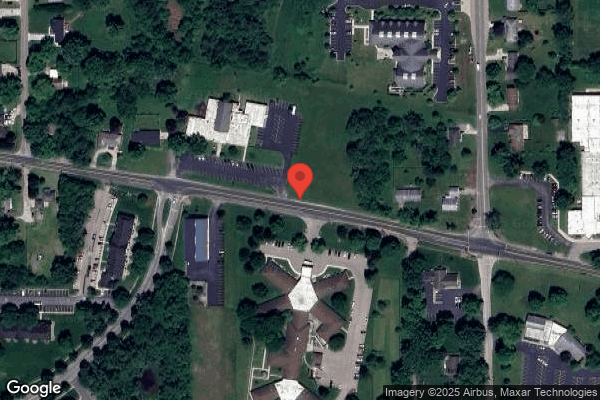
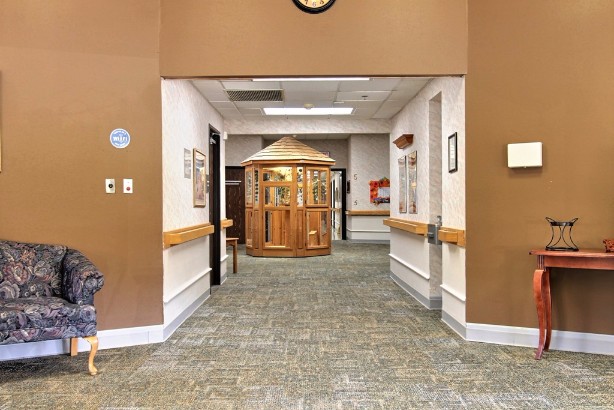
333 W MISHAWAKA RD, ELKHART, IN 46517 (574) 293-1550
For profit - Limited Liability company 94 Beds COMMUNICARE HEALTH Data: November 2025
Trust Grade
43/100
#392 of 505 in IN
Last Inspection: March 2025

Within standard 12-15 month inspection cycle. Federal law requires annual inspections.

Overview

Valley View Healthcare Center has a Trust Grade of D, which means it is below average and raises some concerns about the quality of care provided. In Indiana, it ranks #392 out of 505 facilities, placing it in the bottom half, and #9 out of 12 in Elkhart County, indicating limited local options that are better. The facility's situation is worsening, with the number of reported issues increasing from 10 in 2024 to 14 in 2025. Staffing is a significant concern, receiving only 1 out of 5 stars, with a high turnover rate of 62%, which is above the state average. Additionally, there are troubling inspection findings, including instances of improper food storage and cleanliness issues in the kitchen, which could impact residents' health. While the facility does have some strong quality measures, the overall environment and staffing challenges suggest families should carefully consider their options.

Trust Score
D
43/100
In Indiana
#392/505
Bottom 23%
Safety Record
Low Risk
No red flags
Inspections
Getting Worse
10 → 14 violations
Staff Stability
⚠ Watch
62% turnover. Above average. Higher turnover means staff may not know residents' routines.
Penalties
✓ Good
$3,250 in fines. Lower than most Indiana facilities. Relatively clean record.
Skilled Nurses
⚠ Watch
Each resident gets only 20 minutes of Registered Nurse (RN) attention daily — below average for Indiana. Fewer RN minutes means fewer trained eyes watching for problems.
Violations
⚠ Watch
47 deficiencies on record. Higher than average. Multiple issues found across inspections.
★★☆☆☆
2.0
Overall Rating
★☆☆☆☆
1.0
Staff Levels
★★★★★
5.0
Care Quality
★☆☆☆☆
1.0
Inspection Score
Stable
2024: 10 issues
2025: 14 issues

The Good

  • 5-Star Quality Measures · Strong clinical quality outcomes
  • Full Sprinkler Coverage · Fire safety systems throughout facility
  • No fines on record

Facility shows strength in quality measures, fire safety.

The Bad

2-Star Overall Rating

Below Indiana average (3.1)

Below average - review inspection findings carefully

Staff Turnover: 62%

16pts above Indiana avg (46%)

Frequent staff changes - ask about care continuity

Federal Fines: $3,250

Below median ($33,413)

Minor penalties assessed

Chain: COMMUNICARE HEALTH

Part of a multi-facility chain

Ask about local staffing decisions and management

Staff turnover is elevated (62%)

14 points above Indiana average of 48%

The Ugly 47 deficiencies on record

May 2025 1 deficiency
CONCERN (D) 📢 Someone Reported This

A family member, employee, or ombudsman was alarmed enough to file a formal complaint

Potential for Harm - no one hurt, but risky conditions existed

Deficiency F0659 (Tag F0659)

Could have caused harm · This affected 1 resident

**NOTE- TERMS IN BRACKETS HAVE BEEN EDITED TO PROTECT CONFIDENTIALITY** Based on record review and interview, the facility failed to ensure nursing staff who participated in cardiopulmonary resuscitat...

Read full inspector narrative →
**NOTE- TERMS IN BRACKETS HAVE BEEN EDITED TO PROTECT CONFIDENTIALITY** Based on record review and interview, the facility failed to ensure nursing staff who participated in cardiopulmonary resuscitation (CPR) were current in their CPR training and certification for 1 of 3 residents reviewed for cardiopulmonary resuscitation, (Resident E). Finding includes: Resident E's clinical record was reviewed on [DATE] at 10:00 A.M. Diagnoses included but were not limited to pericardial effusion (fluid around the heart), breast cancer, heart valve insufficiency, and hypertension. A nursing progress note dated [DATE] at 1:13 P.M., indicated Certified Nursing Assistant (CNA)11 and CNA 12 went to Resident E's room to provide care and noted the resident had increased difficulty breathing so the CNAs notified the nurse. Licensed Practical Nurse (LPN) 1, indicated upon arrival and initial assessment the resident was unresponsive, without a pulse and respirations. She began CPR, and Emergency Services was called. An untitled document dated [DATE] at 1:20 P.M., was provided by the Director of Nursing on [DATE] at 9:45 A.M. The Director of Nursing indicated the document was a record of the CPR response documentation and time-line that was assembled by the staff following the CPR event. The Director of nursing indicated the times were approximate. The document indicated LPN 1 announced CPR at 12:47 P.M., and connected the Automated External Defibrillator (AED) at 12:49 P.M. RN 4 opened the resident's airway at 12:48 P.M. and began chest compressions at 12:49 P.M., and continued until Emergency Medical Services (EMS) arrived at 12:53 P.M. Resident E was transferred to the local emergency room by EMS at 1:20 P.M. During an interview on [DATE] at 10:50 A.M., RN 4 indicated on [DATE], after performing CPR on Resident E, she went online to obtain her CPR certification. RN 4 indicated her CPR certification was not current at the time she had provided CPR to Resident E. During an interview on [DATE] at 10:53 A.M., LPN 1 indicated her CPR certification had lapsed before performing CPR on Resident E. LPN 1 indicated after performing CPR on Resident E on [DATE], she went online to obtain a current CPR certification. On [DATE] at 10:14 A.M., the Director on Nursing provided an undated policy titled, Cardiopulmonary Resuscitation (CPR), and indicated it was the facility's current policy. The policy indicated the facility would follow current American Heart Association (AHA) guidelines regarding CPR to ensure staff present were properly trained/certified in CPR. This citation relates to Complaint IN00458543. 3.1-35(g)(1)
Mar 2025 9 deficiencies
CONCERN (D)

Potential for Harm - no one hurt, but risky conditions existed

Deficiency F0578 (Tag F0578)

Could have caused harm · This affected 1 resident

**NOTE- TERMS IN BRACKETS HAVE BEEN EDITED TO PROTECT CONFIDENTIALITY** Based on interviews and record review, the facility failed to ensure a resident's choice of code status was documented consisten...

Read full inspector narrative →
**NOTE- TERMS IN BRACKETS HAVE BEEN EDITED TO PROTECT CONFIDENTIALITY** Based on interviews and record review, the facility failed to ensure a resident's choice of code status was documented consistently in the medical record for 1 of 3 residents reviewed for code status (Resident 70). Finding includes: During an interview, on [DATE] at 2:02 P.M., LPN 7 indicated Resident 70 was a full code. During an interview, on [DATE] at 10:00 A.M., the Social Service Designee (SSD) indicated Resident 70 was his own representative, had not been deemed incompetent and was capable of making his own legal decisions. The SSD indicated Resident 70 had reported to her he wanted to be a full code. The clinical record of Resident 70 was reviewed on [DATE] at 9:27 A.M. The resident's diagnoses included but were not limited to: hemiplegia and hemiparesis following cerebral infarction affecting the dominant right side, chronic obstructive pulmonary disease, cerebrovascular disease, hypertension, other reflux and obstructive uropathy, dysarthria, and dysphagia. A Quarterly Minimum Data Set assessment, dated [DATE], indicated Resident 70 was cognitively intact. A Physician Order, dated [DATE], indicated Resident 70 had a CPR status (a life-saving emergency procedure used when someone's breathing or heartbeat has stopped, combining chest compressions and rescue breaths to restore blood circulation and oxygenation). A current Care Plan, dated [DATE], indicated Resident 70 had a full code status. A POST (Physician Orders for Scope of Treatment) form (a medical order form that documents a patient's treatment preference as medical orders that can be easily understood and enacted by health care providers), dated [DATE], indicated Resident 70 had a status of Do Not Attempt Resuscitation (no life-sustaining measures if a person's heart or breathing stops). Resident 70's code status was unclear in the medical record. \ On [DATE] at 1:00 P.M., the Administrator provided a policy titled,Cardiopulmonary Resuscitation (CPR), undated, and indicated the policy was the one currently used by the facility. The policy indicated .facility staff should verify the presence .the resident's wishes with regard to CPR, upon admission .if the resident's wishes are different than the admission orders .facility staff should document the resident's wishes in the medical record . 3.1-4(l)(5)
CONCERN (D)

Potential for Harm - no one hurt, but risky conditions existed

ADL Care (Tag F0677)

Could have caused harm · This affected 1 resident

2. A record review was completed on 3/27/2025 at 10:22 A.M. for Resident 22. Diagnoses included, but were not limited to dementia. An Annual Minimum Data Set (MDS) assessment, dated 1/20/2025, indicat...

Read full inspector narrative →
2. A record review was completed on 3/27/2025 at 10:22 A.M. for Resident 22. Diagnoses included, but were not limited to dementia. An Annual Minimum Data Set (MDS) assessment, dated 1/20/2025, indicated Resident 22's cognition was severely impaired and was dependent for shower/bathing needs. A current Care Plan, revised on 1/22/2025, indicated Resident 22 was dependent for shower/bathing and staff performed all care tasks. Observations on 3/23/2025 at 12:11 P.M., 3/25/2025 at 9:16 A.M., and 3/27/2025 at 1:45 P.M., indicated Resident 22's toenails were very long and had grown past the end of her toes. During an interview on 3/27/2025 at 1:48 P.M. CNA 14 indicated a shower included washing a resident's hair with shampoo, washing their body, drying their body, applying lotion, got dressing the reisdent. She indicated nail care was included in the showering process. CNA 14 indicated Resident 22 had received a shower twice a week and if she refused, they re-approached the resident and reported the refusal to the nurse. During an interview on 3/27/2025 at 1:52 P.M., LPN 8 indicated the nurse was responsible for trimming toenails and if a podiatrist was needed, they let the Social Worker know to add the resident to the list for the podiatry visit. During an interview on 3/27/2025 at 2:11 P.M., the Social Worker Designee indicated the nursing staff let her know who needed to see the podiatrist. She indicated the nusing staff had not reported that Resident 22 needed to be seen by the podiatrist. On 3/28/2025 at 1:10 P.M., the Director of Nursing (DON) provided an undated policy title, Foot Care and indicated it was the policy currently used by the facility. The policy indicated, . Foot care is often performed in conjunction with shower/bathing . In some residents, foot care including trimming of nails should only be performed by a professional 3.1-38(a)(3)(A) 3.1-38(a)(3)(B) Based on observation, interview and record review, the facility failed to ensure showers, hair care and/or nail care were provided for 2 of 6 residents. (Resident L- showers and hair care, Resident K- nail care) Findings include: 1. During an observation and interview, on 3/23/2025 at 1:51 P.M., Resident L indicated she could not recall the last shower she had been offered and had had bed baths only. She indicated the last bed bath she had received was given about a week ago. Resident L had a mass of hair that was matted. The matted hair was the size of a softball and was located at her back of her head. Resident L indicated she had only been offered disposable shower caps in regards to shampooing and does not remember the last time her hair was washed in a shower or was brushed. During an observation and interview, on 3/25/2025 at 9:14 A.M., Resident L indicated she still had not had a shower. The back of Resident L's hair still had a softball-sized hair matt present. During an interview, on 3/25/2025 at 11:10 A.M., CNA 9 indicated she had frequently offered her residents daily bed baths due to the bed bound status of many of the facility's residents. CNA 9 indicated she provided a disposable hair shampoo bonnet,as well as hair care, after a resident's bed bath. CNA 9 indicated she had attempted to brush out Resident L's hair matts 2 days ago but the resident's hair had become tangled again within a few days. During an observation and interview, on 3/26/2025 at 9:58 A.M., Resident L was observed with uncombed hair with a visible, large softball-sized tangled hair matt in the posterior of her head. The resident indicated she could not remember the last time had staff assisted her with brushing her hair. During an interview, on 3/26/2025 at 10:10 A.M., CNA 10 indicated she had showered residents twice a week unless the resident's care plan dictated the resident was to be cleaned more frequently. During an interview, on 3/26/2025 at 11:22 A.M., the Divisional Director of Risk Management indicated Resident L was showered and had her hair brushed and braided. During an interview, on 3/26/2025 at 3:33 P.M., CNA 11 indicated she bathed her residents twice a week and it included a disposable shampoo cap and nail care if the resident was not diabetic. The clinical record of Resident L was reviewed on 3/25/2025 at 10:15 A.M. The resident's diagnoses included, but were no limited to: multiple sclerosis, adult failure to thrive, chronic pain syndrome, hypertension, repeated falls, bipolar disorder, anxiety, cannabis use and borderline personality disorder. A Quarterly Minimum Data Set (MDS) assessment, dated 3/11/2025, indicated the resident was cognitively intact, was dependent for showering and/or bathing and required substantial assistance for personal hygiene. A current Care Plan, revised 3/17/2025, indicated Resident L had an Activity of Daily Living (ADL) Self-Care Performance deficit. Interventions included, but were not limited to: shower/bathe- Resident L was dependent with two or more helpers to do all the effort of the task and personal hygiene- Resident L required substantial assistance for more than half the effort of the task. The shower documentation, dated 2/13/2025 thru 3/27/2025, indicated Resident L was only documented as having received showers on the following dates: -2/13/2025, 2/21/2025, 3/4/2025, 3/7/2025, 3/10/2025, 3/14/2025, 3/21/2025 and 3/25/2025. Resident L had not received 5 of the scheduled 13 showers during the time frame. It was unclear why Resident L had not received hair care to prevent her hair from becoming matted.
CONCERN (E) 📢 Someone Reported This

A family member, employee, or ombudsman was alarmed enough to file a formal complaint

Potential for Harm - no one hurt, but risky conditions existed

Transfer Notice (Tag F0623)

Could have caused harm · This affected multiple residents

**NOTE- TERMS IN BRACKETS HAVE BEEN EDITED TO PROTECT CONFIDENTIALITY** Based on interview and record review, the facility failed to provide written notification of a transfer/discharge to the residen...

Read full inspector narrative →
**NOTE- TERMS IN BRACKETS HAVE BEEN EDITED TO PROTECT CONFIDENTIALITY** Based on interview and record review, the facility failed to provide written notification of a transfer/discharge to the resident or resident's representative for 3 of 3 residents reviewed for hospitalization. (Residents H, L and M) Findings include: 1. A record review was completed on 3/24/2025 at 10:14 A.M. for Resident H. Diagnoses included, but were not limited to, schizophrenia. A Quarterly Minimum Data Set (MDS) assessment, dated 1/29/2025, indicated Resident H's cognition was intact. A discharge order, dated 1/7/2025, indicated transfer resident to the hospital for severe symptoms that cannot be controlled otherwise. During an interview on 3/24/2025 at 1:18 P.M., Resident H indicated he was admitted to a psychiatric hospital on 1/7/2025 and did not receive written notification of the transfer/discharge. A Nurses Progress Note, dated 1/7/2025, indicated Resident H had alerted staff he was in danger of harming himself or others, had not slept in days and was talking to himself. He also made threatening gestures toward staff. A physician's order was received to send the resident to (name of local hospital) for an evaluation. During an interview on 3/25/2025 at 9:25 A.M., LPN 7 indicated the transfer/discharge documentation was to be documented in the document section of the clinical record and the Medical Records staff scanned the documentation into the record Documents for Resident H's transfer to the hospital, on 1/7/2025, could not be located in his clinical record. During an interview on 3/25/2025 at 9:25 A.M., the Divisional Director of Risk Management indicated there was no signed transfer/discharge notice in the clinical record for the 1/7/2025 hospitalization and the facility should have provided the transfer/discharge notice to the resident. 2. During an interview on 3/23/2025 at 2:08 P.M., Resident M indicated he was hospitalized for urinary retention on 2/21/2025. A record review was completed on 03/25/2025 9:30 A.M. for Resident M. Diagnoses included, but were not limited to, inflammatory polyneuropathy and urinary retention. A Medicare 5 Day Minimum Data Set (MDS) assessment, dated 3/3/2025, indicated Resident M's cognition was moderately impaired. A Nurses Progress note indicated Resident M had been transferred to the hospital on 2/21/2025. The Notice of Transfer/Discharge documentation/form could not be located in the clinical record. During an interview on 3/25/2025 at 9:25 A.M., LPN 7 indicated the transfer/discharge documentation was supposed to be located in the document section of the clinical record and the Medical Records staff scanned them in the record. During an interview on 3/25/2025 at 9:25 A.M., the Divisional Director of Risk Management indicated there was no signed transfer/discharge notice in the clinical record for the 2/21/2025 hospitalization and the facility should have provided the transfer/discharge notice to the resident.3. The clinical record for Resident L was reviewed on 3/25/2025 at 10:15 A.M. The resident's diagnoses included, but were no limited to: multiple sclerosis, adult failure to thrive, chronic pain syndrome, hypertension, repeated falls, bipolar disorder, anxiety, cannabis use and borderline personality disorder. A Quarterly Minimum Data Set (MDS) assessment, dated 3/11/2025, indicated the resident was cognitively intact. A Nursing Note, dated 11/10/2024, indicated Resident L was transferred to (name of local hospital). The note also indicated Resident L was her own representative. A Nursing admission Evaluation, dated 11/23/2024, indicated Resident L had been re-admitted back to the facility on [DATE] at 2:30 P.M. During an interview, on 3/25/2025 at 1:51 P.M., the Social Service Designee (SSD) indicated she was unable to find a signed bed hold notice or a signed transfer/discharge notice in Resident L's electronic chart. During an interview, on 3/25/2025 at 2:09 P.M., the Divisional Director of Risk Management indicated there was no signed bed hold and no signed transfer notice in Resident L's chart for the 11/9/2024 through 11/23/2024 hospitalization. She indicated the facility had not provided the resident with a written transfer policy or a bed hold policy prior to or immediately after the resident's transfer from the facility. During an interview, on 3/25/2025 at 3:02 P.M., Resident L indicated the staff had not provided any paperwork for her to sign prior to her hospitalization in November 2024. On 3/25/2025 at 2:35 P.M., the Divisional Director of Risk Management provided a policy titled, Transfer and Discharge Policy, undated and indicated the policy was the one currently used by the facility. The policy indicated .present the Acute Transfer Letter to the resident prior to the transfer unless the resident is incapable of understanding due to cognitive impairment or unless the transfer is an emergency . This citation relates to complaint IN00452428. 3.1-12(a)(6)(i)
CONCERN (E) 📢 Someone Reported This

A family member, employee, or ombudsman was alarmed enough to file a formal complaint

Potential for Harm - no one hurt, but risky conditions existed

Deficiency F0625 (Tag F0625)

Could have caused harm · This affected multiple residents

**NOTE- TERMS IN BRACKETS HAVE BEEN EDITED TO PROTECT CONFIDENTIALITY** Based on interview and record review, the facility failed to provide the facility's Bed Hold Policy to the resident or resident ...

Read full inspector narrative →
**NOTE- TERMS IN BRACKETS HAVE BEEN EDITED TO PROTECT CONFIDENTIALITY** Based on interview and record review, the facility failed to provide the facility's Bed Hold Policy to the resident or resident representative for 3 of 3 residents reviewed for hospitalization. (Residents H, L and M) Findings include: 1. A record review was completed on 3/24/2025 at 10:14 A.M. for Resident H. Diagnoses included, but were not limited to, schizophrenia. A Quarterly Minimum Data Set (MDS) assessment, dated 1/29/2025, indicated Resident H's cognition was intact. A discharge order, dated 1/7/2025, indicated transfer resident to the hospital for severe symptoms that cannot be controlled otherwise. During an interview on 3/24/2025 at 1:18 P.M., Resident H indicated he was admitted to a psychiatric hospital on 1/7/2025 and had not received a copy of the facility's Bed Hold Policy. A Nurses Progress Noted, dated 1/7/2025, indicated Resident H had alerted staff he was in danger of harming himself or others, had not slept in days and was talking to himself. He also made threatening gestures toward staff. A physician order was received to send the resident to (name of local hospital) for an evaluation. During an interview on 3/25/2025 at 9:25 A.M., LPN 7 indicated a copy of the Bed Hold Policy issue to Resident H would be located in the document section of the clinical record. The copy of the Bed Hold Policy would have been scanned into the electronic record by the Medical Records staff. Documents pertaining to Resident H's transfer to the hospital could not be located in the clinical record. During an interview on 3/25/2025 at 9:25 A.M., the Divisional Director of Risk Management indicated there was no copy of the facility's Bed Hold Policy in the clinical record for the 1/7/2025 hospitalization and the facility should have provided a copy of the facility's Bed Hold Policy to the resident. 2. During an interview on 3/23/2025 at 2:08 P.M., Resident M indicated he was hospitalized for urinary retention on 2/21/2025. A record review was completed on 03/25/2025 9:30 A.M. for Resident M. Diagnoses included, but were not limited to, inflammatory polyneuropathy and urinary retention. A Medicare 5 Day Minimum Data Set (MDS) assessment, dated 3/3/2025, indicated Resident M's cognition was moderately impaired. A Nurses Progress Noted indicated Resident M was transferred to the hospital on 2/21/2025. A copy of the facility's Bed Hold Policy could not be found in the clinical record. During an interview on 3/25/2025 at 9:25 A.M., LPN 7 indicated copy of the facility's Bed Hold Policy would have been scanned into the electronic clinical reord by the Medical Records staff. During an interview on 3/25/2025 at 9:25 A.M., the Divisional Director of Risk Management indicated there was no copy of the facility's Bed Hold Policy in the clinical record for Resident M's 2/21/2025 hospitalization and the facility should have provided a copy of the facility's Bed Hold Policy to the resident. 3. The clinical record of Resident L was reviewed on 3/25/2025 at 10:15 A.M. The resident's diagnoses included, but were no limited to: multiple sclerosis, adult failure to thrive, chronic pain syndrome, hypertension, repeated falls, bipolar disorder, anxiety, cannabis use and borderline personality disorder. A Quarterly Minimum Data Set (MDS) assessment, dated 3/11/2025, indicated the resident was cognitively intact. A Nursing Note, dated 11/10/2024, indicated Resident L was transferred to (name of local hospital) and indicated Resident L was her own representative. A Nursing admission Evaluation, dated 11/23/2024, indicated Resident L had been re-admitted back to the facility on [DATE] at 2:30 P.M. During an interview, on 3/25/2025 at 1:51 P.M., the Social Service Designee (SSD) indicated she was unable to locate a signed bed hold notice or a signed transfer notice in Resident L's electronic record. During an interview, on 3/25/2025 at 2:09 P.M., the Divisional Director of Risk Management indicated there was no signed bed hold and no signed transfer notice in Resident L's chart for the 11/9/2024 through 11/23/2024 hospitalization. She indicated the facility had not provided the resident with a written transfer policy or a bed hold policy prior to or immediately after the resident's transfer from the facility. During an interview, on 3/25/2025 at 3:02 P.M., Resident L indicated the staff had not provided any paperwork for her to sign prior to her hospitalization in November of 2024. On 3/25/2025 at 2:35 P.M., the Director of Nursing (DON) provided a policy titled, Bed Hold Policy, undated and indicated the policy was the one currently used by the facility. The policy indicated .the bed hold authorization form may be signed prior to the patient leaving the building, or within 24 hours .in the event a resident returns to the hospital .the nurse or designee will present the Acute Transfer Letter at time of transfer with a copy going with the resident . This citation relates to complaint IN00452428. 3.1-12(a)(26)
CONCERN (E) 📢 Someone Reported This

A family member, employee, or ombudsman was alarmed enough to file a formal complaint

Potential for Harm - no one hurt, but risky conditions existed

Deficiency F0694 (Tag F0694)

Could have caused harm · This affected multiple residents

2. A record review was completed on 3/25/2025 at 2:45 P.M. for Resident D. Diagnoses included, but were not limited to, pneumonia. An admission Minimum Data Set (MDS) assessment, dated 3/8/2025, indi...

Read full inspector narrative →
2. A record review was completed on 3/25/2025 at 2:45 P.M. for Resident D. Diagnoses included, but were not limited to, pneumonia. An admission Minimum Data Set (MDS) assessment, dated 3/8/2025, indicated Resident D's cognition was intact. A Physician Order, dated 3/14/2025, indicated the PICC line dressing was to be changed once weekly, on Fridays. During an observation on 3/24/2025 at 11:07 A.M., the dressing for a peripherally inserted central catheter (PICC), a thin, flexible tube inserted into a vein in the upper arm and threaded into a larger vein near the heart, in Resident 76's left upper arm, was peeled up along all edges of the transparent dressing and was dated 3/3/2025. During an interview on 3/24/2025 at 11:07 A.M., the Unit Manager indicated the dressing should have been changed every week.Based on observation, interview and record review, the facility failed to change the dressings of residents who had a peripherally inserted central catheter (PICC) line for 3 of 3 residents whose PICC lines were reviewed. (Residents B, D and C) Findings include: 1. During an observation on 3/24/2025 at 3:02 P.M., Resident B's PICC line dressing was dated, 3/14/2025 and was rolled up with the insertion site exposed. Resident B indicated the dressing had not been changed in over a week. During an interview on 3/24/2025 at 3:05 P.M., LPN 6 indicated the PICC line dressing should not be rolled up and the dressing should have been changed after seven days. Resident B's record review was completed on, 3/25/2025 at 8:30 A.M. Diagnoses included, but were not limited to: subacute osteomyelitis of the left ankle and foot, Type 1 diabetes mellitus, methicillin-resistant staphylococcus aureus, below-knee amputation of right leg. An admission Minimum Data Set (MDS) assessment, dated 3/11/2025, indicated Resident B had intact cognition. A current Physician's order, dated 3/14/2025, indicated Resident B's PICC line dressing was to be changed every Friday on day shift (6:00 A.M.-2:00 P.M.). A current Care Plan, initiated on 3/5/2025, indicated Resident B was on intravenous (IV) antibiotics for treatment of osteomyelitis. The goal for the Care Plan was to be free of infection at insertion site. Interventions included, but were not limited to: visually inspect IV site each shift. Resident B's record lacked the documentation he had refused any dressing changes. 3. During an observation, on 3/24/2025 at 10:08 A.M., Resident C had a PICC (peripherally-inserted central catheter) (a long, thin, flexible tube inserted into a vein in the upper arm and threaded into a large vein near the heart and used for long-term intravenous access for medications, fluids, or blood draws, and can stay in place for weeks or months) visible to his right upper arm with a dressing dated 3/14 which was peeling up slightly at the very base of the dressing. During an interview, on 3/24/2025 at 11:06 A.M., LPN 6 indicated Resident C's PICC dressing should have been changed weekly. During an observation and interview, on 3/25/2025 on 11:34 A.M., observed Resident C's right upper arm without the presence of a PICC or a dressing, the inside of Resident C's right upper arm had a quarter-sized purple/green bruise without a hematoma or drainage. Resident C indicated his PICC was removed yesterday. The clinical record of Resident C was reviewed on 3/26/2025 at 1:25 P.M. The resident's diagnoses included, but were no limited to: cerebral ischemia, cerebral amyloid angiopathy, morbid obesity, chronic kidney disease, systolic and diastolic congestive heart failure, venous insuffiency, chronic venous hypertension, obstructive sleep apnea, ischemic cardiomyopathy, paroxysmal atrial fibrillation, occlusion and stenosis of bilateral carotid arteries, ventral hernia, spinal stenosis and diabetes mellitus. A Quarterly Minimum Data Set (MDS) assessment, dated 2/19/2025, indicated Resident C was cognitively intact. The MDS assessment indicated the resident had been receiving IV medications. A Physician Order, dated 1/29/2025, indicated the PICC line site dressing was to be changed weekly on Fridays. A current Care Plan, revised on 2/10/2025, indicated Resident C had received intravenous antibiotics due to osteomyelitis (bone infection). Interventions included but were not limited to: change the dressing weekly for the PICC line. During an interview, on 3/28/2025 at 9:00 A.M., LPN 7 indicated in the chart that everything in the electronic medical record would turn green when all tasks and medications were completed. LPN indicated there was a QMA (qualified medication aide) on the hall on 3/21/2025 and the QMA had clicked on the PICC dressing change without having done the PICC dressing change yet. LPN 7 had then charted the PICC dressing change task in error due to being in a different mindset with the QMA on the hall. On 3/28/2025 at 1:00 P.M., the Administrator provided a policy, Pharmscript Infusion Intravenous Access Line Maintenance Protocol, dated 2/7/2020 and indicated the policy was the one currently used by the facility. The policy indicated .PICC dressing changes on admission or 24 hours post-insertion, then weekly and as needed . This citation relates to complaint IN00455837. 3.1-47(a)(2)
CONCERN (E) 📢 Someone Reported This

A family member, employee, or ombudsman was alarmed enough to file a formal complaint

Potential for Harm - no one hurt, but risky conditions existed

Pharmacy Services (Tag F0755)

Could have caused harm · This affected multiple residents

**NOTE- TERMS IN BRACKETS HAVE BEEN EDITED TO PROTECT CONFIDENTIALITY** 4. On [DATE] at 10:37 A.M., a medication storage observation was completed with QMA 12 on the 100 Hall cart, cart one and the fo...

Read full inspector narrative →
**NOTE- TERMS IN BRACKETS HAVE BEEN EDITED TO PROTECT CONFIDENTIALITY** 4. On [DATE] at 10:37 A.M., a medication storage observation was completed with QMA 12 on the 100 Hall cart, cart one and the following was observed: -Two opened bottles of eye drops not in a pharmacy labeled container sitting on top of a packages of nicotine patches and in with a box of antibiotic oral medication. On [DATE] at 10:45 A.M., a medication storage observation was completed with QMA 12 on the 100 Hall cart, cart two and the following was observed: -An open bottle of eye drops undated and not in a pharmacy labeled container. -An open Humalog pen with an open date of [DATE]. During an interview on [DATE] at 10:55 A.M., QMA 12 indicated eye drops should not have been mixed with other types of medication and it should have been in a pharmacy labeled container. She indicated that the insulin pen was used to administer insulin that morning and should not have been used since it was expired. On [DATE] at 1:10 P.M., the DON provided a policy titled, Storage of Medication, 8/2024, and indicated the policy was the one currently used by the facility. The policy indicated .1. The provider pharmacy dispenses medication in container that meet regulatory requirements, including standards set forth by the United States Pharmacopoeia (USP) Medications are kept in these containers. Nurses may not transfer medications from one container to another or return partially used medication to the original container. 4. Orally administered medication are stored separately from externally used medications and treatments such as suppositories, ointments, creams, vaginal products, etc. Eye mediations are stored separately per facility policy. 6. The nurse will check the expiration date of each medication before administering it. 7. No expired medication will be administered to a resident . On [DATE] at 3:12 P.M., the ED provided a policy titled, Medication Administration, undated, and indicated the policy was the one currently used by the facility. The policy indicated . I. Procedure: dd. Medications will be charted when given. IV. Documentation a. Documentation of medication will be current for medication administration. b. Documentation will follow accepted standards of nursing practice . This citation relates to complaints IN00452428 and IN00455837. 3.1-25(g)(1)(o) 3.1-25(b)(3) Based on record review and interview, the facility failed to provide medications to residents as ordered by the Physician for 4 of 6 residents whose medications were reviewed. In addition, the facility failed to appropriately store medications in 1 of 3 Medication Carts reviewed. (Residents F, N, O, C & 100 Hall Medication Cart ) Findings include: 1. Resident F's record review was complete on [DATE] at 10:10 A.M. Diagnoses included, but were not limited to: Parkinson's disease, anxiety disorder, insomnia, history of myocardial infarction and major depressive disorder. A current Physician's order, dated [DATE], indicated Resident F was to receive the following mediations: - 0.4 milligram (mg)/hour transdermal nitroglycerin patch (treats chest pain) every morning. -20 mg of omeprazole (treats heartburn) every morning. A current Physician's order, dated [DATE], indicated Resident F was to receive 50 mg of trazodone (sleep aid) at bedtime. A [DATE] Medication Administration Record (MAR) indicated Resident F had not received the 0.4 mg nitroglycerin patch or the 50 mg of omeprazole on [DATE] and he had not received his trazodone on [DATE]. Resident F's record lacked the documentation he had refused his medications or a Physician had been notified that he had missed doses of his medications. 2. Resident N's record review was completed on [DATE] at 11:30 A.M. Diagnoses included, but were not limited to: dementia with psychotic disturbance, major depressive disorder, generalized anxiety disorder and anorexia. Current Physician's orders for Resident N included orders for the following medications: - 7.5 mg milligrams (mg) of mirtazapine (appetite stimulant) at bedtime. - 10 mg of melatonin (sleep aid) at bedtime. A [DATE] Medication Administration Record (MAR) indicated Resident N had not received 7.5 mg of mirtazapine or 10 mg of melatonin on 3/2, 3/7 or [DATE]. Resident N's record lacked the documentation she had refused her medications or a Physician had been notified that she had missed doses of her medications. 3. Resident O's record review was complete on [DATE] at 1:30 P.M. Diagnoses included, but were not limited to: diabetes mellitus type 2 with diabetic neuropathy, cerebral palsy, hypertension, and dementia. Current Physician's orders for Resident O included orders for the following medications: - 5 units of insulin glargine at bedtime. - 5 milligrams (mg) of terazosin (controls high blood pressure) at bedtime. - 2 to 10 units of Novolog (insulin) daily at 4:00 P.M., depending on her blood sugar test results. A [DATE] Medication Administration Record (MAR) indicated Resident O had not received 5 units of insulin glargine or 5 mg of terazosin on 3/7 or [DATE], and she had not received her 4:00 P.M. dose of novolog on [DATE]. Resident O's record lacked the documentation she had refused her medications or a Physician had been notified that she had missed doses of her medications. During an interview on [DATE] at 1:13 P.M., the Director of Nursing (DON) indicated she believed all the medications had been given but the staff had forgotten to sign off on the administration. She indicated staff should sign off on the medication after it was given. 3. The clinical record of Resident C was reviewed on [DATE] at 1:25 P.M. The resident's diagnoses included, but were no limited to: cerebral ischemia, cerebral amyloid angiopathy, morbid obesity, chronic kidney disease, systolic and diastolic congestive heart failure, venous insuffiency, chronic venous hypertension, obstructive sleep apnea, ischemic cardiomyopathy, paroxysmal atrial fibrillation, occlusion and stenosis of bilateral carotid arteries, ventral hernia, spinal stenosis and diabetes mellitus. A Quarterly Minimum Data Set (MDS) assessment, dated [DATE], indicated Resident C was cognitively intact. The MDS assessment indicated the resident had received insulin, anticoagulants, diuretic and an anticonvulsant. Physician Orders for Resident C, included but were not limited to: -Atorvastatin Calcium Oral Tablet 80 MG (milligram) (Atorvastatin Calcium) -Give 1 tablet by mouth at bedtime, -Lantus SoloStar Subcutaneous Solution Pen-injector 100 unit/mL (milliliter) (Insulin Glargine) - Inject 10 units subcutaneously at bedtime, - Insulin Lispro Injection Solution 100 unit/mL (Insulin Lispro) - Inject subcutaneously before meals with sliding scale, - Santyl External Ointment 250 unit/Gm(gram) (Collagenase) - Apply to rIght lower extremity topically every evening shift for wound care. Cleanse wound to right lateral inferior lower leg with normal saline, pat dry, spread a santyl nickel thick on adaptic and place on wound, cover with ABD pads and wrap with Kerlix, secure with tape and apply TubiGrip G daily until healed, - Ertapenem Sodium Injection Solution reconstituted 1 gram IV (intravenously) in the morning, and - Vancomycin Hydrochloride Intravenous Solution 1000 mg/ 250 mL 1 gram every day. The [DATE] Medication Administration Record for Resident C indicated the following missed medications and treatments: -Atorvastatin Calcium Oral Tablet 80 mg on 3/8 - Ertapenem Sodium 1 gram on 3/5 and 3/6 - Lantus SoloStar Subcutaneous Solution Pen-injector 10 units at bedtime on 3/8, 3/10 and 3/19 - Santyl External Ointment 250 unit/G on 3/2, 3/5, 3/8, 3/10, 3/14, 3/15, 3/16, 3/19 and 3/22 - Vancomycin Hydrochloride Intravenous Solution 1000 mg/ 250 mL 1 gram: on 3/13. During an interview, on [DATE] at 1:14 P.M., the Director of Nursing (DON) indicated she believed the missing and undocumented medications and treatments on the Medication Administration Records had been given. The DON indicated the medications and treatments should have been signed off only after it had been given or completed.
CONCERN (E) 📢 Someone Reported This

A family member, employee, or ombudsman was alarmed enough to file a formal complaint

Potential for Harm - no one hurt, but risky conditions existed

Medical Records (Tag F0842)

Could have caused harm · This affected multiple residents

2. During an observation of Resident D's peripherally inserted central catheter (PICC), a thin, flexible tube inserted into a vein in the upper arm and threaded into a larger vein near the heart, on 3...

Read full inspector narrative →
2. During an observation of Resident D's peripherally inserted central catheter (PICC), a thin, flexible tube inserted into a vein in the upper arm and threaded into a larger vein near the heart, on 3/24/2025 at 11:07 A.M., the date on the dressing over the insertion site was 3/3/2025. During an interview on 3/24/2025 at 11:07 A.M., the Unit Manager indicated the PICC line dressing should have been changed weekly. Documentation on the Treatment Administration Record (TAR) indicated the dressing was changed on 3/14/2025 and 3/21/2025. During an interview on 3/27/2025 at 9:59 A.M., LPN 8 indicated the dressing should have been changed on 3/14/2025 and she was not sure how her initials had been documented on the TAR as having chnaged the dressing. LPN 8 indicated she must have documented it accidentally. During an interview on /28/2025 at 11:23 A.M., LPN 4 indicated PICC line dressings should be changed weekly. His initials on the TAR on 3/21/2025 was more than likely because he had passed it off to the next shift but he should not have signed off that he had xompleted the dressing change. 3. During an observation on 3/24/2025 at 3:02 P.M., Resident B's PICC dressing was dated, 3/14/2025 and was rolled up with the insertion site exposed. Resident B indicated the dressing had not been changed in over a week. During an interview on 3/24/2025 at 3:05 P.M., LPN 6 indicated the PICC dressing should not be rolled up and the dressing should have been changed after seven days. Resident B's record review was completed on, 3/25/2025 at 8:30 A.M. Diagnoses included, but were not limited to: subacute osteomyelitis of the left ankle and foot, Type 1 diabetes mellitus, methicillin-resistant staphylococcus aureus, below-knee amputation of right leg. A current Physician's order, dated 3/14/2025, indicated Resident B's PICC dressing was to be changed every Friday on day shift (6:00 A.M.-2:00 P.M.). A current Care Plan, dated 3/5/2025, indicated Resident B was on intravenous (IV) antibiotics for the treatment of osteomyelitis. The goal was to be free of infection at the insertion site. Interventions included, but were not limited to: visually inspect IV site each shift. Resident B's March 2025 Medication Administration Record (MAR), indicated LPN 7 had changed the PICC dressing on 3/21/2025. Resident B's record lacked the documentation he had refused any dressing changes. During an interview on 3/28/2025 at 8:58 A.M., LPN 7 indicated it was her initials on Resident B's PICC dressing change for 3/21/2025 on March 2025's MAR. She indicated the process for signing off on a task was to mark the task complete in the Electronic Medical Record after the task was completed and she had made a mistake by signing off on the PICC dressing change when the task had not been completed. On 3/28/2025 at 2:30 P.M., the Director of Nursing (DON) provided an undated policy, titled, Clinical Documentation Standards and identified it as the policy currently used by the facility. The policy indicated, . Nurses will follow the basic standard of practice for documentation including, but not limited to providing a timely and accurate account of resident information in the medical record . b. The nurse is expected to: i. Document accurately and truthfully to the best of his/her knowledge This citation relates to complaint IN00455837. 3.1-50 (a)(2) Based on observation, record review and interview, the facility failed to ensure accurate documentation of PICC (peripherally-inserted central catheter) dressing changes for 3 of 3 residents reviewed. (Residents C, D and B) Findings include: 1. During an observation, on 3/24/2025 at 10:08 A.M., Resident C had a PICC line to his right upper arm with a dressing, dated 3/14/25, peeling up slightly at the very base. The clinical record of Resident C was reviewed on 3/26/2025 at 1:25 P.M. The resident's diagnoses included, but were not limited to: cerebral ischemia, cerebral amyloid angiopathy, morbid obesity, chronic kidney disease, systolic and diastolic congestive heart failure, venous insuffiency, chronic venous hypertension, obstructive sleep apnea, ischemic cardiomyopathy, paroxysmal atrial fibrillation, occlusion and stenosis of bilateral carotid arteries, ventral hernia, spinal stenosis and diabetes mellitus. A Quarterly Minimum Data Set (MDS) assessment, dated 2/19/2025, indicated Resident C was cognitively intact. The MDS assessment indicated the resident had been receiving insulin, anticoagulants, diuretic, an anticonvulsant and IV(intravenous) medications. A Physician Order, dated 1/29/2025, indicated the PICC line site dressing change was to be done weekly on Fridays. The March Treatment Administration Record 2025 indicated the PICC line dressing change was completed on 3/21/2025 but Resident C's PICC line dressing was dated 3/14. During an interview, on 3/24/2025 at 11:06 A.M., LPN 6 indicated Resident C's PICC line dressing should have been changed weekly. During an interview, on 3/28/2025 at 9:00 A.M., LPN 7 indicated in the chart that everything in the electronic medical record would have turned green when all tasks and medications were completed. LPN 7 indicated there was a QMA (qualified medication aide) on the hall on 3/21/2025 and LPN 7 indicated she may have clicked on the PICC dressing change without having done the PICC dressing change yet. LPN 7 had charted the PICC dressing change in error due to being in a different mindset with the QMA on the hall. During an interview, on 3/28/2025 at 1:14 P.M., the Director of Nursing (DON) indicated the medications or treatments should have been signed off only after they had been given or completed.
CONCERN (E) 📢 Someone Reported This

A family member, employee, or ombudsman was alarmed enough to file a formal complaint

Potential for Harm - no one hurt, but risky conditions existed

Infection Control (Tag F0880)

Could have caused harm · This affected multiple residents

4. During an observation of medication administration of eye drops on 3/24/2025 at 9:58 A.M., for Resident K, LPN 4 donned gloves and entered the room with oral medication and eye drops. The eye drops...

Read full inspector narrative →
4. During an observation of medication administration of eye drops on 3/24/2025 at 9:58 A.M., for Resident K, LPN 4 donned gloves and entered the room with oral medication and eye drops. The eye drops were placed on the bedside table without a barrier. LPN 4, with gloved hands, handed Resident K nine oral medications one at a time. LPN 4, with same gloved hands, then wiped crust away from both of Resident K ' s eyes and then applied the eye drops without washing her hands or changing her gloves. During an interview on 3/24/2025 at 10:08 A.M., LPN 4 indicated he should have sanitized his hands before donning the gloves and should not have used the same gloves after administering oral medication and wiping of the eyes to administer eye drops. LPN 4 indicated he should have brought the eye drops into the room in the pharmacy provided bag. 5. During an observation on 3/24/2025 at 10:16 A.M., LPN 4 took a glucometer that was just used by Resident 13 with ungloved hands, cleaned it with a Sani-wipe and did not wash his hands afterwards. During an interview on 3/24/2025 at 10:17 A.M., LPN 4 indicated he should have washed his hands prior to disinfecting glucometer, put on gloves and then performed hand hygiene after glove removal. 6. During an observation on 3/24/2025 at 11:20 A.M., LPN 6 placed a glucometer on the bedside table without a barrier and did not perform hand hygiene after removing her gloves after administering insulin. During an interview on 3/24/2025 at 11:23 A.M., LPN 6 indicated she should have placed a barrier under the glucometer and performed hand hygiene after glove removal. On 3/24/2025 at 12:38 P.M., the ED provided a policy titled, Eye Drop Administration, dated 9/2018, and indicated the policy was the one currently used by the facility. The policy indicated . 4. Remove the cap, taking care to avoid touching the dropper tip. Place the cap on the barrier or a clean, dry surface. 13. Remove and dispose of gloves. Discard any barrier used for carrying or storing the medication and supplies. Wash hands thoroughly with antimicrobial soap and water or facility-approved hand sanitizer . And a policy titled, Blood Sugar Monitoring, dated 2018. The policy indicated .d. Turn on machine and place on a hard surface, with a clean barrier under device. f. (v)Remove gloves and perform hand hygiene . And a policy titled, Standard Precautions.3/2016. The policy indicated .II, When to perform hand hygiene B. Before and after direct contact with a resident's skin. C. After contact with blood, body fluids or excretions, mucous membranes, non-intact skin or wound dressings. G. After glove removal . And policy titled, Blood Glucose Point of Care Testing, dated 2018. The policy indicated, .Clean and Store Equipment a. Place a clean barrier under glucometer until disinfected. c. Perform hand hygiene prior to disinfecting. d. [NAME] gloves. e. Perform cleaning and disinfection procedure. f. Remove gloves and perform hand hygiene . On 3/28/2025 at 1:00 P.M., the Administrator provided a policy, Pharmscript Infusion Intravenous Access Line Maintenance Protocol, dated 2/7/2020 and indicated the policy was the one currently used by the facility. The policy indicated .PICC dressing changes on admission or 24 hours post-insertion, then weekly and as needed . 3.1-18(l) Based on observation, interview, and record review the facility failed to follow the standards of practice for infection control for 1 of 1 resident reviewed for tracheostomy care (Resident 3), for 2 of 3 residents reviewed for PICC line care (Residents B and 76) and 2 residents observed for mediction administration. (Resident K and 13) Findings include: 1. During an observation on 3/24/2025 at 9:27 A.M. Resident 3's tracheostomy stoma dressing was dirty with yellowish/brown stains and was not dated. A record review was completed on 3/25/2025 09:53 A.M. for Resident 3. Diagnoses included, but were not limited to, chronic obstructive pulmonary disease and tracheostomy. A Quarterly Minimum Data Set MDS) assessment, dated 1/10/2025, indicated Resident 3's cognition was intact and received tracheostomy care. Physician Orders included, but were not limited to, an order on 3/13/2025 to cleanse the tracheostomy site with normal saline, pat dry, apply gauze and secure with tape until healed. A current Care Plan revised on 8/8/2024, indicated the tracheostomy was discontinued and care to the stoma was to be done per physician orders. During an observation of tracheostomy stoma care and dressing change on 3/25/2025 at 1:38 P.M., LPN 8 used proper infection control measures to cleanse and dress the site but put the old dressing in the the Resident 3's trash. She did not take the trash out of the room and dispose of it properly. During an interview on 3/25/2025 at 1:45 P.M., LPN 8 indicated she should have removed the trash and put it in the soiled utility room's Biohazard box. 2. During an observation on 3/24/2025 at 11:07 A.M., the dressing for a peripherally inserted central catheter (PICC), a thin, flexible tube inserted into a vein in the upper arm and threaded into a larger vein near the heart, in Resident 76's left upper arm, was peeled up along all edges of the transparent dressing and was dated 3/3/2025. A record review was completed on 3/25/2025 at 2:45 P.M. for Resident 76. Diagnoses included, but were not limited to, pneumonia. An admission Minimum Data Set (MDS) assessment, dated 3/8/2025, indicated Resident 76's cognition was intact. A Physician Order, dated 3/14/2025, indicated the PICC line dressing should be changed once weekly on Friday. During an interview on 3/24/2025 at 11:07 A.M., the Unit Manager indicated the dressing should have been changed every week.3. During an observation on 3/24/2025 at 3:02 P.M., Resident B's PICC dressing was dated, 3/14/2025, and was rolled up with the insertion site exposed. Resident B indicated the dressing had not been changed in over a week. During an interview on 3/24/2025 at 3:05 P.M., LPN 6 indicated the PICC dressing should not be rolled up and the dressing should have been changed after seven days. Resident B's record review was completed on, 3/25/2025 at 8:30 A.M. Diagnoses included, but were not limited to: subacute osteomyelitis of the left ankle and foot, Type 1 diabetes mellitus, methicillin-resistant staphylococcus aureus, below-knee amputation of right leg. An admission Minimum Data Set (MDS) assessment, dated 3/11/2025, indicated Resident B had intact cognition. A current Physician's order, dated 3/14/2025, indicated Resident B's PICC dressing was to be changed every day shift (6:00 A.M.-2:00 P.M.) on Fridays. A current Care Plan, dated 3/5/2025, indicated Resident B was on intravenous (IV) antibiotics for treatment of osteomyelitis. The goal for the Care Plan was to be free of infection at insertion site. Interventions included, but were not limited to: visually inspect IV site each shift. Resident B's record lacked the documentation he had refused any dressing changes.
CONCERN (F)

Potential for Harm - no one hurt, but risky conditions existed

Food Safety (Tag F0812)

Could have caused harm · This affected most or all residents

**NOTE- TERMS IN BRACKETS HAVE BEEN EDITED TO PROTECT CONFIDENTIALITY** Based on observation, interview and record review, the facility failed to store and serve food in a sanitary manner in the pantr...

Read full inspector narrative →
**NOTE- TERMS IN BRACKETS HAVE BEEN EDITED TO PROTECT CONFIDENTIALITY** Based on observation, interview and record review, the facility failed to store and serve food in a sanitary manner in the pantries, dining rooms, and kitchen. This had the potential to affect 81 of 81 residents who consumed food from the kitchen, pantries and dining room. Findings include: 1. During the initial kitchen tour with dietary aide 2 on 3/23/2025 at from 10:00 A.M. - 10:30 A.M., the following was observed: -the reach-in freezer had an unsealed and undated bag of [NAME] fish and potato patties, unsealed boxes of chicken patties, biscuits, cinnamon rolls, frozen cookie dough, pretzels, 2 boxes of dinner rolls, and an employee's bottle of water. - the refrigerator had opened unsealed bags of mozzarella cheese and parmesan cheese, an undated package of hot dogs, celery and an undated pan of broccoli/cauliflower mix. -the dry goods room had an undated package of elbow noodles, an open package of hamburger buns and an open container of powdered milk. During an interview at 10:10 A.M. the dietary aide indicated all food should be dated and properly sealed and no employee beverages should be stored in the freezer. 2. During a return trip to the kitchen on 3/23/2025 at 11:05 A.M., the following was observed: -A soup bowl was noted lying on top of the brown sugar and powdered sugar in the bins. -Seven spice lids were open on a shelf and a bottle of Dawn dishwashing soap was stored next to the spices. During an interview on 3/23/2025 at 11:10 A.M., the Dietary Manager indicated there should not have been any bowls in the bins, the lids to the spices should have been closed and the dish soap should not have been on that shelf with the spices. 3. During an observation of meal service in the Main Dining Room on 3/23/2025 at 12:15 P.M., the following was observed: -Punch and lemonade pitchers were on a cart with the lids off. -CNAs served the beverages from the pitchers without the lids. -CNA served meal plates with their thumb on the eating surface of the dinner plates. During an interview on 3/23/2025 at 12:41 P.M., CNA 13 indicated he should have served the meal plate with his thumb/hand underneath the plates and the beverage pitchers should have had lids on them. 4. During an observation of the Memory Care's Pantry refrigerator on 3/24/2025 at 9:27 A.M., the following was observed: -Four containers of fruit/cottage cheese, an opened container of sour cream and bag of shredded cheese were unlabeled. During an interview on 3/24/2025 at 9:27 A.M., the Mobile Dietary Manager indicated the items should have been labeled with a name and date. On 3/24/2025 at 9:07 A.M., the ED provided a policy titled, Safe Handling for Foods from Visitors, revised on 2/2023, and indicated the policy was the one currently used by the facility. The policy indicated .4. Label foods with the resident name and the current date . And a policy titled, Food Storage: Cold Foods,revised 2/2023. The policy indicated .5. All foods will be stored and wrapped or in covered containers, labeled and dated, and arranged in a manner to prevent cross contamination . And a policy titled, Food Storage: Dry Goods, revised 2/2023. The policy indicated .5. All packaged and canned food items will be kept clean, dry, and properly sealed. 6. Storage area will be neat, arranged for easy identification, and date marked as appropriate . 3.1-21(3)
Jan 2025 4 deficiencies
CONCERN (D) 📢 Someone Reported This

A family member, employee, or ombudsman was alarmed enough to file a formal complaint

Potential for Harm - no one hurt, but risky conditions existed

Free from Abuse/Neglect (Tag F0600)

Could have caused harm · This affected 1 resident

Based on observation, interview, and record review the facility failed to ensure freedom from verbal abuse for 2 of 8 residents reviewed (Resident F and Resident G). Findings include: 1) A complaint f...

Read full inspector narrative →
Based on observation, interview, and record review the facility failed to ensure freedom from verbal abuse for 2 of 8 residents reviewed (Resident F and Resident G). Findings include: 1) A complaint filed with the Indiana Department of Health, dated 1/13/25 indicated Resident G filed a grievance alleging Licensed Practical Nurse (LPN) 5 had been rude and used foul language to Resident F during a medication pass. The report indicated Resident F asked LPN 5 to bring her some water to take her medication when the nurse entered the room with her pills. LPN 5 grabbed the pills from her bedside table and indicated Resident F should let her know when she wanted to take her pills. She indicated Resident F could not have a breathing treatment because her heart rate was too high. Resident F told LPN 5 her heart rate might not be so high if LPN 5 was not being a b****. The complainant indicated LPN 5 closed the door, and then reopened it, put her head in the doorway, called Resident F a b**** and closed the door. The complainant indicated the Administrator rewrote the grievance, changing what had been originally stated. Resident F's record was reviewed on 1/29/25 at 1:20 PM. Diagnoses included chronic obstructive pulmonary disease, and chronic respiratory failure with hypoxia. Resident F's current Minimum Data Set (MDS) indicated Resident F's Basic interview for Mental Status (BIMS) score was 15 (cognitively intact). In an interview, on 1/29/25 at 1:27 PM, Resident F indicated a few weeks ago, she had requested a breathing treatment from LPN 5. LPN 5 obtained a heart rate by a pulse oximeter device and informed Resident F her heart rate was too high to receive a breathing treatment. Resident F indicated LPN 5 was rude during the interaction and it upset her. Resident 5 indicated the next day, LPN 5 came to give her medicine, did not bring fresh water and indicated Resident F should use the water that was at her bedside. Resident F indicated to LPN 5 the water had been sitting since the day before and she wanted some fresh water to take her medicine. LPN 5 indicated Resident F was being difficult with her because she asked for fresh water. The resident indicated LPN 5 took her medicine cup away from her, indicated she would come back when she was ready to take her medicine and did not provide her with any fresh water. Resident F indicated she requested a breathing treatment and LPN 5 told her she could not have it due to her heart rate being too high. She indicated LPN 5's tone and body language were rude, causing her to become angry. Resident F indicated she told LPN 5 her heart rate would not be high if the nurse weren't being a b****. Resident F indicated LPN 5 stormed out of the room and closed the door. A few seconds later LPN 5 opened the door, peeked her head in and indicated Resident F was a b****. Resident F indicated she did not see LPN 5 for a long time after the occurrence. She indicated LPN 5 was her nurse last night for the first time in a while. She indicated LPN 5 poked her hard with her finger in the left shoulder to awaken her when it was time to take her medicine. She indicated the poking was painful due to LPN 5's long fingernails. She indicated LPN 5 was rude and standoffish during the encounter. She indicated she felt intimidated by LPN 5 and was afraid she would not receive her medicine when LPN 5 was working. Progress notes dated 12/30/24 at 7:59 AM indicated social services visited Resident F and assessed her for psychosocial distress. Progress notes dated 1/1/25 at 8:01 AM indicated social services visited Resident F and assessed for psychosocial distress. Progress notes dated 1/2/25 at 11:24 AM indicated social services visited Resident F and assessed for psychosocial distress. During a confidential interview on 1/28/25 at 6:28 PM, Employee 2 indicated they were aware of an occurrence of Nurse 5 calling Resident F a b****. They indicated Resident F reported LPN 5 to management. The staff were not interviewed or aware of any interviews being done to investigate the matter. Employee 2 indicated calling a resident a b**** was a form of verbal abuse. During a confidential interview on 1/29/25 at 1:05 PM, Employee 6 indicated Resident F came to them a few weeks ago and asked to file a grievance. Resident F told them a nurse passing her meds became rude after Resident F had asked for water with her pills and a breathing treatment. Resident F said she was denied the breathing treatment because her heart rate was too high. Resident F then told the nurse it might not be so high if she was not being a b****. Employee 6 indicated LPN 5 left the room closing the door, then reopened the door, told Resident F she was a b**** and closed the door again. Employee 6 indicated they presented the grievance to the Administrator immediately. Employee 6 indicated they normally were assigned to interview residents in the area and check for any psychosocial effects when such allegations were made. Employee 6 indicated they were not assigned to do any additional interviews in this instance. She indicated calling a resident a b**** was an example of verbal abuse. She indicated psychosocial assessment visits are generally provided for three days or more if indicated after an occurrence of abuse. In a confidential interview on 1/29/25 at 1:24 PM, Employee 7 indicated they witnessed a grievance being filled out with Resident F. They indicated the grievance stated LPN 5 had cursed at Resident F. 2) During an interview on 1/29/24 at 1:31 PM, Resident G indicated she had witnessed LPN 5 being rude to Resident F on a few occasions. She indicated she recalled an occasion where Resident F and LPN 5 had an argument over medicine. She indicated she heard Resident F call LPN 5 a b****, then LPN 5 returned to the room and called Resident F a b****. She indicated residents used that word on occasion, but staff should not be addressing residents like that. She indicated the incident made her uncomfortable. A record review conducted on 1/29/25 at 1:22 PM indicated Resident G had diagnoses including heart failure and hypertension. Resident G's current MDS indicated her BIMS score was 15 (cognitively intact). A document titled Concern Form, dated 1/2/25, provided by the Social Services Director on 1/29/25 at 1:16 PM indicated Resident F reported LPN 5 was rude to her and she, the resident, cursed at the nurse. The response section of the form indicated the Administrator spoke at length with the nurse regarding the incident. The form indicated the nurse was counseled on her attitude and approach with residents and peers. The form indicated the nurse denied cursing and no one reported hearing the nurse curse. The form was signed by the Administrator and dated 12/31/25. In an interview, on 1/29/25 at 1:36 PM, the Administrator indicated she had interviewed Resident F about her interaction with LPN 5, the resident indicated LPN 5 seemed annoyed and used a rude tone with her, but did not mention the nurse had called her a b****. The Administrator indicated she notified her supervisors and followed corporate guidance. She indicated she did not report the abuse allegation to the department of health because she did not view the interaction as possible abuse. She indicated she did not conduct an investigation or interview staff or other residents about the allegations. She indicated she had interviewed LPN 5 and the nurse denied using foul language. The Administrator indicated she had no further statements or interviews of residents or employees available for review. The Administrator did not provide an explanation of the need to question the nurse about cursing if it was not in the allegation, or the signature date on the concern form occurring before the date of the concern. A current policy titled Abuse and Neglect and Misappropriation Property, undated, provided by the Administrator on 1/28/25 at 1:58 PM indicated use of foul language directed at a resident constituted verbal abuse. This citation is related to complaint IN00451234. 3.1-27(a)(b)
CONCERN (D) 📢 Someone Reported This

A family member, employee, or ombudsman was alarmed enough to file a formal complaint

Potential for Harm - no one hurt, but risky conditions existed

Report Alleged Abuse (Tag F0609)

Could have caused harm · This affected 1 resident

Based on observation, interview, and record review the facility failed to ensure an occurrence of verbal abuse was reported to the Department of Health for 1 of 8 residents reviewed (Resident F). Find...

Read full inspector narrative →
Based on observation, interview, and record review the facility failed to ensure an occurrence of verbal abuse was reported to the Department of Health for 1 of 8 residents reviewed (Resident F). Findings include: A complaint filed with the Indiana Department of Health, dated 1/13/25, indicated Resident G filed a grievance alleging Licensed Practical Nurse (LPN) 5 had been rude and used foul language to Resident F during a medication pass. The report indicated Resident F asked LPN 5 to bring her some water to take her medication when she entered the room with her pills. LPN 5 grabbed the pills from the resident's bedside table and indicated Resident F should let her know when she wanted to take her pills. The nurse indicated Resident F could not have a breathing treatment because her heart rate was too high. Resident F told LPN 5 her heart rate might not be so high if LPN 5 was not being a b****. The complainant indicated LPN 5 closed the door, then reopened it, put her head in the doorway, called Resident F a b**** and closed the door. The complainant indicated the Administrator rewrote the grievance, changing what had been originally stated. Resident F's record was reviewed on 1/29/25 at 1:20 PM. Diagnoses included chronic obstructive pulmonary disease, and chronic respiratory failure with hypoxia. Resident F's current Minimum Data Set (MDS) indicated Resident F's Basic interview for Mental Status (BIMS) score was 15 (cognitively intact). Survey report system documents submitted by the facility for December 2024 and January 2025, provided by the Administrator on 1/28/25 at 1:40 PM, did not include a report of an allegation of verbal abuse against Resident F had been reported. During a confidential interview, on 1/28/25 at 6:28 PM, Employee 2 indicated they were aware of an occurrence of Nurse 5 calling Resident F a b****. They indicated Resident F reported LPN 5 to management. Employee 2 indicated they were not interviewed or aware of any interviews being done to investigate the matter. They indicated calling a resident a b**** is a form of verbal abuse. During a confidential interview, on 1/29/25 at 1:05 PM, Employee 6 indicated Resident F came to them and asked to file a grievance. They indicated Resident F told them a nurse passing her meds became rude after Resident F had asked for water with her pills and a breathing treatment. She indicated Resident F said she was denied the breathing treatment because her heart rate was too high. Resident F then told the nurse it might not be so high if she was not being a b****. She indicated LPN 5 left the room closing the door, then reopened the door, told Resident F she was a b**** and closed the door again. Employee 6 indicated they presented the grievance to the Administrator immediately. Employee 6 indicated they normally were assigned to interview residents in the area and check for any psychosocial effects when such allegations were made. They indicated they were not assigned to do any additional interviews in this instance. They indicated calling a resident a b**** was an example of verbal abuse. In a confidential interview, on 1/29/25 at 1:24 PM, Employee 7 indicated they witnessed a grievance being filled out with Resident F. She indicated the grievance stated LPN 5 had cursed at Resident F. In an interview, on 1/29/25 at 1:27 PM, Resident F indicated she had requested a breathing treatment from LPN 5. LPN 5 obtained a heart rate by a pulse oximeter device and informed Resident F her heart rate was too high to receive a breathing treatment. Resident F indicated LPN 5 was rude during the interaction and it upset her. Resident 5 indicated the next day, LPN 5 came to give her medicine, did not bring fresh water and indicated the should use the water that was at Resident F's bedside. Resident F indicated to LPN 5 the water had been sitting since the day before and she wanted some fresh water to take her medicine. LPN 5 indicated Resident F was being difficult with her because she asked for fresh water. The resident indicated LPN 5 took her medicine cup away from her and indicated she would come back when she was ready to take her medicine and did not provide her with any fresh water. Resident F indicated she requested a breathing treatment and LPN 5 told her she could not have it due to her heart rate being too high. She indicated LPN 5's tone and body language were rude, causing her to become angry. Resident F indicated she told LPN 5 her heart rate would not be high if she weren't being a b****. Resident F indicated LPN 5 stormed out of the room and closed the door. A few seconds later, LPN 5 opened the door, peeked her head in and indicated Resident F was a b****. Resident F indicated she did not see LPN 5 for a long time after the occurrence. She indicated LPN 5 was her nurse last night for the first time in a while. She indicated LPN 5 poked her hard with her finger in the left shoulder to awaken her when it was time to take her medicine. She indicated the poking was painful due to LPN 5's long fingernails. She indicated LPN 5 was rude and standoffish during the encounter. She indicated she felt intimidated by LPN 5 and was afraid she would not receive her medicine when LPN 5 was working. A document titled Concern Form, dated 1/2/25, provided by the Social Services Director on 1/29/25 at 1:16 PM indicated Resident F reported a nurse was rude to her and she, the resident cursed at the nurse. The response section of the form indicated the Administrator spoke at length with the nurse regarding the incident. The form indicated the nurse was counseled on her attitude and approach with residents and peers. The form indicated the nurse denied cursing and no one reported hearing the nurse curse. The form was signed by the Administrator and dated 12/31/24. In an interview on 1/29/25 at 1:36 PM, the Administrator indicated she had interviewed Resident F about her interaction with LPN 5, she indicated LPN 5 had seemed annoyed and used a rude tone with her, but did not mention the nurse had called her a b****. She indicated she notified her supervisors and followed corporate guidance. She indicated she did not report the abuse allegation to the department of health because she did not view the interaction as possible abuse. She indicated she did not conduct an investigation or interview staff or other residents about the allegations. She indicated she had interviewed LPN 5, and she denied using foul language. The Administrator indicated she had no further statements or interviews of residents or employees available for review. The Administrator did not provide an explanation of the need to question the nurse about cursing if it was not in the allegation or the signature date occurring before the date of the concern. The Administrator indicated upon receiving an allegation of abuse, the employee should be suspended, the Department of Health should be notified, and the Administrator should begin an investigation. A current policy titled Abuse, Neglect and Misappropriation of Property, undated, provided by the Administrator on 1/28/25 at 1:58 PM indicated use of foul language directed at a resident constituted verbal abuse. The policy indicated required notification of agencies, the physician and resident representative should be completed in a timely manner. This citation is related to complaint IN00451234. 3.1-28(c)
CONCERN (D) 📢 Someone Reported This

A family member, employee, or ombudsman was alarmed enough to file a formal complaint

Potential for Harm - no one hurt, but risky conditions existed

Investigate Abuse (Tag F0610)

Could have caused harm · This affected 1 resident

Based on observation, interview, and record review the facility failed to ensure an allegation of verbal abuse was investigated for 2 of 8 residents reviewed (Resident F, Resident G). Findings include...

Read full inspector narrative →
Based on observation, interview, and record review the facility failed to ensure an allegation of verbal abuse was investigated for 2 of 8 residents reviewed (Resident F, Resident G). Findings include: 1) A complaint filed with the Indiana Department of Health indicated Resident G filed a grievance alleging Licensed Practical Nurse (LPN) 5 had been rude and used foul language to Resident F during a medication pass. Resident F asked LPN 5 to bring her some water to take her medication when she entered the room with her pills. LPN 5 grabbed the pills from her bedside table and indicated Resident F should let her know when she wanted to take her pills. She indicated Resident F could not have a breathing treatment because her heart rate was too high. Resident F told LPN 5 her heart rate might not be so high if LPN 5 was not being a b****. The complainant indicated LPN 5 closed the door, then reopened it, put her head in the doorway, called Resident F a b**** and closed the door. The complainant indicated the Administrator rewrote the grievance, changing what had been originally stated. Resident F's record was reviewed on 1/29/25 at 1:20 PM. Diagnoses included chronic obstructive pulmonary disease, and chronic respiratory failure with hypoxia. Resident F's current Minimum Data Set (MDS) indicated Resident F's Basic interview for Mental Status (BIMS) score was 15 (cognitively intact). During a confidential interview, on 1/28/25 at 6:28 PM, Employee 2 indicated they were aware of an occurrence of Nurse 5 calling Resident F a b****. The employee indicated Resident F reported LPN 5 to management, and they were not interviewed or aware of any interviews being done to investigate the matter. They indicated calling a resident a b**** is a form of verbal abuse. During a confidential interview, on 1/29/25 at 1:05 PM, Employee 6 indicated Resident F came to them and asked to file a grievance. They indicated Resident F told them a nurse passing her meds became rude after Resident F had asked for water with her pills and a breathing treatment. She indicated Resident F said she was denied the breathing treatment because her heart rate was too high. Resident F then told the nurse it might not be so high if she was not being a b****. She indicated LPN 5 left the room closing the door, then reopened the door, told Resident F she was a b**** and closed the door again. Employee 6 indicated they presented the grievance to the Administrator immediately. Employee 6 indicated they normally were assigned to interview residents in the area and check for any psychosocial effects when such allegations were made. They indicated they were not assigned to do any additional interviews in this instance. They indicated calling a resident a b**** was an example of verbal abuse. In a confidential interview, on 1/29/25 at 1:24 PM, Employee 7 indicated they witnessed a grievance being filled out with Resident F. She indicated the grievance stated LPN 5 had cursed at Resident F. In an interview, on 1/29/25 at 1:27 PM, Resident F indicated she had requested a breathing treatment from LPN 5. LPN 5 obtained a heart rate by a pulse oximeter device and informed Resident F her heart rate was too high to receive a breathing treatment. Resident F indicated LPN 5 was rude during the interaction and it upset her. Resident 5 indicated the next day, LPN 5 came to give her medicine and did not bring fresh water and indicated she should use the water that was at Resident F's bedside. Resident F indicated to LPN 5 the water had been sitting since the day before and she wanted some fresh water to take her medicine. LPN 5 indicated Resident F was being difficult with her because she asked for fresh water. She indicated LPN 5 took her medicine cup away from her, indicated she would come back when she was ready to take her medicine and did not provide her with any fresh water. Resident F indicated she requested a breathing treatment and LPN 5 told her she could not have it due to her heart rate being too high. She indicated LPN 5's tone and body language were rude, causing her to become angry. Resident F indicated she told LPN 5 her heart rate would not be high if she weren't being a b****. Resident F indicated LPN 5 stormed out of the room and closed the door. A few seconds later LPN 5 opened the door, peeked her head in and indicated Resident F was a b****. Resident F indicated she did not see LPN 5 for a long time after the occurrence. She indicated LPN 5 was her nurse last night for the first time in a while. She indicated LPN 5 poked her hard with her finger in the left shoulder to awaken her when it was time to take her medicine. She indicated the poking was painful due to LPN 5's long fingernails. She indicated LPN 5 was rude and standoffish during the encounter She indicated she felt intimidated by LPN 5 and was afraid she would not receive her medicine when LPN 5 was working. 2) During an interview, on 1/29/24 at 1:31 PM, Resident G indicated she had witnessed LPN 5 being rude to Resident F on a few occasions. She indicated she recalled an occasion where Resident F and LPN 5 had an argument over medicine She indicated she heard Resident F call LPN 5 a b****, and LPN 5 returned to the room indicating Resident F was a b****. She indicated residents used that word on occasion, but staff should not be addressing residents like that. She indicated the incident made her uncomfortable. A record review conducted on 1/29/25 at 1:22 PM indicated Resident G had diagnoses including heart failure and hypertension. Resident G's current MDS indicated her BIMS score was 15 (cognitively intact). A document titled Concern Form, dated 1/2/25, provided by the Social Services Director on 1/29/25 at 1:16 PM indicated Resident F reported a nurse was rude to her and she cursed at the nurse. The response section of the form indicated the Administrator spoke at length with the nurse regarding the incident. The form indicated the nurse was counseled on her attitude and approach with residents and peers. The form indicated the nurse denied cursing and no one reported hearing the nurse curse. The form was signed by the Administrator and dated 12/31/24. In an interview, on 1/29/25 at 1:36 PM, the Administrator indicated she had interviewed Resident F. about her interaction with LPN 5. She indicated LPN 5 had seemed annoyed and used a rude tone with her, but did not mention the nurse had called her a b****. She indicated she notified her supervisors and followed corporate guidance. She indicated she did not report the abuse allegation to the department of health because she did not view the interaction as possible abuse She indicated she did not conduct an investigation or interview staff or other residents about the allegations. She indicated she had interviewed LPN 5 and she denied using foul language. The Administrator indicated she had no further statements or interviews of residents or employees available for review The Administrator did not provide an explanation of the need to question the nurse about cursing if it was not in the allegation or the signature date occurring before the date of the concern. A current policy titled Abuse, Neglect and Misappropriation of Property, undated, provided by the Administrator on 1/28/25 at 1:58 PM indicated use of foul language directed at a resident constituted verbal abuse. The policy indicated each occurrence of abuse should be investigated timely. The policy indicated the Administrator was responsible for directing the investigation. This citation is related to complaint IN00451234. 3.1-28(d)
CONCERN (D) 📢 Someone Reported This

A family member, employee, or ombudsman was alarmed enough to file a formal complaint

Potential for Harm - no one hurt, but risky conditions existed

Accident Prevention (Tag F0689)

Could have caused harm · This affected 1 resident

**NOTE- TERMS IN BRACKETS HAVE BEEN EDITED TO PROTECT CONFIDENTIALITY** Based on observation, interview, and record review the facility failed to ensure assessment, education and care planning were ac...

Read full inspector narrative →
**NOTE- TERMS IN BRACKETS HAVE BEEN EDITED TO PROTECT CONFIDENTIALITY** Based on observation, interview, and record review the facility failed to ensure assessment, education and care planning were accurately recorded pertaining to smoking for 1 of 4 residents reviewed (Resident D). Findings include: A complaint addendum filed with the Department of Health, dated 1/16/25, indicated some residents had been smoking in their rooms the previous night. The complainant indicated the Administrator had told the nursing staff on duty not to document the indoor smoking in the residents' charts. The complainant also alleged the Administrator instructed the department heads and corporate staff present in the morning meeting the following day not to chart anything about the indoor smoking. During an observation, on 1/29/24 at 1:45 PM, Resident D was observed in the smoking area with a lit cigarette smoking An unidentified staff member was supervising several residents in the smoking area at the time. During an interview ,on 1/29/25 at 1:46 PM, Resident D indicated he smoked at the designated times posted inside the door with a staff member present.He indicated some residents smoked independently and some needed to be supervised. He indicated he did not know why he had to be supervised. Resident D's record was reviewed on 1/29/24 at 11:22 AM. Diagnoses included chronic obstructive pulmonary disease and shortness of breath. Resident D's current quarterly Minimum Data Set (MDS) indicated their Basic Interview for Mental Status (BIMS) score was 15 (cognitively intact). Resident D's current care plan titled .uses nicotine products .Resident is a supervised smoker .indicated the resident had a problem of using cigarettes, with a goal date of 4/22/25. Interventions included educating the resident to use the smoking area to smoke, and the resident is an independent smoker. A smoking assessment dated [DATE] indicated Resident D used cigarettes and was independent with smoking. A smoking assessment dated [DATE] indicated Resident D used cigarettes and required supervision to smoke cigarettes. No changes in diagnoses, cognition, vision, dexterity, frequency or safety were indicated on the form to validate the change in status. No progress notes between 1/15/24 and 1/21/24 pertaining to smoking were available for review. In an interview, on 1/28/25 at 10:12 AM, the Director of Nursing indicated Resident D, and another resident were caught smoking in their rooms on a very cold day because they were angry about not being able to go outside and smoke. In an interview, on 1/28/25 at 11:13 AM, the Administrator indicated she was aware of a different resident having an occurrence of indoor smoking but was not aware of any others. In a confidential interview, on 1/29/25 at 1:05 PM Employee 6 indicated they were aware of a few residents who reportedly smoked in their rooms on a very cold day when they were not allowed to go outside due to the low temperatures. Employee 6 indicated a new smoking assessment was done to indicate Resident D now required supervision due to smoking indoors. They indicated the Administrator announced in the morning meeting that staff were not allowed to document the occurrences of indoor smoking. They indicated upon a violation of the smoking policy, staff should stop the resident from smoking in an unsafe area, educate them on the policy and safety standards, remove the smoking materials from their possession, perform a new smoking assessment and update the care plan. All the events should be documented and reported to the physician and representative. A current policy titled Resident/Patient smoking dated 3/25/16 provided by the Administrator on 1/28/25 at 1:58 PM indicated smoking supervision changes were made by the interdisciplinary team recommendations. The policy indicated staff should document the reason for the need to change, update the care plan and document resident and family notification. The policy also indicated smoking should only occur in designated areas. This citation is related to complaint IN00451234. 3.1-45 (a)(2)
Apr 2024 10 deficiencies
CONCERN (D)

Potential for Harm - no one hurt, but risky conditions existed

PASARR Coordination (Tag F0644)

Could have caused harm · This affected 1 resident

**NOTE- TERMS IN BRACKETS HAVE BEEN EDITED TO PROTECT CONFIDENTIALITY** Based on record review and interview, the facility failed to ensure 1 of 1 resident's Level One PASARR (Preadmission Screening a...

Read full inspector narrative →
**NOTE- TERMS IN BRACKETS HAVE BEEN EDITED TO PROTECT CONFIDENTIALITY** Based on record review and interview, the facility failed to ensure 1 of 1 resident's Level One PASARR (Preadmission Screening and Resident Review) assessment was completed accurately and failed to complete an updated Level 1 review. (Resident 66) Finding includes: A record review was completed on 4/18/2024. Resident 66 was admitted on [DATE]. The resident's March and April 2023 medication orders included the medication Quetiapine (antipsychotic) 50 mg (milligrams) 1 tablet by mouth nightly for psychosis. The Medication Administration Records (MARs), dated March and April 2023, indicated the resident had received the antipsychotic medication daily. A Preadmission Screening and Resident Review form, dated 4/7/2023, indicated Resident 66's diagnoses included major depressive disorder and dementia. There were no known mental health behaviors that affect interpersonal interactions. There were no known or suspected developmental conditions or diagnoses that affects intellectual and /or adaptive functioning. Mental Health Medications- List any antidepressants, mood stabilizers, antipsychotics, or other mental health medications prescribed currently or other mental health medications prescribed currently or within the past 6 months. No medications were listed on the form. A Notice of PASARR Level 1 Screen Outcome form, dated 4/7/2023, indicated Resident 66's Level 1 PASARR showed no Level II was required to be completed. The Algorithm outcome indicated: Rationale: The Level 1 screen indicates that a PASARR disability is not present because of the following reason: There is no evidence of a PASARR condition of an intellectual /developmental disability or a serious behavioral health condition. If changes occur or new information refutes these findings, a new screen must be completed. During an interview on 4/24/2024 at 11:29 A.M., the Corporate Nurse indicated the Level 1 was not completed accurately and a new Level 1 should have been completed. On 4/24/2024 at 8:37 A.M., the Corporate Nurse provided the policy titled, PASRR- Pre-admission screening and resident review, dated 8/14/2020, and indicated the policy was the one currently used by the facility. The policy indicated, . PASRR regulation requires resident reviews when there is a significant change in a NF residents's physical or mental condition
CONCERN (D) 📢 Someone Reported This

A family member, employee, or ombudsman was alarmed enough to file a formal complaint

Potential for Harm - no one hurt, but risky conditions existed

ADL Care (Tag F0677)

Could have caused harm · This affected 1 resident

Based on observation, record review and interview, the facility failed to ensure residents requiring assistance with Activities of Daily Living (ADL) receive adequate assistance with hair and nail car...

Read full inspector narrative →
Based on observation, record review and interview, the facility failed to ensure residents requiring assistance with Activities of Daily Living (ADL) receive adequate assistance with hair and nail care and bathing for 2 of 5 residents reviewed for ADLs. (Residents E and M) Findings include: 1. During an observation on 4/18/2024 at 10:07 A.M. Resident E's hair was oily and she had long fingernails on both her hands. Resident E's finger nails were dirty on her right hand. An observation of Resident E was completed on 4/19/2024 at 9:45 A.M. Resident E's hair was oily and she had long fingernails on both her hands. Resident E's finger nails were dirty on her right hand. Resident E's record review was completed, on 4/22/2024 at 9:00 A.M. Resident E's diagnoses included, but were not limited to: vascular dementia, major depressive disorder, mood disorder, anxiety disorder, cerebral vascular accident, contracture of left wrist and left hand, and contracture of muscle of left lower leg and left lower hand. A Quarterly Minimum Data Set (MDS) assessment , dated 2/17/2024, indicated Resident E was dependent on staff for bathing and personal hygiene. Resident E's record included documentation she had received bed baths on 4/1/2024, 4/4/2024, 4/8/2024, 4/15/2024, and 4/18/2024. Resident E's record lacked the documentation to indicate she had refused hair or nail care. A current Care Plan, dated 10/6/2020, indicated Resident E had contractures and impaired functional range of motion of left side related to cerebral vascular accident. The interventions included, but were not limited to: daily hand washing, and weekly nail care. A current Care Plan, dated 12/1/2023, indicated Resident E had an ADL self care performance deficit, required assistance with ADL's and had a history of refusing nail care from staff. The interventions included, but were not limited to: Resident E is dependent for shower or bath and helper does all of the effort, and Resident E is dependent for personal hygiene care and helper does all of the effort. During an interview on 4/19/2024 at 10:44 A.M., CNA 6 indicated hair and nail care were performed when a shower or bed bath was given. If a resident refused a bed bath, shower, hair or nail care, CNA 6 would try again at a later time. If the resident still refused care, CNA 6 would have the nurse try to convince the resident to accept care. If the resident still refused care on the third attempt, the refusal and number of attempts would be documented on the residents shower sheets. CNA 6 indicated Resident E's hair was dirty and her fingernails were long on both hands and finger nails were dirty on the right hand. During an interview, on 4/19/2024 at 10:50 A.M., The Director of Nursing indicated there were no shower sheets in the shower book for Resident E. 2. During an observation on 4/18/2024 at 10:53 A.M., Resident M had a large growth of whiskers and needed to be shaved. A record review for Resident M was completed on 4/22/2024 at 2:38 P.M. Diagnoses included, but were not limited to dementia, protein malnutrition and Wernicke's encephalopathy. A Significant Change MDS (Minimum Data Set) assessment, dated 3/15/2024, indicated the resident required staff assist for all ADLs (activities of daily living) and it was very important to choose between a tub bath, shower or bed baths. A current Care Plan, dated 3/27/2024, indicated the resident had an ADL self care performance deficit related to requires assistance with ADLs, disease process due to weakness, and encephalopathy. Resident M's shower documentation, from 3/1/2024 to 4/21/2024, indicated the resident had received a shower on 3/2, 3/9, 3/16, 4/3 and 4/6/2024. A bed bath on 4/13 and refused on 4/20/2024. On dates: 3/6, 3/13, 3/20, 3/27, and 3/30/2023, NA (not applicable) was documented. During an interview on 4/19/2024 at 11:18 A.M., CNA 3 indicated staff had to attempt care 3 times, then tell the nurse, and it should be documented on the sheet when residents refuse care. During an interview on 4/22/2024 at 10:02 A.M., QMA 4 indicated the Resident M would refuse care at times. During an interview on 4/24/2024 at 9:03 A.M., the Corporate Nurse indicated the resident should have received 2 showers per week. On 4/24/2024 at 9:15 A.M., the Corporate Nurse provided the policy titled, Routine Nursing Care, undated, and indicated the policy was the one currently used by the facility. The policy indicated .Routine Resident Care: care that is not necessarily medically or clinically based but necessary for quality of life promoting dignity and independence, as appropriate . 3. Routine care by a nursing assistant included but is not limited to the following: i. Assisting or provides personal care. 1. bathing On 4/24/2024 at 11:30 A.M., the Corporate Nurse provided the policy titled, Nail and Hair Service, and indicated the policy was the one currently used by the facility. The policy indicated .This facility will provide routine care for resident hygiene and for the psychosocial well being of the resident .routine care also includes nail hygiene services including routing trimming, cleaning and filing .a. Residents will have routine nail hygiene and hair hygiene as part of the bath or shower This citation relates to Complaint IN00431942. 3.1-38(a)(3) 3.1-38(b)(2)
CONCERN (D)

Potential for Harm - no one hurt, but risky conditions existed

Respiratory Care (Tag F0695)

Could have caused harm · This affected 1 resident

Based on observation, record review and interview, the facility failed to maintain oxygen equipment in a sanitary manner related to a dirty air filter on an oxygen concentrator for 1 of 2 residents wh...

Read full inspector narrative →
Based on observation, record review and interview, the facility failed to maintain oxygen equipment in a sanitary manner related to a dirty air filter on an oxygen concentrator for 1 of 2 residents who were reviewed for the use of oxygen. (Resident 21) Finding includes: An observation of Resident 21 was completed on 4/17/2024 at 02:52 P.M. Resident 21 was wearing a nasal cannula connected to an oxygen concentrator. The oxygen concentrator's filter had a thick layer of dust. During an observation on 4/19/2024 at 1:30 P. M., Resident 21 was wearing a nasal cannula connected to an oxygen concentrator. The oxygen concentrator's filter had a thick layer of dust. During an observation of Resident on 4/22/2024 at 2:14 P.M., Resident 21 was wearing a nasal cannula connected to an oxygen concentrator. The oxygen concentrator's filter had a thick layer of dust. A record review for Resident 21 was completed on 4/22/2024 at 2:45 P.M. His diagnoses included, but were not limited to: chronic respiratory failure with hypoxia, congestive heart failure, and chronic obstructive pulmonary disease. A Physician's Order, dated 11/6/2023, indicated to administer oxygen at 2 to 4 liters for shortness of breath. A Physician's Order, dated 11/12/2023, indicated to clean the oxygen concentrator filter with soap and water weekly and as needed, at bedtime every Sunday. During an interview on 04/24/2024 at 9:37 A.M., LPN 5 indicated the oxygen concentrator's filter was dirty. During an interview on 04/24/2024 at 10:30 A.M., the Corporate Nurse indicated the filter on oxygen concentrator should have been cleaned weekly. On 4/24/2024 at 10:27 A.M., an undated policy was received from the Corporate Nurse, titled, Oxygen Therapy Using Concentrators, and identified as the policy currently used by the facility. The policy indicated . III. Care and Maintenance a. Filters and machines are to be cleaned once a week: i. Perform hand hygiene and done gloves ii. Remove filter iii. Rinse with running water until clean iv. Squeeze water from filter v. Dry with towel (cloth or paper) 3.1-18(b)
CONCERN (D)

Potential for Harm - no one hurt, but risky conditions existed

Deficiency F0698 (Tag F0698)

Could have caused harm · This affected 1 resident

Based on interview and record review the facility failed to assess a resident upon return from dialysis procedures for 1 of 1 resident reviewed for dialysis. (Resident 34) Finding includes: A record r...

Read full inspector narrative →
Based on interview and record review the facility failed to assess a resident upon return from dialysis procedures for 1 of 1 resident reviewed for dialysis. (Resident 34) Finding includes: A record review for Resident 34 was completed on 4/19/2024 at 2:08 P.M. Diagnoses included, but were not limited to, end stage renal dialysis and dependence on dialysis. The Quarterly Minimum Data Set (MDS) assessment, dated 2/26/2024, indicated Resident 34's cognition was intact and she received dialysis services. Physician orders included, but were not limited to: - 4/29/2022 Obtain pre-dialysis weight, and post dialysis weights on every Monday, Wednesday, and Friday, related to end stage renal disease. - 8/25/2022 Dialysis Monday, Wednesday, and Friday at [name of] Dialysis Center. A Care Plan problem, initiated on 10/6/2020 and revised on 6/21/2023, indicated Resident 34 had end stage renal disease and required hemodialysis with the potential for complications. Interventions included, but were not limited to: -If the resident refuses to go to dialysis, provide education as to the risks of skipping treatment i.e., hyperkalemia, cardiac arrhythmias, risk for cardiac failure, hyperphosphatemia, weakening of bones, increased risk for heart disease. -Monitor vital signs and report abnormal findings to medical provider, nephrologist, dialysis center, resident and/or resident representative. Post-dialysis evaluations were not completed on the following dates: 1/3/24 1/5/24 1/8/24 1/10/24 1/15/24 1/19/24 1/22/24 1/24/24 1/26/24 1/29/24 2/2/24 2/5/24 2/7/24 2/9/24 2/12/24 2/16/24 2/19/24 2/26/24 During an interview on 4/23/2024 at 2:35 P.M., LPN 5 indicated a post-dialysis assessment should be done each time a resident returned from dialysis. During an interview on 4/23/2024 at 2:38 P.M., LPN 13 indicated he looked at dialysis paperwork and documented on the post-dialysis assessment each time a resident returned from dialysis. During an interview on 4/24/2024 at 9:35 A.M., the Corporate Nurse indicated that post-dialysis assessments were not completed upon return to the facility on the dates listed above. A current policy titled Hemodialysis Care and Monitoring provided by the Corporate Nurse, on 4/24/2024 at 8:45 A.M., included, but was not limited to, 37b. Nurse to complete the post-dialysis evaluation upon return from dialysis center 3.1-37(a)
CONCERN (D)

Potential for Harm - no one hurt, but risky conditions existed

Deficiency F0800 (Tag F0800)

Could have caused harm · This affected 1 resident

Based on observation, interview, and record review, the facility failed to provide residents with appropriate serving sizes for 1 of 4 residents reviewed for pureed meals. Finding includes: During an...

Read full inspector narrative →
Based on observation, interview, and record review, the facility failed to provide residents with appropriate serving sizes for 1 of 4 residents reviewed for pureed meals. Finding includes: During an observation of the dining room on 4/17/2024 at 12:55 P.M., there were four residents who received pureed meals. When the last resident received their meal, QMA 4 removed the lid of the bowl and there was approximately one tablespoon of green beans in the resident's bowl. During an interview, on 4/17/2024 at 12:56 P.M., QMA 4 indicated there was not ½ cup of pureed green beans in the bowl. During an interview on 4/17/2024 at 1:25 P.M., the Dietary Manager (DM) indicated the portion of green beans that was served was not a full serving of ½ cup. After telling the cook to remove what was in the bowl and then scoop out a full amount of the green beans, the DM indicated the amount did not meet the dietary requirements. On 4/18/2024 at 8:50 A.M., the Corporate Infection Prevention Nurse provided the pureed menu for week four, which indicated the lunch meal was for pureed cheese ravioli and pureed green bean salad using a #10 scoop which equaled ½ cup. She indicated they did not have a policy for specific portion sizes, they went by the menu. 1.3-20(a)
CONCERN (D)

Potential for Harm - no one hurt, but risky conditions existed

Infection Control (Tag F0880)

Could have caused harm · This affected 1 resident

Based on observation, record review and interview, the facility failed to maintain oxygen equipment in a sanitary manner related to a dirty air filter on an oxygen concentrator for 1 of 2 residents wh...

Read full inspector narrative →
Based on observation, record review and interview, the facility failed to maintain oxygen equipment in a sanitary manner related to a dirty air filter on an oxygen concentrator for 1 of 2 residents who were reviewed for the use of oxygen. (Resident 21) Finding includes: An observation of Resident 21 was completed on 4/17/2024 at 02:52 P.M. Resident 21 was wearing a nasal cannula connected to an oxygen concentrator. The oxygen concentrator's filter had a thick layer of dust. During an observation on 4/19/2024 at 1:30 P. M., Resident 21 was wearing a nasal cannula connected to an oxygen concentrator. The oxygen concentrator's filter had a thick layer of dust. During an observation of Resident on 4/22/2024 at 2:14 P.M., Resident 21 was wearing a nasal cannula connected to an oxygen concentrator. The oxygen concentrator's filter had a thick layer of dust. A record review for Resident 21 was completed on 4/22/2024 at 2:45 P.M. His diagnoses included, but were not limited to: chronic respiratory failure with hypoxia, congestive heart failure, and chronic obstructive pulmonary disease. A Physician's Order, dated 11/6/2023, indicated to administer oxygen at 2 to 4 liters for shortness of breath. A Physician's Order, dated 11/12/2023, indicated to clean the oxygen concentrator filter with soap and water weekly and as needed, at bedtime every Sunday. During an interview on 04/24/2024 at 9:37 A.M., LPN 5 indicated the oxygen concentrator's filter was dirty. During an interview on 04/24/2024 at 10:30 A.M., the Corporate Nurse indicated the filter on oxygen concentrator should have been cleaned weekly. On 4/24/2024 at 10:27 A.M., an undated policy was received from the Corporate Nurse, titled, Oxygen Therapy Using Concentrators, and identified as the policy currently used by the facility. The policy indicated . III. Care and Maintenance a. Filters and machines are to be cleaned once a week: i. Perform hand hygiene and done gloves ii. Remove filter iii. Rinse with running water until clean iv. Squeeze water from filter v. Dry with towel (cloth or paper) 3.1-18(b)
CONCERN (E) 📢 Someone Reported This

A family member, employee, or ombudsman was alarmed enough to file a formal complaint

Potential for Harm - no one hurt, but risky conditions existed

Comprehensive Care Plan (Tag F0656)

Could have caused harm · This affected multiple residents

**NOTE- TERMS IN BRACKETS HAVE BEEN EDITED TO PROTECT CONFIDENTIALITY** 2. A clinical record review was completed on 4/19/2024, at 11:51 A.M. Resident 17's diagnoses included, but were not limited to:...

Read full inspector narrative →
**NOTE- TERMS IN BRACKETS HAVE BEEN EDITED TO PROTECT CONFIDENTIALITY** 2. A clinical record review was completed on 4/19/2024, at 11:51 A.M. Resident 17's diagnoses included, but were not limited to: Cerebral palsy, Type 2 diabetes, depression, anxiety, hallucinations, and dementia. A current Care Plan, dated 8/30/2021, indicated the resident had a behavior problem related to dementia as evidence by, repetitively packing her belongings and staying in her room, sitting on the floor, believing there were bugs in her toes, picking her toenails off, yelling at people who were not there, talking to and carrying a doll. Interventions included, but were not limited to, administer medications as ordered, observe and document signs and symptoms of effectiveness and side effects of medications, educate resident and resident representative on medication, speak in a calm manor, communicate with resident regarding behaviors and treatment, encourage active support, encourage resident to express feelings, encourage resident to participate in activities, and encourage resident to maintain as much decision making as possible. During an interview, on 4/22/2024 at 1:59 P.M., the Corporate Infection Prevention Nurse indicated the care plans were not person centered and they should have been. 3. A clinical record review was completed on 4/18/2024 at 3:08 P.M. Resident 77's diagnoses included, but were not limited to: Alzheimer's, dementia, major depressive disorder, psychosis, hallucinations, and psychotic disorder with delusions. A Care Plan, dated 10/27/2023, indicated the resident had the potential to urinate and defecate on floors, become aggressive with care, a history of becoming physically and verbally aggressive, and a history of inappropriate boundaries. Interventions included but were not limited to 1:1 at all times with a staff, speak in a calm manner, intervene as necessary, minimize potential for disruptive behaviors by offering tasks that divert attention, observe and anticipate resident's needs, observe behavioral episodes and attempt to determine the underlying cause. During an interview, on 4/22/2024 at 1:59 P.M., the Corporate Infection Prevention Nurse indicated the care plans were not person centered and they should have been. 4. During an interview on 4/18/2024 at 10:05 A.M., Resident 5 became frustrated when she could not remember what she had eaten for breakfast. Resident 5's frustration was eased when asked about her child. A record review was completed on 4/19/2024 at 3:15 P.M. Resident 5's diagnoses included, but were not limited to: dementia, anxiety disorder, major depressive disorder, post traumatic stress disorder, chronic pain, and delusional disorders. A current Care Plan, dated 3/14/2024, indicated Resident 5 had a behavior problem related to disease process, family dynamic, loss of independence, nursing home admission, pain and psychosocial issues. The interventions were: observe and anticipate resident's needs: thirst, food, body positioning, pain and toileting needs, and praise any indication of progress in behaviors. A current Care Plan, dated 3/21/2024, indicated Resident 5 had impaired cognitive function related to dementia. The interventions were: encourage resident to be involved in daily decision making and keep routine as consistent as possible in order to decrease confusion. During an interview on 4/22/2024 at 10:05 A.M., Qualified Medication Aide (QMA) 12 indicated Resident 5 did exhibit frustration over being confused sometimes and the staff used the resident's Care Plan to identify interventions to help her. QMA 12 was not able to identify interventions in Resident 5's Care Plan that were person-centered. An interview with the Corporate Nurse was completed on 4/22/2024 at 10:30 A.M. The Corporate Nurse indicated Resident 5 did not have person-centered interventions for the Care Plans. 5. During an observation on 4/18/2024 at 10:07 A.M., Resident E's hair was oily and she had long fingernails on both of her hands. Resident E's finger nails were dirty on her right hand. An observation of Resident E was completed on 4/19/2024 at 9:45 A.M. Resident E's hair was oily and she had long fingernails on both of her hands. Resident E's finger nails were dirty on her right hand. Resident E's record review was completed on 4/22/2024 at 9:00 A.M. Resident E's diagnoses included, but were not limited to: vascular dementia, major depressive disorder, mood disorder, anxiety disorder, cerebral vascular accident, contracture of left wrist and left hand, and contracture of muscle of left lower leg and left lower hand. A Quarterly Minimum Data Set (MDS) assessment, dated 2/17/2024, indicated Resident E had severe cognitive impairment, had rejected care 1-3 days and was dependent on staff for bathing and personal hygiene. Resident E's record included documentation she had received bed baths on 4/1/2024, 4/4/2024, 4/8/2024, 4/15/2024, and 4/18/2024, but lacked the documentation that she had refused hair or nail care during any bed baths. A current Care Plan, dated 12/1/2023, indicated Resident E had an Activities of Daily Living self care performance deficit, required assistance with Activities of Daily Living and had a history of refusing nail care from staff. The interventions included, but were not limited to: Resident E is dependent for shower or bath and helper does all of the effort, and Resident E is dependent for personal hygiene care and helper does all of the effort. During an interview on 4/19/2024 at 10:44 A.M., CNA 6 indicated hair and nail care were performed during showers and bed baths. Residents were allowed to refuse care, but staff would make three attempts to complete showers, baths, hair and nail care. CNA 6 indicated the third attempt was done with a nurse, and if the resident still rejected care, the number of attempts and refusal for care was documented on the shower sheets. During an interview on 4/19/2024 at 10:50 A.M., the Director of Nursing indicated there were no shower sheets in the shower book for Resident E. An interview with the Corporate Nurse was completed on 4/22/2024 at 10:34 A.M. The Corporate Nurse indicated Resident E did not have person-centered interventions for the Care Plan to address rejection of care. 6. During an interview on 4/19/2024 at 10:20 A.M., Resident F indicated she did not always receive two showers a week. Resident F's hair appeared dirty and a strong smell of body odor was observed during the interview. Resident F's record review was completed on 4/19/2024 at 11:23 A.M. Her diagnoses included, but were not limited to: chronic obstructive pulmonary disease, major depressive disorder, asthma, chronic respiratory failure with hypoxia, vertigo, bipolar disorder, congestive heart failure and chronic pain. An admission Minimum Data Set (MDS) assessment, dated 3/9/2024, indicated Resident F had intact cognition and required maximal assistance for showering and personal hygiene. Documentation indicated Resident E received a shower on 4/3/2024 and 4/10/2024, but refused a shower on 4/6/2024, 4/13/2024 and 4/17/2024. A current Care Plan, dated 2/20/2024, indicated Resident F had impaired skin integrity or is at risk of altered skin integrity related to congestive heart failure, body size, and morbid obesity, and often refuses showers. The interventions included, but were not limited to: complete [NAME] at risk assessment upon admission, readmission, quarterly, and as needed and complete weekly skin checks. During an interview on 4/19/2024 at 10:44 A.M., CNA 6 indicated hair and nail care were performed during showers and bed baths. Residents were allowed to refuse care, but staff would make three attempts to complete showers, baths, hair and nail care. CNA 6 indicated the third attempt was done with a nurse, and if the resident still rejected care, the number of attempts and refusal for care was documented on the shower sheets. The shower sheets for Resident F were requested from the Director of Nursing on 4/19/2024 at 10:50 A.M., but none were provided prior to exiting the survey. An interview with the Corporate Nurse was completed on 4/22/2024 at 10:36 A.M. The Corporate Nurse indicated Resident F did not have person-centered interventions for the Care Plan to address rejection of care. On 4/22/2024 at 1:57 P.M., an undated policy was received from the Corporate Nurse, titled, Plan of Care Overview, and identified as the policy currently used by the facility. The policy indicated, .the Plan of Care, also Care Plan is written treatment provided for a resident that is resident-focused and provides for optimal personalized care . planning includes the provision of services to enable the resident to live with dignity and supports the resident's goals, choices, and preferences including, but not limited to, goals related to their daily routines This citation relates to Complaint IN00431942. 3.1-35(a) Based on record review, observation and interview, the facility failed to develop comprehensive/person centered care plans for residents with behaviors and dementia care, for 6 of 23 residents whose care plans were reviewed. (Residents 66, 17, 77, 5, E & F) Findings include: 1. A record review was completed on 4/22/2024 at 10:27 A. M. Resident 66's diagnoses included, but were not limited to, dementia, depression anxiety, mood disorder and psychosis. A Quarterly MDS (Minimum Data Set) assessment, dated 3/18/2024, indicated the resident was moderately cognitively impaired. A current Care Plan, dated 3/27/2023, indicated the resident was at risk for Psychosocial well-being related to: Adjustment to new admission, Anxiety, Loss of Independence, dementia with behavioral disturbances, paranoia, auditory hallucinations, anxiety, and depression. A current Care Plan, dated 4/2/2023, indicated the resident had a behavior problem related to Psychosocial issues, dementia with behavioral disturbances, auditory hallucinations, agitation, anxiety, depression, paranoia, adjustment to new facility, history of saying she is here to work; now ready to go home; history of layering her clothing; history of disorganized thoughts; history of putting clothing in room trash can; history of expressions of frustrations to others. Packs personal belongings and repeatedly asks to leave. Exit seeking behavior, asking for the door codes and a history of repeating questions. At times redirection is unsuccessful. She prefers to wear make up and likes to put it on herself. History of pulling peers hair and pushing peer. Interventions included, but were not limited to: Administer medications as ordered. Observe and document signs/symptoms, and effectiveness and side effects. Educate resident / resident representative to medication effectiveness and side effects. Approach, speak in calm manor. Behavioral health consults as needed. Communicate with resident / resident representative regarding behaviors, and treatment. Encourage active support by family / resident representatives. Encourage Resident to express feelings. Encourage resident to participate in activities of choice. Encourage to maintain as much independence and control / decision making as possible. Intervene as necessary to protect the rights and safety of others. Minimize potential for disruptive behaviors by offering tasks that divert attention. Monitor behavioral episodes, and attempt to determine underlying causes. Observe and anticipate resident's needs: thirst, food, body positioning, pain, toileting needs. Offer resident activities of books, magazines, and if applicable with time and weather out side walks. Praise any indication of progress in behaviors. During an interview, on 4/22/2024 at 2:02 P.M., the Corporate Nurse indicated the care plan was not person centered and should have been.
CONCERN (E)

Potential for Harm - no one hurt, but risky conditions existed

Deficiency F0761 (Tag F0761)

Could have caused harm · This affected multiple residents

Based on observation, interview and record review, the facility failed to ensure a medication cart was kept locked when unattended during a random observation of the medication cart. This had the pote...

Read full inspector narrative →
Based on observation, interview and record review, the facility failed to ensure a medication cart was kept locked when unattended during a random observation of the medication cart. This had the potential to affect the 22 residents residing on the memory care unit. (400 Hall Medication Cart) Finding includes: During a random observation on 4/18/2024 at 11:10 A.M., the 400 hall medication cart on the memory care unit was unlocked with no staff in the vicinity. During an interview on 4/18/2024 at 11:12 A.M., LPN 14 indicated the cart should have been locked. On 4/24/2024 at 8:37 A.M., the Corporate Nurse provided the policy titled, Storage of Medications, dated 8/2020, and indicated the policy was the one currently used by the facility. The policy indicated .Medications and biologicals are stored safely, securely, and properly . 2. Medication rooms, carts and medication supplies are locked when they are not attended by persons with authorized access 3.1-25(m)
CONCERN (E) 📢 Someone Reported This

A family member, employee, or ombudsman was alarmed enough to file a formal complaint

Potential for Harm - no one hurt, but risky conditions existed

Safe Environment (Tag F0921)

Could have caused harm · This affected multiple residents

**NOTE- TERMS IN BRACKETS HAVE BEEN EDITED TO PROTECT CONFIDENTIALITY** Based on observation, interview, and record review, the facility failed to ensure a safe, clean and comfortable environment was ...

Read full inspector narrative →
**NOTE- TERMS IN BRACKETS HAVE BEEN EDITED TO PROTECT CONFIDENTIALITY** Based on observation, interview, and record review, the facility failed to ensure a safe, clean and comfortable environment was maintained related to missing dresser drawer handles, a missing bathroom door knob, broken window blinds, and mold in a closet, as well as dirty microwaves, drawers, an oven, and cabinets/drawers for 2 of 4 halls observed. (200 & 400 halls) Findings include: An environmental tour was conducted on 4/24/2024 at 11:16 A.M. with the Maintenance Director, Administrator and the (AIT) Administrator in training. 1. The following was observed on the 400 hall: - room [ROOM NUMBER]: there was a broken window blind. - room [ROOM NUMBER]: the dresser was missing 8 handles. - room [ROOM NUMBER]: the bathroom door had no handle. - room [ROOM NUMBER]: there was a window blind setting on the floor and not covering the window. - The 400 unit dining room had 4 broken blinds, an oven that was not plugged in with dried food particles in the oven and the oven door had dried grease stains, and kitchenette drawers and cabinets had various different items stored along with non-food items that were dirty. - A storage closet holding activity items and other items had no lock, had a hole in the ceiling where insulation and water had leaked onto the floor and where mold had grown on the wall. 2. The following was observed on the 200 hall: - The Activity room had a microwave that was dirty with dried food substance and rust along the bottom and inside on the ceiling of the unit. During an interview, on 4/24/2024 at 11:40 A.M., the Administrator indicated the blinds/doors were being replaced, the kitchenette items (microwaves/drawers/cabinets) should be clean, and the storage room should be locked. On 4/24/2024 at 12:16 P.M., the Corporate Nurse indicated they had no specific policy regarding the environment and it would fall under resident rights. This citation relates to Complaint IN00430346. 3.1-19(f)
CONCERN (F) 📢 Someone Reported This

A family member, employee, or ombudsman was alarmed enough to file a formal complaint

Potential for Harm - no one hurt, but risky conditions existed

Food Safety (Tag F0812)

Could have caused harm · This affected most or all residents

2. On 4/17/2024 at 9:37 A.M., a kitchen tour was conducted with the Dietary Manager (DM). The following was observed: a buildup of ice on the floor of a freezer, mold on a refrigerator shelf, one dent...

Read full inspector narrative →
2. On 4/17/2024 at 9:37 A.M., a kitchen tour was conducted with the Dietary Manager (DM). The following was observed: a buildup of ice on the floor of a freezer, mold on a refrigerator shelf, one dented can of pumpkin, and a bag of whipped topping and parmesan cheese not sealed appropriately. During an interview on 4/22/2024 at 10:14 A.M., the DM indicated areas should be clean and food stored and sealed properly, 3. During a follow-up tour of the kitchen on 4/22/2024 at 10:11 A.M., the following was observed: two skillets with a buildup of grease on the inside and four skillets missing Teflon. During an interview on 4/22/2024 at 10:14 A.M., the DM indicated he understood that chipped Teflon could get into the food and the skillets should be removed. On 4/18/2024 at 8:47 A.M., the Corporate Infection Prevention Nurse provided the policy titled, Environment, dated 9/2017, and indicated the policy was the one currently used by the facility. The policy indicated . Procedures: 1. The Dining Services Director will ensure that the kitchen is maintained in a clean and sanitary manner, including floors, walls, ceilings, lighting, and ventilation. 4. The Dining Services Director will ensure that a routine cleaning schedule is in place for all cooking equipment, food storage areas and surfaces On 4/18/2024 at 8:47 A.M., the Corporate Infection Prevention Nurse provided the policy titled, Food Storage: Dry Goods, dated 9/2017, and indicated it was the one currently used by the facility. The policy indicated . Procedures: 5. All packaged and canned food items will be kept clean, dry, and properly sealed . On 4/18/2024 at 8:47 A.M., the Corporate Infection Prevention Nurse provided the policy titled, Food Storage: Cold Foods, dated 4/2018, and indicated it was the one currently used by the facility. The policy indicated . Procedures: 5. All foods will be stored wrapped or in covered containers, labeled and dated, and arranged in a manner to prevent cross contamination . This citation relates to Complaint IN00430346. 3.1.21(i)(3) Based on observation, interview and record review, the facility failed to store food and maintain equipment in a sanitary manner related to foods not sealed tightly, mold in a refrigerator, cookware with chipped Teflon and a resident's personal water container with mold (Resident G). This deficient practice had the potential to affect 84 of 84 residents who received meals out of the kitchen. Findings include: 1. During an interview on 4/18/2024 at 11:32 A.M., Resident G indicated he had a plastic water container that he used to use, but the water from the bathroom where the staff would get the water from turned his straw black. Resident G indicated staff had never washed it. He had stopped them from using it and had a water pitcher staff would put ice in now. A plastic clear water jug with a plastic ringed straw sitting in the container was observed on the resident's night stand. The straw was noted to have black around the rings of the straw. A record review was completed on 4/23/2024 at 5:00 P.M. Resident G was cognitively intact. During an observation on 4/24/2024 at 9:57 A.M. the Corporate Nurse, the container was on the resident's night stand. During an interview on 4/24/2024 at 9:58 A.M., the Corporate Nurse indicated the container was dirty and should have been sanitized, and it was not dirty due to the water, but was moldy.
Nov 2023 1 deficiency
CONCERN (D) 📢 Someone Reported This

A family member, employee, or ombudsman was alarmed enough to file a formal complaint

Potential for Harm - no one hurt, but risky conditions existed

Pharmacy Services (Tag F0755)

Could have caused harm · This affected 1 resident

**NOTE- TERMS IN BRACKETS HAVE BEEN EDITED TO PROTECT CONFIDENTIALITY** Based on record review and interview, the facility failed to ensure physician's orders were followed when medications were not d...

Read full inspector narrative →
**NOTE- TERMS IN BRACKETS HAVE BEEN EDITED TO PROTECT CONFIDENTIALITY** Based on record review and interview, the facility failed to ensure physician's orders were followed when medications were not documented as administered for 1 of 3 residents reviewed for medications, (Resident B). Findings include: On 10/26/23 at 2:00 P.M., Resident B's clinical records were reviewed. Resident B's admission Record indicated the resident was admitted to the facility on [DATE]. The resident's admission MDS (Minimum Data Set) dated 8/07/23, indicated Resident B was cognitively intact and required extensive assistance with activities of daily living. The resident was admitted to the facility following a right femoral-popliteal bypass surgery, and had diagnoses which included cardio-respiratory conditions, coronary artery disease, peripheral vascular disease, diabetes mellitus, depression, chronic obstructive pulmonary disease, left leg above the knee amputation, and a diabetic ulcer to the right great toe. Review of Physician's Orders for medications and supplement to be administered, included the following: Eliquis (a blood thinner) 5 MG (milligram), 2 times daily, dated 8/15/23. Eliquis 5 MG was not documented as administered, refused, or withheld on 9/04/23 at 8:00 A.M., 9/05/23 at 8:00 P.M. Gabapentin (used to treat nerve pain) 200 MG, 2 times daily, dated 8/24/23; Gabapentin 200 MG was not documented as administered, refused, or withheld on 8/30/23 at 2:30 P.M., and on 9/04/23 at 6:30 A.M. Gabapentin 600 MG, at bedtime for neuropathy, dated 8/11/23. Gabapentin 600 MG was not documented as administered, refused, or withheld on 9/05/23. Metoprolol Succinate Extended Release (used for high blood pressure) 25 MG, every morning, dated 7/31/23. Metoprolol Succinate Extended Release was not documented as administered, refused, or withheld on 9/04/23, and on 9/09/23 at 9:00 A.M. Tamsulosin HCL 0.8 MG, daily in the morning, dated 7/31/23; Tamsulosin HCL 0.8 MG was not documented as administered, refused, or withheld on 9/04/23 at 8:00 A.M. Prostat (supplement for wound healing), 30 ml (milliliter) 2 times daily. Prostat 30 ml was not documented as administered, refused, or withheld on 9/03/23, 9/04/23, 9/09/23 at 8:00 A.M., and on 9/05/23 at 5:00 P.M. Aripiprazole (an antidepressant) 10 mg, 1 time daily for depression, dated 8/11/23. Aripiprazole 10 MG was not documented as administered, refused, or withheld on 9/04/23, and 9/09/23 at 9:00 A.M. Aspirin 81 MG, 1 time daily in the afternoon, dated 8/15/23. Aspirin 81 MG was not documented as administered, refused, or withheld on 9/04/23 and 9/09/23 at 1:00 P.M. Atorvastatin Calcium (for peripheral vascular disease) 80 MG, 1 time one time daily, dated 8/11/23. Atorvastatin Calcium 80 MG was not documented as administered, refused, or withheld on 9/04/23 and 9/09/23 at 9:00 A.M. CetraVite Senior multivitamin, 1 tablet in the morning for wound care, dated 8/2/23. CetraVite Senior multivitamin was not documented as administered, refused, or withheld on 9/03/23, 9/04/23, and 9/09/23. Desvenlafaxine Extended Release (an antidepressant) 50 MG 1 time daily for depression, dated 8/11//23. Desvenlafaxine Extended Release was not documented as administered, refused, or withheld, on 9/04/23 and 9/09/23 at 9:00 A.M. On 10/30/23 at 10:30 A.M., during an interview with Nurse Practitioner 1, she indicated when medications and treatments are ordered by the resident's physician, it is expected that the medications and treatments would be administered as ordered. On 10/31/23 at 10:30 A.M., the Regional Nurse Consultant provided an undated policy titled, Medication Administration, and indicated it was the facility's current medication administration policy. The policy indicated, .It is the policy of this facility to provide resident centered care that meets the needs and concerns of the residents .Administer medication only as prescribed by the provider .medications will be charted when given .Medications that are refused or withheld or not given will be documented . This citation is related to Complaint IN00418027. 3.1-25(b)(3)
Mar 2023 22 deficiencies
CONCERN (D)

Potential for Harm - no one hurt, but risky conditions existed

Deficiency F0583 (Tag F0583)

Could have caused harm · This affected 1 resident

Based on observation, interview, and record review, the facility failed to perform a dressing change in a private area for 1 out of 1 reviewed for dignity. (Resident 17) Finding includes: The record f...

Read full inspector narrative →
Based on observation, interview, and record review, the facility failed to perform a dressing change in a private area for 1 out of 1 reviewed for dignity. (Resident 17) Finding includes: The record for Resident 17 was reviewed on 3/7/2023 at 9:00 A.M. Diagnoses included, but not limited to: dementia without behavioral disturbances, psychotic disturbances, mood disturbances and anxiety disorder. A Physician Order, dated 3/1/2023 indicated staff were to apply skin prep to the left heel and cover the blister with a border gauze dressing daily, while the blister was intact. The order was discontinued on 3/8/2023 A Physician Order, dated 3/8/2023 indicated staff were to apply to a topical dressing to the left heel, once a day and apply skin prep daily. During an observation, on 3/7/2023 at 9:27 A.M., Registered Nurse (RN) 9 removed Resident 17's left boot, sock and dressing in the common area with six resident's presents. She proceeded to clean the area, apply the treatment and cover with a dressing to a pressure ulcer. During an observation, on 3/8/2023 at 9:50 A.M., Registered Nurse (RN) 9 removed Resident 17's boot, sock, applied the treatment and dressing to pressure ulcer on the left heel in the common area with 2 residents present. During an interview, on 3/8/2023 at 9:58 A.M., the RN 9 indicated that the common area was not the appropriate area to do a treatment, it should have been done in her room. On 3/9/2023 at 1:57 P.M., the Director of Nursing provided a policy titled, Resident Rights, dated 10/10 2022, and indicated the policy was the one currently used by the facility. The policy indicated .d. To have their privacy respected when treatment, medication, or care is being administered including, i. door closed or privacy curtain drawn, ii. not have treatment, medication or care performed in common area (unless requested by resident) such as hallways, dining rooms or other including but not limited to 2. Treatments include but not limited to a. Including but not limited to: i. Dressing or wound care 3.1-9
CONCERN (D)

Potential for Harm - no one hurt, but risky conditions existed

Deficiency F0637 (Tag F0637)

Could have caused harm · This affected 1 resident

Based on observation, record review and interviews, the facility failed to ensure a significant change assessment was completed after a significant decline in transfer, ambulation, bed mobility, toile...

Read full inspector narrative →
Based on observation, record review and interviews, the facility failed to ensure a significant change assessment was completed after a significant decline in transfer, ambulation, bed mobility, toileting and bowel and bladder continency was noted for 1 of 2 residents reviewed for ADL (Activities of Daily Living) declines and bowel and bladder continency. (Resident 70) Finding includes: Resident 70 was observed, on 3/9/2023 continuously from 8:53 A.M. - 12:00 P.M. The resident was noted to sit herself up independently and feed herself when her meal tray was delivered. Nursing staff were observed administering medication, asking her about her personal hygiene supplies and trimming her nails but otherwise, no nursing care was observed for Resident 70. She was not observed to be assisted to toilet or to toilet herself. During an interview with CNA 22, on 3/10/2023 at 9:30 A.M., she indicated Resident 70 was independent for dressing, wore underwear and was continent and toileted herself. CNA 22 indicated the only help she gave Resident 70 was supervision and washing her back for showers. She indicated Resident 70 had only been incontinent for the first few days after her admission. She indicated the resident ambulated by herself and only went to Bingo and meals, but otherwise spent her time in bed. Resident 70 was admitted to the facility with diagnoses, including but not limited to: fracture of the left femur, drug induced Parkinsonism, difficulty walking, history of falling and dementia with other behavioral disturbance, Review of the admission Minimum Data Set (MDS) assessment, completed on 2/6/2023, indicated the resident was moderately cognitively impaired and required limited one person assistance for all needs, including transfers, toileting, eating and ambulation and hygiene. The resident was also assessed as occasionally incontinent of her bowels and bladder A quarterly MDS assessment, completed on 2/27/2023 indicated the resident remained moderately cognitively impaired but had declined significantly and now required extensive staff assistance of two staff for bed mobility and transfers, required extensive staff assistance of one staff for locomotion to walk in the corridor and for toileting needs. In addition, the resident was now occasionally incontinent of her bladder and frequently incontinent of her bowels. The bowel and bladder assessment portion of the admission assessments, completed on 1/30/2023 indicated the resident was continent of her bowels and bladder. There was no additional bowel and bladder continence assessment completed to reflect the resident's current MDS assessment. The current care plans for Resident 70, dated as reviewed on 2/15/2023 indicated the resident requires limited assistance of one staff for all activities of daily living except eating. There was also a plan to address the resident's urine incontinence but the only interventions were to check the resident for incontinence and provide peri care as needed and to assess the resident for signs and/or symptoms of a urinary tract infection. There was no plan to address the residents bowel incontinence. Review of the therapy documentation, provided by the therapy manager on 3/10/2023 at 2:30 P.M., indicated the resident had received both occupational; and physical therapy from 1/31/2023 through 3/1/2023. She had been discharged from therapy after having met all of her goals and was determined to be independent for toileting needs, transfer and ambulation needs and was discharged with Modified Independence due to cognitive deficits. During an interview with LPN 23, the MDS coordinator, and the Administrator, on 3/10/2023 at 11:07 A.M., both staff members insisted the quarterly MDS assessment for Resident 70, completed on 2/27/2023 was an accurate reflection of the resident because she would sun down in the late afternoons and evenings and required more assistance during those time frames. LPN 23 indicated a quarterly MDS had been completed early on 2/27/2023 for Resident 70 to grab the resident's participation in therapy. LPN 23 indicated a significant change assessment was required if there were significant changes. When the significant declines in condition between the assessments were pointed out to LPN 23 she indicated the quarterly MDS review would catch it. and indicated the resident was being seen by therapy services. When the inaccurate bowel and bladder incontinence assessment was pointed out to LPN 23, she indicated nursing staff were responsible for completing and updating those assessments and she was responsible for updating the care plans. LPN 23 indicated she had not implemented any specific interventions to address the resident's current status mobility and incontinence status, after having completed the 2/27/2023 quarterly MDS assessment. During an interview, on 3/13/2023 at 4:00 P.M., with the Regional Nurse Consultant, she indicated the facility did not have a policy for completing significant change MDS assessments but followed the RAI (Resident assessment instrument) manual. Review of the clinical record, completed on 3/14/2023, indicated the facility had not initiated a Significant Change Minimum Data Set assessment. 3.1-31(d)(1)
CONCERN (D)

Potential for Harm - no one hurt, but risky conditions existed

Comprehensive Care Plan (Tag F0656)

Could have caused harm · This affected 1 resident

Based on observation, record review and interviews, the facility failed to ensure a care plan was initiated to address medications utilized for behaviors and insomnia for 1 of 5 residents reviewed for...

Read full inspector narrative →
Based on observation, record review and interviews, the facility failed to ensure a care plan was initiated to address medications utilized for behaviors and insomnia for 1 of 5 residents reviewed for medication use. (Resident 70) Findings include: The record for Resident 70 was reviewed on 03/09/23 at 7:40 A.M. Resident 70 was admitted to the facility with diagnosis, including but not limited to: dementia with other behavioral disturbance, vascular dementia without behavioral disturbance, major depressive disorder, single episode, insomnia, anxiety disorder and adult personality and behavior disorder. The current physician's orders for medications included the antipsychotic medication, Quetiapine Fumarate 50 mg in the morning for vascular dementia with behavioral disturbance, the antiepileptic medication, Divalproex Sodium Oral Tablet Delayed Release 500 MG (Divalproex Sodium) Give 500 mg orally three times a day for Vascular dementia with behavioral disturbance and the antidepressant, TraZODone HCl Oral Tablet 50 MG (Trazodone HCl) Give 125 mg orally at bedtime for Insomnia. The current care plans for Resident 70 included a plan to address the side effects of the Seroquel and Depakote, but no plans to address the behaviors and no plan to address the resident's insomnia. During an interview, on 3/13/2023 at 2:30 P.M. with the Social Service Director, she indicated she worked together with the nursing department and the rest of the IDT team to develop behavioral care plans. She did not know what specific behaviors Resident 70 exhibited which required the use of the Seroquel and Depakote. The facility policy and procedure, titled, Plan of Care Overview included a policy for the facility to provide resident centered care that met the psychosocial, physical and emotional needs and concerns of the residents. 3.1-35(a)
CONCERN (D)

Potential for Harm - no one hurt, but risky conditions existed

Deficiency F0660 (Tag F0660)

Could have caused harm · This affected 1 resident

Based on interview and record review, the facility failed to have a discharge care plan for 1 of 2 closed records reviewed for care plans. (Resident 75) Finding includes: The record for Resident 75 re...

Read full inspector narrative →
Based on interview and record review, the facility failed to have a discharge care plan for 1 of 2 closed records reviewed for care plans. (Resident 75) Finding includes: The record for Resident 75 reviewed on 3/13/2023 at 2:10 P.M., indicated his diagnoses included, but not limited to: chronic kidney disease stage 3, atrial fibrillation, and type 2 diabetes. During an interview, on 3/13/2023 at 2:27 P.M., the Social Service Designee indicated when there was a new admission, she wrote a care plan for code status and for discharge planning. She indicated she had initiated a care plan for code status but did not initiated a care plan for his discharge. She confirmed the resident should have had a care plan implemented for discharge planning. On 3/13/2023 at 3:09 P.M., the Regional Nurse provided a policy titled, Plan of Care Overview, undated, and indicated the policy was the one currently used by the facility. The policy indicated . The purpose of the policy is to provide guidance to the facility to support the inclusion of the resident or resident representative in all aspects of person-centered care planning and that this planning includes the provision of services to enable the resident to live with dignity and supports the resident's goals, choices, and preferences including, but not limited to, goals related to the their daily routines and goals to potentially return to a community setting 3.1-12
CONCERN (D)

Potential for Harm - no one hurt, but risky conditions existed

Quality of Care (Tag F0684)

Could have caused harm · This affected 1 resident

Based on observation, interview and record review the facility failed to identify and assess the use of an AFO (ankle foot orthosis) splint for 1 of 3 residents reviewed for splint use and range of mo...

Read full inspector narrative →
Based on observation, interview and record review the facility failed to identify and assess the use of an AFO (ankle foot orthosis) splint for 1 of 3 residents reviewed for splint use and range of motion issues. (Resident 3) Findings include: During an observation, on 3/6/2023 at 12:20 P.M., Resident 3 was sitting up in her wheelchair in the dining room wearing an AFO splint to her left lower leg. The record was reviewed on 3/6/2023 at 2:30 P.M. Diagnosis, included but were not limited to acquired deformity of left lower Alleghenies and hemiparesis following cerebral infarction affecting left non-dominant side. and Type 2 diabetes mellitus with diabetic neuropathy. An order for the AFO splint had been discontinued 2/9/2019. During an observation, on 3/7/2023 at 10:00 A.M., the resident was sitting up in her wheelchair in her room wearing an AFO to her left lower leg. A care plan, dated 1/24/2023 indicated the resident was to wear a left AFO daily each shift when out of bed. During an observation and interview, on 3/8/2023 at 11:15 A.M., the resident was sitting up in her wheel chair at the nurses station and the resident indicated she has been wearing the brace for a while, she thought she got it (AFO) when she got her diabetic shoes. During an interview, on 3/9/2023 at 12:20 P.M., Occupational Therapist 10 indicated the resident was not on their case load at this time, and nursing would be managing the resident's AFO. During an observation and interview, on 3/9/2023 at 12:55 P.M., the Director of Nursing (DON) indicated she was not aware of the resident wearing an AFO on her left lower leg. The DON removed the AFO to Resident 3's left lower extremity The DON indicated the resident's left heel was dry, scaly, soft to touch and brown in color. There was no drainage noted. During an interviewed, on 3/9/2023 at 4:00 P.M., the Wound Nurse Practitioner (NP) indicated the resident's left heel did not appear to have a pressure ulcer on her heel although it was some what soft. During an interview, on 3/10/2023 at 2:55 P.M., the DON indicated she could not locate a policy regarding managing residents with assist devices including AFOs. 3.1-37
CONCERN (D)

Potential for Harm - no one hurt, but risky conditions existed

Deficiency F0688 (Tag F0688)

Could have caused harm · This affected 1 resident

Based on observation, interview and record review, the facility failed to ensure hand splints were applied for 1 of 4 residents reviewed for limited range of motion. (Resident 27) Finding includes: Th...

Read full inspector narrative →
Based on observation, interview and record review, the facility failed to ensure hand splints were applied for 1 of 4 residents reviewed for limited range of motion. (Resident 27) Finding includes: The record for Resident 27 was reviewed on 3/8/2023 at 8:32 A.M. Diagnoses included, but were not limited to: type 2 diabetes, hemiplegia and hemiparesis following cerebral infarction affecting left dominant side, and post- traumatic stress disorder. A Physician Order, dated 12/7/2022, indicated the facility was to apply a splint to the left hand before bed and remove the splint in the morning and/or if it becomes uncomfortable. A Care Plan, dated 12/7/2022, indicated the resident had hemiplegia related to a stroke, had a left lower extremity knee contracture and was to have a splint to the left hand. The left hand splint was to be applied at bedtime and removed in the morning. During a resident interview, on 3/6/2023 at 9:22 A.M., Resident 27 indicated he used to wear a splint to his left hand but they no longer put it on. No splint was visible in the room. During an observation, on 3/8/2023 at 5:25 A.M., the resident was sleeping, and he had no hand splint on his left hand. During an observation and interview, on 3/8/2023 at 5:29 A.M., CNA 4, indicated she worked all three shifts, and she had worked at the facility for the past eight months and the resident had never had a hand splint on his left hand. CNA 4 opened his nightstand drawers and in the bottom drawer were two types of splints, one for the fingers and a full hand splint. The CNA indicated she had never seen either of these worn by the resident. During an interview, on 3/9/2023 at 10:11 A.M., the MDS Nurse indicated that they did not have a restorative nursing program. On 3/8/2023 at 9:00 A.M., a policy regarding splint usage was requested, but one was not provided. 3.1-42(a)(2)
CONCERN (D)

Potential for Harm - no one hurt, but risky conditions existed

Accident Prevention (Tag F0689)

Could have caused harm · This affected 1 resident

**NOTE- TERMS IN BRACKETS HAVE BEEN EDITED TO PROTECT CONFIDENTIALITY** 3.1-45(a) Based on observation, record review and interviews, the facility failed to implement interventions to prevent recurren...

Read full inspector narrative →
**NOTE- TERMS IN BRACKETS HAVE BEEN EDITED TO PROTECT CONFIDENTIALITY** 3.1-45(a) Based on observation, record review and interviews, the facility failed to implement interventions to prevent recurrent falls for 1 of 4 residents (Resident 13) and failed to ensure hot water temperatures were maintained at a safe level for 1 of 4 halls. Finding includes: 1. The record for Resident 13 was reviewed on 3/7/2023 at 3:45 P.M. Diagnoses included, but not limited to: Parkinson's, chronic obstructive pulmonary disease, peripheral vascular disease, atrial fibrillation and post-traumatic stress disorder. The record indicated that he had a fall on 1/26/2023, 3/5/2023 and 3/12/2023. A Care Plan, dated 10/17/2020, and current, indicated the residennt was at risk for falls related to Parkinson's and muscle weakness. There was an intervention, dated 3/6/2023 to evaluate the resident for an urinary tract infection and labs. During a resident interview, on 3/6/2023 at 11:04 A.M., he indicated he rolled out of bed two days ago and they did not do anything to prevent it from happening again There was no documentation regarding any assessment or laboratory tests for Residient 13, after his fall on 3/5/2023. The resident fell again on 3/12/2023. During an interview, on 3/13/2023 at 11:04 A.M., the Director of Nursing indicated a Urinalysis and/or other labs were not completed in response to the resident's fall on 3/5/2023. On 3/13/2023 at 11:31 A.M., the Director of Nursing provided a policy titled, Fall Prevention and Management, dated 5/25/2021, and indicated the policy included instructions for the IDT team to review the care plan, identify the interventions and put new interventions in place. 2. During the environmental tour of the facility, with the Maintenance Supervisor and the Administrator, on 3/8/2023 between 10:20 - 11:20 A.M., the following was observed: The hot water temperature for room [ROOM NUMBER] was 122.5 degrees Fahrenheit. During the initial tour of the facility, conducted on 3/6/2023, indicated the resident in bed A was able to ambulate and utilizing the bathroom by herself. The hot water temperature for room [ROOM NUMBER] was 122.2 degrees Fahrenheit. During the initial tour of the facility, conducted on 3/6/2023, two alert male residents in wheelchairs indicated they were able to wheel themselves into the bathrooms. The Administrator indicated the hot water heater had recently been replaced. The Maintenance Supervisor indicated the hot water temperatures were supposed to be maintained between 100 - 120 degrees Fahrenheit. Review of the documentation of biweekly hot water temperature recordings from December 2022 through present indicated the hot water temperatures were usually between 115 - 119 degrees Fahrenheit on the 200 hall. A policy titled, Water Temp Procedure provided by the Director of Nursing on 3/13/2023 at 4:07 P.M. included the following: 1. Hot water temperature meets regulatory requirements (document per facility policy) .3. IN (Indiana) 100 - 120 F (Fahrenheit)
CONCERN (D)

Potential for Harm - no one hurt, but risky conditions existed

Respiratory Care (Tag F0695)

Could have caused harm · This affected 1 resident

Based on observation, interview and record review the facility failed to ensure that all respiratory equipment was available, labeled and dated at the bedside for immediate use. This deficient practic...

Read full inspector narrative →
Based on observation, interview and record review the facility failed to ensure that all respiratory equipment was available, labeled and dated at the bedside for immediate use. This deficient practice affected 1 of 2 residents reviewed for respiratory care. (Resident 3) Findings includes: During an observation and interview on 03/06/23 at 11:44 AM, Resident 3's tracheostomy site was clean and dry. There was no suction machine located in the resident's room. The resident indicated if she needed it, the staff would bring one to her. During an observation on 03/08/23 at 09:28 AM, Resident 3 was sitting up in her chair. There was no suction machine noted in her room. The record for Resident 3 was reviewed on 3/8/23 at 9:47 A.M. Diagnosis, included but were not limited to: Chronic Respiratory failure, Hypoxia or Hypercapnia. Physician's orders, dated 11/29/2023 included .suction canister and catheters in room at all times . During an interview, with the Regional nurse on 3/9/2023 at 2:45 P.M., she indicated they should have provided resident 3 with a suction machine. She indicated she was unsure how long the resident was without having a suction machine in her room. A policy and procedure, provided by the Regional Nurse Consultant, on 3/13/2023 at 1:15 P.M., included instructions for oxygen use but there was no policy specific to respiratory equipment required in resident rooms when a resident had a tracheotomy. 3.1-47(a)(4)
CONCERN (D) 📢 Someone Reported This

A family member, employee, or ombudsman was alarmed enough to file a formal complaint

Potential for Harm - no one hurt, but risky conditions existed

Deficiency F0698 (Tag F0698)

Could have caused harm · This affected 1 resident

Based on observation, record review and interviews, the facility failed to ensure 1 of 1 residents receiving dialysis was transported timely for a treatment. (Resident B) Finding includes: The record ...

Read full inspector narrative →
Based on observation, record review and interviews, the facility failed to ensure 1 of 1 residents receiving dialysis was transported timely for a treatment. (Resident B) Finding includes: The record for Resident B was reviewed on 3/7/2023 at 3:00 P.M. Resident B was admitted to the facility with diagnoses, including but not limited to: diabetes mellitus, end stage renal disease, hypertensive chronic kidney disease, , dependence on renal dialysis, obesity, chronic kidney disease stage 4, acquired absence of left foot, right above the knee amputation and long term use of insulin. The most recent Minimum Data Set (MDS) assessment for Resident B, completed on 2/1/2023 for a quarterly review, indicated the resident was completely alert and oriented, required extensive staff assistance of two for bed mobility, transfers, toileting and bathing. The resident required extensive staff assistance of one staff for wheelchair locomotion and personal hygiene needs and utilized a mechanical lift for transfer needs. In addition, the resident's need for dialysis as a special treatment was marked. The current physician orders included an order for the resident to receive dialysis treatments at a local dialysis center on Monday, Wednesday and Friday at 6:00 A.M. The current care plans for Resident B included a plan to address the resident's chronic stage 4 kidney disease. The interventions included: .dialysis as ordered. A nursing progress note, dated 2/20/2023 at 5:33 A.M. indicated Resident B was unable to be transported to her dialysis due to not having a clean hoyer sling available to transfer her. The staff indicated they had offered her a used sling but the resident refused. During an interview with alert and oriented Resident B, conducted on 3/7/23 at 11:51 A.M., the resident indicated she often have to wait for a clean sling. The resident indicated they utilized a blue sling. The resident indicated there were not enough slings to go around. The resident indicated she missed a dialysis treatment due to there were no clean slings available so the resident could be transferred to her wheelchair to leave for her dialysis appointment. The resident indicated the nursing staff offered her a used sling but the resident refused to be transferred with a sling used for someone else because she was afraid there was poopy and pee pee on it. The resident indicated the Administrator had telephoned the dialysis center and told them the resident refused her dialysis treatment. During an interview with RN 20, on 3/10/23 at 12:30 P.M. , she indicated she remembered the incident with Resident B missing her dialysis treatment due to no clean sling available. RN 20 indicated at the time, nursing staff did not have a key to access the laundry room to look for clean lift slings and after searching the building, no unused sling could be located for Resident B. RN 20 indicated she had offered a used sling to Resident B but she refused. Review of the facility policy and procedure, titled, Hemodialysis Care and Monitoring provided by the Regional Nurse Consultant on 3/6/2023 at 3:10 P.M. included the following: It is the policy of this facility to provide resident centered care that meets the psychosocial, physical and emotional needs and concerns of the residents. Safety is a primary concern for our residents, staff and visitors. Residents may require hemodialysis in he event of critically low kidney function .Residents will be transported to a specialized center for hemodialysis. Scheduling of dialysis will be through the dialysis centers based on their availability This Federal tag relates to Complaints IN00402462 and IN00402173 3.1-37(a)
CONCERN (D)

Potential for Harm - no one hurt, but risky conditions existed

Deficiency F0699 (Tag F0699)

Could have caused harm · This affected 1 resident

Based on observation, record review and interviews, the facility failed to document and communicate behavioral triggers to prevent re-traumatization for 1 of 1 residents reviewed for post traumatic st...

Read full inspector narrative →
Based on observation, record review and interviews, the facility failed to document and communicate behavioral triggers to prevent re-traumatization for 1 of 1 residents reviewed for post traumatic stress disorder. (Resident 45) Finding includes: Resident 45 was observed on 3/6/2023 at 11:00 A.M., seated in her wheelchair in her room. The resident was dressed in a hospital gown, had disheveled hair and was able to answer routine questions. There was a large pile of what looked like used and clean briefs, books, papers and hygiene items on he floor in her room. The record was reviewed on 3/7/2023 at 2:30 P.M. Resident 45 was admitted to the facility with diagnoses, including but not limited to: adult failure to thrive, , low back pain, adjustment disorder with mixed anxiety and depressed mood, personality disorder, major depressive disorder and post traumatic stress disorder. A quarterly MDS assessment, dated 1/18/2023, indicated displayed feeling down, depressed or hopeless, trouble falling and/or staying asleep, sleeping too much, feeling tired or having little energy, feeling bad about herself- or that you are a failure or have left yourself or your family down, trouble concentrating on things, such as reading the newspaper or watching television, moving or speaking so slowly that other people could have noticed. - or being so fidgety or restless that you have been moving around a lot more than usual and had verbally abusive behaviors and other behaviors. The current care plan regarding the resident's PTSD (Post Traumatic Stress Disorder) did not indicate any specific triggers related to her PTSD diagnosis. During an interview with the Social Services Designee, on 3/13/23 at 2:39 P.M. she indicated she did not know what triggers Resident 45 had for her PTSD diagnoses and the record failed to identify any triggers related to her diagnosis. Although the facility had documentation employees had been inservices in 2022 regarding Post Traumatic Stress Disorder, the Regional Nurse Consultant indicated on 3/14/2023 at 10:10 A.M., the facility had no policy or procedure in regards to providing care to residents diagnosed with PTSD.
CONCERN (D)

Potential for Harm - no one hurt, but risky conditions existed

Deficiency F0757 (Tag F0757)

Could have caused harm · This affected 1 resident

**NOTE- TERMS IN BRACKETS HAVE BEEN EDITED TO PROTECT CONFIDENTIALITY** Based on observation, record review and interviews, the facility failed to ensure adequate monitoring was documented in regards ...

Read full inspector narrative →
**NOTE- TERMS IN BRACKETS HAVE BEEN EDITED TO PROTECT CONFIDENTIALITY** Based on observation, record review and interviews, the facility failed to ensure adequate monitoring was documented in regards to multiple orders for antibiotic eye drops for 1 of 2 residents reviewed for antibiotic medications. (Resident C) Finding includes: Resident C was admitted to the facility with diagnoses, including but not limited to: hemiplegia and hemiparesis. During an interview with Resident C, on 3/6/2023 at 9:48 A.M., he indicated he had experienced a recent stroke that had affected his balance and his hearing on the left side and his eye on the left side. The resident was noted to be wearing prescription eye glasses and his left eye was not opening as far as his right eye. A physician's order, dated 2/17/2023 included the following antibiotic eye drop: Ciloxan Ophthalmic Solution 0.3 % (Ciprofloxacin HCl (Ophth)) Instill 1 drop in left eye every 4 hours for right eye redness for 7 Days A nursing progress note, dated 2/27/2023 at 5:00 P.M. indicated the following: Returned from Dr's appointment at 4 PM. New order received: Polymyxin B sulfate 1 mg/ml 10 ml, Instill 1 drop at left eye every 6 hrs. Duration pending for clarification as office is already closed. Another nursing progress note, dated 3/1/2023 at 1:14 P.M., indicated the following: Returned from appt with eye dr and new order received to d/c polytrim and start ofloxacin and gentamicin every other hour in the left eye. Pt to get a drop in left eye every hour alternating between gentamicin and ofloxacin. Pt to been seen for follow up in 2 days The physician's orders included the following: Ofloxacin Ophthalmic Solution 0.3 % (Ofloxacin (Ophth))Instill 1 drop in left eye every 2 hours for eye infection until 03/16/2023 and a second order for antibiotic eye drops, dated 3/6/2023 for Gentamicin Sulfate Ophthalmic Solution 0.3 % (Gentamicin Sulfate (Ophth)) Instill 1 drop in left eye every 2 hours for eye infection until 03/16/2023 There was no documentation in the clinical record of any kind of assessment of the infectious process for Resident C's eyes. Resident C did discharge on [DATE]. During an interview with the Director of Nursing, conducted on 03/13/23 at 2:01 P.M. she indicated when an order (for an antibiotic) was received and put in PCC (the facility's electronic charting system) an order to monitor for signs and symptoms of the infection should have also been put in PCC and nursing would then document regarding the infection Review of the facility policy and procedure, titled Infection Monitoring, provided by the Regional Nurse Consultant on 3/14/2023 at 10:00 A.M.,included the following: .Infection monitoring is accomplished by the following including but not limited to: a. Shift to shift reporting/rounding b. Review of vital sign or change in condition alerts from nursing assistant and/or EHR c. Morning meeting d. Review of Stop and Watch alerts each shift e. Nursing judgement f. During AD care II. The unit nurse will .b. Follow up with vital sign assessments including temperature, blood pressure. pulse and respirations i. Additional assessments may be required based upon the area of infection .III. Infection Preventionist (IP) will: a. Monitor the resident symptoms for surveillance reporting Although the policy listed several ways infectious symptoms could be monitored there was no direct instructions on how the assessment was to be documented. 3.1-48(a)(3)
CONCERN (D)

Potential for Harm - no one hurt, but risky conditions existed

Medication Errors (Tag F0758)

Could have caused harm · This affected 1 resident

Based on observation, record review and interviews, the facility failed to ensure there were adequate indications and monitoring of use for psychotropic medications for 1 of 5 residents reviewed for u...

Read full inspector narrative →
Based on observation, record review and interviews, the facility failed to ensure there were adequate indications and monitoring of use for psychotropic medications for 1 of 5 residents reviewed for unnecessary medications. (Resident 70) Finding includes: The record for Resident 70 was reviewed on 3/7/2023 at 2:50 P.M. Resident 70 was admitted to the facility with diagnoses, including but not limited to: , dementia with other behavioral disturbance, vascular dementia with other behavioral disturbance, major depressive disorder, single episode, post traumatic stress disorder, insomnia, anxiety disorder, Adult personality and behavior disorder, , visual hallucinations, and cognitive communication deficit The current physician's orders for medication included the antipsychotic medication, Quetriapine Fumarate 50 mg orally in the morning and 100 mg at bedtime for vascular dementia with behavioral disturbance. In addition, the resident received the antiepileptic medication, Divalproex Sodium Oral Tablet Delayed Release 500 MG (Divalproex Sodium) 500 mg orally three times a day for Vascular dementia with behavioral disturbance. Review of the current care plans for Resident 70, revised on 2/15/2023 included plans to address the possible adverse side effect of both the Divalpoex Sodium and the Quetriapine Fumarate, but there was no plan to identify for which behavior the resident was receiving the medications and no non pharmalogical intervention to address such behaviors. During an interview with the Social Service Designee, conducted on 3/13/2023 at 2:30 P.M. she indicated she was not aware of what specific behaviors Resident 70 had displayed which required the use of the Divalpoex Sodium or the Quetripine Fumarate. The SSD indicated she and others from the IDT (Interdisciplinary team) worked together to initiate the care plans regarding behaviors. The SSD indicated the resident had not been evaluated by the facility's psychiatric nurse practitioner but was scheduled to be seen later this month. Review of the facility policy and procedure, titled, Antipsychotic Second Clinical Review provided by the Regional Nurse Consultant on 3/13/2023 at 10:55 A.M. included the following: .The purpose of this policy is to provide guidance for directing the appropriate use of antipsychotic medications for residents in this facility as defined in the Centers for Medicare and Medicaid Services (CMS) federal regulations (F 758) by using a second nurse reviewer for psychotroptic medication orders. The second nurse reviewer will be in at a (sic) supervisory level above the nurse taking the order. The role of the second nurse reviewer is to evaluate the need for the medication based upon the resident's medical record to meet regulatory standards for the medication .Residents will not receive antipsychotic medications which are not clinically indicated to treat a specific condition. Diagnosis alone does not warrant the use of antipsychotic medications. An interdisciplinary team (IDT) approach will be utilized for review of resident receiving antipsychotic medications for appropriate use and risk /benefit considerations II. Appropriate use of antipsychotic medications includes but is not limited to: a. Behavioral symptoms that present a danger to the resident or others b. Expressions or indications of distress that cause significant distress to the resident c. When the use of multiple non-pharmacological approaches have been attempted, but did not relieve the symptoms which are presenting a danger or significant distress d. Treat an enduring (non-acute, chronic or prolonged) condition such as: i. Bipolar disorder ii. Huntington's Disease iii. Schizophrenia iv. other. III. New admission a. Residents that are admitted to the facility on an antipsychotic medication will be reviewed for the following, including but not limited to: i. Preadmission screening for mental illness and intellectual disabilities ii. the attending physician and the consulting pharmacist will re-evaluate the use of the antipsychotic medication upon admission. 1. The physician and pharmacist will collaborate on whether the resident will continue on he medication and/or is a dose adjustment would be appropriate to reduce the dose 2. The facility will obtain immediate care orders form the phys . VI. Documentation to support use of antipsychotics in his setting includes: .a. Prescriber is required to document use, goals and on-going assessments b. Nursing staff is required to document supportive symptoms c. An assessment prior to initiating or increasing an antipsychotic medication for enduring conditions, including the resident's symptoms an therapeutic goals which must be clearly and specifically identified and documented There was no documentation the facility's policy had been followed regarding an administrative nurse review of the medication order, specifically identifying behavioral issues supportive of the continued use of the medication and there was no plan to address the resident's behaviors. 3.1-48(a)(3) 3.1-48(a)(4)
CONCERN (D)

Potential for Harm - no one hurt, but risky conditions existed

Menu Adequacy (Tag F0803)

Could have caused harm · This affected 1 resident

Based on observation, record review and interviews, the facility failed to ensure the menus were followed 4 of 83 residents (Residents C, D, 8 and 54) and 3 of 4 residents who attended the resident co...

Read full inspector narrative →
Based on observation, record review and interviews, the facility failed to ensure the menus were followed 4 of 83 residents (Residents C, D, 8 and 54) and 3 of 4 residents who attended the resident council meeting. (Residents 36, 39 and 63) Finding includes: 1. During the observation and interview of the meal service, on 3/6/2023 at 11:56 A.M., alert and oriented Resident 8 indicated she was never served the right food per the menu. Observation of her meal tray and food ticket indicated she was supposed to be served Caprices vegetables and was served carrots. She was also supposed to be served pureed rice and was served mashed potatoes. 2. During an observation and interview with Resident 54, on 3/6/2023 at 12:45 P.M., indicated he had not received the correct food items. Review of his meal ticket indicated he was supposed to have received two hamburger patties with grilled onions and gravy, double portions of rice pilaf and Caprise vegetables. He was observed to have only received two plain hamburger patties with gravy, the rice was supposed to be rice pilaf but was just plain rice, he was served carrots. 3. During an interview with alert and oriented Resident C, on 3/6/2023 at 11:00 A.M., he indicated the food was often cold and the menu was not followed. He indicated his diet had been changed from pureed to a mechanical soft but he often still received pureed food and often the menu provided with the meal had not been followed. During an observation of meal service/dining, conducted on 3/6/2023 during the noon meal, Resident C's meal tray was observed. The resident was supposed to have rice and was served mashed potatoes, he was supposed to have Caprise vegetable blend and was served carrots. 4. During an interview and observation of the noon meal on 3/6/2023, with alert and oriented Resident D, he was noted to have received mashed potatoes instead of rice, bread instead of a dinner roll and carrots instead of the Caprise vegetables on the menu. The lunch menu, provided by the Administrator on 3/6/2023 at 1:00 P.M., indicated the menu for 3/6/2023 should have been either Dijon pork loin or hamburger steak with grilled onions, Capri vegetable blend or braised cabbage, [NAME] pilaf or oven browned potatoes, dinner roll/bread and citrus glazed angel food cake. 5. During the resident council meeting on 3/10/23 at 2:09 PM, 3 of 4 residents in attendance (Residents 36, 39 and 63) indicated the food was often served cold and the items were often not available and menus were not followed. Review of the facility's policy and procedure, titled Food Quality and Palatability provided by the Regional Nurse Consultant on 3/13/2023 at 1:44 P.M. included the following: Procedures: 1. The Dining Services Director and Cook(s) are responsible for food preparation. Menu items are prepared accordingly to the menu, production guidelines, and standardized recipes . 3.1-20(i)(4)
CONCERN (E)

Potential for Harm - no one hurt, but risky conditions existed

Deficiency F0576 (Tag F0576)

Could have caused harm · This affected multiple residents

Based on observation and interviews, the facility failed to ensure mail was delivered to residents on Saturdays. (Residents 36, 39, 63 and 71) Finding includes: During the resident council/surveyor me...

Read full inspector narrative →
Based on observation and interviews, the facility failed to ensure mail was delivered to residents on Saturdays. (Residents 36, 39, 63 and 71) Finding includes: During the resident council/surveyor meeting, on 3/10/2023 at 2:00 P.M., 4 of 4 alert and oriented residents attending the meeting (Residents 36, 39, 63 and 71) indicated the resident mail was not delivered on Saturdays or Sundays. The residents indicated the mail, delivered to the facility, sat in a box in the front of the building. On 3/13/2023 at 9:03 A.M., on a Monday morning, a stack of mail with a large rubberband around it was observed on the receptionist's desk. During an interview with Employee 19, on 3/13/2023 at 9:04 A.M., she confirmed the stack of mail had been delivered on Saturday and no one sorted and delivered the mail to the residents on Saturdays. Employee 19 indicated the post office usually delivered the facility mail to the building around 5:00 P.M. and she sorted the mail the next weekday morning and placed any resident mail on a shelf in the copy room office. She indicated the Activity Director was responsible to deliver the resident mail to the residents. During an interview on 3/13/2023 at 3:04 P.M., with the Regional Nurse Consultant, she indicated the facility did not have a policy regarding resident mail delivery but followed the Resident's Rights.
CONCERN (E)

Potential for Harm - no one hurt, but risky conditions existed

Deficiency F0657 (Tag F0657)

Could have caused harm · This affected multiple residents

**NOTE- TERMS IN BRACKETS HAVE BEEN EDITED TO PROTECT CONFIDENTIALITY** 5. During an interview, on 3/7/23 at 11:46 A.M., Resident 25's niece, indicated she was not sure if her aunt and/or uncle had at...

Read full inspector narrative →
**NOTE- TERMS IN BRACKETS HAVE BEEN EDITED TO PROTECT CONFIDENTIALITY** 5. During an interview, on 3/7/23 at 11:46 A.M., Resident 25's niece, indicated she was not sure if her aunt and/or uncle had attended a care plan meeting and she had not been invited to a care plan meeting. During an interview, on 3/7/23 at 3:56 P.M., with the Social Service Designee, she indicated her notes are located in the progress notes under custom documentation, she indicated the conferences were to be done quarterly according to the resident's MDS (Minimum Data Set) assessment. During an interview, on 3/8/23 at 10:49 A.M., the SSD indicated a care plan meeting for Resident 25 had been held on 10/12/2021. She indicated they should have held care plan meetings by following the MDS schedule. During an interview, on 3/10/2023 at 2:00 P.M., LPN 16, the Unit Manager, indicated a care plan conference should have been completed as the family is very invested in the residents care. During an interview with the SSD on 3/7/2023 at 4:18 P.M. she indicated she had not scheduled and/or conducted care plan meetings for any resident since 2021. 6. Resident 70 was admitted to the facility with diagnoses, including but not limited to: fracture of the left femur, drug induced Parkinsonism, difficulty walking, history of falling, dementia with other behavioral disturbance, muscle weakness and cognitive communication deficit. The admission Minimum Data Set (MDS) assessment, completed on 2/6/2023, indicated the resident was moderately cognitively impaired, required limited one person assistance for all needs, including transfers, toileting, eating and ambulation and hygiene and was continent of her bowel and bladder. A quarterly MDS assessment, completed on 2/27/2023, indicated the resident remained moderately cognitively impaired, had declined and now required extensive staff assistance of two staff for bed mobility and transfers, required extensive staff assistance of one staff for locomotion to walk in the corridor and toileting needs and was now occasionally incontinent of her bowel and bladder. The care plans, reviewed as current on 2/15/2023 indicated the resident required one assist with bed mobility and ambulation, and indicated the resident was incontinent of urine but the interventions, in place since her admission was to check the resident for incontinence and observe her for signs and symptoms of a urinary tract infection. During an interview, on 3/10/2023 at 11:07 A.M. , the MDS coordinator indicated any care plan revision she relied on the quarterly MDS assessment to catch any declines and she would then update/revise the care plans as needed. The MDS coordinator indicated she had not updated Resident 70's care plans regarding the declines in bed mobility, transfers, locomotion and bowel and bladder continency. 3.1-35(d)(2)(B) 3.1-35(e) 3. The record for Resident 13 was reviewed on 3/7/2023 at 3:45 P.M. The diagnoses included, but not limited to: Parkinson's, chronic obstructive pulmonary disease, peripheral vascular disease, atrial fibrillation, and post-traumatic stress disorder. During an interview, on 3/6/2023 at 10:39 A.M., Resident 13 indicated that he made no decisions on medication, therapy and had no care plan meetings. During an interview, on 3/7/2023 at 3:56 P.M., the Social Worker indicated when she has a care conference she enters documentation under social service notes in the progress notes. During an interview, on 3/7/2023 at 4:06 P.M., the Social Worker indicated his last care conference was on 10/11/2021. He should have had a care conference quarterly in 2022 and 2023, they go along with the Minimum Data Set (MDS) assessment schedule. He should have had a care conference around the time of the following quarterly MDS schedule: 2/17/2022, 5/17/2022, 8/15/2022, annual 11/14/2022 and quarterly 2/14/2023. 4. The record for Resident 19 was reviewed on 3/8/2023 at 8:45 A.M. The diagnoses included, but not limited to: type 2 diabetes, cerebral palsy, depression, hallucinations and anxiety disorder. During a interview, on 3/6/2023 at 2:46 P.M., Resident 19's daughter indicated she has not been invited to care conferences quarterly. She was invited when she first came into the facility but has not had any more. During an interview, on 3/8/2023 at 9:17 A. AM., the Social Worker indicated that her last care conference was on 10/19/2021, and she should have had a conference done quarterly following the MDS schedule. She should have had a care conference around the time of the following MDS schedule: quarterly 2/22/2022, 4/19/2022, 6 /24/2022, annual 8/2/2022, quarterly 11/21/2022, and 1/3/2023. 1. Based on observation, record review and interviews, the facility failed to ensure care plan meetings, involving the resident and/or their representative, were completed when a comprehensive assessment and/or quarterly review of the assessment was completed. This deficient practice affected (Residents C, D, 13, 19 and 25) and the facility failed to ensure care plans were revised after a resident declined for 1 of 2 residents reviewed for Activities of Daily Living declines. (Resident 70). Findings include: 1. The record for Resident C was reviewed on 3/7/2023 at 2:30 P.M. Resident C was admitted to the facility on [DATE] with diagnoses, including but were not limited to: hemiplegia and hemiparesis, epiilepsy and epileptic syndromes with seizures, asthma, obstructive sleep apnea, obesity, dysphagia, gastostomy, history of falling, difficulty walking, unsteadiness on feet, sleep disorder and muscle weakness. An admission MDS assessment was completed on 2/3/2023. During an interview with alert and oriented Resident C, on 3/7/23 at 11:04 A.M., he indicated he did not recall being invited to a care plan meeting. He indicated he was planning on discharging from the facility and was setting up his discharge care and appointments himself. He indicated the facility was not really assisting him to set up his discharge but had just requested he give them a few days notice when he decided to discharge so they could ensure he had everything set up correctly. There was no documentation in Resident C's electronic record indicating he had been included in a care plan meeting. During an interview, with the Social Service Designee, on 3/7/23 at 4:16 P.M., she indicated there was no documentation of any care plan meeting for Resident C, expect a progress note, dated 3/7/2023 which indicated the resident was discharging on 3/8/2023 with home health. During interview with SSD she looked on her computer and indicated there was no care plan meeting note documentation except a note today indicating the resident was discharging tomorrow with home health. During an interview with the SSD, on 3/7/2023 at 4:20 P.M., she indicated the facility had no policy and procedure regarding care plan meetings and/or revising care plans but followed the MDS schedule and RAI (Resident Assessment Instrument) manual. 2. The record for Resident D was reviewed on 3/7/2023 at 2:00 P.M. Resident D was admitted to the facility with diagnoses, including but not limited to: central cord syndrome at C4 level, hypertension, anxiety disorder, constipation, radiculopathy cervical region, intervertebral disc degeneration, lumbar region, difficulty walking, unsteadiness on feet, history of falling, muscle weakness, nicotine dependence, spinal stenosis and arthrodesis. The admission MDS assessment was completed on 2/2/2023. There was no documentation a care plan meeting had been conducted for Resident C. During an interview with alert and oriented Resident D, on 3/7/23 at 10:42 A.M., he indicated he had attended a resident council meeting but he did not remember being invited to and/or attending an individual care plan meeting. During an interview with the SSD, on 3/7/23 at 4:18 P.M., she indicated there had not been any care plan meeting conducted yet for Resident D. She indicated the care plan meetings should follow the MDS schedule.
CONCERN (E)

Potential for Harm - no one hurt, but risky conditions existed

ADL Care (Tag F0677)

Could have caused harm · This affected multiple residents

5. During an initial tour of the facility, on 3/6/23 at 10: 00 A.M., accompanied by CNA 8, Resident 10 was observed lying in bed with dirty, jagged finger nails on both hands. During an interview wit...

Read full inspector narrative →
5. During an initial tour of the facility, on 3/6/23 at 10: 00 A.M., accompanied by CNA 8, Resident 10 was observed lying in bed with dirty, jagged finger nails on both hands. During an interview with Resident 10, on 3/6/23 at 3:03 P.M. , the resident indicated she preferred bed baths. The record for Resident 10, completed on 3/8/2023 at 4:20 P.M., , indicated the resident's diagnosis, included but were not limited to: hemplegia. The Quarterly MDS (Minimum Data Set) assessment, completed on 2/7/2023 indicated the resident was totally dependent for bathing and personal hygiene. The care plan for Resident 10, initiated on 10/6/2020, indicated the resident was totally dependent for bathing and personal hygiene needs and her fingernails were to be kept short to prevent her from scratching herself. During an interview, on 3/9/2023 at 9:10 A.M., LPN 16, the Unit Manager, indicated the resident received bed baths and in which nail care should be provided. During an observation and interview of Resident 10, on 3/9/23 at 9:41 A.M., accompanied by LPN 12, the resident's nails remained long and jagged. During an interview with LPN 12, on 3/9/2023 at 9:41 A.M., LPN 2 indicated the resident's nails should have been cut as the resident had received a bed bath on 3/7/2023 on the evening shift. On 3/9/2023 at 9:59 A.M. the Regional Nurse provided the policy titled Nail and Hair Hygiene Services, no date noted, which included the following instructions: .Nail hygiene services: refers to routine trimming, cleaning, filing but not polishing of undamaged nails, and on an individual bases, care for ingrown or damaged nails . 1. Routine Nail Hygiene: a. Residents will have routine nail hygiene and hair hygiene as part of the bath or shower. On 3/9/2023 at 11:08 A.M., the Regional Nurse provided a policy titled, Routine Resident Care, undated, and indicated the policy was the one currently used by the facility. The policy indicated . b. Routine care by a nursing assistant includes but is not limited to the following: i. Assisting or provides for personal care 1. bathing, 2. dressing, 3. eating and hydration, 4. toileting 3.1-38(3)(E) Based on observation, interview and record review, the facility failed to ensure residents received personal hygiene such as shaving and nail care for 5 of 8 residents reviewed for activities of daily living. (Residents 10, 13, 17, 27 & 56) Findings include: 1. The review for Resident 13 was reviewed on 3/7/2023 at 3:45 P.M. Diagnoses included, but were not limited to: Parkinson's, chronic obstructive pulmonary disease, peripheral vascular disease, atrial fibrillation, and post-traumatic stress disorder. A Quarterly Minimum Data Set (MDS) assessment, dated 2/14/2023, indicated he was totally dependent for bathing and extensive assist of one person for personal hygiene, extensive assist of two for bed mobility, transfers, and toilet use. During an observation and interview, on 3/6/2023 at 9:09 A M., Resident 13 was eating, raising a fork and had tremors, and was observed with facial hair that was more than a couple days of growth. He indicated that he could not get a shave, it was not offered. During an observation, on 3/7/2023 at 10:18 A.M., he was in his room bent over in his wheelchair sleeping with facial hair noted. During an observation and interview on 3/9/2023 at 9:28 A.M., he was sitting in his room eating breakfast and unshaved. He indicated that he had a shower yesterday and asked to be shaved and they responded with, I will see you in a little bit. He indicated sometimes they will tell him they are too busy. During an interview on 3/9/2023 at 4:09 P.M., Certified Nurse Aide (CNA) 8 indicated when she gave a shower, she washed hair and all body parts unless they (the resident) could assist, she then completed nail care, applied lotion, changed bed linen, and sometimes shaved the residents, if they needed it. During an interview, on 3/9/2023 at 4:12 P. M. CNA 7 indicated Resident 13 does not refuse his showers. She indicated she provided Resident 13 with assistance with ADLs including shaving. 2. The record for Resident 17 was reviewed on 3/6/2023 at 3:00 P.M. Diagnoses included, but were not limited to: dementia without behavioral disturbances, mood disturbances, psychotic disturbances, anxiety, and major depressive disorder. A Quarterly MDS assessment, dated 2/2/2023, indicated total care for bathing, extensive assist of two for bed mobility, transfers, toilet use and personal hygiene. A Care Plan, dated 1/10/2023, indicated the resident required assistance of two staff for bathing, personal hygiene, toileting bed mobility, dressing and locomotion. During an observation, on 3/6/2023 at 11:46 A.M., Resident 17 was sitting in a Broda chair in the dining room, had facial hair on her chin, and a brown substance under her nails on both hands. During an observation, on 3/7/2023 at 9:23 A.M., Resident 17 was up in the common area in a Broda chair , watching TV. She had facial hair on her chin and a brown substance under her nails on both hands. During an observation, on 3/8/2023 at 7:04 A.M., Resident 17 was up in the common area in a Broda chair, with facial hair on her chin and a brown substance under her nails. During an observation, on 3/9/2023 at 9:56 A.M., Resident 17 was up in the dining room in a Broda chair with facial hair on her chin and a brown substance under her nails. During an interview, on 3/9/2023 at 9:50 A.M., CNA 2 indicated when she gave a shower she washed their hair, full body, cleaned their nails, and clipped nails unless the resident was diabetic applied lotion and shaved them. CNA 2 indicated she would also offer to shave residents on days other than shower days if she saw a lot of hair growth. During an interview, on 3/9/2023 at 9:56 A.M., CNA 5 indicated if a resident was a total assist, she would wash the whole body, trim nails if not diabetic and report any skin issues. 3. The record for Resident 27 was reviewed on 3/8/2023 at 8:32 A.M. Diagnoses included, but not limited to: type 2 diabetes, hemiplegia and hemiparesis following cerebral infarction affecting left dominant side, and post- traumatic stress disorder. A Quarterly MDS assessment, dated 2/16/2023, indicated Resident 27 was totally dependent for bathing, and extensive assist of two for personal hygiene. During an observation and interview, on 3/6/2023 at 11:13 A.M., Resident 27 had facial hair and he indicated that he would like to be shaved. During an observation, on 3/7/2023 at 10:24 A.M., Resident 27 was in the activity room for coffee, he was unshaved. During an observation, on 3/8/2023 at 11:24 A.M., Resident 27 was sitting in his room in a geri chair, unshaved. During an observation, on 3/9/2023 at 9:17 A.M., Resident 27 was sitting in the hallway, unshaved. During an interview, on 3/9/2023 at 9:20 A. M., CNA 3 indicated that when she gave a shower, she washed everything, including hair, brushed teeth and shaved, most of the time. She indicated some (Residents) got shaved by the activity person During an interview, on 3/9/2023 at 9:38 A.M., the Director of Nursing indicated that she would expect her staff to include full head to toe washing, including hair, nail care, shaving and lotion when bathing/showering a resident. Residents are not shaved every day; they are shaved as part of the shower. 4. The record for Resident 56 was reviewed on 3/8/2023 at 9:05 A.M. Diagnoses included, but not limited to: benign prostatic hyperplasia, heart failure, and vascular dementia without behavioral disturbances. An admission MDS assessment, dated 2/27/2023, indicated Resident 56 required extensive assist of 2 staff for personal hygiene, transfers, bed mobility, toileting, and total dependent for bathing. During an interview and observation, on 3/6/2023 at 9:43 A.M., Resident 56 indicated he would like to be shaved, and have his nails trimmed but they (the facility) don't do that here. He had facial hair growth on his face. During an observation, on 3/7/2023 at 9:36 A. M., the resident was in a gown sitting in the recliner, unshaved and his fingernails were jagged. During an observation, on 3/9/2023 at 4:25 P.M., resident was sitting in his recliner sleeping, he was unshaved. During an observation, on 3/10/2023 at 9:40 A.M., resident was sitting in his recliner, unshaved. During an interview, on 3/9/2023 at 9:50 A.M., CNA 2 indicated when she gave a shower she washed their hair, full body, cleaned nails, and clipped them, unless the resident was diabetic. She offered shaves on other days if she saw a lot of facial growth. During an interview, on 3/9/2023 at 9:56 A.M., Certified Nurse Aide 5 indicated that if a resident is total assist she will wash the whole body, trim nails if not diabetic, report any skin issues. She does not do a partial bed bath does complete every day, uses a shampoo cap to wash the hair, and nails if needed. During an interview on 3/9/2023 at 9:38 A.M., the Director of Nursing indicated she would expect her staff to include full head to toe washing, including hair, nail care, shaving and lotion when bathing/showering a resident. Residents were not shaved every day; they were shaved as part of the shower.
CONCERN (E)

Potential for Harm - no one hurt, but risky conditions existed

Unnecessary Medications (Tag F0759)

Could have caused harm · This affected multiple residents

Based on observation, interview and record review, the facility failed to ensure it was free of a medication error rate of greater than 5% for 1 of 7 residents observed during medication pass. Two med...

Read full inspector narrative →
Based on observation, interview and record review, the facility failed to ensure it was free of a medication error rate of greater than 5% for 1 of 7 residents observed during medication pass. Two medication errors were observed during 25 opportunities. This resulted in a medication error rate of 8 percent. (Resident 20) Finding includes: The record for Resident 20 was reviewed on 3/10/2023 at 9:29 A.M. A Physician Order, dated 12/10/2021, included but were not limited to: Albuterol Sulfate HFA Aerosol Solution 90 MCG/ACT, 2 puffs inhale orally four times a day. A Physician Order, dated 12/11/2021, included, but were not limited to: Mometasone Furoate Aerosol Powder Breath Activated 220 MCG/INH, 1 puff orally two times a day for breathing treatment. During an observation on 3/8/2023 at 7:16 A.M., the Registered Nurse (RN) 9 handed Resident 20 the albuterol inhaler and the resident administered the medication per self. She gave herself a puff, then she was handed the other inhaler Mometasone Furoate. There was no wait time between the inhalation, only one puff of albuterol was observed, and the resident was not given water to rinse her mouth and spit out. She was immediately given a cup of water and her oral pills ,which she took. During an interview, on 3/8/223 at 7:18 A. AM., RN 9 indicated the resident gave herself 2 puffs of the albuterol and she was uncertain of the wait time between inhalers or the need to instruct the resident to rinse their mouth after the inhaler medication administration. On 3/9/2023 at 11:08 A.M., the Regional Nurse provided a policy titled, Medication Administration, revised 1/5/2022, and indicated the policy was the one currently used by the facility. The policy indicated .h. Inhalers i. A minimum period of one minute is suggested between puffs of same inhalers 1. Follow manufacturers recommendation for specific types of inhalers ii. Space two (2) different medication at five (5) minutes intervals, iii. Administer bronchodilators first, or as ordered iv. Rinse mouth after steroid inhaler A professional resource from Medline plus indicated there should be a one minute time frame in between inhaled medications and steroids doses, in additions there were instructions to rinse the mouth and spit the water out after inhalation doses. 3.1-48(c)(1)
CONCERN (E)

Potential for Harm - no one hurt, but risky conditions existed

Deficiency F0761 (Tag F0761)

Could have caused harm · This affected multiple residents

Based on observation, record review and interview, the facility failed to place open dates on medication for 1 out of 2 carts reviewed for medication storage and labeling. This deficient practice affe...

Read full inspector narrative →
Based on observation, record review and interview, the facility failed to place open dates on medication for 1 out of 2 carts reviewed for medication storage and labeling. This deficient practice affected 9 residents. (Residents 2, 8, 30, 36, 37, 55, 64, 69 and 74) Finding includes: The 100-hall medication cart had 7 bottles of opened nasal sprays and 3 inhalers without an open date on the packaging. There was a Symbacort inhaler for Resident 8, with delivery date of 3/1/2023 and no open date. There was an Albuterol inhaler for Resident 74, with a delivery date of 2/23/2023 and no open date. There was an Albuterol inhaler for Resident 30 with no open date There was a Flucotisone nasal spray for Resident 2 with a delivery date of 1/22/2023 and no open date. There was a Flucotison nasal spray for Resident 36 with a delivery date of 9/26/2022 and no open date. There was a Oxymerazoline nasal spray for Resident 69 with a delivery date of 3/3/2023 and no open date. There were two Fluticansone nasal sprays for Resident 55 with a delivery date of 12/10/2022 and 2/11/2023 and no open date on either spray. There was a Fluticansone nasal spray for Resident 37 with a delivery date of 9/12/2022 and no open date. There was a Deep Sea Moisturizer nasal spray for Resident 64 with a delivery date of 1/19/2023 and no open date. During an interview, on 3/8/2023 at 5:52 A.M., LPN 21 indicated there should have been open dates on all the boxes. On 3/9/2023 at 11:08 A.M., the Regional Nurse provided a policy titled, Medication Administration, revised on 1/5/2022, and indicated the policy was the one used currently used by the facility. The policy indicated .aa. For medications that expire, label the date opened on the label (insulin, irrigation solutions etc.) 3.1-25
CONCERN (E) 📢 Someone Reported This

A family member, employee, or ombudsman was alarmed enough to file a formal complaint

Potential for Harm - no one hurt, but risky conditions existed

Deficiency F0804 (Tag F0804)

Could have caused harm · This affected multiple residents

Based on observations, and interviews the facility failed to identify concerns with palatability and temperature of food served for the residents. This deficient practice had the potential to affect 8...

Read full inspector narrative →
Based on observations, and interviews the facility failed to identify concerns with palatability and temperature of food served for the residents. This deficient practice had the potential to affect 83 of 83 residents. Findings include: During an observation of the meal service, conducted on 3/6/2023 at 11:56 A.M., an insulated meal cart was delivered to the main dining room. From 11:56 A.M. - 12:23 P.M., the cart's doors were wide open and staff were moving covered meal trays in and out of the cart in an attempt to locate meal trays for the residents who were waiting on meals in the dining room. At 12:23 P.M., all of the meal trays left were placed back into the cart, the doors of the cart were shut and the cart was delivered to the 300 hall. The cart was then moved to the 100 hall and finally the 200 hall before all of the meals were delivered, at 1:02 P.M. In addition, at 12:34 P.M. a second cart was delivered to the 300 unit and the process was repeated with the cart leaving the 300 unit and being delivered to the 100 unit. During an interview with alert and oriented Resident D, on 3/6/2023 at 3:00 P.M., he indicated his food at lunch was cold when he received it. During an interview with alert and oriented Resident C, on 3/6/2023 at 3:00 P.M., he indicated his lunch meal tasted okay but was cold. During an observation of the meal service, conducted on 3/10/2023 at 11:55 A.M., the food temperatures in the kitchen were noted to be within acceptable ranges. However, an observation of the food temperatures at the point of service on the 200 hall, completed by the FSS (Food Service Supervisor) at 1:01 P.M. indicated the following: Fish=86 degrees Fahrenheit (F), Broccoli=100 F and potatoes 100 F. Observation of the food temperatures at the point of service, on the 100 hall, completed by the FSS at 1:12 P.M. indicated the following: Peas=105 F, Rice=130 F and Chicken=110 F. During an interview, on 3/13/2023 at 2:15 P.M. , the FSS , indicated he was aware of some of the resident's complaining about the food being cold but when he would investigate, he discovered staff were warming the plates of food up in the microwave. He indicated he was unaware the plate warming system was not functioning properly. This Federal tag relates to Complaints IN00391830. 3.1-21(a)(2)
CONCERN (E)

Potential for Harm - no one hurt, but risky conditions existed

Infection Control (Tag F0880)

Could have caused harm · This affected multiple residents

Based on observation, interview and record review, the facility failed to wear appropriate personal protective equipment (PPE) when entering a transmission based precaution (TBP) room (Resident 81) an...

Read full inspector narrative →
Based on observation, interview and record review, the facility failed to wear appropriate personal protective equipment (PPE) when entering a transmission based precaution (TBP) room (Resident 81) and failed to ensure infection control practices were followed during medication administration and dressing change (Resident 20, 236 and 17). Findings include: 1. During the initial tour of the facility on 3/6/2023 from 9:45 A.M. - 11:15 A.M., Resident 81's door had signage indicating it was a Red Zone, instructing staff in PPE (Personal Protective Equipment) usage and indicated the resident was on Droplet precautions. Resident 81 was readmitted to the facility on with diagnoses, including but not limited to: acute and chronic respiratory failure with hypercapnia and human metapneumovirus. On 3/7/23 at 9:30 A.M., the Regional Nurse Consultant was observed to answer Resident 81's call light. She propped the door open and asked Resident 81 what she needed. After hearing the resident's response, the Administrative nurse then donned an N95 mask, a disposable gown and gloves. The nurse did not wear a face shield and/or eyewear. On 3/8/2023 at 10:40 A.M., two therapy staff were observed donning PPE to enter Resident 81's room. Neither staff member put on a face shield and/or protective eye wear prior to entering the resident's room. On 3/10/23 at 2:40 P.M., a therapist was noted to don an N95 mask, a disposable gown and gloves and enter Resident 81's room. She did not wear a face shield or eye protection. During an interview, conducted on 3/13/23 at 11:15 A.M., with RN 18, the Infection Preventionist, she indicated Resident 81 was in droplet precautions until after 3/10/2023 and staff should have donned the full PPE - a gown, gloves, mask and face shield. Review of the facility policy and procedure, titled Standard Precautions and Transmission Based Precautions provided by the Regional nurse consultant, on 3/14/2023 at 10:01 A.M., included the following: .2. Tier 2 Precautions Droplet Precautions .b. Staff will utilize the proper PPE's upon entering the room or cubical area including gloves, mask and eye protection be fore contacting the resident or environment 2. The record for Resident 20 was reviewed on 3/10/2023 at 9:29 A.M. Diagnoses included, but not limited to: dementia, severity with other behavioral disturbances, asthma, type 2 diabetes, and anxiety disorder. During an observation, on 3/8/2032 at 6:24 A.M., Registered Nurse (RN) 9 entered Resident 20's room and placed the glucometer on the nightstand without a barrier, wiped the resident's finger with an alcohol prep and waved her hand over the area to dry the resident's finger, applied the resident's blood to the strip and placed the glucometer on the bed, exited the room with gloves on, placed the glucometer on the med cart with no barrier, removed her gloves with no hand hygiene performed, removed insulin from the cart, performed hand hygiene then went into the room and administered insulin with ungloved hands. The glucometer was not cleaned. 3. The record for Resident 236 was reviewed on 3/8/2023 at 8:50 A.M. The diagnoses included, but not limited to: type 2 diabetes and dementia without behavioral disturbances. During an observation on 3/8/2023 at 6:29 A.M., RN 9 entered Resident 236's room and placed the glucometer on the nightstand without a barrier, wiped the resident's finger with an alcohol prep, waved her hand over the area to dry, then exited room with gloves on and took an alcohol prep and wiped the end of the glucometer. and placed the glucometer back in the cart drawer without a barrier. During an interview on 3/8/2023 at 6:34 A.M., RN 9 indicated she should have worn gloves when administering insulin, and their process for cleaning the glucometer was to use a sani-wipe for 30 seconds then let it air dry. She should have cleaned the glucometer between residents. She should have not exited the residents' room with gloves on and should not have waved her hand after applying the alcohol prep due to possible/bacteria in the air and should have used a barrier under the glucometer. On 3/8/2023 at 10:12 A.M., the Regional Nurse provided a policy titled, Injection Subcutaneous, undated, and indicated the policy was the one currently used by the facility. The policy indicated .1. Prepare for the procedure d. Perform hand hygiene and don gloves And policy titled, Blood Glucose Point of Care Testing, undated, and indicated the policy was the one currently used by the facility. The policy indicated .II. Perform the procedure a. Gather supplies including clean glucometer, b. Perform hand hygiene, c. [NAME] gloves, d. Turn on machine and place on a hard surface, with a clean barrier under device i. Do not place machine on bed or chair, e. Prepare finger to be lanced by having resident wash hands thoroughly with soap and warm water or use an alcohol wipe and allow to air dry before lancing, v. Remove gloves and perform hand hygiene. III. Clean and Store Equipment a. Place a clean barrier under glucometer until disinfected i. Do not place uncleaned glucometer on top of med or treatment cart without a clean barrier under the device. b. Per manufacture guidelines c. Perform hand hygiene prior to disinfecting e. [NAME] gloves, e. Perform cleaning and disinfection procedure f. Remove gloves and perform hand hygiene g. Store in clean dry area And policy titled Cleaning and Disinfection of Glucose Meter, dated 2/24/2022, and indicated the policy was the one currently used by the facility. The policy indicated .Procedure b. Each medication cart will have at least two (2) glucose meters that are shared by residents. i. One meter may be in use while the other meter is undergoing disinfection with the high-level antimicrobial wipe for wet-contact time per the manufacturers recommendation. ii. A suggested method to obtain proper disinfection times for wet-contact is to wrap the machine in the wipe ensuring that all surfaces remain wet during the contact time period. iii. Place the wrapped meter in a clean cup on the med cart for the appropriate length of time. iv. Allow meter to air dry prior to use, f. ii. Disinfect the glucometer immediately before re-use with an EPA approved wipe. 1. Alcohol wipes are not appropriate for cleaning/disinfecting a used glucometer 4. The record for Resident 17 was reviewed on 3/6/2023 at 3:00 P.M. The diagnoses included, but not limited to: dementia without behavioral disturbances, mood disturbances, psychotic disturbances, anxiety, and major depressive disorder. During an observation on 3/7/2023 at 9:27 A.M., Registered Nurse (RN) 9 performed a dressing change to Resident 17's heel and did not remove gloves and perform hand hygiene after taking off the dressing. She proceeded to apply the treatment and place a new dressing, replace the boot then took the trash to the soiled utility room where she removed her gloves and used hand sanitizer. During an interview on 3/8/2023 at 9:58 A.M., RN 9 indicated when she removed the dressing, she should have removed her gloves and cleansed her hands and don new gloves prior to applying the treatment 3.1-18(a)
CONCERN (F)

Potential for Harm - no one hurt, but risky conditions existed

Food Safety (Tag F0812)

Could have caused harm · This affected most or all residents

Based on observations and interviews the facility failed to ensure kitchen equipment was free of lime build up and dishes were stored to prevent cross contamination. This deficient practice had the po...

Read full inspector narrative →
Based on observations and interviews the facility failed to ensure kitchen equipment was free of lime build up and dishes were stored to prevent cross contamination. This deficient practice had the potential to affect 83 of 83 residents. Findings include: During an observation and interview on 03/10/23 at 12:39 P.M., with the FSS there was an lime build up on the bottom of the dish rack and prongs on the inside of the dishwasher. The FSS indicated they de-lime the dishwasher every Friday after the last meal of the day. In addition, pots, pans and bowls were stored on the bottom shelf of the kitchen prep tables, in an upside down manner. He indicated the bowls pots and pan should not be located on the bottom rack because of the dirt and debris on the floor. During an observation, on 3/13/2023 at 2:15 P.M. the pots and bowls remained inverted on the bottom shelf and debris remained on the floor underneath the pots/pan and bowls. During an interview on 3/13/2023 at 2:45 P.M. the FSS provided the policy titled Environment dated 9/20/2017, and indicated the policy was the one currently used by the facility. The policy indicated .All food preparation areas, food service areas, and dining will be maintained in a clean and sanitary condition .Environment: 3. All food contact equipment will be cleaned and sanitized after every use. 4. The Dining Services Director will ensure that a routine cleaning schedule is in place for all cooking equipment, food storage areas, and surfaces. 3.1-21(i)(3)
MINOR (B)

Minor Issue - procedural, no safety impact

Deficiency F0655 (Tag F0655)

Minor procedural issue · This affected multiple residents

Based on interview and record review, the facility failed to provide a written summary of the base line care plan to the resident and resident representative within 48 hours of admission for 1 of 2 ne...

Read full inspector narrative →
Based on interview and record review, the facility failed to provide a written summary of the base line care plan to the resident and resident representative within 48 hours of admission for 1 of 2 newly admitted residents reviewed for base line care plans. (Resident 56) Finding includes: The record for Resident 56 was reviewed on 3/8/2023 at 9:05 A.M. Diagnoses included, but not limited to: benign prostatic hyperplasia, heart failure, and vascular dementia without behavioral disturbances. During an interview, on 3/8/2023 at 9:42 A.M., the Social Worker indicated that they did not provide the resident or residents representative a copy of the plan of care nor any documentation in the progress notes of one given and should have provided one. On 3/8/2023 at 10:12 A.M., the Regional Nurse provided a policy titled, Baseline/Care Plan/48 Hour Care plan, undated, and indicated the policy was the one currently used by the facility. The policy indicated .b. The facility will provide a copy of the baseline care summary to the resident and/or resident representative. c. There must be documentation in the medical record that the baseline care plan was provided to the resident and resident representative, either in the Progress Notes or by utilizing a signature of resident/representative on the care plan signature page
Understanding Severity Codes (click to expand)
Life-Threatening (Immediate Jeopardy)
J - Isolated K - Pattern L - Widespread
Actual Harm
G - Isolated H - Pattern I - Widespread
Potential for Harm
D - Isolated E - Pattern F - Widespread
No Harm (Minor)
A - Isolated B - Pattern C - Widespread

Questions to Ask on Your Visit

  • "Why is there high staff turnover? How do you retain staff?"
  • "Can I speak with families of current residents?"
  • "What's your RN coverage like on weekends and overnight?"

Our Honest Assessment

Strengths
  • • No major safety red flags. No abuse findings, life-threatening violations, or SFF status.
  • • $3,250 in fines. Lower than most Indiana facilities. Relatively clean record.
Concerns
  • • 47 deficiencies on record. Higher than average. Multiple issues found across inspections.
  • • Grade D (43/100). Below average facility with significant concerns.
  • • 62% turnover. Above average. Higher turnover means staff may not know residents' routines.
Bottom line: Trust Score of 43/100 indicates significant concerns. Thoroughly evaluate alternatives.

About This Facility

What is Valley View Healthcare Center's CMS Rating?

CMS assigns VALLEY VIEW HEALTHCARE CENTER an overall rating of 2 out of 5 stars, which is considered below average nationally. Within Indiana, this rating places the facility higher than 0% of the state's 100 nursing homes. A rating at this level reflects concerns identified through health inspections, staffing assessments, or quality measures that families should carefully consider.
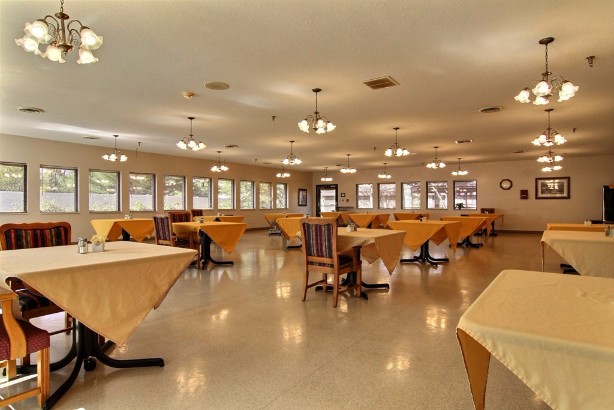
How is Valley View Healthcare Center Staffed?

CMS rates VALLEY VIEW HEALTHCARE CENTER's staffing level at 1 out of 5 stars, which is much below average compared to other nursing homes. Staff turnover is 62%, which is 16 percentage points above the Indiana average of 46%. High turnover can affect care consistency as new staff learn residents' individual needs. RN turnover specifically is 67%, which is notably high. RNs provide skilled clinical oversight, so turnover in this role can affect medical care quality.

What Have Inspectors Found at Valley View Healthcare Center?

State health inspectors documented 47 deficiencies at VALLEY VIEW HEALTHCARE CENTER during 2023 to 2025. These included: 46 with potential for harm and 1 minor or isolated issues.
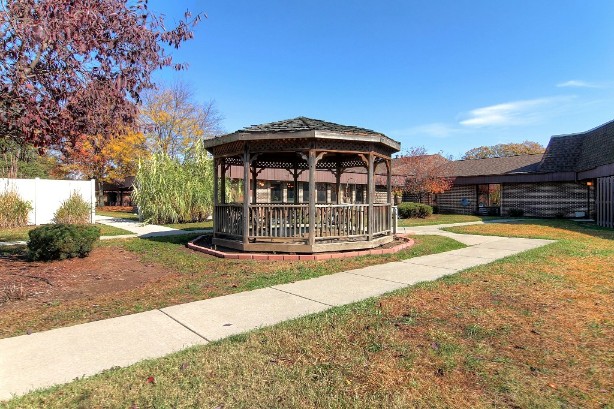
Who Owns and Operates Valley View Healthcare Center?

VALLEY VIEW HEALTHCARE CENTER is owned by a for-profit company. For-profit facilities operate as businesses with obligations to shareholders or private owners. The facility is operated by COMMUNICARE HEALTH, a chain that manages multiple nursing homes. With 94 certified beds and approximately 77 residents (about 82% occupancy), it is a smaller facility located in ELKHART, Indiana.
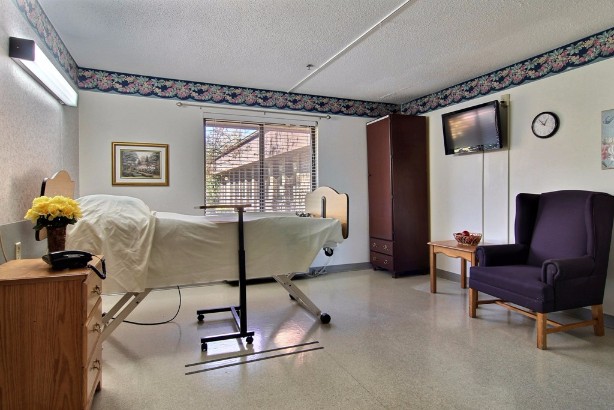
How Does Valley View Healthcare Center Compare to Other Indiana Nursing Homes?

Compared to the 100 nursing homes in Indiana, VALLEY VIEW HEALTHCARE CENTER's overall rating (2 stars) is below the state average of 3.1, staff turnover (62%) is significantly higher than the state average of 46%, and health inspection rating (1 stars) is much below the national benchmark.

What Should Families Ask When Visiting Valley View Healthcare Center?

Based on this facility's data, families visiting should ask: "How do you ensure continuity of care given staff turnover, and what is your staff retention strategy?" "Can you walk me through typical staffing levels on day, evening, and night shifts?" "Can I visit during a mealtime to observe dining assistance and food quality?" "How do you handle medical emergencies, and what is your hospital transfer rate?" These questions are particularly relevant given the facility's high staff turnover rate and the below-average staffing rating.

Is Valley View Healthcare Center Safe?

Based on CMS inspection data, VALLEY VIEW HEALTHCARE CENTER has a clean safety record: no substantiated abuse findings (meaning no confirmed cases of resident harm), no Immediate Jeopardy citations (the most serious violation level indicating risk of serious injury or death), and is not on the Special Focus Facility watch list (a federal program monitoring the lowest-performing 1% of nursing homes). The facility has a 2-star overall rating and ranks #100 of 100 nursing homes in Indiana. While no facility is perfect, families should still ask about staff-to-resident ratios and recent inspection results during their visit.

Do Nurses at Valley View Healthcare Center Stick Around?

Staff turnover at VALLEY VIEW HEALTHCARE CENTER is high. At 62%, the facility is 16 percentage points above the Indiana average of 46%. Registered Nurse turnover is particularly concerning at 67%. RNs handle complex medical decisions and coordinate care — frequent RN changes can directly impact care quality. High turnover means new staff may not know residents' individual needs, medications, or preferences. It can also be disorienting for residents, especially those with dementia who rely on familiar faces. Families should ask: What is causing the turnover? What retention programs are in place? How do you ensure care continuity during staff transitions?

Was Valley View Healthcare Center Ever Fined?

VALLEY VIEW HEALTHCARE CENTER has been fined $3,250 across 1 penalty action. This is below the Indiana average of $33,111. While any fine indicates a compliance issue, fines under $50,000 are relatively common and typically reflect isolated problems that were subsequently corrected. Families should ask what specific issues led to these fines and confirm they've been resolved.

Is Valley View Healthcare Center on Any Federal Watch List?

VALLEY VIEW HEALTHCARE CENTER is not on any federal watch list. The most significant is the Special Focus Facility (SFF) program, which identifies the bottom 1% of nursing homes nationally based on persistent, serious quality problems. Not being on this list means the facility has avoided the pattern of deficiencies that triggers enhanced federal oversight. This is a positive indicator, though families should still review the facility's inspection history directly.