

WOODLAND MANOR

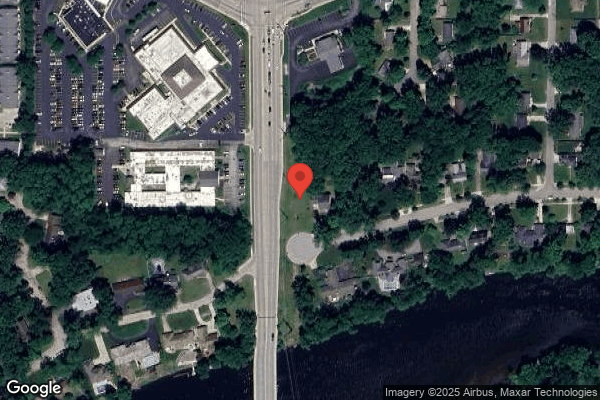
343 S NAPPANEE ST, ELKHART, IN 46514 (574) 295-0096
For profit - Corporation 80 Beds ADAMS COUNTY MEMORIAL HOSPITAL Data: November 2025 1 Immediate Jeopardy citation
Trust Grade
0/100
Last Inspection: May 2025

Inspected within the last 6 months. Data reflects current conditions.

Overview

Woodland Manor in Elkhart, Indiana, has received a Trust Grade of F, indicating significant concerns about the quality of care provided. It ranks poorly, as it is not listed among the available nursing homes in Indiana or Elkhart County, signaling a lack of competitive options in the area. While the facility shows an improving trend, with the number of issues decreasing from 33 in 2024 to 13 in 2025, it still has alarming statistics, including 73% staff turnover, which is much higher than the state average. The facility has incurred $114,339 in fines, which is concerning as it is higher than 99% of other Indiana facilities, and it has less RN coverage than 95% of state facilities, potentially compromising resident safety. Specific incidents include a failure to sanitize medical equipment, which could lead to disease transmission, neglect of a resident's hygiene needs, and the development of serious pressure injuries due to inadequate care. Overall, while there are some signs of improvement, the facility has significant weaknesses that families should consider carefully.

Trust Score
F
0/100
In Indiana
#112/223
Top 50%
Safety Record
High Risk
Review needed
Inspections
Getting Better
33 → 13 violations
Staff Stability
⚠ Watch
73% turnover. Very high, 25 points above average. Constant new faces learning your loved one's needs.
Penalties
✓ Good
$114,339 in fines. Lower than most Indiana facilities. Relatively clean record.
Skilled Nurses
⚠ Watch
Each resident gets only 19 minutes of Registered Nurse (RN) attention daily — below average for Indiana. Fewer RN minutes means fewer trained eyes watching for problems.
Violations
⚠ Watch
53 deficiencies on record. Higher than average. Multiple issues found across inspections.
☆☆☆☆☆
0.0
Overall Rating
☆☆☆☆☆
0.0
Staff Levels
☆☆☆☆☆
0.0
Care Quality
☆☆☆☆☆
0.0
Inspection Score
Stable
2024: 33 issues
2025: 13 issues

The Good

  • Full Sprinkler Coverage · Fire safety systems throughout facility
  • No fines on record

Facility shows strength in fire safety.

The Bad

Staff Turnover: 73%

27pts above Indiana avg (46%)

Frequent staff changes - ask about care continuity

Federal Fines: $114,339

Well above median ($33,413)

Significant penalties indicating serious issues

Chain: ADAMS COUNTY MEMORIAL HOSPITAL

Part of a multi-facility chain

Ask about local staffing decisions and management

Staff turnover is very high (73%)

25 points above Indiana average of 48%

The Ugly 53 deficiencies on record

1 life-threatening 5 actual harm
Sept 2025 1 deficiency
CONCERN (D) 📢 Someone Reported This

A family member, employee, or ombudsman was alarmed enough to file a formal complaint

Potential for Harm - no one hurt, but risky conditions existed

Deficiency F0742 (Tag F0742)

Could have caused harm · This affected 1 resident

**NOTE- TERMS IN BRACKETS HAVE BEEN EDITED TO PROTECT CONFIDENTIALITY** Based on observation, interview, and record review the facility failed to ensure behaviors were care planned, monitored and eval...

Read full inspector narrative →
**NOTE- TERMS IN BRACKETS HAVE BEEN EDITED TO PROTECT CONFIDENTIALITY** Based on observation, interview, and record review the facility failed to ensure behaviors were care planned, monitored and evaluated for 1 of 2 residents reviewed. (Resident A)During an observation on 9/15/25 at 10:09 AM the following was observed:Resident A was resting on his bed with the head of the bed elevated. The colostomy bag on the resident's left side of the abdomen was bent at an angel more than 90 degrees and ballooning to the shape of the colostomy bag.In an interview, on 9/15/25 at 10:10 AM, Resident A indicated his colostomy bag had opened unexpectedly in the past. He indicated staff only emptied the bag every couple of days and only when he would tell the staff it needed emptied. He indicated he would take care of the bag himself and hand the bag to the nurses. Resident A indicated caring for the colostomy made him anxious. A record review for Resident A began on 9/15/25 at 11:10 AM. Diagnoses included depression, attention-deficit hyperactivity disorder (ADHD), and hemiplegia and hemiparesis following a cerebral infarction affecting the left, non-dominant side.A review of Resident A's current quarterly MDS, dated [DATE], indicated their BIMS (Basic Interview for Mental Status) score was 15 (cognitively intact). The MDS indicated that the resident needed extensive assistance to use the toilet and was diagnosed with hemiplegia or hemiparesis (the inability to use one side of the body). A review of Resident A's current care plan, dated 8/11/25, titled Colostomy Status Post Bowel Surgery indicated the resident preformed their own colostomy care. Interventions included to change the colostomy bag after each bowel episode or when full, educate Resident A on proper care of the ostomy and how to change the bag, Education Resident A when to alert the nurse to change the bag. A review of Resident A's current care plan, dated 8/11/25, titled Colostomy Phalange indicated Resident A would unseal his colostomy at various times throughout the day. Interventions included a reminder to resident A, not unseal the colostomy (phalange) daily. Observe if resident had unsealed the colostomy, assist the resident with the colostomy seal as needed.A review of Resident A's current care plan, dated 8/11/25, titled depression indicated Resident A had depression after getting a colostomy. Interventions included administration of medications as ordered, psychiatry consultation, and observation of signs and symptoms of depression, including hopelessness, anxiety, sadness, insomnia, negative statements, repetitive anxious or health-related complaints, or tearfulness. There was no intervention related to Resident A's colostomy. A review of Resident A's current care plan, dated 8/11/25, titled Psychosocial well-being related to anxiety, depression, inability to meet role expectations, lack of acceptance to current condition, recent social isolation. One goal indicated the resident would identify coping mechanisms including keep busy, work with hands, and feeling useful. Interventions included allowing time for the resident to answer questions and verbalize feelings, perceptions, and fears, assist/encourage/support the resident to set realistic goals to promote emotional and physical safety. Initiate referrals as needed or increase social relationships. Observe for and document resident's feelings relative to isolation, unhappiness, anger, and loss. Provide opportunities for the resident and family to participate in care, assist, encourage, and support about identified problems that cannot be controlled. There were no interventions related Resident A's colostomy behaviors. A review of Resident A's current care plan, dated 8/11/25, failed to address Resident A's ADHD diagnosis and behaviors. There were no care plans to address Resident A's colostomy behaviors.A review of physician orders, dated 3/10/25 at 18:00, indicated colostomy care was to be completed by staff every shift and emptied as needed.A review of the Task Administration Record for August 2025 indicated the colostomy bag was emptied as needed on 8/3/25 at 11:05 PM. Routine colostomy care was documented as completed.A review of the Task Administration Record for September 2025 indicated routine colostomy care was not documented as completed on 9/2/25 during day shift.A review of the Bowel Elimination Task dated 9/2/25 to 9/15/25 indicated stool output was recorded only one time on 9/4/25 and 9/12/25.A review of psychiatry progress notes, dated 9/11/25, indicated the physician was not aware of Resident A's most recent depression scale score of 20, indicating severe depression, completed on 8/21/25. There was no mention in the notes of Resident A taking off his colostomy bag, or taking off the bag and flange. A review of progress notes from 8/19/25 to 8/25/25 indicated staff had not notified the physician of the depression scale score result of severe depression. There were no notes related to Resident A taking off his colostomy bag, with or without the flange intact and no notes to indicate Resident A had been educated regarding colostomy care or addressing colostomy behavior. A review of progress notes from 8/19/25 to 8/25/25 indicated staff had not documented when the resident was reminded not to unseal the colostomy (phalange) daily.In an interview, on 9/15/25 at 1:12 PM, LPN 2 indicated colostomy care included cleaning the skin around the colostomy area and emptying the bag of air and or stool. She indicated Resident A would spontaneously take the colostomy bag off including the flange and not tell the staff. In an interview, on 9/15/25 at 1:27 PM, the Assistant Director of Nursing indicated Resident A had taken the colostomy off in the past. The resident wanted to be independent at times and had a plan to move to assisted living. Resident A had the ability to empty the colostomy independently, but Resident A had not been consistent in completing his own care. Resident A had been offered support groups but the resident had refused.In an interview, on 9/15/25 at 1:57 PM, the Administrator indicated Resident A had unsealed his colostomy emptying stool on the floor around the front door of the facility.In an observation, on 9/15/25 at 1:58 PM, the front entrance of the facility was cleaned and rinsed of a large amount of stool. In an interview, on 9/15/25 at 3:33 PM, RN 2 indicated Resident A had not changed or burped their colostomy bag recently. Resident A had needed the colostomy bag emptied 2 or 3 times during most shifts. Regular education had been provided to Resident A about telling staff when the colostomy bag was full. Emptied colostomy tasks should have been documented on the TAR or in the Elimination Task flowsheet. Resident A would would carry the full bag detached from the flange to the nurse's station. In an interview, on 9/15/25 at 4:40 PM, the Social Services Director indicated Resident A had turned the call light on for staff and had been mentally and physically capable of leaving the facility. All facility physicians (providers) had access to all forms and assessments completed by staff. The providers talked with the Social Services Director weekly. On 7/2/25 the physician was notified of Resident A had been drinking alcohol and drove the wheelchair recklessly on 7/1/25, as reported by staff who witnessed the event. The SSD did not indicate the providers had been made aware of Resident A's behavior with his colostomy bag. The policy regarding behavior identification and tracking was requested. There was no further information or policies presented by time of exit. This citation is related to intakes 2614478 and 2567160. 3.1-43(a)(1)
May 2025 7 deficiencies
CONCERN (D)

Potential for Harm - no one hurt, but risky conditions existed

Transfer Notice (Tag F0623)

Could have caused harm · This affected 1 resident

**NOTE- TERMS IN BRACKETS HAVE BEEN EDITED TO PROTECT CONFIDENTIALITY** Based on record review and interview, the facility failed to ensure residents were provided proper notice prior to an involuntar...

Read full inspector narrative →
**NOTE- TERMS IN BRACKETS HAVE BEEN EDITED TO PROTECT CONFIDENTIALITY** Based on record review and interview, the facility failed to ensure residents were provided proper notice prior to an involuntary transfer or discharge for 1 of 4 residents reviewed for hospitalizations (Resident 49). Finding includes: A record review was completed for Resident 49 on 5/1/2025 at 11:32 A.M. Diagnoses included, but were not limited to: anxiety and depression. An admission Minimum Data Set (MDS) assessment, dated 3/13/2025, indicated Resident 49's cognition was mildly impaired and the resident was a current tobacco user. A review of Resident 49's census indicated she was discharged from the facility on 3/3/2025 and re-admitted to the facility on [DATE]. A Discharge assessment, dated 3/3/2025 indicated the resident was being discharged to (a local hotel name). A Physician's Order, dated 3/3/25 indicated to discharge the resident home with medications and discharge instructions. A review of a Nursing Progress note, dated 3/3/2025 at 11:25 A.M., indicated Resident 49 was informed due to her being a danger to others by smoking in the facility. The note indicated she was being immediately discharged . The resident was discharged to the (local hotel name). The note also indicated the facility had paid for the resident to stay at (local hotel name) for three nights. A Nursing Progress note, dated 3/3/2025 at 11:47 A.M. indicated Resident 49 had been notified of her pending discharge and was to be transported out of the facility on 3/3/2025 at 1:30 P.M. Resident 49's record lacked documentation that she received a 30 days notice prior to her involuntary discharge. A Nursing Progress note, dated 3/6/2025 at 4:49 P.M. indicated the Social Services Director went to (local hotel name) to make contact with Resident 49. SSD was informed the resident had not been compliant with the hotel's smoking policy and was being kicked out. The note indicated Resident 49 was returning to the facility for a short term stay due to being removed from the hotel. A Nursing Progress note, dated 3/6/2025 at 5:39 P.M. indicated Resident 49 was re-admitted to the facility. During an interview, on 5/5/2025 at 1:16 P.M., the Quality Assurance Administrator (QAA) indicated Resident 49 had been given 30 days notice. However, a subsequent interview with the QAA, on 5/5/2025 at 3:05 P.M. indicated she was unable to find documentation that Resident 49 had been given 30 days notice of an involunary discharge. On 5/2/2025 at 9:25 A.M., the QAA provided a policy titled, Transfer or Discharge Notices, no date and indicated it was the policy currently being used by the facility. The policy indicated, 1. Except as specified below, the resident and his or her representative are provided with a written notice of an impending transfer or discharge at least 30 days prior to the transfer or discharge
CONCERN (D)

Potential for Harm - no one hurt, but risky conditions existed

ADL Care (Tag F0677)

Could have caused harm · This affected 1 resident

Based on observation, interview and record review, the facility failed to provide showers for 1 of 7 residents reviewed for ADL (Activities of Daily Living) care. (Resident 1) Finding includes: Durin...

Read full inspector narrative →
Based on observation, interview and record review, the facility failed to provide showers for 1 of 7 residents reviewed for ADL (Activities of Daily Living) care. (Resident 1) Finding includes: During an observation, on 4/30/2025 at 9:07 A.M., Resident 1 was noted to have a large amount of facial hair on her chin and her fingernails had a brown substance underneath them The record for Resident 1 was reviewed on 5/01/2025 at 1:25 P.M. Diagnosed included, but were not limited to quadriplegia, epilepsy, blindness, arthritis and non-Alzheimer's dementia. A Quarterly MDS (Minimum Data Set) assessment, dated 4/22/2025, indicated the resident had severe cognitive impairment and required extensive assist of 2 staff for bed mobility transfers, toilet use and showering. A current Care Plan, initiated on 12/7/2021, indicated Resident 1 required assistance with ADL's due to her cognitive deficits, arthritis, blindness, and quadriplegia. Interventions included, but were not limited to: I prefer to complete bathing with staff assist and prefer my showers Monday and Thursday evening. Resident 1's shower schedule indicated she was to receive showers on Mondays and Thursdays on the day shift. The shower documentation, dated March 2025, indicated the resident had received a shower on the following dates: 3/18, 3/21 and 3/28, and bed baths on 3/11, 3/14, 3/18, 3/21 and 3/25/2025. The shower documentation, dated April 2025, indicated the resident had received a shower on 4/21, and bed baths on 4/7 and 4/17/2025. There was no documentation to indicate Resident 1 had received showers on 4/3, 4/10, 4/14, 4/21, 4/24 or 4/28/2025. There was no documentation of any shower refusals in the Nursing Progress Notes from March 1st to April 30th for Resident 1. During an interview, on 5/5/2025 at 3:27 P.M., the Director of Nursing indicated she could not provide any further shower documentation for Resident 1. On 5/5/2025 at 3:15 P.M., the Quality Assurance Administrator provided the policy titled, Activities of Daily Living (ADL) Supporting, dated April 2025, and indicated the policy was the one currently used by the facility. The policy indicated . Residents who are unable to carry out activities of daily living independently receive the services necessary to maintain good nutrition, grooming, and personal and oral hygiene . 5. Appropriate care and services are provided for residents who are unable to carry out ADL's independently, with consent of the resident, and in accordance with the plan of care, including appropriate support and assistance with: a. hygiene (bathing, dressing, grooming, and oral care) 3.1-38(b)(2)
CONCERN (D)

Potential for Harm - no one hurt, but risky conditions existed

Quality of Care (Tag F0684)

Could have caused harm · This affected 1 resident

Based on record review and interview, the facility failed to notify the physician of abnormal blood sugars for 1 of 1 resident reviewed for insulin usage. (Resident 3) Finding includes: During an inte...

Read full inspector narrative →
Based on record review and interview, the facility failed to notify the physician of abnormal blood sugars for 1 of 1 resident reviewed for insulin usage. (Resident 3) Finding includes: During an interview, on 4/29/2025 at 11:25 A.M., Resident 3 indicated she had recently had an abnormally high blood sugar reading of over 300 mg/dL (milligram per deciliter). A record review was completed for Resident 3 on 5/1/2025 at 9:47 A.M. Diagnoses included, but were not limited to: diabetes mellitus type 2, diabetes with polyneuropathy and acute kidney failure. A Quarterly Minimum Data Set (MDS) assessment, dated 12/23/2024, indicated Resident 3 was cognitively intact and received insulin injections. A current Care Plan, initiated on 4/9/2021 and revised on 10/6/2024, indicated Resident 3 had diabetes mellitus with a goal of Resident 3 would not exhibit signs of hypo/hyperglycemia. Interventions included, but were not limited to: administer medications as ordered by the physician and blood sugar monitoring as ordered by the physician. A Physician's Order, dated 11/13/2024, indicated Resident 3 was to receive Lantus insulin solution inject 10 units subcutaneously daily at bedtime. A Physician's Order, dated 12/21/2024, indicated Resident 3 was to have blood sugar monitoring at bedtime and to notify the physician for a blood sugar reading below 70 mg/dL or above 400 mg/dL. Blood sugar readings, outside the physician ordered parameters, were documented as follows: -12/25/2024 at 9:57 A.M. 60 mg/dL -12/30/2024 at 9:45 A.M. 59 mg/dL There was no documentation the physician had been notified of the blood sugar readings below 70 mg/dL. During an interview, on 5/2/2025 at 9:15 A.M., LPN 8 indicated Resident 3 must have requested a blood sugar level to have been obtained. She indicated the physician should have been notified of the blood sugars below 70 mg/dL. During an interview, on 5/5/2025 at 11:15 A.M., the Assistant Director of Nursing indicated residents have written orders for when the physician should be notified for abnormal blood sugar readings. He indicated that a blood sugar of 59 mg/dL or 60 mg/dL should have had physician notification documented. A policy was provided, on 5/5/2025 at 2:46 P.M., by the Quality Assurance Administrator. The policy titled, Acute Condition Changes, indicated, .Assessment and Recognition .8. The nursing staff will contact the physician based on the urgency of the situation .9. The attending physician will respond in a timely manner to notification of problems or changes in condition and status .Monitoring and Follow-Up .1. The staff will monitor and document the resident's/patient's progress and responses to treatment, and the physician will adjust treatment accordingly 3.1-37(a)
CONCERN (D)

Potential for Harm - no one hurt, but risky conditions existed

Respiratory Care (Tag F0695)

Could have caused harm · This affected 1 resident

Based on observation, record review and interview, the facility failed to store respiratory equipment in a sanitary manor for 2 of 3 residents reviewed for respiratory care. (Resident 1 & 50) Findings...

Read full inspector narrative →
Based on observation, record review and interview, the facility failed to store respiratory equipment in a sanitary manor for 2 of 3 residents reviewed for respiratory care. (Resident 1 & 50) Findings include: 1. During an observation, on 4/30/2025 at 9:11 A.M., Resident 1's oxygen concentrator humidification bottle was dated 4/2/2025 and was not hooked up to the concentrator. The oxygen storage bag was dated 4/28/2025 and the nasal cannula tubing was not dated. The record for Resident 1 was reviewed on 5/1/2025 at 1:25 P.M. Diagnoses included, but were not limited to quadriplegia, blindness, arthritis, and non-Alzheimer's dementia. A Quarterly Minimum Data Set (MDS) assessment, dated 4/22/2025, indicated the resident had severe cognitive impairment and required the use of oxygen. Resident 1's current physician orders included: - Oxygen at 2 Liters per minute per Nasal Cannula on continuous to keep oxygen saturation above 90%. - Change the oxygen tubing, and humidification bottle; clean oxygen filter, and inspect easy foam wraps (replace if soiled or missing), on the night shift every Sunday. The oxygen tubing to be changed and dated weekly on night shift and as needed. A current Care Plan, initiated on 7/29/2022, indicated the resident had altered respiratory status: Difficulty breathing related to morbidly obese and SOB (shortness of breath) while flat. The residnet was at risk for alterations in oxygen levels and sometimes removed the oxygen tubing and had to be reminded to leave it in place. During an observation, on 5/1/2025 at 1:29 P.M., Resident 1's oxygen concentrator humidification bottle was still dated 4/2/2025 and was not hooked up to the concentrator. The oxygen nasal cannula tubing was still not dated. During an observation, on 5/1/2025 at 2:30 P.M., Resident 1's oxygen tubing was not hooked up to the humidification bottle, still dated 4/2/2025 and the oxygen tubing was still not dated. During an observation, on 5/2/2025 at 9:55 A.M., with LPN 2, Resident 1's oxygen tubing was not dated, the date on the humidification water bottle was 4/2/2025 and not attached to the concentrator to provide humidified oxygen. During an interview, on 5/2/2025 at 9:56 A.M., LPN 2 indicated the oxygen tubing should have been dated, the humidification water bottle should have been changed, dated, and should have been placed on the concentrator to provide humidified air. 2. During an observation on 4/29/2025 at 9:36 A.M., Resident 50 was observed to have a portable oxygen tank, an oxygen concentrator, a nebulizer machine and a BiPap (bilevel positive airway pressure) machine on the bedside table. The portable oxygen tank was sitting on the floor with the undated nasal cannula on the floor, the oxygen concentrator was at the bedside with an undated nasal cannula tube lying in the upper drawer of the bedside table. The visibly soiled nebulizer mask was lying in the upper drawer of the bedside table and the BiPap mask was lying upright against the wall. There were no respiratory bags for storage of the nasal cannulas or masks noted in the room. During an observation, on 4/29/2025 at 1:54 P.M., the portable oxygen tank with the nasal cannula was observed on the floor, the oxygen concentrator and nasal cannula was observed draped over the top drawer of the bedside table, the visibly soiled nebulizer mask was observed lying in the top drawer of the bedside table and the BiPap mask was observed on the bedside table against the wall. During an observation, on 4/30/2025 at 9:34 A.M. and 5/1/2025 at 1:28 P.M., the portable oxygen tank was observed sitting on the floor. The nasal cannula tubing connected to the portable oxygen tank was also lying on the floor. The oxygen tubing connected to the oxygen concentrator was observed lying in the upper drawer of the bedside table. During an observation, on 5/5/2025 at 9:10 A.M., the nebulizer mask was observed lying in the top drawer of bedside table and the oxygen concentrator nasal cannula tubing was observed draped around the bedside table drawer's hardware. A record review for Resident 50 was completed on 5/1/2025 at 9:13 A.M. Diagnoses included, but were not limited to: chronic obstructive pulmonary disease (COPD), chronic bronchitis and anxiety. An Annual Minimum Data Set (MDS) assessment, dated 3/19/2025, indicated Resident 30 was cognitively intact and received oxygen therapy. Physician Orders included the following orders on 3/10/2025: -Ipratropium-Albuterol Solution 0.5-2.5 milligrams per 3 milliliters one vial inhalation via nebulizer every 6 hours as needed shortness of breath and wheezing related to COPD. -BiPap with two liters of oxygen bled in when napping during the day and sleeping at night related to acute respiratory failure with hypoxia and COPD. -Change oxygen tubing every night shift on Wednesday. -Oxygen at two liters per nasal cannula continuously to maintain oxygen saturations above 90 percent related to acute respiratory failure with hypoxia and COPD. A current Care Plan, initiated 9/1/2023 and revised on 12/19/2024, indicated Resident 30 had an altered respiratory status with difficulty breathing related to bronchitis, COPD and asthma. Interventions included, but were not limited to: -Administer medication/puffers as ordered. -BiPap as ordered. -Nebulizer treatments as directed. -Oxygen as ordered. During an interview, on 5/5/2025 at 11:37 A.M., Qualified Medication Assistant (QMA) 9 indicated respiratory equipment (masks, nasal cannulas) should be stored on a clean surface and stored in a respiratory bag when the equipment was not in use A policy was provided, on 5/5/2025 at 2:46 P.M., by the Quality Assurance Administrator. The policy titled, Respiratory Therapy-Prevention of Infection, indicated, .The purpose of this procedure is to guide prevention of infection associated with respiratory therapy tasks and equipment, including ventilators, among residents and staff .Infection Control Considerations Related to Oxygen Administration .8. Keep the oxygen cannulae and tubing used PRN [as needed} in a plastic bag when not in use .Infection Control Considerations Related to Medication Nebulizers/Continuous Aerosol: 7. Store the circuit in a plastic bag, marked with date and resident's name, between uses 3.1-47(a)(6)
CONCERN (D)

Potential for Harm - no one hurt, but risky conditions existed

Medication Errors (Tag F0758)

Could have caused harm · This affected 1 resident

**NOTE- TERMS IN BRACKETS HAVE BEEN EDITED TO PROTECT CONFIDENTIALITY** Based on observation, record review and interview, the facility failed to attempt a gradual dose reduction of an antipsychotic m...

Read full inspector narrative →
**NOTE- TERMS IN BRACKETS HAVE BEEN EDITED TO PROTECT CONFIDENTIALITY** Based on observation, record review and interview, the facility failed to attempt a gradual dose reduction of an antipsychotic medication for 1 of 5 residents reviewed for unnecessary medications. (Resident 20) Finding includes: During an observation, on 4/30/2025 at 9:34 A.M., 5/1/2025 at 2:46 P.M. and 5/5/2025 at 10:24 A.M., Resident 20 was observed seated in the doorway of his room looking into the hallway A record review for Resident 20 was completed on 5/1/2025 at 10:40 A.M. Diagnoses included, but were not limited to: post-traumatic stress disorder (PTSD), major depressive disorder, alcohol dependence with alcohol-induced dementia and other sexual disfunction. A Quarterly Minimum Data Set (MDS) assessment, dated 4/14/2025, indicated Resident 20 had moderate cognitive impairment and received an antipsychotic and antidepressant medications. A current Care Plan, initiated on 1/25/2024 and revised on 10/6/2024, indicated Resident 20 was at risk for yelling and cursing at staff due to a history of these behaviors and dementia. Interventions included, but were not limited to: -Administer medications as needed. -Offer resident snacks and drinks especially Pepsi, chips, and cookies. -Resident to be seen by in-house psych services. -Staff will monitor the resident's behaviors A current Care Plan, initiated on 10/21/2021 and revised on 10/6/2024, indicated Resident 20 had a history of sexually inappropriate comments and exposing himself to staff. Interventions included, but were not limited to: -Continue in-house psychological services. -Educate resident. -Offer resident snacks particularly Pepsi, pretzels, chips, and cookies. -Redirect resident by changing topic to golf, sports, current events, and food. -Redirect resident by encouraging him to participate in his favorite activities including cross word puzzles, bird watching, and watching television especially westerns and action movies. -The interdisciplinary team to review behavior management program quarterly and as needed. A previous Physician's Order, dated 4/19/2024-7/26/2024, indicated an order for Resident 20 to receive risperidone one milligram three times daily for major depressive disorder. A Physician's Order, dated 7/27/2024-2/24/2025, indicated risperidone 0.5 milligrams three times daily for major depressive disorder. A previous Physician's Order, dated 2/24/2025-3/10/2025, indicated an order for Resident 20 to receive risperidone 0.5 milligrams three times daily for alcohol induced-persisting dementia. A current Physician's Order, dated 3/10/2025, indicated Resident 20 was to receive risperidone 0.5 milligrams three times daily for alcohol induced-persisting dementia. A review of Resident 20's behaviors indicated the following behaviors were documented from December 2024 through May 5, 2025: -January 7, 2025 sexual behaviors six times with redirection and changed environment interventions. No other behaviors had been documented during this time period. A Behavioral Health Encounter Note, dated 1/17/2025 at 12:00 A.M., indicated staff were to have montiored for any clinically significant changes in mood or behaviors. A Behavioral Health Encounter Note, dated 1/27/2025 at 12:00 A.M., indicated staff had observed minimal negative behaviors affecting care or safety. Resident 20 had recently changed rooms due to friction with his previous roommate. Resident 20 showed subdued, constricted affect, slowed processing speed and was cooperative. A Behavioral Health Encounter Note, dated 1/30/2025 at 12:00 A.M., indicated Resident 20 was discussed in the behavior/gradual dose reduction meeting with the facility's interdisciplinary team. Staff had reported that Resident 20 had been making inappropriate sexual comments toward staff and had a recent improvement regarding exhibited behaviors since being moved from the locked memory care unit. The note indicated a clinical contraindication would be noted due to ongoing concerns and condition the resident's condition was not well controlled or stable. A Behavioral Health Encounter Note, dated 2/24/2025 at 12:00 A.M., indicated Resident 20 was subdued to somnolent, difficult to rouse and minimally cooperative. Resident 20 showed no signs of agitation or distress. Staff reported Resident 20 continued to be stable overall and had been able to be managed with his current regimen and interventions. Behavioral services were to continue with another provider. A Behavioral Health Encounter Note, dated 2/27/2025 at 12:00 A.M., indicated Resident 20 was discussed in the behavior/gradual dose reduction meeting with the facility's interdisciplinary team. The note indicated there were no pharmacy recommendations to review on this date. Resident 20 was continued on risperidone 0.5 milligrams three times a day with the last gradual dose reduction attempted, on 7/25/2024. An Initial Psychiatry Consult Note, on 3/12/2025 at 11:59 P.M., indicated Resident 20's mood was reported as okay during the visit. The note indicated there would not be any changes to the current medication regimen. Resident 20 would continue to be monitored for mood and adjustment to treatment will be made as necessary. A Pharmacy Recommendation, dated 3/31/2025, indicated a dose reduction for Resident 20's psychotropic medications was due. A reply was handwritten on the bottom of hte recommendation form which indicated no changes at this time. There was no indications as to why a gradual dose reduction was not being attempted. A Behavioral Health Encounter Note, dated 4/15/2025 at 11:59 P.M., indicated Resident 20 reported satisfaction with his current life situation. The note indicated Resident 20 was to be monitored for mood issues and adjustments to the treatment was to be made if necessary. There was no specific contraindication documented regarding the reason for not attempting to reduce the resident's antipsychotic medication. During an interview, on 5/5/2025 at 2:04 P.M., the Social Service Assistant indicated every three months, a gradual dose reduction of psychotropic medications was to be attempted. She indicated the psychiatrist had not wanted to reduce Resident 20's medications since his symptoms were stable. She indicated she did not know if Resident 20 was on the lowest amount of the risperidone to achieve the same symptom control. There was no further documentation provided regarding a reason or contraindication for not attempting to reduce the resident's antipsychotic medication. A policy was provided, on 5/5/2025 at 2:46 P.M., by the Quality Assurance Administrator. The policy titled, Antipsychotic Medication Use, indicated, .1. Residents will only receive antipsychotic medication when necessary to treat specific conditions for which they are indicated and effective. Continues [sic Continued] use of the medication will be reviewed at least quarterly. 2. The Attending Physician and other staff will gather and document information to clarify a resident's behavior, mood, function, medical condition, symptoms, and risks .5. The Attending Physician will identify, evaluate and document, with input from other disciplines and consultants as needed, symptoms that may warrant the use of antipsychotic medications .13. Residents receiving antipsychotic medications will be reviewed at least quarterly by the Interdisciplinary team. Gradual dose reductions [GDR} will occur as required, unless clinically contraindicated. A GDR will be attempted within the 1st year of admittance to the facility [or initiation of the antipsychotic] in 2 separate quarters with at least 1 month in between attempts. [NAME] the 1st year, A GDR will be attempted annually unless clinically contraindicated 3.1-48(b)(2)
CONCERN (D)

Potential for Harm - no one hurt, but risky conditions existed

Deficiency F0761 (Tag F0761)

Could have caused harm · This affected 1 resident

Based on observation, interview and record review, the facility failed to ensure medication storage areas were clean and free from loose medications and failed to ensure medications were labeled and d...

Read full inspector narrative →
Based on observation, interview and record review, the facility failed to ensure medication storage areas were clean and free from loose medications and failed to ensure medications were labeled and dated when opened, during medication storage review in 2 of 2 medication carts reviewed. (medication cart 1 on 100/200 hall and Memory Care 400 medication cart). Findings include: 1. During a medication storage observation, on 5/2/2025 at 10:30 A.M., on the medication cart 1 with LPN 2 the following was observed: - An unopened tube of glucose for a discharged resident. - An opened and undated bottle of Milk of Magnesia. - An opened bottle of ant-acid tablets with no resident label on the container. - Fourteen loose pills in the medication cart. - An opened package of Albuterol inhalation vials with no resident identifier. The over flow medication cart had an unopened box of Omeprazole tablets with no resident identifiers on the box. During an interview, on 5/5/2025 at 10:48 A.M., LPN 2 indicated the medications should have been labeled and dated when opened, and there should be labels on the medication bottles. LPN 2 indicated there should have not been loose pills in the medication cart. 2. During a medication storage observation, on 5/5/2025 at 11:02 A.M., on the Memory Care Unit with LPN 7, the following was observed: - Four loose pills in the 2nd and 3rd drawers. During an interview, on 5/5/2025 at 11:10 A.M., LPN 7 indicated the loose pills should have not be in the cart. On 5/5/2025 at 1:58 P.M., the Quality Assurance Adminiww3ws22qstrator provided the policy titled, Medication Labeling and Storage, undated, and indicated the policy was the one currently used by the facility. The policy indicated . Medication Storage . 2. The nursing staff is responsible for maintaining medication storage and preparation areas in a clean, safe, and sanitary manner . Medication Labeling 1. Labeling of medications and biological's dispensed by the pharmacy is consistent with applicable federal and state requirements and currently accepted pharmaceutical practices . 8. If medication containers have missing, incomplete, improper or incorrect labels, contact the dispensing pharmacy for instructions regarding returning or destroying these items 3.1-25(j) 3.1-25(r)
MINOR (C)

Minor Issue - procedural, no safety impact

Deficiency F0576 (Tag F0576)

Minor procedural issue · This affected most or all residents

Based on interview and record review, the facility failed to provide mail delivery on Saturdays. This deficient practice affected 10 of 10 residents who attended the resident /surveyor group meeting. ...

Read full inspector narrative →
Based on interview and record review, the facility failed to provide mail delivery on Saturdays. This deficient practice affected 10 of 10 residents who attended the resident /surveyor group meeting. Finding includes: During the resident/surveyor group meeting on 4/30/2025 at 1:30 P.M., 10 of 10 participating residents indicated mail was not delivered to them on Saturdays. Resident 271 indicated she delivered the mail during the week to the residents, but the Saturday mail was not available for delivery to the residents. She indicated she never delivers the mail to residents on Saturdays. During an observation on Monday, 5/5/2025 at 8:25 A.M., staff was observed to remove a large amount of mail from an outside mailbox. During an interview, on 5/5/2025 at 3:58 P.M., the Business Office Manager indicated the facility and resident mail was delivered Monday through Friday to the receptionist who separated out the resident's mail for Resident 271 to deliver to the residents. The Business Office Manger indicated the receptionist only worked during the weekdays and the BOM did not know who, if any staff, retrieved the mail on Saturdays. She thought on an occasional Saturday, the Activity staff might have gottent he mail from the mailbox but she was unsure if anyone actually delivered the mail to residents on Saturdays. A policy was provided, on 5/5/2025 at 4:10 P.M., titled, Resident Rights: Policy Interpretation and Implementation by the Quality Assurance Nurse. The policy did not describe how residents would be provided with their personal mail Monday through Saturday. 3.1-3(s)1
Feb 2025 5 deficiencies 3 Harm
SERIOUS (G) 📢 Someone Reported This

A family member, employee, or ombudsman was alarmed enough to file a formal complaint

Actual Harm - a resident was hurt due to facility failures

Free from Abuse/Neglect (Tag F0600)

A resident was harmed · This affected 1 resident

Based on observation, record review and interview, the facility failed to ensure a resident was not neglected (Resident T) and the facility failed to complete interventions in place to prevent neglect...

Read full inspector narrative →
Based on observation, record review and interview, the facility failed to ensure a resident was not neglected (Resident T) and the facility failed to complete interventions in place to prevent neglect and abuse (Resident P and Q) for 3 of 4 residents reviewed for abuse. (Residents T, P & Q) . This deficient practice resulted in Resident T observed to be extensively incontinent of urine and bowel movement (BM), including his clothing, bed pad, sheet, and blanket and had not received incontinent care for an undetermined amount of time. In addition, using the reasonable person concept, resident T and Q could have had feelings of embarrassment, fear of neglect, hopelessness, or depression related to the lack of superivision. (Resident P and Q) Findings include: 1. During an initial tour on 2/27/25 at 9:44 A.M , a strong urine and BM odor was noted in the hallway outside Resident T's room. From the door of the room, the resident was observed laying on his right side in a low bed with an quarter side rail in the raised position. He was wearing plaid pajama pants and no shirt and had a blanket partially covering him. Upon permission from the resident, the room was entered and the odor was stronger closer to the resident. The resident was observed with soiled and wet pajamas bottoms, with wetness and soilage noted partially down his bottom and a saturated incontinent brief soiled with urine and dark brown/black BM. The BM on his lower back was in various stages from wet to drying. The bed pad was soiled with urine and BM and had drying stains in various stages of drying. The blanket, which had been partially covering the resident, was also wet and soiled with urine and BM, in various stages of drying, The facility was alerted of the situation and help was summoned at 9:50 A.M. During an interview with the resident at 9:54 A.M.,. he indicated he had not been changed since yesterday. LPN 14 arrived at 9:56 A.M and indicated at that time, the resident needed care. He then summoned CNA 12 to the room to provide care to the resident. At that time, CNA 12 indicated she was not assigned to this hall but came to assist LPN 14. Both LPN 14 and CNA 12 began providing care for the resident using wipes. They pulled down his pajamas and attempted to remove the incontinent brief and identified wipes would not provide the care he needed. The LPN exited the room to get more supplies. CNA 12 continued to provide care to Resident T. As the incontinent brief was pulled down and the resident rolled onto his back, it was observed his bottom and back were noted to be saturated with urine and BM in the front and back of his peri area and there was an area of scant bleeding coming from his scrotum. The CNA patted the blood off the scrotum with a cloth and a pinpoint open area was observed. The resident indicated he had to urinate. There was no urinal in the room, so the CNA placed a pad over him, and he was able to urinate. The sheet under the resident was observed to have a large area of brown/black BM, in various stages from wet to drying. There was also dried brown rings on the sheet. At 10:06 A.M., LPN 14 arrived back to the room with more linens for care and at 10:09 A.M., CNA 11 arrived to assist. At 10:10 A.M the Director of Nursing was summoned to the room to observe the condition of the resident. However, at 10:14 A.M , the RN Consultant arrived and during an interview at that time, indicated the DON was out sick. She observed and verified the condition of the resident. She left the room, and CNA 12 continued to attempt to provide care to the resident. CNA 12 indicated the resident would need a shower and the resident agreed. The stand-up lift was brought into the room at 10:20 A.M As the CNA's attempted to use (the lift ), the battery was dead. CNA 11 left the room to retrieve a new battery at 10:24 A.M. and returned at 10:26 A.M , and discovered another dead battery. CNA 11 again left the room to retrieve a new battery. She arrived back in the room at 10:30 A.M. with 2 batteries, one of which worked. The resident was then transferred into the shower chair and taken for a shower by CNA 12. At 10:52 A.M., CNA 12 returned the resident to his room and CNA 11 assisted to get him dressed and up in his wheelchair. CNA 12 began providing care to Resident T at 9:56 A.M and was continuously with the resident until 11:00 A.M CNA 11 was providing continuous care for Resident T from 10:09 A.M. to 10:35 A.M During an interview with CNA 11 at 10:45 A.M., she indicated she was assigned to the front hall and there were only two CNA's working on the unit. She indicated she was the CNA assigned to Resident T for the day. She indicated had arrived to work in the morning and found the night CNA watching movies on his phone. She indicated started getting residents up for breakfast after she had arrived. She indicated had had not been able to check or change Resident T. She stated Resident T looked like he had not been toileted all night. The record review for Resident T was completed on 2/27/25 at 1:24 p.m. Diagnoses include, but were not limited, to vascular dementia, mild and chronic kidney failure. A physician order, dated 2/24/25, indicated the resident was to be offered toileting at 12 A.M., 5 A.M., 8 A.M., 12 P.M., 3 P.M., 5: 30 P.M., and at bedtime. A Quarterly Minimum Data Set (MDS) Assessment, dated 1/15/25, indicated the resident had severe cognitive impairment, had feelings of being down, depressed, or hopeless several days, was frequently incontinent of bladder and bowel and required partial to moderate assistance with toileting and transfers. Care Plans revised on 12/6 24, indicated the resident had a self-care deficit in incontinence care and required up to 2 staff for participation in toileting and to provide assistance as needed. The resident was also at risk for skin breakdown related to incontinence and the resident's skin was to be kept clean and dry and staff were to offer toileting at 12 A.M., 5 A.M., 8 A.M., 12 P.M., 3 P.M., 5: 30 P.M., and at bedtime. An Activities of Daily Living task sheet reviewed on 2/27/25 at 2 p.m., indicated the resident last received incontinent care on 2/26/25 at 6:30 P.M. 2. During an observation, on 2/27/2025 at 10:00 A.M., a stop sign was not observed across Resident P's doorway. Resident P was in bed with his eyes closed. During an observation, on 2/27/2025 at 1:38 P.M., a stop sign was not observed across Resident P's doorway. Resident P was in bed with his eyes closed. A record review for Resident P was completed on 2/27/2025 at 11:03 A.M. Diagnoses included, but were not limited to: Alzheimer's disease, bipolar disorder, anxiety disorder and major depressive disorder. A Quarterly Minimum Data Set (MDS) assessment, dated 11/7/2024, indicated Resident P had moderate cognitive impairment and had verbal behavioral symptoms directed towards others. A Progress Note, on 1/31/2025 at 8:19 A.M., indicated Resident P was found in his bed with resident Q partially clothed. Resident P was placed on one-on-one checks. An Interdisciplinary Team (IDT) Note, on 1/31/2025 at 11:12 A.M., indicated the team met and Resident P would have a stop sign placed in his doorway to prevent another resident from wandering into his room. An Interdisciplinary Team Note, on 2/3/2025 3:48 P.M., indicated one-on-one supervision was discontinued and 15-minute checks were to be continued for 72 hours. A Care Plan, initiated 2/3/2025, indicated Resident P demonstrated inappropriate sexual behaviors at times related to unspecified dementia, bipolar disorder with severe psychotic features. These diagnoses resulted in poor impulse control. The goal indicated Resident P would not touch any confused or non-consenting resident in a sexual or inappropriate manner. Interventions included, but were not limited to: Resident P was placed on one-on-one checks following the reported incident. A Care Plan, initiated on 1/31/2025, indicated Resident P was at risk for emotional distress related to another resident had entered his room. The goal indicated Resident P would not show any signs of emotional distress. Interventions included, but were not limited to: 15-minute checks initiated for 72 hours after the one-on-one staff supervision concluded. A document titled, Resident Specific Problem or Behavior Tracking Sheet, was provided by the Quality Assurance Administrator. The document was dated 1/30/25-1/31/25. The tracking began at 4:00 P.M. on 1/30/2025 and ended on 1/31/2025 at 11:45 A.M. There was empty tracking during the times of 1/31/2024 6:45 A.M. through 8:45 A.M. and 10:30 A.M. through 11:45 A.M. During an interview, on 2/28/2025 at 11:49 A.M., the Quality Assurance Administrator indicated the documents provided were the only documents that she could find in the facility. On 2/27/2025 at 2:14 P.M., CNA 5 documented a safety device for a stop across the door was in place. During an interview, on 2/27/2025 at 2:28 P.M., CNA 5 indicated the documentation of the stop sign across the doorway was incorrect. She indicated she had never seen a stop sign across Resident P's doorway, but she would obtain a stop sign for the doorway. During an observation, on 2/28/2025 at 4:07 A.M., 5:38 A.M., 6:22 A.M. and 715 A.M., a stop sign was not observed across Resident P's doorway. During an interview, on 2/28/2025 at 4:19 A.M., CNA 15 indicated he had not seen a stop sign across Resident P's door since the reported incident between Residents P and Q. During an interview, on 2/28/2025 at 4:29 A.M., LPN 6 CNA 4 had informed her there were two residents in bed together. CNA 4 informed LPN 6 Resident P was fully dressed and had gotten up and went to the bathroom and Resident Q was noted to have her top off. During an interview, on 2/28/2025 at 4:40 A.M., QMA 3 indicated she oversaw the medication cart on the dementia unit the night of 1/29/2025. She had worked alongside CNA 2 and CNA 15. She indicated CNA 15 informed her that Resident P and Resident Q were in Resident P's room together, but CNA 15 had not indicated what had happened. She indicated she ihad nformed LPN 6 that Resident Q had exited Resident P's room. During an interview, on 2/28/2025 at 10:15 A.M., the Quality Assurance Administrator indicated she was not sure if the facility had a door stop sign for Resident P's room. 3. During an observation, on 2/27/2025 at 10:28 A.M., Resident Q was observed in the hallway for 30 minutes. During an observation, on 2/27/2025 at 2:21 P.M., Resident Q was observed wandering on the dementia unit hallway. During an observation, on 2/28/2025 at 1:34 P.M., Resident Q was observed roaming the dementia unit hallway with another male resident. A record review for Resident Q was completed on 2/27/2025 at 1:36 P.M. Diagnoses included, but were not limited to: dementia and schizophrenia. A Quarterly MDS assessment, dated 1/20/2025 indicated Resident Q had severe cognitive impairment and had no behaviors documented during the assessment period. A Nursing Progress Note, dated 1/30/2025 at 3:30 P.M., indicated Resident Q was partially dressed and found in Resident P's room. A Nursing Progress Note, on 1/31/2025 at 11:02 A.M., indicated the IDT team met and discussed Resident Q having been found in Resident P's room. Resident Q was placed on 30-minute checks and was to be encouraged to participate in activities. A Care Plan, initiated on 1/31/2025, indicated Resident Q was at risk for emotional distress related to being partially clothed in another resident's room. The goal indicated Resident Q would not show any signs of emotional distress. Interventions included, but were not limited to: one-on-one supervision until the IDT team had discussed and determined Resident Q was no longer an acute risk of repeating the behavior and 30-minute checks were put into place. Documents titled, Resident Specific Problem or Behavior Tracking Sheet, were provided by the Quality Assurance Administrator. The documents had the following dates with missing documented checks: - 1/31/2025 started documentation at 10:45 A.M. Documentation into 2/1/2025 at 6:45 A.M. through 2:15 P.M was missing. - 2/1/2025 documentation from 3:30 P.M. through 5:30 P.M. was missing. - There was no documentation for 2/2/2025. - A document titled, Frequent Monitoring check sheet, dated 2/3/2025 had documentation from 12:00 P.M. through 8:30 P.M. and no other documentation was present. - 2/4/2025 documentation was recorded from 6:30 A.M. through 6:30 A.M. on 2/5/2025. No further documentation of 30-minutes checks were available after this documented time and date. A Facility Report Incident was reported to the Indiana Department of Health, on 1/30/2025. The report indicated the incident between Resident P and Q occurred on 1/29/2025 at 8:01 P.M. The investigation notes revealed: - A typed statement, signed by the Director of Nursing (DON) and the Executive Director (ED), indicated CNA 2 was interviewed on 1/30/2025. She indicated she was working on the dementia unit on 1/29/2025 from 2:30 P.M. through 10:30 P.M. CNA 15 requested her to go to Resident P's room. She indicated when she walked into the room, Resident Q was seated on Resident P's bed with her shirt off and her shirt was on Resident P's bed. - A typed statement by the ED, dated 1/30/2025, indicated the DON and herself were advised, at 4:00 P.M. on 1/30/2025, of Resident Q was in Resident P's bed without a shirt and Resident P was without his pants in the bed. The ED placed Resident P on one-to-one supervision for the evening. - A typed statement by the ED, indicated QMA 3 was working on 1/29/2025. QMA 3 indicated CNA 15 requested her to come to Resident P's room. She observed Resident P walking to the bathroom and Resident Q exiting Resident P's room. QMA 3 informed LPN 6 of her observations. CNA 15 did not inform QMA 3 or LPN 6 of his observations. During an interview, on 2/28/2025 at 11:49 A.M., the Quality Assurance Administrator indicated the documents provided were the only documents she d in the found in the facility. A policy was provided by the Quality Assurance Administrator, on 2/28/2025 at 12:03 P.M. The document titled, Abuse Policy, indicated, .The resident has the right to be free from abuse, neglect, misappropriation of resident property, and exploitation as defined in the subpart. This includes but is not limited to freedom from corporal punishment, involuntary seclusion and any physical or chemical restraint not required to the resident's medical symptoms .Residents must not be subjected to abuse by anyone, including, but not limited to, facility staff, other residents, consultants or volunteers .The facility shall have a process in place to include screening, training, prevention, identification, protection, investigation, reporting and response to allegations of potential actual abuse and neglect . Sexual Abuse is defined as non-consensual sexual contact of any type with a resident The Abuse policy dated as reviewed 1/2020 was provided by the Quality Assurance Director on 2/28/25 at 12:03 p.m. The policy indicated The resident has the right to be free from abuse, neglect .Neglect is defined as the 'failure of the facility, its employees or services providers to provide goods and services to a resident that is necessary to avoid physical harm, pain, mental anguish or emotional distress This citation relates to complaint IN00452803. 3.1-27(a)(1) 3.1-27(a)(3)
SERIOUS (G) 📢 Someone Reported This

A family member, employee, or ombudsman was alarmed enough to file a formal complaint

Actual Harm - a resident was hurt due to facility failures

Pressure Ulcer Prevention (Tag F0686)

A resident was harmed · This affected 1 resident

**NOTE- TERMS IN BRACKETS HAVE BEEN EDITED TO PROTECT CONFIDENTIALITY** Based on record review and interview, the facility failed to prevent and identify pressure injuries for 2 of 3 residents reviewe...

Read full inspector narrative →
**NOTE- TERMS IN BRACKETS HAVE BEEN EDITED TO PROTECT CONFIDENTIALITY** Based on record review and interview, the facility failed to prevent and identify pressure injuries for 2 of 3 residents reviewed for pressure injuries (Residents E & F). The deficient practice resulted in wounds developed to a Stage 3 pressure ulcer for Resident E and an unstageable wound for Resident F. Findings include: 1. A record review was completed for Resident E on 2/27/2025 at 10:18 A.M. Resident E was admitted to the facility on [DATE]. Diagnoses included, but were not limited to: type 2 diabetes, moderate protein calorie malnutrition and iron deficiency anemia. A Nursing admission Evaluation, dated 9/18/2024, indicated Resident E was at mild risk for pressure ulcers. Care plans, initiated on 9/19/2024 and reviewed as current through 12/25/2024 included a plan to address the resident's potential for impaired skin integrity related to incontinence and limited mobility. Interventions, included but were not limited to: educate resident/family/caregivers on causative factors and measures to prevent skin injury, encourage good nutrition and hydration in order to promote healthier skin, keep skin clean and dry, use lotion on dry skin. Do not apply to open areas, treatments as ordered by MD. A care plan to address the resident's ADL (activities of daily living needs, included an intervention for staff to provide extensive assistance for toileting, transfers and bathing needs. A Weekly Skin Review, dated 10/27/2024, indicated Resident E's skin was dry, intact and without any skin alterations. A Weekly Skin Review, dated 11/13/2024, lacked documentation of any abnormal skin issues for Resident E. Review of a quarterly Minimum Data Set (MDS) assessment, completed on 11/17/2024 indicated Resident E was severely cognitively impaired, required moderate assistance for hygiene and transfer needs, had an indwelling urinary catheter, was frequently incontinent of bowels and required extensive staff assistance for toileting and bathing needs. A Physician's Order, initiated on 12/7/2024 and discontinued on 12/13/2024, indicated to cleanse area to sacrum with normal saline and apply mepilex every day and as needed. Resident E's December Medication Administration Record (MAR) indicated on 12/7/2024, 12/8/2024, 12/10/2024 and 12/11/2024 there was no indication the treatment of normal saline and mepilex to the sacrum had been completed. A Physician's Wound note, dated 12/11/2024, indicated Resident E had a stage three pressure wound to his sacrum of full thickness. Documentation indicated the wound had been present for greater than 14 days. Wound measurements were documented at 2.4 cm x 1.0 cm and depth was immeasurable due to the presence of nonviable tissue and necrosis (dead tissue). No further nursing skin evaluations were completed until 12/11/2024 after the Physician's Wound note. The 12/11/2024 skin evaluation indicated Resident E had a stage three pressure ulcer to his sacrum. A Weekly Pressure Ulcer Injury Evaluation, dated 12/11/2024, indicated Resident E had an in-house acquired stage three pressure injury to his sacrum, with an onset date of 12/11/2024. The resident's wound measurements were documented at 2.4 centimeters (cm) x 1 cm. A Care Plan, revised on 12/12/2024, indicated Resident E had a stage three pressure ulcer to his sacrum. Interventions included, but were not limited to: Administer treatments as ordered and observe for effectiveness A Physician's Order, initiated on 12/14/2024 and discontinued on 2/25/2024, indicated to cleanse area to sacrum with normal saline and apply calcium alginate and cover with island border gauze one time a day for wound management. A Significant Change Minimum Data Set (MDS) assessment, dated 12/15/2024, indicated Resident E had significant cognitive impairment, was dependent on staff for bed mobility and transfer needs and had impaired range of motion to both lower extremities Resident E's December MAR indicated from 12/15/2024 through 12/24/2024 and on 12/27/2024, 12/29/2024 and 12/31/2024 there was no indication the treatment of calcium alginate to the sacrum had been completed. A Physician's Wound note, dated 2/24/2025, indicated the wound had been present for greater than 89 days. Wound measurements were documented at 3 cm x 1.2 cm x 0.4 cm. A treatment plan indicated to apply a hydrocolloid sheet three times per week and as needed for 16 days. A Current Physician's Order, dated 2/27/2025, indicated to cleanse the sacrum, pat dry, apply hydrocolloid sheet, cover with border gauze three times per week every Monday, Thursday, and Saturday. During an interview on 2/27/2025 at 2:49 P.M., LPN 9 indicated residents usually had their skin assessments completed weekly. He indicated CNA's were required to notify the nurse if an abnormal skin issue was identified. The nurse was to have performed an assessment and document the findings under a new skin evaluation. During an interview on 2/27/2025 at 2:58 P.M., the Quality Assurance Director indicated CNA's did not use shower sheets and CNA's were to complete skin observations during showering and when providing incontinence care. The observations should be documented in the computer. The CNA's documentation of Resident E's skin observations for the month of December lacked documentation of an open area on the resident's sacrum. The skin observations documented on 12/10/2024 and from 12/12/2024 through 12/31/2024 indicated Resident E had no new skin abnormalities. During an interview on 2/28/2025 at 8:26 A.M., CNA 10 indicated Resident E was able to roll from side to side in bed if requested. She indicated the resident was unable to scoot himself up in bed and was unable to help staff scoot him up in the bed. During an interview on 2/28/2025 at 9:17 A.M., the Regional Director of Care Services indicated she was unsure how the resident had developed a stage three pressure injury. She indicated the aides did a skin observation every shift and any new skin findings should have been documented in the computer. During an interview on 2/28/2025 at 10:38 A.M., the Regional Director of Care Services indicated she was unable to find anything in the resident's electronic record indicating the resident had a skin abnormality prior to 12/11/2024. 2. A record review was completed for Resident F on 2/27/2025 at 9:24 A.M. The resident was re-admitted to the facility on 11/1272024. Diagnoses included, but were not limited to: malnutrition, polyosteoarthritis and muscle weakness. An admission Minimum Data Set (MDS) assessment, dated 12/2/2024, indicated Resident F was cognitively intact, required supervision or touch assistance with bed mobility and had no current pressure areas, but was at risk for pressure injuries. A Weekly Skin Review, dated 12/15/2024, indicated Resident F had no pressure abnormalities to his skin. A Weekly Skin Review, dated 12/23/2024, indicated Resident F's skin was intact with no skin alterations. Resident F's record lacked documentation that any weekly skin review assessments had been completed since 12/23/2024. A Braden Scale assessment (assessment for predicting pressure sore risk), dated 1/20/2025, indicated Resident F was at mild risk for pressure injury development. A Nursing Progress Note, dated 1/22/2025, indicated Resident F complained of severe pain to both feet. Upon assessment, the nurse had observed both great toes to be red and painful when touched. Resident F also complained of pain when repositioning his feet and in both heels. The Physician was notified. There was no further documentation regarding any skin abnormality until 2/10/2025 and no physician response in regards to the notification of red/painful toes and painful feet and heels noted on 1/22/2025. A Weekly Non-Pressure Injury Review, dated 2/10/2025, indicated Resident F's only skin abnormality was a skin tear to his right upper arm. No pressure abnormalities were documented. A Physicians Wound Note, dated 2/10/2025, indicated Resident F had a non-pressure wound of the right upper arm. No other pressure related skin abnormalities were documented. However, a Physician's Wound Note, dated 2/17/2025, indicated Resident F had wounds to his right upper arm, left heel and left plantar foot. The note indicated the resident had an unstageable pressure wound to his left heel of full thickness. Wound measurements were documented at 1 cm x 0.8 cm x immeasurable depth. Wound duration was documented at greater than 7 days. Resident F also had an unstageable pressure wound to his left plantar foot of full thickness. Wound measurements were documented at 1 cm x 1.8 cm x immeasurable depth. Depth was immeasurable for both pressure injuries due to the presence of nonviable tissue and necrosis. A Nursing Progress Note, dated 2/19/2025, indicated Resident F's skin was assessed and noted a small necrotic area on the tip of the resident's left great toe measuring 0.5 cm x 0.5 cm. A Weekly Non-Pressure Injury Review, dated 2/19/2025, indicated Resident F's non-pressure injury was facility acquired and was located on the left great toe. A Physician's Progress Note, dated 2/19/2025, indicated the resident was to be evaluated by the podiatrist and a wound physician. A Physician's Order, dated 2/20/2025, indicated betadine external solution to be applied to resident's left heel and left plantar foot topically one time a day for 30 days for wound management. A Care Plan, initiated on 2/21/2025, indicated Resident F had an unstageable pressure injury to the left heel. Interventions included, but were not limited to: elevate foot while in bed and treatment to area as ordered. During an interview on 2/28/2025 at 1:57 P.M., the Regional Director of Care Services indicated weekly skin assessments should have been completed on Resident E and Resident F. She indicated Resident E's stage three pressure injury and Resident F's unstageable pressure injuries should have been prevented and identified. She indicated the residents should have had Braden Assessments completed every week for four weeks post admission. She indicated Resident E's treatments should have been completed on the days where there were no documented treatments. Resident E and F's pressure areas were unable to be observed due to hospitalization at this time for both residents. On 2/28/2025 at 1:38 P.M., the Quality Assurance Director provided a policy titled, Skin and Wound Management System, dated 4/2017, and indicated it was the policy currently being used by the facility. The policy indicated .Policy: It is the policy of this center's Skin Management System to identify and assess residents with wounds and/or pressure ulcers, as well as those at risk for skin compromise. Such residents are then provided appropriate treatment to encourage healing and/or integrity. Ongoing monitoring and evaluation are then provided to ensure optimal resident outcomes . 3. Ongoing weekly evaluations of resident's skin will be completed and documented in PCC on the Weekly Skin Evaluation form A policy regarding the prevention of pressure injuries was requested but one was not provided prior to the survey exit. This citation relates to complaint IN00453447. 3.1-40(a)(1)
SERIOUS (G) 📢 Someone Reported This

A family member, employee, or ombudsman was alarmed enough to file a formal complaint

Actual Harm - a resident was hurt due to facility failures

Deficiency F0725 (Tag F0725)

A resident was harmed · This affected 1 resident

Based on observation, interview and record review, the facility failed to ensure there were staff available to provide care in a timely manner to residents who required assistance(Resident T and H) an...

Read full inspector narrative →
Based on observation, interview and record review, the facility failed to ensure there were staff available to provide care in a timely manner to residents who required assistance(Resident T and H) and failed to ensure staff did not work greater than 20 hours in a day. (QMA 3 and LPN 6) Using the reasonable person concept, resident T could have feelings of embarrassment, fear of neglect, hopelessness, or depression. Findings include 1. Resident T was observed on 2/27/25 at 9:44 a.m., to be visibly soiled urine and bowel movement (BM), that saturated his pull-up, bed pad, bed linens, and blanket. The resident was to be on a toileting schedule, and documentation indicated he had not been toileted as schedule. Cross Reference: F600 2. Resident H did not have her call light answered timely in order to have to have her care needs met. Cross Reference F 550 3. The posted staffing for 2/27/25 indicated there were 2 CNA's for Unit 1 and Unit 2. There were 39 residents residing on Unit 1 and Unit 2. During an interview, on 2/27/2025 at 3:09 p.m., CNA 12 indicated if there are three aides on Unit 1 and 2, then the showers could get done. If there were just two aides, then not all of them (showers) were completed. There were 10 showers on the day shift, and staff were too busy getting residents up, assisting with meals, and laying the residents down to complete showers. During an interview, on 2/27/2025 at 3:10 p.m., CNA 11 indicated if there were three aides assigned, showers were provided, but any less than three aides, the assigned work could not be completed and this occurred all the time. During an interview, on 2/28/25 at 10:42 a.m. the Quality Assurance Director (QAD) indicated the facility usually did not have a lot of staff call-offs and they tried to replace them. The DON, Administrator, and scheduler had been out sick, and the scheduler had just returned back to work today. There had been staff call -offs for today and the scheduler was working to have staff come in to cover. There was an LPN and QMA that were still working from the prior shift ,which had started at 6:30 P.M. on 2/27/25. The QAD indicated if the facility could not find replacements for the staff who had been working greater than 16 hours already, then the corporate nurse would have to work on a medication cart. The Corporate nurse was not seen working any unit. The QAD indicated bonuses were offered to staff if they picked up shifts During an interview, on 2/28/25 at 12:18 P.M., QMA 3 indicated she was staying over to cover a call off for day shift and there had been no communication about a replacement from anyone. She indicated she was not offered a bonus. On 2/28/2025 at 3:35 P.M., before the survey exit, QMA 3 and LPN 6 were still observed working on the floor, over 20 hours straight. The Facility Assessment was received from the RN consultant on 2/27/25 at 11:59 A.M. The assessment was dated 12/9/24 and had been reviewed by the Quality Assurance team on 12/20/24. The assessment indicated it would be used to: .Inform staffing decisions to ensure that there are a sufficient number of staff with the appropriate competencies and skill sets necessary to care for its residents' needs identified through resident assessments and plans of care; Consider specific staffing needs for each resident unit in the facility and adjust as necessary based on the changes to its resident population; average daily census (ADC) 56-72 .Resident Acuity Affecting Nurse Aides (including facility specific not already listed) Assistance Provided with Dressing 35 Assistance Provided with Bathing 58 Assistance Provided with Transfers 27 Assistance Provided with Eating 5 Assistance Provided with Toileting 35 Assistance Provided with Mobility 29 Assistance Provided with Splint braces 2 Assistance Provided with Behavior symptoms 35 . SERVICES AND CARE WE OFFER BASED ON OUR RESIDENT'S NEEDS Activities of Daily Living Dressing, oral care, toileting, eating, bathing, bed mobility, transfers, ambulation . Bowel and Bladder Three day void to assess incontinence and determine if a scheduled toileting program is required. Residents who meet the requirement are then place on a written toileting program including care planning. Information about our staff . INFORMATION ABOUT OUR STAFFING PATTERNS Average Nurse Aide/Resident Ratio (Direct Care Staff) 1 to 6 . Administration Staffing as described above is adequate as evidence by: All care requirements are met daily and by shift Although the facility assessment indicated the direct care staffing ration was to be at a 1 staff to 6 resident ration, the ratio observed on 2/27/2025 on the 100 and 200 units, during the day shift was at a 1 staff to 13 resident ratio. (2 CNAs and 1 nurse for 39 residents) This citation relates to complaint IN00453989 and complaint IN00453447.
CONCERN (D) 📢 Someone Reported This

A family member, employee, or ombudsman was alarmed enough to file a formal complaint

Potential for Harm - no one hurt, but risky conditions existed

Resident Rights (Tag F0550)

Could have caused harm · This affected 1 resident

Based on observation, interview and record review, the facility failed to ensure a resident's call light was answered timely and care was provided to maintain her dignity for 1 of 4 residents who were...

Read full inspector narrative →
Based on observation, interview and record review, the facility failed to ensure a resident's call light was answered timely and care was provided to maintain her dignity for 1 of 4 residents who were reviewed for dignity. (Resident H) Finding includes: A record review was completed on 2/27/2025 at 10:40 A.M. for Resident H. Diagnoses included but were not limited to cerebral palsy, chronic obstructive pyelonephritis and morbid severe obesity. A Quarterly Minimum Data Set (MDS) assessment, dated 1/14/2025, indicated Resident H's cognitively intact, required substantial/maximal assistance for bed mobility and toileting, was dependent for transfers with a mechanical lift, and was always incontinent of her bowel and bladder. A current Care Plan, revised on 7/12/2019, indicated Resident H had an activity of daily living (ADL) self performance deficit and required extensive assistance of two staff members for personal hygiene, bed mobility and transfers. A grievance document, filed on 1/29/2024 by Resident H indicated she had filed a grievance due to having to wait an extended period of time before receiving care. The form indicated it had been confirmed that the resident had to wait 4 hours to be changed and had called the nurses station on her cell phone repeatedly attempting to get help. The Corrective action documented on the form indicated more staff had been hired and staff had been re- educated. Review of a second grievance document, filed by Resident H on 2/19/2025, indicated she had filed a grievance due to not receiving care within 20 minutes of being told by the nurse that Resident H needed assistance. The investigation on the grievance indicated the concern was not verified. During an interview on 2/27/2025 at 11:43 A.M., Resident H recalled the event that had occurred on 2/19/2025 at about 1:00 A.M. She did not have her call light in reach and so she had called the facility on her cell phone to ask someone to retrieve her call light and to inform staff she had had a bowel movement and needed care. The resident indicated she called at least one more time requesting help but no one came until around 3:00 A.M., two hours later, to provide care. She indicated her bottom was sore and irritated after she had laid in bowel movement and cream was applied to her bottom. The resident indicated she felt embarrassed and gross to have to lay in that mess for that long. She indicated bowel movement was all over her legs and her bed sheet. She indicated she had filed a grievance with the social worker later that same day but had not received any resolution or response regarding the grievance. The resident indicated she has had to remember to make sure she has her call light in reach after care as staff often forgot to ensure it was within her reach. Resident H indicated there had been many times she had waited longer than 30 minutes for help. Resident H indicated on 2/27/2025 she had turned on her call light at 10:25 A.M. was told the aides were busy and would be in soon. She turned it on again at 10:55 A.M., and the nurse came in and told her the aides were still with another resident. The resident indicated she waited more than 45 minutes before she received assistance to get out of bed. During an interview on 2/28/2025 at 7:31 A.M., the Director of Quality Assurance indicated according to the grievance filed by the resident on 1/29/2025, it was confirmed that Resident H had waited 4 hours for care. The Director of Quality Assurance indicated the facility was short staffed that day but since then the facility had hired more CNAs. During an interview on 2/28/2025 at 8:42 A.M., LPN 6 indicated she was the charge nurse on 2/19/2025 when Resident H had called into the facility asking for her call light. The LPN indicated she gave the resident her call light. About 15 minutes later, the resident called on the phone again to inform the LPN she had had a very large bowel movement and would need a complete bed change. The LPN informed the CNAs but she could not be sure how long the resident waited as she was too busy with her own tasks to provide care to Resident H or ensure the aides provided care to Resident H in a timely fashion. On 2/28/2025 at 9:05 A.M. a current policy titled, Activities of Daily Living (ADLs), Supporting dated March 2018, was provided by the Director of Quality Assurance. The policy indicated, .Appropriate care and services will be provided for residents who are unable to carry out ADLs independently, with the consent of the resident and in accordance with the plan of care, including appropriate assistance with: a. hygiene This citation relates to complaint IN00453989. 3.1-3(a)(t)
CONCERN (D) 📢 Someone Reported This

A family member, employee, or ombudsman was alarmed enough to file a formal complaint

Potential for Harm - no one hurt, but risky conditions existed

Infection Control (Tag F0880)

Could have caused harm · This affected 1 resident

Based on observation, interview and record review, the facility staff failed to follow infection control procedures for a resident on Enhanced Barrier Precautions (EBP) for 1 of 1 resident reviewed fo...

Read full inspector narrative →
Based on observation, interview and record review, the facility staff failed to follow infection control procedures for a resident on Enhanced Barrier Precautions (EBP) for 1 of 1 resident reviewed for infection control. (Resident M) Finding includes: During an observation on 2/28/2025 at 5:20 A.M., CNA 7 and QMA 8 provided peri-care for Resident M, who had an indwelling urinary catheter. Both the CNA and the QMA entered the room and donned gloves but did not don gowns. There was a sign on the wall next to the door in the hallway for Resident M's room that indicated the resident was on Enhanced Barrier Precautions. During an interview on 2/28/2025 at 5:22 A.M., QMA 8 indicated staff never wore gowns for Resident M and she did not know the resident was on EBP even though he had a urinary catheter and a sign was present in the hall. CNA 7 also indicated, at the same time, she did not know the resident was on EBP isolation. A record review was completed on 2/28/2025 at 5:54 A.M. for Resident M. Diagnoses included, but were not limited to, hemiparesis and hemiplegia to right side, hydronephrosis with ureteral stricture, chronic obstructive uropathy and vascular dementia. An Annual Minimum Data Set (MDS) assessment, dated 2/5/2025, indicated Resident M's cognition was severely impaired, he was dependent for toileting, had an indwelling urinary catheter and needed substantial/maximal assist with bed mobility. Physician Orders included, but were not limited to: -12/3/2024 Enhanced Barrier Precautions - gown and gloves must be worn for the following care: dressing, bathing/showering, transferring, changing linens, providing hygiene, changing briefs or assisting with toileting. Device care or use: central line, urinary catheter, feeding tube, tracheostomy, wound care or any skin opening requiring a dressing. A current Care Plan, initiated on 7/10/2024, indicated the resident was on EBP for an indwelling urinary catheter and staff should wear gown and gloves for personal hygiene, changing briefs or providing care for a urinary catheter. During an interview on 2/28/2025 at 6:05 A.M., the Director of Quality Assurance indicated staff should have known the resident was on EBP and should have been wearing gowns. On 2/28/2025 at 7:00 A.M., the Director of Quality Assurance provided evidence CNA 7 had received education on EBP on 2/11/2025 and QMA 8 had attended an inservice that included education on EBP on 12/19/2024. On 2/28/2025 at 9:05 A.M., a current policy titled, Enhanced Barrier Precautions, and dated August 2022, was provided by the Director of Quality Assurance. The policy indicated, .EBPs employ targeted gown and glove use during high contact resident care activities when contact precautions do not otherwise apply 3.1-18(a)(2)
Nov 2024 18 deficiencies
CONCERN (D)

Potential for Harm - no one hurt, but risky conditions existed

Transfer Requirements (Tag F0622)

Could have caused harm · This affected 1 resident

Based on record review and interview, the facility failed to ensure pertinent transfer and resident clinical information was completed for neccessary hospital transfers for 1 of 4 residents reviewed f...

Read full inspector narrative →
Based on record review and interview, the facility failed to ensure pertinent transfer and resident clinical information was completed for neccessary hospital transfers for 1 of 4 residents reviewed for hospitalization. (Resident B) Finding includes: A record review for Resident B was completed on 11/08/2024 at 2:32 P.M. Diagnosis included but were not limited to Cerebral Palsy, hydronephrosis, urogenital implants, and obstructive and reflux uropathy. A Nursing Progress Note, dated 6/19/24 at 11:45 A.M., indicated Resident B had returned from the hospital. There was no documentation a physician's order was obtained prior to Resident B's transfer to the hospital. In addition, there was no documentation a transfer/discharge form or bed hold policy was provided to the resident and/or their representative for this transfer. A Nursing Progress Note, dated 8/16/2024 at 12:00 A.M., indicated Resident B was transferred to a local hospital for back and abdominal pain. The chart lacked a physician's order to send Resident B to the hospital and there was no documentation that a transfer/discharge form or bed hold policy was provided by the facility to the resident and/or their representative for this transfer. A Nursing Progress Note, dated 11/4/2024 at 09:59 A.M., indicated resident B was on a LOA (Leave of Absence) for surgery. The chart lacked documentation to show a transfer/discharge form and bed hold policy was provided by the facility to the resident and/or their representative for this transfer. During an interview, on 11/13/2024 at 09:31 A.M., LPN 20 indicated they have a checklist of all the things they were to do when they sent someone to the hospital, including but not limited to: sending the transfer/discharge form, a bed hold, and documenting the transfer in a nursing progress note. LPN 20 indicated they do not write a physician's order to send someone to the hospital. During an interview, on 11/13/2024 at 10:00 A.M., LPN 19 indicated the nurses had a checklist of things to do for a transfer that two nurses were supposed to sign once completed. This checklist included the following: transfer/discharge form, bed hold policy, and documenting a nursing progress note. LPN 19 indicated the Nurse's Note should include clinical information, physician notification and a physician's order to send the resident to the hospital had been obtained. During an interview, on 11/14/2024 at 8:55 A.M., the Quality Assurance Administrator indicated she could not provide any further transfer/discharge forms for Resident B. 3.1-12(a)(6)(A)
CONCERN (D)

Potential for Harm - no one hurt, but risky conditions existed

Comprehensive Care Plan (Tag F0656)

Could have caused harm · This affected 1 resident

**NOTE- TERMS IN BRACKETS HAVE BEEN EDITED TO PROTECT CONFIDENTIALITY** Based on observation, record review and interviews, the facility failed to develop a comprehensive person-centered care plan for...

Read full inspector narrative →
**NOTE- TERMS IN BRACKETS HAVE BEEN EDITED TO PROTECT CONFIDENTIALITY** Based on observation, record review and interviews, the facility failed to develop a comprehensive person-centered care plan for activities (Resident 54) and medication use (Resident 64) for 2 of 27 residents reviewed for care plans (Resident E) . Findings include: 1. During an observation, on 11/8/2024 at 9:45 A.M., Resident 54 was not observed in the morning reading activity. During an observation, on 11/8/2024, at 2:20 P.M., Resident 54 was observed walking in the activity room of the Dementia Unit and was non-responsive to questions from facility staff. Resident 54 was resistant to sit in the activity room despite staff encouragement and walked out of activity room. During an observation, on 11/12/2024, at 10:21 A.M., Resident 54 walked by the nursing station but was able to be re-directed to sit in a chair located in front of the nursing station intermittently. The record review for Resident 54 was completed on 11/12/2024 at 11:19 A.M. Diagnosis included, but were not limited to: Alzheimer's disease, dementia, anxiety, depression, unsteadiness on feet, hallucinations and hypertension. A Quarterly Minimum Data Set (MDS) assessment, dated 10/1/2024, indicated the resident had short and long-term memory issues. The MDS indicated Resident 54 had no indicators of hallucinations or delusions but had had physical behaviors towards others and other behavioral symptoms not directed towards others. Resident 54 required supervision with eating, footwear and upper body dressing, partial assistance with oral hygiene, lower body dressing, personal hygiene and showering/bathing and required substantial assistance with toileting. The MDS indicated the resident received hospice services. A Significant Change MDS, dated [DATE], indicated Resident 54 was non-responsive and gave no responses to activity preference questions. The record lacked a person-centered care plan for Resident 54's activity preferences. During an interview, on 11/14/2024, at 9:10 A.M., the Activities Director (AD) indicated the activity care plans were completed by the AD upon admission and quarterly. The AD indicated all the residents should have an activity care plan. During an interview, on 11/14/2024, at 9:12 A.M., the Social Services Director (SSD) indicated the initial care plans were completed by the admitting resident's nurse but otherwise most care plans sections were updated and created by the Minimum Data Set (MDS) nurse. 2. A record review for Resident E was completed on 11/12/2024 at 10:59 A.M. Diagnoses included, but were not limited to: encephalopathy, diabetes, anxiety, and depression. An admission Minimum Data Set (MDS) assessment, dated 9/20/2024, indicated the resident received antipsychotic and antidepressant medications. Current Physician's Orders included: Risperdal (antipsychotic medication) 2 mg (milligram) give 2 mg by mouth two times a day. Sertraline (antidepressant medication) 50 mg give 1 tablet by mouth one time a day related to depression. There were no care plans for Residenty E regarding the use of the antipsychotic and antidepressant medications. During an interview, on 11/13/2024 at 9:43 A.M., the Social Service Director indicated the resident should have care plans for the use of the antipsychotic and antidepressant medications. On 11/14/2024 at 9:10 A.M., the Corporate Assurance Administrator provided the policy titled, Care Plans, Comprehensive Person-Centered, with a revision date of 9/2022, and indicated the policy was the one currently used by the facility. The policy indicated . 1. The Interdisciplinary Team (IDT), in conjunction with the resident and his/her family or legal representative, develops and implements a comprehensive, person-centered care plan for each resident .8. The comprehensive, person-centered care plan will . c. Describes services that would otherwise be provided for the above . h. Incorporate identified problem areas; i. Incorporate risk factors associated with identified problems . m. Identify the professional services that are responsible for each element of care 3.1-35(a)
CONCERN (D) 📢 Someone Reported This

A family member, employee, or ombudsman was alarmed enough to file a formal complaint

Potential for Harm - no one hurt, but risky conditions existed

ADL Care (Tag F0677)

Could have caused harm · This affected 1 resident

Deficiency Text Not Available

Read full inspector narrative →
Deficiency Text Not Available
CONCERN (D)

Potential for Harm - no one hurt, but risky conditions existed

Deficiency F0679 (Tag F0679)

Could have caused harm · This affected 1 resident

**NOTE- TERMS IN BRACKETS HAVE BEEN EDITED TO PROTECT CONFIDENTIALITY** Based on observation, interview and record review, the facility failed to ensure residents were provided with activities designe...

Read full inspector narrative →
**NOTE- TERMS IN BRACKETS HAVE BEEN EDITED TO PROTECT CONFIDENTIALITY** Based on observation, interview and record review, the facility failed to ensure residents were provided with activities designed to meet their interest and their physical, mental, and psychosocial well-being for 1 of 4 residents reviewed for activities (Resident 54). Finding includes: During an observation, on 11/8/2024 at 9:45 A.M., Resident 54 was not observed in the morning reading activity. During an observation, on 11/8/2024, at 2:20 P.M., Resident 54 was observed walking in the activity room of the Dementia Unit and was non-responsive to questions from facility staff. Resident 54 was resistant to sit down in the activity room despite staff encouragement and walked out of activity room. During an observation, on 11/12/2024, at 10:21 A.M., Resident 54 walked by the nursing station but was able to be re-directed to sit down intermittently. The record review for Resident 54 was completed on 11/12/2024 at 11:19 A.M. Diagnosis included, but were not limited to: Alzheimer's disease, dementia, anxiety, depression, unsteadiness on feet, hallucinations and hypertension. A Quarterly Minimum Data Set (MDS)assessment , dated 10/1/2024, indicated the resident had short and long-term memory issues, had no indicators of hallucinations or delusions but had had physical behaviors towards others and other behavioral symptoms not directed towards others. The resident also required supervision with eating, footwear and upper body dressing, partial assistance with oral hygiene, lower body dressing, personal hygiene and showering/bathing and substantial assistance with toileting. A Significant Change MDS, dated [DATE], indicated Resident 54 was non-responsive and gave no responses to activity preference questions. There was no care plan to address Resident 54's activity preferences and needs. In addition, there was no documentation Resident 54 had attended any group or individual activities from October 30 through November 9. During an interview, on 11/14/2024, at 9:38 A.M., the AD indicated all activity attendance and participation by each resident was documented in the electronic medical record (EMR). During an interview, on 11/14/2024, at 10:55 A.M., CNA 7 indicated unit activities were scheduled from early morning through early evening when the activity assistant went home. She indicated staff tried to get all residents to attend activities, if the residents were willing. On 11/14/2024 at 1:35 P.M., the DON provided a policy titled, Activity Evaluation, dated May 2013 and indicated the policy was the one currently used by the facility. The policyt indicated .allow the resident to participate in activities of his/her choice and interest . There was no policy to indicate an comprehensive activity assessment of each resident's past and current activity interests and an individualized care plan for activities were completed in regards to providing an individualized activity program. 3.1-33(a)
CONCERN (D)

Potential for Harm - no one hurt, but risky conditions existed

Quality of Care (Tag F0684)

Could have caused harm · This affected 1 resident

**NOTE- TERMS IN BRACKETS HAVE BEEN EDITED TO PROTECT CONFIDENTIALITY** Based on record review and interview, the facility failed to ensure physician orders for extra fluids were discontinued timely. ...

Read full inspector narrative →
**NOTE- TERMS IN BRACKETS HAVE BEEN EDITED TO PROTECT CONFIDENTIALITY** Based on record review and interview, the facility failed to ensure physician orders for extra fluids were discontinued timely. This deficient practice resulted in the resident developing bilateral lower extremity edema requiring the use of diuretic medication. (Resident M) Finding includes: A record review for Resident M was completed on 11/12/24 at 11:23 A.M. Diagnoses included, but were not limited to: diabetes mellitus type 2, congestive heart failure and vascular dementia. An Annual Minimum Data Set (MDS) assessment, dated 9/11/2024, indicated Resident M had a severe cognitive deficit and received insulin and diuretic medication. Current Physician's Orders, dated 7/19/2024, indicated to encourage Resident M to consume an additional 240 milliliters of fluids every shift for 72 hours. The Medication Administration Record (MAR), from 7/19/2024 through October 2024, indicated Resident M continued to receive 240 milliliters of additional fluids three times a day. A Physician's Progress Note, dated 7/16/2024 at 1:53 P.M., indicated Resident M did not have edema. A Physician's Progress Note, dated 7/19/2024 at 11:28 A.M., indicated to encourage an additional 240 milliliters of fluids every shift for 72 hours. A Physician's Progress Note, dated 7/30/2024 at 4:38 P.M., indicated Resident M was complaining of occasional shortness of breath with moderate activity, random BNP (B-Type Natriuretic Peptide, measures the level of BNP protein in the blood to diagnoses heat failure, range for a person over [AGE] years of age should be less than 450pg/mL) laboratory blood test was performed on 7/20/2024 with a result of 3,134 pg/mL (picogram per milliliter) and Resident M was not on any diuretic. Resident M's assessment indicated he had one plus edema to bilateral lower extremities. The Physician indicated to start Lasix (diuretic) daily for 7 days, to repeat laboratory tests on 8/8/2024 and monitor Resident M's weight. A Physician's Progress Note, dated 8/13/2024 at 2:24 P.M., indicated BNP was 1,481pg/mL. The physician indicated to continue the Lasix treatment, to repeat laboratory tests on 8/28/2024 and monitor Resident M's weight. A Physician's Progress Note, dated 8/21/2024 at 8:42 P.M., indicated Resident M had a chest x-ray on 8/16/2024 that indicated mild congestive heart failure or volume overload. The Physician indicated to administer an additional dose of Lasix 20 milligrams and to start Lasix 20 milligrams daily. Heart Failure (May 15, 2024) was retrieved on 11/14/2024 from the Centers of Disease Control (CDC) website. The guidance for heart failure treatment indicated, but was not limited to, to drink less liquids During an interview, on 11/14/2024 at 9:45 A.M., the Director of Nursing indicated Resident M should not have been receiving additional fluids due to congestive heart failure, and this may have contributed to his need for diuretic therapy. A current policy was provided by the Quality Assurance Administrator, on 11/14/2024 at 1:54 P.M. The policy, titled, Heart Failure-Clinical Protocol, indicated, .The physician will help identify or clarify causes of congestive heart failure .Treatment/Management 4. The physician will prescribe treatments for residents with heart failure that are consistent with relevant guidelines and protocols; for example, those of the American Heart Association 3.1-25(a)(2)
CONCERN (D)

Potential for Harm - no one hurt, but risky conditions existed

Deficiency F0685 (Tag F0685)

Could have caused harm · This affected 1 resident

**NOTE- TERMS IN BRACKETS HAVE BEEN EDITED TO PROTECT CONFIDENTIALITY** Based on record review and interview, the facility failed to ensure a resident with impaired vision received the appropriate fol...

Read full inspector narrative →
**NOTE- TERMS IN BRACKETS HAVE BEEN EDITED TO PROTECT CONFIDENTIALITY** Based on record review and interview, the facility failed to ensure a resident with impaired vision received the appropriate follow-up care for 1 of 1 residents reviewed for communication (Resident 35). Finding includes: A record review for Resident 35 was completed on 11/12/2024 at 3:21 P.M. Resident was admitted on [DATE]. Diagnoses included but were not limited to: multiple sclerosis, depression, chronic obstructive pulmonary disease, dementia, anxiety, abnormal weight loss, mood disorder, muscle weakness and hypertension. A Quarterly Minimum Data Set (MDS), dated [DATE], indicated Resident 35 had moderate cognitive impairment, had impaired vision and required corrective lens. A Physician's order, dated 11/21/2022, indicated the resident could be seen by an optometrist as needed. Resident 35's current Care Plan, reviewed on 9/12/2024, indicated the resident had impaired visual function. Interventions included but were not limited to: the resident will wear his glasses and adjust the tone of voice when communicating with the resident. During an interview, on 11/13/2024 at 11:19 A.M., the Social Services Director (SSD) indicated the optometry service was last at the facility on 9/7/2024 but Resident 35 was not seen at that time. The SSD indicated that she could not locate any notes indicating resident has seen optometry since their admission to the facility. The SSD spoke with facility scheduler on the phone and the SSD indicated the scheduler did not have any notes of the resident being seen outside of the facility by optometry. The SSD indicated the facility should make sure residents with glasses were seen by optometry every other year due to Medicare regulations. During an interview, on 11/14/2024 at 10:00 A.M., the SSD indicated she still had not determined when Resident 35 was last seen by an eye doctor. On 11/14/2024 at 11:55 A.M., the Regional Quality Assurance Administrator provided a policy titled, Sensory Impairments - Clinical Protocol, dated March 2018 and indicated the policy was the one currently used by the facility. The policy indicated, .physician will identify and order appropriate consultations to help manage .sensory impairments . 3.1-39(a)(b)
CONCERN (D)

Potential for Harm - no one hurt, but risky conditions existed

Pharmacy Services (Tag F0755)

Could have caused harm · This affected 1 resident

3. A record review for Resident M was completed on 11/12/24 at 11:23 A.M. Diagnoses included, but were not limited to: diabetes mellitus type 2, congestive heart failure and vascular dementia. An Ann...

Read full inspector narrative →
3. A record review for Resident M was completed on 11/12/24 at 11:23 A.M. Diagnoses included, but were not limited to: diabetes mellitus type 2, congestive heart failure and vascular dementia. An Annual Minimum Data Set (MDS) assessment, dated 9/11/2024, indicated Resident M had a severe cognitive deficit received insulin and diuretic medications. Current Physician's Orders, included, but were not limited to: - Jardiance 10 milligrams in the morning initiated on 4/2/2022 The Medication Administration Record, dated November 2024, indicated Resident M missed doses of Jardiance 10 milligrams on 11/1/2024, 11/5/2024, 11/9/2024, 11/10/2024, and 11/12/2024. During an interview, on 11/14/2024 at 9:45 A.M., the Director of Nursing indicated if a medication was unavailable, the nursing staff should have contacted the pharmacy and then the physician to determine if alternate orders were necessary. On 11/14/2024 at 9:10 A.M., the Quality Assurance Administrator provided the policy titled, Emergency Pharmacy Service and Emergency Kits, dated 5/20/2020, and indicated the policy was the one currently used by the facility. The policy indicated .Emergency pharmacy service is available on a 24-hour basis. Emergency needs for medication are met by using the facility's approved medication supply or by a special order from the pharmacy. An emergency supply of medications, including emergency drugs, antibiotics, controlled substances . If the medication is not available, call/faxes the pharmacy, using the pharmacy or appropriate after-hours emergency number(s) if necessary.5. Medications are not borrowed from other residents. The ordered medication is obtained either from the emergency box or from the pharmacy A current policy was provided by the Quality Assurance Administrator, on 11/14/2024 at 1:54 P.M. The policy titled, Adverse Consequences and Medication Errors, indicated 5. A 'medication error' is defined as the preparation or administration of drugs or biological which is not in accordance with physician's orders, manufacturer specifications, or accepted professional standards and principals of the professional[s] providing services. 6. Examples of medication errors include: a. Omission-a drug is ordered but not administered .c. Wrong dose 3.1-48(a)(1) 3.1-48(c)(2) 3.1-25(a) Based on record review, interview and observation, the facility failed to ensure physician ordered medications were available for 3 of 24 residents whose medications were reviewed. (Residents E, L and M) Findings include: 1. A record review for Resident E was completed on 11/12/2024 at 10:59 A.M. Diagnoses included, but were not limited to: encephalopathy, diabetes, anxiety, and depression. Resident E's current Physician Order's included the following: Atorvastatin Calcium 20 mg (milligram) give 1 tablet at bedtime for high cholesterol. Esomeprazole Magnesium 20 mg give 2 tablets before breakfast (to decrease stomach acids). Ezetimibe 10 mg give 1 tablet one time a day (lower cholesterol). Metformin 500 mg 2 tablets two times a day (anti diabetic). Risperdal (antipsychotic) 2 mg give 1 tablet two times a day for psychosis. Sitagliptin 100 mg (anti-diabetic) 1 tablet every day for diabetes. Veozah 45 mg every day (to reduce moderate to severe vasomotor symptoms due to menopause). The September Medication Administration Record (MAR) indicated Resident E had not received the following medications on these dates: Atorvastatin 20 mg on 9/14, 9/15 and 9/16/2024. Esomeprazole 40 mg on 9/16, 9/18, 9/19, and 9/28/2024. Ezetimibe 10 mg on 9/15, and 9/16/2024. Sitagliptin 100 mg on 9/16, 9/24, 9/26, 9/27, 9/29, and 9/30/2024. Veozah 45 mg on 9/15, 9/16, 9/17, 9/19, 9/21, 9/22, 9/24, 9/25, 9/27, 9/29 and 9/30/2024. Metformin 1000 mg on 9/15 and 9/16/2024. Risperdal 4 mg on 9/16, 9/24, 9/27, 9/29 and 9/30/2024. Resident E's October MAR indicated she had not received the following medications on these dates: Ezetimibe 10 mg on 10/19, 10/20, 10/22, and 10/23/2024. Sitagliptin 100 mg on 10/1 through 10/6, 10/8 through 10/15, 10/17, 10/19, 10/20, 10/22, 10/23, 10/25, and 10/28 through 10/31/2024. Veozah 45 mg on 10/1 through 10/6, 10/8 through 10/23, and 10/25, and 10/28 through 10/31/2024. The November Medication Administration Record (MAR) indicated Resident E had not received the following medications on these dates: Sitagliptin 100 mg on 11/1 through 11/3, 11/5 through 11/8, 11/11, and 11/2024. Metformin 1000 mg on 11/2/2024. Veozah 45 mg on 11/1 through 11/3, 11/5 through 11/8, and 11/11 through 11/13/2024. The clinical record lacked documentation to indicate the reasons why the medications were not administered. During an interview, on 11/14/2024 at 10:40 A.M., the Director of Nursing indicated the nurse should have called the pharmacy, then looked to see if the medications were in-house, looked in the EDK (emergency drug kit) and called the provider for an alternate medication order and the physician should be called after 3 days if the medication was not administered. 2. During an interview, on 11/7/2024 at 1:54 P.M., Resident L indicated she had not received her pain medication for a month. A record review for Resident L was completed on 11/12/2024 at 3:22 P.M. Diagnoses included, but were not limited to kidney failure, diabetes, osteoarthritis, anxiety, and diabetic polyneuropathy. Current Physician Orders included Lidoderm Patch 5% (Lidocaine) pain reliever apply to bilateral hip/thighs in the morning for chronic pain and remove Lidocaine patches from bilateral hips and bilateral thighs at bedtime every night. The October Medication Administration Record (MAR), indicated the Lidoderm pain patch was not applied on the following dates: 10/6, 10/10, 10/11 and 10/18/204. The October MAR indicated the Lidoderm pain patch was not removed on the following dates: 10/11, 10/18 through 11/24, 11/27, 11/29 and 11/30/2024. The November MAR indicated the Lidoderm pain patch was not applied on the following dates: 11/5, 11/6, and 11/8 through 11/12/2024. The November MAR indicated the Lidoderm pain patch was not removed on the following dates: 11/6, and 11/11 through 11/13/2024 A Medication Administration Note, dated 9/14/2024 at 8:07 P.M. indicated no patch was available to remove. A Medication Administration Note, dated 10/6/2024 at 10:18 A.M., indicated the Lidoderm patch was not available. A Medication Administration Note, dated 10/10/2024 at 9:59 A.M., indicated the Lidoderm patch was on order from the pharmacy. A Medication Administration Note, dated 10/112024 at 10:56 A.M., indicated the Lidoderm patch was on order from the pharmacy. A Medication Administration Note, dated 10/11/2024 at 7:28 P.M., indicated the Lidoderm patch was not available for removal. A Medication Administration Note, dated 10/18/2024 at 8:30 P.M., indicated the Lidoderm patch was not available for removal. A Medication Administration Note, dated 10/19/2024 at 10:46 P.M., indicated the Lidoderm patch was not available for removal. A Medication Administration Note, dated 10/20/2024 at 10:38 P.M., indicated the Lidoderm patch was not available for removal. A Medication Administration Note, dated 10/21/2024 at 10:38 P.M., indicated the Lidoderm patch was not available for removal. A Medication Administration Note, dated 10/22/2024 at 10:38 P.M., indicated the Lidoderm patch was not available for removal. A Medication Administration Note, dated 10/23/2024 at 9:57 P.M., indicated the Lidoderm patch was not available for removal. A Medication Administration Note, dated 10/24/2024 at 9:51 P.M., indicated the Lidoderm patch was not available for removal. A Medication Administration Note, dated 10/25/2024 at 9:54 P.M., indicated the Lidoderm patch was not available for removal. A Medication Administration Note, dated 10/26/2024 at 9:17 P.M., indicated the Lidoderm patch was not available for removal. A Medication Administration Note, dated 10/27/2024 at 9:33 P.M., indicated the Lidoderm patch was not available for removal. A Medication Administration Note, dated 10/29/2024 at 9:43 P.M., indicated the Lidoderm patch was not available for removal. A Medication Administration Note, dated 10/30/2024 at 9:37 P.M., indicated the Lidoderm patch was not available for removal. A Medication Administration Note, dated 11/5/2024 at 9:53 A.M., indicated the Lidoderm patch was on order from the pharmacy. A Medication Administration Note, dated 11/6/2024 at 7:48 A.M., indicated the Lidoderm patch was on order from the pharmacy. A Medication Administration Note, dated 11/8/2024 at 9:49 A.M., indicated the Lidoderm patch was on order from the pharmacy. A Medication Administration Note, dated 11/9/2024 at 11:33 A.M., indicated the Lidoderm patch was unavailable. A Medication Administration Note, dated 11/11/2024 at 9:03 A.M., indicated the Lidoderm patch was on order from the pharmacy. A Medication Administration Note, dated 11/12/2024 at 7:40 A.M., indicated the Lidoderm patch was on order from the pharmacy. During an interview, on 11/13/2024 at 2:17 P.M., LPN 20 indicated if the medication was not in the cart, he would let the unit manager know. He would then look in the EDK, and if it was not available in the EDK, he would order the medication unless it was already ordered. If it was ordered, it would show on the MAR. During an interview, on 11/14/2024 at 10:40 A.M., the Director of Nursing indicated the nurse should have called the pharmacy, looked see if the medication was in-house, looked in the EDK (emergency drug kit) and called the provider for an alternative medication order. The DON indicated the physician should be notified after 3 days if the medication was not administered. During a medication storage observation on 11/13/2024 at 11:10 A.M., on the 100 hall with QMA 18 there were no Lidocaine pain patches in the medication cart for Resident L. During an interview, on 11/13/2024 at 11:22 A.M., QMA 18 indicated if the medication was not in the medication cart, she would look in the EDK, and if the medication was not in the EDK, she would reorder it and put a note in the chart indicating: reordered awaiting arrival from pharmacy.
CONCERN (D)

Potential for Harm - no one hurt, but risky conditions existed

Infection Control (Tag F0880)

Could have caused harm · This affected 1 resident

Based on observation, interview and record review, the facility failed to ensure infection control practices were followed related to glove use and handwashing during perineal and catheter care for 1 ...

Read full inspector narrative →
Based on observation, interview and record review, the facility failed to ensure infection control practices were followed related to glove use and handwashing during perineal and catheter care for 1 of 2 residents observed for catheter care. (Resident 50) Finding includes: During an observation, on 11/14/2024 at 11:02 A.M., Certified Nursing Assistant (CNA) 23 was observed to provide incontinence/catheter care to Resident 50. She used a washcloth and cleaned the urinary catheter and tubing. CNA 25, with the assistance of LPN 19, then turned the resident over to his right side. CNA 23 cleansed the smear of feces from her buttocks and LPN 19 applied a barrier cream to his buttocks. Without changing her gloves, or washing her hands, CNA 23 obtained a clean bed pad and clean brief and placed them under the resident and pulled the resident's shirt down in back. The resident was then rolled over and his brief was fastened in the front. CNA 23 moved Resident 50's arms and pillows, then repositioned the resident up in bed. She placed a clean sheet over the resident, and lastley CNA 23 put all the dirty linens in a bag and then removed her contaminated gloves. During an interview, on 11/14/2024 at 11:15 A.M., CNA 23 indicated she should have changed her gloves and washed her hands. On 11/14/2024 at 12:56 P.M., the Quality Assurance Administrator provided the policy titled, Perineal Care, with a revision date of 2/2018, and indicated the policy was the one currently used by the facility. The policy indicated .m. Wash and rinse the rectal area thoroughly, including the area under the scrotum, the anus, and the buttocks. n. Dry area thoroughly . 10. Remove gloves and discard into designated container. 11. Wash and dry your hand thoroughly 3.1-18(a)
CONCERN (D)

Potential for Harm - no one hurt, but risky conditions existed

Deficiency F0883 (Tag F0883)

Could have caused harm · This affected 1 resident

Based on record review and interview, the facility failed to provide a resident with a pneumococcal vaccination timely for 1 of 5 residents reviewed for vaccinations. (Resident 11) Finding includes: R...

Read full inspector narrative →
Based on record review and interview, the facility failed to provide a resident with a pneumococcal vaccination timely for 1 of 5 residents reviewed for vaccinations. (Resident 11) Finding includes: Resident 11's record review was completed on 11/12/2024 at 11:01 A.M. Diagnoses included but were not limited to: multiple sclerosis, anxiety disorder, cerebral infarction, bipolar disorder, hemiplegia and hemiparesis of left side and cerebral aneurysm. Resident 11 had received the Prevnar 13 (pneumococcal vaccine) on 3/15/2023. A document titled, Influenza/pneumococcal/Covid Vaccine/Booster Immunization Consent or Refusal indicated the resident wanted to be given the pneumococcal vaccine(s). Resident 11 signed the document on 10/30/2023. A document titled, Influenza/pneumococcal/Covid Vaccine/Booster Immunization Consent or Refusal indicated the resident wanted to be given the pneumococcal vaccine(s). Resident 11's Power of Attorney/Guardian gave verbal consent for the pneumococcal vaccine on 10/24/2024. During an interview on 11/13/2024 at 10:20 A.M., the Clinical Nurse (CN) indicated the facility followed the recommendations of the Centers for Disease Control and Prevention (CDC) for pneumococcal vaccinations. The CN indicated based on the CDC recommendations, Resident 11 should receive a pneumococcal vaccine at least one year after she had received the Prevnar 13 vaccine. On 11/12/2024 at 2:14 P.M., the Director of Nursing (DON) provided a policy dated, 7/22/2022, and titled, Infection Control. The DON indicated it was the policy currently used by the facility. The policy indicated, .K. Influenza and pneumococcal immunizations . 2. Pneumococcal disease . Each resident is offered a pneumococcal immunization, unless the immunization is medically contraindicated or the resident has already been immunized 3.1-13(a)
CONCERN (D)

Potential for Harm - no one hurt, but risky conditions existed

Deficiency F0887 (Tag F0887)

Could have caused harm · This affected 1 resident

Based on record review and interview, the facility failed to provide consented vaccinations for 1 of 4 residents reviewed for immunizations. (Resident 101) Finding includes: A record review for Reside...

Read full inspector narrative →
Based on record review and interview, the facility failed to provide consented vaccinations for 1 of 4 residents reviewed for immunizations. (Resident 101) Finding includes: A record review for Resident 101 was completed on 12/26/2024 at 10:27 A.M. Diagnoses included, but were not limited to: acute kidney failure, congestive heart failure and bradycardia. A Quarterly Minimum Data Set (MDS) assessment, dated 12/12/2024, indicated Resident 101 had moderate cognitive impairment. The assessment indicated Resident 101's COVID-19 vaccinations were not up to date. admission documents, dated 11/14/2024, indicated consent was given for the COVID-19 booster. Documentation could not be located in the electronic medical record of the vaccination having been administered. A policy for the COVID-19 vaccination was requested on 12/27/2024 at 3:23 P.M. Policies were not provided by the facility. During an interview, on 12/27/2024 at 4:00 P.M., the Director of Nursing (DON) indicated residents or resident representatives that gave consent for vaccinations should have the vaccine ordered immediately and should have received the vaccination upon arrival from the pharmacy. The DON indicated he was unsure why Resident 101 had not receive the consented vaccination.
CONCERN (E) 📢 Someone Reported This

A family member, employee, or ombudsman was alarmed enough to file a formal complaint

Potential for Harm - no one hurt, but risky conditions existed

Notification of Changes (Tag F0580)

Could have caused harm · This affected multiple residents

Based on record review and interview, the facility failed to notify the physician timely of changes for blood glucose readings outside of the ordered parameters for 2 of 3 residents reviewed for insul...

Read full inspector narrative →
Based on record review and interview, the facility failed to notify the physician timely of changes for blood glucose readings outside of the ordered parameters for 2 of 3 residents reviewed for insulin usage (Resident 30 & M), for 1 of 2 residents reviewed for death (Resident H) and for 1 of 3 residents reviewed for accidents (Resident 12). Findings include: 1. A record review for Resident 30 was completed on 11/12/2024 at 9:33 A.M. Diagnosis included, but were not limited to Diabetes Type 2, Hepatitis B, depression, anxiety, and dementia. Resident 30's Physician Orders included, but were not limited to: Humalog (a rapid acting) insulin- inject subcutaneous before meals per sliding scale of blood sugar results- if 250 to 500 give 6 units and if over 400 call the MD. Use Freestyle meter for blood sugar levels and call the MD if the result is less than 60 or over 400. Lantus (long acting) insulin pen - inject 20 units subcutaneously two times a day. A current Care Plan, dated 12/3/2024 and revised 5/16/2024, indicated Resident 30 had a diagnosis of Type 2 diabetes with interventions including but not limited to administer my medications as ordered by physician and blood sugar checks as ordered by physician. The Medication Administration Record (MAR) dated October 2024 indicated Resident 30's blood glucose reading's on the following dates were: -10/07/2024 at 11:30 A.M. as 530 -10/07/2024 at 11:30 A.M. as 500 The MAR dated October 2024, lacked the documentation to show Resident 30 had received insulin on the following dates/times: 11:30 A.M. on 10/9/24, and 5:30 P.M. on 10/1, 10/6, 10/18, and 10/28/2024 The MAR dated November 2024 indicated Resident 30 blood glucose reading on 11/12/2024 at 8:00 P.M. was 450. The MAR dated October 2024, lacks the documentation to show Resident 30 had received insulin in the following dates/times: 11:30 A.M. on 11/1, 11/3, 11/4, and 11/10/2024 and at 5:30 P.M. on 11/1, 11/4, and 11/5/2024. During an interview, on 11/13/24 at 12:21 P.M., LPN 19 indicated when residents had a blood glucose out of range, they would notify the physician and make a progress note. If additional units were ordered they would put it in the note, but he would not write it as an order. The chart lacked documentation to show the physician was notified of the blood glucose readings over 400 and no documentation to show physician notification of missed insulin doses.2. A record review for Resident 12 was completed, on 11/12/2024 at 9:20 A.M. Diagnoses included, but were not limited to: hemiplegia affecting right dominant side, aphasia, contracture of right elbow, wrist and hand, dementia, right foot drop and polyneuropathy. A Quarterly Minimum Data Set (MDS) assessment, dated 10/17/2024, indicated Resident 12 was cognitively intact. She had impairment to the upper and lower extremity on one side and required set up or clean up assistance for dining services. A Nursing Progress Note, dated 9/19/2024 at 4:08 P.M., indicated the nurse entered Resident 12's room after a shower was completed where the certified nursing assistant (CNA) observed burns on both of Resident 12's inner thighs. Resident 12 indicated to the nurse that she had wheeled herself in her wheelchair to the nurse's station to get a cup of coffee and the CNA may have filled the cup too full. When Resident 12 placed the cup between her thighs to hold it while self-propelling her wheelchair, the coffee spilled from the opening at the top of the cup and burned her. Resident 12 indicated she did not tell anyone about the burn. A Nursing Progress Note, dated 9/19/2024 at 6:56 P.M., indicated Resident 12 had bilateral redness on both inner upper thighs with no blistering. Resident 12 indicated that the 1st degree burns happened over 48-hours ago and reported symptoms of itching and burning without pain. A Nursing Progress Note, dated 9/20/2024 at 8:06 A.M., indicated Resident 12's left thigh burn had a small scab in the center of the burn from Resident 12 itching the area and her brief rubbing the area. The redness of the bilateral upper thighs continued with the left side being about a fist size and the right side being the size of a quarter. A Nursing Progress Note, dated 9/20/2024 at 11:27 A.M., indicated measurements of the burns were obtained. The left thigh burn measured 3 centimeters by 5 centimeters with a scabbed center of 2 centimeters by 0.25 centimeters. The right thigh burn measured 2 centimeters by 3 centimeters. Resident 12 denied any discomfort. A Nurse Practitioner Note, dated 9/20/2024 at 11:30 A.M., indicated the Nurse Practitioner was notified of the burns to the bilateral, medial upper thighs. The Nurse Practitioner provided orders including, but not limited to: to gently wash the areas with cool water, pat dry, apply Silvadene cream twice daily and leave open to air for seven days. During an interview, on 11/14/2024 at 9:16 A.M., the Director of Nursing (DON) indicated the physician and/or nurse practitioner should be notified immediately for any change of condition. The DON indicated he assessed the burns and contacted the nurse practitioner when he was informed on 9/19/2024 of the burns, but did not feel it was an emergency. He indicated there was no documentation in the medical record that this assessment or nurse practitioner contact had occurred timely. During an interview, on 11/07/2024 at 10:07 A.M., Resident 12 indicated she had fallen and was pointing to her right arm. During an observation on 11/13/2024 at 9:37 A.M., Resident 12 was observed with a sling to her right arm. A Nursing Progress Note, dated 11/5/2024 at 3:38 P.M., indicated Resident 12 was observed to have gotten her wheelchair stuck and it started to tip. Resident 12 had her right side wedged between the over the bed table and bed with her weight against her. Resident 12's immobility to the right side, caused her not to be able to free herself and because she struggled to free herself caused the wheelchair to tip and Resident 12 shifted out of the wheelchair. Resident 12 knocked over several personal items and a cup of coffee as she struggled to free herself. Resident 12 indicated she was not in pain, except for the usual pain in her right leg. Resident 12's right leg was observed to have bright red marks from being wedged. Resident 12 indicated she was fine and was more embarrassed than anything. A Nursing Progress Note, dated 11/8/2024 at 2:23 P.M., indicated Resident 12 was complaining of right arm pain. The nurse practitioner was notified, and an order was obtained for a stat (immediately) x-ray. A Nursing Progress Note, dated 11/8/2024 at 7:20 P.M., indicated the x-ray company was in the building to obtain the ordered images. A General Nurse Practitioner Note, dated 11/10/2024 at 8:39 P.M., indicated she had been informed by the DON of Resident 12's x-ray results obtained on 11/8/2024. The x-ray of the right humerus indicated an acute nondisplaced fracture of the proximal humeral metaphysis/nonsurgical humeral neck and severe diffuse osteopenia. A referral to orthopedics was provided. A General Nurse Practitioner Note, dated 11/10/2024 at 8:54 P.M., indicated she had received a call from the facility nurse reporting the results of the x-ray from 11/8/2024. A Nursing Progress Note, dated 11/11/2024 at 8:33 A.M., indicated Resident 12 was informed of the abnormal x-ray results. During an interview, on 11/14/2024 at 9:16 A.M., the Director of Nursing (DON) indicated the physician and/or nurse practitioner should have been notified immediately for any change of condition. 3. A record review for Resident H was completed on 11/12/2024 at 3:09 P.M. Diagnoses included, but were not limited to: hepatic encephalopathy, alcohol cirrhosis with ascites and severe sepsis with septic shock. An admission Minimum Data Set (MDS) assessment, dated 10/2/2024, indicated Resident H was cognitively intact. A Nursing Progress Note, dated 10/26/2024 at 3:58 P.M., indicated Resident H was observed sitting on the floor next to the bed with a bowel movement on the floor. A Nursing Progress Note, dated 10/26/2024 at 7:15 P.M., indicated Resident H was found sitting on the floor with his head resting on the bed. Resident H was confused and unsure of his location. Resident H had an oxygen saturation of 64 percent on room air, a blood pressure of 81/40 mmHg (millimeters of mercury), a pulse of 100 beats per minute, and a respiration rate of 24 breaths per minute. The temperature was not able to be obtained. A Nursing Progress Note, dated 10/26/2024 at 7:30 P.M., indicated Resident H's oxygen saturation was 77 percent on three liters of oxygen per minute via nasal cannula. A Nursing Progress Note, dated 10/26/2024 at 8:00 P.M., indicated Resident H had an oxygen saturation of 92 percent on three liters of oxygen per minute via nasal cannula, a blood pressure of 97/52 mmHg, a pulse rate of 62 beats per minute, and a respiration rate of 24 breaths per minute. A respiratory treatment was completed keeping the mouthpiece close to the mouth, but Resident H would move the mouthpiece away from his mouth. A Nursing Progress Note, dated 10/26/2024 at 8:30 P.M., indicated Resident H had vital signs of the following: oxygen saturation of 95 percent on three liters of oxygen per minute via nasal cannula, a blood pressure of 100/62 mmHg, a pulse of 66 beats per minute, and a respiration rate of 24 breaths per minute. A Nursing Progress Note, dated 10/26/2024 at 9:00 P.M., indicated Resident H continued resting in bed with no problems noted or voiced. A Nursing Progress Note, dated 10/26/2024 at 9:30P.M., indicated Resident H had a temperature of 100.2 F (Fahrenheit) and oxygen saturations of 63 percent on three liters of oxygen per minute via nasal cannula. The oxygen was increased to four liters per minute and his oxygen saturations increased to 70 percent. Resident H was restless, continued not to be able to know his location with the confusion continuing. A Nursing Progress Note, dated 10/26/2024 at 9:44 P.M., indicated Resident H's oxygen saturation was 77 percent on four liters of oxygen per minute via nasal cannula. The oxygen was increased to five liters per minute. A Nursing Progress Note, dated 10/26/2024 at 9:47 P.M., indicated Resident H had an oxygen saturation of 75 percent on five liters of oxygen per minute via nasal cannula and his breath sounds had wheezing anteriorly and posteriorly. A Nursing Progress Note, dated 10/26/2024 at 9:51 P.M., indicated the nurse practitioner was called. During an interview, on 11/14/2024 at 9:55 A.M., the Director of Nursing indicated the nurse practitioner should have been contacted sooner for the change of condition. 4. A record review for Resident M was completed on 11/12/24 at 11:23 A.M. Diagnoses included, but were not limited to: diabetes mellitus type 2 and vascular dementia. An Annual Minimum Data Set (MDS) assessment, dated 9/11/2024, indicated Resident M had a severe cognitive deficit and received insulin. A Physician's Order, dated 1/26/2024, indicated glargine solution 100 units per milliliter, inject 18 units subcutaneously at bedtime and notify the physician/nurse practitioner of a blood sugar greater than 500 mg/dL (milligram per deciliter) or less than 60 mg/dL. A Physician's Order, dated 9/30/2024, indicated to obtain a blood sugar daily to notify the medical provider for a blood sugar greater than 400 mg/dL or less than 70 mg/dL. The following blood sugars were documented in the medical record: -11/8/2024 5:24 P.M. 490.0 mg/dL -11/6/2024 8:13 P.M. 452.0 mg/dL -11/2/2024 7:52 P.M. 591.0 mg/dL -10/30/2024 7:46 P.M. 467.0 mg/dL -10/24/2024 10:19 P.M. 435.0 mg/dL -10/20/2024 9:10 P.M. 500.0 mg/dL -10/20/2024 8:11 P.M. 500.0 mg/dL -10/17/2024 4:44 P.M. 438.0 mg/dL -10/16/2024 7:18 P.M. 478.0 mg/dL -10/16/2024 5:14 P.M. 457.0 mg/dL -10/15/2024 8:41 P.M. 430.0 mg/dL -10/14/2024 8:39 P.M. 432.0 mg/dL -10/13/2024 8:10 P.M. 495.0 mg/dL -10/13/2024 4:38 P.M. 442.0 mg/dL -10/12/2024 11:41 A.M. 448.0 mg/dL -10/11/2024 11:32 A.M. 419.0 mg/dL -10/10/2024 9:23 P.M. 404.0 mg/dL -10/10/2024 5:09 P.M. 466.0 mg/dL -10/9/2024 4:40 P.M. 401.0 mg/dL -10/7/2024 12:13 462.0 mg/dL -10/3/2024 22:58 403.0 mg/dL -10/3/2024 19:40 403.0 mg/dL The medical record did not have documentation of the physician and/or nurse practitioner being notified of the blood sugars out of the ordered range. During an interview, on 11/14/2024 at 9:45 A.M., the Director of Nursing indicated notification of out-of-range blood sugars would be individualized to the resident to when notification of the physician/nurse practitioner would occur. He indicated if parameters were not provided, the general notification parameters were to notify the physician/nurse practitioner when a blood sugar was below 70 mg/dL and above 401 mg/dL. The Director of Nursing indicated the staff should be notifying the physician/nurse practitioner when the blood sugars were outside of the ordered range. A current policy was provided on 11/14/2024 at 10:30 A.M., by the Quality Assurance Administrator. The policy, titled, Acute Condition Changes-Clinical Protocol, indicated, .Assessment and Recognition 8. The nursing staff will contact the physician on urgency of the situation. For emergencies, they will call or page the physician and request a prompt response [within approximately one-half hour or less] This citation relates to complaint IN00446004. 3.1-5(a)(1) 3.1-5(a)(2) 3.1-5(a)(3)
CONCERN (E)

Potential for Harm - no one hurt, but risky conditions existed

Transfer Notice (Tag F0623)

Could have caused harm · This affected multiple residents

Based on record review and interview, the facility failed to ensure a transfer/discharge form was provided for 4 of 4 residents reviewed for hospitalization. (Residents B, 52, 55, 69) Findings include...

Read full inspector narrative →
Based on record review and interview, the facility failed to ensure a transfer/discharge form was provided for 4 of 4 residents reviewed for hospitalization. (Residents B, 52, 55, 69) Findings include: 1. A record review for Resident B was completed on 11/08/2024 at 2:32 P.M. Diagnosis included but were not limited to cerebral palsy, hydronephrosis, urogenital implants, and obstructive and reflux uropathy. A Nursing Progress Note, dated 6/19/24 at 11:45 A.M., indicated Resident B had returned from the hospital. The chart lacked documentation a transfer/discharge form was provided by the facility to the resident and/or the resident's representative for this transfer. In addition, the Ombudsman was not notified of the resident's transfer. A Nursing Progress note, dated 8/16/2024 at 12:00 A.M., indicated that Resident B was transferred to a local hospital for back and abdominal pain. The chart lacked documentation a transfer/discharge form was provided by the facility to the resident and/or the resident's representative for this transfer. In addition, the Ombudsman was not notified of the resident's transfer. A Nursing Progress Note, dated 11/4/2024 at 09:59 A.M., indicated resident B was out for a LOA (Leave of Absence) for surgery. The chart lacked documentation a transfer/discharge form was provided by the facility to the resident and/or the resident's representative for this transfer. In addition, the Ombudsman was not notified of the resident's transfer. During an interview, on 11/13/2024 at 09:31 A.M., LPN 20 indicated they have a checklist of all the things they are to do when they send someone to the hospital, including but not limited to: sending the transfer/discharge form and documenting a nursing note. During an interview, on 11/13/2024 at 10:00 A.M., LPN 19 indicated the nurses have a checklist of things to do for a transfer that two nurses were supposed to sign once completed, this included but was not limited to: sending the transfer/discharge form and documenting a nursing note. During an interview, on 11/14/2024 at 8:55 A.M., the Quality Assurance Administrator indicated she could not find any further Transfer/discharge forms in the building for Resident B. During an interview, on 11/14/2024 at 1:10 P.M. with the Social Worker, regarding documentation provided for Ombudsman notification of resident transfers for the months of June and August 2024, she indicated Resident B was not on the list provided to the Ombudsman. 2. A record review for Resident 52 was completed on 11/12/2024 at 1:56 P.M. Diagnoses included, but were not limited to: chronic obstructive pulmonary disease (COPD), pneumonia and acute respiratory failure. A Quarterly Minimum Data Set (MDS) assessment, dated 9/17/2024, indicated Resident 52 was cognitively intact. A Nursing Progress Note, on 5/27/2024 at 4:05 A.M., indicated at 2:45 A.M. Resident 52 requested her lung sounds to be evaluated. Resident 52's lung sounds had scattered wheezing posteriorly and expiratory wheezing anteriorly. Resident 52 refused a nebulizer treatment or an as needed inhalation medication. Resident 52 indicated she felt she had bronchitis and needed an antibiotic. Staff offered for hospice to be called for further instruction. Resident 52 decided to call the Emergency Medical Services for transfer. A Nursing Progress Note, on 7/25/2024 at 8:10 P.M., indicated Resident 52 called emergency services and was transfered to the hospital. The nurse notified hospice services of Resident 52's transfer to the hospital. A Nursing Progress Note, on 9/26/2024 at 11:01 A.M., indicated Resident 52 requested to be sent to the hospital. The medical record lacked any of Resident 52's transfer forms from the facility. During an interview, on 11/13/2024 at 10:29 A.M., the Quality Assurance Administrator produced a stack of un-scanned medical records to review for transfer and discharge forms. After the stack was reviewed, the Quality Assurance Administrator indicated she did not think they had any of the transfer and/or discharge forms. During an interview, on 11/14/2024 at 8:55 A.M., the Quality Assurance Administrator indicated she could not find any further transfer and discharge forms after looking for the forms the prior day. She indicated Resident 52 should have had a transfer and discharge form completed. 3. A record review for Resident 55 was completed on 11/12/2024 at 10:18 A.M. Diagnoses included, but were not limited to: congestive heart failure and pneumonia. A Nursing Progress Note, on 8/17/2024 at 7:12 A.M., indicated Resident 55 was sitting on the edge of the bed with shortness of breath, diminished lung sounds, a blood pressure of 175/119 mmHg (millimeters of mercury) and a pulse of 133 beats per minute. There was no documentation that Resident 55 was transferred to the hospital. However, a Nursing Progress Note, on 8/20/2024 at 2:40 A.M., indicated Resident 55 was readmitted to the facility after a brief hospital stay for heart failure, shortness of breath and elevated troponin. The medical record lacked documentation a transfer/discharge form was provided by the facility to the resident and/or the resident's representative. During an interview, on 11/13/2024 at 10:29 A.M., the Quality Assurance Administrator produced a stack of un-scanned medical records to review for transfer and discharge forms. After the stack was reviewed, the Quality Assurance Administrator indicated she did not think they had the transfer and discharge forms for Resident 55. During an interview, on 11/14/2024 at 8:55 A.M., the Quality Assurance Administrator indicated she could not find any further transfer and discharge forms after looking for the forms the prior day. She indicated Resident 55 should have had a transfer and discharge form completed. 4. A record review for Resident 69 was completed on 11/12/2024 3:55 P.M. Diagnoses included, but were not limited to: chronic pancreatitis, atrial fibrillation and acute cholecystitis. A Nursing Progress Note, on 9/16/2024 at 6:05 P.M., indicated Resident 69 was observed to be drowsy and disoriented. Resident 69's blood pressure was 86/54 mmHg, pulse was 130 beats per minute, oxygen saturation was 88 percent and respirations were 18 breaths per minute. Resident 69 was transferred to the hospital via an ambulance. A Nursisng Progress Note, dated 9/16/2024 at 8:57 P.M., indicated Resident 69 returned to the facility. A Nursing Progress Note, on 9/21/2024 at 11:41 A.M., indicated the nurse was notified of Resident 69's skin coloring was not within normal limits. Resident 69 was pale; her demeanor was abnormal, and her oxygen saturations were 82 percent on room air. The nurse practitioner was notified and Resident 69 decided to be transferred to the hospital. A Nursing Progress Note, on 9/24/2024 at 8:22 A.M., indicated Resident 69 would not be returning to the facility. The medical record lacked documentation a transfer/discharge form was provided by the facility to the resident and/or the resident representative. During an interview, on 11/13/2024 at 10:29 A.M., the Quality Assurance Administrator produced a stack of un-scanned medical records to review for transfer and discharge forms. After the stack was reviewed, the Quality Assurance Administrator indicated she did not think they had the transfer and discharge forms for Resident 69. During an interview, on 11/14/2024 at 8:55 A.M., the Quality Assurance Administrator indicated she could not find any further transfer and discharge forms after looking for the forms the prior day. She indicated Resident 69 should have had a transfer and discharge form completed. A current policy was provided by the Quality Assurance Administrator, on 11/14/2024 at 1:54 P.M. The policy, titled, Transfer or Discharge, Facility-Initiated, indicated, .Once admitted to the facility, residents have the right to remain in the facility. Facility-initiated transfers and discharges, when necessary, must meet specific criteria and require resident/representative notification and orientation, and documentation as specified in this policy .Notice of Transfer or Discharge [Emergent of Therapeutic Leave] 3. Under the following circumstances, the notice is given as soon as it is practicable but before the transfer or discharge: c. An immediate transfer or discharge is required by the resident's urgent medical needs 3.1-12(a)(6)(i)
CONCERN (E)

Potential for Harm - no one hurt, but risky conditions existed

Deficiency F0625 (Tag F0625)

Could have caused harm · This affected multiple residents

4. A record review for Resident B was completed on 11/08/2024 at 2:32 P.M. Diagnosis included but were not limited to cerebral palsy, hydronephrosis, urogenital implants, and obstructive and reflux ur...

Read full inspector narrative →
4. A record review for Resident B was completed on 11/08/2024 at 2:32 P.M. Diagnosis included but were not limited to cerebral palsy, hydronephrosis, urogenital implants, and obstructive and reflux uropathy. A Nursing Progress Note, dated 6/19/24 at 11:45 A.M., indicated Resident B had returned from the hospital. The chart lacked documentation a bed hold was provided by the facility to the resident and/or resident representative for this transfer. A Nursing Progress Note, dated 8/16/2024 at 12:00 A.M., indicated that Resident B was transferred to a local hospital for back and abdominal pain. The chart lacked documentation a bed hold was provided by the facility to the resident and/or resident representative for this transfer. A Nursing Progress Note, dated 11/4/2024 at 09:59 A.M., indicated resident B was out for a LOA (Leave of Absence) for surgery. The chart lacked documentation a bed hold was provided by the facility to the resident and/or resident representative for this transfer. During an interview, on 11/13/2024 at 09:31 A.M., LPN 20 indicated they have a checklist of all the things they are to do when they send someone to the hospital, including but not limited to: sending the bed hold and documenting a nursing note. During an interview, on 11/13/2024 at 10:00 A.M., LPN 19 indicated the nurses have a checklist of things to do for a transfer that two nurses were supposed to sign once completed, this included but was not limited to the bed hold and making a nursing progress note. During an interview on 11/14/2024 at 8:55 A.M., the Quality Assurance Administrator indicated she could not provide any further bed hold forms for Residnet B. A policy was provided by the Quality Assurance Administrator, on 11/14/24 at 1:54 P.M. The policy titled, Bed-Hold Policy, indicated, .Before transferring a resident to a hospital, or allowing a Resident to go on therapeutic leave of absence, the Resident, family member, or Resident Representative will be notified in writing of this Resident Bed-Hold Policy 3.1-12(a)(26) Based on record reviews and interview, the facility failed to provide a bed hold form for 4 of 4 residents reviewed for hospitalizations. (Resident 52, 55, 69 & B) Findings include: 1. A record review for Resident 52 was completed on 11/12/2024 at 1:56 P.M. Diagnoses included, but were not limited to: chronic obstructive pulmonary disease (COPD), pneumonia and acute respiratory failure. A Quarterly Minimum Data Set (MDS) assessment, dated 9/17/2024, indicated Resident 52 was cognitively intact. A Nursing Progress Note, on 5/27/2024 at 4:05 A.M., indicated at 2:45 A.M. Resident 52 requested her lung sounds to be evaluated. Resident 52's lung sounds had scattered wheezing posteriorly and expiratory wheezing anteriorly. Resident 52 refused a nebulizer treatment or an as needed inhalation medication. Resident 52 indicated she felt she had bronchitis and needed an antibiotic and was offered for hospice to be called for further instruction. Resident 52 decided to emergency services for transfer and the nurse gathered Resident 52's transfer paperwork. A Nursing Progress Note, on 7/25/2024 at 8:10 P.M., indicated Resident 52 passed the nursing station in her wheelchair, went to her room with several other residents and called emergency services for transportation to the hospital. The nurse completed an assessment and notified hospice services of Resident 52's transfer from the facility. A Nursing Progress Note, on 9/26/2024 at 11:01 A.M., indicated Resident 52 requested to be sent to the hospital for not taking her medications or nourishment for four days. Resident 52 signed the revocation of hospice care. The chart lacked documentation a bed hold policy was provided by the facility. During an interview, on 11/13/2024 at 10:29 A.M., the Quality Assurance Administrator produced a stack of un-scanned medical records to review for bed hold forms. After the stack was reviewed, the Quality Assurance Administrator indicated she did not think the facility had the bed hold forms. During an interview, on 11/14/2024 at 8:55 A.M., the Quality Assurance Administrator indicated she could not find any further forms after looking for bed hold the forms the prior day. She indicated Resident 52 should have had a bed form completed. 2. A record review for Resident 55 was completed on 11/12/2024 at 10:18 A.M. Diagnoses included, but were not limited to: congestive heart failure and pneumonia. An Annual Minimum Data Set (MDS) assessment, dated 8/28/2024, indicated Resident 55 was cognitively intact. A Nursing Progress Note, on 8/17/2024 at 7:12 A.M., indicated Resident 55 was sitting on the edge of the bed with shortness of breath, diminished lung sounds, a blood pressure of 175/119 mmHg (millimeters of mercury) and a pulse of 133 beats per minute. A Nursing Progress Note, on 8/20/2024 at 2:40 A.M., indicated Resident 55 was readmitted to the facility after a brief hospital stay for heart failure, shortness of breath and elevated troponin. The chart lacked documentation a bed hold policy was provided by the facility. During an interview, on 11/13/2024 at 10:29 A.M., the Quality Assurance Administrator produced a stack of un-scanned medical records to review for bed hold forms. After the stack was reviewed, the Quality Assurance Administrator indicated she did not think the facility had the bed hold forms. During an interview, on 11/14/2024 at 8:55 A.M., the Quality Assurance Administrator indicated she could not find any further bed hold forms after looking for the forms the prior day. She indicated Resident 55 should have had a bed hold form completed. 3. A record review for Resident 69 was completed on 11/12/2024 3:55 P.M. Diagnoses included, but were not limited to: chronic pancreatitis, atrial fibrillation and acute cholecystitis. An admission Minimum Data Set (MDS) assessment, dated 9/9/2024, indicated Resident 69 was cognitively intact. A Nursing Progress Note, on 9/16/2024 at 6:05 P.M., indicated Resident 69 was observed to be drowsy and disoriented. Resident 69's blood pressure was 86/54 mmHg, pulse was 130 beats per minute, oxygen saturation was 88 percent and respirations were 18 breaths per minute. Resident 69 was transferred to the hospital via an ambulance. A Nursing Progress Note, on 9/21/2024 at 11:41 A.M., indicated the nurse was notified of Resident 69's skin coloring was not within normal limits. Resident 69 was pale; her demeanor was abnormal, and her oxygen saturations were 82 percent on room air. The nurse practitioner was notified and Resident 69 decided to be transferred to the hospital. A Nursing Progress Note, on 9/24/2024 at 8:22 A.M., indicated Resident 69 would not be returning to the facility. The chart lacked documentation a bed hold policy was provided by the facility. During an interview, on 11/13/2024 at 10:29 A.M., the Quality Assurance Administrator produced a stack of un-scanned medical records to review for bed hold forms. After the stack was reviewed, the Quality Assurance Administrator indicated she did not think the facility had the bed hold forms. During an interview, on 11/14/2024 at 8:55 A.M., the Quality Assurance Administrator indicated she could not find any further bed hold forms after looking for the forms the prior day. She indicated Resident 69 should have had a bed hold form completed.
CONCERN (E)

Potential for Harm - no one hurt, but risky conditions existed

Accident Prevention (Tag F0689)

Could have caused harm · This affected multiple residents

**NOTE- TERMS IN BRACKETS HAVE BEEN EDITED TO PROTECT CONFIDENTIALITY** Based on observation, interview and record review, the facility failed to ensure the environment was free from potential hazards...

Read full inspector narrative →
**NOTE- TERMS IN BRACKETS HAVE BEEN EDITED TO PROTECT CONFIDENTIALITY** Based on observation, interview and record review, the facility failed to ensure the environment was free from potential hazards for 1 of 4 halls. In addition, the facility failed to ensure interventions were in place to prevent burns for 1 of 3 residents reviewed for accidents. (Resident 12) Findings include: 1. During an observation of room [ROOM NUMBER] on 11/14/2024 at 10:00 A.M., Resident R's bed was pushed against the packaged terminal air conditioner (PTAC) (ductless, self-contained air conditioning unit for heating and cooling small areas). The top and front of the PTAC was warped and melted. The PTAC unit was plugged in but was turned off. Resident R was not in his room. An interview with Resident S, Resident R's roommate, was completed on 11/14/2024 at 10:02 A.M. Resident S indicated the PTAC melted at least five months prior. He indicated his roommate's comforter had been in front of the PTAC unit and due to excessive heat, melted the PTAC unit. He indicated the current Maintenance Director (MD) had checked the unit after it melted and was not able to say if the unit would be replaced. Resident S indicated the melted PTAC was still being used to heat the room when it was cold outside. During an interview on 11/14/2024 at 11:28 A.M., Resident R indicated his comforter was in front of the PTAC and caused the top and front of the PTAC to melt about five months prior. He indicated the MD had inspected the PTAC and told him it would be replaced, but the PTAC was not replaced. Resident R indicated staff had never offered to move his bed away from the PTAC and the melted PTAC was still being used to heat the room. During an interview on 11/14/2024 at 1:07 P.M., CNA 21 indicated she was unable to remember how long ago the PTAC unit had melted, but it was more than one month. She indicated the maintenance department was aware and was supposed to take care of it. During an interview on 11/14/2024 at 1:09 P.M., the Unit Manger (UM) indicated she had reported the melted PTAC unit to maintenance over a week ago and was told maintenance already knew about it. During an interview on 11/14/2024 at 1:20 P.M., Housekeeper 23 indicated the PTAC unit had been melted for weeks, if not months, but she had not reported it to anyone because Residents R and S had told her the maintenance department was already taking care of it. During an interview on 10/14/2024 at 10:30 A.M., the Executive Director (ED) indicated the facility was unaware of the melted PTAC and the MD had been in the room two days prior and the PTAC was not melted at that time. During an interview on 11/14/2024 at 1:30 P.M., the MD indicated he was not aware the PTAC unit was melted and he had been in the room two days prior, changing remote batteries, and would have noticed a melted PTAC unit. The MD indicated the facility used TELS (a web-based platform designed for managing building operations, including maintenance, asset management, and life safety compliance, specifically tailored for senior living communities) to submit and prioritize work orders. However, the MD was unable to provide a list from the facility's TELS system regarding work orders that had been submitted or a list of work orders he was currently working on in the facility. 2. A record review for Resident 12 was completed, on 11/12/2024 at 9:20 A.M. Diagnoses included, but were not limited to: hemiplegia affecting right dominant side, aphasia, contracture of right elbow, wrist and hand, dementia and polyneuropathy. An Annual MDS assessment, compelted on 9/10/2024 and a Quarterly Minimum Data Set (MDS) assessment, completed on 10/17/2024, indicated Resident 12 was cognitively intact, had impairment to the upper and lower extremity on one side and required set up or clean up assistance for dining services. A Nursing Progress Note, dated 9/19/2024 at 4:08 P.M., indicated the nurse entered Resident 12's room after a shower was completed where the certified nursing assistant (CNA) observed burns on both of Resident 12's inner thighs. Resident 12 indicated to the nurse she had wheeled herself in her wheelchair to the nurse's station to get a cup of coffee and the CNA may have filled the cup too full. When Resident 12 placed the cup between her thighs to hold while self-propelling her wheelchair, the coffee spilled from the opening at the top and she had burned herself. Resident 12 indicated she did not tell anyone about the burn. A Hot Liquid Safety Evaluation, dated 9/20/2024, indicated Resident 12 had altered muscle strength of her arms, hands and fingers with altered range of motion or contracture of the joints to the hand and fingers and had a history of spills. The evaluation recommended providing Resident 12 with a cup with a lid or other adaptive equipment and staff assistance. There was no Hot Liquid Safety Evaluation completed for Resident 12 prior to 9/20/2024. The Administrator reported to the Indiana Department of Health, on 9/20/2024 at 11:44 A.M., of Resident 12's burn. On 9/27/2024, the Administrator indicated in a follow-up statement, Resident seen by the wound doctor with treatment in place .resident referred to therapy for recommendations. Hot liquids to be served in a cup with a lid and a cup holder is being purchased A Care Plan, dated 9/26/2024, indicated Resident 12 was at risk for spilling hot liquids and foods related to muscle weakness and deficits due to effects from a previous stroke. The Care Plan goals included, Resident 12 will not have any hot food or liquids transported by herself and will not suffer any burns from food or liquids. Interventions included, but were not limited to: Resident 12 will allow staff to transport her hot food and liquids for her and utilize cups/mugs with handles and lids for all liquids. There was no care plan regarding hot liquid needs/safety for Resident 12 prior to 9/26/2024. During an observation, on 11/13/2024 at 9:37 A.M., Resident 12 was observed in her bed. She had 2 unhandled tumbler cups with lids with unknown substances. Resident 12 indicated she drinks hot liquids without a lid. During an interview, on 11/13/24 at 9:18 A.M., the Director of Rehabilitation indicated Resident 12 had not been recently evaluated for therapy services During an interview, on 11/14/2024 at 9:08 A.M., Dietary Aide 27 indicated special equipment for cup ware would be listed on the meal ticket. The meal ticket was observed, and Dietary Aide 27 indicated Resident 12's hot liquids would be served in a regular cup. Dietary Aide 27 was unaware of the care plan intervention to serve Resident 12's hot liquids in a cup/mug with a handle and lid. During an interview, on 11/14/2024 at 9:16 A.M., the Director of Nursing (DON) indicated the admission nursing assessment specifically asks about cognitive abilities and functional limb abilities to determine risk for burns. On 11/14/2024 at 11:00 A.M., the ED provided an undated document titled, Physical Plant Standards and indicated the facility did not have a policy related to providing a safe environment, but used that document. The document indicated, .The facility shall have adequate plumbing, heating, and ventilating systems as governed by applicable rules of the fire prevention and building safety commission . Each facility shall have an adequate air conditioning system, as governed by applicable rules of the fire prevention and building safety commission On 11/14/2024 at 1:05 P.M., the Quality Assurance Administrator provided a policy titled, First Aid Treatment. The policy indicated, .Residents and employees who experience minor injuries shall be treated at the facility. IF the injuries cannot be treated with basic Red Cross first aid intervention, the emergency medical system [EMS] will be activated 3.1-45(a)(2)
CONCERN (E)

Potential for Harm - no one hurt, but risky conditions existed

Deficiency F0761 (Tag F0761)

Could have caused harm · This affected multiple residents

Based on observation, interview and record review, the facility failed to adequately label an over the counter medication stored in a medication cart for 1 of 1 medication cart reviewed (400 Unit). Th...

Read full inspector narrative →
Based on observation, interview and record review, the facility failed to adequately label an over the counter medication stored in a medication cart for 1 of 1 medication cart reviewed (400 Unit). The facility also failed to monitor and maintain proper temperatures of a refrigerator where medications were stored for 1 of 1 medication refrigerators reviewed (Nurses Station 1). Findings include: 1. During an observation of the medication cart on the 400 Unit on 11/8/2024 at 11:45 A.M., an opened bottle of Tylenol and an open bottle of melatonin did not have any resident identifying information on the bottles. During an interview on 11/08/2024 at 11:48 A.M., LPN 24 indicated she was not able to identify whose Tylenol and melatonin were observed. She indicated over the counter medications should be labeled with the resident's name and room number. During an interview on 11/8/2024 at 11:51 A.M., the Director of Nursing (DON) indicated all medications should be labeled with the resident's name, prescriber name and dosage information. 2. During an observation of the nursing station 1 medication refrigerator on 11/12/2024 at 9:30 A.M. with LPN 20, the medication refrigerator thermometer indicated the temperature was 32 degrees Fahrenheit (F). The refrigerator had the following medications stored: -A locked Emergency Drug Kit with 1 vial of Humalog (insulin), 1 vial Humulin N (insulin), 1 vial of Humulin R (insulin), 1 vial of Humulin 70/30 (insulin), 1 vial of Novolog (insulin), 1 vial of lorazepam 20 milligrams (mg) (antianxiety), 1 vial of lorazepam 2 mg, 1 vial of Lantus (insulin), 1 vial of Leviemir (insulin), 1 promethazine (relieve or prevent some types of allergy or allergic reactions) 25 mg suppositories. -3 boxes of Tubersol (aid in the diagnosis of tuberculosis) -4 boxes of Aplisol (aid in the diagnosis of tuberculosis) -3 Lantus Solostar (insulin) pens for Resident 30 -4 Gargine (insulin) pens for Resident 26 The temperature log hanging on the front of the Medication Refrigerator had out of range temperatures logged for the following dates: -11/1/2024 33 degrees F -11/2/2024 33 degrees F -11/3/2024 30 degrees F -11/4/2024 30 degrees F -11/5/2024 33 degrees F -11/6/2024 33 degrees F -11/7/2024 33 degrees F -11/8/2024 33 degrees F -11/9/2024 33 degrees F -11/10/2024 32 degrees F -11/11/2024 33 degrees F -11/12/2024 33 degrees F During an interview on 11/12/2024 at 9:33 A.M., LPN 20 indicated the nurses were responsible for checking and recording the medication refrigerator's temperatures. He indicated the temperature of refrigerator was 32 F and believed it was an appropriate temperature. After looking at the acceptable temperature parameters printed on the temperature log, LPN 20 indicated the refrigerator temperature was out of range and he would notify maintenance. On 11/12/2024 at 10:00 A.M., the Executive Director (ED) provided an undated policy titled, Medication Storage in the Facility, and identified it as the policy currently used by the facility. The policy indicated, . K. Medications requiring refrigeration or temperatures between 36 degrees F and 46 degrees F are kept in a refrigerator with a thermometer to allow temperature monitoring. Medications requiring storage in a cool place are refrigerated unless otherwise directed on the label On 11/12/2024 at 2:14 P.M., the DON provided a policy dated, 4/2007, and titled, Labeling of Medication Containers and identified it as the policy currently used by the facility. The policy indicated, . 3. Labels for individual drug containers shall include all necessary information, such as: a. The resident's name; b. The prescribing physician's name; . d. The name, strength, and quantity of the drug; . i. Directions for use 3.1-25 (j) 3.1-25 (m)
CONCERN (E) 📢 Someone Reported This

A family member, employee, or ombudsman was alarmed enough to file a formal complaint

Potential for Harm - no one hurt, but risky conditions existed

Food Safety (Tag F0812)

Could have caused harm · This affected multiple residents

Based on observation, record review and interview, the facility failed to ensure 1 of 2 unit pantries was maintained in a sanitary manner. This had the potential to affect 18 of 18 residents on the 40...

Read full inspector narrative →
Based on observation, record review and interview, the facility failed to ensure 1 of 2 unit pantries was maintained in a sanitary manner. This had the potential to affect 18 of 18 residents on the 400 unit. Finding includes: An observation of the 400 unit pantry was completed with the Dietary Director (DD) and the Executive Director on 11/13/2024 at 9:13 A.M. The following was observed: - A microwave with dried food splatter on the inside. - A wet white blanket with black and brown stains on the bottom of the cabinet underneath the sink. During an interview on 11/13/2024 at 9:15 A.M., the DD indicated the microwave was dirty and needed to be cleaned. She indicated the blanket was used to catch the dripping water from the leaking plumbing, but was not able to recall the last time the blanket had been changed. The ED indicated the blanket should not be used to absorb the leaking water and she had already notified maintenance about the leaking sink prior to the survey starting. A policy for maintaining the pantry and any cleaning checklists related to the pantry were requested but not provided prior to the survey exit. On 11/13/2024 at 9:16 A.M., the ED indicated the facility did not have a policy for maintaining the pantries, but used an undated document titled, Physical Plant Standards. The three page Physical Plant Standards document did not include information pertaining to the sanitation or upkeep of equipment in pantries or the kitchen. This citation relates to complaint IN00442666. 3.1-21(i)(3)
CONCERN (F) 📢 Someone Reported This

A family member, employee, or ombudsman was alarmed enough to file a formal complaint

Potential for Harm - no one hurt, but risky conditions existed

Safe Environment (Tag F0921)

Could have caused harm · This affected most or all residents

**NOTE- TERMS IN BRACKETS HAVE BEEN EDITED TO PROTECT CONFIDENTIALITY** Based on observation, interview and record review, the facility failed to maintain a sanitary environment related to urine odors...

Read full inspector narrative →
**NOTE- TERMS IN BRACKETS HAVE BEEN EDITED TO PROTECT CONFIDENTIALITY** Based on observation, interview and record review, the facility failed to maintain a sanitary environment related to urine odors, dirty ceilings and walls and unpainted spackle in resident's rooms and related to gouges and unpainted spackle on the 400 unit hall walls. Findings include: 1. During an observation on 11/8/2024 at 11:06 A.M., a strong smell of urine was detected in room [ROOM NUMBER]. During an Environmental tour with the Maintenance Director (MD), Executive Director (ED) and the Director of Housekeeping (DH) on 11/14/2024 at 9:05 A.M., a strong smell of urine was detected in room [ROOM NUMBER]. During an interview on 11/14/2024 at 9:07 A.M., the DH indicated room [ROOM NUMBER] smelled of urine due to a urine soaked mattress. The DH indicated the resident brought his own mattress on admission and it was not cleanable. The DH indicated there had been conversations with the resident about replacing the mattress, but the resident refused. The DH indicated she did not have any documentation to indicate the resident had been offered a new mattress. On 11/14/2024 at 10:45 A.M., the DH provided cleaning checklists that did not include cleaning resident's mattresses. On 11/14/2024 at 1:00 P.M., the DH provided an undated document indicating the resident wanted to keep his mattress and refused the opportunity to receive a new mattress. The DH indicated the resident had signed the document on 11/14/2024. 2. During an observation of room [ROOM NUMBER] on 11/07/2024 at 2:06 P.M., there were gouges along the wall next to the bed by the door, unpainted spackle on the wall by the ceiling with room decor hanging from the unpainted spackle, and a dark spot on the ceiling near the window. During an Environmental tour with the Maintenance Director (MD), Executive Director (ED) and the Director of Housekeeping (DH) on 11/14/2024 at 9:08 A.M., the following was observed in room [ROOM NUMBER]: gouges along the wall next to the bed by the door, unpainted spackle on the wall by the ceiling with room decor hanging from the unpainted spackle, and a dark spot on the ceiling near the window. During an interview with the MD and DH on 11/14/2024 at 9:10 A.M., the MD indicated he was not aware of the gouges in the wall along the bed. He indicated he had spackled the wall a week prior and had not painted it yet. The MD indicated the ceiling did not leak and it was dirt on the ceiling. The DH indicated it was dirt on the ceiling and it was housekeeping's responsibility to clean the ceiling and Housekeeping should have been dusting from ceiling to floor daily. On 11/14/2024 at 10:45 A.M., the DH provided cleaning checklists. The cleaning check lists did not include dusting the ceiling or walls. 3. During an observation of room [ROOM NUMBER] on 11/07/2024 at 11:04 A.M., there were two holes in the wall next to bed by the door. During an Environmental tour with the Maintenance Director (MD), Executive Director (ED) and the Director of Housekeeping (DH) on 11/14/2024 at 9:12 A.M., room [ROOM NUMBER] had two holes in the wall above the bed closest to the door. During an interview on 11/14/2024 at 9:13 A.M., the MD indicated he was not aware of the holes in the wall in room [ROOM NUMBER]. During an interview on 11/14/2024 at 9:14 A.M., Resident J indicated he admitted to the facility six months prior and the holes had been in the wall since his admission. 4. During an Environmental tour with the Maintenance Director (MD), Executive Director (ED) and the Director of Housekeeping (DH) on 11/14/2024 at 9:16 A.M., the 400 Hall had four large areas along the hallway wall that had been spackled but had not been painted. During an interview on 11/14/2024 at 9:22 A.M., the MD indicated that his assistant had spackled the wall one week prior. The MD indicated the facility used TELS (a web-based platform designed for managing building operations, including maintenance, asset management, and life safety compliance, specifically tailored for senior living communities) to submit work orders for building repairs. He indicated staff submitted work orders and he prioritized work orders based on safety concerns. The MD indicated he completed a daily walk through of the facility's halls and common areas to identify any possible maintenance concerns. He indicated he visited several rooms a day and was in every room at least every two weeks to identify possible maintenance concerns. During an interview on 11/14/2024 at 9:30 A.M., the ED indicated the facility did not have a policy for maintaining the building and environment, but used the document titled, Physical Plant Standards. During an interview on 11/14/2024 at 1:30 P.M., the MD indicated he was not able to provide a list of tasks that had been submitted through TELS or a list of the current tasks he was working on in the facility. On 11/14/2024 at 11:00 A.M., the ED provided an undated document titled, Physical Plant Standards and indicated the facility did not have a policy related to maintaining the facility's environment, but used that document. The document indicated, .(2) Provide each resident with the following items upon request at the time of admission: (A) A bed: . (ii) with a clean and comfortable mattress This citation relates to complaint IN00442666. 3.1-19 (f)
CONCERN (F) 📢 Someone Reported This

A family member, employee, or ombudsman was alarmed enough to file a formal complaint

Potential for Harm - no one hurt, but risky conditions existed

Deficiency F0925 (Tag F0925)

Could have caused harm · This affected most or all residents

**NOTE- TERMS IN BRACKETS HAVE BEEN EDITED TO PROTECT CONFIDENTIALITY** Based on observation, interview and record review, the facility failed to maintain an effective Pest Control Program related to ...

Read full inspector narrative →
**NOTE- TERMS IN BRACKETS HAVE BEEN EDITED TO PROTECT CONFIDENTIALITY** Based on observation, interview and record review, the facility failed to maintain an effective Pest Control Program related to an infestation of fruit flies. This had the potential to affect 68 of the 68 residents who reside in the facility. Finding includes: During an observation of room [ROOM NUMBER] on 11/7/2024 at 2:06 P.M., fruit flies were seen in the resident's room. During an observation of room [ROOM NUMBER] on 11/8/2024 at 11:06 A.M., fruit flies were seen in the resident's room. During an observation of room [ROOM NUMBER] on 11/8/2024 at 11:11 A.M., fruit flies were seen in the resident's room. During the Resident Council Meeting on 11/08/24 at 1:17 P.M., 5 out of 8 residents indicated fruit flies had been a problem for three months or longer. During a record review of the Pest Control binder on 11/8/2024 at 2:00 P.M., no documentation was located to indicate the facility had received any Pest Control visits/treatments related to fruit flies in the last three months. On 11/14/2024 at 8:45 A.M., the ED provided an invoice from a Pest Control company dated, 11/13/2024. The invoice indicated the 100 Hall was inspected for fruit flies. Fruit flies were located in room [ROOM NUMBER], 111, 112, 114, 118, 120 and in a clean utility room behind Nurse's Station 1. The invoice did not include treatment to any other halls besides the 100 Hall. During an Environmental tour with the Maintenance Director (MD), Executive Director (ED) and the Director of Housekeeping (DH) on 11/14/2024 at 9:05 A.M., fruit flies were observed in the following rooms: -402 -406 -110 -112 -229 During an interview on 11/14/2024 at 9:22 A.M., the MD indicated the facility was receiving regular treatments for fruit flies but did not have any invoices to show a Pest Control company had treated the facility other than the invoice on 11/13/2024. During an interview on 11/14/2024 at 9:30 A.M., the ED indicated the facility used a Pest Control company to treat for fruit flies. The ED indicated the facility was having difficulties with the Pest Control company providing invoices after treatments and provided the phone number of the Pest Control company the facility was using. A copy of the Pest Control Policy was requested and the ED indicated she believed she had already submitted the Pest Control Policy but would double check. A policy was not received before the exit of the survey. During an interview on 11/14/2024 at 9:50 A.M., a representative from the Pest Control company indicated any invoices from the last six months would be emailed to the facility immediately. No invoices were received before the exit of the survey. On 11/14/2024 at 1:05 P.M., the ED provided three documents and identified the documents as invoices for Pest Control services. The documents were dated 9/24, 11/12 and 11/14/2024 and did not list a Pest Control company or what services were received. This citation relates to complaint IN00442889. 3.1-19 (f)(4)
Sept 2024 1 deficiency
CONCERN (D) 📢 Someone Reported This

A family member, employee, or ombudsman was alarmed enough to file a formal complaint

Potential for Harm - no one hurt, but risky conditions existed

Deficiency F0698 (Tag F0698)

Could have caused harm · This affected 1 resident

Based on observation, interview and record review, the facility failed to ensure 1 of 1 residents who required dialysis, received assessment/monitoring for complications prior to and/or after their di...

Read full inspector narrative →
Based on observation, interview and record review, the facility failed to ensure 1 of 1 residents who required dialysis, received assessment/monitoring for complications prior to and/or after their dialysis treatments, according to the facility policy and the resident's plan of care. (Resident D) Finding includes: On 9/4/24 at 11:04 A.M., a review of the clinical record for Resident D was conducted. The resident's diagnoses included, but were not limited to; End Stage Renal Disease requiring dialysis and diabetic A Care Plan, undated, indicated the resident required hemodialysis, at the Dialysis Center, on Tuesdays, Thursdays and Saturdays related to renal failure. The interventions included, but were not limited to: leave for dialysis at 8:00 A.M., first shift to obtain a weight, vitals signs and record in dialysis binder, upon return obtain post weight and vital signs, resident to take dialysis binder to dialysis center, monitor labs, monitor for peripheral edema, monitor/document any sign/symptoms of infection to access site (fistula). Review of the August Medication Administration Record (MAR and the August Treatment Administration Record (TAR) did not have documentation indicating the fistula was being observed and/or assessed for complications. The Dialysis Communication Forms, located in the dialysis binder, starting on Thursday 8/22/24 and continuing on 8/24/24, 8/27/24, 8/29/24 and 8/31/24 had pre-dialysis vital signs documented, but no post dialysis assessment had been completed by the facility nurse and documented. There was a place for the dialysis center to provide communication to the facility and was the dialysis center had completed the section on 8/27/24, 8/29/24 and 9/3/24. During an observation/interview, on 9/4/24 at 1:30 P.M., Resident D was observed in the hallway, sitting in a wheelchair with a visitor. The resident indicated she was being transferred to the dialysis center on her dialysis days and had not missed receiving her dialysis treatments. She indicated staff really did not ever look at her fistula-access site when she returned from dialysis treatments. During an interview, on 9/6/24 at 11:35 A.M., the Director of Nursing (DON) indicated the facility failed to ensure a post dialysis assessment was completed by the facility nurse once the resident returned from her dialysis treatments. He indicated the facility nurses should have been assessing the fistula every shift and especially after a treatment to ensure no post bleeding from access site (fistula) occurred. On 9/4/24 at 12:04 P.M., the DON provided a policy titled, Dialysis Care Guidelines, dated 9/9/14, and indicated the policy was the one currently used by the facility. The policy indicated .Residents ordered dialysis therapy will be monitored and documentation will be maintained in the medical record. All residents receiving dialysis will be assessed before and after dialysis treatment and for compliance with their individualized plan of care. All residents receiving dialysis treatment will have their access site assessed every shift .2. For Peripheral access, AV [Arteriovenous] Graft or AV [Arteriovenous] Fistula: Check bruit and thrill .4. All access sites are to be assessed for signs of infection This citation relates to Complaint IN00442414. 3.1-37(a)
Jun 2024 1 deficiency 1 Harm
SERIOUS (G) 📢 Someone Reported This

A family member, employee, or ombudsman was alarmed enough to file a formal complaint

Actual Harm - a resident was hurt due to facility failures

Accident Prevention (Tag F0689)

A resident was harmed · This affected 1 resident

Based on record review, and interview the facility failed to ensure the Memory Care Unit (MCU) was free from incontinence brief debris and failed to ensure adequate supervision was provided to a cogni...

Read full inspector narrative →
Based on record review, and interview the facility failed to ensure the Memory Care Unit (MCU) was free from incontinence brief debris and failed to ensure adequate supervision was provided to a cognitively impaired resident on the MCU to prevent ingestion of the debris for 1 of 3 residents reviewed for accidents. This deficient practice resulted in Resident C experiencing a blocked airway, a change in level of consciousness and requiring emergent treatment from Emergency Medical Services (EMTs). (Resident C) Finding includes: A record review for Resident C was completed on 6/21/24 at 11:30 A.M. Diagnoses included, but were not limited to: dementia, depression, anxiety, congestive heart failure, chronic obstructive pulmonary disease, atrial fibrillation. A Quarterly Minimum Data Set (MDS), assessment, dated 3/21/24, indicated Resident C was severely cognitively impaired and displayed no behaviors. The resident required extensive assistance with all Activities of Daily Living, was ambulatory and did not require mobility devices to assist with walking. A review of Resident C's Indiana Physician's Orders for Scope of Treatment (POST) form, dated 11/17/24, indicated Resident C was a DNR (Do Not Resuscitate). A late entry nursing progress note authored by the Director of Nursing (DON), dated for 6/8/24 at 10:25 P.M., indicated staff found Resident C on the floor of the activity room, had a white substance in the mouth, and had labored breathing. The note indicated nursing staff performed a finger sweep, but the resident was resistant to the procedure. Resident C independently moved to a standing position, continued coughing, nursing staff transferred him to a chair and activated a 911 call. The EMTs (Emergency Medical Technicians) arrived, continued with removing the white substance from the resident's mouth. Resident C became pulseless and respirations ceased during EMT care. On 6/21/24 at 10:45 A.M. the Administrator provided the daily assignment sheet for 6/8/24. The daily assignment sheet indicated RN 3 and CNA 2 were scheduled to work on Unit 4 (Memory Care) the evening and night shifts of 6/8/2024 into 6/9/2024. Review of CNA 2's punch history, indicated on 6/8/24 the CNA punched in at 8:12 P.M. and punched out at 10:16 P.M. During an interview on 6/21/24 at 9:56 A.M., Registered Nurse (RN) 3 indicated she had worked the evening shift on the Memory care unit on 6/8/24. The CNA who was scheduled to work with her on the evening and night shift from 6:30 P.M. to 6:30 A.M., called off work. RN 3 indicated CNA 2 agreed to come in to help put the residents in the Memory Care to bed. RN 3 indicated she was working on the Memory unit alone after CNA 2 left, and indicated the unit was usually staffed with 1 nurse and 1 CNA on the evening and night shifts. CNA 2 was observed to put everyone to bed except 3 male residents, including Resident C. RN 3 indicated CNA 2 told her something was all over the floor in the activities area and she had cleaned it up and disposed of it outside the unit in the trash container. CNA 2 was going to go home around 10:15 P.M RN 3 had gone to the activities area and 3 male residents and CNA 2 were there and everything seemed fine. She asked CNA 2 if she would stay while she went to her car to get her lunch bag. RN 3 indicated when she returned to the unit, she announced her return to the unit, and then CNA 2 left to go home. RN 3 briefly went to another hall and returned to the Memory Care unit. When she returned to the unit, another resident called to her and told her Resident C was eating popcorn. RN 3 indicated she went to the dining room where and found Resident C on the floor, gray in color and non-responsive. RN 3 thought he may have had a seizure so she turned him to his side. When she turned him, she saw something in his mouth, and while he was still unresponsive, she performed a mouth sweep 3 times and each time she removed a fluffy white material. RN 3 briefly left the area to call another nurse, Licence Practical Nurse (LPN) 4, from the next unit and asked her to continue to perform mouth sweeps while she ran to call EMS. RN 3 indicated Resident C was doing better at that time and he got up in chair and was breathing. She went to the front doors to let the EMTs in the building while LPN 4 stayed with the resident. When the EMTs got to Resident C, he was non-responsive again. The EMTs layed the resident down and removed pieces of the Depends from the airway, but the resident still was not breathing During an interview on 6/21/24 at 10:51 A.M., CNA 2 indicated she was not scheduled to work on 6/8/24 on the evening shift, but another CNA called off, so she agreed to work from 8:00 P.M. to 10:00 P.M., to help get residents ready for bed. When she arrived to the Memory Care unit, at 8:15 P.M., there was 1 nurse working the floor. CNA 2 indicated on arrival she found fluff all over the hall and dining room. She cleaned it up and placed the fluff in the trash on the housekeeping cart that was by the time-clock. She returned the cart with the fluff to the area of the time-clock, which was not accessible to the residents. She did not put Resident C to bed because he could be combative with care. Resident C was walking around in the dining room with 2 other male residents. CNA 2 left the facility at about 10:15 P.M. and no one replaced her. When she left there were no concerns with Resident C. During an interview on 6/21/24 at 12:45 P.M., the facility Corporate Nurse indicated there should always be at least 1 nursing staff member present on the Memory Care unit at all times. On 6/21/24 at 3:06 P.M., the Administrator provided a policy titled,Staffing, dated 2017, indicated, Staffing .Licensed nurses and certified nursing assistants are available 24 hours a day to provide resident care services . This citation relates to Complaint IN00436291. 3.1-45(a)
Jun 2024 1 deficiency
CONCERN (D) 📢 Someone Reported This

A family member, employee, or ombudsman was alarmed enough to file a formal complaint

Potential for Harm - no one hurt, but risky conditions existed

Accident Prevention (Tag F0689)

Could have caused harm · This affected 1 resident

**NOTE- TERMS IN BRACKETS HAVE BEEN EDITED TO PROTECT CONFIDENTIALITY** Based on observation, interview and record review, the facility failed to ensure a resident received adequate supervision and th...

Read full inspector narrative →
**NOTE- TERMS IN BRACKETS HAVE BEEN EDITED TO PROTECT CONFIDENTIALITY** Based on observation, interview and record review, the facility failed to ensure a resident received adequate supervision and the facility's elopement policy was followed for a resident with a traumatic brain injury with cognitive deficits, who was transferred off facility property, to a physician's office appointment, (Resident B) Finding includes: During an interview on 6/13/24 at 12:45 P.M., a Van Driver indicated he transported Resident B to an office building located next to an acute care hospital in a nearby city on 6/5/24 for a 10:00 AM appointment. During the ride the resident was quiet until he reached the (neighboring city name) and began to talk and point out familiar places and indicated this was his old stomping grounds. The van driver parked in front of the building and assisted the resident into the building to the specific physician's office and checked him in with Receptionist 1. The van driver told the receptionist he would be back, he had to park the van. When the van driver returned to the physician's office waiting room, the resident was already being seen in the doctor office. The van driver indicated he never went into the exam rooms with the residents due to privacy. The van driver indicated he waited in the lobby,of the suite area, for over an hour for the resident to reappear from the exam room. Finally, he asked Receptionist i2 f the resident was close to being done with his exam. Receptionist 2 indicated the resident had left through another door about an hour ago. The van driver asked [NAME] way he had gone and asked them to call security. The physician's office contacted security and they assisted the van driver to search for the resident. Resident B was not located, the office security looked at their cameras and was able to determine how Resident B had exited the building. The van driver then called the facility to report what had happened and the police were contacted. The van driver indicated it was his first time he had taken Resident B anywhere and he had never met him prior to the transport. On 6/13/24 at 2:13 P.M., a review of the clinical record for Resident B was conducted. Resident B was admitted to the facility on [DATE]. Diagnoses included, but were not limited to: cocaine dependence-remission, stimulant dependence, cannabis dependence, history of pedestrian/collision traffic accident with traumatic subdural hemorrhage. The resident's profile information on admission indicated the resident had no legal Power of Attorney (POA),was his own responsible party and had one emergency contact, a sister. A Social Service Note, dated 3/1/24 at 12:17 P.M., indicated the resident was admitted to the facility after being struck by a vehicle, with an admitting diagnosis of traumatic subdural hemorrhage. Resident B had a cocaine and nicotine dependence and severe cognitive deficits. He required cueing and reminders for daily care. The resident had previously been homeless and was to remain in the facility, for long term placement. A Care Plan, dated 3/1/24, indicated the resident had an alteration in neurological status related to a traumatic brain injury. The interventions included, but were not limited to: cueing and reorientation as needed. An Elopement/Wander Risk Evaluation, dated 3/12/24, indicated the resident was forgetful, had no history of wandering and was a low risk for elopement. A Nursing Progress Note, dated 6/5/24 at 12:30 P.M., indicated the facility had been notified of the resident exiting a physician's office out of the view of the van driver. The note indicated the van driver had alerted the hospital's security and the office building was searched. Resident B was unable to be located. Facility staff were dispatched to assist the van driver with the search for Resident B. A Nursing Progress Noted, dated 6/5/24 at 1:27 P.M., indicated the department was local police department was called and an officer met with the interim Director of Nursing (DON) at the doctor's office. The officer was made aware Resident B was unable to be located. The Police officer spoke with the hospital's security and viewed the cameras to see where the resident had gone. The officer indicated he would talk to his superior to see if they could file a missing person report. At 2:55 P.M., the hospital security officer stated Resident B was seen on the office camera leaving the office at approximately 10:55 A.M. Staff from the facility searched the surrounding areas, including places where the resident had frequented before his admission. Local Emergency Rooms and police stations were contacted and advised of the situation. As of 6/5/2024 at 1:27 P.M., when the note was documented, the resident had not been located. A Nursing Progress Note dated 6/6/24 10:31 P.M., indicated staff had searched the surrounding areas from 9:30 A.M. to 1:30 P.M. Staff resumed their search later in the evening. due to a staff member had reported seeing Resident B in a nearby city in the afternoon. Resident B was not located. The local police department was provided with resident information and the resident's sister was updated. A Nursing Progress Note, dated 6/7/24 at 5:41 P.M., indicated staff had resumed their search throughout the day in the surrounding areas. There were no sightings of Resident B. The resident's sister and the police were updated. A Nursing Progress Note, dated 6/8/24 at 3:15 P.M., indicated the police had called the facility indicating the resident had been found and the sister was aware. An Indiana Department of Health (IDOH) Incident Report dated 6/5/24 at 02:21 P.M. indicated .Resident transported to ortho appt [appointment] per facility bus driver. The driver is familiar with the facility as he had transported other residents to this location. Driver escorted resident into the building and checked in at the office reception desk, telling the staff he was going to move the facility bus to a parking area. After bus moved, driver immediately returned to the waiting area. Resident was in the exam room being seen. After a period of approximately an hour, driver approached the desk to inquire about the resident, speaking to a different receptionist as the original one was not available. Receptionist stated the resident had already left. The driver had been in the waiting area the entire time after moving the bus. Resident had not exited from the usual door driver picks residents up at, but exited in his wheelchair from a different door that was not visible from where the driver was seated. Driver requested for receptionist to contact security. Driver searched all floors of medical facility, but unable to locate resident. Driver notified facility that resident was unable to be located. The police (case number INC-2-24-000640) were notified. They observed resident on the camera footage leaving the facility. Family and physician notified. Information received from resident sister regarding places resident frequented as he had previously lived in this area. Facility staff members sent to area to assist with search for resident on date of occurrence and again this date. Resident currently unable to be located A Nursing Progress Note, dated 6/11/24 at 2:06 P.M., indicated a Wanderguard (a device to track residents within set borders) had been placed on the resident's right ankle. An Elopement Assessment, completed on 6/13/24, indicated the resident was at moderate risk for an elopement. A Care Plan, initiated on 6/13/24, indicated the resident had exhibited behaviors, such as leaving the facility without notice and talking about living in the woods. The interventions included: Wanderguard placement to remind resident not to leave building alone and IDT (Interdisciplinary Team) to review behavior management program quarterly and as needed. During an observation on 6/13/24 at 3:50 P.M., the resident was locatedout in the courtyard by himself. He was alert to self and place but not oriented to the month or to the name of the current president, but said it really did not matter to him. During an interview with Resident B, on 6/13/2024 at 3:50 P.M., he indicated he had left the doctor's office because he was done and decided to check out some familiar places and friends in the area. He stayed with his friends and ate with them one day, but traveled to a nearby city by walking behind his wheelchair or propelling himself while sitting in it. Resident B indicated he wanted to check on some things. He had lived in the woods nearby and wanted to see if his things were still there. Resident B stayed in his former shelter and ate the canned goods he had stored there. He had built the shelter out of tarps and had lived there several months before he was hit by a truck in a parking lot. Resident B indicated he just wanted to be free and live by himself in his home in the woods. The police had stopped him 3 times, after he left the physician's office and asked where he belonged and if he needed anything. He told them he did not need anything. At one point, the police told him the facility was looking for him, Resident B told them he did not live there anymore. He wanted to live in his shelter, try to get a job and get his food card pin number and just be free. Resdient B indicated the facility had been nice to him and helped him recuperate from the accident, but he just really wanted to go back to his shelter. He was upset his sister had told the facility where to look for him. Resident B willingly came back with a lady who worked at the facility. Resident B stated again he just wanted to be free to live back in his home-made shelter. On 6/14/24 at 10:10 A.M., the Director of Nursing (DON) provided the address of the physician's office and the address where she had picked Resident B up at, which indicated the resident had traveled 4.5 miles. She indicated the police would not issue a Missing Person alert. She also indicated there was no documentation, after the resident was returned to the facility from his elopement, that the resident was supervised and checked on at least every 15-30 minutes to ensure of his whereabouts. On 6/13/24 at 3:05 P.M., the Administrator provide a policy titled, Elopement, dated June 2023 and indicated the policy was one currently used by the facility. The policy indicated .It is the policy of this facility to provide a safe and secure environment for our residents and to be proactive in preventing residents and to be proactive in preventing resident elopement .Elopement is defined as a resident leaving the premises of the facility without the knowledge and supervision of facility staff .Any resident with a successful elopement will be reassessed and additional interventions will be identified and included with the Plan of Care This citation relates to Complaint IN00436526. 3.1-45(a)(2)
May 2024 11 deficiencies 1 IJ (1 affecting multiple)
CRITICAL (K)

Immediate Jeopardy (IJ) - the most serious Medicare violation

Infection Control (Tag F0880)

Someone could have died · This affected multiple residents

Based on observation, interview, and record review, the facility failed to provide nursing services in a safe and sanitary manner to prevent the transmission of communicable diseases and infections re...

Read full inspector narrative →
Based on observation, interview, and record review, the facility failed to provide nursing services in a safe and sanitary manner to prevent the transmission of communicable diseases and infections related to not sanitizing the glucometer (portable machine used to test blood sugar levels) between uses for 2 of 16 residents (Residents 29 & 5) randomly observed for glucose monitoring. The facility identified 2 of the 5 residents with bloodborne communicable disease who resided in the facility used the shared glucometer. (Residents 28 & 38) This deficient practice resulted in a high potential risk for disease transmission for the 16 residents in the facility who required glucometer blood sugar testing. The facility also failed to ensure services were effectively provided to prevent the development of infections for 1 of 1 resident reviewed for indwelling urinary catheter care (Resident 33), 1 of 1 resident randomly observed for accessing an ice chest (Resident 3), 3 of 3 residents randomly observed for nursing care by 2 of 3 nursing staff (Resident 4, Resident 7, Resident 46, LPN 2, CNA 8), and 1 of 1 resident reviewed for respiratory care. (Resident 54). The immediate jeopardy began on 5/13/24 when facility staff was observed attempting to complete glucometer blood sugar testing on a resident after prior resident testing without the shared glucometer being sanitized. There were two residents requiring blood glucose testing in the facility who were also identified as having a bloodborne disease. The Executive Director (ED) was notified of the immediate jeopardy at 3:46 P.M. on 5/15/24. The immediate jeopardy was removed on 5/17/2024 at 2:2:7 P.M., but noncompliance remained at the lower scope and severity level of isolated, no actual harm with potential for more than minimal harm that is not immediate jeopardy. Findings include: 1. During a continuous random observation on 5/13/2024 from 11:08 A.M. through 11:26 A.M., QMA 2 was observed to go in Resident 29's room with the glucometer to check a blood sugar. At 11:10 A.M., QMA 2 was observed to leave the resident's room, place the glucometer on top of the medication cart, and place the glucometer in the right-side top drawer of the medication cart without sanitizing the device. At 11:26 A.M., QMA 18 was observed to take the same glucometer out of the top drawer and go into Resident 5's room. QMA 18 used a lancet to obtain a blood sample for the blood sugar check. When QMA 18 went to place the testing strip with the glucometer up to Resident 5's finger, QMA 18 was stopped from completion of the testing. When questioned about the practice of sanitation when blood sugars were obtained, QMA 18 indicated she should have cleaned the glucometer, and confirmed she had not cleaned the glucometer since the prior resident's blood sugar test had been completed. On 5/13/2024 at 11:43 A.M., a list of residents residing in the facility with bloodborne pathogens was requested from the Director of Nursing. On 5/13/2024 at 2:09 P.M., the list of residents with bloodborne pathogens provided by the DON was reviewed. The list indicated there were three residents with viral hepatitis C, one resident with hepatitis B, and one resident with human immunodeficiency virus (HIV) disease that reside in the facility. Two of these five residents, through record review, were identified to require blood sugar checks, Residents 28 and 38. During an interview on 5/16/2024 at 1:20 P.M., the Director of Nursing indicated the proper procedure for blood glucose monitoring included the following: wash hands, don gloves, place the glucose monitor on a clean field, place a new lancet with a spring load that is disposable on the clean field, wipe the area with an alcohol wipe, obtain the blood sample, discard the lancet into a sharps container, clean the device after use, and place it in the proper storage device after cleaning. The appropriate disinfectant used to clean the device was Microdot bleach wipes with a sit time on the machine of 1 minute. a. A record review for Resident 29 was completed on 5/15/24 at 2:30 P.M. Diagnoses included, but were not limited to, type 2 diabetes mellitus. A Quarterly Minimum Data Set (MDS) assessment, dated 4/25/24, indicated the resident was cognitively intact. A Care Plan, dated 7/23/2023, indicated Resident 29 had a diagnoses of diabetes mellitus which placed him at risk for medical complications. The goal indicated to have no medical complications through the next review on 7/26/2024, with an intervention of blood sugar checks as ordered by the physician. A Physician's Order, dated 2/7/24, indicated blood sugar (BS) testing before meals and at bedtime related to type 2 diabetes mellitus. b. A record review for Resident 5 was completed on 5/15/24 at 2:21 P.M. Diagnoses included, but were not limited to, diabetes mellitus type 2, carrier of MRSA (methicillin-resistant Staphylococcus aureus), resistance to vancomycin, and ESBL resistance (extended-spectrum beta-lactamases) A Quarterly MDS assessment, dated 4/18/24, indicated the resident was cognitively intact. Diagnoses included diabetes mellitus and multi-drug resistant organism. She received insulin injections. A Physician's Order dated 2/7/2024, indicated blood sugar checks before meals, bedtime, and as needed. A Care Plan, revised on 4/19/2024, indicated Resident 5 had a diagnoses of diabetes mellitus which placed her at risk for medical complications with an intervention of blood sugar checks as ordered by the physician. c. A record review for Resident 28 was completed on 5/13/2024 at 2:11 P.M. Diagnoses included, but were not limited to, personal history of other infectious and parasitic diseases, unspecified viral hepatitis B without hepatic coma, and diabetes mellitus type 2. A Quarterly MDS assessment, dated 4/24/2024, indicated Resident 28 was cognitively intact. Diagnoses included viral hepatitis and diabetes mellitus. A Physician/Nurse Practitioner Note, dated 3/8/2024 at 11:49 A.M., indicated lab results were received. HBsAg (a protein that indicates an active or chronic hepatitis B infection), Anti-HBC IgM (an antigen that indicates a new infection with hepatitis B), Hep B Core Ab IgM (antibody that indicates past or ongoing hepatitis B) were all positive. A Physician/Nurse Practitioner Note, dated 3/8/2024 at 10:43 P.M., indicated lab results came back positive for acute hepatitis B, and the DON had notified the county health department of the positive hepatitis B result. The county health department indicated Resident 28 needed to be in contact isolation and seen by infectious disease. A Physician/Nurse Practitioner Note, dated 3/12/2024 at 10:42 A.M., indicated the Nurse Practitioner informed the DON that Resident 28 should be placed in a private room. A Physician's Order, dated 4/23/24, indicated blood sugar monitoring before meals and at bedtime. A Care Plan, revised 11/7/2023, indicated Resident 28 had a diagnoses of diabetes mellitus which placed him at risk for medical complications. The goal indicated to have no medical complications through the next review on 5/14/2024 with an intervention of blood sugar checks as ordered by the physician. During an interview, on 5/13/2024 at 2:58 P.M., Resident 28 indicated he had a continuous blood sugar monitor system the nursing staff used, but he had frequently received fingerstick blood sugar checks with the facility glucometer when his device was charging or if the nursing staff did not know how to use the device. d. A record review for Resident 38 was completed on 5/13/24 at 2:47 P.M. Diagnoses included but were not limited to, human immunodeficiency virus (HIV) disease, anogenital herpes viral infection, and diabetes mellitus type 2. A Quarterly MDS assessment, dated 4/24/24, indicated Resident 38 was cognitively intact. She had a diagnose of diabetes mellitus and received insulin injections. A Physician's Order, dated 12/6/23, indicated blood glucose monitoring before meals and at bedtime. The facility's most current policy was provided on 5/17/2024 at 5:37 A.M. The policy titled, Blood Sampling-Capillary [Finger sticks], indicated, .The purpose of this procedure is to guide the safe handling of capillary-blood sampling devices to prevent transmission of bloodborne disease to residents and employees .1. Always ensure that blood glucose meters intended for reuse are cleaned and disinfected between resident uses The immediate jeopardy that began on 5/13/24 was removed on 5/17/24 when the facility inserviced licensed nurses and QMAs regarding proper cleaning of glucometers after use and implemented a system of personal glucometers stored in a labeled bag for each resident. The noncompliance remained at the lower scope and severity level of no actual harm with potential for more than minimal harm that is not immediate jeopardy because of the facility's need for continued monitoring and inservicing of any absent and future staff. 2. During observations of Resident 33 on 5/13/2024 at 7:43 A.M. and 8:48 A.M., an indwelling catheter drainage bag could be seen touching the floor while hanging on the frame of the bed with the bed in the lowest position, and the dignity bag hung beside the indwelling urinary catheter bag, touching the floor, without a basin placed to keep the indwelling catheter drainage bag off the floor. A record review was completed on 5/15/2024 at 10:29 A.M. Diagnoses included, but were not limited to, obstructive and reflux uropathy, hydronephrosis, benign prostatic hyperplasia, and hemiplegia affecting dominant side. A Care Plan, revised 1/17/2024, indicated Resident 33 had an indwelling urinary catheter related to obstructive uropathy and hydronephrosis. The interventions included, but were not limited to, keeping a basin at the bedside to place the catheter in when the resident was in bed and ensure the bed was in the lowest position. A Significant Change MDS assessment, dated 2/20/2024, indicated Resident 33 had an indwelling urinary catheter. A Physician's Order, dated 2/21/2024, indicated Resident 33 was to receive indwelling urinary catheter care every shift. During an observation on 5/16/2024 at 9:07 A.M. and 5/17/2024 at 8:28 A.M., Resident 33's bed was in the lowest position and the indwelling catheter drainage bag placed in a dignity bag and touched the floor without a basin in place. During an interview on 5/17/2024 at 8:08 A.M., the DON indicated when a resident's bed was in the low position, a basin should be placed underneath the indwelling catheter drainage bag. She indicated the indwelling drainage catheter bag should not touch the floor. The facility's most current policy was provided by the DON on 5/17/2024 at 8:00 A.M. The policy titled, Catheter Care, Urinary, indicated, .Be sure the catheter and tubing and drainage bag are kept off the floor 3. During a random observation on 5/17/2024 at 2:43 P.M., Resident 3 was observed retrieving ice with her bare hand from the community ice cooler in the hallway and placing the ice in her Styrofoam cup. Two staff members, RN 13 and another unidentified staff member, were talking at the medication cart by the nurse's station and the community ice cooler. RN 13 and the unidentified staff member did not intervene and limit Resident 3's access to the community ice cooler. At 5/17/2024 at 2:55 P.M., RN 13 was informed of Resident 3 getting into the ice cooler with her bare hand. RN 13 indicated Resident 3 knew better, and asked if she was standing there when this occurred. A record review for Resident 3 was completed on 5/17/2024 at 3:02 P.M. Diagnoses included, but were not limited to, dermatitis and parasitic environmental infestation. A Quarterly MDS assessment indicated Resident 3 had severe cognitive impairment. The facility's most current policy was provided by the Director of Nursing on 5/17/2024 at 3:14 P.M. The policy titled, Ice Machine and Ice Storage Carts indicated, 1. Ice-making machines, ice storage chests/containers, and ice can all be contaminated by: a. Unsanitary manipulation by employees, residents, and visitors .d. Improper storage or handling of ice. 22. To help prevent contamination of ice machines, ice storage chests/containers or ice, staff shall follow these precautions: a. Limit access to ice machines or ice storage chests/containers to employees only 4. During an observation on 5/14/2024 at 2:42 P.M. with QMA 15, Resident 4's left foot had a quarter-sized blister on the inner aspect of the left heel. The dressing was halfway off with no date and a foul odor was noted. On 5/14/2024 at 3:00 P.M., LPN 2 was observed doing a skin treatment to Resident 4 foot. LPN 2 washed her hands and applied gloves. She then opened a gauze package and a calcium alginate package. She placed the packages back on a towel that was under the resident's left leg. She opened a sure prep pad and a mepilex dressing. LPN 2 dated the dressing and then removed her gloves and applied another pair of gloves, without sanitizing her hands. She moistened a gauze pad with normal saline and cleansed the area to Resident 2's left heel. LPN 2 removed her gloves and applied new gloves, again without washing her hands. LPN 2 then applied the calcium alginate and the mepilex dressing. She indicated she needed more tape and gloves. LPN 2 removed her gloves, placed them in the trash, then left the room with the trash bag, without washing her hands. LPN 2 returned and applied new gloves without washing her hands. LPN 2 then taped the dressing and removed her gloves. During an interview on 5/14/2024 at 3:17 P.M., LPN 2 indicated she should have washed her hands after removing her gloves. 5. On 5/16/2024 at 3:44 A.M., CNA 8 was observed providing perineal care to Resident 7. CNA 8 applied gloves and unfastened the resident's brief and tucked it under the resident's buttocks. Using a washcloth, CNA 8 completed perineal care. CNA 8 then put the dirty washcloth on the headboard of the bed. During the time she was washing the buttocks, the washcloth had fallen on the floor. The resident had had a small bowel movement. The aide used the brief to wipe away the stool. She removed the brief and put it on the floor. CNA 8 then put all the dirty linens on the floor. After the peri care was completed, with her dirty gloves still on, CNA 8 touched the residents' blankets, moved the call light to the bed, touched the bed control and the resident's pillow. CNA 8, with her dirty gloves still on, then went into the hallway to get a trash bag. She returned and placed the dirty linens in the bag and the trash in a bag and placed the bags in the hallway by the resident's door. CNA 8 then removed her gloves and walked down to the dining room to wash her hands. 6. During an observation on 5/16/2024 at 4:03 A.M., CNA 8 applied gloves, then assisted Resident 46 to the bathroom. When asked if the resident was wet, she removed the extra pad and stated he was wet (with her gloved hand touching it). With her now dirty gloved hand, she opened the resident's room door and went into the hallway to retrieve a trash bag. CNA 8 then placed the linens in the bag and, with the same gloved hand, left the room again to get a towel. She returned and applied a gown to the resident without removing her dirty gloves and washing her hands. She then assisted the resident back to bed, straightened the comforter and moved the resident's pillow with her dirty gloved hands. During an interview on 5/16/2024 at 4:10 A.M., CNA 8 indicated she should have removed the gloves and washed her hands. On 5/16/2024 at 4:50 A.M., the Director of Nursing provided the policy titled, Handwashing/Hygiene, dated January 2019, and indicated the policy was the one currently use by the facility. The policy indicated, .6. Use an alcohol -based hand rub alternatively, or soap (antimicrobial or non-antimicrobial) and water for the following situations: . d. Before performing any non-surgical invasive procedures; e. Before and after handling an invasive device (e.g., urinary catheters) . g. Before handling clean or soiled dressings, gauze pads, etc.; .k. After handling uses dressings, contaminated equipment, etc., l. After removing gloves . Applying and Removing Gloves. 1. Perform hand hygiene before applying non-sterile gloves. 2. Perform hand hygiene upon removal On 5/16/2024 at 4:50 P.M., the Director of Nursing provided the policy titled, Perineal Care', dated 2/2018, and indicated the policy was the one currently used by the facility. The policy indicated, .9. Discard disposable items into designated containers. 10. Remove gloves and discard into designated container. 11. Wash and dry hand hands thoroughly. 12. Reposition the bed covers. Make the resident comfortable . 14. Clean wash basin and return to designated storage area. 15. Clean the bedside stand. 16. Wash and dry hands thoroughly 7. During an observation on 5/13/2024 at 2:13 P.M., Resident 54 was observed in her bed. The bilevel positive airway pressure (BiPAP) mask and tubing were resting directly on the floor under her bed and clothes were observed laying on top of the mask and tubing. During an observation on 5/13/2024 at 3:58 P.M., Resident 54 was seated on her bed. The BiPAP mask was located on the bed and the tubing was on floor, under the bed. During an observation on 5/14/24 at 10:36 A.M., Resident 54 was not in her room. The BiPAP mask was located on a bedside table with a breakfast plate and the tubing was observed wrapped around the bedside table and was visibly dirty 3.1-8(a) 3.1-41(a)(2)
CONCERN (D)

Potential for Harm - no one hurt, but risky conditions existed

Resident Rights (Tag F0550)

Could have caused harm · This affected 1 resident

Based on observation, record review, and interview, the facility failed to ensure staff spoke to residents respectfully for 1 of 20 residents reviewed for resident rights, and failed to ensure persona...

Read full inspector narrative →
Based on observation, record review, and interview, the facility failed to ensure staff spoke to residents respectfully for 1 of 20 residents reviewed for resident rights, and failed to ensure personal dignity was provided 1 of 2 residents reviewed for Foley (urinary) catheter use. (Residents 5 & 33) Findings include: 1. During an interview, on 5/14/2024 at 10:04 A.M., Resident 5 indicated that when ordering coffee, a dietary worker yelled at her about telling the surveyors the food was cold. On 5/14/2024 at 12:23 P.M., Resident 5 indicated that she had not informed the staff of this incident, and agreed to allow the surveyor to inform the administrator, and at 12:27 P.M. the administrator was informed of Resident 5's allegation. On 5/14/2024 at 1:50 P.M., the Director of Nursing (DON) and the Administrator indicated that they reported the allegation to the Indiana Department of Health. A record review of Resident 5 was completed on 5/15/2024 at 2:21 P.M. Diagnoses included, but were not limited to: diabetes mellitus type 2, and bipolar disorder. A Quarterly Minimum Data Set (MDS) assessment, dated 4/18/2024, indicated Resident 5 was cognitively intact. A Nurses Note, dated 5/14/2024 at 12:30 P.M., indicated Resident 5 alleged to a state surveyor that dietary assistant was not kind to her by throwing her under the bus for speaking to the surveyors about the food. Resident 5 felt this invaded her privacy. The physician and the police were notified. This incident was reported to the Indiana Department of Health by the Administrator on 5/14/2024 at 12:30 P.M. The report indicated the dietary assistant was taken off the schedule pending an investigation, and the staff member denied the allegation. A Nurse's Note, dated 5/14/2024 at 3:53 P.M., indicated the police came to the facility, and no report was filed. A handwritten statement from [NAME] 12 indicated, .As I'm making everyone their drikes [sic] Resident 5 says oh the coffee is hot today and I reply [Resident 5] I don't know why that is a surprise the coffee is always hot it comes out of a machine we don't make it so I don't know why she got cold coffee yesterday and she kept say [sic] well it was cold yesterday and I told her we made it the same way we made it today. So she wanted to keep going so as I was walking away to finish passing drinks I did say well I don't know Resident 5 I'm not going to win with you During an interview on 5/17/2024 at 1:55 P.M., the Administrator indicated that the dietary staff should have approached her with any concern, and she didn't feel the dietary staff member spoke to Resident 5 in a degrading tone. A current policy was provided by the Director of Nursing on 5/17/2024 at 2:43 P.M. The policy titled, Resident Rights, indicated, .Federal and state laws guarantee certain basic rights to all residents of this facility. These rights include the resident's right to: b. be treated with respect kindness, and dignity 2. During observations of Resident 33 on 5/13/2024 at 7:43 A.M. and 8:48 A.M., a Foley catheter bag could be seen with urine in the bag from the hallway hanging on the frame of the bed. A record review was completed on 5/15/2024 at 10:29 A.M. Diagnoses included, but were not limited to: obstructive and reflux uropathy, hydronephrosis, BPH, and hemiplegia affecting dominant side. A Significant Change Minimum Data Set (MDS) assessment, dated 2/20/2024, indicated Resident 33 had an indwelling urinary catheter. A Physician's Order, dated 2/21/2024, indicated Resident 33 to receive catheter care every shift. A Care Plan, dated 2/16/2023, indicated Resident 33 had an indwelling catheter related to obstructive uropathy and hydronephrosis. An intervention was to position the catheter bag and tubing below the level of the bladder and away from the entrance room door. During an interview on 5/17/2024 at 8:08 A.M., the Director of Nursing (DON) indicated a catheter should be covered with a dignity bag. A current policy was provided by the Director of Nursing on 5/17/2024 at 8:00 A.M. The policy titled, Catheter Care, Urinary, did not address the use of a dignity bag over the Foley catheter drainage bag. 3.1-3(a)(2)(D) 3.1-3(t)
CONCERN (D)

Potential for Harm - no one hurt, but risky conditions existed

Comprehensive Care Plan (Tag F0656)

Could have caused harm · This affected 1 resident

**NOTE- TERMS IN BRACKETS HAVE BEEN EDITED TO PROTECT CONFIDENTIALITY** Based on observation, record review and interview, the facility failed to develop person centered care plans for behaviors for 2...

Read full inspector narrative →
**NOTE- TERMS IN BRACKETS HAVE BEEN EDITED TO PROTECT CONFIDENTIALITY** Based on observation, record review and interview, the facility failed to develop person centered care plans for behaviors for 2 of 22 residents whose care plans were reviewed. ( Residents 63 & 64) Findings include: 1. A record review was completed on 5/15/2924 at 1:48 P.M. for Resident 63. Diagnoses included but were not limited to Vascular dementia, falls, hypertension, and insomnia. An admission MDS (Minimum Data Set) assessment, dated 4/24/2024, indicated the resident had no behaviors during the assessment period and required supervision for eating needs, and substantial to maximum assist for bathing and transfer needs. The resident had a fall prior to admission and fell after admission and received antipsychotic and antidepressant medications. Resident 63's current medications included: Trazodone 150 mg (milligram) (antidepressant) give 1.5 tablet by mouth at bedtime for sleep. Mirtazapine 7.5 mg (antidepressant) give 0.5 tablet by mouth at bedtime for insomnia. Olanzapine Oral Disintegrating (an antipsychotic) 5 mg give 1 tablet by mouth three times a day for psychosis. A Discharge summary, dated [DATE], indicated the resident was discharged from the facility and admitted to a psychiatric hospital due to increased behaviors and confusion. The psychiatric hospital's discharge recommendations were for ongoing psychiatric follow up with close monitoring of psychiatric medications. A current Care Plan, dated 5/1/2024, indicated the resident was on antipsychotic medications related to behavior management. Interventions included, but were not limited to; .Administer medications as ordered. Observe/document for side effects and effectiveness per facility policy. Consult with pharmacy. MD to consider dosage reduction when clinically appropriate. Observe the resident every shift for effectiveness of medications. Refer to psych as indicated. The resident will be followed by a behavior management program There was no person centered care plan to address the resident's exhibited behaviors. During an interview, on 5/17/2024 at 10:24 A.M., Social Service staff indicated she was unaware of Resident 63's behaviors. She said if there were behaviors, they should be documented in the progress notes. She indicated the care plan was not person centered. 2. A record review was completed on 5/16/2024 at 9:12 A.M. for Resident 64. Diagnoses included but were not limited to dementia, psychotic disorder, anxiety, and post traumatic stress disorder. Resident 64's current Physician Orders included: Quetiapine (antipsychotic) 150 mg every day for psychotic disorder. A Behavior Note, dated 4/25/2024 at 10:50 A.M., indicated the resident was standing at the doorway to unit 4 and blocking the door yelling, PAIN MED over and over. The nurse asked the resident to back up from door, and the resident backed up but continued yelling pain med. The nurse explained she was there to hook up his intravenous medication and would find out what medication she could give him. The resident told the nurse to get the h--- out of here A Nurses' Note, dated 4/26/2024, indicated: the following: alert with confusion. Excessive call light use, gets agitated and loud if not answered immediately. Stated he is speaking with staff in morning to leave. A Social Service Note, dated 4/29/2024 at 2:28 P.M., indicated: [Name of Resident] admitted for short term rehab to home- currently living in a hotel and states he likes it very well and wants to return there. [Name of Resident] has diagnoses of depression, PTSD (Post Traumatic Stress Disorder), and unspecified dementia. Currently taking Quetiapine and Duloxetine. A current Care Plan, dated 4/29/2024, indicated the resident had a diagnosis of depression and exhibited behaviors such as tearfulness and verbal expression of sadness. The interventions included, but were not limited to; Offer a calm and quiet space for the resident to have some alone time. Offer to go outside and get fresh air. Offer to turn on Southern Rock music. The record lacked a person centered Care Plan for the use of the Antipsychotic medications and for the yelling behavior. During an interview on 5/17/2024 at 10:24 A.M., Social Service staff indicated the Care Plan was not person centered. On 5/17/2024 at 1:55 P.M., the Director of Nursing provided the policy titled, Care Plan, Comprehensive Person-Centered, dated 9/2022, and indicated the policy was the one currently used by the facility. The policy indicated: .1. The Interdisciplinary Team (IDT), in conjunction with the resident and his/her family or legal representative, developes and implements a comprehensive person-centered care plan for each resident. 2. The care plan interventions are derived from a through analysis of the information gathered as part of the comprehensive assessment. 7. The care planning process will: .b. Include an assessment of the resident's strengths and needs; and c. Incorporate the resident's personal and cultural preferences 8 .h. Incorporate identified problem areas; i. Incorporate risk factors associated with identified problems .10. Identifying problem areas and their causes, and developing interventions that are targeted and meaningful to the resident, are the endpoint f an interdisciplinary process 3.1-35(a)
CONCERN (D)

Potential for Harm - no one hurt, but risky conditions existed

Deficiency F0657 (Tag F0657)

Could have caused harm · This affected 1 resident

Based on interview and record review, the facility failed to provide care plan meeting for 1 of 4 residents reviewed for care planning. (Resident 32) Finding includes: During an interview, on 5/14/202...

Read full inspector narrative →
Based on interview and record review, the facility failed to provide care plan meeting for 1 of 4 residents reviewed for care planning. (Resident 32) Finding includes: During an interview, on 5/14/2024 at 9:28 A.M., Resident 32 indicated he did not have routine care plan meetings. A record review of Resident 32 was completed on 5/15/2024 at 12:05 P.M. Diagnoses included, but were not limited to: diabetes mellitus type 2, obesity, and gastroesophageal reflux disorder (GERD). A Care Plan Note, dated 3/2/2023, indicated a care plan meeting had occurred A Care Plan Note, dated 1/4/2024, indicated a care plan meeting had occurred. A Multidisciplinary Care Conference Note, dated February 2024, indicated a care plan meeting had occurred. During an interview, on 5/17/2024 at 9:12 A.M., the Social Service Director indicated care conferences were normally held quarterly, and Resident 32 should have had care conferences held quarterly between March 2023 and January 2024. A current policy was provided by the Director of Nursing (DON) on 5/17/2024 at 2:43 P.M. The policy titled, Care Planning Policy & Procedure, indicated, .7. Each resident's care plan shall be reviewed at least quarterly and will include the Resident's strengths and weaknesses and incorporate personal and cultural preferences in developing care plans 3.1-35(e)
CONCERN (D)

Potential for Harm - no one hurt, but risky conditions existed

ADL Care (Tag F0677)

Could have caused harm · This affected 1 resident

**NOTE- TERMS IN BRACKETS HAVE BEEN EDITED TO PROTECT CONFIDENTIALITY** 3. During an interview on 5/13/2024 at 7:35 A.M., Resident 32 indicated he had not received his showers timely. He indicated he ...

Read full inspector narrative →
**NOTE- TERMS IN BRACKETS HAVE BEEN EDITED TO PROTECT CONFIDENTIALITY** 3. During an interview on 5/13/2024 at 7:35 A.M., Resident 32 indicated he had not received his showers timely. He indicated he had been waiting a week and this happened frequently. A record review was completed on 5/15/2024 at 12:05 P.M. Diagnoses included, but were not limited to: diabetes mellitus type 2 and obesity. A Quarterly Minimum Data Set (MDS) assessment, dated 2/7/2024, indicated Resident 32 required partial/moderate staff assistance for bathing. A 30-day review of the documented showers in the electronic health record for Resident 32 indicated his shower days were on Tuesday and Friday in the evening, and he received showers on 4/18/2024 at 10:54 P.M., 4/21/2024 at 2:42 A.M., 5/3/2024 at 4:53 A.M. and 11:37 P.M. and 5/16/2024 at 12:24 A.M. A Care Plan, dated 3/15/2021, indicated Resident 32 required assistance with his activities of daily living due to pain and arthritis in his left hip. Review of shower sheets for the month of May 2024, provided by the Director of Nursing (DON) on 5/17/2024 at 10:58 A.M., indicated Resident 32 had only one shower sheet dated 5/17/2024. The DON indicated this was all the completed shower sheets for Resident 32 available for the month of May. During an interview on 5/17/2024 at 11:20 A.M., CNA 17 indicated Resident 32 was scheduled to receive his showers on Tuesdays and Fridays according to the shower book. During an interview on 5/17/2024 at 1:44 P.M., the DON indicated she could not find any further shower sheets for Resident 32. Resident 32 should have received showers per the schedule of at least showers per week and if the resident refused a shower, the nurse needed to be notified, and the refusal should be documented in the medical record. A current policy was provided by the Director of Nursing on 5/17/2024 at 2:43 P.M. The policy titled, Shower/Bathing Policy, indicated, .If the resident refuses a shower, a bed bath will be offered and provided as per the residents' preference 3.1-38(b)(2) Based on observation, interview and record review, the facility failed to provide showers at least twice weekly for 3 of 5 residents reviewed for ADL's (activities of daily living). (Residents 20, 65 and 32) Findings include: 1. During an interview on 5/14/2024 at 9:02 A.M., Resident 20 indicated she had not had any showers since admission. Resident 20 was admitted on [DATE]. A record review was completed on 5/15/2024 at 9:04 A.M.for Resident 20. Diagnoses included, but were not limited to depression, anxiety, hypertension, hemiplegia, seizures, and diabetes. An admission MDS (Minimum Data Set) assessment, dated 5/6/2024, indicated the resident had impairment to her ROM(range of motion) on one side to both upper and lower extremities. She required substantial to maximum assist for toileting, and used a mechanical lift for transfers. A current Care Plan, dated 5/8/2024, indicated the resident had an ADL (activities of daily living) Self Care Performance Deficit related to a history of CVA (cerebral vascular accident), recent hospital stay for pneumonia and UTI (urinary tract infection). An intervention included: BATHING: The resident is totally dependent on staff to provide a bath/Shower weekly and as necessary. The shower schedule indicated Resident 20 was to receive showers on Wednesday and Saturday evenings. The shower documentation for Resident 20, dated May 2024, indicated the resident received a bed bath on Wednesday 5/1/2024. There was no documented shower on Saturday 5/4, 5/8, and 5/11/2024 During an interview on 5/17/2024 at 3:26 P.M., the Director of Nursing indicated the resident should have had more showers. 2. During a observation on 5/14/2024 at 9:41 A.M., Resident 65 was observed with whiskers to his face. During an observation on 5/15/2024 at 9:24 A.M., Resident 65 was observed with white facial whiskers 1/4 inch in length and his hair looked greasy. A record review was completed on 5/15/2024 at 9:26 A.M. for Resident 65. Diagnoses included, but were not limited to acute kidney failure, dementia, Type 2 diabetes mellitus, and retention of urine. An admission MDS (Minimum Data Set) assessment, dated 5/1/2024, indicated the resident exhibited no behavioral symptoms, required bathing and dressing lower body assistance and required maximum assistance with showering. A current Care Plan, dated 4/28/2024, indicated Resident 65 required assist with ADL's due to: dementia, musculoskeletal impairment, limited mobility, and a weakened state. Interventions included, but were not limited to: the resident preferred to complete bathing with extensive assist as needed . The shower schedule for Resident 65 indicated he was to receive showers on Wednesday and Saturday evenings. The shower documentation for Resident 65, dated April and May 2024, indicated the resident received a shower on 4/26, and a bed bath on 4/28/24 and 5/8/2024. There were no documented showers for 5/1, 5/4, and 5/11/2024. During an interview, on 5/17/2024 at 3:27 P.M., the Director of Nursing indicated the resident should have had more showers.
CONCERN (D)

Potential for Harm - no one hurt, but risky conditions existed

Incontinence Care (Tag F0690)

Could have caused harm · This affected 1 resident

Based on observation, record review and interview, the facility failed to provide the appropriate care and services to prevent urinary tract infections related to a urinary catheter drainage bag on th...

Read full inspector narrative →
Based on observation, record review and interview, the facility failed to provide the appropriate care and services to prevent urinary tract infections related to a urinary catheter drainage bag on the floor for 1 of 3 residents reviewed for catheters. (Residents 65) Finding include: During an observation, on 5/15/2024 9:00 A.M., Resident 65 was in his wheelchair with his urinary catheter drainage bag dragging on the floor. During an observation, on 5/15/2024 at 10:52 A.M., Resident 65 was observed wandering in his wheelchair with the urinary catheter drainage bag dragging on the floor. During an observation, on 5/15/2024 at 11:25 A.M., a staff member was observed pushing Resident 65 to the dining room with the urinary catheter drainage bag dragging the floor. During an observation, on 5/15/2024 at 2:17 P.M., Resident 65 was wandering in his wheelchair with the urinary catheter drainage bag dragging on the floor. During an interview, on 5/16/2024 at 3:28 PM QMA 15 indicated the drainage bag should not be in the floor. During an observation, on 5/16/2024 at 3:30 P.M., Resident 65 was lying in bed with the urinary drainage bag laying directly on the floor. During an interview, on 5/16/2024 at 3:28 P.M., QMA 15 indicated the drainage bag should not be in the floor. During an observation, on 5/17/2024 at 11:35 A.M., Resident 65 was sitting in his wheel chair in the dining room with the urinary drainage bag next to him in the wheel chair, above the level of his bladder During an interview, on 5/17/2024 at 11:40 A.M., QMA 14 indicated the drainage bag should not be in the wheelchair A record review was completed on 5/15/2024 at 9:26 A.M. for Resident 65. Diagnoses included, but were not limited to urinary tract infection, acute kidney failure, dementia, diabetes mellitus, and retention of urine. An admission MDS (Minimum Data Set) assessment, dated 5/1/2024, indicated the resident required maximum assistance with bathing, toileting, and showering and received Macrodantin (antibiotic) 50 mg (milligrams) 1 capsule two times a day for urinary tract infection. A current Care Plan, dated 4/28/2024, indicated the resident currently has a urinary catheter #16 Foley with 10 cc balloon due to: Urinary Retention. Interventions included, but were not limited to: .Catheter Assessment quarterly and as needed to assess the need for continued use of the catheter. Change my catheter bag as ordered. Keep the catheter system as closed as much as possible. Notify my MD of any signs of infection. Offer me fluids frequently. Provide catheter care as per facility policy. Report signs of UTI (acute confusion, urgency, frequency, bladder spasms, nocturia, burning, pain, low back/flank pain, malaise, nausea/vomiting, chills, fever, foul odor, concentrated urine, blood in urine) . On 5/17/2024 at 8:00 A.M., the Director of Nursing provided the policy titled, Catheter Care, Urinary, dated 2014, and indicated the policy is the one currently used by the facility. The policy indicated: . The purpose of this procedure is to prevent catheter- associated urinary tract infections . 3. The urinary drainage bag must be held or positioned lower than the bladder at all times to prevent the urine in the tubing and drainage bag from flowing back into the urinary bladder . b. Be sure the catheter tubing and drainage bag are kept off the floor 3.1-41(a)(2)
CONCERN (D)

Potential for Harm - no one hurt, but risky conditions existed

Deficiency F0700 (Tag F0700)

Could have caused harm · This affected 1 resident

Based on observation, interview and record review, the facility failed to assess the use of a side rail before maintaining the bedrail in the upright position for 1 of 5 Residents (Resident 42) review...

Read full inspector narrative →
Based on observation, interview and record review, the facility failed to assess the use of a side rail before maintaining the bedrail in the upright position for 1 of 5 Residents (Resident 42) reviewed for accidents. Finding Includes: During an interview, on 05/13/2024 at 11:50 A.M., Resident 42 indicated he had a fall and he was supposed to use this to get up. (The resident then pointed to his siderail on the right side of the bed) A record review was completed on 5/16/24 at 11:36 A.M., Diagnoses included, but were not limited to: heart failure, rhabdomyolysis, hypoxemia, fall on same level, difficulty in walking, muscle weakness, vascular dementia, bradycardia, hypertension, anemia, bells palsy, dyspnea and insomnia. A Quarterly MDS (Minimum Data Set) assessment, dated 4/17/2024 indicated Resident 42 had moderate cognitive cognition, utilized wheelchair for ambulation and was at risk for falls. A Nursing Progress Note, dated 3/2/2024 at 4:42 A.M., indicated Resident 42 was found sitting on floor beside his bed. Resident indicated he had slid off of his bed and denies any injury. Resident was assessed and assisted, no injury noted. DON, NP and family were notified. Facility to start neuro sheet. A Care Plan, with a revision date of 12/1/2023, indicated Resident 42 was at risk for falls related to Cognitive impairment, balance deficits, alcohol withdrawal, Bell's palsy, obesity and neuropathy. A Fall Risk Evaluation was completed on 3/2/2024 and indicated Resident 42's balance was not normal and he required assistive devices. An Interdisciplinary Team (IDT) Note, dated 3/2/2024, indicated a siderail was to be applied to Resident 42's bed, as an intervention to assist with positioning. During an interview, on 05/16/2024 at 01:48 P.M., the Director of Nursing indicated there was no side rail assessment completed prior to adding the intervention and one should have been completed. A policy was provided on 5/16/2024 at 2:22 P.M., by the Director of Nursing. The policy, titled, Use of Bed Rails indicated, .3. An assessment will be made to determine the resident's symptoms, risk of entrapment and reason for using bed rails. When used for mobility or transfer, an assessment will include a review of the resident's: a. bed mobility, b. ability to change positions, transfer to and from bed or chair, and to stand and toilet, c. potential risks with the use of bed rails, and d. that the bed's dimensions are appropriate for the residents size and weight 3.1-45 (1)(2)
CONCERN (D)

Potential for Harm - no one hurt, but risky conditions existed

Staffing Information (Tag F0732)

Could have caused harm · This affected 1 resident

Based on observation and interview, the facility failed to post the daily nursing staffing at the beginning of the shift. Finding includes: During an observation, on 5/13/2024 at 7:34 A.M., the nursin...

Read full inspector narrative →
Based on observation and interview, the facility failed to post the daily nursing staffing at the beginning of the shift. Finding includes: During an observation, on 5/13/2024 at 7:34 A.M., the nursing staff posting was dated 5/11/2024. During an interview, on 5/17/2024 at 8:26 A.M., the Director of Nursing (DON) indicated night shift completes the nursing staff posting for the next day. The third shift should have posted the nursing staffing by midnight. A policy was provided by the DON on 5/17/2024 at 3:43 P.M. The policy titled, Posting Direct Care Daily Staffing Numbers, indicated, .Our facility will post, on a daily basis for each shift the number of nursing personnel responsible for residents
CONCERN (D)

Potential for Harm - no one hurt, but risky conditions existed

Pharmacy Services (Tag F0755)

Could have caused harm · This affected 1 resident

Based on observation, record review and interview, the facility failed to ensure narcotics were counted and documented every shift for 1 of 2 narcotic count log books reviewed. (Skilled Hall) Finding ...

Read full inspector narrative →
Based on observation, record review and interview, the facility failed to ensure narcotics were counted and documented every shift for 1 of 2 narcotic count log books reviewed. (Skilled Hall) Finding includes: A medication storage observation of the Skilled Hall medication cart was completed, on 5/16/2024 at 6:47 A.M., with LPN 4. The the narcotic log book there were 30 missing signatures from 4/16/2024 thru 5/15/2024. During an interview, on 5/16/2024 at 6:53 A.M., LPN 4 indicated the narcotic log sheets should be signed every shift. On 5/16/2024 at 10:35 A.M., the Director of Nursing provided the policy titled, Controlled Substance,undated, and indicated the policy was the one currently used by the facility. The policy indicated .9. Nursing staff must count controlled medications at the end of each shift. The nurse coming on duty and thru nurse going off duty must make the count together 3.1-25(3)(2)
CONCERN (E) 📢 Someone Reported This

A family member, employee, or ombudsman was alarmed enough to file a formal complaint

Potential for Harm - no one hurt, but risky conditions existed

Food Safety (Tag F0812)

Could have caused harm · This affected multiple residents

Based on observation, interview, and record review, the facility failed to ensure food was stored, prepared, served and delivered in a sanitary manner in 1 of 1 kitchens. This had the potential to aff...

Read full inspector narrative →
Based on observation, interview, and record review, the facility failed to ensure food was stored, prepared, served and delivered in a sanitary manner in 1 of 1 kitchens. This had the potential to affect 67 of 67 residents who consumed food from the kitchen. Findings include: During an observation of the kitchen on 5/13/2024 at 7:42 A.M., with [NAME] 16, the following was observed: the freezer had a bag of waffles, a bag of pancakes, 2 pizzas, a bag of broccoli, a bag of hamburger patties, 4 bags of cereal and a bag of chicken strips that were all undated and opened. the prep counter had crumbs and a grease like substance on top the storage bins were dirty with dried crumbs stuck to the lid the delivery cart had dried food particles and crumbs covering the top the dishwasher was dirty on the top and covered with crumbs the cooler had an undated bowl of fruit and salad. During an interview, on 5/13/2024 at 8:07 A.M., [NAME] 16 indicated the items should have been dated and /or thrown out if expired and the counters, storage bins, delivery cart and dishwasher should have been cleaned 2. During a continuous observation, on 5/13/2024 from 8 :16 A.M. to 8:24 A.M., six observations were made of LPN 5 placing her thumb on the food surface of dinner plates and touching the rim of cups with her fingers while serving food to residents. During an observation, on 5/13/2024 at 9:12 A.M., QMA 9 was observed carrying a meal tray without a cover in hall. During an interview, on 5/13/2024 at 9:15 A.M., QMA 9 indicated the plate should have been covered. During an interview, on 5/13/2024 at 2:17 P.M., the Dietary Manager indicated the staff should not have their fingers beyond the rim of the plate or cup during meal service and all meals should be delivered covered. All items in storage and in the coolers should be dated with arrival date and discard date and discarded when expired. On 5/15/2024 at 1:30 P.M., the Dietary Manager provided the policy titled, Labeling and Dating, dated 5/2018 and indicated this is the current policy being used. The policy indicated .Label with the date item is placed in storage and the date of discard . On 5/16/2024 at 12:09 P.M., the Dietary Manager provided the policy titled, Employee Sanitary Practices, dated 7/23 and indicated this is the current policy being used. The policy indicated .Clean equipment and work units after use. All small equipment, counters, delivery carts are to be cleaned after each use. Storage bins and dishwasher are to be cleaned daily On 5/16/2024 at 12:11 P.M., a policy was requested related to correctly delivering meals during dining and one was not provided. This relates to Complaint IN00434221 and Complaint IN00434242 3.1-21(i)(3)
CONCERN (E) 📢 Someone Reported This

A family member, employee, or ombudsman was alarmed enough to file a formal complaint

Potential for Harm - no one hurt, but risky conditions existed

Deficiency F0925 (Tag F0925)

Could have caused harm · This affected multiple residents

**NOTE- TERMS IN BRACKETS HAVE BEEN EDITED TO PROTECT CONFIDENTIALITY** Based on observation, interview and record review, the facility failed to maintain an effective pest control program related to ...

Read full inspector narrative →
**NOTE- TERMS IN BRACKETS HAVE BEEN EDITED TO PROTECT CONFIDENTIALITY** Based on observation, interview and record review, the facility failed to maintain an effective pest control program related to gnats in residents rooms and in common areas in the facility in 1 of 4 units observed for environment. (200 Hall). Finding includes: On 5/16/2024, from 1:48 P.M. through 2:36 P.M., an environmental tour was conducted with the Administrator and the Maintenance Director. The following observations contained the following concerns: - room [ROOM NUMBER] the bathroom had 3 gnats. During an interview with Resident 32, on 5/16/2024 at 1:33 P.M., he indicated he has had concerns about gnats being in his room and had complained to staff about them. A pest control invoice was received on 5/17/2024, and indicated the last pest management was on 4/17/2024, and was due next on 5/17/2024, then scheduled monthly. On 5/16/24 at 2:45 P.M., the Director of Housekeeping indicated there was no policy regarding environmental cleaning. On 5/16/24 at 2:57 P.M., the Housekeeping Supervisor provided an untitled form which indicated the following tasks a housekeeper should be providing to each resident's room, 7 days a week: -Empty all trash, cans, cups and wrappers from room and bathroom. -Clean mirror, sink, counter, toilet, toilet risers and rails. -Wipe down all flat surfaces (dresser, window sill, side tables and night stand. -Sweep and mop-under the bed, room and bathroom. This Federal deficiency relates to Complaints IN00434242 and IN00434221. 3.1-19(f)(4)
Mar 2024 1 deficiency 1 Harm
SERIOUS (G) 📢 Someone Reported This

A family member, employee, or ombudsman was alarmed enough to file a formal complaint

Actual Harm - a resident was hurt due to facility failures

Free from Abuse/Neglect (Tag F0600)

A resident was harmed · This affected 1 resident

**NOTE- TERMS IN BRACKETS HAVE BEEN EDITED TO PROTECT CONFIDENTIALITY** Based on observation, interview, and record review, the facility failed to ensure Resident C, a resident with dementia, was free...

Read full inspector narrative →
**NOTE- TERMS IN BRACKETS HAVE BEEN EDITED TO PROTECT CONFIDENTIALITY** Based on observation, interview, and record review, the facility failed to ensure Resident C, a resident with dementia, was free from resident-to-resident sexual abuse by Resident B, for 2 of 2 residents reviewed for sexual abuse. Using the reasonable person concept, it is likely this would lead to fear, confusion and anxiety for Resident C. Findings include: An IDOH (Indiana Department of Health) Incident #432, dated 2/15/24 at 3:52 P.M., indicated Resident B was observed by a staff member, sitting on Resident C's bed while she was asleep. Resident B's fingers were partially touching Resident C, inside her brief. Resident B was immediately removed from the room and placed on 1:1 observation until he was discharged to a behavioral health facility. Resident C did not recall the incident. 1. On 3/6/24 at 10:15 A.M., a review of the clinical record for Resident C was conducted. The resident's diagnoses included, but were not limited to: dementia, anxiety, depression and a history of trauma. Quarterly Minimum Data Set (MDS) Assessment, dated 2/15/24, indicated the resident's cognition status was severely impaired. A Care Plan, dated 1/9/24, indicated the resident had a history of trauma, physical and mental abuse from an ex-spouse. The interventions were to allow resident time to express concerns, fears, feelings and expectations, reassure resident she was safe, have resident meet with psych services, offer resident a [NAME] stuffed animal to hold, and redirect by using positive conversation. A Care Plan, dated 11/12/23, indicated the resident had impaired cognitive function/dementia. The interventions were to keep routines consistent, provide consistent care givers, provide activities that accommodated the resident's abilities, administer medications as ordered, communicate with resident/family/caregivers regarding the resident's capabilities, identify self with each interaction, provide necessary cues-stop & return if agitated. A NeuroBehavioral Exam, dated 1/29/24, indicated .Staff observe negative behaviors affecting care and safety, fall risk. Adaptive weaknesses, delusions, agitation, aggression, anxiety, elation/euphoria, disinhibition, irritability/lability. Shown in bed shouting most of the day, wandering the hallways; most often searching for her mother, reliving periods of her life. Believes peopled are trying to sleep with her for sex. Married 3x; son believes 3rd marriage resident sustained physical and emotional abuse . A Progress Note, dated 2/15/24 at 4:52 P.M., indicated Staff allege another resident was sitting on this resident's bed while she was sleeping with his fingers partially touching her inside her brief. Resident was wearing clothing on upper torso and had a brief on. Staff removed other resident immediately from room. Head to toe assessment completed .Police in A Progress Note, dated 2/16/24 12:36 A.M., indicated the resident was resting in bed with her eyes closed and there had been no signs or symptoms of distress noted. On 3/6/24 at 10:34 A.M., the resident was observed in activity, sitting in wheelchair. The resident was alert to self only. She did not participate in the activity, but her eyes followed voices. During an interview, on 3/6/24 at 10:36 A.M., an Activity Assistant (AA) 2 on the dementia unit indicated she was the staff member who found Resident B in Resident C's room. AA 2 indicated when she walked in, Resident C's room. Resident B had one hand on the Resident C's thigh and the other hand inside her brief, near her private parts. AA 2 told him to stop touching her and he immediately removed his hand from inside her brief. AA 2 could not visualize where his fingers were, but indicated hand was near Resident Cs private parts. Resident B was escorted out of the room and provided a diversion activity. AA 2 indicated Resident C was asleep when she entered her room and did not wake up while she was removing Resident B from the room. AA 2 indicated the male resident had the habit of wandering the unit, but she had never seen him in another resident's room. AA 2 indicated the two residents had never shown any interest in one another, as the female hollers out if anyone came near her. During an interview on 3/6/24 at 10:53 A.M., Qualified Medication Assistant (QMA) 3 indicated she had never seen Resident B approach another resident; however QMA 3 had seen him in his room touching himself. QMA 3 had seen him go into another resident's room, but not often and Resident B was always redirected out of the room. 2. On 3/6/24 at 1:05 P.M., a review of the clinical record for Resident B was conducted. The resident was admitted on [DATE]. The Resident's diagnoses included, but were not limited to: non-traumatic brain dysfunction, Alzheimer's Disease, anxiety, sexual dysfunction and depression. A Pre-admission Evaluation, dated 12/6/23, indicated the resident had hypersexual behaviors in the past, which consisted of exposing himself and wandering the facility. A Care Plan, dated 1/12/24, indicated the resident had a history of exposing himself to staff and being combative during care. The interventions were to: administer medications as ordered, anticipate needs, explain all procedures and provide a program of activities. On 1/15/24, the following interventions were added: offer activities related to past work experience, offer snacks, offer music-resident enjoys classic rock, offer resident to watch TV, redirect resident back to his room and resident to be assessed by psych services. A Care Plan, dated 1/12/24, indicated resident had an alteration in neurological status related to Alzheimer's Disease. The interventions included, but were not limited to: medication, cueing, reorienting and lab work as ordered. A Progress Note, dated 1/12/24 at 11:41 A.M., indicated the resident had arrived to the facility accompanied by his wife. Resident was oriented to his room and bathroom. At 3:01 P.M. the Progress Note indicated the resident was placed on 15 minute-checks to monitor adjustment to the facility. A Physician's Order Note, dated 1/13/24 1:15 P.M., indicated there was an order for Climara Transdemal patch to be applied daily for a sexual dysfunction. A Behavior Note, dated 1/14/24 at 1:44 A.M., indicated the resident occasionally wandered into other resident rooms, but was redirected easily. A Behavior Note, dated 1/15/24 at 12:44 P.M. indicated a CNA was unable to change the resident's clothes, as he attempted to remove the CNA's clothes. The resident was groping staff, and multiple attempts to redirect him were unsuccessful. A Behavior Note, dated 1/15/24 at 6:16 P.M., indicated the resident remained on 15 minute-checks for attempting to remove CNA clothing, no other behaviors noted. A Behavior Note, dated 1/27/24 at 4:15 P.M., indicated a CNA noted the resident to be in another resident's room, touching the resident on the leg. Resident B was easily redirected out of room, to his room and remained on 15 minute checks. A Behavior Note, dated 2/1/24 at 4:09 P.M., indicated, .Resident observed in the hallway outside of the Activity Room with privates out, hand on top stroking. He was looking in the direction of the Activity Assistant Program Director redirected him to zip up his pants. I then educated him that if he would like to do that he needs to be in his room with the curtain drawn and door shut. Resident shook head with understanding and returned to his room. Resident was then laying down in bed watching television A review of the Progress and Behavior Notes, dated 2/7/24 through 2/14/24, indicated Resident B did not have incidents or behaviors noted, but remained on 15 minute-checks. A Progress Note, dated 2/15/24, indicated staff alleged resident was sitting in another resident's room, on her bed with his fingers partially touching other resident, inside her brief. Staff removed resident immediately from the room. His wife, a physician and police were notified of the incident and resident was placed on 1:1 observations. During an interview, on 3/6/24 at 10:56 A.M., CNA 4 indicated she worked the dementia unit and she had seen Resident B be friendly with himself but staff just would close the curtain or redirect him. She indicated he wandered the hallways and had always been on 15 minute checks, since he was admitted to the facility. On 3/6/24 at 3:08 P.M., CNA 4 indicated she was the one he tried to grope shortly after his admission. She described the resident as being inappropriate with his words, for example he would say, Do you want to touch it. CNA 4 indicated he had attempted to reach out to touch her breasts when she had been providing care. When she got his pants on, he pulled out his penis over top of pants and she had to tell him to put it back inside pants. She indicated he was easy to redirect and would listen to her if she said stop or don't do that During an interview, on 3/6/24 at 11:31 A.M., the Dementia Director indicated Resident B was a new admission approximately 1 month ago. He had a history of being sexually inappropriate with himself - undressing and touching his private parts. When he entered the facility, he was placed on 15 minute checks, and had been occasionally found with hands in his pants and playing with his penis. Staff would pull the curtain to ensure no one else saw him or would redirect him to his room. She indicated he had been to a behavioral health facility since the incident and was put on some medications to decrease his sexual behaviors and would return to the facility today. During an observation, on 3/6/24 at 2:34 P.M., Resident B was observed participating in an activity. He was sitting, at the end of the table, with no female resident's near him except for AA 2. The resident was on 1:1 observations per staff. On 3/6/24 at 2:34 P.M., the Director of Nursing (DON) provided a policy titled, ABUSE POLICY', dated 11/28/16 and revised on 9/2022 and indicated the policy was the one currently used by the facility. The policy indicated .The resident has the right to be free from abuse .Residents must not be subject to abuse by anyone, including, but not limited to, facility staff, other residents, consultants or volunteers, staff of other agencies serving the resident, family members or legal guardians, friends, or other individuals. The Facility shall have processes in place to include screening, training, prevention, identification, protection, investigation, reporting and response to allegations of potential or actual abuse .Abuse is defined as the willful infliction of injury, unreasonable confinement, intimidation, or punishment with resulting physical harm, pain or mental anguish .It includes verbal abuse, sexual abuse, physical abuse, and mental abuse .Sexual abuse: is defined as non-consensual sexual contact of any type with a resident This citation relates to Complaint IN00428613. 3.1-27(a)(1)
Dec 2023 2 deficiencies
CONCERN (D) 📢 Someone Reported This

A family member, employee, or ombudsman was alarmed enough to file a formal complaint

Potential for Harm - no one hurt, but risky conditions existed

Notification of Changes (Tag F0580)

Could have caused harm · This affected 1 resident

**NOTE- TERMS IN BRACKETS HAVE BEEN EDITED TO PROTECT CONFIDENTIALITY** Based on interview and record review, the facility failed to notify the responsible party of a transfer to the emergency room fo...

Read full inspector narrative →
**NOTE- TERMS IN BRACKETS HAVE BEEN EDITED TO PROTECT CONFIDENTIALITY** Based on interview and record review, the facility failed to notify the responsible party of a transfer to the emergency room for 1 of 3 residents reviewed for transfer and discharge. (Resident D) Findings include: On 12/18/23 at 10:18 A.M., the clinical record for Resident D was reviewed. Resident D was admitted to the facility on [DATE] with the most recent readmission date of 3/16/23. The resident's diagnoses included, but were not limited to, a history of stroke, gastrostomy (tube in the stomach for feeding), hemiplegia (partial paralysis), hemiparesis (partial weakness), aphasia (loss of ability to speak), and intracranial abscess (infected area in the brain). The Quarterly Minimum Data Set (MDS) assessment, dated 10/23/23, indicated Resident D rarely or never understood others and rarely or never made himself understood. Resident D had severe cognitive impairment, was not ambulatory, was dependent on others for all activities of daily living, and required a feeding tube for all nutrition. Progress Notes, dated 11/26/23 at 3:16 P.M., indicated, .[resident's nurse] was summoned to pts [patient's] room on assessment [resident's nurse] observed that the pts g tube was dislodged also note a small amount of bleeding and facial grimaces indicating some discomforts. [Resident's Nurse] was able to replace site .could also hear audible gurgling and wheezing. Lung assessment indicated some distress [patient's nurse] notified MD [medical doctor] and was given order to transfer out to [local hospital] .phoned [local ambulance] and pt was prepped for transfer . An in-service training, dated from 11/27/23 to 12/01/23 and titled, Transfers/Change of Condition/Notification, indicated nursing staff signed the training form specifying, When there is a change of condition with a resident, nurses are to call MD, DON [Director of Nursing], and Family, Nurses MUST include in their note that they have call MD and Family and DON. Nurses are to call family if the resident is sent out to ER and note it in the nurses note . During an interview on 12/20/23 at 10:45 A.M., LPN 2 indicated Resident D's sister called the facility and informed her the resident's responsible party notified her that the resident had been taken to the Emergency Room. LPN 2 indicated she explained why the resident was transferred to the ER at that time. LPN 2 indicated she had not notified Resident D's responsible party at the time the resident was transferred to the ER, and that nursing staff were responsible to notify the responsible party of transfers. During an interview with Resident D's responsible party on 12/20/23 at 1:00 P.M., she indicated she received a call from the ER on [DATE] around 5:30 P.M., notifying her the Resident was in the ER. The facility never notified her of the transfer nor a decline in the resident's condition. A policy titled, Acute Condition Changes-Clinical Protocol, dated 3/18 was provided by the Administrator on 12/20/23 at 12:20 P.M., and indicated, . A policy titled, Transfer or Discharge, Facility-Initiated, dated 10/2022, was provided as current by the Administrator on 12/20/23 at 12:20 P.M. The policy indicated, .For an emergency transfer or discharge to a hospital or other acute care institution .When a resident is transferred or discharged from the facility, the following information is documented in the medical record .That an appropriated notice was provided to the .legal representative . This citation relates to Complaint IN00422875. 3.1-5(a)(2)(4)
CONCERN (D) 📢 Someone Reported This

A family member, employee, or ombudsman was alarmed enough to file a formal complaint

Potential for Harm - no one hurt, but risky conditions existed

Transfer Requirements (Tag F0622)

Could have caused harm · This affected 1 resident

**NOTE- TERMS IN BRACKETS HAVE BEEN EDITED TO PROTECT CONFIDENTIALITY** Based on interview and record review, the facility failed to ensure the correct clinical information was provided to a receiving...

Read full inspector narrative →
**NOTE- TERMS IN BRACKETS HAVE BEEN EDITED TO PROTECT CONFIDENTIALITY** Based on interview and record review, the facility failed to ensure the correct clinical information was provided to a receiving hospital that was necessary to meet a resident's needs and ongoing care, for 1 of 3 residents reviewed for transfer and discharge, (Resident D). Finding includes: On 12/18/23 at 10:18 A.M., the clinical record for Resident D was reviewed. Resident D was admitted to the facility on [DATE] with the most recent readmission date of 3/16/23. The resident's diagnoses included, but were not limited to, a history of stroke, gastrostomy (tube in the stomach for feeding), hemiplegia (partial paralysis), hemiparesis (partial weakness), aphasia (loss of ability to speak), and intracranial abscess (infected area in the brain). The Quarterly Minimum Data Set (MDS) assessment, dated 10/23/23, indicated Resident D rarely or never understood others and rarely or never made himself understood. Resident D had severe cognitive impairment, was not ambulatory, was dependent on others for all activities of daily living, and required a feeding tube for all nutrition. Resident D's current Out of Hospital Do Not Resuscitate Declaration and Order (DNR), was dated 3/16/23. Resident D's current Physician's Orders included, DNR, nothing by mouth diet, and tube feeding for nutrition. Progress Notes, dated 11/26/23 at 3:16 P.M., indicated, .[resident's nurse] was summoned to pts [patient's] room on assessment [resident's nurse] observed that the pts g tube was dislodged also note a small amount of bleeding and facial grimaces indicating some discomforts. [Resident's Nurse] was able to replace site .could also hear audible gurgling and wheezing. Lung assessment indicated some distress [patient's nurse] notified MD [medical doctor] and was given order to transfer out to [local hospital] .phoned [local ambulance] and pt was prepped for transfer . The Transfer/Discharge Report, dated 11/26/23, Prehospital Care Report Summary, dated 11/26/23, Clinical Resident Profile, dated 11/26/23, and Order Summary Report, dated 11/26/23, which were sent by the facility with the resident to the local ER, were provided by the local hospital's Medical Records Department on 12/19/23 at 9:30 A.M. The Transfer/Discharge Report indicated a different resident's (Resident F's), information was sent with Resident D to the ER, which included Resident F's name, date of birth , and medication list. The Transfer/Discharge Report indicated Resident F had a Full Code status, and that Resident F was diabetic. The Prehospital Care Report Summary, which was the summary of the service provided by the ambulance that transported Resident D to the ER, indicated Resident D's birthrate, social security number, and physical assessment, but Resident F's diagnoses. The report summary also included another Transfer/Discharge Report with all of Resident D's correct information. The Clinical Resident Profile was Resident D's current clinical information. The Order Summary Report was Resident D's current Physician's Order Summary. During an interview on 12/18/23 at 11:00 A.M., the Executive Director indicated that on 11/26/23, Resident D developed respiratory difficulty and was sent to a local ER for care. The facility had 2 residents with the same first and last names (Residents D & F) and some of Resident F's information was incorrectly sent the the ER along with some of Resident D's information. During an interview on 12/203 at 10:45 A.M., LPN 2 indicated when she attempted to printed out Resident D's clinical paperwork to be transferred to the ER with the resident via the local Emergency Medical Technicians (EMT), the papers did not print out, so she attempted to print the information again. The second time she printed the information, it did print at the printer, but she believed she may have mistakenly printed Resident F's information first, and on the second attempt, she printed off Resident D's information, and both sets of information printed and Resident F's information was mistakenly sent to the local ER along with Resident D's information. A policy titled, Transfer or Discharge, Facility-Initiated, dated 10/2022, was provided by the Administrator on 12/20/23 at 12:20 P.M. as current. The policy indicated, .For an emergency transfer or discharge to a hospital or other acute care institution .Prepare for medical record transfer .the following information is communicated to the receiving facility .Resident representative information, Advance directive information .All special instructions or precautions for ongoing care .diagnoses .medications .resident's discharge summary . This citation relates to Complaint IN00422875. 3.1-12(a)(3)
Aug 2023 2 deficiencies
CONCERN (D) 📢 Someone Reported This

A family member, employee, or ombudsman was alarmed enough to file a formal complaint

Potential for Harm - no one hurt, but risky conditions existed

Deficiency F0602 (Tag F0602)

Could have caused harm · This affected 1 resident

**NOTE- TERMS IN BRACKETS HAVE BEEN EDITED TO PROTECT CONFIDENTIALITY** Based on interview and record review, the facility failed to prevent the misappropriation of narcotics for 3 of 4 residents revi...

Read full inspector narrative →
**NOTE- TERMS IN BRACKETS HAVE BEEN EDITED TO PROTECT CONFIDENTIALITY** Based on interview and record review, the facility failed to prevent the misappropriation of narcotics for 3 of 4 residents reviewed who were being administered narcotics. (Resident G, Resident F and Resident K) Findings includes: During an interview, on 8/3/23 at 1:58 P.M., LPN 4 indicated approximately 2 weeks ago Resident G had a missing Controlled Drug Record and the resident had approximately 10-12 tables left on the drug card. LPN 4 implied LPN 3 had wasted them and there were no other witnesses. LPN 4 indicated Resident F had requested a pain pill from her on July 16th and she explained to him it was to early to have a dose, since he had one a 6:00 A.M. The resident indicated to her he had never received a pain pill at 6:00 A.M. on the morning of July 16th. 1. On 8/4/223 at 10:15 A.M., a review of the clinical record for Resident G was conducted. The record indicated the resident was admitted to the facility on [DATE]. The resident's diagnoses included, but were not limited to: unspecified pain and dementia with anxiety. The Physician Orders indicated the resident was to be administered Hydrocodone-Acetaminophen 5/325 milligrams (mg). Order stated to give 1 tablet, by mouth, every 4 hours as needed for pain. The start date was 6/14/23 with a stop date of 6/29/23, then updated on 6/29/23 to continue order until 7/13/23. The current order, started on 7/17/23, indicated to administer Hydrocodone/Acetaminophen 5/325 mg tablet, by mouth, four times a day. The June 2023 Medication Administration Record (MAR) indicated the resident was being administered, as needed, the Hydrocodone/Acetaminophen 5/325 mg. tablet on the following dates and times: - 6/17 at 7:15 A.M. and 2:00 P.M. - 6/18 at 7:36 A.M. and 2:00 P.M. - 6/21 at 6:57 A.M., 12:22 P.M. and 8:02 P.M. - 6/22 at 8:30 A.M. - 6/23 at 7:05 P.M. - 6/24 at 6:05 A.M. - 6/25 at 12:03 A.M. and 8:24 P.M. - 6/26 at 2:20 A.M., 6:45 P.M., 12:00 P.M. and 7:50 P.M. - 6/27 at 8:00 A.M., 12:30 P.M., 4:15 P.M. and 10:00 P.M. - 6/28 at 4:40 P.M. and 11:28 P.M. - 6/29 at 8:00 P.M. - 6/30/23 at 9:?? (form cut off minutes) This equaled 24 tablets administered. The July 2023 MAR indicated the resident was administered, as needed, a Hydrocodone/Acetaminophen 5/325 mg. tablet on the following dates and times: - 7/1 at 8:46 AM and 8:04 P.M. - 7/2 at 6:22 A.M. This equaled 3 tablets administered. A Controlled Drug Records (CDR) form for June and July of 2023, were provided by the Director of Nursing. The CDR indicated LPN 6 signed for the receipt of 28 tablets of Hydrocodone/Acetaminophen 5/325 mg from the pharmacy, on 6/14/23. Documentation of those 28 tablets, being removed for administration, started on 6/17/23, with first dose removed on 6/17/23, by LPN 3 and last dose removed on 7/2/23 by LPN 6. This CDR form indicated 28 tablets were removed for administration, however the CDR indicated LPN 6 had removed a tablet for administration on 6/30 at 2:00 AM but did not document as administered, to the resident, on the MAR. The July 2023 MAR indicated the resident was administered, as needed, Hydrocodone/Acetaminophen 5/325 mg tablet on the following dates and times: - 7/4 at 7:06 P.M. - 7/5 at 12:58 A.M., 9:30 A.M. and 3:59 P.M. - 7/6 at 2:54 A.M. and 8:00 P.M. - 7/7 at 12:58 A.M. - 7/8 at 12:23 P.M. and 9:58 P.M. - 7/9 at 7:03 A.M. - 7/10 at 1:07 P.M. and 8:25 P.M. - 7/11 at 2:11 A.M. and 7:30 P.M. - 7/12 at 2:58 A.M. and 7:22 P.M. - 7/13 at 1:39 P.M. The order indicated a stop date of 7/13/23. This equaled 17 tablets administered. There was no CDR form indicating the removal of the Hydrocodone/Acetaminophen 5/325 mg from 7/4/23 through 7/13/23. During an interview, on 8/4/23 at 2:10 P.M., the Director of Nursing (DON) indicated she had provided all the CDRs for June and July. She indicated a new Controlled Drug Record would have been started and would have had the signature, of the receiving nurse and the number of tablets received. The DON did not know the amount of of tablets the facility received due to the next CDR form, starting on 7/4/23, was missing. The DON indicated LPN 3 had destroyed all the remaining medications, on the dispensing card and had another nurse witness the destruction. The DON indicated the CDR was placed in the medical records box/folder by LPN 3, and was never found. A typed Investigation, dated 7/16-7/21/23, indicated on 6/16/23 a narcotic record (CDR) was missing for Resident G. An interview was conducted with LPN 3. LPN 3 indicated she .disposed of the medication with a witness as the medication was completed per the EMR [electronic medication record] . she was the only nurse in the building and had a CAN (sic) [Certified Nurse Aide] witness this The investigation indicated LPN 4 was concerned LPN 3 took the medication and did not destroy them, however LPN 4 indicated she had seen the form in LPN 3's hands and observed her to walking to the front office and then left the building The DON came to the building to check the medical records box and the CDR was not in the box. The DON and the Administrator searched everywhere but could not locate the form. During an interview, on 8/7/23 at 12:08 P.M., LPN 3 indicated she had destroyed Resident G's Norco (Hydrocodone/Acetaminophen) with CNA 7. LPN 3 indicated she was going to administer, Resident G, a dose of the Norco, but realized the order had been discontinued. So to ensure she nor anyone else made an error, she had CNA 7 witness the count of the remaining pills, approximately 10 tablets, with her. She then crushed them, put them in water and disposed of them, down the drain, in the shower room. She was aware she should not of had the CNA 7 sign the count for the destruction of those medications, she thinks she might have been the only nurse on the unit and/or the facility. She indicated she had taken the destruction form (CDR) to the front office and placed in the Medical Records box as she was leaving the facility. 2. On 8/4/223 at 2:00 P.M., a review of the clinical record for Resident F was conducted. The record indicated the resident was admitted to the facility on [DATE]. The resident's diagnoses included, but were not limited to: left tibia fracture, non-displace fracture of the of clavicle, multiple fractures of the ribs, motorcycle driver injuries, alcohol abuse and stimulant abuse. A Care Plan, dated 6/11/23, indicated the resident had pain related to fractures and surgical wounds. The interventions included, but were not limited to: administer analgesic (pain reliever) as ordered and monitor/record/report to nurse complaints of pain or requests for pain medication. The Physician Orders, dated 6/7/23, indicated Oxycodone/Acetaminophen 7.5/325 mg. Give 1 tablet by mouth every 12 hours as needed for pain. A Controlled Drug Record (CDR), dated 6/27/23, indicated the LPN 6 had received 30 tablets of Ocycodone/Acetaminophen 7.5/325 mg from the pharmacy The MAR from 6/27/23-6/30/23, indicated the resident was administered Ocycodone/Acetaminophen 7.5/325 mg. tablet on the following dates and times: - 6/27 at 4:10 A.M., 10:30 A.M. and 4:18 P.M. - 6/28 at 1:30 A.M. and 3:32 P.M. - 6/29 at 12:57 A.M., 9:08 A.M. 4:22 P.M. and 11:55 P.M. - 6/30 at 7:?? (minutes cut of form) and 3:?? (minutes were cut off form) This equaled 11 tablets administered. The CDR indicated an Ocycodone/Acetaminophen 7.5/325 mg. tablet had been removed from the narcotic container/card on the following dates and times: - 6/27 at 4:10 A.M., 10:30 A.M. and 2 tablets at 4:30 P.M. (dosing order was for 1 tablet, 2 removed by LPN 3) - 6/28 at 1:30 A.M., 9:00 A.M. and 3:30 P.M. (the 9:00 A.M.,administration was not document on the MAR by QMA 8) - 6/29 at 1:00 AM, 9:00 A.M., 4:30 P.M. and 11:53 P.M. - 6/30 at 7:05 A.M. and 3 :10 P.M. Surveyor did not receive the CDR for previous days in June. This equaled 13 tablets were removed for administration. The MAR from 7/1/23 - 7/19/23, indicated the resident was administered Ocycodone/Acetaminophen 7.5/315 mg. tablet on the following dates and times: - 7/1 at 2:31 A.M., 8:30 A.M. and 2:30 P.M. - 7/2 at 7:32 A.M. and 8:38 P.M. - 7/3 at 4:07 A.M., 1:31 P.M. and 8:49 P.M. - 7/4 at 12:06 P.M. and 6:20 P.M. - 7/5 at 12:24 A.M., 8:01 A.M., 3:41 P.M. and 11:05 P.M. - 7/6 at 8:12 A.M., 3:00 P.M. and 10:00 P.M. - 7/7 at 15:27 P.M. - 7/8 at 12:50 P.M., 9:04 A.M., 3:45 P.M. and 10:14 P.M. - 7/9 at 8:17 P.M. and 4:39 P.M. - 7/10 at 12:28 A.M., 8:40 A.M., 4:15 P.M. and 11:30 P.M. - 7/11 at 8:14 A.M., and 4:20 P.M. - 7/12 at 1:08 P.M., 8:43 A.M., 4:10 P.M. and 10:42 P.M. - 7/13 at 8:32 A.M. and 4:00 P.M. - 7/14 at 11:15 P.M. - 7/15 at 7:50 P.M. and 9:00 P.M. - 7/16 at 3:02 A.M., 12:00 P.M. and 6:25 P.M. - 7/17 at 12:11 A.M. and 9:19 A.M. - 7/18 at 8:25 A.M. and 3:18 P.M. - 7/19 no doses documented as administered. This equaled 46 tablets recorded as administered. The CDRs indicated an Ocycodone/Acetaminophen 7.5/325 mg. tablet had been removed from the narcotic container/card on the following dates and times: - 7/1 at 2:30 A.M., 8:30 A.M., and 2:30 P.M. with one dose sent with resident, at 6:30 P.M.,he was attending a wedding. - 7/2 at 8:00 A.M., 2:00 P.M. and 8:38 P.M. (2 tabs removed at 2:00 P.M.-1 dropped and destroyed by LPN 3 & LPN 4 and 1 tab not recorded as administered by LPN 3) - 7/3 at 4:00 A.M., 1:30 P.M. and 8:50 P.M. - 7/4 at 4:30 A.M., 12:06 P.M. and 6:20 P.M. (4:30 A.M. tablet was not documented, as administered, on the MAR, by QMA 9) - 7/5 at 12:20 A.M., 8:00 A.M. and 4:00 P.M. - 7/6 through 7/14 CDR was not received from the DON - 7/15 at 9:00 P.M. - 7/16 at 3:00 AM, 6:00 A.M., 12:00 P.M., 6:25 P.M. (6:00 A.M. administration was administered 3 hours to early, by LPN 3) - 7/17 at 12:00 A.M., 9:00 A.M. and 3:00 P.M. ( 3:00 P.M. tablet was not documented, as administered, on the MAR, by LPN 10) - 7/18 at 8:20 A.M., 3:20 P.M. and 10:45 P.M. ( 10:45 P.M. tablet was not documented, as administered, on the MAR, by LPN 11) - 7/19 at 7:30 A.M. and 2:30 P.M. (Both tablets were not documented, as administered, on MAR, by LPN 12) This equaled 30 tablets recorded as removed. The final CDR indicated 16 tablets were sent home with the resident. A typed Investigation, dated 7/16-7/21/23, indicated on 7/16/23 Resident F could not recall if he received the medication or not. On 7/17/23, LPN 3 was interviewed as part of the investigation and she indicated she had administered medications at the resident's request. The investigation results indicated results of the investigation the facility was unable to prove any misconduct. LPN 3 was provided one on one education, given a final notice and going forward will have another nurse or QMA sign out all narcotics administered. During an interview, on 8/7/23 at 12:08 P.M., LPN 3 indicated she had done a medication error with Resident F because he came and asked for a pain pill around 6:00 A.M., however it was to early to give him another one. LPN 3 thought about it and stated the man had several fractures and was in pain so gave it to him early. On 8/9/23 at 11:18 A.M., the DON indicated there was no medication error form or documentation regarding the medication error for Resident F, performed by LPN 3. 3. On 8/7/23 at 11:50 A.M., a review of the clinical record for Resident K was conducted. The record indicated the resident was admitted to the facility on [DATE]. The resident's diagnoses included, but were not limited to: fusion of spine-lumbar region with neurogenic claudication and vertebrogenic low back pain. A Care Plan, dated 7/15/23, indicated the resident had acute and chronic pain. The interventions included, but were not limited to: administer analgesic (pain reliever) as ordered, monitor/record/report to nurse complaints of pain or requests for pain medication and evaluate the effectiveness of pain interventions. A Physician's Order, dated 7/15/23, indicated the resident had an order for Oxycotin 10 mg. extended release(ER),by mouth, every 12 hours for pain. And another order, dated 7/15/23, for Oxycodone 5 mg every 4 hours as needed for pain. Progress Note, dated 7/15/23 at 9:35 P.M., indicated Oxycodone 5 mg was administered to the resident for pain. Resident rated pain a 6 out of 10 on the 1-10 pain scale. Another Progress Note, dated 7/15/23 at 10:51 P.M., indicated the administration of the pain medication was effective as the resident rated his pain a 2 on the pain scale. An Emergency Drug Kit (EDK) Replacement Form, dated 7/15/23, indicated 1 dose of Oxycodone 5 mg was removed, on 7/15/23 at 10:00 P.M., for Resident K. The 2 nurses who signed the removal was LPN 3 and QMA 13. The MAR from 7/15/23 - 7/31/23, indicated the resident was administered Oxycotin 10 mg. tablet on the following dates and times: - 7/15, LPN 3 documents, on the MAR, the Oxycotin 10 mg was not available at 8:00 P.M. - 7/16 at 8:00 P.M. - 7/17 at 8:00 A.M. and 8:00 P.M. - 7/18 at 8:00 A.M. and 8:00 P.M. - 7/19 at 8:00 A.M. and 8:00 P.M. - 7/20 at 8:00 A.M. and 8:00 P.M. - 7/21 at 8:00 A.M. and 8:00 P.M. - 7/22 at 8:00 A.M. and 8:00 P.M. - 7/23 at 8:00 A.M. and 8:00 P.M. - 7/24 LPN 4 and LPN 6 documents, on the MAR, the Oxycotin was not available, at 8:00 A.M. & 8:00 P.M. - 7/25 at 8:00 A.M., LPN 6 documents, on the MAR, the Oxycotin was not available, at 8:00 P.M. - 7/26 at 8:00 A.M., LPN 6 documents, on the MAR, the Oxycotin was not available, at 8:00 P.M. - 7/27 at 8:00 A.M., LPN 11 documents, on the MAR, the Oxycotin was not available, at 8:00 P.M. - 7/28 at 8:00 P.M., LPN 14, documents, on the MAR, the Oxycotin was not available, at 8:00 A.M. - 7/29, LPN 4 & LPN 15, documents, on the MAR, the Oxycotin was not available, at 8:00 A.M. & 8:00 P.M. - 7/30 at 8:00 A.M., LPN 6 documents, on the MAR, the Oxycotin was not available, at 8:00 P.M. This equaled 20 tablets recorded as administered, to the resident. A CDR, dated 7/15/23, signed by QMA 13, indicated the facility had received 12 tablets of the Oxycotin. The CDR indicated an Ocycotin 10 mg. extended release tablet had been removed from the narcotic container/card on the following dates and times: - 7/15 at 10:00 P.M. (not documented on the MAR as administered by LPN 3) - 7/16 at 8:50 A.M. and 8:00 P.M. - 7/17 at 8:00 P.M. - 7/18 at 8:00 A.M. and 8:00 P.M. - 7/19 at 8:00 A.M. and 8:00 P.M. - 7/20 at 8:30 A.M. and 9:00 P.M. - 7/21 at 8:00 A.M. and 9:00 P.M. This equaled 12 tablets recorded as removed. Surveyor did not receive the next CDR as the next one received started in August. A CDR, dated 7/15/23, signed by QMA 13, indicated the facility had received 10 tablets of the Oxycodone 5 mg. Another CDR, undated and unsigned, indicated the facility received 30 more tablets of the Oxycodone 5 mg. The CDR, indicated an Oxycodone 5mg tablet had been removed from the narcotic container/card on the following dates and times. (Some nurses started using 1 or 2 of the Oxycodone to replace the Oxycontin 10 mg extended release. Oxycodone and Oxycotin would be the same except for the extended release feature for the 10 mg dose) - 7/15 at 9:30 P.M. and was documented on MAR, as administered by LPN 3. (She had removed a dose at 8:00 P.M. from the EDK also) - 7/16 at 2:30 A.M. and 4:15 P.M. - 7/17 at 9:00 A.M. and 3:00 P.M. removed by LPN 10 and documented on MAR as administering 1 Oxycotin at 8:00 A.M. - 7/17 at 7:15 P.M - 7/18 at 8:09 A.M., removed by RN 16 and document on MAR as administering 1 Oxycotin at 8:00 A.M. - 7/20 at 3:50 P.M. - 7/22 at 9:10 P.M. - 7/23 at 8:00 A.M. and 8:00 P.M. - 7/24 at 7:30 P.M. and 8:00 P.M. - 7/25 at 8:00 A.M., and 3:00 P.M., LPN removed Oxycodone 5 mg at each time, documents on MAR as administering 1 dose of Oxycotin 10 mg as administered at 8:00 A.M. - 7/26 at 8:00 A.M., LPN 18 removed 1 Oxycodone 5 mg, documents on MAR as administering 1 Oxycotin 10 mg - 7/26 at 19:26 P.M. - 7/27 at 8:00 A.M., LPN 14 removed 1 Oxycodone 5 mg, documents on MAR as administering 1 Oxycotin 10 mg - 7/28 at 8:30 P.M. - 7/30 at 8:00 A.M., LPN 10 removed 1 Oxycodone 5 mg, documents on MAR as administering 1 Oxycotin 10 mg - 7/30 at 8:00 A.M. LPN 10 removed 1 Oxycodone 5 mg, docments on MAR as administering 1 Oxycotin 10 mg - 7/31 at 7:00 P.M. During an interview, on 8/4/23 at 2:10 P.M., the DON indicated Oxycodone 5 mg had been removed from the EDK for Resident K and it's removal should be documented in the Progress Notes. During an interview, on 8/7/23 at 12:08 P.M., LPN 3 indicated there was a medication error incident with Resident K was, she had taken an Oxycodone 5 mg tablet out of the EDK for him and then his medication came from the pharmacy and she also gave him the Oxycotin 10 mg. During an interview, on 8/8/23 at 11: 05 A.M., the DON indicated facility was having difficulty getting he Oxycotin 10 mg ER from pharmacy and staff were using the 5 mg-giving 2 at a time. She indicated they may have documented the dosage in the Progress Notes. All Progress Notes reviewed from 7/15-7/31/23 had no documentation indicating a nurse had administered 2 tablets of the Oxycodone 5 mg. instead of the Oxycotin 10 mg. ER. There was documentation indicating the medication wasn't being received from the pharmacy. An Event recorded by the Administrator, dated 6/9/23, indicated the DON and ADON (Assistant Director of Nursing) were conducting a narcotic audit due to heresay regarding narcotics were missing. The Event indicated staff were educated on the counting of narcotics, the significance of making sure the count is correct and to ensure if signed out on narcotic form (CDR) it is also signed, as administered, on the MAR. A typed form, undated, indicated, .when pulling a narcotic from the EDK you must have another nurse present and BOTH nurses must sign. Or a nurse and QMA [Qualified Medication Assistant] With this undated form was an In-Service Attendance form, dated 6/7/23, 6/8/23, 6/9/23 and 6/10/23. The form indicated the following staff had attended the in-service: LPN 3, LPN 6, QMA 8, QMA 9, LPN 11, LPN 12, QMA 13, LPN 14 and LPN 15. A Corrective Action Form, dated 7/21/23, indicated LPN 3 was suspended, on 7/21/22, for discrepancy in narcotic audits while issue was being investigated and given a final warning. On 8/3/23 at 2:19 P.M., the DON provided a policy titled, Abuse Policy, dated 11/28/16 with a revision on 9/22, and indicated the policy was the one currently used by the facility. The policy indicated .Misappropriation of resident property: is defined as the deliberate misplacement, exploitation, or wrongful, temporary, or permanent use of a resident's belongings or without the resident consent On 8/8/23 at 12:33 P.M., the Administrator provided a policy titled, Controlled Medications, dated 5/21/18 with a review on 6/23/23 and indicated the policy was the one currently used by the facility. The policy indicated 4. When a controlled medication is administered, the licensed nurse administering the medication immediately enters the following information on the accountability record and the medication record (MAR): a. Date and time of administration B. Amount administered ac. Signature of the administering the dose, completed after the medication is actually administered This Federal tag relates to complaints IN00408204 and IN00414158. 3.1-28(a)
CONCERN (D) 📢 Someone Reported This

A family member, employee, or ombudsman was alarmed enough to file a formal complaint

Potential for Harm - no one hurt, but risky conditions existed

Pharmacy Services (Tag F0755)

Could have caused harm · This affected 1 resident

**NOTE- TERMS IN BRACKETS HAVE BEEN EDITED TO PROTECT CONFIDENTIALITY** Based on interview and record review, the facility failed to establish and/or maintain a system that accounted for, periodically...

Read full inspector narrative →
**NOTE- TERMS IN BRACKETS HAVE BEEN EDITED TO PROTECT CONFIDENTIALITY** Based on interview and record review, the facility failed to establish and/or maintain a system that accounted for, periodically reconciled and ensured the disposition of all controlled drugs, related to incomplete and inaccurate documentation of narcotic medications for 3 of 4 residents reviewed who were administered narcotic medications. (Resident G, Resident F and Resident K) Findings include: 1. On 8/4/223 at 10:15 A.M., a review of the clinical record for Resident G was conducted. The record indicated the resident was admitted to the facility on [DATE]. The resident's diagnoses included, but were not limited to: unspecified pain and dementia with anxiety. The Physician Orders indicated the resident was to be administered Hydrocodone-Acetaminophen 5/325 milligrams (mg). Order stated to give 1 tablet, by mouth, every 4 hours as needed for pain. The start date was 6/14/23 with a stop date of 6/29/23, then updated on 6/29/23 to continue order until 7/13/23. The July 2023 MAR indicated the resident was administered, as needed, Hydrocodone/Acetaminophen 5/325 mg tablet on the following dates and times: - 7/4 at 7:06 P.M. - 7/5 at 12:58 A.M., 9:30 A.M. and 3:59 P.M. - 7/6 at 2:54 A.M. and 8:00 P.M. - 7/7 at 12:58 A.M. - 7/8 at 12:23 P.M. and 9:58 P.M. - 7/9 at 7:03 A.M. - 7/10 at 1:07 P.M. and 8:25 P.M. - 7/11 at 2:11 A.M. and 7:30 P.M. - 7/12 at 2:58 A.M. and 7:22 P.M. - 7/13 at 1:39 P.M. The order indicated a stop date of 7/13/23 This equaled 17 tablets administered. There was no CDR form indicating the removal of the Hydrocodone/Acetaminophen 5/325 mg from 7/4/23 through 7/13/23. During an interview, on 8/4/23 at 2:10 P.M., the Director of Nursing (DON) indicated she had provided all the CDRs for June and July. She indicated a new Controlled Drug Record would have been started and would have had the signature, of the receiving nurse and the number of tablets received. The DON did not know the amount of of tablets the facility received due to the next CDR form, starting on 7/4/23, was missing. The DON indicated LPN 3 had destroyed all the remaining medications, on the dispensing card and had another nurse witness the destruction. DON indicated the CDR was placed in the medical records box/folder by LPN 3, and was never found. A typed Investigation, dated 7/16-7/21/23, indicated on 6/16/23 a narcotic record (CDR) was missing for Resident G. An interview was conducted with LPN 3. LPN 3 indicated she .disposed of the medication with a witness as the medication was completed per the EMR [electronic medication record] . she was the only nurse in the building and had a CAN (sic) [Certified Nurse Aide] witness this The investigation indicated LPN 4 was concerned LPN 3 took the medication and did not destroy them, however LPN 4 indicated she had seen the form in LPN 3's hands and observed her to walking to the front office and then left the building. The DON came to the building to check the medical records box and the CDR was not in the box. The DON and the Administrator searched everywhere but could not locate the form. During an interview, on 8/7/23 at 12:08 P.M., LPN 3 indicated she had destroyed Resident G's Norco (Hydrocodone/Acetaminophen) with CNA 7. LPN 3 indicated she was going to give Resident G a dose of the Norco, but realized the order had been discontinued. So to ensure she nor anyone else made an error, she had CNA 7 witness the count of the remaining pills, approximately 10 tablets, with her. She then crushed them, put them in water and disposed of them, down the drain, in the shower room. She was aware she should not of had the CNA 7 sign the count for the destruction of those medications, she thinks she might have been the only nurse on the unit and/or the facility. She indicated she had taken the destruction form (CDR) to the front office and placed in the Medical Records box as she was leaving the facility. During an interview, on 8/7/23 at 3:24 P.M., the DON indicated their policy was to use a drug buster (deactivates/breaks down pharmaceuticals into a chemically inactive form), which was located in the medication room on unit 1. 2. On 8/4/223 at 2:00 P.M., a review of the clinical record for Resident F was conducted. The record indicated the resident was admitted to the facility on [DATE]. The resident's diagnoses included, but were not limited to: left tibia fracture, non-displace fracture of the of clavicle, multiple fractures of the ribs, motorcycle driver injuries, alcohol abuse and stimulant abuse. The Physician Orders, dated 6/7/23, indicated Oxycodone/Acetaminophen 7.5/325 mg. Give 1 tablet by mouth every 12 hours as needed for pain. The July MAR indicated the resident was administrated Oxycodone/Acetaminophen on 7/16 at 3:02 A.M., 12:00 P.M. and 6:25 P.M. The CDR indicated LPN 3 had removed a dose of the Oxycodone/Acetaminophen, on 7/16/23 at 3:00 A.M. and at 6:00 A.M. During an interview, on 8/7/23 at 12:08 P.M., LPN 3 indicated she had done a medication error with Resident F because he came and asked for a pain pill around 6:00 A.M., however it was to early to give him another one. LPN 3 thought about it and stated the man had several fractures and was in pain so gave it to him early. On 8/9/23 at 11:18 A.M., the DON indicated there was no medication error form or documentation regarding the medication error for Resident F, performed by LPN 3. 3. On 8/7/23 at 11:50 A.M., a review of the clinical record for Resident K was conducted. The record indicated the resident was admitted to the facility on [DATE]. The resident's diagnoses included, but were not limited to: fusion of spine-lumbar region with neurogenic claudication and vertebrogenic low back pain. A Physician's Order, dated 7/15/23, indicated the resident had an order for Oxycotin 10 mg. extended release(ER),by mouth, every 12 hours for pain. And another order, dated 7/15/23, for Oxycodone 5 mg every 4 hours as needed for pain. The MAR from 7/15/23 - 7/31/23, indicated the resident was administered Oxycotin 10 mg. tablet on the following dates and times: - 7/15, LPN 3 documents, on the MAR, the Oxycotin 10 mg was not available at 8:00 P.M. - 7/16 at 8:00 P.M. - 7/17 at 8:00 A.M. and 8:00 P.M. - 7/18 at 8:00 A.M. and 8:00 P.M. - 7/19 at 8:00 A.M. and 8:00 P.M. - 7/20 at 8:00 A.M. and 8:00 P.M. - 7/21 at 8:00 A.M. and 8:00 P.M. - 7/22 at 8:00 A.M. and 8:00 P.M. - 7/23 at 8:00 A.M. and 8:00 P.M. - 7/24 LPN 4 and LPN 6 documents, on the MAR, the Oxycotin was not available, at 8:00 A.M. & 8:00 P.M. - 7/25 at 8:00 A.M., LPN 6 documents, on the MAR, the Oxycotin was not available, at 8:00 P.M. - 7/26 at 8:00 A.M., LPN 6 documents, on the MAR, the Oxycotin was not available, at 8:00 P.M. - 7/27 at 8:00 A.M., LPN 11 documents, on the MAR, the Oxycotin was not available, at 8:00 P.M. - 7/28 at 8:00 P.M., LPN 14, documents, on the MAR, the Oxycotin was not available, at 8:00 A.M. - 7/29, LPN 4 & LPN 15, documents, on the MAR, the Oxycotin was not available, at 8:00 A.M. & 8:00 P.M. - 7/30 at 8:00 A.M., LPN 6 documents, on the MAR, the Oxycotin was not available, at 8:00 P.M. This equaled 20 tablets recorded as administered, to the resident. A CDR, dated 7/15/23, signed by QMA 13, indicated the facility had received 12 tablets of the Oxycotin. The CDR indicated an Ocycotin 10 mg. extended release tablet had been removed from the narcotic container/card on the following dates and times: - 7/15 at 10:00 P.M. (not documented on the MAR as administered by LPN 3) - 7/16 at 8:50 A.M. and 8:00 P.M. - 7/17 at 8:00 P.M. - 7/18 at 8:00 A.M. and 8:00 P.M. - 7/19 at 8:00 A.M. and 8:00 P.M. - 7/20 at 8:30 A.M. and 9:00 P.M. - 7/21 at 8:00 A.M. and 9:00 P.M. This equaled 12 tablets recorded as removed. Did not receive the next CDR as the next one received started in August. A CDR, dated 7/15/23, signed by QMA 13, indicated the facility had received 10 tablets of the Oxycodone 5 mg. Another CDR, undated and unsigned, indicated the facility received 30 more tablets of the Oxycodone 5 mg. The CDR, indicated an Oxycodone 5mg tablet had been removed from the narcotic container/card on the following dates and times. (Some nurses started using 1 or 2 of the Oxycodone to replace the Oxycontin 10 mg extended release. Oxycodone and Oxycotin would be the same except for the extended release feature for the 10 mg dose) - 7/15 at 9:30 P.M. and was documented on MAR, as administered by LPN 3. (She had removed a dose at 8:00 P.M. from the EDK also) - 7/16 at 2:30 A.M. and 4:15 P.M. - 7/17 at 9:00 A.M. and 3:00 P.M. removed by LPN 10 and documented on MAR as administering 1 Oxycotin at 8:00 A.M. - 7/17 at 7:15 P.M - 7/18 at 8:09 A.M., removed by RN 16 and document on MAR as administering 1 Oxycotin at 8:00 A.M. - 7/20 at 3:50 P.M. - 7/22 at 9:10 P.M. - 7/23 at 8:00 A.M. and 8:00 P.M. - 7/24 at 7:30 P.M. and 8:00 P.M. - 7/25 at 8:00 A.M., and 3:00 P.M., LPN removed Oxycodone 5 mg at each time, documents on MAR as administering 1 dose of Oxycotin 10 mg as administered at 8:00 A.M. - 7/26 at 8:00 A.M., LPN 18 removed 1 Oxycodone 5 mg, documents on MAR as administering 1 Oxycotin 10 mg - 7/26 at 19:26 P.M. - 7/27 at 8:00 A.M., LPN 14 removed 1 Oxycodone 5 mg, documents on MAR as administering 1 Oxycotin 10 mg - 7/28 at 8:30 P.M. - 7/30 at 8:00 A.M., LPN 10 removed 1 Oxycodone 5 mg, documents on MAR as administering 1 Oxycotin 10 mg - 7/30 at 8:00 A.M. LPN 10 removed 1 Oxycodone 5 mg, docments on MAR as administering 1 Oxycotin 10 mg - 7/31 at 7:00 P.M. During an interview, on 8/4/23 at 2:10 P,.M. the DON indicated Oxycodone 5 mg had been removed from the EDK for Resident K and it's removal would be documented in the Progress Notes. During an interview, on 8/7/23 at 12:08 P.M., LPN 3 indicated the medication error incident with Resident K was, she had taken an Oxycodone 5 mg tablet out of the EDK for him and then his medication came from the pharmacy and she also gave him the Oxycotin 10 mg. During an interview, on 8/8/23 at 11: 05 A.M., the DON indicated facility was having difficulty getting he Oxycotin 10 mg ER from pharmacy and staff were using the 5 mg-giving 2 at a time. She indicated they may have documented the dosage in the Progress Notes. All Progress Notes reviewed from 7/15-7/31/23 and there was no documentation indicating a nurse had administered 2 tablets of the Oxycodone 5 mg. instead of the Oxycotin 10 mg. ER. On 8/8/23 at 9:21 A.M., the Administer provided a policy titled, Discarding and Destroying Medications, dated October 2014, and indicated the policy was the one currently used by the facility. The policy indicated .Medications will be disposed of in accordance with federal state and local regulations governing management of non-hazardous pharmaceuticals, hazardous waste and controlled substances On 8/8/23 at 10:05 A.M., the Administrator provided a policy titled, Controlled Medication Destruction, dated 5/21/18 and reviewed on 6/23/23, and indicated the policy was the one currently used by the facility. The policy indicated .1. The director of nursing and the consultant pharmacist are responsible for the facility's compliance with federal and state laws and regulations in the handling of controlled medications. Only authorized licensed nursing and pharmacy personnel have access to controlled medications. 2. When a dose of a controlled medication is removed from the container for administration but refused by the resident or not given for any reason, it is not placed back in the container. It is destroyed in the presence of two licensed nurses, and the disposal is documented on the accountability record [Controlled Drug Record] on the line representing that dose. The same process applies to the disposal of unused partial tablets and unused portions of single dose ampules and doses of controlled substances wasted for any reason On 8/8/23 at 10:05 A.M., the Administrator provided a policy titled, Medication Administration General Guidelines, dated 5/21/18 and reviewed on 6/23/23 and indicated the policy was the one currently used by the facility. The policy indicated .d Follow the six rights of medication administration i. Right medication ii. Right dose iii. Right patient iv. Right route v. Right time vi. Right documentation 3.1-25(b)(3) 3.1-25(b)(9) 3.1-25(e)(2)(3) 3.1-25(o) 3.1-25(s)(1)(2)(3)(4)(5)(6)(7)(8)
Mar 2023 3 deficiencies
CONCERN (D) 📢 Someone Reported This

A family member, employee, or ombudsman was alarmed enough to file a formal complaint

Potential for Harm - no one hurt, but risky conditions existed

Pressure Ulcer Prevention (Tag F0686)

Could have caused harm · This affected 1 resident

Based on record review and interview the facility failed to provide appropriate timely skin treatment for a resident with a stage 2 pressure ulcer development for 1 of 1 resident reviewed for skin con...

Read full inspector narrative →
Based on record review and interview the facility failed to provide appropriate timely skin treatment for a resident with a stage 2 pressure ulcer development for 1 of 1 resident reviewed for skin condition. (Resident B) Finding includes: A clinical record review of Resident B was completed on 3/16/2023 at 9:35 A.M. Diagnoses included, but were not limited to: dementia, convulsions, congestive heart failure, chronic obstructive pulmonary disease (COPD), and depression. An admission Minimum Data Set (MDS) Assessment, dated 8/31/2022, indicated Resident B had moderate cognitive impairment. He required limited assistance with one staff member for bed mobility and toileting. He was occasionally incontinent of bladder and frequently incontinent of bowel. Resident B had moisture associated skin damage with application of a nonsurgical dressing and application of ointment and/or medication. The preventative measures in place included a pressure reducing device for the bed. An admission Nursing Evaluation, dated 8/26/2022, indicated the resident had a sacrum pressure ulcer, stage 2. The assessment indicated the area was newly dressed with a Mepilex border (a dressing to absorb and retain exudate), and an assessment would be completed on the next shift. A Weekly Skin Review, on 8/28/2022, indicated mild excoriation to the gluteal cleft and peri-area. On 9/4/2022, a Weekly Skin Assessment indicated no new area of concern noted or reported. Resident B continues with excoriation to bottom. On 9/11/2022 and 9/18/2022, a Weekly Skin Assessment indicated the residents redness of pre-existing origin. A Braden Scale for Predicating Pressure Score Risk was completed on 9/29/2022. The score indicated; Resident B was at risk for pressure ulcer development. The Weekly Skin Review indicated redness, but had not indicated a location. A Nurse's Note, on 9/30/22 at 11:49 P.M., indicated an open area was found to the left and right buttocks. A new order was obtained for Duoderm (a dressing used for stage 2-4 pressure ulcers) to the left and right buttock to be changed every 72 hours. On 10/2/2022 at 2:03 A.M., a Skilled Nursing Note indicated, .New open area to Lt buttocks observed and the start of an open area on the Rt buttocks. Duoderm in place A Skin and Wound Note on 10/3/2022 at 12:15 P.M., indicated, .This writer assessed area to coccyx, area is MASD, 5.5 cm x 2.0 cm x 0.1 cm New order was received for Triad Paste received for the midline at the top of the buttocks, and to discontinue the Duoderm. A Wound Evaluation Flow Sheet was initiated on 10/3/2022. The assessment indicated moisture associated skin damage to the top midline buttocks and sacrum. The area measured 5.5 cm (centimeters) by 2 cm by 0.2 cm. The current preventative interventions included a pressure redistribution mattress and a wheelchair cushion. On 10/3/2022 at 12:32 P.M., a Skin and Wound Note addendum was placed that revised the area assessed to the sacrum. An outside clinical assessment group evaluated Resident B on 10/3/2023. The assessment indicated, . [Resident's name] was seen today for wound follow-up. He has a midline pressure sore to his sacrum that he is currently being treated per wound doctor. Today, treatment was changed. We will do DC [discontinue] and Triad paste twice daily and as needed was started. He declined assessment of area at this time, reported comfortable in chair . MASD: Continue with Triad paste twice daily and as needed; continue with treatment plan per facility Dr. [doctor] And notify of any needs/concerns A Care Plan was initiated on 10/3/2022, indicated Resident B had the potential or actual impairment to skin integrity related to moisture associated skin damage. The goals included to encourage good nutrition and hydration, monitor skin injury, report abnormalities, and to treat as ordered. During an interview on 3/20/2023 at 1:46 P.M., the Director of Nursing (DON) indicated Resident B was not followed by wound care. While on the phone with Assistant Director of Nursing, the DON indicated, .We need to mitigate the pressure [ulcer] versus excoriation The [NAME] indicated Resident B did not have any orders for the excoriation or MASD unless the staff had used house barrier cream. There was no documentation that house barrier cream was in use. On 3/20/23 at 3:50 P.M., the Administrator provided the policy titled, Skin and Wound Management System. The policy indicated, .It is the policy of this center's Skin Management System to identify and assess residents with wounds and/or pressure ulcers, as well as those at risk for skin compromise. Such residents are then provided appropriate treatment to encourage healing and/or skin integrity. Ongoing monitoring and evaluation are then provided to ensure optimal resident outcomes .An assessment of skin integrity is to be performed on each resident upon admission to the center by completing: a. a head-to-toe physical assessment of skin condition, and b. A risk evaluation for predicting pressure will be used to determine risk status, such as the Braden Scale .4. Preventative interventions will be implemented for residents identified at risk as appropriate .5. Residents with skin impairments will have appropriate interventions, treatment and services implemented to promote healing and impede infection. Wound location, characteristics and a physician's order for treatment are documented in the medical record. Wound status will be evaluated and documented in [electronic medical record name] on the Wound Evaluation Flow Sheet form This Federal tag relates to Complaint IN00394202. 3.1-40(a)(2)
CONCERN (D) 📢 Someone Reported This

A family member, employee, or ombudsman was alarmed enough to file a formal complaint

Potential for Harm - no one hurt, but risky conditions existed

Accident Prevention (Tag F0689)

Could have caused harm · This affected 1 resident

Based on record review an interview, the facility failed to identify a Residents risk for falls for 1 of 4 residents reviewed for falls. (Resident F) Findings include: A record review for Resident F w...

Read full inspector narrative →
Based on record review an interview, the facility failed to identify a Residents risk for falls for 1 of 4 residents reviewed for falls. (Resident F) Findings include: A record review for Resident F was completed on 3/17/2023 at 1:40 P.M. Diagnoses included, but were not limited to: hemiparesis and hemiplegia following a cerebral infarction (stroke) affect the right dominant side, diabetes mellitus type 2, and cognitive communication deficit. An admission Nursing Evaluation on 2/10/2023, was not completed to determine fall risk. An admission MDS (Minimum Data Set) Assessment, dated 2/10/2023, indicated Resident F had moderate cognitive impairment. He required extensive assistance with two or more staff members for transfer, bed mobility, and toileting. He had a Foley catheter and was always continent of bowel. Resident F had a fall in the previous month. A late entry Nursing Note, on 2/11/2023 at 9:30 A.M., indicated Resident F attempted to transfer self to the bathroom and fell. No injuries were noted at the time, and Resident F denied pain or discomfort. On 2/12/2023 at 7:32 P.M., a Nurse's Note indicated that Resident F denied pain or discomfort in the morning. Family approached the nurse and stated Resident F had complained of pain to the right chest when taking a deep breath. Light bruising was observed measuring 4 cm (centimeters) by 2 cm at the site Resident F complained of pain. A new order was obtained for a 2-view chest x-ray. On 2/12/2023 at 8:33 P.M., a Nurse's Note indicated the nurse received a call from the Power of Attorney (POA). The POA indicated Resident F had discomfort with breathing and soreness to the chest and flank. The POA requested Resident F be sent to the Emergency Department for evaluation. A Care Plan for falls was initiated on 2/12/2023. An Emergency Department History and Physical on 2/13/2023 at 12:25 A.M., indicated, .Patient reports that he has been mostly wheelchair-bound at the nursing facility, while attempting to transfer from wheelchair to bed he fell and landed on his right side. He reports that this happened a couple of days ago. On Saturday patient was again attempting to transfer from the wheelchair to the bed and fell landing on his right side. He did [sic] initially have pain but did not want to be seen at the hospital as he thought the pain would resolve on its own, however the pain in his right side of his chest continued. He describes the pain as sharp and stabbing 8 out of 10 in severity at worst. He has significant pain with deep breath or cough .Patient will be admitted for further evaluation and treatment of right-sided rib fracture, pulmonary toilet, and pain control .Assessment and Plan: Rib fractures. CT of the chest fields nondisplaced right lateral ninth rib fracture and minimally displaced right posterior lateral 10th rib fracture On 2/13/2023 at 12:00 P.M., a Nurse's Note indicated Resident had been admitted to the hospital for rib fractures. During an interview on 3/20/2023 at 1:31 P.M., the Director of Nursing (DON) indicated nursing evaluations, including fall risk, should be completed upon admission. On 3/20/2023 at 3:50 P.M., the Administrator provided a policy titled, Falls Management System. The policy indicated, .It is the policy of this center to provide each resident with appropriate evaluation and intervention to prevent falls and to minimize complications of a fall occurs. Additionally, all resident falls in this center are analyzed and trended through the Performance Review process to maintain a safe environment .a. At the time of admission, each resident is evaluated to determine his/her risk for sustaining a fall This Federal tag relates to Complaint IN00394560. 3.1-45(a)(2)
CONCERN (E) 📢 Someone Reported This

A family member, employee, or ombudsman was alarmed enough to file a formal complaint

Potential for Harm - no one hurt, but risky conditions existed

Safe Environment (Tag F0921)

Could have caused harm · This affected multiple residents

**NOTE- TERMS IN BRACKETS HAVE BEEN EDITED TO PROTECT CONFIDENTIALITY** Based on observation, interview, and record review, the facility failed to ensure a safe, clean and comfortable environment was ...

Read full inspector narrative →
**NOTE- TERMS IN BRACKETS HAVE BEEN EDITED TO PROTECT CONFIDENTIALITY** Based on observation, interview, and record review, the facility failed to ensure a safe, clean and comfortable environment was maintained, related to a low temperature in a shower room, clogged sink, stains and gouged areas on walls, dirty floors, missing call light covers, a broken electrical box, chipped paint, metal, missing floor tiles, faucets that continuously run, leaking toilets, broken ceiling tiles and black/rust colored substances around the bases of toilets in 3 of 4 units observed and 2 of 3 shower rooms. (100, 300 & 400 halls) Findings include: During an environmental observation, on 3/21/2023 at 12:09 P.M. to 12:53 P.M., with two (2) Administrators, and the Maintenance director, the the following was observed: 1. On 3/21/2023 at 12:16 P.M., on the 300 hall: the shower room temperature was 70.6 degrees, the sink was filled with a tan colored water and was not draining. The Maintenance Director indicated it should be 71 degrees and the sink will be fixed today. The resident bathroom in the shower room had a orangish stain along the back wall behind the toilet and beside the sink. room [ROOM NUMBER] had an electrical outlet behind the bathroom door that did not have a cover and there were 2 dirty heater knobs/cover on the window seal with the window cracked along the left side. In room [ROOM NUMBER] the faucet would not stop running, and the closet doors were broken and not hung up. 2. On the 400 hall (locked unit) the following was observed: In room [ROOM NUMBER] an electrical outlet next to a residents bed had a broken cover, the closet doors would not close due to numerous clothing items. There were 3 dirty glass vases on the floor in the bathroom. A ceiling tile in the hallway by room [ROOM NUMBER] was stained, there was an odor of urine, missing floor tiles and the faucet was running. room [ROOM NUMBER] had a dirty substance around the toilet base. room [ROOM NUMBER] the baseboard was coming off under the sink and the room smelled musty. 3. On the 100 hall the following issues were observed: A light cover by the nurses station was missing. Light cover by room [ROOM NUMBER] broken. The shower room had a dirty floor. room [ROOM NUMBER] had a towel wrapped around the base of the toilet that was stained yellow along with the floor. room [ROOM NUMBER] had large scrapes on the wall by bed 2 with no call light cover outside the room. rooms [ROOM NUMBER] did not have call light covers outside the rooms. During an interview, on 3/21/2023 at 1:03 P.M., the Administrator indicated all the items should have been fixed with preventative maintenance. On 3/21/2023 at 1:02 P.M., the Administrator provided the policy titled, Maintenance Administration, dated 3/2015. The policy indicated . 4. Maintains documentation of functionality/compliance for: d. Call Bells . j. Heating/cooling systems .16. Makes rounds daily On 3/21/2023 at 1:25 P.M., the Director of Nursing provided the policy titled,Housekeeping Administration, dated 3/2015. The policy indicated .3. Assuring the clean and sanitary condition of the facility to provide a safe and hygienic environment for residents and staff . 1. Conducts rounds daily for identification of areas of improvement . 5. Proactive awareness of admissions, room changes and discharges for terminal cleaning process to be completed.8 Implements a procedure for housekeeping emergencies when housekeeping in not available. 9. Provides individualized services where practical to meet the needs of the residents This Federal tag relates to Complaints IN00388683, IN00394202, IN00394334 and IN00404072. 3.1-19(f)
Understanding Severity Codes (click to expand)
Life-Threatening (Immediate Jeopardy)
J - Isolated K - Pattern L - Widespread
Actual Harm
G - Isolated H - Pattern I - Widespread
Potential for Harm
D - Isolated E - Pattern F - Widespread
No Harm (Minor)
A - Isolated B - Pattern C - Widespread

Questions to Ask on Your Visit

  • "What changes have you made since the serious inspection findings?"
  • "What safeguards are in place to prevent abuse and neglect?"
  • "Why is there high staff turnover? How do you retain staff?"
  • "Can I speak with families of current residents?"
  • "What's your RN coverage like on weekends and overnight?"

Our Honest Assessment

Strengths
  • • Licensed and certified facility. Meets minimum state requirements.
Concerns
  • • Multiple safety concerns identified: Federal abuse finding, 1 life-threatening violation(s), Special Focus Facility, 5 harm violation(s), $114,339 in fines, Payment denial on record. Review inspection reports carefully.
  • • 53 deficiencies on record, including 1 critical (life-threatening) violation. These warrant careful review before choosing this facility.
  • • $114,339 in fines. Extremely high, among the most fined facilities in Indiana. Major compliance failures.
  • • Grade F (0/100). Below average facility with significant concerns.
Bottom line: This facility has a substantiated abuse finding. Extreme caution advised. Explore alternatives.

About This Facility

What is Woodland Manor's CMS Rating?

WOODLAND MANOR does not currently have a CMS star rating on record.

How is Woodland Manor Staffed?

Staff turnover is 73%, which is 27 percentage points above the Indiana average of 46%. High turnover can affect care consistency as new staff learn residents' individual needs. RN turnover specifically is 82%, which is notably high. RNs provide skilled clinical oversight, so turnover in this role can affect medical care quality.

What Have Inspectors Found at Woodland Manor?

State health inspectors documented 53 deficiencies at WOODLAND MANOR during 2023 to 2025. These included: 1 Immediate Jeopardy (the most serious level, indicating potential for serious harm or death), 5 that caused actual resident harm, 46 with potential for harm, and 1 minor or isolated issues. Immediate Jeopardy findings are rare and represent the most serious regulatory concerns. They require immediate corrective action.

Who Owns and Operates Woodland Manor?

WOODLAND MANOR is owned by a for-profit company. For-profit facilities operate as businesses with obligations to shareholders or private owners. The facility is operated by ADAMS COUNTY MEMORIAL HOSPITAL, a chain that manages multiple nursing homes. With 80 certified beds and approximately 71 residents (about 89% occupancy), it is a smaller facility located in ELKHART, Indiana.

How Does Woodland Manor Compare to Other Indiana Nursing Homes?

Compared to the 100 nursing homes in Indiana, WOODLAND MANOR's staff turnover (73%) is significantly higher than the state average of 46%.

What Should Families Ask When Visiting Woodland Manor?

Based on this facility's data, families visiting should ask: "What changes have been made since the serious inspection findings, and how are you preventing similar issues?" "What safeguards and monitoring systems are in place to protect residents from abuse or neglect?" "How do you ensure continuity of care given staff turnover, and what is your staff retention strategy?" "Can I visit during a mealtime to observe dining assistance and food quality?" These questions are particularly relevant given the facility's Immediate Jeopardy citations, the substantiated abuse finding on record, and the facility's high staff turnover rate.

Is Woodland Manor Safe?

Based on CMS inspection data, WOODLAND MANOR has documented safety concerns. The facility has 1 substantiated abuse finding (meaning confirmed case of resident harm by staff or other residents). Inspectors have issued 1 Immediate Jeopardy citation (the most serious violation level indicating risk of serious injury or death). The facility is currently on the Special Focus Facility watch list (a federal program monitoring the lowest-performing 1% of nursing homes nationwide). The facility has a 0-star overall rating and ranks #100 of 100 nursing homes in Indiana. Families considering this facility should ask detailed questions about what corrective actions have been taken since these incidents.

Do Nurses at Woodland Manor Stick Around?

Staff turnover at WOODLAND MANOR is high. At 73%, the facility is 27 percentage points above the Indiana average of 46%. Registered Nurse turnover is particularly concerning at 82%. RNs handle complex medical decisions and coordinate care — frequent RN changes can directly impact care quality. High turnover means new staff may not know residents' individual needs, medications, or preferences. It can also be disorienting for residents, especially those with dementia who rely on familiar faces. Families should ask: What is causing the turnover? What retention programs are in place? How do you ensure care continuity during staff transitions?

Was Woodland Manor Ever Fined?

WOODLAND MANOR has been fined $114,339 across 2 penalty actions. This is 3.3x the Indiana average of $34,222. Fines at this level are uncommon and typically indicate a pattern of serious deficiencies, repeated violations, or failure to correct problems promptly. CMS reserves penalties of this magnitude for facilities that pose significant, documented risk to resident health or safety. Families should request specific documentation of what issues led to these fines and what systemic changes have been implemented.

Is Woodland Manor on Any Federal Watch List?

WOODLAND MANOR is currently on the Special Focus Facility (SFF) watch list. This federal program identifies the roughly 1% of nursing homes nationally with the most serious and persistent quality problems. SFF facilities receive inspections roughly twice as often as typical nursing homes. Factors in this facility's record include 1 Immediate Jeopardy finding, a substantiated abuse finding, and $114,339 in federal fines. Facilities that fail to improve face escalating consequences, potentially including termination from Medicare and Medicaid. Families considering this facility should ask for documentation of recent improvements and what specific changes have been made since the designation.