APERION CARE LINCOLN
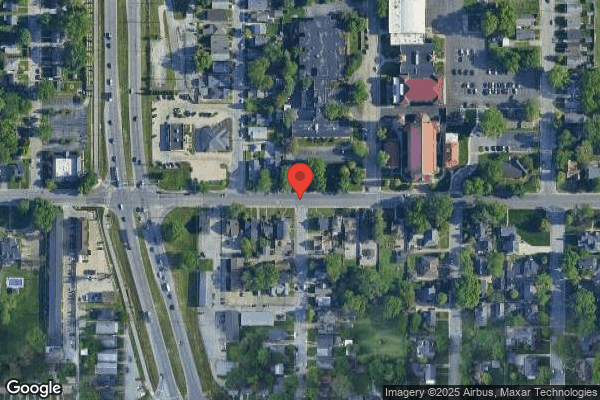

1236 LINCOLN AVE, EVANSVILLE, IN 47714 (812) 464-3607
For profit - Corporation 47 Beds APERION CARE Data: November 2025
Trust Grade
18/100
#416 of 505 in IN
Last Inspection: April 2025

Within standard 12-15 month inspection cycle. Federal law requires annual inspections.

Overview

Aperion Care Lincoln has a Trust Grade of F, indicating poor performance with significant concerns. It ranks #416 out of 505 facilities in Indiana, placing it in the bottom half of the state's nursing homes, and #12 out of 17 in Vanderburgh County, suggesting limited local options. The facility is worsening, with issues increasing from 13 to 24 in just one year. Staffing is rated as average with a 3 out of 5 stars and a 57% turnover rate, which is concerning but close to the state average. However, the facility has received $10,224 in fines, which is higher than 90% of Indiana facilities, indicating repeated compliance issues. There are serious incidents reported, including a failure to ensure residents received necessary medications, leading to hospitalization for hypertensive emergencies. Additionally, residents with urinary tract infections did not receive timely treatment, resulting in a hospitalization for a kidney infection. Another concerning finding was a cognitively impaired resident having access to unattended medication, which contributed to multiple falls, including one that resulted in a hip fracture. Overall, while there are some strengths, such as RN coverage being better than 81% of Indiana facilities, the significant issues and trends suggest families should consider other options carefully.

Trust Score
F
18/100
In Indiana
#416/505
Bottom 18%
Safety Record
High Risk
Review needed
Inspections
Getting Worse
13 → 24 violations
Staff Stability
⚠ Watch
57% turnover. Above average. Higher turnover means staff may not know residents' routines.
Penalties
⚠ Watch
$10,224 in fines. Higher than 93% of Indiana facilities. Major compliance failures.
Skilled Nurses
✓ Good
Each resident gets 56 minutes of Registered Nurse (RN) attention daily — more than average for Indiana. RNs are trained to catch health problems early.
Violations
⚠ Watch
42 deficiencies on record. Higher than average. Multiple issues found across inspections.
★☆☆☆☆
1.0
Overall Rating
★★★☆☆
3.0
Staff Levels
★★★☆☆
3.0
Care Quality
★☆☆☆☆
1.0
Inspection Score
Stable
2024: 13 issues
2025: 24 issues

The Good

  • Full Sprinkler Coverage · Fire safety systems throughout facility
  • No fines on record

Facility shows strength in fire safety.

The Bad

1-Star Overall Rating

Below Indiana average (3.1)

Significant quality concerns identified by CMS

Staff Turnover: 57%

10pts above Indiana avg (46%)

Frequent staff changes - ask about care continuity

Federal Fines: $10,224

Below median ($33,413)

Minor penalties assessed

Chain: APERION CARE

Part of a multi-facility chain

Ask about local staffing decisions and management

Staff turnover is elevated (57%)

9 points above Indiana average of 48%

The Ugly 42 deficiencies on record

3 actual harm
Jul 2025 4 deficiencies
CONCERN (D) 📢 Someone Reported This

A family member, employee, or ombudsman was alarmed enough to file a formal complaint

Potential for Harm - no one hurt, but risky conditions existed

Medical Records (Tag F0842)

Could have caused harm · This affected 1 resident

**NOTE- TERMS IN BRACKETS HAVE BEEN EDITED TO PROTECT CONFIDENTIALITY** Based on interview, and record review, the facility failed to maintain complete and accurate records, quarterly assessments were...

Read full inspector narrative →
**NOTE- TERMS IN BRACKETS HAVE BEEN EDITED TO PROTECT CONFIDENTIALITY** Based on interview, and record review, the facility failed to maintain complete and accurate records, quarterly assessments were completed and documented in the clinical record. The Facility elopement risks were not documented in the clinical record. (Resident E) Finding includes: On 7/7/25 at 9:08 a.m., Resident E's clinical record was reviewed. Diagnoses included but were not limited to, unspecified dementia, unspecified severity, with other behavioral disturbance, cognitive communication deficit. A quarterly Minimum Data Set (MDS) assessment dated [DATE], indicated Resident E's cognition was severely impaired, uses walker, once standing, the ability to walk at least 150 feet in a corridor or similar space, supervision or touching assistance, helper provides verbal cues or touching/steadying assistance as resident completes activity. Care plans were reviewed and included but were not limited to: Resident is at risk for elopement per elopement risk assessment, initiated 4/27/23, revision 8/22/24. Interventions included: reassess elopement risk at least quarterly, initiated 4/27/23, revision 3/7/24. A progress note dated 2/1/25 at 2:22 p.m. indicated Resident E's behavior as wandering around the facility the entire shift asking where her room was, staff redirected her to her room and she came out of her room again within 30 seconds asking where her room was. A progress noted dated 2/3/25 at 4:01 p.m., indicated no observed behaviors, or excessive wandering, nurse practitioner was notified and resident placed on a list to be seen on 2/4/25, staff continued to monitor, continue with the current plan of care. A progress note dated 6/13/25 at 3:44 p.m., indicated Patient wondered (sic) off the floor took a flight of stairs to the ground floor living (sic) her walker on the stair case. Patient stated that she was going for a basketball game. Patient was found outside the building by a co worker. Head count done at that time. Patient brought back inside the building placed on a wander guard monitor on her left lower extremity per nursing supervisor instruction. Examined resident and no bruises noted. Patient denies of falling any where during the episode of her going out of the building(sic). We'll continue to monitor patient throughout the shift. Will notify family and physician. July 2025 physicians orders were reviewed and included but were not limited to: Wanderguard for decreased safety awareness. Check placement and function every shift, order date 6/13/25. On 7/7/25 at 1:14 p.m., the Administrator indicated the Regional Nurse Consultant looked back on emails and in May of 2025 she was doing paper elopement risk assessments, but can't find where it was transcribed onto the clinical record, nor find the paper copy. The Administrator indicated she did not find a elopement risk assessment in the clinical record except for the one done in June of 2025 after Resident E eloped, assessments should be done at least quarterly and if a significant change, one should have been done after the 2/1/25 incident of wandering around the facility. On 7/7/25 at 2:41 p.m., the Administrator provided the current policy for resident assessment with a revision date of 4/18/22. The policy included but was not limited to: Purpose: To gather comprehensive information as a basis for identifying resident problems/needs and developing or revising and individual plan of care .d. Elopement risk- to identify resident at risk for elopement and ensure appropriate interventions are implemented if identified risk. Complete a new assessment after any actual or attempted elopement, or if exit seeking behaviors are identified . This citation relates to Complaint IN00462420. 3.1-50(a)(1)
CONCERN (E) 📢 Someone Reported This

A family member, employee, or ombudsman was alarmed enough to file a formal complaint

Potential for Harm - no one hurt, but risky conditions existed

Resident Rights (Tag F0550)

Could have caused harm · This affected multiple residents

**NOTE- TERMS IN BRACKETS HAVE BEEN EDITED TO PROTECT CONFIDENTIALITY** Based on observation and interview, the facility failed to ensure dignity was provided for 1 of 1 observations of meal trays pas...

Read full inspector narrative →
**NOTE- TERMS IN BRACKETS HAVE BEEN EDITED TO PROTECT CONFIDENTIALITY** Based on observation and interview, the facility failed to ensure dignity was provided for 1 of 1 observations of meal trays passed. Staff were observed to enter resident rooms without knocking or announcing themselves. ( room [ROOM NUMBER], room [ROOM NUMBER], room [ROOM NUMBER], room [ROOM NUMBER], room [ROOM NUMBER], Resident F) Finding includes: On 7/3/25 at 10:14 a.m., resident council minutes dated 5/29/25 were reviewed and included a complaint of staff not knocking or introducing themselves before entering the room. On 7/7/25 at 12:34 p.m., CNA 2 was observed to deliver lunch trays to room [ROOM NUMBER], 211, 213, 214, and 216. CNA 2 did not knock or announce herself before walking in the rooms. On 7/7/25 at 1:10 p.m., CNA 3 indicated before delivering a meal tray to a resident in their room, you should knock and let them know you have food for them. On 7/7/25 at 2:41 p.m., the Administrator provided the current policy on resident rights with a revision date of 4/23/18. The policy included but was not limited to: .The facility shall promote care for residents in a manner and in an environment that maintains or enhances each resident's dignity and respect in full recognition of his or hers individuality.protecting and valuing resident's private space (for example, knocking on doors and requesting permission before entering, closing doors as requested by the resident) . This citation relates to Complaint IN00462420. 3.1-3(t)
CONCERN (E) 📢 Someone Reported This

A family member, employee, or ombudsman was alarmed enough to file a formal complaint

Potential for Harm - no one hurt, but risky conditions existed

Deficiency F0804 (Tag F0804)

Could have caused harm · This affected multiple residents

Based on observation, interview, and record review, the facility failed to provide food that was served at an appetizing temperature for 1 of 1 meal tested on unit 200. ( Unit 200, Resident F) Findin...

Read full inspector narrative →
Based on observation, interview, and record review, the facility failed to provide food that was served at an appetizing temperature for 1 of 1 meal tested on unit 200. ( Unit 200, Resident F) Finding includes: On 7/3/25 at 8:55 a.m., Resident F indicated food was not always served hot, it was sometimes ice cold depending on what time it was delivered to her. On 7/7/25 food temperatures were taken on the 200 unit for the noon meal. The temperature of the herb roasted pork loin was 115, stuffing 85, peas 79. On 7/7/25 at 2:41 p.m., the Administrator provided the current guideline and procedure for monitoring food temperatures for meal service with a date of 2020. The guidelines included but were not limited to: Food temperatures will be monitored to prevent foodborne illness and ensure foods are served at a palatable temperature .8. meals that are served on room trays may be periodically checked at the point of service for palatable food temperatures. Food temperatures of hot foods on room trays at the point of service are preferred to be at 120 F (Fahrenheit) or greater to promote palatability for the resident. Any complaint regarding food temperatures by residents will be documented on the Food Temperature Log. Complaints will be investigated by conducting a test tray for that meal to determine if foods are remaining above 120 F. The investigation is recommended to be completed within 72 hours of the complaint . This citation relates to Complaint IN00462420. 3.1-21(a)(2)
CONCERN (E) 📢 Someone Reported This

A family member, employee, or ombudsman was alarmed enough to file a formal complaint

Potential for Harm - no one hurt, but risky conditions existed

Food Safety (Tag F0812)

Could have caused harm · This affected multiple residents

Based on observation, interview, and record review, the facility failed to ensure food was served in a sanitary manner in accordance with professional standards for food service safety for 2 of 2 obse...

Read full inspector narrative →
Based on observation, interview, and record review, the facility failed to ensure food was served in a sanitary manner in accordance with professional standards for food service safety for 2 of 2 observations of the kitchen. Floors were soiled, food unlabeled. (Kitchen) Findings include: On 7/3/25 at 8:17 a.m., during observation of the kitchen the following was observed: 1. The walk in freezer contained partially used bags of breaded chicken, mixed vegetables, and garlic bread. The bags were unlabeled. 2. The floor behind the stove and deep fryer, stainless steel table that contained a sink had soil buildup and debris. On 7/3/25 at 8:21 a.m., the Dietary Manager indicated the floors under equipment are usually cleaned once a week. On 7/7/25 at 1:00 p.m., the floors were observed to still be soiled. The walk in freezer contained a box of fish squares that were open to air, unsealed. On 7/7/25 at 1:06 p.m., Dietary Aide 2 indicated when food is opened, it is put in a plastic bag with the open date and dated 30 days out. On 7/7/25 at 2:41 p.m., the Administrator provided the current policy on labeling and dating foods with a date of 2020. The policy included but was not limited to: .Once a package is opened, it will be re-dated with the date the item was opened and shall be used by the safe food storage guidelines, or by the manufacture's expiration date . On 7/7/25 at 2:41 p.m., the Administrator provided the current cleaning rotation and cleaning instructions for floors with a date of 2020. The guidelines included but were not limited to: .items cleaned daily: kitchen and dining room floors .Floors will be kept clean and sanitary, washed daily or as needed . This citation relates to Complaint IN00462420 and IN00462798. 3.1-21(i)(3)
Apr 2025 19 deficiencies 1 Harm
SERIOUS (G)

Actual Harm - a resident was hurt due to facility failures

Deficiency F0760 (Tag F0760)

A resident was harmed · This affected 1 resident

Based on record review and interview, the facility failed to ensure residents were free from significant medication errors for 1 of 2 residents reviewed for hospitalization. A resident did not receive...

Read full inspector narrative →
Based on record review and interview, the facility failed to ensure residents were free from significant medication errors for 1 of 2 residents reviewed for hospitalization. A resident did not receive blood pressure medications and was admitted to the hospital two times for hypertensive emergencies. (Resident B) Finding includes: On 4/7/25 at 9:24 A.M., Resident B's clinical record was reviewed. Diagnoses included, but were not limited to, hypertensive encephalopathy. The most recent Annual Minimum Data Set assessment, dated 1/3/25, indicated Resident B was moderately cognitively intact. Care plans included, but were not limited to: Resident had a diagnosis of hypertension: Administer medications as ordered; Assess for side effects and effectiveness; Notify physician of noted signs/symptoms for further evaluation, initiated 2/17/24. Physician orders included, but were not limited to: Carvedilol (a medication used to treat high blood pressure) oral tablet 12.5 mg (milligrams) give one tablet by mouth two times a day for hypertension; Start date 2/9/24 Isosorbide Mononitrate (a medication used to treat high blood pressure) ER (extended release) oral tablet 60 mg give one tablet by mouth two times a day for paroxysmal atrial fibrillation; Start date 2/9/24 Lisinopril (a medication used to treat high blood pressure) oral tablet 10 mg give one tablet by mouth two times a day for hypertension; Start date 2/9/24 Clonidine (a medication used to treat high blood pressure) HCl Oral Tablet 0.1 mg give one tablet by mouth three times a day for hypertension, hold if systolic blood pressure is less than 160; Start date 3/26/24 Discontinued 7/3/24 The electronic medication administration record (MAR) indicated Resident B did not receive his blood pressure medications (Carvedilol 12.5 mg, Isosorbide Mononitrate ER 60 mg, or Lisinopril 10 mg) at 8:00 A.M. on 6/25/24. in accordance with the physician orders. A nursing progress note, dated 6/25/24 at 2:06 P.M., indicated Resident B was heard yelling from his bedroom, the CNA went to check on him, and found him kneeling with his elbows on the floor in front of the toilet, and his rollator was next to him. The resident was barefoot, this nurse and two CNAs assisted him to lie down in a comfortable position. This nurse then assessed the resident for injury and none was observed at this time. This nurse and two CNAs then tried to assist the resident off the floor but the resident started complaining of back and neck pain, the nurse then decided not to move the resident and notified triage (a physician communication line). Triage gave an order to send the resident to the emergency room, ambulance was called and came to assist the resident off the floor and transported him to the hospital. The blood pressure was 155/84. A hospital admission history, dated 6/25/24 at 10:10 A.M., indicated Resident B's blood pressure was 240/103 on admission and resident had a hypertensive emergency with encephalopathy- likely due to not receiving proper medication regimen in nursing home. On 10/1/24 a new physician's order for hydralazine (a medication used to treat high blood pressure) HCl oral tablet 25 mg give 1 tablet by mouth every eight hours as needed was initiated. The electronic medication administration record (MAR) indicated Resident B did not receive his previous doses of blood pressure medications (Carvedilol 12.5 mg, Isosorbide Mononitrate ER 60 mg, Lisinopril 10 mg) on 12/7/24 at 8:00 P.M., and did not have a blood pressure recorded or blood pressure medications (Hydralazine 50 mg) given on 12/7/24 at 4:00 P.M. A nurses note, on 12/8/24 at 4:04 A.M., indicated Resident B was having chest pain and was given nitroglycerin (medication used to treat chest pain). A nurses note, on 12/8/24 at 6:00 A.M., indicated Resident B had been transported to the hospital. A hospital history and physician note, dated 12/8/24 at 11:30 A.M., indicated Resident B's blood pressure was 224/174 and he was having a hypertensive emergency. During an interview on 4/8/25 at 1:23 P.M., the Director of Nursing (DON) indicated each resident had different blood pressure parameters to notify the physician about, nursing staff should use their nursing judgement if a blood pressure falls outside of normal parameters, and that the charting system flags systolic blood pressure above 139 as elevated. On 4/9/25 at 12:14 P.M., a policy relating to blood pressure parameters and following physician orders was requested and not provided. During an interview on 4/9/25 at 1:20 P.M., the regional nurse indicate the policy of the facility was for staff to follow physician orders. 3.1-48(c)(2)
CONCERN (D)

Potential for Harm - no one hurt, but risky conditions existed

Deficiency F0561 (Tag F0561)

Could have caused harm · This affected 1 resident

Based on observation, interview, and record review, the facility failed to accommodate a resident's choice of activity for 1 of 2 residents reviewed for choices. A resident's morning care was not comp...

Read full inspector narrative →
Based on observation, interview, and record review, the facility failed to accommodate a resident's choice of activity for 1 of 2 residents reviewed for choices. A resident's morning care was not completed in time for the resident to attend mass. (Resident P) Finding includes: On 4/4/25 at 9:05 A.M., Resident P indicated she wanted to go to mass, but staff didn't always get her up in time to go. Mass was scheduled daily in the facility at 11:00 A.M. On 4/7/25 at 12:35 P.M., Resident P's clinical record was reviewed. Diagnoses included, but were not limited to, cerebral palsy and major depressive disorder. The most current Quarterly Minimum Data Set (MDS) Assessment, dated 1/24/25, indicated that Resident P was cognitively intact and was dependent on staff (staff does all of the effort) for toileting and bathing. The most current care plan conference was completed on 10/31/24. Care plans were reviewed and updated. A current preferences care plan, initiated 2/12/21, indicated that the resident preferred to get up for the day at 10:00 A.M. or as desired. A current self care deficit care plan, initiated 2/12/21, indicated that the resident required a mechanical lift and the assistance of two staff members for safe transfers. A current activities care plan, initiated 4/15/21, indicated the resident was catholic. On 4/8/25 at 10:14 A.M., CNA 23 indicated that there was never enough staff to get everything done. On 4/8/25 at 11:05 A.M., Resident P was observed in bed in her room. The resident indicated that staff had just completed her shower and she was waiting on staff to get her out of bed with the mechanical lift. On 4/3/25 at 10:05 A.M., the Administrator provided a copy of the Resident Rights, revised 3/15/17, that indicated You have the right to and the facility must promote and facilitate self-determination through support of resident choice, including: the right to choose activities, schedules .consistent with your interests . You have a right to participate in other activities, including social, religious, and community activities that do not interfere with the rights of other residents in the facility. 3.1-3(u)(3)
CONCERN (D)

Potential for Harm - no one hurt, but risky conditions existed

Deficiency F0572 (Tag F0572)

Could have caused harm · This affected 1 resident

**NOTE- TERMS IN BRACKETS HAVE BEEN EDITED TO PROTECT CONFIDENTIALITY** Based on interview and record review, the facility failed to ensure a resident signed admission paperwork and resident rights an...

Read full inspector narrative →
**NOTE- TERMS IN BRACKETS HAVE BEEN EDITED TO PROTECT CONFIDENTIALITY** Based on interview and record review, the facility failed to ensure a resident signed admission paperwork and resident rights and was provided a copy for 1 of 3 residents reviewed for new admissions. (Resident L) Finding includes: During an interview on 4/4/25 at 8:36 A.M., Resident L indicated she was unaware of her rights as a resident in the facility, and had not signed or received an admission packet. On 4/7/25 at 8:55 A.M., Resident L's clinical record was reviewed. Resident L was admitted on [DATE]. Diagnosis included, but was not limited to, malignant neoplasm. The most recent admission Minimum Data Set (MDS) assessment, dated 3/25/25, indicated Resident L was cognitively intact. An admission packet was signed 3/21/25 by the Social Services Director (SSD) and Resident L. During an interview on 4/8/25 at 1:53 P.M., Resident L stated the signature on the admission packet was not hers. During an interview on 4/9/25 at 9:19 A.M., the SSD indicated residents sign the admission packets electronically and were not provided with a copy unless they request it. On 4/9/25 at 12:14 P.M., the Director of Nursing provided an undated policy titled Documentation Procedures and Guidelines that indicated Each healthcare professional shall be responsible for making their own prompt, factual, concise, entries that are complete, appropriate, and readable. 3.1-4(j)
CONCERN (D)

Potential for Harm - no one hurt, but risky conditions existed

Transfer Requirements (Tag F0622)

Could have caused harm · This affected 1 resident

**NOTE- TERMS IN BRACKETS HAVE BEEN EDITED TO PROTECT CONFIDENTIALITY** Based on interview and record review, the facility failed to ensure clinical documentation was sent with a resident during a tra...

Read full inspector narrative →
**NOTE- TERMS IN BRACKETS HAVE BEEN EDITED TO PROTECT CONFIDENTIALITY** Based on interview and record review, the facility failed to ensure clinical documentation was sent with a resident during a transfer for 2 of 2 residents reviewed for hospitalizations. (Resident B and Resident D) Findings include: On 4/7/25 at 9:24 A.M., Resident B's clinical record was reviewed. Diagnosis included, but was not limited to, hypertensive encephalopathy. The most recent Annual Minimum Data Set assessment, dated 1/3/25, indicated Resident B was moderately cognitively intact, required partial assistance from staff (staff do half of the work) for toileting and transfers, and required substantial assistance for bathing (staff do more than half of the work). Physician orders included, but were not limited to: Carvedilol oral tablet 12.5 mg (milligrams) give one tablet by mouth two times a day for hypertension; Start date 2/9/24 Isosorbide Mononitrate ER (extended release) oral tablet 60 mg give one tablet by mouth two times a day for paroxysmal atrial fibrillation; Start date 2/9/24 Lisinopril oral tablet 10 mg give one tablet by mouth two times a day for hypertension; Start date 2/9/24 Resident B was transferred to the hospital on 6/25/24 and 12/8/24. The clinical record lacked documentation of advanced directive information, diagnoses, plan of care, or current medications for the transfer to the hospital on 6/25/24. The clinical record lacked documentation of advanced directive information, diagnoses, plan of care, or current medications for the transfer to the hospital on [DATE]. A nursing progress note, dated 12/8/24 at 10:04 A.M., indicated the hospital called the facility and requested medication record and advanced directives that were not sent with transfer. During an interview on 4/9/25 at 12:49 P.M. the Director of Nursing (DON) indicated there was no documentation of records sent with the resident during transfers on 6/25/24 or 12/8/24. 2. On 4/7/25 at 2:40 P.M., Resident D's clinical record was reviewed. Diagnoses included, but were not limited to, dementia, epileptic seizures, wedge compression fracture of unspecified lumbar vertebra, repeated falls, unsteadiness on feet, and weakness. Resident D was discharged to the hospital on 4/4/25 and was anticipated to return. The most recent Quarterly MDS Assessment, dated 2/18/25, indicated Resident D had severe cognitive impairment, required substantial to maximal assistance of staff (staff does more than half of the effort) for toileting, bathing, and transferring, and had 2 or more falls without injury since the prior assessment on 1/6/25. A nursing progress note, dated 4/4/25 at 3:10 P.M., indicated a new order was received to send the resident to the hospital for treatment and evaluation. A nursing progress note, dated 4/4/25 at 3:41 P.M., indicated ambulance staff picked up the resident from the facility and transported him to the hospital for the possibility of trauma from a fall. A nursing progress note, dated 4/5/25 at 12:52 P.M., indicated that the hospital called the facility to request Resident D's Medication Administration Record (MAR). It was faxed to the hospital at that time. On 4/9/25 at 12:14 P.M., the Director of Nursing (DON) indicated she was unable to find the transfer documents for Resident D's transfer to acute care on 4/4/25. On 4/9/25 at 12:14 P.M., the DON provided a current undated Discharge/Transfer or Resident policy that indicated Complete Transfer Form accurately and completely including vital signs . Ensure that resident's current physical and psycho/social assessment, medications and current treatment is completely described and available to the receiving facility upon transfer. Assure required notices (DNR, Will, POA) are sent with the resident. 3.1-12(a)(3) 3.1-12(a)(5)(A) 3.1-12(a)(6)(B)
CONCERN (D)

Potential for Harm - no one hurt, but risky conditions existed

Transfer Notice (Tag F0623)

Could have caused harm · This affected 1 resident

Based on interview and record review, the facility failed to ensure a notice of transfer was provided to the ombudsman for 1 of 2 residents reviewed for hospital transfers. (Resident B) Finding inclu...

Read full inspector narrative →
Based on interview and record review, the facility failed to ensure a notice of transfer was provided to the ombudsman for 1 of 2 residents reviewed for hospital transfers. (Resident B) Finding includes: On 4/7/25 at 9:24 A.M., Resident B's clinical record was reviewed. Diagnosis included, but was not limited to, hypertensive encephalopathy. The most recent Annual Minimum Data Set assessment, dated 1/3/25, indicated Resident B was moderately cognitively intact, required partial assistance from staff (staff do half of the work) for toileting and transfers, and required substantial assistance for bathing (staff do more than half of the work). Resident B was transferred to the hospital on 6/25/24, 9/8/24, and 12/8/24. A list of transfers and discharges for June, September, and December 2024 sent to the ombudsman was requested, but failed to be provided. During an interview on 4/9/25 at 12:49 P.M., the Director of Nursing (DON) indicated there was no notification to ombudsman for June, September, or December 2024 transfers. On 4/9/25 at 12:14 P.M., the DON provided an undated policy titled Discharge/Transfer of Resident that indicated Review and adhere to current federal regulations as found in resident rights and transfer and discharge policies Inform all departments of anticipated and actual discharge Assure required noticies are sent with the resident.
CONCERN (D)

Potential for Harm - no one hurt, but risky conditions existed

Deficiency F0625 (Tag F0625)

Could have caused harm · This affected 1 resident

**NOTE- TERMS IN BRACKETS HAVE BEEN EDITED TO PROTECT CONFIDENTIALITY** Based on interview and record review, the facility failed to ensure a bed hold was provided upon transfer for 2 of 2 residents r...

Read full inspector narrative →
**NOTE- TERMS IN BRACKETS HAVE BEEN EDITED TO PROTECT CONFIDENTIALITY** Based on interview and record review, the facility failed to ensure a bed hold was provided upon transfer for 2 of 2 residents reviewed for hospitalizations. (Resident B and Resident D) Finding includes: 1. On 4/7/25 at 9:24 A.M., Resident B's clinical record was reviewed. Diagnosis included, but was not limited to, hypertensive encephalopathy. The most recent Annual Minimum Data Set assessment, dated 1/3/25, indicated Resident B was moderately cognitively intact, required partial assistance from staff (staff do half of the work) for toileting and transfers, and required substantial assistance for bathing (staff do more than half of the work). Resident B was transferred to the hospital on 6/25/24 and 12/8/24. The clinical record lacked documentation of a bed hold provided for the transfer to the hospital on 6/25/24. The clinical record lacked documentation of a bed hold provided for the transfer to the hospital on [DATE]. During an interview on 4/9/25 at 12:49 P.M. the Director of Nursing (DON) indicated there was no documentation of records sent with the resident during transfers on 6/25/24 or 12/8/24. 2. On 4/7/25 at 2:40 P.M., Resident D's clinical record was reviewed. Diagnoses included, but were not limited to, dementia, epileptic seizures, wedge compression fracture of unspecified lumbar vertebra, repeated falls, unsteadiness on feet, and weakness. Resident D was discharged to the hospital on 4/4/25 and was anticipated to return. The most recent Quarterly Minimum Data Set (MDS) Assessment, dated 2/18/25, indicated Resident D had severe cognitive impairment, required substantial to maximal assistance of staff (staff does more than half of the effort) for toileting, bathing, and transferring, and had 2 or more falls without injury since the prior assessment on 1/6/25. A nursing progress note, dated 4/4/25 at 3:10 P.M., indicated a new order was received to send the resident to the hospital for treatment and evaluation. A nursing progress note, dated 4/4/25 at 3:41 P.M., indicated ambulance staff picked up the resident from the facility and transported him to the hospital for the possibility of trauma from a fall. On 4/9/25 at 12:14 P.M., the Director of Nursing (DON) indicated she was unable to find the bedhold document for Resident D's transfer to acute care on 4/4/25. On 4/9/25 at 12:14 P.M., the DON provided a current undated Discharge/Transfer or Resident policy that indicated Complete Transfer Form accurately and completely including vital signs . Assure required notices .are sent with the resident. 3.1-12(a)(25) 3.1-12(a)(26)
CONCERN (D)

Potential for Harm - no one hurt, but risky conditions existed

Assessment Accuracy (Tag F0641)

Could have caused harm · This affected 1 resident

Based on interview and record review, the facility failed to ensure the Minimum Data Set (MDS) Assessment was completed accurately for 1 of 1 residents reviewed for weight loss. (Resident S) Finding ...

Read full inspector narrative →
Based on interview and record review, the facility failed to ensure the Minimum Data Set (MDS) Assessment was completed accurately for 1 of 1 residents reviewed for weight loss. (Resident S) Finding includes: On 4/4/25 at 12:40 P.M., Resident S's clinical record was reviewed. Diagnoses included, but were not limited to, dementia, diabetes mellitus, and dysphagia. The most current Annual Minimum Data Set (MDS) Assessment, dated 2/5/25, indicated Resident S had severe cognitive impairment, required setup assistance from staff for eating, weighed 179 pounds (lbs), and had no weight loss. The most current Quarterly MDS Assessment, dated 2/20/25, indicated Resident S had severe cognitive impairment, required setup assistance from staff for eating, weighed 132 lbs, and had no weight loss. A review of the weights and vitals tab indicated Resident S was weighed on the following days: - 1/3/25 - 179.3 lbs standing - 2/18/25 - 131.7 lbs wheelchair (a 26.55% weight loss) On 4/8/25 at 2:51 P.M., CNA 18 weighed Resident S. The resident weighed 162.8 lbs including the wheelchair weight. The wheelchair's weight was 39.5 lbs. CNA 18 confirmed Resident S currently weighed 123.3 lbs (a 6.38% weight loss since 2/18/25 and a 31.23% weight loss since 1/3/25). On 4/9/25 at 9:19 A.M., the MDS Coordinator indicated that the resident had a weight loss and it should have been coded as such on the Quarterly MDS Assessment. On 4/9/25 at 12:50 P.M., the Director of Nursing (DON) indicated the facility followed the Resident Assessment Instrument (RAI) Manual as a policy for MDS coding. 3.1-31(d)
CONCERN (D)

Potential for Harm - no one hurt, but risky conditions existed

Deficiency F0659 (Tag F0659)

Could have caused harm · This affected 1 resident

Based on record review and interview, the facility failed to ensure Qualified Medication Aides (QMA) practiced within the QMA scope of practice for 2 of 5 residents reviewed for unnecessary medication...

Read full inspector narrative →
Based on record review and interview, the facility failed to ensure Qualified Medication Aides (QMA) practiced within the QMA scope of practice for 2 of 5 residents reviewed for unnecessary medications. (Resident U and Resident P) Findings include: 1. On 4/7/25 at 12:29 P.M., Resident U's clinical record was reviewed. Diagnosis included, but was not limited to, type 2 diabetes mellitus. The most recent admission Minimum Data Set (MDS) assessment, dated 3/24/25, indicated Resident U was moderately cognitively intact. Physician orders included, but were not limited to: Hydrocodone-acetaminophen (pain medication) oral tablet 7.5-325 mg (milligrams) give one tablet by mouth every four hours as needed for pain for 30 days; Start date 3/18/25. The following days indicate a QMA administered Hydrocodone-acetaminophen 7.5-325 mg tablet without prior authorization from a nurse: - 3/24/25 7:02 P.M. - 3/28/25 9:37 A.M. - 3/29/25 3:41 P.M. 2. On 4/7/25 at 12:35 P.M., Resident P's clinical record was reviewed. Diagnoses included, but were not limited to, cerebral palsy, diabetes mellitus, and pain. The most current Quarterly Minimum Data Set (MDS) Assessment, dated 1/24/25, indicated Resident P was cognitively intact and received insulin and an opioid during the 7-day look back period. Current physician orders included, but were not limited to: - Admelog SoloStar (a fast-acting insulin) 100 units per milliliter (ml) solution - Inject as per sliding scale: 0 - 140 = 0; 141 - 180 = 2; 181 - 240 = 4; 241 - 300 = 6; 301 - 350 = 8; 351 - 400 = 10; 401 - 450 = 12 re-check in one hour, subcutaneously before meals and at bedtime related to diabetes mellitus, dated 1/1/25 - Hydrocodone-acetaminophen (an opioid pain medication) tablet 5-325 milligrams (mg) - Give one tablet by mouth every four hours as needed (PRN) for moderate pain, dated 12/31/24. - Hydrocodone-acetaminophen tablet 5-325 mg - Give two tablets by mouth every four hours PRN for severe pain, dated 12/31/24 - Excedrin (a pain medication) Migraine Oral Tablet 250-250-65 mg (Aspirin-Acetaminophen-Caffeine) - Give one tablet by mouth every 24 hours PRN for migraine, dated 3/19/24 Tylenol (a pain medication) Extra Strength Tablet 500 mg - Give two tablets by mouth every eight hours PRN for pain, dated 8/28/23 The Medication Administration Record (MAR) for March and April 2025 was reviewed. Qualified Medication Aide (QMA) 5 administered Admelog insulin on the following days: - 3/28/25 7:00 A.M. dose - 4/2/25 8:00 P.M. dose - 4/3/25 8:00 P.M. dose QMA 5 administered a PRN dose of hydrocodone-acetaminophen without prior authorization from a nurse on 4/3/25 5:12 P.M. QMA 5 administered a PRN dose of Tylenol without prior authorization from a nurse on 3/28/25 at 12:04 P.M. QMA 3 administered a PRN dose of hydrocodone-acetaminophen without prior authorization from a nurse on the following days: - 3/2/25 at 9:47 A.M. - 3/11/25 at 9:29 A.M. - 3/18/25 at 6:56 A.M. - 3/20/25 at 7:03 A.M. - 3/27/25 at 8:27 A.M. - 3/31/25 at 6:39 A.M. QMA 15 administered a PRN dose of hydrocodone-acetaminophen without prior authorization from a nurse on the following days: - 3/4/25 at 2:58 P.M. - 3/19/25 at 8:18 P.M. - 3/20/25 at 7:21 P.M. - 3/21/25 at 7:19 P.M. - 3/24/25 at 8:27 P.M. - 4/4/25 at 7:26 P.M. QMA 15 administered a PRN dose of Excedrin without prior authorization from a nurse on the following days: - 3/6/25 at 8:04 P.M. - 3/13/25 at 4:00 P.M. On 4/8/25 at 9:22 A.M., the Director of Nursing (DON) indicated that the corporate policy of the facility did not allow QMAs to administer insulin even if they were insulin certified. On 4/9/25 at 9:00 A.M., the QMA Scope of Practice was reviewed. It indicated Administer previously ordered pro re nata (PRN) medication only if authorization is obtained from the facility's licensed nurse on duty or on call. If authorization is obtained, the QMA must do the following: (A) Document in the resident record symptoms indicating the need for the medication and time the symptoms occurred. (B) Document in the resident record that the facility's licensed nurse was contacted, symptoms were described, and permission was granted to administer the medication, including the time of contact. (C) Obtain permission to administer the medication each time the symptoms occur in the resident. (D) Ensure that the resident ' s record is cosigned by the licensed nurse who gave permission by the end of the nurse's shift, or if the nurse was on call, by the end of the nurse's next tour of duty. On 4/9/25 at 12:14 P.M., the DON provided a current QMA job description, dated 3/23/17, that indicated Essential Duties and Responsibilities: .Administers and documents medications given by following specifically written physician orders including oral, topical, and suppository medications, as well as eye and ear drops . Maintains compliance to all personnel policies, established community policies and procedures, and Federal and State regulations and standards . 3.1-35(g)(2)
CONCERN (D) 📢 Someone Reported This

A family member, employee, or ombudsman was alarmed enough to file a formal complaint

Potential for Harm - no one hurt, but risky conditions existed

Pressure Ulcer Prevention (Tag F0686)

Could have caused harm · This affected 1 resident

**NOTE- TERMS IN BRACKETS HAVE BEEN EDITED TO PROTECT CONFIDENTIALITY** Based on interview, record review, and observation, the facility failed to identify the potential for the development of pressur...

Read full inspector narrative →
**NOTE- TERMS IN BRACKETS HAVE BEEN EDITED TO PROTECT CONFIDENTIALITY** Based on interview, record review, and observation, the facility failed to identify the potential for the development of pressure ulcers, perform routine skin checks, and follow the plan of care to promote wound healing for 2 of 2 residents reviewed for facility acquired heel wounds. (Resident F, Resident F) Findings include: 1. During an interview on 4/4/25 at 2:29 P.M., Resident N was observed to have a wound vac (a medical device that uses negative pressure to promote wound healing) on his right heel. Resident N indicated it started out as a blister and developed larger requiring surgical debridement and a skin graft. Resident N indicated the wound resulted in him staying in the facility longer than anticipated. On 4/4/25 at 12:48 P.M., Resident N's clinical record was reviewed. Resident N was admitted on [DATE] for therapy following a recent fracture surgery. Diagnosis included, but was not limited to, diabetes mellitus with diabetic polyneuropathy. An admission Minimum Data Set (MDS) assessment, dated 12/29/24, indicated Resident N was cognitively intact, required partial assistance (staff do at least half of the work) to roll left to right, required substantial assistance (staff do more than half of the work) for bathing, transfers, putting on and taking off footwear, and performing personal hygiene, and was at risk for pressure ulcers but had no pressure ulcers. The clinical record lacked a comprehensive care plan related to Resident N's risk for pressure ulcer development. The clinical record lacked weekly skin observations from 11/29/24 to 1/8/25. A weekly skin observation, dated 1/8/25 at 2:49 P.M., indicated Resident N had a skin concern of the pressure injury to the right heel and skin concerns observed are not new. A skin wound report, dated 1/8/25, indicated Resident N had developed a new in-house acquired pressure injury to the right heel. Measurements of the wound were: length 6 cm (centimeters), width 8 cm, and depth 0.2 cm, and staging was left blank. A medication order was started on 1/9/25 for ascorbic acid 500 mg (milligrams) tablet give one tablet by mouth one time a day for wound healing, and was discontinued on 1/23/25. A treatment order was started on 1/9/25 that indicated to cleanse area with wound cleanser and pat dry, skin prep peri-wound area and allow to completely dry, cover wound bed with honey alginate (a type of wound dressing that combines the properties of honey and calcium alginate, works by absorbing wound fluid, forming a gel that helps maintain a moist environment conducive to healing and potentially supporting the removal of necrotic tissue), cover with ABD (abdominal) pad and wrap with Kerlix (gauze wrap) every day shift for pressure injury to right heel, and was discontinued on 1/23/25. A wound evaluation, dated 1/13/25, indicated Resident N's right heel wound was an unstageable deep tissue pressure injury. The evaluation indicated to float the residents heels. A nursing progress note on 1/18/25 at 9:09 P.M., indicated Resident N was sent to the hospital for coffee ground emesis. 2. During an interview on 4/7/25 at 10:59 A.M., Resident F indicated that he was admitted for therapy from a wreck but stayed at the facility due to the wound on his foot, and he believed was not healed yet due to the dressing not being changed. On 4/7/25 at 11:57 A.M., Resident F's clinical record was reviewed. Resident F was admitted on [DATE]. Diagnosis included, but was not limited to, hypertension. An admission MDS assessment, dated 11/26/24, indicated Resident F was cognitively intact, was dependent (staff do all of the work) for putting on and taking off footwear, required substantial assistance from staff (staff do more than half of the work) for bathing and transfers, required partial assistance (staff do at least half of the work) to roll left to right, was at risk for pressure ulcers, and had no unhealed pressure ulcers. A skin wound report, dated 12/18/24, indicated Resident F had developed a new in-house acquired pressure injury to the left heel. Measurements of the wound were: length 2.5 cm (centimeters), width 7 cm, and was a deep tissue injury. A care plan was created on 12/19/24 and indicated I have a pressure injury to my left heel related to immobility. The care plan lacked at risk for developing skin breakdown monitoring prior to pressure ulcer development. A treatment order was started on 1/3/25 that indicated cleanse area (left heel) with wound cleanser, gently pat dry, apply skin prep peri-wound area and allow to completely dry, apply honey impregnated calcium alginate to wound bed and cover with ABD (abdominal) pad and wrap with Kerlix (gauze wrap) every day shift for pressure injury to left heel, and was discontinued on 1/13/25. The following dates in the electronic treatment administration record (TAR) indicated Resident F's wound treatment was not changed and was not refused: 1/4/25 1/13/25 A physician progress note, dated 1/3/25, indicated Resident F had been working with therapy and was using the parallel bar, but now had a heel ulcer and unable to walk as much. A treatment order was started on 1/21/25 that indicated cleanse area (left heel) with wound cleanser, gently pat dry, apply skin prep peri-wound area and allow to completely dry, apply honey alginate to wound bed, cover with ABD pad, wrap with Kerlix and secure with medical tape, every day shift for pressure injury to left heel, and was discontinued on 1/28/25. The following dates in the electronic treatment administration record (TAR) indicated Resident F's wound treatment was not changed and was not refused: 1/23/25 1/25/25 A treatment order was started on 1/29/25 that indicated cleanse area (left heel) with wound cleanser, gently pat dry. Apply skin prep peri- wound area and allow to completely dry. Paint area with betadine and allow to dry, cover with ABD pad, wrap with Kerlix and secure with medical tape every day shift for pressure injury to left heel, and was discontinued on 2/24/25. The following dates in the electronic treatment administration record (TAR) indicated Resident F's wound treatment was not changed and was not refused: 2/7/25 2/8/25 2/14/25 2/21/25 The most recent Quarterly MDS assessment, dated 2/17/25, indicated Resident F was cognitively intact, required partial assistance (staff do half of the work) for showers and putting on and taking off foot wear, and substantial assistance for transfers to the shower, was at risk for pressure ulcers, and had an unstageable pressure ulcer. A treatment order was started on 2/25/25 that indicated cleanse area (left heel) with wound cleanser, gently pat dry, apply skin prep peri-wound area and allow to completely dry, cut to fit honey alginate and place in wound bed, cover with ABD pad, wrap with Kerlix and secure with medical tape, and was discontinued on 3/17/25. The following dates in the electronic treatment administration record (TAR) indicated Resident F's wound treatment was not changed and was not refused: 3/4/25 3/9/25 A medication order was started on 3/12/25 that indicated cephalexin (antibiotic) capsule 500 MG (milligrams) give one capsule by mouth three times a day for (foot wound) infection for 10 days, and was discontinued on 3/22/25. A treatment order was started on 3/18/25 that indicated cleanse area (left heel) with wound cleanser, gently pat dry, apply skin prep peri- wound area and allow to completely dry, apply layer of Manuka Honey to wound bed, place calcium alginate over wound bed, cover with Hydra Lock dressing, cover with ABD pad, wrap with Kerlix and secure with medical tape, every day shift for pressure injury to left heel, and was discontinued on 3/31/25. The following dates in the electronic treatment administration record (TAR) indicated Resident F's wound treatment was not changed and was not refused: 3/21/25 A treatment order was started on 3/31/25 that indicated enhanced barrier precautions: staff to wear gown and gloves during all high contact resident care activities every shift for surgical site to right heel. The most recent wound measurements, dated 3/31/25, indicated Resident F's left heel wound measured 2 cm length, 2 cm width, and 0.3 cm depth. A treatment order was started on 4/1/25 that indicated cleanse area (left heel) with wound cleanser, gently pat dry, skin prep peri-wound and allow to completely dry, cover wound bed with HydraLock (an absorbent dressing) dressing, cover with ABD (abdominal) pad, wrap with Kerlix (gauze bandage), and secure with medical tape every day shift for pressure injury to left heel. The following dates in the electronic treatment administration record (TAR) indicated Resident F's wound treatment was not changed or refused: 4/1/25 4/8/25 During an interview on 4/8/25 at 1:23 P.M. the Director of Nursing (DON) indicated staff should be following physician's orders as written. During an observation on 4/9/25 at 11:40 A.M., Resident F was observed with a dressing, dated 4/7, around his left foot. On 4/9/25 at 12:14 P.M., the DON provided a policy titled Pressure Ulcer Prevention, revised 1/15/18, indicated The purpose: to prevent pressure sores/ pressure injury. Maintain clean/dry skin inspect the skin several times daily. Use positioning devices to reduce pressure (provide) supplements as ordered. This citation relates to complaint IN00456840. 3.1-40(a)(1)
CONCERN (D) 📢 Someone Reported This

A family member, employee, or ombudsman was alarmed enough to file a formal complaint

Potential for Harm - no one hurt, but risky conditions existed

Accident Prevention (Tag F0689)

Could have caused harm · This affected 1 resident

Based on observation, interview, and record review, the facility failed to follow fall protocol, revise care plans, and follow interventions to reduce the risk of falls for 2 of 2 residents reviewed f...

Read full inspector narrative →
Based on observation, interview, and record review, the facility failed to follow fall protocol, revise care plans, and follow interventions to reduce the risk of falls for 2 of 2 residents reviewed for falls. (Resident D and Resident S) Findings include: 1. During a confidential interview during the survey, it was indicated that Resident D had fallen a lot while attempting to self toilet because when he pushed his call light no one came to help him to the bathroom. On 4/4/25 at 1:26 P.M., Resident D was observed sitting by himself in his wheelchair in his room eating. The call light was wrapped around the bed rail and was not clipped to or within reach of the resident. There was not a dycem in his wheelchair. The resident was wearing socks without nonskid bottoms. Non skid strips were not observed anywhere in the resident's room. On 4/7/25 at 2:40 P.M., Resident D's clinical record was reviewed. Diagnoses included, but were not limited to, dementia, epileptic seizures, wedge compression fracture of unspecified lumbar vertebra, repeated falls, unsteadiness on feet, and weakness. The most recent Quarterly Minimum Data Set (MDS) Assessment, dated 2/18/25, indicated Resident D had severe cognitive impairment, required substantial to maximal assistance of staff (staff does more than half of the effort) for toileting, bathing, and transferring, and had 2 or more falls without injury since the prior assessment on 1/6/25. The last care plan conference was completed on 11/7/24. Care plans were reviewed and updated at that time. A current high fall risk care plan, initiated 2/17/24, included the following interventions: Anticipate and meet residents needs, dated 2/17/24 Be sure residents call light is within reach and encourage resident to use it for assistance as needed. The resident needs prompt response to all requests for assistance, 2/17/24 Ensure that resident is wearing appropriate footwear when ambulating or mobilizing in wheel chair, dated 2/17/24 Follow facility fall protocol if fall occurs, dated 2/17/24 Notify family and physician of all falls, dated 2/17/24 Physical Therapy (PT) and Occupational Therapy (OT) evaluations and treatments as ordered and as needed (PRN), dated 2/17/24 The resident needs activities that minimize the potential for falls while providing diversion and distraction, dated 2/17/24 Resident placed on night shift get up list as he is an early riser, dated 3/5/24 Call light clip placed on call light and staff educated to clip call light to resident clothes or chair so resident can easily find call light, dated 3/24/24 Ensure resident is toileted prior to resident going to bed, dated 4/21/24 Anti-rollbacks to wheelchair, dated 6/8/24 Anti-tippers to wheelchair, dated 6/11/24 Call, Don't Fall signs in room and in bathroom as reminder for him to call before he attempts to get up unassisted, dated 6/19/24 Dycem to wheelchair, dated 6/23/24 Fall mat to be placed at bedside when he is in bed, dated 6/25/24 Reach out to Medical Doctor (MD) for a sleep aide, dated 6/29/24 Offer sleep aide, dated 6/29/24 Staff to offer resident assistance to recliner to rest after lunch, dated 7/5/24 Therapy to adjust anti-rollbacks on resident's wheelchair, dated 7/15/24 Resident is not to be left in his room in his wheelchair unattended, dated 8/6/24 Re-educate nursing staff that resident is not to be left alone in room alone in wheelchair, dated 9/9/24 Ensure resident is toileted before and after each meal, dated 11/13/24 Reinforce to nursing staff that resident is not to be left alone in room while in wheelchair, dated 11/27/24 Keep personal belongings within reach of resident, dated 1/6/25 Staff to encourage resident to sleep in his bed at night instead of recliner, dated 1/23/25 Call, Don't Fall sign placed in public restroom next to pantry on first floor, dated 2/3/25 Bolster mattress placed on bed to prevent resident from rolling out of bed while sleeping, dated 3/10/25 The clinical record indicated Resident D fell 23 times in the past year. Fall 1 On 5/22/24 at 5:30 P.M., Resident D had an unwitnessed fall while attempting to self transfer between the wheelchair and bed. He was found sitting on the floor in his room in front of his wheelchair and bed. The clinical record lacked an Interdisciplinary Team (IDT) note about that fall. The care plan was not updated with a new intervention. A fall risk assessment, dated 5/22/24, indicated Resident D was at high risk for falls. Fall 2 On 5/23/24 at 2:17 P.M., Resident D had an unwitnessed fall while attempting to self toilet. A CNA heard a noise coming from the resident's room and went to check on the resident. The resident was sitting in his wheelchair in the bathroom next to the toilet. The resident indicated that he fell down and put himself back into his wheelchair. The nurse assessed the resident. The physician and responsible party were not notified about that fall. The clinical record lacked an IDT note about that fall. The care plan was not updated with a new intervention. A fall risk assessment was not completed. Fall 3 On 6/8/24 at 8:25 A.M., Resident D had an unwitnessed fall while attempting to close the door in his room. The IDT reviewed that fall on 6/11/24. Anti-rollbacks to wheelchair was added to the care plan. A fall risk assessment, dated 6/8/24, indicated Resident D was at high risk for falls. Fall 4 On 6/11/24 at 8:09 P.M., Resident D had an unwitnessed fall while attempting to self toilet. He was found lying on his bathroom floor in front of his wheelchair. The IDT reviewed that fall on 6/11/24. Anti-tippers to wheelchair was added to the care plan. A fall risk assessment was not completed. Fall 5 On 6/12/24 at 1:42 A.M., Resident D had an unwitnessed fall while attempting to self toilet. He was found sitting on the bathroom floor. The physician and responsible party were not notified about that fall. The clinical record lacked an IDT note about that fall. The care plan was not updated with a new intervention. A fall risk assessment was not completed. Fall 6 On 6/19/24 at 10:35 A.M., Resident D had an unwitnessed fall while attempting to self toilet. A CNA responded to a call light in the resident's room and found the resident lying on the floor on his right side with his feet towards the door of the bathroom. The resident complained of bilateral hip pain. The physician was notified, and an order was received for an x-ray of the hip and pelvis. The results of that x-ray were negative. The IDT reviewed that fall on 6/21/24. Call, Don't Fall signs in room and in bathroom as reminder for him to call before he attempts to get up unassisted was added to the care plan. A fall risk assessment, dated 6/19/24, indicated Resident D was at high risk for falls. Fall 7 On 6/23/24 at 8:35 A.M., Resident D had an unwitnessed fall while in his room. The resident was found on his knees on the floor in front of his bed. The clinical record lacked an IDT note about that fall. The care plan was not updated with a new intervention. A fall risk assessment, dated 6/23/24, indicated Resident D was at high risk for falls. Fall 8 On 6/23/24 at 12:25 P.M., Resident D had an unwitnessed fall while in his room. A visitor alerted the nurse that the resident was lying on the floor in his room. The resident was noted to have a two inch by one inch bruised area on the top right side of his head. The physician was notified, and an order was received to send the resident to the hospital for evaluation. The resident returned to the facility from the hospital at 7:05 P.M. A computed tomography (CT) scan (a medical imaging technique used to obtain detailed internal images of the body) indicated there were no new injuries related to recent falls; however, the resident's chronic back fracture had gotten worse. The clinical record lacked an IDT note about that fall. Dycem to wheelchair was added to the care plan on 6/23/24. A fall risk assessment, dated 6/23/24, indicated Resident D was at high risk for falls. Fall 9 On 6/25/24 at 10:16 A.M., Resident D had an unwitnessed fall in his room. The resident was found lying on the floor between his bed and wheelchair. The IDT reviewed that fall on 6/26/24. Fall mat to be placed at bedside when he is in bed was added to the care plan. A fall risk assessment, dated 6/25/24, indicated Resident D was at high risk for falls. Fall 10 On 6/29/24 at 10:34 P.M., Resident D had an unwitnessed fall while in his room. The resident was found on the floor next to his bed. He complained of right knee pain. The physician was notified, and an order was received to send the resident to the hospital for evaluation. The resident returned to the facility from the hospital on 6/30/24 at 5:15 A.M. with a new order for bacitracin ointment to the abrasion on his right knee twice a day for seven days. No other injuries were noted. The IDT reviewed that fall on 7/1/24. Reach out to Medical Doctor (MD) for a sleep aide and Offer sleep aide were added to the care plan. A new order to give melatonin (a supplement to help with insomnia) 5 milligrams (mg) by mouth every 24 hours as needed for trouble sleeping was received on 7/3/24. A fall risk assessment was not completed. Fall 11 On 7/4/24 at 3:30 P.M., Resident D had an unwitnessed fall while attempting to put himself to bed. The resident was found on the floor in front of his bed. The clinical record lacked an IDT note about that fall. Staff to offer resident assistance to recliner to rest after lunch was added to the care plan. A fall risk assessment, dated 7/4/24, indicated Resident D was at high risk for falls. Fall 12 On 7/15/24 at 2:30 P.M., Resident D had a witnessed fall while trying to get up using the rail in the hallway. The wheelchair moved and the resident fell and hit the back of his head. The clinical record lacked an IDT note about that fall. Therapy to adjust anti-rollbacks on resident's wheelchair was added to the care plan on 7/15/24. A fall risk assessment, dated 7/15/24, indicated Resident D was at high risk for falls. Fall 13 On 8/6/24 at 11:17 A.M., Resident D had an unwitnessed fall while attempting to pick something up off the floor. The resident was found lying on the floor in the doorway of his room. The IDT reviewed that fall on 8/7/24. Resident is not to be left in his room in his wheelchair unattended was added to the care plan. A fall risk assessment, dated 8/6/24, indicated Resident D was at high risk for falls. Fall 14 On 8/14/24 at 2:00 A.M., Resident D had an unwitnessed fall in his room. He was found lying on his fall mat. The clinical record lacked an IDT note about that fall. The care plan was not updated with a new intervention. A fall risk assessment, dated 8/14/24, indicated Resident D was at high risk for falls. Fall 15 On 8/19/24 at 2:09 P.M., Resident D had an unwitnessed fall while attempting to self toilet. A CNA responded to the resident's call light and found him sitting against the wall next to the toilet. The clinical record lacked an IDT note about that fall. The care plan was not updated with a new intervention. A fall risk assessment, dated 8/21/24, indicated Resident D was at high risk for falls. Fall 16 On 11/13/24 at 11:15 A.M., Resident D had an unwitnessed fall while attempting to self toilet. A CNA responded to an emergency call light in the hallway bathroom and found the resident lying on his back on the floor next to the toilet with his wheelchair by his side. The resident was noted to have a bruise on the left side of his forehead. The IDT reviewed that fall on 11/25/24. Ensure resident is toileted before and after each meal was added to the care plan. A fall risk assessment, dated 11/24/25, indicated Resident D was at high risk for falls. Fall 17 On 11/27/24 at 3:12 P.M., Resident D had an unwitnessed fall while attempting to self toilet. The resident was found sitting on the floor between the toilet and the sink. The IDT reviewed that fall on 12/3/24. Reinforce to nursing staff that resident is not to be left alone in room while in wheelchair was added to the care plan. A fall risk assessment, dated 11/27/24, indicated Resident D was at high risk for falls. Fall 18 On 12/27/24 at 4:30 P.M., Resident D had an unwitnessed fall while attempting to throw an item away. The resident was found sitting upright on the floor next to his recliner. The IDT reviewed that fall on 12/31/24. The new intervention determined at that meeting was to add non skid strips in front of the resident's recliner. The care plan was not updated with a new intervention. A fall risk assessment, dated 12/27/24, indicated Resident D was at high risk for falls. Fall 19 On 1/6/25 at 7:00 A.M., Resident D had an unwitnessed fall while attempting to walk to get a tissue box that was in the corner of his room. The resident was found lying on the floor on his back next to his wheelchair. The resident complained of pain to his right abdomen. The physician was notified. On 1/7/25 at 3:09 P.M., an order was received for an x-ray of the thoracic spine right side rib due to pain after the fall. The x-ray was completed on 1/8/25. Results were negative and there were no new orders. The IDT reviewed that fall on 1/9/25. Keep personal belongings within reach of resident was added to the care plan. A fall risk assessment, dated 1/9/25, indicated Resident D was at high risk for falls. Fall 20 On 1/23/25 at 4:14 A.M., Resident D had an unwitnessed fall while attempting to self transfer from his recliner to his wheelchair. The resident was found lying on his back on the floor in front of his recliner. The IDT reviewed that fall on 1/23/25. Staff to encourage resident to sleep in his bed at night instead of recliner was added to the care plan. A fall risk assessment, dated 1/23/25, indicated Resident D was at high risk for falls. Fall 21 On 2/3/25 at 6:00 P.M., Resident D had an unwitnessed fall while attempting to self toilet. A CNA responded to a call light in the hallway bathroom. The resident was found lying on the ground next to the toilet. The IDT reviewed that fall on 2/5/25. Call, Don't Fall sign placed in public restroom next to pantry on first floor was added to the care plan. A fall risk assessment, dated 2/3/25, indicated Resident D was at high risk for falls. Fall 22 On 3/10/25 at 5:15 A.M., Resident D had an unwitnessed fall in his room. The resident was found on the floor between his bed and the bathroom floor. The resident was noted to have bleeding from a laceration on the back of his head and there was a large amount of blood on the floor. The physician was notified, and an order was received to send the resident to the hospital for treatment and evaluation. The resident returned back to the facility from the hospital on 3/10/25 at 10:06 A.M. with eight stapes to the back of his head on the left side. The IDT reviewed that fall on 3/11/25. Bolster mattress placed on bed to prevent resident from rolling out of bed while sleeping was added to the care plan. A fall risk assessment, dated 3/10/25, indicated Resident D was at high risk for falls. Fall 23 A 72-hour charting note, dated 4/3/25 at 6:53 P.M., indicated Resident D was assessed for a fall. The note did not indicate when, where, or how the fall took place. The clinical record lacked documentation regarding the fall that took place on 4/3/25. The clinical record lacked documentation to indicate the physician and responsible party were notified of that fall. The clinical record lacked an IDT note about that fall. The care plan was not updated with a new intervention. A fall risk assessment was not completed. A nursing progress note, dated 4/4/25 at 9:17 A.M., indicated that the resident was not acting like himself. He was unable to stand up and complained of pain to his left hip, left arm, left shoulder, and left flank. The physician was notified. A nursing progress note, dated 4/4/25 at 10:47 A.M., indicated that the physician was in the facility and assessed the resident. Orders for bloodwork and an x-ray of the left shoulder and left hip were received. A nursing progress note, dated 4/4/25 at 2:13 P.M., indicated the resident was hallucinating. A nursing progress note, dated 4/4/25 at 3:10 P.M., indicated a new order was received to send the resident to the hospital for treatment and evaluation. A nursing progress note, dated 4/4/25 at 3:41 P.M., indicated ambulance staff picked up the resident from the facility and transported him to the hospital for the possibility of trauma from a fall. Hospital admission paperwork, dated 4/4/25, indicated the CT scan was negative for acute injury or fracture, urinalysis was negative for UTI, and blood workup was unremarkable. The resident was admitted to the hospital for evaluation of acute encephalopathy. A hospital neurology note, dated 4/7/25, indicated that the resident was on anticonvulsant medication for seizures prior to his hospitalization and because there were no other remarkable findings, a new anticonvulsant medication would be trialed to attempt to address the mental and ADL decline. 2. On 4/4/25 at 12:40 P.M., Resident S's clinical record was reviewed. Diagnoses included, but were not limited to, dementia, muscle weakness, and repeated falls. The most recent Annual Minimum Data Set (MDS) Assessment, dated 2/5/25, indicated Resident S had severe cognitive impairment, required partial to moderate assistance of staff (staff does less than half of the effort) for transferring, required substantial to maximal assistance of staff (staff does more than half of the effort) for toileting and bathing, and had two or more falls since the prior assessment. The last care plan conference was completed on 11/14/24. Care plans were reviewed and updated. A current increased risk for falls care plan, initiated 6/16/21, included the following interventions: Anticipate and meet residents needs, dated 6/16/21 Be sure residents call light is visible and within reach. The resident needs prompt response to all requests for assistance, dated 6/16/21 Follow facility fall protocol if fall occurs, dated 6/16/21 Notify family and physician of all falls, dated 6/16/21 Nursing to check on resident every hour throughout the night, dated 11/22/21 Place Call, Don't Fall sign within view of resident's recliner, dated 3/4/22 Place a call for assistance with showers sign in bathroom, dated 3/15/22 Resident is always cleaning and tidying up her room. Call, don't fall sign replaced and resident encouraged to leave it up as a reminder, dated 3/16/22 Move resident to room closer to nurses station for closer observation, dated 4/6/22 Staff to offer toileting/shower/hygiene needs an hour prior to dinner, dated 4/10/22 Physical Therapy (PT) and Occupational Therapy (OT) to assess seating positioning in recliner; replace recliner, dated 4/15/22 Place STOP sign in shower entry, dated 4/24/22 Offer/assist with toileting prior to lunch, dated 4/24/22 Offer/encourage and assist resident with toileting needs prior to breakfast, dated 5/30/22 Use a wheelchair to get resident monthly weights, dated 6/2/22 OT to screen for transfers/positioning, dated 8/26/22 Remove recliner from resident room and replace it with a stationary chair, dated 8/26/22 Re-educate nursing staff to assist resident with toileting needs prior to lunch, dated 9/29/22 If resident is ambulating outside of her room, ensure resident is wearing appropriate footwears. She prefers to be barefoot however, assist her with footwear prior to leaving her room, dated 12/4/22 Staff to assist resident with toileting prior to her bedtime, dated 3/15/23 Re-educate nursing staff to encourage and assist resident to put on proper footwears and keep it on at all times, dated 3/30/23 Therapy to assess walker for safety, dated 4/14/23 Staff to ensure walker is within reach at all times, dated 6/12/23 Ensure slippers are within reach at all times, dated 6/20/23 Staff to check in with resident approximately 30 minutes prior to dinner to see if she needs anything before her tray arrives, dated 9/15/23 Urinalysis for recent falls and increased confusion, dated 10/14/23 Ensure staff bathes resident in shower room for safety of resident and staff in case of an episode where staff has more room to ensure resident's safety, dated 3/2/24 Staff to offer resident assistance with toileting when picking up room tray at lunch, dated 3/4/24 Resident referred to therapy for screen due to lower extremity weakness, dated 3/20/24 Kitchen chair removed from resident room, 3/26/24 Toilet rise to be placed on toilet, dated 4/29/24 Psych med review per (name of mental health provider) Nurse Practitioner (NP), dated 6/28/24 Bolsters placed on bed, dated 7/3/24 Staff to encourage/assist resident with laying in bed with feet elevated rather than sit on the side leaning over the bed, dated 7/14/24 Staff to offer opportunities for 1:1 activities throughout the day, dated 7/22/24 Review information on past falls and attempt to determine cause of falls. Record possible root causes. Educate resident/family/caregivers/IDT as to causes, dated 8/12/24 Remove non-skid strips from floor as these appear to be more of a hazard to her as she is always leaned over picking at them and pulling them up, putting her at an increased risk for falls, dated 8/28/24 Re-educate nursing staff on offering assistance to resident with toileting and her safety checks, dated 8/29/24 Therapy to screen/evaluate resident for safe self transfers, dated 11/27/24 Therapy to trial assistive device to help assist with proper functioning, dated 12/4/24 Environmental room check for furniture placement to better suit resident's needs, dated 12/4/24 Therapy to fit for appropriate wheelchair, dated 1/13/25 Ankle Brachial Index (ABI) (a test that measures blood pressure in your arms and ankles to check for peripheral artery disease) ordered to assess current status of vascular insufficiency to confirm or rule out any worsening disease processes that may possibly be causing increase in pain to BLE, dated 1/14/25 Maintenance to assess status of TV and address issues if found, dated 1/21/25 Notify MDS for Med Review for sleep aid, dated 1/23/25 Staff to frequently ensure resident is wearing appropriate footwear, dated 1/25/25 Bolster mattress to be placed on bed, dated 3/3/25 The clinical record indicated Resident S fell 34 times in the past year. Fall 1 On 4/29/24 at 9:05 A.M., Resident S had an unwitnessed fall while attempting to self toilet. The resident was found on the floor between the toilet and the sink with her walker in front of her. The Interdisciplinary Team (IDT) reviewed that fall on 4/30/24. Toilet rise to be placed on toilet was added to the care plan. A fall risk assessment, dated 4/29/24, indicated Resident S was at high risk for falls. Fall 2 A 72-hour charting note, dated 6/3/24 at 9:56 A.M., indicated Resident S was assessed for a fall. The note did not indicate when, where, or how the fall took place. The clinical record lacked documentation regarding the fall that took place on 6/3/24. The clinical record lacked documentation to indicate the physician and responsible party were notified of that fall. The clinical record lacked an IDT note about that fall. The care plan was not updated with a new intervention. A fall risk assessment was not completed. Fall 3 On 6/6/24 at 8:45 A.M., Resident S had a witnessed fall while attempting to pick something up off the bed. The clinical record lacked an IDT note about that fall. The care plan was not updated with a new intervention. A fall risk assessment, dated 6/6/24, indicated Resident S was at high risk for falls. Fall 4 On 6/8/24 at 1:45 P.M., Resident S had an unwitnessed fall while attempting to self toilet. The resident was found on the floor. The clinical record lacked an IDT note about that fall. The care plan was not updated with a new intervention. A fall risk assessment, dated 6/8/24, indicated Resident S was at high risk for falls. Fall 5 On 6/11/24 at 11:30 A.M., Resident S had an unwitnessed fall while attempting to self toilet. She was found sitting on the bedroom floor next to her bed with her walker next to her. The clinical record lacked an IDT note about that fall. The care plan was not updated with a new intervention. A fall risk assessment, dated 6/11/24, indicated Resident S was at high risk for falls. Fall 6 On 6/28/24 at 4:30 P.M., Resident S had an unwitnessed fall while attempting to self toilet. She was found on the floor near the foot of the bed. The clinical record lacked an IDT note about that fall. Psych med review per [name of mental health provider] NP was added to the care plan on 6/28/24. A fall risk assessment, dated 6/28/24, indicated Resident S was at high risk for falls. Fall 7 On 7/2/24 at 9:35 A.M., Resident S had an unwitnessed fall while attempting to peel up the non skid strips from the floor. The resident was found sitting on the floor by her bed. The clinical record lacked an IDT note about that fall. Non-skid strips replaced at bedside was added to the care plan on 7/2/24. A fall risk assessment, dated 7/2/24, indicated Resident S was at high risk for falls. Fall 8 On 7/3/24 at 2:00 A.M., Resident S had an unwitnessed fall. The resident slid out of bed and was found sitting on the floor by her bed. The IDT reviewed that fall on 7/3/24. Bolsters placed on bed was added to the care plan. A fall risk assessment was not completed. A mental health provider note, dated 7/9/24, indicated mental health medications were reviewed and no medication changes were made. Fall 9 On 7/14/24 at 7:15 P.M., Resident S had a witnessed fall while attempting to sit up straight. She slid out of bed. The clinical record lacked an IDT note about that fall. Staff to encourage/assist resident with laying in bed with feet elevated rather than sit on the side leaning over the bed was added to the care plan on 7/14/24. A fall risk assessment was not completed. Fall 10 On 7/18/24 at 1:51 P.M., Resident S had an unwitnessed fall while attempting to self toilet. She was found sitting on the floor at the entrance to her bathroom. The clinical record lacked an IDT note about that fall. The care plan was not updated with a new intervention. A fall risk assessment was not completed. Fall 11 On 7/22/24 at 2:25 P.M., Resident S had an unwitnessed fall while attempting to self toilet. She was found sitting on the floor in her room. The clinical record lacked documentation to indicate the physician was notified of that fall. The clinical record lacked an IDT note about that fall. Staff to offer opportunities for 1:1 activities throughout the day was added to the care plan on 7/22/24. A fall risk assessment, dated 7/22/24, indicated Resident S was at high risk for falls. Fall 12 On 7/23/24 at 8:15 A.M., Resident S had an unwitnessed fall while attempting to self toilet. She was found sitting on her bedroom floor with her walker in front of her. The clinical record lacked an IDT note about that fall. The care plan was not updated with a new intervention. A fall risk assessment, dated 7/23/24, indicated Resident S was at high risk for falls. Fall 13 On 8/4/24 at 6:20 P.M., Resident S had an unwitnessed fall while in her room. The resident was found sitting on the floor in the doorway to her room. The IDT reviewed that fall on 9/11/24. The care plan was not updated with a new intervention. A fall risk assessment, dated 8/4/24, indicated Resident S was at high risk for falls. Fall 14 On 8/5/24 at 11:20 A.M., Resident S had an unwitnessed fall while attempting to self toilet. The resident was found sitting on the floor in the doorway to her room. The IDT reviewed that fall on 9/11/24. Review information on past falls and attempt to determine cause of falls. Record possible root causes. Educate resident/family/caregivers/IDT as to causes was added to the care plan on 8/12/24. The clinical record lacked documentation to indicate a review was completed, possible root causes for the resident's falls were determined, and education about those causes were provided. A fall risk assessment, dated 8/5/24, indicated Resident S was at high risk for falls. Fall 15 On 8/28/24 at 12:30 P.M., Resident S had an unwitnessed fall while attempting to self toilet. A CNA responded to the resident's call light and found her sitting on the floor with her walker next to her. The clinical record lacked an IDT note about that fall. Remove non-skid strips from floor as these appear to be more of a hazard to her as she is always leaned over picking at them and pulling them up, putting her at an increased risk for falls was added to the care plan on 8/28/24. A fall risk assessment, dated 8/28/24, indicated Resident S was at high risk for falls. Fall 16 On 8/29/24 at 1:20 P.M., Resident S had an unwitnessed fall while attempting to self toilet. The resident was found sitting in the bathroom with her wheelchair close to her. She had a skin tear on her right forearm. The IDT reviewed that fall on 9/11/24. Re-educate nursing staff on offering assistance to resident with toileting and her safety checks was added to the care plan. A fall risk assessment, dated 8/29/24, indicated Resident S was at high risk for falls. Fall 17 On 10/13/24 at 11:30 P.M., Resident S had an unwitnessed fall while in the dayroom. She was found lying on the floor in front of her wheelchair. The clinical record lacked an IDT note about that fall. The care plan was not updated with a new intervention. A fall risk assessment was not completed. Fall 18 On 10/18/24 at 12:10 A.M., Resident S had an unwitnessed fall while walking with her walker. The resident was found sitting on the floor at the entrance to her room. The walker was broken on one side. The clinical record lacked an IDT note about that fall. The care plan was not updated with a new intervention. A fall risk assessment, dated 10/18/24, indicated Resident S was at high risk for falls. Fall 19 On 10/27/24 at 2:15 A.M., Resident S had an unwitnessed fall while in her room. The resident was found sitting on the floor in her room in front of her wheelchair. The clinical record lacked an IDT note about that fall. The care plan was not updated with a new intervention. A fall risk assessment, dated 10/27/24, indicated Resident S was at high risk for falls. Fall 20 On 11/27/24 at 6:00 P.M., Resident S had a witnessed fall while attempting to self toilet. The IDT reviewed that fall on 12/3/24. Therapy to screen/evaluate resident for safe self transfers was added to the care plan. A fall risk assessment, dated 11/27/24, indicated Resident S was at high risk for falls. An Occupational Therapy evaluation and plan of treatment, dated 12/3/24, indicated Resident S was certified to receive therapy two to three times a week from 12/3/24 until 1/1/25. Fall 21 On 12/4/24 at 8:45 A.M., Resident S had an unwitnessed fall while getting up from her chair. She was found sitting on her bedroom floor next to her chair. The IDT reviewed that fall on 1/8/25. Therapy to trial assistive device to help assist with proper functioning and Environmental room check for furniture placement to better suit resident
CONCERN (D) 📢 Someone Reported This

A family member, employee, or ombudsman was alarmed enough to file a formal complaint

Potential for Harm - no one hurt, but risky conditions existed

Deficiency F0692 (Tag F0692)

Could have caused harm · This affected 1 resident

Based on observation, interview, and record review, the facility failed to provide nutritional care and services including failure to identify significant weight loss, failure to notify the physician ...

Read full inspector narrative →
Based on observation, interview, and record review, the facility failed to provide nutritional care and services including failure to identify significant weight loss, failure to notify the physician of significant weight loss, and failure to be reviewed by the Registered Dietician for 1 of 1 residents reviewed for weight loss (Resident S). Finding includes: On 4/4/25 at 12:40 P.M., Resident S's clinical record was reviewed. Diagnoses included, but were not limited to, dementia, diabetes mellitus, and dysphagia. The most current Annual Minimum Data Set (MDS) Assessment, dated 2/5/25, indicated Resident S had severe cognitive impairment, required setup assistance from staff for eating, weighed 179 pounds (lbs), and had no weight loss. The most current Quarterly MDS Assessment, dated 2/20/25, indicated Resident S had severe cognitive impairment, required setup assistance from staff for eating, weighed 132 lbs, and had no weight loss. The most recent care plan conference was completed on 11/14/24. The care plan was reviewed and updated. A current nutritional status care plan, revised on 10/26/22, indicated Resident S was at risk for altered nutritional status. Current physician orders included, but were not limited to: mirtazapine (Remeron) oral tablet 15 milligrams (mg) - Give one tablet by mouth at bedtime related to major depressive disorder, dated 1/30/2025 Namenda tablet 5 mg - Give one tablet by mouth one time a day related to dementia, dated 1/30/25 A review of the weights and vitals tab indicated Resident S was weighed on the following days: 4/5/24 - 192.2 lbs standing 5/8/24 - 186.6 lbs standing 6/7/24 - 183.4 lbs standing 7/10/24 - 182.1 lbs standing 8/9/24 - 183.6 lbs standing 9/9/24 - 181.2 lbs standing 10/10/24 - 178.8 lbs wheelchair 12/16/24 - 179.0 lbs wheelchair 1/3/25 - 179.3 lbs standing 2/18/25 - 131.7 lbs wheelchair (a 26.55% weight loss) A nursing progress note, dated 1/29/25 at 3:20 P.M., indicated the mental health Nurse Practitioner (NP) reviewed the resident's mental health medications on 1/28/25. Namzaric (a medication used to slow the progression of dementia with a side effect of anorexia) was discontinued due to not eating and weight loss. Remeron (an antidepressant medication with side effects of increased appetite and weight gain) was decreased from 45 mg at bedtime to 15 mg at bedtime. Namenda (a medication used to slow the progression of dementia without the anorexia side effect) 5 mg daily was ordered. A psychiatry encounter progress note, dated 2/24/25 at 11:00 P.M., included a weight loss warning and indicated the patient was tolerating the previous medication changes. No medication changes were made at that visit. A psychiatry encounter progress note, dated 3/11/25 at 12:00 A.M., indicated that the resident had a significant weight loss and to have staff re-weigh the resident. A psychiatry encounter progress note, dated 3/25/25 at 12:00 A.M., indicated that the resident had a significant weight loss and to have staff re-weigh the resident. It indicated the mental health provider was waiting for the March weight. The clinical record lacked documentation to indicate the resident was re-weighed after the 2/18/25 weight was taken. The clinical record lacked documentation to indicate the resident was referred to the dietitian for weight loss. The clinical record lacked a nutritional assessment of the resident by the dietitian. The clinical record lacked notification to the physician about the resident's significant weight loss. The clinical record lacked documentation to indicate the resident was reviewed by the Interdisciplinary Team (IDT) for weight loss. On 4/4/25 at 1:56 P.M., Resident S was observed sitting in her wheelchair in the hallway. The strap of her shirt was hanging over her shoulder. At that time, the resident indicated that she had lost a lot of weight, and her clothes did not fit anymore. She was not sure why she had lost weight. On 4/8/25 at 2:51 P.M., CNA 18 weighed Resident S. The resident weighed 162.8 lbs including the wheelchair weight. The wheelchair's weight was 39.5 lbs. CNA 18 confirmed Resident S currently weighed 123.3 lbs (a 6.38% weight loss since 2/18/25 and a 31.23% weight loss since 1/3/25). On 4/8/25 at 3:43 P.M., the Director of Nursing (DON) indicated that the Registered Dietitian (RD) ran monthly reports to know which residents to follow for weight loss. The facility's Nurse Practitioner (NP) also reviewed charts monthly for weight loss. At that time, the DON indicated she was unable to find any notes from the RD or NP regarding Resident S's weight loss. The only notes she could find related to Resident S's weight loss were from the mental health NP. On 4/9/25 at 9:19 A.M., the MDS Coordinator indicated that the resident had a weight loss and it should have been coded as such on the Quarterly MDS Assessment, but the weight loss did not trigger and the dietitian did not reach out to her. On 4/9/25 at 12:14 P.M., the DON provided a current Regional Dietitian Consultant job description, dated 7/3/17, that indicated Essential Duties and Responsibilities: . Assesses the nutritional status of customers inclusive of .weight maintenance . Ensures appropriate documentation of nutritional assessment and recommended intervention in the customer chart and/or care plan; reviews the documentation of others regarding nutritional concerns and responds appropriately. On 4/9/25 at 12:14 P.M., the DON provided a current Weights policy, revised 10/17/19, that indicated Each resident shall be weighed on admission and at least monthly thereafter, or in accordance with Physician orders or plan of care . Re-weight should be obtained if there is a difference of 5 lbs or greater (loss or gain) since previous recorded weight . Undesired or unanticipated weight gains/loss of 5% in 30 days, 7.5% in three months, or 10% in six months shall be reported to the physician, Dietician and/or Dietary Manager as appropriate. This citation relates to Complaint IN00449780. 3.1-46(a)(1)
CONCERN (D)

Potential for Harm - no one hurt, but risky conditions existed

Tube Feeding (Tag F0693)

Could have caused harm · This affected 1 resident

Based on observation, interview, and record review, the facility failed to ensure physician orders were followed and a resident's nutritional feedings were administered for 1 of 1 residents reviewed f...

Read full inspector narrative →
Based on observation, interview, and record review, the facility failed to ensure physician orders were followed and a resident's nutritional feedings were administered for 1 of 1 residents reviewed for tube feedings. A resident's enteral nutrition refusals were not documented, and feeding equipment was not changed daily. (Resident G) Finding includes: On 4/3/25 at 11:44 A.M., Resident G was observed sitting in her wheelchair in her room. Jevity (tube feeding) formula, dated 4/2/25, was observed in the room but was not hooked up to the resident. A syringe was observed hanging in a bag and was dated 4/1/25. On 4/4/25 at 1:24 P.M., the enteral nutrition was observed turned off in Resident G's room. Resident G was not in her room at that time. A syringe was observed hanging in a bag and was dated 4/1/24. On 4/7/25 at 11:37 A.M., the enteral nutrition was observed turned off in Resident G's room. Resident G was not in her room at that time. The feeding tube was wrapped around the pole and there was no cap on the end of the tubing. On 4/8/25 at 10:57 A.M., the enteral nutrition was observed turned off in Resident G's room. Resident G was not in her room at that time. On 4/8/25 at 2:43 P.M., the enteral nutrition was observed turned off in Resident G's room. Resident G was not in her room at that time. On 4/7/25 at 11:16 A.M., Resident G's clinical record was reviewed. Diagnoses included, but were not limited to, pneumonitis due to inhalation of food and vomit, dysphagia, and dementia. The most current Significant Change Minimum Data Set (MDS) Assessment, dated 3/17/25, indicated Resident G had mild cognitive impairment, was dependent on staff (staff does all of the effort) for transfers, and the resident received 51% or more of her nutrition through a feeding tube. The most recent care conference was completed on 2/27/25. The care plans were reviewed and updated. A current tube feeding care plan, initiated 3/17/25, included an intervention to monitor caloric intake. Current physician orders included, but were not limited to: Nothing By Mouth (NPO) diet - may have four ounces (oz) cups of ice chips at bedside and per her request for dysphagia following cerebral infarction, dated 3/14/25 Continuous Enteral Feeding: Formula: Jevity 1.5 at 60 milliliters (ml) per hour for 22 hours per day (1320 ml total), off for 2 hours per day Activities of Daily Living (ADLs); Flush with 250 ml of water every six hours. Monitor every shift, dated 3/25/25. Change Syringe every 24 hours and as needed, dated 3/14/25 The Medication Administration Record (MAR) for the continuous enteral feeding for March and April was reviewed. The record included, but was not limited to: 3/14/25 - 180 (evening); 360 (night) - 540 (total) 3/15/25 - 50 (day); 50 (evening); 400 (night) - 500 (total) 3/16/25 - 50 (day); 50 (evening); 400 (night) - 500 (total) 3/17/25 - not documented (day); 360 (evening); 480 (night) - 840 (total) 3/18/25 - order (day); 420 (evening); 390 (night) - unable to be calculated 3/19/25 - 370 (day); 50 (evening); 295 (night) - 715 (total) 3/20/25 - 477 (day); 60 (evening); 400 (night) - 937 (total) 3/21/25 - 600 (day); 60 (evening); 390 (night) - 1050 (total) 3/22/25 - 365 (day); 1320 (evening); 400 (night) - 2085 (total) 3/23/25 - 420 (day); 1320 (evening); 46 (night) - 1786 (total) 3/24/25 - 350 (day); 420 (evening); 395 (night) - 1165 (total) 3/25/25 - 330 (day); 360 (evening); 460 (night) - 1150 (total) 3/26/25 - NA (day); 1320 (evening); 480 (night) - 1800 (total) 3/27/25 - 350 (day); resident refused (evening); 400 (night) - 750 (total) 3/28/25 - 360 (day); 360 (evening); 480 (night) - 1200 (total) 3/29/25 - 500 (day); 360 (evening); NA (night) - 860 (total) 3/30/25 - 440 (day); 360 (evening); 480 (night) - 1280 (total) 3/31/25 - 360 (day); y (evening); 480 (night) - total unable to be calculated 4/1/25 - 360 (day); 1122 (evening); NA (night) - 1482 (total) 4/2/25 - 60/hr (day); 1.5 (evening); NA (night) - total unable to be calculated 4/3/25 - 60 (day); 480 (evening); 460 (night) - 1000 (total) 4/4/25 - 360 (day); 60 (evening); NA (night) - 420 (total) 4/5/25 - 360 (day); 360 (evening); 460 (night) - 1180 (total) 4/6/25 - 240 (day); 480 (evening); 460 (night) - 1180 (total) The clinical record lacked notification to the physician when the resident received more or less than the ordered 1320 ml of formula in a 24 hour period. The clinical record lacked documentation that the enteral nutrition was turned off or that the resident refused nutrition on 4/3/25, 4/4/25, 4/7/25, and 4/8/15 outside of the two hours ordered by the physician. On 4/8/25 at 1:45 P.M., the Director of Nursing (DON) indicated that Resident G sometimes refused her enteral nutrition. She indicated that all refusals should be documented and that the physician would be notified if there was an extended refusal. On 4/8/25 at 3:43 P.M., the DON provided all documented refusals of enteral nutrition. She indicated she could only find two documented refusals and subsequent notifications to the physician dated 3/14/25 at 5:29 P.M. and 4/6/25 at 3:11 P.M. On 4/9/25 at 12:14 P.M., the DON provided a current Enteral Nutrition (EN) - Tube Feeding policy, dated 2020, that indicated Nursing staff will follow the community enteral nutrition policies and guidelines . Close monitoring of tube feeding tolerance, intake and output records, nursing notations on physical assessment for characteristics such as skin turgor, available labs, etc. are essential to ensure adequate fluids are being provided. On 4/9/25 at 12:14 P.M., the DON provided a current Physician-Family Notification- Change in Condition policy, revised 11/13/18, that indicated The facility will inform .consult with the resident's physician .when there is: . a need to alter treatment . On 4/9/25 at 12:14 P.M., the DON provided a current undated Documentation Procedures and Guidelines policy that indicated Each health care professional shall be responsible for making their own prompt, factual, concise, entries that are complete, appropriate, and readable . Entries will be made whenever there is a change in the resident's condition. The entry will include interventions and appropriate notifications made in a timely manner. On 4/9/25 at 1:30 P.M., the Regional Nurse indicated it was the facility's policy to follow the physician orders. 3.1-44(a)(2)
CONCERN (D)

Potential for Harm - no one hurt, but risky conditions existed

Infection Control (Tag F0880)

Could have caused harm · This affected 1 resident

Based on observation, record review, and interview, the facility failed to ensure infection control practices were implemented for 2 of 3 residents observed for care. Gloves were not changed and hand ...

Read full inspector narrative →
Based on observation, record review, and interview, the facility failed to ensure infection control practices were implemented for 2 of 3 residents observed for care. Gloves were not changed and hand hygiene was not performed. (CNA 23, RN 28, RN 7) Findings include: 1. On 4/8/25 at 10:42 A.M., incontinence care was observed for Resident 22. CNA 23 sanitized with hand sanitizer and donned gloves while RN 28 only donned gloves. CNA 23 gathered supplies with the gloves on, turned the resident to the right side, and removed the resident's sweatpants and soiled brief. CNA 23 provided incontinence care using three wash cloths and turned the resident to the left side, then RN 28 completed the incontinence care with two more washcloths. RN 28 removed the soiled gloves and washed hands with soap and water. CNA 23 utilized the same gloves to place barrier cream on Resident 22. CNA 23 wiped the gloved hands with the barrier clean inside the clean incontinence brief and then put the clean incontinence brief on Resident 22. 2. During an observation of wound care on 4/9/25 at 11:40 A.M., RN 7 gathered supplied and entered Resident F's room. RN 7 applied hand sanitizer, put a gown and gloves on, and cut Resident F's dressing off. The dressing was dated 4/7. RN 7 cleansed the wound with wound cleanser on gauze, applied skin prep, HydraLock SA (absorbent dressing), and wrapped the left foot in Kerlex (gauze wrap). RN 7 taped the Kerlex in place and dated the dressing 4/9, removed her gown and gloves, put a new pair of gloves on, and put a heel boot on Resident F's left foot. RN 7 gathered the trash, gloves, and exited Resident F's room. RN 7 did not perform hand hygiene during or after performing wound care. During an interview on 4/9/25 at 9:37 A.M., the Infection Preventionist Nurse indicated that gloves should be changed and hand hygiene should be performed when visibly soiled and in between going from dirty to clean tasks. On 4/9/25 at 12:14 P.M., the Director of Nursing (DON) provided a current, revised 1/31/18 Glove Use- Nursing The policy indicated . non-sterile gloves shall be worn for procedures involving contact with mucus membranes and for resident care .requiring direct contact with body fluids .examples may include . incontinence care .handling of linens, clothing, or other materials soiled with body fluids or blood . Gloves used for contact shall be removed and discarded with each person. fluid item or surface . Hand hygiene will be performed after removing gloves . 3.1-18(b)(1)
CONCERN (E)

Potential for Harm - no one hurt, but risky conditions existed

Deficiency F0553 (Tag F0553)

Could have caused harm · This affected multiple residents

4. On 4/4/25 at 12:48 P.M., Resident N's clinical record was reviewed. Diagnosis included, but was not limited to, diabetes mellitus with diabetic polyneuropathy. The most recent Quarterly MDS assess...

Read full inspector narrative →
4. On 4/4/25 at 12:48 P.M., Resident N's clinical record was reviewed. Diagnosis included, but was not limited to, diabetes mellitus with diabetic polyneuropathy. The most recent Quarterly MDS assessment, dated 3/20/25, indicated Resident N was cognitively intact. The clinical record lacked a care plan conference since admission. 5. On 4/7/25 at 9:24 A.M., Resident B's clinical record was reviewed. Diagnosis included, but was not limited to, hypertensive encephalopathy. The most recent Annual Minimum Data Set assessment, dated 1/3/25, indicated Resident B was moderately cognitively intact. The clinical record lacked a care plan conference since 10/10/24. 6. On 4/7/25 at 11:57 A.M., Resident F's clinical record was reviewed. Diagnosis included, but was not limited to, hypertension. The most recent Quarterly MDS assessment, dated 2/17/25, indicated Resident F was cognitively intact. The clinical record lacked a care plan conference since admission. During an interview on 4/8/25 at 1:23 P.M., the Director of Nursing (DON) indicated care plan conferences were held quarterly. On 4/9/25 at 9:19 A.M., care plan conferences held for Resident N, Resident B, and Resident F were requested and not provided. On 4/9/25 at 12:14 P.M., the DON provided a policy titled Comprehensive Care Plans that indicated The resident and/or representative shall be invited to review the plan of care with the interdisciplinary team either in person, via telephone or video conference (if available) at least quarterly. 3.1-3(n)(3) Based on interview and record review, the facility failed to ensure care plan conferences were completed quarterly for 6 of 7 residents reviewed for care plan conferences. (Resident P, Resident S, Resident D, Resident N, Resident B, and Resident F) Findings include: 1. On 4/7/25 at 12:35 P.M., Resident P's clinical record was reviewed. Diagnoses included, but were not limited to, cerebral palsy, diabetes mellitus, and major depressive disorder. The most current Quarterly Minimum Data Set (MDS) Assessment, dated 1/25/25, indicated Resident P was cognitively intact. The most current care plan conference was completed on 10/31/24. 2. On 4/4/25 at 12:40 P.M., Resident S's clinical record was reviewed. Diagnoses included, but were not limited, to dementia, repeated falls, and major depressive disorder. The most current Quarterly Minimum Data Set (MDS) Assessment, dated 2/20/25, indicated that Resident S had severe cognitive impairment. The most current care plan conference was completed on 11/14/24. 3. On 4/7/25 at 2:40 P.M., Resident D's clinical record was reviewed. Diagnoses included, but were not limited to, wedge compression fracture of unspecified lumbar vertebra and unsteadiness on feet. The most current Quarterly Minimum Data Set (MDS) Assessment, dated 2/18/25, indicated Resident D had severe cognitive impairment. The most current care plan conference was completed on 11/7/24.
CONCERN (E) 📢 Someone Reported This

A family member, employee, or ombudsman was alarmed enough to file a formal complaint

Potential for Harm - no one hurt, but risky conditions existed

Safe Environment (Tag F0584)

Could have caused harm · This affected multiple residents

**NOTE- TERMS IN BRACKETS HAVE BEEN EDITED TO PROTECT CONFIDENTIALITY** Based on observation, record review, and interview, the facility failed to provide a safe and sanitary environment for residents...

Read full inspector narrative →
**NOTE- TERMS IN BRACKETS HAVE BEEN EDITED TO PROTECT CONFIDENTIALITY** Based on observation, record review, and interview, the facility failed to provide a safe and sanitary environment for residents, staff, and the public for 11 random observations on 5 of 5 days. Offensive odors were detected in public hallways, alcoves and stairwells (throughout 100-unit hallways, in front of chapel, alcoves on 200 unit, outside of rooms [ROOM NUMBERS], Holy Family Nurses Station), dirty showers and resident room floors were observed. (Resident P and Resident D) Findings include: 1. On 4/3/25 at 9:30 A.M., during a random observation, the smell of urine was observed on the first floor outside of the chapel. 2. On 4/3/25 at 11:35 A.M., during a random observation the strong smell of urine was observed outside of room [ROOM NUMBER] and 113. 3. On 4/4/25 at 10:03 A.M., during a random observation, the strong smell of urine was observed in the hallway outside of the chapel. 4. On 4/7/25 at 8:50 A.M., during a random observation, the strong smell of urine was observed in the hallway in front of the chapel and in the hallways throughout the 100 unit. 5. On 4/8/25 at 9:10 A.M., during a random observation the strong smell of urine was observed in hallways throughout the 100 unit. 6. On 4/9/24 at 8:40 A.M., during a random observation, the strong smell of urine was observed in the first-floor stairwell and coming onto the hallway in front of the chapel. 7. On 4/9/25 at 8:45 A.M., during a random observation, the strong smell of urine was observed in the hallway near Holy Family Nurses Station. 8. On 4/9/25 at 9:06 A.M., during a random observation, the smell of feces was observed in alcoves throughout the second floor.9. In an interview on 4/4/25 at 9:13 A.M., Resident P indicated that staff did not clean her room daily. At that time, brown dried mud was observed on the floor by the bathroom door. On 4/8/25 at 11:05 A.M., Resident P's room was observed to have brown mud stains on the floor by the bathroom door and the shower floor was dirty. 10. In an interview with a family member on 4/3/25 at 2:30 P.M., it was indicated that Resident D's room was not cleaned enough and they would find food crumbs behind the drawers when visiting. On 4/8/24 at 2:40 P.M., Resident D's room was observed to have food crumbs along the wall. The bathroom floor was sticky by the shower and the shower floor was dirty. On 4/8/25 at 2:45 P.M., Housekeeper 11 indicated that there was not a daily cleaning list. She indicated she was told to clean the resident's sink and toilet, mop the floors if they were dirty, and take the trash out daily. During an interview on 4/9/25 at 3:03 P.M., the Director of Nursing (DON) indicated there should be no offensive smells in the building. On 4/9/25 at 12:14 P.M., the DON provided a current, non-dated policy Housekeeping Services Policy. The policy indicated . it was the policy of the facility to maintain a clean, odor free, environment in all health care and public areas, which meet the sanitation needs of the facility for a .clean .comfortable environment . On 4/9/24 at 12:14 P.M., the Director of Nursing (DON) provided a current undated Housekeeping Services Policy that indicated The department shall routinely clean the environment of care, using accepted practices, to keep the facility free from offensive odors, the accumulation of dust, rubbish, dirt and hazards. This citation related to Complaint IN00456840. 3.1-19(f)
CONCERN (E) 📢 Someone Reported This

A family member, employee, or ombudsman was alarmed enough to file a formal complaint

Potential for Harm - no one hurt, but risky conditions existed

ADL Care (Tag F0677)

Could have caused harm · This affected multiple residents

**NOTE- TERMS IN BRACKETS HAVE BEEN EDITED TO PROTECT CONFIDENTIALITY** 5. On 4/7/25 at 9:24 A.M., Resident B's clinical record was reviewed. Diagnosis included, but was not limited to, hypertensive e...

Read full inspector narrative →
**NOTE- TERMS IN BRACKETS HAVE BEEN EDITED TO PROTECT CONFIDENTIALITY** 5. On 4/7/25 at 9:24 A.M., Resident B's clinical record was reviewed. Diagnosis included, but was not limited to, hypertensive encephalopathy. The most recent Annual Minimum Data Set assessment, dated 1/3/25, indicated Resident B was moderately cognitively intact, required partial assistance from staff (staff do half of the work) for toileting and transfers, and required substantial assistance for bathing (staff do more than half of the work). Resident B's Activities of Daily Living (ADL) tasks indicated bathing was preferred on Tuesdays and Fridays. During the last 30 days, Resident B did not receive showers during the following dates: 3/11/25 3/21/25 3/25/25 6. On 4/4/25 at 12:48 P.M., Resident N's clinical record was reviewed. Diagnosis included, but was not limited to, diabetes mellitus with diabetic polyneuropathy. The most recent Quarterly MDS assessment, dated 3/20/25, indicated Resident N was cognitively intact, required substantial assistance from staff (staff do more than half of the work) for bathing and transfers, was at risk for pressure ulcers, and had no pressure ulcers. Resident N's Activities of Daily Living (ADL) tasks indicated bathing was received on Monday and Thursday. During the last 30 days, Resident N did not receive showers during the following dates: 3/17/25 3/24/25 3/27/25 3/31/25 4/3/25 7. On 4/7/25 at 11:57 A.M., Resident F's clinical record was reviewed. Diagnosis included, but was not limited to, hypertension. The most recent Quarterly MDS assessment, dated 2/17/25, indicated Resident F was cognitively intact, required partial assistance (staff do half of the work) for showers and substantial assistance for transfers to the shower. Resident F's Activities of Daily Living (ADL) tasks indicated bathing was preferred on Monday and Thursday. During the last 30 days, Resident F did not receive showers during the following dates: 3/13/25 3/17/25 3/24/25 3/27/25 4/7/25 8. During an observation on 4/4/25 at 8:59 A.M., Resident L's hair appeared unkempt and her fingernails were long and yellow tinged. Resident L indicated she had not had her hair washed since admission. On 4/7/25 at 8:55 A.M., Resident L's clinical record was reviewed. Resident L was admitted on [DATE]. Diagnosis included, but was not limited to, malignant neoplasm. The most recent admission Minimum Data Set (MDS) assessment, dated 3/25/25, indicated Resident L was cognitively intact and required partial assistance (staff do half of the work) for toileting and bathing. Resident L's Activities of Daily Living (ADL) tasks indicated Resident L had zero days documented for shampoo during bathing since admission. 9. On 4/7/25 at 12:29 P.M., Resident U's clinical record was reviewed. Resident U was admitted on [DATE]. Diagnosis included, but was not limited to, type 2 diabetes mellitus. The most recent admission Minimum Data Set (MDS) assessment, dated 3/24/25, indicated Resident U was moderately cognitively intact, required substantial assistance for bathing (staff do more than half of the work), was dependent on staff for toileting (staff do all of the work), and required partial assistance for transfers (staff do at least half of the work). Resident U's Activities of Daily Living (ADL) tasks indicated bathing was received on Monday and Thursday. During the last 30 days, Resident U did not receive showers during the following dates: 3/24/25 3/27/25 3/31/25 4/3/25 During an interview on 4/9/25 at 10:14 A.M., the Director of Nursing (DON) indicated the interdisciplinary team was aware ADL's such as showers not being given were an ongoing concern and indicated there was not a specific person in charge of making sure showers were given, and that ADL's not being performed was an ongoing issue during the last year. On 4/9/25 at 12:14 P.M., the DON provided a policy titled Bathing Shower and Tub Bath, revised 1/18, that indicated A shower, tub bath or bed/sponge bath will be offered according to resident's preferences two times per week or according to the resident's preferred frequency and as needed or requested. This citation relates to Complaint IN00456840 and Complaint IN00449780. 3.1-38(a)(3) Based on observation, interview, and record review, the facility failed to ensure residents dependent on staff for ADLs (activities of daily living) were showered and hair was shampooed for 9 of 10 residents reviewed for ADL care. (Resident P, Resident S, Resident G, Resident D, Resident B, Resident N, Resident F, Resident L, and Resident U) Findings include: 1. During an interview on 4/4/25 at 9:03 A.M., Resident P indicated that she only got a shower once a week most weeks. She preferred a shower because staff didn't wash her hair when they gave her a bed bath. She indicated that she was told they were short staffed and sometimes didn't have time to get her up for a shower. She indicated that there was no one in the facility to cut her hair and that her family tried to fill that role. At that time, Resident P's hair was observed to be oily. On 4/7/25 at 12:35 P.M., Resident P's clinical record was reviewed. Diagnoses included, but were not limited to, cerebral palsy, diabetes mellitus, and major depressive disorder. The most current Quarterly Minimum Data Set (MDS) Assessment, dated 1/25/25, indicated Resident P was cognitively intact and was dependent on staff (staff does all of the effort) for bathing and toileting. The most current care plan conference was completed on 10/31/24. Care plans were reviewed and updated at that time. A current preferences care plan, initiated 2/12/21, indicated Resident P preferred showers twice weekly in the morning. A Point of Care (a charting system for CNAs) Tasks Response Form for showers indicated Resident P preferred showers on Tuesday and Friday day shift. Showers for the past 30 days were reviewed. Showers were not received on the following dates: 3/11/25 3/21/25 2. On 4/3/25 at 11:32 A.M., Resident S was observed sleeping in her wheelchair in the hallway. Her hair was observed to be disheveled and unbrushed. She was noted to smell like urine. On 4/4/25 at 12:40 P.M., Resident S's clinical record was reviewed. Diagnoses included, but were not limited to, dementia, repeated falls, and major depressive disorder. The most current Quarterly Minimum Data Set (MDS) Assessment, dated 2/20/25, indicated that Resident S had severe cognitive impairment and required substantial to maximal assistance from staff (staff does more than half of the effort) for bathing and toileting. The most current care plan conference was completed on 11/14/24. Care plans were reviewed and updated at that time. A current preferences care plan, initiated 6/16/21, indicated Resident S preferred showers twice a week. An ADL care plan, initiated 5/29/24, indicated the resident needed substantial to maximal assistance with showers, and if the resident resisted care, to return five to ten minutes later and try again. A self care deficit care plan, initiated 6/16/21, indicated to staff to perform hair care daily and upon rising from nap. A Point of Care Tasks Response Form for showers indicated Resident P preferred showers on Tuesday and Friday evenings. Showers for the past 30 days were reviewed. Showers were not received on the following dates: 3/11/25 3/14/25 3/18/25 3/21/25 received a bed bath without shampoo 3/25/25 3/28/25 3. During an interview on 4/3/25 at 11:44 A.M., Resident G indicated she was the last person to get up in the morning and she didn't want to be the last person to get up. She indicated that she only got bed baths and they never washed her hair during the bed bath. She indicated that she had just gotten a bed bath and her hair was not washed. At that time, Resident G's hair was observed to be in a braid, dry, and disheveled. On 4/7/25 at 11:16 A.M., Resident G's clinical record was reviewed. Diagnoses included, but were not limited to, dementia, cerebral infarction, and depression. The most current Significant Change Minimum Data Set (MDS) Assessment, dated 3/17/25, indicated that Resident G had mild cognitive impairment and was dependent on staff (staff does all of the effort) for bathing and toileting. The most current care plan conference was completed on 2/27/25. Care plans were reviewed and updated at that time. A current preferences care plan, initiated 2/23/24, indicated Resident G preferred showers twice a week in the morning. A Point of Care Tasks Response Form for showers indicated Resident P preferred showers on Tuesday and Thursday day shift. Showers for the past 30 days were reviewed. Showers were not received on the following dates: 3/11/25 3/13/25 3/18/25 received a bed bath without shampoo 3/20/25 received a bed bath without shampoo 3/25/25 3/27/25 4. During an interview on 4/3/25 at 2:29 P.M., Resident D's family member indicated that since there was no one in the facility to cut the residents hair, he cut Resident D's hair. A few weeks ago, Resident D had sustained a fall that required staples to his head. Five days after the resident received the staples, the family member visited Resident D and attempted to cut his hair. He indicated that there was still blood behind his ears like he hadn't been showered well since the incident. On 4/7/25 at 2:40 P.M., Resident D's clinical record was reviewed. Diagnoses included, but were not limited to, wedge compression fracture of unspecified lumbar vertebra and unsteadiness on feet. The most current Quarterly Minimum Data Set (MDS) Assessment, dated 2/18/25, indicated Resident D had severe cognitive impairment, required substantial to maximal assistance of staff (staff does more than half of the effort) for bathing and toileting, and had two or more falls without injury since the prior assessment. The most current care plan conference was completed on 11/7/24. Care plans were reviewed and updated at that time. A current preferences care plan, initiated 2/14/24, indicated Resident D preferred showers twice a week. An ADL care plan, initiated 1/27/25, indicated the resident needed substantial to maximal assistance with showers, and if the resident resisted care, to return five to ten minutes later and try again. A Point of Care Tasks Response Form for showers indicated Resident P preferred showers on Monday and Thursday day shift. Showers for the past 30 days were reviewed. Showers were not received on the following dates: 3/10/25 received a bed bath without shampoo 3/13/25 3/20/25 received a bed bath with shampoo 3/24/25 3/27/25 received a bed bath with shampoo 3/31/25 On 4/8/25 at 10:14 A.M., CNA 23 indicated that there was never enough staff to get everything done.
CONCERN (E) 📢 Someone Reported This

A family member, employee, or ombudsman was alarmed enough to file a formal complaint

Potential for Harm - no one hurt, but risky conditions existed

Deficiency F0804 (Tag F0804)

Could have caused harm · This affected multiple residents

Based on observation, record review, and interview, the facility failed to ensure food that was served at palatable temperature for 1 of 1 trays tested for food temperature. Findings include: On 4/7/3...

Read full inspector narrative →
Based on observation, record review, and interview, the facility failed to ensure food that was served at palatable temperature for 1 of 1 trays tested for food temperature. Findings include: On 4/7/35 at 12:50 P.M., a hall tray was obtained on the 200 Unit. The following temperatures were observed: Carrots-115 degrees F During an interview on 4/7/25 at 12:45, the Dietary Manager indicated that the holding temperatures on the steam table should be 145 degrees F or higher. On 4/9/25 at 12:14 P.M., The Director of Nursing (DON) provided a current, non-dated policy Monitoring Food Temperatures for Meal Service. The policy indicated . food temperatures will be monitored to prevent foodborne illness and ensure foods are served at palatable temperatures .serving/holding temperatures require 140 minimum when checked prior to meal service .meals that are served on room trays .prefer hot foods to be at 120 degrees F or greater for the palatability for the resident . This citation relates to Complaint IN00449780. 3.1-21(a)(2)
CONCERN (F)

Potential for Harm - no one hurt, but risky conditions existed

Food Safety (Tag F0812)

Could have caused harm · This affected most or all residents

**NOTE- TERMS IN BRACKETS HAVE BEEN EDITED TO PROTECT CONFIDENTIALITY** Based on observation, interview, and record review, the facility failed to ensure food was stored in sanitary manner for 1 of 2 ...

Read full inspector narrative →
**NOTE- TERMS IN BRACKETS HAVE BEEN EDITED TO PROTECT CONFIDENTIALITY** Based on observation, interview, and record review, the facility failed to ensure food was stored in sanitary manner for 1 of 2 kitchen observations. Food containers were not labeled in the reach in refrigerator and dry storage. Findings include: On 4/3/25 at 10:35 A.M., the following was observed in the dry storage area: - One bag of [NAME] noodles with no open date - One bag of marshmallows with no open date On 4/3/25 at 10:57 A.M., the following was observed in the reach in refrigerator: - One container of orange juice without preparation date or use by date - One container of apple juice without a preparation date or use by date - One green container with orange colored fluid without a label, preparation date, or use by date - One pink container with brown colored fluid without a label, preparation date, or use by date - One clear container with purple colored fluid without a label, preparation date, or use by date - Two green colored containers with fluid, without a label, preparation date, or use by date - One yellow container with fluid, without a label, preparation date, or use by date During an interview on 4/8/25 at 9:31 A.M., the Dietary Manager indicated containers should be labeled and have a preparation and use by date. On 4/9/25 at 12:14 P.M., the Director of Nursing provided a current, non-dated policy Food Storage (Dry, Refrigerated, and Frozen. The policy indicated .the general storage guidelines including all food items will be labeled. The label must include the name of the food and the date it should be .consumed by . 3.1-21(i)(2) 3.1-21(i)(3)
CONCERN (F)

Potential for Harm - no one hurt, but risky conditions existed

Deficiency F0882 (Tag F0882)

Could have caused harm · This affected most or all residents

Based on interview and record review, the facility failed to ensure designation of a certified Infection Preventionist (IP). The IP did not currently dedicate at least part time hours to the role of I...

Read full inspector narrative →
Based on interview and record review, the facility failed to ensure designation of a certified Infection Preventionist (IP). The IP did not currently dedicate at least part time hours to the role of IP for 1 of 1 staff members reviewed for IP. Finding includes: On 4/9/25 at 9:30 A.M., the DON's employee file was reviewed. The employee file lacked a signed job description for the Infection Preventionist role. On 4/9/25 at 9:37 A.M., the DON indicated she was currently responsible for the infection prevention and control program in the facility. She indicated she also worked full time in the facility as the DON. On 4/9/25 at 12:14 P.M., the DON provided a current Infection Preventionist job description, dated 4/14/22, that indicated Reports to: Director of Nursing and/or Administrator . The role of the Infection Preventionist is to oversee the infection prevention and control program for the surveillance, investigation, prevention, and control of healthcare-associated infections and other infectious diseases. On 4/9/25 at 12:14 P.M., the DON provided a current Director of Nursing job description, dated 5/2/17, that indicated The primary purpose of the Director of Nursing position is to plan, organize, develop and direct the overall operation of our Nursing Department in accordance with current federal, state, and local standards, guidelines, and regulations that govern our facility.
Mar 2025 1 deficiency
CONCERN (D) 📢 Someone Reported This

A family member, employee, or ombudsman was alarmed enough to file a formal complaint

Potential for Harm - no one hurt, but risky conditions existed

Accident Prevention (Tag F0689)

Could have caused harm · This affected 1 resident

**NOTE- TERMS IN BRACKETS HAVE BEEN EDITED TO PROTECT CONFIDENTIALITY** Based on observation, interview, and record review, the facility failed to ensure adequate safety measures were in place to prev...

Read full inspector narrative →
**NOTE- TERMS IN BRACKETS HAVE BEEN EDITED TO PROTECT CONFIDENTIALITY** Based on observation, interview, and record review, the facility failed to ensure adequate safety measures were in place to prevent accidents for 1 of 3 residents reviewed for falls. This deficient practice resulted in Resident B obtaining injuries that resulted in medical intervention. (Resident B) Finding includes: On 3/18/25 at 9:23 a.m., Resident B indicated a staff member was transferring her from bed to a shower chair, the Hoyer(mechanical lift) tipped over and fell on top of her. Resident B indicated the staff member had started pulling the Hoyer lift closer to herself, all of a sudden it tipped over and fell on her, causing injury to her right knee, bruising, she felt like it broke her little toe, she had low back pain at times. Resident B indicated the staff member protected her and sustained a few injuries herself, there was only one staff member who transferred her, another staff had asked if she needed help and was told no. Resident B was unsure of staff names. On 3/18/25 at 10:10 a.m., Resident B's clinical record was reviewed. Diagnoses included, but were not limited to, personal history of Cerebral Palsy, pain in right knee, pain in left knee, unspecified osteoarthritis unspecified site, contracture right knee, contracture left knee, unspecified asthma. The Quarterly Minimum Data Set (MDS) assessment dated [DATE], indicated Resident B's cognition was intact, was a two assist for transfer. Care plans included but were not limited to: Self care deficit: ADL's (Activities Of Daily Living) r/t disease process d/t her cerebral palsy, impaired mobility, limited range of motion, pain, weakness/deconditioning, date initiated 2/12/21, revision 2/5/24. Interventions included but were not limited to: Transfers: Resident requires assist of 2 for transfers. She is a Hoyer lift for safe transfers. A IDT (Interdisciplinary Team) progress note dated 2/18/25 at 12:25 p.m., included At approximately 0900 (9:00 a.m.,) CNA notified a staff floor nurse that Hoyer has a malfunction, and it gave way while transferring resident. Hoyer fell and Resident had fallen onto the floor but did not hit head. Resident reported that she hit her right knee. The staff nurse assisted resident off the floor with other staff. Resident was in process of getting ready to take a shower, after incident, resident refused shower. The floor nurse and care staff assisted resident back into bed with another Hoyer .When MDSC (Minimum Data Set Coordinator) went back to resident's approximately 15 minutes later to interview resident and get her statement on what happened resident stated I landed on my butt but did not hit my head Resident stated that she is achy but stated that aches on a normal basis, pain is centralized, does not radiate and ice pack is helping .The two CNA's that were in the room were interviewed about incident. One of the CNAs stated I was trying to put resident in the shower chair with the other CNA. While lowering resident in to shower chair the shower chair started to lean backwards towards me and the whole Hoyerstarted (sic) to tip backward as well. I grabbed the Hoyer to stop it from falling on resident. When I pushed the Hoyer back up to straighten it out t he (sic) shower chair leaned to far forward and resident slid out of shower chair and on to floor .Upon completion of interview with care staff and investigation of incident, it was determined that the Hoyer did not have a malfunction, and the Hoyer had tipped over due to uneven weight distribution. NP (Nurse Practitioner) in facility this day for weekly round. Resident assessed at bedside. Order received to have x-ray of right knee completed . A fall IDT progress note dated 2/19/25 at 11:59 a.m., indicated .Summary of incident: At approximately 0900 (9:00 a.m.) CNA notified a floor nurse that Hoyer has a malfunction, and gave way while transferring resident. Hoyer fell and Resident had fallen onto the floor but did not hit head. Resident reported that she hit her right knee .New interventions and/or changes suggested by IDT at this time: Therapy to assess resident positioning while in Hoyer sling to determine need for any additional adaptive equipment. A NP nursing home vista document was reviewed and included, but was not limited to: .Patient was seen today for report of a fall today. Getting up to shower chair and the lift fell. Right knee is hurt. She states history of screws in both knees. Concern for placement. She has an abrasion on the right lateral knee. Ice pack is on her knee. She reports no other injury except that her back is a little sore. States she fell on her back but doesn't feel that it is injured. She is talking on the phone ordering lunch. She is in no distress. Will get x-ray of the right knee .Staff reports she has an asthma attack after the fall. She was given inhaler and breathing is now ok. No wheezes noted . On 3/18/25 at 9:45 a.m., CNA 3 indicated she and CNA 2 were in the room when the Hoyer incident happened, CNA 2 was operating the Hoyer, she was stand by if needed help. The Hoyer was over the shower chair and gave way because the weight was not distributed properly, CNA 2 caught the resident and she did not hit the floor. On 3/18/25 at 10:44 a.m., CNA 2 indicated she was operating the lift and CNA 3 was guiding Resident B to the shower chair, she went in sideways with the Hoyer. CNA 2 indicated as she got behind the shower chair she kinda tilted the chair, CNA 3 and her had switched places, as CNA 3 was lowering lift, it tilted fell on her, resident did not land on floor, CNA 2 was holding Hoyer and resident was still attached. Typed statements dated February 18, 2025 by CNA 2 and CNA 3 were reviewed on 3/18/25 at 2:30 p.m. and included the following: CNA 2 statement: Around 9-9:30 (CNA 3) and I transferred (Resident B) from her bed to the shower chair. We took the Hoyer lift in sideways slightly tilting the shower chair so that (Resident B) could be sitting in an upright position. As we lowered the lift the chair went backwards causing the Hoyer lift to tilt over and drop to the ground. As (Resident B) and the lift was dropping it dropped on my nose and hit my lip. I caught the lift before it could drop on (Resident B). I held the lift while (CNA 3) went to get a nurse. I asked (Resident B) if she was okay she replied yes then I asked her if anything was hurting her or if she hit her head she replied she did not hit her head but her right knee was hurting. I was able to take the Hoyer sling off the hooks and move the Hoyer so that it wasn't hovering over her. After that I put a pillow under her head and the nurse walked in and asked her if she hit her head she replied no. (CNA 3), the nurse and I was able to lift (Resident B) onto the shower chair then we used the Hoyer to put her back to bed.) CNA 3 statement: (CNA 2) called and asked me for help with resident. When transferring resident, Hoyer tipped over. Resident was in the shower chair and it started to lean forward when straightening Hoyer and resident slid out of shower chair. On 3/18/25 at 2:04 p.m., the Director of Nursing (DON) indicated staff get training on Hoyer lift use on hire during floor orientation, they facility has quarterly skills fair were Hoyer lifts are reviewed, the next one is in April. The DON indicated the CNA operating the Hoyer should be in front of the shower chair, another staff should be behind the shower chair making sure to steady and guide the resident in the chair. On 3/18/25 at 10:56 a.m., the Administrator provided procedure guide on how to operate a Hoyer lift. The guide included, but was not limited to: .The Boom of the lift does not swivel. The consumer's weight must be centered over the base of the legs at all times. Do not attempt to lift consumer with the mast/boom assembly swiveled to either side. Always keep the consumer facing the attendant operating the lifter To raise the consumer the base of Hoyer Lifter must be spread to its widest possible position to maximize stability . On 3/18/25 at 10:56 a.m., the Administrator provided a transfer guide for manual gait belts and mechanical lifts with a revision date of 1/19/18. The guide included but was not limited to: .2. Staff responsible for direct resident care will be trained in the use of mechanical lifting devices annually and as needed . This citation relates to Complaint IN00454480. 3.1-45(a)(2)
Mar 2024 13 deficiencies 1 Harm
SERIOUS (G)

Actual Harm - a resident was hurt due to facility failures

Incontinence Care (Tag F0690)

A resident was harmed · This affected 1 resident

**NOTE- TERMS IN BRACKETS HAVE BEEN EDITED TO PROTECT CONFIDENTIALITY** Based on observation, interview, and record review, the facility failed to ensure effective treatment and services were provided...

Read full inspector narrative →
**NOTE- TERMS IN BRACKETS HAVE BEEN EDITED TO PROTECT CONFIDENTIALITY** Based on observation, interview, and record review, the facility failed to ensure effective treatment and services were provided to residents with Urinary Tract Infections (UTIs) in 2 of 3 residents reviewed for UTIs. Urinalysis (UA) and Culture and Sensitivity (C&S) tests were not completed or followed up on, antibiotics were not prescribed in a timely manner, and catheter care was not performed correctly. This deficient practice resulted in Resident 21 being hospitalized for the treatment of pyelonephritis (a kidney infection). (Resident 21 and Resident 9) Findings include: 1.On 2/29/24 at 11:19 A.M., Resident 21's clinical record was reviewed and indicated the resident was re-admitted to the facility from a hospital on [DATE] with a newly initiated indwelling urinary catheter and diagnoses including, but not limited to, chronic kidney disease, obstructive and reflux uropathy, and acute kidney failure. The most current Quarterly MDS (Minimum Data Set) Assessment, dated 1/17/24, indicated Resident 21 was cognitively intact, had an indwelling catheter, was always incontinent of bowel and bladder, and received an antibiotic during the 7-day look back period. The physician orders from 10/11/23 to 10/25/23 related to the indwelling urinary catheter, included: May irrigate/flush with 60cc (cubic centimeters) of normal saline PRN (as needed) plugged or leaking every 24 hours as needed, dated 10/25/23. Use catheter anchor and check every shift. Replace if necessary, dated 10/25/23. The most current indwelling catheter care plan, dated 10/26/23, indicated Resident 21 was re-admitted from the hospital with an indwelling catheter related to an acute kidney injury and enlarged prostate. An IDT (Interdisciplinary Team) note, dated 10/26/23 at 11:57 A.M., indicated Resident 21 was re-admitted into the facility on [DATE] after a hospitalization for an acute kidney injury with a foley catheter due to an enlarged prostate and obstructive uropathy. A nurse's progress note, dated 11/29/23 at 2:11 P.M., indicated the resident's catheter was removed that morning during an appointment from the urologist and an order was given to re-anchor the catheter if he did not urinate in 6 hours (by 5:30 P.M.). A nurse's progress note, dated 11/30/23 at 2:08 P.M., indicated the indwelling catheter was to remain in place following a failed trial at the urologist's office to discontinue the catheter, and the catheter was to be changed once a month. At that time, the resident was scheduled for a cystoscopy (a procedure to view the inside of the bladder). The progress note did not include documentation to indicate the urology physician's order to change the indwelling urinary catheter monthly was included in the resident's orders or was forwarded to the PCP for approval between 12/1/23 and 12/09/23. The urology physician orders included, but were not limited to: Change indwelling catheter 16fr [French] 10ml [milliliters] Q [every] month and PRN [as needed] every day shift every 30 day[s] for catheter change, dated 12/10/23. A nurse's progress note, dated 12/14/23 at 11:36 A.M., indicated a nurse from the urologist called to give report on Resident 21. The resident had a cystoscopy performed outside of the facility where a new catheter was placed and a urine sample was taken for culture. A nurse's progress note, dated 12/15/23 at 7:30 P.M., indicated (name of Nurse Practitioner) received the results of the cystoscopy and culture which the NP forwarded to the urologist. The note indicated the culture report showed growth of Morganella morganii (a bacteria commonly found in the intestinal tract). The nursing progress notes, dated 12/16/23 through 12/18/23, did not include documentation to indicate the facility staff attempted to contact the NP or the urologist to follow-up on the urine culture and sensitivity results received on 12/15/23. A nurse's progress note, dated 12/19/23 at 9:31 A.M., indicated (name of urologist office) was contacted requesting follow-up orders for the culture that showed growth of Morganella morganii. The skilled nursing evaluations, dated 12/19/23 through 12/31/23, indicated no urine or indwelling urinary catheter abnormalities were identified. The skilled nursing evaluation, dated 12/26/23, indicated the indwelling urinary catheter was last changed on 12/1/23. The December 2023 Medication Administration Record (MAR), Treatment Administration Record (TAR), and nursing progress notes did not include documentation to show the indwelling urinary catheter was changed between 12/14/23 and 12/31/23 or the facility followed up with the urologist after 12/19/23 to ensure the urine culture findings were effectively addressed. A skilled nursing evaluation, dated 1/4/24, indicated facility staff changed the indwelling urinary catheter on 1/1/24. The evaluation did not include documentation to specifically determine the characteristics of the procedure. A skilled nursing evaluation, dated 1/6/24, indicated facility staff changed the indwelling urinary catheter ten months in the future, on 12/14/24. A skilled nursing evaluation, dated 1/7/24, indicated the facility changed the indwelling urinary catheter seven days in the future, on 1/14/24. The January 2024 Medication Administration Record (MAR), Treatment Administration Record (TAR), and nursing progress notes did not include documentation to show the indwelling urinary catheter was changed between 1/1/24 and 1/10/24 or to show the resident was effectively monitored for signs/symptoms of adverse outcome of indwelling urinary catheter placement. The nursing progress notes and skilled nursing evaluations, dated from 1/1/24 through 1/10/24, indicated Resident 21 did not experience any adverse signs or symptoms related to the use of an indwelling urinary catheter. A nurse's progress note, dated 1/11/24 at 11:34 A.M., indicated that Resident 21 had been having milky drainage that was changing to a bright green tint. Orders were given by the NP (Nurse Practitioner) to change out the catheter and obtain a urine specimen to check for a UTI. The last UA (urinalysis) showed growth of Morganella morganii, but the urologist had never returned the facility's phone call to follow up. Documentation of attempted contacts to the urologist or Medical Director between 12/19/23 and 1/11/24 was requested from the Infection Preventionist (IP). During an interview on 3/4/24 at 10:10 A.M., the IP indicated no documentation could be provided to show attempts were made by facility staff to contact the NP or the urologist for follow-up of the culture and sensitivity results after 12/19/23. The January 2024 MAR indicated the indwelling urinary catheter was changed on 1/11/24. A nurse's progress note, dated 1/11/24 at 8:00 P.M., indicated the catheter was changed and approximately 120 ml of amber colored, cloudy urine with sediment and odor was observed on return. At that time, a urine specimen was obtained. A nurse's progress note, dated 1/12/24 at 10:32 A.M., indicated new orders were received to start ciprofloxacin (an antibiotic) twice a day for 5 days for UTI. A nurse's progress note, dated 2/4/24 at 5:21 A.M., indicated Resident 21 had greenish discharge around the catheter. A nurse's progress note, dated 2/5/24 at 9:50 P.M., indicated the catheter was changed and a urine specimen was collected and was sent off for testing at (name of hospital). A nurse's progress note, dated 2/7/24 at 4:43 P.M., indicated the urine culture showed colonization and no new orders were received. The February 2024 MAR indicated the catheter was changed on 2/11 and 2/12. The nursing progress notes did not include documentation to show the procedure was performed or the resident's response to the procedure. A nurse's progress note, dated 2/17/24 at 1:44 P.M., indicated the resident said he could feel urine leaking from around his catheter. An order was received for Pyridium (an analgesic pain reliever) three times a day for two days. The nursing progress notes and the skilled nursing assessments, dated from 2/17/24 through 2/18/24 at 2:00 A.M., did not include documentation to show the facility effectively assessed or monitored the resident for signs and symptoms of adverse outcomes related to indwelling urinary catheter use. A nurse's progress note, dated 2/18/24 at 2:14 A.M., indicated the resident's penis and scrotum were swollen and bright red, raw to the touch and painful with thick viscous yellow drainage come from the urethral opening. At that time, the resident complained of bladder spasms and indicated he never had them before arriving and his catether [sic] is pulled on daily causing irriation [sic]. At that time, an ABD (abdominal) pad was placed under the urethral opening to collect drainage. Blood pressure was 146/74 and resident was afebrile. PRN Tylenol was administered and was assessed to be slightly effective. The note did not include sufficient documentation to show Pyridium was administered for pain in accordance with the plan of care or to show staff implemented other interventions for pain relief. A nurse's progress note, dated 2/18/24 at 4:48 A.M., indicated the resident was given a dose of Pyridium once it arrived from the pharmacy. The provider was notified of the previous assessment and no new orders were given. The NP would see the resident on 2/19/24. A nurse's progress note, dated 2/18/24 at 9:53 A.M., indicated there was a moderate amount of urine and drainage on the ABD pad. The nurse's progress and skilled evaluation notes from 2/18/24 at 9:54 A.M. to 2/20/24 at 4:22 P.M. did not include sufficient documentation to determine facility staff updated the NP or urologist regarding the resident's significant change in condition or that the resident was seen by the NP or urologist on 2/19/24. A nurse's progress note, dated 2/20/24 at 4:33 P.M., indicated that the resident was noted to be confused, having difficulty forming complete sentences and trouble answering any questions. The urine in the catheter was dark amber with a large amount of thick sediment. A call was placed to NHT (Nursing Home Triage) (a communication line for the Physician) and orders were received for a CBC (complete blood count), renal panel, and UA (urinalysis) and C&S (culture and sensitivity). A nurse's progress note, dated 2/20/24 at 5:46 P.M., indicated the catheter was changed and a urine specimen was collected. The urine specimen was documented to have blood tinged dark amber urine during initial insertion of catheter and light-yellow urine at the end of the stream. A nurse's progress note, dated 2/21/24 at 1:23 P.M., indicated the resident was forgetful, had trouble finding his words, very shaky. An order was received to send the resident to the ER (emergency room). A nurse's progress note, dated 2/21/24 at 10:22 P.M., indicated the resident had been admitted to the hospital for Acute Kidney Injury, Parotid mass (a tumor located in the parotid glands), and UTI. The emergency room (ER) physician note, dated 2/21/24, indicated a urine culture obtained from the facility on 2/6/24 was remarkable for Pseudomonas and Enterococcus secondary to colonization, and the resident had not received antibiotics at that time. The resident was admitted to the hospital for treatment. A hospitalist physician note, dated 2/22/24, indicated a CT (computed tomography) scan of the abdomen and pelvis was performed 2/22/24 and the catheter balloon was inflated within either the prostatic or membranous urethra. A urologist hospital progress note, dated 2/24/24, indicated gross hematuria and AKI [acute kidney injury] in the setting of complicated UTI with bacteremia with malposition of chronic Foley [indwelling urinary catheter] and chronic anticoagulation. Unclear when his Foley was last exchanged. The hospital discharge instructions, dated [DATE], indicated Resident 21 was being discharged to the facility with a diagnosis of Pseudomonas bacteremia due to pyelonephritis and an order for IV (intravenous) Zosyn (an antibiotic). A nurse's progress note, dated 2/27/24 at 4:24 P.M., indicated Resident 21 had been readmitted from the hospital to the facility. The re-admission physician orders, dated 2/29/24, included, but were not limited to: Zosyn Intravenous Solution 4-0.5 GM (grams) /100ML (milliliter) (Piperacillin Sodium-Tazobactam Sodium in Dextrose) - Use 4.5 gram intravenously every 8 hours for PBP (pseudomonas bacteremia pyelonephritis) until 03/08/2024. Infuse over 4 hours, dated 2/29/24. During an interview on 2/29/24 at 2:20 P.M., the Infection Preventionist (IP) indicated all communication including attempted contacts between staff and other providers should be documented in the progress notes. During an interview on 2/29/24 at 3:30 P.M., the Administrator indicated that the facility attempted to contact the urologist on 12/19/23 concerning the resident and there was no follow up after that until 1/11/24 when the NP looked back at the note. She indicated that the urologist did not get back with the facility. During an interview on 3/4/24 at 8:27 A.M., Certified Nurse Aide (CNA) 9 and CNA 11 were observed performing catheter care for Resident 21. CNA 11 was observed to not retract the foreskin of the penis during care. At that time, the catheter bag was observed to be completely full and urine was observed backed up into the tubing. During an interview on 3/4/24 at 8:45 A.M., CNA 9 indicated that the procedure to clean a male with a catheter was to clean with soap and water from the top of the penis down and then rinse. If the male was uncircumcised the foreskin should be retracted. At that time, CNA 9 indicated she did not retract Resident 21's foreskin because she was in a hurry and nervous. During an interview on 3/4/24 at 9:19 A.M., the Director of Nursing (DON) indicated when a catheter was changed it should be documented in both the MAR and progress notes. At that time, she indicated that all communication including attempted contacts between staff and other providers should be documented in the progress notes. During an observation on 3/4/24 at 9:30 A.M., the urinary catheter collection bag was observed to be completely full and urine was observed backed up into the tubing. During an interview on 3/4/24 at 10:10 A.M., the MDS Coordinator indicated the dates of catheter changes on the skilled evaluations should have read 12/14/23 and the dates listed were typos. She was unsure why other dates were listed. At that time, she indicated she wasn't sure if the catheter was changed on 2/11/24 or 2/12/24 or both, and that all foley catheter changes should be documented in the nursing progress notes and in the MAR. On 3/4/24 at 11:23 A.M., the Administrator provided a current Acute Condition Changes - Clinical Protocol policy, revised December 2015, that indicated The Physician will help identify individuals with a significant risk for having acute changes of condition during their stay; for example, an individual with an indwelling urinary catheter who has had recurrent symptomatic urinary tract infections . The nursing staff will contact the Physician based on the urgency of the situation . The staff will notify the Medical Director for additional guidance and consultation if they do not receive a timely or appropriate response. On 3/4/24 at 11:23 A.M., the Administrator provided a current Perineal Care policy, revised October 2010, that indicated retract foreskin of the uncircumcised male . The following information should be recorded in the resident's medical record: the date and time that perineal care was given . any problems noted at the catheter-urethral junction during perineal care . how the resident tolerated the procedure. 2. On 02/27/24 at 01:06 P.M., Resident 9's Clinical Record was reviewed. Diagnoses included, but were not limited to, Multiple Sclerosis, epilepsy, and schizoaffective disorder. The most recent Annual MDS Assessment, dated 12/4/23, indicated Resident 9 was severely cognitively impaired, was always incontinent of urine and bowels, and required extensive assistance from two staff members for toileting. The nursing progress notes, dated from 6/2/23 at 2:15 P.M. through 7/9/23 at 4:30 A.M., indicated the Resident had abnormal vaginal discharge, the NHT (Nursing Home Triage) (a communication line for the Physician) was notified, and a new order to obtain a urine specimen with culture and sensitivity if indicated was received on 6/3/23 at 2:27 A.M. The notes indicated the facility made one unsuccessful attempt to obtain the urine specimen, but did not include documentation to show the facility staff updated the physician that treatment and services could not be provided in accordance with the plan of care. A Social Service progress note, on 6/7/23 at 11:10 A.M., indicated Resident 9 was interviewed by a social worker but displayed signs of agitation and was unable to answer questions asked. Resident 9's record indicated the following urinary tract infection occurrences since June 2023: Event 1 A nurse's progress note, dated 7/9/23 at 4:30 A.M., indicated Resident 9 had abnormal vaginal discharge. The progress note indicated NHT was notified and [NHT nurse] said resident has history of these symptoms, and in the past, they indicated a urinary tract infection. A nurse's progress note, dated 7/9/23 at 3:01 P.M., indicated NHT returned orders to the facility to collect urine and send to lab for a urinalysis, culture and sensitivity test, and vaginal culture. A nurse's progress note, dated 7/10/23 at 2:30 P.M., indicated urine was collected by in and out catheterization (a temporary catheter placed for the period of time to collect a urine specimen) using sterile technique and lab was notified to pick up sample. Documentation to show what time the specimen was picked up by the laboratory staff was not indicated. A nurse's progress note, on 7/12/23 at 10:26 A.M., indicated NHT called the facility and gave orders to start Macrobid (antibiotic) twice a day for 5 days for a urinary tract infection. A lab report, dated 7/12/23, indicated the urine previously collected, on 7/10/23, was contaminated and a culture could not be completed. A nurse's progress note, dated 7/13/23 at 1:02 P.M., indicated staff reported to NHT Resident 9 was still experiencing vaginal discharge and continued to display symptoms reported prior. A nurse's progress note, dated 7/13/23 at 5:12 P.M., indicated a second urine sample was obtained using in and out catheterization. A nurse's progress note, dated 7/14/23 at 4:05 P.M., indicated a vaginal swab was collected and sent to lab for culture. A lab report, dated 7/15/23, indicated the second urine sample, obtained on 7/13/23, was contaminated and a culture could not be completed. The clinical record did not include a lab report for the vaginal swab culture collected on 7/14/23. A nurse's progress note, dated 7/15/23 at 10:05 A.M., indicated new orders were received from the NHT to discontinue Macrobid and repeat urinalysis and culture if Resident 9 experienced vaginal discharge again. The orders did not include sufficient information to determine the clinical indication for stopping the antibiotic. Event 2 A nurse's progress note, dated 11/2/23 at 2:58 P.M., indicated Resident 9 was experiencing urine odor, increased frequency, and altered mental status. NHT gave orders for a urinalysis, and culture and sensitivity, to be collected with in and out catheterization. The clinical record did not indicate when the urine specimen was collected or sent to lab. A nurse's progress note, dated 11/3/23 at 1:59 P.M., indicated an abnormal urinalysis, awaiting final culture and sensitivity results. A lab report, dated 11/3/23, indicated an abnormal urinalysis, including bacteria, increased white blood cells, nitrites, and blood, but lacked a culture and sensitivity result. The clinical record lacked documentation, from 11/3/23 at 1:59 P.M. through 11/13/23 at 6:02 P.M., showing follow up for the UTI symptoms or the urinalysis results from the urine specimen collected on 11/3/23. Lab reports, including a urinalysis and culture and sensitivity report from urine collected on 11/10/23 at 12:10 A.M., indicated a urine specimen was obtained by clean catch midstream (urine collected during resident-initiated urination) and showed an abnormal urinalysis and culture results; The urine culture result indicated Resident 9's urine was positive for Proteus Mirabilis and E. Coli infections. A nurse's progress note, dated 11/13/23 at 6:02 P.M., indicated a Physician order to start Bactrim (antibiotic) twice a day for five days for the urinary tract infection. A nurse's progress note, dated 11/14/23 at 9:18 P.M., indicated Resident 9 was to remain in contact isolation due to E. Coli/ESBL, until antibiotic therapy was completed. Event 3 A nurse's progress note, dated 12/12/23 at 10:09 A.M., indicated Resident 9 was experiencing foul smelling urine, was more resistive to care than usual, and had a difficult time expressing pain due to cognition. The progress note indicated the NHT was notified. A lab report, dated 12/14/23, indicated the urine specimen, picked up by lab on 12/14/23 at 10:34 P.M., was contaminated during collection on 12/14/23 at 6:30 P.M. A culture and sensitivity result was not provided. A nurse's progress note, dated 12/15/23 at 10:58 A.M., indicated NHT notified the facility that the Nurse Practitioner reviewed the initial urinalysis results and indicated Resident 9 was positive for a urinary tract infection, but would await final culture and sensitivity results before giving antibiotic orders. The clinical record lacked documentation, from 12/15/23 at 10:58 A.M. through 12/22/23 at 3:05 P.M., showing follow up for the UTI symptoms, communication to the physician, or treatment for the positive urinalysis results from the urine specimen collected on 12/14/23. A nurse's progress note, dated 12/22/23 at 3:05 P.M., indicated no orders were given pertaining to the urinalysis on 12/14/23. Event 4 A nurse's progress note, dated 2/2/24 at 11:15 A.M., indicated Resident 9 was experiencing behaviors such as hitting and yelling at staff. A nurse's progress note, dated 2/7/24 at 12:34 P.M., indicated orders, in relation to increased combativeness, were given by the Nurse Practitioner to increase Xanax (sedative) to 0.5 mg (milligrams) twice a day on 2/7/24, and collect a urinalysis and culture and sensitivity. A nurse's progress note, dated 2/8/24 at 1:53 P.M., indicated orders to increase Zoloft (antidepressant) 150 mg (milligrams) on 2/8/24 and monitor for aggression and agitation, and that lab results collected 2/8/24 were contaminated during collection. A recollection of urine was not performed. A nurse's progress note, dated 2/13/24 at 10:50 A.M., indicated the Nurse Practitioner discontinued the order for a urinalysis, stating Resident 9 was no longer experiencing signs and symptoms of a UTI at this time. Event 5 A nurse's progress note, dated 2/22/24 at 12:51 P.M., indicated Resident 9 was experiencing dark urine with a strong foul odor and mucous vaginal discharge, and will continue to monitor. The nursing progress and skilled evaluation notes, dated from 2/22/24 at 12:51 P.M. to 2/29/24 at 2:37 P.M., did not include documentation to show facility staff notified the Physician regarding Resident 9's UTI symptoms or provided effective treatment and services for assessment and monitoring of the Resident's urinary status. A nurse's progress note, dated 2/29/24 at 2:37 P.M., indicated facility notified NHT that Resident 9 exhibited increased confusion and combativeness, in addition to foul odor dark urine. A nurse's progress note, on 2/29/24 at 3:06 P.M., indicated Resident 9 struck staff in the face at lunch. A nurse's progress note, dated 2/29/24 at 5:24 P.M., indicated new orders for a urinalysis and culture and sensitivity if indicated. A nurse's progress note, dated 3/1/24 at 2:43 P.M., indicated urine was collected, on 3/1/24 at 2:43 A.M., by in and out catheterization. On 3/1/24 at 6:53 P.M., a nurse's progress note stated NHT called the facility with orders for Cipro (antibiotic) twice a day for 5 days. During an interview on 2/29/24 at 11:52 A.M., the IP (Infection Preventionist) indicated NHT should be notified any time a resident shows symptoms of a urinary tract infection. The IP nurse indicated sometimes Resident 9 had behaviors when experiencing urinary tract infections and staff would stop attempts to collect urine for a urinalysis order due to Resident 9 attempting to strike staff, and sometimes the urine wasn't collected right away because staff would keep passing it off to the next shift to collect. The IP nurse called lab regarding the vaginal culture collected on 7/15/23; lab stated the culture was collected in the wrong tube. The IP nurse stated she was unsure why the facility never recollected the culture. On 3/4/24 at 11:24 A.M., a current Infections Clinical Protocol policy, revised 2013, was provided by the Administrator. The policy indicated For anyone who is suspected of having an infection, nursing staff will identify and document specific details of symptoms and physical findings. Nursing staff will notify the Physician of all pertinent details about the resident's condition. The nursing staff and Physician will identify possible complications of the infections such as sepsis and delirium. The nursing staff and Physician will monitor the progress of a resident with an infection until it is resolved. The nursing staff will evaluate and report to the Physician at least weekly until the individual is stable or improving, and more often if the individual is not improving. 3.1-41(a)(2)
CONCERN (D)

Potential for Harm - no one hurt, but risky conditions existed

Comprehensive Assessments (Tag F0636)

Could have caused harm · This affected 1 resident

**NOTE- TERMS IN BRACKETS HAVE BEEN EDITED TO PROTECT CONFIDENTIALITY** Based on record review and interview, the facility failed to ensure the admission Minimum Data Set (MDS) Assessment was complete...

Read full inspector narrative →
**NOTE- TERMS IN BRACKETS HAVE BEEN EDITED TO PROTECT CONFIDENTIALITY** Based on record review and interview, the facility failed to ensure the admission Minimum Data Set (MDS) Assessment was completed timely within 14 days of admission for 1 of 2 new admission residents reviewed. (Resident 135) Finding includes: On 2/26/24 at 2:39 P.M., Resident 135's clinical record was reviewed. Resident 135 was admitted to the facility on [DATE]. The admission Minimum Data Set (MDS) Assessment, dated 2/1/24, indicated it was still in process and not completed. During an interview on 3/4/24 at 10:16 A.M., the MDS Coordinator indicated the MDS Assessment was not completed within 14 days of admission. A policy was requested but not provided. The MDS Coordinator stated the facility follows RAI (Resident Assessment Instrument) Manual guidelines that indicate For the admission Assessment, the MDS Completion Date must be no later than 13 days after the Entry Date. 3.1-31(d)(1)
CONCERN (D)

Potential for Harm - no one hurt, but risky conditions existed

Assessment Accuracy (Tag F0641)

Could have caused harm · This affected 1 resident

Based on interview and record review, the facility failed to ensure the MDS (Minimum Data Set) Assessment was completed accurately for 1 of 5 residents reviewed for unnecessary medications. (Resident ...

Read full inspector narrative →
Based on interview and record review, the facility failed to ensure the MDS (Minimum Data Set) Assessment was completed accurately for 1 of 5 residents reviewed for unnecessary medications. (Resident 23) Finding includes: On 2/27/24 at 2:27 P.M., Resident 23's clinical record was reviewed. Diagnosis included, but was not limited to, atrial fibrillation. The most recent quarterly MDS Assessment, dated 12/18/23, indicated Resident 23 was cognitively intact and did not receive an anticoagulant during the 7-day look back period. Current physician orders included, but were not limited to: Eliquis (an anticoagulant) Tablet 5 MG (milligrams) - Give 5 mg by mouth two times a day for blood thinner related to atrial fibrillation, dated 8/17/23. The December 2023 MAR (medication administration record) indicated Resident 23 received Eliquis twice daily in December. On 2/29/24 at 2:20 P.M., the MDS Coordinator indicated that the Eliquis should have been coded as an anticoagulant on the 12/18/23 quarterly MDS Assessment and was overlooked. At that time, the MDS Coordinator indicated that the facility followed the RAI (Resident Assessment Instrument) user's manual.
CONCERN (D)

Potential for Harm - no one hurt, but risky conditions existed

Deficiency F0655 (Tag F0655)

Could have caused harm · This affected 1 resident

**NOTE- TERMS IN BRACKETS HAVE BEEN EDITED TO PROTECT CONFIDENTIALITY** Based on record review and interview, the facility failed to develop a base line care plan for 1 of 2 residents reviewed for dem...

Read full inspector narrative →
**NOTE- TERMS IN BRACKETS HAVE BEEN EDITED TO PROTECT CONFIDENTIALITY** Based on record review and interview, the facility failed to develop a base line care plan for 1 of 2 residents reviewed for dementia care, respiratory care, and antipsychotic medications. (Resident 85) Finding includes: On 2/28/24 at 10:20 A.M., Resident 85's clinical record was reviewed. The resident was admitted to the facility on [DATE]. Diagnoses included, but were not limited to, dementia in other diseases classified elsewhere, unspecified severity with other behavioral disturbances, and chronic obstructive pulmonary disease with exacerbation. Physician orders included, but were not limited to: Aricept (a cognition-enhancing medication) Oral Tablet 5 MG (Milligrams) (Donepezil Hydrochloride), Give 1 tablet by mouth at bedtime related to dementia in other diseased classified elsewhere, unspecified severity with other behavioral disturbances, dated 2/23/24. Buspirone (an antianxiety medication) HCl Oral Tablet 5 MG (Buspirone HCl). Give 1 tablet by mouth two times a day related to anxiety disorder, dated 2/23/24. Inatropium Bromide Inhalation Solution 0.02% (Inatroprium Bromide) 1 vial inhale orally three times a day for wheezing related to obstructive pulmonary disease with (acute) exacerbatrion dated 2/24/24. O2 (oxygen) at 2LPM (liters per minute) at night as needed every evening and night shift related to chronic obstruction pulmonary disease, dated 2/23/24. The admission MDS (Minimum Data Set) Assessment was still pending completion. The chart lacked a baseline care plan related to dementia care, antipsychotic medications, and respiratory care. During an interview on 2/28/24 at 10:51 A.M., the Social Services Director indicated care plans were developed based on conversations and information obtained during the intake assessment and from the hospital or other facility. The care plan should be personalized with the goals and interventions based on behaviors, diagnosis, and cognition of the residents. Medications such as antipsychotics should be care planned when the medication was ordered. On 2/29/24 at 3:15 P.M, a current Care Plan Development and Review policy, dated 10/2014, was provided by the Administrator. The policy indicated . a preliminary care plan is developed upon admission. All disciplines must initiate a care plan addressing pertinent issues related to the care of the resident.
CONCERN (D)

Potential for Harm - no one hurt, but risky conditions existed

Respiratory Care (Tag F0695)

Could have caused harm · This affected 1 resident

**NOTE- TERMS IN BRACKETS HAVE BEEN EDITED TO PROTECT CONFIDENTIALITY** 2. On 2/26/24 at 10:53 A.M., Resident 17 was observed receiving oxygen at 1.5 L (liters) via nasal cannula. The tubing storage b...

Read full inspector narrative →
**NOTE- TERMS IN BRACKETS HAVE BEEN EDITED TO PROTECT CONFIDENTIALITY** 2. On 2/26/24 at 10:53 A.M., Resident 17 was observed receiving oxygen at 1.5 L (liters) via nasal cannula. The tubing storage bag was dated 2/15 and the humidification bottle was observed empty and dated 2/15. On 2/27/24 at 10:20 A.M., Resident 17 was observed receiving oxygen at 1.5 L via nasal cannula. The tubing storage bag was dated 2/15 and the humidification bottle was observed empty and dated 2/15. On 2/27/24 at 10:22 A.M., the DON (Director of Nursing) indicated Resident 17 was receiving 1.5 L of oxygen, but should be receiving 2 L of oxygen. On 2/28/24, Resident 17 was observed receiving oxygen at 1.5 L via nasal cannula. The tubing storage bag was dated 2/15 and the humidification bottle was observed empty and dated 2/15. On 2/27/24 at 11:01 A.M., Resident 17's clinical record was reviewed. Diagnoses included, but were not limited to, chronic respiratory failure with hypercapnia, obstructive sleep apnea, chronic obstructive pulmonary disease (COPD), and congestive heart failure. The most recent Quarterly MDS Assessment, dated 12/11/23, indicated Resident 17 was cognitively intact, had no behaviors, and was receiving oxygen. Current physician orders included, but were not limited to: Apply O2 (oxygen) 2 liters via nasal cannula at bedtime for SOB (shortness of breath) when lying flat at bedtime, dated 9/1/23. Apply O2 2-4 liters if O2 saturation < 90% on room air every 24 hours as needed for SOB, dated 8/31/2023. Respiratory Therapist (RT) to change/date O2 tubing/bag weekly. Nursing to do if RT is not available, dated 10/27/2023. A current oxygen therapy care plan, dated 8/31/23, included an intervention to provide oxygen via nasal cannula as specified in orders. A current altered respiratory status care plan, dated 8/31/23, included an intervention to provide oxygen as ordered. A current sleep apnea care plan, dated 8/31/23, included an intervention to provide oxygen as ordered. A current COPD care plan, dated 8/31/23, included an intervention to give oxygen therapy as ordered by the physician. On 2/29/24 at 2:46 P.M., Registered Nurse (RN) 3 indicated that respiratory therapy came every Thursday and changed tubing. The date, time and initials should be on the bag. On 2/29/24 at 3:50 P.M., the Administrator provided a current Oxygen Therapy policy, dated 10/2014, that indicated Oxygen therapy is administered by licensed personnel per physician's order . The physician's order will specify the rate of flow of oxygen . All oxygen delivery devices shall be replaced weekly and PRN (as needed). 3.1-47(a)(6) Based on observation, interview, and record review, the facility failed to ensure oxygen equipment was properly labeled and oxygen services were provided according to physician order for 2 of 2 residents reviewed for respiratory care. (Resident 85, Resident 17) Findings include: 1. On 2/26/24 at 10:48 A.M., Resident 85 was observed lying in bed with oxygen that lacked a label or date on the tubing and humidification bottle. There was also no storage bag observed anywhere in the room. On 2/28/24 at 11:15 A.M., Resident 85 was sitting in a wheelchair with oxygen on, the tubing and water bottle were not dated. There was no oxygen tubing storage bag present. On 2/29/24 at 2:06 P.M., Resident 85's oxygen tubing was observed to be in an undated, unlabeled storage bag. On 2/28/24 at 10:20 A.M., Resident 85's clinical record review was reviewed. The resident was admitted to the facility on [DATE]. Diagnoses included, but were not limited to, chronic obstructive pulmonary disease with acute exacerbation and acute and chronic respiratory failure with hypoxia. The admission MDS (Minimum Data Set) Assessment was still pending. Physician orders included, but were not limited to: O2 (oxygen) at 2LPM (liters per minute) at night as needed every evening and night shift related to chronic obstruction pulmonary disease, dated 2/23/24. The clinical record lacked a baseline care plan for oxygen use.
CONCERN (D)

Potential for Harm - no one hurt, but risky conditions existed

Medication Errors (Tag F0758)

Could have caused harm · This affected 1 resident

Based on interview and record review, the facility failed to ensure residents were free from unnecessary medications for 1 of 5 residents reviewed for unnecessary medications. A resident's as needed a...

Read full inspector narrative →
Based on interview and record review, the facility failed to ensure residents were free from unnecessary medications for 1 of 5 residents reviewed for unnecessary medications. A resident's as needed antianxiety medication was ordered for greater than 14 days. (Resident 17) Finding includes: On 2/27/23 at 11:01 A.M., Resident 17's clinical record was reviewed. Diagnoses included, but were not limited to, major depressive disorder and post-traumatic stress disorder. The most recent Quarterly MDS (Minimum Data Set) Assessment, dated 12/11/23, indicated Resident 17 was cognitively intact and received an antianxiety medication during the 7-day lookback period. Current physician orders included, but were not limited to: Klonopin (an antianxiety medication) Oral Tablet 1 MG (milligrams) - Give 1 tablet by mouth every 24 hours as needed for anxiety, dated 1/26/2024 with no stop date indicated. The January 2024 MAR (medication administration record) indicated Resident 17 received PRN (as needed) Klonopin on 1/26. The February 2024 MAR indicated Resident 17 received PRN Klonopin on 2/8, 2/21, and 2/27. The clinical record lacked documentation of a clinical rational or evaluation by a Physician of Resident 17 for the Klonopin given greater than 14 days. On 2/29/24 at 2:20 P.M., the MDS Coordinator indicated that PRN antianxiety medications should be re-evaluated every 14 days. If no end date was indicated, there should be a progress note or pharmacy review with the physician's clinical rationale. On 2/29/24 at 3:47 P.M., the MDS Coordinator provided a current Use and Tapering of Psychopharmacological Medications policy, dated 10/2014, that indicated An unnecessary medication is any medication when used .without adequate monitoring. 3.1-48(a)(2)
CONCERN (D)

Potential for Harm - no one hurt, but risky conditions existed

Medical Records (Tag F0842)

Could have caused harm · This affected 1 resident

**NOTE- TERMS IN BRACKETS HAVE BEEN EDITED TO PROTECT CONFIDENTIALITY** Based on interview and record review, the facility failed to ensure medical records were accurate for 1 of 2 residents reviewed ...

Read full inspector narrative →
**NOTE- TERMS IN BRACKETS HAVE BEEN EDITED TO PROTECT CONFIDENTIALITY** Based on interview and record review, the facility failed to ensure medical records were accurate for 1 of 2 residents reviewed for hospitalizations. Dates of indwelling catheter changes were incorrectly documented. (Resident 21) Finding includes: On 2/29/24 at 11:19 A.M., Resident 21's clinical record was reviewed. Resident 21 was admitted to the facility on [DATE]. Diagnoses included, but were not limited to, chronic kidney disease, obstructive and reflux uropathy, and acute kidney failure. The most current Quarterly MDS (Minimum Data Set) Assessment, dated 1/17/24, indicated Resident 21 was cognitively intact, had an indwelling catheter, and was always incontinent of bowel and bladder. Physician orders included, but were not limited to: Change indwelling catheter 16fr (French) 10ml (milliliters) Q (every) month and PRN (as needed) every day shift every 30 day(s) for catheter change, dated 12/10/23. Change indwelling catheter 16fr 10ml Q month and PRN every day shift starting on the 11th and ending on the 12th every month for catheter change, dated 2/11/2024. A progress note, dated 12/14/23 at 11:36 A.M., indicated the resident had a cystoscopy performed outside of the facility where a new catheter was placed. On 12/26/23, the skilled evaluation indicated the catheter was last changed on 12/1/23. On 1/4/24, the skilled evaluation indicated the catheter was last changed on 1/1/24. On 1/6/24, the skilled evaluation indicated the catheter was last changed, 11 months in the future, on 12/14/24. On 1/7/24, the skilled evaluation indicated the catheter was last changed, 7 days in the future, on 1/14/24. There were no progress notes or indication in the MAR (medication administration record) or TAR (treatment administration record) that the catheter had been changed since 12/14/23. The February 2024 MAR indicated the catheter was changed on 2/11 and 2/12. The clinical record lacked a progress note documenting the procedure or indication for the catheter changes. On 3/4/24 at 10:10 A.M., the MDS Coordinator indicated the dates on the skilled evaluations should read 12/14/23 and the dates listed were typos. She was unsure why other dates were listed. At that time, she indicated she wasn't sure if the catheter was changed on 2/11/24 or 2/12/24 or both, and that all foley catheter changes should be documented in the progress notes and in the MAR. On 3/4/24 at 11:23 A.M., the Administrator provided a current Perineal Care policy, revised October 2010, that indicated The following information should be recorded in the resident's medical record: the date and time that perineal care was given . any problems noted at the catheter-urethral junction during perineal care . how the resident tolerated the procedure. 3.1-50(a)(2)
CONCERN (E)

Potential for Harm - no one hurt, but risky conditions existed

Grievances (Tag F0585)

Could have caused harm · This affected multiple residents

Based on interview and record review, the facility failed to ensure grievances were documented and resolved for 3 anonymous residents interviewed and 9 of 9 residents who attended Resident Council. Fi...

Read full inspector narrative →
Based on interview and record review, the facility failed to ensure grievances were documented and resolved for 3 anonymous residents interviewed and 9 of 9 residents who attended Resident Council. Findings include: 1. In an anonymous interview, a resident indicated a complaint was made to the Social Services Director (SSD) in January 2024 about a housekeeper who had been disrespectful to the resident. The resident indicated they didn't want the housekeeper to clean their room anymore. At that time, the resident indicated the complaint was never followed up on, and the housekeeper still cleaned their room, but they don't talk to each other. 2. In an anonymous interview, a resident indicated a complaint was made to the Administrator about a staff member who spoke harshly to them about the use of a call light. The resident indicated the Administrator followed up with them about the call light, but not about the behavior of the staff member. 3. In an anonymous interview, a resident indicated the procedure to file a grievance was to write it down on a piece of paper and give it to a staff member. At that time, they indicated they previously handed a complaint to the Director of Nursing (DON) and it was never responded to. They indicated that suggestions usually go in one ear and out the other. 4. During a resident council meeting on 2/27/24 at 2:03 P.M., all 9 residents in attendance indicated they did not know how to file a grievance or make a complaint outside of the resident council meeting. 5. On 2/27/24 at 10:45 A.M., grievances received in the past 6 months were requested. The Administrator indicated that no grievances had been received since May 2023. On 2/28/24 at 9:40 A.M., the SSD indicated that when a resident had a complaint about anything, she would offer the grievance form for the resident to fill out. If the resident declined to fill out the form, the SSD would send a text message to the appropriate department to take care of the complaint. At that time, she indicated those complaints and resolutions did not get documented anywhere, and if it did not get resolved she would know because the resident would keep complaining. She indicated that she did not write down grievances or complaints about staff and instead took those directly to the Administrator to handle. At that time, she could not recall any complaints regarding a conflict with a housekeeper. The SSD indicated that the resident council had its own forms that they use for complaints made during the resident council meetings, and the Activities Department handled those. On 2/28/24 at 10:05 A.M., resident council minutes and complaint forms from September to February were reviewed. No complaints regarding staff or housekeeper conflicts were found. At 2/28/24 at 12:20 P.M., the Administrator indicated that if a resident was scared, the complaint would be documented and investigated, but if it was just a personality conflict, there would be a conversation with the resident and staff member that would not get documented. At that time, she indicated no resident-staff conflicts had occurred in the past 3 months that were documented or undocumented. On 2/28/24 at 3:49 P.M., the Admissions Agreement was reviewed. The Admissions Agreement indicated The Facility's policy is to support the resident's right to voice concerns and to ensure that after a concern has been received, the Facility will explore the concern, act to resolve the issue and communication [sic] the resolution to the Resident. On 2/29/24 at 9:56 A.M., the MDS (Minimum Data Set) Coordinator provided a current Filing Grievances/Complaints policy, revised 2004, that indicated Grievance and/or complaints may be submitted orally or in writing . The resident, or person filing the grievance and/or complaint in [sic] behalf of the resident, will be informed of the findings of the investigation and the actions that will be taken to correct any identified problems . A written summary of the report will also be provided to the resident, and a copy will be filed in the business office. On 2/29/24 at 9:56 A.M., the MDS Coordinator provided a current Grievance/Complaint Log policy, revised December 2004, that indicated the disposition of all resident grievances and/or complaints will be recorded on our facility's Resident Grievance/Complaint Log . The Social Service Director will be responsible for recording and maintaining this log. 3.1-7(a)(2) 3.1-7(b)
CONCERN (E)

Potential for Harm - no one hurt, but risky conditions existed

Comprehensive Care Plan (Tag F0656)

Could have caused harm · This affected multiple residents

**NOTE- TERMS IN BRACKETS HAVE BEEN EDITED TO PROTECT CONFIDENTIALITY** 4. On 2/27/24 at 11:01 A.M., Resident 17's clinical record was reviewed. The resident was admitted to the facility on [DATE]. Di...

Read full inspector narrative →
**NOTE- TERMS IN BRACKETS HAVE BEEN EDITED TO PROTECT CONFIDENTIALITY** 4. On 2/27/24 at 11:01 A.M., Resident 17's clinical record was reviewed. The resident was admitted to the facility on [DATE]. Diagnoses included, but were not limited to, insomnia and narcolepsy with cataplexy. The most recent Quarterly MDS Assessment, dated 12/11/23, indicated Resident 17 was cognitively intact and received a hypnotic medication during the 7-day look back period. Current physician orders included, but were not limited to: Ramelteon (a hypnotic medication) Oral Tablet 8 MG - Give 1 tablet by mouth at bedtime related to insomnia, dated 8/31/23. Modafinil (a stimulant medication) Oral Tablet 200 MG - Give 1 tablet by mouth one time a day for narcolepsy, dated 11/29/2023. The clinical record lacked a care plan related to monitoring for signs and symptoms related to the diagnosis of narcolepsy or the monitoring of medication Resident 17 received for narcolepsy. The clinical record lacked a care plan related to monitoring for signs and symptoms related to the diagnosis of insomnia or the monitoring of medication Resident 17 received for insomnia. 5. On 2/28/24 at 11:21 A.M., Resident 26's clinical record was reviewed. Resident 26 was admitted to the facility on [DATE]. Diagnoses included, but were not limited to, chronic kidney disease and functional urinary incontinence. The most recent Annual MDS Assessment, dated 1/25/24, indicated the resident had moderate cognitive impairment and required extensive assistance of 1 staff for toileting. Current physician orders included, but were not limited to: Macrobid (an antibiotic) Oral Capsule 100 MG - Give 1 capsule by mouth at bedtime for UTI (urinary tract infection) prevention until 03/18/2024, dated 2/23/24. An IDT (Interdisciplinary Team) note, dated 12/21/23 at 10:52 A.M., indicated the resident was scheduled to see a urologist on January 29th for problems with recurrent UTIs. Progress notes indicated that Resident 26 was on antibiotics for UTIs with start dates of 10/18/23, 11/14/23, 1/11/24, and 2/13/24. A current bladder incontinence care plan, initiated 1/27/21, included an intervention to monitor for signs and symptoms of UTI, dated 1/27/21. This care plan and interventions have not been revised since 1/27/21. A current chronic kidney disease care plan, initiated 1/27/21, included an intervention to monitor for signs and symptoms of UTI, dated 1/27/21. This care plan and interventions have not been revised since 1/27/21. The clinical record lacked a care plan related to UTIs or recurring UTIs. On 2/28/24 at 9:20 A.M., the MDS Coordinator indicated that any diagnosis for which the resident received medication got added to the care plan whether the resident was admitted with it or the physician ordered it after admission. In addition, anything that the IDT or family identified would be added to the care plan. On 2/29/24 at 2:20 P.M., the Infection Preventionist (IP) indicated that there should be a care plan related to UTIs if the resident had one and there was another more specific care plan that was used for recurrent UTIs. On 2/29/24 at 3:47 P.M., the MDS Coordinator provided a current Care Plan Development and Review policy, dated 10/2014, that indicated Care plans shall be revised with changes in the resident's condition. Changes in the resident's care as a result of condition change should be promptly addressed on the care plan (i.e. physician orders, diet changes, therapy changes, behavior changes, ADL changes, skin conditions, etc). 3.1-35(a) 3.1-35(d)(2)(B) Based on interview and record review, the facility failed to develop and implement care plans for 2 of 3 residents reviewed for urinary tract infections and 3 of 5 residents reviewed for unnecessary medications (Resident 9, Resident 26, Resident 17, Resident 30, and Resident 32). Findings include: 1. On 2/27/24 at 1:06 P.M., Resident 9's clinical record was reviewed. Resident 9 was admitted to the facility on [DATE]. Diagnoses included, but were not limited to, Multiple Sclerosis, epilepsy, and schizoaffective disorder. The most recent Annual MDS (Minimum Data Set) Assessment, dated 12/4/23, indicated Resident 9 was severely cognitively impaired and required extensive assistance from two staff members for toileting. Physician orders included, but were not limited to: Keppra (anticonvulsant) Tablet 1000 MG (milligrams) - Give 1 tablet by mouth two times a day for seizures related to epilepsy, start date 3/5/2020. Cranberry Tablet 450 MG - Give 2 tablets by mouth at bedtime for urinary supplement, start date 9/14/2022. A progress note, dated 12/12/23 at 10:09 A.M., indicated Resident 9 does have a history of recurrent urinary tract infections. The clinical record lacked a care plan related to monitoring for signs and symptoms related to the diagnosis of epilepsy or the monitoring of medication Resident 9 received for epilepsy. The clinical record lacked documentation that Resident 9's history of frequent urinary tract infections had been recognized and no care plan had been created. 2. On 2/28/24 at 10:57 A.M., Resident 32's clinical record was reviewed. Resident 32 was admitted to the facility on [DATE]. Diagnoses included, but were not limited to, anxiety, heart failure, and anemia. The most recent Quarterly MDS Assessment, dated 2/5/24, indicated Resident 32 was cognitively intact and required supervision from staff during transfers and eating. The 7-day lookback period of the MDS Assessment indicated Resident 32 had taken antianxiety, antidepressant, and anticoagulant medications. Physician orders included, but were not limited to: Sertraline (antidepressant) Tablet 100 MG - Give 1.5 tablet by mouth at bedtime related to anxiety, start date 12/28/2023. Xanax (antianxiety) Oral Tablet 0.5 MG - Give 0.5 mg by mouth two times a day related to anxiety, start date 12/19/2023. Apixaban (anticoagulant) Oral Tablet 2.5 MG - Give 1 tablet by mouth two times a day related to heart failure, start date 5/5/2023. The clinical record lacked care plans related to the antidepressant, antianxiety, or anticoagulant medication taken by Resident 32. 3. On 2/29/24 at 8:59 A.M., Resident 30's clinical record was reviewed. Diagnoses included but were not limited to, unspecified dementia, unspecified severity, with other behavioral disturbance and Parkinson's disease without dyskinesia, with fluctuation. The most recent Quarterly MDS Assessment, dated 12/4/23, indicated that the resident was cognitively impaired and needed extensive assistance with mobility, transfer and eating. The 7-day look back indicated the resident was on an antipsychotic and an antidepressant. Current physician orders included, but were not limited to: Risperdal (an antipsychotic) oral tablet 0.5 MG - Give 1 tablet by mouth at bedtime for depression related to major depressive order unspecified, dated 10/9/23. Escitalopram (an antidepressant) Oxalate oral tablet 10 MG - Give 1 tablet by mouth one time a day for depression related to major depressive disorder, recurrent, unspecified dated 10/9/23. The clinical record lacked a current comprehensive care plan related to dementia care and antipsychotic medications.
CONCERN (E)

Potential for Harm - no one hurt, but risky conditions existed

Deficiency F0761 (Tag F0761)

Could have caused harm · This affected multiple residents

Based on observation and interview, the facility failed to provide proper storage of medications in 1 of 3 medication carts and 1 treatment cart observed. Loose pills and unlabeled medications were fo...

Read full inspector narrative →
Based on observation and interview, the facility failed to provide proper storage of medications in 1 of 3 medication carts and 1 treatment cart observed. Loose pills and unlabeled medications were found in the medication and treatment carts. (Holy Name Medication Cart and JJ Nurses Station) Findings include: 1. On 2/28/24 at 8:15 A.M., the following was observed in the Holy Name Medication cart: 1 large brown pill 1 large white pill The following, found at the same time, were marked with [resident name] but lacked an open date or label: 1 bottle of stool softener 1 bottle of Donepezil 1 bottle of acetaminophen 500 mg (Milligrams) 1 bottle of calcium 1 bottle of daily fiber 1 bottle of women's multivitamin 1 bottle of powdered laxative 2. On 2/28/24 at 8:27 A.M., the following was observed in the treatment cart in the JJ Nurses Station: 1 bottle of Tuberculin Solution with an open date of 11/22/23 and an expiration date of 2/25, lot number 66059 1 tube of pain relief cream with [resident name] that lacked an open date or label 1 bottle of powdered laxative that lacked a resident name, open date or label 1 bottle of eye vitamin with name of medication written in marker and lacked a resident name or label During an interview on 2/28/24 at 8:20 A.M., LPN (Licensed Practical Nurse) 8 indicated that when loose pills were found they were placed in the sharp's container or in a drug dissolving solution. She also indicated there should be a label with the resident name, room number, and physician name. At that time, LPN 8 indicated tuberculin solution was only good for 1 month after opened. On 3/4/24 at 11:25 A.M., a current Labeling of Medication Containers policy, dated 4/2007, was provided by the Administrator. The policy indicated . medication labels must be legible at all times .labels for individual drug containers shall include all necessary information such as: resident name, prescribing physician name .the date the medication was dispensed .and expiration date when applicable .Labels for over-the-counter drugs shall include all necessary information such as: the original label, the resident's name, expiration date, and use. On 2/28/24 at 12:56 P.M., a current Storage of Medications policy, dated 4/2007, was provided by the Administrator. The policy indicated . drugs and biologicals shall be stored in the packaging, containers .and medications requiring refrigeration must be store in a refrigerator located in the drug room at the nurses' station . must be labeled accordingly . 3.1-25(j) 3.1-25(m)
CONCERN (E)

Potential for Harm - no one hurt, but risky conditions existed

Food Safety (Tag F0812)

Could have caused harm · This affected multiple residents

**NOTE- TERMS IN BRACKETS HAVE BEEN EDITED TO PROTECT CONFIDENTIALITY** Based on observation, interview, and record review, the facility failed to ensure food was stored, labeled, and dated properly i...

Read full inspector narrative →
**NOTE- TERMS IN BRACKETS HAVE BEEN EDITED TO PROTECT CONFIDENTIALITY** Based on observation, interview, and record review, the facility failed to ensure food was stored, labeled, and dated properly in accordance with professional standards for food service for 2 of 2 kitchen observations. Finding includes: On 2/26/24 at 9:22 A.M., an initial tour of the kitchen was conducted. The following items were observed: In the reach-in refrigerator: a clear plastic container with a green lid contained a white liquid; not labeled with contents or date A sour cream container with soup inside; not labeled with contents or date 1 opened can of dessert topping; no date 1 red drink pitcher with no date or contents label, and 1 red drink pitcher with a prep date 2/23/24 and use by date 2/25/24 2 blue drink pitchers; not labeled with contents or date In the walk-in freezer: a gallon plastic Ziploc bag labeled spaghetti sauce dated 12/20/23 and use by 6/2/23 1 opened bag of pepperonis with a manufacture expiration date 12/17/23 In the dry storage area: 1 dented can stewed tomatoes 2 dented cans mushroom stems and pieces 1 dented can blueberry pie filling Opened bag of elbow macaroni, no dates 2 opened bags of penne pasta, no dates 1 bag of angel hair pasta, no dates 1 bag of croutons, opened date 1/21/24 and use by date 2/12/24 1 opened bag fried crispy onions, no date 1 opened bag of marshmallows, dated 9/17/23 use by 10/17/23 1 opened bag raspberry gelatin, no dates 1 plastic bag brownie mix wrapped in plastic wrap, no dates In the walk-in refrigerator: a plastic jug of lemon juice, open date 1/10/24 and use by date 2/19/24 1 container of mayonnaise, open date 1/9/24 no use by date 1 package of hot dogs opened to air, open date 2/18/24 use by date 2/24/24 1 package of [NAME] cheese, no open or use by date 1 package of cheddar cheese, dated 2/24/24, no open or use by date 1 package mozzarella cheese, open date 2/12/24 use by date 2/18/24 plastic Ziploc bag of hard boiled eggs, dated 2/24/24, no use by date pan labeled chicken noodle soup, dated 2/16/24 use by date 2/22/24 2 uncrustable PB&J sandwiches with manufacturer expiration date 8/30/23 (manufacturer instructions state to store in freezer) 3 cartons of blueberry toppings (manufacturer instructions say store at 0 degrees; refrigerator thermometer read 42 at time of observation) 1 container of cottage cheese, dated 2/8/24 use by date 2/14/24 plastic container labeled chicken nuggets, dated 2/18/24 use by 2/20/24 plastic container labeled baked beans, dated 2/18/24 used by 2/20/24 plastic container labeled chili, dated 2/16/24 use by 2/18/24 plastic container labeled chicken noodle, dated 2/14/24 use by 2/20/24 plastic container labeled peaches, dated 2/15/24 use by 2/21/24 plastic container labeled meatloaf, dated 2/21/24 no use by date plastic container labeled mushrooms, dated 2/12/24 use by date 2/13/24 plastic container labeled orange chicken, dated 2/23/24 use by 2/25/24 plastic container labeled pork chops, dated 2/22/24 use by 2/24/24 During an observation on 2/29/24 at 09:17 A.M., the following items were observed: In the reach-in refrigerator: a clear plastic container with a green lid contained a white liquid; not labeled with contents or date A sour cream container with soup inside; not labeled with contents or date In the walk-in freezer: a gallon plastic Ziploc bag labeled spaghetti sauce, dated 12/20/23 and use by 6/2/23 1 opened bag of pepperonis with a manufacturer expiration date 12/17/23 1 opened bag of uncooked chicken breast strips, no dates 1 cooked bag of chicken breast strips, no dates In the dry storage: 1 dented can of stewed tomatoes 2 dented cans of mushroom stems and pieces 1 dented can blueberry pie filling Opened bag of elbow macaroni, no dates 2 opened bags of penne pasta, no dates 1 bag of angel hair pasta, no dates 1 opened bag fried crispy onions, no dates 1 opened bag of marshmallows, dated 9/17/23 use by 10/17/23 1 opened bag raspberry gelatin, no dates 1 plastic bag brownie mix wrapped in plastic wrap, no dates In the walk-in refrigerator: a plastic jug of lemon juice, open date 1/10/24 and use by date 2/19/24 1 container of mayonnaise, open date 1/9/24 no use by date a container of honey BBQ, open date 1/28/24 use by date 2/28/24 1 package of hot dogs opened to air, open date 2/18/24 use by date 2/24/24 1 block of meat labeled turkey, open date 2/26, use by 2/28 plastic Ziploc bag of hard boiled eggs, dated 2/24/24 1 carton blueberry topping (manufacturer instructions say store at 0 degrees; refrigerator thermometer read 41 at time of observation) 1 container of cottage cheese, dated 2/8/24 use by date 2/14/24 During an interview on 2/29/24 at 9:24 A.M., the Dietary Manager indicated any can that was dented should not be used and should be sent back to the food supplier. The dietary manager indicated anything opened in the kitchen should have an opened date. Some things may not have a use by date but staff should be able to look at the open date and know when it should be used by according to the labeling and dating policy. On 3/4/24 at 11:24 A.M., the Administrator provided a policy titled Storage of Food under Sanitary Conditions, dated 6/2018, that indicated all food items stored in the refrigerator must be labeled and dated if not scheduled to be served at the next meal. All food should be placed in seamless containers with tight-fitting lids. Leftover foods should be placed in an approved storage container and should be discarded after three days. Canned goods with a compromised seal are discarded and/or removed from the kitchen for return to the vendor for credit. 3.1-21(i)(2) 3.1-21(i)(3)
CONCERN (E)

Potential for Harm - no one hurt, but risky conditions existed

Infection Control (Tag F0880)

Could have caused harm · This affected multiple residents

4. On 3/4/24 at 8:27 A.M., Certified Nurse Aide (CNA) 9 and CNA 11 were observed performing catheter care for Resident 21. CNA 11 was observed to not retract the foreskin of the penis during care. On...

Read full inspector narrative →
4. On 3/4/24 at 8:27 A.M., Certified Nurse Aide (CNA) 9 and CNA 11 were observed performing catheter care for Resident 21. CNA 11 was observed to not retract the foreskin of the penis during care. On 3/4/24 at 8:45 A.M., CNA 9 indicated that the procedure to clean a male with a catheter was to clean with soap and water from the top of the penis down and then rinse. If the male was uncircumcised the foreskin should be retracted. At that time, CNA 9 indicated she did not retract Resident 21's foreskin because she was in a hurry and nervous. 5. On 2/29/24 at 9:00 A.M., CNA 5 was observed performing incontinence care for Resident 26. CNA 5 assisted Resident 26 to sit on the toilet. CNA 5 washed her hands for 13 seconds and then put gloves on. CNA 5 cleaned Resident 26's front side using soap and water and pat her dry. CNA 5 removed her gloves, washed her hands for 16 seconds and then put new gloves on. CNA 5 cleaned Resident 26's buttock area using soap and water. CNA 5 removed her gloves, washed her hands for 12 seconds, and put new gloves on. CNA 5 pat Resident 26's buttock area dry, applied zinc oxide to the resident's buttock area, changed gloves, applied zinc oxide to the resident's front, changed gloves, applied lotion to the resident's legs, and then removed her gloves. CNA 5 washed her hands for 18 seconds. During this time, the resident had a bowel movement. CNA 5 put on gloves, wiped the resident's buttock area with toilet paper, and removed her gloves. CNA 5 washed her hands for 11 seconds. CNA 5 washed the resident's buttock area with a wet towel and patted her dry. Without changing gloves, CNA 5 applied zinc oxide to resident's buttock area and then removed her gloves. CNA 5 washed her hands for 8 seconds, flushed the toilet using a paper towel without rinsing off the soap, and then kept washing her hands for 6 more seconds. On 2/29/24 at 2:15 P.M., the Infection Preventionist (IP) indicated staff should wash their hands continuously for 30 seconds with soap and water while performing hand hygiene. On 2/29/24 at 3:47 P.M., the IP provided a current Handwashing/Hand Hygiene policy, dated 10/2014, that indicated Rub hands together vigorously, as follows, for at least 20 seconds, covering all surfaces of the hands and fingers. On 3/4/24 at 11:23 A.M., the Administrator provided a current Perineal Care policy, revised October 2010, that indicated retract foreskin of the uncircumcised male. On 3/4/24 at 11:25 A.M., the Administrator provided a current Cleaning and Disinfection of Resident-Care Items and Equipment policy, dated 7/2014, that indicated .reusable items are cleaned and disinfected or sterilized between residents . 3.18(b)(1) 3.1-18(l) Based on observation, interview, and record review, the facility failed to ensure infection control practices and standards were followed in 2 of 2 residents observed during care and 3 of 3 residents observed during medication administration. Hand hygiene was not performed correctly and vital sign equipment was not cleaned between residents. (Resident 32, Resident 8, Resident 29, Resident 21, and Resident 26) Findings include: 1. On 2/28/24 at 6:45 A.M., during a medication pass for Resident 32, LPN (Licensed Practical Nurse) 7 was observed entering the room without performing hand hygiene. LPN 7 took a temperature of 97 degrees Fahrenheit using a digital temporal thermometer and administered medications. Upon completion, LPN 32 left the room without hand sanitizing or cleaning the equipment after usage. 2. On 2/28/24 at 7:15 A.M., during a medication pass for Resident 8, LPN 8 was observed taking a blood pressure of 152/74 for the resident, and did not clean equipment after usage. 3. On 2/28/24 at 7:51 A.M., during a medication pass for Resident 29, LPN 8 was observed taking a temperature of 97.6 and oxygen saturation of 98 for the resident, and did not clean equipment after usage. During an interview on 2/29/24 at 2:30 P.M., QMA (Qualified Medication Aide) 4 indicated equipment should be cleaned in between residents with cleaning wipes.
MINOR (C)

Minor Issue - procedural, no safety impact

Staffing Information (Tag F0732)

Minor procedural issue · This affected most or all residents

Based on observation, interview, and record review, the facility failed to post accurate actual hours worked for licensed and unlicensed nursing staff directly responsible for resident care per shift ...

Read full inspector narrative →
Based on observation, interview, and record review, the facility failed to post accurate actual hours worked for licensed and unlicensed nursing staff directly responsible for resident care per shift daily for 4 of 5 days during the annual survey period. Finding includes: During an observation on 2/26/24 at 12:24 P.M. a posted nursing staffing data sheet was observed on the wall in the lobby near the entrance to the main stairwell. The sheet included, but was not limited to, the following information: Census, total number of staff for each shift and total hours of each shift for CNA (Certified Nurse Aide), LPN (Licensed Practical Nurse), Med Tech (Qualified Medication Aide), and RN (Registered Nurse) with Administration Duties. The sheet did not specify which actual hours were worked by each discipline during the specified shift when the total hours were not equal to the number of staff. During an observation on 2/27/24 at 3:03 P.M. a posted nursing staffing data sheet was observed on the wall in the lobby near the entrance to the main stairwell. The sheet included, but was not limited to, the following information: Census, total number of staff for each shift and total hours of each shift for CNA (Certified Nurse Aide), LPN (Licensed Practical Nurse), Med Tech (Qualified Medication Aide), and RN (Registered Nurse) with Administration Duties. The sheet did not specify which actual hours were worked by each discipline during the specified shift when the total hours were not equal to the number of staff. On 2/29/24 at 9:35 A.M., CNA 5 indicated she got called in when they needed help. She indicated the scheduler called regular staff first and then if no one was available they would call in agency staff. On 2/29/24 at 3:45 P.M., the MDS Coordinator provided a copy of posted nurse staffing sheets for dates 2/26/24, 2/27/24, 2/28/24, and 2/29/24. Each of these dates did not reflect actual hours worked. On 3/4/24 at 10:10 A.M., the MDS (Minimum Data Set) Coordinator indicated that some CNAs worked half shifts. She indicated she was unable to tell by looking at the posted nurse staffing sheet which half of the shift was worked. On 2/29/24 at 3:45 P.M., the MDS Coordinator provided a current Posting Direct Care Daily Staffing Numbers policy, revised July 2016, that indicated the information recorded on the form shall include .actual time worked during that shift for each category and type of nursing.
May 2023 1 deficiency
CONCERN (D) 📢 Someone Reported This

A family member, employee, or ombudsman was alarmed enough to file a formal complaint

Potential for Harm - no one hurt, but risky conditions existed

Respiratory Care (Tag F0695)

Could have caused harm · This affected 1 resident

**NOTE- TERMS IN BRACKETS HAVE BEEN EDITED TO PROTECT CONFIDENTIALITY** Based on observation, interview, and record review, the facility failed to ensure residents receiving supplemental oxygen were m...

Read full inspector narrative →
**NOTE- TERMS IN BRACKETS HAVE BEEN EDITED TO PROTECT CONFIDENTIALITY** Based on observation, interview, and record review, the facility failed to ensure residents receiving supplemental oxygen were monitored per their plan of care for 2 of 3 residents reviewed for oxygen therapy. Residents did not have current physician orders for routine supplemental oxygen, and a resident's oxygen levels were not being routinely monitored. (Resident B, Resident C) Findings include: 1. During record review on [DATE] at 10:00 A.M., Resident B's diagnoses included, but were not limited to; heart failure, Chronic Obstructive Pulmonary Disease (COPD), and pulmonary edema. Resident B's most recent quarterly MDS (Minimal Data Set) assessment, dated [DATE] indicated the resident was short of air (SOA) when lying flat, and received oxygen. Resident B's physician orders included, but were not limited to; head of bed elevated to alleviate shortness of breath while lying flat ([DATE]), oxygen saturation - check every shift for shortness of breath (started [DATE]). Resident B's physician orders did not include current routine, or as needed, orders for supplemental oxygen therapy. Resident B's care plan included, but was not limited to; Congestive Heart Failure, and COPD at increased risk for shortness of breath. Interventions included, but were not limited to; oxygen therapy as ordered by the physician. Resident B's nurse's notes included, but were not limited to: [DATE] 9:30 A.M. - Dialysis center called to report they had to send Resident B out to hospital . Resident was complaining of shortness of breath. [DATE] at 2:34 P.M. - Received call from doctor's office stating that Resident B's oxygen saturation is low and resident has increased shortness of breath . [DATE] at 4:12 A.M. - Resident B voiced complaint of being short of breath. Oxygen saturation at 88% on oxygen at 2 liters per minute . Resident request to go to the emergency room. During a an interview on [DATE] at 12:30 P.M., CNA 4 indicated that Resident B received routine oxygen therapy. During an interview on [DATE] at 12:40 P.M., QMA 6 indicated that Resident B received routine oxygen therapy, was alert and oriented, and would at times remove the nasal cannula himself. QMA 6 indicated if they noticed Resident B was not wearing oxygen, they would ask why the resident is not wearing the nasal cannula, and would encourage the resident to receive the oxygen. During an interview on [DATE] at 9:00 A.M., RN 5 indicated the resident was not receiving routine oxygen, but received oxygen on an as needed basis. RN 5 indicated Resident B did not always require supplemental oxygen. Resident B mostly need oxygen therapy while lying down. During an interview on [DATE] at 10:10 A.M., the DON (Director of Nursing) indicated Resident B returned from their most recent hospital stay with new orders for routine oxygen and that Residents receiving routine oxygen should have a physician's order. 2. During record review on [DATE] at 9:00 A.M., Resident C's diagnoses included, but were not limited to; asthma, hypoxemia, heart failure, and COPD. Resident C's most recent quarterly MDS assessment, dated [DATE], indicated the resident had moderately impaired cognition, and did not receive oxygen. Resident C's physician orders included, but were not limited to; head of bed elevated due to shortness of breath while lying flat. Resident C's physician orders did not included current routine, or as needed, orders for oxygen therapy. Resident C's care plan included, but was not limited to; Resident requires oxygen therapy. Interventions included, but were not limited to; Monitor oxygen saturation levels as ordered/per policy, and oxygen setting: Oxygen at 2-4 liters nasal cannula continuously. Resident C's documented oxygen saturation levels from [DATE] thru [DATE] included: [DATE] at 1:40 P.M. - 96% via Nasal Cannula [DATE] at 7:55 P.M. - 95% via Nasal Cannula [DATE] at 12:50 P.M. - 96% via Nasal Cannula [DATE] at 2:08 P.M. - 92% via Nasal Cannula [DATE] at 1:51 P.M. - 93% via Nasal Cannula During an observation on [DATE] at 9:40 A.M. , Resident C was observed sitting up in their bed. Resident C was wearing a nasal cannula with oxygen running at 2.5 liters per minute. During an interview on [DATE] at 9:40 A.M., Resident C indicated that staff does not routinely check their oxygen saturation levels. During an interview on [DATE] at 10:05 A.M., RN 5 indicated that Resident C was retaining carbon dioxide and oxygen orders were changed. The nurse that entered the new oxygen orders mistakenly made the order for a limited time, so the order had expired when it should not have. Reminders to monitor Resident C's oxygen saturation may have expired at the same time. Resident C should be on routine oxygen at 2.5 liters per minute and oxygen saturation should be monitored every shift and documented. On [DATE] at 10:30 A.M., the DON supplied an undated facility policy, titled Oxygen Administration. The policy included, It is the policy of this facility to provide oxygen to Residents as needed and as ordered by their attending physicians. Orders are to be noted in the MAR (Medication Administration Record) . Pulse oximetry: Residents who have oxygen orders, whether scheduled or PRN (as needed), should have oxygen saturation levels measured by oximetry at least once in 7 days. This Federal tag relates to Complaint IN00407542. 3.1-47(a)(6)
Aug 2022 4 deficiencies 1 Harm
SERIOUS (G)

Actual Harm - a resident was hurt due to facility failures

Accident Prevention (Tag F0689)

A resident was harmed · This affected 1 resident

**NOTE- TERMS IN BRACKETS HAVE BEEN EDITED TO PROTECT CONFIDENTIALITY** Based on observation, interview, and record review, the facility failed to provide an environment free of accident hazards for 2...

Read full inspector narrative →
**NOTE- TERMS IN BRACKETS HAVE BEEN EDITED TO PROTECT CONFIDENTIALITY** Based on observation, interview, and record review, the facility failed to provide an environment free of accident hazards for 2 of 4 residents reviewed. A cognitively impaired resident had medications in their room, unlocked and unattended. Resident 24 had six falls in two months, one resulted in a fracture to the left hip with one additional fall after the fracture. (Resident 24, Resident 13) Findings include: 1. On 7/29/22 at 9:07 A.M., Resident 24's clinical record was reviewed. Diagnosis included, but were not limited to, depression, dementia, and osteopenic bones. The most recent significant change MDS (minimum data set) Assessment, dated 6/2/22, indicated Resident 24 required extensive assistance of two staff with bed mobility, transfers, and toileting, and was completely dependent on one staff for bathing. The MDS indicated Resident 24 had a moderate cognitive impairment. A current care plan for risk for falls, dated 6/25/21, included the following interventions: anti rollback to wheelchair, dated 5/16/22 anticipate and meet needs, dated 6/25/21 call light within reach and encourage to use, dated 6/25/21 follow facility fall protocol if fall occurs, dated 6/25/21 non-skid strips to left side of bed, dated 5/23/22 notify family and physician of falls, dated 6/25/21 therapy evaluations and treatments as ordered and as needed, dated 6/25/21 resident not to be left in wheelchair in room alone, dated 6/20/22 Falls included the following: Fall 1 4/24/22 at 2:00 A.M. Staff heard a loud crash from the resident's room and calls for help. Resident was found on the floor lying on her left side. Resident was helped to bed and given pain medication. The resident had a bruise to the back of the right hand, and an abrasion on the left buttock. An IDT (interdisciplinary team) note, dated 4/25/22, indicated the new intervention related to the fall was to have staff ensure that walker was within reach at all times. The falls care plan was not updated with the new intervention. Fall 2 5/12/22 at 9:45 P.M. Resident was standing in the doorway holding onto the bed trying to reach the nurse. Nurse attempted to reach the resident, when the resident sat down on the floor. An IDT note, dated 5/13/22, indicated the new intervention related to the fall was to place wheelchair in locked position next to the bed. The falls care plan was not updated with the new intervention. Fall 3 5/13/22 at 8:49 P.M. Resident fell while attempting to transfer self from the wheelchair to the bed. Resident was found lying on her right side beside the bed. An IDT note, dated 5/16/22, indicated the new intervention related to the fall was to place anti roll backs on wheelchair. Fall 4 5/15/22 at 2:44 P.M. Resident was found on the floor on back without socks or shoes in front of recliner. The resident indicated to staff she was going to the bathroom and fell. [NAME] was not in reach, and the resident's wheelchair was in the bathroom. An IDT note, dated 5/16/22, indicated the new intervention related to the fall was to re-educate staff to ensure wheelchair is kept locked and next to the resident. The falls care plan was not updated with the new intervention. Fall 5 5/20/22 at 4:30 P.M. Resident was found in room lying on the right side with a wheelchair next to her. The resident indicated she was trying to get to the chair. At that time, the resident complained of left hip pain. A left hip x-ray was ordered the same day, and results showed a left hip fracture. An IDT note, dated 5/23/22, indicated the new intervention related to the fall was to place non skid strips to floor on left side of bed. Fall 6 618/22 at 1:56 P.M. Resident was found lying on her buttocks and left elbow on the bedroom floor. The resident was between the wheelchair and recliner, and indicated at that time she was trying to transfer self to the recliner. An IDT note, dated 6/20/22, indicated the new intervention related to the fall was to educate staff to not leave resident in her wheelchair in her room alone. On 7/27/22 at 1:21 P.M., Resident 24 was observed lying awake in bed. The call light was on the floor between the wall and the bed, and the resident's walker was observed on the other side of the room. On 7/28/22 at 9:04 A.M., Resident 24 was observed sitting in a recliner in her room with her feet up. The resident's walker was observed on the other side of the room. On 7/29/22 at 10:56 A.M., Resident 24 was observed sitting in a recliner in her room with her feet up. The resident's walker and wheelchair were observed in the bathroom with the door closed. On 8/1/22 at 9:57 A.M., Resident 24 was observed lying in bed with a call light on the floor between the wall and the bed. The resident's walker was observed on the other side of the room. At that time, QMA (Qualified Medication Aide) 5 indicated Resident 24 should have the call light in reach at all times. 2. On 7/26/22 at 9:41 A.M., a bottle of Omega 3 and a bottle of B Complex were observed in Resident 13's room. At that time, Resident 13 indicated she had several bottles of vitamins in her room, including a box of them in her closet. Resident 13 also indicated she had taken the medications in her room all her life. On 7/28/22 at 1:34 P.M., Resident 13's clinical record was reviewed. Diagnosis included, but were not limited to, depression and PTSD (post-traumatic stress disorder). The most recent quarterly MDS Assessment, dated 5/17/22, indicated a moderate cognitive impairment. The clinical record lacked a self-administration of medications assessment. The clinical record lacked a physician's order for self-administration of medications or storage of medications in room. During an interview on 7/29/22 at 10:35 A.M., LPN (Licensed Practical Nurse) 7 indicated she was unaware of any medications in Resident 13's room. At that time, LPN 7 gathered all medications from Resident 13's room, which included the following: a bottle of B Complex (supplement) two bottles of Omega 3 (supplement) Icy Hot spray and bottle a box of Banophen (allergy medication) 25mg (milligram) tablets a tub of Desitin (cream) three bottles of Advanced D (supplement) four bottles of Primal Force curcumin triple burn (dietary supplement) a bottle of [NAME] omega 50+ a bottle of Ginko Biloba two bottles of meclizine 25mg (antihistamine) a tub of chest rub a bottle of Apple Cider vinegar seven tubs of Capsaicin 0.05% (pain relief cream) a bottle of Trexar nerve sensation (dietary supplement) At that time, LPN 7 indicated Resident 13 was not supposed to have any medications in her room. Resident 13's clinical record lacked any orders for the medications found in her room except the following: meclizine HCl tablet 25mg as needed, dated 4/28/22 During an interview on 7/29/22 at 11:35 A.M., the Administrator indicated it was Resident 13's sister that was bringing in medications to her, and the sister had also brought medications to another resident in the past. The issue of bringing in medications was addressed with the sister, and she had voiced understanding. The Administrator further indicated she was unaware that any other medications had been brought in to Resident 13 due to the fact Resident 13 was cognitively impaired, and did not understand to notify staff. On 8/1/22 at 12:24 P.M., a current care plans policy, revised September 2010, was provided and indicated Assessments of residents are ongoing and care plans are revised as information about the resident and the resident's condition change . The Care Planning/Interdisciplinary Team is responsible for the review and updating of care plans On 8/1/22 at 12:24 P.M., a current self- administration of drugs policy, revised August 2006, was provided and indicated Staff shall identify and give to the Charge Nurse any medications found at the bedside that are not authorized for bedside storage, for return to the family or responsible party 3.1-45(a)(1) 3.1-45(a)(2)
CONCERN (D)

Potential for Harm - no one hurt, but risky conditions existed

Comprehensive Care Plan (Tag F0656)

Could have caused harm · This affected 1 resident

Based on observation, interview, and record review, the facility failed to ensure a plan of care was implemented to address the resident's medical and physical needs for 1 of 2 residents reviewed for ...

Read full inspector narrative →
Based on observation, interview, and record review, the facility failed to ensure a plan of care was implemented to address the resident's medical and physical needs for 1 of 2 residents reviewed for pressure ulcers. A resident did not receive weekly skin assessments, and a dressing was not changed per the physician's order. (Resident 11) Finding includes: On 7/28/22 at 10:28 A.M., Resident 11's clinical record was reviewed. The most recent significant change MDS (minimum data set) Assessment, dated 5/13/22, indicated Resident 11 was currently receiving hospice services, was at risk for pressure ulcers, and a had a moderate cognitive impairment. Current physician's orders included, but were not limited to, the following: Cleanse on and around below coccyx, apply med honey and cover with foam dressing, once a day, dated 7/14/22 Weekly skin assessments, dated 1/31/22 A current risk for skin impairment care plan, dated 1/27/22, indicted interventions, but were not limited to, weekly skin assessments, dated 1/27/22. Weekly skin assessments were completed on the following dates from 6/7/22 through 7/26/22: 6/7/22 6/14/22 6/21/22 6/28/22 7/5/22 7/19/22 7/26/22 There was no weekly skin assessment completed the week of 7/12/22. On 7/27/22 at 1:38 P.M., LPN 3 was observed to apply a dressing for Resident 11's pressure area on her coccyx. LPN 3 wiped the area with skin prep, let dry, and covered with a dressing. Medihoney was not used for the new dressing. During an interview on 8/1/22 at 10:06 A.M., the DON (Director of Nursing) indicated she was unsure why Resident 11's weekly skin assessment was missed on 7/12/22, but that is was required. She further indicated the dressing on Resident 11's coccyx should have been medihoney and a foam dressing. A policy related to following care plans and/or physician's orders was requested, and not provided. 3.1-35(g)(1)
CONCERN (D)

Potential for Harm - no one hurt, but risky conditions existed

ADL Care (Tag F0677)

Could have caused harm · This affected 1 resident

**NOTE- TERMS IN BRACKETS HAVE BEEN EDITED TO PROTECT CONFIDENTIALITY** Based on interview and record review the facility failed to provide showers/baths for 2 of 3 residents reviewed. Residents were ...

Read full inspector narrative →
**NOTE- TERMS IN BRACKETS HAVE BEEN EDITED TO PROTECT CONFIDENTIALITY** Based on interview and record review the facility failed to provide showers/baths for 2 of 3 residents reviewed. Residents were not given showers or baths. (Resident C, Resident D) Findings include: 1. On [DATE] at 10:41 a.m., Resident C indicated she was not getting a shower twice a week, the staff turned her side to side and cleaned her up. On [DATE] at 9:05 a.m., Resident C's clinical record was reviewed. Resident C had diagnoses that included, not limited to, Hypertension, chronic kidney disease stage 3, spondylolistheses, multiple sites in spine. An MDS (Minimum Data Set) quarterly assessment dated [DATE], indicated C's cognition was intact, physical help in part of bathing, one person assist. Care plans were reviewed and included, not limited to, Resident preferences for daily care and care planning include: Shower: 2x weekly, bathing time of day: no preference, revision on [DATE]. Bathing documentation was revived for June and July of 2022 and contained the following: 6/3- bed bath 6/7- bed bath 6/14- bed bath 6/17- bed bath 6/21- not applicable 6/28- bed bath 7/1- bed bath 7/5- bed bath 7/15- bed bath 7/19- bed bath 7/24- not applicable 7/26- bed bath No refusals were documented in Resident C's clinical record. 2. On [DATE] at 8:48 a.m., Resident D's clinical record was reviewed. Resident D had diagnoses that included, not limited to, schizoaffective disorder, bipolar type, cognitive communication deficit, dementia in other diseases classified elsewhere with behavioral disturbance. An MDS (Minimum Data Set) quarterly assessment dated [DATE], indicated Resident D's cognition was moderately impaired, physical help in part of bathing one person assist. Care plans were reviewed and included, not limited to, Resident preferences for daily care and care planning include:; Shower: Yes 2x weekly, bathing time of day: AM, interventions included, not limited to, ask resident about preferences regarding activities of daily living> dressing, bathing, grooming, time of day, frequency, etc., initiated [DATE]. The resident has an ADL self care performance deficit r/t her diagnosis of Multiple Sclerosis, interventions included, not limited to, bathing: the resident is able to with cuing wash face and upper body, initiated on [DATE]. Bathing: the resident is totally dependant on staff to provide a bath at least 2x wk and as necessary, initiated [DATE]. Bathing documentation was reviewed for June and July of 2022 and contained the following: 6/3- shower 6/7- shower 6/14- shower 6/17- shower 6/21- shower 6/24- bed bath 6/28- shower 7/5- bed bath 7/12- resident not available 7/22- resident refused 7/26- shower 7/29- bed bath No refusals were in the clinical record except 7/22. On [DATE] at 9:04 a.m., CNA 1 indicated if a resident refuses bathing they try to come back later, let the charge nurse know the resident refused, should be documented. On [DATE] at 12:24 p.m., the Administrator provided a document titled Shower/Tub Bath with a revision date of [DATE]. The document included, not limited to -Documentation- If the resident refused the shower/tub bath, the reason(s) why and the intervention taken. Reporting - notify the supervisor if the resident refuses the shower/tub bath. This Federal tag relates to Complaint IN00375365. 3.1-38(a)(1)
CONCERN (E)

Potential for Harm - no one hurt, but risky conditions existed

Resident Rights (Tag F0550)

Could have caused harm · This affected multiple residents

**NOTE- TERMS IN BRACKETS HAVE BEEN EDITED TO PROTECT CONFIDENTIALITY** Based on observation, interview, and record review, the facility failed to honor rights of the residents. The chapel was closed ...

Read full inspector narrative →
**NOTE- TERMS IN BRACKETS HAVE BEEN EDITED TO PROTECT CONFIDENTIALITY** Based on observation, interview, and record review, the facility failed to honor rights of the residents. The chapel was closed and residents were restricted to certain areas of the facility for 6 of 6 days of the survey. (Resident 37) Findings include: On 7/25/22 at 9:15 a.m., the chapel on the 100 unit was observed to have a chain and padlock attached to both entry doors with a sign that stated Due to being in outbreak status related to COVID -19 the Chapel will be CLOSED until further notice! On 7/26/22 at 8:44 a.m., the same was observed. On 7/27/22 at 8:33 a.m. the same was observed. On 7/28/22 at 10:10 a.m., the same was observed. On 7/29/22 at 8:45 a.m., the same was observed. On 07/26/22 at 9:22 a.m., Resident 37 indicated the facility had chains on the doors to the chapel, mass was not being offered, residents were told to stay on the floor where they resided, they thought the chains were extreme and residents in the facility were upset about it. On 7/27/22 at 10:29 a.m., an anonymous resident interview described the following, went for bible study and no one was there, no communion was offered, chains on the chapel doors are terrible, they could lock it, didn't have to put chains on the door, the residents could not go to the second floor or ground floor, we were told that by staff, and were unable to go downstairs to mail letters. On 7/27/22 at 10:35 a.m., an anonymous resident interview indicated they had a concern with the chapel being closed, there was no place else to go for services. On 7/27/22 at 10:40 a.m., an anonymous resident interview indicated they had a concern with the chapel being closed, signs were on the doors about positive cases of COVID. On 7/28/22 at 10:23 a.m., signs were observed on all doors and outside of the elevators asking residents not to use elevators or leave their floors until further notice. The signs were observed from 7/25/22 through 7/29/22. On 7/29/22 at 9:30 a.m., the activity calendar for July 2022 was reviewed. Mass was scheduled daily at 11:00 a.m. in the chapel, Rosary was scheduled daily in the chapel at 3:45 p.m. No alternative location was listed on the calendar. On 7/28/22 at 11:16 a.m., the Administrator indicated the chapel was closed when the facility outbreak started, would reopen it if over the weekend when the last COVID positive resident was taken off precautions, she told the residents that she did not want them to come down from the second floor to the first floor for the chapel, it was closed to all residents, no mass while it was closed, but able to do communion on the first floor. On 8/01/22 at 10:32 a.m., the Administrator indicated there had been no COVID positive residents since 7/19/22, the chapel had been closed after the first positive residents, she told the second floor residents to stay on the second floor and first floor residents not to go to the second floor for safety reasons. The first positive resident came from the hospital positive on 7/16/22, all residents were tested on [DATE] and no positives, retested on [DATE] due to close exposure and additional cases found. All COVID -19 residents resided on the second floor. On 8/1/22 at 10:56 a.m., the Administrator indicated it was her decision to close the chapel because the residents who resided in the apartments (independent living apartments adjoining the building), will not stay out of the chapel and they visit residents in the facility, it was done as a precaution to help contain the outbreak, communion was offered on the first floor, she had informed the residents and their representatives. On 8/1/22 at 12:24 p.m., the Administrator provided the current policy on resident rights with a revision date of December 2016. The policy included, not limited to, Federal and state laws guarantee basic rights to all residents of this facility. These rights include the residents rights to: communication with and access to people and services, both inside and outside of the facility, exercise his or her rights as a resident of the facility and as a resident or citizen of the United States. 3.1-3(a) 3.1-3(g)(6)
Understanding Severity Codes (click to expand)
Life-Threatening (Immediate Jeopardy)
J - Isolated K - Pattern L - Widespread
Actual Harm
G - Isolated H - Pattern I - Widespread
Potential for Harm
D - Isolated E - Pattern F - Widespread
No Harm (Minor)
A - Isolated B - Pattern C - Widespread

Questions to Ask on Your Visit

  • "Why is there high staff turnover? How do you retain staff?"
  • "Can I speak with families of current residents?"
  • "What's your RN coverage like on weekends and overnight?"

Our Honest Assessment

Strengths
  • • Licensed and certified facility. Meets minimum state requirements.
Concerns
  • • Multiple safety concerns identified: 3 harm violation(s). Review inspection reports carefully.
  • • 42 deficiencies on record, including 3 serious (caused harm) violations. Ask about corrective actions taken.
  • • $10,224 in fines. Above average for Indiana. Some compliance problems on record.
  • • Grade F (18/100). Below average facility with significant concerns.
Bottom line: Trust Score of 18/100 indicates significant concerns. Thoroughly evaluate alternatives.

About This Facility

What is Aperion Care Lincoln's CMS Rating?

CMS assigns APERION CARE LINCOLN an overall rating of 1 out of 5 stars, which is considered much below average nationally. Within Indiana, this rating places the facility higher than 0% of the state's 100 nursing homes. A rating at this level reflects concerns identified through health inspections, staffing assessments, or quality measures that families should carefully consider.
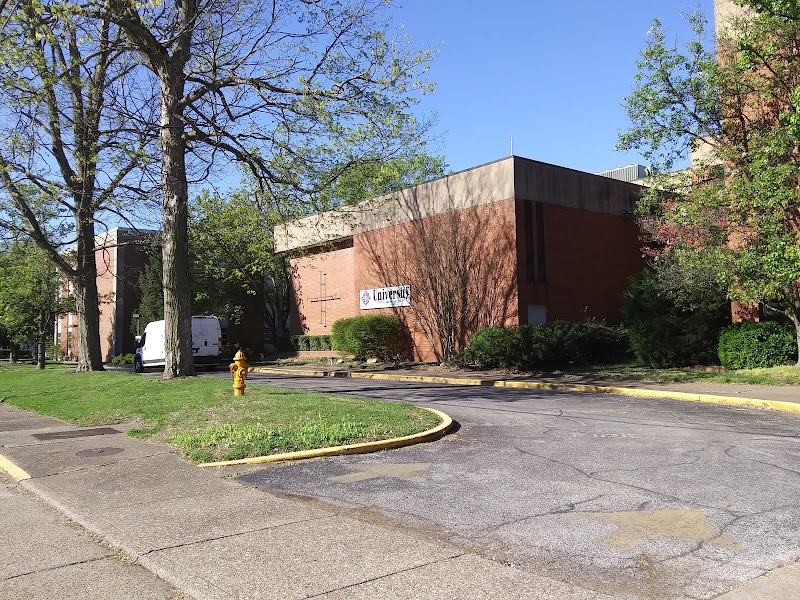
How is Aperion Care Lincoln Staffed?

CMS rates APERION CARE LINCOLN's staffing level at 3 out of 5 stars, which is average compared to other nursing homes. Staff turnover is 57%, which is 10 percentage points above the Indiana average of 46%. High turnover can affect care consistency as new staff learn residents' individual needs. RN turnover specifically is 62%, which is notably high. RNs provide skilled clinical oversight, so turnover in this role can affect medical care quality.

What Have Inspectors Found at Aperion Care Lincoln?

State health inspectors documented 42 deficiencies at APERION CARE LINCOLN during 2022 to 2025. These included: 3 that caused actual resident harm, 38 with potential for harm, and 1 minor or isolated issues. Deficiencies causing actual harm indicate documented cases where residents experienced negative health consequences.
Who Owns and Operates Aperion Care Lincoln?

APERION CARE LINCOLN is owned by a for-profit company. For-profit facilities operate as businesses with obligations to shareholders or private owners. The facility is operated by APERION CARE, a chain that manages multiple nursing homes. With 47 certified beds and approximately 42 residents (about 89% occupancy), it is a smaller facility located in EVANSVILLE, Indiana.
How Does Aperion Care Lincoln Compare to Other Indiana Nursing Homes?

Compared to the 100 nursing homes in Indiana, APERION CARE LINCOLN's overall rating (1 stars) is below the state average of 3.1, staff turnover (57%) is significantly higher than the state average of 46%, and health inspection rating (1 stars) is much below the national benchmark.

What Should Families Ask When Visiting Aperion Care Lincoln?

Based on this facility's data, families visiting should ask: "How do you ensure continuity of care given staff turnover, and what is your staff retention strategy?" "Can I visit during a mealtime to observe dining assistance and food quality?" "How do you handle medical emergencies, and what is your hospital transfer rate?" "Can I speak with family members of current residents about their experience?" These questions are particularly relevant given the facility's high staff turnover rate.

Is Aperion Care Lincoln Safe?

Based on CMS inspection data, APERION CARE LINCOLN has a clean safety record: no substantiated abuse findings (meaning no confirmed cases of resident harm), no Immediate Jeopardy citations (the most serious violation level indicating risk of serious injury or death), and is not on the Special Focus Facility watch list (a federal program monitoring the lowest-performing 1% of nursing homes). The facility has a 1-star overall rating and ranks #100 of 100 nursing homes in Indiana. While no facility is perfect, families should still ask about staff-to-resident ratios and recent inspection results during their visit.

Do Nurses at Aperion Care Lincoln Stick Around?

Staff turnover at APERION CARE LINCOLN is high. At 57%, the facility is 10 percentage points above the Indiana average of 46%. Registered Nurse turnover is particularly concerning at 62%. RNs handle complex medical decisions and coordinate care — frequent RN changes can directly impact care quality. High turnover means new staff may not know residents' individual needs, medications, or preferences. It can also be disorienting for residents, especially those with dementia who rely on familiar faces. Families should ask: What is causing the turnover? What retention programs are in place? How do you ensure care continuity during staff transitions?

Was Aperion Care Lincoln Ever Fined?

APERION CARE LINCOLN has been fined $10,224 across 1 penalty action. This is below the Indiana average of $33,181. While any fine indicates a compliance issue, fines under $50,000 are relatively common and typically reflect isolated problems that were subsequently corrected. Families should ask what specific issues led to these fines and confirm they've been resolved.

Is Aperion Care Lincoln on Any Federal Watch List?

APERION CARE LINCOLN is not on any federal watch list. The most significant is the Special Focus Facility (SFF) program, which identifies the bottom 1% of nursing homes nationally based on persistent, serious quality problems. Not being on this list means the facility has avoided the pattern of deficiencies that triggers enhanced federal oversight. This is a positive indicator, though families should still review the facility's inspection history directly.