COLUMBIA HEALTHCARE CENTER
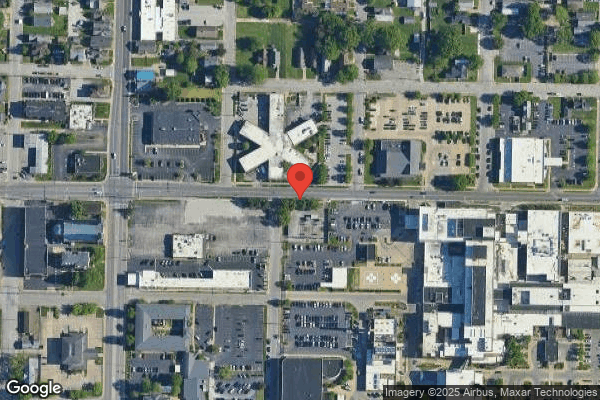
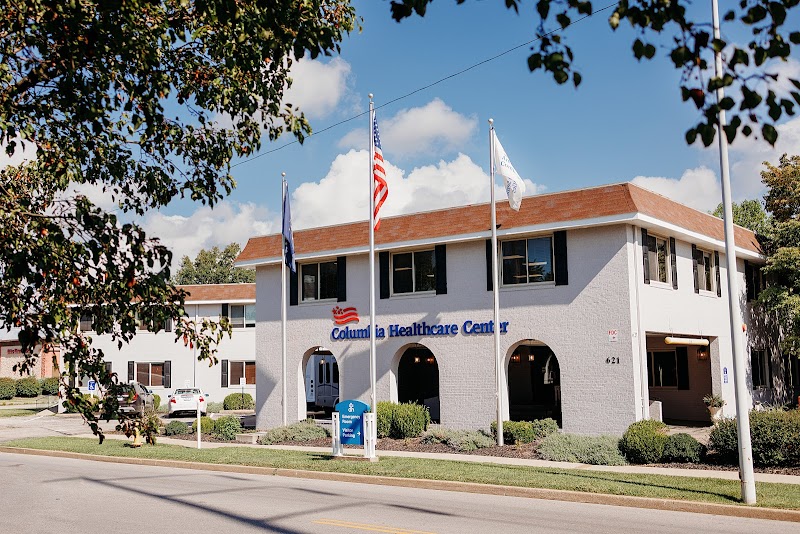
621 W COLUMBIA ST, EVANSVILLE, IN 47710 (812) 428-5678
For profit - Corporation 171 Beds AMERICAN SENIOR COMMUNITIES Data: November 2025
Trust Grade
45/100
#339 of 505 in IN
Last Inspection: November 2024

Within standard 12-15 month inspection cycle. Federal law requires annual inspections.

Overview

Columbia Healthcare Center in Evansville, Indiana, has a Trust Grade of D, indicating it is below average and may have some concerns. It ranks #339 out of 505 facilities in Indiana, placing it in the bottom half, but #6 out of 17 in Vanderburgh County, meaning there are only five local options that rank higher. The facility is improving, having reduced its issues from 13 in 2024 to 2 in 2025. Staffing is a weakness here, with a 1/5 star rating and a turnover rate of 54%, which is around the state average, suggesting that staff may not remain long enough to build strong relationships with residents. Notably, there have been serious incidents, including a failure to provide proper insulin management for a resident, leading to a life-threatening situation, and a lack of consistent personal hygiene assistance for several residents, with one indicating she sometimes went weeks without a shower. While there are no fines on record, the overall experience may be a concern for families considering this facility for their loved ones.

Trust Score
D
45/100
In Indiana
#339/505
Bottom 33%
Safety Record
Moderate
Needs review
Inspections
Getting Better
13 → 2 violations
Staff Stability
⚠ Watch
54% turnover. Above average. Higher turnover means staff may not know residents' routines.
Penalties
✓ Good
No fines on record. Clean compliance history, better than most Indiana facilities.
Skilled Nurses
⚠ Watch
Each resident gets only 23 minutes of Registered Nurse (RN) attention daily — below average for Indiana. Fewer RN minutes means fewer trained eyes watching for problems.
Violations
⚠ Watch
38 deficiencies on record. Higher than average. Multiple issues found across inspections.
★★☆☆☆
2.0
Overall Rating
★☆☆☆☆
1.0
Staff Levels
★★★★★
5.0
Care Quality
★☆☆☆☆
1.0
Inspection Score
Stable
2024: 13 issues
2025: 2 issues

The Good

  • 5-Star Quality Measures · Strong clinical quality outcomes
  • Full Sprinkler Coverage · Fire safety systems throughout facility
  • No fines on record

Facility shows strength in quality measures, fire safety.

The Bad

2-Star Overall Rating

Below Indiana average (3.1)

Below average - review inspection findings carefully

Staff Turnover: 54%

Near Indiana avg (46%)

Higher turnover may affect care consistency

Chain: AMERICAN SENIOR COMMUNITIES

Part of a multi-facility chain

Ask about local staffing decisions and management

The Ugly 38 deficiencies on record

1 actual harm
Sept 2025 1 deficiency
CONCERN (E) 📢 Someone Reported This

A family member, employee, or ombudsman was alarmed enough to file a formal complaint

Potential for Harm - no one hurt, but risky conditions existed

ADL Care (Tag F0677)

Could have caused harm · This affected multiple residents

**NOTE- TERMS IN BRACKETS HAVE BEEN EDITED TO PROTECT CONFIDENTIALITY** Based on observation, interview, and record review, the facility failed to ensure residents dependent on staff for ADLs (activit...

Read full inspector narrative →
**NOTE- TERMS IN BRACKETS HAVE BEEN EDITED TO PROTECT CONFIDENTIALITY** Based on observation, interview, and record review, the facility failed to ensure residents dependent on staff for ADLs (activities of daily living) were showered for 7 of 8 residents reviewed for ADL care. (Resident B, Resident C, Resident D, Resident E, Resident F, Resident H, and Resident J)Findings include: 1. On 9/3/25 at 8:53 A.M., Resident E indicated that she didn't always get showers twice a week. She indicated that sometimes she would go two to three weeks without a shower, and if she refused a shower, staff did not allow her to have it at a different time. On 9/3/25 at 1:17 P.M., Resident E's clinical record was reviewed. Diagnoses included, but were not limited to, rheumatoid arthritis and major depressive disorder. The most current Quarterly Minimum Data Set (MDS) Assessment, dated 7/29/25, indicated Resident E was cognitively intact, required partial to moderate assistance of staff (staff does less than half of the effort) for bathing, and did not reject care during the look-back period. A care plan conference was completed on 7/29/25 with the resident in attendance. Care plans were reviewed and updated. A current ADL care plan, dated 1/12/23, included the intervention Assist with bathing as needed per resident preference. Offer showers two times per week, partial bath in between. A Preferences for Customary Routine and Activities note, dated 7/24/25, indicated the resident preferred to be bathed more than twice per week in the morning and preferred showers. A current shower schedule indicated Resident E received showers on Tuesdays and Fridays during the day shift. The Point of Care (POC) (a charting system for Certified Nurse Aides) Task Response for Showering and shower sheets were reviewed. Resident E did not receive showers or a complete bed bath on the following days in August 2025: 8/8/25 8/12/25 8/22/25 2. On 9/2/25 at 12:11 P.M., Resident D's hair appeared unbrushed and greasy. On 9/4/25 at 8:54 A.M., Resident D's clinical record was reviewed. Diagnoses included, but were not limited to, Alzheimer's Disease. The most current Significant Change Minimum Data Set (MDS) Assessment, dated 7/1/25, indicated Resident D had severe cognitive impairment, required substantial to maximal assistance of staff (staff does more than half of the effort) for bathing, and had no rejection of care during the look-back period. A care plan conference was completed on 7/1/25 with the resident in attendance. Care plans were reviewed and updated. A current self-care deficit care plan, dated 3/14/14, included an intervention to Provide shower two times per week, partial bath in between. A Preferences for Customary Routine and Activities note, dated 7/1/25, indicated the resident preferred showers. A current shower schedule indicated Resident D received showers on Wednesdays and Saturdays during the day shift. The Point of Care (POC) (a charting system for Certified Nurse Aides) Task Response for Showering and shower sheets were reviewed. Resident D did not receive showers or a complete bed bath on the following days in August 2025: 8/27/25 8/30/25 3. On 9/2/25 at 2:51 P.M., Resident J indicated that she hadn't had a shower in a week. She indicated that sometimes staff wanted to give her a shower after 10:00 P.M., and she preferred her showers earlier so she didn't have to get out of bed. She indicated on those nights, staff told her that they had other things to do before they showered her. On 9/5/25 at 9:55 A.M., Resident J's clinical record was reviewed. Diagnoses included, but were not limited to, major depressive disorder and generalized anxiety disorder. The most current admission Minimum Data Set (MDS) Assessment, dated 6/26/25, indicated Resident J was cognitively intact, required partial to moderate assistance of staff (staff does less than half of the effort) for bathing, and did not reject care during the look back period. A care plan conference was completed on 6/24/25. Care plans were reviewed and updated. A current ADL care plan, dated 6/23/25, included an intervention to Assist with bathing as needed per resident preference. Offer showers two times per week, partial bath in between. A Preferences for Customary Routine and Activities note, dated 6/26/25, indicated the resident preferred to be bathed more than twice per week in the morning and preferred showers. A current shower schedule indicated Resident J received showers on Tuesdays and Fridays during the day shift. The Point of Care (POC) (a charting system for Certified Nurse Aides) Task Response for Showering and shower sheets were reviewed. Resident J did not receive showers or a complete bed bath on the following days in August 2025: 8/5/25 8/8/25 8/12/25 8/15/25 8/22/25 8/29/25 4. On 9/2/25 at 12:20 P.M., Resident C's hair appeared unbrushed and oily. On 9/4/25 at 9:25 A.M., Resident C's clinical record was reviewed. Diagnoses included, but were not limited to, Alzheimer's Disease. The most current admission Minimum Data Set (MDS) Assessment, dated 6/21/25, indicated Resident C had severe cognitive impairment, required partial to moderate assistance of staff (staff does less than half of the effort) for bathing, and had no rejection of care during the look back period. A care plan conference was completed on 8/26/25 with a family member in attendance. Care plans were reviewed and updated. A current ADL care plan, dated 6/16/25, included an intervention to Assist with bathing as needed per resident preference. Offer showers two times per week, partial bath in between. A Preferences for Customary Routine and Activities note, dated 9/3/25, indicated the resident preferred showers. A current shower schedule indicated Resident C received showers on Wednesdays and Saturdays during the day shift. The Point of Care (POC) (a charting system for Certified Nurse Aides) Task Response for Showering and shower sheets were reviewed. Resident C did not receive showers or a complete bed bath on the following days in August 2025: 8/2/25 8/6/25 8/9/25 8/27/25 8/30/25 5. On 9/2/25 at 12:16 P.M., Resident H was observed screaming in the middle of the dining room that she had not had a shower for 2 weeks and wanted one at that time. Resident H was also observed with greasy hair. On 9/4/25 at 10:48 A.M., Resident H's clinical record was reviewed. Diagnoses included, but were not limited to, dementia and diabetes mellitus. The Current Quarterly MDS dated [DATE] indicated the resident was cognitively intact and needed supervision with hygiene, dressing, transferring, and mobility. A care plan conference was conducted on 5/20/25, and the care plan was reviewed and updated. A current ADL care plan dated 5/20/25 included an intervention, assist with bathing as needed per resident preference. Offer showers two times per week, a partial bath in between. A current Shower Sheet indicated the resident received showers on Tuesday and Thursday during the day shift. Shower sheets indicated Resident H did not receive showers on the following dates: 8/14, 8/18, 8/25. The Point of Care Task indicated the resident did not receive a shower or partial bath on 08/22/2025. 6. On 9/3/25 at 12:31 P.M., Resident B's clinical record was reviewed. Diagnoses included, but were not limited to, anxiety disorder. The most recent Quarterly Minimum Data Set (MDS) Assessment, dated 8/15/25, indicated Resident B was maximal assist (staff do more than half of the work) for bathing. A current shower schedule indicated Resident B received showers on Monday and Thursday during the day shift. The Point of Care Task Response for Showering and shower sheets were reviewed. Resident B did not receive or refuse showers or a complete bed bath on the following scheduled days in August 2025: 8/4/25 8/7/25 8/14/25 8/28/25 7. On 9/4/25 at 12:02 P.M., Resident F's clinical record was reviewed. Resident F's diagnoses included, but were not limited to, quadriplegia. The most recent Significant Change Minimum Data Set (MDS) Assessment, dated 8/6/25, indicated Resident F was dependent on staff (staff do all of the work) for bathing. The current care plan included, but was not limited to: Resident requires assistance with ADLs (activities of daily living); Assist with bathing as needed per resident preference. Offer full bed bath two times per week, partial bath in between. Start date: 9/23/24 A current shower schedule indicated Resident F received showers on Tuesday and Friday during the evening shift. The Point of Care Task Response for Showering and shower sheets were reviewed. Resident F did not receive or refuse showers or a complete bed bath on the following scheduled days in August 2025: 8/1/25 8/5/25 8/12/25 8/22/25 On 9/4/25 at 9:36 A.M., the Director of Nursing (DON) indicated that shower sheets were a part of the clinical record. Staff were supposed to transfer all information on the shower sheets over to the POC Response, but sometimes they forgot. On 9/4/25 at 2:42 P.M., the Assistant Director of Nursing (ADON) indicated that residents got at least two showers per week or more if that was what they preferred. If a resident refused a shower, staff should reattempt or offer to give the shower on a day and time that the resident preferred. On 9/8/25 at 11:00 A.M., the Administrator provided a current undated Resident Rights policy that indicated You have the right to be treated with dignity and respect, as well as make your own schedule and participate in the activities you choose. This citation is connected to Intake 2592689. 3.1-38(a)(2)(A)3.1-38(b)(2)
Feb 2025 1 deficiency
CONCERN (E) 📢 Someone Reported This

A family member, employee, or ombudsman was alarmed enough to file a formal complaint

Potential for Harm - no one hurt, but risky conditions existed

Safe Environment (Tag F0921)

Could have caused harm · This affected multiple residents

**NOTE- TERMS IN BRACKETS HAVE BEEN EDITED TO PROTECT CONFIDENTIALITY** Based on observation, interview, and record review, the facility failed to ensure a safe, sanitary environment during 2 of 2 day...

Read full inspector narrative →
**NOTE- TERMS IN BRACKETS HAVE BEEN EDITED TO PROTECT CONFIDENTIALITY** Based on observation, interview, and record review, the facility failed to ensure a safe, sanitary environment during 2 of 2 days of the survey. Resident room halls had a build up of dust/dirt on 2 of 3 units observed, linen closets were not clean, 2 of 2 shower rooms were unclean or not maintained, urinals were not stored properly in a shared restroom, and urine odors were present throughout the survey. (First floor unit, Second floor unit, Hall 1100, 1200, 1400, 1500, 2100, 2200, 2400, 2500, room [ROOM NUMBER], 1208, 12010, room [ROOM NUMBER], 2100 Shower room, 2500 shower room, Resident D) Findings include: 1. A review of a facility concern/grievance form, dated 11/4/24, indicated a resident in room [ROOM NUMBER] had a concern, [Third] time no housekeeping on weekends . Hall [1200] was skipped this first week of [November] . A facility concern/grievance form, dated 12/25/24, indicated a resident in room [ROOM NUMBER] had a concern, .housekeepers don't do a good job in my room or my bathroom . 2. On 2/12/25 at 1:45 P.M., the 1200 Hall was observed to have a build up of dust and dirt along the bottom of the cove base, around the base of room doors and fire doors, throughout the hall. On 2/13/25 at 9:15 A.M., the 1200 Hall was observed to have a build up of dust and dirt along the bottom of the cove base, around the base of room doors and fire doors, throughout the hall. On 2/13/25 at 9:20 A.M , the 1400 Hall was observed to have a build up of dust and dirt along the bottom of the cove base, around the base of room doors and fire doors, throughout the hall. On 2/13/25 at 9:25 A.M., the 1500 Hall was observed to have a build up of dust and dirt along the bottom of the cove base, around the base of room doors and fire doors, throughout the hall. On 2/13/25 at 9:30 A.M., the 2400 Hall was observed to have a build up of dust and dirt along the bottom of the cove base, around the base of room doors and fire doors, throughout the hall. On 2/13/25 at 9:55 A.M., the fire doors leading the second floor dining room was observed to have dust and dirt build up along the base of the door frame. 3. During an interview and observation on 12/13/25 at 11:55 A.M., Housekeeper 4 indicated all floors in the facility, including restroom, resident rooms, room halls, and dining rooms were swept and mopped daily. Housekeeper 4 unlocked and opened a clean linen closet door on the 1100 hall. The linen closet floor had a build up of dust and dirt. A safety razor was observed on the linen closet floor. Housekeeper 4 removed the safety razor and indicated that linen closets were cleaned monthly. 4. During an interview and observation on 2/12/25 at 1:50 P.M., Resident D indicated she shared a restroom with a female resident in the room next to hers. Resident D indicated two urinals were being stored in their bathroom. At 1:55 P.M., two uncovered urinals were observed on the bathroom floor near the base of the commode. On 2/13/25 at 9:20 A.M., two urinals were observed on Resident D's shared bathroom floor near the base of the commode, uncovered. rooms [ROOM NUMBERS] shared a bathroom. During an interview on 2/13/24 at 12:00 P.M., CNA 9 indicated resident urinals should be stored covered and should not be stored on a bathroom floor. 5. On 12/13/25 at 1:45 P.M. the 2500 hall shower room was observed. The second stall from the shower room door had a black and brown discoloration to the shower floor tile grout along base of the shower walls and in the shower corners. A tile was cracked at the base of a shower wall, a build up of dust and dirt was observed in the back corner of the shower room along with debris and a build-up of dust behind the shower room commode. On 12/13/25 at 1:55 P.M., the 2100 hall shower room was observed. A tiled, walk-in shower furthest from the shower room door had a window with window blinds obstructing the outside view. Two window blind pull/draw strings were broken and hanging down the tile wall onto the shower floor. A tile along the window seal was cracked. 6. On 2/13/25 at 9:15 A.M., a strong urine odor was present on the 1100. The odor was present throughout the hall. On 2/13/25 at 10:00 A.M., a strong urine odor was present on the 1100. The odor was present throughout the hall. 6. On 2/12/25 at 4:15 A.M. upon entry to the facility, a strong urine odor was present on the first and second floors of the facility. On 2/13/25 at 8:15 A.M., the facility was observed to have a urine odor in the lobby by the front entrance, and on the first floor unit. 7. On 2/12/25 at 4:45 A.M., the 2200 Hall was observed to have a build up of dust and dirt along the bottom of the cove base, around the base of room doors and fire doors, throughout the hall. On 2/13/25 at 9:30 A.M., the 2100 Hall was observed to have a build up of dust and dirt along the bottom of the cove base, around the base of room doors and fire doors, throughout the hall. A chair used to weigh residents was observed to have debris built up around the base of the chair. On 2/13/25 at 9:35 A.M., a clean linen closet on the 2500 Hall was observed to have debris built up on the floor, trash, and gloves laying on the floor. A strong urine smell was observed throughout the hall. On 2/13/25 at 9:45 A.M., a clean linen closet on the 2100 Hall was observed to have trash on the floor, dust and dirt built up. On 2/13/25 at 2:40 P.M., the Facility Administrator supplied a facility policy, titled, Housekeeping, Laundry and Floor Care Policies, Procedures and Guidelines dated 12/2021. The policy included a daily cleaning procedure that indicated, .7. Sweep flooring to include under beds, corners, edging and under chairs/equipment . 8. Mop flooring to include under beds, corners, edging and under chairs/equipment . A cleaning guideline included, Daily extra duties for resident rooms and all common areas: .Tuesday: Wipe down walls where apparent dirt, food debris, etc. is apparent, clean lower doors . Thursday: Wipe down cove base, edging and corners where accessible . 3.1-19(f) 3.1-19(f)(5) 3.1-19(g)
Dec 2024 2 deficiencies
CONCERN (D) 📢 Someone Reported This

A family member, employee, or ombudsman was alarmed enough to file a formal complaint

Potential for Harm - no one hurt, but risky conditions existed

Respiratory Care (Tag F0695)

Could have caused harm · This affected 1 resident

**NOTE- TERMS IN BRACKETS HAVE BEEN EDITED TO PROTECT CONFIDENTIALITY** Based on interview and record review, the facility failed to follow the nebulizer policy for 1 of 1 resident reviewed for hospit...

Read full inspector narrative →
**NOTE- TERMS IN BRACKETS HAVE BEEN EDITED TO PROTECT CONFIDENTIALITY** Based on interview and record review, the facility failed to follow the nebulizer policy for 1 of 1 resident reviewed for hospital discharge. (Resident D) The resident was not assessed prior to the nebulizer treatment, facility staff did not stay at bedside during the nebulizer treatment; Resident D was later found by a staff member with no respirations or pulse. Finding includes: On [DATE] at 10:54 A.M., Resident D's clinical record was reviewed. Resident D was admitted on [DATE]. A Minimum Data Set (MDS) Assessment had not been completed. Current physician orders included, but were not limited to: Continuous oxygen at 2 liters per nasal cannula, Start date [DATE] Albuterol sulfate solution (bronchodilator medication) for nebulization; 0.63 mg (milligrams) /3 mL (milliliters) inhalation every 4 Hours, Start date [DATE] Observe pulse, respirations and breath sounds before each nebulizer treatment, four times a day, Start date [DATE] Observe pulse, respirations and breath sounds after each nebulizer treatment, four times a day, Start date [DATE] Code status full code, Start date [DATE] A nursing progress note, dated [DATE] at 10:25 A.M., indicated a Qualified Medication Aide (QMA) yelled for help when Resident D was found not breathing and without a pulse during a breathing treatment. Cardiopulmonary resuscitation (CPR) was started and emergency medical technicians (EMT's) were notified. Resident D was transported to the hospital. The electronic medication administration record (eMAR) on [DATE] lacked documentation for the following: 10:00 A.M. albuterol nebulizer treatment Pulse, respirations, breath sounds, oxygen saturation before nebulizer treatment administration An SBAR physician communication event, dated [DATE] at 10:52 A.M., indicated Resident D was not using oxygen. During an interview on [DATE] at 8:31 A.M., Registered Nurse (RN) 5 indicated that on [DATE] Resident D started a breathing treatment and did not look well. RN 5 left the room while the breathing treatment was running to call the nurse practitioner. RN 5 indicated a QMA yelled for assistance when Resident D was found unresponsive. The Director of Nursing (DON) initiated CPR. During an interview on [DATE] at 9:39 A.M., the DON indicated assessments should be completed and charted by a nurse before, during, and after each breathing treatment, and indicated RN 5 was the only nurse scheduled to cover the nursing duties on all five halls of the first floor from 6:00 A.M. to 2:00 P.M. on [DATE]. On [DATE] at 3:09 P.M., the Administrator indicated the facility did not have a nebulizer treatment policy and indicated all nurses had a nebulizer treatment skills check off during orientation. At that time, she provided a document titled Nebulizer Treatment that indicated 6. Perform pre-assessment including pulse, respiration, and breath sounds . 11. Stay with resident during entire procedure . 13. During procedure perform assessment including pulse, respiration, and breath sounds . 16. Perform post-assessment including pulse, respiration, and breath sounds. 19 . Document pertinent information on medication administration record (MAR) and nebulizer treatment flow sheet. This citation relates to complaint IN00449174. 3.1-47(a)(6) .
CONCERN (E) 📢 Someone Reported This

A family member, employee, or ombudsman was alarmed enough to file a formal complaint

Potential for Harm - no one hurt, but risky conditions existed

Medical Records (Tag F0842)

Could have caused harm · This affected multiple residents

Based on interview and record review, the facility failed to ensure documentation was complete and accurate for 4 of 8 resident records reviewed. Insulin administration and nebulizer treatments were n...

Read full inspector narrative →
Based on interview and record review, the facility failed to ensure documentation was complete and accurate for 4 of 8 resident records reviewed. Insulin administration and nebulizer treatments were not marked as complete on the Medication Administration Record. (Resident C, Resident O, Resident M, Resident U) Findings include: 1. On 12/30/24 at 10:32 A.M., Resident C's clinical record was reviewed. Diagnoses included, but were not limited to, diabetes mellitus. The most current Quarterly Minimum Data Set (MDS) Assessment, dated 12/6/24, indicated Resident C had moderate cognitive impairment, required substantial to maximal assistance from staff (staff did more than half) for bathing, and received insulin seven out of seven days during the lookback period. A current risk for hyperglycemia care plan, initiated 5/19/22 and last revised on 12/10/24, included an intervention to give medications as ordered. Physician orders included, but were not limited to: Fiasp FlexTouch U-100 Insulin (insulin aspart) (a short-acting insulin) - 100 unit/mL (units per milliliter) - Administer subcutaneously per sliding scale: If Blood Sugar is less than 60, call Medical Doctor (MD). If Blood Sugar is 0 to 199, give 0 Units. If Blood Sugar is 200 to 249, give 2 Units. If Blood Sugar is 250 to 299, give 3 Units. If Blood Sugar is 300 to 349, give 4 Units. If Blood Sugar is 350 to 399, give 5 Units. If Blood Sugar is 400 to 499, give 6 Units. If Blood Sugar is greater than 500, call MD, dated 11/19/24. insulin glargine solution (a long-acting insulin) 100 unit/mL - Administer 10 units subcutaneously twice a day, dated 11/29/24 with a stop date of 12/23/24. The December 2024 Medication Administration Record (MAR) lacked documentation to indicate Resident C received the 11:00 P.M. dose of insulin aspart on 12/8/24 and 12/10/24 and the 8:00 P.M. dose of insulin glargine on 12/16/24. On 12/31/24 at 9:38 A.M., the Director of Nursing (DON) indicated that she was unsure if Resident C got their insulin as ordered on 12/8/24, 12/10/24, and 12/16/24 since it was not documented as given. 2. On 12/30/24 at 11:24 A.M., Resident U's clinical record was reviewed. Diagnoses included, but were not limited to, type 2 diabetes mellitus. The most recent Quarterly Minimum Data Set (MDS) Assessment, dated 10/16/24, indicated Resident U was cognitively intact, required partial assistance from staff for transfers, and received insulin seven of seven days during the lookback period. Current physician orders included, but were not limited to: Basaglar KwikPen (a hypoglycemic injection); Amount to administer: 60 units subcutaneous, Give half dose of insulin if blood sugar is below 120, at bedtime every day. Start date 10/18/24. The electronic medication administration record (eMAR) lacked documentation for the following: 12/16/24 8:00 P.M. blood sugar results 12/16/24 8:00 P.M. Basaglar insulin administration 3. On 12/30/24 at 12:20 P.M., Resident M's clinical record was reviewed. Diagnoses included, but were not limited to, type 2 diabetes mellitus. The most recent Quarterly Minimum Data Set (MDS) Assessment, dated 9/29/24, indicated Resident M's cognition was too low to be assessed, resident was substantial assistance (staff did more than half of the work) for toileting, bathing, and transfers, and received insulin seven of seven days during the lookback period. Current physician orders included, but were not limited to: insulin lispro pen; Amount to Administer: 9 units subcutaneous, three times a day, Start date 7/15/24. insulin lispro pen; Amount to Administer: If Blood Sugar is less than 60, call MD. If Blood Sugar is 0 to 149, give 0 Units. If Blood Sugar is 150 to 169, give 1 Units. If Blood Sugar is 170 to 189, give 2 Units. If Blood Sugar is 190 to 209, give 3 Units. If Blood Sugar is 210 to 229, give 4 Units. If Blood Sugar is 230 to 249, give 6 Units. If Blood Sugar is 250 to 269, give 8 Units. If Blood Sugar is 270 to 299, give 10 Units. If Blood Sugar is greater than 299, give 12 Units. If Blood Sugar is greater than 300, call MD. Subcutaneous three times a day, Start date 12/4/24. The electronic medication administration record (eMAR) lacked documentation for the following: 12/28/24 12:00 P.M. insulin lispro 9 units administration 12/28/24 12:00 P.M. blood sugar results 12/28/24 12:00 P.M. insulin lispro sliding scale administration 12/29/24 12:00 P.M. insulin lispro 9 units administration 12/29/24 12:00 P.M. blood sugar results 12/29/24 12:00 P.M. insulin lispro sliding scale administration 4. On 12/30/24 at 2:10 P.M., Resident O's clinical record was reviewed. Diagnoses included, but were not limited to, chronic obstructive pulmonary disease. The most recent Quarterly Minimum Data Set (MDS) Assessment, dated 12/20/24, indicated Resident M's cognition was too low to be assessed, resident was dependent assistance (staff did all the work) for toileting, bathing, and mobility, and received oxygen therapy. Current physician orders included, but were not limited to: ipratropium bromide solution 0.02% inhalation (bronchodilator nebulizer medication) four times a day, Start date 11/25/24 Observe pulse, respirations and breath sounds before each nebulizer treatment, Start date 10/31/24 Observe pulse, respirations and breath sounds after each nebulizer treatment, Start date 10/31/24 The electronic medication administration record (eMAR) lacked documentation for the following: 12/1/24 8:00 A.M. ipratrompium bromide administration 12/1/24 8:00 A.M. pre and post nebulizer assessment including pulse, respiration, and breath sounds 12/2/24 8:00 A.M. ipratrompium bromide administration 12/2/24 8:00 A.M. pre and post nebulizer assessment including pulse, respiration, and breath sounds 12/3/24 8:00 A.M. ipratrompium bromide administration 12/3/24 8:00 A.M. pre and post nebulizer assessment including pulse, respiration, and breath sounds 12/6/24 12:00 P.M. ipratrompium bromide administration 12/23/24 8:00 A.M. ipratrompium bromide administration 12/23/24 8:00 A.M. pre and post nebulizer assessment including pulse, respiration, and breath sounds 12/25/24 4:00 P.M. ipratrompium bromide administration 12/25/24 4:00 P.M. pre and post nebulizer assessment including pulse, respiration, and breath sounds On 12/30/24 at 3:09 P.M., the Administrator indicated the facility did not have a nebulizer treatment documentation policy, and indicated all nurses had a nebulizer treatment skills check off during orientation. At that time, she provided a document titled Nebulizer Treatment that indicated 6. Perform pre-assessment including pulse, respiration, and breath sounds . 11. Stay with resident during entire procedure . 13. During procedure perform assessment including pulse, respiration, and breath sounds . 16. Perform post-assessment including pulse, respiration, and breath sounds . 19. Document pertinent information on medication administration record (MAR) and nebulizer treatment flow sheet. During an anonymous interview, it was indicated that the facility was often not fully staffed during the evening shift making it difficult to complete all tasks. They indicated documentation was a task that was left unfinished. On 12/31/24 at 9:53 A.M., the DON provided a current Medication Administration policy, revised 7/2023, that indicated Mediation administration will be recorded on the MAR/EMAR or TAR (Treatment Administration Record) after given. This citation relates to complaint IN00449174. 3.1-50(a)(1) 3.1-50(a)(2)
Nov 2024 9 deficiencies 1 Harm
SERIOUS (G)

Actual Harm - a resident was hurt due to facility failures

Quality of Care (Tag F0684)

A resident was harmed · This affected 1 resident

Based on interview and record review, the facility failed to ensure effective services to treat elevated blood glucose levels were provided in accordance with the physician and Nurse Practitioner (NP)...

Read full inspector narrative →
Based on interview and record review, the facility failed to ensure effective services to treat elevated blood glucose levels were provided in accordance with the physician and Nurse Practitioner (NP) orders for 1 of 2 residents reviewed for insulin administration. (Resident 59) This deficient practice resulted in the resident requiring emergent transport to an acute care hospital intensive care unit for the treatment of diabetic ketoacidosis (DKA) (a life-threatening complication of diabetes that occurs when the body doesn't have enough insulin to use blood sugar for energy.) Finding includes: On 10/29/24 at 12:59 P.M., Resident 59's clinical record was reviewed. Diagnoses included, but were not limited to, diabetes mellitus. The most recent comprehensive Significant Change Minimum Data Set (MDS) Assessment, dated 3/21/24, indicated Resident 59 was not assessed for cognitive impairment because the resident was rarely or never understood and the resident received insulin 6 days during the 7-day lookback period. The most recent Quarterly Minimum Data Set (MDS) Assessment, dated 9/29/24, indicated Resident 59 was not assessed for cognitive impairment because the resident was rarely or never understood and the resident received insulin 7 days during the 7-day lookback period. A risk for adverse effects of hyperglycemia or hypoglycemia related to use of glucose lowering medication and/or diagnosis of diabetes mellitus care plan, dated 4/7/20 and reviewed 9/25/24, included an intervention to document abnormal findings and notify the physician. The July 2024 Physician's order recapitulation included, but was not limited to, orders for staff to administer 20 units of insulin glargine (a long-acting insulin) once daily at bedtime, measure the resident's blood glucose once daily, and notify the physician if Accu-check result is below 60 milligram per deciliter (mg/dL) or greater than 400 mg/dL. A vital sign report, dated 7/2/24 at 10:14 A.M., indicated Resident 59's blood glucose level was 490 mg/dL. The July 2024 Medication Administration Record (MAR) indicated the physician was notified of the elevated blood glucose level on 7/2/24. The Progress notes, medication administration notes, and event forms, dated 7/2/24, lacked documentation to determine the physician responded to or the facility staff made attempts to follow-up with the physician to address the elevated blood glucose level. The progress notes, assessments, monitoring/evaluation tools, physician orders, and medication administration notes lacked documentation to indicate a physician response was received or the facility staff followed up with the physician between 7/2/24 at 10:14 P.M. and 7/6/24 at 1:55 P.M. A vital sign report, dated 7/6/24 at 10:06 A.M., indicated the blood glucometer read HI (blood glucose level greater than 600 mg/dL). The July 2024 MAR indicated the physician was not notified of Resident 59's elevated blood glucose level on 7/6/24. The progress notes, assessments, monitoring/evaluation tools, physician orders, and medication administration notes lacked documentation to indicate the physician was contacted between 7/6/24 at 10:06 A.M. and 7/6/24 at 1:55 P.M. A Physician Communication note, dated 7/6/24 at 1:55 P.M., indicated the physician was notified the resident was not acting like herself. The resident did not want to eat, refused to drink her fluids, was not walking according to her baseline, and was urinating a large amount. The note indicated the resident had an increased heart rate of 119 beats per minute (bpm) and respirations of 24 respirations per minute (rpm). A Physician/NP order, dated, 7/6/24 at 2:09 P.M., indicated orders were received for staff to immediately (STAT) obtain blood draws for a complete blood count (CBC) (a laboratory test to measure the number and type of cells in blood and a comprehensive metabolic panel (CMP) (a laboratory test that measures 14 substances in your blood to provide information about your metabolism and chemical balance). A Nursing progress note, dated 7/6/24 at 11:01 P.M., indicated the lab called the facility at 6:00 P.M. to report Resident 59 had a critical blood glucose level of 526 mg/dL. The NP was texted and called by Licensed Practical Nurse (LPN) 6 about critical lab value. A response was not received. A message screenshot, dated 7/6/24 at 6:50 P.M., indicated staff texted the critical blood glucose level to the NP and requested orders, but did not receive a response. A laboratory report, dated 7/6/24 at 4:53 P.M., indicated Resident 59 had a blood glucose level of 526 mg/dL. An untimed handwritten note on the report, signed by the Director of Nursing (DON) indicated the NP was notified on 7/7/24. The report did not include sufficient documentation to determine the facility notified the physician or the NP, between 7/6/24 at 4:54 P.M. and 7/7/24 at 8:53 A.M., of the elevated blood glucose level. A Nursing progress note, dated 7/7/24 at 8:54 A.M., indicated the nurse attempted to contact the NP again for the critical blood glucose level. The July 2024 Physician's recapitulation dated 7/7/24 at 9:39 A.M., indicated the following order was received: Humalog (insulin lispro) KwikPen - insulin lispro (a short-acting insulin) - Give per Sliding Scale subcutaneous, three times a day, If Blood Sugar is less than 60 mg/dL, call physician. If Blood Sugar is 0 to 199, give 0 Units. If Blood Sugar is 200 to 249, give 1 Units. If Blood Sugar is 250 to 299, give 2 Units. If Blood Sugar is 300 to 349, give 3 Units. If Blood Sugar is 350 to 399, give 4 Units. If Blood Sugar is 400 to 499, give 5 Units. If Blood Sugar is greater than 500, call physician. A vital sign report, dated 7/7/24 at 12:24 P.M., indicated Resident 59's blood glucose level was 548 mg/dL. The July 2024 Medication Administration Record (MAR) indicated no insulin lispro was administered to Resident 59, on 07/07/24, to treat the blood glucose level of 548 mg/dL. A vital sign report, dated 7/7/24 at 4:25 P.M., indicated Resident 59's blood glucose level was 582 mg/dL. The progress notes, medication administration notes, monitoring/evaluation tools, and physician orders, dated 7/7/24, did not include documentation to indicate the physician was notified of the elevated blood glucose levels or new orders were received to treat the blood glucose levels of 548 mg/dL or 582 mg/dL. The July 2024 MAR indicated Resident 59's 8:00 A.M. dose of insulin lispro on 7/8/24 was given by Registered Nurse (RN) 15, but did not indicate the blood glucose was measured prior to administration, how much insulin was given, or the body site where the insulin was given. Progress notes and the vital sign report, dated between 7/7/24 at 4:25 P.M. and 7/8/24 at 11:25 A.M., lacked documentation to indicate a blood glucose level was obtained. A nursing progress note, dated 7/9/24 at 9:04 A.M., indicated Resident 59 became unresponsive during a meal, staff performed a sternal rub, and a blood glucose check was conducted. The Accu-check measured the blood glucose as, HI, the heart rate was 123 bpm the respirations were 22 rpm, and the resident was panting. The progress note indicated the resident had no recent fluid intake. The note indicated the NP was notified and orders were received to send the resident to the emergency room (ER) for evaluation and treatment. A hospital admission assessment, dated 7/9/2024 at 9:54 A.M., identified the resident had a urinary tract infection (UTI). The assessment included, but was not limited to, the following laboratory results: The blood glucose measured 742 mg/dL with a reference range of 70 - 99 mg/dL. The white blood cell count measured 21.2 thousands per microliter (THOUS/uL) with a reference range of 4.0 - 10.3 THOUS/uL. The urinalysis measured positive for greater than 1000 mg/dL glucose with a reference range of negative. The assessment indicated Resident 59 was admitted to the Intensive Care Unit (ICU) for treatment of diabetic ketoacidosis (DKA). Hospital discharge papers, dated 7/15/24 at 10:14 A.M., indicated Resident 59 was discharged back to the facility after being admitted to the hospital for acute metabolic encephalopathy (ME) (a condition that occurs when the body lacks oxygen, glucose, or vitamins), DKA, and UTI. During an interview with the DON on 10/30/24 at 11:59 A.M., she indicated all notifications to the physician was documented as a progress note. During an interview with the Director of Nursing (DON) on 10/30/24 at 1:44 P.M., she indicated the nurse called the NP for the blood sugars over 500 mg/dL on 7/7/24. The NP said to give five units over the maximum units on the sliding scale. The documentation system would not let her input that she gave 10 units, so she put she gave zero units. She did not document the notification to the NP, the new order, or the insulin administration amount in a progress note or as a medication administration note, but she should have. At that time, the DON was unable to provide documentation to indicate the nurse gave 10 units of insulin. During an interview with the DON on 10/30/24 at 1:59 P.M., she indicated Licensed Practical Nurse (LPN) 6 did not remember if she gave the 8 A.M. dose of insulin lispro or not. The DON was unsure what Resident 59's blood glucose was at 8:00 A.M. on 7/8/24 at 8:00 A.M., or how many units of insulin lispro were given if any. During an interview, on 11/1/24 at 8:15 A.M., the Administrator indicated text messages were not part of the clinical record. During an interview with the Administrator on 11/1/24 at 8:51 A.M., she indicated staff texted the NP and didn't need to document all communication in the progress notes. During an interview with the Nurse Practitioner (NP) on 11/1/24 at 9:00 A.M., the NP indicated staff texted her and if there was no response after 15 to 30 minutes, they would call her. If she still didn't respond, they were to call the on-call physician. She did not have a record of being contacted on 7/2/24 in relation to Resident 59's elevated blood glucose level. She indicated she would have advised staff to recheck the blood sugar in an hour and call back if it was still high. The NP indicated she was unable to find a recheck of blood glucose levels for Resident 59 on 7/2/24. The NP indicated the sliding scale insulin order was for one week on a trial basis and then the resident would be re-evaluated. At that time, the NP was unable to provide documentation that the insulin order was on a trial basis and when the resident was to be re-evaluated. The NP indicated she did not have documentation of being contacted on 7/7/24 in relation to Resident 59's elevated blood glucose level. She indicated she would have ordered four units of insulin above the highest number on the sliding scale to be given, making the total insulin nine units for that administration time. She indicated four units of insulin above the highest number on the sliding scale for a blood glucose level over 400 mg/dL should have been a standing order from that point on. The NP indicated that she was not contacted by a nurse on 7/8/24 about Resident 59's blood glucose level, insulin, or a missed dose. The NP was unsure what Resident 59's blood glucose was at 8:00 A.M. on 7/8/24 or how many units of insulin lispro were given. On 11/1/24 at 11:33 A.M., the Administrator provided a current Blood Glucose Monitoring policy, dated 2/2015, that indicated, .The physician will be notified when the resident's blood glucose is outside the physician stated parameters or if the resident is experiencing signs or symptoms of high or low blood sugars . On 11/1/24 at 2:06 P.M., the Administrator provided a current Resident Change of Condition policy, dated 12/2017, that indicated, .It is the policy of this Community that changes in resident condition will be communicated to the physician and family/responsible party, and that appropriate, timely, and effective intervention occurs . All nursing actions, physician contacts, and resident assessment information will be documented in the Progress Notes . Any sudden or serious change in a resident's condition manifested by a marked change in physical or mental behavior will be communicated to the physician with a request for physician visit promptly and/or acute care evaluation . If unable to contact attending physician timely, the resident will be transferred for emergency services . Documentation will include time and family/physician response . On 11/1/24 at 2:06 P.M., the Administrator provided a current General Dose Preparation and Medication Administration policy, dated 4/30/24, that indicated .Document necessary medication administration/treatment information (e.g. when medications are opened, when medications are given, injection site of a medication, if medications are refused, PRN medications, application site) on appropriate forms . On 11/1/24 at 2:06 P.M., the Administrator provided a current Authorization and Communication of Orders policy, dated 6/1/24, that indicated .Facility should ensure that the authorized person receiving a verbal order immediately records it in the resident's chart or electronic order system, including the date and time of the order, the name of physician/prescriber, the signature of the person recording the order and other information as permitted by and in accordance with applicable law . The article, About Diabetic Ketoacidosis, dated 5/15/24, was retrieved on 11/5/24 from the Center for Disease Control and Prevention (CDC) website at https://www.cdc.gov/diabetes/about/diabetic-ketoacidosis.html#:~:text=also%20develop%20DKA.-,DKA%20develops%20when%20your%20body%20doesn't%20have%20enough%20insulin,dangerous%20levels%20in%20your%20body. The guidance included: .DKA is a serious complication of diabetes that can be life-threatening. DKA is most common among people with type 1 diabetes. People with type 2 diabetes can also develop DKA. DKA develops when your body doesn't have enough insulin to allow blood sugar into your cells for use as energy. Instead, your liver breaks down fat for fuel, a process that produces acids called ketones. When too many ketones are produced too fast, they can build up to dangerous levels in your body . The article, Metabolic Encephalopathy, dated 7/10/24, was retrieved on 11/5/24 from the Cleveland Clinic website at https://my.clevelandclinic.org/health/diseases/metabolic-encephalopathy. The guidance included: .Metabolic encephalopathy is a brain dysfunction caused by an underlying condition. Many possible conditions can cause metabolic encephalopathy, but these mainly target your metabolism. Your metabolism is the chemical process that converts the things you eat and drink into energy. Brain dysfunction can affect your mood, thinking and memory or cause a loss of consciousness (coma). All metabolic encephalopathies require medical attention. If left untreated, they can be life-threatening or cause permanent brain damage . 3.1-37(a)
CONCERN (D)

Potential for Harm - no one hurt, but risky conditions existed

Notification of Changes (Tag F0580)

Could have caused harm · This affected 1 resident

Based on interview and record review, the facility failed to notify the physician of blood glucose levels outside of parameters for 1 of 2 residents reviewed for insulin administration. (Resident 59) ...

Read full inspector narrative →
Based on interview and record review, the facility failed to notify the physician of blood glucose levels outside of parameters for 1 of 2 residents reviewed for insulin administration. (Resident 59) Finding includes: On 10/29/24 at 12:59 P.M., Resident 59's clinical record was reviewed. Diagnoses included, but were not limited to, diabetes mellitus. The most recent Quarterly Minimum Data Set (MDS) Assessment, dated 9/29/24, indicated Resident 59 was not assessed for cognitive impairment because the resident was rarely or never understood and the resident received insulin 7 days during the 7-day lookback period. Physician orders included, but were not limited to: Accu-check (a blood glucose monitoring system) once a day - Notify physician if Accu-check is below 60 milligram per deciliter (mg/dL) or greater than 400 mg/dL, dated 4/22/20 A risk for adverse effects of hyperglycemia or hypoglycemia related to use of glucose lowering medication and/or diagnosis of diabetes mellitus care plan, dated 4/7/20 and reviewed 9/25/24, included an intervention to document abnormal findings and notify the physician. A vital sign report, dated 7/6/24 at 10:06 A.M., indicated the blood glucometer read HI (blood glucose level greater than 600 mg/dL). The July 2024 MAR indicated the physician was not notified of Resident 59's elevated blood glucose level on 7/6/24. A Nursing progress note, dated 7/6/24 at 11:01 P.M., indicated the lab called the facility at 6:00 P.M. to report Resident 59 had a critical blood glucose level of 526 mg/dL. The NP was texted and called by Licensed Practical Nurse (LPN) 6 about critical lab value. A response was not received. The clinical record lacked documentation of follow up with the physician about Resident 59's critical blood glucose level between 7/6/24 at 11:01 P.M. and 7/7/24 at 8:54 A.M. A Nursing progress note, dated 7/7/24 at 8:54 A.M., indicated the nurse attempted to contact the NP again for the critical blood glucose level. During an interview with the Nurse Practitioner (NP) on 11/1/24 at 9:00 A.M., the NP indicated staff texted her and if there was no response after 15 to 30 minutes, they would call her. If she still didn't respond, they were to call the on-call physician. On 11/1/24 at 11:33 A.M., the Administrator provided a current Blood Glucose Monitoring policy, dated 2/2015, that indicated The physician will be notified when the resident's blood glucose is outside the physician stated parameters or if the resident is experiencing signs or symptoms of high or low blood sugars. On 11/1/24 at 2:06 P.M., the Administrator provided a current Resident Change of Condition policy, dated 12/17, that indicated It is the policy of this Community that changes in resident condition will be communicated to the physician and family/responsible party, and that appropriate, timely, and effective intervention occurs . All nursing actions, physician contacts, and resident assessment information will be documented in the Progress Notes . Any sudden or serious change in a resident's condition manifested by a marked change in physical or mental behavior will be communicated to the physician with a request for physician visit promptly and/or acute care evaluation . If unable to contact attending physician timely, the resident will be transferred for emergency services . Documentation will include time and family/physician response. 3.1-5(a)(3)
CONCERN (D)

Potential for Harm - no one hurt, but risky conditions existed

Comprehensive Care Plan (Tag F0656)

Could have caused harm · This affected 1 resident

Based on record review and interview the facility failed to ensure a resident had a care plan implemented related to frequent urinary tract infections (UTI) with multidrug resistant organisms for 1 of...

Read full inspector narrative →
Based on record review and interview the facility failed to ensure a resident had a care plan implemented related to frequent urinary tract infections (UTI) with multidrug resistant organisms for 1 of 1 residents reviewed for UTI. (Resident 85) Finding includes: On 10/25/24 at 10:58 A.M. Resident 85 indicated that they got frequent urinary tract infections because staff did not clean her properly. The clinical record was reviewed on 10/28/24 at 2:49 P.M. Resident 85 had diagnoses that included but was not limited to urinary tract infection. A Quarterly MDS (Minimum Data Set) Assessment, dated 9/24/24, indicated the resident was cognitively intact, used a wheel chair, required substantial to maximum assistance with bathing and personal hygiene, was incontinent of bowel and bladder, had a primary diagnosis of COPD (chronic obstructive pulmonary disease), had a urinary tract infection within the last 30 days, had an intravenous catheter, had been on intravenous medications, required isolation precautions, and was on antibiotics. Current physician orders included but was not limited to: Urine is colonized with ESBL (Extended-spectrum beta-lactamase, causes problems in efficacy of antibiotics making infection resistant to treatment) dated, 9/6/22. On 11/1/24 at 9:45 A.M., the DON (Director of Nursing) indicated that she would have expected Resident 85 to have an ongoing careplan related to recurrent urinary tract infections and colonization of ESBL in the resident's urine. A policy provided by the Administrator on 11/1/24, at 11:33 A.M., titled IDT Comprehensive Care Plan Policy, indicated it is the policy of this facility that each resident will have an interdisciplinary comprehensive person-centered care plan developed and implemented based on the Resident Assessment Instrument process. The care plan must include measurable goals and resident specific interventions based on the resident needs and preferences to promote the resident's highest level of functioning including medical, nursing, mental, and psychosocial well-being. 3.1-35(a) 3.1-35(b)(1)
CONCERN (D)

Potential for Harm - no one hurt, but risky conditions existed

Pressure Ulcer Prevention (Tag F0686)

Could have caused harm · This affected 1 resident

Based on interview and record review, the facility failed to ensure a resident did not develop an avoidable pressure ulcer by monitoring skin for 1 of 3 residents reviewed for facility acquired pressu...

Read full inspector narrative →
Based on interview and record review, the facility failed to ensure a resident did not develop an avoidable pressure ulcer by monitoring skin for 1 of 3 residents reviewed for facility acquired pressure ulcers. (Resident 89) Finding includes: During an interview on 10/24/24 at 2:22 P.M., Resident 89 indicated she had pressure injuries on her right leg from her knee immobilizer not being monitored. On 10/28/24 at 2:40 P.M., Resident 89's clinical record was reviewed. Diagnoses included, but were not limited to congestive heart failure and diabetes mellitus. The most recent Significant Change Minimum Data Set (MDS) Assessment, dated 8/7/24, indicated resident 89 was cognitively intact, was fully dependent on staff for transfers, required substantial assistance from staff (staff do more than half the work) for toileting and bathing, and did not have any unhealed pressure ulcers. Current physician orders included, but were not limited to: Right calf: cleanse wound with wound cleanser, pat dry; wound to be packed by wound NP (nurse practitioner) with skin sub, cover with silicone dressing, then steri-strips, then cover with a dry dressing. Change 1x weekly by Wound NP. Outer dressing to be changed PRN if soiled/dislodged. Once a day on Wednesday, Start date 10/2/24. Current care plans included, but were not limited to: Impaired mobility related to: right nondisplaced fracture medial tibial plateau; Assess and document skin condition weekly and as needed. Date initiated 6/12/24. The care plan did not specify to remove the immobilizer and check skin under the immobilizer. A nursing progress note, dated 6/12/24 at 10:14 P.M. indicated Resident 89 returned from a hospital stay, from 6/8/24 through 6/12/24 due to fall with fracture in facility that occurred on 6/8/24, with a knee immobilizer to the right leg. A nursing progress note, dated 7/23/24 at 2:33 P.M., indicated Resident 89 had returned from an orthopedic appointment with orders to discontinue the knee immobilizer on Resident 89's right leg. An IDT (interdisciplinary team) note, dated 7/26/24 at 9:48 A.M., indicated Resident 89's right lateral calf noted to have two unstageable pressure wounds related to the knee immobilizer. A skin and wound note, dated 7/31/24 at 6:45 P.M., indicated Resident was assessed by the wound NP due to a deep tissue injury to the right posterior leg caused by right leg brace, measured at 4.8 centimeters (cm) by 1.3 cm by 0.1 cm. The clinical record, including assessments, observations, events, progress notes, and documents, lacked skin assessments completed during the following weeks while Resident 89 had a right knee immobilizer in place: 6/12/24-6/18/24 6/20/24-7/2/24 7/4/24-7/23/24 During an interview on 11/1/24 at 2:09 P.M., the Director of Nursing indicated there were not skin assessments completed during the missing weeks in June and July. On 11/1/24 at 11:36 A.M., the Administrator provided a policy titled Skin Management Program, revised 5/22, that indicated the purpose of the policy was To promote the prevention of pressure/ulcers/injury development. Avoidable pressure ulcer/injury: means that the resident developed a pressure ulcer/injury and that the facility did not do one or more of the following: evaluate the resident's clinical condition and risk factors; define and implement interventions that are consistent with resident needs, resident goals, and professional standards of practice; monitor and evaluate the impact of the interventions. 3.1-40(a)(1)
CONCERN (D)

Potential for Harm - no one hurt, but risky conditions existed

Deficiency F0697 (Tag F0697)

Could have caused harm · This affected 1 resident

Based on interview, observation, and record review, the facility failed to administer non-pharmalogical or pharmalogical interventions for pain prior to performing wound care for 1 of 2 residents obse...

Read full inspector narrative →
Based on interview, observation, and record review, the facility failed to administer non-pharmalogical or pharmalogical interventions for pain prior to performing wound care for 1 of 2 residents observed for wound care. (Resident 104) Finding includes: On 10/29/24 at 9:46 A.M., Resident 104's clinical record was reviewed. Diagnoses included, but were not limited to, malignant neoplasm of lymph nodes of head, face, and neck and squamous cell carcinoma of skin of scalp and neck. A Significant Change MDS (Minimum Data Set) Assessment, dated 9/3/24, indicated Resident 104 was cognitively intact, was completely dependent on staff for transfers required substantial assistance from staff (staff does more than half the work) for toileting and bathing, received as needed pain medication in the last five days and had not received non-medication intervention for pain in the past five days. Current physician orders included, but were not limited to: hydrocodone-acetaminophen schedule II tablet 5-325 mg; oral every four hours as needed, start date 9/10/24. Betadine (povidone-iodine) solution; 10%; 1 application; topical. Special Instructions: Betadine wash to left heel once a day, start date 8/28/24. Care plans included, but were not limited to: Resident is at risk for pain. Offer non pharmacological interventions such as quiet environment, rest, shower, back rub, reposition. Administer medications as ordered. Start date 8/5/24. During an observation on 10/30/24 at 10:56 A.M., RN 12 entered Resident 104's room and told Resident 102 she was going to start the wound treatment on his foot. Resident 104 requested pain medication before RN 12 started the wound treatment. RN 12 started to perform wound care and Resident 102 began grimacing and stating he was in pain and would like pain medication before wound care. RN 12 yelled into the hall for another nurse; RN 10 entered Resident 104's room and RN 12 handed RN 10 the medication cart keys and asked her to get a narcotic pain medication for Resident 102. RN 12 continued cleaning Resident 102's wound and painted the left heel with Betadine. Resident 104 continued to grimace and request pain medication. RN 10 returned to Resident 104's room and handed RN 12 a medication cup. RN 12 spoon the medication and applesauce slurry into Resident 104's mouth. RN 12 did not offer to reposition Resident 104 or to postpone the wound treatment. During an interview on 11/1/24 at 1:42 P.M., Resident 104 indicated he does not receive routine pain medications and that staff never give the pain medication time to take effect before beginning wound treatments. On 11/1/24 at 11:36 A.M., the Administrator provided a policy titled Pain Management, revised 7/24, that indicated It is the policy to provide the necessary care and services to attain or maintain the highest practicable physical, mental, and psychosocial wellbeing, including pain management. A plan of care will be written with the initiation of pain medication and individualization to the resident and alternative pain relief techniques. 3.1-37(a)
CONCERN (D)

Potential for Harm - no one hurt, but risky conditions existed

Unnecessary Medications (Tag F0759)

Could have caused harm · This affected 1 resident

Based on observation, interview, and record review, the facility failed to ensure medications were administered according to manufacture and professional standard for 1 of 5 residents observed during ...

Read full inspector narrative →
Based on observation, interview, and record review, the facility failed to ensure medications were administered according to manufacture and professional standard for 1 of 5 residents observed during medication pass. (Resident 89) Two medication errors were observed during 26 opportunities for error in medication administration. This resulted in a 7.69% error rate. (Resident 89) Findings include: During a medication administration on 10/25/24 at 7:55 A.M., LPN (Licensed Practical Nurse) 13 prepared Glargine Insulin 30 Units SQ (Subcutaneous) bid (two times a day) and Lispro 10 units SQ tid (three times a day) and did not prime the two insulin injection pens with two units prior to administering. On 10/25/24 at 1:45 P.M., Resident 89's clinical record was reviewed. Diagnoses included, but were not limited to, diabetes mellitus and Systemic Lupus erythematosus. Physician orders included, but were not limited to, Insulin Glargine-insulin pen; 100 unit/mL (Milliliters) (3 mL); amt (amount): 30 units; subcutaneous. Special Instructions: Give half dose of insulin if BS (Blood Sugar) < (Less Than)120, Twice A Day, 8:00 A.M. and 8:00 P.M, dated 10/24/24. Lispro Insulin pen; 100 unit/mL; amt: 10 units; subcutaneous. Special Instructions: Do not administer if BS is below 100. Give Three Times A Day, 8:00 A.M., 12:00 P.M., and 5:00 P.M. dated 9/10/24. During an interview on 10/25/24 at 8:00 A.M., LPN 13 indicated she was unaware of priming the insulin prior to administering. On 10/25/24 at 12:59 P.M., the Administrator provided a current, non-dated Patient Information Insert for Humalog Kwik Pen. The insert indicated .turn the knob to 2 units .priming ensures the Pen is ready and removes air that may collect in the cartridge during normal use. If you do not prime before each injection, you may get too much or too little insulin . 3.1-48(c)(1)
CONCERN (D)

Potential for Harm - no one hurt, but risky conditions existed

Medical Records (Tag F0842)

Could have caused harm · This affected 1 resident

Based on interview and record review, the facility failed to ensure documentation was complete and accurate for 1 of 2 residents reviewed for insulin use. (Resident 59) Finding includes: On 10/29/24 a...

Read full inspector narrative →
Based on interview and record review, the facility failed to ensure documentation was complete and accurate for 1 of 2 residents reviewed for insulin use. (Resident 59) Finding includes: On 10/29/24 at 12:59 P.M., Resident 59's clinical record was reviewed. Diagnoses included, but were not limited to, diabetes mellitus. The most recent Quarterly Minimum Data Set (MDS) Assessment, dated 9/29/24, indicated Resident 59 was not assessed for cognitive impairment because the resident was rarely or never understood and the resident received insulin 7 days during the 7-day lookback period. The July 2024 Physician's recapitulation orders dated 7/7/24 at 9:39 A.M., indicated the following order was received: Humalog (insulin lispro) KwikPen - insulin lispro (a short-acting insulin) - Give per Sliding Scale subcutaneous, three times a day, If Blood Sugar is less than 60 mg/dL, call physician. If Blood Sugar is 0 to 199, give 0 Units. If Blood Sugar is 200 to 249, give 1 Units. If Blood Sugar is 250 to 299, give 2 Units. If Blood Sugar is 300 to 349, give 3 Units. If Blood Sugar is 350 to 399, give 4 Units. If Blood Sugar is 400 to 499, give 5 Units. If Blood Sugar is greater than 500, call physician. A risk for adverse effects of hyperglycemia or hypoglycemia related to use of glucose lowering medication and/or diagnosis of diabetes mellitus care plan, dated 4/7/20 and reviewed 9/25/24, included an intervention to document abnormal findings and notify the physician. A vital sign report, dated 7/2/24 at 10:14 A.M., indicated Resident 59's blood glucose level was 490 mg/dL. The July 2024 Medication Administration Record (MAR) indicated the physician was notified of the elevated blood glucose level on 7/2/24. The Progress notes, medication administration notes, and event forms, dated 7/2/24, lacked documentation to determine the physician responded to or the facility staff made attempts to follow-up with the physician to address the elevated blood glucose level. A Physician/NP order, dated, 7/6/24 at 2:09 P.M., indicated orders were received for staff to immediately (STAT) obtain blood draws for a complete blood count (CBC) (a laboratory test to measure the number and type of cells in blood and a comprehensive metabolic panel (CMP) (a laboratory test that measures 14 substances in your blood to provide information about your metabolism and chemical balance). A Nursing progress note, dated 7/6/24 at 11:01 P.M., indicated the lab called the facility at 6:00 P.M. to report Resident 59 had a critical blood glucose level of 526 mg/dL. The NP was texted and called by Licensed Practical Nurse (LPN) 6 about critical lab value. A response was not received. A message screenshot, dated 7/6/24 at 6:50 P.M., indicated staff texted the critical blood glucose level to the NP and requested orders, but did not receive a response. A vital sign report, dated 7/7/24 at 12:24 P.M., indicated Resident 59's blood glucose level was 548 mg/dL. The July 2024 Medication Administration Record (MAR) indicated no insulin lispro was administered to Resident 59, on 07/07/24, to treat the blood glucose level of 548 mg/dL. A vital sign report, dated 7/7/24 at 4:25 P.M., indicated Resident 59's blood glucose level was 582 mg/dL. The July 2024 Medication Administration Record (MAR) indicated no insulin lispro was administered to Resident 59, on 07/07/24, to treat the blood glucose level of 582 mg/dL. The July 2024 MAR indicated Resident 59's 8:00 A.M. dose of insulin lispro on 7/8/24 was given by Registered Nurse (RN) 15, but did not indicate the blood glucose was measured prior to administration, how much insulin was given, or the body site where the insulin was given. During an interview with the Director of Nursing (DON) on 10/30/24 at 1:44 P.M., she indicated the nurse called the NP for the blood sugars over 500 mg/dL on 7/7/24. The NP said to give five units over the maximum units on the sliding scale. The documentation system would not let her input that she gave 10 units, so she put she gave zero units. She did not document the notification to the NP, the new order, or the insulin administration amount in a progress note or as a medication administration note, but she should have. At that time, the DON was unable to provide documentation to indicate the nurse gave 10 units of insulin. During an interview with the DON on 10/30/24 at 1:59 P.M., she indicated Licensed Practical Nurse (LPN) 6 did not remember if she gave the 8 A.M. dose of insulin lispro on 7/8/24 or not. The DON was unsure what Resident 59's blood glucose was at 8:00 A.M. on 7/8/24 at 8:00 A.M., or how many units of insulin lispro were given if any. During an interview, on 11/1/24 at 8:15 A.M., the Administrator indicated text messages were not part of the clinical record. During an interview with the Administrator on 11/1/24 at 8:51 A.M., she indicated staff texted the NP and didn't need to document all communication in the progress notes. During an interview with the Nurse Practitioner (NP) on 11/1/24 at 9:00 A.M., the NP indicated that she did not have a record of being contacted on 7/2/24 in relation to Resident 59's elevated blood glucose level. She indicated she would have advised staff to recheck the blood sugar in an hour and call back if it was still high. The NP indicated she was unable to find a recheck of blood glucose levels for Resident 59 on 7/2/24. The NP indicated the sliding scale insulin order was for one week on a trial basis and then the resident would be re-evaluated. At that time, the NP was unable to provide documentation that the insulin order was on a trial basis and when the resident was to be re-evaluated. The NP indicated she was not contacted by a nurse on 7/8/24 about Resident 59's blood glucose level, insulin, or a missed dose. The NP was unsure what Resident 59's blood glucose was at 8:00 A.M. on 7/8/24 or how many units of insulin lispro were given. On 11/1/24 at 2:06 P.M., the Administrator provided a current General Dose Preparation and Medication Administration policy, dated 4/30/24, that indicated Document necessary medication administration/treatment information (e.g. when medications are opened, when medications are given, injection site of a medication, if medications are refused, PRN medications, application site) on appropriate forms. On 11/1/24 at 2:06 P.M., the Administrator provided a current Authorization and Communication of Orders policy, dated 6/1/24, that indicated Facility should ensure that the authorized person receiving a verbal order immediately records it in the resident's chart or electronic order system, including the date and time of the order, the name of physician/prescriber, the signature of the person recording the order and other information as permitted by and in accordance with applicable law. 3.1-50(a)(1) 3.1-50(a)(2)
CONCERN (D)

Potential for Harm - no one hurt, but risky conditions existed

Infection Control (Tag F0880)

Could have caused harm · This affected 1 resident

Based on observation and interview, the facility failed to ensure infection control practices were in place for 2 of 2 residents during incontinence care and 1 of 1 resident during wound care. Staff f...

Read full inspector narrative →
Based on observation and interview, the facility failed to ensure infection control practices were in place for 2 of 2 residents during incontinence care and 1 of 1 resident during wound care. Staff failed to sanitize hands and change gloves between soiled to clean tasks, as well as failed to use enhanced barrier precautions during wound care. (Resident 64, Resident 85, and Resident 86) Findings included: 1. On 10/24/24 at 10:43 A.M., CNA (Certified Nurses Aide) 3 went into Resident 64's room. CNA 3 donned gloves, checked the resident's brief to see if they were incontinent, started to act upon changing the soiled brief but then indicated they would go get another staff member to assist. CNA 3 touched the resident's remote to their bed, and bedside table with soiled gloves before removing them then did not sanitize or wash hands. On 10/29/24, at 11:44 A.M., Resident 64's clinical record was reviewed. The Annual MDS (Minimum Data Set) Assessment on 8/5/24 indicated the resident was not cognitively intact, required substantial or maximum assistance with toileting and personal hygiene, was always incontinent of bowel and bladder, and had a diagnosis that included but was not limited to dementia. 2. On 10/25/24 at 10:58 A.M. Resident 85 indicated that they got frequent urinary tract infections because staff did not clean her properly. The clinical record was reviewed on 10/28/24 at 2:49 P.M. A Quarterly MDS (Minimum Data Set) Assessment, dated 9/24/24, indicated the resident was cognitively intact, used a wheel chair, required substantial to maximum assistance with bathing and personal hygiene, was incontinent of bowel and bladder, had a primary diagnosis of COPD (chronic obstructive pulmonary disease), had a urinary tract infection within the last 30 days, had an intravenous catheter, had been on intravenous medications, required isolation precautions, and was on antibiotics. On 10/31/24, at 9:22 A.M., while peri care and linen change was performed for Resident 85 CNA (Certified Nurses Aide) 7 stopped QMA (Qualified Medication Aide) 5 to remind them to change their gloves before proceeding after the resident's soiled incontinence brief was removed and skin was cleansed. QMA 5 took off soiled gloves and put on clean gloves, did not wash or sanitize hands. CNA 7 did not change their gloves, wash or sanitize hands, after removing soiled bed pan from underneath the resident before continuing with care, including assisting the resident with washing their face. 3. On 10/29/24 at 10:15 A.M., Resident 86's clinical record was reviewed. Diagnoses included, but were not limited to, stage 4 pressure ulcer of sacral region. The most recent Significant Change Minimum Data Set (MDS) Assessment, dated 10/11/24, indicated Resident 86 had no cognitive impairment, required substantial to maximal assistance of staff (staff does more than half) for all Activities of Daily Living (ADLs), and had one stage 4 pressure ulcer on admission to the facility. The most current wound assessment, dated 10/23/24, indicated Resident 86 had a pressure ulcer on the sacrum that measured 8.8 centimeters (cm) in length, 8 cm in width, and 1.3 cm in depth. Care plans included, but were not limited to: Resident is at risk of transferring or becoming colonized with an MDRO (multi-drug resistant organism) and requires enhanced barrier precautions due to an indwelling medical device and a chronic wound that requires a dressing, dated 9/16/24. Interventions included, but were not limited to, enhanced barrier precautions and wear gown and gloves prior to high contact resident care activities. The clinical record lacked physician orders for EBP. On 10/30/24 at 9:40 A.M., Licensed Practical Nurse (LPN) 4 was observed performing wound care for Resident 86. LPN 4 was not wearing a gown while performing the wound care. A sign indicating Resident 86 was on Enhanced Barrier Precautions (EBP) was observed hanging on the wall by the gloves in the room. On 10/31/24 at 10:44 A.M., the Infection Preventionist (IP) indicated that residents with wounds automatically got placed on EBP. Staff should wear gown and gloves while performing any major care for the resident on EBP. On 10/31/24 at 10:56 A.M., the Administrator provided a current undated Enhanced Barrier Precautions policy that indicated Enhanced Barrier Precautions expands the use of PPE (personal protective equipment) beyond situations in which exposure to blood and body fluids is anticipated, it refers to the use of gown and gloves during high-contact resident care activities that provide opportunities for transfer of MDROs to staff hands and clothing. Enhanced barrier precautions are used for: Resident(s) with chronic wounds and/or indwelling medical devices, regardless of their MDRO status . 3.1-18(b)(2) 3.1-18(l)
CONCERN (E)

Potential for Harm - no one hurt, but risky conditions existed

Deficiency F0761 (Tag F0761)

Could have caused harm · This affected multiple residents

**NOTE- TERMS IN BRACKETS HAVE BEEN EDITED TO PROTECT CONFIDENTIALITY** Based on observation, interview and record review, the facility failed to ensure medications were properly dated, labeled, and n...

Read full inspector narrative →
**NOTE- TERMS IN BRACKETS HAVE BEEN EDITED TO PROTECT CONFIDENTIALITY** Based on observation, interview and record review, the facility failed to ensure medications were properly dated, labeled, and not expired in 5 of 5 medication carts and 2 of 2 treatment carts. (1500 Hall Medication Cart, 1400 Hall Medication Cart, Memory Care Medication Cart, 2300/2400 Hall Medication Cart, 2500 Hall Medication Cart, First Floor Treatment Cart, Second Floor Treatment Cart) Findings include: 1. On [DATE] at 8:45 A.M., 1500 Hall Medication Cart was observed to with the following: RN (Registered Nurse) 12 indicated each resident had their own glucometer (Instrument to measure blood sugars) and insulin is kept in the pouches. [Resident Name]106's insulin pouch had the following: 1 vial of opened Humulin R (Regular) insulin with no open date 2 Glargine Insulin Pen with no label [Resident Name] insulin pouch had the following: Glargine Insulin pen with no open date 1 bottle of Nasal Saline for [Resident Name] expired 7/24 1 bottle of Liquid Protein no label During an interview on [DATE] at 8:45 A.M., RN 12 indicated medication bottles should have an open date and label. There should not be anything expired in the carts. 2. On [DATE] at 9:02 A.M., the 1400 Hall Medication cart was observed with the following: 1 bottle of Sterile Water with an expiration of [DATE] 3. On [DATE] at 9:08 A.M., the Treatment Cart for the First Floor was observed to have: 1 opened bottle of Betadine (Antiseptic Cleaner) labeled with [Resident Name] in black Sharpee without and open date. During an interview on [DATE] at 9:10 A.M., RN 12 indicated when a resident is discharged the medication will be returned or destroyed. 4. On [DATE] at 9:20 A.M., the Medication Cart for the Memory Care Unit was observed with the following: In the top drawer of the medication cart: 1 silver colored necklace 1 silver colored ring 1 silver colored with blue stones watch 1 unopened 0.1 mg (Milligrams) Clonidine pill package 1 Bottle of MiraLAX (laxative) with no label During an interview on [DATE] at 9:25 A.M., RN 16 indicated there should not be any jewelry in the medication drawer and it should be labeled 5. On [DATE] at 9:30 A.M., the 2400/2300 Hall Medication Cart was observed with the following: 1 small white oblong pill 1 opened bottle of Nitroglycerin (Antianginal) for [Resident name] with no date 6. On [DATE] at 9:49 A.M., the 2500 Medication Cart was observed with the following: 1/2 small round orange pill 1 small round white pill # 49 3 opened bottles of MiraLAX with no open date 7. On [DATE] at 10:15 A.M., the Second Floor Treatment Cart was observed with the following: 1 bottle of Nystatin Powder for [Resident Name] no open date 1 bottle of antifungal cream no label or date open 1 bottle of Ketoconazole shampoo that expired in 4/24 3 tubes of open hydrophile for [Resident Name] no open date 9 bottles of Ketoconazole shampoo with [Resident's Names] that were not dated when opened 1 opened container of Bag Balm (ointment) that had no label or open date There was a sticky white substance on a drawer of the treatment cart During an interview on [DATE] at 10:20 A.M., LPN (Licensed Practical Nurse) 13 indicated the Bag Balm should be labeled and dated. LPN 13 also indicated that she would date any tubes that were opened. During an interview on [DATE] at 12:29 P.M., the DON (Director of Nursing) indicated antifungals were stock medications until they were opened at which time they would be assigned to a resident and require a label. 8. On [DATE] at 10:27 A.M., the 2200 Hall Medication Cart was observed with the following: 2 opened bottles of MiraLAX for [Resident Named] no open date 9. On [DATE] at 10:40 A.M., the Medication Refrigerator in the Medication Storage room was observed with the following: 1 container of Mary's Magic cream for [Resident Name] with no open date. On [DATE] at 12:59 P.M., the Administrator provided a current policy Storage and Expiration Dating of Medications and Biologicals revised on [DATE]. The policy indicated .facility should ensure that medications and biologicals that: have an expired dated on the label and have been retained longer than the recommended manufacturer or supplier guidelines until destroyed .Once any medication or biological is opened .facility staff should record the date opened on the primary container 3.1-25(j) 3.1-25(o)
May 2024 1 deficiency
CONCERN (D) 📢 Someone Reported This

A family member, employee, or ombudsman was alarmed enough to file a formal complaint

Potential for Harm - no one hurt, but risky conditions existed

Deficiency F0660 (Tag F0660)

Could have caused harm · This affected 1 resident

**NOTE- TERMS IN BRACKETS HAVE BEEN EDITED TO PROTECT CONFIDENTIALITY** Based on interview and record review, the facility failed to ensure a the facility implemented the resident's discharge process ...

Read full inspector narrative →
**NOTE- TERMS IN BRACKETS HAVE BEEN EDITED TO PROTECT CONFIDENTIALITY** Based on interview and record review, the facility failed to ensure a the facility implemented the resident's discharge process for 1 of 3 residents reviewed for transfer/discharge rights. A resident who lacked the ability to care for herself discharged home from the facility prior to the arrangement of a home health service and without documentation being completed according to the facility's discharge policy. (Resident B) Finding includes: During record review on 5/8/24 at 11:00 A.M., Resident B's diagnoses included, but were not limited to, chronic obstructive pulmonary disease (COPD), major depressive disorder, anxiety, chronic pain, history of falls, weakness, and unsteadiness on feet. Resident B's hospital notes from a hospital admission on [DATE], prior to admitting to the facility on 4/11/24, included, but was not limited to the following physician note; .I have a great deal of concern with the overall safety and stability of this patient, both socially and mentally. As her own outpatient PCP (Primary Care Physician) team is unwilling to admit her, she was verbally abusive to hospital staff, she is questionably being neglected by her home care team, I really question her ability to maintain appropriate outpatient resources and follow up. She is extremely high-risk for multiple readmissions, decompensation, complications and death. I have made a case management referral at this time, I fully encourage and recommend an in-depth Adult Protective Services [APS] investigation into this patient's well-being . Resident B's care plan included but was not limited to; Resident requires assistance with ADLs (Activities of Daily Living) including bed mobility, transfers, eating, and toileting, started 4/12/24. Resident is at risk for falls, started 4/12/24. Resident B's progress notes included the following: A Nurse's Note dated, 4/14/24 at 7:30 A.M., Resident has been yelling out since arrival of nurse. Resident attempting to scoot self out of chair. Nurse explained to resident that she can't get up out of the chair on her own, and that it took a minimum of three staff members to transfer the resident. A Social Service Note dated, 4/14/24 at 2:55 P.M., Resident wanting to go home but SS 4 (Social Service) had explained to her that she needs to see the doctor in the morning. A Social Service Note dated, 4/15/24 at 11:00 A.M., Social Service sent referral to hospice company for resident upon discharge home per resident request. Awaiting response. A Nurse's Note dated, 4/15/24 at 1:52 P.M., Orders to discharge patient home on hospice with hospice company and husband. Resident being sent home with medications and belongings. Resident is going home via car. Resident is not showing any signs or symptoms of distress and is aware of the plans to discharge home with hospice. A Social Service Note dated, 4/15/24 at 2:27 P.M., Social Service informed resident is wishing to discharge from facility today, order for discharge obtained. Social Service reached out to hospice company requesting status on resident referral. Representative stated she would have hospice staff contact Social Service back with status and confirmation of acceptance from hospice company before proceeding with discharge. Resident B's physician order's included, but was not limited to, may discharge home with hospice services, dated 4/15/24. An invalidated Discharge Summary for Resident B, dated 4/15/24, was completed and lacked a signature from Resident B or a resident representative. The discharge summary was invalidated on 5/3/24. During an interview on 5/8/24 at 12:45 P.M., SS 4 indicated that when a resident is discharged from the facility, a discharge summary is completed and signed by the resident or resident representative. Once the resident signs the discharge summary, a discharge packet that includes discharge orders and a discharge plan is given to the resident. SS 4 indicated that a discharge summary was completed for Resident B and that the facility was waiting on Resident B to sign. SS 4 was unsure if Resident B ever signed the discharge summary before discharging from the facility. Resident B was discharged from the facility with an order for hospice services to evaluate her. The hospice company met Resident B at her home after the discharge from the facility and did not accept Resident B. The original hospice company then referred Resident B to another hospice company and SS 4 indicated being unsure if she was accepted by the second hospice company. SS 4 indicated that Resident B was unable to care for herself and that typically the facility would assure a resident had been accepted to a home healthcare provider before being discharged . During an interview on 5/9/24 at 9:05 A.M., the Administrator indicated that Resident B was supposed to be evaluated by the hospice company on 4/16/24 and had an order to discharge home with hospice. Resident B refused to wait to be evaluated and left the facility with her husband on 4/15/24. Resident B had been at the facility for four days, she was alert and oriented and had a referral for hospice care at home. The facility had not received any information regarding APS involvement with Resident B and the facility did not contact APS regarding Resident B's return home with her husband. During an interview on 5/9/24 at at 11:10 A.M., SS 4 indicated that Resident B was alert and oriented and had chosen to leave the facility without a transition of care being completed. SS 4 indicated when a resident wishes to leave the facility AMA (Against Medical Advice), staff should provide education and document that the education was provided to the resident. If a resident did leave the facility AMA, social service staff or nursing staff should complete an AMA observation to be included in the resident's record. Resident B's record lacked information regarding the exact time or date the resident left the facility and lacked documentation that education was given about leaving the facility AMA. No AMA observation was completed in Resident B's record. On 5/9/24 at 9:30 A.M., the Administrator supplied a facility policy titled, Discharge Against Medical Advice, dated 10/2022. The policy included, .If a resident has decision making capacity (as determined by the resident's physician) and or their legal representative wishes the resident to leave the facility prior to his or her planned discharge and despite facility efforts to explain the risks of leaving, the discharge would be considered leaving against medical advice (AMA). Documentation in the medical record should indicate the facility staff attempted to provide other options to the resident and informed the resident of potential risks of leaving AMA. Residents will never be pressured, intimidated, or coerced into leaving AMA. Procedure: .4. Facility staff will document in the medical record the options offered, risks explained, and information given to the resident/representative. Documentation will be completed on the Discharge Against Medical Advice observation in [the resident's electronic record] . 6. The Discharge Against Medical Advice observation and accompanying information should be reviewed with the resident/representative. If the resident/representative refuse the review, that must be noted on the observation . 7. Notify outside agencies (Adult Protective Services, etc.) if there is concern for the resident's safety and well-being . This citation relates to Complaint IN00432722. 3.1-12(a)(3)
Mar 2024 1 deficiency
CONCERN (D) 📢 Someone Reported This

A family member, employee, or ombudsman was alarmed enough to file a formal complaint

Potential for Harm - no one hurt, but risky conditions existed

Resident Rights (Tag F0550)

Could have caused harm · This affected 1 resident

**NOTE- TERMS IN BRACKETS HAVE BEEN EDITED TO PROTECT CONFIDENTIALITY** Based on interview and record review, the facility failed to ensure dignity for 3 of 3 residents reviewed for quality of care an...

Read full inspector narrative →
**NOTE- TERMS IN BRACKETS HAVE BEEN EDITED TO PROTECT CONFIDENTIALITY** Based on interview and record review, the facility failed to ensure dignity for 3 of 3 residents reviewed for quality of care and treatment. Residents were not assisted with care in a timely manner, not treated with respect and dignity. (Resident B, Resident C, Resident D) Findings includes: 1. On 3/25/24 at 9:24 a.m., Resident B indicated they have turned on their call light and waited two hours for care, staff come in and turned off the call light and leave without providing care. On 3/25/24 at 10:23 a.m., Resident B's clinical record was reviewed. Diagnoses included, but were not limited to, hemiplegia and hemiparesis following cerebral infarction affecting right dominant side, unsteadiness on feet, muscle weakness (generalized). An admission MDS (Minimum Data Set) assessment dated [DATE], indicated Resident B's cognition was intact, toileting extensive assist x 1. Care plans were reviewed and included but were not limited to: Problem start date: 1/25/24: Resident requires assistance with toileting due to: dx of hemiplegia affecting right side, COPD, . 2. On 3/25/24 at 9:46 a.m., a Concern/Grievance form was reviewed and included, but was not limited to: Resident name: Resident D Date of Concern: 12/18/23 Time of Concern: 8:30 p.m. Nature of Concern: She left a complaint on the receptionist phone that she want too file grievance on all the staff on 2nd Floor. She had been waiting for over 2 hrs to be changed. They came in & promise they would but did not Department Head review and action taken: Resident stated [name] came in several times between 6p-10pm and would speak to her turn the light off and leave < changing her. Written warning given Date 12/19/23 Comments : Let resident know about the written warning and she will let me know if any concerns in future On 3/25/24 at 11:06 a.m., Resident D's clinical record was reviewed. Diagnoses included but were not limited to, hemiplegia and hemiparesis following other cerebrovasular disease affecting left non-dominant side, contracture, left elbow, contracture. left wrist, contracture left hand, muscle weakness (generalized). A Quarterly MDS (Minimum Data Set) assessment, dated 3/1/24, indicated Resident D's cognition was intact, toileting substantial/maximal. Care plans were reviewed and included but were not limited to: Problem start date: 1/8/19 Resident needs assist with toileting d/t decreased mobility, hx CVA w/residual left sided hemiplegia, incontinence. Approach start date 1/8/19: assist with incontinent care as needed Approach start date 1/8/19: check approximately every 2 hours for incontinence On 3/26/24 at 10:00 a.m., Resident D indicated staff do not always answer her call light, she had an incident where a staff came in and did not change her, she had been told before that she was the worst patient on the floor because she had her call light on, she is talked down to. 3. On 3/25/24 at 10:02 a.m. a Concern/Grievance form were reviewed and included but were not limited to: Resident Name : Resident C Date of Concern: 2/5/24 Time of Concern: 11:15 a.m. Nature of Concern: Late meds, couldn't get Aides to Refresh water, Requested Ice pack that never came, was told he couldn't have a 3rd pillow, couldn't get urinal emptied, too long of a wait for assistance to bathroom, Trouble getting assistance to go to Restroom (transfer) Department Head review and action taken: left blank Comments: Med delivery verified on time. Discussed with resident & staff to ensure timely call lights being answered. Resident Name: Resident C Date of Concern: 2/26/24 Time of Concern: 2/26/24 Nature of Concern: Resident states it took 1 hr to get Ice pack, Resident states it took about 2 hours to get breakfast tray on 2-26-24. Resident complained about Aides Not Answering call light & Empty urinal. Department Head review and action taken: Staff education completed, will continue to monitor call light wait time. Comments: States wait time improved on some days, I will continue to monitor and he will reach out to me for concerns On 3/25/24 at 1:11 p.m., Resident C's clinical record was reviewed. Diagnoses included but were not limited to, unspecified combined systolic (congestive) and diastolic (congestive) heart failure, chronic obstructive pulmonary disease, spinal stenosis. An admission MDS (Minimum Data Set) assessment dated [DATE], indicated Resident C's cognition was intact, toileting hygiene/admission performance partial/moderate. The resident was in the hospital during the survey. Care Plans were reviewed and included but were not limited to: Problem start date: 1/31/24- Resident requires assistance with ADLs including bed mobility, transfers, eating, and toileting related to: weakness, decreased mobility, incontinence, unsteady gait HX of falls, fall risk, COPD . An anonymous interview indicated a nurse had called them and other residents druggies when passing their pain medication to them . On 3/25/24 at 10:45 a.m., LPN 1 indicated any staff member can answer a call light, if they can not provide resident care they should go to the appropriate staff, nurse, CNA, etc. to let them know the resident's needs. On 3/26/24 at 12:22 p.m., the Administrator indicated anytime a complaint about a call light is received, it should be put on a grievance form, an email is sent to her when an initial call light goes off, a secondary email will be sent if it is not answered in a set amount of time, the emails tend to be kept about a month. On 3/26/24 at 12:16 p.m., the current policy on resident rights was provided with a revision date of 1/06. The policy included, but was not limited to: .All staff members recognize the rights of residents at all times and residents assume their responsibilities to enable personal dignity, well being, and proper delivery of care . This citation relates to Complaint IN00429431. 3.1-3(a) 3.1-3(n)(4)
Nov 2023 2 deficiencies
CONCERN (D) 📢 Someone Reported This

A family member, employee, or ombudsman was alarmed enough to file a formal complaint

Potential for Harm - no one hurt, but risky conditions existed

Notification of Changes (Tag F0580)

Could have caused harm · This affected 1 resident

**NOTE- TERMS IN BRACKETS HAVE BEEN EDITED TO PROTECT CONFIDENTIALITY** Based on interview and record review, the facility failed to notify the physician of medications not available or given as order...

Read full inspector narrative →
**NOTE- TERMS IN BRACKETS HAVE BEEN EDITED TO PROTECT CONFIDENTIALITY** Based on interview and record review, the facility failed to notify the physician of medications not available or given as ordered. A resident's non availability of ordered medications was not reported to the physician. (Resident B) Findings include: On 11/27/23 at 10:20 a.m., Resident B's clinical record was reviewed. Diagnoses included, but were not limited to, malignant neoplasm of pancreas, unspecified (history of), exocrine pancreatic insufficiency. An admission MDS (Minimum Data Set) assessment, dated 11/13/23, indicated Resident B's cognition was intact. Resident B admitted to the facility on [DATE] and discharged to the hospital on [DATE]. Care plans were reviewed and included, but were not limited to, Resident is a new admission to the facility and requires implementation of services to promote physical, emotional, and psychosocial well-being including assistance with activities of daily living r/t dx of pancreatic cancer, aspiration pneumonia, umbilical hernia, atherosclerotic heart disease, obstructive sleep apnea, sepsis, CHF, hypertension, IBS, type 2 diabetes, neuropathy, vitamin D deficiency, anxiety, a-fib, hypotension, GERD, morbid obesity, restless legs, and osteoarthritiis. Approaches included, but were not limited to, provide medications and treatments per physician orders, start date 11/8/23. Progress notes were reviewed and included, but were not limited to: 11/16/23 8:24 a.m. This writer informed [name] pharmacy at this time to inquire about the medication Xifaxan that resident is ordered to take every 8 hrs that had been reordered x 2 this week et not received. Pharmacist informed this writer that this is a high cost medication that is over 600.00 et [and] has to have a facility signature to send. Pharmacist asked to fax required form for signature. There was no documentation in the clinical record of the physician being notified of the unavailable medications. November 2023 physicians orders included, but were not limited to: Zenpep (lipase-protease-amylase) capsule, delayed release (DR/EC); 20,000- 63,000, 84,000 unit; 2 capsules; oral. Special instructions: 2 capsules with each meal, (DX- acquired partial absence of pancreas- pancreaticoduodenectomy) three times a day; 8:00 a.m., 12:00 p.m., 5:00 p.m., order date 11/7/23. Zenpep (lipase-protease-amylase) capsule, delayed release (DR/EC); 20,000- 63,000, 84,000 unit; 2 capsules; oral. Special instructions: take 2 capsules with each snack. [DX: acquired partial absence of pancreas- pancreaticoduodenectomy] three times a day- PRN (as needed) , PRN 1, PRN 2, PRN 3, order date 11/7/23. Xifaxan ( rifaximin) tablet; 550 mg (milligram) amt; 550: mg; oral [DX: unspecified cirrhosis of liver] every 8 hours; 5:00 a.m., 1:00 p.m., 9:00 p.m., order date 11/7/23. The November 2023 EMAR (Electronic Medication Administration record) was reviewed and the following days were recorded as not available for the medications. Xifaxan ( rifaximin) tablet; 550 mg : 11/15- 1:00 p.m., 9:00 p.m. 11/16- 5:00 a.m., 1:00 p.m., 9:00 p.m. 11/17- 5:00 a.m., 1:00 p.m., 9:00 p.m. Zenpep (lipase-protease-amylase) capsule, delayed release (DR/EC); 20,000- 63,000, 84,000 unit; 2 capsules; oral. Special instructions: 2 capsules with each meal : Charted as unavailable : 11/7- 5:00 p.m. 11/8-8:00 a.m. 11/9- 8:00 a.m., 12:00 p.m., 5:00 p.m. 11/10- 8:00 am., 12:00 p.m., 5:00 p.m. 11/11- 8:00 a.m., 12:00 p.m., 5:00 p.m. 11/12- 8:00 a.m., 5:00 p.m. 11/14- 8:00 a.m., 12:00 p.m., 5:00 p.m. 11/15- 12:00 p.m., 5:00 p.m. 11/16- 8:00 a.m., 12:00 p.m. 11/17- 12:00 p.m., 5:00 p.m. 11/18 - documented as given all three doses 11/19- 8:00 a.m. not administered due to condition 11/8- 12:00 p.m. charted as late administration: 5:00 p.m. dose signed with initials, no comments 11/12- 12:00 p.m. dose signed with initials, no comments 11/15- 8:00 a.m. charted as late administration 11/16- 8:00 a.m. dose charted as late administration 11/17- 8:00 a.m. dose left blank The PRN Zenpep was not documented as given during Resident B's stay. On 11/28/23 at 11:05 a.m. the DON indicated the Zenpep was delivered to the facility on [DATE], she was unsure why staff had charted it as administered late on some days, was not sure if the physician had been notified the medication was not available or not given, it required a prior authorization due to the cost, it was the facilities process to pay for 3 days supply of a medication until the prior authorization could be figured out, she was not sure why the medication had not been supplied by the facility or the pre authorization had not been done, the Xifaxan had been delivered twice and it was unavailable the third time until the facility signed the pre authorization. On 11/28/23 the Administrator in training provided a document for pharmacy services and procedures, she indicated the facility did not have a specific policy for notifying the physician of a medication not being given. The document was dated with a revision date of 1/1/22 and included, but was not limited to .1. Upon discovery that facility has an inadequate supply of a medication to administer to a resident, facility staff should immediately initiate action to obtain the medication from pharmacy. If the medication shortage is discovered at the time of medication administration, facility staff should immediately take action to notify the pharmacy. If the medication is unavailable during normal business hours: 2.1 A facility nurse should call pharmacy to determine the status of the order, which may be found on [name] under the pharmacy connection menu. If the medication has not been ordered, the licensed facility nurse should place the order or reorder for the next scheduled delivery .2.3 If the medication is not available in the emergency medication supply, facility staff should notify pharmacy and arrange for an emergency delivery, if medically necessary . 4. If an emergency delivery is unavailable, facility nurse should contact the attending physician to obtain the orders or directions .6. If the medication is unavailable from pharmacy due to formulary coverage, contraindication, drug-interaction, drug-disease interaction, allergy, or other clinical reasons, facility should collaborate with pharmacy and physician/prescriber to determine a suitable alternative . This citation relates to Complaint IN00422524, IN00420692. 3.1-5(a)(3)
CONCERN (D) 📢 Someone Reported This

A family member, employee, or ombudsman was alarmed enough to file a formal complaint

Potential for Harm - no one hurt, but risky conditions existed

ADL Care (Tag F0677)

Could have caused harm · This affected 1 resident

**NOTE- TERMS IN BRACKETS HAVE BEEN EDITED TO PROTECT CONFIDENTIALITY** Based on interview and record review, the facility failed to provide ADL's (activities of daily living), care to 1 of 3 resident...

Read full inspector narrative →
**NOTE- TERMS IN BRACKETS HAVE BEEN EDITED TO PROTECT CONFIDENTIALITY** Based on interview and record review, the facility failed to provide ADL's (activities of daily living), care to 1 of 3 resident's reviewed for bathing. Bathing was not provided to a resident. ( Resident D) Finding includes: On 11/27/23 at 1:56 p.m., Resident D's clinical record was reviewed. Diagnoses included, but were not limited to, unsteadiness on feet, muscle weakness (generalized), other abnormalities of gait and mobility. An admission MDS (Minimum Data Set), assessment dated [DATE], indicated Resident D's cognition was intact, shower/bathe self/admission performance was partial/moderate assistance. Resident D admitted to the facility on [DATE] and discharged on 11/21/23. Care plans were reviewed and included, but were not limited to, resident requires assistance with ADL's including bed mobility, transfers, eating, and toileting, related to: weakness, decreased mobility, incontinence, fall risk, HX of falls, cellulitis of lower left limb, d/t chronic ulcer of other part of left lower leg with fat layer exposed, sepsis, acute kidney failure, atherosclerosis of right renal artery, PVD, COPD, HTN, HLD, obesity, obstructive sleep apnea, hyponatremia, sciatica, constipation. HX non-compliance with medication regimen. Approach included, but was not limited to: assist with bathing as needed per resident preference. Offer showers two times per week, partial bath in between, start date 10/27/23. Point of care history for bathing was reviewed and contained the following for October and November 2023: 10/29- PBB (partial bed bath) 10/30- PBB 11/2- PBB 11/15- PBB 11/16- shower 11/20- PBB Resident D had a hospital stay from 11/8/23 to 11/13/23. The clinical record did not contain any refusals for bathing. On 11/28/23 at 9:20 a.m., CNA 1 indicated bathing is charted on shower sheets and in the computer, if a resident refuses go in a second time to ask, if refuse again the nurse is told and they will try. On 11/28/23 at 3:12 p.m., the DON indicated if a resident refuses a shower it is supposed to be documented by the staff. On 11/28/23 at 3:50 p.m., the Administrator in Training indicated they facility did not have a policy specific to bathing, but provided the current resident care/ADL document with a date of 11/15. The document indicated, but was not limited to .the supervisor reviews the resident care/needs sheets and daily living flow chart on a regular basis to ensure that the care given is being provided and documented . This citation relates to Complaint IN00420692 and Complaint IN00422380. 3.1-38(b)(2)
Aug 2023 14 deficiencies
CONCERN (D)

Potential for Harm - no one hurt, but risky conditions existed

Deficiency F0558 (Tag F0558)

Could have caused harm · This affected 1 resident

Based on observation and interview the facility failed to accommodate each resident with the use of call lights to summon help from staff for 4 of 4 residents reviewed for assistance. (Resident 26, R...

Read full inspector narrative →
Based on observation and interview the facility failed to accommodate each resident with the use of call lights to summon help from staff for 4 of 4 residents reviewed for assistance. (Resident 26, Resident 117, Resident 29, Resident 114) Findings include: 1. On 8/8/23 at 9:43 A.M., Resident 26's call device was observed out of reach at the top of the bed. It was a push button type of device. During an interview at that time, the resident indicated she had to go to the bathroom and could not find the call device. The call device was activated for the resident at 9:44 A.M. On 8/14/23 at 8:55 A.M., the resident's clinical record was reviewed. Diagnoses included, but were not limited to, dementia and COPD. admission MDS 6/20/23 indicated resident has severe cognitive impairment and requires extensive assist of 2 for toileting. The current care plan, dated 6/15/23, included resident is at risk for falls. Interventions included, but were not limited to, touch pad call light in reach. The resident was not provided a touch pad type call light for use. 2. On 8/8/23 during a tour of the 1400 and 1500 units, 3 additional residents were observed with call devices out of reach. At 10:40 A.M., Resident 117's call device was observed out of reach at the foot of the bed. At 2:04 P.M., Resident 114's call devices was observed out of reach at the foot of the bed. At 2:21 P.M., Resident 29's call device was observed out of reach on the floor under the bed. Policy for call lights was not provided. On 8/11/23 at 11:19 A.M., a current Resident Rights policy dated as 7/23 was provided and reviewed. It indicated all staff members recognize the rights of residents at all times and residents assume their responsibilities to enable personal dignity, well being and proper delivery of care. 3.1-3(v)(1) 3.1-19(u)
CONCERN (D)

Potential for Harm - no one hurt, but risky conditions existed

ADL Care (Tag F0677)

Could have caused harm · This affected 1 resident

3. On 8/8/23 at 9:39 A.M., Resident 88 indicated she was not sure when she last had a shower, and that she does not get showers as often as she would like. On 8/10/23 at 10:28 A.M., Resident 88 indica...

Read full inspector narrative →
3. On 8/8/23 at 9:39 A.M., Resident 88 indicated she was not sure when she last had a shower, and that she does not get showers as often as she would like. On 8/10/23 at 10:28 A.M., Resident 88 indicated she preferred showers because her hair gets washed in the shower. She further indicated that staff does not wash her hair during a bed bath. On 8/10/23 at 8:53 A.M, shower report sheets for the past 6 months were requested and only one shower report sheet, dated 8/3/23, was provided. At that time, the ADON (Assistant Director of Nursing) indicated she was unable to find any others. She further indicated that if Resident 88 refused her shower it would be charted in the progress notes or in the Point of Care response. On 8/10/23 at 8:44 A.M., Resident 88's clinical record was reviewed. Resident 88's diagnosis included, but was not limited to, end stage renal disease. The most recent quarterly MDS (Minimum Data Set) Assessment, dated 7/6/23, indicated Resident 88 had no cognitive impairment, no behaviors, and required total assistance of 1 staff for bathing, extensive assistance of 2 staff for toileting, and total assistance of 2 staff for transferring. A current care plan, dated 4/18/22, indicted that Resident 88 required assistance with ADLs (Activities of Daily Living) with an intervention to offer showers two times per week and a partial bath in between. A current shower schedule, provided 8/10/23 at 10:28 A.M., indicated Resident 88 was to receive showers on Mondays and Thursdays. The Point of Care History indicated that in the past 6 months, Resident 88 received showers on 5/4/23, 5/5/23, 6/10/23, 7/8/23, and 8/3/23. The Point of Care History lacked documentation of a refusal. On 8/11/23 at 11:19 A.M., a current Resident Rights policy dated as 7/23 was provided and reviewed. It indicated all staff members recognize the rights of residents at all times and residents assume their responsibilities to enable personal dignity, well being and proper delivery of care. 3.1-38(a)(3)(B) 3.1-38(b)(2) 3.1-38(b)(3) Based on observation, interview, and record review, the facility failed to ensure that residents who are unable to carry out activities of daily living received the necessary services to maintain good grooming, and personal and oral hygiene for 3 of 4 residents reviewed. ( Resident 26, Resident 72, Resident 88) Findings include: 1. During an interview and observation with Resident 26 on 8/8/23 at 9:43 A.M., her hair was observed to be very disheveled. She indicated the facility has staff but some of the people don't bother to work. Resident indicated she had to go to the bathroom now. She called for help at 9:44 A.M. No help arrived, no one was in the hall. At 9:55 A.M., the resident got to her feet and refused to sit back down. She begged to go to the bathroom. A clinical instructor, who indicated she was employed by the facility, came to the door to see what was going on. She left to get help. Resident continued to try and walk to the bathroom and cried out I'm pooping on myself. At 9:58 A.M., QMA (Qualified Medication Aide) 9 and CNA (Certified Nursing Assistant) 6 arrived to assist resident. They helped her to sit on the toilet, and cleaned up the bowel movement. When finished, QMA 9 assisted the resident into her chair and put her oxygen tubing back on her and handed her the call device, wearing the same gloves she used to clean up the bowel movement. During an interview with Resident 26 on 8/8/23 at 10:11 A.M., her hair was observed to be very disheveled and greasy-looking. Resident indicated she needs help because it's long. She indicated she gets a shower once a week, and washes herself in between showers. On 8/9/23 at 11:12 A.M., the resident was observed sleeping in her wheelchair in the hallway. Her hair was still very disheveled and greasy-looking. On 8/14/23 at 8:55 A.M., the resident's clinical record was reviewed. Diagnoses included, but were not limited to, chronic pulmonary obstructive disease (COPD), dementia, epilepsy, anxiety, depression, and heart failure. The admission MDS (Minimum Data Set) Assessment, dated 6/20/23, indicated the resident had severe cognitive impairment and requires extensive assistance of 2 for bed mobility, transfers, and toileting, limited assistance of 1 for eating, and total dependence for bathing. Care plan date 6/15/23 Resident requires assistance with ADL's .provide ADL assistance, including oral care, to maintain comfort and dignity. Assist with bathing, as needed per resident preference. Offer showers two times per week. partial bath in between. Shower schedule reviewed at that time the resident was scheduled for showers on Monday and Thursday. No record of showers completed was available. 2. During an observation and interview with Resident 72 on 8/8/23 at 10:59 A.M., she was observed to have hair that was grossly disheveled and greasy-looking. The resident indicated she gets a bed bath about once a week. During observation and interview on 8/8/23 at 10:59 A.M., resident's hair was observed to be grossly disheveled and greasy-looking. Resident indicated she gets a bed bath about once a week. On 8/9/23 at 10:00 A.M., Resident 72 was observed asleep in bed with grossly disheveled and greasy-looking hair. During an interview with resident on 8/10/23 at 9:35 A.M., resident indicated she gets bed baths, not showers, because she can't get her surgical incisions wet. Her hair was disheveled and greasy-looking. Resident indicated that today the CNA just put water on it and called it a day. Resident's friend who was on the speaker phone at the time indicated the last hair wash was 2 weeks ago. During an interview on 8/11/23 at 9:41 A.M. with CNA 7, she indicated that CNA's wash under the resident's arms, back, and genital area. She added that they offer toothpaste and mouthwash, but the resident doesn't like the mouthwash and won't let them brush her teeth. She indicated they do wash resident's hair every time they give her a bath. Resident has never refused a bed bath or shower. During an observation and interview with resident on 8/11/23 at 1:40 P.M., her hair was observed to again be grossly disheveled and greasy-looking. She indicated she had no bath today because she is tired and has been sleeping all day. On 8/11/23 at 2:07 P.M., the resident's clinical record was reviewed. The record indicated the resident received partial bed baths on 8/10/23, 8/8/23, 8/7/23, 8/3/23, 8/2/23, 7/28/23, 7/26/23, 7/25/23. During interview on 8/14/23 at 10:00 A.M. with QMA 9, she indicated a partial bed bath includes washing the resident's face, hands, arm pits, under the breasts for women, and genital area. On 8/14/23 at 10:01 A.M., the resident was observed asleep in bed. Hair was observed to be disheveled and greasy-looking. On 8/14/23 at 8:27 A.M., the resident's clinical record was reviewed. Diagnoses included, but were not limited to, cerebral palsy, neuromuscular dysfunction of bladder, urostomy, colostomy, anxiety, and depression. The admission MDS (Minimum Data Set) Assessment, dated 7/11/23, indicated resident is cognitively intact and requires extensive assistance of 2 for bed mobility, complete dependence for transfers, extensive assistance of 1 for eating, total assistance of 1 for toileting, and total dependence for bathing. Current physician orders included, but were not limited to: Up Ad Lib Wheel Chair Assist 2 with mechanical lift 7/5/23. Care Plan included: resident requires assistance with activities of daily living (ADL's), including bed mobility, transfers, eating, and toileting related to diagnoses of neurogenic bladder, cerebral palsy, iron deficiency anemia, depression, mood disorder, insomnia, anxiety, gastroesophageal reflux (GERD), allergies. Has urostomy and colostomy. Interventions included: a. assist with ambulation as needed b. assist with bathing as needed per resident preference. Offer showers 2 times per week, partial bath in between c. assist with bed mobility as needed d. assist with dressing/grooming/hygiene as needed. Encourage resident to do as much for self as possible e. assist with eating and drinking as needed f. assist with hearing appliance as needed g. assist with oral care at least 2 times daily h. assist with toileting and/or incontinent care as needed
CONCERN (D)

Potential for Harm - no one hurt, but risky conditions existed

Accident Prevention (Tag F0689)

Could have caused harm · This affected 1 resident

**NOTE- TERMS IN BRACKETS HAVE BEEN EDITED TO PROTECT CONFIDENTIALITY** 2. On 8/10/23 at 11:01 A.M., Resident 39's clinical record was reviewed. Resident 39 was admitted on [DATE]. Diagnoses included,...

Read full inspector narrative →
**NOTE- TERMS IN BRACKETS HAVE BEEN EDITED TO PROTECT CONFIDENTIALITY** 2. On 8/10/23 at 11:01 A.M., Resident 39's clinical record was reviewed. Resident 39 was admitted on [DATE]. Diagnoses included, but were not limited to, hemiplegia and hemiparesis following cerebral infarction affecting left nondominant side and maxillary fracture, left side. The most recent Quarterly MDS (Minimum Data Set) Assessment, dated 7/13/23, indicated Resident 39 had moderately impaired cognition, 1 fall with no injury since the prior assessment on 6/22/23, and required extensive assistance of 2 staff for transfers and toileting. A current care plan, revised 8/9/23, indicated Resident 39 was at risk for falls due to weakness, limited mobility, and impaired cognition with an intervention of call light in reach dated 9/1/22. The clinical record indicated that Resident 39 fell 13 (thirteen) times since admission. On 9/7/22 at 9:37 A.M., Resident 39 sustained an unwitnessed fall while attempting to transfer to the bedside commode unassisted. The intervention encourage resident to use call light prior to transfers was added to the care plan on 9/7/22. On 11/8/22 at 5:42 A.M., Resident 39 sustained an unwitnessed fall. An IDT note dated 11/8/22 indicated the resident rolled out of her bed onto the mat next to her bed and went to sleep. The care plan lacked an updated intervention. On 12/23/22 at 3:50 A.M., Resident 39 sustained an unwitnessed fall while attempting to pick up a piece of trash off the floor while sitting in her wheelchair. The intervention remind resident to use call light for assistance retrieving objects from floor was added to the care plan on 12/23/22. On 3/15/23 at 9:00 P.M., Resident 39 sustained an unwitnessed fall while attempting to transfer to the bedside commode unassisted. The intervention visual cue to call light was added to the care plan on 3/16/23. On 6/15/23 at 2:26 P.M., Resident 39 sustained an unwitnessed fall while attempting to transfer from the wheelchair to the bed unassisted. At that time, the resident was sent to the emergency room. An x-ray confirmed a non-displaced fracture lateral wall of the left [NAME] with dense opacification (fractured cheek bone). The intervention offer to lay resident down after lunch was added to the care plan on 6/16/23. The resident sustained three falls, 9/7/22, 3/15/23 and 8/9/23 all included the only intervention was to reword the use of the call light, no other intervention was added. On 8/11/23 at 8:20 A.M., the DON (Director of Nursing) indicated that the IDT (Interdisciplinary Team) should update the care plan with a new and relevant intervention after every fall. On 8/11/23 at 11:10 A.M., a current IDT Comprehensive Care Plan Policy, revised 10/2019, was provided and indicated care plan problems, goals, and interventions will be updated based on changes in resident assessment/condition. On 8/14/23 at 11:34 A.M., the DON provided a current fall management policy with a most recent revision date of 8/2022. The policy indicated ensure residents residing within the facility receive adequate supervision and or assistance to prevent injury related falls. 3.1-45(a)(2) Based on interview, record review, and observation, the facility failed to provide adequate supervision, assistance devices, or interventions to reduce the risk of fall for 2 of 3 residents reviewed for falls with major injuries. (Resident 94 and Resident 39) Findings include: 1. Resident 94's clinical record was reviewed on 8/9/23 at 9:32 A.M. Diagnoses included, but were not limited to, type 2 diabetes mellitus, dysphagia, and invertebral disc degeneration. Resident 94's most recent Annual Minimum Data Set (MDS) Assessment, dated 7/7/23, indicated the resident was severely cognitively impaired, required extensive assistance of two people for mobility and transfers, and required extensive assistance of one person for toileting and bathing. Resident 94's care plan included, but were not limited to, Assist with toileting and/or incontinent care and Assist of one with transfers, dated 08/24/2021. A fall event report was created on 7/20/23 at 2:43 P.M. The fall event indicated an unwitnessed fall occurred in the shower room bathroom, and the resident was found lying on the floor with severe pain in the left hand/wrist accompanied by swelling. The fall note indicated a Nurse Practitioner was called regarding the fall, and an order for an x-ray was placed. The x-ray indicated a fracture of the lower left radius and required a cast placement to the left wrist. The fall event indicated the intervention put in place related to this fall was staff educated on staying with the patient when using the restroom. During an interview on 8/11/23 at 8:20 A.M., the Director of Nursing (DON) indicated staff had wheeled Resident 94 in to the shower room bathroom, transferred Resident 94 to the toilet, and left Resident 94 unattended in the bathroom. When staff returned to the bathroom, Resident 94 was found on the floor. The DON confirmed the resident was to be assisted with transfers and toileting, and indicated the intervention put in place related to this fall was to educate staff to stay with resident while toileting.
CONCERN (D)

Potential for Harm - no one hurt, but risky conditions existed

Incontinence Care (Tag F0690)

Could have caused harm · This affected 1 resident

**NOTE- TERMS IN BRACKETS HAVE BEEN EDITED TO PROTECT CONFIDENTIALITY** Based on observation, interview, and record review, the facility failed to ensure residents received appropriate treatment to pr...

Read full inspector narrative →
**NOTE- TERMS IN BRACKETS HAVE BEEN EDITED TO PROTECT CONFIDENTIALITY** Based on observation, interview, and record review, the facility failed to ensure residents received appropriate treatment to prevent urinary tract infections (UTIs) for 1 of 1 residents reviewed for catheter use and history of UTIs. A catheter bag was observed on the floor. (Resident 49) Finding includes: On 8/8/23 at 9:08 A.M., Resident 49's catheter bag was observed laying on the floor next to the resident's bed. On 8/9/23 at 8:57 A.M., Resident 49's catheter bag was observed laying on the floor next to the resident's bed. On 8/9/23 at 9:11 A.M., RN (Registered Nurse) 12 changed the dressing around Resident 49's supra pubic catheter. At that time, the catheter bag was on the floor and the tubing touched the floor. RN 12 exited the room and left the catheter bag on the floor. On 8/9/23 at 9:19 A.M., RN 12 indicated that Resident 49 had a history of throwing the catheter bag on the floor. She further indicated that staff should pay attention to where the catheter bag is when they are in the room and pick it up if it is on the floor. On 8/10/23 at 08:29 A.M., Resident 49 indicated no one has ever explained to him why the catheter bag shouldn't be on the floor. On 8/9/23 at 9:35 A.M., Resident 49's clinical record was reviewed. Resident was admitted on [DATE]. Diagnoses included, but were not limited to, chronic kidney disease and obstructive and reflux uropathy. The most recent quarterly MDS (Minimum Data Set) Assessment, dated 6/20/23, indicated the resident had no cognitive impairment, no behaviors, had an indwelling catheter, and required supervision of 1 staff for transfers and bed mobility and extensive assistance of 1 staff for toileting. Current Physician Orders included, but were not limited to: Change dressing around supra pubic catheter QD (every day) et (and) PRN (as needed), dated 2/25/23. A current care plan, dated 2/25/19, indicated resident required a supra pubic urinary catheter with an intervention of encourage tubing or any part of the drainage system not to touch the floor. Infection Control Event Reports indicated Resident 49 had UTIs with onset dates of 9/13/22, 10/1/22, 3/10/23, and 5/4/23. On 8/11/23 at 10:37 A.M., the Infection Preventionist indicated that the catheter bag should be hung on the frame of the bed or the side of the wheelchair and should not be touching the floor. On 8/14/23 at 12:00 P.M., a current Nursing policy, revised 6/2023, was provided and indicated that nursing staff should prevent catheter bag or tubing from touching the ground. 3.1-41(a)(2)
CONCERN (D)

Potential for Harm - no one hurt, but risky conditions existed

Deficiency F0691 (Tag F0691)

Could have caused harm · This affected 1 resident

Based on observation, interview, and record review, the facility failed to provide a resident with a urostomy care consistent with professional standards of practice and the comprehensive person-cente...

Read full inspector narrative →
Based on observation, interview, and record review, the facility failed to provide a resident with a urostomy care consistent with professional standards of practice and the comprehensive person-centered care plan for 1 of 1 residents with a urostomy. (Resident 72) Finding includes: On 8/10/23 at 9:07 A.M., LPN (Licensed Practical Nurse) 5 was observed changing the urostomy dressing for Resident 72. The resident had been on contact precautions beginning 8/9/23 at 10:30 A.M. due to the presence of an antibiotic-resistant urinary tract infection (UTI). LPN 11, who identified herself as the wound nurse, observed the procedure but did not assist. Approximately 200 cc's of rust-colored urine were observed in the catheter bag. When disconnecting the catheter bag, LPN 5 placed it in the waste basket next to resident's bed. She removed the old urostomy bag and deposited it in a plastic bag on the bed. There were 2 stents, about 8 long, protruding from the stoma. They were filled with a dark red substance that was not draining. When applying the new urostomy bag, LPN 5 discussed with the resident how the paste they had been using to adhere the urostomy bag had been burning the resident's skin. LPN 11 then indicated there were other things they could use and would check into it. When leaving, both nurses removed their personal protective equipment (PPE) and used hand sanitizer, then started towards the door. When asked about the catheter bag in the waste basket, LPN 5 indicated it needed to be thrown away. LPN 5 put on gloves and bagged all the trash in the room, including the catheter bag, and took 3 bags to the soiled utility room. Neither nurse measured the urine output. During an interview on 8/10/23 at 10:45 A.M. with the Director of Nursing (DON) and LPN 5, LPN 5 indicated she did not know anything about the stents because the resident was supposed to have a follow-up appointment with her surgeon in Indianapolis. The discharge instructions from the surgeon indicated the resident had an appointment in Indianapolis on 7/20/23. The DON indicated the doctor in Indianapolis had given permission and made arrangements for the resident to be seen by a urologist in Evansville because she was too weak to tolerate the 6-hour round trip to Indianapolis and back. On 7/27/23, the urologist in Evansville refused to see the resident. That same day, the facility sent the resident to the emergency room at 9:48 A.M., where the resident's surgical staples were removed, but not the stents. The DON indicated the facility was supposed to follow up with the surgeon in Indianapolis and had failed to do so. On 8/14/23 at 8:27 A.M., the facility in-services were reviewed, and indicated a urostomy care in-services had been conducted on 5/9/23. Attendees included LPN 5 and LPN 11. On 8/14/23 at 9:30 A.M., the resident's clinical record was reviewed. Diagnoses included, but were not limited to, cerebral palsy and urostomy. The Minimum Date Set (MDS) Assessment, dated 7/11/23, indicated the resident was cognitively intact and was totally dependent for toileting and bathing. Current Physician Orders included, were not limited to, change urostomy bag once a day on Wednesdays, change urostomy bag as needed, nurse to record urostomy output every shift every 8 hours, contact isolation for ESBL urinary tract infection (UTI). The Physician Orders lacked an order for stent care. The resident discharge instructions from the surgeon were reviewed. The instructions indicated the ureteral stents were to have been removed at the post-operative visit with the surgeon, which was scheduled on 7/20/23 and did not occur. The resident's care plan, dated 7/6/23, included the resident has a urostomy. Interventions included: a. assist resident with stoma changes as needed. b. keep site clean and dry. c. observe stoma site for excretions and irritations. Document abnormal findings and notify MD. d. treatments as ordered/indicated. Policy was not available. 3.1-47(a)(3)
CONCERN (D)

Potential for Harm - no one hurt, but risky conditions existed

Respiratory Care (Tag F0695)

Could have caused harm · This affected 1 resident

Based on observation, interview, and record review, the facility failed to ensure that a resident who needed respiratory care was provided such care consistent with professional standards of practice ...

Read full inspector narrative →
Based on observation, interview, and record review, the facility failed to ensure that a resident who needed respiratory care was provided such care consistent with professional standards of practice for 1 of 1 residents reviewed for respiratory care (Resident 26). Findings include: During an interview with Resident 26 on 8/8/23 at 9:43 A.M., she indicated how she needed her oxygen. During an observation on 8/8/23 at 9:34 A.M., the tubing on Resident 26's oxygen concentrator was not dated. There was a 2-inch strip of brown sticky substance on top of concentrator. The oxygen was on at 1.5 liters per minute (lpm) per nasal cannula (nc). During an observation on 8/9/23 at 11:00 A.M., the resident was observed in the hallway, asleep in her wheelchair, with a portable oxygen tank hanging from the wheelchair. The tubing was not dated, and was connected to the portable oxygen tank which was empty, as indicated by the contents indicator being in the red and the arrow resting at zero (0). The oxygen concentrator in the resident's room was observed to be on at 1.5 lpm. The brown sticky substance on top of the concentrator was still there. On 8/11/23 at 1:34 P.M., the resident was observed in the hallway, asleep in her wheelchair with oxygen tubing that was not dated. The tubing was attached to a portable oxygen tank, which was empty as indicated by the contents indicator being in the red and the arrow resting at zero (0). On 8/14/23 at 8:55 A.M., the resident's clinical record was reviewed. Diagnoses included, but were not limited to, chronic obstructive pulmonary disease (COPD), dementia, epilepsy, anxiety, depression, and heart failure. The admission Minimum Data set (MDS) Assessment, dated 6/20/23, indicated the resident had severe cognitive impairment and required extensive assist of 2 for bed mobility, transfers, and toileting, limited assist of 1 for eating, and total dependence for bathing, oxygen was identified in use. Current Physician Orders included, but were not limited to: Oxygen at 2 liters per nasal cannula, head elevated while in bed to alleviate shortness of breath while lying flat related to diagnosis of COPD every shift. Care plan included: Resident has symptoms of decreased oxygenation. Utilizes 2L nasal cannula. Interventions included: 1. Elevate had of bed as tolerated 2. Labs/x rays as ordered 3. Observe for continued or worsening symptoms of decreased oxygenation 4. Monitor oxygen saturations as ordered 5. Administer oxygen as ordered On 8/14/23 at 8:55 A.M. a current facility oxygen therapy and devices policy was reviewed. The undated policy, lacked guidelines for labeling tubing and humidifier bottles, cleaning oxygen concentrators, administering oxygen according to physician orders, or maintaining/filling portable oxygen tanks. 3.1-47(a)(6)
CONCERN (D)

Potential for Harm - no one hurt, but risky conditions existed

Unnecessary Medications (Tag F0759)

Could have caused harm · This affected 1 resident

Based on observation, record review, and interview, the facility failed to ensure it was free of a medication error greater than 5 percent for 1 of 4 residents observed during medication pass. Three m...

Read full inspector narrative →
Based on observation, record review, and interview, the facility failed to ensure it was free of a medication error greater than 5 percent for 1 of 4 residents observed during medication pass. Three medication errors were observed during 35 opportunities for error in medication administration. This resulted in an 8.57% error rate. (Resident 1) Findings include: During a random medication administration, on 8/9/23 at 8:51 A.M., QMA (Qualified Medication Aide)10 administered 13 pills and 2 nasal sprays to Resident 1: Clonidine 0.1 mg 1 po (by mouth) bid (twice a day). Amlodipine 5 mg 1 po daily. Baby Asa (aspirin) 81 mg 1 po daily. CertaVite 1 tablet 1 po daily. Docusate 100 mg (milligrams) 2 po bid. Depakote delayed release 125 mg 1 po bid. Epinaster 0.05% 1 qtt (drop) both eyes BID. Azelstaine 137 mcg (microgram) (0.1%) 1 spray each nostril bid. Atrovent 0.06% 2 sprays bid each nostril. Lisinopril 10 mg 1 po bid. Vitamin D3 1000 units 2 tabs po daily. Protonix 40 mg 1 po daily. Propranolol 40 mg 1 po bid. Senokot-S 8.6mg/50 mg (sennosides/docusate) 1 po bid. Optimal D3 (cholecalciferol) capsule 1,250 mcg (micrograms)1 orally every Wednesday. Tizadine 2 mg 1 po bid. MS Contin 100 MG 1 po bid. During an interview on 8/9/23 at 8:51 A.M., QMA 10 indicated the pills were not available because the resident used a different pharmacy from the facility and were not ordered timely. QMA 10 did not administer Alfuzosin, Naloxegol, and Tradjenta, also indicated the drugs will be ordered that day. Resident 1's record was reviewed on 8/11/23 at 11:56 A.M. Diagnoses included, but were not limited to, Type 2 diabetes mellitus and Chronic Obstructive Pulmonary Disease. Resident 1's quarterly MDS (Minimum Data Set) Assessment, dated 7/31/23, indicated the resident was cognitively intact. Resident 1's physician orders include Tradjenta (linagliptin), 5 mg (milligrams), once a day for Type 2 diabetes mellitus without complications, Alfuzosin 10 mg, once a day for retention of urine, Movantik(naloxegol) 25 mg, once a day for constipation. On 8/14/23 at 11:32 A.M. a current Reordering, Changing and Discontinuing Orders policy, revised 1/1/22, was provided by the DON (Director of Nursing) and indicated this policy sets forth procedures for communications of any medication reorders, change or discontinuations to the pharmacy .reorders/refills are encouraged to reorder medications electronically or by fax whenever possible . 3.1-48(c)(1)
CONCERN (D)

Potential for Harm - no one hurt, but risky conditions existed

Deficiency F0761 (Tag F0761)

Could have caused harm · This affected 1 resident

Based on observation, interview, and record review, the facility failed to provide proper storage of medications in 4 of 6 medication/treatment carts. Loose pills and unlabeled biologicals/medications...

Read full inspector narrative →
Based on observation, interview, and record review, the facility failed to provide proper storage of medications in 4 of 6 medication/treatment carts. Loose pills and unlabeled biologicals/medications were found in drawers of treatment cart and medication carts. (1400 Hall medication cart, First floor treatment cart, 2200 Hall medication cart, 2400 Hall medication cart) Findings include: 1. On 8/9/23 at 9:05 A.M., the medication cart on the 2400 Hall was observed to have the following medications laying loose in the cart: 1 large white oblong pill with numbers 1104 30 1 large white pill 2 bottles of multivitamin with the initial [resident initial] 1 bottle of opened Activa (protein supplement) no label or name 1 bottle of Melatonin no label with the [resident initial] 1 large bottle of Tums with Resident 1 name but no label 2. On 8/10/23 at 7:50 A.M., the medication cart on 1400 Hall was observed to have the following medications unlabeled in the cart: 1 Tresiba insulin pen not labeled. 1 Victoza insulin with no name or prescription label 3. On 8/10/23 at 7:54 A.M., the treatment cart on the first floor was noted to have the following biological unlabeled in the cart: 1 tube of zinc paste with the [resident name] no label or date. 4. On 8/10/23 at 8:09 A.M., the medication cart on the 2200 Hall was observed to have the following loose pills and unlabeled medications in the cart: 1 small yellow pill 2 insulin pens, glargine, and Humalog, for [resident name] in the same bag for prescription label for one on the bag. 3 insulin pens: basaglar, NovoLog, other, for [resident name] in the same bag with the prescription label for basaglar. During an interview on 8/9/23 at 9:05 A.M., QMA (Qualified Medication Aide) 10 indicated that there should be no loose medications and when found should be placed in a Drug Buster solution. During an interview on 8/10/23 at 7:43 A.M., the DON (Director of Nursing) indicated that once the liquid protein was opened, she would label the bottle with the name of the resident and dated opened. She indicated that it was a prescription from the dietician ordered. She also indicated she would have to check about the prescription label that needed to be added to the bottle. During an interview on 8/10/23 at 8:18 A.M., Registered Nurse 12 indicated the insulin was placed in the bags for convenience and safety of the resident based on the color of the insulin pens. On 8/14/23 at 11:32 A.M., a current policy Storage and Expiration Dating of Medications, Biological, revised 8/7/23, was presented by the DON. The policy indicated The policy sets the procedures relating to the storage and expiration dates of medications, biologicals .facility should destroy .biological . with incomplete or missing labels .should ensure that medications .for each resident are stored in the containers in which they were originally received . 3.1-25(m)
CONCERN (E)

Potential for Harm - no one hurt, but risky conditions existed

Deficiency F0802 (Tag F0802)

Could have caused harm · This affected multiple residents

Based on observation and interview, the facility failed to employ staff with the appropriate competencies and skills sets to carry out the function of preparing pureed diets for 8 resident meals durin...

Read full inspector narrative →
Based on observation and interview, the facility failed to employ staff with the appropriate competencies and skills sets to carry out the function of preparing pureed diets for 8 resident meals during 1 of 1 food processing reviewed. Findings include: On 8/9/23 at 11:35 A.M., the puree process for the noon meal was observed. The Dietary Manager oversaw the process while Kitchen Staff 17 prepared the pureed food. Kitchen Staff 17 indicated she was preparing 10 servings for 8 residents who required pureed food. When measuring the dry potato pearls, Kitchen Staff 17 misread the amount to measure, and held the measuring cup sideways so both the amount and the measurement were incorrect. They were out of the butter blend listed in the recipe, so Kitchen Staff 17 added regular butter from 7 individual 5-gram packets. Neither Kitchen Staff 17 nor the Dietary Manager knew the conversion from grams to ounces and did not check to make sure they were meeting the nutritional requirements outlined by the Dietician. The recipe for the puree menu that was prepared for lunch on 8/9/23 was requested twice and not provided. 3.1-20(h)
CONCERN (E)

Potential for Harm - no one hurt, but risky conditions existed

Deficiency F0804 (Tag F0804)

Could have caused harm · This affected multiple residents

Based on observation, record review and interview, the facility failed to provide food and drink that are palatable, attractive, and at a safe and appetizing temperature for 1 of 1 meal test trays and...

Read full inspector narrative →
Based on observation, record review and interview, the facility failed to provide food and drink that are palatable, attractive, and at a safe and appetizing temperature for 1 of 1 meal test trays and resident interviewed for palatable food served at a palatable temperature. Findings include: 1. The following resident interviews were obtained: On 8/8/23 at 9:07 A.M. Resident 5 complained of the food being cold. On 8/8/23 at 10:04 A.M., Resident 26 complained on cold food. On 8/8/23 at 10:56 A.M., Resident 72 complained of lukewarm food. 2. During Resident Council meeting on 8/9/23 at 9:30 A.M., residents complained about food portions, some were not getting the double portions they ordered, the poor quality of food, and the food being cold. Residents complained about getting spoiled milk and watered-down juice. One resident produced multiple pictures of a meal they had recently been served, which was listed on the menu as chicken stir fry over rice with egg roll. On the plate, the rice covered over 3/4 of the plate, the chicken stir fry was about 1/2 cup on the side of the rice, and the single egg roll was about 2 long and 3/4 wide. The resident produced pictures of several egg rolls that were burnt. Residents also complained about not getting bed time snacks. 3. On 8/9/23 at 2:10 P.M. a meal tray was received form the room cart. The food temperatures as follows: French fries-106 degrees F (Fahrenheit) Hamburger 116 degrees F Bacon 106 degrees F Fruit salad 55.5 degrees F Iced tea no ice 58.3 degrees F The french fries were cold and mushy, no taste. The burger on bun with cheese lukewarm and tasteless. Bacon sour tasting. Fruit salad room temperature not chilled. During an interview on 8/14/23 at 9:50 A.M. with a resident on the 1100 hallway, he indicated the food was hot on Friday and Monday, and was cold all weekend. Another resident indicated that he was glad state was here because the food has been better this week. On 8/9/23 at 3:30 P.M. the facility food temperature policy was received and reviewed. The policy was last reviewed by facility on 6/21/23, indicated that all hot and cold food items will be served to the resident at a temperature that is considered palatable at the time the resident receives the food. 3.1-21(a) 3.1-21(e)
CONCERN (E)

Potential for Harm - no one hurt, but risky conditions existed

Deficiency F0809 (Tag F0809)

Could have caused harm · This affected multiple residents

**NOTE- TERMS IN BRACKETS HAVE BEEN EDITED TO PROTECT CONFIDENTIALITY** Based on interview, observation, and record review, the facility failed to provide a nourishing snack at bed time for 5 of 5 res...

Read full inspector narrative →
**NOTE- TERMS IN BRACKETS HAVE BEEN EDITED TO PROTECT CONFIDENTIALITY** Based on interview, observation, and record review, the facility failed to provide a nourishing snack at bed time for 5 of 5 residents interviewed for bedtime snacks, and to provide meals at times comparable to normal mealtimes in the community for 1 of 1 meals observed. Findings include: 1. During Resident Council meeting on 8/9/23 at 9:30 A.M., residents complained about not getting bed time snacks. Resident 10 indicated they all keep their own stash of snacks that they buy when they go to Wal-Mart. They also complained about meals being late. The following interviews were obtained: On 8/10/23 at 10:30 A.M., Resident 24 complained about not getting bed time snacks. On 8/10/23 at 10:35 A.M., Resident 57 complained about not getting bed time snacks. On 8/10/23 at 10:40 A.M., Resident 113 complained about not getting bed time snacks. On 8/10/23 at 10:45 A.M., Resident 112 complained about not getting bed time snacks. He indicated he buys extra snacks at Wal-Mart for himself and other residents. During an interview on 8/11/23 at 11:07 A.M. with the dietary manager, he indicated the residents do not get a menu with meal choices on it to select their preferences. If they want something other than what's on the menu, they have to call the kitchen. He indicated resident preferences such as likes/dislikes are stored on a computer program in his office, and that these are printed on the tickets the staff use to plate the food. The dietary manager indicated the alternative meal choices are always the same and include grilled cheese, hamburger, cheeseburger, and leftovers. During an interview with the Dietary Manager on 8/9/23 at 11:50 A.M., he indicated that snacks were just whatever they can get in. He indicated they have maybe 1 person on diabetic (controlled carbohydrate) diet. At the same time, the white board on his office wall listed the special diets on each hall, including controlled carbohydrate diets, of which there were approximately 10. The Spring/Summer 2023 monthly meal menu for meals beginning 4/16/23 lacked alternative meal choices or snack choices of any type. The Dietary Manager indicated they had no snack policy or snack menu. 2. On 8/11/23 at 9:00 A.M., the Dining schedule was reviewed. Meal times listed were: Breakfast: cottage (locked unit) 7:15 A.M., first floor 7:35 A.M., second floor 8:05 A.M. Lunch: cottage 12:15 P.M., dining room [ROOM NUMBER]:20 P.M., first floor 12:35 P.M., second floor 1:05 P.M. Dinner: cottage 6:15 P.M., first floor 5:35 P.M., second floor 6:05 P.M. During observation of meal service on 8/9/23 at 1:24 P.M., lunch was delivered to the dining room at 1:50 P.M. After serving the residents in the dining room, the staff began delivering trays to the residents on the 2200, 2300, 2400, and 2500 hallways. The trays on the 2 carts were mixed up, so the staff had to hunt through the carts to find the trays for the hallway they were on. Then they went to the next hall and hunted through the rest of the trays to find the meals for the residents on that hall. At 2:10 P.M., the last tray that was to be delivered on the 2500 hallway was received from the cart. No policy for timely delivery of meals was provided. 3.1-21(c) 3.1-21(e)
CONCERN (E)

Potential for Harm - no one hurt, but risky conditions existed

Food Safety (Tag F0812)

Could have caused harm · This affected multiple residents

Based on observation and interview, the facility failed to store, prepare, distribute, and serve food in accordance with professional standards for food service safety for 1 of 1 kitchens reviewed. F...

Read full inspector narrative →
Based on observation and interview, the facility failed to store, prepare, distribute, and serve food in accordance with professional standards for food service safety for 1 of 1 kitchens reviewed. Findings include: On 8/7/23 at 9:54 A.M. the kitchen tour began. 1. The kitchen floor was sticky, with food crumbs and scattered pieces of debris observed throughout. 2. There was a dirty towel on the floor behind the coffee machine. 3. The tops of 4 storage bins were sticky, the flour was not labeled or dated. 4. There was a fist-sized hole in the drywall above the faucet of the 3-sink, all the way through. 5. There were 3 ceiling lights burned out in kitchen, 1 ceiling light burned out in dishwashing room, and 3 ceiling lights were without covers in the kitchen. During an observation of the walk-in refrigerator on 8/7/23 at 10:00 A.M., there was: 6. 1 gallon of milk open not labeled 7. 3 18-qt. containers of yellow-colored drink, 1 of 3 was labeled, all expired on 8/2/23 8. 1 metal container of sliced cheese was open not labeled 9. 1 plastic container of ham was expired 8/5/23 10. 1 plastic container sliced tomatoes not labeled, with a white slimy substance on them. 11. 1 large container BBQ chicken expired 8/5/23 12. 1 large container vegetables expired 8/5/23 13. 1 large container ketchup, unreadable expiration date In the walk-in freezer, there was 1 package of unidentified contents that was wrapped in brown paper and clear wrap, not labeled or dated. During an interview on 8/7/23 at 10:13 A.M. with the Assistant Dietary Manager (ADM), he indicated the spice containers were to be marked with the open date and the use-by date, and produced one spice container that was labeled correctly to illustrate how it was to be done. The rest of the 20 spices on the rack had only one date, and and he indicated he did not know whether it was the open date or the use-by date. He indicated he did not know how long spices were supposed to be kept after opening. After inspecting all the containers, he threw 3 of them in the trash. During an interview on 8/7/23 at 10:22 A.M. with the ADM, he indicated that once they open an item, the date they put on it is the use-by date. During an observation of the dry storage room on 8/7/23 at 10:24 A.M., there was 1 open box of cornbread stuffing mix that expired 4/12/23. There were food wrappers, a pack of animal crackers, and crumbs on floor under the shelves. During an observation of the 3 unit nourishment refrigerators on 8/10/23 at 9:52 A.M., the thermometer in the nourishment refrigerator in the 1100 hall pantry indicated 50 degrees F. At that time, a second thermometer placed in the refrigerator indicated 47.4 degrees F. The refrigerator contained perishable food such as milk, chocolate milk, and lunch meat sandwiches. On 8/9/23 at 3:30 P.M. the food storage policy was received and reviewed. The policy last reviewed by the facility on 5/23, indicated that refrigerated, ready-to-eat, potentially hazardous food .shall be clearly marked with the date the original container is opened and the date by which the food shall be consumed or discarded. The opened food can be held at 41 degrees F or less for no more than 7 days; food items that are not considered potentially hazardous such as salad dressing .BBQ sauce, pickles and relish will be labeled when opened and used or disposed of within 90 days of opening or the use-by-date, whichever comes first; temperatures for refrigerators should be <41 degrees F; food items considered to be shelf stable are to be used within 1 year of delivery; all foods shall be covered or wrapped tightly, labeled, and dated. 3.1-21(i)(2 3.1-21(i)(3)
CONCERN (E)

Potential for Harm - no one hurt, but risky conditions existed

Safe Environment (Tag F0921)

Could have caused harm · This affected multiple residents

**NOTE- TERMS IN BRACKETS HAVE BEEN EDITED TO PROTECT CONFIDENTIALITY** Based on observation and interview, the facility failed to maintain a safe, clean, comfortable, and homelike environment for 1 o...

Read full inspector narrative →
**NOTE- TERMS IN BRACKETS HAVE BEEN EDITED TO PROTECT CONFIDENTIALITY** Based on observation and interview, the facility failed to maintain a safe, clean, comfortable, and homelike environment for 1 of 1 locked dementia unit. (The Cottage) Findings include: During observation of the unit on 8/8/23 at 1:00 P.M.: 1. The bathroom between rooms [ROOM NUMBERS], which was shared by 4 residents, was observed to have 2 nail holes and a 13 diameter area on the wall where the toilet paper holder had been replaced. The surface of the drywall was torn off. 2. In room [ROOM NUMBER], there was a fist-sized patch of paint chipped off on the left side of the bathroom door frame about halfway up. 3. In the bathroom between rooms [ROOM NUMBERS], which was shared by 4 residents, there was a 12 x 4 area behind the left side of the toilet that had not been painted and had 2 different colors (red and blue) showing through. 4. On 8/9/23 at 3:39, during an observation and interview with LPN (Licensed Practical Nurse) 14, room [ROOM NUMBER] was found to have a bathtub that was dirty on the bottom, with a crumpled plastic bag over the drain, an uncovered toilet plunger, and a broken toilet assist bar also in the tub. LPN 14 indicated no one ever uses the bathtub, though 2 dementia residents use the toilet and sink. 5. In room [ROOM NUMBER], there was a bathtub that was observed to be dirty on the bottom and a missing the plug. LPN 14 indicated no one ever uses the bathtub, though 2 dementia residents use the toilet and sink. 6. On 8/11/23 at 11:38 A.M., the hallway between rooms [ROOM NUMBERS] was observed to have a 3 ft. long black scrape above the handrail. 7. There were 2 fist-sized areas of paint flaking off the wall next to room [ROOM NUMBER]. 8. There were numerous dime-sized places of peeled-off paint with blue paint showing through on both sides of the hall from room [ROOM NUMBER] to the end of the hall. Policy for maintenance was not available for review. 3.1-19(f)
MINOR (C)

Minor Issue - procedural, no safety impact

Staffing Information (Tag F0732)

Minor procedural issue · This affected most or all residents

Based on observation, interview, and record review, the facility failed to post accurate total number of staff and actual hours worked for licensed and unlicensed nursing staff directly responsible fo...

Read full inspector narrative →
Based on observation, interview, and record review, the facility failed to post accurate total number of staff and actual hours worked for licensed and unlicensed nursing staff directly responsible for resident care per shift daily for 6 of 6 days during the annual survey period. Finding includes: During an observation on 8/7/23 at 9:30 A.M. a posted nursing staffing data sheet was observed on the side of the reception desk, dated 8/7/23 and indicated the census was 116. The sheet included, but was not limited to, the following information: Shift hours, total number of staff for each shift, and total hours of each shift for RN (Registered Nurse), LPN (Licensed Practical Nurse), and CNA (Certified Nurse Aide). The sheet indicated there were 11.5 members of unlicensed nursing staff working during the evening shift. The sheet did not specify which actual hours were worked by each discipline during the specified shift when the total hours were not equal to the number of staff. During an observation on 8/11/23, a posted nursing staffing data sheet was observed on the side of the reception desk, dated 8/11/23 and indicated the census was 115. The sheet included, but was not limited to, the following information: Shift hours, total number of staff for each shift, and total hours of each shift for RN, LPN, and CNA. The sheet indicated there were 13.5 members of unlicensed nursing staff working during the evening shift. The sheet did not specify which actual hours were worked by each discipline during the specified shift when the total hours were not equal to the number of staff. During an interview on 8/14/23 at 10:25 A.M., the Director of Nursing (DON) reviewed the posted nurse staffing sheets and indicated the staffing sheets did not reflect the exact times of staff on the floor for partial shifts, and would find a place to add that in to the sheet. On 8/14/23 at 11:34 A.M., the DON provided a copy of posted nurse staffing sheets for dates 8/7/23, 8/8/23, 8/9/23, 8/10/23, 8/11/23, and 8/14/23, each of these dates did not reflect actual hours worked. A copy of posted nurse staffing policy dated 7/2019 was also provided at this time. The posted nurse staffing policy indicated total hours should include the total actual hours worked on each shift including partial shifts and the nurse staffing data should be in a clear and readable format.
Dec 2022 1 deficiency
CONCERN (D) 📢 Someone Reported This

A family member, employee, or ombudsman was alarmed enough to file a formal complaint

Potential for Harm - no one hurt, but risky conditions existed

Resident Rights (Tag F0550)

Could have caused harm · This affected 1 resident

Based on interview and record review, the facility failed to ensure dignity for 1 of 3 residents reviewed for quality of care. A resident was not taken to the restroom, and was told to soil his brief,...

Read full inspector narrative →
Based on interview and record review, the facility failed to ensure dignity for 1 of 3 residents reviewed for quality of care. A resident was not taken to the restroom, and was told to soil his brief, a call light was taken from his hand. (Resident B) Finding includes: On 12/14/22 at 11:07 a.m., Resident B indicated a staff member told him to go in his brief when he said he needed to use the bathroom, tried to take the call light from his hand. On 12/14/22 at 12:15 p.m., Resident B's clinical record was reviewed. Resident B had diagnoses that included, but were not limited to, Alzheimer's disease, other abnormalities of gait and mobility. An admission MDS (Minimum Data Set) assessment, dated 10/6/22, indicated Resident B's cognition was intact. Care plans were reviewed and included, but were not limited to: Resident is incontinent et requires assistance with toileting due to: weakness, limited mobility, decreased mobility, pain, impaired cognition, Alzheimer's disease, repeated falls, muscle weakness, malaise, cognitive communication deficit, HX Displaced FX (fracture) of olectanon process without intraarticular extension of the right ulna, (July 2022), Rheumatoid arthritis, osteoarthritis, PTSD (Post Traumatic Distress Disorder), retention of urine, incontinent of bowel et bladder. Approaches included, but were not limited to: assist with incontinent care as needed, toilet upon rising, before and after meals, and at bedtime, check every two hours for incontinence, start date 10/3/22. On 12/14/22 at 12:40 p.m., a state reportable was reviewed and included, but not limited to, on 10/17/22 Resident B indicated that a woman had made contact with his arm. No injures were found. CNA 1 was suspended pending the investigation. A follow up indicated appropriate disciplinary action had been rendered to CNA 1. A employee communication form signed by CNA 1 on 10/18/22, indicated the date of the incident was 10/17/22 at 10:30 a.m., the policy/procedure that was violated was resident abuse, details of the violation was allegation of abuse. The date of termination was 10/19/22. A statement by the Assistant Administrator was reviewed and indicated the date of the incident was 10/16/22, date of Resident B's interview was 10/17/22. The statement indicated I went to interview this resident immediately after the SSD [Social Service Director] had told me what he said. [Resident B] stated that he had been needing to be placed on the commode because he was about to have a bowel movement. He said he had been repeatedly using his call light because the aides had continuously told him that there wasn't enough staff to take him since he is a 2 assist and that he just needed to go in his brief. He did not want to just go in his brief which is why he continued using the call light. Around 9 PM he stated he had pressed his call light again and the C.N.A. [CNA1], had walked in grabbed his wrist, yanked it away from him, grabbed his call light and told him to stop pressing it so much. A witness statement signed on 10/18/22 by CNA 1, indicated the incident date was 10/17/22 and included the following: I answer Mr [Resident B] call light multiple times and the first time he told me somebody Told him he can go in his pants I said that was fine because I was busy and at the other end the hall waiting an cleaning up at the other end of the Hall in the Bathroom But I will be to clean him up and The last time he Rung He had his call light with his hand on the button and I Took his finger off the button to turn it off Statements were reviewed for the residents interviewed during the investigation and included but were not limited to: Resident B- I don't know people's name but it is that skinny black girl with the kind of long hair then I .she is rude and I don't like her. No but she does have an attitude and comes of [sic] as rude and lazy. Not me personally but she has a bad attitude and is rude, She acts like she doesn't want to be here. No but she has a bad attitude, like she wakes up on the wrong side of the bed or something. No but she is rude and has a bad attitude. She is lazy too. Yes she has a bad attitude and doesn't want to do her job or only half ass it. Not really issues but she can be kind of rude with her attitude. Not really any issues but she isn't very friendly. She is always wanting to just get things done so she can go. On 12/15/22 at 11:10 a.m., CNA 2 indicated if a resident puts on the call light and needs to use the bathroom, she takes them, she has never told a resident they can go in their briefs, or heard another staff member tell a resident that. On 12/14/22 at 1:10 p.m., the Administrator indicated Resident B reported he had an issue with an employee when she was trying to reposition his call light, he felt she was rough or pinched his arm when trying to reattach the call light, she was terminated after talking with other residents due to her customer service not being good. On 12/15/22 at 10:26 a.m., the Administrator provided the current policy on resident rights with a revision date of 11/16. The policy include, but was not limited to, Facility must ensure that the resident can exercise his or her rights without interference, coercion, discrimination, or reprisal from the facility .All staff members recognize the rights of residents at all times and residents assume their responsibilities to enable personal dignity, well being, and proper delivery of care . This Federal Tag relates to Complaint IN00393930. 3.1-3(a) 3.1-3(u)(1)
Jun 2021 6 deficiencies
CONCERN (D)

Potential for Harm - no one hurt, but risky conditions existed

Deficiency F0554 (Tag F0554)

Could have caused harm · This affected 1 resident

Based on observation, interview, and record review, the facility failed to ensure a resident who was self administering medications had a self administration assessment and a physician's order to self...

Read full inspector narrative →
Based on observation, interview, and record review, the facility failed to ensure a resident who was self administering medications had a self administration assessment and a physician's order to self-administer medications for 1 of 2 residents reviewed for respiratory care. (Resident 85) Finding includes: On 6/23/21 at 7:40 a.m., Resident 85 was observed to be self-administering his nebulizer treatment and his oxygen was at 2.5 liters per minute. A humidifier bottle was attached to the oxygen concentrator. The humidifier bottle was dated 5/30/21. On 6/23/21 at 10:15 a.m., Resident 85 indicated he administered his own nebulizer treatments everyday. The staff would give him his medication and he placed it into the machine and turned the nebulizer machine on and off. Resident 85 indicated he had used the oxygen when he felt short of breath and the staff changed his oxygen humidifier bottle when it was needed. The clinical record for Resident 85 was reviewed on 6/22/21 at 3:21 p.m. Diagnosis included, but was not limited to chronic obstructive pulmonary disease, anemia, essential hypertension, and personal history of COVID-19. A significant change MDS (Minimum Data Set) assessment, dated 5/28/21, indicated Resident 85 was cognitively intact. A care plan, start date 6/11/20, last reviewed/revised 6/3/21, included, but was not limited to the following: Administer meds (medications) as ordered, start date 6/11/20. Administer oxygen as ordered, start date 6/11/20. Assess VS (vital signs), lung sounds as needed, start date 6/11/20. Nebulizer treatments as ordered, start date 6/11/20. Physician's orders included, but were not limited to, the following: Ipratropium-Albuterol (a bronchodilator) solution for nebulization 0.5 mg (milligrams)-3 mg (2.5 mg base/3 ml (milliliters) amount: 3 ml inhalation every 6 hours at 5:00 a.m., 11:00 a.m., 5:00 p.m., and 11:00 p.m., start date 5/21/21. Observe pulse, respirations during each nebulizer treatment, start date 5/21/21. Observe pulse, respirations and breath sounds after each nebulizer treatment, start date 5/21/21. The Medication Administration Record (MAR), dated 6/1/21 through 6/23/21, indicated Resident had self-administered his nebulizer treatment as follows: 6/1/21 at 5:00 a.m. and 11:00 p.m. 6/2/21 at 5:00 a.m., 5:00 p.m., and 11:00 p.m. 6/3/21 at 5:00 a.m., 5:00 p.m., and 11:00 p.m. 6/4/21 at 5:00 a.m., 5:00 p.m., and 11:00 p.m. 6/5/21 at 5:00 a.m., 5:00 p.m., and 11:00 p.m. 6/6/21 at 5:00 a.m., 5:00 p.m., and 11:00 p.m. 6/7/21 at 5:00 a.m. and 5:00 p.m. 6/8/21 at 5:00 p.m. and 11:00 p.m. 6/9/21 at 5:00 a.m. and 5:00 p.m. 6/10/21 at 5:00 p.m. and 11:00 p.m. 6/11/21 at 5:00 a.m. and 11:00 p.m. 6/12/21 at 5:00 a.m. and 11:00 p.m. 6/13/21 at 5:00 a.m., 11:00 a.m., and 11:00 p.m. 6/14/21 at 5:00 a.m., 11:00 a.m., 5:00 p.m., and 11:00 p.m. 6/15/21 at 5:00 a.m., 11:00 a.m., 5:00 p.m., and 11:00 p.m. 6/16/21 at 5:00 a.m., 11:00 a.m., 5:00 p.m., and 11:00 p.m. 6/17/21 at 5:00 p.m. and 11:00 p.m. 6/18/21 at 5:00 a.m. 6/19/21 at 11:00 p.m. 6/20/21 at 5:00 a.m. and 11:00 p.m. 6/21/21 at 5:00 a.m., 11:00 a.m., 5:00 p.m., and 11:00 p.m. 6/22/21 at 5:00 a.m., 11:00 a.m., 5:00 p.m., and 11:00 p.m. 6/23/21 at 5:00 a.m. The Medication Administration Record (MAR), dated 6/1/21 through 6/23/21, lacked documentation of the following of the resident's pulse, respirations, and breath sounds before each nebulizer treatment on the following days: 6/1/21 at 5:00 a.m., 5:00 p.m., and 11:00 p.m. 6/2/21 at 5:00 a.m., 5:00 p.m., and 11:00 p.m. 6/3/21 at 5:00 a.m., 11:00 a.m., 5:00 p.m., and 11:00 p.m. 6/4/21 at 5:00 a.m., 11:00 a.m., 5:00 p.m., and 11:00 p.m. 6/5/21 at 5:00 a.m., 11:00 a.m., 5:00 p.m., and 11:00 p.m. 6/6/21 at 5:00 a.m. and 5:00 p.m. At 11:00 p.m., the MAR lacked documentation of the resident's breath sounds. 6/7/21 at 5:00 a.m. and 5:00 p.m. 6/8/21 at 5:00 p.m. and 11:00 p.m. 6/9/21 at 5:00 a.m., 11:00 a.m., 5:00 p.m., and 11:00 p.m. 6/10/21 at 5:00 p.m. and 11:00 p.m. 6/11/21 at 5:00 a.m., 11:00 a.m., 5:00 p.m., and 11:00 p.m. 6/12/21 at 5:00 a.m., 5:00 p.m., and 11:00 p.m. 6/13/21 at 5:00 a.m., 11:00 a.m., and 11:00 p.m. 6/14/21 at 5:00 a.m., 11:00 a.m., 5:00 p.m., and 11:00 p.m. 6/15/21 at 5:00 a.m., 11:00 a.m., 5:00 p.m., and 11:00 p.m. 6/16/21 at 5:00 a.m., 11:00 a.m., 5:00 p.m., and 11:00 p.m. 6/17/21 at 5:00 a.m., 5:00 p.m., and 11:00 p.m. 6/18/21 at 5:00 a.m. and 11:00 p.m. 6/19/21 at 5:00 a.m., 5:00 p.m., and 11:00 p.m. 6/20/21 at 5:00 a.m., 11:00 a.m., 5:00 p.m., and 11:00 p.m. 6/21/21 at 5:00 a.m., 11:00 a.m., 5:00 p.m., and 11:00 p.m. 6/22/21 at 5:00 a.m., 11:00 a.m., 5:00 p.m., and 11:00 p.m. 6/23/21 at 5:00 a.m. The clinical record lacked documentation of a medication self-administration assessment. The clinical record lacked documentation of a physician's order for the oxygen or the self-administration of the nebulizer treatment. During an interview on 6/23/21 at 11:10 a.m., LPN 1 indicated when administering nebulizer treatments, the staff should stay in the room with the resident and assess the resident before, during, and after the administration. During an interview on 6/23/21 at 11:17 a.m., the Regional Director of Clinical Services indicated the facility had just completed the resident's medication self-administration assessment today, but the Director of Nursing (DON) needed to sign the form. She was unaware the resident needed an order to self-administer the nebulizer treatment. The current facility procedure, Nebulizer Treatment (Small Volume Nebulizer-SVN-Medicated Aerosol Therapy), review date 1/2015, provided by the Administrator on 6/23/21 at 1:12 p.m., included, but was not limited to, the following: Verify resident and physician orders. Perform pre-assessment including pulse, respiration and breath sounds. Open medication vial and dispense into the medication cup inside the nebulizer mask. Stay with the resident during entire procedure. During procedure perform assessment including pulse and respiration. Perform post-assessment including pulse, respiration, and breath sounds. Documentation: Pertinent information on Medication Administration Record (MAR) and Nebulizer Treatment Flow Sheet. The current facility policy, Self-Administration of Medications. revision date 1/2015, provided by the Administrator on 6/23/21 at 4:30 p.m., included, but was not limited to, the following: If a resident desires to participate in self-administration, the Interdisciplinary Team will assess the competence of the resident to participate by completing the Self-Administration of Medication Assessment observation. A physician order will be obtained, specifying the resident's ability to self-administer medication and, if necessary, listing which medications will be included in the self-administration plan. The resident's care plan will be updated to include self-administration. 3.1-11(b)
CONCERN (D)

Potential for Harm - no one hurt, but risky conditions existed

Respiratory Care (Tag F0695)

Could have caused harm · This affected 1 resident

Based on observation, interview, and record review, the facility failed to provide necessary respiratory care and services for 2 of 3 residents reviewed for respiratory care. Residents oxygen tubing a...

Read full inspector narrative →
Based on observation, interview, and record review, the facility failed to provide necessary respiratory care and services for 2 of 3 residents reviewed for respiratory care. Residents oxygen tubing and humidifier bottles were not dated or outdated and the facility failed to obtain a physicians order for oxygen use for one resident and follow the physician's order for the oxygen flow rate for another resident. (Resident 9, Resident 85) Findings include: 1. During an observation on 6/21/21 at 9:55 a.m., Resident 9 was observed to be wearing nasal oxygen at 3.5 l/min. (liters per minute). Resident 9 indicated he wore the oxygen continuously. The humidifier bottle, the oxygen tubing and the bag on the side of the oxygen concentrator were not dated. Resident 9 indicated the humidifier bottle had not been changed recently. On 6/22/21 at 8:05 a.m., Resident 9 was observed to be wearing his oxygen at 3.5 l/min. Neither the humidifier bottle, oxygen tubing, or the plastic bag on the side of the concentrator had been dated. On 6/22/21 at 10:21 a.m., Resident 9 indicated the he would let the staff know when the humidifier bottle became empty and the staff either change the humidifier bottle or refill it. On 6/23/21 at 8:00 a.m., Resident 9 was observed to be wearing his oxygen at 3.5 l/min. The humidifier bottle, oxygen tubing, and plastic bag on the side of the oxygen concentrator lacked a date. The clinical record for Resident 9 was reviewed on 6/22/21 at 12:34 p.m. Diagnosis included, but were not limited to, chronic obstructive pulmonary disease, acute and chronic respiratory failure with hypoxia, acute and chronic respiratory failure with hypercapnia, and sleep apnea. A quarterly MDS (Minimum Data Set) assessment, dated 3/25/21, indicated Resident 9 was cognitively intact. Physician's orders, included, but were not limited to, change oxygen tubing and humidity once a day on Sunday, start date 11/5/21 and 02 (oxygen) at 3 l/min per nasal cannula every shift, start date 11/5/21. 2. On 6/21/21 at 10:49 a.m., Resident 85 was observed to have a oxygen concentrator with no humidifier on the concentrator. The oxygen level was set at 2.5 l/min (liters per minute). An open humidifier bottle was observed on the resident's bedside table. Resident 85 indicated he uses his oxygen whenever he thinks he needs it. On 6/23/21 at 7:40 a.m., Resident 85 was observed to be wearing his oxygen at 2.5 l/min. per nasal cannula. A humidifier bottle was attached to the oxygen concentrator. The humidifier bottle was dated 5/30/21. On 6/23/21 at 10:15 a.m., Resident 85 indicated he used the oxygen when he felt short of breath and the staff changed his oxygen humidifier bottle when it was needed. The clinical record for Resident 85 was reviewed on 6/22/21 at 3:21 p.m. Diagnosis included, but was not limited to chronic obstructive pulmonary disease, anemia, essential hypertension, and personal history of COVID-19. A significant change MDS (Minimum Data Set) assessment, dated 5/28/21, indicated Resident 85 was cognitively intact. A care plan, start date 6/11/20, last reviewed/revised 6/3/21, included, but was not limited to the following: Administer oxygen as ordered, start date 6/11/20. The clinical record lacked documentation of a physician's order for the oxygen. During an interview on 6/23/21 at 11:10 a.m., LPN 1 indicated the humidifier bottle and oxygen tubing should be changed weekly and dated. During an interview on 6/23/21 at 11:17 a.m., the Regional Director of Clinical Services indicated she was unaware the resident did not have an order for the oxygen. She indicated the resident had been in and out of the facility several times and the facility had forgotten to reorder the oxygen. On 6/23/21 at 12:39 p.m., the Administrator provided a physician's order, dated 4/27/21 at 2:17 p.m., which indicated the resident's oxygen had been discontinued. The order indicated the oxygen had been ordered at 2 l/min per nasal cannula to maintain oxygen saturation levels at or above 90%. The current facility policy, Oxygen Concentrator, undated, provided by the Administrator on 6/23/21 at 4:40 p.m., included, but was not limited to, Procedure: Verify and understand physician's order. Daily Maintenance: Check the water level in the humidity bottle. Change the bottle as needed or every 7 days. 3.1-47(a)(6)
CONCERN (E)

Potential for Harm - no one hurt, but risky conditions existed

Comprehensive Care Plan (Tag F0656)

Could have caused harm · This affected multiple residents

Based on observation, interview, and record review, the facility failed to follow physician's orders and care plans for medication administration for 4 of 8 residents reviewed for medications. (Reside...

Read full inspector narrative →
Based on observation, interview, and record review, the facility failed to follow physician's orders and care plans for medication administration for 4 of 8 residents reviewed for medications. (Resident 22, Resident 19, Resident 31, Resident 57) Findings include: 1. On 6/22/21 at 3:24 p.m., the clinical record of Resident 22 was reviewed and diagnoses included, but were not limited to: congestive heart failure, chronic ischemic heart disease, primary pulmonary hypertension, essential hypertension, and personal history of traumatic brain injury. The most recent MDS (minimum data set) assessment, dated 6/12/21, indicated that Resident 22 had severe cognitive impairment and required extensive assistance with dressing, toileting, and personal hygiene. Current physician's orders for June of 2021 included, but were not limited to: Coreg 3.125 mg, twice a day by mouth, started 1/17/2019, discontinued on 6/23/21, and Propranolol 10 mg three times a day by mouth, record pulse and blood pressure with each dose, started 4/15/2021, discontinued on 6/23/21. A current care plan, revised 6/15/21 was reviewed and included .Ineffective tissue perfusion related to: congestive heart failure, hypertension, hyperlipidemia, coronary artery disease hx (history) of MI (myocardial infarction) with coronary graft and implant . and included, but were not limited to, the following interventions: administer meds as ordered, dated 1/18/19 and monitor vital signs, dated 1/18/19. Medication administration records for June 2021 were provided by the Administrator on 6/23/21 at 1:12 p.m. The administration record lacked documentation of medication administration as follows: Coreg (medication to treat high blood pressure) 3.125 mg (milligram) by mouth twice daily, lacked documentation of the second dose on 6/17/21 Propranolol (medication to treat high blood pressure and/or uneven pulse) 10 mg (milligram) by mouth three times daily, record pulse and blood pressure with each dose, lacked documentation of the following: Third dose on 6/6/21, pulse and blood pressure were not documented First dose on 6/9/21, pulse and blood pressure were not documented Third dose on 6/10/21, pulse and blood pressure were not documented Third dose on 6/11/21, pulse and blood pressure were not documented Third dose on 6/19/21, pulse and blood pressure were not documented First dose on 6/20/21, pulse and blood pressure were not documented Third dose on 6/20/21, pulse and blood pressure were not documented The clinical record lacked documentation of any refusals of medication or unavailability of the resident to receive medications as ordered. 2. On 6/23/21 at 3:11 p.m., the clinical record of Resident 19 was reviewed and diagnoses included, but were not limited to: anoxic brain damage, generalized anxiety disorder, major depressive disorder, and essential hypertension. The most recent Quarterly MDS assessment, dated 3/26/21, indicated Resident 19 was cognitively intact and required staff assistance for activities of daily living. Current physician's orders for June 2021 included, but were not limited to: Buspirone 5 mg by mouth three times a day, started 5/26/21 (open ended), and Propranolol 10 mg by mouth three times a day, started 6/18/21 (open ended). A current care plan, dated 12/16/20, indicated that Resident 19 . is at risk for adverse side effects related to use of psychotropic medication: antidepressant and antianxiety . The associated intervention included, but was not limited to: .Administer meds as ordered, observe for effectiveness . dated 12/16/20. A current care plan, dated 11/17/20, indicated that Resident 19 was at .risk for ineffective tissue perfusion related to dx (diagnosis) of hypertension, and hyperlipidemia . The associated intervention included, but was not limited to: .Administer meds as ordered . During an interview on 6/24/21 at 8:22 a.m., Resident 19 indicated that she does always receive her medications as ordered. Medication administration records for the month of June were provided by the Administrator on 6/24/21, at 8:30 a.m. The administration record lacked documentation for medication administration for the following: Propranolol 10 mg by mouth three times a day, on 6/21/21, the third dose was not documented Buspirone 5 mg by mouth three times a day, on 6/6/21, the third dose was not documented On 6/18/21, third dose was not documented. On 6/21/21, third dose was not documented. On 6/22/21, third dose was not documented. The clinical record lacked documentation of refusal of the above medications or unavailability of the resident to receive the medications as ordered. 3. On 6/22/21 at 12:20 p.m., Resident 31's record was reviewed. She had diagnoses that included, but were not limited to, end stage renal disease, chronic kidney disease, chronic diastolic (congestive) heart failure, schizoaffective disorder. A quarterly MDS (Minimum Date Set) assessment, dated 5/1/21, indicated Resident 31 cognition was intact. Current physicians orders for June 2021 were reviewed and included, but were not limited to: Depakote (divalproex) (anticonvulsant) tablet,delayed release (DR/EC); 250 mg (milligram), 250 mg oral , three times a day, order start date 3/24/21. Warfarin (blood thinner), tablet 6 mg oral, once a day, start date 6/3/21. The EMAR (electronic medication administration record) was reviewed. Warfarin was not documented as given on 6/11/21. Depokote was not documented as given on 6/18/21 or 6/21/21. Care plans were reviewed and included, but were not limited to: Resident is at risk for adverse side effects related to use of anticonvulsant or antiseizure medication problem start date 4/6/21. Interventions included, but were not limited to: Administer med's as ordered, observe for effectiveness, approach Start Date: 04/06/2021. Resident is at risk for abnormal/excessive bleeding due to use of anticoagulant medication, problem start date 6/5/18. Interventions included, but were not limited to: Medications as ordered. There was no documentation in the medical record that the medications were not given. 4. On 6/22/21 at 9:25 a.m., Resident 57's record was reviewed. He had diagnoses that included, but were not limited to, Diabetes Mellitus, hypertension, gastro-esopageal reflux disease, constipation, glaucoma, dementia, dry eye syndrome of glacial gland, heart failure, insomnia. A quarterly MDS (Minimum Data Set) assessment, dated 5/3/21, indicated Resident 57's cognition was not assessed. Current physicians orders for June 2021 were reviewed and included, but were not limited to: Atorvastatin (cholesterol lowering) tablet, crushed; 80 mg (milligram), 80 mg, gastric tube special Instructions: per peg tube, at bedtime, start 4/19/21, was not documented as given on 6/18/21. Basaglar KwikPen U-100 Insulin (insulin glargine) insulin pen,100 unit/ml 3 ml (milliliter), amt: 20 units, subcutaneous, at bedtime, start date 4/19/21, was not documented as given on 6/18/21 or 6/20/21. Lasix (diuretic) tablet, crushed; 40 mg (milligram) amount: 20 mg (milligram) per gastric tube, twice a day, start date 4/20/21, was not documented as given on 6/18/21. Carafate (gastrointestinal protectant) suspension; 100 mg/ml (milligram per milliliter) amt: 10 ml per gastric tube. Special instructions: four times a day, start date 5/4/21, was not documented as given on 6/18/21. Melatonin (sleep aid) tablet 5 mg (milligram), per gastric tube, at bedtime, start date 4/19/21, was not documented as given on 6/18/21. Namenda (dementia) tablet 5 mg (milligram) per gastric tube twice a day, start date 4/19/21, was not documented as given on 6/18/21. Protonix (stomach acid reducer) granules for susp (suspension) in packet, 40 mg (milligram) per gastric tube twice a day, start date 4/19/21, was not documented as given on 6/18/21. Tizanidine tablet 2 mg (milligram) per gastric tube, special instructions: give 2 mg (milligram) bid (twice a day) per g-tube, start date 4/19/21, was not documented as given on 6/18/21. Senna (stool softener) tablet; 8.6 mg (milligram) per gastric tube, special instructions: Give via peg tube twice a day, start date 4/19/21, was not documented as given on 6/18/21. Timoptic Ocudose (PF) (timolol maleate (pf)), dropperette; 0.5 %; amt: 1 gtt (drop); ophthalmic (eye), special instructions: Right eye, twice a day, start 4/19/21, was not documented as given on 6/18/21. Zoloft (anti-depressant) concentrate 20 mg/ml; amt, 80 mg (milligram) per gastric tube, special instructions: 4 ml at bedtime, start date 4/19/21, was not documented as given on 6/18/21. Hydralazine (high blood pressure medication) tablet, crushed, give 25 mg (milligram) per gastric tube four times a day, start date 4/19/21, was not documented as given on 6/18/21. Care plans were reviewed and included, but were not limited to: Resident is at risk for adverse side effects related to use of psychotropic medication, (antidepressant), start date 1/2/21. Interventions included, but were not limited to, administer med's as ordered, observe for effectiveness. At risk for fluid imbalance due to: routine diuretics, Dementia, CKD (chronic kidney disease), diabetes mellitus and cardiac disease, use of multiple medications, hx (history of) Covid-19 infection, start date 3/23/21. Interventions include, but were not limited to, administer medications as ordered. At risk for constipation due to: receives iron supplement, routine narcotics and has dx (diagnosis) of constipation and receives routine medication for this dx, hx Covid-19 infection, start date 3/23/21. Interventions included, but were not limited, administer medications as ordered. Resident is at risk for adverse effects of hyperglycemia or hypoglycemia related to use of glucose lowering medication and/or diagnosis of diabetes mellitus, start date 3/221. Interventions included, but were not limited to, administer medications as ordered. Ineffective tissue perfusion related to: . hx of bradycardia, and CHF(congestive heart failure), hx Covid-19 infection, start date 3/22/21. Interventions included, but were not limited to, administer medications as ordered. Potential for discomfort related to gastric reflux disease, start date 3/22/21. Interventions included, but were not limited to, administer medications as ordered. Resident has impaired vision: has diagnosis of Glaucoma, start date 3/222/1. Interventions included, but were no limited to, administer eye medication as ordered. On 6/23/21 at 12:34 p.m., the Administrator indicated nursing should be documenting in the EMAR (electronic medication administration record) if a resident refused a medication. During an interview on 6/23/21 at 12:50 p.m., RN 1 indicated that the EMAR (electronic medication administration record) will notify staff by turning red if the medication was late. RN 1 indicated that the nursing staff document in the EMAR if the resident refuses medication or if the resident was not available at that time. RN 1 indicated that staff can document in the nurse's notes as well, but should document the reason for not administering a medication in the EMAR. During an interview on 6/23/21 at 12:55 p.m., LPN 1 indicated that the clinical record should contain documentation for medication administration and when a medication was not administered, a reason should be recorded in the EMAR or in nurse's notes. A document, review dated 12/2016, and titled Medication Pass Procedure was provided by the Director of Nursing on 6/24/21 at 12:18 p.m. The document indicated that as part of the medication pass procedure, medications should be administered within 60 minutes before and/or after the time ordered, if there is a refusal of medication, staff should document as appropriate, and .medication administration will be recorded on the MAR/EMAR (medication administration record/electronic medication administration record) or TAR (treatment administration record) after given . 3.1-35(a)
CONCERN (E)

Potential for Harm - no one hurt, but risky conditions existed

Accident Prevention (Tag F0689)

Could have caused harm · This affected multiple residents

Based on observation, interview, and record review the facility failed to ensure the environment was free of accident hazards for 1 of 3 units observed. The secure Alzheimer's unit contained a common ...

Read full inspector narrative →
Based on observation, interview, and record review the facility failed to ensure the environment was free of accident hazards for 1 of 3 units observed. The secure Alzheimer's unit contained a common dining area with cabinets easily accessible to 21 of 23 residents who were ambulatory and resided on the unit. (Resident 5, Resident 39) Finding includes: The Administrator provided the facility census on 6/21/21 at 10 a.m. which indicated 23 residents were assigned rooms on the closed, secure Alzheimer's unit. On 6/21/21 during random observations between 11:35 and 12:02 p.m., random observations of approximately 20 residents seated in common dining area of secure Alzheimer's unit at tables and in lounge area with bed side tables in front of them, with drinks and lunch being served. Few being redirected to return to table and eat. Kitchenette area was observed adjunct to the lounge area and in the common dining room area. The Kitchenette contained a refrigerator, sink and cabinets above and below the countertop. None of the kitchenette cabinets were observed to have locks or secure closures. On 6/22/21 at 11:10 a.m., Resident 5 was observed in dining room wearing sunglasses. On 6/23/21 at 10:22 a.m., the record for Resident 5 was reviewed. Progress notes indicated on 6/22/2021 at 8:53 p.m., Resident 5 was wandering hallways this afternoon and evening . On 6/23/21 at 8:04 a.m., Resident 39 was observed walking up and down the hallway on the secure Alzheimer's unit, jiggling the doors to the courtyard and not setting off alarmed doors. On 6/23/21 at 8:36 a.m., CNA 1 was observed to give a shower and obtain QUAT neutral (sanitizer) from an unsecured cabinet under sink, in the common dining area on the secure Alzheimer's unit, and a canister of Clorox wipes from the upper cabinet. CNA 1 returned to the shower room and sanitized the shower chair. CNA 1 returned the bottle of QUAT neutral sanitizer to the unsecured cabinet under the sink, and the canister of Clorox wipes to the unsecured upper cabinet in the common dining area. On 6/23/21 at 9:06 a.m., Memory Care Activities/CNA 2 indicated the QUAT was under the sink and was accessible to anyone who opens the cabinet. The Clorox wipes were in the cabinet with the salt box and the banana, and accessible to anyone who opens the cabinet. On 6/23/21 at 9:11 a.m., Memory Care Activities/CNA 2 was observed rearranging items in the cabinets and removing the QUAT and the Clorox wipes to the nurses room to be secured. On 6/23/21 during random observations between 8:00 and 9:11 a.m., 10 residents were observed walking or sitting in the common dining area and lounge area, finishing breakfast and walking in hallway talking amongst themselves or with staff. On 6/24/21 at 12:04 p.m., the Administrator provided the a Safety sheet, undated, and indicated the facility did not have a specific policy related to chemical storage. The sheet indicated, indicated but was not limited to, all cleaning supplies must be kept in a locked storage room .cleaning supplies in remote locations, i.e. activity room, general public areas, nursing stations, shower rooms, etc .should be in locked storage when not in use. 3.1-45(a)(1)
CONCERN (E)

Potential for Harm - no one hurt, but risky conditions existed

Food Safety (Tag F0812)

Could have caused harm · This affected multiple residents

Based on observation, interview, and record review, the facility failed to ensure food was served in a sanitary manner for 3 of 3 kitchen observations. (Kitchen) Findings include: On 6/21/21 at 8:25 ...

Read full inspector narrative →
Based on observation, interview, and record review, the facility failed to ensure food was served in a sanitary manner for 3 of 3 kitchen observations. (Kitchen) Findings include: On 6/21/21 at 8:25 a.m., during the initial tour of the kitchen, the following was observed: 1. The walk in refrigerator contained a 5 lb (pound) container of low fat strawberry yogurt with a use by date of 6/21/21, a plastic container of slaw with a prepared date of 6/13/21 and use by date of 6/15/21. The same was observed on 6/22/21 at 9:57 a.m. and 6/23/21 at 2:00 p.m. 2. The floor was observed to be soiled and debris build up around the base of the walls, under equipment, and racks. The same was observed on 6/22/21 at 9:57 a.m. and 6/23/21 at 2:00 p.m. 3. Grease and debris buildup on top, sides, edges of the stove, steamers, ovens, bottom of the food prep tables. The same was observed on 6/22/21 at 9:57 a.m. and 6/23/21 at 2:00 p.m. On 6/23/21 at 2:00 p.m., the Dietary Manager indicated the night shift cook was supposed to check for outdated food items, she also checked, the milkman picks up outdated food that has not been opened and exchanges it, and a label should have been put on the yogurt for return. She further indicated the floors are swept daily, the nightshift dishwasher also cleans floors, the stove and other equipment are cleaned weekly, the steamer was cleaned more often as needed. On 6/23/21 at 2:21 p.m., the Dietary Manager provided the policy cleaning floors, tables, and chairs. with a revision date of 7/15. The policy included, but was not limited to, kitchen and dining room floors, tables, and chairs will be kept clean and sanitary. The kitchen floors will be swept after each meal. Major appliances will be moved in order to facilitate cleaning behind and underneath them at frequency indicated on the cleaning schedule. Cleaning schedules were provided and included, but were not limited to: AM daily cleaning tasks: grill top (after use), cooks prep table (top, shelves, legs), sweep and mop after breakfast, weekly clean steamer (inside and out Monday, Wednesday, Friday). Prep daily cleaning : make sure all opened items in walk in are labeled, dated, and stored correctly. Pull all out dated and misdated items. Weekly PM cook: cooks prep table, top, shelves, and legs, sweep and mop after dinner. Weekly: clean steamer (inside and out Tuesday and Thursday). A1 daily cleaning task: aide prep table (including top, bottom shelf, and legs). 3.1-21(i)(2) 3.1-21(i)(3)
CONCERN (E)

Potential for Harm - no one hurt, but risky conditions existed

Infection Control (Tag F0880)

Could have caused harm · This affected multiple residents

3. On 6/21/21 at 12:17 p.m., CNA 3 was observed to don an full PPE (personal protective equipment) including a N95 mask over her surgical mask, and entered the room of Resident 256 in transmission dro...

Read full inspector narrative →
3. On 6/21/21 at 12:17 p.m., CNA 3 was observed to don an full PPE (personal protective equipment) including a N95 mask over her surgical mask, and entered the room of Resident 256 in transmission droplet precautions to place the lunch tray on the bed side table. CNA 3 doffed the PPE and removed the N95 from over the surgical mask. 4. On 6/23/21 at 8:36 a.m., CNA 1 was observed to give Resident 40 a shower, using the common shower room used for the Alzheimer's unit residents. After completion of the shower, Resident 40 left the room. CNA 1 was observed to wash her hands in the common dining room sink on the Secure Alzheimer's unit, apply gloves, obtain a bottle of QUAT (disinfectant spray) from under the unsecured cabinet under the sink and a canister of Clorox (disinfectant) wipes from the upper cabinet over the counter. CNA 1 returned to the shower room and sprayed the shower chair with the QUAT spray. CNA 1 then wiped down the shower chair with a Clorox wipe. CNA 1 then moved to get the spray shower nozzle from the holder. On 6/23/21 at 9:05 a.m., CNA 1 indicated she was unaware of the length of time the disinfectant needed to stay in contact with the shower chair prior to being rinsed off, due to it was not marked on the QUAT bottle. The Clorox wipe was noted to have instructions to air dry. The current facility procedure, Glucose Meter Cleaning & Testing, last review date 1/2016, provided by the Administrator on 6/23/21 at 4:00 p.m., included, but was not limited to, Procedure Steps: Verify orders. Wash hands. Place paper towel, plastic cup or clean barrier on hard surface. Put on gloves. Obtain single-use germicidal wipe. Wipe entire external surface of the blood glucose meter with wipe for 3 minutes - Clorox wipes!!! Place clean meter on paper towel, in plastic cup or clean barrier. Allow meter to completely dry. Dispose of used wipe and gloves in trash. Leave paper towel on cart. Cleaning meter after use/prior to using on next resident: Hand hygiene. Place clean paper towel, plastic cup or clean barrier on hard surface. Put on gloves. Obtain single-use germicidal wipe. Wipe entire external surface of the blood glucose meter with wipe for 3 minutes. Place clean meter on clean paper towel, in plastic cup or clean barrier. Allow meter to dry completely. Dispose of used wipe and dirty paper towel in trash. Remove gloves and dispose in trash. Hand hygiene. On 6/24/21 at 12:04 p.m., the Administrator provided the current facility policy, COVID-19 Resident Policy, last revised date 5/17/21. The Policy indicated, but was not limited to, new admissions or re-admissions to facility: CDC (Center for Disease Control) recommends .placing them on Droplet Plus Precautions for 14 days readmitted after hospitalization over 24 hours .only essential personnel should enter the resident's room .should don (put on) the following personal protective equipment (PPE) prior to entering the room: Gown, N-95 or approved KN95 mask, Eye protection .gloves. On 6/24/21 at 12:04 p.m., the Administrator provided the current facility skills validation-CNA, with review date of 4/2012. The procedure indicated, but was not limited to, clean shower area and shower chair per facility guidelines. 3.1-18(b)(1) 3.1-18(b)(2) Based on observation, interview, and record review, the facility failed to properly prevent and/or contain COVID-19 and to ensure infection control practices were followed during resident care for 2 of 6 observations of staff entering transmission based precaution rooms, 1 of 2 observations of accuchecks, and 1 of 1 shower observation. N95 masks were not worn or worn incorrectly in TBP (transmission based precaution) resident rooms, glucometer was not sanitized and stored appropriately, and a common use shower chair was not sanitized appropriately. (Resident 99, Resident 56, Resident 72, Resident 256, Resident 40) Findings include: 1. On 6/21/21 at 11:38 a.m., QMA 2 was observed to perform an accucheck on Resident 99. QMA 1 sanitized her hands, donned gloves, obtained the glucometer and supplies, and entered the resident's room. After completing the accucheck using the glucometer machine, QMA 2 was observed to remove her gloves, exit the room, and disposed of the lancet and glucometer strip. QMA 2 placed the glucometer on top of the medication cart, opened the top drawer of the medication cart, remove a bleach wipe from the drawer, and wrap the wipe around the glucometer. The glucometer was placed into the top drawer. QMA 2 moved her cart to Resident 56's room and obtained a second glucometer to perform an accucheck on Resident 56. The top of the medication was not cleaned and the glucometer was not wiped prior to placing it into the drawer. At 11:45 a.m., QMA 2 indicated she should have obtained a barrier to set the glucometer on instead of placing it on the medication cart top. 2. On 6/23/21 at 1:14 p.m., QMA 1 was observed to sanitize her hands, don a gown and gloves while wearing a surgical mask and entered Resident 72's room to administer eye drops. A sign outside of Resident 72's room indicated the resident was on droplet precautions. Housekeeper 1 was observed to be in the room with a gown, gloves, and surgical mask on cleaning the resident's room and bathroom. Neither QMA 1 nor Housekeeper 1 had a N95 mask on while in the resident's room. The resident was in the room at the time of the above observations. On 6/23/21 at 1:20 p.m., QMA 1 indicated the staff did not need to wear a N95 mask into the resident's room unless the resident was on the COVID-19 unit.
Understanding Severity Codes (click to expand)
Life-Threatening (Immediate Jeopardy)
J - Isolated K - Pattern L - Widespread
Actual Harm
G - Isolated H - Pattern I - Widespread
Potential for Harm
D - Isolated E - Pattern F - Widespread
No Harm (Minor)
A - Isolated B - Pattern C - Widespread

Questions to Ask on Your Visit

  • "Can I speak with families of current residents?"
  • "What's your RN coverage like on weekends and overnight?"

Our Honest Assessment

Strengths
  • • No fines on record. Clean compliance history, better than most Indiana facilities.
Concerns
  • • 38 deficiencies on record, including 1 serious (caused harm) violation. Ask about corrective actions taken.
  • • Grade D (45/100). Below average facility with significant concerns.
Bottom line: Trust Score of 45/100 indicates significant concerns. Thoroughly evaluate alternatives.

About This Facility

What is Columbia Healthcare Center's CMS Rating?

CMS assigns COLUMBIA HEALTHCARE CENTER an overall rating of 2 out of 5 stars, which is considered below average nationally. Within Indiana, this rating places the facility higher than 0% of the state's 100 nursing homes. A rating at this level reflects concerns identified through health inspections, staffing assessments, or quality measures that families should carefully consider.
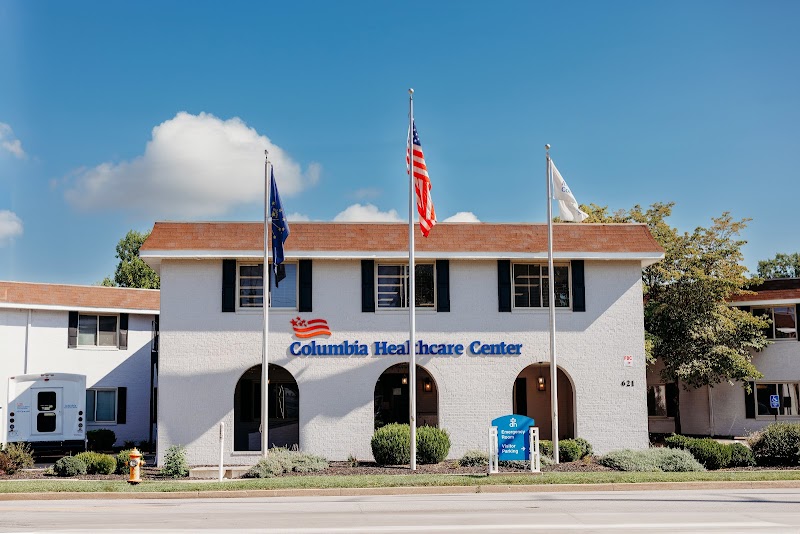
How is Columbia Healthcare Center Staffed?

CMS rates COLUMBIA HEALTHCARE CENTER's staffing level at 1 out of 5 stars, which is much below average compared to other nursing homes. Staff turnover is 54%, compared to the Indiana average of 46%.

What Have Inspectors Found at Columbia Healthcare Center?

State health inspectors documented 38 deficiencies at COLUMBIA HEALTHCARE CENTER during 2021 to 2025. These included: 1 that caused actual resident harm, 36 with potential for harm, and 1 minor or isolated issues. Deficiencies causing actual harm indicate documented cases where residents experienced negative health consequences.
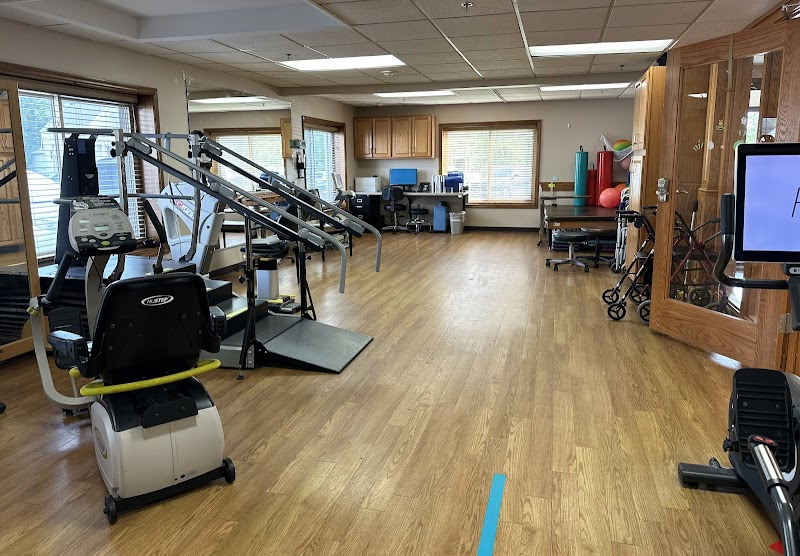
Who Owns and Operates Columbia Healthcare Center?

COLUMBIA HEALTHCARE CENTER is owned by a for-profit company. For-profit facilities operate as businesses with obligations to shareholders or private owners. The facility is operated by AMERICAN SENIOR COMMUNITIES, a chain that manages multiple nursing homes. With 171 certified beds and approximately 114 residents (about 67% occupancy), it is a mid-sized facility located in EVANSVILLE, Indiana.
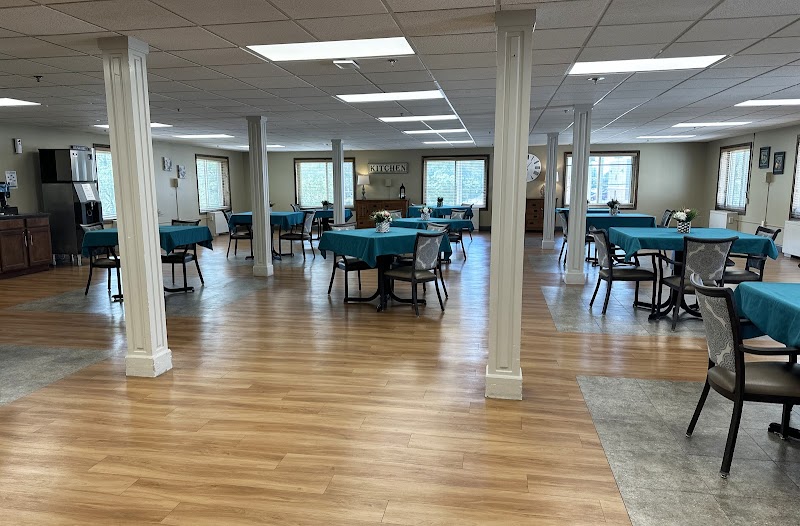
How Does Columbia Healthcare Center Compare to Other Indiana Nursing Homes?

Compared to the 100 nursing homes in Indiana, COLUMBIA HEALTHCARE CENTER's overall rating (2 stars) is below the state average of 3.1, staff turnover (54%) is near the state average of 46%, and health inspection rating (1 stars) is much below the national benchmark.

What Should Families Ask When Visiting Columbia Healthcare Center?

Based on this facility's data, families visiting should ask: "Can you walk me through typical staffing levels on day, evening, and night shifts?" "Can I visit during a mealtime to observe dining assistance and food quality?" "How do you handle medical emergencies, and what is your hospital transfer rate?" "Can I speak with family members of current residents about their experience?" These questions are particularly relevant given the below-average staffing rating.

Is Columbia Healthcare Center Safe?

Based on CMS inspection data, COLUMBIA HEALTHCARE CENTER has a clean safety record: no substantiated abuse findings (meaning no confirmed cases of resident harm), no Immediate Jeopardy citations (the most serious violation level indicating risk of serious injury or death), and is not on the Special Focus Facility watch list (a federal program monitoring the lowest-performing 1% of nursing homes). The facility has a 2-star overall rating and ranks #100 of 100 nursing homes in Indiana. While no facility is perfect, families should still ask about staff-to-resident ratios and recent inspection results during their visit.

Do Nurses at Columbia Healthcare Center Stick Around?

COLUMBIA HEALTHCARE CENTER has a staff turnover rate of 54%, which is 8 percentage points above the Indiana average of 46%. Moderate turnover is common in nursing homes, but families should still ask about staff tenure and how the facility maintains care continuity when employees leave.

Was Columbia Healthcare Center Ever Fined?

COLUMBIA HEALTHCARE CENTER has no federal fines on record. CMS issues fines when nursing homes fail to meet care standards or don't correct problems found during inspections. The absence of fines suggests the facility has either maintained compliance or corrected any issues before penalties were assessed. This is a positive indicator, though families should still review recent inspection reports for the full picture.

Is Columbia Healthcare Center on Any Federal Watch List?

COLUMBIA HEALTHCARE CENTER is not on any federal watch list. The most significant is the Special Focus Facility (SFF) program, which identifies the bottom 1% of nursing homes nationally based on persistent, serious quality problems. Not being on this list means the facility has avoided the pattern of deficiencies that triggers enhanced federal oversight. This is a positive indicator, though families should still review the facility's inspection history directly.