ENVIVE OF EVANSVILLE
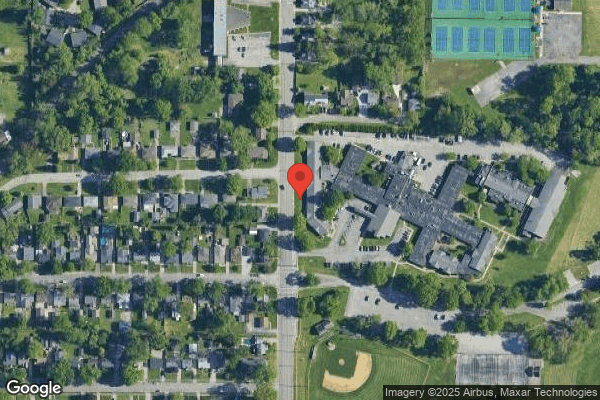
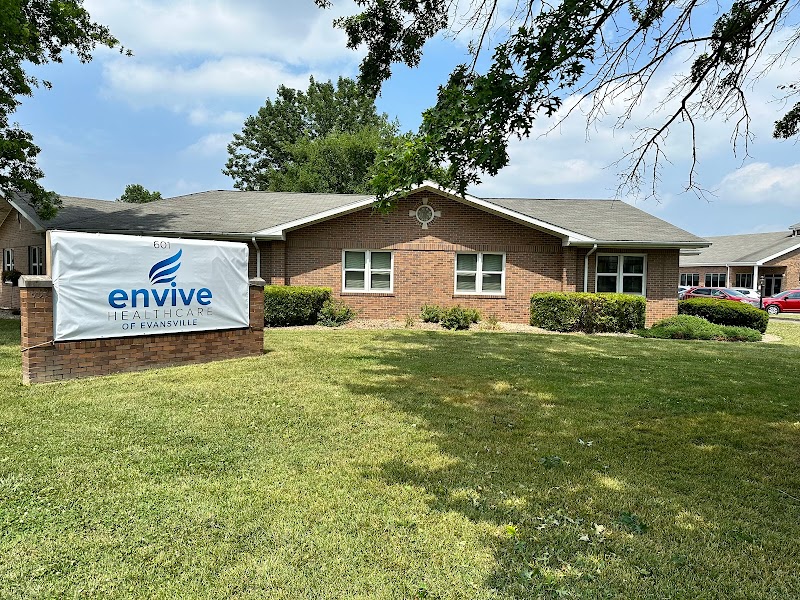
601 N BOEKE RD, EVANSVILLE, IN 47711 (812) 476-4912
Government - County 200 Beds ENVIVE HEALTHCARE Data: November 2025
Trust Grade
15/100
#447 of 505 in IN
Last Inspection: January 2025

Within standard 12-15 month inspection cycle. Federal law requires annual inspections.

Overview

Envive of Evansville has received a Trust Grade of F, indicating significant concerns about the quality of care provided, which is below average. Ranking #447 out of 505 facilities in Indiana places them in the bottom half, and #15 out of 17 in Vanderburgh County shows only two local options are worse. The facility is worsening, with issues increasing from 4 in 2024 to 19 in 2025. Staffing is a mixed bag; while they have a low turnover rate of 0%, indicating staff stability, their overall staffing rating is only 1 out of 5 stars, which is concerning. They face fines of $74,236, higher than 94% of Indiana facilities, suggesting ongoing compliance problems. Specific incidents include a resident suffering a femur fracture after being pushed by another resident due to inadequate supervision, and another resident not receiving necessary medication, leading to serious health complications like blood flow loss. While there is a notable effort to keep staff, the overall conditions and incidents indicate serious weaknesses in care that families should carefully consider.

Trust Score
F
15/100
In Indiana
#447/505
Bottom 12%
Safety Record
High Risk
Review needed
Inspections
Getting Worse
4 → 19 violations
Staff Stability
○ Average
Turnover data not reported for this facility.
Penalties
⚠ Watch
$74,236 in fines. Higher than 75% of Indiana facilities, suggesting repeated compliance issues.
Skilled Nurses
○ Average
RN staffing data not reported for this facility.
Violations
⚠ Watch
43 deficiencies on record. Higher than average. Multiple issues found across inspections.
★☆☆☆☆
1.0
Overall Rating
★☆☆☆☆
1.0
Staff Levels
★★☆☆☆
2.0
Care Quality
★☆☆☆☆
1.0
Inspection Score
Stable
2024: 4 issues
2025: 19 issues

The Good

  • Full Sprinkler Coverage · Fire safety systems throughout facility
  • No fines on record

Facility shows strength in fire safety.

The Bad

1-Star Overall Rating

Below Indiana average (3.1)

Significant quality concerns identified by CMS

Federal Fines: $74,236

Well above median ($33,413)

Moderate penalties - review what triggered them

Chain: ENVIVE HEALTHCARE

Part of a multi-facility chain

Ask about local staffing decisions and management

The Ugly 43 deficiencies on record

3 actual harm
Mar 2025 3 deficiencies
CONCERN (D) 📢 Someone Reported This

A family member, employee, or ombudsman was alarmed enough to file a formal complaint

Potential for Harm - no one hurt, but risky conditions existed

Deficiency F0657 (Tag F0657)

Could have caused harm · This affected 1 resident

Based on interview and record review, the facility failed to update the plan of care after a resident fell for 1 of 3 residents reviewed for falls. (Resident D) Finding includes: On 3/12/25 at 12:08 P...

Read full inspector narrative →
Based on interview and record review, the facility failed to update the plan of care after a resident fell for 1 of 3 residents reviewed for falls. (Resident D) Finding includes: On 3/12/25 at 12:08 P.M., Resident D's clinical record was reviewed. Diagnoses included, but were not limited to, cerebral infarction, repeated falls, and muscle wasting and atrophy. The most recent admission Minimum Data Set (MDS) Assessment, dated 1/21/25, indicated Resident D was cognitively intact, required substantial to maximal assistance (staff does more than half) with toileting, sit to stand transferring, and lying to sitting bed mobility, and had no falls prior to admission. A current care plan, initiated 1/10/25, indicated Resident D was at risk for falls due to cerebral infarction, neuropathy, and arthritis. Interventions included, but were not limited to: Anti-rollbacks to wheelchair Bed against the wall Bed in lowest position as resident allows Anticipate and meet the resident's needs Call light is within reach Ensure pathways are free of clutter Keep personal items within reach Therapy screen/eval/treat as indicated An initial fall note, dated 3/10/25 at 6:40 P.M., indicated the resident had an unwitnessed fall while attempting to self-toilet. The care plan was not updated with a new intervention after that fall. The clinical record lacked documentation to indicate the Interdisciplinary Team (IDT) met to review that fall. On 3/12/25 at 1:50 P.M., the Administrator indicated that after a resident fell, the IDT met the next clinical morning to review the fall and determine an appropriate intervention to prevent future falls. The care plan was updated after that meeting. At that time, the Administrator indicated she could not remember if the IDT had met to review Resident D's fall that occurred on 3/10/25 at 6:40 P.M. On 3/13/25 at 1:50 P.M., the Administrator provided a current Falls and Fall Risk, Managing policy, revised 8/2024, that indicated The staff, with the input of the attending physician, will implement a resident-centered fall prevention plan to reduce the specific risk factor(s) of falls for each resident at risk or with a history of falls . In conjunction with the attending physician, staff will identify and implement relevant interventions .to try to minimize serious consequences of falling . The staff will monitor and document each resident's response to interventions intended to reduce falling or the risks of falling . If the resident continues to fall, staff will re-evaluate the situation and whether it is appropriate to continue or change current interventions. This citation relates to complaint IN00453363. 3.1-35(d)(2)
CONCERN (D) 📢 Someone Reported This

A family member, employee, or ombudsman was alarmed enough to file a formal complaint

Potential for Harm - no one hurt, but risky conditions existed

Accident Prevention (Tag F0689)

Could have caused harm · This affected 1 resident

Based on observation, interview, and record review, the facility failed to ensure interventions were in place to prevent falls for 1 of 3 residents reviewed for falls. (Resident D) Finding includes: O...

Read full inspector narrative →
Based on observation, interview, and record review, the facility failed to ensure interventions were in place to prevent falls for 1 of 3 residents reviewed for falls. (Resident D) Finding includes: On 3/12/25 at 12:08 P.M., Resident D's clinical record was reviewed. Diagnoses included, but were not limited to, cerebral infarction, repeated falls, and muscle wasting and atrophy. The most recent admission Minimum Data Set (MDS) Assessment, dated 1/21/25, indicated Resident D was cognitively intact, required substantial to maximal assistance (staff does more than half) with toileting, sit to stand transferring, and lying to sitting bed mobility, and had no falls prior to admission. A current care plan, initiated 1/10/25, indicated Resident D was at risk for falls due to cerebral infarction, neuropathy, and arthritis. Interventions included, but were not limited to: Anti-rollbacks to wheelchair Bed against the wall Bed in lowest position as resident allows Anticipate and meet the resident's needs Call light is within reach Ensure pathways are free of clutter Keep personal items within reach Therapy screen/eval/treat as indicated A fall risk assessment, dated 2/9/25, indicated Resident D was at low risk for falls. The clinical record indicated Resident D fell five times between 2/28/25 and 3/10/25. Fall 1 On 2/28/25 at 3:15 P.M., Resident D had an unwitnessed fall while attempting to transfer from his wheelchair to his bed without assistance. Anti-rollbacks to wheelchair was added to his care plan. A fall risk assessment, dated 2/28/25, indicated the resident was at low risk for falls. Fall 2 On 3/3/25 at 9:30 A.M., Resident D had a witnessed fall while toileting. Medication review as indicated was added to the care plan. A fall risk assessment, dated 3/3/25, indicated the resident was at high risk for falls. Fall 3 On 3/4/25 at 12:15 P.M., Resident D had an unwitnessed fall while in bed. Bed in lowest position as resident allows was added to the care plan. A fall risk assessment, dated 3/4/25, indicated the resident was at high risk for falls. Fall 4 On 3/8/25 at 12:06 A.M., Resident D had a witnessed fall while attempting to get out of bed. Bed against wall was added to the care plan. A fall risk assessment, dated 3/9/25, indicated the resident was at high risk for falls. Fall 5 On 3/10/25 at 6:40 P.M., Resident D had an unwitnessed fall while attempting to self-transfer from his bed to the bathroom. The care plan was not updated with a new intervention. A fall risk assessment, dated 3/10/25, indicated the resident was at high risk for falls. On 3/13/25 at 10:00 A.M., Resident D was observed lying in a low to the ground bed. The bedside table was behind the resident's head and was raised high. The bedside table was observed to have the resident's drink and remote control on it. The resident's reacher was on his wheelchair on the opposite side of his room behind a curtain. On 3/13/25 at 1:47 P.M., the Director of Nursing (DON) indicated she observed Resident D in his room without his personal items in reach and staff were re-educated on following fall interventions at that time. On 3/13/25 at 1:50 P.M., the Administrator provided a current Falls and Fall Risk, Managing policy, revised 8/2024, that indicated The staff, with the input of the attending physician, will implement a resident-centered fall prevention plan to reduce the specific risk factor(s) of falls for each resident at risk or with a history of falls . In conjunction with the attending physician, staff will identify and implement relevant interventions .to try to minimize serious consequences of falling . The staff will monitor and document each resident's response to interventions intended to reduce falling or the risks of falling . If the resident continues to fall, staff will re-evaluate the situation and whether it is appropriate to continue or change current interventions. This citation relates to complaint IN00453363. 3.1-45(a)(2)
CONCERN (E) 📢 Someone Reported This

A family member, employee, or ombudsman was alarmed enough to file a formal complaint

Potential for Harm - no one hurt, but risky conditions existed

Medical Records (Tag F0842)

Could have caused harm · This affected multiple residents

**NOTE- TERMS IN BRACKETS HAVE BEEN EDITED TO PROTECT CONFIDENTIALITY** Based on interview and record review, the facility failed to ensure documentation was complete and accurate for 2 of 3 residents...

Read full inspector narrative →
**NOTE- TERMS IN BRACKETS HAVE BEEN EDITED TO PROTECT CONFIDENTIALITY** Based on interview and record review, the facility failed to ensure documentation was complete and accurate for 2 of 3 residents reviewed for falls (Resident M and Resident D) and 2 of 3 residents reviewed for dialysis (Resident B and Resident H). Findings include: 1. On 3/12/25 at 10:06 A.M., Resident M's clinical record was reviewed. Resident M was admitted on [DATE]. Diagnoses included, but were not limited to, cognitive communication deficit. The most recent Quarterly Minimum Data Set (MDS) Assessment, dated 3/3/25, indicated Resident M was severely cognitively impaired, required substantial assistance from staff (staff do more than half of the work) for eating, toileting, bathing, and transfers, and had fallen since the most recent MDS Assessment (1/3/25). A Clinically at Risk Assessment, dated 3/11/25, indicated Resident M had fallen on 2/8/25, 2/25/25, 3/3/25, and 3/10/25. A Fall Risk Assessment, dated 2/26/25, indicated Resident M was alert and oriented x3 (to person, place, and time), and had no falls in the past 3 months. A Fall Risk Assessment, dated 3/11/25, indicated Resident M was alert and oriented x3, and had no falls in the past 3 months. During an interview on 3/13/25 at 11:37 A.M., the Director of Nursing (DON) indicated the fall on 3/3/25 was documented in error. 2. On 3/13/25 at 10:30 A.M., Resident B's clinical record was reviewed. Resident B was admitted on [DATE]. Diagnoses included, but were not limited to, renal failure and peripheral vascular disease. The most recent Quarterly Minimum Data Set (MDS) Assessment, dated 1/16/25, indicated Resident B was cognitively intact and required substantial assistance from staff (staff does more than half of the work) for toileting, bathing, and transfers. Current physician orders included, but were not limited to: Do not obtain blood pressure in the left arm, dated 2/24/25 Pre-Dialysis assessment to be completed prior to dialysis one time a day every Monday, Wednesday, Friday, dated 10/9/24 Post-Dialysis assessment to be completed after to dialysis one time a day every Monday, Wednesday, Friday, dated 10/9/24 The following dates and times included blood pressures documented obtained from the left arm: 2/26/25 7:00 A.M. 2/26/25 3:40 P.M. 2/28/25 3:07 P.M. 3/3/25 5:27 P.M. 3/5/25 3:02 P.M. 3/5/25 3:04 P.M. 3/7/25 9:28 A.M. 3/7/25 2:06 P.M. The clinical record lacked a pre or post dialysis assessment completed on 3/10/25. 3. On 3/12/25 at 11:53 A.M., Resident H's clinical record was reviewed. Diagnoses included, but were not limited to, end stage renal disease. The most recent Quarterly Minimum Data Set (MDS) Assessment, dated 12/18/24, indicated Resident H was cognitively intact, required substantial to maximal assistance (staff does more than half) with toileting, and received dialysis. Physician orders included, but were not limited to: Complete Post Dialysis Assessment in (name of electronic charting system) one time a day every Monday, Wednesday, and Friday, dated 6/5/24 The clinical record lacked a Post Dialysis Assessment for 3/7/25. The March 2025 Medication Administration Record (MAR) indicated a Post Dialysis Assessment had not been completed on 3/7/25 and included a chart code of other/see progress notes. The clinical record lacked a progress note related to the Post Dialysis Assessment on 3/7/25. On 3/13/25 at 9:00 A.M., the Director of Nursing (DON) provided a (name of dialysis center) Pre Treatment/Post Treatment form, dated 3/7/25. The form indicated the Pre Treatment Assessment was to be completed by the facility nurse and the Post Treatment Assessment was to be completed by the dialysis nurse. Both assessments were signed by the Assistant Director of Nursing (ADON). The completed Post Treatment Assessment did not include the name of the nurse from the dialysis center that completed the assessment. On 3/13/25 at 10:15 A.M., the ADON indicated that it was her signature on both the Pre and Post Treatment Assessment forms, but she did not perform the Post Treatment Assessment herself. She indicated that she received the Post Assessment information by phone from the dialysis nurse. At that time, she indicated the Pre Treatment/Post Treatment form information was supposed to be entered into the Dialysis Assessment forms in (name of electronic charting system). On 3/13/25 at 1:47 P.M., the DON indicated that the clinical record lacked documentation to indicate the ADON received the Post Treatment Assessment information by phone on 3/7/25 and who performed the assessment. 4. On 3/12/25 at 12:08 P.M., Resident D's clinical record was reviewed. Diagnoses included, but were not limited to, cerebral infarction, repeated falls, and muscle wasting and atrophy. The most recent admission Minimum Data Set (MDS) Assessment, dated 1/21/25, indicated Resident D was cognitively intact, required substantial to maximal assistance (staff does more than half) with toileting, sit to stand transferring, and lying to sitting bed mobility, had no falls prior to admission, and required the use of a walker and a wheelchair. A current care plan, initiated 1/10/25, indicated Resident D was at risk for falls due to cerebral infarction, neuropathy, and arthritis. A fall risk assessment, dated 2/9/25, resulted in a score of 9.0 indicating Resident D was a low fall risk (a high fall risk was a score of 10.0 or greater). The assessment indicated the resident had one to two falls in the past three months and required the use of assistive devices for mobility (wheelchair, walker, cane, furniture). A nursing progress note, dated 2/28/25, indicated Resident D had an unwitnessed fall while attempting to self-transfer from his wheelchair to the bed. A fall risk assessment, dated 2/28/25, resulted in a score of 2.0 indicating Resident D was a low fall risk. The assessment indicated the resident had no falls in the past three months and did not require the use of assistive devices for mobility. An Interdisciplinary Team (IDT) Note, dated 3/3/25 at 9:10 A.M., indicated the IDT met to review Resident D's fall on 3/2/25. The clinical record lacked documentation to indicate Resident D sustained a fall on 3/2/25. An IDT Note, dated 3/5/25 at 9:24 A.M., indicated Resident D had an unwitnessed fall on 3/4/25 while attempting to get out of bed. A nursing progress note, dated 3/5/25 at 9:51 A.M., indicated Resident D's resident representative was notified of the fall yesterday. The clinical record lacked documentation to indicate an initial falls note and assessment had been completed after the fall on 3/4/25. On 3/12/25 at 1:50 P.M., the Administrator indicated she was not sure if the resident fell on 3/2/25 or 3/4/25 and would need to check on the information. On 3/13/25 at 8:35 A.M., the Administrator indicated that the fall that occurred on 3/4/25 was documented in an incident report which was not part of the clinical record, and that the nurse who filled out the incident report forgot to take the action step to include the fall information in the clinical record. On 3/13/25 at 11:06 A.M., the Director of Nursing (DON) indicated Resident D did not fall on 3/2/25 and the date was documented wrong in the IDT note. On 3/13/25 at 1:47 P.M., the DON indicated that staff needed to be re-educated on documentation. She indicated documentation that Resident D's resident representative was notified of the fall that occurred on 3/4/25 the same day, but the information in the incident report was not carried over into the clinical record. At that time, she indicated the fall risk assessments for Resident D and Resident M were filled out incorrectly resulting in an inaccurate fall risk score. The DON indicated the nurse that took blood pressures for Resident B documented the location of the blood pressure in error and did not take the blood pressure in her left arm On 3/13/25 at 1:50 P.M., the Administrator provided a current Charting and Documentation policy, revised 8/2024, that indicated The following information is to be documented in the resident medical record .Treatments or services performed; .Events, incidents or accidents involving the resident; and Progress toward or changes in the care plan goals and objectives. Documentation in the medical record will be objective (not opinionated or speculative), complete, and accurate . Documentation of procedures and treatments will include care-specific details, including: the name and title of the individuals(s) who provided the care. On 3/13/25 at 1:50 P.M., the Administrator provided a current End-Stage Renal Disease, Care of a Resident with policy, revised 8/2024, that indicated Education and training of staff includes, specifically .the type of assessment data that is to be gathered about the resident's condition on a daily or per shift basis . On 3/13/25 at 1:50 P.M., the Administrator provided a current Change in a Resident's Condition or Status policy, dated 8/2024, that indicated Our facility promptly notified the resident .and the resident representative of changes in the resident's medical/mental condition and/or status . The nurse will record in the resident's medical record information relative to changes in the resident's medical/mental condition or status. This citation relates to complaint IN00453363. 3.1-50(a)(2)
Jan 2025 16 deficiencies
CONCERN (D)

Potential for Harm - no one hurt, but risky conditions existed

Deficiency F0582 (Tag F0582)

Could have caused harm · This affected 1 resident

**NOTE- TERMS IN BRACKETS HAVE BEEN EDITED TO PROTECT CONFIDENTIALITY** Based on interview and record review, the facility failed to ensure SNF-ABN (Skilled Nursing Facility-Advanced Beneficiary Notic...

Read full inspector narrative →
**NOTE- TERMS IN BRACKETS HAVE BEEN EDITED TO PROTECT CONFIDENTIALITY** Based on interview and record review, the facility failed to ensure SNF-ABN (Skilled Nursing Facility-Advanced Beneficiary Notice) Forms were provided following the end of Medicare skilled services for 1 of 2 residents who discharged from Medicare services and remained in the facility. (Resident Z) Finding includes: On 1/17/25 at 9:45 A.M., the SNF (Skilled Nursing Facility) Beneficiary Protection Notification Review Forms were reviewed. The form indicated Resident Z received Medicare Part A Skilled Services starting 12/4/24. The form indicated the last covered day of Part A services was 1/14/25 and the resident remained in the facility. The form indicated Resident Z did not receive a SNF-ABN (Skilled Nursing Facility-Advanced Beneficiary Notice) Form because she was scheduled to be discharged home on 1/15/25 following the last covered day, but family failed to pick up the resident who remained in the facility. At that time, the Administrator indicated a SNF-ABN had not been issued to the resident. During an interview on 1/21/25 at 12:41 P.M., the Administrator indicated Resident Z was still in the facility and would be responsible for the fees associated with room and board for her stay in the facility between 1/14/25 and whenever she was discharged . On 1/23/25 at 9:30 A.M., Resident Z's clinical record was reviewed. The census indicated Resident Z was admitted on [DATE] with Medicare as the payer source. On 1/15/25 the payer source was changed to private pay. On 1/22/25 the resident was discharged from the facility. On 1/27/25 at 12:31 P.M., the Administrator provided a Notice of Medicare Non-Coverage (NOMNC) policy, revised 10/1/23, that did not address the SNF-ABN form requirements. During an interview on 1/27/25 at 2:47 P.M., the Administrator indicated that the facility did not have a policy that addressed SNF-ABN forms and expected the facility to follow federal regulations for form requirements and distribution. 3.1-4(f)(2)
CONCERN (D)

Potential for Harm - no one hurt, but risky conditions existed

Transfer Requirements (Tag F0622)

Could have caused harm · This affected 1 resident

**NOTE- TERMS IN BRACKETS HAVE BEEN EDITED TO PROTECT CONFIDENTIALITY** Based on interview and record review, the facility failed to ensure a resident's discharge was documented in the clinical record...

Read full inspector narrative →
**NOTE- TERMS IN BRACKETS HAVE BEEN EDITED TO PROTECT CONFIDENTIALITY** Based on interview and record review, the facility failed to ensure a resident's discharge was documented in the clinical record for 1 of 3 residents reviewed for discharge. (Resident 60) Finding includes: On 1/23/25 at 12:24 P.M., Resident 60's clinical record was reviewed. Resident 60 was admitted on [DATE]. Diagnoses included, but were not limited to, Parkinson's Disease. The most recent Quarterly Minimum Data Set (MDS) Assessment, dated 11/5/24, indicated Resident 60 was moderately cognitively impaired, required substantial assistance from staff (staff does more than half of the work) for toileting and transfers, and was dependent on staff for bathing. A nutrition note created on 1/17/25 at 2:09 P.M., indicated Resident 60 was discharged with return not anticipated. The clinical record, including progress notes, assessments, and documents, lacked information regarding planning of a discharge, documents sent during discharge, where Resident 60 was discharged to, or when discharge occurred. During an interview on 1/23/25 at 2:58 P.M., the Admissions Director indicated Resident 60 left the faciity on 1/16/25 after a planned discharge and went to another long term care facility, but was unable to find any documentation of discharge planning. On 1/23/25 at 2:35 P.M., the Administrator provided a document titled Summary of Episode Note, created on 1/17/25, and indicated nursing staff should make a progress note when a resident leaves the facility stating when they left, where they went, and what was sent with the resident. On 1/27/25 at 12:31 P.M., the Administrator provided a policy titled Discharge Summary and Plan, dated 8/2024, that indicated When a resident's discharge is anticipated, a discharge summary and post-discharge plan is developed to assist the resident with discharge. Every resident is evaluated for his or her discharge needs and has an individualized post-discharge plan. A member of the interdisciplinary team reviews the final post-discharge plan with the resident and family at least 24 hours before discharge takes place. A copy of the following is provided to the resident and receiving facility and a copy will be filed in the resident's medical records: an evaluation of the resident's discharge needs, the post-discharge plan, and the discharge summary. 3.1-12(a)(6)(A) 3.1-12(a)(6)(B)
CONCERN (D)

Potential for Harm - no one hurt, but risky conditions existed

Deficiency F0645 (Tag F0645)

Could have caused harm · This affected 1 resident

**NOTE- TERMS IN BRACKETS HAVE BEEN EDITED TO PROTECT CONFIDENTIALITY** Based on interview and record review, the facility failed to ensure social services were provided to meet a resident's mental an...

Read full inspector narrative →
**NOTE- TERMS IN BRACKETS HAVE BEEN EDITED TO PROTECT CONFIDENTIALITY** Based on interview and record review, the facility failed to ensure social services were provided to meet a resident's mental and psychosocial needs for 1 of 1 residents reviewed for Preadmission Screening and Resident Review (PASARR). (Resident 61) Finding includes: On 1/22/25 at 2:14 P.M., Resident 61's clinical record was reviewed. Diagnoses included, but were not limited to, Wernicke's encephalopathy, alcohol use disorder, non-Alzheimer's dementia, seizures, anxiety, depression, and an unspecified psychiatric disorder. The resident was admitted to the facility on [DATE]. The most recent Quarterly Minimum Data Set (MDS) Assessment, dated 12/20/24, indicated the resident was cognitively intact, required supervision for all mobility tasks, and received antipsychotics, antianxiety medication, antidepressants, and anticonvulsants during the 7-day look back period. Physician orders included, but were not limited to: olanzapine (an antipsychotic medication) oral tablet 10 milligrams (mg) - 1 tablet at bedtime, dated 11/21/23. Valium (an antianxiety medication) oral tablet 2 mg - 1 tablet by mouth twice daily, dated 6/3/24. Wellbutrin XL (an antidepressant) oral tablet Extended Release 24 Hour - give 150 mg by mouth one time a day, dated 1/21/24. thiamine (vitamin given to alcoholics to prevent Wernecke's encephalopathy) HCl oral tablet - give 100 mg by mouth one time a day, dated 1/21/24. Target behaviors: psychosis, delusions, hallucinations- to be monitored and charted on at the end of each shift, dated 10/13/24. Observe closely for significant side effects from antipsychotic medication use such as sedation, drowsiness, dry mouth, constipation, blurred vision, abnormal tremors/facial/tongue movements, weight gain, edema, postural hypotension, sweating, loss of appetite, urinary retention. Notify provider if observed and document in progress notes, dated 10/13/24. May utilize (name of mental health facility) for counseling services, dated 9/29/24. Target behaviors: depression- tearfulness, withdrawn, agitation, excessive crying, or social isolation. To be monitored and documented at the end of each shift, dated 8/9/24. Target behaviors: anxiety- self-reported nervousness, restlessness, sleeplessness, etc. To be monitored and documented at the end of each shift, dated 6/24/24. Resident may reside on secured memory care unit, dated 6/6/24. Antianxiety medication- monitor for drowsiness, slurred speech, dizziness, nausea, aggressive/impulse behavior. Monitor and document at the end of each shift, dated 6/4/24. Current care plans included, but were not limited to: Resident resides on secured memory care unit. She has a diagnoses of dementia, Wernicke's Encephalopathy, alcohol induced persisting amnestic disorder, and other signs involving cognitive function and awareness. She has a history of exit seeking and wanting to leave to go home. Date Initiated: 1/24/24 Resident is at risk for ineffective coping due to unexpected loss of loved one (sister and spouse). Date Initiated: 2/1/24. Interventions included: Psych services as needed. Date Initiated: 2/1/24. On 1/23/25 at 9:00 A.M., the Administrator provided a copy of a PASARR completed for Resident 61 in April 2023, 8 months prior to the resident's admission to the facility. During an interview on 1/27/25 at 9:52 A.M., the Administrator indicated that Resident 61's diagnoses were updated after the previous PASARR was completed and the Admissions Director should have reviewed the PASARR on admission to make sure it was current and updated. On 1/27/25 at 12:31 P.M., the Administrator provided an Admissions Criteria policy, dated 8/2024, that indicated All new admissions and readmissions are screened for mental disorders (MD), intellectual disorders (ID), or related disorders (RD) per the Medicaid Pre-admission Screening and Resident Review process. 3.1-34(a)
CONCERN (D)

Potential for Harm - no one hurt, but risky conditions existed

Deficiency F0655 (Tag F0655)

Could have caused harm · This affected 1 resident

**NOTE- TERMS IN BRACKETS HAVE BEEN EDITED TO PROTECT CONFIDENTIALITY** Based on interview and record review, the facility failed to ensure the development and completion of a baseline care plan withi...

Read full inspector narrative →
**NOTE- TERMS IN BRACKETS HAVE BEEN EDITED TO PROTECT CONFIDENTIALITY** Based on interview and record review, the facility failed to ensure the development and completion of a baseline care plan within forty-eight (48) hours of admission for use of respiratory equipment, tracheostomy, and Enhanced Barrier Precautions (EBP) for 1 of 1 residents reviewed for respiratory care. (Resident 277) Finding includes: On 1/21/25 at 11:21 A.M., Resident 277's clinical record was reviewed. Resident 277 was admitted on [DATE]. Diagnoses included, but were not limited to, chronic respiratory failure with hypoxia and tracheostomy. The admission Minimum Data Set (MDS) Assessment was in progress. Current physician orders included, but were not limited to, the following: Change oxygen tubing monthly and as needed (PRN), one time a day every four weeks on Sunday for Oxygen (O2) use and as needed for soiled or compromised, dated 1/15/25. Change humidifier/bubbler monthly and as needed (PRN), as needed for empty/compromised and change one time a day every four weeks on Sunday for routine oxygen, dated 1/15/25. Resident requires the use of Enhanced Barrier Precautions (EBP) related to the medical device (Tracheostomy & Peg Tube) to reduce the risk of transmission of Multiple Drug-Resistant Organisms (MDROs) every shift for Isolation Precautions. Use Personal Protective Equipment (PPE) precautions when providing prolonged direct resident care, dated 1/14/25. The clinical record lacked a base line care plan for the tracheostomy, oxygen use, and EBP protocol. During an interview on 1/23/25 at 11:35 A.M., the Assistant Director of Nursing (ADON) indicated that a baseline care plan was based on the initial assessment that the admitting nurse completed. The initial assessment included, but was not limited to, physical assessment of the resident and oxygen use with a baseline care plan initiated within 48 hours of admission. On 1/27/25 at 12:31 P.M., the Administrator provided a current Care Plans, Baseline policy, revised 8/2024, that indicated A baseline care plan to meet the resident's immediate health and safety needs is developed within forty-eight (48) hours of admission. The baseline care plan includes instructions to provide effective, person-center care for the resident to meet professional standards of practice and must include the minimum healthcare information to properly care for the resident . 3.1-30(a)
CONCERN (D)

Potential for Harm - no one hurt, but risky conditions existed

Deficiency F0657 (Tag F0657)

Could have caused harm · This affected 1 resident

**NOTE- TERMS IN BRACKETS HAVE BEEN EDITED TO PROTECT CONFIDENTIALITY** Based on record review and interview, the facility failed to ensure care plans were updated after a fall for 1 of 6 residents re...

Read full inspector narrative →
**NOTE- TERMS IN BRACKETS HAVE BEEN EDITED TO PROTECT CONFIDENTIALITY** Based on record review and interview, the facility failed to ensure care plans were updated after a fall for 1 of 6 residents reviewed for falls. (Resident 8) Finding includes: On 1/21/25 at 3:19 P.M., Resident 8's clinical record was reviewed. Diagnoses included, but were not limited to, chronic pain syndrome, spinal stenosis lumbosacral region, and age-related physical disability. The most current Quarterly Minimum Data Set (MDS) Assessment, dated 12/13/24, indicated the resident was mildly cognitively impaired, required substantial to maximal help (staff does more than half) with dressing, required partial to moderate assistance of staff (staff does less than half) with transferring, and had one fall with injury since the prior assessment. Current physician orders included, but were not limited to: 1/4 side rails for mobility positioning every day and night shift to aide with bed mobility related to morbid (severe) obesity, dated 11/20/20. A current falls care plan, dated 12/12/17, indicated that Resident 8 was at risk for falls related to potential side effects of medications (cardiac, opioid, psychological etc.). Interventions included, but were not limited to, the following: Medication review, labs, and orthostatic blood pressures, initiated on 1/20/25. Pain management, initiated 12/2/24. There should be a safe environment with even floors free from spills and/or clutter; adequate, glare-free light; a working and reachable call light, the bed in low position at night; Side rails as ordered, handrails on walls, personal items within reach initiated on 12/17/17 and revised on 8/2/23. An Interdisciplinary Team (IDT) note, dated 12/2/24 at 9:50 A.M., indicated that Resident 8 had an unwitnessed fall with injury on 11/27/24 at 9:45 P.M. The intervention for that fall was to provide an environmental assessment. The clinical record lacked documentation to indicate the new intervention was added to the plan of care. During an interview on 1/23/25 at 3:15 P.M., the Administrator indicated there should be a new intervention after each fall and the care plan was not updated with a new intervention after the resident fell on [DATE]. On 1/27/25 at 12:31 P.M., the Administrator provided a current Comprehensive Care plans policy, revised 8/2024, that indicated comprehensive assessments are utilized in developing person-centered care plans .a significant change is a major decline or improvement in a resident's status that will not normally resolve itself without intervention by staff . 3.1-35(d)(2)
CONCERN (D)

Potential for Harm - no one hurt, but risky conditions existed

Deficiency F0658 (Tag F0658)

Could have caused harm · This affected 1 resident

**NOTE- TERMS IN BRACKETS HAVE BEEN EDITED TO PROTECT CONFIDENTIALITY** Based on observation, record review, and interview, the facility failed to ensure physician orders were followed for 2 of 5 resi...

Read full inspector narrative →
**NOTE- TERMS IN BRACKETS HAVE BEEN EDITED TO PROTECT CONFIDENTIALITY** Based on observation, record review, and interview, the facility failed to ensure physician orders were followed for 2 of 5 residents reviewed for nutrition. (Resident 35 and Resident L) Findings include: 1. During an observation on 1/21/25 at 10:15 A.M., Resident 35's lower extremities were swollen. Resident 35 indicated she was supposed to wear compression stockings to reduce edema but staff had not put them on for her. On 1/21/25 at 1:37 P.M., Resident 35's clinical record was reviewed. Resident 35 was admitted on [DATE]. Diagnoses included, but were not limited to, renal failure and diabetes mellitus. The most recent Quarterly Minimum Data Set (MDS) Assessment, dated 1/16/25, indicated Resident 35 was cognitively intact and required substantial assistance from staff (staff does more than half of the work) for toileting, bathing, and transfers. Current physician orders included, but were not limited to: Patient to wear stockings on bilateral lower extremities (Tubigrips size G) for edema reduction and management. Nursing to assist patient in donning compression stockings in the AM (morning), doffing at HS (bedtime); Start date 11/21/24. 2. On 1/21/25 at 12:34 P.M., Resident L's clinical record was reviewed. Diagnoses included, but were not limited to, dementia. The most recent Annual Minimum Data Set (MDS) Assessment, dated 12/23/24, indicated Resident L was moderately cognitively impaired and required substantial assistance from staff (staff does more than half of the work) for toileting, bathing, and mobility. Physician orders included, but were not limited to: Obtain weight one time only for monitoring for three days; Start date: 1/14/25 The clinical record, including progress notes, vitals, and medication and treatment administration records, lacked documentation of a weight recorded since 1/1/25. During an interview on 1/24/25 at 1:25 P.M., the Director of Nursing (DON) indicated the weights ordered on 1/14/25 were not obtained and left blank in the order administration record. During an interview on 1/27/25 at 12:31 P.M., the Administrator indicated the facility did not have a written policy for following physician orders, but it was the facility's policy to follow the physician orders as written. 3.1-35(g)(1)
CONCERN (D)

Potential for Harm - no one hurt, but risky conditions existed

Pressure Ulcer Prevention (Tag F0686)

Could have caused harm · This affected 1 resident

**NOTE- TERMS IN BRACKETS HAVE BEEN EDITED TO PROTECT CONFIDENTIALITY** Based on interview, observation, and record review, the facility failed to promote the prevention of pressure ulcer development ...

Read full inspector narrative →
**NOTE- TERMS IN BRACKETS HAVE BEEN EDITED TO PROTECT CONFIDENTIALITY** Based on interview, observation, and record review, the facility failed to promote the prevention of pressure ulcer development through evaluation of clinical risk factors and implementation of interventions consistent with resident needs for 1 of 2 residents reviewed for facility acquired pressure injuries. (Resident G) Finding includes: During an anonymous interview, it was indicated Resident G had a decline in mobility since admission and was being left in the same position for long periods of time resulting in skin breakdown. During an observation on 1/23/25 at 8:57 A.M., Resident G was sitting in a recliner in the common area. The chair did not have a pressure reducing cushion for skin breakdown prevention. On 1/22/25 at 1:55 P.M., Resident G's clinical record was reviewed. Resident G was admitted on [DATE]. Diagnoses included, but were not limited to, dementia. The most recent Quarterly Minimum Data Set (MDS) Assessment, dated 12/24/24, indicated Resident G was severely cognitively impaired, required substantial assistance (staff do more than half of the work) for bathing and transferring, and was at risk for pressure ulcers. Current physician orders included, but were not limited to: Pressure reducing cushion to chair/wheelchair every shift, Start date 12/9/24. The care plan included, but was not limited to: I am at risk for impaired skin integrity related to bowel and bladder incontinence, Date Initiated: 12/10/24. The care plan did not include an individualized repositioning schedule. A progress note, dated 1/23/25 at 6:08 A.M., indicated Resident G had an open area on his coccyx. The clinical record lacked notification to family or physician of open wound. A progress note, dated 1/23/25 at 4:29 P.M., indicated Resident G had open areas on bilateral buttocks. The wound nurse was notified. A skin/wound note dated 1/23/25 at 4:39 P.M., indicated Resident G had five open wounds on his bilateral buttocks, including two stage two wounds (partial thickness skin loss). The following dates and times were documented as no skin issues in the skin observation task: 1/21/25 12:57 P.M. 1/22/25 7:42 P.M. 1/23/25 6:16 P.M. 1/24/25 8:40 A.M. On 1/27/25 at 12:31 P.M., the Administrator provided a policy titled Prevention of Pressure Injuries, dated 8/2024, that indicated Reposition all residents with or at risk of pressure injuries on an individualized schedule, as determined by the interdisciplinary care team. Evaluate, report, and document potential changes in the skin. 3.1-40(a)(1) 3.1-40(a)(3)
CONCERN (D) 📢 Someone Reported This

A family member, employee, or ombudsman was alarmed enough to file a formal complaint

Potential for Harm - no one hurt, but risky conditions existed

Accident Prevention (Tag F0689)

Could have caused harm · This affected 1 resident

**NOTE- TERMS IN BRACKETS HAVE BEEN EDITED TO PROTECT CONFIDENTIALITY** 2. On 1/22/25 at 1:55 P.M., Resident G's clinical record was reviewed. Resident G was admitted on [DATE]. Diagnoses included, bu...

Read full inspector narrative →
**NOTE- TERMS IN BRACKETS HAVE BEEN EDITED TO PROTECT CONFIDENTIALITY** 2. On 1/22/25 at 1:55 P.M., Resident G's clinical record was reviewed. Resident G was admitted on [DATE]. Diagnoses included, but were not limited to, dementia. The most recent Quarterly Minimum Data Set (MDS) Assessment, dated 12/24/24, indicated Resident G was severely cognitively impaired and required substantial assistance (staff do more than half the work) for bathing and transferring. A fall risk assessment, dated 1/15/25, indicated Resident G was a high risk for falls and had fallen multiple times in the past in the past three months. The care plan included, but was not limited to: I am at risk for falls/injury due to: impaired cognition related to dementia, history of falls, initiated 12/10/24, Interventions included: Assess for pain, Date Initiated: 12/13/24 call light is within reach, Date Initiated: 12/13/24 Ensure pathways are free of clutter, Date Initiated: 12/13/24 Keep personal items within reach, Date Initiated: 12/13/24 Physical therapy to eval (evaluate) and treat as indicated, Date Initiated: 1/9/25 Staff education regarding ambulation of resident to assist with restlessness, Date Initiated: 1/17/25 Nonskid mat at bedside, Date Initiated: 1/17/25 Fall 1: On 12/21/24 at 6:37 A.M., an incident note indicated Resident attempted to get out of the recliner without assistance and slid to bottom of the recliner with legs on floor. Resident G was encouraged to use call light when needing assistance to avoid unsafe transfers. On 12/23/24 at 9:03 A.M., an Interdisciplinary Team (IDT) note indicated the IDT team agreed that the intervention for the fall on 12/21/24 was to offer toileting prior to getting up. The care plan was not updated with the new fall intervention for fall one. Fall 2: On 1/9/25 at 9:21 A.M., an IDT note indicated IDT reviewed a witnessed fall that occurred on 1/8/25. Resident G was reaching for his walker and fell forward. An immediate intervention of 72 hour hot charting was implemented and a new order was entered for physical therapy to evaluate and treat. Fall 3: On 1/15/25 at 11:30 P.M., Resident G was found sitting on the floor near his bed scooting using his hands and feet. Resident G was attempting to self-transfer unassisted and had impaired memory and unsteady gait. The care plan was updated with nonskid mat at bedside. Fall 4: On 1/21/25 6:07 A.M., a nursing progress note indicated Resident G slid onto the floor. The resident experienced minor pain and was transferred back to the chair. The clinical record lacked a post-fall assessment, notification to the physician or family, an intervention following the fall, and an update to the plan of care for fall four. Fall 5: On 1/26/25 at 4:05 P.M., a nursing progress note indicated a nurse and Certified Nurse Aide (CNA) attempted to transfer Resident G. Resident G slid to the floor. The clinical record lacked a post-fall assessment, notification to the physician or family, an intervention following the fall, and an update to the plan of care for fall five. Fall 6: On 1/26/25 at 10:24 P.M., a nursing progress note indicated Resident G slid out of bed onto the floor. The clinical record lacked a post-fall assessment, notification to the physician or family, an intervention following the fall, and an update to the plan of care for fall six. During an interview on 1/23/25 at 11:39 A.M., the Therapy Manager indicated Resident G was not receiving therapy because insurance had not approved services, and was not receiving daily restorative therapy. During an interview on 1/27/25 at 2:50 P.M., the Administrator and Director of Nursing (DON) indicated they could not find fall assessments for Resident G on 1/21/25 and 1/26/25 and were unaware Resident G had fallen either dates. Based on interview and record review, the facility failed to ensure post fall assessments were completed, care plans were updated, and interventions were in place to prevent falls for 3 of 6 residents reviewed for falls. (Resident W, Resident P, and Resident G) Findings include: 1. On 1/22/25 at 8:59 A.M., Resident W's clinical record was reviewed. Diagnoses included, but were not limited to, Alzheimer's Disease. The most current Annual Minimum Data Set (MDS) Assessment, dated 12/3/24, indicated Resident W had moderate cognitive impairment, required substantial to maximal assistance of staff (staff does more than half) for bed mobility, toileting, and bathing, and had no falls since the prior assessment on 9/3/24. A current fall risk assessment, dated 1/5/25, indicated Resident W was at high risk for falls. A current falls care plan, revised 9/12/22, indicated Resident W had a potential for falls related to impaired balance. A current Activities of Daily Living (ADL) care plan, revised 9/7/22, indicated Resident W required assistance of two staff for bed mobility, transfers, toileting, and bathing. Physician orders included, but were not limited to: Nursing must chart using hot charting progress note for every shift. Monitor vital signs every shift post fall for 72 hours to rule out any abnormal results or fluctuations every shift for three days, dated 1/7/25 A change in condition note, dated 1/5/25 at 6:48 P.M., indicated Resident W had a fall due to altered mental status and was sent to the emergency room (ER) for evaluation and treatment. A health status note, dated 1/6/25 at 2:18 P.M., indicated Resident W returned from the hospital with a diagnosis of Urinary Tract Infection (UTI). Imaging done at the hospital was normal. An Interdisciplinary Team (IDT) note, dated 1/7/25 at 10:09 A.M., indicated Resident W's fall was reviewed and a new intervention to monitor vital signs over 72 hours for any fluctuations or abnormal results post fall was added to the care plan. A Nurse Practitioner (NP) note, dated 1/8/25 at 11:59 P.M., indicated the resident was seen due to increased pain and altered mental status following a recent fall and hospitalization, where she was diagnosed with a UTI and received various diagnostic tests. Her vital signs show erratic blood pressure and an elevated pulse, raising concerns for potential sepsis . Continue close monitoring of vital signs, particularly blood pressure and heart rate. An alert note, dated 1/13/25 at 4:04 P.M., indicated after continued complaints of pain, the Nurse Practitioner (NP) ordered a repeat x-ray that showed an acute fracture of the distal femur, and the resident was sent to the ER for evaluation and treatment. Hospital discharge papers, dated 1/13/25 at 5:55 P.M., indicated the resident was being discharged with a primary diagnosis of fracture of distal end of femur, fracture of fibula, and tibial plateau fracture (right side). A nursing progress note, dated 1/13/25 at 7:22 P.M., indicated the resident returned to the facility with an immobilizer in place on her right leg. The clinical record lacked documentation that the intervention monitor vital signs x 72 hours was reviewed for effectiveness or that the care plan was updated after the resident returned from the hospital on 1/13/25 with a new diagnosis of femur fracture and an immobilizer in place. In an interview on 1/22/25 at 9:56 A.M., the Director of Nursing (DON) indicated that the terminology hot charting was to remind the nurse they had something specific to chart. Vital sign hot charting would be documented in the vital signs tab. On 1/23/25 at 9:45 A.M., the Regional Support provided a weights and vitals summary for Resident W from 1/7/24 to 1/9/24. The following vital signs were not charted once per shift during that time: Blood pressure - 1/8/25 night shift, 1/9/25 night shift Pulse - 1/8/25 night shift Temperature - 1/8/25 day shift and night shift Pain level - 1/7/25 night shift, 1/9/25 day shift and night shift Respiration - 1/8/25 day shift and night shift, 1/9/25 day shift and night shift Oxygen Saturation - 1/8/25 day shift and night shift, 1/9/25 day shift and night shift. 3. On 1/22/25 at 2:47 P.M., Resident P's clinical record was reviewed. Diagnoses included, but were not limited to, Alzheimer's Disease and a right intertrochanteric femur fracture. The most current Significant Change Minimum Data Set (MDS) Assessment, dated 11/11/24, indicated the resident was not cognitively intact, required substantial to maximum assistance (staff does more than half) with transfers, and had no falls since the prior assessment. The most current fall risk assessment, dated 12/25/24, indicated Resident P was at high risk for falls. A current risk for falls care plan, initiated 5/2/24, indicated the resident was at risk for injury from a fall due to impaired cognition and dementia. A Communication with the Family note, dated 12/30/24 at 8:00 P.M., indicated the resident's family member was notified of a witnessed fall in the hallway with no injury. A Skilled Charting Note, dated 12/30/24 at 11:00 P.M., included vital signs and a skin/wound assessment. The note lacked documentation regarding the resident's witnessed fall. A Nurse Practitioner (NP) note, dated 12/30/24 at 11:59 P.M., indicated that the resident was seen per staff/resident request for a fall. An Interdisciplinary Team (IDT) note, dated 12/31/24 at 9:26 A.M., indicated the fall that occurred on 12/30/24 at 11:00 A.M. was reviewed. Resident P was witnessed attempting to stand from her wheelchair without the wheels locked and slid to floor. The care plan was updated with the new intervention to apply anti-rollbacks to the wheelchair. The clinical record lacked documentation to indicate Resident P was assessed immediately after falling on 12/30/24. During an interview on 1/27/25 at 9:52 A.M. the Administrator indicated an initial assessment was not charted after the fall that occurred at 11:00 A.M. until the skilled assessment at 11:00 P.M that night. During an interview on 1/23/25 at 11:15 A.M., the Administrator indicated care plans were revised with a new intervention after each fall. The clinical team would meet the next day after a fall, discuss what the most appropriate intervention would be, and look for an intervention that would prevent the next fall or a fall of the same nature. If the intervention was to monitor vital signs, obtain labs, or review medications, the clinical team would meet to follow up on that intervention to determine if it were the cause of the fall, in which case orders were requested from the physician. If it was determined it was not the cause of the fall, another new intervention would be decided upon and placed in the plan of care. On 1/23/25 at 12:15 P.M., the DON provided a current Assessing Falls and Their Causes policy, effective 8/2024, that indicated When a resident falls, the following information should be recorded in the resident's medical record: The condition in which the resident was found . Assessment date, including vital signs and any obvious injuries . Notification of the physician and family . Appropriate interventions taken to prevent future falls . Notify the following individuals when a resident falls: The resident's family; The Attending Physician . Report other information in accordance with facility policy and professional standards of practice. On 1/27/25 at 12:31 P.M., the Administrator provided a current Falls and Fall Risk, Managing policy, effective 8/2024, that indicated If a systematic evaluation of a resident's fall risk identifies several possible interventions, the staff may choose to prioritize interventions . If underlying causes cannot be readily identified or corrected, staff will try various interventions, based on assessment of the nature or category of falling . This citation relates to Complaint IN00448749. 3.1-45(a)(2)
CONCERN (D)

Potential for Harm - no one hurt, but risky conditions existed

Respiratory Care (Tag F0695)

Could have caused harm · This affected 1 resident

Based on observation, record review, and interview, the facility failed to ensure residents received respiratory care services in accordance with professional standards of practice for 1 of 1 resident...

Read full inspector narrative →
Based on observation, record review, and interview, the facility failed to ensure residents received respiratory care services in accordance with professional standards of practice for 1 of 1 residents reviewed for respiratory care. The facility failed to date oxygen tubing, oxygen concentrator, and suction tubing, and place signs that indicated oxygen was in use. (Resident 277) Finding includes: On 1/21/25 at 9:17 A.M., Resident 277's oxygen tubing, suction tubing, and oxygen concentrator were observed without a label and date. There were no oxygen signs observed that indicated the resident received oxygen. Resident was observed to have a tracheostomy. During the observation of Resident 277's tracheostomy care on 1/22/25 at 8:34 A.M., the obturator for emergency tracheostomy use was not identified in the room. On 1/22/25 at 8:53 A.M., Resident 277's oxygen tubing, suction tubing, and oxygen concentrator were observed without a label and date. There were no oxygen signs observed that indicated the resident received oxygen. On 1/21/25 at 11:21 A.M., Resident 277's clinical record was reviewed. Diagnoses included, but were not limited to, chronic respiratory failure with hypoxia and tracheostomy. The admission Minimum Data Set (MDS) Assessment was in progress. Current physician orders included the following: Oxygen (O2) - six liters per tracheostomy mask. Titrate to keep O2 saturation greater than 92% at bedtime, dated 1/15/25. Change oxygen tubing monthly and as needed (PRN), one time a day every 4 weeks on Sunday for oxygen use and as needed for soiled or compromised, dated 1/15/25. Change humidifier/bubbler [sic] (container) monthly and PRN for empty/compromised, and change one time a day every 4 weeks on Sunday for routine oxygen, dated 1/15/25. The clinical record lacked a base line care plan for the tracheostomy and oxygen use. During an interview on 1/22/25 at 2:35 P.M., the Director of Nursing (DON) indicated the oxygen tubing, suction tubing, and concentrator should be labeled. There should be a sign on the outside of the door indicating oxygen use. On 1/22/25 at 9:56 A.M., the DON provided a current Oxygen Administration policy, revised 8/2024, that indicated the purpose of this procedure was to provide safe guidelines for safe oxygen administration .equipment needed .no smoking/Oxygen in use sign on the outside of the room entrance door . 3.1-47(a)(4) 3.1-47(a)(5) 3.1-47(a)(6)
CONCERN (D)

Potential for Harm - no one hurt, but risky conditions existed

Deficiency F0698 (Tag F0698)

Could have caused harm · This affected 1 resident

**NOTE- TERMS IN BRACKETS HAVE BEEN EDITED TO PROTECT CONFIDENTIALITY** Based on interview and record review, the facility failed to follow physician orders and provide ongoing assessment of the resid...

Read full inspector narrative →
**NOTE- TERMS IN BRACKETS HAVE BEEN EDITED TO PROTECT CONFIDENTIALITY** Based on interview and record review, the facility failed to follow physician orders and provide ongoing assessment of the resident's condition and monitoring for complications by completing pre-dialysis evaluations assessments for 1 of 1 residents reviewed for dialysis management. (Resident 35) Finding includes: On 1/21/25 at 1:37 P.M., Resident 35's clinical record was reviewed. Resident 35 was admitted on [DATE]. Diagnoses included, but were not limited to, renal failure and peripheral vascular disease. The most recent Quarterly Minimum Data Set (MDS) Assessment, dated 1/16/25, indicated Resident 35 was cognitively intact and required substantial assistance from staff (staff does more than half of the work) for toileting, bathing, and transfers. Current physician orders included, but were not limited to: Do not obtain blood pressure in the left arm, Start date 10/8/24. Pre-Dialysis assessment to be completed prior to dialysis one time a day every Monday, Wednesday, Friday for pre-dialysis assessment; Start date 10/9/24 Post-Dialysis assessment to be completed after each dialysis appointment one time a day every Monday, Wednesday, Friday for baseline post-dialysis assessment, Start date 10/9/2024 The following dates and times included blood pressures documented obtained from the left arm: 12/1/24 2:11 P.M. 12/4/24 2:54 P.M. 12/5/24 10:03 A.M. 12/11/24 9:34 A.M. 1/7/25 11:20 A.M. 1/8/25 7:56 A.M. 1/15/25 11:33 A.M. 1/15/25 5:47 P.M. 1/22/25 8:00 A.M. 1/22/25 3:22 P.M. A pre-dialysis assessment on 12/31/24 contained vitals including blood pressure, from a previous date (12/27/24). A pre-dialysis assessment on 1/10/25 contained vitals, including blood pressure, from a previous date (1/8/25). A pre-dialysis assessment on 1/24/25 contained vitals, including blood pressure, from a previous date (1/22/25). During an interview on 1/24/25 at 1:32 P.M., the Director of Nursing (DON) indicated Resident 35's blood pressure should not be taken in the left arm. During an interview on 1/27/25 at 12:31 P.M., the Administrator indicated the facility did not have a written policy for following physician orders, but it was the facility's policy to follow the physician orders as written. A policy related to assessment of dialysis patients was requested and not provided. 3.1-37(a)
CONCERN (D)

Potential for Harm - no one hurt, but risky conditions existed

Deficiency F0712 (Tag F0712)

Could have caused harm · This affected 1 resident

**NOTE- TERMS IN BRACKETS HAVE BEEN EDITED TO PROTECT CONFIDENTIALITY** Based on interview and record review, the facility failed to ensure a resident was assessed by a physician since admission for 1...

Read full inspector narrative →
**NOTE- TERMS IN BRACKETS HAVE BEEN EDITED TO PROTECT CONFIDENTIALITY** Based on interview and record review, the facility failed to ensure a resident was assessed by a physician since admission for 1 of 1 residents reviewed for dialysis. (Resident 35) Finding includes: During an interview on 1/23/25 at 3:00 P.M., Resident 35 indicated she had not been assessed by a physician in the facility since admission. On 1/21/25 at 1:37 P.M., Resident 35's clinical record was reviewed. Resident 35 was admitted on [DATE]. Diagnoses included, but were not limited to, renal failure and peripheral vascular disease. The most recent Quarterly Minimum Data Set (MDS) Assessment, dated 1/16/25, indicated Resident 35 was cognitively intact and required substantial assistance from staff (staff does more than half of the work) for toileting, bathing, and transfers. The clinical record, including assessments, progress notes, and documents, lacked assessment of Resident 35 by a physician in the facility since admission. During an interview on 1/24/25 at 11:39 A.M., the Administrator indicated she was unable to find any physician assessments since admission for Resident 35. On 1/27/25 at 12:31 P.M., the Administrator provided a policy titled Choice of Attending Physician, dated 8/24, that indicated The attending physician requirements and responsibilities include: participating in the resident assessments and care planning; Physician visits, frequency of visits, emergency care of residents, etc., are provided in accordance with current OBRA regulations and facility policy. 3.1-22(d)(1)
CONCERN (D)

Potential for Harm - no one hurt, but risky conditions existed

Infection Control (Tag F0880)

Could have caused harm · This affected 1 resident

3. On 1/22/25 at 10:27 A.M., Resident 13's clinical record was reviewed. Diagnoses included, but were not limited to, stage three pressure ulcer. The most current Quarterly Minimum Data Set (MDS) Asse...

Read full inspector narrative →
3. On 1/22/25 at 10:27 A.M., Resident 13's clinical record was reviewed. Diagnoses included, but were not limited to, stage three pressure ulcer. The most current Quarterly Minimum Data Set (MDS) Assessment, dated 12/7/24, indicated Resident 13 had moderate cognitive impairment, was dependent on staff for all Activities of Daily Living (ADLs), and had two stage three pressure injuries. Physician orders included, but were not limited to: Resident requires the use of Enhanced Barrier Precautions related to chronic wound to reduce the risk of transmission of multidrug-resistant organisms (MDROs). Use personal protective equipment (PPE) precautions when providing prolonged direct resident care, dated 11/14/24. A stage three pressure ulcer to right posterior lateral calf care plan, dated 7/2/24, included an intervention for enhanced barrier precautions. A stage three pressure ulcer to left lateral lower leg care plan, dated 7/2/24, included an intervention for enhanced barrier precautions. A diabetic ulcer to left second toe care plan, dated 12/27/24, included an intervention for enhanced barrier precautions. On 1/23/25 at 10:41 A.M., Licensed Practical Nurse (LPN) 3 and LPN 19 were observed performing a dressing change for Resident 13's wounds. A sign indicating the resident was on Enhanced Barrier Precautions (EBP) was observed in the room. LPN 3 and LPN 19 did not wear a gown during the dressing change procedure. During an interview on 1/23/25 at 12:58 P.M., the Director of Nursing (DON) indicated staff should wear all the proper PPE, including gown and gloves, when contacting residents on EBP. There should be a sign on the door indicating EBP protocol. On 1/22/25 at 9:56 A.M., the DON provided a current Enhanced Barrier Precautions policy, revised 8/2024, that indicated .EBP employs targeted gown and glove use during high contact resident care activities .Examples of high-contact resident care activities requiring the use of gown and gloves for EBP's include device care .tracheostomy .wound care (any skin opening requiring dressing) . Signs are posted on the door or wall outside the resident room indicating the type of precautions and PPE provided . On 1/27/25 at 12:31 P.M., the Administrator provided a current Handwashing and Hand Hygiene policy, revised 8/2024, that indicated .the facility considers hand hygiene the primary means to prevent the spread of .infections . Indications for hand hygiene include: . before moving from work on a soiled body site to a clean body site on the same resident and immediately after glove removal . 3.1-18(b)(2) 3.1-18(l) Based on observation, record review, and interview, the facility failed to ensure the proper use of Enhanced Barrier Protocol (EBP), Personal Protective Equipment (PPE), and hand washing for 2 of 2 residents reviewed for wound care and 1 of 1 residents reviewed for tracheostomy care. (Resident 13, Resident 18, Resident 277) Findings include: 1. On 1/21/25 at 11:21 A.M., Resident 277's clinical record was reviewed. Diagnoses included, but were not limited to, chronic respiratory failure with hypoxia and tracheostomy. Physician orders included, but were not limited to: Resident requires the use of Enhanced Barrier Precautions (EBP) related to the medical device (Tracheostomy & Peg Tube) to reduce the risk of transmission of multidrug-resistant organisms (MDROs) every shift for Isolation Precautions. Use Personal Protective Equipment (PPE) precautions when providing prolonged direct resident care, dated 1/14/25. On 1/22/25 at 8:34 A.M., Resident 227 was observed with a tracheostomy. There was not an Enhanced Barrier Precaution (EBP) sign observed in the resident's room. On 1/22/25 at 8:58 A.M., Licensed Practical Nurse (LPN) 23 was observed performing tracheostomy care for Resident 227. LPN 23 did not wear a gown during care. LPN 23 did not wash her hands prior to putting on gloves and opening items for a sterile field. The items were placed onto the sterile field and LPN 23 removed her gloves. LPN 23 washed her hands for 15 seconds with soap and water prior to putting on sterile gloves. LPN 23 proceeded to place a sterile suction catheter into right hand while using left hand to remove speaking valve. LPN 23 then suctioned Resident 227 three times to clean out the tracheostomy tube. After the suctioning was complete, LPN 23 removed the old trach dressing, removed her gloves, and did not perform hand hygiene. LPN 23 donned new sterile gloves, kept her right hand sterile, and utilized her left hand to remove the inner cannula. LPN 23 removed the dirty gloves, but did not perform hand hygiene before donning another pair of sterile gloves to place the sterile new inner cannula into the tracheostomy. LPN 23 placed a clean dressing under the cannula. LPN 23 did not perform hand hygiene after completing the care. During an interview on 1/22/25 at 9:18 A.M., LPN 23 indicated Resident 277 should be on EBP due to the tracheostomy. During an interview on 1/22/25 at 9:36 A.M., the Infection Preventionist indicated gloves should be changed each time when going from dirty to clean tasks and hands should be washed in between glove changes. 2. On 1/23/25 at 2:30 P.M., Licensed Practical Nurse (LPN) 23 and LPN 3 were observed performing wound care for Resident 18. An EBP sign was present on the door indicating the precautions and the PPE necessary when providing direct care. LPN 23 and LPN 3 did not wear wear a gown while providing wound care to five areas on the resident's lower legs. On 1/24/25 at 3:00 P.M., Resident 18's clinical record was reviewed. Diagnoses included, but were not limited to, peripheral vascular disease, varicose veins with ulcer to left leg, and varicose veins with ulcer to right leg. The clinical record lacked orders and a care plan for Enhanced Barrier Precautions.
CONCERN (E) 📢 Someone Reported This

A family member, employee, or ombudsman was alarmed enough to file a formal complaint

Potential for Harm - no one hurt, but risky conditions existed

ADL Care (Tag F0677)

Could have caused harm · This affected multiple residents

Based on observation, record review, and interview, the facility failed to ensure assistance at meals or assistance with bathing was provided for 7 of 8 residents reviewed for Activities of Daily Livi...

Read full inspector narrative →
Based on observation, record review, and interview, the facility failed to ensure assistance at meals or assistance with bathing was provided for 7 of 8 residents reviewed for Activities of Daily Living (ADL) tasks. (Resident L, Resident S, Resident G, Resident U, Resident R, Resident N, and Resident T) Findings include: 1. During a continuous observation on 1/16/25 beginning at 12:08 P.M., a kitchen staff member was observed delivering trays to the dining room. Staff removed trays from the cart and placed them at the dining tables. Resident L was observed sitting in a recliner facing the dining area. Staff served all the residents at the dining tables, then collected trays as residents were done eating. At 12:41 P.M., Resident L called out to staff for help out of the recliner. At 12:47 P.M., staff transferred Resident L out of the recliner into a wheelchair and wheeled him to the dining table where Resident L ate alone. On 1/21/25 at 12:34 P.M., Resident L's clinical record was reviewed. Diagnoses included, but were not limited to, dementia. The most recent Annual Minimum Data Set (MDS) Assessment, dated 12/23/24, indicated Resident L was moderately cognitively impaired and required substantial assistance from staff (staff does more than half of the work) for toileting, bathing, and mobility. Meal intake for Resident L was not documented for lunch or dinner on 1/16/24. 2. During an interview on 1/21/25 at 10:54 A.M., Resident S indicated showers were not being given according to the plan of care. On 1/22/25 at 9:15 A.M., Resident S's clinical record was reviewed. Diagnoses included, but were not limited to, chronic ulcers and congestive heart failure. The most recent Quarterly Minimum Data Set (MDS) Assessment, dated 1/9/25, indicated Resident S required substantial assistance (staff does more than half of the work) from staff for bathing. The Point of Care (POC) (a Certified Nurse Aide documentation system) Tasks for showering indicated that bathing/showers were to be given on Monday and Thursday dayshift, before breakfast, Offer full or partial bed bath on non-shower days. Resident S's clinical record lacked showers provided on the following preferred days in December 2024 and January 2025: 12/2/24 12/12/24 1/13/25 1/20/25 On 12/19/24 at 12:03 P.M. and 1/9/25 at 5:51 P.M., shower refusals were documented but did not follow resident preference of time of day offered. 3. On 1/22/25 at 1:55 P.M., Resident G's clinical record was reviewed. Diagnoses included, but were not limited to, dementia. The most recent Quarterly Minimum Data Set (MDS) Assessment, dated 12/24/24, indicated Resident G was severely cognitively impaired and required substantial assistance (staff does more than half of the work) for bathing and transferring. The Point of Care (POC) (a Certified Nurse Aide documentation system) Tasks for showering task indicated that Bathing (prefers showers) schedule: Tuesday and Friday night shift. Resident G's clinical record lacked showers provided on the following preferred days in December 2024 and January 2025: 1/3/25 1/10/25 1/17/25 1/21/25 4. On 1/21/25 at 2:04 P.M., Resident U indicated she did not receive showers twice a week. On 1/22/25 at 2:03 P.M., Resident U's clinical record was reviewed. Diagnoses included, but were not limited to, atrial fibrillation. The most current Quarterly Minimum Data Set (MDS) Assessment, dated 12/27/24, indicated Resident U was cognitively intact, required supervision of staff for bathing, and had no rejection of care during the 7-day look back period. A preferences care plan, dated 6/20/23, indicated the resident preferred showers every other day at night time. The Point of Care (POC) (a Certified Nurse Aide documentation system) Tasks for showering indicated Resident U received showers on Wednesdays and Saturdays on night shift. Resident U did not receive or refuse a shower on the following days in December 2024 and January 2025: 12/4/24 12/7/24 12/14/24 12/25/24 1/11/25 5. On 1/21/25 at 2:04 P.M., Resident R indicated he did not receive showers twice a week. On 1/22/25 at 2:10 P.M., Resident R's clinical record was reviewed. Diagnoses included, but were not limited to, pulmonary fibrosis. The most current Significant Change Minimum Data Set (MDS) Assessment, dated 1/11/25, indicated Resident R was cognitively intact, required substantial to maximal assistance of staff (staff does more than half) for bathing, and had no rejection of care during the 7-day look back period. A choices care plan, revised 1/4/24, indicated the resident preferred showers on Tuesdays and Fridays during the day. The Point of Care (POC) (a Certified Nurse Aide documentation system) Tasks for showering indicated Resident R received showers on Tuesdays and Fridays before bed. Resident R did not receive or refuse a shower on the following days in December 2024 and January 2025: 12/6/24 12/13/24 12/17/24 12/20/24 12/27/24 12/31/24 1/3/25 1/7/25 1/10/25 1/14/25 1/17/25 6. On 1/21/25 at 2:04 P.M., Resident N indicated she did not receive showers twice a week. On 1/22/25 at 2:18 P.M., Resident N's clinical record was reviewed. Diagnoses included, but were not limited to, chronic pain syndrome. The most current Quarterly Minimum Data Set (MDS) Assessment, dated 12/19/24, indicated Resident N was cognitively intact, required substantial to maximal assistance of staff (staff does more than half) for bathing, and had no rejection of care during the 7-day look back period. An Activities of Daily Living (ADL) care plan, dated 8/6/23, indicated the resident required physical assistance of one with bathing due to chronic pain. The Point of Care (POC) (a Certified Nurse Aide documentation system) Tasks for showering indicated Resident N received showers on Mondays and Fridays on day shift. Resident N did not receive or refuse a shower on the following days in December 2024 and January 2025: 12/6/24 12/13/24 12/20/24 12/23/24 1/6/25 7. In an anonymous interview, it was indicated that Resident T had not been getting his showers and smelled like he hadn't showered and was living on the streets. Staff had indicated they didn't brush Resident T's teeth because he was care planned to brush his own teeth even though Resident T was right-arm dominant and that arm had been broken and was in a sling. On 1/21/25 at 1:39 P.M., Resident T's clinical record was reviewed. Diagnoses included, but were not limited to, Alzheimer's disease with late onset, fracture of distal end of femur, fracture of fibula, and tibial plateau fracture (right side). The most recent Significant Change Minimum Data Set (MDS) Assessment, dated 7/29/24, indicated Resident T had mild to moderate cognitive impairment, exhibited behaviors that included other behaviors not directed towards anyone that had worsened since the previous assessment, and required substantial to maximal assistance (staff does more than half) with oral hygiene and showering. A current Activities of Daily Living (ALD) care plan, dated 2/25/22, included the following interventions: The resident requires extensive assist by one staff with bathing/showering. The resident can be independent but occasionally does require extensive assist by one staff for personal hygiene and oral care. The Point of Care (POC) (a Certified Nurse Aide documentation system) Tasks for showering indicated Resident T received showers on Tuesdays and Fridays. Resident T did not receive or refuse a shower on the following days in June and July 2024: 6/11/24 7/12/24 7/19/24 A nursing progress note, dated 7/24/24 at 6:45 P.M., indicated the Registered Nurse (RN) noted Resident T to have poor oral hygiene, could not change his clothing on his own, and that he was in need of someone to help in doing hygiene such as brushing teeth, bathing, and changing clothes. On 1/22/25 at 2:39 P.M., the Director of Nursing (DON) indicated that all showers were charted in POC Tasks. Shower sheets were used but were not part of the clinical record. During an interview with the Administrator on 1/27/25 at 12:31 P.M., she indicated there was no written policy related to the timing of showers, but residents were expected to receive showers twice weekly. On 1/27/25 at 12:31 P.M., the Administrator provided a policy titled Assistance with Meals, dated 8/2024, that indicated Facility staff will serve resident trays and will help residents who require assistance with eating. Residents who cannot feed themselves will be fed with attention to safety, comfort, and dignity. This citation relates to Complaint IN00448749. 3.1-38(a)(2)(A) 3.1-38(a)(2)(D) 3.1-38(a)(3) 3.1-38(b)(1) 3.1-38(b)(2)
CONCERN (E)

Potential for Harm - no one hurt, but risky conditions existed

Deficiency F0804 (Tag F0804)

Could have caused harm · This affected multiple residents

Based on observation, interview, and record review, the facility failed to ensure meals were served at a palatable temperature for 1 of 1 trays tested for temperature. (North Hall) Finding includes: ...

Read full inspector narrative →
Based on observation, interview, and record review, the facility failed to ensure meals were served at a palatable temperature for 1 of 1 trays tested for temperature. (North Hall) Finding includes: On 1/17/25 at 10:46 A.M., Resident 118 indicated the food tasted bad and was cold. On 1/21/25 at 10:13 A.M., Resident 35 indicated the food temperature was never what it was supposed to be. Her hot foods were not hot and her cold foods were not cold. On 1/21/25 at 10:53 A.M., Resident S indicated the food was cold when she got it and hot plates were sometimes not used to keep it warm while delivering it to residents. On 1/23/24 at 12:45 P.M. a test tray was obtained. Food temperatures from that meal were: Cheeseburger 100.6 F (Fahrenheit) Sweet potato fries 87 F The food tasted lukewarm and the cheeseburger was observed to be pink in the middle of the meat. On 1/23/24 at 12:50 P.M., the Dietary Supervisor indicated that the burgers used were precooked. On 1/27/25 at 12:31 P.M., the Administrator provided a Food Temperatures policy, dated 2021, that indicated foods sent to the units for distribution (such as meals, snacks, nourishments, oral supplements) will be transported and delivered to unit storage areas to maintain temperatures at or below 41 degrees F for cold foods and at or above 135 degrees F for hot foods. 3.1-21(a)(2)
CONCERN (E) 📢 Someone Reported This

A family member, employee, or ombudsman was alarmed enough to file a formal complaint

Potential for Harm - no one hurt, but risky conditions existed

Medical Records (Tag F0842)

Could have caused harm · This affected multiple residents

Based on interview and record review, the facility failed to ensure documentation was complete and accurate for 1 of 3 residents reviewed for discharge from Medicare Part A and 1 of 6 residents review...

Read full inspector narrative →
Based on interview and record review, the facility failed to ensure documentation was complete and accurate for 1 of 3 residents reviewed for discharge from Medicare Part A and 1 of 6 residents reviewed for falls. (Resident Z and Resident T) Attempts to contact the family were not documented and details of an injury from a fall were not documented accurately. Findings include: 1. During an interview on 1/17/25 at 9:45 A.M., the Administrator indicated Resident Z was scheduled to be discharged home on 1/15/25, but family failed to pick up the resident. The facility had attempted to call the resident's family, but they had not answered the phone. During an interview on 1/17/25 at 9:58 A.M., Resident Z'a family member indicated that Resident Z was at the facility short term for rehab and was due to be discharged soon. They were waiting on a phone call from the Social Services Director (SSD) to set a date for discharge but had not yet heard anything. On 1/17/25 at 10:45 A.M., Resident Z's clinical record was reviewed. Diagnoses included, but were not limited to, congestive heart failure. The most current admission Minimum Data Set (MDS) Assessment, dated 12/11/24, indicated Resident Z was cognitively intact and received physical and occupational therapy. Current care plans, dated 12/11/24, indicated the resident anticipated a short-term stay. Physician orders included, but were not limited to: Resident may discharge with Home Health of choice, dated 1/7/25 A late entry social services note, dated 1/13/25 at 8:54 A.M., indicated the resident was to discharge home on 1/15/24 and a family member would pick her up that day. A late entry social services note, dated 1/15/25 at 8:58 A.M., indicated the SSD left a voicemail for the family member asking when the resident would be picked up. The clinical record lacked documentation to indicate the facility attempted to call the family member between 1/15/25 at 8:58 A.M. and 1/17/25 at 12:47 P.M. A Social Service note, dated 1/17/25 at 12:47 P.M., indicated the SSD spoke with the family member and arrangements were made for discharge from the facility on 1/22/25. During an interview on 1/24/25 at 3:20 P.M., the Administrator indicated the Social Services Director was no longer employed by the facility and documentation of attempts to contact Resident Z's family between 1/15/25 and 1/17/25 could not be found. 2. On 1/21/25 at 1:39 P.M., Resident T's clinical record was reviewed. Diagnoses included, but were not limited to, a Alzheimer's disease with late onset, nondisplaced fracture of greater tuberosity of right humerus, and other displaced fracture of upper end of right humerus. The most recent Significant Change Minimum Data Set (MDS) Assessment, dated 7/29/24, indicated the resident was not cognitively intact, required substantial to maximum assistance (staff does more than half) with toileting, showering/bathing, bed mobility, and transfers, and had two or more falls with major injury since the last assessment. An incident note, dated 7/19/24 at 10:44 A.M., indicated Resident T fell in his room. The resident complained of hip and neck pain. Resident T was assessed and had no injury, with the exception of, his previous injury in his left upper and lower arm with bruises visible to almost all of left arm. The Social Service Director (SSD) then decided to put a sling on resident provided by facility due to the sling the resident had currently, was not stable and did not elevate their left arm. A nursing progress note, dated 7/19/24 at 10:50 A.M., indicated Resident T had bruising and discoloration on his right arm from his neck to his wrist. During an interview on 1/27/25 at 9:52 A.M., the Administrator indicated she was unsure of which arm the resident hurt during the fall that occurred on 7/19/24 but it was most likely his right arm. At that time, she indicated it was not typical for the SSD to make the determination to put a sling on a resident, and the progress note was documented inaccurately. On 1/27/25 at 12:31 P.M., the Administrator provided a current Charting and Documentation policy, effective 8/2024, that indicated The following information is to be documented in the resident medical record: .progress towards or changes in the care plan goals and objectives . Documentation in the medical record will be objective (not opinionated or speculative), complete, and accurate. This citation relates to Complaint IN00448749. 3.1-50(a)(2)
CONCERN (E)

Potential for Harm - no one hurt, but risky conditions existed

Safe Environment (Tag F0921)

Could have caused harm · This affected multiple residents

5. On 1/21/25 at 8:00 A.M., the East Hall was noted to have an odor consistent with urine. 6. On 1/23/25 at 8:10 A.M., the East Hall was noted to have an odor consistent with urine. 7. On 1/23/25 at 1...

Read full inspector narrative →
5. On 1/21/25 at 8:00 A.M., the East Hall was noted to have an odor consistent with urine. 6. On 1/23/25 at 8:10 A.M., the East Hall was noted to have an odor consistent with urine. 7. On 1/23/25 at 10:41 A.M., the [NAME] Hall was noted to have an odor consistent with bowel movement. During an interview on 1/24/25 at 9:19 A.M., the Housekeeping Supervisor indicated that managing odors was a part of the housekeeping staff's daily cleaning tasks. All housekeepers have odor eliminating supplies on their cart and odors were taken care of as soon as they were noticed. On 1/27/25 at 12:31 P.M., the Administrator provided a current Homelike Environment policy, effective 8/2024, that indicated The facility staff and management maximizes, to the extent possible, the characteristics of the facility that reflect a personalized, homelike setting. These characteristics include .pleasant, neutral scents. 3.1-19(f) Based on observation, interview, and record review, the facility failed to provide a safe and sanitary environment during 7 random observations. Odor was present in the facility and puddles of fluid and debris were on the floor. (West Hall, East Hall, 500-hall, Pavilion Dining Room) Findings include: 1. On 1/16/25 at 9:23 A.M., an unattended rolling cart of trash sitting in front of East Hall nurses station had an odor consistent with bowel movement. 2. On 1/16/25 at 9:32 A.M., the 500-hall had a strong putrid smell. 3. On 1/16/25 at 9:35 A.M., the [NAME] Hall was noted to have an odor consistent with bowel movement. 4. On 1/16/25 at 12:37 P.M., the Pavilion dining room floor had a large puddle of fluid and dirty debris observed along the dining room floors.
Oct 2024 3 deficiencies
CONCERN (D) 📢 Someone Reported This

A family member, employee, or ombudsman was alarmed enough to file a formal complaint

Potential for Harm - no one hurt, but risky conditions existed

Deficiency F0559 (Tag F0559)

Could have caused harm · This affected 1 resident

**NOTE- TERMS IN BRACKETS HAVE BEEN EDITED TO PROTECT CONFIDENTIALITY** Based on observation, interview, and record review, the facility failed to ensure a resident received a written notice prior to ...

Read full inspector narrative →
**NOTE- TERMS IN BRACKETS HAVE BEEN EDITED TO PROTECT CONFIDENTIALITY** Based on observation, interview, and record review, the facility failed to ensure a resident received a written notice prior to a room change for 1 of 4 residents reviewed for resident rights. A resident was moved from the locked dementia unit to a different hall off the unit without prior or documented notification. (Resident B) Finding includes: During an observation on 10/21/24 at 9:00 A.M., Resident B was observed to have a room on the 500 hall. During record review on 10/21/24 at 10:30 A.M., Resident B's diagnoses included, but was not limited to, dementia with mood disturbance and agitation, anxiety, and major depressive disorder. Resident B's most recent quarterly Minimum Data Set (MDS) assessment, dated 10/8/24, indicated the resident had no cognitive impairment, and resided on the Pavilion (Memory) Unit in room [ROOM NUMBER] in bed 2. Resident B's physician orders included, but were not limited to, resident may reside on locked secured memory unit (dated 6/7/24). Resident B's progress notes included, but were not limited to, a noted dated 10/16/24 at 11:47 A.M., indicated that resident moved to room [ROOM NUMBER]-2 that date. All personal belongings and medications moved to new unit. Monitoring in place. Encourage acclimation to new apartment and unit. During an interview on 10/21/24 at 1:35 P.M., Resident B indicated that he did not receive notification prior to the recent room change, and that he preferred his old room better. During an interview on 10/22/24 at 10:10 A.M., SS4 (Social Service 4) indicated that residents should be notified in writing prior to a room change using an intra-facility room change form. The documentation should be scanned into the resident's record. SS4 indicated that she was not working the day Resident B was transferred and was unaware if the resident was notified in writing prior to the room change. On 10/22/24 at 2:30 P.M., the Facility Administrator provided a facility policy titled, Transfer, Room to Room, dated 08/2024. The policy included, The purpose of this procedure is to provide guidelines for safely transferring residents from one room to another when such transfer has been approved in accordance with facility policies . Steps in the Procedure . 8. Inform the resident that you are going to move him or her to his or her new room . This citation relates to complaint IN00445466. 3.1-3(v)(2)
CONCERN (D) 📢 Someone Reported This

A family member, employee, or ombudsman was alarmed enough to file a formal complaint

Potential for Harm - no one hurt, but risky conditions existed

Report Alleged Abuse (Tag F0609)

Could have caused harm · This affected 1 resident

Based on interview and record review, the facility failed to ensure staff immediately reported alleged resident to resident abuse to the Facility Administrator and the facility failed to include known...

Read full inspector narrative →
Based on interview and record review, the facility failed to ensure staff immediately reported alleged resident to resident abuse to the Facility Administrator and the facility failed to include known relevant information for 1 of 1 allegations of abuse reviewed. Following documented alleged resident to resident abuse, the facility failed to report the allegation to the State Agency for 7 days. The reported incident did not contain all residents involved nor did it contain a detailed description of the incident. (Resident B, Resident K) Finding includes: During a review of State reportable incidents on 10/21/24 at 10:05 A.M., an incident report indicated that there was an allegation of inappropriate contact made by Resident B and an unidentified resident. The incident date and time was reported to be 10/15/24 at 9:01 A.M During a review of the facility's investigation of the incident on 10/21/24 at 2:35 P.M., an undated, untimed, typed document indicated that on 10/15/24 an investigation was initiated based on an allegation that Resident B had touched the breast of a female resident. CNA 8 reported to staff that Resident B had grabbed the breast of Resident K. CNA 7 indicated that she was outside the dining room when she heard Resident K yell out, I'm being molested. CNA 7 then observed Resident B standing behind Resident K. During record review on 10/21/24 at 10:30 A.M., Resident B's diagnoses included, but was not limited to, dementia with mood disturbance and agitation, and sexual dysfunction, and high risk heterosexual behavior. Resident B's most recent quarterly Minimum Data Set (MDS) assessment, dated 10/8/24, indicated the resident had no cognitive impairment and displayed behaviors directed towards others during 1-3 days during the 7 day observation period. Resident B's care plan included, but was not limited to, resident has sexual inappropriate behaviors. A psychiatry visit note, dated 10/8/24, indicated, Staff request for provider visit due to concerns about increased inappropriate sexual behaviors. Staff reports patient has made inappropriate sexual behaviors to female staff, grabbed another female resident's breast, and tried getting a female staff member into his bed . During an interview on 10/21/24 at 2:54 P.M., SS4 indicated that a staff member had notified her of an incident that included Resident B had inappropriately touched Resident K. SS4 felt the incident could be interpreted as sexual abuse and notified the Facility Administrator of the allegation. During an interview on 10/22/24 at 1:50 P.M., SS4 indicated that the psychiatry visit note dated 10/8/24, was referencing the same incident between Resident B and Resident K that was reported on 10/15/24 SS4 indicated that a staff member had came to her on 10/15/24 to ensure that the incident was being looked into, however, that was the first time SS4 had heard of the incident. SS4 then notified the the Facility Administrator. During an interview on 10/21/24 at 9:09 A.M., LPN 12 indicated if perceived abuse was observed, staff should intervene and ensure resident safety, and immediately report the abuse to the Facility Administrator and Director of Nursing (DON). On 10/22/24 at 8:50 A.M., the Facility Administrator supplied a facility policy titled Resident Abuse, Neglect, and Exploitation Procedural Guidelines, dated 09/2022. The policy included, [Facility Name] has developed and implemented processes, which strive to ensure the prevention and reporting of suspected or alleged resident abuse and neglect . d. Identification . ii. Any person with knowledge or suspicion of suspected violations shall report immediately, without fear of reprisal . iv. Immediately notify the Executive Director . ii. The Executive Director is responsible for: 1. Notification to the State Department of Health and other agencies . This citation relates to complaint IN00445466. 3.1-28(c)
CONCERN (D) 📢 Someone Reported This

A family member, employee, or ombudsman was alarmed enough to file a formal complaint

Potential for Harm - no one hurt, but risky conditions existed

Accident Prevention (Tag F0689)

Could have caused harm · This affected 1 resident

Based on observation, interview, and record review, the facility failed to ensure each resident received adequate supervision and assistance devices to prevent falls for 1 of 3 residents reviewed for ...

Read full inspector narrative →
Based on observation, interview, and record review, the facility failed to ensure each resident received adequate supervision and assistance devices to prevent falls for 1 of 3 residents reviewed for falls. A resident's fall interventions were not in place. (Resident K) Finding includes: On 10/21/24 at 10:11 A.M., Resident K's clinical record was reviewed. Diagnoses included, but were not limited to, Alzheimer's disease, dementia with psychotic disturbance, and repeated falls. Resident K's most recent Quarterly MDS (Minimum Data Set) Assessment, dated 9/21/24, indicated the resident's cognition was severely impaired, resident required extensive assist of 2 staff for bed mobility, transfers, toileting, and requried supervision with set up for eating. Resident K had 2 falls since the last assessment, one with injury. Resident K's physician's orders included, but were not limited to, the following: Fall mat at bedside while in bed every shift (ordered 8/1/24). Non-skid mat in front of toilet every shift (ordered 8/1/24). Motion sensor while in bed. Check functioning and placement every shift (ordered 8/20/24). Resident K's care plans included, but were not limited to, resident at risk for falls, included, but were not limited to, the following interventions: Non-skid mat in front of toilet (initiated 8/1/24). Fall mat at bedside while in bed (initiated 8/1/24). Encourage toileting upon rising (initiated 8/20/24). Motion sensor while in bed (initiated 8/20/24). Staff education on functioning of motion sensor (initiated 8/26/24). Toilet and dress every morning at 6:00 A.M. (initiated 9/13/24). Resident K's nurse's progress notes form 8/1/24 through 10/21/24 included the following 4 falls: Fall 1 On 8/1/24 at 2:48 A.M., Nurses Note: Resident found on the floor mat beside her bed. Asked resident what she was trying to do and resident stated I don't know then resident proceeded to state she needed to use the restroom . On 8/1/24 at 9:28 A.M., Interdisciplinary Team (IDT) Note: .new intervention in place for fall matt [sic] by bedside while resident is in bed for increased safety. Fall 2 On 8/20/24 at 10:02 A.M., IDT Note: .resident was attempting to self transfer to bathroom. Head to toe assessment completed, skin tear to R [right] elbow observed, and first aid applied. Wound nurse to follow skin tear. Care plan reviewed and updated to include offer and encourage toileting upon rising . Fall 3 On 8/24/24 at 7:00 A.M., an initial fall note indicated Resident K was found on fall mat next to bed during shift change and the suspected root cause of the fall was that Resident K was previously a night shift get up. The get up list was removed from the unit and her bed alarm was in the off position. On 8/26/24 at 8:57 A.M., IDT Note: .Resident fell from bed in early morning and was noted sitting on the fall mat next to bed. Staff educated on the proper on and off function of the motion sensor alarm which family provided and being used per family request and preference . Fall 4 On 9/13/24 at 9:53 A.M., Nurses Note: Resident slide [sic] to the floor at approx. [approximately] 0600 [6:00 A.M.] this morning . Resident transferred from floor per nursing staff and assisted to personal w/c [wheelchair] and then to dining room area for increased supervision per staff. New intervention in place to assist resident for toileting et dress assist at 0600 [6:00 A.M.] for further prevention of falls and safety. Resident K's Medication Administration Record (MAR), dated 10/22/24, indicated Licensed Practical Nurse (LPN) 24 documented she checked to verify the following interventions were in place: Motion sensor while in bed-check functioning and placement every shift. Resident K's Treatment Administration Record (TAR) for 10/22/24 indicated LPN 24 documented she checked to verify the following interventions were in place: Non-skid mat in front of toilet every shift. Fall mat at bedside while in bed every shift. On 10/21/24 at 1:41 P.M., Resident K was observed in the Pavilion Unit (locked dementia unit) dining room across from the nurse's station sitting in a wheelchair with her eyes closed. There were no staff members present at the time. On 10/22/24 at 1:33 P.M., a non-skid mat was not observed in front of the toilet in Resident K's room. During an interview on 10/22/24 at 1:37 P.M., LPN 24 indicated she was not aware of Resident K having falls and was not sure what interventions were in place at that time. During an interview on 10/22/24 at 1:42 P.M., Qualified Medication Aide (QMA) 43 indicated during day shift Resident K was always in her wheelchair and not in her bed so they could watch her closer, and she was unsure if there should be a non-skid mat in front of the toilet. She was not sure when or who was supposed to check the bed alarm to see if it was on or working because Resident K wasn't in bed during her day shifts. At that time, she indicated the working shifts were 6:30 A.M. to 7:00 P.M. and 6:30 P.M. to 7:00 A.M. During an interview on 10/22/24 at 2:20 P.M., the Facility Administrator indicated they did not have a policy, but staff should follow physician's orders and the resident's plan of care. On 10/22/24 at 2:45 P.M., a Falls and Fall Risk Managing Policy, dated 08/2024, was provided by the Administrator. The policy indicated .the staff will identify interventions related to the resident's specific risks and causes to try to prevent the resident from falling . will implement a resident-centered fall prevention plan to reduce the specific risk factor(s) of falls for each resident at risk or with a history of falls . Position-change alarms will not be used as the primary or sole intervention to prevent falls, but rather will be used to assist the staff in identifying patterns and routines of the resident. The use of alarms will be monitored for efficacy . This citation relates to complaint IN00442866. 3.1-45(a)
May 2024 1 deficiency 1 Harm
SERIOUS (G) 📢 Someone Reported This

A family member, employee, or ombudsman was alarmed enough to file a formal complaint

Actual Harm - a resident was hurt due to facility failures

Accident Prevention (Tag F0689)

A resident was harmed · This affected 1 resident

**NOTE- TERMS IN BRACKETS HAVE BEEN EDITED TO PROTECT CONFIDENTIALITY** Based on observation, interview, and record review, the facility failed to ensure adequate supervision was provided to Resident ...

Read full inspector narrative →
**NOTE- TERMS IN BRACKETS HAVE BEEN EDITED TO PROTECT CONFIDENTIALITY** Based on observation, interview, and record review, the facility failed to ensure adequate supervision was provided to Resident C, an aggressive resident, to protect Resident B, a cognitively impaired resident, from being pushed to the floor for 1 of 3 residents reviewed for accidents. This deficient practice resulted in Resident B falling and requiring hospitalization for surgical repair of a right femur fracture. (Resident B, Resident C) Finding includes: On 5/13/24 at 9:33 a.m., during interview, Resident B indicated a man got mad, pushed, and threw her, reached down, and grabbed her hair. Resident B indicated it happened in [name of city]. On 5/13/24 at 10:01 a.m., Resident B's clinical record was reviewed. Diagnoses included, but were not limited to, fracture of unspecified part of neck of right femur, anxiety disorder, vascular dementia, unspecified severity, without behavioral disturbance. A Quarterly MDS (Minimum Data Set) assessment dated [DATE], indicated Resident B's cognition was moderately impaired, ROM (range of motion) no impairment upper or lower, bed mobility independent, 1 (one) person assist, transfer independent set up help only, toilet independent set up, sit to lying supervision or touching assistance, sit to stand supervision or touching assistance, walk 10 feet supervision or touching assistance, mobility device, walker. The 5/14/24 MDS was still in progress. A care plan for surgical wound to right hip, dated 5/9/24, included, but was not limited to interventions of, treatments as ordered, notify provider of worsening or s/sx (signs and symptoms) of infection. A care plan for risk for emotional and/or physical distress r/t (related to) history of sexual assault, dated 9/12/23, included, but was not limited to interventions of, allow me to express my concerns, fears, feelings, and expectations. Progress notes included, but were not limited to: 4/21/24 at 11:33 p.m., Called to room by CNA, resident was sitting on floor in front of bathroom door, resident stated that resident in [Resident C room] came in her room and attacked her, resident was then checked for injuries, resident had large raised area noted to the top of her head and stated that her right hip was hurting, notified NP (nurse practitioner) with findings, received order to transfer resident to [name of hospital] for eval, resident was transferred via [name of ambulance service], DON, RP (representative), and NP notified. A state reportable incident form was reviewed and indicated on 4/21/24 at 11:35 p.m., Resident C made contact with Resident B causing her to fall to the floor sustaining a reddened area to her head. An orthopedic surgery discharge summary with a discharge date of 4/24/24, included, but was not limited to: .Closed fracture of neck of right femur, initial encounter .Open treatment of right displaced femoral neck fracture with right hip hemiarthroplasty. A progress note dated 5/8/24 at 3:51 p.m., indicated: Resident came to facility around 1400 (2:00 p.m.) via wheelchair, accompanied by driver. Escorted to room and oriented to room with instructions on how to use call lights and bed controls. VS (vital signs) checked and recorded. Assessed operative site with 7-8 stitches draining scant amount of yellowish fluids. No distress noted. Current Physician orders for May 2024 included but were not limited to: OT (occupational therapy) 5x/week for 8 weeks. Tx will consist of self-care training, therapeutic exercises, neuromuscular re-education, therapeutic activities, and group activities, order date 5/10/24. A follow up to the state reportable dated 4/21/24, added on 5/13/24, indicated: Let this serve as follow up to incident # 439. [Resident C] entered [Resident B] room while she was sleeping. She got up and confronted the resident. [Resident C] pushed [Resident B] down resulting in hitting her head and a fractured hip. Residents separated and diversional activities provided for [Resident C]. [Resident B] was sent to ER for evaluation of injury. [Resident C] became increasingly agitated and was sent to ER for evaluation. No change in mood or behavior for [Resident B's] roommate and no signs of psychosocial distress with other residents. On 5/13/24 at 12:50 p.m., Resident C's clinical record was reviewed. Diagnoses included but were not limited to Alzheimer's disease with early onset, unspecified dementia, moderate, with agitation. An admission MDS (Minimum Data Set) assessment dated [DATE], indicated Resident C's cognition was severely impaired, physical behavioral symptoms directed towards others (e.g., hitting, kicking, pushing, scratching, grabbing, abusing others sexually): behavior of this type occurred 1 to 3 days during the assessment period. Care plans were included but were not limited to: Resident refuses care/is non- compliant with care r/t: adjustment to nursing home, dementia, dated initiated 4/9/24. The resident is/has potential to be physically aggressive as evidenced striking out/hitting, getting angry, and being aggressive with staff and other r/t dementia, He gets agitated when staff try to provide care, tends to be more aggressive with male staff, date initiated 4/22/24. A psych progress note dated 4/8/24 included but was not limited to: Chief Complaint/Reason for this Visit Follow up for dementia. HPI Relating to this Visit Patient seen for follow up for previous reports of agitation and adjustment to facility. Staff states patient is often combative with staff when trying to provide care. He does slightly better with female staff than male staff. He is quiet and does not say much according to staff. He is calm on assessment playing balloon ball during a group activity and says he is doing ok. Current Risk Factors - Danger to self or others Patient is NOT currently a danger to self/others. Aggression: Physical, Verbal during care. Progress notes included, but were not limited to: 4/13/24 at 3:20 p.m., Resident noted with the room coming behind a CNA in the resident's room while CNA was straightened up the bed and grabbed ahold of CNA's ponytail pulling back on her head and notified this writer. Resident was also throwing things around the room as well. 4/21/24 at 4:40 a.m., Behavior note: Resident has frequent episodes of anger and frustration. Verbally threatens to hit staff trying to assist him, often refuses care with ADL's (activities of daily living). Resident was able to be redirected this morning and did assist in changing clothes. 4/21/24 10:37 p.m., Incident note: Called to Unit by CNA, noticed resident very angry and attempting to attack resident B, received order to transfer resident to ER for eval and treatment. 4/21/24 at 11:25 p.m., Behavior note: Called to room by CNA, noted resident in violent, agitated state, resident was reported to have walked into room [Resident B] and attacked occupant of that bed, resident also attacked staff and myself included, resident 1 was separated from resident 2 to ensure safety, received order to transfer resident to [name of hospital] for Psychiatric eval, carried out order as noted, resident transferred via [name of ambulance service] The record lacked documentation of any previous outbursts towards other residents. On 5/14/24 at 11:10 p.m., LPN 1 indicated Resident C had not been observed with aggressive behaviors towards another resident before the night of 4/21/24, only staff. On 5/14/24 at 1:06 p.m., the Administrator indicated written statements were not done by the involved staff, she had handwritten notes of the statements that were taken by phone by herself and the Assistant Director of Nursing. On 5/14/24 at 1:30 p.m., the handwritten statements were reviewed and included the following: 4/21/23(sic) Sunday 2332 (11:32 p.m.) [RN1]. RN charge called and reported that [Resident C] attacked [Resident B]. He went in room; staff heard her yelling and ran to room. Found her on floor by the bathroom. She stated he came in her room & He pushed her down. She had open area to top of head and c/o hip pain. Staff was able to get him out of room, but he continued to try to come back in door. 2 staff stayed at out on unit to watch and try to redirect him. While nurses attended to her. Another staff called 911 to transport. Staff informed to immediately notify [Administrator] and both families. Phone call [RN 1] 4/21 around Midnight (11:45pm) [Resident C] went in [Resident B's] room. Clarified which [resident name]. She said he pushed her down and is now very agitated and aggressive with staff. Asked if other residents were around- she said no. Roommate asleep. Asked if [Resident B] was ok- she reported that she has a red spot/bleeding Where she hit her head. Stated they were sending her out. She said staff was with [Resident B] & she came to help. Asked if [Resident C] was still agitated. She said yes- He kept trying to hit staff who were nearby. Reported that [staff name] had blood on his scrubs. (From [Resident B] laceration) Discussed 911 for [Resident C] as well. [RN1] called back (11:57 pm) when 911 arrived. Police wanted to know the end goal with [Resident C]. Notified them we wanted evaluation for inpatient psych due to escalated behaviors. [RN1] passed message. Police had no further questions. [RN1] said no other residents were up or around & police were handling [Resident C]. EMS taking [Resident B]. Reported no staff injuries. On 5/14/24 at 11:28 a.m., the Administrator provided the current policy for unmanageable residents with a revision date of April 2010. The policy included but was not limited to: Each resident will be provided with a safe place of residence . This citation relates to Complaint IN00433087 and IN00434508. 3.1-45(a)(1)
Dec 2023 15 deficiencies 1 Harm
SERIOUS (G) 📢 Someone Reported This

A family member, employee, or ombudsman was alarmed enough to file a formal complaint

Actual Harm - a resident was hurt due to facility failures

Accident Prevention (Tag F0689)

A resident was harmed · This affected 1 resident

**NOTE- TERMS IN BRACKETS HAVE BEEN EDITED TO PROTECT CONFIDENTIALITY** 4. On 11/30/23 at 10:19 A.M., Resident T's clinical record was reviewed. Resident T was admitted on [DATE]. Diagnoses included, ...

Read full inspector narrative →
**NOTE- TERMS IN BRACKETS HAVE BEEN EDITED TO PROTECT CONFIDENTIALITY** 4. On 11/30/23 at 10:19 A.M., Resident T's clinical record was reviewed. Resident T was admitted on [DATE]. Diagnoses included, but were not limited to, dementia and muscle weakness. The most recent quarterly MDS Assessment, dated 11/2/23, indicated Resident T had severe cognitive impairment, required extensive assistance of 2 or more staff for bed mobility, transfers, and toileting, and has had one fall with major injury since the prior assessment (8/22/23). A fall risk assessment, dated 8/20/23, indicated Resident T was a high risk for falls with a score of 14.0. The instructions on the Fall Risk Assessment form indicated If the total score is 10 or greater the resident should be considered AT HIGH RISK for potential falls. A prevention protocol should be initiated IMMEDIATELY and documented on the care plan. Progress notes indicated that Resident T sustained an unwitnessed fall on 10/16/23 at 5:53 P.M. while walking without her walker in another resident's room. This fall resulted in a left wrist fracture. An orthopedic note, dated 10/17/23, indicated L (left) wrist films show a 3 part intra-articular distal radial Fx (fracture), minimal shortening, loss of volar tilt. The fracture is in an acceptable position; therefore, surgical intervention is not required. Cast application x (times) 4 weeks with repeat x-rays in 4 weeks. The patient may use the extremity for most activities as comfort allows in the cast. A falls care plan, initiated 10/17/23, indicated Resident T was at risk for falls/injury due to: Gait/balance problems, Hx (history) falls - Fall with major injury fx of left distal radial metaphysis and subtle fx of ulnar styloid. The clinical record lacked a falls care plan prior to 10/17/23. On 12/1/23 at 10:15 A.M., the Assistant Director of Nursing (ADON) indicated she would expect there to be a care plan for fall if a resident were to be identified as a high falls risk on a falls risk assessment. On 12/4/23 at 8:44 A.M., a current Fall Program Guidelines policy, dated 12/2022, indicated the resident will be assessed for fall risk upon admission and quarterly. Interventions will be implemented if resident is determined to be at risk. Should a fall occur .the Interdisciplinary Team (IDT) should determine root cause and evaluate to ensure appropriate interventions are implemented . The resident care plan should be revised to reflect any new or change in interventions. This citation relates to complaint IN00418710. 3.1-45(a) Based on observation, interview, and record review, the facility failed to ensure adequate supervision and assistive devices to each resident to prevent accidents for 4 of 8 residents reviewed for falls. Care plans were not updated following each fall, and the clinical record lacked information related to falls resulting in a hip fracture. This deficient practice led to a fall with a fracture requiring hospitalization. (Resident P, Resident Y, Resident F, Resident T) Findings include: 1. On 12/1/23 at 1:31 P.M., Resident P's clinical record was reviewed. admission date was 8/31/23. Diagnoses included, but were not limited to, Alzheimer's disease, dementia, and anxiety. The most recent quarterly MDS (Minimum Data Set) Assessment, dated 10/4/23, indicated a severe cognitive impairment and 1 fall with injury since the previous assessment on 9/8/23. A current risk for falls care plan, initiated 9/12/23, included, but was not limited to, the following interventions: Motion sensor in place for safety, dated 11/20/23. Evaluate fall risk on admission and as needed, dated 9/12/23. A current fall with major injury - left intertrochanteric femur fracture care plan was dated 9/29/23. Resident P's clinical record lacked a baseline care plan for falls. Falls risk assessments were completed on the following dates: 8/31/23 9/3/23 9/11/23 9/29/23 10/3/23 11/16/23 All falls risk assessments indicated high fall risk. Progress notes indicated the following falls since admission: Fall 1 9/11/23 at 2:35 P.M. Fall was not witnessed. Resident found siting on the floor of another resident's room in between a chair and bedside table. Resident was wearing a non-skid sock. Neurological checks completed. A risk for falls care plan was initiated the following day, on 9/12/23. No Interdisciplinary Team (IDT) note was completed. Fall 2 9/13/23 at 4:15 P.M. Fall was not witnessed. Resident was found on the floor in the dining room on her back. Neurological checks were completed. The falls care plan was not updated with a new intervention following the fall. No IDT note was completed. Fall 3 9/14/23 at 7:15 P.M. A Certified Nurse Aide (CNA) indicated to a nurse that this resident and another had been arguing, Resident P struck the other resident on the left cheek causing that resident to push her walker into Resident P, knocking her down to the floor and causing a skin tear to the right elbow around 2-3cm (centimeters) long. Earlier in the day, the following progress note was entered at 5:00 P.M.: [Resident] would not stay in the wheelchair this evening. she would propel herself around the unit then get up and start walking and refuse to sit back in the wheelchair. would try to redirect her back to a chair when she was found up walking for safety. Following the fall, the falls care plan was not updated with a new intervention. No IDT note was completed. Fall 4 9/18/23 at 6:45 P.M. as this nurse was getting report from day shift nurse, CNA from day shift reported that she saw resident up out of wheelchair and fell against the dining room table and chair. Resident observed laying on her left side with her legs stretched outin [sic] front of her. Resident stated she hit her head on the chair and fell to the floor. Neurological checks were initiated, then stopped on 9/19/23 at 4:30 A.M. On 9/19/23, the falls care plan was updated with an intervention to anticipate needs. No IDT note was completed. Fall 5 9/20/23 at 2:45 A.M. Resident fell in between her and roommate's bed and landed on the floor. The nurse on duty observed the incident. The resident could not stand or walk alone and complained of both right and left leg pain. No bruises or fracture seen upon inspection. The DON (Director of Nursing) was notified via text message, and the Nurse Practitioner (NP) was notified via binder. An IDT note dated 9/20/23 at 9:55 A.M. indicated a new fall intervention to offer more assistance with ADLs (activities of daily living) related to current COVID diagnosis and increased weakness. On 9/20/23 at 3:55 P.M. While staff was changing and turning the resident, the resident was holding her left leg grimacing in pain. A left hip x-ray was ordered and showed a left hip fracture. The resident was sent to the hospital for surgery and returned 9/26/23. A fall with major injury care plan was initiated 9/29/23. Fall 6 10/3/23 at 10:55 A.M. Fall was unwitnessed. Resident was observed sitting on the floor facing the bed. The resident's brief was full of urine and the room was slightly lit. Resident indicated at that time to the nurse Thank God . I don't know how long I'm gonna call for help. The resident indicated she did not hit her head and complained of lower back pain. An x-ray at that time showed no new fractures. Neurological checks were completed. The falls care plan was updated on 10/4/23 to include staff assist with toileting. No IDT note was completed. Fall 7 11/3/23 at 1:34 A.M. Fall was unwitnessed. Resident was attempting to self toilet and fell in room. An IDT note dated 11/3/23 at 9:51 A.M. indicated resident had a motion sensor that was sounding and would initiate every two hour toileting as a new intervention. Neurological checks completed and falls care plan updated with the new intervention. Fall 8 11/9/23 at 6:25 P.M. Fall was unwitnessed. A sensor alarm was sounding and resident was found lying on the floor with her head partially under the bed and legs bent. Resident complained of right elbow and right leg and hip pain. An x-ray at that time showed a fracture of the right hip. Neurological checks were not completed, and the falls care plan was not updated with a new intervention. No IDT note was completed. Fall 9 11/19/23 at 12:00 P.M. The resident was lowered to the floor when the nurse coming down the hall heard the alarm going off and found the resident coming out of bed. Neurological checks were not completed, and an IDT note was not documented. The falls care plan was updated with new interventions. On 12/4/23 at 10:42 A.M., Resident P was observed sitting in a wheelchair across from the nurse's station. An alarm was not observed. At that time, CNA 6 indicated Resident P did not have an alarm to the wheelchair or bed, and was unaware of any alarm that the resident currently had. 2. On 11/30/23 at 10:45 A.M., Resident Y's door was closed. On 12/4/23 at 10:43 A.M., Resident Y's door was observed closed. Resident Y was lying in bed with the call light hanging down from the head of the bed tangled in other cords, out of the resident's reach. On 11/29/23 at 1:48 P.M., Resident Y's clinical record was reviewed. Diagnoses included, but were not limited to, history of falling and muscle weakness. The most recent quarterly MDS Assessment, dated 9/28/23, indicated a severe cognitive impairment. Resident Y required extensive assistance of one staff with bed mobility, transfers, and toileting. A current risk for falls care plan initiated 8/19/22 included, but was not limited to, the following interventions: Call light within reach, dated 8/2/23. Encourage resident to have door open for safety, dated 11/16/23. A current risk for falls/injury care plan was dated 10/6/23. Falls risk assessments from 7/2023 through 12/2023 were completed on the following dates: 7/22/23 7/23/23 10/25/23 11/4/23 11/27/23 All falls risk assessments indicated a high fall risk. Progress notes indicated the following falls since 7/2023: Fall 1 7/22/23 at 4:30 P.M. Fall was unwitnessed. Resident indicated she was trying to pick up a piece of paper off the floor and fell. Resident was found lying on the right side in front of the recliner. A falls care plan was not observed to be in place at that time, nor was one initiated. Neurological checks were completed. No IDT note was completed. Fall 2 10/3/23 at 11:45 A.M. Fall was unwitnessed. Resident was found on the floor in front of the wheelchair. The resident indicated she slid out of it. Dycem was applied to the wheelchair cushion and the care plan updated. Neurological checks were completed. 10/4/23 at 12:20 P.M. Resident indicated she did not feel well. Speech was slurred and trunk control very weak. Eyes were pinpoint and not reactive. Resident was sent to the hospital and diagnosed with subacute lacunar infarction (a type of stroke) and dysmetria (poor coordination). Returned to the facility 10/6/23. Fall 3 11/4/23 at 12:15 A.M. Fall was unwitnessed. Resident was attempting to self toilet and fell in the bathroom. Neurological checks were initiated, but not completed from 11/4/23 at 8:45 A.M. till 4:45 P.M., then again from 11/5/23 at 8:45 A.M. till 4:45 P.M. The falls care plan was updated to toilet every 2 hours. Fall 4 11/15/23 at 10:45 A.M. Fall was unwitnessed. Resident was found on the floor in front of the wheelchair with legs out in front of her. Neurological checks were initiated, but not completed on 11/17/23 from 8:15 A.M. through 4:15 P.M. The falls care plan was updated to include encourage resident to have door open for safety. Fall 5 11/27/23 at 6:16 P.M. Fall was unwitnessed. Resident was found sitting on buttocks in the middle of her room on the floor. She was attempting to change pants. Neurological checks were not completed. The risk for falls care plan was updated for occupational therapy to expand therapy to include additional ADLs. A neurological assessment flow sheet was provided and indicated neurological checks were initiated on 11/3/23 at 9:00 P.M. Resident Y's clinical record did not indicate a reason for the checks. 3. On 11/30/23 at 10:50 A.M., Resident F was observed lying in bed. A call light was observed draped over the headboard, out of reach. At that time, Physical Therapy Assistant (PTA) 10 measured the bed height at 20 inches and indicated she thought the resident's bed should be locked at 20 inches. On 11/29/23 at 1:21 P.M., Resident F's clinical record was reviewed. admission date was 10/3/23. Diagnoses included, but were not limited to, Alzheimer's disease, hemiplegia/hemiparesis, anxiety, and depression. The most recent admission MDS Assessment, dated 10/11/23, indicated a severe cognitive impairment, 1 fall since admission with injury, and a fracture related fall in the 6 months prior to admission. A current risk for falls care plan initiated 10/3/23 included, but were not limited to, the following interventions: Therapy to evaluate bed height. Locked at 19.5 inches, dated 10/12/23. Call light within reach, dated 10/3/23. A falls risk assessment, dated 10/7/23, indicated a high risk for falls. Progress notes indicated the following falls since admission: Fall 1 10/10/23 at 1:35 P.M. Resident attempted to ambulate without assistance in the dining room. When resident stepped forward, her sweater caught in the locking handle of the wheelchair causing her to trip over the foot pedals. Dycem was placed in the wheelchair seat. At the time of the fall, the falls care plan had one intervention to make sure call light was within reach. Following the fall, a new intervention to only utilize foot pedals while transporting was added. No IDT note was completed. Fall 2 10/11/23 at 4:45 P.M. Fall was unwitnessed. Resident was found lying on the floor with legs stretched towards the bathroom door. Bleeding was observed coming from the back of her head. Neurological checks were initiated but not completed on 10/12/23 at 12:30 P.M., 10/12/23 at 2:30 P.M., and 10/13/23 at 2:30 P.M. An IDT note dated 10/12/23 indicated for therapy to evaluate for appropriate bed height. The falls care plan was updated. On 11/30/23 at 1:58 P.M., a neurological assessment flow sheet was provided that indicated neurological checks had been initiated for Resident F on 10/19/23 at 12:30 P.M. and ended 10/21/23 at 2:15 P.M. The form lacked 9 checks on 10/19/23 from 12:45 P.M through 6:15 P.M. At that time, a 15-minute monitoring form was provided as well that indicated Resident F had begun 15-minute checks on 10/20/23 at 11:00 P.M. and ended 10/22/23 at 10:45 P.M. The reason for the precaution was not indicated, but the word corridor was circled. Resident F's clinical record lacked a reason or any other indication for the neurological checks or 15-minute checks. The most recent update to the falls care plan was dated 10/12/23. On 12/4/23 at 11:04 A.M., the Administrator indicated after a fall, the clinical team would review the resident's care plan interventions and update as needed. On 12/5/23 at 12:00 P.M., LPN 4 indicated Resident F was not capable of using a call light due to a diagnosis of dementia, and was an inappropriate intervention for a falls care plan.
CONCERN (D)

Potential for Harm - no one hurt, but risky conditions existed

Deficiency F0554 (Tag F0554)

Could have caused harm · This affected 1 resident

Based on observation, interview, and record review, the facility failed to ensure assessments were completed for residents that self administered medications for 2 of 2 random observations. A resident...

Read full inspector narrative →
Based on observation, interview, and record review, the facility failed to ensure assessments were completed for residents that self administered medications for 2 of 2 random observations. A resident was observed self administering a breathing treatment, and a resident was observed self administering eye drops. (Resident 94, Resident 14) Findings include: 1. On 11/28/23 a 9:54 A.M., Resident 94 was observed sitting on the edge of her bed self administering a breathing treatment. Staff was not observed in the room. On 12/1/23 at 1:17 P.M., Resident 94's clinical record was reviewed. Diagnosis included, but was not limited to, respiratory failure. The most recent quarterly MDS (Minimum Data Set) Assessment, dated 11/11/23, indicated no cognitive impairment. Current physician orders included, but were not limited to: Ipratropium-Albuterol Inhalation Solution 0.5-2.5 (3) MG (milligram)/3ML (milliliter) (Ipratropium-Albuterol) 1 vial inhale orally four times a day, dated 11/3/23. The EMR (electronic medical record) lacked an order for self administration of medications. The EMR lacked a care plan for self administration of medications. The EMR lacked a self administration assessment. On 12/4/23 at 9:03 A.M., the Administrator indicated she was unsure if Resident 94 had been assessed to self administer medications, and would need to check with the nurses. At that time, a self administration of medications assessment had been requested and not provided. On 12/5/23 at 8:58 A.M., a hand written self administration of medications assessment was provided, dated 11/13/23. The assessment was not in the resident's clinical record. 2. On 12/1/23 at 10:17 A.M., Resident 14 was observed in her room self administering eye drops into both eyes. At that time, Resident 14 indicated she kept the bottle of eye drops in her room, and administered them on her own. On 12/1/23 at 1:10 P.M., Resident 14's clinical record was reviewed. Diagnosis included, but was not limited to, bilateral glaucoma. The most recent quarterly MDS Assessment, dated 10/26/23, indicated no cognitive impairment. Current physician orders included, but were not limited to: Latanoprost Ophthalmic Solution 0.005 % (Latanoprost) Instill 1 drop in both eyes one time a day, dated 3/4/23. The EMR lacked an order for self administration of medications. The EMR lacked a care plan for self administration of medications. The EMR lacked a self administration assessment. On 12/5/23 at 8:58 A.M., a hand written self administration of medications assessment was provided, dated 11/13/23. The assessment was not in the resident's clinical record. On 12/4/23 at 1:07 P.M., the Administrator provided a current non-dated Self-Administration of Medications by Residents policy that indicated Each resident who desires to self-administer medication is permitted to do so if the facility's interdisciplinary team and/or facility policy allows or has determined that the practice would be safe for the resident and other residents of the facility . The results of the interdisciplinary team assessment are recorded on the Medication Self-Administration Assessment form, which is placed in the resident's medical record. 3.1-11(a)
CONCERN (D)

Potential for Harm - no one hurt, but risky conditions existed

Notification of Changes (Tag F0580)

Could have caused harm · This affected 1 resident

Based on interview and record review, the facility failed to ensure notification to the physician and family representative was completed following a change of resident condition for 1 of 6 residents ...

Read full inspector narrative →
Based on interview and record review, the facility failed to ensure notification to the physician and family representative was completed following a change of resident condition for 1 of 6 residents reviewed for nutrition. The physician nor family representative was notified following a resident's significant weight loss. (Resident F) Finding includes: On 11/29/23 at 1:21 P.M., Resident F's clinical record was reviewed. Diagnoses included, but were not limited to, Alzheimer's disease, hemiplegia/hemiparesis, anxiety and depression. The most recent admission MDS (Minimum Data Set) Assessment, dated 10/11/23, indicated a severe cognitive impairment and no swallowing or dental concerns. Weights included, but were not limited to, the following: 10/3/23 112.6 pounds 11/2/23 108.4 pounds 11/6/23 101.4 pounds Resident F experienced a 9.95% weight loss from 10/3/23 through 11/6/23. A current nutritional care plan included, but was not limited to, the following intervention: Monitor/record/report to MD (Medical Doctor) significant weight loss: 3 pounds in 1 week, >5% in 1 month, >7.5% in 3 months, >10% in 6 months, dated 10/17/23. Progress notes related to Resident F's significant weight loss included: 11/28/23 at 10:26 A.M. WEIGHT WARNING: Value: 101.4 Vital Date: 2023-11-06 15:18:00.0 -5.0% change [ 6.5% , 7.0 ] -7.5% change [ 9.9% , 11.2 ] RD (Registered Dietician) review of weights due to declining weight . Requesting weekly weights, fortified foods, and 90mL (milliliters) MedPass (or equivalent) BID (twice a day). Following. A monthly summary, dated 11/7/23 and signed by Licensed Practical Nurse (LPN) 27, indicated a weight of 101.4 on 11/6/23. No additional information related to the weight loss was indicated. The clinical record lacked notification to the physician or family representative following Resident F's significant weight loss on 11/6/23. On 12/1/23 at 10:11 A.M., the Assistant Director of Nursing (ADON) indicated the nurse on the floor would be the one to recognize weight loss. Once the weight loss was identified, the nurse should have notified the Director of Nursing (DON), and the DON would notify the physician and family representative. Either the nurse or the DON would notify the dietician. On 12/4/23 at 1:08 P.M., a current Provider Notification Guidelines policy, dated 8/2022, was provided and indicated To ensure the resident's physician or practitioner . is aware of all diagnostic testing results or change in condition in a timely manner to evaluate condition for need of provision of appropriate interventions for care. 3.1-5(a)(2)
CONCERN (D) 📢 Someone Reported This

A family member, employee, or ombudsman was alarmed enough to file a formal complaint

Potential for Harm - no one hurt, but risky conditions existed

Grievances (Tag F0585)

Could have caused harm · This affected 1 resident

Based on interview and record review, the facility failed to ensure grievances were documented and resolved for 1 of 1 residents reviewed for misappropriation of property. (Resident S) Finding include...

Read full inspector narrative →
Based on interview and record review, the facility failed to ensure grievances were documented and resolved for 1 of 1 residents reviewed for misappropriation of property. (Resident S) Finding includes: During an anonymous interview on 12/4/23 at 3:05 P.M., it was indicated that an oral grievance was filed on 9/17/23 with Social Service Director (SSD) 7 in regard to Resident S's missing iPad. SSD 7 opened an investigation into the missing iPad, but was unable to locate the device, and indicated the facility would reimburse Resident S for the iPad. Reimbursement was never received. On 12/4/23 at 12:55 P.M., Resident S's clinical record was reviewed. Diagnosis included, but was not limited to, dementia. The most recent annual MDS (Minimum Data Set) Assessment, dated 6/23/23, indicated Resident S had mild cognitive impairment. An inventory list, dated 1/24/23, indicated Resident S had one iPad/iPod. The clinical record lacked documentation related to the missing item or related grievance. On 12/5/23 at 10:18 A.M., SSD 7 indicated she was informed of Resident S's missing iPad and started an investigation, but when she called the resident's family member to update them on the progress, the family member said to disregard the investigation into the iPad. At that time, SSD 7 was unable to produce any documentation related to the grievance or investigation. During the Resident Council Meeting on 12/1/23 at 2:06 P.M., 8 residents indicated that grievances were only filed verbally, and they were unsure how to submit a written grievance. On 12/5/23 at 11:57 A.M., the Administrator indicated that grievances were not being documented, but would be documented going forward. On 12/5/23 at 1:33 P.M., a current Resident Concern / Grievance policy, dated 8/2023, indicated Employees should document concerns on the paper Resident Concern form . The department leader will document the resolution on the concern form using an addendum when needed and will follow up with the person reporting the concern to explain the resolution. This citation relates to complaint IN00418710. 3.1-7(a)(2) 3.1-7(b)
CONCERN (D) 📢 Someone Reported This

A family member, employee, or ombudsman was alarmed enough to file a formal complaint

Potential for Harm - no one hurt, but risky conditions existed

Transfer Requirements (Tag F0622)

Could have caused harm · This affected 1 resident

**NOTE- TERMS IN BRACKETS HAVE BEEN EDITED TO PROTECT CONFIDENTIALITY** Based on interview and record review, the facility failed to ensure a resident's discharge was documented in the clinical record...

Read full inspector narrative →
**NOTE- TERMS IN BRACKETS HAVE BEEN EDITED TO PROTECT CONFIDENTIALITY** Based on interview and record review, the facility failed to ensure a resident's discharge was documented in the clinical record for 1 of 3 residents reviewed for discharge. (Resident S) Finding includes: On 12/4/23 at 12:55 P.M., Resident S's clinical record was reviewed. Resident S was discharged to the hospital on 9/13/23 and was anticipated to return. A Discharge return anticipated MDS (Minimum Data Set) Assessment was submitted on 9/13/23. A progress note, dated 9/14/23, indicated unwitnessed fall discussed in IDT (Interdisciplinary Team). Fall with major injury. Sent to ER (emergency room) for eval (evaluation) and tx (treatment). A progress note, dated 9/17/23, indicated Discharge Return Anticipated w. (with) ARD (Assessment Reference Date) 9/13/23 Section K completed on this date. A current discharge care plan, revised 8/10/23, indicated my d/c (discharge) plans are to stay here at [name of facility] for long term care. The clinical record lacked any documentation in regard to the outcome of Resident S after 9/17/23. The clinical record lacked physician orders for transfer to the ER or discharge from the facility. On 12/4/23 at 2:49 P.M., the Administrator indicated Resident S went to the hospital and then was transferred to an inpatient hospice where the resident passed away. She indicated the Director of Admissions followed up with residents who are sent to the hospital. At that time, she indicated that she wasn't sure when family came to retrieve the resident's belongings out of her room. On 12/5/23 at 8:39 A.M., the Director of Admissions indicated Resident S went to the hospital and then was transferred to an inpatient hospice where the resident passed away. She indicated the POA (power of attorney) notified her verbally that the resident would not be returning to the facility. She indicated Social Service Director (SSD) 7 followed up on residents who are sent to the hospital by logging into a hospital portal. On 12/5/23 at 8:48 A.M., SSD 7 indicated Resident S went to the hospital and then was transferred to an inpatient hospice where the resident passed away. She further indicated that all verbal notifications of discharge needed to be confirmed with the hospital which was done via a hospital portal. She did not have access to this portal. A hospital Discharge summary, dated [DATE], requested on 12/5/23 at 10:54 A.M. by the facility, indicated the resident was discharged into the care of [name of hospice]. On 12/5/23 at 2:39 P.M., the Administrator indicated upon discharge a resident or resident's POA should receive a medication list, transfer forms, and discharge assessment describing the current Level of Care, and there should be an order from the physician in the clinical record for discharge. At that time, the Administrator indicated she was unable to locate those items in Resident S's clinical record. On 12/5/23 at 1:33 P.M., a current Discharge policy, dated 8/2022, indicated a copy of the following will be provided to the resident and receiving facility and a copy will be filed in the resident's medical records: an evaluation of the resident's discharge needs; the post-discharge plan; and the discharge summary. This citation relates to complaint IN00418710. 3.1-12(a)(3) 3.1-12(a)(5)(A) 3.1-12(a)(6)(B)
CONCERN (D)

Potential for Harm - no one hurt, but risky conditions existed

Assessment Accuracy (Tag F0641)

Could have caused harm · This affected 1 resident

Based on interview and record review, the facility failed to ensure the MDS (Minimum Data Set) Assessment was completed accurately for 2 of 2 residents reviewed for MDS discrepancy. (Resident 76, Resi...

Read full inspector narrative →
Based on interview and record review, the facility failed to ensure the MDS (Minimum Data Set) Assessment was completed accurately for 2 of 2 residents reviewed for MDS discrepancy. (Resident 76, Resident 16) Findings include: 1. On 11/29/23 at 2:32 P.M., Resident 76's clinical record was reviewed. Diagnoses included, but were not limited to, personal history of transient ischemic attack, vascular dementia, and cognitive communication deficit. The most recent quarterly MDS Assessment, dated 10/13/23, indicated Resident 76 was unable to be assessed for cognitive function due to rarely or never being understood and received an anticoagulant during the 7 day look back period (10/7/23 - 10/13/23). Current physician orders included, but were not limited to: Aspirin (an antiplatelet) Tablet - Give 81 mg (milligrams) by mouth one time a day, dated 5/18/21. Physician orders lacked an order for an anticoagulant medication during the lookback period. 2. On 12/4/23 at 10:41 A.M., Resident 16's clinical record was reviewed. Diagnosis included, but was not limited to, Alzheimer's Disease. The most recent quarterly MDS Assessment, dated 9/2/23, indicated Resident 16 had severe cognitive impairment and received an antibiotic for 5 days of the 7 day lookback period (8/27/23 - 9/2/23). Physician orders lacked an order for an antibiotic medication during the lookback period. On 12/4/23 at 10:16 A.M., MDS Coordinator 9 indicated she was unable to identify an anticoagulant medication received by Resident 76 during the lookback period and assumed that the aspirin was coded as the anticoagulant. She further indicated she was unable to identify an antibiotic medication received by Resident 16 during the lookback period. On 12/5/23 at 11:46 A.M., the Administrator indicated that the facility follows the RAI (Resident Assessment Instrument) user's manual.
CONCERN (D)

Potential for Harm - no one hurt, but risky conditions existed

Deficiency F0655 (Tag F0655)

Could have caused harm · This affected 1 resident

**NOTE- TERMS IN BRACKETS HAVE BEEN EDITED TO PROTECT CONFIDENTIALITY** 2. On 11/30/23 at 10:19 A.M., Resident T's clinical record was reviewed. Resident T was admitted on [DATE]. Diagnoses included, ...

Read full inspector narrative →
**NOTE- TERMS IN BRACKETS HAVE BEEN EDITED TO PROTECT CONFIDENTIALITY** 2. On 11/30/23 at 10:19 A.M., Resident T's clinical record was reviewed. Resident T was admitted on [DATE]. Diagnoses included, but were not limited to, dementia and muscle weakness. The most recent quarterly MDS Assessment, dated 11/2/23, indicated Resident T had severe cognitive impairment, required extensive assistance of 2 or more staff for bed mobility, transfers, and toileting, and had one fall with major injury since the prior assessment (8/22/23). A current falls care plan was initiated 10/17/23. A Falls Risk Assessment was completed 8/20/23 that indicated high fall risk. The clinical record lacked a baseline careplan related to falls. On 12/4/23 at 2:55 P.M., a handwritten 48-hour care plan for baseline functional abilities, dated 8/18/23, with the incorrect location (room number) was provided. The resident was not moved to the room listed on the report until 9/14/23. The form lacked information related to risk for falls. The form was not in the resident's clinical record. On 12/5/23 at 9:33 A.M., the Administrator indicated she wasn't sure why the room number was listed incorrectly. At that time, she indicated that there was some confusion for staff on how to create careplans in August when the EMR was switched. On 12/4/23 1:07 P.M., a current Comprehensive Care Plan policy, dated 8/2022, indicated The 48-hour baseline care plan will be completed within 48 hours of admission and will be the temporary working care plan until the comprehensive care plan is completed per RAI [resident assessment indicator] guidelines. Based on interview and record review, the facility failed to ensure baseline care plans were completed for newly admitted residents for 2 of 8 residents reviewed for accidents. (Resident P, Resident T) 1. On 12/1/23 at 1:31 P.M., Resident P's clinical record was reviewed. admission date was 8/31/23. Diagnoses included, but were not limited to, Alzheimer's Disease, dementia, and anxiety. The most recent quarterly MDS (Minimum Data Set) Assessment, dated 10/4/23, indicated a severe cognitive impairment, and one (1) fall with injury since the previous assessment on 9/8/23. A current risk for falls care plan was initiated 9/12/23. A Falls Risk Assessment was completed 8/31/23 that indicated high fall risk. The EMR (electronic medical record) lacked a baseline care plan related to falls. On 12/4/23 at 1:55 P.M., a handwritten 48-hour care plan for baseline functional abilities was provided, with effective date 9/1/23. The form lacked information related to risk for falls. The form was not in the resident's clinical record.
CONCERN (D) 📢 Someone Reported This

A family member, employee, or ombudsman was alarmed enough to file a formal complaint

Potential for Harm - no one hurt, but risky conditions existed

Quality of Care (Tag F0684)

Could have caused harm · This affected 1 resident

Based on observation, interview, and record review, the facility failed to assess a chronic wound and report changes to the physician for 1 of 3 residents reviewed for wound care. (Resident B) Finding...

Read full inspector narrative →
Based on observation, interview, and record review, the facility failed to assess a chronic wound and report changes to the physician for 1 of 3 residents reviewed for wound care. (Resident B) Finding includes: On 12/1/23 at 8:42 A.M., Resident B was observed to have a wound on her right shin. It had a thick crusty surface, was raised in the middle, and was red around the edges. At that time, the DON (Director of Nursing) measured the wound at 6cm (centimeters) x (by) 6cm. On 12/1/23 at 1:04 P.M., Resident B's clinical record was reviewed. Diagnosis included, but was not limited to, neoplasm of uncertain behavior of skin. The most recent quarterly MDS (Minimum Data Set) Assessment, dated 11/10/23, indicated the resident was not cognitively impaired, required extensive assistance of 1 staff for transfers and toileting, and had no skin conditions. Physician orders included, but was not limited to: Please complete weekly skin assessment under assessment tab one time a day every Tue, dated 10/17/2023. A current ADL (activities of daily living) care plan, revised 9/14/22, indicated I require extensive assist of 1 with hygiene and bathing. I need assistance because of limited mobility, cognitive deficits, and blindness. A current skin integrity care plan, revised 9/14/20, indicated Open lesion on right lower leg- possible cancerous lesion as I have a hx (history) of multiple Ca (cancer) areas removed- open lesion is scaly/shiny in appearance - cont (continue) to be observed. An intervention, dated 3/3/20, indicated Observe and document location, size and treatment of skin injury. Report abnormalities, failure to heal, s/sx (signs and symptoms) of infection, maceration etc. to MD (Medical Doctor). Skin Only Evaluations were completed weekly from 11/30/22 - 12/2/23. Documentation of the open lesion on the resident's right lower leg occurred on the following days: 11/30/22 - Resident has current skin issues. Length (cm): 3.0 Width (cm): 3.0 2/17/23 - Resident has a chronic area on the right shin , light red with a crusty surface , she said shes [sic] had it for years. 2/18/23 - Right shin. Length (cm): 3.0 Width (cm): 4.0 11/23/23 - Chronic skin area on the [sic] right lower leg, getting larger and thicker, has a diagnosis of neoplasm. Length (cm): 4.0 Width (cm): 5.0 There was no other documentation of the chronic skin area on any other skin assessment. Skin Assessments were completed on the following days: 9/23/23 - No discoloration or impairments in skin integrity 10/5/23 - No discoloration or impairments in skin integrity 11/21/23 - No discoloration or impairments in skin integrity 12/2/23 - No discoloration or impairments in skin integrity A nurses note, dated 11/23/23, indicated Resident has chronic neoplasm on her right lower leg that she has had for years, of recent is getting larger 4 cm x 5 cm , thick crusty surface , spoke with [name of POA (power of attorney)] want conseritive [sic] treatment like a topically [sic] cream , the NP (nurse practitioner) was inmformed [sic]. A wound assessment, dated 11/27/23, indicated the resident has a history of a neoplasm at site with previous treatment and the area on the right anterior calf was measured at 4.8cm x 3.3cm. A nurses note, dated 11/28/23, indicated Notified NP regarding skin assessment and to advise on recommendation for referral to dermatology for suspected neoplasm of uncertain behavior on Residents right lower leg. In an anonymous interview on 12/4/23 at 8:19 A.M., it was indicated that Resident B had this wound prior to admission to the facility, and when she was admitted it was the size of a dime. It was indicated that family noticed that the wound had grown to the size of a fist during a visit with the resident the week of 11/13/23 and alerted staff to it. On 12/4/23 at 10:26 A.M., RN 15 indicated that chronic skin issues got documented in the weekly skin assessment even if the issue was not new in order to track changes. On 12/4/23 at 3:39 P.M., a current Pressure Injury and Skin Condition Assessment policy, dated 6/2022, indicated pressure injuries and other ulcers . will be assessed and measured at least every seven (7) days by a licensed nurse and documented in the resident's clinical record . At the earliest sign of a pressure injury or other skin problem, the resident, legal representative, and attending physician will be notified. This citation relates to complaint IN00423065. 3.1-40(a)(2) 3.1-40(a)(3)
CONCERN (D)

Potential for Harm - no one hurt, but risky conditions existed

Respiratory Care (Tag F0695)

Could have caused harm · This affected 1 resident

3. On 11/28/23 at 12:55 P.M., Resident 83's oxygen tubing and humidification bottle was observed unlabeled and undated. On 11/29/23 at 1:05 P.M., Resident 83's humidification bottle was dated 11/20/23...

Read full inspector narrative →
3. On 11/28/23 at 12:55 P.M., Resident 83's oxygen tubing and humidification bottle was observed unlabeled and undated. On 11/29/23 at 1:05 P.M., Resident 83's humidification bottle was dated 11/20/23 and the tubing was not dated. On 11/30/23 at 10:25 A.M., Resident 83's humidification bottle was dated 11/20/23 and the tubing was not labeled or dated. On 12/1/23 at 9:37 A.M., Resident 83's humidification bottle was dated 11/20/23 and the tubing was not labeled or dated. On 12/1/23 at 9:18 A.M., Resident 83's clinical record was reviewed. Diagnoses included, but were not limited to, Chronic Obstructive Pulmonary Disease (COPD), obstructive sleep apnea, and dementia. The most recent annual MDS Assessment, dated 11/7/23, indicated Resident 83 had severe cognitive impairment and received oxygen therapy. Current physician orders included, but were not limited to: Change all respiratory equipment (oxygen tubing, cannula, nebulizer mask and tubing, storage baggies) weekly. Label with resident name and room # (number), date, time, and staff initials one time a day every Wed (Wednesday) for infection control, dated 12/14/22. O2 at 2L/min (liters per minute) via Nasal Cannula continuous or to keep O2 sat > 88%, dated 12/13/22. The TAR (treatment administration record) indicated the respiratory equipment had been changed and labeled on 11/22/23 and 11/29/23. During an interview on 11/29/23 at 1:20 P.M., RN (Registered Nurse) 26 indicated the tubing should be dated and initialed, and there should be an order to change the oxygen tubing. The nurse should change the tubing Sunday night during night shift. On 12/25/23 at 10:06 A.M., a current Respiratory policy, dated 9/22, indicated change oxygen cannula and tubing monthly and as necessary. 3.1-47(a)(6) Based on observation, record review, and interview the facility failed to ensure residents received necessary respiratory care and services in accordance with professional standards of practice for 3 of 3 residents reviewed for respiratory care. The facility failed to date tubing and label humidification bottles, and lacked a care plan for oxygen for a resident on oxygen. (Resident 30, Resident 271, Resident 83) Findings include: 1. On 11/28/23 at 10:28 A.M., Resident 30 was observed in his room sitting in a wheelchair wearing oxygen (O2) at 2 L (liters) via nasal cannula. There were no visible dates on the tubing, concentrator, and humidification bottle. On 11/29/23 at 1:14 P.M., Resident 30 was observed sitting in a wheelchair wearing portable O2 at 2 L. The tubing lacked a dated label. On 11/29/23 at 12:54 P.M., Resident 30's clinical record was reviewed. Diagnoses included, but were not limited to, Pulmonary Fibrosis and dyspnea unspecified. The most recent quarterly MDS (Minimum Data Set) Assessment, dated 11/4/23, indicated the resident was cognitively intact, needed supervision with transferring and toileting, and was on O2. Current physician orders included, but were not limited to,change out and date all O2 humidified water, tubing, cannula, storage bag and wipe down equipment every Wednesday for equipment care, dated 9/3/23. Current care plans included, but were not limited to, Potential for complications related to respiratory status, that included the intervention, but was not limited to, oxygen as ordered, dated 3/23/22. 2. On 11/28/23 at 10:54 A.M., Resident 271 was observed lying in bed wearing O2, the tubing lacked a label. On 11/29/23 at 1:17 P.M., Resident 271 was observed lying in bed wearing O2. The tubing and concentrator both lacked a dated label. On 11/29/23 at 1:36 P.M., Resident 271's clinical record was reviewed. Diagnoses included, but were not limited to, Chronic Obstructive Pulmonary Disease and shortness of breath. The most recent admission MDS Assessment, dated 11/19/23, indicated Resident 271 was cognitively intact, needed partial to moderate assistance with all ADLs (activities of daily living), and received oxygen. Current physician orders included, but were not limited to, O2 sats (saturations) every shift. May apply O2 at/up to 2lpm (liters per minute) PRN (as needed) via nasal cannula to maintain sats > 90%, Resident may remove at times every shift related to Chronic Obstructive Pulmonary Disease, dated 11/21/23. The current care plan lacked documentation for oxygen use. On 12/4/23 at 2:55 P.M., the Administrator indicated that if the MDS indicated oxygen use, it had to be addressed on the comprehensive admission care plan.
CONCERN (D)

Potential for Harm - no one hurt, but risky conditions existed

Food Safety (Tag F0812)

Could have caused harm · This affected 1 resident

**NOTE- TERMS IN BRACKETS HAVE BEEN EDITED TO PROTECT CONFIDENTIALITY** Based on observation, record review, and interview, the facility failed to store and prepare food under sanitary conditions rela...

Read full inspector narrative →
**NOTE- TERMS IN BRACKETS HAVE BEEN EDITED TO PROTECT CONFIDENTIALITY** Based on observation, record review, and interview, the facility failed to store and prepare food under sanitary conditions related to kitchen equipment and undated and expired dry goods for 2 of 2 observations. Findings include: The kitchen tour occurred between 8:51 A.M. and 11:40 A.M. on 11/27/23. During that time, the following was observed: In the dry storage area: 1 large can of spaghetti sauce dented 1 unlabeled can White powder on cans of apricot preserve Flour not dated when opened Bins not labeled Open box of Cheez-its not dated Open box of Fudge Rounds and [NAME] Buddies not dated when opened 3 bags of fried crisp onions with best by date of [DATE] 3 bag of blue diamond almond sliced with best by June 13 23 3 bags of almonds with best by date of April 13 23 Bag of elbow macaroni open not dated Bag of open egg noodles not dated Box of powdered sugar not dated Brown sugar opened and not dated Box of marshmallows with used by date of May 19 23 Bag of shredded coconut wrapped unable to read open date Hot chocolate not dated when open In the walk in produce refrigerator: 1 box of cherry tomatoes not dated 1 box of onions not dated 1 box of grapes not dated 1 box of celery not dated 1 box of onions not dated In the walk in dairy refrigerator: 1 container of cottage cheese open not dated 1 container of yogurt open not dated On the spice rack located on a back wall the following spices lacked an open date: 1 container of garlic 1 container of ground mustard 1 container of savory burger seasoning 1 container of savory steak rub 1 container of pumpkin spice 1 container of ground nutmeg 1 container of pumpkin spice 1 container of rotisserie chicken seasoning 1 container of garlic powder 1 container of cilantro 1 container of ground basil 1 container of blackened seasoning 1 container of Spanish paprika 1 container of parsley flakes 1 container of baking soda not dated when opened and expiration dated April 6 2020 1 bottle of red food coloring not dated On 11/27/23 at 10:41 A.M., the hot water temperature dish washer was 113.3 degrees F (Fahrenheit) and the second wash was 142 F. At that time, the Dietary Manager indicated the wash temperature was supposed to be 160 and the thermometer was broken. He was going to place a work order again today. He had been using a meat thermometer for temperature monitoring. He indicated that used the other 2 dishwashers in the facility to wash the dishes. On 11/27/23 at 11:31 A.M., the Dietary Manager indicated he had never been told to date boxes when opened. On 12/1/23 at 8:32 A.M., the following was observed in the dry storage area: Box of marshmallows undated and expired Box of brown sugar not dated Box of crushed crackers not dated On 12/1/23 at 8:45 A.M., [NAME] 22 indicated once a box was opened it should be dated. On 12/1/23 at 8:57 A.M., [NAME] 22 presented a current non-dated Food Storage policy that indicated sufficient storage facilities will be provided to keep foods safe .clean, and dry .all containers must be legible and accurately labeled and dated . foods should be covered, labeled, and dated . 3.1-21(i)(2) 3.1-21(i)(3)
CONCERN (D)

Potential for Harm - no one hurt, but risky conditions existed

Infection Control (Tag F0880)

Could have caused harm · This affected 1 resident

Based on observation, interview, and record review, the facility failed to ensure the proper use of protective equipment to prevent the development and transmission of communicable diseases and infect...

Read full inspector narrative →
Based on observation, interview, and record review, the facility failed to ensure the proper use of protective equipment to prevent the development and transmission of communicable diseases and infections in 1 of 2 residents reviewed for transmission based precautions and 1 of 3 residents reviewed for wound care. (Resident 99, Resident 10) Findings include: 1. On 12/04/23 at 3:37 P.M ., Social Services Director (SSD) 7 was observed coming out Resident 10's room with all of her PPE (Personal Protective Equipment) on and removed it in the hallway. The trash cans and hazardous waste containers were also observed in the hallway outside of the residents room. On 12/4/23 at 3:39 P.M., SSD 7 indicted that she was trained to remove the PPE outside the room. On 12/4/23 at 3:42 P.M., CNA (Certified Nursing Aide) 31 was observed coming out of Resident 10's room after removing her PPE inside the room with her used PPE in a plastic trash bag, and disposed of the bag in the containers outside of the room. On 12/4/23 at 3:45 P.M., CNA 31 indicated PPE equipment should be removed in the room and disposed of in containers within the room. She indicated this was the way she was taught by [facility name]. On 12/4/23 at 3:58 P.M., the ADON (Assistant Director of Nursing) indicated it was the policy of [facility name] to remove the PPE on the inside of the resident's room. On 12/4/23 at 4:02 P.M., the Administer indicated the PPE should be taken off in the inside of the room, and the trash cans should be inside the room. On 12/4/23 at 4:16 P.M., the Administrator provided a current Personal Protective Equipment policy, dated 8/22, that indicated a supply of protective clothing and equipment is . maintained outside and inside the resident's room as needed . employees who fail to use personal protective equipment when indicated may be disciplined in accordance will personnel policies . 2. On 11/30/23 at 1:30 P.M., Licensed Practical Nurse (LPN) 4 and LPN 18 were observed performing a dressing change for Resident 99. Prior to assisting the resident, LPN 18 washed hands for 12 seconds and put gloves on. After removing the dressing, LPN 18 removed the gloves, and washed hands for 7 seconds with no soap lather, only put soap in hands and put them directly under the water. Gloves were put on again. LPN 18 applied packing to the wound with the right hand, then with the same hand obtained a bag that was sitting on the nightstand and handed it to LPN 4. LPN 18 then placed the right fingers inside the wound where the packing was. A dressing was placed on the wound, and LPN 18 then removed the gloves and washed hands with a 4 second lather. On 12/4/23 at 3:44 P.M., the Assistant Director of Nursing (ADON) indicated during handwashing, the hands should be lathered with soap for 20 seconds, gloves should be changed between dirty and clean tasks, and gloves should be changed between touching other items and packing a wound. On 12/4/23 at 4:16 P.M., a current Handwashing/Hand Hygiene policy, dated 9/2022, was provided and indicated Wash well for 15-20 seconds, using a rotary motion and friction. 3.1-18(b)(1)(A) 3.1-18(l)
CONCERN (E)

Potential for Harm - no one hurt, but risky conditions existed

Deficiency F0761 (Tag F0761)

Could have caused harm · This affected multiple residents

**NOTE- TERMS IN BRACKETS HAVE BEEN EDITED TO PROTECT CONFIDENTIALITY** Based on observation, interview, and record review, the facility failed to maintain safe and secure storage of medications for 4...

Read full inspector narrative →
**NOTE- TERMS IN BRACKETS HAVE BEEN EDITED TO PROTECT CONFIDENTIALITY** Based on observation, interview, and record review, the facility failed to maintain safe and secure storage of medications for 4 of 4 medication carts observed and 2 of 2 medication storage rooms observed. Loose pills were observed in medication carts, and refrigerator temperature logs were not filled out completely in medication rooms. (Southeast, Northeast, West, and Pavilion) Findings include: 1. On 12/5/23 at 8:52 A.M., the following was observed on the Northeast/Southeast Unit: The medication cart was observed with the following loose pills in the drawers: 1 small white round tablet with marking 20/15 1 small white round tablet with marking 12 on one side and T on the other 1 gray oval tablet with marking m10 1 white oval tablet with marking U on one side and 227 on the other At that time, Registered Nurse (RN) 12 indicated that any staff could clean out the medication carts, as it was not assigned to any certain person or shift. The refrigerator temperature logs from November/December in the medication storage room were observed with the following dates not filled out: Southeast medication refrigerator: 11/1/23 through 11/6/23 11/8/23 through 11/19/23 11/21/23 11/24/23 through 11/26/23 12/2/23 through 12/3/23 Northeast medication refrigerator: 11/1/23 through 11/6/23 11/8/23 through 11/21/23 11/24/23 through 11/25/23 12/2/23 through 12/3/23 2. On 12/5/23 at 9:00 A.M., the following was observed on the Pavilion Unit: The medication cart was observed with the following loose pills in the drawers: 1 small white round tablets with marking 5 on one side and U on the other 2 small white half tablets with no visible markings 1 white oval tablet with marking E on one side and 03 on the other 1 white oval tablet with marking U on one side and 111 on the other 1 white oval tablet with marking E102 1 small white round tablet with marking ET59 1 small round pink tablet with marking A57 The refrigerator temperature logs from November/December in the medication storage room were observed with the following dates not filled out: 11/9/23 11/11/23 11/15/23 through 11/16/23 11/20/23 11/24/23 through 11/25/23 11/30/23 At that time, Licensed Practical Nurse (LPN) 16 indicated the night shift staff was responsible for filling out the temperature logs in the medication rooms, but was unsure who was responsible for cleaning out the medication carts. 3. On 12/5/23 at 9:18 A.M., the following was observed on the [NAME] Unit: Medication cart A was observed with the following loose pills in the drawers: Light yellow oval tablet with marking H128 Blue and white striped capsule with marking C5 100mg Medication cart B was observed with the following loose pills in the drawers: White oval tablet with marking 152 Yellow oval tablet with marking [NAME] on one side and 300 on the other Yellow round tablet with 2 1/2 on one side and 893 on the other Pink round tablet with marking 262 At that time, LPN 4 indicated night shift was responsible for cleaning out the medication carts. On 12/5/23 at 11:58 A.M., the Administrator provided a current non-dated Medication Storage in the Facility policy that indicated Medications requiring refrigeration or temperatures between 36 degrees F (2 C) and 46 degrees F (8 C) are kept on a refrigerator with a thermometer to allow daily temperature monitoring. 3.1-25(m)
CONCERN (E) 📢 Someone Reported This

A family member, employee, or ombudsman was alarmed enough to file a formal complaint

Potential for Harm - no one hurt, but risky conditions existed

Deficiency F0804 (Tag F0804)

Could have caused harm · This affected multiple residents

Based on observation, record review, and interview, the facility failed to ensure food was served at palatable temperature for 1 of 1 trays tested for food temperature. Finding includes: On 12/1/23 at...

Read full inspector narrative →
Based on observation, record review, and interview, the facility failed to ensure food was served at palatable temperature for 1 of 1 trays tested for food temperature. Finding includes: On 12/1/23 at 8:00 A.M., a test tray was obtained from the Northeast/Southeast Hall. Food temperatures for that meal were as the following: Sausage -114 F Scrambled eggs - 133.7 F Milk - 39 F Orange Juice - 40 F The sausage tasted greasy, and the scramble eggs were bland. On 12/1/23 at 3:06 P.M., during the Resident Council meeting, anonymous residents indicated: The steam table broke last week, and the food has been cold. Thanksgiving dinner was cold. The food is not seasoned well. It is bland. I ask for the salad because I do not like the food. On 12/5/23 at 11:19, an anonymous resident indicated the temperature of the food varied each day. Breakfast was usually hot, but lunch and dinner vary greatly in temperature on various days. On 12/5/23 at 11:32 A.M., an anonymous resident indicated food temperature varied day to day. On 12/1/23 at 6:40 A.M., [NAME] 22 indicated the temperature of food on the steam should be at least 145 F. On 12/1/23 at 8:57 A.M., [NAME] 22 presented a current non-dated Food Temperatures policy. The policy indicated the temperature of all food items will get taken and properly recorded prior to the service of each meal . temperatures should be taken periodically to assure hot food stay above 135 F and cold foods stay below 41 F during the holding and plating process and until the food leaves the service area. 3.1-21(a)(2)
CONCERN (F)

Potential for Harm - no one hurt, but risky conditions existed

Deficiency F0838 (Tag F0838)

Could have caused harm · This affected most or all residents

Based on observation, record review, and interview, the facility failed to provide an accurate updated Facility Assessment. The Facility Assessment lacked specific services for residents with Intellec...

Read full inspector narrative →
Based on observation, record review, and interview, the facility failed to provide an accurate updated Facility Assessment. The Facility Assessment lacked specific services for residents with Intellectual Disabilities, feeding tubes, tracheotomies and dialysis, and staffing numbers for all departments. Finding includes: On 11/28/23 at 8:14 A.M., the current [name of facility] Facility Assessment, dated 9/12/23, was reviewed. The document indicated staffing numbers varied, and it lacked specific resident population services for residents with Intellectual Disabilities, feeding tubes, dialysis, tracheotomies, and feeding tubes. On 12/5/23 at 9:33 A.M., the Administrator indicated there were no staffing numbers listed in the Facility Assessment, and that the services offered for residents were generalized. She further indicated services such as transportation for dialysis were implied. On 12/5/23 at 11:57 A.M., the Administrator provided a current Facility Assessment policy, dated 6/22. The policy indicated the purpose of the assessment is used to make decisions about direct care staff needs, as well as the capabilities to provide services to the residents of the facility . the intent of the facility assessment is to evaluate the resident population and identify the resources needed to provide the necessary person-centered care and services the residents requires . the Resident Demographic/Facility Plan includes .conditions, acuity of populations and other information .that may affect the plan for the services the facility must provide.
CONCERN (F)

Potential for Harm - no one hurt, but risky conditions existed

Staffing Data (Tag F0851)

Could have caused harm · This affected most or all residents

Based on interview and record review, the facility failed to submit direct care staffing information to CMS (Centers for Medicare and Medicaid Services) for 1 of 1 quarters reviewed. (April, May, June...

Read full inspector narrative →
Based on interview and record review, the facility failed to submit direct care staffing information to CMS (Centers for Medicare and Medicaid Services) for 1 of 1 quarters reviewed. (April, May, June, 2023) Finding includes: Failed to Submit Data for the Quarter and 1 Star Staffing Rating was triggered on the CMS PBJ (Payroll Based Journal) Data Report for Quarter 3 (April 1 - June 30, 2023). On 11/30/23 at 1:58 P.M., the Administrator indicated that she was aware that staffing information had not been submitted for the third quarter because the facility changed ownership in July and the information did not get submitted. She further indicated that was the reason for the 1 star staffing rating. On 12/4/23 at 1:06 P.M., the Administrator indicated there was no policy for direct care staffing information submission and the facility followed the federal guidelines.
Jul 2023 2 deficiencies 1 Harm
SERIOUS (G) 📢 Someone Reported This

A family member, employee, or ombudsman was alarmed enough to file a formal complaint

Actual Harm - a resident was hurt due to facility failures

Quality of Care (Tag F0684)

A resident was harmed · This affected 1 resident

**NOTE- TERMS IN BRACKETS HAVE BEEN EDITED TO PROTECT CONFIDENTIALITY** Based on interview, and record review, the facility failed to ensure a resident was provided medication as ordered, notification...

Read full inspector narrative →
**NOTE- TERMS IN BRACKETS HAVE BEEN EDITED TO PROTECT CONFIDENTIALITY** Based on interview, and record review, the facility failed to ensure a resident was provided medication as ordered, notification of medication change to family, and notification of medication ordered between specialty physicians and primary physicians, resulting in loss of blood flow to right lower leg, and ischemia due to clots in the lower extremities for 1 of 3 residents (Resident D) reviewed for quality of care. Findings include: The clinical record was reviewed for Resident D on [DATE] at 6:51 A.M. Diagnoses included, but were not limited to, presence of cardiac pacemaker, atrial flutter, atrial fibrillation, and long term use of anticoagulants. A significant change Minimum Data Set (MDS) assessment, dated [DATE], indicated Resident D was severely cognitively impaired and required extensive assistance of two for mobility, transfers, dressing, and toileting. A care plan, dated [DATE] through [DATE], included, but was not limited to, interventions as follows: I would like staff to continue to keep me and my family updated on my care, and I have a pacemaker; Give all cardiac meds as ordered by the physician, observe side effects and report adverse reactions to physician. On [DATE] at 12:15 P.M., a progress note indicated family was in the facility and gave concern for bruising noted. The progress note indicated family was told the Nurse Practitioner would see the resident the following day, and the family would be updated afterwards. A Nurse Practitioner (NP) progress note, dated [DATE] at 10:24 A.M., indicated resident D was seen for new areas of bruising. The NP gave orders to discontinue the resident's anticoagulant medication and check complete blood count (CBC) and levels. On [DATE] at 11:19 A.M., labs were resulted and sent to the facility; the hemoglobin and platelet levels were both noted in normal range. On [DATE] 1:08 P.M., a progress noted Resident D had returned from a cardiologist appointment, and orders were given to continue Eliquis. The clinical record and care conference dated [DATE] lacked notification to family regarding the discontinuation of Eliquis (anticoagulant). During a review of physician orders, the record indicated Eliquis was discontinued on [DATE] and lacked any further Eliquis orders past that date. A Nurse Practitioner note, dated [DATE], indicated Resident D was seen for right great toe pain. An order was given for Keflex (antibiotic) and Miconazole cream (antifungual cream) to feet for 14 days. A NP note, dated [DATE] at 1:26 P.M., indicated an X-ray for the right foot was ordered and resulted normal findings. A hydrocodone (pain medication) order was renewed. A NP note, dated [DATE] at 8:45 A.M., indicated Resident D was seen for swelling and redness in the right foot. No new orders given. A NP note, dated [DATE] at 11:49 A.M., indicated Resident D was seen for increased pain in the right foot and purple tinged toes. An order was given to check venous and arterial blood flow. A radiology report, dated [DATE] at 2:36 P.M., indicated an ultrasound of the right lower extremity was performed. Clinical information noted included pain and swelling, purple in color of the 1st, 2nd, and 3rd toes, open non-healing wound of the right great toe, and breakdown of skin and weeping. Findings of the right lower arterial ultrasound included no flow detected below the right common femoral artery, and clot within the distal superficial femoral artery and popliteal artery. The resident was then transferred from the facility to the hospital for evaluation. A hospital progress note, dated [DATE] at 9:47 P.M., indicated Resident D was seen in the emergency room and was referred for a vascular surgery consult. During the vascular surgery consult, a confirmation of occlusion of Resident D's right superficial femoral and popliteal arteries was indicated. The plan of care stated the physician explained to Resident D's family acute limb ischemia required emergency intervention but would not be a good surgical candidate and this may be an end of life situation. Resident D was admitted on hospice services on [DATE] and expired on [DATE]. During an interview on [DATE] at 10:40 A.M., the Nurse Practitioner indicated that heart related medication orders given by Cardiology supersede orders given by facility nurse practitioners, and indicated the orders given on [DATE] by Resident D's cardiology that the resident should continue on Eliquis were not given to the NP by the facility. The NP stated that communication between the facility, such as when a resident receives orders from an outside physician, would be logged in the NP communication binders located at the nurse's station. During an interview on [DATE] at 12:03 P.M., a copy of the NP communication log from [DATE] was requested. The Administrator stated the facility does not keep these logs longer than one month in medical records and was unable to provide a copy of the NP communication log or verify if the facility NP or physician was made aware of the medication notification. On [DATE] at 9:30 A.M., the Administrator provided a current copy of the policy and procedure labeled Resident Change of Condition, dated 8/2022. The policy indicated all changes will be communicated to the physician and family/responsible party. This Federal tag relates to Complaint IN00411714. 3.1-37(a)
CONCERN (D) 📢 Someone Reported This

A family member, employee, or ombudsman was alarmed enough to file a formal complaint

Potential for Harm - no one hurt, but risky conditions existed

Deficiency F0658 (Tag F0658)

Could have caused harm · This affected 1 resident

**NOTE- TERMS IN BRACKETS HAVE BEEN EDITED TO PROTECT CONFIDENTIALITY** Based on observation, interview, and record review, the facility failed to administer medications as ordered by the physician fo...

Read full inspector narrative →
**NOTE- TERMS IN BRACKETS HAVE BEEN EDITED TO PROTECT CONFIDENTIALITY** Based on observation, interview, and record review, the facility failed to administer medications as ordered by the physician for 1 of 4 residents (Resident B) observed during medication pass. Finding includes: During a random medication administration observation on 7/19/23 at 7:12 A.M., Licensed Practical Nurse (LPN) 5 administered 3 pills to resident B. Two of the medications administered by LPN 5 to Resident B included 1 tablet of Morphine Sulfate extended release (ER) 60 milligram (mg) and 1 tablet of Morphine Sulfate ER 15 mg, which equaled 75 mg total. Resident B's record was reviewed on 7/19/23 at 10:35 A.M. Diagnoses included, but were not limited to, lung cancer, malnutrition, and pelvis fracture. Resident B's most recent admission Minimum Data Set (MDS), dated [DATE], indicated the resident was cognitively intact and required extensive assistance of two for mobility and toileting. Resident B's physician order, dated 6/27/23, indicated Morphine Sulfate ER Oral Capsule Extended Release 24 Hour 80 MG Give 1 capsule by mouth two times a day for pain management. During an interview on 7/19/23 at 12:13 P.M., LPN 5 indicated 1 tablet of Morphine Sulfate 60 mg and 1 tablet of Morphine Sulfate 15 mg had been administered in place of the physician's order of 1 capsule of Morphine Sulfate 80 mg because the correct medication was not available at the time in the medication cart. A current facility policy, titled Medication Administration and General Guidelines, dated 2020, was received from the Administrator on 7/20/23 at 9:30 A.M. indicated Medications are administered in accordance with written orders of the attending physicians. If the label and the MAR are different .facility personnel will contact (name of Pharmacy) if any discrepancies are noted. This Federal tag relates to Complaint IN00411714. 3.1-35(g)(1)
Aug 2021 3 deficiencies
CONCERN (D)

Potential for Harm - no one hurt, but risky conditions existed

ADL Care (Tag F0677)

Could have caused harm · This affected 1 resident

Based on interview, and record review, the facility failed to provide showers for 1 of 2 residents reviewed for ADL's (activities of daily living). A resident did not receive showers as scheduled. (Re...

Read full inspector narrative →
Based on interview, and record review, the facility failed to provide showers for 1 of 2 residents reviewed for ADL's (activities of daily living). A resident did not receive showers as scheduled. (Resident 117) Finding includes: On 8/2/21 at 10:44 a.m., Resident 117 indicated she was not receiving her showers, staff were giving her a bed bath on some days, but not every day. A paper was observed hanging on the closet door that indicated showers to be given on Monday and Thursday. On 8/4/21 at 9:04 a.m., Resident 117 said she thought she received a bed bath the night before. On 8/4/21 at 2:41 p.m., Resident 117's record was reviewed. She had diagnoses that included, but were not limited to, hemiplegia and hemiparesis following cerebral infarction affecting right dominant side, and dementia without behavioral disturbance. An annual MDS (minimum data set), dated 6/24/21, indicated Resident 117's cognition was moderately impaired. A care plan for personal preferences included, but was not limited to: I would like my showers to be on the night shift instead of day shift. Date initiated 3/10/20. Goal: I will receive my showers as scheduled on the evening/night shifts as I have stated this is my preference, date initiated 3/20/20, revision date 7/15/21. Interventions included, but were not limited to, I informed staff the following are very important: taking a shower, staff to assist me with my scheduled showers in the evening/night shift as I have stated this is my preference. A CNA assignment sheet was reviewed and indicated Resident 117 was to receive showers on Tuesdays and Fridays night shift. A review of the shower documentation for July 7-August 8, 2021, indicated showers to be given on Tuesdays & Fridays. The following bathing information was documented: 7/7-bed bath (Wednesday) 7/8-shower (Thursday) 7/9-bed bath (Friday) 7/10-marked not applicable (Saturday) 7/11-marked not applicable (Sunday) 7/12-marked not applicable (Monday) 7/13-marked not applicable (Tuesday) 7/14-marked not applicable (Wednesday) 7/15-bed bath (Thursday) 7/16-marked not applicable (Friday) 7/17-bed bath (Saturday) 7/18-marked not applicable (Sunday) 7/19-marked not applicable (Monday) 7/20-shower (Tuesday) 7/21-bed bath (Wednesday) 7/22-bed bath (Thursday) 7/23-marked not applicable (Friday) 7/24-bed bath (Saturday) 7/25-marked not applicable (Sunday) 7/26-bed bath (Monday) 7/27-bed bath (Tuesday) 7/28-bed bath (Wednesday) 7/29-bed bath (Thursday) 7/30-marked not applicable (Friday) 7/31-marked not applicable (Saturday) 8/1-marked not applicable (Sunday) 8/2-marked not applicable (Monday 8/3-bed bath (Tuesday) 8/4-marked not applicable (Wednesday) 8/5-bed bath (Thursday) 8/6-marked not applicable (Friday) 8/7-marked not applicable (Saturday) 8/8-bed bath (Sunday) On 8/9/21 at 2:55 p.m. LPN 1 indicated Resident 117 had refused showers at times and she was unsure why some days were marked not applicable. On 8/9/21 at 3:00 p.m., Agency CNA 5 indicated he was unsure why staff were marking not applicable for bathing, he documented either a bed bath or shower for residents. On 8/10/21 at 11:05 a.m., the DON provided the current policy on activities of daily living, with a revision date of March, 2018. The policy included, but was not limited to, appropriate care and services will be provided for residents who are unable to carry out ADL's independently, with the consent of the resident and in accordance with the plan of care, including appropriate support and assistance with: hygiene (bathing, dressing, grooming, and oral care). The residents response to interventions will be monitored, evaluated, and revised as appropriate. 3.1-38(a)(1)
CONCERN (E)

Potential for Harm - no one hurt, but risky conditions existed

Deficiency F0563 (Tag F0563)

Could have caused harm · This affected multiple residents

Based on observation, interview, and record review, the facility failed to allow resident visitors onto the unit or into the resident's room for visitation for 6 of 7 units. Family were required to sc...

Read full inspector narrative →
Based on observation, interview, and record review, the facility failed to allow resident visitors onto the unit or into the resident's room for visitation for 6 of 7 units. Family were required to schedule visits with the resident's and were only allowed to visit in areas outside of the units or resident rooms. (West unit, East unit, North unit, Pathways 1 (secured dementia unit), Pathways 2 (secured dementia unit), and Pavilion unit (secured dementia unit. Resident 107, Resident 18, Resident 46, Resident 54, Resident 13) Findings include: 1. On 8/4/21 at 10:05 a.m.,during the resident Resident Council meeting, Resident 107 indicated he was having a family visit with his sister 2 or 3 weeks ago in a room off of the front lobby. A female staff member came in the room and said times up after about 30 minutes into the visit. Resident 107 said he was told he could go outside to visit if they wanted. Resident 107 indicated his sister was afraid to visit now because she would be limited to a 30 minute visit. Resident 107's quarterly MDS (Minimum Data Set), dated 6/28/21, indicated his cognition was intact. 2. On 8/4/21 at 10:15 a.m. Resident 18 indicated she was told her daughter could not visit her in her room, visitation has to be done in a designated location. Resident 18 indicated her roommate's family was allowed to visit in the room. Resident 18's annual MDS (Minimum Data set), dated 7/20/21, indicated her cognition was intact. 3. On 8/4/21 at 3:37 p.m., Resident 46 indicated her son visited every Wednesday and had a standing appointment. They were able to visit about 40 minutes today, till the next person came. On 8/3/21 at 11:13 a.m., the record for Resident 46 was reviewed. The Significant Change MDS (Minimum Data Set) dated 7/20/21, indicated Resident 46 had moderate cognitive impairment. On 8/4/21 at 3:43 p.m., Agency CNA 1 indicated visitors had to be essential caregivers to come back to the units. On 8/4/21 at 3:47 p.m., LPN 2 indicated that Social Services dropped off the list for visitation. She didn't think they were strict on how long, but a lot of them were scheduled for 30 minute intervals. Scheduled visits had been going on for a while now. 4. On 8/4/21 at 4:14 p.m., the family of Resident 54 indicated she was having 20 minute visits with Resident 54, but now she was an essential caregiver and had no issues. 5. During an interview on 8/4/21 at 9:13 a.m., Confidential Interview 1 indicated the staff was informed at the All Staff Meeting last week that the facility was not allowing family members into the resident's rooms for visitation. Only essential caregivers were allowed into the resident's rooms. Visitations were to be done in rooms or areas off of the front lobby or in an area between Pathways 1 and Pathways 2 (secured dementia units.) Essential caregivers had to fill out a form which the management team reviewed before they would be allowed onto the unit. The staff on the unit would transport the resident to the designated area for the visit and would be notified by the front desk after the visit to return the resident to the unit. 6. During an interview on 8/4/21 at 1:53 p.m., LPN 3 indicated the facility did not allow visitation on the units unless the visitor was considered essential and they provided care for the resident, such as helping them with eating. LPN 3 provided a visitation schedule for the Pavilion (secured unit) which indicated times for visitation for the day. LPN 3 indicated visitors may visit in the lobby with the resident for 30 minutes and the units were provided a schedule of the visitation times for the visitors. She indicated the Social Worker was responsible for the schedule. 7. During an interview on 8/4/21 at 2:05 p.m., Resident 13's family member indicated she had not been able to visit the resident on the unit or in her room. She had visited with the resident on the unit when they first opened visitation but they closed the visitation approximately 3 weeks ago when they had a staff member test positive for COVID-19. She indicated she had to schedule her visitation with the facility, but she could visit however long the resident felt like visiting. The visitation form indicated the visit was scheduled from 2:00 p.m.- 2:30 p.m. in the sunroom. 8. During an interview on 8/5/21 at 9:25 a.m., Social Services 1 indicated she had been informed to make a schedule for visitors. The facility did not have a time limit but schedules for 30 minutes due to the number of visitors throughout the day. She indicated the facility had an employee test positive about 2 weeks ago. 9. During an interview on 8/5/21 at 1:54 p.m., CNA 3 indicated no visitors were allowed onto the units of the facility. Visitors had to go to the foyer, show their vaccination cards, and have their temperatures obtained. Residents were scheduled for 30 minutes of visitation but they could run over. If a resident was taken out of the facility for possibly lunch or something, the facility preferred a maximum time frame of 4 hours for the resident to be away. Items brought from home for the resident had to be left on the table at the front lobby. Also, if the resident had anything to be picked up by the family, the items had to be placed under the table in the front lobby. 10. During an interview, on 8/5/21 at 4:00 p.m., the Director of Nursing (DON) and Administrator (Adm) indicated visitors could visit with the residents in their rooms. The facility preferred the visitor make an appointment and visit with the resident outside of the unit or resident room. Both indicated there was not a time frame for visitation and the visitor could visit however long they wanted. On 8/9/21 at 7:40 a.m., a large white board was observed in the front lobby of the building. The board indicated the following: If you are unvaccinated you must wear a shield and mask at all times. We are open for visits at all times and there is no time limit. We encourage visits in public areas, however, visitors are allowed in the building. Please call (facility phone number) if you arrive after 7 p.m. On 8/9/21 at 8:30 a.m., the DON indicated staff was informed at the last All Staff meeting that visitation would be allowed. She indicated they had discussed theessential caregiver form that needed to be filled out and that 2 different speakers had spoke about the visitation and the essential caregiver issues. She indicated the staff must had misinterpreted what was said. The All Staff Meeting minutes, dated 7/28/21 and 6/3/21, provided by the Director of Nursing on 8/10/21 at 11:05 a.m., included information regarding the Essential Caregiver. The minutes lacked documentation of information for resident visitation The current facility policy, Visitation, revised May, 2017, provided by the Director of Nursing on 8/9/21 at 11:05 a.m., included, but was not limited to, We recognize the resident's need to maintain contact with the community in which he or she has lived or is familiar. Therefore, the resident is permitted to have visitors as he/she wishes. The facility reserves the right to change the location of a visit if such visit infringes upon the rights of the resident's roommate or other residents in the facility. 3.1-3(a)
CONCERN (E)

Potential for Harm - no one hurt, but risky conditions existed

Infection Control (Tag F0880)

Could have caused harm · This affected multiple residents

Based on observation, interview, and record review, the facility failed to properly prevent and/or contain COVID-19 and to ensure infection control practices were followed for 1 of 3 observations of b...

Read full inspector narrative →
Based on observation, interview, and record review, the facility failed to properly prevent and/or contain COVID-19 and to ensure infection control practices were followed for 1 of 3 observations of bathing, 1 of 7 observations of wound care, 1 of 2 observations of donning PPE (personal protective equipment) in TBP (transmission based precautions) resident rooms, 1 of 8 residents observed during medication administration, and reporting of 3 staff members with positive COVID-19. COVID-19 positive staff were not reported to the State RedCap reporting system, PPE (personal protective equipment) was not worn in a transmission based precaution room, hand hygiene was not performed, medications and dressings were handled with bare hands, shower rooms were not sanitized after use, and soiled linens were placed onto the floor. (Resident 88, Resident 117, Resident 71, Resident 174, Staff Development Coordinator) Findings include: 1. On 8/2/21 at 8:32 a.m., Resident 88 was observed to be in isolation with clear plastic zip up barrier covering the doorway. The sign on the door indicated goggles and mask required. The sign on the isolation cart indicated gown, gloves, N95 mask, faceshield/goggles were required to enter the room. Facility staff indicated the isolation was related to Resident 88's husband was positive and had visited with Resident 88 prior to be diagnosed as COVID-19 positive. On 8/3/21 at 2:10 p.m., Agency CNA 1 and Agency CNA 2 were observed to enter Resident 88's room. Resident 88 was in TBP. Agency CNA 2 entered the clear plastic barrier covering the doorway wearing her vision correcting glasses, surgical mask, and gloves. When asked what she needed to wear when entering this isolation room, Agency CNA 2 indicated the sign said goggles, mask and gloves. On 8/3/21 at 2:13 p.m., LPN 2 indicated nursing hangs the isolation signs. She was observed to adjust the sign hanging on the wall at the entry to Resident 88's room to read goggles/face shield, mask, gown, gloves, and wash hands. 2. On 8/4/21 at 1:29 p.m., LPN 1 was observed to do a treatment on Resident 117. Resident 117 had an order with a start date of 7/17/21, for coccyx wound: cleanse with normal saline, apply skin prep to peri wound. Pack wound with packing strip soaked in Flagyl, cover with 4 x 4 and an abdominal pad, secure with tape. LPN 1 was observed to use her bare hands to remove the packing strip from the container, cut it with scissors and put it in a medication cup filled with liquid, and used her bare finger to push it into the cup. On 8/04/21 at 1:51 p.m., LPN 1 indicated she wore gloves when she touched anything during resident care, and she should have worn gloves while touching the packing strip. 3. On 8/5/21 at 10:11 a.m., CNA 6 was observed to provide a shower to Resident 71. CNA 6 removed Resident 71's clothing and placed them in a corner of the shower room. CNA 6 was observed to place the soiled, wet washcloths and towels on the floor of the shower stall. While providing the shower, a ceramic tile fell off of the top of a short dividing wall. CNA 6 was observed to pick the tile off of the floor, place it on top of the dividing wall and continue to bathe the resident. No hand hygiene was performed. After the resident had finished receiving her shower and was dressed, CNA 6 removed the soiled linens from the floor areas and placed them in a plastic bag. CNA 6 removed her gloves and performed hand hygiene. She transported the resident to the dining room. CNA 6 returned to the shower room, obtained the plastic bags and exited the room. Neither the shower chair nor the shower stall was sanitized. During an interview on 8/5/21 at 11:00 a.m., CNA 6 indicated hand hygiene should be performed before and after resident care and when changing gloves. The shower stall and shower chair should be cleaned with a sanitizer after each resident's use. 4. On 8/5/21 at 11:04 a.m., QMA 1 was observed to administer medications to Resident 174. QMA 1 was observed to push the medications from the bubble packet into her bare hand and place the medications into the medication cup. No observation of hand hygiene was observed. On 8/5/21 at 11:07 a.m., QMA 1 indicated medications should be placed into the medication cup. 5. During an interview on 8/5/21 at 2:22 p.m., the Staff Development Coordinator (SDC) indicated she was the Infection Preventionist for the facility. She indicated the facility had 3 staff members who worked on the certified units had tested positive for COVID-19 in July, 2021. The first staff member tested positive on July 2, 2021, the second staff member tested positive on July 4, 2021, and the third staff member tested positive on July 20, 2021. She had not reported the staff members to the RedCap system until July 24, 2021. She had contacted the State Agency Infection Preventionist on July 23, 2021, who had her contact the State Epidemiologist for directions on how to report the 3 staff members. She indicated the State Epidemiologist emailed her with directions and she reported the staff members on July 24, 2021. The RedCap system was reviewed daily from July 23, 2021, through August 8, 2021, by the State Agency Surveyor with no staff members reported as being positive for COVID-19. On 8/9/21 at 9:17 a.m., the Director of Nursing (DON) indicated she had emailed the Staff Development Coordinator on July 10, 2021, with directions on how to enter the staff members into the RedCap system. During an interview on 8/9/21 at 3:25 p.m., the State Infection Preventionist indicated she had received an email from the SDC regarding the reporting of the positive staff members into the RedCap system. She indicated she had given the SDC information to contact the State Epidemiologist who did the onboarding for the State RedCap system. She indicated the SDC had informed her that she needed to report the positive staff members to the RedCap at that time. During an interview 8/10/21 at 9:54 a.m., the SDC indicated she had not reported the 3 staff members to the RedCap reporting system until 8/9/21, after speaking with the State Epidemiologist again. The facility lacked documentation of a policy for reporting positive staff to the RedCap reporting system. On 8/10/21 at 11:05 a.m., the Director of Nursing provided the current facility policy, Isolation - Initiating-Based Precautions, revised date October 2018. The Policy indicated, but was not limited to, when Transmission-Based Precautions are implemented, the Infection Preventionist (or designee): Clearly identifies the type of precautions .determines the appropriate notification on the room entrance door and on the front of the resident's chart so that personnel and visitors are aware of the need for and type of precautions: (1) The signage informs the staff of the type of CDC (Center for Disease Control) precaution(s), instructions for use of PPE (Personal Protective Equipment), and /or instructions to see a nurse before entering the room .ensures that protective equipment (i.e., gloves, gowns, masks, etc.) is maintained outside the resident's room so that anyone entering the room can apply the appropriate equipment . The current facility policy, Handwashing/Hand Hygiene, revised August, 2015, provided by the Director of Nursing on 8/10/2021 at 11:05 a.m., included, but was not limited to, all personnel shall follow the handwashing/hand hygiene procedures to help prevent the spread of infections to other personnel, residents, and visitors. The current facility policy, Standard Precautions, revised December, 2017, provided by the DON on 8/10/21 at 11:05 a.m., included, but was not limited to, Wear gloves (clean, non-sterile) when you anticipate direct contact with blood, body fluids, mucous membranes, non-intact skin, and other potentially infected material. The current facility policy, Cleaning and Disinfection of Resident-Care Items and Equipment, revised July , 2014, provided by the DON on 8/10/21 at 11:05 a.m., included, but was not limited to, Durable medical equipment (DME) must be cleaned and disinfected before reuse by another resident. Reusable resident care equipment will be decontaminated and/or sterilized between residents according to the manufacturer's instructions. The current facility policy, Administering Medications, revision date December, 2012, provided by the Director of Nursing on 8/10/21 at 11:05 a.m., included, but was not limited to, Staff shall follow established facility infection control procedures (e.g., handwashing, antiseptic technique, gloves, isolation precautions, etc.) for the administration of medications, as applicable. 3.1-18(b) 3.1-18(l)
Understanding Severity Codes (click to expand)
Life-Threatening (Immediate Jeopardy)
J - Isolated K - Pattern L - Widespread
Actual Harm
G - Isolated H - Pattern I - Widespread
Potential for Harm
D - Isolated E - Pattern F - Widespread
No Harm (Minor)
A - Isolated B - Pattern C - Widespread

Questions to Ask on Your Visit

  • "Can I speak with families of current residents?"
  • "What's your RN coverage like on weekends and overnight?"

Our Honest Assessment

Strengths
  • • Licensed and certified facility. Meets minimum state requirements.
Concerns
  • • Multiple safety concerns identified: 3 harm violation(s), $74,236 in fines. Review inspection reports carefully.
  • • 43 deficiencies on record, including 3 serious (caused harm) violations. Ask about corrective actions taken.
  • • $74,236 in fines. Extremely high, among the most fined facilities in Indiana. Major compliance failures.
  • • Grade F (15/100). Below average facility with significant concerns.
Bottom line: Trust Score of 15/100 indicates significant concerns. Thoroughly evaluate alternatives.

About This Facility

What is Envive Of Evansville's CMS Rating?

CMS assigns ENVIVE OF EVANSVILLE an overall rating of 1 out of 5 stars, which is considered much below average nationally. Within Indiana, this rating places the facility higher than 0% of the state's 100 nursing homes. A rating at this level reflects concerns identified through health inspections, staffing assessments, or quality measures that families should carefully consider.
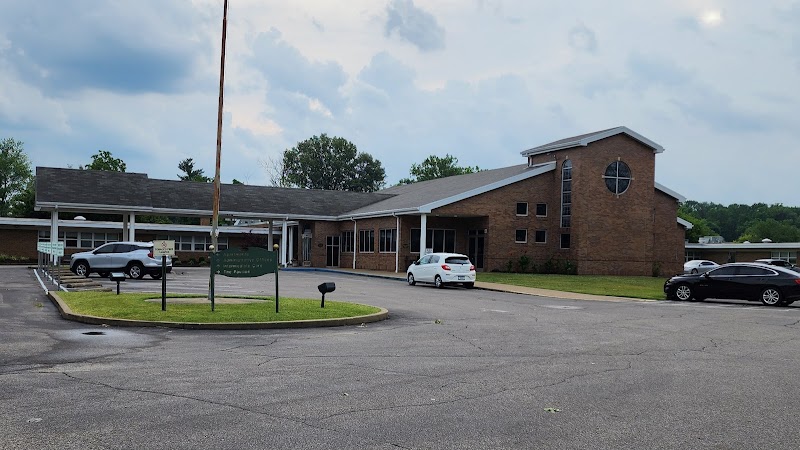
How is Envive Of Evansville Staffed?

CMS rates ENVIVE OF EVANSVILLE's staffing level at 1 out of 5 stars, which is much below average compared to other nursing homes.

What Have Inspectors Found at Envive Of Evansville?

State health inspectors documented 43 deficiencies at ENVIVE OF EVANSVILLE during 2021 to 2025. These included: 3 that caused actual resident harm and 40 with potential for harm. Deficiencies causing actual harm indicate documented cases where residents experienced negative health consequences.
Who Owns and Operates Envive Of Evansville?

ENVIVE OF EVANSVILLE is owned by a government entity. Government-operated facilities are typically run by state, county, or municipal agencies. The facility is operated by ENVIVE HEALTHCARE, a chain that manages multiple nursing homes. With 200 certified beds and approximately 120 residents (about 60% occupancy), it is a large facility located in EVANSVILLE, Indiana.
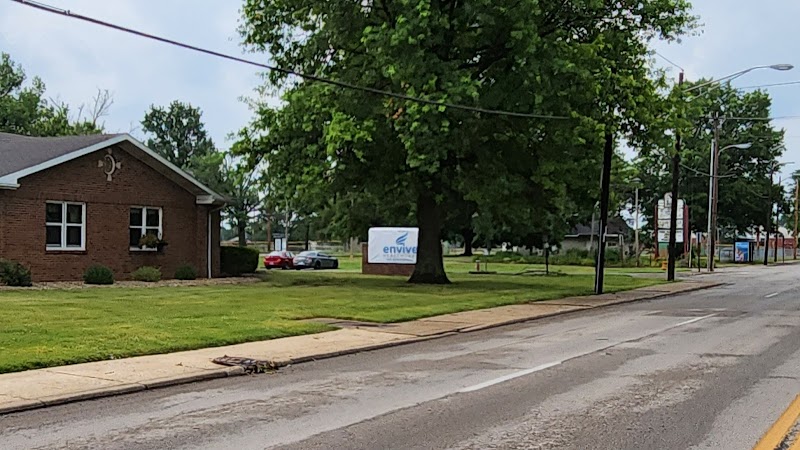
How Does Envive Of Evansville Compare to Other Indiana Nursing Homes?

Compared to the 100 nursing homes in Indiana, ENVIVE OF EVANSVILLE's overall rating (1 stars) is below the state average of 3.1 and health inspection rating (1 stars) is much below the national benchmark.

What Should Families Ask When Visiting Envive Of Evansville?

Based on this facility's data, families visiting should ask: "Can you walk me through typical staffing levels on day, evening, and night shifts?" "Can I visit during a mealtime to observe dining assistance and food quality?" "How do you handle medical emergencies, and what is your hospital transfer rate?" "Can I speak with family members of current residents about their experience?" These questions are particularly relevant given the below-average staffing rating.

Is Envive Of Evansville Safe?

Based on CMS inspection data, ENVIVE OF EVANSVILLE has a clean safety record: no substantiated abuse findings (meaning no confirmed cases of resident harm), no Immediate Jeopardy citations (the most serious violation level indicating risk of serious injury or death), and is not on the Special Focus Facility watch list (a federal program monitoring the lowest-performing 1% of nursing homes). The facility has a 1-star overall rating and ranks #100 of 100 nursing homes in Indiana. While no facility is perfect, families should still ask about staff-to-resident ratios and recent inspection results during their visit.

Do Nurses at Envive Of Evansville Stick Around?

ENVIVE OF EVANSVILLE has not reported staff turnover data to CMS. Staff turnover matters because consistent caregivers learn residents' individual needs, medications, and preferences. When staff frequently change, this institutional knowledge is lost. Families should ask the facility directly about their staff retention rates and average employee tenure.

Was Envive Of Evansville Ever Fined?

ENVIVE OF EVANSVILLE has been fined $74,236 across 11 penalty actions. This is above the Indiana average of $33,821. Fines in this range indicate compliance issues significant enough for CMS to impose meaningful financial consequences. Common causes include delayed correction of deficiencies, repeat violations, or care failures affecting resident safety. Families should ask facility leadership what changes have been made since these penalties.

Is Envive Of Evansville on Any Federal Watch List?

ENVIVE OF EVANSVILLE is not on any federal watch list. The most significant is the Special Focus Facility (SFF) program, which identifies the bottom 1% of nursing homes nationally based on persistent, serious quality problems. Not being on this list means the facility has avoided the pattern of deficiencies that triggers enhanced federal oversight. This is a positive indicator, though families should still review the facility's inspection history directly.