ENVIVE OF RIVER CITY
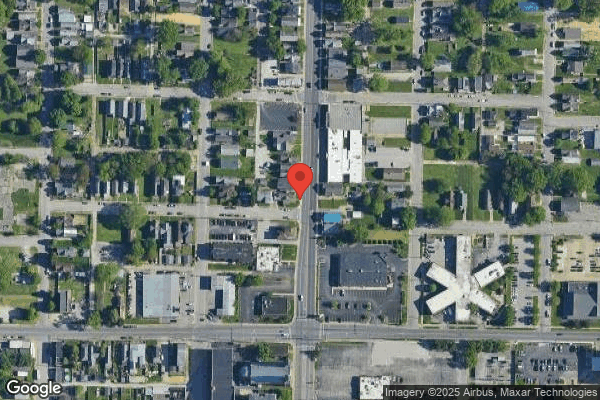
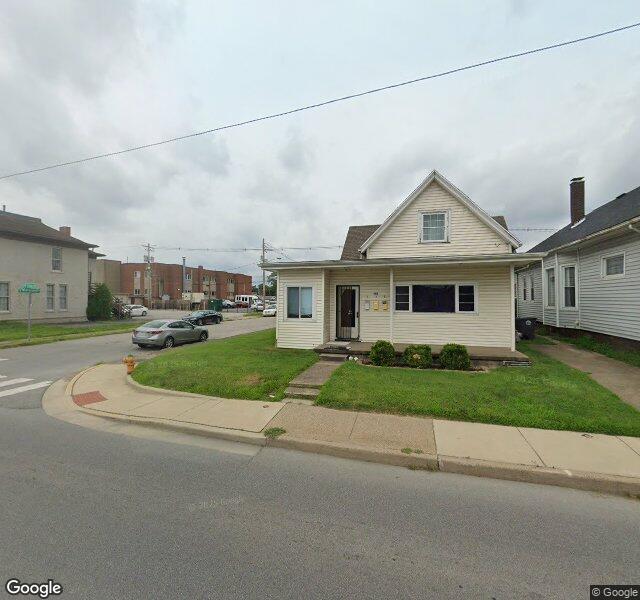
909 NORTH FIRST AVE, EVANSVILLE, IN 47710 (812) 423-6214
Government - County 71 Beds ENVIVE HEALTHCARE Data: November 2025
Trust Grade
40/100
#448 of 505 in IN
Last Inspection: October 2024

Within standard 12-15 month inspection cycle. Federal law requires annual inspections.

Overview

Envive of River City in Evansville, Indiana, has a Trust Grade of D, indicating below-average care with some concerns. It ranks #448 out of 505 facilities in the state, placing it in the bottom half overall, and #16 out of 17 in Vanderburgh County, suggesting limited better local options. Unfortunately, the facility is worsening, with issues doubling from 7 in 2023 to 15 in 2024. Staffing is a relative strength, as they have low turnover at 0%, but the overall staffing rating is poor at 1 out of 5 stars. While there have been no fines, which is a positive, there are serious incidents reported, including staff failing to provide insulin on time and by qualified personnel for multiple residents, and a lack of RN coverage for extended hours in the past, raising concerns about overall patient safety and quality of care.

Trust Score
D
40/100
In Indiana
#448/505
Bottom 12%
Safety Record
Low Risk
No red flags
Inspections
Getting Worse
7 → 15 violations
Staff Stability
○ Average
Turnover data not reported for this facility.
Penalties
✓ Good
No fines on record. Clean compliance history, better than most Indiana facilities.
Skilled Nurses
○ Average
Each resident gets 36 minutes of Registered Nurse (RN) attention daily — about average for Indiana. RNs are the most trained staff who monitor for health changes.
Violations
⚠ Watch
28 deficiencies on record. Higher than average. Multiple issues found across inspections.
★☆☆☆☆
1.0
Overall Rating
★☆☆☆☆
1.0
Staff Levels
★★☆☆☆
2.0
Care Quality
★★☆☆☆
2.0
Inspection Score
Stable
2023: 7 issues
2024: 15 issues

The Good

  • Full Sprinkler Coverage · Fire safety systems throughout facility
  • No fines on record

Facility shows strength in fire safety.

The Bad

1-Star Overall Rating

Below Indiana average (3.1)

Significant quality concerns identified by CMS

Chain: ENVIVE HEALTHCARE

Part of a multi-facility chain

Ask about local staffing decisions and management

The Ugly 28 deficiencies on record

Dec 2024 1 deficiency
CONCERN (D) 📢 Someone Reported This

A family member, employee, or ombudsman was alarmed enough to file a formal complaint

Potential for Harm - no one hurt, but risky conditions existed

Comprehensive Care Plan (Tag F0656)

Could have caused harm · This affected 1 resident

**NOTE- TERMS IN BRACKETS HAVE BEEN EDITED TO PROTECT CONFIDENTIALITY** Based on observation, interview and record review, the facility failed to ensure physicians orders were followed for 1 of 3 resi...

Read full inspector narrative →
**NOTE- TERMS IN BRACKETS HAVE BEEN EDITED TO PROTECT CONFIDENTIALITY** Based on observation, interview and record review, the facility failed to ensure physicians orders were followed for 1 of 3 residents reviewed for medication administration, and care plan interventions were not implemented for 2 of 3 residents reviewed for falls. Blood pressure parameter orders were not followed, fall interventions were not implemented. ( Resident B, Resident D) Findings includes: 1. On 12/3/24 at 12:57 p.m., Resident D's clinical record was reviewed. Resident D admitted to the facility on [DATE]. Diagnoses included, but were not limited to, essential hypertension, orthostatic hypotension, fracture of unspecified part of neck left femur. An admission MDS (Minimum Data Set) assessment dated [DATE], indicated cognition was intact, no mobility devices used, toileting set up or clean up, shower/bathe set up or clean up, mobility sit to stand independent, chair/bed to chair transfer, independent, tub/shower transfer independent, walk 10 feet once standing, independent. Care plans were reviewed and included, but were not limited to: I am at risk for falls/injury due to : disorder of brain, new environment, use of medication, date initiated 9/19/24. Interventions included, but were not limited to: non skid strips placed in all facility shower rooms, date initiated 9/30/24, created on 10/2/24 I have hyperlipidemia and hypertension, date initiated 9/20/24. Interventions included, but were not limited to: Give medications as ordered. Monitor for side effects such as orthostatic hypotension and increased heart rate (tachycardia) and effectiveness, date initiated 9/20/24. Monitor/record use/side effects of medication. Report to MD as necessary, date initiated 9/20/24. Vital signs as ordered, date initiated 9/20/24. I have a history of hypotension r/t diabetes, date initiated 9/20/24. Interventions included, but were not limited to: give medications as ordered. Monitor for side effects and effectiveness, date initiated 9/20/24. September and October 2024 physician orders were reviewed and included but was not limited to: September 2024 lisinopril oral tablet 5 mg (milligram) give 1 tablet by mouth one time a day for hypertension related to essential (primary) hypertension, hold if systolic b/p (blood pressure) less than 110, order date 9/24/24, start date 9/25/24. October 2024 lisinopril oral tablet 5 mg (milligram) give 1 tablet by mouth one time a day for hypertension related to essential (primary) hypertension, hold if systolic b/p (blood pressure) less than 110, start date 9/25/24, discontinue date 10/23/24. The September and October EMAR (Electronic Medication Administration Record) was reviewed and contained the following: Blood pressure was not obtained on the following dates before giving the medication, the EMAR was signed as given. 9/25 9/26 9/27 10/4 10/5 10/6 10/8 The medication was signed as given when systolic B/P was less than 110 on the following dates: 10/3 under vital signs tab B/P at 10:21 a.m., 94/56, B/P was not recorded on the EMAR 10/15 = 100/63 10/16 = 108/60 10/21 = 93/57 Progress notes were reviewed and included but were not limited to: 9/27/24 at 8:20 p.m., fall risk evaluation note, late entry: fall risk score: The resident has had a fall. Fall assessment completed with new fall score. Fall Risk Score is : 2.0. Immediate Intervention : non slip strips put in shower room . A fall risk assessment with an effective date of 10/4/24 included but was not limited to: Treatment/Immediate Interventions Implemented: non slip strips put on shower floors An un-witnessed fall document with a date of 9/27/24 at 8:15 p.m., included but was not limited to: Immediate action taken: Description : resident sent to hospital via ambulance for eval and tx. non skid strips placed in all shower rooms . On 12/4/24 at 9:05 a.m., no non slip strips were observed in the shower room on the 200 unit were Resident D resided. On 12/4/24 at 9:36 a.m., an anonymous interview indicated fall interventions are put in place by the nurse who does the fall assessment and reviewed by the team. On 12/5/24 at 9:14 a.m., RN 2 indicated there is an order for blood pressure parameters on a medication, the medication is given or not based on the parameters, the blood pressure is recorded on the MAR (Medication Administration Record). 2. On 12/3/24 at 10:50 a.m., Resident B's clinical record was reviewed. Diagnoses included but were not limited to, personal history of transient ischemic attack (TIA), and cerebral infarction without residual effects, flaccid hemiplegia affecting right nondominant side, muscle wasting and atrophy. unspecified fracture of upper end of left humerus. A admission MDS (Minimum Data Set) assessment dated [DATE], indicated Resident B's cognition was moderately impaired, toileting dependent, mobility substantial/maximal assist. Care plans were reviewed and included, but were not limited to: I am at risk of falls/injury due to : High risk med use, history of falls, seizure disorder, date initiated 10/1/24. A progress note dated 11/9/24 at 4:48 p.m., indicated Resident B was observed to be sliding out of his chair in his room and lowered to floor, no injuries. No new interventions were found in the clinical record. On 9/5/24 at 9:36 a.m., the DON indicated she did not see an intervention was put in place for Resident B for the 11/9/24 incident, a new intervention should have been put in place. On 12/5/24 at 9:00 a.m., the Administrator provided the current policy on administering medications with a revised date of 8/2024. The policy included, but was not limited to: Medications are administered in a safe and timely manner, and as prescribed .4. Medications are administered in accordance with prescriber orders, including any required time frame . On 12/5/24 at 9:22 a.m., the Administrator provided the current policy on care plans, comprehensive person-centered with a revised date of 8/2024. The policy included, but was not limited to: A comprehensive, person-centered care plan that includes measurable objectives and timetables to meet the resident's physical, psychosocial and functional needs is developed and implemented for each resident .3. The care plan interventions are developed from a through analysis of the information gathered as part of the comprehensive assessments .11. Assessments of residents are ongoing and care plans are revised as information about the residents and the resident's conditions change .12. The interdisciplinary team reviews and updates the care plan: .r. when the desired outcome is not met . On 12/5/24 at 9 a.m., the Administrator provided the current policy on clinical protocol falls, with a revised date of 8/2024. The policy included, but was not limited to: .4. Based on the preceding assessment, the staff and physician will identify pertinent interventions to try to prevent subsequent falls and to address the risks of clinically significant consequences of falling .5. If underlying causes cannot be readily identified or corrected, staff will try various relevant interventions, based on assessment of the nature or category of falling, until falling reduces or stops or until a reason is identified for its continuation (for example, if the individual continues to try to get up and walk without assistance) .7. The staff and physician will monitor and document the individual's response to interventions intended to reduce falling or the consequences of falling . This citation relates to Complaint IN00448437 and Complaint IN00447324. 3.1-35(g)(1)
Oct 2024 14 deficiencies
CONCERN (D)

Potential for Harm - no one hurt, but risky conditions existed

Notification of Changes (Tag F0580)

Could have caused harm · This affected 1 resident

**NOTE- TERMS IN BRACKETS HAVE BEEN EDITED TO PROTECT CONFIDENTIALITY** Based on interview and record review, the facility failed to notify the physician and resident representative when residents lef...

Read full inspector narrative →
**NOTE- TERMS IN BRACKETS HAVE BEEN EDITED TO PROTECT CONFIDENTIALITY** Based on interview and record review, the facility failed to notify the physician and resident representative when residents left the facility independently for 2 of 3 residents reviewed for elopement. (Resident 22, Resident 75) Findings include: 1. On 10/9/24 at 2:12 P.M., Resident 22's guardian indicated staff should contact her every time the resident left the facility. On 10/4/24 she let the facility know that it was ok for the resident to leave on Mondays, Wednesdays, and Fridays and did not need to be contacted on those days. On 10/9/24 at 9:12 A.M., Resident 22's clinical record was reviewed. Diagnoses included, but were not limited to, schizophrenia and stimulant dependence. Resident 22 was admitted to the facility on [DATE]. The most current admission Minimum Data Set (MDS) Assessment, dated 9/20/24, indicated Resident 22 had no cognitive impairment and was independent in all Activities of Daily Living (ADLs). A Letters of Temporary Guardianship document, dated 8/29/24, indicated Resident 22 was assigned a court-appointed guardian. An admission Elopement Risk Assessment, dated 9/13/24, indicated Resident 22 was at low risk for elopement. On 10/9/24 at 11:30 A.M., an elopement binder was observed on the 300 hall nurses station desk. The binder indicated Resident 22 was at risk for elopement. The binder included, but was not limited to, Resident 22's picture, name, date of birth , room number, physician name, and emergency contact name. The emergency contact listed was the court-appointed guardian. A physician order, dated 10/1/24, indicated that the resident had a state guardian and was not permitted to go outside and smoke or leave the facility unless approved by the guardian. An Ineffective Coping care plan, dated 9/18/24, included an intervention to ensure the resident's safety. The clinical record lacked a care plan related to the court-appointed guardian or elopement risk. A Release Of Responsibility For Leave Of Absence (LOA) document indicated the resident signed herself out of the facility on the following dates: 9/18/24 at 11:33 A.M. 9/18/24 at (illegible time) 9/18/24 at 5:10 P.M. 9/18/24 at 7:00 P.M. 9/19/24 at 3:50 P.M. 9/19/24 at 6:10 P.M. 10/3/24 at 1:30 P.M. A Nursing Progress note, dated 10/7/24 at 6:26 P.M., indicated the resident left the facility independently and returned weak. The clinical record lacked documentation that the guardian or the physician was notified that Resident 22 signed herself out of the facility on 9/18/24, 9/19/24, 10/3/24, and 10/7/24. On 10/9/24 at 12:30 P.M., the Director of Nursing (DON) indicated that the former administrator had allowed staff to take the resident outside to smoke to appease her complaining. The facility was aware she had a guardian since she was admitted . The physician order was entered on 10/1/24 to make staff aware the resident was not to leave without guardian approval and to safeguard the resident from leaving at night on her own. It was changed to Mondays, Wednesdays, or Fridays, but the DON was not sure when that was changed. The Social Service Director (SSD) was supposed to document that information, but the DON was unable to find any documentation related to the change of LOA approval. On 10/9/24 at 2:50 P.M., SSD indicated that from 9/13/24 to 9/30/24, Resident 22 was not to leave the facility under any circumstances. Between 9/30/24 and 10/4/30, the guardian changed her mind many times about when the resident could leave the facility. On 10/4/24, the guardian agreed to let Resident 22 go out on independent LOA on Mondays, Wednesdays, and Fridays from 1:30 P.M. to 2:30 P.M. The resident was to check in with the SSD when she left and came back. She indicated the resident had been doing that, but the SSD was not documenting those occurrences. At that time, she indicated a social service progress note, detailing the conversations with the guardian from admission to current had been entered in the clinical record on 10/9/24 at 1:24 P.M. The SSD was unable to provide documentation from conversations with the guardian before 10/9/24. On 10/10/24 at 1:40 P.M., the DON indicated that the guardian and physician were not notified when the resident left the facility sheet. The former administrator approved the resident to sign out to smoke with staff without approval from guardian. All notifications to the guardian and physician should be documented in a progress note. 2. On 10/09/24 at 7:33 A.M., Resident 75's clinical record was reviewed. Diagnoses included, but were not limited to, muscle weakness, need for assistance with personal care, and muscle wasting. The most current 5 Day admission MDS (Minimum Data Set) Assessment, dated 10/6/24, indicated that the resident was cognitively intact and was dependent on staff for transfer, dressing, hygiene, and mobility. Physicians orders included, but were not limited to: May go on LOA (Leave of Absence) with responsible party PRN (as needed), dated 9/29/24. A Release Of Responsibility For Leave Of Absence document indicated the resident signed himself out of the facility on the following dates: 10/3/24 at 12:47 P.M. 10/8/24 at 1:00 P.M. The document contained five signatures that did not specify a date or time and were illegible. The clinical record lacked documentation that the physician was notified when the resident left independently and without a responsible party. Interview on 10/10/24 at 1:36 P.M., the DON (Director of Nursing) indicated the order needed to be modified to indicate the resident could go LOA on his own. On 10/9/24 at 11:55 A.M., the DON provided a current Guidelines for LOA policy, dated 6/2023, that indicated A sign-out log should be available for the resident or responsible party to sign out prior to leaving campus for a leave of absence. On 10/9/24 at 3:55 P.M., the DON provided a current Wandering and Elopement policy, dated 8/2022, that indicated A list of residents at risk for elopement is maintained in a binder with corresponding pictures . When the resident returns to the facility, the Director of Nursing Services or Charge Nurse will .contact the attending physician and report findings and conditions of the resident; notify the resident's legal representative . On 10/10/24 at 9:13 A.M., the DON provided a current Adult Guardianship in Indiana: The Basics policy, dated 8/23/2018, that indicated unless limited by the court, a guardian is responsible for providing or supervising the protected person's care . On 10/11/24 at 8:30 A.M., the Administrator provided a current Change in a Resident's Condition or Status policy, dated 8/2024, that indicated The nurse will notify the resident's physician or physician on call when there has been a .discharge without proper medical authority. 3.1-5(a)(3)
CONCERN (D)

Potential for Harm - no one hurt, but risky conditions existed

Deficiency F0635 (Tag F0635)

Could have caused harm · This affected 1 resident

**NOTE- TERMS IN BRACKETS HAVE BEEN EDITED TO PROTECT CONFIDENTIALITY** Based on observation, interview, and record review, the facility failed to ensure a resident had orders upon admission for their...

Read full inspector narrative →
**NOTE- TERMS IN BRACKETS HAVE BEEN EDITED TO PROTECT CONFIDENTIALITY** Based on observation, interview, and record review, the facility failed to ensure a resident had orders upon admission for their PICC (peripherally inserted central catheter), wound care, management of their wound vac, and an order for enhanced barrier precautions for 1 of 1 resident reviewed for infection control. (Resident 225) Finding includes: On 10/9/24 at 11:40 A.M., Registered Nurse (RN) 9 was observed preparing vancomycin 750 milligrams (mg) / 150 milliliters (mL) to administer to Resident 225. A sign on the door indicated the resident was on enhanced barrier precautions (EBP). RN 9 did not donn a gown prior to caring for the resident. RN 9 flushed the first lumen on Resident 225's PICC line with 10 mL of saline and then flushed the second lumen on the PICC line with 8 mL of saline. RN 9 hooked the vancomycin to the PICC line and set the medication to run at 150 drops per minute. At that time, a wound vac was observed on the resident's coccyx. On 10/9/24 at 1:53 P.M., Resident 225's clinical record was reviewed. Resident 225 was admitted to the facility on [DATE]. Diagnoses included, but were not limited to, osteomyelitis (infection in the bone). Current physician orders included, but were not limited to: Vancomycin HCl intravenous solution (antibiotic), 750 mg intravenously two times a day for infectious wound related to osteomyelitis, dated 10/7/24. Vancomycin trough (lab work that is checked to monitor levels of Vancomycin in blood stream), CBC (complete blood count), CMP (comprehensive metabolic panel), one time only for IV (intravenous) antibiotics for 1 day, dated 10/8/24. Assess IV site every shift for signs and symptoms of infection or infiltration every shift, dated 10/6/24. The clinical record lacked orders for saline flushes through Resident's PICC line, order for PICC line, wound vac orders and wound care, and enhanced barrier precautions or transmission-based precautions related to Resident's wound and PICC line. Current care plans for Resident 225 included, but were not limited to: I have a venous access device specify: picc, midline, Peripheral IV related to antibiotics, date initiated 10/5/2024. If Resident has swelling or increased pain during infusion, stop IV and notify provider, date initiated 10/5/2024. IV assessment as indicated, date initiated 10/5/2024. Labs as ordered, date Initiated 10/5/2024. Notify provider for signs and symptoms of infection, extravasation, infiltration, increased pain, date initiated 10/5/2024. Treatments as ordered, date initiated 10/5/2024. I am receiving IV (intravenous) medications for: osteomyelitis and cellulitis (skin infection), date initiated 10/5/2024. An admission skilled nursing note, dated 10/6/24, indicated that Resident 225 had a power injection catheter in right chest and wounds on the left gluteal fold, right gluteal fold, coccyx, and left toe. Initial wound measurements were: Left gluteal fold 6 cm (centimeters) x 2 cm x 0.2 cm Right gluteal fold 3 cm x 1.5 cm x 0.2 cm Coccyx wound vac in place Left toe 1.2 cm x 0.1 cm x 0.1 cm. On 10/10/24 at 12:41 P.M., the Director of Nursing indicated orders for PICC, enhanced barrier precautions, and wound care should have been put in upon admission. She indicated a resident with a PICC line should have basic orders related to the PICC line including saline flushes, infection prevention caps covering the lumens of the PICC, and wounds should have treatment orders. A Physician Services policy, provided by Regional Support on 10/11/24 at 10:01 A.M., indicated once a resident is admitted , orders for the resident's immediate care and needs . provided by physician, physician assistant, nurse practitioner, or clinical nurse specialist. 3.1-30(a)
CONCERN (D)

Potential for Harm - no one hurt, but risky conditions existed

Assessment Accuracy (Tag F0641)

Could have caused harm · This affected 1 resident

**NOTE- TERMS IN BRACKETS HAVE BEEN EDITED TO PROTECT CONFIDENTIALITY** Based on interview and record review, the facility failed to ensure accurate Minimum Data Set (MDS) assessments were completed f...

Read full inspector narrative →
**NOTE- TERMS IN BRACKETS HAVE BEEN EDITED TO PROTECT CONFIDENTIALITY** Based on interview and record review, the facility failed to ensure accurate Minimum Data Set (MDS) assessments were completed for a resident with Post Traumatic Stress Disorder and intravenous access and residents with falls for 1 of 1 residents reviewed for antibiotic use and 2 of 2 residents reviewed for falls. (Resident 21, Resident 10, Resident 2) Findings include: 1. On 10/8/24 at 2:32 P.M., Resident 21's clinical record was reviewed. Resident 21 was admitted on [DATE]. Diagnoses on admission included, but were not limited to, osteomyelitis, Post Traumatic Stress Disorder (PTSD), and borderline personality disorder. The most recent Quarterly MDS (Minimum Data Set) Assessment, dated 9/25/24, indicated Resident 21 was cognitively intact, did not have PTSD, and did not have IV (intravenous) access. A current care plan, dated 9/19/24, indicated (Resident) received IV Medications related to osteomyelitis of right foot, Date Initiated: 9/19/24. During an interview on 10/10/24 at 12:41 P.M., the Director of Nursing (DON) indicated the MDS Assessment should have indicated Resident 21 did have a diagnosis of PTSD and did have IV access at the time of the MDS Assessment on 9/25/24. 2. On 10/9/24 at 9:37 A.M., Resident 10's clinical record was reviewed. Resident 10 was admitted on [DATE]. Diagnoses included, but were not limited to, generalized muscle weakness and abnormality of gait and mobility. The most recent Quarterly MDS (Minimum Data Set) Assessment, dated 9/27/24, indicated Resident 10 was cognitively intact. Resident 10 required substantial assistance (staff perform more than half of the work) for toileting, bathing, and transfers. The MDS Assessment indicated no falls since the prior MDS Assessment on 6/27/24. A transfer to hospital summary, dated 7/20/2024 at 10:03 A.M., indicated Resident 10 experienced an unwitnessed fall resulting in a large hematoma on the back of her head, and was transported to the hospital. During an interview on 10/10/24 at 12:41 P.M., the Director of Nursing (DON) indicated the MDS Assessment should have indicated Resident 10 experienced a fall between the previous and most recent MDS Assessment. 3. On 10/9/24 at 12:22 P.M., Resident 2's clinical record was reviewed. Diagnoses included, but were not limited to, repeated falls, hemiplegia and hemiparesis following cerebral infarction affecting left non dominant side, and symptoms and signs involving cognitive functions and awareness. The most current Quarterly MDS (Minimum Data Set) Assessment, dated 9/13/24, indicated Resident 2 was mildly cognitively impaired, required partial assistance of staff (staff does less than half) with hygiene and dressing, and had no falls since the prior assessment on 6/14/24. Physician's orders included, but were not limited to: Bilateral side rails to promote bed mobility every shift, dated 4/8/24. Activity Level: WBAT (Weight Bearing as Tolerated), dated 4/8/24. The current falls care plan indicated that Resident 2 was at risk for falls/injury due to impaired mobility and history of falls, dated 4/8/24. Interventions included, but were not limited to: encourage staff to assist with transfer and ADL (Activities of Daily Living), footwear to prevent slipping, and anticipate and meet the resident's needs. A nursing progress note, dated 7/19/24 at 1:24 P.M., indicated the resident had an unwitnessed fall without injury in her room. During an interview on 10/10/24 at 3:41 P.M., the DON (Director of Nursing) indicated the resident was not coded for falls on the Quarterly MDS assessment dated [DATE] and should have been. On 10/11/24 at 8:30 A.M., Regional Support provided a policy titled Resident Assessment, dated 8/24, that indicated Assessments are completed by the staff members who have the skills and qualifications to assess relevant care areas and who are knowledgeable about the resident's strengths and areas of decline. Information in the MDS assessment will consistently reflect information in the progress notes, plan of care, and resident observations/interviews.
CONCERN (D)

Potential for Harm - no one hurt, but risky conditions existed

Deficiency F0655 (Tag F0655)

Could have caused harm · This affected 1 resident

**NOTE- TERMS IN BRACKETS HAVE BEEN EDITED TO PROTECT CONFIDENTIALITY** Based on observation, interview, and record review, the facility failed to ensure a resident had a baseline care plan related to...

Read full inspector narrative →
**NOTE- TERMS IN BRACKETS HAVE BEEN EDITED TO PROTECT CONFIDENTIALITY** Based on observation, interview, and record review, the facility failed to ensure a resident had a baseline care plan related to their wounds and wound management for 1 of 1 residents reviewed for infection control. (Resident 225) Finding includes: On 10/9/24 at 11:40 A.M., a wound vac was observed on Resident 225's coccyx. On 10/9/24 at 1:53 P.M., Resident 225's clinical record was reviewed. Resident 225 was admitted to the facility on [DATE]. Diagnoses included, but were not limited to, osteomyelitis (infection in the bone). An admission skilled nursing note, dated 10/6/24, indicated that Resident 225 had a power injection catheter in right chest and wounds on the left gluteal fold, right gluteal fold, coccyx, and left toe. Initial wound measurements were: Left gluteal fold 6 cm (centimeters) x 2 cm x 0.2 cm Right gluteal fold 3 cm x 1.5 cm x 0.2 cm Coccyx wound vac in place Left toe 1.2 cm x 0.1 cm x 0.1 cm. The clinical record lacked baseline care plans for 4 of 4 of Resident 225's documented wounds, as well as management with a wound vac the resident had in place. On 10/10/24 at 12:41 P.M., the Director of Nursing indicated care plans were updated immediately and as needed. On 10/11/24 at 8:30 A.M., the Administrator provided a Care Plane, Comprehensive Person-Centered policy, dated 8/2024, that indicated The comprehensive, person-centered care plan .describes the services that are to be furnished to attain or maintain the resident's highest practicable physical, mental, and psychosocial well-being . 3.1-30(a)
CONCERN (D)

Potential for Harm - no one hurt, but risky conditions existed

Deficiency F0657 (Tag F0657)

Could have caused harm · This affected 1 resident

2. On 10/9/24 at 9:12 A.M., Resident 22's clinical record was reviewed. Diagnoses included, but were not limited to, schizophrenia and stimulant dependence. The most current admission Minimum Data Set...

Read full inspector narrative →
2. On 10/9/24 at 9:12 A.M., Resident 22's clinical record was reviewed. Diagnoses included, but were not limited to, schizophrenia and stimulant dependence. The most current admission Minimum Data Set (MDS) Assessment, dated 9/20/24, indicated Resident 22 had no cognitive impairment, had no behaviors, and was independent in all Activities of Daily Living (ALDs). A current history of substance abuse (methamphetamines) care plan, dated 9/14/24, included the following interventions: Encourage verbalization of feelings, fears, and anxiety. Labs as ordered. Medications as ordered. Review facility policy on substance abuse with resident/responsible party and ensure they understand consequences of not following facility policy. Therapy evaluation as needed. A Social Services progress note, dated 9/27/24 at 11:39 A.M., indicated a Certified Nursing Aide (CNA) notified the Social Service Director (SSD) and Director of Nursing (DON) that Resident 22 and another resident were seen crushing a white substance in a baggy. The white substance was found hidden in the resident's deodorant container. Law enforcement was called. An officer tested the substance upon arrival and it tested positive for methamphetamine. Resident 22 admitted to using the drug but would not say how long she had the drugs in her possession or where she got them. The care plan was not updated following the incident with methamphetamines or law enforcement on 9/27/24. On 10/9/24 at 11:30 A.M., an elopement binder was observed on the 300 hall nurses station desk. The binder indicated Resident 22 was at risk for elopement. The binder included Resident 22's picture, name, date of birth , room number, physician name, and emergency contact name. The clinical record lacked a care plan related to Resident 22's elopement risk. On 10/9/24 at 11:50 A.M., the Director of Nursing (DON) indicated that all residents in the elopement binder should also have a care plan. On 10/10/24 at 9:04 A.M., the DON indicated the care plan was not updated following the incident with the methamphetamine and law enforcement on 9/27/24. On 10/11/24 at 8:45 A.M., the Regional Support indicated there was no substance abuse policy. That policy was retired the first week of September and was not replaced. The care plan was not updated to reflect that change. On 10/9/24 at 3:55 P.M., the DON provided a current Wandering and Elopements policy, dated 8/2022, that indicated Care plans will be developed and individualized for residents who are at risk of elopement. If identified as at risk for wandering, elopement, or other safety issues, the resident's care plan will include strategies and interventions to maintain the resident's safety. On 10/11/24 at 8:30 A.M., the Administrator provided a current Care Plans, Comprehensive Person-Centered policy, dated 8/2024, that indicated Assessments of residents are ongoing and care plans are revised as information about the residents and the residents' conditions change. 3.1-35(a) 3.1-35(d)(1) 3.1-35(e) Based on record review and interview, the facility failed to ensure care plans were revised for 2 of 3 residents reviewed for accidents. Care plans were not revised after falls, substance misuse, and determination of elopement risk. (Resident 2, Resident 22) Findings include: 1. On 10/9/24 at 12:22 P.M., Resident 2's clinical record was reviewed. Diagnoses included, but were not limited to, repeated falls, hemiplegia and hemiparesis following cerebral infarction affecting left non dominant side, and symptoms and signs involving cognitive functions and awareness. The most current Quarterly Minimum Data Set (MDS) Assessment, dated 9/13/24, indicated Resident 2 was mildly cognitively impaired, required partial assistance of staff (staff does less than half) with hygiene and dressing, and had no fall since the prior assessment. Physician's orders included, but were not limited to: Bilateral side rails to promote bed mobility every shift, dated 4/8/24. Activity Level: WBAT (Weight Bearing as Tolerated), dated 4/8/24. The current falls care plan indicated that Resident 2 was at risk for falls/injury due to impaired mobility and history of falls, dated 4/8/24. Interventions included, but were not limited to: Anticipate and meet the resident's needs, initiated on 4/8/24 Set up craft station in room, initiated on 6/14/24. An incident note, dated 6/29/24 at 1:00 P.M., indicated Resident 2 had an unwitnessed fall. The care plan was not updated with a new intervention. A nursing note, dated 7/19/24 at 1:24 P.M., indicated Resident 2 had an unwitnessed fall. The care plan was not updated with a new intervention. A nursing note, dated 9/22/24 at 4:32 P.M., indicated Resident 2 had an unwitnessed fall. The care plan was not updated with a new intervention. During an interview on 10/10/24 at 2:25 P.M., the Director of Nursing (DON) indicated that the care plans needed to be updated after each fall.
CONCERN (D)

Potential for Harm - no one hurt, but risky conditions existed

Deficiency F0745 (Tag F0745)

Could have caused harm · This affected 1 resident

**NOTE- TERMS IN BRACKETS HAVE BEEN EDITED TO PROTECT CONFIDENTIALITY** Based on interview and record review, the facility failed to ensure social services were provided to meet a resident's mental an...

Read full inspector narrative →
**NOTE- TERMS IN BRACKETS HAVE BEEN EDITED TO PROTECT CONFIDENTIALITY** Based on interview and record review, the facility failed to ensure social services were provided to meet a resident's mental and psychosocial needs for 1 of 1 residents reviewed for mood disturbances. (Resident 21) Finding includes: During an interview on 10/8/24 at 11:38 A.M., Resident 21 appeared to be anxious and indicated he had a history of PTSD (Post Traumatic Stress Disorder) but had not met with mental health services since admission. On 10/8/24 at 2:32 P.M., Resident 21's clinical record was reviewed. Resident 21 was admitted on [DATE]. Diagnoses on admission included, but were not limited to, Post Traumatic Stress Disorder (PTSD) and Borderline Personality Disorder. The most recent Quarterly MDS (Minimum Data Set) Assessment, dated 9/25/24, indicated Resident 21 was cognitively intact and was independent for eating, toileting, and transfers. A review of current orders indicated Resident 21 was not receiving medications related to mental health diagnoses. Current care plans included, but were not limited to: Risk for Ineffective Coping due to 31 years in maximum security prison, PTSD diagnosis and incidences witnessed while detained all those years, Date Initiated: 8/15/24 Collaborate care with medical providers and psych services, Date Initiated: 8/15/24 On 8/8/24 a Preadmission Screening and Resident Review (PASRR) screening was completed for Resident 21 prior to admission. The screening indicated no mental health diagnosis was known or suspected. On 8/9/24 Resident 21 completed a form that indicated he would like to receive mental health services while in the facility. On 8/15/24 a form titled PHQ-9 Questionnaire (an assessment that measures the severity of depression), containing answers given by Resident 21, was completed by the Social Service Director (SSD). The total score indicated Resident 21 experienced mild depression. During an interview on 10/9/24 at 10:20 A.M., the SSD indicated the hospital completed the PASRR screening incorrectly prior to admission to the facility but the assessment should have been reviewed and resubmitted correctly on admission by the facility. The SSD indicated when a resident answered questions on the PHQ-9 Questionnaire that indicated depression, mental health services were offered, and indicated Resident 21 should have received mental health services but the behavioral health company that was contracted through the facility could not bill Resident 21's insurance and the facility would have to pay for the services. No other providers were contacted. On 10/11/24 at 8:30 A.M., the Regional Support provided a document titled Position Description Social Services Director that indicated The Social Services Director provides medically-related social services to attain or maintain the highest practicable physical, mental, and psychosocial well-being of each resident. Essential position functions: Assesses each resident's psychosocial needs and develops a plan for providing care. Collaborates with other departments, physicians, consultants, community agencies, and institutions to improve the quality of services and resolve identified problems. 3.1-34(a)
CONCERN (D)

Potential for Harm - no one hurt, but risky conditions existed

Medication Errors (Tag F0758)

Could have caused harm · This affected 1 resident

Based on interview and record review, the facility failed to ensure residents were free from unnecessary medications for 1 of 5 residents reviewed for unnecessary medications. A resident's as needed a...

Read full inspector narrative →
Based on interview and record review, the facility failed to ensure residents were free from unnecessary medications for 1 of 5 residents reviewed for unnecessary medications. A resident's as needed antianxiety medication was ordered for greater than 14 days. (Resident 18) Finding includes: On 10/9/24 at 10:06 A.M., Resident 18's clinical record was reviewed. Diagnoses included, but were not limited to, generalized anxiety disorder. The most current Quarterly Minimum Data Set (MDS) Assessment, dated 7/22/24, indicated Resident 18 had no cognitive impairment and received an antianxiety medication. Physician orders included, but were not limited to: diazepam (an antianxiety medication) 2 milligrams (mg) - Give 0.5 tablet by mouth every 8 hours as needed for anxiety, dated 8/28/24 with no end date. The Medication Administration Record (MAR) from 8/28/24 to 10/9/24 indicated Resident 18 received as needed (PRN) antianxiety medication on the following dates: 8/28/24 8/29/24 8/30/24 9/2/24 9/3/24 9/4/24 9/6/24 9/10/24 9/11/24 9/16/24 9/17/24 9/18/24 9/23/24 9/24/24 9/25/24 9/26/24 10/1/24 10/2/24 10/7/24 10/9/24 On 10/10/24 at 10:20 A.M., the Director of Nursing (DON) indicated that PRN antianxiety medications should have a stop date of 14 days. The medication needed to be reviewed by the physician every 14 days to evaluate for continuance. On 10/11/24 at 8:30 A.M., the Administrator provided a current Psychotropic Medication Use policy, dated 8/2024, that indicated PRN orders for psychotropic medications are limited to 14 days. 3.1-48(a)(2)
CONCERN (D)

Potential for Harm - no one hurt, but risky conditions existed

Deficiency F0761 (Tag F0761)

Could have caused harm · This affected 1 resident

Based on observation, interview and record review, the facility failed to ensure medications were labeled, opened-multi-dose containers were dated, and medication carts were free of loose pills for 1 ...

Read full inspector narrative →
Based on observation, interview and record review, the facility failed to ensure medications were labeled, opened-multi-dose containers were dated, and medication carts were free of loose pills for 1 of 2 medication carts observed. (100 hall med cart) Finding includes: On 10/9/24 at 7:40 A.M., the following were observed in the 100 hall med cart: an oblong maroon colored pill a small round white pill two dropper bottles of medication with no patient label two open bottles of multi-dose medications with no date written on them to indicate when they had been opened On 10/10/24 at 1:50 P.M., the Director of Nursing (DON) indicated that multi-dose medications such as Miralax, did not need to have the date opened written on them. A Medication Labeling and Storage policy, provided by the Administrator on 10/11/24 at 8:30 A.M., indicated medications and biologicals are stored in the packaging, containers or other dispensing systems in which they are received . multi-dose vials that have been opened or accessed are dated and discarded within 28 days unless the manufacturer specifies a shorter or longer date for the open vial. 3.1-25(j)
CONCERN (D)

Potential for Harm - no one hurt, but risky conditions existed

Deficiency F0805 (Tag F0805)

Could have caused harm · This affected 1 resident

Based on observation and record review, the facility failed to ensure food was correctly prepared for 2 of 2 residents who received puree altered diets. Finding includes: During an observation on 10/...

Read full inspector narrative →
Based on observation and record review, the facility failed to ensure food was correctly prepared for 2 of 2 residents who received puree altered diets. Finding includes: During an observation on 10/10/24 at 10:02 A.M., Dietary [NAME] 4 was preparing puree foods for resident's with altered dietary needs. The recipe #1028 titled Ham with Raisin Sauce Pureed Thick indicated the following measurements for 15 servings: Baked Ham with Raisin Sauce - 15 of three slices, 2 tablespoons sauce Apple Juice - 7.5 of four fluid ounces Food thickener - 3/4 cup 3 tablespoons Dietary [NAME] 4 gathered food and supplies for five (5) servings for each food. Dietary [NAME] 4 indicated she was unsure of the conversion from 15 servings to 5 servings. The Administrator wrote the conversions on the recipe and gave it to Dietary [NAME] 4. The handwritten conversions were written as follows: Five ham slices with raisin sauce 14 ounces of fluid for apple juice Thickener 1/4 cup and one tablespoon Dietary [NAME] 4 put the following food amounts in the puree machine: 15 slices of ham 1/2 cup (four fluid ounces) apple juice one tablespoon of food thickener Dietary [NAME] 4 emptied the contents of the puree food into a food canister, wrapped the top with plastic wrap, and transferred the canister to the temperature holding area. During an interview on 10/10/24 at 11:15 A.M., the Administrator indicated the puree conversions were incorrect. On 10/11/24 at 9:02 A.M., Regional Support provided a document titled Food Preparation and Service, revised 11/22, that indicated Food and nutrition services employees prepare, distribute, and serve food in a manner that complies with safe food handling practices. Food preparation means the series of operational processes involved in preparing foods for serving such as: pureeing. 3.1-21(a)(3)
CONCERN (D)

Potential for Harm - no one hurt, but risky conditions existed

Medical Records (Tag F0842)

Could have caused harm · This affected 1 resident

**NOTE- TERMS IN BRACKETS HAVE BEEN EDITED TO PROTECT CONFIDENTIALITY** Based on interview and record review, the facility failed to ensure documentation was complete and accurate for 2 of 3 residents...

Read full inspector narrative →
**NOTE- TERMS IN BRACKETS HAVE BEEN EDITED TO PROTECT CONFIDENTIALITY** Based on interview and record review, the facility failed to ensure documentation was complete and accurate for 2 of 3 residents reviewed for elopement and 1 of 2 residents reviewed for falls. Documentation required for a resident leave of absence (LOA) was not completed and neurological checks were not completed as ordered after a fall. (Resident 22, Resident 21, Resident 2) Findings include: 1. On 10/9/24 at 9:12 A.M., Resident 22's clinical record was reviewed. Diagnoses included, but were not limited to, schizophrenia and stimulant dependence. Resident 22 was admitted to the facility on [DATE]. The most current admission Minimum Data Set (MDS) Assessment, dated 9/20/24, indicated Resident 22 had no cognitive impairment and was independent in all Activities of Daily Living (ADLs). A Letters of Temporary Guardianship document, dated 8/29/24, indicated Resident 22 was assigned a court-appointed guardian. An admission Elopement Risk Assessment, dated 9/13/24, indicated Resident 22 was at low risk for elopement. On 10/9/24 at 11:30 A.M., an elopement binder was observed on the 300 hall nurses station desk. The binder indicated Resident 22 was at risk for elopement. The binder included, but was not limited to, Resident 22's picture, name, date of birth , room number, physician name, and emergency contact name. The emergency contact listed was the court-appointed guardian. A physician order, dated 10/1/24, indicated that the resident had a state guardian and was not permitted to go outside and smoke or leave the facility unless approved by the guardian. A Release Of Responsibility For Leave Of Absence (LOA) document indicated the resident signed herself out of the facility on the following dates: 9/17/24 at 12:20 P.M. 9/18/24 at 11:33 A.M. 9/18/24 at 1:45 P.M. 9/18/24 at (illegible time) 9/18/24 at 5:10 P.M. 9/18/24 at 7:00 P.M. 9/19/24 at 3:50 P.M. 9/19/24 at 6:10 P.M. 9/22/24 at (illegible time) 10/3/24 at 1:30 P.M. A Nursing Progress note, dated 10/7/24 at 6:26 P.M., indicated the resident left the facility independently and returned weak. The clinical record lacked documentation indicating who the resident left with, expected time of return, instructions provided, and a list of medications sent. On 10/9/24 at 2:50 P.M., Social Services Director (SSD) indicated the resident was to check in with the SSD when she left and came back. She indicated the resident had been doing that, but the SSD was not documenting those occurrences. On 10/10/24 at 1:40 P.M., the Director of Nursing (DON) indicated that documentation regarding the times Resident 22 went LOA could not be found. 2. On 10/8/24 at 2:32 P.M., Resident 21's clinical record was reviewed. Resident 21 was admitted on [DATE]. Diagnoses on admission included, but were not limited to, osteomyelitis, Post Traumatic Stress Disorder (PTSD), and Borderline Personality Disorder. The most recent Quarterly MDS (Minimum Data Set) Assessment, dated 9/25/24, indicated Resident 21 was cognitively intact and was independent for eating, toileting, and transfers. On 10/9/24 at 11:55 A.M., the Leave of Absence (LOA) binder was reviewed. Resident 21 signed himself out on the following days and times: 10/6 12:50 10/6 2:32 10/7 1:05 10/7 4:05 10/8 9:51 10/8 2:10 10/9 8:43 The leave of absence form and clinical record, including progress notes and assessments, lacked documentation indicating if medications were sent with Resident 21 during each leave of absence, date and time the resident arrived back to the facility, and signature of facility representative for each leave of absence. On 10/9/24 at 3:55 P.M., the facility elopement binder was reviewed. Resident 21 was observed in the binder along with an identifying photo. The clinical record lacked an order related to approval of physician for independent leave of absence. 3. On 10/9/24 at 12:22 P.M., Resident 2's clinical record was reviewed. Diagnoses included, but were not limited to, repeated falls, hemiplegia and hemiparesis following cerebral infarction affecting left non dominant side, and symptoms and signs involving cognitive functions and awareness The current Quarterly Minimum Data Set (MDS) Assessment, dated 9/13/24, indicated Resident 2 was mildly cognitively impaired, required partial assistance of staff (staff does less than half) with hygiene and dressing, and had no falls since the prior assessment. Physician's orders included, but were not limited to: Bilateral side rails to promote bed mobility every shift, dated 4/8/24. Activity Level: WBAT (Weight Bearing as Tolerated), dated 4/8/24. The current falls care plan indicated that Resident 2 was at risk for falls/injury due to impaired mobility and history of falls, dated 4/8/24. Interventions included, but were not limited to: Encourage staff to assist with transfer and ADL (Activities of Daily Living) Footwear to prevent slipping Anticipate and meet the resident's needs. On 10/9/24 at 2:15 P.M., the Administrator provided copies of the neurological check list for Resident 2 as follows: Fall 1 On 9/23/24 at 10:00 A.M., the fourth 4-hour neuro check was partially completed. On 9/23/23 at 2:00 P.M., the fifth 4-hour neuro check was left blank. On 9/23/23 at 4:00 P.M., the sixth 4-hour neuro check was left blank. Fall 2 On 7/19/24 at 1:15 P.M., the second 15-minute check was left blank. On 7/19/24 at 1:30 P.M., the third 15-minute check was left blank. On 10/10/24 at 9:43 A.M., the Director of Nursing (DON) indicated that when there was an unwitnessed fall, neuro checks were completed and should be filled out completely. If there was some reason that the checks could not be done at the scheduled time, it should be completed late. On 10/9/24 at 11:55 A.M., the DON provided a current Guidelines for LOA policy, dated 6/2023, that indicated Nursing documentation should include: the date and time the resident left, who they left with, expected time of return, instructions provided, and medications sent (type and number of doses). On 10/10/24 at 4:06 P.M., the Regional Support provided a current Charting and Documentation policy, dated 8/2024, that indicated Documentation in the medical record will be objective (not opinionated or speculative), complete, and accurate. On 10/10/24 at 4:06 P.M., the Administrator provided a current policy Neurological Assessment (Routine), revised on 8/2024, that indicated .the following information should be recorded in the resident's medical record .all assessment data obtained during the procedure . 3.1-50(a)(1) 3.1-50(a)(2)
CONCERN (D)

Potential for Harm - no one hurt, but risky conditions existed

Infection Control (Tag F0880)

Could have caused harm · This affected 1 resident

Based on observation, interview, and record review, the facility failed to ensure a resident with a PICC (peripheral injection central catheter) and multiple wounds was provided enhanced barrier preca...

Read full inspector narrative →
Based on observation, interview, and record review, the facility failed to ensure a resident with a PICC (peripheral injection central catheter) and multiple wounds was provided enhanced barrier precautions (EBP) for 1 of 1 resident reviewed for infection control. (Resident 225) Finding includes: On 10/9/24 at 11:40 A.M., Registered Nurse (RN) 9 was observed preparing vancomycin 750 milligrams (mg) / 150 milliliters (mL) to administer to Resident 225. A sign on the door indicated the resident was on enhanced barrier precautions (EBP). RN 9 did not donn a gown prior to caring for the resident. RN 9 flushed the first lumen on Resident 225's PICC line with 10 mL of saline and then flushed the second lumen on the PICC line with 8 mL of saline. RN 9 hooked the vancomycin to the PICC line and set the medication to run at 150 drops per minute. At that time, a wound vac was observed on the resident's coccyx. On 10/9/24 at 1:53 P.M., Resident 225's clinical record was reviewed. Diagnoses included, but were not limited to, osteomyelitis (infection in the bone). An admission skilled nursing note, dated 10/6/24, indicated that Resident 225 had a power injection catheter in right chest and wounds on the left gluteal fold, right gluteal fold, coccyx, and left toe. Initial wound measurements were: Left gluteal fold 6 cm (centimeters) x 2 cm x 0.2 cm Right gluteal fold 3 cm x 1.5 cm x 0.2 cm Coccyx wound vac in place Left toe 1.2 cm x 0.1 cm x 0.1 cm. The clinical record lacked orders for enhanced barrier precautions or transmission-based precautions related to Resident 225's wound and PICC line. Current care plans for Resident 225 included, but were not limited to: I have a venous access device specify: picc, midline, Peripheral IV related to antibiotics, date initiated 10/5/2024. If Resident has swelling or increased pain during infusion, stop IV and notify provider, date initiated 10/5/2024. IV assessment as indicated, date initiated 10/5/2024. Labs as ordered, date Initiated 10/5/2024. Notify provider for signs and symptoms of infection, extravasation, infiltration, increased pain, date initiated 10/5/2024. Treatments as ordered, date initiated 10/5/2024. I am receiving IV (intravenous) medications for: osteomyelitis and cellulitis (skin infection), date initiated 10/5/2024. On 10/10/24 at 12:41 P.M., the Director of Nursing indicated staff should wear personal protective equipment when providing care to resident. An Enhanced Barrier Precautions policy, provided by Regional Support on 10/11/24 at 10:01 A.M., indicated enhanced barrier precautions are used as an infection prevention and control intervention to reduce the spread of multi drug resistance organisms to residents. EBPs employ targeted gown and glove used during high contact resident care activities examples of high-contact resident care activities are device care or use (central line). 3.1-18(b)
CONCERN (D)

Potential for Harm - no one hurt, but risky conditions existed

Deficiency F0882 (Tag F0882)

Could have caused harm · This affected 1 resident

Based on interview and record review, the facility failed to ensure designation of a certified Infection Preventionist (IP). The IP did not currently dedicate at least part time to the role of IP for ...

Read full inspector narrative →
Based on interview and record review, the facility failed to ensure designation of a certified Infection Preventionist (IP). The IP did not currently dedicate at least part time to the role of IP for 1 of 1 staff members reviewed for IP. Findings include: On 10/8/24 at 12:10 P.M., the Director of Nursing (DON) indicated she was currently responsible for the infection prevention and control program in the facility. She indicated she worked full time as the DON, and was able to dedicate about 8 hours per week on the infection control program. On 10/9/24 at 1:49 P.M., the DON's employee file was reviewed. The DON had an IP certification dated 11/14/21. On 10/11/24 at 8:50 A.M. the Administrator provided a current undated Job Description: Infection Preventionist Nurse job description. The job description indicated . the IP provides assistance to the Director of Nursing when needed. On 10/9/24 at 11:30 A.M., the Administrator provided a current Infection Prevention and Control Program (IPCP), dated 8/2022, that indicated The community shall designate a member of the clinical team to monitor the campus IPCP program to perform surveillance to identify, investigate, control, and prevent the spread of infection and reporting for the IPCP.
CONCERN (E)

Potential for Harm - no one hurt, but risky conditions existed

Deficiency F0658 (Tag F0658)

Could have caused harm · This affected multiple residents

Based on interview and record review, the facility failed to ensure insulin was given in accordance with professional standards for 5 of 5 residents reviewed for insulin. Residents were given insulin ...

Read full inspector narrative →
Based on interview and record review, the facility failed to ensure insulin was given in accordance with professional standards for 5 of 5 residents reviewed for insulin. Residents were given insulin late and by unqualified staff. (Resident 18, Resident 1, Resident 17, Resident 11, Resident 8) Findings include: 1. On 10/9/24 at 10:06 A.M., Resident 18's clinical record was reviewed. Diagnoses included, but were not limited to, type 2 diabetes mellitus. The most current Quarterly Minimum Data Set (MDS) Assessment, dated 7/22/24, indicated Resident 18 had no cognitive impairment and received insulin. Physician orders included, but were not limited to: Humalog (insulin lispro - a short-acting insulin) KwikPen Subcutaneous Solution Pen-injector 100 unit/mL (milliliters) - Inject as per sliding scale: if 0 - 140 = 0 units; 141 - 180 = 2 units; 181 - 240 = 4 units; 241 - 300 = 6 units; 301 - 350 = 8 units; 351 - 400 = 10 units; 401 - 600 = 12 units subcutaneously before meals and at bedtime for type 2 diabetes mellitus, dated 7/11/24 The September 2024 Medication Administration Record (MAR) indicated that Resident 18 received 8 units of insulin lispro on 9/23/24 at 7:30 A.M. by Qualified Medication Aide (QMA) 2. On 10/9/24 at 1:49 P.M., employee files were reviewed. QMA 2's license did not include insulin administration certification. On 10/10/24 at 12:52 P.M., the Director of Nursing (DON) indicated QMAs were not allowed to administer insulin. 2. On 10/10/24 3:23 P.M., Resident 1's clinical record was reviewed. Diagnoses included, but were not limited to, type 2 diabetes mellitus. The most current Significant Change Minimum Data Set (MDS) Assessment, dated 8/13/24, indicated Resident 1 had severe cognitive impairment and received insulin. Physician orders included, but were not limited to: Lantus SoloStar (insulin glargine - a long-acting insulin) Subcutaneous Solution Pen-injector 100 unit/mL (milliliters) - Inject 17 units subcutaneously at 8:00 A.M. and 8:00 P.M. for type 2 diabetes mellitus, dated 7/16/24 The September 2024 Medication Administration Record (MAR) indicated Registered Nurse (RN) 21 gave Resident 1 the 8:00 A.M. dose of insulin glargine on 9/23/24. On 10/9/24 at 2:41 P.M., the nursing schedule for 9/22/24 through 9/28/24 was reviewed. The schedule indicated there were no nurses working at the facility on 9/23/24 from 6:00 A.M. to 9:40 A.M. Registered Nurse (RN) 21 began their shift at 9:40 A.M. 3. On 10/10/24 at 3:27 P.M., Resident 17's clinical record was reviewed. Diagnoses included, but were not limited to, type 2 diabetes mellitus. The most current Quarterly Minimum Data Set (MDS) Assessment, dated 9/23/24, indicated Resident 17 had no cognitive impairment and received insulin. Physician orders included, but were not limited to: Lantus (insulin glargine - a long-acting insulin) Subcutaneous Solution 100 unit/mL (milliliters) - Inject 20 units subcutaneously at 8:00 A.M. for type 2 diabetes mellitus, dated 7/11/24 The September 2024 Medication Administration Record (MAR) indicated Registered Nurse (RN) 21 gave Resident 17 the 8:00 A.M. dose of insulin glargine on 9/23/24. On 10/9/24 at 2:41 P.M., the nursing schedule for 9/22/24 through 9/28/24 was reviewed. The schedule indicated there were no nurses working at the facility on 9/23/24 from 6:00 A.M. to 9:40 A.M. Registered Nurse (RN) 21 began their shift at 9:40 A.M. 4. On 10/10/24 at 3:29 P.M., Resident 11's clinical record was reviewed. Diagnoses included, but were not limited to, type 2 diabetes mellitus. The most current Quarterly Minimum Data Set (MDS) Assessment, dated 9/12/24, indicated Resident 11 had mild cognitive impairment and received insulin. Physician orders included, but were not limited to: Insulin Glargine (a long-acting insulin) Solution 100 unit/mL (milliliters) - Inject 16 units subcutaneously at 8:00 A.M. and 8:00 P.M. for diabetes for type 2 diabetes mellitus, dated 2/1/24 Admelog SoloStar (insulin lispro - a short-acting insulin) Subcutaneous Solution Pen-injector 100 unit/mL - Inject as per sliding scale: if 141 - 180 = 2 units; 181 - 240 = 4 units; 241 - 300 = 6 units; 301 - 350 = 8 units; 351 - 400 = 10 units; above 400 12 units subcutaneously with meals for type 2 diabetes mellitus, dated 9/13/24 The September 2024 Medication Administration Record (MAR) indicated Registered Nurse (RN) 21 gave Resident 11 the 8:00 A.M. dose of insulin glargine and insulin lispro on 9/23/24. On 10/9/24 at 2:41 P.M., the nursing schedule for 9/22/24 through 9/28/24 was reviewed. The schedule indicated there were no nurses working at the facility on 9/23/24 from 6:00 A.M. to 9:40 A.M. Registered Nurse (RN) 21 began their shift at 9:40 A.M. 5. On 10/10/24 at 3:33 P.M., Resident 8's clinical record was reviewed. Diagnoses included, but were not limited to, type 2 diabetes mellitus. The most current Significant Change Minimum Data Set (MDS) Assessment, dated 9/3/24, indicated Resident 8 had no cognitive impairment and received insulin. Physician orders included, but were not limited to: Insulin Glargine (a long-acting insulin) Solution 100 unit/mL - Inject 15 units subcutaneously at 8:00 A.M. for type 2 diabetes mellitus, dated 7/19/24 The September 2024 Medication Administration Record (MAR) indicated Registered Nurse (RN) 21 gave Resident 8 the 8:00 A.M. dose of insulin glargine on 9/23/24. On 10/9/24 at 2:41 P.M., the nursing schedule for 9/22/24 through 9/28/24 was reviewed. The schedule indicated there were no nurses working at the facility on 9/23/24 from 6:00 A.M. to 9:40 A.M. Registered Nurse (RN) 21 began their shift at 9:40 A.M. On 10/10/24 at 1:40 P.M., the Director of Nursing (DON) indicated she was at the facility on 9/23/24 a little before 6:00 A.M. but worked as a CNA (Certified Nurse Aide) that morning. She could not provide documentation that placed her in the facility on 9/23/24 from 6:00 A.M. to 9:40 A.M. She indicated that she could not remember if she gave insulin that morning, and the insulin was probably given to residents late after RN 21 arrived for her shift at 9:40 A.M. At that time, she indicated that QMA 2 did not give insulin and it was documented in error, but she was not sure who gave the insulin on 9/23/24 at 7:30 A.M. On 10/8/24 at 11:30 A.M., the Administrator provided a Medication Administration and General Guidelines policy, dated 2020, that indicated Medications are administered within one hour of the scheduled time . Before or after meal orders are administered precisely as ordered . The resident's MAR is initialed by the person administering a medication . On 10/10/24 at 4:06 A.M., the Regional Support provided a current Charting and Documentation policy, dated 8/2024, that indicated Documentation in the medical record will be .accurate. On 10/10/24 at 4:06 P.M., the Regional Support provided a current Staffing, Sufficient and Competent Nursing policy, dated 8/2024, that indicated Licensed nurses .are available 24 hours a day, seven (7) days a week to provide competent resident care services. On 10/10/24 at 4:06 P.M., the Regional Support provided a current undated Qualified Medication Aide Scope of Practice policy that indicated The QMA shall not document in a resident's clinical record any medication that was administered by another person or not administered at all . The following tasks shall not be included in the QMA scope of practice: Administer medication by the injection route, including the following .subcutaneous route. 3.1-35(g)(1)
MINOR (C)

Minor Issue - procedural, no safety impact

Staffing Information (Tag F0732)

Minor procedural issue · This affected most or all residents

Based on observation, interview, and record review, the facility failed to post accurate actual hours worked for licensed and unlicensed nursing staff directly responsible for resident care per shift ...

Read full inspector narrative →
Based on observation, interview, and record review, the facility failed to post accurate actual hours worked for licensed and unlicensed nursing staff directly responsible for resident care per shift daily for 3 of 4 days during the annual survey period. Finding includes: During an observation on 10/8/24 at 3:12 P.M., a posted nurse staffing data sheet, dated 10/8/24, was observed on the front desk inside the main entrance. The sheet included, but was not limited to, the following information: Census, total number of staff for each shift and total hours of each shift for Registered Nurses (RN), Licensed Practical Nurses (LPN), and Certified Nurse Aide (CNA). The sheet indicated that staff worked day shift, evening shift, and night shift, but did not indicate the actual hours of those shifts. The sheet indicated 1 CNA worked 4 hours during the evening shift, but did not specify the actual hours that the staff worked. On 10/10/24 at 10:30 A.M., the Director of Nursing (DON) provided a copy of posted nurse staffing sheets for dates 10/8/24, 10/9/24, and 10/10/24. Each of these dates did not reflect actual hours worked. On 10/10/24 at 11:00 A.M., the Administrator indicated the facility did not have an evening shift and was unable to tell the actual hours staff worked by looking at the posted nurse staffing sheet. On 10/10/24 at 4:06 P.M., the Regional Support provided a current Posting Direct Care Daily Staffing Numbers policy, dated 8/2024, that indicated The information recorded on the form shall include .the actual time worked during that shift for each category and type of nursing staff.
Jul 2023 7 deficiencies
CONCERN (D)

Potential for Harm - no one hurt, but risky conditions existed

Deficiency F0554 (Tag F0554)

Could have caused harm · This affected 1 resident

Based on observation, interview, and record review, the facility failed to ensure residents that were self administering medications were assessed for capability to self administer medications for 2 o...

Read full inspector narrative →
Based on observation, interview, and record review, the facility failed to ensure residents that were self administering medications were assessed for capability to self administer medications for 2 of 4 residents reviewed for medication administration. (Resident 20, Resident 21) Findings include: 1. On 7/12/23 at 7:37 A.M., LPN (Licensed Practical Nurse) 3 was observed to administer medications for Resident 20 in his room. Medications prepared for administration included, but was not limited to, a Juven packet (nutrition powder) mixed in 8 oz (ounces) of water. LPN 3 handed Resident 20 his medications and left the room before the resident took the Juven. On 7/12/23 at 9:36 A.M., Resident 20's clinical record was reviewed. Diagnoses included, but were not limited to, diabetes mellitus with foot ulcer, dysphagia following cerebral infarction, and visual field defects. The most recent significant change MDS (Minimum Data Set) assessment, dated 6/1/23, indicated Resident 20 was cognitively intact and had a diabetic foot ulcer. Current physician orders included, but was not limited to: Juven packet, 1 packet twice daily for wound healing, dated 6/20/23 The clinical record lacked an order for self administration of medications. The clinical record lacked a care plan related to self administration of medications. The clinical record lacked a self administration of medication assessment. 2. On 7/12/23 at 7:44 A.M., LPN 3 was observed to administer medications for Resident 21 in her room. Medications prepared for administration included, but were not limited to, 1 senna 8.6 mg (milligrams) tablet, 1 multivitamin tablet, 1 aspirin 81 mg tablet, 1 oxybutynin 5 mg tablet, 1 clopidogrel 75 mg tablet, 1 amlodipine 5 mg tablet, 1 escitalopram 20 mg tablet, 1 famotidine 20 mg tablet, 1 metformin 1,000 mg tablet, 1 calcium 600 mg plus vitamin d3 800 mg tablet, and 1/2 metoprolol 25 mg tablet. LPN 3 handed Resident 21 the medications in a medication cup and left the room before the resident took the medications. On 7/12/23 at 9:39 A.M., Resident 21's clinical record was reviewed. Diagnoses included, but were not limited to, diabetes mellitus and major depressive disorder. The most recent annual MDS assessment, dated 5/17/23, indicated Resident 21 was cognitively intact. Current physician orders included, but was not limited to: Senna 8.6 mg, 1 tablet by mouth daily for constipation, dated 5/10/22 Multivitamin, 1 tablet by mouth daily as a supplement, dated 10/13/20 Aspirin EC (enteric-coated) 81 mg, 1 tablet by mouth daily for hypertension, dated 10/13/20 Oxybutynin ER (extended release) 5 mg, 1 tablet by mouth daily for overactive bladder, dated 10/13/20 Clopidogrel 75 mg, 1 tablet by mouth daily for DVT (deep vein thrombosis) prevention, dated 10/13/20 Amlodipine 5 mg, 1 table by mouth daily for hypertension, dated 10/13/20 Escitalopram 20 mg, 1 tablet by mouth daily for depression, dated 10/13/20 Famotidine (an antihistamine and antacid medication) 20 mg, 1 tablet by mouth 2 times daily, dated 5/4/22 Metformin (an anti-diabetic medication) 1,000 mg, 1 tablet by mouth daily, dated 4/18/23 Calcium 600 plus Vitamin D 800, 1 tablet by mouth twice daily as a supplement, dated 10/13/20 Metoprolol tartrate (a beta blocker medication) 25 mg, 1/2 tablet by mouth twice daily, dated 10/13/20 The clinical record lacked an order for self administration of medications. The clinical record lacked a care plan related to self administration of medications. The clinical record lacked a self administration of medication assessment. On 7/12/23 at 9:03 A.M., the ADON (Assistant Director of Nursing) indicated that no one in the facility had a self administration order for medications. She further indicated that medications should not be left at the bedside. On 7/13/23 at 8:14 A.M., a current Self-Administration of Medications policy, undated, indicated the staff and practitioner will assess each resident's mental and physical abilities to determine whether self-administering medications is clinically appropriate for the resident . The staff and practitioner will document their findings and choice of residents who are able to self-administer medications . The staff and practitioner will periodically (for example, during quarterly MDS reviews) reevaluate a resident's ability to continue to self-administer medications. 3.1-11(a)
CONCERN (D)

Potential for Harm - no one hurt, but risky conditions existed

Deficiency F0804 (Tag F0804)

Could have caused harm · This affected 1 resident

Based on interview and observation, the facility failed to provide each resident with food and drink that is served at a safe and appetizing temperature. Food that was supposed to be served hot was se...

Read full inspector narrative →
Based on interview and observation, the facility failed to provide each resident with food and drink that is served at a safe and appetizing temperature. Food that was supposed to be served hot was served at below the recommended temperature; food that was supposed to be cold was served above the recommended temperature for 1 of 1 meal trays reviewed for food temperature. Findings include: 1. During an interview with Resident 8 on 7/10/23 at 9:55 A.M., the resident stated Yuk when asked about the food. Then she indicated the hot food was served lukewarm. On 7/11/23 at 12:34 P.M., the temperatures were measured on the last food tray that was served on the resident's hall. The temperatures were: Broccoli 126.0 F Baked potato 128.0 F Milk 49.7 F Banana pudding 45.7 F Salad 50.1 F 2. During an interview on 7/11/23 at 11:22 A.M., the dietary supervisor indicated he takes temps for employee first who eat at 11:30 A.M., then re-checks the food temperatures before the residents eat at 12:00 to 12:15 P.M. During an interview on 7/12/23 at 11:22 A.M., the dietary supervisor indicated most of the food should be 165 degrees Fahrenheit across the board that should be hot. The cold cold should be below 40. The warm zone is 41-135 degrees if food is too warm or cold this is a problem. He indicated he would take the temperature the food 1/2 way through the cooking process and if it is not up to a certain temperature the entry may have to cook longer in order to have the correct temperature. The facility's food temperature policy, undated, indicated that hot food must be served at a minimum of 135 degrees F and cold food must be served at a minimum temperature of 41 degrees F . Foods sent to the units for distribution . will be transported and delivered to unit storage areas to maintain temperature at or below 41 degrees F for cold foods and at or above 135 degrees F for hot foods. 3.1-21(a)(2)
CONCERN (E)

Potential for Harm - no one hurt, but risky conditions existed

Deficiency F0657 (Tag F0657)

Could have caused harm · This affected multiple residents

**NOTE- TERMS IN BRACKETS HAVE BEEN EDITED TO PROTECT CONFIDENTIALITY** 11. On 7/12/23 at 6:48 A.M., Resident 2's clinical record was reviewed. Resident 2 was admitted on [DATE]. Diagnosis included, b...

Read full inspector narrative →
**NOTE- TERMS IN BRACKETS HAVE BEEN EDITED TO PROTECT CONFIDENTIALITY** 11. On 7/12/23 at 6:48 A.M., Resident 2's clinical record was reviewed. Resident 2 was admitted on [DATE]. Diagnosis included, but was not limited to, Alzheimer's Disease. The most recent quarterly MDS (Minimum Data Set) assessment, dated 5/31/23, indicated Resident 2 had severe cognitive impairment, required limited assistance of 1 staff for transferring, eating, and toileting, and had delusions. The clinical record lacked documented care plan conferences between 1/5/21 and 5/16/23. 12. On 7/11/23 at 11:04 A.M., Resident 4's clinical record was reviewed. Resident 4 was admitted on [DATE]. Diagnosis included, but was not limited to, hemiplegia and hemiparesis following cerebral infarction affecting the left nondominant side. The most recent quarterly MDS assessment, dated 4/12/23, indicated Resident 4 had moderate cognitive impairment and required extensive assistance of 2 staff for bed mobility, transferring, and toileting and extensive assistance of 1 staff for eating. The clinical record lacked documented care plan conferences. 13. On 7/11/23 at 10:37 A.M., Resident 6's clinical record was reviewed. Resident 6 was admitted on [DATE]. Diagnoses included, but were not limited to, hypertension, diabetes mellitus, prostate cancer, and dementia. The most recent quarterly MDS assessment, dated 6/14/23, indicated Resident 6 had severe cognitive impairment and required total assistance of 1 staff for eating, toileting, and bathing and total assistance of 2 staff for transferring. The clinical record lacked documented care plan conferences after 12/29/20. 14. On 7/11/23 at 9:22 A.M., Resident 16's clinical record was reviewed. Resident 16 was admitted on [DATE]. Diagnosis included, but was not limited to, congestive heart failure. The most recent quarterly MDS assessment, dated 6/7/23, indicated Resident 16 had severe cognitive impairment and required extensive assistance of 1 staff for toileting and was independent with setup assistance from staff for transferring and eating. The clinical record lacked documented care plan conferences after 12/22/20. A current undated policy Care Conference- Scheduling was provided by the ADON on 7/12/23 at 8:06 A.M., indicated .facility protocol for scheduling a Care Conference by Social Services Director or Designee arranging conferences to the following protocol: . 5) Care conference scheduling follows MDS schedule of .c) quarterly . 3.1-35(c)(1) 8. On 7/11/23 at 9:24 A.M. Resident 25's clinical record was reviewed. Resident 25 was admitted on [DATE]. Diagnoses included, but were not limited to, diabetes mellitus, cirrhosis of the liver, and hypertension. The most recent admission MDS (Minimum Data Set) assessment, dated 3/29/23, indicated resident 25 was cognitively intact and required supervision setup from staff for transferring, eating, and toileting. The clinical record lacked documented care plan conferences from 3/23/23 to 7/11/23. 9. On 7/11/23 at 10:02 A.M. Resident 12's clinical record was reviewed. Resident 12 was admitted on [DATE]. Diagnoses included, but were not limited to, hemiplegia of left side, epilepsy, and hypertension. The most recent Quarterly MDS assessment, dated 6/21/23, indicated resident 12 was moderately cognitively impaired, and required total assistance with transfers, eating, toileting, and bathing. The clinical record lacked documented care plan conferences between 6/1/17 to 1/21/20, and from 3/12/21 to 7/11/23. 10. On 7/11/23 at 10:27 A.M. Resident 21's clinical record was reviewed. Resident 21 was admitted on [DATE]. Diagnoses included, but were not limited to, diabetes mellitus, hypertension, and depression. The most recent Annual MDS assessment, dated 5/17/23, indicated resident 21 was cognitively intact and was independent for transfers, toileting, and eating. The clinical record lacked documented care plan conferences between 6/30/20 and 5/21/23. Based on interview and record review, the facility failed to provide quarterly care conferences that included the required interdisciplinary team members for 13 of 16 residents reviewed for quarterly care conferences (Residents 1, 2, 4, 6, 8, 9, 10, 12, 16, 21, 22, 23, 25) and failed to update revisions to care plans for 2 of 2 residents reviewed for care plan revisions (Resident 1, Resident 22). Findings include: 1. During an interview on 7/11/23 at 9:37 A.M. with the Director of Nursing (DON) and the Assistant Director of Nursing (ADON), they indicated the social worker was doing quarterly care conferences verbally and over the phone, but failed to document the conferences. During an interview on 7/10/23 at 9:48 A.M., LPN 6 indicated that social services and ADON (Assistant Director of Nursing) will contact the family by call or email. 2. On 7/12/23 at 10:15 A.M., Resident 8's clinical records were reviewed. Resident 8's diagnoses included, but were not limited to, Alzheimer's with late onset, anxiety disorders, delusional disorders, depressive disorders. The most recent quarterly MDS dated [DATE] indicated resident has mild cognitive impairment and is totally dependent with assist of 2 for bed mobility, transfers, and toileting, dependent with assist of 1 for eating, and is totally dependent for bathing. Resident 8's clinical record contained handwritten documentation of quarterly care conferences on 2/4/20, 4/24/20, 7/22/20, 10/13/20, 2/9/21 and 1/31/23, plus 1 undated care conference. The documentation indicated the resident and representative were invited but did not attend; the physician did not attend. 3. On 7/12/23 at 9:40 A.M., Resident 9's clinical records were reviewed. Resident 9's diagnoses included, but were not limited to, unspecified dementia without behavioral disturbance, psychotic disturbance, mood disturbance, anxiety, diabetes, history of falls, obsessive compulsive disorder. Current quarterly MDS dated [DATE] indicated resident has severe cognitive impairment (resident was not able to answer any of the Brief Inventory of Mental Status (BIMS) questions) and requires extensive assistance of 2 for bed mobility, transfers, and toileting, extensive assist of 1 for eating, and is totally dependent for bathing. Resident 9's clinical record contained handwritten documentation of quarterly care conferences on 1/14/20, 4/7/20, 7/1/20, 9/22/20, and 12/22/20. The documentation indicated the resident and representative were invited but did not attend; the physician did not attend. Residents 8 and 9 handwritten care conference documentation contained the signature of the same physician but with different handwriting 4. On 7/12/23 at 9:22 A.M., Resident 10's clinical record was reviewed. Resident 10's diagnoses included, but were not limited to, late onset Alzheimer's, vascular dementia, dementia with behaviors, diabetes, depression. The most recent quarterly MDS dated [DATE] indicated resident has severe cognitive impairment and requires total assist of 2 for bed mobility, transfers, toileting, total assist of 1 for eating, and is totally dependent for bathing. Resident 10's clinical record contained handwritten documentation of quarterly care conferences on 3/9/20, 6/2/20, 11/24/20, and 3/4/21. The documentation indicated the representative attended on 3/9/20; the physician did not attend. 5. On 7/12/23 at 10:25 A.M., Resident 22's clinical record was reviewed. Resident 22's diagnoses included, but were not limited to, dementia, diabetes, syncope and collapse. The most recent significant change MDS dated [DATE] indicated resident has severe cognitive impairment and is totally dependent with assist of 2 for bed mobility, transfers, and toileting, totally dependent with assist of 1 for eating, and totally dependent for bathing. Resident 22 was admitted [DATE]. The clinical record contained handwritten documentation of one quarterly care conference dated 5/22/23. The documentation indicated there was a discussion with resident's husband but he was not noted as having attended. Physician did not attend. During an interview on 7/12/23 at 11:46 A.M., the DON indicated they attempted to perform restorative nursing care for Resident 22, but resident was not capable of doing it. The care plan for restorative nursing is still on the comprehensive care plan, which has not been updated. 6. On 7/11/23 at 9:49 A.M., Resident 1's clinical record was reviewed. Diagnoses included but were not limited to Arteriosclerotic heart disease of the native coronary artery and hyperlipidemia. The most recent quarterly MDS (Minimum Data Set) assessment dated [DATE] indicated Resident 1 was cognitively intact and needed supervision with set up for mobility, transfer, and eating. Progress notes indicated Resident 1 had and unwitnessed falls on 5/19/23 and 6/4/23. The progress note also lacked documentation of an IDT (interdisciplinary team) meeting. The care plan lacked revision of interventions after the falls. During an interview on 7/11/23 at 10:57 A.M., indicated LPN 6 if a resident fell she would assess the resident for injuries, make sure they were not hurt. Take vital signs and do neuro checks per protocol if unwitnessed fall. Then notify family, DON (Director of Nursing) and physician. The care plan should have interventions updated with each fall. On 7/11/23 at 10:12 A.M., a Care Conference Summary sheet was located on Resident 1's chart and lacked documentation of a care conference for the resident since 3/11/21. During an interview on 7/10/23 at 9:03 A.M., Resident 1 indicated she had no knowledge of attending care plan conference meetings since she had been here. The resident was admitted on [DATE]. She had never received an invitation for attending a meeting. 7. On 7/11/23 at 8:26 A.M., Resident 23's clinical record was reviewed. Diagnoses included but were not limited to, hypertension and COPD (Chronic Obstructive Pulmonary Disease). The most recent quarterly MDS (Minimum Data Set) assessment dated [DATE] indicated that Resident 23 was cognitively intact and needed supervision with set up for eating and mobility. The chart lacked documentation of Care Conference Summary sheet for resident. During an interview on 7/10/23 at 9:30 A.M., Resident 23 indicated she had never been invited or been to a care conference. During an interview on 7/11/23 at 9:33 A.M., the DON indicated that a care conference summary sheet should be in the chart in front of the care plan. During an interview on 7/11/23 at 9:40 A.M., the DON indicated she was not aware of a Care Conference Summary sheet that documented the care conference date.
CONCERN (E)

Potential for Harm - no one hurt, but risky conditions existed

Food Safety (Tag F0812)

Could have caused harm · This affected multiple residents

Based on observation and interview, the facility failed to ensure food was stored appropriately in 2 of 2 kitchen observations. Food containers were found not labeled in the the dry storage area and s...

Read full inspector narrative →
Based on observation and interview, the facility failed to ensure food was stored appropriately in 2 of 2 kitchen observations. Food containers were found not labeled in the the dry storage area and shelving in prep area in the kitchen.(Kitchen) Findings include: On 7/10/23 between 6:45 A.M. and 7:10 A.M., during the initial kitchen tour the following was observed: Spices under silver prep table 1 opened container of garlic bread seasoning with a use by day of 4/17/23 1 opened container of garlic herb seasoning with used by date of 6/23/23 1 opened container of ground nutmeg with a use by date of 5/12/23 1 opened container of onion powder with use by date of 1/15/23 1 opened container of minced onion undated 1 opened container of lemon pepper seasoning undated 1 opened container of garlic salt undated 1 opened container of whole gloves with a use by date 11/2/22 1 measuring cup covered with plastic wrap of white granular substance undated and unlabeled, which the cook indicated was food thickener On 7/10/23 between 7:11 A.M. and 7:35 A.M., during the initial kitchen tour the following was observed: Dry storage room 1 opened box of red onion with no date 1 opened box of yellow onion with no date 1 opened box of white potatoes no date 1 opened bag of mashed potato pearls with use by date of 7/9/23, lacked an open date 1 opened container of Quaker oats with use by date written as 6/28/23, lacked an open During an interview on 7/12/23 at 11:22 A.M. the dietary supervisor went through and replaced the outdated spices and indicated that they were good for 1 year after the opening date on the container. 3.1-21(i)(2) 3.1-21(i)(3)
CONCERN (F)

Potential for Harm - no one hurt, but risky conditions existed

QAPI Program (Tag F0867)

Could have caused harm · This affected most or all residents

Based on interview and record review, the facility failed to complete a Quality Assurance and Performance Improvement Program based on identification, investigation, analysis, and prevention of advers...

Read full inspector narrative →
Based on interview and record review, the facility failed to complete a Quality Assurance and Performance Improvement Program based on identification, investigation, analysis, and prevention of adverse events in the facility within the past year. The data collection form lacked sufficient detail to identify potential high-risk, high-volume, or problem-prone areas for improvement that were counted under the other category of the data collection form. Findings include: During an interview on 7/13/23 at 9:29 A.M. with the Director of Nursing (DON) and Assistant Director of Nursing (ADON), they indicated they were not aware of any Performance Improvement Projects occurring at the present time or during the past year. They indicated there was no formal mechanism for staff to report concerns; staff leave notes in the administrators' mailboxes. No QAA committee meeting minutes were available. During a phone call with the administrator on 7/13/23 at 10:51 A.M., the administrator indicated the meeting minutes were at home in her briefcase and she was out of town. During record review of event tracking in 2023, the Quarterly Incident Summary Form and the Quality Assurance Meeting DON reports did not match. For the first quarter of 2023 (January, February, March), The Quarterly Incident Summary Form, undated, indicated 16 falls, 17 infections, and 8 pressure wounds. The report did not indicate if the infections, falls, and pressure wounds were facility-acquired. The Quarterly Quality Assurance Meeting DON Report, undated, indicated 15 falls, 15 infections, and 14 pressure wounds. The report did not indicate if the infections, falls, and pressure wounds were facility-acquired. There were no performance improvement plans related to falls, infections, or pressure wounds. For the second quarter of 2023 (April, May, June), the Quarterly Incident Summary Form, undated, indicated 7 falls, 14 infections, and 1 pressure wound. The report did not indicate if the infections, falls, infections, and pressure wounds were facility-acquired. The Quarterly Quality Assurance Meeting DON Report, undated, indicated 8 falls, 11 infections, and 1 pressure wound. There was no documentation of performance improvement plans to address falls, infections, and/or pressure wounds. The facility Quality Assurance and Performance Improvement (QAPI) Program policy, undated, indicated that performance improvement projects (PIP) are initiated when problems are identified, root cause analysis (RCA) is used to determine whether identified issues are exacerbated by the way care and services are organized or delivered, and the RCA serves as a highly-structured approach to fully understanding the nature of an identified problem, its cause, and the implications of making changes to improve the problem. 3.1-52(b)(2)
MINOR (C)

Minor Issue - procedural, no safety impact

Deficiency F0727 (Tag F0727)

Minor procedural issue · This affected most or all residents

Based on record review and interview, the facility failed to ensure a RN (Registered Nurse) worked 8 consecutive hours in the facility on any given day for 2 of 14 days reviewed for nurse staffing. Fi...

Read full inspector narrative →
Based on record review and interview, the facility failed to ensure a RN (Registered Nurse) worked 8 consecutive hours in the facility on any given day for 2 of 14 days reviewed for nurse staffing. Findings include: The staffing schedules were reviewed from 6/25/23-7/8/23 on 7/13/23 at 9:30 A.M. There was no RN scheduled on 7/3-7/4/23. The RN that was to work was scheduled from 6:30 P.M. to 7:00 A.M. on 7/3/23 but did not work there was no RN coverage for 8 consecutive hours for either day. The DON took a holiday on 7/3/23. She was on call on 7/4/23 but did not work. During an interview on 7/13/23 at 10:00 A.M., the DON indicated she was not able to work on-site due to family problems. During an interview on 7/13/23 at 11:07 A.M., the administrator indicated there was an emergency with the RN who was scheduled to work on 7/3/23 so there was no RN coverage on 7/3/23 and 7/4/23. On 7/13/23 a current undated policy Staffing was provided by the ADON at 12:52 A.M., indicated .the facility provides sufficient numbers of staff .Policy Interpretation and Implementation .3.) .the facility must use the services of a registered nurse for at least 8 consecutive hours a day, 7 days a week . 3.1-17(b)(3)
MINOR (C)

Minor Issue - procedural, no safety impact

Staffing Information (Tag F0732)

Minor procedural issue · This affected most or all residents

Based on observation, interview, and record review, the facility failed to ensure completed nurse staffing sheets were posted daily 4 of 4 days during the survey.( 7/10/23, 7/11/23, 7/12/23, and 7/13/...

Read full inspector narrative →
Based on observation, interview, and record review, the facility failed to ensure completed nurse staffing sheets were posted daily 4 of 4 days during the survey.( 7/10/23, 7/11/23, 7/12/23, and 7/13/23) Findings includes: On 7/10/23 at 6:40 A.M., a staffing sheet was observed hanging on a television monitor across from the front desk in lobby dated 7/10/23. The sheet included, but was not limited to the following information: Shift hours for RN (Registered Nurse), LPN (Licensed Practical Nurse) and CNA (Certified Nursing Assistant). Total number of RN, LPN, and CNA for each shift Total hours of RN, LPN, and CNA for each shift The sheet did not specify which actual hours were worked by each discipline during the specified shift when the total hours were not equal to the number of staff. On 7/11/23 at 8:00 A.M., a staffing sheet was observed hanging on a television monitor across from the front desk in lobby dated 7/11/23. The sheet included, but was not limited to the following information: Shift hours for RN (Registered Nurse), LPN (Licensed Practical Nurse) and CNA (Certified Nursing Assistant). Total number of RN, LPN, and CNA for each shift. Total hours of RN, LPN, and CNA for each shift. The sheet did not specify which actual hours were worked by each discipline during the specified shift when the total hours were not equal to the number of staff. On 7/13/23 at 8:30 A.M., the DON provided the staffing sheets for dated 7/10/23, 7/11/23. 7/12/23, and 7/13/23. The sheets included, but was not limited to the following information: Shift hours for RN (Registered Nurse), LPN (Licensed Practical Nurse) and CNA (Certified Nursing Assistant). Total number of RN, LPN, and CNA for each shift. Total hours of RN, LPN, and CNA for each shift. The sheets did not specify which actual hours were worked by each discipline during the specified shift when the total hours were not equal to the number of staff. During an interview at 2:00 P.M., with the DON(Director of Nursing)and ADON(Assistant Director of Nursing), the ADON indicated the social service assistant fills out the posted nurse staffing form. DON indicated she had never looked at it. DON indicated there may be some posted nurse staffing forms on the computer because they used to do it differently. She will look for a form that will show the posted nurse staffing correctly. On 7/13/23 a current undated policy Staffing was provided by the ADON at 12:52 A.M., indicated .the facility provides sufficient numbers of staff .Policy Interpretation and Implementation .6.(iii) the total number and actual hours worked by the following categories . A)Registered Nurses, B)Licensed Practical Nurses .C) Certified nurses aides .
Oct 2021 6 deficiencies
CONCERN (D)

Potential for Harm - no one hurt, but risky conditions existed

Deficiency F0657 (Tag F0657)

Could have caused harm · This affected 1 resident

Based on observation, record review, and interview, the facility failed to revise a care plan for 1 of 2 residents reviewed for positioning/mobility. The facility failed to revise care plans for a res...

Read full inspector narrative →
Based on observation, record review, and interview, the facility failed to revise a care plan for 1 of 2 residents reviewed for positioning/mobility. The facility failed to revise care plans for a resident with contractures to her hands who was noncompliant with wearing of anti-contracture devices. (Resident 14) Finding includes: On 10/12/21 at 10:57 a.m., Resident 14 was observed to be lying in bed. Resident 14 had contractures to both of her hands. No splints or devices were observed in the resident's hands. On 10/13/21 at 11:50 a.m., Resident 14 was observed in bed, watching TV. No splints or devices were observed in the resident's hands. RN 1 indicated the resident refused to wear splints in her hands but would occasionally allow the staff to place washcloths in her hands, but not very often. On 10/13/21 at 4:05 p.m., Resident 14 was observed with no splints or washcloths in her hands. CNA 3 indicated the resident refused to wear anything in her hands. The clinical record for Resident 14 was reviewed on 10/13/21 at 11:55 a.m. Diagnoses included, but were not limited to, MS (multiple sclerosis), aphasia, pain, and contracture of muscle, multiple sites. A quarterly MDS (Minimum Data Set) assessment, dated 6/30/21, indicated Resident 14 was cognitively intact. A Restorative Nursing Program PROM (passive range of motion, Communication, care plan, included, but was not limited to the following: Anti-contracture devices as indicated, initiated 12/7/18, revised 4/30/21. Encourage participation and praise efforts, initiated 12/7/18, revised 4/30/21. Monitor for s/s (signs/symptoms) or c/o (complaint of) pain, discomfort, and report to nurse, initiated 12/7/18, revised 4/30/21. A Potential/Actual Risk for Skin Breakdown r/t (related to) incontinence of B&B (bladder and bowel), immobility d/t (due to) dx (diagnosis) MS (multiple sclerosis), PVD (peripheral vascular disease), care plan included, but was not limited to, may use pillows for positioning and soft wash cloth in hands to aid in anticontracture, initiated 12/7/18, revised 4/20/20. On 10/14/21 at 4:00 p.m., the Acting Director of Nursing (DON) indicated only the MDS Coordinators were responsible for care plans and revisions. She indicated the nursing staff did not revise care plans. The current facility policy, undated, provided by the Administrator on 10/14/21 at 5:20 p.m., included, but was not limited to, Comprehensive assessments, care planning and the care delivery process involve collecting and analyzing information, choosing and initiating interventions, and then monitoring results and adjusting interventions. Monitoring results and adjusting interventions includes: Periodically reviewing progress and adjusting treatments. Continue to define or refine the objectives of specific treatments as well as overall care and services. 3.1-35(d)(2)(B)
CONCERN (D)

Potential for Harm - no one hurt, but risky conditions existed

ADL Care (Tag F0677)

Could have caused harm · This affected 1 resident

Based on observation, interview, and record review, the facility failed to provide oral care for 1 of 1 residents reviewed for dental. A resident was not provided oral care during morning ADLs (Activi...

Read full inspector narrative →
Based on observation, interview, and record review, the facility failed to provide oral care for 1 of 1 residents reviewed for dental. A resident was not provided oral care during morning ADLs (Activities of Daily Living). (Resident 13) Finding includes: On 10/12/121 at 9:45 a.m., Resident 13 was observed lying in bed sleeping. On 10/13/21 at 2:26 p.m., an anonymous interview indicated there were concerns Resident 13 was not getting his teeth brushed daily. On 10/13/21 at 2:45 a.m., Resident 13's clinical record was reviewed. He had diagnoses that included, but were not to, personal history of traumatic brain injury, hemiplegia, unspecified dementia with behavioral disturbance. A quarterly MDS (Minimum Data Set), dated 7/28/21 indicated Resident 13's cognition was severely impaired, personal hygiene total assist of one. Care plans were reviewed and included, but not limited to: Actual self care deficit r/t (related to) hx (history) of TBI (traumatic brain injury), contractures, left sided hemiparesis, tinea unguis and nail dystrophy. Date initiated 8/31/18. Goal : Resident will be neat, clean and odor free through next review. Interventions included, but not limited to: Oral care BID (twice daily), and PRN (as needed). Date initiated 8/31/21. An ADL check-off sheet was reviewed for the month of October 2021. The following days were not marked for oral care in the a.m., 10/1, 10/5, 10/6, 10/7, and 10/8. On 10/13/21 at 8:43 a.m., CNA 1 and CNA 2 were observed to provide morning care to Resident 13. Resident 13 was bathed, dressed and his hair combed. No oral care was provided to Resident 13. On 10/14/21 at 8:46 a.m., CNA 2 indicated oral care is usually provided to Resident 13 when bathing him, or before he goes to bed. On 10/14/21 at 3:53 p.m., the Acting DON provided an undated document titled Mouth Care. The document included, but was not limited to. The purposes of this procedure were to keep the resident's lips and oral tissues moist, to cleanse and freshen the resident's mouth, and to prevent oral infection. Preparation: review the resident's care plan to assess for any special needs of the resident. Assemble the equipment and supplies as needed. The following equipment and supplies will be necessary when performing this procedure: toothbrush, toothpaste, emesis basin, towel, fresh water, mouthwash if permitted, disposable cup, straw (flexible), tongue depressor, applicators or gauze sponges, lubricants (petroleum jelly, etc.), and personal protective equipment, (e.g., gowns, gloves, mask etc., as needed) .The following information should be recorded in the resident's medical record: the date and time the mouth care was provided. The name and title of the individual (s) who provided the mouth care .If the resident refused treatment, the reason (s) why, and the interventions taken. The signature and title of the person recording the data . 3.1-38(c)(1)
CONCERN (E)

Potential for Harm - no one hurt, but risky conditions existed

Infection Control (Tag F0880)

Could have caused harm · This affected multiple residents

6. On 10/12/21 at 8:01 a.m., CNA 1 was observed in Resident 6's room feeding her breakfast. CNA 1 was observed with a surgical mask on, no protective eyewear, sitting less than 6 feet from Resident 6....

Read full inspector narrative →
6. On 10/12/21 at 8:01 a.m., CNA 1 was observed in Resident 6's room feeding her breakfast. CNA 1 was observed with a surgical mask on, no protective eyewear, sitting less than 6 feet from Resident 6. 7. On 10/13/21 at 8:43 a.m., CNA 1 was observed to provide Resident 13 a bed bath with the assist of CNA 2. CNA 1 was observed to wash and rinse Resident 13 using multiple wash cloths that were put back into the wash basin after using them on Resident 13's upper and lower body. One washcloth used to wash and rinse Resident 13's genitals was put back into the tub, two were put into a trash bag after using to wash Resident 13's buttocks. The water was not changed during the bathing process. On 10/13/21 at 9:06 a.m., CNA 1 indicated during bathing used washcloths should be put in a bag, not back into the wash basin. On 10/14/21 at 3:53 p.m., the Acting DON provided an undated procedure guide for giving a bed bath. The guide included but not limited to, change the bath water after washing the upper body, after washing the legs and feet, after washing the back. The current facility policy, undated, provided by the Acting Director of Nursing (DON) on 10/14/21 at 3:53 p.m., included, but was not limited to, After performing the glucose testing, the nurse, wearing gloves, will use a dispatch wipe to clean all external parts of the monitor. A second wipe will be used to disinfect the blood glucose monitor. 3.1-18(b)(1) Based on observation, interview, and record review, the facility failed to properly prevent and/or contain COVID-19 and to ensure infection control practices were followed during resident care for 1 of 2 observations of glucometer cleaning, 2 of 2 observations of resident care, and 2 of 2 observations of wearing of face masks. Glucometers were not cleaned, protective eye wear was not worn by the staff, gloves were not worn during the administration of an injection, facial coverings were not offered to residents during care, and soiled washcloths were placed into clean water during a bath. (LPN 1, RN 1, CNA 2, CNA 3, CNA 1, Resident 6, Resident 13) Findings include: 1. On 10/12/21 at 8:15 a.m., the staff were observed throughout the facility with no protective eye wear on. The facility had a staff member who had tested positive for the COVID-19 infection on 10/9/21. 2. On 10/12/21 at 11:14 a.m., LPN 1 was observed to perform an accucheck on Resident 9. After completing the accucheck, LPN 1 was observed to carry the glucometer to the medication cart, lay the glucometer on top of the cart, obtain her keys from her scrub top pocket, unlock the cart, and place the glucometer into the cart. LPN 1 did not clean the glucometer. LPN 1 moved the cart to Resident 5's room and indicated she needed to obtain an accucheck on the resident. LPN 1 reached into the medication cart draw and removed a second glucometer. LPN 1 indicated the facility had 2 glucometers for the residents and the glucometers were supposed to be cleaned with a bleach wipe. LPN 1 removed the glucometer from the drawer, obtained a bleach wipe, and wiped the glucometer one time with the wipe prior to setting the glucometer on a tissue to dry. LPN 1 indicated the dry time was about 10 minutes. LPN 1 proceeded to obtain the accucheck on Resident 5. After obtaining the accucheck, LPN 1 wiped the glucometer 1 time and laid the glucometer onto a tissue on the top of the medication cart. The residents did not wear nor were they offered facial coverings during the procedure nor did LPN 1 have protective eye wear on. The Bleach Germicidal Wipe packet, provided by LPN 1 on 10/12/21 at 11:30 a.m., indicated To disinfect and deodorize hard, nonporous surfaces: Wipe surface to be disinfected. Use enough wipes for treated surface to remain visibly wet for 3 minutes. Let air dry. 3. On 10/13/21 at 8:32 a.m., RN 1 was observed to administer an insulin injection to Resident 21. RN 1 did not apply gloves prior to the injection. RN 1 did not wear protective eye wear and the resident was not offered any facial covering during the procedure. On 10/13/21 at 8:35 a.m., RN 1 indicated she had forgot to apply her gloves prior to administering the insulin as she had been in a rush. 4. On 10/13/21 at 9:07 a.m., CNA 3 was observed to provide a shower to Resident 8. CNA 3 did not wear protective eye wear. At the end of the bathing process, the resident was not offered a mask prior to exiting the shower room. 5. On 10/13/21 at 9:58 a.m., CNA 2 and CNA 3 were observed to provide a complete bed bath to Resident 22. The CNAs did not wear protective eye wear and the resident was not offered a mask prior to care. On 10/13/21 at 10:50 a.m., CNA 2 indicated she did not know if masks should be offered to the resident when providing care or if the staff should be wearing face shields. She thought the staff only needed to wear face shields if the facility had positive COVID-19 in the building. The policy for COVID-19 changed too much and it was hard to keep up with everything. On 10/13/21 at 11:30 a.m., both CNAs indicated a face covering should have been offered to the resident prior to providing care.
CONCERN (E)

Potential for Harm - no one hurt, but risky conditions existed

Deficiency F0885 (Tag F0885)

Could have caused harm · This affected multiple residents

Based on observation, interview, and record review, the facility failed to notify the residents of a confirmed positive infection of COVID-19 during 1 of 1 Resident Council meetings. Residents were no...

Read full inspector narrative →
Based on observation, interview, and record review, the facility failed to notify the residents of a confirmed positive infection of COVID-19 during 1 of 1 Resident Council meetings. Residents were not notified of a recent COVID-19 positive staff member. (Resident 8, Resident 12, Resident 16, Resident 1) Findings include: On 10/12/21 at 8:19 a.m., a sign was observed on the outside entry door of the facility indicating the facility was not accepting visitors. The Acting DON indicated the facility had a staff member test positive on Saturday, 10/9/21. She indicated the staff member worked in the dietary department and had not come into contact with any of the residents. She indicated the facility had tested everyone in the dietary department twice and all had tested negative. The visitation restriction was removed on the morning of 10/12/21. During the Resident Council meeting on 10/13/21 from 2:00 p.m.- 3:10 p.m., the following was indicated: 1. Resident 8 indicated the residents were never informed when the facility had a positive COVID-19 staff member. She indicated the last positive staff member was on 10/9/21. Resident 8 indicated her family had told her the facility was on lock down at that time otherwise, she would never had known. 2. Resident 12 indicated on 10/9/21 the facility was shut down but she was not informed until the shut down was lifted on 10/11/21. She indicated she had not been told the facility had a positive COVID-19 staff member and the facility never told the residents when they had a positive staff member. 3. Resident 16 indicated the residents were never informed when the facility had COVID-19 in the facility or when a staff member had tested positive. 4. Resident 1 indicated she had not been informed the facility had a positive COVID-19 staff member or that the facility had been shut down on 10/9/21. She indicated the facility did not inform the residents of positive COVID-19 staff. On 10/13/21 at 3:22 p.m., the Social Services Designee (SSD) indicated she would usually be the person who notified the residents when the facility had positive COVID-19. The Administrative Services Assistant and the Activity Director would also notify the residents when the facility had a positive COVID-19 staff or resident. She indicated neither herself, the Administrative Services Assistant, nor the Activity Director had not worked on 10/9/21 and therefore, the residents were not notified of the positive staff member or the lock down of the facility until Monday 10/11/21. The facility lacked documentation of a policy for notification of the residents of positive COVID-19 infections in the facility.
CONCERN (F)

Potential for Harm - no one hurt, but risky conditions existed

Deficiency F0727 (Tag F0727)

Could have caused harm · This affected most or all residents

2. On 10/13/21 at 5:30 p.m., the nursing schedule was reviewed for the dates of 10/3/21-10/14/21. The following dates lacked RN coverage for at least 8 hours a day: 10/3/21, 10/4/21, 10/5/21, 10/6/21,...

Read full inspector narrative →
2. On 10/13/21 at 5:30 p.m., the nursing schedule was reviewed for the dates of 10/3/21-10/14/21. The following dates lacked RN coverage for at least 8 hours a day: 10/3/21, 10/4/21, 10/5/21, 10/6/21, 10/8/21, 10/9/21, 10/10/21, 10/11/21, 10/12/21, and 10/14/21. On 10/14/21 at 8:24 a.m., the Acting DON indicated the schedule provided did not provide RN coverage for at least 8 hours a day. The facility lacked documentation of a policy for RN coverage for at least 8 hours a day for the facility. 3.1-17(b)(3) 3.1-17(b)(4) Based on record review and interview, the facility failed to provide a Director of Nursing (DON) working 3 of 3 days reviewed and failed to provided RN coverage for 8 hours or more a day. The facility lacked a RN as the Director of Nursing (DON) and the nursing schedule lacked RN coverage for at least 8 hours a day. (October 3, October 4, October 5, October 6, October 8, October 9, October 10, October 11, October 12, October 13, and October 14, 2021) Findings include: 1. On 10/12/21 at 8:30 a.m., the Acting Director of Nursing indicated she had been the Acting DON since May, 2021, when the previous DON left employment. On 10/13/21 at 4:22 p.m., the Acting DON indicated she was an LPN and was the current Acting DON. She indicated the facility had been searching for a new DON since May, 2021. The facility had been unable to find a new DON and had no new applicants. She had called everyone she knew to possibly apply but no one had applied thus far. On 10/14/21 at 4:05 p.m., the Administrator indicated the current Acting DON was a LPN and the facility had been searching for a new DON. The Administrator indicated she was aware the DON should be a RN. She indicated with the nursing shortage, she had no new applicants. The facility lacked documentation of a policy for the Director of Nursing being a Registered Nurse.
MINOR (C)

Minor Issue - procedural, no safety impact

Staffing Information (Tag F0732)

Minor procedural issue · This affected most or all residents

Based on observation, interview, and record review, the facility failed to ensure the daily staffing posted the number of nursing staff by category (RN, LPN, and CNA) providing direct care to resident...

Read full inspector narrative →
Based on observation, interview, and record review, the facility failed to ensure the daily staffing posted the number of nursing staff by category (RN, LPN, and CNA) providing direct care to residents during each shift and the actual hours worked by the staff during each shift for 3 of 3 days of posted daily staffing was reviewed. (10/12/21, 10/13/21, 10/14/21) Findings include: On 10/12/21 at 9:20 a.m., the nursing staffing was posted on the patient directory monitor. The posted staffing was dated 10/7/21. The same was observed on 10/12/21 at 3:05 p.m. On 10/13/21 at 9:46 a.m., the nursing staffing was posted on the patient directory monitor. The posted staffing was dated 10/7/21. On 10/13/21 at 11:47 a.m., the nursing staffing was posted for 10/13/21. On 10/14/21 at 9:27 a.m., the nursing staffing was posted on the patient directory monitor. The posted staffing was dated 10/13/21. The same was observed on 10/13/21 at 12:53 p.m. On 10/14/21 at 3:23 p.m., the nursing staffing was posted for 10/14/21. On 10/14/21 at 3:23 p.m., the correct nursing staff posting was observed and dated 10/14/21. The Acting DON indicated it was the responsibility of Business Office Employee 1 to ensure the nursing staffing was posted daily. She indicated Business Office Employee 1 had worked on the day shift on 10/12/21, 10/13/21, and 10/14/21. The facility lacked documentation of a policy for posting nurse staffing.
Understanding Severity Codes (click to expand)
Life-Threatening (Immediate Jeopardy)
J - Isolated K - Pattern L - Widespread
Actual Harm
G - Isolated H - Pattern I - Widespread
Potential for Harm
D - Isolated E - Pattern F - Widespread
No Harm (Minor)
A - Isolated B - Pattern C - Widespread

Questions to Ask on Your Visit

  • "Can I speak with families of current residents?"
  • "What's your RN coverage like on weekends and overnight?"

Our Honest Assessment

Strengths
  • • No major safety red flags. No abuse findings, life-threatening violations, or SFF status.
  • • No fines on record. Clean compliance history, better than most Indiana facilities.
Concerns
  • • 28 deficiencies on record. Higher than average. Multiple issues found across inspections.
  • • Grade D (40/100). Below average facility with significant concerns.
Bottom line: Trust Score of 40/100 indicates significant concerns. Thoroughly evaluate alternatives.

About This Facility

What is Envive Of River City's CMS Rating?

CMS assigns ENVIVE OF RIVER CITY an overall rating of 1 out of 5 stars, which is considered much below average nationally. Within Indiana, this rating places the facility higher than 0% of the state's 100 nursing homes. A rating at this level reflects concerns identified through health inspections, staffing assessments, or quality measures that families should carefully consider.

How is Envive Of River City Staffed?

CMS rates ENVIVE OF RIVER CITY's staffing level at 1 out of 5 stars, which is much below average compared to other nursing homes.

What Have Inspectors Found at Envive Of River City?

State health inspectors documented 28 deficiencies at ENVIVE OF RIVER CITY during 2021 to 2024. These included: 24 with potential for harm and 4 minor or isolated issues.

Who Owns and Operates Envive Of River City?

ENVIVE OF RIVER CITY is owned by a government entity. Government-operated facilities are typically run by state, county, or municipal agencies. The facility is operated by ENVIVE HEALTHCARE, a chain that manages multiple nursing homes. With 71 certified beds and approximately 27 residents (about 38% occupancy), it is a smaller facility located in EVANSVILLE, Indiana.

How Does Envive Of River City Compare to Other Indiana Nursing Homes?

Compared to the 100 nursing homes in Indiana, ENVIVE OF RIVER CITY's overall rating (1 stars) is below the state average of 3.1 and health inspection rating (2 stars) is below the national benchmark.

What Should Families Ask When Visiting Envive Of River City?

Based on this facility's data, families visiting should ask: "Can you walk me through typical staffing levels on day, evening, and night shifts?" "Can I visit during a mealtime to observe dining assistance and food quality?" "How do you handle medical emergencies, and what is your hospital transfer rate?" "Can I speak with family members of current residents about their experience?" These questions are particularly relevant given the below-average staffing rating.

Is Envive Of River City Safe?

Based on CMS inspection data, ENVIVE OF RIVER CITY has a clean safety record: no substantiated abuse findings (meaning no confirmed cases of resident harm), no Immediate Jeopardy citations (the most serious violation level indicating risk of serious injury or death), and is not on the Special Focus Facility watch list (a federal program monitoring the lowest-performing 1% of nursing homes). The facility has a 1-star overall rating and ranks #100 of 100 nursing homes in Indiana. While no facility is perfect, families should still ask about staff-to-resident ratios and recent inspection results during their visit.

Do Nurses at Envive Of River City Stick Around?

ENVIVE OF RIVER CITY has not reported staff turnover data to CMS. Staff turnover matters because consistent caregivers learn residents' individual needs, medications, and preferences. When staff frequently change, this institutional knowledge is lost. Families should ask the facility directly about their staff retention rates and average employee tenure.

Was Envive Of River City Ever Fined?

ENVIVE OF RIVER CITY has no federal fines on record. CMS issues fines when nursing homes fail to meet care standards or don't correct problems found during inspections. The absence of fines suggests the facility has either maintained compliance or corrected any issues before penalties were assessed. This is a positive indicator, though families should still review recent inspection reports for the full picture.

Is Envive Of River City on Any Federal Watch List?

ENVIVE OF RIVER CITY is not on any federal watch list. The most significant is the Special Focus Facility (SFF) program, which identifies the bottom 1% of nursing homes nationally based on persistent, serious quality problems. Not being on this list means the facility has avoided the pattern of deficiencies that triggers enhanced federal oversight. This is a positive indicator, though families should still review the facility's inspection history directly.