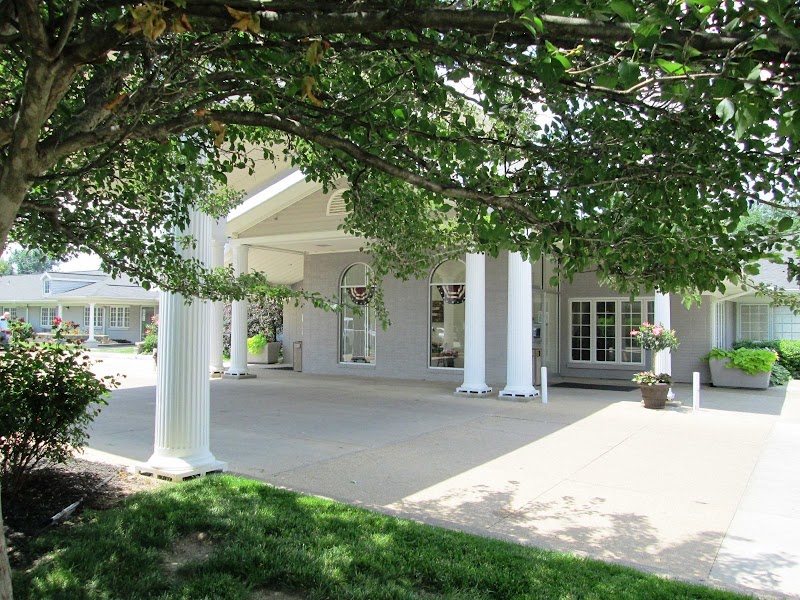
HERITAGE CENTER

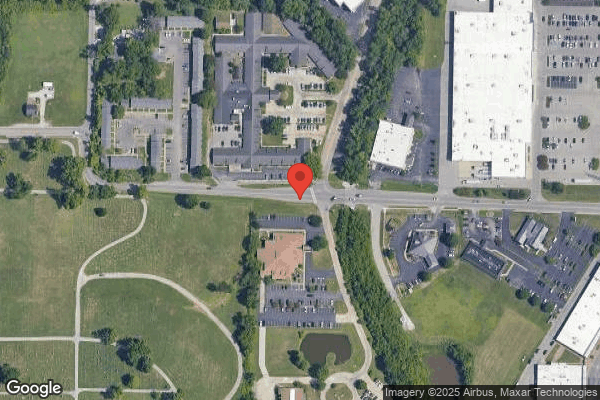
1201 W BUENA VISTA RD, EVANSVILLE, IN 47710 (812) 429-0700
Government - County 172 Beds Independent Data: November 2025
Trust Grade
40/100
#353 of 505 in IN
Last Inspection: April 2025

Within standard 12-15 month inspection cycle. Federal law requires annual inspections.

Overview

Heritage Center in Evansville, Indiana has a Trust Grade of D, which indicates below-average performance and some concerns about the quality of care provided. It ranks #353 out of 505 facilities in Indiana, placing it in the bottom half of nursing homes, and #8 out of 17 in Vanderburgh County, meaning only seven local options are considered worse. The facility's trend is worsening, with the number of issues increasing from 6 in 2024 to 15 in 2025. Staffing is rated average with a turnover of 46%, which is slightly below the state average, indicating staff stability, but RN coverage is only average, which may limit oversight of resident care. While there have been no fines reported, there are serious concerns, such as one resident developing a pressure ulcer due to inadequate preventive measures and another resident not receiving timely care plan updates, reflecting a need for improved management and attention to resident care.

Trust Score
D
40/100
In Indiana
#353/505
Bottom 31%
Safety Record
Moderate
Needs review
Inspections
Getting Worse
6 → 15 violations
Staff Stability
⚠ Watch
46% turnover. Above average. Higher turnover means staff may not know residents' routines.
Penalties
✓ Good
No fines on record. Clean compliance history, better than most Indiana facilities.
Skilled Nurses
○ Average
Each resident gets 37 minutes of Registered Nurse (RN) attention daily — about average for Indiana. RNs are the most trained staff who monitor for health changes.
Violations
⚠ Watch
29 deficiencies on record. Higher than average. Multiple issues found across inspections.
★★☆☆☆
2.0
Overall Rating
★★★☆☆
3.0
Staff Levels
★★★★☆
4.0
Care Quality
★★☆☆☆
2.0
Inspection Score
Stable
2024: 6 issues
2025: 15 issues

The Good

  • 4-Star Quality Measures · Strong clinical quality outcomes
  • Full Sprinkler Coverage · Fire safety systems throughout facility
  • No fines on record

Facility shows strength in quality measures, fire safety.

The Bad

2-Star Overall Rating

Below Indiana average (3.1)

Below average - review inspection findings carefully

Staff Turnover: 46%

Near Indiana avg (46%)

Higher turnover may affect care consistency

The Ugly 29 deficiencies on record

2 actual harm
Apr 2025 15 deficiencies
CONCERN (D)

Potential for Harm - no one hurt, but risky conditions existed

Resident Rights (Tag F0550)

Could have caused harm · This affected 1 resident

Based on interview and record review, the facility failed to ensure a resident's dignity was respected for 1 of 1 resident reviewed for dignity. A resident was told to urinate in her brief instead of ...

Read full inspector narrative →
Based on interview and record review, the facility failed to ensure a resident's dignity was respected for 1 of 1 resident reviewed for dignity. A resident was told to urinate in her brief instead of being assisted to the toilet for staff convenience. (Resident 14) Finding includes: On 4/21/25 at 10:02 A.M., Resident 14 appeared to be teary. She indicated that she was upset about staff treatment of her the night of 4/20/25. She indicated that she was in bed and needed to use the toilet. An agency aide told her that she did not want to help her to the toilet and to urinate in her brief instead because she preferred to change the resident in bed. The resident indicated that she finally did urinate in her brief and the aide changed her. On 4/23/25 at 8:59 A.M., Resident 14's clinical record was reviewed. Diagnoses included, but were not limited to, Parkinson's disease. The most recent Quarterly Minimum Data Set (MDS) Assessment, dated 2/24/25, indicated that Resident 14 was cognitively intact, required partial to moderate assistance of staff (staff does less than half of the effort) for toileting, and had no behaviors. A Bladder Continence Assessment, dated 7/2/24, indicated that the resident was on a toileting program. Staff were to assist the resident at night when awake and as needed to help establish a routine for urinary elimination and improve incontinence. A current Activities of Daily Living (ADL) Self Care Performance Deficit care plan, last revised on 11/20/24, indicated that Resident 14 required physical assistance of two staff with transfers, assistance of one staff onto the bedpan, and assistance of two staff for the bedside commode. A current risk for perineal irritation related to incontinent episodes, last revised on 6/6/24, included an intervention for staff to routinely check for incontinence through the night and offer to assist with toileting when awake. On 4/24/25 at 9:19 A.M., Certified Nurse Aide (CNA) 11 indicated that Resident 14 used the toilet on her own schedule. Whenever she had to go, she was assisted to the toilet. On 4/24/25 at 10:04 A.M., CNA 11 was observed assisting Resident 14 to the toilet. At that time, Resident 14 indicated CNA 11 was much gentler with her than the aide from the night before because the night aide jerked on her gait belt multiple times to get her to stand up. On 4/25/25 at 9:27 A.M., CNA 11 indicated that if a resident complained of the previous shift being rough, she would report it to the nurse. She indicated she did report Resident 14's complaint about the night shift staff being rough to a nurse. On 4/25/25 at 9:50 A.M., Licensed Practical Nurse (LPN) 7 indicated that if an aide reported that a resident had an issue with another staff member, she would tell the Administrator immediately. In an email from a confidential source on 4/25/25 at 10:54 A.M., it was indicated that Resident 14 was concerned with an aide that did not honor the resident's wishes and was very rude. On 4/25/25 at 1:18 P.M., the Administrator provided a current Quality of Life - Dignity policy, dated 9/15/17, that indicated Residents shall be treated with dignity and respect at all times. Treated with dignity means the resident will be assisted in maintaining and enhancing his or her self-esteem and self-worth . Demeaning practices and standards of care that compromise dignity are prohibited. Staff shall promote dignity and assist residents as needed by: . Responding to the resident's request for toileting assistance . 3.1-3(a)
CONCERN (D)

Potential for Harm - no one hurt, but risky conditions existed

Comprehensive Assessments (Tag F0636)

Could have caused harm · This affected 1 resident

**NOTE- TERMS IN BRACKETS HAVE BEEN EDITED TO PROTECT CONFIDENTIALITY** Based on interview and record review, the facility failed to ensure the admission Minimum Data Set (MDS) Assessment was complete...

Read full inspector narrative →
**NOTE- TERMS IN BRACKETS HAVE BEEN EDITED TO PROTECT CONFIDENTIALITY** Based on interview and record review, the facility failed to ensure the admission Minimum Data Set (MDS) Assessment was completed within 14 days of admission for 1 of 1 residents reviewed for new admissions. (Resident 335) Finding includes: On 4/22/25 at 1:30 P.M., Resident 335's clinical record was reviewed. Diagnosis included, but was not limited to, end stage renal disease. Resident 335 was admitted to the facility on [DATE]. The admission Minimum Data Set (MDS) Assessment, dated 4/21/25, indicated it was still in process and not completed. The MDS dashboard included a warning that the admission MDS was overdue. On 4/24/25 at 2:30 P.M., the MDS Coordinator indicated that the facility's policy was to follow the Resident Assessment Instrument (RAI) Manual. The most current RAI Manual, dated October 2024, indicated that an admission MDS Assessment completion date was no later than the 14th calendar day of the resident's admission (admission date + 13 calendar days). 3.1-31(d)(1)
CONCERN (D)

Potential for Harm - no one hurt, but risky conditions existed

Deficiency F0638 (Tag F0638)

Could have caused harm · This affected 1 resident

Based on interview and record review, the facility failed to ensure Minimum Data Set (MDS) assessments were completed no less than once every 3 months for 1 of 13 resident quarterly MDS assessments re...

Read full inspector narrative →
Based on interview and record review, the facility failed to ensure Minimum Data Set (MDS) assessments were completed no less than once every 3 months for 1 of 13 resident quarterly MDS assessments reviewed. (Resident 75) Finding includes: On 4/22/25 at 11:06 A.M., Resident 75's clinical record was reviewed. Diagnosis included, but was not limited to, stage 3 chronic kidney disease. The most recent completed MDS assessment was a significant change MDS assessment, dated 12/24/24. A quarterly MDS assessment, due 3/26/25, was still in progress (13 days late). 3.1-31(d)(3)
CONCERN (D)

Potential for Harm - no one hurt, but risky conditions existed

Assessment Accuracy (Tag F0641)

Could have caused harm · This affected 1 resident

Based on interview and record review, the facility failed to ensure a resident's Minimum Data Set (MDS) Assessment was completed accurately for 1 of 5 residents reviewed for unnecessary medications. (...

Read full inspector narrative →
Based on interview and record review, the facility failed to ensure a resident's Minimum Data Set (MDS) Assessment was completed accurately for 1 of 5 residents reviewed for unnecessary medications. (Resident 4) Finding includes: On 4/22/25 at 12:27 P.M., Resident 4's clinical record was reviewed. Diagnoses included, but were not limited to, prediabetes and chronic pain syndrome. The most recent Annual Minimum Data Set (MDS) Assessment, dated 2/19/25, indicated Resident 4 was cognitively intact, received hypoglycemic medication during the 7-day look back period, and did not receive an anticonvulsant during the 7-day lookback period. Current physician orders included, but were not limited to: gabapentin (an anticonvulsant medication) oral capsule 100 milligrams (mg) - Give one capsule by mouth two times a day for pain, dated 1/31/25 The clinical record lacked an order for a hypoglycemic medication. On 4/24/25 at 2:14 P.M., the MDS Coordinator indicated that she marked hypoglycemic in error and meant to mark anticonvulsant. On 4/24/25 at 2:30 P.M., the MDS Coordinator indicated that the facility's policy was to follow the Resident Assessment Instrument (RAI) Manual.
CONCERN (D)

Potential for Harm - no one hurt, but risky conditions existed

Comprehensive Care Plan (Tag F0656)

Could have caused harm · This affected 1 resident

**NOTE- TERMS IN BRACKETS HAVE BEEN EDITED TO PROTECT CONFIDENTIALITY** Based on observation, interview, and record review, the facility failed to ensure the development of a resident's comprehensive ...

Read full inspector narrative →
**NOTE- TERMS IN BRACKETS HAVE BEEN EDITED TO PROTECT CONFIDENTIALITY** Based on observation, interview, and record review, the facility failed to ensure the development of a resident's comprehensive care plan for 1 of 2 residents reviewed for Hospice and 1 of 1 residents reviewed for UTI. (Resident 45, Resident 22) Findings include 1. On 4/22/25 at 11:09 A.M., Resident 45's clinical record was reviewed. Diagnoses included, but were not limited to, transient cerebral ischemic attack, occlusion and stenosis of left middle cerebral artery, and need assistance with personal care. The current Annual Minimum Data Set (MDS) assessment dated [DATE] indicated that the resident was severely cognitively impaired. Resident 45 was dependent on assistance for dressing, transferring and toileting. The current physician order included but was not limited to: Consult (name )Hospice for decline in health dated 3/6/25. There is no care plan for (name) Hospice for Resident 45. During an interview on 4/24/25 at 1:40 P.M., the Director of Nursing indicated there should be an initial care plan if a resident enters Hospice. 2. On 4/22/25 at 12:58 P.M., Resident 22's clinical record was reviewed. Resident 22 was admitted on [DATE]. Diagnosis included, but were not limited to, urinary tract infection. The most recent MDS Assessment, dated 3/19/25, indicated Resident 22 was cognitively intact, required supervision from staff for toileting, required partial assistance from staff (staff do some of the work) for transfers, and was frequently incontinent of urine. Physician orders included, but were not limited to: Nitrofurantoin macrocrystal capsule 50 MG (milligrams) Give one capsule by mouth at bedtime for prophylaxis colonized klebsiella; Start date 1/7/25. Resident 22's clinical record lacked a care plan related to monitoring for frequent urinary tract infections or continuous antibiotic use. The following dates, during the last 12 months, Resident 22 had a positive urine culture indicating a urinary tract infection: 2/25/25 12/14/24 10/20/24 9/28/24 8/3/24 6/30/24 5/11/24 During an interview on 4/25/25 at 1:30 P.M., the Administrator indicated that the development of care plans was based on the Resident Assistant Instrument (RAI) Manual. 3.1-35(a)
CONCERN (D)

Potential for Harm - no one hurt, but risky conditions existed

Deficiency F0658 (Tag F0658)

Could have caused harm · This affected 1 resident

**NOTE- TERMS IN BRACKETS HAVE BEEN EDITED TO PROTECT CONFIDENTIALITY** Based on interview and record review, the facility failed to ensure neurological assessments were completed following unwitnesse...

Read full inspector narrative →
**NOTE- TERMS IN BRACKETS HAVE BEEN EDITED TO PROTECT CONFIDENTIALITY** Based on interview and record review, the facility failed to ensure neurological assessments were completed following unwitnessed falls for 2 of 2 residents reviewed for falls. Facility policy for completion of neurological assessments was not followed when staff failed to complete the required neurological assessments initially following a fall as well as follow-up assessments. (Resident 45, Resident 105) Findings include: 1. On 4/22/25 at 1:47 P.M., Resident 45's clinical record was reviewed. Diagnoses included, but were not limited to, muscle weakness (generalized), age-related osteoporosis without current pathological fracture, and history of falling. The current Annual MDS assessment dated [DATE] indicated that the resident was severely cognitively impaired. Resident 45 was dependent on assistance for dressing, transferring and toileting. The current physician orders included, but were not limited to: Dycem (anti-sliding device) in wheelchair to prevent sliding down in chair dated 3/16/25. Use no-skid mat next to the window side of bed dated 8/12/24. The current fall risk care plan revised on 12/23/24 related to getting up on their own, impaired safety awareness, and muscle weakness included interventions that included, but were not limited to: Reminder sign to call for assistance dated 4/5/25. Offer non-skid socks and or non-skid shoes dated 3/18/24. Upon getting up place resident in day room recliner dated 3/7/25. A progress note dated 4/4/25 at 4:07 P.M. indicated that Resident 45 had an unwitnessed fall in the room doorway into her room lying on her right side. Neurochecks and vital signs were started at 4:00 P.M. and were to be completed every two hours. The initial assessment lacked pupil reactions for the first two assessment time. The neurochecks and vital signs with signatures were lacking at 8:00 P.M. and 10:00 P.M. The neurochecks and vital signs that were to be done every 2 hours from 4/5/25 at 6:00 A.M. until 4:00 P.M. lacked documentation of pupillary response and a nurse's signature. A progress note dated 3/18/25 at 10:51 P.M., indicated that Resident 45 has an unwitnessed fall in the day room where she was found sitting next to her recliner. Neurochecks and vital signs were started on 3/18/25 at 8:51 P.M. and were completed every two hours. The neurochecks and vital signs were not signed off every two hours by a nurse from 6:45 A.M. on 3/19/25 until 4:45 P.M. on 3/19/25. During an interview on 4/24/25 at 1:17 P.M., the Assistant Director of Nursing (ADON) indicated the Registered Nurse (RN) will do a neuro assessment immediately for all falls. If the fall is witness and not hit head vital signs are done every shift for 24 hours. The ADON indicated if the fall was unwitnessed the neurochecks are to be done every 2 hours after the initial hour. The sheets should be filled out completely. 2. On 4/22/25 at 1:47 P.M., Resident 105's clinical record was reviewed. Diagnoses included, but were not limited to, acquired absence of left leg above the knee and muscle weakness generalized. The current Quarterly Minimum Data Service (MDS) assessment dated [DATE] indicated Resident 105 was cognitively intact. Resident 105 was dependent on toileting, needed supervision with transferring, and needed partial assistance less than 1/2 time for hygiene. The current physician orders included, but were not limited to: Falls prevention measures in place per care plan every shift dated 4/5/24. Activity Order: Up with assistance of (x) 2 with a sliding board for staff every shift dated 5/1/24 The current fall care plan indicated the resident is a fall risk due to injury, weakness, amputation of the leg, and altered mobility revised on 5/21/24. Interventions included but were not limited to: Instruct on use of the call light dated 5/21/24. Ensure anti-tippers are in proper position on each shift dated 2/12/25, and bed in the lowest position dated 5/21/24. A nursing progress note dated 2/12/25 at 6:15 P.M. indicated Resident 105 had a fall from a wheelchair that tipped when anti-tipper rolls were not engaged after resident returned from an appointment. Vital signs and neurochecks were started at this time but lacked documentation of a fall risk assessment. During an interview on 4/24/25 at 1:17 P.M., ADON indicated that the Registered Nurse (RN) will do an assessment to be completed on resident with each fall. On 4/25/25 at 1:18 P.M., the Administrator provided a current policy Fall Risk Assessment reviewed on 4/24. The policy indicated the purpose of the fall risk is .is to identify residents at risk of falling and ensuring that each resident has preventive measures in place to reduce the risk of falls .the procedure was to complete all items on the forms 3.1-37
CONCERN (D)

Potential for Harm - no one hurt, but risky conditions existed

ADL Care (Tag F0677)

Could have caused harm · This affected 1 resident

Based on observation, interview, and record review, the facility failed to ensure a resident unable to carry out activities of daily living (ADLs) received the necessary services to maintain good groo...

Read full inspector narrative →
Based on observation, interview, and record review, the facility failed to ensure a resident unable to carry out activities of daily living (ADLs) received the necessary services to maintain good grooming and personal hygiene for 1 of 4 residents reviewed for skin concerns. A resident with long toe nails had not been seen by podiatry or had toe nails trimmed. (Resident 124) Finding includes: On 4/22/25 at 12:30 P.M., Resident 124's clinical record was reviewed. admission date was 12/4/24. Diagnoses included, but were not limited to, Alzheimer's disease, dementia, anxiety, and depression. The most recent quarterly Minimum Data Set (MDS) assessment, dated 3/12/25, indicated a severe cognitive impairment. Resident 124 required substantial to maximum assistance (helper does more than half the effort) with showering. Current physician orders included, but were not limited to: May see podiatrist of choice, dated 12/4/24. A current ADL care plan, last revised 12/30/24, included, but was not limited to, an intervention to check nail length and trim and clean on bath day and as necessary, initiated 12/6/24. A consent form for podiatry was signed by Resident 124's Power of Attorney (POA) on 12/6/24 as part of the admission packet. Resident 124's clinical record lacked documentation that her toe nails had been cleaned or trimmed. On 4/23/25 at 9:38 A.M., Resident 124's feet were observed. Toe nails on both feet were very long, thick, and with a layer of dirt underneath. At that time, Unit Manager (UM) 15 indicated podiatry came to the facility once a month, would be there the following week, and Resident 124's daughter had recently requested for the resident to be seen by them. She indicated a resident's podiatry consent might be signed at admission, but the resident would not be seen unless there was a significant change or the family requested it. She further indicated she had spoken to Resident 124's daughter on 3/12/25 and she had voiced a need for podiatry. On 4/23/25 at 9:52 A.M., Registered Nurse (RN) 9 indicated Resident 124 had not seen podiatry, and the nurses on the unit were responsible for trimming her toe nails, and the aides were responsible for nail care (cleaning). She indicated a progress note would be completed when toe nails were trimmed. On 4/25/25 at 1:18 P.M., the Administrator provided a procedure form for nail care. At that time, he indicated there was not an actual policy, but the form was followed by staff. The form indicated step by step instruction for cleaning and trimming nails, but did not include timing on which nail care should have been done. 3.1-38(a)(3)(E)
CONCERN (D)

Potential for Harm - no one hurt, but risky conditions existed

Quality of Care (Tag F0684)

Could have caused harm · This affected 1 resident

Based on observation, interview, and record review, the facility failed to ensure daily weights were completed to assess for complications of Congestive Heart Failure and a resident received thorough ...

Read full inspector narrative →
Based on observation, interview, and record review, the facility failed to ensure daily weights were completed to assess for complications of Congestive Heart Failure and a resident received thorough assessments for care of edema to lower extremities for 1 of 1 residents reviewed for edema. (Resident 22) Finding includes: During an observation on 4/22/25 at 8:46 A.M., Resident 22's bilateral lower legs were observed to have edema. Resident 22 indicated she was not weighed daily and sometimes has to ask for her second edema pill because staff will only bring her one. On 4/22/25 at 12:58 P.M., Resident 22's clinical record was reviewed. Diagnoses included, but were not limited to, congestive heart failure (CHF), and urinary tract infection. The most recent Quarterly Minimum Data Set (MDS) Assessment, dated 3/19/25, indicated Resident 22 was cognitively intact, required supervision from staff for toileting, required partial assistance from staff (staff do some of the work) for transfers, and was frequently incontinent of urine. Physician orders included, but were not limited to: Weights daily one time a day for CHF (congestive heart failure) Update MD (physician) if three pounds gained in 24 hours or five pounds in seven days; Start date 12/27/24 Current care plans included, but were not limited to: I have diastolic CHF and cardiomegaly, monitor feet and hands for edema; Start date 3/3/25 A care summary, dated 4/21/25, indicated the Nurse Practitioner observed Resident 22 and indicated Resident had some increased edema to bilateral lower extremities. During an interview on 4/25/25 at 9:25 A.M., Nurse 12 indicated Resident 22 had increased bilateral lower extremity swelling recently and was swelling was assessed during daily weight check. The following dates in the clinical record indicated Resident 22 was not weighed or assessed, or refused to be weighed or assessed, for increased edema in April 2025: 4/5 4/7 4/8 4/12 4/15 4/16 4/18 4/22 During an interview on 4/24/25 at 1:43 P.M., the Director of Nursing (DON) indicated weights should be recorded as ordered and was how a resident was monitored with CHF, and weight gain should be reported to physician. On 4/25/25 at 2:32 P.M., the Administrator provided a policy titled Weights, dated 8/06, that indicated More frequent weights may be indicated if: resident exhibits edema. Report fluctuations Record weight. 3.1-37(a)
CONCERN (D)

Potential for Harm - no one hurt, but risky conditions existed

Incontinence Care (Tag F0690)

Could have caused harm · This affected 1 resident

**NOTE- TERMS IN BRACKETS HAVE BEEN EDITED TO PROTECT CONFIDENTIALITY** Based on observation, interview, and record review, the facility failed to ensure treatment and services were provided to preven...

Read full inspector narrative →
**NOTE- TERMS IN BRACKETS HAVE BEEN EDITED TO PROTECT CONFIDENTIALITY** Based on observation, interview, and record review, the facility failed to ensure treatment and services were provided to prevent urinary tract infections (UTI) for 1 of 5 residents reviewed for UTIs. The physician was not notified of a suspected UTI, a resident with increased symptoms was not tested for a UTI, an antibiotic was given without a culture, and the resident received double the amount of an antibiotic as ordered. (Resident 102) Findings include: On 4/22/25 at 11:11 A.M., Resident 102's clinical record was reviewed. Resident was admitted [DATE]. Diagnosis included, but were not limited to, Alzheimer's disease. The most recent admission Minimum Data Set (MDS) assessment, dated 3/18/25, indicated a severe cognitive impairment. Resident 102 required partial to moderate assistance (helper does less than half the effort) with toileting and showering. The resident was frequently incontinent of bladder and bowel. Physician orders included, but were not limited to: Ceftriaxone (Rocephin) (an antibiotic) 1 gm (gram) IM (intramuscularly) one time only for suspected UTI, dated 4/4/25. Cephalexin (Keflex) (an antibiotic) 250 mg (milligrams) three times a day for suspected UTI for 6 days, dated 4/5/25. Alert charting - Progress note document urine smell, color, and appearance every shift for suspected UTI for 3 days, dated 4/1/25. A current toileting care plan, last revised 3/17/25, indicated resident required nursing intervention to improve self-performance in toileting. Interventions included, but were not limited to, cleansing self after elimination required assistance with cleaning self, dated 3/17/25. Resident 102's clinical record lacked a current or resolved UTI care plan. Progress notes included, but were not limited to: 4/1/25 at 4:23 P.M. Resident with increased combativeness and resistance to care. Often incontinent of bowel and had to be checked frequently. Urine dark and cloudy with foul odor. Resident was placed on UTI protocol. The facility physician was not notified of increased behaviors or condition of urine. 4/2/25 at 2:13 P.M. Resident was combative with staff during care and agitated. The behavior had increased since admission. Urine continued to be dark and cloudy with a foul odor. Resident was unable to report any other signs or symptoms of UTI due to cognition. Hospice aware. The facility physician was not notified of increased behaviors or condition of urine. 4/3/25 at 2:23 P.M. Urine continued to be dark and cloudy with foul odor. Continued with increased behaviors and agitation. New incontinence and hematuria (blood in urine). Reported to triage, and indicated would send off to Nurse Practitioner (NP) to review. The clinical record lacked a response from the NP. 4/3/25 at 2:30 P.M. Resident combative, hitting, resistive to care, yelling and curing at staff. Antianxiety medication administered to resident prior to care did not help with behavior. 4/3/25 at 6:35 P.M. Resident fell to her knees in the dining room. Resident indicated she was getting up and just fell on her knees. 4/4/25 at 9:41 A.M. Triage notified again of signs and symptoms of UTI including increased behaviors, combativeness, hematuria, new incontinence, and cloudy dark urine. Resident not a candidate for in and out cath as resident is combative with any hand-on care from staff. Difficult to toilet and would not be able to accurately get sample New order for an antibiotic obtained from the NP for suspected UTI. The note did not indicate an attempt for a urinalysis. A urinalysis was not ordered. A physician's order note, dated 4/4/25 at 12:37 P.M. indicated to administer a one time dose of Rocephin (an antibiotic) 1 gm (gram) IM (intramuscularly). Also administer Keflex (an antibiotic) 250 mg (milligrams) three times a day for 7 days. 4/7/25 at 11:00 A.M. Resident had 2 doses of IM Rocephin on 4/4/25. 4/7/25 at 2:35 P.M. Urine was straw colored but remained cloudy with foul odor. Resident incontinent of bowel and bladder during shift. Resident also continued with behaviors of being combative, hitting, cursing, and yelling during care. The facility physician was not notified of continued signs and symptoms or behaviors. Resident 102's Medication Administration Record (MAR) for April 2025 included, but was not limited to, the following: Progress note document urine smell, color, and appearance every shift for 3 days checked off as completed, but did not document the progress note for 1 of 3 shifts on 4/2/25, 2 of 3 shifts on 4/2/25, or 1 of 1 shift on 4/4/25. Ceftriaxone (Rocephen) 1 gm IM one time dose was given 4/4/25 at 8:38 P.M. On 4/23/25 at 11:27 A.M., Registered Nurse (RN) 9 indicated when a resident was showing signs of a UTI, the staff would place them on a 3 day UTI protocol to monitor them for sign and symptoms. After 3 days, staff would send the information to the physician. If the resident had hematuria, however, would ask for a urinalysis or if the resident was on hospice would speak with hospice to get a urinalysis ordered. On 4/25/25 at 10:12 A.M., the Infection Preventionist (IP) indicated a urinalysis with culture and sensitivity should always be ordered with UTI symptoms prior to ordering an antibiotic to ensure the correct antibiotic was given. On 4/24/25 at 10:43 A.M., Hospice Aide 19 and Certified Nurse Aide (CNA) 21 were observed to assist Resident 102 in the shower. Resident 102 refused to allow staff to wash her peri area, and staff offered to allow her to wash herself. A washcloth with soap was handed to the resident, and the resident washed her front peri area. The resident then washed her back area, then with the same washcloth, wiped the front peri area again. The aides did not address the action with the resident or make an attempt to wash the front peri area with a different washcloth. On 4/25/25 at 12:50 P.M., the DON indicated on 4/4/25 the day shift nurse had given Resident 102 the one time dose of Ceftriaxone 1 gm but had not documented it in the MAR. The same day, evening shift had not seen that it had been given, and gave the dose again. She indicated at that time that Resident 102 could be combative and staff did not feel they could get a urine sample from her. She indicated because of the lack of a urine sample, the NP ordered both the IM injection of Ceftriaxone as well as the course of oral antibiotics for the suspected UTI. At that time, she indicated a care plan for UTI was not always initiated with a positive UTI, and was only entered if care plans happen to be reviewed during the window that the resident had a current infection. On 4/25/25 at 1:18 P.M., the DON provided a current non-dated Suspected UTI Check List form that indicated the procedure for the UTI protocol. The form lacked instructions on when to initiate the protocol, and for how long to keep the protocol in place. On 4/25/25 at 1:18 P.M., the DON provided a current non-dated perineal care procedure form that indicated to wipe from front to back when cleaning to prevent the spread of infection. Policies for the UTI protocol and management of UTI were requested and not provided. A policy for care plan initiation was requested and not provided. 3.1-41(a)(2)
CONCERN (D)

Potential for Harm - no one hurt, but risky conditions existed

Deficiency F0692 (Tag F0692)

Could have caused harm · This affected 1 resident

**NOTE- TERMS IN BRACKETS HAVE BEEN EDITED TO PROTECT CONFIDENTIALITY** Based on interview and record review, the facility failed to ensure dietitian recommendations were implemented to prevent unnece...

Read full inspector narrative →
**NOTE- TERMS IN BRACKETS HAVE BEEN EDITED TO PROTECT CONFIDENTIALITY** Based on interview and record review, the facility failed to ensure dietitian recommendations were implemented to prevent unnecessary weight loss for 1 of 3 residents reviewed for nutrition. (Resident 49) Finding includes: On 4/23/25 at 9:35 A.M., Resident 49's clinical record was reviewed. Resident 49 was admitted on [DATE]. Diagnosis included, but were not limited to, cerebral infarction. The most recent Quarterly MDS Assessment, dated 2/28/25, indicated Resident 49 was moderately cognitively intact and was dependent on staff (staff do all of the work) for toileting, bathing, and transfers, required set-up assistance from staff for eating, and had experienced unexpected weight loss. The clinical record indicated Resident 49 had lost 21.44% body weight from 10/4/24 (147.4 pounds) to 4/1/25 (115.8 pounds). On 12/20/24 1:01 P.M., the Registered Dietitian (RD) entered a progress note that indicated RD reviewed weight loss and intake, requesting to start 90 Milliliters (ml) Med Pass (nutritional supplement) BID. The clinical record lacked an order for MedPass started or a rationale for Med Pass not being started per RD recommendation from 12/20/24 through 1/26/25. On 1/10/25 at 9:40 A.M., the RD entered a progress note that indicated review of weight changes, requesting for physician/nurse practitioner to consider appetite stimulant and start 90 ml MedPass twice a day, and weekly weights. The electronic medication administration record indicated MedPass 90 ml supplement two times a day was not started until 1/27/25. On 2/28/25 at 10:41 A.M., the RD entered a progress note that indicated follow up and review of weight changes. Current weight 124 pounds on 2/21/25. Requesting Mighty Shake (supplement) with lunch meal. Weekly weights for four weeks. The clinical record lacked an order for Mighty Shakes started or a rationale for Mighty Shakes not being started per RD recommendations. A progress note, dated 4/7/25 at 4:50 P.M., indicated the nurse notified the physician of of 10% weight loss. On 4/9/25 10:30 A.M., the RD entered a progress note indicating RD reviewed continued weight loss, down 31.6 pounds over the last 6 months, requesting weekly weights. The clinical record lacked an order for weekly weights or a rationale for weekly weights not being completed per RD recommendations after the 4/9/25 RD review. During an interview on 4/24/25 at 1:43 P.M., the Director of Nursing indicated Resident 49's weight loss and RD recommendations just got overlooked. On 4/25/25 at 2:32 P.M., the Administrator provided a policy titled Weights, dated 8/06, that indicated Weekly weights will be initiated if Resident experiences a five pound weight loss or gain in a one month period, Resident suddenly begins eating less than 50% of meals; Weekly weights are to be continued until weight is stable. 3.1-46(a)(1)
CONCERN (D)

Potential for Harm - no one hurt, but risky conditions existed

Medication Errors (Tag F0758)

Could have caused harm · This affected 1 resident

**NOTE- TERMS IN BRACKETS HAVE BEEN EDITED TO PROTECT CONFIDENTIALITY** 3. On 4/22/25 at 11:11 A.M., Resident 102's clinical record was reviewed. Resident was admitted [DATE]. Diagnosis included, but ...

Read full inspector narrative →
**NOTE- TERMS IN BRACKETS HAVE BEEN EDITED TO PROTECT CONFIDENTIALITY** 3. On 4/22/25 at 11:11 A.M., Resident 102's clinical record was reviewed. Resident was admitted [DATE]. Diagnosis included, but was not limited to, Alzheimer's disease. The most recent admission MDS assessment, dated 3/18/25, indicated a severe cognitive impairment. Physician orders included, but were not limited to: Lorazepam (an antianxiety medication) 2 mg (milligrams)/ml (milliliter), give 0.5 ml every 6 hours as needed, dated 3/12/25 and discontinued 4/15/25. The same order for Lorazepam was placed from 4/15/25 through 4/16/25 and again from 4/16/25 to current. The clinical record lacked a rationale from the physician to continue Lorazepam as needed after the initial 14 days. On 4/24/25 at 1:47 P.M., the Assistant Director of Nursing (ADON) indicated use of an as needed antianxiety medication should be reviewed 14 days after starting the medication and if the medication was to be continued, a rationale for continuance should be documented. On 4/25/25 at 1:18 P.M., the DON provided a current Anti-Anxiety Medication Review policy, dated 2/2025, that indicated PRN [as needed] Anti-psychotic/Anti-anxiety medications will initially be given a 14 day with re-assessment order. After an initial 14-day order, the order must be reassessed. Physicians can choose to extend their preference . 3.1-48(a) 2. On 4/22/25 at 1:59 P.M. Resident 23's clinical record was reviewed. Resident 23 was admitted on [DATE]. Diagnoses included, but were not limited to, hypertensive heart disease with heart failure. The most recent Significant Change Minimum Data Set (MDS) Assessment, dated 2/7/25, indicated Resident 23 was moderately cognitively intact, required supervision from staff for transfers, and was receiving hospice services. Current physician orders included, but were not limited to: Lorazepam (antianxiety medication) oral concentrate 2 MG/ML (milligrams/milliliter) Give 0.25 ml by mouth every hours as needed for anxiety or restlessness; Start date 1/29/25 (No end date) Ativan Benadryl Haldol Gel (ABH Gel) 0.5 mg/25 mg/1 mg (milligrams) Apply to wrist topically every four hours as needed for anxiety, wear gloves when administering, rub into wrist, and apply to wrist topically three times a day for anxiety; Start date 3/26/25 (No end date) The clinical record lacked prescribing practitioner rationale for as needed anti-anxiety medications ordered beyond 14 days, or medication end dates.Based on interview and record review, the facility failed to ensure residents were free from unnecessary medications for 3 of 4 residents reviewed for as needed (PRN) antianxiety medications. Residents' PRN antianxiety medications were ordered for greater than 14 days. (Resident 16, Resident 23, and Resident 102) Findings include: 1. On 4/22/25 at 2:11 P.M., Resident 16's clinical record was reviewed. Diagnoses included, but were not limited to, anxiety disorder. The most current Quarterly Minimum Data Set (MDS) Assessment, dated 2/19/25, indicated Resident 16 was not assessed for cognitive impairment because she was rarely or never understood, was dependent on staff (staff does all the effort) for Activities of Daily Living (ADLs), and did not receive an antianxiety medication during the 7-day look back period. Current physician orders included, but were not limited to: Ativan (an antianxiety medication) solution 2 milligrams per milliliter (mg/ml) - Give 0.25 ml sublingually every two hours as needed for anxiety for 90 Days, dated 4/7/25 with a stop date of 7/6/25 Discontinued physician orders included, but were not limited to: Ativan solution 2 mg/ml - Give 0.25 ml sublingually every two hours as needed for restlessness/anxiety, dated 8/7/24 and discontinued on 2/3/25 Ativan solution 2 mg/ml - Give 0.25 ml sublingually every two hours as needed for restlessness/anxiety for 60 Days, dated 2/3/25 and completed on 4/4/25 The clinical record lacked a physician evaluation or rationale for the continuance of the PRN antianxiety medication every 14 days. On 4/25/25 at 10:54 A.M., the Director of Nursing (DON) provided a rationale that was signed by the physician and not dated. At that time, the DON indicated she was unsure of when the physician signed the rationale.
CONCERN (D)

Potential for Harm - no one hurt, but risky conditions existed

Antibiotic Stewardship (Tag F0881)

Could have caused harm · This affected 1 resident

**NOTE- TERMS IN BRACKETS HAVE BEEN EDITED TO PROTECT CONFIDENTIALITY** 2. On 4/22/25 at 10:06 A.M., Resident 75's clinical record was reviewed. Diagnoses included, but were not limited to, stage 3 ch...

Read full inspector narrative →
**NOTE- TERMS IN BRACKETS HAVE BEEN EDITED TO PROTECT CONFIDENTIALITY** 2. On 4/22/25 at 10:06 A.M., Resident 75's clinical record was reviewed. Diagnoses included, but were not limited to, stage 3 chronic kidney disease, anxiety, and depression. The most recent significant change Minimum Data Set (MDS) assessment, dated 12/24/24, indicated no cognitive impairment and no behaviors. Resident had an indwelling urinary catheter. Physician orders included, but were not limited to: UA (urinalysis) with C&S (culture and sensitivity) if indicated one time only for high wbc (white blood cell) count, dated 4/2/25. Cipro (an antibiotic) 250 mg (milligrams) twice a day for 10 administrations, dated 4/4/25 and discontinued 4/6/25. Cefdinir (an antibiotic) 250 mg twice a day for 5 days, dated 4/6/25 and discontinued 4/7/25. Cefdinir 300 mg twice a day for 10 administrations, dated 4/7/25. A recurrent UTI care plan was resolved on 3/5/25. The clinical record lacked a UTI care plan after that date. The clinical record lacked an order for Ceftin (an antibiotic). Resident 75's April 2025 Medication Administration Record (MAR) indicated the following: a urinalysis was completed on 4/2/25. Cipro 250 mg was given once on 4/4/25, twice on 4/5/25, and once on 4/6/25 for a total of 4 doses. Cefdinir 250 mg was given on 4/6/25 at 8:30 P.M. and on 4/7/25 at 8:30 A.M. Progress notes included, but were not limited to, the following: 4/4/25 at 4:21 P.M. New order from Nurse Practitioner (NP) for Cipro 250 mg twice a day for 5 days. 4/6/25 at 10:03 A.M. Discontinue Cipro and start Ceftin 250 mg twice a day for 5 days. 4/7/25 at 8:30 A.M. Nurse received a call from pharmacy related to the order for Cefdinir 250 mg. Medication did not come in that strength, only 300 mg. A urine culture report, resulted 4/6/25, indicated the bacteria found in the urine was resistant to Cipro. The bacteria was susceptible to cefdinir as well as Ceftin. On 4/25/25 at 11:24 A.M., the Director of Nursing (DON) provided an emergency drug kit (EDK) transaction form that indicated Cefuroxime axetil (Ceftin) 250 mg was obtained for Resident 75 on 4/6/25 at 3:47 P.M. Cefdinir 300 mg was obtained for Resident 75 on 4/7/25 at 9:01 A.M. On 4/25/25 at 11:26 A.M., the DON indicated the nurse that entered the antibiotic orders into Resident 75's clinical record picked the wrong medication when she entered cef. She had picked Cefdinir instead of the Ceftin that had been ordered. That was why the pharmacy called the following day to inform that Cefdinir did not come in 250 mg doses. 3. On 4/22/25 at 12:40 P.M., Resident 42's clinical record was reviewed. Diagnoses included, but were not limited to, dementia, anxiety, and Parkinson's disease. The most recent quarterly MDS assessment, dated 2/16/25, indicated a severe cognitive impairment. Resident 42 was frequently incontinent of bladder. Physician orders included, but were not limited to: Ciprofloxacin (Cipro) (an antibiotic) 250 mg twice a day for 9 days and give 1 tablet one time a day only for 1 day, dated 4/19/25 and discontinued the same day. Bactrim DS (an antibiotic) 800-160 mg twice a day for 6 administrations, dated 4/20/25. A urinalysis on 4/18/25 indicated a urinary tract infection (UTI). The culture result indicated the organism found was resistant to Cipro. Resident 42's MAR for April 2025 indicated Cipro had been administered once on 4/19/25. On 4/25/25 at 10:12 A.M., the Infection Preventionist (IP) indicated a urinalysis with culture and sensitivity should always be ordered with UTI symptoms prior to ordering an antibiotic to ensure the correct antibiotic was given. On 4/24/25 at 1:45 P.M., the Assistant Director of Nursing (ADON) provided a current Antibiotic Stewardship and Suspected UTI SBAR policy, last updated September 2017, that indicated The use of this procedure can help reduce unnecessary prescribing and lead to fewer antibiotic failures . The procedure indicated to observe the resident's signs and symptoms for 72 hours, then send findings to the physician if a UTI was suspected. The policy did not indicate guidelines for prescribing antibiotics related to culture results. 3.1-18(b) Based on interview and record review, the facility failed to establish a complete stewardship program for antibiotic use to ensure antibiotics ordered by a physician were given as ordered and that appropriate antibiotics were given based on culture results for 3 of 4 residents reviewed for urinary tract infections. (Resident 22, Resident 75, and Resident 42) Findings include: 1. During an interview on 4/22/25 at 8:39 A.M., Resident 22 indicated she had an ongoing burning pain in her bladder. On 4/22/25 at 12:58 P.M., Resident 22's clinical record was reviewed. Resident 22 was admitted on [DATE]. Diagnosis included, but was not limited to, urinary tract infection (UTI). The most recent Quarterly Minimum Data Set (MDS) Assessment, dated 3/19/25, indicated Resident 22 was cognitively intact, required supervision from staff for toileting, required partial assistance from staff (staff do some of the work) for transfers, and was frequently incontinent of urine. Resident 22's clinical record lacked a care plan related to monitoring for frequent urinary tract infections or continuous antibiotic use. UTI #1 On 5/11/24 Resident 22's urine culture resulted with growth of organisms Pseudomonas aeruginosa and Enterococcus faecalis. A physician order was entered for Cefepime HCl (antibiotic) intravenous solution reconstituted two GM (grams) use two gram intravenously two times a day for UTI for 14 administrations; Start date 5/13/24. The Electronic Medication Administration Record (EMAR) indicated doses on 5/13/24 and 5/17/24 at 8:30 P.M. were not given to Resident 22. UTI #2 On 9/28/24 Resident 22's urine culture resulted in growth of organism Citrobacter freundii complex. A physician order was entered for Cephalexin capsule 500 MG (antibiotic) give one capsule by mouth three times a day for UTI for 20 administrations; Start date 10/01/24. The EMAR indicated doses on 10/5/24 at 2:30 P.M. and 10/6/24 at 8:30 P.M. were not given to Resident 22. UTI #3 On 10/20/24 Resident 22's urine culture resulted with growth of organism Klebsiella pneumoniae. A physician order was entered for Ciprofloxacin Oral Tablet 500 MG (Milligrams) (antibiotic) Give one tablet by mouth three times a day for UTI until 10/28/24; Start Date 10/21/24. The EMAR indicated doses on 10/23/24 and 10/24/24 at 8:30 P.M. were unavailable and not given to Resident 22. A progress note dated 11/5/24 at 11:57 A.M., indicated the physician's office called with new order of Macrobid (nitrofurantoin) 50 MG every evening for prophylactic/UTI prevention. A progress note dated 11/5/24 at 3:47 P.M., indicated the physician called and stated resident was worried that order for Macrobid (nitrofurantoin) may cause further cardiac issues, order for Macrobid was placed on hold. A progress note dated 11/6/24 at 9:19 A.M., indicated physician gave an order to discontinue Macrobid (nitrofurantoin) and no prophylactic antibiotic would be started due to multiple allergies. UTI #4 C(resistant to Macrobid/nitrofurantoin). A physician order was entered for Nitrofurantoin (Macrobid) macrocrystal (antibiotic) 50 MG Give one capsule by mouth at bedtime for prophylactic antibiotic; Start Date 12/31/24. The EMAR indicated doses on 1/3/25, 1/4/25, 1/5/25, and 1/6/25 were unavailable and not given. UTI #5 On 2/25/25 Resident 22's urine culture resulted with Proteus mirabilis, with no susceptibility available. A physician order was entered for Fosfomycin tromethamine oral packet 3 GM give one packet by mouth every 48 hours for pain until 3/8/25, total of 3 doses; Start date 3/2/25. The EMAR indicated zero doses of Fosfomycin were administered to Resident 22 between 3/2/25 and 3/8/25. On 4/25/25 at 10:12 A.M., the Infection Prevention Nurse (IP) indicated antibiotics should be administered as prescribed, if an antibiotic is unavailable staff should retrieve the antibiotic from the emergency drug kit or order the medication immediately from pharmacy, and that pharmacy delivers medications every night. On 4/25/25 at 1:18 P.M., the Administrator provided a policy titled Antibiotic Stewardship, dated 9/17, that indicated Review antibiotics on a monthly basis along with infections and classify if criteria met or not. Notify physicians of prescribing habits via quarterly review.
CONCERN (E)

Potential for Harm - no one hurt, but risky conditions existed

Deficiency F0657 (Tag F0657)

Could have caused harm · This affected multiple residents

**NOTE- TERMS IN BRACKETS HAVE BEEN EDITED TO PROTECT CONFIDENTIALITY** 9. On 4/22/25 at 12:58 P.M., Resident 22's clinical record was reviewed. Resident 22 was admitted on [DATE]. Diagnoses included,...

Read full inspector narrative →
**NOTE- TERMS IN BRACKETS HAVE BEEN EDITED TO PROTECT CONFIDENTIALITY** 9. On 4/22/25 at 12:58 P.M., Resident 22's clinical record was reviewed. Resident 22 was admitted on [DATE]. Diagnoses included, but were not limited to, urinary tract infection. The most recent Quarterly MDS Assessment, dated 3/19/25, indicated Resident 22 was cognitively intact, required supervision from staff for toileting, required partial assistance from staff (staff do some of the work) for transfers, and was frequently incontinent of urine. The most recent care plan conference held for Resident 22 was 12/30/24. Additional quarterly care plan conferences held in the last 12 months were requested. During an interview on 4/25/25 at 1:18 P.M., the Administrator indicated there were no additional care plan conferences to be provided. Based on interview and record review, the facility failed to ensure care plan conferences were completed quarterly for 13 of 25 residents admitted reviewed for care plans. (Resident 1, Resident 16, Resident 14, Resident 22, Resident 17, Resident 26, Resident 42, Resident 45, Resident 49, Resident 75, Resident 99, Resident 105, Resident 115) Findings include: 1. On 4/22/25 at 9:03 A.M., Resident 26 indicated that the facility did not involve her in reviewing her care plan and that she did not attend care plan conference meetings quarterly. On 4/23/25 at 9:27 A.M., Resident 26's clinical record was reviewed. Diagnosis included, but was not limited to, generalized anxiety disorder. The most current Quarterly MDS Assessment, dated 2/20/25, indicated Resident 26 was cognitively intact, was dependent on staff (staff does all the effort) for transfers, and received an antianxiety medication and opioid during the 7-day lookback period. The most recent care plan conference was dated 10/29/24. On 4/24/25 at 2:30 P.M., the MDS Coordinator indicated that the IDT met quarterly to discuss residents' plans of care, but they were not documented in the clinical record unless the resident or resident's family attended. On 4/25/25 at 10:54 A.M., the Director of Nursing (DON) indicated that IDT notes for care plan conferences were not able to be provided 2. On 4/22/25 at 10:06 A.M., Resident 75's clinical record was reviewed. Diagnoses included, but were not limited to, anxiety, depression, and respiratory failure. The most recent Significant Change MDS Assessment, dated 12/24/24, indicated no cognitive impairment. Resident 75's clinical record lacked documentation that the IDT had held a care conference in the previous 12 months 3. On 4/22/25 at 12:40 P.M., Resident 42's clinical record was reviewed. Diagnoses included, but were not limited to, dementia, anxiety, and Parkinson's disease. The most recent Quarterly MDS Assessment, dated 2/16/25, indicated a severe cognitive impairment. Resident 42's clinical record lacked documentation that the Interdisciplinary Team (IDT) had held a care conference in the previous 12 months. 4. On 4/22/25 at 12:48 P.M., Resident 99's clinical record was reviewed. Diagnoses included, but were limited to, dementia and adjustment disorder. The most recent Quarterly MDS Assessment, dated 1/15/25, indicated a severe cognitive impairment. Resident 99's clinical record lacked documentation that the IDT had held a care conference in the previous 12 months. 5. On 4/22/25 at 12:49 P.M., Resident 115's clinical record was reviewed. Diagnoses included, but were not limited to, unspecified dementia and need for assistance with personal care. The current Quarterly MDS Assessment date 1/14/25 indicated Resident 115 was severely cognitively impaired. Resident 115 was dependent on transferring and needed partial to moderate less than 1/2 the time showering, dressing, and eating. The most recent care plan conference was dated 10/31/24. 6. On 4/22/25 at 1:14 P.M., Resident 1's clinical record was reviewed. Diagnoses included, but were not limited to, diffuse traumatic brain injury with loss of consciousness and traumatic hemorrhage of cerebrum. The current Quarterly MDS assessment dated [DATE] indicated Resident 1 is severely cognitively impaired. The resident is totally dependent for hygiene, eating, transferring, and dressing. The most recent care plan conference was dated 7/30/24. 7. On 4/22/25 at 1:47 P.M., Resident 45's clinical record was reviewed. Diagnoses included, but were not limited to, muscle weakness (generalized), age-related osteoporosis without current pathological fracture, and history of falling. The current Annual MDS assessment dated [DATE] indicated that the resident was severely cognitively impaired. Resident 45 was dependent on assistance for dressing, transferring and toileting The most recent care plan conference was dated 4/18/24 8. On 4/22/25 at 1:50 P.M., Resident 105's clinical record was reviewed. Diagnoses included, but were not limited to, acquired absence of left leg above the knee and muscle weakness generalized. The current Quarterly MDS assessment dated [DATE] indicated Resident 105 was cognitively intact. Resident 105 was dependent on toileting, needed supervision with transferring, and needed partial assistance less than 1/2 time for hygiene. The most recent care plan conference was dated 4/18/24. 13. On 4/23/25 at 9:35 A.M., Resident 49's clinical record was reviewed. Resident 49 was admitted on [DATE]. Diagnoses included, but were not limited to, cerebral infarction. The most recent Quarterly MDS Assessment, dated 2/28/25, indicated Resident 49 was moderately cognitively intact and was dependent on staff (staff do all of the work) for toileting, bathing, and transfers. The clinical record lacked quarterly care plan conferences held for Resident 49 in the last 12 months. During an interview on 4/25/25 at 1:18 P.M., the Administrator indicated there were no care plan conferences to be provided. On 4/25/25 at 1:18 P.M., the Administrator provided a current Care Conference Policy and Procedure, revised 11/2024, that indicated Each resident will have an Interdisciplinary Care Plan developed and maintained by the Interdisciplinary Team . Care Conference will be conducted as requested by Resident/Family or staff. All disciplines will be represented by a health care professional or his/her designee. 3.1-35(d)(2)(B) 3.1-35(e 10. On 4/22/25 at 2:11 P.M., Resident 16's clinical record was reviewed. Diagnosis included, but was not limited to, acute posthemorrhagic anemia. The most current Quarterly MDS Assessment, dated 2/19/25, indicated that Resident 16 was not assessed for cognitive ability because she was rarely or never understood and was dependent on staff (staff does all the effort) for Activities of Daily Living (ADLs). The most recent care plan conference was dated 7/29/24. 11. On 4/23/25 at 8:59 A.M., Resident 14's clinical record was reviewed. Diagnosis included, but was not limited to, Parkinson's disease. The most current Quarterly MDS Assessment, dated 2/24/25, indicated Resident 14 was cognitively intact and required partial to moderate assistance of staff (staff does less than half of the effort) for Activities of Daily Living (ADLs). The clinical record lacked a care plan conference completed in the last 12 months. 12. On 4/23/25 at 1:16 P.M., Resident 17's clinical record was reviewed. Diagnoses included, but were not limited to, atrial fibrillation and history of falling. The most current Quarterly MDS Assessment, dated 2/5/25, indicated Resident 17 had moderate cognitive impairment, required substantial to maximal assistance of staff (staff does more than half of the effort) for toileting and bathing, and had one fall with injury since the prior assessment. The clinical record lacked a care plan conference completed in the last 12 months.
CONCERN (E)

Potential for Harm - no one hurt, but risky conditions existed

Deficiency F0761 (Tag F0761)

Could have caused harm · This affected multiple residents

Based on observation, interview, and record review, the facility failed to ensure safe and secure storage of all medications for 2 of 5 medication carts and 3 of 3 medication rooms observed. Medicatio...

Read full inspector narrative →
Based on observation, interview, and record review, the facility failed to ensure safe and secure storage of all medications for 2 of 5 medication carts and 3 of 3 medication rooms observed. Medication refrigerator temperature logs were not filled out, loose pills were observed in medication carts, and medication carts were observed unlocked. (Horizons Unit, Harbor Unit, Wellsprings Unit) Findings include: 1. On 4/21/25 at 8:56 A.M., the Horizons Unit medication storage room was observed. A temperature log dated February 2025 and included a small fridge, small locked fridge, and large fridge, had temperatures listed for 2/1/25, and 2/16/25 through 2/18/25. All other dates were blank. The same form, dated April 2025, had temperatures listed for 4/16/25 through 4/18/25. All other dates were blank. A separate form dated February 2025 included the medication room temperature and a different refrigerator temperature. The form listed temperatures for 2/1/25. All other dates were blank. The same form, dated April 2025, had temperatures listed from 4/16/25 through 4/18/25. All other dates were blank. At that time, the Unit Manager (UM) 23 indicated she was unaware where the March 2025 temperature logs were, and did not know why the current temperature logs were not filled out. On 4/21/25 at 9:12 A.M., the Harbor Unit medication storage room was observed. A temperature log for the room temperature and refrigerator, dated March 2025, did not have any temperatures documented. The same form, dated April 2025, lacked temperatures for 4/18/25 and 4/20/25. At that time, UM 25 indicated she did not know why the temperatures had not been documented, and could not locate the temperature log for February 2025. On 4/21/25 at 9:18 A.M., the Wellsprings Unit medication storage room was observed. A temperature log for the room temperature and refrigerator, dated March 2025, lacked temperatures for 3/23/25 and 3/29/25. The temperature logs for February 2025 and April 2025 were all filled in and current. On 4/24/25 at 1:36 P.M., the Director of Nursing (DON) provided temperature logs for the Horizons Unit from January 2025 through April 2025. The temperature logs were completely filled out and differed from the temperatures that were documented on the temperature logs in the medication room. The DON indicated the completed temperature logs were located at the nurses station and the Unit Manager was unaware they were kept there. 2. On 4/21/25 at 9:08 A.M., the Harbor Unit medication cart was observed with the following loose pills: a white oval tablet with marking L484 a white capsule with no marking a white round tablet with marking AC358 a pink round tablet with marking L141 At that time, Licensed Practical Nurse (LPN) 27 indicated the medication carts should have been cleaned out every shift. On 4/21/25 at 9:18 A.M., the Wellsprings Unit medication cart was observed with the following loose pills: a white oval tablet with marking APO a yellow oval tablet with marking 152 3. On 4/21/25 at 9:15 A.M., during a random observation, a medication cart on the Harbor Unit was observed unlocked with no staff around the cart or in the hall. At that time, Qualified Medication Aide (QMA) 31 was observed to come out of a resident's room at the other end of the hall, and then to the unlocked medication cart. At that time, she indicated the medication carts should be kept locked. On 4/21/25 at 10:06 A.M., during a random observation, a medication cart on the Wellsprings Unit was observed unlocked with no staff around the cart or in the hall. One resident was observed sitting in a wheelchair by the nurses station where the cart was located. At 10:10 A.M., Registered Nurse (RN) 9 locked the medication cart. On 4/23/25 at 9:56 A.M., during an random observation, a medication cart on the Horizons Unit was observed unlocked with 4 residents sitting in wheelchairs in the common area by the cart. A staff member locked the medication cart at 9:58 A.M. On 4/25/25 at 1:18 P.M., the DON provided a current Storage of Medications policy, last revised April 2007, that indicated The facility shall store all drugs and biologicals in a safe, secure, and orderly manner . Compartments (including, but not limited to, drawers, cabinets, rooms, refrigerators, carts, and boxes.) containing drugs and biological's shall be locked when not in use . The policy did not include documentation of temperature logs. 3.1-25(m)
CONCERN (E)

Potential for Harm - no one hurt, but risky conditions existed

Infection Control (Tag F0880)

Could have caused harm · This affected multiple residents

Based on observation, interview, and record review, the facility failed to ensure a safe, sanitary, and comfortable environment to help prevent the development and transmission of infections for all r...

Read full inspector narrative →
Based on observation, interview, and record review, the facility failed to ensure a safe, sanitary, and comfortable environment to help prevent the development and transmission of infections for all residents. Hand washing was not adequately performed during medication administration, cups were handled by the rims during a meal observation, clean linen was not handled appropriately, and activity items were not washed after use. (Wellsprings Unit, Registered Nurse (RN) 42, Resident 89) Findings include: 1. During a medication pass on 4/24/25 at 7:52 A.M., RN 42 was observed to enter Resident 236's room with a medication cup of pills. RN 42 placed the medication cup on the bedside table, assisted the resident to put on her pants and shoes, then washed her hands for 11 seconds. RN 42 then obtained the resident's blood pressure, administered the medications in the cup, and assisted to insert the resident's hearing aides. 2. During a lunch observation on 4/21/25 from 11:47 A.M. through 12:15 P.M. on the Wellsprings Unit, the following was observed: Resident 89 was utilizing a cloth activity board at a table, placing the corner of it in her mouth to bite one of the knots in the board. Prior to lunch being served, the Activities Staff picked up the activity boards from the table, including the one Resident 89 had put in her mouth, and placed them all together on a cart in the corner of the room with other activity items. Certified Nurse Aide (CNA) 45 was observed filling cups with ice and drinks at the counter. She lifted each cup by the rim to fill them. When using the ice scoop, the back of CNA 45's hand was making contact with the ice in the tray. All of the filled drink cups were then served to the residents in the dining room. 3. On 4/21/25 at 10:11 A.M., during a random observation, a staff member was observed to carry folded clean linen against her uniform top, then placed them into the clean linen closet. During an anonymous interview on 4/22/25 at 8:38 A.M., a resident indicated staff would carry linen without a cart, set it on the floor, pick it back up, then use the linen. On 4/25/25 at 10:12 A.M., the Infection Preventionist (IP) indicated staff should carry clean linen away from their body or in a bag and hands should be washed for 20-30 seconds. At that time, the Director of Nursing (DON) indicated staff could put the activity boards away and reuse them without washing per policy, and that staff on that unit typically stayed the same and knew which board had been used by which resident. On 4/25/25 at 1:18 P.M., the Administrator provided a current non-dated Activity/Busy Blanket Suggested Guidance policy that indicated Blankets will be washed when finished using, when soiled, or daily On 4/25/25 at 1:18 P.M., the Administrator provided a current non-dated Linen Handling policy that indicated Always carry soiled or clean linen away from body On 4/25/25 at 1:18 P.M., the Administrator provided a current Water Pass policy, last updated November 2024, that indicated Do not touch rim or inside of cup On 4/24/25 at 1:45 P.M., the Assistant Director of Nursing (ADON) provided a current Hand Hygiene policy, last updated November 2016, that indicated hands should be rubbed for 20 seconds during hand washing. 3.1-18(b) 3.1-18(l)
Mar 2024 6 deficiencies
CONCERN (D)

Potential for Harm - no one hurt, but risky conditions existed

Assessment Accuracy (Tag F0641)

Could have caused harm · This affected 1 resident

Based on observation, interview and record review, the facility failed to ensure the MDS (Minimum Data Set) Assessment was completed accurately for 1 of 1 resident reviewed for elopement and 1 of 5 re...

Read full inspector narrative →
Based on observation, interview and record review, the facility failed to ensure the MDS (Minimum Data Set) Assessment was completed accurately for 1 of 1 resident reviewed for elopement and 1 of 5 residents reviewed for falls. (Resident 117, Resident 115) Findings include: 1. On 3/15/24 at 9:30 A.M., Resident 117's clinical record was reviewed. Diagnosis included, but was not limited to, dementia. The most recently Quarterly MDS Assessment, dated 12/29/23, indicated Resident 117 had severely impaired cognition and did not use a wander/elopement alarm during the 7-day look back period. Physician orders included, but were not limited to: Secure Care bracelet applied to right ankle. Check placement per nursing measure. Expiration: May 2024, dated 3/15/24. Secure Care bracelet applied to ankle. Check placement per nursing measure every shift for Elopement Prevention, starting 8/23/2023 and discontinued on 3/15/24. The December 2023 TAR (treatment administration record) indicated Resident 117's Secure Care bracelet was applied and checked three times daily in December except on 12/17/23 during the evening shift. A current behaviors care plan, dated 8/23/23, indicated Resident 117 required a Secure Care device due to wandering and exit seeking behaviors. On 3/15/24 at 12:15 P.M., Resident 117 was observed sitting in a recliner with a Secure Care bracelet on her right ankle. On 3/18/24 at 9:35 A.M., MDS Coordinator 9 indicated that wander/elopement alarm should be marked on the 12/29/23 MDS Assessment, and that it was a coding error. 2. On 3/13/24 at 2:50 P.M., Resident 115's clinical record was reviewed. Diagnoses included, but were not limited to, dementia and history of falling. The most recent Quarterly MDS Assessment, dated 2/22/24, indicated Resident 115 had severe cognitive impairment, used a bed alarm daily, and did not use a chair alarm. Physician orders included, but were not limited to: Nursing to check placement and functioning of bed/chair alarm every shift for resident safety, dated 12/29/23. The February 2024 MAR indicated the placement and functioning of the bed/chair alarm was checked three times daily in February. A current falls care plan, revised 11/30/23, included an intervention bed/chair alarm, dated 10/13/23. On 3/11/24 at 11:58 A.M., Resident 115 was observed sitting in a wheelchair in the dining room of the Wellsprings Unit with a chair alarm in place. On 3/19/24 at 9:21 A.M., MDS Coordinator 7 indicated the chair alarm was coded wrong on the 2/22/24 Quarterly MDS Assessment and should have been checked. At that time, she indicated that the facility followed the RAI (Resident Assessment Instrument) User Manual. The RAI User Manual indicated Chair alarm includes devices such as a sensor pad placed on the chair or wheelchair or a device that clips to the resident's clothing . Wander/elopement alarm includes devices such as bracelets, pins/buttons worn on the resident's clothing, sensors in shoes, or building/unit exit sensors worn by/attached to the resident that activate an alarm and/or alert the staff when the resident nears or exits a specific area or the building. This includes devices that are attached to the resident's assistive device (e.g., walker, wheelchair, cane) or other belongings.
CONCERN (D)

Potential for Harm - no one hurt, but risky conditions existed

Pressure Ulcer Prevention (Tag F0686)

Could have caused harm · This affected 1 resident

Based on record review, interview, the facility failed to ensure preventative measures were in place or orders were followed to prevent an ulcer from forming and progressing for 1 of 2 residents revie...

Read full inspector narrative →
Based on record review, interview, the facility failed to ensure preventative measures were in place or orders were followed to prevent an ulcer from forming and progressing for 1 of 2 residents reviewed for facility acquired skin ulcers. (Resident 11) Findings include: On 3/14/24 at 8:26 A.M., Resident 11's clinical record was reviewed. Diagnoses included, but were not limited to, type 2 diabetes mellitus, Alzheimer's disease, and restless leg syndrome. The most recent Quarterly MDS Assessment, dated 2/20/24, indicated Resident 11 was cognitively intact, required extensive assistance of two staff for mobility, transfers, and toileting, and was receiving oxygen therapy. Current physician orders included, but were not limited to: Daily skin check If any new area of skin impairment found, follow altered skin integrity policy. Every day make note if new area found. Start date 1/20/24. Cleanse daily with normal saline, Betadine, and apply foam dressing every shift for left achilles pressure area. Start date 3/7/24. Assess left Achilles Pressure ulcer and dressing daily. Start date 3/8/24. Doxycycline Hyclate (antibiotic) Oral Tablet 100 MG ( milligrams) Give 1 tablet by mouth two times a day for left heel wound for 7 Days. Start date 3/14/2024. Current care plans included, but were not limited to: I have potential for altered skin/pressure injury, date initiated 3/2/21; [nursing staff provide] daily skin checks, date initiated 12/28/22. On 3/19/24 at The DON provided a treatment administration record for the following order for the month of February and March 2024: Daily skin check. If any new area of skin impairment found, follow altered skin integrity policy every day shift make note if new area found; start date 1/20/24. The following dates during February and March 2024 lacked a documentation of completion for this order: 2/9/24 2/13/24 2/16/24 2/20/24 3/8/24 A progress note on 3/6/24 at 1:47 P.M., indicated Resident 11 approached staff and requested pain medication due to pain in the left leg and and left ankle, and staff will continue to monitor. Documentation between 3/6/24 at 1:47 P.M. to 3/7/24 4:21 P.M. lacked follow up or assessment of the area in pain indicated by Resident 11. An initial skin/wound note on 3/7/24 at 4:21 P.M. indicated an unstageable pressure area, acquired in facility, was found. Measurements included H 4.3cm(centimeters), L 2.2cm, W 2.3cm. The wound was unable to be staged due to the amount of slough/eschar (dead/necrotic tissue) and serous exudate (drainage) present. A progress note on 3/11/24 at 6:23 P.M., indicated Resident 11 had odor and purulent (containing pus/infection) drainage coming from the pressure area on the left achilles. The physician was notified. A progress note on 3/12/24 at 10:20 A.M. indicated an order received for Keflex Oral Capsule 500 MG (antibiotic) Give 500 mg by mouth four times a day for Wound for 7 Days. A skin and wound evaluation dated 3/12/24 indicated the left achilles wound measured 3.2 cm(centimeters) in length, and 2.0 cm in width, area of 5.6 cm, and was unable to be staged due to the amount of slough and purulent drainage present. During an interview on 3/19/24 at 2:31 P.M., the DON (Director of Nursing) indicated Resident 11 did have an order for daily skin checks, was unsure how the wound on Resident 11's left achilles happened, and indicated the wound could have been left untreated and unchecked for 24 hours. A skin assessment or altered skin integrity policy was requested on 3/19/24 at 10:29 A.M, but was not provided. A policy titled Pressure Injury Prevention and Management, revised 12/23, was provided by the Administrator on 3/19/24 at 11:47 A.M., and indicated the policy is To ensure that a resident who is admitted to the facility receives care consistent with professional standards of practice to prevent pressure ulcers .and prevent additional pressure injuries from developing. All dressings/pressure injuries will be assessed daily. 3.1-40(a)(1)
CONCERN (D)

Potential for Harm - no one hurt, but risky conditions existed

Accident Prevention (Tag F0689)

Could have caused harm · This affected 1 resident

**NOTE- TERMS IN BRACKETS HAVE BEEN EDITED TO PROTECT CONFIDENTIALITY** Based on observation, interview, and record review, the facility failed to ensure residents received consistent implementation o...

Read full inspector narrative →
**NOTE- TERMS IN BRACKETS HAVE BEEN EDITED TO PROTECT CONFIDENTIALITY** Based on observation, interview, and record review, the facility failed to ensure residents received consistent implementation of interventions to prevent falls for 2 of 5 residents reviewed for accidents related to falls. Fall interventions were observed out of place, and care plans were not updated following falls. (Resident 115, Resident 86) Findings include: 1. On 3/13/24 at 2:50 P.M., Resident 115's clinical record was reviewed. The resident was admitted to the facility on [DATE] following surgical repair of a right shoulder fracture from a fall that occurred at the resident's home. Diagnoses included, but were not limited to, dementia and history of falling. The most recent full admission MDS (Minimum Data Set) Assessment, dated 9/12/23, indicated Resident 115 had severe cognitive impairment, required extensive assistance of 2 or more staff for bed mobility and transfers, required extensive assistance of 1 or more staff for toileting, and had fallen resulting in a fracture in the 6 months prior to admission. No alarms were used. The most recent Quarterly MDS Assessment, dated 2/22/24, indicated Resident 115 had severe cognitive impairment, required extensive assistance of 2 or more staff for bed mobility, transfers, and toileting, and had 2 or more falls with no injury since the prior assessment and 2 or more falls with injury (not major) since the prior assessment. A bed alarm was used daily. A chair alarm was not used. An admission fall risk assessment, dated 9/7/23, indicated Resident 115 was at high risk for falls. The most current quarterly fall risk assessment, dated 2/22/24, indicated Resident 115 was at high risk for falls. Physician orders included, but were not limited to: Nursing to check placement and functioning of bed/chair alarm every shift for resident safety, dated 12/29/23. Falls prevention measures in place per care plan every shift, dated 9/7/23. The admission comprehensive falls care plan, dated 9/7/23, included the following interventions: Remind resident to use call light for assistance before transferring, initiated 9/7/23 and resolved 11/30/23. Bed in lowest position, initiated 9/7/23. Offer non-skid socks and/or non-skid shoes, initiated 9/7/23. Instruct on use of call light, initiated 9/7/23. Ensure frequently used items are within reach: call system, glasses, light cord, water, phone, tissues, initiated 9/8/23. The clinical record indicated Resident 115 sustained 24 falls from 9/12/23 through 1/25/24. Fall 1 9/12/23 at 1:30 A.M. Fall was not witnessed. The resident fell while attempting to use the bathroom unassisted. The new immediate nursing intervention was bed in lowest position. Intervention Add reminder sign to use call light at bedside was added to the care plan on 9/12/24. Fall 2 9/12/23 at 7:35 P.M. Fall was not witnessed. The resident stated that she crawled on the floor. The new immediate nursing intervention was monitor reswal [sic]. Intervention Toilet after supper and offer to place in bed was added to the care plan on 9/13/23. Fall 3 9/17/23 at 8:12 A.M. Fall was not witnessed. The resident fell while attempting to use the bathroom unassisted. The resident complained of pain in her right arm and bruising was noted. The new immediate nursing intervention was bed and chair alarms. Intervention Bed/chair alarm was added to the care plan on 9/18/23. Fall 4 10/17/23 at 5:30 P.M. Fall was not witnessed. The resident fell while walking in her room unassisted. The resident was documented to have a hematoma on the right side of the back of her head and a bruise on the lateral side of her right hip. The new immediate nursing intervention was toilet res (resident) every 2 hours. A nurse's progress note, dated 10/18/23 at 10:29 A.M., indicated an order was received to send Resident 115 to the emergency room (ER) for treatment and evaluation after a small amount of blood was observed draining from the hematoma and the resident was unable to raise her right arm. A re-admission note, dated 10/18/23 at 4:26 P.M, indicated the resident returned from the ER with no new orders, and the CT (computed topography) scan (an imaging scan used to detect internal injuries) of the head and cervical spine was negative for injury. Intervention Encourage resident to go to dining room for lunch and supper meals was added to the care plan on 10/18/23. Fall 5 10/27/23 at 7:15 P.M. Fall was not witnessed. Staff found the resident on the fall mat by her bed on her knees. The new immediate nursing intervention was continue current interventions. An IDT (Interdisciplinary Team) note, dated 10/30/23 at 9:54 A.M., indicated video monitoring would be added to the care plan. Intervention video monitor in place in room to assure safety when in room was added to the care plan one month later on 11/30/23. Fall 6 11/25/23 at 9:10 P.M. Fall was not witnessed. Staff found the resident lying on the floor next to the bed. The resident was documented to have a hematoma on the back of her head with bleeding present. The PCP (primary care physician) was notified, and orders were given to send the resident to the ER for treatment and evaluation. The new immediate nursing intervention was continue current interventions. Intervention remove fall mat was added to the care plan on 11/27/23. A re-admission note, dated 11/29/23 at 2:27 P.M., indicated the resident was readmitted to the facility from the hospital with 11 staples to a laceration on the back of her head and bruising present. Fall 7 11/29/23 at 11:40 P.M. Fall was not witnessed. Staff found the resident on her knees in front of her bed. The new immediate nursing intervention was must have floor pad in place when resident in bed. Intervention winged mattress was added to the care plan on 11/30/23. Fall 8 11/30/23 at 5:18 P.M. Fall was not witnessed. Staff found the resident with her head on the floor and her body still in the chair in a recliner in the dayroom. The new immediate nursing intervention was Dycem in recliner or w/c [wheelchair]. Intervention Dycem when sitting in recliner was added to the care plan on 12/1/23. Resident 115 was admitted to hospice on 12/13/23. Fall 9 12/16/23 at 12:00 A.M. Fall was witnessed through the video monitor. The resident fell while walking with her walker. The new immediate nursing intervention was resident placed near nurse's station in recliner for closer observation. Interventions Offer recliner in dayroom when restless and have hospice review meds for restlessness were added to the care plan on 12/18/23. A social service progress note, dated 12/18/23 at 12:14 P.M., indicated the resident tested positive for COVID-19. A physician's order, dated 12/18/23 at 11:00 P.M., indicated Strict in room isolation, single room occupancy, droplet precautions, all services brought to room, must remain in room r/t [related to] having an active infection with highly transmissible or epidemiologically significant pathogens that have been acquired by physical contact or airborne or droplet transmission [COVID-19] every shift for precaution with an end date of 12/27/23. Fall 10 12/22/23 at 1:05 P.M. Fall was not witnessed. The resident fell after getting up out of bed without assistance. An initial falls note, dated 12/22/23 at 1:05 P.M., indicated the bed alarm was not in place and the chair alarm was in the bed but was not turned on. The new immediate nursing intervention was educate staff to follow fall care plans. The care plan was not updated with a new intervention at that time. Fall 11 12/22/23 at 5:07 P.M. Fall was not witnessed. Staff saw the resident on the floor in front of her bed through the video monitor. The new immediate nursing intervention was seat resident in recliner in room with TV [television] on [channel] or news when restless. The care plan was not updated with a new intervention at that time. Fall 12 12/22/23 at 7:07 P.M. Fall was not witnessed. Staff found the resident lying on the floor in front of her bed. The new immediate nursing intervention was bed in lowest position, call light within reach - staff to monitor and check Q2H [every two hours]. The care plan was not updated with a new intervention at that time. Fall 13 12/25/23 at 3:00 A.M. Fall was not witnessed. Staff found the resident lying on the floor in front of her bed. The new immediate nursing intervention was strongly recommend for resident to be moved closer to nurse's station so that staff can reach her room quicker. The care plan was not updated with a new intervention at that time. Fall 14 12/25/23 at 1:00 P.M. Fall was not witnessed. Staff found the resident sitting on her bathroom floor. There was no new immediate nursing intervention documented. The care plan was not updated with a new intervention at that time. Fall 15 12/25/23 at 2:50 P.M. Fall was not witnessed. Staff found the resident sitting on the floor in front of her bed. The new immediate nursing intervention was re-educated regarding call, don't fall and placed call light in hand after securing to shirt and had resident demonstrate appropriate use of call light. The care plan was not updated with a new intervention at that time. Fall 16 12/25/23 at 3:50 P.M. Fall was not witnessed. Staff found the resident sitting on the floor in front of her bed. There was no new immediate nursing intervention documented. Intervention ask family if they can provide assist [sic] to sit with resident during the day while sick with COVID was added to the care plan on 12/26/23. Fall 17 12/28/23 at 5:33 P.M. Fall was not witnessed. The initial falls note, dated 12/28/23 at 5:33 P.M., indicated the resident was found lying on the floor next to the bed and the alarm was not sounding. The new immediate nursing intervention was check resident Q2H [every 2 hours], falls mat ineffective d/t [due to] tripping hazard, ensure alarm is on and functioning. Nursing to check placement and functioning of bed/chair alarm every shift for resident safety, dated 12/29/23, was added to physician's orders. The care plan was not updated with a new intervention at that time. Fall 18 12/29/23 at 1:52 P.M. Fall was not witnessed. Staff found the resident on one knee at the bedside. The initial falls note, dated 12/29/23 at 1:52 P.M., indicated the alarm was not functioning. The new immediate nursing intervention was resident to come off isolation precautions for COVID, resident to be in common areas when aggitated [sic]. Intervention place in common area when aggitated [sic] and toileting schedule was added to the care plan on 12/29/23. Fall 19 12/30/23 at 2:00 P.M. Fall was not witnessed. Staff found the resident on her knees in front of her bed. The new immediate nursing intervention was continue current interventions. Intervention Assist to recliner after meals was added to the care plan on 12/30/23. Fall 20 1/3/24 at 5:23 P.M. Fall was not witnessed. Staff found the resident sitting on the floor in front of her bed. The resident indicated she hit her head but was unable to give any other information regarding the fall. The new immediate nursing intervention was family et [and] staff education. Staff education r/t [related to] bringing resident out of her room et into the dayroom at mealtimes et for activities. Family education to inform staff when leaving so staff can ensure interventions are in place. Intervention educate family to let staff know when they leave so resident can be moved back to common area was added to the care plan on 1/4/24. Fall 21 1/11/24 at 3:30 A.M. Fall was not witnessed. Staff found the resident lying on the floor near the doorway of her room. The new immediate nursing intervention was resident needs to be moved closer to nurse's station. Intervention room moved closer to nurses station was added to the care plan on 1/11/24. Fall 22 1/11/24 at 9:57 A.M. Fall was witnessed. The resident was observed walking without assistance and fell. The initial falls note, dated 1/11/24 at 11:18 A.M., indicated the resident hit the back of her head against a dresser. The resident was documented to have a laceration on the back of her head with bleeding present. The initial falls note and progress notes did not indicate whether the bed alarm was sounding at that time. The new immediate nursing intervention was checked function of bed/chair alarm - changed batteries. The PCP was notified, and orders were received to send the resident to the ER for treatment and evaluation. A physician visit note, dated 1/11/24 at 3:15 P.M., indicated the resident returned from the ER with 3 staples in place to the laceration on the back of her head with no active bleeding and orders to remove the staples in 8 days and monitor for any changes. Intervention offer to get up in Broda to eat breakfast on back porch was added to the care plan on 1/12/24. Facility census information indicated Resident 115 was moved to a different room on 1/12/24 at 6:26 A.M. There were no progress notes related to that move. Fall 23 1/16/24 at 3:07 P.M. Fall was not witnessed. Staff found the resident lying next to her bed in her room. The resident indicated she needed to get the blankets off the bed. The new immediate nursing intervention was continue with current intervention. Intervention Hospice to review meds was added to the care plan on 1/17/24. Fall 24 1/25/24 at 8:25 P.M. Fall was not witnessed. Staff found the resident sitting on the floor next to her bed. The resident indicated she was trying to get up. The new immediate nursing intervention was bed bolster to side of bed not against wall. Intervention floor alarm and low bed were added to the care plan on 1/26/24. On 3/14/24 at 11:38 A.M., Resident 115 was observed sitting in a wheelchair while participating in an activity with a chair alarm in place. The gray cord going from the chair alarm pad to the alarm box attached to the back of her wheelchair was not plugged in and hanging on the floor, and the lights on the alarm box were not on. On 3/14/24 at 11:56 A.M., CNA (Certified Nurse Aide) 4 indicated the cord to Resident 115's chair alarm was not plugged in and the alarm was not functioning. At that time, she indicated the cords had been loose and staff made a request for new ones, but they had not received them. On 3/14/24 at 11:59 A.M. in an interview with Resident 115's family member, it was indicated that the alarms were not always plugged in when she visited. At that time, she indicated she had made her concerns regarding the safety of the resident known to staff during a previous care conference meeting. On 3/17/24 at 11:30 A.M., the DON (Director of Nursing) indicated care plans should be updated with new and relevant interventions following a fall. She indicated that nurses would update the care plan immediately after a fall and the MDS Coordinator updated the care plans once an intervention was agreed upon in the IDT meeting. On 3/19/24 at 9:21 A.M., MDS Coordinator 7 indicated the chair alarm was coded wrong on the 2/22/24 Quarterly MDS Assessment and it should have been checked. 2. On 3/18/24 at 11:08 A.M., Resident 86's clinical record was reviewed. Diagnoses included, but were not limited to, dementia, history of falling, and muscle weakness. The most recent Quarterly MDS, dated [DATE], indicated Resident 86 was severely cognitively impaired and required extensive assistance of 1 staff for mobility, transfers, and toileting. Current physician orders included, but were not limited to: Fall prevention measures in place per careplan every shift, start date 10/6/23. Ativan (antianxiety) 2MG/ML (milligrams/milliliter) Give 0.25 mL sublingually at bedtime for anxiety, restlessness. Start date 3/11/24 Morphine 20 MG/ML Give 0.25 mg/mL by mouth every 30 minutes as needed for pain until comfortable. Start date 11/13/24 Current care plans included, but were not limited to: I have a history fall with T11 fracture prior to my admission and have experienced fall with left hip fracture since my admission, remain at risk for fall with injury related to muscle weakness, impaired balance, impaired cognition related to dementia, use of narcotic. Interventions include: Bed/chair alarm date initiated 11/6/23, revision on 3/5/24; Floor mat at bedside date initiated 3/5/24; Video monitor in room date initiated 12/18/23; Bed in lowest position date initiated 10/6/23. Falls that occurred, and interventions implemented following each fall, in the past 5 months were recorded in the clinical record: Fall 1 An initial falls note, dated 10/14/23 at 12:05 A.M., indicated Resident 86 had an unwitnessed fall in her room. The new intervention placed following the fall stated Remind resident to call for assist. Fall 2 An initial falls note, dated 12/16/23 at 10:30 P.M., indicated Resident 86 had an unwitnessed fall in the room of another Resident. The new intervention placed following the fall stated Resident brought to nurse's station to ease with anxiety/confusion. Fall 3 An initial falls note, dated 12/21/23 at 10:09 A.M., indicated Resident 86 had an unwitnessed fall in her room. The new intervention placed following the fall was blank . Fall 4 An initial falls note, dated as a late entry on 1/6/24 at 10:15 P.M., indicated Resident 86 had an unwitnessed fall in her room. The new intervention placed following the fall was blank. Fall 5 An initial falls note, dated as a late entry on 2/17/24 at 2:30 P.M., indicated Resident 86 had an unwitnessed fall in her room and the pressure alarm was on silent at the time of the fall. The new intervention placed following the fall stated a medication review would be completed per hospice. Fall 6 An initial falls note, dated as a late entry 2/23/2024 at 7:10 P.M., indicated Resident 86 had an unwitnessed fall in her room. The new intervention placed following the fall stated Continue current interventions. During an observation on 3/19/24 at 8:45 A.M., Resident 86's video monitor was facing the window and was not in view of the Resident, and no bed or chair alarm were in the Resident's room. RN 5 indicated staff turn the camera when providing care and forgot to turn the camera back within view of the Resident, and that the bed alarm was removed due to the Resident no longer weighing enough to keep the sensor working properly. During an observation on 3/19/24 at 10:53 A.M., RN 5 indicated Resident 86's bed should be in the lowest position but was not in the lowest position, and lowered the bed to the lowest position. During an interview on 3/19/24 at 2:31 P.M., the DON indicated the interdisciplinary team was going to discontinue orders and care plans but we have been too busy update documentation due to the survey being in progress. The clinical record lacked documentation regarding communication with hospice or documentation that orders or care plans pertaining to falls were to be discontinued during the survey review period from 3/11/24 to 3/19/24. On 3/19/24 at 8:51 A.M., the Administrator provided a current Interdisciplinary Care Plans policy, revised 9/23, that indicated Assessments are made and revisions of the care plan are completed as necessary to maintain a current profile of the resident. A weekly high-risk meeting will be held to discuss with IDT .any other high risk residents for potential significant changes, to include but not limited to falls . Progress or lack of progress toward their goals or approaches should be addressed at this time. On 3/19/24 at 8:51 A.M., the Administrator provided a current Falls Checklist for Incident/Accident Report, revised 8/2023, that indicated An intervention is something that you will do to prevent another fall from occurring. Look at previous interventions, if the same intervention has been used do not use this intervention again. Intervention must be appropriate for the fall. Do not leave this portion out. You must have an intervention . This intervention must be added to Care Plan and put in progress note. 3.1-45(a)(2)
CONCERN (D)

Potential for Harm - no one hurt, but risky conditions existed

Tube Feeding (Tag F0693)

Could have caused harm · This affected 1 resident

**NOTE- TERMS IN BRACKETS HAVE BEEN EDITED TO PROTECT CONFIDENTIALITY** Based on observation, record review, and interview, the facility failed to ensure the appropriate care of the PEG (Percutaneous ...

Read full inspector narrative →
**NOTE- TERMS IN BRACKETS HAVE BEEN EDITED TO PROTECT CONFIDENTIALITY** Based on observation, record review, and interview, the facility failed to ensure the appropriate care of the PEG (Percutaneous Endoscopic Gastromy)/ G-tube (Gastromy) tube feeding tubing for 1 of 2 residents. The tubing lacked a date when changed, label of contents, and initials of the nursing staff. (Resident 1) Findings include: On 3/12/24 at 1:07 P.M., Resident 1's tube feeding container was observed hanging in the room on an IV pole on a pump. The feeding bag lacked a label of what the formula was and a date of when the tubing was changed. On 3/13/24 at 1:10 P.M., Resident 1's tube feeding container was observed hanging in the room on an IV pole on a pump. The feeding bag lacked a label of what the formula was and a date of when the tubing was changed. On 3/13/24 at 2:53 P.M., Resident 1's clinical record was reviewed. Diagnoses included but were not limited to, diffuse traumatic brain injury with loss of consciousness greater than 24 hours with return to pre-existing conscious level and persistent vegetative state. The most current Quarterly MDS (Minimum Data Set) assessment dated [DATE] indicated Resident 1 was severely cognitively impaired and was totally dependent on all care. Physician orders included but were not limited to: Jevity 1.5 Cal Liquid (Nutritional Supplements).Give 60 ml/hr. (Milliliters per hour) via G-Tube (Gastromy) every shift for feeding continuous via pump x 20 hr (off from 9:30 A.M.-1:30 PM). When hanging feeding document rate, date and time on the bottle place Nurses initials. Chart total amount of feeding in TAR (Treatment Administration Record) dated 2/15/22. The current care plan indicated the Resident 1 required a feeding tube to meet nutritional needs related to the vegetative state, anoxic brain damage. Interventions included but were not limited to, document date, rate, time and initial bottle/bag, tubing. Change feeding supplies at least every 24 hours. Change formula and water administration tubing every 24 hours and prn. (as needed) During an interview on 3/19/24 at 10:25 A.M., the ADON (Assistant Director of Nursing) indicated tube feeding and tubing should be changed every 24 hours. The bag should be labeled with the date, type, flow rate. On 3/19/22 at 11:46 A.M., the Administrator provided the current Manufacturer's label for Jevity 1.5 cal (calorie) indicating that as a precaution the formula should not hang longer than 24 hours. On 3/19/24 at 8:51 A.M., the Administrator provided a current policy Enteral Tube Feedings revised 10/23 indicated .the feedings must be used within the date limitations and hung only as long as the manufacturer suggestions. 3.1-44(a)(2)
CONCERN (D)

Potential for Harm - no one hurt, but risky conditions existed

Respiratory Care (Tag F0695)

Could have caused harm · This affected 1 resident

**NOTE- TERMS IN BRACKETS HAVE BEEN EDITED TO PROTECT CONFIDENTIALITY** 3. On 3/14/24 at 8:26 A.M., Resident 11's clinical record was reviewed. Diagnoses included, but were not limited to, Chronic Obs...

Read full inspector narrative →
**NOTE- TERMS IN BRACKETS HAVE BEEN EDITED TO PROTECT CONFIDENTIALITY** 3. On 3/14/24 at 8:26 A.M., Resident 11's clinical record was reviewed. Diagnoses included, but were not limited to, Chronic Obstructive Pulmonary Disease, chronic respiratory failure with hypoxia, and dependence on supplemental oxygen. The most recent Quarterly MDS Assessment, dated 2/20/24, indicated Resident 11 was cognitively intact, required extensive assistance of two staff for mobility, transfers, and toileting, and was receiving oxygen therapy. Active physician orders included, but were not limited to: O2 (oxygen) @2/l (liters) per/m (minute) per NC (nasal cannula) continuous every shift for to relieve hypoxia, start date 2/9/24. Elevate head of bed at all times due to the shortness of breath while lying flat related to the diagnoses of COPED, start date 2/9/24. Current care plans included, but were not limited to: I have COPD. I require use of oxygen and my hob (head of bed) elevated, date initiated 5/5/22. Monitor for report to physician signs/symptoms/complications related to respiratory status change such as: change in respirations, decline in pulse oximetry/oxygen saturation, increased heart rate, restlessness, lethargy/confusion, use of accessory muscle, change in skin color, changes in lung sounds. A progress note, dated 3/9/24 at 2:56 P.M., indicated Resident 11 was anxious, belly breathing, had an oxygen saturation of 67%, and was not wearing the nasal cannula for oxygen. Staff elevated Resident 11's head of the bed, and increased the oxygen to 4 liters; Resident 11's oxygen saturation rose to 91%. The documentation lacked a notification to the physician in relation to Resident 11's altered condition. A progress note, date 3/12/24 at 10:46 P.M., indicated Resident 11 had an oxygen saturation of 66% on 2 liters of oxygen, and was experiencing short and shallow respirations. Staff increased Resident 11's oxygen to 4 liters; Resident 11's oxygen saturation rose to 94%. The documentation lacked a notification to the physician in relation to Resident 11's altered condition. A progress note, dated 3/14/24 at 12:17 P.M., indicated Resident 11 had an oxygen saturation of 78% on 4 liters of oxygen, and appeared blue when staff entered the Resident's room. The documentation lacked a notification to the physician in relation to Resident 11's altered condition. A progress note, dated 3/14/24 at 4:22 P.M., indicated Resident 11 was receiving 4 liters of oxygen through a nasal cannula, had very little movement in lungs, no movement noted in bilateral bases, using abdominal muscles to breath, was reaching for items not there, and making a lot of jerking movements in lower extremities. The clinical record lacked an oxygen saturation obtained or a notification to the physician in relation to Resident 11's altered condition. During an observation on 3/19/24 at 10:11 A.M., Resident 11 was transferred by two staff from the bed to the wheelchair using a mechanical lift. RN 8 observed as CNA 6 removed the Resident's nasal cannula from the oxygen concentrator during transfer, and attached the nasal cannula to the portable oxygen tank hanging on the Resident's wheelchair after the transfer was completed. CNA 6 began to wheel Resident 11 to activities without turning on the portable oxygen tank. During an interview on 3/19/24 at 10:23 A.M., CNA 11 indicated Resident 11 should be receiving 2 liters of oxygen through nasal cannula and indicated the portable oxygen tank was not turned on, and turned the oxygen to 2 liters at that time. RN 8 checked Resident 11's oxygen saturation after the portable oxygen tank was turned on, and the pulse oximetry read 93%. On 3/19/24 at 1:05 P.M., the Administrator provided a current policy Respiratory Change Policy revised 9/23. The policy indicated . all supplies will be in bags marked with room number and date the change outs are made . On 3/19/24 at 1:05 P.M., the Administrator provided a current policy titled Oxygen Administration, revised 9/23, and indicated The purpose of this procedure is to provide guidelines for safe oxygen administration. Verify that there is a physician's order for this procedure. Review the physician's orders for oxygen administration . Adjust the oxygen delivery device so that so that it is comfortable for the resident and the proper flow of oxygen is being administered. Observe the resident upon setup and periodically thereafter to be sure oxygen is being tolerated. 3.1-47(a)(6) Based on observation, interview, and record review, the facility failed to ensure oxygen equipment was properly labeled and oxygen properly administered for 3 of 6 residents at risk for respiratory complications. (Resident 10, Resident 55, Resident 11 ) Findings include: 1. On 3/12/24 at 1:30 P.M., an oxygen humidification water bottle dated 3/5/24 without an oxygen storage bag was observed in Resident 10's room. On 3/13/24 at 1:03 P.M., an oxygen humidification water bottle dated 3/5/24 without a oxygen storage bag was observed in Resident 10's room. On 3/13/24 at 12:46 P.M., Resident 10's clinical record was reviewed. Diagnoses included but were not limited to, malignant neoplasm of unspecified part of bronchus or lung and chronic pain syndrome. The current Quarterly MDS (Minimum Data Set) assessment dated [DATE] indicated the resident was severely cognitively impaired, needed extensive assistance with 2 people for mobility, transfer, and toileting, and used oxygen. Current physician orders included but were not limited to: Change O2 (Oxygen) tubing and supplies every evening shift every Tuesday (Tuesday) for Maintenance dated 9/5/23. Oxygen at 1-2 liters per nasal cannula d/t (due to) hypoxia at bedtime every evening and night shift for hypoxia and check O2 sats (saturations) routinely dated 9/1/23. The current care plan indicated the resident has atrial fibrillation that increases the risk for decreased cardiac output. Interventions included but were not limited, administer oxygen as ordered and monitor oxygen saturations as needed/ordered. 2. On 3/12/24 at 9:53 A.M., the oxygen tubing was observed in Resident 55's room on the oxygen concentrator, in an undated storage bag. On 3/14/24 at 10:00 A.M., Resident 55's clinical record was reviewed. Diagnoses included but were limited to, major depressive disorder and unspecified dementia without behavioral disturbance. The current Annual MDS assessment dated [DATE] indicated the resident was cognitively impaired, needed extensive assist with assist of 2 for all activities of daily living and used oxygen. Current physician orders included but were not limited to, change O2 tubing and supplies every evening shifts every Tuesday for Maintenance date 6/29/23. The current care plan indicated the resident has an altered cardiovascular status and interventions include but were not limited to oxygen as ordered by the physician. On 3/14/24 at 9:41 A.M., QMA (Qualified Medicine Aide) 12 indicated tubings are changed at night. They will not date the canula tubing just the bag. This is their policy. QMA 12 also indicated the oxygen people will come every Tuesday and clean and maintenance the concentrators.
MINOR (C)

Minor Issue - procedural, no safety impact

Staffing Information (Tag F0732)

Minor procedural issue · This affected most or all residents

Based on observation, record review, and interview, the facility failed to post the actual shift times worked of licensed and unlicensed nursing staff directly responsible for resident care per shift ...

Read full inspector narrative →
Based on observation, record review, and interview, the facility failed to post the actual shift times worked of licensed and unlicensed nursing staff directly responsible for resident care per shift daily for 9 of 9 days reviewed. Finding includes: During an observation, on 3/15/24 at 1:11 P.M., the staff numbers posted at the Harbor nurses station reflected the census was 126 residents. The form indicated staff worked one half or three quarters of a shift and did not include the actual shift times worked by nursing staff. On 3/19/24 at 11:23 A.M., staff posting sheets were provided by the Administrator for the following dates: 3/11/24 3/12/24 3/13/14 3/14/24 3/15/24 3/16/24 3/17/24 3/18/24 3/19/24 Each staff posting sheet included the date, census, and total hours each discipline was in the building. Disciplines included RN (registered nurse), LPN (licensed practical nurse), QMA (qualified medication aide), and CNA (certified nursing aide). The actual shifts worked by each shift were not included on the sheets. During an interview on 3/19/24 at 11:48 A.M., the Administrator indicated he could not determine which portion of a shift nursing staff worked by looking at the facilities nursing staffing sheet. On 3/19/24 at 11:23 A.M., a Posted Nurse Staffing policy, dated 12/2023, was provided by the Administrator and indicated The facility posts the following information daily: 3. The hours worked by the following categories of licensed and unlicensed nursing staff directly responsible for resident care per shift: registered nurses, licensed practical nurses, and certified nurse aides.
Nov 2023 1 deficiency
CONCERN (D) 📢 Someone Reported This

A family member, employee, or ombudsman was alarmed enough to file a formal complaint

Potential for Harm - no one hurt, but risky conditions existed

Report Alleged Abuse (Tag F0609)

Could have caused harm · This affected 1 resident

Based on interview and record review, the facility failed to ensure an allegation of abuse was reported to the facility administrator in the required time frame for 1 of 2 allegations of staff to resi...

Read full inspector narrative →
Based on interview and record review, the facility failed to ensure an allegation of abuse was reported to the facility administrator in the required time frame for 1 of 2 allegations of staff to resident abuse reviewed. The facility administrator was not made aware of an allegation of physical and verbal abuse until 20 days after the alleged abuse occurred. (Resident D) Finding includes: During a review of reportable incidents on 10/31/23 at 11:30 A.M., a reported incident dated 9/21/23 included that on 9/21/23, CNA 4 stated that three weeks prior, CNA 6 was rough with Resident D during a transfer and threw the resident's legs in bed, and that CNA 6 was overheard telling residents to shut up on 9/1/23 around 5:00 A.M. During an interview on 10/31/23 at 10:40 A.M., CNA 9 stated that if perceived resident abuse is observed, or if a resident alleges abuse, the allegation should be reported immediately. On 11/1/23 at 9:15 A.M., the facility administrator supplied a facility policy tilted, Abuse Prohibition, dated 11/22/22. The policy included, .All allegations/suspicions/reports of abuse will be reported to Administrator/DON (Director of Nursing) immediately. This citation relates to complaint IN00419698. 3.1-28(c)
Jul 2022 7 deficiencies 2 Harm
SERIOUS (G)

Actual Harm - a resident was hurt due to facility failures

Pressure Ulcer Prevention (Tag F0686)

A resident was harmed · This affected 1 resident

Based on observation, interview, and record review, the facility failed to ensure residents admitted without pressure ulcers were provided effective interventions to prevent the development of an unst...

Read full inspector narrative →
Based on observation, interview, and record review, the facility failed to ensure residents admitted without pressure ulcers were provided effective interventions to prevent the development of an unstageable pressure ulcer on the spine for 1 of 5 residents who met the criteria for review of pressure ulcers. (Resident B) Finding includes: During an observation on 6/27/22 at 10:25 A.M., Resident B was observed laying in bed on Resident's back with blankets covering Resident B's shoulders. During an observation on 6/28/22 at 8:24 A.M., Resident B was observed laying in bed on Resident's back with blankets covering Resident B's shoulders. During an observation on 6/30/22 at 11:34 A.M., Resident B's dressing was changed. Resident B had a small white area on Resident B's spine on the lower portion of the back. On 6/28/22 at 8:58 A.M., Resident B's clinical record was reviewed. Current diagnosis included, but were not limited to, muscle weakness, anemia, heart failure, hypertension, pneumonia, hyponatremia, and respiratory failure. The most recent quarterly MDS (minimum data set) Assessment, dated 5/19/22 indicated Resident B required extensive assistance of 2 or more persons for bed mobility, transfers, and toileting. The MDS Resident B has a stage 3 pressure ulcer (Full thickness tissue loss. Subcutaneous fat may be visible but bone, tendon or muscle is not exposed. Slough may be present but does not obscure the depth of tissue loss. May include undermining and tunneling). Current Physician orders included, but were not limited to .Nursing Measure-Daily skin check for HCC [hierarchical condition category] Pressure Ulcer Risk Assessment with a score of 21 or below. If any new areas of skin impairment found, follow altered skin integrity policy. every day shift Make note if new area found, dated 3/4/22. Hydrogel Gel (Carbomer Gel Base)--Apply to lower spine topically every day shift for pressure area for 14 Days clean area with NS [normal saline] apply hydrogel to wound cover with foam dressing, dated 6/30/2022. Resident B failed to receive skin checks on the following dates: 3/6/22 through 3/10/22 3/22/22 4/9/22 5/5/22 5/8/22 5/24/22 A skin and wound evaluation note on 3/28/22 indicated Resident B had a deep tissue injury pressure ulcer on her spine acquired at the facility. Wound measurements included: area-15.5cm, length-13.0cm, width 1.7cm. Current care plans included, but were not limited to, I have unstageable pressure ulcers to my spin [spine], revised 6/27/22 and I have potential for altered skin/pressure injury r/t [related to] impaired bed mobility, weakness, revised 5/4/22. During an interview on 6/30/22 at 11:31 P.M., RN (Registered Nurse) 5 indicated Resident B acquired an unstageable pressure ulcer after being admitted to the facility. During an interview on 7/5/22 at 2:01 P.M., RN 5 indicated Resident B should have daily skin assessment's. A policy on following orders and skin assessment was requested but not provided. This Federal tag relates to Complaint IN00382901. 3.1-40(a)(1)
SERIOUS (G)

Actual Harm - a resident was hurt due to facility failures

Accident Prevention (Tag F0689)

A resident was harmed · This affected 1 resident

2. During record review on 7/1/22 at 11:55 A.M., Resident 76's diagnoses included, but were not limited to, dizziness and giddiness, history of falling, hypertension, muscle weakness, abnormalities of...

Read full inspector narrative →
2. During record review on 7/1/22 at 11:55 A.M., Resident 76's diagnoses included, but were not limited to, dizziness and giddiness, history of falling, hypertension, muscle weakness, abnormalities of gait and mobility, fracture of part of neck of left femur, and osteoporosis. Resident 76's most recent quarterly MDS assessment, dated 4/30/22, indicated the resident was cognitively intact, required extensive assistance with transfers and walking. Resident 76's care plan included, but was not limited to, at risk for falls. Interventions included but were not limited to, education to staff on proper use of gait belt (initiated 3/18/22). ADL (Activities of Daily Living) self care performance deficit with interventions that included but were not limited to, physical assist of 1 with gait belt and rolling walker (initiated 2/16/22). Resident 76's nurse's notes included, but were not limited to; 3/17/2022 at 9:23 A.M.Late Note Text: IDT (interdisciplinary team) met to review fall from 3/16/22 where resident fell in bathroom with PCA. New intervention was staff education regarding use of gait belt for all transfers. During an interview on 6/27/22 at 1:29 P.M., Resident 76 indicated they had a fall in March 2022 and fractured their hip. Resident 76 indicated the fall occurred in their room as a staff member was assisting them to their chair. The staff member did not use a gait belt and could not prevent them from falling. On 7/5/22 at 11:15 A.M., the DON (Director of Nursing) supplied a facility policy titled Gait Belt Use, and dated 03/2006. The policy included, .Procedure 1. A gait belt will be use on any resident who requires a staff member to be present for transfers or ambulation . 3.1-45(a) Based on observation, interview, and record review, the facility failed to ensure each resident received adequate supervision and assistance devices to prevent falls for 2 of 5 residents reviewed for falls, both residents received fractured femurs from their falls. Resident 41 had five additional falls after the fracture one resulting in a major injury. (Resident 41, Resident 76) Findings include: 1. On 7/1/22 at 10:51 A.M., Resident 41's clinical record was reviewed. Diagnoses included, but were not limited to, nontraumatic brain dysfunction and dementia. The most recent admission MDS (minimum data set) Assessment, dated 4/7/22, indicated Resident 41 had a severe cognitive impairment, and required assistance of 1 (one) staff for all ADLs (activities of daily living). The MDS indicated Resident 41 had not fallen in the previous 6 months prior to admission, and had fallen 1 (one) time since admission to the facility. A current falls care plan, initiated 3/29/22, indicated at risk for falls related to muscle weakness, impaired balance, impaired cognition, forgetfulness to use walker, getting up without assistance, and wandering. Interventions included, but were not limited to, offer non-skid socks/shoes (dated 3/29/22), offer non-skid socks at bedtime (dated 5/2/22), keep walker within reach (dated 5/10/22), use of bolster on the right side of the bed (dated 6/29/22), and for staff assistance to recliner after meals (dated 6/12/22) Resident 41's falls included: Fall 1: 3/31/22 10:45 A.M. Resident fell in dayroom attempting to sit in recliner from standing with walker. Upon notification to the resident's representative, the POA (power of attorney) wished for resident to continue with up ad lib (freely) waiver as resident would not ask for help due to cognition and wandering. The new intervention at that time was Spoke with therapy re [reason] possibly placing Dycem under recliners d/t [due to] how easily they slide on floor. Fall 2: 4/30/22 9:05 A.M. QMA (Qualified Medication Aide) found this nurse during medication administration and requested assistance. Upon entering resident's room and bathroom, resident was sitting on bottom on floor in the bathroom facing the door with legs extended towards bathroom door. Resident had on socks, no shoes. No call light was on. CNA (Certified Nurse Aide) was supporting the resident on the floor. CNA stated that resident was in wc [wheelchair] with socks and night clothes on, but no shoes. CNA assisted resident into the bathroom and onto the toilet to get resident ready for the day. When CNA finished washing resident up and getting her dressed, CNA left resident on the toilet by self to get shoes out of resident's closet. When CNA returned, resident was sitting on the floor in the bathroom, scooting towards the door Resident was not wearing non-skid socks at the time of the fall, and indicated she did not know where she was going. The new intervention at that time was to educate the CNA not to leave resident on the toilet alone. Fall 3: 5/2/22 6:15 A.M. Resident found on the floor of her room by the bed. Resident unable to verbalize how the fall occurred. Resident was wearing regular socks, not non-skid socks. The new interventions at that time were to offer non-skid socks at bedtime, and use a non-skid mat on the floor by the bed. Fall 4: 5/9/22 7:00 P.M. Resident fell in dayroom. Resident got up from counter, and walked across the floor without her walker. A nurse witnessed resident getting up, and before they could reach her, resident fell on buttocks and hit the back of her head. The new intervention at that time was to keep walker within reach. Fall 5: 5/12/22 7:50 A.M. Resident got out of bed, ambulated to dayroom, and entered the bathroom near that area. Staff found resident on the floor of the bathroom sitting next to the commode. Resident was wearing regular white socks at the time of the fall. The new intervention at that time was for resident to be assisted in pajamas every evening with non-skid socks on as in the care plan. The falls care plan was not updated at that time with new intervention. Fall 6: 5/18/22 3:15 P.M., Resident found in another resident's room on her back. Resident's walker was across the room. Resident unable to give information about the fall. No injuries were noted. The new intervention at that time was to initiate a toileting plan for the resident. Fall 7: 5/26/22 7:05 A.M. Resident found in room lying in the floor. Incontinence brief was partially down and soiled with urine. [NAME] was tipped over and slightly under resident's right side. Resident indicated she slipped down when asked about the fall. Injuries at that time included redness to the sacrum/right iliac crest, and carpet rash to right shoulder. At the time of the fall, the lights were low. The fall report indicated All interventions in place with exception to early morning get up. Staff education provided The new interventions at that time were to educate staff on current falls prevention measures and interventions, and a video monitor in resident's room. Fall 8: 5/26/22 8:33 P.M. Resident was in bed, upset about wanting to go home. She was observed walking in the hall with regular socks on, no shoes. Resident hit her head during fall. The new intervention at that time was to ensure resident was wearing non-skid socks. Fall 9: 5/28/22 8:07 P.M. Resident found in her room lying on right side, and unable to give a description of the fall. The new intervention at that time was to provide a night light in her room (care plan not updated with this intervention), and for physical therapy to screen resident. Fall 10: 6/12/22 10:50 A.M. Resident found on the floor of the dining room by a chair on her left side. Resident had gotten up to walk but did not use walker. At that time, resident had a skin tear to the left elbow measuring 0.3cm (centimeter) x 0.3cm. Resident complained of left hip and knee pain as well and an order was given for an x-ray. On 6/12/22 at 3:55 P.M., a follow up fall note indicated the x-ray showed a left femoral head fracture (hip fracture) with displacement. The new interventions at that time were to place a sign on the dining area restricting use when not being monitored, and for staff to assist resident to the recliner after meals. Fall 11: 6/20/22 3:28 P.M. Resident slid from the wheelchair to the floor in the dayroom. The wheelchair was unlocked. The new intervention at that time was to place Dycem in the wheelchair. Fall 12: 6/24/22 2:28 P.M. Resident attempted to transfer self in the dayroom and fell, sitting on the floor in from of her wheelchair. At that time, resident had a skin tear to the left elbow measuring 0.5cm x 0.5cm. Resident was unable to give a description of the fall. The new intervention at that time was to educate new staff member to transfer resident to recliner after meals. The falls care plan was not updated with any new interventions. Fall 13: 6/26/22 8:00 P.M. Resident slid out of her wheelchair in the dayroom. At that time, resident complained of left hip pain from a fracture due to a previous fall. Resident's wheelchair was unlocked. The new intervention at that time was to have visitors inform staff they were leaving so staff will know the resident needed close observation. The falls care plan was not updated with any new interventions. Fall 14: 6/27/22 2:56 P.M. Resident fell from wheelchair in dayroom, found sitting on the floor in front of the wheelchair. Resident was unable to give a description of the fall. Resident's wheelchair was unlocked. The fall report indicated resident was sitting up in w/c [wheelchair], but careplan is for resident to be in recliner after meals The new intervention was to educate staff on current care plan intervention that resident is to be assisted to recliner after meals. The falls care plan was not updated with any new interventions. Fall 15: 6/28/22 9:45 P.M. Resident found lying on the floor of her room on the side of the bed. Resident was unable to give a description of the fall. At the time of the fall, socks were worn. The new interventions at that time were for a bolster to the right side of the bed, ensure bed was in lowest position, use of a winged mattress, and to move resident back to her original unit. On 7/5/22 at 9:32 A.M., Resident 41 was observed in the common area sitting in a wheelchair with a blanket over her. Resident 41's bed was observed without a bolster in or around it. At that time, RN (Registered Nurse) 9 indicated bolsters were hard to find, and that staff was currently using a regular pillow in place of a bolster for Resident 41's bed. On 7/5/22 at 1:25 P.M., Resident 41 was observed sitting in a wheelchair after lunch in the common area with 7 (seven) other residents, also sitting in wheelchairs. There were 5 (five) empty recliners observed in the common area, 1 of which Resident 41 was sitting behind. No staff was observed to offer assistance to Resident 41 to sit in a recliner. During an interview on 7/5/22 at 10:11 A.M., QMA (Qualified Medication Aide) 7 indicated Resident 41 would often try to get up after being assisted to sit, and sometimes would forget her walker. QMA 7 indicated Resident 41 required staff to watch her closely, and toilet her more often to prevent her from falling. During an interview on 7/1/22 at 12:20 P.M., the Interim DON (Director of Nursing) indicated when following up on resident falls, the MDS Coordinator should update the resident's care plan during the IDT (interdisciplinary team) meeting about the fall. On 7/5/22 at 11:17 A.M., a current non-dated falls prevention policy was provided and indicated the policy was in place To ensure that residents are safe and that appropriate preventative measures are initiated to minimize injuries related to falls
CONCERN (D)

Potential for Harm - no one hurt, but risky conditions existed

Comprehensive Care Plan (Tag F0656)

Could have caused harm · This affected 1 resident

Based on observation, interview, and record review, the facility failed to ensure physician orders were followed for 1 of 1 residents reviewed for weights. Daily weights were not taken or sent to the ...

Read full inspector narrative →
Based on observation, interview, and record review, the facility failed to ensure physician orders were followed for 1 of 1 residents reviewed for weights. Daily weights were not taken or sent to the physician as ordered, Tubi grips were not provided for edema to the lower legs. (Resident 29) Finding includes: On 6/30/22 at 8:15 a.m., Resident 29 was observed in her room eating breakfast, no Tubi-grips were observed on her lower legs. On 7/1/22 at 9:48 a.m., Resident 29 was observed in her room, no Tubi-grips were observed on her lower legs. On 7/5/22 at 12:43 p.m., Resident 29 was observed in her room, no Tubi-grips were observed on her lower legs. On 6/29/22 at 10:30 a.m., Resident 29's clinical record was reviewed. Diagnoses included, not limited to, Chronic Obstructive Pulmonary Disease, Alzheimer's disease, unspecified dementia without behavioral disturbance, unspecified cognitive communication deficit. A quarterly MDS (minimum Data Set), dated 6/20/22 indicated Resident 29's cognition was severely impaired. Care plans were reviewed and included, not limited to: I am at risk for dehydration r/t use of diuretics for edema Interventions included, not limited to: monitor weight, initiated 3/17/22. I am at risk for nutritional problems related to dementia/confusion, BMI over 25. Interventions included, not limited to: Monitor weight as ordered and notify MD/family of significant changes. Initiated 12/23/21, revised 3/31/22. I have a potential for altered skin r/t impaired bed mobility, weakness, disease process, dementia, cancer, Peripheral Vascular Disease, edema, (BLE) (bilateral lower extremities), medication use.(antidepressant, antipsychotics, ,anxiety), prefers to sleep in recliner. Interventions included, not limited to: Tubi-grips on in AM, off at HS for edema. Physician orders for June 2022 were reviewed and included, not limited to: Daily weights every night shift for edema lower legs, order date 2/21/22. Call daily wts Q (every) Fri to nursing home triage 0600 every Saturday for edema, order date 2/21/22. Tubi-grips BLE (bilateral lower extremities) on in AM in the morning for edema, order date 1/31/22. Tubi-grips off at HS at bedtime for edema, order date 1/31/22. The EMAR (electronic medication administration record) and weights and vitals summary were reviewed for May and June 2022. Weights were not recorded as taken on the following dates in either location: 5/1, 5/8, 5/9, 5/12, 5/13, 5/14, 5/15, 5/18, 5/19, 5/20, 5/21, 5/22, 5/23, 5/26, 5/29, May 2022. 6/2, 6/5, 6/6, 6/10, 6/11, 6/12, 6/16, 6/17, 6/18, 6/19, 6/20, 6/21, 6/26, 6/28, 6/29 June 20222. No refusals were documented in the clinical record. Daily weights were recorded as sent to nursing home triage on the following dates in May and June 2022: 5/7, 5/28, 6/4, 6/25. The EMAR was reviewed for May and June 2022 for the Tubi-grip order: The following days were not signed as Tubi-grips applied : 5/1, 5/9, 5/19, 5/21, 5/23, 5/24, 5/26, 5/30. Taken off: 5/4, 5/11, 5/14, 5/26, May 2022. Applied: 6/2, 6/3, 6/5, 6/6, 6/7, 6/9, 6/11, 6/13, 6/16, 6/17, 6/18, 6/20, 6/21, 6/22, 6/24, 6/27, 6/29, 6/30. Taken off: 6/22, June 2022. On 7/5/22 at 12:45 p.m., CNA 2 indicated she was not sure if Resident 29 was supposed to wear Tubi-grips. The Dementia Care Director indicated she had not observed Tubi-grips on Resident 29. RN 9 indicated night shift gets Resident 29 up and is supposed to put the Tubi-grips on, evening shift is supposed to remove them, it is the night shift nurses responsibility to make sure they are applied, the night nurse is supposed to get the daily weights. She further indicated Resident 29 sometimes refuses daily weights, but is not in the record she refuses. On 7/5/22 at 11:17 a.m., the Interim DON provided a document titled Physician Reporting, dated 10/2011. The document included, not limited to: Nurse will gather all information needed to report to physician. This will include, but not limited to, change of condition, labs, x-rays, pharmacy recommendations, resident/family requests, dietary recommendations, therapy recommendation and I/A reports. On 7/5/22 at 11:49 a.m., the Administrator indicated the facility did not have a specific policy related to following physician orders. 3.1-35(g)(1)
CONCERN (D)

Potential for Harm - no one hurt, but risky conditions existed

Incontinence Care (Tag F0690)

Could have caused harm · This affected 1 resident

**NOTE- TERMS IN BRACKETS HAVE BEEN EDITED TO PROTECT CONFIDENTIALITY** Based on observation, interview, and record review, the facility failed to ensure infection prevention and control practices wer...

Read full inspector narrative →
**NOTE- TERMS IN BRACKETS HAVE BEEN EDITED TO PROTECT CONFIDENTIALITY** Based on observation, interview, and record review, the facility failed to ensure infection prevention and control practices were maintained during care for 2 of 4 residents reviewed with catheters and obtained urinary infections. A catheter bag and tubing were observed hanging on the trashcan and resting on the floor. (Resident 65, Resident 72) Findings include: 1. During an observation on 6/27/22 at 10:38 A.M., Resident 65 was observed sitting in her recliner with her catheter bag hanging on the trashcan. The trashcan had used tissues and a cereal box in it. At that time, Resident 65 indicated that the catheter is always hung from the trashcan, and she currently has a UTI (urinary tract infection). During an observation on 6/28/22 at 8:19 A.M., Resident 65's catheter bag was hung on the trashcan. The trashcan had used purple disposable gloves and tissues in it. During an observation on 6/29/22 at 1:19 P.M., Resident 65's catheter bag was hung on the trashcan. The trashcan had used purple disposable gloves and tissues in it. During an observation on 6/30/22 at 10:22 A.M., Resident 65's catheter bag was hung on the trashcan. The trashcan had a circular lid with a brown liquid substance on it. During an observation on 7/1/22 at 8:10 A.M., Resident 65's catheter bag was hung on the trashcan. During an observation on 7/5/22 at 8:33 A.M., Resident 65's catheter bag was hung on the trashcan. On 6/30/22 at 1:29 P.M., Resident 65's clinical record was reviewed. Diagnosis included, but were not limited to, malignant neoplasm of the bladder, cancer, heart failure, renal insufficiency, obstructive uropathy, and anxiety disorder. The most recent annual MDS (minimum data set) Assessment, dated 4/22/22 indicated Resident 65 was cognitively intact and had a urinary catheter. Resident 65's current physicians orders included, but were not limited to; 11/1/16 - catheter care every shift, clean around catheter and ensure no kinks in tubing or that tubing is pulling 11/1/16 - May irrigate Foley catheter with 30cc [milliliters] as needed for occlusion 5/26/21 - Foley catheter (22fr [french] / 30cc) every shift due to diagnosis of obstructive uropathy 3/21/22 - Foley catheter change once a month 6/27/22 - Cefpodoxime Proxetil Tablet 100mg give 1 tablet by mouth every 12 hours for infection for 7 days 6/27/22 - Doxycycline Hyclate Tablet 100mg give 1 tablet by mouth two times a day for infection for 10 days. Care plans included, but was not limited to: I have a dx [diagnosis] of chronic kidney injury, revised 7/8/2019. Interventions included, but were not limited to .monitor for s/sx [signs/symptoms] of infection, UTI . and I have Indwelling catheter for urinary retention related to obstructive uropathy/ cystole [cystocele], revised 7/29/21. Interventions included, but were not limited to .Check tubing for position, kinks and dependent loops each shift .Monitor/record/report to MD for s/sx UTI . Another care plan I am receiving antibiotic therapy for treatment of urinary tract infection, dated 6/24/22. During an interview on 7/1/22 at 9:21 A.M., LPN 6 (licensed practical nurse) indicated Resident 65 has had a Foley catheter for years due to urinary retention. LPN 6 indicated there was nothing besides the trashcan to hang the catheter bag on when Resident 65 was sitting in the recliner. 2. On 7/1/22 at 7:46 a.m., Resident 72's clinical record was reviewed. Diagnoses included, but were not limited to, spinal cord dysfunction, and paraplegia. The most recent quarterly MDS (minimum data set) Assessment, dated 4/29/22, indicated Resident 72 was cognitively intact, had an indwelling catheter, and required extensive assistance of 2 (two) staff for toileting. Current physician orders included, but were not limited to the following: Foley catheter 24fr/20cc balloon. r/t [related to] neurogenic bladder, dated 11/9/21 Foley Catheter Care every shift, dated 11/5/19 change #24 Foley catheter every 3 weeks, no more then 20 cc in balloon as per Dr. [Name] every night shift every 21 day(s) for Foley change related to URINARY TRACT INFECTION, SITE NOT SPECIFIED, dated 5/27/22 Resident 72 had a UTI (urinary tract infection) documented on the following days: 12/1/21 5/7/22 On 6/27/22 at 1:14 P.M., Resident 72 was observed sitting in a recliner in her room with a urinary catheter bag clipped to a trash can to the left of the recliner, with the bag resting on the floor. At that time, Resident 72 indicated staff cleaned her peri area, but not too good. Resident 72 indicated staff always positioned the catheter bag before they left the room, as she could not reach it to do it herself. On 6/29/22 at 10:52 A.M., LPN (Licensed Practical Nurse) 3 was observed in Resident 72's room speaking with the resident. After LPN 3 left the room, Resident 72's catheter bag was observed clipped to the trash can to the right of the recliner. On 6/30/22 at 8:07 A.M., Resident 72 was observed sitting in a recliner in her room. The urinary catheter bag was clipped to a trash can on the right side of the recliner, with the bag resting on the floor. The same was observed at 9:00 A.M., 10:46 A.M., and 11:42 A.M. On 7/1/22 at 8:33 A.M., Resident 72 was observed sitting in a recliner in her room. The urinary catheter bag was clipped to a trash can on the left side of the recliner, with the bag resting on the floor. The same was observed at 10:09 A.M. At that time, QMA (Qualified Nurse Aide) 14 indicated staff clipped the catheter bag to the trash can because there were no pockets on the recliner to clip it onto. QMA 14 further indicated the catheter bag should not have been resting on the floor. During an interview on 7/5/22 at 9:24 A.M., LPN 3 indicated Resident 72 was at risk for UTIs due to the catheter tubing leaking related to the resident's positioning. LPN 3 indicated Resident 72 was not always aware of when she had a bowel movement, therefore unable to notify staff when she needs to be cleaned. LPN 3 indicated staff should probably be asking Resident 72 if she needed to be cleaned or checking her more often. On 7/5/22 at 11:17 A.M., a current Foley catheter care policy, revised 10/4/11, indicated It is the policy of this facility that catheter care will be provided to all residents with indwelling catheters at least twice daily and more often as needed due to soiling with feces or when it is deemed necessary by the nurse . The purpose of catheter care is to prevent possible urinary tract infections from bacteria spreading from the peri area and external catheter into the bladder 3.1-41(a)(2)
CONCERN (D)

Potential for Harm - no one hurt, but risky conditions existed

Food Safety (Tag F0812)

Could have caused harm · This affected 1 resident

Based on observation, interview, and record review, the facility failed to ensure food was served in a sanitary manner in accordance with professional standards for food service safety in 2 of 2 obser...

Read full inspector narrative →
Based on observation, interview, and record review, the facility failed to ensure food was served in a sanitary manner in accordance with professional standards for food service safety in 2 of 2 observations of the kitchen and meal service. Staff did not perform adequate hand hygiene, staff did not cover hair with hairnets while in the kitchen, the paint on the ceiling was chipping, and food items were out of date. (Main Dining Room) Findings include: 1. On 6/27/22 at 8:54 A.M., the following food items were observed on a rack in the dry storage room: An open package of Nilla Wafers with the dates 4/19 and 5/19 written on it A bag of confectioners sugar with the dates 5/14 and 6/14 At that time, the Kitchen Manager indicated the Nilla Wafers and confectioners sugar were not supposed to be in the dry storage, and removed them. 2. On 6/27/22 at 8:54 A.M., Kitchen Aide 21 was observed in the kitchen with a hairnet on. The hairnet was not covering all of the hair, with the bottom half of the head exposed. During the lunch service on 6/30/22 at 10:47 A.M., the following was observed in the kitchen: Kitchen Aide 17 was observed during hand washing to lather with soap for 3 (three) seconds before rinsing them. Then Kitchen Aide 17 was observed to place lids on a tray full of Styrofoam cups, then take the lids off of another tray of cups. She then raised the ice machine lid with her left hand, obtained ice with an ice scoop, then slid the ice into cups on a tray with her left hand without washing her hands in between. Kitchen Aide 17 then washed her hands again for a 4 (four) second lather before rinsing, then placed the lids on the cups now filled with ice. Kitchen Aide 18 was observed to open coffee ground packs, and empty them into the coffee filter portion of a coffee maker. After emptying the first packet, Kitchen Aide 18 placed her bare hand into the area she just filled, as if to pick something out of it. After emptying another packet into the filter area, some of the coffee grounds were observed on her fingers, which she flaked into the filter area before closing it and turning the machine on. Kitchen Aide 18 then performed hand washing, lathering hands for just a couple seconds before walking into the dishwasher room, then back again with the same lathered hands. She then rinsed off that soap, lathered again with new soap for 7 seconds, then rinsed. 3. The ceiling where the serving line was set up was observed with flaking and peeling paint in 2 (two) areas near the ceiling vents. During an interview on 7/5/22 at 9:39 A.M., the Kitchen Manager indicated she was unaware of the peeling paint on the ceiling, and staff was supposed to lather hands during hand washing for at least 20 seconds before rinsing. On 7/5/22 at 11:17 A.M., a current undated kitchen hand washing policy was provided and indicated Scrub well with soap and additional water as needed, scrubbing all areas thoroughly. Pay close attention to the fingernails using a brush as needed. Scrub for a minimum of 10-15 seconds within the 20-second hand washing procedure On 7/5/22 at 11:17 A.M., a current undated food storage policy was provided and indicated Plastic containers with tight-fitting covers must be used for storing cereals, cereal products, flour, sugar, dried vegetables, and broken lots of bulk foods. All containers must be legible and accurately labeled and dated On 7/5/22 at 11:17 A.M., a current undated dry storage policy was provided and indicated Foods with expiration dates are used prior to the date on the package 3.1-21(i)(2) 3.1-21(i)(3)
CONCERN (E)

Potential for Harm - no one hurt, but risky conditions existed

Deficiency F0688 (Tag F0688)

Could have caused harm · This affected multiple residents

**NOTE- TERMS IN BRACKETS HAVE BEEN EDITED TO PROTECT CONFIDENTIALITY** 7. On 6/28/22 at 11:32 A.M., Resident 66 was observed in her room. She was sitting in her bed with the head of her bed elevated ...

Read full inspector narrative →
**NOTE- TERMS IN BRACKETS HAVE BEEN EDITED TO PROTECT CONFIDENTIALITY** 7. On 6/28/22 at 11:32 A.M., Resident 66 was observed in her room. She was sitting in her bed with the head of her bed elevated and the bed in an elevated position. During an interview on 6/28/22 at 11:44 A.M., Resident 66 indicated that she was too weak to sit in her wheelchair for very long and that she did not do ROM (range of motion) exercises on her own nor did staff help her. She further indicated that she transferred herself from the bed to her wheelchair right next to the bed to go to the commode and then back into bed. On 06/29/22 at 10:20 A.M., Resident 66's clinical record was reviewed. Diagnoses included, but were not limited to, Arnold Chiari Syndrome without spina bifida or hydrocephalus, abnormal posture, and muscle weakness (generalized). The most recent quarterly MDS (minimum data set) Assessment, dated 4/24/22, indicated Resident 66 was cognitively intact and required supervision of 1 (one) staff for bed mobility, transfers, toileting, and bathing and had not received restorative nursing. Care plans included, but were not limited to : Resident is at risk for loss of flexibility, strength and loss of useful motion due to resident requiring assistance with AROM (active range of motion), dated 12/31/20. Interventions included, but were not limited to, AROM (10)reps to arms and leg and NURSING REHAB: Active ROM 10 reps to arms and legs each day. The end of goal status on a PT (physical therapy) progress and Discharge summary, dated [DATE], indicated the resident maintained upright, midline sitting at edge of bed for 3 (three)minutes + 2 (two) minutes, tolerated standing with support of rw (rolling walker) x 1 (one) minute 55 (fifty-five) seconds with contact guard assist (due to unsteadiness), ambulated with rw 18 feet on level surfaces requiring contact guard assist (due to unsteadiness), and demonstrated muscle strength of 4/5 good (full ROM against gravity and moderate resistance) of BLE [ bilateral lower extremities]. It further indicated that Resident 66 was indep (independent) with her supine BLE exercise program and was up with assist x 1 (one) staff using the rw in her room. A comparative recent evaluation was asked for but not received during the survey. A nursing rehab task from 6/2/22 through 6/30/22 indicated that Resident 66 did not receive restorative nursing services with AROM on the following dates: 6/2/22 6/4/22 6/6/22 6/7/22 6/9/22 6/11/22 6/13/22 6/15/22 6/16/22 6/20/22 through 6/22/22 6/25/22 6/27/22 through 6/30/22 During an interview on 06/30/22 at 11:30 A.M., the Therapy Supervisor indicated Resident 66 was on their caseload from January of 2022 through the end of February 2022. She further indicated Resident 66 would agree to do therapy but was not highly motivated to do it on her own. After re-starting group exercises, she indicated that residents who don't participate in group sessions would do restorative care. She confirmed Resident 66 did not participate in group exercises and had a nursing rehab program daily, but if there was not enough staff, restorative staff were pulled to do CNA duties on the floor. On 06/30/22 at 11:19 A.M., CNA 1 indicated that she doesn't help Resident 66 other then setting up her meals. CNA further indicated she did not assist her with exercises throughout the day. During an interview on 7/1/22 at 11:05 A.M., CNA 15 indicated that she had been pulled from restorative nursing duties to provide basic care several times in the last week due to staffing. She further indicated that to her knowledge Resident 66 had not refused ROM exercises. On 7/5/22 at 11:17 A.M., a current non-dated restorative nursing policy was provided and indicated Residents will be placed on a Restorative Nursing Program when indicated to achieve and maintain the resident's optimal physical, mental, and psychosocial functioning On 7/5/22 at 11:30 A.M., a current non-dated range of motion procedure form was provided and indicated Any resident that is identified on the MDS as having a loss or limitation in ROM will be assessed to start on a ROM program 3.1-42(a)(2) 6. On 6/29/22 at 1:30 P.M., Resident 16 was observed laying in bed. On 6/30/22 at 1:15 P.M., Resident 16 was observed laying in bed listening to the television. On 6/29/22 at 2:02 P.M., Resident 16's clinical record was reviewed. Diagnosis included, but were not limited to, cerebral palsy, diabetes mellitus, arthritis, seizure disorder, and anxiety disorder. The most recent significant change MDS Assessment, dated 3/9/22, indicated Resident was cognitively intact, required extensive assistance of 2 staff for bed mobility, transfers, and toileting, and had not received restorative nursing. Care plans included, but were not limited to: Resident is at risk for loss of flexibility, strength and loss of useful motion due to resident requiring assistance with AROM (active range of motion), dated 10/29/21. Interventions included, but were not limited to, AROM (10) reps to arms and leg. AAROM (10) reps to arms and legs .NURSING REHAB: Active ROM 10 reps to upper extremities daily due to Cerebral Palsy. A nursing rehab task from 6/2/22 through 6/30/22 indicated Resident 16 did not received active ROM to the upper extremities on the following days: 6/2/22 through 6/9/22 6/11/22 through 6/30/22 During an interview on 6/30/22 at 10:24 A.M., LPN 3 indicated Resident 16 receives restorative services where they flex Resident 16's arms and legs. LPN 3 further indicated Resident 16 does not receive restorative services everyday due the restorative CNA's needing to perform other CNA duties on the floor. 3. During record review on 7/1/22 at 10:25 A.M., Resident 5's diagnoses included but were not limited to, history of stroke, diabetes, and anxiety. Resident 5's most recent annual MDS (Minimum Data Set) assessment, dated 2/19/22, indicated the resident had impairment to one side to a lower extremity and received 0 days of restorative nursing programs during the 7 day review period. Resident 5's care plan included but was not limited to, resident is at risk for loss of flexibility, strength and loss of useful motion due to resident requiring assistance with active range of motion (AROM). Resident should be able to complete 10-20 repetitions of AROM to bilateral upper and lower extremities. Resident should participate in restorative AROM program daily. During a review of documented Range of Motion exercise from 6/1/22 - 6/30/22, the following dates lacked documentation that AROM exercises were provided for Resident 5: 6/1/22, 6/3/22, 6/4/22 6/6/22, 6/7/22, 6/9/22, 6/11/22, 6/12/22, 6/13/22, 6/15/22 through 6/23/22, 6/25/22, and 6/27/22 through 6/30/22. During an observation on 6/30/22 at 11:23 A.M., LPN 4 and CNA 16 were providing care for Resident 5. During care, Resident 5 complained of left lower leg discomfort. LPN 4 indicated therapy could look at the leg if the resident would like. CNA 16 indicated Resident 5 was on the restorative program before they got pulled out. 4. During record review on 7/1/22 at 11:55 A.M., Resident 76's diagnoses included, but were not limited to, dizziness and giddiness, history of falling, hypertension, muscle weakness, abnormalities of gait and mobility, fracture of part of neck of left femur, and osteoporosis. Resident 76's most recent quarterly MDS assessment, dated 4/30/22, indicated the resident was cognitively intact, required extensive assistance with transfers and walking, and received AROM exercises 1 of 7 days during the review period. Resident 76's care plan included, but was not limited to, Resident has an (Activities of Daily Living) ADL self care performance deficit related to weakness, impaired balance, dizziness, and comorbidities. Resident should walk in hallway 50-75 feet with assistance of 2 and rolling walker. Requires restorative nursing program to minimize decline or maintain physical abilities for ambulation. During a review of restorative nursing program documentation from 6/1/22 - 6/30/22, the following dates lacked documentation that AROM exercises were provided for Resident 76: 6/1/22 through 6/15/22, 6/17/22, 6/18/22, 6/19/22, 6/21/22, 6/23/22, 6/24/22, 6/25/22, and 6/27/22 through 6/30/22. During an interview on 6/27/22 at 1:29 P.M., Resident 76 indicated they had a fall in March 2022 and fractured their hip. Resident 76 indicated they are not getting any restorative exercises that allow the resident to get up and walk. 5. During record review on 7/1/22 at 8:45 A.M., Resident 85's diagnoses included, but were not limited to, diffuse traumatic brain injury, persistent vegetative state, stiffness of left hand, stiffness of right hand, abnormal posture, contracture, right hand, contracture, left hand, and contracture, right elbow. Resident 85's most recent quarterly MDS assessment, dated 5/2/22, indicated the resident had severe cognitive impairment, required total dependence with transfers and bed mobility, had limited range of motion in both upper and lower extremities on both sides, and received passive range of motion (PROM) exercises 3 of 7 days during the review period. Resident 85's care plan included, but was not limited to, at risk for decline in range motion. Resident should remain free of further decline in range of motion by participating in restorative PROM plan daily. Resident should receive PROM to joints of arms, hands and legs for 10-15 repetitions per restorative plan daily. During a review of documented PROM exercises provided to Resident 85 from 6/1/22 through 6/30/22, the following dates lacked documentation that PROM exercises were provided: 6/1/22, 6/3/22, 6/4/22, 6/7/22, 6/9/22, 6/11/22, 6/13/22, 6/16/22, 6/17/22, 6/21/22, 6/22/22, 6/23/22, 6/26/22, 6/28/22, 6/29/22, and 6/30/22. During an observation on 6/30/22 at 1:30 P.M., Resident 85 was lying in bed. The resident's left hand was observed to be contracted. During an interview on 7/01/22 at 8:25 A.M. CNA 16 indicated the CNA staff can provide restorative nursing AROM and PROM exercises to residents and should document how often the the resident received range of motion exercises and/or if the resident refused. 2. On 6/27/22 at 11:36 A.M., Resident 75 was observed in his room sitting in a recliner. Resident 75 was slumped over to the right side. On 6/29/22 at 10:16 A.M., CNA (Certified Nurse Aide) 15 and NA (Nurse Aide) 8 were observed to provide incontinence care for Resident 75. When completed, CNA 15 and NA 8 assisted Resident 75 to sit in the recliner. At the time staff left the room, Resident 75 was observed slumped over to the right side in the recliner. On 6/30/22 at 8:26 A.M., Resident 75's clinical record was reviewed. Diagnoses included, but were not limited to, stiffness of right wrist and hand, kyphosis (curvature of the spine), and weakness. The most recent annual MDS (minimum data set) Assessment, dated 4/23/22, indicated Resident 75 had a moderate cognitive impairment, required extensive assistance of 2 (two) staff for bed mobility, transfers, eating, and toileting, and had not received restorative nursing. Care plans included, but were not limited to: Resident is at risk for loss of flexibility, strength and loss of useful motion due to resident requiring assistance with AAROM (assisted active range of motion), dated 5/12/21. Interventions included, but were not limited to, AAROM: 10-20 repetitions of AAROM to bilateral upper and bilat [bilateral] lower extremities and NURSING REHAB: Active Assist ROM: 10-20 repetitions of AAROM to bilateral upper and bilat [bilateral] lower extremities A nursing rehab task from 6/2/22 through 6/30/22 indicated Resident 75 did not receive restorative nursing services with AAROM on the following dates: 6/2/22 through 6/7/22 6/9/22 6/11/22 through 6/13/22 6/15/22 through 6/22/22 6/25/22 through 6/30/22 During an interview on 6/29/22 at 10:57 A.M., LPN (Licensed Practical Nurse) 3 indicated Resident 75's posturing had always been that way, and he should have been receiving services from the facility's restorative team. LPN 3 further indicated the CNAs on the restorative team would frequently need to perform other CNA duties on the floor, so it didn't always get done. During an interview on 7/5/22 at 9:48 A.M., the MDS Coordinator (also restorative program leader) indicated while the facility did have a restorative nursing team, due to low staffing the team had been pulled to work the floor and not all of the restorative tasks were being done. The MDS Coordinator indicated all CNA's had been trained to perform active ROM, and were instructed to work with residents as they had time, she keeps the list of who needs ROM and delegates to the CNA's. Based on observation, interview, and record review, the facility failed to ensure residents with limited mobility received appropriate services. Residents did not receive restorative nursing services for 7 of 7 residents reviewed for mobility. ( Resident 1, Resident 5, Resident 16, Resident 66, Resident 75, Resident 76, Resident 85) Findings include: 1. On 6/28/22 at 9:20 a.m., Resident 1 was observed in her room. She was observed to have a flaccid left arm. Resident 1 did not answer questions when spoken to. On 6/30/22 at 6:12 a.m., Resident 1's clinical record was reviewed. She had diagnoses that included, not limited to, other sequelae of cerebral infarction, other abnormalities of gait and mobility, unspecified lack of coordination, hemiplegia and hemiparesis following cerebral infarction affecting left non dominate side, stiffness of left wrist. A quarterly MDS (Minimum Data Set), assessment dated [DATE], indicated Resident 1's cognition was intact, had range of motion (ROM) impairment on one side upper and lower extremity. Care plans were reviewed and included, not limited to: Resident has contractures/or risk of contractures of the left elbow, wrist, and shoulder, L hamstring. Would benefit from PROM (passive range of motion) exercises d/t CVA (Cerebral Vascular accident) with hemiparesis. Initiated 3/12/18, revised 5/3/21. Interventions included, not limited to: Nursing Rehab: Passive ROM to left elbow, wrist, and shoulder as tolerated, do 10 reps daily to prevent contractures. Provide PROM to left hamstring stretch 3-4 reps holding for approx. 30 sec or as tolerated related to cva with hemiplegia. Initiated 3/12/18, revised 6/30/22. Resident is at risk for loss of flexibility, strength, and loss of useful motion due to resident requiring assistance with AROM (active range of motion). Initiated 3/20/19. Interventions included, not limited to: Nursing Rehab: Active ROM 10 reps to R upper extremities daily. Use yellow resistance bands for 10 reps to bilateral lower extremities for 10-15 reps. Progress to more resistant bands if able related to CVA with hemiplegia. Initiated 3/20/2019, revised 6/30/22. Tasks were reviewed in the electronic record for Nursing Rehab for June of 2022. The following days had documentation restorative services were done with Resident 1: 6/2/22, 6/10/22. On 7/1/22 at 8:55 a.m., RN 5 indicated when they have a Restorative Aide available that is who does ROM exercises with the residents.
MINOR (C)

Minor Issue - procedural, no safety impact

Staffing Information (Tag F0732)

Minor procedural issue · This affected most or all residents

Based on observation, interview, and record review, the facility failed to ensure completed staffing sheets were posted daily for 6 of 6 days during the survey for 3 of 3 units. (Harbor Unit, Wellspri...

Read full inspector narrative →
Based on observation, interview, and record review, the facility failed to ensure completed staffing sheets were posted daily for 6 of 6 days during the survey for 3 of 3 units. (Harbor Unit, Wellsprings Unit, Horizons Unit) Findings include: On 6/28/22 at 10:50 A.M., a staffing sheet was observed to be posted by the Harbor Unit nurses station. The staffing sheet indicated the date, total facility census, and total hours worked each shift. Disciplines included LPN, RN, QMA, and CNA. Specific number of staff and exact hours worked were not included in the posting. On 6/30/22 at 8:12 AM., a staffing sheet was observed to be posted by the Wellsprings Unit nurses station. The staffing sheet indicated the date, total facility census, and total hours worked each shift. Disciplines included LPN, RN, QMA, and CNA. Specific number of staff and exact hours worked were not included in the posting. No staff posting was observed on the Horizons Unit. On 7/5/22 at 1:00 P.M., staff posting sheets were provided for the following dates: 6/24/22 6/25/22 6/26/22 6/27/22 6/28/22 6/29/22 6/30/22 7/1/22 7/2/22 7/3/22 7/4/22 7/5/22 Each staff posting sheet indicated the date, total census, and total hours worked each shift. Specific number of staff and exact hours worked were not included. During an interview on 7/5/22 at 1:00 P.M., the Administrator indicated there was not a specific policy related to posted nurse staffing, but that the policy was written on the staffing sheets. The staffing sheets indicated The following list indicates the number of staff (nurses, qualified mediation aides, and certified nursing assistants) who are on duty this shift to care for the residents. This information is posted to meet requirements of Indian (sic) State Department of Health
Understanding Severity Codes (click to expand)
Life-Threatening (Immediate Jeopardy)
J - Isolated K - Pattern L - Widespread
Actual Harm
G - Isolated H - Pattern I - Widespread
Potential for Harm
D - Isolated E - Pattern F - Widespread
No Harm (Minor)
A - Isolated B - Pattern C - Widespread

Questions to Ask on Your Visit

  • "Can I speak with families of current residents?"
  • "What's your RN coverage like on weekends and overnight?"

Our Honest Assessment

Strengths
  • • No fines on record. Clean compliance history, better than most Indiana facilities.
Concerns
  • • 29 deficiencies on record, including 2 serious (caused harm) violations. Ask about corrective actions taken.
  • • Grade D (40/100). Below average facility with significant concerns.
Bottom line: Trust Score of 40/100 indicates significant concerns. Thoroughly evaluate alternatives.

About This Facility

What is Heritage Center's CMS Rating?

CMS assigns HERITAGE CENTER an overall rating of 2 out of 5 stars, which is considered below average nationally. Within Indiana, this rating places the facility higher than 0% of the state's 100 nursing homes. A rating at this level reflects concerns identified through health inspections, staffing assessments, or quality measures that families should carefully consider.

How is Heritage Center Staffed?

CMS rates HERITAGE CENTER's staffing level at 3 out of 5 stars, which is average compared to other nursing homes. Staff turnover is 46%, compared to the Indiana average of 46%.

What Have Inspectors Found at Heritage Center?

State health inspectors documented 29 deficiencies at HERITAGE CENTER during 2022 to 2025. These included: 2 that caused actual resident harm, 25 with potential for harm, and 2 minor or isolated issues. Deficiencies causing actual harm indicate documented cases where residents experienced negative health consequences.

Who Owns and Operates Heritage Center?

HERITAGE CENTER is owned by a government entity. Government-operated facilities are typically run by state, county, or municipal agencies. The facility operates independently rather than as part of a larger chain. With 172 certified beds and approximately 135 residents (about 78% occupancy), it is a mid-sized facility located in EVANSVILLE, Indiana.

How Does Heritage Center Compare to Other Indiana Nursing Homes?

Compared to the 100 nursing homes in Indiana, HERITAGE CENTER's overall rating (2 stars) is below the state average of 3.1, staff turnover (46%) is near the state average of 46%, and health inspection rating (2 stars) is below the national benchmark.

What Should Families Ask When Visiting Heritage Center?

Based on this facility's data, families visiting should ask: "Can I visit during a mealtime to observe dining assistance and food quality?" "How do you handle medical emergencies, and what is your hospital transfer rate?" "Can I speak with family members of current residents about their experience?"

Is Heritage Center Safe?

Based on CMS inspection data, HERITAGE CENTER has a clean safety record: no substantiated abuse findings (meaning no confirmed cases of resident harm), no Immediate Jeopardy citations (the most serious violation level indicating risk of serious injury or death), and is not on the Special Focus Facility watch list (a federal program monitoring the lowest-performing 1% of nursing homes). The facility has a 2-star overall rating and ranks #100 of 100 nursing homes in Indiana. While no facility is perfect, families should still ask about staff-to-resident ratios and recent inspection results during their visit.

Do Nurses at Heritage Center Stick Around?

HERITAGE CENTER has a staff turnover rate of 46%, which is about average for Indiana nursing homes (state average: 46%). Moderate turnover is common in nursing homes, but families should still ask about staff tenure and how the facility maintains care continuity when employees leave.

Was Heritage Center Ever Fined?

HERITAGE CENTER has no federal fines on record. CMS issues fines when nursing homes fail to meet care standards or don't correct problems found during inspections. The absence of fines suggests the facility has either maintained compliance or corrected any issues before penalties were assessed. This is a positive indicator, though families should still review recent inspection reports for the full picture.

Is Heritage Center on Any Federal Watch List?

HERITAGE CENTER is not on any federal watch list. The most significant is the Special Focus Facility (SFF) program, which identifies the bottom 1% of nursing homes nationally based on persistent, serious quality problems. Not being on this list means the facility has avoided the pattern of deficiencies that triggers enhanced federal oversight. This is a positive indicator, though families should still review the facility's inspection history directly.