NORTH PARK NURSING CENTER
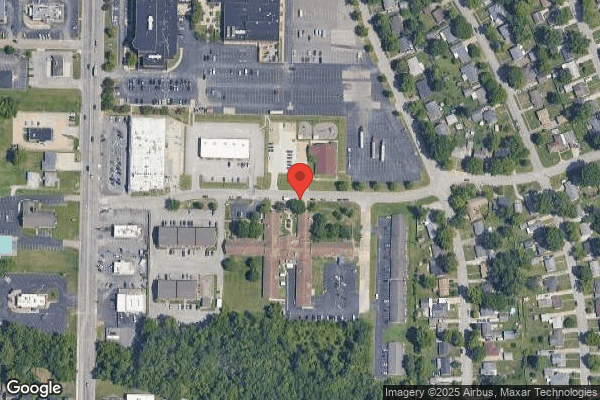
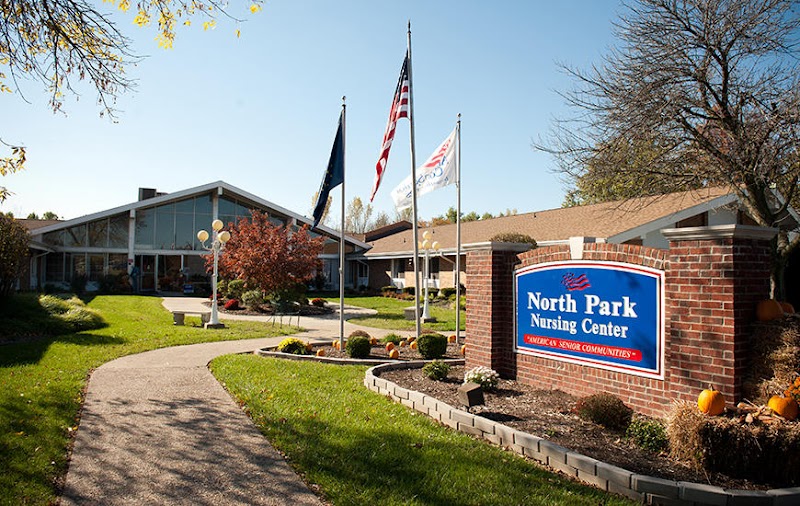
650 FAIRWAY DR, EVANSVILLE, IN 47710 (812) 425-5243
Non profit - Other 103 Beds AMERICAN SENIOR COMMUNITIES Data: November 2025
Trust Grade
30/100
#374 of 505 in IN
Last Inspection: August 2024

Within standard 12-15 month inspection cycle. Federal law requires annual inspections.

Overview

North Park Nursing Center has received a Trust Grade of F, indicating significant concerns about the quality of care provided. It ranks #374 out of 505 nursing facilities in Indiana, placing it in the bottom half, and #9 out of 17 in Vanderburgh County, meaning only eight local options are better. Although the facility is showing signs of improvement by reducing its issues from 12 in 2024 to just 2 in 2025, it still has a concerning history, including serious medication errors that led to an overdose and a resident's fall resulting in a fractured femur due to inadequate staffing. Staffing levels are average with a turnover rate of 55%, and the facility has incurred $38,288 in fines, higher than 95% of Indiana facilities, suggesting ongoing compliance problems. While the nursing center does have excellent quality measures and average RN coverage, the overall situation raises significant red flags for families considering care for their loved ones.

Trust Score
F
30/100
In Indiana
#374/505
Bottom 26%
Safety Record
Moderate
Needs review
Inspections
Getting Better
12 → 2 violations
Staff Stability
⚠ Watch
55% turnover. Above average. Higher turnover means staff may not know residents' routines.
Penalties
✓ Good
$38,288 in fines. Lower than most Indiana facilities. Relatively clean record.
Skilled Nurses
○ Average
Each resident gets 36 minutes of Registered Nurse (RN) attention daily — about average for Indiana. RNs are the most trained staff who monitor for health changes.
Violations
⚠ Watch
29 deficiencies on record. Higher than average. Multiple issues found across inspections.
★★☆☆☆
2.0
Overall Rating
★★☆☆☆
2.0
Staff Levels
★★★★★
5.0
Care Quality
★☆☆☆☆
1.0
Inspection Score
Stable
2024: 12 issues
2025: 2 issues

The Good

  • 5-Star Quality Measures · Strong clinical quality outcomes
  • Full Sprinkler Coverage · Fire safety systems throughout facility
  • No fines on record

Facility shows strength in quality measures, fire safety.

The Bad

2-Star Overall Rating

Below Indiana average (3.1)

Below average - review inspection findings carefully

Staff Turnover: 55%

Near Indiana avg (46%)

Frequent staff changes - ask about care continuity

Federal Fines: $38,288

Above median ($33,413)

Moderate penalties - review what triggered them

Chain: AMERICAN SENIOR COMMUNITIES

Part of a multi-facility chain

Ask about local staffing decisions and management

Staff turnover is elevated (55%)

7 points above Indiana average of 48%

The Ugly 29 deficiencies on record

2 actual harm
Jun 2025 1 deficiency
CONCERN (D) 📢 Someone Reported This

A family member, employee, or ombudsman was alarmed enough to file a formal complaint

Potential for Harm - no one hurt, but risky conditions existed

Accident Prevention (Tag F0689)

Could have caused harm · This affected 1 resident

**NOTE- TERMS IN BRACKETS HAVE BEEN EDITED TO PROTECT CONFIDENTIALITY** Based on observation, interview, and record review, the facility failed to prevent accidents for 1 of 3 residents reviewed for f...

Read full inspector narrative →
**NOTE- TERMS IN BRACKETS HAVE BEEN EDITED TO PROTECT CONFIDENTIALITY** Based on observation, interview, and record review, the facility failed to prevent accidents for 1 of 3 residents reviewed for falls. The plan of care was not followed while transferring a resident to obtain a weight chair when a fall occurred. ( Resident C) Finding includes: On 6/12/25 at 11:20 a.m., Resident C's clinical record was reviewed. Diagnoses included, but were not limited to, nontraumatic intercranial hemmorrhage, unspecified, diabetes mellitus with hyperglycemia, polyneuropathy in diseases classified elsewhere, morbid obesity. A quarterly Minimum Data Set (MDS) assessment dated [DATE], indicated cognition intact, sit to stand substantial/maximal assist (sit to stand: the ability to come to a standing position from sitting in a chair, wheelchair, or on the side of the bed.) Chair/bed -to-chair transfer- substantial/maximal assist (the ability to transfer to and from a bed to a chair (or wheelchair). Toilet transfer- substantial/maximal assist-(the ability to get on and off a toilet or commode.) Care plans were reviewed and included but were not limited to: [Resident] is at risk for falls due to history of one or more falls within the previous 6 months, incontinence, on 2 or or more high fall risk drugs, tethering equipment, requires assistance or supervision for mobility, transfer, or ambulation, unsteady gait, no cognitive concerns, start date 1/29/25. Approaches included but were not limited to: Place weight chair against the wall to prevent resident from pushing wheelchair back, start date 6/10/25. Resident to transfer to bathroom using wheelchair with assist of 2 staff and gait belt, start date 3/31/25. Staff to transfer to/from wheelchair using FWW (front wheeled walker), and gait belt with assist of 2, start date 3/3/125. [Resident ] requires assistance with ADL's (activities of daily living) including bed mobility, transfers, eating and toileting related to nontraumatic intercranial hemorrhage, start date 1/29/25. Approaches included but were not limited to: Staff to transfer to/from wheelchair using FWW and gait belt with assist of 2, start date 3/24/25. A staff assignment sheet was reviewed and included, but was not limited to: Resident to transfer to bathroom using wheelchair with assist of 2 staff and gait belt. Place weight chair against wall to prevent resident from pushing wheelchair back. Staff to transfer to/from wheelchair using FWW and gait belt with assist of 2. Progress notes were reviewed and included but were not limited to: Documented on 6/9/25 at 5:32 p.m., CNA (Certified Nursing Assistant) weighing resident to obtain monthly weight. When res stood from wt (weight) chair, res pushed locked chair back et sat onto ground onto buttocks. No injury noted. Res c/o (complained of) pain in knees but full ROM (range of motion) upon assessment. Res able to get self back into bed without assistance, put weight on knees w/o (without) issue. PRN (as needed) Oxycodone (pain medication) given, no further c/o voiced. NP (nurse practitioner) notified, attempted to call POA (power of attorney) no answer. INTERVENTION: When being weighed, secure weight chair against wall to prevent sliding back. No new orders at this time. On 6/13/25 at 10:21 a.m., CNA 2 indicated Resident C was a two staff assist with a gait belt and walker for all transfers. On 6/13/25 at 10:23 a.m., the Administrator indicated she did not know if resident C was transferred by one or two staff assist at the time of his fall, she would check. The Administrator returned to the room and indicated she had called the CNA who had transferred Resident C and only one staff was used to transfer the resident to the weight chair from bed, the CNA had told her she did not know he was a two assist to transfer to the weight chair. On 6/13/25 at 12:14 p.m., the Administrator provided the current fall management policy with a revised date of 3/24. The policy included but was not limited to: Policy: It is the policy of [name of corporation] to ensure residents residing within the community have adequate assistance to prevent injury related falls .Communities will implement resident-centered fall prevention plans for each resident at risk for fall within the past 6 months .5. Residents who are categorized at a moderate to high risk for falls should have fall interventions implemented based on resident specific factors. 6. The resident specific care requirements will be communicated to the assigned caregiver utilizing the resident profile through the point of care/RAI (Resident Assessment Instrument) documentation in matrix or the CNA assignment sheet . This citation relates to Complaint IN00461103. 3.1-45(a)(2)
Mar 2025 1 deficiency
CONCERN (D) 📢 Someone Reported This

A family member, employee, or ombudsman was alarmed enough to file a formal complaint

Potential for Harm - no one hurt, but risky conditions existed

Deficiency F0635 (Tag F0635)

Could have caused harm · This affected 1 resident

**NOTE- TERMS IN BRACKETS HAVE BEEN EDITED TO PROTECT CONFIDENTIALITY** Based on interview and record review, the facility failed to ensure a newly admitted resident had immediate orders for wounds fo...

Read full inspector narrative →
**NOTE- TERMS IN BRACKETS HAVE BEEN EDITED TO PROTECT CONFIDENTIALITY** Based on interview and record review, the facility failed to ensure a newly admitted resident had immediate orders for wounds for 1 of 3 residents reviewed for wounds. (Resident B) Finding includes: On 3/20/25 at 8:44 a.m., Resident B's clinical record was reviewed. Diagnoses included, but were not limited to, hemiplegia and hemaparesis following cerebral infarction affecting right dominant side, dysphagia following cerebral infarction,chronic obstructive pulmonary disease, unspecified protein-calorie malnutrition, hyperlipidemia. An admission Minimum Data Set (MDS) assessment dated [DATE], indicated Resident B's cognition was intact, range of motion, impairment one side upper and lower extremities. Pressure injury, 2 unstageable deep tissue injury present on admission. Resident B admitted to the facility on [DATE], discharged on 12/4/24. Care plans included, but were not limited to: [Resident B] is at risk for skin breakdown or further skin breakdown due to refuses showers at times. Responds to verbal commands but can't always communicate discomfort or need to be turned. Or has some sensory impairment that limits ability to feel pain/discomfort in 1 or 2 extremities. Skin is kept moist almost constantly by perspiration, urine, etc. Ability to walk severely limited or nonexistent. Can't bear own weight and/or must be assisted into chair or wheelchair. Makes, frequent though slight, changes in body or extremity position independently. Eats over half of most meals. Eats a total of 4 servings of protein (meat and dairy products) each day. Occasionally will refuse a meal, but will usually take a supplement when offered. Requires moderate to maximum assist in moving. During a move, skin probably slides to some extent, against sheets, chair, restraints or other device. Maintains relatively good position in chair or bed most of the time but occasionally slides down, start date 7/25/24, edited 11/4/24. Approaches included, but were not limited to: Assess and document skin condition weekly and as needed. Notify MD of abnormal findings, start 7/25/24 Preventative treatment as ordered, start 7/25/24. Resident has bruise to right heel, start 7/26/24, d/c'd 7/30/24. Approaches included, but were not limited to: Document abnormal findings and notify MD, start 7/25/24, d/c'd 7/30/24 Observe for increase in size of bruise or development of new bruising, start date 7/26/24, d/c'd 7/30/24. Treatment as ordered, start 7/26/24, d/c'd 7/30/24. Resident has impaired skin integrity to: DTI (deep tissue injury) to right outer heel and bottom of left foot (bottom of left foot healed 8/23/24) start date 7/30/24. Approaches included, but were not limited to: Float heels while in bed, start 8/8/24. Pressure relieving boot when up in chair and during transfers, start 8/8/24. A progress note dated 7/25/24 at 6:45 p.m., indicated: Resident arrived to facility from hospital transportation vehicle via wheelchair. Resident placed into room [room number] placed in bed by facility staff x2 with gait belt. Resident alert and oriented to self only. V/S (vital signs) stable, afebrile. Incontinent of B&B (bowel and bladder). Resident presented with right sided weakness. Upon skin assessment this nurse observed a small bruise 1 cm x 1 cm to right lateral heel, abrasion on the right side of middle back 4cm (centimeters) x 3cm, and a non fluid filled previous blister that was calloused and dry. No family or visitors in at present. A admission observation report dated 7/25/24 included but was not limited to: Skin: .alterations in skin =yes Abrasion -right thoracic back, 4 cm length, 3 cm width Bruise- right heel, 1 cm length, 1 cm width Wound- left bottom of foot, length 11 cm, width 6 cm A wound assessment note dated 8/2/24 included but was not limited to: right heel- Length 1.50 cm, width 1.0 cm, depth 0.10, pressure, DTI left bottom of foot- length 11.20 cm, width 9.50 cm, depth 0.10 cm. pressure, DTI Physicians orders for July 2024 were reviewed and included but were not limited to: Apply skin prep to DTI on outer heel and to bottom of left foot, order date 7/30/24. On 3/21/25 at 10:58 a.m., RN 2 indicated when a skin assessment is done on a new resident admission, she documents what she sees, if sees a skin issue, notify's the physician and the the Assistant Director Of Nursing, there is a place on the admission assessment to put measurements. On 3/21/25 at 11:56 a.m., the DON indicated she and the IP nurse (Infection Prevention Nurse) both did Resident B's admission, they were both new at that time and learning, they assumed the area on the palm of left foot was an reabsorbed blister, it almost looked like he had stepped on something, there was a thick layer of skin. They thought the area on the right heel was a bruise, she now knows the policy, and typically will open a skin event on admission on any skin issue. Ob 3/21/25 at 2:40 p.m., the Regional Nurse Consultant provided the current policy on alterations in skin integrity/wound management policy with a revision date of 9/22. The policy included but was not limited to: It is the policy of [name] to ensure that each resident receives care, consistent with professional standards of practice, and receives necessary treatment and services, consistent with professional standards of practice, to promote healing, prevent infection .All residents will be interviewed at admission, semiannually, and with significant change of condition about any impairment in skin integrity .1. Alterations in skin integrity will be reported to the MD/NP, the resident and/or resident representative. 2. A treatment order will be obtained from the MD/NP including order for third party if applicable 4. All newly identified areas after admission will be documented in the New Skin Event. 5. The Director of Nursing/Clinical Director/designee will be notified of alterations in skin integrity. a. The DON/CD/designee will complete further evaluation of the skin impairment identified and complete the appropriate skin evaluation on the next business day. The assessment may include measurements,staging, condition of tissue, and drainage. The assessment will be documented in the clinical record. 6. The DON/CD/designee will assess the area and complete an IDT (interdisciplinary team) initial wound review using the progress note template .Wound management : 1. Wound management for ulcers: any Stage 2 or greater pressure injuries; arterial, diabetic, venous ulcers; or suspected deep tissue injury will be referred to a third-party provider for care or the resident will be considered for referral to comprehensive care facility .2. Wound management for non-ulcers: bruises, skin tears, rashes, etc, will be assessed by the DON/CD/designee. If no signs of complications or worsening the skin event can be closed after 72 hours, and no further documentation is required . On 3/21/125 at 12:46 p.m., the DON provided the current policy on skin management with the latest date of 5/22. The policy included but was not limited to: It is the policy of [name] to ensure that each resident receives care, consistent with professional standards of practice, to prevent pressure ulcers and does not develop pressure ulcers unless individual's clinical condition demonstrates that they were unavoidable; and a resident with pressure ulcers receives necessary treatment and services, consistent with professional standards of practice, to promote healing, prevent infection and prevent new ulcers from developing . This citation relates to Complaint IN00455053. 3.1-30(a)
Aug 2024 11 deficiencies 1 Harm
SERIOUS (G) 📢 Someone Reported This

A family member, employee, or ombudsman was alarmed enough to file a formal complaint

Actual Harm - a resident was hurt due to facility failures

Deficiency F0760 (Tag F0760)

A resident was harmed · This affected 1 resident

Based on interview and record review, the facility failed to ensure a resident without diabetes was free from a significant medication error for 1 of 1 resident reviewed for significant medication err...

Read full inspector narrative →
Based on interview and record review, the facility failed to ensure a resident without diabetes was free from a significant medication error for 1 of 1 resident reviewed for significant medication errors. (Resident L) This deficient practice resulted in Resident L receiving an overdose of rapid-acting and long-acting insulins and a significant change in condition that required emergent, intensive care at an acute care hospital for treatment of low blood sugar. Finding includes: On 8/22/24 at 2:40 P.M., Resident L's clinical record was reviewed. Diagnoses included, but were not limited to, Alzheimer's disease. The resident did not have a diagnosis of diabetes. A Quarterly Minimum Data Set (MDS) Assessment, dated 4/1/24, indicated Resident L was not assessed for cognitive ability because the resident was rarely or never understood, was dependent on staff for eating, did not have insulin orders, and did not receive any insulin injections during the 7-day look back period. The physician orders, dated 5/1/24 to 8/22/24, did not include documentation to indicate Resident L had a diagnosis or history of diabetes or should receive insulin. A Medication/Treatment Error Report, dated 5/15/24, indicated Resident L was mistaken for another resident and was given an incorrect dosage of insulin. The physician was notified at 10:00 P.M. and gave orders to administer 1 milligram (mg) Glucagon (medication used to raise blood sugar) intramuscularly (IM), recheck the blood sugar, and send the resident to the emergency room (ER) for treatment and monitoring if needed. The report did not include the specific type and amount of insulin administered to the resident. Nursing progress notes, dated 5/15/24 at 11:04 P.M. to 5/16/24 at 1:30 P.M., indicated Resident L had a blood sugar of 49 mg/dL (milligrams per deciliter) at 11:00 P.M. The nurse attempted to give the resident orange juice, but the resident was not swallowing. The blood sugar was rechecked at 11:30 P.M. and was 47 mg/dL. Glucagon was administered in the resident's right thigh. The blood sugar at 12:00 A.M. was 110 mg/dL. At 12:30 A.M., the blood sugar was 69 mg/dL. At 1:04 A.M., Emergency Medical Services (EMS) was called. Emergency Medical Technicians (EMTs) started an intravenous (IV) line and transported the resident to the ER by ambulance. A hospital triage report, dated 5/16/24 at 1:02 A.M., indicated facility staff reported Resident L was given 45 units of Lantus (a long-acting insulin) and 12 units of Novolog (a rapid-acting insulin) that were not prescribed to her. The EMTs gave the resident 250 milliliters (mL) of D10 (dextrose 10% solution given to symptomatic or suspected patients with low blood sugar). Blood sugar rose to 220 mg/dL in route to the hospital but was 110 mg/dL upon arrival to the ER. Resident L was admitted to the Intensive Care Unit (ICU) where she required a D10 IV drip and frequent blood sugar checks. An untimed handwritten statement from Qualified Medication Aide (QMA) 8, dated 5/16/24, indicated that on the night of 5/15/24, she prepared insulins for her hallway as we always have done and asked a nurse to administer them to the residents. The nurse administering the insulins came to QMA 8 and indicated she had accidentally given Resident L insulin that was meant for Resident N. Hospital discharge papers, dated 5/17/24, indicated Resident L was discharged back to the facility on 5/17/24 with a diagnosis of incidental insulin overdose and hypoglycemia. An untimed handwritten statement from Registered Nurse (RN) 32, dated 5/17/24, indicated on 5/15/24, she accidentally administered two doses of insulin in insulin pens to Resident L that were prepared by QMA 8 for Resident N. RN 32 indicated she thought the facility's protocol was for the QMAs to check a resident's blood sugar, draw up the insulin, and then a nurse would administer the insulin. RN 32 indicated the usual practice was for a QMA to prepare the insulin dose, label the insulin pen with a permanent marker, and set the insulin pen on the top of a medication cart. RN 32 indicated she was an internal float nurse, and she was not familiar with the residents on QMA 8's assignment for 5/15/24. On 8/23/24 at 9:47 A.M., the Administrator, Director of Nursing (DON), Clinical Support 5, and Clinical Support 7 indicated Resident L received the wrong medication resulting in an overdose because QMA 8 drew up insulin and RN 32 went to a hall she was not assigned to or was familiar with to give insulin that she hadn't prepared. Corporate policy did not allow for QMAs to administer insulin, and medications should only be given by the nurse who prepared them. On 8/23/24 at 10:04 A.M., the Administrator provided a QMA Parameters and Scope of Practice policy, revised 7/26/19, that indicated The following tasks shall NOT be included in the QMA scope of practice: Administer medication by the injection route, including the following: . Subcutaneous route . On 8/29/24 at 10:51 A.M., the Administrator provided a Medication Administration policy, revised 7/2034, that indicated Medications are prepared for one resident at a time . Perform the 5 [five] rights of medication: Right Resident, Right Medication, Right Dose, Right Route, Right Time. On 8/29/24 at 10:51 A.M., the Administrator provided an Insulin Pen Administration policy, dated 6/2018, that indicated Verify resident, physician orders and drug allergies . Ensure that insulin pen is labeled with resident name and used for only that resident. The article, LANTUS Labeling - Package Insert, dated 6/29/23, was retrieved on 9/4/24 from the Federal Drug Administration (FDA) website at www.fda.gov/drugsatfda. The guidance included: LANTUS is a long-acting human insulin analog indicated to improve glycemic control in adult and pediatric patients with diabetes mellitus . Adverse reactions commonly associated with LANTUS include hypoglycemia, allergic reactions, injection site reactions, lipodystrophy, pruritus, rash, edema, and weight gain . Hypoglycemia is the most common adverse reaction associated with insulins, including LANTUS. Severe hypoglycemia can cause seizures, may be life-threatening or cause death . Severe symptomatic hypoglycemia was defined as an event with symptoms consistent with hypoglycemia requiring the assistance of another person and associated with either a blood glucose below 50 mg/dL .or prompt recovery after oral carbohydrate, intravenous glucose, or glucagon administration . Excess insulin administration may cause hypoglycemia and hypokalemia. The article, NOVOLOG Labeling - Package Insert, dated 2/28/23, was retrieved on 9/4/24 from the Federal Drug Administration (FDA) website at www.fda.gov/drugsatfda. The guidance included: NOVOLOG is rapid acting human insulin analog indicated to improve glycemic control in adults and pediatric patients with diabetes mellitus . Adverse reactions observed with NOVOLOG include: hypoglycemia, allergic reactions, local injection site reactions, lipodystrophy, rash, and pruritus . Hypoglycemia is the most common adverse reaction of all insulins, including NOVOLOG. Severe hypoglycemia can cause seizures, may lead to unconsciousness, may be life threatening or cause death . Severe hypoglycemia was defined as hypoglycemia associated with central nervous system symptoms and requiring the intervention of another person or hospitalization . Excess insulin administration may cause hypoglycemia and hypokalemia. The article, GLUCAGON Labeling - Package Insert, dated 7/14/22, was retrieved on 9/4/24 from the Federal Drug Administration (FDA) website at www.fda.gov/drugsatfda. The guidance included: Glucagon for Injection is an antihypoglycemic agent and a gastrointestinal motility inhibitor indicated: for the treatment of severe hypoglycemia in pediatric and adult patients with diabetes . Most common adverse reactions ( >5% or greater incidence): Injection site swelling, injection site erythema, vomiting, nausea, decreased blood pressure, asthenia, headache, dizziness, pallor, diarrhea, and somnolence . If overdosage occurs, the patient may experience nausea, vomiting, inhibition of GI tract motility, increase in blood pressure and pulse rate. This citation relates to complaint IN00435599. 3.1-48(c)(2)
CONCERN (D)

Potential for Harm - no one hurt, but risky conditions existed

Deficiency F0657 (Tag F0657)

Could have caused harm · This affected 1 resident

Based on interview and record review, the facility failed to ensure care plan conferences were completed for 3 of 3 residents reviewed for care plan conferences. (Resident M, Resident N, Resident Q) F...

Read full inspector narrative →
Based on interview and record review, the facility failed to ensure care plan conferences were completed for 3 of 3 residents reviewed for care plan conferences. (Resident M, Resident N, Resident Q) Findings include: 1. On 8/26/24 at 2:35 P.M., Resident M's clinical record was reviewed. Diagnoses included, but were not limited to, hemiplegia and hemiparesis following cerebral infarction affecting right dominant side, diabetes mellitus, generalized anxiety disorder, and depression. The most current Quarterly Minimum Data Set (MDS) Assessment, dated 7/5/24, indicated Resident M was cognitively intact and was dependent on staff for toileting, and required substantial to maximal assistance of staff (staff does more than half) for bed mobility and bathing. The clinical record lacked documented care plan conferences between 5/9/23 and 11/6/23. 2. On 8/21/24 at 1:59 P.M., Resident N indicated he did not have care plan meetings to discuss his care. On 8/22/24 at 11:33 A.M., Resident N's clinical record was reviewed. Diagnoses included, but were not limited to, chronic kidney disease, diabetes mellitus, and depression. The most current Annual Minimum Data Set (MDS) Assessment, dated 8/8/24, indicated Resident N was cognitively intact and was independent for all ADLs (Activities of Daily Living). The clinical record lacked documented care plan conferences between 6/23/23 and 2/5/24. 3. On 8/21/24 at 10:04 A.M., Resident Q indicated she did not have any care plan meetings until recently. On 8/23/24 at 10:09 A.M., Resident Q's clinical record was reviewed. Diagnoses included, but was not limited to, hemiplegia and hemiparesis following cerebral infarction affecting left non-dominant side, irritable bowel syndrome, and generalized anxiety disorder. The most current Significant Change Minimum Data Set (MDS) Assessment, dated 6/13/24, indicated Resident Q was cognitively intact and required partial to moderate assistance of staff (staff does less than half) for bed mobility, transfers, and bathing. The clinical record lacked documented care plan conferences between 7/25/23 and 2/5/24. On 8/27/24 at 12:10 P.M., the Social Services Director indicated that she was unable to find documented care plan conferences for Resident M between 5/9/23 and 11/6/23, for Resident N between 6/23/23 and 2/5/24, and for Resident Q between 7/25/23 and 2/5/24. Care plan conferences were completed quarterly and as needed. On 8/29/24 at 10:51 A.M., the Administrator provided an IDT (Interdisciplinary Team) Comprehensive Care Plan policy, revised 8/2023, that indicated The care plan review may be conducted face to face, via phone conference, video conference, or through written communication per resident and/or representative preference. Care plan problems, goals, and interventions must be reviewed and revised by the interdisciplinary team periodically and following completion of each MDS assessment. 3.1-35(d)(2)(B)
CONCERN (D) 📢 Someone Reported This

A family member, employee, or ombudsman was alarmed enough to file a formal complaint

Potential for Harm - no one hurt, but risky conditions existed

Deficiency F0659 (Tag F0659)

Could have caused harm · This affected 1 resident

Based on interview and record review, the facility failed to ensure staff were qualified to administer insulin to residents for 3 of 6 residents reviewed for insulin. Qualified Medication Aides (QMAs)...

Read full inspector narrative →
Based on interview and record review, the facility failed to ensure staff were qualified to administer insulin to residents for 3 of 6 residents reviewed for insulin. Qualified Medication Aides (QMAs) who were not insulin certified, administered insulin to residents and held insulin without a physician order or notification of nursing staff. (Resident N, Resident M, and Resident Q) Findings include: 1. On 8/26/24 2:35 P.M., Resident M's clinical record was reviewed. Diagnosis included, but was not limited to, diabetes mellitus. The most current Quarterly Minimum Data Set (MDS) Assessment, dated 7/5/24, indicated Resident M was cognitively intact and received insulin during the 7-day look back period. Physician orders included, but were not limited to: insulin lispro (a fast-acting insulin) - insulin pen; 100 unit/mL (units per milliliter) - give 10 units subcutaneous three times a day. Notify MD (Medical Doctor) if blood glucose is below 70 mg/dL (milligrams per deciliter) or above 400 mg/dL, dated 8/27/22. The February 2024 MAR (Medication Administration Record) indicated: QMA 8 administered insulin lispro to Resident M on 2/24/24 at 8:00 A.M. The March 2024 MAR indicated: QMA 8 administered insulin lispro to Resident M on 3/2/24 at 5:00 P.M. and 3/3/24 at 8:00 A.M. The April 2024 MAR indicated: QMA 8 administered insulin lispro to Resident M on 4/3/24 at 5:00 P.M. and 4/11/24 at 5:00 P.M. QMA 12 administered insulin lispro to Resident M on 4/5/24 at 5:00 P.M., 4/24/24 at 5:00 P.M., and 4/25/24 at 5:00 P.M. The May 2024 MAR indicated: QMA 8 administered insulin lispro to Resident M on 5/10/24 at 5:00 P.M. The August 2024 MAR indicated: QMA 12 held Resident M's insulin lispro for a blood glucose of 105 mg/dL. The physician was not notified. There was no documentation that a nurse was notified or that the resident was assessed by a nurse. 2. On 8/22/24 at 11:33 A.M., Resident N's clinical record was reviewed. Diagnosis included, but was not limited to, diabetes mellitus. The most current Annual Minimum Data Set (MDS) Assessment, dated 8/8/24, indicated Resident M was cognitively intact and received insulin during the 7-day look back period. Physician orders included, but were not limited to: insulin glargine (a long-acting insulin) - insulin pen; 100 unit/mL (units per milliliter) - give 45 units subcutaneous every 12 hours, dated 12/28/23. Insulin aspart (a rapid-acting insulin) - insulin pen; 100 unit/mL - give 12 units subcutaneous at bedtime. Notify MD (Medical Doctor) if blood sugar is below 50 mg/dL (milligrams per deciliter) or greater than 400 mg/dL, dated 6/2/23. Insulin aspart (a rapid-acting insulin) - insulin pen; 100 unit/mL - give 15 units subcutaneous three times a day. Notify MD if blood sugar is below 50 mg/dL or greater than 400 mg/dL, dated 6/3/24. The February 2024 MAR (Medication Administration record) indicated: QMA 8 administered insulin glargine to Resident M on 2/24/24 at 8:00 A.M. The March 2024 MAR indicated: QMA 8 administered insulin glargine to Resident M on 3/3/24 at 8:00 A.M. QMA 12 held Resident M's insulin glargine on 3/31/24 at 8:00 P.M. for a blood sugar of 95 mg/dL. The physician was not notified. QMA 8 administered insulin aspart to Resident M on 3/28/24 at 8:00 P.M. QMA 12 held Resident M's insulin aspart on 3/31/24 at 8:00 P.M. for a blood sugar of 85 mg/dL. The physician was not notified. There was no documentation that a nurse was notified or that the resident was assessed by a nurse. The April 2024 MAR indicated: QMA 8 administered insulin glargine to Resident M on 4/5/24 at 8:00 A.M. and 4/17/24 at 8:00 P.M. QMA 8 held Resident M's insulin glargine on 4/6/24 per nursing measure. The physician was not notified. There was no documentation that a nurse was notified or that the resident was assessed by a nurse. QMA 8 administered insulin aspart to Resident M on 4/17/24 at 8:00 P.M. The May 2024 MAR indicated: QMA 8 administered insulin glargine and insulin aspart to Resident M on 5/9/24 at 8:00 P.M. QMA 12 held Resident M's insulin glargine and insulin aspart on 5/13/24 for a blood sugar of 103 mg/dL. The physician was not notified. There was no documentation that a nurse was notified or that the resident was assessed by a nurse. The July 2024 MAR indicated: QMA 6 administered insulin glargine to Resident M on 7/13/24 at 8:00 P.M. 3. On 8/23/24 at 10:09 A.M., Resident Q's clinical record was reviewed. Diagnosis included, but was not limited to, diabetes mellitus. The most current Significant Change Minimum Data Set (MDS) Assessment, dated 6/13/24, indicated Resident Q was cognitively intact and received a hypoglycemic medication during the 7-day look back period. Physician orders included, but were not limited to: insulin degludec (an ultralong-acting insulin) - insulin pen; 100 unit/mL (units per milliliter) - give 10 units subcutaneous at bedtime, dated 7/18/24. The July 2024 MAR (Medication Administration Record) indicated: QMA 12 held Resident Q's insulin degludec on 7/22/24 at 8:00 P.M. for a blood sugar of 130 mg/dL (milligrams per deciliter), 7/28/24 at 8:00 P.M. for a blood sugar of 100 mg/dL, 7/29/24 for a blood sugar of 108 mg/dL, and 7/30/24 for blood sugar low. The physician was not notified. There was no documentation that a nurse was notified or that the resident was assessed by a nurse. On 8/27/24 at 2:30 P.M., employee records were reviewed. QMA 8, QMA 12, and QMA 6 were not insulin certified. In a handwritten statement dated 5/16/24, QMA 8 indicated it was [QMA 8's] understanding that [former Director of Nursing] said she had communicated with [Clinical Support 7] and that as long as my nurse was present [QMA 8] could give insulin . On 8/23/24 at 9:47 A.M., the Administrator, the Director of Nursing (DON), Clinical Support 7, and Clinical Support 5 indicated QMA 8 pushed boundaries and believed she was able to practice outside out her scope of practice because she was a nursing student. Corporate policy did not allow QMAs to administer insulin even if they were certified to do so. On 8/28/24 at 9:45 A.M., Clinical Support 5 indicated the nurse could have told QMA 12 and QMA 8 to hold insulin. The QMA should have documented that the nurse told her to hold it in the Not Administer Notes, but she didn't. She further indicated that she was unsure what the parameters for holding insulin were since none were listed. She indicated it would depend on the comfort level of the nurse, and the physician should have been notified if insulin with no hold orders was held. On 8/29/24 at 8:39 A.M., the DON indicated that even though nursing staff had been provided education on insulin there was still a need for more education. QMAs should not be assessing or holding insulin and should be clear in their documentation that a nurse was consulted. On 8/23/24 at 10:04 A.M., the Administrator provided a QMA Parameters and Scope of Practice policy, revised 7/26/19, that indicated The QMA shall document in a resident's clinical record all medications that the QMA personally administered. The QMA shall not document in a resident's clinical record any medication that was administered by another person or not administered at all (Medication, refusal, not available, etc.) . The following tasks shall NOT be included in the QMA scope of practice: Administer medication by the injection route, including the following: . Subcutaneous route . Complete any type of nursing assessment. This citation relates to complaint IN00435599. 3.1-35(g)(2)
CONCERN (D)

Potential for Harm - no one hurt, but risky conditions existed

ADL Care (Tag F0677)

Could have caused harm · This affected 1 resident

Based on interview and record review, the facility failed to ensure residents dependent on staff for ADL (activities of daily living) were showered for 2 of 2 residents reviewed for ADL care. (Residen...

Read full inspector narrative →
Based on interview and record review, the facility failed to ensure residents dependent on staff for ADL (activities of daily living) were showered for 2 of 2 residents reviewed for ADL care. (Resident 33 and Resident Q) Findings include: 1. On 8/21/24 at 2:21 P.M., Resident 33 indicated that she did not get showers, and that staff only give her bed baths. She further indicated that she didn't feel clean. On 8/22/24 at 1:41 P.M., Resident 33's clinical record was reviewed. Diagnoses included, but were not limited to, hypertensive chronic kidney disease and diabetes mellitus. The most current Quarterly MDS (Minimum Data Set) Assessment, dated 8/9/24, indicated Resident 33 was cognitively intact, required substantial to maximal assistance of staff (staff does more than half) for bathing, and had no rejection of care. An Assistance with ADLs care plan, dated 6/2/24, indicated for staff to assist with bathing as needed per resident preference. Offer showers two times per week, partial bed bath in between. A Preferences for Customary Routine and Activities assessment, dated 8/9/24, indicated it was very important for the resident to choose between a tub bath, shower, bed bath, or sponge bath, and the resident was most used to showers. On 8/27/24 at 10:00 A.M., a current shower schedule was reviewed. Resident 33 was scheduled to receive showers on Tuesdays and Fridays during the day. On 8/28/24 at 12:00 P.M., the Director of Nursing (DON) provided bathing performed from 6/1/24 through 8/23/24; Resident 33 received 2 showers in June, no showers in July, and 2 showers in August. 2. On 8/21/24 at 9:58 A.M., Resident Q indicated she was supposed to get showers twice a week, but she was lucky if she got cleaned up once a week. She indicated that her hair only got washed when she took a shower so she washed her hair every time she got a shower because the showers were so far apart. She further indicated staff didn't offer to set up supplies for her to perform oral care every day. On 8/23/24 at 10:09 A.M., Resident Q's clinical record was reviewed. Diagnoses included, but was not limited to, hemiplegia and hemiparesis following cerebral infarction affecting left non-dominant side, irritable bowel syndrome with diarrhea, and generalized anxiety disorder. The most current Significant MDS (Minimum Data Set) Assessment, dated 6/13/24, indicated Resident Q was cognitively intact, required partial to moderate assistance of staff (staff does less than half) for bathing, and had no rejection of care. An Assistance with ADLs care plan, dated 6/8/22, indicated for staff to assist with bathing as needed per resident preference. Offer showers two times per week, partial bath in between. Prefers showers in the evening. A Preferences for Customary Routine and Activities assessment, dated 6/13/24, indicated it was somewhat important for the resident to choose between a tub bath, shower, bed bath, or sponge bath, and the resident was most used to showers. On 8/27/24 at 10:00 A.M., a current shower schedule was reviewed. Resident Q was scheduled to receive showers on Wednesdays and Saturdays during the day. On 8/28/24 at 12:00 P.M., the Director of Nursing (DON) provided bathing performed from 6/1/24 through 8/23/24; Resident Q received 8 showers in June, 4 showers in July, and 1 shower in August. On 8/28/24 at 12:27 P.M., the Administrator indicated residents got 2 showers a week and could request more. On 8/28/24 at 1:57 P.M., Clinical Support 5 indicated there was no shower/ADL policy and that the facility followed the Resident [NAME] of Rights. At that time, the policy Resident [NAME] of Rights, revised 12/17, was provided and indicated The resident has the right to a dignified existence, self-determination, and communication with and access to persons and services inside and outside the Community . The resident has the right to be treated with consideration, respect and recognition of their dignity and individuality. 3.1-38(a)(2)(A) 3.1-38(a)(3)(B) 3.1-38(b)(2) 3.1-38(b)(3)
CONCERN (D)

Potential for Harm - no one hurt, but risky conditions existed

Quality of Care (Tag F0684)

Could have caused harm · This affected 1 resident

Based on interview and record review, the facility failed to ensure through assessments were completed for 1 of 1 residents receiving a diuretic for congestive heart failure. Daily weights were not ob...

Read full inspector narrative →
Based on interview and record review, the facility failed to ensure through assessments were completed for 1 of 1 residents receiving a diuretic for congestive heart failure. Daily weights were not obtained as ordered. (Resident 36) Finding includes: On 8/27/24 at 10:27 A.M., Resident 36's clinical record was reviewed. Diagnoses included, but were not limited to, chronic systolic (congestive) heart failure, localized edema, primary pulmonary hypertension. A quarterly MDS (Minimum Data Set) assessment, dated 7/5/24, indicated Resident 36's cognition was intact and received a diuretic medication. June and July 2024 physician orders and the EMAR (Electronic Medication Administration Record) were reviewed and included but was not limited to: Daily weight for CHF (congestive heart failure), once a day. Notify MD (Medical Doctor) of weight gain of 3 lbs. (pounds) a day or 5 lbs. in a week, start date 11/25/23, discontinued 7/13/24. June dates not documented: 6/3, 6/12, 6/13, 6/22, 6/27. 6/28, 6/30. July dates not documented: 7/4, 7/5, 7/6, 7/8, 7/10. Weights were reviewed and included, but were not limited to: 12/1/23- 133 7/1/24- 127 8/1/24- 132 Progress notes included, but were not limited to: 10/2/23 1:29 P.M., Sig [significant] change RD [registered dietician] review: This 62 yo [year old] female with multiple recent hospitalizations r/t [related to] chf, fluid overload. Res [resident] noted with hx [history] +3 pitting edema to BLE [bilateral lower extremities], feet. Has order for daily weights .will continue with daily weights to monitor weight trends. RD available. The clinical record did not contain refusals on the dates not documented. On 8/28/24 at 8:31 A.M., the DON (Director of Nursing) indicated there was not a unit manager at that time, it looked like someone was not monitoring, and the weights got missed for different reasons. On 8/28/24 at 10:57 A.M., the Administrator indicated there was not a specific policy for following physician orders, but it was the expectation of the facility that staff follow orders. 3.1-37(a)
CONCERN (D)

Potential for Harm - no one hurt, but risky conditions existed

Infection Control (Tag F0880)

Could have caused harm · This affected 1 resident

Based on observation, record review, and interview, the facility failed to ensure staff performed proper hand hygiene and disinfection of equipment during 2 of 2 random observations of resident care. ...

Read full inspector narrative →
Based on observation, record review, and interview, the facility failed to ensure staff performed proper hand hygiene and disinfection of equipment during 2 of 2 random observations of resident care. (Resident 9) Findings include: 1. On 8/23/24 at 6:45 A.M., CNA (Certified Nursing Aide) 18 and CNA 4 were observed performing peri care for Resident 9. CNA 18 had gloves on and touched the nightstand and bedside table. CNA 4 turned Resident 9 to the right side and removed the soiled brief. CNA 18 cleaned Resident 9's buttocks with wipes and placed the soiled brief in a plastic bag. After placing the soiled brief in the plastic bag and without changing gloves, CNA 4 placed barrier cream on the resident's buttocks and positioned a new brief. CNA 4 donned new gloves without sanitizing or washing hands, applied cream to scrotal area with same gloves, and attached a clean brief. CNA 18 and CNA 4 did not change gloves before touching and placing clean clothes on Resident 9. CNA 4 removed gloves and placed the Hoyer pad under Resident 9 without hand sanitizing and proceeded to touch controls. CNA 18 touched the Hoyer Lift with soiled gloves and lowered the resident into his Broda chair. CNA 18 removed gloves and did not sanitize hands before straightening the sheets. CNA 18 placed soiled linen and trash into plastic bags, and did not sanitize hands. After Resident 9 was placed in Broda Chair, the Hoyer Lift was placed in hallway outside of room and was not cleaned. 2. On 8/23/24 at 7:05 A.M., LPN (Licensed Practical Nurse) 27 took a blood pressure of 143/71 on Resident 9 and put it on the medication cart. She did not clean the equipment after using it on the resident. During an interview on 8/23/24 at 11:50 A.M., Clinical Support 5 indicated hand hygiene should be done before applying gloves. Once gloves were applied things should only be touched that were needed to complete tasks. Gloves should be changed before and after peri care. Equipment should be cleaned in between residents. On 8/29/24 at 10:55 A.M., the Administrator provided a current Hand Hygiene policy, revised 12/2021. The policy indicated .health care professionals should use an alcohol-based rub for the following reasons: before moving from work on a soiled body site to clean body site on the same resident .after contact with body fluids, immediately after glove or PPE (Personal Protective Equipment) removal . On 8/29/24 at 10:56 A.M., the Administrator provided a current policy Standard and Transmission-Based Precautions (Isolation) policy, revised 4/24/24. The policy indicated . standard precautions refer to infection prevention practices that apply to all residents .change gloves during care and perform hand hygiene if hands move from a contaminated site to a clean site .shared equipment should be cleaned and disinfected in-between each resident use . 3.1-18(b) 3.1-18(l)
CONCERN (E)

Potential for Harm - no one hurt, but risky conditions existed

Deficiency F0761 (Tag F0761)

Could have caused harm · This affected multiple residents

Based on observation, interview, and record review, the facility failed to ensure that medications were properly stored and labeled in 2 of 6 medication carts and 2 of 2 treatment carts observed. (E-H...

Read full inspector narrative →
Based on observation, interview, and record review, the facility failed to ensure that medications were properly stored and labeled in 2 of 6 medication carts and 2 of 2 treatment carts observed. (E-Hall, F-Hall, Short Hall Cottage Treatment Cart, A-Hall Treatment Cart) Findings include: 1. On 8/21/24 at 8:50 A.M., the following loose pill was observed in the E-Hall Medication Cart for rooms 141-147: 1/2 small round white pill 2. On 8/21/24 at 8:55 A.M., the following loose pills and unlabeled medications were observed in the E-Hall Medication Cart for rooms 131-140: 2 1/2 small round white pills 1 bottle of Honey Robitussin (cough medicine) with [Resident 33] on bottle but no label or open date 3. On 8/21/24 at 9:05 A.M., the following unlabeled materials were observed in the Short Hall of the Cottage: 1 Honey Dressing (medicated) package no label or open date 4. On 8/21/24 at 9:25 A.M., the following unlabeled materials were observed in the A-Hall Treatment Cart: 1 tube of opened antifungal cream for [Resident 27] no label 1 bottle of wound cleaner open with [Resident 8] no label On 8/23/24 at 12:04 P.M., the following unlabeled materials were observed in the A Hall Treatment Cart: 1 opened antifungal cream ointment for [Resident 52] with no label 1 bottle of wound cleanser [Resident 8] no label During an interview on 8/21/24 at 9:00 A.M., RN (Registered Nurse) 37 indicated there should be no loose pills and that the medications should be labeled. On 8/29/24 at 10:54 A.M., the Administrator provided a current Medication Storage policy, dated August 2023. The policy indicated Proper medication storage is a standard or practice . Medications are properly labeled with name, lot number . Medication is available for all active medication orders . 3.1-25(b)(4) 3.1-25(j)
CONCERN (E)

Potential for Harm - no one hurt, but risky conditions existed

Deficiency F0804 (Tag F0804)

Could have caused harm · This affected multiple residents

Based on observation, interview, and record review, the facility failed to ensure that food was served at palatable temperatures for 1 of 1 trays tested for temperature. (A-Hall) Finding includes: On ...

Read full inspector narrative →
Based on observation, interview, and record review, the facility failed to ensure that food was served at palatable temperatures for 1 of 1 trays tested for temperature. (A-Hall) Finding includes: On 8/21/24 at 10:06 A.M., Resident Q indicated the food was always cold. On 8/21/24 at 10:44 A.M., Resident 36 indicated the food was usually cold. On 8/21/24 at 2:20 P.M., Resident 33 indicated the food was cold all the time. On 8/23/24 at 1:06 P.M., a test tray was obtained. Food temperatures for that meal were: chicken 114 F (Fahrenheit) fries 109 F coleslaw 55.5 F mandarin oranges 60 F On 8/29/24 at 8:50 A.M., the Dietary Manager indicated food temperatures should be palatable. On 8/29/24 at 10:51 A.M., the Administrator provided a Food Temperatures policy, revised 6/23, that indicated All hot and cold food items will be served to the resident at a temperature that is considered palatable at the time the resident receives the food. The Retail Food Establishment Sanitation Requirements 410 IAC 7-24 Sec. 166, effective November 13, 2004, indicated (a) .refrigerated, potentially hazardous food shall be at a temperature of forty-one (41) degrees Fahrenheit or below when received . (c) received hot shall be at a temperature of one hundred thirty-five (135) degrees Fahrenheit or above. 3.1-21(a)(2)
CONCERN (E)

Potential for Harm - no one hurt, but risky conditions existed

Food Safety (Tag F0812)

Could have caused harm · This affected multiple residents

Based on observation, interview, and record review, the facility failed to ensure dishwasher temperatures were within range and food was prepared under sanitary conditions for 1 of 1 kitchens observed...

Read full inspector narrative →
Based on observation, interview, and record review, the facility failed to ensure dishwasher temperatures were within range and food was prepared under sanitary conditions for 1 of 1 kitchens observed. The temperature on the final rinse of the dishwasher did not reach required levels, hairnets did not cover hair, and staff touched food with their bare hands. (Kitchen, [NAME] 10, Dietary Aide 25) Findings include: 1. On 8/21/24 at 8:45 A.M., a dishwasher cycle was observed. The final rinse reached 173 degrees Fahrenheit (F). On 8/21/24 at 10:36 A.M., the Dietary Manager indicated the regulation stated the dishwasher final rinse needed to reach 180 F, but the manufacturer said 175 F was acceptable. A service technician had been called that morning. At that time, a high temp dishmachine temperature log was provided. Final rinse temperatures recorded for the month of August ranged from 168 F to 178 F. On 8/29/24 at 10:51 A.M., the Administrator provided a Work Order for the dishwasher, dated 8/21/24, that indicated Customer stated that dish machine was not getting to 180 degrees. Upon inspection seen [sic] dish machine was at 177-178 degrees. Checked the booster set point temp and it was at 180 degrees. Changed set point to 185 degrees. 2. On 8/23/24 at 11:50 A.M., [NAME] 10 and Dietary Aide 25 were observed plating food for lunch. Hairnets for [NAME] 10 and Dietary Aide 25 did not cover all their hair. 3. On 8/23/24 at 11:50 A.M., [NAME] 10 was observed plating food for lunch. [NAME] 10 used her bare hands to grab sandwich buns out of a bag, separate the sandwich bun, and place it on a plate. At that time, the Dietary Manager indicated gloves were supposed to be used because food cannot be touched with bare hands. On 8/29/24 at 8:50 A.M., the Dietary Manager indicated hairnets should be covering all hair. On 8/29/24 at 10:51 A.M., the Administrator provided a Recording Dish Machine Temperature/Sanitizer policy, revised 7/23, that indicated Dishwashing staff will be trained to report any problems with the dish machine temperatures and/or sanitizer concentration to the Culinary Manager as soon as they occur. The Culinary Manager will promptly assess any dish machine problems and take corrective action to assure appropriate cleaning and sanitizing of dishes. On 8/29/24 at 10:51 A.M., the Administrator provided a Use of Gloves policy, revised 10/22, that indicated Employees will not use bare hand contact with foods. Clean gloves will be used when handling any food directly. On 8/29/24 at 10:51 A.M., the Administrator provided a Culinary Personal Hygiene policy, revised 5/24, that indicated All employees working in the culinary department must wear a clean hair restraint which effectively covers all hair. 3.1-21(i)(2) 3.1-21(i)(3)
CONCERN (E)

Potential for Harm - no one hurt, but risky conditions existed

Medical Records (Tag F0842)

Could have caused harm · This affected multiple residents

Based on interview and record review, the facility failed to ensure documentation was complete for 5 of 6 residents reviewed for medications. Medications on the Medication Administration Record (MAR) ...

Read full inspector narrative →
Based on interview and record review, the facility failed to ensure documentation was complete for 5 of 6 residents reviewed for medications. Medications on the Medication Administration Record (MAR) were not documented as completed. (Resident M, Resident N, Resident Q, Resident 86, and Resident 45) Findings include: 1. On 8/26/24 at 2:35 P.M., Resident M's clinical record was reviewed. Diagnoses included, but were not limited to, hemiplegia and hemiparesis following cerebral infarction affecting right dominant side, diabetes mellitus, generalized anxiety disorder, chronic embolism and thrombosis of unspecified deep veins of unspecified lower extremity, and chronic pain syndrome. The most current Quarterly Minimum Data Set (MDS) Assessment, dated 7/5/24, indicated Resident M was cognitively intact, required supervision for eating, and received an antianxiety medication, anticoagulant, opioid, and insulin during the 7-day look back period. Physician orders included, but were not limited to: insulin lispro (a rapid-acting insulin) - insulin pen; 100 unit/mL (units per milliliter) - give 10 units subcutaneous three times a day, dated 8/27/22 lorazepam (an antianxiety mediation) tablet - Give 1 mg (milligram) by mouth every 8 hours, dated 11/7/21 hydrocodone-acetaminophen (an opioid) tablet - Give 7.5-325 mg by mouth every 6 hours, dated 2/25/24 insulin glargine (a long-acting insulin) insulin pen; 100 unit/mL - give 35 units subcutaneous every 12 hours, dated 7/3/24 Baclofen (muscle relaxer) - give 10 mg by mouth three times a day, dated 7/4/24 Baclofen - give 5 mg with 10 mg by mouth to equal 15 mg three times a day, dated 7/4/24 Eliquis (an anticoagulant) - give 5 mg twice a day, dated 8/7/23 The May 2024 MAR indicated: Insulin lispro was left blank on 5/8 at 12:00 P.M., 5/15 at 5:00 P.M., 5/17 at 8:00 A.M., 5/19 at 12:00 P.M., and 5/21 at 5:00 P.M. Hydrocodone-acetaminophen was left blank on 5/4 at 12:00 P.M. Lorazepam was left blank on 5/17 at 8:00 A.M. The June 2024 MAR indicated: Insulin lispro was left blank on 6/27 at 8:00 A.M. Lorazepam was left blank on 6/27 at 8:00 A.M. The July 2024 MAR indicated: Insulin lispro was left blank on 7/26 at 8:00 A.M. and 7/29 at 5:00 P.M. Insulin glargine was left blank on 7/26 at 8:00 A.M. The August 2024 MAR indicated: Insulin lispro was left blank on 8/4 at 5:00 A.M., 8/19 at 8:00 A.M., and 8/19 at 5:00 P.M. Insulin glargine was left blank on 8/19 at 8:00 A.M. Baclofen was left blank on 8/19 at 8:00 A.M. Eliquis was left blank on 8/19 at 8:00 A.M. Lorazepam was left blank on 8/19 at 8:00 A.M. 2. On 8/22/24 at 11:33 A.M., Resident N's clinical record was reviewed. Diagnoses included, but were not limited to, diabetes mellitus and hypertension. The most current Quarterly Minimum Data Set (MDS) Assessment, dated 6/25/24, indicated Resident N was cognitively intact, required setup assistance for eating, and received insulin during the 7-day look back period. Physician orders included, but were not limited to: insulin glargine (a long-acting insulin) - insulin pen; 100 unit/mL (units per milliliter) - give 4 units subcutaneous every 12 hours, dated 12/28/23 insulin aspart (a rapid-acting insulin) - insulin pen; 100 unit/mL - give 12 units subcutaneous at bedtime, dated 6/2/23 insulin aspart (a rapid-acting insulin) - insulin pen; 100 unit/mL - give 15 units subcutaneous at bedtime, dated 6/3/24 amlodipine (a medication to treat high blood pressure) tablet - give 5 mg (milligrams) once a day, dated 8/17/23 The May 2024 MAR indicated: Insulin glargine was left blank on 5/6 at 8:00 A.M., 5/7 at 8:00 P.M., and 5/22 at 8:00 A.M. Insulin aspart (12-unit dose) was left blank on 5/7 Amlodipine was left blank on 5/17 The June 2024 MAR indicated: Insulin glargine was left blank on 6/27 at 8:00 A.M. and 6/29 at 8:00 P.M. Insulin aspart (15-unit dose) was left blank on 6/27 at 8:00 A.M. Insulin aspart (12-unit dose) was left blank on 6/4 and 6/29 The July 2024 MAR indicated: Insulin glargine was left blank on 7/26 at 8:00 A.M. Insulin aspart (15-unit dose) was left blank on 7/26 at 8:00 A.M. and 7/27 at 12:00 P.M. The August 2023 MAR indicated: Insulin glargine was left blank on 8/19 at 8:00 A.M. Insulin aspart (15-unit dose) was left blank on 8/4 at 5:00 P.M., 8/19 at 8:00 A.M. and 5:00 P.M., and 8/20 at 5:00 P.M. 3. On 8/23/24 at 10:09 A.M., Resident Q's clinical record was reviewed. Diagnoses included, but were not limited to, diabetes mellitus, generalized anxiety disorder, hypertension, irritable bowel syndrome, glaucoma, atrial fibrillation, hypertension, gastro-esophageal reflux disease, and depression. The most current Significant Change Minimum Data Set (MDS) Assessment, dated 6/13/24, indicated Resident Q was cognitively intact, required setup assistance for eating, and received an antianxiety medication, antidepressant, anticoagulant, diuretic, and a hypoglycemic medication during the 7-day look back period. Physician orders included, but were not limited to: Diabetic orders: Accu-Chek (test to determine blood glucose level) - Notify MD (medical doctor) if Accu-Chek is below 70 or greater than 400 - every Monday, dated 11/14/2022 gabapentin (an anticonvulsant) capsule - give 300 mg (milligrams) three times a day, dated 8/5/23 Xanax (an antianxiety medication) tablet - give 0.25 mg three times a day, dated 5/31/23 insulin degludec (an ultralong-acting insulin) - insulin pen; 100 unit/mL - give 10 units subcutaneous at bedtime, dated 7/18/24 acetazolamide (a diuretic) tablet - give 250 mg twice a day, dated 12/17/23 colestipol (medication to treat high cholesterol levels) tablet - give 1 gram twice daily, dated 10/13/23 Combigan (medication to treat glaucoma) drops 0.2-0.5 % - give 1 drop in left eye twice daily, dated 12/17/23 Eliquis (an anticoagulant) tablet - give 5 mg by mouth twice a day, dated 5/20/24 metformin (a hypoglycemic medication) tablet - give 250 mg by mouth twice daily, dated 7/18/24 metoprolol tartrate (medication to treat high blood pressure) tablet - give 25 mg by mouth twice a day, dated 12/17/23 omeprazole (a proton-pump inhibitor) capsule, delayed release - give 20 mg by mouth once a day, dated 8/12/22 Zoloft (an antidepressant) tablet - give 100 mg by mouth once a day, dated 5/22/24 The May 2024 MAR indicated: Accu-Chek was left blank on 5/6. Gabapentin was left blank on 5/6 at 7:00 A.M., 5/10 at 7:00 A.M., 5/16 at 7:00 A.M., 5/17 at 7:00 A.M., 5/18 at 7:00 A.M., 5/19 at 7:00 A.M., 5/24 at 7:00 A.M., 5/25 at 7:00 A.M., and 5/29 at 7:00 A.M. Xanax was left blank on 5/6 at 7:00 A.M., 5/10 at 7:00 A.M., 5/16 at 7:00 A.M., 5/17 at 7:00 A.M., 5/18 at 7:00 A.M., 5/19 at 7:00 A.M., 5/24 at 7:00 A.M., 5/25 at 7:00 A.M., and 5/29 at 7:00 A.M. The June 2024 MAR indicated: Accu-Chek was left blank on 6/3, 6/17, and 6/24. Gabapentin was left blank on 6/3 at 7:00 A.M. Xanax was left blank on 6/3 at 7:00 A.M. The July 2024 MAR indicated: Accu-Chek was left blank on 7/22 and 7/29. Gabapentin was left blank on 7/25 at 7:00 A.M., 7/28 at 7:00 A.M., and 7/29 at 7:00 A.M. Xanax was left blank on 7/22 at 7:00 A.M., 7/25 at 7:00 A.M., 7/28 at 7:00 A.M., and 7/29 at 7:00 A.M. The August 2024 MAR indicated: Accu-Chek was left blank on 8/5 and 8/19. Gabapentin was left blank on 8/5 at 7:00 A.M., 8/7 at 7:00 A.M., 8/18 at 7:00 A.M., 8/19 at 7:00 A.M., and 8/20 at 7:00 A.M. Xanax was left blank on 8/5 at 7:00 A.M., 8/7 at 7:00 A.M., 8/18 at 7:00 A.M., 8/19 at 7:00 A.M., and 8/20 at 7:00 A.M. Insulin degludec was left blank on 8/1. Acetazolamide was left blank on 8/19 at 7:00 A.M. - 11:00 A.M. Eliquis was left blank on 8/19 at 7:00 A.M. - 11:00 A.M. Metformin was left blank on 8/19 at 7:00 A.M. - 11:00 A.M. Colestipol was left blank on 8/19 at 7:00 A.M. - 11:00 A.M. Combigan drops was left blank on 8/19 at 7:00 A.M. - 11:00 A.M. Omeprazole was left blank on 8/19 at 7:00 A.M. - 11:00 A.M. Metoprolol tartrate was left blank on 8/19 at 7:00 A.M. - 11:00 A.M. Zoloft was left blank on 8/19 at 7:00 A.M. - 11:00 A.M. 4. On 8/26/24 at 12:36 P.M., Resident 86's clinical record was reviewed. Diagnoses included, but were not limited to, back pain, dementia with agitation, body posture rigidity, and major depressive disorder. The most current admission Minimum Data Set (MDS) Assessment, dated 6/10/24, indicated Resident 86 was rarely or never understood, required supervision for eating, and received an antipsychotic medication, an antianxiety medication, and a hypoglycemic medication during the 7-day look back period. Physician orders included, but were not limited to: acetaminophen (a pain reliever) capsule - give 650 mg (milligrams) by mouth three times a day, dated 7/23/24 memantine (a medication to treat dementia symptoms) tablet - give 10 mg by mouth every 12 hours, dated 6/4/24 carbidopa-levodopa tablet (a medication to treat symptoms of Parkinson's disease) - give one 25-100 mg tablet by mouth three times a day, dated 7/25/24 and discontinued on 8/22/24 Xanax (an antianxiety medication) tablet - give 0.25 mg by mouth twice daily, dated 6/4/24 risperidone (an antipsychotic) tablet - give 0.25 mg by mouth twice daily, dated 8/13/24 The July 2024 MAR indicated: Acetaminophen was left blank on 7/26 at 2:00 P.M. Memantine was left blank on 7/5 at 8:00 P.M., 7/6 at 8:00 P.M, and 7/11 at 8:00 P.M. Carbidopa-levodopa was left blank on 7/26 at 2:00 P.M. Xanax was left blank on 7/14 at 2:00 P.M., 7/20 at 2:00 P.M., 7/21 at 2:00 P.M., and 7/26 at 2:00 P.M. The August 2024 MAR indicated: Acetaminophen was left blank on 8/3 at 8:00 P.M., 8/4 at 2:00 P.M., 8/17 at 2:00 P.M., 8/19 at 8:00 P.M., 8/22 at 8:00 P.M., and 8/25 at 8:00 P.M. Memantine was left blank on 8/3 at 8:00 P.M., 8/19 at 8:00 P.M., 8/22 at 8:00 P.M., and 8/25 at 8:00 P.M. Risperidone was left blank on 8/19 at 7:00 P.M. - 10:00 P.M., 8/22 at 7:00 P.M. - 10:00 P.M., and 8/23 at 7:00 P.M. - 10:00 P.M. Carbidopa-levodopa was left blank on 8/4 at 2:00 P.M., 8/13 at 6:00 P.M., 8/14 at 6:00 P.M., and 8/17 at 2:00 P.M. Xanax was left blank on 8/4 at 2:00 P.M. and 8/17 at 2:00 P.M. 5. On 8/27/24 at 1:30 P.M., Resident 45's clinical record was reviewed. Diagnoses included, but were not limited to, chronic atrial fibrillation, unspecified, age-related osteoporosis without current pathological fracture, malignant neoplasm of colon, unspecified, malignant neoplasm of prostate, and gastro-esophageal reflux disease without esophagitis. A Quarterly MDS (Minimum Data Set) Assessment, dated 7/11/24, indicated Resident 45's cognition was severely impaired and received an anticoagulant and opioid medication. Care plans included but were not limited to: [name of resident] is at risk for pain related to diagnosis of prostate and colon cancer, osteoporosis and GERD (gastroesophageal reflux disease) Approach: Administer meds as ordered, start date 7/9/22. Resident is at risk for ineffective tissue perfusion related to heart failure, ASHD, A-Fib, hypokalemia and hyperlipidemia. Approach: Administer meds as ordered, start date 7/9/22. Resident has a urinary tract infection (UTI). Approach: Administer antibiotic as ordered, start date 8/22/24. Discomfort related to gastric reflux disease. Approach: Administer medications as ordered, start date 12/10/22. August 2024 physician orders and EMAR (Electronic Medication Administration Record) were reviewed and included, but were not limited to: bicalutamide (nonsteroidal antiandrogen) tablet, 50 mg (milligram) amount to administer: 50 mg (milligrams), once a day, start date 4/16/24. On 8/3 the medication was not documented given for the morning dose. amiodarone (antiarrhythmic) tablet 200 mg amount to administer: 200 mg once a day, start date 4/16/24. On 8/3 the medication was not documented as given for the morning dose. calcium 600+D(3) (nutritional supplement) tablet, 600 mg- 10 mcg ( microgram) (400 unit) twice a day, start date 4/16/24. On 8/3 the medication was not documented as given for the morning dose. Eliquis (anticoagulant) (apixaban) tablet, 2.5 mg, twice a day, start date 6/21/24. On 8/3 the medication was not documented as given for the morning dose. midodrine (vasoconstrictor) 5 mg twice a day, start date 4/16/24 On 8/3 the medication was not documented as given for the morning dose. Namenda (N-methyl D-aspartate inhibitor) (memantine) tablet 10 mg twice a day, start date, 4/16/24. On 8/3 the medication was not documented as given for the morning dose. omeprazole capsule delayed release 20 mg once a day, start date 4/16/24. On 8/3 the medication was not documented as given. hydrocodone-acetaminophen (pain medication) 5-325 mg, oral, start date 4/22/24. The morning dose on 8/3 and the evening dose on 8/9 was not documented as given. cephalexin 500 mg oral, twice a day, start date 8/21//24. The evening dose on 8/26 was not documented as given. On 8/27/24 at 11:07 A.M., the Director of Nursing (DON) indicated she was unsure why there were blank spaces in the MAR. She indicated the medication could not have been given due to the resident refusing or being on a leave of absence, but since the nurse did not document it, she couldn't be sure. She indicated the medication was probably given and that staff were not being diligent to mark it done once completed. On 8/29/24 at 10:57 A.M., the Administrator indicated staff were expected to completely and accurately document in the clinical record and follow physician orders. On 8/29/24 at 10:51 A.M., the Administrator provided a current Medication Administration policy, revised 7/2023, that indicated Medication administration will be recorded on the MAR/EMAR [electronic medication administration record] or TAR [treatment administration record] after given . Refusal of medication document as appropriate. 3.1-50(a)(1)
MINOR (C)

Minor Issue - procedural, no safety impact

Staffing Information (Tag F0732)

Minor procedural issue · This affected most or all residents

Based on observation, interview, and record review, the facility failed to post accurate actual hours worked for licensed and unlicensed nursing staff directly responsible for resident care per shift ...

Read full inspector narrative →
Based on observation, interview, and record review, the facility failed to post accurate actual hours worked for licensed and unlicensed nursing staff directly responsible for resident care per shift daily for 5 of 7 days during the annual survey period. Finding includes: During an observation on 8/23/24 at 12:33 P.M., a posted nurse staffing data sheet, dated 8/23/24, was observed on the main desk. The sheet included, but was not limited to, the following information: Census, total number of staff for each shift and total hours of each shift for CNA (Certified Nurse Aide), LPN (Licensed Practical Nurse), and RN (Registered Nurse). The sheet indicated that 9.5 unlicensed nursing staff worked the day shift but did not specify which half of the shift the staff worked. During an observation on 8/26/24 at 3:20 P.M., a posted nurse staffing data sheet, dated 8/26/24, was observed on the main desk. The sheet included, but was not limited to, the following information: Census, total number of staff for each shift and total hours of each shift for CNA (Certified Nurse Aide), LPN (Licensed Practical Nurse), and RN (Registered Nurse). The sheet indicated that 5.5 licensed nursing staff worked the day shift but did not specify which half of the shift the staff worked. On 8/28/24 at 1:58 P.M., the Administrator provided a copy of posted nurse staffing sheets for dates 8/21/24, 8/22/24, 8/23/24, 8/26/24, and 8/27/24. Each of these dates did not reflect actual hours worked. At that time, the Administrator indicated she was unable to tell by looking at the posted nurse staffing sheet which half of the shift was worked. On 8/29/24 at 10:51 A.M., the Administrator provided a Posted Nurse Staffing Data and Retention Requirements policy, revised 7/2023, that indicated The facility must post the following information at the beginning of each shift . total number and actual hours worked by the following categories of licensed and unlicensed nursing staff .
Jan 2024 1 deficiency
CONCERN (D) 📢 Someone Reported This

A family member, employee, or ombudsman was alarmed enough to file a formal complaint

Potential for Harm - no one hurt, but risky conditions existed

ADL Care (Tag F0677)

Could have caused harm · This affected 1 resident

**NOTE- TERMS IN BRACKETS HAVE BEEN EDITED TO PROTECT CONFIDENTIALITY** Based on interview and record review, the facility failed to provide ADL (activities of daily living) care for 3 of 3 resident's...

Read full inspector narrative →
**NOTE- TERMS IN BRACKETS HAVE BEEN EDITED TO PROTECT CONFIDENTIALITY** Based on interview and record review, the facility failed to provide ADL (activities of daily living) care for 3 of 3 resident's reviewed for bathing. Bathing was not provided to residents. ( Resident B, Resident C, Resident D ) Finding includes: 1. On 1/29/24 at 9:50 a.m., Resident B indicated his showers are lacking, he has had a few bed baths, staff helped him change his diaper and get dressed that morning so he could go to therapy. Resident B indicated staff handed him his deodorant and he put it on, but did not wash him including using wipes on his bottom. Resident B indicated when was at home he took two showers a day. On 1/29/24 at 11:24 a.m., Resident B's clinical record was reviewed. Diagnoses included, but were not limited to, acute metabolic acidosis, chronic obstructive pulmonary disease, hypertensive heart disease with heart failure. Resident B was admitted to the facility on [DATE]. An admission MDS (Minimum Data Set) assessment, dated 12/21/23, indicated Resident D's cognition was intact, shower-dependent, personal hygiene - dependent. Care plans were reviewed and included, but were not limited to: Resident requires assistance with ADL's including bed mobility, transfers, eating and toileting related to: weakness, decreased mobility, incontinence, fall risk, advanced age, hypertensive heart disease w/heart failure, bradycardia, acidosis, hypokalemia, hypomagnesemia, BPH w/lower urinary tract symptoms et obstructive uropathy, retention of urine, alcohol dependence, alcoholic hepatitis, COPD, adult failure to thrive, HTN, A-FIB, anemia, HLD, depression, hereditary and idiopathic neuropathy, GERD, DX constipation. Approach included, but was not limited to, assist with bathing as needed per resident preference. Offer showers two times per week, partial bath in between .start date 12/20/23. Current shower sheets were reviewed and Resident B was scheduled to receive showers on Sunday and Wednesday evening shift. Shower days for December 2023 were: 12/20, 12/24, 12/27, 12/31 Shower days for January 2024 were: 1/3, 1/7, 1/10, 1/14, 1/17, 1/21, 1/24, 1/28, 1/31 Point of care history for bathing was reviewed and contained the following for December 2023 and January 2024: 12/18- PBB (partial bed bath) 12/20- shower 12/21- PBB 12/26- PBB 12/27- PBB 1/2- PBB 1/4- PBB & CBB (complete bed bath) 1/8- shower 1/10- PBB 1/11- shower 1/12- PBB 1/17- CBB 1/18- PBB 1/25- shower 1/26- CBB Shower report sheets for December 2023 and January 2024 were reviewed. Shower sheets included an area for staff to initial two times reattempts for shower, a signature box for resident to sign if they refused shower. 12/27- refused shower, not initialed by staff for reattempts, not signed by resident 12/20 - shower 1/3- CBB 1/6- refused shower- initialed by staff 2 attempts, not signed by resident 1/8- shower 1/10- refused shower, not initialed by staff or signed by resident, comments : wants shower @ 5 am -:30 (1/11/24) am going to ask that PT give shower due to morning rush 1/17- refused shower signed by resident for refusal 1/24- refused shower x 3 not initialed by staff or signed by resident 1/26- CBB No bathing refusals were in the clinical record for the days with no bathing documented. 2. On 1/29/24 at 12:36 p.m., Resident C's clinical record was reviewed. Diagnoses included, but were not limited to, Parkinson's disease, type 2 diabetes mellitus with diabetic poluneuropathy, unilateral primary osteoarthritis of left knee. A quarterly MDS (Minimum Data Set) assessment, dated 1/16/24, indicated Resident C's cognition was intact, shower/bathe self- supervision or touching assist. Care plans were reviewed and included, but were not limited to: [name] requires assistance with ADL's including bed mobility, transfers, eating and toileting related to weakness, decreased mobility, incontinence at times, Parkinson's disease without dyskinesia, DM 2 w/diabetic polyneuropathy, HTN, HLD, hypothyroidism, chronic pain syndrome, depression, insomnia, mononeuropathy of bilateral lower limbs, BPH, constipation, allergic rhinitis, dysphagia, osteoarthritis left knee. Approach included, but was not limited to, assist with bathing as needed per resident preference. Offer showers two times per week, partial bathing in between, start date 10/26/23. On 1/29/24 at 1:11 a.m., Resident C indicated they got their showers and bathing most of the time, but not always, shower days were Monday, Wednesday, and Friday. Current shower sheets were reviewed and Resident C was scheduled to receive showers Monday, Wednesday, and Friday day shift. Shower days for December 2023 were: 12/1, 12/4, 12/6, 12/8, 12/11, 12/13, 12/15, 12/18, 12/20, 12/22, 12/25, 12/27, 12/29 Shower days for January 2024 were: 1/1, 1/3, 1/5, 1/8, 1/10, 1/12, 1/15, 1/17, 1/19, 1/22, 1/24, 1/26, 1/19, 1/31. Point of care history for bathing was reviewed and contained the following for December 2023 and January 2024: 12/2- PBB 12/3- PBB 12/4- shower 12/7- PBB 12/9- PBB 12/11- shower 12/14- PBB 12/15- shower 12/16- shower 12/18- PBB 12/24- PBB 12/25- shower 12/31- PBB 1/3- shower 1/8- PBB 1/12- shower 1/13- PBB 1/15- shower 1/17- shower 1/26- PBB 1/29- PBB Shower report sheets for December 2023 and January 2024 were reviewed. Shower sheets included an area for staff to initial two times reattempts for shower, a signature box for resident to sign if they refused shower. 12/4- shower 12/6- shower 12/9- shower 12/11- left blank not singed by staff 12/14- shower 12/15- shower 12/18- shower 12/20- shower 12/25- shower 12/28- shower 1/3- shower 1/5- shower 1/8- left blank not signed by staff 1/12- shower 1/15- shower 1/17- shower 1/22- shower 1/27- shower No bathing refusals were in the clinical record for the days with no bathing documented. On 1/30/24 at 10:00 a.m. a facility concern/grievance form dated 1/5/24 for Resident C was reviewed and included the following: Nature of concern: Resident states he is only getting 1 shower a week. He states he use to get 3 a week on the other unit. Department Head review and action: Spoke to resident about showers, explained when he switched rooms the shower days are 2 x a week. Writer also explained if he would like 3 x a week for showers I can update the shower sheet so he can have 3 a week. Writer also stated we would speak with staff about showers. 3. On 1/30/24 at 9:50 a.m., Resident D indicated they did not get their shower last night, staff will mark refusals, but they just don't wake them up, sometimes they get a shower the next day. Resident D indicated staff did not wash them today only dressed them. On 1/30/24 at 10:18 a.m., Resident D's clinical record was reviewed. Diagnoses included, but were not limited to, chronic obstructive pulmonary disease, spinal stenosis, lumbosacral region, spinal stenosis, cervical region, contracture right shoulder, contracture right elbow. A quarterly MDS (Minimum Data Set) assessment, dated 12/8/23, indicated Resident D's cognition was intact, shower/bathe self- partial moderate assistance. Care plans were reviewed and included, but were not limited to: Resident requires assistance with ADL's including bed mobility, transfers, eating and toileting related to: weakness, decreased mobility, impaired balance, impaired mobility to BUE et BLE, incontinence, fall risk, .spinal stenosis, contracture right shoulder/left elbow/right hand .Approach included, but was not limited to, assist with bathing as needed per resident preference. Offer showers two times per week in the AM, partial bath in between. Current shower sheets were reviewed and Resident D was scheduled to receive showers on Monday and Thursday night shift. Shower days for December 2023 were: 12/4, 12/7, 12/11, 12/24, 12/18, 12/21, 12/25, 12/28 Shower days for January 2024 were: 1/1, 1/4, 1/8, 1/11, 1/15, 1/18, 1/22, 1/25, 1/29 Point of care history for bathing was reviewed and contained the following for December 2023 and January 2024: 12/4 CBB 12/5- CBB 12/7- CBB 12/11-CBB 12/16- PBB 12/17- PBB 12/20- PBB 12/23- PBB 12/31- CBB 1/1- PBB 1/7-PBB 1/8- PBB 1/12- CBB 1/22- CBB 1/25- PBB 1/29- PBB Shower report sheets for December 2023 and January 2024 were reviewed. Shower sheets included an area for staff to initial two times reattempts for shower, a signature box for resident to sign if they refused shower. 12/4- comments: was charted that her bath was already done, not signed by staff or resident 12/8- CBB 12/11- written by staff: BB morning before she gets up. Not signed by staff or resident 12/15- Comments: refused, no initialed by staff for reattempts, not signed by resident 1/11- CBB 1/12- CBB 1/16- CBB 1/21- CBB 1/22- CBB No bathing refusals were in the clinical record for the days with no bathing documented. A anonymous interview indicated when a shower is done, the CNA fills out a shower sheet, the nurse looks at it to ensure it was done, if a shower is refused by the resident, staff are supposed to attempt again, let the nurse know, and have the resident sign the shower sheet for refusal, they believe staff sometimes are signing that a resident refuses a shower when the resident didn't refuse. On 1/30/24 at 12:18 p.m., CNA 1 indicated is a resident refuses a shower, staff are supposed to reattempt twice and sign the sheet, tell the nurse, have the resident sign for refusal on the third attempt. On 1/30/24 at 12:35 p.m., the DON indicated the facility does not have a specific policy on bathing or ADL's. On 1/30/24 at 12:40 p.m., the DON provided the current policy on resident rights with an original date of 11/15. The policy included, but was not limited to: In accordance with this right to dignity and respect, residents are entitled to all of the freedoms and privileges of any other citizen .(20) Residents have the right to be suitably dressed at all times and given assistance when needed in maintaining body hygiene and good grooming . This citation relates to Complaint IN00426893. 3.1-38(b)(2)
Oct 2023 1 deficiency
CONCERN (E) 📢 Someone Reported This

A family member, employee, or ombudsman was alarmed enough to file a formal complaint

Potential for Harm - no one hurt, but risky conditions existed

Medical Records (Tag F0842)

Could have caused harm · This affected multiple residents

Based on observation, interview, and record review, the facility failed to ensure accurate and complete documentation was recorded on the EMAR (Electronic Medication Administration Record) for 5 of 7 ...

Read full inspector narrative →
Based on observation, interview, and record review, the facility failed to ensure accurate and complete documentation was recorded on the EMAR (Electronic Medication Administration Record) for 5 of 7 residents reviewed for medications. Medications were not documented as given. ( Resident D, Resident E, Resident F, Resident H, Resident J) Finding includes: On 10/13/23 at 9:30 a.m., the clinical record was reviewed for resident's chosen for medication review. The following medications were not documented as given on the dates listed: Resident D: 8/23/23 - clonazepam 0.5 mg oral three times a day 6:00 a.m., 3:00 p.m., 11:00 p.m. The 11:00 p.m. dose was not documented as given. 8/23/23- hydrocodone-acetaminophen 7.5 mg -325 mg oral three times a day 6:00 a.m., 3:00 p.m., 11:00 p.m. The 11:00 p.m. dose was not documented as given. Resident E: Rezvoglar KwickPen (insulin glargine-agir) insulin pen; 100 unit/ml(milliliter) (3 ml); amount to administer 10 units subcutaneous at bedtime. The following dates were not documented as given: 8/8/23, 8/13/23, 8/19/23, 8/28/23, 9/17/23, 9/29/23. 9/8/23- hydralazine 25 mg amt: 75 mg oral three times a day 8:00 a.m., 2:00 p.m., 8:00 p.m. The 8:00 a.m. dose was not documented as given. 9/29/23- metoprolol tartate 25 mg amt; 12.5 mg oral special instructions hold for HR less than 60 beats/hour twice a day 7:00 a.m.- 11:00 a.m., 7:00 p.m.- 10:00 p.m. The p.m. dose was not documented as given. 9/29/23- sodium chloride 1,000 mg amt; 1 gram oral twice a day 7:00 a.m.-11:00 a.m., 7:00 p.m.- 10:00 p.m. The p.m. dose was not documented as given. Resident F: 10/8/23- senna 8.6 mg (milligram) amt: 17.2 mg oral twice a day 7:00 a.m.- 11: 00 a.m., 7:00 p.m.- 11:00 p.m. The p.m. dose was not documented as given. 10/8/23- tizanidne 2 mg oral twice a day 7:00 a.m.-110:00 a.m., 7:00 p.m.- 11:00 p.m. The p.m. dose was not documented as given. Resident H: 10/8/23- Lantus Solostar U-100 insulin (insulin glargine) insulin pen; 100 unit/ml (3 ml)k; amt: 45 units subcutaneous special instructions : notify MD if blood glucose < 60 or > 400 at bedtime 9:00 p.m. 10/8/23- lisinopril 20 mg oral twice a day 7:00 a.m.- 11:00 a.m., 7:00 p.m.-11:00 p.m. The p.m. dose was not documented as given. 10/8/23- medroxyprogesterone 2.5 mg amount to administer 5 mg oral three times a day 8:00 a.m., 2:00 p.m., 8:00 p.m. The 8:00 p.m. dose was not documented as given. 10/8/23- melatonin 5 mg oral at bedtime. 10/8/23- trazodone 50 mg oral at bedtime. 10/8/23- zoloft (sertraline) 25 mg oral at bedtime. 10/8/23- metoprolol succinate extended release 24 hr; 100 mg oral twice a day 7:00 a.m.- 11:00 a.m., 7:00 p.m.- 11:00 p.m. The p.m. dose was not documented as given. 10/8/23- metformin 1,000 mg oral twice a day 7:00 a.m.-11:00 a.m., 7:00 p.m.- 11:00 p.m. The p.m. dose was not documented as given. Resident J: 10/8/23- atorvastatin 20 mg oral at bedtime. 10/8/23- budesonide suspension for nebulizer; 0.5 mg/ml ; amt: 1 vial; inhalation twice a day 7:00 a.m.- 11:00 a.m., 7:00 p.m.- 10:00 p.m. The p.m. dose was not documented as given. 10/8/23- colace (docusate sodium) capsule 100 mg oral at bedtime. 10/8/23- Eliquis (apixaban) 5 mg oral twice a day 7:00 a.m.- 11: 00 a.m., 7:00 p.m.- 10:00 p.m. The p.m. dose was not documented as given. 10/8/23-formoterol fumarate solution for nebulization; 20 mcg (microgram /2 ml; amount to administer 1 vial; inhalation twice a day 7:00 a.m.- 11:00 a.m., 7:00 p.m.- 10:00 p.m. The p.m. dose was not documented as given. 10/8/23- hydrocodone- acetaminophen 7.5- 325 mg; oral three times a day 8:00 a.m., 2:00 p.m., 8:00 p.m. The 8:00 p.m. dose was not documented as given. 10/8/23- loratadine 10 mg oral at bedtime. 10/8/23- metaprolol tartrate 25 mg oral three times a day 8:00 a.m., 2:00 p.m., 8:00 p.m. The p.m. dose was not documented as given. 10/8/23- polyethylene glycol 3350 powder; 17 gram/dose oral at bedtime. 10/8/23- tamsulosin 0.4 mg oral at bedtime. 10/8/23- triamcinolone acetonide cream 0.025 % amount to administer : thin layer; topical twice a day 7:00 a.m.- 11:00 a.m., 7:00 p.m.- 11:00 p.m. The p.m. dose was not documented as done. On 10/11/23 at 10:19 a.m., the interim DON indicated the facility had been having an issue with medications being documented as given on the EMAR. The Administrator indicated nurses are supposed to be documenting on the EMAR when medications are given. On 10/11/23 at 10:38 a.m., LPN 1 indicated medications given are supposed to be signed off as given on the EMAR. On 10/10/23 the interim DON provided a document titled Med Pass with CareAssit eMAR. The document included, but was not limited to: Administration compliance report- every nurse must run this report at the end of their shift. This report will show all orders/tasks that have been missed. If this report is blank than all orders/tasks have been administered/satisfied as scheduled. On 10/12/23 at 12:20 p.m., the Administrator provided the current policy dose preparation and medication administration with a revision date of 1/1/22. The policy included, but was not limited to: .document necessary medication administration/treatment information (e.g.; when medications opened, when medications are given, injection site of a medication, if medications are refused, PRN medications, application sight) on appropriate forms . This Federal tag relates to Complaint IN00416094. 3.1-50(a)(1)
May 2023 8 deficiencies 1 Harm
SERIOUS (G)

Actual Harm - a resident was hurt due to facility failures

Accident Prevention (Tag F0689)

A resident was harmed · This affected 1 resident

**NOTE- TERMS IN BRACKETS HAVE BEEN EDITED TO PROTECT CONFIDENTIALITY** Based on observation, interview, and record review, the facility failed to ensure each resident received supervision and consist...

Read full inspector narrative →
**NOTE- TERMS IN BRACKETS HAVE BEEN EDITED TO PROTECT CONFIDENTIALITY** Based on observation, interview, and record review, the facility failed to ensure each resident received supervision and consistent implementation of interventions to prevent falls for 1 of 3 residents reviewed for falls. Resident 31 had a fall that resulted in a fracture to right femur. (Resident 31) Finding includes: During an interview on 5/21/23 at 11:14 A.M., Resident 31's spouse indicated Resident 31 had fallen several times and recently had a fall that resulted in sutures and staples. He was concerned that the falls resulted from a lack of staffing on the unit. He indicated he had been to management several times with the concern, and was told that Resident 31's falls could have been prevented if there was more staff. He indicated during the most recent fall, the CNA (Certified Nurse Aide) had left all the residents on the hall to get report from another CNA in another hall. At that time, Resident 31 was in her room and had gotten up by herself to walk toward the door. Her alarm was sounding, but because of the lack of staff on the unit, they did not get to her until she was on the floor in the doorway. On 5/23/23 at 8:48 A.M., Resident 31's clinical record was reviewed. Diagnosis included, but were not limited to, Alzheimer's disease, dementia, anxiety, and psychotic disorder. The most recent quarterly MDS (minimum data set) Assessment, dated 4/17/23, indicated Resident 31 was severely cognitively impaired, required extensive assistance of two staff for bed mobility and transferring, extensive assistance of one staff for toileting, and had experienced one fall since admission with no injury. A current falls care plan, dated 2/1/19, included the following interventions: Resident to be laid down after she is done eating prior to removing hall trays, dated 5/8/23. Resident activity to use hands, dated 12/16/22. Velcro shoes, dated 9/19/22. Resident to be at afternoon activities, dated 9/10/22. Floor mat with alarm. Check placement and function every shift, dated 6/2/21. Offer resident to speak with husband on the phone when she appears anxious, dated 11/20/20. Encourage resident to lay down in the afternoon, dated 10/14/20. Bed against the wall, dated 4/19/20. Non-skid socks at bedtime, dated 3/31/20. Visual reminder to the call light, dated 12/9/19. Call light in reach, dated 10/23/19. Personal items in reach, dated 10/23/19. Fall events included the following: Fall 1 9/10/22 at 3:12 P.M. Resident was sitting in her wheelchair in the dining room prior to the fall, got up out of her wheelchair, and fell. The fall was unwitnessed by staff. All staff were in other resident's rooms assisting them. The fall event indicated all fall interventions were in place and effective at that time, and would continue to monitor. An IDT (Interdisciplinary Team) meeting, dated 9/12/23, indicated fall was witnessed, and the new intervention would be to have the resident attend afternoon activities. The falls care plan was updated with new intervention on 9/10/22. Fall 2 9/16/22 at 2:27 P.M. Nurse was notified by staff that resident was sitting in the hall on the floor. Resident 31 was observed sitting on buttocks with legs outstretched. A wheelchair was observed behind her. Fall was witnessed. The fall event indicated resident was bent down to mess with her shoes, and fell out of the wheelchair. The immediate intervention was to shorten the cord on the tabs alarm. The clinical record lacked an IDT meeting related to the fall. The falls care plan was updated with intervention Velcro shoes on 9/19/22. Fall 3 12/15/22 at 1:50 P.M. Nurse was notified by staff that resident was in the floor in the dining room. Resident 31 was observed laying on her back with her legs extended out. Resident 31 had a small red area above her right ear. Fall was unwitnessed. The fall event indicated the resident had been trying to stand up and staff would assist her back down in her chair. An IDT meeting, dated 12/16/22, indicated the new intervention would be to shorten the alarm string (completed on previous fall), and redirect to activity to use her hands. The falls care plan was updated with intervention for resident activity to use hands on 12/16/22. Fall 4 4/2/23 at 6:01 P.M. Resident was attempting to transfer self in the dining room from her wheelchair to another chair. Staff heard a chair scoot across the floor and then heard the alarm sounding. Resident 31 slid to the floor before staff could reach her. Fall was witnessed. The immediate intervention was to lay resident down in bed. An IDT meeting, dated 4/4/23, indicated the new intervention would be to place resident in bed after finishing dinner. Fall 5 5/7/23 at 6:30 P.M. Nurse was notified by staff that resident was on the floor. Resident was observed outside of room [ROOM NUMBER] with an alarm clip attached to her back. Resident 31's wheelchair was noted alarming in room [ROOM NUMBER]. At 6:00 A.M. the following day, a CNA notified the nurse that the resident was crying and grabbing at her right hip and right leg while attempting to assist her out of bed. An x-ray was ordered and showed an acute, displaced right femoral neck fracture (hip fracture). Resident 31 was sent to the ER (emergency room) for treatment. An IDT meeting, dated 5/8/23, indicated the new intervention would be to have antithrust cushion to the wheelchair, and resident to be laid down after she is finished eating prior to removing hall trays. The care plan was updated 5/8/23 to include lying the resident down after meals before removing hall trays, but lacked any new intervention related to an antithrust cushion to the wheelchair. A radiology report, dated 5/8/23, indicated Resident 31 had a current fracture of the right femoral neck with displacement of the distal fragment. On 5/23/23 at 9:11 A.M., Resident 31 was observed sitting in the common area in a Broda chair during an exercise activity. A blanket was observed over her lap, and her feet were up. There was no hand activity observed in her lap or hands. On 5/23/23 at 1:32 P.M., Resident 31 was observed sitting in the dining area with her spouse. Resident was observed in a Broda chair with a blanket over her. There was no hand activity observed in her lap or hands. On 5/24 23 at 8:55 A.M., Resident 31 was observed in the dining area with a robe on. There was no hand activity observed in her lap or hands. During a continuous observation on 5/25/23 from 7:39 A.M. until 9:10 A.M., the following was observed: Resident 31 was observed sitting at a table with 2 other residents. She was observed sitting in a regular wheelchair facing the wall from across the table. An activity cloth was observed in her lap, but the resident was unaware of it, not acknowledging or touching it. A food cart was brought to the unit at 7:51 A.M. After all residents had finished the meal, CNA 25 and Activities 35 were observed to remove dishes and trays, and load the food cart. The food cart was taken out of the dining area at 8:54 A.M. At that time, CNA 25 and CNA 31 assisted another resident to their room. The food cart was taken off of the unit at 8:56 A.M. At 8:59 A.M., CNA 25 and CNA 31 assisted another resident into her wheelchair and into their room. At that time, CNA 25 indicated to CNA 51 in the hall all of the residents that needed assisted to their rooms, but did not mention Resident 31's name. At 9:10 A.M., QMA (Qualified Medication Aide) 33 asked Resident 31 if she wanted to go to exercises. The resident indicated she did, and QMA wheeled her down the hall. During an interview on 5/25/23 at 9:15 A.M., CNA 25 indicated she used her own judgement related to keeping Resident 31 up after meals or assisting to lay down. She indicated because she was awake more, she liked to keep her up between breakfast and lunch. During an interview on 5/25/23 at 10:15 A.M., the DON (Director of Nursing) indicated an IDT meeting should have been conducted after each fall or accident. She indicated she was aware that a meeting was not documented after Resident 31's 9/16/22 fall, and thinks they may have completed one, but forgot to save it in the computer. During an interview on 5/25/23 at 11:05 A.M., RN (Registered Nurse) 23 indicated Resident 31 used to have a pull tab alarm that was currently discontinued. She indicated staff tries to keep her near at all times and engaged in some sort of activity. RN 23 indicated discontinuing the pull tab alarm had contributed to her falls, and she needed to have it again. She indicated though it did not prevent falls, staff was able to get to her before she fell with the alarm. During an interview on 5/25/23 at 11:19 A.M., the DON indicated the pull tab alarm was discontinued when the resident returned from the hospital after the most recent fall on 5/7/23 because upon her return, she was in a Broda chair. She indicated now that she was in a regular wheelchair, they were still discussing the need for the pull tab alarm to be reinstated. On 5/25/23 at 7:28 A.M., a current Fall Management Policy, revised 8/2022, was provided and indicated It is the policy of [company name] to ensure residents residing within the facility receive adequate supervision and or assistance to prevent injury related to falls . The care plan will be reviewed and updated, as necessary 3.1-45(a)
CONCERN (D)

Potential for Harm - no one hurt, but risky conditions existed

Deficiency F0554 (Tag F0554)

Could have caused harm · This affected 1 resident

Based on observation, interview, and record review, the facility failed to ensure residents who were self administering medications were assessed for capability to self administer medications and had ...

Read full inspector narrative →
Based on observation, interview, and record review, the facility failed to ensure residents who were self administering medications were assessed for capability to self administer medications and had orders for medication self-administration for 2 of 2 residents observed with medications in their rooms. (Resident 36 and Resident 51) Findings include: 1. During observation and interview on 5/22/23 at 10:15 A.M., Resident 51 was lying in bed. There was a small plastic cup of pills sitting on his bedside table. No staff were in or near the room. Resident indicated they were his pills and he did not know if he was going to take them. He did not take the pills during the interview. During an interview with the DON on 5/25/23 at 9:24 A.M., she indicated Resident 51 does not have a self-administration assessment or order and does not have the cognitive ability to self-administer his own medications. On 5/25/23 at 8:49 A.M., Resident 51's clinical records were reviewed. Diagnoses included, but were not limited to, encounter for orthopedic aftercare following surgical amputation above left knee, Type 2 diabetes mellitus with foot ulcer, vascular dementia, unspecified severity, with other behavioral disturbance The most recent Significant Change Minimum Data Set (MDS) Assessment, dated 3/29/23, indicated the resident has moderate cognitive impairment and requires extensive assistance of 2 for bed mobility, transfers, and toileting, supervision and setup for eating, and is total dependence for bathing. The current physician orders lacked an order for medication self-administration. The most current care plan, most recently reviewed on 5/22/23, lacked an intervention for medication self-administration. 2. During an observation on 5/21/23 at 8:40 A.M., Resident 36 was observed sitting on the side of the bed with the bedside table in front of her. At that time, Resident 36 put an unknown amount of pills in her hand and took them. At that time, Resident 36 indicated that staff is never in the room when she takes her medication. During an observation on 5/22/23 at 8:56 A.M., Resident 36 was sitting on the side of the bed. At that time, a prescription inhaler and saline mist bottle were sitting on her bedside table. On 5/23/23 at 8:36 A.M., Resident 36's clinical record was reviewed. Diagnosis included, but were not limited to, hypertension, depression, diabetes mellitus, and hyperlipidemia. The most recent significant change MDS (minimum data set) assessment indicated Resident 36 was cognitively intact. Resident 36's clinical record lacked a self administration of medications assessment. Resident 36's current orders lacked an order to self administer medications. Resident 36's clinical record lacked a care plan to self administer medications. During an interview on 5/24/23 at 1:45 P.M., Licensed Practical Nurse (LPN) 3 indicated Resident 36 had a new order for saline gel at the bedside, but did not have any other medications that were self administered. The facility's policy on medication self-administration, received from the DON on 5/25/23 at 9:30 A.M., and dated 1/2015, indicated: 1. The interdisciplinary team will assess the competence of the resident to participate by completing the Self-Administration of Mediation Assessment observation 2. A physician order will be obtained specifying the resident's ability to self-administer medications and, if necessary, listing which mediations will be included in the self-administration plan 3. The resident will be assessed for continued self-administration of medications quarterly and with any significant change of condition. 3.1-11(a)
CONCERN (D)

Potential for Harm - no one hurt, but risky conditions existed

Notification of Changes (Tag F0580)

Could have caused harm · This affected 1 resident

**NOTE- TERMS IN BRACKETS HAVE BEEN EDITED TO PROTECT CONFIDENTIALITY** 2. On [DATE] at 9:34 A.M., Resident 35 was observed sleeping in his bed. On [DATE] at 9:08 A.M., Resident 35's clinical record w...

Read full inspector narrative →
**NOTE- TERMS IN BRACKETS HAVE BEEN EDITED TO PROTECT CONFIDENTIALITY** 2. On [DATE] at 9:34 A.M., Resident 35 was observed sleeping in his bed. On [DATE] at 9:08 A.M., Resident 35's clinical record was reviewed. Diagnoses included, but were not limited to, dementia and encephalopathy. The most recent significant change MDS Assessment, dated [DATE], indicated Resident 35 was moderately cognitively impaired. Progress notes included, but were not limited to, the following: [DATE] 5:35 P.M. Res [Resident's] daughter request [sic] . Also found letter in his drawer, addressed to him, stating '[doctor name] retiring [sic] from [Hospital Name] Senior care' and is asking why she wasn't informed of this change. Note placed in SS [social services] for call [sic] [daughter's name] ASAP [as soon as possible] regarding concerns. States she is returning to Georgia this night. During an interview on [DATE] at 11:23 A.M., LPN (Licensed Practical Nurse) 45 indicated residents' mail should be delivered to the receptionist at the front office then activity staff would pass mail out to residents. At that time, she indicated the nursing staff did not notify family representatives about the retiring doctor because they were told that the residents and responsible parties should have received a letter and were notified by the upper management of the facility. During an interview on [DATE] at 11:24 A.M., Activities Staff 48 indicated usually they would pass mail on to the residents. She would ask all residents if they want any assistance opening or reading their mail whether they were cognitively impaired or not. During an interview on [DATE] at 11:27 A.M., the SSD (Social Services Director) indicated she had a note on her desk concerning Resident 35's daughter being upset about finding the letter in her dad's room and not being notified about his doctor retiring. At that time, she indicated she called and spoke to the daughter and told her that they assumed residents and their families had been notified by the doctor's office. During an interview on [DATE] at 11:40 A.M., the Administrator indicated each resident and resident family representatives, whether the resident was or was not cognitively impaired, was supposed to be notified about (doctor's name) retirement by a letter sent from the doctor's office. At that time, the Administrator indicated the facility did not do formal notification of family representatives. On [DATE] at 7:28 A.M., a current Fall Management Policy, revised 8/2022, was provided and indicated The family will be notified immediately by the charge nurse of falls with injury . If there are no injuries, notify the family during day or evening hours (if a fall occurred during the middle of the night, wait until morning) On [DATE] at 7:28 A.M., a current Resident Rights Policy, revised 11/16, was provided and indicated Facility must ensure that each resident remains informed of the name, specialty, and way of contacting the physician and other primary care professionals responsible for his or her care On [DATE] at 7:28 A.M., a current Resident Change of Condition Policy, revised 11/18, was provided and indicated It is the policy of this facility that all changes in resident condition will be communicated to the physician and family/responsible party, and that appropriate, timely, and effective intervention takes place . The responsible party will be notified that there has been a change in the resident's condition and what steps are being taken 3.1-5(b)(2) Based on observation, interview, and record review, the facility failed to provide notification of change for 2 of 5 residents reviewed for notification. A resident's representative was not notified timely of an accident , and a representative was not notified of a letter a resident received related to a change of doctor. (Resident 62, Resident 35) Findings include: 1. During an interview on [DATE] at 11:11 A.M., Resident 62's daughter and POA (power of attorney) indicated she had not been notified of a recent fall in a timely manner. She indicated Resident 62 had fallen one evening and was sent to the ER (emergency room), where he received stitches to the forehead. She indicated the staff did not notify her until 3:00 A.M. the following morning. At that time, Resident 62 had already returned to the facility. On [DATE] at 8:55 A.M., Resident 62's clinical record was reviewed. Diagnosis included, but were not limited to, dementia, anxiety, and depression. The most recent quarterly MDS (minimum data set) Assessment, dated [DATE], indicated Resident 62 was severely cognitively impaired. Progress notes included, but were not limited to, the following: [DATE] at 5:00 P.M., Resident 62 had fallen forward out of his chair and hit his head on the floor. Immediate pressure was applied to his head, and an ambulance was called. The ambulance arrived at 5:30 P.M., and the resident was transported to the hospital for treatment. The note lacked documentation that the resident's POA was notified of the fall or transport to the hospital. [DATE] at 9:26 P.M. Resident returned from the hospital with 12 stitches to the left brow. The right arm had a skin tear and was wrapped in gauze. [DATE] at 12:00 A.M. Resident with recent fall with injuries. Laceration to left brow, bruising to left orbit, and steri-strips to left elbow. [DATE] at 2:14 A.M. [POA] noted [sic] of fall event at this time as well as ER visit and injuries sustained during event . This writer apologized for late notification . On [DATE] at 12:35 P.M., a grievance form, dated [DATE], was provided and indicated [Resident 62's] daughter called upset no one called her before her dad went to hospital. She said they called after he came back hospital [sic] [and] started off with I'm so sorry. At first she thought to herself her dad died. It was a 2:30 A.M. call. She said she wished she would have been notified before he went to hospital so she could have been there with him at hospital. She also stated since they waited to call after he was back someone could have called at a later time. She was upset with how it was all communicated to her At that time, the DON (Director of Nursing) indicated the reason Resident 62's POA was not notified was the fall occurred in the middle of the night. When it happened they were trying to get him to the ER because of bleeding and they were worried about his safety. The DON indicated the POA was notified the following morning during day shift. During an interview on [DATE] at 8:35 A.M., RN (Registered Nurse) 23 indicated any time a resident had an injury, the nurse should notify the POA right away. She indicated if the nurse needed to stay with the resident and could not call right away, they should call as soon as possible after assisting the resident or after the resident was transported to the ER.
CONCERN (D)

Potential for Harm - no one hurt, but risky conditions existed

Deficiency F0583 (Tag F0583)

Could have caused harm · This affected 1 resident

Based on observation, interview, and record review, the facility failed to ensure resident privacy was maintained for 1 of 4 residents observed for medication administration, 1 of 5 residents observed...

Read full inspector narrative →
Based on observation, interview, and record review, the facility failed to ensure resident privacy was maintained for 1 of 4 residents observed for medication administration, 1 of 5 residents observed for incontinence care, and 1 random observation. The privacy curtain and door were not shut during medication injection administration, the window curtains were not shut during incontinence care, and a computer screen was left up with resident information visible. (Resident 346 and Resident 62) Findings include: 1. On 5/23/23 at 7:05 A.M., a computer screen with resident information visible was observed unattended on the A Hall. Resident 346's information, including, but not limited to, name, age, date of birth , room number, and medication information, were visible on the computer screen. The computer screen was continuously observed until 7:47 A.M., when LPN (Licensed Practical Nurse) 3 entered the area and shut the computer screen. During the time of observation, housekeeping, therapy services, and nursing staff walked by the computer, and Registered Nurse (RN) 7 walked by the computer 4 times and moved the cart from the middle of the hallway up against the wall without shutting the screen. 2. On 5/23/23 at 7:47 A.M., LPN (Licensed Practical Nurse) 3 was observed to administer insulin in the arm to Resident 346 in the resident's room without closing the door or privacy curtain. During an interview on 5/25/23 at 9:38 A.M., the Administrator indicated that when giving an injection, staff should either pull the privacy curtain closed or shut the resident's door in order to maintain privacy. The Administrator further indicated that staff should either log out, dim the computer screen, or shut the computer screen before walking away to hide the resident information. 3. On 5/23/23 at 9:51 A.M., CNA (Certified Nurse Aid) 25 and QMA (Qualified Medication Aid) 54 were observed to provide incontinence care for Resident 62. Resident 62's bed was closest to the window. Staff did not close the window blinds. During an interview on 5/25/23 at 10:23 A.M., the DON (Director of Nursing) indicated blinds should be closed when providing incontinence care to residents to respect privacy. On 5/25/23 at 7:28 A.M., a current Resident Rights Policy, revised 11/16, was provided but lacked information related to resident privacy. At that time, the DON indicated it was the facility's policy to respect privacy. 3.1-3(o) 3.1-3(p)
CONCERN (D)

Potential for Harm - no one hurt, but risky conditions existed

Food Safety (Tag F0812)

Could have caused harm · This affected 1 resident

Based on observation and interview, the facility failed to ensure food was stored appropriately in 2 of 2 kitchen observations. Food containers were found not labeled in the the dry storage area, walk...

Read full inspector narrative →
Based on observation and interview, the facility failed to ensure food was stored appropriately in 2 of 2 kitchen observations. Food containers were found not labeled in the the dry storage area, walk-in freezer, and 1 shelf in the kitchen area above the sink. (Kitchen) Findings include: On 5/21/23 between 8:45 A.M. and 9:15 A.M., during the initial kitchen tour the following was observed: Dry goods storage areas: box of 1/2 full box of chocolate caked mix that was open and not labeled. 1 large multiserving bottle of Heinz Ketchup, open, and undated. 1 large multiserving bottle of Heinz Mustard, open, and undated. 1 106 ounce large dented can of pumpkin dated 10/6 walk in freezer: 5 boxes of bread on the floor box of biscuits open, not dated On 5/21/23 between 9:15 A.M. and 9:30 A.M., during the initial kitchen tour the following was observed: 2 boxes of corn starch open, not dated. During an interview on 5/21/23 at 8:48 A.M., the dietary manager acknowledge that the boxes of bread should not be on the floor but on the milk crates. During an interview on 5/25/23 at 9:37 A.M., the dietary manager indicated that once a product was opened it should be dated. He indicated once condiments are open, it should be dated and refrigerated for ninety days. A box of biscuits once opened in the freezer is dated and closed. On 5/25/23 at 10:25 A.M., a current Food Storage policy revised 5/23, was provided and indicated .Food items that are not considered potentially hazardous including commercially prepared .ketchup, mustard , will be labeled when opened .should be used within 90 days of opening. 12.c . foods should be covered or wrapped tightly, labeled and dated .dry storage . all items should be covered labeled and dated. 3.1-21(i)(2) 3.1-21(i)(3)
CONCERN (E)

Potential for Harm - no one hurt, but risky conditions existed

Deficiency F0557 (Tag F0557)

Could have caused harm · This affected multiple residents

Based on observation, interview, and record review, the facility failed to maintain resident's dignity for 1 of 4 residents observed for incontinence care, and 1 of 2 observations of a meal. (Resident...

Read full inspector narrative →
Based on observation, interview, and record review, the facility failed to maintain resident's dignity for 1 of 4 residents observed for incontinence care, and 1 of 2 observations of a meal. (Resident 62, Cottage Dining Room-Resident 41, Resident 75, Resident 70, Resident 31) Findings include: 1. On 5/23/23 at 9:51 A.M., CNA (Certified Nurse Aide) 25 and QMA (Qualified Medication Aid) 54 were observed to assist Resident 62 with incontinence care. During care, CNA 25 indicated At least he didn't get naked today. I shouldn't talk too soon. After checking Resident 62's brief, QMA 54 asked CNA 25 Are we going to need a new diaper?. After care was performed, CNA 25 indicated staff should respect resident dignity by speaking with the resident while performing care, explain what they were doing, and try to ease the resident. 2. On 5/25/23 at 8:13 A.M., breakfast was observed in the Cottage Dining Room of the dementia unit. At that time, there were 11 residents seated in the dining room. CNA 25 was observed speaking loudly to Therapist 41 about the residents sitting in the dining room. CNA 25 indicated that Resident 62 was ok yesterday, then he was acting up during lunch. CNA 25 then indicated Resident 41 was ok about 90% of the time and was easier to give showers than the other residents. Therapist 41 indicated to CNA 25 that Resident 75 was so cute while sitting across from the resident. CNA 25 spoke to Therapist 41 from across the room about a conversation her and Resident 70 had the previous day. Therapist 41 then got up and walked to CNA 25 where they both discussed Resident 31's medications, behavior, and other medical status while CNA 25 was assisting Resident 31 to eat. During an interview on 5/25/23 at 10:16 A.M., the DON (Director of Nursing) indicated staff should not talk to other staff members while assisting residents to eat or in the dining room with other residents. Staff should only be attentive to the resident they were attending. On 5/25/23 at 7:28 A.M., a current Resident Rights policy, revised 11/2016, was provided and indicated All staff members recognize the rights of residents at all times and residents assume their responsibilities to enable personal dignity, well being, and proper delivery of care 3.1-3(a)
CONCERN (E)

Potential for Harm - no one hurt, but risky conditions existed

Deficiency F0761 (Tag F0761)

Could have caused harm · This affected multiple residents

Based on observation, interview, and record review, the facility failed to ensure proper storage of medications for 3 of 3 medication carts observed. Loose pills were observed in the medication cart d...

Read full inspector narrative →
Based on observation, interview, and record review, the facility failed to ensure proper storage of medications for 3 of 3 medication carts observed. Loose pills were observed in the medication cart drawers (Cottage Unit, A Hall, F Hall). Findings include: 1. On 5/23/23 at 9:09 A.M., the Cottage Unit (Dementia unit) medication cart was reviewed. The following loose pills were observed in the bottom of the drawers: 1 yellow oval pill with marking 003 1 yellow circle pill with a heart marking 1 white circle pill with marking ML89 1 white oval pill with marking APO 2 dark yellow circle pills with marking C 1 white oval pill with marking 597 2 white circle pills with marking L150 4 brown with black specks circle pills with illegible markings 4 white circle pills with marking TCL340 At that time, QMA (Qualified Medication Aide) 15 indicated that a nurse is supposed to clean out the medication cart once a week. 2. On 5/23/23 at 9:18 A.M., the F Hall medication cart was reviewed. The following loose pills were observed in the bottom of the drawers: 1 red and white oval gel capsule 1 yellow oval capsule with marking IP 102 1 brown with black specks circle pill with illegible markings 1 red circle pill with a triangle marking and marking 15 x2 1 white circle pill with no marking 1 blue oval pill with marking LU 1 white circle pill with marking PLIVA 433 1 white circle with marking 2083 V 1 yellow circle pill with a heart marking 1 green oval pill with marking V75 1 red circle pill with marking Xa 1 yellow circle pill with marking ML88 1 white circle pill with marking C21 (1) 1/2 white circle pill with illegible markings 1 red triangle pill with marking Xa (1) 1/2 yellow circle pill with illegible markings At that time, RN (Registered Nurse) 17 indicated that loose pills should be disposed of in the sharps container. RN 17 indicated she was unsure who was responsible for cleaning the medication carts. 3. On 5/23/23 at 9:35 A.M., the A Hall medication cart was reviewed. The following loose pills were observed in the bottom of the drawers: 1 white circle pill with marking TCL340 1 brown with black specks circle pill with illegible markings 1 white oval pill with marking Z16 (1) 1/2 white rectangle pill with marking 1003 (2) 1/2 white circle pill with illegible markings At that time, LPN (Licensed Practical Nurse) 3 indicated that loose pills should be disposed of in the drug buster. LPN 3 indicated that there is no set schedule or person responsible for cleaning out the medication carts. On 5/23/23 at 12:55 P.M., the Director of Nursing (DON) provided a current medication storage policy titled Storage and Expiration Dating of Medications, Biological's, revised 7/21/22, which indicated Facility should ensure that the medications and biological's for each resident are stored in the containers in which they were originally received. 3.1-25(j)
CONCERN (E)

Potential for Harm - no one hurt, but risky conditions existed

Infection Control (Tag F0880)

Could have caused harm · This affected multiple residents

3. On 5/23/23 at 7:07 A.M., LPN (Licensed Practical Nurse) 3 was observed cleaning resident glucometers. 4 glucometers were observed in the top left hand drawer of the medication cart on the A Hall st...

Read full inspector narrative →
3. On 5/23/23 at 7:07 A.M., LPN (Licensed Practical Nurse) 3 was observed cleaning resident glucometers. 4 glucometers were observed in the top left hand drawer of the medication cart on the A Hall stacked without a barrier in between or in individual packaging. LPN 3 obtained a single use Clorox Germicidal Bleach Wipe and cleaned the equipment for 2 minutes. LPN 3 then wiped off the cleaning solution with a paper towel, wrapped the equipment in the same paper towel, and set it on the medication cart. LPN 3 proceeded to clean another glucometer the same way. At that time, the back of the Clorox Germicidal Bleach Wipe package was reviewed and instructions included, but was not limited to, clean the equipment for 3 minutes and then let stand for 3 minutes. At that time, LPN 3 indicated that each resident had their own glucometer and they were to be cleaned for 2 minutes before and after each use. On 5/23/23 at 7:15 A.M., RN (Registered Nurse) 7 was observed cleaning 2 machines from the A Hall medication cart. RN 7 wiped the glucometer for 1 minute, wrapped it in a paper towel, and then set it on the medication cart. RN 7 proceeded to clean the other glucometer the same way. On 5/23/23 at 7:47 A.M., LPN 3 took a new glucometer out of a box for a resident. LPN 3 cleaned the machine for 2 minutes with a Clorox Germicidal Bleach Wipe and wiped the equipment dry with a tissue. During an interview on 5/25/23 at 8:38 A.M., the Infection Preventionist indicated that staff should wipe the machine with bleach wipes for 3 minutes and then let them air dry. She further indicated that the cleaning solution should not be wiped off with a paper towel. On 5/23/23 at 12:55 P.M., a current glucometer cleaning and testing policy, revised 1/2016, was provided by the Director of Nursing (DON) and indicated Wipe entire external surface of the blood glucose meter with wipe for 3 minutes . Allow meter to completely dry. On 5/25/23 at 7:28 A.M., a current Hand Hygiene Policy, revised 12/2021, was provided and indicated hands should be washed when visibly soiled. The policy lacked information related to glove use during care. 3.1-18(b) 3.1-18(l) 2. During an observation on 5/24/23 at 1:25 P.M., Licensed Practical Nurse (LPN) 5 performed wound care. LPN 5 put gloves on and raised Resident 29's bed, pulled the blankets up to expose resident's feet, removed Resident 29's socks, placed a towel under her feel, then removed the dressings from the right and left feet. At that time, LPN 5 sprayed wound cleanser on each heel and wiped the wound with gauze. LPN 5 failed to change gloves before wound care was performed. During an interview on 5/25/23 at 8:38 A.M., LPN 5 indicated gloves should be changed between dirty and clean care. Based on observation, interview, and record review, the facility failed to ensure infection control practices were followed for 2 of 4 residents observed for incontinence care, and during medication administration. Gloves were not changed between dirty and clean tasks during care, and glucometer machines were not cleaned according to the cleaning packet instructions and facility policy. (Resident 62, Resident 29, Hall A medication cart) Findings include: 1. On 5/23/23 at 9:51 A.M., CNA (Certified Nurse Aid) 25 and QMA (Qualified Nurse Aid) 54 were observed to assist Resident 62 with incontinence care. Prior to touching the resident, CNA 25 sanitized her hands with hand sanitizer and put on a clean pair of gloves. CNA 25 then pulled the curtain, put a gait belt onto Resident 62, and assisted the resident into the bed. CNA 25 undressed the resident, and removed the used brief. With the same gloves, CNA wiped the resident during an active bowel movement, put on a clean brief, pulled up his pants, pulled up the blanket, and used the bed remote to lower the bed. CNA 25 then removed her gloves and sanitized hands with hand sanitizer. CNA 25 was not observed to wash her hands with soap and water prior to or after performing incontinence care. During an interview on 5/25/23 at 8:38 A.M., the Infection Preventionist indicated staff should change gloves in between dirty and clean tasks during resident care. She then indicated while staff should wash hands after incontinence care, foam was also appropriate.
Jun 2019 6 deficiencies
CONCERN (D)

Potential for Harm - no one hurt, but risky conditions existed

Deficiency F0558 (Tag F0558)

Could have caused harm · This affected 1 resident

Based on observation, interview, and record review, the facility failed to provide furnishings or fluids at the bedside for 1 of 3 residents reviewed for hydration. A resident lacked an over bed table...

Read full inspector narrative →
Based on observation, interview, and record review, the facility failed to provide furnishings or fluids at the bedside for 1 of 3 residents reviewed for hydration. A resident lacked an over bed table and fluids at the bedside. (Resident 61) Findings include: On 5/28/19 at 10:40 a.m., Resident 61 was observed to be lying in bed. The room did not have an over bed table and the resident did not have any fluids at the bedside. On 5/28/19 at 11:06 a.m., an anonymous interview regarding Resident 61 indicated the resident does not receive fresh water at the bedside usually and when the water was delivered to resident room, it was not offered to the resident, and was out of the resident's reach. On 5/29/19 at 11:39 a.m., Resident 61 was observed to be sitting in a Broda chair in his room. The room did not have an over bed table or any fluids at the bedside. On 5/29/19 at 3:20 p.m., Resident 61 was observed lying in bed. No over bed table or fluids were in the resident's room. On 5/30/19 at 7:05 a.m., Resident 61 was observed lying in bed. The room did not have an over bed table and no fluids were in the room for the resident. On 5/30/19 at 11:10 a.m., Resident 61 was observed to be seated in a Broda chair in the room. The room did not have an over bed table and no fluids were in the room for the resident. The clinical record for Resident 61 was reviewed on 5/29/19 at 2:50 p.m. Diagnoses included, but were not limited to, dementia with behavioral disturbances, dysphagia, mood affective disorder, and depressive disorder. A quarterly MDS (Minimum Data Set) assessment, dated 5/2/19, indicated the resident had severe cognitive impairment. The MDS indicated the resident required the assist of 1 person to eat. Physician's orders included, but were not limited to, the following: Honey thickened liquids, dated 3/6/15. Nosey cup at all meals, dated 12/28/18. Double portions at meals, dated 12/28/18. Diet: Puree, dated 11/7/15. Puree fortified cereal, dated 7/1/15. Resident to utilize small maroon spoon with meals, dated 11/12/15. Fortified pudding at all meals, dated 1/29/19. Give additional 240 ml (milliliter) honey thickened liquids tid (three times per day), dated 1013/16. A care plan, start date 7/13/17, reviewed/revised on 4/5/19, included, but were not limited to, the following: Assist of 1 (one) with eating as needed, start date 7/31/17. Encourage resident to do as much for self as possible. Praise efforts at self care, start date 7/31/17. On 5/3019 at 12:15 p.m., CNA 2 and CNA 3 indicated each resident should have an over bed table in their room. The CNAs indicated the residents who required thickened liquids did not have fluids at the bedside, but were offered fluids every 2 hours or in activities. On 5/30/19 at 2:35 p.m., the Director of Nursing indicated she preferred thickened liquid drinks be placed at the resident's bedside. She further indicated each resident at the facility should have an over bed table in their room. On 5/30/19 at 4:15 p.m., Resident 61 was observed to have a cup of thickened liquids in their room on an over bed table. The Quality Indicator Tool: Accommodation of Needs, dated 9/2019, obtained from the Administrator on 6/4/19 at 9:32 a.m., indicated fresh water was to be provided throughout the day. The facility lacked a policy for room furnishings. 3.1-3(v)(1)
CONCERN (D)

Potential for Harm - no one hurt, but risky conditions existed

PASARR Coordination (Tag F0644)

Could have caused harm · This affected 1 resident

Based on record review and interview, the facility failed to ensure recommendations were followed by a Level II (two) assessment for 1 of 1 residents reviewed for PASARR (Preadmission Screening and Re...

Read full inspector narrative →
Based on record review and interview, the facility failed to ensure recommendations were followed by a Level II (two) assessment for 1 of 1 residents reviewed for PASARR (Preadmission Screening and Resident Review) Level II assessment. (Resident 32) Findings include: On 5/28/19 at 11:18 a.m., the record for Resident 32 was reviewed. The Level II, dated 12/03/09, indicated to continue current MH (Mental Health) services, yearly RR (Record Review), medication monitoring, and patient wanted to continue to see (specified Doctor). The record lacked a yearly record review since the Level II assessment was completed on 12/03/09. On 5/29/19 at 2:49 p.m., the Social Services Director indicated this had been found during her audit and a notification had been sent to the Level II assessor's office for a Level II to be done. On 6/4/19 at 7:31 a.m., the Administrator provided the current facility policy, IN PASARR Level I & LOC Provider Policy & Procedures, dated 2016. The Policy indicated, but was not limited to, when an outcome of Refer for Level II is rendered, the submitter is responsible for notifying the appropriate mental health or intellectual disability agency representative (based on region), who will conduct the onsite Level II evaluation. The Level I and Level II Update Quick guide, undated, indicated to create a care plan indicating Level II (reminding us to check on these quarterly). Use the needed services that are recommended on the Level II as interventions .send reminders to the level II office for those residents needing a yearly review .refer to level II office with any changes.
CONCERN (D)

Potential for Harm - no one hurt, but risky conditions existed

Deficiency F0657 (Tag F0657)

Could have caused harm · This affected 1 resident

**NOTE- TERMS IN BRACKETS HAVE BEEN EDITED TO PROTECT CONFIDENTIALITY** Based on observation, record review, and interview, the facility failed to ensure residents care plans were revised for effectiv...

Read full inspector narrative →
**NOTE- TERMS IN BRACKETS HAVE BEEN EDITED TO PROTECT CONFIDENTIALITY** Based on observation, record review, and interview, the facility failed to ensure residents care plans were revised for effective interventions for 1 of 1 residents reviewed for falls, 1 of 1 residents reviewed for death, and 1 of 1 residents reviewed for care conferences. Ineffective fall interventions were not revised for a resident with 13 (thirteen) falls since July 2018, care plans were not revised for a resident on hospice and NPO (nothing by mouth), and a resident was not invited to their care conferences. (Resident 92, Resident 7, Resident 94) Findings include: 1. During an observation on 5/29/19 at 8:15 a.m., Resident 92 was observed lying in bed. Glasses were on nightstand across the room, out of reach. Resident 92's walker and wheelchair were up against the closet across the room, out of reach. A reacher was not observed at that time. During an observation on 5/29/19 at 12:45 p.m., Resident 92 was observed in the dining room for the noon meal. Resident 92 had a hematoma across the forehead and bruising above the left brow bone. A laceration on the nose appeared to be dry. During an observation on 5/30/19 from 8:14 a.m. through 8:45 a.m. the following was observed: Resident 92 was resting in bed with eyes closed. A hematoma was noted on the forehead, yellowish/greenish bruising above the left brow bone, and a dried laceration was noted on her nose. Resident 92's bed was at the lowest level, with call light within reach. Resident 92's walker and wheelchair were observed up against the closet door across the room, glasses were on the nightstand, out of reach, and a cup of water was observed sitting on the refrigerator across the room, out of reach of the resident. No reacher was observed at that time. No 15 (fifteen) minute checks were observed during that time period. During a review of the clinical record on 5/29/19 at 10:36 a.m., it indicated Resident 92 was severely cognitively impaired. It further indicated Resident 92's diagnoses included, but were not limited to, non-Alzheimer's dementia, dysphagia, stress incontinence, lack of coordination. Resident 92 required limited assistance of 1 (one) staff member for transfers and toileting. The Quarterly MDS (Minimum Data Set), dated 4/11/19, indicated Resident 92 was frequently incontinent of bowel and bladder. A review of the care plans indicated the following: Resident is at risk for falls due to: impaired mobility, osteoporosis, HTN, dementia, and medication usage. John Hopkins (fall risk assessment) score of 22 which indicates she is at risk for falls. Resident refuses to use walker and wheelchair at times. Interventions included, but were not limited to, 5/29/19- Hipsters to be worn at all times while resident was up 5/29/19- Labs and UA (urinalysis) C&S (culture and sensitivity) to R/O (rule out) infection d/t (due to) recent falls 5/29/19- Resident placed in wheelchair and placed on 15 (fifteen) minute checks 5/8/19- Referral to therapy 4/22/19- Check room every shift to ensure floor was dry and free of clutter 4/9/19- Staff education 1/21/19- Visual reminder to call light 1/1/19- Encourage resident to rest during frequent ambulation 7/6/18- Visual reminder to rollator 6/8/18- Reacher at bedside 5/21/18- Scoop mattress 1/27/18- Non skid footwear when out of bed Resident requires assistance with toileting due to: impaired mobility, osteoporosis, and dementia. Interventions included, but were not limited to, 1/27/18- Assist of 1 (one) with elimination 1/27/18- Assist of 1 with incontinent care 1/27/18- Check every 2 hours for incontinence Resident has impaired vision and wears glasses. Interventions included, but were not limited to, 10/24/18- Remove resident glasses at bedtime and place in med cart. Return glasses to resident upon rising 1/27/18- Glasses 1/27/18- Provide an environment free of clutter Resident is at risk for elopement per the Elopement Risk Assessment as evidenced by diagnosis of dementia. Interventions included, but were not limited to, 1/30/18- Provide 1:1 attention and conversation During a review of the clinical record the following events occurred: 6/8/18- Unwitnessed fall. Resident found on hands and knees, fully clothed with shoes on. Family was in room and indicated resident was looking on floor and fell on knees. Resident denied pain or difficulty with ROM (range of motion). New intervention put in place: Visual reminder to walker (neon tape), add a reacher at bedside. 6/14/18- Witnessed fall. Resident was walking without a walker in room. Resident found on buttocks with legs outstretched, fully clothed with shoes on. Family was present in room. Resident denied pain. Skin tear on right hand x 2. New intervention put in place: Education provided to family regarding use of resident's walker. Resident provided a wheelchair. 7/6/18- Unwitnessed fall. Resident was walking without a walker in room. Resident found sitting on buttocks in the floor with back to small chest. Resident was fully dressed with shoes on. Resident indicated they became unsteady and sat in the floor. New intervention put in place: rehab to assess. 9/26/18- Unwitnessed fall. Resident was eating dinner with other residents in D hall dining room. Resident was sitting on bottom in D hall dining room, fully clothed. No injuries noted. Resident indicated they lost their footing and felt a little dizzy. Other residents at table stated the resident fell to the ground. New interventions put in place: Pulse and BP (blood pressure) every 4 hours x 72 hours. 1/1/19- Witnessed fall. Resident was ambulating. Resident was observed sitting on buttocks leaning with back against staff. Resident was properly attired. No injuries noted. Resident just slid to the floor with staff assistance. New interventions put in place: Encourage resident to rest during frequent ambulation, PT (physical therapy) to evaluate. 1/21/19- Unwitnessed fall. Resident had been resting in bed with eyes closed. Resident was found sitting on buttocks at bedside. Resident complains of pain in left hip and left knee. No visible injuries noted. Resident stated they were going to bathroom. New intervention put in place: Visual reminder to use call light. 1/22/19- Unwitnessed fall. Resident had been sitting in chair at bedside. Resident found lying on their left side with head on mat at bedside. Resident was fully clothed with gripper socks on. Resident complained of pain in the left hip and left knee. A skin tear to right AC was noted. New intervention put in place: Resident 1:1 with staff member at this time. NP (Nurse Practitioner) assessment. 3/6/19- Unwitnessed fall. Resident was in bed. Resident was found sitting on floor beside the bed. Resident was wearing a shirt and brief, and the right shoe on her left foot. Resident could not state how fall occurred. When asked what happened, the resident stated, the thread. When asked if they were hurt, the resident stated, the thread was doing it. No noted injuries. New intervention put in place: Refer to therapy. 4/9/19- Witnessed fall. Resident was eating dinner. Resident was leaving the dining table when they got the wheel of her walker caught with another resident's walker. fell on buttocks with weight on right elbow, knees bent. Resident was dressed with shoes on. New intervention put in place: Staff educated related to walker placement in dining room. 5/8/19- Unwitnessed fall. Resident indicated they were standing at foot of roommate's bed, turned around and fell. [NAME] was noted by Resident 92's bed. Resident 92 was already standing when staff entered the room. Resident was fully dressed with shoes on. No injuries noted. New intervention put in place: Referral placed to therapy for evaluation. 5/25/19- Unwitnessed fall. Resident had been standing in front of their closet. Resident found sitting with her right leg extended. Left leg bent underneath the right leg, sitting on their buttocks with back against closet door. Resident was incontinent, dressed in underwear and t-shirt. Skin tears to BUE (bilateral upper extremities), a bruise to left eyebrow, skin tear to right elbow, and skin tear to left forearm were noted Resident was unable to explain what occurred. The resident had Kleenex in the floor with the walker behind her. New interventions put in place: Non-skid strips in front of closet. 5/27/19- Witnessed fall. Resident was in their room. Fell in doorway of room, lying on left side. The resident was fully dressed with gripper socks on. A laceration on the bridge of the nose and a hematoma on the forehead, between her eyes, was noted. New interventions put in place: Requested labs, UA C&S. 5/28/19- Unwitnessed fall. Resident was sitting in recliner in room. Resident found sitting on buttocks, fully dressed with gripper socks on. A laceration above the left eye was noted. Resident 92 was unable to answer questions related to the fall. Environmental factors noted were the dresser was moved to the foot of the bed, in front of the recliner. New interventions put in place: Placed in wheelchair to be in vision of staff at all times. 15 minute checks. A review of the progress notes indicated the following: 5/29/19 9:45 a.m. Continue on 15 (fifteen) minute checks. Up in wheelchair, tolerated well. Bruised area on forehead spreading. Bruise on forehead is greenish, yellowish, bluish in color. Lacerations dry. No bleeding noted. 5/29/19 8:50 a.m.- Memory Care Specialist spoke to the resident's daughter, about a room change closer to the nurses' station due to the recent falls. Daughter stated mother does not do well with change and did not want the resident to move. 5/28/19 9:24 p.m.- Hematoma spreading over forehead. Bluish, greenish and yellowish in appearance. 9:23 p.m.- Area on bridge of nose dry, no drainage noted. Appeared to be healing. 5:07 p.m.- Laceration above left eyebrow cleansed with soap and water. Small amount of bleeding noted from laceration. Steri-strips applied. 4:15 p.m.- Called triage. Requested labs and UA d/t (due to) 2 falls within 48hrs. 3:05 p.m.- Up in recliner, lethargic. Confused. Hematoma gone. Bruise on left eye and where hematoma was spreading. Areas were bluish, greenish, and yellowish. Does complain off face hurting. IDT reviews indicated the following: 5/29/19 IDT Fall Review: Fall on 5/28/19, Immediate intervention- Resident was placed in wheelchair and placed on 15 min checks due to previous falls. IDT recommended resident to be moved closer to nurses' station for closer supervision and daughter refused at this time. Therapy notified and updated of fall. Resident remains on PT/OT caseload. MD and daughter notified. 5/10/19 IDT Fall Review: Resident sustained an unwitnessed change of plane on 5/8/19 approximately 4:22 p.m. Fall reported by another resident. Resident already standing when staff entered the room. Resident pointed to roommate's bed and stated to nurse they were standing at the foot of the bed when they turned around and fell. [NAME] was noted beside resident's bed. Immediate assessment revealed no injuries. Resident fully dressed with shoes on. Range of motion within normal limits. Neuro checks initiated and within normal limits. Vital signs obtained and documented. Resident denied pain or discomfort. IDT questions validity of fall due to cognitive status of both residents and if resident would be able to get self off floor, but fall event was initiated. Referral placed to therapy for evaluation. Therapy notified and updated. Care plan and profile remain appropriate at this time. 4/11/19 IDT Fall Review: IDT determined resident lost balance due to catching walker on another walker. New intervention: Education provided to assist resident to and from dining room table, and place walker in safe place during meals. 3/7/19 IDT Fall Review: Root cause of event 3/6/19: related to poor safety awareness as well as decreased strength and mobility related to weakness. New intervention, Resident referred to therapy due to fall. Resident placed on OT caseload to address safety. 1/23/19 IDT Fall Review: 1/21/19 fall. Root cause of event related to acute change in condition, as well as toileting needs. Fall mat was removed and visual reminder placed to call light. Resident placed on 1:1. 1/2/19 IDT Fall Review: Root cause related to resident not asking to take a rest break with ambulation. New intervention: encourage resident to rest during frequent ambulation, and PT to evaluate. During an interview with the Memory Care Specialist on 5/30/19 at 8:23 a.m., she indicated she had spoken with Resident 92's daughter regarding the multiple falls. The facility requested to move Resident 92 to the short hall, closer to the nurses' station, the daughter refused at that time. Staff indicated interventions in place were not effective. Staff was attempting to get Resident 92 up and out of the room and into more activities to keep a better eye on the resident, and 15 minute checks were implemented a few days ago. The Memory Care Specialist denied knowledge of Resident 92 having a reacher, indicating the resident had not been evaluated to use one. The Memory Care Specialist indicated Resident 92's family usually visits in the evenings, after dinner, when Resident 92 was already in bed, and are not familiar with the decline or the disease process, so she has been educating the family. Resident 92 attempts to get out of bed by herself often, usually to go to the restroom, but staff does attempt to toilet the resident every 2 (two) hours. She indicated intervention should be changed if they are not working, and a clinical meeting was held daily to discuss new interventions, but she also discusses new intervention suggestions with other staff and Resident 92's family. The Memory Care Specialist indicated 1:1 supervision had not occurred. During an interview with the DON (Director of Nursing) on 5/30/19 at 9:41 a.m., the DON indicated the facility felt the falls were on purpose due to usually occurring after the family left. The Memory Care Specialist contacted the family to move the resident closer to the nurses' station, but they refused. She indicated they tried a wheelchair, but the resident still fell, even with anti-tippers. She indicated visual reminders to the walker were removed by the resident, and then reapplied. The family is scheduled to come in for a care plan meeting next week to discuss removing the recliner from the room. The DON checked the room weekly for clutter and removed hazardous items, such as torn up paper, from the room. A UA result was pending at that time, and a new intervention put in place was to add non skid strips to the front of the closet, but indicated she did not feel this would be effective, as the non-skid socks would stick to the strips. A clinical meeting was held every morning to discuss falls and new interventions. Rounds were done every morning with night staff before they leave, and again, with the day shift after the clinical meeting to discuss new interventions that need implementing. The DON indicated the family was also contacted for recommendation regarding what new interventions to try. The DON indicated current interventions were ineffective, as Resident 92 was removing the hipsters and not using the walker. The DON indicated she removed the walker from Resident 92's room that morning and left the wheelchair, as she felt it would be safer. Indicated does not know what other interventions to attempt, can not use an alarm system, she will just remove it or you guys will call it a restraint. She has a right to fall. 2. On 5/28/19 at 8:38 a.m., Resident 7 indicated they were not invited to their care conferences to discuss their plan of care. On 5/28/19 at 1:20 p.m., Resident 7's record was reviewed. The resident had diagnoses that included, but were not limited to, hypertension and muscle weakness. A quarterly MDS (Minimum Data Set) dated 3/6/19 indicated the resident was cognitively intact. On 5/28/19 at 3:36 p.m., the Social Services Director indicated she did not see any documentation in Resident 7's record that the resident had been invited to their care conference meetings. She said they used to tell the residents about the meeting, and that the facility now has an invitation card that the Social Service Assistant now delivered to the residents, and a card was mailed to the resident's representative. 3. The clinical record for Resident 94 was reviewed on 5/29/19 at 10:39 a.m. Resident 94 was admitted to the facility on [DATE], and expired on 4/19/19. Diagnoses included, but were not limited to, amyotrophic lateral sclerosis (ALS) (a progressive neurodegenerative disease that affects the nerve cells in the brain and spinal cord), dysphagia and chronic pain. The admission MDS (Minimum Data Set) assessment, dated 3/27/19, indicated the resident was on hospice service while a resident at the facility. A physician's order, dated 3/20/19, indicated the resident was NPO (nothing by mouth) and had a gastrostomy tube. A physician's order, dated 3/21/19, indicated the resident received a bolus feeding of Jevity (a type of nutritional feeding) 1.5 kcal (kilocalorie)-250 ml (milliliter) 5 (five) times a day through the gastrostomy tube. On 3/21/19 the Jevity feeding was changed to 237 ml 5 times per day. On 4/4/19 the physician's order indicated the resident could have a pleasure feeding of Jevity 237 ml bolus per the gastrostomy tube prn (as needed.) A care plan, dated 3/21/19, reviewed/revised on 4/2/19, indicated the resident required hospice related to the ALS. The care plan indicated the following: Provide food and fluids for comfort or based on the resident's preferences. Hospice {visit type left blank*} Visits: {left blank*}times per {left blank*} Nursing Facility will provide scheduled Hospice care in the event Hospice unable to make visit. Hospice Licensed Nurse Visits: {left blank*} times per {left blank*} to provide nursing care. Nursing Facility will provide scheduled Hospice care in the event Hospice unable to make visit. The care plan lacked the visit type and number of visits Hospice services would be provided. On 5/30/19 at 9:27 a.m., the MDS Coordinator and the Social Service Director indicated the resident's care plan was incorrect in regard to the food and fluid status. The MDS Coordinator indicated the care plans were templated for the residents and were not individualized. On 6/3/19 at 330 p.m., the Social Service Director indicated she was unaware of the missing hospice visits on the care plan. During a review of the current policy, IDT Comprehensive Care Plan Policy, revised 11/2018, provided by the DON on 5/30/19 at 2:15 p.m., it indicated the following, The care plan will include measurable goals and resident specific interventions based on resident needs .Care plan problems, goals and interventions will be updated based on changes in resident assessment and condition, resident preferences, and family input. During a review of the current policy, Fall Management Program, revised 11/2017, provided by the DON on 5/30/19 at 2:15 p.m. It indicated, Facilities must implement comprehensive, resident-centered fall prevention plans for each resident at risk for falls or with a history of falls . A care plan will be developed at time of admission with specific care plan interventions to address each resident's fall risk factors . high risk should have fall interventions implemented based on resident specific risk factors .All falls will be discussed by the interdisciplinary team at the 1st IDT meeting after the fall to determine root cause and other possible interventions to prevent future falls. The fall event will be reviewed by the team. IDT note will be written. The care plan will be reviewed and updated, as necessary. On 6/4/19 at 7:31 a.m., the Administrator provided the comprehensive care plan policy with a review date of 11/2018. The policy included, but was not limited to, resident, resident's families or others as designated by resident will be invited to care plan review. The current facility policy, original date 1/2011, last revised date 11/2018, obtained from the Administrator on 6/4/19 at 7:31 a.m., indicated the facility would develop a comprehensive person-centered care plan for each resident. The care plan problems, goals, and interventions would be updated based on changes in the resident assessment/condition, resident preferences or family input. 3.1-35(c)(2)(A) 3.1-35(c)(2)(B) 3.1-35(d)(2)(B) 3.1-35(g)(2)
CONCERN (D)

Potential for Harm - no one hurt, but risky conditions existed

Accident Prevention (Tag F0689)

Could have caused harm · This affected 1 resident

Based on observation, record review, and interview, the facility failed to ensure residents were free from accidents for 1 of 2 residents reviewed for falls. Supervision and effective fall interventio...

Read full inspector narrative →
Based on observation, record review, and interview, the facility failed to ensure residents were free from accidents for 1 of 2 residents reviewed for falls. Supervision and effective fall interventions were not in place for a resident with 13 (thirteen) falls since July 2018. The falls resulted in a hematoma on the forehead, bruising above the left brow, laceration on the nose, hip pain, and multiple skin tears on the BUE (bilateral upper extremities). (Resident 92) Findings include: During an observation on 5/29/19 at 8:15 a.m., Resident 92 was observed lying in bed. Glasses were on nightstand across the room, out of reach. Resident 92's walker and wheelchair were up against the closet across the room, out of reach. A reacher was not observed at that time. During an observation on 5/29/19 at 12:45 p.m., Resident 92 was observed in the dining room for the noon meal. Resident 92 had a hematoma across the forehead and bruising above the left brow bone. A laceration on the nose appeared to be dry. During an observation on 5/30/19 from 8:14 a.m. through 8:45 a.m. the following was observed: Resident 92 was resting in bed with eyes closed. A hematoma was noted on the forehead, yellowish/greenish bruising above the left brow bone, and a dried laceration was noted on the nose. Resident 92's bed was at the lowest level, with call light within reach. Resident 92's walker and wheelchair were observed up against the closet door across the room, glasses were on the nightstand, out of reach, and a cup of water was observed sitting on the refrigerator across the room, out of reach of the resident. No reacher was observed at that time. No 15 (fifteen) minute checks were observed during that time period. During a review of the clinical record on 5/29/19 at 10:36 a.m., it indicated Resident 92 was severely cognitively impaired. It further indicated Resident 92's diagnoses included, but were not limited to, non-Alzheimer's dementia, dysphagia, stress incontinence, lack of coordination. Resident 92 required limited assistance of 1 (one) staff member for transfers and toileting. The Quarterly MDS (Minimum Data Set), dated 4/11/19, indicated Resident 92 was frequently incontinent of bowel and bladder. A review of the care plans indicated the following: Resident is at risk for falls due to: impaired mobility, osteoporosis, HTN, dementia, and medication usage. John Hopkins (fall risk assessment) score of 22, which indicates the resident was at risk for falls. Resident refuses to use walker and wheelchair at times. Interventions included, but were not limited to, 5/29/19- Hipsters to be worn at all times while resident is up 5/29/19- Labs and UA (urinalysis) C&S (culture and sensitivity) to R/O (rule out) infection d/t (due to) recent falls 5/29/19- Resident placed in wheelchair and placed on 15 (fifteen) minute checks 5/8/19- Referral to therapy 4/22/19- Check room every shift to ensure floor is dry and free of clutter 4/9/19- Staff education 1/21/19- Visual reminder to call light 1/1/19- Encourage resident to rest during frequent ambulation 7/6/18- Visual reminder to rollator 6/8/18- reacher at bedside 5/21/18- Scoop mattress 1/27/18- Non skid footwear when out of bed Resident requires assistance with toileting due to: impaired mobility, osteoporosis, and dementia. Interventions included, but were not limited to, 1/27/18- Assist of 1 (one) with elimination 1/27/18- Assist of 1 with incontinent care 1/27/18- Check every 2 hours for incontinence Resident has impaired vision and wears glasses. Interventions included, but were not limited to, 10/24/18- Remove resident glasses at bedtime and place in med cart. Return glasses to resident upon rising 1/27/18- Glasses 1/27/18- Provide an environment free of clutter Resident is at risk for elopement per the Elopement Risk Assessment as evidenced by diagnosis of dementia. Interventions included, but were not limited to, 1/30/18- Provide 1:1 attention and conversation During a review of the clinical record the following events occurred: 6/8/18- Unwitnessed fall. Resident found on hands and knees, fully clothed with shoes on. Family was in room and indicated resident was looking on floor and fell on knees. Resident denied pain or difficulty with ROM (range of motion). New intervention put in place: Visual reminder to walker, add a reacher at bedside. 6/14/18- Witnessed fall. Resident was walking without the walker in room. Resident found on buttocks with legs outstretched, fully clothed with shoes on. Family was present in room. Resident denied pain. Skin tear on right hand x 2. New intervention put in place: Education provided to family regarding use of resident's walker. Resident provided a wheelchair. 7/6/18- Unwitnessed fall. Resident was walking without the walker in room. Resident found sitting on buttocks in the floor with back to small chest. Resident was fully dressed with shoes on. Resident indicated they became unsteady and sat in the floor. New intervention put in place: rehab to assess. 9/26/18- Unwitnessed fall. Resident was eating dinner with other residents in D hall dining room. Resident was sitting on bottom in D hall dining room, fully clothed. No injuries noted. Resident indicated they lost their footing and felt a little dizzy. Other residents at table stated the resident fell to the ground. New interventions put in place: Pulse and BP (blood pressure) every 4 hours x 72 hours. 1/1/19- Witnessed fall. Resident was ambulating. Resident was observed sitting on buttocks leaning with back against staff. Resident was properly attired. No injuries noted. Resident just slid to the floor with staff assistance. New interventions put in place: Encourage resident to rest during frequent ambulation, PT (physical therapy) to evaluate. 1/21/19- Unwitnessed fall. Resident had been resting in bed with eyes closed. Resident was found sitting on buttocks at bedside. Resident complains of pain in left hip and left knee. No visible injuries noted. Resident stated they were going to bathroom. New intervention put in place: Visual reminder to call light. 1/22/19- Unwitnessed fall. Resident had been sitting in chair at bedside. Resident found lying on the left side with head on mat at bedside. Resident was fully clothed with gripper socks on. Resident complained of pain in the left hip and left knee. A skin tear to right AC was noted. New intervention put in place: Resident 1:1 with staff member at this time. NP (Nurse Practitioner) assessment. 3/6/19- Unwitnessed fall. Resident was in bed. Resident was found sitting on floor beside the bed. Resident was wearing a shirt and brief, and the right shoe on the left foot. Resident could not state how fall occurred. When asked what happened, the resident stated, the thread. When asked if she hurt, the resident stated, the thread was doing it. No noted injuries. New intervention put in place: Refer to therapy. 4/9/19- Witnessed fall. Resident was eating dinner. Resident was leaving the dining table when they got the wheel of her walker caught with another resident's walker. fell on buttocks with weight on right elbow, knees bent. Resident was dressed with shoes on. New intervention put in place: Staff educated related to walker placement in dining room. 5/8/19- Unwitnessed fall. Resident indicated they were standing at foot of roommate's bed, turned around and fell. [NAME] was noted by Resident 92's bed. Resident 92 was already standing when staff entered the room. Resident was fully dressed with shoes on. No injuries noted. New intervention put in place: Referral placed to therapy for evaluation. 5/25/19- Unwitnessed fall. Resident had been standing in front of their closet. Resident found sitting with the right leg extended. Left leg bent underneath the right leg, sitting on buttocks with back against closet door. Resident was incontinent, dressed in underwear and t-shirt. Skin tears to BUE (bilateral upper extremities), a bruise to left eyebrow, skin tear to right elbow, and skin tear to left forearm were noted Resident was unable to explain what occurred. The resident had Kleenex on the floor with her walker behind them. New interventions put in place: Non-skid strips in front of closet. 5/27/19- Witnessed fall. Resident was in the room. Fell in doorway of room, lying on left side. The resident was fully dressed with gripper socks on. A laceration on the bridge of the nose and a hematoma on the forehead, between her eyes, was noted. New interventions put in place: Requested labs, UA C&S. 5/28/19- Unwitnessed fall. Resident was sitting in recliner in room. Resident found sitting on buttocks, fully dressed with gripper socks on. A laceration above the left eye was noted. Resident 92 was unable to answer questions related to the fall. Environmental factors noted were the dresser was moved to the foot of her bed, in front of the recliner. New interventions put in place: Placed in wheelchair to be in vision of staff at all times. 15 minute checks. A review of the progress notes indicated the following: 5/29/19 9:45 a.m.- Continue on 15 (fifteen) minute checks. Up in wheelchair, tolerated well. Bruised area on forehead spreading. Bruise on forehead is greenish, yellowish, bluish in color. Lacerations dry. No bleeding noted. 5/29/19 8:50 a.m.- Memory Care Specialist spoke to the resident's daughter, about a room change closer to the nurses' station due to the recent falls. Daughter stated mother does not do well with change and does not want the resident to move. 5/28/19 9:24 p.m.- Hematoma spreading over forehead. Bluish, greenish and yellowish in appearance. 9:23 p.m.- Area on bridge of nose dry, no drainage noted. Appears to be healing. 5:07 p.m.- Laceration above left eyebrow cleansed with soap and water. Small amount of bleeding noted from laceration. Steri-strips applied. 4:15 p.m.- Called triage. Requested labs and UA d/t (due to) 2 falls within 48 hrs. 3:05 p.m.- Up in recliner, lethargic. Confused. Hematoma gone. Bruise on left eye and where hematoma was are spreading. Areas are bluish, greenish, and yellowish. Does complain off face hurting. IDT reviews indicated the following: 5/29/19 IDT Fall Review: Fall on 5/28/19, Immediate intervention- Resident was placed in wheelchair and placed on 15 min checks due to previous falls. IDT recommended resident to be moved closer to nurses' station for closer supervision and daughter refused at this time. Therapy notified and updated of fall. Resident remains on PT/OT caseload. MD and daughter notified. 5/10/19 IDT Fall Review: Resident sustained an unwitnessed change of plane on 5/8/19 approximately 4:22 p.m. Fall reported by another resident. Resident already standing when staff entered the room. Resident pointed to roommate's bed and stated to nurse they were standing at the foot of the bed when they turned around and fell. [NAME] was noted beside resident's bed. Immediate assessment revealed no injuries. Resident fully dressed with shoes on. Range of motion within normal limits. Neuro checks initiated and within normal limits. Vital signs obtained and documented. Resident denied pain or discomfort. IDT questions validity of fall due to cognitive status of both residents and if resident would be able to get self off floor, but fall event was initiated. Referral placed to therapy for evaluation. Therapy notified and updated. Care plan and profile remain appropriate at this time. 4/11/19 IDT Fall Review: IDT determined resident lost balance due to catching walker on another walker. New intervention: Education provided to assist resident to and from dining room table, and place walker in safe place during meals. 3/7/19 IDT Fall Review: Root cause of event 3/6/19: related to poor safety awareness as well as decreased strength and mobility related to weakness. New intervention, Resident referred to therapy due to fall. Resident placed on OT caseload to address safety. 1/23/19 IDT Fall Review: 1/21/19 fall. Root cause of event related to acute change in condition, as well as toileting needs. Fall mat was removed and visual reminder placed to call light. Resident placed on 1:1. 1/2/19 IDT Fall Review: Root cause related to resident not asking to take a rest break with ambulation. New intervention: encourage resident to rest during frequent ambulations, and PT to eval. During an interview with the Memory Care Specialist on 5/30/19 at 8:23 a.m., she indicated she had spoken with Resident 92's daughter regarding the multiple falls. The facility requested to move Resident 92 to the short hall, closer to the nurses' station, the daughter refused at this time. Staff indicated interventions in place were not effective. Staff is attempting to get Resident 92 up and out of the room and into more activities to keep a better eye on her, and 15 minute checks were implemented a few days ago. The Memory Care Specialist denied knowledge of Resident 92 having a reacher, indicating the resident had not been evaluated to use one. The Memory Care Specialist indicated Resident 92's family usually visits in the evenings, after dinner, when Resident 92 is already in bed, and are not familiar with the decline or the disease process, so she has been educating the family. Resident 92 attempts to get out of bed by themselves often, usually to go to the restroom, but staff does attempt to toilet the resident every 2 (two) hours. She indicated intervention should be changed if they are not working, and a clinical meeting is held daily to discuss new interventions, but she also discusses new intervention suggestions with other staff and Resident 92's family. The Memory Care Specialist indicated 1:1 supervision had not occurred. During an interview with the DON (Director of Nursing) on 5/30/19 at 9:41 a.m., the DON indicated the facility felt the falls were on purpose due to usually occurring after the family left. The Memory Care Specialist contacted the family to move the resident closer to the nurses' station, but they refused. She indicated they tried a wheelchair, but the resident still fell, even with anti-tippers. She indicated visual reminders to the walker were removed by the resident, and then reapplied. The family is scheduled to come in for a care plan meeting next week to discuss removing the recliner from the room. The DON checks the room weekly for clutter and removes hazardous items, such as torn up paper, from the room. A UA result is pending at this time, and a new intervention put in place was to add non skid strips to the front of the closet, but indicated she did not feel this would be effective, as the non-skid socks would stick to the strips. A clinical meeting is held every morning to discuss falls and new interventions. Rounds are done every morning with night staff before they leave, and again, with the day shift after the clinical meeting to discuss new interventions that need implementing. The DON indicated the family is also contacted for recommendation regarding what new interventions to try. The DON indicated current interventions are ineffective, as Resident 92 is removing the hipsters and not using her walker. The DON indicated she removed the walker from Resident 92's room that morning and left the wheelchair, as she felt it would be safer. Indicated does not know what other interventions to attempt, can not use an alarm system, she will just remove it or you guys will call it a restraint. She has a right to fall. During a review of the current policy, Fall Management Program, revised 11/2017, provided by the DON on 5/30/19 at 2:15 p.m., indicated, It is the policy of [name of facility] to ensure residents residing within the facility receive adequate supervision or assistance to prevent injury related to falls .Unless there is evidence to suggest otherwise, when a resident is found on the floor, a fall is considered to have occurred. Facilities must implement comprehensive, resident-centered fall prevention plans for each resident at risk for falls or with a history of falls . A care plan will be developed at time of admission with specific care plan interventions to address each resident's fall risk factors . high risk should have fall interventions implemented based on resident specific risk factors .All falls will be discussed by the interdisciplinary team at the 1st IDT meeting after the fall to determine root cause and other possible interventions to prevent future falls. The fall event will be reviewed by the team. IDT note will be written. The care plan will be reviewed and updated, as necessary. 3.1-45(a)
CONCERN (E)

Potential for Harm - no one hurt, but risky conditions existed

Food Safety (Tag F0812)

Could have caused harm · This affected multiple residents

15. On 5/28/19 during an observation of the noon meal, LPN 1 was observed to open a cabinet and retrieve Styrofoam cups and take to the drink cart. She then pulled a chair out and sat at a table. She ...

Read full inspector narrative →
15. On 5/28/19 during an observation of the noon meal, LPN 1 was observed to open a cabinet and retrieve Styrofoam cups and take to the drink cart. She then pulled a chair out and sat at a table. She then got up from the chair and pushed it in, pushed a cart with drinks to a table and proceed to serve drinks to Resident 40 and Resident 52 Resident 83. No hand hygiene was observed prior to serving drinks. The current facility policy, General Food Preparation and Handling, original date 2/2002, last revised 11/2017, obtained from the Administrator on 6/4/19 at 7:31 a.m., indicated the kitchen should be clean, food would be served to avoid bare hand contact of prepared hands. The policy further indicated leftovers must be dated and labeled. The current facility policy, Recording Dish Machine Temperature/Sanitizer, original date 2/2002, last revised date 4/2011, obtained from the Administrator on 6/4/19 at 7:13 a.m., indicated the dishwashing staff would monitor and record dish machine temperatures/sanitizer concentration to assure proper sanitizing of dishes. The staff would be trained to record dish machine temperatures and the sanitizer concentration at each meal. The Dietary Services Manager would spot check the logs to assure the temperature/sanitizer concentrations were appropriate. The current facility policy, Food Storage, original date 2/2002, last revised 11/2017, obtained from the Administrator on 6/4/19 at 7:13 a.m., indicated scoops were not to be stored in the food containers, hands should be washed after unloading supplies and prior to handling any food items, all containers would be accurately labeled and dated, and thermometers should be checked utilizing an internal thermometer at least 2 (two) times each day. 3.1-21(i)(2) 3.1-21(i)(3) Based on observation, interview, and record review, the facility failed to ensure food was served in a safe and sanitary manner for 1 of 3 kitchen observations and 1 of 2 dining observations. The kitchen floor was soiled with dirt and debris, a scoop was observed in the sugar bin, a refrigerator was lacking a thermometer, foods were unlabeled and undated in the refrigerator, and the dishwasher had incomplete logs and outdated sanitizer present. Hand hygiene was not performed by staff, staff was observed to touch a portion of a ladle next to the scoop, staff were observed to touch the inside of the plates, and food was touched with bare hands were observed. (Kitchen, Main Dining Room) (Resident 40, Resident 52, Resident 83) Findings include: On 5/28/19 between 8:03 a.m. and 9:15 a.m., the following were observed in the kitchen: 1. The kitchen floor was soiled with dirt and debris. 2. The sugar bin had a scoop in it. 3. The free-standing refrigerator had a container of grape jelly with no label on it, 7 (seven) pitchers of grape Kool-Aid with no label or date on them, a pitcher of tomato juice with no label or date on it, and a pitcher of orange Kool-Aid with no label or date on it. The Dietary Manager indicated the drinks should have been labeled. 4. The walk-in refrigerator lacked a thermometer. The Dietary Manager was unable to locate the thermometer in the refrigerator. 5. The dishwasher sanitizer solution was outdated. Dietary Aide 2 was unaware of how to run a test strip for the dishwasher. 6. The dishwasher logs for April, 2019, and May, 2019, were not completed. On 5/28/19 at 10:54 a.m., the Dietary Manager indicated the logs should be filled out at breakfast, lunch, and dinner for the dishwasher. She indicated the sanitizer was outdated and the Dietary Manager indicated she had changed the sanitizer out. The Dietary Manager indicated she did not know when the sanitizer had been changed previously. On 6/3/19 at 2:18 p.m., the Dietary Manager indicated the sanitizer had been bought in July or August 2018, and the solution was very weak. She indicated she disposed of the old sanitizer but was unable to recall the exact expiration date, but it had been outdated. The Dietary Manager indicated the solution was white where it should have been yellow in color. On 6/4/19 at 7:59 a.m., the Dietary Manager indicated plates should be handled by the bottoms, bowls by the sides, and fingers should not be placed inside of the plates or on the rims of the bowls. On 5/28/19 between 11:56 a.m. and 1:20 p.m., the following was observed during the lunch meal service: 7. [NAME] 2 was observed to wheel a cart with a container of puree soup into the main dining room. [NAME] 2 placed the container onto the steam table, obtained clean serving scoops and ladles, and placed the utensils into on top of the foods. No hand hygiene was observed. 8. [NAME] 2 was observed to serve food from the steam table after touching his hair cover and face with no hand hygiene observed and continued food service. 9. The Dietary Manager and [NAME] 2 were observed to place their thumbs inside of the plate rims while serving food. 10. [NAME] 2 was observed to obtain a ladle for the steamed carrots, touching the rim of the ladle with his bare hands. 11. Dietary Aide 1 was observed to place her hands into her uniform pockets with no hand hygiene observed and continued with food service. 12. Dietary Aide 1 handled resident's sandwiches with her bare hands when placing lettuce and/or tomato on them. 13. While serving the residents, [NAME] 1 was observed to push his glasses up on his face and ran his hand across his face. No hand hygiene was observed. [NAME] 1 continued with food service. 14. CNA 5 was observed to pick up a cheese spread sandwich with her bare hands and hand the sandwich to Resident 90. On 5/30/19 at 10:25 a.m., Dietary Aide 1 indicated that hands should be washed prior to serving, if become visibly soiled, or if you touch an inanimate object. On 5/30/19 at 10:30 a.m., the Dietary Manager indicated she had contacted [Name of Professional Cleaning Service] regarding totally cleaning the kitchen. She indicated the Maintenance person had cleaned it 3 (three) times since April, 2019, and the kitchen was still not completely cleaned. On 6/4/19 at 7:59 a.m., the Dietary Manager indicated plates should be handled by the bottoms, bowls by the sides, and fingers should not be placed inside of the plates or on the rims of the bowls. On 6/4/19 at 8:00 a.m., CNA 5 indicated staff should never use their bare hands to handle the resident's foods.
CONCERN (E)

Potential for Harm - no one hurt, but risky conditions existed

Infection Control (Tag F0880)

Could have caused harm · This affected multiple residents

Based on observation, interview, and record review, the facility failed to ensure infection control practices were implemented for 5 of 9 observations of residents receiving personal care and 1 of 1 o...

Read full inspector narrative →
Based on observation, interview, and record review, the facility failed to ensure infection control practices were implemented for 5 of 9 observations of residents receiving personal care and 1 of 1 observation of glucometer use (Resent 36 & Resident 13). Hand hygiene was not completed with glove removal, when touching soiled items, and soiled items were placed on the floor with failure to use disinfectant cleaner. A contaminated bed side table was not disinfected. (Resident 44, Resident 18, Resident 13, Resident 36, Resident 79, Resident 4, Resident 294) Findings include: 1. During an observation on 5/29/19 at 7:26 a.m., CNA 1 performed care for Resident 44. CNA 1 entered the room, performed hand hygiene, and donned gloves. CNA 1 wet cloths and brought them out of the resident's bathroom, and placed them on Resident 44's nightstand. CNA 1 pulled back Resident 44's covers, opened a clean brief and placed it on the end of the bed. CNA 1 unfastened Resident 44's soiled brief, placed the clean brief under Resident 44, and used a clean, wet cloth to wash the anal area. CNA 1 placed the soiled brief onto the draw sheet on the bed. A medium sized BM (bowel movement) was noted. CNA 1 placed the soiled cloth, with visible feces, onto the draw sheet on the bed, and obtained a clean, wet cloth to rinse the anal area. CNA 1 tossed the soiled cloth onto the draw sheet, and rolled Resident 44 to their back and washed their peri area, pulled up the clean brief and fastened it with his same gloved hands. CNA 1 pulled down Resident 44's shirt and brushed the resident's hair out of her face. CNA 1 removed one glove. CNA 1 used the gloved hand to gather the soiled brief and cloths. Holding the soiled items in his gloved hand, CNA used the bare hand to cover the resident, adjusted the pillow, and lowered the bed. CNA 1 pulled open the curtain with his bare hand and took the soiled items to the bathroom, placing the soiled brief into the trash bin. CNA 1 removed his remaining glove and performed hand hygiene. 2. On 5/30/19 at 9:49 a.m., CNA 1 and CNA 9 were observed to provide a shower for Resident 18. CNA 1 was observed wash Resident 18's upper torso and dropped the washcloth to the floor. CNA 1 was observed to wash Resident 18's legs and feet, then drop the washcloth to the floor. CNA 1 was observed to wash Resident 18's rectal area and drop the washcloth to the pile of washcloths on the floor. CNA 1 removed their gloves, washed their hands, donned gloves, and proceeded to wash the front peri area of Resident 18. CNA 1 dropped the washcloth to the pile on the floor, removed their gloves, washed their hands, and donned gloves. CNA 9 assisted CNA 1 to use towels to dry off and dress Resident 18. CNA 1 and CNA 9 assisted Resident 18 to stand, dried off the buttocks, and adjusted the clothing of Resident 18. CNA 9 and CNA 1 removed their gloves and washed their hands, then assisted Resident 18 to walk out of the shower. At 10:47 a.m., CNA 1 returned to the shower room, applied gloves, and picked up a bag of clothing and gathered the washcloths from the floor and added to the bag, and tied it. CNA 1 removed their gloves, washed their hands, gathered the bags and carried to the soiled utility. CNA 1 obtained a spray bottle of stain remover and carried it to the shower room. CNA 1 proceeded to apply gloves and spray the stain remover to the shower chair, shower rails, and floor where the washcloths has been. CNA 1 then proceeded to rinse the areas that had been sprayed with the stain remover. CNA 1 indicated this was what was used to clean between residents and they used to have a bleach spray. CNA 1 was going to check with the housekeeper to see if this was the right spray to use. At 10:58 a.m., Housekeeper 1 indicated CNA 1 needed QUAT (disinfectant spray) and she would get CNA 1 some. The spray CNA 1 had used was just for stains. On 5/30/19 at 3:02 p.m., the Housekeeping Supervisor indicated the staff had been inserviced on the use of QUAT and the disinfectant spray had been placed in the soiled area for the shower cleaning on the dementia unit. 3. On 5/29/19 at 11:46 a.m., RN 1 gathered supplies and went to Resident 36's room to obtain an accucheck reading ( blood sugar level). RN 1 used a alcohol wipe to wipe resident 36's finger, and layed the used (soiled) alcohol wipe on a bedside table that belonged to Resident 36's roommate, Resident 13. RN 1 then placed a strip into the glucometer and stuck resident 36's finger, and applied the strip to Resident 36's finger to obtain blood. RN 1 obtained blood onto the strip and indicated she needed to redo the accucheck to ensure a accurate reading. She pulled out the used strip with blood on it, and layed it on Resident 13's bedside table. RN 1 left the room without disinfecting Resident 13's table. On 5/29/19 at 12:28 p.m., RN 1 indicated she usually lays the used strip on top of the alcohol wipe, and then would go clean the bedside table at that time. 4. On 5/29/19 at 9:01 a.m., CNA 6 and CNA 7 were observed to provide a shower to Resident 79. Both CNAs donned gloves and CNA 7 was observed to obtain a wet soapy washcloth. CNA 7 washed the resident's bilateral groin, the pubis area, and bilateral groins again. The areas were rinsed in the same manner. The soiled washcloths were placed on the floor outside of the shower stall. CNA 7 rinsed the resident's head and body, changed her gloves, pulled up her uniform pants, and placed her hands on both hips. CNA 6 removed her gloves and performed hand hygiene, prior to donning clean gloves and washing the resident's upper right torso and right axilla. CNA 6 removed her gloves, washed her hands for 7 seconds, and exited the room. Upon re-entering the shower room, CNA 6 removed the soiled linen from the floor, placing them in a plastic bag. CNA 7 obtained a clean, wet, soapy washcloth and washed the residents arms, neck and lower extremities. She rinsed the areas. CNA 7 removed her gloves, exited the shower room, returned with a box of gloves, and placed her hands on her hips. No hand hygiene was observed. CNA 6 changed her gloves, washing her hands for 7 (seven) seconds. CNA 7 obtained a clean dry towel and placed the towel on the resident's face and head. CNA 7 dried the resident's chest. CNA 6 dried the resident's lower extremities and covered Resident 79 with a bath blanket. The resident was transported to the resident's room. Upon entering the resident's room, both CNAs donned clean gloves and CNA 6 obtained the Hoyer lift (a mechanical lift), pulled the bed curtain, and attached the sling to the lift. The resident was transferred onto the bed. The sling was detached from the lift, and CNA 7 removed the lift from the room. CNA 6 changed gloves and obtained a clean, soapy washcloth, placing the cloth on the bed. CNA 6 obtained a clean brief, removed the bath blanket from the resident and placed it into a plastic bag. CNA 7 re-entered the resident's room, assisted to turn the resident and CNA 6 washed the resident's buttocks and rectal area. CNA 6 placed the clean brief under the resident. CNA 7 removed the wet soiled washcloths from the foot of the resident's bed. The resident was assisted onto their back and closed the brief. CNA 7 applied a clean shirt and clean pants. CNA 6 applied the right leg TED (an antiembolus stocking) hose. CNA 7 removed the sling off the floor, placing the sling on the resident's scooter, and applied the left leg TED hose. Both CNA applied the resident's shoes and pulled the resident's pants up. CNA 7 obtained the sling from the scooter and placed it on the foot of the bed with the resident's soiled clothing. The sling was placed under the resident after the resident's shirt was pulled down and the pants were pulled up in the back of the resident. CNA 7 removed their gloves and obtained the Hoyer lift. CNA 7 applied clean gloves and attached the sling to the lift. CNA 6 obtained the soiled linen bag and trash bag, and placed the bags to the roommate's side of the room, CNA 6 changed her gloves. CNA 6 moved the resident's bed, transferred the resident to the scooter and unattached the sling from the lift. CNA 6 applied the resident's seat belt, obtained a comb, and combed the resident's hair. CNA 7 removed her gloves, pulled her uniform pants up, and placed her hands on her hips. CNA 7 handed the resident the water cup and cell phone and sprayed the resident with perfume. CNA 6 removed her gloves and placed the resident's personal care items into the closet. No hand hygiene was observed. On 5/29/19 at 9:34 a.m., CNA 6 indicated gloves should be changed and hand hygiene performed between residents and when touching inanimate items. 5. On 5/30/19 at 11:50 a.m., CNA 3 and CNA 2 were observed to provide a shower to Resident 4. CNA 3 was observed to push the shower bed into the resident's room, apply gloves, and remove the bolster from the right side of the resident's bed, placing the bolster onto the floor. CNA 2 obtained the Hoyer (a mechanical lift) lift. CNA 3 obtained the lift sling and placed the sling under the resident. The resident was transferred to the shower bed and CNA 3 applied a bath blanket over the resident. CNA 3 removed her gloves. CNA 3 removed the resident's sock. CNA 3 removed her gloves and performed hand hygiene. The resident was transported to the shower room. CNA 3 applied gloves while CNA 2 removed and sanitized a shower chair from the shower stall. CNA 3 applied gloves, removed the shower bed drain hose from under the shower bed, moved the shower stall curtain, and obtained a plastic bag. CNA 3 removed the resident's shorts, shirt, and brief. CNA 3 obtained a clean washcloth for the resident's face and rinsed the resident with water. CNA 3 obtained a clean soapy washcloth and washed the resident's left lower extremity, left foot, laying the resident's soiled clothes at the foot of the shower bed with other clean washcloths. CNA 3 washed the resident's scrotum, bilateral groins, penis, and bilateral groins again, dragging the soiled washcloth across the resident's left upper thigh area. CNA 3 rinsed the resident. CNA 2 removed her gloves and performed hand hygiene after washing the resident upper extremities. The resident turned to their side and CNA 3 washed the resident's back. CNA 3 obtained a clean soapy washcloth and washed the resident's buttocks and rectal area. CNA 3 removed her gloves and performed hand hygiene. CNA 3 shampooed the resident's hair, removed her gloves, obtained 2 (two) towels, placing them over the resident's body. CNA 3 donned clean gloves and dried the resident. CNA 3 placed a dry towel under the resident and removed her gloves. CNA 3 covered the resident with a bath blanket. The resident was transported to the resident's room. Both CNAs donned gloves. CNA 2 changed the resident's soiled bed linens while CNA 3 applied deodorant which was obtained from the nightstand. CNA 3 applied a clean shirt, and dried the resident's back.CNA 3 applied a brief, shorts, and placed the lift sling under the resident. The resident was transferred to their bed. CNA 2 obtained a bed bolster from the floor and placed it under the bottom sheet on the left side of the resident's bed. The CNAs removed the lift sling from under the resident. CNA 3 obtained the bolster and placed it on the sheet on the right side of the bed. CNA 3 applied the resident's sock and CNA 2 placed a pillow under Resident 4's left leg. CNA 3 handed the bed remote and call light to the resident. Both CNAs removed gloves and performed hand hygiene prior to exiting the room. On 5/30/19 at 12:15 p.m., CNA 3 indicated hand hygiene should be performed when going from one section of the resident to another section. CNA 2 indicated hand hygiene should be performed and gloves changed prior to providing resident care, after resident care, and when gloves were visibly soiled. 6. On 5/30/19 at 3:01 p.m., CNA 4 was observed to be standing in the doorway of Resident 294 with a gown, glove, and mask on. CNA 4 indicated the the resident was on contact isolation and she was wearing a mask for possible smells. LPN 2 entered the room with a gown and gloves on and the CNA and LPN was observed to transfer the resident to bed. After transferring the resident to the bed, CNA 4 was observed to remove the gown, glove, and mask, and exit the room. No hand hygiene was observed and the CNA did not reapply any personal protective equipment. CNA 4 obtain 2 (two) pillowcases from the linen closet and return to the resident's room. The LPN and CNA repositioned the resident in the bed, CNA 4 applied the pillowcases to the pillows, and gave the resident the call light. CNA 4 removed a pillowcase off the floor and placed the pillowcase into a plastic bag. CNA 1 exited the room and sanitized her hands. On 5/30/19 at 3:53 p.m., CNA 4 indicated hand hygiene should have been performed prior to exiting the resident's room and personal protective equipment should have been applied prior to entering the resident's room. On 6/3/1 at 9:33 a.m., LPN 2 was observed changing the dressings to Resident 294's left hip. Resident 294 was on contact precautions. LPN 2 applied a gown and donned gloves. LPN 2 applied skin prep to the periwound area. LPN 2 removed her gloves, obtained her scissors from her uniform pocket, placing them on the resident's over bed table. LPN 2 performed hand hygiene and donned clean gloves. LPN 2 opened the wound vac dressing kit, cut the Enluxtha dressing (a type of wound dressing) and applied it round the open wound, obtained the foam from the wound vac dressing kit and placed the foam on the lower left hip wound, removing part of the foam and discarding it in a plastic bag lying on the bed. LPN 2 applied a large Tegaderm dressing skin prepped the Tegaderm dressing, cut a hole in the Tegaderm, and applied the wound vac tubing to the Tegaderm, LPN 2 removed the previously used wound vac reservoir from the machine. LPN 2 opened a clean wound vac reservoir, connected the tubings, and placed the reservoir into the machine. LPN 2 changed her gloves and performed hand hygiene prior to performing wound care to the upper left hip wound. LPN 2 skin prepped the periwound area, applied Enluxtha, an ABD pad, and cover the pad with Mefix tape. LPN 2 removed her gloves, placed her hands inside her uniform pocket and obtained her ink pen. The dressing was dated and initialed. LPN 2 removed the wound vac tubing from the floor, placing it into the plastic bag on the resident's bed. LPN 2 handed the resident the bed remote and the call light, which was lying in the floor, and removed her gown and gloves, placing them into the plastic bag on the resident's bed. LPN 2 removed the plastic bag from the bed, placed the bag onto the floor, and performed hand hygiene. LPN 2 placed the bottle of wound cleanser into the resident's night stand and exited the room. On 6/3/19 at 2:37 p.m., LPN 2 indicated hand hygiene should be performed prior to and before exiting the resident's room, and before donning gloves. She further indicated gloves should be changed and hand hygiene performed if the gloves were visibly soiled. On 6/4/19 at 7:31 a.m., the Administrator provided a document for glucose meter cleaning and testing with a review date of 1/2016. The document included, but was not limited to, place clean paper towel , plastic cup, or clean barrier on hard surface. On 6/4/19 at 7:31 a.m., the Administrator provided the current facility policy, Hand Hygiene Policy, dated 2/2018. The Policy indicated, but was not limited to, indication for handwashing but are not limited to, contact with a resident with C. Diff or Norovirus, after contact with bodily fluids or secretions, mucus membranes. Indication for hand-rubbing but are not limited to, before having direct contact with a resident and/or equipment, before any procedure that do not require a surgical procedure, when moving from a contaminated body site to a clean body site during resident care, after contact with inanimate objects (including medical equipment) in the immediate vicinity of the resident, before and after removing glove (except Dietary Department Staff). On 6/4/19 at 12:41 p.m., the Administrator provided the current facility policy, Cleaning Practices, dated 8/2017. The Policy indicated, but was not limited to, disinfectant shall meet EPA guidelines, CDC guidelines, and ASC standardized products. All cleaning products including disinfectant solutions should be used per manufacturer's recommendations. It is ASC policy to allow the disinfectant to remain wet on the surface for 10 minutes to ensure the surface has been disinfected properly. Apply disinfectant liberally and allow to air dry. 3.1-18(b) 3.1-18(l)
Understanding Severity Codes (click to expand)
Life-Threatening (Immediate Jeopardy)
J - Isolated K - Pattern L - Widespread
Actual Harm
G - Isolated H - Pattern I - Widespread
Potential for Harm
D - Isolated E - Pattern F - Widespread
No Harm (Minor)
A - Isolated B - Pattern C - Widespread

Questions to Ask on Your Visit

  • "Can I speak with families of current residents?"
  • "What's your RN coverage like on weekends and overnight?"

Our Honest Assessment

Strengths
  • • Licensed and certified facility. Meets minimum state requirements.
Concerns
  • • 29 deficiencies on record, including 2 serious (caused harm) violations. Ask about corrective actions taken.
  • • $38,288 in fines. Higher than 94% of Indiana facilities, suggesting repeated compliance issues.
  • • Grade F (30/100). Below average facility with significant concerns.
  • • 55% turnover. Above average. Higher turnover means staff may not know residents' routines.
Bottom line: Trust Score of 30/100 indicates significant concerns. Thoroughly evaluate alternatives.

About This Facility

What is North Park Nursing Center's CMS Rating?

CMS assigns NORTH PARK NURSING CENTER an overall rating of 2 out of 5 stars, which is considered below average nationally. Within Indiana, this rating places the facility higher than 0% of the state's 100 nursing homes. A rating at this level reflects concerns identified through health inspections, staffing assessments, or quality measures that families should carefully consider.
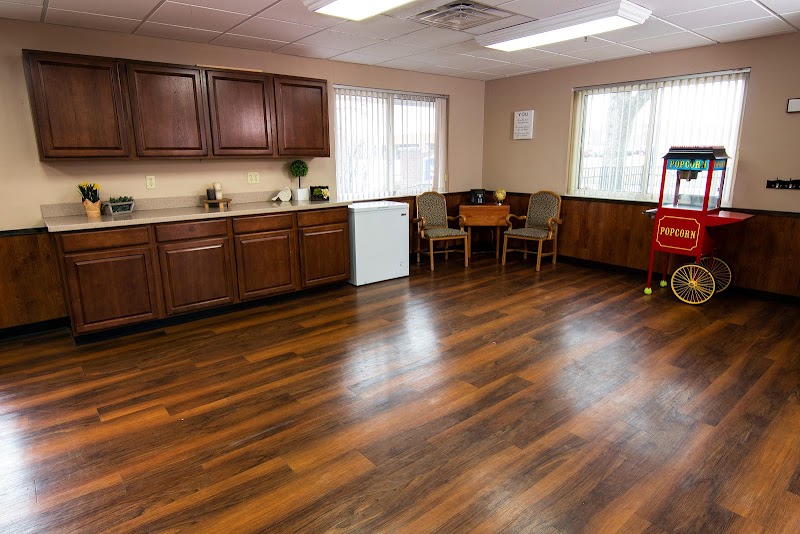
How is North Park Nursing Center Staffed?

CMS rates NORTH PARK NURSING CENTER's staffing level at 2 out of 5 stars, which is below average compared to other nursing homes. Staff turnover is 55%, which is 9 percentage points above the Indiana average of 46%. High turnover can affect care consistency as new staff learn residents' individual needs. RN turnover specifically is 65%, which is notably high. RNs provide skilled clinical oversight, so turnover in this role can affect medical care quality.

What Have Inspectors Found at North Park Nursing Center?

State health inspectors documented 29 deficiencies at NORTH PARK NURSING CENTER during 2019 to 2025. These included: 2 that caused actual resident harm, 26 with potential for harm, and 1 minor or isolated issues. Deficiencies causing actual harm indicate documented cases where residents experienced negative health consequences.
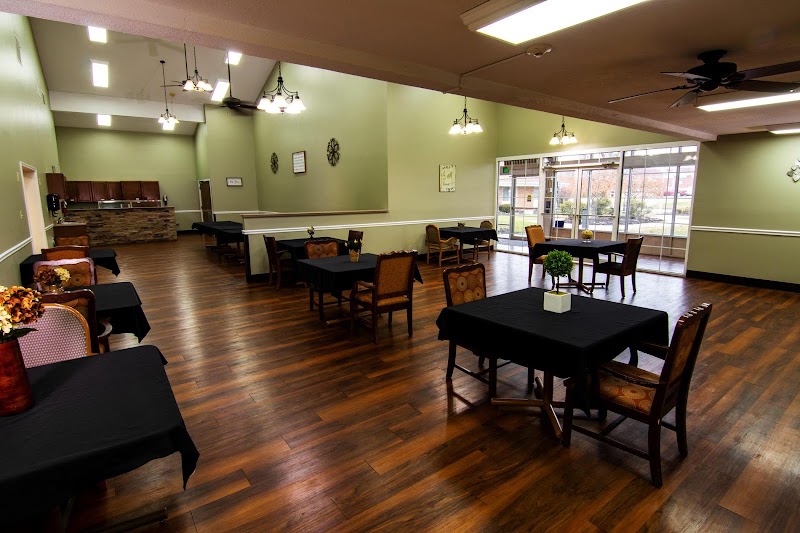
Who Owns and Operates North Park Nursing Center?

NORTH PARK NURSING CENTER is owned by a non-profit organization. Non-profit facilities reinvest revenue into operations rather than distributing to shareholders. The facility is operated by AMERICAN SENIOR COMMUNITIES, a chain that manages multiple nursing homes. With 103 certified beds and approximately 88 residents (about 85% occupancy), it is a mid-sized facility located in EVANSVILLE, Indiana.
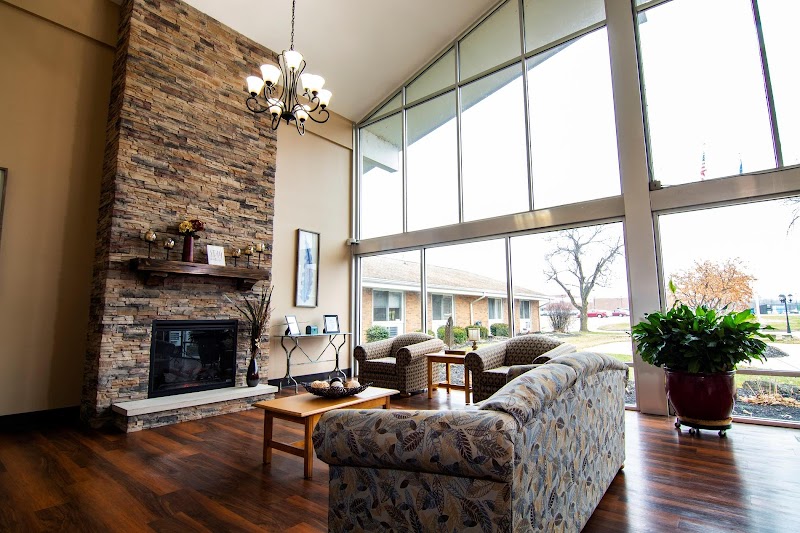
How Does North Park Nursing Center Compare to Other Indiana Nursing Homes?

Compared to the 100 nursing homes in Indiana, NORTH PARK NURSING CENTER's overall rating (2 stars) is below the state average of 3.1, staff turnover (55%) is near the state average of 46%, and health inspection rating (1 stars) is much below the national benchmark.

What Should Families Ask When Visiting North Park Nursing Center?

Based on this facility's data, families visiting should ask: "How do you ensure continuity of care given staff turnover, and what is your staff retention strategy?" "Can you walk me through typical staffing levels on day, evening, and night shifts?" "Can I visit during a mealtime to observe dining assistance and food quality?" "How do you handle medical emergencies, and what is your hospital transfer rate?" These questions are particularly relevant given the facility's high staff turnover rate and the below-average staffing rating.

Is North Park Nursing Center Safe?

Based on CMS inspection data, NORTH PARK NURSING CENTER has a clean safety record: no substantiated abuse findings (meaning no confirmed cases of resident harm), no Immediate Jeopardy citations (the most serious violation level indicating risk of serious injury or death), and is not on the Special Focus Facility watch list (a federal program monitoring the lowest-performing 1% of nursing homes). The facility has a 2-star overall rating and ranks #100 of 100 nursing homes in Indiana. While no facility is perfect, families should still ask about staff-to-resident ratios and recent inspection results during their visit.

Do Nurses at North Park Nursing Center Stick Around?

Staff turnover at NORTH PARK NURSING CENTER is high. At 55%, the facility is 9 percentage points above the Indiana average of 46%. Registered Nurse turnover is particularly concerning at 65%. RNs handle complex medical decisions and coordinate care — frequent RN changes can directly impact care quality. High turnover means new staff may not know residents' individual needs, medications, or preferences. It can also be disorienting for residents, especially those with dementia who rely on familiar faces. Families should ask: What is causing the turnover? What retention programs are in place? How do you ensure care continuity during staff transitions?

Was North Park Nursing Center Ever Fined?

NORTH PARK NURSING CENTER has been fined $38,288 across 1 penalty action. The Indiana average is $33,462. While any fine indicates a compliance issue, fines under $50,000 are relatively common and typically reflect isolated problems that were subsequently corrected. Families should ask what specific issues led to these fines and confirm they've been resolved.

Is North Park Nursing Center on Any Federal Watch List?

NORTH PARK NURSING CENTER is not on any federal watch list. The most significant is the Special Focus Facility (SFF) program, which identifies the bottom 1% of nursing homes nationally based on persistent, serious quality problems. Not being on this list means the facility has avoided the pattern of deficiencies that triggers enhanced federal oversight. This is a positive indicator, though families should still review the facility's inspection history directly.