PARK TERRACE VILLAGE
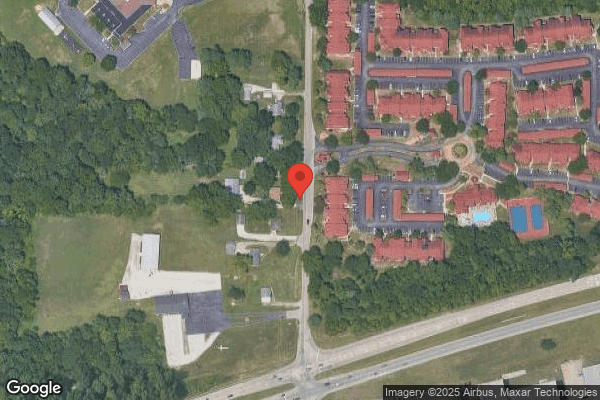
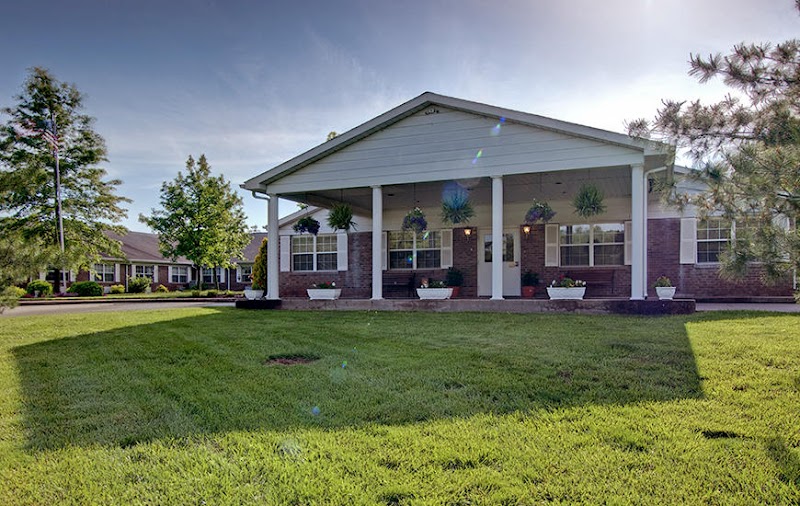
25 S BOEHNE CAMP RD, EVANSVILLE, IN 47712 (812) 423-7468
Non profit - Other 96 Beds AMERICAN SENIOR COMMUNITIES Data: November 2025
Trust Grade
55/100
#276 of 505 in IN
Last Inspection: March 2025

Within standard 12-15 month inspection cycle. Federal law requires annual inspections.

Overview

Park Terrace Village has a Trust Grade of C, which means it is average and in the middle of the pack compared to other nursing homes. It ranks #276 of 505 in Indiana, placing it in the bottom half of facilities in the state, but #4 out of 17 in Vanderburgh County indicates there are only three local options that are better. The facility is showing improvement, with the number of issues reported decreasing from 15 to 6 over the past year. However, staffing has a rating of 2 out of 5 stars, with a concerning 58% turnover rate, which is higher than the state average. While there have been no fines, which is a positive sign, recent inspections revealed issues such as improper storage of medications and food, as well as staff not performing hand hygiene, which raises concerns about safety and infection control. Overall, while there are strengths in areas like quality measures, families should weigh these against the identified weaknesses.

Trust Score
C
55/100
In Indiana
#276/505
Bottom 46%
Safety Record
Low Risk
No red flags
Inspections
Getting Better
15 → 6 violations
Staff Stability
⚠ Watch
58% turnover. Above average. Higher turnover means staff may not know residents' routines.
Penalties
✓ Good
No fines on record. Clean compliance history, better than most Indiana facilities.
Skilled Nurses
○ Average
Each resident gets 37 minutes of Registered Nurse (RN) attention daily — about average for Indiana. RNs are the most trained staff who monitor for health changes.
Violations
⚠ Watch
34 deficiencies on record. Higher than average. Multiple issues found across inspections.
★★★☆☆
3.0
Overall Rating
★★☆☆☆
2.0
Staff Levels
★★★★★
5.0
Care Quality
★★☆☆☆
2.0
Inspection Score
Stable
2024: 15 issues
2025: 6 issues

The Good

  • 5-Star Quality Measures · Strong clinical quality outcomes
  • Full Sprinkler Coverage · Fire safety systems throughout facility
  • No fines on record

Facility shows strength in quality measures, fire safety.

The Bad

3-Star Overall Rating

Near Indiana average (3.1)

Meets federal standards, typical of most facilities

Staff Turnover: 58%

12pts above Indiana avg (46%)

Frequent staff changes - ask about care continuity

Chain: AMERICAN SENIOR COMMUNITIES

Part of a multi-facility chain

Ask about local staffing decisions and management

Staff turnover is elevated (58%)

10 points above Indiana average of 48%

The Ugly 34 deficiencies on record

Mar 2025 6 deficiencies
CONCERN (D)

Potential for Harm - no one hurt, but risky conditions existed

Resident Rights (Tag F0550)

Could have caused harm · This affected 1 resident

Based on observation, interview, and record review, the facility failed to ensure a resident was treated with dignity during a meal observation for 1 of 1 resident's reviewed for activities of daily l...

Read full inspector narrative →
Based on observation, interview, and record review, the facility failed to ensure a resident was treated with dignity during a meal observation for 1 of 1 resident's reviewed for activities of daily living who required staff assistance to eat. (Resident 3) Finding includes: During an interview on 3/4/25 at 10:04 A.M., a family member indicated Resident 3 is not able to feed herself, and staff not always willing to assist her with eating. On 3/5/25 at 10:20 A.M., Resident 3's clinical record was reviewed. Resident 3's diagnoses included, but were not limited to, hypertensive heart disease and congestive heart failure (CHF). The most recent Significant Change Minimum Data Set (MDS) Assessment, dated 2/15/25, indicated Resident 3 was severely cognitively impaired and was dependant on staff (staff do all of the work) for eating, toileting, showering, and transfers, and received oxygen therapy. Current care plans included, but were not limited to: Resident requires assistance with ADLs (activities of daily living) including bed mobility, transfers, eating and toileting related to: weakness, decreased mobility, incontinence, impaired cognition, Start date 6/22/22 During an observation on 3/5/25 at 12:24 P.M., CNA 5 indicated all lunch trays had been passed. Resident 3's lunch tray was sitting on her bedside table next to her, out of her reach, and staff were not feeding Resident 3. At 12:51 P.M., CNA 9 yelled down the hall to CNA 5, who was removing the lunch tray from Resident 3's room, and asked CNA 5 if Resident 3 still needed to be fed. CNA 5 stated she had forgot, and entered Resident 3's room to assist with feeding her. During an interview on 3/10/25 at 11:26 A.M., The Administrator indicated the facility did not have a written policy related to dignity but the facility's policy was to treat all residents with dignity and respect. 3.1-3(t)
CONCERN (D)

Potential for Harm - no one hurt, but risky conditions existed

Deficiency F0554 (Tag F0554)

Could have caused harm · This affected 1 resident

Based on observation, interview, and record review, the facility failed to ensure residents that were self administering medications were assessed for capability to self administer medications for 1 o...

Read full inspector narrative →
Based on observation, interview, and record review, the facility failed to ensure residents that were self administering medications were assessed for capability to self administer medications for 1 of 1 residents observed with medications in their room. (Resident 8) Finding includes: On 3/4/25 at 10:04 A.M., a white pill and a red pill were observed in a medication cup on Resident 8's bedside table. On 3/5/25 at 12:25 P.M., Resident 8's clinical record was reviewed. Diagnoses included, but were not limited to, type 2 diabetes mellitus and major depressive disorder. The most recent Significant Change Minimum Data Set (MDS) Assessment, dated 1/16/25, indicated Resident 8 was cognitively intact, was dependent on staff for rolling left to right, toileting, and bathing, and received antianxiety medication, antidepressants, hypnotics, anticoagulants, diuretics, opioids, and hypoglycemic medications during the seven day look back period (1/10/25 to 1/16/25). The clinical record lacked an assessment, order, and care plan related to the resident's ability to self administer medications. On 3/6/25 at 1:19 P.M., Qualified Medication Aide (QMA) 14 indicated there were no residents who were allowed to self administer their own oral medications. On 3/6/25 at 2:02 P.M., the Administrator indicated that Resident 8 did not have a self administration of medication assessment or order. On 3/10/25 at 11:00 A.M., the Administrator provided a current Self Administration of Medication policy, dated 11/2015, that indicated Periodic evaluations of the resident's ability to self-administer medications must be made to ensure that safe and effective procedures are followed. 3.1-11(a)
CONCERN (D)

Potential for Harm - no one hurt, but risky conditions existed

Respiratory Care (Tag F0695)

Could have caused harm · This affected 1 resident

2. During an observation on 3/4/25 at 1:40 P.M., Resident 3 was observed laying in bed. Her nasal cannula was not in her nose and the tubing was hanging on one ear. Resident 3's oxygen concentrator wa...

Read full inspector narrative →
2. During an observation on 3/4/25 at 1:40 P.M., Resident 3 was observed laying in bed. Her nasal cannula was not in her nose and the tubing was hanging on one ear. Resident 3's oxygen concentrator was on 1 liter. On 3/5/25 at 10:20 A.M., Resident 3's clinical record was reviewed. Resident 3's diagnoses included, but were not limited to, hypertensive heart disease and congestive heart failure (CHF). The most recent Significant Change Minimum Data Set (MDS) Assessment, dated 2/15/25, indicated Resident 3 was severely cognitively impaired and was dependent on staff (staff do all of the work) for eating, toileting, showering, and transfers, and received oxygen therapy. Current physician orders included, but were not limited to: Oxygen at 2 liters per nasal cannula every shift, start date 4/10/23 The current care plan included, but was not limited to: Resident has potential for impaired gas exchange related to: CHF, utilizes supplemental O2 (oxygen), Start date 1/17/24 Administer oxygen as ordered - 2 liters per nasal cannula, Start date 1/17/24 3. During an observation on 3/4/25 at 2:24 P.M., Resident 47's oxygen concentrator was on four liters. Resident 47 indicated she should be receiving 2 liters of oxygen. On 3/6/25 at 9:09 A.M., Resident 47's clinical record was reviewed. Resident 47's diagnoses included, but were not limited to, chronic obstructive pulmonary disease (COPD). The most recent Quarterly Minimum Data Set (MDS) Assessment, dated 2/13/25, indicated Resident 3 was dependent on staff (staff do all of the work) for transfers, and received oxygen therapy. Current physician orders included, but were not limited to: Oxygen at 2 liters per nasal cannula every shift, start date 1/8/25 The current care plan included, but was not limited to: Resident has potential for impaired gas exchange related to COPD, Start date 5/10/24 Administer oxygen as ordered - 2 liters per nasal cannula, Start date 5/10/24 During an interview on 3/7/25 at 8:48 A.M.,Licensed Practical Nurse (LPN) 10 indicated Resident 47 should be receiving 2 liters of oxygen. On 3/10/25 at 11:00 A.M., the Administrator provided a current Oxygen Therapy policy, dated 11/2015, that indicated The nurse will coordinate the oxygen therapy services as ordered by the resident's physician. 3.1-47(a)(6) Based on observation, interview, and record review, the facility failed to ensure respiratory services were provided according to professional standards for 3 of 3 residents reviewed for respiratory care. Residents were receiving oxygen at a flow rate that was not consistent with the physician order.(Resident 8, Resident 3, Resident 47) Findings include: 1. On 3/4/25 at 10:10 A.M., Resident 8 was observed lying in bed receiving 4 liters (L) of oxygen via nasal cannula. At that time, Resident 8 indicated she was supposed to receive 3 L of oxygen. On 3/5/25 at 12:35 P.M., Resident 8 was observed lying in bed receiving 4 L of oxygen via nasal cannula. On 3/6/25 at 1:18 P.M., Resident 8 was observed lying in bed receiving 4 L of oxygen via nasal cannula. On 3/5/25 at 12:25 P.M., Resident 8's clinical record was reviewed. Diagnoses included, but were not limited to, Chronic Obstructive Pulmonary Disease (COPD). The most recent Significant Change Minimum Data Set (MDS) Assessment, dated 1/16/25, indicated Resident 8 was cognitively intact, was dependent on staff to roll left and right, toileting, and bathing, and was receiving oxygen therapy. Current physician orders included, but were not limited to: Oxygen at 2 liters per nasal cannula every shift, dated 1/10/25 A current risk for impaired gas exchange care plan, revised 1/20/25, included an intervention of oxygen at 2 L per nasal cannula. On 3/6/25 at 1:20 P.M., Qualified Medication Aide (QMA) 14 indicated that Resident 8 was supposed to be on 2 to 3 liters of oxygen.
CONCERN (E)

Potential for Harm - no one hurt, but risky conditions existed

Deficiency F0761 (Tag F0761)

Could have caused harm · This affected multiple residents

Based on observation, record review, and interview, the facility failed to ensure proper storage of and labeling of medications for 3 of 5 medication carts and 1 of 2 wound treatment carts. Loose pill...

Read full inspector narrative →
Based on observation, record review, and interview, the facility failed to ensure proper storage of and labeling of medications for 3 of 5 medication carts and 1 of 2 wound treatment carts. Loose pills, food, and unlabeled medications were observed in the medication and treatment cart drawers. (Treatment Cart for B Hall, A Hall Medication Cart, B Hall Medication Cart, C Hall Medication Cart) Findings include: 1. On 3/4/25 at 10:49 A.M., the Treatment Cart for the B Hall was observed with the following: 1 bottle of Peri cleaner(cleaner) without label or resident name 1 can of soda in the third drawer in the third drawer 1 pair of toenail clippers no resident name or storage bag 2. On 3/4/25 at 11:00 A.M., the B Hall Medication Cart was observed to have an open package of chewing gum without identification of ownership. 3. On 3/4/25 at 11:15 A.M., the A Hall Medication Cart was observed with the following: 1 small round pill with the number 11 1 small round orange pill with the letter F and the number 50 1 bottle of Acetaminophen (pain medication) 500 milligrams (Mg) without label or open date. 4. On 3/4/25 at 11:26 A.M., the C Hall Medication Care was observed with 2 loose Cephalothin (Antibiotic) pills in a drawer. 5. On 3/6/25 at 7:19 A.M., during a medication pass to Resident 28, Qualified Medication Aide (QMA) 14 was observed dropping a pill on the top of the B Hall Medication Cart and placed into a medicine cup that was later given to the resident. QMA 14 observed passing medications to Resident 19 who refused a stool softener pill and placed the pill in a cup and left it unlabeled in a medication drawer. During an interview on 3/4/25 at 10:55 A.M., the Assistant Director of Nursing (ADON) indicated if it comes in a bottle there should be a label. ADON also indicated there should be no food or nail clippers in the treatment or medication carts. The nail clippers should be in a plastic bag and labeled. During an interview 3/7/25 at 11:15 A.M., the Director of Nursing (DON) indicated that if a QMA drops medication it should be thrown away and a new one to replace it. If a resident refuses a medication it is to be thrown away and not left in a drawer unlabeled. Medications should be labeled with the name of the resident if put in a cup locked drawer. On 3/10/25 at 11:00 A.M., the Administrator provided a current policy Medication Storage and Expiration Policy dated 11/24. The policy indicated .food is not to be stored in . general storage areas where medications are stored .facility should destroy and reorder medications when .damaged .should be stored in accordance with manufacturers' recommendations. 3.1-25(k)(1) 3.1-25(o) 3.1-18(b)
CONCERN (E)

Potential for Harm - no one hurt, but risky conditions existed

Food Safety (Tag F0812)

Could have caused harm · This affected multiple residents

**NOTE- TERMS IN BRACKETS HAVE BEEN EDITED TO PROTECT CONFIDENTIALITY** Based on observation, interview, and record review, the facility failed to safely store and produce food under professional stan...

Read full inspector narrative →
**NOTE- TERMS IN BRACKETS HAVE BEEN EDITED TO PROTECT CONFIDENTIALITY** Based on observation, interview, and record review, the facility failed to safely store and produce food under professional standards related to food items not labeled or stored properly and sanitary kitchen surfaces for 1 of 1 dietary areas observed. Findings include: During a kitchen walk through on 3/4/25 at 9:03 A.M., the following was observed: Walk in refrigerator: One pitcher labeled sweet tea, no date One pitcher labeled apple juice, dated 2/28 use by 3/1 One opened bag and two closed bags of wilting lettuce, best by date 2/23/25 Bag of sliced American cheese, opened 2/26 use 3/4 Bag of shredded cheese, opened 2/26 use 3/4 Bag of mozzarella cheese open to air, opened 2/24 use by 3/3 Walk in freezer: Bag of Canadian bacon, dated 2/6 use by 2/9 Bag of meatballs, dated 2/20 Dry storage: Box of loaves of bread directly on floor Opened bag of instant mashed potatoes, no date Opened of penne pasta, dated 1/18 Opened of macaroni noodles, no date Opened bag of egg noodles, no date Opened bag of [NAME] rigate noodles, no date Box of powdered sugar, open to air Box of puree rice mix, open to air Black handled scoop with residue sitting directly on open shelf Floor around stove and top of stove dirty with food debris On 3/7/25 at 9:37 A.M., the Dietitian indicated food should be labeled and dated according to the facility policy. On 3/10/25 at 11:00 A.M., the Administrator provided a policy titled Food Storage, revised 5/23, that indicated 4. Scoops should be kept covered in a protected area near the containers. 6. Food is stored a minimum 6 above the floor. 7. Leftover prepared foods and processed meats are to be stored in covered containers and wrapped securely. The food must be clearly labeled and dated with the name of the product, the date it was prepared, and marked to indicate the date by which the food shall be consumed or discarded. Leftover foods can be held at 41 Fahrenheit (F) or less for no more than 3 days. The day the food was prepared shall be counted as day 1. 8. Refrigerated, ready to eat, potentially hazardous food purchased from approved vendors shall be clearly marked with the date the original container is opened and the date by which the food shall be consumed or discarded. This opened food can be held at 41 F or less for no more than 7 days and the date marked may not exceed the manufacturer's use by date. 13. Dry storage containers with covers must be used for storing flour, sugar, pasta and partial cases of bulk foods when removed from their original container. These containers should be labeled and dated on both the container and lid. All food shall be covered or wrapped tightly, labeled, and dated. 3.1-21(i)(3) 3.1-21(I)(2)
CONCERN (E)

Potential for Harm - no one hurt, but risky conditions existed

Infection Control (Tag F0880)

Could have caused harm · This affected multiple residents

Based on observation, record review, and interview, the facility failed to ensure infection control practices and standards were performed during 3 of 3 random observations. Staff observed not perform...

Read full inspector narrative →
Based on observation, record review, and interview, the facility failed to ensure infection control practices and standards were performed during 3 of 3 random observations. Staff observed not performing hand hygiene during a medication pass of B Hall, using Enhanced Barrier Protection (EBP), and changing gloves during care. ( Resident 28, Resident 39, Resident 19, Resident 48, Resident 41, Resident 18, Resident 22, Resident 3) Findings include: 1. On 3/6/25 at 7:19 A.M., during a random observation of a medication pass, Qualified Medication Aide (QMA) 14 failed to perform hand sanitization prior to entering Resident 28's room. On 3/6/25 at 7:25 A.M., during a random observation of a medication pass, QMA 14 failed to perform hand hygiene prior to entering and exiting Resident 39's room. On 3/6/25 at 7:32 A.M., during a random observation of a medication pass, QMA 14 failed to perform hand hygiene prior to entering and exiting Resident 19's room. On 3/6/25 at 7:38 A.M., during a same random observation of a medication pass, QMA 14 sneezed into sleeve without performing hand hygiene and exiting Resident 48's room. On 3/6/25 at 7:45 A.M., during a random observation of a medication pass, QMA 14 failed to perform hand hygiene prior to entering and exiting Resident 41's room. On 3/6/25 at 7:50 A.M., during a random observation of a medication pass, QMA 14 failed to perform hand hygiene prior to entering Resident 18's room. During an interview on 3/7/25 at 11:01 A.M., the Infection Preventionist indicated staff should perform hand hygiene before they touch anything, before going into a resident's room, and after leaving the resident. 3. During an observation of incontinence care on 3/7/25 at 11:26 A.M., CNA 7 entered Resident 3's room, sanitized her hands, and put a gown and gloves on. CNA 7 raised Resident 3's bed with the remote, rolled Resident 3 to her side, and removed her pants and soiled brief. CNA 7 used incontinence wipes to clean Resident 3. CNA 7 removed her gloves, applied hand sanitizer, put new gloves on, and put a clean brief under Resident 3. CNA 7 looked through Resident 3's dresser and bedside table drawers with gloves on to find barrier cream. CNA 7 applied barrier cream on Resident 3's bottom, wiping the cream over the wounds on Resident 3's coccyx and left gluteal fold. CNA 7 removed her soiled glove, put a new glove on, and rolled Resident 3 back over and assisted pulling her brief and pants up. On 3/10/25 at 11:00 A.M., the Administrator provided a current policy Hand Hygiene Policy revised in 12/21. The policy indicated .hand hygiene applies to hand washing, antiseptic hand wash, and alcohol based hand rub .moments of hand hygiene include .before touching a patient, after body fluid risk, and after touching a resident . On 3/10/25 at 11:00 A.M., the Administrator provided a current undated Enhanced Barrier Precautions policy that indicated Use of personal protective equipment - gown and gloves - during high-contact resident care activities .changing briefs or assisting with toileting . Gloves and gown prior to the high-contact care activity . 3.1-18(b)(2) 3.1-18(l) 2. On 3/7/25 at 8:39 A.M., Certified Nurse Aide (CNA) 6 was observed performing incontinence care for Resident 22. CNA 6 was not wearing a gown. An Enhanced Barrier Precaution (EBP) sign was observed above Resident 22's bed. The sign indicated that staff should wear a gown and gloves during high contact care. On 3/7/25 at 9:25 A.M., Resident 22's clinical record was reviewed. Diagnoses included, but were not limited to, dementia and stage two pressure ulcer. The most recent Significant Change Minimum Data Set (MDS) Assessment, dated 2/17/25, indicated Resident 22 had severe cognitive impairment, was dependent on staff for toileting, and did not have a pressure ulcer. Current care plans included, but were not limited to: Resident is at risk of transferring or becoming colonized with an Multi-Drug Resistant Organizisms (MDRO) and requires enhanced barrier precautions due to a chronic wound that requires a dressing, dated 3/5/25 A Wound Management Observation note, dated 3/5/25 at 10:30 A.M., indicated Resident 22 had a stage two pressure ulcer on the right side of her sacrum. On 3/7/25 at 10:22 A.M., the Director of Nursing (DON) provided a current list of residents who were on EBP. Resident 22 was listed. On 3/7/25 at 10:39 A.M., the Director of Nursing (DON) indicated that residents on EBP had a care plan for EBP, but did not have physician orders for EBP. On 3/7/25 at 11:01 A.M., the IP indicated that if a resident was on EBP, staff should wear gown and gloves during high contact care.
Oct 2024 1 deficiency
CONCERN (D) 📢 Someone Reported This

A family member, employee, or ombudsman was alarmed enough to file a formal complaint

Potential for Harm - no one hurt, but risky conditions existed

Infection Control (Tag F0880)

Could have caused harm · This affected 1 resident

**NOTE- TERMS IN BRACKETS HAVE BEEN EDITED TO PROTECT CONFIDENTIALITY** Based on observation, interview, and record review, the facility failed to properly prevent and/or contain COVID-19. Staff were ...

Read full inspector narrative →
**NOTE- TERMS IN BRACKETS HAVE BEEN EDITED TO PROTECT CONFIDENTIALITY** Based on observation, interview, and record review, the facility failed to properly prevent and/or contain COVID-19. Staff were observed not properly wearing PPE (Personal Protective Equipment) and practicing infection control practices. (Resident H, 200 unit) Finding includes: On 10/1/24 at 9:00 a.m., the Administrator indicated the facility had 16 residents who were COVID-19 positive. On 10/1/24 at 9:55 a.m., LPN 2 was observed to be wearing a gown, gloves, face shield, and a surgical mask underneath an N-95 mask before entering room [ROOM NUMBER], a COVID-19 positive room. room [ROOM NUMBER] had COVID-19 isolation precautions posted on the door. LPN 2 was observed to exit room [ROOM NUMBER] wearing the surgical mask, walk to the medication cart, laid the N-95 mask and face shield on top of a binder on the cart. LPN 2 was observed to prepare medications, touch the surgical mask she was wearing with bare hands, no hand hygiene done after. LPN 2 moved the face shield and N-95 mask off the top of the binder, wrote on the binder, opened the narcotic drawer with keys, charted on the computer, picked up the medication cup, donned a gown, gloves, a new N-95 mask over the surgical mask, a new face shield and entered room [ROOM NUMBER], a COVID-19 positive room. room [ROOM NUMBER] had COVID-19 isolation precautions posted on the door. LPN was observed to exit room [ROOM NUMBER] wearing the surgical mask, performed hand hygiene. On 10/2/24 at 8:38 a.m., Housekeeper 2 was observed to don a gown, gloves, face shield, a surgical mask was observed on. Housekeeper 2 entered room [ROOM NUMBER] a COVID-19 positive room. room [ROOM NUMBER] had COVID-19 isolation precautions posted on the door. On 10/2/24 at 8:54 a.m., Resident H was observed to exit room [ROOM NUMBER], a COVID-19 positive room, go to the nurses station and tell a staff member she needed something. Resident H was not wearing a mask. Two staff members were observed by the nurses station, one staff was observed by Resident H's room at the medication cart, none were heard to inform Resident H of COVID-19 isolation precautions. A resident who was at the nurses station was overheard telling Resident H she was not supposed to be out of her room, Resident H returned to her room. On 10/3/24 at 9:21 a.m., LPN 3 indicated before entering a COVID-19 positive room, a gown, gloves, face shield, N-95 mask should be worn, the surgical mask should be taken off before putting on an N-95 mask. On 10/3/24 at 10:06 a.m., the Administrator provided the current transmission-based precautions for isolation policy with a reviewed date of 4/4/24. The policy included, but was not limited to: . Droplet/Contact Precautions (formerly droplet plus precautions): is used to designate transmission-based precautions beyond droplet precautions for residents who meet the criteria for transmission-based precautions with COVID-19, which includes the use of N-95 respirator .HCP (Health Care Personal) should wear an N-95 or higher-level respirator, eye protection (i.e.; goggles or face shield that covers the front and sides of the face), gloves, and gown when caring for these residents .PPE must be appropriately doffed and discarded in trash prior to leaving the room . remove mask/ face protection and dispose before leaving the room .Limit transportation and movement outside of room to medically necessary purposes. Essential movement (therapy, showers, restroom, etc.). When transportation is necessary, ensure that the resident wears a mask and follows Respiratory Hygiene/Cough Etiquette, perform hand hygiene before leaving and upon returning to room . 3.1-18(b)
Feb 2024 12 deficiencies
CONCERN (D)

Potential for Harm - no one hurt, but risky conditions existed

Deficiency F0554 (Tag F0554)

Could have caused harm · This affected 1 resident

Based on observation, interview, and record review, the facility failed to ensure residents that were self administering medications were assessed for capability to self administer medications for 2 o...

Read full inspector narrative →
Based on observation, interview, and record review, the facility failed to ensure residents that were self administering medications were assessed for capability to self administer medications for 2 of 2 residents observed with medications in their room. (Resident 32, Resident 30) Findings include: 1. On 2/15/24 at 10:15 A.M., QMA (Qualified Medication Aide) 7 was observed taking medication into Resident 32's room. QMA 7 left the medication cup with pills in it on the resident's bedside table without watching the resident take the medication. On 2/15/24 at 10:58 A.M., Resident 32's clinical record was reviewed. Diagnoses included, but were not limited to, end stage renal disease, type 2 diabetes mellitus, congestive heart failure, hyperlipidemia, and major depressive disorder. The most recent Quarterly MDS (Minimum Data Set) Assessment, dated 11/21/23, indicated Resident 32 was cognitively intact. The clinical record lacked an order or evaluation for self administration of medications. On 2/16/24 at 9:16 A.M., LPN (Licensed Practical Nurse) 14 indicated there weren't any residents who were allowed to self administer all of their medications. 2. During an observation on 2/13/24 at 8:59 A.M., Resident 30 was observed administrating her own nebulizer treatment. On 2/14/24 at 1:26 P.M., Resident 30's clinical record was reviewed. Diagnoses included but were not limited to, acute and chronic respiratory failure with hypoxia and paroxysmal atrial fibrillation. Resident 30's most recent admission MDS (Minimum Data Set) Assessment, dated 12/11/23 indicated Resident 30 was cognitively intact but needed extensive assistance of one for mobility, transfer, and toileting. The current physician orders lacked a self-medication order for medication. The current care plan lacked a care plan for self-medication. During an interview on 2/13/24 at 9:00 A.M., Resident 30 indicated the nurses will bring medication to her, place it in the container, and then leave. During an interview on 2/20/24 at 9:06 A.M., the Clinical Regional Nurse indicated Resident 30's chart lacked a Self-Medication Assessment, the chart lacked an order to self-medicate, and the care plan lacked a care plan for self-medication also. On 2/15/24 at 12:03 P.M., the Administrator provided a current policy Self-Administration of Medication dated 11/2015. The policy indicated .an alert and self-sufficient resident may request that his or her physician provide a written order to the Community indicating an ability to self-administer medications. The physician must indicate the resident is capable of taking medications unsupervised . On 2/15/24 at 12:05 P.M., the Administrator provided a current nursing skills sheet Nebulizer (Small Volume Nebulizer-SVN-Medicated Aerosol Therapy) dated 5/2023. The skills sheet indicated . the nurse was to stay with the resident during the entire medication administration . On 2/16/24 at 9:16 A.M., LPN (Licensed Practical Nurse) 14 indicated there weren't any residents who were allowed to self administer all of their medications. On 2/15/24 at 12:03 P.M., a Self Administration of Medications policy, dated 11/15, indicated an alert and self-sufficient resident may request that his or her physician provide a written order to the Community indicating an ability to self-administer medications. The physician must indicate the resident is capable of taking medications unsupervised . The nurse at the Community must also evaluate each resident who self-administers his or her medication by completing the Self-Administration of Medication Assessment form. 3.1-11(a)
CONCERN (D)

Potential for Harm - no one hurt, but risky conditions existed

Assessment Accuracy (Tag F0641)

Could have caused harm · This affected 1 resident

**NOTE- TERMS IN BRACKETS HAVE BEEN EDITED TO PROTECT CONFIDENTIALITY** Based on interview and record review, the facility failed to ensure the MDS (Minimum Data Set) Assessment was completed accurate...

Read full inspector narrative →
**NOTE- TERMS IN BRACKETS HAVE BEEN EDITED TO PROTECT CONFIDENTIALITY** Based on interview and record review, the facility failed to ensure the MDS (Minimum Data Set) Assessment was completed accurately for 1 of 3 residents reviewed for MDS discrepancy. (Resident 32) Finding includes: On 2/15/24 at 10:58 A.M., Resident 32's clinical record was reviewed. Resident 32 was admitted to the facility on [DATE]. Diagnoses included, but were not limited to, end stage renal disease, acquired absence of right leg above knee, and generalized muscle weakness. The most recent Quarterly MDS (Minimum Data Set) Assessment, dated 11/21/23, indicated Resident 32 was cognitively intact, was dependent on 2 or more staff for transfers, and had no falls since the prior assessment on 8/21/23. Progress notes indicated Resident 32 sustained falls on 8/25/23, 8/26/23, 10/25/23, and 11/5/23. On 2/20/24 at 10:45 A.M. the Administrator indicated the 11/21/23 MDS quarterly assessment should be marked yes for falls for Resident 32 and was unsure why it had been marked no. At that time, she indicated the facility followed the RAI (Resident Assessment Instrument) user's manual.
CONCERN (D)

Potential for Harm - no one hurt, but risky conditions existed

Comprehensive Care Plan (Tag F0656)

Could have caused harm · This affected 1 resident

Based on observation, interview, and record review, the facility failed to ensure a resident's comprehensive care plan interventions were implemented for 1 of 1 residents reviewed for urinary catheter...

Read full inspector narrative →
Based on observation, interview, and record review, the facility failed to ensure a resident's comprehensive care plan interventions were implemented for 1 of 1 residents reviewed for urinary catheter care. (Resident 57) Findings include: On 2/12/24 at 2:54 P.M. Resident 57 was observed sitting near the front door. Resident 57's catheter bag was hanging from the back of the wheelchair. There was no protective pouch covering the bag. On 2/15/24 at 7:34 A.M. Resident 57 was observed in the hall with the catheter bag hanging on the armrest of the wheelchair above waist level. There was no protective pouch covering the bag. On 2/16/24 at 8:47 A.M., Resident 57 was observed in the hall with the catheter bag hanging on the armrest of the wheelchair above waist level. There was no protective pouch covering the bag. On 2/14/24 at 9:15 A.M., Resident 57's clinical record was reviewed. Resident 57's diagnoses included, but were not limited to, COPD (chronic obstructive pulmonary disease), and type 2 diabetes mellitus. The most recent Quarterly MDS (Minimum Data Set) Assessment was completed on 12/26/23 and indicated resident 57 was cognitively intact. Resident 57's MDS indicated he required assistance of 1 staff for mobility, transfers, and toileting. Resident 57's care plan included interventions to position catheter bag below waist level, dated 6/14/23, and store catheter collection bag inside a protective dignity pouch, dated 6/14/23. During an interview on 12/20/24 at 12:55 A.M., the Administrator stated current care plans should be followed, or updated if a care plan intervention no longer applies. On 2/21/24 at 10:03 A.M., the Clinical Regional Nurse indicated there was not a specific policy relating to catheter care plans and provided a form titled Catheter Care Skills Competency. 3.1-35(a)
CONCERN (D)

Potential for Harm - no one hurt, but risky conditions existed

Pressure Ulcer Prevention (Tag F0686)

Could have caused harm · This affected 1 resident

Based on observation, interview, and record review, the facility failed to prevent a friction abrasion from occurring for 1 of 2 residents observed for facility acquired skin alterations. (Resident 29...

Read full inspector narrative →
Based on observation, interview, and record review, the facility failed to prevent a friction abrasion from occurring for 1 of 2 residents observed for facility acquired skin alterations. (Resident 29) Findings include: During an observation on 2/12/24 at 2:12 P.M., Resident 29's mattress was observed to have a deep impression, and the metal bar of the bed frame beneath the mattress could be felt through the dip in the mattress. The resident expressed the wound on her bottom had occurred multiple times as a result of transferring over the spot in the mattress where the bar was palpable. She indicated the staff were aware of the defective mattress and the pressure it was causing against her skin. A new or different mattress was not provided. No grab bar was observed on the left side of Resident 29's bed. On 2/14/24 at 8:27 A.M., Resident 29's clinical record was reviewed. Diagnoses included, but were not limited to, COPD (chronic obstructive pulmonary disease) and type 2 diabetes mellitus. Resident 29's most recent Quarterly MDS (Minimum Data Set) Assessment, dated 1/2/24, indicated Resident 29 was cognitively intact and required limited assistance of 1 staff for transfers. Resident 29's current care plan included, but was not limited to, the following interventions related to prevention of skin breakdown: Left grab bar to bed, dated 9/26/23. Pressure redistribution mattress on bed, dated 10/21/22. A progress note on 1/24/24 noted Resident 29 was assessed by the NP (Nurse Practitioner) and indicated a finding of a new abrasion wound on the right gluteal fold. A progress note on 1/30/24 noted Resident 29 was assessed by the NP and indicated a subsequent visit for the wound located on the right gluteal fold. A progress noted on 2/6/24 noted Resident 29 was assessed by the NP and indicated the wound on the right gluteal fold was resolved. A progress note on 2/13/24 noted Resident 29 was assessed by the NP and indicated a wound was assessed on the right gluteal fold; Resident 29 was complaining of tenderness. During an observation on 2/16/24 at 9:00 A.M., there was not a grab bar on the left side of Resident 29's bed to assist with transferring. During an interview on 02/20/24 at 2:58 P.M., the Administrator indicated Resident 29's defective mattress had been removed on 2/14/24. On 2/16/24 at 2:40 P.M., the Administrator provided a policy titled Skin Management Program, revised 5/22, and stated A plan of care will be initiated to include resident specific risk factors and contributing factors with the appropriate interventions implemented. 3.1-40(a)(1)
CONCERN (D)

Potential for Harm - no one hurt, but risky conditions existed

Accident Prevention (Tag F0689)

Could have caused harm · This affected 1 resident

**NOTE- TERMS IN BRACKETS HAVE BEEN EDITED TO PROTECT CONFIDENTIALITY** Based on observation, interview, and record review, the facility failed to ensure residents received supervision and consistent ...

Read full inspector narrative →
**NOTE- TERMS IN BRACKETS HAVE BEEN EDITED TO PROTECT CONFIDENTIALITY** Based on observation, interview, and record review, the facility failed to ensure residents received supervision and consistent implementation of interventions to prevent falls for 2 of 4 residents reviewed for accidents related to falls. Fall interventions were not consistently implemented, thorough assessments of post fall needs was lacking, and care plans were not updated following falls. (Resident 32, Resident 60) Findings include: 1. On 2/13/24 at 2:30 P.M., QMA 12 was observed transferring Resident 32 from a chair to his bed using a slide board and no gait belt. On 2/15/24 at 10:58 A.M., Resident 32's clinical record was reviewed. Resident 32 was admitted on [DATE]. Diagnoses included, but were not limited to, end stage renal disease, acquired absence of right leg above knee, and generalized muscle weakness. The most recent Quarterly MDS (Minimum Data Set) assessment, dated 11/21/23, indicated Resident 32 was cognitively intact, was dependent on 2 or more staff for transfers, and had no falls since the prior assessment. Progress notes indicated Resident 32 fell 14 times since admission. Fall 1 6/6/23 at 5:30 P.M. Fall was not witnessed. Resident was walking in his room without staff assistance when he lost his balance and fell. Interventions nonskid footwear, encourage [name of resident] to ask for assistance, use call light, therapy screen, and personal items in reach were added to the care plan on 6/8/23. Fall 2 6/7/23 at 4:40 P.M. Fall was not witnessed. Resident was changing his clothes in the restroom and his knees gave out. Interventions assist with toileting upon rising, before and after meals, at HS (bedtime) and PRN (as needed) and pharmacist to review meds upon admit, monthly and PRN were added to the care plan on 6/13/23. Fall 3 6/27/23 at 5:16 P.M. Fall was not witnessed. Resident was attempting to self transfer. Intervention staff to offer increased assistance d/t (due to) current condition more frequent checks was added to the care plan on 6/28/23. Fall 4 6/28/23 at 7:06 P.M. Fall was unwitnessed. Resident attempted to get up from his wheelchair and lost his balance. Intervention offer to lay resident down after HS meal was added to the care plan on 6/29/23. Fall 5 6/29/23 at 1:30 A.M. Fall was unwitnessed. Resident rolled out of bed. Intervention place sign in room reminding resident to use call light for transfers. NP (nurse practitioner) to evaluate medications with focus on newly added medications was added to the care plan on 6/29/23. Fall 6 6/29/23 at 6:30 P.M. Fall was unwitnessed. Resident was attempting to self transfer from his bed to the wheelchair. No intervention was added to the care plan at that time. Fall 7 7/10/23 at 9:00 P.M. Fall was unwitnessed. Resident was attempting to grab items in a bag on his wheelchair and fell. Intervention Request NP and Pharmacist review meds (medications) was added to the care plan on 7/11/23.(Intervention was repeated from 6/29/23). Intervention nonslip socks when not wearing shoes was added to the care plan on 7/19/23. (Repeated intervention from 6/8/23) Fall 8 8/21/23 at 2:53 P.M. Fall was witnessed. Resident slid off his wheelchair while on the facility bus. Intervention Dycem to w/c (wheelchair) was added to the care plan on 8/22/23. Fall 9 8/25/23 at 1:00 A.M. Fall was unwitnessed. Resident rolled off his bed and indicated he was having difficulty feeling bed boundaries due to his recent amputation. Interventions staff to encourage resident to be assisted to center of bed before leaving room, keep night stand away from bed to help prevent injury, and move bed against wall for bed boundaries r/t (related to) amputation were added to the care plan on 8/28/23. Fall 10 8/26/23 at 11:15 A.M. Fall was unwitnessed. Resident attempted to grab a personal item from the bedside table and leaned too far forward. Interventions staff to provide resident with a bag to keep personal items within closer reach and staff to ensure bedside table is within reach so that resident can reach personal items were added to the care plan on 8/28/23. Fall 11 10/25/23 at 7:53 A.M. Fall was unwitnessed. Resident rolled out of bed. Intervention scoop mattress was added to the care plan on 10/26/23. (Third occurrence rolling out of bed.) Fall 12 11/5/23 at 7:57 A.M. Fall was unwitnessed. Resident slid off the side of the bed while watching tv. Interventions education on use of nonskid footwear when not wearing shoes ( repeated intervention from 6/8/23 and 6/29/23) and nonskid strips next to bed were added to the care plan on 11/6/23. Fall 13 1/24/24 at 11:30 P.M. Fall was unwitnessed. Resident fell asleep while sitting on the side of the bed and fell forward off the bed. Intervention recliner in room was added to the care plan on 1/26/24. Fall 14 1/31/24 at 3:10 P.M. Fall was unwitnessed. Resident attempted to self transfer. Intervention replace non skid strips in front of bed was added to the care plan on 2/2/24. Discontinued physician orders included, but weren't limited to: Transfer resident with mechanical lift and assist of 2 staff members, dated 08/16/23 and discontinued on 02/14/24 A current risk for falls care plan, revised 2/14/24, included, an intervention, initiated 8/15/23 and discontinued on 2/14/24, which indicated all transfers to be done with mechanical lift and assist of 2. On 2/15/24 at 10:18 A.M., Resident 32 indicated staff transferred him by using a sliding board and a gait belt. On 2/15/24 at 10:36 A.M., CNA (Certified Nurse Aide) 1 indicated Resident 32 required standby assistance for transfers. She indicated the resident transferred himself using a slide board and did not require a gait belt.2. On 2/15/24 at 12:11 P.M., Resident 60's clinical record was reviewed. Diagnoses included, but were not limited to, COPD (Chronic Obstructive Pulmonary Disease) and type 2 diabetes mellitus. The most recent Quarterly MDS (Minimum Data Set) Assessment, dated 1/18/24, indicated Resident 60 was cognitively intact and required supervision assistance of 1 staff for transfers, eating, and toileting. Resident 60's fall event history indicated 7 falls in the past 3 months and interventions placed by the IDT (interdisciplinary team) following each fall: Witnessed fall on 11/18/23 at 9:30 A.M.; Resident was trying to transfer from couch to wheelchair, staff assisted resident to the floor. Intervention put in place: Therapy will evaluate and staff will assist x 1 with transfers. Unwitnessed fall on 11/19/23 at 9:00 A.M.; Resident was using bathroom, staff found resident sitting in bathroom floor. Intervention put in place: Put up all before you fall sign. Unwitnessed fall on 11/22/23 at 10:34 A.M.; Resident fell out of chair and was found on floor by staff. Intervention put in place: Bright colored tape to call light. Unwitnessed fall on 11/22/23 at 8:40 P.M.; Resident fell out of bed, staff found sitting on floor. Intervention put in place: Resident started on a toileting program. Unwitnessed fall on 11/23/23 at 4:30 P.M.; Resident fell out of bed, staff found resident sitting on floor. Intervention put in place: Resident started on a toileting program. Unwitnessed fall on 12/6/23 at 1:30 P.M.; Resident was transferring from bed to wheelchair, staff found resident on knees at end of bed. Intervention put in place: Nonskid strips at bedside. Unwitnessed fall on 2/12/24 at 3:48 A.M.; Resident was transferring from bed to restroom, staff found on floor next to bed. Intervention put in place: Nonskid strips at bedside. (Repeated intervention from 12/6/23) During an observation on 2/15/24 at 10:45 A.M., no colored tape was observed on the call light, no call before you fall sign was able to be located in Resident 60's room. During an observation on 2/20/24 at 2:15 P.M., no colored tape was observed on the call light, no call before you fall sign was able to be located in Resident 60's room. During an interview on 2/20/24 at 12:55 P.M., the Administrator acknowledged it would be expected for a new intervention to be implemented for each fall event, the IDT reviews each fall after a fall event is created, and the IDT creates a fall note indicating the final intervention. On 2/16/24 at 2:28 P.M., a current Fall Management Policy, revised 1/23, indicated All falls will be discussed .to determine root cause and other possible interventions to prevent future falls . The care plan will be reviewed and updated. 3.1-45(a)(2)
CONCERN (D)

Potential for Harm - no one hurt, but risky conditions existed

Deficiency F0740 (Tag F0740)

Could have caused harm · This affected 1 resident

Based on interview and record review, the facility failed to monitor for behaviors in 1 of 2 residents reviewed for resident to resident altercations. (Resident 37, Resident 3) Findings include: On 2/...

Read full inspector narrative →
Based on interview and record review, the facility failed to monitor for behaviors in 1 of 2 residents reviewed for resident to resident altercations. (Resident 37, Resident 3) Findings include: On 2/12/24 at 9:48 A.M., Resident 3 indicated there was another resident (Resident 37) who was verbally aggressive with him, followed him around, and bothered him during the one time verbal altercation. He indicated the other resident (Resident 37) made him feel scared at that time but feels nervous sometimes now when he sees him in the hallway. At that time of the altercation, he indicated that he had made staff aware. On 2/16/24 at 1:16 P.M., Resident 3's clinical record was reviewed. Diagnoses included, but were not limited to, mild intellectual disability, generalized anxiety, and depression. The most recent Quarterly MDS (Minimum Data Set) Assessment, dated 1/12/24, indicated Resident 3 was cognitively intact and had no behaviors. A progress note on 1/30/2024 at 7:57 P.M. indicated Resident heard hollering at another resident in the smaller dining area. Per resident, another resident was being rude and making hateful comments towards him. Education provided to residents and separated them. No other issues thus far. Resident is in his room at this time. The clinical record for Resident 3 lacked a follow up, event, observation, or care plan related to that incident. On 2/19/24 at 12:25 P.M., Resident 37's clinical record was reviewed. Diagnoses included, but were not limited to, traumatic subarachnoid hemorrhage with loss of consciousness of unspecified duration and hemiplegia and hemiparesis following cerebral infarction affecting left non-dominant side. The most recent quarterly MDS assessment, dated 12/9/23, indicated Resident 37 was cognitively intact and had physical behaviors directed towards others that occurred 1 to 3 days during the 7-day look back period. Progress notes included, but weren't limited to, the following: 11/11/2023 at 6:00 P.M. Resident came to nurses station to ask when residents were going to be going out to smoke and who would be taking them out. This nurse explained to resident that a staff member would be with the residents in a few minutes and that smoke break will be given to the residents. The resident continued to ask who was going to take the residents out to smoke. Another resident was reaching across him and pointing toward a staff member that was getting the things ready for smoke break. The resident continued asking when the [sic] would get to smoke, the other resident slapped him in the chest attempting to get the residents attention. When the other resident slapped him in the chest, this resident turned around and grabbed the resident my [sic] the shirt and was pushing and pulling the resident attempting to punch her. This nurse got up and went into the the [sic] day room and broke up the fight. The residents were sent to their rooms. This nurse called the DON (Director of Nursing) and social worker about the fight. Resident started on 15 min checks until further notice. Residents skin assessed with no abnormal findings. Resident in bed watching tv, call light in reach and water by bedside. An IDT (Interdisciplinary Team) note, dated 11/14/23, indicated there was an altercation with another resident. A care plan was created and included the interventions encourage res (resident) to wait in his room or other quiet area prior to smoke break . 11/23/2023 at 6:26 P.M. while in dining room res turned up radio which agitated another res, the other res started hollering and swinging arms as if to hit [name of Resident] and [name of Resident ] also was swinging arms as if to hit other res, no contact was made, both res removed from location, 1:1 (1 to 1 supervision) given, [name of Resident] calm after 1:1. later this shift he went into another res room without permission, redirected, 1:1 given, stated he understood he was not to go into rooms without permission. further into the shift he attempted to grab a cna between the legs at dinner time he was noncompliant with the dining room rules, refusing to cooperate, redirected 1:1 given by lpn (Licensed Practical Nurse), behav [sic] changed and remained in dining room without further incident. Responsible party [name of responsible party] updated and thanked staff for his care, [name of NP (nurse practitioner)] updated. 1/15/2024 at 7:57 P.M. res attempted to go into another res room, redirected and res compliant, several minutes later he was attempting to go outside with outside temp 8 degrees, it took several redirections before he stopped attempting to go outside, res was frustrated that it was to [sic] cold to smoke outside today, after he quit trying to go outside he gave another res the middle finger for no known reason, afterwards when LPN was speaking to him he decided to go to bed early and rest, no further incidents. 1/30/2024 at 7:58 P.M. Resident had behaviors this evening in the smaller dining room. Other residents reported that resident was making hateful and rude comments towards one of them. Resident followed the other resident (Resident 3) in his wheelchair. Staff separated the residents and education was provided. No other issues thus far. A current care plan, revised 1/5/24, indicated Resident has hx (history) of becoming easily agitated and can become physical AEB (as evidenced by) hx of grabbing and attempting to hit others. Interventions included the following: Staff will provide care with 2+ staff at all times and will use male caregivers to provide care when available, dated 1/5/24 encourage res not to sit in crowded areas, dated 1/4/24 Use of E-cig to eliminate the need to sit and wait for smoke breaks, dated 1/4/24 encourage res to wait in his room or other quiet area prior to smoke break, dated 11/13/23 The care plan was not updated following the incidents on 11/23/23, 1/15/24, and 1/30/24. The clinical record lacked an IDT note following the incidents on 11/23/23, 1/15/24, and 1/30/24. A Behavioral Health Monthly Review, dated 11/13/23, indicated behaviors reviewed were ran into nurse with wheelchair. A Behavioral Health Monthly Review, dated 1/18/24, indicated behaviors reviewed were sexual behaviors, urinating on floor, telling staff he is going to give them a hard time. A Behavioral Health Monthly Review, dated 2/10/24, indicated behaviors reviewed were sexual behaviors, depression, anxiety, pressing call light and laughing when staff come help him. The clinical record lacked a Behavioral Health Monthly Review for December 2023. An event labeled Fight between residents was created on 11/11/23 and closed on 11/14/23. There were no other events referencing resident to resident altercations. The clinical record lacked an order to monitor for behaviors. On 2/20/24 at 12:55 P.M., the Administrator indicated staff monitored for behaviors by using progress notes and care sheets in a behavior monitoring book. At that time, she indicated the care plan should be updated if a new intervention was placed. On 2/21/24 at 8:37 A.M., a binder titled Behavior Monitoring found at the nurses station was reviewed. A behavior monitoring form, dated January 2024, indicated Resident 37 had the targeted behaviors of sexual inappropriate language and inappropriate physical contact to staff on 1/1/24, twice on 1/5/24, and on 1/30/24. There were no other forms in the binder. On 2/21/24 at 8:43 A.M., CNA (Certified Nurse Aide) 17 indicated that Resident 37 smacked staff members on the bottom but was unaware of any other behaviors. On 2/21/24 at 8:44 A.M., the Social Services Director (SSD) indicated the forms in the binder weren't used anymore and behaviors got tracked monthly using the behavioral health monthly reviews for anyone who received an antipsychotic. She also indicated that any time a resident had a behavior, it was followed with an IDT note. On 2/21/24 at 9:26 A.M., the Clinical Regional Nurse indicated the behavior sheets found in the behavior monitoring binder were not a facility policy or supposed to be used in the facility, and were printed off from the Internet by a nurse. On 2/20/24 at 10:43 A.M., a current Behavioral Health policy, dated 10/22, indicated ensure that each resident receives the necessary behavioral health care and services to attain or maintain the highest practicable physical, mental, and psychosocial well-being, in accordance with the comprehensive assessment and plan of care. 3.1-37(a)
CONCERN (D)

Potential for Harm - no one hurt, but risky conditions existed

Pharmacy Services (Tag F0755)

Could have caused harm · This affected 1 resident

Based on observation, interview, and record review, the facility failed to ensure routine medications were available and dispensed according to physician's orders for 1 of 5 residents reviewed for unn...

Read full inspector narrative →
Based on observation, interview, and record review, the facility failed to ensure routine medications were available and dispensed according to physician's orders for 1 of 5 residents reviewed for unnecessary medications. (Resident 15) Finding includes: On 2/12/24 at 10:59 A.M., Resident 15 indicated that on the evening of 2/7/24 she started having uncontrollable tremors and couldn't breathe. At that time, she learned from a nurse that she was out of lorazepam. She indicated the nurse left the room to retrieve lorazepam out of the emergency drug kit (EDK), but never returned. She began screaming for someone to come back, and after about an hour of no one coming, she called 911 for help. An ambulance arrived at the facility and she was transported to the hospital where she was diagnosed and treated for withdrawal. The resident indicated during that time she felt the most lonely she had ever felt in life and wondered if she was going to die. On 2/16/24 at 8:28 A.M., Resident 15's clinical record was reviewed. Diagnoses included, but were not limited to, major depressive disorder and anxiety disorder. The most recent quarterly MDS (Minimum Data Set) assessment, dated 1/15/24, indicated Resident 15 was cognitively intact, had no behaviors, and received an antianxiety medication during the 7-day look back period. Current physician orders included, but was not limited to: lorazepam (a benzodiazepine used to treat anxiety) - Schedule IV tablet; 1 mg (milligram) orally four times a day, dated 1/03/2024 A GDR (Gradual Dose Reduction) report, dated 3/6/23, indicated a GDR for lorazepam was contraindicated at this time as might lead to impaired functioning or cause psychiatric instability by excarbating [sic] a psychiatric disorder and was signed by a physician. A GDR (Gradual Dose Reduction) report, dated 9/14/23, indicated a GDR for lorazepam was contraindicated at this time as might lead to impaired functioning or cause psychiatric instability by excarbating [sic] a psychiatric disorder and was signed by a physician. A GDR (Gradual Dose Reduction) report, dated 12/2/23, indicated a GDR for lorazepam was contraindicated at this time as might lead to impaired functioning or cause psychiatric instability by excarbating [sic] a psychiatric disorder and was signed by a physician. The MAR (medication administration record) indicated Resident 15 did not receive the 8:00 P.M. dose of lorazepam on 2/5/23 and did not receive any doses of lorazepam on 2/6/23 and 2/7/23. Notes indicated waiting on pharmacy. A communication document was provided, signed by the Nurse Practitioner (NP) and dated 2/6, that indicated Resident 15 needed a new script for lorazepam 1 mg. Progress notes included, but were not limited to: 2/07/2024 at 11:15 P.M. (Recorded as Late Entry on 2/08/2024 at 2:03 A.M.) Resident was upset with previous shift because her medication was not available. Resident stated she was calling an ambulance to take her to the hospital because she had not eaten in 4 days. 2/07/2024 at 11:30 P.M. (Recorded as Late Entry on 2/08/2024 at 2:05 A.M.) Received call from ambulance dispatch that they were on their way to pick up Resident. Hospital discharge papers, dated 2/8/24, indicated Resident 15 was discharged from the Emergency Department with a primary diagnosis of benzodiazepine withdrawal. On 2/13/24 at 10:30 A.M., the Administrator indicated that there was a communication error with the NP, and the request for a new script for the lorazepam was signed by the NP, but the script was never written and the medication was never ordered. On 2/16/24 at 9:16 A.M. LPN (Licensed Practical Nurse) 14 indicated refill requests were written in the communication binder and the NP would refill them. He indicated the NP was in the facility 4 to 5 times a week including weekends. At that time, he indicated if the NP was unable to refill the medication immediately, nurses could access the EDK by contacting the on call MD (medical doctor) and having the script sent to the pharmacy. The nurse would then contact the pharmacy for an authorization code and two nurses could sign to retrieve the needed narcotic from the EDK. On 2/16/24 at 10:06 A.M., QMA (Qualified Medication Aide) 11 indicated lorazepam was kept in the EDK. On 2/16/24 at 12:31 P.M., a Reordering, Changing, and Discontinuing Orders policy, revised 1/1/22, indicated Schedule III-IV Controlled substances .requires a new prescription from the Physician/Prescriber. 3.1-25(a)
CONCERN (D)

Potential for Harm - no one hurt, but risky conditions existed

Infection Control (Tag F0880)

Could have caused harm · This affected 1 resident

2. On 2/20/24 at 9:58 A.M., RN (Registered Nurse) 18 was observed providing wound care to Resident 29. RN 18 sanitized her hands for 9 seconds, and applied clean gloves. RN 18 removed a dressing dated...

Read full inspector narrative →
2. On 2/20/24 at 9:58 A.M., RN (Registered Nurse) 18 was observed providing wound care to Resident 29. RN 18 sanitized her hands for 9 seconds, and applied clean gloves. RN 18 removed a dressing dated 2/19/24 from the top of Resident 29's left foot. RN 18 cleansed the wound with wound cleanser spray and gauze, then disposed of the soiled gauze in a trash bag. RN 18 opened a package of petroleum gauze and used the index finger of her hand to remove excess petroleum from the top of the gauze and rub it on Resident 29's wound. Resident 29 began to complain of pain the left foot. RN 18 then removed the petroleum gauze from the package, placed it over the wound and covered the wound with a border gauze dressing. RN 18 removed her gloves and dated the dressing, gathered the trash, and exited the Resident's room. During an interview on 2/20/24 at 10:12 A.M., RN 18 indicated hand hygiene should be performed before, during, and after wound care is provided. During an interview on 2/19/24 at 1:28 P.M., LPN (Licensed Practial Nurse) 23 indicated hands should be washed before and after changing gloves and anytime when doing a new activity such as doing a sterile procedure. On 2/20/24 at 2:50 P.M, the Clinical Regional Nurse provided a current policy titled Hand Hygiene Policy, revised 12/2021, that stated Healthcare personnel should use an alcohol-based hand rub or wash with soap and water . Before moving from work on a soiled body site to a clean body site on the same resident and Indication for hand-rubbing but not limited to . After contact with body fluids or erections, mucous membranes, non-intact skin, and wound dressing. 3.1-18(b) 3.1-18(l) Based on observation, record review, and interview, the facility failed to ensure infection control practices and standards were in 2 of 2 residents observed during care. Staff was observed not performing hand hygiene, changing gloves during care.( Resident 55, Resident 29) Findings include: 1. On 2/19/24 at 12:59 P.M., RN (Registered Nurse) 3 was observed during tracheostomy care on Resident 55. The following was the observation of the procedure: RN 3 did not wash hands after gloves were removed following the cleaning of the aerosol collar for the tracheostomy and the inner cannula. RN 3 placed sterile gloves on hands and handles the yankauer (suction tool) with both sterile hands. RN 3 did not wash hands prior to the application of clean gloves, before the trach stoma was cleaned with sterile water and Q-tip. RN 3 did not change gloves prior to the application of ointment on the 4 x 4 dressing around the stoma. RN 3 did not wash hands after the removal of soiled gloves and applying sterile gloves, before the changing of the inner cannula.
CONCERN (E)

Potential for Harm - no one hurt, but risky conditions existed

Respiratory Care (Tag F0695)

Could have caused harm · This affected multiple residents

**NOTE- TERMS IN BRACKETS HAVE BEEN EDITED TO PROTECT CONFIDENTIALITY** Based on observation, interview, and record review, the facility failed to ensure oxygen equipment was properly labeled, oxygen ...

Read full inspector narrative →
**NOTE- TERMS IN BRACKETS HAVE BEEN EDITED TO PROTECT CONFIDENTIALITY** Based on observation, interview, and record review, the facility failed to ensure oxygen equipment was properly labeled, oxygen and medication for respiratory complications were properly administered, or proper tracheostomy suction was provided for 5 of 7 residents at risk for respiratory complications. (Resident B, Resident 30, Resident 55, Resident 62, Resident 119) Findings include: 1. On 2/14/24 at 9:15 A.M., Resident B's clinical record was reviewed. Resident B was admitted on [DATE]. Diagnoses included, but were not limited to, COPD (Chronic Obstructive Pulmonary Disease), Congestive Heart Failure, and chronic respiratory failure with hypoxia. The most recent Significant Change MDS (Minimum Data Set) Assessment, dated 1/12/24, indicated resident B had moderate cognitive impairment and was receiving oxygen. Current orders included, but were not limited to: Furosemide tablet; 40 mg (milligram) Take for SOB (shortness of breath) or lower extremity edema PRN (once a day), start date 1/6/24. The administration history indicated there had been no administrations of the PRN Furosemide since the start date, 1/6/24. Oxygen at 4 liters per nasal cannula every shift, start date 1/6/24. A progress note on 2/12/24 at 2:16 A.M. indicated Resident B was using 3 liters of oxygen. A progress note on 2/16/24 at 8:55 A.M. indicated Resident B was using 3 liters of oxygen. A weekly skin assessment dated [DATE] indicated Resident B was exhibiting edema in the lower extremities. A weekly skin assessment dated [DATE] indicated Resident B was exhibiting edema in the lower extremities. A weekly skin assessment dated [DATE] indicated Resident B was exhibiting edema in the lower extremities. During an observation on 2/12/24 at 1:33 P.M., Resident B's portable oxygen tank in use at the time was observed with the dial set to 3 liters, and the oxygen tubing not dated. Resident B had noticeable edema in both lower extremities and was not wearing any compression stockings. During an observation on 2/15/24 at 1:06 P.M., Resident B's portable oxygen tank in use at the time was observed with the dial set to 2.5 liters. During an observation on 2/16/24 at 1:40 P.M., Resident B's oxygen concentrator in use at the time was observed with the dial set to 3.5 liters. Resident B was using a pulse oximetry device that read 77% oxygen. Resident B stated the nurse had removed the nail polish from the finger the pulse oximerty was on to read the oxygen level. RN 4 and QMA 3 entered Resident B's room; RN 4 confirmed the oxygen level did read 77% on the pulse oximetry device, and QMA 3 stated the oxygen liters did appear to be set below 4 because it is hard to read where the ball that measures the liters is sometimes. On 2/20/24 at 2:50 P.M., the Clinical Regional Nurse provided a copy of the PRN administration history for Furosemide 40 mg. The record lacked administration of the medication following assessments that indicated edema presented in Resident B. On 02/20/24 at 12:55 P.M., the Administrator indicated PRN medications should be administered if a resident requests them or if a nurse indicates a need for a PRN medication during an assessment. 2. On 2/13/23 at 8:59 A.M., Resident 30's oxygen tubing was observed with no date on the tubing or a bag to place the tubing in. The nebulizer's tubing was not dated and the bag for the tubing was on the floor this was dated 2/12/24. On 2/15/24 at 8:48 A.M., Resident 30 was observed in bed with oxygen and nebulizer tubing not dated, On 2/14/24 at 1:26 P.M., Resident 30's clinical record was reviewed. Diagnoses included but were not limited to, acute and chronic respiratory failure with hypoxia and paroxysmal atrial fibrillation. Resident 30's most recent admission MDS (Minimum Data Set) Assessment, dated 12/11/23 indicated Resident 30 was cognitively intact, used oxygen, but needed extensive assistance of one for mobility, transfer, and toileting. Current Physicians orders included but were not limited to, Oxygen at 2 to 6 liters per nasal cannula. Special Instructions: Comfort measures. Every Shift - PRN ( as needed) the order was dated 1/10/24. On 2/15/24 at 8:51 A.M.,QMA (Qualified Medicine Aide) 13 indicated the day shift or night shift will change the initial bag once a week and it will be labeled with the dated. If not in use they will stay in the bag on the concentrator. 3. On 2/12/24 at 2:27 P.M., Resident 55 was observed lying in bed with a tracheostomy attached to an aerosol collar that had a humidification bottle that was not dated. There was used oxygen tubing in a bag without a date on the concentrator. On 2/16/24 at 10:19 A.M., Resident 55 was observed lying in bed with a tracheostomy attached to an aerosol collar that had a humidification bottle that was not dated and dry. On 2/19/24 at 12:59 P.M., RN (Registered Nurse) 5 was observed during tracheostomy care on Resident 55. During the procedure, removed the tracheostomy's inner cannula with clean gloves. The resident required suction during the care and the RN suctioned the resident without the inner cannula in place. On 2/21/24 at 8:44 A.M., Resident 55 was observed laying in bed with a tracheostomy attached to an aerosol collar that had a humidification bottle that was not dated. On 2/16/24 at 8:40 A.M., Resident 55's clinical review was reviewed. Diagnoses included, but were not limited to, chronic respiratory failure with hypoxia, Tracheotomy, unspecified asthma. Resident 55's most current significant change status MDS ( Minimum Data Set) assessment dated [DATE] indicated the resident was cognitively intact,had a tracheostomy with oxygen. Resident 55 needed extensive assistance for transferring, mobility, and toileting. Current physician orders, included but were not limited to: Change nebulizer tubing/set once a day on Sunday dated 11/15/23. Tracheostomy orders: Change trach setup weekly on Sunday: mask/collar, oxygen tubing and humidifier dated 11/15/23. Tracheostomy orders: Change tracheostomy inner cannula. Special Instructions: with tracheostomy care dated 11/15/23. The current care plan indicates the resident has a tracheostomy and to use oxygen as ordered dated. 4/17/23. During an interview on 2/19/24 at 1:28 P.M., LPN (Licensed Practical Nurse) 23 indicated they do not suction the tracheostomy unless the inner cannula is in place. On 2/21/24 at 12:15 P.M., the Clinical Regional Nurse presented a current skill checklist Tracheostomy Suctioning Procedure dated 9/2022. The checklist indicated . insert the catheter into the trach stoma until resistance is felt without applying any suction . The Clinical Regional Nurse indicated there was no written policy but the policy for the facility was to suction the trach without the inner cannula and use the skill sheet for reference. The facility did not have a written policy addressing all aspects of the provision of tracheostomy care, including suctioning. Professional reference for the tracheostomy suctioning from the National Center of Biotechnology of Information, National Institute of Health . Suctioning should never be performed through a fenestrated tube without first inserting a non-fenestrated inner cannula, or severe tracheal damage may occur. 4. On 2/12/24 at 11:41 A.M., Resident 62 was observed laying in bed with oxygen tubing unlabeled and no bag located. On 2/16/24 at 1:45 P.M., Resident 62 was observed laying in bed with oxygen tubing in nostrils, but the humidification bottle was dry. On 2/12/24 at 11:37 A.M., Resident 62's clinical record was reviewed. Diagnoses included, but were not limited to, Malignant neoplasm of ventral surface of tongue, acute respiratory failure with hypoxia, and other pulmonary embolism without acute core pulmonale. The current Significant Change MDS (Minimum Data Set) assessment dated [DATE] indicated Resident 62 was cognitively intact and needed extensive assistance with toileting, mobility, and eating. Current physician orders included, but were not limited to, oxygen at 3 liters per nasal cannula dated 10/12/23. 5. On 2/12/24 at 10:42 A.M., Resident 119 oxygen was observed laying across the bed without a date. On 2/15/24 at 8:54 A.M., the oxygen tubing was observed laying across the headboard of Resident 119's bed. On 2/21/24 at 8:37 A.M., Resident 119 oxygen tubing was not bagged and laying across the top of the bed. On 2/15/24 at 9:01 A.M., Resident 119's clinical record was reviewed, Diagnoses included, but were not limited to, acute and chronic respiratory failure with hypoxia, and acute and chronic respiratory failure with hypercapnia. The current admission MDS (Minimum Data Set) assessment dated [DATE] indicated Resident 119 was cognitively intact, used oxygen, and needed partial help with transfer and mobility. Current physician orders included, but were not limited to: Change nebulizer tubing/set once a week on Sunday dated 1/24/24. Change oxygen tubing and humidity once a week on Sunday dated 1/24/24. The current care plan indicated the resident has a potential for impaired gas Resident has potential for impaired gas and has an intervention for being non-compliant with the use of oxygen and refused to allow tubing to be bagged date 2/2/24. During an interview on 2/16/24 at 1:45 P.M., the Clinical Regional Nurse indicated there was no Oxygen policy the facility follows [company name] policy for oxygen. O2 (oxygen) tubing is changed weekly and placed in a dated bag. If O2 tubing is not being used the oxygen should be a bag. Nebulizers tubing is changed weekly, and tubing is in a bag. Medication should not be left in resident room unless there is a self-administration order and assessment. This is for all forms of medications. On 2/15/24 at 10:00 A.M., the Administrator provided a current, undated, policy titled Oxygen Concentrator that stated Adjust the flow meter control knob to the flow setting prescribed by the physician. Place [nasal cannula] in a labeled bag when not in use. If prescribed, attach the humidifier bottle to the oxygen outlet connection and ensure there is water in the bottle. On 2/2024 at 2:50 P.M., the Clinical Regional Nurse provided a current policy titled PRN Medications, dated 11/15, that stated PRN medications are those medications to be given to a resident on an as needed basis. These medications are to be given to residents based on their symptoms. 3.1-47(a)(4) 3.1-47(a)(5) 3.1-47(a)(6)
CONCERN (E)

Potential for Harm - no one hurt, but risky conditions existed

Deficiency F0761 (Tag F0761)

Could have caused harm · This affected multiple residents

Based on observation, interview, and record review, the facility failed to ensure medications were secure, labeled correctly, stored at proper temperatures, and the temperature monitor logs were compl...

Read full inspector narrative →
Based on observation, interview, and record review, the facility failed to ensure medications were secure, labeled correctly, stored at proper temperatures, and the temperature monitor logs were complete in 3 of 3 medication carts observed. (B/D/E hall medication carts) Findings include: 1. On 2/16/24 at 9:30 A.M., the medication cart for B hall was observed with the narcotic box within the medication cart unlocked. 2. On 2/16/24 at 9:44 A.M., the medication cart for E hall was observed with the narcotic box within the medication cart unlocked. There was a box in the top drawer of the cart that contained an opened vial of Tubersol (used to test for tuberculosis) with an open date 11/8/93. Two loose pills were observed in the cart; a pink oval pill with 5 on one side and 894 on the other, and an orange round pill with 277 on one side. During an interview on 2/16/24 at 9:50 A.M., RN 4 indicated the narcotic boxes should be locked and the loose pills should not be in the cart and then disposed of the loose pills in a drug buster solution located in the medication room. RN 4 indicated the TB (Tubersol) solution should be stored in the refrigerator and that she was unsure of the accuracy of the date on the TB solution. RN 4 removed the TB vial from the medication cart and took the TB solution to the Clinical Regional Nurse. During an interview on 2/16/24 at 10:30 A.M., the Clinical Regional Nurse observed the TB solution and indicated she had no idea what the open date wrote on the box was supposed to be but confirmed it did appear to read as 11/8/93. On 2/20/24 at 2:15 P.M., the Administrator provided the manufacturer guidelines insert from the Tubersol solution box. The guidelines indicated the solution should be stored at 35 to 46 degrees Fahrenheit, and should be discarded 30 days after first use, or after the manufacturer expiration date. 3. On 2/16/24 at 9:50 A.M., the medication cart for D hall was observed. A pink round pill with an M on one side and 2 1/2 on the other side, two opened, undated bottles of nasal spray, and an opened, undated bottle of cough syrup were observed in the medication cart. On 2/16/24 at 9:55 A.M., QMA 11 indicated the loose pill should not be in the bottom of the cart and disposed of the pill in the sharp's container on the side of the medication cart. 4. On 2/16/24 at 9:57 A.M., the medication room behind the skilled nurse's station was observed. The refrigerator that stored overflow medications had a temperature of 34 degrees Fahrenheit. The equipment temperature monitoring sheet lacked 4 of 16 days filled out for day shift (2/1, 2/4, 2/7, 2/14) and 3 of 15 days filled out for night shift (2/3, 2/6, 2/12). On 2/16/24 at 10:01 A.M., QMA 11 indicated the sheet should be filled out each shift and provided a copy of the refrigerator temperature log for the month of February 2024. On 2/16/24 the Clinical Regional Nurse provided a current policy titled Storage and Expiration Dating of Medications, revised 7/21/22. The policy stated the following: Facility should store Schedule II-V Controlled Substances, in a separate compartment within the medication carts and should have a different key or access device. Once any medication is opened, Facility should follow manufacturer guidelines with respect to expiration dates for opened medications. Facility staff should record the date opened on the primary medication container. Facility should monitor the temperature of medication storage areas at least once per day and monitor cold storage containing vaccines two times a day per CDC guidelines. Facility should destroy medications with incomplete or missing labels. 3.1-25(j) 3.1-25(n) 3.1-25(o)
CONCERN (E)

Potential for Harm - no one hurt, but risky conditions existed

Deficiency F0804 (Tag F0804)

Could have caused harm · This affected multiple residents

Based on observation, interview, and record review, the facility failed to ensure that food was served at palatable temperatures for 1 of 1 trays tested for temperature. Finding includes: On 2/12/24 a...

Read full inspector narrative →
Based on observation, interview, and record review, the facility failed to ensure that food was served at palatable temperatures for 1 of 1 trays tested for temperature. Finding includes: On 2/12/24 at 10:13 A.M., Resident 51 indicated she was one of the last residents to get served food and her breakfast was not always hot. On 2/12/24 at 10:56 A.M., Resident 15 indicated the food was occasionally cold when it arrived to her room. On 2/12/24 at 11:29 A.M., Resident 60 indicated she had an issue with the temperature of the food. On 2/12/24 at 11:29 A.M., Resident 17 indicated the food was not always hot when it arrived to his room. On 2/12/24 at 1:27 P.M., Resident 45 indicated the food was not hot when served. On 2/12/24 at 1:47 P.M., Resident 52 indicated that the food was occasionally cold when it arrived to his room. On 2/13/24 at 2:30 P.M., Resident 32 indicated the food didn't taste good and the temperatures weren't consistently palatable. On 2/15/24 at 12:56 P.M., a test tray was obtained from the C Hall. The following temperatures were observed and recorded: Baked beans - 112 degrees Fahrenheit (F) Tenderloin - 139 degrees F Coleslaw - 46 degrees F Apples - 42 degrees F On 2/15/24 at 1:09 P.M., the Dietary Manager indicated she expected serving temperatures to be no less than 160 degrees F for hot food and no greater than 40 degrees F for cold food. On 2/19/24 at 12:45 P.M., a current Food Temperatures policy, revised 6/23, indicated All hot and cold food items will be served to the resident at a temperature that is considered palatable at the time the resident receives the food. 3.1-21(a)(2)
MINOR (C)

Minor Issue - procedural, no safety impact

Staffing Information (Tag F0732)

Minor procedural issue · This affected most or all residents

Based on observation, record review, and interview, the facility failed to ensure accurately completed staff sheets were posted daily for 8 of 8 days during the survey. (2/12,2/13,2/14, 2/15, 2/16, 2/...

Read full inspector narrative →
Based on observation, record review, and interview, the facility failed to ensure accurately completed staff sheets were posted daily for 8 of 8 days during the survey. (2/12,2/13,2/14, 2/15, 2/16, 2/19,2/20,2/21) Findings include: On 2/12/24 at 8:48 A.M., a staffing sheet was observed sitting on a table across next to the receptionist desk. The sheet included but was not limited to the following information: Shift hours for RN (Registered Nurse), LPN (Licensed Practical Nurse) and CNA (Certified Nursing Assistant). Total number of RN, LPN, and CNA for each shift Total hours of RN, LPN, and CNA for each shift The sheet lacked specific hours worked when the discipline does not work a full 12 hour shift denitrified on the form (7 A.M. to 7 P.M. and 7 P.M. to 7 A.M.). On 2/13/24 at 8:00 A.M., a staffing sheet was observed sitting on a table across next to the receptionist desk. The sheet included but was not limited to the following information: Shift hours for RN, LPN, and CNA. Total number of RN, LPN, and CNA for each shift Total hours of RN, LPN, and CNA for each shift The sheet lacked specific hours worked by each discipline when the full shift was not worked during the specified shift. On 2/14/24 at 8:00 A.M., a staffing sheet was observed sitting on a table across next to the receptionist desk. The sheet included but was not limited to the following information: Shift hours for RN, LPN, and CNA. Total number of RN, LPN, and CNA for each shift Total hours of RN, LPN, and CNA for each shift The sheet lacked specific hours worked by each discipline when the full shift was not worked during the specified shift. On 2/15/24 at 8:00 A.M., a staffing sheet was observed sitting on a table across from next to the receptionist desk. The sheet included but was not limited to the following information: Shift hours for RN, LPN, and CNA. Total number of RN, LPN, and CNA for each shift Total hours of RN, LPN, and CNA for each shift The sheet lacked specific hours worked by each discipline when the full shift was not worked during the specified shift. On 2/16/24 at 8:04 A.M., a staffing sheet was observed sitting on a table across from next to the receptionist desk. The sheet included, but was not limited to the following information: Shift hours for RN, LPN, and CNA Total number of RN, LPN, and CNA for each shift Total hours of RN, LPN, and CNA for each shift The sheet lacked specific hours worked by each discipline when the full shift was not worked during the specified shift. On 2/19/24 at 8:00 A.M., a staffing sheet was observed sitting on a table across next to the receptionist desk. The sheet included but was not limited to the following information: Shift hours for RN, LPN, and CNA. Total number of RN, LPN, and CNA for each shift Total hours of RN, LPN, and CNA for each shift The sheet lacked specific hours worked by each discipline when the full shift was not worked during the specified shift. On 2/20/24 at 8:05 A.M., a staffing sheet was observed sitting on a table across next to the receptionist desk. The sheet included but was not limited to the following information: Shift hours for RN, LPN, and CNA. Total number of RN, LPN, and CNA for each shift Total hours of RN, LPN, and CNA for each shift The sheet lacked specific hours worked by each discipline when the full shift was not worked during the specified shift. On 2/21/24 at 8:00 A.M., a staffing sheet was observed sitting on a table across from next to the receptionist desk. The sheet included but was not limited to the following information: Shift hours for RN, LPN, and CNA. Total number of RN, LPN, and CNA for each shift Total hours of RN, LPN, and CNA for each shift The sheet lacked specific hours worked by each discipline when the full shift was not worked during the specified shift. On 2/16/24 at 8:30 A.M., the Administrator provided the staffing sheets dated 2/12/24, 2/13/24, 2/14/24, 2/15/24. 2/16/23. The sheets included but were not limited to the following information: Shift hours for RN, LPN, and CNA. Total number of RN, LPN, and CNA for each shift. Total hours of RN, LPN, and CNA for each shift. The sheets did not specify which actual hours were worked by each discipline during the specified shift when the total hours worked were not equal to the number of staff. On 2/21/24 at 9:38 A.M., the Administrator provided the staffing sheets dated 2/19/24, 2/20/24, 2/21/24. The sheets included but were not limited to the following information: Shift hours for RN,LPN, and CNA. Total number of RN, LPN, and CNA for each shift. Total hours of RN, LPN, and CNA for each shift. The sheets did not specify which actual hours were worked by each discipline during the specified shift when the total hours worked were not equal to the number of staff. During an interview on 2/19/24 at 10:05 A.M., the Administrator indicated she was not able to find the actual hours worked when asked to distinguish. On 2/19/24 at 1:23 P.M., the Administrator provided a current Posted Nurse Staffing Data and Retention Requirements policy dated 7/2019. The policy indicated the facility must post the following information at the beginning of each shift .The total and actual hours worked by the following categories of licensed and unlicensed nursing staff directly responsible for providing care per shift: Registered nurses, Licensed practical nurses, and Certified nursing aides .Total hours should include the total actual hours worked on each shift including partial shifts .
Jan 2024 2 deficiencies
CONCERN (D) 📢 Someone Reported This

A family member, employee, or ombudsman was alarmed enough to file a formal complaint

Potential for Harm - no one hurt, but risky conditions existed

Deficiency F0659 (Tag F0659)

Could have caused harm · This affected 1 resident

**NOTE- TERMS IN BRACKETS HAVE BEEN EDITED TO PROTECT CONFIDENTIALITY** Based on interview and record review, the facility failed to ensure physician orders were followed for 1 of 3 residents reviewed...

Read full inspector narrative →
**NOTE- TERMS IN BRACKETS HAVE BEEN EDITED TO PROTECT CONFIDENTIALITY** Based on interview and record review, the facility failed to ensure physician orders were followed for 1 of 3 residents reviewed. A resident was not made NPO (Nothing by Mouth) before an ordered medical test. (Resident B) Finding includes: On 1/11/24 at 9:28 a.m., Resident B's clinical record was reviewed. Diagnoses included, but were not limited to, other specified diseases of liver-hepatic hilum mass, atrial fibrillation, rhabdomyolysis, unspecified dementia. A quarterly MDS (Minimum Data Set) assessment dated [DATE], indicated Resident B's cognition was intact. Care plans were reviewed and included, but were not limited to, Resident requires assistance with ADL's (activities of daily living), including bed mobility, transfers, eating, and toileting related to .hepatic hilum mass . September and October 2023 physicians orders were reviewed and included, but were not limited to: September 2023: Appointment with [name] MRI (Magnetic Resonance Imaging) date/time : 9/25/23 12:30 p.m. Location: [name] diagnostic services: NPO 6 hours before procedure. Frequency: twice a day. The order created date was 7/31/23. October 2023: Appointment with [name] MRI, date/time: 10/9/23 2:30 p.m. Location: [name] diagnostic services. NPO 6 hours before procedure. Frequency : twice a day. The order created date was 9/25/23. Appointment with [name] MRI, date/time: 10/25/23 at 7:30 a.m. Location: [name] diagnostic services: NPO 6 hours before procedure; may take am medications with small sip of water. Frequency : twice a day. The order created date was 10/9/23. The EMAR (Electronic Medication Administration Record) was reviewed for September and October 2023 and included, but was not limited to: September 2023: Appointment with [name] MRI (Magnetic Resonance Imaging) date/time : 9/25/23 12:30 p.m. Location: [name] diagnostic services: NPO 6 hours before procedure. Frequency: twice a day. Reason/Comments : 9/25/23 12:03 p.m.- Not Administered : Other Comments: Appt. to be rescheduled October 2023: Appointment with [name] MRI, date/time: 10/9/23 2:30 p.m. Location: [name] diagnostic services. NPO 6 hours before procedure. Frequency : twice a day. Reason/Comments: 10/9/23 1:31 p.m.- Not Administered: Other Comments : Not taken, ate lunch was NPO Appointment with [name] MRI, date/time: 10/25/23 at 7:30 a.m. Location: [name] diagnostic services: NPO 6 hours before procedure; may take am medications with small sip of water. Frequency : twice a day. The EMAR was signed as done. Progress notes were reviewed and included, but were not limited to: 9/25/23 12:14 p.m. Resident's MRI today is rescheduled for 10/9/23 at 2:30 PM d/t resident needs to be NPO and was not today. Resident and daughter, [name], are aware. 10/9/23 10:04 a.m. Resident is NPO d/t MRI scheduled today. Per [name] with [name] Diagnostic Services, okay for resident to take medications with a small sip of water 10/9/23 2:19 p. m, Resident's MRI rescheduled for October 25, 2023. MRI at 8am (sic) but check in at 7:30am (sic). Resident is to be NPO for 6 hours prior to appt. Resident may have am medications with small sip of water. 10/9/23 5:49 p.m., Updated resident's daughter, [name] on MRI appt being changed d/t resident not being NPO the entire 6 hours prior to appt. Daughter upset about the situation and would like to speak with SS. States that SS was supposed to be figuring out if resident could go to [name] but daughter has not heard anything. Made SS aware and requested SS contact daughter. On 1/12/24 at 10:49 a.m., LPN 1 indicated if a resident is NPO, a sign is placed on their door, whoever receives the order put it there, the order is put in the computer and staff are alerted, including CNA's, QMA's, and the kitchen. LPN 1 indicated an order is also put in the computer for the kitchen and a written order is given to the kitchen, the resident is also made aware. On 1/12/23 at 11: 25 A.M., the Regional Director of Clinical Services provided the current policy on telephone/physicians orders with an original date of 11/15. The policy included, but was not limited to, Orders from the physicians are used to communicate instructions required to supervise and maintain a resident's health. The nurse is responsible to contact the physician for resident orders and will document orders received on appropriate order form. The Community is responsible for ensuring that each resident receives his or her medication according to the doctor's orders and has documented in the Resident record. Physicians orders may also include, but are not limited to, medication orders, diagnosis, vital signs, precautions, laboratory/diagnostic orders, transfer/discharge orders . This citation relates to Complaint IN00425344. 3.1-35(g)(1)
CONCERN (D) 📢 Someone Reported This

A family member, employee, or ombudsman was alarmed enough to file a formal complaint

Potential for Harm - no one hurt, but risky conditions existed

ADL Care (Tag F0677)

Could have caused harm · This affected 1 resident

**NOTE- TERMS IN BRACKETS HAVE BEEN EDITED TO PROTECT CONFIDENTIALITY** Based on interview and record review, the facility failed to provide ADL's (activities of daily living), care to 3 of 3 resident...

Read full inspector narrative →
**NOTE- TERMS IN BRACKETS HAVE BEEN EDITED TO PROTECT CONFIDENTIALITY** Based on interview and record review, the facility failed to provide ADL's (activities of daily living), care to 3 of 3 resident's reviewed for bathing. Bathing was not provided to residents. ( Resident B, Resident E, Resident F ) Finding includes: 1. On 1/11/24 at 9:29 a.m., Resident B's clinical record was reviewed. Diagnoses included, but were not limited to, unspecified dementia, other lack of coordination, unsteadiness on feet, other abnormalities of gait and mobility. A quarterly MDS (Minimum Data Set), assessment dated [DATE], indicated Resident B's cognition was intact, shower/bathe self- partial/moderate assistance. Resident B no longer resided at the facility. Care plans were reviewed and included, but were not limited to: Resident requires assistance with ADL's (Activities of Daily Living), including bed mobility, transfers, eating and toileting related to: weakness, decreased mobility, impaired balance, incontinence , HX of falls, fall risk, atrial fibrillation, dementia, hepatic hilum mass, HTN, Vitamin D deficiency, protein-calorie malnutrition. Approaches included but were not limited to: assist with bathing as needed per resident preference. Offer showers two times per week, partial bathing in between .start date 7/28/23. Point of care history for bathing was reviewed and contained the following for November and December 2023: 11/7- CBB (complete bed bath) 11/24- CBB 11/25- CBB 11/26- PBB (partial bed bath) 11/27- PBB 11/28- CBB 11/29- PBB 12/2- PBB 12/5- CBB 12/8- PBB 12/9- Other bath 12/10- CBB 12/12- CBB 12/15- CBB 12/16- CBB 12/17- CBB 12/18- PBB 12/20- PBB 12/22- PBB 12/24- CBB Shower report sheets for November and December 2023 were reviewed and included the following: 11/7- CBB 11/17- signed by resident for shower refusal 11/21- marked refusal for shower 11/24- signed by resident for shower refusal 11/28- CBB 12/1- signed by resident for shower refusal 12/5- CBB 12/12- CBB 12/19- CBB 12/24- CBB No bathing refusals were in the clinical record for the days with no bathing documented. No specific shower days were listed in the clinical record. 2. On 1/12/24 at 11:57 a.m., Resident E's clinical record was reviewed. Diagnoses included, but were not limited to, traumatic subarachnoid hemorrhage with loss of consciousness of unspecified duration, hemiplegia and hemiparesis following cerebral infarction affecting left non-dominant side, unsteadiness on feet. A quarterly MDS (Minimum Data Set) dated 12/9/23, indicated Resident E's cognition was intact, shower/bathe self- partial/moderate assistance. Care plans were reviewed and included, but were not limited to: Resident requires assistance with ADL's including bed mobility, transfers, eating and toileting related to: HX CVA's weakness, decreased mobility, impaired balance, recent fall r/t seizure causing traumatic subarachnoid hemorrage. On 1/12/24 at 12:30 p.m., Resident E indicated it had been about two weeks since he had a shower and he does not always get them. Approaches included but were not limited to: assist with bathing as needed per resident preference. Offer showers two times per week, partial bath in between .start date 9/19/23. Point of care history for bathing was reviewed and contained the following for November and December 2023: 11/14- Shower 11/24- PBB 11/25- CBB 11/28- CBB 11/29- PBB 11/30- Shower 12/3- Other bath 12/7- PBB 12/8- CBB 12/9- Other bath 12/11- PBB 12/12- Other bath 12/14- PBB 12/15- Other bath 12/16- PBB 12/22- Shower 12/26- PBB 12/28- PBB 12/29- PBB Shower sheet assignments were reviewed and Resident E was scheduled to receive showers on Tuesday and Friday day shift. Shower dates were 11/3, 11/7, 11/10, 11/14, 11/17, 11/21, 11/28, 11/24. Shower report sheets for Resident E were reviewed for November and December 2023 and included the following: 11/7- signed by resident for shower refusal 11/10- CBB 11/14- signed by resident for shower refusal 11/17- CBB 11/21- under comments the following was written : Didn't have time to get him today. if he ask please give a Bed Bath. 11/23- CBB 11/28- no bathing marked 11/30- CBB 12/1- CBB 12/8- CBB 12/9- CBB 12/12- signed by resident for shower refusal 12/15- CBB 12/19- signed by resident for shower refusal 12/26- no bathing marked No bathing refusals were in the clinical record for the days with no bathing documented. A grievance form dated 11/29/23 for Resident E indicated : Section 1: Nature of concern: Resident states he has not had a shower in 2 weeks. 3. On 1/12/24 at 11:09 a.m., Resident F's clinical record was reviewed. Diagnoses included, but were not limited to, Chronic obstructive pulmonary disease, other abnormalities of gait and mobility, muscle weakness (generalized). A quarterly MDS (Minimum Data Set) assessment, dated 12/8/23, indicated Resident F's cognition was intact, shower/bath self- substantial/maximal assistance. Care plans were reviewed and included, but were not limited to: Resident requires assistance with ADL's including bed mobility, transfers, eating, and toileting related to: Afib, OA, anxiety, depression, and personality disorder, encephalopathy, B&B incontinence, generalized muscle weakness, anemia, insomnia, sleep disorder, dysphagia. Approaches included, but were not limited to: Assist with bathing as needed per resident preference. Offer showers two times per week, partial baths in between. Current preference: days, start date 3/14/23. On 1/12/24 at 2:40 p.m., Resident F indicated she is asked if she wants a shower once in a blue moon and hell would have to freeze over, her shower days were Tuesdays and Fridays, she wants them sometime after 3:00 p.m., staff puts down she refuses showers if she asks to do later in the day. On 1/12/24 at 11:41 a.m., CNA 1 indicated Resident F liked showers in the afternoon. most of the time did not refuse. CNA 1 indicated if a resident refuses a shower she usually talks to someone else to help her out, the nurse is told of the refusal and refusals are supposed to be documented on the shower sheet and the nurse signs off on them. Point of care history for bathing was reviewed and contained the following for November and December 2023: 11/18- Shower 11/24- Shower 11/25- Shower 11/26- Shower 11/29- PBB 12/1- Shower 12/2- Shower 12/3- Shower 12/5- PBB 12/6- Other bath 12/8- Shower 12/10- Shower 12/12- Shower 12/13- Other bath 12/15- Shower 12/16- Shower 12/17- PBB 12/18- PBB 12/19- Other bath 12/20- PBB 12/22- Shower 12/26- Shower 12/27- PBB 12/30- Shower 12/31- Shower Shower sheet assignments were reviewed and Resident F was scheduled to receive showers on Tuesday and Friday day shift. Shower dates were 11/3, 11/7, 11/10, 11/14, 11/17, 11/21, 11/28, 11/24. Shower report sheets for Resident F were reviewed for November and December 2023 and included the following: 11/21- marked refused shower 11/30- marked refused shower No shower report sheets were provided for December 2023. A progress note dated 11/1/23 indicated Resident F had refused a shower. A grievance form dated 11/29/23 for Resident F indicated : Section 1: Nature of concern: Resident states she has not had in several weeks and doesn't get asked if she wants to take them. Resident E was in isolation for COVID-19 from 12/7/23 to 12/15/23. Resident F was in isolation for COVID-19 from 12/3/23 to 12/12/23. On 1/12/24 at 12:45 p.m., the DON indicated if a resident is in isolation for COVID-19 they should still receive showers as scheduled. The Regional Director of Clinical Services indicated the residents in isolation would still receive showers, just would be the last to receive. On 1/12/23 the DON indicated the facility did not have a policy related to bathing or ADL's. A comprehensive care plan policy was provided with a revision date of 8/2023. The policy included, but was not limited to, It is the policy of this facility that each resident will have an interdisciplinary comprehensive person-centered care plan developed and implemented based on Resident Assessment Instrument (RAI) process . This citation relates to Complaint IN00425344. 3.1-38(b)(2)
Dec 2023 1 deficiency
CONCERN (D) 📢 Someone Reported This

A family member, employee, or ombudsman was alarmed enough to file a formal complaint

Potential for Harm - no one hurt, but risky conditions existed

Infection Control (Tag F0880)

Could have caused harm · This affected 1 resident

**NOTE- TERMS IN BRACKETS HAVE BEEN EDITED TO PROTECT CONFIDENTIALITY** Based on observation, interview, and record review, the facility failed to ensure infection control practices were maintained to...

Read full inspector narrative →
**NOTE- TERMS IN BRACKETS HAVE BEEN EDITED TO PROTECT CONFIDENTIALITY** Based on observation, interview, and record review, the facility failed to ensure infection control practices were maintained to mitigate the spread of COVID-19 for 2 of 4 observations. Staff were observed to enter COVID- 19 positive resident rooms without the proper PPE (Personal Protective Equipment). ( room [ROOM NUMBER], room [ROOM NUMBER] ) Findings included: On 12/14/23 at 8:29 a.m., LPN 1 was observed to have on a surgical mask and gown. LPN 1 was observed to don gloves and enter room [ROOM NUMBER]. LPN 1 did not have on a N95 or eye protection before entering the room. room [ROOM NUMBER] had an isolation sign on the door and a sign with instructions on how to don and doff PPE (Personal Protective Equipment). The isolation sign included, but was not limited to: Isolation -Droplet/Contact Precautions. In addition to standard precautions, staff and providers must : Hand hygiene: when entering and exiting and wear all PPE listed below: Gown, N95 Respirator, Eye Protection ( face shield or goggles), Gloves. room [ROOM NUMBER] was an isolation room for Covid- 19. On 12/14/23 at 11:38 a.m.,, Therapy 1 was observed to don a gown, N95 mask and gloves and enter room [ROOM NUMBER]. Therapy 1 did not apply eye protection. room [ROOM NUMBER] had an isolation sign on the door and a sign with instructions on how to don and doff PPE (Personal Protective Equipment). The isolation sign included, but was not limited to: Isolation -Droplet/Contact Precautions. In addition to standard precautions, staff and providers must : Hand hygiene: when entering and exiting and wear all PPE listed below: Gown, N95 Respirator, Eye Protection ( face shield or goggles), Gloves. room [ROOM NUMBER] was an isolation room for Covid- 19. On 12/13/23 at 8:40 a.m., LPN 1 indicated to enter a COVID -19 isolation room the PPE required was a gown, gloves, goggles or face shield, and a respirator mask. LPN 1 indicated she had on a surgical mask, gown and gloves when she entered room [ROOM NUMBER]. On 12/14/23 at 1:01 p.m., the DON provided a document titled Personal Protective Equipment (PPE) Donning and Doffing The document included, but was not limited to: Gown 1. perform hand hygiene .N-95 Respirator (if droplet Contact Precautions or if required during aerosol generating procedure) . Goggles, Protective Eyewear or Face Shield * If goggles, protective eyewear, or face shield are on extended use and already in place, skip to gloves .Gloves . This citation relates to Complaint IN00418845. 3.1-18(b)
Sept 2023 1 deficiency
CONCERN (D) 📢 Someone Reported This

A family member, employee, or ombudsman was alarmed enough to file a formal complaint

Potential for Harm - no one hurt, but risky conditions existed

Deficiency F0698 (Tag F0698)

Could have caused harm · This affected 1 resident

**NOTE- TERMS IN BRACKETS HAVE BEEN EDITED TO PROTECT CONFIDENTIALITY** Based on observation, interview and record review, the facility failed to ensure the plan of care was followed for 2 of 3 reside...

Read full inspector narrative →
**NOTE- TERMS IN BRACKETS HAVE BEEN EDITED TO PROTECT CONFIDENTIALITY** Based on observation, interview and record review, the facility failed to ensure the plan of care was followed for 2 of 3 residents reviewed for residents receiving dialysis services. Physician orders were not followed and routine assessments were not completed for residents receiving peritoneal dialysis (PD). (Resident B, Resident C) Findings includes: 1. During record review on 9/5/23 at 11:000 A.M., a facility reported incident, dated 8/27/23, included that Resident B received PD treatment while the treatment was on hold. Resident B's diagnoses included but was not limited to end stage renal disease, hypertensive heart and chronic kidney disease with heart failure and with stage 5 chronic kidney disease. Resident B's most recent admission MDS (Minimum Data Set), dated, 8/13/23 , indicated the resident's cognition was moderately impaired and that they had not received dialysis treatments during the prior 7 day look back period. Resident B's physician orders included, but was not limited to; daily weight related to Peritoneal dialysis- notify physician of weight gain of 3 lbs (pounds) in one day or 5 lbs in a week (started 8/7/23 and discontinued 8/24/23), observe peritoneal dialysis cath site for complications such as patency, leakage, infection & bleeding (started 8/7/23 and discontinued 8/24/23), daily PD exit site care (started 8/7/23 and discontinued 8/24/23), Peritoneal dialysis orders: 1. CCPD (continuous cycling peritoneal dialysis) cycle is 11 hours nightly, 6 cycles x 2400 mL (milliliters) 2. Weigh daily at the same time. 3. Record weight, blood pressure (BP), pulse, and temperature daily on treatment record sheet (started 8/7/23 and discontinued 8/24/23), dialysis access site: Perma Cath right Chest (started 8/24/23 and discontinued 9/2/23), Dialysis days Tuesday, Thursday, Saturday at 5:15 A.M. (started 8/24/23 and discontinued 9/2/23) Resident B's daily PD treatment sheets from 8/7/23 thru 8/24/23 contained documentation on the following dates: 8/9/23 - vitals obtained, no weight documented 8/14/23 - vitals obtained, resident refused weight 8/16/23 - vitals obtained, resident refused weight 8/17/23 - vitals obtained, weight 96 lbs (pounds) 8/20/23 - vials obtained, weight 96 lbs No other daily PD treatment sheets were available in Resident B's record. Resident B was in the hospital on 8/18/23, 8/19/23, 8/21/23, 8/22/23, 8/23/23, and 8/24/23. Resident B's medication administration record/treatment administration record (MAR/TAR) contained the following documentation for the physician's order; daily weight related to Peritoneal dialysis- notify physician of weight gain of 3 lbs in one day or 5 lbs in a week (started 8/7/23 and discontinued 8/24/23): 8/8/23 thru 8/12/23: no documentation 8/13/23: not administered due to resident hooked up to PD 8/14/23: not administered due to resident hooked up to PD 8/15/23: not administered, night shift weight 8/16/23: refused 8/17/23: refused 8/18/23: not administered, on dialysis 8/19/23: refused 8/20/23: not administered, hooked up to PD Resident B's documented vital signs including weights for the month of August, 2023 (8/7/23 - 8/24/23) included the following weights: 8/15/23 - 126 lbs (admission weight), 8/17/23 - 96 lbs, 8/20/23 - 96 lbs, 8/24/23 - 111 lbs Resident B's nurse's notes contained the following: 8/21/23 at 10:58 A.M. - Resident presents lethargic shallow breathing. Slow to respond to sternal rub. NP (Nurse Practitioner) in facility. Order received to send to ER (Emergency Room) . 8/24/23 at 8:58 P.M. - Report received from [Nurse] [Hospital Name]. Had general surgery consult (due to) PD (catheter) showing free air. Do not use PD site. PD site still intact . Currently on hemodialysis (Tuesday, Thursday, and Saturday) . has perma cath right chest for hemodialysis . 8/26/23 at 7:15 A.M. - This nurse took over for night shift this morning . Previous nurse informed me that resident was hooked up to PD and was not sent to (hemodialysis facility) for ordered hemodialysis . 8/26/23 at 1:15 P.M. - This nurse received a call from a [Hospital Name] Nephrologist. This nurse tried to explain to the doctor what was going on but the doctor interjected stating that when she was discharged (from the hospital), there were new orders for resident to be on hemodialysis and not PD . During an interview on 9/5/23 at 1:15 P.M. the DON (Director of Nursing) indicated that daily PD reports should be filled out and documented under resident observations. During an interview on 9/6/23 at 10:10 A.M., the Regional RN indicated that a PRN (as needed) nurse came in to work the night of 8/25/23 and knowing there were two resident's that required PD on the unit, went ahead and started the treatment as they usually had done, not realizing Resident B's PD order had been put on hold and that she was to receive hemodialysis the following morning. 2. During an observation and interview on 9/5/23 at 10:50 A.M., Resident C was lying in bed with a gown on. A PD machine and dialysis supplies were in the resident's room. Resident C indicated they received dialysis treatments daily from staff. During record review on 9/5/23 at 1:00 P. M., Resident C's diagnoses included but were not limited to end stage renal disease and dependence on renal dialysis. Resident C's most recent admission MDS, dated [DATE], indicated the resident had little to no cognitive impairment and received dialysis treatments during the 7 day look back period. Resident C's physician orders included but were not limited to; dialysis orders: Cycler prescription: treatment time 10 hours. PD solution variable based on blood pressure and weight. Weigh at same time every day. Record weight, BP, pulse, and temperature daily on treatment record sheet (started 8/10/23) and daily weight after PD (started 8/22/23). Resident C's documented weights in the MAR/TAR from physician's order, daily weight after PD (started 8/22/23) include the following: 8/23/23 - 135.6 lbs 8/24/23 thru 9/1/23 - no documentation 9/2/23 thru 9/5/23 - resident refused Resident C's documented vitals signs included the following weights from 8/9/23 thru 9/5/23: 8/15/23 - 144 lbs 8/20/23 - 140 lbs 8/23/23 - 136 lbs 8/24/23 - 139 lbs 8/24/23 - 131 lbs 8/30/23 - 136 lbs 9/3/23 - 134 lbs During an interview on 9/6/23 at 11:05 A.M., QMA 5 indicated that if a resident has an order for weights, the weight should be documented in the MAR. If a resident is refusing an order, a refusal would be documented in the MAR. On 9/5/23 at 11:00 A.M., the facility administrator supplied a facility policy titled, Dialysis Care, and dated 11/2017. The policy included, The facility will assure that each resident receives care and services for the provision of hemodialysis and/or peritoneal dialysis consistent with professional standards of practice including: Ongoing assessment of the resident's condition and monitoring of complications before and after dialysis treatments . Ongoing assessment and oversight of the resident before, during, and after dialysis treatments . Ongoing communication and collaboration with the dialysis facility regarding dialysis care and services . Physician orders will be received at time of admission specific to the resident dialysis access care, dialysis schedule ., individualized dialysis prescription such as number of treatments per week . weight monitoring if indicated . This Federal tag relates to complaints IN00416642 and IN00415879. 3.1-37(a)
Mar 2023 1 deficiency
CONCERN (D) 📢 Someone Reported This

A family member, employee, or ombudsman was alarmed enough to file a formal complaint

Potential for Harm - no one hurt, but risky conditions existed

Deficiency F0602 (Tag F0602)

Could have caused harm · This affected 1 resident

**NOTE- TERMS IN BRACKETS HAVE BEEN EDITED TO PROTECT CONFIDENTIALITY** Based on interview and record review, the facility failed to prevent the misappropriation of resident's narcotic medication for ...

Read full inspector narrative →
**NOTE- TERMS IN BRACKETS HAVE BEEN EDITED TO PROTECT CONFIDENTIALITY** Based on interview and record review, the facility failed to prevent the misappropriation of resident's narcotic medication for 2 of 4 residents reviewed for misappropriation of property. (Resident E, Resident H) Findings include: During record review on 3/8/23 at 8:44 a.m., a facility reported incident, with an incident date of 1/9/23, included that RN 1 had taken Resident E's oxycodone-acetaminophen tablet, 10-325- mg(milligram), (narcotic pain medication), and was caught attempting to return it to the facility. On 3/8/23 at 9:15 a.m., Resident E indicated she has an order for an as needed narcotic and gets it if she asks for it. During record review on 3/8/23 at 11:04 a.m., Resident E's diagnoses included, but were not limited to, Multiple Sclerosis, Parkinson's Disease, Ulcerative Colitis, other chronic pain. Resident E's December 2022 physician orders included, but were not limited to, oxycodone-acetaminophen tablet, 10-325 mg oral., every 4 hours- PRN (as needed). (started 12/31/22). On 3/8/23 at 2:51 p.m., the Administrator provided an unsigned statement with dates of 1/8/23 and 1/9/23 from RN 1 with the statement They came Saturday night and removed that night but returned on next day During a record review on 3/8/23 at 9:00 a.m., a facility reported incident, with incident date of 1/11/23, included that a discrepancy in a narcotic medication on a discharged resident was found, (Resident H), involving LPN 1 and LPN 2. On 3/8/23 at 2:51 p.m., the Administrator provided signed statements by LPN 1 and LPN 2. LPN 1's statement dated 1/11/22(sic) included, To Whom it may concern, I (LPN 1) do not have any knowledge to any medications that may have come up missing . LPN 2's statement dated 1/12/23, included, I was working night shift on the night of 12/19/22 into the morning of 12/20/22. I can confirm that the name on the signature paper is mine. However, as this took place on 12/19/22 and today is 1/12/23 I am unable to recall why I removed this pill for (Resident H). I am aware of company policy r/t drug destruction & the need to have 2 nurses present. On 3/9/23 at 9:39 a.m., the Administrator indicated the MDS (Minimum Data Set), Coordinator informed her of the missing card of the discontinued narcotic for Resident E, an investigation was started, all nurses were called that had worked. RN 1 texted RN 2 and said she wanted to return the missing narcotics and not to tell anyone. The Administrator, DON, and MDS Coordinator witnessed the exchange of the medication between RN 1 and RN 2. During the investigation on RN 1, the misappropriation of Resident H's medication by LPN 1 and LPN 2 was discovered, the Sheriff, Attorney General and the State Department of Health were notified of the drug misappropriations. On 3/9/23 at 9:49 a.m., the ADON (Assistant Director of Nursing) provided a copy of Resident H's December 2022 physicians order for the misappropriated medication. The order was for oxycodone-acetaminophen tablet, 10-325 mg oral, every 4 hours -PRN ( as needed), diagnosis: other chronic pain. (started 12/31/22). Resident H was admitted on [DATE] and discharged on 12/15/22. On 3/9/23 at 8:31 a.m., the DON provided the current policy on abuse prohibition, reporting and investigation with a revision date of January 2023. The policy included, but was not limited to: It is the policy of (name of Corporation) to provide each resident with an environment that is free from abuse, neglect, misappropriation of resident property, and exploitation. This includes, but is not limited to verbal abuse, sexual abuse, physical abuse, mental abuse, corporal punishment, and involuntary seclusion. Misappropriation of resident funds or property- deliberate misplacement, exploitation, or wrongful, temporary, or permanent use of a resident's property or money without the resident's consent. This Federal tag relates to Complaint IN00397874. 3.1-28(a)
Sept 2022 10 deficiencies
CONCERN (D)

Potential for Harm - no one hurt, but risky conditions existed

Deficiency F0638 (Tag F0638)

Could have caused harm · This affected 1 resident

Based on interview and record review, the facility failed to ensure Quarterly MDS (MDS) assessments were completed timely for 2 of 22 residents reviewed. (Resident C, Resident 23) Findings include: 1...

Read full inspector narrative →
Based on interview and record review, the facility failed to ensure Quarterly MDS (MDS) assessments were completed timely for 2 of 22 residents reviewed. (Resident C, Resident 23) Findings include: 1. During record review on 9/21/22 at 1:15 P.M., Resident C's most recent Quarterly MDS assessment due 8/21/22 was still in progress. The last completed MDS assessment was a Significant Change assessment completed 5/21/22. 2. During record review on 9/23/22 at 10:40 A.M., Resident 23's most recent Quarterly MDS assessment due 9/14/22 was still in progress. Resident 23's last completed MDS assessment was a Significant Change assessment completed 6/14/22. During an interview on 9/23/22 at 11:32 A.M., the MDS Coordinator indicated they were new to the position and were trying to get caught up on the late assessments and that assessments should be completed every 3 months or during a significant change. On 9/23/22 at 11:50 A.M., the DON (Director of Nursing) supplied a facility policy titled, Resident Assessment (RAI) OBRA Required Assessments, dated 8/2019. The policy included, It is the policy of [facility cooperation] to conduct an initial and periodic comprehensive as well as no less than quarterly . assessment of each resident's functional capacity . 3.1-3(d)(3)
CONCERN (D)

Potential for Harm - no one hurt, but risky conditions existed

Comprehensive Care Plan (Tag F0656)

Could have caused harm · This affected 1 resident

2. On 9/20/22 at 8:29 A.M., Resident G was sitting in his bed eating breakfast. The bed was not observed to be in low position, a fall mat was not observed on the floor, and the call light was not bri...

Read full inspector narrative →
2. On 9/20/22 at 8:29 A.M., Resident G was sitting in his bed eating breakfast. The bed was not observed to be in low position, a fall mat was not observed on the floor, and the call light was not brightened. On 09/22/22 at 10:10 A.M., Resident G was sitting in his bed with the bed. The bed was not in low position, no fall mat was present, and the call light was not brightened. On 9/23/22 at 10:48 A.M., Resident G was sitting in his bed. The bed was not observed to be in low position, a fall mat was not observed on the floor, and the call light was not brightened. During an interview on 9/20/22 at 8:29 A.M., Resident G indicated that he had fallen a couple times from his bed because he did not like using the call light to ask for help. During record review on 9/22/22 at 1:32 P.M., Resident G's most recent Quarterly MDS assessment, dated 8/8/22, indicated the resident required extensive assistance of 2 (two) staff for bed mobility and was moderately cognitively impaired. Resident G's diagnoses included, but were not limited to, cerebrovascular accident (CVA), Parkinson's disease, and hemiplegia (muscle weakness or partial paralysis) following cerebral infarction affecting left, non-dominant side. Resident G's care plan included, but was not limited to; Resident is at risk for falls (initiated on 5/3/22). The interventions included, but were not limited to, the resident's call light will be brightened to prompt resident to utilize the call light (initiated 6/30/22), fall mat to the left side of bed (initiated 5/17/22), and low bed (initiated 5/17/22). During an interview on 9/23/22 at 1:00 P.M., RN 12 indicated, Resident G should have a fall mat, the call light should have something on it to draw attention to it, and their bed should be in the lowest position. 3.1-35(g)(2) Based on observation, interview, and record review, the facility failed to implement the plan of care for 1 of 1 residents reviewed for pain and 1 of 4 residents reviewed for falls. A resident didn't receive a topical pain relieving gel as ordered by the physician and a resident's fall interventions were not in place. (Resident 49, Resident G) Findings include: 1. During an observation on 9/20/22 at 11:04 A.M., Resident 49 was lying in bed. A tube of ointment was lying on the bedside table next to the resident. Resident 49 indicated the tube on the bedside table was her Voltaren Gel (topical pain relieving gel), and that staff did not routinely apply the gel. Resident 49 indicated she had knee pain. During record review on 9/23/22 at 8:49 A.M., Resident 49's diagnoses included, but were not limited to, peripheral vascular disease, polyneuropathy, pain in right shoulder, and pain in left shoulder. Resident 49's most recent Quarterly MDS (Minimum Data Set) assessment dated , 7/24/22, indicated the resident had no cognitive impairment and received scheduled pain medications. Resident 49's physician orders included, but were not limited to: Voltaren gel (a topical pain medication) 1%, apply 2 grams topically for shoulder and knee pain three times a day. Resident 49's care plan included, but was not limited to; Resident has pain or the potential for discomfort due to decreased mobility, osteoarthritis in multiple sites, diagnoses of chronic pain and low back pain, left and right shoulder pain. The interventions included, but were not limited to; Administer medications as ordered (initiated 4/20/21). During a review of Resident 49's medication administration record (MAR) from 9/1/22 through 9/22/22, the following order was not administered at the following dates and times: Voltaren Gel 1%, 2 grams topically for shoulder and/or knee pain three times a day 8:00 A.M., 2:00 P.M., and 8:00 P.M. 9/1/22 - did not receive at 8:00 P.M. 9/2/22 - did not receive at 2:00 P.M. 9/3/22 - did not receive at 8:00 P.M. 9/4/22 - did not receive at 8:00 P.M. 9/6/22 - did not receive at 8:00 P.M. 9/8/22 - did not receive at 2:00 P.M. 9/9/22 - did not receive at 8:00 A.M. and 8:00 P.M. 9/11/22 - did not receive at 8:00 P.M. 9/12/22 - did not receive at 8:00 P.M. 9/15/22 - did not receive at 8:00 A.M. 9/16/22 - did not receive at 8:00 P.M. 9/18/22 - did not receive at 8:00 P.M. 9/19/22 - did not receive at 8:00 A.M. 9/20/22 - did not receive at 8:00 P.M. 9/22/22 - did not receive at 8:00 A.M. During an interview on 9/23/22 at 9:30 A.M., LPN 40 indicated if a medication was not given as ordered, staff should document if the resident refused or was not available.
CONCERN (D)

Potential for Harm - no one hurt, but risky conditions existed

Deficiency F0657 (Tag F0657)

Could have caused harm · This affected 1 resident

**NOTE- TERMS IN BRACKETS HAVE BEEN EDITED TO PROTECT CONFIDENTIALITY** Based on interview and record review, the facility failed to ensure resident care conferences with residents and family members ...

Read full inspector narrative →
**NOTE- TERMS IN BRACKETS HAVE BEEN EDITED TO PROTECT CONFIDENTIALITY** Based on interview and record review, the facility failed to ensure resident care conferences with residents and family members were held at least quarterly for 4 of 6 residents reviewed for participation in care planning conferences. (Resident F, Resident 50, Resident 19, Resident 21) Findings include: 1. During an interview on 9/20/22 at 9:45 A.M., Resident F indicated they had not recently had a care planning conference. During record review on 9/22/22 at 12:00 P.M., Resident F's diagnoses included, but were not limited to, anxiety and dementia. Resident F's most recent Significant Change MDS (Minimal Data Set) assessment, dated 7/26/22, indicated the resident had no cognitive impairment. During an interview on 9/23/22 at 12:29 P.M., the Social Service Director (SSD) indicated Resident F had been scheduled to have a care planning conference and that their last care planning conference was held on 4/26/22. 2. During an interview on 9/19/22 at 12:50 P.M., Resident 50 indicated they had not had a care planning conference. During record review on 9/23/22 at 12:06 P.M., Resident 50's diagnoses included, but were not limited to, anxiety and dementia. Resident 50's most recent Quarterly MDS assessment, dated 7/26/22, indicated the resident had moderately impaired cognition. Resident 50's most recent care planning conference was dated 5/2/22. During an interview on 9/23/22 at 12:29 P.M., the SSD indicated Resident 50's last care planning conference was on on 5/2/22. 3. On 9/22/22 at 1:59 P.M., Resident 19's clinical record was reviewed. Resident 19 was admitted to the facility on [DATE]. The clinical record lacked documentation of a completed care planning conference since admission. During an interview on 9/23/22 at 11:41 A.M., the SSD indicated a care planning conference had not been completed for Resident 19 since admission. 4. During an interview on 9/20/22 at 10:55 A.M., Resident 21 indicated she was unaware of a care planning conference being done, and had not been invited to attend one. On 9/21/22 at 8:07 A.M., Resident 21's clinical record was reviewed. The most recent Quarterly MDS (minimum data set) assessment, dated 6/28/22, indicated a moderate cognitive impairment. A care planning conference form was completed on 5/26/22. The resident did not attend, and there was no indication that the resident was invited. The clinical record lacked any other care planning conferences. On 9/23/22 at 11:27 A.M., the Facility Administrator supplied a facility policy titled, IDT Comprehensive Care Plan Policy, dated 10/2019. The policy included, .a comprehensive person-centered care plan developed based on comprehensive assessment . Resident, resident's representative, or others as designated by resident will be invited to care plan review. 3.1-35(c)(2)(C)
CONCERN (D)

Potential for Harm - no one hurt, but risky conditions existed

Accident Prevention (Tag F0689)

Could have caused harm · This affected 1 resident

Based on observation, interview, and record review, the facility failed to provide an environment free of accident hazards for 1 of 4 residents reviewed for accidents. (Resident 11) Finding includes: ...

Read full inspector narrative →
Based on observation, interview, and record review, the facility failed to provide an environment free of accident hazards for 1 of 4 residents reviewed for accidents. (Resident 11) Finding includes: On 9/19/22 at 9:24 A.M., an empty box of cigarettes was observed lying on the resident's bed with a yellow lighter in it. On 9/22/22 at 9:52 A.M., 2 (two) cigarettes that had been lit and put out were observed in Resident 11's room. One on the bedside table and another one on the resident's nightstand. The room also smelled like smoke. During record review on 9/21/22 at 1:27 P.M., Resident 11's most recent quarterly MDS (Minimum Data Set) assessment, dated 8/21/22, indicated the resident had severe cognitive impairment. Resident 11's diagnoses included, but were not limited to, psychotic disorder (not schizophrenia), unspecified intellectual disabilities, unspecified psychosis not due to a substance or known physiological condition, and nicotine dependence. Resident 11's care plan included, but was not limited to, resident chooses to smoke (initiated on 3/18/22). It indicated the resident has a history of not following smoking policy and would become angry when staff explained she cannot keep smoking materials in her room. An intervention (initiated 3/18/22) indicated the resident was to be supervised during smoking times. Another intervention (initiated 3/18/22) indicated a smoking assessment would be completed upon admission, quarterly, and upon a significant change. The last Smoking Safety Assessment, dated 3/18/22, indicated that the following information was reviewed with the resident from the smoking policy: All residents are to be supervised when smoking . smoking materials are not permitted in the resident's room or on their person. All materials such as cigarettes, lighter, and matches are kept by the staff .informed resident that result of non compliance with smoking policy (which includes keeping cigarettes or lighters on their person, smoking outside of designated smoking times or smoking in the facility) will be a discharge plan will be immediately developed in conjunction with the physician. During an interview on 9/22/22 at 2:45 P.M., the SSD (social services director) indicated that smoking assessments were to be completed quarterly. A state reportable incident, dated 7/14/22, indicated there was an incident involving Resident 11 where cigarette lighters were found in the resident's room. A nurse's note, dated 2/11/22 at 2:03 P.M., indicated resident was seen in the courtyard smoking without staff present. A nurse's note, dated 2/11/22 at 2:15 P.M., (recorded as late entry on 2/12/22 at 7:05 A.M.) indicated staff was informed of resident smoking. Resident turned over cigarettes and lighter to staff. A nurse's note dated 7/15/22 at 7:49 A.M., indicated resident came back from LOA (leave of absence) with family and was found to have a lighter in her room. The room was searched and several other lighters were found. During an interview on 9/19/22 at 1:22 P.M., Resident 11 indicated that she keep a lighter in her room. During an interview on 9/21/22 at 1:56 P.M., LPN 5 indicated cigarettes and lighters are kept in a box at the nurse's station. They further indicated residents should not have lighters or cigarettes in their rooms. During an interview on 9/22/22 at 10:05 A.M., NAIT (nurse aide in training) verified that Resident 11's room smelt like smoke and that the 2 (two) cigarettes found had been lit. They further indicated that Resident 11 keeps cigarettes and lighters in her room. During an interview on 9/23/22 at 9:21 A.M., SSD indicated that Resident 11's family wanted them to quit smoking because she started a fire in her house. On 9/23/22 at 10:54 A.M., the DON (Director of Nursing) provided a facility smoking policy revised. The policy stated, smoking shall be prohibited in all enclosed areas of the facility .all residents who smoke on facility grounds will be supervised . smoking materials are to to be kept in a safe location in the facility monitored by designated staff. 3.1-45(a)(1)
CONCERN (D)

Potential for Harm - no one hurt, but risky conditions existed

Medication Errors (Tag F0758)

Could have caused harm · This affected 1 resident

Based on observation, interview, and record review, the facility failed to ensure residents were free from unnecessary medications for 1 of 5 residents reviewed for unnecessary medications. A resident...

Read full inspector narrative →
Based on observation, interview, and record review, the facility failed to ensure residents were free from unnecessary medications for 1 of 5 residents reviewed for unnecessary medications. A resident received an antipsychotic medication every evening without having an adequate indication for its use. (Resident 19) Finding includes: During record review on 9/22/22 at 1:59 P.M., Resident 19's diagnosis included, but was not limited to, unspecified dementia without behavioral disturbance. Resident 19's most recent admission Minimum Data Set (MDS) assessment, dated 6/28/22, indicated Resident 19 received antipsychotics on a routine basis. Resident 19's current physician orders included, but were not limited to, Seroquel (quetiapine) (antipsychotic medication) 25 milligrams (mg) oral at bedtime for a diagnosis of unspecified dementia without behavioral disturbance. During an interview on 9/23/22 at 2:14 P.M., the Director of Nursing (DON) indicated that Resident 19 was admitted with the antipsychotic order and she does not have an appropriate diagnosis for the order. On 9/23/22 at 2:15 P.M., the DON provided an Evaluation for Gradual Dose Reduction of Psychotropic Medication form, dated 9/2/22 that indicated Seroquel 25mg QHS [every night] .admitted med [medication] on 6/22 No behaviors noted. No supporting Dx [diagnosis] .D/C [discontinue] meds. On 9/23/22 at 2:15 P.M., a Psychotropic Management policy, revised 7/2022, was provided and indicated Residents are not given psychotropic drugs unless the medication is necessary to treat a specific condition as diagnosed . Each resident receiving psychotropic medication will have an adequate indication for use and supporting diagnosis for use. 3.1-48(a)(4)
CONCERN (D)

Potential for Harm - no one hurt, but risky conditions existed

Infection Control (Tag F0880)

Could have caused harm · This affected 1 resident

Based on observation, interview, and record review, the facility failed to ensure infection control practices and standards were maintained for 1 of 7 residents observed during medication pass, 1 of 6...

Read full inspector narrative →
Based on observation, interview, and record review, the facility failed to ensure infection control practices and standards were maintained for 1 of 7 residents observed during medication pass, 1 of 6 resident rooms on contact/droplet isolation precautions, and during 1 random observation. Staff was observed entering an isolation room with an N95 over the surgical mask, staff handled medications with their bare hands, and staff was observed eating in the hall without a mask on within arms length of a resident. (CNA 3, CNA 4, LPN 5, Resident 109, Resident 11) Findings include: 1. On 9/20/22 at 11:06 A.M., LPN 5 popped two tablets out of medication cards into his bare hand and then placed the tablets into a medication cup. LPN 5 then administered the medications to Resident 109. 2. On 9/21/22 at 7:41 A.M., Certified Nurse Aide (CNA) 3 entered a resident room on contact/droplet precautions and placed an N95 mask over her surgical mask. CNA 3 then exited the room wearing a gown, gloves, faceshield, N95 over the surgical mask, and proceeded to put the gown and gloves in a clear bag located on the PPE (personal protective equipment) cart, removed the N95, then walked the bag with the dirty gown and gloves down the hallway. 3. On 9/21/22 at 12:55 P.M., CNA 4 was observed to walk out of the conference room and into the hallway holding a box of food. CNA 4 was then observed to pull down her mask to eat while talking to Resident 11 within arms length of the resident. During an interview on 9/22/22 at 1:27 P.M., the Infection Preventionist (IP) indicated if a medication is touched with bare hands, the medication needs to be wasted, and the resident should not receive the touched medication. At that time, the IP indicated an N95 should not be put on over a surgical mask. During an interview on 9/22/22 at 2:00 P.M., RN 9 indicated staff should be wearing masks at all times when within arms length of a resident. On 9/23/22 at 2:15 P.M., a current PPE Donning and Doffing policy, revised 10/2021, was provided and indicated .Remove PPE at doorway prior to leaving resident room and perform hand hygiene. Dispose of gloves and gown prior to exiting resident room The policy lacked information related to wearing an N95 mask with a surgical mask. On 9/23/22 at 2:15 P.M., a current Medication Pass Procedure policy, revised 12/2016, was provided and indicated Medications are opened without contaminating . 3.1-18(b)(1)
CONCERN (D)

Potential for Harm - no one hurt, but risky conditions existed

Deficiency F0888 (Tag F0888)

Could have caused harm · This affected 1 resident

Based on interview and record review, the facility failed to ensure all staff received the COVID-19 vaccination and failed to follow the facility's contingency plan for 1 of 1 partially vaccinated sta...

Read full inspector narrative →
Based on interview and record review, the facility failed to ensure all staff received the COVID-19 vaccination and failed to follow the facility's contingency plan for 1 of 1 partially vaccinated staff. (Staff 2) Finding includes: On 9/21/22 at 8:34 A.M., Staff 2's COVID-19 vaccination status was reviewed. Staff 2 was elgible for the second dose of a 2 (two) dose Covid-19 vaccination on 6/19/22. During an interview on 9/21/22 at 12:24 P.M, the Infection Preventionist (IP) indicated Staff 2 was currently working on getting a medical exemption. On 9/22/22 at 10:18 A.M., Staff 2's work schedule was reviewed. Staff 2 was actively working with residents in the facility. On 9/21/22 at 10:20 A.M., a current COVID-19 Employee Vaccination Requirement, dated July 8, 2022, was provided and indicated All Current Employees, unless granted an exemption must, receive vaccines as per that below: .Received all shot doses .to be considered fully vaccinated by March 15, 2022 in order to meet the vaccine requirement .Please note that employees who are unvaccinated and whom do not have an approved vaccination exemption based on these deadlines will be removed from the schedule . 3.1-18(b)
CONCERN (E)

Potential for Harm - no one hurt, but risky conditions existed

ADL Care (Tag F0677)

Could have caused harm · This affected multiple residents

**NOTE- TERMS IN BRACKETS HAVE BEEN EDITED TO PROTECT CONFIDENTIALITY** Based on observation, interview, and record review, the facility failed to ensure residents who required assistance with ADL's r...

Read full inspector narrative →
**NOTE- TERMS IN BRACKETS HAVE BEEN EDITED TO PROTECT CONFIDENTIALITY** Based on observation, interview, and record review, the facility failed to ensure residents who required assistance with ADL's received a shower for 7 of 9 residents reviewed. (Resident C, Resident F, Resident B, Resident D, Resident G, Resident J, Resident H) Findings include: 1. On 9/21/22 at 1:48 P.M., Resident C's clinical record was reviewed. The diagnoses included, but were not limited to, Alzheimer's disease, dementia, major depressive disorder, anxiety, and osteoarthritis. The Significant Change MDS (Minimum Data Set) assessment, dated 5/21/22, indicated the resident required the extensive assistance of two staff members for bed mobility, transfers, and was dependent on staff for bathing. Resident C was always incontinent of bowel and bladder. Resident C's care plan included, but was not limited to, resident will have ADL (Activities of Daily Living) needs med, initiated on 11/19/19. The interventions included, but were not limited to, morning and afternoon care including bathing. Resident C's bathing schedule indicated he should receive a bath/shower on Wednesday's and Sunday's. Resident C's shower documentation from 8/21/22 through 9/21/22 indicated the following: 8/21/22 - (Sunday) Shower. Comments included, was left with food [NAME] [sic] .bed totally wet, had to bath [sic] him just to get smell off . 8/24/22 - (Wednesday) no documentation 8/30/22 - (Tuesday) complete bed bath 9/2/22 - (Sunday) no documentation 9/6/22 - (Tuesday) complete bed bath 9/13/22 - (Tuesday) complete bed bath 9/17/22 - (Saturday) complete bed bath 9/18/22- (Sunday) complete bed bath 2. During an observation on 9/20/22 at 8:46 A.M., Resident F was sitting up in bed. The resident's hair appeared to be oily. At that time, Resident F indicated that staff do not wash her and she only received a shower once every 6 week. During record review on 9/22/22 at 12:00 P.M., Resident F's diagnoses included, but were not limited to, hemiplegia and hemiparesis following other cerebrovascular disease affecting right dominant side and morbid obesity. Resident F's Significant Change MDS assessment, dated 7/26/22, indicated the resident had no cognitive impairment and required physical assistance of two staff for bathing. Resident F's bathing schedule indicated she should receive a bath/shower on Mondays and Fridays. During a review of Resident F's documented bathing record from 8/21/22 to 9/21/22, no complete bed baths or showers were documented. 3. On 9/19/22 at 9:09 A.M., Resident B was observed with greasy hair. On 9/21/22 at 1:19 P.M., Resident B was observed with greasy hair. At that time, she indicated she did not get enough showers to feel clean and had not had a shower in two weeks. On 9/21/22 at 6:40 A.M., Resident B's clinical record was reviewed. The diagnoses included, but were not limited to, end stage renal disease, Diabetes Mellitus, and heart disease. The Quarterly MDS assessment, dated 8/1/22, indicated the cognitive status was not assessed and Resident B required the assistance of two persons with bathing. A current ADL's care plan, dated 8/3/22, indicated assist with bathing as needed per resident preference. Offer showers two times per week . Resident B's clinical record lacked a care plan for refusals of care. Resident B's clinical record lacked any documentation that a shower was given from 8/23/22 through 9/21/22. A bed bath was given on 8/22/22, 8/24/22, 8/29/22, 9/11/22, and 9/19/22. On 9/21/22 at 12:23 P.M., a shower sheet file was located at the nurse station that lacked any shower sheets for Resident B. At that time, RN 17 indicated when showers were given, a shower sheet was filled out, then given to a nurse to sign off on. After the forms were signed by the nurse and CNA, they were supposed to be placed into the shower sheet file at the nurse's station, then medical records came to clear out the file once a month. On 9/21/22 at 12:56 P.M., shower sheets were provided that indicated Resident B received a bed bath on 8/14/22, 8/22/22, 8/24/22, and 8/28/22. No other bathing was received. 4. On 9/202/22 at 8:53 A.M., Resident D was observed with messy uncombed hair. On 9/21/22 at 12:18 P.M., Resident D was observed with messy hair and a scruffy beard. At that time, he indicated he did not receive enough showers to stay clean and needed assistance to get into the shower. He also indicated he needed assistance with shaving and staff would not help him. Resident D indicated on shower days, staff would come ask what time he would like to take a shower that day and then not come back to assist with the shower. Resident D indicated he preferred showers for bathing. On 9/21/22 at 7:20 A.M., Resident D's clinical record was reviewed. The diagnoses included, but were not limited to, depression, anxiety, and COPD (chronic obstructive pulmonary disease). The admission MDS assessment, dated 7/17/22, indicated Resident D was cognitively intact and required the assistance of one person for bathing. A current ADL's care plan, dated 7/12/22, indicated Assist with bathing as needed per resident preference. Offer showers two times per week . Resident D's clinical record lacked a care plan for refusals of care. Resident D's clinical record indicated between 8/23/22 and 9/21/22 he received the following baths and showers: 9/2/22 - bed bath 9/13/22 - shower 9/16/22 - shower 5. On 9/20/22 at 8:29 A.M., Resident G was sitting in his bed eating breakfast. His hair was observed to be greasy and disheveled. On 9/22/22 at 10:10 A.M., Resident G was observed to be sitting in his bed. Resident G's hair was greasy and disheveled. On 9/22/22 at 1:32 P.M., Resident G's clinical record was reviewed. The diagnoses included, but were not limited to, CVA (cerebrovascular accident), Parkinson's disease, and hemiplegia. The Quarterly MDS assessment, dated 8/8/22, indicated the resident had moderate cognitive impairment and was dependent on staff for bathing. Resident G's care plan included, but was not limited to, resident requires assistance with ADL's, initiated 5/3/22. The interventions included, but were not limited to, assist with bathing as needed and offer showers two times per week, initiated 5/3/22. Resident G's shower records from 8/24/22 through 9/21/22 indicated Resident G received a shower on 9/10/22. 6. On 9/19/22 at 10:30 A.M., Resident J was observed sleeping in bed with greasy hair. On 9/22/22 at 2:25 P.M., Resident J's clinical record was reviewed. The diagnoses included, but were not limited to, non-Hodgkin lymphoma, vascular dementia with behavioral disturbance, cerebral infarction, and muscle weakness. The Quarterly MDS assessment, dated 6/10/22, indicated the resident had severe cognitive impairment and was dependent on staff for bathing. The care plans included, but were not limited to, resident requires assistance with ADL's, initiated on 5/4/18. The interventions included, but were not limited to, assist with bathing as needed and offer showers two times per week, initiated 5/4/18. Resident J's shower records from 8/24/22 through 9/21/22 indicated the resident received a shower on the following dates: 8/24/22 8/28/22 9/11/22 9/17/22 9/18/22 7. On 9/19/22 at 10:10 A.M., Resident H was sitting in his bed with greasy hair. Resident H indicated he did not regularly get showers and he was overdue for a shower. On 9/22/22 at 9:46 A.M., Resident H was asleep in his bed. His hair was observed to be greasy and the room had a urine odor. On 9/22/22 at 1:50 P.M., Resident H's clinical record was reviewed. The diagnoses included, but were not limited to, unspecified dementia and primary osteoarthritis. The Quarterly MDS assessment, dated 7/7/22, indicated Resident H had severe cognitive impairment and was dependent on staff for bathing. Resident H's care plan included, but was not limited to, resident requires assistance with ADL's, initiated 5/4/18. The interventions included, but were not limited to, assist with bathing as needed and offer showers two times per week, initiated 5/4/18. Resident H's shower record from 8/24/22 through 9/21/22 indicated he received showers on the following dates: 8/25/22 9/8/22 9/15/22 During a review of the Resident Council Meeting minutes from September 2021 through April 2022, the following concerns were brought up: 6/9/22-Resident had concerns with getting showers on correct days and per their preference. This Federal tag relates to Complaint IN00381871. 3.1-38(b)(2)
CONCERN (E)

Potential for Harm - no one hurt, but risky conditions existed

Menu Adequacy (Tag F0803)

Could have caused harm · This affected multiple residents

Based on observation, interview, and record review, the facility failed to ensure kitchen staff followed recipes for 4 of 4 pureed meals observed. Kitchen staff failed to measure ingredients in accord...

Read full inspector narrative →
Based on observation, interview, and record review, the facility failed to ensure kitchen staff followed recipes for 4 of 4 pureed meals observed. Kitchen staff failed to measure ingredients in accordance with the recipes. Finding includes: During an observation on 9/22/22 at 11:31 A.M., Dietary Manager prepared 4 (four) pureed meals. The Dietary Manager indicated he was preparing lasagna, Caesar salad, garlic bread, and peaches. The recipe binder was set on the table, closed. The meals were prepared as follows: Lasagna- The Dietary Manager added 4 (four) 6 (six) ounce scoops of lasagna and an undetermined amount of beef broth to the food processor. At that time, the Dietary Manager indicated it was probably about 1 (one) teaspoon of beef broth that was added. Caesar Salad- The Dietary Manager added an unknown amount of lettuce and salad dressing in the food processor, and 4 packets of parmesan cheese. At that time, the Dietary Manager indicated it was about 4 ounces of lettuce and about 1/3 cup of salad dressing. Garlic Bread- The Dietary Manager added 1 cup of pureed bread mix to a silver pan, added 1 cup of water, mixed it in the pan, added 0.5 cup of water, mixed it in the pan, added 0.5 cup of water. Peaches- The Dietary Manager added an unknown amount of peaches and food thickener to the food processor. At that time, the Dietary Manager indicated it was about 4 of the 4 oz scoops of peaches and about a tablespoon of food thickener. The peaches were observed to be runny. During record review on 9/22/22 at 2:53 P.M., the recipes indicated the following measurements should be used to prepare the noted pureed meals (measurements calculated for 5 servings): Lasagna- 5 (five) 3 x 3.33 pieces, 1 and 3/8 teaspoon of low-sodium beef base, 1/2 cup and 2 tablespoons of hot water, and 1 tablespoon of food thickener. Caesar Salad- 1 and 1/4 quart of Caesar salad and 1/3 cup of food thickener. Garlic Bread- 2/3 cup and 1 tablespoon of pureed bread mix, 1/2 cup and 2 tablespoons of water, and 1/8 teaspoon of granulated garlic. Peaches- 2 and 1/2 cups of peaches and 1/3 cup of food thickener. During an interview on 9/23/22 at 9:19 A.M., the Dietary Manager indicated staff should follow the menu when preparing pureed meals. On 9/23/22 at 10:11 A.M., a Standardized Recipe policy, revised 10/2017, was provided and indicated It is the policy of .to train the cooking staff to correctly follow menus by following the recipes . 3.1-20(i)(4)
MINOR (C)

Minor Issue - procedural, no safety impact

Staffing Information (Tag F0732)

Minor procedural issue · This affected most or all residents

Based on observation, interview, and record review, the facility failed to ensure accurately completed staffing sheets were posted daily for 5 of 5 days during the survey. Finding includes: During a r...

Read full inspector narrative →
Based on observation, interview, and record review, the facility failed to ensure accurately completed staffing sheets were posted daily for 5 of 5 days during the survey. Finding includes: During a review of the posted nurse staffing sheets on 9/23/22 at 12:00 P.M., the posted nurse staffing sheets indicated total hours worked by nursing staff, but lacked specific hours for the following days during the survey period: September 19, 2022 September 20, 2022 September 21, 2022 September 22, 2022 September 23, 2022 During an interview on 9/23/22 at 9:27 A.M., the Administrator indicated the correct form was behind the incorrect form, but was not visible for residents or guests to view. On 9/23/22 at 10:11 A.M., a current Posted Nurse Staffing Data and Retention Requirements policy, dated 7/2019, was provided and indicated The facility must post the following information at the beginning of each shift .The total number and actual hours worked by the following categories of licensed and unlicensed nursing staff directly responsible for resident care per shift: Registered nurses, Licensed practical nurses, Certified nurse aides .
Understanding Severity Codes (click to expand)
Life-Threatening (Immediate Jeopardy)
J - Isolated K - Pattern L - Widespread
Actual Harm
G - Isolated H - Pattern I - Widespread
Potential for Harm
D - Isolated E - Pattern F - Widespread
No Harm (Minor)
A - Isolated B - Pattern C - Widespread

Questions to Ask on Your Visit

  • "Why is there high staff turnover? How do you retain staff?"
  • "Can I speak with families of current residents?"
  • "What's your RN coverage like on weekends and overnight?"

Our Honest Assessment

Strengths
  • • No major safety red flags. No abuse findings, life-threatening violations, or SFF status.
  • • No fines on record. Clean compliance history, better than most Indiana facilities.
Concerns
  • • 34 deficiencies on record. Higher than average. Multiple issues found across inspections.
  • • Grade C (55/100). Below average facility with significant concerns.
  • • 58% turnover. Above average. Higher turnover means staff may not know residents' routines.
Bottom line: Mixed indicators with Trust Score of 55/100. Visit in person and ask pointed questions.

About This Facility

What is Park Terrace Village's CMS Rating?

CMS assigns PARK TERRACE VILLAGE an overall rating of 3 out of 5 stars, which is considered average nationally. Within Indiana, this rating places the facility higher than 0% of the state's 100 nursing homes. This mid-range rating indicates the facility meets federal standards but may have areas for improvement.

How is Park Terrace Village Staffed?

CMS rates PARK TERRACE VILLAGE's staffing level at 2 out of 5 stars, which is below average compared to other nursing homes. Staff turnover is 58%, which is 12 percentage points above the Indiana average of 46%. High turnover can affect care consistency as new staff learn residents' individual needs.

What Have Inspectors Found at Park Terrace Village?

State health inspectors documented 34 deficiencies at PARK TERRACE VILLAGE during 2022 to 2025. These included: 32 with potential for harm and 2 minor or isolated issues.
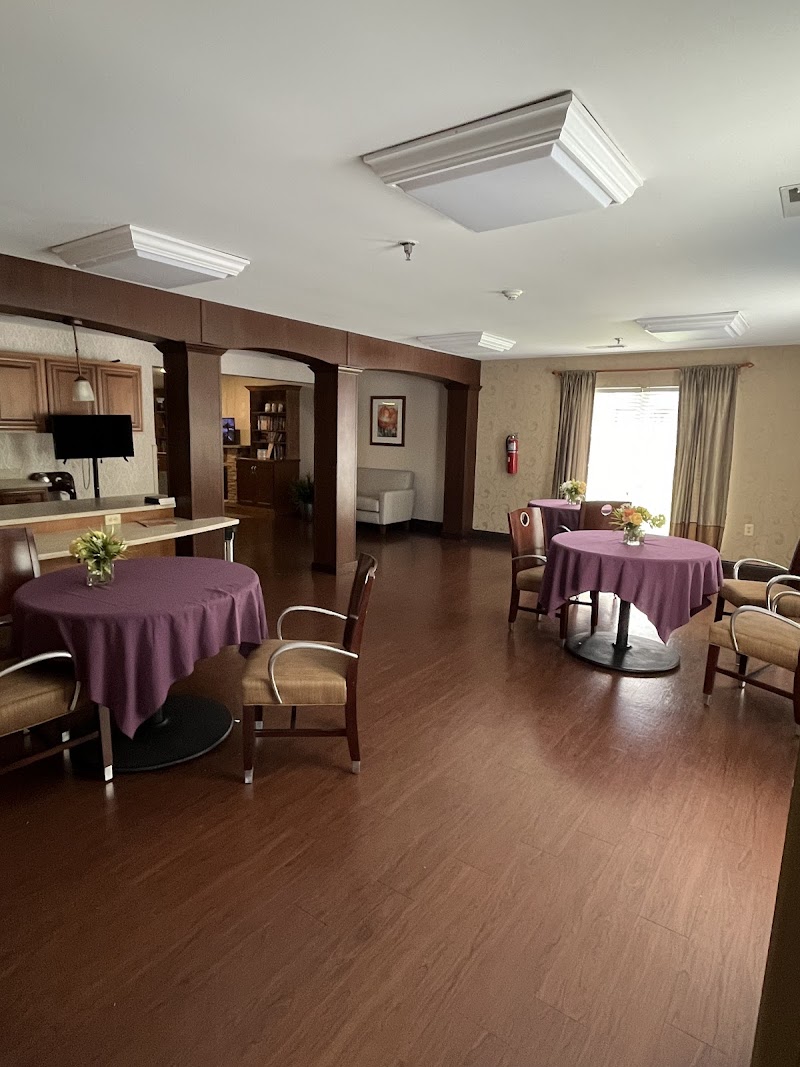
Who Owns and Operates Park Terrace Village?

PARK TERRACE VILLAGE is owned by a non-profit organization. Non-profit facilities reinvest revenue into operations rather than distributing to shareholders. The facility is operated by AMERICAN SENIOR COMMUNITIES, a chain that manages multiple nursing homes. With 96 certified beds and approximately 59 residents (about 61% occupancy), it is a smaller facility located in EVANSVILLE, Indiana.
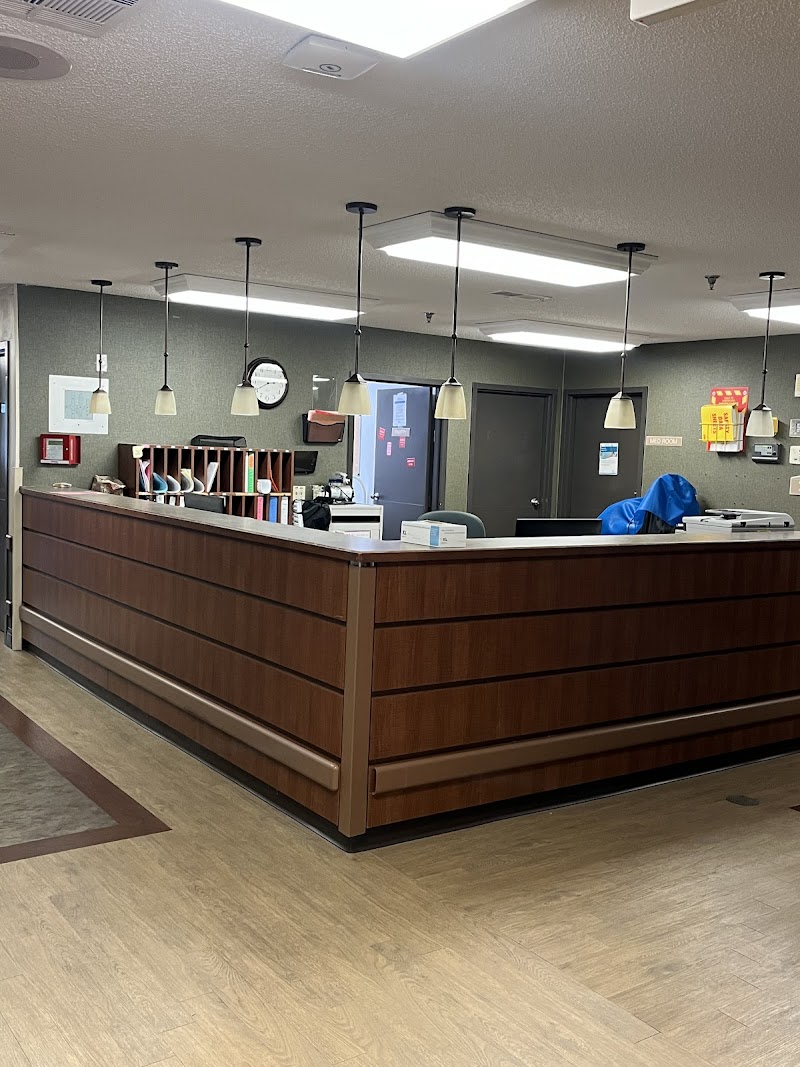
How Does Park Terrace Village Compare to Other Indiana Nursing Homes?

Compared to the 100 nursing homes in Indiana, PARK TERRACE VILLAGE's overall rating (3 stars) is below the state average of 3.1, staff turnover (58%) is significantly higher than the state average of 46%, and health inspection rating (2 stars) is below the national benchmark.

What Should Families Ask When Visiting Park Terrace Village?

Based on this facility's data, families visiting should ask: "How do you ensure continuity of care given staff turnover, and what is your staff retention strategy?" "Can you walk me through typical staffing levels on day, evening, and night shifts?" "Can I visit during a mealtime to observe dining assistance and food quality?" "How do you handle medical emergencies, and what is your hospital transfer rate?" These questions are particularly relevant given the facility's high staff turnover rate and the below-average staffing rating.

Is Park Terrace Village Safe?

Based on CMS inspection data, PARK TERRACE VILLAGE has a clean safety record: no substantiated abuse findings (meaning no confirmed cases of resident harm), no Immediate Jeopardy citations (the most serious violation level indicating risk of serious injury or death), and is not on the Special Focus Facility watch list (a federal program monitoring the lowest-performing 1% of nursing homes). The facility has a 3-star overall rating and ranks #100 of 100 nursing homes in Indiana. While no facility is perfect, families should still ask about staff-to-resident ratios and recent inspection results during their visit.

Do Nurses at Park Terrace Village Stick Around?

Staff turnover at PARK TERRACE VILLAGE is high. At 58%, the facility is 12 percentage points above the Indiana average of 46%. High turnover means new staff may not know residents' individual needs, medications, or preferences. It can also be disorienting for residents, especially those with dementia who rely on familiar faces. Families should ask: What is causing the turnover? What retention programs are in place? How do you ensure care continuity during staff transitions?

Was Park Terrace Village Ever Fined?

PARK TERRACE VILLAGE has no federal fines on record. CMS issues fines when nursing homes fail to meet care standards or don't correct problems found during inspections. The absence of fines suggests the facility has either maintained compliance or corrected any issues before penalties were assessed. This is a positive indicator, though families should still review recent inspection reports for the full picture.

Is Park Terrace Village on Any Federal Watch List?

PARK TERRACE VILLAGE is not on any federal watch list. The most significant is the Special Focus Facility (SFF) program, which identifies the bottom 1% of nursing homes nationally based on persistent, serious quality problems. Not being on this list means the facility has avoided the pattern of deficiencies that triggers enhanced federal oversight. This is a positive indicator, though families should still review the facility's inspection history directly.