PARKVIEW CARE CENTER
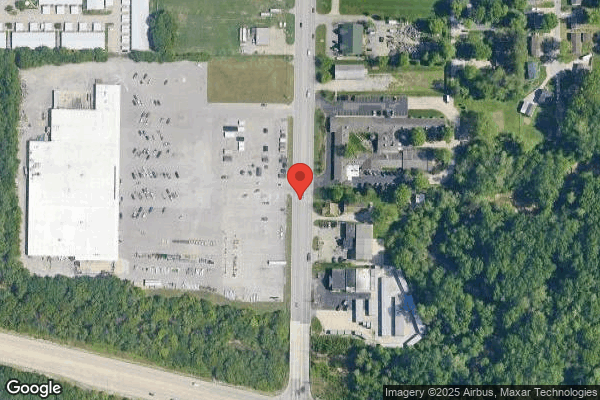
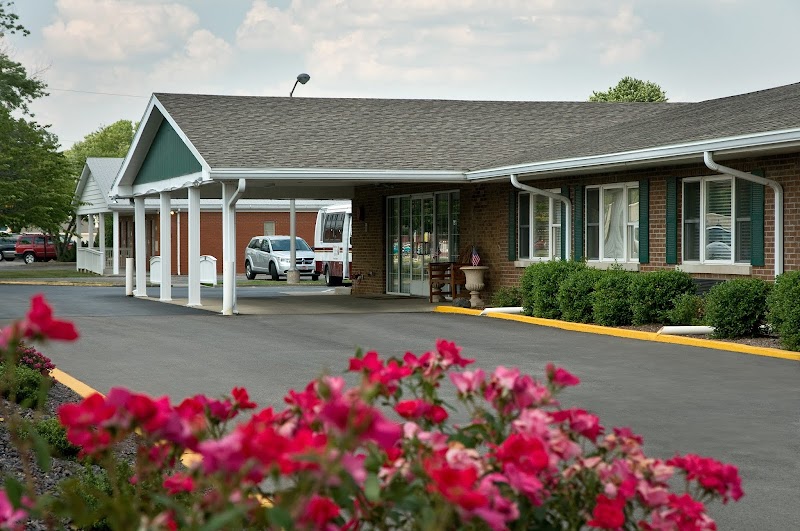
2819 NORTH ST JOSEPH AVE, EVANSVILLE, IN 47720 (812) 424-2941
For profit - Corporation 99 Beds LIFE CARE CENTERS OF AMERICA Data: November 2025
Trust Grade
60/100
#277 of 505 in IN
Last Inspection: September 2024

Within standard 12-15 month inspection cycle. Federal law requires annual inspections.

Overview

Parkview Care Center has a Trust Grade of C+, which means it is slightly above average but still has room for improvement. It ranks #277 out of 505 facilities in Indiana, placing it in the bottom half, and #5 out of 17 in Vanderburgh County, indicating that only a few local options are better. The facility is improving, with a reduction in reported issues from 10 in 2024 to just 2 in 2025. Staffing is a potential concern, rated at 2 out of 5 stars, but the turnover rate is 42%, which is below the Indiana average, suggesting some staff stability. Notably, there have been no fines reported, which is a positive sign. However, there are weaknesses to consider, such as specific incidents where the facility failed to maintain a clean and safe environment, with strong urine odors and debris observed in resident rooms. Additionally, some residents reported not receiving timely showers, indicating potential issues with staff availability and communication. While the quality measures are rated excellent, the health inspection and staffing ratings highlight areas that need attention.

Trust Score
C+
60/100
In Indiana
#277/505
Bottom 46%
Safety Record
Low Risk
No red flags
Inspections
Getting Better
10 → 2 violations
Staff Stability
○ Average
42% turnover. Near Indiana's 48% average. Typical for the industry.
Penalties
✓ Good
No fines on record. Clean compliance history, better than most Indiana facilities.
Skilled Nurses
○ Average
Each resident gets 33 minutes of Registered Nurse (RN) attention daily — about average for Indiana. RNs are the most trained staff who monitor for health changes.
Violations
⚠ Watch
30 deficiencies on record. Higher than average. Multiple issues found across inspections.
★★★☆☆
3.0
Overall Rating
★★☆☆☆
2.0
Staff Levels
★★★★★
5.0
Care Quality
★★☆☆☆
2.0
Inspection Score
Stable
2024: 10 issues
2025: 2 issues

The Good

  • 5-Star Quality Measures · Strong clinical quality outcomes
  • Full Sprinkler Coverage · Fire safety systems throughout facility
  • No fines on record
  • Staff turnover below average (42%)

    6 points below Indiana average of 48%

Facility shows strength in quality measures, fire safety.

The Bad

3-Star Overall Rating

Near Indiana average (3.1)

Meets federal standards, typical of most facilities

Staff Turnover: 42%

Near Indiana avg (46%)

Typical for the industry

Chain: LIFE CARE CENTERS OF AMERICA

Part of a multi-facility chain

Ask about local staffing decisions and management

The Ugly 30 deficiencies on record

Aug 2025 1 deficiency
CONCERN (E) 📢 Someone Reported This

A family member, employee, or ombudsman was alarmed enough to file a formal complaint

Potential for Harm - no one hurt, but risky conditions existed

Safe Environment (Tag F0921)

Could have caused harm · This affected multiple residents

**NOTE- TERMS IN BRACKETS HAVE BEEN EDITED TO PROTECT CONFIDENTIALITY** Based on observation, interview, and record review, the facility failed to provide a safe, functional, sanitary, and comfortable...

Read full inspector narrative →
**NOTE- TERMS IN BRACKETS HAVE BEEN EDITED TO PROTECT CONFIDENTIALITY** Based on observation, interview, and record review, the facility failed to provide a safe, functional, sanitary, and comfortable environment for residents, on 3 of 3 units reviewed. The resident rooms had urine odors, damaged and unclean flooring. (Unit 100, Unit 200, Unit 300) Finding includes : The following was observed between 8:42 a.m. to 9:35 a.m. : room [ROOM NUMBER]- A strong urine odor in the bathroom. The same was observed at 1:17 p.m.room [ROOM NUMBER] - A strong urine odor in the bathroom. The same was observed at 1:19 p.m.Bathroom shared with room [ROOM NUMBER] and 207- Caulking around the wall was crumbling, and debris on the floor.Bathroom shared with room [ROOM NUMBER] and 210- Debris and cobwebs around wall edges, missing flooring. Bathroom shared with room [ROOM NUMBER] and 211- debris around wall edges, crumbling caulking.Bathroom shared with room [ROOM NUMBER] and 214 - debris around edges of wall and cobwebs.Bathroom shared with room [ROOM NUMBER] and 215- holes in linoleum flooring.room [ROOM NUMBER] shared with room [ROOM NUMBER]- A strong urine odor in the bathroom. The same was observed at 1:21 p.m. On 8/19/25 at 9:45 a.m., Housekeeper 2 indicated resident rooms were cleaned daily. Rooms were dusted, swept, mopped, high-touch surfaces cleaned, trash taken out, and bathroom toilets were cleaned. On 8/19/25 at 10:30 a.m. The resident council minutes for May 2025 were reviewed. The minutes included, but were not limited to : Housekeeping: Council would like a deep clean schedule. All in attendance state that the bathrooms are not being cleaned good enough. [name of resident ] stated, The floor in my bathroom is disgusting.On 8/19/25 at 9:15 a.m., the Administrator provided the current Housekeeping general policy with a revision date of 5/16/25. The policy included but was not limited to: . The facility must provide: Housekeeping and maintenance services necessary to maintain a sanitary, orderly, and comfortable interior .This citation relates to Complaint 2578016. 3.1-19(f)
Mar 2025 1 deficiency
CONCERN (D) 📢 Someone Reported This

A family member, employee, or ombudsman was alarmed enough to file a formal complaint

Potential for Harm - no one hurt, but risky conditions existed

Deficiency F0635 (Tag F0635)

Could have caused harm · This affected 1 resident

**NOTE- TERMS IN BRACKETS HAVE BEEN EDITED TO PROTECT CONFIDENTIALITY** Based on interview and record review, the facility failed to ensure a newly admitted resident had immediate orders for wound car...

Read full inspector narrative →
**NOTE- TERMS IN BRACKETS HAVE BEEN EDITED TO PROTECT CONFIDENTIALITY** Based on interview and record review, the facility failed to ensure a newly admitted resident had immediate orders for wound care for 2 of 3 residents reviewed for wounds. (Resident B, Resident C) Findings include: 1. On 3/6/25 at 9:44 a.m., Resident B's clinical record was reviewed. Diagnoses included, but were not limited to, displaced intertrochanter fracture of left femur, subsequent encounter for closed fracture with routine healing, other injury of unknown body region, subsequent encounter. An admission Minimum Data Set (MDS) assessment dated [DATE], indicated cognition was intact, 1 stage two pressure ulcer on admit. Resident B admitted to the facility on [DATE], discharged on 2/10/25. Care plans included, but were not limited to: Enhanced barrier precautions r/t (related to) impaired skin integrity. Interventions included, but were not limited to: weekly skin checks, Tx (treatment) as ordered, date initiated 1/22/25, revision on 2/28/25. At risk for break in skin integrity. Resident refuses use of Prevalon boot, date initiated 1/21/25, revision on 2/28/25. Interventions included, but were not limited to: Prevalon boots to bilateral feet at all times, date initiated 2/6/25, revision on 2/28/25. Treatment as ordered, date initiated 1/21/25, revision on 2/28/25. Weekly skin checks, date initiated 1/21/25, revision on 2/28/25. Res admitted to facility with 3rd degree burn to right upper arm and non-healing surgical located to coccyx. Resident is at further risk for skin breakdown related to chronic pain, fibromyalgia, recent surgeries, and spondylosis. Resident further is incontinent of bowel and bladder, prefers to stay in bed, and slides down in bed often. Resident refuses use of Prevalon boot, date initiated 1/21/25, revision on 2/28/25. Interventions included, but were not limited to: Skin prep bil (bilateral) heels Q (every) shift for prevention, date initiated 1/23/25, revision on 2/28/25 Treatment as ordered, date initiated 1/21/25, revision 2/28/25. Weekly skin checks, date initiated 1/21/25, revision 2/28/25. The resident has potential/actual impairment to skin integrity, date initiated 1/29/25, revision on 2/6/25. Interventions included, but were not limited to: Clean and dry skin after each incontinent episode, date initiated 1/29/25, revision on 2/6/25. A wound observation tool with an effective date of 1/22/25, indicated present on admission 1/21/25. The document included but was not limited to: Observations: Location: right inner ankle Type: pressure Stage: 2 Measurements: Length (cm) 1.0 Width (cm) 1.0 Depth (cm) 0.1 NP( Nurse Practitioner) aware Additional comments: Res admitted to facility with 3rd degree burn to right upper arm and non-healing surgical located to coccyx and stage 2 pressure injury to right inner ankle . A wound observation tool with an effective date of 1/28/25, indicated present on admission 1/21/25. The document included but was not limited to: Observations: Location: right inner ankle Type: pressure Stage: 2 Measurements: Length (cm) 1.0 Width (cm) 1.0 Depth (cm) 0.8 Additional comments: Res admitted to facility with 3rd degree burn to right upper arm and non-healing surgical located to coccyx and stage 2 pressure injury to right inner ankle. Area is showing improvement, writer suggest resident utilize skin prep to area. Resident continues to be followed per IDT (Interdisciplinary Team) and wound nurse. A wound evaluation and management summary dated 1/30/25, indicated a non-pressure wound of the right ankle full thickness. Etiology: Trauma/injury Wound size (L x W x D) 1 x 0.8 x 0.1 cm Dressing treatment plan: skin prep apply once daily for 30 days Physician orders for January and February 2025 were reviewed and included, but were not limited to: Right inner ankle: apply skin prep to area, every day shift for healing, order date 1/31/25, discontinue date 2/10/25. 2. On 3/7/25 at 11:06 a.m., Resident C's clinical record was reviewed. Diagnoses included, but were not limited to, acquired absence of right leg above the knee, atherosclerosis of native arteries of extremities with intermittent claudation, bilateral legs, encounter for orthopedic aftercare following surgical amputation. An admission Minimum Date Set (MDS) assessment dated [DATE], indicated Resident C's cognition was intact, surgical wound on admit. Resident C admitted to the facility on [DATE], discharged on 2/20/25. Care plans were reviewed and included, but were not limited to: Has break in skin integrity, date initiated 1/24/25, revision on 2/21/25. Interventions included, but were not limited to: Treatment as ordered, date initiated 1/24/25, revision on 2/21/25. Weekly skin checks. date initiated 1/24/25, revision on 2/21/25. A progress note dated 1/24/25 at 4:55 p.m., indicated Resident arrived at facility via wheelchair per hospital transport.Resident recently went to ER for eval for cool feeling in leg. Occluded right femoral artery found leading to right above knee amputation 1-16-25. Resident has been receiving betadine and kerlix on stump and stump protector stays on at all times except for skin care. No s/s to wound . (sic) January physician orders were reviewed and included, but were not limited to: [NAME] (sic) entire right above knee amputation wound site with betadine, allow to dry completely, cover with 4 x 4 gauze, wrap with Kerlix, secure with paper tape, change daily every day shift for AKA (above knee amputation), order date 1/26/25, start date 1/27/25. On 3/7/25 at 10:40 a.m., a resident concern and comment form dated 1/28/25 was reviewed for Resident C. The form included but was not limited to Resident C had a concern that his wound dressing had not been changed in the last two days after requests to do so. Follow up indicated according to the DON, the hospital did not send wound dressing orders, orders were received and Resident C was receiving tx's (treatments) . On 3/7/25 at 11:21 a.m., the Director Of Nursing (DON) indicated that during a mandatory staff meeting, it was reviewed it is the nurses responsibility to get orders if the resident admits with a wound and no wound orders. Don't wait on the wound Nurse Practitioner to assess the wound, if admitted on a Friday don't wait to get orders on the next business day. On 3/7/25 at 12:30 p.m., the DON indicated the nurse thought she put in orders for all bony prominences for Resident B, but only orders for heels were put in. The wound physician indicated the right inner ankle wound was non-pressure, it was from trauma, the nurse put it as a pressure wound. On 3/7/25 at 2:20 p.m., LPN 2 indicated wound orders most of the time come on the hospital discharge report, sometimes the hospital nurse gives wound care orders by phone on the resident admission report. LPN 2 indicated if a resident is admitted without wound orders the next step is to contact the facility the resident came from, or call the facility wound nurse if can't reach the physician to at least get wound orders in place until the wound nurse can do the assessment. On 3/7/25 at 2:28 p.m., the RN 3 provided the current treatment orders policy with a revised date of 7/9/24. The policy included, but was not limited to .quality of care is a fundamental principal that applies to all treatment and care provided to facility residents. Based on the comprehensive assessment of a resident, the facility must ensure that residents receive treatment and care in accordance with professional standards of practice, the comprehensive person-centered care plan, and the resident's choices . On 3/7/25 at 2:28 p.m., the RN 3 provided the current skin integrity & pressure ulcer/injury prevention and management policy with a revision date of 7/9/2024. The policy included, but was not limited to, provide associates and licensed nurses with procedures to manage skin integrity, prevent pressure ulcer/injury, complete wound assessment/documentation, and provide treatment and care of skin and wounds utilizing professional standards of the NPIAP (National Pressure Injury Advisory Panel) and WOCN (Wound, Ostomy, Continent Nurse Society) . This citation relates to Complaint IN00454046. 3.1-30(a)
Sept 2024 9 deficiencies
CONCERN (D) 📢 Someone Reported This

A family member, employee, or ombudsman was alarmed enough to file a formal complaint

Potential for Harm - no one hurt, but risky conditions existed

Notification of Changes (Tag F0580)

Could have caused harm · This affected 1 resident

Based on interview and record review, the facility failed to notify the physician and resident representative of changes in a resident's medical status for 1 of 1 residents reviewed for skin condition...

Read full inspector narrative →
Based on interview and record review, the facility failed to notify the physician and resident representative of changes in a resident's medical status for 1 of 1 residents reviewed for skin conditions and urinary tract infections. The physician was not notified of a new wound, and the resident's representative was not notified of a new wound, new diagnosis, and new medication order. (Resident C) Finding includes: On 9/20/24 at 10:20 A.M., a family member indicated that on 9/18/24 they found a dressing covering a wound on Resident C's foot. Upon further inspection, sores were found on his buttocks, on the back of his thigh, on his scrotum, and on his perineum. They requested a skin assessment be completed that day with the wound nurse to show her Resident C's skin injuries. They indicated they believed that Resident C had a UTI, but lab work had not returned and the resident had not been started on antibiotics yet. In a confidential interview on 9/20/24 at 12:38 P.M., it was indicated that a staff member had put bandages on Resident C's foot without letting anyone know he had sores. It was indicated that the bandages were the wrong type of bandages because when they were pulled away, the sore broke open and the scab was removed. On 9/23/24 at 8:32 A.M., Resident C's clinical record was reviewed. Diagnoses included, but were not limited to, hemiplegia and hemiparesis following cerebral infarction affecting right dominant side, aphasia following cerebral infarction, atopic dermatitis, and urinary tract infection. The most current Quarter Minimum Data Set (MDS) Assessment, dated 6/19/24, indicated Resident C was not assessed for cognitive impairment due to the resident being rarely or never understood, was dependent on staff for bathing, was at risk for pressure injuries, had no skin injuries, required substantial to maximal assistance of staff (staff does more than half) for toileting, and did not have a urinary tract infection (UTI). A skin integrity care plan, dated 5/24/24, indicated staff should provide treatment as ordered and complete weekly skin checks. A pressure injury care plan, dated 9/19/24, indicated Resident C had a pressure injury on his right great toe. Interventions included, but was not limited to, treatment as ordered. The clinical record lacked a care plan for urinary tract infection. Current physician orders included, but was not limited to: Right great toe: Cleanse with wound cleaner and pat dry. Paint Betadine and allow to dry. Cover with foam for protection. Every day shift for protection and as needed for dislodgment, dated 9/20/24. Shearing right back thigh: Cleanse with wound cleaner and pat dry. Apply skin prep to periwound. Apply medical grade honey to shearing and cover with foam. Every day shift every other day for healing and as needed for dislodgment, dated 9/20/24. Left 2nd toe: Paint with Betadine and leave open to air. Every shift, dated 9/20/24. Venelex External Ointment (Balsam Peru Castor Oil) - Apply to buttocks/scrotum topically every shift for healing and apply to buttocks/scrotum topically as needed for incontinence, dated 9/18/24. Keflex (an antibiotic) 250 mg - Give 1 capsule by mouth three times a day for UTI until 9/25/24, dated 9/19/24. Weekly skin assessments from 8/16/24 to 9/14/24 indicated the following skin impairments were identified: 8/16/24 Weekly - blanchable redness on bilateral buttocks 8/24/24 Weekly - blanchable redness on bilateral buttocks 8/26/24 Update - Nodule on anterior testicle 8/31/24 Update - Nodule on anterior testicle 8/31/24 Weekly - friction/shearing on scrotum 9/7/24 Weekly - friction/shearing on scrotum 9/14/24 Weekly - friction/shearing on scrotum The clinical record lacked documentation to indicate the physician and resident representative had been notified of the skin impairments. Nurse Practitioner (NP) progress notes from 8/19/24 to 9/17/24 did not include documentation to show that identified skin impairments were assessed or treatment was ordered and provided. On 9/17/24 at 10:30 A.M., a psychosocial progress note indicated family were informed that a urinalysis was done on 9/16/24 but had not yet resulted. Lab results, collected on 9/16/24 and resulted on 9/18/24, indicated Resident C had proteus mirabilis bacteria in his urine indicating a UTI. The clinical record lacked documentation to indicate the resident's representative had been informed of the urinalysis results or the new antibiotic medication order. A care management progress note, dated 9/18/24 at 4:17 P.M., indicated a head to toe skin assessment had been completed with the family at the bedside. Upon assessment the resident was noted to have an open area to right great toe, shearing to posterior right thigh, and skin loss to buttocks and scrotum. A wound observation tool progress note, dated 9/19/24, identified the open area to the right great toe was a stage 2 pressure ulcer measuring 0.4 centimeters (cm) in length, 0.3 cm in width, and 0.2 cm in depth. On 9/24/24 9:16 A.M., the Director of Nursing (DON) indicated documentation of notification to the physician and family would be found in the progress notes and was not documented anywhere else in the clinical record. On 9/25/24 at 9:30 A.M., the Director of Nursing (DON) indicated staff should have notified the physician and family of the nodule, shearing, and friction on Resident C's scrotum when it was identified. She indicated that the nurse who applied the dressing to Resident C's toe did not feel it was a concern and did not notify the physician or family. She indicated family should be notified if a resident received a new diagnosis or new medication order. On 9/26/24 at 9:51 A.M., the Administrator provided a current Changes in Resident's Condition or Status policy, dated 11/26/2018, that indicated Communicate the change in resident's status to the appropriate practitioner. Notify the resident's family about the change in the resident's status and the subsequent treatment plan . Document the procedure . Documentation associated with identifying and communication a change in a resident's status includes: communication with other health care team members . communication with resident's family. On 9/26/24 at 9:51 A.M., the Administrator provided a current Nursing Documentation policy, dated 8/20/2019, that indicated Nursing notes will reflect any significant nursing observations of the resident. On 9/26/24 at 10:31 A.M., the DON provided a current Area of Focus: Basic Skin Management policy, dated 11/29/2023, that indicated If any new skin alteration/wound is identified, it is the responsibility of the nurse to perform and document the assessment/observation, obtain treatment orders, and notify MD (medical doctor) and responsible party. This citation related to complaint IN00443638. 3.1-5(a)(3)
CONCERN (D)

Potential for Harm - no one hurt, but risky conditions existed

Deficiency F0688 (Tag F0688)

Could have caused harm · This affected 1 resident

**NOTE- TERMS IN BRACKETS HAVE BEEN EDITED TO PROTECT CONFIDENTIALITY** Based on interview, record review, and observation, the facility failed to ensure residents with limited range of motion receive...

Read full inspector narrative →
**NOTE- TERMS IN BRACKETS HAVE BEEN EDITED TO PROTECT CONFIDENTIALITY** Based on interview, record review, and observation, the facility failed to ensure residents with limited range of motion received restorative nursing services to further prevent decrease in range of motion for 2 of 4 residents reviewed for ADL (activities of daily living) care who receive restorative nursing. (Resident V, Resident 35) Findings include: 1. During an interview on 9/19/24 at 2:14 Resident V indicated she had not received restorative nursing any days that week. Resident V had contractures of all extremities. On 9/23/24 at 8:20 A.M., Resident V's clinical record was reviewed. Resident V was admitted on [DATE]. Diagnoses included, but were not limited to, spinal muscular atrophy and scoliosis. The most recent Quarterly MDS (Minimum Data Set) Assessment, dated 6/17/24, indicated Resident was cognitively intact and was completely dependant on staff (staff does all of the effort) for bathing, toileting, and mobility. Current care plans included, but were not limited to: Resident has impaired mobility due to the diagnosis of spinal muscular atrophy and is on a restorative passive ROM (range of motion) program. Date Initiated: 7/4/24 Resident will tolerate 2 sets of 20 reps of gentle stretching to bilateral upper extremities through target date. Date Initiated: 7/4/24 Assist resident in performing bilateral lower passive ROM. 10-15 reps. Stop activity if resident complains of pain. Date Initiated: 8/24/24 Assist resident in performing upper extremity passive ROM. 10-15 reps. Stop activity if resident complains of pain. Date Initiated: 8/24/24 On 9/24/24 at 1:40 P.M., the Administrator provided documents titled Restorative Program for Resident V: 9/13/24 blank 9/14/24 documented not applicable 9/15/24 documented not applicable and resident refused 9/16/24 documented not applicable 9/17/24 documented 10 minutes completed and marked resident refused 9/18/24 documented 5 minutes completed and marked resident refused 9/19/24 documented 5 minutes completed and marked resident refused 9/20/24 documented not applicable 9/21/24 documented resident refused 9/22/24 documented resident refused The clinical record, including progress notes and administration records, lacked further documentation relating to days restorative nursing was not provided to Resident V. 2. On 9/23/24 at 10:49 A.M., Resident 35's clinical record was reviewed. Resident 35 was admitted on [DATE]. Diagnoses included, but were not limited to, muscle weakness and dementia. The most recent Quarterly MDS Assessment, dated 6/17/24, indicated Resident 35 was cognitively intact and required partial assistance from staff for bathing, toileting, and transfers. Current care plans included, but were not limited to: Resident has impaired mobility due to the diagnosis of dementia and muscle weakness. Resident is on a restorative program. Date Initiated: 7/9/24 Provide Active range of motion to bilateral upper extremities using #1 free weights or cycle on level 1 or 0 for 15 to 20 minutes. Stop Activity if resident complains of pain. Revision on: 9/5/24 On 9/24/24 at 1:40 P.M., the Administrator provided documents titled Restorative Program for Resident 35. The following days included active range of motion marked not available or was left undocumented/blank: 9/13/24 9/18/24 9/19/24 9/21/24 9/22/24 9/23/24 The clinical record, including progress notes and administration records, lacked further documentation relating to days restorative nursing was not provided to Resident 35. During an interview on 9/26/24 at 8:53 A.M., the Administrator indicated that every resident care planned for restorative nursing services should be receiving restorative nursing services seven days a week unless the care plan specifies only certain days. On 9/26/24 at 10:45 A.M., the Administrator provided a policy titled Restorative Nursing, dated 11/20/23, that indicated Measurable objectives and interventions must be documented in the care plan and in the medical record. The trained CNA will document provided techniques per the restorative care plan in the medical record. The licensed nurse will conduct an evaluation on a routine basis, to include the progress towards goal and response to the program. 3.1-42(a)(1)
CONCERN (D)

Potential for Harm - no one hurt, but risky conditions existed

Respiratory Care (Tag F0695)

Could have caused harm · This affected 1 resident

Based on observation, record review, and interview the facility failed to ensure an oxygen concentrator filter was being cleaned for 1 of 1 resident reviewed for respiratory care (Resident P). Findin...

Read full inspector narrative →
Based on observation, record review, and interview the facility failed to ensure an oxygen concentrator filter was being cleaned for 1 of 1 resident reviewed for respiratory care (Resident P). Finding includes: On 9/23/24 at 10:17 A.M., Resident P's oxygen concentrator was observed to have moderate dust on the filter cover. On 9/23/24 at 10:30 A.M. Resident P's clinical record was reviewed and indicated the resident had diagnoses that included but was not limited to COPD (chronic obstructive pulmonary disease). A Quarterly MDS (Minimum Data Set) Assessment on 9/23/24 indicated Resident was cognitively intact and required the use of oxygen. Resident P had a current physician order for oxygen at three liters, continuously per nasal cannula, dated 5/4/24. On 9/25/24 at 10:41 A.M. DON (Director of Nursing) indicated that nurses were responsible for cleaning filters on oxygen concentrators every Sunday and it was expected to be a task in a resident's Treatment Administration Record. Resident P's clinical record lacked an order for the Treatment Administration Record to clean the filter for their oxygen concentrator. On 9/25/24 at 02:00 P.M., Resident P's oxygen concentrator observed to still have moderate dust on filter cover. A policy for oxygen administration provided by the Administrator on 9/26/24 at 11:30 A.M. indicated external filters should be checked daily and all dust should be removed. Filters should be washed with soap and water, then dried and reinserted once weekly and as needed. 3.1-47(a)(6)
CONCERN (D)

Potential for Harm - no one hurt, but risky conditions existed

Medical Records (Tag F0842)

Could have caused harm · This affected 1 resident

**NOTE- TERMS IN BRACKETS HAVE BEEN EDITED TO PROTECT CONFIDENTIALITY** Based on record review and interview, the facility failed to ensure the documentation was completed and accurate for 2 of 2 resi...

Read full inspector narrative →
**NOTE- TERMS IN BRACKETS HAVE BEEN EDITED TO PROTECT CONFIDENTIALITY** Based on record review and interview, the facility failed to ensure the documentation was completed and accurate for 2 of 2 residents reviewed for accuracy of falls documentation. (Resident P and Resident 12) Findings include: 1. On 9/23/24 at 10:30 A.M. Resident P's clinical record was reviewed and indicated the resident had diagnoses that included but was not limited to diabetes mellitus and COPD (chronic obstructive pulmonary disease). A Quarterly MDS (Minimum Data Set) Assessment on 9/23/24 indicated Resident was cognitively intact, had no behaviors, and used a wheelchair. A state optional MDS dated [DATE], indicated Resident was independent in bed mobility and toileting, required supervision with transfers, and the resident was on a pain medication regimen with occasional pain that affected day to day activities. A progress note in Resident P's clinical record, dated 9/18/24 at 3:54 A.M., indicated the resident was found laying on the floor, face down, in her room. Indicated that it was believed Resident P rolled out of bed. Resident was found by CNA doing routine checks. Did not have any complaints of pain at that time. The progress note also indicated that the resident sleeps on the edge of their bed, and no injury was noted. A fall risk assessment dated [DATE] was completed for Resident P. A neurological check list was started on 9/18/24 at 2:15 A.M. Within the neurological check list, the 1st, 4 hour check time slot on 9/18/24 at 5 P.M. was skipped (blank) and indicated the resident was sleeping. The 4th, 8 hour time slot with no date added, was blank with no documentation for reason. The 24 hour after last 8 hour, check with no added date, was blank with no documentation for reason. The clinical record lacked a completed neurological assessment after Resident P's fall on 9/18/24. An interview with the DON (Director of Nursing) on 9/25/24 at 11:37 A.M. indicated there should be a risk assessment and neurological check list completed after each fall event. Indicated that neurological check lists should have been completed fully, regardless if a resident were sleeping during the neurological check. 2. On 9/09/23/24 at 6:29 A.M., Resident 12's clinical record was reviewed. Diagnoses included, but were not limited to, dementia disorder, schizoaffective disorder, muscle weakness, and intellectual disabilities. The current quarterly MDS (Minimum Data Set) assessment dated [DATE] indicated that Resident 12 was severely cognitively impaired. Resident 12 needs partial help for transferring, dressing, and hygiene. Current physician orders included, but were not limited to: Up in wheelchair with ant-tippers and anti-rollback dated 8/31/24 Scoop mattress to define bed perimeter dated 8/6/24 Bed against the wall dated 8/6/24 The current falls care plan indicates that the resident is a fall risk due to impaired mobility with and will not sustain serious injury requiring hospitalization through the next review date. Interventions included but not limited to, 2 staff members for toileting, initiated 08/22/2024, anti-tippers to wheelchair initiated 8/28/2024, and anti-rollback initiated 8/28/24. On 9/25/26 at 10:00 A.M., the DON (Director of Nursing) provided copies of Neurological Check List for Resident 12 as follow: Fall #1 7/20/24 at 8:30 P.M. lacked first 15-minute vital signs 7/20/24 at 8:45 P.M. lacked second 15-minute vital signs 7/20/24 at 9:30 P.M., lacked first 30-minute vital signs 7/20/24 at 10:00 P.M. lacked second 30-minute vital signs 7/20/24 at 10:30 P.M. lacked third 30-minute no vital signs and neuro checks 7/20/24 at 11:00 P.M. lacked fourth 40 minute no vital signs and neuro check time slot marked skipped (blank) reason sleeping 7/21/24 at 1:00 A.M. lacked first 2-hour vital signs and neuro checks time slot was marked skipped (blank) reason sleeping 7/21/24 at 3:00 A.M. lacked second vital signs 7/21/24 at 11:00 A.M. lacked first 4-hour vital signs no vital signs 7/21/24 at 3:00 P.M. lacked second 4-hour vital signs 7/21/21 7:00 no vital signs for 3rd 4 hours 7/22/24 at 7:00 A.M. new fall so the neuro checks are started at beginning of that fall Fall #4 8/21/24 12:00 new fall and neuro assessment started again 8/21/24 at 2:45 P.M. lacked fourth 15-minute vital sign check resident was listed as combative but was still able to the neuro check 8/21/24 at 10:45 P.M. lacked fourth 2-hour vital signs resident was combative and refused- this was documented in the nurses notes also Fall #5 8/22/24 at 6:4. resident fell again restarted neuro assessment 8/22/24 at 7:15 A.M. lacked second 15-minute vital signs time slot skipped (blank) indicated resident refused 8/22/24 at 3:30 P.M. lacked third 2-hour vital signs and neuro checks not done because resident was listed as sleeping 8/23/24 at 9:30 A.M. lacked fourth 4-hour vital signs and neuro check reason missed indicated was on a second form there was no other form on a second neuro form 8/24/24 at 1:30 A.M. lacked first 8-hour vital signs and neuro assessments missing because indicated resident was sleeping Fall #6 8/28/24 at 7:15 A.M. started new assessment 8/31/24 at 6:00 PM lacked 24 hours after last 8 hour not completed vital signs or neuro assessment new fall Fall #7 8/31/24 11:50 AM restart neuro assessment During an interview on 9/25/24 at 10:30 A.M., the DON (Director of Nursing) indicated that all of the boxes should be completed on the Neurological Check List. On 9/26/24 at 9:50 A.M., the DON provided a current Fall Management policy reviewed on 9/22/2023. The policy indicated . the facility will assess the resident .with any fall event .documentation will include .vitals signs . 3.1-50(a)(1) 3.1-50(a)(2)
CONCERN (D)

Potential for Harm - no one hurt, but risky conditions existed

Deficiency F0849 (Tag F0849)

Could have caused harm · This affected 1 resident

**NOTE- TERMS IN BRACKETS HAVE BEEN EDITED TO PROTECT CONFIDENTIALITY** Based on interview and record review, the facility failed to ensure a communication process with hospice personnel was developed...

Read full inspector narrative →
**NOTE- TERMS IN BRACKETS HAVE BEEN EDITED TO PROTECT CONFIDENTIALITY** Based on interview and record review, the facility failed to ensure a communication process with hospice personnel was developed and implemented, including how the communication will be documented between the LTC (long term care) facility and the hospice provider, and to ensure that the needs of the resident were addressed. The clinical record lacked documentation of ongoing communication between facility staff and hospice staff for 1 of 1 residents reviewed for hospice. (Resident J) Finding includes: On 9/25/24 at 2:09 P.M. Resident J's clinical record was reviewed and indicated that Resident had diagnoses that included but was not limited to heart failure and atrial fibrillation. A significant change MDS (Minimum Data Set) assessment dated [DATE] indicated that the resident was cognitively intact and receiving hospice care. Physician Orders included but were not limited to: Admit to (Name of Hospice Company), dated 6/15/24. Resident J's clinical record lacked a care plan related to hospice services. Resident J's clinical record lacked any documentation of communication between hospice staff and facility staff. There was no hospice medical record within Resident's clinical record. On 9/25/24 at 2:27 P.M. LPN (Licensed Practical Nurse) 11 indicated that (Name of Hospice Company) did not utilize physical hospice binders any longer, an online portal was utilized. On 9/26/24 at 9:41 A.M. LPN 9 indicated that they believed the DON (Director of Nursing) is the one who had access to the hospice portal for Resident J. On 9/26/24 at 9:55 A.M. the DON indicated that unit managers and the infection prevention nurse have her username and password to log into the portal for hospice. Also indicated that the hospice staff was very good at communicating with their nurses during the visits, nurses had to sign tablet of hospice staff during visit. All hospice progress notes, vitals, and visit notes were only accessible through the hospice portal. QMA (Qualified Medication Aide) 8 indicated, on 9/26/24 at 10:06 A.M., they were not aware that (Name of Hospice Company) had switched to an online portal. At 10:07 A.M. on 9/26/24, LPN 9 indicated that if the DON was not present in the facility when they needed to access Resident J's hospice records, they would text her to get the log in information or call hospice directly. The Administrator provided a hospice policy on 9/25/24 at 10:00 A.M. The policy indicated that the facility provides hospice care under a written agreement and must ensure that each residents' plan of care includes both the most recent hospice plan of care and a description of the services furnished by the LTC facility to attain or maintain the resident's highest practicable physical, mental, and psychosocial well-being. The policy indicated a Communication Protocol: Prior to the admission of any Facility resident to Hospice, Hospice and Facility shall work together to develop a written communication protocol governing how they will communicate all information needed for the Hospice Patients' care (such as physician orders and medication information), including how such communication will be documented to ensure that the needs of Hospice Patients are addressed and met twenty-four (24) hours a day. The communication protocol shall include, among other things, a procedure that clearly outline the chair of communication between the parties in the event a crises of emergency develops, a change of condition occurs, and/or changes to the Hospice Plan of Care are indicated, and it must also address how Hospice Physician orders will be communicated to Facility staff. Such protocol shall be distributed to all Hospice and Facility staff involved in the Hospice Patients' care. 3.1-13(m)
CONCERN (E) 📢 Someone Reported This

A family member, employee, or ombudsman was alarmed enough to file a formal complaint

Potential for Harm - no one hurt, but risky conditions existed

Comprehensive Care Plan (Tag F0656)

Could have caused harm · This affected multiple residents

**NOTE- TERMS IN BRACKETS HAVE BEEN EDITED TO PROTECT CONFIDENTIALITY** 3. On 9/23/24 at 12:20 P.M. Resident L's clinical record was reviewed and indicated the resident had diagnoses that included but...

Read full inspector narrative →
**NOTE- TERMS IN BRACKETS HAVE BEEN EDITED TO PROTECT CONFIDENTIALITY** 3. On 9/23/24 at 12:20 P.M. Resident L's clinical record was reviewed and indicated the resident had diagnoses that included but was not limited to atrial fibrillation, benign prostatic hypertrophy, and diabetes mellitus. An MDS (Minimum Data Set) Assessment that was completed upon admission, 8/23/24, indicated that the resident was cognitively intact, used a walker and a wheelchair, required partial to moderate assistance with transfers and toileting. The clinical record also indicated that Resident L was being treated for a treatment resistent urinary tract infection caused by proteus mirabilis. Physician orders for Resident L included but were not limited to: Invanz (antibiotic) injection 1 gram, intramuscularly one time a day for 5 days dated 9/20/24. A current care plan, dated 8/23/24, in Resident L's chart indicated that the resident required ADL (activities of daily living) assistance and mobility as needed. Resident L's clinical record lacked a care plan related to their level of mobility and assistance required. The resident's clinical record also lacked a care plan to address their urinary tract infection and antibiotic use. 4. On 9/24/24 at 12:15 P.M. Resident Z's clinical record was reviewed and indicated the resident had diagnoses that included but were not limited to cerebral vascular accident (stroke), coronary artery disease, and peripheral vascular disease. An admission MDS dated [DATE] indicated that the resident was cognitively intact, used a walker and/or wheelchair, required partial or moderate assistance with transfers and toileting, and the resident was taking antiplatelet medications. Physician orders included but were not limited to: Aspirin (an antiplatelet medication) 81 milligrams by mouth once a day, dated 9/17/24. Ativan (an antianxiety medication) 0.5 milligrams by mouth twice a day, dated 9/8/24. Resident Z's clinical record lacked a care plan related to an antiplatelet medication and an antianxiety medication. 5. On 9/25/24 at 2:09 P.M. Resident J's clinical record was reviewed and indicated that resident had diagnoses that included but was not limited to heart failure and atrial fibrillation. A significant change MDS dated [DATE] indicated that the resident was cognitively intact and receiving hospice care. Physician Orders included but were not limited to: Bumex (a diuretic medication) 1 milligram once daily, dated 6/13/24. Resident J's clinical record lacked a care plan related to diuretic use. An interview with the DON (Director of Nursing) on 9/25/24 at 10:50 A.M. indicated that it was expected for a resident to have a care plan specifically for an antibiotic, a psychotropic medication such as ativan, but they would not have expected a care plan for 81 milligram aspirin. 6. During an interview and observation on 9/19/24 at 2:26 P.M., Resident V indicated staff are often late administering her enteral feeding. The enteral feed machine was turned off and no nutritional supplement or water was being delivered at this time. Resident V indicated she was unsure if she had lost weight; the facility had never weighed her because she felt like she couldn't breathe well while being in a mechanical lift. On 9/23/24 at 8:20 A.M., Resident V's clinical record was reviewed. Resident V was admitted on [DATE]. Diagnoses included, but were not limited to, spinal muscular atrophy and scoliosis. The most recent Quarterly MDS (Minimum Data Set) Assessment, dated 6/17/24, indicated Resident was cognitively intact, was completely dependant on staff (staff does all of the effort) for bathing, toileting, and mobility, and was receiving nutrition through tube feeding. Current physician orders included, but were not limited to: NPO (nothing by mouth) diet, NPO texture. Start date: 5/7/24 Change tubing and bag set for enteral feeding every 24 hours, everyday on day shift when turning pump on at 1300 (1:00 P.M.). Start date: 6/5/24 Vital AF 1.2cal (nutritional supplement) at 63 milliliters (mL) per hour for 15 hours via pump. Flush with 45 milliliters free water every hour. Turn pump off at 0400 (4:00 A.M.) and resume pump at 1300 (1 P.M.). Goal rate to be 63mL/hour as tolerated. Monitor for refeeding syndrome. Two times a day. Start date: 9/10/24 Current care plans included, but were not limited to: The resident has nutritional problem or potential nutritional problem related to NPO (nothing by mouth) with feeding tube for sole source of nutrition and hydration. Resident is allowed to have ice chips. Date Initiated: 5/16/24 The resident is totally dependent on one staff for eating via gastrostomy tube. Date Initiated: 9/17/24 The clinical record, including progress notes and order administration, lacked resident refusal or explanation for nutritional supplement to not being administered on 9/19/24. An admission progress note, dated 4/26/24, indicated Resident V weighed 85 pounds (height 56 inches). A weight recorded on 5/5/24, indicated Resident V weighed 70.2 pounds, a body mass index (BMI) of 15.7 (underweight). There was no alternative process to determine weight or body mass index for the resident. During an interview on 9/26/24 at 10:30 A.M., the DON (director of nursing) indicated Resident V had only been weighed on admission due to refusal of being weighed. On 9/26/24 at 10:45 A.M., the Administrator provided a policy titled Enteral Nutritional Therapy, revised 9/10/24, that indicated The facility will provide continuous enteral nutritional therapy in accordance with physician orders and professional standards of practice. Based on a resident's comprehensive assessment, the facility must ensure that a resident who is fed by enteral means receives the appropriate treatment and services. On 9/26/24 at 9:51 A.M., the Administrator provided a current Resident Assessment Instrument and Care Plan Development policy, revised 8/16/22, that indicated .develop an individualized person-centered care plan for each patient that includes the patient's voice, the patient's goals while residing in the facility and for discharge that assist the patient to attain and/or maintain their highest practicable level of well-being . other sources of information are to be included when developing an individualized person-centered care plan for each patient that is reviewed by the interdisciplinary team . On 9/26/24 at 9:51 A.M., the Administrator provided a current Changes in Resident's Condition or Status policy, dated 11/26/18, that indicated The care plan should address the resident's risk factors, allow for rapid identification of a change in status, and define baseline assessment findings. This citation related to complaint IN00443638. 3.1-35(a) Based on interview and record review, the facility failed to develop care plans for 2 of 3 residents reviewed for Urinary Tract Infections (UTI), 1 of 1 residents reviewed for tube feedings, 2 of 5 residents reviewed for unnecessary medications, and 1 of 1 residents reviewed for hospice services. A care plan was not developed for residents receiving high risk medications, timeliness of tube feedings, for residents requiring assistance with transferring, and after residents received a new diagnosis and new medication orders. (Resident C, Resident N, Resident L, Resident Z, Resident J, Resident V) Findings include: 1. On 9/23/24 at 8:32 A.M., Resident C's clinical record was reviewed. Diagnoses included, but were not limited to, Urinary Tract Infection. The most current Quarterly Minimum Data Set (MDS) Assessment, dated 6/19/24, indicated Resident C was not assessed for cognitive impairment due to rarely or never being understood, required substantial to maximal assistance of staff (staff does more than half) for toileting, was always incontinent of bowel and bladder, and did not have a UTI. Current physician orders included, but were not limited to: Keflex (an antibiotic) 250 milligrams (mg) - Give one capsule by mouth three times a day for UTI, dated 9/19/24 with an end date of 9/25/24 The clinical record lacked a care plan related to the resident's urinary tract infection or antibiotic use. On 9/25/24 at 9:30 A.M., the Director of Nursing (DON) indicated that Resident C should have a care plan for a urinary tract infection and antibiotic use, but did not have one. 2. On 9/23/24 at 2:11 P.M., Resident N's clinical record was reviewed. Diagnoses included, but were not limited to, edema and hypertension. The most current Quarterly Minimum Data Set (MDS) Assessment, dated 8/28/24, indicated Resident N was cognitively intact, required substantial to maximal assistance of staff (staff does more than half) for toileting, and received a diuretic during the 7-day lookback period. Current physician orders included, but were not limited to: Furosemide (a diuretic) 40 milligrams (mg) - Give 40 mg by mouth one time a day for edema, dated 5/21/24. Spironolactone (a diuretic) 25 mg - Give 25 mg by mouth one time a day for edema, dated 5/21/24. The clinical record lacked a care plan related to the resident's edema, diuretic use, or potential side effects of the diuretic. On 9/25/24 at 12:56 P.M., the Director of Nursing (DON) indicated the facility did not initiate care plans for diuretic use or monitor for side effects of diuretics.
CONCERN (E) 📢 Someone Reported This

A family member, employee, or ombudsman was alarmed enough to file a formal complaint

Potential for Harm - no one hurt, but risky conditions existed

ADL Care (Tag F0677)

Could have caused harm · This affected multiple residents

**NOTE- TERMS IN BRACKETS HAVE BEEN EDITED TO PROTECT CONFIDENTIALITY** 2. On 9/23/24 at 10:30 A.M. Resident P's clinical record was reviewed and indicated the resident had diagnoses that included but...

Read full inspector narrative →
**NOTE- TERMS IN BRACKETS HAVE BEEN EDITED TO PROTECT CONFIDENTIALITY** 2. On 9/23/24 at 10:30 A.M. Resident P's clinical record was reviewed and indicated the resident had diagnoses that included but was not limited to diabetes mellitus and COPD (chronic obstructive pulmonary disease). A Quarterly MDS (Minimum Data Set) Assessment on 6/20/24 indicated Resident was cognitively intact, had no behaviors, and used a wheelchair. A state optional MDS dated [DATE], indicated Resident was independent in bed mobility and toileting, required supervision with transfers, and the resident was on a pain medication regimen with occasional pain that affected day to day activities. On 9/20/24 at 11:36 A.M. Resident P indicated they had not been getting showers on time, staff had a hard time finding her to give her showers even though she told them where she would be. On 9/23/24 at 10:17 A.M. a sign was observed on Resident P's closet door that indicated the resident is to have showers on day shift, on Tuesday and Thursdays. Resident P had a current care plan that indicated they have a self-care performance deficit, required physical assistance with one staff member for bathing and showering, and preferred to have a shower during the day twice a week. During clinical record review on 9/23/24 at 10:45 A.M., Resident P's clinical record had documentation of 3 showers in the last 30 days. Documented showers were dated 9/6/24, 9/13/24, and 9/20/24. All given on Friday. The clinical record lacked any documented showers or refusals of showers by the resident on the following days: 9/3/24, 9/5/24, 9/10/24, 9/12/24, 9/17/24, 9/19/24. 4. On 9/19/24 at 1:14 P.M., Resident T indicated she didn't feel clean all the time and wanted her hair washed more frequently. The last time she had her hair washed was more than a week ago. She indicated that staff did not usually wash her hair if she received a bed bath. At that time, her hair was observed to be oily. On 9/23/24 at 1:50 P.M., Resident T's clinical record was reviewed. Resident T was admitted to the facility on [DATE]. Diagnoses included, but were not limited to, Chronic Obstructive Pulmonary Disease (COPD) and generalized muscle weakness. The most current Quarterly Minimum Data Set (MDS) Assessment, dated 8/31/24, indicated Resident T was mildly cognitively impaired, required substantial to maximal assistance of staff (staff does more than half) for bathing, and had no rejection of care. An Activities of Daily Living (ADL) Assistance care plan, dated 5/16/24, indicated staff was to assist with mobility and ADLs as needed. A current shower schedule indicated Resident T was scheduled to receive showers on Mondays and Thursdays during the day. On 9/24/24 at 2:01 P.M., the Administrator provided bathing performed from 5/20/24 to 9/23/24. Resident T did not receive a shower or bed bath with a hair wash on: 5/23/24 5/27/24 5/30/24 6/3/24 6/6/24 6/13/24 6/17/24 6/20/24 6/24/24 6/27/24 7/18/24 7/22/24 7/25/24 7/29/24 8/1/24 8/5/24 8/12/24 8/15/24 8/19/24 8/22/24 8/26/24 8/29/24 9/2/24 9/5/24 9/9/24 9/12/24 9/16/24 9/19/24 On 9/23/24 at 1:25 P.M., Licensed Practical Nurse (LPN) 7 indicated Resident T did not get showers because she was difficult to get up. 5. In a confidential interview on 9/19/24 at 9:48 P.M., it was indicated that Resident C preferred to have a shower twice a week due to eczema, but the facility wanted to compromise and give the resident one shower and one bed bath every week and sometimes the resident got two bed baths instead of a shower during the week. They also indicated that the resident did not like facial hair and preferred to be clean shaven. On 9/23/24 at 10:12 A.M., Resident C was observed in bed with his eyes closed. He had hair stubble on his chin and upper lip. On 9/24/24 at 8:31 A.M., Resident C was observed in the restorative dining room. He had hair stubble on his chin and upper lip. On 9/23/24 at 8:32 A.M., Resident C's clinical record was reviewed. Resident C was admitted to the facility on [DATE]. Diagnoses included, but were not limited to, hemiplegia and hemiparesis following cerebral infarction affecting right dominant side, aphasia following cerebral infarction, and atopic dermatitis. The most current Quarterly Minimum Data Set (MDS) Assessment, dated 6/19/24, indicated Resident C was not assessed for cognitive ability due to being rarely or never understood, was dependent on staff for bathing, and had no rejection of care. An Activities of Daily Living (ADL) Assistance care plan, dated 5/24/24, indicated staff was to assist with mobility and ADLs as needed. An ADL self care performance deficit care plan, dated 6/12/24, indicated the resident was to be shaved daily in the morning. Current physician orders included, but were not limited to: Ensure resident is shaved daily every day shift, dated 9/18/24. A current shower schedule indicated Resident C was scheduled to receive showers on Tuesdays during the day and a complete bed bath on Saturdays during the day. On 9/24/24 at 2:01 P.M., the Administrator provided bathing performed from 5/24/24 to 9/23/24. Resident C did not receive a shower on the following Tuesdays: 5/28/24 6/4/24 6/11/24 6/18/24 7/23/24 8/13/24 8/27/24 9/3/24 9/10/24 9/17/24 Resident C did not receive a bed bath on the following Saturdays: 7/13/24 8/10/24 On 9/24/24 at 2:42 P.M., Certified Nurse Aide (CNA) 10 indicated that residents got showers twice a week, and if they preferred a shower, they would be given a shower. On 9/26/24 at 10:53 A.M., the Director of Nursing (DON) indicated that staff filled out shower sheets, but they were not a part of the clinical record. All showers should be documented in Point of Care (POC) Tasks (a documentation program for CNAs). On 9/26/24 at 10:31 A.M., the Administrator provided an Activities of Daily Living (ADLs) policy, revised 2/12/24, that indicated A resident who is unable to carry out activities of daily living receives the necessary services to maintain good nutrition, grooming, and personal and oral hygiene. This citation related to complaint IN00443638 and complaint IN00440635. 3.1-38(a)(2)(A) 3.1-38(a)(3)(B) 3.1-38(a)(3)(D) 3.1-38(b)(2) 3.1-38(b)(3) Based on interview, observation, and record review, the facility failed to ensure residents requiring assistance with Activities of Daily Living (ADLs) were bathed or assisted to bathe for 5 of 7 residents reviewed for ADL care. (Resident V, Resident P, Resident S, Resident T, Resident C) Findings include: 1. On 9/23/24 at 8:20 A.M., Resident V's clinical record was reviewed. Resident V was admitted on [DATE]. Diagnoses included, but were not limited to, spinal muscular atrophy and scoliosis. The most recent Quarterly MDS (Minimum Data Set) Assessment, dated 6/17/24, indicated Resident was cognitively intact and was completely dependant on staff (staff does all of the effort) for bathing, toileting, and mobility. Current care plans included, but were not limited to: Resident request a Complete Bed Bath one time a week and often refuses. Date Initiated: 4/27/24 During an interview on 9/24/24 at 2:40 P.M., Resident V indicated she would like to receive a complete bed bath more than once a week, but staff told her that is all they have time to provide a complete bed bath. On 9/26/24 at 8:45 A.M., the DON (Director of Nursing) provided Resident V's complete bed bath record from 8/1/24 to 9/26/24. A review of Resident V's documented showers indicated the resident did not receive a complete bath or shower during the following dates: 8/6, 7, 8, 9, 11 8/13, 14, 15, 16, 17, 18, 19 ,20, 21, 22, 23, 24 8/26, 27, 28, 29, 30, 31 9/2, 3, 4, 5, 6, 7, 8 9/10, 11, 12, 13, 14, 15 9/17, 18, 19, 20, 21, 22 There was no documentation of resident refusals. 3. During an interview on 9/20/24 at 9:21 A.M., Resident S indicated not getting bed baths on the days scheduled. On 9/24/24 at 9:32 A.M., Resident S's clinical record was reviewed. Diagnoses included, but were not limited to, COPD (Chronic Obstructive Pulmonary Disease), muscle weakness, and morbid obesity. On 9/16/24 at 10:30 A.M., Resident S was observed laying in bed with a clean gown and linen, hair was clean, face was somewhat stubbly. The current Quarterly MDS (Minimum Data Set) assessment dated [DATE] indicated Resident S was cognitively intact. The resident needed substantial assistance with hygiene, dressing, and transferring. Current physician orders included but were not limited to: Bilateral enablers to bed to aid in repositioning, ADL (Activities of Daily Living) functioning, and bed mobility. Side rail is not considered a restraint dated 9/23/24. Keep head of bed elevated d/t (Due To) shortness of breath while lying flat r/t (Related To) diagnosis of COPD every shift related dated 9/18/24. The current ADL care plan revised on 1/29/24 indicated the resident has a self-care deficit related to The resident has an ADL self-care performance deficit r/t morbid obesity and dyspnea with exertion. Interventions included, but were not limited to, prefers bed bath instead of a shower 2 to 3 times/week revised on 1/29/24 and praise all efforts of self-care initiated on 5/22/23. The Point of Care (POC) (a Certified Nurse Aide documentation system) Tasks for showering and bathing indicated the Resident received bed baths Monday, Thursday and Saturday. A record review from 4/1/24 through 9/26/24 indicated Resident S lacked documented bed baths or refusals on the following Monday April 15 Thursday May 24 Monday June 3 Monday June 10 Monday August 19 Monday August 29 During an interview on 9/20/24 at 9:21 A.M., Resident S indicated not getting bed baths on the days scheduled.
CONCERN (E)

Potential for Harm - no one hurt, but risky conditions existed

Deficiency F0761 (Tag F0761)

Could have caused harm · This affected multiple residents

**NOTE- TERMS IN BRACKETS HAVE BEEN EDITED TO PROTECT CONFIDENTIALITY** Based on observation, record review, and interview, the facility failed to ensure proper storage of medications for 4 of 6 medic...

Read full inspector narrative →
**NOTE- TERMS IN BRACKETS HAVE BEEN EDITED TO PROTECT CONFIDENTIALITY** Based on observation, record review, and interview, the facility failed to ensure proper storage of medications for 4 of 6 medication carts. Loose pills were observed in the medication cart drawers. (Cherry Lane Medication Cart, Dogwood Lane Cart 1, [NAME] Lane Cart 1, [NAME] Lane Cart 2) Findings include: On 9/19/24 at 9:00 A.M., the Cherry Lane Medication Cart was observed with the following loose pills and materials: 1 small, oblong, white, pill Broken pieces of peach pill 1 small, round, white, pill 1 bottle of water in lower drawer On 9/19/24 at 9:05 A.M., the Dog [NAME] 1 Medication Cart was observed with the following loose pills: 1 small round pink pill with # 50 1 white capsule with #IP 101 1 long, oblong, white pill TGL #341 1/2 small, round, white pill 1 small, round, white pills 1/2 small, oblong, pink pill On 9/19/24 at 9:18 A.M., the [NAME] Lane 1 Medication Cart was observed with the following loose pills: 2 ½ small, round, white pills 1/2 small, round, brown pill On 9/19/24 at 9:25 A.M., the [NAME] Lane 2 Medication Care was observed with the following loose pills: 1 small, round, red pill ½ small, oblong, white pill 1 small, round, pink pill During an interview on 9/19/24 at 9:12 A.M., RN (Registered Nurse) 3 indicated water in bottom should not be there. During an interview on 9/19/24 at 9:15 A.M., RN (Registered Nurse) 5 indicated that there should be no loose pills in the carts and that if there were the pills are placed in drug buster. On 9/26/24 at 10:40 A.M., the Administrator provided a current policy Storage and Expirations Dating of Medication, Biologicals revised 8/7/23. The policy indicated .the facility should ensure that all medications . are securely locked in a cabinet/cart that is inaccessible by residents and visitors. 3.1-25(j)
MINOR (C)

Minor Issue - procedural, no safety impact

Staffing Information (Tag F0732)

Minor procedural issue · This affected most or all residents

Based on observation, interview, and record review, the facility failed to post accurate actual hours worked for licensed and unlicensed nursing staff directly responsible for resident care per shift ...

Read full inspector narrative →
Based on observation, interview, and record review, the facility failed to post accurate actual hours worked for licensed and unlicensed nursing staff directly responsible for resident care per shift daily for 5 of 6 days during the annual survey period. Finding includes: During an observation on 9/23/24 at 2:59 P.M., a posted nurse staffing data sheet, dated 9/23/24, was observed on the nurses station desk inside the main entrance. The sheet included, but was not limited to, the following information: Census, total number of staff for each shift and total hours of each shift for CNA (Certified Nurse Aide), LPN (Licensed Practical Nurse), QMA (Qualified Medication Aide) and RN (Registered Nurse). The sheet indicated that 2 LPNs worked 20 hours between 7:00 A.M. and 7:00 P.M. but did not specify the actual hours that the staff worked. The sheet indicated that 1 QMA worked 8 hours between 7:00 A.M. and 7:00 P.M. but did not specify the actual hours that the staff worked. The sheet indicated that 1 QMA worked 4 hours between 7:00 P.M. and 7:00 A.M. but did not specify the actual hours that the staff worked. During an observation on 9/24/24 at 8:37 A.M., a posted nurse staffing data sheet, dated 9/24/24, was observed on the nurses station desk inside the main entrance. The sheet included, but was not limited to, the following information: Census, total number of staff for each shift and total hours of each shift for CNA, LPN, QMA, and RN. The sheet indicated that 2 QMAs worked 20 hours between 7:00 A.M. and 7:00 P.M. but did not specify the actual hours that the staff worked. The sheet indicated that 14 CNAs worked 60 hours between 3:00 P.M. and 11:00 P.M. but did not specify the actual hours that the staff worked. On 9/25/24 at 9:30 A.M., the Administrator provided a copy of posted nurse staffing sheets for dates 9/19/24, 9/20/24, 9/23/24, 9/24/24, and 9/25/24. Each of these dates did not reflect actual hours worked. On 9/25/24 at 10:15 A.M., the Director of Nursing indicated she was unable to tell by looking at the posted nurse staffing sheet which hours staff worked during shifts where hours worked did not equal the specified shift length. On 9/26/24 at 9:09 A.M., the Administrator provided a Posted Nurse Staffing Data and Retention Requirements policy, revised 7/2023, that indicated The facility must post the following information at the beginning of each shift . total number and actual hours worked by the following categories of licensed and unlicensed nursing staff .
Jan 2024 1 deficiency
CONCERN (D) 📢 Someone Reported This

A family member, employee, or ombudsman was alarmed enough to file a formal complaint

Potential for Harm - no one hurt, but risky conditions existed

Infection Control (Tag F0880)

Could have caused harm · This affected 1 resident

**NOTE- TERMS IN BRACKETS HAVE BEEN EDITED TO PROTECT CONFIDENTIALITY** Based on observation, interview, and record review, the facility failed to ensure infection control practices were maintained to...

Read full inspector narrative →
**NOTE- TERMS IN BRACKETS HAVE BEEN EDITED TO PROTECT CONFIDENTIALITY** Based on observation, interview, and record review, the facility failed to ensure infection control practices were maintained to mitigate the spread of COVID-19 for 3 of 4 observations. Staff were observed to enter COVID- 19 positive resident rooms without the proper PPE or correct donning of PPE (Personal Protective Equipment). ( room [ROOM NUMBER], room [ROOM NUMBER], room [ROOM NUMBER],) Findings included: On 1/2/24 at 8:39 a.m., LPN 1 was observed to have on an N95 mask, don a gown, gloves, face shield and enter room [ROOM NUMBER]. LPN 1 did not fasten the gown at the neck. room [ROOM NUMBER] had an isolation sign on the door and a sign with instructions on how to don and doff PPE (Personal Protective Equipment), including, but not limited to .put on isolation gown. Tie all of the ties on the gown. Assistance may be needed by another HCP (healthcare professional) . room [ROOM NUMBER] was in isolation for Covid- 19. On 1/2/24 at 8:40 a.m., CNA 1 was observed to have on an N95 mask, don a gown, gloves and enter room [ROOM NUMBER]. CNA 1 did not fasten the gown at the neck. room [ROOM NUMBER] had an isolation sign on the door and a sign with instructions on how to don and doff PPE (Personal Protective Equipment), including, but not limited to .put on isolation gown. Tie all of the ties on the gown. Assistance may be needed by another HCP (healthcare professional) . room [ROOM NUMBER] was in isolation for Covid- 19. On 1/3/24 at 8:33 a.m., LPN 1 was observed to have on an N95 mask, don a gown, gloves and enter room [ROOM NUMBER]. LPN 1 did not fasten the gown at the neck or have on eye protection before entering the room. room [ROOM NUMBER] had droplet isolation signage on the door and required PPE with instructions on how to don and doff the PPE. The signage included, but was not limited to .put on isolation gown. Tie all of the ties on the gown. Assistance may be needed by another HCP (healthcare professional) . make sure their eyes, nose, and mouth are fully covered before room entry .eye protection: facesheild or goggles must cover top, bottom and sides of eyes with no gaps (* for all HCP regardless of vaccination status) . On 1/3/24 at 8:45 a.m., LPN 1 indicated the PPE required to enter a COVID-19 isolation room was a gown, mask, shield, and gloves. On 1/3/24 at 10:34 a.m., the Administrator provided the current COVID-19 policy with a revision date of 11/28/23. The policy included, but was not limited to, the facility will follow the Core Principals of COVID-19 Infection Prevention as outlined below and defined by CMS and CDC to mitigate COVID-19 entry into the facility .6. appropriate staff use of Personal Protective Equipment (PPE) .1. HCP caring for residents with confirmed SARS-CoV-2 infection should use full PPE (gowns, gloves, eye protection, and a NIOSH-approved N95 or equivalent or higher-level respirator) . This citation relates to Complaint IN00423281 and IN00418557. 3.1-18(b)
Jun 2023 6 deficiencies
CONCERN (D)

Potential for Harm - no one hurt, but risky conditions existed

Deficiency F0638 (Tag F0638)

Could have caused harm · This affected 1 resident

**NOTE- TERMS IN BRACKETS HAVE BEEN EDITED TO PROTECT CONFIDENTIALITY** 2. On 6/22/23 at 8:14 A.M., Resident 22's clinical record was reviewed. Resident 22 was admitted on [DATE]. The most recent comp...

Read full inspector narrative →
**NOTE- TERMS IN BRACKETS HAVE BEEN EDITED TO PROTECT CONFIDENTIALITY** 2. On 6/22/23 at 8:14 A.M., Resident 22's clinical record was reviewed. Resident 22 was admitted on [DATE]. The most recent completed quarterly MDS (Minimum Data Set) assessment was dated 3/3/23. The clinical record lacked a completed MDS assessment after that date. During an interview on 06/26/23 at 10:20 A.M., the MDS Coordinator indicated that quarterly MDS assessments were due every 90 days. He further indicated that the facility was behind on getting MDS assessments completed and submitted. Based on record review and interview, the facility failed to ensure a quarterly assessment Minimum Data Set (MDS) assessment was completed timely for 3 of 16 residents reviewed. (Residents 60, Resident 22, Resident 3) Findings include: 1. Resident 60's record was reviewed on 6/20/23 at 1:29 P.M. The resident was admitted on [DATE]. The admission MDS assessment was dated 2/28/23 as completed. The clinical record lacked a completed MDS assessment following that date. 3. On 6/26/23 at 10:03 A.M., Resident 3's clinical records were reviewed. The resident was admitted to the facility on [DATE]. The most recent completed Minimum Data Set (MDS) assessment was dated 2/24/23. A quarterly MDS assessment was started on 5/24/23 but was not completed. The 5/24/23 MDS remained uncompleted and labeled as in progress, as of 6/26/23. On 6/22/23 at 11:51 A.M., the MDS Coordinator indicated there was no facility policy for entering information into the MDS, and that the RAI (Resident Assessment Indicator) was used for entering information accurately. 3.1-31(d)(3)
CONCERN (D)

Potential for Harm - no one hurt, but risky conditions existed

Comprehensive Care Plan (Tag F0656)

Could have caused harm · This affected 1 resident

Based on observation, interview, and record review, the facility failed to ensure physician orders and care plan interventions were followed for 1 of 1 residents reviewed for activities of daily livin...

Read full inspector narrative →
Based on observation, interview, and record review, the facility failed to ensure physician orders and care plan interventions were followed for 1 of 1 residents reviewed for activities of daily living, and 1 of 1 residents reviewed for mobility. (Resident 23, Resident 62) Findings include: 1. On 6/19/23 at 9:32 A.M., Resident 23 was observed lying in bed with the right hand drawn up and contracted. No appliance (splint/brace) was observed on the right hand. On 6/21/23 at 9:33 A.M., Resident 23 was observed lying in bed with the right hand drawn up and contracted. No appliance (splint/brace) was observed on the right hand. On 6/20/23 at 1:47 P.M., Resident 23's clinical record was reviewed. Diagnosis included, but were not limited to depression and psychotic disorder. The most recent quarterly MDS Assessment, dated 3/12/23, indicated Resident 23 was cognitively intact, and required extensive assistance of one staff for bed mobility and toileting, and was totally dependent of one staff for bathing. The MDS indicated no restorative services, and no splint or brace assistance. A current physician order for right padded palm guard, on at all times except hand hygiene for contracture management and skin integrity, check skin daily, was dated 2/20/23. A current contracture of the right hand care plan, initiated 5/25/23, indicated an intervention for right palm guard to protect skin integrity, dated 5/25/23. Resident 23's clinical record lacked refusals to wear the right padded palm guard. On 6/22/23 at 9:14 A.M., CNA (certified nurse aide) 5 was observed to provide a partial bed bath for Resident 23. Resident 23 was not observed to be wearing any type of appliance on the right hand. When completed, CNA 5 left the room without mentioning the adaptive device to Resident 23. At that time, CNA 5 indicated Resident 23 refused to wear the adaptive device for her right hand, but staff should ask the resident about wearing it. CNA 5 re-entered the room, located the padded palm guard on the floor under Resident 23's bedside table, picked it up, and placed it on the bedside table. CNA 5 did not offer to place the guard on Resident 23's right hand. On 6/22/23 at 11:20 A.M., CNA 5 indicated Resident 23 usually did not wear the right padded palm guard, but every once in a while would. She indicated any resident refusals should have been reported to the nurse, but were not documented. 2. On 6/19/23 at 10:45 A.M., Resident 62 was observed lying in bed. The bed was not in the lowest position, and no fall mat was observed on the right side of the bed (the side closest to the door). On 6/20/23 at 9:00 A.M., Resident 62 was observed lying in bed. The bed was in the lowest position, but no fall mat was observed on the right side of the bed. On 6/21/23 at 9:22 A.M., Resident 62 was observed lying in bed. The bed was not in the lowest position, and no fall mat was observed on the right side of the bed. On 6/24/23 at 9:20 A.M., Resident 62 was observed lying in bed. The bed was in the lowest position with the head of the bed flat. No fall mat was observed on the right side of the bed. On 6/20/23 at 1:26 P.M., Resident 62's clinical record was reviewed. Diagnosis included, but were not limited to, depression. The most recent admission MDS Assessment, dated 5/17/23, indicated a moderate cognitive impairment. Resident 62 required limited assistance of two staff with bed mobility, extensive assistance of two staff with transfers and toileting, and was totally dependent of one staff with bathing. Current physician orders included, but were not limited to: Keep head of bed elevated due to shortness of breath while lying flat, dated 5/15/23. A current risk for falls care plan, initiated 5/13/23, included, but were not limited to, the following interventions: low bed, dated 5/17/23 fall mats to both left and right side of bed, dated 5/25/23 On 6/24/23 at 9:37 A.M., CNA 5 was observed to wheel Resident 62 out of the room. At that time, CNA 5 indicated fall mats were required to be on both sides of the bed when Resident 62 was lying in bed, and the bed was supposed to be kept in the lowest position, but was unaware if the head of the bed was supposed to be up or down. On 6/22/23 at 10:57 A.M., the Director of Nursing (DON) indicated there was no official policy on following orders or care plans, but it was expected that all staff follow physician orders and care plan interventions. 3.1-35(a)
CONCERN (D)

Potential for Harm - no one hurt, but risky conditions existed

ADL Care (Tag F0677)

Could have caused harm · This affected 1 resident

**NOTE- TERMS IN BRACKETS HAVE BEEN EDITED TO PROTECT CONFIDENTIALITY** Based on observation, interview, and record review, the facility failed to ensure services were provided to maintain personal hy...

Read full inspector narrative →
**NOTE- TERMS IN BRACKETS HAVE BEEN EDITED TO PROTECT CONFIDENTIALITY** Based on observation, interview, and record review, the facility failed to ensure services were provided to maintain personal hygiene for 2 of 3 residents reviewed for activities of daily living. Dependent residents were not provided showers as scheduled or according to preference. (Resident 1, Resident 62) Findings include: 1. On 6/19/23 at 10:18 A.M., Resident 1 indicated her hair was not getting washed because the staff could not accommodate her preference for having her hair washed. She indicated she had requested that staff wash her hair in bed with the water running into a trash can, and was told that could not happen as the trash can would be too heavy for staff to pick up and empty. She indicated she was supposed to be bathed twice a week, and was not getting them that often. On 6/20/23 at 1:44 P.M., Resident 1's clinical record was reviewed. Diagnosis included, but were not limited to, anxiety, depression, bipolar disorder, and psychotic disorder. The most recent quarterly MDS (minimum data set) Assessment, dated 5/12/23, indicated no cognitive impairment. Resident 1 required extensive assistance of one staff with bed mobility, and was totally dependent of one staff with bathing. Resident 1's clinical record indicated the following showers/bed baths were given from 5/22/23 through 6/20/23: Thursday 6/8/23 (bed bath) Monday 6/12/23(bed bath) No refusals for bathing were documented during that time period On 6/21/23 at 2:40 P.M., shower sheets were provided, with the following for Resident 1 from 5/22/23 through 6/20/23: Monday 5/22/23 (bed bath, nothing marked for washing hair) Monday 5/29/23 (bed bath, hair not washed) Monday 6/12/23 (bed bath, hair washed) Monday 6/19/23 (shower, hair washed) On 6/21/23 at 1:00 P.M., the Director of Nursing (DON) indicated Resident 1 had requested her hair to be washed into a trash can, and staff could not accommodate that because the trash can got too heavy. She indicated Resident 1 would not use the blow up headrest for washing her hair. On 6/21/23 at 10:55 A.M., CNA 7 indicated all showers were documented into the resident's electronic record, and a shower sheet filled out that was signed by a nurse and placed at the nurse's station. At that time, a weekly shower schedule was reviewed at the nurses station that indicated Resident 1's shower days were Monday and Thursday. On 6/22/23 at 11:20 A.M., CNA (certified nurse aide) 5 indicated Resident 1 usually requested a bed bath (about 90% of the time), and did like her hair washed. She indicated Resident 1 did not refuse bathing. 2. On 6/19/23 at 10:46 A.M., Resident 62 was observed lying in bed. Resident 62's hair was greasy and not brushed. On 6/21/23 at 9:22 A.M., Resident 62 was observed lying in bed with greasy hair. On 6/20/23 at 1:26 P.M., Resident 62's clinical record was reviewed. Diagnosis included, but were not limited to, depression. The most recent admission MDS Assessment, dated 5/17/23, indicated a moderate cognitive impairment. Resident 62 required extensive assistance of two staff with transfers and toileting, and was totally dependent of one staff with bathing. The preferences section of the MDS was not assessed. Resident 62's clinical record lacked a care plan related to preferences for bathing or refusals. Progress notes included, but were not limited to, the following: 6/16/23 9:39 A.M. Resident's urine from 6/15/23 was positive for UTI (urinary tract infection) . Resident had increased confusion, taking pants off, and sitting on the floor urinating for the past two days . Resident 62's clinical record indicated the following showers/bed baths were given from 5/22/23 through 6/20/23: Friday 6/2/23 (bed bath) Monday 6/5/23 (refused one time) Tuesday 6/6/23 (refused one time) Friday 6/9/23 (bed bath) Tuesday 6/20/23 (bed bath) On 6/21/23 at 2:40 P.M., shower sheets were provided, with the following for Resident 62 from 5/22/23 through 6/20/23: Saturday 5/27/23 (bed bath, hair washed in beauty salon) Tuesday 5/30/23 (checked between shower and bed bath, no other information) Thursday 6/1/23 (checked between shower and bed bath, hair not washed) Thursday 6/8/23 (checked between shower and bed bath, no other information) Saturday 6/10/23 (stated had shower already and wasn't taking another) Monday 6/19/23 (checked between shower and bed bath, no other information) Tuesday 6/20/23 (checked between shower and bed bath, no other information) On 6/21/23 at 10:55 A.M., a weekly shower schedule was reviewed at the nurses station that indicated Resident 62's shower days were Wednesday and Saturday. On 6/22/23 at 10:16 A.M., Resident 62's daughter indicated Resident 62 had always preferred showers prior to being admitted to the facility on [DATE]. She indicated Resident 62 loved to have her hair washed, and had recently paid to have her hair done, but was unsure if it had been done yet or not. On 6/22/23 at 11:55 A.M., a Resident Preference Questionnaire form, dated 5/12/23, was provided and indicated spoke with daughter . in person. The form indicated Resident 62 preferred bed baths. The form was not signed by Resident 62's daughter. On 6/22/23 at 11:20 A.M., CNA 5 indicated Resident 62 preferred showers, and had never refused bathing for her. She indicated she would ask the resident what type of bathing she wanted, and 90% of the time, she would tell her a shower. She indicated Resident 62 was excited to get into the shower and will allow staff to wash her hair. CNA 5 indicated if a resident were to refuse bathing, the CNA should notify the nurse, and re-check with the resident three times total and document all refusals on the shower sheets. On 6/21/23 at 2:32 P.M., facility grievances were reviewed with the following related to showers: 2/2/23 States that aide told her there was no hot water and she could not get shower. Resident asked for shower next day and was told she's not scheduled for that day 2/23/23 Pt (patient) asked therapist if she could get a shower for treatment. Pt stated she has not gotten any showers since she has arrived. Pt stated she asked nursing staff to put her on the shower list 2/23/23 Pt complaining of not getting showers. Pt stated she only gets showers when given by therapist . 2/27/23 Resident very upset because she hasn't had her hair washed in over a week 3/28/23 Patient complaining of not getting showers. Patient stated she asked for water in a bin and soap and thought it was asking a lot of the staff. Patient so upset she stated she was about to call her POA (power of attorney) to come take her home. Patient states she only gets showers from therapy On 6/22/23 at 2:37 P.M., a current Activities of Daily Living policy, revised 8/22/22, was provided and indicated The resident will receive assistance as needed to complete activities of daily living (ADLs) . A resident who is unable to carry out activities of daily living receives the necessary services to maintain good nutrition, grooming, and personal oral hygiene 3.1-38(a)(3)
CONCERN (E)

Potential for Harm - no one hurt, but risky conditions existed

Assessment Accuracy (Tag F0641)

Could have caused harm · This affected multiple residents

**NOTE- TERMS IN BRACKETS HAVE BEEN EDITED TO PROTECT CONFIDENTIALITY** 4. Resident 58's clinical record was reviewed on 6/21/23 at 1:51 P.M. Diagnoses included but were not limited to heart failure, ...

Read full inspector narrative →
**NOTE- TERMS IN BRACKETS HAVE BEEN EDITED TO PROTECT CONFIDENTIALITY** 4. Resident 58's clinical record was reviewed on 6/21/23 at 1:51 P.M. Diagnoses included but were not limited to heart failure, type 2 diabetes mellitus, and pressure ulcer of left buttock, unstagable. The most recent Minimum Data Set (MDS) assessment dated [DATE] indicated a stage 3 pressure ulcer. Wound observation tool assessments dated 6/15/23, 6/7/23, 5/30/23, 5/23/23, 5/16/23, 5/8/23, and 4/28/23 indicated the wound was a stage 3. The most recent care plan dated 5/3/23 included the following care plan: The resident has actual unstageable wound to coccyx r/t impaired mobility and hx of DM. During an interview on 06/22/23 at 02:54 P.M., the Director of Nursing (DON) stated the wound was not a stage 3 wound, was unstageable, and has always been unstageable since resident admitted due to the amount of slough in the wound. On 6/22/23 at 11:51 A.M., the MDS Coordinator indicated there was no facility policy for entering information into the MDS, and that the RAI (Resident Assessment Indicator) was used for entering information accurately. 3.1-31(c)(2) 3.1-31(c)(9) 3.1-31(c)(13) 3.1-31(i) Based on observation, interview, and record review, the facility failed to ensure MDS (minimum data set) Assessments were accurate for 2 of 6 residents reviewed for unnecessary medications, 1 of 2 residents reviewed for dental, and 1 of 1 residents reviewed for pressure ulcers. (Resident 1, Resident 18, Resident 58, Resident 62) Findings include: 1. On 6/20/23 at 1:44 P.M., Resident 1's clinical record was reviewed. Diagnosis included, but were not limited to, anxiety, depression, bipolar disorder, and psychotic disorder. The most recent quarterly MDS Assessment, dated 5/12/23, indicated no cognitive impairment. The MDS assessment indicated Resident 1 had not received an anticoagulant, diuretics, or opioids during the 7 day look back period. Current physician orders included, but were not limited to, the following: Fentanyl Patch (an opioid) 75mcg/hour (micrograms per hour) every 72 hours for pain, dated 2/18/23. furosemide (a diuretic) 40mg daily, dated 12/12/22. rivaroxaban (an anticoagulant) 20mg daily, dated 12/12/22. Resident 1's MAR (medication administration record) for May 2023 indicated the following medications were given during the most recent MDS look back period from 5/6/23 through 5/12/23: rivaroxaban (given on 5/6/23) furosemide (given daily from 5/6/23 through 5/12/23) Fentanyl Patch (applied on 5/7/23 and 5/10/23) On 6/22/23 at 2:50 P.M., the MDS Coordinator indicated Resident 1's most recent MDS should have been marked for receiving an anticoagulant, a diuretic and an opioid, and was not entered in error. 2. On 6/21/23 at 8:23 A.M., Resident 18's clinical record was reviewed. Diagnosis included, but were not limited to, epilepsy and anxiety disorder. The most recent quarterly MDS Assessment, dated 5/10/23, indicated a diagnosis of psychotic disorder. On 6/21/23 at 9:42 A.M., the Administrator indicated Resident 18 did not have a diagnoses of psychotic disorder, and the MDS was marked in error. 3. On 6/19/23 at 10:46 A.M., Resident 62 was observed lying in bed. Resident 62 was observed to not have teeth, and at that time indicated she did not have dentures. On 6/20/23 at 1:26 P.M., Resident 62's clinical record was reviewed. Diagnosis included, but were not limited to, depression. The most recent admission MDS Assessment, dated 5/17/23, indicated no dental concerns, and edentulous (no teeth) was not marked. An admission assessment, dated 5/12/23, indicated Resident 62 was edentulous with missing natural teeth. On 6/22/23 at 11:51 A.M., the MDS Coordinator indicated Resident 62's admission MDS should have been marked with edentulous, and was not marked in error. At that time, he indicated there was not a policy related to entering information into the MDS, but that they use the RAI (resident assessment instrument) Manual for entering information.
CONCERN (E)

Potential for Harm - no one hurt, but risky conditions existed

Deficiency F0657 (Tag F0657)

Could have caused harm · This affected multiple residents

**NOTE- TERMS IN BRACKETS HAVE BEEN EDITED TO PROTECT CONFIDENTIALITY** Based on observation, interview, and record review, the facility failed to ensure care plan conferences were completed and care ...

Read full inspector narrative →
**NOTE- TERMS IN BRACKETS HAVE BEEN EDITED TO PROTECT CONFIDENTIALITY** Based on observation, interview, and record review, the facility failed to ensure care plan conferences were completed and care plans revised for 2 of 5 residents reviewed for Accidents, 1 of 2 residents reviewed for Care Planning, 1 of 2 residents reviewed for Dental, and 1 of 2 residents reviewed for Respiratory Care. (Resident 1, Resident 22, Resident 34, Resident 51, and Resident 62) Findings include: 1. On 6/20/23 at 9:22 A.M., Resident 34 was observed to be on 4 L (liters) oxygen with humidification via nasal cannula. The date on the tubing was 6/12 and the date on the humidification bottle was 6/19. On 6/20/23 at 2:20 P.M., Resident 34's clinical record was reviewed. Resident 34 was admitted on [DATE]. Diagnoses included, but were not limited to, chronic obstructive pulmonary disease, morbid obesity, congestive heart failure, and dependence on supplemental oxygen. The most recent admission MDS (Minimum Data Set) assessment, dated 5/2/23, indicated Resident 34 was cognitively intact and was on oxygen. Current physician orders lacked an order for oxygen. A current care plan, revised 5/22/23, indicated that Resident 34 had asthma and uses a bipap while sleeping. The care plan lacked oxygen settings. During an interview with RN 9 on 06/22/23 at 10:28 A.M., she indicated she was unable to find an order for oxygen. She further indicated that without an order Resident 34's oxygen use could not be appropriately assessed. On 6/26/23 at 10:15 A.M., a current Oxygen Administration policy, revised 10/7/22, was provided and indicated Oxygen will be administered in accordance with physician orders. 2. On 6/22/23 at 8:14 A.M., Resident 22's clinical record was reviewed. Resident 22 was admitted on [DATE]. Diagnoses included, but were not limited to, mild dementia without behavioral disturbance, osteoarthritis, presence of right artificial hip joint, and history of falling. The most recent quarterly MDS (Minimum Data Set) Assessment, dated 3/3/23, indicated Resident 22 had moderate cognitive impairment, needed extensive assistance of 1 staff for transfers, needed extensive assistance of 2 or more staff for toileting, and had fallen once since the previous assessment. A progress note dated 2/4/2023 indicated Resident 22 sustained an unwitnessed fall without injury. The clinical record lacked an IDT (Interdisciplinary Discipline Team) note and appropriate intervention associated with this fall. A progress note dated 2/26/23 indicated Resident 22 sustained an unwitnessed fall without injury. The clinical record lacked an IDT note and appropriate intervention associated with this fall. A current care plan, revised 4/28/23, indicated the resident was at risk for falls. The care plan lacked revisions between 1/13/23 and 4/17/23. 3. On 6/22/23 at 12:39 P.M., Resident 51's clinical record was reviewed. Resident 51 was admitted on [DATE]. Diagnoses included, but were not limited to, Alzheimer's Disease, bilateral hearing loss, and generalized muscle weakness. The most recent quarterly MDS assessment, dated 5/6/23, indicated Resident 51 had severe cognitive impairment, needed extensive assistance of 2 or more staff for transfers, needed extensive assistance of 2 or more staff for toileting, and had fallen 2 or more times since the previous assessment. A progress note dated 1/24/23 indicated Resident 51 sustained an unwitnessed fall without injury. The clinical record lacked an IDT note and appropriate intervention associated with this fall. A progress note dated 2/27/23 indicated Resident 51 sustained an unwitnessed fall without injury. The clinical record lacked an IDT note and appropriate intervention associated with this fall. A current care plan, initiated 10/28/22, indicated the resident was at risk for falls. The care plan lacked revisions between 1/6/23 and 3/28/23. During an interview on 06/26/23 at 08:38 A.M., the DON indicated that she expected the care plan to be updated with an intervention after a fall. She further indicated that it had been difficult for IDT to meet due to staffing changes. 4. On 6/19/23 at 10:20 A.M., Resident 1 indicated a care plan conference had not been completed in a long time. On 6/20/23 at 1:44 P.M., Resident 1's clinical record was reviewed. Diagnosis included, but were not limited to, anxiety, depression, bipolar disorder, and psychotic disorder. The most recent quarterly MDS (minimum data set) Assessment, dated 5/12/23, indicated no cognitive impairment. A progress note, dated 7/22/22, indicated the IDT (Interdisciplinary Team) reviewed resident's plan of care. The power of attorney declined an invitation to the care plan conference. The clinical record lacked documentation that a care plan conference had been scheduled or held since 7/22/22. On 6/22/23 at 10:56 A.M., the Director of Nursing (DON) indicated care plan conferences should be held with the resident and resident's representative quarterly or with a significant change in status. She indicated a formal care plan conference had not been done for Resident 1 because the facility met with with her frequently, and she did not have family to invite. She indicated the IDT team would do a care plan review weekly, but would still expect documentation of an actual care plan conference in the chart. 5. On 6/19/23 at 10:46 A.M., Resident 62 was observed lying in bed. Resident 62 was observed with no teeth. On 6/21/23 at 9:22 A.M., Resident 62 was observed lying in bed. At that time, she was observed with no teeth and indicated she was missing all of her natural teeth and did not wear dentures. On 6/20/23 at 1:26 P.M., Resident 62's clinical record was reviewed. Diagnosis included, but were not limited to, depression. The most recent admission MDS (minimum data set) Assessment, dated 5/17/23, indicated a moderate cognitive impairment. The MDS did not indicate any dental concerns, and edentulous (no teeth) was not marked. Resident 62 had a current diet order for a regular diet, mechanically altered texture, with nectar consistency, dated 5/12/23. The clinical record lacked a care plan related to being edentulous. A nutritional assessment, dated 5/20/23, had nothing checked for dentition or chewing abilities to indicate natural teeth, dentures, or missing teeth. On 6/22/23 at 11:51 A.M., the MDS Coordinator indicated a resident with no teeth should have a care plan related to their dental status. He indicated if there was no care plan for an edentulous resident, he could open up initial care plans through the MDS and go in and modify them. On 6/26/23 at 9:09 A.M., a current Comprehensive Care Plans and Conferences policy, dated 1/26/23, was provided and indicated the resident's care plan must be .revised based on changing goals, preferences and needs of the resident and in response to current interventions. 3.1-35(d)(2)(B)
MINOR (C)

Minor Issue - procedural, no safety impact

Staffing Information (Tag F0732)

Minor procedural issue · This affected most or all residents

Based on observation, interview, and record review, the facility failed to ensure the daily posted nurse staffing reflected the actual hours worked by staff for 3 of 6 days during the survey. Finding...

Read full inspector narrative →
Based on observation, interview, and record review, the facility failed to ensure the daily posted nurse staffing reflected the actual hours worked by staff for 3 of 6 days during the survey. Findings include: During an observation on 6/19/23 at 10:30 A.M., the posted daily staffing sheet included the date, census, RN (Registered Nurse), LPN (Licensed Practical Nurse), and CNA (Certified Nurse Aide) columns with number present and total hours worked for days, evenings, and nights. The sheet did not indicate the time frame of the different shifts and lacked actual hours worked by staff. On 6/21/23 at 9:20 A.M., the posted daily staffing sheet lacked actual hours worked by staff. On 6/24/23 at 9:18 A.M., the posted daily staffing sheet lacked actual hours worked by staff. On 6/26/23 at 9:00 A.M., The Director of Nursing and Administrator indicated they were unaware that the posted daily staffing sheets were required to have actual hours indicated on them, and that it was assumed visitors would know what hours days, evenings, and nights were. On 6/26/23 at 9:09 A.M., a current Staffing policy, dated 7/27/22, was provided and indicated The facility must post the following information on a daily basis . The total number and the actual hours worked .
Mar 2023 2 deficiencies
CONCERN (D) 📢 Someone Reported This

A family member, employee, or ombudsman was alarmed enough to file a formal complaint

Potential for Harm - no one hurt, but risky conditions existed

Deficiency F0583 (Tag F0583)

Could have caused harm · This affected 1 resident

Based on observation, interview, and record review, the facility failed to ensure dignity and privacy was provided for 1 of 1 residents observed for care. A privacy curtain was not pulled while a resi...

Read full inspector narrative →
Based on observation, interview, and record review, the facility failed to ensure dignity and privacy was provided for 1 of 1 residents observed for care. A privacy curtain was not pulled while a resident received a bed bath. ( Resident B) Finding includes: On 3/14/23 at 10:33 a.m., CNA 1 was observed to give Resident B a bed bath. CNA 1 entered the room, donned gloves, shut the door, entered the bathroom, turned on the faucet and wet washcloths. CNA 1 walked to the bed, raised the bed with the bed control, obtained clothing out of the closet, took Resident B's gown off and proceeded to give Resident B a bed bath. CNA 1 did not pull the privacy curtain between Resident B and her roommate, who was awake and lying in bed watching TV. During the bed bath, CNA 1 was observed to have conversation with Resident B's roommate. On 3/14/23 at 11:04 a.m., CNA 1 indicated that for privacy during a resident's bed bath, she knocks on the door, tells the resident what she is going to be doing, closes the window curtains and blinds, when you do the top, cover the resident, when doing the bottom, cover the resident. On 3/14/23 at 12:56 a.m., the ADON (Assisted Director of Nursing), provided the policy on dignity with a reviewed date of 5/19/20. The policy included, but was not limited to: Each resident has the right to be treated with dignity and respect. Interactions and activities with residents by staff, temporary agency staff, or volunteers must focus on maintaining and enhancing the resident's self-esteem, self-worth, and incorporating the residents' goals, preferences, and choices. Staff must respect the resident's individuality as well as, honor and value their input. This Federal tag relates to Complaint IN00403004. 3.1-3(a) 3.1-3(p)(4)
CONCERN (D) 📢 Someone Reported This

A family member, employee, or ombudsman was alarmed enough to file a formal complaint

Potential for Harm - no one hurt, but risky conditions existed

Deficiency F0849 (Tag F0849)

Could have caused harm · This affected 1 resident

Based on interview and record review, the facility failed to ensure communication in a resident's change in condition was provided to a hospice provider. Hospice was not notified when a resident was s...

Read full inspector narrative →
Based on interview and record review, the facility failed to ensure communication in a resident's change in condition was provided to a hospice provider. Hospice was not notified when a resident was sent to the hospital. (Resident B) Finding includes: On 3/13/23 at 11:02 a.m., Resident B's clinical record was reviewed. Resident B had diagnoses that included, but were not limited to, unspecified dementia, unspecified severity, without behavioral disturbance, osteoarthritis, fracture of unspecified part of unspecified clavicle. A quarterly MDS (Minimum Data Set), dated 1/19/23, indicated Resident B's cognition was severely impaired. A care plan initiated on 10/14/22 included, but was not limited to, (name of resident) is receiving hospice services through (name of hospice) for diagnoses of stroke. Interventions included, but were not limited to, work cooperatively with the hospice team to provide resident's spiritual, emotional, intellectual, physical, and social needs. Date initiated 10/22/22. A progress note dated 1/16/23 at 10:44 a.m., included, Note text: Notified (name of daughter) (daughter) that resident is going to be sent to the ER for right shoulder pain. (Name of daughter) verbalized understanding and gave the OK. No communication was documented in the progress notes that hospice was notified of Resident B being sent to the hospital. A change in condition evaluation form dated 1/16/23 was reviewed and indicated Resident B's daughter and primary care clinician were notified of the change in condition, to send to the ER for evaluation and treatment per the primary clinician. A transfer form dated 1/16/23 was reviewed and indicated Resident B's daughter was notified of the transfer to the hospital On 3/13/23 at 8:47 a.m., Hospice staff 1 indicated hospice was not notified that Resident B was sent to the ER (Emergency Room) on 1/16/23, it was found out when a hospice staff member went to the facility the next day. On 3/14/23 at 11:00 a.m., an untimed hospice communication form was reviewed dated 1/16/23 that included Bruising found on R cheek & Shoulder (clavicle). (name of resident) complains of pain on movement. Full bed bath, Skin care, Hair care provided Linen change. Pepsi opened. RX given and she has calmed. A hospice communication form dated 1/17/23 was reviewed and included: Type of Visit: Nursing. Facility staff Member Name(s): (name) -Nurse, (name) aide, (name) DON. Comments: Routine visit/Fall/ER/visit/follow-up. Hospice NOT notified pt was sent to (name of hospital) ER last night after Hospice HHA reported New bruising to L clavicle. L/R pelvis Xray obtained to verify clavicle fx pelvic fx. pt pain under control, family member (name) notified, MSW spoke with her. On 3/14/23 at 11:50 a.m., LPN 1 indicated the facility does not send a hospice resident to the ER unless hospice is called first, hospice normally calls the family, its a team effort, orders are obtained from hospice to send to the ER. On 3/14/23 at 12:04 p.m., the ADON indicated she did not find documentation that hospice was notified of Resident B being sent to the hospital. On 3/14/23 at 12:14 p.m., the ADON indicated she had spoken to the DON , who was not at the facility, the DON indicated hospice was in the building when Resident B was sent to the hospital. No documentation was provided. On 3/14/23 at 12:59 p.m., the ADON provided a document titled Hospice Coordination of Care with a revision date of 8/18/2022. The document included, but was not limited to, (D) a communication process, including how the communication will be documented between the LTC facility and the hospice provider, to ensure that the needs of the resident are addressed and met 24 hours per day. (E) A provision that the LTC facility immediately notifies the hospice about the following: (1) A significant change in the resident's physical, mental, social, pr emotional status, (2) Clinical complications that suggest a need to alter the plan of care. (3) A need to transfer the resident from the facility for any condition. (F) A provision stating that the hospice assumes responsibility for determining the appropriate course of hospice care, including the determination to change level services provided. (J) A provision stating that the LTC facility must report all alleged violations involving mistreatment, neglect, or verbal, mental, sexual, and physical abuse, including injuries of unknown source, and misappropriation of resident property by hospice personnel, to the hospice administrator immediately when the LTC facility becomes aware of the alleged violation. Each LTC facility arranging for the provision of hospice care under written agreement must designate a member of the facility's interdisciplinary team who is responsible for working with hospice representatives to coordinate care to the resident provided by the LTC facility staff and hospice staff.(iii) Ensuring that the LTC facility communicates with the hospice medical director, the resident's attending physician, and other practitioners participating in the provision of care to the resident as needed to coordinate the hospice care with the medical care provided by other physicians. This Federal tag relates to Complaint IN00403004. 3.1-37(a)
Jan 2023 1 deficiency
CONCERN (D) 📢 Someone Reported This

A family member, employee, or ombudsman was alarmed enough to file a formal complaint

Potential for Harm - no one hurt, but risky conditions existed

Deficiency F0604 (Tag F0604)

Could have caused harm · This affected 1 resident

Based on interview and record review, the facility failed to ensure residents remained free of physical restraints for 1 of 1 residents reviewed. A sheet was tied around a residents waist in a wheelch...

Read full inspector narrative →
Based on interview and record review, the facility failed to ensure residents remained free of physical restraints for 1 of 1 residents reviewed. A sheet was tied around a residents waist in a wheelchair. (Resident F) Finding includes: On 1/4/23 at 10:46 a.m., a State Reportable with an incident date of 12/31/22 at 12:03 a.m., was reviewed and included, but was not limited to the following: 12/31/22 there was an allegation of inappropriate treatment by staff involving the resident. The staff member was suspended immediately. A head to toe assessment was completed with no injuries noted. A pain assessment was completed with no issues noted. The resident did not exhibit any signs of distress. Investigation was started. Police and responsible party were notified. A typed document, signed by the Administrator was reviewed and included the following: Executive Director and Director of Nursing conducted a phone interview with Nurse, [LPN 1], on 1/4/23. Ms. [LPN 1] stated that she was trying to take the resident down the hall with her so she could keep an eye on her. She said the resident put her feet down and wouldn't let her take her down the hall from the nurses station. She stated that was when she put a sheet on the residents lap and left it loose but did not tie it in the back. She stated that she made a knee jerk decision and regrets it. She stated that she was focused on keeping the resident from falling made the wrong decision for the right reason. When asked what time this occurred she could not recall. When asked how long the sheet was like this she stated that it was not more than two hours before she untied it. She states this is the first time she had done this with resident or any other resident. On 1/4/23 at 11:00 a.m., Resident F was observed sitting in the hallway, Resident F was non interview on attempt. On 1/5/23 at 11:50 a.m., the DON indicated she was notified that a sheet was observed around Resident F's waist, they were unsure if it was tied. She immediately notified the Administrator, the sheet was off when the Administrator arrived. LPN 1 indicated she put the sheet around the resident's waist in a loose slip knot to keep her in an upright position, the resident had been playing with the sheet and it was put there for a distraction, LPN 1 had been suspended. On 1/5/23 at 12:19 p.m., the DON indicated LPN 1 is on suspension, will be terminated, and her licence will be referred. On 1/5/23 at 12:37 p.m., LPN 2 indicated physical restraints can't be used, are illegal, she would report to the Administrator and DON if she observed a restraint on a resident. On 1/5/23 at 12:55 a.m., Resident F's clinical record was reviewed. Resident F had diagnoses that included, but was not limited to, Alzheimer disease, unspecified dementia, unspecified severity, without behavioral disturbance, psychotic disturbance, mood disturbance, and anxiety. An admission MDS (Minimum Data Set) assessment, dated 11/3/22, indicated F's cognition was severely impaired. Care plans were reviewed and included, but were not limited to: Resident involved in an abuse allegation related to potential improper restraint use, initiated 12/31/22. Interventions: audit all employee files to ensure completion of background checks education with all staff over abuse, restraints, and resident rights head to toe assessment interviewed all interview able residents to determine if this was an isolated incident A progress noted dated 12/31/22 at 3:29 p.m., indicated resident was involved in an abuse allegation that potentially involved improper use of a restraint. all measures have been taken to ensure the safety and well being of resident. MD notified with no new orders. family made aware with no negative outcomes. Police dept and ISDH were notified. skin assessment and pain assessment reveal no negative findings. Res has no recall of events and is not demonstrating any negative psychosocial effects from the event. On 1/5/23 at 12:35 p.m., the DON provided the current policy on physical restraint use with a revision date of 8/16/22, reviewed date of 9/12/22. The policy included, but was not limited to, The intent is for each resident to attain and maintain his/her highest practicable well-being in an environment that prohibits the use of physical restraints for discipline or convenience, prohibits the use of physical restraints to unnecessarily inhibit a resident's freedom of movement or activity, and limits physical restraint use to circumstances in which the resident has medical symptoms that may warrant the use of restraints. This Federal Tag relates to Complaint IN00390375. 3.1-3(w)
Jul 2021 9 deficiencies
CONCERN (D)

Potential for Harm - no one hurt, but risky conditions existed

Deficiency F0554 (Tag F0554)

Could have caused harm · This affected 1 resident

Based on interview and record review, the facility failed to provide necessary care and services for 1 of 2 residents reviewed for respiratory care. A resident without a self-administer order had an i...

Read full inspector narrative →
Based on interview and record review, the facility failed to provide necessary care and services for 1 of 2 residents reviewed for respiratory care. A resident without a self-administer order had an inhaler at bedside. Findings include: On 6/28/21 at 9:56 p.m., Resident 5 indicated she had COPD (chronic obstructive pulmonary disease), and keeps an inhaler at bedside to use several times a day. An inhaler was observed on Resident 5's bedside table in an empty coffee cup. The inhaler was labeled Combivent Respimat 20-100 MCG, open date of 5/24/21 was written on the inhaler in red marker. On 6/30/21 at 9:14 a.m., the inhaler was observed on the bedside table in a coffee cup. Resident 5 indicated she uses the inhaler after breakfast, lunch, supper, and sometimes before bed. On 6/30/21 at 8:40 a.m., Resident 5's record was reviewed. Diagnoses included, but were not limited to, chronic obstructive pulmonary disease, unspecified asthma, unspecified dementia without behavioral disturbance. A quarterly MDS (Minimum Data Set), dated 3/17/21, indicated Resident 5's cognition was intact. Current physician orders for June 2021 were reviewed and included, but were not limited to, Combivent Respimat aerosol solution ( respiratory drug) 20-100 MCG/ACT (ipratropium Albuterol) 2 puffs inhale orally four times a day for COPD, order start date 3/3/21. The physician's orders did not contain a self-administration order. The June 2021 EMAR (electronic medication administration review) was reviewed. Nursing signatures were documented for the month of June that Combivent Respimal inhaler had been given to Resident 5 by nursing staff as ordered. June 4th had a refusal marked for one dose, the 9th 2 doses, the 23 rd one dose refusal. On 6/30/21 at 2:30 p.m., progress notes were reviewed and included, but were not limited to: 6/21/2021 1:18 p.m., Mood/PHQ-9 Note Text: Pt had difficulty recalling sock but recalled the other two words without cues. Pt stated the year was 1921, but said oh gosh I knew that when I told her the correct year. Pt was able to correctly recall the month, day, and date. BIMS 10 Pt has indicators of depression . On 6/30/21 at 9:17 a.m., LPN 3 indicated she was not aware that Resident 5 had an inhaler at bedside, or was self administering her inhaler. On 6/30/21 at 9:20 a.m., the DON indicated no resident in the facility had a self administer order, and she was not aware Resident 5 was self administering her inhaler. The current policy on self administration of medications was provided on 7/1/21 at 9::54 a.m. by the Regional Nurse Consultant. The policy had a revision date of 11/28/16. The policy included, but was not limited to, The facility should comply with facility policy, applicable law and state operations manual with respect to resident self-administration of medications. Facility, in conjunction with the interdisciplinary care team, should assess and determine, with respect to each resident, whether self-administration of medications is safe and clinically appropriate, based on the resident's functionality and health condition. To ensure safe and appropriate self-administration, facility should educate residents to ensure that a resident is able to: state name, dose, strength, frequency, and purpose for use of his/her medications; understand the possible side effects of his/her medications and that he/she notify facility staff if he/she experiences any such side effects; correctly administer, inject or apply his/her medications; correctly store his/her medications in a locked compartment. 3.1-11(a)
CONCERN (D)

Potential for Harm - no one hurt, but risky conditions existed

Deficiency F0578 (Tag F0578)

Could have caused harm · This affected 1 resident

Based on interview and record review, the facility failed to ensure a resident's advance directive choice was consistently documented in the clinical records, for 1 of 2 residents reviewed for hospita...

Read full inspector narrative →
Based on interview and record review, the facility failed to ensure a resident's advance directive choice was consistently documented in the clinical records, for 1 of 2 residents reviewed for hospitalizations. (Resident 14). Finding includes: On 6/28/21 at 1:36 P.M., the clinical record of Resident 14 was reviewed. A Physician's order, dated 4/28/21, indicated, Full Code. A Health Care Directive, signed by the resident's family member and facility representative on 4/30/21, and signed by the physician on 6/2/21, indicated, Do Not Resuscitate. An Out of Hospital Do Not Resuscitate Declaration and Order, dated 4/30/31, was signed by the resident's representative and facility representative. The physician signed the document on 6/2/21. The electronic medical record (EMR) indicated the resident was to be a Full Code. On 6/29/21 at 11:29 A.M., during an interview with LPN 2, she indicated she would look in the computer to determine a resident's code status. She indicated the code status was also in the paper chart, under Advance Directives. LPN 2 indicated she was under the impression Resident 14 was a full code. LPN 2 indicated at that time that she would clarify with the physician. On 7/1/21 at 9:54 A.M., the corporate nurse consultant provided the facility's current policy, Advance Directives and Advance Care Planning, dated 10/14/20. The policy included, If the resident has an advance directive, the social worker will request a copy of the directive so that it may become part of the medical record .The resident's attending physician is made aware of such, and the appropriate orders are incorporated into the resident's care plan. The advance directive copy should always remain in the resident's record .DNR order is flagged appropriately on the resident's chart to alert staff as to status 3.1-4(d)
CONCERN (D)

Potential for Harm - no one hurt, but risky conditions existed

Transfer Notice (Tag F0623)

Could have caused harm · This affected 1 resident

Based on interview and record review, the facility failed to provide notice of transfer to residents to the Ombudsman as soon as was practicable for 1 of 2 residents reviewed for hospitalization. (Res...

Read full inspector narrative →
Based on interview and record review, the facility failed to provide notice of transfer to residents to the Ombudsman as soon as was practicable for 1 of 2 residents reviewed for hospitalization. (Resident 2) Finding includes: On 6/30/21 at 1:02 p.m., the record for Resident 2 was reviewed. The MD (Medical Doctor) progress note dated 5/12/21 indicated recent hospitalization for cellulitis and sepsis. On 6/30/21 at 1:15 p.m., the SSD (social services director) indicated he had not been doing the notifications to the Ombudsman, and was observed talking to the nurses on the unit hallway asking if they had notified the Ombudsman of the transfers to the hospital or discharge to which they responded No. The SSD further indicated he had no record of the Ombudsman being notified of transfers or discharges prior to his taking this position. On 7/1/21 at 9:54 a.m., the RN Nurse Consultant provided the current facility policy Ombudsman Program, facility reviewed date 5/1/2020. The policy indicated, but was not limited to, Notice to the Office of the State LTC (Long Term Care) Ombudsman must occur before or as close as possible to the actual time of a facility-initiated transfer or discharge .the medical record must contain evidence that the notice was sent to the Ombudsman. 3.1-12(a)(6)(A)
CONCERN (D)

Potential for Harm - no one hurt, but risky conditions existed

Comprehensive Care Plan (Tag F0656)

Could have caused harm · This affected 1 resident

Based on observation, interview, and record review, the facility failed to follow the plan of care plan for 1 of 3 residents reviewed for transfer and 1 of 3 residents reviewed for behaviors. (Residen...

Read full inspector narrative →
Based on observation, interview, and record review, the facility failed to follow the plan of care plan for 1 of 3 residents reviewed for transfer and 1 of 3 residents reviewed for behaviors. (Resident 8, Resident 21) Findings include: 1. On 6/29/21 at 11:15 a.m., CNA 3 and CNA 4 were observed to transfer Resident 8 to the side of the bed in sitting position, then leaned in and picked up Resident 8 under her armpit areas and transferred to her wheelchair. On 7/1/21 at 8:07 a.m., the record for Resident 8 was reviewed. The Quarterly MDS (Minimum Data Set) assessment,dated 4/1/21, indicated Resident 8 had severe cognitive impairment. The Care plan indicated has an ADL (Activity of Daily Living) self-care performance deficit related to confusion, dementia, fatigue, limited mobility dated 6/19/2019 and revised on 2/20/2020. The Interventions included, but were not limited to .Transfer: the resident requires Mechanical Lift with 2 staff assistance for transfers, date initiated 6/19/2019. On 7/1/21 at 8:18 a.m., CNA 3 indicated she was to use a gait belt when transferring someone. On 7/1/21 at 8:20 a.m., CNA 5 indicated Resident 8 was a gait belt transfer. CNA 5 was able to access the care plan in the computer system to see the resident needs for care. Resident 8 was a assist of 2 staff and a Hoyer lift depending on how weak she was. 2. On 6/30/21 at 8:37 a.m., the record was reviewed for Resident 21. The behavior tracking record was reviewed and log was coded for continuous screaming/yelling and hallucinations/paranoia/delusion. The undated log reviewed on the 200 unit, included coding on June 1, 2, 3, 5, 6, 7, 10, 12, 23, 24, and 26, 2021. The MD (Medical Doctor) progress note dated 4/6/21 indicated, but was not limited to, following with [psychiatric inpatient unit] for his behaviors, he has been aggressive toward staff and raised his voice to staff . The diagnoses included, but were not limited to, bipolar disorder, major depressive disorder, schizophrenia, visual hallucinations, and mixed Alzheimer and vascular dementia. The care plan, dated 6/30/21, resident yells out often due to pain and diagnosis of Schizophrenia included interventions dated 6/30/21. On 7/1/21 at 9:17 a.m., the SSD (Social Services Director) indicated he reviews the flow sheets and documentation daily for behaviors and they are discussed with the management team. On 7/1/21 at 11:50 a.m., the Regional [NAME] President provided the current facility policy, Gait Belt Use, facility reviewed date 5/14/2020. The Policy indicated Gait belts are provided to assist staff to safely transfer or ambulate the resident. On 7/1/21 at 9:54 a.m., the RN Regional Consultant provided the current facility policy, Social Services Manual policy page 3, undated. The Policy indicated, but was not limited to, initiate Behavior Flowsheet, Behavior Management Care Plan, and care directives as indicated by assessment findings, resident/responsible party conversations, and observations. The Social Worker is primarily responsible for initiation of the Behavior Management Care Plan. Communicate the Behavior Management Care Plan and care directives to the resident and/or responsible party and to relevant members of the interdisciplinary team .review and revise the Behavior Management Care Plan as indicated. 3.1-12(b)(1)
CONCERN (D)

Potential for Harm - no one hurt, but risky conditions existed

Deficiency F0688 (Tag F0688)

Could have caused harm · This affected 1 resident

Based on observation, interview, and record review, the facility failed to ensure restorative services were provided for a resident with limited range of motion, for 1 of 1 residents reviewed for rest...

Read full inspector narrative →
Based on observation, interview, and record review, the facility failed to ensure restorative services were provided for a resident with limited range of motion, for 1 of 1 residents reviewed for restorative services. (Resident 14). Finding includes: On 6/28/21 at 11:04 A.M., Resident 14 was observed lying in bed. Her right hand was clenched in a fist, and no splint or adaptive device was observed in the hand. Resident 14 was not able to open her hand when asked. On 6/29/21 at 11:17 A.M., the clinical record of Resident 14 was reviewed. Diagnoses included, but were not limited to, hemiplegia (paralyzed on one side) and hemiparesis (weakness on one side) following cerebral infarction. An admission Minimum Data Set (MDS) assessment, dated 5/5/21, indicated Resident 14 had an impairment on one side on the upper and lower extremity. A Restorative Nursing Communication Tool, dated 5/12/21, included: Problem: At risk for contracture, [decreased independence]. Goal: maintain joint integrity .UE [upper extremity] Passive ROM [range of motion] RUE [right upper extremity] - resistive. LE [lower extremity] passive ROM On 6/30/21 at 8:35 A.M., CNA 2 was interviewed. CNA 2 indicated there was not a restorative aide in the facility. CNA 2 indicated she did not perform range of motion on anyone. On 6/30/21 at 8:40 A.M., LPN 2 was interviewed. LPN 2 indicated most of the residents on that unit, Resident 14's unit, were rehab to home, and so did not need restorative services. LPN 2 indicated there used to be a restorative aide, but there wasn't one at that time. She did not know who did restorative services. A plan of care which included what restorative services the resident required, and how often, was not found in the clinical record. Documentation that the resident received range of motion was not found in the clinical record. On 6/30/21 at 3:30 P.M., the Director of Nursing (DON) and corporate nurse consultant were interviewed. The corporate nurse indicated there was not a restorative aide in the facility, but that staff might be doing restorative and not realizing it's called restorative. On 7/01/21 at 9:20 A.M. the DON was interviewed. The DON indicated they did identify restorative issues in QAPPI (Quality Assurance and Performance Improvement), and are working on it. On 7/1/21 at 9:54 A.M., the corporate nurse consultant provided the current facility policy, Restorative Nursing, dated 5/14/20. The policy included, The facility is responsible for providing maintenance and restorative programs as indicated by the resident's comprehensive assessment to achieve and maintain the highest practicable outcome .Restorative Nursing Functions can be within one of the following categories: Range of Motion (Active and Passive) .Communicate the restorative care plan and care directives to other members of the interdisciplinary team .The trained CNA will document provided techniques per the restorative care plan in the medical record 3.1-42(a)
CONCERN (D)

Potential for Harm - no one hurt, but risky conditions existed

Incontinence Care (Tag F0690)

Could have caused harm · This affected 1 resident

**NOTE- TERMS IN BRACKETS HAVE BEEN EDITED TO PROTECT CONFIDENTIALITY** Based on observation, interview, and record review, the facility failed to ensure a foley catheter bag was kept off the floor, f...

Read full inspector narrative →
**NOTE- TERMS IN BRACKETS HAVE BEEN EDITED TO PROTECT CONFIDENTIALITY** Based on observation, interview, and record review, the facility failed to ensure a foley catheter bag was kept off the floor, for a resident being treated for a urinary tract infection, for 1 of 1 residents reviewed with a foley catheter. (Resident 14). Finding includes: On 6/28/21 at 11:04 A.M., Resident 14 was observed lying in bed. Her foley catheter was lying on the floor. On 6/28/21 at 12:15 P.M., Resident 14 was observed sitting in a wheelchair in the hallway. Her foley catheter bag was lying on the floor. On 6/29/21 at 11:17 A.M., the clinical record of Resident 14 was reviewed. Diagnoses included, but were not limited to, hemiplegia (paralyzed on one side) and hemiparesis (weakness on one side) following cerebral infarction. Nurses Notes included the following notations: 6/14/2021 at 4:07 A.M.: Spoke with [name] Triage at this time. Informed residents [sic] urine cloudy, dark amber with foul odor . New orders were received for a urinalysis (UA). 6/18/2021 at 6:41 P.M.: Received call from triage UA c&s [culture and sensitivity] results received order given to continue current Keflex [an antibiotic] order also order to change foley after noting leakage 6/28/2021 at 1:41 A.M.: Resident remains on Amoxicillin 500mg [antibiotic] 3 times daily x 10 days for UTI [urinary tract infection] On 7/1/21 at 9:54 A.M., the corporate nurse consultant provided the current facility policy, Indwelling urinary catheter (Foley) care and management, dated 11/20/20. The policy included: Keep the drainage bag below the level of the patient's bladder to prevent backflow of urine into the bladder .However, don't place the drainage bag on the floor to reduce the risk of contamination and subsequent CAUTI [catheter associated urinary tract infection] 3.1-41(a)(1)
CONCERN (D)

Potential for Harm - no one hurt, but risky conditions existed

Deficiency F0740 (Tag F0740)

Could have caused harm · This affected 1 resident

**NOTE- TERMS IN BRACKETS HAVE BEEN EDITED TO PROTECT CONFIDENTIALITY** Based on observation, interview, and record review, the facility failed to have a comprehensive behavior plan and tracking of mo...

Read full inspector narrative →
**NOTE- TERMS IN BRACKETS HAVE BEEN EDITED TO PROTECT CONFIDENTIALITY** Based on observation, interview, and record review, the facility failed to have a comprehensive behavior plan and tracking of mood, behavior, and changing of cognition for 1 of 3 residents reviewed for behaviors. (Resident 14). Finding includes: On 6/28/21 at 8:15 A.M., Resident 14 was heard mumbling loudly and crying out from her room. On 6/28/21 at 11:04 A.M., Resident 14 was observed lying in bed. She was intermittently crying out and mumbling nonsensically. On 6/29/21 at 11:17 A.M., the clinical record of Resident 14 was reviewed. Diagnoses included, but were not limited to, hemiplegia (paralyzed on one side) and hemiparesis (weakness on one side) following cerebral infarction, aphasia, and bipolar disorder. An admission Minimum Data Set (MDS) assessment, dated 5/5/21, indicated Resident 14 had a severely impaired cognition, had inattention which fluctuated, and had no behaviors. A Psychology note, dated 5/7/21, included: .SSD [Social Service Director] noted when she was admitted she was crying daily and a lot .Resident expressed sadness and worries at this time .Tearful during encounter. Difficult to understand as she became agitated and tearful during conversation .severe cognitive impairment .moderately severe depression .Clinician recommends .tracking and periodic assessment of her mood, behavior and cognition. Nurses Notes included the following notations: 5/9/2021 at 3:45 A.M.: . resident is alert to person yet unable to express needs. Resident con't @ times to strike out @ staff during care 5/17/2021 at 02:49 A.M.: Resident not always agreeable with care. Refuses medication and insulin at times. Yells @ caregiver 'No, no, no'. Swats at nurse when attempting to give meds or insulin at times. Was cooperative with taking medication previous shift. This nurse talked with resident in attempts to distract resident which was effective. Took medication previous shift with difficulty. Resident does have aphasia and dysphagia related to recent CVA. Also has a diagnosis of Bipolar Disorder 5/25/2021 at 11:45 A.M.: Psychosocial Note Note Text: Spoke with pt [patient] regarding emotional distress and difficulty making wants and needs known. SSD talked to resident about speaking slowly and taking her time to make herself heard. 6/6/2021 at 3:09 P.M.: Resident up in wheelchair times 2 assist with transferes [sic] with mech [mechanical] lift she deneis [sic] c/o [complaints of] pain or discomfort. Cries out on occasion becomes up set with staff when unable to to make needs out verbally. On occasion will be able to make sentences. Can say yes and no words 6/9/2021 at 11:21 A.M.: new order received from psych services to increase Lamictal [used to delay mood episodes] 6/24/20 at 11:19 P.M.: Res [resident] sister in with resident visiting. Resident continues to get increasingly upset with sister. When res was asked what was wrong, she made a motion as to wave the sister out of the room. Sister made several comments to resident that she needed to start doing what staff says or she will keep losing pieces of her brain. This continued to upset resident. Sister was asked to leave facility. Sister was also asked to no longer spend the night with resident as this caused several issues throughout the night such as resident refusing care and meds and several crying episodes 6/25/2021 01:09 A.M.: Res very upset; crying and shaking. PRN [as needed] xanax [anti-anxiety medication] given. res asked if sister [name] could return to facility to visit 6/28/2021 at 12:59 P.M.: Resident has been up, with mask in place, in wheelchair this shift in the hallway watching staff and peers go past. Resident with nonsensical gibberish most if the time, when this Nurse asks her to use her words, she will say two to three words A Care Plan regarding the resident's behaviors of crying out or anxiety was not found in the clinical record. On 6/29/21 at 4:04 P.M., the Social Service Director was interviewed. He indicated resident behaviors were discussed in morning staff meetings. They update the care plan if needed. There were 2 ways to track behaviors, in the computer and on behavior flow sheets. He thought the flow sheets were in a binder on each unit. Resident 14 was being followed by a psychiatric service. He did not think her behaviors were much better. On 06/30/21 at 10:04 A.M., Resident 18 was interviewed. Resident 18 resided across the hall from Resident 14. Resident 18 indicated Resident 14 yells out a lot. She started early this morning. Resident 18 indicated Resident 14 yells out Oh my God, Oh my God. On 6/30/21 at 1:20 P.M., LPN 2 indicated there was a binder which had behavior tracking. She indicated the binder was not on the unit the day before. The June 2021 behavior form indicated the resident exhibited Anxiety on 13 different occasions; Continuous crying on at least 25 different occasions; and Striking out/hitting on 1 occasion. A Behavior Code form for Resident 14, dated June 2021, indicated: Anxiety, Continuous crying, Striking out/hitting. Intervention Codes included: 1 on 1, Activity, Give fluids, Give food, Redirect, Reapproach, Provide care. The Interventions were undated. On 7/1/21 at 9:54 A.M., the corporate nurse consultant provided the current facility policy, Behavioral Health Management, dated 10/3/17. The policy included: The facility must provide necessary behavioral health care and services which include: Ensuring that the necessary care and services are person-centered and reflect the resident's goals for care .Ensuring that the pharmacological interventions are only used when nonpharmacological interventions are ineffective or when clinically indicated .Initiate Behavior Flowsheet, Behavior Management Care Plan, and care directives as initiated by assessment findings .Review and revise the Behavior Management Care Plan as indicated. 3.1-37(a)
CONCERN (E)

Potential for Harm - no one hurt, but risky conditions existed

Menu Adequacy (Tag F0803)

Could have caused harm · This affected multiple residents

Review of the menu, provided by the Dietary Manager on 6/28/21 at 9:25 a.m., indicated the noon meal menu was listed as sliced ham, whipped sweet potatoes, green beans, cornbread muffin, frosted choco...

Read full inspector narrative →
Review of the menu, provided by the Dietary Manager on 6/28/21 at 9:25 a.m., indicated the noon meal menu was listed as sliced ham, whipped sweet potatoes, green beans, cornbread muffin, frosted chocolate cake, beverage of choice. The alternate meal included, Salisbury steak, mashed potatoes, vegetable blend. 6. During an observation of the noon meal on 6/28/21 at 11:26 a.m., the noon meal was noted as follows, sliced ham, whipped sweet potatoes, Italian vegetables, dinner roll, frosted chocolate cake, and beverage of choice. The alternate meal was roast beef, steamed tomatoes and zucchini, mashed potatoes and gravy. 7. During an observation of the noon meal on 6/29/21 at 12:15 p.m., the noon meal was noted as follows, Italian meat sauce, spaghetti, green beans, garlic bread, fruit cup, the alternate meal was cheesy mushroom chicken, rice pilaf, and glazed carrots. Menu Listed: it indicated the noon meal was listed as Italian meat sauce, spaghetti, Italian vegetables, garlic bread, and a fruit cup. The alternate meal was cheesy mushroom chicken, rice pilaf, and glazed carrots. During an interview on 6/30/21 at 9:01 a.m., the Dietary Manager indicated he had to move green beans to Tuesday's menu from Monday due to not having the green beans in the facility on Monday. He indicated there had been a supply issue with their food supplier since Covid-19 and he was having to make substitutions to the menus. He indicated the Registered Dietician does not approve the substitutions until she comes into the facility on Fridays, so the meals are substituted and served to the residents prior to the Registered Dietician's approval. 8. During an observation on 6/30/21 at 8:20 a.m., a meal tray was observed on the hall. The tray included scrambled eggs. The menu indicated the breakfast meal included, juice of choice, raisin bran, cheesy hashbrown and ham, toast, and milk. During an interview with the Dietary Manager on 6/30/21 at 9:01 a.m., he indicated he adds eggs to every breakfast meal because if he doesn't the residents complain. 9. During a review of the food committee minutes on 6/30/21 at 9:10 a.m., the June meeting indicated residents wanted chicken noodle soup, but the Dietary Manager indicated there were supply issues due to Covid and he would order when available. The residents also complained of the menu not being posted in advance, and the Dietary Manager indicated the staff member that posted it on the televisions was new and was working on it. The residents also complained of menu changes and not being notified of the changes before the meal. The Dietary Manager responded by saying the menus were from the corporate office and he did go through them and try to fix certain things to make sure nothing is duplicated too close together, and will change meals if he knows the residents do not like a certain meal. 10. Information received in a confidential document, a note received during the survey process was as follows, complained of the facility not following the menus and not having variety of foods on the weekly menu. 11. During a review of the menus, the breakfast meal for week 6/27-7/3/21 included eggs 6 out of 7 days, roast beef 3 out of 7 days, and potatoes 7 out of 7 days, and sweet potatoes 3 out of 7 days. 12. During a review of the grievance log on 6/30/21 at 1:20 p.m., provided by the Director of Nursing on 6/28/21 at 10:00 a.m., it indicated, Resident P complained about the food. Resident Q complained about the food. All residents complained about the food. During an interview on 6/30/21 at 8:15 a.m., the Dietary Manager indicated that he knew the menus lacked variety, but the menus were sent to him from corporate, and many times he had to use what was available in the facility due to a shortage of items from his supplier. This meant he didn't always follow the menu. He indicated he waited 4 weeks just to receive crackers, and beef had been the easiest meat to obtain. He does not have an approved list of substitutions from the Registered Dietician, but if he is out of something he will try to substitute with something similar. He has had issues with obtaining peanut butter and other items. He indicated corporate has a contract with a specific supplier and he is only able to order from them, but they did provide him a card for [local grocery store] for emergencies. He denied use of the grocery card for purchasing items they were out of, such as crackers. Corporate was working on finding different vendors due to the supply shortage issue. He further indicated residents do not fill out a menu card and are just provided the regular meal unless they request a form to fill out for an alternate. The menu is posted on the resident televisions. He indicated the CNAs were responsible for notifying the kitchen of changes in preferences and if residents with poor cognition needed a change to their menu. During a review of the current policy, Substitutions and Alternatives, revised 11/28/17, provided by the Regional Nurse Consultant on 7/1/21 at 9:54 a.m., it indicated, The food preference information is placed on the tray card for use on the serving line. The Director of Food and Nutrition Services and Registered Dietician ensures a planned menu alternate that is nutritionally equivalent is available on the menu. Each resident's preferences are followed to the extent nutritionally equivalent is available on the menu. Each resident's preferences are followed to the extent nutritionally and medically desirable in order to promote food acceptance. Alternatives that offer appealing options of similar nutritive value to resident's who choose not to eat food that is initially served or who request a different meal choice that is initially served or who request a different meal choice are planned at each meal for the entree/meat, starch, and vegetable. The planned alternates are also noted on the production sheets or per state regulation .Nursing Services and residents are informed of the alternates at each meal per facility guidelines. Nursing Services offers the substitute in a timely manner when a resident refuses a menu item. During a review of the current policy, Menus, revised 1/9/19, provided by the Regional [NAME] President on 7/1/21 at 11:20 a.m., it indicated, Menus are planned in advance and are followed as written in order to meet the nutritional needs of the residents in accordance with established national guidelines .Menus are varied for the same days of consecutive weeks .Menus are planned at least 14 days in advance. Menus are reviewed for nutritional adequacy, approved and signed by the Registered Dietician prior to beginning a new cycle .Menus are served as written, unless changed due to an unpopular item on the menu, an item that could not procured or a special meal. The Director of Food and Nutrition Services/Registered Dietician documents the substitution on the extended menu and the Menu Substitution form .Menus are posted throughout the facility in large print and at eye level so residents can easily read them or per state regulation. This Federal tag relates to Complaint IN00354051. 3.1-20(i)(1) 3.1-20(i)(3) Based on observation, record review, and interview, the facility failed to ensure menus were followed, meal substitutions were approved by a Registered Dietician prior to serving, and failed to ensure alternate meal ingredients were available, and food preferences were followed for 3 of 3 meal observations. (Kitchen, Resident P, Resident Q, Resident D, Resident J, Resident L, Resident N) Findings include: 1. On 6/28/21 at 12:47 P.M., Resident G was interviewed. Resident G indicated, They send me scrambled eggs every morning. I don't like scrambled eggs. I don't like sausage, and they send sausage. They send me cereal, but no milk. Resident G indicated she ate in her room, and sometimes the temperatures were bad. Sometimes her coffee was cold. On 6/29/21 at 1:04 P.M., the clinical record of Resident G was reviewed. A quarterly Minimum Data Set assessment, dated 6/16/21, indicated Resident G had no memory impairment. On 6/30/21 at 8:30 A.M., Resident G indicated she received scrambled eggs that morning for breakfast. 2. On 6/28/21 at 8 :49 a.m., Resident D indicated the facility was out of crackers and peanut butter for weeks, she told administration, and they told her they knew. 3. 6/18/21 at 10:16 a.m., Resident J indicated the facility serves greens, the juice gets on other foods, and menus are not followed. 4. On 6/28/21 at 9:14 a.m., Resident L said the food quality is awful, ground beef is full of gristle, chicken and shrimp overcooked, and vegetables are overcooked. 5. On 6/28/21 at 12:33 p.m., Resident N indicated the menus were not followed.
CONCERN (E)

Potential for Harm - no one hurt, but risky conditions existed

Infection Control (Tag F0880)

Could have caused harm · This affected multiple residents

**NOTE- TERMS IN BRACKETS HAVE BEEN EDITED TO PROTECT CONFIDENTIALITY** 5. During an observation on 6/28/21 at 10:13 a.m., CNA 3 was observed on the 200 unit with her mask under her chin. 6. During a...

Read full inspector narrative →
**NOTE- TERMS IN BRACKETS HAVE BEEN EDITED TO PROTECT CONFIDENTIALITY** 5. During an observation on 6/28/21 at 10:13 a.m., CNA 3 was observed on the 200 unit with her mask under her chin. 6. During an observation on 6/28/21 at 2:13 p.m., CNA 3 was observed touching and moving her mask under her mouth to talk to other staff. No hand hygiene was observed after touching her mask. 7. During an observation on 6/29/21 at 2:44 p.m., CNA 3 was observed coming out of room [ROOM NUMBER] on the 200 unit with her mask under her chin. 8. During an observation on 6/30/21 at 2:01 p.m., CNA 3 was observed at the nurses' station pulling her mask up and down over her nose and mouth, conversing with other staff members. No hand hygiene was observed after touching her mask. Based on observation, interview, and record review, the facility failed to properly prevent and/or contain COVID-19 and to ensure infection control practices were followed during resident care for 1 of 2 observations mechanical lift transfers, 1 of 2 observations of staff entering transmission based precaution rooms, and 1 of 2 observations of use of N95 masks were not worn or worn incorrectly in TBP (transmission based precaution) resident rooms, surgical masks were not worn appropriately to cover mouth and nose, and full PPE was not worn for COVID-19 testing, masks were touched and hands not sanitized after. (200 hall, Resident 21, Resident 307, Resident 16). Findings include: 1. On 6/29/21 at 10:25 a.m., CNA 3 was observed on the 200 hall with her surgical mask under her nose and wearing a face shield. 2. On 6/29/21 at 11:52 a.m., CNA 3 was observed assisting CNA 4 to prepare Resident 21 for transfer with a mechanical lift with her surgical mask under her nose and wearing a face shield. Resident 21 was transferred to a Broda chair and pushed to the lunch area by CNA 3 with her surgical mask under her nose. 3. On 6/30/21 at 8:13 a.m., CNA 3 was observed with surgical mask under her nose on the 200 hall. On 7/1/21 at 8:18 a.m., CNA 3 indicated she had a small face and had trouble keeping her surgical mask up. It wasn't on purpose. 4. On 7/1/21 at 8:28 a.m., the IP (Infection Preventionist) Nurse was interviewed. During the interview, Housekeeper 1 knocked and asked to have a rapid COVID-19 test due to vomiting. On 7/1/21 at 8:44 a.m., the IP Nurse continued with interview and indicated the rapid test was negative for COVID-19. She indicated she had worn her surgical mask and gloves for performing the rapid test for the employee. She indicated she was supposed to wear all of it referring to full PPE (Personal Protective Equipment) when performing nasal swabs for COVID-19 testing. 9. On 6/28/21 at 12:24 p.m., CNA 3 was observed to move the food cart down the 200 hallway during the lunch pass, deliver two trays, her mask was observed below her nose. 10. On 6/30/21 at 1:02 p.m., an observation was made of LPN 3 performing tracheostomy care on Resident 16. LPN was observed to have a surgical mask under her N95 mask. 11. On 6/28/21 at 8:15 A.M., RN 3 indicated Resident 307 was on Transmission Based Precautions, due to being a new admission and not being vaccinated. Signage was on the door, which indicated the resident was on contact and droplet precautions. A cart was outside of the door which contained PPE (personal protective equipment). 12. On 6/28/21 at 12:45 P.M., CNA 2 indicated she was going to enter Resident 307's room to deliver her lunch tray. CNA 2 was wearing a surgical mask. After putting on her gown, CNA 2 placed her N95 mask on over her surgical mask. At that time, CNA 2 indicated she always put her N95 mask on over her surgical mask. On 7/1/21 at 9:54 a.m., the Regional Nurse Consultant provided the current facility policy Transmission-based Precautions and Isolation Procedures, revised date 5/7/2020. The Policy indicated, but was not limited to .hand hygiene after touching .face mask, or N95 respirator . On 7/1/21 at 11:50 a.m., the Regional [NAME] President provided the Procedure for [manufacturer name] POC (Point of Care) Test for SARS-CoV-2 (COVID-19), undated. The Procedure included, but was not limited to, .overview of how to correctly perform and run a POC test for SARS-CoV-2 .Don PPE (gloves, gown, mask, and eye protection). 3.1-18(b)(1)
Understanding Severity Codes (click to expand)
Life-Threatening (Immediate Jeopardy)
J - Isolated K - Pattern L - Widespread
Actual Harm
G - Isolated H - Pattern I - Widespread
Potential for Harm
D - Isolated E - Pattern F - Widespread
No Harm (Minor)
A - Isolated B - Pattern C - Widespread

Questions to Ask on Your Visit

  • "Can I speak with families of current residents?"
  • "What's your RN coverage like on weekends and overnight?"

Our Honest Assessment

Strengths
  • • No major safety red flags. No abuse findings, life-threatening violations, or SFF status.
  • • No fines on record. Clean compliance history, better than most Indiana facilities.
  • • 42% turnover. Below Indiana's 48% average. Good staff retention means consistent care.
Concerns
  • • 30 deficiencies on record. Higher than average. Multiple issues found across inspections.
Bottom line: Mixed indicators with Trust Score of 60/100. Visit in person and ask pointed questions.

About This Facility

What is Parkview's CMS Rating?

CMS assigns PARKVIEW CARE CENTER an overall rating of 3 out of 5 stars, which is considered average nationally. Within Indiana, this rating places the facility higher than 0% of the state's 100 nursing homes. This mid-range rating indicates the facility meets federal standards but may have areas for improvement.
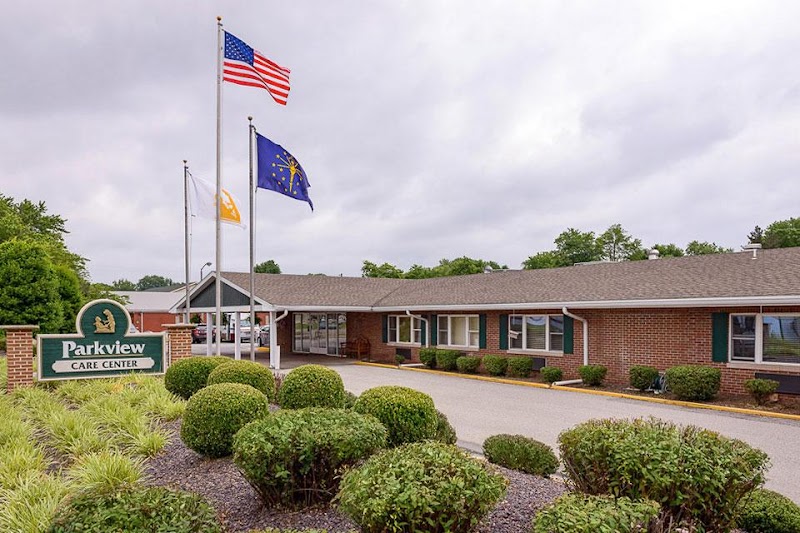
How is Parkview Staffed?

CMS rates PARKVIEW CARE CENTER's staffing level at 2 out of 5 stars, which is below average compared to other nursing homes. Staff turnover is 42%, compared to the Indiana average of 46%. This relatively stable workforce can support continuity of care.

What Have Inspectors Found at Parkview?

State health inspectors documented 30 deficiencies at PARKVIEW CARE CENTER during 2021 to 2025. These included: 28 with potential for harm and 2 minor or isolated issues.
Who Owns and Operates Parkview?

PARKVIEW CARE CENTER is owned by a for-profit company. For-profit facilities operate as businesses with obligations to shareholders or private owners. The facility is operated by LIFE CARE CENTERS OF AMERICA, a chain that manages multiple nursing homes. With 99 certified beds and approximately 78 residents (about 79% occupancy), it is a smaller facility located in EVANSVILLE, Indiana.

How Does Parkview Compare to Other Indiana Nursing Homes?

Compared to the 100 nursing homes in Indiana, PARKVIEW CARE CENTER's overall rating (3 stars) is below the state average of 3.1, staff turnover (42%) is near the state average of 46%, and health inspection rating (2 stars) is below the national benchmark.

What Should Families Ask When Visiting Parkview?

Based on this facility's data, families visiting should ask: "Can you walk me through typical staffing levels on day, evening, and night shifts?" "Can I visit during a mealtime to observe dining assistance and food quality?" "How do you handle medical emergencies, and what is your hospital transfer rate?" "Can I speak with family members of current residents about their experience?" These questions are particularly relevant given the below-average staffing rating.

Is Parkview Safe?

Based on CMS inspection data, PARKVIEW CARE CENTER has a clean safety record: no substantiated abuse findings (meaning no confirmed cases of resident harm), no Immediate Jeopardy citations (the most serious violation level indicating risk of serious injury or death), and is not on the Special Focus Facility watch list (a federal program monitoring the lowest-performing 1% of nursing homes). The facility has a 3-star overall rating and ranks #100 of 100 nursing homes in Indiana. While no facility is perfect, families should still ask about staff-to-resident ratios and recent inspection results during their visit.

Do Nurses at Parkview Stick Around?

PARKVIEW CARE CENTER has a staff turnover rate of 42%, which is about average for Indiana nursing homes (state average: 46%). Moderate turnover is common in nursing homes, but families should still ask about staff tenure and how the facility maintains care continuity when employees leave.

Was Parkview Ever Fined?

PARKVIEW CARE CENTER has no federal fines on record. CMS issues fines when nursing homes fail to meet care standards or don't correct problems found during inspections. The absence of fines suggests the facility has either maintained compliance or corrected any issues before penalties were assessed. This is a positive indicator, though families should still review recent inspection reports for the full picture.

Is Parkview on Any Federal Watch List?

PARKVIEW CARE CENTER is not on any federal watch list. The most significant is the Special Focus Facility (SFF) program, which identifies the bottom 1% of nursing homes nationally based on persistent, serious quality problems. Not being on this list means the facility has avoided the pattern of deficiencies that triggers enhanced federal oversight. This is a positive indicator, though families should still review the facility's inspection history directly.