RIVER BEND NURSING AND REHABILITATION
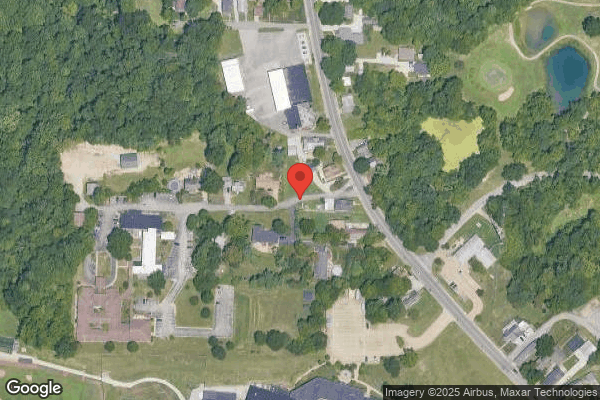
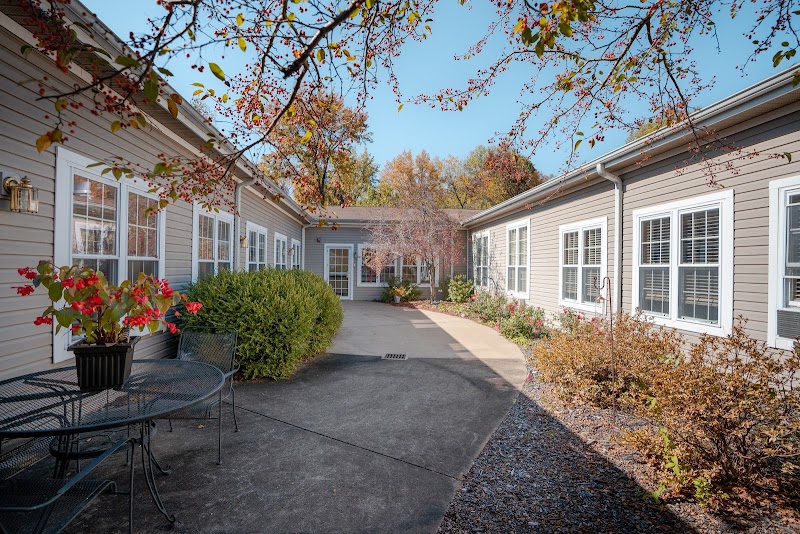
3400 STOCKER DR, EVANSVILLE, IN 47720 (812) 424-8100
For profit - Corporation 113 Beds ADAMS COUNTY MEMORIAL HOSPITAL Data: November 2025
Trust Grade
30/100
#476 of 505 in IN
Last Inspection: November 2024

Within standard 12-15 month inspection cycle. Federal law requires annual inspections.

Overview

River Bend Nursing and Rehabilitation has a Trust Grade of F, indicating significant concerns about the quality of care provided. Ranking #476 out of 505 facilities in Indiana places it in the bottom half of the state, and it is ranked last in Vanderburgh County at #17 of 17. The facility's trend is worsening, with issues increasing from 15 in 2023 to 23 in 2024. Staffing is a concern, with a below-average rating of 2 out of 5 stars and a high turnover rate of 61%, which is well above the state average of 47%. However, the facility has no fines on record, which is a positive aspect, and it offers good RN coverage, surpassing 76% of Indiana facilities. Specific incidents raised during inspections include a failure to ensure safe transportation for a resident, resulting in a fracture, and improper medication storage, with loose pills found in medication carts. Additionally, the facility did not provide necessary documentation related to hospital transfers for some residents, raising concerns about their care continuity. Overall, while there are some strengths, the significant issues identified suggest families should approach with caution.

Trust Score
F
30/100
In Indiana
#476/505
Bottom 6%
Safety Record
Moderate
Needs review
Inspections
Getting Worse
15 → 23 violations
Staff Stability
⚠ Watch
61% turnover. Above average. Higher turnover means staff may not know residents' routines.
Penalties
✓ Good
No fines on record. Clean compliance history, better than most Indiana facilities.
Skilled Nurses
✓ Good
Each resident gets 42 minutes of Registered Nurse (RN) attention daily — more than average for Indiana. RNs are trained to catch health problems early.
Violations
⚠ Watch
47 deficiencies on record. Higher than average. Multiple issues found across inspections.
★☆☆☆☆
1.0
Overall Rating
★★☆☆☆
2.0
Staff Levels
★★★☆☆
3.0
Care Quality
★☆☆☆☆
1.0
Inspection Score
Stable
2023: 15 issues
2024: 23 issues

The Good

  • Full Sprinkler Coverage · Fire safety systems throughout facility
  • No fines on record

Facility shows strength in fire safety.

The Bad

1-Star Overall Rating

Below Indiana average (3.1)

Significant quality concerns identified by CMS

Staff Turnover: 61%

15pts above Indiana avg (46%)

Frequent staff changes - ask about care continuity

Chain: ADAMS COUNTY MEMORIAL HOSPITAL

Part of a multi-facility chain

Ask about local staffing decisions and management

Staff turnover is elevated (61%)

13 points above Indiana average of 48%

The Ugly 47 deficiencies on record

1 actual harm
Nov 2024 19 deficiencies
CONCERN (D)

Potential for Harm - no one hurt, but risky conditions existed

Deficiency F0582 (Tag F0582)

Could have caused harm · This affected 1 resident

Based on interview and record review, the facility failed to ensure SNF-ABN (Skilled Nursing Facility-Advanced Beneficiary Notice) and NOMNC (Notice of Medicare Non-Coverage) Forms were provided follo...

Read full inspector narrative →
Based on interview and record review, the facility failed to ensure SNF-ABN (Skilled Nursing Facility-Advanced Beneficiary Notice) and NOMNC (Notice of Medicare Non-Coverage) Forms were provided following the end of Medicare skilled services for 2 of 2 residents who discharged from Medicare services and remained in the facility. (Resident 9 and Resident 215) Findings include: 1. On 11/12/24 at 10:35 A.M., the SNF (Skilled Nursing Facility) Beneficiary Protection Notification Review Forms were reviewed. The form indicated Resident 9 received Medicare Part A Skilled Services starting 8/26/24. The form indicated the last covered day of Part A services was 10/18/24. The form indicated Resident 9 did not receive a SNF-ABN (Skilled Nursing Facility-Advanced Beneficiary Notice) Form because she skilled out of therapy services. Resident 9 was provided a Notice of Medicare Non-Coverage (NOMNC) Form, dated 10/14/24, which indicated Resident 9's Medicare coverage would end on 10/18/24. On 11/12/24 at 10:40 A.M., the Social Services Director (SSD) indicated that Resident 9 remained in the facility. The SSD further indicated that Resident 9 did not receive a SNF-ABN form and should have. 2. On 11/12/24 at 10:35 A.M., the SNF (Skilled Nursing Facility) Beneficiary Protection Notification Review Forms were reviewed. The form indicated Resident 215 received Medicare Part A Skilled Services starting 6/24/24. The form indicated the last covered day of Part A services was 7/31/24. The form indicated she did not receive SNF-ABN (Skilled Nursing Facility-Advanced Beneficiary Notice) and NOMNC (Notice of Medicare Non-Coverage) forms because she was discharged from therapy before the end of her covered days. On 11/12/24 at 10:40 A.M., the Social Services Director (SSD) indicated that Resident 215 remained in the facility following the end of Medicare Part A coverage. She further indicated her last dated NOMNC was in 2022 and she had not received a NOMNC or SNF-ABN since then. At that time, the SSD indicated that she was still trying to learn about the Medicare Part A coverage process and did not fully understand the requirements. On 11/12/24 at 1:47 P.M., the Administrator provided a current Beneficiary Notices: SNF ABN and Notice of Medicare Non-Coverage (NOMNC) policy, dated 4/15/18, that indicated A Notice of Medicare Non-Coverage (NOMNC) and SNF ABN must be delivered by the SNF at the end of a Part A stay . The SNF ABN is issued when Part A services end and resident is staying in facility post Medicare stay. 3.1-4(f)(2)
CONCERN (D)

Potential for Harm - no one hurt, but risky conditions existed

Transfer Requirements (Tag F0622)

Could have caused harm · This affected 1 resident

Based on record review and interview the facility failed to provide the proper work for a resident emergently transferred to the hospital in 1 of 1 residents reviewed for hospitalization. (Resident 7)...

Read full inspector narrative →
Based on record review and interview the facility failed to provide the proper work for a resident emergently transferred to the hospital in 1 of 1 residents reviewed for hospitalization. (Resident 7) Findings include: On 11/08/24 at 7:34 A.M., Resident 7's clinical record was reviewed. Diagnoses included but were not limited to fracture of neck and disorders of bone density. The clinical record lacked any transfer paperwork when Resident 7 was emergently transferred to the hospital after a fall that resulted in a fractured neck. During an interview on 11/8/24 at 2:00 P.M., the DON (Director of Nursing) indicated that she could not locate any transfer forms and that there should have been papers sent with resident to the hospital. During an interview on 11/14/24 at 10:30 A.M., the DON indicated that the face sheet, bed hold policy, and other information should be sent when a resident was sent to the hospital. 3.1-12(a)(5) 3.1-12(a)(9)(A)(B)(C)
CONCERN (D)

Potential for Harm - no one hurt, but risky conditions existed

Transfer Notice (Tag F0623)

Could have caused harm · This affected 1 resident

Based on record review and interview the facility failed to notify the Ombudsman office in 1 of 4 residents reviewed for hospitalization. (Resident 7) Findings include: On 11/08/24 at 7:34 A.M., Resid...

Read full inspector narrative →
Based on record review and interview the facility failed to notify the Ombudsman office in 1 of 4 residents reviewed for hospitalization. (Resident 7) Findings include: On 11/08/24 at 7:34 A.M., Resident 7's clinical record was reviewed. Diagnoses included but were not limited to fracture of neck and disorders of bone density. The Current Quarterly MDS (Minimum Data Set) Assessment indicated Resident 7 is moderately cognitively impaired. The clinical record lacked any transfer paperwork when Resident 7 was emergently transferred to the hospital after a fall that resulted in a fractured neck on 7/27/24. The clinical record lacked any transfer information sent to the ombudsman for the hospitalization on 7/17/24. During an interview on 11/8/24 at 2:00 P.M., the DON (Director of Nursing) indicated that she could not locate any transfer forms and that there should have been papers sent with resident to the hospital. During an interview on 11/12/24 at 1:03 P.M., the Social Service Director indicated she needs to send the list after each of the d/c or transfer During an interview on 11/13/24 at 8:30 A.M., the Social Service Director indicated she does not have the transfer notification for the 7/27/24 incident that should have been sent to the Ombudsman. On 11/13/24 at 3:15 P.M., the Social Service Director provided an email from Ombudsman Office that indicated . when residents are transferred on an emergency basis to an acute care facility and are expected to return to the building, the information regarding the transfer can be provided in one monthly list to the State LTC (Long Term Care) Ombudsman portal . 3.1-12(a)(6)(A)(iv)
CONCERN (D)

Potential for Harm - no one hurt, but risky conditions existed

Comprehensive Care Plan (Tag F0656)

Could have caused harm · This affected 1 resident

**NOTE- TERMS IN BRACKETS HAVE BEEN EDITED TO PROTECT CONFIDENTIALITY** Based on observation, interview, and record review, the facility failed to ensure the development of a resident's comprehensive ...

Read full inspector narrative →
**NOTE- TERMS IN BRACKETS HAVE BEEN EDITED TO PROTECT CONFIDENTIALITY** Based on observation, interview, and record review, the facility failed to ensure the development of a resident's comprehensive care plan for 3 of 3 residents reviewed for behaviors, accidents, and nutrition. (Resident 39, Resident 15, Resident 58) Findings include: 1. On 11/6/23 at 11:15 A.M., Resident 39 was observed sitting in wheelchair in dining room eating puzzle pieces. On 11/7/24 at 2:42 P.M., Resident 39's clinical record was reviewed. Diagnoses included, but were not limited to, unspecified dementia without behavioral disturbance and cognitive communication deficit. The Current Quarterly MDS (Minimum Data Set) assessment dated [DATE] indicated Resident 39 was severely cognitively impaired. Resident 39 needs substantial assistance with transferring and mobility. There were no behaviors noted during the 7 days look back period. Current Physician Orders included, but were not limited to: Monitor for Side Effects of Anti-Depressant Medications which may include but not limited to: Dystonia Tremors Confusion Tardive Dyskinesia Dry Mouth Blurred Vision Constipation Urinary Retention Hypotension Sedation/Drowsiness Increased falls/dizziness Anxiety/agitation Headache Insomnia Blurred Vision Tachycardia Sweating/rashes every shift. If side effects present document in progress notes initiated 7/15/24. Monitor for Side Effects of Anti-Anxiety Medications which may include but not limited to: Dystonia Dry mouth Blurred Vision Constipation Urinary Retention Hypotension Sedation/Drowsiness Increased falls/Dizziness Anxiety/Agitation Headache Blurred Vision Sweating/rashes every shift and document if progress notes if present initiated 7/15/24. On 11/5/23 at 7:43 A.M., in a care plan note the Social Service Director and the family discussed Resident 39's recent behaviors and agreed that a memory care would be a better fit. On 11/8/24 at 3:40 P.M., the current care plan lacked a care plan for increasing behaviors. On 11/12/24 at 3:25 P.M., Resident 39 was observed sitting in wheelchair in dining room talking with other residents with a doll in their lap. During an interview on 11/13/24 at 9:45 A.M., the Social Service Director indicated there should be a care plan addressing behavior. 2. On 11/07/24 at 1:38 P.M., Resident 58's clinical record was reviewed. Diagnoses included, but were not limited to, dysphagia following cerebral vascular disease and speech and language deficits following cerebrovascular disease. The current Quarterly MDS Assessment indicated Resident 58 was cognitively intact. Resident 58 requires partial assistance dressing and transferring. Has had no behaviors during that time. Physician orders include, but were not limited to, Behavior Monitoring requested for PTSD (Post Traumatic Stress Disorder) every shift and as needed initiated on 8/5/24. During an interview on 11/6/24 at 10:18 A.M., Resident 58 indicated he was moved to current room because of not getting along with former roommate. During an interview on 11/7/24 at 2:10 P.M., the Social Services Director indicated that Resident 58 and the roommate had an altercation when words were exchanged due to the roommate making noises which finally caused Resident 58 to retaliate with loud words. She indicated that there was no documentation of that incident in the record or form concerning the transferring of rooms at the time it occurred. She indicated the incident time got away from her. The record lacked any care plan regarding retaliating behaviors resulting in the transferring to new room. 3. On 11/08/24 at 3:05 P.M., Resident 15's clinical record was reviewed. Diagnoses included, but were not limited to, dysphagia and gastro-esophageal reflux disease without esophagitis. The Significant Change MDS Assessment indicated that the resident was cognitively intact. The resident needed supervision with eating and was dependent on transferring, toileting, and dressing. There was significant weight loss noted. Current physicians orders included, but were limited to: lacked an order to weigh patient. ProStat (protein supplement) 30 ml (Mil liters) BID (Two times a day), dated 8/15/24 Mighty Shake (nutritional supplement) at lunch dated 8/15/24 Centrum Silver multivitamin daily dated 8/15/24 The current care plan indicated the resident was at risk for significant weight loss related to poor intake dated 8/4/24. Interventions included but were not limited to Med pass nutritional supplement, as ordered, dated 2/23/24. Nutritional supplement started Mighty Shakes 8/15/24. Monitor weight and food intake dated 11/3/23. No revision has been noted to the care plan for weight intervention. Current weight recorded included: 10/7/2024 at 3:24 P.M. 164.6 Lbs. Mechanical Lift 8/19/2024 at 3:38 P.M. 168.6 Lbs. Mechanical Lift 8/15/2024 at 4:18 P.M. 168.6 Lbs. Mechanical Lift 8/3/2024 at 6:37 P.M. 166.8 Lbs. Mechanical Lift 7/1/2024 at 12:29 P.M. 200.1 Lbs. Standing 6/10/2024 at 1:16 P.M. 206.4 Lbs. Standing 5/6/2024 at 6:11 P.M. 175.2 Lbs. Sitting On 11/8/24 at 3:05 P.M., the weight calculator indicated that the resident had a 20.25 pound(lbs) weight loss from 7/1/24 at 200 pounds to 10/7/24 165.6 pounds. A Dietitian Progress noted dated 2/9/24 at 1:43 P.M., indicated a weight warning and the Dietitian requested Mighty Shakes with lunch for extra calories. A Dietitian Progress note dated 8/3/24 at 6:37 P.M., indicated the resident had a weight warning of a 3 % (Percent) weight change from 7/1/24 to 8/3/24 and no recommendations were made. The resident was on hospice at that time. A Dietitian Progress Note dated 8/14.24 at 2:39 P.M., indicated the resident had been discharged from hospice service with no documentation of weight noted. Nutrition Assessments were documented on 3/8/24 and 2/24. During an interview on 11/13/24 at 1:00 P.M., the Dietitian indicated that everyone should be weighed according to facility policy unless order states differently. She missed quarterly nourishment assessment but made a note in August. During an interview on 11/13/24 at 3:50 P.M., the DON (Director of Nursing} indicated that was the policy of the facility to weigh resident once a month. On 11/13/24 at 4:15 P.M., the DON (Director of Nursing) provided a current policy Care Plan, Comprehensive Person-Centered revised 9/2022. The policy indicated .the comprehensive, care centered care plan will: aid in preventing or reducing in the resident's functional status .care plan interventions are chosen after careful data gathering .when possible, interventions address the underlying source of the problem and not just addressing symptoms or triggers . 3.1-35(a) 3.1-35(b)(7)
CONCERN (D)

Potential for Harm - no one hurt, but risky conditions existed

Deficiency F0657 (Tag F0657)

Could have caused harm · This affected 1 resident

Based on interview and record review, the facility failed to ensure care plan conferences were completed quarterly for 2 of 2 residents reviewed for quarterly care plan conferences. (Resident 13 and R...

Read full inspector narrative →
Based on interview and record review, the facility failed to ensure care plan conferences were completed quarterly for 2 of 2 residents reviewed for quarterly care plan conferences. (Resident 13 and Resident 29) Findings include: 1. On 11/8/24 at 10:15 A.M., Resident 13's clinical record was reviewed. Resident 13's diagnoses included, but were not limited to, dementia and anxiety. A Significant Change MDS (Minimum Data Set) Assessment, dated 10/8/24, indicated Resident 13's cognition level was not assessed due to diminished cognition level and Resident 13 was dependent on staff for toileting, bathing, and transfers (staff do all of the work). On 11/13/24 at 3:23 P.M., the Social Services Director provided documents titled Care Conference Note, and indicated, during the past year, a quarterly care plan conference had not been held for Resident 13 between 3/20/24 and 9/25/24. 2. On 11/8/24 at 12:48 P.M., Resident 29's clinical record was reviewed. Resident 29's diagnoses included, but were not limited to, multiple sclerosis, involuntary eye movements, and calculus of the kidneys. An Annual MDS (Minimum Data Set) Assessment, dated 8/13/24, indicated Resident 29 was cognitively intact and was dependent on staff (staff do all of the work) for eating, toileting, bathing, and transfers. On 11/13/24 at 3:23 P.M., the Social Services Director provided documents titled Care Conference Note, and indicated, during the past year, a quarterly care plan conference had not been held for Resident between 4/4/24 and 8/21/24, through 11/14/2024. During an interview on 11/14/24 at 11:22 A.M., the Social Services Director stated care plan conferences should be held at least quarterly. On 11/14/24 at 11:51 A.M., the Director of Nursing provided a document titled Care plans, comprehensive person-centered, revised 9/22, that indicated The interdisciplinary team must review and update the care plan at least quarterly in conjunction with the required quarterly MDS assessment. 3.1-35(d)(2)(B)
CONCERN (D)

Potential for Harm - no one hurt, but risky conditions existed

Deficiency F0679 (Tag F0679)

Could have caused harm · This affected 1 resident

Based on observation, interview, and record review, the facility failed to provide person centered engagement activities for 1 of 1 resident reviewed for dementia care. (Resident 13) Finding includes:...

Read full inspector narrative →
Based on observation, interview, and record review, the facility failed to provide person centered engagement activities for 1 of 1 resident reviewed for dementia care. (Resident 13) Finding includes: On 11/6/24 at 10:51 A.M., Resident 13 was observed in the common area. Resident 13's wheelchair was positioned in a way her vision was parallel with the television screen with a large plant blocking the view of the television. On 11/7/24 at 10:45 A.M., Resident 13 was observed in the common area. Resident 13's wheelchair was positioned with the back of her wheelchair was facility the television screen. On 11/8/24 at 10:08 A.M., 10:32 A.M., 10:48 A.M., and 11:47 A.M., Resident 13 was observed in the common area. Resident 13's wheelchair was facing the television screen and the television was on the menu screen. On 11/13/24 at 2:20 P.M, the the activities assistant was hosting bingo in the dining room. Resident 13 was not offered to attend activities in the dining room and remained in the common area in front of the television. On 11/8/24 at 10:15 A.M., Resident 13's clinical record was reviewed. Resident 13's diagnoses included, but were not limited to, dementia and anxiety. A Significant Change MDS (Minimum Data Set) Assessment, dated 10/8/24, indicated Resident 13's cognition level was not assessed due to diminished cognition level and Resident 13 was dependent on staff for toileting, bathing, and transfers (staff do all of the work). Resident 13's care plan included, but was not limited to: Involve in daily activities. Encourage continue socialization outside her room. Provide 1:1 conversation throughout the day. Involve in decision making process by offering simple choices. Revised on: 6/14/17 Resident will continue to join in group activities by being provided with necessary materials to participate. Revised on: 4/5/22 Resident maintains and enjoys a comfortable balance between independent, self-initiated activities, and group calendar events, but may need reminders for upcoming events, support through offers of leisure materials, and assistance to and from activities. Revised on: 12/14/22 Resident will participate in desired activities to the best of their ability in regards to their visual loss and hearing loss, with appropriate adaptations provided. Date Initiated: 7/29/24 Seat resident close to group leader to facilitate clear hearing and vision. Date Initiated: 7/29/24 The clinical record, including progress notes, assessments, and documents, lacked documentation of invitation to or participation of activities from the last activities care plan revision, 7/29/24, to 11/14/24. During an interview on 11/14/24 at 10:56 A.M., CNA 26 indicated Resident 13 will participate in group activities if brought by staff but she was unable to bring residents who required assistance to activities due to a personal restriction. On 11/14/24 at 11:51 A.M., the Director of Nursing provided a policy titled Activities Recreation Administration, revised 3/23, that indicated The activities recreation department shall communicate effectively to promote optimal resident care. Complete written progress notes at least every 90 days and as needed in the clinical record. Participate in the interdisciplinary care planning process. Maintain attendance records will be kept for small, large, and individual activities. 3.1-33(a)
CONCERN (D)

Potential for Harm - no one hurt, but risky conditions existed

Deficiency F0685 (Tag F0685)

Could have caused harm · This affected 1 resident

Based on interview, observation, and record review, the facility failed to ensure a resident received proper treatment to maintain vision abilities by assisting in arrangements for vision services for...

Read full inspector narrative →
Based on interview, observation, and record review, the facility failed to ensure a resident received proper treatment to maintain vision abilities by assisting in arrangements for vision services for 1 of 1 residents reviewed for vision impairment. (Resident 29) Finding includes: During an interview on 11/6/24 at 10:39 A.M., Resident 29 was observed wearing cloudy glasses and indicated she had not been assessed by vision or dental services in over a year and was having difficulty with her current prescription. On 11/8/24 at 12:48 P.M., Resident 29's clinical record was reviewed. Resident 29's diagnoses included, but were not limited to, multiple sclerosis, diplopia (double vision), involuntary eye movements. An Annual MDS (Minimum Data Set) Assessment, dated 8/13/24, indicated Resident 29 was cognitively intact, was dependent on staff (staff do all of the work) for eating, toileting, bathing, and transfers, has vision impairment, and wears corrective lenses. Care plan interventions included, but were not limited to: Arrange consultation with eye care practitioner as required. Date Initiated: 8/24/23 Ensure that glasses are clear and in good repair. Date Initiated: 8/24/23 admission documents, dated 7/8/21, indicated Resident 29 gave verbal consent to health services including vision, hearing, dental, and podiatry assessments while in the facility. The clinical record lacked documentation that indicated Resident 29 had been evaluated by vision services or offered transportation to be evaluated by vision services since 4/7/23. During an interview on 11/13/24 at 9:18 A.M., the Social Services Director indicated if residents want health services such as vision screenings they should come to social services and ask for it; if they are unable to ask for it themselves, it would be agreed upon admission and discussed during care plan conferences. On 11/13/24 at 11:51 A.M., the Director of Nursing provided a policy titled Care of Visually Impaired Resident that indicated it is our responsibility to assist the resident and representative in locating resources, scheduling appointments, and arranging transportation to obtain needed services. 3.1-39(a)(2)
CONCERN (D)

Potential for Harm - no one hurt, but risky conditions existed

Incontinence Care (Tag F0690)

Could have caused harm · This affected 1 resident

Based on observation, record review, and interview the facility failed to appropriately care for and maintain a resident's suprapubic catheter leading to infection at the catheter insertion site and m...

Read full inspector narrative →
Based on observation, record review, and interview the facility failed to appropriately care for and maintain a resident's suprapubic catheter leading to infection at the catheter insertion site and multiple urinary tract infections for 1 of 1 resident reviewed for urinary tract infections and urinary catheter. (Resident 47) Finding includes: On 11/8/2024 at 10:19 A.M., Resident 47's clinical record was reviewed. Resident diagnoses included, but was not limited to, hemiplegia from cerebral vascular event, hemiparesis, cancer of prostate, diabetes mellitus type 2, coronary artery disease, and peripheral vascular disease. An Annual MDS (Minimum Data Set) Assessment, dated 10/26/2024, indicated the resident was mild to moderately cognitively impaired, had no behaviors regarding rejection of care, required extensive assistance by 2 staff members in bed mobility, transferring, and toileting. The MDS also indicated Resident 47 had an indwelling suprapubic catheter and a history of prostate cancer. Physician orders for Resident 47 included, but was not limited to: Change suprapubic catheter monthly and as needed for occlusion or dislodgement, every day shift every month on the 1st of the month, dated 6/1/2024. Clindamycin HCl (antibiotic) Oral Capsule 300 MG, 1 capsule by mouth four times a day for suprapubic site drainage for 7 days, dated 11/10/2024 Macrobid Oral Capsule (antibiotic) 100 MG, give one capsule by mouth two times a day for urinary tract infection until 11/8/2024, dated 11/4/2024. That order was discontinued on 11/1/2024 in order to switch resident to Clindamycin. The clinical record lacked orders for maintenance or routine care of catheter besides changing it monthly. Care plans for Resident 47 included, but were not limited to: I have a need for enhance barrier precautions due to urostomy use, dated 7/31/2024. Interventions included: follow facility's infection control policies and procedures when cleaning or disinfecting room, handling soiled linen, disinfecting equipment, have personal protective equipment available for staff and visitors, practice good handwashing, teach resident and caregiver the chain of infection and methods of transmission, and use principles of infection control. All interventions dated 7/31/2024. The resident has a urinary tract infection, dated 11/1/2024. Interventions included: the resident's urinary tract infection will resolve without complications by the review date, administer antibiotic therapy as ordered and observe for/document side effects and effectiveness, check at least every 2 hours for incontinence and provide peri care and apply barrier cream as needed, encourage fluid intake, encourage/assist resident with hand washing after being toileted and before/after meals, observe for/document/report to MD as needed for signs and symptoms of urinary tract infection i.e.)frequency, urgency, malaise, foul smelling urine, dysuria, fever, nausea and vomiting, flank pain, suprapubic pain, hematuria, cloudy urine, altered mental status, loss of appetite, behavioral changes; obtain lab and diagnostic work as ordered, report results to MD and follow up as indicated; obtain vital signs as ordered or facility protocol and notify MD as needed. All interventions were dated 11/1/2024. The resident has a suprapubic catheter, dated 11/1/2024. Interventions included: resident will be/remain free from catheter-related trauma through review date, position catheter bag and tubing below level of the bladder, check tubing for kinks each shift/per policy, monitor and document intake and output as per facility policy, observe for/document pain/discomfort due to catheter. All interventions dated 11/1/2024. Resident 47's lab results indicated the organism Klebsiella pneumoniae had grown in most recent urine culture. The most recent culture of suprapubic catheter insertion site Methicillin-resistant Staphylococcus aureus had grown. Resident 47's September 2024 Medication/Treatment Administration Record indicated the following: Order for suprapubic catheter change monthly and as needed for occlusion or dislodgement, 9/1/2024 when catheter change was due, the record was incomplete. The record did indicate the resident's catheter was changed in the PRN (as needed) administration category on 9/22/2024. Resident 47's October 2024 Medication/Treatment Administration Record indicated the following: Order for suprapubic catheter change monthly and as needed for occlusion or dislodgement, 10/1/2024 RN indicated n, meaning no, when the catheter change was due. There was no record of any PRN catheter changes that month. Resident 47's October 2024 Medication/Treatment Administration Record indicated the following: Order for suprapubic catheter change monthly and as needed for occlusion or dislodgement, 11/1/2024 when catheter change was due, the record was incomplete. There was no record of any PRN catheter changes that month. On 11/7/2024 at 2:38 P.M., CNA (Certified Nurses Aide) 15 and CNA 21 were observed to be putting Resident back to bed from wheel chair. A mechanical lift was used to assist the resident's transfer. The mechanical lift sling that was used, was previously used on Resident 47's room mate and was not washed between use. Both CNAs caring for Resident 47 did not wear a gown for enhanced barrier precautions during care. On 11/12/2024 at 10:10 A.M., Resident 47's catheter bag was observed to be lying on the floor while the resident was in bed. On 11/14/2024, at 9:28 A.M., RN (Registered Nurse) 5 indicated that a suprapubic catheter site should have been cleansed daily with soap and water, the area dried, and the catheter secured to the resident's abdomen with an anchor dressing. Indicated that should have been in the resident's Treatment Administration Record to have signed off on daily. Also indicated that CNA (Certified Nurses Aides) sometimes have done the care when it was needed. RN 5 indicated they could not find the order or task in the TAR, but that it used to be there. Also indicated that the resident's suprapubic catheter is to be changed monthly and as needed for occlusion, was not sure when it had been changed last an did not know why the TAR did not show the task as completed in the months of October and November 2024. RN 5 indicated the catheter bag is emptied of urine at least once per shift or as needed. On 11/14/2024 at 10:00 A.M., CNA 15 indicated that they occasionally did suprapubic catheter care on Resident 47, if needed. Also indicated that they had been inserviced on suprapubic catheter care. The DON (Director of Nursing) on 11/14/2024, at 10:02 A.M., indicated a resident's suprapubic catheter site should have been washed with soap and water, making sure catheter is secure, daily, by a nurse, but CNA's should have been cleaning around it as well if it was needed. DON indicated CNA's have not been inserviced on suprapubic catheter care. A staff nurse (RN) job description provided by the Administrator on 11/14/2024 at 10:00 A.M., indicated the nurse was to receive and transcribe written, verbal, and telephone orders to the chart, MAR, TAR, etc, and assures execution of same. As well as, the nurse is responsible for competent administration of care and treatments according to physician orders and facility policy and procedure including at minimum. A Suprapubic Catheter Care policy was provided by the Administrator on 11/14/2024 at 10:50 A.M., it did not indicate frequency that the specific care should occur. An Enhanced Barrier Precautions policy was provided by the Administrator on 11/14/2024 at 11:53 A.M., it indicated EBP's employ targeted gown and glove used during high contact resident care activities when contact precautions do not otherwise apply. Gloves and gown are applied prior to performing the high contact resident care activity. Examples of high-contact resident care activities requiring the use of gown and gloves for EBP's include (but not limited to) transferring. EBP's are indicated for resident's with wounds, and or indwelling medical devices regardless of Multi-drug Resistant Organism colonization. At 1:00 P.M. on 11/14/2024, suprapubic catheter care was performed by RN 5. Catheter tubing was not secured with an anchor dressing prior to RN 5 performing care. 3.1-41(a)(2)
CONCERN (D)

Potential for Harm - no one hurt, but risky conditions existed

Deficiency F0692 (Tag F0692)

Could have caused harm · This affected 1 resident

Based on interview, observation, and record review, the facility failed to ensure a resident was offered sufficient fluid intake to maintain proper hydration and health for 1 of 1 residents reviewed f...

Read full inspector narrative →
Based on interview, observation, and record review, the facility failed to ensure a resident was offered sufficient fluid intake to maintain proper hydration and health for 1 of 1 residents reviewed for hydration. (Resident 29) Finding includes: During an observation on 11/6/24 at 10:41 P.M., Resident 29 was laying in bed. Resident 29's call light (touch pad) was laying on the dresser to the right of her bed out of her reach. An empty cup labeled 11/5/24 NOC was on the bedside table. Resident 29 indicated she did not feel she received enough fluids and had to call for staff to give her drinks because of her physical condition, but was unable to call for staff assistance when her call light is out of reach. On 11/8/24 at 12:48 P.M., Resident 29's clinical record was reviewed. Resident 29's diagnoses included, but were not limited to, multiple sclerosis, hydronephrosis, and calculus of the kidneys. An Annual MDS (Minimum Data Set) Assessment, dated 8/13/24, indicated Resident 29 was cognitively intact, was dependent on staff (staff do all of the work) for eating, toileting, bathing, and transfers, received diuretic medication during the seven day lookback period, and had facility acquired pressure wounds. Current physician orders included, but were not limited to: Furosemide (diuretic medication) oral tablet 20 MG (milligrams) Give 1 tablet by mouth one time a day for edema; start date 6/9/24 Offer 360cc fluids four times a day for hydration; start date 6/17/24 Care plans included, but were not limited to: Recurrent signs and symptoms of urinary tract infection history, revised on 10/10/23 The resident has dehydration or potential fluid deficit related to decreased fluid intake, diuretic use, revised on 7/27/24 Resident needs assistance, encouragement and supervision with fluid intake in order to meet daily requirements. Date initiated 9/20/22 A document titled Nephrology Assessment, dated 10/17/24, indicated Resident 29 was admitted to the hospital for kidney stones and urinary tract infection related sepsis. A nursing progress note, dated 10/25/24 at 2:47 P.M., indicated Resident 29 had returned to the facility from the hospital. A nutritional risk assessment document, dated 10/30/24, indicated Resident 29 was at risk for dehydration due to recurrent infection and diuretic use, and an estimated 1600-1900 mL (milliliters) of fluid was needed each day. The most recent lab report with a collection date of 10/31/24, indicated an abnormal high BUN (blood urea nitrogen) level of 25 (Normal level of BUN is between 8-23). During an interview on 11/13/24 at 4:17 P.M., The Director of Nursing indicated residents were not monitored closely for exact fluid intake unless on a fluid restriction and nurses should assess for signs of dehydration each shift. On 11/14/24 at 11:51 A.M., the Director of Nursing provided a policy titled Hydration Clinical Protocol, dated 9/17, indicated The staff, with the physician's input will identify and report to the physician individuals with signs and symptoms or lab test results that might reflect existing fluid and electrolyte imbalance. The physician and staff will identify significant risk for fluid and electrolyte imbalance; for example individuals who are taking diuretics and who are not drinking well. The staff will provide supportive measures such as supplemental fluids as indicated. 3.1-46(b)
CONCERN (D)

Potential for Harm - no one hurt, but risky conditions existed

Pharmacy Services (Tag F0755)

Could have caused harm · This affected 1 resident

Based on observation, interview, and record review, the facility failed to ensure routine medications were available and dispensed according to physician's orders and stored in an organized manner for...

Read full inspector narrative →
Based on observation, interview, and record review, the facility failed to ensure routine medications were available and dispensed according to physician's orders and stored in an organized manner for 2 of 2 residents reviewed for medication storage. (Resident 15, Resident 47) Findings include: 1. On 11/13/24 at 2:00 P.M., during an observation of medication cart for 200 unit there was no Prostat (protein supplement) for Resident 15. On 11/08/24 at 3:05 P.M., Resident 15's clinical record was reviewed. Diagnoses included, but were not limited to, dysphagia and gastro-esophageal reflux disease without esophagitis. Current physician orders included, but were not limited to: ProStat (protein supplement) 30 ml (Mil liters) BID (Two times a day), dated 8/15/24. Mighty Shake at lunch dated 8/15/24. Centrum Silver multivitamin daily dated 8/15/24. During an interview on 11/13/24 at 2:05 P.M., QMA (Qualified Medicine Aide) 9 indicated Resident 15 did not have the medication. QMA 9 indicated the medication was from [Resident Name] and [Resident Name] both discharged from the facility. She indicated she thought that was how to get the medication. 2. On 11/8/2024 at 10:19 A.M., Resident 47's clinical record was reviewed, the diagnoses included, but were not limited to, pressure ulcer of right buttock- stage two (Partial thickness loss of dermis presenting as a shallow open ulcer with a red or pink wound bed, without slough or bruising. May also present as an intact or open/ruptured blister), and pressure ulcer of right heel- stage three (Full thickness tissue loss. Subcutaneous fat may be visible, but bone, tendon, or muscle is not exposed. Slough may be present but does not obscure the depth of tissue loss. May include undermining and tunneling.), hemiplegia (one-sided muscle paralysis) from cerebral vascular event, hemiparesis (one-sided muscles weakness), cancer of the prostate, diabetes mellitus type 2, coronary artery disease, and peripheral vascular disease. Current physician orders included, but were not limited to: ProStat AWC SF (sugar-free wound healing supplement) 30ml two times a day for supplement, dated 7/17/2024. The Medication Administration Record/Treatment Administration Record for the month of October 2024 indicated the following: Administration of ProStat AWC SF 30ml two times a day for supplement, 10/4/2024 evening dose was incomplete, 10/16/2024 evening dose indicated resident received 60mL (milliliters), 10/21/2024 evening dose x, 10/29/2024 evening dose x, 10/31/2024 evening dose x. The Medication Administration Record/Treatment Administration Record for the month of November 2024 indicated the following: Administration of ProStat AWC SF (wound healing supplement) 30ml two times a day for supplement, 11/2/2024 60mL administered at evening dose, 11/3/2024 60mL administered at morning dose and again at evening dose, 11/4/2024 x for evening dose, 11/9/2024 indicated 0mL were administered for evening dose. On 11/12/2024 at 3:00 P.M., RN 5 could not locate ProStat, wound healing supplement, for Resident when asked to observe the bottle, followed RN 5 at that time to supply room to look for ProStat. No ProStat could be found in supply room. On 11/13/2024 at 11:25 A.M. the DON (Director of Nursing) indicated that ProStat supplement had been reordered on 11/12/2024. Indicated that previously, Resident 47 had been given supplement out of supply ordered by the facility, but had ran out the previous day. During an interview on 11/13/24 at 2:10 P.M., the DON (Director of Nursing) indicated that each resident should have their own bottle of ProStat and with label. On 11/14/24 at 8:00 A.M., the DON provided a current policy Storage of Medications revised p 4/2007. The policy indicated .indicated the facility shall not use discontinued, outdated, or deteriorated drugs or biologicals. All such drugs shall be returned to the dispensing pharmacy or destroyed . 3.1-25(b)(7) 3.1-25(o)
CONCERN (D)

Potential for Harm - no one hurt, but risky conditions existed

Unnecessary Medications (Tag F0759)

Could have caused harm · This affected 1 resident

Based on observation, interview, and record review, the facility failed to ensure it was free of a medication error rate of greater than 5 percent for 2 of 5 residents (Resident 50 and Resident 6) obs...

Read full inspector narrative →
Based on observation, interview, and record review, the facility failed to ensure it was free of a medication error rate of greater than 5 percent for 2 of 5 residents (Resident 50 and Resident 6) observed during medication pass. Two medication errors were observed during 25 opportunities for error in medication administration. This resulted in a medication error rate of 8%. Findings include: 1. On 11/8/24 at 11:53 A.M., Licensed Practical Nurse (LPN) 3 was observed preparing a Humalog Insulin Pen for insulin administration for Resident 50. An AccuCheck (blood glucose test) indicated the resident had a blood glucose of 198 milligrams per deciliter (mg/dL). LPN 3 indicated the resident received sliding scale insulin and was to receive 3 units of insulin lispro (a fast acting insulin) for a blood glucose reading of 198 mg/dL. LPN 3 set the insulin pen to 3 units. She cleaned the tip of the pen, attached the needle, and administered 3 units of insulin to Resident 50 in her abdomen. LPN 3 did not prime the insulin pen before administration of the medication. 2. On 11/8/24 at 12:02 P.M., Licensed Practical Nurse (LPN) 3 was observed preparing a Novalog Insulin Pen for insulin administration for Resident 6. An AccuCheck (blood glucose test) indicated the resident had a blood glucose of 145 milligrams per deciliter (mg/dL). LPN 3 indicated the resident received sliding scale insulin and was to receive 2 units of insulin aspart (a fast acting insulin) for a blood glucose reading of 145 mg/dL. LPN 3 set the insulin pen to 2 units. She cleaned the tip of the pen, attached the needle, and administered 2 units of insulin to Resident 23 in his abdomen. LPN 3 did not prime the insulin pen before administration of the medication. On 11/8/24 at 12:16 P.M., Registered Nurse (RN) 5 indicated insulin pens did not need to be primed before insulin administration. On 11/8/24 at 12:27 P.M., the Humalog Insulin Pen instruction manual, revised July 2023, was reviewed. It indicated Prime before each injection. Priming your pen means removing the air from the needle and cartridge that may collect during normal use and ensures that the pen is working correctly. If you do not prime before each injection, you may get too much or too little insulin. To prime your pen, turn the dose knob to select 2 units. Hold your pen with the needle pointing up. Tap the cartridge holder gently to collect air bubbles at the top. Continue holding your pen with needle pointing up. Push the dose knob in until it stops, and 0 is seen in the dose window. Hold the dose knob in and count to 5 slowly. You should see insulin at the tip of the needle. If you do not see insulin, repeat priming steps 6 to 8, no more than 4 times. If you still do not see insulin, change the needle and repeat priming steps 6 to 8. On 11/8/24 at 12:30 P.M., the Novalog Insulin Pen instruction manual, revised 2/2023, was reviewed. It indicated Before each injection small amounts of air may collect in the cartridge during normal use. To avoid injecting air and to ensure proper dosing: Turn the dose selector to select 2 units. Hold your NovoLog FlexPen with the needle pointing up. Tap the cartridge gently with your finger a few times to make any air bubbles collect at the top of the cartridge. Keep the needle pointing upwards, press the push-button all the way in. The dose selector returns to 0. A drop of insulin should appear at the needle tip. If not, change the needle and repeat the procedure no more than 6 times. If you do not see a drop of insulin after 6 times, do not use the NovoLog FlexPen . On 11/12/24 at 1:47 P.M., the Administrator provided an Insulin Administration policy, revised September 2014, that indicated The nursing staff will have access to specific instructions (from the manufacturer if appropriate) on all forms of insulin delivery system(s) prior to their use. 3.1-48(c)(1)
CONCERN (D)

Potential for Harm - no one hurt, but risky conditions existed

Medical Records (Tag F0842)

Could have caused harm · This affected 1 resident

Based on record review and interview, the facility failed to ensure consistent documentation for wound care treatments on 1 of 3 residents reviewed for pressure injury. (Resident 47) Findings include:...

Read full inspector narrative →
Based on record review and interview, the facility failed to ensure consistent documentation for wound care treatments on 1 of 3 residents reviewed for pressure injury. (Resident 47) Findings include: On 11/8/2024 at 10:19 A.M., Resident 47's clinical record was reviewed, the diagnoses included, but were not limited to, pressure ulcer of right buttock- stage two (Partial thickness loss of dermis presenting as a shallow open ulcer with a red or pink wound bed, without slough or bruising. May also present as an intact or open/ruptured blister), and pressure ulcer of right heel- stage three (Full thickness tissue loss. Subcutaneous fat may be visible, but bone, tendon, or muscle is not exposed. Slough may be present but does not obscure the depth of tissue loss. May include undermining and tunneling.), hemiplegia (one-sided muscle paralysis) from cerebral vascular event, hemiparesis (one-sided muscles weakness), cancer of the prostate, diabetes mellitus type 2, coronary artery disease, and peripheral vascular disease. An Annual Minimum Data Set (MDS) Assessment, dated 10/26/2024, indicated the resident was mild to moderately cognitively impaired, had no behaviors regarding rejection of care, required extensive assistance by 2 staff members in bed mobility, transferring, and toileting. The MDS indicated the resident was at risk for the development of pressure ulcers and had pressure injury that was not present upon admission. The MDS did not specifically indicate the location of the pressure injury. Current orders included, but were not limited to: Cleanse wound to right heel with wound wash, apply collagen, followed by calcium alginate, cover with ABD (type of gauze) pad, wrap with Kerlix. Change daily and PRN (as needed), dated 11/8/2024. Cleanse wound to right buttock with wound wash, apply hydrocolloid and change 3 times a week. Every day-shift on Tuesday, Thursday, and Sunday for wound care and as needed for soilage or dislodgement, dated 11/10/2024. The Medication Administration Record/Treatment Administration Record for the month of October 2024 indicated the following: Administration of treatment: cleanse wound to right buttock with wound wash, apply Medi-honey and border dressing, change daily every dayshift, order active from 9/24/2024 through 11/8/2024. The following dates treatments were incomplete: 10/4/2024, 10/9/2024, 10/16/2024, 10/18/2024, and 10/22/2024. Administration of treatment: right heel, clean with wound cleanser, pat dry, apply dry collagen to the wound bed, apply calcium alginate, wrap with Kerlix, secure with tape. Change daily. Order was active 9/24/2024 through 11/8/2024. The following dates treatments were incomplete: 10/4/2024,10/9/2024, 10/16/2024, 10/18/2024, and 10/22/2024. The Medication Administration Record/Treatment Administration Record for the month of November 2024 indicated the following: Administration documentation for order of: Cleanse wound to right buttock with wound wash, apply Medi-honey, and a border dressing, change once daily on day shift. The following dates, treatments were incomplete: 11/1/2024, 11/5/2024, and 11/8/2024. Administration documentation for order of: right heel, clean with wound cleanser, pat dry, apply dry collagen to the wound bed, apply calcium alginate, wrap with Kerlix, secure with tape, change daily on day shift. The following dates, treatments were in complete: 11/1/2024, 11/2/2024, 11/5/2024, and 11/8/2024. On 11/13/2024 at 11:25 A.M. the DON (Director of Nursing) was not able to provide an explanation as to why documentation for treatments were inconsistent. An undated staff nurse (RN) job description provided by the Administrator on 11/14/2024, at 10:00 A.M., indicated the nurse was to receive and transcribe written, verbal, and telephone orders to the chart, MAR, TAR, etc, and assures execution of same. As well as, the nurse is responsible for competent administration of care and treatments according to physician orders and facility policy and procedure including at minimum.
CONCERN (D)

Potential for Harm - no one hurt, but risky conditions existed

Infection Control (Tag F0880)

Could have caused harm · This affected 1 resident

3. During an observation of catheter care on 11/13/24 at 10:31 A.M., Resident 29 stated she felt like a science experiment that day because staff were wearing gowns and face masks during care and that...

Read full inspector narrative →
3. During an observation of catheter care on 11/13/24 at 10:31 A.M., Resident 29 stated she felt like a science experiment that day because staff were wearing gowns and face masks during care and that staff never wear those. On 11/12/24 at 4:15 P.M., the DON (Director of Nursing) provided a current policy Infection Control Guidelines for All Nursing Procedures revised August 2012. The policy indicated .if hands are not visibly soiled, use of an alcohol-based hand rub . before and after direct contact with residents . and after handling used dressing . An Enhanced Barrier Precautions policy was provided by the Administrator on 11/14/2024 at 11:53 A.M., it indicated EBP's employ targeted gown and glove used during high contact resident care activities when contact precautions do not otherwise apply. Gloves and gown are applied prior to performing the high contact resident care activity. Examples of high-contact resident care activities requiring the use of gown and gloves for EBP's include (but not limited to) transferring. EBP's are indicated for resident's with wounds, and or indwelling medical devices regardless of Multidrug Resistant Organism colonization. 3.1-18(b)(1) Based on observation, record review, and interview the facility failed to follow proper infection prevention and control practices for 1 of 1 resident reviewed for urinary tract infection and urinary catheter care, 1 of 1 resident reviewed for pressure injury, and 1 of 1 resident reviewed for a urinary catheter. (Resident 47, Resident 8, and Resident 29) Findings include: 1. On 11/7/2024 at 2:38 P.M., CNA (Certified Nurses Aide) 15 and CNA 21 were observed to be putting Resident 47, whom had multiple open wounds and an indwelling suprapubic catheter, back to bed from wheel chair. A mechanical lift was used to assist the resident's transfer. The mechanical lift sling that was used, was previously used on Resident 47's room mate and not washed between use. Both CNAs caring for Resident 47 did not wear a gown for enhanced barrier precautions during care. 2. On 11/12/24 at 9:20 A.M., CNA (Certified Nurse Aide) 25 and CNA 21 were observed providing incontinence care for Resident 8. Both CNA's sanitized hands and donned plastic gowns and gloves prior to placing Resident 8 on right side. CNA 21 used 3 cleaning wipes to clean Resident 21 going from front to back. Rolled the dirty brief under resident and helped position the resident onto left side. CNA 25 removed dirty brief and placed new brief. Neither CNA removed gloves nor sanitized before placed new brief. LPN (Licensed Practical Nurse) 3 sanitized hands and donned plastic gown before LPN changing dressing on Resident 8's right shoulder. LPN 3 removed dirty dressing and did not change gloves or sanitized hand before opened clean bandage. LPN 3 cleaned shoulder wound with saline. LPN 3 placed clean dressing. LPN 3, CNA 21, and CNA 25 removed gowns, gloves, and then sanitized hands. During an interview on 11/12/24 at 9:40 A.M., LPN 3 indicated she should have changed gloves before placed clean dressing to open area.
CONCERN (D)

Potential for Harm - no one hurt, but risky conditions existed

Deficiency F0925 (Tag F0925)

Could have caused harm · This affected 1 resident

**NOTE- TERMS IN BRACKETS HAVE BEEN EDITED TO PROTECT CONFIDENTIALITY** Based on observation, record review, and interview, the facility failed to provide a safe environment free of pests based on 3 o...

Read full inspector narrative →
**NOTE- TERMS IN BRACKETS HAVE BEEN EDITED TO PROTECT CONFIDENTIALITY** Based on observation, record review, and interview, the facility failed to provide a safe environment free of pests based on 3 of 3 random observations of flies and gnats during the survey. (Resident room [ROOM NUMBER], Second Floor Nurses Station) Findings include: 1. On 11/6/24, at 12:11 P.M., during a random observation 2 flies and a gnat were observed flying in Resident's 15 room. During an interview on 11/6/24 at 12:12 P.M., Resident 15 complained of having other incidences gnats and flies flying around in the room. 2. On 11/08/24 at 8:47 A.M., during a random observation a fly was observed flying around the Second Floor Nurse's Station flying around. 3. On 11/12/24 at 10:02 A.M., during a random observation a fly was observed flying around in Resident 15 room while a dressing change was performed. During an interview on 11/12/24 at 10:30, A.M., the Administrator indicated that he was not aware of bugs in the resident room. On 11/13/24 at 4:15 P.M., the DON (Director of Nursing) provided a current policy Pest Control dated 8/2011. The policy indicated . the facility shall provide a clean sanitary environment free from pests .the facility will ensure that an appropriate pest control contract is in operation 3.1-19(f)(4)
CONCERN (E)

Potential for Harm - no one hurt, but risky conditions existed

Deficiency F0625 (Tag F0625)

Could have caused harm · This affected multiple residents

**NOTE- TERMS IN BRACKETS HAVE BEEN EDITED TO PROTECT CONFIDENTIALITY** 2. On 11/08/24 at 2:08 P.M. Resident 51's clinical record was reviewed. The most recent Quarterly MDS (Minimum Data Set) Assessm...

Read full inspector narrative →
**NOTE- TERMS IN BRACKETS HAVE BEEN EDITED TO PROTECT CONFIDENTIALITY** 2. On 11/08/24 at 2:08 P.M. Resident 51's clinical record was reviewed. The most recent Quarterly MDS (Minimum Data Set) Assessment on 9/17/2024 indicated the resident was cognitively intact, was independent in mobility, always continent, and had diagnoses that included but was not limited to cellulitis. Resident 51 had hospitalizations on 4/28/2024, 5/7/2024, and 11/8/2024. The record lacked a bed hold policy being provided to the resident for all three of the hospital transfers. 3. On 11/12/24 at 10:51 A.M., Resident 53's clinical record was reviewed, the diagnoses included, but were not limited to, diabetes mellitus type two and peripheral vascular disease. The most recent Quarterly MDS (Minimum Data Set) Assessment on 10/31/2024 indicated the resident was cognitively intact, used a wheelchair, required substantial to maximum assistance with transfering and toileting, required partial to moderate assistance with showering, and required supervision with bed mobility, was incontinent, and had an amputation. Resident 53's clinical record indicated hospitalizations on 9/17/2024 and 10/15/2024. The record lacked a bed hold policy being provided to the resident for both of the hospital transfers. 4. On 11/08/24, at 1:51 P.M., Resident 57's clinical record was reviewed, diagnoses included, but was not limited to, cancer, and hospice care. The most recent Quarterly MDS (Minimum Data Set) Assessment on 9/26/2024 indicated the resident was not cognitively intact. Resident 57's clinical record indicated they had been hospitalized on [DATE]. The record lacked a bed hold policy being provided to the resident for the hospital transfer. On 11/12/24 at 4:00 P.M., the DON (Director of Nursing) provided a current, non-dated policy Changes in Resident Condition or Status. The policy indicated the facility will notify the resident .of changes in the resident condition or status .nursing service will be responsible for notifying the resident .as each case applies .the resident is involved in an accident that results in injury .it is necessary to transfer the resident to a hospital . 3.1-12(a)(6)(A) 3.1-12(a)(25) Based on record review and interview, the facility failed to provide notification of transfer and bed hold policy to residents or their representative in 4 of 4 residents reviewed for hospitalizations. (Resident 7, Resident 51, Resident 53, Resident 57) Findings include: 1. On 11/08/24 at 7:34 A.M., Resident 7's clinical record was reviewed. Diagnoses included but were not limited to fracture of neck and disorders of bone density. The Current Quarterly MDS (Minimum Data Set) Assessment indicated Resident 7 is moderately cognitively impaired. The clinical record lacked any transfer paperwork and bed hold policy when Resident 7 was emergently transferred to the hospital after a fall that resulted in a fractured neck on 7/27/24. During an interview on 11/8/24 at 2:00 P.M., the DON (Director of Nursing) indicated that she could not locate any transfer forms and that there should have been papers sent with resident to the hospital.
CONCERN (E)

Potential for Harm - no one hurt, but risky conditions existed

Deficiency F0761 (Tag F0761)

Could have caused harm · This affected multiple residents

Based on observation, interview, and record review, the facility failed to ensure proper storage of medications for 3 of 3 medication carts observed. Loose pills were observed in the medication cart d...

Read full inspector narrative →
Based on observation, interview, and record review, the facility failed to ensure proper storage of medications for 3 of 3 medication carts observed. Loose pills were observed in the medication cart drawers. (300 Hall, 400 Hall, 200 Hall) Findings include: 1. On 11/7/24 at 10:15 A.M., the medication cart for rooms 310 to 317 was reviewed. The following loose pills were observed in the bottom of the drawers: 1 blue oval capsule with marking RDY493 2 red circle pills with marking PH32 1 light blue circle pill with marking F3 1 light blue circle pill with marking M64 1 white circle pill with marking G5 1 white circle pill with marking 489 1 yellow circle pill with marking LUPIN 1 red circle pill with marking US5 1/2 white rectangle pill with partial marking 5 2. On 11/7/24 at 10:30 A.M., the 400 hall medication cart was reviewed. The following loose pills were observed in the bottom of the drawers: 1 small white pill with marking P10 1 small white pill with marking HP23 1 red oval pill with marking 894 1 white oval pill with marking A6 1/2 white circle pill with partial marking 8 3. On 11/7/24 at 2:09 P.M., the upstairs medication cart was reviewed. The following loose pills were observed in the bottom of the drawers: 1 large white circle pill with marking SC 2 white oval pills with marking L484 1 orange oval pill with marking 750 1 brown capsule with marking CREON 1212 1 blue and white capsule with marking DLX60 2 brown speckled circle pills with marking TCL080 3 small orange circle pills with marking 2 ½ 1 orange circle pill with marking G 2 orange circle pills with marking R333 1 white circle pill with marking 253 1 white circle pill with marking TV 3 white circle pills with marking TV2204 1 white circle with no markings 1 red circle pill with marking 5 1 red circle pill with marking LUPIN 1 white oval pill with marking A6 1/2 white circle pill with marking P10 On 11/7/24 at 10:20 P.M., Registered Nurse (RN) 5 indicated that medication carts were cleaned out every two weeks on night shift. Loose pills were disposed of in the drug buster or sharps container. On 11/12/24 at 1:47 P.M., the Administrator provided a current Storage of Medications policy, revised April 2007, that indicated Drugs and biologicals shall be stored in the packaging, containers or other dispensing systems in which they are received. 3.1-25(j)
CONCERN (E)

Potential for Harm - no one hurt, but risky conditions existed

Deficiency F0804 (Tag F0804)

Could have caused harm · This affected multiple residents

Based on observation, interview, and record review, the facility failed to ensure that food was served at palatable temperatures and taste for 1 of 1 tray tested for temperature. Findings include: On ...

Read full inspector narrative →
Based on observation, interview, and record review, the facility failed to ensure that food was served at palatable temperatures and taste for 1 of 1 tray tested for temperature. Findings include: On 11/06/24 10:38 A.M., Resident 6 indicated food is not appetizing, often very similar or the same over and over. On 11/06/24 at 12:16 P.M., Resident 15 indicated they get a lot of sandwiches. On 11/8/24 at 12:39 P.M., a test tray was obtained from 200 Hall: Grilled Cheese 117 Degrees Fahrenheit Fruit Cocktail 60.2 Degrees Fahrenheit The grilled cheese was cool to taste The fruit cocktail was cool to taste On 11/8/24 at 2:30 P.M., the Ombudsman indicated after the resident council there were several anonymous complaints about food and meals. During an interview on 11/08/24 at 11:58 A.M., the Interim Dietary Manager indicated hot food temperatures should be served at a minimum of 155 Degrees Fahrenheit and cold food is served at minimum of 41 Degrees Fahrenheit. On 11/14/24 at 8:15 A.M., the DON (Director of Nursing) provided a current policy Temperatures dated 7/2023. The policy indicated .foods sent to the units for distribution will be transported and delivered to maintain temperatures at or below 41 Degrees F for cold and at or above 135 Degrees F . 3.1-21(a)(2)
CONCERN (E)

Potential for Harm - no one hurt, but risky conditions existed

Food Safety (Tag F0812)

Could have caused harm · This affected multiple residents

**NOTE- TERMS IN BRACKETS HAVE BEEN EDITED TO PROTECT CONFIDENTIALITY** Based on observation, interview, and record review, the facility failed to ensure food was stored, labeled, and dated properly i...

Read full inspector narrative →
**NOTE- TERMS IN BRACKETS HAVE BEEN EDITED TO PROTECT CONFIDENTIALITY** Based on observation, interview, and record review, the facility failed to ensure food was stored, labeled, and dated properly in accordance with professional standards for food service and refrigerator temperature were recorded for 3 of 3 kitchen observations. Findings include: 1. On 11/6/24 at 8:47 A.M., an initial tour of the kitchen was conducted. The following items were located In the Dry Storage area at 8:50 A.M., 1 Box of onion dated 8/2/24 that had an onion sprouted 2. Drink Refrigerator at 9:05 A.M., 3 bags of lettuce not dated 12 pitchers of tea not dated 1 box of thick and easy open date of 1/4/23 with best by dated 1/26/23 1 box of thick and easy open date 4/9 best by 3/29/24 1 pitcher of orange juice not dated 1 jar of chicken base not dated 1 open bag of lettuce wilted open dated of 10/25/24 1 container of cottage cheese with no open date Temperature Log for the Drink Refrigerator lacked temperatures for the following shifts Nights 3/4/24 Days 3/5/24 Nights 3/5/24 3. Walk in freezer at 9:25 A.M. 1 bag of biscuits opened but no open date 4. Spice Rack above sink at 9:33 A.M. spices above sink 1 open bottle of rosemary not dated 1 open bottle of black pepper not dated 1 open bottle of Worcestershire sauce no dated 1 open bottle of caramel sauce no dated During an interview on 11/6/24 at 9:06 A.M., the Interim Dietary Manager indicated that they will usually keep open lettuce should be dated and is usually good for only 3 days after opened. She also indicated that the temperatures should be taken 2 times a day and recorded. 5. On 11/08/24 at 10:14 A.M., the second walk through was conducted and the following was discovered: 1 bottle of Worcestershire sauce not dated not marked 1 open container of cottage cheese with no open date 6. On 11/13/24 at 11:22 A.M., the kitchenette nutrition refrigerator on the first floor was observed with the following: No temperature log 1 open container of pumpkin spice cream cheese for [Resident Name] with no open date 1 container of iced tea with no name with date of 11/8/24 1 open container of lunch meat with no name dated 11/7/24 1 open container of Neapolitan ice cream with no name or open date 2 containers of fried chicken with no name or date 1 open container of Ben and [NAME] Pumpkin Cheesecake Ice Cream with no name or open date 1 container of food for [Resident Name] with open date 11/10/24 On 11/13/24 at 3:15 P.M., the Human Resources Director provided a current temperature sheet for the kitchenette refrigerator for the Month of November with the same initials for the entire month. On 11/13/24 at 4:10 P.M., the administrator indicated that housekeeping did the temperatures and kept the log in a binder in housekeeping. The Administrator indicated that [initials] was not on the schedule every day. On 11/14/24 at 8:15 A.M., the DON (Director of Nursing) provided a current policy Storage Areas revised 11/2024. The policy indicated .all containers must be legible and accurately labeled and dated .temperatures should be checked two times each day using the Refrigerator/Freezer Temperature Log .all frozen foods should be covered, labeled, and dated . On 11/14/24 at 8:15 A.M., the DON provided a current policy Food from Outside Sources dated 7/2023. The policy indicated .visitor/family members will label food with the resident's name, room number, and date with a suitable container .perishable foods with a use by date is 3 days from the date it was brought into the facility .food or beverages without a manufactures expiration date will be thrown away 3 days after the day marked . On 11/14/24 at 11:15 A.M., the DON indicated the temperature logs were kept in binder in housekeeping. The housekeepers check the temperatures in the kitchenette daily. She was going to check and see if there was a policy for kitchenette refrigerator. None was every produced. 3.1-21(i)(3) 3.1-21(i)(2)
CONCERN (E)

Potential for Harm - no one hurt, but risky conditions existed

Safe Environment (Tag F0921)

Could have caused harm · This affected multiple residents

**NOTE- TERMS IN BRACKETS HAVE BEEN EDITED TO PROTECT CONFIDENTIALITY** Based on observation and interview, the facility failed to provide a safe and sanitary environment for residents, staff, and the...

Read full inspector narrative →
**NOTE- TERMS IN BRACKETS HAVE BEEN EDITED TO PROTECT CONFIDENTIALITY** Based on observation and interview, the facility failed to provide a safe and sanitary environment for residents, staff, and the public for 9 random observations on 6 of 6 days. Urine smells in unit hallways and conference room, pests flying in resident room and nurses' station, and condition of resident air conditioners. (Resident room [ROOM NUMBER], Resident room [ROOM NUMBER], Resident room [ROOM NUMBER], Resident 308, Conference Room, Hallway 400 Unit, 200 Unit Nurses Station) Findings include: 1. On 11/6/24 at 8:47 A.M., a strong smell of urine was observed in the conference room and the 400 Unit Nurse's Station Hallway. 2. On 11/7/24 at 8:47 A.M., a strong smell of urine was observed in the 400 Unit Nurse's Station and the conference room. 3. On 11/08/24 at 3:11 P.M. heating and air window until in room [ROOM NUMBER] observed to have had paint flaking off and moderate amounts of rust. 4. On 11/12/24 9:08 A.M., a strong smell of urine was observed outside of the conference room. 5. On 11/13/24 8:05 A.M., a strong smell of urine was observed in 400 Unit Hallway. 6. On 11/14/24 at 11:17 A.M. resident rooms [ROOM NUMBER] observed to have had heating and air window units with paint flaking off and moderate amounts of rust. During an interview on 11/14/24 at 8:25 A.M., LPN (Licensed Practical Nurse) 3 indicated she had noticed an occasional smell of urine when she entered the second floor. During an interview on 11/14/24 at 8:32 A.M., the Administrator the facility should be clean and odor free and the urine smell on the first floor was due to a resident urinating on the floor. On 11/14/24 at 12:15 P.M.,the DON provided a current policy Maintenance Administration dated 3/2015. The policy indicated that .maintenance maintains documentation of functionally/compliance for .heating and cooling systems . 3.1-19(f)(4) 3.1-19(f)(5)
Sept 2024 1 deficiency 1 Harm
SERIOUS (G) 📢 Someone Reported This

A family member, employee, or ombudsman was alarmed enough to file a formal complaint

Actual Harm - a resident was hurt due to facility failures

Accident Prevention (Tag F0689)

A resident was harmed · This affected 1 resident

**NOTE- TERMS IN BRACKETS HAVE BEEN EDITED TO PROTECT CONFIDENTIALITY** Based on observation, interview, and record review, the facility failed to ensure adequate safety measures were in place for saf...

Read full inspector narrative →
**NOTE- TERMS IN BRACKETS HAVE BEEN EDITED TO PROTECT CONFIDENTIALITY** Based on observation, interview, and record review, the facility failed to ensure adequate safety measures were in place for safe transport for 1 of 3 residents reviewed for accidents. This deficient practice resulted in Resident B obtaining injuries that resulted in medical intervention and fractures. (Resident B) Finding includes: On 9/9/24 at 10:30 a.m., two state reportable's for Resident B were reviewed and included, but were not limited to: State Reportable 1 Incident date: 8/28/24 Incident time: 2:01 p.m. Description added: 8/29/2024 Resident was out to an appointment. As the driver was taking her into the appointment the resident's foot caught beneath the wheelchair and twisted. Type of injury added: 8/29/2024 Fracture to her left ankle Immediate action added: 8/29/2024 Resident will have foot rests on her wheelchair when out for appointments. Driver was educated on safety. Resident was seen by ortho and sent to be fitted with a splint on 8/29/24. Therapy applied brace until resident was fitted for splint. Type of preventative measures taken: 8/29/2024 Therapy to evaluate for proper foot rests. Follow up added: 9/5/2024 Driver was interviewed and stated that resident's leg rests were not on her wheelchair because she self-propels when he took her for her appointment. The leg rests were available in the van. When he was pushing the resident into the appointment, the residents foot was caught under the wheelchair. Resident confirmed that foot was injured during transport. Driver was re-educated on safe transport on 8/29/24. His employment was terminated on 8/30/24. An audit was completed by 8/30/24 on all residents who use a w/c and foot pedals will were placed in a bag on the back of their w/c. All staff were re-educated on the facility's w/c policy by 8/31/24 or before working any shift. All new hires will be inserviced as well before providing any care to a resident. State Reportable 2 Incident date: 8/29/24 Incident time: 4:01 p.m. Description added: 8/30/2024 Resident was being transported to an appointment when she started sliding out of her chair. The driver stated that she had slid all the way out of her chair before he could pull over safely. Nursing staff met the driver and resident at their location asap [as soon as possible]. They evaluated the situation and called EMS [Emergency Medical Services]. Resident was taken to the hospital for evaluation and it was discovered that she had a fractured right ankle. Driver was suspended from driving pending investigation. The physician, responsible party, ED [Executive Director] and DON [Director of Nursing] were notified. Resident is being assessed for pain and discomfort and will appropriately address as indicated. SS [Social Services] to provide psychosocial support as indicated. Type of injury added: 8/30/2024 Fracture to right ankle Immediate action taken: 8/30/2024 Driver was suspended pending investigation. Type of preventative measures added: 8/30/2024 All staff will be educated on wheelchair safety before working their next shift. All Drivers [sic] will be educated on safety protocols while transporting residents before driving any residents. Follow up added: 9/5/2024 Driver reported that he thought he had put the seatbelt on properly. While interviewing the driver it was discovered that he hadn't put the seatbelt on properly. Driver had been educated on safe transport of wheelchair seated passengers on 7/26/24. Driver was terminated on 8/30/24. Resident reports that she continues to feel safe in the facility. All staff were re-educated on the facility's abuse/neglect by 8/31/24 or before working any shift. All new hires will be inserviced as well before providing care to any resident. All drivers re-educated and will successfully pass a return demonstration to ensure they are competent on safe transfers before they transport any resident in the facility van. On 9/9/24 at 10:50 a.m., the Administrator indicated incident one happened on 8/28/24, it was reported to him the next day, he reported it as a state reportable when he found out Resident B had sustained a fracture to her left ankle. The driver reported he had been pushing the wheelchair when the residents foot got caught under the wheelchair, footrests were not on, but were in the van, the driver knew they were supposed to be on the wheelchair. The Administrator indicated the driver had been educated on safe transport after the incident. The Administrator indicated incident two happened on 8/29/24 while Resident B was being transported in the facility van to an appointment, Resident B sustained a fracture to her right ankle. Resident B slid out of her wheelchair, the driver reported he thought he had properly secured the seatbelt, but had not, the driver had been educated on seatbelt use on 7/26/24 when it was added to the van. On 9/9/24 at 11:03 a.m., Resident B's clinical record was reviewed. The diagnoses included, but were not limited to, other fracture of right lower leg, other fracture of left lower leg, unilateral primary osteoarthritis, diabetes mellitus, and pain. A quarterly MDS (Minimum Date Set) assessment, dated 7/1/24, indicated Resident B's cognition was intact, wheelchair for mobility, bed mobility extensive two assist, transfer total dependence two assist, self care- toileting dependent, shower/bath substantial/maximal assist, lower body dressing dependent, substantial/maximal assist, wheel chair 150 feet, once seated in wheelchair/scooter, the ability to wheel at least 150 feet in a corridor or similar space dependent. Care plans included, but were not limited to: Alteration in musculoskeletel status related fracture to left ankle, fracture to right ankle, date revised on 8/30/24. Interventions included, but were not limited to: Foot pedals to be on wheelchair at all times when out of facility, initiated, 8/30/24. Wear splint to left foot/ankle and Ace wrap to right foot/ankle at all times until further orders, initiated 8/30/24. The resident is at risk for falls, gait/balance problems related to morbid obesity, impaired mobility, sit to stand lift, pain, poor eye sight, psychotropic use, revised on 7/26/24. Interventions included, but were not limited to, anticipate resident needs, educate the resident/family/caregivers about safety reminders and what to do if a fall occurs, ensure resident is wearing proper footwear such as non-skid socks when ambulating or in wheelchair, initiated 2/9/23. The resident has an ADL (Activities of Daily Living) self-care performance deficit related to OA (osteoarthritis), bladder incontinence, decreased mobility, revised on 7/26/24. Interventions included, but were not limited to, transfer: when resident utilizes wheelchair and is unable to propel self and needs assistance to be pushed then leg rest should be on wheelchair and for all transports out of facility leg rest should be utilized, initiated 8/30/24. The Progress Notes included, but were not limited to: On 8/28/24 at 6:20 a.m., Late entry: CNA reported that resident was complaining of pain to left foot when care was being provided. Upon assessment no swelling/bruising/redness noted. When foot touched and moved resident stated, Ow that hurts. This nurse inquired as to what had happened and resident stated, My foot went under the wheelchair earlier. It's no big deal it just hurts when it is moved some. I am going to see if it feels better later today. This nurse passed information on in report to dayshift to monitor foot for any changes. On 8/28/24 at 12:23 p.m., physicians order note, This morning, resident reported pain to left foot/ankle secondary to injury that occurred while out on appointment yesterday afternoon. Upon speaking with staff, learned that while out for afternoon appointment, resident did not have foot pedals on wheelchair and while propelling resident along sidewalk, her foot became stuck under chair at a backwards angle. Upon observation, noted swelling and faint bruising to left foot and ankle. Resident guarding when area is lightly palpated. Resident placed on non-weight bearing status and NHT (Nursing Home Triage) notified. Will obtain xray of left foot and ankle upon return from dialysis today. On 8/29/24 at 1:48 p.m., Residents x-ray to left foot and ankle came back positive for fracture. Notified NHT and made aware. Stated it was residents choice to got to emergency room or Ortho in the morning. Resident chose to got to Ortho urgent care in the morning. Notified ADON (Assistant Director of Nursing). On 8/29/24 2:31 p.m., Resident returned from appointment with order to have splint placed to left foot/ankle. Requires resident to go back to Ortho to have splint fitted. Rehabilitation Director came to unit to apply brace for stabilization until fitted for splint. On 8/29/24 at 4:37 p.m., Call made to residents daughter to inform that resident was in route to hospital due to fall in wheelchair van from wheelchair to floor of van. On 8/29/24 at 6:15 p.m., received call from hospital reporting resident had a mild right ankle fracture and will be sent back to facility tonight. DON notified and daughter updated. On 8/30/24 at 11:02 a.m., Spoke with resident this morning regarding pain for BLE (bilateral lower extremity) fractures. Resident did not make it to Ortho Urgent Care yesterday in order to have splint placed to left foot/ankle due to fall in transport van subsequent emergency department visit. Resident resting in bed at this time with the boot ortho therapy placed yesterday still in place to left lower extremity, right foot/ankle with Ace wrap in place from emergency department visit. On 9/5/24 at 1:27 p.m., Splint in place to left lower extremity this morning. Toes warm. Ace bandage wrap in place to right foot/ankle. Complaints of pain to bilateral lower extremities. As needed pain medication given per order and was effective. A Physical Therapy Note, date of services 6/25/24 through 8/26/24, indicated wheelchair mobility supervision or touching assistance for wheel 150 feet. The investigation to the state reportable's was reviewed on 9/10/24 at 9:00 a.m., and included but was not limited to the following statements and radiology reports. A statement dated 8/29/24 signed by the DON: Approximal [sic] 330pm [3:30 p.m.], the Administrator received a phone call from the Van driver indicating he needed help with [Resident B] related to her sliding out of the wheelchair into the van floor while riding back to the facility from a scheduled appointment. I went with multiple staff members to assist in getting the resident back to her wheelchair. Upon arrival [Resident B] was complaining of right ankle pain. Her right foot was bent to the right against the passenger side seat. She was sitting upright on the van floor with her back against bilateral foot pedals. EMS [emergency medical service] was called to transport to the hospital for evaluation. I spoke to the van driver to determine how resident was able to slide out of the wheelchair, he indicated he did not have the seat belt secured correctly. When I asked why he didn't secure the seatbelt correctly, I (sic) said I am not sure. A statement, dated 8/29/24, signed by the van driver: I took Ms [Resident B] to an appointment at [name of facility] at the pain clinic/Oncologist [sic], on my way up to the door her foot slipped under the chair and bent, sole up to the air. I stopped then and realized she didn't have her Foot [sic] rest on the chair. Every time before this incident she has always had her foot rest on. So when I Took [sic] her from her room, since they told me she was ready I took her out and didn't realize they weren't installed on there. A statement, dated 8/30/24, signed by the van driver I transported Ms [Resident B] to [name of facility] in [name of city] got there I got told that was was the wrong one. While I was still there I asked one of the Physical Therapist if he would help me pull her up in the wheelchair. He helped me, as we progressed to the right one, she started to slide again slowly. I thought she was safe with her seat belt on, I took all the slack out of the belt, but when made it to [name] exit she was 3/4's way out of her chair. The she said to just bring her back Nobody should have to ride like this she said. When I got to [name of street] and [name of street] she had completely slipped out of her chair. I pulled over at [name of store] To call [Administrator], to which he told me the nurses to meet me to help me get her out In the chair. When they arrived they attempted to get her back in the chair, but had to call 911 to get the EMT's [Emergency Medical Technicians] help and they took her to the hospital. A radiology report for the left ankle with an examination date and time of 8/28/24 4:49 p.m., included but was not limited to: Impression: 1. Acute nondisplaced oblique (slanted) coronal fracture through the lateral malleolus (bone on the outside of the ankle joint). 2. No joint subluxation or dislocation seen. 3. Severe diffuse osteopenia. A radiology final report for the right ankle with a created date of 8/29/24 at 10:08 p.m., provided by the DON on 9/9/24 at 11:47 a.m., included, but was not limited to: Impression: 1. The study is somewhat limited secondary to suboptimal positioning. There appears to be a minimally displaced fracture through the lateral malleolus. No dislocation is seen. A second radiology final report for the right ankle provided by the Administrator on 9/10/24, time unknown, had a created date of 8/29/24 at 6:05 p.m., and include, but was not limited to: Findings: No acute fracture, dislocation, or radiopaque foreign body. On 9/10/24 at 12:01 p.m., the Administrator indicated at the time of the first incident Resident B self-propelled herself in the wheelchair. On 9/10/24 at 12:30 p.m., Resident B indicated staff mostly push her in her wheelchair when she is out to appointments, she was not able to, foot rests were on most of the time, it was chaotic in her room before she left the faciity on the day of the first incident, there were five to six people in her room, and the foot rests were forgotten. Resident B indicated the second day when she slid out of her chair, the driver did not buckle her in, he did not put the seat belt on her, only strapped the legs of the wheelchair. Resident B indicated the driver laughed and asked her if she wanted him to strap her in, she said if he didn't want to put it on then don't, and he didn't. On 9/10/24 at 1:33 p.m., the Administrator provided the current resident transport policy with a revised date of August 2023. The policy included, but was not limited to: . All passengers must wear a seat belt, wheelchair passengers must have wheelchairs secured to van. Make sure the attachment straps are attached over the frame of the wheelchair. Residents must be securely restrained to the wheelchair . On 9/10/24 at 1:33 p.m., the Administrator provided the current policy on transporting a resident via wheelchair with a adopted policy date of 8/29/24. The policy included, but was not limited to: Residents who are unable to ambulate short or long distances either independently or with the assistance of staff will utilize a wheelchair for mobility. For safety purposes residents will not be transported (pushed) in wheelchairs without the use of leg rests. Guidelines: 1. If the resident is able to self-propel the wheelchair footrests may be off. However, if the resident is unable to propel the wheelchair- foot rests will be utilized .2. c. Always ensure proper positioning of the resident in the chair (sitting properly) to avoid falls .e. Always be alert and attentive to the resident for things- such as leaning forward or abruptly placing feet on floor -to prevent falls from wheelchair This deficient practice was corrected on 8/31/24 after the facility implemented a systemic plan of correction that included the following actions: all transportation staff was educated on safe transfers with return demonstrations, staff was educated on the facility wheelchair policy, staff was educated on abuse policy, with ongoing monitoring and audits. This citation relates to Complaint IN00437526. 3.1-45(a)(2)
Jun 2024 1 deficiency
CONCERN (E) 📢 Someone Reported This

A family member, employee, or ombudsman was alarmed enough to file a formal complaint

Potential for Harm - no one hurt, but risky conditions existed

Pharmacy Services (Tag F0755)

Could have caused harm · This affected multiple residents

**NOTE- TERMS IN BRACKETS HAVE BEEN EDITED TO PROTECT CONFIDENTIALITY** Based on observation, record review, and interview, the facility failed to ensure medications were disposed of in a timely manne...

Read full inspector narrative →
**NOTE- TERMS IN BRACKETS HAVE BEEN EDITED TO PROTECT CONFIDENTIALITY** Based on observation, record review, and interview, the facility failed to ensure medications were disposed of in a timely manner for discharged residents, medications that had been discontinued were disposed of, controlled medications were double locked, refrigerator temperature logs in place, ice removal in refrigerator freezer, a system was in place for documentation of medication disposition, for 2 of 2 medication rooms observed, and 5 of 5 residents reviewed for medications. ( Resident D, Resident E, Resident G, Resident H, Resident J, Stocker unit medication room, North/South unit medication room) Findings include: On [DATE] at 8:29 a.m., an observation of the Stocker unit medication room was done. The following was observed: 1. The refrigerator containing, but not limited to controlled medications, was observed to have a padlock that was not locked. On [DATE] at 12:33 p.m., the Stocker unit medication refrigerator was observed to have a padlock that was not locked. 2. The refrigerator freezer was observed to have a thick layer of ice with unidentifiable medication packages stuck in the ice. 3. An EDK (emergency drug kit) box in the refrigerator that contained 1 bottle of lorazepan intensol 2 mg (milligram) per ml (milliliter), two vials of lorazepam 2 mg/ml. 4. One bottle of lorazepam intensol 2 mg/ml for Resident H in the refrigerator. Resident H's medication had been discontinued on [DATE]. 5. One bottle of lorazepam intensol 2 mg/ml for Resident Resident G in the refrigerator. 6. A clear plastic cup containing a bottle of lorazepam intensol 2 mg/ml with no resident identifier on the bottle in the refrigerator. The cup had Resident E's name written on it in black marker. Resident E expired at the facility on [DATE]. 7. A tote on the floor contained a bottle of sulfacetammide 10% eye drops, container of polyethylen glycol for Resident D. Resident D had expired at the facility on [DATE]. 8. A bottle of ocean spray 0.65 % for Resident J. Resident J was discharged from the facility on [DATE]. 8. The refrigerator did not have a temperature log sheet. 9. On [DATE] at 9:00 a.m., an observation of the North/South unit medication room was done. The refrigerator freezer had ice build up. On [DATE] at 8:13 a.m., RN 1 indicated non narcotic medications are collected and put into a tote after a resident is discharged from the facility, usually night shift will take it downstairs to the main medication room for pharmacy to pick up. RN 1 indicated documentation of drug disposition was not being done on non narcotic medications, they were just put in a tote for pharmacy to pick up. On [DATE] at 8:16 a.m., the DON indicated the facility procedure for drug disposition for non controlled medications had been to put them on the counter or in a cardboard box in the medication room to return to pharmacy, documenting for drug disposition was not being done. The pharmacy had told the facility forms were not required for disposition as they were doing the disposition. The DON indicated she had implemented that disposition forms are now to be filled out for medications. On [DATE] at 1:44 p.m., the Administrator provided the current pharmacy policy and procedure with a reviewed date of [DATE]. The policy included, but was not limited to: In accordance with State and Federal laws, manufacturer recommendations or supplier recommendations, the facility must store all medications and biologicals in locked compartments or storage rooms under proper temperature controls .2. The facility is required to secure all medications in a locked storage area and to limit access to only authorized or licensed personnel consistent with state or federal requirements and professional standards of practice. a. storage areas may include, but are not limited to, drawers, cabinets, medication rooms, refrigerators, and carts. b. access to medication(s) may be controlled by keys, security codes or cards, or other technology such as fingerprints .9. controlled medication(s), narcotics, are stored separately from other medications in a locked drawer or compartment designated for that purpose .11. medications(s) requiring storage in a refrigerator are kept at temperatures maintained between .(36 and 46 F) .21. Disposal of medications(s) should be completed for medication(s) that are without secure closure, outdated, contaminated, or deteriorated. a. disposal needs to be timely . b. removed medication(s) immediately from stock .e. document disposal of medication(s) i. include resident name, medication name, strength, prescription number as applicable, quantity, date of disposal, involved personnel, and method of disposal .23. medication storage area conditions are monitored on a monthly basis and corrective action taken if problems identified . This citation relates to Complaint IN00434734. 3.1-25(m) 3.1-25(o) 3.1-25(s)
May 2024 1 deficiency
CONCERN (D) 📢 Someone Reported This

A family member, employee, or ombudsman was alarmed enough to file a formal complaint

Potential for Harm - no one hurt, but risky conditions existed

Comprehensive Care Plan (Tag F0656)

Could have caused harm · This affected 1 resident

Based on observation, interview, and record review, the facility failed to ensure a plan of care was developed and implemented for 1 of 1 resident with an enteral feeding tube. A plan of care was not ...

Read full inspector narrative →
Based on observation, interview, and record review, the facility failed to ensure a plan of care was developed and implemented for 1 of 1 resident with an enteral feeding tube. A plan of care was not created timely for an enteral feeding tube and physician orders for enteral tube feeding and treatments were not completed as ordered by the physician. (Resident B) Finding includes: During an observation on 5/13/24 at 9:55 A.M., Resident B was lying in bed in his room. An enteral feeding tube pump and pole were next to Resident B's bed. During record review on 5/13/24 at 1:15 P.M., Resident B's diagnoses included but were not limited to dysphagia, speech and language deficits, and muscle weakness. Resident B's admission date to the facility was 3/29/24. Resident B's admission MDS (Minimum Data Set), dated 4/4/24, indicated that the resident was cognitively intact, displayed coughing or choking during meals or when swallowing medications, had a feeding tube, and received at least 51 percent of calories through a feeding tube. Resident B's physician orders included but were not limited to enteral feed, every shift with Glucerna 1.5 at 85 ml/hr (milliliters per hour) for 18 hours a day (initiated 4/30/24), flush PEG (Percutaneous Endoscopic Gastrostomy) tube with 200 ml of water (avoid meal times) four times a day (initiated 4/30/24), enteral feed one time a day check and record residual before each feeding, hold if greater than 30 CCs (Cubic Centimeters) and recheck in one hour if held (initiated 5/8/24), tube feeding on one time a day (initiated 5/1/24 at 1:00 P.M.), and tube feeding off one time a day (initiated 5/1/24 at 8:00 A.M.) Resident B's medication administration record (MAR) / treatment administration record (TAR) in May 2024, lacked documentation that the physician's orders; enteral feed one time a day check and record residual before each feeding, hold if greater than 30 CCs (Cubic Centimeters) and recheck in one hour if held (initiated 5/8/24) was completed on 5/8/24 and 5/10/24, tube feeding on one time a day (initiated 5/1/24 at 1:00 P.M) was completed on 5/8/25, 5/10/24, and 5/13/24, and flush PEG (Percutaneous Endoscopic Gastrostomy) tube with 200 ml of water (avoid meal times) four times a day (initiated 4/30/24) was not completed on 5/3/24 during the 4th scheduled flush at 10:00 P.M. Resident B's care plan did not include a focus on the resident's feeding tube with resident centered goals and interventions prior to 5/13/24. A care plan focus of resident has cerebral vascular accident (stroke) (dated 4/1/24), with an intervention that included monitor intake to assure an adequate fluid intake to prevent dehydration. If resident is able to eat, make sure diet is the correct consistency to facilitate safe swallowing. If resident is unable to swallow, give enteral feeding as ordered by physician. Resident B's nurse's progress notes included no documentation in May 2024 that the resident had refused physician orders related to his enteral feedings. During an interview on 5/14/24 at 10:05 A.M., RN 3 indicated that Resident B's enteral feeding should be turned on daily at 1:00 P.M. During an observation on 5/14/24 at 1:04 P.M., Resident B was lying in bed. An enteral feeding tube pump and pole was next to the resident's bed, not running. During an observation on 5/14/24 at 2:10 P.M. Resident B was in the therapy department. The resident was not hooked up to an enteral feeding pump. During an interview on 5/14/24 at 2:15 P.M., RN 3 indicated that the resident was not receiving the ordered enteral feeding at that time due to not being able to find a bag to hold the ordered Glucerna feeding. RN 3 indicated that if Resident B refused ordered enteral feeding, the nurse should document the refusal. On 5/14/24 at 2:30 P.M., the Facility Administrator supplied a facility policy titled Care Plans, Comprehensive Person-Centered, dated 09/2022. The policy included, a comprehensive, person-centered care plan that includes measurable objectives and timetables to meet the resident's physical, psychosocial and functional needs is developed and implemented for each resident . 12. The comprehensive, person-centered care plan is to be completed within 21 days from admission to the facility . The facility administrator also supplied a facility policy titled Gastrostomy/Jejunostomy Site Care, dated 10/2011. The policy included, The purposes of this procedure are to promote cleanliness and to protect the gastrostomy . site from irritation, breakdown and infection. Preparation 1. Verify that there is a physician's order for this procedure. 2. Review the resident's care plan and provide for any special needs of the resident . This citation relates to complaint IN00434111. 3.1-35(a) 3.1-35(g)(2)
Mar 2024 1 deficiency
CONCERN (D) 📢 Someone Reported This

A family member, employee, or ombudsman was alarmed enough to file a formal complaint

Potential for Harm - no one hurt, but risky conditions existed

Free from Abuse/Neglect (Tag F0600)

Could have caused harm · This affected 1 resident

**NOTE- TERMS IN BRACKETS HAVE BEEN EDITED TO PROTECT CONFIDENTIALITY** Based on observation, interview, and record review, the facility failed to ensure residents were free of abuse for 1 of 3 reside...

Read full inspector narrative →
**NOTE- TERMS IN BRACKETS HAVE BEEN EDITED TO PROTECT CONFIDENTIALITY** Based on observation, interview, and record review, the facility failed to ensure residents were free of abuse for 1 of 3 residents reviewed for abuse. A resident was inappropriately touched by another resident. ( Resident D, Resident E) Finding includes: On 2/29/24 at 9:50 a.m., the DON indicated the facility had one state reportable that police were involved in. She had received a phone call reporting that Resident D had been observed by a staff member inappropriately touching Resident E. At 10:30 a.m. a state reportable was reviewed and included, but was not limited to: Incident date : 2/8/2024 at 6:20 p.m. Description added: Resident [name (Resident D)] was noted to touch resident [name (Resident E)] inappropriately. Type of injury added: 2/8/2024 Residents immediately separated, MD's, families, and police notified of incident. Resident [name(Resident D)] immediately placed on 1 to 1 supervision. Follow up: 2/14/2024 Resident [name(Resident D)] continues to be on 1 to 1 supervision. Police made aware of the incident with a case number provided. MD and family notified of both residents. APS (Adult Protective Services) involved with the care of resident [name(Resident D)] and are in the process of obtaining a court appointed guardian. Referrals for a psych stay have been made for [name], awaiting bed opening. APS has given approval for transfer if needed. Both residents have been interviewed and neither can recall the incident. Psychosocial support has been provided to both residents and neither show any signs of changes in mood. Resident [name(Resident D)] was seen by psych services with notes stating he has some moderate anxiety, with a diagnosis of anxiety disorder, has limited recollection of the incident and has no desire to discuss the incident. Resident [name] was relocated to an alternate unit. Skin assessments were completed on [name] and all residents residing on the unit with no findings. Resident interviews completed on all alert and oriented residents with no findings. Psychosocial support continues for both residents, psych services as ordered. 1 to 1 supervision for [name(Resident D)] will be provided until psych stay can be secured. A witness statement by CNA 1 was reviewed and included the following: 2/9/24 [name(Resident E)] was sitting in lobby in front of tv. [name(Resident D)] was sitting next [name(Resident E)] I saw [name(Resident D)] hand down [name(Resident E)] pants [name(Resident E)] had non verbal statements to stop but he looked upset. I immediately told [name(Resident D)] to stop and he said God Dammit he liked it Per phone interview with CNA 1 [name]. On 2/29/24 at 11:20 a.m., Resident E was observed lying in his bed in his room. Resident E indicated he had not been inappropriately touched by another resident or anyone at the facility, he did not feel afraid or unsafe. On 2/29/24 at 11:30 a.m., Resident E's clinical record was reviewed. Diagnoses included, but were not limited to, bipolar disorder, major depressive disorder, recurrent , moderate, Parkinson's disease, generalized anxiety disorder, unspecified dementia, unspecified severity, with mood mood disturbance, psychotic disorder with delusions due to known physiological condition. A significant change MDS (Minimum Data Set) assessment dated [DATE], indicated Resident E's cognition was moderately impaired. Care plans were reviewed and included, but were not limited to: [name(Resident E)] has a history of traumatic event and may experience stress related to the event, date initiated 2/9/2024. Progress notes were reviewed and included the following: 2/8/24 at 6:30 p.m., Staff alerted this nurse that resident in room [ROOM NUMBER] had his hand down another resident's pants. Upon assessment resident in room [ROOM NUMBER] B reported that resident in 211 had his hand down his pants touching his penis. Resident stated, That guy rubbed my stomachand (sic) then put his hand down my pants. He was holding my penis. Head to toe assessment completed with no abnormalities noted, resident in 211 taken back to room and placed on 1 on 1, DON notified, 911 called and report given, NHT (nursing home triage) notified, Hospice notified, and resident emergency contact notified. A psychotherapy progress note dated 2/9/2024 included, but was not limited to: Subjective interval history and coordination of care . It is reported by facility that pt reported being touched inappropriately by another resident on or about 2/8/24. Law enforcement was contacted. The reported perp was moved to 1st floor. Pt reports feelings of trauma from childhood sexual abuse were triggered by incident. Pt's anxiety is reportedly being treated with medication. Summary of Session : .Therapist asked about the incident from 2-8-24 (see interval hx). Pt denies any stress and reports no desire to talk about any incident . Resident E's EMAR (Electronic Medication Administration Record) was reviewed for February 2024 and included the following: Lorazepam (anti-anxiety ) tablet 0.5 mg(milligram) by mouth every 2 hours as needed for anxiety, start date 1/12/24. Given on the following dates and times: 2/9/24- 7:30 p.m. 2/11/24- 7:40 p.m. 2/12/24- 10:15 p.m. 2/18/24- 7:30 p.m., 10:29 p.m. 2/22/24- 7:30 p.m. 2/24/24- 7:44 p.m. 2/25/24- 11:50 p.m. 2/26/24- 6:39 p.m. 2/27/24- 7:00 p.m. 2/29/24- 7:40 p.m. On 2/29/24 at 11:41 a.m., Resident D's clinical record was reviewed. Diagnoses included, but were not limited to, altered mental status unspecified, dementia in other diseases classified elsewhere, unspecified severity without behavioral disturbance, psychotic disturbance, mood disturbance, and anxiety. An admission MDS (Minimum Date Set) assessment dated [DATE], indicated Resident D's cognition was moderately impaired. Care plans were reviewed and included, but were not limited to: [name(Resident D)] demonstrates inappropriate sexual behavior at times mental/emotional illness. [name] will take gown off and refuse to keep clothes on. [name(Resident D)] will walk out into hallway with no clothes on, date initiated 2/9/24. Progress notes were reviewed and included, but were not limited to: 2/8/24 at 6:15 p.m., Staff reported that resident had his hand down another resident's pant's, upon assessment, resident was leaving lounge area. This nurse inquired what had happened and resident stated, Oh, he liked it, I didn't do a damn thing wrong. This resident immediately placed 1 on 1 and safety provided to other resident involved. Statements received, DON notified, and 911 called/report given, On 3/1/24 at 1:29 p.m., the Infection Preventionist Nurse provided the current abuse policy with a revised date of 11/28/16. The policy included, but was not limited to: The resident has the right to be free from abuse, neglect, misappropriation of resident property, and exploitation as defined in this subpart. This includes but is not limited to freedom from corporal punishment, involuntary seclusion and any physical or chemical restraint not required to treat the resident's medical symptoms. The facility must not use verbal, mental, sexual, or physical abuse, corporal punishment , or involuntary seclusion .Residents must not be subjected to abuse by anyone, including but not limited to, facility staff, other residents, consultants, or volunteers, staff of other agencies serving the resident, family members or legal guardians, friends, or other individuals . This citation relates to Complaint IN00429533, IN00428768, and IN00428560. 3.1-27(a)(1)
Nov 2023 1 deficiency
CONCERN (D) 📢 Someone Reported This

A family member, employee, or ombudsman was alarmed enough to file a formal complaint

Potential for Harm - no one hurt, but risky conditions existed

Pressure Ulcer Prevention (Tag F0686)

Could have caused harm · This affected 1 resident

Based on observation, interview, and record review, the facility failed to provide effective interventions to prevent the development of a stage 2 pressure ulcer on the left great toe for 1 of 3 resid...

Read full inspector narrative →
Based on observation, interview, and record review, the facility failed to provide effective interventions to prevent the development of a stage 2 pressure ulcer on the left great toe for 1 of 3 residents who met the criteria for review of wounds. Due to lack of assessments and not following the plan of care, the resident acquired a pressure ulcer. (Resident G) Finding includes: During an observation of LPN 4 on 11/2/23 at 9:10 A.M., Resident G's dressing was changed. Resident G had a small red area on his left great toe. On 11/2/23 at 9:00 A.M., Resident G's clinical record was reviewed. Diagnoses included, but were not limited to, heart failure, diabetes mellitus type II, and depression. The most recent Quarterly MDS (Minimum Data Set) Assessment, dated 9/23/23, indicated Resident G was cognitively intact and required extensive assistance of 2 or more persons for bed mobility and toileting. A current Pressure Ulcer Care Plan, revised on 7/17/23, included, but was not limited to, the following intervention: Administer treatments as ordered and observe for effectiveness, initiated 7/17/23 A current ADL [activities of daily living] Care Plan, dated 7/17/23, included, but was not limited to the following intervention: Use blue wedge for T&R [turn and reposition] every 2 hours, initiated 7/24/23 Resident G's clinical record lacked an order related to wound care on his left great toe. Resident G's clinical record lacked an order to turn and reposition and use of positioning device Resident G every 2 hours. Resident G failed to receive a full head to toe skin assessment on the weekly skin review on the following dates: 9/1/23 9/8/23 9/16/23 9/30/23 10/14/23 Resident G failed to receive a weekly skin review from 9/30/23 through 10/14/23. On 11/1/23 at 1:45 P.M., RN (Registered Nurse) 5 provided a CNA (Certified Nurse Aide) Assignment Form that indicated the following for Resident G, Use positioning wedge to turn and reposition on residents side every 2 hours . A review of the last 30 days indicated staff failed to turn and reposition Resident G on the following days and shifts: 10/1/23 through 10/7/23-- day shift, evening shift, night shift 10/8/23-- night shift 10/14/23-- day shift 10/15/23-- day shift, evening shift, night shift 10/20/23-- evening shift 10/23/23-- day shift, evening shift 10/24/23-- evening shift, night shift 10/26/23-- day shift 10/27/23-- night shift 10/28/23-- day shift, evening shift 10/29/23-- day shift, evening shift 10/30/23-- night shift 10/31/23-- day shift Resident G's progress notes included, but were not limited to: On 10/22/23 at 10:02 P.M., Two new areas noted to both great toes at the tip, red nonblanchable areas, NHT [sic] notified, will ask to add resident to podiatry list. On 10/30/23 at 2:02 P.M., the nurse practitioner's progress note indicated, WOUND ASSESSMENT: Location: left great toe Primary Etiology: Pressure Wound Status: New Odor Post Cleansing: None Stage/Severity: Stage 2 Size: 0.3 cm [centimeters] x 0 cm. Calculated area is 0.09 sq [square] cm . The patient has a pressure injury. Recommend ongoing pressure reduction and turning/repositioning precautions per protocol, including pressure reduction to the heels and all bony prominence's . Progress note written by LPN 4 on 11/2/23 at 10:39 A.M., Resident had treatment to left great toe cleaned and redressed, no s/s [signs or symptoms] of infection noted. Measure 1 x 1.2 cm. Will continue to monitor . Resident G's clinical record lacked complete assessment of wound(s) and notification of family or physician between 10/22/23 and 10/30/23. During an interview on 11/2/23 at 10:08 A.M., LPN (Licensed Practical Nurse) 4 indicated Resident G's wound on his buttocks was healed and his wound on his toe was a pressure ulcer due to using 2 blankets. She indicated the only interventions put into place to prevent pressure ulcers was to use 1 blanket to cover Resident G. She further indicated that the DON (Director of Nursing) performed the weekly skin assessments and the wound care should be documented in the progress notes. During an interview on 11/2/23 at 10:19 A.M., Resident G indicated that only certain staff members would perform the treatment on his bottom and that certain times the treatment was not completed. He indicated he thought the dressing on his toe had been changed for a couple of weeks and that the plan was to use a wedge and turn him every 2 hours, but they had not been doing that. During an interview on 11/2/23 at 10:38 A.M., the DON indicated weekly skin assessments should be completed by the nurse on the unit and each area of the head to toe weekly assessment should be documented, and an order should have been in place before the treatment was performed. She further indicated when an order was put into place, it should have been completed and documented as ordered. She was unsure of how many days the wound care was performed on Resident G's toe. During an interview on 11/2/23 at 11:13 A.M., CNA 3 indicated the only interventions put into place to prevent pressure ulcers for Resident G was for cream to be placed on his buttocks and turn and reposition him every 2 hours. A policy on following orders and skin assessment was requested but not provided. This Federal tag relates to Complaint IN00417400. 3.1-40(a)(1)
Sept 2023 13 deficiencies
CONCERN (D)

Potential for Harm - no one hurt, but risky conditions existed

Comprehensive Assessments (Tag F0636)

Could have caused harm · This affected 1 resident

**NOTE- TERMS IN BRACKETS HAVE BEEN EDITED TO PROTECT CONFIDENTIALITY** Based on record review and interview, the facility failed to ensure the completion of resident assessment on 1 of 2 closed recor...

Read full inspector narrative →
**NOTE- TERMS IN BRACKETS HAVE BEEN EDITED TO PROTECT CONFIDENTIALITY** Based on record review and interview, the facility failed to ensure the completion of resident assessment on 1 of 2 closed records reviewed for comprehensive assessment. (Resident 9) Findings include: On 9/11/23 at 10:00 A.M., Resident 9's clinical record review was done. Diagnoses included but were not limited to atrial fibrillation and hypertension. The most recent admission MDS (Minimum Data Set) assessment dated [DATE] indicated Resident 9 was cognitively intact. On 4/27/23, Resident 9 had a resident initiated discharge. There was no MDS Assessment discharge done or discharge summary completed. During an interview on 9/11/23 at 1:45 P.M., the regional clinical support nurse indicated the MDS assessment should have been done for this resident and was apparently overlooked. During and interview on 9/11/23 at 10:00 A.M., the regional clinical support nurse indicated the facility lacked a current policy but followed the RAI (Resident Assessment Instrument). The RAI indicated . the OBRA-Required Tracking Records and Assessments are Federally mandated, and therefore, must be performed for all residents of Medicare and/or Medicaid certified nursing homes. Those assessments are coded on the MDS 3.0 in items A0310A (Federal OBRA Reason for Assessment) and A0310F (Entry/discharge reporting). They include tracking records discharge return not anticipated or return anticipated) . 3.1-31(b)
CONCERN (D)

Potential for Harm - no one hurt, but risky conditions existed

Deficiency F0657 (Tag F0657)

Could have caused harm · This affected 1 resident

**NOTE- TERMS IN BRACKETS HAVE BEEN EDITED TO PROTECT CONFIDENTIALITY** Based on interview and record review, the facility failed to ensure care plans were revised after a change in status for 3 of 7 ...

Read full inspector narrative →
**NOTE- TERMS IN BRACKETS HAVE BEEN EDITED TO PROTECT CONFIDENTIALITY** Based on interview and record review, the facility failed to ensure care plans were revised after a change in status for 3 of 7 residents reviewed for comprehensive care plans (Resident 36, Resident 37, Resident 23). Findings include: 1. On 9/8/23 at 8:51 A.M., Resident 36's clinical record was reviewed. Resident 36's diagnoses included, but were not limited to, Parkinson's Disease and dementia. The most recent Quarterly MDS (Minimum Data Set) Assessment, dated 7/20/23, indicated Resident 36 was severely cognitively impaired, had 2 or more falls without injury, and required extensive assistance of 2 staff for transfers and extensive assistance of 1 staff for toileting. A current falls care plan, revised 4/4/23, indicated a toileting program had been implemented starting 11/15/21. The toileting program was to toilet upon rising, toilet before and after each meal, toilet HS (at bedtime), and toilet with rounding at night. The clinical record indicated Resident 36 fell 16 times between 9/21/22 and 8/12/23. On 6/26/23 at 4:52 P.M., Resident 36 sustained an unwitnessed fall while attempting to self-transfer to use the toilet. The care plan was not updated with a new intervention. The IDT (Interdisciplinary Team) note, dated 6/27/23, indicated the new intervention for the fall was to educate staff to toilet resident per toileting schedule. On 9/8/23 at 10:08 A.M., LPN (Licensed Practical Nurse) 6 indicated staff was educated to monitor Resident 36 at all times to prevent falls. On 8/2/23 at 5:05 P.M., Resident 36 sustained an unwitnessed fall while attempting to use the toilet by himself. The care plan was not updated with a new intervention. The IDT note, dated 8/3/23, indicated the new intervention for the fall was to toilet the resident after meals. On 9/11/23 at 9:25 A.M., the Regional Clinician indicated that care plans should be updated with new and relevant interventions following each fall. 2. On 9/6/23 at 1:13 P.M., Resident 37's clinical record was reviewed. Resident 37's diagnoses included, but were not limited to, bipolar disorder, anxiety disorder, and major depressive disorder. The most recent Annual MDS Assessment, dated 6/29/23, indicated Resident 37 was cognitively intact and did not receive any antibiotics for the 7 day look back period. Current physician orders lacked any antibiotic medications or orders related to antibiotic medications. A current care plan, revised 5/17/23, indicated Resident 37 was on antibiotic therapy. On 9/11/23 at 9:25 A.M., the Regional Clinician indicated that care plans were reviewed quarterly or with any change. She indicated starting or stopping antibiotic medication was considered a change and the care plan should be updated with the change at the time it occurs. 3. On 9/8/23 at 9:11 A.M., Resident 23's clinical record was reviewed. Diagnosis included but not limited to urinary tract infection and presence of orogenital implants. The current quarterly MDS (Minimum Data Set) assessment dated [DATE] indicated that Resident 23 was cognitively intact and has an indwelling catheter. Resident 23 needs extensive assist dressing, transfer, toileting, and mobility. Current physicians order included but were not limited to resident has 20 French Foley with 10 cc ( cubic centimeters) balloon with drainage bag to gravity dated 8/12/23. Current progress notes dated 8/8/23 at 4:58 P.M., indicated the resident was experiencing bloody urine from Foley catheter. Was having labored breathing and confused. The vital signs were: blood pressure 114/68, heart rate 115, temperature 99.7, pulse oximetry of 98%, respiration rate 20. He currently had a 16 french Foley with a 30 cc balloon that was anchored on 8/1/23. Triage was called and the resident was sent out to the hospital with bed hold and appropriate people notified via AMR ambulance at 5:30 P.M. Resident was admitted to Gateway Hospital. A current progress note dated 8/13/23 at 3:11 P.M., indicated that the resident returned from hospital with a new 20 French indwelling Foley with a 10 cc balloon with drainage bag to gravity anchored. A current care plan indicated that the resident has a 16 french 5-10 cc balloon that intervention was dated on 1/23/23. There was no revision indicated from the return of the hospital dated 8/13/23. During an interview on 9/11/23 at 11:10 A.M., the regional clinical support nurse indicated if the resident returns from the hospital with a new order for something such as a new catheter. The care plan must be revised upon return. On 9/8/23 at 2:55 P.M., a current non date policy Care Plan Revisions Upon Status Change was received by the Administrator. The policy indicated the purpose is to provide consistent process for reviewing and revising when the resident experienced a status change. The policy explanation indicated when a resident experienced a status change the care plan will be updated with the new of modified interventions. 3.1-35(d)(2)(B) 3.1-35(e)
CONCERN (D)

Potential for Harm - no one hurt, but risky conditions existed

Respiratory Care (Tag F0695)

Could have caused harm · This affected 1 resident

**NOTE- TERMS IN BRACKETS HAVE BEEN EDITED TO PROTECT CONFIDENTIALITY** Based on observation, interview, and record review, the facility failed to ensure proper tracheal suctioning and oxygen services...

Read full inspector narrative →
**NOTE- TERMS IN BRACKETS HAVE BEEN EDITED TO PROTECT CONFIDENTIALITY** Based on observation, interview, and record review, the facility failed to ensure proper tracheal suctioning and oxygen services were provided according to physician orders for 2 of 2 residents reviewed for respiratory care. (Resident 56, Resident 115) Finding includes: 1. On 9/6/23 at 10:05 A.M., Resident 56's oxygen concentrator tubing and humidified water bottle was observed to not be dated. On 9/7/23 at 9:52 A.M., the suction canister and tubing were observed to be undated. On 9/08/23 at 2:40 P.M., RN (Registered Nurse) 10 was observed suctioning a tracheotomy using clean gloves with an alleged sterile suction catheter. She replaced the catheter in the same package. Removed the clean gloves. The resident needed to be suctioned again and donning clean gloves and removed the used suction catheter and reused it to suction the resident. She used tap water to clear the suction catheter when full of mucus. On 9/7/23 at 3:32 P.M., Resident 56's clinical record was reviewed. Diagnoses included, but were not limited to, anoxic brain damage and pneumonia. The most recent significant change MDS (minimum data set) Assessment, dated 7/28/23, indicated Resident 56 was severely cognitively impaired, required extensive assistance of 2 staff for transfers and bed mobility, and was on oxygen. Current physicians included but were not limited to: Shiley Flex Disposable Inner Annular 6.5 Uncuffed to be changed two times a day for trach care dated 8/16/23. Change O2 mask/nasal cannula/tubing every night shift every Sunday for infection control dated 5/26/23. Suction PRN as needed for suction dated 6/3/23. Current care plans included, but were not limited to: Resident has tracheostomy related to anoxic brain damaged that included the interventions, but was not limited to, give humidified oxygen as prescribed to suction as necessary dated 5/25/23. During an interview on 9/7/23 at 10:00 A.M., RN 10 indicated the tubing should be changed weekly. The tubing and water bottle should be dated also. 2. On 9/5/23 at 11:41 A.M., Resident 115's oxygen concentrator tubing,humidified water bottle, and suction tubing were observed to be undated. On 9/5/23 at 11:00 A.M., RN 15 was observed doing trach care and changed the inner cannula using clean gloves. He also suctioned the resident with clean gloves and suction catheter with tap water to clear the tube. He indicated that procedure was done as a clean technique. On 9/7/23 at 3:32 P.M., Resident 115 clinical record was reviewed. Diagnoses included, but were not limited to, anoxic brain damage and tracheostomy. The most recent admission MDS (minimum data set) Assessment, dated 8/29/23 , indicated Resident 115 was severely cognitively impaired, required extensive assistance of 2 staff for transfers and bed mobility, and was on oxygen. Current physician orders included but were not limited: Change oxygen tubing, and humidification bottle, clean oxygen filter, inspect easy foam wraps (replace if soiled or missing) every night shift every Sun AND as needed dated 8/22/23. Suction PRN no directions specified for order dated 8/22/23. Trach care daily and PRN, [NAME] 6 one time a day dated 8/22/23. Current care plans included, but were not limited to: Resident has tracheostomy related to anoxic brain damaged that included the interventions, but was not limited to, give humidified oxygen as prescribed and suction as necessary dated 8/23/23. On 9/5/23 at 11:00 A.M., RN 15 indicated trach care and suctioning were done as a clean techniques. On 9/7/23 at 9:46 A.M., RN 7 indicated trach care is done with sterile technique. She uses sterile gloves to change the inner cannula. She will also use sterile gloves, water and suction catheter to clean the inner cannula. On 9/8/23 at 2:55 P.M., a current non date policy Trach Care with Inner Non-Disposable Cannula was received by the Administrator . The policy of the facility that trach care with a disposable innercannula will be done by licensed personnel . using sterile technique every shift and prn .Procedure is to put on sterile gloves .to replace inner cannula . On 9/8/23 at 3:00 P.M., a current policy Suctioning revised August 2014 was received by the Regional Clinical Support Nurse.purpose is to help prevent nosocomial infections associated with suctioning and to prevent transmission of . infections to residents and staff. Guidelines .3. Wear exam gloves on each hand when performing oral suctioning 4. Wear sterile gloves on both hands when performing care of tracheostomy .suctioning. 8. always date and initial sterile water used to flush suction catheter . pour the solution . into a sterile container for use. 9. Only use single container . found in suctioning kits once and then discard. 3.1-47(a)(4) 3.1-47(a)(5) 3.1-47(a)(6)
CONCERN (E)

Potential for Harm - no one hurt, but risky conditions existed

Deficiency F0725 (Tag F0725)

Could have caused harm · This affected multiple residents

Based on interviews and record review, the facility failed to maintain 8 hours of Registered Nurse (RN) coverage in a 24-hour period a total of 10 days from 1/1/23 to 3/31/23 for 1 of 1 quarters revie...

Read full inspector narrative →
Based on interviews and record review, the facility failed to maintain 8 hours of Registered Nurse (RN) coverage in a 24-hour period a total of 10 days from 1/1/23 to 3/31/23 for 1 of 1 quarters reviewed for sufficient staffing. Findings include: On 9/5/23 at 9:00 A.M., the Certification And Survey Provider Enhanced Reports (CASPER) for second quarter 2023-2024 was reviewed. The CASPER indicated that one-star staffing rating was triggered for further investigation during the survey. On 9/13/23 R 12:00 P.M., the records of RN coverage hours were reviewed: 1/11/23 - 0 1/16/23 - 0 1/17/23 - 0 1/24/23. - 4.25 2/4/23 - 0 2/7/23 - 0 2/8/23 - 4.5 2/22/23 - 4.5 3/14/23 - 5.75 A facility nurse staffing policy was requested but not received. 3.1-17(b)(3)
CONCERN (E)

Potential for Harm - no one hurt, but risky conditions existed

Drug Regimen Review (Tag F0756)

Could have caused harm · This affected multiple residents

**NOTE- TERMS IN BRACKETS HAVE BEEN EDITED TO PROTECT CONFIDENTIALITY** 3. On 9/7/23 at 9:53 A.M., Resident 12's clinical record was reviewed. Resident 12 was admitted on [DATE]. Resident 12's diagnos...

Read full inspector narrative →
**NOTE- TERMS IN BRACKETS HAVE BEEN EDITED TO PROTECT CONFIDENTIALITY** 3. On 9/7/23 at 9:53 A.M., Resident 12's clinical record was reviewed. Resident 12 was admitted on [DATE]. Resident 12's diagnoses included, but were not limited to, generalized anxiety disorder, major depressive disorder, and insomnia. The most recent Quarterly MDS (Minimum Data Set) Assessment, dated 8/14/23, indicated Resident 12 was cognitively intact and received antianxiety medication, antidepressant medication, insulin, opioids, and a diuretic during the 7 day look back period. Current physician orders included, but was not limited to: Duloxetine HCl (hydrochloride) (Cymbalta) Capsule Delayed Release Particles 30 MG (milligrams) - Give 1 capsule by mouth one time a day for depression, dated 1/11/23 Duloxetine HCl Capsule Delayed Release Particles 60 MG - Give 1 capsule by mouth one time a day for depression, dated 1/11/23 Trazodone HCl Oral Tablet 50 MG - Give 1 tablet by mouth at bedtime for insomnia, dated 3/15/23 Melatonin Tablet 5 MG - Give 1 tablet by mouth at bedtime for insomnia, dated 2/24/21 Medication Regimen Reviews (MRR) that had been signed by the physician were requested for the past year. Unsigned MRRs were provided dated 2/24/23, 3/24/23, 4/25/23, and 8/23/23. An unsigned MRR, dated 2/24/23, indicated her Cymbalta was previously indicated for Neuropathy and Depression, however the Neuropathy diagnosis fell off .please evaluate to ensure no reduction is appropriate, and may we update both the 60 mg and 30 mg diagnosis on the MAR (medication administration record) to be Depression AND neuropathy so that we do not have to attempt GDRs (gradual dose reductions) in the future. The MRR also indicated Resident 12 has taken the Melatonin 5mg QHS (at bedtime) for two years .please evaluate if a reduction to Melatonin 3mg QHS may be appropriate. An unsigned MRR, dated 3/24/23, indicated Resident 12 was started on Trazodone 50mg QHS .on 3/15. Can nursing please follow up with her to ensure that this was started on the correct resident .I am wondering if this was not supposed to be for her. An unsigned MRR, dated 8/24/23, indicated Resident 12 received Cymbalta 30mg+60mg QD (every day). The current listed diagnosis .is for Depression . Can we please update the Cymbalta 30 mg and Cymbalta 60mg diagnoses to Depression and Diabetic Neuropathy . updating the diagnosis on the MAR will exempt having to attempt GDRs in the future. 4. On 9/6/23 at 1:13 P.M., Resident 37's clinical record was reviewed. Resident 37 was admitted on [DATE]. Resident 37's diagnoses included, but were not limited to, bipolar disorder, anxiety disorder, major depressive disorder, and insomnia. The most recent Annual MDS Assessment, dated 6/29/23, indicated Resident 27 was cognitively intact and received antipsychotic medications, antianxiety medications, antidepressants, and hypnotics during the 7 day look back period. Current physician orders included, but was not limited to: Seroquel Tablet 100 MG (milligrams) - Give 1 tablet by mouth one time a day for Bipolar disorder, dated 10/1/22 Seroquel Tablet 200 MG - Give 200 mg by mouth at bedtime for Bipolar disorder, dated 9/30/22 Fluvoxamine Maleate ER (extended release) Capsule (Luvox) 100 MG - Give 1 capsule by mouth at bedtime related to bipolar disorder, dated 10/7/21 Lunesta Tablet 1 MG (Eszopiclone) - Give 2 mg by mouth at bedtime for insomnia, dated 5/16/23 Ativan Tablet 1 MG (Lorazepam) - Give 1 tablet by mouth two times a day for anxiety, dated 7/27/21 Topiramate Tablet 25 MG (Topamax) - Give 1 tablet by mouth at bedtime related to other frontotemporal neurocognitive disorder, dated 10/8/22 Topiramate Tablet 50 MG (Topamax) - Give 1 tablet by mouth two times a day for bipolar disorder, dated 8/29/22 Medication Regimen Reviews (MRR) that had been signed by the physician were requested for the past year. Unsigned MRRs were provided dated 9/26/22, 11/23/22, 12/30/22, 2/24/23, 3/24/23, and 5/31/23. The unsigned MRR, dated 12/30/22, requested the physician to evaluate if Resident 37 was a candidate for reductions for Ativan from 1 mg BID (twice a day) to 0.5 mg QAM (every morning) and 1 mg QHS (at bedtime), Topamax from 50 mg BID and 25 mg QHS to 50 mg QAM and 25 mg BID, Lunesta from 1 mg QHS to DC (discontinued), Seroquel from 100 mg QAM and 200 mg QHS to 75 mg QAM and 200mg QHS, and Luvox from 100 mg QHS to 50 mg QHS. The MRR indicated if no changes are made, please document a clinical contraindication statement. The unsigned MRR, dated 3/24/23, requested the physician to evaluate if Resident 37 was a candidate for reductions for Ativan from 1 mg BID (twice a day) to 0.5 mg QAM (every morning) and 1 mg QHS (at bedtime), Topamax from 50 mg BID and 25 mg QHS to 50 mg QAM and 25 mg BID, Lunesta from 1 mg QHS to DC (discontinued), Seroquel from 100 mg QAM and 200 mg QHS to 75 mg QAM and 200mg QHS, and Luvox from 100 mg QHS to 50 mg QHS. The MRR indicated if no changes are made, please document a clinical contraindication statement. The clinical record lacked any clinical contraindication statement documentation. Based on interview and record review, the facility failed to ensure medication regimen recommendations were reviewed or addressed by a Physician for 6 of 6 residents reviewed for unnecessary medications. (Resident 22, Resident 53, Resident 12, Resident 37, Resident 6, Resident 56) Findings Include: 1. On 9/6/23 at 2:02 P.M, Resident 53's clinical record was reviewed. The resident's profile included a diagnosis, but was not limited to, Type 2 Diabetes Mellitus. A quarterly quarterly Minimum Data Set (MDS) assessment, dated 7/12/23, indicated Resident 53's cognition level was unable to be assessed and received insulin injections for seven days during the seven day assessment. A Physician's order, dated 8/28/23, indicated Lantus (an insulin medication) 20 units two times a day. Physician orders, dated 8/29/23, indicated Novolin R (an insulin medication) 6 units before meals, and Novolin R sliding scale, when blood sugar readings were above 150, before meals. A pharmacy recommendation received on 9/11/23 at 11:11 A.M., dated 8/23/23, indicated Resident 53 was receiving Lantus 20 units, Humulin (Novolin) 6 units and Novolin sliding scale. The pharmacy recommendation indicated Resident 53 had multiple hypoglycemic episodes and suggested decreasing her Lantus and discontinuing her Novolin sliding scale. A request for a pharmacy recommendation, or clinical rationale for continuing the medication, signed or addressed by the Physician was requested and not provided. 2. On 9/7/23 at 10:58 A.M., Resident 22's clinical record was reviewed. The resident's profile included a diagnosis, but was not limited to, dementia with anxiety. A quarterly Minimum Data Set (MDS) assessment, dated 5/23/23, indicated Resident 22 was cognitively intact and received anti-anxiety medications for one day during the seven day assessment. A physician's order, dated, 5/17/23, indicated lorazepam (an anti-anxiety medication) 0.5 milligrams (mg) by mouth every 8 hours as needed (PRN) for anxiety. A pharmacy recommendation received by the Director of Nursing (DON) on 9/7/23 at 1:58 P.M., dated 7/28/23, indicated Resident 22 received lorazepam 0.5 mg every 8 hours PRN, and required a documented clinical rationale as well as a specific treatment length. A request for a pharmacy recommendation, or clinical rationale for continuing the medication, signed by the Physician was requested and not provided. 5. On 9/7/23 at 2:15 P.M., Resident 6's clinical record was reviewed. Diagnoses included, but were not limited, to major depressive order and anxiety disorder. The most recent annual MDS (Minimum Data Set) assessment dated [DATE], indicated Resident 6 was cognitively intact and received antidepressant medication and antipsychotic medication during the 7 day look back period. Current physician's orders included but were not limited to: Sertraline HCl oral tablet 100 mg(milligrams). Give 2 tablets by mouth at bedtime related to major depressive disorder dated 4/8/23. Trazodone HCL 100 mg. Give 1 tablet at bedtime for insomnia dated 12/16/22. Abilify Oral Tablet 2 mg (Aripiprazole). Give 2 mg by mouth in the morning related to major depressive disorder. Medication Regimen Reviews (MRR) that had been signed by the physician were requested for the past year. Unsigned MRRs were provided dated 2/24/23 and 8/23/23 An unsigned MRR, dated 2/24/23, indicated Resident 6 was on Trazodone 100 mg Q HS. Zoloft 150 mg QD . was due for a reduction evaluation at this time per federal guidelines. She receives Abilify increased in December . Trazodone was increased 2/22 . Zoloft was decreased 3/22 and increased 7/22. Please evaluated if she is a candidate for any reductions . If no changes please document a clinical contraindication statement. An unsigned MMR, dated 8/23/23, indicated Resident 6 receives Zoloft 200 mg QD, Trazodone 100 mg QHS .was due for a reduction evaluation at this time per federal guidelines. She has been tapered down on her Abilify to 2 mg QHS this month . any further reductions may be inappropriate at this time. Please evaluated if she is a candidate for any reductions . If no changes please document a clinical contraindication statement. A request for a pharmacy recommendation, or clinical rationale for continuing the medication, signed by the Physician was requested and not provided. 6. On 9/7/23 at 10:51 A.M., Resident 56's clinical record was reviewed. Diagnoses included, but were not limited to, major depressive disorder and specified anxiety disorders. The most recent quarterly MDS assessment dated [DATE] indicated Resident 56 was cognitively intact received antidepressant medication and antipsychotic medication during the 7 day look back period. Current physician orders included but not limited to: TraZODone HCl Tablet 50 mg. Give 1 tablet by mouth at bedtime for insomnia dated 8/29/23. Escitalopram Oxalate Tablet 20 mg. Give 1 tablet by mouth one time a day for depression dated 8/29/23. A request for MMRs was requested for Resident 56 and none were provided. During an interview on 9/08/23 at 8:25 A.m., the regional clinical support nurse indicated the physician is to sign the GDR (Gradual Dose Reduction) once it is done. During an interview on 9/8/23 at 10:40 A.M., the regional clinical support nurse indicated that she could not find any more MMRs and was unable to find any except for the ones done for January and March 2023. During an interview on 9/11/23 at 12:00 P.M., the Administer indicated that is was the facility policy for the Physician to sign the GDR once it was done. but no policy was provided. 3.1-25(h) 3.1-25(i)
CONCERN (E)

Potential for Harm - no one hurt, but risky conditions existed

Medication Errors (Tag F0758)

Could have caused harm · This affected multiple residents

Based on observation, interview, and record review, the facility failed to ensure GDRs (gradual dose reductions) were completed for psychotropic medications and PRN (as needed) antianxiety medications...

Read full inspector narrative →
Based on observation, interview, and record review, the facility failed to ensure GDRs (gradual dose reductions) were completed for psychotropic medications and PRN (as needed) antianxiety medications were evaluated every 14 days for 4 of 7 residents reviewed for unnecessary medications (Resident 12, Resident 37, Resident 25, Resident 22). Findings include: 1. On 9/7/23 at 9:53 A.M., Resident 12's clinical record was reviewed. Resident 12's diagnoses included, but were not limited to, spinal stenosis, chronic kidney disease, diabetes mellitus, generalized anxiety disorder, and major depressive disorder. The most recent Quarterly MDS (Minimum Data Set) Assessment, dated 8/14/23, indicated Resident 12 was cognitively intact and received an antianxiety medication, antidepressants, insulin, opioids, and a diuretic during the 7 day look back period. Current physician orders included, but was not limited to: Hydroxyzine HCl (an antianxiety medication and an antihistamine) 25 MG (milligrams) - Give 1 tablet by mouth every 8 hours as needed for itching, dated 2/28/23 The August 2023 MAR (medication administration record) indicated Resident 12 received hydroxyzine on 8/4, 8/5, 8/6, 8/12, 8/19, and 8/26. The September 2023 MAR indicated Resident 12 received hydroxyzine on 9/9. A (MRR) medication regimen review by the pharmacist, dated 1/30/23, indicated hydroxyzine was an anxiolytic therapy and required a stop date or a documented clinical rationale if given over 14 days. The clinical record lacked documentation of clinical rational by a physician for the hydroxyzine given greater than 14 days. On 9/11/23 at 9:45 A.M., the Regional Clinician indicated Resident 12 received hydroxyzine as needed for anxiety. She indicated that hydroxyzine was coded as an antianxiety medication as per the RAI (Resident Assessment Instrument) manual and, as a PRN antianxiety medication, should not be continued past 14 days without documentation from a physician. 2. On 9/6/23 at 1:13 P.M., Resident 37's clinical record was reviewed. Resident 37's diagnoses included, but were not limited to, bipolar disorder, anxiety disorder, major depressive disorder, and insomnia. The most recent Annual MDS Assessment, dated 6/29/23, indicated Resident 37 was cognitively intact and received antipsychotic medications, antianxiety medications, antidepressants, and hypnotics during the 7 day look back. Current physician orders included, but was not limited to: Seroquel (an antipsychotic medication) 100 MG (Quetiapine Fumarate) - Give 1 tablet by mouth one time a day for bipolar disorder, dated 10/1/22 Seroquel 200 MG (Quetiapine Fumarate) - Give 200 mg by mouth at bedtime for bipolar disorder, dated 9/30/22 Lunesta Tablet 1 MG (Eszopiclone) - Give 2 mg by mouth at bedtime for insomnia, dated 5/16/23 GDR (gradual dose reduction) documentation for the past year was requested and not provided. On 9/11/23 at 11:11 A.M., the Regional Clinician indicated they were unable to find documentation of any GDR attempts in the past year for Resident 37. 3. On 9/7/23 at 9:27 A.M., Resident 25's clinical record was reviewed. The resident's profile included diagnoses, not limited to, respiratory failure, chronic kidney disease, and hypertensive heart disease with heart failure. A quarterly Minimum Data Set (MDS) assessment, dated 5/26/23, indicated Resident 25 was cognitively intact and received anti-anxiety medications for seven days during the seven day assessment period. A physician's order, dated 11/20/2021, indicated lorazepam (an anti-anxiety medication) 0.5 milligrams (mg) by mouth every 4 hours as needed. Resident 25's clinical record lacked any physician reassessment for lorazepam after the initial 14 days after it was ordered. During an interview on 9/11/23 at 11:40 A.M., the Administrator indicated Resident 25 was receiving PRN lorazepam longer than 14 days due to being on hospice, but was unable to provide a documented clinical rationale with that information. 4. On 9/7/23 at 10:58 A.M., Resident 22's clinical record was reviewed. The resident's profile included a diagnosis, but was not limited to, dementia with anxiety. A Quarterly Minimum Data Set (MDS) Assessment, dated 5/23/23, indicated Resident 22 was cognitively intact and received anti-anxiety medications for one day during the seven day assessment period. A physician's order, dated, 5/17/2023, indicated lorazepam (an anti-anxiety medication) 0.5 milligrams (mg) by mouth every 8 hours as needed (PRN) for anxiety. Resident 22's clinical record lacked any physician reassessment for lorazepam after the initial 14 days after it was ordered. During an interview on on 9/11/23 at 9:15 A.M., the Regional Clinician indicated as needed (PRN) antianxiety medications should be reviewed by the Physician every 14 days but was unable to provide reviews completed by the Physician. On 9/11/23 at 10:34 A.M. the Regional Clinician provided a policy titled Antipsychotic Medication Use, revised December 2016. The policy indicated 14. The need to continue PRN orders for psychotropic medications beyond 14 days requires that the practitioner document the rationale for the extended order. The duration of the PRN order will be indicated in the order. 15. PRN orders for antipsychotic medications will not be renewed beyond 14 days unless the healthcare practitioner has evaluated the resident for the appropriateness of that medication. On 9/18/23 at 2:53 P.M., a current Gradual Dose Reduction of Psychotropic Drugs policy, undated, indicated Within the first year in which a resident is admitted on a psychotropic medication or after the prescribing practitioner has initiated a psychotropic medication, the facility will attempt a GDR in two separate quarters, unless clinically contraindicated. The GDR may be considered clinically contraindicated for reasons that include, but that are not limited to the physician has documented the clinical rationale for why any additional attempted dose reduction at that time would be likely to impair the resident's function or increase distressed behavior. 3.1-48(b)(2) 3.1-48(a)(2) 3.1-48(a)(4)
CONCERN (E)

Potential for Harm - no one hurt, but risky conditions existed

Deficiency F0761 (Tag F0761)

Could have caused harm · This affected multiple residents

Based on observation and interview, the facility failed to ensure that all drugs and biologicals used in the facility were labeled in accordance with currently accepted professional principles, and in...

Read full inspector narrative →
Based on observation and interview, the facility failed to ensure that all drugs and biologicals used in the facility were labeled in accordance with currently accepted professional principles, and include the appropriate accessory and cautionary instructions, and the expiration date when applicable, for 2 of 2 medication carts reviewed for medication labeling and storage. Findings include: During an interview with LPN 6 on 9/6/23 at 8:38 A.M., the second floor medication cart was found to contain loose pills in the bottom of the medication drawers. There were 2 large round red pills, 1 small white pill, 1 square orange pill, and 2 large round white pills. LPN 6 disposed of the loose pills in the sharps container. During an interview with LPN 18 on 9/6/23 at 8:55 A.M., the first floor medication cart was found to contain loose pills in the bottom of the medication drawers. There were 1 large red pill, 1 red gel cap, 3 round brown pills, 2 oblong gold pills, 1 large round pink pill, 4 small white pills, 1 large oblong pill, 2 large round white pills, 3 small oval white pills, 1 small round yellow pill. LPN 18 disposed of the loose pills in the Drug Buster. The facility medication storage policy, undated, indicated unused medications . are destroyed in accordance with our Destruction of Unused Drugs Policy. 3.1-48(c)(2)
CONCERN (E)

Potential for Harm - no one hurt, but risky conditions existed

Deficiency F0804 (Tag F0804)

Could have caused harm · This affected multiple residents

**NOTE- TERMS IN BRACKETS HAVE BEEN EDITED TO PROTECT CONFIDENTIALITY** Based on interview and observation, the facility failed to provide each resident with food and drink that was served at a safe a...

Read full inspector narrative →
**NOTE- TERMS IN BRACKETS HAVE BEEN EDITED TO PROTECT CONFIDENTIALITY** Based on interview and observation, the facility failed to provide each resident with food and drink that was served at a safe and appetizing temperature. Food that was supposed to be served hot was served at below the recommended temperature; food that was supposed to be cold was served above the recommended temperature for 1 of 1 trays reviewed for temperature. Findings include: During an observation on 9/5/23 at 11:55 A.M., in the second floor dining room, food was observed being served in Styrofoam containers with plastic tableware. During an interview with the Dietary Manager on 9/5/23 at 12:06 P.M., Styrofoam containers were being used because the elevator had been broken for more than 2 weeks and there was no good way to get the heavy dishes up to the second floor dining room. The staff formed a line going up the stairs and passed the trays up the stairs. Parts to repair the elevator are not expected to arrive before October. Additional interviews were obtained from residents. On 9/5/23 at 10:10 A.M., Resident 22 indicated the food is cold by the time it gets to the room, sometimes undercooked, out of items like condiments a lot; On 9/6/23 at 8:37 A.M., Resident 25 indicated .there is no variation with the substitute it is always hot dog, hamburger, never really hot; On 9/6/23 at 11:08 A.M., Resident 35 indicated the food doesn't taste real good; on 9/6/23 at 9:03 A.M. Resident 6 indicated the food tastes like dog food. On 9/8//23 at 11:57 A.M., a tray was received from the second floor dining room. Temperatures were: fish 105 degrees F(Fahrenheit), tasted cool and chewy tater tots 114 degrees F, not crisp, chewy, tasted cool [NAME] slaw 62 degrees F, tasted cool On 9/8/23 at 2:45 P.M., the facility policy for food temperatures for meal service, undated, was reviewed. The policy failed to include the recommended food temperatures for meal service. 3.1-21(a)(1) 3.1-21(a)(2)
CONCERN (E)

Potential for Harm - no one hurt, but risky conditions existed

Food Safety (Tag F0812)

Could have caused harm · This affected multiple residents

Based on observation and interview. the facility failed to store, distribute, and serve food in accordance with professional standards for food services safety for 3 of 3 observations of the kitchen. ...

Read full inspector narrative →
Based on observation and interview. the facility failed to store, distribute, and serve food in accordance with professional standards for food services safety for 3 of 3 observations of the kitchen. Findings Include: During a tour of the kitchen beginning on 9/5/23 at 8:46 A.M., the Dietary Manager (DM) indicated the kitchen had been very short staffed and they had recently hired new staff in the past 2 weeks but they needed to be trained. During an interview with the DM on 9/5/23 at 9:00 A.M., she indicated the dishwasher uses hot water to sanitize the dishes. On 9/5/23 at 9:35 A.M., the dishwasher was observed during the wash/rinse cycle. The wash was 150 degrees F(Fahrenheit), rinse was 165 degrees F. On 9/7/23 at 9:56 A.M., the dishwasher was observed during the wash/rinse cycle. The wash was 140 degrees F, the rinse was 175 degrees F. On 9/5/23 at 9:36 A.M., the kitchen floor was observed to be dirty and sticky, especially near the dishwasher. During observation of the two reach-in refrigerators in the kitchen on 9/5/23 at 9:09 A.M. The reach-in refrigerator on the right had a temperature of 42 degrees F. The reach-in refrigerator on the right had: 1. 1 bag shredded cheese open not labeled or dated 2. 1 5-lb package Swiss cheese open not labeled or dated 3. 1 5-lb package American cheese open not labeled or dated 4. 1 5-lb carton [NAME] cottage cheese open not dated 5. 1 4/5 lb lettuce salad mix, half full, open not dated 6. 1 1-lb package slice lunch meat, open not labeled or dated During a tour of the dry storage room on 9/5/23 at 9:30 A.M., the floor under the storage shelves was observed to be black-ish and had debris (papers, crumbs), 2 mouse traps observed, no mice in them. During a tour of the room with the icemaker on 9/5/23 at 9:40 A.M., water was draining from a hose attached to the ice machine motor. The hose was not totally on the drain and water was seeping out onto the floor in front of and to the right side of the icemaker. The wall and floor behind the icemaker had a black mold-like substance on it. There was a drainage pipe to the right of the icemaker that was draining water from an unidentifiable source. The pipe and wall were wet, the pipe was slimy. The wall beneath them was covered with a black mold-like substance. The floor was dirty. During observation of the spice rack on 9/5/23 at 10:00 A.M.: The nutmeg was dated 5/21, the container was sticky. The dill label was unreadable but was completely faded and the container was nearly empty. The ground white pepper was open to air, dated 12/21, the container was very sticky. The rubbed sage was dated 5/21, the container was sticky. During observation of the nourishment refrigerator on first floor on 9/5/23 at 10:10 A.M., the shelves in the refrigerator door were dirty and sticky. During an interview with the DM on 9/7/23 at 9:49 A.M., she indicated the licensed dietitian comes in once a week and goes through NAR (nutrition at risk) weight loss, wounds, and adds dietary supplements as needed. Daily menus come from corporate in Pennsylvania (regional dietitian). The snack menu comes from corporate. They have Controlled Carbohydrate (CCHO) diet for diabetics: the only thing they do is maybe cut desserts in half. Styrofoam is being used temporarily for service to the second floor dining room as the elevator is broken. The food is served directly from the steam table in the kitchen to the Styrofoam containers, then taken to the second floor. There is a steam table in the second floor dining room, but she does not have enough staff to use it. She only has 1 cook and 1 aide. 09/07/23 09:59 A.M. Received the approved snack list from DM. The list lacked a CCHO diet, but she indicated nursing is supposed to know what to give diabetics. During observation in the kitchen on 9/8/23 at 11:36 A.M., [NAME] 4 was observed with hair sticking out of the hair covering, [NAME] 10 was observed with hair sticking out of the back of the hair covering. During an interview with [NAME] 4 on 9/8/23 at 1:38 P.M., she indicated she was not sure what the dishwasher temp needs to be. She looked at the log and said that looks about right. The facility policy for dishwasher temperatures, received 9/8/23 at 2:30 P.M., undated, indicated that for a stationary rack, dual temperature machine, the wash temperature shall be 150 degree F, the final rinse shall be 180 degrees F but not exceed 194 degrees F. The facility policy for food safety requirements, received 9/8/23 at 2:30 P.M., undated, indicated that food that require refrigeration shall be refrigerated immediately upon receipt or placed in the freezer,whichever is applicable. The policy fails to specify temperature requirements for refrigerators and freezers. 3.1-21(i)(2) 3.1-21(i)(3)
CONCERN (E)

Potential for Harm - no one hurt, but risky conditions existed

Infection Control (Tag F0880)

Could have caused harm · This affected multiple residents

**NOTE- TERMS IN BRACKETS HAVE BEEN EDITED TO PROTECT CONFIDENTIALITY** 5. During an interview with the administrator on 9/5/23 at 1:00 P.M., she indicated she was currently acting as the infection pr...

Read full inspector narrative →
**NOTE- TERMS IN BRACKETS HAVE BEEN EDITED TO PROTECT CONFIDENTIALITY** 5. During an interview with the administrator on 9/5/23 at 1:00 P.M., she indicated she was currently acting as the infection preventionist. During interview with maintenance staff (MS) 20 on 9/5/23 at 10:15 A.M., he was filling in for the maintenance supervisor who was out of the office all week. He found no documentation of water testing in the maintenance file, either from an outside lab or from the city's municipal water source. In the file were paper records listing rooms 407, 408, 409, 410, 411, 412, 413, 414, 415, the utility room on Stocker 2 unit, and the nurse restroom, all of which are currently closed and not in use. The record indicated the hot and cold water were turned on in the showers and sinks for a 5-minute period to prevent the growth of Legionella bacteria. Also included on the same record were outside faucets on the Harmony unit exit, the Cafe exit, the main lobby, therapy, south ambulance entrance, mechanical room [ROOM NUMBER], north side of building main entrance. The record indicated that all the faucets were run for 5-minute periods to prevent growth of Legionella bacteria. The records indicated these measure were done daily Monday through Friday. Documentation was obtained for 3/6/23 through 8/25/23. During an interview on 9/6/23 at 1:35 P.M., the administrator indicated there had been no lab testing of the water. The facility lacked a risk assessment of water system components to identify where Legionella and other opportunistic waterborne pathogens could grow and spread in the facility's water system. During an interview on 9/6/23 at 1:40 P.M., the administrator indicated the QAA committee does not routinely review antibiotic drug regimens. The current medical director does not attend the QAA meetings, but they are getting a new medical director October 1, 2023, who will attend. She indicated they do not currently have a system of feedback reports on antibiotic use, antibiotic resistance patterns based on lab data, and prescribing practices for the prescribing practitioner and for the QAA committee. She was aware there is supposed to be an angiobiogram from the lab that should come in the mail. On 9/11/23 at 8:23 A.M.,the Administrator provided the water management policy and procedure, dated 11/28/2016, indicated that: 2. A risk assessment of water system components will be conducted to identify where Legionella and other opportunistic waterborne pathogens could grow and spread in the facility's water systems. 3. The risk assessment will be completed by the facility leadership and the Infection Preventionist with collaboration from other facility team members such as maintenance employees, safety officers, risk and quality management staff, and the Director of Nursing. On 9/11/23 at 8:23 A.M., the administered provided the infection prevention, control, and antibiotic stewardship policy, revised 7/22/22, indicated that by collecting, analyzing, and trending data, actions can be instituted to improve resident outcomes. The Infection Prevention and Control Plan provides staff with a coordinated organizational structure, technical procedures, comprehensive work practices, and guidelines to reduce the risk of transmission of infection ad to exercise antibiotic steward. On 9/11/23 at 9:53 A.M., the Administrator provided a current policy revised 10/2018 Personal Protective Equipment . is appropriate to specific requirements is available at all time . 3 .the type of PPE required is based on the a. the type of transmission-based precautions. On 9/8/23 at 2:55 P.M., a current non date policy Trach Care with Inner Non-Disposable Cannula was received by the Administrator . The policy of the facility that trach care with a disposable innercannula will be done by licensed personnel . using sterile technique every shift and prn .Procedure is to put on sterile gloves .to replace inner cannula . On 9/8/23 at 2:58 P.M., a current non dated policy General Trach Care . was received by the Administrator .it is the policy of the facility that trach care . will be done by licensed personnel .using sterile technique every shift and prn .procedure .4. put on sterile gloves On 9/8/23 at 3:00 P.M., a current policy Suctioning revised August 2014 was received by the Regional Clinical Support Nurse.purpose is to help prevent nosocomial infections associated with suctioning and to prevent transmission of . infections to residents and staff. Guidelines .3. Wear exam gloves on each hand when performing oral suctioning 4. Wear sterile gloves on both hands when performing care of tracheostomy .suctioning. 8. always date and initial sterile water used to flush suction catheter . pour the solution . into a sterile container for use. 9. Only use single container . found in suctioning kits once and then discard 3.18(l) 3.1-18(b) 3.1-18(b)(1) Based on observations, interviews and record reviews, the facility failed to properly prevent and contain COVID-19 for 3 of 7 residents reviewed for infection control and providing safe and sanitary environment for 9 resident rooms and Stocker unit. (Resident 6, Resident 56, Resident 115) Findings include: 1. On 9/8/23 at 8:14 A.M., RN (registered nurse) 28 was observed coming out of a Covid resident 6 room and only wearing a regular face mask. She indicated she forgot to but on the PPE. The precautions were marked on the door as a red zone and for donning the proper PPE in order. She then, did not wash hands, but changed to N-95 face mask, placed clean gloves. She did not use eye protection. Proceeded into the resident's room and gave medication. She came out of the room and indicated the PPE was taken off in the room and she had washed her hands in the room. 2. On 9/05/23 at 10:48 A.M., RN 15 was observed suctioning Resident 115's mouth using clean gloves then proceeded to do trach care and changing inner cannula with the non-sterile gloves 3. On 9/5/23 at 11:00 A.M., RN 15 was observed doing trach care and changed the inner cannula using clean gloves. He also suctioned the resident with clean gloves and suction catheter with tap water to clear the tube. 4. On 9/08/23 at 2:40 P.M., RN (Registered Nurse) 10 was observed suctioning a tracheotomy using clean gloves with an alleged sterile suction catheter for Resident 56. She replaced the catheter in the same package. Removed the clean gloves. The resident needed to suctioned again and donning clean gloves and removed the used suctioned catheter and reused it to suction the resident. She did not wash hands between changing gloves. During an interview on 9/5/23 at 11:00 A.M., RN 15 indicated that trach care suctioning was a clean technique and he was taught that way. During an interview at 9/8/23 at 8:28 A.M., the regional clinical support nurse indicated she had just done in servicing about wearing proper PPE the day before. During an interview on 9/8/23 at 2:40 P.M. RN 19 indicated that she suctions using clean gloves and did not use sterile because she was taught that way. She used a suction catheter that was in an already opened package, suctioned the resident, placed the same suction catheter back into the already open package. The resident needed suctioning again and did the same things again. She indicated that she was taught this way. During an interview on 9/8/23 at 3:40 P.M., the regional clinician indicated that at one time the facility had respiratory service who took care of training and taking care of residents. She indicated that she did not know who did the competency or training for the nursing staff. She only did check off for the annual check off. She thought the DON (Director of Nursing) did training. During an interview on 9/8/23 at 4:00 P.M., the Administrator indicated the DON did the training.
CONCERN (E)

Potential for Harm - no one hurt, but risky conditions existed

Safe Environment (Tag F0921)

Could have caused harm · This affected multiple residents

Based on observation and interviews, the facility failed to provide a safe, functional, sanitary, and comfortable environment for residents, staff, and the public, for 3 of 3 observations of the secon...

Read full inspector narrative →
Based on observation and interviews, the facility failed to provide a safe, functional, sanitary, and comfortable environment for residents, staff, and the public, for 3 of 3 observations of the second floor dining room and 1 of 1 observations of the first floor hallways. Findings include: 1. During an observation of the second floor dining room on 9/5/23 at 11:43 A.M., dead bugs were observed in 6 of the 7 fluorescent light covers. There were brown water marks on 5 ceiling tiles. Tables and chairs were scattered throughout the room in no particular order. Baseboards were missing on every side of the room. Paint was smeared on the chair rail on every wall of the room. During an observation of the second floor dining room on 9/6/23 at 12:00 P.M., the same was observed. During an observation of the second floor dining room on 9/8/23 at 12:15 P.M., the same was observed. 2. During an observation on 9/7/23 at 9:36 A.M., 10 of 10 ceiling vents on the 400 hall were rusty. An environmental cleaning policy was requested but not received. 3.1-19(f)
MINOR (C)

Minor Issue - procedural, no safety impact

Staffing Information (Tag F0732)

Minor procedural issue · This affected most or all residents

Based on observation, interview and record review, the facility failed to ensure the complete and accurate staffing records were posted for 5 of 6 days of the survey. Findings include: During an inte...

Read full inspector narrative →
Based on observation, interview and record review, the facility failed to ensure the complete and accurate staffing records were posted for 5 of 6 days of the survey. Findings include: During an interview with the DON on 9/7/23 at 10:51 A.M., she pointed to a plastic bracket under the receptionist sign where the posted nurse staffing was supposed to be, but the bracket was empty. Copies of posted nurse staffing were requested for the week. On 9/7/23 at 11:40 A.M. The Admin and DON provided copies of posted nurse staffing records for 9/4/23, 9/5/23, 9/6/23, and 9/7/23. On 9/8/23 at 8:23 A.M., the empty bracket was observed to have no staffing posted. On 9/8/23 at 9:45 A.M. the nurse staffing was posted, a copy was provided by the receptionist. During an interview with the regional nurse on 9/8/23 at 11:40 A.M. she indicated the facility had both 8 and 12-hour shifts. On 9/4/23, the daily staffing sheet failed to identify the length of shift and actual number of hours worked for each discipline On 9/5/23, the daily staffing sheet failed to identify the length of shift and actual number of hours worked for each discipline. On 9/6/23, the daily staffing sheet failed to identify the length of shift and actual number of hours worked for each discipline. On 9/7/23, the daily staffing sheet failed to identify the length of shift and actual number of hours worked for each discipline. On 9/8/23, the daily staffing sheet failed to identify the length of shift and actual number of hours worked for each discipline. On 9/8/2023 at 2:30 P.M., the facility nurse staffing posting information policy, undated, indicated the daily staffing sheet will be posted on a daily basis and will contain the following information: a. facility name b. the current date c. the facility's current resident census d. the total number and the actual hours worked by the following categories of licensed and unlicensed staff directly responsible for resident care per shift: i. Registered Nurses ii. Licensed Practical Nurses/Licensed Vocational Nurses iii. Certified Nurse Aides The facility will post the daily staffing sheet at the beginning of each shift.
MINOR (C)

Minor Issue - procedural, no safety impact

Garbage Disposal (Tag F0814)

Minor procedural issue · This affected most or all residents

Based on observation and interview, the facility failed to ensure garbage was disposed of properly for 1 of 1 dumpsters observed on the east side of the building. The dumpster was left open and used g...

Read full inspector narrative →
Based on observation and interview, the facility failed to ensure garbage was disposed of properly for 1 of 1 dumpsters observed on the east side of the building. The dumpster was left open and used gloves were observed around the dumpster. Finding includes: On 9/6/23 at 12:05 P.M., the dumpster outside of the therapy entrance was observed uncovered. There were 4 blue gloves on the ground around the dumpster. The dumpster was filled to the top with white plastic trash bags filled with garbage. On 9/7/23 at 8:20 A.M., the dumpster outside of the therapy entrance was observed uncovered. There were 4 blue gloves on the ground around the dumpster. The dumpster was filled to the top with white plastic trash bags filled with garbage. On 9/11/23 at 12:12 P.M., the Administrator indicated all trash should be in the receptacle and the dumpster lid should be closed. At that time, she indicated there was not a policy related to the dumpster usage, but all staff should be ensuring proper handling of trash by placing trash in the dumpster and closing the lid. 3.1-21(i)(5)
Apr 2023 1 deficiency
CONCERN (D) 📢 Someone Reported This

A family member, employee, or ombudsman was alarmed enough to file a formal complaint

Potential for Harm - no one hurt, but risky conditions existed

Deficiency F0602 (Tag F0602)

Could have caused harm · This affected 1 resident

Based on interview and record review, the facility failed to ensure a resident was free from misappropriation of their property for 1 of 3 residents reviewed for misappropriation of drugs. Narcotics w...

Read full inspector narrative →
Based on interview and record review, the facility failed to ensure a resident was free from misappropriation of their property for 1 of 3 residents reviewed for misappropriation of drugs. Narcotics were unaccounted for after delivery to facility. (Resident 22) Findings includes: On 4/12/23 at 2:15 P.M., reviewed the facility reportable's incidents. A report dated on 1/4/23 indicated On 1/3/23 at 3:30 A.M., Nursing was unable to locate a card of Lortab for Resident 22. The investigation was initiated and indicated that all medication carts were reconciled with no further discrepancies noted. The MD (Medical Doctor), family, Pharmacy, and Evansville Police Department were notified. A search for the missing Lortab card was started. The medication was immediately re-dispersed from Pharmacy. Medication reconciliation will be done daily by the DON/or designee. On 4/14/23 at 10:30 A.M., Resident 22's clinical record was reviewed. Diagnosis included but not limited to, pain in right shoulder and lower back pain unspecified. The most recent annual MDS (minimum data set) Assessment, dated 3/24/23, indicated that Resident 22 was cognitively impaired and received scheduled pain medications. Current physician orders included, but were not limited to, the following: Lortab Tablet 7.5-325 mg (Milligrams), give 1 tablet by mouth every 6 hours for pain, dated 11/14/22. A current care plan dated 6/15/21, included but was not limited to, an intervention to administer pain medication as per MD order and note effectiveness. On 4/13/23 at 1100 A.M., the MAR(Medication Administration Record) for the month of January 2023,was reviewed and indicated the resident received medications at every 6 hours at 1200 A.M.,6:00 A.M.,1200 P.M., and 6:00 P.M., as ordered. The resident did not miss any scheduled doses During an interview on 4/13/23 at 9:22 A.M., the DON indicated she was notified by LPN (Licensed Practical Nurse) 5 that there was a missing card of Lortab 7.5/325 mg on 1/3/23. She indicated that she received statements from RN (registered nurse) 6 and LPN 4 who were involved in the incident. She indicated how the medications/narcotics were received from the pharmacy. The accepting nurse will receive the shipment of the medications from the pharmacy tech. The receiving RN or LPN will review the medication list from the pharmacy with the driver. The 2 will proceed to review the inventory verifying each medication/ narcotic count on each medication card. If the count on the inventory list is ok, the receiving nurse will place the narcotics for her area in the appropriate medication cart along with any other refills for other residents. If there is a discrepancy, the list is marked with what is missing. The staff would then tell the driver, who would call pharmacy. The nursing staff would also notify the pharmacy. If medication must be replaced,the nurse would sign a refill notification and the send to pharmacy with an explanation of early refill. The DON indicated that the initial narcotic count on 12/29/22 for the drug shipment delivery was correct on this day. The resident had enough medications to cover until 1/2/23. The resident did not miss any scheduled doses. The missing card was discovered on 1/3/23. There were statements taken by the DON from the 2 staff members involved. On 4/12/23 at 2:15 P.M., the statement taken from LPN 4, indicated that she had received the medications from the pharmacy at 10:00 P.M. She could not recall the exact narcotics, counted it card, and signed for the lot. She took her cards, placing them in the medication cart on her assigned unit (South). RN 6 took her medication cards to her assigned medication cart on North Hall. From the statement received from DON, indicating the above findings from LPN 4. RN 6 indicated she did not receive medications or narcotic sheets from LPN 4. The statement also indicated RN 6 left at 10:32 P.M., and the medication with cards had not delivered. The DON indicated that RN 6 had signed the narcotic sheet. On 4/14/23 at 11:23 A.M., a police report was presented by DON (Director of Nursing). The case number is 23-00209. The incident was reported on 1/4/23 at 1:37 P.M., the investigation revealed that there were 30 (thirty) Lortab pills were missing from one pharmacy. On 4/14/23 at 10:55 A.M., during a interview with DON. They reported on 1/3/23 because the drugs and the card to go with them were both missing on 12/29. If there were no drugs and no card, the drugs would not be included in the count. They count narcotics every shift. On 1/3/23, they found the card on the shredder machine, so realized the drugs were missing and reported it. On 4/14/23, at 11:14 A.M., an attempt to call RN 6 was made and no answer was obtained. On 4/14/23, at 11:23 A.M., an attempt to call LPN 4 was made and no answer was obtained. On 4/14/23 at 9:27 A.M., a current Controlled Medications policy dated 6/21/22 was provided and indicated Medications included in the Drug Enforcement Administration(DEA) classification as controlled substances are subject to special handling, storage,disposal, and record keeping in the facility, in accordance with federal and state laws and regulations. Procedure 1. The Director of Nursing and the consultant pharmacist maintain the facility's compliance with federal and state laws and regulations in the handling of controlled medications. Only authorized licensed nursing and pharmacy personnel have access to controlled medications. On 4/14/23 at 9:27 A.M., a current Abuse Policy dated 1/2020 was provided and indicated The resident has the right to be free from abuse . misappropriation .as defined in this subpart .The Facility shall have processes in place to include .investigation, reporting, and response to allegations of potential or actual abuse or neglect .Definitions .Misappropriations of resident property: is defined as a deliberate misplacement .use of a resident's belongings .without the resident's consent. 3.1-28(a)
Aug 2021 9 deficiencies
CONCERN (D)

Potential for Harm - no one hurt, but risky conditions existed

Deficiency F0578 (Tag F0578)

Could have caused harm · This affected 1 resident

Based on observation, record review, and interview, the facility failed to a ensure a physician signed POST (Indiana Physician Orders for Scope of Treatment) order was included in the current physicia...

Read full inspector narrative →
Based on observation, record review, and interview, the facility failed to a ensure a physician signed POST (Indiana Physician Orders for Scope of Treatment) order was included in the current physician's orders for 2 of 2 residents reviewed for Advanced Directives. Two residents, who had a Do Not Resuscitate (DNR) documented in the paper chart on the POST form did not have a matching order in the physician's record or plan of care. (Resident F, Resident G) Findings include: 1. On 8/17/21 at 8:54 a.m., Resident F was observed lying in bed. Resident F had a band-aid to his left forehead and his left eye was discolored. The clinical record for Resident F was reviewed on 8/19/21 at 12:57 p.m. Diagnosis included, but were not limited to, atherosclerotic heart disease, disorientation, and traumatic subdural hemorrhage with loss of consciousness. A quarterly MDS (Minimum Data Set) assessment, dated 6/2/21, indicated the resident had slight cognitive impairment. The clinical record indicated the resident was a Do Not Resuscitate. A care plan, dated 1/8/21 indicated Resident F requested that no CPR (Cardiopulmonary resuscitation) measures be attempted. Interventions included, but were not limited to, the following: Administer medications and oxygen as ordered by physician. Arrange for bedside clergy if desired. Communicate decision to all caregivers. Offer reassurance and support to resident and family. If cardiac arrest occurs, DO NOT RESUSCITATE (DNR). Make sure resident is comfortable with regard to turning and repositioning, temperature regulation, and pain control. Resident F had a physician's order, Do Not Resuscitate, start date 1/4/21. A Code Classification form, dated 1/6/21, signed by the resident and witnessed, indicated the resident was a Full Code which included CPR and potential transfer to hospital with physician order for possible hospital admission. The POST (Physician Orders for Scope of Treatment) form, dated 1/6/21 and signed by the Nurse Practitioner on 1/20/21, indicated the following: Cardiopulmonary Resuscitation: Patient has no pulse and is not breathing: Attempt Resuscitation/CPR. Medical Intervention: If patient has a pulse and is breathing or has a pulse and is not breathing: Treatment Goal: Full interventions including life support measures in the intensive care unit in addition to care described in Comfort Measures and Limited Additional Interventions above, use intubation, advanced airway intervention, and mechanical interventions as indicated. Transfer to hospital and/or intensive care unit if indicated to meet medical needs. Antibiotics: Use antibiotics consistent with treatment goals. Artificially Administered Nutrition: Always offer food and fluid by mouth if feasible: Long-term artificial nutrition. Resident F had a Code Classification form, dated 1/7/21, signed by the resident and witnessed for a No Code which indicated CPR will not be initiated. Resident F had signed a POST form on 1/7/21 which indicated the following: Cardiopulmonary Resuscitation: Patient has not pulse and is not breathing: Do Not Attempt Resuscitation/DNR. Medical Intervention: If patient has a pulse and is breathing or has a pulse and is not breathing: Comfort Measures (Allow Natural Death): Treatment Goal: Maximize comfort through symptom management. Relieve pain and suffering through the use of medication by any route, positioning, wound care, and other measures. Use oxygen, suctioning, and manual treatment of airway obstruction as needed for comfort. Patient prefers no transport to hospital for life-sustaining treatments. Transfer to hospital only if comfort needs cannot be met in current location. Antibiotics: Use antibiotics for infection only if comfort cannot be achieved fully through other means. Artificially Administered Nutrition: Always offer food and fluid by mouth if feasible: No artificial nutrition. The POST form, dated 1/7/21, was never signed by the physician. During an interview on 8/23/21 at 9:07 a.m., the Social Service Director indicated the resident would be considered a full code until the Do Not Resuscitate POST form was signed by the physician. She indicated she would speak to the resident regarding his wishes and also the admission staff regarding the DNR versus the full code status. During an interview on 8/23/21 at 9:25 a.m., the MDS Coordinator indicated when a resident was admitted to the facility, the staff was made to enter a code status into the computer program in order to continue in the computer system. On 8/25/21 at 9:05 a.m., the SSD indicated she had spoken with Resident 10 and he wished to be a DNR. She indicated the facility would be obtaining the physician's signature on the POST form. 2. On 8/16/21 at 10:55 a.m., Resident G was observed lying in bed. The clinical record for Resident G was reviewed on 8/19/21 at 12:29 a.m. Diagnosis included, but was not limited to COVID-19, pneumonia due to COVID-19, essential hypertension, and dementia. The resident was non-verbal. The clinical record indicated the resident was a Do Not Resuscitate. A care plan, dated 7/30/21 and revised on 8/4/21, indicated Resident G was a DNR (Do not resuscitate). A physician's order, dated 7/30/21, indicated the resident was a do not resuscitate. The clinical record had a POST (Physician Orders for Scope of Treatment) form, signed by the resident's representative on 7/30/21. The post form had not been signed by a physician. During an interview on 8/24/21 at 9:00 a.m., the Social Service Director (SSD) indicated a resident should be considered a full code until the POST form is signed by the physician. The current facility policy, Cardiopulmonary Resuscitation (CPR)/Do Not Resuscitate (DNR), dated 11/2011, provided by the Administrator on 8/24/21 at 2:59 p.m., included, but was not limited to, A Do Not Resuscitate Order (DNRO) form must be completed and signed by the Attending Physician and resident (or resident's legal surrogate, as permitted by State law) and placed in the front of the resident's medical record. This Federal tag relates to Complaint IN00357733. 3.1-4(f)(5)
CONCERN (D)

Potential for Harm - no one hurt, but risky conditions existed

Notification of Changes (Tag F0580)

Could have caused harm · This affected 1 resident

Based on interview and record review, the facility failed to notify the resident representative of an allegation of physical abuse involving the resident for 1 of 1 residents reviewed for abuse. (Resi...

Read full inspector narrative →
Based on interview and record review, the facility failed to notify the resident representative of an allegation of physical abuse involving the resident for 1 of 1 residents reviewed for abuse. (Resident K) Finding includes: On 8/16/21 at 9:59 a.m., the Daughter of Resident K indicated she had been notified by Resident K's roommate, that the facility had been investigating an abuse allegation involving her Mother. She had been told the police had came to interview her Mother. When she had talked to the Administrator, she had been told they (facility) were trying to get the story straight. On 8/18/21 at 2:28 p.m., the State report was reviewed regarding the allegation, which occurred on 8/3/21 at 3:30 p.m., and was not substantiated for physical abuse. The report indicated the family had been notified. On 8/18/21 at 2:55 p.m., the Administrator indicated the Assistant Director of Nursing (ADON) had investigated the allegation, had assessed and interviewed the resident who had no recall of the alleged incident. She had personally notified Resident K's daughter the next morning when she was visiting, so maybe she wasn't notified at the time of the incident. On 8/24/21 at 9:21 a.m., the MDS (Minimum Data Set) Coordinator provided access to the Risk Management Tool in Resident K's medical record. The Risk Management Tool lacked family notification of the alleged incident, but listed the Physician and the Administrator as notified. On 8/16/21 at 11:35 a.m., the Administrator provided the facility policy, Abuse Prevention: Reporting Abuse, revised date 9/2011. The Policy indicated, but was not limited to, it is the responsibility of our employees .to promptly report any incident, suspected incident, or allegation of neglect or resident abuse, including injuries of unknown source .to facility management .when an alleged or suspected case of mistreatment, neglect, injuries of unknown source, or abuse is reported, the facility Administrator, or his/her designee, will notify the following persons or agencies of such incident when applicable: .The Resident's Representative (Sponsor) of Record . This Federal tag relates to Complaint IN00357733. 3.1-5(a)(1)
CONCERN (D)

Potential for Harm - no one hurt, but risky conditions existed

Deficiency F0655 (Tag F0655)

Could have caused harm · This affected 1 resident

Based on record review and interview, the facility failed to develop and implement a baseline care plan for 1 of 3 new residents reviewed for baseline careplans. (Resident B) Finding includes: On 8/16...

Read full inspector narrative →
Based on record review and interview, the facility failed to develop and implement a baseline care plan for 1 of 3 new residents reviewed for baseline careplans. (Resident B) Finding includes: On 8/16/21 at 12:47 p.m., the Son of Resident B indicated she was incontinent that morning and the therapist had dressed her, and changed the bed linens. Resident B was observed sitting up in a wheelchair beside the bed and verbalized wanting to go back to bed, with the son telling her therapy wanted her to sit up till after lunch was over. On 8/18/21 at 7:50 a.m., Resident B indicated she was feeling good, her pain was better, and she needed to use the bathroom. CNA 2 indicated Resident B had broke her hip and couldn't get up. CNA 2 assisted CNA 4 to roll Resident B onto a fracture bedpan and gave the call light to Resident B before leaving the room. Resident B was observed to have a dressing on her left hip with dark purple bruising surrounding it. On 8/19/21 at 12:22 p.m., the clinical record for Resident B was reviewed. The census admission date was 8/10/21. Diagnoses included, but were not limited to, closed nondisplaced subtrochanteric fracture of left femur. Progress notes were reviewed and documentation began on 8/10/21 at 3:12 p.m., with physicians orders for medication being entered. 8/11/21 at 4:07 a.m., Resident admitted with closed nondisplaced subrochanteric fracture of left femur. Incision site well approximated with 7 staples intact incontinent of bladder. Emesis reported on evening shift. No emesis this shift . 8/11/21 at 10:36 a.m., Late Entry: Note Text: Resident to be transferred via mechanical lift per therapy. 8/11/21 at 6:41 p.m., NP (Nurse Practitioner) in facility to see resident, N.O. (new order) received for Phenergan 12.5 supp (suppository) every 6 hours prn related to nausea/vomiting, PRN (as needed) pain medication pulled from EDK (Emergency Drug Kit) for left hip pain, .daughter aware of new orders. The record lacked a comprehensive admission nursing assessment. On 8/23/21 at 11:03 a.m., LPN 1 indicated the person admitting the resident was supposed to do the admission care plan, put in the physicians orders, and diet orders. The assessments they have to do include skin, which was part of the nursing evaluation. Depending on what time the resident arrives, due to it being a 24 hour assessment, the next nurse continues the assessment. They usually do a nursing note as well. On 8/23/21 at 11:17 a.m., MDS Coordinator indicated when reviewing the record, there was a lack of nursing admission assessments and no progress notes till 8/11/21 at 4 a.m., which was an overview for that shift. She reviewed the weekly skin assessments in the electronic treatment record, which were due on Mondays 3-11 shift, with no entries as completed. On 8/24/21 at 2:59 p.m., the Administrator provided the current facility policy, Care Plans - Baseline, revised date 12/2016. The Policy indicated, but was not limited to, to assure that the resident's immediate care needs are met and maintained, a baseline care plan will be developed within forty-eight (48) hours of the resident's admission .the baseline care plan will be used until the staff can conduct the comprehensive assessment and develop an interdisciplinary person-centered care plan. On 8/24/21 at 2:59 p.m., the Administrator provided the current facility policy, admission Nursing Assessment, dated 10/2010. The Policy indicated, but was not limited to, the purpose of this procedure is to gather information about the resident's physical, emotional, cognitive, and psychosocial condition upon admission for the purposes of managing the resident, initiating the care plan, and completing the required assessment instruments .Complete the admission assessment. Our assessment includes the following: Physical condition, Functional status, Bathing & grooming abilities, Continence, Nutrition, Communication .includes the following supplemental assessments: Risk for dehydration, Range of motion, Pressure sore Risk Assessment, Bed Rail Safety, Elopement Risk Assessment, Pain Assessment, Fall Risk Assessment, Bowel and Bladder Assessment .Contact the Attending Physician to communicate and review the findings of the initial assessment and any other pertinent information and obtain admission orders that are based on these findings. This Federal tag relates to Complaint IN00357733. 3.1-30(a)
CONCERN (D)

Potential for Harm - no one hurt, but risky conditions existed

Comprehensive Care Plan (Tag F0656)

Could have caused harm · This affected 1 resident

**NOTE- TERMS IN BRACKETS HAVE BEEN EDITED TO PROTECT CONFIDENTIALITY** Based on observation, interview, and record review, the facility failed to develop and implement a care plan and follow the phys...

Read full inspector narrative →
**NOTE- TERMS IN BRACKETS HAVE BEEN EDITED TO PROTECT CONFIDENTIALITY** Based on observation, interview, and record review, the facility failed to develop and implement a care plan and follow the physician's orders for 2 of 4 residents reviewed for dressing changes, and 1 of 1 residents reviewed for smoking, and activities. (Resident C, Resident E, Resident L) Findings include: 1. On 8/17/21 at 9:43 a.m., Agency CNA 3 indicated Resident C smokes independently outside. Staff opens the door for him and he utilizes a motorized wheelchair to navigate the environment. He would ring the bell outside, they would assist him in the building, and he goes out to smoke frequently. Resident C was observed driving his wheelchair up the driveway toward the road moving off facility property. On 8/17/21 at 9:47 a.m., the clinical record for Resident C was reviewed. Diagnoses included, but were not limited to, paraplegia, chronic pain due to trauma, pressure ulcer of sacral region stage 4, abnormal posture, and need for assistance with personal care. The admission assessment dated [DATE] indicated Resident C did not smoke. The admission MDS, dated [DATE], was reviewed. Resident C was cognitively intact and was coded as no for smoking. The clinical record lacked a smoking assessment or smoking care plan. On 8/17/21 at 9:58 a.m., Resident C indicated he didn't get invited to activities, didn't have a calendar, and didn't know who the activity person was. On 8/17/21 at 1:36 p.m., Resident C was observed asking to be let out the door, indicated he knew the code. Activities Assistant 1 assisted Resident C to exit the building. Resident C was observed to have a cell phone and lighter in his hand. On 8/18/21 at 11:27 a.m., Activities Assistant 1 and Activities Assistant 2 indicated everyone got a calendar. They were passed out the first of the month and Resident C had changed rooms since the beginning of the month. On 8/19/21 at 10:31 a.m., the Activities Director indicated the activities assessment was supposed to be on admission. He had completed the care plan yesterday and was supposed to have a care plan within 2 weeks of the MDS (Minimum Data Set) admission assessment reference date. On 8/19/21 at 11:03 a.m., the Activities Director indicated the activities assessment was in there now, but wasn't before. On 8/23/21 at 8:44 a.m., LPN 1 indicated Resident C us know and they sign him out. He rings the bell and they let him back in. He goes out 5-6 times a day. On 8/23/21 at 8:46 a.m., SSD (Social Services Director) indicated the nursing do the assessments for smoking on admission. On 8/23/21 at 8:49 a.m., LPN 1 indicated sometimes she does the smoking assessments, but typically the MDS (Minimum Data Set) nurse does them. She doesn't do them routinely. On 8/23/21 at 9:08 a.m., the MDS Coordinator indicated she doesn't do the smoking assessments and whoever did the assessment did the care plans. On 8/23/21 at 9:14 a.m., the Administrator indicated she was unaware he was smoking cigarettes, but had the suspicion he was smoking other things. On 8/23/21 at 10:59 a.m., Resident C was observed sitting in his motorized wheelchair, asking to be let out the door with a cell phone and lighter in his hand. 2. On 8/17/21 at 9:51 a.m., Resident E was observed to be lying in bed. Resident E indicated she had wounds to both sides of her posterior knee areas and had dressings to both areas. Resident E indicated the dressings were to be changed daily but they were not always done. On 8/23/21 at 1:58 p.m., RN 1 and the MDS (Minimum Data Set) Coordinator were observed to change the dressings to the bilateral posterior knee areas of Resident E. The old dressings indicated the dressings had last been changed on 8/21/21. The clinical record for Resident E was reviewed on 8/19/21 at 10:32 a.m. Diagnosis included, but were not limited to, peripheral vascular disease (PVD), unspecified osteoarthritis, generalized muscle weakness, and pain in legs. A quarterly MDS assessment, dated 5/22/21, indicated the resident was cognitively intact. A care plan, The resident is at risk for pressure ulcers due to medication use, incontinence, PVD. Has abrasion to right outer thigh from pad use, initiated 5/5/21 and revised 7/10/21. A care plan, Has potential for skin integrity r/t (related to): immobility, Friction, Mobility Deficit, Shearing area to right lateral thigh, start date 7/15/21. A physician's order, start date 8/11/21, Wound Tx (treatment) Right Thigh: Cleanse with wound cleanser, apply collagen to wound bed (if using puracol, wet with normal saline prior to applying to wound bed), cover with foam dressing every evening shift. A physician's order, start date 8/11/21, Wound Tx: Left Thigh: Cleanse with wound cleanser, apply collagen to wound bed (if using puracol, wet with normal saline prior to applying to wound bed), cover with foam dressing every evening shift for skin tear. On 8/23/21 at 2:45 p.m., RN 1 indicated the dressing had not been changed on 8/22/21, but should have been changed daily. 3. On 8/23/21 at 2:08 p.m., RN 1 was observed to change a PICC (peripherally inserted central catheter) on Resident L. The old dressing had a date of 8/15/21 on it. During an interview on 8/23/21 at 2:45 p.m., RN 1 indicated the PICC line dressing should have been changed on 8/22/21. The clinical record for Resident L was reviewed on 8/24/21 at 10:00 a.m. Diagnoses included, but was not limited to, peripheral vascular disease, essential hypertension, unspecified psychosis, and dementia without behavioral disturbance. A quarterly MDS assessment, dated 6/11/21, indicated the resident had severe cognitive impairment. A physician's order, start date 8/19/21, indicated, Change PICC line dressing weekly and prn (as needed) soilage every day shift every 7 days. During an interview on 8/24/21 at 10:52 a.m., the MDS Coordinator indicated when a resident had a physician's order, it should be followed. The MDS Coordinator indicated she had just recently began employment with the facility and had not had time to go over the resident's care plans completely to ensure they were up to date. The current facility policy, Midline Dressing Changes, revised 4/2016, provided by the Administrator on 8/24/21 at 2:59 P.M., included, but was not limited to, Change midline catheter dressing 24 hours after catheter insertion, every 5-7 days, or if it is wet, dirty, not intact or compromised in any way. The current facility policy, Dressing, Dry/Clean, dated 9/2011, provided by the Administrator on 8/24/21 at 2:59 p.m., included, but was not limited to, Verify that there is a physician's order for this procedure. Review the resident's care plan, current orders and diagnoses to determine if there are special resident needs. On 8/24/21 at 2:59 p.m., the Administrator provided the current facility policy, Care Plans - Baseline, revised date 12/2016. The Policy indicated, but was not limited to, to assure that the resident's immediate care needs are met and maintained, a baseline care plan will be developed within forty-eight (48) hours of the resident's admission .the baseline care plan will be used until the staff can conduct the comprehensive assessment and develop an interdisciplinary person-centered care plan. On 8/24/21 at 2:59 p.m., the Administrator provided the current facility policy, Smoking Policy - Residents, undated. The Policy indicated, but was not limited to, the facility shall establish and maintain safe resident smoking practices .Resident must only smoke during designated times unless signed out by a family member or friend to smoke in the designated smoking area .smoking materials are kept in a safe location in the facility monitored by designated staff .each resident who smokes must have a smoking assessment completed on admission, quarterly, and with significant change in condition by social services or designee. Smoking assessments will determine the amount of supervision required for each resident. Supervision requirements will be care planned and communicated to staff monitoring smoking. The resident's physician will be informed of the resident's decision to smoke. A physician's order acknowledging the residents decision to smoke will be added to the medical record and reviewed as needed by the physician. Residents who smoke .after being signed out of the building must surrender their smoking materials to the staff when they have returned to the building. This Federal tag relates to Complaint IN00357733. 3.1-35(a) 3.1-35(b)(1) 3.1-35(c)(1)
CONCERN (D)

Potential for Harm - no one hurt, but risky conditions existed

Deficiency F0657 (Tag F0657)

Could have caused harm · This affected 1 resident

Based on observation, record review, and interview, the facility failed to revise care plans for 1 of 1 residents reviewed for isolation care plans. (Resident F) Finding includes: On 8/17/21 at 8:53 a...

Read full inspector narrative →
Based on observation, record review, and interview, the facility failed to revise care plans for 1 of 1 residents reviewed for isolation care plans. (Resident F) Finding includes: On 8/17/21 at 8:53 a.m., Resident F was observed lying in bed. Resident F had a band-aid to his left brow area and his left eye orbit was discolored. The clinical record for Resident F was reviewed on 8/19/21 at 12:57 p.m. Diagnoses included, but were not limited to, personal history of COVID-19 and traumatic subdural hemorrhage with loss of consciousness of unspecified duration. A quarterly MDS (Minimum Data Set) assessment, dated 6/13/21, indicated the resident had slight cognitive impairment. A care plan, Resident requires droplet isolation precautions and have been placed in the yellow zone for surveillance related to exposure to a COVID-19 positive person, start date 7/9/21. Interventions included, but were not limited to, the following: Allow resident to get plenty of rest, start date 7/9/21. Assess lung sounds, noting areas of decreased or absent ventilation and presence of adventitious sounds. Notify MD of abnormalities or changes, start date 7/9/21. Encourage increased fluid consumption, start date 7/9/21. Encourage resident to cover mouth and nose when coughing and sneezing. ENsure good infection control measure and PPE is used while working, start date 7/9/21. Medication as ordered by MD. Monitor for effectiveness of medication, start date 7/9/21. Monitor for emergency warning signs (i.e., trouble breathing, persistent pain or pressure in chest, any new confusion or inability to arouse, if lips or face is blue in color.) Notify MD immediately for treatment, start date 7/9/21. Monitor for emergency warning signs (i.e. trouble breathing, persistent pain or pressure in chest, any new confusion or inability to arouse, if lips or face is blue in color.) Mortify MD immediately for treatment, start date 7/9/21. Monitor lab and x-ray results as ordered by MD, start date 7/9/21. Monitor vital signs and notify MD if abnormal, start date 7/9/21. Oxygen as ordered, start date 7/9/21. Remind/redirect resident to stay in their room, away from other people as much as possible, start 7/9/21. During an interview on 8/23/21 at 9:25 a.m., the Administrator and MDS Coordinator indicated the resident was no longer on isolation due to the COVID-19 exposure. The MDS Coordinator indicated she would update the care plan immediately. The facility failed to provide the current facility policy. 3.1-35(b)(1)
CONCERN (D)

Potential for Harm - no one hurt, but risky conditions existed

Accident Prevention (Tag F0689)

Could have caused harm · This affected 1 resident

**NOTE- TERMS IN BRACKETS HAVE BEEN EDITED TO PROTECT CONFIDENTIALITY** Based on observation, interview, and record review, the facility failed to ensure the resident environment remained as free of a...

Read full inspector narrative →
**NOTE- TERMS IN BRACKETS HAVE BEEN EDITED TO PROTECT CONFIDENTIALITY** Based on observation, interview, and record review, the facility failed to ensure the resident environment remained as free of accident hazards as possible for 1 of 1 residents reviewed for smoking and accident hazards. (Resident C) Finding includes: On 8/17/21 at 9:43 a.m., Agency CNA 3 indicated Resident C smokes independently outside. Staff opens the door for him and he utilizes a motorized wheelchair to navigate the environment. He would ring the bell outside, they would assist him in the building, and he goes out to smoke frequently. Resident C was observed driving his wheelchair up the driveway toward the road, moving off facility property. On 8/17/21 at 9:47 a.m., the clinical record for Resident C was reviewed. Diagnoses included, but were not limited to, paraplegia, chronic pain due to trauma, pressure ulcer of sacral region stage 4, abnormal posture, and need for assistance with personal care. The admission assessment dated [DATE] indicated Resident C did not smoke. The admission MDS, dated [DATE], was reviewed. Resident C was cognitively intact and was coded as no for smoking. The clinical record lacked a smoking assessment or smoking care plan. Progress note dated 8/18/21 at 5:37 p.m., indicated .During wound rounds, noted that resident had a space heater in his room that was broken .attempted to remove space heater from resident's room as it proposes a safety hazard, however resident adamantly refused and stated that he had the right to keep his space heater .educated resident that he was at risk for burns, and that since space heater was broken it increased the risk for a fire hazard to himself and surrounding residents. Resident continued to refuse. Space heater has been removed from resident's room once and given to his mother who returned it back to resident. Resident's mother also phoned and educated, asked to speak with resident and attempt to remove space heater from room. Mother stated she would talk to resident. On 8/17/21 at 1:36 p.m., Resident C was observed asking to be let out the door, indicated he knew the code. Activities Assistant 1 assisted Resident C to exit the building. Resident C was observed to have a cell phone and lighter in his hand. On 8/19/21 at 10:41 a.m., the Administrator indicated during an interview, she now has possession of the space heater in her office for safe keeping. He had refused to give it to the Director of Nursing, but he gave it to her. On 8/23/21 at 8:44 a.m., LPN 1 indicated Resident C let's us know and they sign him out. He rings the bell and they let him back in. He goes out 5-6 times a day. On 8/23/21 at 8:46 a.m., SSD (Social Services Director) indicated the nursing do the assessments for smoking on admission. On 8/23/21 at 8:49 a.m., LPN 1 indicated sometimes she does the smoking assessments, but typically the MDS (Minimum Data Set) nurse does them. She doesn't do them routinely. On 8/23/21 at 9:08 a.m., the MDS Coordinator indicated she doesn't do the smoking assessments and whoever did the assessment did the care plans. On 8/23/21 at 9:14 a.m., the Administrator indicated she was unaware he was smoking cigarettes, but had the suspicion he was smoking other things. On 8/23/21 at 10:59 a.m., Resident C was observed sitting in his motorized wheelchair, asking to be let out the door with a cell phone and lighter in his hand. On 8/24/21 at 2:59 p.m., the Administrator provided the current facility policy, Smoking Policy - Residents, undated. The Policy indicated, but was not limited to, the facility shall establish and maintain safe resident smoking practices .Resident must only smoke during designated times unless signed out by a family member or friend to smoke in the designated smoking area .smoking materials are kept in a safe location in the facility monitored by designated staff .each resident who smokes must have a smoking assessment completed on admission, quarterly, and with significant change in condition by social services or designee. Smoking assessments will determine the amount of supervision required for each resident. Supervision requirements will be care planned and communicated to staff monitoring smoking. The resident's physician will be informed of the resident's decision to smoke. A physician's order acknowledging the residents decision to smoke will be added to the medical record and reviewed as needed by the physician. Residents who smoke .after being signed out of the building must surrender their smoking materials to the staff when they have returned to the building. 3.1-45(a)(1)
CONCERN (E)

Potential for Harm - no one hurt, but risky conditions existed

Resident Rights (Tag F0550)

Could have caused harm · This affected multiple residents

Based on interview, observation, and record review, the facility failed to provide dignity for 5 of 8 residents observed receiving care. Curtains were not drawn and doors were not closed during reside...

Read full inspector narrative →
Based on interview, observation, and record review, the facility failed to provide dignity for 5 of 8 residents observed receiving care. Curtains were not drawn and doors were not closed during resident care. (Resident 4, Resident 59, Resident 5, Resident 14, Resident 21) Findings include: 1. On 8/18/21 at 1:15 p.m., Resident 4 indicated staff enter his room without knocking or addressing themselves. He indicated staff would oftentimes walk in on him while he was on the commode and it would be embarrassing. 2. On 8/17/21 at 1:58 p.m., RN 1 was observed to enter Resident 59's room to provide CAPD (continuous ambulatory peritoneal dialysis) to the resident. RN 1 did not knock on the resident's door prior to entering and did not close the door while providing the CAPD. On 8/17/21 at 2:31 p.m., RN 1 was observed to re-enter Resident 59's room for disconnect the CAPD. RN 1 did not knock prior to entering the room and did not close the door while disconnecting the dialysis solution from the resident. On 8/24/21 at 9:00 a.m., the Administrator indicated Resident 59's door should be closed when providing his peritoneal dialysis and a sign which stated, Do not enter placed on the outside of the entry door. 3. On 8/23/21 at 1:52 p.m., RN 2 and MDS (Minimum Data Set) Coordinator were observed to enter Resident 5's room to provide wound care to the resident. Neither staff member was observed to knock prior to entering the room. The MDS Coordinator was observed to pull the curtain partially around the resident. The entry room door was open throughout the procedure. Resident 5's roommate was in the room during the procedure. 4. On 8/23/21 at 2:08 p.m., RN 2 and MDS Coordinator were observed to transport Resident 14 to his room to provide wound care and a PICC (peripherally inserted central catheter) dressing change. The resident was placed at the foot of his bed in his wheelchair. RN 2 pulled the bed curtain between the resident and his roommate. Resident 14's roommate and wife were in the room and were within site of the resident. The resident's door was opened throughout the wound care. 5. On 8/23/21 at 3:15 p.m., RN 2 was observed to enter Resident 21's room to perform wound care on the resident. The resident was in a wheelchair sitting inside the entry door throughout the care. The door was open to the hall throughout the care. On 8/24/21 at 11:07 a.m., the MDS Coordinator indicated when providing care, the resident should be in their rooms with the door closed and the bed curtain pulled around the resident. On 8/25/21 at 8:45 a.m., QMA 1 indicated you should knock and announce yourself prior to entering the resident's room. The current facility policy, Resident Rights, revision date 1/2019, provided by the Administrator on 8/24/21 at 2:59 p.m., included, but was not limited to, Employees shall treat all residents with kindness, respect, and dignity. Federal and State laws guarantee certain basic rights to all residents of this facility. These rights include the resident's right to: privacy and confidentiality. 3.1-3(t)
CONCERN (E)

Potential for Harm - no one hurt, but risky conditions existed

Deficiency F0555 (Tag F0555)

Could have caused harm · This affected multiple residents

Based on interview and record review, the facility failed to ensure residents had the right to choose their attending physician. The facility failed to provide notice of a new attending physician to 5...

Read full inspector narrative →
Based on interview and record review, the facility failed to ensure residents had the right to choose their attending physician. The facility failed to provide notice of a new attending physician to 58 of 81 current residents. Findings include: On 8/24/21 at 9:45 a.m., the Social Service Director (SSD) indicated when the facility was obtained by the new corporation, the company hired a new attending physician. The residents nor their representatives were given a 30 day notice the new attending physician would be assuming care of the residents. On 8/24/21 at 10:31 a.m., the Administrator (Adm) indicated the previous attending physician had given notice on July 1, 2021, that her last day of working with the facility would be July 31, 2021. She indicated the Corporation contracted with a group of medical physicians for their facilities. She had not given notice of the new attending physician to the residents/representatives until 2 days prior to the new attending physician taking over, as she did not know the name of the new attending physician from the corporation. She indicated the facility should have given the residents and/or their representatives a 30 day notice as they should have had a choice of their attending physician would be. On 8/24/21 at 1050 a.m., the SSD provided a list of the residents who had been patients of the previous attending physician and were now patients of the new attending physician. The SSD indicated Resident H and Resident D had both complained about having a new physician see them and not being notified. The SSD indicated Resident E's family member had questioned her about not notifying them regarding the new physician the corporation had hired. The current facility policy, Resident Rights, revision date 1/2019, provided by the Administrator on 8/24/21 at 2:59 p.m., included, but was not limited to, Federal and State laws guarantee certain basic rights to all residents of this facility. These rights include the resident's right to: choose an attending physician and participate in decision-making regarding his or her care. This Federal tag relates to Complaint IN00357733. 3.1-3(n)
CONCERN (E)

Potential for Harm - no one hurt, but risky conditions existed

Infection Control (Tag F0880)

Could have caused harm · This affected multiple residents

3. On 8/16/21 during observation from 12:03 p.m. to 12:14 p.m., CNA 1 was observed to obtain a lunch tray and serve to Resident N. CNA 1 moved personal items on Resident N's overbed table and sat the ...

Read full inspector narrative →
3. On 8/16/21 during observation from 12:03 p.m. to 12:14 p.m., CNA 1 was observed to obtain a lunch tray and serve to Resident N. CNA 1 moved personal items on Resident N's overbed table and sat the tray down. No hand hygiene was observed. CNA 1 then obtained a lunch tray and placed it on the overbed table for Resident O, obtained his drinks from the cart in the hallway, and carried the drinks to sit them on the lunch tray. CNA 1 then obtained a lunch tray for Resident T and placed it on the bed side table. CNA 1 and CNA 2 pulled Resident T up in bed by pulling on the lift sheet. CNA 2 removed her gloves and performed hand hygiene. CNA 1 removed her gloves, with no hand hygiene observed, and put the lunch tray in front of Resident T. CNA 1 then obtained a lunch tray for Resident Q and placed it on their bedside table. CNA 1 adjusted the bed, unwrapped his silverware, opened his milk carton, and patted the resident's hand before leaving Resident Q's room. No hand hygiene was observed. On 8/16/21 at 12:14 p.m., CNA 1 indicated during interview, she was supposed do hand hygiene after each resident. She didn't do that today. 4. On 8/24/21 at 9:35 a.m., the Administrators Assistant was observed walking in open dining area with a swab in her hand. She walked to the cart a few feet away and proceeded to add solution to a COVID-19 rapid test card to process. She was wearing a surgical mask, eye protection, and gloves. No hand hygiene was observed after glove removal. The Administrators Assistant was then observed to apply gloves with no hand hygiene, and proceeded to perform a nasal swab on Resident P, seated in a Broda chair in the open dining room, and move to cart to process. She then moved the cart to a resident doorway and prepared to enter the room. On 8/24/21 at 9:38 a.m., the Administrator indicated they only wear full PPE (Person Protective Equipment) if the resident was symptomatic. The Administrators Assistant indicated depending on the situation, she wore a gown, faceshield, and mask to perform the test. The Administrator further indicated they take the staff outside to perform the COVID-19 tests. Based on observation, interview, and record review, the facility failed to properly prevent and/or contain COVID-19 and to ensure infection control practices were followed during resident care for 5 of 8 observations of resident care, 2 of 2 observations of staff on the COVID-19 unit, 1 of 3 observations of medication administration, 1 of 1 observation of staff COVID-19 testing, and 1 of 2 observations of dining. Hand hygiene was not performed, staff were observed double gloving, staff on the COVID-19 unit were observed not wearing PPE (personal protective equipment) and a door was not closed while providing CAPD (continuous ambulatory peritoneal dialysis.) (Resident M, Resident K, Resident N, Resident O, Resident T, Resident Q, Resident P, Resident R, Resident E, Resident S, Resident L, Resident V) Findings include: 1. On 8/16/21 at 8:48 a.m., RN 2 was observed to put on a face shield, knock and enter Resident K's room to obtain her blood pressure. RN 2 left the room after obtaining the blood pressure, took off her face shield, unlocked the medication cart, and started preparing Resident K's medications. RN 2 stated she probably should have worn gloves while obtaining the blood pressure. RN 2 donned gloves, touched her mask, touched her hair, crushed the pills, put them in a cup, put applesauce in the cup, doffed gloves, obtained new gloves, carried the gloves and medication cup to Resident K's room. RN 2 set the medication cup on the overbed table, donned gloves, left the room saying she forgot her face shield. RN 2 went to the medication cart, obtained her face shield, donned it and walked back in Resident K's room. RN 2 doffed her gloves, donned new gloves, took off her glasses and and laid them on Resident K's overbed table. RN 2 gave Resident K her medications, picked up her glasses, doffed her gloves, left the room, walked to the medication cart, took off her face shied, cleaned her glasses with her shirt, and typed on the computer. No hand hygiene was observed. On 8/1/21 at 9:20 a.m., RN 2 indicated she washes her hands before and after giving mediations. 2. On 8/16/21 at 9:58 a.m., an observation was done of Resident M receiving a shower. CNA 2 was observed to enter Resident M's room, don gloves, remove the linens from the bed, doff gloves, walk out of the room to the linen cart, obtain clean linens, walk back in the room, set the linens down, and walk out of the room. No hand hygiene was performed. CNA 1 was observed to propel Resident M in a wheelchair to the shower room, don gloves after entering the room. No hand hygiene was performed. CNA 1 transferred Resident M to the shower chair, took off a soiled brief, threw it in the trash, turned on the water, and undressed Resident M. CNA 1 washed, rinsed, dried Resident M, changing her gloves 8 times, no hand hygiene done. CNA 1 left the shower room and propelled Resident M to her room. CNA 1 hung Resident M's robe in the closet, put the bag of dirty clothes in Resident M's personal laundry hamper, moved Resident M in her wheelchair, obtained a comb from the drawer, combed Resident M's hair, put the call light on the bed, obtained a hair clip from the drawer and put in Resident M's hair, pulled up her mask which had been below her nose, put the comb in the drawer, touched her goggles, and left the room without performing hand hygiene. On 8/16/21 at 10:30 a.m., CNA 1 indicated she washed her hands when she enters the shower room, between washing the resident, not waiting until the shower was finished. 5. On 8/16/21 at 4:30 p.m., the COVID-19 unit lacked a place to place the used cloth gowns before exiting the facility. 6. During an observation on 8/17/21 at 1:58 p.m., RN 1 entered Resident R's room to provide the resident's CAPD. The door to the resident's room was open throughout the connecting of the catheter to the drainage bag, at 2:31 p.m. when the connection to the dialysate was completed, at 3:15 p.m. when the dialysate bag was removed and a new hub placed onto the abdominal catheter. On 8/18/21 at 9:00 a.m., the Administrator indicated the facility lacked documentation of a policy for CAPD but followed the local dialysis center protocol. She indicated the resident's door should be closed and a sign indicating Do Not Enter placed on the outside of the door. 7. On 8/19/21 at 8:30 a.m., a staff member was observed on the COVID-19 unit with no PPE (personal protective equipment) at the nurse's station. 8. During an observation on 8/23/21 at 1:58 p.m., RN 2 and the MDS Coordinator were observed to provide a dressing change to Resident E's bilateral legs. RN 2 entered the resident's room and indicated to Resident V (roommate of Resident E) that she was going to do her dressing change. Resident E indicated to RN 2 that she did not have a dressing to change. RN 2 went to Resident E's bedside and notified Resident E that she would be changing her dressing on her legs. RN 2 exited the resident's room. RN 2 was observed to sanitize her hands, apply gloves, open a packet of Collagen, and spray normal saline onto it. RN 2 laid the open dressing on top of the treatment cart in the hall. RN 2 opened the treatment cart drawer, obtained gauzes sponge packets, rubbed her nose, and moved her face mask up. RN 2 and the MDS Coordinator entered the resident's room. RN 2 removed the resident's television remote, papers, and cell phone from the resident's bed placing them on the overbed table. She removed her gloves, moved her face mask mask up on her face, and donned a new pair of gloves. She obtained paper towels from the bathroom and placed the towels under the resident's legs. RN 2 turned on the resident's overbed light, and removed both of the old dressings from the bilateral legs. RN 2 changed her gloves and sanitized her hands. RN 2 cleansed Resident E's right leg wound with wound cleanser and patted the area dry. RN 2 was observed to move her mask over her nose and changed her gloves. RN 2 applied the Collagen dressing to the wound bed and cover the area with an Optifoam dressing. RN 2 cleansed the left leg wound with wound cleanser and patted the area dry. She changed her gloves and sanitized her hands. The Collagen dressing was applied to the wound bed and the wound covered with an Optifoam dressing. RN 2 removed the trash bag from the trash can, removed her gloves, and exited the room. No hand hygiene was observed. 9. On 8/23/21 at 1:52 p.m., Resident L was observed to be sitting in the lounge in the dining area of the unit. Resident L had his face mask under his chin and was speaking with a visitor. The visitor had a surgical mask on. The MDS Coordinator indicated Resident L was isolated due to having a close contact of a COVID-19 positive staff member. On 8/23/21 at 2:08 p.m., RN 2 was observed to perform a dressing change to Resident L's left posterior ankle. The resident was seated at the foot of the bed in his wheelchair. RN 2 pulled the curtain between the beds but the resident was still within view of the roommate and the roommate's visitor. RN 2 rinsed her hands under running water (no soap) for 3 seconds and donned gloves. She removed the resident's shoe and the old dressing. RN 2 cleansed the resident's wound with wound cleanser and applied a skin prep pad onto the wound bed. The MDS Coordinator instructed RN 2 to re-clean the wound and use the skin prep pad to the periwound. RN 2 applied Santyl (a collagenase) to the wound bed, applied Mesalt (sodium chloride infused gauze) to the wound, and covered the wound with a foam dressing. RN 2 placed the resident's sock and shoe on, collected the trash, and removed her gloves. She exited the room. Throughout the dressing change, RN 2 kept moving her face mask up over her nose. On 8/23/21 at 2:26 p.m., RN 2 indicated Resident L had a PICC (peripherally inserted central catheter) line which was due to be changed on 8/22/21 but the facility did not have a central catheter dressing kit. RN 2 was observed to leave the dressing cart outside of Resident L's room, unlocked with the computer opened and displaying Resident L's treatment orders, while she went to look for a dressing kit. On 8/23/21 at 2:52 p.m., RN 2 obtained a PICC dressing kit and was observed to perform a PICC dressing on Resident L. The resident remained in his wheelchair at the foot of his bed and within view of the roommate and roommate's visitor. RN 2 washed her hands for 3 seconds and donned gloves. She removed the old dressing which was dated 8/15/21. She changed her gloves and sanitized her hands. RN 2 opened the PICC dressing kit and donned the sterile gloves over her non-sterile gloves. She cleaned the catheter site 3 times from the insertion site to the lumens and back to the insertion site. She changed her gloves, placing her left hand on her pant leg prior to donning the new sterile left glove. RN 2 cleansed the site, again wiping the outer arm to the insertion site. She obtained the measuring tape from the PICC dressing kit and indicated She probably didn't need it. She applied the dressing over the area. Throughout the procedure, Resident L was never instructed to turn his head away from the undressed PICC site, nor did the resident wear a mask. 10. The clinical record for Resident S was reviewed on 8/18/21 at 2:02 p.m. Diagnoses included, but was not limited to, unspecified atherosclerosis of unspecified type of bypass graft of the left leg with ulceration of heel and midfoot. A quarterly MDS assessment, dated 6/16/21, indicated the resident was cognitively intact. Physician's orders, included, but were not limited to: Wound Tx (treatment): Right dorsal foot: cleanse with wound cleanser, apply collagen to wound bed, cover with foam dressing. Change daily every day shift for wound care, start date 8/20/21. Resident to wear Darco (shoe that provides protection and accommodates bandages) off loading shoe on left foot while out of bed every shift for pressure area to left heel, start date 7/15/21. Santyl Ointment 250 Unit/Gm (grams) (Collagenase). Apply to left heel topically every day shift related to pressure ulcer of left heel, unstageable pressure wound left heel: Cleanse with wound cleanser, pat dry, skin prep periwound, allow time to dry, apply santyl to wound bed, cut with foam dressing daily and prn for soilage/dislodgement, start date 7/12/21. On 8/23/21 at 3:15 p.m., RN 2 was observed to donn a gown and enter Resident S's room. RN 2 had a surgical face mask and shield on. The resident was sitting in a wheelchair in front of the entry room door. The door was open. The resident was on precautions for possible COVID-19 exposure and had a sign on the entry door to donn a N95 mask, gown, gloves, and face shield prior to entering the room. RN 2 did not apply a N95 mask. RN 2 was observed to rinse her hands for 3 seconds under running water (no soap) and apply gloves. RN 2 indicated the resident had a wound to the dorsal left foot and removed the resident's left shoe. RN 2 removed the old, undated dressing, removed her gloves, and sanitized her hands. RN 2 went into the hall and obtained the supplies from the treatment cart. RN 2 changed her gown outside of the room and re-entered the resident's room. She cleansed the wound and changed her gloves after rinsing her hands with running water for 2 seconds. She applied a foam dressing to an area between the foot and the ankle, but not over the dorsal wound. Resident S requested his shoe be placed back onto his foot but RN 2 indicated she was unsure how the shoe was to be strapped. RN 2 removed her gown and gloves, rinsed her hands, and exited the resident's room. RN 2 did not apply a N95 mask nor was the left heel wound checked or the dressing changed. Throughout the dressing change, RN 2 kept moving her face mask up over her nose. On 8/23/21 at 4:45 p.m., Resident S indicated his heel dressing had not been changed. On 8/23/21 at 3:25 p.m., RN 2 indicated hands should be washed initially, after touching dirty or inanimate objects, and gloves changed all the time. You should never double glove, and when performing wound care, you should clean from the inner wound or insertion site out. On 8/24/21 at 3:07 p.m., the Administrator indicated they follow the CDC (Center for Disease Control) Guidelines for infection control. On 8/24/21 at 2:59 p.m., the current policy on administering medications was provided by the Administrator. The policy included, but was not limited to, staff shall follow established infection control procedures (e.g; handwashing, antiseptic technique, gloves, isolation precautions, etc.) for the administration of medications as applicable. On 8/24/21 at 2:59 p.m., the Administrator provided the current facility policy, Handwashing/Hand Hygiene, revised date 12/2019. The Policy indicted, but was not limited to, 'all personnel shall follow the handwashing/ hand hygiene procedures to help prevent the spread of infections to other personnel, residents, and visitors .use an alcohol-based hand rub alternatively, or soap (antimicrobial or non-antimicrobial) and water for the following situations: .before and after direct contact with residents, before preparing or handling medications, after contact with a resident's intact skin, after removing gloves, before and after entering isolation precaution settings, before and after assisting a resident with meals .perform hand hygiene before applying non-sterile gloves. Perform hand hygiene upon removal. The current facility policy, Coronavirus (COVID-19) Policy, dated 5/14/21, provided by the Administrator on 8/24/21 at 2:59 p.m., included, but was not limited to, Visitors (for those permitted entry) will be subject to all applicable screening, guidance, and restriction criteria. Staff will be subject to all applicable screening, guidance, and restriction criteria as per current CDC guidance . The current facility procedure, How to Safely Remove Personal Protective Equipment (PPE) Example 1, undated, provided by the Administrator on 8/24/21 at 2:59 p.m., included, but was not limited to,Remove all PPE before exiting the patient room except a respirator, if worn. Wash hands or use an alcohol-based hand sanitizer . Perform hand hygiene between steps if hands become contaminated . The CDC (Center for Disease Control) guideline indicate During Specimen collection, facilities must maintain proper infection control and use recommended personal protective equipment (PPE), which includes an N95 or higher-level respirator (or facemask if respirator is not available), eye protection, gloves, and a gown, when collecting specimens. This Federal tag relates to Complaint IN00357733. 3.1-18(b) 3.1-18(l)
Understanding Severity Codes (click to expand)
Life-Threatening (Immediate Jeopardy)
J - Isolated K - Pattern L - Widespread
Actual Harm
G - Isolated H - Pattern I - Widespread
Potential for Harm
D - Isolated E - Pattern F - Widespread
No Harm (Minor)
A - Isolated B - Pattern C - Widespread

Questions to Ask on Your Visit

  • "Why is there high staff turnover? How do you retain staff?"
  • "Can I speak with families of current residents?"
  • "What's your RN coverage like on weekends and overnight?"

Our Honest Assessment

Strengths
  • • No fines on record. Clean compliance history, better than most Indiana facilities.
Concerns
  • • 47 deficiencies on record, including 1 serious (caused harm) violation. Ask about corrective actions taken.
  • • Grade F (30/100). Below average facility with significant concerns.
  • • 61% turnover. Above average. Higher turnover means staff may not know residents' routines.
Bottom line: Trust Score of 30/100 indicates significant concerns. Thoroughly evaluate alternatives.

About This Facility

What is River Bend Nursing And Rehabilitation's CMS Rating?

CMS assigns RIVER BEND NURSING AND REHABILITATION an overall rating of 1 out of 5 stars, which is considered much below average nationally. Within Indiana, this rating places the facility higher than 0% of the state's 100 nursing homes. A rating at this level reflects concerns identified through health inspections, staffing assessments, or quality measures that families should carefully consider.
How is River Bend Nursing And Rehabilitation Staffed?

CMS rates RIVER BEND NURSING AND REHABILITATION's staffing level at 2 out of 5 stars, which is below average compared to other nursing homes. Staff turnover is 61%, which is 15 percentage points above the Indiana average of 46%. High turnover can affect care consistency as new staff learn residents' individual needs.

What Have Inspectors Found at River Bend Nursing And Rehabilitation?

State health inspectors documented 47 deficiencies at RIVER BEND NURSING AND REHABILITATION during 2021 to 2024. These included: 1 that caused actual resident harm, 44 with potential for harm, and 2 minor or isolated issues. Deficiencies causing actual harm indicate documented cases where residents experienced negative health consequences.
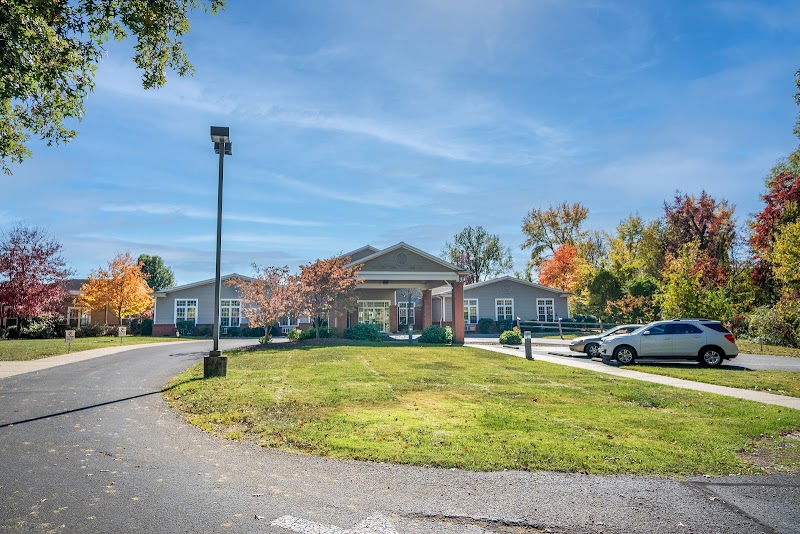
Who Owns and Operates River Bend Nursing And Rehabilitation?

RIVER BEND NURSING AND REHABILITATION is owned by a for-profit company. For-profit facilities operate as businesses with obligations to shareholders or private owners. The facility is operated by ADAMS COUNTY MEMORIAL HOSPITAL, a chain that manages multiple nursing homes. With 113 certified beds and approximately 62 residents (about 55% occupancy), it is a mid-sized facility located in EVANSVILLE, Indiana.
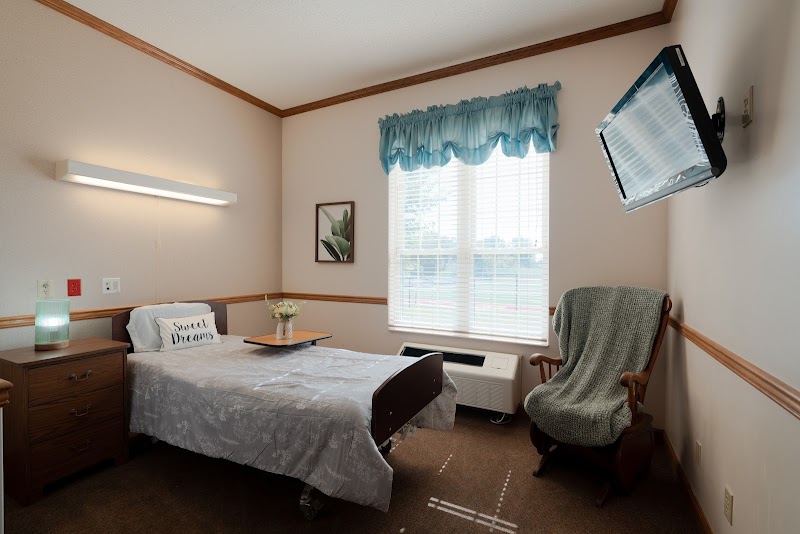
How Does River Bend Nursing And Rehabilitation Compare to Other Indiana Nursing Homes?

Compared to the 100 nursing homes in Indiana, RIVER BEND NURSING AND REHABILITATION's overall rating (1 stars) is below the state average of 3.1, staff turnover (61%) is significantly higher than the state average of 46%, and health inspection rating (1 stars) is much below the national benchmark.

What Should Families Ask When Visiting River Bend Nursing And Rehabilitation?

Based on this facility's data, families visiting should ask: "How do you ensure continuity of care given staff turnover, and what is your staff retention strategy?" "Can you walk me through typical staffing levels on day, evening, and night shifts?" "Can I visit during a mealtime to observe dining assistance and food quality?" "How do you handle medical emergencies, and what is your hospital transfer rate?" These questions are particularly relevant given the facility's high staff turnover rate and the below-average staffing rating.

Is River Bend Nursing And Rehabilitation Safe?

Based on CMS inspection data, RIVER BEND NURSING AND REHABILITATION has a clean safety record: no substantiated abuse findings (meaning no confirmed cases of resident harm), no Immediate Jeopardy citations (the most serious violation level indicating risk of serious injury or death), and is not on the Special Focus Facility watch list (a federal program monitoring the lowest-performing 1% of nursing homes). The facility has a 1-star overall rating and ranks #100 of 100 nursing homes in Indiana. While no facility is perfect, families should still ask about staff-to-resident ratios and recent inspection results during their visit.

Do Nurses at River Bend Nursing And Rehabilitation Stick Around?

Staff turnover at RIVER BEND NURSING AND REHABILITATION is high. At 61%, the facility is 15 percentage points above the Indiana average of 46%. High turnover means new staff may not know residents' individual needs, medications, or preferences. It can also be disorienting for residents, especially those with dementia who rely on familiar faces. Families should ask: What is causing the turnover? What retention programs are in place? How do you ensure care continuity during staff transitions?

Was River Bend Nursing And Rehabilitation Ever Fined?

RIVER BEND NURSING AND REHABILITATION has no federal fines on record. CMS issues fines when nursing homes fail to meet care standards or don't correct problems found during inspections. The absence of fines suggests the facility has either maintained compliance or corrected any issues before penalties were assessed. This is a positive indicator, though families should still review recent inspection reports for the full picture.

Is River Bend Nursing And Rehabilitation on Any Federal Watch List?

RIVER BEND NURSING AND REHABILITATION is not on any federal watch list. The most significant is the Special Focus Facility (SFF) program, which identifies the bottom 1% of nursing homes nationally based on persistent, serious quality problems. Not being on this list means the facility has avoided the pattern of deficiencies that triggers enhanced federal oversight. This is a positive indicator, though families should still review the facility's inspection history directly.