RIVER POINTE HEALTH CAMPUS
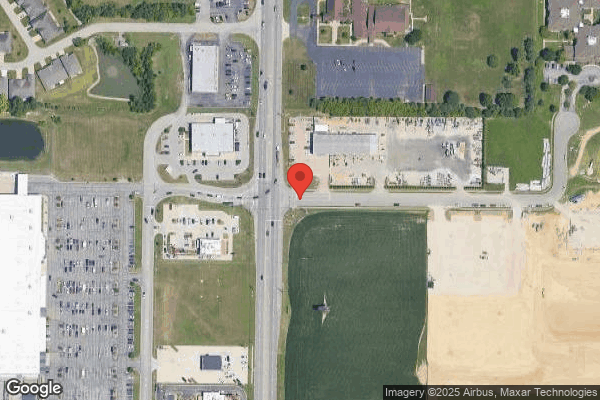
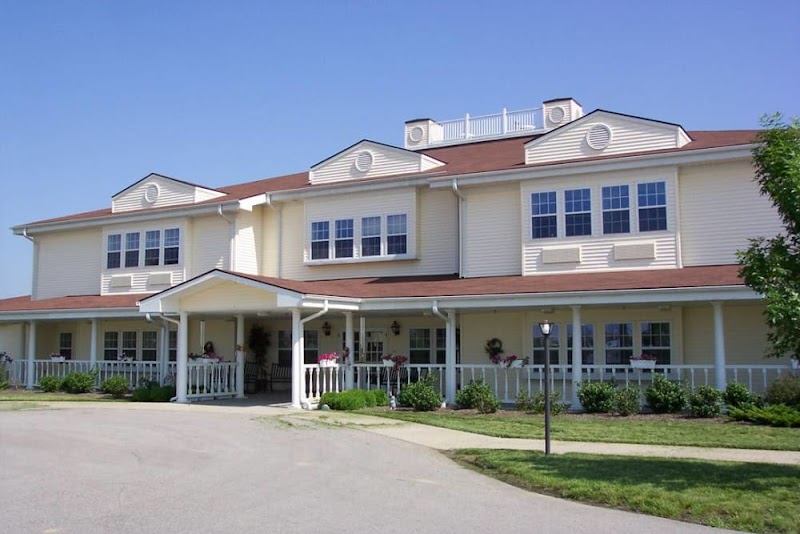
3001 GALAXY DR, EVANSVILLE, IN 47715 (812) 475-2822
Non profit - Corporation 68 Beds TRILOGY HEALTH SERVICES Data: November 2025
Trust Grade
65/100
#180 of 505 in IN
Last Inspection: June 2024

Within standard 12-15 month inspection cycle. Federal law requires annual inspections.

Overview

River Pointe Health Campus in Evansville, Indiana, has a Trust Grade of C+, indicating it is slightly above average but not without issues. It ranks #180 out of 505 facilities in Indiana, placing it in the top half, and #2 out of 17 in Vanderburgh County, meaning only one nearby option ranks higher. Unfortunately, the facility's performance is worsening, with the number of reported issues increasing from 6 in 2023 to 9 in 2024. Staffing is rated 4 out of 5 stars, but a 59% turnover rate is concerning, as it exceeds the state average, which could affect the quality of care. On the positive side, there have been no fines reported, indicating compliance with regulations. However, there are notable weaknesses; for instance, the facility failed to ensure proper storage of medications, with loose pills found in medication carts, and they lacked adequate documentation for vaccine education prior to administering flu shots. Additionally, a serious incident was reported where a resident fell and suffered a femur fracture due to insufficient fall prevention measures. While there are strengths, families should weigh these concerns carefully.

Trust Score
C+
65/100
In Indiana
#180/505
Top 35%
Safety Record
Moderate
Needs review
Inspections
Getting Worse
6 → 9 violations
Staff Stability
⚠ Watch
59% turnover. Above average. Higher turnover means staff may not know residents' routines.
Penalties
✓ Good
No fines on record. Clean compliance history, better than most Indiana facilities.
Skilled Nurses
✓ Good
Each resident gets 51 minutes of Registered Nurse (RN) attention daily — more than average for Indiana. RNs are trained to catch health problems early.
Violations
⚠ Watch
19 deficiencies on record. Higher than average. Multiple issues found across inspections.
★★★★☆
4.0
Overall Rating
★★★★☆
4.0
Staff Levels
★★★★★
5.0
Care Quality
★★★☆☆
3.0
Inspection Score
Stable
2023: 6 issues
2024: 9 issues

The Good

  • 4-Star Staffing Rating · Above-average nurse staffing levels
  • 5-Star Quality Measures · Strong clinical quality outcomes
  • Full Sprinkler Coverage · Fire safety systems throughout facility
  • No fines on record

Facility shows strength in staffing levels, quality measures, fire safety.

The Bad

Staff Turnover: 59%

13pts above Indiana avg (46%)

Frequent staff changes - ask about care continuity

Chain: TRILOGY HEALTH SERVICES

Part of a multi-facility chain

Ask about local staffing decisions and management

Staff turnover is elevated (59%)

11 points above Indiana average of 48%

The Ugly 19 deficiencies on record

1 actual harm
Jun 2024 7 deficiencies
CONCERN (D)

Potential for Harm - no one hurt, but risky conditions existed

Resident Rights (Tag F0550)

Could have caused harm · This affected 1 resident

Based on observation, interview, and record review, the facility failed to ensure dignity was respected for 2 of 2 random observations. (Resident 24, Resident 31) Findings include: 1. On 6/7/24 at 12:...

Read full inspector narrative →
Based on observation, interview, and record review, the facility failed to ensure dignity was respected for 2 of 2 random observations. (Resident 24, Resident 31) Findings include: 1. On 6/7/24 at 12:08 P.M., RN (Registered Nurse) 21 was observed in the dining room assisting Resident 24 to eat lunch. RN 21 was standing. On 6/11/24 at 10:42 A.M., Resident 24's clinical record was reviewed. Diagnoses included, but was not limited to, Parkinson's disease. The most current Quarterly MDS (Minimum Data Set) Assessment, dated 5/29/24, indicated Resident 24 was rarely or never understood and dependent on staff to eat. On 6/12/24 at 9:27 A.M., the DON (Director of Nursing) indicated that staff should sit to assist residents to eat if they required constant assistance. 2. On 6/11/24 at 11:24 A.M., Resident 31 was observed sitting on the toilet with his pants around his ankles. The doors to the bathroom and the hallway were open. Two CNAs (Certified Nurse Aide) were assisting Resident 31 to use the toilet. On 6/12/24 at 8:17 A.M., Resident 31's clinical record was reviewed. Diagnosis included, but was not limited to, Parkinson's disease. The most current Quarterly MDS Assessment, dated 5/4/24, indicated Resident 31 was rarely or never understood and required substantial to maximal assistance of staff (staff does more than half) for toileting On 6/12/24 at 9:27 A.M., the DON indicated staff should provide privacy while assisting a resident to use the toilet. Staff should close one or both doors. On 6/13/24 at 10:34 A.M., the Regional Support Nurse provided a current Resident Rights Guidelines policy, revised on 5/11/17, that indicated Our residents have a right to .privacy .be treated fairly, courteously and with respect by all staff. 3.1-3(a)
CONCERN (D)

Potential for Harm - no one hurt, but risky conditions existed

Deficiency F0554 (Tag F0554)

Could have caused harm · This affected 1 resident

Based on observation, interview, and record review, the facility failed to ensure a resident that required assistance with transferring and moving had an order, evaluation, and care plan for the self ...

Read full inspector narrative →
Based on observation, interview, and record review, the facility failed to ensure a resident that required assistance with transferring and moving had an order, evaluation, and care plan for the self administration of medication based on 1 of 1 residents reviewed for self-administration of medications. Finding includes: On 6/10/24 at 11:30 A.M., a bottle of Refresh brand eye drops and a bottle of Orajel oral pain analgesic were observed on the bedside tray of Resident 15. On 6/10/24 at 2:24 P.M., a bottle of Refresh brand eye drops were observed on the bedside tray of Resident 15. On 6/11/24 at 2:00 P.M., Resident 15's clinical record was reviewed. Diagnoses included, but were not limited to, chronic obstructive pulmonary disease with (acute) exacerbation, emphysema unspecified, and acute and chronic respiratory failure. The current admission MDS (Minimum Data Set) Assessment, dated 5/16/24, indicated Resident 15 was cognitively intact and needed supervision for transferring and moving. Current physician orders lacked an order for eye drops, oral analgesic, and self-administration of medication. On 6/13/24 at 8:50, the Regional Support Nurse provided a copy of Resident 15's Self-Administration of Medication Assessment completed on 6/7/24. The assessment indicated the resident could self-medicate nebulizer treatments, pills after nurse set up, inhaler, and (medication) antacid after nurse set up. The inhaler could be kept at bedside and all others were to be kept at the nurse's station until set up. During an interview on 6/13/24 at 10:07 A.M., the DON (Director of Nursing) indicated a resident was expected to have a care plan and an order if the resident self-medicated. During an interview on 6/13/24 at 10:25 A.M., the DON indicated there was no care plan for self-administration of medication for Resident 15. On 6/13/24 at 10:20 A.M., the DON provided a current Guidelines for the Self-Administration of Medications policy, dated 12/31/23. The policy indicated . the results of the assessment will be presented to the physician for evaluation and an order for self-medication. The order should include the type of medications the resident is able to self-medicate . 3.1-11(a)
CONCERN (D)

Potential for Harm - no one hurt, but risky conditions existed

Notification of Changes (Tag F0580)

Could have caused harm · This affected 1 resident

Based on observation, interview, and record review, the facility failed to notify the attending physician for 1 of 1 residents reviewed for skin conditions. The physician was not notified of new skin ...

Read full inspector narrative →
Based on observation, interview, and record review, the facility failed to notify the attending physician for 1 of 1 residents reviewed for skin conditions. The physician was not notified of new skin tears and orders for wound care were not obtained. (Resident 31) Finding includes: On 6/7/24 9:54 A.M., Resident 31 was observed to have two dressings on his left arm. On 6/10/24 at 12:54 P.M., a family member indicated Resident 31 had skin tears on his left arm due to shearing from the wheelchair. On 6/12/24 at 8:17 A.M., Resident 31's clinical record was reviewed. Diagnoses included, but were not limited to, Parkinson's disease and Alzheimer's disease. The most current Quarterly MDS (Minimum Data Set) Assessment, dated 5/4/24, indicated Resident 31 was rarely or never understood, required substantial to maximal assistance (staff does more than half) for transfers, and did not have any skin conditions or issues. The clinical record lacked physician orders, care plans, assessments, and an Event form related to the two wounds on Resident 31's left arm. On 6/12/24 at 8:59 A.M., the Wound Nurse indicated Resident 31 had two skin tears on his left arm that she found during a skin assessment on 6/3/24. When she found them, they had steri-strips on them and she changed the dressing at that time to a foam border. She was unsure how he got the skin tears and who applied the steri-strips. She monitored the skin tears and changed the dressings every 5 days. At that time, she was unable to find orders related to the skin tears on the resident's left arm. She indicated she must have forgotten to put an event into the chart and had been monitoring the skin tears on her own. On 6/13/24 at 8:50 A.M., the Regional Support Nurse provided a current Comprehensive Care Plan Guideline policy, dated 5/22/18, that indicated Acute problems that arise with the resident and are expected to be resolved within a short time frame will be addressed on the Event form specific for that problem. On 6/13/24 at 9:20 A.M., the Regional Support Nurse provided a current Bruise, Rash, Lesion, Skin Tear, Laceration Assessment Guidelines policy, dated 5/10/16, that indicated Complete one event for each Skin Tear/Laceration. On 6/13/24 at 10:34 A.M., the Regional Support Nurse provided a Notification of Change in Condition policy, dated 5/10/16, that indicated The resident's representative/provider should be notified of change in condition or diagnostic testing results in a timely manner . Documentation of notification or notification attempts should be recorded in the resident's electronic health record. On 6/13/24 at 10:38 A.M., the Regional Support Nurse indicated a timely manner would be within the shift. 3.1-5(a)(3)
CONCERN (D)

Potential for Harm - no one hurt, but risky conditions existed

Comprehensive Care Plan (Tag F0656)

Could have caused harm · This affected 1 resident

Based on observation, interview, and record review, the facility failed to develop and implement care plans for 1 of 2 residents reviewed for ADLs (Activities of Daily Living) and 1 random observation...

Read full inspector narrative →
Based on observation, interview, and record review, the facility failed to develop and implement care plans for 1 of 2 residents reviewed for ADLs (Activities of Daily Living) and 1 random observation. (Resident 31, Resident 15) Findings include: 1. On 6/10/24 at 12:54 P.M., a family member indicated staff transferred Resident 31 by grasping on to his shoulders which caused the resident pain. A gait belt was used while the resident was at home, but staff do not use the gait belt at the facility. On 6/11/24 at 11:24 A.M., Resident 31 was observed sitting on the toilet with CNA (Certified Nurse Aide) 3 and CNA 5 assisting him. The resident did not have a gait belt around his torso. At that time, the CNAs could not locate the gait belt and asked, where's the gait belt. The CNAs located a gait belt and transferred the resident from the toilet to his wheelchair. At that time, a family member indicated Oh. They are using the gait belt this time. On 6/12/24 at 8:17 A.M., Resident 31's clinical record was reviewed. Diagnoses included, but were not limited to, Parkinson's disease and Alzheimer's disease. The most current Quarterly MDS (Minimum Data Set) Assessment, dated 5/4/24, indicated Resident 31 was rarely or never understood and required substantial to maximal assistance (staff does more than half) with toilet transfers. A decline in functional status care plan, dated 10/17/23, indicated Resident 31 required assistance of 2 for transfers. Current physician's orders included, but were not limited to, the following: Activity: Assist x 2 for transfers, dated 10/17/23 A nursing progress note, dated 5/21/24 at 12:19 P.M., indicated that family noted bruising on the resident's bilateral upper arms that were reddish purple in color which might have happened during 2 person transfers. Hospice was made aware of the bruising and staff were encouraged to use a gait belt with transfers. On 6/12/24 at 9:27 A.M., the DON (Director of Nursing) indicated if a resident required assistance of 2 staff for transfers, a gait belt should be used. 2. On 6/10/24 at 11:30 A.M., a bottle of (Name of medication) eye drops and a bottle of (Name of medication) oral analgesic was observed on the bedside tray of Resident 15. On 6/10/24 at 2:24 P.M., a bottle of (Name of medication) eye drops was observed on the bedside tray of Resident 15. On 6/11/24 at 2:00 P.M., Resident 15's clinical record was reviewed. Diagnoses included, but were not limited to, chronic obstructive pulmonary disease with (acute) exacerbation, emphysema unspecified, and acute and chronic respiratory failure. The current admission MDS (Minimum Data Set) Assessment, dated 5/16/24, indicated Resident 15 was cognitively intact and needed supervision for transferring and moving. The clinical record lacked orders and a care plan for self-administration of medication. On 6/13/24 at 8:50, the Regional Support Nurse provided a copy of Resident 15's Self-Administration of Medication Assessment completed on 6/7/24. During an interview on 6/13/24 at 10:07 A.M., the DON (Director of Nursing) indicated a resident was expected to have a care plan and an order if resident self-medicated. During an interview on 6/13/24 at 10:25 A.M., the DON indicated there was no care plan for self-administration of medication for Resident 15. On 6/12/24 at 9:52 A.M., the DON provided a Caregiver New Hire Checklist, dated 3/22/23, that indicated all CNAs were trained on the use of gait belts upon hire to the facility. On 6/12/24 at 9:52 A.M., the DON provided a current Guidelines for Gait Belt Use policy, dated 5/10/17, that indicated If a resident requires more than limited assists and does not require a lift, a gait belt may be used with transfers. On 6/13/24 at 8:50 A.M., the Regional Support Nurse provided a current Comprehensive Care Plan Guideline policy, dated 5/22/18, that indicated Care plan interventions should be reflective of risk area(s) or disease processes that impact the individual resident . Comprehensive care plans need to remain accurate and current. On 6/13/24 at 10:20 A.M., the DON provided a current policy Guidelines for the Self-Administration of Medications dated 12/31/23. The policy indicated there should be a .Self- Medication plan of care initiated and updated as indicated . 3.1-35(a) 3.1-35(b)(2)
CONCERN (D)

Potential for Harm - no one hurt, but risky conditions existed

Infection Control (Tag F0880)

Could have caused harm · This affected 1 resident

**NOTE- TERMS IN BRACKETS HAVE BEEN EDITED TO PROTECT CONFIDENTIALITY** 2. On 6/11/24 at 11:24 A.M., CNA (Certified Nurse Aide) 3 and CNA 5 were observed assisting Resident 31 to use the toilet. CNA 3...

Read full inspector narrative →
**NOTE- TERMS IN BRACKETS HAVE BEEN EDITED TO PROTECT CONFIDENTIALITY** 2. On 6/11/24 at 11:24 A.M., CNA (Certified Nurse Aide) 3 and CNA 5 were observed assisting Resident 31 to use the toilet. CNA 3 and CNA 5 had on gloves. The resident was assisted to stand. CNA 3 wiped the resident's buttocks with toilet paper and pulled up his pants. At that time, CNA 3 did not change her gloves. CNA 3 retrieved the resident's wheelchair from outside the bathroom. CNA 3 and CNA 5 transferred the resident to his wheelchair. CNA 3 cleaned up the bathroom and emptied the trash and then removed her gloves. On 6/12/24 at 11:37 A.M., the DON (Director of Nursing) indicated staff should change their gloves after cleaning a resident and between dirty and clean tasks. Based on observation and interview, the facility failed to ensure staff were following proper infection control protocols during 3 of 3 random observations. Staff were not changing gloves after performing care and were entering and exiting Enhanced Barrier Protection (EBP) rooms without donning and doffing Proper Protective Equipment (PPE). (Resident room [ROOM NUMBER]-unit, Resident 31, Resident 19) Findings include: 1. On 6/12/24 at 8:50 A.M., during a random observation of toileting, CNA (Certified Nurse's Aide) 25 was observed touching a resident's clothes without changing gloves after performing care. 3. On 6/14/24 at 9:30 A.M., Certified Nurse Aide (CNA) 3 and CNA 5 were observed to enter Resident 19's room. At that time, a sign on the outside of the door indicated the resident was on enhanced barrier precautions (EBP) and required staff to put on a gown and gloves when providing care and making direct contact with the resident. Resident 19 indicated to both CNAs that he wanted to be adjusted in the bed. CNA 3 and CNA 5 were observed from the hall to assist the resident to adjust in the bed without putting on gloves or a gown. After the aides left the room, Resident 19 indicated the aides did not put on a gown or gloves when providing care for him. On 6/10/24 at 1:57 P.M., Resident 19's clinical record was reviewed. Diagnosis included, but was not limited to, obstructive uropathy and renal insufficiency. The most recent Quarterly MDS (Minimum Data Set) Assessment, dated 4/29/24, indicated a mild cognitive impairment, substantial to maximal assistance with bed mobility, and no behaviors or rejection of care. Current physician orders included, but were not limited to: Staff to use enhanced barrier precautions, wearing a gown and gloves at minimum during high-contact care activities (related to urinary catheter), dated 4/3/24. A current enhanced barrier precautions care plan, dated 4/1/24, indicated EBP was required during high-contact care related to presence of an indwelling catheter. On 6/11/24 at 1:06 P.M., the Director of Nursing (DON) provided a current EBP policy, dated 4/1/24, that indicated Personal Protective Equipment (PPE) should be used even if blood and body fluid exposure is not anticipated . At minimum, staff shall wear gloves and gowns during high-contact care activities. On 6/13/24 at 10:20 A.M., the DON (Director of Nursing) provided a current Standard Precautions Guidelines policy revised on 12/31/23. The policy indicated .Standard precautions include a group of infection prevention practices that apply to all patients, regardless of suspected or confirmed infection status, in any setting in which healthcare is delivered .standard precaution include but are not limited to hand hygiene, .the proper use of PPE (example gloves, gown,) .in addition to proper hand hygiene, it is important for staff to use appropriate protective equipment as a barrier to exposure to any body fluids (whether known to be infected or not) . 3.1-18(b) 3.1-18(j) 3.1-18(l)
CONCERN (E)

Potential for Harm - no one hurt, but risky conditions existed

Deficiency F0761 (Tag F0761)

Could have caused harm · This affected multiple residents

Based on observation, interview, and record review, the facility failed to ensure proper storage of medications for 1 of 2 medication carts observed and 2 of 2 medication storage rooms observed. Loose...

Read full inspector narrative →
Based on observation, interview, and record review, the facility failed to ensure proper storage of medications for 1 of 2 medication carts observed and 2 of 2 medication storage rooms observed. Loose pills were observed in a medication cart, a medication refrigerator was observed propped open with a temperature out of range, and medication refrigerator temperature logs were not filled out completely. (300 Hall Medication Cart, 300 Hall Medication Storage Room, 400 Hall Medication Storage Room) Findings include: 1. On 6/7/24 at 9:38 A.M., the 300 Medication Cart was observed with the following loose pills: 1 oblong yellow pill with marking 151 1 white round pill with marking D5 1 clear gel capsule with no markings 1 round yellow pill with marking RP101 3 round yellow pills with marking G127 1 round white pill with marking GC422 4 round brown pills with marking 08075 1 round pink pill with marking RP101 2 round white pills with no marking 1 oblong cream pill with marking J75 1 oblong white pill with marking KCM20 1 oblong lavender pill with no marking 1 round white pill with marking 502 1 round pink pill with marking 20 on one side and CUP/N on the other side 1 round peach pill with marking 1717 1 round red pill with no marking 2 blue half pills with no marking 1 round white pill with marking RX52B 1 round pink pill with marking L26 1 off-white capsule with no marking 1 white capsule with marking 216 1 oblong white pill with marking VF on one side and 41 on the other side 1 round white pill with marking 500 At that time, Registered Nurse (RN) 21 indicated nursing staff was responsible for cleaning the medication carts. 2. On 6/7/24 at 9:52 A.M., the 400 Hall Medication Storage Room was observed. The medication refrigerator was observed cracked open and the temperature reading on the inside of the refrigerator was 54 degrees Fahrenheit. At that time, a sign was observed posted on the outside of the refrigerator that indicated temperatures should be kept between 36 and 46 degrees Fahrenheit. The temperature log at that time was observed to be not filled out from June 1st through the 4th. On 6/7/24 at 2:00 P.M., the 400 Hall Medication Storage Room was observed with the medication refrigerator reading 34 degrees Fahrenheit. RN 9 indicated the temperature was too low and adjusted it. 3. On 6/7/24 at 10:02 A.M., the 300 Hall Medication Storage Room was observed. The most recent temperature log that was posted was dated May 2024 and lacked temperatures on 5/28/24, 5/29/24, and 5/30/24. A current month temperature log was not posted. At that time, the Unit Manager indicated there should have been a temperature log for June posted and would look for it and provide it. The June temperature log was not provided. The following medications were observed sitting on a shelf in the 300 Hall Medication Storage Room cabinet: 1 bottle of bisacodyl 5mg with no label and expiration date of 5/23 1 bottle of glucose tabs with no date or label 1 bottle of escitalopram 5mg, belonging to Resident 10 1 bottle of amlodipine 10mg, belonging to Resident 10 4 bottles of glimepiride 4mg, belonging to Resident 10 2 bottles of PreserVision AREDS with no label At that time, the Unit Manager indicated Resident 10 had come to that unit from the Assisted Living side of the facility and had probably brought those medications with her. She indicated the medications should have been disposed of, and any nurse that observed them in the medication storage room could have done it. On 6/10/24 at 11:21 A.M., the Administrator provided a current Medication Storage in the Facility policy, dated 11/18, that indicated Medications and biologicals are stored safely, securely, and properly, following manufacturer's recommendations or those of the supplier . Medications and biologicals are stored at their appropriate temperatures and humidity according to the United States Pharmacopeia guidelines for temperature ranges . Medications requiring refrigeration are kept in a refrigerator at temperatures between 2°C (36°F) and 8°C (46°F) . The Facility should maintain a temperature log in the storage area to record temperature at least once a day. On 6/11/24 at 1:17 P.M., the Director of Nursing (DON) provided a current Disposal of Medications and Medication-Related Supplies policy, dated 11/18, that indicated Discontinued medications and medications left in the facility after a resident's discharge, which do not qualify for return to the pharmacy for credit, should be destroyed, given to the appropriate family member/responsible party, or returned to the pharmacy for destruction where permitted by regulations. 3.1-25(m) 3.1-25(o)
CONCERN (E)

Potential for Harm - no one hurt, but risky conditions existed

Deficiency F0883 (Tag F0883)

Could have caused harm · This affected multiple residents

Based on interview and record review, the facility failed to ensure education was provided prior to administering flu vaccines for 5 of 5 residents reviewed for vaccines. (Resident 27, Resident 12, Re...

Read full inspector narrative →
Based on interview and record review, the facility failed to ensure education was provided prior to administering flu vaccines for 5 of 5 residents reviewed for vaccines. (Resident 27, Resident 12, Resident 12, Resident 29, Resident 30) Findings include: On 6/10/24 at 8:41 A.M., resident vaccine information was reviewed for the following residents: 1. Resident 27 received a flu vaccine on 10/4/23. The clinical record lacked information about education provided to the resident and/or resident representative prior to administering the vaccine. 2. Resident 13 received a flu vaccine on 10/4/23. The clinical record lacked information about education provided to the resident and/or resident representative prior to administering the vaccine. 3. Resident 12 received a flu vaccine on 10/4/23. The clinical record lacked information about education provided to the resident and/or resident representative prior to administering the vaccine. 4. Resident 29 received a flu vaccine on 10/4/23. The clinical record lacked information about education provided to the resident and/or resident representative prior to administering the vaccine. 5. Resident 30 received a flu vaccine on 10/4/23. The clinical record lacked information about education provided to the resident and/or resident representative prior to administering the vaccine. On 6/12/24 at 10:37 A.M., the Director of Nursing (DON) indicated she had administered the flu vaccines this season and was unaware that education for the flu vaccine was needed annually prior to administration. On 6/7/24 at 2:00 P.M., the Administrator provided a current Influenza Immunization policy, dated 4/12/17, that indicated Each resident/responsible party will be provided annually with information regarding the risk and benefits of influenza vaccine and receive the immunization per their request, unless medically contraindicated. 3.1-13(a)
Feb 2024 2 deficiencies
CONCERN (D) 📢 Someone Reported This

A family member, employee, or ombudsman was alarmed enough to file a formal complaint

Potential for Harm - no one hurt, but risky conditions existed

Notification of Changes (Tag F0580)

Could have caused harm · This affected 1 resident

**NOTE- TERMS IN BRACKETS HAVE BEEN EDITED TO PROTECT CONFIDENTIALITY** Based on interview and record review, the facility failed to notify the residents representative for 1 of 3 falls reviewed. A re...

Read full inspector narrative →
**NOTE- TERMS IN BRACKETS HAVE BEEN EDITED TO PROTECT CONFIDENTIALITY** Based on interview and record review, the facility failed to notify the residents representative for 1 of 3 falls reviewed. A resident's representative was not notified of a fall until the next day. ( Resident B) Finding includes: On 2/26/27 at 9:43 a.m., Resident B's clinical record was reviewed. Diagnoses included, but were not limited to, fracture of unspecified part of neck of left femur, subsequent encounter for closed fracture with routine healing (primary, admission), unspecified dementia, unspecified severity, without behavioral disturbance, psychotic disturbance, mood disturbance. An admission MDS (Minimum Data Set) assessment dated [DATE], indicated Resident B's cognition was moderately impaired, toileting dependent, sit to stand substantial. Resident B no longer resided at the facility. Care plans were reviewed and included, but were not limited to Resident is at risk for falling r/t fall history, impaired mobility . start date 11/29/23. Progress notes were reviewed and included, but were not limited to: 1/9/24 at 11:15 p.m., pt had call light on, staff entered room and pt was sliding off bed holding onto call light in his attempt to bo (sic) to the bathroom by himself. ROM (range of motion) normal all extremities. Assisted per 2 to toilet then to bed. Neurochecks initiated. Encouraged pt to call for help when transferring. 1/9/24 at 11:53 p.m., MD notified of fall. A progress note dated 1/10/24 at 12:11 a.m., included but was not limited to: Pain severity and location : How does Resident rate their pain from 1-10 2 Resident describes pain as:: Aching Does resident display non-verbal signs of pain ? Yes Non-verbal signs of pain: Facial grimaces/winces-furrowed brow, narrowed eyes, clenched teeth, tightened lips, jaw drop/distorted expressions. What alleviated pain ?: Medication, rest Teaching and Training provided :: Fall prevention and safety management. Exacerbation of symptoms, when to call the physician . The EMAR (Electronic Medication Administration Record) was reviewed for 1/9/24-1/10/24 and included, but was not limited to: hydrocodone -acetaminophen (pain medication) 7.5-325 mg amount to administer 1 tablet oral every 6 hours prn (as needed ) was given at 1:37 a.m., on 1/10/24, pain location butt, pain scale 4. 1/10/24 at 7:20 a.m., Was called to room [ROOM NUMBER]. Resident was in w/c. PT was here to take down for therapy. Resident slump in w/c. Color was pale pulse was not present. Got resident in bed and applied o2 and V/s were taken. Pupils were pinpoint. Son [name ] was notified and return called to keep resident comfortable and he would be here. Not to send resident out. [name] daughter arrived before [name]. Staff was monitor v/s and keeping family informed. 1/10/24 at 3:05 p.m., Residents family at bedside et requesting resident be sent out to [name of hospital] ED (emergency department) for eval et trt (treat) re: c/o strong pains with Lt. femur. Called Dr.[name] office et. received order to send to to [name of hospital] ED for eval et trt. re: c/o pains with Lt. Femur upon any movement or touch. Called [name ] for transportation to [name of hospital ] ED. On 2/27/24 at 9:11 a.m.,, the DON indicated the nurse on duty when Resident B fell was going to call the family and inform them of the fall in the morning because it was late at night and no injuries were found, he became unresponsive in the morning and the son was called, she thought the son's wife came in first. On 2/27/24 at 11:02 a.m., the DON provided the current policy on fall management program guidelines with an effective date of 5/31/17 and a review date of 12/31/23. The policy included, but was not limited to, .3. The attending physician or medical director in the absence of the attending physician and the responsible party should be notified . This citation relates to Complaint IN00428144. 3.1-5(a)(1)
CONCERN (D) 📢 Someone Reported This

A family member, employee, or ombudsman was alarmed enough to file a formal complaint

Potential for Harm - no one hurt, but risky conditions existed

Comprehensive Care Plan (Tag F0656)

Could have caused harm · This affected 1 resident

**NOTE- TERMS IN BRACKETS HAVE BEEN EDITED TO PROTECT CONFIDENTIALITY** Based on observation, interview, and record review, the facility failed to follow the plan of care for 1 of 3 residents reviewed...

Read full inspector narrative →
**NOTE- TERMS IN BRACKETS HAVE BEEN EDITED TO PROTECT CONFIDENTIALITY** Based on observation, interview, and record review, the facility failed to follow the plan of care for 1 of 3 residents reviewed for falls. A resident was assisted by one staff instead of two to transfer. (Resident C) Finding includes: On 2/26/24 at 11:28 a.m., Resident C's clinical record was reviewed. Diagnoses included, but were not limited to, Parkinson's disease, Alzheimer's disease, repeated falls. A Quarterly MDS (Minimum Data Set) assessment dated [DATE], indicated Resident C's cognition was impaired, toileting hygiene dependent, sit to stand substantial/maximal assist, chair/bed to chair : the ability to transfer to and from bed to a chair (or wheelchair) substantial/maximal assist. Care plans were reviewed and included, but were not limited to: Profile care guide: Goal : To communicate resident care needs. Approaches included, but were not limited to: Transfers: assist x 2, start date 10/17/23. Current physicians orders for February 2024 were reviewed and include, but were not limited to: , Activity: assist x 2 for transfers, start date 10/17/23. Progress notes were reviewed and included, but were not limited to: 2/3/24 at 12:06 a.m., [recorded as late entry on 2/3/24 12:07 a.m.], resident was assisted to floor after loosing (sic) his balance around 2130 on 2/2/24, poa (power of attorney) and md made aware. no injures noted or reported. 2/3/24 at 7:47 p.m., continues monitoring for assisted fall. no injures noted. denies pain or discomfort. VS WNL. will continue to monitor. 2/5/24 at 9:40 a.m., IDT : Resident being assisted transferred from wheelchair to toilet seat. Wheelchair footrest fell forward onto residents ankle causing resident to lose balance. Resident was assisted by staff member onto floor. No injuries noted. Vitals WNL. MD and family aware. Root cause: loosening of footrest on wheelchair. Intervention: assess wheelchair and notify hospice of any adjustments needed. 2/14/24 at 6:18 p.m., CAR: Resident placed in CAR (Comprehensive Assessment Review) monitoring for recent assisted fall when Broda chair footrest engaged forward bumping resident leg causing him to lose balance. Hospice to have Broda chair evaluated to assure footrests engage properly. Continues to transfer with assist of one. Propelled per staff and family. Plan of care monitored for effectiveness. The CAR note did not include the use of two assist for transfer as identified on the current care plan. On 2/27/24 at 9:12 a.m., the DON indicated the profile care guide on the care plans, is communication for the CNA's on residents needs. On 2/27/24 at 9:28 a.m., Resident C was observed to be transferred from his Broda chair to bed by CNA 1 and CNA 2. CNA 1 and CNA 2 indicated Resident C was a two assist for all transfers. On 2/27/24 at 10:41 a.m., the DON indicated CNA 3 was transferring Resident C by herself when he was lowered to the bathroom floor, fall interventions are on the resident care assist profile on the kiosk. On 2/27/24 at 11:02 a.m., the DON provided the current policy for comprehensive care plan guidelines with an effective date of 5/22/18. The policy included, but was not limited to: Purpose : To ensure appropriateness of services and communication that will meet the resident's needs, severity/stability of conditions, impairment, disability, or disease in accordance with state and federal guidelines .4. Pertinent care plan approaches are communicated to the nursing staff per the 24-hour CRCA (Certified Resident Care Associate/ Certified Nurse Aide) assignment or the care tracker profile dependent on campus preference . On 2/27/24 at 11:02 a.m., the DON provided the current policy on fall management guidelines with an effective date of 5/31/17 and a review date of 12/31/23. The policy include, but was not limited to: .b. care plan interventions should be implemented that address the resident's risk factors . This citation relates to Complaint IN00428144. 3.1-35(a)
May 2023 1 deficiency
CONCERN (D) 📢 Someone Reported This

A family member, employee, or ombudsman was alarmed enough to file a formal complaint

Potential for Harm - no one hurt, but risky conditions existed

Deficiency F0602 (Tag F0602)

Could have caused harm · This affected 1 resident

**NOTE- TERMS IN BRACKETS HAVE BEEN EDITED TO PROTECT CONFIDENTIALITY** Based on interview and record review, the facility failed to ensure a resident was free from misappropriation of their property ...

Read full inspector narrative →
**NOTE- TERMS IN BRACKETS HAVE BEEN EDITED TO PROTECT CONFIDENTIALITY** Based on interview and record review, the facility failed to ensure a resident was free from misappropriation of their property for 1 of 4 residents reviewed for misappropriation. Narcotics were unaccounted for. (Resident B) Finding includes: On 5/17/23 at 10:00 A.M., facility reported incident reports were reviewed. An incident report dated 5/4/23 indicated Facility unable to locate Norco 7.5/325 mg [milligram] [a narcotic pain medication] belonging to resident [resident name]. Facility immediately initiated investigation. Resident [resident name] had no adverse affects noted due to having current supply of pain medication . On 5/18/23 at 7:30 A.M., Resident B's clinical record was reviewed. Resident B was admitted [DATE]. Diagnosis included, but were not limited to, multiple rib fractures. The most recent admission MDS (minimum data set) Assessment, dated 4/20/23, indicated Resident B was cognitively intact, and received scheduled and PRN (as needed) pain medication. Physician orders included, but were not limited to: hydrocodone-acetaminophen (Norco, a narcotic pain medication) 7.5-325 mg 1 tablet every 4 hours PRN, dated 4/14/23. Lidocaine adhesive patch (pain patch) 4%, 1 patch to right ribs once a day, dated 4/24/23 Resident B's electronic MAR (medication administration record) from 4/14/23 (admission date) through 5/18/23 indicated the following dates Norco was administered: 4/15/23 (1 dose) 4/16/23 (1 dose) 4/17/23 (1 dose) 4/22/23 (1 dose) 4/23/23 (1 dose) 4/27/23 (1 dose) 4/28/23 (1 dose) 4/29/23 (1 dose) 5/5/23 (1 dose) 5/8/23 (1 dose) On 5/18/23 at 8:04 A.M., the narcotic binder on the 600 Hall (Resident B's hall) was reviewed from April and May 2023. The binder indicated one empty medication card was removed from the medication card for Resident B on 5/9/23 that had contained Norco 7.5 mg. The card tracking sheet lacked information that any narcotic had been added to the medication cart at any time during Resident B's residency at the facility. The narcotic count sheets were reviewed from 4/29/23 through 5/18/23 and indicated the following dates and times a narcotic count was not completed by staff at change of shift: 4/29/23 at 2:00 P.M. 4/30/23 at 2:00 P.M. and lacked other documentation until 6:00 A.M. the following morning 5/1/23 unreadable after 6:00 P.M. 5/2/23 at 10:00 P.M. 5/3/23 at 10:00 P.M. 5/4/23 at 6:00 P.M. with no signature from incoming nurse at 6:00 A.M. 5/10/23 at 10:00 P.M. 5/11/23 at 10:00 P.M. 5/12/23 at 6:00 P.M. 5/15/23 at 6:00 A.M. 5/16/23 at 10:00 A.M. 5/17/23 at 6:00 P.M. At that time, QMA (Qualified Medication Aide) 5 indicated those were all of the sign-in sheets for staff from April and May 2023. The Controlled Drug Use Record indicated Resident B received Norco on the following dates: 4/20/23 (1 dose) - not indicated on resident's MAR 4/21/23 (1 dose) - not indicated on resident's MAR 4/22/23 (1 dose) 4/23/23 (2 doses) 4/24/23 (2 doses) - not indicated on resident's MAR 4/25/23 (2 doses) - not indicated on resident's MAR 4/26/23 (2 doses) - not indicated on resident's MAR 4/27/23 (1 dose) 4/28/23 (3 doses) 4/29/23 (1 dose) 4/30/23 (1 dose) - not indicated on resident's MAR 5/1/23 (3 doses) - not indicated on resident's MAR 5/2/23 (2 doses) - not indicated on resident's MAR 5/3/23 (2 doses) - not indicated on resident's MAR 5/5/23 (1 dose) 5/6/23 (1 dose) - not indicated on resident's MAR 5/8/23 (2 doses) 5/9/23 (3 doses) - not indicated on resident's MAR 5/10/23 (3 doses) - not indicated on resident's MAR 5/11/23 (2 doses) - not indicated on resident's MAR 5/13/23 (1 dose) - not indicated on resident's MAR 5/14/23 (2 doses) - not indicated on resident's MAR 5/16/23 (2 doses) - not indicated on resident's MAR 5/17/23 (3 doses) - not indicated on resident's MAR On 5/18/23 at 9:37 A.M., a police report, dated 5/5/23, was reviewed and indicated on 5/4/23 a medication (hydrocodone 7.5-325 mg) quantity 30 was lost from the facility belonging to Resident B. During an interview on 5/18/23 at 7:54 A.M., Resident B indicated was in the facility due to broken ribs and pain. Resident B indicated while in the facility, had received pain pills and a pain patch. Resident B indicated did not ask for pain pills every day due to having a pain patch that took care of most of the pain. During an interview on 5/18/23 at 7:59 A.M., QMA 5 indicated a count of all narcotic medications should be completed by staff at every shift change, and should be signed off by the off-going staff as well as the on-coming staff in the narcotic medication binder located on the medication cart. QMA 5 indicated any time a resident was given a narcotic pain medication, the staff administering the medication should be signing off on the narcotic binder as well as the resident's electronic MAR that it was given. QMA 5 indicated when a new narcotic medication was received or when a medication was finished, staff should write it on the back of the sign sheet in the narcotic binder. During an interview on 5/18/23 at 8:22 A.M., the Director of Nursing (DON) indicated while making rounds on 5/5/23, the QMA on the 600 Hall requested assistance with medications. While the QMA was going through the narcotic binder, a folded paper came out of it. Upon review, the folded paper was a narcotic count sheet for Norco belonging to Resident B. At that time, the DON began a search for the medication card that would have come with the narcotic count sheet, but it could not be located. The DON indicated all other medication carts and medication storage rooms were searched, then the Administrator was notified when the medications could not be located. The DON indicated there was documentation that the medication was delivered from the pharmacy on 4/23/23, and all staff that had the medication cart keys were interviewed but no one recalled the medications being in the building that day. The DON indicated drug testing was completed for all staff that had access to the medication cart keys with all negative results and a police report was initiated. The DON indicated she thought a staff member might have dropped the missing medication card into the medsafe (a locked medication container) but had no way of looking inside to be sure. During an interview on 5/18/23 at 9:10 A.M., the DON indicated prior to 4/20/23, Resident B's medications came from the med bank because the pharmacy had not sent her medications cards yet, and all medications that were given could be viewed on the med bank documentation. At that time, the DON indicated staff was supposed to sign off on narcotic medications given in the resident's electronic MAR as well as in the binder, but sometimes the nurses were not very good at signing off for medications given in the resident's MAR. The med bank documentation for Resident B indicated Norco was administered once on 4/14/23 and once on 4/15/23. During an interview on 5/18/23 at 9:52 A.M., the Lead Pharmacist indicated when delivering narcotic pain medications, the receiving staff at the facility would sign off that they were received and keep a copy, as well as the delivery driver. The delivery driver would also sign in their own electronic system that it was delivered. At that time, she indicated RN (Registered Nurse) 7 was the staff member that signed off on receiving the medication for Resident B on 4/23/23. During an interview on 5/18/23 at 12:30 P.M., the DON indicated RN 7 was on the 600 Hall (Resident B's hall) at the time Resident B's medication went missing, and signed for the medication the day it was delivered early that morning. She indicated she had spoken with RN 7 about the medication missing, and RN 7 did not recall what had been done with the medication. On 5/18/23 at 9:37 A.M., a current abuse, neglect, and exploitation policy, reviewed 12/31/22, indicated [Company name] has developed and implemented processes, which strive to ensure the prevention and reporting of suspected or alleged resident abuse and neglect . [company name] as implemented processes in an effort to provide a comfortable and safe environment . and to be free from abuse, neglect, exploitation, and misappropriation of property. 3.1-28(a)
Mar 2023 5 deficiencies
CONCERN (D)

Potential for Harm - no one hurt, but risky conditions existed

Deficiency F0554 (Tag F0554)

Could have caused harm · This affected 1 resident

**NOTE- TERMS IN BRACKETS HAVE BEEN EDITED TO PROTECT CONFIDENTIALITY** 2. On 3/13/23 at 11:46 A.M., Resident 12 was observed sitting in his wheelchair eating breakfast at the table in his room. At th...

Read full inspector narrative →
**NOTE- TERMS IN BRACKETS HAVE BEEN EDITED TO PROTECT CONFIDENTIALITY** 2. On 3/13/23 at 11:46 A.M., Resident 12 was observed sitting in his wheelchair eating breakfast at the table in his room. At that time, a box with a prescription label indicating diclofenac sodium 1% topical gel (gel prescribed to rub on joints to relieve pain from arthritis) was observed laying on his bedside table and the resident indicated that he used it and staff were aware he had it at bedside. On 3/16/23 at 8:53 A.M., Resident 12's clinical record was reviewed. Diagnoses included, but were not limited to, Parkinson's disease, diabetes mellitus type II, and cellulitis of left lower limb. The most current admission MDS Assessment, dated 2/27/23, indicated resident was cognitively intact and was an extensive assist of 1 (one) staff member for transferring. Resident 12's clinical record lacked physician's orders for diclofenac sodium 1% gel and self administering medications, a self administering medications care plan, and a self administering medication assessment. On 3/17/23 at 9:28 A.M., Resident 12 was observed in his room with the same box of diclofenac sodium 1% topical gel on his bedside table. The prescription label indicated fill date was 1/30/23. At that time, Resident 12 indicated that staff was aware that he used it when he needed it. During an interview on 3/17/23 at 10:35 A.M., RN (Registered Nurse) 23 indicated she was not aware of diclofenac gel at Resident 12's bedside. At that time, she indicated she didn't think he had an order for it, was not sure where he got it, and he was not able to self administer medications. On 3/20/23 at 9:55 A.M., RN 18 indicated she was not sure what Resident 12 used the diclofenac gel for but it was usually prescribed to use topically (on surface of body) for pain. She further indicated the staff found the box in his drawer after they were made aware he had it at bedside and it had been removed. 3. On 3/14/23 at 9:30 A.M., Resident 161 was observed sitting in her room with a medicine cup containing 6 (six) pills, a small cup of applesauce with a spoon, and a small cup of water on the bedside table. At that time, the resident indicated that the nurse brought this medication into the room and left it there for the resident to take on their own. On 3/14/23 at 10:15 A.M., Resident 161's clinical record was reviewed. The resident was admitted on [DATE]. Diagnoses included, but were not limited to, anxiety disorder, low back pain, history of falling, and weakness. The current admission MDS was still in progress. Resident 161's clinical record lacked physician's orders for self administering medications, a self administering medications care plan, and a self administering medication assessment. On 3/14/23 at 9:45 A.M., all care plans and all physician's orders were requested, but the DON (Director of Nursing) indicated the staff was working to get physician's orders and care plans in place for the resident to self administer medications but they were not completed at this time. During an interview on 3/14/23 at 10:04 A.M., QMA (Qualified Medication Aide) 21 indicated Resident 161 came from assisted living and the nurse was able to leave medications at bedside for the resident to take on her own. During an interview on 3/14/23 10:10 A.M., LPN (Licensed Practical Nurse) 25 indicated Resident 161 could administer their medications because she came from assisted living and was only on skilled for rehab after her fall. During an interview on 3/17/23 at 10:35 A.M., RN 23 indicated before residents could self administer medications, the resident had to have a physician's order and a self administering of medication assessment completed. On 3/17/23 at 10:41 A.M., a current Guidelines for Self-Administration of Medications policy, reviewed 12/31/22, indicated Residents requesting to self- medicate or has self-medication as a part of their plan of care shall be assessed using the observation [company name] Self Administration of Medication within the electronic health record. Results of the assessment will be presented to the physician for evaluation and an order for self-medication . A Self-Medication plan of care will be initiated and updated as indicated 3.1-11(a) Based on observation, interview, and record review, the facility failed to ensure residents that were self administering medications were assessed for capability to self administer medications for 3 of 3 residents observed with medications in their rooms. (Resident 30, Resident 12, Resident 161) Findings include: 1. On 3/16/23 at 6:32 A.M., QMA (Qualified Medication Aide) 9 was observed to administer medications for Resident 30 in the 300 Hall by the nurses station. QMA 9 indicated Resident 30's eye drops could not be found in the medication cart. QMA 21 ( who was present at that time) indicated the eye drops were probably in Resident 30's room in his hearing aid case, as that was where he kept them. QMA 21 went to Resident 30's room, came out with eye drops, and handed them to QMA 9 who then administered the eye drops to Resident 30. At that time, QMA 9 indicated although Resident 30 kept his eye drops in his room, he did not have an order to do so. On 3/16/23 at 11:32 A.M., Resident 30's clinical record was reviewed. Diagnosis included, but were not limited to, dry eyes. The most recent quarterly MDS (minimum data set) Assessment, dated 2/14/23, indicated Resident 30 was cognitively intact, vision impaired, and wore corrective lenses. Current physician orders included, but were not limited to: GenTeal Tears Moderate (artificial tear drops) 0.1-0.3-0.2 %; one drop each eye for dry eyes, once a day between 6:00 and 10:00 A.M., dated 1/13/23 The clinical record lacked an order for self administration of medications. The clinical record lacked a care plan related to self administration of medications. The clinical record lacked a self administration of medication assessment. During an interview on 3/17/23 at 10:37 A.M., Clinical Support 43 indicated Resident 30 did not have an assessment for self administration of medications, and was not supposed to have any medications in his room.
CONCERN (D)

Potential for Harm - no one hurt, but risky conditions existed

Deficiency F0583 (Tag F0583)

Could have caused harm · This affected 1 resident

Based on observation, interview, and record review, the facility failed to ensure resident privacy was maintained for 2 of 4 residents observed for medication administration, and 2 random observations...

Read full inspector narrative →
Based on observation, interview, and record review, the facility failed to ensure resident privacy was maintained for 2 of 4 residents observed for medication administration, and 2 random observations. A resident's shirt was raised in the hall to apply a pain patch, the privacy curtain and door were not shut during care, and a computer screen was left up with resident information visible. (Resident 30, Resident 52) Findings include: 1. On 3/16/23 at 6:32 A.M., QMA (Qualified Medication Aide) 9 was observed to administer medications for Resident 30 in the hall by the nurses station. QMA 9 obtained a pain patch from the medication cart, raised Resident 30's shirt, and applied the patch to his back. At that time, another resident was observed within view of Resident 30, sitting in a wheelchair. On 3/16/23 at 11:45 A.M., Resident 30 was observed in his room with his shirt off while Hospice staff 22 was massaging his back. The privacy curtain and door were open, leaving Resident 30 visible from the hallway. 2. On 3/17/23 at 10:50 A.M., a computer screen with resident information visible from the hall was observed unattended on the 600 Hall. Resident 52's information, including, but not limited to, age, date of birth , admission date, room number, address, phone number, picture, continuity of care document, and emergency contact information, were visible on the computer screen. The computer screen was continuously observed until 10:58 A.M., when RN (Registered Nurse) 5 entered the area and locked it. During that time, therapy staff, maintenance, and a housekeeper walked by the computer screen. During an interview on 3/17/23 at 1:04 P.M., LPN (Licensed Practical Nurse) 25 indicated when applying a pain patch to a resident, staff should do so in the resident's room to maintain privacy. LPN 25 further indicated when walking away from a computer, staff should put a lock on the screen to hide the resident information. During an interview on 3/17/23 at 1:08 P.M., CNA (Certified Nurse Aide) 27 indicated resident privacy curtains and doors should be closed when providing any type of care to provide privacy for that resident. On 3/17/23 at 2:05 P.M., a current Preparation and General Guidelines policy, revised 11/18, was provided and indicated [during administration of medications] privacy is maintained at all times for all resident information (e.g., MAR (medication administration record]) when not in use On 3/17/23 at 2:05 P.M., a current Resident Rights policy, dated 11/28/16, was provided and indicated The resident has a right to personal privacy and confidentiality of his or her personal and medical records . Personal privacy includes accommodations, medical treatment, written and telephone communications, personal care, visits, and meetings of family and resident groups 3.1-3(o) 3.1-3(p)(2)
CONCERN (D)

Potential for Harm - no one hurt, but risky conditions existed

Comprehensive Care Plan (Tag F0656)

Could have caused harm · This affected 1 resident

Based on observation, interview, and record review, the facility failed to develop and implement a comprehensive person-centered care plan to meet a resident's medical and nursing needs that were iden...

Read full inspector narrative →
Based on observation, interview, and record review, the facility failed to develop and implement a comprehensive person-centered care plan to meet a resident's medical and nursing needs that were identified in the comprehensive assessment for 1 of 3 residents reviewed for respiratory care and 2 of 3 residents reviewed for antibiotic use. Resident's clinical record lacked a care plan and interventions for infection, IV (intravenous) site care, and antibiotic use. The resident's interventions on care plans were not being followed. (Resident 12, Resident 22, Resident 38) Findings include: 1. On 3/13/23 at 11:46 A.M., Resident 12 was observed sitting in their wheelchair eating breakfast at the table in their room. At that time, an IV line with a dressing dated 3/9/23 was observed in his right arm. The resident stated that they had an infection of the right ankle, were getting antibiotics by IV, and was using a wound VAC (therapeutic technique used to help heal wounds). On 3/16/23 at 8:53 A.M., Resident 12's clinical record was reviewed. Diagnoses included, but were not limited to, Parkinson's disease, diabetes mellitus type II, and cellulitis of left lower limb. The most current admission MDS (Minimum Data Set) Assessment, dated 2/27/23, indicated resident was cognitively intact and was an extensive assist of 1 (one) staff member for transferring. Current physician's orders included, but were not limited to the following: cefazolin (antibiotic) 2 (two) g (grams)/10 mL (milliliters) NaCl (sodium chloride) 0.9% IV push every 8 hours for cellulitis of left lower limb, started 2/22/23 Monitor IV site for signs and symptoms of infiltration twice a day, start date 2/23/23 Negative pressure dressing to left foot intact twice a day, start date 2/22/23 125 mmHG (millimeters of mercury) continuous therapy to left lower extremity wound twice a day, start date 2/26/23 Negative pressure dressing (wound vac) place today and begin changes three times weekly per podiatry on Mondays, Wednesdays, and Fridays, start date 3/13/23 The clinical record lacked a current care plan with interventions given to care for the resident's wound. 2. On 3/13/23 at 10:11 A.M., Resident 38 was observed sitting in his wheelchair with an IV dressing dated 3/12/23 in his left arm that he indicated was used to get antibiotics for the infection he had in his right knee. On 3/16/23 at 1:00 P.M., Resident 38's clinical record was reviewed. Diagnoses included, but were not limited to, infection and inflammatory reaction due to internal right knee prosthesis, sepsis, and diabetes mellitus type II. The most recent admission MDS Assessment, dated 2/6/23, indicated that the resident was cognitively intact and an extensive assist of 2 (two) staff for bed mobility, transfers, and toileting. Current physician's orders included, but were not limited to, the following: Monitor IV site for signs and symptoms of infiltration every shift, start date 2/3/23 Vancomycin (antibiotic) 1.5 g in 500 mL of Na Cl 0.9% IV every 12 hours, start date 3/13/23 Aztreonam (antibiotic) 2 g injection three times a day, started 3/14/23 The clinical record lacked a care plan with interventions given to care for the resident's infection. During an interview on 3/17/23 at 10:51 A.M., the MDS coordinator indicated she would expect a care plan and interventions to be developed for residents related to IV, antibiotics, and infections. During an interview on 3/20/23 at 11:20 A.M., Clinical Support 50 indicated that nursing staff should open an infection event that will stay open until chronic and this is used as the care plan. During an interview on 3/20/23 at 11:25 A.M. QMA (Qualified Medication Aide) 14 indicated if the resident has a care plan, it should be located under care plans in (computer program) or staff can refer to physician's orders for interventions. During an interview on 3/20/23 at 11:30 A.M., RN (Registered Nurse) 18 indicated nursing staff should open an event for infections when the problem arises. At that time, they indicated the event is not updated but staff go over it in the morning meeting and if the MDS Coordinator thinks there should be a care plan, they will put one in the clinical record under care plans and list the interventions there. 3. On 3/14/23 at 8:15 A.M., Resident 22 was observed laying in bed with their nasal cannula shifted to the right and not left in left nostril. The flow rate on the oxygen concentrator was set at 4 LPM (liters per minute)and at that time, the resident indicated she does not adjust the setting. On 3/14/23 at 8:36 A.M., staff took ice water in to Resident 22 but did not adjust nasal cannula tubing. On 3/16/23 at 8:30 A.M., Resident 22 was observed laying awake in bed with the nasal cannula tubing wrapped around her body. The flow rate on the oxygen concentrator was set at 3 LPM. On 3/15/23 at 9:12 A.M., Resident 22's clinical record was reviewed. Diagnoses included, but were not limited to, COPD (chronic obstructive pulmonary disease), dementia, and anxiety. The most recent admission MDS Assessment, dated 1/30/23, indicated the resident was moderately cognitively intact and a limited assist of 1 (one) staff for bed mobility, transfers, and toileting. Current physician's orders included, but were not limited to the following: Oxygen at 2 LPM per nasal cannula continuous, start date 2/7/23 A current anxiety care plan, dated 1/30/23 included, but was not limited to, the following intervention: Oxygen per orders, initiated 1/30/23 During an interview on 3/17/23 at 10:35 A.M., RN 23 indicated that the resident's oxygen flow rate was set incorrectly to almost 3 LPM so she adjusted rate back to 2 LPM earlier that morning. During an interview on 3/20/23 at 11:15 A.M., Clinical Support 29 indicated there was not a policy for following the plan of care for residents, but each residents care plan should have follow the plan of care at the end of the interventions and they would expect staff to do so. A current Comprehensive Care Plan policy, dated 5/22/2018, was provided by Clinical Support 29 on 3/20/23 at 11:00 A.M., and indicated . b. care plan interventions should be reflective of risk area(s) or disease processes that impact the individual resident . c. should new identified areas of concern arise during the resident's stay, they should be addressed on the care plan . 6. Comprehensive care plans need to remain accurate and current. a. New interventions will be added and updated during or directly following CCM (morning staff meeting) b. Newly recognized problems will have a care plan developed and added after CCM meeting. 3.1-35(a) 3.1-35(b)(1) 3.1-35(d)(1)
CONCERN (D)

Potential for Harm - no one hurt, but risky conditions existed

Safe Environment (Tag F0921)

Could have caused harm · This affected 1 resident

**NOTE- TERMS IN BRACKETS HAVE BEEN EDITED TO PROTECT CONFIDENTIALITY** Based on observation, interview, and record review, the facility failed to ensure a safe, functional, and comfortable environmen...

Read full inspector narrative →
**NOTE- TERMS IN BRACKETS HAVE BEEN EDITED TO PROTECT CONFIDENTIALITY** Based on observation, interview, and record review, the facility failed to ensure a safe, functional, and comfortable environment for 3 of 16 resident rooms observed for water temperatures. Water temperatures were above 120 degrees Fahrenheit. (room [ROOM NUMBER], 308, 314) Findings include: On 3/13/23 at 11:40 A.M., hot water was observed in the following rooms on the 300 Hall: room [ROOM NUMBER]: water temperature in the bathroom sink was 122.3 degrees Fahrenheit. At that time, the only resident in room [ROOM NUMBER] indicated he got up on his own and used the bathroom. room [ROOM NUMBER]: water temperature in the bathroom sink was 123.1 degrees Fahrenheit. room [ROOM NUMBER]: water temperature in the bathroom sink was 123.2 degrees Fahrenheit. On 3/14/23 at 10:40 A.M., the rooms that had temperatures higher than 120 degrees Fahrenheit were observed with the Maintenance Supervisor with the following temperatures: room [ROOM NUMBER]: 119.4 degrees Fahrenheit. room [ROOM NUMBER]: 118.5 degrees Fahrenheit. room [ROOM NUMBER]: 122.5 degrees Fahrenheit. At that time, the Maintenance Supervisor indicated the automatic water heater had been set to 150 degrees Fahrenheit, and 2 (two) days prior had been lowered to 140 degrees Fahrenheit. He indicated he had noticed the water temperatures getting high, and had contacted the water heater company for assistance lowering the temperatures. He further indicated the tank holding the water was still hot, and would notice a decrease in water temperatures once that water was gone out of the tank. On 3/14/23 at 12:45 P.M., water temperature logs were provided from 1/2023 through 3/2023. The following days were recorded higher than 120 degrees Fahrenheit: 2/8/23: 123 (400 Hall), 122 (600 Hall) 2/9/23: 121 (300 Hall), 122 (400 Hall), 122 (600 Hall) 2/10/23: 123 (400 Hall), 123 (600 Hall) The logs lacked a temperature reading for 2/11/23 and 2/12/23 2/13/23: 122 (400 Hall), 123 (600 Hall) 2/14/23: 121 (300 Hall), 122 (400 Hall), 122 (600 Hall) 2/15/23: 121 (300 Hall), 122 (400 Hall), 122 (600 Hall) 2/16/23: 121 (300 Hall), 122 (400 Hall), 123 (600 Hall) 2/17/23: 121 (400 Hall), 121 (600 Hall) The logs lacked a temperature reading for 2/18/23 and 2/19/23 2/20/23: 121 (300 Hall), 121 (400 Hall), 121 (600 Hall) 2/21/23: 121 (300 Hall), 122 (600 Hall) 2/22/23: 121 (300 Hall), 121 (400 Hall), 122 (600 Hall) 2/23/23: 122 (600 Hall) 2/24/23: 121 (400 Hall) The logs lacked a temperature reading for 2/25/23 and 2/26/23 2/28/23: 121 (600 Hall) 3/2/23: 121 (600 Hall) 3/3/23: 121 (600 Hall) On 3/17/23 at 1:00 P.M., a communication document was provided from the water heater company. The document listed services they had provided for the facility since 1/2023. The services included: 2/27/23: 2 (two) tankless water heaters were installed in the kitchen 1/9/23 and 1/30/23: Serviced leaking tankless water heater and replaced valve in wing 400 3/9/23: Installed new circulating pump in kitchen Nothing was provided regarding the 300 hall. On 3/15/23 at 10:27 A.M., a current Water Temperature Testing policy, revised 8/20/18, indicated [when recording water temperatures] Note any discrepancies . Adjust water heater settings as required . Patient room temperatures are specified by state requirements . Indiana 100 [degrees] - 120 [degrees] 3.1-19(h)
CONCERN (E)

Potential for Harm - no one hurt, but risky conditions existed

Deficiency F0558 (Tag F0558)

Could have caused harm · This affected multiple residents

**NOTE- TERMS IN BRACKETS HAVE BEEN EDITED TO PROTECT CONFIDENTIALITY** 4. On 3/14/23 at 9:57 A.M. Resident 48 was observed in her wheelchair, sitting about 4 feet away from the recliner in her room....

Read full inspector narrative →
**NOTE- TERMS IN BRACKETS HAVE BEEN EDITED TO PROTECT CONFIDENTIALITY** 4. On 3/14/23 at 9:57 A.M. Resident 48 was observed in her wheelchair, sitting about 4 feet away from the recliner in her room. The call device was observed in the crack between the seat and the arm of the recliner. During an interview with the resident at this time, she said she did not know where her call device was and she said she could not see it. During an interview on 3/20/23 at 9:00 A.M., LPN 16 indicated that resident uses her call light. On 3/17/23 at 1:54 P.M. Resident 48's records were reviewed. Diagnoses included, but were not limited to, COVID on 12/11/23, Unspecified dementia, unspecified severity, without behavioral disturbance, psychotic disturbance, mood disturbance, and anxiety, history of falling, cognitive communication deficit. The most recent quarterly MDS assessment dated [DATE] indicated resident has severe cognitive impairment, has adequate vision, and requires extensive assistance of two personnel for bed mobility, limited assistance of one personnel for transfers, supervision and assistance of one personnel for eating, and limited assistance of two personnel for toileting. Current physician orders lacked an order to keep call light within reach of resident. The care plan lacked intervention for keeping call light within reach of resident. A current Call Light policy, dated 5/11/16, was provided by Clinical Support 29 on 3/20/23 at 11:00 A.M., and indicated . 2. Ensure the call light is plugged in securely to the outlet and in reach of the resident . 13. If nothing else is needed, return the call light to within reach of the resident 3.1-3(v)(1) Based on observation, interview, and record review, the facility failed to ensure residents received services in the facility with reasonable accommodation of resident needs for 4 of 5 residents reviewed for activities of daily living. Call lights were observed out of reach for residents. (Resident 11, Resident 35, Resident 12, Resident 48 ) Findings include: 1. On 3/13/23 at 10:19 A.M., Resident 11 was observed laying in bed with the call light hanging to the floor on the left side of the bed not within reach of the resident. On 3/20/23 at 8:45 A.M., Resident 11 was observed sitting in their recliner eating breakfast and the call light was on the bed not within reach of the resident. On 3/20/23 at 9:50 A.M., Resident 11's clinical record was reviewed. Resident 11 was admitted on [DATE]. Diagnoses included, but were not limited to, traumatic subdural hemorrhage with loss of consciousness of unspecified duration, unspecified dementia without behaviors, dysphagia, and anxiety disorder. The most recent admission MDS (Minimum Data Set) Assessment, dated 1/10/23, indicated Resident 11 was cognitively intact, an extensive assist of 1 (one) staff for bed mobility and toileting, and limited assist of 1 (one) staff for transfers. A current risk for falls care plan, dated 1/17/23, included, but was not limited to, the following intervention: Keep call light within reach, initiated 1/17/23 2. On 3/13/23 at 11:14 P.M., Resident 12 was observed sitting in their wheelchair eating breakfast at the table and the call light was on the bed not within reach of the resident. On 3/20/23 at 8:53 A.M., Resident 12 was observed sitting up in a chair eating breakfast. The call light was not within reach of the resident. On 3/16/23 at 8:53 A.M., Resident 12's clinical record was reviewed. Resident 12 was admitted on [DATE]. Diagnoses included, but were not limited to, Parkinson's disease, diabetes mellitus type II, and cellulitis of left lower limb. The most current admission MDS Assessment, dated 2/27/23, indicated resident was cognitively intact and was an extensive assist of 1 (one) staff member for transferring. A current risk for falls care plan, dated 3/15/23, included, but was not limited to, the following intervention: Keep call light in reach, initiated 3/15/23 3. On 3/13/23 at 10:00 A.M., Resident 35 was observed sitting in their wheelchair on the left side of the bed. The call light was on the right side of the bed not within reach of the resident. On 3/20/23 at 8:40 A.M., Resident 35 was observed sitting in the recliner waiting for breakfast and the call light was not within reach of the resident. On 3/20/23 at 9:22 A.M., Resident 35's clinical record was reviewed. Resident 35 was admitted on [DATE]. Diagnoses included, but were not limited to, pneumonia, dementia without behaviors, and history of falling. The most recent admission MDS Assessment, dated 2/15/23, indicated Resident 35 was moderately cognitively impaired and an extensive assist of 2 (two) staff for bed mobility, transfers, and toileting. A current risk for falls care plan, dated 3/20/23, included but was not limited to, the following intervention: Keep call light within reach, initiated 3/20/23 During an interview on 3/20/23 at 8:40 A.M., Resident 35 and family representative both said Resident 35 used the call light. During an interview on 3/20/23 at 8:50 A.M., CNA 14 indicated Resident 11, Resident 12, and Resident 35 would use the call light. At that time, they also indicated that before they leave the resident's room, they would make sure the call light, bedside table, and water were within reach of the resident.
Apr 2019 4 deficiencies 1 Harm
SERIOUS (G)

Actual Harm - a resident was hurt due to facility failures

Accident Prevention (Tag F0689)

A resident was harmed · This affected 1 resident

Based on observation, interview, and record review, the facility failed to ensure residents were free from accidents for 2 of 3 residents reviewed for falls. Assistance and fall interventions were not...

Read full inspector narrative →
Based on observation, interview, and record review, the facility failed to ensure residents were free from accidents for 2 of 3 residents reviewed for falls. Assistance and fall interventions were not in place, which resulted in a resident receiving a femur fracture and subsequent surgical intervention, and a resident receiving a skin tear and hematoma. (Resident 37, Resident 253) Findings include: 1. On 4/22/19 at 10:55 a.m., Resident 37 was observed in a wheelchair in her room. Resident 37 was attempting to get out of her wheelchair unassisted. The resident had white socks without treads on the bottom were observed on and no leg rests were observed on the wheelchair. The call light was wrapped on the arm of the wheelchair, but the resident was unable to locate the call light when asked. The clinical record for Resident 37 was reviewed on 4/24/19 at 2:00 p.m. Diagnoses included, but were not limited to, displaced supracondylar fracture of left femur, repeated falls, and dementia without behavioral disturbance. An admission MDS (Minimum Data Set) assessment, dated 1/9/19, indicated the resident had moderate cognitive impairment. The MDS indicated the resident required the assistance of 2 persons for transfers, and assistance of 2 persons for toileting. The MDS assessment indicated mobility devices included a wheelchair and a walker. A care plan, start date 1/14/19, indicated the resident was at risk for falls. Interventions included, but were not limited to, the following: Assure the floor is free of liquids and foreign objects, dated 1/14/19. Encourage/assist resident to assume a standing position slowly, dated 1/14/19. Keep call light in reach, dated 1/14/19. Keep personal items and frequently used items within reach, dated 1/14/19. Provide nonskid footwear, dated 1/14/19. Staff to assist resident with transfers as needed, dated 1/14/19. Encourage use of call light, dated 2/11/19. A progress note, dated 3/7/19 at 1:40 p.m., indicated the following: Resident noted on floor beside bed lying on left side. Resident was noted bare footed and floor was dry, Room was clutter free and room was well lit. Call light was not with in reach at this time. PROM (Passive Range of Motion) performed and complains of left hip pain with no evidence of internal/external rotation noted. No complaints of pain with palpation of hip. When asked resident what happened, resident stated, I was trying to get over there. Assisted resident to bed with assist of 3. Noted small skin tear to left inner lower leg measuring 2 cm x 1 cm (centimeter). No other injury noted. Son walked in room and was notified of fall and nurse will get orders for left hip x-ray and order for skin tear treatment. Verbalized understanding. Reminded resident to use call light when needing to get up out of bed. A progress note, dated 3/7/19 at 6:41 p.m., indicated the facility received the radiology report of the left hip. The report indicated an intertrochanteric fracture. A progress note, dated 3/7/19 at 10:17 p.m., indicated the ambulance arrived and spent over 20 (twenty) minutes in the resident's room prior to departing for the hospital. The note indicated the EMS (Emergency Medical Service) started an IV (intravenous) and administered IV pain medication prior to placing the resident on the transportation cart as the resident was in so much pain. The note indicated the nurse was notified the resident would be going to the trauma hospital, as the hospital the family had requested would send the resident to the trauma hospital and the EMS staff felt this would save the resident another traumatic ambulance ride. An event report, dated 3/7/19 at 2:25 p.m., indicated the resident had transferred herself and the fall was unwitnessed. The report indicated the resident had cognitive or memory impairment that affected her safety and judgement, had difficulty following directions, required assistance to ambulate safely, required the use of an assistive device, and refused to comply with safety measures such as call light use, alarms, appliances, etc. The report indicated a new measure to prevent reoccurrence included bed alarm, advanced call light system. An IDT (Intradepartmental Team) note, dated 3/8/19 at 9:17 a.m., Resident was noted to be on floor beside bed lying on left side. Root Cause: resident reports, I was just trying to get over there. Self transferring. Injury: Skin tear measuring 2 cm x 1 cm to left leg. Complaining of pain to left hip. X-ray revealed a fracture. She was subsequently sent out to the hospital and is scheduled for surgery today. On 4/25/19 at 2:40 p.m., the Corporate Consultant indicated care plans should be individualized. She indicated the resident's care plan had not been followed. On 4/29/19 at 8:33 a.m., the Regional Consultant indicated the resident had fallen out of bed. She indicated the facility had interventions in place, but the resident had been in bed and therefore did not have nonskid footwear on. 2. On 4/22/19 at 9:09 a.m., Resident 253 was observed to be sitting in a Broda chair with a brace to her right shoulder, a compression glove to her right hand, and her right hand resting on a pillow. Resident 253 indicated she had received a fall since entering the facility. The clinical record for Resident 253 was reviewed on 4/15/19 at 10:46 a.m. Diagnoses included, but were not limited to, right flaccid hemiplegia, cerebral infarction, and repeated falls. An admission MDS (Minimum Data Set) assessment, dated 4/11/19, indicated the resident had slight cognitive impairment. A baseline care plan, dated 4/5/19, indicated the resident was at risk for falls. Interventions included, but were not limited to, the following: Therapy evaluate and treat. Keep call light within reach and encourage use of it. Assist resident with transfers/mobility as needed. A progress note, dated 4/8/19 at 3:30 a.m., indicated the resident was noted to be lying on the floor on her right side next to her bed, facing the window. The note indicated the resident had regular socks (socks without treads) on and no lights were on, except the bathroom light. The resident was transferred into bed using the Hoyer lift (a mechanical lift). The note indicated the resident had received an abrasion to her right elbow measuring 0.8 cm (centimeters) x 0.3 cm and a half-dollar size hematoma to her head. The resident's right hand was edematous and the resident had scattered bruising to her bilateral upper and lower extremities. Interventions at the time of the fall included, education to the staff. On 4/25/19 at 2:40 p.m., Corporate Consultant indicated the care plan needed to be individualized. She indicated the care plan did not provide interventions related to the resident fall risk. The current facility policy, effective date, 5/31/17, review date 5/22/18, and obtained from the Regional Consultant on 4/29/19 at 10:00 a.m., indicated the facility would strive to maintain a hazard free environment. The definition of a fall would be considered an unintentionally coming to a rest on the ground, floor, or other lower level, but not as a result of an overwhelming external force . A fall without injury is still a fall. Unless there is evidence suggesting otherwise, when a resident is found on the floor, a fall is considered to have occurred. 3.1-45(a)
CONCERN (D)

Potential for Harm - no one hurt, but risky conditions existed

Deficiency F0659 (Tag F0659)

Could have caused harm · This affected 1 resident

2. During an observation on 4/25/19 at 9:13 a.m., CNA 1 was observed to obtain hydrocortisone cream from the medication cabinet in Resident 46's room, at the resident's request. CNA 1 was observed to ...

Read full inspector narrative →
2. During an observation on 4/25/19 at 9:13 a.m., CNA 1 was observed to obtain hydrocortisone cream from the medication cabinet in Resident 46's room, at the resident's request. CNA 1 was observed to apply the hydrocortisone cream to Resident 46's stomach and hip. Resident 46 indicated this was done daily to her itchy spots. During a review of Resident 46's clinical record on 4/24/19 at 2:34 p.m., the record indicated Resident 46 was cognitively intact. The clinical record lacked a signed physician's order for hydrocortisone cream. During an interview with CNA 1 on 4/25/19 at 9:15 a.m., she indicated she had assisted Resident 46 with the hydrocortisone cream to help with her itchy spots. During an interview with the DON (Director of Nursing) on 4/24/19 at 2:30 p.m., she indicated a CNA should not be applying medications. During an interview with the Regional Consultant, who provided a copy of the current physician's orders, on 4/25/19 at 10:30 a.m., she indicated there was not an order for the hydrocortisone cream, and the CNA did operate out of the scope of practice. She further indicated the staff had told her the family had brought in the hydrocortisone cream. During a follow-up interview on 4/29/19 at 10:12 a.m., the Regional Consultant indicated the facility followed the State regulations regarding CNA scope of practice. During a review of the CNA job description, provided by the Regional Consultant, on 4/29/19 at 10:17 a.m., it indicated, Turn all medications found in the resident's room/possession over the the Nurse Supervisor/Charge Nurse. The facility lacked a specific written policy for following physician's orders. The facility lacked a specific written policy regarding CNA scope of practice 3.1-35(g)(2) Based on observation, interview, and record review the facility failed to provide wound care for 2 of 3 residents reviewed for non-pressure skin conditions. A resident had the wrong medication applied during wound care and a CNA applied a cream to a resident out of her scope of practice. (Resident 254, Resident 46) Findings include: 1. On 4/22/19 at 10:16 a.m., Resident 254 indicated he had an open area on his right ankle. The wound was draining and the resident indicated the physician had lanced it in the past. On 4/23/19 at 2:14 p.m., LPN 1 and Regional Consultant 1 were observed to perform a dressing change to the open areas on the front of the right lower extremity of Resident 254. LPN 1 was observed to perform hand hygiene and remove the old dressing. She cleansed the areas with Anasept (an antiseptic solution) and dried the area. After removing her gloves and performing hand hygiene, LPN 1 was observed to wipe the 2 areas, using a Providone-Iodine 10% Solution prep pad. LPN 1 placed a foam dressing over the areas. The clinical record for Resident 254 was reviewed on 4/24/19 at 8:35 a.m. Diagnoses included, but were not limited to, pneumonia, COPD (chronic obstructive pulmonary disease), atrial fibrillation, and edema. A care plan, dated 4/15/19, indicated the resident was at risk for compromised skin. Interventions included, but were not limited to, treatments per physician's orders and dressings per physician's orders. A physician's order, dated 4/15/19, indicated the facility was to change the foam dressing above the right ankle prn (as needed) for soilage or dislodgement. Apply a thin layer of Providone-Iodine Ointment 10% to the skin tear above the right ankle and cover with foam dressing. On 4/25/19 at 2:02 p.m., LPN 2 indicated resident treatments should be provided as ordered by the physician. She indicated the resident had the ointment in the treatment cart and did not know why the solution was used.
CONCERN (D)

Potential for Harm - no one hurt, but risky conditions existed

Deficiency F0761 (Tag F0761)

Could have caused harm · This affected 1 resident

Based on observation, interview, and record review, the facility failed to restrict access to a medication cart on 1 of 4 observations. Medication Cart B, for 300 unit, was observed unlocked, with key...

Read full inspector narrative →
Based on observation, interview, and record review, the facility failed to restrict access to a medication cart on 1 of 4 observations. Medication Cart B, for 300 unit, was observed unlocked, with keys laying on the top of the medication cart with residents in the nearby hallway. (300 unit) Findings include: On 4/24/19 at 7:04 a.m., the 300 unit cart 2 was observed to have the keys to the medication cart B laying on the top of the cart, and it was unlocked. A nurse was observed on the phone and LPN 3, belonging to the medication cart B, was observed leaving a nearby room at 7:05 a.m. Residents were noted sitting in wheelchairs in the nearby vicinity of the medication cart. On 4/24/19 at 1:38 p.m., LPN 3 indicated the cart was supposed to be locked and the keys are supposed to be in my pocket at all times. On 4/25/19 at 2:04 p.m., Regional Consultant provided the current facility policy, Medication Storage in the Facility, revised date 11/18. The Policy indicated, but was not limited to, only licensed nurses, pharmacy personnel, and those lawfully authorized to administer medications (such as medication aides) are permitted to access medications. Medication rooms, carts, and medication supplies are locked when not attended by persons with authorized access. 3.1-25(m)
CONCERN (E)

Potential for Harm - no one hurt, but risky conditions existed

Infection Control (Tag F0880)

Could have caused harm · This affected multiple residents

Based on observation, record review, and interviews, the facility failed to ensure proper hand hygiene and glove use were performed during care for 1 of 10 residents observed for care, and failed to e...

Read full inspector narrative →
Based on observation, record review, and interviews, the facility failed to ensure proper hand hygiene and glove use were performed during care for 1 of 10 residents observed for care, and failed to ensure glucometers were sanitized according to manufacturer's guidelines for 3 of 3 observations. (Resident 46, Resident 36, Resident 22, Resident 153) Findings include: 1. During an observation on 4/24/19 at 9:13 a.m., CNA 1 assisted Resident 46 with a shower. CNA 1 donned gloves upon entering the restroom, without performing hand hygiene. CNA 1 assisted Resident 46 to stand, pulled down the resident's pants, removed the resident's brief, and assisted the resident to sit on the commode. CNA 1 removed her gloves and performed hand hygiene. CNA 1 turned on the water in the shower and left the restroom. CNA 1 returned to the restroom with towels and shower chair. CNA 1 donned gloves, without performing hand hygiene. CNA 1 removed Resident 46's slippers and tubigrips as the resident sat on the commode. CNA 1 replaced slippers, and removed the resident's shirt and bra. CNA 1 tossed the clothing onto the floor. CNA 1 assisted Resident 46 to stand, wiped the resident's buttocks with wet wipes, and flushed the commode. CNA 1 removed her gloves and assisted Resident 46 onto the shower chair. CNA 1 performed hand hygiene and donned gloves. She wheeled Resident 46 into the shower. CNA 1 adjusted the water temperature with her gloved hand. CNA 1 handed Resident 46 a clean washcloth to wash the face. CNA 1 added soap to the washcloth and handed it back to the resident. Resident 46 washed the upper body. CNA 1 obtained a clean washcloth, added soap, and washed Resident 46's legs and feet. CNA 1 hung the soiled cloth on the handicap bar in the shower. CNA 1 removed her gloves, removed her own glasses, placed them on the sink counter, and performed hand hygiene. CNA 1 took the soiled cloths from Resident 46 and tossed them onto the shower floor. CNA 1 obtained a clean cloth, added soap, washed Resident 46's back, and tossed the cloth onto the shower floor. CNA 1 rinsed Resident 46, holding the shower head with her gloved hand. CNA 1 obtained a clean cloth, added soap, and washed Resident 46's buttocks. CNA 1 rinsed Resident 46's buttocks. CNA 1 removed her gloves and returned to the shower without performing hand hygiene or donning new gloves. She rinsed Resident 46's legs at the resident's request. CNA 1 performed hand hygiene and obtained a clean towel. CNA 1 handed the towel to Resident 46. Resident 46 dried the upper body. CNA 1 left the restroom to obtain gloves. CNA 1 returned to the restroom and donned gloves without performing hand hygiene. CNA 1 placed a clean towel on the floor in front of the shower chair. CNA 1 dried Resident 46's back, legs, and feet with a clean towel. CNA 1 placed the soiled towel on shower floor. CNA 1 pulled the shower chair out of the shower. A soiled washcloth, with visible feces on it, was observed on the floor of the shower. CNA 1 assisted Resident 46 with a bra, obtained deodorant from the medicine cabinet, and applied it to Resident 46's underarms. CNA 1 placed slippers on Resident 46's feet. She assisted the resident to stand, and dried the resident's buttocks with a clean towel. CNA 1 tossed the soiled towel onto the restroom floor. She assisted Resident 46 to sit on the commode. Visible feces was noted on the shower chair. CNA 1 obtained a trash bag and gathered the soiled linens. CNA 1 rolled the shower chair back into the shower with the same gloved hands. CNA 1 placed the soiled linen bag into the shower. CNA 1 assisted Resident 46 with the resident's shirt, wearing the same gloved hands. CNA 1 left the restroom, wearing her gloves, and returned with Resident 46's pants. CNA 1 removed her gloves and donned new gloves without performing hand hygiene. CNA 1 placed a brief on Resident 46 and placed tubigrips on both legs. She assisted with her pants, and put her slippers on. CNA 1 left the restroom, still gloved, to obtain a wheelchair. CNA 1 returned to the restroom, assisted Resident 46 with pulling down the resident's top, and assisted the resident into a wheelchair. CNA 1 removed her gloves, gathered the trash, and performed hand hygiene. CNA 1 wheeled the resident into the bedroom. Soiled clothing was noted on the counter of the sink. CNA 1 assisted Resident 46 with hearing aides and combed the resident's hair. She handed Resident 46 the call light and moved the resident's phone with the resident's reach. CNA 1 donned gloves without performing hand hygiene. She gathered up the soiled linens, placed them into a bag, and placed the soiled clothing into a hamper. She gathered the trash, tied up the bags, and removed her gloves. CNA 1 performed hand hygiene, and left the room to place the soiled linen in the soiled linen room. CNA 1 performed hand hygiene. CNA 1 was not observed to sanitize the shower floor or shower chair prior to exiting the room. During an interview with CNA 1 on 4/24/19 at 9:55 a.m., she indicated she was finished in Resident 46's room. She indicated soiled linens should be placed in a bag, and not placed on the floor. She indicated hand hygiene should be performed prior to donning and after removing gloves, and in between dirty tasks. She further indicated the shower room chair and floor should be cleaned after giving a resident a shower, and should be done prior to the next resident receiving a shower. 2. On 4/23/19 at 8:06 a.m., LPN 1 was observed to lay out a towel on top of medication cart. She obtained a Sani-Cloth and wet all surfaces of the glucometer, laid the meter on the toweling, and indicated she had to wait 2 minutes for it to dry. LPN 1 was observed to utilize the glucometer to test the blood glucose level for Resident 36 on the 400 unit, and indicated she didn't clean the meter again until she was ready to use them. 3. On 4/23/19 at 11:03 a.m., RN 1 was observed to wipe the glucometer for the 300 unit with a Sani- Cloth for approximately 45 seconds and laid it on a towel on the medication cart to dry. RN 1 indicated it was a shared meter with 4 other residents in that area. RN 1 was observed to perform an accucheck for Resident 22. RN 1 utilized a Sani Cloth to wet the surface of the glucometer on all sides with a rubbing motion for approximately 1 minute, and laid the meter on a paper towel to dry. 4. On 4/23/19 at 11:27 a.m., LPN 4 was observed to obtain an accucheck for Resident 153 on the 600 unit. LPN 4 was observed to utilize a Sani-Cloth to wipe all sides of the glucometer for a total of approximate 30 seconds and laid on tissue to dry. On 4/23/19 at 11:31 a.m., LPN 4 indicated she was to do 3 swipes on one side then 3 swipes on the other side, and set to dry. She further indicated there was only 1 resident receiving accuchecks on the 600 unit. On 4/29/19 at 8:24 a.m., the Regional Consultant provided the glucometer manufacturers directions which included, but were not limited to: Disinfecting, pull out 1 new towelette and wipe the entire surface of the meter 3 times horizontally and 3 times vertically using a new towelette to remove blood-borne pathogens. Dispose of the used towelette in a trash bin. Allow exteriors to remain wet for the corresponding contact time for each disinfectant with picture of 1 minute displayed on pamphlet copy. On 4/29/19 at 9:21 a.m., the Regional Consultant provided the Super Sani-Cloth germicidal disposable wipe instructions which indicated, but was not limited to, allow treated surface to remain wet for a full two (2) minutes and air dry. During a review of the current policy, Infection Prevention and Control General Guidelines, provided by the Regional Consultant on 4/29/19 at 8:24 a.m., effective date, 11/10/17, indicated, Hands should be washed between direct contact with any resident, after doing cleaning tasks .Gloves should be worn when coming in contact with blood or body secretions. During a review of the current policy, Guideline for Handwashing/Hand Hygiene, revised on 2/9/17, provided by the Regional Consultant on 4/29/19 at 9:59 a.m., indicated, .Health care workers shall use hand hygiene at times: .before/after having direct physical contact with residents, after removing gloves, worn per Standard Precautions for direct contact with excretions of secretions, mucous membranes, specimens, resident equipment, grossly soiled linen, etc. 3.1-18(b)(1) 3.1-18(l)
Understanding Severity Codes (click to expand)
Life-Threatening (Immediate Jeopardy)
J - Isolated K - Pattern L - Widespread
Actual Harm
G - Isolated H - Pattern I - Widespread
Potential for Harm
D - Isolated E - Pattern F - Widespread
No Harm (Minor)
A - Isolated B - Pattern C - Widespread

Questions to Ask on Your Visit

  • "Why is there high staff turnover? How do you retain staff?"
  • "Can I speak with families of current residents?"
  • "What's your RN coverage like on weekends and overnight?"

Our Honest Assessment

Strengths
  • • No fines on record. Clean compliance history, better than most Indiana facilities.
Concerns
  • • 19 deficiencies on record, including 1 serious (caused harm) violation. Ask about corrective actions taken.
  • • 59% turnover. Above average. Higher turnover means staff may not know residents' routines.
Bottom line: Mixed indicators with Trust Score of 65/100. Visit in person and ask pointed questions.

About This Facility

What is River Pointe Health Campus's CMS Rating?

CMS assigns RIVER POINTE HEALTH CAMPUS an overall rating of 4 out of 5 stars, which is considered above average nationally. Within Indiana, this rating places the facility higher than 99% of the state's 100 nursing homes. This rating reflects solid performance across the metrics CMS uses to evaluate nursing home quality.
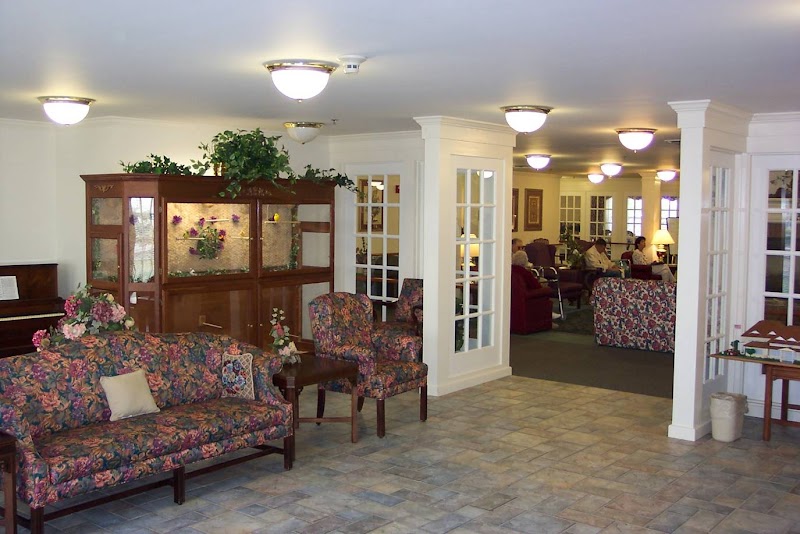
How is River Pointe Health Campus Staffed?

CMS rates RIVER POINTE HEALTH CAMPUS's staffing level at 4 out of 5 stars, which is above average compared to other nursing homes. Staff turnover is 59%, which is 13 percentage points above the Indiana average of 46%. High turnover can affect care consistency as new staff learn residents' individual needs.

What Have Inspectors Found at River Pointe Health Campus?

State health inspectors documented 19 deficiencies at RIVER POINTE HEALTH CAMPUS during 2019 to 2024. These included: 1 that caused actual resident harm and 18 with potential for harm. Deficiencies causing actual harm indicate documented cases where residents experienced negative health consequences.
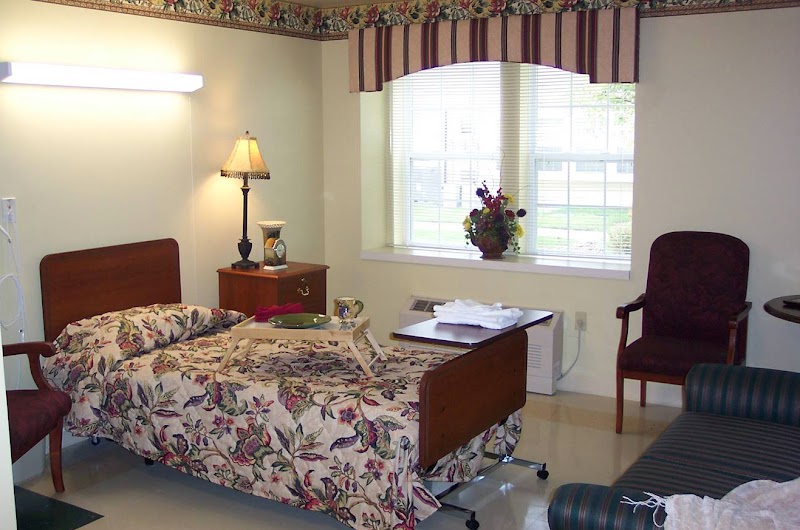
Who Owns and Operates River Pointe Health Campus?

RIVER POINTE HEALTH CAMPUS is owned by a non-profit organization. Non-profit facilities reinvest revenue into operations rather than distributing to shareholders. The facility is operated by TRILOGY HEALTH SERVICES, a chain that manages multiple nursing homes. With 68 certified beds and approximately 54 residents (about 79% occupancy), it is a smaller facility located in EVANSVILLE, Indiana.
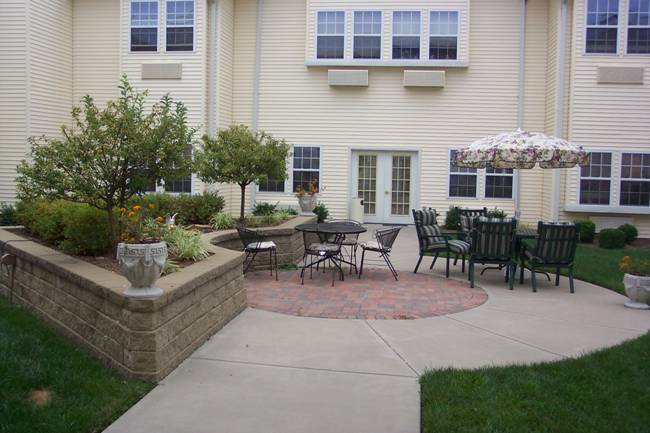
How Does River Pointe Health Campus Compare to Other Indiana Nursing Homes?

Compared to the 100 nursing homes in Indiana, RIVER POINTE HEALTH CAMPUS's overall rating (4 stars) is above the state average of 3.1, staff turnover (59%) is significantly higher than the state average of 46%, and health inspection rating (3 stars) is at the national benchmark.

What Should Families Ask When Visiting River Pointe Health Campus?

Based on this facility's data, families visiting should ask: "How do you ensure continuity of care given staff turnover, and what is your staff retention strategy?" "Can I visit during a mealtime to observe dining assistance and food quality?" "How do you handle medical emergencies, and what is your hospital transfer rate?" "Can I speak with family members of current residents about their experience?" These questions are particularly relevant given the facility's high staff turnover rate.

Is River Pointe Health Campus Safe?

Based on CMS inspection data, RIVER POINTE HEALTH CAMPUS has a clean safety record: no substantiated abuse findings (meaning no confirmed cases of resident harm), no Immediate Jeopardy citations (the most serious violation level indicating risk of serious injury or death), and is not on the Special Focus Facility watch list (a federal program monitoring the lowest-performing 1% of nursing homes). The facility has a 4-star overall rating and ranks #1 of 100 nursing homes in Indiana. While no facility is perfect, families should still ask about staff-to-resident ratios and recent inspection results during their visit.

Do Nurses at River Pointe Health Campus Stick Around?

Staff turnover at RIVER POINTE HEALTH CAMPUS is high. At 59%, the facility is 13 percentage points above the Indiana average of 46%. High turnover means new staff may not know residents' individual needs, medications, or preferences. It can also be disorienting for residents, especially those with dementia who rely on familiar faces. Families should ask: What is causing the turnover? What retention programs are in place? How do you ensure care continuity during staff transitions?

Was River Pointe Health Campus Ever Fined?

RIVER POINTE HEALTH CAMPUS has no federal fines on record. CMS issues fines when nursing homes fail to meet care standards or don't correct problems found during inspections. The absence of fines suggests the facility has either maintained compliance or corrected any issues before penalties were assessed. This is a positive indicator, though families should still review recent inspection reports for the full picture.

Is River Pointe Health Campus on Any Federal Watch List?

RIVER POINTE HEALTH CAMPUS is not on any federal watch list. The most significant is the Special Focus Facility (SFF) program, which identifies the bottom 1% of nursing homes nationally based on persistent, serious quality problems. Not being on this list means the facility has avoided the pattern of deficiencies that triggers enhanced federal oversight. This is a positive indicator, though families should still review the facility's inspection history directly.