TERRACE AT SOLARBRON THE

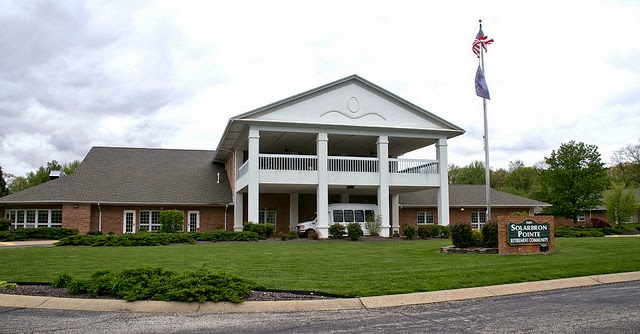
1701 MCDOWELL RD, EVANSVILLE, IN 47712 (812) 985-0055
Government - County 91 Beds CARDON & ASSOCIATES Data: November 2025
Trust Grade
35/100
#390 of 505 in IN
Last Inspection: December 2024

Within standard 12-15 month inspection cycle. Federal law requires annual inspections.

Overview

Terrace at Solarbron has a Trust Grade of F, indicating poor performance with significant concerns about care quality. It ranks #390 out of 505 facilities in Indiana, placing it in the bottom half of the state, and #10 out of 17 in Vanderburgh County, meaning only a few local options are worse. The facility is trending towards improvement, having reduced issues from five in 2024 to three in 2025, but it still faces serious staffing challenges with a 66% turnover rate, significantly higher than the state average. While there are no fines recorded, there are concerning incidents, including a resident who fell and fractured an ankle due to improper use of a sit-to-stand lift and another resident who fractured a femur because adequate supervision was not provided. Additionally, RN coverage is below average, which could impact the quality of care residents receive, although the facility does have good quality measures overall.

Trust Score
F
35/100
In Indiana
#390/505
Bottom 23%
Safety Record
Moderate
Needs review
Inspections
Getting Better
5 → 3 violations
Staff Stability
⚠ Watch
66% turnover. Above average. Higher turnover means staff may not know residents' routines.
Penalties
✓ Good
No fines on record. Clean compliance history, better than most Indiana facilities.
Skilled Nurses
⚠ Watch
Each resident gets only 26 minutes of Registered Nurse (RN) attention daily — below average for Indiana. Fewer RN minutes means fewer trained eyes watching for problems.
Violations
⚠ Watch
36 deficiencies on record. Higher than average. Multiple issues found across inspections.
★★☆☆☆
2.0
Overall Rating
★★☆☆☆
2.0
Staff Levels
★★★★☆
4.0
Care Quality
★★☆☆☆
2.0
Inspection Score
Stable
2024: 5 issues
2025: 3 issues

The Good

  • 4-Star Quality Measures · Strong clinical quality outcomes
  • Full Sprinkler Coverage · Fire safety systems throughout facility
  • No fines on record

Facility shows strength in quality measures, fire safety.

The Bad

2-Star Overall Rating

Below Indiana average (3.1)

Below average - review inspection findings carefully

Staff Turnover: 66%

20pts above Indiana avg (46%)

Frequent staff changes - ask about care continuity

Chain: CARDON & ASSOCIATES

Part of a multi-facility chain

Ask about local staffing decisions and management

Staff turnover is elevated (66%)

18 points above Indiana average of 48%

The Ugly 36 deficiencies on record

2 actual harm
Sept 2025 2 deficiencies
CONCERN (D) 📢 Someone Reported This

A family member, employee, or ombudsman was alarmed enough to file a formal complaint

Potential for Harm - no one hurt, but risky conditions existed

Notification of Changes (Tag F0580)

Could have caused harm · This affected 1 resident

**NOTE- TERMS IN BRACKETS HAVE BEEN EDITED TO PROTECT CONFIDENTIALITY** Based on interview and record review, the facility failed to ensure notification was given to a resident's representative of a w...

Read full inspector narrative →
**NOTE- TERMS IN BRACKETS HAVE BEEN EDITED TO PROTECT CONFIDENTIALITY** Based on interview and record review, the facility failed to ensure notification was given to a resident's representative of a worsening pressure ulcer for 1 of 3 resident's reviewed for wounds. (Resident B)Finding includes:On 9/8/25 at 9:41 a.m., Resident B's clinical record was reviewed. Diagnoses included but were not limited to epidural hemorrhage without loss of consciousness, subsequent encounter, pressure ulcer of unspecified site, stage 2, protein-calorie malnutrition, paraplegia, unspecified, essential hypertension, hyperlipidemia, age-related osteoporosis, other fracture of T5-T6 vertebra, anemia, chronic embolism and thrombosis of unspecified deep veins of unspecified lower extremity, and unspecified dementia. An admission MDS (Minimum Data Set) assessment dated [DATE] indicated Resident B's cognition was moderately impaired, dependent on bed mobility, and toileting. Resident B was admitted to the facility on [DATE] and discharged on 8/27/25. Care plans were reviewed and included, but were not limited to: Resident is at risk for skin breakdown r/t (related to) impaired mobility, anemia, paraplegia, initiated 7/22/25. Interventions included but were not limited to: assist with bed mobility as indicated, elevate heels as the resident will allow, monitor skin for signs of skin breakdown, pressure reduction cushion in wheelchair, pressure reduction mattress, RD (registered dietician) to evaluate as indicated, turn and reposition (bed mobility), per the resident's individual needs, initiated 7/22/25.The resident had unavoidable skin breakdown with continued expected unavoidable deterioration r/t terminal illness and life sustaining measures have been discouraged, continuous urinary incontinence, peripheral vascular disease, paraplegia, chronic bowel incontinence, initiated 8/4/25. Interventions included but were not limited to: assist with bed mobility as indicated, elevate heels as the resident will allow, monitor skin for signs of skin breakdown, pressure reduction cushion in wheelchair, pressure reduction mattress, turn and reposition (bed mobility) per resident's individual needs, weekly skin assessment, initiated 8/4/25. The resident has a pressure ulcer on the left ankle, initiated 8/11/25.Interventions included but were not limited to: administer treatment as ordered, assist the resident with turning and repositioning, bed mobility, initiated 8/11/25.The resident has a pressure ulcer on the left heel, initiated 8/11/25. Interventions included but were not limited to: administer treatment as ordered, assist the resident with turning and repositioning, bed mobility, initiated 8/11/25. The resident has a pressure ulcer to the coccyx, initiated 8/11/25. Interventions include but are not limited to: administer supplements/vitamins as ordered to promote wound healing, admisniter treatment as ordered, encourage 75-100 % of meal and encourage fluids per pan of care, notify MD if area worsens, increase in pain or shows signs or symptoms of infection, pressure reducing cushion in wheelchair, pressure reducing mattress on bed, provide incontinence care after each incontinent episode, report labs, initiated 8/11/25. Orders for August 2025 were reviewed and included, but were not limited to:Coccyx place foam dressing as a preventative to area. Change every (indicate days) once a day, 6:00 a.m. - 6:00 p.m., start date 8/8/25, discontinued 8/25/25, (left ankle, left heel) Apply skin prep as a preventative daily. Remove old treatment prior to applying new, start date 8/8/25, discontinue 8/25/25.Coccyx cleanse area with soap and water, pat dry, apply Santyl to wound bed only, cover with bordered foam dressing daily, once a day 6:00 a.m.- 6:00 p.m. start date 8/25/25, discontinue 8/27/25.left heel, apply skin prep as a preventative daily. Remove old treatment prior to applying new, once daily 6:00 a.m.- 6:00 p.m., start date 8/25/25, discontinue 8/27/25.left outer ankle apply betadine BID (twice a day) and leave open to air once daily 6:00 a.m.- 6:00 p.m, start date 6:00 a.m., discontinue 8/27/25. Wound notes were reviewed and included, but were not limited to:Pressure ulcer - coccyx, date identified 8/4/25 2:10 p.m.Unstageable -deep tissue L (length) 4.5 cm (centimeters) W (width) 1 cm Comments: husband present during assessment, informed of measurements and need to turn and reposition to relieve pressure to restore blood flow, also granddaughter present and asked if she could buy a body pillow to help with positioning. Pressure ulcer - coccyx- date observed 8/11/25 10:51 a.m.Unstageable- deep tissueL- 4.6 cm W 1 cm Wound healing status- decliningPressure ulcer -coccyx - date observed 8/18/25 9:03 a.m.Unstageable- slough and/or escharL- 4.8 cmW 2.6 cmWound healing status- decliningPressure ulcer- date observed 8/25/25 at 11:06 a.m.Unstageable -slough and/or escharL 5 cm W 5 cm Unstageable - slough and/or escharTissue type: necrotic tissue Wound odor- yes Wound healing status- decliningComments: recently noted cognitive decline, decline in mobility, and positive for COVID. Also, a decline in appetite. Pressure ulcer left ankle date identified 8/6/25 at 6:00 amUnstageable -deep tissue L 1 cm W 1 cm Comments: husband present during assessment and informed of measurements and need for repositioning and pressure relief. Pressure ulcer left heel date identified 8/6/25 at 6:00 a.m.Unstageable - deep tissueL 4 cmW 2.2 cmComments: husband present during assessment and informed of measurements and need for repositioning and pressure relief. A wound note dated 8/25/25 at 9:18 a.m. for the left ankle unstageable deep tissue wound indicated a scab was formed over are. Podus boots on bilateral feet, air mattress in place. TX (treatment) changed to betadine BID to the area and leave open to air. Physician and spouse notified.The clinical record contained no information that Resident B's POA's (power of attorney ) representatives were notified of the resident's decline in the coccyx wound, nor were they informed of the development of the wounds to the left ankle or heel. The clinical record indicated that Resident B's POAs were her grandson and granddaughter, and the first contact for financial and health. Resident B's husband's contact information was not listed on the face sheet. On 9/9/25 at 9:17 a.m., the Administrator indicated Resident B's POA was not notified of the decline of the coccyx wound; on 8/25/25, the physician and spouse were notified. On 9/10/25 at 12:38 p.m., the Administrator indicated the facility did not have a policy related to notifying a resident's representative of a change in a resident's condition. This citation relates to Intake 2606700.3.1-5(a)(2)
CONCERN (D) 📢 Someone Reported This

A family member, employee, or ombudsman was alarmed enough to file a formal complaint

Potential for Harm - no one hurt, but risky conditions existed

ADL Care (Tag F0677)

Could have caused harm · This affected 1 resident

**NOTE- TERMS IN BRACKETS HAVE BEEN EDITED TO PROTECT CONFIDENTIALITY** Based on the interview and record review, the facility failed to ensure that Activities of Daily Living (ADLs) were provided dai...

Read full inspector narrative →
**NOTE- TERMS IN BRACKETS HAVE BEEN EDITED TO PROTECT CONFIDENTIALITY** Based on the interview and record review, the facility failed to ensure that Activities of Daily Living (ADLs) were provided daily to residents. Bathing/showers were not documented as done. (Resident B, Resident C)Finding includes: On 9/8/25 at 9:41 a.m., the clinical record was reviewed, for resident B, diagnoses included but were not limited to, epidural hemorrhage without loss of consciousness, subsequent encounter, pressure ulcer of unspecified site, stage 2, protein-calorie malnutrition, paraplegia, unspecified, essential hypertension, hyperlipidemia, age-related osteoporosis, other fracture of T5-T6 vertebra, anemia, chronic embolism and thrombosis of unspecified deep veins of unspecified lower extremity, and unspecified dementia. Resident B's clinical record included, but was not limited to, an admission MDS (Minimum Data Set) assessment, dated 7/24/25, indicated Resident B's shower/bathing dependent (the ability to bathe self, including washing, rinsing, and drying self). Resident B was admitted to the facility on [DATE] and discharged on 8/27/25. Care plans were reviewed and included, but were not limited to: ADL's functional status/rehabilitation potential, resident is unable to independently perform late loss ADL's r/t generalized weakness and debility, impaired gait and mobility, A-Fib, recurrent DVT ( deep vein thrombosis), osteoporosis, dementia, anemia, thoracic spinal epidural hematoma, paraplegia, chronic T5 FX (fracture), andb requires assistance/encouragement for bed mobility, transfers, toileting and eating, start date 7/22/5. Interventions included but were not limited to: assist/encourage resident in proper transfer/bed mobility, toileting/hygiene, and eating, start date 7/22/5Point of care history for bathing was reviewed for July and August 2025 and included the following:July 7/29- PBB (partial bed bath) 7/24- shower 7/23- PBB7/23- shower August 8/25 - PBB8/20 - PBB8/19 - PBB8/18 - PBB8/17 - PBB8/16 - PBB8/14 - PBB8/13 - PBB8/11 - CBB (complete bed bath)8/8 - PBB8/7 -PBB8/6 - PBB8/5 - PBB8/2 - PBBNo documentation of refusal was observed in the clinical record. On 9/9/25 at 2:19 p.m., Resident C's clinical record was reviewed. An admission MDS (Minimum Data Set) assessment dated [DATE] indicated Resident C's cognition was severely impaired, shower/bathe dependent ( the ability to bathe self, including washing, rinsing, and drying self). Resident C was admitted to the facility on [DATE].Care plans were reviewed and included, but were not limited to:Category: CNA Assignment Sheet: Resident has specific needs related to theircare, start date 7/17/25. Interventions included but were not limited to: Resident prefers a shower/bath on Tuesday and Friday and the day shift, start date 8/1/25. Point of care history for bathing was reviewed for July, August, and September 2025 and included the following:July7/29 - PBB7/22 - PBB7/21 - CBB7/20 - CBB August8/29 - PBB8/28 - PBB8/26 - CBB8/25 - PBB8/22 - CBB8/20 - PBB 8/19 - PBB8/17 - PBB8/16 - PBB8/14 - PBB 8/13 - PBB8/11 - CBB8/8 - PBB8/7 - PBB8/6 - PBB8/5 - PBB8/2 - PBB8/1 - CBBSeptember 9/8 - PBB9/3 - PBB9/2 - showerOn 9/10/25 at 11:24 a.m., CNA 2 indicated there is a shower sheet where bathing and resident refusals are documented. If a resident refuses, you have to ask them three different times and let the nurse know. Daily bathing is also supposed to be documented on the computer, including the type receivedOn 9/10/25 at 12:24 p.m., the Administrator provided the current policy on ADLs with a revised date of March 2018. The policy included but was not limited to: 2. Appropriate care and services will be provided for residents who are unable to carry out ADLs independently, with the consent of the resident and in accordance with the plan of care, including appropriate support and assistance with: a. Hygiene (bathing, dressing, grooming, and oral care) .This citation relates to Intake 2606700.3.1-38(a)(1)
Feb 2025 1 deficiency
CONCERN (D) 📢 Someone Reported This

A family member, employee, or ombudsman was alarmed enough to file a formal complaint

Potential for Harm - no one hurt, but risky conditions existed

Deficiency F0635 (Tag F0635)

Could have caused harm · This affected 1 resident

**NOTE- TERMS IN BRACKETS HAVE BEEN EDITED TO PROTECT CONFIDENTIALITY** Based on interview and record review, the facility failed to ensure a newly admitted resident had immediate orders for the care ...

Read full inspector narrative →
**NOTE- TERMS IN BRACKETS HAVE BEEN EDITED TO PROTECT CONFIDENTIALITY** Based on interview and record review, the facility failed to ensure a newly admitted resident had immediate orders for the care of a colostomy for 1 of 1 residents reviewed for ostomies. (Resident D) Finding included: On 2/17/25 at 9:45 a.m., Resident D indicated he had a colostomy bag, the nurses took care of it, the Certified Nursing Aides (CNA) generally run from it if he needs care to it. On 2/18/25 at 10:13 a.m., Resident D's clinical record was reviewed. Diagnoses included, but were not limited to, colostomy status, age -related physical debility. An admission MDS (Minimum Data Set) assessment dated [DATE], indicated Resident B's cognition was intact, he had an ostomy. Resident D admitted to the facility on [DATE]. Care plans were reviewed and included, but were not limited to: Resident requires care and assistance related to ostomy; potential for complications, created date 1/17/25. Approaches included, but were not limited to: change wafer and ostomy as ordered, provided ostomy care as ordered and as needed (PRN), approach start date 1/17/25. January and February physician orders were reviewed and contained no orders for the care of Resident D's colostomy. On 2/20/25 at 2:37 p.m., Licensed Practical Nurse ( LPN) 2 indicated a resident who was admitted with a colostomy would need orders for the care of it. Depending on the resident, the colostomy would be changed every 2 to 3 days, the order goes in pretty quickly after the resident is admitted to the facility. No policy was provided for admitting physician orders. This citation relates to Complaint IN00453438, IN00453757, IN00453495. 3.1-30(a)
Dec 2024 4 deficiencies
CONCERN (D)

Potential for Harm - no one hurt, but risky conditions existed

Deficiency F0582 (Tag F0582)

Could have caused harm · This affected 1 resident

Based on interview and record review, the facility failed to ensure a SNF-ABN (Skilled Nursing Facility-Advanced Beneficiary Notice) Form and Notice of Medicare Non-Coverage (NOMNC) was provided follo...

Read full inspector narrative →
Based on interview and record review, the facility failed to ensure a SNF-ABN (Skilled Nursing Facility-Advanced Beneficiary Notice) Form and Notice of Medicare Non-Coverage (NOMNC) was provided following the end of Medicare skilled services for 1 of 1 resident who discharged from Medicare services and continued to reside in the skilled nursing facility. (Resident 33) Findings included: On 12/6/2024 at 10:15 A.M., the SNF (Skilled Nursing Facility) Beneficiary Protection Notification Review Forms were reviewed. The form was blank in response to whether Resident 33 received the SNF-ABN form as well as the Notice of Medicare Non-Coverage (NOMNC) Form. The BPN review form provided to the facility indicated Resident 33's Medicare coverage would end on 8/3/2024. Regional Support 7 indicated they did not have the required documents (CMS 10055 AND NOMNC 10123) signed by the resident or representative for beneficiary notification. On 12/10/2024 at 11:05 A.M. the Director of Nursing indicated they do not have a policy in relation to advanced beneficiary notice of non-coverage but follow the instructions form found on the Center for Medicare and Medicaid Services website. 3.1-4(f)(2)
CONCERN (D)

Potential for Harm - no one hurt, but risky conditions existed

Deficiency F0761 (Tag F0761)

Could have caused harm · This affected 1 resident

**NOTE- TERMS IN BRACKETS HAVE BEEN EDITED TO PROTECT CONFIDENTIALITY** Based on observation, interview, and record review, the facility failed to ensure medications were labeled properly for 2 of 2 m...

Read full inspector narrative →
**NOTE- TERMS IN BRACKETS HAVE BEEN EDITED TO PROTECT CONFIDENTIALITY** Based on observation, interview, and record review, the facility failed to ensure medications were labeled properly for 2 of 2 medication carts observed. (West Hall, East Hall, Resident 16) Findings include: 1. On 12/4/24 at 9:33 A.M., the [NAME] Hall medication cart was reviewed. The following medications were observed without a label: Vial of ceftriaxone injection Vial of lidocaine, with an open date of 11/27/24 written on it with black marker Bottle of [NAME] aspirin, with an open date of 11/1/24 written on it with black marker At that time, Qualified Medication Aide (QMA) 8 indicated that the ceftriaxone and lidocaine were removed from the Emergency Drug Kit (EDK) and should have had the residents name written on it with black marker. The aspirin was brought in by a family member and should have had the resident's name written on it in black marker. 2. On 12/4/24 at 10:39 A.M., the East Hall medication cart was reviewed. The following medications were observed without a label: Lantus Solostar insulin pen, with an open date of 11/28/24 written on it in marker Humalog Kwikpen insulin pen, with an open date of 11/23/24 written on it in marker At that time, Licensed Practical Nurse (LPN) 9 indicated the insulin pens belonged to Resident 16 and should be labeled with his name. On 12/9/24 at 10:32 A.M., the Director of Nursing (DON) provided a current undated Medication Labeling policy that indicated All drugs dispensed for use by the residents in a facility .shall be labeled as follows: . a. Identification of the pharmacy; b. Resident's name; c. Date of Dispensing; d. Non-proprietary and/or proprietary name of the drug; e. Strength expressed in the metric system whenever possible . Over the counter medications used for a specific resident must identify that resident and have an appropriate pharmacy label applied. 3.1-25(j) 3.1-25(k) 3.1-25(l)
CONCERN (E)

Potential for Harm - no one hurt, but risky conditions existed

Infection Control (Tag F0880)

Could have caused harm · This affected multiple residents

2. During a continuous observation on 12/6/24 from 7:58 A.M. to 8:19 A.M., LPN 9 was observed wearing a blood pressure monitor around her wrist. She entered Resident 13's room, removed the monitor fro...

Read full inspector narrative →
2. During a continuous observation on 12/6/24 from 7:58 A.M. to 8:19 A.M., LPN 9 was observed wearing a blood pressure monitor around her wrist. She entered Resident 13's room, removed the monitor from her wrist, placed it on Resident 13's wrist, and took the resident's blood pressure. The blood pressure monitor was not sanitized after use. LPN 9 placed the blood pressure monitor into a small bag on the medication cart while preparing medication for Resident 16. 3. At 8:19 A.M., LPN 9 retrieved the blood pressure monitor from the small bag, placed it around her wrist, and entered Resident 16's room. LPN 9 removed the monitor from her wrist, placed it on Resident 16's wrist, and took the resident's blood pressure. The blood pressure monitor was not sanitized prior to use. On 12/9/24 at 8:45 A.M., the DON indicated that blood pressure equipment should be cleaned between residents. On 12/9/24 at 10:32 A.M., the DON provided a current Cleaning and Disinfection of Equipment policy, effective 6/6/2019, that indicated Resident-care equipment, including reusable items and durable medical equipment, will be cleaned and disinfected according to current CDC (Centers for Disease Control and Prevention) recommendations for disinfection and the OSHA (Occupational Safety and Health Administration) Bloodborne Pathogens Standard. 3.1-18(b)(1) 3.1-18(l) Based on observation, record review, and interview, the facility failed to ensure infection control practices and standards were performed during 1 of 1 wound care and 2 of 2 random observation for cleaning equipment in between residents. (Resident 33, Resident 11, Resident 16, Resident 13) Findings include: 1. On 12/6/24 at 10:17 A.M., RN (Registered Nurse) 2 and LPN (Licensed Practical Nurse)10 were observed performing wound care on Resident 33. RN 2 and LPN 10 both sanitized hands and donned plastic gowns and gloves. RN 3 cleaned the bedside table with cleaning cloth, opened a plastic trash bag, and set up clean dressing supplies with the same gloves on. RN 3 did not change gloves before she began to open supplies for dressing change. LPN 19 placed a drape on the floor to catch debris from the leg wounds. RN 3 began to remove the old dressings from Resident 33's legs with the same gloves that were used to clean the table with. Both RN 3 and LPN 2 removed gloves, sanitized, and then donned new gloves. LPN 10 removed the dressings from the right lower leg, removed gloves, and did not sanitize hands before new gloves placed. RN 3 applied wound cleanser to legs and both preceded to clean legs with gauze. RN 3 did not change gloves or sanitize before new dressing was applied. LPN 10 did not change gloves when starting to place new dressing and wrapping with ace wraps. After leg wrapping was completed, both RN 3 and LPN 10 doffed gowns, gloves, and then sanitized. On 12/4/24 at 11:07 A.M., Resident 33's clinical record was reviewed. Diagnoses included, were not limited to, non-pressure chronic ulcer of left calf with fat layer exposed, non-pressure chronic ulcer of other part of right lower leg with fat layer exposed, cellulitis of right lower limb, and cellulitis of left lower limb. The recent Quarterly MDS (Minimum Data Set) Assessment indicated Resident 33 was cognitively intact, needed substantial help dressing and hygiene, but was independent with transfer. The resident had 3 venous ulcers on legs. Current Physician Orders included, but were not limited to: Betadine (povidone-iodine) solution; 10 %; amount: apply to buttocks/thigh; topical Special Instructions: apply to blood blisters to buttocks/thigh, Twice A Day Upon Rising 07:00 AM - 11:00 AM and Before Bedtime 06:00 PM - 10:00 PM dated 11/28/2024. The current care plan dated 10/7/24 indicated Resident 33 is at risk for complication related to bilateral lower leg venous ulcers and needed monitoring and treatment. Interventions included, but were not limited to, refer to inpatient rounding wound MD and nurse for monitoring and treatment and provide treatments to BLE (Bilateral Lower Extremities) as ordered. See MAR (Medication Administration Record) for current recommendations. During an interview 12/06/24 at 10:35 A.M., LPN 10 indicated the gloves should have been changed after the table was cleaned and before the supplies were opened. RN 3 indicate it was not done. During an interview on 12/10/24 at 9:10 A.M., the DON (Director of Nursing) indicated the gloves should be changed when going from dirty to clean and sanitized before new gloves applied. On 12/10/24 at 9:05 A.M., the DON provided a current policy Hand Washing/Hand Hygiene dated 3/24/2016. The policy indicated . hand hygiene with alcohol-based hand gel is the preferred if hands are not visibly soiled .use of hand gel is to be used in the following situations: before handling clean or soiled dressings, after handling used dressing, after removing gloves .
CONCERN (E) 📢 Someone Reported This

A family member, employee, or ombudsman was alarmed enough to file a formal complaint

Potential for Harm - no one hurt, but risky conditions existed

Safe Environment (Tag F0921)

Could have caused harm · This affected multiple residents

**NOTE- TERMS IN BRACKETS HAVE BEEN EDITED TO PROTECT CONFIDENTIALITY** Based on observation, interview, and record review, the facility failed to provide a safe and sanitary environment during 5 rand...

Read full inspector narrative →
**NOTE- TERMS IN BRACKETS HAVE BEEN EDITED TO PROTECT CONFIDENTIALITY** Based on observation, interview, and record review, the facility failed to provide a safe and sanitary environment during 5 random observations. Odor was present in the facility and a resident wall was soiled with paint chipped out of the wall. (Memory Care Unit, East Hall Nurse Station, Front Lobby, room [ROOM NUMBER]) Findings include: 1. On 12/6/24 at 7:17 A.M., the Memory Care unit was noted to have an odor consistent with marijuana. 2. On 12/6/24 at 8:36 A.M., the East Hall Nurses Station was noted to have an odor consistent with marijuana. 3. On 12/9/24 at 8:45 A.M., the front lobby was noted to smell like sewer gas. During an anonymous interview, it was indicated that there was a strong odor upon entering the facility During an anonymous interview, it was indicated that there were pervasive odors in the facility especially on the East Hall. On 12/9/24 at 8:45 A.M., the Director of Nursing (DON) indicated staff and residents should not use marijuana while in the facility. She indicated the lobby sometimes smelled like sewer gas due to a backed-up trap, especially when it rained. At 12/9/24 at 10:32 A.M., the DON indicated there was not a specific policy for controlling odors and that housekeeping and maintenance took care of those issues. On 12/9/24 at 10:48 A.M., Housekeeper 5 indicated that if an odor was noticed, it would be treated accordingly with the most appropriate option. At that time, Housekeeper 5 provided an undated Daily Cleaning Inspection Form that indicated Closet looks and smells clean . Bathroom smells clean, no odors noted. 4. During an observation on 12/4/24 at 10:44 A.M., dried deep red smears, missing chips of paint, and scuff marks were observed along the walls of room [ROOM NUMBER]. During an interview on 12/9/24 at 10:50 A.M., housekeeper 5 indicated each resident room is inspected each day, is deep cleaned once a week, and staff should clean anything out of the ordinary any time it is observed. A daily cleaning inspection form, dated 12/6/24, indicated a full deep clean was performed on 412. During an observation on 12/10/24 at 8:25 A.M., dried deep red smears, missing chips of paint, and scuff marks were observed along the walls of room [ROOM NUMBER]. On 12/9/24 at 1:11 P.M., the Director of Nursing provided a policy titled Quality of Life Homelike Environment, revised 8/09, indicated The facility staff and management shall maximize the characteristics of the facility that reflect a personalized, homelike setting. These characteristics include: Cleanliness and order. The facility staff and management shall minimize the characteristics of the facility that reflect a depersonalized, institutional setting. Theses characteristics include: Institutional odors. This citation relates to Complaint IN00448045. 3.1-19(f)
Jul 2024 1 deficiency
CONCERN (E) 📢 Someone Reported This

A family member, employee, or ombudsman was alarmed enough to file a formal complaint

Potential for Harm - no one hurt, but risky conditions existed

ADL Care (Tag F0677)

Could have caused harm · This affected multiple residents

**NOTE- TERMS IN BRACKETS HAVE BEEN EDITED TO PROTECT CONFIDENTIALITY** Based on interview and record review, the facility failed to provide ADL's (activities of daily living) care to 4 of 4 resident'...

Read full inspector narrative →
**NOTE- TERMS IN BRACKETS HAVE BEEN EDITED TO PROTECT CONFIDENTIALITY** Based on interview and record review, the facility failed to provide ADL's (activities of daily living) care to 4 of 4 resident's reviewed for bathing. Bathing was not provided to residents. ( Resident L, Resident N, Resident P, Resident Q) Findings include: 1. On 7/8/24 at 9:22 a.m., Resident L indicated sometimes bathing is hard to get, sometimes it is not done. 7/9/24 at 10:19 a.m., Resident L indicated she did not get a shower yesterday, new shower schedules are supposed to start today. On 7/11/24 at 6:13 a.m., Resident L's clinical record was reviewed. Diagnoses included, but were not limited to, hemiplegia and hemiparesis following cerebral infarction affecting left non-dominant side, age-related physical debility, unspecified abnormalities of gait and mobility. A Quarterly MDS (Minimum date Set) assessment dated [DATE], indicated cognition intact, shower/ bathe self- partial/moderate assistance. Care plans included, but were not limited to: CNA assignment sheet resident has specific needs related to their care: Approach : Resident prefers a shower/bath on Tuesday/Friday day shift, start date 9/19/23, edited date 7/8/24. A facility grievance form dated 6/25/24 was reviewed and included, but was not limited to: Nature of concern: Showers not getting Done. They had care conference a few weeks ago. Have already changed Shower days several times Concern received from: Family. Department Head review and action taken: Spoke w/resident revamped shower schedule, educated staff. Current shower schedules were reviewed and indicated Resident L's shower days were Tuesday and Friday day shift. Resident L's POC (Point Of Care) history was reviewed for bathing for May, June, July, 2024 and included the following: POC May 2024: 5/2- shower 5/4- PBB (partial bed bath) 5/13- shower 5/16- shower 5/22- shower 5/24- PBB 5/30- shower Shower sheets were reviewed and indicated a shower was provided that was not documented in the POC for bathing: 5/6 The following days were not recorded that any type of bathing was provided in the POC for non- shower days: 5/1 5/3 5/5 5/7 5/8 5/9 5/10 5/11 5/12 5/13 5/15 5/17 5/18 5/19 5/20 5/21 5/23 5/25 5/26 5/27 5/28 5/29 June 2024 POC: 6/6- shower 6/10- shower 6/26- shower 6/30- PBB Shower sheets were reviewed and indicated a shower was provided that was not documented in the POC for bathing: 6/3 6/6 6/13 6/18 6/20 marked refused d/t resident indicated she got a shower was done yesterday. 6/24 The following days were not recorded that any type of bathing was provided in the POC for non- shower days: 6/1 6/2 6/4 6/5 6/7 6/8 6/9 6/11 6/12 6/14 6/15 6/16 6/17 6/19 6/21 6/22 6/23 6/25 6/27 6/28 6/29 POC July 2024: 7/1- shower 7/4- shower 7/8- PBB 7/9- shower The following days were not recorded that any type of bathing was provided in the POC for non- shower days: 7/2 7/3 7/5 7/6 7/7 7/10 No documentation of refusal was in the clinical record except on 6/20/24. 2. On 7/11/24 at 7:25 a.m., Resident N was observed on the locked dementia unit, Resident N was non interviewable. On 7/11/24 at 7:40 a.m., Resident N's clinical record was reviewed. Diagnoses included, but were not limited to, Diabetes Mellitus, dementia. A MDS (Minimum Data Set) assessment, dated 4/24/24 indicated cognition severely impaired, shower/bathe self - supervision or touching assistance. A facility grievance form dated 5/6/24 was reviewed and included, but was not limited to: Nature of concern: c/o 0 receiving showers . Concern received from: Family. Department Head review: Nursing/SS to meet w/family 5/21 @10:am. Current shower schedules were reviewed and indicated Resident N's shower days were Wednesday & Saturday day shift. Resident N's POC (Point Of Care) history was reviewed for bathing for May, June, July, 2024 and included the following: POC May 2024: 5/1-shower 5/2- PBB 5/4- shower 5/6- PBB 5/9- PBB 5/11-shower 5/13- PBB 5/14- PBB 5/15- shower 5/18- shower 5/19- PBB 5/22- PBB 5/23- PBB 5/24- PBB 5/25- shower 5/28- PBB 5/29- shower 5/30- PBB Shower sheets were reviewed and indicated a shower was provided that was not documented in the POC for bathing: 5/8 5/13 5/21 The following days were not recorded that any type of bathing was provided in the POC for non- shower days: 5/3 5/5 5/6 5/7 5/20 5/26 5/27 5/31 POC June 2024: 6/1- shower 6/5- shower 6/10- PBB 6/12- shower 6/13- PBB 6/15- shower 6/16- PBB 6/18- PBB 6/19- shower 6/20- PBB 6/22- shower 6/26- shower 6/29- shower 6/30- PBB Shower sheets were reviewed and indicated a shower was provided that was not documented in the POC for bathing: 6/8 The following days were not recorded that any type of bathing was provided in the POC for non- shower days: 6/2 6/3 6/4 6/6 6/7 6/8 6/9 6/11 6/14 6/17 6/21 6/23 6/24 6/25 6/27 6/28 POC July 2024: 7/3- shower 7/9- PBB 7/10- shower Shower sheets were reviewed and indicated a shower was provided that was not documented in the POC for bathing: 7/6 The following days were not recorded that any type of bathing was provided in the POC for non- shower days: 7/1 7/2 7/4 7/5 7/7 7/8 No documentation of refusal was observed in the clinical record. 3. On 7/9/24 at 10:59 a.m., Resident Q indicated they sometimes do not receive showers/bathing. On 7/11/24 at 9:40 a.m., Resident Q's clinical record was reviewed. Diagnoses included, but were not limited to, unspecified abnormalities of gait and mobility, age-related physical debility, unspecified osteoarthritis. A Quarterly MDS (Minimum Data Set) assessment dated [DATE] indicated cognition intact, shower bathe self- substantial/maximal assistance. Care plans included, but were not limited to: CNA assignment sheet resident has specific needs related to their care. Approach: Resident prefers showers Wed/Sat evening, start date 6/27/23. A facility grievance form dated 5/3/24 was reviewed and included, but was not limited to: Nature of concern: .Showers and time of shower Concern received from: Family. Department Head review and action taken: .Shower time has been addressed and enforced . Current shower schedules were reviewed and indicated Resident Q's shower days were Wednesday & Saturday evening shift. Resident Q's POC (Point Of Care) history was reviewed for bathing for May, June, July, 2024 and included the following: POC May 2024: 5/9- PBB 5/12- shower 5/13- PBB 5/14- PBB 5/16- PBB 5/17- PBB 5/18 -shower 5/20- PBB 5/21- PBB 5/22- PBB 5/25- shower 5/27- PBB 5/29- PBB 5/30- PBB 5/31- PBB Shower sheets were reviewed and indicated a shower was provided that was not documented in the POC for bathing: 5/8 5/6 5/11 5/15 5/22- type of bathing not marked 5/29 The following days were not recorded that any type of bathing was provided in the POC for non- shower days: 5/1 5/2 5/3 5/4 5/5 5/7 5/10 5/19 5/23 5/24 5/26 5/28 POC June 2024: 6/1- shower 6/4- PBB 6/6- shower 6/8- shower 6/9- PBB 6/10- PBB 6/11- PBB 6/12- PBB 6/13- PBB 6/14- PBB 6/17- PBB 6/19- shower 6/28- shower 6/29- shower Shower sheets were reviewed and indicated a shower was provided that was not documented in the POC for bathing: 6/12 6/15 The following days were not recorded that any type of bathing was provided in the POC for non- shower days: 6/2 6/3 6/5 6/7 6/16 6/18 6/20 6/21 6/22 6/23 6/24 6/25 6/26 627 POC July 2024: 7/1- PBB 7/3- shower 7/4- PBB 7/6- shower 7/7- shower 7/9- PBB 7/10- shower 7/11- shower The following days were not recorded that any type of bathing was provided in the POC for non- shower days: 7/2 7/5 7/8 No documentation of refusal was observed in the clinical record. 4. On 7/11/24 at 10:00 a.m., Resident P's clinical record was reviewed. Diagnoses include but were not limited to, age-related debility, Multiple Sclerosis. An admission MDS (Minimum Data Set) assessment dated [DATE], indicated cognition intact, shower bathe self- substantial/maximal assistance. Resident P discharged from the facility on 6/10/24. Care plans included, but were not limited to: CNA assignment sheet resident has specific needs related to their care. Approach: Resident prefers a shower/bath on (left blank) , days and (left blank) shift, start date 5/21/24. A facility grievance form dated 6/10/24 was reviewed and included, but was not limited to: Nature of concern: [resident name] would like to have a shower before she discharges today. It's been 2 weeks Concern received from: Resident. Department Head review and action taken. Shower was given to resident as soon as we received (sic) concern. Resident P's POC (Point Of Care) history was reviewed for bathing for May, June, July, 2024 and included the following: May 2024: 5/21- PBB 5/22- PBB 5/30- PBB 5/31- PBB The following days were not recorded that any type of bathing was provided in the POC for non- shower days: 5/23 5/24 5/25 5/26 5/27 5/28 5/29 No shower sheets were observed for May 2024. POC June 2024: 6/1- CBB 6/4- PBB 6/6- PBB 6/8- PBB 6/9- PBB 6/10- shower The following days were not recorded that any type of bathing was provided in the POC for non- shower days: 6/2 6/3 6/5 6/7 On 7/11/24 at 11:50 a.m., CNA 2 indicated showers are documented on shower sheets, also in the computer. On non shower days bathing is not provided, care is washing face, brushing teeth, if a resident asked something specific, like washing arm pits, she does it. On 7/11/24 at 12 p.m., the DON provided the current policy on Activities of Daily Living with a revision date of March 2018. The policy included, but was not limited to: .Residents who are unable to carry out activities of daily living independently will receive the services necessary to maintain good nutrition, grooming, and personal and oral hygiene .2. Appropriate care and services will be provided for residents who are unable to carry out ADL's independently, with the consent of the resident and in accordance with the plan of care, including appropriate support and assistance with: a. hygiene (bathing, dressing, grooming, and oral care) . This citation relates to Complaint IN00437789 and IN00438377. 3.1-38(b)(2)
Oct 2023 10 deficiencies 1 Harm
SERIOUS (G)

Actual Harm - a resident was hurt due to facility failures

Accident Prevention (Tag F0689)

A resident was harmed · This affected 1 resident

Based on observation, interview, and record review, the facility failed to ensure a sit to stand lift was used according to facility policy for 1 of 6 residents reviewed for falls. This deficient prac...

Read full inspector narrative →
Based on observation, interview, and record review, the facility failed to ensure a sit to stand lift was used according to facility policy for 1 of 6 residents reviewed for falls. This deficient practice led to a fall with a fracture requiring hospitalization and surgical repair. (Resident M) Finding includes: During a confidential interview on 10/24/23 at 11:13 A.M., it was indicated that a CNA (Certified Nurse Aide) dropped Resident M while using a sit to stand lift resulting in a broken ankle. On 10/25/23 at 10:19 A.M., Resident M's clinical record was reviewed. Diagnosis included, but was not limited to, unspecified fracture of shaft of right femur. The most recent quarterly MDS (Minimum Data Set) Assessment, dated 9/25/23, indicated Resident M had moderate cognitive impairment, had no falls since the prior assessment, and required assistance of 2 staff for bed mobility, transfers, toileting, and bathing. The quarterly MDS Assessment completed prior to the resident's fall, dated 1/17/23, indicated the resident had moderate cognitive impairment, had no falls since the prior assessment, and required extensive assistance of 2 staff for bed mobility, transfers, toileting, and bathing. A current falls care plan, dated 3/4/23, indicated the resident was at risk for falls with injury due to her impaired mobility, weakness, poor activity tolerance, and repair of right femur fracture. A previous falls care plan, dated 1/27/23, indicated the resident was at risk for falling and fall related injuries related to weakness, infection, and incontinence. A current behavioral care plan, dated 3/4/23, indicated the resident was noncompliant with care - selective as to which staff she would allow to work with; did not want to use sit to stand lift, but needed 2 staff minimum for safe transfers. A previous behavioral care plan, dated 1/27/23, indicated the resident was noncompliant with care - selective as to which staff she would allow to work with; did not want to use sit to stand lift, but needed 2 staff minimum for safe transfers. A Post Fall Assessment indicated Resident M sustained a witnessed fall on 2/28/23 at 5:15 P.M. while being transferred using a sit to stand lift. Progress notes related to the fall included, but were not limited to: 2/28/2023 6:18 P.M. Resident was on the sit to stand lift, weight became unbearable for staff. Staff lowered Resident to the floor, obtained the Hoyer lift administered pad and lifted resident to her recliner. No injury had occurred during transfers. Resident stated This was not bad. Refer for PT (physical therapy) to eval (evaluate) and treat. 3/01/2023 9:49 A.M. Resident c/o (complained of) pain 10/10 (10 on a pain scale of 1 to 10) to RLE (right lower extremity). Resident has bruise to right outer ankle. Notified [name of provider]. Order received for STAT (immediate) x-ray to bruised area RLE. 3/01/2023 3:02 P.M. Said nurse (writer) received Order for resident to be sent to [name of hospital] to eval and treat. Report giving [sic] to [name of nurse], called [name of emergency contact] to make aware. Management notified. 3/04/2023 1:00 P.M. Resident arrived via [name of company] transport van. She is on a Hoyer sling and in her wheelchair. She has an immbolizer [sic] on her right leg. She was transferred via Hoyer lift with assist of two staff from her chair to her bed. Sling was then removed and resident was positioned in her bed and pericare [sic] performed. She is now clean and dry. Skin assessment completed. Mild redness on buttocks from moisture contact. She has a [name of company] pain pump in her right leg set on 8. To disgard [sic] when empty. Resident M underwent surgery on 3/2/23 where a retrograde intramedullary nailing to the right femur was performed. 3/08/2023 8:39 A.M. IDT (Interdisciplinary Team) Note: Resident had incident on 2/28/23 where she was lowered to the floor due to weakness and unable to bear weight while being transferred in the sit to stand lift. Resident had increased pain to RLE the next morning, x-rays obtained and resident transferred to hospital for eval and tx (treatment). Resident returned to facility on 3/4/23. Care plan reviewed and updated upon return. Resident care profile updated to include Hoyer lift for transfers. A Post Fall Event Assessment, dated 3/2/23, indicated the fall on 2/28/23 was witnessed by [name of CNA 23] while being transferred from one surface to another using a sit and stand lift. The assessment indicated the resident said That girl swung me around and I told her to stop she was hurting my leg was hurting. Physical assessment showed new swelling, redness, and pain with active/passive ROM (range of motion). During an interview on 10/26/23 at 9:30 A.M., CCS (Corporate Clinical Support) 4 indicated two staff were needed to operate the sit to stand lift. At that time, she indicated she was unable to confirm details of the event including how many staff were operating the sit to stand lift because the staff involved no longer worked at the facility. During an interview on 10/27/23 at 1:30 P.M., CCS 4 indicated a representative from [name of company] came to the facility annually and provided an in-service on the sit to stand equipment. Following the in-service, staff completed a skills validation. At that time, she indicated after Resident M's fall, staff were provided additional education on the operation of the lift. A Transferring a Resident with a Hoyer/Mechanical Lift Skills Validation checklist was provided on 10/27/23 at 3:30 P.M. and indicated Two staff members are required for a mechanical lift. On 10/25/23 at 9:22 A.M. during a random observation, CNA 11 was observed transferring a resident from her wheelchair to the toilet and back to her wheelchair using a sit to stand lift by herself. On 10/27/23 at 2:48 P.M., CNA 11's Job Specific Orientation report was provided and indicated CNA 11 had received training on operating a lift on 9/19/23. On 10/26/23 at 11:05 A.M., a Transferring a Resident with a Stand Up Lift Skills Validations policy, undated, was provided and indicated Two staff members are required for a mechanical lift. 3.1-45(a)(2)
CONCERN (D)

Potential for Harm - no one hurt, but risky conditions existed

Deficiency F0554 (Tag F0554)

Could have caused harm · This affected 1 resident

Based on observation, interview, and record review, the facility failed to ensure residents that were self administering medications were assessed for capability to self administer medications for 1 o...

Read full inspector narrative →
Based on observation, interview, and record review, the facility failed to ensure residents that were self administering medications were assessed for capability to self administer medications for 1 of 1 residents observed with medications in their room. (Resident 69) Findings include: On 10/26/23 at 8:43 A.M., LPN (Licensed Practical Nurse) was observed to enter Resident 69's room. Upon entrance, the resident was observed sitting in the room by himself on a bedside commode self-administering a nebulizer treatment. At that time, LPN indicated the breathing treatment consisted of duoneb (albuterol with ipratropium bromide) and that the resident liked to administer it himself. She further indicated Resident 69 did not have a self administration assessment on file for that medication. On 10/26/23 at 9:09 A.M., Resident 69's clinical record was reviewed. Diagnosis included, but was not limited to, chronic bronchitis. The most recent admission MDS (Minimum Data Set) Assessment, dated 9/13/23, indicated no cognitive impairment, and extensive assistance of two staff with bed mobility, transfers, and toileting. Current physician orders included, but were not limited to, the following: ipratropium bromide solution; 0.02 %; amt: contents of one vial; inhalation. Special Instructions: Mix with albuterol Four Times A Day, dated 9/20/23. Physician orders lacked an order to self administer medication. On 10/26/23 at 10:51 A.M., the Director of Nursing (DON) indicated Resident 69 did not have a self administration of medications assessment. On 3/22/22 at 9:54 A.M., a current non-dated bedside medications and self-administration of medications policy was provided, and indicated Each resident who desires to self-administer medication will be permitted to do so if the facility's interdisciplinary team has determined that the practice would be safe for the resident and other residents of the facility . Once cognitive status is established, the resident requires a skills assessment . A written order for the bedside storage of medication is present in the resident's medical record. 3.1-11(a)
CONCERN (D) 📢 Someone Reported This

A family member, employee, or ombudsman was alarmed enough to file a formal complaint

Potential for Harm - no one hurt, but risky conditions existed

Notification of Changes (Tag F0580)

Could have caused harm · This affected 1 resident

Based on interview and record review, the facility failed to notify the attending physician and the resident's family for 1 of 5 residents reviewed for hospitalizations and 1 of 2 residents reviewed f...

Read full inspector narrative →
Based on interview and record review, the facility failed to notify the attending physician and the resident's family for 1 of 5 residents reviewed for hospitalizations and 1 of 2 residents reviewed for notification of changes. A resident's family was not notified of significant weight loss and the attending physician was not notified of increased blood pressure. (Resident M, Resident F) Findings include: 1. During a confidential interview on 10/24/23 at 11:10 A.M., it was indicated Resident M's family had not been notified of a significant weight loss and the facility was not good at communicating changes in condition to the family. On 10/25/23 at 10:19 A.M., Resident M's clinical record was reviewed. Diagnoses included, but were not limited to, Diabetes Mellitus, dysphagia, and vascular dementia. The most recent quarterly (Minimum Data Set) Assessment, dated 9/25/23, indicated Resident M had moderate cognitive impairment, had weight loss, and required extensive assistance of 2 staff for bed mobility, transfers, toileting, and bathing, and setup assistance with supervision for eating. A current nutritional risk care plan, dated 3/4/23, indicated Resident M was at nutritional risk related to use of mechanically altered and therapeutic diet due to dysphagia, variable intakes, and significant weight loss. The progress notes indicated the weight loss was first identified on 4/12/23. On 4/14/23, a Registered Dietician review indicated Wt (weight) hx (history): 176# (pounds) (4/12), 187#(3/28), 184#(1/8), and 195#(11/9) - sig (significant) wt (weight) loss x (times) 15 days and overall trending loss x5 months. Her BMI (body mass index) is 28.5 which suggests overweight status for ht (height) of 5'6. Pertinent dx (diagnosis) include dysphagia, constipation, T2DM (type 2 diabetes mellitus), depression, vit (vitamin) def (deficiency), gout, HLD (hyperlipidemia), GERD (gastroesophageal reflux disease), HTN (hypertension), hypothyroidism. Her diet is mech (mechanical) soft, ground meats/gravy . start 237mls (milliliters) Boost Glucose Control TID (three times a day) between meals for extra calories and blood sugar management. Also recommend weekly weights x4 weeks. RD (registered dietician) available as needed. On 5/24/2023 at 2:16 P.M. an IDT (Interdisciplinary Team) note indicated the family was aware of the weight loss. The clinical record lacked documentation of notification to the family related to significant weight loss prior to 5/24/23. On 10/26/23 at 9:30 A.M., Corporate Clinical Support (CCS) 4 indicated family should be notified of significant changes, including significant weight loss, the same day it was identified. At that time, she indicated notifications would be documented in a progress note. On 10/31/23 at 9:56 A.M., the DON (Director of Nursing) indicated she was unable to find notification of the family for significant weight loss prior to 5/24/23. 2. On 10/27/23 at 11:26 A.M., Resident F's clinical record was reviewed. Diagnoses included, but were not limited to, cerebral infarction due to occlusion or stenosis of small artery and hypertension. The most recent admission MDS (Minimum Data Set) Assessment, dated 8/25/23, indicated Resident F had moderate cognitive impairment and required setup assistance for bed mobility, transfers, and eating. A current hypertension care plan, dated 8/24/23, indicated Resident F had hypertension that required treatment and monitoring with an intervention to observe for signs and symptoms of elevated blood pressure (systolic BP (blood pressure) > (greater than) 140, diastolic BP >90, dizziness, flush face, headache, nosebleed, nausea/vomiting). Physician orders included, but weren't limited to, the following: hydralazine (a blood pressure medication) tablet; 25 mg (milligram); amt (amount): 25 mg (1 tablet); oral Every 8 hours 12:00 AM, dated 08/21/2023 to 10/16/2023 hydralazine tablet; 25 mg; amt: 50 mg; oral Special Instructions: Check Blood Pressure and Hold if SBP (systolic blood pressure) is less than 110. May use one 50mg tablet after 25mg are gone. Every 8 hours, dated 10/16/2023 to 10/19/20 hydralazine tablet; 25 mg; amt: 50 mg; oral Special Instructions: Check Blood Pressure and Hold if SBP is less than 110. May use one 50mg tablet after 25mg are gone. Report systolic bp >180 Every 8 hours, dated 10/19/2023 A physician's note, dated 10/16/23, indicated Resident F was seen for report of hypertension this morning with systolic BP > 190. Review of blood pressures noted consistently systolic BP is > 160. Will increase hydralazine and monitor. A physician's note, dated 10/19/23, indicated Resident F was seen for follow-up regarding her HTN (hypertension). Her hydralazine was increased to 50 mg (milligrams) po (by mouth) every 8 hours on 10/16/23. The current supply is 25 mg tabs (tablets). The box in the medication drawer still says 25 mg, take one tab po (by mouth) every 8 hours. The order does say 50 mg, however uncertain what she is getting routinely. Blood pressures have been consistently greater than 160 systolic with several readings > 190 systolic. Ensured the label was clearly marked to take 2 tabs. When 25 mg tabs are exhausted, she will get one 50 mg tab every 8 hours. Checked BP during visit at 1315 (1:15 P.M.), 136/82. A progress note, dated 10/20/23, indicated At approximately 12:50pm [sic] resident's son came to the nurse's station stating something was wrong with his mother. He stated he noticed her right eye lid look different; drooping. Outer Right eye lid noted to slightly lower then the Left outer eye lid at this time; right eye lid looked slightly puffy. This writer immediately assessed the resident. Vitals: BP 143/24, P (pulse) 84, O2 (oxygen) 95% on room air, Temp (temperature) 98.1, Resp (respirations) 16. Grasps were equal bilaterally; able to raise bilateral arms above head and hold them up. She stated that her vision in the right eye was blurry compared to the left eye. She was A&O (alert and oriented); able to tell me what she wanted to eat for lunch. I returned to the resident's room approximately 5 minutes later and observed resident leaning to the right side of the wheel chair. Right arm was hanging down beside the wheel chair; resident responded to questions with slurred speech. [Name of provider] arrived the room [sic]. Vitals were repeated: BP 126/65, P 83, O2 90%, Resp 16. [Name of provider] gave verbal order to send to ER (emergency room) d/t (due to) possible stroke. The following blood pressures were obtained between 10/16 and 10/20: 10/16/23 9:40 A.M. 194/82 10/16/23 9:46 P.M. 166/77 10/17/23 8:37 A.M. 158/84 10/17/23 10:25 P.M. 166/74 10/17/23 10:30 P.M. 166/77 10/18/23 7:48 A.M. 154/72 10/18/23 8:08 P.M. 191/87 10/18/23 8:53 P.M. 197/87 10/19/23 8:46 A.M. 187/86 10/19/23 8:17 P.M. 191/91 10/19/23 8:32 P.M. 191/91 10/20/23 11:09 A.M. 146/74 The MAR (medication administration record) for October indicated Resident F received hydralazine as ordered. The clinical record lacked documentation of notification to the attending physician regarding increased blood pressures. On 10/27/23 at 1:30 P.M., Corporate Clinical Support (CCS) 4 indicated that call orders for blood pressure would be listed with the medication and any notification to the provider would be documented in the progress notes. At that time, she indicated if call orders for blood pressure were not specified, it would be up to the nurse's judgement whether to notify the provider. On 10/30/23 at 8:44 A.M., LPN (Licensed Practical Nurse) 15 indicated provider notification was documented in the progress notes. At that time, she indicated that she would notify the provider if a resident's systolic blood pressure was 160 or above, and would call the provider multiple times if the systolic blood pressure was in the 190s. On 10/26/23 at 11:05 A.M., a Change in a Resident's Condition or Status policy, revised October 2010, indicated The Nurse Supervisor/Charge Nurse will notify the resident's Attending Physician or On-Call Physician when there has been a significant change in the resident's physical/emotional/mental condition . A significant change of condition is a decline or improvement in the resident's status that will not normally resolve itself without intervention by staff . The Nurse Supervisor/Charge Nurse will notify the resident's responsible party of family when .there is a significant change in the resident's physical, mental, or psychosocial status. This citation relates to Complaint IN00420287. 3.1-5(a)(2)
CONCERN (D)

Potential for Harm - no one hurt, but risky conditions existed

Assessment Accuracy (Tag F0641)

Could have caused harm · This affected 1 resident

Based on interview and record review, the facility failed to ensure the MDS (Minimum Data Set) Assessment was completed accurately for 1 of 1 residents reviewed for dialysis. (Resident 50) Finding inc...

Read full inspector narrative →
Based on interview and record review, the facility failed to ensure the MDS (Minimum Data Set) Assessment was completed accurately for 1 of 1 residents reviewed for dialysis. (Resident 50) Finding includes: On 10/25/23 at 8:55 A.M., Resident 50's clinical record was reviewed. Diagnosis included, but was not limited to, end stage renal disease (ESRD). The most recent quarterly MDS (Minimum Data Set) Assessment, dated 7/29/23, indicated Resident 50 had no cognitive impairment and was not receiving dialysis. Current physician orders included, but were not limited to: [Name of Dialysis Center] Pick up time 3:30am Special Instructions: Early Breakfast Tray Once A Day on Mon, Wed, Fri, dated 09/13/2023 Discontinued physician orders included, but were not limited to: [Name of Dialysis Center] Pick up time 3:30am by [name of transportation company] Special Instructions: Early Breakfast Tray Once A Day on Mon, Wed, Fri, dated 10/24/2022 to 09/13/2023 A current hemodialysis care plan, dated 6/1/21, indicated Resident receives Hemodialysis due to ESRD and is at risk for complications. Post dialysis assessment forms were completed on 7/17/23, 7/19/23, 7/21/23, 7/26/23. [Name of dialysis center] forms were completed on 7/17/23, 7/19/23, 7/21/23, 7/26/23, 7/28/23. On 10/27/23 at 2:06 P.M., the MDS Coordinator indicated the resident did receive dialysis during the reporting period and should have been coded in section O. At that time, she indicated the facility used the RAI (Resident Assessment Instrument) User's Manual as their policy on coding the MDS Assessment. The RAI Manual indicated Code peritoneal or renal dialysis which occurs at the nursing home or at another facility, record treatments of hemofiltration, Slow Continuous Ultrafiltration (SCUF), Continuous Arteriovenous Hemofiltration (CAVH), and Continuous Ambulatory Peritoneal Dialysis (CAPD) in this item.
CONCERN (D)

Potential for Harm - no one hurt, but risky conditions existed

Incontinence Care (Tag F0690)

Could have caused harm · This affected 1 resident

Based on interview and record review, the facility failed to ensure appropriate treatment was provided to prevent recurring Urinary Tract Infections (UTIs) in 1 of 4 residents reviewed for UTIs (Resid...

Read full inspector narrative →
Based on interview and record review, the facility failed to ensure appropriate treatment was provided to prevent recurring Urinary Tract Infections (UTIs) in 1 of 4 residents reviewed for UTIs (Resident M). Finding includes: On 10/25/23 at 10:19 A.M., Resident M's clinical record was reviewed. Diagnoses included, but were not limited to, urinary tract infection and personal history of urinary tract infections. The most recent quarterly MDS (Minimum Data Set) Assessment, dated 9/25/23, indicated Resident M had moderate cognitive impairment, was always incontinent of urine and frequently incontinent of bowel, and required extensive assistance of 2 staff for bed mobility, transfers, toileting, and bathing. A current UTI care plan, dated 3/4/23, indicated the resident had a history of recurrent abnormal urinalysis/UTI and often required antibiotic therapy for treatment. The clinical record indicated Resident M had 8 UTIs since January 2023. UTI 1 A progress note, dated 2/20/2023 at 6:52 P.M., indicated Received call from [name of provider] with new orders: UA (urinalysis) micro C+S (culture and sensitivity) if indicated, cath (catheter) for specimen. Obtain BMP (basic metabolic panel) in AM (morning) 2/21/23. A urine culture lab report, dated 2/26/23, indicated the specimen was obtained via in and out cath and multiple potential uropathogens present in the specimen indicate probable contamination. A recollect CCMS (clean catch midstream) or in and out catheter specimen is recommended. The clinical record lacked documentation of a recollection. An order, dated 2/27/23, indicated ceftriaxone (an antibiotic medication) recon (reconstituted) soln (solution); 1 gram; injection Special Instructions: Reconstitute w/ (with) lidocaine, adm (administer) once daily (IM) (intramuscular) x (times) 5 days. Dx (diagnosis): Urinary Tract Infection UTI 2 A progress note, dated 3/12/23 at 7:54 P.M., indicated [name of provider] called with new orders for UA with micro by in and out cath. CBC (complete blood count), Renal profile. A progress note, dated 3/14/2023 at 10:49 A.M., indicated Received orders from [name of provider] to d/c (discontinue) order for UA. Start Keflex 500mg bid (twice a day) x 5 days for UTI. Continue checking vitals q (every) shift and report any change of condition. A progress note, dated 3/17/23 at 2:58 P.M., indicated Resident is on ATB (antibiotics) for possible UTI. The ATB does not meet McGreer Criteria. Nsg (Nursing) to continue to observe and report unusual findings to MD/NP (medical doctor/nurse practitioner) as indicated. A progress note, dated 3/19/23 at 8:34 P.M., indicated Received orders per [name of provider] to continue Keflex as ordered, will review C+S when results are finished. A lab report showing results of the culture and sensitivity was requested and not provided. An order, dated 3/14/23 with a stop date of 3/19/23, cephalexin (an antibiotic medicine) capsule; 500 mg (milligrams); amt (amount): 1 capsule; oral Twice A Day Dx: Urinary Tract Infection UTI 3 A progress note, dated 4/18/23 at 12:38 P.M., indicated [name of lab] notified to retrieve Stat (immediate) UA. Resident states she is experiencing general malaise. Pale in color. Fluids encouraged. Urine dark yellow and cloudy. Call pendant in place. Care continues. A progress note, dated 4/18/2023 at 12:51 P.M., indicated New order per [name of provider]: administer Rocephin 1 g (gram) dose at this time. A progress note, dated 4/19/23 at 9:15 A.M., indicated ATB review: resident received IM Rocephin secondary to abnormal lab; Leukocytosis with WBC (white blood count) - 12.1. UA C&S ordered and obtained via in/out cath. UA positive, awaiting C&S results. A physician's note, dated 4/19/23, indicated She was given Rocephin 1 gram IM yesterday and are awaiting C and S results. Just received report indicating multiple bacteria, likely contaminated. She had a similar C and S on 4/5/23. Given her WBC being elevated and her change in mental status. Will treat. A urine culture lab report, dated 4/18/23, indicated a specimen was obtained via in and out cath and multiple bacterial morphotypes present, indicating a contaminated specimen. An order, dated 4/18/23, ceftriaxone recon soln; 1 gram; amt: 1 gram; injection Once Dx: other general symptoms and signs An order, dated 4/20/23 with a stop date of 4/24/23, cefuroxime axetil (an antibiotic medication) tablet; 500 mg; amt: 500 mg; oral Twice A Day Dx: Urinary Tract Infection UTI 4 A progress note, dated 5/1/23, indicated Resident c/o dysuria, urgency, w/ (with) urination. Hallucinations/altered mental status noted at time of UA collection via in and out cath. Urine foul smelling and cloudy in appearance. [Name of lab] notified to retrieve UA as ordered. A progress note, dated 5/02/2023 at 11:08 P.M., indicated Ceftriaxone IM x 1 dose administered today per evening shift nurse as ordered. Urine culture remains pending at this time. A progress note, dated 5/03/2023 at 12:59 P.M., indicated New Order received new order for resident to receive Rocephin 1gm x4 q 24hr (hours) beginning 5/3 to 5/6. [name of emergency contact] contacted. A progress note, dated 5/08/2023 at 12:06 P.M., indicated Resident continues w/hallucinations and confusion. Rocephin injections completed as ordered on 5/6/23. Resident states she is not sure if she is having any urinary symptoms. [name of provider] notified, medication review requested. Care continues. A urine culture lab report, dated 5/1/23, indicated the specimen was obtained via in and out cath and multiple bacterial morphotypes present, indicating a contaminated specimen. An order, dated 5/2/23, ceftriaxone recon soln; 1 gram; amt: IM; injection Once Dx: anemia in chronic kidney disease An order, dated 5/3/23 with a stop date of 5/6/23, ceftriaxone recon soln; 1 gram; amt: IM; injection Once a day Dx: personal history of urinary tract infections On 5/10/23 Resident M was placed on prophylactic antibiotics. An order, dated 5/11/23 with a stop date of 5/15/23, indicated Macrobid (an antibiotic medication) (nitrofurantoin monohyd/m-cryst) capsule; 100 mg; amt: 100 mg; oral Twice A Day An order, dated 5/16/23 with a stop date of 6/15/23, indicated Macrobid (nitrofurantoin monohyd/m-cryst) capsule; 100 mg; amt: 100 mg; oral Once UTI 5 A progress note, dated 6/2/23 at 1:19 P.M., indicated Nursing staff reports resident continues to have behaviors/hallucinations. Resident is currently taking a prophylactic antibiotic due to recurrent UTI; Macrobid 100mg daily, started 5/16 through 6/15. This writer requested [name of provider] to review her meds for possible side effects that could be causing these behaviors. Awaiting response. A progress note, dated 6/07/2023 at 6:17 P.M., indicated Urine culture and sensitivity reviewed by NP. Results indicate a contaminated specimen. No new orders. A urine culture lab report, dated 6/7/23, indicated the specimen was obtained via CCMS and multiple bacterial morphotypes present, indicating a contaminated specimen. UTI 6 A progress note, dated 6/26/23 at 2:06 P.M., indicated [name of provider] gave orders for UA r/t (related to) c/o burning while urinating. Will monitor. A progress note, dated 6/29/23 at 12:53 A.M., indicated call into [name of provider] R/T urine culture results stating that culture was contaminated. Awaiting orders. A progress note, dated 6/29/2023 10:44 A.M., indicated [name of provider] call with N.O. (new order) Cefdinir 300 mg 1 cap PO (by mouth) BID x 5 days r/t UTI symptoms. A urine culture lab report, dated 6/26/23, indicated the specimen was obtained via in and out cath and multiple bacterial morphotypes present, indicating a contaminated specimen. An order, dated 6/29/23 with a stop date of 7/3/23, cefdinir (an antibiotic medication) capsule; 300 mg; amt: 300 mg; oral Twice A Day Dx: Urinary tract infection UTI 7 A progress note, dated 8/16/23 at 2:47 P.M., indicated Call out to triage concerning resident with c/o painful urination and foul smelling urine. New orders received for UA with C&S if indicated via in/out cath. CBC and renal profile. Orders entered into computer. A physicians note, dated 8/18/23, indicated Despite using in and out cath for specimens, facility has been unsuccessful at getting a sample that can isolate a bacteria that sensitivity can be conducted. Samples show multiple bacteria. She does report dysuria, burns bad when she urinates. She does not have redness that would lead to burning from urine on the skin. Will go ahead and treat short term antibiotics. A urine culture lab report, dated 8/16/23, indicated the specimen was obtained via in and out cath and multiple bacterial morphotypes present, indicating a contaminated specimen. An order, dated 8/19/23 with a stop date of 8/23/23, ceftin tablet; 500 mg; amt: 500 mg; oral Twice A Day Dx: Urinary tract infection UTI 8 A physicians note, dated 9/15/23, indicated Resident M was seen for follow-up regarding visit last week for her report of burning with urination, reported she trembled when urinating due to the pain. Orders were given for good peri-care routinely, in and out cath for UA, C and S, and VS (vital signs) monitoring. Review of her record, and epic noted these orders were given by triage to a nurse at the facility, but do not see where they were noted in EMR (electronic medical record), or carried out. She continues to say she burns/has pain whenever she urinates, or has a bowel movement. She has not had a fever, chills, increased confusion, suprapubic tenderness. Her urine does have a strong odor, but this is not new. She always says she has a UTI. He last several UAs have been positive, but grew multiple bacteria so were thought to be contaminated despite being in and out cath specimens. Will try a couple days of pyridium, and continue to monitor for signs of active infection. She is mildly reddened around her labia, urethra. Her confusion is baseline. An order, dated 9/16/23 with a stop date of 9/17/23, Pyridium (an analgesic medication) (phenazopyridine) tablet; 100 mg; amt: 100 mg; oral Three Times A Day Dx: pain On 10/27/23 at 1:30 P.M., Corporate Clinical Support (CCS) 4 indicated the provider must give an order for a culture and sensitivity recheck to occur if specimen was contaminated. At that time, she indicated the facility's Infection Preventionist (IP) was a corporate employee who was filling in for the previous IP who was not in the facility and a new IP would be starting employment on November 7th. She indicated antibiotic use was reviewed on a monthly basis and as needed. On 10/31/23 at 1:06 P.M., the Administrator indicated the facility used McGreer criteria to monitor antibiotic use; however, the provider sometimes would override the recommendation. At that time, he indicated antibiotic use was discussed in the facility's morning meeting, but was unable to recall or provide any documentation of the discussion regarding Resident M's antibiotic use. On 10/27/23 at 3:30 P.M., an Infection Prevention and Control Program policy, dated 6/6/19, was provided and indicated Culture reports, sensitivity data, and antibiotic usage reviews are included in surveillance activities. Medical criteria and standardized definitions of infections are used to help recognize and manage infections. Antibiotic usage is evaluated, and practitioners are provided feedback on reviews. 3.1-41(a)(2)
CONCERN (D)

Potential for Harm - no one hurt, but risky conditions existed

Safe Environment (Tag F0921)

Could have caused harm · This affected 1 resident

Based on observation, interview, and record review, the facility failed to provide a safe and sanitary environment for residents, staff, and public for 1 of 4 halls observations on 3 locations observa...

Read full inspector narrative →
Based on observation, interview, and record review, the facility failed to provide a safe and sanitary environment for residents, staff, and public for 1 of 4 halls observations on 3 locations observations of the East Hall (East Hallway). Finding includes: On 10/24/23 at 9:00 A.M., the East Hallway was observed smelling musty. On 10/26/23 at 11:25 A.M., the East Hallway was observed smelling musty. On 10/30/23 at 12:00 P.M., the East Hallway was observed smelling musty. During an interview on 10/31/23 at 10:19 A.M., the Maintenance Supervisor indicated the carpet hall ways were cleaned on a daily schedule. The schedule had been hard to keep the past 2 weeks because the 36 inch walk behind carpet cleaner was in the shop. The staff used a 12 inch drag behind spot cleaner during that time. The walk behind carpet cleaner used a heavy traffic cleaner solution and sprayed the carpets with the cleaner. The drag behind spot cleaner only used hot water to clean. On 10/31/23 at 10:45 A.M., the DON (Director of Nursing) provided a current undated policy Housekeeping In-service. This policy indicated that shampooing . should be done at least once a year, more often in heavy traffic, or in odor conditions . 3.1-19(f)
CONCERN (E)

Potential for Harm - no one hurt, but risky conditions existed

Respiratory Care (Tag F0695)

Could have caused harm · This affected multiple residents

**NOTE- TERMS IN BRACKETS HAVE BEEN EDITED TO PROTECT CONFIDENTIALITY** Based on observation, interview and record review, the facility failed to ensure residents received the necessary respiratory ca...

Read full inspector narrative →
**NOTE- TERMS IN BRACKETS HAVE BEEN EDITED TO PROTECT CONFIDENTIALITY** Based on observation, interview and record review, the facility failed to ensure residents received the necessary respiratory care and services in accordance with the professional standards of practice for 5 of 6 residents reviewed for respiratory care. The facility failed to follow physician oxygenation orders and date oxygen tubing and humidification bottles. (Resident 13, Resident 22, Resident 31, Resident 44, Resident 45) Findings include: 1. On 10/25/23 at 10:15 A.M., Resident 13 was observed lying in bed with oxygen on per nasal cannula (nc) at 2 lpm (liters per minute). The oxygen tubing was dated 9/11/23. The humidification bottle was not dated. On 10/27/23 at 9:00 A.M., Resident 13 was observed sitting up in bed eating breakfast with oxygen on at 2 lpm per nc. The oxygen tubing was dated 9/11/23, and there was no date on the humidification bottle. On 10/30/23 at 10:28 A.M., Resident 13 was observed wearing oxygen at 2 lpm per nc. The oxygen tubing was not dated and the humidification bottle was dated 10/30/23. On 10/26/23 at 12:50 P.M., Resident 13's clinical records were reviewed. Resident 13 was admitted on [DATE]. Diagnoses included, but were not limited to, acute on chronic systolic (congestive) heart failure and Alzheimer's disease. The most recent significant change in condition MDS (Minimum Data Set) Assessment, dated 9/18/23, indicated Resident 13 was unable to complete the Brief Interview for Mental Status, required extensive assistance of two for bed mobility and transfer, extensive assistance of one for eating and toilet use, and total dependence for bathing. Current physician's orders included, but were not limited to, the following: Okay for Hospice to continue to treat resident, dated 9/5/2023 Oxygen per nasal cannula at 2-4 liters continuous for comfort prn (as needed) Twice A Day, days 6:00 A.M. - 6:00 P.M., nights 6:00 P.M. - 6:00 A.M., dated 9/5/2023 Lacked an order to change and date oxygen tubing, humidifier bottle and nebulizer tubing A current care plan for oxygen therapy, initiated 10/23/23, included, but was not limited to the following intervention: Administer oxygen as ordered. Start Date 10/23/2023. 2. On 10/25/23 at 10:19 A.M., Resident 22 was observed sitting on the side of the bed eating breakfast, Oxygen on at 2 lpm per nc. The humidification bottle was dated 10/23, the oxygen tubing was not dated. On 10/27/23 at 10:40 A.M., Resident 22 was observed sitting on the side of the bed talking on the phone. Oxygen on at 2 lpm per nc. The oxygen tubing was not dated and the humidification bottle was dated 10/23. On 10/25/23 at 2:22 P.M., Resident 22's clinical records were reviewed. Resident 22 was admitted on [DATE]. Diagnoses included, but were not limited to, acute on chronic respiratory failure with hypercapnia; acute on chronic respiratory failure with hypoxia, emphysema and cor pulmonale. The most recent quarterly MDS Assessment, dated 9/28/23, indicated Resident 22 had intact cognition, required extensive assistance of two for bed mobility and toilet use, total dependence of two for transfers and bathing. Current physician's orders included, but were not limited to, the following: Oxygen per nasal cannula at 1-3 liters to maintain sats (saturations) > (greater than) 88% but < (less than) 93% check pulse oximetry every shift. Twice A Day Upon Rising 6:00 A.M. - 6:00 P.M., Before Bedtime 6:00 P.M. - 6:00 A.M., dated 10/20/23 Change and date oxygen tubing, humidifier bottle and nebulizer tubing. Special Instructions: Change weekly and PRN Once A Day on Sunday 11:00 P.M. - 7:00 A.M., dated 10/20/23 Change/Clean oxygen concentrator filters weekly. Once A Day on Sunday 11:00 P.M. - 7:00 A.M., dated 10/20/23 A current care plan for oxygen therapy, initiated 4/12/23, included, but was not limited to the following intervention: Administer oxygen as ordered. Start date: 4/12/23. On 10/31/23 at 11:55 A.M., Resident 22's TAR (Treatment Administration Record) was reviewed for change and date oxygen tubing, humidifier bottle and nebulizer tubing Order Once A Day on Sunday Frequency Change weekly and PRN 10/20/2023 - Open Ended x marked on 10/8/23, 10/15/23, left blank on 10/22/23 and initialed on 10/29/23 3. On 10/25/23 at 10:59 A.M., Resident 45 was observed lying in bed, hob (head of bed) elevated, oxygen on at 2 lpm per nc. There was no date on humidification bottle or oxygen tubing. On 10/27/23 at 9:18 A.M., Resident 45 was observed lying in bed watching TV, call light in bed. Oxygen on at 2 lpm per nc with no date on tubing or humidification bottle. On 10/26/23 at 11:07 A.M., Resident 45's clinical records were reviewed. Resident 45 was admitted on [DATE]. Diagnoses included, but were not limited to, hemiplegia and hemiparesis following cerebral infarction, affected left non-dominant side, psychotic disorder with delusions due to known physiological condition, major depressive disorder, recurrent, severe with psychotic symptoms, generalized anxiety disorder, and type 2 diabetes mellitus without complications. The most recent quarterly MDS Assessment, dated 8/23/23, indicated Resident 45 had severe cognitive impairment, required extensive assistance of two for bed mobility, extensive assistance of one for eating, total dependence of two for toilet use and total dependence of one for bathing, oxygen was not marked. Current physician's orders included, but were not limited to, the following: May keep oxygen at 2 to 4 liters per nasal cannula to keep pulse oximetry >90%, Every Shift - PRN, dated 7/5/2023 Oxygen per nasal cannula 2 lpm at night and naps Special Instructions: encouraged use while sleeping Every Shift 07:00 A.M. - 3:00 P.M., 3:00 P.M. - 11:00 P.M., 11:00 P.M. - 7:00 A.M., dated 3/29/2023 Change and date oxygen tubing, humidifier bottle Special Instructions: Change weekly and PRN Once A Day on Sunday 11:00 P.M. - 7:00 A.M., dated 3/24/2023 A current care plan for oxygen therapy, initiated 3/23/2023, included, but was not limited to the following intervention: Administer oxygen as ordered, encourage compliance. See MAR (Medication Administration Record) for current liters and route. Start Date: 3/23/2023. 4. On 10/24/23 at 11:25 A.M., Resident 31's nebulizer machine tubing was observed undated and lacked an initialed label. On 10/26/22 at 9:06 A.M., Resident 31's nebulizer machine was observed undated and lacked an initialed label. On 10/27/23 at 11:05 A.M., Resident 31's nebulizer machine was observed undated and lacked an initialed label. On 10/25/23 at 8:20 A.M., Resident 33's clinical record was reviewed. Diagnoses included, but were not limited to, Chronic Obstructive Pulmonary Disease (COPD) and chronic respiratory failure with hypoxia. The current quarterly MDS Assessment, dated 6/2/23, indicated Resident 33 was cognitively intact and needed extensive assist with the aid of 2 for mobility, transferring, and dressing. Current physician orders included, but were not limited to: Oxygen 2-4 L/min (Liters per minute) to keep O2 (oxygen) > (greater than) 90% on room air as needed, dated 6/26/23. Ipratropium-albuterol solution for nebulization 0.5 mg -3 mg (milligrams) (2.5 mg base)/ 3 ml(milliliters) use 1 container for inhalation every 8 hours: 12:00 A.M. 8:00 A.M. and 4:00 P.M., dated 6/13/23. Lacked a current order for changing oxygen and nebulizer tubing. Current care plans, included but were not limited to: Resident is at risk for impaired gas exchange and requires oxygen therapy. Interventions included, but were not limited to, administer O2 as ordered, dated 10/23/23. Resident has potential for respiratory distress related to COPD. Interventions included, but were not limited to, administer medications per MD (Medical Doctor) order dated 6/02/23. The care plans lacked interventions to change O2 or nebulizer tubing. The MAR (Medication Administration Record) and TAR (Treatment Administration Record) for October 2023 lacked documentation. 5. On 10/24/23 at 10:39 A.M., Resident 44's tracheostomy collar tubing was observed undated and not initialed. The portable oxygen tank was on at 2 liters and not connected to the resident and was not labeled with a date or initials. The nebulizer breathing treatment lacked a label of date of change with initials. There was no red warning Oxygen in Use sign on the door. On 10/25/23 at 1:07 P.M., Resident 44's tracheostomy collar tubing was observed undated and not initialed. There was no oxygen in use warning sign on the door. On 10/27/23 at 10:42 A.M., Resident 44's portable tank tubing was observed not dated or initialed. The tracheostomy oxygen collar's tubing that was connected to the O2 tank was also not labeled or initialed. On 10/25/23 at 2:17 P.M., Resident 44's clinical record was reviewed. Diagnoses included, but were not limited to, pneumonia, acute and chronic respiratory with hypoxia, and tracheostomy. The current quarterly MDS Assessment, dated 10/5/23, indicated that the resident was cognitively intact. Resident 44 was independent in mobility, but needed supervision with bathing and toileting. Current physician orders included, but were not limited to: Change and date oxygen tubing, humidifier bottle and nebulizer tubing: change weekly and PRN once a day on Sunday, dated on 9/18/23. Change trach collar: change weekly and PRN (as needed) once a day on Wednesday, dated on 9/18/23. Check oxygen tank and replace as indicated: 4 liters per minute will last 5 days when full, dated 9/19/23. Current care plans included but were not limited to: Resident is a risk for respiratory complications/infections/failure secondary to tracheostomy placement due to prior laryngeal cancer. Interventions included, but were not limited to providing nebulizer treatments and oxygen therapy as ordered, dated 7/1/23. During an interview on 10/27/23 at 9:05 A.M., RN (Registered Nurse) 7, indicated tubing for oxygen and humidification bottles were changed on Sunday nights. Some residents used more humidification than others, so those bottles got changed more often. Oxygen tubing and humidification bottles should be dated so everyone knows when they were changed. During an interview on 10/26/23 at 8:52 A.M., the ADON (Assistant Director of Nursing) indicated the tubing for the oxygen and nebulizers were changed weekly and should be labeled. A current, undated Oxygen Administration policy was provided on 10/27/23 at 1:30 P.M., by the Corporate Clinical Records Nurse. The policy indicated the purpose was to provide guidelines for safe oxygen administration .Steps in Procedure .2. place an Oxygen in Use sign on the outside of the room entrance door . A current, undated Oxygen Administration Skills Validations List was provided on 10/27/23 at 1:32 P.M., by the Corporate Clinical Records Nurse. The skills list indicated staff was to date and initial tape and attach to tubing . 3.1-47(a)(4) 3.1-47(a)(6)
CONCERN (E)

Potential for Harm - no one hurt, but risky conditions existed

Deficiency F0761 (Tag F0761)

Could have caused harm · This affected multiple residents

Based on observation, interview, and record review, the facility failed to ensure proper storage of medications for 3 of 3 medication storage rooms observed. Refrigerator temperature logs were not com...

Read full inspector narrative →
Based on observation, interview, and record review, the facility failed to ensure proper storage of medications for 3 of 3 medication storage rooms observed. Refrigerator temperature logs were not completely filled out in the medication rooms. (South Hall, North Hall, [NAME] Hall) Findings include: 1. On 10/30/23 at 12:10 P.M., the [NAME] Hall medication room was observed. The refrigerator temperature log for October 2023 lacked temperatures on the following dates: 10/2/23 10/7/23 10/8/23 10/14/23 10/15/23 10/24/23 10/25/23 10/26/23 10/27/23 10/28/23 10/29/23 At that time, LPN (Licensed Practical Nurse) 9 indicated night shift was responsible for filling out the temperature logs, and they should be filled out daily. 2. On 10/30/23 at 12:24 P.M., the North Hall medication room was observed. The refrigerator temperature log for October 2023 lacked temperatures on the following dates: 10/26/23 10/27/23 10/28/23 10/29/23 At that time, RN (Registered Nurse) 3 indicated night shift was responsible for filling out the temperature logs, and the gaps were probably due to agency staff working on those dates. 3. On 10/30/23 at 12:30 P.M., the South Hall medication room was observed. The refrigerator temperature log for October 2023 lacked temperatures on the following dates: 10/27/23 10/28/23 10/29/23 At that time, RN 7 indicated night shift filled out the temperature logs. On 10/30/23 at 1:03 P.M., the Administrator provided a current non-dated Drug Storage policy that indicated Medications will be stored at the facility in a manner consistent with manufacturers' guidelines, such as proper temperature . Medications must be stored under appropriate temperatures . Refrigeration: 36 [degrees Fahrenheit] - 46 [degrees Fahrenheit] . 3.1-25(m)
CONCERN (E)

Potential for Harm - no one hurt, but risky conditions existed

Deficiency F0804 (Tag F0804)

Could have caused harm · This affected multiple residents

Based on observation, record review, and interview, the facility failed to ensure that food was served at palatable temperatures for 1 of 1 trays tested for temperature. Finding includes: On 10/30/23 ...

Read full inspector narrative →
Based on observation, record review, and interview, the facility failed to ensure that food was served at palatable temperatures for 1 of 1 trays tested for temperature. Finding includes: On 10/30/23 at 12:30 P.M., a test tray was obtained. The following temperatures were indicated: Fish -101.6 degrees Fahrenheit (F) Beets -111 degrees F Fruit cocktail - 65.7 degrees F On 10/24/23 at 11:09 A.M., Resident M indicated the food was lukewarm from hallway trays. During an interview on 10/31/23 at 10:06 A.M., the Dietary Manager indicated when food leaves the holding table to be put on a tray to go out to the residents the temperature was 135 for meats, cooked vegetables at 135, and fruit cocktail 41 or lower. During an interview on 10/31/23 at 10:35 A.M., the Dietary Manager indicated food was expected to be palatable when it arrived to the residents. On 10/31/23 at 10:35 A.M., the Dietary Manager provided a current Food Preparation and Safety policy, dated 2020, which indicated Trays are delivered promptly to ensure that food is served at a preferable temperature and to preserve the quality of the food. Tray delivery time is planned for the most efficient use of the staff's time to allow quick and accurate delivery of meals to the dining room table or bedside. This is done to ensure acceptable temperatures and increase resident's satisfaction . Hot foods will leave the kitchen at 135 degrees F or above and cold foods will be at 41 degrees F or below . 3.1-21(a)(2)
MINOR (C)

Minor Issue - procedural, no safety impact

Staffing Information (Tag F0732)

Minor procedural issue · This affected most or all residents

Based on observation, interview, and record review, the facility failed to ensure posted nurse staffing sheets contained the correct information daily for 7 of 7 days reviewed during the survey. (10/2...

Read full inspector narrative →
Based on observation, interview, and record review, the facility failed to ensure posted nurse staffing sheets contained the correct information daily for 7 of 7 days reviewed during the survey. (10/23/23, 10/24/23,10/25/23,10/26/23, 10/27/23, 10/30/23, 10/31/23), Finding includes: On 10/23/23 at 9:00 A.M., the Daily Staffing Sheet was observed on the wall by the receptionist desk dated 10/23/23. The sheet included, but was not limited to, the following information: Shift hours for RN (Registered Nurse), LPN (Licensed Practical Nurse), CNA (Certified Nursing Assistant), and QMA (Qualified Medicine Aide). Total number of RN, LPN, CNA, and QMA for each shift Total hours of RN, LPN, CNA, and QMA for each shift The sheet did not specify which actual hours were worked by each discipline during the specified shift when the total hours were not equal to the number of staff. On 10/31/23 at 9:18 A.M., the Scheduler provided Daily Staffing Sheets dated 10/23/23, 10/24/23. 10/25/23, 10/26/23,10/27/23,10/30/23 and 10/31/23. The sheets included, but were not limited to, the following information: Shift hours for RN, LPN, CNA, and QMA. Total number of RN, LPN, CNA, and QMA for each shift. Total hours of RN, LPN, CNA, and QMA for each shift. The sheets did not specify which actual hours were worked by each discipline during the specified shift when the total hours were not equal to the number of staff. During an interview on 10/31/23 at 9:16 A.M., the Scheduler indicated she never made a distinct separation between the hours worked by the staff because they worked a variable of 8 and 12 hour shifts. On 10/31/23 at 10:24 A.M., the DON (Director of Nursing) provided a current Staffing Policy dated 2/6/2019. The policy indicated direct care staffing information is posted each day pursuant to the CMS (Center for Medicare and Medicaid) Requirements of Participation .
Mar 2022 18 deficiencies 1 Harm
SERIOUS (G)

Actual Harm - a resident was hurt due to facility failures

Accident Prevention (Tag F0689)

A resident was harmed · This affected 1 resident

Based on observation, interview, and record review, the facility failed to ensure each resident received adequate supervision and assistance to prevent falls for 1 of 2 residents reviewed for accident...

Read full inspector narrative →
Based on observation, interview, and record review, the facility failed to ensure each resident received adequate supervision and assistance to prevent falls for 1 of 2 residents reviewed for accidents, which resulted in a fractured femur. (Resident 60) Finding includes: On 3/18/22 at 1:37 P.M., Resident 60 was observed sitting in a wheelchair in the dining room, slightly leaning head to the left side. On 3/21/22 at 8:36 A.M., Resident 60 was observed sitting in a wheelchair in the dining room, slouched forward and slightly leaning head to the left side. On 3/18/22 at 9:29 A.M., Resident 60's clinical record was reviewed. Diagnosis included, but were not limited to, Alzheimer's, dementia, anxiety, depression, and unsteadiness on feet. The most recent quarterly MDS (Minimal Data Set) assessment, dated 1/18/22, indicated Resident 60 was severely cognitively impaired. Resident 60 required extensive assistance of 1 staff with bed mobility, limited assistance of 1 staff with transfers, locomotion on the unit, eating, and toileting, and physical help of 1 staff with part of bathing, and the resident experienced 2 falls since their prior assessment. A risk for falls care plan, dated 12/25/21, included, but was not limited to, the following interventions: labs and urine checked to rule out infection (2/10/22), encourage bedtime toileting before bed (2/7/22), assist with ambulation as needed related to unsteady gait (10/25/21), escort resident to meals (8/30/21), assist with ADLs [activities of daily living] as needed (12/25/18), attempt to keep call light within her sight and reach to cue her to use for assistance as needed (1/20/22). The clinical record lacked falls risk assessments. Resident 60's falls included: Fall 1 2/5/22 8:17 A.M. Unwitnessed fall. Resident found in room lying on the floor on the right side. No injuries. The care plan was updated 2/7/22 to include encouraging resident to use the bathroom before bed. Fall 2 2/9/22 7:27 A.M. Unwitnessed fall. Resident was found by therapy staff lying on her bathroom floor on her back under the sink. At that time, a 3.5cm (centimeter) in diameter knot was observed above the right temple, purplish in color. The care plan was updated 2/10/22 to include labs and urine checked to rule out infection. Urine results indicated normal flora and unremarkable for infection. No other interventions were initiated on the plan of care after results were received. Fall 3 3/6/22 7:23 A.M. Witnessed fall. Resident in dining room ambulating toward a table. CNA witnessed resident getting unsteady, side stepped toward the left and fell before CNA was able to get to her. Resident complained of left hip pain. An x-ray of the left hip indicated a fracture involving proximal femur with no displacement. An IDT (Interdisciplinary Team) note, dated 3/7/22, indicated Residents results from x-ray, hairline fracture of left hip. Resident is out at [hospital] at this time. Intervention and Care plan will be updated when resident comes back to the facility. Resident 60 returned to he facility from the hospital on 3/9/22. The care plan lacked an updated intervention after the fall on 3/6/22. Implementation of the care plan could not be implemented as evidenced by observation on 3/16/22 at 11:30 A.M. Resident 60's call light by the bed had a pull string, as well as a cord with a push button. Neither the string nor the push button worked in the hall, and neither alerted at the nurses station. The call light in the bathroom was observed with a string wrapped around the handrail several times and unable to be pulled. On 3/22/22 at 9:33 A.M., the call light in Resident 60's bathroom was observed again with the string wrapped around the handrail several times and unable to be pulled. On 3/21/22 at 1:00 P.M., LPN 21 indicated Resident 60 used to be able to bring herself to the dining room, but after the most recent fall is unable to do so. She indicated her ambulation has declined since the hip fracture. On 3/22/22 at 10:27 A.M., the Regional Nurse Consultant indicated care plans should be updated with any significant change in resident status. At that time, the ADON (Assistant Director of Nursing) indicated orders and plan of care should be followed for all residents. On 3/22/22 at 10:26 A.M., a current change in a resident's condition or status policy, revised 10/10, indicated A significant change of condition is a decline or improvement in the resident's status that: Requires interdisciplinary review and/or revision to the care plan On 3/22/22 at 9:54 A.M., a current fall prevention policy, dated 5/16, was provided and indicated The fall risk assessment will be completed on each new admission, each readmission, with a change in resident condition, and quarterly with the minimum data set (MDS) schedule . A member/designee of the IDT will assist the team and update the care plan and the nurse aide assignment sheets to ensure accuracy of fall preventions . Fall risk care plans will be kept current by the IDT and other associates within each community 3.1-45(a)(1) 3.1-45(a)(2)
CONCERN (D)

Potential for Harm - no one hurt, but risky conditions existed

Deficiency F0554 (Tag F0554)

Could have caused harm · This affected 1 resident

Based on observation, interview, and record review, the facility failed to ensure residents that were self administering medications were assessed for the capability to self administer medications for...

Read full inspector narrative →
Based on observation, interview, and record review, the facility failed to ensure residents that were self administering medications were assessed for the capability to self administer medications for 1 of 1 residents observed with medications in their room. (Resident 10) Finding includes: On 3/18/22 at 9:47 A.M., Resident 10's clinical record was reviewed. Diagnoses included, but were not limited to, Alzheimer's disease, dementia, and hallucinations. The most recent quarterly MDS (minimal data set) assessment, dated 3/8/22, indicated Resident 10 was cognitively intact. Resident 10's clinical record lacked a self administration of medications assessment. Resident 10's current orders lacked an order to self administer medications. Resident 10's clinical record lacked a care plan to self administer medications. During an observation on 3/17/22 at 8:52 A.M., Resident 10 was observed sitting in bed. On the bedside table, a medicine cup was observed with 7 loose pills inside it. On 3/21/22 at 8:58 A.M., Resident 10 was observed lying in bed. On the bedside table, 2 medication cups were observed. In one cup, there was 1 white tablet, the other cup contained 2 white tablets. Resident 10 indicated the night shift nurse had brought them the night before, but she did not want them, so the nurse left them for when she wanted to take them. Resident 10 indicated 1 tablet was a Tums, and the other tablets were Tylenol. At that time, LPN 17 indicated they did not believe Resident 10 was care planned to have pills at bedside, nor did they have an order to do so. LPN 17 indicated Resident 10 was not supposed to have medications in the room unattended by staff. On 3/22/22 at 9:54 A.M., an undated Bedside Medications and Self-Administration of Medications policy was provided. The policy included, Each resident who desires to self-administer medication will be permitted to do so if the facility's interdisciplinary team has determined that the practice would be safe for the resident and other residents of the facility . Once cognitive status is established, the resident requires a skills assessment . A written order for the bedside storage of medication is present in the resident's medical record. 3.1-11(a)
CONCERN (D)

Potential for Harm - no one hurt, but risky conditions existed

Deficiency F0582 (Tag F0582)

Could have caused harm · This affected 1 resident

Based on record review and interview, the facility failed to provide resident's information regarding what services were not covered by Medicare, and what services they would be financially responsibl...

Read full inspector narrative →
Based on record review and interview, the facility failed to provide resident's information regarding what services were not covered by Medicare, and what services they would be financially responsible, for 2 of 3 residents reviewed. No SNF ABN's (Skilled Nursing Facility Advanced Beneficiary Notice) were issued. (Resident 32, Resident 44) Finding includes: On 3/21/22 at 9:25 a.m., the SNF Beneficiary Protection Notification Review forms were reviewed for Resident 32 and Resident 44. Resident 32's Medicare Part A skilled services start date was 4/16/21, last day covered was 5/3/21. No ABN was provided to the resident or resident representative. Resident 44's Medicare Part A skilled services start date was 10/27/21, last day covered was 11/9/21. No ABN was provided to the resident or resident representative. On 3/21/22 at 10:00 A.M., Social Services 1 indicated there was a prior Social Services employee who no longer was employed at the facility, that did not provide the ABN forms to Resident 32 or Resident 44, they were overlooked. On 3/21/22 at 2:12 P.M., the ADON (Assistant Director of Nursing) indicated the facility did not have a policy regarding beneficiary notices, they follow CMS (Centers for Medicare & Medicaid Services) guidelines. 3.1-4(f)(3)
CONCERN (D)

Potential for Harm - no one hurt, but risky conditions existed

Transfer Notice (Tag F0623)

Could have caused harm · This affected 1 resident

**NOTE- TERMS IN BRACKETS HAVE BEEN EDITED TO PROTECT CONFIDENTIALITY** Based on interview and record review, the facility failed to ensure a notice of transfer or discharge was given to residents or ...

Read full inspector narrative →
**NOTE- TERMS IN BRACKETS HAVE BEEN EDITED TO PROTECT CONFIDENTIALITY** Based on interview and record review, the facility failed to ensure a notice of transfer or discharge was given to residents or resident representatives for 3 of 4 residents reviewed for hospitalizations. There was no documentation of a resident or representative receiving a notice of transfer or discharge at the time of hospitalization. Residents who were not alert and oriented at the time of transfer lacked documentation that their representative received a notice of transfer or discharge. (Resident C, Resident D, Resident F) Findings include: 1. During record review on 3/21/22 at 9:00 A.M., Resident C's record indicated they were admitted from the facility to the hospital on 3/8/222 and returned back to the facility from the hospital the following evening. Resident C's records did not contain a notice of transfer/discharge given to the Resident or a representative at the time of the transfer. On 3/21/22 at 10:52 A.M., the ADON (Assistant Director of Nursing) indicated the facility did not have a record of Resident C or Resident C's representative receiving a notice of transfer or discharge on [DATE]. 2. During record review on 3/14/22, Resident D's most recent admission MDS (Minimum Data Set) dated, 2/16/22, indicated the resident's diagnoses included, but was not limited to dementia, and that the resident had severe cognitive impairment. Resident D's record indicated they were admitted from the facility to the hospital on 3/9/22 and did not return to the facility. Resident D's record lacked documentation that a notice of transfer or discharge was given to the resident's representative. 3. During record review on 3/22/22 at 2:00 P.M., Resident F's most recent quarterly MDS, dated [DATE], indicated the resident's diagnoses included, but was not limited to, dementia and psychotic disorder, and that the resident was unable to complete a cognitive interview. Resident F's record indicated they were admitted from the facility to the hospital on 2/5/22 and did not return to the facility. Resident F's record lacked documentation that a notice of transfer or discharge was given to the resident's representative. During an interview on 03/22/22 at 2:20 P.M., RN 24 indicated staff should send a notice of transfer or discharge with a resident when being transferred to the hospital, or if the resident is not alert and oriented, give the notice to the resident's representative. On 3/22/22 at 1:30 P.M., the Facility Administrator supplied a facility policy dated 11/24/14 and titled, Clinical - Resident Discharge and Transfer Policy. The policy included, .Before an interfacility transfer or discharge occurs, the facility must use the State approved form . and do the following: (1) Notify the resident of the transfer or discharge and the reasons for the move in writing and in a language and manner that the resident understands. The health facility must place a copy of the notice in the resident's clinical record and transmit a copy to the following: (a) The resident. (b) A family member of the resident if known . This Federal tag relates to Complaints IN00375177 and IN00372874. 3.1-12(a)(6)(A)(i) 3.1-12(a)(6)(A)(ii)
CONCERN (D)

Potential for Harm - no one hurt, but risky conditions existed

Deficiency F0625 (Tag F0625)

Could have caused harm · This affected 1 resident

**NOTE- TERMS IN BRACKETS HAVE BEEN EDITED TO PROTECT CONFIDENTIALITY** Based on interview and record review, the facility failed to ensure a bed-hold policy was given to the resident or resident repr...

Read full inspector narrative →
**NOTE- TERMS IN BRACKETS HAVE BEEN EDITED TO PROTECT CONFIDENTIALITY** Based on interview and record review, the facility failed to ensure a bed-hold policy was given to the resident or resident representative for 3 of 4 residents reviewed for hospitalizations. There was no documentation of a resident and representative receiving a bed-hold policy form prior to or during hospitalization. (Resident C, Resident D, Resident F) Findings include: 1. During record review on 3/21/22 at 9:00 A.M., Resident C's record indicated they were admitted from the facility to the hospital on 3/8/222 and returned back to the facility from the hospital the following evening. Resident C's records did not contain a bed hold policy given to the Resident or a representative at the time of the transfer. On 3/21/22 at 10:52 A.M., the ADON (Assistant Director of Nursing) indicated the facility did not have a record of Resident C or Resident C's representative receiving a bed-hold policy on 3/8/22. 2. During record review on 3/14/22, Resident D's most recent admission MDS (Minimum Data Set) dated, 2/16/22, indicated the resident's diagnoses included, but was not limited to dementia, and that the resident had severe cognitive impairment. Resident D's record indicated they were admitted from the facility to the hospital on 3/9/22 and did not return to the facility. Resident D's record lacked documentation that a bed-hold policy was given to the resident's representative or family member. 3. During record review on 3/22/22 at 2:00 P.M., Resident F's most recent quarterly MDS, dated [DATE], indicated the resident's diagnoses included, but was not limited to, dementia and psychotic disorder, and that the resident was unable to complete a cognitive interview. Resident F's record indicated they were admitted from the facility to the hospital on 2/5/22 and did not return to the facility. Resident F's record lacked documentation that a bed-hold policy was given to the resident's representative or family member. During an interview on 03/22/22 at 2:20 P.M., RN 24 indicated staff should send a bed-hold policy with a resident when being transferred to the hospital, or if the resident is not alert and oriented, give the notice to the resident's representative. On 3/22/22 at 1:30 P.M., the Facility Administrator supplied a facility policy dated 11/24/14 and titled, Clinical - Resident Discharge and Transfer Policy. The policy included, (1) Prior to a hospital transfer or a therapeutic leave . the facility must provide written information the resident and a family member or legal representative that specifies the following: (i) the duration of the bed-hold policy under the Medicaid state plan during which the resident is permitted to return and resume residence in the facility. This Federal tag relates to Complaints IN00375177 and IN00372874. 3.1-12(a)(25)(A) 3.1-12(a)(25)(B)
CONCERN (D)

Potential for Harm - no one hurt, but risky conditions existed

Deficiency F0657 (Tag F0657)

Could have caused harm · This affected 1 resident

**NOTE- TERMS IN BRACKETS HAVE BEEN EDITED TO PROTECT CONFIDENTIALITY** Based on interview and record review, the facility failed to ensure care plan conferences were completed at least quarterly with...

Read full inspector narrative →
**NOTE- TERMS IN BRACKETS HAVE BEEN EDITED TO PROTECT CONFIDENTIALITY** Based on interview and record review, the facility failed to ensure care plan conferences were completed at least quarterly with the input from residents and/or their family members for 2 of 3 residents reviewed for dementia care. (Resident 10, Resident 26) Findings included: 1. During record review on 3/18/22 at 9:47 A.M., Resident 10's clinical record was reviewed. The most recent quarterly MDS (minimal data set) assessment, dated 3/8/22, indicated Resident 10 was cognitively intact. Diagnosis included, but were not limited to, Alzheimer's and dementia. Resident 10 was admitted [DATE]. Review of Resident 10's care plan conferences included one on 3/3/22. The record lacked any care plan conferences completed prior to that date. 2. During record review on 3/18/22 at 8:40 A.M., Resident 26's most recent quarterly MDS, dated [DATE], indicated the resident's diagnoses included, but was not limited to, dementia, anxiety, and depression. The resident had severe cognitive impairment. Resident 26 was admitted [DATE]. Resident 26's record lacked documentation of a care plan conference held within the last 6 months. During an interview on 3/22/22 at 10:45 A.M., the SSD (Social Services Director) indicated she had just recently taken on that role, and to her knowledge, the facility had not had a SSD to do care plan conferences for a few months prior to her employment. The SSD indicated there was no policy related to care plan conferences, but indicated they were supposed to be done quarterly, annually, and with any significant change. 3.1-35(d)(2)(B)
CONCERN (D)

Potential for Harm - no one hurt, but risky conditions existed

Medication Errors (Tag F0758)

Could have caused harm · This affected 1 resident

**NOTE- TERMS IN BRACKETS HAVE BEEN EDITED TO PROTECT CONFIDENTIALITY** Based on observation, interview, and record review, the facility failed to ensure residents were free from unnecessary medicatio...

Read full inspector narrative →
**NOTE- TERMS IN BRACKETS HAVE BEEN EDITED TO PROTECT CONFIDENTIALITY** Based on observation, interview, and record review, the facility failed to ensure residents were free from unnecessary medications for 3 of 5 residents reviewed for unnecessary medications. A resident received an as needed order for a hypnotic longer than 14 days without review and orders were not followed regarding an antidepressant and hypnotic medication, a resident received an antianxiety medication as needed (PRN) without a stop date included in the physician's order, and a resident received an antipychotic medication without having an appropriate diagnosis. (Resident 74, Resident 26, and Resident 29) Findings include: 1. During record review on 3/18/22 at 10:58 A.M., Resident 74's diagnosis included, but were not limited to, anxiety and depression. Resident 74's most recent quarterly MDS (Minimal Data Set) assessment, dated 2/8/22, indicated the Resident was cognitively intact. Current orders included ,but were not limited to, Halcion (triazolam) [a hypnotic medication] - Schedule IV tablet; 0.25mg [milligrams]; amt: 1 tab; oral Special instructions: 1 po [by mouth] qhs [every night] prn [as needed]. Hold trazadone on nights she takes Halcion, started 3/11/22. The same order had also been in effect from 6/19/21 through 3/9/22. The current order lacked a stop date. Physician orders also included, but were not limited to, trazodone [an antidepressant medication] tablet 100 mg once a day, ordered from 4/5/21 through 3/9/22. Resident 74's MAR [Medication Administration Record] for January, 2022 indicated Halcion was given on the following days when Trazodone was also administered: 1/3/22 1/11/22 1/14/22 1/31/22 Resident 74's clinical record lacked a physician assessment for the Halcion, or rationale for an extended PRN use past 14 days. Resident 74's clinical record lacked a gradual dose reduction for Halcion. During an interview on 3/22/22 at 10:22 A.M., the ADON (Assistant Director of Nursing) indicated Resident 74 did not have physician reviews related to the use of Halcion, and further indicated Halcion and Trazodone should not have been given to Resident 74 at the same time, per orders. 2. During record review on 3/18/22 at 8:40 A.M., Resident 26's diagnoses included, but were not limited to, dementia, anxiety, and depression. Resident 26's most recent quarterly MDS, dated [DATE], indicated the resident received antianxiety, antipsychotic, and antidepressant medications. Resident 26's physician orders included, but were not limited to, clonazepam 0.5 milligrams once a day (as needed), with a start date of 3/18/22 and an end date of open ended. 3. During record review on 3/18/22 at 10:12 A.M., Resident 29's diagnoses included, but were not limited to dementia and depression. Resident 29's most recent admission MDS, dated [DATE], indicated the resident's short and long term memory were okay and that the resident was independent for decision making. Resident 29 received antidepressant and antipsychotic medications. Resident 29's physician orders included, but were not limited to, Seroquel (quetiapine) (antipyschotic medication) 25 milligrams once a day for a diagnosis of unspecified dementia without behavioral disturbance. Resident 29's Preadmission Screening and Resident Review (PASRR) was completed on 1/26/22 and concluded the resident did not show evidence of a serious mental illness or an intellectual or developmental disability. During an observation and interview on 3/15/22 at 10:20 A.M., Resident 29 was laying in bed awake, and was alert and orientated. Resident 29 indicated not having any complaints other than not liking to have their blood sugar checked as often as the nurse's do. During an interview on 3/22/22 at 10:22 A.M., RN 24 indicated that Resident 29 is alert and orientated and did not have any behaviors, but did at times refuse blood sugar monitoring checks. RN 24 indicated that staff did not chart or monitor for behaviors for Resident 29. During an interview on 3/22/22 at 11:53 A.M., Regional Nurse 30 indicated not knowing the reason the resident was receiving an antipyschotic medication for the diagnosis of dementia. On 3/22/22 at 12:00 P.M., a current non-dated psychotropic drug use policy was provided and indicated Only those residents that have medical conditions and diagnoses consistent with Federal standards will receiving [sic] psychopharmacological drugs . Daily use of a hypnotic should not exceed 10 consecutive days unless an attempt at a gradual dose reduction is unsuccessful . During an interview on 3/22/22 at 11:59 A.M., the ADON indicated the policy on PRN hypnotic use is the same as consecutive use as stated in the psychotropic drug use policy. 3.1-48(a)(2) 3.1-48(a)(3) 3.1-48(b)(2)
CONCERN (D)

Potential for Harm - no one hurt, but risky conditions existed

Deficiency F0888 (Tag F0888)

Could have caused harm · This affected 1 resident

Based on observation, record review, and interview, the facility failed to ensure the contingency plan for unvaccinated staff with exemptions was followed. Staff were observed to not be wearing N95 ma...

Read full inspector narrative →
Based on observation, record review, and interview, the facility failed to ensure the contingency plan for unvaccinated staff with exemptions was followed. Staff were observed to not be wearing N95 masks as was stated in the facility policy. (Resident 20, Employee 1, Employee 2) Finding includes: On 3/14/22 at 1:00 P.M., the facility supplied the Employee COVID-19 vaccination matrix form that indicated Employee 1 and Employee 2 were not vaccinated against COVID-19. On 3/14/22 at 1:00 a.m., the current COVID-19 Vaccination policy was provided with a revision date of January 27, 2022. The policy included, but was not limited to, Mitigation plan for Associates who are not fully Vaccinated: Any associate that has an accepted exemption from COVID-19 vaccine must follow the following mitigation plan. Any associate who is not fully vaccinated must comply with the below mitigation plan. Conventional - no active red zone and no outbreak testing and positivity rate < 10%; and community transmission rate is moderate to low. Source control : well fitted surgical mask, covid- 19 testing: weekly testing regardless of community transmission , physical distancing from all associates of 6 feet or greater when taking breaks and eating meals. Contingency - Community transmission rate is substantial to high or active red zone or outbreak testing;or positivity rate > 10%. Source control: N95 mask or equivalent respirator, attempt to assign direct care staff to yellow/red zones or those residents recently recovered within 90 days of positive, COVID-19 testing : twice a week testing regardless of community transmission, physical distance from all associates of 6 feet or greater when taking breaks and eating meals. On 3/22/22 at 8:10 a.m., the Infection Preventionist indicated unvaccinated staff with exemptions are to wear N95 masks, she sends out text messages and has signage posted as reminders, she monitors staff. On 3/15/22 at 8:12 a.m., Employee 1 was observed passing medications on the south unit. Employee 1 was observed to take medications to Resident 20's room, hand the medications to him and stand by until he was done taking his medications. Employee 1 was wearing a surgical mask. On 3/16/22 at 11:30 a.m., Healthcare Surveillance Coordinator indicated the facility's COVID-19 vaccination contingency plan for unvaccinated staff with exemptions was to wear an N95 mask. On 3/18/22 at 8:30 a.m., Employee 1 was observed to be passing medications on the Assisted Living unit wearing a surgical mask. Employee 1 indicated she works on both the Skilled and Assisted Living units. Employee 1 indicated she was provided information on obtaining an exemption from the COVID-19 vaccine, was informed of extra precautions to be done, including wearing an N95 mask. On 3/18/22 at 11:15 a.m., Employee 2 was observed on the west unit wearing a surgical mask. Employee 2 indicated she was provided information on how to obtain an exemption for the COVID-19 vaccine, she honestly did not know what the extra precaution were for unvaccinated staff, but believed it was to test two times a week and to wear an N95 mask. On 3/22/22 at 11:35 a.m., the Healthcare Surveillance Coordinator indicated staff who work on both the Skilled and Assisted Living units are required to wear an N95 mask, the facility policy is if they are in high community transmission rates, the unvaccinated staff are required to wear N95 masks, if the community transmission rate is low the staff can wear surgical masks. She further indicated the facility has a two week lag behind on transmission rates in the community, last week it was substantial, this week it was moderate, the policy says to wear N95 masks during this time, and she believed had to wait 14 days before following guidance for moderate transmission, corporate office sends the facility the county transmission rates to follow. 3.1-18(b)
CONCERN (E)

Potential for Harm - no one hurt, but risky conditions existed

Deficiency F0558 (Tag F0558)

Could have caused harm · This affected multiple residents

Based on observation, interview, and record review, the facility failed to ensure residents were provided with reasonable accommodation of needs for 1 of 3 residents reviewed on the 400 North locked u...

Read full inspector narrative →
Based on observation, interview, and record review, the facility failed to ensure residents were provided with reasonable accommodation of needs for 1 of 3 residents reviewed on the 400 North locked unit and 2 of 6 monthly Resident Council meetings reviewed. A residents laundry was not washed in a timely manner. (Resident 72, Resident Council) Findings include: 1. During an interview on 3/15/22 at 1:21 P.M., Resident 72's family indicated the resident had been on the locked unit for 4 days and that her laundry had yet to be done. Family indicated they had asked staff about it, and was told laundry was done on shower days. Family further indicated that Resident 72 had a shower, but laundry was still not done. On 3/16/22 at 12:58 P.M., Resident 72's family was observed in the resident's room placing clothes into a garbage bag. Family indicated they were bagging up Resident 72's dirty clothes, the resident was running low on clean clothes, and was unsure what else they could do to get them cleaned. Family had continued to ask staff, and the resident's laundry was not being done. On 3/17/22 at 1:35 P.M., Resident 72's family was observed speaking with staff in the hall by the nurses station on the locked unit about the resident's dirty clothes. Family indicated to staff that Resident 72 was currently on the commode, had soiled their clothes, and had no clean clothes to put on. Family indicated they were told the clothes would be cleaned on laundry days, which were Monday and Thursday, had currently been there for 6 days, and they had not been done. CNA 15 indicated to Resident 72's family that they had found the resident's clothes in the washer, and they had just been placed in the dryer. On 3/18/22 at 9:42 A.M., Resident 72's clinical record was reviewed. The most recent quarterly MDS (minimal data set) assessment, dated 2/19/22, indicated a moderate cognitive impairment. Diagnoses included, but was not limited to, dementia. During an interview on 3/17/22 at 1:56 P.M., CNA 15 indicated resident laundry used to be done on shower days, but with 4-5 showers a day, it was not being done. CNA 15 indicated a couple of weeks ago, it was changed to night shift. CNA 15 indicated there were no laundry schedules, and night shift determined whose laundry needed to be done based on observation of dirty clothes and when the resident's basket was full. CNA 15 further indicated Resident 72 had been given a set of donated clothes to wear while their clothes were being dried. On 3/18/22 at 1:50 P.M., a 400 North locked unit shower schedule, dated 3/15/22, was reviewed and indicated Resident 72 had showers on Monday and Thursday evenings. 2. On 3/22/22 at 7:55 A.M., the resident council minutes for January and February, 2022 were reviewed with the following resident comments: Laundry gets lost or left out for 3 days Why does it take 3-4 days to get my laundry done If it's [laundry] set outside, it doesn't get done On 3/22/22 at 11:59 A.M., the ADON (Assistant Director of Nursing) indicated there was no policy related to when resident laundry should be done and that laundry was supposed to be done on the resident's shower days. 3.1-3(v)(1)
CONCERN (E)

Potential for Harm - no one hurt, but risky conditions existed

Deficiency F0561 (Tag F0561)

Could have caused harm · This affected multiple residents

Based on observation, interview, and record review, the facility failed to ensure residents were able to make choices about aspects of their lives regarding day to day activities inside the facility o...

Read full inspector narrative →
Based on observation, interview, and record review, the facility failed to ensure residents were able to make choices about aspects of their lives regarding day to day activities inside the facility on 7 of 7 days during the survey period. Residents were unable eat meals in the facility dining room and were required to eat meals from Styrofoam containers using plastic utensils. (Resident 22, Resident 38, Resident 12, Resident 48, Resident 43) Finding include: During random observations on 7 of 7 days of the survey from 3/14/22 to 3/22/22, a sign posted outside the main dining room read; Dining room closed until further notice. On 3/15/22 at 9:10 A.M., the 400 North locked unit was observed during breakfast. All residents served on Styrofoam plates, disposable cups, and plastic cutlery. During an observation of lunch on 3/16/22 at 12:00 P.M., lunch trays were being passed on the 100 halls. Residents were served in their rooms and residents received their meals in Styrofoam containers. During an interview on 3/15/22 at 9:43 A.M., Resident 22 indicated they eat in their room and do not like eating off of the Styrofoam containers and that the plastic utensils they are given with meals do not work well for eating salads or cutting into their food. During an interview on 3/15/22 at 1:23 P.M., Resident 38 indicated they eat in their room because the dining room is not open, and they do not like the plastic utensils that come with meals. During a Resident Council meeting on 3/18/22, the following comments were made: At 10:32 A.M., Resident 12 indicated they would rather go to the dining room to eat meals, but doesn't go because there is never anyone in the dining room. At 10:34 A.M., Resident 12, Resident 48, and Resident 43, indicated they would rather have their meals served on plates than served in Styrofoam containers. At 10:50 A.M., Resident 12 indicated they are given plastic utensils with meals, he had to cut his steak with a plastic knife and fork, and it was hard to do. During review of Resident council minutes on 3/22/22 at 8:30 A.M., minutes from a February 8, 2022 meeting included a resident stating, Hoping to get back to silverware and china dishes again. Getting tired of Styrofoam . and Will be nice getting back to normal for eating in dining room . During an interview on 3/14/22 at 9:03 A.M., the Kitchen Manager indicated that due to low kitchen staff, they were currently having to serve meals with disposable plates and cutlery, as there was not enough staff to run the dishwasher. During an interview on 3/22/22 at 8:50 A.M., the Facility Administrator indicated the dining room had been closed since at least 11/2021 due to staff or residents being positive for COVID-19, and has remained closed due to outbreak. The facility planned to open the dining room on 3/23/22. On 3/22/22 at 9:20 A.M., the ADON (Assistant Director of Nursing) supplied a copy of the last COVID-19 positive staff and resident, titled, Resident and Staff Out of Outbreak. The form indicated the last positive staff member was 2/20/22. The last positive resident was 2/19/22. On 3/22/22 at 7:55 A.M., the ADON supplied an Indiana Department of Health - Division of Long Term Care form, titled, COVID-19 Regulatory Visitation and Activities Guidance for Long-term Care. The guidance included, If activities and dining are halted, they may be resumed 14 days after the last positive test. On 3/21/22 at 9:45 A.M., an undated facility policy, titled, Residents Rights and Nutritional Care was supplied. The policy included, Staff will promote the resident's independence and dignity in dining by: Avoiding day-to-day use of disposable dinnerware and cutlery . Staff will support the resident's right to make choices by: Allowing the resident to make decisions about where, when and what to eat based on individual preferences as well as social, ethnic, cultural and religious beliefs. 3.1-3(v)(1)
CONCERN (E)

Potential for Harm - no one hurt, but risky conditions existed

Comprehensive Care Plan (Tag F0656)

Could have caused harm · This affected multiple residents

**NOTE- TERMS IN BRACKETS HAVE BEEN EDITED TO PROTECT CONFIDENTIALITY** Based on observation, interview, and record review, the facility failed to develop and/or implement the plan of care for 1 of 1 ...

Read full inspector narrative →
**NOTE- TERMS IN BRACKETS HAVE BEEN EDITED TO PROTECT CONFIDENTIALITY** Based on observation, interview, and record review, the facility failed to develop and/or implement the plan of care for 1 of 1 residents reviewed for hospice, 1 of 1 residents reviewed for dialysis, 1 of 1 residents reviewed for accidents, and 1 of 5 residents reviewed for unnecessary medications. A residents care plan was not developed for hospice services, a resident was not weighed, a resident was not assisted with ambulation during dining and their call system was not functioning, and a residents care plan was not developed for use of an antipsychotic medication. (Resident 45, Resident 60, Resident 57, Resident 29) 1. During record review on 3/18/22 at 10:00 A.M., Resident 45's most recent quarterly MDS (minimal data set) assessment, dated 1/27/22, indicated a moderate cognitive impairment. Diagnosis included, but were not limited to, renal failure and diabetes mellitus. The MDS indicated Resident 45 was on dialysis. Current orders included, but were not limited to, obtain and record daily weight upon rising before breakfast. Notify MD if weight gain is 2lbs (pounds) daily or 5lbs in a week, started 9/14/21. On 3/22/22 at 9:54 A.M., Resident 45's weight administration history from 2/22/22 through 3/21/22 was reviewed and indicated the following days weights were not obtained: 2/22/22 2/26/22 2/27/22 2/28/22 3/1/22 3/9/22 3/10/22 During an interview on 3/21/22 at 1:07 P.M., CNA 9 indicated all residents should be weighed daily. 2. During record review on 3/18/22 at 9:29 A.M., Resident 60's most recent quarterly MDS assessment, dated 1/18/22, indicated a severe cognitive impairment. Resident 60 required limited assistance of 1 with locomotion on the unit, toileting, and eating. Diagnosis included, but were not limited to Alzheimer's disease, dementia, anxiety, and depression. Resident 60's risk for falls care plan, dated 12/25/18, included, but was not limited to, the following interventions; assist with ambulation as needed related to unsteady gait (initiated 10/25/21), escort resident to meals (initiated 8/30/21), attempt to keep call light within sight and reach to cue to use for assistance as needed (12/25/18). A falls event, dated 3/6/22, indicated Resident 60 was ambulating by herself in the dining room and fell. The care plan could not be implemented as observed on 3/16/22 at 11:30 A.M. Resident 60's call light was observed by the bed with a string to pull, as well as another cord with a push button. Neither the string nor the push button alerted the light in the hall or the notification at the nurses station. The call light cord in the bathroom was observed wrapped around the handrail multiple times, and was unable to be pulled. 3. During record review on 3/21/22 at 9:15 A.M., Resident 57's most recent admission MDS, dated [DATE] indicated the Resident's diagnoses included, but were not limited to heart failure, and Parkinson's disease. A facility notification form from a hospice company indicated Resident 57 was admitted to hospice on 3/2/22. During review of Resident 57's care plan, no plan of care was developed for end-of-life care or for the resident receiving hospice services. 4. During record review on 3/18/22 at 10:12 A.M., Resident 29's admission MDS, dated [DATE], indicated the resident' diagnoses included, but were not limited to, dementia and depression and had received an antipsychotic medication. Resident 29's physician orders included, but were not limited to, Seroquel (antipsychotic medication) 25 milligrams once a day. During a review of Resident 29's care plan, no plan of care was developed to monitor for the use of an antipsychotic medication or monitor for changes in behavior or mood. During an interview on 3/22/22 at 11:53 A.M., Regional Nurse 30 indicated not having an explanation as to why there was no care plan developed for 29's antipsychotic medication use. On 3/22/22 at 10:26 A.M., Regional Nurse 23 supplied a facility policy titled, Change in a Resident's Condition or Status, and dated 10/2010. The policy included, A significant change of condition is a decline or improvement in the resident's status that: .c. Requires interdisciplinary review and/or revision to the care plan. 3.1-35(a) 3.1-35(b)(1)
CONCERN (E)

Potential for Harm - no one hurt, but risky conditions existed

Deficiency F0679 (Tag F0679)

Could have caused harm · This affected multiple residents

Based on observation, interview, and record review, the facility failed to implement meaningful activities for residents wishing to participate in the activities program for 2 of 2 residents reviewed ...

Read full inspector narrative →
Based on observation, interview, and record review, the facility failed to implement meaningful activities for residents wishing to participate in the activities program for 2 of 2 residents reviewed for activities and 2 of 6 months of Resident council minutes reviewed. Residents were only offered in-room activities daily. (Resident 28, Resident 38) Finding includes: During record review on 3/15/22 at 9:00 A.M., the facility activity calendar included AM Pass and PM Pass Monday - Saturday, with no activities on Sunday. The AM Pass included, Daily Chronicle, Devotions, Puzzle packets, Bingo cards and numbers given (Monday - Wednesday), Nails for East and [NAME] hall on Thursday, and for South hall on Friday. The PM Pass included, Bingo Check, Room visits, and Supply pass. During an observation on 3/21/22 at 9:39 A.M., Activity Assistant (AA) 32 and AA 33 were observed on the East unit with the activity cart going room to room passing activity papers to the residents. AA 32 indicated group activities were not allowed due to COVID-19, so they pass out things room to room for activities. AA 33 indicated HR (Human Resources) told them when they were hired that no group activities were allowed due to COVID-19. During an interview on 3/15/22 at 1:18 P.M., Resident 38 indicated the facility hardly has any activities. They play bingo in their own rooms. During an interview on 3/16/22 at 10:57 A.M., Resident 28 indicated they used to participate in activities but since COVID-19, they haven't had much to do. During a review of Resident Council minutes from 1/9/22 and 2/11/22, the following comments were made: miss Bingo anxious to get back to Bingo! Boring, no activities On 3/22/22 at 9:20 A.M., the ADON (Assistant Director of Nursing) supplied a copy of the last COVID-19 positive staff and resident, titled, Resident and Staff Out of Outbreak. The form indicated the last positive staff member was 2/20/22. The last positive resident was 2/19/22. On 3/22/22 at 7:55 A.M., the ADON supplied an Indiana Department of Health - Division of Long Term Care form, titled, COVID-19 Regulatory Visitation and Activities Guidance for Long-term Care. The guidance included, If activities and dining are halted, they may be resumed 14 days after the last positive test. 3.1-33(a) 3.1-33(b)(1)
CONCERN (E)

Potential for Harm - no one hurt, but risky conditions existed

Deficiency F0802 (Tag F0802)

Could have caused harm · This affected multiple residents

Based on observation, interview, and record review, the facility failed to ensure sufficient staff and support staff to safely and effectively carry out the functions of the food and nutrition service...

Read full inspector narrative →
Based on observation, interview, and record review, the facility failed to ensure sufficient staff and support staff to safely and effectively carry out the functions of the food and nutrition service for 2 of 2 kitchen observations. Finding includes. On 3/14/22 at 9:03 A.M., the kitchen was observed. The temperature logs on the small refrigerators in the area just outside the kitchen were observed to have days with missing temperatures. The Kitchen Manager indicated at that time they lacked an aid to assist with taking those temperatures daily. She further indicated all meals were served on disposable plates, cups, and cutlery due to being short staffed, and not enough staff available to wash the dishes in the dishwasher. She indicated the kitchen should have 16 staff, and currently have 6. She indicated the kitchen should have 5 staff to assist with plating/serving meals, and currently have 2. She further indicated the resident's meals are getting to them cold directly related to not enough staff in the kitchen. On 3/18/22 at 11:46 A.M., lunch service was observed in the kitchen. All trays were served with disposable plates and cutlery. The certified census at the time of the survey was 87 and an additional 38 for residential residents. On 3/14/22 at 1:00 P.M., the current Facility Assessment was provided, dated 3/17/21, and indicated 12 food and nutrition services staff were needed to provide competent support and care for residents. On 3/22/22 at 12:21 P.M., the Regional Nurse Consultant indicated there was no kitchen staffing policy, and would follow the Facility Assessment for number of kitchen staff required. 3.1-20(h)
CONCERN (E)

Potential for Harm - no one hurt, but risky conditions existed

Deficiency F0804 (Tag F0804)

Could have caused harm · This affected multiple residents

**NOTE- TERMS IN BRACKETS HAVE BEEN EDITED TO PROTECT CONFIDENTIALITY** Based on observation, interview, and record review, the facility failed to ensure hall trays were served within the designated t...

Read full inspector narrative →
**NOTE- TERMS IN BRACKETS HAVE BEEN EDITED TO PROTECT CONFIDENTIALITY** Based on observation, interview, and record review, the facility failed to ensure hall trays were served within the designated temperatures for 2 of 2 hall trays tested for food temperatures. (Resident 22, Resident 38, Resident 48) Findings include: 1. During an interview on 3/15/22 at 10:43 A.M., Resident 22 indicated they received their meals in their room and that the food is not always hot when it should be. During an interview 3/15/22 at 2:23 P.M., Resident 38 indicated they eat meals in their room and that food is hot once in a while, and most of the time it is not. On 3/18/22 at 10:32 a.m., during the Resident Council meeting, Resident 48 indicated the food is served cold more than warm. 2. On 3/15/22 at 9:06 a.m., breakfast was observed being served in Styrofoam containers to resident rooms on the 300 unit. At 9:19 A.M., the last Styrofoam container, marked for room [ROOM NUMBER] A Resident 21, was obtained for a temperature check. The container contained scrambled eggs, the temperature was 85 degrees Fahrenheit (F). 3. On 03/16/22 at 1:03 P.M., a lunch was observed being served in Styrofoam containers to residents on the 100 hall Rehab unit. A Styrofoam container was obtained for a temperature check: egg roll - 95 degrees F vegetable medley mix - 125 degrees F Sweet and sour chicken - 105 degrees F On 3/21/22 at 9:45 A.M., the Dietary Manager provided the current Food Preparation and Safety policy dated, 2012. The policy included, Trays are delivered promptly to ensure that food is served at a preferable temperature and to preserve the quality of the food . Hot foods will leave the kitchen at 135 degrees F or above . 3.1-21(a)(2)
CONCERN (E)

Potential for Harm - no one hurt, but risky conditions existed

Infection Control (Tag F0880)

Could have caused harm · This affected multiple residents

2. During an observation on 3/21/22 at 11:24 P.M., CNA 35 and CNA 36 were providing incontinence care to Resident 22. CNA 36 cleaned the residents peri-area and applied a barrier cream. CNA 36 then re...

Read full inspector narrative →
2. During an observation on 3/21/22 at 11:24 P.M., CNA 35 and CNA 36 were providing incontinence care to Resident 22. CNA 36 cleaned the residents peri-area and applied a barrier cream. CNA 36 then removed their gloves and applied new gloves without performing hand hygiene. CNA 36 assisted Resident 22 to roll in bed and then cleaned the front portion of the resident's peri-area. CNA 36 removed gloves and donned new gloves without performing hand hygiene, then continued to assist Resident 22 with dressing. During an interview on 03/22/22 at 10:26 A.M., RN 24 indicated staff should perform hand hygiene between glove changes and after removing their gloves. On 3/22/22 at 1:00 P.M., the Facility Administrator supplied a facility policy titled, Hand Washing/Hand Hygiene Policy, dated 3/24/16. The policy included, employees must perform hand hygiene under the following conditions: .v. After removing gloves or aprons . 3.1-18(b)(1) 3.1-18(l) 1. During an interview on 3/16/22 at 10:58 A.M., Resident 72's family was observed entering the 400 North locked unit from outside the facility. The family indicated they enter and exit through those doors, and were unaware of any screening procedures at the time of entry. For the duration of the survey, from 3/14/22 through 3/22/22, the entrance on 400 North locked unit lacked any visitor screening tools. During an interview on 3/16/22 at 12:11 P.M., RN 7 indicated she was unaware of any type of visitor screening at the door on the 400 North locked unit, and about half of the families come in and leave from that door. The current census on the 400 unit was 25. During an interview on 3/22/22 at 12:22 P.M., the Regional Nurse Consultant indicated there was not a facility policy related to visitor screening upon entry to the facility, and they followed current CDC guidelines as well as the IDOH [Indiana Department of Health] toolkit for visitor screening guidelines. Division of Long-term Care COVID -19 Clinical Guidance last updated 2/8/22, included, Long-term care centers should take preventative measures everyday to contain the spread of COVID-19. Screening should be done by an individual or by implementing an electronic monitoring system in which an individual can self-report before entering the facility . Screen all visitors . entereing the facility for known diagnosis or symptoms of COVID-19 or any history of being a close contact or being exposed to COVID-19 positive or symptomatic person in the proceeding 10 days . Based on observation, interview, and record review, the facility failed to ensure infection control practices were maintained to mitigate the spread of COVID-19. The locked dementia unit entrance did not have COVID-19 screening at the visitor entrance, and hand hygiene was not performed in between glove use for 1 of 5 observations of care. (North locked dementia unit, Resident 22) Findings include:
CONCERN (E)

Potential for Harm - no one hurt, but risky conditions existed

Deficiency F0919 (Tag F0919)

Could have caused harm · This affected multiple residents

**NOTE- TERMS IN BRACKETS HAVE BEEN EDITED TO PROTECT CONFIDENTIALITY** Based on observation, interview, and record review, the facility failed to ensure an adequate call light system equipped to allo...

Read full inspector narrative →
**NOTE- TERMS IN BRACKETS HAVE BEEN EDITED TO PROTECT CONFIDENTIALITY** Based on observation, interview, and record review, the facility failed to ensure an adequate call light system equipped to allow residents to call for staff assistance through direct communication with a staff member or a centralized staff work area. The call light did not function for 5 of 5 resident rooms on 400 North locked unit observed. (room [ROOM NUMBER], room [ROOM NUMBER], room [ROOM NUMBER], room [ROOM NUMBER], room [ROOM NUMBER]) Finding includes: On 3/15/22 at 2:00 P.M., an anonymous family member indicated the call lights were not working on the locked unit. On 3/16/22 at 10:50 A.M., the following rooms on 400 North locked unit were observed with call lights that did not trigger the light outside of the room: room [ROOM NUMBER] (room only) room [ROOM NUMBER] (room and bathroom) room [ROOM NUMBER] (room and bathroom) room [ROOM NUMBER] (room and bathroom) During an interview on 3/16/22 at 11:05 A.M., CNA 20 indicated staff would check for call lights to alert at the computer at the nurses station, but the light in the hall should work as well. On 3/16/22 at 11:30 A.M., the following rooms on 400 North locked unit were observed with call lights that did not trigger an alert at the nurses station: room [ROOM NUMBER] (room only) room [ROOM NUMBER] (room only) room [ROOM NUMBER] (room only) room [ROOM NUMBER] (room and bathroom) During an interview on 3/16/22 at 12:11 P.M., RN 7 indicated she was unaware that some of the rooms on 400 North locked unit were not functioning properly. During an interview on 3/16/22 at 12:23 A.M., Maintenance 33 indicated he was unaware that the call lights on 400 North locked unit were not working. He indicated the call lights were tested every 3 months, and were last tested 1/3/22. He further indicated if staff were to notice that a call light was not working, they should fill out a work order at the nurses station and turn it in to the front desk. He indicated he currently did not have any work orders related to call lights. During an interview on 3/22/22 at 11:59 A.M., the ADON (Assistant Director of Nursing) indicated there was no policy related to work orders or maintenance, but that maintenance would complete work orders within a couple days after they were submitted. On 3/17/22 at 8:20 A.M., a current non-dated call light policy was provided and indicated Report all defective call lights to the Nurse Supervisor promptly 3.1-19(u)(1)
CONCERN (E)

Potential for Harm - no one hurt, but risky conditions existed

Safe Environment (Tag F0921)

Could have caused harm · This affected multiple residents

**NOTE- TERMS IN BRACKETS HAVE BEEN EDITED TO PROTECT CONFIDENTIALITY** Based on observation, interview, and record review, the facility failed to ensure a safe, comfortable, and sanitary environment ...

Read full inspector narrative →
**NOTE- TERMS IN BRACKETS HAVE BEEN EDITED TO PROTECT CONFIDENTIALITY** Based on observation, interview, and record review, the facility failed to ensure a safe, comfortable, and sanitary environment was maintained in 2 of 4 resident halls and 2 of 2 laundry rooms observed. Toothbrushes and denture cups were unlabeled and uncovered, shower curtains were not securely attached, walls were patchy and/or gouched, resident room had a urine odor, shower floors were dirty, a restroom toilet paper holder was broken off the wall. (300 Hall, 400 Hall, Locked unit laundry, main laundry) Findings included: 1. On 3/16/22 at 2:01 p.m., the laundry room was observed on the south unit. The washer and dryer had dust and debris build up on top of the machines, the inside of the washer lid and detergent dispenser had debris build up, the inside of the dryer had debris around the door and tracts. On 3/16/22 at 2:05 p.m., the laundry room on the locked dementia unit was observed. The washer had debris build up inside the lid and detergent dispenser, the dryer vent had lint build up. On 3/16/22 at 2:11 p.m., the laundry room on the west unit was observed to have debris build up under the washer lids and detergent dispensers, the floor behind and in-between the washers had debris built up. On 3/16/22 at 2:15 p.m., the main laundry room was observed. There was a green substance built up on top of the smaller washer, the larger washer had dust and debris build up on top and debris build up inside the door. A utility tub was observed to have debris build up inside and scale build up on the faucet. The floor was observed to have debris build up, missing pieces of flooring that had debris built up inside. Laundry Aide 1 indicated she cleans the utility tub once every two weeks, probably should clean more often, the floors are swept daily, she doesn't mop the floors, the floor tech does. Laundry Aide 1 indicated the floor had missing pieces were dirt builds up, the areas are getting bigger, she uses bleach wipes on the washers, honestly doesn't clean the washers as often as she should. On 3/21/22 at 1:50 p.m.- 2:10 p.m., the laundry rooms observed on 3/16/22 were observed to be the same. On 3/22/22 at 9:45 a.m., the cleaning schedules for the laundry were provided by the Infection Preventionist. The cleaning of washer indicated, wipe the exterior down with disinfectant spray or bleach wipes daily, disinfect the interior (drum), with disinfectant spray or bleach wipes daily. The main laundry room, once a month run an infection control cycle with a quart of bleach or affresh tablet, satellite laundry rooms once a month run the clean washer cycle hottest water cycle with a cup or bleach or affresh tablet, please have this done by the 10th of the month. A laundry room checklist included, not limited to, sweep and mop floor, washer and dryer area dust vent, sweep floor, mop floor, clean sink. A document titled Solarbron Terrace Laundry Lint Cleaning Log indicated lint is to be cleaned every hour a dryer is in operation, vacuum the entire lint area monthly. The log indicated date, time, dryer 1, dryer 2, associate signature. The log provided was blank. 2. On 3/16/22 at 10:47 A.M., the shared bathroom in room [ROOM NUMBER] was observed with a call light cord hanging and coiled up on the floor, and an uncovered toothbrush. On 3/17/22 at 9:20 A.M., the shared bathroom in room [ROOM NUMBER] was observed with a call light cord hanging and coiled up on the floor, and an uncovered toothbrush. 3. On 3/17/22 at 9:53 A.M., room [ROOM NUMBER] was observed with several white patches on the wall by the bed, and by the entrance to the room. On 3/22/22 at 9:28 A.M., room [ROOM NUMBER] was observed with several white patches on the wall by the bed, and by the entrance to the room. 4. On 3/17/22 at 9:38 A.M., the shared bathroom in room [ROOM NUMBER] was observed with an open, unlabeled denture cup on the sink, as well as an unlabeled, uncovered toothbrush. On 3/17/22 at 9:30 A.M., the shared bathroom in room [ROOM NUMBER] was observed with an open, unlabeled denture cup on the sink. 5. On 3/17/22 at 10:28 A.M., room [ROOM NUMBER] was observed with a strong urine odor. A portable urinal was observed sitting on the bedside table with a small amount of yellow substance in it. On 3/22/22 at 9:32 A.M., room [ROOM NUMBER] was observed with a strong urine odor. A portable urinal was observed sitting open on the bedside table with a moderate amount of yellow substance in it. 6. On 3/15/22 at 11:08 A.M., the bathroom in room [ROOM NUMBER] was observed with an uncovered wash basin, and a shower curtain wadded up on the floor under the sink. On 3/16/22 at 11:04 A.M., the bathroom in room [ROOM NUMBER] was observed with the shower curtain hanging up, but missing several hooks and dragging on the floor. On 3/22/22 at 9:34 A.M., the bathroom in room [ROOM NUMBER] was observed with the shower curtain hanging up, but missing several hooks and dragging on the floor. 7. On 3/17/22 at 9:02 A.M., the bathroom curtain in room [ROOM NUMBER] was observed missing a hook, with the curtain dragging the floor. On 3/22/22 at 9:31 A.M., the bathroom curtain in room [ROOM NUMBER] was observed missing a hook, with the curtain dragging the floor. 8. On 3/17/22 at 9:22 A.M., the shared bathroom in room [ROOM NUMBER] was observed with an unlabeled, uncovered toothbrush, an unlabeled denture tray, and a brown substance smeared on the shower floor. On 3/22/22 at 9:35 A.M., the shared bathroom in room [ROOM NUMBER] was observed with an unlabeled, uncovered toothbrush, an unlabeled denture tray, and a brown substance smeared on the shower floor. 9. On 3/21/22 at 11:52 a.m., the bathroom in room [ROOM NUMBER] was observed to have gouged walls with drywall and paint missing, the toilet paper holder was broken off the wall. During an interview on 3/16/22 at 12:23 P.M., Maintenance 33 indicated when staff noticed something broken, or not working properly, they should fill out a work order at the nurses station, then take it to the front desk. During an interview on 3/22/22 at 11:19 A.M., CNA 19 indicated toothbrushes and denture trays should have been labeled so staff would know who they belong to. She further indicated any shower curtains that are not up properly should be reported to maintenance by filling out a work order at the nurses station. During an interview on 3/22/22 at 11:59 A.M., the ADON (Assistant Director of Nursing) indicated the facility did not have a policy for work orders or maintenance, but that work orders should be completed within a couple days of being submitted. 3.1-19(f)
MINOR (B)

Minor Issue - procedural, no safety impact

Staffing Information (Tag F0732)

Minor procedural issue · This affected multiple residents

Based on observation, interview, and record review, the facility failed to ensure current staffing sheets were posted daily for 7 of 7 days during the survey. (400 North locked unit) Finding includes:...

Read full inspector narrative →
Based on observation, interview, and record review, the facility failed to ensure current staffing sheets were posted daily for 7 of 7 days during the survey. (400 North locked unit) Finding includes: On 3/14/22 at 10:52 A.M., the staffing sheet posted on the 400 North locked unit was observed hanging behind the nurses station. The staffing sheet indicated date 22, 2021. On 3/15/22 at 10:51 A.M., the staffing sheet posted on the 400 North locked unit was observed hanging behind the nurses station. The staffing sheet indicated date 22, 2021. On 3/16/22 at 10:51 A.M., the staffing sheet posted on the 400 North locked unit was observed hanging behind the nurses station. The staffing sheet indicated date 22, 2021. On 3/17/22 at 1:34 P.M., the staffing sheet posted on the 400 North locked unit was observed hanging behind the nurses station. The staffing sheet indicated date 3/16/22. On 3/18/22 at 1:39 P.M., the staffing sheet posted on the 400 North locked unit was observed hanging behind the nurses station. The staffing sheet indicated date 3/16/22. On 3/21/22 at 8:45 A.M., the staffing sheet posted on the 400 North locked unit was observed hanging behind the nurses station. The staffing sheet indicated date 3/16/22. On 3/22/22 at 9:36 A.M., the staffing sheet posted on the 400 North locked unit was observed hanging behind the nurses station. The staffing sheet indicated date 3/16/22. During an interview on 3/22/22 at 11:38 A.M., LPN 17 indicated the scheduler was unaware of the posted nurse staffing sheets on the locked unit, and was unaware of who had been changing it. During an interview on 3/16/22 at 12:11 P.M., RN 7 indicated about half of the families come in and leave the facility from the 400 North locked unit door. During an interview on 3/22/22 at 12:40 P.M., the ADON (Assistant Director of Nursing) indicated there was no policy for posted nurse staffing, and that is was supposed to be changed daily with current date.
Understanding Severity Codes (click to expand)
Life-Threatening (Immediate Jeopardy)
J - Isolated K - Pattern L - Widespread
Actual Harm
G - Isolated H - Pattern I - Widespread
Potential for Harm
D - Isolated E - Pattern F - Widespread
No Harm (Minor)
A - Isolated B - Pattern C - Widespread

Questions to Ask on Your Visit

  • "Why is there high staff turnover? How do you retain staff?"
  • "Can I speak with families of current residents?"
  • "What's your RN coverage like on weekends and overnight?"

Our Honest Assessment

Strengths
  • • No fines on record. Clean compliance history, better than most Indiana facilities.
Concerns
  • • 36 deficiencies on record, including 2 serious (caused harm) violations. Ask about corrective actions taken.
  • • Grade F (35/100). Below average facility with significant concerns.
  • • 66% turnover. Above average. Higher turnover means staff may not know residents' routines.
Bottom line: Trust Score of 35/100 indicates significant concerns. Thoroughly evaluate alternatives.

About This Facility

What is Terrace At Solarbron The's CMS Rating?

CMS assigns TERRACE AT SOLARBRON THE an overall rating of 2 out of 5 stars, which is considered below average nationally. Within Indiana, this rating places the facility higher than 0% of the state's 100 nursing homes. A rating at this level reflects concerns identified through health inspections, staffing assessments, or quality measures that families should carefully consider.
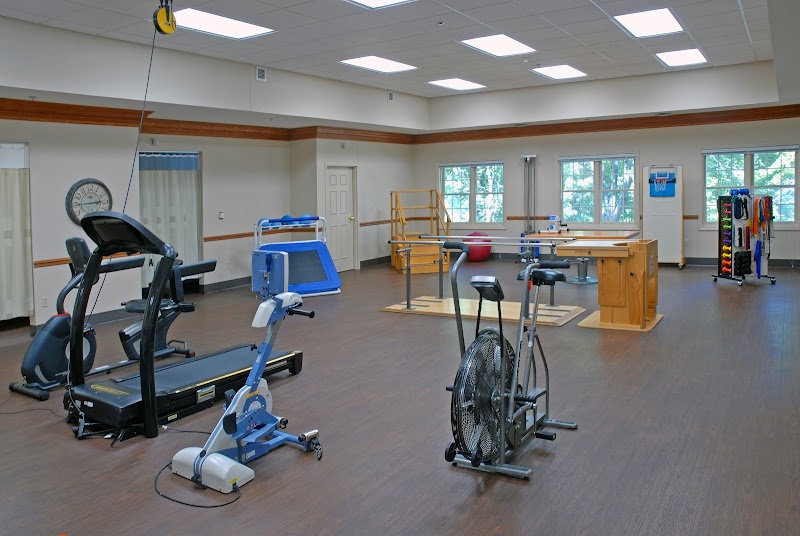
How is Terrace At Solarbron The Staffed?

CMS rates TERRACE AT SOLARBRON THE's staffing level at 2 out of 5 stars, which is below average compared to other nursing homes. Staff turnover is 66%, which is 20 percentage points above the Indiana average of 46%. High turnover can affect care consistency as new staff learn residents' individual needs. RN turnover specifically is 64%, which is notably high. RNs provide skilled clinical oversight, so turnover in this role can affect medical care quality.

What Have Inspectors Found at Terrace At Solarbron The?

State health inspectors documented 36 deficiencies at TERRACE AT SOLARBRON THE during 2022 to 2025. These included: 2 that caused actual resident harm, 32 with potential for harm, and 2 minor or isolated issues. Deficiencies causing actual harm indicate documented cases where residents experienced negative health consequences.

Who Owns and Operates Terrace At Solarbron The?

TERRACE AT SOLARBRON THE is owned by a government entity. Government-operated facilities are typically run by state, county, or municipal agencies. The facility is operated by CARDON & ASSOCIATES, a chain that manages multiple nursing homes. With 91 certified beds and approximately 75 residents (about 82% occupancy), it is a smaller facility located in EVANSVILLE, Indiana.
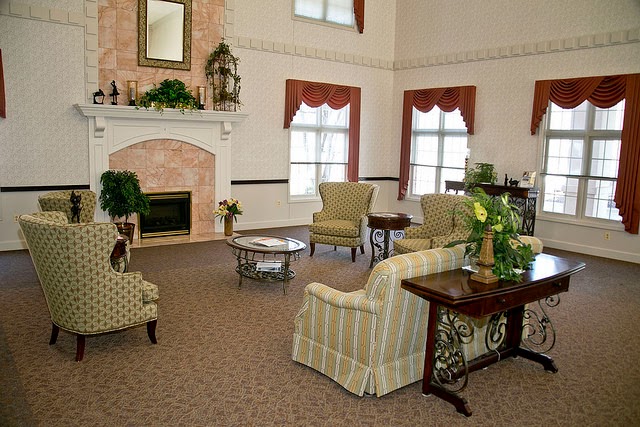
How Does Terrace At Solarbron The Compare to Other Indiana Nursing Homes?

Compared to the 100 nursing homes in Indiana, TERRACE AT SOLARBRON THE's overall rating (2 stars) is below the state average of 3.1, staff turnover (66%) is significantly higher than the state average of 46%, and health inspection rating (2 stars) is below the national benchmark.

What Should Families Ask When Visiting Terrace At Solarbron The?

Based on this facility's data, families visiting should ask: "How do you ensure continuity of care given staff turnover, and what is your staff retention strategy?" "Can you walk me through typical staffing levels on day, evening, and night shifts?" "Can I visit during a mealtime to observe dining assistance and food quality?" "How do you handle medical emergencies, and what is your hospital transfer rate?" These questions are particularly relevant given the facility's high staff turnover rate and the below-average staffing rating.

Is Terrace At Solarbron The Safe?

Based on CMS inspection data, TERRACE AT SOLARBRON THE has a clean safety record: no substantiated abuse findings (meaning no confirmed cases of resident harm), no Immediate Jeopardy citations (the most serious violation level indicating risk of serious injury or death), and is not on the Special Focus Facility watch list (a federal program monitoring the lowest-performing 1% of nursing homes). The facility has a 2-star overall rating and ranks #100 of 100 nursing homes in Indiana. While no facility is perfect, families should still ask about staff-to-resident ratios and recent inspection results during their visit.

Do Nurses at Terrace At Solarbron The Stick Around?

Staff turnover at TERRACE AT SOLARBRON THE is high. At 66%, the facility is 20 percentage points above the Indiana average of 46%. Registered Nurse turnover is particularly concerning at 64%. RNs handle complex medical decisions and coordinate care — frequent RN changes can directly impact care quality. High turnover means new staff may not know residents' individual needs, medications, or preferences. It can also be disorienting for residents, especially those with dementia who rely on familiar faces. Families should ask: What is causing the turnover? What retention programs are in place? How do you ensure care continuity during staff transitions?

Was Terrace At Solarbron The Ever Fined?

TERRACE AT SOLARBRON THE has no federal fines on record. CMS issues fines when nursing homes fail to meet care standards or don't correct problems found during inspections. The absence of fines suggests the facility has either maintained compliance or corrected any issues before penalties were assessed. This is a positive indicator, though families should still review recent inspection reports for the full picture.

Is Terrace At Solarbron The on Any Federal Watch List?

TERRACE AT SOLARBRON THE is not on any federal watch list. The most significant is the Special Focus Facility (SFF) program, which identifies the bottom 1% of nursing homes nationally based on persistent, serious quality problems. Not being on this list means the facility has avoided the pattern of deficiencies that triggers enhanced federal oversight. This is a positive indicator, though families should still review the facility's inspection history directly.