WEST RIVER HEALTH CAMPUS
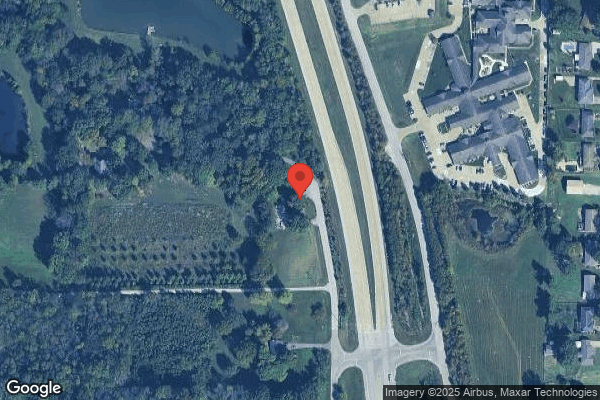
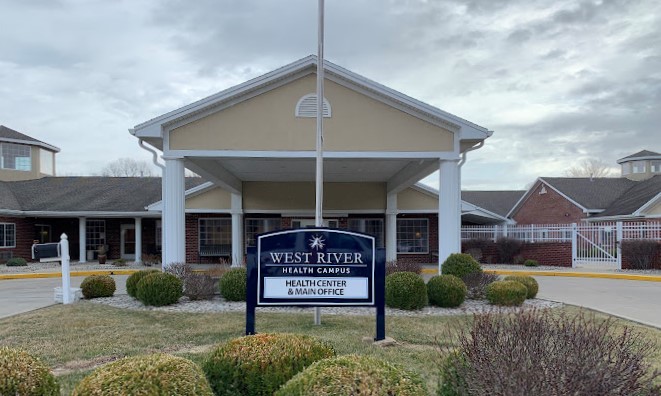
714 S EICKHOFF RD, EVANSVILLE, IN 47712 (812) 985-9878
Government - County 61 Beds TRILOGY HEALTH SERVICES Data: November 2025
Trust Grade
43/100
#404 of 505 in IN
Last Inspection: August 2024

Within standard 12-15 month inspection cycle. Federal law requires annual inspections.

Overview

West River Health Campus in Evansville, Indiana, has a Trust Grade of D, indicating below-average performance and some concerns regarding care quality. They rank #404 out of 505 facilities statewide, placing them in the bottom half of Indiana nursing homes, and #11 out of 17 in Vanderburgh County, meaning there are only a few local options that are better. While the facility has shown improvement over the years, reducing serious issues from 8 in 2024 to 2 in 2025, they still have significant challenges, including $18,655 in fines, which is higher than 92% of Indiana facilities, suggesting ongoing compliance problems. Staffing is a relative strength, with a rating of 4 out of 5 stars and better RN coverage than 78% of state facilities, although turnover is average at 54%. However, there have been serious incidents, including a resident developing a severe urinary tract infection after not receiving proper care for their catheter, and another resident suffered a clavicle fracture after an unwitnessed fall due to inadequate supervision. While the staffing levels and improvements in care are positive aspects, families should weigh these against the concerning incidents and fines when considering this facility for a loved one.

Trust Score
D
43/100
In Indiana
#404/505
Bottom 20%
Safety Record
Moderate
Needs review
Inspections
Getting Better
8 → 2 violations
Staff Stability
⚠ Watch
54% turnover. Above average. Higher turnover means staff may not know residents' routines.
Penalties
⚠ Watch
$18,655 in fines. Higher than 86% of Indiana facilities, suggesting repeated compliance issues.
Skilled Nurses
✓ Good
Each resident gets 67 minutes of Registered Nurse (RN) attention daily — more than 97% of Indiana nursing homes. RNs are the most trained staff who catch health problems before they become serious.
Violations
⚠ Watch
17 deficiencies on record. Higher than average. Multiple issues found across inspections.
★★☆☆☆
2.0
Overall Rating
★★★★☆
4.0
Staff Levels
★★★★☆
4.0
Care Quality
★★☆☆☆
2.0
Inspection Score
Stable
2024: 8 issues
2025: 2 issues

The Good

  • 4-Star Staffing Rating · Above-average nurse staffing levels
  • 4-Star Quality Measures · Strong clinical quality outcomes
  • Full Sprinkler Coverage · Fire safety systems throughout facility
  • No fines on record

Facility shows strength in staffing levels, quality measures, fire safety.

The Bad

2-Star Overall Rating

Below Indiana average (3.1)

Below average - review inspection findings carefully

Staff Turnover: 54%

Near Indiana avg (46%)

Higher turnover may affect care consistency

Federal Fines: $18,655

Below median ($33,413)

Minor penalties assessed

Chain: TRILOGY HEALTH SERVICES

Part of a multi-facility chain

Ask about local staffing decisions and management

The Ugly 17 deficiencies on record

2 actual harm
Aug 2025 1 deficiency
CONCERN (D) 📢 Someone Reported This

A family member, employee, or ombudsman was alarmed enough to file a formal complaint

Potential for Harm - no one hurt, but risky conditions existed

Comprehensive Care Plan (Tag F0656)

Could have caused harm · This affected 1 resident

**NOTE- TERMS IN BRACKETS HAVE BEEN EDITED TO PROTECT CONFIDENTIALITY** Based on interview and record review, the facility failed to ensure a resident's plan of care was followed by providing assistan...

Read full inspector narrative →
**NOTE- TERMS IN BRACKETS HAVE BEEN EDITED TO PROTECT CONFIDENTIALITY** Based on interview and record review, the facility failed to ensure a resident's plan of care was followed by providing assistance during transfers for 1 of 1 residents reviewed for falls. (Resident F) Finding includes: On 8/13/25 at 10:38 A.M., Resident F's clinical record was reviewed. Resident F was admitted on [DATE]. Diagnoses included, but were not limited to, dementia. The most recent Significant Change Minimum Data Set (MDS) Assessment, dated 6/25/25, indicated Resident F was severely cognitively impaired, required partial assistance from staff for bathing and toileting (staff do half of the work), and required supervision from staff for transfers. During an anonymous interview on 8/12/25 at 8:15 A.M., it was indicated that Resident F had fallen on 8/2/25 where family viewed the fall through a camera and called the facility to notify staff of the fall, and staff were not assisting the resident during toileting or transfers. Physician orders included, but were not limited to: Macrobid (antibiotic medication) capsule; 100 mg (milligrams) oral, take one capsule by mouth twice a day for seven days for urinary tract infection (UTI); start date 8/1/25 Current care plan included, but was not limited to: Resident is at risk for falling related to weakness and immobility, staff to assist resident with transfers as needed; start date 6/22/24 A nursing progress note, dated 7/25/25 at 10:28 A.M., indicated Resident F had trouble transferring out of bed. After several minutes resident was transferred to wheelchair with assistance from two staff members. An event report, dated 7/31/25, indicated Resident F experienced confusion and falling as symptoms of a UTI. Point of care (POC) responses in the medical record were reviewed. The following indicated staff's responses to assisting Resident F with toileting and transfers the day of the fall: 8/2/25 at 10:41 A.M.: How did resident use the toilet? Independent; Staff support provided for toileting? No setup or physical help from staff 8/2/25 at 10:41 A.M. How did the resident transfer? Independent; Staff support provided for transferring? No setup or physical help from staff;What appliances or assistive devices were used for transferring? None During an interview on 8/14/24 at 11:15 A.M., Certified Nurses Aide 4 (CNA) indicated that Resident F required assistance of one for transfer and toileting. During an interview on 8/15/25 at 9:13 A.M., The Director of Nursing (DON) indicated Resident F was typically independent, only required staff assistance while having a UTI, and the care plan level of assistance was accurate in stating Resident F needed assistance with transfers. On 8/15/25 at 11:55 A.M., the Administrator provided a policy titled Comprehensive Care Plan Guidelines, dated 5/18, that indicated Goals should be measurable and attainable, interventions should be reflective of the individual's needs; Comprehensive care plans need to remain current and accurate 3.1-35(a)
Jun 2025 1 deficiency
CONCERN (D) 📢 Someone Reported This

A family member, employee, or ombudsman was alarmed enough to file a formal complaint

Potential for Harm - no one hurt, but risky conditions existed

Deficiency F0627 (Tag F0627)

Could have caused harm · This affected 1 resident

**NOTE- TERMS IN BRACKETS HAVE BEEN EDITED TO PROTECT CONFIDENTIALITY** Based on interview and record review, the facility failed to complete the required discharge documentation. Transfer/Discharge d...

Read full inspector narrative →
**NOTE- TERMS IN BRACKETS HAVE BEEN EDITED TO PROTECT CONFIDENTIALITY** Based on interview and record review, the facility failed to complete the required discharge documentation. Transfer/Discharge documentation was left blank and incomplete. (Resident B) Finding includes: On 6/4/25 at 1:04 p.m., Resident B's clinical record was reviewed. Diagnoses included, but were not limited to, hemiplegia and hemiparesis following cerebral infarction affecting right dominant side, aphasia, dysphagia, oropharyngeal phase. An admission Minimum Data Set (MDS) assessment dated [DATE], indicated Resident B's cognition was intact. Resident B admitted to the facility on [DATE] and discharged on 5/7/27. Care plans were reviewed and included but were not limited to: Resident plans to return to previous living environment after successful completion of his rehab program, start date 4/24/25, goal target date 7/3/25. Approaches included but were not limited to: Discharge planning upon admission and prn (as needed) thereafter, start date 4/24/25. A Notice of Transfer or discharge date d 5/7/25, was reviewed. The form included but was not limited to: Reason for Transfer or Discharge (Must select one of the reasons below.) No reason was selected from the menu. The facility had written on the form Resident Request. A physicians order was reviewed with a received date of 5/6/25, start date 5/7/25. The order description indicated - Ok to discharge. The discharge reason indicated- discharged . A documentation provided by the facility dated 5/6/25 nurse triage call center, included but was not limited to: Reason for Disposition - orders to transfer received Affirmative: MD order Disposition of Nursing Home Care Advice suggested. Note: Ok to discharge - please be sure they send records Visit diagnoses- none Anticipated discharge date : [DATE] Anticipated discharge to : [name of nursing home facility] The clinical record did not contain other information by the physician related to Resident B's discharge. On 6/4/25 at 12:38 p.m., the Clinical Support Nurse indicated the reason on the Transfer or Discharge form was not selected due to none of the reasons listed seemed to fit, so one was written in. On 6/4/25 at 12:59 p.m., the Clinical Support Nurse provided the current policy for transfer and discharge with a revision date of 5/3/17. The policy included but was not limited to: .b. Record the reasons for, the effective date of transfer or discharge, and the location to which the resident is being transferred in the medical record and on a discharge form or a letter. Give a copy of the discharge notice to the resident and his/her family legal representative . g. The physician should document medical reasons for transfer or discharge in the medical record when the reason for transfer is for any reason other than nonpayment of the stay or the facility ceasing to operate. A copy of the physicians's order for discharge should be attached to the discharge notice . This citation relates to Complaint IN00459530. 3.1-36(a)(2)
Aug 2024 7 deficiencies 1 Harm
SERIOUS (G)

Actual Harm - a resident was hurt due to facility failures

Incontinence Care (Tag F0690)

A resident was harmed · This affected 1 resident

**NOTE- TERMS IN BRACKETS HAVE BEEN EDITED TO PROTECT CONFIDENTIALITY** Based on interview and record review, the facility failed to ensure services were provided to a resident with an indwelling urin...

Read full inspector narrative →
**NOTE- TERMS IN BRACKETS HAVE BEEN EDITED TO PROTECT CONFIDENTIALITY** Based on interview and record review, the facility failed to ensure services were provided to a resident with an indwelling urinary catheter to prevent the development of infection for 1 of 1 resident reviewed for a catheter-associated urinary tract infection (CAUTI). (Resident 32) This deficient practice resulted in Resident 32 developing a CAUTI with septic shock and pneumonia. Resident 32 required artificial ventilation and treatment at a hospital-based intensive care unit. (Resident 32) Finding includes: On 8/13/24 at 11:20 A.M., Resident 32's clinical record was reviewed. Resident 32 was admitted on [DATE]. Diagnoses included, but were not limited to, Parkinson's disease, obstructive uropathy, dementia. An admission MDS (Minimum Data Set) Assessment, dated 3/20/24, indicated Resident 32 was moderately cognitively impaired, was completely dependent on staff for bathing, toileting, and transfers, and had an indwelling catheter. The most recent Quarterly MDS (Minimum Data Set) Assessment, dated 7/26/24, indicated Resident 32 was significantly cognitively impaired, was completely dependent on staff for bathing, toileting, and transfers, and had an indwelling catheter. The clinical record lacked current orders related to indwelling catheter care or documentation of physician notification for clarification of indwelling catheter use. Current comprehensive care plan included, but was not limited to: Resident uses a Foley (brand of indwelling) catheter for diagnosis of obstructive uropathy; Observe for any signs of complication such as UTI, urethral trauma, strictures, bladder calculi or silent hydronephrosis notify my doctor. Date initiated: 4/27/24. Resident is at risk for excessive bleeding and bruising related to medications; Notify MD (doctor) of abnormal bruising and or bleeding. Date initiated: 4/27/24. A progress note, dated 7/28/24 at 1:30 A.M., indicated Resident 32 had blood in his urine. The clinical record lacked any further urinary or catheter assessment or notification to the physician related to any abnormal urinary symptoms. A progress note, dated 7/30/24 at 12:39 A.M., indicated Resident 32 was experiencing blood in his urine and a catheter flush was performed. Documentation did not include specific information to determine technique used to perform the catheter flush, further assessment after the catheter flush, or notification to the physician prior to flush the catheter, of findings during the catheter flush. A progress note, dated 7/30/24 at 1:31 A.M., indicated Resident 32 was found with abnormal vitals: labored wheezing respirations at 22 per minute, an oxygen saturation of 86%, a pulse of 139 beats per minute, a blood pressure of 94/54, and temperature of 101.3 degrees Fahrenheit. Resident 32 had thick and clotted blood noted in his indwelling catheter tubing and decreased urinary output. The physician was notified through triage and Resident 32 was sent to the hospital. A hospital document titled Patient Summary Report, dated 7/30/24 at 4:48 A.M., indicated Resident 32 was admitted to the hospital with septic shock secondary to a urinary tract infection and pneumonia. Resident 32 was intubated and placed in intensive care. A late entry progress note, entered by nursing staff at the facility dated 8/2/24 at 7:16 P.M. for 7/28/24 at 7:06 P.M, indicated Resident 32 had passed a blood clot, urine was clear and non-odorous, and vital signs were in normal range. The clinical record lacked notification to the physician the resident had passed a blood clot. A progress note dated 8/7/24 at 3:15 P.M., indicated Resident 32 had returned to the facility from the hospital. During an interview on 8/16/24 at 10:16 A.M., the Clinical Support 5 indicated there was no catheter assessment tool to monitor indwelling catheters but Resident 32 should have had an indwelling catheter order set entered upon return from the hospital stay and did not, and that if a nurse noticed abnormalities with an indwelling catheter such as bleeding, the physician should be notified. On 8/16/24 at 11:30 A.M., Clinical Support 5 provided a policy titled Guidelines for the Use of Indwelling Catheter, dated 12/31/23, that indicated Each resident who is incontinent of urine is identified, assessed and provided appropriate treatment and services to achieve or maintain as much normal urinary function as possible; A resident with or without a catheter, receives the appropriate care and services to prevent infections to the extent possible. The policy did not address indwelling catheter flushing or indwelling catheter associated urinary tract infections. 3.1-41(a)(2)
CONCERN (D)

Potential for Harm - no one hurt, but risky conditions existed

Accident Prevention (Tag F0689)

Could have caused harm · This affected 1 resident

**NOTE- TERMS IN BRACKETS HAVE BEEN EDITED TO PROTECT CONFIDENTIALITY** Based on observation, interview, and record review, the facility failed to ensure residents had supervision and interventions in...

Read full inspector narrative →
**NOTE- TERMS IN BRACKETS HAVE BEEN EDITED TO PROTECT CONFIDENTIALITY** Based on observation, interview, and record review, the facility failed to ensure residents had supervision and interventions in place to prevent accidents for 2 of 2 residents reviewed for Accidents. A resident's fall intervention was out of place, care plans were not updated with new interventions, and a resident's diet orders were not followed or supervised during a group activity. (Resident 30 and Resident 32) Findings include: 1. On 8/13/24 at 11:25 A.M., nonskid strips were observed in the shower and in front of sink in Resident 30's bathroom. Nonskid strips were not observed in front of the toilet. On 8/13/24 at 9:25 A.M., Resident 30's clinical record was reviewed. Resident 30 was admitted to the facility on [DATE] following left hip surgery. Diagnoses included, but were not limited to, Alzheimer's disease, muscle weakness, and unspecified fall. The most current Quarterly Minimum Data Set (MDS) Assessment, dated 6/21/24, indicated Resident 30 had severe cognitive impairment, required partial to moderate assistance of staff (staff does less than half) for transferring and toileting, and had one fall without injury and one fall with injury since the prior assessment on 3/28/24. A fall risk assessment, dated 8/2/24, indicated Resident 30 was at high risk for falls. The admission comprehensive falls care plan, dated 11/2/23, included the following interventions: Assure the floor is free of liquids and foreign objects Encourage/assist resident to assume a standing position slowly Keep call light in reach Keep personal items and frequently used items within reach Provide nonskid footwear Staff to assist resident with transfers as needed Therapy evaluation and treatment as needed The clinical record indicated Resident 30 had fallen 10 times since admission to the facility. Fall 1 On 11/1/23 at 11:20 P.M., Resident 30 had an unwitnessed fall while attempting to self toilet. The resident complained of pain in his left hip and was sent to the emergency room (ER) for evaluation and treatment. Hospital discharge papers indicated the x-rays were negative for a hip fracture. The intervention Staff to assist resident with toileting prior to bed and then throughout the night was added to the care plan on 11/2/23. Fall 2 On 11/13/23 at 4:57 A.M., Resident 30 had an unwitnessed fall while attempting to self toilet. The resident had a laceration to his left elbow and was sent to the ER for evaluation and treatment. Hospital discharge papers, dated 11/13/24, indicated x-rays were negative for an elbow fracture. The intervention Nursing staff to offer and assist with toileting upon rounds was added to the care plan on 11/22/23. Fall 3 On 11/24/23 at 4:53 A.M., Resident 30 had an unwitnessed fall while attempting to self toilet. The intervention antiroll back to wheelchair was added to the care plan on 11/27/23. Fall 4 On 11/25/23 at 3:00 A.M., Resident 30 had an unwitnessed fall while attempting to self toilet. The resident's previous laceration on the left elbow had reopened and his eye was dark pink and swollen. The resident was sent to the ER for evaluation and treatment. Hospital discharge paperwork, dated 11/27/23, indicated x-rays were negative for facial and elbow fractures. The intervention Wake frequently at night and assist with toileting needs was added to the care plan on 11/27/23. Fall 5 On 12/8/23 at 7:00 A.M., Resident 30 had a witnessed fall while attempting to self transfer out of bed. The intervention Encourage resident to wear non skid socks in bed was added to the care plan on 12/11/23. Fall 6 On 12/21/23 at 3:06 A.M., Resident 30 had an unwitnessed fall while sitting on the couch in the day room. The intervention Dycem to couch was added to the care plan on 12/21/23. Fall 7 On 1/25/24 at 1:32 A.M., Resident 30 had an unwitnessed fall while attempting to self toilet. The intervention Therapy referral for trunk control was added to the care plan on 1/26/24. Fall 8 On 5/7/24 at 2:46 A.M., Resident 30 had an unwitnessed fall while attempting to self toilet. The resident sustained abrasions to his right knee and right elbow and a knot to the back of his head. The interventions Bed in lowest position and Offer resident to toilet between 1am-2am was added to the care plan on 5/7/24. Fall 9 On 5/18/24 at 9:06 P.M., Resident 30 had an unwitnessed fall while attempting to self toilet. The intervention non skid strips in front of toilet was added to the care plan on 5/20/24. Fall 10 On 7/28/24 at 8:00 P.M., Resident 30 had an unwitnessed fall while attempting to self toilet. A nursing progress note, dated 7/28/24 at 8:45 P.M., indicated the floor in the bathroom was very slick. An x-ray on the resident's left hip and left ankle was ordered. Results indicated the left ankle and left hip were negative for fracture and dislocation. The intervention assist to toilet with each round was added to the care plan on 7/29/24. On 8/14/24 at 9:10 A.M., the Assistant Director of Nursing (ADON) indicated that maintenance placed nonskid strips in front of Resident 30's toilet on 8/13/24 around noon. On 8/16/24 at 9:10 A.M., Clinical Support 5 indicated after a resident sustained a fall, the IDT (Interdisciplinary Team) would meet to determine a root cause for the fall and a new intervention related to the fall would be placed in the care plan and implemented that day. 2. On 08/13/24 at 11:20 A.M., Resident 32's clinical record was reviewed. Resident 32 was admitted on [DATE]. Diagnoses included, but were not limited to, Parkinson's disease, dementia, and dysphagia. The most recent Quarterly MDS (Minimum Data Set) Assessment, dated 7/26/24, indicated Resident 32 was significantly cognitively impaired, required moderate assistance from staff with eating, and required a modified diet due to choking, coughing, and difficulty swallowing. Physician orders included, but were not limited to: Diet: Fortified foods/puree/thin liquids Special Instructions: Built up utensils and divided plate. Start date 8/8/24. Diet: Puree, Thin liquids, Resident to be feed all meals. Go to dining room for all meals. Date 5/15/24 - 6/20/24. Care plan included, but was not limited to: Resident has potential for complications, functional and cognitive status decline. Diet as ordered. Date initiated: 4/27/24. A progress note, dated 6/2/24 at 11:26 A.M., indicated Resident 32 had choked on banana bread while in activities. The progress note indicated by the time staff saw Resident 32 choking, he was blue/purple and the nurse performed the Heimlich maneuver to dislodge food stuck in Resident 32's throat. Resident 32 was sent to the emergency department. A chest X-ray report obtained in the hospital emergency department, dated 6/2/24 at 1:33 P.M., indicated resident 32 was admitted for aspiration and the X-ray indicated infiltrates in the lungs. A progress note, dated 6/2/24 at 6:09 P.M., indicated Resident 32 returned to the facility from the hospital with an order for Augmentin (antibiotic) with a diagnosis of pneumonia. During an interview on 8/16/24 at 2:22 P.M., Clinical Support 5 indicated Resident 32 was in the activities room when staff were making banana bread and provided it to residents, Resident 32 was given banana bread by another resident, and that Resident 32 was on a puree diet at the time he choked in activities. On 8/16/24 at 11:30 A.M., Clinical Support 5 indicated there was no facility policy on resident supervision or following diet orders, but staff were expected to follow all physician orders. On 8/16/24 at 11:30 A.M., Clinical Support 5 provided a current Falls Management Program Guidelines policy, dated 12/31/23, that indicated Should the resident experience a fall the attending nurse shall complete the Fall Event This includes an investigation of the circumstances surrounding the fall to determine the cause of the episode, a reassessment to identify possibly contributing factors, interventions to reduce risk of repeat episode and a review by the IDT to evaluate thoroughness of the investigation and appropriateness of the interventions . The resident care plan should be updated to reflect any new or change in interventions. On 8/16/24 at 11:30 A.M., Clinical Support 5 provided a current Comprehensive Care Plans policy, dated 12/31/23, that indicated Comprehensive care plans need to remain accurate and current. New interventions will be added and updated during or directly following CCM [continuity of care meeting] meeting. 3.1-25(a)(1) 3.1-45(a)(2)
CONCERN (D)

Potential for Harm - no one hurt, but risky conditions existed

Deficiency F0692 (Tag F0692)

Could have caused harm · This affected 1 resident

**NOTE- TERMS IN BRACKETS HAVE BEEN EDITED TO PROTECT CONFIDENTIALITY** Based on interview, record review, and observation, the facility failed to ensure a resident's decline in nutritional status was...

Read full inspector narrative →
**NOTE- TERMS IN BRACKETS HAVE BEEN EDITED TO PROTECT CONFIDENTIALITY** Based on interview, record review, and observation, the facility failed to ensure a resident's decline in nutritional status was addressed and recommendations were followed for 1 of 1 residents reviewed for significant weight loss. (Resident 32) Finding includes: On 8/13/24 at 11:20 A.M., Resident 32's clinical record was reviewed. Resident 32 was admitted on [DATE]. Diagnoses included, but were not limited to, Parkinson's disease, dementia, and dysphagia. The most recent Quarterly MDS (Minimum Data Set) Assessment, dated 7/26/24, indicated Resident 32 was significantly cognitively impaired, required moderate assistance from staff with eating, was completely dependent on staff for bathing, toileting, and transfers, and required a modified diet due to choking, coughing, and difficulty swallowing. Physician orders included, but were not limited to: Diet: Fortified foods/puree/thin liquids Special Instructions: Built up utensils and divided plate. Start date 8/8/24. Order Set admission - Weekly Weight. Start date 3/16/24. Dietary supplement: Ensure may substitute if available. Dated 5/5/24 - 6/11/24. Dietary supplement: Medpass 120 mL (milliliters) TID (three times a day). Dated 6/11/24 - 7/9/24. Care plan included, but was not limited to: Resident is malnourished/at risk for malnutrition related to diagnoses, inadequate nutrient/energy intakes, and/or metabolic demands. Date initiated 3/18/24. Resident has experienced a significant weight loss. Date initiated 7/8/24. Obtain a dietary consult as needed. Follow recommendations as required. Date initiated 5/14/24 Hospital discharge documents, dated 3/15/24, indicated Resident 32 had a weight recorded of 218 pounds. The following vitals indicated date taken by nursing staff in the facility: 3/19/24 (admission) 230 lbs (pounds) Height: 5 feet 11 inches No weekly weight taken the week of 3/24/24-3/30/24 No weekly weight taken the week of 3/31/24-4/6/24 4/12/24 (11:25 AM) 231 lbs 4/15/24 (10:54 AM) 231 lbs No weekly weight taken the week of 4/21/24-4/27/24 No weekly weight taken the week of 5/5/24-5/11/24 No weekly weight taken the week of 5/12/24-5/18/24 5/20/24 (2:51 PM) 253.8 lbs 5/27/24 (3:54 PM) 175.4 lbs 6/3/24 (3:08 PM) 184.6 lbs 6/6/24 (2:54 AM) 183 lbs No weekly weight taken the week of 6/9/24-6/15/24 6/18/24 (12:07 PM) 183.5 lbs 6/24/24 (1:36 PM) 185.8 lbs 7/1/24 (8:39 AM) 181.6 lbs 7/5/24 (12:07 PM) 181.6 lbs No weekly weight taken the week of 7/7/24-7/13/24 No weekly weight taken the week of 7/14/24-7/20/24 No weekly weight taken the week of 7/21/24-7/27/24 8/7/24 (3:30 PM) 177 lbs 8/12/24 (1:42 PM) 178 lbs A progress note, dated 5/13/24 at 9:26 A.M., indicated Resident 32 had no edema noted. A progress note, dated 5/22/24 at 5:22 P.M., indicated Resident 32 had a weight gain in the last 30 days, weekly weights should continue, and no increased edema was noted. A weight monitoring nutrition assessment progress note created by the registered dietitian on 5/30/24 at 4:13 P.M. indicated Resident 32's weight of 175.4 lbs on 5/27/24 was likely an error and Resident 32 should be re-weighed. A weight was not recorded until the next weekly weight was due. A weight monitoring nutrition assessment progress note created by the registered dietitian, dated 6/10/24 at 10:43 A.M., indicated Resident 32's weight Inconsistencies were likely how inconsistently Resident 32 was being weighed by staff; staff to ensure resident is weighed the exact same every time day, continue weekly weights. During an observation on 8/16/24 at 2:09 P.M., CNA 6 weighed Resident 32's wheelchair by itself (52.8 lbs), then weighed Resident 32 while sitting in the wheelchair (235.6 lbs), for a final weight for Resident 32 of 182.8 lbs. During an interview on 8/15/24 at 9:28 A.M., the ADON (assistant director of nursing) indicated the large fluctuation in Resident 32's weight was due to staff not weighing Resident 32 correctly, and was unsure where the actual weight loss occurred because residents clothes still fit the same. The ADON indicated Resident 32 was put on nutritional supplement and fortified foods after the significant weight loss. The ADON indicated the weight machine was not reading right and needed to be calibrated and that may have caused the significant weight differences, and was unsure if Resident 32 was reweighed after the weight machine was recalibrated. During an interview on 8/16/24 at 10:16 A.M. the Regional Clinical indicated weekly weights documented in physician orders and POC (point of care) responses populate in vitals, if weekly weights were not there, they were not completed, and that the order for weekly weights order is a nurse task to be completed but sometimes CNA (certified nurses aide) may take the weight and give the weight to the nurse to enter. The Regional Clinical indicated she believed Resident 32's weight entered on 5/20/24 and 5/27/24 should have been marked invalid, and the 46.4 pound weight loss from 4/15/24 to 6/3/24 was due to Resident 32 having diarrhea and edema. Documents indicating diarrhea and edema during this time was requested but not provided. The clinical record lacked documentation in medical record of thorough assessment of resident 32's condition for recorded weight loss. A document provided by Clinical Support 5 on 8/16/24 at 1:52 P.M., titled Work History Report indicated the weight scale had been calibrated weekly from 8/5/23 through 8/17/24. On 8/16/24 at 11:30 A.M., Clinical Support 5 provided a document titled Guidelines for Weight Tracking, dated 12/31/23, that indicated Scales shall be properly maintained and calibrated to ensure accuracy of weight. Residents who have a weight that seems out of normal range shall be re-weighed to determine the accuracy of the original weight. The physician, resident representative and dietitian shall be notified of a weight variance of 5% in 30 days, 7.5% in 90 days, and 10% in 180 days. 3.1-46(a)(1)
CONCERN (D)

Potential for Harm - no one hurt, but risky conditions existed

Respiratory Care (Tag F0695)

Could have caused harm · This affected 1 resident

Based on observation, interview, and record review, the facility failed to ensure oxygen equipment was properly labeled and oxygen services were provided according to physician order for 1 of 3 reside...

Read full inspector narrative →
Based on observation, interview, and record review, the facility failed to ensure oxygen equipment was properly labeled and oxygen services were provided according to physician order for 1 of 3 residents reviewed for respiratory care. (Resident 6) Finding includes: On 8/12/24 at 11:30 A.M., Resident 6 was observed to receive 5 Liters (L) of oxygen via nasal cannula. The humidification bottle was empty and not dated and the tubing was not dated. At that time, Resident 6 indicated she was supposed to be getting 3L of oxygen but was not sure why. On 8/13/24 at 1:04 P.M., Resident 6's clinical record was reviewed. Diagnoses included, but were not limited to, non-ST elevation (NSTEMI) myocardial infarction and shortness of breath. The most current admission Minimum Data Set (MDS) Assessment, dated 7/8/24, indicated Resident 6 was cognitively intact, received partial to moderate assistance of staff (staff does less than half) for transfers, and was not receiving oxygen. Physician orders included, but were not limited to: Oxygen at 3L per nasal canula continuous, dated 7/30/24 Change oxygen tubing monthly once a day on the 1st of the month, dated 7/30/24 A Profile Care Guide care plan, dated 7/16/24, indicated Resident 6 received 3L of continuous oxygen. On 8/14/24 at 11:10 A.M., Licensed Practical Nurse (LPN) 12 indicated she was unsure who was supposed to change oxygen tubing and humidification bottles. On 8/14/24 at 11:15 AM., the Assistant Director of Nursing (ADON) indicated tubing and humidification bottles were changed out according to physician's order or as needed by the night shift nursing staff. On 8/16/24 at 11:39 A.M., Clinical Support 5 indicated the facility did not have a policy for following physician orders, but staff were expected to follow orders. On 8/16/24 at 11:30 A.M., Clinical Support 5 provided a Respiratory Equipment policy, dated 12/31/23 that indicated Use sterile distilled water for humidification over 4LPM [liters per minute] . Change prefilled humidifier when water level becomes low . Change oxygen cannula and tubing monthly and as necessary. 3.1-47(a)(6)
CONCERN (E)

Potential for Harm - no one hurt, but risky conditions existed

ADL Care (Tag F0677)

Could have caused harm · This affected multiple residents

**NOTE- TERMS IN BRACKETS HAVE BEEN EDITED TO PROTECT CONFIDENTIALITY** 4. On 8/12/24 at 11:21 A.M., Resident 6 indicated she was supposed to get showers every other day but didn't get them very often...

Read full inspector narrative →
**NOTE- TERMS IN BRACKETS HAVE BEEN EDITED TO PROTECT CONFIDENTIALITY** 4. On 8/12/24 at 11:21 A.M., Resident 6 indicated she was supposed to get showers every other day but didn't get them very often. She indicated if she refused a shower, she was not offered a bed bath as an alternative. At that time, white flakes of skin were observed on Resident 6's blanket and chair. On 8/13/24 at 1:04 P.M., Resident 6's clinical record was reviewed. Resident 6 was admitted to the facility on [DATE]. Diagnoses included, but were not limited to, hypertensive heart disease, major depressive disorder, and urge incontinence. The most current admission Minimal Data Set (MDS) Assessment, dated 7/8/24, indicated Resident 6 was cognitively intact, required substantial to maximal assistance of staff (staff does more than half) for bathing, and had no rejection of care. A Point of Care (POC) History report indicated Resident 6 received a shower or complete bed bath two times in July and one time in August. On 8/14/24 at 11:15 A.M., the Assistant Director of Nursing (ADON) indicated CNAs (Certified Nursing Assistants) should be charting all showers and bed baths in POC Responses (a charting system for CNAs). If a resident refused a shower, staff should offer an alternative. On 8/16/24 at 11:30 A.M., Clinical Support 5 provided a current Guidelines for Bathing Preference policy, dated 12/31/23, that indicated Bathing shall occur at least twice a week . 3.1-38(a)(2)(A) 3.1-38(a)(3)(B) 3.1-38(b)(2) 3.1-38(b)(3) Based on interview, record review, and observation, the facility failed to ensure residents dependent on staff for ADL (activities of daily living) were bathed for 4 of 4 residents reviewed for ADL care. (Resident 11, Resident 32, Resident 148, Resident 6) Findings include: 1. During an interview on 8/12/24 at 11:01 A.M., Resident 32's family indicated Resident 32 was not receiving showers as often as he should be. On 8/13/24 at 11:20 A.M., Resident 32's clinical record was reviewed. Resident 32 was admitted on [DATE]. Diagnoses included, but were not limited to, Parkinson's disease, dementia, and dysphagia. The most recent Quarterly MDS (Minimum Data Set) Assessment, dated 7/26/24, indicated Resident 32 was significantly cognitively impaired and was completely dependent on staff for bathing, toileting, and transfers. Current care plans included, but were not limited to: Resident requires staff assistance to complete self-care and mobility functional tasks completely and safely; Showers: per shower schedule. Dated 4/27/24. On 8/16/24 at 10:59 A.M., Clinical Support 5 provided bathing performed from 7/1/24 through 8/16/24; Resident 32 received a shower or complete bed bath four times in July and one time in August. No shower schedule was available for review when requested. 2. On 8/14/24 at 12:02 P.M., Resident 11's clinical record was reviewed. Resident 11 was admitted on [DATE]. Diagnoses included, but were not limited to, dementia and hemiplegia. The most recent Quarterly MDS (Minimum Data Set) Assessment, dated 7/23/24, indicated Resident 11 was moderately cognitively impaired and was completely dependent on staff for bathing and transfers. Current care plans included, but were not limited to: Showers: per shower schedule. Dated 3/13/22. On 8/16/24 at 10:59 A.M., Clinical Support 5 provided bathing performed from 7/1/24 through 8/16/24; Resident 11 received a shower or complete bed bath two times in July and had not received a shower or complete bed bath in August. No shower schedule was available for review when requested. 3. On 8/13/24 at 8:44 A.M., Resident 148's clinical record was reviewed. Resident 148 was admitted on [DATE]. Resident 148's clinical record lacked diagnoses and a completed MDS Assessment. Current care plans included, but were not limited to: Showers: per shower schedule. Dated 8/12/24. On 8/16/24 at 10:59 A.M., Clinical Support 5 provided bathing performed from 8/7/24 through 8/16/24; Resident 148 had not received a shower or complete bed bath since admission to the facility. No shower schedule was available for review when requested.
CONCERN (E)

Potential for Harm - no one hurt, but risky conditions existed

Food Safety (Tag F0812)

Could have caused harm · This affected multiple residents

Based on observation, interview, and record review, the facility failed to ensure food was served in a sanitary manner in accordance with professional standards for food service safety for 2 of 2 obse...

Read full inspector narrative →
Based on observation, interview, and record review, the facility failed to ensure food was served in a sanitary manner in accordance with professional standards for food service safety for 2 of 2 observations of the kitchen and 1 of 1 observations of unit refrigerators. Food was not labeled, floors were soiled, and equipment was soiled. (Kitchen, Certified Locked Dementia Unit) Findings include: On 8/12/24 at 6:58 A.M., the following was observed in the kitchen: 1. walk in cooler - 2 bags of lunch meat, one open to air, no labels. 2. walk in freezer - clear bag of cookies no label, container of individually sealed frozen pork chops, no label. 3. soiled shelves under the grill and steamer, sides of the stove soiled, floors with debris build up under equipment and storage racks, dishwasher area, around edges of walls, sides of ice machine calcium build up, dusty vents. On 8/14/24 at 9:43 A.M., the refrigerator on the locked dementia unit was observed to have a bowl of purple pureed food, no label, 3 muffins in individual bowls, no label, a tray containing 8 individual bowls of macaroni salad and two bowls of orange pureed food, no label, and an unopened can of an energy drink no label. On 8/14/24 at 12:05 P.M., the lunch meat in the walk in cooler was observed with a label. On 8/15/24 at 9:21 A.M., the same was observed for all other areas observed on 8/12/24 at 6:58 A.M. On 8/15/24 at 9:26 A.M., the Dietary Manager indicated the pork chops were delivered last week and should have been labeled, after food was opened it was put in a two gallon bag and labeled, floors were mopped nightly, usually once a week under tables, equipment, etc. There was a weekly cleaning schedule. On 8/15/24 at 12:10 p.m., the Administrator provided the current policy on food labeling and dating with a revised date of 2019. The policy included but was not limited to: Any food product removed from its original container, has a broken seal, has been processed in any way must have a label .1. Item name. 2. Date and time the food was label. 3. Use by date. 4. Initials of the person labeling the item. 4. Securely cover the food item . 3.1-21(i)(2) 3.1-21(i)(3)
CONCERN (E)

Potential for Harm - no one hurt, but risky conditions existed

Infection Control (Tag F0880)

Could have caused harm · This affected multiple residents

3. During a wound care observation on 8/15/24 at 9:16 A.M., the RN (Registered Nurse) 11 was observed standing in the hall wearing a gown and gloves. RN 11 entered Resident 9's room, shut the door, an...

Read full inspector narrative →
3. During a wound care observation on 8/15/24 at 9:16 A.M., the RN (Registered Nurse) 11 was observed standing in the hall wearing a gown and gloves. RN 11 entered Resident 9's room, shut the door, and opened wound care supplies on Resident 9's bedside table. RN 11 reached around her gown and pulled a marker out of her pants pocket and dated the dressings. RN 11 removed her gloves, applied hand sanitizer, and put new gloves on. RN 11 assisted Resident 9 to roll to his right side. RN 11 sprayed wound cleanser in the wound on Resident 9's coccyx and applied skin prep around the wound. RN 11 used a cotton swab to apply Santyl (ointment used to promote skin healing) to the coccyx wound and covered the wound with a dressing. RN 11 removed her gloves and gown, turned the sink on, and washed her hands for nine (9) seconds. 4. During a random care observation on 8/16/24 at 2:13 P.M., CNA (Certified Nurse Aide) 2 and CNA 6 used a sit to stand lift to transfer Resident 32 from the bed to the wheelchair. The footplate of the sit to stand lift was observed to have dirty build up and the grip mat of the footplate was peeling off and sticking up on all sides. On 8/16/24 at 8:44 A.M., CNA 2 indicated hand hygiene should be done before and after glove use and before and after providing care to a resident. On 8/16/24 at 11:29 A.M., LPN 3 indicated hand hygiene needed done when hands were visibly soiled and when passing medications. In between residents, staff could use alcohol gel, and after every couple of residents, staff should wash their hands. On 8/16/24 at 11:30 A.M., the Clinical Support 5 provided the current policy on hand washing/hand hygiene with a revision date of 2/9/17. The policy included but was not limited to: All health care workers shall utilize hand hygiene frequently and appropriately .3. Health care workers (HCW) shall use hand hygiene at times such as: .c. before/after having direct physical contact with residents. d. After removing gloves, worn per standard precautions for direct contact with excretions or secretions, mucous membranes, specimens, resident equipment, grossly soiled linen, etc.Hand Washing . b) wet hands with running water. Apply liquid soap and work into a lather. c) wash for at least 20 seconds, using rotary motion and friction . On 8/16/24 at 11:30 A.M., the Clinical Support 5 provided the current policy on standard precautions guidelines with a revision date of 5/11/16. The policy included but was not limited to: 1. Standard precautions include, but are not limited to hand hygiene, safe injection practice, the proper use of PPE (e.g.; gloves, gowns, and masks), resident placement, and care of the environment, textiles, and laundry. Also equipment or items in the resident's room environment likely to have been contaminated with infectious fluids or other potentially infectious matter must be handled in a manner so as to prevent transmission of infectious agents, (e.g.; wear gloves for handling soiled equipment, and properly clean and disinfect or sterilize equipment before use on another resident) . 3.1-18(b) 3.1-18(l) Based on observation, record review, and interview, the facility failed to ensure staff performed proper hand hygiene and sanitation practices while providing care for 3 of 3 residents observed receiving care and 1 of 1 residents observed receiving blood glucose level checks. (Resident 11, Resident 19, Resident 32, Resident 9) Findings include: 1. On 8/12/24 at 9:07 A.M., LPN (Licensed Practical Nurse) 4 was observed getting supplies out of the medication cart. She knocked on Resident 11's door, entered the room, donned gloves, and obtained Resident 11's blood glucose level. LPN 4 removed her gloves, left the room, helped another staff to pull up a resident in their wheelchair by a draw sheet, went to the medication cart, and charted on the computer. No hand hygiene was observed. 2. On 8/14/24 at 9:06 A.M., CNA (Certified Nurse Aide) 6 was observed providing morning care to Resident 19. After care, CNA 6 removed her gloves, gave Resident 19 a drink from a cup, pushed the resident out of the bathroom, gave the call light to the resident, stripped the bed and pillow of linens and put them in a bag, changed the trash bag in the trash can, took personal care supplies to the bathroom, and shut the bathroom door. CNA 6 left the room carrying the bags to the dirty linen room, pushed the buttons on the door to open it, opened the lids to the containers to dispose of the bags, left the room, walked across the hall and opened the door to the bathroom, and washed her hands.
May 2024 1 deficiency 1 Harm
SERIOUS (G) 📢 Someone Reported This

A family member, employee, or ombudsman was alarmed enough to file a formal complaint

Actual Harm - a resident was hurt due to facility failures

Accident Prevention (Tag F0689)

A resident was harmed · This affected 1 resident

Based on observation, interview, and record review, the facility failed to ensure effective supervision was provided to a cognitively impaired, dependent resident to prevent falls and failed to ensure...

Read full inspector narrative →
Based on observation, interview, and record review, the facility failed to ensure effective supervision was provided to a cognitively impaired, dependent resident to prevent falls and failed to ensure the bed was in low position with a fall mat in accordance with the plan of care to prevent injury for 1 of 3 residents reviewed for falls. This deficient practice resulted in Resident B experiencing an unwitnessed fall from the bed, landing on the floor, and sustaining a left clavicle fracture. (Resident B) Finding includes: On 5/8/24 at 8:41 a.m., Resident B was observed sitting in a wheelchair in his room. On 5/8/24 at 9:39 a.m., Resident B's clinical record was reviewed. The diagnoses included, but were not limited to, fracture of unspecified part of left clavicle, subsequent encounter for fracture with routine healing, unspecified fall, subsequent encounter, dysphagia following cerebral infarction, contracture, left hip, contracture left knee, contracture right knee, vascular dementia. A Quarterly MDS (Minimum Data Set) assessment, dated 1/12/24, indicated Resident B's cognition was severely impaired, the resident required substantial assistance of staff to roll left and right for bed mobility and was dependent on staff for moving from lying to sitting on side of bed. The Care Plans included, but were not limited to: Resident is at risk for falls related to a history of falls, CVA (cerebral vascular accident), weakness, unsteady, cognitive impairment, dementia. The interventions included, but were not limited to, low bed with fall mat next to bed, initiated 6/20/22. A Fall Risk Review, dated 10/31/23, indicated a fall risk score of 20, indicating a high risk for falls. A Progress Note, dated 2/8/24 at 3:29 p.m., indicated CNA called a nurse to resident's room. The resident was noted on the floor beside bed lying on his right side with a skin tear to left elbow. There were no signs or symptoms of pain noted. POA (Power of Attorney) was called and a message was left to the return call. Neurological checks initiated. Nursing Home Triage (NHT) notified. A Progress Note, dated 2/9/24 at 1:30 p.m., indicated staff reported dark bruising on residents left shoulder area. Resident yelling out a lot during ADL's (Activities of Daily Living) this morning during care. NHT called to obtain order for left shoulder x-ray. Area has some swelling, pulses present, circulation normal, able to move hands. A Progress Note, dated 2/9/24 at 5:24 p.m., indicated the nurse called POA to report the results of the x-ray. No answer, had to leave a message to return call to facility. A Progress Note, dated 2/9/24 at 8:00 p.m., indicated NHT called with orders from Nurse Practitioner. Ok to order x-ray of shoulder and clavicle (collar bone) left arm. If family wants to can send to ED (Emergency Department) or be seen by orthopedic partners on Monday. Family calling other family at this time to discuss what they want to do. A Progress Note, dated 2/9/24 at 8:13 a.m., indicated the family has decided to have resident go to the ED for assessment and treatment. A Progress Note, dated 2/14/24 at 3:24 a.m., indicated the Interdisciplinary Team (IDT) note on 2/8/24 resident had a fall from bed. Root cause: Resident rolled out of bed and noted on floor. Intervention: Nurse to ensure residents placement in bed. On 2/9/24 resident was sent to ER per family request related to pain. Resident returned with new order for Lortab (pain medication). On 5/8/24 at 12:36 p.m., a State Reportable incident was reviewed for Resident B. The report indicated Resident B had rolled out of bed and sustained a clavicle fracture. During an interview, on 5/9/24 at 9:04 a.m., the DON (Director of Nursing) indicated she observed the resident's bed to not be in low position with a fall mat immediately after the fall. The DON indicated the post-fall investigation identified that CNA 1 exited the resident's room without ensuring the bed was in the low position with a fall mat next to it and the resident experienced an unwitnessed fall. On 5/9/24 at 9:20 a.m., the DON provided typed statement forms for CNA 1 and CNA 2. The statements included, but were not limited to: Date of interview - 2/9/24 CNA 1 I started working 100/300 hall mid shift. Around 3pm [sic] I went in and helped [CNA 2 ] do a check and change on [Resident B ] due to him having BM [bowel movement]. We cleaned him up and got everything out of his room. When we left room, he was in the middle of the bed and his knees were facing the tv. [CNA 2 ] went over to Skilled Legacy. When we left the room bed was how I originally walked in, bed was in highest position and no mat was put down. It was about 20-30 min [minutes] later and I was walking back down the 300 hall, and I overheard [Resident B] yell help. I went into the room and seen he was on the floor by the bed. I turned on the call light and got the nurse [DON]. The nurse came in and did an assessment. Date of interview 2/13/24 CNA 2 [CNA 2] states she went into [Resident B] room with [CNA 1] to check and change him. [Resident B] was in a wheelchair at the time, and we used the Hoyer lift. After checking and changing him I took out the trash. [CNA 1] was still in the room finishing up cleaning. Then I went to skilled legacy to finish out my shift. I thought [CNA 1] knew that his bed was to be in the lowest position and mat on floor. On 5/8/24 at 11:18 a.m., CNA 3 indicated resident fall interventions are found on assignment sheets, if there was a change, the nurse lets them know. On 5/9/24 at 11:38 a.m., the Clinical Support Nurse provided the current policy for fall management program guidelines with a review date of 12/31/23. The policy included, but was not limited to, care plan interventions should be implemented that address the resident's risk factors. On 5/9/24 at 11:38 a.m., the Clinical Support Nurse provided the current policy for Comprehensive Care Plan Guideline with a revision date of 5/22/18. The policy included, but was not limited to, pertinent care plan approaches are communicated to the nursing staff per the 24-hour CRCA (CNA) assignment or the care tracker profile depending on campus preference. The deficient practice was corrected on 2/13/24 after the facility implemented a systemic plan that included the following actions: the facility inserviced the staff on ensuring fall interventions were implemented and ongoing monitoring of ensuring fall interventions were in place. This citation relates to Complaints IN00432902, IN00433296, IN00431331. 3.1-45(a)(1)
Sept 2023 1 deficiency
CONCERN (D) 📢 Someone Reported This

A family member, employee, or ombudsman was alarmed enough to file a formal complaint

Potential for Harm - no one hurt, but risky conditions existed

Quality of Care (Tag F0684)

Could have caused harm · This affected 1 resident

**NOTE- TERMS IN BRACKETS HAVE BEEN EDITED TO PROTECT CONFIDENTIALITY** Based on interview and record review, the facility failed to ensure physician medication orders were put in place for 1 of 3 res...

Read full inspector narrative →
**NOTE- TERMS IN BRACKETS HAVE BEEN EDITED TO PROTECT CONFIDENTIALITY** Based on interview and record review, the facility failed to ensure physician medication orders were put in place for 1 of 3 residents reviewed. A medication dosage increase was not done. (Resident E) Finding includes: On 9/7/23 at 10:51 a.m., Resident E's clinical record was reviewed. They had diagnoses that included, but were not limited to, dehydration, nausea and vomiting. Resident E admitted to the facility on [DATE] and discharged on 8/29/23. A discharge MDS (Minimum Data Set) assessment indicated Resident E's cognition was intact. Physicians orders for August 2023 were reviewed and included but were not limited to: ondansetron( nausea medication) tablet, disintegrating; 4 mg (milligram) amt: 4 mg; oral special instructions: prn (as needed) for N/V (nausea and vomiting), every 6 hours - PRN ; PRN 1, PRN 2, PRN 3, PRN 4, order start date 8/22/23. Basic metabolic panel; CBC w/differential; other test (magnesium level) special instructions: night shift to prepare documents and day shift to await lab results and process any new orders given. Twice a day; 02:00 AM-06:00 AM; -02:00 PM, order start date 8/28/23. Resident documents were reviewed and included but were not limited to: Physicians progress notes : date: 8/24/23- Zofran (nausea medication) 8 mg 1 Q (every) 8 hours prn-N/V CBC (complete blood count) & BMP (basic metabolic panel) on Monday (or next lab day). Encourage fluids. * add mag (magnesium) level also. Resident E did not have an active order for Zofran 8 mg prn for August 2023 physician orders. Progress notes were reviewed and included, but were not limited to 8/29/23 at 12:55 p.m., Therapy was in with resident and noted resident blood pressure when sitting up was significantly higher than when she was laying down. Also resident would have vertigo and throw up. Resident has been throwing up whenever sitting up each time therapy has sat her up. Call placed to (name of Dr. office) and order received for resident to go to (name of hospital) ER to be evaluated and treated per request by family and facility therapy manager. The August 2023 EMAR (Electronic Medication Administration Record) was reviewed and ondansetron 4 mg was given to Resident E on the following dates: 8/22 x 1 8/23 x 1 8/25 x 1 8/26 x 1 8/27 x 1 8/28 x 1 On 9/8/23 at 10:25 a.m., the NP ( Nurse Practitioner) indicated she visited Resident E at the facility on 8/24/23, Resident H was extremely nauseated, she did not want her to get dehydrated, the dose of medication she was on for N/V was not enough so she wrote an order to increase the dose. The NP indicated she could not remember if she gave the nurse on the unit the order or laid it down on the desk or medication cart, she may have verbally told the nurse the order also. On 9/8/23 at 11:40 a.m., LPN 1 indicated if the physician comes in the morning to see residents he dictates orders to triage, triage will call the facility nurse with the orders, when the nurse practitioner comes they do the same, everything goes thorough nursing triage on a recorded line. On 9/8/23 at 1:25 p.m., the Clinical Support Nurse indicated there are 3 ways the physician or nurse practitioner gives orders to the licensed nurse, verbal, leave written orders, or triage can give to the licensed facility nurse. It is the licensed nurses responsibility to ensure orders are put into Matrix Care. On 9/8/23 at 1:20 p.m., the Clinical Support Nurse provided the policy on guidelines for medication orders with a review date of 12/31/22. The policy included, but was not limited to: .telephone or verbal orders shall be recorded in Matrix when received by the nurse receiving the order . This Federal tag relates to Complaint IN00416986. 3.1-37(a)
May 2023 4 deficiencies
CONCERN (D)

Potential for Harm - no one hurt, but risky conditions existed

Medication Errors (Tag F0758)

Could have caused harm · This affected 1 resident

Based on observation, interview and record review, the facility failed to ensure residents were free from unnecessary medications for 1 of 5 residents reviewed for unnecessary medications. A resident'...

Read full inspector narrative →
Based on observation, interview and record review, the facility failed to ensure residents were free from unnecessary medications for 1 of 5 residents reviewed for unnecessary medications. A resident's as needed anti-anxiety medication was ordered for greater than 14 days (Resident 10). Finding includes: On 5/10/23 at 11:53 A.M., Resident 10 was observed sitting up in reclining wheelchair, legs covered, call light in reach, eyes closed, snoring, bedside table next to resident. On 5/11/23 at 10:05 A.M., Resident 10 was observed sitting in reclining wheelchair, eyes closed, blanket over her legs with call light in reach. On 5/12/23 at 10:36 A.M., Resident 10 was observed sitting in reclining wheelchair, call light in reach, and bedside table next to resident. On 5/15/23 at 10:48 A.M., Resident 10 was observed sitting in reclining wheelchair, call light in reach, bedside table next to resident. Resident 10 was yelling out Hey. On 5/11/23 at 10:07 A.M., Resident 10's clinical record was reviewed. Diagnosis included, but was not limited to, dementia, with other behavioral disturbance, anxiety disorder, and depression. The current quarterly MDS (Minimum Data Set) assessment, dated 2/3/23, indicated Resident 10 was moderately impaired, was currently on hospice, and received an anti-anxiety medication 7 of 7 days of the assessment look back period. Current physician's orders included, but were not limited to, lorazepam - Schedule IV tablet; 0.5 mg [milligram]; amt: 0.5 MG; oral Special Instructions: dx [diagnosis]: Anxiety or agitation. To give sublingual, crush and mix with 0.5 ml [milliliter] h20 [water] Every 30 Minutes - PRN [as needed] dated 9/30/22. There was no extension of the medication ordered by the physician. Review of the MAR (medication administration record) indicated Resident 10 received lorazepam 0.5 mg prn on the following dates: 10/2/22 8:14 A.M. behavior 10/4/22 8:33 P.M. yelling out 10/8/22 9:43 A.M. yelling out 10/16/22 8:11 A.M. yelling into hallway 10/18/22 8:20 A.M. behavior 11/7/22 10:35 A.M. very anxious and crying 11/8/22 10:09 A.M. behavior issues 11/9/22 10:14 A.M. behavior issues 11/10/22 9:58 A.M. behavior issues 11/12/22 10:37 A.M. anxiety 11/13/22 8:56 A.M. anxiety 12/7/22 6:25 P.M. anxious 12/12/22 8:49 P.M. anxiety 12/16/22 6:31 P.M. restlessness 12/31/22 3:41 P.M. pain 1/4/23 2:24 A.M. anxiety 2/11/23 12:10 A.M. behavior issues 2/19/23 11:03 A.M. behavior issues 3/1/23 8:07 P.M. anxious 3/26/23 6:38 P.M. behavior issues, crying unconditionally 4/25/23 3:24 P.M. pain 5/9/23 2:34 P.M. anxiety 5/11/23 8:54 P.M. restlessness Review of the nurses notes indicated the following: 11/14/2022 11:03 A.M. Spoke with (Name of Hospice) nurse (Name of Nurse) regarding resident increase in anxiety and restless behavior also that resident is yelling out more to have nursing staff come in room, and attempting to climb out of bed. Orders given to make Lorazepam 0.5 mg TID [three times a day] routinely due to resident behaviors. Started routine Lorazepam this am, will monitor resident for effectiveness and any other side effects. Nursing (Name of Nurse) During an interview on 5/15/23 at 11:40 A.M., the Regional Consultant indicated the ordering physician had not done an assessment every 14 days since the lorazepam prn was ordered on 9/30/22. On 5/15/23 at 11:52 A.M., a current Psychotropic Medication Usage and Gradual Dose Reductions policy, dated 10/9/17, was provided and indicated PRN order for psychotropic drugs are limited to 14 days. Except as provided if the attending physician or prescriber believes that it is appropriate for the PRN order to be extended beyond 14 days, he or she should document their rationale in the resident's medical record and indicate the duration for the PRN order. PRN orders for anti-psychotic drugs are limited to 14 days and cannot be renewed unless the attending physician or prescribing practitioner evaluated the resident for the appropriateness of that medication. 3.1-48(a)(6)
CONCERN (D)

Potential for Harm - no one hurt, but risky conditions existed

Unnecessary Medications (Tag F0759)

Could have caused harm · This affected 1 resident

Based on observation, interview, and record review, the facility failed to ensure it was free of a medication error rate of greater than 5 percent (%) for 2 of 6 residents (Resident 14, Resident 238)o...

Read full inspector narrative →
Based on observation, interview, and record review, the facility failed to ensure it was free of a medication error rate of greater than 5 percent (%) for 2 of 6 residents (Resident 14, Resident 238)observed during medication pass. 2 medication errors were observed during 25 opportunities for error in medication administration. This resulted in a medication error rate of 8%. A resident choked and was unable to swallow large portion of unidentified partially crushed medication and the incorrect dose of an ordered medication was given to a resident. Findings include: 1. On 5/10/23 at 8:18 A.M., LPN (Licensed Practical Nurse) 3 was observed to crush and administer the following 10 medications to Resident 14: amlodipine 5 mg (milligram) (for blood pressure) Buspar 7.5 mg (for mood) calcium 600 mg (for osteoporosis) Carbidopa/Levodopa 25/100 mg (for Parkinson's disease) vitamin D3 1000 IU (international unit) (vitamin to help with calcium absorption) docusate sodium 100 mg (stool softener) lisinopril 5 mg (for blood pressure) omeprazole 20 mg (for stomach) UTI stat liquid 30 mL (milliliter) in a cup (UTI prevention) venlafaxine 37.5 mg (for mood) While the resident was drinking a liquid after the spoonful of crushed medications mixed with applesauce, Resident 14 started coughing. Resident 14 took a piece of a white pill the size of a pencil eraser from her mouth and put it in a Kleenex held by LPN 3. LPN 3 disposed of the pill. At that time, LPN 3 indicated he did not know what pill it was. During an interview on 5/15/23 at 11:00 A.M., the Regional Consultant indicated a medication spit out by a resident was treated as a refusal and staff should have documented in the EHR the circumstances as to why the resident refused it. 2. On 5/10/23 at 8:44 A.M., LPN 3 was observed to administer 1 pill of Senexon-S 8.6-50mg for constipation to Resident 238. The current physician's orders included, but were not limited to, the following medication: Senexon-S (sennosides-docusate sodium) tablet; 8.6-50 mg 2 tablets by mouth twice a day During an interview on 5/15/23 at 11:50 A.M., the Regional Consultant indicated physician's orders should be followed when administering medications. A current Medication Administration policy, revised 11/2018, was provided by the Regional Consultant and indicated . Medications are administered in accordance with written orders of the prescriber . If a dose of regularly scheduled medication is withheld, refused . it is documented on MAR (medication administration record) or in the EHR. An explanatory note is also entered . 3.1-48(c)(1)
CONCERN (E)

Potential for Harm - no one hurt, but risky conditions existed

Deficiency F0761 (Tag F0761)

Could have caused harm · This affected multiple residents

Based on observation, interview, and record review, the facility failed to ensure proper storage of medications for 2 of 2 medication carts and 2 of 2 medication storage rooms observed. Loose pills we...

Read full inspector narrative →
Based on observation, interview, and record review, the facility failed to ensure proper storage of medications for 2 of 2 medication carts and 2 of 2 medication storage rooms observed. Loose pills were observed in the medication cart drawers, and temperature logs were not completely filled out for the refrigerator in the medication rooms (200 Hall, 300 Hall). Findings include: 1. On 5/12/23 at 9:42 A.M., the 200 Hall medication cart was reviewed. The following loose pills were observed in the bottom of the drawers: 1 pink oblong pill with marking 894/5 ½ white rectangle pill with marking B 2 yellow oblong pills with marking 80/A 1 pink circle pill with marking C/74 2 white circle pills with marking AN/44 1 yellow oblong pill with marking A/18 1 dark red circle pill with marking 421/U 1 blue circle pill with marking L/24 1 white rectangle pill with marking B15 1 pink oval pill with marking 29/1 1 peach circle pill with marking 318/93 1 white circle pill with marking 099 1 yellow oval pill with marking 152 ½ blue circle pill with no marking visible (2) ½ green oblong pills with no marking visible ½ dark red circle pill with no marking visible 1 white capsule with marking FL/72 At that time, LPN 3 indicated when staff observed loose pills in the medication carts, they should dispose of them. LPN 3 indicated he was unsure who was responsible for cleaning the medication carts. On 5/12/23 at 9:55 A.M., the 300 Hall medication cart was observed. The following loose pills were observed in the bottom of the drawers: 1 white circle pill with marking HP/24 1 yellow oval pill with marking 152 ½ dark red circle pill with no marking visible 1 white oval pill with marking APO/A10 At that time, RN 7 indicated night shift was responsible for cleaning out the medication carts. 2. On 5/12/23 at 9:42 A.M., the 200 Hall medication storage room was observed. The May 2023 temperature log posted on the refrigerator lacked temperatures for the following days: 5/1/23 5/2/23 5/5/23 5/6/23 5/7/23 5/8/23 5/10/23 5/11/23 At that time, LPN 3 indicated night shift was responsible for filling out the refrigerator temperature logs in the medication storage rooms. 3. On 5/12/23 at 9:55 A.M., the 300 Hall medication storage room was observed. The April 2023 temperature log was blank with no temperatures filled in. The May 2023 temperature log posted on the refrigerator lacked temperatures for the following days: 5/3/23 5/10/23 In the 300 Hall medication storage room, two green circle pills with marking RP101 were observed sitting loose on a cabinet shelf. At that time, RN 7 indicated night shift was responsible for filling out the refrigerator temperature logs in the medication storage rooms, and pills should not be loose in the medication storage room cabinets. On 5/12/23 at 11:30 A.M., a current medication storage policy, revised 11/18, was provided and indicated Medication storage areas are kept clean, well-lit, and free of clutter and extreme temperatures and humidity . The Facility should check the refrigerator or freezer in which vaccines are stored, at least two times a day, per CDC Guidelines. 3.1-25(m)
CONCERN (E)

Potential for Harm - no one hurt, but risky conditions existed

Food Safety (Tag F0812)

Could have caused harm · This affected multiple residents

Based on observation and interview, the facility failed to ensure food was stored appropriately and dishwasher temperatures were within range and completed for 1 of 1 kitchen observations. Food was no...

Read full inspector narrative →
Based on observation and interview, the facility failed to ensure food was stored appropriately and dishwasher temperatures were within range and completed for 1 of 1 kitchen observations. Food was not labeled correctly, left open to air, and expired food was not disposed of from the refrigerator and the freezer. Dishwasher final wash temperatures documented in logs were not at an appropriate level. (Kitchen) Findings include: On 5/9/23 at 8:49 A.M., the following was observed in the kitchen: Dry storage: An opened bag of pasta without a label and open to air Boxes containing food on the floor Freezer: An opened bag of peas with a prep (preparation/open) date of 4/11/23 and open to air An opened bag of broccoli with handwritten date of 5/4 (no year) 7 small bowls of vanilla ice cream on a tray without a label An open bag of onion rings without a label and open to air Unknown food item in brown bag without label and open to air Boxes containing food items on the floor Refrigerator: Poppy seed dressing out of original container with a use by date of 5/8/23 White dressing out of original container without a label Honey mustard dressing out of original container with a use by date of 5/7/23 Tub of sour cream with manufacturer's use by date of 5/7/23 Diced potatoes in a bag open to air Shredded potatoes in a bag labeled pot 5/8/23 and open to air Ground meat without a label and open to air Strawberries in a container with fuzzy white substance covering them An opened bag of Swiss cheese slices with a use by date of 5/7 (no year indicated) An opened bag of American cheese slices with received date of 5/1/23 Walk in refrigerator (HCR3): A drink pitcher containing brown liquid without a label A box of nectar cranberry juice with a use by date of 5/5/23 and manufacturer's expiration date of 3/29/23 A box of nectar cranberry juice with a use by date of 5/9/23 and manufacturer's expiration date of 5/4/23 A drink pitcher of sweet tea with use by date of 5/7/23 A drink pitcher containing clear liquid without a label A drink pitcher of root beer with a use by date of 5/8/23 During an interview on 5/9/23 at 9:34 A.M., Kitchen Staff 2 indicated they did the dishes that morning and at that time indicated they were not sure if the black lines drawn on the gauges were to indicate what temperature the dishwasher must reach for the rinse and final wash. On 5/9/23 at 9:35 A.M., the dishwasher temperature gauges were observed to be at a high level and filled with water splotches which made the gauges hard to read. At that time, the Kitchen Manager indicated the wash temperature should be at least 160 degrees Fahrenheit and the final rinse should be at least 180 degrees Fahrenheit, the gauges were hard to read, they did not have another method to check the temperatures, and they may need to call [company name] that does maintenance on the machine to have them come look at it. On 5/9/23 at 10:05 A.M., the log book with dishwasher temperatures was provided by the Kitchen Manager and they indicated kitchen staff should be documenting the dishwasher temperatures for the rinse and final wash three times every day. The dishwasher temperature log was reviewed from 4/5/23 to 5/9/23 and indicated the following: 4/5/23 breakfast final rinse temperature was 170 4/5/23 noon meal final rinse temperature was 175 4/5/23 evening meal final rinse temperature was 175 4/6/23 breakfast final rinse temperature was 170 4/6/23 noon meal final rinse temperature was 171 The wash and final rinse temperatures were not filled in for the evening meal on 4/6/23. 4/7/23 breakfast final rinse temperature was 170 4/7/23 noon meal final rinse temperature was 175 The wash and final rinse temperatures were not filled in for the evening meal on 4/7/23. 4/8/23 breakfast final rinse temperature was 170 4/8/23 noon meal final rinse temperature was 175 4/8/23 evening meal final rinse temperature was 172 4/9/23 breakfast final rinse temperature was 170 4/9/23 noon meal final rinse temperature was 170 The wash and final rinse temperatures were not filled in for the evening meal on 4/9/23. 4/10/23 breakfast final rinse temperature was 170 4/10/23 noon meal final rinse temperature was 175 The wash and final rinse temperatures were not filled in for the evening meal on 4/10/23. 4/11/23 breakfast final rinse temperature was 170 4/11/23 noon meal final rinse temperature was 175 4/11/23 evening meal final rinse temperature was 170 4/12/23 breakfast final rinse temperature was 170 4/12/23 noon meal final rinse temperature was 175 The wash and final rinse temperatures were not filled in for the evening meal on 4/12/23. There was not a log included for the date of 4/13/23 4/14/23 breakfast final rinse temperature was 170 4/14/23 noon meal final rinse temperature was 175 The wash and final rinse temperatures were not filled in for the evening meal on 4/14/23. 4/15/23 breakfast final rinse temperature was 170 4/15/23 noon meal final rinse temperature was 172 4/15/23 evening meal final rinse temperature was 180 The wash and final rinse temperatures were not filled in for breakfast or noon meals on 4/16/23. 4/16/23 evening meal final rinse temperature was 190 4/17/23 breakfast final rinse temperature was 175 4/17/23 noon meal final rinse temperature was 175 4/17/23 evening meal final rinse temperature was 175 The wash and final rinse temperatures were not filled in for breakfast or noon meals on 4/18/23. 4/18/23 evening meal final rinse temperature was 170 4/19/23 breakfast final rinse temperature was 170 4/19/23 noon meal final rinse temperature was 171 The wash and final rinse temperatures were not legible for the evening meal on 4/19/23. 4/20/23 breakfast final rinse temperature was 170 4/20/23 noon meal final rinse temperature was 175 4/20/23 evening meal final rinse temperature was 175 4/21/23 breakfast final rinse temperature was 175 4/21/23 noon meal final rinse temperature was 175 4/21/23 evening meal final rinse temperature was 180 4/22/23 breakfast final rinse temperature was 175 4/22/23 noon meal final rinse temperature was 175 4/22/23 evening meal final rinse temperature was 180 4/23/23 breakfast final rinse temperature was 170 4/23/23 noon meal final rinse temperature was 173 The wash and final rinse temperatures were not legible for the evening meal on 4/23/23. The wash and final rinse temperatures were not filled in for breakfast, noon meal, or evening meal on 4/24/23. 4/25/23 breakfast final rinse temperature was 170 4/25/23 noon meal final rinse temperature was 175 4/25/23 evening meal final rinse temperature was 170 4/26/23 breakfast final rinse temperature was 170 4/26/23 noon meal final rinse temperature was 175 The wash and final rinse temperatures were not legible for the evening meal on 4/26/23. 4/27/23 breakfast final rinse temperature was 170 4/27/23 noon meal final rinse temperature was 172 The wash and final rinse temperatures were not legible for the evening meal on 4/27/23. 4/28/23 breakfast final rinse temperature was 170 4/28/23 noon meal final rinse temperature was 175 The wash and final rinse temperatures were not filled in for the evening meal on 4/28/23. 4/29/23 breakfast final rinse temperature was 170 4/29/23 noon meal final rinse temperature was 175 The wash and final rinse temperatures were not filled in for the evening meal on 4/29/23. There was not a log included for the date of 4/30/23 5/1/23 breakfast final rinse temperature was 170 5/1/23 noon meal final rinse temperature was 175 The wash and final rinse temperatures were not legible for the evening meal on 5/1/23. 5/2/23 breakfast final rinse temperature was 170 5/2/23 noon meal final rinse temperature was 175 The wash and final rinse temperatures were not legible for the evening meal on 5/2/23. 5/3/23 breakfast final rinse temperature was 170 5/3/23 noon meal final rinse temperature was 175 The wash and final rinse temperatures were not filled in for the evening meal on 5/3/23. 5/4/23 breakfast final rinse temperature was 175 5/4/23 noon meal final rinse temperature was 175 5/4/23 evening meal final rinse temperature was 180 5/5/23 breakfast final rinse temperature was 172 5/5/23 noon meal final rinse temperature was 175 5/5/23 evening meal final rinse temperature was 180 There was not a log included for the date of 5/6/23 5/7/23 breakfast final rinse temperature was 171 5/7/23 noon meal final rinse temperature was 170 5/7/23 evening meal final rinse temperature was 180 5/8/23 breakfast final rinse temperature was 170 The wash and final rinse temperatures were not filled in for the noon and evening meals on 5/8/23. 5/9/23 breakfast final rinse temperature was 172 During an interview on 5/9/23 at 10:14 A.M., the Regional Consultant indicated there were not any residents in the facility with communicable diseases or gastrointestinal upset. On 5/12/23 at 11:15 A.M., the following was observed in the kitchen: Freezer: An opened bag of peas with a prep (preparation/open) date of 4/11/23 and open to air Refrigerator: Strawberries in a container with fuzzy white substance covering them During an interview on 5/15/23 at 8:37 A.M., the Kitchen Manager indicated there should be a received label placed on items when they are received. Once the item is opened, it should have a label placed on it that includes the item description, date opened, and expiration date but the labels are confusing and it's such a waste of product. They further indicated that staff should check at the end of their shift for sealed bags and they should check twice daily for labels that may have fallen off and expired products. Moldy foods should be discarded. They further indicated in regards to the dishwasher temperature logs, they do not feel like they need to be filled out as the form indicates because while staff is doing dishes, they should be monitoring the temperatures to make sure they are high enough while the dishwasher is going. There was not an investigation into the lower recorded temperatures. The gauges on the machine have been changed by [company name] because they were so difficult to read. A current Food Labeling policy, revised 4/26/22, provided by the Regional Consultant on 5/15/23 at 10:30 A.M., indicated . When a food item enters the facility, the item needs to be labeled with a received-on label before it is put away . Foods in production need BOTH a production date AND a use by date. Foods are considered to be in production when they have been taken out of the original container AND the seal has been broken . handwritten labels must include: item name, date and time the food was labeled, use by date, initials of staff member .all food items must be properly covered (not exposed to air) prior to being labeled and dated . The [name of dishwasher] manual, Rev 2.01A, was reviewed and indicated . After the machine has warmed up for five to ten minutes (5 - 10 min.), observe the wash and rinse temperatures. The wash temperature must be 155 degrees F (Fahrenheit) minimum. The rinse temperature must be 180 degrees F minimum. A current Dish Machine policy, revised 11/22/2017, provided by the Regional Consultant on 5/15/23 at 10:30 A.M., indicated . High-Temperature Dishwasher (heat sanitization) recommended guideline: wash 150-165 degrees F, final rinse 180 degrees F . On 5/15/23 at 10:41 A.M., a current Dishwasher Temperature Log policy was asked for from the Regional Consultant; however, they indicated they were not sure there was one and one was not provided. 3.1-21(i)(2) 3.1-21(i)(3)
Apr 2023 1 deficiency
CONCERN (D) 📢 Someone Reported This

A family member, employee, or ombudsman was alarmed enough to file a formal complaint

Potential for Harm - no one hurt, but risky conditions existed

Comprehensive Care Plan (Tag F0656)

Could have caused harm · This affected 1 resident

Based on observation, interview, and record review, the facility failed to ensure the plan of care was followed for 1 of 3 residents reviewed. A fall intervention was not in place. (Resident D) Findin...

Read full inspector narrative →
Based on observation, interview, and record review, the facility failed to ensure the plan of care was followed for 1 of 3 residents reviewed. A fall intervention was not in place. (Resident D) Finding includes: On 4/21/23 at 7:35 a.m., Resident D was observed lying in bed. Resident D was not interviewable. On 4/21/23 at 7:56 a.m., Resident D's clinical record was reviewed. Resident D diagnoses included, but were not limited to, unspecified dementia and other lack of coordination. A Quarterly MDS (Minimum Data Set) assessment, dated 2/8/23, indicated Resident D's was not cognitively intact, required extensive assistance of 2 persons for bed mobility, and was dependent on 2 staff for transfers. Care plans were reviewed and included, but were not limited to: Resident is at risk for falling related to a history of falls, cognitive impairment, weakness, unsteadiness/balance issues, poor eyesight, and adult failure to thrive. The interventions included, but were not limited to, dycem to air mattress, approach start date 2/6/23. The current April physicians orders were reviewed and included, but were not limited to: fall intervention: dycem to air mattress below draw sheet, frequency 3 three times a day: 6:00 AM - 2:00 PM, 2:00 PM - 10:00 PM, 10:00 PM - 6:00 AM. Start date 2/4/23. An IDT (Interdisciplinary Team) progress note, dated 2/6/23 at 11:16 a.m., indicated Met to discuss fall on 2/3/23 Root cause: Self transferring from bed Intervention: Dycem to air mattress Will continue to monitor. On 4/21/23 at 9:18 a.m., a treatment to Resident D's skin was observed. The dycem was not observed to be on Resident D's mattress. On 4/21/23 at 9:53 a.m., CNA 1 was observed to make Resident D's bed. A draw sheet, incontinence pad, and top sheet were observed to be put on the mattress. The dycem was not observed to be placed on the mattress. CNA 1 indicated the linens that had been taken off the bed before new linens were applied were, a draw sheet, incontinence pad, and Resident D's blanket. CNA 1 indicated Resident D's fall interventions in place in his room were bed in lowest position, fall mat beside bed, and call light in reach. On 4/21/23 at 9:56 a.m., CNA 2 indicated a draw sheet, incontinence pad, blanket and pillows were applied when making Resident D's bed. The fall interventions in his room were bed in low position and a fall mat. On 4/21/23 at 2:00 p.m., the Clinical Support Nurse provided the current policy titled, Fall Management Program Guidelines, reviewed 3/16/22. The policy included, but was not limited to, care plan interventions should be implemented that address the resident's factors. Any orders received from the physician should be noted and carried out. Discuss risks and interventions with resident and/or responsible party and communicate interventions during shift report. This Federal tag relates to Complaint IN00405930. 3.1-35(g)(2)
Dec 2019 1 deficiency
CONCERN (D)

Potential for Harm - no one hurt, but risky conditions existed

Infection Control (Tag F0880)

Could have caused harm · This affected 1 resident

2. On 12/3/19 at 11:00 a.m., RN 1 was observed to perform an accucheck (test for measuring blood glucose), utilizing a facility glucometer (device to measure blood glucose) for Resident 18. RN 1 was o...

Read full inspector narrative →
2. On 12/3/19 at 11:00 a.m., RN 1 was observed to perform an accucheck (test for measuring blood glucose), utilizing a facility glucometer (device to measure blood glucose) for Resident 18. RN 1 was observed to remove her gloves, wash her hands, and return to the medication cart. RN 1 wiped off the glucometer with a Sani Wipe, and sat it on a paper towel on the medication cart. On 12/3/19 at 11:10 a.m., RN 1 indicated she was to use a Sani Wipe and wipe for 1 (one), 2 (two), 3 (three) on the front and back 1,2, 3, then dry for 2 minutes. While one was drying, use the other one. The Cart had a glucometer A and B. RN1 did not perform the above techniques when wiping the glucometer. 3. On 12/3/19 at 11:13 a.m., RN 2 sanitized her hands and obtained a Sani Wipe, applied gloves and rubbed the glucometer for approximately 45 seconds with the Sani Wipe, and sat it on a tissue to dry. RN 2 obtained a glucometer from the medication cart and performed an accucheck for Resident 4. RN 2 washed her hands, obtained a Sani Wipe, applied gloves, and wiped all over the glucometer for approximately 45 seconds and sat on paper toweling to dry. On 12/3/19 at 11:28 a.m., RN 2 indicated she uses a germicidal wipe, let the glucometer sit for 5 minutes. They wipe the glucometers after each use, set on clean surface, let dry, and then store them. On 12/4/19 at 7:42 a.m., LPN 1 indicated she wrapped the glucometer with the Sani Wipe for 3 minutes to disinfect. On 12/3/19 at 2:12 p.m., the Director of Nursing provided the current facility policy, Assure Prism Multi Blood Glucose Monitoring System, dated 8/15. The Policy indicated, but was not limited to, the meter should be cleansed and disinfected after use on each patient .the cleaning procedure is needed to clean dirt, blood and other bodily fluids off the exterior of the meter before performing the disinfection procedure. The disinfection procedure is needed to prevent the transmission of blood-borne pathogens. Cleaning .wipe the entire surface of the meter 3 times horizontally and 3 times vertically using 1 towelette to clean blood and other body fluids disinfecting .allow exteriors to remain wet for the appropriate contact time and then wipe the meter using a dry cloth. The manufacturer guidelines for the Sani-cloth Germicidal Disposable Wipe indicated allow the treated surface to remain wet for 2 (two) minutes and allow to air dry. The current facility policy, Guideline for Handwashing/Hand Hygiene, effective date 5/11/16, review date 5/22/18, obtained from the Regional Nurse Consultant on 12/11/19 at 9:42 a.m., indicated handwashing is the single most important factor in prevention transmission of infections. The current facility policy, Guidelines for Handling Linen, effective date 5/11/16, review date 5/22/18, obtained from the Director of Nursing 12/11/19 at 10:08 a.m., indicated Place soiled linens in a plastic bag if wet or soiled with feces. Do not place soiled linen on furniture or floor. 3.1-18(b)(1) 3.1-18(l) Based on observation, interview, and record review, the facility failed to ensure infection control practices were followed for 1 of 6 residents reviewed for personal care and 2 of 3 observations of glucometer cleaning. Hand hygiene was not performed, gloves were not changed, soiled linens were placed on the floor, and the glucometers were not sanitized according to the manufacturer's recommendations. (Resident 24, Resident 18, Resident 4) Findings include: 1. On 12/4/19 at 9:38 a.m., CNA 1 was observed providing a shower to Resident 24. CNA 1 tied the plastic bags to the rail in the shower room, placed a clean towel on the shower stool, obtained 2 (two) clean shirts, and a clean pair of pants, and placed them into the bag with the clean linens. The CNA exited the room and reentered the room with a new package of TED (Thrombo-Embolic-Deterrent) hose, and placed the package into the bag of clean linens. The bag was placed in the shower room. CNA 1 applied gloves, closed the room entry door, and assisted the resident to his wheelchair. The resident was transported to the shower room and assisted to stand. His pants and wet brief were lowered, and the resident was assisted onto the shower stool. Resident 24's wet brief, shoes, and TED hose were removed. The wet brief was disposed of in the trash. The resident removed his 2 shirts and handed them to CNA 1 who placed them into a plastic bag. The dirty linen bag fell onto the floor. The water was turned on and the CNA obtained clean cloths from the clean linen bag, placing them on the shower bar. Two (2) washcloths fell into the floor and CNA 1 picked the washcloths up, placed the cloths into the soiled linen bag, and turned the bathroom call light on. The resident was rinsed and given a clean, soapy washcloth. After replacing the shower head onto the shower mount, part of the shower mount broke and fell to the floor in 2 pieces. CNA 1 picked up the pieces and placed them on the floor in a corner of the shower stall. The resident washed his face, neck, abdomen, arms, axillae, scrotum, and penis. The resident was instructed by the CNA to wash his thighs, and did so, using the same washcloth. CNA 1 washed the resident's bilateral lower legs and feet, placing the washcloth onto the shower floor while washing between the resident's toes. Both washcloths were placed onto the shower floor. The CNA rinsed the resident and changed her gloves. Clean washcloths were obtained and the resident was assisted to stand while CNA 1 washed the resident's back, placing the soiled cloth onto the shower floor. A clean, soapy cloth was obtained and the resident's buttocks and rectal area were washed. The towel on the shower stool had stool on it and was removed from the stool and placed onto the shower floor. While drying the resident's lower extremities, feet and toes, the clean towel was drug across the shower floor. A clean brief, TED hose, pants, and shoes were applied. The resident was assisted with donning a T-shirt and sweatshirt. The shower bar was wiped with a clean towel and the resident's buttocks and rectal area was dried with the same towel. The brief and pants were pulled up, and the CNA buttoned and zipped the resident's pants, removing her gloves to do so. Resident 24 was assisted into his wheelchair, placed at the sink, and given his razor to shave. The CNA touched her glasses, obtained clean gloves from a box, and performed hand hygiene, placing the gloves into her pocket. The soiled linens were removed from the floor of the shower and the 2 shower handle parts were placed onto the shower stool. The CNA wiped her forehead and removed her gloves. The CNA tied up the bags and assisted the resident with brushing and rinsing his teeth. The resident was transported to his room and assisted into his recliner. The CNA obtained a comb and combed the resident's hair. CNA 1 picked up the 2 broken pieces of the shower mount and placed them onto the shower stool, indicating she would need to notify maintenance to repair the shower wand. The CNA removed the bags from the resident's bathroom and exited the resident's room. On 12/4/19 at 10:22 a.m., CNA 1 indicated hands should be washed prior to providing care, after providing care, when going from a dirty area to a clean area, and after touching an inanimate object and gloves should be changed after providing resident care and if they become soiled. Soiled linens should be bagged and not placed onto the floor. She indicated the bag had came off the rail and she was unable to place the linens into the bag.
Understanding Severity Codes (click to expand)
Life-Threatening (Immediate Jeopardy)
J - Isolated K - Pattern L - Widespread
Actual Harm
G - Isolated H - Pattern I - Widespread
Potential for Harm
D - Isolated E - Pattern F - Widespread
No Harm (Minor)
A - Isolated B - Pattern C - Widespread

Questions to Ask on Your Visit

  • "Can I speak with families of current residents?"
  • "What's your RN coverage like on weekends and overnight?"

Our Honest Assessment

Strengths
  • • Licensed and certified facility. Meets minimum state requirements.
Concerns
  • • 17 deficiencies on record, including 2 serious (caused harm) violations. Ask about corrective actions taken.
  • • $18,655 in fines. Above average for Indiana. Some compliance problems on record.
  • • Grade D (43/100). Below average facility with significant concerns.
Bottom line: Trust Score of 43/100 indicates significant concerns. Thoroughly evaluate alternatives.

About This Facility

What is West River Health Campus's CMS Rating?

CMS assigns WEST RIVER HEALTH CAMPUS an overall rating of 2 out of 5 stars, which is considered below average nationally. Within Indiana, this rating places the facility higher than 0% of the state's 100 nursing homes. A rating at this level reflects concerns identified through health inspections, staffing assessments, or quality measures that families should carefully consider.
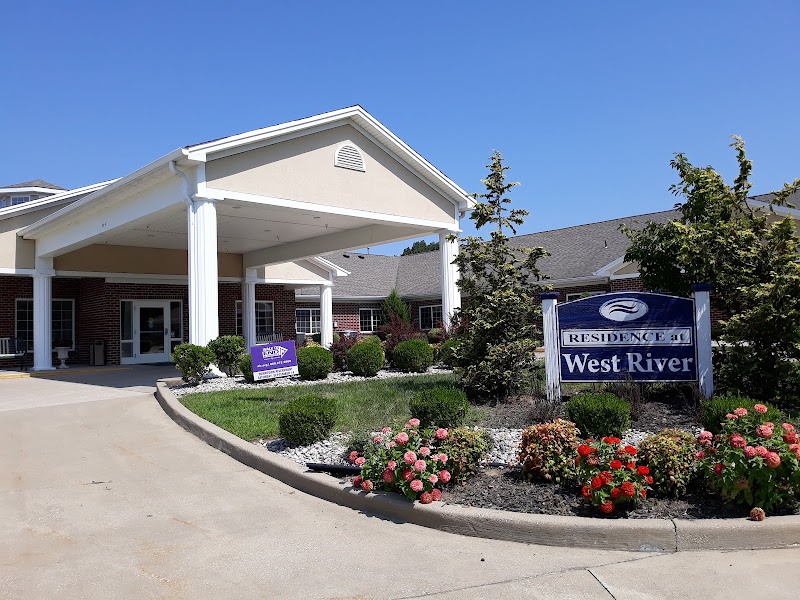
How is West River Health Campus Staffed?

CMS rates WEST RIVER HEALTH CAMPUS's staffing level at 4 out of 5 stars, which is above average compared to other nursing homes. Staff turnover is 54%, compared to the Indiana average of 46%.

What Have Inspectors Found at West River Health Campus?

State health inspectors documented 17 deficiencies at WEST RIVER HEALTH CAMPUS during 2019 to 2025. These included: 2 that caused actual resident harm and 15 with potential for harm. Deficiencies causing actual harm indicate documented cases where residents experienced negative health consequences.
Who Owns and Operates West River Health Campus?

WEST RIVER HEALTH CAMPUS is owned by a government entity. Government-operated facilities are typically run by state, county, or municipal agencies. The facility is operated by TRILOGY HEALTH SERVICES, a chain that manages multiple nursing homes. With 61 certified beds and approximately 40 residents (about 66% occupancy), it is a smaller facility located in EVANSVILLE, Indiana.
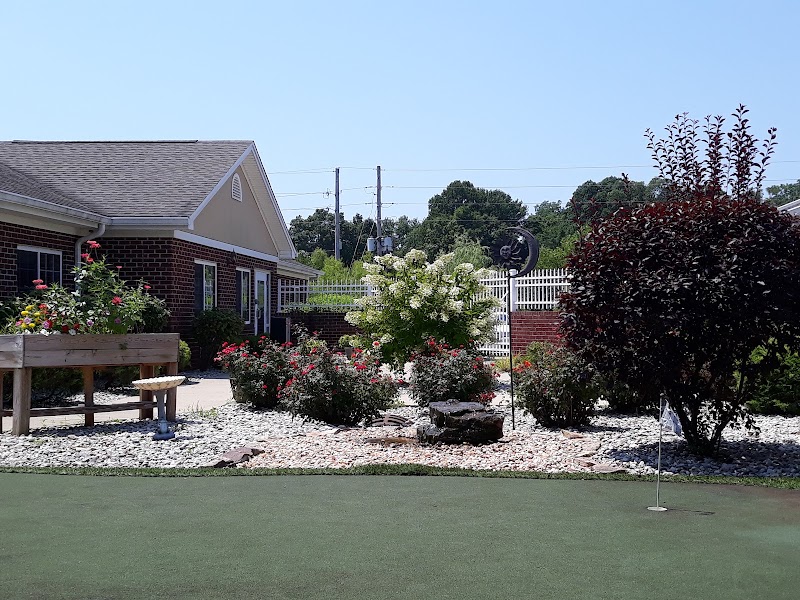
How Does West River Health Campus Compare to Other Indiana Nursing Homes?

Compared to the 100 nursing homes in Indiana, WEST RIVER HEALTH CAMPUS's overall rating (2 stars) is below the state average of 3.1, staff turnover (54%) is near the state average of 46%, and health inspection rating (2 stars) is below the national benchmark.

What Should Families Ask When Visiting West River Health Campus?

Based on this facility's data, families visiting should ask: "Can I visit during a mealtime to observe dining assistance and food quality?" "How do you handle medical emergencies, and what is your hospital transfer rate?" "Can I speak with family members of current residents about their experience?"

Is West River Health Campus Safe?

Based on CMS inspection data, WEST RIVER HEALTH CAMPUS has a clean safety record: no substantiated abuse findings (meaning no confirmed cases of resident harm), no Immediate Jeopardy citations (the most serious violation level indicating risk of serious injury or death), and is not on the Special Focus Facility watch list (a federal program monitoring the lowest-performing 1% of nursing homes). The facility has a 2-star overall rating and ranks #100 of 100 nursing homes in Indiana. While no facility is perfect, families should still ask about staff-to-resident ratios and recent inspection results during their visit.

Do Nurses at West River Health Campus Stick Around?

WEST RIVER HEALTH CAMPUS has a staff turnover rate of 54%, which is 8 percentage points above the Indiana average of 46%. Moderate turnover is common in nursing homes, but families should still ask about staff tenure and how the facility maintains care continuity when employees leave.

Was West River Health Campus Ever Fined?

WEST RIVER HEALTH CAMPUS has been fined $18,655 across 1 penalty action. This is below the Indiana average of $33,265. While any fine indicates a compliance issue, fines under $50,000 are relatively common and typically reflect isolated problems that were subsequently corrected. Families should ask what specific issues led to these fines and confirm they've been resolved.

Is West River Health Campus on Any Federal Watch List?

WEST RIVER HEALTH CAMPUS is not on any federal watch list. The most significant is the Special Focus Facility (SFF) program, which identifies the bottom 1% of nursing homes nationally based on persistent, serious quality problems. Not being on this list means the facility has avoided the pattern of deficiencies that triggers enhanced federal oversight. This is a positive indicator, though families should still review the facility's inspection history directly.