ASHTON CREEK HEALTH AND REHABILITATION CENTER


4111 PARK PLACE DRIVE, FORT WAYNE, IN 46845 (260) 373-2111
Non profit - Other 139 Beds TLC MANAGEMENT Data: November 2025
Trust Grade
75/100
#117 of 505 in IN
Last Inspection: July 2025

Inspected within the last 6 months. Data reflects current conditions.

Overview

Ashton Creek Health and Rehabilitation Center has a Trust Grade of B, which indicates it is a good choice for families considering care options. It ranks #117 out of 505 facilities in Indiana, placing it in the top half, and #15 out of 29 in Allen County, meaning that there are only a few local facilities that are better. The facility's trend is improving, having reduced issues from four in 2024 to none in 2025, and it has no fines on record, which is a positive sign. Staffing is average with a rating of 3 out of 5 stars and a turnover rate of 49%, which is similar to the state average. However, recent inspections revealed concerns about hygiene practices, such as a staff member failing to wash hands after handling garbage before continuing food preparation, and issues with privacy, as staff entered resident rooms without knocking. Additionally, one resident did not receive effective pain management despite reporting high levels of pain. Overall, while there are strengths in the facility's ratings and improvements, these specific concerns should be carefully considered by families.

Trust Score
B
75/100
In Indiana
#117/505
Top 23%
Safety Record
Low Risk
No red flags
Inspections
Getting Better
4 → 0 violations
Staff Stability
⚠ Watch
49% turnover. Above average. Higher turnover means staff may not know residents' routines.
Penalties
✓ Good
No fines on record. Clean compliance history, better than most Indiana facilities.
Skilled Nurses
✓ Good
Each resident gets 43 minutes of Registered Nurse (RN) attention daily — more than average for Indiana. RNs are trained to catch health problems early.
Violations
⚠ Watch
15 deficiencies on record. Higher than average. Multiple issues found across inspections.
★★★★☆
4.0
Overall Rating
★★★☆☆
3.0
Staff Levels
★★★★☆
4.0
Care Quality
★★★★☆
4.0
Inspection Score
Stable
2024: 4 issues
2025: 0 issues

The Good

  • 4-Star Quality Measures · Strong clinical quality outcomes
  • Full Sprinkler Coverage · Fire safety systems throughout facility
  • No fines on record

Facility shows strength in quality measures, fire safety.

The Bad

Staff Turnover: 49%

Near Indiana avg (46%)

Higher turnover may affect care consistency

Chain: TLC MANAGEMENT

Part of a multi-facility chain

Ask about local staffing decisions and management

The Ugly 15 deficiencies on record

Sept 2024 1 deficiency
CONCERN (D) 📢 Someone Reported This

A family member, employee, or ombudsman was alarmed enough to file a formal complaint

Potential for Harm - no one hurt, but risky conditions existed

Deficiency F0697 (Tag F0697)

Could have caused harm · This affected 1 resident

Based on observation, interview and record review, the facility failed to provide effective pain management for 1 of 3 residents reviewed for pain (Resident O). Findings include: On 9/10/24 at 10:24 A...

Read full inspector narrative →
Based on observation, interview and record review, the facility failed to provide effective pain management for 1 of 3 residents reviewed for pain (Resident O). Findings include: On 9/10/24 at 10:24 A.M., Resident O's record was reviewed. Diagnoses included fractures of the right arm and right hand, inflammatory arthritis, pain in right shoulder, and muscle weakness. Hospital notes indicated the resident had fallen at home and was later hospitalized due to intractable pain (severe pain that's difficult to manage/treat) prior to being admitted to the facility for rehabilitation. An admission Minimum Data Set (MDS) assessment, dated 9/1/24, indicated she had no cognitive impairments or behaviors. She'd indicated she had pain, rated at an 8, on a 1-10 scale with 10 being the worst pain. She required maximal assistance with her activities of daily living (ADL) and was receiving physical and occupational therapy. Care plans, revised on 9/4/24, indicated the resident had pain due to inflammatory arthritis and fractures and was prescribed opioid medications to treat her pain. Goals were to have her pain managed/controlled without adverse effects from pain medications. Interventions included: give medication as prescribed and monitor side effects. On 9/10/24 at 12:09 P.M., Resident O and her family members were interviewed. The family members indicated they were very concerned about her pain, lack of routine treatment, and difficulty with therapy sessions due to the pain. Resident O lived by herself, was independent in caring for her needs, and had goals of returning home following her rehabilitation. She indicated she had severe autoimmune arthritis and was prescribed immune suppressive medications but had chronic joint pain due to the deformities in her hands and joints. She indicated, prior to her fall and hospitalization, her arthritic pain was managed with Aleve but since falling and fracturing bones, she was having tremendous pain which interfered with her ability to do rehabilitation. She was prescribed opioid pain medication, as needed, which she had to request. She alleged when she asked for pain medication, staff would not provide it or not provide it timely and she couldn't stay ahead of the pain. She'd asked staff to give them to her routinely but alleged she was told it was too difficult to get the pain medications ordered to be given on a schedule. Resident O and her family indicated they had just attended a care plan meeting and brought up the issue of her pain, need for regularly scheduled pain medication, and pain medication needed prior to therapy sessions. She requested she be given pain medication prior to being assisted up in the morning and before therapy which was scheduled for 10:30 a.m. each day. Her family members indicated they had been assured by staff at the care plan meeting, the resident would receive her pain medications routinely at her preferred times of 9 a.m., 3 p.m., 9 p.m. and 3 a.m. to allow her pain relief during times of activity like getting up, working with therapy, and going to bed. During an observation on 9/10/24 at 12:09 P.M., Resident O was observed in a hospital gown, wearing a shoulder splint on her right arm/shoulder, seated in a wheelchair. Both her right and left hands were severely arthritic with bony deformities in the joints of her fingers. She was observed to grimace and touch her right upper arm several times, an indicator she was having pain. An admission pain evaluation, dated 8/29/24 at 6:24 p.m., indicated Resident O had bone fractures which could cause her pain. The resident complained of aching pain in her right arm/hand which she rated at a level 7 on a pain scale of 1-10. She'd indicated her pain was relieved by medication and frequent position changes. Her acceptable level of pain on the pain scale of 1-10, was a 2 and the pain medications she was prescribed were effective in relieving the pain. A physician order, dated 8/29/24 and discontinued on 9/10/24, was for Oxycodone-Acetaminophen 10-325 milligrams (mg)-give 1 tablet by mouth every 4 hours as needed for pain. Medication Administration Records (MAR), dated August 2024 and September 2024, indicated the resident had not been administered pain medication every 4 hours as needed. When she was provided, as needed pain medication, her level of pain never decreased to 2 or below which indicated her pain was not adequately relieved. A physician order, dated 9/10/24, was for Oxycodone-Acetaminophen 10-325 milligrams (mg)-give 1 tablet by mouth 4 times per day for pain. A Medication Administration Record (MAR), dated September 2024, indicated the resident was scheduled to be given Oxycodone-Acetaminophen 10-325 milligrams (mg)-give 1 tablet by mouth 4 times per day for pain at 9:00 a.m., 3:00 p.m., 9:00 p.m., and 3:00 a.m. which was to start 9/10/24. On 9/11/24 at 10:29 A.M., Registered Nurse 5 (RN) was interviewed. RN 5 was standing in the hallway outside Resident O's room with the medication cart. When questioned, she indicated the resident was in the bathroom being washed up. She indicated the resident had not received her Oxycodone at 9:00 a.m., as scheduled, but would be given it after she was done in the bathroom. On 9/11/24 at 12:35 P.M., the Director of Nursing was interviewed. She indicated Resident O hadn't received her pain medication, on this day at 9:00 a.m., as scheduled, but should have. A current facility policy, titled Pain Management indicated the facility must ensure that pain management is provided to residents who require such services, consistent with professional standards of practice, the comprehensive person-centered care plan, and the residents' goals and preferences .The facility will utilize a systematic approach for recognition, assessment, treatment, and monitoring of pain .In order to help a resident prevent or manage pain, the facility will: a. Recognize when the resident is experiencing pain and identify circumstances when the pain can be anticipated b. Evaluate the resident for pain and the cause upon admission .c. Manage or prevent pain This Citation relates to Complaint IN00442678. 3.1-37(a)
Jul 2024 3 deficiencies
CONCERN (D)

Potential for Harm - no one hurt, but risky conditions existed

ADL Care (Tag F0677)

Could have caused harm · This affected 1 resident

**NOTE- TERMS IN BRACKETS HAVE BEEN EDITED TO PROTECT CONFIDENTIALITY** Based on observation, interview and record review, the facility failed to ensure assistance was provided with managing denture c...

Read full inspector narrative →
**NOTE- TERMS IN BRACKETS HAVE BEEN EDITED TO PROTECT CONFIDENTIALITY** Based on observation, interview and record review, the facility failed to ensure assistance was provided with managing denture care and grooming of facial hair for 1 of 6 residents reviewed (Resident 40). Findings include: On 7/16/24 at 9:48 AM Resident 40 was observed to have 5 coarse dark hairs on their chin. The hairs were approximately one-half inch long. Resident 40 was observed to be missing their upper front teeth. Resident 40's record was reviewed on 7/17/24 at 9:50 AM. Diagnoses included Alzheimer's, Disease, anxiety, depression and a cerebral infarction (stroke). Resident 40's Annual MDS dated [DATE] indicated their BIMS score was 12 (moderate cognitive loss according to CMS (CMS.gov, 2024). The MDS indicated Resident 40 required supervision or touching assistance with oral care and personal hygiene. The MDS indicated Resident 40 did not have issues with their dental health. Resident 40's Care Plan dated 10/9/23 indicated the resident required assistance with activities of daily living (ADLs) due to depression, a history of falls, stroke and weakness. The target goal was for Resident 40's ADL ability to improve by 7/16/24. Interventions included therapy as needed, supervision with eating and extensive assistance with toileting, bed mobility and transfers. The Care Plan did not include assistance with oral care or the resident's partial denture. The Care Plan did not include the resident's preference for removal of facial hair. A dental visit note dated 2/28/24 indicated Resident 40 had requested tooth replacement for their upper front teeth after recently having the teeth extracted. The note indicated Resident 40 had a set of teeth with lots of bridge work. The note indicated Resident 40 should have their teeth brushed twice daily. The note indicated Resident 40 should have their teeth flossed once daily. A dental hygienist visit note dated 4/24/24 indicated Resident 40 had heavy plaque on their teeth, generalized severe gingivitis and periodontitis (inflammation of the gums). The note indicated Resident 40 was to have their teeth brushed 2 to 3 times daily with a soft bristle brush. A dental assistant visit note dated 5/1/24 indicated Resident 40 received a partial denture that replaced the resident's upper front teeth. The note indicated Resident 40 should be assisted with placing the denture in their mouth in the morning, removing the denture at bedtime, cleaning the denture and placing the denture in a denture cup. In an interview on 7/17/24 at 1:05 PM, Resident 40 indicated they were not wearing their partial denture due to forgetting the denture at home. Resident 40 laughed and indicated their mom always asks them the same question. In a phone interview on 7/17/24 at 1:41 PM, Resident 40's family member indicated the resident's denture was very difficult to apply. The family member indicated the denture interfered with Resident 40's speech. The family member indicated they had made the facility aware of the denture not fitting properly. The family member indicated they had told an unidentified CNA about Resident 40's denture not fitting properly. The family member indicated Resident 40 did not like the hairs on their chin. The family member indicated they had encouraged Resident 40 to ask the beautician to include facial hair removal, but the resident was very forgetful. The family member indicated Resident 40 displayed confusion at times. The family member indicated they had forgotten to ask the beautician to shave or pluck the hairs from the resident's chin. The family member suggested to the facility they could bring a razor from home to shave the resident's chin, but had been assured the facilal hair would be removed by the beautician. The family member indicated Resident 40 visited the facility beauty shop because they had always wanted to look their best. In an interview with Certified Nurse Aide (CNA) 20 and CNA 21 on 7/22/24 at 9:27 AM, CNA 20 indicated Resident 40 did not usually wear their denture because the denture did not fit correctly and Resident 40 did not like the way their tongue touched the deture when they talked. CNA 21 indicated Resident 40 had declined wearing their denture ever since they had received the denture. CNA 21 indicated Resident 40's denture care was not on the resident's [NAME] (a summary of the resident's care plan). In an interview on 7/22/24 at 9:40 AM, the Director of Nursing (DON) indicated they did not know why Resident 40 had been declining the use of their partial denture. The DON indicated they did not know if the dentist had been made aware of Resident 40 not wearing their partial denture. In an interview with the Administrator, the DON and the Regional Nurse Consultant on 7/22/24 at 10:23 AM, the Regional Nurse Consultant provided Resident 40's undated [NAME]. The Regional Nurse Consultant indicated Resident 40 had refused to wear their partial denture. The Regional Nurse Consultant indicated Resident 40 had never requested the removal of their facial hair. The Regional Nurse Consultant indicated Resident 40's [NAME] and Care Plan included the resident's refusal to wear their denture. The Regional Nurse Consultant indicated Resident 40's [NAME] and Care Plan included the resident was to request facial hair removal from the staff. The Regional Nurse Consultant indicated the [NAME] and Care Plan had been updated to reflect the denture refusal and facial hair removal either on Thursday 7/18/24 or Friday 7/19/24. The Regional Nurse Consultant indicated they were unaware of the partial denture not being included on Resident 40's Care Plan. The Administrator indicated they were unaware there was no documentation of Resident 40's refusal of to wear their denture. The DON indicated they were not aware of Resident 40's denture not fitting correctly. The DON indicated they were not aware of Resident 40's Care Plan not addressing oral care, denture care or the resident's preference for facial hair removal. The Regional Nurse Consultant indicated Resident 40's BIMS score was 12 and the resident could request staff assistance with facial hair removal if they chose. The Regional Nurse Consultant agreed facial hair removal should be offered by the staff and the resident should not be required to ask. A current facility policy titled Activities of Daily Living dated 11/28/23 provided by the DON on 7/22/24 at 9:50 AM indicated the facility would provide care and services for bathing, dressing, grooming and oral care. The policy did not include denture care. The policy did not include facial hair grooming. A current facility policy titled Oral Care dated 11/29/23 provided by the DON on 7/22/24 at 9:50 AM indicated the facility would provide oral care to prevent and control plaque associated oral diseases. The oral care policy did not include denture care. According to the Centers for Medicare and Medicaid Services, (CMS) a BIMS score of 0-7 indicates severe cognitive loss, a score of 8-12 indicates a moderate cognitive loss and a score of 13-15 indicates no cognitive loss (CMS.gov, 2024). 3.1-38(a)(3)
CONCERN (D) 📢 Someone Reported This

A family member, employee, or ombudsman was alarmed enough to file a formal complaint

Potential for Harm - no one hurt, but risky conditions existed

Deficiency F0692 (Tag F0692)

Could have caused harm · This affected 1 resident

**NOTE- TERMS IN BRACKETS HAVE BEEN EDITED TO PROTECT CONFIDENTIALITY** 2. Resident 305's record was reviewed on 7/16/24 at 1:24 PM. Diagnoses included cerebral infarction (stroke), aphasia (difficult...

Read full inspector narrative →
**NOTE- TERMS IN BRACKETS HAVE BEEN EDITED TO PROTECT CONFIDENTIALITY** 2. Resident 305's record was reviewed on 7/16/24 at 1:24 PM. Diagnoses included cerebral infarction (stroke), aphasia (difficulty speaking), and dysphagia (difficulty swallowing). A review of Resident 305's current quarterly MDS indicated their BIMS (Basic Interview for Mental Status) score was 4 (severe cognitive impairment). The MDS indicated Resident 305 received a score of 2 during eating, which indicates a need for substantial to maximum assistance with eating. Section K (swallowing/nutritional status) indicated food escaping from the mouth when chewing, holding onto residual food in mouth after meals, and coughing or choking during meals or when swallowing medications. A review of Resident 305's current care plan titled I am malnourished, with a goal date of 9/26/24 indicated Resident 305 should have their weights reviewed, receive their supplements, and receive vitamin and/or mineral supplement, as ordered. A review of Resident 305's current care plan titled I require an altered consistency diet due to difficulty swallowing, with a goal date of 9/26/24 indicated Resident 305 will receive their mechanical soft diet as ordered. A review of Resident 305's current care plan titled I am now receiving comfort care related to diagnosis of stroke, with a problem of weight loss is expected with a goal date of 9/26/24 indicated Resident 305 should have their dietary preferences honored to the extent possible. A review of Resident 305's current care plan titled I need assistance with my ADL's (activities of daily living) related to stroke, fracture of right humerus, hypertension, diabetes type 2, and muscle weakness, with a goal date of 9/26/24 indicated Resident 305 requires extensive assistance from 1 staff with eating. A review of resident 305's current care plan titled I receive supplements, with a goal date of 9/26/24 indicated Resident 305 would receive supplements as ordered. A review of physician orders dated 7/22/24 indicated Resident 305 would receive a glucose control boost supplement twice daily for inadequate oral intake. A review of Resident 305's weight indicated a 20.32% weight loss, from 186 pounds on 6/3/24 at 10:55 AM to 148.2 pounds on 6/10/24 at 2:13 PM. Subsequent weights for Resident 305 were 146 pounds on 6/17/24 1:15 PM, 148.6 pounds on 6/24/24 at 11:44 AM, and 141.2 pounds on 7/11/24 9:32 AM. During an interview on 7/19/24 at 12:59 PM, the Regional Dietician indicated when a resident was a participant of the NAR program they should have weekly weights. During an interview on 7/19/24 at 12:59 PM, Employee 22 indicated Resident 305 presented upon admission in poor condition. Resident 305 was immediately sent to Lutheran Hospital where an initial weight of 200.2 pounds was recorded for weight on 5/2/24 at 3:42 PM. Upon admission to the facility on 5/10/24 at 7:38 PM Resident 305 weighed 200 pounds. During an interview on 7/22/24 at 10:24 AM, the DON, Administrator and Regional Nurse Consultant indicated weights were monitored through the NAR process. They indicated they do not normally have consistent staff obtaining weights, so a CNA obtaining a weight would not necessarily be aware of weight loss at the time the weight was obtained. They indicated the CNA staff would be notified of any reweights needed after the NAR process was completed. They were unable to identify why reweights were not obtained when a weight variance initially occurred. A current policy titled Nutrition at Risk (NAR) Policy, dated 10/21, provided by the Assistant Director of Nursing on 7/18/24 at 12:50 PM indicated the facility should aggressively review and address those residents exhibiting significant weight change, skin breakdown or potential nutritional decline through NAR. The policy indicated residents with weight changes of 5% or more unplanned weight loss in 30 days. This citation is related to complaint IN00438109. 483.25(g)(1)-(3) Based on observation, interview, and record review the facility failed to ensure meal intakes and weights were monitored for 2 of 3 residents reviewed (Resident B and Resident 305). Findings include: 1. During an interview on 7/16/24 at 11:13 AM, Resident B's family member indicated he was concerned about Resident B's nutritional status and meal intakes. He indicated Resident B was not offered meal trays at the dinner meal on 6/15/24 and the breakfast and lunch meals on 6/29/24. He indicated Resident B had poor meal intakes and was not provided assistance at many additional meals including breakfast on 6/22/24, the dinner meal on 6/24/24, the dinner meal on 6/26/24, the dinner meal on 6/27/24, and the dinner meal on 6/28/24. He was concerned additional meals may not have been offered and his father may not have been offered the assistance he needed to eat. Resident B's record was reviewed on 7/16/24 at 1:48 PM. Diagnoses included Alzheimer's disease with late onset, need for assistance with personal care, and cognitive communication deficit. Resident B's current admission Minimum Data Set (MDS) dated [DATE] indicated their Basic Interview for Mental Status (BIMS) score was 3 (cognitively impaired). The MDS indicated the resident required supervision or touching assistance with eating tasks. The MDS indicated Resident B required a therapeutic diet and was not receiving therapy or restorative programs for eating assistance. Meal intake records provided by the Director of Nursing (DON) on 7/18/24 at 10:46 AM indicated meal intake amounts were not recorded for the following meals: 6/13/24 dinner, 6/14/24 dinner, 6/15/24 dinner, 6/17/24 breakfast, 6/18/24, breakfast, lunch and dinner, 6/22/24, breakfast and lunch, 6/25/24, dinner, 6/26/24, breakfast, lunch, and dinner, 6/27/24, dinner, 6/28/24, dinner, 6/30/24 dinner, 7/1/24, dinner, 7/3/24 breakfast and lunch, 7/4/24 dinner, 7/5/24 dinner, 7/6/24 lunch and dinner, 7/16/24 lunch and dinner. An admission assessment dated [DATE] indicated Resident B weighed 148.6 lbs (pounds) and did not have any edema. Additional weights reviewed included: 6/14/24 147.6 lbs 6/18/24 145.6 lbs 7/1/24 138.6 lbs 7/8/24 136.6 lbs 7/19/24 134.6 lbs On 06/12/2024, the resident weighed 148.6 lbs. On 07/01/2024, the resident weighed 138.6 pounds which is a -6.73 % Loss. Progress notes dated 7/12/24 indicated Resident B's son had refused to have supplements offered to Resident B due to concerns about preservatives used in the supplements offered. A review of all other progress notes from admission on [DATE] to 7/17/24 did not indicate any refusals of offered food items or any refusal of weights. No records of offering any alternative supplements or additional food offerings to offset weight loss were available for review. Resident B's current care plan titled I receive supplements, dated 6/13/24, with a goal date of 9/27/24 indicated Resident B should receive supplements as ordered. A review of current orders did not indicate any supplements were currently ordered. Resident B's current care plan dated 6/13/24, titled I have specific choices, with a goal date of 9/27/24 indicated Resident B chose to get up in the morning between 8 and 9 AM. The care plan did not indicate a preferance for whole food supplements. Resident B's current care plan dated 6/13/24, titled I am at risk for malnutrition, with a goal date of 9/27/24, indicated Resident B should have his meal intakes and weights reviewed, and should receive his reduced carbohydrate diet as ordered. In an interview on 7/19/24 at 11:25 AM, the Regional Dietician indicated the resident should have had weights monitored weekly as soon as a weight loss was identified, and staff would benefit from review of meal documentation procedures. In an interview on 7/19/24 at 12:59 PM, the Regional Dietician indicated she had updated Resident B's care plan to reflect weight fluctuation due to edema. In the same interview, the Unit Manager indicated upon admission, Resident B did not receive breakfast because he preferred to get up after 10 AM. A current policy titled Nutrition at Risk (NAR) Policy, dated 10/21, provided by the Assistant Director of Nursing on 7/18/24 at 12:50 PM indicated the facility should aggressively review and address those residents exhibiting significant weight change, skin breakdown or potential nutritional decline through NAR. The policy indicated residents with weight changes of 5% or more unplanned weight loss in 30 days should be monitored weekly by the clinical team with dietary and clinical interventions reviewed and documented.
CONCERN (F)

Potential for Harm - no one hurt, but risky conditions existed

Food Safety (Tag F0812)

Could have caused harm · This affected most or all residents

Based on observation, interview, and record review the facility failed to ensure hand hygiene was performed when necessary, in the meal preparation and service process. 110 of 110 residents residing i...

Read full inspector narrative →
Based on observation, interview, and record review the facility failed to ensure hand hygiene was performed when necessary, in the meal preparation and service process. 110 of 110 residents residing in the facility consumed food prepared in the facility kitchen. Findings include: During an observation on 7/16/24 at 9:15 AM the Dietary Manager (DM) picked up a garbage can lid from the floor and placed it back on top of the garbage can. No hand hygiene was performed, and she continued the kitchen tour opening the ice machine door and the walk-in cooler door. During an observation on 7/16/24 at 10:31 AM [NAME] 25 was using a blender to prepare pureed chicken for the lunch meal. During the process, the lid became loose, splattering a small amount of pureed chicken onto [NAME] 25's hands. [NAME] 25 wiped her hands on her uniform and continued the puree process, then handled the clean container the pureed chicken was poured into and the clean utensils without performing hand hygiene. During an observation on 7/17/24 at 11:07 am in the 400-hall dining room, [NAME] 27 was placing plates of food onto food trays, covering them with a lid, and loading them onto a cart for distribution. During the process, [NAME] 27 slapped her hands down onto her uniform pants, placed her hands on her hips, touched her uniform 5 times and continued touching plates of food. [NAME] 27 did not perform any hand hygiene throughout the loading of the meal tray cart and meal service to several residents seated in the dining area. During an observation on 7/17/24 at 11:17 AM, [NAME] 26 was observed touching his face and continuing with meal tray assembly without performing hand hygiene. [NAME] 26 then spilled a container of packaged butter pats on the floor, picked up the pats, and continued with meal tray assembly without performing hand hygiene. [NAME] 26 did not perform any hand hygiene throughout the loading of the meal tray cart and meal service to several residents seated in the dining area. In an interview on 7/17/24 at 11:22 AM, the Assistant Dietary Manager indicated staff should perform hand hygiene prior to taking their workstation and any time hands are contaminated throughout the meal service process. A current policy titled Handwashing dated 10/17 provided by the Dietary Manager on 7/17/24 at 11:38 AM indicated hand hygiene should occur during food preparation as often as necessary to remove contamination and to prevent cross contamination when changing tasks. 3-1-21(i)(3)
Nov 2023 2 deficiencies
CONCERN (D) 📢 Someone Reported This

A family member, employee, or ombudsman was alarmed enough to file a formal complaint

Potential for Harm - no one hurt, but risky conditions existed

Report Alleged Abuse (Tag F0609)

Could have caused harm · This affected 1 resident

Based on interview and record review, the facility failed to report timely, a suspicious injury of unknown source for 1 of 3 residents reviewed (Resident N). Findings include: An Indiana Report, dated...

Read full inspector narrative →
Based on interview and record review, the facility failed to report timely, a suspicious injury of unknown source for 1 of 3 residents reviewed (Resident N). Findings include: An Indiana Report, dated 11/12/23 at 11:52 a.m., indicated Resident N had been found with discoloration around her left eye and both wrists. A head to toe assessment was completed and no other injuries were observed. The resident denied pain and when asked, indicated she hadn't known how the injuries occurred. On 11/16/23 at 9:33 A.M., Resident N was observed seated in her room in a wheelchair with an overbed table positioned in front of her. She had a puffy black bruise below her left eye and dark discoloration around her right earlobe. She hadn't responded when asked how the bruise to her face occurred or when questioned if she had fallen. On 11/16/23 at 9:35 A.M., Resident N's roommate, identified as interviewable, was interviewed. The roommate indicated the night the injuries occurred, she hadn't heard the resident yell, raised voices or a scuffle behind the privacy curtain. On 11/16/23 at 10:09 A.M., Resident N's record was reviewed. Diagnoses included vascular dementia, anxiety disorder, rheumatoid arthritis, and weakness. A quarterly MDS (Minimum Data Assessment) dated 10/11/23, indicated the resident had severely impaired cognition, had some difficulty with hearing in noisy environments, and wore glasses. She was dependent on staff for transfers, lower body dressing, and bed mobility. She required maximal assistance with toileting and personal hygiene and was always incontinent of bowel and bladder. A care plan, revised on 11/16/23, indicated the resident was on a behavior management program due to a diagnosis of psychosis and had fluctuations in her mood. She had behavioral symptoms of yelling and screaming at staff, trying to get up out of bed, resistant to care, anxiety and agitation. Interventions included: approach her from the front, provide reassurance and validation if hallucinating, when refusing care, come back later and reapproach her. A progress note, dated 11/12/23 at 8:30 a.m., indicated the resident had skin discoloration of unknown origin below her left eye and close to her eyebrow as well as on both wrists. There had been no documentation to indicate the resident had fallen or had behaviors prior to the injury being observed. An Initial Non-Pressure Skin Report, dated 11/11/23 at 10:40 a.m., indicated the resident was observed with a black area to her left eyebrow that measured 3 cm (centimeters) by 0.5 cm. Below her left eye and measuring 4 cm by 2.5 cm was a swollen, red/purple/black discolored area. Her left forearm, above her wrist, was a black discolored area which measured 8 cm by 3 cm and a black discolored area on her right forearm, above her wrist, which measured 6 cm by 2.5 cm. On 11/16/23 at 11:12 A.M., the Administrator and Regional Nurse were interviewed. The Administrator indicated Resident N had been given care at around 8:00 p.m. on 11/11/23 by an agency CNA (Certified Nurse Assistant). The injuries to the resident's face and arms was observed around 10:30 p.m. that same evening and an investigation started the following day. When questioned, the Regional Nurse indicated the facility should have reported to the Department of Health within the first 2 hours after finding the injuries due to the resident nor staff knowing how the injuries had occurred and the suspicious areas the bruises were located. A current copy of the facility policy, titled Abuse, Neglect and Exploitation, was provided by the Administrator on 11/16/23 at 10:00 A.M., and stated: Identification of Abuse, Neglect and Exploitation A. The facility will have written procedures to assist staff in identifying the different types of abuse-mental/verbal abuse, sexual abuse, physical abuse .This includes staff to resident abuse .B. Possible indicators of abuse include, but are not limited to .Physical injury of a resident of unknown source .Reporting/Response: The facility will have written procedures that include: 1. Reporting of all alleged violations to the Administrator, state agency, adult protective services and to all other required agencies within specified timeframe's: a. Immediately, but no later than 2 hours after the the allegation is made, if the events that cause the allegation involve abuse and result in serious bodily injury This citation relates to Complaint IN00421741.
CONCERN (D) 📢 Someone Reported This

A family member, employee, or ombudsman was alarmed enough to file a formal complaint

Potential for Harm - no one hurt, but risky conditions existed

Pressure Ulcer Prevention (Tag F0686)

Could have caused harm · This affected 1 resident

**NOTE- TERMS IN BRACKETS HAVE BEEN EDITED TO PROTECT CONFIDENTIALITY** Based on interview and record review, the facility failed to assess timely and follow physician orders for treatment of a pressu...

Read full inspector narrative →
**NOTE- TERMS IN BRACKETS HAVE BEEN EDITED TO PROTECT CONFIDENTIALITY** Based on interview and record review, the facility failed to assess timely and follow physician orders for treatment of a pressure ulcer for 1 of 3 residents reviewed (Resident O). Findings include: On 11/16/23 at 11:51 P.M., Resident O's record was reviewed. The resident admitted to the facility following hospitalization for sepsis from skin infection of his lower extremities' chronic wounds. Other diagnoses included, diabetes and heart disease. A hospital Discharge summary, dated [DATE] at 10:49 a.m., indicated the resident had been hospitalized for sepsis due to cellulitis of the lower extremities. While at his previous living facility, the wounds on his legs had become more swollen and red with increased drainage. Since admission to the hospital, his legs had improved significantly. Notably, the resident had buttock wounds. The wound care team had been consulted and planned to treat the buttock wounds with melgisorb, mepilex border and he was to continue with wound care in the outpatient setting. admission physician orders included: -Bilateral lower legs: wash with baby soap and water or normal saline; pat dry; apply mepilex ag; secure with stockinet and change every 3 days or as needed for soilage or dislodgement. -Buttocks: cleanse wound with mild soap and water; pack the wound with alginate and cover with mepilex (bandage). A nurse note, dated 9/27/23 at 4:25 p.m. indicated the resident had been admitted from the hospital. He was alert and oriented. He had open areas to both lower extremities and to his left buttock. No description of the areas, the characteristics or type was noted. An admission Evaluation, dated 9/27/23 at 5:19 p.m., indicated a head to toe skin assessment had been completed. The evaluation indicated he had 1 or more pressure ulcers and had other skin conditions. An Initial Pressure Ulcer Report, dated 9/27/23 at 6:50 p.m., indicated the resident had a pressure ulcer present upon admission. He had a pressure area to his left buttock and a blister on his right and left lower legs. The pressure ulcer was red with serosangious drainage (blood and clear fluid). There were no measurements of the wounds completed on the report. A TAR (Treatment Administration Record) dated September 2023 and October 1 and 2, 2023, didn't indicate the resident had received treatment for the pressure area to his buttocks or treatment to his lower legs as ordered. An admission physician visit, dated 9/28/23 at 1:54 p.m., indicated the resident was seen for admission to the skilled facility following hospitalization for sepsis due to cellulitis of lower extremities and increased drainage. He had chronic wounds and was followed by wound care. His active problem list included diagnoses of Stage 4 pressure area (Full-thickness skin and tissue loss with exposed or directly palpable fascia, muscle, tendon, ligament, cartilage or bone in the ulcer. Slough and/or eschar may be visible on some parts of the wound bed) to the left buttock. His physical exam indicated he was morbidly obese. He had 3+ pitting edema to both lower legs with slight redness, no open wounds or seepage. The resident indicated his blisters had healed and the swelling and redness had improved during his hospital stay. The assessment and plan were for the resident to follow up on wound care recommendations. A nurse note by the facility wound nurse, dated 9/28/23 at 2:44 p.m., indicated the resident's skin had been assessed and no open areas were observed. He had no signs of infection, no complaints of pain, no drainage, no odor, and no swelling. A skilled nurse note, dated 9/28/23 at 5:06 p.m., indicated the resident was currently receiving physical and occupational therapy. His skin color was normal for him. He had a pressure ulcer present-no drainage. There was no documentation of the size, stage or other characteristics of the wound. On 11/16/23 at 2:25 P.M., the facility wound nurse was interviewed. When questioned, he hadn't known there were physician orders to treat the resident's lower leg wounds or buttock wound. He indicated he had examined the resident's skin and hadn't seen any open area on the resident's buttocks, however, the resident had some type of scarring or keloids observed on his bottom. Since he hadn't seen any open areas on the resident's bottom or legs, he hadn't monitored the areas. On 11/16/23 at 2:54 P.M., LPN 3 (Licensed Practical Nurse) was interviewed. She indicated she had been the admitting nurse, had completed the admission evaluation and initial pressure ulcer report. She indicated she had examined the resident's arms and legs but hadn't looked at his bottom as the facility wound nurse would do an assessment. She was unable to recall where the serosangious fluid had been observed from the resident but indicated the blisters on his legs had been intact. The Director of Nursing (DON), who was present during the interview, indicated nurses were to assess all skin areas upon admission and were not to wait for the facility wound nurse to completed the assessment. On 11/17/23 at 2:09 P.M., the DON provided a current copy of the facility policy, titled Wound Assessment which stated: It is the policy of this facility that wounds will be assessed and documented upon admission .Upon admission a full body skin assessment will be completed by the admitting nurse .Physician ordered treatments will be documented on the TAR after each administration This citation relates to Complaint IN00421612.
Aug 2023 1 deficiency
CONCERN (D) 📢 Someone Reported This

A family member, employee, or ombudsman was alarmed enough to file a formal complaint

Potential for Harm - no one hurt, but risky conditions existed

ADL Care (Tag F0677)

Could have caused harm · This affected 1 resident

Based on interview and record review the facility failed to ensure oral hygiene was completed for 1 of 3 dependent residents (Resident D). Findings include: In an interview on 8/23/23 at 10:07 AM, R...

Read full inspector narrative →
Based on interview and record review the facility failed to ensure oral hygiene was completed for 1 of 3 dependent residents (Resident D). Findings include: In an interview on 8/23/23 at 10:07 AM, Resident D indicated she needed assistance with oral hygiene care, such as brushing her teeth. Resident D indicated she had not received assistance with brushing her teeth on 8/23/23. Resident D indicated she preferred to brush her teeth in the morning and afternoon. In an interview on 8/23/23 at 11:16 AM, Certified Nurse Aide (CNA) 2 indicated residents received oral hygiene care daily, usually in the morning or based on their preference. CNA 2 indicated Resident D needed assistance with oral hygiene care. CNA 2 indicated she had not assisted Resident D with oral hygiene care on 8/23/23. In an interview on 8/23/23 at 11:27 AM, Qualifed Medication Aide (QMA) 3 indicated oral hygiene care was performed during AM care and PM care or based on resident's preferences. QMA 3 indicated AM care should be completed by 11 AM. QMA 3 indicated Resdient D needed assistance with oral hygiene care. The QMA indicated she was unsure if Resident D had received assistance with oral hygiene care on 8/23/23. QMA 3 indicated CNA 2 and CNA 3 were scheduled to give care to the residents at that time. QMA 3 indicated Resident D had not refused care. In an interview on 8/23/23 at 11:43 AM, CNA 4 indicated oral care was completed 2-3 times a day. CNA 4 indicated oral care should be completed no later than 8 AM. CNA 4 indicated Resident D needed assistance with all her activities of daily living (ADL), to include oral care. CNA 4 indicated she would document oral care completion under personal hygiene in the point click care. CNA 4 indicated Resident D had not received oral care hygiene care on 8/23/23. CNA 4 indicated she did not have a reason why oral care had not been completed that morning. CNA 4 indicated Resident D had not refused care. In an interview on 8/23/23 at 11:56 AM, the Assistant Director of Nursing (ADON) indicated oral hygiene care was completed in the AM and at HS. The ADON indicated AM care was completed by 9 AM and HS care was completed around 7:30 PM - 8 PM. The ADON indicated Resident D required assistance with all ADLs. The ADON indicated Resident D made her needs known for snacks but not for personal care. The ADON indicated Resident D would refuse care if she had pain related to repositioning. In an interview on 8/23/23 at 12:52 PM, the ADON and Administrator indicated Resident D would refuse care at times. The ADON and Administrator indicated no refusal documentation was available for Resident D. Resident D's record was reviewed on 8/23/23 at 10:30 AM. Diagnosis included: intellectual disabilities, need for assistance with personal care, muscle weakness and protein-calorie malnutrition. An annual Minimum Data Set (MDS) assessment, dated 6/30/23, indicated Resident D had a Brief Interview Mental Status (BIMS) score of 07/15 (severe impairment). The MDS also indicated for personal hygiene: activity only occurred 1-2 times and resident required 1 person assistance. A current care plan indicated Resident D had specific choices. The interventions indicated Resident D's family requested Resident D's teeth to be brushed 2 times daily. A point of care history report, dated 7/24/23 - 8/23/23, was provided by the Administrator on 8/23/23 at 1 PM. The report indicated personal hygiene, including oral care, was not completed on the following dates/times: 7/24/23: PM 7/25/23: AM and PM 7/26/23: AM and PM 7/27/23: PM 7/28/23: PM 7/29/23: AM and PM 7/30/23: AM and PM 8/1/23: AM and PM 8/2/23: AM and PM 8/4/23: PM 8/5/23: PM 8/6/23: PM 8/8/23: AM and PM 8/9/23: AM and PM 8/11/23: PM 8/12/23: AM and PM 8/13/23: AM and PM 8/14/23: PM 8/15/23: AM and PM 8/16/23: AM and PM 8/18/23: PM 8/19/23: AM and PM 8/20/23: AM and PM 8/22/23: PM A current policy, dated 6/21, titled Personal Hygiene, was provided by the ADON on 8/23/23 at 12:26 PM. The policy indicated personal hygiene will be performed 2 times daily in the morning and before bed. The policy also indicated personal hygiene may include, but is not limited to: oral care. This Federal citation is related to Complaint IN00415361. 3.1-38(a)(3)
Jul 2023 5 deficiencies
CONCERN (D)

Potential for Harm - no one hurt, but risky conditions existed

ADL Care (Tag F0677)

Could have caused harm · This affected 1 resident

Based on interview and record review, the facility failed to ensure a resident received a shower/bed bath as scheduled for 1 of 23 residents reviewed. (Resident 61). Findings include: In an interview ...

Read full inspector narrative →
Based on interview and record review, the facility failed to ensure a resident received a shower/bed bath as scheduled for 1 of 23 residents reviewed. (Resident 61). Findings include: In an interview on 7/6/23 at 2:52 PM, Resident 61 indicated she had been receiving showers at the facility, but after a hospitalization in June she changed to bed baths due to a wound dressing. She indicated she had not been receiving bed baths consistently twice a week as preferred. Resident 61's record was reviewed on 7/7/23 at 9:17 AM. Diagnoses included a wedge compression fracture of T5-T6 vertebra, osteomyelitis of the thoracic vertebra, discitis, history of falling, unspecified abnormalities of gait and mobility, muscle weakness and the need for assistance with personal care. A review of Resident 61's current quarterly Minimum Data Set (MDS) assessment, dated 6/12/23, indicated the resident's Brief Interview for Mental Status (BIMS) score was 12 (moderately impaired), she was alert, oriented and interviewable. A review of Resident 61's current care plan, last revised 6/20/23, indicated she preferred to take showers twice a week on Wednesdays and Saturdays on the first shift and required extensive assist with bed mobility. The care plan was not updated with her current bathing status. A review of Resident 61's Shower Sheet and Shower/Bathing documentation from 5/16/23 to 7/10/23, indicated the following: 5/16/23 Received shower, shampoo and bed linens changed. 5/19/23 Received shower and bed linens changed. 5/24/23 Received shower, shampoo and bed linens changed. 5/26/23 Received shower and bed linens changed. 5/30/23 Received shower, shampoo and bed linens changed. 6/2/23 Received bed bath, shampoo. 6/6/23 In hospital. 6/9/23 In hospital. 6/13/23 Received bed bath and shampoo. 7/5/23 Required 1 person assistance for bathing. The documentation did not indicate whether shower/bed bath or shampoo given. 7/8/23 Resident refused. In an interview on 7/10/23 at 2:30 PM, CNA 100 indicated she had given a bed bath and shampooed Resident 61's hair on either 6/15/23 or 6/16/23. A review of Resident 61's progress notes from 5/16/23 to 7/10/23, indicated no documentation of the resident refusal of bathing. Resident 61 received 8 of the 13 showers/bed baths she should had received from 5/16/23 through 7/10/23 while refusing one of the showers/bed baths. In an interview on 7/10/23 at 3:31 PM, the Regional Clinical Nurse indicated Resident 61 should have been bathed twice a week, the showers/bed baths should have been documented, but they were not from 6/20/23 to 6/30/23. A current policy titled Personal Hygiene, revised 6/21, provided by the Director of Nursing (DON) on 7/10/23 at 3:50 PM, indicated residents would be offered a shower/bed bath at least 2 times a week with the resident preferences honored. 3.1-38(a)(3)
CONCERN (D)

Potential for Harm - no one hurt, but risky conditions existed

Quality of Care (Tag F0684)

Could have caused harm · This affected 1 resident

Based on interview and record review the facility failed to ensure care to a resident with a shunt, for one of one resident reviewed. (Resident 35). Findings included: During an interview on 7/7/23 at...

Read full inspector narrative →
Based on interview and record review the facility failed to ensure care to a resident with a shunt, for one of one resident reviewed. (Resident 35). Findings included: During an interview on 7/7/23 at 10:23 AM, with DON (Director of Nursing), indicated Resident 35 was sent to the hospital on 7/5/23. The DON indicated nursing staff believed Resident 35 was having a stroke. The DON indicated as paramedics arrived Resident 35 had seizure activity. Resident 35 did not have a previous history of seizures. The DON indicated the hospital informed facility a shunt revision was needed. The hospital indicated the shunt was draining too quickly. A record review, on 7/7/23 at 11:56am, indicated there were no care plans in place specific to the shunt, no physician orders to watch for specific signs and symptoms of problems regarding the shunt, no nursing tasks regarding the shunt, and no diagnosis listed specific to the shunt. Resident 35 progress notes indicated she complained of a headache for 2 days prior to being sent to the hospital. Resident 35 ' s medication administration record indicated, she was given Tylenol on 7/5/23 and 7/6/23, the Tylenol was marked as effective. In an interview, on 7/7/23 at 1:03pm, with LPN 4 (Licensed Practical Nurse),indicated she would know how to care for a resident by nursing tasks, physician orders, facesheet, diagnosis, care plan, and by verbal report at shift change. LPN 4 indicated she worked all the different halls at the facility. LPN 4 indicated she was not aware of any shunts in the facility. LPN 4 indicated she was not familiar with signs or symptoms to be watch for regarding shunt care. LPN 4 indicated she would know to be aware of head position during resident ' s transfers. In an interview, on 7/7/23 at 1:18pm, with LPN 5 indicated verbal report was done between shifts and everyone was given a report sheet to refer back to if any questions arose. LPN 5 indicated staff could also refer to the care plan if further questions on how to care for a specific resident. LPN 5 brought the report sheet it did not specify Resident 34 had a shunt. In an interview, on 7/7/23 at 1:32pm, with CNA 6 (Certified Nursing Aid) indicated the residents let her know what care they needed. In an interview, on 7/7/23 at 2:03pm, with DON indicated she was aware Resident 35 had a shunt. The DON indicated it should have been care planned and floor staff should have been made aware. The DON indicated she was made aware of the shunt with tiger text a secure texting system for management. The DON indicated a complaint of headache from a person with a shunt should be treated differently than one without. Requests were made for in services or education on shunts for staff; none was available at time of exit. No policy was provided regarding shunt care. 3.1-37
CONCERN (D)

Potential for Harm - no one hurt, but risky conditions existed

Tube Feeding (Tag F0693)

Could have caused harm · This affected 1 resident

**NOTE- TERMS IN BRACKETS HAVE BEEN EDITED TO PROTECT CONFIDENTIALITY** Based on interview and record review the facility failed to manage tube feeding consistently for 1 of 4 residents reviewed. (Res...

Read full inspector narrative →
**NOTE- TERMS IN BRACKETS HAVE BEEN EDITED TO PROTECT CONFIDENTIALITY** Based on interview and record review the facility failed to manage tube feeding consistently for 1 of 4 residents reviewed. (Resident 32). Findings include: Resident 32's record was reviewed on 7/6/23 at 9:53 AM, indicated her diagnoses included dysphagia and malnutrition. Resident 32's current annual MDS (minimum Data Set) assessment dated [DATE], indicated her BIMS (Brief Interview of Mental Status) score was 7. A score of 7 indicated moderate cognitive decline. Resident 32's nutrition assessment dated [DATE] indicated the tube feeding provided from 8pm to 4am was to equal 440cc. The 440cc of Jevity 1.5 was to provide 660Kcal (11kg) with a 40ml flush 8pm to 4am to equal 714ml free water from formula and flush. Resident 32's tube feeding was in addition to continued poor oral intake. Dietary assessment indicated daily calories need 1850(30kg), protein needs 80g (1.3g/kg) and fluids need 1900ml. Resident 32's care plan during time of survey indicated a focus: Jejunostomy tube related to impaired nutrition initiated 8/31/20. An intervention was to receive free water flushes as ordered. An intervention was to receive feedings as ordered. Another focus of care plan was documented as at risk for malnutrition dated 7/21/22. With the goal of receiving adequate calories to improve strength and energy. An intervention to receive tube feedings and flushes as ordered. Resident 32 had a physician order dated 2/1/23 for Jevity 1.5 formula to run from 8pm to 4am in J-tube at the rate of 55cc per hour and for the amount administered to be documented every evening and night shift. Another order for 40cc of water flushes every hour dated 2/1/23 per J-tube from 8pm to 4am and to document amount given per J-tube. Resident 32's had a diet order for regular diet orally. Resident 32 did not have an order to be weighed. Resident 32's weights were documented as follows: 6/7/2023 135.6 Lbs. 5/30/2023 134.0 Lbs. 5/22/2023 135.0 Lbs. 5/16/2023 128.2 Lbs. 5/1/2023 130.4 Lbs. 4/19/2023 130.6 Lbs. 4/10/2023 130.0 Lbs. 4/2/2023 130.0 Lbs. 3/30/2023 134.0 Lbs. 1/6/2023 147.0 Lbs. Resident 32's physician order for Jevity 1.5 at the rate of 55cc per hour to total 440cc were documented as administered as follows: June 1 evening 55cc night 330cc total 385cc (55cc less than prescribed) June 2 evening 55cc night 330cc total 385cc (55cc less than prescribed) June 3 evening 110cc night 330cc June 4 evening 110cc night 110cc total 220cc (220cc less than prescribed) June 5 evening 200cc night 350cc total 550cc (110cc more than prescribed) June 6 evening 110cc night 330cc June 7 evening 110cc night 110cc total 220cc (220 cc less than prescribed) June 8 evening 165cc night 330cc total 495cc (55cc more than prescribed) June 9 evening 55cc night 330cc total 385cc (55cc less than prescribed) June 10 evening 110cc night 330cc June 11 evening 110cc night 330cc June 12 evening 330cc night 330cc total 660cc (220cc more than prescribed) June 13 evening 330cc night 330cc total 660cc (220cc more than prescribed) June 14 evening 220cc night 330cc total 550cc (110cc more than prescribed) June 15 evening 110cc night 330cc June 16 evening 110cc night 330cc June 17 evening 110cc night 330cc June 18 evening 110cc night 330cc June 19 evening 55cc night 330cc total 385cc (55cc less than prescribed) June 20 evening 165cc night 330cc total 495cc (55cc more than prescribed) June 21 evening 55cc night 330cc total 385cc (55cc less than prescribed) June 22 evening 110cc night 330cc June 23 evening 55cc night 330cc total 385cc (55cc less than prescribed) June 24 evening 55cc night 330cc total 385cc (55cc less than prescribed) June 25 evening 330cc night 330cc total 660cc (220cc more than prescribed) June 26 evening 330cc night 330cc total 660cc (220cc more than prescribed) June 27 evening 330cc night 330cc total 660cc (220cc more than prescribed) June 28 evening 110cc night 330cc June 29 evening 110cc night 330cc June 30 evening 220cc night 330cc total 550cc (110cc more than prescribed) July 1 evening 110cc night 330cc July 2 evening 110cc night 110cc total 220cc (220cc less than prescribed) July 3 evening 110cc night 275cc total 385cc (55cc less than prescribed) July 4 evening 110cc night 330cc July 5 evening 220cc night 330cc total 550cc (110cc more than prescribed) Resident 32's physician order for water flushes of 40cc per hour to total 320cc administration was documented as follows: June 1 evening 80cc night 240cc total 320cc June 2 evening 80cc night 240cc total 320cc June 3 evening 120cc night 120cc total 240cc (80cc less than prescribed) June 4 evening 120cc night 120cc total 240cc (80cc less than prescribed) June 5 evening 40cc night 120cc total 160cc (160cc less than prescribed) June 6 evening 120cc night 240cc total 360cc (40cc more than prescribed) June 7 evening 240cc night 240cc total 480cc (160cc more than prescribed) June 8 evening 240cc night 240cc total 480cc (160cc more than prescribed) June 9 evening 120cc night 120cc total 240cc (80cc less than prescribed) June 10 evening 120cc night 240cc total 360cc (40cc more than prescribed) June 11 evening 120cc night 240cc total 360cc (40cc more than prescribed) June 12 evening 240cc night 240cc total 480cc (160cc more than prescribed) June 13 evening 240cc night 240cc total 480cc (160 more than prescribed) June 14 evening 80cc night 240cc total 320cc June 15 evening 80cc night 240cc total 320cc June 16 evening 80cc night 240cc total 320cc June 17 evening 80cc night 240cc total 320cc June 18 evening 80cc night 240cc total 320cc June 19 evening 240cc night 240cc total 480cc (160cc more than prescribed) June 20 evening 240cc night 240cc total 480cc (160cc more than prescribed) June 21 evening 80cc night 240cc total 320cc June 22 evening 80cc night 240cc total 320cc June 23 evening 80cc night 240cc total 320cc June 24 evening 80cc night 240cc total 320cc June 25 evening 240cc night 240cc total 480cc (160cc more than prescribed) June 26 evening 240cc night 240cc total 480cc (160cc more than prescribed) June 27 evening 40cc night 240cc total 280cc (40cc less than prescribed) June 28 evening 40cc night 240cc total 280cc (40cc less than prescribed) June 29 evening 80cc night 240cc total 320cc June 30 evening 80cc night 240cc total 320cc July 1 evening 80cc night 240cc total 320cc July 2 evening 80cc night 80cc total 160cc (160cc less than prescribed) July 3 evening 80cc night 80cc total 160cc (160cc less than prescribed) July 4 evening 80cc night 240cc total 320cc July 5 evening 240cc night 240cc total 480cc (160cc more than prescribed) There was no documentation regarding any problems with tube feeding for the month of June up to July 5, 2023. In an interview with DON on 7/10/23 at 9:16 AM she indicated if resident did not receive tube feeding or water as ordered it was to be documented. The DON indicated the shifts in regards to documentation of water flushes and Jevity orders were 6 AM to 2 AM, 2 PM to 10 PM, and 10 PM to 6 AM. The DON indicated there was no documentation from June or up to July 5 to indicate reason for discrepancies in tube feeding and water administration amounts. In an interview with RD on 7/11/23 at 12:06 PM she indicated in the past resident was on a longer tube feeding schedule. The RD indicated family requests resident tube feeding be decreased to encourage Resident 32 to eat orally. The RD indicated Resident 32's weight did stabilize through May to June. The RD indicated any intolerance to tube feeding as ordered was to be documented in progress notes. The RD indicated Resident 32's weight should be taken at least monthly. Resident 32's last documented weight was on 6/7/23. There was no weight available at time of exit. A policy titled, Gastric Tube Feeding Via Continuous Pump dated 10/22 and a policy titled, Nutrition at Risk Policy dated 10/21 was received by DON on 7/10/23 at 10:52 AM. The policies did not address the documentation of intake per feeding tube. 3.1-46(b)
CONCERN (D)

Potential for Harm - no one hurt, but risky conditions existed

Deficiency F0761 (Tag F0761)

Could have caused harm · This affected 1 resident

**NOTE- TERMS IN BRACKETS HAVE BEEN EDITED TO PROTECT CONFIDENTIALITY** Based on observation, interview, and record review the facility failed to ensure safe medication storage for 2 of 8 residents re...

Read full inspector narrative →
**NOTE- TERMS IN BRACKETS HAVE BEEN EDITED TO PROTECT CONFIDENTIALITY** Based on observation, interview, and record review the facility failed to ensure safe medication storage for 2 of 8 residents reviewed. (Resident 25, and Resident 215) Findings include: 1.During an observation on 7/5/23 at 9:13 AM the following was observed: a clear plastic cup containing an oblong white pill was sitting on Resident 25's bedside table next to his breakfast tray. Resident 25 indicated it was given to him the night before by his nurse for sleep and he forgot to take it. In an observation and interview on 7/5/23 at 11:59 AM, the Assistant Director of Nurses (ADON) removed the pill from Resident 25's bedside. She identified the pill as Trazadone 150 mg, based on its color, shape and markings. She indicated Resident 25 did not have a self-administration of medication assessment and the pill should not have been at bedside. Resident 25's record was reviewed on 7/6/23 at 2:14 PM. Diagnoses included chronic obstructive pulmonary disease COPD), major depressive disorder, and polyneuropathy. A review of Resident 25 current significant change Minimum Data Set (MDS) indicated his BIMS (Basic Interview for Mental Status) score was 15 (cognitively intact). The MDS indicated the resident was alert and oriented and able to be interviewed. A review of Resident 25's current care plan titled I have a risk for side effects related to the use of antidepressants with a goal date of 7/12/23 included an intervention of administration of the Resident 25's medication. A review of physician orders dated 7/6/23 indicated Trazadone (antidepressant) 100 mg was ordered to be given daily at bedtime. A review of progress notes dated 7/6/23 at 12:08 PM indicated Resident 25's Trazadone was reduced from 150 mg to 100 mg. A self-administration of medications assessment for Resident 25 was not available for review. 2. During an observation on 7/5/23 at 10:20 AM, Resident 215 had a Breo inhaler on her overbed table within her reach. A bottle of Nystatin powder was observed on top of the bedside stand positioned behind her right shoulder, outside of her immediate reach. A tube of miconazole cream was observed on top of the dresser across the room. Resident 215 indicated she used these medications herself at her discretion. During an observation on 7/7/23 at 3:20 PM, Resident 215 was not in her room and the Breo inhaler was visible on her overbed table. Resident 215's record was reviewed on 7/10/23 at 3:22 PM. Diagnoses included COPD, morbid (severe) obesity due to excess calories and inability to care for self. A review of Resident 215's current quarterly MDS dated [DATE] indicated her BIMS (Basic Interview for Mental Status) score was 15 (cognitively intact). The MDS indicated the resident was alert and oriented and able to be interviewed. An Assessment for Self-Administration conducted by Respiratory Therapist 25 dated 7/5/23 at 9:42 AM indicated Resident 215 could correctly state what time the meds were to be given, measured, administered and documented the self-administration of the medication. The instructions on the instruction form indicated the physician's order should be verified prior to the assessment. A physician's order for a Breo inhaler was not available for review. A physician's order for miconazole cream was not available for review. A physician's order for Nystatin powder 100000 unit/gram indicated it should be applied to the abdominal fold every day and evening for skin irritation. A review of Resident 215's Care plan included a care plan titled I prefer to self-administer my inhalers as ordered with a goal date of 10/4/23 included an intervention of demonstration of proper storage of the medication so access by other residents was prevented. During an interview on 7/7/23 at 3:45 PM, the Regional Nurse Consultant indicated the order should have been verified prior to the assessment and a physician's order for self-administration should have been obtained. She indicated bedside medications must be stored where other residents cannot access them. A current policy titled Self-Administration of Medications dated 6/21 provided by the Director of Nursing (DON) on 7/7/23 at 3:55 PM indicated a resident may not be permitted to administer or retain any medication in his/her room unless so ordered in writing by the physician/clinician. A self-administration of medications evaluation should be completed and only medications permitted for self-administration should be left at bedside. Storage of medications in the resident's room must be such that it would prevent access by other residents. A current policy titled Guidelines for Medication Storage and Labeling provided by the DON on 7/7/23 at 3:55 PM indicated the medicine supply should only be accessible to licensed nursing personnel, pharmacy personnel, or staff members lawfully authorized to administer medications. 3.1-25(m)
CONCERN (E)

Potential for Harm - no one hurt, but risky conditions existed

Deficiency F0583 (Tag F0583)

Could have caused harm · This affected multiple residents

**NOTE- TERMS IN BRACKETS HAVE BEEN EDITED TO PROTECT CONFIDENTIALITY** Based on observation, interview, and record review the facility failed to ensure privacy for 4 of 32 residents reviewed. (Reside...

Read full inspector narrative →
**NOTE- TERMS IN BRACKETS HAVE BEEN EDITED TO PROTECT CONFIDENTIALITY** Based on observation, interview, and record review the facility failed to ensure privacy for 4 of 32 residents reviewed. (Resident 13, Resident 38, Resident 48, and Resident 97) Findings include: 1.During an interview with Resident 97 and her husband on 7/6/23 at 10:24 AM, Registered Nurse (RN) 20 opened the door to Resident 97's room without knocking and offered her medicine. During the medication administration, Case Manager 21 opened the door without knocking and indicated she needed to speak to Nurse 20 when she finished her task. Resident 97's husband indicated it was not unusual for employees to come in the room without knocking. On 7/6/23 at 10:37 AM RN 20 opened the door and reentered Resident 97's room without knocking. Resident 97's record was reviewed on 7/10/23 at 3:09 PM. Diagnoses included traumatic subarachnoid hemorrhage with loss of consciousness for unspecified duration, cognitive communication deficit, and encephalopathy. A review of Resident 97's current quarterly Minimum Data Set (MDS) dated [DATE] indicated her BIMS (Basic Interview for Mental Status) score was 6 (cognitively impaired). The MDS indicated the resident was not able to be interviewed. 2.During an interview with Resident 48 in her room on 7/6/23 at 1:51 PM, Certified Nurse Aide (CNA) 24 opened the door and came in without knocking. CNA 24 indicated he was checking on Resident 48 since her door was not normally closed. Resident 48 indicated CNAs come in without knocking frequently when they are in a hurry. Resident 48's record was reviewed on 7/10/23 at 3:14 PM. Diagnoses included chronic obstructive pulmonary disease (COPD), primary generalized osteoarthritis, and muscle weakness. A review of Resident 48's current quarterly MDS dated [DATE] indicated her BIMS score was 15 (cognitively intact). The MDS indicated Resident 48 was alert, oriented, and able to be interviewed. 3. During an observation on 7/10/23 at 2:10 PM, call lights were on above the doors of Resident 13's room and Resident 38's room. CNA 22 and CNA 23 were in the hallway speaking to one another. CNA 22 entered Resident 13's room without knocking on the door, then CNA 23 entered Resident 38's room without knocking on the door. Resident 13's record was reviewed on 7/10/23 at 3:26 PM. Diagnoses included hemiplegia and hemiparesis due to cerebral vascular accident effecting dominant side, muscle weakness and COPD. A review of Resident 13's current quarterly MDS dated [DATE] indicated his BIMS score was 15 (cognitively intact). The MDS indicated Resident 13 was alert, oriented, and able to be interviewed. 4. Resident 38's record was reviewed on 7/10/23 at 3:04 PM. Diagnoses included COPD, arthropathy, and permanent atrial fibrillation. A review of Resident 38's current quarterly MDS dated [DATE] indicated her BIMS score was 14 (cognitively intact). The MDS indicated Resident 38 was alert, oriented, and able to be interviewed. In an interview on 7/10/23 at 2:13 PM, the Regional Nurse Consultant (RNC) indicated staff should knock on doors and wait for a response before entering resident rooms to maintain privacy. A document titled Resident Care Procedure #01: Initial Steps dated 11/22 provided by the RNC on 7/10/23 indicated staff should knock and identify themselves and wait for permission before entering a resident's room. 3-1(p)(5)
Apr 2023 2 deficiencies
CONCERN (D) 📢 Someone Reported This

A family member, employee, or ombudsman was alarmed enough to file a formal complaint

Potential for Harm - no one hurt, but risky conditions existed

Quality of Care (Tag F0684)

Could have caused harm · This affected 1 resident

Based on interview and record review, the facility failed to follow physician for follow up wound care for 1 of 3 residents reviewed (Resident D). Findings include: On 4/11/23 at 10:08 A.M., Resident ...

Read full inspector narrative →
Based on interview and record review, the facility failed to follow physician for follow up wound care for 1 of 3 residents reviewed (Resident D). Findings include: On 4/11/23 at 10:08 A.M., Resident D's record was reviewed. Diagnoses included, abdominal surgical wound infection and ileostomy (stoma made by bringing a part of the intestine out on the surface of the skin) dysfunction. She was admitted to the facility following prolonged hospitalization resulting from a large abdominal surgical wound. The wound was chronically infected due to near constant leaking of her ileostomy. An admission MDS (Minimum Data Set) assessment, dated 2/21/23, indicated the resident had no cognitive impairment. She required assistance with her activities of daily living and had an ostomy. She had a surgical wound and received surgical wound care. Care plans were: -Resident D had a surgical wound with complications to the abdomen and wound separation. The goal was for the surgical wound to heal with care plan interventions. Interventions included the resident would be referred to consulting physicians as indicated and treatments completed as ordered. -Resident had an ileostomy. Interventions included: ostomy care to be completed as needed, observe and report ostomy appliance being loose or dislodged. admission orders from the hospital, dated 2/17/23, were for the resident to be referred to the wound clinic for continued care of her surgical wound and leaky ileostomy. There were no orders for surgical wound care to the abdominal incision. Physician and NP (Nurse Practitioner) progress notes indicated the following: -2/20/23 at 4:04 p.m., the resident was seen for an initial history and physical. She'd been hospitalized for an extended period of time during which a ileostomy had been placed as well as a wound vac to a non-healing large abdominal surgical wound. The wound vac was removed due to inability to stick to resident's skin related to persistent leaking of the ileostomy. Routine wet to dry dressings were done for wound care. She was then sent to the facility for physical therapy and wound care. She had considerable skin irritation around her ostomy site and the ileostomy drained copious amounts of thin liquids. She had a very large dressing over the mid to lower left abdominal wound cared for by the facility wound care team. Assessment and Plan: Abdominal wall wound infection: she would continue with wound care at the facility and was scheduled for follow up at the wound clinic. -2/21/23 at 1:12 p.m., Resident to continue wound care at facility and follow up with wound clinic for her very deep abdominal wound. -2/22/23 at 12:03 p.m., Resident to continue wound care at facility and follow up with wound clinic. -2/23/23 at 11:20 a.m., Resident to continue wound care at facility and follow up with wound clinic. -2/24/23 at 11:31 a.m., Resident's skin around stoma and surgical wound was excoriated and painful. She continued with issues of ileostomy leaking. Resident to continue wound care at facility and follow up with wound clinic. -2/27/23 at 2:43 p.m., Resident's abdominal wound was stable and managed by the wound care team at the facility. She would continue wound care with staff on a regular basis and follow up with wound care clinic. Review of physician orders and the TAR (Treatment Administration Record) dated February 2023, hadn't indicated wound care orders or the resident's abdominal surgical wound treatment or dressings to be applied. On 4/11/23 at 2:44 P.M., the Certified Wound Care Nurse was interviewed. He hadn't indicated what treatment was being completed for the resident's abdominal surgical wound but indicated the referral to the wound clinic had not been completed as ordered. On 4/12/23 at 10:30 A.M., the Regional Nurse Consultant was interviewed. She indicated staff should have gotten physician orders for the surgical wound care and documented care given in the TAR. Nursing staff should have followed physician orders and made an appointment at the wound clinic for continued care. A current facility policy, titled PCC Wound Documentation Protocol was provided by the Regional Nurse Consultant on 4/11/23 at 11:00 A.M., which stated: .The licensed nurse is responsible for notifying the physician of changes in the wound condition .Physician ordered treatments will be documented on the TAR after each administration This Federal tag relates to Complaint IN00404416. 3.1-37
CONCERN (D) 📢 Someone Reported This

A family member, employee, or ombudsman was alarmed enough to file a formal complaint

Potential for Harm - no one hurt, but risky conditions existed

Deficiency F0691 (Tag F0691)

Could have caused harm · This affected 1 resident

Based on interview and record review, the facility failed to provide necessary care and services for management of an ileostomy for 1 of 3 residents reviewed (Resident D). Findings include: A concern,...

Read full inspector narrative →
Based on interview and record review, the facility failed to provide necessary care and services for management of an ileostomy for 1 of 3 residents reviewed (Resident D). Findings include: A concern, submitted to the Indiana Department of Health on 3/21/23, indicated Resident D was seen at the office of the Infectious Disease physician for follow up related to an infected abdominal surgical wound. When she arrived at the physician's office, her ileostomy bag was observed to be leaking liquid stool into her abdominal surgical wound. She was immediately sent and admitted to the hospital. The concern alleged the resident's ileostomy would leak continually. She was left lying in stool covered towels until staff could change the ileostomy bag. The resident was alleged to believe she was at the bottom of staff's to-do list because it time consuming to clean her, the abdominal wound, and change the ileostomy bag. A copy of a progress note by an Infectious Disease physician, was submitted with the concern. The note indicated the resident had continuous contamination of her left sided abdominal wound due to poorly sealed adjacent ostomy bag. This resulted in constant contact dermatitis and recurrent cellulitis (soft tissue infection) due to contact with liquid stool. On 4/11/23 at 10:08 A.M., Resident D's record was reviewed. Diagnoses included, abdominal surgical wound infection and ileostomy (stoma made by bringing a part of the intestine out on the surface of the skin) dysfunction. She was admitted to the facility following prolonged hospitalization related to an infected abdominal surgical wound adjacent to a leaking ileostomy. She was prescribed intravenous antibiotics to treat the infection. While hospitalized , she received care from wound clinic staff who managed her ileostomy and surgical abdominal wound. Upon admission to the facility, she was ordered to return to the wound clinic for follow up wound care and ileostomy management. An admission MDS (Minimum Data Set) assessment, dated 2/21/23, indicated the resident had no cognitive impairment. She required assistance with her activities of daily living and had an ostomy. Care plans were: -Resident had an ileostomy. Interventions included: ostomy care to be completed as needed and observe and report ostomy appliance being loose or dislodged. A nurse progress note, dated 2/19/23 at 12:32 p.m., indicated the resident's ileostomy bag was leaking copious amounts of stool onto the residents abdomen and into her surgical abdominal wound. The resident complained of much pain while the ileostomy bag and dressing to abdominal wound were changed. -1:23 p.m., a complete ileostomy bag change and wound care was completed again due to leakage of the bag. A physician progress note, dated 2/20/23 at 4:04 p.m., indicated the resident was seen for an initial history and physical. She'd been hospitalized for an extended period of time during which an ileostomy had been placed as well as a wound vac to a non-healing large abdominal surgical wound. The wound vac had been removed due to inability to stick to the resident's skin because of persistent leaking of the ileostomy. She was then sent to the facility for physical therapy and wound care. She was observed to have considerable skin irritation around her ostomy site as the ileostomy drained copious amounts of thin liquids. She had a very large dressing over the mid to lower left abdominal wound. Assessment and Plan: Status Post Ileostomy: the ileostomy continued to function but had been leaking a fair amount. The resident was to continue to work with the ostomy. The resident was to continue wound care at the facility and follow up with wound care clinic. A physician progress note, dated 2/21/23 at 1:12 p.m., indicated the resident's ostomy function was stable but her stool was still watery. A nurse progress note, dated 2/22/23 at 3:37 p.m., indicated the resident's ileostomy was changed 2 times; watery diarrhea continued. This caused the ileostomy bags to fall off. On 2/23/23 at 11:20 a.m., an NP (Nurse Practitioner) progress note indicated the resident had a follow up visit. The resident reported she had found some ostomy bags online and was having them delivered the next day. She was to continue wound care at facility and follow up with wound clinic. On 2/24/23 at 11:31 a.m., an NP progress note indicated the resident's skin around her stoma and surgical wound was excoriated and painful. She continued with issues of her ileostomy leaking and had a hard time getting the ileostomy bags to stay in place. Nursing staff were to continue to work on this difficulty. She was to continue wound care and follow up with the wound care clinic. A physician progress note, dated 2/27/23 at 2:43 p.m., indicated the resident's abdominal wound was stable. She would continue with wound care and follow up with the wound care clinic. admission orders from the hospital, dated 2/17/23, were for the resident to be referred to the wound clinic for continued care of her surgical wound and leaky ileostomy. Orders were to change the resident's ileostomy bag every 3 days and as needed. There was no documentation to indicate what interventions had been attempted to find an ileostomy bag to would stick to the resident's skin, to treat the excoriation around the resident's ostomy or how staff were to protect the resident's surgical wound from contamination by liquid stool that came out of the ostomy. On 4/11/23 at 2:44 P.M., the Certified Wound Care Nurse was interviewed. He indicated the referral to the wound clinic for wound and ostomy care had not been completed as ordered. When questioned, he indicated his job as a Wound Care Nurse hadn't involved ostomy care although he had provided suggestions to the nursing staff for placement of the resident's ileostomy bags to prevent leakage. A current facility policy, titled Colostomy/Ileostomy Care, was provided by the Regional Consultant Nurse on 4/12/23 at 11:00 A.M., and stated: Purpose: to provide guidelines that will aid in preventing exposure of the resident's skin to fecal matter .observe the stoma and surrounding area. Note the following: breaks in the skin; excoriation; signs of infection (heat, swelling, pain, redness, purulent exudates This Federal tag relates to Complaint IN00404416. 3.1-47(a)(3)
Jan 2023 1 deficiency
CONCERN (D) 📢 Someone Reported This

A family member, employee, or ombudsman was alarmed enough to file a formal complaint

Potential for Harm - no one hurt, but risky conditions existed

Transfer Notice (Tag F0623)

Could have caused harm · This affected 1 resident

Based on interview and record review the facility failed to ensure residents were notified of discharge for 1 of 8 residents reviewed (Resident B). Findings include: A list of discharged residents w...

Read full inspector narrative →
Based on interview and record review the facility failed to ensure residents were notified of discharge for 1 of 8 residents reviewed (Resident B). Findings include: A list of discharged residents was provided by the facility on 1/26/23 at 10 AM. The list indicated Resident B had discharged from the facility on 12/28/22. In an interview on 1/26/23 at 2 PM, a family member indicated on 12/27/22 she was informed by a dietary staff Resident B had a planned discharge of 12/28/22. The family member indicated later on 12/27/22 she was notified by case management of Resident B's discharge date of 12/28/22. In an interview on 1/26/23 at 9:42 AM, Licensed Practical Nurse (LPN) 6 indicated a resident must be given at least a 48 hours notice prior to discharge. LPN 6 indicated Social Services notified the resident and/or family of a planned discharge. In an interview on 1/26/23 11:38 AM, Social Services 3 indicated Social Services updated the resident and/or family of a planned discharge 3 days prior to discharge. Social Service 3 also indicated the case manager completed a Notice of Medicare Non-Coverage (NOMNC) form with the resident and/or family prior to discharge. Social Service 3 indicated the NOMNC form is usually completed a week prior to discharge. In an interview on 1/26/23 at 11:53 AM, Case Manager (CM) 2 indicated a NOMNC form was issued 2 days prior to a planned discharge. CM 2 indicated the resident and/or representative signed the NOMNC form. CM 2 indicated therapy, social services, case management and the business office manager are all updated of planned discharges. CM 2 indicated she had received notification from therapy of Resident B's discharge and forgot to issue the NOMNC at the time. CM 2 indicated Resident B's NOMNC was issued on 12/27/22 and the resident discharged on 12/28/22. In an interview on 1/26/23 at 12:03 PM, the Director of Rehab (DOR) indicated a when a resident had a planned discharge she notified case management, the Minimum Data Set (MDS) coordinator, social services and other members of the resident's care team. DOR indicated notification of discharge was done via email of a medicare spreadsheet sent to the care team. DOR indicated the care team discussed the spreadsheet during morning meetings to prepare residents for discharge. DOR also indicated a NOMNC form was issued to a resident 48 hours prior to discharge. A transfer/discharge report was provided by the Director of Nursing (DON) on 1/26/23 at 2 PM. The document indicated Resident B was discharged on 12/28/22. The report included a Notice of Transfer/Discharge form which was not filled out by the facility or signed by Resident B or the resident's representative. A discharge summary instruction form was provided by the DON on 1/26/23 at 2 PM. The form indicated Resident B was discharged on 12/28/22 but the form was not signed by Resident B or a resident representative. Resident B's NOMNC form was provided by the DON on 1/26/23 at 1 PM. The form indicated Resident B was notified on 12/27/22 of the skilled nursing services end date of 12/27/22. Medicare spreadsheets, dated 12/16/22 - 12/22/22 were provided by the Administrator on 1/26/22 at 2:38 PM. The spreadsheets indicated Resident B's planned discharge was: 12/16/22: estiminated 2 weeks of therapy left 12/19/22: 12/27/22 12/22/22: 12/27/22 A current policy, dated 10/13/2022, was provided by the DON on 1/26/23 at 1 PM. The policy indicated Beneficiary Notices: the NOMNC form is given by the facility to all Medicare beneficiaries at least two days before the end of a Medicare covered Part A stay and when all of Part B therapies are ending. This Federal citation is related to Complaint IN00399776. 3.1-12(a)(6)(A)
Understanding Severity Codes (click to expand)
Life-Threatening (Immediate Jeopardy)
J - Isolated K - Pattern L - Widespread
Actual Harm
G - Isolated H - Pattern I - Widespread
Potential for Harm
D - Isolated E - Pattern F - Widespread
No Harm (Minor)
A - Isolated B - Pattern C - Widespread

Questions to Ask on Your Visit

  • "Can I speak with families of current residents?"
  • "What's your RN coverage like on weekends and overnight?"

Our Honest Assessment

Strengths
  • • No major safety red flags. No abuse findings, life-threatening violations, or SFF status.
  • • No fines on record. Clean compliance history, better than most Indiana facilities.
Concerns
  • • 15 deficiencies on record. Higher than average. Multiple issues found across inspections.
Bottom line: Generally positive indicators. Standard due diligence and a personal visit recommended.

About This Facility

What is Ashton Creek Center's CMS Rating?

CMS assigns ASHTON CREEK HEALTH AND REHABILITATION CENTER an overall rating of 4 out of 5 stars, which is considered above average nationally. Within Indiana, this rating places the facility higher than 99% of the state's 100 nursing homes. This rating reflects solid performance across the metrics CMS uses to evaluate nursing home quality.
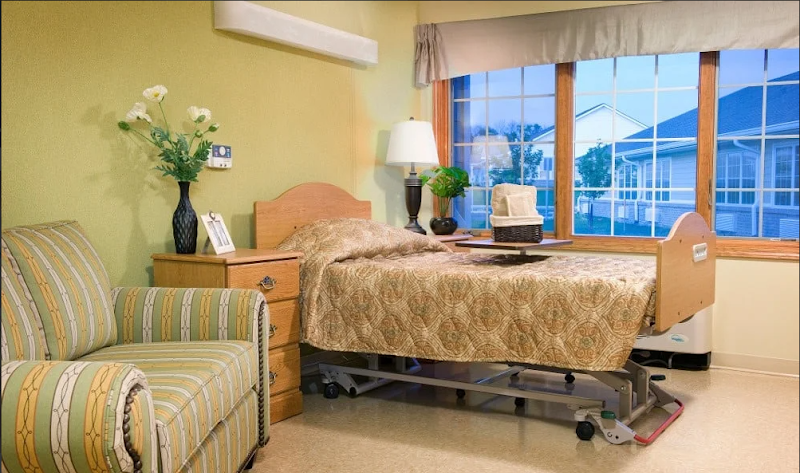
How is Ashton Creek Center Staffed?

CMS rates ASHTON CREEK HEALTH AND REHABILITATION CENTER's staffing level at 3 out of 5 stars, which is average compared to other nursing homes. Staff turnover is 49%, compared to the Indiana average of 46%.

What Have Inspectors Found at Ashton Creek Center?

State health inspectors documented 15 deficiencies at ASHTON CREEK HEALTH AND REHABILITATION CENTER during 2023 to 2024. These included: 15 with potential for harm.
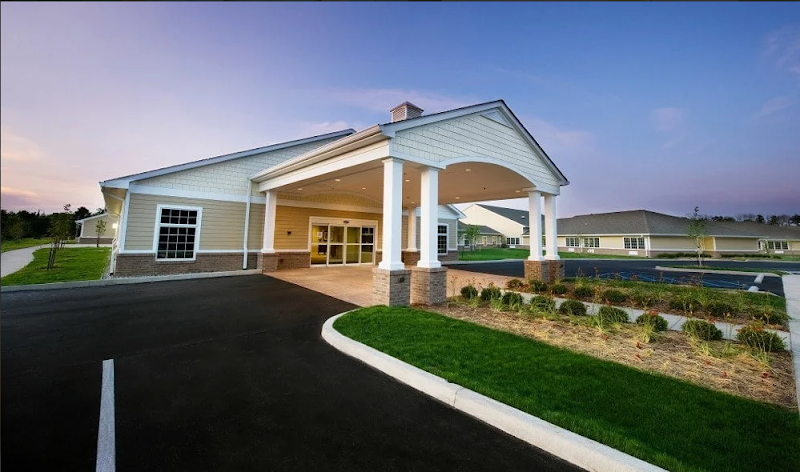
Who Owns and Operates Ashton Creek Center?

ASHTON CREEK HEALTH AND REHABILITATION CENTER is owned by a non-profit organization. Non-profit facilities reinvest revenue into operations rather than distributing to shareholders. The facility is operated by TLC MANAGEMENT, a chain that manages multiple nursing homes. With 139 certified beds and approximately 110 residents (about 79% occupancy), it is a mid-sized facility located in FORT WAYNE, Indiana.
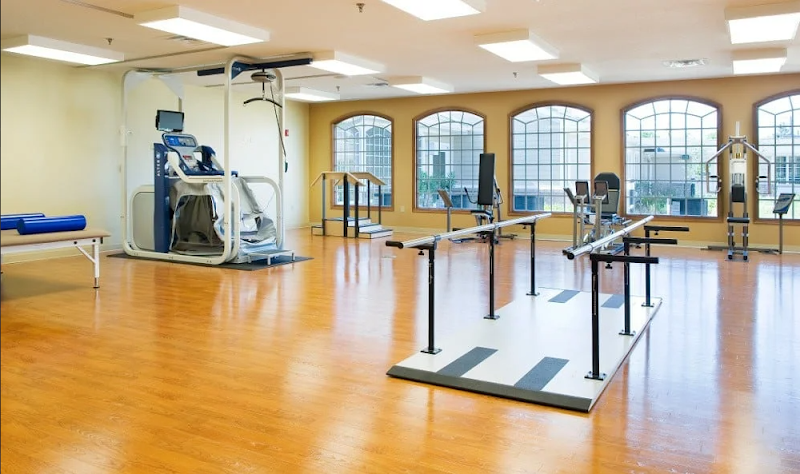
How Does Ashton Creek Center Compare to Other Indiana Nursing Homes?

Compared to the 100 nursing homes in Indiana, ASHTON CREEK HEALTH AND REHABILITATION CENTER's overall rating (4 stars) is above the state average of 3.1, staff turnover (49%) is near the state average of 46%, and health inspection rating (4 stars) is above the national benchmark.

What Should Families Ask When Visiting Ashton Creek Center?

Based on this facility's data, families visiting should ask: "Can I visit during a mealtime to observe dining assistance and food quality?" "How do you handle medical emergencies, and what is your hospital transfer rate?" "Can I speak with family members of current residents about their experience?"

Is Ashton Creek Center Safe?

Based on CMS inspection data, ASHTON CREEK HEALTH AND REHABILITATION CENTER has a clean safety record: no substantiated abuse findings (meaning no confirmed cases of resident harm), no Immediate Jeopardy citations (the most serious violation level indicating risk of serious injury or death), and is not on the Special Focus Facility watch list (a federal program monitoring the lowest-performing 1% of nursing homes). The facility has a 4-star overall rating and ranks #1 of 100 nursing homes in Indiana. While no facility is perfect, families should still ask about staff-to-resident ratios and recent inspection results during their visit.

Do Nurses at Ashton Creek Center Stick Around?

ASHTON CREEK HEALTH AND REHABILITATION CENTER has a staff turnover rate of 49%, which is about average for Indiana nursing homes (state average: 46%). Moderate turnover is common in nursing homes, but families should still ask about staff tenure and how the facility maintains care continuity when employees leave.

Was Ashton Creek Center Ever Fined?

ASHTON CREEK HEALTH AND REHABILITATION CENTER has no federal fines on record. CMS issues fines when nursing homes fail to meet care standards or don't correct problems found during inspections. The absence of fines suggests the facility has either maintained compliance or corrected any issues before penalties were assessed. This is a positive indicator, though families should still review recent inspection reports for the full picture.

Is Ashton Creek Center on Any Federal Watch List?

ASHTON CREEK HEALTH AND REHABILITATION CENTER is not on any federal watch list. The most significant is the Special Focus Facility (SFF) program, which identifies the bottom 1% of nursing homes nationally based on persistent, serious quality problems. Not being on this list means the facility has avoided the pattern of deficiencies that triggers enhanced federal oversight. This is a positive indicator, though families should still review the facility's inspection history directly.