SUMMIT CITY NURSING AND REHABILITATION
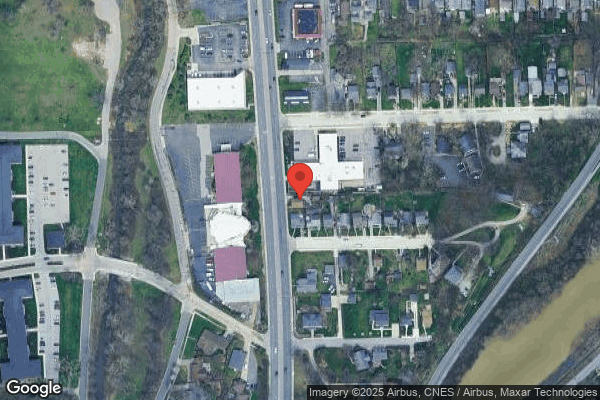
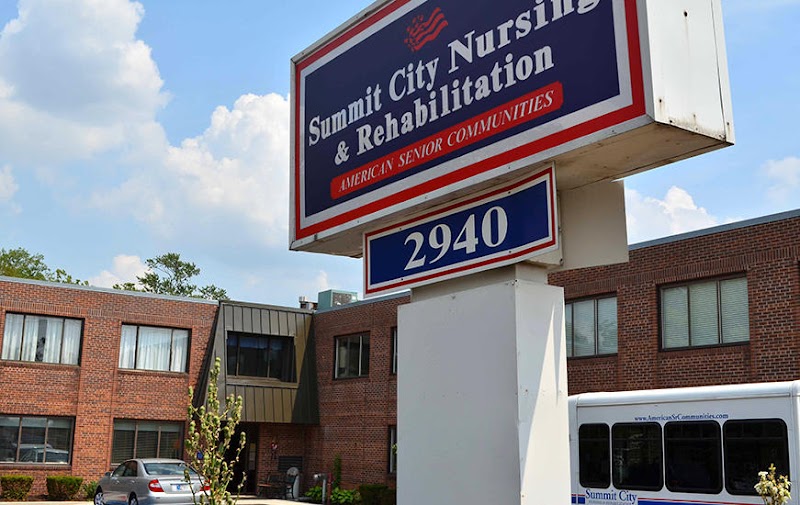
2940 N CLINTON ST, FORT WAYNE, IN 46805 (260) 484-0602
For profit - Corporation 93 Beds AMERICAN SENIOR COMMUNITIES Data: November 2025
Trust Grade
85/100
#99 of 505 in IN
Last Inspection: November 2024

Within standard 12-15 month inspection cycle. Federal law requires annual inspections.

Overview

Summit City Nursing and Rehabilitation has a Trust Grade of B+, which means it is recommended and above average in quality. It ranks #99 out of 505 facilities in Indiana, placing it in the top half, and #13 out of 29 in Allen County, indicating that there are only 12 local options that are better. The facility is newly inspected, so there is no trend data available, but it has recorded no fines, which is a positive sign. However, staffing is a weak point, rated only 1 out of 5 stars with a turnover rate of 55%, which is higher than the state average. Specific concerns include staff entering resident rooms without permission, which can undermine residents' dignity, and a failure to adequately manage pain for a resident who reported ongoing discomfort without sufficient relief. While the facility has excellent ratings for overall quality and health inspections, these issues highlight areas that need improvement.

Trust Score
B+
85/100
In Indiana
#99/505
Top 19%
Safety Record
Low Risk
No red flags
Inspections
Too New
0 → 2 violations
Staff Stability
⚠ Watch
55% turnover. Above average. Higher turnover means staff may not know residents' routines.
Penalties
✓ Good
No fines on record. Clean compliance history, better than most Indiana facilities.
Skilled Nurses
○ Average
Each resident gets 38 minutes of Registered Nurse (RN) attention daily — about average for Indiana. RNs are the most trained staff who monitor for health changes.
Violations
✓ Good
Only 2 deficiencies on record. Cleaner than most facilities. Minor issues only.
★★★★★
5.0
Overall Rating
★☆☆☆☆
1.0
Staff Levels
★★★★★
5.0
Care Quality
★★★★★
5.0
Inspection Score
Stable
: 0 issues
2024: 2 issues

The Good

  • 5-Star Quality Measures · Strong clinical quality outcomes
  • Full Sprinkler Coverage · Fire safety systems throughout facility
  • No fines on record

Facility shows strength in quality measures, fire safety.

The Bad

Staff Turnover: 55%

Near Indiana avg (46%)

Frequent staff changes - ask about care continuity

Chain: AMERICAN SENIOR COMMUNITIES

Part of a multi-facility chain

Ask about local staffing decisions and management

Staff turnover is elevated (55%)

7 points above Indiana average of 48%

The Ugly 2 deficiencies on record

Nov 2024 2 deficiencies
CONCERN (D)

Potential for Harm - no one hurt, but risky conditions existed

Resident Rights (Tag F0550)

Could have caused harm · This affected 1 resident

**NOTE- TERMS IN BRACKETS HAVE BEEN EDITED TO PROTECT CONFIDENTIALITY** Based on observation, interview, and record review the facility failed to ensure dignity was provided for 1 of 13 residents revi...

Read full inspector narrative →
**NOTE- TERMS IN BRACKETS HAVE BEEN EDITED TO PROTECT CONFIDENTIALITY** Based on observation, interview, and record review the facility failed to ensure dignity was provided for 1 of 13 residents reviewed. (Resident 22). Findings include: An observation starting on 11/12/24 at 9:18AM, in the 200 hallway, consisting of rooms 215-228, staff from several departments were observed entering resident rooms without waiting for permission or an answer after knocking softly or not knocking at all. Some of the staff did announce what department they were from, none announced their name. Certified Nursing Assistant 4 (CNA) went directly into room [ROOM NUMBER] without knocking and announced after entering, who turned the light on?. CNA 5 entered room [ROOM NUMBER] after tapping with one finger on the door and immediately entering the room. No announcement was made prior to entering. No pause was given between finger tap and entering room. In room [ROOM NUMBER], several staff were coming and going from the room. There was no knocking or asking permission to enter the resident(s) room. The Activity director, a member of laundry/housekeeping (6), and a CNA (7) were all seen entering without knocking or asking for permission to enter. One of the three did say hello upon entering. During an observation, on 11/12/24 at 10:56AM, in Resident 22's room, CNA 7, RN 3, and a member of housekeeping (8) all entered the room without knocking, clarify they did not ask for permission without asking for permission to enter, or announcing themselves by name. The CNA did state nursing upon entering the room. Each time someone entered Resident 22 stopped talking mid-sentence. In an interview on 11/12/24 at 10:57 AM, Resident 22 indicated she was embarrassed by the crusty yellow, brown and white patches on her scalp and loss of hair. Resident 22 also complained of being in a gown at near noon and expressed she did own clothing. Resident 22 indicated she did not want her husband to see her in this condition. Resident 22's record review began on 11/12/24 at 2:45PM. Resident 22 diagnoses included schizoaffective disorder, muscle weakness, major depression, and lack of coordination. Resident 22 did not have any documented diagnosis of skin conditions for her scalp or any physician orders for treatments for scalp. Resident 22's most recent comprehensive, Minimum Data Set (MDS), assessment dated [DATE] indicated the following: Section C: Cognitive Patterns. A Brief Interview of Mental Status (BIMS) score of 10, indicated moderate impairment. Section D: Mood Resident mood interview (PHQ-2 9) indicated moderate depression. Section E: Behaviors were scored as none. In an interview, on 11/13/24 at 8:01 AM, Registered Nurse 3 (RN) indicated the proper procedure to entering a resident room was to knock on door wait for an answer and announce yourself. RN 3 confirmed staff were to ask or wait for permission to enter residents' rooms. In an interview, on 11/14/24 at 10:45 AM, the Administrator asked if staff were just knocking and announcing themselves. The Administrator provided an indated policy and procedure for Abuse and Neglect. The policy did not cover resident rights to dignity. The administrator indicated he would look for a check-off in their orientation or other policies to cover entering resident rooms. No policy was made available at the time of exit. 3.1-3(p)(1)(t)
CONCERN (D)

Potential for Harm - no one hurt, but risky conditions existed

Deficiency F0697 (Tag F0697)

Could have caused harm · This affected 1 resident

**NOTE- TERMS IN BRACKETS HAVE BEEN EDITED TO PROTECT CONFIDENTIALITY** Based on observation, interview, and record review the facility failed to ensure pain was managed for 1 of 1 resident reviewed. ...

Read full inspector narrative →
**NOTE- TERMS IN BRACKETS HAVE BEEN EDITED TO PROTECT CONFIDENTIALITY** Based on observation, interview, and record review the facility failed to ensure pain was managed for 1 of 1 resident reviewed. (Resident 22) Findings include: In an interview, on 11/12/24 at 10:12 AM, Resident 22 indicated she was frequently experiencing back pain and not getting any relief from it. Resident 22 indicated she told the nurses and was at times given Tylenol and at other times given reasons she had to wait. Resident 22 indicated the nursing facility staff were aware of her pain. Resident 22 indicated she was rarely given medication for the pain and was not offered any non-pharmaceutical relief. Resident 22 indicated Tylenol was better than nothing but did not relieve the pain. During a continuous observation in Resident 22's room, on 11/12/24 between 10:12 AM and 11:03AM, Resident 22's brows were observed to be crunched, face was grimaced, and there was reddening on her forehead between her eyes. Resident 22 became tearful at times and stopped to catch her breath at other times. Registered Nurse (RN 3) came in to address Resident 22's roommate, at 10:32 AM. Resident 22 stopped her and expressed a great deal of pain. RN 3 did an assessment. Asking for her pain level. Resident 22 indicated her pain level was a 10. RN 3 asked how she was talking if her pain was a 10. Resident 22 indicated her pain was the worst pain she had ever felt, and she was having pain quite frequently as they were all aware. RN 3 asked Resident 22 to describe the pain and the location of the pain. Resident 22 explained slowly the pain was in her back, and it went from a constant throb to at times feeling like she was being stabbed. RN 3 indicated she would let Resident 22's nurse know of their discussion and request of pain medication. Resident 22 asked specifically for something more than Tylenol. Resident 22 asked for ibuprofen or tramadol and indicated Tylenol was not effective when the pain was of this level. RN 3 did not ask if there was anything else helpful in relieving the pain, offer turn or reposition, lowering the lights, a message, ice, heat, or soothing music. RN 3 did not offer any other relief. After RN 3 left the room on 11/12/24 about 10:40 AM, Resident 22 went on to explain what happened when she complained of pain. She described someone other than her nurse would come in. She felt talked down to as if she didn't know when she was in pain or not. She indicated much of the time she would not see or talk to the nurse or get any relief from the pain. She indicated she was not offered any pain relief mesures other then medications. Resident 22's record review began on 11/13/24 at 9:21AM. Resident 22's diagnoses included schizoaffective disorder, muscle weakness, diabetes, asthma, swelling, and pain. Resident 22's physician orders related to pain were limited to an order for Tylenol (acetaminophen) 325mg tablet, 650mg every 4 hours as needed. Not to exceed 4grams in 24 hours. Resident 22's most recent comprehensive, Minimum Data Set (MDS), assessment dated [DATE] indicated the following: Section C: Cognitive Patterns. A Brief Interview of Mental Status (BIMS) score of 10, indicated moderate impairment. Section D: Mood Resident mood interview (PHQ-2 9) indicated moderate depression. Section E: Behaviors were scored as none. Section J: Health Conditions Pain Assessment Interview was not completed. Resident 22's plan of care indicated the problem of at risk for pain related to impaired mobility, diabetes, and asthma, The goal was resident will be free from adverse reactions of pain. The interventions included observing nonverbal signs of pain i.e. changes in breathing, mood/behavior, eyes changing expression, sad/worried face, crying, teeth clenched, and changes in posture. An intervention was to offer non pharmalogical interventions such as a quiet environment, rest, shower, back rub, and reposition. Resident 22's progress notes, printed 11/13/24 at 11:09 AM, indicated the most recent entry of a complaint of back pain was on 11/7/24 and Tylenol was administered. The entry did not have documented non pharmacologic attempts for pain relief. The progress notes dated from 10/16/24 to 11/7/24 had no other documentation of complaints of pain. Resident 22's Medication Administration Record (MAR) dated November 2024 was reviewed through November 13. On 11/7/24 Tylenol 325mg (2) tablets were given at 2:32PM for pain, a pain level of 5, location was not indicated, and effectiveness was marked with an E. On 11/13/24 at 12:27PM Tylenol 325mg (2) tablets were given for pain, level was a 4, and location was the back. Resident 22's pain concern on 11/12/24, nor attempts for pain relief were not documented. A policy and procedure titled, Pain Management Policy dated 01/03 and last revised 7/2024, indicated .to provide the necessary care and services to attain and maintain the highest practicable physical, mental, and psychosocial wellbeing, including pain management .interviewable resident pain with be given based on intensity of the pain using the verbal descriptive, numerical scale of 0-10 .Non interviewable resident- pain medications will be given based upon nursing assessment of the following: non verbal sounds, vocal complaints of pain, facial expressions (grimaces, winces, wrinkled forehead, furrowed brows, clenched teeth), protective body movements or postures .Physician orders for pain medication will be prescribed based upon the resident's intensity of pain. For example, Tylenol for mild to moderate pain. Vicodin for severe to very severe pain . 3.1-37(a)
Understanding Severity Codes (click to expand)
Life-Threatening (Immediate Jeopardy)
J - Isolated K - Pattern L - Widespread
Actual Harm
G - Isolated H - Pattern I - Widespread
Potential for Harm
D - Isolated E - Pattern F - Widespread
No Harm (Minor)
A - Isolated B - Pattern C - Widespread

Questions to Ask on Your Visit

  • "Why is there high staff turnover? How do you retain staff?"
  • "Can I speak with families of current residents?"
  • "What's your RN coverage like on weekends and overnight?"

Our Honest Assessment

Strengths
  • • Grade B+ (85/100). Above average facility, better than most options in Indiana.
  • • No major safety red flags. No abuse findings, life-threatening violations, or SFF status.
  • • No fines on record. Clean compliance history, better than most Indiana facilities.
  • • Only 2 deficiencies on record. Cleaner than most facilities. Minor issues only.
Concerns
  • • 55% turnover. Above average. Higher turnover means staff may not know residents' routines.
Bottom line: Generally positive indicators. Standard due diligence and a personal visit recommended.

About This Facility

What is Summit City Nursing And Rehabilitation's CMS Rating?

CMS assigns SUMMIT CITY NURSING AND REHABILITATION an overall rating of 5 out of 5 stars, which is considered much above average nationally. Within Indiana, this rating places the facility higher than 99% of the state's 100 nursing homes. This rating reflects solid performance across the metrics CMS uses to evaluate nursing home quality.
How is Summit City Nursing And Rehabilitation Staffed?

CMS rates SUMMIT CITY NURSING AND REHABILITATION's staffing level at 1 out of 5 stars, which is much below average compared to other nursing homes. Staff turnover is 55%, which is 9 percentage points above the Indiana average of 46%. High turnover can affect care consistency as new staff learn residents' individual needs. RN turnover specifically is 89%, which is notably high. RNs provide skilled clinical oversight, so turnover in this role can affect medical care quality.

What Have Inspectors Found at Summit City Nursing And Rehabilitation?

State health inspectors documented 2 deficiencies at SUMMIT CITY NURSING AND REHABILITATION during 2024. These included: 2 with potential for harm.
Who Owns and Operates Summit City Nursing And Rehabilitation?

SUMMIT CITY NURSING AND REHABILITATION is owned by a for-profit company. For-profit facilities operate as businesses with obligations to shareholders or private owners. The facility is operated by AMERICAN SENIOR COMMUNITIES, a chain that manages multiple nursing homes. With 93 certified beds and approximately 49 residents (about 53% occupancy), it is a smaller facility located in FORT WAYNE, Indiana.
How Does Summit City Nursing And Rehabilitation Compare to Other Indiana Nursing Homes?

Compared to the 100 nursing homes in Indiana, SUMMIT CITY NURSING AND REHABILITATION's overall rating (5 stars) is above the state average of 3.1, staff turnover (55%) is near the state average of 46%, and health inspection rating (5 stars) is much above the national benchmark.

What Should Families Ask When Visiting Summit City Nursing And Rehabilitation?

Based on this facility's data, families visiting should ask: "How do you ensure continuity of care given staff turnover, and what is your staff retention strategy?" "Can you walk me through typical staffing levels on day, evening, and night shifts?" "Can I visit during a mealtime to observe dining assistance and food quality?" "How do you handle medical emergencies, and what is your hospital transfer rate?" These questions are particularly relevant given the facility's high staff turnover rate and the below-average staffing rating.

Is Summit City Nursing And Rehabilitation Safe?

Based on CMS inspection data, SUMMIT CITY NURSING AND REHABILITATION has a clean safety record: no substantiated abuse findings (meaning no confirmed cases of resident harm), no Immediate Jeopardy citations (the most serious violation level indicating risk of serious injury or death), and is not on the Special Focus Facility watch list (a federal program monitoring the lowest-performing 1% of nursing homes). The facility has a 5-star overall rating and ranks #1 of 100 nursing homes in Indiana. While no facility is perfect, families should still ask about staff-to-resident ratios and recent inspection results during their visit.

Do Nurses at Summit City Nursing And Rehabilitation Stick Around?

Staff turnover at SUMMIT CITY NURSING AND REHABILITATION is high. At 55%, the facility is 9 percentage points above the Indiana average of 46%. Registered Nurse turnover is particularly concerning at 89%. RNs handle complex medical decisions and coordinate care — frequent RN changes can directly impact care quality. High turnover means new staff may not know residents' individual needs, medications, or preferences. It can also be disorienting for residents, especially those with dementia who rely on familiar faces. Families should ask: What is causing the turnover? What retention programs are in place? How do you ensure care continuity during staff transitions?

Was Summit City Nursing And Rehabilitation Ever Fined?

SUMMIT CITY NURSING AND REHABILITATION has no federal fines on record. CMS issues fines when nursing homes fail to meet care standards or don't correct problems found during inspections. The absence of fines suggests the facility has either maintained compliance or corrected any issues before penalties were assessed. This is a positive indicator, though families should still review recent inspection reports for the full picture.

Is Summit City Nursing And Rehabilitation on Any Federal Watch List?

SUMMIT CITY NURSING AND REHABILITATION is not on any federal watch list. The most significant is the Special Focus Facility (SFF) program, which identifies the bottom 1% of nursing homes nationally based on persistent, serious quality problems. Not being on this list means the facility has avoided the pattern of deficiencies that triggers enhanced federal oversight. This is a positive indicator, though families should still review the facility's inspection history directly.