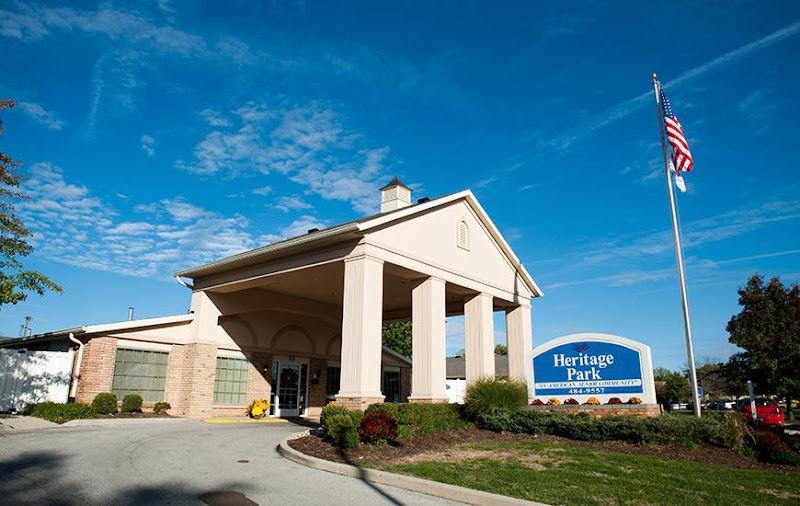
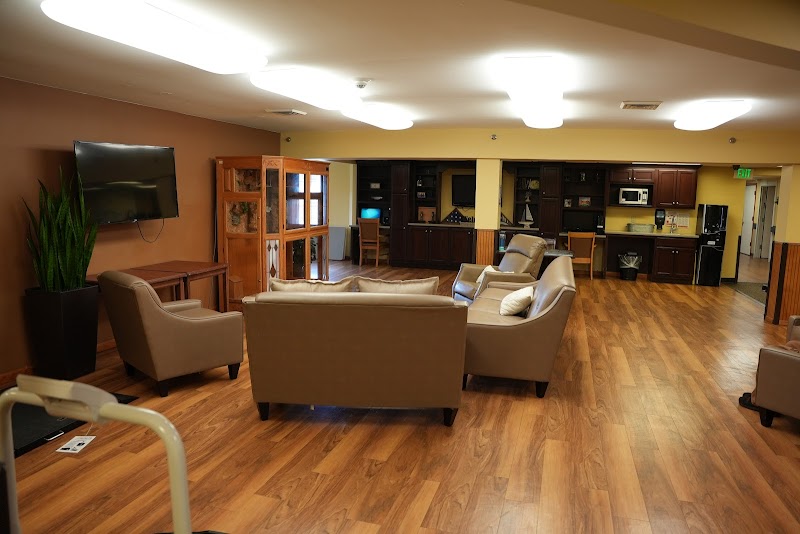
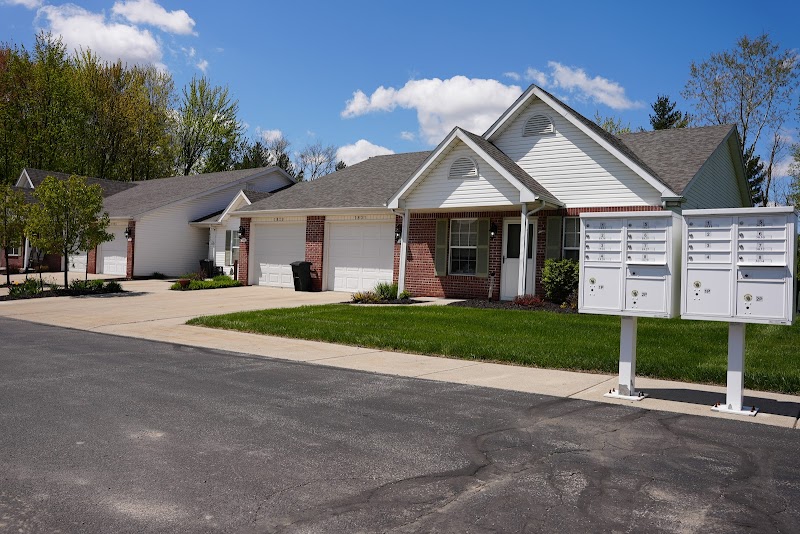
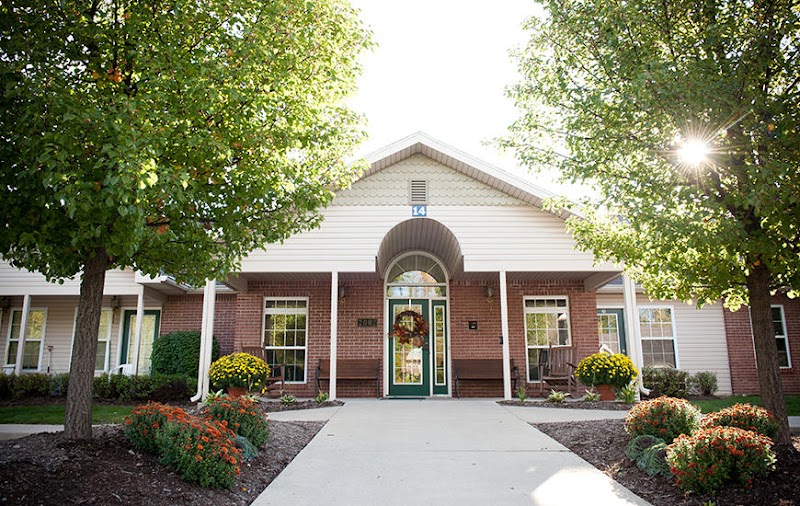
HERITAGE PARK

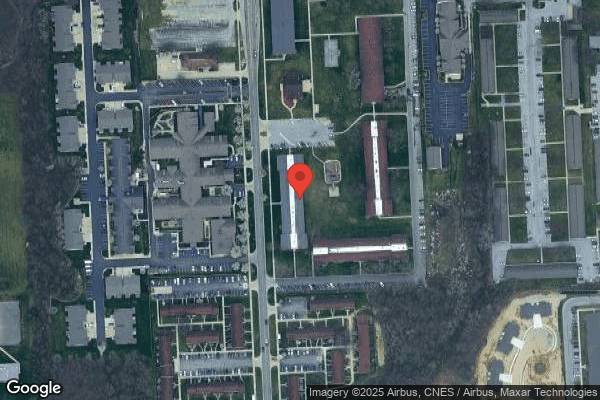
2001 HOBSON RD, FORT WAYNE, IN 46805 (260) 484-9557
Government - County 180 Beds AMERICAN SENIOR COMMUNITIES Data: November 2025
Trust Grade
90/100
#48 of 505 in IN
Last Inspection: March 2025

Within standard 12-15 month inspection cycle. Federal law requires annual inspections.

Overview

Heritage Park in Fort Wayne, Indiana, has a Trust Grade of A, indicating it is an excellent facility that is highly recommended. It ranks #48 out of 505 nursing homes in Indiana, placing it in the top half, and #7 out of 29 in Allen County, meaning only six local options are better. However, the trend is worsening, with issues doubling from 1 in 2024 to 2 in 2025. Staffing is a concern, with a rating of 2 out of 5 stars and a turnover rate of 54%, which is average compared to the state. Notably, there have been incidents where residents did not receive necessary personal care, and grievances raised by the Resident Council about cold food and long response times have not been resolved in a timely manner. On a positive note, there have been no fines reported, and while RN coverage is below average, the overall quality measures are rated 5 out of 5 stars, indicating a strong focus on resident care.

Trust Score
A
90/100
In Indiana
#48/505
Top 9%
Safety Record
Low Risk
No red flags
Inspections
Getting Worse
1 → 2 violations
Staff Stability
⚠ Watch
54% turnover. Above average. Higher turnover means staff may not know residents' routines.
Penalties
✓ Good
No fines on record. Clean compliance history, better than most Indiana facilities.
Skilled Nurses
⚠ Watch
Each resident gets only 22 minutes of Registered Nurse (RN) attention daily — below average for Indiana. Fewer RN minutes means fewer trained eyes watching for problems.
Violations
⚠ Watch
11 deficiencies on record. Higher than average. Multiple issues found across inspections.
★★★★★
5.0
Overall Rating
★★☆☆☆
2.0
Staff Levels
★★★★★
5.0
Care Quality
★★★★☆
4.0
Inspection Score
Stable
2024: 1 issues
2025: 2 issues

The Good

  • 5-Star Quality Measures · Strong clinical quality outcomes
  • Full Sprinkler Coverage · Fire safety systems throughout facility
  • No fines on record

Facility shows strength in quality measures, fire safety.

The Bad

Staff Turnover: 54%

Near Indiana avg (46%)

Higher turnover may affect care consistency

Chain: AMERICAN SENIOR COMMUNITIES

Part of a multi-facility chain

Ask about local staffing decisions and management

The Ugly 11 deficiencies on record

Mar 2025 2 deficiencies
CONCERN (D)

Potential for Harm - no one hurt, but risky conditions existed

Deficiency F0757 (Tag F0757)

Could have caused harm · This affected 1 resident

Based on interview and record review the facility failed to act timely on pharmacy recommendations for 1 of 5 residents reviewed. (Resident 105). Findings include: Resident 105's record review was rev...

Read full inspector narrative →
Based on interview and record review the facility failed to act timely on pharmacy recommendations for 1 of 5 residents reviewed. (Resident 105). Findings include: Resident 105's record review was reviewed on 3/6/25 at 9:16AM. A review of Resident 105's pharmacist consultation reports indicated on 12/12/24 his medication Florastar, a probiotic, was suggested to be discontinued. The physician response was I have re-evaluated the therapy and wish to implement the following changes. Written in the comment section by the medical provider was will do. A review of Resident 105's progress notes indicated he had a regulatory visit with a medical provider on 1/3/25 at 6:39AM. There was no note or orders to indicate the physician had been made aware of the December recommendation to discontinue the Florastor. A review of Resident 105's physician orders indicated the medication Florastar 250mg was discontinued on 2/19/25. In an interview, on 3/6/25 at 2:23PM, the Director of Nursing (DON) confirmed the medication Florastar should have been discontinued on the regulatory visit following the December pharmacy review, but it was not. The regulatory visit occurred on 1/3/25. The medication was not discontinued until 2/19/25. A policy was provided by DON on 3/7/25 at 11:32AM titled, Medication Regimen Review dated 12/1/07 with most recent revision date of 6/1/24. The policy indicated .13. The attending physician/prescriber should address the consultant pharmacist's recommendations no later than their next scheduled visit to the facility to assess the resident per facility policy or applicable state and federal regulations . 3.1-48a(1)
CONCERN (D)

Potential for Harm - no one hurt, but risky conditions existed

Deficiency F0761 (Tag F0761)

Could have caused harm · This affected 1 resident

**NOTE- TERMS IN BRACKETS HAVE BEEN EDITED TO PROTECT CONFIDENTIALITY** Based on observation, interview and record review the facility failed to ensure medications were secured for 1 of 8 residents re...

Read full inspector narrative →
**NOTE- TERMS IN BRACKETS HAVE BEEN EDITED TO PROTECT CONFIDENTIALITY** Based on observation, interview and record review the facility failed to ensure medications were secured for 1 of 8 residents reviewed (Resident 120). Findings include: During an observation on 3/5/25 at 9:42 AM, an open bottle of Tums, a tube of biofreeze (topical analgesic), two tubes of barrier creams and a Symbicort (inhaled lung medication) inhaler were observed sitting on top of Resident 120's bed. During an interview, on 3/5/25 at 9:50 AM, Licensed Practical Nurse (LPN) 2 indicated medicines may be kept at bedside if an assessment indicates they demonstrate the ability to self-administer the medication correctly and secure it in a locked box. He indicated the medications observed on Resident 120's bed should not be left out when unattended. He indicated Resident 120 was out of the building at a medical appointment. LPN 2 collected the medications and placed them in a secure box in the room. Resident 120's record was reviewed on 3/7/25 at 9:06 AM. Diagnoses included chronic obstructive pulmonary disease, end stage renal disease, and chronic pain syndrome. A review of Resident 120's current quarterly Minimum Data Set (MDS) dated [DATE] indicated their Basic Interview for Mental Status (BIMS) score was 15 (cognitively intact). A review of Resident 120's current care plan titled Resident chooses to self-administer medication- Tums, initiated 10/9/24, indicated the resident had a problem of wishing to self-administer medication with a goal date of 4/2/25. Interventions included completing a medication self-administration evaluation quarterly and keeping medication out of the reach of other residents. A review of Resident 120's current care plan titled .potential for impaired gas exchange .initiated 6/10/24, indicated Resident 120 had a problem of impaired gas exchange due to chronic obstructive pulmonary disease with a goal date of 4/2/25. Interventions included administering medications as ordered. A review of Resident 120's current care plan titled Cognitive Loss/Dementia, initiated 12/30/24 indicated Resident 120 was unable to make daily decisions without cues and supervision, with a goal date of 4/2/25. Interventions included giving feedback when an inappropriate decision was made. A review of physician orders dated 6/7/24 indicated Resident 120 should inhale 2 puffs of budesonide formoterol (Symbicort) twice daily and rinse his mouth after use. The order did not include the medication could be kept at bedside. A review of physician orders, dated 1/6/25, indicated Resident 120 should take a Tums 500 mg tablet three times daily. The order indicated Tums tablets could be kept at Resident 120's bedside. No physician order for the use of biofreeze was available for review. Progress notes, dated February 1 through March 12, 2025, did not include documentation regarding self -administration of medications. A document titled Medication Self Administration Request/Evaluation, dated 10/29/24, indicated Resident 120 was evaluated for his ability to safely administer and store his Tums. No further self-administration evaluations were available for review. In an interview, on 3/6/25 at 2:23 PM, the Director of Nursing indicated residents should be assessed for the ability to self-administer and properly secure medications at bedside. She indicated only medications with specific orders to be kept at bedside should be stored at bedside in a lock box. She indicated medications should not be left out in the room unattended. A current policy, dated 12/1/07, provided by The Director of Nursing on 3/6/25 at 2:38 PM, indicated to ensure safe and appropriate self-administration of medications the facility should educate residents and ensure they could correctly store their medications in a locked compartment. The policy also indicated the facility should list all medications the resident may self-administer. The policy indicated the facility should routinely assess the resident's cognitive, physical, and visual ability to carry out the responsibility of self-administration. Self-administered medications should be kept locked in a storage compartment in the resident's room, so another resident was not able to access the medications. 3.1-25 (m)
Feb 2024 1 deficiency
CONCERN (E)

Potential for Harm - no one hurt, but risky conditions existed

ADL Care (Tag F0677)

Could have caused harm · This affected multiple residents

**NOTE- TERMS IN BRACKETS HAVE BEEN EDITED TO PROTECT CONFIDENTIALITY** Based on observation, interview, and record review the facility failed to provide personal care and hygiene to dependent residen...

Read full inspector narrative →
**NOTE- TERMS IN BRACKETS HAVE BEEN EDITED TO PROTECT CONFIDENTIALITY** Based on observation, interview, and record review the facility failed to provide personal care and hygiene to dependent residents for 4 of 34 residents reviewed. (Resident 122, Resident 27, Resident 72, and Resident 113). Findings include: 1) During an observation and interview, on 2/22/24 at 10:08 A.M., Resident 122 in her room indicated she had a very hard time getting her teeth brushed. She indicated staff were too busy to assist her with brushing her teeth at night and reluctant to do it during the day. Resident 122 was observed dressed in a hospital gown. She indicated if she were able to dress herself there was no way she would be dressed in a hospital gown, but she had no choice and being dressed in the gown was the least of her concerns. Resident 122's record was reviewed on 2/23/23 at 11:16 A.M. Resident 122 diagnoses included history of stroke affecting dominant right side, paralysis of right side of body, respiratory failure, heart disease, muscle weakness, anemia, and unsteadiness in her feet. Resident 122's MDS (Minimum Data Set) comprehensive assessment, dated September 2023 indicated Resident 122 had no cognitive decline at time of assessment, required extensive assistance with personal hygiene such as brushing teeth, but applying make up and washing her face was assessed as supervision. Resident 122's care plan indicated a problem with impaired dental hygiene due to required assistance with activities of daily living related to stroke and right-side paralysis. One of the approaches was to assist Resident 122 with oral care. Resident 122 also had the problem of required assistance with activities of daily living including bed mobility, eating, and toileting. Two of the interventions were to assist with oral care at least two times daily and assist with dressing as needed. 2) During a resident council meeting on 2/23/24 at 1:49 P.M., Resident 27 indicated he was soaked every night. Resident 27 indicated he was informed by a CNA, when he put on his call light to be changed after waking up wet, his peer had fallen, and she would be with him as soon as possible. Resident 27 indicated the CNA did not return. Resident 27's record was reviewed on 2/27/24 at 9:16 A.M. Resident 27's diagnoses included cerebral palsy, diabetes, bipolar disorder, vascular disease, edema, and lack of coordination. Resident 27's MDS comprehensive annual assessment dated [DATE] indicated he had no cognitive decline, and was frequently incontinent of both bowel and bladder. Resident 27's care plan, dated 6/9/21, indicated a problem of urinary incontinencedue to diabetes, diuretics, and antipsychotic medications. Interventions, dated 6/9/21, was to assist with incontinent care as needed, assist with toileting upon rising, before or after meals, at bedtime, and as resident requests. The care plan indicated Resident 27 was at risk for skin breakdown. Interventions dated 6/9/21, was encourage Resident 27 to turn and reposition at least every 2 hours, provide assistance as needed. The care plan, titled ADL (Activities of Daily Living), dated 6/9/21, indicated Resident 27 required assistance with toileting. 3) During a resident council meeting, on 2/23/24 at 1:49 P.M., Resident 72 indicated he was frequently wet often soaking his brief and bed. Resident 72 indicated he was wet about everyother day or more. Resident 72 indicated he complained about being wet, it was a problem everyone knew about, it was ongoing, and frequent. Resident 72 indicated he voiced his feelings of frustration and was unable to come up with a solution himself describing some steps he took such as not drinking after 7 P.M. rather than taking medication. During an observation on 2/27/24 at 4:39 A.M., Resident 72's brief was soaked and was wet through a pad under him. Resident 72's record was reviewed 2/27/24 at 10:18 A.M. Resident 72's diagnoses included a nerve disease (myasthenia gravis), seizures, stroke affecting right dominant side, diabetes, vascular disease, and hypertension. Resident 72's MDS comprehensive annual assessment dated [DATE] indicated no cognitive decline, required substantial/maximal assistance toileting, substantial/maximal assistance dressing, and was frequently incontinent of both bowel and bladder. Resident 72's care plan, dated 5/16/24, indicated a problem of requires assistance and/or monitoring am/pm care, with the goal resident would have ADL needs met. The care plan indicated the residnet required assistance with ADLs dated 6/26/20, interventions were to assist with toileting and/or incontinent care as needed. The care plan indicated Resident 72 was at risk for skin breakdown dated 6/26/20. Interventions included to encourage the resident to turn and reposition at least every 2 hours, provide assistance as needed, and give incontinent care as needed using peri wash and moisture barrier. 4) During an observation, on 2/27/24 at 4:46 A.M., Resident 113 was observed with a bulging brief. Yellow liquid was observed on the blue pad under the resident. Resident 113's record was reviewed 2/27/24 at 11:12 A. M. Resident 113's diagnoses included arthritis, failure to thrive, hypertension, depression, muscle weakness, contracture, chronic pain, and history of fractures. Resident 113's MDS comprehensive assessment dated [DATE] indicated mild cognitive decline, the resident required extensive assistance with toileting, and was frequently incontinent of bowel and bladder. Resident 113's care plan dated 7/12/23, indicated required assistance with toileting due to incontinence. Interventions included: assist with incontinent care as needed, assist with toileting upon rising, before or after meals, at bedtime, and as needed, ensure the resident was toileted overnight. The care plan indicated the resident required assistance with ADLs. Interventions, dated 7/12/23, indicated to assist with bed mobility, and assist with toileting and or incontinent care as needed. Grievances indicated 2 grievances for lack of ADL care. Dated 12/18/23 for delayed call light response time and staff not toileting timely, the resident was left in clothes from the day before. Another grievance dated 9/17/23 indicated a resident was in the same clothes from Friday to Sunday, and was found in soiled underwear. The resident was to be wearing briefs, not underwear. In an interview on 2/27/24 at 4:56 A.M., CNA 3 (Certified Nurse Aid) indicated she was the regular staff who works the 200 hall. She indicated she was aware of staff in the past who would decline to work the hall to the point of clocking out and going home because it was so heavy. She indicated 22 or 23 residents the majority were check and change. She indicated she was usually the only staff (other than the nurse)scheduled on the hall able to complete the required 3 checks per night only by starting at 10pm, the very beginning of her shift. CNA 3 indicated the nurse usually helped with the first and second bed checks depending on how the night went. CNA 3 explained some of the residents were too heavy or required 2 people, so she would have to go to another hall to obtain help. She explained she was unable to go to the closest hall, it was also very heavy with lifting and tasks. CNA 3 indicated she would also be required to help other halls becasue it was just as heavy and there was only 1 CNA scheduled on that hall as well. In an interview, on 2/27/24 at 5:06 A.M., LPN 4 (Licensed Practical Nurse) indicated she had been in the building since 2 P.M. the day before due to call offs. LPN 4 indicated she had not been much help to the CNA on third shift. The CNA task sheets, dated 2/27/24, received from the ADON (Assistant Director of Nursing) indicated the 100-hall had 20 residents with needs for toileting throughout the night, and the 200-hall had 17 residents with needs for toileting throughout the night. Two residents of the 17 were 2 person assists. In an interview on 2/28/24 at 9:18 A.M., the ADON (Assistant Director of Nursing) indicated the staffing for third shift was different. She indicated the 100/ 200 halls were scheduled 1 CNA each. The cottage had (2) CNA's, 300/500 hall shared a CNA, 600/700 Hall shared a CNA, and 800/900 hall shared a CNA for a total of 7 CNAs. The nursing and QMAs were the same, for a total of 11 staff in the building. If more than 7 CNAs showed up to work, they would be down staffed and if less showed up they would pull from the cottageor used the on-call schedule. A policy titled Resident Rights last updated 07/23, provided by the ADON on 2/27/24 at 12:42 P.M., indicated residents have the right to receive the services and/or items included in the plan of care have a right to a safe, clean, comfortable, and homelike environment, including but not limited to receiving treatment and support for daily living safely. 3.1-38(3)
Feb 2023 4 deficiencies
CONCERN (D)

Potential for Harm - no one hurt, but risky conditions existed

Deficiency F0692 (Tag F0692)

Could have caused harm · This affected 1 resident

**NOTE- TERMS IN BRACKETS HAVE BEEN EDITED TO PROTECT CONFIDENTIALITY** Based on interview and record review the facility failed to ensure timely assessments for weight loss for 1 of 4 residents revie...

Read full inspector narrative →
**NOTE- TERMS IN BRACKETS HAVE BEEN EDITED TO PROTECT CONFIDENTIALITY** Based on interview and record review the facility failed to ensure timely assessments for weight loss for 1 of 4 residents reviewed. (Resident 118) Findings include: Resident 118's recorded review began on 02/22/23 at 10:12 AM. Diagnosis included dysphagia, dehydration, and anorexia. Resident 118's physician orders included; ice cream at lunch, update weight due to weight loss, daily weight x7 to establish baseline weight, mirtazapine 15mg tablet at bedtime for anorexia, offer bedtime snack, weekly weights x4, and ensure plus. Resident 118's record indicated he was in hospital from [DATE] to 12/21/22 and from 1/5/23 to 1/7/23. A review of the Medication Administration Record (MAR) dated February 2023 indicated on night shift there were 2 times the bedtime snack was not documented as offered. There was no documentation of readmit weight or refusal on 12/21/22. There were no weights documented from 11/7/22 to 1/3/23. Weight was documented on 11/7/22 as 221. On 1/3/23 weight was documented as 184. A 37-pound (16%) weight loss in 2 months. Progress noted indicated Resident 118 was seen by a physician on 12/5/23 prior to discharge to the hospital for increased weakness and lab results. No order for routine weights was documented. The Physician saw Resident 118 on 12/22/23 after return from hospitalization on 12/21/22. Resident 118's weight was not addressed during the assessment, nor documentated on return to the facility. Resident 118 was seen by the physician on 12/27/22. Resident 118's poor appetite and intake were not mentioned. Resident was seen on 12/29/22 for lab follow up. His weight was not addressed. Resident 118 was seen on 1/2/23 for follow up. During the assessment on 1/2/23 physician addressed the apparent weight loss and requested a weight. Resident 118 had an interdisciplinary team meeting on 1/2/23 regarding an are to his right upper great toe. During this meeting it was documented there were no nutritional concerns. Resident 118 was seen by the physician on 1/3/23 for a follow up visit. The physician documented the facility had obtained an updated weight. He suspected the redident had a large weight loss. The loss was obvious in his face and his abdominal area. A lot of this was likely due to the prolonged hospitalization for oral intake and recent GI surgery. Resident 118 was reviewed by the RD (Registered Dietician) on 1/5/23. It was documented he had intermittent periods of NPO (nothing by mouth) status while hospitalized and meal intakes were decreased. There was no documentation of Resident 118's current weight or a plan to stabilize his weight. Resident 118's chart was reviewed on 1/23/22 by the dietician who documented Resident 118's weight was stable. Resident 118 was reviewed by the interdisciplinary team on 2/8/23 regarding significant weight loss. Resident 118's nutritional assessments were as follows: Dated 10/11/22, Resident 118 was trending weight loss Dated 10/21/22, Resident 118 had no significant weight loss There was no documentation of nutritional assessments available for the months of November or December. Dated 1/3/23, Resident 118 had less than 75% intake on breakfast, lunch, and dinner, Ensure and Remeron were ordered, and weight loss discussed. A Dietician review dated 1/5/23 indicated he refused his readmission weight, his weight loss was attributed to hospitalization and medical issues. The review noted Resident 118 was not having decreased appetite. On 1/13/23, meal intake was above 75%, the resident was still on ensure twice daily, and there was no weight loss. In an interview on 2/22/23 at 11:02AM, the Regional Registered Dietician and the facility RD (Registered Dietician) indicated anytime a resident was in the hospital over 24hrs they were to be weighed weekly x4 weeks on return. The RD indicated there were no weights documented upon Resident 118's return from the hospital on [DATE]. In an interview 2/22/23 at 12:16PM, the Regional RN (Registered Nurse) indicated there were no weights documented for Resident 118 upon return from the hospital or for the following week. A current policy titled Resident weight monitoring indicated . residents will be weighed no less thean monthly or per physician's orders. and . upon admission, the resident's weight . will be recorded. 3.1-46
CONCERN (D)

Potential for Harm - no one hurt, but risky conditions existed

Deficiency F0697 (Tag F0697)

Could have caused harm · This affected 1 resident

Based on interview and record review, the facility failed to ensure non-pharmacological interventions were implemented and pain level was assessed prior to administering pain medication for 1 of 2 res...

Read full inspector narrative →
Based on interview and record review, the facility failed to ensure non-pharmacological interventions were implemented and pain level was assessed prior to administering pain medication for 1 of 2 residents reviewed. (Resident 57) Resident 57's record was reviewed on 2/21/2023 at 11:26 AM. Diagnoses included cerebral infarction due to unspecified occlusion or stenosis of unspecified precerebral arteries, type 2 diabetes mellitus with hyperglycemia, vascular dementia, unspecified severity, without behavioral disturbance, psychotic disturbance, mood disturbance, and anxiety, end stage renal disease, gout, unspecified, presence of cardiac and vascular implant and graft, unspecified, dependence on renal dialysis, and type 2 diabetes mellitus with diabetic chronic kidney disease. A Minimum Data Set (MSD) assessment, dated 01/11/2023, indicated Resident 57 had a brief interview for mental status (BIMS) score of 11 (moderate cognitive impairment). A physician's order, dated 9/24/2021, indicated to give Acetaminophen tablet 325 milligrams (mg) (over the counter medication to treat pain or fever), give 650mg oral (by mouth) every 6 hrs. (hours) prn (as needed). Do not exceed 4 grams of Acetaminophen from all other sources. A physician's order, dated 6/23/2022, indicated to give Hydrocodone-Acetaminophen Schedule II tablet 5-325mg (opioid pain medication), give 5-325mg orally 6 hrs. prn. Resident 57's orders did not include an order to implement non-pharmacological interventions prior to administering a pain medication. A current care plan, dated 6/14/2021, indicated Resident 57 was at risk for pain related to: tooth extractions (removals), decreased mobility, CVA (stroke) with right side hemiparesis (weakness on the right side of the body), coronary artery disease (heart disease), diabetes mellitus type II ( an impairment in the way the body regulates and uses sugar), end stage renal disease (kidneys not functioning), anemia (low red blood cell count), dependence on renal dialysis ( a procedure to remove waste products and excess fluid from the blood when the kidneys stop working properly), depressive episodes, gastro esophageal reflux disease ( heartburn), dry eye syndrome, gout (a form of arthritis, which brings on sudden, severe attacks of pain, swelling, redness, and tenderness in one or more joints, most often the big toe), obstructive uropathy (when urine cannot drain through the urinary tract) with a suprapubic catheter (tube inserted into the bladder through the lower abdomen to drain urine), peripheral vascular disease (a condition in which narrowed blood vessels reduce blood flow to the arms and legs), cardiomyopathy (a disease of the heart muscle which causes the heart to lose its ability to pump blood efficiently), and hyperlipidemia (high concentration of fat in the blood). The goal indicated Resident 57 would be free from adverse effects of pain. The interventions included: administer medication as ordered, assist with positioning to comfort, document effectiveness of prn medications, notify the medical doctor (MD) if pain was unrelieved and/or worsening, observe for adverse effects of pain medication including, but not limited to, over sedation, constipation, skin rash, nausea/vomiting, loss of appetite, change in mental status, stomach upset, document abnormal findings and notify the MD, observe for nonverbal signs of pain: changes in breathing, vocalizations (speaking out loud), mood/behavior changes, eyes change expression, sad/worried face, crying, teeth clenched, changes in posture, and offer non pharmacological interventions such as quiet environment, rest, shower, back rub, repositioning. The Medication Administration Record (MAR) and Treatment Administration Record (TAR), dated January 2023, indicated Resident 57 received Acetaminophen 650mg on 1/2/23 at 5:40 PM, 1/5/23 at 5:41 PM, 1/7/23 at 3:49 AM, 1/11/23 at 5:10 AM, 1/12/23 at 7:14 PM, 1/16/23 at 5:07 AM, 1/17/23 at 2:49 AM, 1/18/23 at 3:48 AM and 5:47 PM, 1/19/23 at 4:12 AM and 6:09 PM, 1/21/23 at 4:40 AM, 1/22/23 at 4:12 AM, 1/26/23 at 5:04 AM, 1/27/23 at 5:05 AM, 1/30/23 at 7:46 PM, and 1/31/23 at 4:59 AM. The MAR and TAR, dated February 2023, indicated Resident 57 received Acetaminophen 650mg on 2/1/23 at 4:01 AM, 2/6/23 at 4:48 AM, 2/8/23 at 4:33 AM, and 2/9/23 at 6:52 PM. Resident 57's MARs and TARs, dated January 2023 and February 2023, contained no documentation regarding the nonpharmacological interventions attempted prior to administering Acetaminophen to Resident 57. Resident 57's MARs and TARs, dated January 2023 and February 2023, contained no documentation of Resident 57's pain level prior to administering Acetaminophen. The MAR and TAR, dated January 2023, indicated Resident 57 received Hydrocodone-Acetaminophen 5-325mg on 1/8/23 at 2:35 PM, 1/24/23 at 2:38 PM and 8:10 PM, 1/27/23 at 7:29 PM, 1/28/23 at 11:19 AM, 1/29/23 at 8:33 AM and 4:09 PM, 1/30/23 at 3:36 PM, and 1/31/23 at 12:10 PM. The MAR and TAR, dated February 2023, indicated Resident 57 received Hydrocodone-Acetaminophen 5-325mg on 2/1/23 at 5:01 PM, 2/3/23 at 7:29 PM, 2/5/23 at 10:07 AM, and 2/5/23 at 6:38 PM. Resident 57's MARs and TARs, dated January 2023 and February 2023, contained no documentation regarding the nonpharmacological interventions attempted prior to administering Hydrocodone-Acetaminophen to Resident 57. Resident 57's MARs and TARs, dated January 2023 and February 2023, contained no documentation of Resident 57's pain level prior to administering Hydrocodone-Acetaminophen. A review of Resident 57's vital sign documentation, dated January 2023, indicated no documentation of pain level. Resident 57's vital sign documentation, dated February 1- 21, 2023, contained documentation of Resident 57's pain level at 0 of 10 on 2/21/2023 at 8:06 AM. No other documentation of pain level was found in the February 2023 vital sign section of Resident 57's record. A review of Resident 57's progress notes, dated 1/1/23-2/22/23, indicated no documentation of the nonpharmacological interventions attempted prior to administering Acetaminophen. A review of Resident 57's progress notes, dated 1/1/23-2/22/23, indicated no documentation of Resident 57's pain level prior to administering Acetaminophen. A review of Resident 57's progress notes, dated 1/1/23-2/22/23, indicated no documentation of the nonpharmacological interventions attempted prior to administering Hydrocodone-Acetaminophen. A review of Resident 57's progress notes, dated 1/1/23-2/22/23, indicated no documentation of Resident 57's pain level prior to administering Hydrocodone-Acetaminophen. In an interview on 2/22/23 at 10:10 AM, LPN 7 indicated if a resident had several pain medications ordered, she would administer the medication based on the resident's pain level. She would administer the stronger pain medication if the resident had a high pain rating. LPN 7 indicated she would document the resident's pain rating, based on a scale 1-10, location of the pain, and a description of the pain. LPN 7 indicated she would reassess the resident's pain 30-45 minutes after administering the pain medication and would document the effectiveness. LPN 7 indicated that documentation of pain assessment was done on the MAR or in a progress note with each administration of a pain medication. In an interview on 2/22/23 at 3:46 PM, the Regional Nurse indicated documentation of a resident's pain level was not done in the vital sign section of the resident's record. She indicated an agency nurse might have documented Resident 57's pain level in the vital sign area due to documenting a resident's pain level in the vital sign section in other facilities. The Regional Nurse indicated a resident's pain assessment was done on the MAR. In an interview on 2/23/23 at 9:50 AM, the Regional Nurse indicated implementing nonpharmacological interventions before giving pain medication was considered a standard of care. She indicated the nonpharmacological interventions were not documented because nurses do not document interventions that were considered standard of care. The Regional Nurse indicated that nurses did not have the time to document all interventions that are considered standard of care. 3.1-37(a)
CONCERN (D)

Potential for Harm - no one hurt, but risky conditions existed

Deficiency F0699 (Tag F0699)

Could have caused harm · This affected 1 resident

**NOTE- TERMS IN BRACKETS HAVE BEEN EDITED TO PROTECT CONFIDENTIALITY** Based on interview and record review the facility failed to ensure trauma informed care was implemented for 1 of 3 residents rev...

Read full inspector narrative →
**NOTE- TERMS IN BRACKETS HAVE BEEN EDITED TO PROTECT CONFIDENTIALITY** Based on interview and record review the facility failed to ensure trauma informed care was implemented for 1 of 3 residents reviewed. (Resident 72). Findings include: Resident 72's recorded review began on 02/22/23 at 09:25 AM. The record indicated diagnosis included bipolar disorder, post-traumatic stress disorder (PTSD), anxiety disorder, and panic disorder. Resident 72 went to [NAME] Center for psychiatric services with phycologist Dr.[NAME], in November of 2022. A facility note indicated the appointment was for pain management. Dr [NAME] was not a pain management doctor. The next appointment at [NAME] Center with same psychologist was in January of 2023. Office visit notes were not available at time of survey. In an interview , on 2/22/23 at 2:16PM, the ADON (Assistant Director of Nursing) indicated Resident 72's notes from the visit in January 2023 were not available due to the need for a medical request to be sent to [NAME] Center to release the records . The necessary paperwork had not been filed. There was no request for information to provide continuity of care for psychological disorders to Resident 72. Resident 72 had the following orders: any/all changes of psych meds must be approved by Dr. [NAME] at [NAME] Center, divalproex delayed release 500mg tabled twice daily for bipolar disorder, bupropion 75mg tablet twice a day for depressive disorder, Celexa 20mg and 40 mg tablets (to give 60mg) daily for depressive episodes, hydroxyzine 50mg twice daily for anxiety disorder, and monitoring for significant side effects of the medications listed. Resident 72's current MDS (Minimal Data Set) assessment indicated the following: Section C BIMS (Brief Interview for Mental Illness) score was 15, signified no cognitive disfunction. Section D Mood indicated he felt down, depressed, or hopeless 7-11 days; and was moving or speaking slowly or fidgeting for 7-11 days; in previous 14 days of assessment. Section E Behavior, indicated no hallucinations, delusions, aggression, threatening, physical symptoms, rejection of care, or wandering in previous 14 days of assessment. Section I Active Diagnosis indicated medical diagnosis, anxiety disorder, depression, bipolar disorder, schizophrenia, and post-traumatic stress disorder. Schizophrenia was not listed in Resident 72's chart under diagnosis, face sheet, CCD (Continuity of Care Document), and physician orders sheet. Schizophrenia was listed in physician provider progress notes. Resident 72's current care plan indicated the following problems with the goal and interventions: Problem: Resident was at risk for potential physical aggression, psychotic features, mood changes. Diagnosis PTSD, Bipolar, Schizoaffective disorder and receives mood stabilizing medications. Goal: would not display changes in mood, psychotic features, physical aggression through next review. Approaches: document behavior, assess any physical cause, provide personal space, provide reassurance/comfort/validate feelings. Problem: Resident preference to keep his room door open, feels claustrophobic when door is shut too long due to diagnosis bipolar, anxiety, PTSD, and schizoaffective disorder. Goal was to Honor resident's preferences to keep door open when using his c pap machine while sleeping over next review. Approach was to honor resident's preferences and keep room door open for resident. Problem: Resident had been determined mentally ill per level 2 assessment. Level 2 diagnosis was bipolar, depressive disorder, and PTSD. Goal was Resident would have mental health needs met through next review. Approach was to provide mental health services, rehab services, socialization, leisure, recreation, and supportive counseling from staff. There were no documented specific problems related to PTSD triggers, symptoms, goal, approaches. In an interview on 02/22/23 at 11:08 AM, SS 2 (Social Services) indicated the level 2, anxiety, physical aggression, and mood changes were care planned. SS2 indicated Resident 72 should have been care planned specifically for PTSD and indicated she would do so. SS2 indicated the care plan was a tool to address needs of the resident and inform staff best way to provide care. SS2 indicated Resident 72 presented with shortness of breath, was easily agitated, had control issues, breathing rate would increase, became easily angered, and panicked when having psych issues. SS2 indicated Resident 72 had confided in her just last week regarding the PTSD cause. She indicated the only symptom Resident 72 was able to link to the PTSD was waking up from a bad night. He did not identify any triggers and expressed a feeling of safety overall. SS2 was able to link Resident 72's dislike of staff touching and need to shower self in front regardless of thoroughness. SS2 indicated Resident 72 no longer saw facility psych provider because he did not trust them to not change his medications. SS2 indicated Dr. [NAME] attempted to put Resident 72 back on Seroquel in November and he has not been able to do so. On 2/22/23 at 1:53 PM, a current policy and procedure titled Trauma Informed Care, revised October 2022, was provided by ADON indicated; Resident who are trauma survivors receive culturally competent trauma-informed care . and accounting for residents' experiences and preferences to eliminate or mitigate triggers that may cause re-traumatization of the resident. For the resident to feel safe in their environment and trust caregivers despite past trauma .trauma informed approach to care delivery recognizes the widespread impact, and signs and symptoms of trauma in residents, and incorporates knowledge about trauma into care plans, policies and procedures and practices to avoid re-traumatization.3 .this plan of care will incorporate individual experiences, customary routines, and cultural preferences of the individual's needs. On 2/22/23 at 1:53 PM, a current policy and procedure titled IDT (inter disciplinary team) Comprehensive Care Plan Policy, revised October 2019, was provided by ADON indicated . The care plan will include measurable goals and resident specific interventions based on resident needs and preferences to promote the resident's highest level of functioning including medical, nursing, mental, and psychosocial needs . On 2/22/23 at 1:53 PM, a current policy and procedure titled Behavior Management, revised August 2011, was provided by ADON indicated;7. Direct care staff will be educated as to the interventions for resident reviewed by IDT. No state rule applies.
CONCERN (D)

Potential for Harm - no one hurt, but risky conditions existed

Deficiency F0742 (Tag F0742)

Could have caused harm · This affected 1 resident

**NOTE- TERMS IN BRACKETS HAVE BEEN EDITED TO PROTECT CONFIDENTIALITY** Based on observation, interview, and record review the facility failed to document mental health diagnoses and identify triggers...

Read full inspector narrative →
**NOTE- TERMS IN BRACKETS HAVE BEEN EDITED TO PROTECT CONFIDENTIALITY** Based on observation, interview, and record review the facility failed to document mental health diagnoses and identify triggers of the resident's behaviors for 3 of 3 residents reviewed for behavioral and emotional health services (Residents 25, 100, 126). Findings include: 1. On 2/17/23 at 9:37 AM Resident 25 was observed to have a flat affect. The resident made brief eye contact then looked away. She did not respond verbally. On 2/17/23 at 11:34 AM a record review indicated Resident 25's diagnoses included Alzheimer's, bipolar disorder, insomnia, restlessness and agitation, anxiety, unspecified psychosis, suicidal ideations, depressive disorder, and conversion disorder with mixed symptom presentation. A quarterly Minimum Data Set (MDS) dated [DATE] indicated the resident had no cognitive deficit. The MDS indicated the resident did not display any behaviors. A care plan problem for mood state dated 8/15/22 indicated the resident was at risk for signs and symptoms of depression. The focus indicated the resident had diagnoses of depression and a history of suicidal ideations. The care plan did not include identification of triggers as an intervention. The care plan did not include interventions for suicidal ideations. A care plan problem for mood state dated 8/15/22 indicated the resident was at risk for signs and symptoms of anxiety. Signs and symptoms included worried facial expressions, repetitive movements, sweating, shaking/tremors, irritability, racing thoughts, insomnia, increased worry, poor appetite, and tearfulness. The care plan interventions did not include identification of triggers. A hospital Discharge summary dated [DATE] indicated the resident voiced suicidal ideations during her hospital stay. A social service assessment dated [DATE] indicated the resident had a history of suicidal ideation. During an interview on 2/22/23 at 11:35 AM, the Social Service Assistant indicated a diagnosis of conversion disorder should be on the care plan. She indicated triggers for behaviors should be attempted to be identified and placed on the care plan. She indicated a history of suicidal ideation should be on the care plan. She indicated racing thoughts, sweating, irritability, insomnia, and tearfulnessshould be on the cae plan. She indicated staff should attempt to determine the resident's triggers of symptoms and/or behaviors. She indicated behaviors were monitored at monthly behavioral reviews. During an interview on 2/23/23 at 9:33 AM, the Social Service Director (SSD) provided a social service assessment. The social service assessment dated [DATE] at 5:19 PM indicated the resident had a history of talking about suicide but had made no comments or attempts in the last 7 months. The assessment did not include conversion disorder as a diagnosis. She provided 3 behavioral health monthly reviews. The first behavioral health monthly review had an observation date of 12/9/22 at 5:16 PM, but the recorded and completed dates were 2/22/23 at 5:17 PM. The second behavioral health monthly review had an observation date of 1/6/23 at 5:14 PM, but the recorded and completed dates were 2/22/23 at 5:15 PM. The third behavioral health monthly review had an observation date of 2/22/23 at 5:18 PM with recorded and completed dates of 2/22/23 at 5:19 PM. The monthly reviews did not include suicidal ideation or conversion disorder as diagnoses. She provided page 6 of the resident's care plan. She reviewed a care plan problem dated 8/15/22. The care plan focus indicated the resident was at risk for signs and symptoms of depression, had diagnoses of depression and a history of suicidal ideation. She indicated there were no care plan interventions for suicidal ideations. She indicated there should have been interventions for suicidal ideation. She provided a psychiatric Nurse Practitioner progress note. She indicated since the NP's primary diagnosis for Resident 25 was Alzheimer's she believed all other mental disorders and behaviors could be covered under dementia on the resident's care plan. 2. A record review on 2/17/23 at 12:04 PM indicated Resident 100 had a diagnosis of adjustment disorder. A quarterly MDS assessment dated [DATE] indicated the resident had mild cognitive deficit. The MDS indicated the resident had a diagnosis of adjustment disorder. The MDS indicated the resident exhibited behaviors of verbal aggression towards others. A care plan problem for psychosocial wellbeing dated 11/17/22 indicated the resident had unsettled relationships with staff related to recent allegations of abuse. The care plan indicated the resident had a diagnosis of adjustment disorder and had explosive outbursts directed at staff. The care plan interventions did not include attempts to identify triggers to the resident's behaviors. During an interview on 2/22/23 at 11:35 AM, the Social Service Assistant indicated triggers for behaviors should be attempted to be identified and placed on the care plan. She indicated all residents are screened upon admission. During an interview on 2/23/23 at 9:55 AM, the SSD presented page 5 of the resident's care plan. She reviewed a problem of psychosocial wellbeing. The problem indicated the resident had unsettled relationships with staff due to allegations of abuse. The resident was followed by psychiatric services, and the resident had a diagnosis of adjustment disorder. She indicated the care plan interventions did not include attempting to identify triggers for the resident's behavior. 3. A record review on 2/17/23 at 1:45 PM indicated Resident 126 had diagnoses of unspecified dementia, anxiety, restlessness and agitation, insomnia, psychotic disturbance, mood disturbance, and adjustment disorder with mixed disturbance of emotions and conduct. A care plan problem dated 7/11/22 titled behavioral symptoms related to anxiety indicated the resident exhibited worried facial expressions, repetitive movements, shortness of breath, nausea, sweating, tremors, irritability, restlessness, and insomnia. Interventions did not include to attempt to identify triggers of the resident's symptoms. The resident's care plan did not address adjustment disorder. A quarterly MDS assessment dated [DATE] indicated the resident had severe cognitive deficit. The MDS indicated the resident did not exhibit any behaviors. The MDS indicated the resident's diagnoses included non-Alzheimer's dementia, anxiety, and adjustment disorder with mixed disturbance of conduct and emotions. During an interview on 2/22/23 at 11:35 AM the Social Service Assistant indicated a diagnosis of adjustment disorder should be on the care plan. She indicated triggers for behaviors should be attempted to be identified and placed on the care plan. She indicated racing thoughts, sweating, irritability, insomnia, nausea, shortness of breath, and tearfulness should be on the care plan. She indicated all residents are screened upon admission. She indicated the assessments could be located under the observation tab and would be titled ASC Social Service Assessment. She indicated staff should attempt to determine the resident's triggers of symptoms and/or behaviors. She indicated behaviors were monitored at monthly behavioral reviews. A review of the resident's record did not indicate a social service assessment had been completed. On 2/23/23 at 9:55 the SSD provided a social service assessment dated [DATE] at 4:17 PM. The assessment indicated the resident had current diagnoses of adjustment disorder, dementia, anxiety, and insomnia. During an interview on 2/23/23 at 11:00 am the SSD provided a psychiatric Nurse Practitioner progress note dated 1/24/23 at 8:39 AM. She indicated since the NP did not list the resident's diagnosis of adjustment disorder, she believed all other mental disorders and behaviors could be covered under dementia on the resident's care plan. A current policy titled Behavioral Health dated 10/22 provided by the Assistant Director of Nursing (ADON) on 2/22/23 at 1:53 PM indicated residents will be referred to behavioral health providers based on person centered assessment for situations such as mental health disorders, psychotropic medication management, behavior intervention development, substance use disorders, trauma assessment/care plan development and/or adjustment or mood issues. A current policy titled Behavior Management dated 7/1/22, revised 8/22 and 10/22 provided by the SSD on 2/23/23 at 9:33 AM indicated care plans should include individualized interventions that are proactive and responsive. The policy indicated residents with known behaviors would have a monthly review to determine if interventions for behaviors are current and effective. 3.1-43(a)(1)
Jan 2023 4 deficiencies
CONCERN (D) 📢 Someone Reported This

A family member, employee, or ombudsman was alarmed enough to file a formal complaint

Potential for Harm - no one hurt, but risky conditions existed

Deficiency F0602 (Tag F0602)

Could have caused harm · This affected 1 resident

Based on interview and record review, the facility failed to ensure a resident was free from misappropriation of property for 1 of 2 residents reviewed (Resident F). Findings include: An Indiana repor...

Read full inspector narrative →
Based on interview and record review, the facility failed to ensure a resident was free from misappropriation of property for 1 of 2 residents reviewed (Resident F). Findings include: An Indiana report form, submitted by the facility, on 12/30/22 at 1:30 p.m., indicated potential misappropriation of resident property had occurred and the facility was investigating the allegation. On 1/13/23 at 9:45 A.M., Resident F's record was reviewed. The resident had been admitted for short term rehabilitation following hospitalization and had brought her home medications with her when she arrived to the facility. On 1/12/23 at 2:20 P.M., the Interim Director of Nursing Services (DNS) was interviewed. She indicated when Resident F was admitted , she had Percocet (narcotic pain medication) with her in a pale yellow envelope. The envelope holding the narcotics was placed in the locked medication room but were not double locked. The resident discharged on 12/30/22. Prior to leaving the facility, staff were unable to locate the Percocet. The facility conducted an investigation which included review of security cameras. The DNS indicated the camera footage showed an agency nurse put the bottle of Percocet into her pocket. The appropriate agencies were notified and the agency nurse would no longer be allowed in the facility. A current facility policy, titled Abuse Prohibition, Reporting, and Investigation, was provided by the Administrator on 1/10/23 at 12:25 p.m. and stated the following: It is the policy of American Senior Communities to provide each resident with an environment that free from abuse, neglect, misappropriation of resident property, and exploitation This Federal tag relates to Complaint IN00398288. 3.1-28(a)
CONCERN (D) 📢 Someone Reported This

A family member, employee, or ombudsman was alarmed enough to file a formal complaint

Potential for Harm - no one hurt, but risky conditions existed

Incontinence Care (Tag F0690)

Could have caused harm · This affected 1 resident

Based on interview and record review, the facility failed to assess for a urinary tract infection (UTI) in a resident with an indwelling catheter and history of UTI's for 1 of 3 residents reviewed (Re...

Read full inspector narrative →
Based on interview and record review, the facility failed to assess for a urinary tract infection (UTI) in a resident with an indwelling catheter and history of UTI's for 1 of 3 residents reviewed (Resident D). Findings include: On 1/11/23 at 12:35 P.M., Resident D's record was reviewed. Diagnoses included diabetes, dementia, urinary retention with an indwelling foley catheter, and urinary tract infection. He was hospitalized in July and September of 2022 for sepsis due to urinary tract infections. A care plan, dated 2/17/22 and revised 7/7/22, indicated Resident D had an indwelling catheter due to obstructive uropathy and was at risk for infections. Interventions included: avoid obstructions in the drainage, change catheter per physician order, encourage fluids, monitor urinary output and report signs of urinary tract infection (UTI) such as fever, new-onset low blood pressure, change in mental function, purulent discharge from catheter, or pain and swelling. Progress notes indicated the following: -7/22/22 at 1:37 p.m., the Nurse Practitioner (NP) indicated Resident D was seen urgently for increased lethargy, altered mentation, and tachycardia (fast heart rate). The resident's family member had noticed some changes in his mentation the day before. The resident appeared septic due to a UTI as a urine dip was positive for signs of infection and his urine was very cloudy in his foley catheter tubing. He was transferred to the hospital for treatment. -7/27/22 at 5:09 p.m., the resident returned to the facility from his hospital stay. He remained on antibiotic therapy for his UTI. -7/28/22 at 12:47 p.m., the NP visited the resident following re-admission to the facility. While hospitalized , Resident D had been diagnosed with sepsis, UTI, high blood sodium, acute kidney injury and toxic metabolic encephalopathy (brain dysfunction). He was treated for urinary obstruction and catheter not draining. He was given antibiotics, IV fluids, and his kidney function was closely monitored. He improved and returned to the facility. He was to follow up with urology and have his foley catheter changed each month. -8/15/22 at 1:24 p.m., the NP visited for follow up to his hospitalization in July. Since returning from the hospital, his kidney function had improved and his blood work had returned to normal. -8/18/22 at unknown time, a Urology NP note indicated the resident had been seen following recent hospitalization for UTI and sepsis in July. His catheter was observed draining clear yellow urine. The plan included to continue with foley catheter, to be changed monthly and as needed; irrigate foley daily with 60-120 milliliters of sterile water; if signs of UTI-facility was to change the foley catheter and obtain a urine culture; and stay well hydrated. -9/20/22 at 3:17 p.m., the physician indicated Resident D had been seen for a routine visit. He'd had a recent hospitalization for obstructive uropathy and UTI. No changes were made to his care plan. -9/23/22 at 7:10 p.m., the resident's blood sugar was checked before supper and was elevated. The NP was notified and new order given for fast acting insulin, 15 units to be given immediately and recheck the blood sugar in 1 hour. The blood sugar was rechecked and remained elevated and another 15 units of insulin was given. -9/24/22 at 7:30 a.m., the resident had been up in his wheelchair for breakfast and had eaten 75% of his meal and drank 360 milliliters of fluid. His blood sugar was checked and was elevated. He was given 15 units of insulin. When asked if the resident felt ok, he had responded yea. At 12:20 p.m., the resident was still seated in his wheelchair in his room and appeared pale in color, was diaphoretic (sweating heavily) but cool to touch and was lethargic. His blood sugar was checked and remained elevated. The resident's family member came into visit, indicated something wasn't right with the resident and he needed sent to the hospital immediately. The family member was concerned about his recent elevations in blood sugar, his catheter and concern for UTI's. The resident had little urinary output in the morning-approximately 30 milliliters. The NP was notified and orders given to be sent to the hospital. An NP progress note with a late entry made on 9/30/22 at 3:33 p.m., indicated the NP had received a phone call on the evening of 9/23/22 about the resident's elevated blood sugar. He was given 15 units of rapid acting insulin. Another phone call was received on the morning of 9/24/22. The nurse indicated the resident's family member was concerned that the resident wasn't acting like himself, had decreased urine output, cloudy urine, diaphoresis, and abnormal mentation. An order was given to send the resident to the hospital for treatment. Hospital records indicated Resident D was brought to the ER due to lethargy and inability to feed himself. His foley had pus coming out of it and his urinary output was decreased. He was admitted to the hospital for sepsis due to UTI and kidney infection, acute kidney failure, and urinary retention. Resident progress notes hadn't indicated the resident had been assessed for a UTI when his blood sugars became elevated on 9/23/22. A TAR (Treatment Administration Record) for September 2022, indicated by nurse initials the resident's catheter had been irrigated on that day. There was no urinary assessment completed when the resident had only 30 ml of urine in his catheter bag and no description documented of the urine which had been observed with pus while at the ER. On 1/13/22 at 11:14 A.M., Nurse 2 was interviewed. She indicated nurses were responsible for completing catheter care every shift and for assessing residents for indicators of urinary tract infections. Nurses were responsible for documenting the urinary output from a foley catheter although CNA's (Certified Nurse Assistants) were allowed to empty the catheter bags. On 1/13/22 at 11:45 A.M., the Interim Director of Nursing Services was interviewed. She indicated the facility had no specific policy for UTI assessments or catheter care. A copy of the facility nursing policy for irrigation of an indwelling urinary catheter was provided. The policy indicated after the nurse completed irrigation of a catheter, the procedure was to be documented in addition to pertinent information. This Federal tag relates to Complaint IN00396006. 3.1-41(a)(2)
CONCERN (D) 📢 Someone Reported This

A family member, employee, or ombudsman was alarmed enough to file a formal complaint

Potential for Harm - no one hurt, but risky conditions existed

Pharmacy Services (Tag F0755)

Could have caused harm · This affected 1 resident

Based on interview and record review, the facility failed to ensure reconciliation and proper storage of a controlled substance for 1 of 1 residents reviewed for pharmacy services (Resident F). Findin...

Read full inspector narrative →
Based on interview and record review, the facility failed to ensure reconciliation and proper storage of a controlled substance for 1 of 1 residents reviewed for pharmacy services (Resident F). Findings include: An Indiana report form, submitted by the facility, on 12/30/22 at 1:30 p.m., indicated potential misappropriation of resident property had occurred and the facility was investigating the allegation. On 1/13/23 at 9:45 A.M., Resident F's record was reviewed. The resident had been admitted for short term rehabilitation following hospitalization and had brought her home medications with her when she arrived to the facility. On 1/12/23 at 2:20 P.M., the Interim Director of Nursing Services (DNS) was interviewed. She indicated when Resident F was admitted , she had Percocet (Schedule II controlled narcotic pain medication) with her in a pale yellow envelope. The envelope holding the narcotics was placed in the locked medication room and staff were instructed to send the medication home as they would not be used while at the facility. The medication was not placed in a 2nd secured container in the medication room and was not reconciled (A system of recordkeeping that ensures an accurate inventory of medications by accounting for controlled medications that have been received, dispensed, administered and/or, are in the process of disposition to prevent loss or diversion of the controlled medication) nor sent home. The resident discharged on 12/30/22. Prior to leaving the facility, staff were unable to locate the Percocet. The facility conducted an investigation which included review of security cameras. The DNS indicated the camera footage showed an agency nurse put the bottle of Percocet into her pocket. She indicated the controlled pain medication had not been reconciled initially nor periodically following placement in the medication room nor had it been placed in a 2nd secured container but should have been. Nursing staff were to reconcile controlled medications at the end of their shift with the oncoming nurse to ensure accurate medication counts and prevent loss or diversion of these medications. On 1/13/23 at 9:17 A.M., the Administrator provided a current copy of the facility's policy, titled Storage and Expiration of Medications, Biologicals, Syringes and Needles which stated the following: General Storage Procedures: Facility should store Schedule II Controlled Substances and other medications deemed by Facility to be at risk for abuse or diversion in a separate compartment within the locked medication carts and should have a different key or access device This Federal tag relates to Complaint IN00398288. 3.1-25(e)(2) 3.1-25(n)
CONCERN (E) 📢 Someone Reported This

A family member, employee, or ombudsman was alarmed enough to file a formal complaint

Potential for Harm - no one hurt, but risky conditions existed

Deficiency F0565 (Tag F0565)

Could have caused harm · This affected multiple residents

Based on interview and record review, the facility failed to ensure Resident Council grievances were resolved in a timely manner for 5 of 7 months reviewed. Finding include: On 1/11/23 at 3:59 P.M., t...

Read full inspector narrative →
Based on interview and record review, the facility failed to ensure Resident Council grievances were resolved in a timely manner for 5 of 7 months reviewed. Finding include: On 1/11/23 at 3:59 P.M., the Resident Council President was interviewed. During the interview, he indicated there had been several grievances brought up by members of the Resident Council during the past several months. The concerns had not been resolved. The grievances included, cold food on room trays, long call light response times, and lack of linens. When questioned, he indicated Resident Council didn't receive written responses to their concerns although they talked about the same issues month after month. Resident Council meeting minutes reviewed indicated the following concerns: -July 2022: 600 hall call light times were long on 3rd shift. -August 2022: Call lights took forever; long wait for care especially on the weekends; and staff were throwing away linens causing a shortage. -September 2022: Continue with long wait times for call lights to be answered; showers not consistently done on weekends; food on room trays were cold due to meals being in the hall carts too long; more towels, washcloths and linens were needed-staff were throwing them away. -October 2022: Continue with long call wait times; agency staff were not good; linens were short at all times even though staff were working on this issue. -November 2022: Long call wait times especially on night shift; not getting showers at times; some meals were hot, others cold; food on room trays served on the 200 hall was not very hot; there was not enough washcloths, especially on the evening shift; and new linens were needed-there was not enough. -December 2022: Food on room trays were cold. -January 2023: Food on room trays were cold; still not enough linens in the morning. On 1/12/23 at 2:04 P.M., the Social Services Director for long term care residents was interviewed. She indicated following Resident Council meetings, she would report concerns but wasn't aware of the process for resolution of the grievances after she notified the Administrator. She indicated the facility had a Resident Council meeting follow up form but wasn't used consistently. She had 1 of these forms completed for a September grievance but had no others for the remaining months reviewed. The Resident Council meeting follow up form, dated 9/7/22, indicated a concern with long call lights at times and need for help in the main dining room. The action taken response was not dated and read that call lights were being answered better and the main dining room had more help when the overhead page was used to tell staff help was needed. A current policy, titled Resident Council was provided by the SSD on 1/12/23 at 2:04 p.m. and stated: The facility will promote and support the residents' right to participate and organize resident council. The council will be used to communicate concerns, give suggestions for future programming and events, and otherwise participate in and guide facility life .Procedure: 6. Concerns or suggestions from the meeting will be addressed by the appropriate department. The Executive Director will review all minutes and concerns to ensure thorough resolution of concerns. The facility responses to concerns/suggestions will be reviewed by the Resident Council President and the resident council on their next meeting This Federal tag relates to Complaint IN00395621. 3.1-3(l)
Understanding Severity Codes (click to expand)
Life-Threatening (Immediate Jeopardy)
J - Isolated K - Pattern L - Widespread
Actual Harm
G - Isolated H - Pattern I - Widespread
Potential for Harm
D - Isolated E - Pattern F - Widespread
No Harm (Minor)
A - Isolated B - Pattern C - Widespread

Questions to Ask on Your Visit

  • "Can I speak with families of current residents?"
  • "What's your RN coverage like on weekends and overnight?"

Our Honest Assessment

Strengths
  • • Grade A (90/100). Above average facility, better than most options in Indiana.
  • • No major safety red flags. No abuse findings, life-threatening violations, or SFF status.
  • • No fines on record. Clean compliance history, better than most Indiana facilities.
Concerns
  • • 11 deficiencies on record. Higher than average. Multiple issues found across inspections.
Bottom line: Generally positive indicators. Standard due diligence and a personal visit recommended.

About This Facility

What is Heritage Park's CMS Rating?

CMS assigns HERITAGE PARK an overall rating of 5 out of 5 stars, which is considered much above average nationally. Within Indiana, this rating places the facility higher than 99% of the state's 100 nursing homes. This rating reflects solid performance across the metrics CMS uses to evaluate nursing home quality.

How is Heritage Park Staffed?

CMS rates HERITAGE PARK's staffing level at 2 out of 5 stars, which is below average compared to other nursing homes. Staff turnover is 54%, compared to the Indiana average of 46%.

What Have Inspectors Found at Heritage Park?

State health inspectors documented 11 deficiencies at HERITAGE PARK during 2023 to 2025. These included: 11 with potential for harm.

Who Owns and Operates Heritage Park?

HERITAGE PARK is owned by a government entity. Government-operated facilities are typically run by state, county, or municipal agencies. The facility is operated by AMERICAN SENIOR COMMUNITIES, a chain that manages multiple nursing homes. With 180 certified beds and approximately 144 residents (about 80% occupancy), it is a mid-sized facility located in FORT WAYNE, Indiana.

How Does Heritage Park Compare to Other Indiana Nursing Homes?

Compared to the 100 nursing homes in Indiana, HERITAGE PARK's overall rating (5 stars) is above the state average of 3.1, staff turnover (54%) is near the state average of 46%, and health inspection rating (4 stars) is above the national benchmark.

What Should Families Ask When Visiting Heritage Park?

Based on this facility's data, families visiting should ask: "Can you walk me through typical staffing levels on day, evening, and night shifts?" "Can I visit during a mealtime to observe dining assistance and food quality?" "How do you handle medical emergencies, and what is your hospital transfer rate?" "Can I speak with family members of current residents about their experience?" These questions are particularly relevant given the below-average staffing rating.

Is Heritage Park Safe?

Based on CMS inspection data, HERITAGE PARK has a clean safety record: no substantiated abuse findings (meaning no confirmed cases of resident harm), no Immediate Jeopardy citations (the most serious violation level indicating risk of serious injury or death), and is not on the Special Focus Facility watch list (a federal program monitoring the lowest-performing 1% of nursing homes). The facility has a 5-star overall rating and ranks #1 of 100 nursing homes in Indiana. While no facility is perfect, families should still ask about staff-to-resident ratios and recent inspection results during their visit.

Do Nurses at Heritage Park Stick Around?

HERITAGE PARK has a staff turnover rate of 54%, which is 8 percentage points above the Indiana average of 46%. Moderate turnover is common in nursing homes, but families should still ask about staff tenure and how the facility maintains care continuity when employees leave.

Was Heritage Park Ever Fined?

HERITAGE PARK has no federal fines on record. CMS issues fines when nursing homes fail to meet care standards or don't correct problems found during inspections. The absence of fines suggests the facility has either maintained compliance or corrected any issues before penalties were assessed. This is a positive indicator, though families should still review recent inspection reports for the full picture.

Is Heritage Park on Any Federal Watch List?

HERITAGE PARK is not on any federal watch list. The most significant is the Special Focus Facility (SFF) program, which identifies the bottom 1% of nursing homes nationally based on persistent, serious quality problems. Not being on this list means the facility has avoided the pattern of deficiencies that triggers enhanced federal oversight. This is a positive indicator, though families should still review the facility's inspection history directly.