BETHLEHEM WOODS NURSING AND REHABILITATION
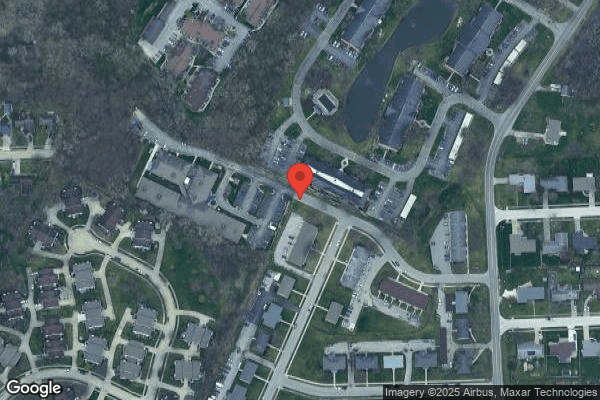
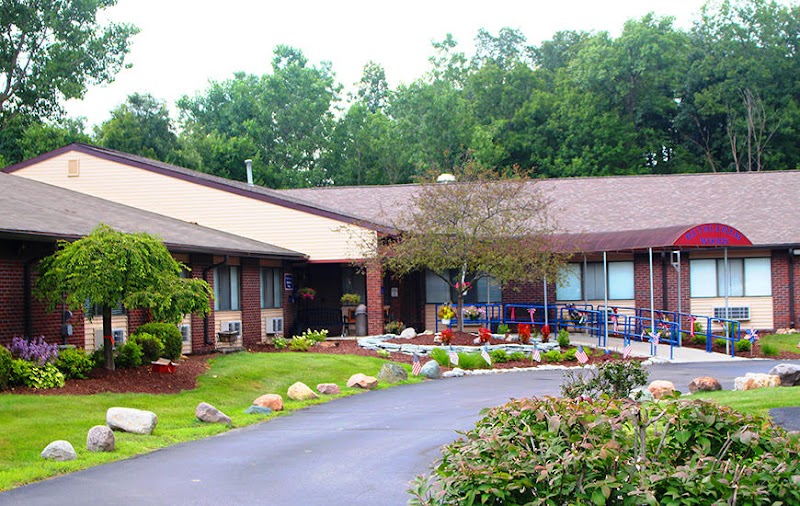
4430 ELSDALE DR, FORT WAYNE, IN 46835 (260) 485-8157
For profit - Corporation 90 Beds AMERICAN SENIOR COMMUNITIES Data: November 2025
Trust Grade
90/100
#12 of 505 in IN
Last Inspection: May 2025

Inspected within the last 6 months. Data reflects current conditions.

Overview

Bethlehem Woods Nursing and Rehabilitation has earned a Trust Grade of A, indicating it is an excellent facility and highly recommended for families considering care options. It ranks #12 of 505 nursing homes in Indiana, placing it in the top quarter of facilities statewide, and #2 of 29 in Allen County, meaning it is one of the best local choices available. The facility is improving overall, as it reduced its issues from 2 in 2023 to just 1 in 2025. While staffing is average with a 3 out of 5 rating and a turnover rate of 48%, it does have good RN coverage, exceeding that of 78% of Indiana facilities, which helps ensure better resident care. However, there are some concerns, including the failure to document family notifications for hospital transfers and instances where residents were not free from physical restraints, which could limit their mobility. Overall, while Bethlehem Woods has many strengths, families should be aware of these specific issues when making their decision.

Trust Score
A
90/100
In Indiana
#12/505
Top 2%
Safety Record
Low Risk
No red flags
Inspections
Getting Better
2 → 1 violations
Staff Stability
⚠ Watch
48% turnover. Above average. Higher turnover means staff may not know residents' routines.
Penalties
✓ Good
No fines on record. Clean compliance history, better than most Indiana facilities.
Skilled Nurses
✓ Good
Each resident gets 44 minutes of Registered Nurse (RN) attention daily — more than average for Indiana. RNs are trained to catch health problems early.
Violations
✓ Good
Only 3 deficiencies on record. Cleaner than most facilities. Minor issues only.
★★★★★
5.0
Overall Rating
★★★☆☆
3.0
Staff Levels
★★★☆☆
3.0
Care Quality
★★★★★
5.0
Inspection Score
Stable
2023: 2 issues
2025: 1 issues

The Good

  • Full Sprinkler Coverage · Fire safety systems throughout facility
  • No fines on record

Facility shows strength in fire safety.

The Bad

Staff Turnover: 48%

Near Indiana avg (46%)

Higher turnover may affect care consistency

Chain: AMERICAN SENIOR COMMUNITIES

Part of a multi-facility chain

Ask about local staffing decisions and management

The Ugly 3 deficiencies on record

May 2025 1 deficiency
CONCERN (D)

Potential for Harm - no one hurt, but risky conditions existed

Deficiency F0628 (Tag F0628)

Could have caused harm · This affected 1 resident

**NOTE- TERMS IN BRACKETS HAVE BEEN EDITED TO PROTECT CONFIDENTIALITY** Based on interview and record review, the facility failed to ensure the documentation of required information for hospital trans...

Read full inspector narrative →
**NOTE- TERMS IN BRACKETS HAVE BEEN EDITED TO PROTECT CONFIDENTIALITY** Based on interview and record review, the facility failed to ensure the documentation of required information for hospital transfers was present for 1 of 2 residents reviewed (Resident 24). Findings include: Resident 24's record was reviewed on 5/14/25 at 9:57 AM. Diagnoses included end stage kidney disease, heart failure and emphysema. Resident 24 had a cardiac pacemaker and was dependent on dialysis. Resident 24's Annual Minimum Data Set, (MDS) dated [DATE], indicated the resident's Brief Interview for Mental Status (BIMS) score was 14 (no cognitive impairment). A progress note, dated 8/24/24 at 7:40 PM, indicated Resident 24 had been transferred to the hospital. The progress note indicated the receiving hospital had been notified. The progress note did not indicate Resident 24's family had been notified. An Event Report, dated 8/24/24 at 8:04 PM, indicated Resident 24's Representative had been notified of a hospital transfer. The Event Report did not include the Representative's name or contact information. A Notice of Transfer or Discharge, dated 8/24/24, indicated Resident 24 had been transferred to the hospital. The Notice of Transfer or Discharge indicated the facility must attach a copy of the facility's bed hold policy. The Notice of Transfer or Discharge did not include a bed hold policy. A progress note, dated 9/11/24 at 12:30 PM, indicated Resident 24 had requested to go to the hospital and the ambulance was on the way. The progress note did not indicate Resident 24's family had been notified of the hospital transfer. A Notice of Transfer or Discharge, dated 9/11/24, indicated Resident 24 had been transferred to the hospital. The Notice of Transfer or Discharge indicated the facility must attach a copy of the facility's bed hold policy. The Notice of Transfer or Discharge did not include a bed hold policy. A progress note, dated 12/16/24 at 8:47 AM, indicated Resident 24 had been transferred to the hospital. The progress note did not indicate Resident 24's family had been notified of the hospital transfer. A Notice of Transfer or Discharge, dated 12/16/24, indicated Resident 24 had been transferred to the hospital. The Notice of Transfer or Discharge indicated the facility must attach a copy of the facility's bed hold policy. The Notice of Transfer or Discharge did not include a bed hold policy. A progress note, dated 12/27/24 at 11:45 AM, indicated Resident 24's wife had been notified of the resident being transferred to the hospital. A Notice of Transfer or Discharge, dated 12/27/24, indicated Resident 24 had been transferred to the hospital. The Notice of Transfer or Discharge indicated the facility must attach a copy of the facility's bed hold policy. The Notice of Transfer or Discharge did not include a bed hold policy. In an interview, on 5/15/25 at 1:59 PM, Registered Nurse (RN) 3 indicated copies of medical records including medications, physician orders, diagnoses and a transfer form to hold the bed should be sent with the resident to the hospital. RN 3 indicated the receiving facility would be given a report on the resident via phone. RN 3 indicated documentation should include who received the report and what records were sent. In an interview, on 5/19/25 at 10:38 AM, the Director of Nursing (DON) indicated they were unable to locate bed hold notices for Resident 24's hospital transfers. The DON provided a bed hold policy within the admission agreement signed by Resident 24 on 2/5/24. The DON indicated they were unable to locate any further family notifications. In an interview, on 5/19/25 at 11:05 AM, RN 25 indicated a family member should be notified when a resident is transferred to the hospital. RN 25 indicated Resident 24's spouse was always aware of new orders as their spouse was in the facility a lot. RN 25 indicated Resident 24 often updated their spouse themselves. A current facility policy, dated 6/7/17, titled Emergency Transfer Notifications, provided by the DON on 5/19/25 at 11:45 AM, indicated the transfer information may be provided to the resident and their representative as soon as practicable. The policy indicated the nursing staff would inform the family member of the transfer. The policy indicated a bed hold policy would be reviewed with the responsible party and would be documented in the medical record. 3.1-12(a)(21) 3.1-12(a)(25)(26)
May 2023 2 deficiencies
CONCERN (D)

Potential for Harm - no one hurt, but risky conditions existed

Deficiency F0604 (Tag F0604)

Could have caused harm · This affected 1 resident

Based on observation, interview, and record review the facility failed to be free of physical restraint for 1 of 1 resident reviewed. (Resident 29) Finding include: During an observation, on 4/26/23 a...

Read full inspector narrative →
Based on observation, interview, and record review the facility failed to be free of physical restraint for 1 of 1 resident reviewed. (Resident 29) Finding include: During an observation, on 4/26/23 at 10:04AM, Resident 29 was in the dining room of the memory care unit. Resident 29 was sitting in a chair with arms. The chair was up against a partial wall and the table was pulled up flush to Resident 29's stomach. There were peers in wheelchairs on each side of Resident 29 during this observation. Resident 29 could not get up, or away from the table. During an observation on 4/28/23 from 10:36AM to 11:05AM, Resident 29 was sitting in the armed chair in dining room. The chair was up against a partial wall and the table was pulled up flush to Resident 29's stomach. There were peers in wheelchairs on each side of Resident 29 during this observation. In an interview on 4/28/23 at 10:56AM, RN 15 (Registered Nurse), indicated a restraint was the inability to move freely. The RN gave the example of someone in a wheelchair with the wheels locked and resident unable to unlock them. RN 15 indicated Resident 29 was restrained by the table, but I don't know what to do about it. In an interview on 4/28/23 at 11:02AM, RN 17 indicated the incident described above was a physical restraint. In an interview on 4/28/23 at 11:16AM, with the RN 16, she indicated the issue has been resolved and the resident was currently sitting with a staff member for safety. Resident 29's record review, on 04/27/23 at 11:23 AM, indicated Resident 29 diagnoses included Alzheimer's, dementia, depression, and anxiety. Resident 29 had no care plan for restraints. Resident 29 did not have a doctor's order for restraints. Resident 29 did not have any progress notes or tracking observations regarding restraints during these observations. Resident 29's most recent MDS (Minimal Data Set assessment) included the following: Section C: BIMS assessment (Brief Interview for Mental Status) score was two. The BIMS score of 2 indicated severe cognitive impairment. Section P: Restraints and Alarms indicated there was no use of restraints or alarms at time of assessment. A policy was received on 4/28/23 at 2:03PM from DON (Director of Nursing) titled, Physical Restraint Policy original date of 6/2013 and last revision date of 11/2017. The policy stated .to ensure residents are free from physical restraints imposed for purposes of discipline or convenience and that are not required to treat the resident's medical symptoms. If a physical restraint is used, the facility must use the least restrictive restraint for the least amount of time. Provide ongoing evaluation of the need for the restraint .Examples of facility practices that meet the definition of starting include, but not limited to: .Placing a chair or bed close enough to a wall that the resident is prevented from rising out of chair or voluntarily getting out of bed .procedure: 4. A physician's order will be obtained and will include the type, duration, frequency, and the medical condition or symptom (s) warranting the device use. 6. The resident or family member will sign the restrictive device notification form at the next visit or verbal consent may be obtained. 7. A restraint release record will be initiated to document that the resident is checked every hour .8. The care plan will be updated to include the reason for restraint use and reduction plans. The care plan must focus on preventing adverse effects of restrictive device use 3.1-3(w)
CONCERN (D)

Potential for Harm - no one hurt, but risky conditions existed

Comprehensive Care Plan (Tag F0656)

Could have caused harm · This affected 1 resident

Based on observation, record review and interview, the facility failed to ensure care plans were developed and implemented for 2 of 2 residents reviewed with communication deficit. (Resident 68 and Re...

Read full inspector narrative →
Based on observation, record review and interview, the facility failed to ensure care plans were developed and implemented for 2 of 2 residents reviewed with communication deficit. (Resident 68 and Resident 21). Finding include: 1) Resident 68's record was reviewed on 04/28/23 9:39 AM. Diagnoses included cognitive communication deficit, hemiplegia and hemiparesis following cerebral infarction affecting left non-dominant side, dysphagia - oropharyngeal phase - following cerebral infarction, and encephalopathy. Resident 68's quarterly Minimum Data Set (MDS) assessment, dated 3/3/23, indicated the resident's Brief Interview for Mental Status (BIMS) score was 11, he was confused and not interviewable. The MDS assessment indicated he had unclear speech and could be usually understood. The resident experienced shortness of breath when laying flat and was on oxygen therapy while a resident at the facility. Resident 68's admission MDS assessment, dated 11/18/22, indicated the Care Area Assessment (CAA) Summary triggered a care area of cognitive loss for care planning decisions. There was no indication Communication deficit was considered in this area. During an interview on 4/26/23 at 9:28 AM, Resident 68's speech was slurred, garbled, and could not be understood approximately 90% of the time. During an interview on 4/28/23, the Director of Therapy indicated Resident 68 had been in speech therapy off and on since November 2022. She indicated recently, therapy began 2/13/23. She indicated staff should use simple questions with yes or no answers to communicate with the resident. Resident 68's current care plan, dated 4/26/23, was reviewed. There was no care plan for the resident's cognitive loss (provided the problem, a goal, and actions for staff to do to help the resident reach his full ability) or to address the resident's communication deficit. 2) Resident 21's record was reviewed on 04/28/23 at 2:47 PM. Diagnoses included cognitive communication deficit, Parkinson's disease, disorientation, and hallucinations. Resident 21's comprehensive MDS assessment, dated 3/22/23, indicated the resident's BIMS score was 6. He was not interviewable. The MDS assessment indicated he had clear speech and could be understood. The MDS assessment indicated he had diabetes mellitus. The Care Area Assessment (CAA) Summary triggered the care area of cognitive loss for care planning decisions. There was no indication Communication deficit was considered in this area. During an interview on 4/26/23 at 9:50 AM, Resident 21 was pounding on the wall and did not respond to questions. During an interview on 4/28/23 at 2:52 PM, RN 4 indicated Resident 21 answered simple questions with a yes or no. Resident 21's current care plan, dated 4/26/23, was reviewed. There was no care plan to address the resident's communication deficit. In an interview with the Regional Nurse Consultant (RNC) 3 on 4/28/23 at 12:40 PM, she indicated she could not locate a care plan for cognitive loss for Resident 68 or Resident 21. She indicated both residents had a diagnosis of cognitive communication deficit and should had had a cognitive loss care plan. On 5/3/23 at 10:40 AM, policy titled IDT Comprehensive Care Plan Policy, dated reviewed 10/2019, provided by RN 2, indicated the comprehensive care plan was to be person-centered and based on the resident assessment to promote their highest level of functioning including medical, nursing, mental, and psychosocial needs. The care plan was to be reviewed on a regular basis about the resident's goals, total health status, including functional status, rehabilitation and restorative status, physical impairments and should include care and services to maintain and restore health and well-being, improve functional level, and relieve symptoms.
Understanding Severity Codes (click to expand)
Life-Threatening (Immediate Jeopardy)
J - Isolated K - Pattern L - Widespread
Actual Harm
G - Isolated H - Pattern I - Widespread
Potential for Harm
D - Isolated E - Pattern F - Widespread
No Harm (Minor)
A - Isolated B - Pattern C - Widespread

Questions to Ask on Your Visit

  • "Can I speak with families of current residents?"
  • "What's your RN coverage like on weekends and overnight?"

Our Honest Assessment

Strengths
  • • Grade A (90/100). Above average facility, better than most options in Indiana.
  • • No major safety red flags. No abuse findings, life-threatening violations, or SFF status.
  • • No fines on record. Clean compliance history, better than most Indiana facilities.
  • • Only 3 deficiencies on record. Cleaner than most facilities. Minor issues only.
Concerns
  • • No significant concerns identified. This facility shows no red flags across CMS ratings, staff turnover, or federal penalties.
Bottom line: Generally positive indicators. Standard due diligence and a personal visit recommended.

About This Facility

What is Bethlehem Woods Nursing And Rehabilitation's CMS Rating?

CMS assigns BETHLEHEM WOODS NURSING AND REHABILITATION an overall rating of 5 out of 5 stars, which is considered much above average nationally. Within Indiana, this rating places the facility higher than 99% of the state's 100 nursing homes. This rating reflects solid performance across the metrics CMS uses to evaluate nursing home quality.
How is Bethlehem Woods Nursing And Rehabilitation Staffed?

CMS rates BETHLEHEM WOODS NURSING AND REHABILITATION's staffing level at 3 out of 5 stars, which is average compared to other nursing homes. Staff turnover is 48%, compared to the Indiana average of 46%.

What Have Inspectors Found at Bethlehem Woods Nursing And Rehabilitation?

State health inspectors documented 3 deficiencies at BETHLEHEM WOODS NURSING AND REHABILITATION during 2023 to 2025. These included: 3 with potential for harm.
Who Owns and Operates Bethlehem Woods Nursing And Rehabilitation?

BETHLEHEM WOODS NURSING AND REHABILITATION is owned by a for-profit company. For-profit facilities operate as businesses with obligations to shareholders or private owners. The facility is operated by AMERICAN SENIOR COMMUNITIES, a chain that manages multiple nursing homes. With 90 certified beds and approximately 81 residents (about 90% occupancy), it is a smaller facility located in FORT WAYNE, Indiana.
How Does Bethlehem Woods Nursing And Rehabilitation Compare to Other Indiana Nursing Homes?

Compared to the 100 nursing homes in Indiana, BETHLEHEM WOODS NURSING AND REHABILITATION's overall rating (5 stars) is above the state average of 3.1, staff turnover (48%) is near the state average of 46%, and health inspection rating (5 stars) is much above the national benchmark.

What Should Families Ask When Visiting Bethlehem Woods Nursing And Rehabilitation?

Based on this facility's data, families visiting should ask: "Can I visit during a mealtime to observe dining assistance and food quality?" "How do you handle medical emergencies, and what is your hospital transfer rate?" "Can I speak with family members of current residents about their experience?"

Is Bethlehem Woods Nursing And Rehabilitation Safe?

Based on CMS inspection data, BETHLEHEM WOODS NURSING AND REHABILITATION has a clean safety record: no substantiated abuse findings (meaning no confirmed cases of resident harm), no Immediate Jeopardy citations (the most serious violation level indicating risk of serious injury or death), and is not on the Special Focus Facility watch list (a federal program monitoring the lowest-performing 1% of nursing homes). The facility has a 5-star overall rating and ranks #1 of 100 nursing homes in Indiana. While no facility is perfect, families should still ask about staff-to-resident ratios and recent inspection results during their visit.

Do Nurses at Bethlehem Woods Nursing And Rehabilitation Stick Around?

BETHLEHEM WOODS NURSING AND REHABILITATION has a staff turnover rate of 48%, which is about average for Indiana nursing homes (state average: 46%). Moderate turnover is common in nursing homes, but families should still ask about staff tenure and how the facility maintains care continuity when employees leave.

Was Bethlehem Woods Nursing And Rehabilitation Ever Fined?

BETHLEHEM WOODS NURSING AND REHABILITATION has no federal fines on record. CMS issues fines when nursing homes fail to meet care standards or don't correct problems found during inspections. The absence of fines suggests the facility has either maintained compliance or corrected any issues before penalties were assessed. This is a positive indicator, though families should still review recent inspection reports for the full picture.

Is Bethlehem Woods Nursing And Rehabilitation on Any Federal Watch List?

BETHLEHEM WOODS NURSING AND REHABILITATION is not on any federal watch list. The most significant is the Special Focus Facility (SFF) program, which identifies the bottom 1% of nursing homes nationally based on persistent, serious quality problems. Not being on this list means the facility has avoided the pattern of deficiencies that triggers enhanced federal oversight. This is a positive indicator, though families should still review the facility's inspection history directly.