CANTERBURY NURSING AND REHABILITATION CENTER
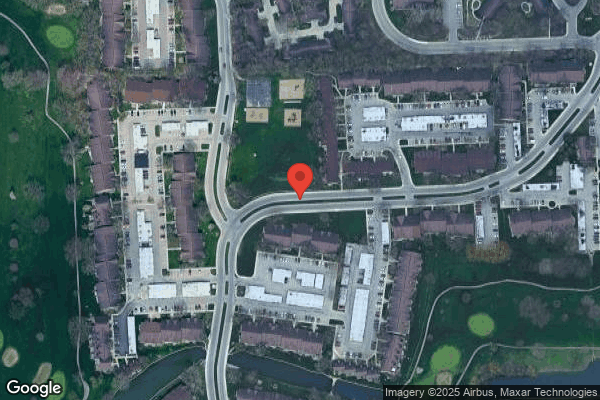

2827 NORTHGATE BLVD, FORT WAYNE, IN 46835 (260) 492-1400
For profit - Corporation 142 Beds AMERICAN SENIOR COMMUNITIES Data: November 2025
Trust Grade
80/100
#19 of 505 in IN
Last Inspection: October 2024

Within standard 12-15 month inspection cycle. Federal law requires annual inspections.

Overview

Canterbury Nursing and Rehabilitation Center has a Trust Grade of B+, which means it is recommended and above average in quality. It ranks #19 out of 505 facilities in Indiana, placing it in the top half, and #3 out of 29 in Allen County, indicating only two local options are better. The facility is improving, as it has reduced issues from 8 in 2023 to 1 in 2024. However, staffing is a concern, with a low rating of 2 out of 5 stars and a high turnover rate of 58%, which is above the state average of 47%. Fortunately, the center has not faced any fines, which is a positive sign. While there are strengths, such as excellent overall quality ratings and good health inspection scores, there are also significant concerns. For example, there was a case where a resident with an indwelling urinary catheter experienced symptoms of infection that were not adequately addressed, leading to a serious hospital diagnosis. Additionally, meal service was poorly managed, with some residents not being served in a timely manner, which affected their dignity. These incidents highlight the need for improvement in care practices despite the facility's overall positive standing.

Trust Score
B+
80/100
In Indiana
#19/505
Top 3%
Safety Record
Low Risk
No red flags
Inspections
Getting Better
8 → 1 violations
Staff Stability
⚠ Watch
58% turnover. Above average. Higher turnover means staff may not know residents' routines.
Penalties
✓ Good
No fines on record. Clean compliance history, better than most Indiana facilities.
Skilled Nurses
○ Average
Each resident gets 37 minutes of Registered Nurse (RN) attention daily — about average for Indiana. RNs are the most trained staff who monitor for health changes.
Violations
⚠ Watch
14 deficiencies on record. Higher than average. Multiple issues found across inspections.
★★★★★
5.0
Overall Rating
★★☆☆☆
2.0
Staff Levels
★★★★★
5.0
Care Quality
★★★★☆
4.0
Inspection Score
Stable
2023: 8 issues
2024: 1 issues

The Good

  • 5-Star Quality Measures · Strong clinical quality outcomes
  • Full Sprinkler Coverage · Fire safety systems throughout facility
  • No fines on record

Facility shows strength in quality measures, fire safety.

The Bad

Staff Turnover: 58%

12pts above Indiana avg (46%)

Frequent staff changes - ask about care continuity

Chain: AMERICAN SENIOR COMMUNITIES

Part of a multi-facility chain

Ask about local staffing decisions and management

Staff turnover is elevated (58%)

10 points above Indiana average of 48%

The Ugly 14 deficiencies on record

Jan 2024 1 deficiency
CONCERN (D) 📢 Someone Reported This

A family member, employee, or ombudsman was alarmed enough to file a formal complaint

Potential for Harm - no one hurt, but risky conditions existed

Incontinence Care (Tag F0690)

Could have caused harm · This affected 1 resident

Based on interview and record review, the facility failed to ensure an indwelling urinary catheter was medically necessary and monitored for symptoms of UTI for 1 of 3 residents reviewed (Resident J)....

Read full inspector narrative →
Based on interview and record review, the facility failed to ensure an indwelling urinary catheter was medically necessary and monitored for symptoms of UTI for 1 of 3 residents reviewed (Resident J). Findings include: On 1/22/24 at 11:35 A.M., Resident J's family member was interviewed. They indicated when the resident admitted to the facility, an indwelling urinary catheter was placed. Following placement of the catheter, the resident had repeated episodes of blood in his urine. After several weeks of these episodes, the resident was sent to the hospital where he was diagnosed with pyelonephritis (kidney infection), urinary tract infection (UTI) and sepsis. The family member indicated they hadn't understood continued use of an indwelling catheter, why it had taken so long to address the blood in the urine, or provide treatment for the UTI. On 1/22/24 at 11:14 A.M., Resident J's record was reviewed. Diagnoses included fracture of right femur and right wrist following a fall at home. He had been hospitalized for surgical repair of the fractures and admitted to the facility for short-term rehabilitation. Additional diagnoses included diabetes and prostate cancer. A care plan indicated the following: -Initiated 12/3/23: Resident required an indwelling urinary catheter and was at risk for infection. The goal was for catheter care to be managed appropriately as evidenced by: not exhibiting signs of urinary tract infection or urethral trauma. Interventions included: Report signs of UTI (acute confusion, urgency, frequency, bladder spasms, nocturia, burning, pain/difficulty urinating, nausea, emesis, chills, fever, low back/flank pain, malaise, foul odor, concentrated urine, blood in urine). A nurse progress note, dated 12/4/23 at 5:51 a.m., indicated the resident complained of pain when repositioned in bed. His abdomen/bladder were firm and painful and urine slowly trickled out with slight bladder pressure. The on-call Nurse Practitioner (NP) was to be notified of his bladder distension. -At 7:51 a.m., a urinary catheter was inserted without difficulty and immediately drained 450 ml (milliliters) of clear yellow urine. A physician order, dated 12/4/23 per the on-call NP, was to anchor a foley catheter until the NP evaluated the resident for urinary retention. An IDT Catheter Review form, dated 12/4/23 at 9:45 a.m., indicated the resident was a new admission/re-admission with urinary catheter considered medically necessary due to the resident's prolonged immobilization. The resident or resident representative had not been informed of the need for use of an indwelling catheter nor were they informed of the risks and benefits of the catheter. The resident was not admitted with a urinary catheter nor did he have orders for one. An initial NP visit, dated 12/4/23 at 3:47 p.m., indicated the resident was seen for admission to the facility following a fall at home resulting in fractures and surgical repair of the right hip and wrist. He was alert and oriented but very hard of hearing. He had no issues with his bowel or bladder and had no urinary urgency or frequency. The progress note hadn't indicated a foley catheter had been inserted and anchored due to urinary retention and no evaluation was documented. On 12/4/23 at 5:17 p.m., a nurse note indicated Resident J's foley catheter bag was emptied of 1000 ml of bloody urine. A note was left in the NP's book for her next visit. An NP visit note, dated 12/6/23 at 9:52 a.m., indicated the resident was seen to follow up on pain and medication refill. He had no issues with his bowel or bladder. The progress note hadn't indicated the resident had a foley catheter or that his urine had been bloody. An NP visit note, dated 12/8/23 at 8:28 a.m., indicated the resident was seen for follow up to anemia, chronic kidney disease and prostate cancer. Per the resident's wife, he had a history of prostate cancer and she wanted a PSA (lab test that monitors prostate function) to be done as he'd had to cancel his urology appointment due to his fall and hospitalization. There was no documentation of the resident having a foley catheter or bloody urine. An NP visit note, dated 12/11/23 at 8:13 a.m., indicated the resident had an episode of dizziness and low blood pressure while in therapy. During the visit, the resident complained of pain to the tip of his penis. Upon exam, he was observed wearing a leg bag with the urinary catheter pulling. The catheter was readjusted for comfort and he had no further complaints of penile pain. There was no further documentation completed for purpose of urinary catheter use. A Physician progress note, dated 12/11/23 at 3:00 p.m., indicated the resident was visited due to being a new admission to the facility. There was no documentation regarding the resident having or the puurpose for a urinary catheter. An NP visit note, dated 12/13/23 at 10:13 a.m., indicated the resident's PSA results came back and were within a normal range. A nurse note, dated 12/17/23 at 5:55 p.m., indicated the resident had blood tinged urine draining from his catheter. The catheter was flushed twice until running clear. His leg bag was observed to be tugging and was readjusted to the resident's comfort. The on-call NP was contacted and orders given to flush the urinary catheter every shift, monitor for further bleeding and have the house NP assess on Monday morning (12/18/23). A nurse note, dated 12/18/23 at 3:32 a.m., indicated the resident's urinary catheter flushed without difficulty and blood tinged urine was observed. There was no odor or sedimentation observed. The resident grimaced during the procedure and pain medication was administered. An NP visit note, dated 12/18/23 at 8:24 a.m., indicated the resident was seen due to uncontrolled pain in his back, right hip and right hand. There was no documentation of the bloody urine observed over the weekend and no assessment completed. The note hadn't indicated the resident had an indwelling urinary catheter. A nurse note, dated 12/19/23 at 4:11 a.m., indicated the resident complained of pain to his back and penis and he was tugging at the catheter. He continued to have blood tinged urine from the catheter. The resident was medicated for pain and the NP notified of the pain and blood tinged urine and no orders were received. A nurse note, dated 12/22/23 at 8:17 a.m., indicated the resident had been dizzy during his therapy. He complained of back pain and was given pain medication. A nurse note, dated 12/26/23 at 6:23 a.m., indicated the resident complained of pain on the penile area due to catheter pulling. A leg bag was applied and pain medication given. The resident was anxious about the penile pain and was encouraged to do pursed lip breathing exercises. The resident verbalized the pain gradually decreased after changing to the leg bag. -At 6:20 p.m., the NP was notified of the resident vomiting. New order was given for anti-emetic medication. The note hadn't indicated if the NP had been notified of the resident's penile pain and catheter pulling the resident had complained of in the morning. An NP note, dated 12/27/23 at 8:30 a.m., indicated the resident was seen for bloody urine. He had a chronic foley catheter which was irrigated every shift. Nursing staff reported his output was slightly pink and blood tinged yesterday however was darker red this morning. The resident was observed in pain, complaining of right lower abdominal pain and feeling just awful and requested to go to the hospital. On 1/22/24 at 3:05 P.M., the Director of Nursing (DON) and Nurse Consultant were interviewed. They had no documentation to indicate the physician or NP's had been notified and followed up on the resident's episodes of bloody urine and/or possible UTI symptoms. There was no documentation to indicate the medical necessity for the continued use of an indwelling catheter. The DON provided a current copy of the facility's policy titled Bowel and Bladder Program on 1/22/24 at 3:40 P.M., which stated Indwelling Urinary Catheters-Suprapubic or Urethral: Residents who have an indwelling urinary catheter will be assessed upon admission or when a new order for indwelling urinary catheter is received and quarterly using the IDT Catheter Review: Assessment will include reason for indwelling Urinary Catheter; Resident has acute urinary retention or bladder outlet obstruction; Need for accurate measurements of urinary output; To assist in healing of open sacral or perineal wounds in incontinent residents; Resident requires prolonged immobilization (e.g. potentially unstable thoracic or lumbar spine, multiple traumatic injuries such as pelvic fractures); and To improve comfort for end of life care, if needed. If determined an indwelling catheter is medically necessary, obtain a physician's order with size of catheter and balloon, frequency of changing, and the diagnosis or condition to support the use .If it is determined that the indwelling catheter is not medically necessary, obtain a physician's order to remove it, and complete a 3-day pattern and IDT bladder continence review This tag relates to Complaint IN00424947. 3.1-41(a)(1)
Dec 2023 5 deficiencies
CONCERN (D) 📢 Someone Reported This

A family member, employee, or ombudsman was alarmed enough to file a formal complaint

Potential for Harm - no one hurt, but risky conditions existed

Resident Rights (Tag F0550)

Could have caused harm · This affected 1 resident

**NOTE- TERMS IN BRACKETS HAVE BEEN EDITED TO PROTECT CONFIDENTIALITY** Based on observation, interview, and record review the facility failed to ensure meal trays were distributed in a manner that pr...

Read full inspector narrative →
**NOTE- TERMS IN BRACKETS HAVE BEEN EDITED TO PROTECT CONFIDENTIALITY** Based on observation, interview, and record review the facility failed to ensure meal trays were distributed in a manner that promoted dignity for 3 of 19 residents reviewed (Resident 52, Resident 66, and Resident 77). Findings include: 1) During an observation on 12/13/23 at 11:46 AM meal service was observed in the women's dementia care unit. Certified Nurse Aide (CNA 2) served trays to individuals throughout the room without serving all residents at a table before proceeding to the next table. Resident 77's tablemate was the first resident served in the dining room. At 11:58 AM, another resident arrived at the table where Resident 77 was sitting, and her meal tray was delivered right after she was seated. Resident 77 was observed staring at her tablemates' food and fidgeting in her chair. Residents at other tables were continuing to receive their trays as Resident 77 still had not been served. Resident 77's tray was delivered at 12:09 PM and the resident was observed handling her silverware properly and successfully feeding herself. Resident 77's record was reviewed on 12/14/23 at 10:19 AM. Diagnoses included unspecified dementia, unspecified severity, without behavioral disturbance, psychotic disturbance, mood disturbance, and anxiety, generalized anxiety disorder, and major depressive disorder, recurrent severe without psychotic features. A review of Resident 77's current quarterly Minimum Data Set (MDS) dated [DATE] indicated her Basic Interview for Mental Status (BIMS) score was 6 (cognitively impaired). The MDS indicated the resident received setup assistance with eating tasks. In an observation and interview on 12/13/23 at 12:06 PM, Social Services Director (SSD) 3 indicated some residents had been served and others had not at four tables in the dining room. She indicated trays were served to residents who could feed themselves first and residents who required feeding assistance were served last, so staff was able to sit down with them and assist them with dining tasks. She indicated they did not normally serve all residents at a table before proceeding to the next table. 2) During an observation of meal service in the women's dementia unit dining room beginning at 11:46 AM. Resident 66 received her lunch and began to eat shortly after meal service began. Resident 52 was seated next to Resident 66. Resident 52 had not received her lunch tray and was observed watching her tablemate eat. At 12:02 PM Resident 52 began to reach toward Resident 66's food. Resident 66 tried to strike Resident 52 with her fork. The surveyor summoned CNA 4 to the table who separated the residents. Resident 66's record was reviewed on 12/14/23 at 11:40 AM. Diagnoses included unspecified dementia, moderate, with psychotic disturbance, generalized anxiety disorder, and dependent personality disorder. A review of Resident 66's current annual MDS dated [DATE] indicated her BIMS score was 6 (cognitively impaired). The MDS indicated Resident 66 received setup assistance with eating tasks, but could feed herself. 3) Resident 52 with her fork. The surveyor summoned CNA 4 to the table who separated the residents. Resident 52's record was reviewed on 12/13/23 at 2:53 PM. Diagnoses included cerebrovascular disease, unspecified, unspecified dementia, unspecified severity, without behavioral disturbance, psychotic disturbance, mood disturbance, and anxiety, and restlessness and agitation. A review of Resident 52's current care plan titled Mood State indicated the resident had a problem of mood distress, with a goal date of 3/6/24. Interventions included staff should anticipate unmet needs. A review of Resident 52's current quarterly MDS dated [DATE] indicated a BIMS was not conducted because the resident was rarely or never understood. The MDS indicated Resident 52 received setup assistance with eating. During an interview on 12/13/23 at 12:06 PM, the SSD indicated Resident 52 was normally seated by herself due to her tendency to reach for other people's things. During an interview on 12/13/23 at 2:40 PM, the Administrator indicated all residents should be served at a table before serving the next table. A current policy titled Delivery and Documentation of Meal Service and Between Meal Nourishments provided by the Administrator on 12/13/23 at 3:10 PM indicated meals should be delivered serving residents table by table. 3.1-3(a)
CONCERN (D) 📢 Someone Reported This

A family member, employee, or ombudsman was alarmed enough to file a formal complaint

Potential for Harm - no one hurt, but risky conditions existed

Quality of Care (Tag F0684)

Could have caused harm · This affected 1 resident

Based on interview and record review the facility failed to ensure education was provided for a resident pertaining to safe sexual practices for 1 of 3 residents reviewed (Resident 12). Findings inclu...

Read full inspector narrative →
Based on interview and record review the facility failed to ensure education was provided for a resident pertaining to safe sexual practices for 1 of 3 residents reviewed (Resident 12). Findings include: Resident 12's record was reviewed on 12/14/23 at 11:06 AM. Diagnoses included cerebral infarction, unspecified, dementia in other diseases classified elsewhere, unspecified severity, without behavioral disturbance, psychotic disturbance, mood disturbance, and anxiety, and unspecified viral hepatitis C without hepatic coma. A review of Resident 12's current annual, Minimum Data Set (MDS) indicated his Basic Interview for Mental Status (BIMS) score was 12 (moderately impaired cognition). The MDS indicated Resident 12 was independent with transfers and ambulation. A review of progress notes dated 11/6/23 at 12:09 PM indicated the facility had requested a physician's evaluation to determine if Resident 12 was able to consent to sexual activity. The progress note indicated Medical Doctor (MD) 5 had evaluated Resident 12 and determined he was appropriate to pursue a sexual relationship. No care plans pertaining to Resident 12's desire to pursue sexual activity were available for review. No care plans pertaining to ensuring protection to prevent the spread of sexually transmitted infections with a known sexually transmitted infection diagnosis were available for review. No progress notes pertaining to resident teaching about safe sex practices, or staff follow up after MD5's evaluation approving Resident 12's pursuit of a sexual relationship were available for review. In an interview on 12/18/23 at 2:23 PM, Social Services (SS6) indicated upon discovery of a resident's interest in pursuing sexual activity, a social service evaluation would be completed. When the resident was considered a candidate to pursue sexual activity, the Interdisciplinary team should review the situation and request a physician's evaluation. When the physician approved, the staff should provide education and provide a care plan to make staff aware of the resident's ability to consent. SS6 indicated when she was made aware of Resident 12's desire to pursue a sexual relationship, she sent an email to the Administrator, but she did not perform a social service evaluation. She indicated she did not provide any safe sex education or incorporate the topic into Resident 12's plan of care. A current policy dated 9/17/23 provided by the Administrator on 12/18/23 at 3:16 PM indicated upon determination of ability to make decisions regarding sexual activity, the facility would provide educational materials/discussion that included but was not limited to safe sex precautions and discussions of possible risks. 3.1-37
CONCERN (D) 📢 Someone Reported This

A family member, employee, or ombudsman was alarmed enough to file a formal complaint

Potential for Harm - no one hurt, but risky conditions existed

Deficiency F0699 (Tag F0699)

Could have caused harm · This affected 1 resident

**NOTE- TERMS IN BRACKETS HAVE BEEN EDITED TO PROTECT CONFIDENTIALITY** Based on observation, interview and record review the facility failed to ensure recognition and identification of triggers for p...

Read full inspector narrative →
**NOTE- TERMS IN BRACKETS HAVE BEEN EDITED TO PROTECT CONFIDENTIALITY** Based on observation, interview and record review the facility failed to ensure recognition and identification of triggers for potential re-traumatization of a resident with a history of trauma for 1 of 7 residents reviewed. (Resident 36) Findings include: In an interview on 12/14/23 at 9:52 AM Resident 36 was observed avoiding eye contact and looking at the floor when spoken to. Resident 36's record was reviewed on 12/15/23 at 11:09 AM. Diagnoses included anxiety, major depressive disorder, panic disorder, dementia, visual hallucinations, unspecified psychosis and a history of alcohol dependence. Resident 36's current quarterly Minimum Data Set (MDS) indicated their Basic Interview for Mental Status (BIMS) score was 12 (mild cognitive impairment). A Social Service assessment dated [DATE] indicated Resident 36 had a history of trauma and had triggers that made them feel unsafe or stressed. The Social Service Assessment indicated the resident had a history of substance abuse. A Social Service assessment dated [DATE] indicated Resident 36 had a history of trauma and had triggers that made them feel unsafe or stressed. The Social Service Assessment indicated the resident had a history of substance abuse. The Social Service Assessment indicated Resident 36 had been admitted to an inpatient psychiatric facility twice due to depression, panic and feelings of harming self. Resident 36's care plan for Mood State dated 6/30/23 indicated the resident had a diagnosis of depression. The target goal was for the resident to have no increased symptoms of depressions through 1/11/24. Interventions included validation of feelings, family support, activities and medications. Resident 36's care plan for Behavioral Symptoms dated 8/7/23 indicated the resident had a history of hallucinations and delusions. The target goal was for the resident to verbalize no delusions or hallucinations through 1/11/24. Interventions included providing a permanent place for the resident to feel safe and the administration of medications. Resident 36's care plan did not indicate the resident had a history of trauma, a history of alcohol dependence or suicidal thoughts. A physician order dated 6/29/23 indicated Resident 36 could receive psychiatric services. A progress note dated 8/10/23 at 12:50 PM indicated Resident 36 was unable to return to their prior assisted living apartment. A progress note dated 8/18/23 at 11:07 AM indicated Resident 36's antipsychotic medication had been reduced. A progress note dated 8/22/23 at 12:45 PM indicated Resident 36 had placed a 911 call due to feeling suicidal. The progress note indicated Resident 36 had denied recent events that could have triggered thoughts of self harm. The progress note indicated Resident 36's sister voiced there had been a plan for the resident to relinquish their previous apartment on that day of 8/22/23. Resident 36's sister voiced the resident had lived in the apartment for many years. Resident 36's sister suspected the resident losing their apartment had been too much for the resident to manage. In an interview on 12/19/23 at 11:35 AM Registered Nurse (RN) 7 indicated the facility did not have a policy for suicide precautions. RN 7 indicated resident behaviors were monitored in the progress notes. RN 7 indicated new and worsening behaviors were documented in alert charting and recorded in the progress notes. RN 7 indicated nursing assistants were not able to view resident care plans. RN 7 indicated resident behaviors were not included on the nursing assistant assignment sheets. RN 7 indicated resident specific behaviors were not included on the nursing assistant resident profiles. RN 7 indicated the nursing assistants were given a verbal report of specific resident behaviors by the previous shift nursing assistants during shift change. RN 7 indicated the facility did not keep documentation of shift reports among the staff. In an interview on 12/18/23 at 3:55 PM Social Service Director (SSD) 6 indicated Resident 36 had not received a trauma informed care assessment due to the resident had denied having trauma after their return to the facility from an inpatient psychiatric unit. SSD 6 indicated Resident 36 did not trigger a trauma informed care assessment upon admission. A current facility policy titled Trauma Informed Care dated 10/22 indicated all residents who are trauma survivors would receive competent trauma informed care to eliminate or mitigate triggers that may cause re-traumatization. The policy indicated all residents would be screened for a history of trauma during the Social Service Assessment upon admission. The policy indicated residents who screened positive for a history of trauma would have a trauma care plan added to the medical record.
CONCERN (D) 📢 Someone Reported This

A family member, employee, or ombudsman was alarmed enough to file a formal complaint

Potential for Harm - no one hurt, but risky conditions existed

Deficiency F0743 (Tag F0743)

Could have caused harm · This affected 1 resident

**NOTE- TERMS IN BRACKETS HAVE BEEN EDITED TO PROTECT CONFIDENTIALITY** Based on interview and record review the facility failed to ensure resident behaviors were monitored for 1 of 7 residents review...

Read full inspector narrative →
**NOTE- TERMS IN BRACKETS HAVE BEEN EDITED TO PROTECT CONFIDENTIALITY** Based on interview and record review the facility failed to ensure resident behaviors were monitored for 1 of 7 residents reviewed. (Resident 82) Findings include: In an interview on 12/13/23 at 11:05 AM Resident 82 responded to conversation with an inappropriate comment. Resident 82's record was reviewed on 12/13/23 at 11:45 AM. Diagnoses included stroke, malnutrition and cognitive communication deficit. Resident 82's current quarterly Minimum Data Set (MDS) dated [DATE] indicated their Basic Interview for Mental Status (BIMS) was 10 (moderate cognitive impairment). Resident 82's care plan for psychosocial wellbeing dated 10/20/23 indicated the resident had been masturbating in the privacy of his own room with curtains pulled and lights out. The target goal was for Resident 82 to remain private with their personal sexual stimulation through 1/23/24. An intervention dated 10/20/23 was to educate Resident 82 on the need to remain protected with the curtains pulled and/or door closed during their self-stimulation. An intervention dated 12/1/23 was to ensure Resident 82 kept their curtain pulled and their door closed. Resident 82's care plan for behavioral symptoms indicated the resident had made sexual comments to female staff members. The target goal was for Resident 82 to accept redirection on first attempt through 2/29/24. Interventions dated 11/29/23 included being stern with Resident 82 by stating their expressions were not okay, educating Resident 82 regarding inappropriate comments to staff and determining if the resident had other needs. Interventions dated 12/1/23 included encouragement of Resident 82 to socialize and attend activities. Resident 82's care plan for a history of drug use dated 11/30/23 indicated the resident was at risk for leaving the facility without notifying staff, visitors bringing substances into the facility, drug seeking behaviors and a relapse of drug use. The target goal was for Resident 82 to receive support for substance use disorder and to remain safe in the facility by 3/2/24. An intervention dated 11/30/23 indicated Resident 82 would be referred to behavioral health services. Interventions dated 12/19/23 indicated Resident 82 would be encouraged to leave his room, socialize to reduce cravings and manage their cravings and thoughts and speaking with family or staff about their feelings. A physician order dated 7/3/23 indicated Resident 82 could receive psychiatric services. A Social Service assessment dated [DATE] at 11:15 AM indicated Resident 82 did not have a history of drug or alcohol abuse. The assessment indicated Resident 82 did not have a history of psychiatric conditions. A New/Worsening Behavior Communication Event dated 11/30/23 at 9:59 AM indicated Resident 82 had made inappropriate sexual comments towards a resident. A progress note dated 7/10/23 at 11:16 AM indicated Resident 82 had never been married, had adult children and his sole support system was the resident's siblings. A progress note dated 7/12/23 at 8:27 AM indicated Resident 82 had a history of alcohol use, tobacco use and had a urine drug screen which was positive for cocaine. Resident 82 admitted to cocaine use but would not disclose the frequency or amount of cocaine use. A progress note dated 9/30/23 at 5:44 AM indicated a staff member closed Resident 82's door to provide privacy for self-stimulation. Resident 82 stood up, opened the door and continued to stimulate themself. A progress note dated 10/10/23 at 11:30 AM indicated Resident 82 was to be monitored for late effects of alcohol and cocaine dependence and to consider a urine drug screen if the resident had signs or symptoms of an altered mental status after returning to the facility. The progress note indicated Resident 82 did not have any family involvement in their care. The progress note indicated there were no acute concerns from the resident or from the facility staff. A progress note dated 12/1/23 at 10:05 AM indicated Resident 82 had made sexual comments to the facility staff. A progress note dated 12/10/23 indicated Resident 82 had been sexually stimulating themselves. Facility staff pulled the curtain closed and shut the door to provide privacy. In an interview on 12/19/23 at 11:58 AM the Director of Nursing (DON) indicated the facility had specific forms for new and worsening behaviors. The DON indicated after the new and worsening behaviors form was initiated the nurses monitored the behaviors in the progress notes. The DON indicated they were unaware of the method of informing new staff of resident specific behaviors. The DON indicated Resident 82 had displayed inappropriate sexual behavior for the first time on 11/30/23 and had not displayed inappropriate behavior since that time. The DON indicated they were unaware of Resident 82's display of inappropriate behavior on 9/30/23. In an interview on 12/19/23 at 12:09 PM RN 7 indicated Resident 82 did not have behavior tracking for October, November and December 2023 due to the first episode of inappropriate sexual behavior occurred on 11/30/23. RN 7 indicated since the first episode occurred at the end of the month a report would not be generated until the following month. RN 7 indicated a care plan was generally not initiated until the Interdisciplinary Team (IDT) had time to review the new behavior. RN 7 indicated they were unaware of an episode of inappropriate behavior on 9/30/23. A current facility policy titled Behavior Management dated 8/22 indicated a care plan should be initiated when a behavioral expression is problematic or distressing to the resident, other residents or caregivers. The policy indicated new and worsening behaviors would be recorded on a new and worsening behavior event then the behavior would be reviewed by the IDT. The policy indicated direct care staff would be educated related to behavioral interventions. 3.1-43(a)(2)
CONCERN (D) 📢 Someone Reported This

A family member, employee, or ombudsman was alarmed enough to file a formal complaint

Potential for Harm - no one hurt, but risky conditions existed

Deficiency F0745 (Tag F0745)

Could have caused harm · This affected 1 resident

**NOTE- TERMS IN BRACKETS HAVE BEEN EDITED TO PROTECT CONFIDENTIALITY** Based on observation, interview and record review the facility failed to ensure social services needs were identified and approp...

Read full inspector narrative →
**NOTE- TERMS IN BRACKETS HAVE BEEN EDITED TO PROTECT CONFIDENTIALITY** Based on observation, interview and record review the facility failed to ensure social services needs were identified and appropriate social services provided for 2 of 7 residents reviewed. (Residents 36 and 82) Findings include: 1. In an interview on 12/14/23 at 9:52 AM Resident 36 was observed avoiding eye contact and looking at the floor when spoken to. Resident 36's record was reviewed on 12/15/23 at 11:09 AM. Diagnoses included anxiety, major depressive disorder, panic disorder, dementia, visual hallucinations, unspecified psychosis and a history of alcohol dependence. Resident 36's current quarterly Minimum Data Set (MDS) indicated their Basic Interview for Mental Status (BIMS) score was 12 (mild cognitive impairment). A Social Service assessment dated [DATE] indicated Resident 36 had depression, anxiety, panic disorder and hallucinations. The Social Service Assessment indicated Resident 36 had a history of trauma and had triggers that made them feel unsafe or stressed. The Social Service Assessment indicated the resident had a history of substance abuse. A Social Service assessment dated [DATE] indicated Resident 36 had depression, anxiety, panic disorder and hallucinations. The Social Service Assessment indicated Resident 36 had a history of trauma and had triggers that made them feel unsafe or stressed. The Social Service Assessment indicated the resident had a history of substance abuse. The Social Service Assessment indicated Resident 36 had been admitted to an inpatient psychiatric facility twice due to depression, panic and feelings of harming self. Resident 36's care plan for Mood State dated 6/30/23 indicated the resident had a diagnosis of depression. The target goal was for the resident to have no increased symptoms of depression through 1/11/24. Interventions included validation of feelings, family support, activities and medications. Resident 36's care plan for Behavioral Symptoms dated 8/7/23 indicated the resident had a history of hallucinations and delusions. The target goal was for the resident to verbalize no delusions or hallucinations through 1/11/24. Interventions included providing a safe and permanent place for the resident to feel safe and the administration of medications. Resident 36's care plan did not indicate the resident had anxiety, psychosis, a history of trauma, a history of alcohol dependence or suicidal thoughts. A physician order dated 6/29/23 indicated Resident 36 could receive psychiatric services. A progress note dated 8/10/23 at 12:50 PM indicated Resident 36 was unable to return to their prior assisted living apartment. A progress note dated 8/18/23 at 11:07 AM indicated Resident 36's antipsychotic medication had been reduced. A progress note dated 8/22/23 at 12:45 PM indicated Resident 36 had placed a 911 call due to feeling suicidal. The progress note indicated Resident 36 had denied any recent events that could have prompted the resident to feel suicidal. The progress note indicated Resident 36's sister voiced there had been a plan for the resident to relinquish their previous apartment on that day of 8/22/23. Resident 36's sister voiced the resident had lived in the apartment for many years. Resident 36's sister suspected the resident losing their apartment had been too much for the resident to manage. 2. In an interview on 12/13/23 at 11:05 AM Resident 82 responded to conversation with an inappropriate comment. Resident 82's record was reviewed on 12/13/23 at 11:45 AM. Diagnoses included stroke, malnutrition and cognitive communication deficit. Resident 82's current quarterly Minimum Data Set (MDS) dated [DATE] indicated their Basic Interview for Mental Status (BIMS) was 10 (moderate cognitive impairment). Resident 82's care plan for psychosocial wellbeing dated 10/20/23 indicated the resident had been masturbating in the privacy of his own room with curtains pulled and lights out. The target goal was for Resident 82 to remain private with their personal sexual stimulation through 1/23/24. An intervention dated 10/20/23 was to educate Resident 82 on the need to remain protected with the curtains pulled and/or door closed during their self-stimulation. An intervention dated 12/1/23 was to ensure Resident 82 kept their curtain pulled and their door closed. Resident 82's care plan for behavioral symptoms indicated the resident had made sexual comments to female staff members. The target goal was for Resident 82 to accept redirection on first attempt through 2/29/24. Interventions dated 11/29/23 included being stern with Resident 82 by stating their expressions were not okay, educating Resident 82 regarding inappropriate comments to staff and determining if the resident had other needs. Interventions dated 12/1/23 included encouragement of Resident 82 to socialize and attend activities. Resident 82's care plan for a history of drug use dated 11/30/23 indicated the resident was at risk for leaving the facility without notifying staff, visitors bringing substances into the facility, drug seeking behaviors and a relapse of drug use. The target goal was for Resident 82 to receive support for substance use disorder and to remain safe in the facility by 3/2/24. An intervention dated 11/30/23 indicated Resident 82 would be referred to behavioral health services. Interventions dated 12/19/23 indicated Resident 82 would be encouraged to leave his room, socialize to reduce cravings and manage their cravings and thoughts and speaking with family or staff about their feelings. A physician order dated 7/3/23 indicated Resident 82 could receive psychiatric services. A Social Service assessment dated [DATE] at 11:15 AM indicated Resident 82 did not have a history of drug or alcohol abuse. The assessment indicated Resident 82 did not have a history of psychiatric conditions. A New/Worsening Behavior Communication Event dated 11/30/23 at 9:59 AM indicated Resident 82 had made inappropriate sexual comments towards a resident. A progress note dated 7/10/23 at 11:16 AM indicated Resident 82 had never been married, had adult children and his sole support system was their siblings. A progress note dated 7/12/23 at 8:27 AM indicated Resident 82 had a history of alcohol use, tobacco use and had a urine drug screen which was positive for cocaine. Resident 82 admitted to cocaine use but would not disclose the frequency or amount of cocaine use. A progress note dated 7/26/23 at 10:26 AM indicated Resident 82 had lived in a condemned house prior to their hospitalization. A progress note dated 9/30/23 at 5:44 AM indicated a staff member closed Resident 82's door to provide privacy for self-stimulation. Resident 82 stood up, opened the door and continued to stimulate themself. A progress note dated 10/10/23 at 11:30 AM indicated Resident 82 was to be monitored for late effects of alcohol and cocaine dependence and to consider a urine drug screen if the resident had signs or symptoms of an altered mental status after returning to the facility. The progress note indicated Resident 82 did not have any family involvement in their care. The progress note indicated there were no acute concerns from the resident or from the facility staff. A progress note dated 12/1/23 at 10:05 AM indicated Resident 82 had made sexual comments to the facility staff. A progress note dated 12/10/23 indicated Resident 82 had been sexually stimulating themselves. Facility staff pulled the curtain closed and shut the door to provide privacy. In an interview on 12/18/23 at 3:55 PM the Social Service Director (SSD) indicated Resident 36 had not received a trauma informed care assessment due to the resident had denied having trauma after their return to the facility from an inpatient psychiatric unit. The SSD indicated Resident 36 did not trigger a trauma informed care assessment upon admission. The SSD indicated Resident 36 did not have a care plan for suicidal ideation due the resident had denied suicidal thoughts upon their return to the facility from an inpatient psychiatric unit. The SSD indicated Resident 36 had voiced a suicidal plan, but the plan was not feasible due the resident being in the facility at the time. The SSD indicated nursing assistants could view the resident care plans to become familiar with resident specific behaviors. In an interview on 12/19/23 at 11:35 AM Registered Nurse (RN) 7 indicated the facility did not have a policy for suicide precautions. RN 7 indicated resident behaviors were monitored in the progress notes. RN 7 indicated new and worsening behaviors were documented in alert charting and recorded in the progress notes. RN 7 indicated nursing assistants were not able to view resident care plans. RN 7 indicated resident behaviors were not included on the nursing assistant assignment sheets. RN 7 indicated resident specific behaviors were not included on the nursing assistant resident profiles. RN 7 indicated the nursing assistants were given a verbal report of specific resident behaviors by the previous shift nursing assistants during shift change. RN 7 indicated the facility did not keep documentation of shift reports among the staff. In an interview on 12/19/23 at 11:58 AM the Director of Nursing (DON) indicated the facility had specific forms for new and worsening behaviors. The DON indicated after the new and worsening behaviors form was initiated the nurses monitored the behaviors in the progress notes. The DON indicated they were unaware of the method of informing new staff of resident specific behaviors. The DON indicated Resident 82 had displayed inappropriate sexual behavior for the first time on 11/30/23 and had not displayed inappropriate behavior since that time. The DON indicated they were unaware of Resident 82's display of inappropriate behavior on 9/30/23. In an interview on 12/19/23 at 12:09 PM RN 7 indicated Resident 82 did not have behavior tracking for October, November and December 2023 due to the first episode of inappropriate sexual behavior occurred on 11/30/23. RN 7 indicated since the first episode occurred at the end of the month a report would not be generated until the following month. RN 7 indicated a care plan was generally not initiated until the Interdisciplinary Team (IDT) had time to review the new behavior. RN 7 indicated they were unaware of an episode of inappropriate behavior on 9/30/23. A current facility policy titled Trauma Informed Care dated 10/22 indicated all residents who are trauma survivors would receive competent trauma informed care to eliminate or mitigate triggers that may cause re-traumatization. The policy indicated all residents would be screened during the Social Service Assessment upon admission. The policy indicated residents who screened positive for a history of trauma would have a trauma care plan added to the medical record. A current facility policy titled Behavior Management dated 8/22 indicated a care plan should be initiated when a behavioral expression is problematic or distressing to the resident, other residents or caregivers. The policy indicated new and worsening behaviors would be recorded on a new and worsening behavior event then the behavior would be reviewed by the IDT. The policy indicated direct care staff would be educated related to behavioral interventions. 3.1-43(a)(2)
Sept 2023 1 deficiency
CONCERN (D) 📢 Someone Reported This

A family member, employee, or ombudsman was alarmed enough to file a formal complaint

Potential for Harm - no one hurt, but risky conditions existed

Deficiency F0761 (Tag F0761)

Could have caused harm · This affected 1 resident

Based on observation, interview, and record review the facility failed to properly secure resident's medication for 3 of 5 residents reviewed. (Resident B, Resident C, and Resident D). Findings includ...

Read full inspector narrative →
Based on observation, interview, and record review the facility failed to properly secure resident's medication for 3 of 5 residents reviewed. (Resident B, Resident C, and Resident D). Findings include: 1) During an observation and interview, on 9/26/23 at 9:22AM, Resident B indicated the nursing staff frequently leave her medications within reach for her to take on her own. Resident B indicated they brought her medications and left the room multiple times every week without ensuring she took them. Resident B indicated she was not assessed for knowing her medications or when she took them. On her over bed table, a partial bottle of Coricidin HBP liquid (without a pharmacy label), an open box with some tablets removed of Coricidin maximum strength (without pharmacy label), and a bottle of multi vitamins without a pharmacy label were observed. Across the room on a shelf was a partially used bottle of bio freeze in a pharmacy bag with a label. Resident B was able to explain what the medications were for and indicated her son brought the medications in to her. Resident B acknowledged they were in plain view for several weeks. Resident B's record review began on 9/26/23 at 12:18PM. Resident B's diagnoses included lymphedema, muscle weakness, and age-related physical disability. Resident B's medical orders included Lasix (a diuretic), Neurontin (nerve pain), allergy medications, stomach medications (MiraLAX, protonix), and other medications to take as needed. Resident B had the following orders: dated 9/7/23 for Coricidin HBP (doxylamine-dm-acetaminophen) cold-multi symptom (OTC) liquid; 6.25-15-325mg for ever 15ml. amount 6.25-15-325mg/15ml, oral. Special instructions indicated to give Coricidin tablets no more than 10 tabs/day for runny nose, cough, sneezing, sore throat, aches, and pains, administer every 6 hours as needed. The order was for liquid and the special instructions were for tablets. Resident B's MAR (Medication Administration Record) dated 9-2023 did not indicate the medication had been administered. Resident B did not have an order to keep any medications at bedside. Resident did not have an order to self-administer any medications. Resident B's most recent BIMS (Brief Interview of Mental Status) score from comprehensive MDS (Minimum Data Set) assessment was 15. The score of 15 shows no cognitive decline at time of assessment. During an observation and interview, on 9/27/23 at 11:14AM, the DON (Director of Nursing) observed the medications Coricidin HBP liquid, Coricidin maximum strength tablets, and a bottle of multi vitamins on the bed side table. These medications were visible from the doorway. Upon entering the room, the bottle of bio freeze on shelf across from the bed was able to be observed. The DON indicated she would check into the orders for the medications to be at bedside. The DON indicated there was no reason Resident B could not retain the bio freeze in her room. The DON indicated she would inform Resident B of the removal of items from her room and call the medical provider to get an order for the medications. In an interview on 9/27/23 at 12:48PM Resident B and her son indicated the same medications were removed from her room about three weeks ago and were returned by facility staff. The son expressed frustration of the facility not providing the medication he feels his mother needs. In an interview , on 9/27/23 at 12:48PM, the DON indicated the medical provider did give an order for the multivitamins. The DON indicated Resident B had an existing order for the liquid Coricidin and Bio freeze. The DON indicated the medical provider wanted the licensed staff to administer medications to Resident B. The DON indicated Resident B did not have an assessment for self-administration of medication. 2) In an interview on 9/26/23 at 8:53AM, Resident C's son indicated his mother's medications were intermittently left at bedside. Resident C's son indicated his mother was unable to articulate to him if she took her medications in the morning or not. He indicated med cups with medications were frequently observed at bedside. Resident C's son indicated she would take the medication with prompting. Resident C's son was concerned regarding the inability to determine if medications were administered or left at bedside; taken or left in a cup. Resident C's son indicated his mom left the facility when her therapy days were up. The medication administration had been a problem throughout her stay. He indicated he filed grievances as well as reaching out to the ombudsman. Resident C's record reviewed on 9/28/23 at 9:22AM, indicated diagnoses included kidney failure, falls, sepsis, stroke, and hypertension. Resident C's medication orders included the following medications Vitamins, iron, Neurontin, hydroxyzine, metoprolol, quetiapine (antipsychotic), amitriptyline (an antidepressant), atorvastatin, venlafaxine (an antidepressant), insulin, BuSpar (anti-anxiety), and antibiotics. Resident C did not have an order for self-administration of medications or an order to leave medications at bedside. Resident C's BIMS (Brief Interview of Mental Status) score indicated a score of 12. The score of 12 indicates mild cognitive decline. In an interview on 9/28/23 at 9:56 the DON indicated Resident C did not have an assessment for self-administration of medication. The DON indicated self-administration of medication was when a resident had all their meds and took them themselves. The DON indicated there were a few residents with a few select medications they self-administered. The DON indicated Resident C was not one of those residents. The DON indicated with a BIMS of 12 some cognitive decline was noted, and it was not appropriate for her to self-administer medications. Resident C was no longer in the facility at time of survey for a direct observation. 3) In an interview on 9/27/23 at 11:06AM, Resident D indicated nursing staff would bring in her medications, set them down, and promptly leave. Resident D indicated there were occasions as recently as last week when she woke up and her morning medications were on her table waiting for her to take them. Resident D indicated this has occurred more than once per week since her arrival. Resident D was unable to recall ever having an assessment to determine if she can self-administer medications. Resident D's record review began 9/27/23 at 1:28PM. Resident D had the following diagnoses abnormal gait, depression, hypertension, acute kidney failure, falls, and generalized anxiety disorder. There was no assessment to indicated Resident D had been assessed to self administer medications. Resident D's medical orders included Norvasc, Neurontin, Lexapro, and Wellbutrin. She had no order to self administer medications. Resident D's BIMS score on most recent comprehensive MDS was 15. A score of 15 indicated no cognitive decline at time of assessment. A policy and procedure titled, LTC Facility's Pharmacy Services and Procedures Manual General Dose Preparation and Medication Administration, provided by the Administrator on 9/28/23 at 10:07 AM, indicated 3.10 Facility staff should not leave medications or chemicals unattended.5.10 Observe the resident's consumption of the medication(s) . A policy and procedure titled, LTC Facility's Pharmacy Services and Procedures Manual Storage and Expiration Dating of Medications, Biologicals, provided by the administrator on 9/28/23 at 10:07AM indicated, 13. Bedside Medication Storage: 13.1 Facility should not administer/provide bedside medications or biologicals without a Physicians order and approval by Interdisciplinary Care Team and Facility Administrator. 13.2 Facility should store bedside medications or biologicals in a locked compartment within the resident's room . The Administrator provided, 9/28/23 at 9:38AM, an inservices dated 9/28/23 regarding medication left in room. The inservice had 18 signatures on it. The summary of meeting indicated no medications to be left at bedside without prescriber approval or manager approval. All family members are to be informed of the same when noted leaving medication at bedside. Nurses do not leave meds with residents. Reapproach if medication refused or do not want to take at that time. This Federal citation is related to IN00417450. 3.1-25(l)(m)
Feb 2023 1 deficiency
CONCERN (D) 📢 Someone Reported This

A family member, employee, or ombudsman was alarmed enough to file a formal complaint

Potential for Harm - no one hurt, but risky conditions existed

ADL Care (Tag F0677)

Could have caused harm · This affected 1 resident

Based on interview and record review the facility failed to ensure 1 of 11 residents were offered showers or complete bed baths as preferred (Resident H). Findings include: During an interview on 2/...

Read full inspector narrative →
Based on interview and record review the facility failed to ensure 1 of 11 residents were offered showers or complete bed baths as preferred (Resident H). Findings include: During an interview on 2/10/23 at 12 PM, Resident H's family member indicated Resident H had not received showers while at the facility. A record review was completed on 2/13/23 at 2:35 PM for Resident H. Diagnoses included dementia, heart failure, chronic obstructive pulmonary disease and type 2 diabetes mellitus. Progress notes, dated 10/2/22-1/7/23 were reviewed. There were no progress notes to indicate Resident H had refused a shower and/or complete bed bath. Showers sheets and point of care task documentation, dated 10/2/22-1/7/23 were provided by the Director of Nursing (DON) on 2/13/23 at 12:30 PM. The documentation indicated: 10/9/22--10/15/22: only 1 complete shower/bed bath was provided/offered 11/20/22-11/26/22: only 1 complete shower/bed bath was provided/offered 12/18/22-12/24/22: only 1 complete shower/bed bath was provided/offered 1/1/23-1/7/23: only 1 complete shower/bed bath was provided/offered A care plan, dated 11/16/22, was provided by the DON on 2/13/23 at 3 PM for Resident H. The care plan indicated Resident H required assistance with activities of daily living and refused showers and baths at times. The care plan indicated Resident H preferred showers in the evening. In an interview on 2/10/23 at 2:18 PM, Certified Nursing Assistant (CNA) 3 indicated residents were offered bathing at least 2 times a week. In an interview on 2/13/23 at 2:21 PM, Licensed Practical Nurse (LPN) 2 indicated residents were offered 2-3 completed bed bathes and/or showers a week. In an interview on 2/13/23 at 3:28 PM, the DON indicated a complete bed bath can replace a shower but must be given 2 times a week. The DON indicated a complete bed bath included a complete head to toe cleaning. The DON also indicated a partial bed bath included: cleaning the resident's face, under the arms, and lower extremities. The DON indicated a partial bed bath should be completed daily. In an interview on 2/14/23 at 9:17 AM, the DON indicated Resident H required extensive to total assistance with bathing. The facility's policy indicated residents are offered 2 showers a week. The DON indicated if a resident refused a shower then a bed bath was offered. The DON indicated if a bed bath was refused, then a partial bath was offered. The DON indicated staff should document the refusals on the shower sheets and/or in the point of care task documentation. A copy of the policy was not provided by the facility by the exit of the survey. This Federal finding relates to Complaint IN00400150. 3.1-38(a)(3)
Jan 2023 1 deficiency
CONCERN (D) 📢 Someone Reported This

A family member, employee, or ombudsman was alarmed enough to file a formal complaint

Potential for Harm - no one hurt, but risky conditions existed

Safe Environment (Tag F0921)

Could have caused harm · This affected 1 resident

Based on observation and interview the facility failed maintain a clean environment for 3 of 9 residents reviewed. (Resident B, Resident I, Resident J). Findings Include: During an observation on 1/1...

Read full inspector narrative →
Based on observation and interview the facility failed maintain a clean environment for 3 of 9 residents reviewed. (Resident B, Resident I, Resident J). Findings Include: During an observation on 1/11/23 at 12:50 PM, Resident I and Resident J's bathroom had a used brief, a pair of pants and another clothing item lying on the ground. There was also smeared brown matter on the wall. In an interview on 1/11/23 at 12:55 PM, Certified Nursing Assistant (CNA) 2 indicated there should not be clothes left on the bathroom floor or bowel movement smeared on the wall. In a confidential interview on 1/11/23 at 12:51 PM, a family member indicated the resident rooms were not cleaned regularly. The family member also indicated the trash was not taken out regularly and ants were often observed. During an observation on 1/11/23 at 12:53 PM, Resident B's room had food crumbs on the floor, the bedside table base was smudged with dried food perticles, and there was dried brown matter on the wall by the resident's bed. Resident B's bathroom was observed, there was dried brown matter smeared on the wall and ants surrounding the food particles on the floor. In an interview on 1/11/23 at 12:55 PM, Licensed Practical Nurse (LPN) 3 indicated there should not be food on the floor or bowel movement on the walls. LPN 3 also indicated trash was taken out of the residents' rooms every shift. In an interview on 1/11/23 at 1:13 PM, the Housekeeping Supervisor indicated daily cleaning tasks included: sweeping, mopping, cleaning the bathroom, wiping off all end tables,call lights and highly touched areas in the all resident rooms. In an interview on 1/11/23 at 10:55 AM, Housekeeper 4 indicated every day she cleaned the resident's bathroom. The cleaninng consisted of cleaning the sink, toilet and wiping down everything. Housekeeper 4 also indicated she swept and mopped the entire room as well as removed the trash daily. A housekeeping schedule, dated 1/8/23-1/14/23 was provided by the Executive Director on 1/11/23 at 3:34 PM. The schedule indicated no staff were assigned to clean the hall where Resident B, Resident I and Resident J resided on 1/11/23. A current policy, dated 12/21, titled Housekeeping, Laundry, and Floor Care, indicated Daily Cleaning: 4. empty trash and clean container of any visible soil with disinfectant 5. disinfect horizontal surfaces to include furnishings, tables, countertops, windowsills, overbed lights, bedside tables, bed rails and commonly touched items. 6. follow the restroom cleaning procedure 7. sweep flooring to include under beds, corners, edging and under chairs/equipment. 8. Mop floors to include under beds, corners, edging and under chairs/equipment; when deemed necessary, when cleaning flooring (resident room, isolation rooms, shower rooms, soiled areas or as needed) Daily Extra Duties: Tuesdays: wipe down walls where apparent dirt, food debris, etc if apparent, clean lower doors, clean refuse cans. The policy also indicated .Restroom cleaning procedure: .8. spot clean walls, 11. sweep and mop flooring including corners, edge and cove base. This Federal citation is related to Complaint IN00398267. 3.1-19(e)
Dec 2022 5 deficiencies
CONCERN (D)

Potential for Harm - no one hurt, but risky conditions existed

Deficiency F0578 (Tag F0578)

Could have caused harm · This affected 1 resident

**NOTE- TERMS IN BRACKETS HAVE BEEN EDITED TO PROTECT CONFIDENTIALITY** Based on record review and interview, the facility failed to ensure the resident's code status was communicated accurately to st...

Read full inspector narrative →
**NOTE- TERMS IN BRACKETS HAVE BEEN EDITED TO PROTECT CONFIDENTIALITY** Based on record review and interview, the facility failed to ensure the resident's code status was communicated accurately to staff in 1 of 1 resident reviewed. ( Resident 77). Findings included: On [DATE] at 4:10 PM, Resident 77's record was reviewed. Diagnoses included transient cerebral ischemic attack, hemiplegia and hemiparesis following cerebral infarction affecting left non-dominant side, chronic atrial fibrillation and cognitive communication deficit. Resident 77's comprehensive Minimum Data Sheet (MDS) assessment, dated [DATE], indicated the resident's Brief Interview for Mental Status (BIMS) score was 3. She was alert, oriented to self but not interviewable. The resident's current Power of Attorney, signed [DATE], provided authorization to take care of the resident's medical necessities and authorization for medical treatment. Resident 77's State of Indiana Living Will Declaration, dated [DATE], indicated her desire if at any time she would have an incurable injury, disease, or illness she would be permitted to die naturally with only provision of appropriate nutrition, hydration, medications and medical procedures to provide comfort and alleviate pain. If the resident was unable to give such direction, she wished her family/physician to accept her legal right to refuse medical or surgical treatment and accept the consequence from such refusal. The State of Indiana Out of Hospital Do Not Resuscitate (DNR) Declaration and Order, dated [DATE] and signed by the Resident 77's Power of Attorney, indicated if the resident experienced cardiac or pulmonary failure, in a location other than an acute care hospital, cardiopulmonary resuscitation (CPR) procedure would be withheld or withdrawn and she would be permitted to die naturally. The declaration and order was witnessed by two individuals and signed by her facility physician. Resident 77's medical record indicated her code status was a DNR. A review of the resident's current care plan, dated [DATE], indicated the resident/legal representative had formulated an advanced directive of DNR. The resident's care plan indicated the DNR advanced directive preference would be honored, reviewed at care plan conferences and as needed. Resident 77's physician's order, dated [DATE], indicated the resident's code status was full code. The order was discontinued on [DATE] at 4:39 PM. The resident's code status was changed to a DNR. In an interview on [DATE] at 11:15 AM, the DON indicated Resident 77's code status should have reflected the resident was a DNR and not a full code in the physician orders. On [DATE] at 3:05 PM, a current policy titled Advanced Directive Policy, revised 2/2020, provided by the DON, indicated the code status directive will be documented by a physician's order. 3.1-4(l)(5)
CONCERN (D)

Potential for Harm - no one hurt, but risky conditions existed

Deficiency F0660 (Tag F0660)

Could have caused harm · This affected 1 resident

**NOTE- TERMS IN BRACKETS HAVE BEEN EDITED TO PROTECT CONFIDENTIALITY** Based on observation, interview, and record review, the facility failed to ensure discharge planning was provided for 1 of 2 res...

Read full inspector narrative →
**NOTE- TERMS IN BRACKETS HAVE BEEN EDITED TO PROTECT CONFIDENTIALITY** Based on observation, interview, and record review, the facility failed to ensure discharge planning was provided for 1 of 2 residents reviewed (Resident 93). Findings include: During a record review on 12/12/22 at 9:37 AM, a Minimum Data Set (MDS) dated [DATE] indicated Resident 93 was discharged from the facility to the community. An MDS dated [DATE] indicated Resident 93 had diagnoses including non-Alzheimer's dementia, hyperlipidemia, and hypertension. The MDS indicated Resident 93 had a Basic Interview for Mental Status (BIMS) score of 9/15 indicating Resident 93 was cognitively impaired. Section Q of the MDS indicated Resident 93 intended to stay in long term care. A care plan dated 10/10/22 indicated Resident 93 had a goal of remaining in the facility for appropriate care and supervision. The care plan indicated a return to the community was not feasible due to a need for 24-hour care. A progress note dated 10/17/22 at 10:24 AM by Nurse Practitioner 3 did not indicate an anticipated discharge. No progress notes after that time were available for review in the medical record. Progress notes reviewed between the admission date 10/4/22 and 10/17/22 did not include discussion of discharge plans. A Transition of Care/Discharge summary dated [DATE] indicated Resident 93 would discharge to an Assisted Living facility. The form was partially filled out, with no documentation in the areas of goals of stay, recapitulation of stay, continence, dental, nutritional status, mood and behavior patterns, psychosocial well-being, physical functioning and structural problems. No data available was indicated in the areas of care team providers, scheduled appointments, community contacts, treatment/procedures, medical equipment, and discharge medications. A Notice of Transfer or Discharge form dated 10/17/22 indicated Resident 93 was being transferred to another nursing facility. The form indicated the transfer or discharge was necessary to meet Resident 93's welfare and Resident 93's needs could not be met in the facility. During an interview on 12/12/22 at 10:47, the Director of Nursing indicated the assisted living facility came to assess Resident 93, accepted her for admission and wanted to transfer right away. Discharge forms were started, but the facility did not have time to finish them at the time of discharge. A current facility policy, last revised 3/22 indicated discharge goals should be identified upon admission and the interdisciplinary team should collaborate with caregivers/support persons to formulate a discharge plan. The policy also indicated discharge instructions should be reviewed and signed by a resident's representative with a copy provided to the representative. No documents displaying a collaboration between staff and caregiver/support persons for Resident 93 were available for review at the time of exit. No signed document containing discharge instructions was available for review at the time of exit. No records contianing communication between the facility and the assisted living facility regarding care needs, medication orders, or medical equipment needed was available for review at the time of exit. 3.1-12(a)(18)(19)
CONCERN (D)

Potential for Harm - no one hurt, but risky conditions existed

Quality of Care (Tag F0684)

Could have caused harm · This affected 1 resident

**NOTE- TERMS IN BRACKETS HAVE BEEN EDITED TO PROTECT CONFIDENTIALITY** Based on interview and record review the facility failed to ensure physician orders were followed for 1 of 2 residents reviewed....

Read full inspector narrative →
**NOTE- TERMS IN BRACKETS HAVE BEEN EDITED TO PROTECT CONFIDENTIALITY** Based on interview and record review the facility failed to ensure physician orders were followed for 1 of 2 residents reviewed. (Resident 41) Findings include: A record review on 12/7/22 at 11:47 AM indicated Resident 41's diagnoses included vascular dementia, psychotic disturbance, mood disturbance, anxiety, and right-side hemiplegia due to a stroke. A comprehensive MDS assessment dated [DATE] indicated the resident had severe cognitive impairment exhibited by a Brief Interview for Mental Status (BIMS) score of 0 on a 0-15 scale. The MDS indicated the resident required extensive staff assistance for activities of daily living (ADLs). The MDS assessment indicated the resident did not reject care. A comprehensive MDS assessment dated [DATE] indicated the resident required extensive staff assistance for ADLs. The BIMS score was blank on the MDS assessment. The MDS assessment indicated the resident did not reject care. Resident 41's care plan dated 11/23/2019 indicated the resident had a history of chronic reoccuring urinary tract infections. A care plan intervention initiated 4/22/2020 indicated the facility would document and notify the doctor of signs and symptoms weight loss or decreased urianry output. A progress note by NP (Nurse Practitioner) 2 dated 9/28/22 at 9:44 AM indicated the resident had an acute evaluation for increased hypomanic symptoms. NP 2 ordered blood work and a urinalysis. A progress note by RN 1 dated 9/28/22 at 10:57 AM indicated NP 3 ordered a CBC, (complete blood count) a CMP, (comprehensive metabolic panel) a thyroid stimulating hormone level, (TSH) and a urinalysis with a culture and sensitivity test if indicated. The resident's physician orders did not indicate a urinalysis was to be collected. A progress note dated 9/29/22 at 9:09 PM indicated the resident refused to have her blood drawn. There was no note to indicate the NP or family had been notified. A progress note dated 10/5/22 at 3:42 PM indicated NP 2 ordered the resident to be transferred to the emergency department for altered mental status and dehydration. A progress note by NP 3 dated 10/5/22 at 5:15 PM indicated the urinalysis had not been collected due to the resident had not been urinating the last week or so. NP 3 indicated the resident's TSH was normal. NP 3 indicated no other lab results were available due to the blood sample had hemolyzed. Urinary output records did not indicate the resident had a decrease in urination. Urinary output records indicated the resident consistently urinated large amounts from 9/28/22 through 10/5/22. A progress note dated 10/6/22 at 2:25 AM indicated the resident returned from the emergency department with a new order for an antibiotic. A progress noted dated 10/6/22 at 9:19 AM indicated the resident was on antibiotic therapy for a urinary tract infection (UTI). During an interview on 12/9/22 at 11:14 AM RN 4 indicated the facility could obtain a urine sample from soiled clothing with a swab. She indicated a urine sample was not collected on 9/28/22 as ordered due to the resident had no urine output. After review of the resident's physician orders she indicated the order was not put in the computer. She indicated there was no decrease in fluid intake or output recorded in the resident's clinical record. During an interview on 12/9/22 at 1:57 PM the DON indicated she understood the rationale of 2 missed lab opportunies related to the urinalysis not ordered and the hemolyzed blood sample not redrawn the same day. She indicated it was likely NP 2 wanted to rule out physical causes for the resident's poor appetite before adjusting psyhcotrpoic medications. A current policy provided by the DON on 12/9/22 at 1:57 PM titled Labs and Diagnostics indicated the facility is to provide or obtain lab and diagnostic services to meet resident needs. The policy indicated the facility is responsible for the quality and timeliness of lab and diagnostic services. 3.1-37
CONCERN (D)

Potential for Harm - no one hurt, but risky conditions existed

Deficiency F0692 (Tag F0692)

Could have caused harm · This affected 1 resident

**NOTE- TERMS IN BRACKETS HAVE BEEN EDITED TO PROTECT CONFIDENTIALITY** Based on interview and record review the facility failed to identify significant weight loss for 1 of 2 residents reviewed. (Res...

Read full inspector narrative →
**NOTE- TERMS IN BRACKETS HAVE BEEN EDITED TO PROTECT CONFIDENTIALITY** Based on interview and record review the facility failed to identify significant weight loss for 1 of 2 residents reviewed. (Resident 41) Findings include: During a record review on 12/7/22 at 11:47 AM, Resident 41's diagnoses included vascular dementia, psychotic disturbance, mood disturbance, anxiety, and right-side hemiplegia due to a stroke. A comprehensive MDS assessment dated [DATE] indicated the resident had severe cognitive impairment exhibited by a Brief Interview for Mental Status (BIMS) score of 0 on a 0-15 scale. The MDS indicated the resident required limited staff assistance for eating. The weight portion of the resident's MDS assessment was blank. The weight loss portion of the resident's MDS assessment indicated the resident did not have a weight loss of 5% or more in the last month or 10% in the last 6 months or it was unknown if the resident had a weight loss. The MDS assessment indicated the resident had no natural teeth or had tooth fragments. The MDS assessment indicated the resident did not have a poor appetite. The MDS assessment indicated the resident did not reject care. A comprehensive MDS assessment dated [DATE] indicated the resident required extensive staff assistance for eating. The resident's weight on the MDS assessment was blank. The MDS assessment indicated the resident had no natural teeth or had tooth fragments. The mood portion (which included appetite) of the MDS assessment was blank. The MDS assessment indicated the resident did not reject care. The resident's weight log indicated the resident weighed 127 pounds on 5/6/22 and 6/7/2022. The weight log did not have an entry for 7/2022. The weight log indicated the resident's weight was not taken on 8/5/22. The weight log indicated the resident refused to be weighed on 9/9/22. The resident weighed 110 pounds on 10/7/22 (a 14% loss in 5 months). The resident weighed 107 pounds on 12/7/22. A progress note by NP (Nurse Practitioner) 2 on 9/28/22 at 9:44 AM indicated she was notified the resident had lacked motivation and remained in bed for the last week. She indicated the resident had been refusing medications, treatments, and care. She indicated the resident had a history of these behaviors and cycled 1 or 2 times annualy. A progress note by NP 3 on 10/5/22 at 5:15 PM indicated the resident was unable to feed herself which was new. She indicated the resident had poor fitting dentures. A progress note by the Registered Dietician (RD) dated 10/19/22 at 3:48 PM indicated the resident weighed 109 pounds. The RD indicated the root cause of weight change was the resident had new trouble feeding herself. The RD indicated the resident's usual body weight was 130 pounds. A progress note by the RD on 10/26/22 at 4:12 PM indicated the resident frequently refused to be weighed. A progress note by the RD on 11/9/22 at 5:00 PM indicated the resident weighed 106 pounds. She indicated the root cause for the resident's weight loss was trouble feeding self, bipolar cycling, and the resident's daughter had been visiting less. The resident's care plan dated 12/8/2020 did not indicate the resident had trouble feeding herself, but indicated the resident utilized a denture/bridge or partial upper and lower. The care plan interventions indicated the facility would ensure the dental device fit properly, ensure the device was present before meals, and obtain a dental consult as needed. A care plan intervention dated 4/22/2020 indicated the facility would document and notify the physician of signs and symptoms of weight loss. A care plan dated 11/19/2019 indicated the resident is at risk for depression and the resident had cycles of refusing to get out of bed when feeling down. A copy of the comprehensive MDS assessment dated [DATE] was provided by the Director of Nursing (DON) on 12/9/22 at 1:57 PM. The weight portion of the MDS assessment indicated the resident weighed 110 pounds. During an interview on 12/9/22 at 3:58 PM the RD (Registered Dietician) indicated she had not been aware of the resident's weight loss due to the resident's refusal to be weighed on previous months. She indicated the resident's appearance did not indicate weight loss. She indicated the staff thought the resident's poor meal intake was due to the resident's cycling. She indicated the resident has manic cycling episodes She indicated she was unaware if residents were offered to be weighed on alternate days if they refused the first attempt. She indicated she was unaware of the resident's dental status. She indicated she was unaware of the resident being assessed to see if her dentures still fit after losing a significant amount of weight. During an interview on 12/12/22 at 10:22 AM RN 4 indicated she was unsure of the facility protocol related to resident's refusal to be weighed. She indicated the restorative department was responsible for obtaining residents weights, then the weights went to the MDS nurse. She indicated the facility did not have a policy for refusal of weights. During an interview on 12/12/22 at 10:39 AM the RD indicated all residents were weighed monthly prior to the 7th day of each month unless a problem was identified. She indicated she was aware of Resident 41's refusal to be weighed for 3 months. She indicated she was not made aware of the resident not eating well. She indicated the resident did not appear to have lost weight. She indicated she was not aware of the resident's care plan intervention for proper denture fit and for dentures to be in the resident's mouth before each meal. During an interview on 12/12/22 at 11:49 AM the DON indicated there had been no assessment to ensure the resident's dentures still fit. She indicated a dental consult had not been scheduled. 3.1-46
CONCERN (D) 📢 Someone Reported This

A family member, employee, or ombudsman was alarmed enough to file a formal complaint

Potential for Harm - no one hurt, but risky conditions existed

Dental Services (Tag F0791)

Could have caused harm · This affected 1 resident

**NOTE- TERMS IN BRACKETS HAVE BEEN EDITED TO PROTECT CONFIDENTIALITY** Based on observation, interview, and record review, the facility failed to ensure dental services were provided for 1 of 3 resid...

Read full inspector narrative →
**NOTE- TERMS IN BRACKETS HAVE BEEN EDITED TO PROTECT CONFIDENTIALITY** Based on observation, interview, and record review, the facility failed to ensure dental services were provided for 1 of 3 residents reviewed (Resident B). Findings include: During an observation on 12/6/22 at 10:50 AM, Resident B indicated she was missing bottom teeth and her partial denture plate had been missing for a long time. Resident B indicated she had some trouble chewing but believed that she had enough to eat with what is available. She indicated she wished she had her partial denture plate so she could eat anything she wanted. During an interview on 12/6/22 at 2:46 PM, Resident B's family member indicated her partial denture plate had been missing for several months. The family member indicated they had several conversations with the facility about the lost dentures, the facility responded they were following up', but the family never received a clear answer on what the facility's plan was. During a record review on 12/7/22 at 10:27 AM, a Minimum Data Set, dated [DATE] indicated Resident B had diagnoses including non-Alzheimer's dementia, hypertension, and hyperlipidemia. A progress note dated 10/3/22 at 3:32 PM written by Nurse Practitioner (NP) 3 indicated Resident B was upset about her dentures being lost. The progress note also indicated the findings were discussed with nursing. A Concern/Grievance form dated 10/26/22 indicated in Section I, Resident B's son reported her dentures had been missing for more than a month. Section II of the grievance form, a department head follow-up note dated 10/27/22, indicated the dentures were located the following day and staff offered to lock them in the nurse's cart. Resident B declined the offer and the dentures were missing again. Section III of the grievance form, follow up communication with the individual filing the report, dated 10/4/22, indicated the Social Enrichment Director called the Resident B's son, explained the resident refused to have her dentures locked up and they were lost again. An additional note in this section, also dated 10/4/22 indicated there were no further issues. No explanation of date discrepancies was received by the time of exit. Additional notes attached to the grievance form indicated the subject was reviewed on 11/18/22 during a care plan meeting. Additional notes indicated dental offices were contacted regarding quotes for denture replacement on 11/21/22, 11/28/22, and 12/2/22. Documents titled Oral Status and Swallowing Disorder Screening forms dated 11/14/22 and 11/22/22 were reviewed. The checklist style form had no check marks, notes, or any other indication a screening had been completed. No signature or date was on either form to indicate completion. During an interview on 12/8/22 at 10:50 AM, the Director of Nursing indicated she did not know why the Oral Status and Swallowing Disorder screening forms were not completed. A care plan dated 10/5/21 indicated Resident B had dentures, she should have had a dental consult as indicated and should have been observed for decreased ability to chew food. A current policy titled Resident Concerns and Grievances, last revised 1/19, indicated actions should be taken to resolve the complaint within 72 hours of the time the concern was received. No records regarding oral screening to determine ability to effectively chew without the missing dentures were available for review at the time of exit. No records regarding contact with a dental office about missing dentures prior to 11/21/22 were available for review at the time of exit. 3.1-24(a)(3)
Understanding Severity Codes (click to expand)
Life-Threatening (Immediate Jeopardy)
J - Isolated K - Pattern L - Widespread
Actual Harm
G - Isolated H - Pattern I - Widespread
Potential for Harm
D - Isolated E - Pattern F - Widespread
No Harm (Minor)
A - Isolated B - Pattern C - Widespread

Questions to Ask on Your Visit

  • "Why is there high staff turnover? How do you retain staff?"
  • "Can I speak with families of current residents?"
  • "What's your RN coverage like on weekends and overnight?"

Our Honest Assessment

Strengths
  • • Grade B+ (80/100). Above average facility, better than most options in Indiana.
  • • No major safety red flags. No abuse findings, life-threatening violations, or SFF status.
  • • No fines on record. Clean compliance history, better than most Indiana facilities.
Concerns
  • • 14 deficiencies on record. Higher than average. Multiple issues found across inspections.
  • • 58% turnover. Above average. Higher turnover means staff may not know residents' routines.
Bottom line: Generally positive indicators. Standard due diligence and a personal visit recommended.

About This Facility

What is Canterbury's CMS Rating?

CMS assigns CANTERBURY NURSING AND REHABILITATION CENTER an overall rating of 5 out of 5 stars, which is considered much above average nationally. Within Indiana, this rating places the facility higher than 99% of the state's 100 nursing homes. This rating reflects solid performance across the metrics CMS uses to evaluate nursing home quality.
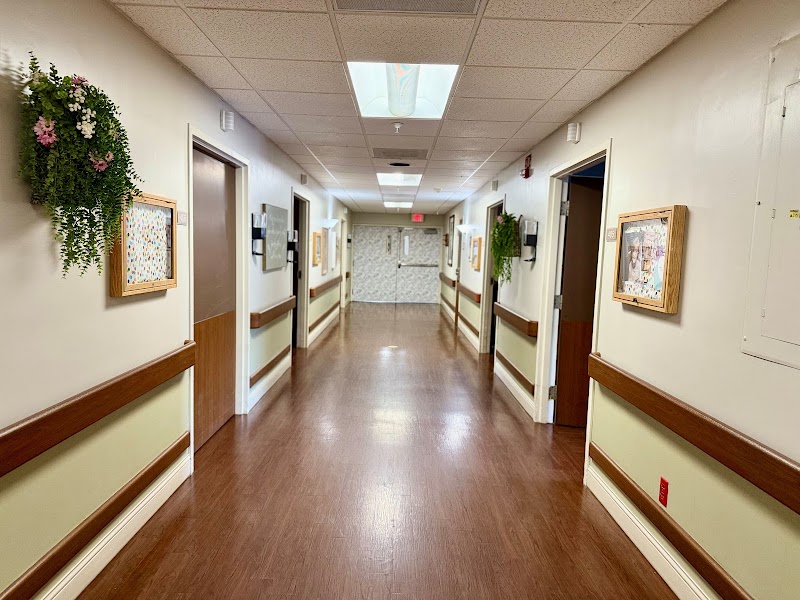
How is Canterbury Staffed?

CMS rates CANTERBURY NURSING AND REHABILITATION CENTER's staffing level at 2 out of 5 stars, which is below average compared to other nursing homes. Staff turnover is 58%, which is 12 percentage points above the Indiana average of 46%. High turnover can affect care consistency as new staff learn residents' individual needs.

What Have Inspectors Found at Canterbury?

State health inspectors documented 14 deficiencies at CANTERBURY NURSING AND REHABILITATION CENTER during 2022 to 2024. These included: 14 with potential for harm.
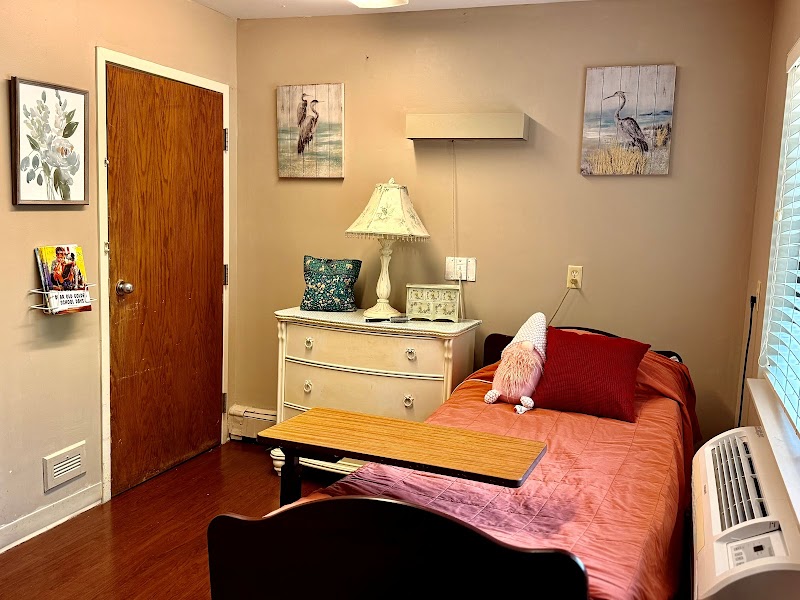
Who Owns and Operates Canterbury?

CANTERBURY NURSING AND REHABILITATION CENTER is owned by a for-profit company. For-profit facilities operate as businesses with obligations to shareholders or private owners. The facility is operated by AMERICAN SENIOR COMMUNITIES, a chain that manages multiple nursing homes. With 142 certified beds and approximately 110 residents (about 77% occupancy), it is a mid-sized facility located in FORT WAYNE, Indiana.
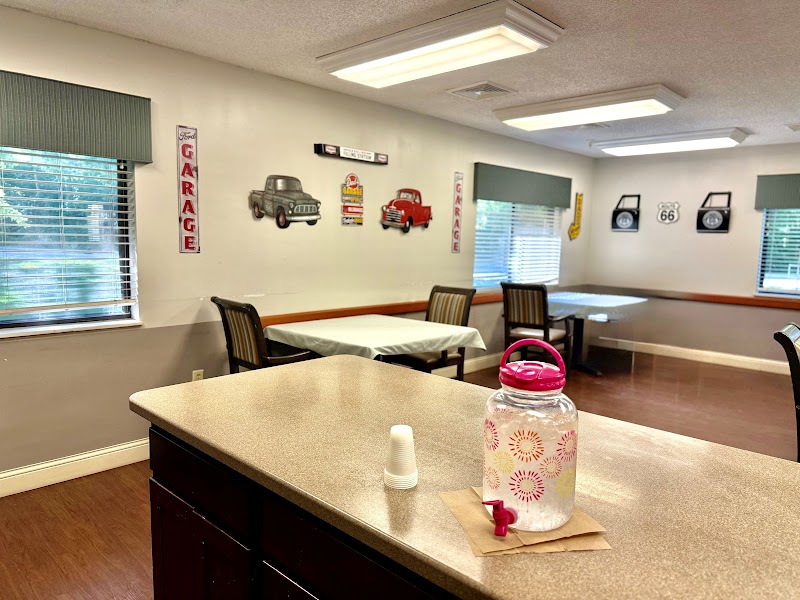
How Does Canterbury Compare to Other Indiana Nursing Homes?

Compared to the 100 nursing homes in Indiana, CANTERBURY NURSING AND REHABILITATION CENTER's overall rating (5 stars) is above the state average of 3.1, staff turnover (58%) is significantly higher than the state average of 46%, and health inspection rating (4 stars) is above the national benchmark.

What Should Families Ask When Visiting Canterbury?

Based on this facility's data, families visiting should ask: "How do you ensure continuity of care given staff turnover, and what is your staff retention strategy?" "Can you walk me through typical staffing levels on day, evening, and night shifts?" "Can I visit during a mealtime to observe dining assistance and food quality?" "How do you handle medical emergencies, and what is your hospital transfer rate?" These questions are particularly relevant given the facility's high staff turnover rate and the below-average staffing rating.

Is Canterbury Safe?

Based on CMS inspection data, CANTERBURY NURSING AND REHABILITATION CENTER has a clean safety record: no substantiated abuse findings (meaning no confirmed cases of resident harm), no Immediate Jeopardy citations (the most serious violation level indicating risk of serious injury or death), and is not on the Special Focus Facility watch list (a federal program monitoring the lowest-performing 1% of nursing homes). The facility has a 5-star overall rating and ranks #1 of 100 nursing homes in Indiana. While no facility is perfect, families should still ask about staff-to-resident ratios and recent inspection results during their visit.

Do Nurses at Canterbury Stick Around?

Staff turnover at CANTERBURY NURSING AND REHABILITATION CENTER is high. At 58%, the facility is 12 percentage points above the Indiana average of 46%. High turnover means new staff may not know residents' individual needs, medications, or preferences. It can also be disorienting for residents, especially those with dementia who rely on familiar faces. Families should ask: What is causing the turnover? What retention programs are in place? How do you ensure care continuity during staff transitions?

Was Canterbury Ever Fined?

CANTERBURY NURSING AND REHABILITATION CENTER has no federal fines on record. CMS issues fines when nursing homes fail to meet care standards or don't correct problems found during inspections. The absence of fines suggests the facility has either maintained compliance or corrected any issues before penalties were assessed. This is a positive indicator, though families should still review recent inspection reports for the full picture.

Is Canterbury on Any Federal Watch List?

CANTERBURY NURSING AND REHABILITATION CENTER is not on any federal watch list. The most significant is the Special Focus Facility (SFF) program, which identifies the bottom 1% of nursing homes nationally based on persistent, serious quality problems. Not being on this list means the facility has avoided the pattern of deficiencies that triggers enhanced federal oversight. This is a positive indicator, though families should still review the facility's inspection history directly.