CELEBRATE SENIOR LIVING OF FORT WAYNE
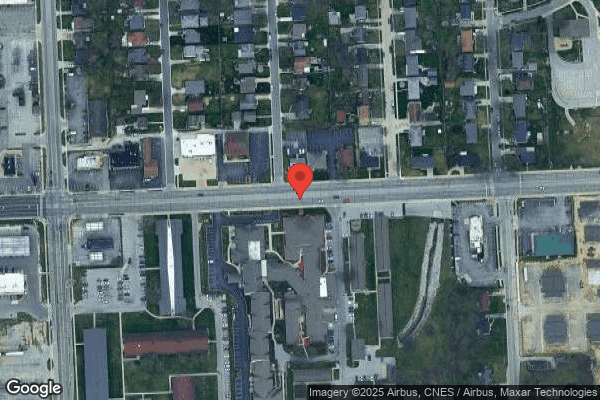
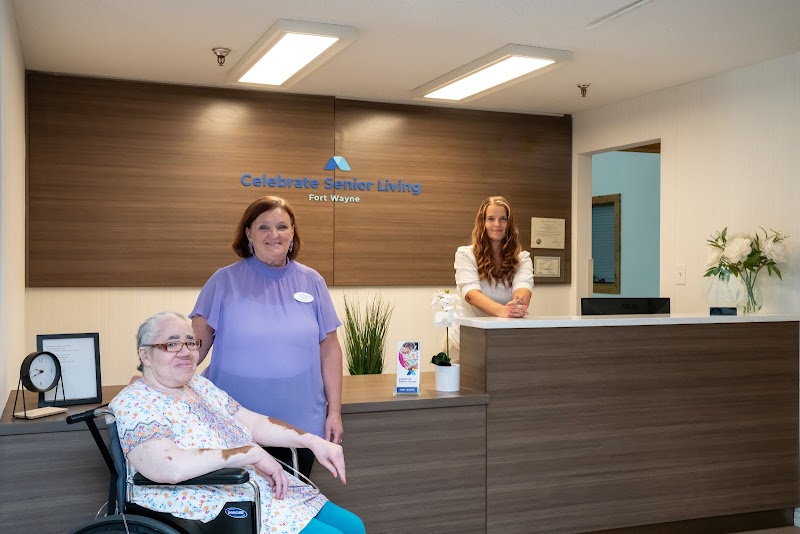
3420 EAST STATE BLVD, FORT WAYNE, IN 46805 (260) 206-6075
For profit - Limited Liability company 118 Beds CELEBRATE SENIOR LIVING Data: November 2025
Trust Grade
63/100
#225 of 505 in IN
Last Inspection: May 2025

Inspected within the last 6 months. Data reflects current conditions.

Overview

Celebrate Senior Living of Fort Wayne has a Trust Grade of C+, indicating it is decent and slightly above average compared to other facilities. It ranks #225 out of 505 in Indiana, placing it in the top half of state facilities, and #17 out of 29 in Allen County, meaning only a few local options are better. The facility is improving, with the number of issues decreasing from 4 in 2024 to 3 in 2025. Staffing is a concern, rated at 2 out of 5 stars, with a turnover rate of 44%, which is slightly lower than the state average but still indicates some instability. However, there have been fines totaling $7,342, which is higher than 79% of Indiana facilities, reflecting potential compliance issues. Specific incidents include an unqualified staff member providing care as a Certified Nurse Aide, which raises concerns about resident safety. There were also sanitation issues in the kitchen, including food debris and a lack of a cleaning schedule, which could impact food safety and hygiene. Additionally, there were concerns about inadequate supervision for residents smoking, highlighting potential safety risks. While the facility has some strengths, such as being in the top half of state rankings, these issues should be carefully considered by families.

Trust Score
C+
63/100
In Indiana
#225/505
Top 44%
Safety Record
Low Risk
No red flags
Inspections
Getting Better
4 → 3 violations
Staff Stability
○ Average
44% turnover. Near Indiana's 48% average. Typical for the industry.
Penalties
✓ Good
$7,342 in fines. Lower than most Indiana facilities. Relatively clean record.
Skilled Nurses
○ Average
Each resident gets 33 minutes of Registered Nurse (RN) attention daily — about average for Indiana. RNs are the most trained staff who monitor for health changes.
Violations
⚠ Watch
16 deficiencies on record. Higher than average. Multiple issues found across inspections.
★★★☆☆
3.0
Overall Rating
★★☆☆☆
2.0
Staff Levels
★★★☆☆
3.0
Care Quality
★★★☆☆
3.0
Inspection Score
Stable
2024: 4 issues
2025: 3 issues

The Good

  • Full Sprinkler Coverage · Fire safety systems throughout facility
  • No fines on record
  • Staff turnover below average (44%)

    4 points below Indiana average of 48%

Facility shows strength in fire safety.

The Bad

3-Star Overall Rating

Near Indiana average (3.1)

Meets federal standards, typical of most facilities

Staff Turnover: 44%

Near Indiana avg (46%)

Typical for the industry

Federal Fines: $7,342

Below median ($33,413)

Minor penalties assessed

Chain: CELEBRATE SENIOR LIVING

Part of a multi-facility chain

Ask about local staffing decisions and management

The Ugly 16 deficiencies on record

Aug 2025 1 deficiency
CONCERN (D) 📢 Someone Reported This

A family member, employee, or ombudsman was alarmed enough to file a formal complaint

Potential for Harm - no one hurt, but risky conditions existed

Quality of Care (Tag F0684)

Could have caused harm · This affected 1 resident

**NOTE- TERMS IN BRACKETS HAVE BEEN EDITED TO PROTECT CONFIDENTIALITY** Based on observation, interview and record review, the facility failed to ensure treatment for a non-pressure related wound was ...

Read full inspector narrative →
**NOTE- TERMS IN BRACKETS HAVE BEEN EDITED TO PROTECT CONFIDENTIALITY** Based on observation, interview and record review, the facility failed to ensure treatment for a non-pressure related wound was completed as ordered for 1 of 3 residents reviewed (Resident K).Findings include:On 7/30/25 at 11:10 A.M., Resident K was observed seated in his electric wheelchair, his right leg dressed with an ace wrap from his toes to his knee. His toes were covered with a white thick bandage coming loose out from below the ace wrap. Resident K indicated he was very upset about his toes being amputated. He'd already lost his left leg (below left knee amputation) due to a wound and now, had lost all the toes on his right foot. He indicated he developed a sore to his outer right foot, by his 5th toe, the sore became infected and the toe had to be removed. The surgical site, where the 5th toe had been removed, got infected, split open and he had to go back to the hospital to have it repaired. He indicated the infection continued and he had to have his 2 remaining toes amputated. He was worried about having the entire foot amputated.On 7/30/25 at 1:29 P.M., Resident K's record was reviewed. Diagnoses included diabetes with neuropathy (nerve damage), osteomyelitis (bone infection) of right ankle and foot, peripheral vascular disease, and acquired absence of right foot toes.An annual Minimum Data Set (MDS) assessment, dated 5/27/25, indicated the resident had no cognitive impairment. He required set-up assistance with his activities of daily living (ADL). He was non-ambulatory due to below knee amputation to his left leg and required supervision for transfers to/from electric wheelchair and to/from toilet and bed. The assessment indicated he had no pressure ulcers or non-pressure related skin conditions such as diabetic, arterial, or venous ulcers, and no open skin lesion(s) to his feet. Care plans indicated the following:-Initiated 5/6/25: Resident K had a diabetic ulcer to his right outer foot due to diabetes. The goal was for the diabetic ulcer to heal without complications. Interventions included: Monitor and document the wound measurements; document progress in wound healing; monitor/document/report to physician signs/symptoms of infection; and provide treatments as ordered.A wound Nurse Practitioner (NP) progress note, dated 5/5/25, indicated Resident K was seen for a newly developed right foot wound. The wound was located on the lateral edge of his right foot; 80% of the wound was covered with eschar and measured, length (L) 0.5 centimeters (cm) by width (W) 1.0 cm. There was a small amount of serosanguinous (blood and clear liquid) drainage at the wound site and dried blood observed on his sock. The wound was assessed as a diabetic ulcer and treatment ordered. An x-ray of his foot was to be done to rule out a bone infection (osteomyelitis).A Wound Assessment, completed by the facility wound nurse, dated 5/5/25 at 10:22 p.m., indicated Resident K had a wound to his outer right foot which measured, (L) 0.5 cm by (W) 1.0 cm. The wound was 100% covered with black eschar (dry, dead tissue within a wound). There was no drainage, wound edges were regular and peri-wound was intact, dry, scaly and swollen. Resident K denied pain during treatment. Additional comments indicated the wound was a new area and assessed by the nurse and NP. Dressings were in place and new orders given for x-ray of the foot and antibiotics ordered. Wound assessments would be completed weekly until healed.A physician order, dated 5/5/25, was to wash wound to the right outer foot with wound cleanser, pat dry, apply Silver AG and cover with a foam dressing to be done daily.A medical NP progress note, dated 5/5/25, indicated the resident was seen for right foot cellulitis (infection of subcutaneous skin). Resident K had been seen by the wound NP. An antibiotic (Doxycycline) was ordered as well as x-ray to rule out osteomyelitis. His right foot was observed to have localized swelling, redness and warmth. The resident complained of some discomfort to the area.A Wound Assessment, completed by the facility wound nurse, dated 5/12/25 at 2:16 p.m., indicated Resident K's outer right foot wound measured (L) 2.0 cm by (W) 2.0 cm. The wound was 100% covered with black eschar. There was no drainage, wound edges were regular and peri-wound was intact, dry, scaly and swollen. The wound had worsened. There were no new orders and staff were to continue with the current treatment plan.A wound Nurse Practitioner (NP) progress note, dated 5/12/25, indicated Resident K's wound to his right foot, lateral edge, was covered with 90% eschar, measured L-2.0 cm by W-2.0 cm, was larger and the wound was worsening. The wound continued to have serosanguinous drainage and small amount of dried blood was observed on his sock. The plan was to continue the current treatment of washing the wound with wound cleanser, pat dry, apply Silver AG and cover with a foam dressing daily.A hospital Discharge summary, dated [DATE], indicated Resident K had been hospitalized 5/15-5/21/25 for syncope (fainting) and chest pain. The resident admitted to the hospital on [DATE] with a wound to his right foot.A re-admission nurse note, dated 5/21/25 at 3:44 p.m., indicated Resident K had returned from the hospital. He had a wound to his left (sic) foot toe. There was no further assessment completed for the wound.A Treatment Administration Record (TAR), dated May 2025, had no documentation of treatment completed to his right outer foot wound from 5/5/25 through 5/28/25. A treatment was started on 5/29/25. On 7/31/25 at 1:45 P.M., the facility wound nurse was interviewed. She indicated the order for Resident K's right foot wound, dated 5/5/25, had been on the physician order summary but she had not been aware the order hadn't made it onto the TAR. She indicated she had done the treatment as ordered on days she did rounds with the wound NP but wasn't able to say if other staff had done the treatment. The facility wound nurse indicated the wound treatment should have been done daily as ordered. On 8/1/25 at 11:54 A.M., the Director of Nursing provided a current copy of the facility policy, titled Wound Care. The policy was for both non-pressure related wounds and pressure ulcers. The policy indicated wound care procedures and treatments should be performed according to physician orders. Treatments were to be documented in the clinical record when treatments were performed.This Citation relates to Complaint 1774339.3.1-37
May 2025 2 deficiencies
CONCERN (D)

Potential for Harm - no one hurt, but risky conditions existed

Resident Rights (Tag F0550)

Could have caused harm · This affected 1 resident

**NOTE- TERMS IN BRACKETS HAVE BEEN EDITED TO PROTECT CONFIDENTIALITY** Based on observation, interview, and record review the facility failed to ensure dignity was maintained for 1 of 18 residents re...

Read full inspector narrative →
**NOTE- TERMS IN BRACKETS HAVE BEEN EDITED TO PROTECT CONFIDENTIALITY** Based on observation, interview, and record review the facility failed to ensure dignity was maintained for 1 of 18 residents reviewed. (Resident 52) Findings include: During an observation on the secured unit, on 4/28/25 at 10:11 AM, Licensed Practical Nurse (LPN) 4 was heard yelling from across the hall inside room [ROOM NUMBER] to another staff member at the nurses' station. LPN 4 yelled over to the other staff member at the station, Resident 52 has a boil the doctor wants to take a look at; he has to be laid down. There were 3 unidenified residents in close proximity to room [ROOM NUMBER] and could hear LPN 4. During an observation, on 04/28/25 at 10:22 AM, LPN 4 was easily overheard telling the Wound Nurse Practitioner Resident 52 was now laying down if she also wanted to look at the boil. In an interview, on 4/30/25 at 10:05 AM, the Unit Manager of the secured unit indicated LPN 4 was disciplined for his inappropriate behavior. The Unit Manager indicated the facility recently held an in-service regarding resident rights but LPN 4 did not attend the in-service. A record review on 4/30/25 at 1:15PM, indicated Resident 52's diagnosis included dementia, unspecified A current policy, titled Resident Rights dated 12/2024, indicated . 1. Dignity and Respect. Be treated with consideration, respect and full recognition of dignity and individuality. 5. Privacy and Confidentiality. Personal and medical information must be kept confidential. Residents are entitled to privacy in care, communication, and personal space . 3.1-3(a)
CONCERN (E)

Potential for Harm - no one hurt, but risky conditions existed

Food Safety (Tag F0812)

Could have caused harm · This affected multiple residents

Based on interview and observations the facility failed to ensure sanitation measures were followed for 2 of 3 observations. 71 of 71 residents who resided in the facility received food prepared in th...

Read full inspector narrative →
Based on interview and observations the facility failed to ensure sanitation measures were followed for 2 of 3 observations. 71 of 71 residents who resided in the facility received food prepared in the kitchen. Findings include: During an observation on 4/28/25 at 9:30 AM, a medal scoop was observed inside a tub of brown sugar. There was debris of grease like food around and under the sink. There were dried noodles, raisins and plastic debris observed under the racks in the pantry. There were small pieces of paper, dust in the corners, and unidentifiable small particles observed in the chemical room on the floor. During an observation on 4/29/25 at 10 AM, there were small cereal particles, dried meat of different shapes/sizes observed under the stand-up cooler, meal carts and stove area. In an interview on 4/28/25 at 9:30 AM, the Dietary Manager (DM) indicated the facility did not have a cleaning schedule. DM indicated the scoop from the brown sugar tub should not be left inside the tub. The DM indicated there should not be debris or dried particles on the floor or around/under the sink and appliances. In an interview on 4/30/25 at 2:03 PM, the Director of Nursing (DON) indicated the facility did not have a policy regarding sanitation in the kitchen. The DON indicated 71 of 71 residents received food prepared in the kitchen. 3.1-(i)3
Oct 2024 1 deficiency
CONCERN (D) 📢 Someone Reported This

A family member, employee, or ombudsman was alarmed enough to file a formal complaint

Potential for Harm - no one hurt, but risky conditions existed

Report Alleged Abuse (Tag F0609)

Could have caused harm · This affected 1 resident

Based on interview and record review the facility failed to report a fall with a fracture to the Indiana Department of Health (IDOH) for 1 of 3 falls reviewed (Resident H). Findings Include: A facili...

Read full inspector narrative →
Based on interview and record review the facility failed to report a fall with a fracture to the Indiana Department of Health (IDOH) for 1 of 3 falls reviewed (Resident H). Findings Include: A facility reported incident was provided by the Administrator on 10/1/24 at 10:14 AM. The report, dated 9/25/24 at 10:01 AM, indicated Resident H was found on the floor in her room in a pool of blood coming from her nose. The report indicated Resident H was sent to the hospital and was found to have a probable subtle acute nondisplaced bilateral nasal bone fracture. Resident H's record was reviewed on 10/1/24 at 1:33 PM. Diagnosis included chronic pulmonary disease and type 2 diabetes mellitus. A nursing note, dated 9/22/2024 at 3:22 PM, indicated Resident H was found on the floor in her room in a pool of blood. The note indicated Resident H had a hematoma to her head and a swollen/bruised nose. The note also indicated Resident H was sent to the hospital. A nursing note, dated 9/22/24 at 10:19 PM, indicated a nurse spoke with the hospital regarding Resident H. The note indicated the nurse was informed Resident H was admitted for a fall, septal fracture and subdural hematoma. An interdisciplinary team (IDT) note, 9/24/24 at 11:05 AM, indicated a meeting was completed with the IDT team to determine the root cause and result of Resident H's fall. During an interview on 9/24/24 at 1:43 PM, the Administrator indicated Resident H fell on 9/22/24 with the result of a nasal fracture. The Administrator indicated she reported the incident to the IDOH on 9/25/24. The Administrator indicated she should have reported the fall with fracture within 24 hours of being notified of the fracture. A current policy, last reviewed 3/1/20, titled Abuse, Neglect and Exploitation Policy, was provided by the Administrator on 10/1/24 at 2:24 PM. The policy did not indicate when a fall with fracture should be reported. This citation relates to Complaint IN00444048. 3.1 - 28(e)
Jun 2024 1 deficiency
CONCERN (D)

Potential for Harm - no one hurt, but risky conditions existed

Accident Prevention (Tag F0689)

Could have caused harm · This affected 1 resident

Based on interview and record review the facility to ensure assessment for elopement risk was completed for 1 of 5 residents reviewed. (Resident 53) Findings include: A record review began on 5/29/24 ...

Read full inspector narrative →
Based on interview and record review the facility to ensure assessment for elopement risk was completed for 1 of 5 residents reviewed. (Resident 53) Findings include: A record review began on 5/29/24 at 10:41 AM. Resident 53 diagnoses include, unspecified dementia, severe with psychotic disturbance and generalized anxiety disorder. A MDS (minimum data set) assessment, dated 4/8/24, indicated Resident 53 had a BIMS (brief interview mental status) 3 of 15, indicated Resident 53 had severe cognitive impairment. Resident 53's care plan, titled Elopement, dated 4/8/24 indicated Resident 53's focus was high risk for elopement related to dementia. Due to his cognition and poor safety awareness resident would reside on the secure memory care unit. Resident 53's goal was to remain safe within the facility unless accompanied by staff or other authorized persons through the review date. Resident 53's interventions included, but were not limited to: assess, record, and report to physician, risk factors for potential elopement such as wandering, repeated requests to leave facility, statements such as I'm leaving, I'm going home., and/ or attempts to leave facility. Complete an Elopement Risk Assessment per facility protocol, and every quarter, to make changes as needed. Encourage Resident 53 to participate in an activities program to divert attention and meet needs for social, cognitive stimulation. Supervise closely and make regular compliance rounds whenever Resident 53 is wandering around. The following assessments indicated elopement risk: -Dated 5/16/23, quarterly, Elopement Risk decision: the resident presently appears to be at risk to elope and should be placed on the elopement risk protocol, a care plan for elopement was indicated. Resident 53 resided on the secure memory unit. -Dated 12/28/23, Elopement Risk decision: the resident presently appears to be at risk to elope and should be placed on the elopement risk protocol, a care plan for elopement was indicated. Resident 53 resided on the secure memory unit. -Date 3/27/24, quarterly, Elopement Risk decision: the resident presently appears to be at risk to elope and should be placed on the elopement risk protocol, a care plan for elopement was indicated. Resident 53 resided on the secure memory unit. A quarterly elopement risk assessment was not completed between August - October 2023. A quarterly Social Services Progress note, dated 8/15/23, indicated Resident 53 had not wandered, and wandering behavior had not been exhibited. There was no other question in the assessment to pertain to elopement, and or wandering. A review of Resident 53's census list, indicated Resident 53 had an unpaid hospital leave from 10/1/23 and returned on 10/3/23. No other leaves had occurred. In an interview on 5/31/24 at 10:12 AM, the Memory Care Coordinator indicated elopement assessments were present only as elopement risk-not barred in another assessment. She indicated she would look into the resident's missing risk assessment. In an interview 05/31/24 at 10:38 AM, the Memory Care Coordinator and Social Worker indicated the resident did not have an elopement risk assessment done. They were unsure why the assessment had not been completed. A currently facility policy, Elopement management, dated 10/2018, was provided by the Memory Care Coordinator. The policy indicated . Upon admission and re-admissions, resident will be assess for elopement risk by completion of the elopement risk user defined assessment (UDA) in the electronic medical record in conjunction with the nursing admission data collection set .Following admission, residents are evaluated for elopement risk quarterly, annually and with significant change of condition or status using the Elopement Risk (UDA) and the Resident Assessment instrument process (RAI) .Care plan interventions are individualized to the resident and are based on the assessed risk of elopement 3.1-45(a)
Jan 2024 2 deficiencies
CONCERN (D) 📢 Someone Reported This

A family member, employee, or ombudsman was alarmed enough to file a formal complaint

Potential for Harm - no one hurt, but risky conditions existed

Quality of Care (Tag F0684)

Could have caused harm · This affected 1 resident

**NOTE- TERMS IN BRACKETS HAVE BEEN EDITED TO PROTECT CONFIDENTIALITY** Based on interview and record review the facility failed to ensure physician orders were followed for 1 of 4 residents reviewed....

Read full inspector narrative →
**NOTE- TERMS IN BRACKETS HAVE BEEN EDITED TO PROTECT CONFIDENTIALITY** Based on interview and record review the facility failed to ensure physician orders were followed for 1 of 4 residents reviewed. (Resident Y) Findings include: A list of facility appointments was received 1/24/24 at 9:32AM from SSD (Social Services Director). Resident Y was listed as having a dental appointment on 12/21/23 at 1pm. The special instructions were typed in all capitals; needs staff member to accompany. An interview on 1/24/24 at 12:15 PM, Driver 7 indicated she only drives on Wednesdays and Fridays. The remainder of her hours were used as a CNA (Certified Nursing Assistant). She indicated the scheduler let the driver know the scheduled appointments and any special instructions at the start of their shift. Driver 7 indicated residents from the dementia care unit and Resident Y always require an escort. She indicated when an escort was needed a second staff person was present and was expected to attend the entire appointment with the resident. Driver 7 indicated Resident Y required an escort because he had brain damage and a seizure disorder. An interview on 1/24/24 at 2:57 PM, People Operations Specialist (POS) from the Dentist office, indicated Resident Y had an appointment on 12/21/23 and was dropped off at 1pm for his appointment. There was no staff to accompany the resident. The driver left and said he would pick Resident Y up by 2PM. She indicated no one showed up. She indicated they made multiple attempts to contact the facility without an answer. The POS indicated they then called Resident Y's sister who came and picked him up. The POS stated the driver returned around 3:30 PM to pick up Resident Y. Resident Y's record review was begun on 1/25/24 at 11:06AM. Diagnoses included epilepsy, schizophrenia, and traumatic brain injury. His current MDS (Minimum Data Set) showed a BIMS (Brief Interview for Mental Status) score of 6. A score of 6 indicated moderate cognitive deficiency. Resident Y had a verbal physician order dated 12/4/23; Appt with [NAME] Dental @ 1pm NEEDS STAFF MEMBER to ACCCOMPANY one time only for 1 day. The order start and end date were 12/21/23. In an interview on 1/25/24 at 9:17AM, Driver 8 indicated he took Resident Y to the dentist appointment on 12/21/23. He indicated he would get an assignment sheet with the appointments and any special instructions. He indicated he was unsure if Resident Y was supposed to have an escort. He indicated he had multiple appointments 1/21/23 around the same time. He dropped off Resident Y and then took a peer to an ortho appointment with the intent to return at the conclusion of peer's appointment. He received a call from the facility, Resident Y was finished at the dentist and the family was upset he was left waiting. Driver 8 left peer at the ortho appointment to go pick up Resident Y who was no longer at the dentist upon his arrival. Current facility policies titled: Telephone Orders, Medication and Treatment Orders, and Medication Orders were received from the SSD on 1/25/24 at 11:35AM. None of the policies directly indicated following orders. No policy or further information was available at time of exit. This citation is realted to coimplaint IN00424579. 3.1-37
CONCERN (D) 📢 Someone Reported This

A family member, employee, or ombudsman was alarmed enough to file a formal complaint

Potential for Harm - no one hurt, but risky conditions existed

Accident Prevention (Tag F0689)

Could have caused harm · This affected 1 resident

Based on observation, interview, and record review the facility failed to ensure fall prevention measures were in place for 3 of 4 residents reviewed. (Resident B, Resident C, and Resident D) Findings...

Read full inspector narrative →
Based on observation, interview, and record review the facility failed to ensure fall prevention measures were in place for 3 of 4 residents reviewed. (Resident B, Resident C, and Resident D) Findings included: In an observation of Resident B and Resident C, on 1/24/24 at 9:52 AM, they were sitting on a couch. The couch had its back to the dining room tables. The couch area and dining room had the same flooring. Resident B and Resident C had on the same pair of fuzzy socks. The socks had no anti slip or grip to them. During an observation of Resident D on 1/24/24 at 9:52AM, Resident D was noted sitting in his wheelchair at a dining room table with staff. Resident D also had on fuzzy socks. The socks had no anti slip or grip to them. In an interview on 1/24/24 at 10:06 AM, CNA 6 (Certified Nursing Assistant) indicated all the residents should be wearing nonslip footwear unless laying in bed to prevent falls. During an observation on 1/24/24 from 9:52AM to 10:12AM there was no attempt by staff to ensure nonskid footwear was on the residents. 1) Resident B's record was reviewed 1/24/24 at 1:06PM her diagnoses included Alhzeimer's disease, diabetes, and edema. Resident B's current care plan indicated a focus on falls; Resident B was at high risk for falls related to age, impaired mobility, impaired cognition, incontinent episodes, use of high fall risk medications, dementia, pain, and gout. This was last updated 4/8/23. The most recent goal dated 10/7/23, indicated Resident B would not sustain serious injury through next review date. Interventions indicated to encourage use of appropriate nonskid footwear at all times and ensure she had on proper footwear- nonskid socks when in dining room. Resident B's current comprehensive MDS (Minimal Data Set) BIMS (Brief Interview of Mental Status) score was 5. The score of 5 indicated moderate cognitive decline. 2) Resident C's record was reviewed, 1/24/24 at 12:08PM, her diagnoses included lung disease, repeated falls, dementia, and schizoaffective disorder. Resident C's care plan indicated a focus of at risk for falls related to history of falling, decreased mobility, decreased safety awareness, medication usage, incontinence, disease process, and weakness. The goal indicated Resident C would not sustain serious injury through the review date. The interventions were to ensure the resident was wearing appropriate non skid footwear when ambulating or mobilizing in the wheelchair. Resident C's current comprehensive MDS (Minimal Data Set) BIMS (Brief Interview of Mental Status) score was 2. The score of 2 indicated severe cognitive decline. 3) Resident D's record was reviewed, 1/24/24 at 2:15PM, his diagnoses included dementia, restlessness, agitation, and history of falls. Resident Ds care plan indicated a focus of at risk for falls related to a history of falling, decreased mobility, decreased safety awareness, medication usage, agitation, aggression, incontinence, disease process, and weakness. The goal was Resident D would not sustain serious injury through the review date. The interventions for this goal were to ensure the resident was wearing appropriate non skid footwear when ambulating or mobilizing in the wheelchair. Resident D's current comprehensive MDS (Minimal Data Set) BIMS (Brief Interview of Mental Status) score was 5. The score of 5 indicated moderate cognitive decline A policy titled, Fall Occurrence Policy last revised 6/7/22 was provided by the Director of Nursing on 1/24/24 at 2:59PM. The policy stated 2. Those identified as high risk for falls will be provided fall interventions .6. The nurse may immediately start interventions to address falls on the unit .10. The interventions will be reevaluated and revised as necessary. This citation is realted to Complaint IN00425711. 3.1-45
Oct 2023 1 deficiency
CONCERN (F) 📢 Someone Reported This

A family member, employee, or ombudsman was alarmed enough to file a formal complaint

Potential for Harm - no one hurt, but risky conditions existed

Deficiency F0726 (Tag F0726)

Could have caused harm · This affected most or all residents

Based on interview and record review, the facility failed to ensure an employee had met the certification requirements to provide resident care as a Certified Nurse Aide. 79 residents lived in the fac...

Read full inspector narrative →
Based on interview and record review, the facility failed to ensure an employee had met the certification requirements to provide resident care as a Certified Nurse Aide. 79 residents lived in the facility. An anonymous complaint to the Indiana Department of Health indicated there was a concern for an unqualified staff member (Employee 3) who had provided resident care as a Certified Nurse Aide (CNA). A record review was completed on 10/13/23 at 11:21 AM. The facility schedule dated September 2023 indicated Employee 3 had worked as a CNA on 9/1, 9/2, 9/3, 9/4, 9/5, 9/6, 9/8, 9/12, 9/13, 9/15, 9/18, 9/19, 9/20, 9/22, 9/26, 9/27 and 9/29.The facility schedule dated October 2023 indicated Employee 3 had worked as a CNA on 10/2, 10/3, 10/4, 10/6, 10/7, 10/8, 10/10 and 10/11. The facility employee certification and licensure binder indicated Employee 3 did not have a certification to practice as a Certified Nurse Aide. The Indiana Certified Nurse Aide Registry did not indicate Employee 3 had a certification to practice as a CNA. Employee 3's employee file indicated Employee 3 had not completed the facility orientation skills checklist. The facility orientation checklist did not indicate a hire date for Employee 3. A CNA test dated 10/4/22 indicated Employee 3 had not passed the skills evaluation portion of the Nurse Aide Competency Evaluation. The Facility Assessment Tool indicated the facility provided competency training upon hire and annually. The Facility Assessment Tool indicated facility staff certification and licensure requirements would be maintained as applicable. In an interview on 10/13/23 at 12:47 PM, the Administrator indicated the facility did not have a CNA testing policy. The facility was aware Employee 3 had not passed their first attempt for certification as a CNA. The Administrator indicated they were aware of the CNA requirement of passing the certification test with 120 days of the CNA course completion. The Administrator indicated they had believed Employee had scheduled another CNA test, but it was outside the 120 day requirement. The Administrator indicated they had attempted to reach Employee 3 to clarify if Employee 3 had tested again. The Administrator indicated they were awaiting a return call from the CNA testing facility in relation to Employee 3's further test attempts. This citation is related to complaint IN00417716. 3.1-14(i)
Aug 2023 2 deficiencies
CONCERN (D) 📢 Someone Reported This

A family member, employee, or ombudsman was alarmed enough to file a formal complaint

Potential for Harm - no one hurt, but risky conditions existed

Deficiency F0557 (Tag F0557)

Could have caused harm · This affected 1 resident

**NOTE- TERMS IN BRACKETS HAVE BEEN EDITED TO PROTECT CONFIDENTIALITY** Based on observation and interview, the facility failed to ensure respect and dignity of personal belongings was maintained for ...

Read full inspector narrative →
**NOTE- TERMS IN BRACKETS HAVE BEEN EDITED TO PROTECT CONFIDENTIALITY** Based on observation and interview, the facility failed to ensure respect and dignity of personal belongings was maintained for 1 of 6 residents reviewed (Resident B). Findings include: During an observation 8/29/23 at 9:53 AM, there were 2 full black trash bags laying on Resident B's floor. In an interview on 8/29/23 at 9:53 AM, Resident B indicated the majority of her clothes were in 2 black trash bag laying on the floor due to not having access to the full wardrobe. Resident B indicated this made her feel like my personal belongings were trash. In an interview on 8/29/23 at 2:08 PM, the Social Worker indicated when Resident B moved into the current room the facility staff was supposed to put in a dresser for Resident B since the wardrobe was inaccessible. The Social Worker indicated she was unsure why the dresser had yet to placed in Resident B's room [ROOM NUMBER]-11/2 months later. The Social Worker indicated Resident B's personal belongings should not have been placed on the floor in trash bags. A record review was completed on 8/29/23 at 1:22 PM. Resident B's diagnoses included: paraplegia and major depressive disorder. A quarterly Minimum Data Set (MDS) assessment, dated 6/12/23, indicated Resident B had a Brief Interview Mental Status score of 15/15 (cognitively intact). An admission MDS assessment, dated 12/12/22 indicated Resident B preferences: taking care of personal belongings was very important. A current policy, dated October 2022, titled Resident Rights, was provided by the Administrator on 8/29/23 at 3:14 PM. The policy indicated residents have the right to dignity, self-determination and person-centered care. This Federal citation is related to Complaint IN00415489. 3.1-9(a)
CONCERN (D) 📢 Someone Reported This

A family member, employee, or ombudsman was alarmed enough to file a formal complaint

Potential for Harm - no one hurt, but risky conditions existed

ADL Care (Tag F0677)

Could have caused harm · This affected 1 resident

Based on observation, interview, and record review the facility failed to ensure activities of daily living (ADL) were provided per resident's preference for 1 of 6 residents reviewed (Resident B). F...

Read full inspector narrative →
Based on observation, interview, and record review the facility failed to ensure activities of daily living (ADL) were provided per resident's preference for 1 of 6 residents reviewed (Resident B). Finding include: 1. In an interview on 8/29/23 at 9:53 AM, Resident B was observed in her bed. Resident B indicated she preferred 3 showers weekly: Monday, Wednesday, and Friday. Resident B indicated she had not received her showers at least 3 times a week. A record review was completed on 8/29/23 at 1:22 PM. Resident B's diagnoses included: paraplegia and major depressive disorder. An order, dated 7/2/2023, indicated Resident B received showers Monday, Thursday and Sunday evening shift for personal hygiene. The Treatment Administration Record (TAR) and point of care report for Resident B, dated 8/1/23- 8/28/23, were provided by the Social Worker on 8/29/23 at 2:14 PM. The point of care report indicated Resident B received showers on Monday, Wednesday and Friday evenings. The reports indicated Resident B did not receive a shower at least 3 times during the following weeks: 8/6/23 - 8/12/23 A quarterly Minimum Data Set (MDS) assessment, dated 6/12/23, indicated Resident B had a Brief Interview Mental Status score of 15/15 (cognitively intact). The MDS indicated Resident B required total assistance with bathing and 2 people assisted. In an interview on 8/29/23 at 9:53 AM, Resident B also indicated she had not gotten up or offered by staff to get out of bed since she moved into her current room about 1-11/2 months ago. Resident B indicated she wanted to get up out of bed. A quarterly Minimum Data Set (MDS) assessment, dated 6/12/23, indicated Resident B required total assistance with transferring and 2 people assist. A point of care report, dated 8/1/23-8/28/23, was provided by the Social Worker on 8/29/23 at 2:14 PM. The report indicated Resident B was provided total dependent assistance by staff daily for transferring. 2. In an interview on 8/29/23 at 2:08 PM, the Social Worker indicated Resident B refused to get out of bed. The Social Worker indicated she had not seen Resident B get out of her bed since admission. In an interview on 8/29/23 at 10:50 AM, Certified Nurse Aide (CNA) 2 indicated showers/bathing were offered 2 times a week or by preference and dependent on staff schedule. Resident B was dependent on all ADLs, including bathing and transferring. CNA 2 also indicated Resident B did not get up out of bed. CNA 2 indicated she never offered Resident B to get up out of bed. CNA 2 also indicated Resident B did not refuse care. In an interview on 8/29/23 at 2:47 PM, the Director of Nursing (DON) and Social Worker indicated staff should not be documenting care the resident did not receive. The DON and Social Worker also indicated staff should document refused instead of Not Applicable when the resident refused. The Social Worker indicated she did not have any documentation of Resident B's refused care or refusal to get up. A policy, dated October 2022, titled Resident Rights, was provided by the Administrator on 8/29/23 at 3:14 PM. The policy indicated residents have the right to dignity, self-determination and person-centered care. This Federal citation is related to Complaint IN00415489. 3.1-38(a)(3)
Jun 2023 2 deficiencies
CONCERN (D)

Potential for Harm - no one hurt, but risky conditions existed

Transfer Notice (Tag F0623)

Could have caused harm · This affected 1 resident

Based on interview and record review, the facility failed to give proper notice of transfer or discharge before 4 of 4 residents were transferred or discharged . (Resident 2, Resident 51, and Resident...

Read full inspector narrative →
Based on interview and record review, the facility failed to give proper notice of transfer or discharge before 4 of 4 residents were transferred or discharged . (Resident 2, Resident 51, and Resident 83). Findings include: 1. Resident 2's record was reviewed on 05/31/23 at 2:08 PM. Diagnoses included COPD (chronic obstructive pulmonary disease), presence of cardiac pacemaker, and history of TIA (transient ischemic attack, a stroke lasting a short period of time). A review of Resident 2's current Significant Change MDS (Minimum Data Set) indicated their BIMS (Basic Interview for Mental Status) score was 10 (moderate cognitive impairment). A review of progress notes dated 03/22/23 at 09:17 AM indicated Resident 2 was sent to the hospital from a routine pre-operative appointment due to low blood pressure and confusion. There was no transfer paperwork documented, notice of bed hold policy, or documentation of the facility providing pertinent medical information to the receiving hospital. 2. Resident 51's record was reviewed on 06/01/23 at 02:09 PM. Diagnoses included legal blindness, GAD (generalized anxiety disorder), and major depressive disorder. A review of Resident 51's quarterly MDS indicated their BIMS (Basic Interview for Mental Status) score was 4 (severe cognitive impairment). A review of physician's orders indicated no orders for transfer to the hospital for evaluation and treatment after a witnessed fall on 02/27/23 at 9:50 AM. A review of progress notes indicated no documentation the Bed Hold Policy was provided to the resident or POA (Power of Attorney) prior to transfer to the accepting facility. In an interview on 06/01/23 at 4:30 PM the DON indicated the facility would send transfer documents with the resident to the hospital. They Indicated no copies were kept for resident records. In an interview on 06/02/23 at 2:25 PM, LPN 6 indicated the transfer on 2/27/2023 was a planned surgical procedure. LPN 6 indicated they did not do a transfer to hospital form but the resident's information was sent to the hospital prior to the procedure. No order to transfer for the planned procedure was present. In an interview on 06/02/23 at 2:30 PM the SSD (Social Services Director) indicated they were not aware a copy of the bed hold policy was to be given with each transfer. A review of Notice of Transfer or Discharge form dated 02/27/23 was provided by LPN 6 at 2:25 PM. There was no address for the receiving facility, the ombudsman information was not filled out, and there was no bed hold policy or pertinent medical information included for the receiving facility. 3. Resident 83's closed record was reviewed on 06/05/23 at 9:25 AM. Diagnoses included PTSD (post-traumatic stress disorder), heart failure, and muscle weakness. A review of progress notes dated 06/05/23 at 9:35 AM indicated Resident 83 was discharged on 03/31/23 at 07:23 AM. There was no documentation to indicate transfer forms or discharge instructions were completed. In a phone interview on 06/02/23 at 3:01 PM Resident 81 indicated the discharge was facility initiated, and they were given 3 days of notice. There was no discharge paperwork or care plan in place. Resident 83 indicated they signed no paperwork upon leaving the facility, received 3 days of meds, got on a CitiLink bus at 6:30 AM, and went to live with their husband in a motel room. A current Transfer and Discharge policy presented by the DON (Director of Nursing) on 06/02/23 at 2:25 PM indicated the facility will: * Obtain physician order for transfer. * Send the original state transfer/discharge/bedhold notice with the resident and/or representative responsible for care. * Make 2 copies of the health record necessary for care of the resident (physician's orders, history & physical, x-rays, lab work, etc.), and send with the resident/representative. * Fax the transfer order to the pharmacy. 483.15(c)(3-5)
CONCERN (E)

Potential for Harm - no one hurt, but risky conditions existed

Accident Prevention (Tag F0689)

Could have caused harm · This affected multiple residents

**NOTE- TERMS IN BRACKETS HAVE BEEN EDITED TO PROTECT CONFIDENTIALITY** Based on observation, interview, and record review the facility failed to ensure adequate supervision to support smoking for 4 o...

Read full inspector narrative →
**NOTE- TERMS IN BRACKETS HAVE BEEN EDITED TO PROTECT CONFIDENTIALITY** Based on observation, interview, and record review the facility failed to ensure adequate supervision to support smoking for 4 of 4 residents reviewed. (Resident 43, Resident 4, Resident 51, and Resident 33) Findings include: During an observation, Resident 51, Resident 4, and Resident 33 were observed in courtyard smoking on 05/30/23 at 10:54 AM. Resident 51 required guidance (he held onto staff's shoulder and walked slightly behind her) out to the courtyard and his cigarette lit. Resident 51 then sat with Resident 4 and Resident 33 between him and the staff member. When Resident 51 was finished smoking he wiped ashes off of his clothes prior to being led back into the building. Resident 4 and Resident 33 remained in the courtyard. The staff member did not return after taking Resident 51 back into the building. Resident 33 was handing Resident 4 his stubbed cigarette after tapping it on his walker. Resident 33 dropped the blunted end of the cigarette on Resident 4's lap. There was no fire protection wear worn or visibly available during the observation of Resident 51, Resident 4, and Resident 33. During an observation, on 05/31/23 at 2:08 PM, 3 unidentified female residents were outside smoking in the courtyard. There were no staff present or within eyesight of the courtyard. There was no fire protection wear on the residents or visibly available to wear. In an interviewon 5/31/23 at 2:13PM, CNA 5 (Certified Nursing Assistant) identified Resident 43 as among the female smokers. The CNA indicated staff were to monitor while residents were smoking. CNA 5 indicated management remind them frequently to stay in courtyard when residents were smoking. The CNA further indicated Resident 43 did not follow rules and did what she wanted. On 5/30/23 at 11:16AM the ED provided a list of smokers as requested. Resident 43 was not listed as a smoker in the facility. The ED (Executive Director) indicated when Resident 43 came she was not smoking due to illness. The ED was unable to determine when Resident 43 began smoking again. 1. Resident 43's record was reviewed on 6/1/23 at 9:09AM. Resident 43's diagnoses included chronic pulmonary disease and altered mental status. A review of Resident 43's current MDS dated [DATE] indicated: Section C- BIMS (Basic Interview for Mental Status) score was 11 (mildly impaired). Section G-ADLs (Activities of Daily Living) one-person physical assist for all activities assessed. Section J-Health Conditions indicated no tobacco use. A review of Resident 43's smoking risk assessment dated [DATE] indicated she did not smoke. A smoking risk assessment done on 6/1/23 indicated: A. All residents who smoke must be supervised. B. Smoking Cessation was declined. C. Orientation no problem D. Behavior no problem E. Mobility no problem F. Injury Potential none G. History no problem H. Safety Gear none needed. I. Comments; May independently be able to handle smoking materials. A review of Resident 43's current care plan was updated on 6/1/23. The care plan indicated she used tobacco and was allowed to smoke independently in the courtyard. 2. Resident 4's record was reviewed on 5/30/23 at 10:54 AM. Resident 4's diagnoses included major depressive disorder, muscle weakness, vascular dementia, and history of a stroke. A review of Resident 4's current comprehensive MDS dated [DATE] indicated: Section C- BIMS (Basic Interview for Mental Status) score was 8 (moderately impaired). Section G-ADLs (Activities of Daily Living) one-person physical assist for all activities assessed. Section J-Health Conditions indicated tobacco use. A review of Resident 4's smoking risk assessment dated [DATE] indicated: A. All residents who smoke must be supervised. B. Smoking Cessation was declined C. Orientation no problem. D. Behavior no problem. E; Mobility no problem. F. Injury Potential no problem. G. History no problem H. Safety Gear none needed. I. Comments; 3/14/22 smoke with supervision ensuring hair was pulled away from face. There were no other smoking assessments documented. A review of Resident 4's current care plan dated 4/4/23 indicated the following; she used tobacco, was allowed to smoke independently without complications and the facility only allowed supervised smoking. An intervention was; assess smoking abilities; upon admission, quarterly, and as needed. 3. Resident 51's record was reviewed on 5/31/23 at 11:17AM. Resident 51's diagnoses included legal blindness, encephalopathy, pulmonary disease, and traumatic brain injury. A review of Resident 51's current MDS dated [DATE] indicated: Section C- BIMS (Basic Interview for Mental Status) score was 4 (severely impaired). Section G-ADLs (Activities of Daily Living) two-person physical assist for all activities assessed. Section J-Health Conditions indicated tobacco use. A review of Resident 51's most recent smoking risk assessment dated [DATE] indicated: A. All residents who smoke must be supervised. B. Smoking Cessation was declined C. Orientation minimal problem. D. Behavior no problem. E; Mobility minimal problem. F. Injury Potential minimal problem. G. History no problem H. Safety Gear none needed, and someone was to light his cigarette. I. Comments; 3/14/22 Resident 51 was legally blind and required supervision when smoking. A review of Resident 51's current care plan dated 4/4/23 had a focus on blindness. There was no care planned indication of tobacco use. 4. Resident 33's record was reviewed on 05/30/23 at 09:12 AM. Resident 33's diagnoses included lung disease, muscle weakness, and neurological disease. A review of Resident 33's comprehensive MDS dated [DATE] indicated: Section C- BIMS (Basic Interview for Mental Status) score was 12 (minimally impaired). Section G-ADLs (Activities of Daily Living) one-person physical assist for all activities assessed. Section J-Health Conditions indicated no tobacco use. A review of Resident 33's most recent smoking risk assessment dated [DATE] indicated: A. All residents who smoke must be supervised. B. Smoking Cessation was declined C. Orientation no problem. D. Behavior no problem. E; Mobility no problem. F. Injury Potential no problem. G. History no problem H. Safety Gear none needed. I. Comments: Resident 33 was allowed to smoke independently. A review of Resident 33's current care plan dated 11/14/22 indicated Resident 33 was an active smoker and able to smoke independently without complications. The interventions included assess smoking abilities quarterly, as needed and smoking materials to be kept at the nurse's station. An undated current facility smoking safety policy was provided by the ED, on 6/1/23 at 10:26 AM. The policy indicated . 2. the designated smoking area shall maintain appropriate safety devices including but not limited to; available smoking aprons, extinguishing blanket, and ashtrays made of noncombustible material and safe design. Metal containers with self-closing covers into which ashtrays can be emptied shall be readily available. An updated smoking regulation dated 3/10/22 provided by the ED, on 6/1/23 at 10:26AM indicated smoking schedule 10am-1015am; 1pm-115pm, and 4p-415pm. 1. Smoking breaks would be 15minutes or 2 cigarettes whichever comes first. 2. No borrowing or lending of cigarettes. 3. All smoking material would be kept at the nurse's station. 4. Residents were to provide their own smoking materials. 5. Residents could smoke with visitors in the courtyard but could not take other residents with them. 6. Smoking breaks would be cancelled upon inclement weather related conditions. 7. Smoke times could be affected by whether staff is available. 3.1-45(a)
Apr 2023 1 deficiency
CONCERN (E) 📢 Someone Reported This

A family member, employee, or ombudsman was alarmed enough to file a formal complaint

Potential for Harm - no one hurt, but risky conditions existed

Infection Control (Tag F0880)

Could have caused harm · This affected multiple residents

**NOTE- TERMS IN BRACKETS HAVE BEEN EDITED TO PROTECT CONFIDENTIALITY** Based on observation, interview and record review, the facility failed to implement COVID-19 prevention precautions. 20 of 80 cu...

Read full inspector narrative →
**NOTE- TERMS IN BRACKETS HAVE BEEN EDITED TO PROTECT CONFIDENTIALITY** Based on observation, interview and record review, the facility failed to implement COVID-19 prevention precautions. 20 of 80 current residents resided on the South hall. Findings include: A concern submitted to the Indiana Department of Health (IDOH) on 4/9/23, alleged a resident had not been moved when her roommate was diagnosed with COVID-19. The resident then became positive and symptomatic with the infection following her prolonged exposure. The concerned family member indicated they had visited with the resident and after being in the room for several hours, was then told the roommate was ill with COVID-19. The family member indicated there were no signs on the room door to indicate precautions were to be taken when going in the room nor did staff tell the family member their loved one was sharing a room with a COVID-19 positive roommate. The family member wanted his loved one immediately removed and placed in a non-COVID-19 room. An anonymous concern, submitted to IDOH on 4/11/23, alleged COVID-19 positive staff were being instructed to work despite being infected. The concern indicated this resulted in a major outbreak in the facility. On 4/17/23 at 9:30 A.M., on entrance to the facility, there was no signage on or near the main entrance to indicate the active COVID-19 cases in the building. There was no signage posted to alert visitors they should not enter the facility or to take actions when entering relaated to hand hygiene, limiting interactions with others in the facility, restricting visits to resident room, recommended PPE (Personal Protective Equipment) during thier visit, recommended monitoring for signs and symptoms of COVID-19 after thier visit and appropriate actions to take if signs or symptoms occurred. In an interview on 4/17/23 at 9:35 A.M., the receptionist, seated at a desk near the main entrance, indicated she would inform visitors when they entered the facility regarding a COVID-19 outbreak in the facility and required use of face masks during thier visits. When questioned, she indicated she worked 8-4:30 p.m., Monday-Fridays, but didn't know how visitors were informed of an outbreak and required use of masks when she wasn't working. In an interview on 4/17/23 at 9:40 A.M., the Administrator indicated the facility currently had 7 COVID-19 positive residents. Staff and visitors were to wear masks and posted PPE when entering rooms of residents on transmission based precautions (TBP). During initial tour on 4/17/23 at 9:50 A.M., there were resident rooms with red signs on the door indicating staff were to wear N-95 masks, gowns, gloves, and eye protection when entering the room. The signs indicated the door was to be kept closed but the room doors were open. In room [ROOM NUMBER], on the south hall, there was a TBP sign on the open room door. 3 residents resided in the room. 1 resident, near the open door, was observed lying in bed and coughing. During the tour, several staff members were observed wearing masks below their noses. -At 9:52 A.M., a staff member came out of room [ROOM NUMBER]. A sign on the door indicated the resident was on TBP. The room door was open and the staff member wore only a surgical mask, but no other PPE . 4/17/23 at 9:59 A.M., during an interview, Staff 3 indicated they'd recently had COVID-19 infection and had been off work for 8 days due to being very ill. The staff member indicated COVID-19 infections were going around the facility making many staff and residents sick. On 4/17/23 at 12:29 P.M., an unidentified CNA (Certified Nurse Aide) was observed to walk into room [ROOM NUMBER] wearing a surgical mask only, no other PPE per TBP had been donned. She wasn't observed to perform hand hygiene. She removed a shower chair from the room, brought the chair down the hallway and into another resident room without cleaning the chair. During a confidential interview, Staff 5 indicated staff were not using required PPE when going into COVID-19 positive rooms. Staff would just go in and out of the rooms wearing surgical masks without covering the nose. They believed this was part of the cause of the ongoing transmission of the virus. 4/17/23 at 3:10 P.M., the Administrator was interviewed. She indicated staff were to follow guidance for PPE when caring for COVID-19 positive residents and should wear an N 95 mask, gown, gloves, and face shields. Current COVID-19 policies and procedures, provided by the Administrator on 4/17/23, indicated the following: Policy: Resident with confirmed or suspected cases of COVID-19 will be cared for in accordance with guidelines as stipulated by the CDC. All efforts will be made to prevent transmission, treat symptoms, and provide necessary psychosocial support for infected residents .Patients with known or suspected COVID-19 will be provided with a private room when possible or per facility policy, isolate in place to avoid the spread of COVID-19 throughout facility. Resident with suspected or confirmed COVID-19 will no longer be required to have door shut .The following measures will be implemented for residents with known or suspected COVID-19: Transmission based precautions will be instituted. Caregivers will don appropriate personal protective equipment (PPE)-gown, mask, face/eye shield, gloves .COVID-19 Employee Screening, Exposure and Return to Work Guidelines .Return to work guidance for Employees with Confirmed or Suspected COVID-19 .HCP who are not symptomatic could return to work after the following criteria are met: Results are negative from at least 2 consecutive negative tests collected 48 hours apart. Tests should be collected on day 3 and 5 after positive test. Current Centers for Disease Control (CDC) recommendations to prevent COVID-19 spread in nursing homes state the following: -Recommended infection prevention and control (IPC) practices when caring for a patient with suspected or confirmed SARS-CoV-2 infection: Place a patient with suspected or confirmed SARS-CoV-2 infection in a single-person room. The door should be kept closed (if safe to do so). Ideally, the patient should have a dedicated bathroom. If cohorting, only patients with the same respiratory pathogen should be housed in the same room .HCP who enter the room of a patient with suspected or confirmed SARS-CoV-2 infection should adhere to Standard Precautions and use a NIOSH-approved particulate respirator with N95 filters or higher , gown, gloves, and eye protection (i.e., goggles or a face shield that covers the front and sides of the face) .For the safety of the visitor, in general, patients should be encouraged to limit in-person visitation while they are infectious .Counsel patients and their visitor(s) about the risks of an in-person visit .Facilities should provide instruction, before visitors enter the patient ' s room, on hand hygiene, limiting surfaces touched, and use of PPE according to current facility policy -Recommended routine infection prevention and control (IPC) practices during the COVID-19 pandemic: Ensure everyone is aware of recommended IPC practices in the facility. Post visual alerts (e.g., signs, posters) at the entrance and in strategic places .These alerts should include instructions about current IPC recommendations (e.g., when to use source control and perform hand hygiene) .When SARS-CoV-2 Community Transmission levels are not high, healthcare facilities could choose not to require universal source control. However, even if source control is not universally required, it remains recommended for individuals in healthcare settings who: Have suspected or confirmed SARS-CoV-2 infection or other respiratory infection .work on a unit or area of the facility experiencing a SARS-CoV-2 -Interim Guidance for Managing Healthcare Personnel with SARS-CoV-2 Infection or Exposure to SARS-CoV-2: HCP who are not symptomatic could return to work after the following criteria are met: Results are negative from at least two consecutive respiratory specimens collected 48 hours apart (total of two negative specimens) tested using an antigen test or NAAT This Federal tag relates to Complaints IN00406062 and IN00406174. 3.1-18(a) 3.1-18(b)(1)
Mar 2023 1 deficiency
CONCERN (D) 📢 Someone Reported This

A family member, employee, or ombudsman was alarmed enough to file a formal complaint

Potential for Harm - no one hurt, but risky conditions existed

Deficiency F0744 (Tag F0744)

Could have caused harm · This affected 1 resident

Based on observation, interview, and record review, the facility failed to provide dementia care and services to support psychosocial well-being for 2 of 3 residents reviewed for dementia care (Reside...

Read full inspector narrative →
Based on observation, interview, and record review, the facility failed to provide dementia care and services to support psychosocial well-being for 2 of 3 residents reviewed for dementia care (Resident E and Resident K). Findings include: An Indiana report, dated 2/20/23 at 1:56 p.m., indicated Resident E had a physical alteration with another resident while walking past her at the nurses station. Resident E was sent to the hospital for a psychiatric assessment. The female resident (Resident K) involved was observed with discoloration below her left eye. Resident E returned to the facility the same day as the altercation and there had been no further altercations. Both residents resided on the locked memory care unit. On 3/14/23 at 10:43 A.M., Resident E's record was reviewed. Diagnoses included dementia with psychotic disturbance, major depressive disorder, generalized anxiety disorder, insomnia, and delusional disorder. A quarterly MDS (Minimum Data Set) assessment, dated 2/13/23, indicated a BIMS (Brief Interview Mental Status) score of 9-moderately impaired cognition. He had mood indicators of feeling down, depressed, hopeless; 12-14 days feeling tired with little energy; and 7-11 days having trouble concentrating. He had no behaviors or delusions. He was on an antipsychotic medication as well as a antidepressant and antianxiety medication. Care plans indicated the following: -Initiated 1/5/21, the resident had intermittent periods of confusion, demonstrated poor safety awareness, and had impulsive tendencies. Interventions included to remind him to slow down and think things through prior to proceeding with a task. -Initiated 2/16/22 and revised 2/22/23, the resident had combative behaviors towards other such as hitting, pushing, kicking, verbal aggression and refusing medications. He had the following behaviors: 2/16/22: resident to resident altercation; 7/14/22: resident pushed another resident down; 8/4/22: kicked at another resident; 12/4/22: smacked another resident on the back; and 2/19/23: combative with another resident. The goal was he would not harm himself or others. Interventions, with dates initiated, were: 2/16/22-analyze key times, places, circumstances, triggers, and what de-escalates behavior and document; 2/16/22-assess and anticipate resident's need for food, thirst, toileting, comfort, body position, and pain; 2/16/22-document and report to doctor or nurse practitioner (NP) of danger to self or others; 12/4/22-document observed behavior and attempted interventions in behavior log; 2/16/22-provide physical and verbal cues to alleviate anxiety, give positive feedback, assist verbalization of source of agitation, assist to set goals for more pleasant behavior, encourage seeking out a staff member when agitated; 2/16/22-psychiatric/psychogeriatric consult as needed; 7/14/22-reinforce unacceptance of combative behaviors towards others; and 2/16/22-when agitated, intervene before escalates, guide away from the source of distress, engage calmly in conversation and if aggressive, staff should walk away and approach later. -Initiated 6/20/22 and revised 2/15/23, the resident uses psychotropic medications related to anxiety, delusions, and dementia. He has had recent tremors secondary to possible side effects. His antipsychotic and antianxiety medications were discontinued. Interventions, all dated 6/20/22, were: administer medications as ordered and monitor for side effects; consult with pharmacy and doctor to consider dose reductions when appropriate; monitor/record occurrence for target behavior symptoms and document; and monitor/record/report side effects of medications. On 3/14/23 at 10:35 A.M., Resident E was observed seated in a rocking chair near the bird cage on the memory care unit. Activities were occurring at a table a short distance from his chair but his gaze was focused on a western on a TV located across the lounge. He was well groomed, rocked gently back and forth in the rocking chair, and had a flat but undistressed affect. Several female residents sat quietly dozing in their wheelchairs around another table that was near the TV the resident was looking at. At the table where a card activity was occurring, sat Resident K whom Resident E had an altercation with on 2/18/22. Resident K spoke loudly and shared her opinions with residents seated at the table. Resident E hadn't appeared to notice or acknowledge her. -During a continuous observation from 1:31 P.M. to 1:55 P.M., Resident E was observed seated in the same rocking chair as the morning. Residents, including Resident K, sat at the same table and were playing another game. 2 female resident's were wandering around the lounge area. Resident E was rocking quickly and with force in the rocking chair. He would look around often and was observed moving his lips as if talking to himself as there were no residents near him. His mouth was in a frown, eyebrows furrowed and he continued rocking hard and fast. His face indicated he was troubled. One of the wandering resident's walked past his chair and he stopped rocking until she passed and then resummed rocking. Progress notes indicated the following: -12/4/22 at 10: 16 p.m., indicated Resident E had walked past Resident K and smacked the back of her head and neck. He indicated he hadn't meant any harm, apologized and indicated he had thought she was another male resident. -12/14/22 at 1:26 p.m., a behavior note indicated the resident had been wandering around the unit, shutting off lights. Staff tried to redirect him but he would yell at staff when they turned the lights back on. He was agitated and aggressive. -12/15/23 at 9:57 a.m., a behavior note indicated the Social Services Director (SSD) followed up with the resident and his behaviors the day before. He was calm and in no distress. Activities were to work on getting some interactive activities going to help stimulate the residents. The note indicated the resident was cycling and his restlessness and agitation would increase during this time. -12/27/22 at 5:10 p.m., a behavior note indicated the the resident was calling staff names and using profanity. He wanted to contact the police to file a report against staff for being liars. He called the nurse a liar and a man and told her to leave his room. The psychiatric NP was notified and ordered an antipsychotic medication be given at that time. A psychiatric NP note, dated 1/3/23 at 7:07 a.m., indicated the resident had been seen due to agitation, refusal of care, and paranoia which was distressing to him. The resident was visited while he sat in the lounge area. He was observed speaking to himself. His mood was guarded, no anxiety but was irritable and agitated at times. The plan was for him to remain on his antianxiety medication 3 times per day and continue with an antipsychotic medication to be given 1 time per day before bed. He remained on medication to help him sleep at night. A nurse progress note, dated 2/10/23 at 9:17 a.m., indicated the resident was observed with his body violently jerking. The resident indicated he felt like his body was being shocked. The NP was in the facility and came to exam him. New orders were given for a 1 time dose of oral steroid and discontinue his antianxiety and antipsychotic medications. He was to be closely monitored. A behavior note, dated 2/18/23 at 8:46 a.m., indicated the resident was sent to the hospital due to increased behaviors and physically hitting another resident. Resident K's progress notes indicated on 2/18/23 at 9:49 a.m., Resident K was observed sitting by the nurses station in her wheelchair. Resident E walked up behind her and tried to move her wheelchair. Resident K said no. Resident E grabbed the resident's hair and hit her in the head 2 times. The residents were seperated, neurological checks were started on Resident K and she was given an ice pack for her head. She was administered Tylenol for complaints of a headache. On 3/14/23 at 2:00 P.M., the Memory Care Unit Director-LPN 3 (Licensed Practical Nurse) was interviewed. She indicated when Resident E was observed with tremors on 2/10/23 at 9:17 a.m., he was placed on 15 minute checks for 3 days to monitor for any further tremors which had not been observed. She indicated there had been no further altercations between Resident E and Resident K since 2/18/23. Resident E usually sat in his room and had no further behaviors. On 3/14/23 at 2:53 P.M., the SSD was interviewed. She indicated Resident E had a history of cycling (a pattern of distinct episodes) with behaviors but was not having any at this time. The care plan hadn't indicated when he cycled, what behaviors were associated with cycling, or interventions to prevent altercations between residents when cycling. When questioned, she indicated the resident had been put on an anti-psychotic medication in December 2022 due to his behaviors towards staff, not residents. There were no specific behaviors being monitored or behavioral interventions put into place following the altercation between Resident E and Resident F on 12/4/22 or 2/18/23. There was no analysis completed of key times, places, circumstances, triggers, and what de-escalates his behaviors. On 3/14/23 at 3:45 P.M., currrent copies of facility policies for Psychotropic Medication Management and Behavioral Health Management were provided which indicated resident's behavioral health needs were assessed, monitored and evaluated on an ongoing basis; pharmacologic interventions were used when clinically indicated or when non-pharmacologic interventions were ineffective; and those on psychotropic medications would have behaviors monitored, number of episodes, and interventions and outcomes documented. This Federal tag relates to Complaint IN00402192. 3.1-37
Jan 2023 1 deficiency
CONCERN (D) 📢 Someone Reported This

A family member, employee, or ombudsman was alarmed enough to file a formal complaint

Potential for Harm - no one hurt, but risky conditions existed

Free from Abuse/Neglect (Tag F0600)

Could have caused harm · This affected 1 resident

Based on interview and record review the facility failed to ensure residents were free from verbal abuse for 1 of 3 residents reviewed (Resident B). Findings include: A facility reported incident, d...

Read full inspector narrative →
Based on interview and record review the facility failed to ensure residents were free from verbal abuse for 1 of 3 residents reviewed (Resident B). Findings include: A facility reported incident, dated 1/18/23 indicated on 1/18/23 Resident B indicated LPN 2 made threats to her and attempted to get physical with her. The report indicated LPN 2's conduct towards Resident B was inappropriate. The report also indicated staff felt they needed to keep LPN 2 separated from Resident B. Statements were provided by the Administrator on 1/31/23 at 10:32 AM. The statements indicated: Social Services Director (SSD)'s statement, dated 1/18/23, indicated she had interviewed Resident B. Resident B told SSD she had asked for Biofreeze (antipruritic) and the resident had gotten the Biofreeze out of the cart. The statement indicated LPN 2 had yelled at Resident B to get out of her cart. Resident B had indicated she then wanted to lay in another room for a different mattress since her mattress was uncomfortable. Resident B indicated to SSD that LPN 2 was at the nurse's desk and stood up upruptly. Resident B indicated LPN 2 headed towards her and yelled at her. Resident B indicated other staff intervened. Certified Nursing Assistant (CNA) 3's statement, undated, indicated LPN 2 got up to speak to Resident B so staff held her back and told her to leave it alone. Qualified Medication Assistant (QMA) 4's statement, undated, indicated QMA 4 had assisted in holding back LPN 2 from Resident B. Resident B wanted to move rooms and change mattresses at the time. QMA 6's statement, undated, indicated she did not hear staff curse but QMA 6 assisted with the situation. QMA 6 indicated LPN 2 said she didn't care because she had 4 other jobs. QMA 5's statement, undated, indicated she overheard staff tell LPN 2 to stop. In an interview on 1/31/23 at 10:04 AM, SSD indicated abuse can be physical, emotional, verbal, something that made a person feel uncomfortable or bad about themselves. SSD indicated the Administrator and herself had interviewed Resident B on 1/18/23. SSD indicated Resident B had indicated she had requested a different bed due to an uncomfortable mattress during 3rd shift and LPN 2 had yelled at Resident B. In an interview on 1/31/22 at 10:15 AM, the Administrator indicated Resident B was upset due to her bed being uncomfortable and wanted a different bed. The Administrator indicated Resident B indicated LPN 2 had yelled and cursed at her. A policy, dated, 5/3/19, titled Abuse, Neglect, and Exploitation Policy, was provided by the Administrator on 1/31/23 at 9:30 AM. The policy indicated each resident has the right to be free from abuse: verbal, physical, sexual, mental. The policy also indicated .verbal abuse: defined as the use of oral, written or gestured language that includes disparaging and derogatory terms to residents or their families or within hearing distance, regardless of age, ability to comphrend or disability. Examples included: threats of harm, saying things to frighten a resident. This Federal Finding relates to Complaint IN00399653. 3.1-27(b)
Dec 2022 1 deficiency
CONCERN (D) 📢 Someone Reported This

A family member, employee, or ombudsman was alarmed enough to file a formal complaint

Potential for Harm - no one hurt, but risky conditions existed

Free from Abuse/Neglect (Tag F0600)

Could have caused harm · This affected 1 resident

Based on interview and record review, the facility failed to ensure residents were free from abuse for 1 of 3 residents reviewed for abuse (Resident S). Findings include: An Indiana reportable inciden...

Read full inspector narrative →
Based on interview and record review, the facility failed to ensure residents were free from abuse for 1 of 3 residents reviewed for abuse (Resident S). Findings include: An Indiana reportable incident, dated 11/14/22 at 5:01 p.m., indicated Resident S was in the dining room being verbally aggressive with staff members. Several residents were in the dining area. A peer, Resident T, saw what was happening, got up from his table, went to where Resident S stood and hit Resident S. Resident S was assisted up from the floor. The residents were separated and placed at different tables to finish their meals. Both were placed on 15 minute safety checks for 72 hours. On 12/2/22 at 11:40 A.M., Resident T's record was reviewed. Diagnoses included generalized anxiety disorder, bipolar disorder, paranoid schizophrenia, vascular dementia with psychotic disturbance, and major depressive disorder. An admission MDS (Minimum Data Set) assessment, dated 10/25/22, indicated a BIMS (Brief Interview Mental Status) score of 6-severely impaired cognition. The resident had no behaviors, required only supervision and set up assistance with his activities of daily living. A care plan, dated 11/1/22, indicated Resident T had a mood problem related to his diagnoses. He felt down often and didn't sleep well. He was often tired and had trouble concentrating. The goal was for his mood to be improved. Interventions included: Administer medications as ordered; behavioral health consults as needed; Monitor/record/report to physician risk for harming others, increased anger, labile mood or agitation, feeling threatened by others or thoughts of harming someone; or possession of weapons or objects that could be used as weapons. Nurse progress notes from 10/18/22 through 12/2/22 indicated Resident T was alert and oriented with occasional forgetfulness and/or confusion. He was able to make his needs known and follow directions. On 12/2/22 at 12:40 P.M., the Social Services Director (SSD) was interviewed. She indicated a care plan had not been initiated prior to 12/22/22 to indicate Resident T had the potential for physical behaviors towards other residents nor had a care plan been put into place following the incident with Resident S to prevent further potential of abuse. Resident S and Resident T continued to live on the same secured memory care unit with shared common space and Resident S continued to have verbal and physical behaviors towards staff members. A current policy, titled Abuse, Neglect and Exploitation Policy, was provided by the Director of Nursing on 12/2/22 at 10:45 A.M. The policy stated the following: Policy: Each resident has the right to be free from abuse (verbal, physical, sexual, mental) .Residents must not be subjected to abuse by anyone, including, but not limited to, facility staff, other residents .Prevention .Identify, correct, and intervene in situations in which abuse, neglect and/or misappropriation of resident property is more likely to occur. This includes an analysis of: Features of the physical environment that may make abuse and/or neglect more likely to occur .The assessment, care planning, and monitoring of residents with needs and behaviors which might lead to conflict or neglect, such as residents with a history of aggressive behaviors, or behaviors such as entering other residents' rooms, self-injurious behaviors, communication disorders, and those residents who require heavy nursing care and/or are totally dependent on staff This Federal tag relates to Complaint IN00394774. 3.1-27(a)(1)
Understanding Severity Codes (click to expand)
Life-Threatening (Immediate Jeopardy)
J - Isolated K - Pattern L - Widespread
Actual Harm
G - Isolated H - Pattern I - Widespread
Potential for Harm
D - Isolated E - Pattern F - Widespread
No Harm (Minor)
A - Isolated B - Pattern C - Widespread

Questions to Ask on Your Visit

  • "Can I speak with families of current residents?"
  • "What's your RN coverage like on weekends and overnight?"

Our Honest Assessment

Strengths
  • • No major safety red flags. No abuse findings, life-threatening violations, or SFF status.
  • • 44% turnover. Below Indiana's 48% average. Good staff retention means consistent care.
Concerns
  • • 16 deficiencies on record. Higher than average. Multiple issues found across inspections.
Bottom line: Mixed indicators with Trust Score of 63/100. Visit in person and ask pointed questions.

About This Facility

What is Celebrate Senior Living Of Fort Wayne's CMS Rating?

CMS assigns CELEBRATE SENIOR LIVING OF FORT WAYNE an overall rating of 3 out of 5 stars, which is considered average nationally. Within Indiana, this rating places the facility higher than 0% of the state's 100 nursing homes. This mid-range rating indicates the facility meets federal standards but may have areas for improvement.
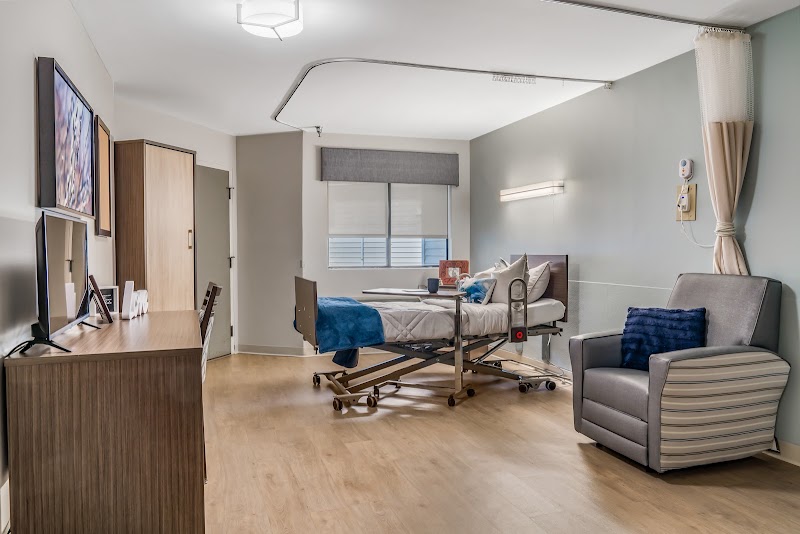
How is Celebrate Senior Living Of Fort Wayne Staffed?

CMS rates CELEBRATE SENIOR LIVING OF FORT WAYNE's staffing level at 2 out of 5 stars, which is below average compared to other nursing homes. Staff turnover is 44%, compared to the Indiana average of 46%. This relatively stable workforce can support continuity of care. RN turnover specifically is 57%, which is notably high. RNs provide skilled clinical oversight, so turnover in this role can affect medical care quality.

What Have Inspectors Found at Celebrate Senior Living Of Fort Wayne?

State health inspectors documented 16 deficiencies at CELEBRATE SENIOR LIVING OF FORT WAYNE during 2022 to 2025. These included: 16 with potential for harm.
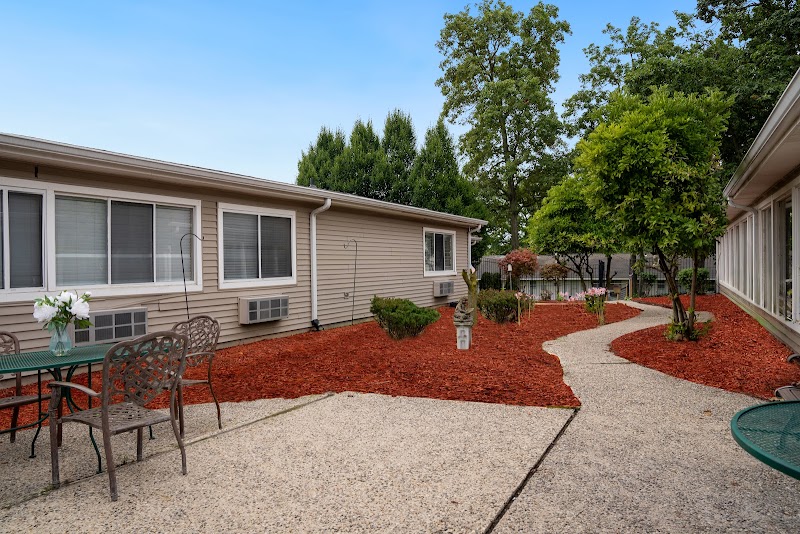
Who Owns and Operates Celebrate Senior Living Of Fort Wayne?

CELEBRATE SENIOR LIVING OF FORT WAYNE is owned by a for-profit company. For-profit facilities operate as businesses with obligations to shareholders or private owners. The facility is operated by CELEBRATE SENIOR LIVING, a chain that manages multiple nursing homes. With 118 certified beds and approximately 73 residents (about 62% occupancy), it is a mid-sized facility located in FORT WAYNE, Indiana.
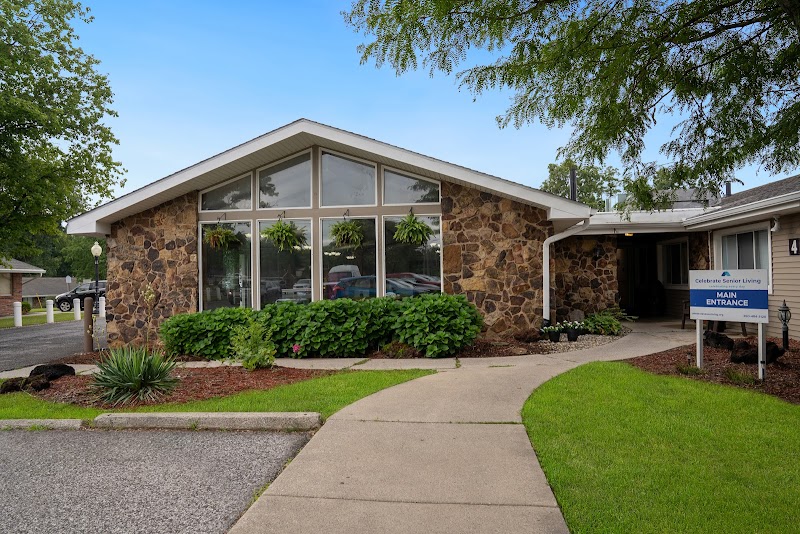
How Does Celebrate Senior Living Of Fort Wayne Compare to Other Indiana Nursing Homes?

Compared to the 100 nursing homes in Indiana, CELEBRATE SENIOR LIVING OF FORT WAYNE's overall rating (3 stars) is below the state average of 3.1, staff turnover (44%) is near the state average of 46%, and health inspection rating (3 stars) is at the national benchmark.

What Should Families Ask When Visiting Celebrate Senior Living Of Fort Wayne?

Based on this facility's data, families visiting should ask: "Can you walk me through typical staffing levels on day, evening, and night shifts?" "Can I visit during a mealtime to observe dining assistance and food quality?" "How do you handle medical emergencies, and what is your hospital transfer rate?" "Can I speak with family members of current residents about their experience?" These questions are particularly relevant given the below-average staffing rating.

Is Celebrate Senior Living Of Fort Wayne Safe?

Based on CMS inspection data, CELEBRATE SENIOR LIVING OF FORT WAYNE has a clean safety record: no substantiated abuse findings (meaning no confirmed cases of resident harm), no Immediate Jeopardy citations (the most serious violation level indicating risk of serious injury or death), and is not on the Special Focus Facility watch list (a federal program monitoring the lowest-performing 1% of nursing homes). The facility has a 3-star overall rating and ranks #100 of 100 nursing homes in Indiana. While no facility is perfect, families should still ask about staff-to-resident ratios and recent inspection results during their visit.

Do Nurses at Celebrate Senior Living Of Fort Wayne Stick Around?

CELEBRATE SENIOR LIVING OF FORT WAYNE has a staff turnover rate of 44%, which is about average for Indiana nursing homes (state average: 46%). Moderate turnover is common in nursing homes, but families should still ask about staff tenure and how the facility maintains care continuity when employees leave.

Was Celebrate Senior Living Of Fort Wayne Ever Fined?

CELEBRATE SENIOR LIVING OF FORT WAYNE has been fined $7,342 across 1 penalty action. This is below the Indiana average of $33,152. While any fine indicates a compliance issue, fines under $50,000 are relatively common and typically reflect isolated problems that were subsequently corrected. Families should ask what specific issues led to these fines and confirm they've been resolved.

Is Celebrate Senior Living Of Fort Wayne on Any Federal Watch List?

CELEBRATE SENIOR LIVING OF FORT WAYNE is not on any federal watch list. The most significant is the Special Focus Facility (SFF) program, which identifies the bottom 1% of nursing homes nationally based on persistent, serious quality problems. Not being on this list means the facility has avoided the pattern of deficiencies that triggers enhanced federal oversight. This is a positive indicator, though families should still review the facility's inspection history directly.