CHATEAU REHABILITATION AND HEALTHCARE CENTER
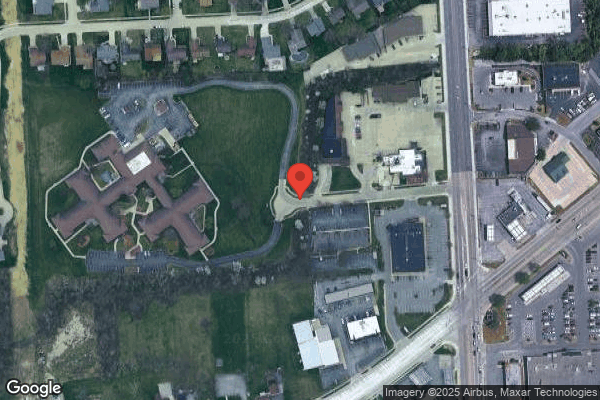
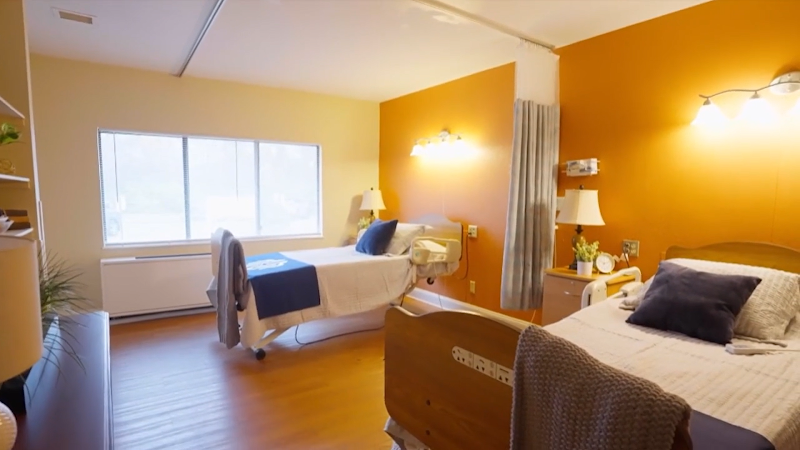
6006 BRANDY CHASE COVE, FORT WAYNE, IN 46815 (260) 486-3001
Non profit - Corporation 99 Beds CASTLE HEALTHCARE Data: November 2025 1 Immediate Jeopardy citation
Trust Grade
8/100
#441 of 505 in IN
Last Inspection: August 2024

Within standard 12-15 month inspection cycle. Federal law requires annual inspections.

Overview

Chateau Rehabilitation and Healthcare Center has received a Trust Grade of F, indicating significant concerns and overall poor quality of care. It ranks #441 out of 505 facilities in Indiana, placing it in the bottom half and #28 out of 29 in Allen County, meaning there is only one local option that performs worse. While the facility is improving, having reduced its issues from 9 in 2024 to 2 in 2025, the current level of staffing is concerning, with a 59% turnover rate that exceeds the state average. Additionally, the facility has incurred $109,257 in fines, which is higher than 98% of Indiana facilities, suggesting ongoing compliance challenges. Specific incidents include a critical failure to assess and treat a resident’s pressure injury, resulting in severe complications, and a lack of proper licensure for the dietitian, raising further red flags about care quality. Overall, while there are some signs of improvement, the facility's weaknesses and past incidents warrant careful consideration for families researching options.

Trust Score
F
8/100
In Indiana
#441/505
Bottom 13%
Safety Record
High Risk
Review needed
Inspections
Getting Better
9 → 2 violations
Staff Stability
⚠ Watch
59% turnover. Above average. Higher turnover means staff may not know residents' routines.
Penalties
✓ Good
$109,257 in fines. Lower than most Indiana facilities. Relatively clean record.
Skilled Nurses
⚠ Watch
Each resident gets only 18 minutes of Registered Nurse (RN) attention daily — below average for Indiana. Fewer RN minutes means fewer trained eyes watching for problems.
Violations
⚠ Watch
41 deficiencies on record. Higher than average. Multiple issues found across inspections.
★☆☆☆☆
1.0
Overall Rating
★☆☆☆☆
1.0
Staff Levels
★★★★☆
4.0
Care Quality
★☆☆☆☆
1.0
Inspection Score
Stable
2024: 9 issues
2025: 2 issues

The Good

  • 4-Star Quality Measures · Strong clinical quality outcomes
  • Full Sprinkler Coverage · Fire safety systems throughout facility
  • No fines on record

Facility shows strength in quality measures, fire safety.

The Bad

1-Star Overall Rating

Below Indiana average (3.1)

Significant quality concerns identified by CMS

Staff Turnover: 59%

13pts above Indiana avg (46%)

Frequent staff changes - ask about care continuity

Federal Fines: $109,257

Well above median ($33,413)

Significant penalties indicating serious issues

Chain: CASTLE HEALTHCARE

Part of a multi-facility chain

Ask about local staffing decisions and management

Staff turnover is elevated (59%)

11 points above Indiana average of 48%

The Ugly 41 deficiencies on record

1 life-threatening
Apr 2025 1 deficiency 1 IJ
CRITICAL (J) 📢 Someone Reported This

A family member, employee, or ombudsman was alarmed enough to file a formal complaint

Immediate Jeopardy (IJ) - the most serious Medicare violation

Pressure Ulcer Prevention (Tag F0686)

Someone could have died · This affected 1 resident

**NOTE- TERMS IN BRACKETS HAVE BEEN EDITED TO PROTECT CONFIDENTIALITY** Based on interview and record review, the facility failed to ensure a resident received assessment, treatment, and individualize...

Read full inspector narrative →
**NOTE- TERMS IN BRACKETS HAVE BEEN EDITED TO PROTECT CONFIDENTIALITY** Based on interview and record review, the facility failed to ensure a resident received assessment, treatment, and individualized interventions to prevent worsening of a pressure injury to the coccyx. This resulted in the resident developing an unstageable (wound bed is obscured by dead tissues) pressure injury (Resident P). The Immediate Jeopardy began on 1/16/25 when the facility failed to assess an identified pressure injury and provide appropriate treatment and interventions The Administrator, Director of Nursing (DON), Regional Support Nurse and Chief Nursing Officer were notified of the Immediate Jeopardy on April 24, 2025 at 3:49 P.M. The immediate jeopardy was removed on 4/25/25. Findings include: On 4/22/25 at 12:34 P.M., Resident P's family member was interviewed. They indicated the resident resided at the facility from 12/11/24 until 1/21/25 when the family transferred her to another facility due to alleged care issues. Upon admission to the receiving facility, family alleged Resident P was observed with a deep wound on her bottom and her feet were red, swollen, and infected. The wound on the residents bottom was black with green drainage and had to be packed with gauze dressings. The family member indicated she nor other family members were aware of the resident's wound to her bottom or extent of wounds on her feet prior to admission at the receiving facility. The resident passed away on 1/27/25. On 4/22/25 at 1:00 P.M., Resident P's record was reviewed. Diagnoses included dementia with psychotic disturbance, major depressive disorder and chronic obstructive pulmonary disease. A Nurse Practitioner (NP) note, dated 12/12/24, indicated Resident P was seen for initial visit to establish care. The resident came from an inpatient psychiatric hospital after having confusion, hallucinations, and behaviors of walking non-stop with little sleep. She was admitted for long term care on the secured memory care unit. An admission Minimum Data Set (MDS) assessment, dated 12/20/24, indicated the resident had moderately impaired cognition without mood indicators or behaviors. She required set up help for eating, oral hygiene, upper body dressing and personal hygiene. She was independent with bed mobility, ambulation, transfers, and toileting. She was occasionally incontinent of bowel and bladder. She was assessed to not be at risk for developing pressure ulcers, had no current pressure ulcers and was not receiving any skin or ulcer treatments. She had 4 days of occupational therapy (OT) and 5 days of physical therapy (PT) during the assessment period. A skin assessment tool (Braden Scale), dated 12/11/24 at 5:03 p.m., indicated Resident P had no impairment responding to verbal commands and no sensory deficits to limit her ability to feel pain or voice pain; the resident's skin was rarely moist; she was able to walk outside her room [ROOM NUMBER] times per day and in her room at least once every 2 hours while awake; the resident had no limitation with mobility and could make major and frequent changes in position; the resident had a poor appetite and never ate a complete meal; and had no apparent problem moving in bed and while seated, with sufficient muscle strength to lift up completely during a move. The skin assessment tool indicated the resident had no risk for skin impairment. The skin assessment did not indicate the residnet had o skin impairment on admission. Care plans, initiated on 12/12/24, indicated: -Resident was at risk for decline in activities of daily living (ADL). The goal was to maintain her current level of functioning. Interventions included: No staff assist for bed mobility; Use walker during mobility; and 1 staff assist for dressing and bathing. -Resident was at risk for impaired skin integrity. The goal was to remain free of new skin breakdown. Interventions were: Assist resident with turning and repositioning as needed; complete skin inspection every 7-10 days and as needed; encourage good nutrition/hydration and assist as needed; encourage to reposition self if able; encourage/assist as needed to elevate heels off mattress as tolerated; labs per physician order; notify nurse/physician/NP of any new skin breakdown; provide pressure redistribution mattress to bed; and provide a non-irritating surface to reduce friction or shearing forces. -initiated 1/18/25, the resident had a urinary tract infection (UTI) and was at risk for complications. The goal was the UTI would resolve without complications. Interventions were: observe for antibiotic side effects; labs/cultures/diagnostic testing as ordered and report results to physician; and observe for worsening or lack of improvement in signs/symptoms of UTI. A Physical Therapy Progress Report, dated 1/8/25, the resident complained of pain on her feet when standing. She had generalized weakness and unsteady balance while standing. She required moderate assistance with bed mobility, transfers, and walking short distances. A Physical Therapy Discharge Summary indicated the resident received physical therapy services from 12/24 to 1/20/25. The summary indicated the resident's ability to perform bed mobility and transfers had declined due to presence of bilateral heel sores. An Occupational Therapy Progress Report, dated 1/8/25, indicated her functional skills assessment were: maximal assistance with eating and was dependent for toileting hygiene and toilet transfer. An Occupational Therapy Discharge Summary indicated the resident received occupational therapy services from 12/12/24 to 1/19/25. Her functional skills assessment indicated the resident required maximal assistance with eating and toileting transfers and was dependent for toileting hygiene. She declined in toilet transfer performance due to wounds on her feet. A weekly skin observation form, dated 1/1/25 at 12:04 p.m., indicated new foot concerns had been identified. The resident had large purple blisters on both heels. A Braden skin assessment tool dated 1/2/25 at 8:20 a.m., indicated Resident P had slightly limited impairment responding to verbal commands but couldn't always communicate discomfort or need to be turned; the resident's skin was occasionally moist; she was able to walk occasionally for very short distances and spent the majority of each shift in bed or chair; the resident had slightly limited mobility and could make frequent though slight changes in her body and extremity position independently; the resident's nutrition was probably inadequate as she rarely ate a complete meal and protein intake was only 3 servings per day; and had a potential problem for friction and shear due to moving feebly and requiring minimum assistance. During a move, skin probably skid against surfaces and she occasionally slid down while in bed or seated in a chair. The skin assessment tool indicated the resident was at risk for skin impairment. A Wound Nurse Practitioner's skin and wound note, dated 1/2/25 at 4:12 p.m., indicated Resident P was seen for skin and wound consultation. The resident was at the facility for rehabilitation and got around in a wheelchair. The resident had no history of a chronic wound or pressure ulcer. She had 2 new blisters to both heels. Physical examination indicated the resident had out of bed mobility with use of a wheelchair; she was awake and alert; confused at baseline. The resident had no lower extremity swelling (edema); had urinary incontinence; and intact skin with no open wounds. Wound assessment: Right heel had a stage 2 (Partial thickness loss of skin; may present as an intact or open/ruptured blister) pressure injury which measured 5 centimeters (cm) by 4 cm and was covered with 100% epithelial tissue (skin in the final stage of healing). The left heel had a stage 2 pressure injury measuring 4 cm by 4 cm, covered with 100% epithelial tissue. Treatment was to cleanse both heels with wound cleanser daily, followed by application of Skin Prep to base of the wounds and left open to air. Preventative treatments and recommendations were to apply moisturizer to resident's skin daily but not massage over bony prominences. The resident was to wear proper fitting footwear to prevent/minimize unwanted pressure and friction. The resident was incontinent and moisture barrier creams were to be provided after thorough skin care for each incontinent episode. The resident was at increased risk of skin breakdown and would recommend good hygiene and skin care to prevent skin breakdown. The wound NP recommended to continue with moderate assistance with adl's as needed; application of emollients daily; skin kept clean and dry; barrier cream as necessary; and avoidance of pressure on bony prominence by adhering to turning protocols and floating heels. The care plan on 1/2/25 was not updated to indicate changes in Resident P's condition with development of pressure injuries to both heels; decreased ability to walk; decreased ability to make major, frequent changes to her position; increased moisture due to incontinence and need for thorough skin care after each incontinent episode followed by application of barrier creams; need for interventions to address positioning and sliding down in bed or chair; and need for turning protocols. The care plan was not updated to include interventions reflected from the 1/2/25 skin (Braden) assessment and the 1/2/25 Nurse Practitioner findings. A nutrition/dietary note, dated 1/3/25 at 10:17 a.m., indicated the Interdisciplinary team (IDT) had met. Resident P had blisters to both heels; PT and OT were working with the resident; and there were no dietary recommendations. An IDT note, dated 1/3/25 at 1:58 p.m., indicated the wound NP had evaluated the resident on 1/2/25 and new orders received to cleanse wounds to both heels with wound cleanser followed by skin prep and leaving heels open to air. The resident was to wear foot booties while in bed to help protect her heels. Nursing staff were to monitor and update as needed. The care plan was not updated on 1/3/2025 to indicate the need to foot booties for heel protection. A weekly skin observation form, dated 1/8/25 at 9:16 a.m., indicated Resident P's skin was observed to be warm and dry with fair skin turgor. She had no foot concerns and her skin was intact without skin problems. A Wound NP skin and wound note, dated 1/9/25 at 5:14 P.M., indicated Resident P was seen for skin and wound consultation. Wounds to her heels were stable and staff were to continue Skin Prep daily to her heels. During the visit, she was assessed for reported redness to her buttocks which upon exam, was not observed. Staff were to continue use of protective creams. Wound assessment indicated the right heel remained a stage 2 pressure injury measuring 5 cm by 4 cm and covered with 100% epithelial tissue (tissue lining the surface of the wound). The left heel remained a stage 2 pressure injury measuring 4 cm by 4 cm and covered with 100% epithelial tissue. The documentation did not include the wound contained dead tissue. Treatment was to continue with with cleansing the heels with wound cleanser daily followed by application of Skin Prep to base of wounds and heels left open to air. Preventative treatments and recommendations were unchanged: staff were to apply moisturizer to resident's skin daily but not massage over bony prominences; the resident was to wear proper fitting footwear to prevent/minimize unwanted pressure and friction; and moisture barrier creams were to be applied after thorough skin care for each incontinent episode. The resident remained at increased risk of skin breakdown and recommendations remained to continue with moderate assistance with adl's as needed; application of emollients daily; skin kept clean and dry; barrier cream as necessary; and avoidance of pressure on bony prominence by adhering to turning protocols and floating heels. A physician order, dated 1/9/25, was for Triad Hydrophilic wound dress external paste (wound dressing) to be applied to buttocks topically every shift for redness. A Treatment Administration Record (TAR), dated January 2025, indicated by nurse initials, Triad Hydrophilic wound dressing was applied, as ordered, from 1/9/25 until 1/21/25. A change in condition form (SBAR), dated 1/11/25 at 8:11 a.m., indicated the resident had increased urinary incontinence and complained of burning and pain with urination. The form indicated the resident had no skin impairment. An order was received to obtain a urinalysis and culture to check for infection. A urine sample was collected on 1/11/25 and received by the lab on 1/14/25. The medical NP reviewed the results on 1/17/25 and ordered an antibiotic-Levofloxacin 500 milligrams (mg) by mouth, 1 time per day for urinary tract infection. A weekly skin observation form, dated 1/15/25 at 10:27 a.m., indicated Resident P's skin was observed to be warm and dry with good skin turgor. She had skin concerns to her right and left heels which were not new. The form indicated the resident had stage 2 pressure injuries to both heels but hadn't indicated measurements or description of the wounds. A Wound NP skin and wound note, dated 1/16/25 at 6:40 p.m., indicated Resident P was seen for skin and wound consultation. The resident's blisters to her right and left heels were flattened and firm to touch. Wound assessment indicated the right heel remained a stage 2 pressure injury measuring 5 cm by 4 cm and covered with 100% epithelial tissue. The left heel remained a stage 2 pressure injury measuring 3 cm by 3 cm and covered with 100% epithelial tissue. Treatment was to continue with with cleansing the heels with wound cleanser daily followed by application of Skin Prep to base of wounds and heels left open to air. Preventative treatments and recommendations were unchanged: staff were to apply moisturizer to resident's skin daily but not massage over bony prominences; the resident was to wear proper fitting footwear to prevent/minimize unwanted pressure and friction; and moisture barrier creams were to be applied after thorough skin care for each incontinent episode. The resident remained at increased risk of skin breakdown and recommendations remained to continue with moderate assistance with adl's as needed; application of emollients daily; skin kept clean and dry; barrier cream as necessary; and avoidance of pressure on bony prominence by adhering to turning protocols and floating heels. The progress note hadn't indicated condition of the resident's bottom; if there was new or continued redness to the area as reported on 1/9/25. A Pressure assessment form, dated 1/16/25 at 6:59 a.m., indicated the type of assessment was a weekly status report and not a new skin concern. The resident had a pressure injury to her coccyx, acquired in-house. There was no drainage or signs of infection and the wound bed and skin around the wound bed were intact. The wound had well defined edges and shape and the form was marked as unchanged in status. There were no measurements of the wound completed. A physician order, dated 1/16/25 at 11:00 p.m., was for Calmoseptine cream (Moisture barrier that prevents and Helps heal skin irritations from urine, diarrhea, perspiration or wound drainage) to be applied, every shift and as needed, for an open area on the coccyx. The resident was to be turned side to side with pillows to hold the resident in place and turned side to side every 2 hours. A TAR, dated January 2025, indicated by nurse initials, Calmoseptine cream had been applied as ordered on 1/16/25 through 1/21/25. There was no further documentation of the coccyx wound in the medical record. The care plan was not updated to indicate Resident P had developed a open pressure injury to her coccyx or the interventions put into place to prevent worsening of the wound until the day of discharge. A Discharge Instruction form, dated 1/21/25 at 9:55 a.m., indicated the resident was being discharged to another facility on 1/21/25 at 10:30 a.m. She was to be transported to the receiving facility by the receiving facilities transportation van. Her skin condition on discharge, indicated Resident P had a pressure injury to her right and left heels. The form hadn't indicated wound measurements, stage of wounds, nor treatments for the wounds. There were no other forms or notes to indicate the resident had any other wounds or open areas. A Discharge/Transfer/LOA note, dated 1/21/25 at 11:55 a.m., indicated the resident was being discharged to another facility on 1/21/25 at 11:00 a.m. Records from the receiving facility, were reviewed on 4/23/25 at 2:25 P.M., and indicated Resident P arrived to the receiving facility via their transportation van and nursing summary completed on 1/21/25 at 10:25 a.m. A nurse note, dated 1/21/25 at 12:45 p.m., indicated the resident was alert and oriented to self, president, year and knew she was at a new facility but unsure of the name. She was wheelchair bound and had heel protector boots with her sent from the transferring facility. Skin assessments were completed and indicated the follow wounds were identified: -1/21/25 at 2:56 p.m., right heel wound, black in color, measured 4.8 cm by 3.7 cm. -1/21/25 at 2:59 p.m., left heel wound, black in color, measured 3.3 cm by 2.9 cm. -1/21/25 at 3:02 p.m., an extensive, large and deep wound was observed to the coccyx area. The wound was unstageable and covered with 100% slough with surrounding tissue colored black, blue, and red. The wound had a strong foul odor and measured 5 cm by 3.6 cm and depth was unable to be determined due to slough covering the wound. The family was present and observed the wounds and were shocked at the extensive wounds on her heels and had no knowledge she had a wound on her bottom. The medical NP reviewed the wound assessment and pictures of the wounds and ordered treatment with Dakins solution (anti-septic containing diluted bleach), packing the wound followed by application of 4 x 4 dressing which was to be completed daily and as needed. On 1/23/25, in collaboration between the receiving facility's Medical Director and medical NP, a full assessment was completed which indicated the resident had been admitted to the facility with wounds. She was experiencing increased lethargy. New orders were given to administer Rocephin (antibiotic) intramuscularly STAT, start an IV for fluids, obtain labs, and STAT chest x-ray. A medical NP note, dated 1/23/25 at 8:35 p.m., indicated the resident had wounds which were suspected to have underlying infection. A medical NP note, dated 1/27/25 at 9:08 a.m., indicated the resident was lethargic and not speaking. Her coccyx wound was open and seeping foul, green/brown drainage. She had been on Rocephin and Bactrim (antibiotic). Her prognosis was guarded. Her coccyx wound was infected and she was referred to the wound clinic and was being followed by the facility wound NP. She was at high risk of decline and sepsis. A nurse note, dated 1/27/25 at 4:05 p.m., indicated the resident had passed away. On 4/23/25 at 9:56 A.M., Registered Nurse (RN) 5 from the sending facility was interviewed. She indicated Resident P had been prescribed Triad paste for her coccyx and at some point, had been changed to Calmoseptine but was unable to remember dates changed. When asked, she indicated a wound could be viewed through Triad paste and the resident's coccyx was observed daily. She was not aware of an open area being on the resident's coccyx. On 4/23/25 at 4:02 P.M., the Administrator from the sending facilitywas interviewed. She indicated, Resident P did not have an open wound on her bottom. When questioned about the order gotten on 1/16/25 for Calmoseptine, she repeated there was no open area and the nurse who obtained the order, was no longer employed at the facility. On 4/24/25 at 10:17 A.M., the wound NP from the sending facility was interviewed. She indicated she had last viewed Resident P's bottom/sacral/coccyx area on 1/9/25 after being told of redness on the residents bottom. She and the Unit Manager (UM) observed the residents bottom and saw no redness. She ordered Triad Hydrophilic wound dress external paste (wound dressing) to be applied to buttocks topically every shift for redness and protection. She indicated she had not been notified an open area had been found on the resident's coccyx on 1/16/25 or a new order had been given for Calmoseptine. When asked, the wound NP indicated Triad paste was white and non-transparent. The paste had to be removed with wound cleanser and re-applied. When asked if a wound could be viewed through the paste, she indicated absolutely not. Calmoseptine was pink in color and was required to be removed with wound cleanser and re-applied. Manufacturer's instructions for Calmoseptine indicated to use the cream around wounds and to not use the cream on deep wounds as a moisture barrier. Manufacturer's instructions Triad indicated the wound dressing be used for open wound with light exudate (drainage) and as a debriding (removal of dead skin) agent. There were no other pressure assessment forms or pressure tracking available for review. On 4/24/25 at 10:50 A.M., Certified Nurse Aide (CNA) 2 from the sending facility was interviewed. She indicated she provided care to Resident P during the day shift, Monday through Thursdays. When asked what kind of care the resident required, CNA 2 indicated it was all hands on care and she required assistance of 2 staff for transfers due to weakness and wounds on her heels. She indicated the resident used to have a pink cream applied to her bottom but hadn't been used recently prior to her discharge. When asked, she indicated she cared for the resident on 1/13, 1/14, 1/15, and 1/16/25 and 1/20 and 1/21/25. She had not seen any pink cream on the resident's bottom while providing incontinent care on those days. She indicated she toileted the resident approximately every hour and a half because the resident felt she had to go. On 1/21/25, she had another CNA assist her to transfer the resident onto the shower chair after breakfast, and she provided the resident's shower prior to her discharge. She indicated she saw some slight redness on her bottom but no open sores. On 4/24/25 at 12:35 P.M., the Director of Nursing (DON) and Unit Manager (UM) at the receiving facility were interviewed. They indicated Resident P arrived to their facility on 1/21/25 at 10:25 a.m. via their facility transport van. She arrived in a transport wheelchair which appeared small and was immediately transferred to a different wheelchair. She had been groggy but interacted with family present. She was in the wheelchair until after lunch and then put to bed. Skin assessments were completed at the times provided in their records. The UM indicated surprise when she assessed the wound on her coccyx because she nor the DON had been made aware of the wound prior to admission. The wound was extensive and deep. It was located on her coccyx right above the crack of her buttocks which was very dry. There was no barrier cream or paste observed on her buttocks or wound. The wound was black and covered with eschar (dead skin) and had a foul odor. The eschar appeared sunken and was not flush with the surrounding skin. When asked, the UM indicated the coccyx wound was not hidden in skin folds and had been immediately observed and smelled upon removal of her brief. Pictures of the wound on her coccyx and right and left heels were taken in addition to an area of redness and swelling on her left earlobe and all areas measured and documented. The medical NP, present in the facility, reviewed the pictures of the wounds and gave orders for Dakins solution, pack the wound and cover with a dressing. Both indicated the resident had increased lethargy, abnormal labs, and worsening of the wounds. She passed away on 1/27/25. Manufacturer's instructions for Dakins solution indicated to use on wounds with light to moderate drainage as a debriding agent. On 4/24/25 at 1:41 P.M., the Medical NP at the receiving facility was interviewed. She indicated she had not been aware of any diagnosis or condition the resident had which would have caused her skin breakdown. She observed pictures of the wounds, spoke with the resident and her family and ordered treatment to the wound on 1/21/25 and completed a full assessment with the Medical Director on 1/23/25. A current policy, titled Skin and Wound Management was provided by the DON on 4/24/25 at 11:57 A.M. indicated:Risk Assessment: Assess the resident on admission (within eight hours) .Inspect the skin on a daily basis when performing or assisting with personal care or ADL's .Identify any signs of developing pressure injuries (i.e., non-blanchable redness) .Inspect pressure points (sacrum, heels, buttocks, coccyx, etc) .Monitoring: Evaluate, report and document potential changes in the skin; Review the interventions for effectiveness on an ongoing basis .Assessment and Recognition .the nurse shall describe and document/report the following .pressure sore including location, stage, length, width and depth, presence of exudates or necrotic tissue; pain assessment; mobility status; current treatments including support surfaces; and all active diagnoses .the physician will order pertinent wound treatments, including pressure reduction surfaces, wound cleansing .dressings, and application of topical agents The Immediate Jeopardy that began on 1/21/25 was removed and the deficient practice corrected on 4/25/25 when the facility re-educated all licensed nurses on facility policies for Pressure ulcers/Skin breakdown, clinical protocol, prevention, assessment and wound staging, but will remain at the lower scope and severity of no actual harm with potential for more than minimal harm that is not immediate jeopardy. This Citation relates to Complaints IN00457597, IN00457901 and IN00457935. 3.1-40
Jan 2025 1 deficiency
CONCERN (D) 📢 Someone Reported This

A family member, employee, or ombudsman was alarmed enough to file a formal complaint

Potential for Harm - no one hurt, but risky conditions existed

Safe Environment (Tag F0921)

Could have caused harm · This affected 1 resident

Based on observation, interview and record review, the facility failed to ensure ceiling return air ducts were free from debris for 3 of 10 vents observed. Findings include: During an environmental t...

Read full inspector narrative →
Based on observation, interview and record review, the facility failed to ensure ceiling return air ducts were free from debris for 3 of 10 vents observed. Findings include: During an environmental tour on 1-24-25 at 11:01 AM, the following was observed: On Hall 100 south of the dining room, the ceiling air intake had gray, feathery debris. On Hall 100 on the memory unit, the ceiling air intake had gray, feathery matter in strings across the grate. On Hall 100 by nurse's station, the ceiling air intake had gray feathery matter on the grate. In an interview on 1-24-25 at 11:21 AM, the Administrator indicated the ceiling air intake vents should be free of debris. A review of an undated Deep Clean List, provided by the Administrator on 1-24-25 at 11:32 am, did not indicate the ceiling air intakes should be cleaned. This citation is related to complaint IN00448990. 3.1-19(e)
Sept 2024 1 deficiency
CONCERN (D) 📢 Someone Reported This

A family member, employee, or ombudsman was alarmed enough to file a formal complaint

Potential for Harm - no one hurt, but risky conditions existed

Quality of Care (Tag F0684)

Could have caused harm · This affected 1 resident

Based on observation, interview and record review, the facility failed to ensure a comprehensive assessment, evaluation and non-pharmacological approaches were identified and implemented, prior to dec...

Read full inspector narrative →
Based on observation, interview and record review, the facility failed to ensure a comprehensive assessment, evaluation and non-pharmacological approaches were identified and implemented, prior to decreasing a resident's anti-psychotic medication prescribed to treat behavior symptoms for 1 of 2 residents reviewed (Resident B). Findings include: An Indiana reported incident, dated 8/28/24 at 6:01 p.m., indicated Resident B was agitated while walking around in the dining room of the secured memory care unit (MCU), had thrown silverware at staff and then threw herself onto the floor. She was sent to the hospital and treated for a right hip fracture. On 9/24/24 at 2:35 P.M., Resident B was observed lying in bed in her room. She was confused but articulate and appeared to enjoy visiting. She indicated she had retired from a state hospital, had spent most of her life caring for children with mental illness and had always been a caregiver. When asked, she denied pain; she indicated some female doctor had cut open her hip and she had a huge wound. She was irritated with the doctor who operated on her because she hadn't spoken directly to her and hadn't come to see her since the surgery. She hadn't sounded angry but indicated she was leaving this place today because all she was doing was lying in bed and that wasn't her. She wasn't getting therapy and was caring for herself so believed she didn't need to be here and could go home. On 9/24/24 at 10:24 A.M., Resident B's record was reviewed. Diagnoses included, dementia with behavioral disturbances, anxiety disorder, and severe malnutrition. The resident had been hospitalized , prior to admission, with worsening confusion and fractured left ankle. A hospital note, dated 8/21/24 at unknown time, indicated the resident was seen for a psychiatric consult. The psychiatric physician indicated he had seen the resident during a previous hospital stay on 6/25/24 for evaluation of confusion and psychosis. At the time, she presented with cognitive impairment, visual hallucinations and paranoid delusions. On 7/30/24, the physician indicated he declared she hadn't the capacity to make decisions. She was tried on a low dose of Risperdal (anti-psychotic) without clear benefit so was started on Zyprexa 5 milligrams (mg) by mouth at bedtime approximately 2 weeks prior. She was hospitalized again on 8/16/24 for confusion, failure to thrive, poor appetite and not eating/drinking. He met with the resident and asked about her previous hallucination and paranoid delusion regarding strangers at home. She indicated nobody had bothered her recently. Psychiatric problems were: Personality disorder from 2013 to present time; major neurocognitive disorder due to multiple etiologies with psychotic and behavioral disturbance from 6/25/24 to present; and major depressive disorder from unknown time to present. Current psychiatric medications were: Pristiq (anti-depressant), Gabapentin (used for chronic pain), Hydroxyzine (sedating anti-histamine), and Zyprexa (an antipsychotic) 5 mg at bedtime. -Assessment and Recommendations: Resident presented with cognitive impairment, disorientation, poor memory, confabulation (memory error causing person to create false or distorted memories), reduced executive functioning and impaired judgement. She was, again, determined unable to make decisions about her health care based on cognitive impairment, poor self care and poor insight. She was to continue on Zyprexa 5 mg at bedtime for psychosis. It was recommended she be discharged to a memory care unit for dementia care. A nurse note, dated 8/24/24 at 6:18 p.m., indicated the resident had arrived to the facility with her family. She had a fractured left ankle with a boot in place for comfort when weight bearing. She complained of some pain in her shoulders and right arm and had a scabbed area over her left elbow from a previous fall. A physician order, dated 8/24/24 at 8:00 p.m., was for Zyprexa 5 mg by mouth at bedtime for schizophrenia [sic]. A Baseline Care Plan Meeting, dated 8/26/24 at unknown time, indicated a meeting was held with staff. Resident B's daughter attended by phone. Prior to her admission to the facility, she had lived by herself at home using a wheelchair for mobility, but since her hospitalization, her daughter believed she may require long term placement. The resident's goal was to remain in the facility as she was doing well, was adjusting to her roommate, socializing and participating in activities. Her cognitive assessment, indicated she had moderately impaired cognition. The resident smoked but would only do so when her daughter was present. Her medications were reviewed and indicated the resident was prescribed as-needed [sic] antipsychotic medication. According to her family, she could become verbally aggressive with them. There was no documentation of non-pharmaceutical interventions or behavioral health interventions put in place to be used in addition to antipsychotic medications to treat her behaviors. There was no documentation to indicate the need to decrease her antipsychotic medication at the time nor documentation of the daughter's knowledge of the plan to decrease the medication or agreement to do so. A Social Service note, dated 8/27/24 at 12:13 p.m., indicated a Gradual Dose Reduction (GDR) meeting was held to discuss the resident's use of anti-psychotic medication (Zyprexa). It was determined the dose should be reduced and a new order was received, per the Psychiatric NP, to decrease the dose of Zyprexa from 5 mg to 2.5 mg at bedtime for 14 days, then discontinue the medication. A nurse note, dated 8/28/24 at 5:11 p.m., indicated Resident B had been agitated, walking around in the dining room, wearing only socks, carrying a cup of coffee. She kept going back and forth to the beverage cart, attempting to pour a peer some coffee. Staff attempted to re-direct her without success. She was observed to yell at and throw silverware at staff and then threw herself to the floor. The resident immediately complained of pain to her right leg when on the floor. She was transported to the hospital where she was admitted for a fractured right hip. She underwent surgical repair of the hip fracture and returned to the facility on 9/2/24. She was re-admitted to a rehabilitation room not located on the secured MCU. A Medication Administration Record (MAR) dated August 2024 and initiated 8/26/24, indicated behaviors to be tracked for use of antipsychotic medication on each shift was delusions. There were no delusions documented on 8/26, 8/27, or 8/28/2024. On 9/2/24, Resident B's re-admission orders included, Zyprexa 5 mg by mouth at bedtime for dementia with behavioral disturbance. Behaviors of delusions were tracked on the MAR dated September 2024. On 9/4/24, during the evening shift, the resident had 4 delusions but there no other delusions documented through 9/23/24. The MAR hadn't indicated the resident had other behaviors which were to be monitored. A care plan, initiated 9/3/24, indicated the resident was at risk for impaired psychosocial well-being due to impaired cognition, sensory deficits, communication deficits, and displayed episodes of wanting to elope. She had behaviors of believing she was at a resort or country club. She had behaviors of flailing her arms, kicking, pinching, and spitting at staff, throwing herself on the floor while trying to be assisted, throwing dishes and silverware at staff; physical and verbal aggression towards staff; and making false accusations against others. Interventions included: monitor and document episodes of inappropriate behaviors and notify the NP when behaviors persist or won't deescalate; monitor behavior episodes and attempt to determine underlying cause. On 9/6/24 at an unknown time, a letter from Resident B's daughter was received by the facility. The letter indicated a request to have no further reductions made in the resident's psychotropic medications due to a history of catastrophic psychiatric reactions in prior attempts at medication reductions. A psychiatric NP note, dated 9/10/24 at unknown time, indicated the resident engaged in conversation but was easily distracted. Staff reported an increase in her behaviors of verbal and physical agitation not easily redirected. She was currently prescribed Zyprexa to be increased to target her increased symptoms. Her mental status exam indicated she was frail, underweight, oriented with impaired judgement and insight. She was anxious but had no delusions or hallucinations. The assessment and plan was to continue use of Pristiq for depression and increase the dose of Zyprexa from 5 mg at bedtime to Zyprexa 2.5 mg by mouth 2 times per day and Zyprexa 5 mg by mouth at bedtime. Resident B's baseline care plan didn't indicate she was prescribed Zyprexa to treat psychosis, delusions and hallucinations. There was no documentation of indications for withdrawing the antipsychotic medication nor non-pharmaceutical interventions put in place prior to decreasing the dose. There was no documentation to indicate the resident's family member had been notified and approved of the decrease in the use of Zyprexa. Hospital psychiatrist notes, dated 8/21/24, indicated Zyprexa was necessary to continue treatment for her delusions, hallucinations, and psychosis. The psychiatrist had treated the resident during prior hospital stays in June, July, and August 2024 and was familiar with her mental health needs. Progess notes, dated 8/28/24, indicated Resident B was at the facility for 4 days when she became agitated, wanting to help a fellow peer, and acted out by throwing herself on the floor sustaining a hip fracture. Progress notes, dated 9/2/24 through 9/24/24, indicated Resident B returned to the facility, was placed in a non-secured room, and was prescribed the initial dose of Zyprexa 5 mg by mouth at bedtime. Since return from the hospital, she was reported to have behaviors of verbal and physical aggression towards staff and dose of Zyprexa increased to a total of 10 mg per day-double the initial dose. On 9/24/24 at 11:22 A.M., the Director of Nursing (DON), Regional Nurse Consultant (RNC), Social Service Director (SSD) and psychiatric NP were interviewed. The SSD and psychiatric NP indicated they were trying to see if the resident's dose of Zyprexa could be decreased hence the change in dosage. The psychiatric NP indicated information from the hospital had not been available to her prior to the attempted GDR and she had not seen the resident until after her fall and hospitalization. She indicated she had attempted to visit the resident but the resident had been asleep and wouldn't wake up to speak with her. There was no documentation to indicate the resident had been excessively sedated or attempts had been made to visit and evaluate the resident. The RNC indicated the Interdisciplinary team (IDT) hadn't determined the resident's fall had been due to a decrease in her medication however, her behaviors may have escalated due to the decrease in Zyprexa as well as being newly admitted to the facility. A current facility policy, titled Medication Management Psychotropic Agents was provided by the Administrator, on 9/24/24 at 11:00 A.M., and stated: The psychotropic medication regimen will be managed and monitored to promote or maintain the resident's highest practicable mental, physical and psychosocial well-being in compliance with federal guidelines .A comprehensive regimen review will ensure the following regarding psychotropic agents .4. Gradual dose reductions must be assessed for appropriateness .5. Time frames and duration of attempts to taper any medication must be consistent with accepted standards of practice Standards of Practice for Behavioral/Psychological symptoms of Dementia was retrieved on 9/24/24 from psychiatryonline.org which indicated the following recommendations of the American Psychiatric Association: Patients with dementia should be assessed for the type, frequency, severity, pattern, and timing of symptoms; patients should be assessed for pain and other modifiable contributors to symptoms; patients with dementia with agitation or psychosis should have response to treatment assessed with a quantitative measure; patients should have a documented comprehensive treatment plan with appropriate person-centered nonpharmacological and pharmacological interventions .for patients who have shown a positive response to treatment, decision making about possible tapering of antipsychotic medication should be accompanied by a discussion with the patient (if clinically feasible) as well as with the patient ' s surrogate decision maker (if relevant) with input from family or others involved with the patient. The aim of such a discussion is to elicit their preferences and concerns and to review the initial goals, observed benefits and side effects of antipsychotic treatment, and potential risks of continued exposure to antipsychotic's, as well as past experience with antipsychotic medication trials and tapering attempts; for patients who show adequate response of behavioral/psychological symptoms to treatment with an antipsychotic drug, an attempt to taper and withdraw the drug should be made within 4 months of initiation; for patients with dementia whose antipsychotic medication is being tapered, assessment of symptoms should occur at least monthly during the taper and for at least 4 months after medication discontinuation to identify signs of recurrence and trigger a reassessment of the benefits and risks of antipsychotic treatment . This Citation refers to Complaint IN00442157. 3.1-37
Aug 2024 4 deficiencies
CONCERN (D)

Potential for Harm - no one hurt, but risky conditions existed

Accident Prevention (Tag F0689)

Could have caused harm · This affected 1 resident

**NOTE- TERMS IN BRACKETS HAVE BEEN EDITED TO PROTECT CONFIDENTIALITY** Based on observation interview, and record review the facility failed to ensure fall interventions were recorded and communicate...

Read full inspector narrative →
**NOTE- TERMS IN BRACKETS HAVE BEEN EDITED TO PROTECT CONFIDENTIALITY** Based on observation interview, and record review the facility failed to ensure fall interventions were recorded and communicated for 1 of 6 residents reviewed (Resident 67). Findings include: Resident 67's record was reviewed on 8/13/24 at 11:48 AM. Diagnoses included Alzheimer's disease, major depressive disorder, and unilateral primary osteoarthritis, right hip. Resident 67's current quarterly Minimum Data Set (MDS) dated [DATE] indicated his Basic Interview for Mental Status (BIMS) score was not conducted as he was rarely if ever able to make himself understood. The MDS indicated Resident 67 required assistance with activities of daily living and had fallen since admission to the facility. An admission fall risk assessment dated [DATE] indicated Resident 67 had fall risk factors including disorientation, 1-2 falls in the past 3 months, incontinence, decreased muscular coordination, use of medications that had side effects including drowsiness and dizziness, recent medication changes, and diagnoses predisposing a fall risk. A document titled Initial Occurrence Note dated 5/18/24 at 4:43 PM indicated Resident 67 was found lying on the floor after being seen walking toward the garden room. No fall interventions were recorded at the time of the fall. An interdisciplinary team (IDT) note dated 5/20/24 at 5:01 PM indicated an intervention of orienting Resident 67 to surroundings should be added. An IDT note dated 5/21/24 at 12:58 PM indicated an intervention of ensuring non-skid footing was in place. A document titled Initial Occurrence Note dated 6/23/24 at 6:40 AM indicated Resident 67 fell. No description of the fall or interventions added were available for review. A document titled Initial Occurrence Note dated 6/30/24 at 10:00 AM indicated Resident 67 was standing in the dining room with his hands on the back of a chair when he suddenly fell to the left landing on his left shoulder and arm. An intervention was assisting the Resident 67 to bed and lowering the bed to the floor. An IDT note dated 7/1/24 indicated staff should ensure proper footing when ambulating. A document titled Initial Occurrence Note dated 7/5/24 at 7:53 AM staff heard a noise in the dining room and found Resident 67 on the floor. An IDT note dated 7/8/24 at 4:25 PM indicated staff was educated on keeping the area bright, ensure toileting is completed, and offering snacks at bedtime. A document titled Initial Occurrence Note dated 7/26/24 at 5:00 PM indicated Resident 67 was walking in the dining room when he bent over to pick something up, lost his balance and fell. An IDT note dated 7/29/24 at 10:44 AM indicated staff should assist resident when bending over to pick items up off the floor. A document titled Initial Occurrence Note dated 8/9/24 at 2:30 PM indicated Resident 67 was found sitting on the floor of another resident's room. The intervention initiated was to assist the resident to lie down in his room. An IDT note dated 8/12/24 at 1:36 PM indicated Physical and Occupational therapy were initiated for weakness. During an observation and interview on 8/15/24 at 11:57 AM, Certified Nurse Aide (CNA) 11 indicated staff instructions for care of each resident were found in a book marked ADLS (activities of daily living), located in a cabinet in the pantry area of the dementia unit dining room. The book included printed care plan forms with care plan goal dates of 2022. The Dementia Care Director (DCD) indicated most of the care plans in the book were for residents no longer residing on the unit. She did not know why the book had not been updated. Resident 67's care plan was not found in the book. CNA 11 and the Dementia Care Director were not aware of any other place instructions for care for CNAs were located and accessible to the CNA staff. A document titled Visual Bedside [NAME] provided by the Assistant Director of Nursing on 8/15/24 at 12:28 PM indicated Resident 67 had safety precautions including encouraging him to lay in his bed and not in the middle of the floor or sidewalk. A mat to the floor beside the bed while in bed was an additional intervention. No other interventions were listed. Resident 67's current Care plan titled .at risk for impaired safety/injury .indicated the resident had a problem of a risk for falls, with a goal date of 9/16/24. Interventions included the following: 1. Distract resident when wandering/insistent on leaving facility by offering pleasant diversions, structured activities, food, conversation, television, book, etc. 2. Encourage resident to avoid secured doorways to avoid injury when staff are entering and exiting unit; periodically re-evaluate need for secured unit. 3. Keep bed in lowest position 4. Mat to floor at bedside while in bed. 5. Refer to psychiatrist/psychologist/behavior specialist. No additional interventions were listed. During an interview on 3/18/24 at 3:18 PM, the Director of Nursing (DON) indicated a new intervention should be put in place immediately after post fall care (vital signs, assessments, first aid, if applicable) has been provided for a resident who had fallen. Interventions should be passed on verbally in report, added to the care plan and the [NAME] (document for CNAs detailing individual care interventions). A current policy, undated, titled Falls Management and Fall Risk provided by the Chief Nursing Officer indicated each resident will have a person-centered fall care plan. The fall care plan should be reviewed at a minimum of quarterly, post fall, annually and with significant changes. The policy indicated the fall care plan should address both prevention of falls as well as when applicable, specific interventions in response to a fall occurrence. The policy indicated staff should implement additional or different interventions. 3.1-45(a)(2)
CONCERN (D)

Potential for Harm - no one hurt, but risky conditions existed

Infection Control (Tag F0880)

Could have caused harm · This affected 1 resident

**NOTE- TERMS IN BRACKETS HAVE BEEN EDITED TO PROTECT CONFIDENTIALITY** Based on observation, interview, and record review, the facility failed to ensure a shared glucometer was cleaned between uses f...

Read full inspector narrative →
**NOTE- TERMS IN BRACKETS HAVE BEEN EDITED TO PROTECT CONFIDENTIALITY** Based on observation, interview, and record review, the facility failed to ensure a shared glucometer was cleaned between uses for 3 of 12 residents reviewed (Resident 19, Resident 29, and Resident 30). Findings include: During a medication pass observation on 8/16/24 at 8:37 AM, Licensed Practical Nurse (LPN) 9 removed a glucometer (handheld device designed to measure blood glucose levels), lancet (small needle designed to poke the skin to produce a drop of blood), a test strip, and an alcohol swab from the top drawer of the medicine cart on the 300-hall of the C-wing. LPN 9 entered the room of Resident 19, cleaned her finger with an alcohol swab, obtained a drop of blood, applied it to the test strip inserted in the glucometer and obtained a reading. After the test, LPN 9 placed the glucometer in the top drawer of the cart, completed her documentation, and proceeded to prepare medications for the next resident who required medicine at that time. The glucometer was not cleaned before or after use. Upon completion of the medication pass observation, the medicine cart for the 300 hall of the C-wing was inspected. The glucometer in the top right drawer was the only glucometer in the cart. LPN 9 indicated that glucometer was used for all the residents on the 300- hall requiring blood glucose monitoring. She indicated it should be cleaned with a disinfectant wipe for 3 minutes before and after each use. She thought another employee had cleaned it earlier and did not give a reason for not cleaning it after use. A document titled Glucometers, provided by the Director of Nursing on 8/16/24 at 12:32 PM indicated Resident 19, Resident 29, and Resident 30 used the glucometer in the 300-hall medication cart. Resident 19's record was reviewed on 8/16/24 at 1:04 PM. Diagnoses included type 2 diabetes without complications, chronic kidney disease, stage 4, and hypothyroidism. Resident 19's current significant change Minimum Data Set (MDS) dated [DATE] indicated her Basic Interview for Mental Status (BIMS) score was 7 (cognitively impaired). Physician orders dated 5/9/24 indicated Resident 19's blood sugar should be checked twice daily. Resident 29's record was reviewed on 8/16/24 at 12:02 PM. Diagnoses included type 2 diabetes without complications, end stage renal disease, and acute respiratory failure, unspecified whether hypoxia or hypercapnia. Resident 29's current quarterly Minimum Data Set (MDS) dated [DATE] indicated her Basic Interview for Mental Status (BIMS) score was 13 (cognitively intact). Physician's orders dated 3/5/22 indicated a glucometer check should be performed twice daily. Resident 30's record was reviewed on 8/16/24 at 11:28 AM. Diagnoses included type 2 diabetes mellitus with diabetic neuropathy, end stage renal disease, acute on chronic diastolic (congestive) heart failure. Resident 30's current quarterly Minimum Data Set (MDS) dated [DATE] indicated his Basic Interview for Mental Status (BIMS) score was 14 (cognitively intact). Physician orders dated 5/23/24 indicated blood glucose readings were needed to determine need for insulin coverage at mealtimes. In an interview on 8/16/24 at 10:19 AM, the Administrator indicated the glucometer should be cleaned before and after each use to prevent cross contamination. A current policy dated 6/11/24 provided by the Administrator on 8/16/24 at 9:46 AM indicated blood glucometers intended for reuse are cleaned and disinfected between use with a disinfectant. An undated document titled Medical and Commercial Disinfecting wipes provided by the Administrator indicated a wipe must keep the device thoroughly wet for 2 minutes to ensure disinfection. 3.1-18(a)
CONCERN (D)

Potential for Harm - no one hurt, but risky conditions existed

Safe Environment (Tag F0921)

Could have caused harm · This affected 1 resident

**NOTE- TERMS IN BRACKETS HAVE BEEN EDITED TO PROTECT CONFIDENTIALITY** Based on observation, interview, and record review the facility failed to ensure flooring panels were complete and intact for 1 ...

Read full inspector narrative →
**NOTE- TERMS IN BRACKETS HAVE BEEN EDITED TO PROTECT CONFIDENTIALITY** Based on observation, interview, and record review the facility failed to ensure flooring panels were complete and intact for 1 of 24 residents reviewed (Resident 11). Findings include: During an observation on 8/13/24 at 9:51 AM, an approximately 15 inch by 30 inch area of floor paneling was missing in front of the heating unit and near the end of Resident 11's bed. One floor panel was lying loose across a small portion of the uncovered area. Resident 11's record was reviewed on 8/14/24 at 9:49 AM. Diagnoses included multiple sclerosis, unspecified dementia, unspecified severity, without behavioral disturbance, psychotic disturbance, mood disturbance and anxiety, and type 2 diabetes mellitus without complications. Resident 11's current quarterly Minimum Data Set (MDS) dated [DATE] indicated her Basic Interview for Mental Status (BIMS) score was 4 (cognitively impaired). During an observation and interview on 8/13/24 at 12:16 PM, Registered Nurse (RN) 4, and Certified Nurse Aide (CNA) 5 and CNA 6 indicated they were not aware of the floor damage until that observation. CNA 5 indicated it likely just happened since one piece of flooring was lying in the middle of the patch of missing flooring. She was unable to identify where the other missing floor panels were located and indicated the additional damage must have happened at an earlier time. She indicated floor damage should be reported to maintenance immediately. During an observation and interview, on 8/13/24 at 12:18 PM, Maintenance 3 indicated this was the first he heard of floor damage. During an interview on 8/13/24 at 1:34 PM, the Administrator indicated floor damage should be reported through the facility maintenance system as soon as the damage is found. She indicated she was not aware the floor panels were missing until today. A Document titled Point Click Care Dashboard, dated 8/13/24, provided by the Administrator on 8/13/24 at 3:10 PM indicated staff should use an application called tells to generate a work order to notify maintenance staff of any concerns. She indicated this system was the facility's current method of communication regarding maintenance issues and there were no additional facility policies available for review. 3.1-19(a)(4)
CONCERN (F)

Potential for Harm - no one hurt, but risky conditions existed

Deficiency F0801 (Tag F0801)

Could have caused harm · This affected most or all residents

Based on record review and interview the facility failed to ensure the qualified/registered dietician was licensed in Indiana. This deficient practice had the potential to affect 70 of 70 residents in...

Read full inspector narrative →
Based on record review and interview the facility failed to ensure the qualified/registered dietician was licensed in Indiana. This deficient practice had the potential to affect 70 of 70 residents in the facility who received dietary services. Findings include: The employee records were reviewed on 8/18/24 at 11:40 AM. The employee records indicated Registered Dietician (RD) 6 was hired by the facility on 6/1/2024. Review of the Indiana Professional Licensing Agency website on 8/19/24 at 11:53 AM indicated, effective 7/1/2019, Dieticians would receive licensures instead of certifications through the Medical Licensing Board of Indiana. RD 6's undated resume indicated she provided Dietician coverage for Long Term Care/Rehabilitation facilities as needed remotely through a nationwide dietician staffing service since 4/2024. The RD 6's resume indicated she was a RD/Licensed Dietician/Nutritionist in the states of North Carolina, South Carolina, and Florida. On 8/19/24 at 11:55 AM the Indiana Professional Licensing Agency website, 2024, was used to search for and verify RD 6's license. No current Indiana Registered Dietician license was found for RD 6. In an interview on 8/19/24 at 11:45 AM, the Administrator indicated according to federal regulations the facility's registered dietician must be licensed or certified as a dietitian or nutrition professional by the State in which the services are performed unless the State does not provide certification or licensure. A current policy titled, Food and Nutritional Services, dated 11/2021, provided by the Director of Nursing on 8/19/24 at 12:18 PM, indicated a qualified dietician or other clinically qualified nutrition professional was one who .was licensed or certified as a dietician/nutritional professional in the State their services were performed unless the State does not provide certification or licensure. No current Indiana Registered Dietician license was provided for RD 6 by survey exit.
Feb 2024 4 deficiencies
CONCERN (D) 📢 Someone Reported This

A family member, employee, or ombudsman was alarmed enough to file a formal complaint

Potential for Harm - no one hurt, but risky conditions existed

Notification of Changes (Tag F0580)

Could have caused harm · This affected 1 resident

Based on interview and record review, the facility failed to notify the Power of Attorney of a significant change in condition for 1 of 3 residents reviewed for notification (Resident C). Findings inc...

Read full inspector narrative →
Based on interview and record review, the facility failed to notify the Power of Attorney of a significant change in condition for 1 of 3 residents reviewed for notification (Resident C). Findings include: An Indiana report, dated 1/16/24, indicated Resident C had been sent to the hospital on 8/15/23 for a life threatening condition. The resident's POA (Power of Attorney) indicated the hospital had received no clinical information from the facility regarding the resident including his advanced directives or POA. They alleged an ICU (Intensive Care Unit) nurse was finally able to contact them the morning after he was transferred to the hospital after reviewing the resident's previous hospitalizations and POA contact information. On 2/2/24 at 2:27 P.M., Resident C's record was reviewed. Diagnoses included demyelinating disease of the central nervous system and neuromuscular dysfunction of the bladder. His face sheet indicated he was responsible for himself and had a family contact phone number listed. The face sheet did not have a POA listed nor their contact information. A quarterly MDS (Minimum Data Set) assessment, dated 7/3/23, indicated the resident had no cognitive impairment. He had an indwelling catheter and was always incontinent of bladder. An NP (Nurse Practitioner) progress note, dated 8/14/23, indicated the NP had tried to contact the resident's POA regarding the resident and had left a message for the POA to return her call. A nurse progress note, dated 8/15/23 at 10:27 p.m., indicated the resident complained of discomfort and leakage of urine. Unsuccessful attempts were made to flush his indwelling catheter . The NP was notified and an order was reveived to change the resident's catheter. When the old catheter was removed, there were blood clots on the catheter. The new catheter was inserted and urine returned. When the bulb of the catheter was inflated, the resident complained of pain so the catheter was removed. -At 10:48 p.m., the nurse called the NP and a family member. A physician order, dated 8/15/23 at unknown time, indicated it was okay to send the resident to the ER for evaluation and treatment. A nurse progress note, dated 8/16/23 at 5:32 a.m., indicated the hospital ER nurse called the facility to find out the resident's code status was and contact for the POA. A social services progress note, dated 8/16/23 at 5:04 p.m., indicated the resident had been transferred to the hospital, but the resident had been unable to sign the bed hold policy at the time. The note indicated the resident was responsible for himself and did not have a POA. The record contained no information regarding the resident's POA. The record indicated the resident was able to make daily decisions on his own but had a POA for when he was unable to do so. On 2/5/24 at 2:45 P.M., the Administrator indicated staff had searched the resident's records and found the resident's POA paperwork in the billing department. She indicated the resident's record should have listed the resident's POA and contact information. She indicated the POA should have been notified of his change in condition on 8/15/23. On 2/7/24 at 1:05 P.M., the Administrator provided a current copy of the facility policy titled Notification of Resident's Change in Condition which stated the following: Policy: To ensure that the facility immediately informs the resident; consults with the resident's physician; and notify, consistent with his or her authority, the resident representative when there is a significant change in the resident's physical, mental, and/or psychosocial status .Unless otherwise instructed by the resident, a nurse will notify the resident's representative when .There is a significant change in the resident's physical, mental, or psychosocial status .It is necessary to transfer the resident to a hospital/treatment center The tag relates to Complaint IN00426219. 3.1-(a)(2)
CONCERN (D) 📢 Someone Reported This

A family member, employee, or ombudsman was alarmed enough to file a formal complaint

Potential for Harm - no one hurt, but risky conditions existed

Transfer Requirements (Tag F0622)

Could have caused harm · This affected 1 resident

Based on interview and record review, the facility failed to provide information to the hospital upon transfer for 1 of 3 residents reviewed. (Resident C). Findings include: An Indiana report, dated 1...

Read full inspector narrative →
Based on interview and record review, the facility failed to provide information to the hospital upon transfer for 1 of 3 residents reviewed. (Resident C). Findings include: An Indiana report, dated 1/16/24, indicated Resident C had been sent to the hospital on 8/15/23. The resident's POA (Power of Attorney) indicated the hospital had received no clinical information from the facility regarding the resident including his advanced directives or POA. On 2/2/24 at 2:27 P.M., Resident C's record was reviewed. Diagnoses included demyelinating disease of the central nervous system and neuromuscular dysfunction of the bladder. A nurse progress note, dated 8/15/23 at 10:27 p.m., indicated the resident complained of discomfort and leakage of urine. Unsuccessful attempts were made to flush his indwelling catheter. The NP (Nurse Practitioner) was notified and ordered to change the resident's catheter. When the old catheter was removed, there were blood clots on the catheter. The new catheter was inserted and urine returned. When the bulb of the catheter was inflated, the resident complained of pain so the catheter was removed. A review of progress notes, dated between 8/15/24 through 8/16/23 at 5:32 a.m., did not indicate bedhold or transfer paperwork had been given to the family.The record contained no information sent to the receiving hospital regarding need for emergency treatment, the resident's legal representative, advanced directive information, mental and functional status, recent vital signs, diagnoses, medications and when last given, drug allergies, and most recent labs and other diagnostic tests. On 2/5/24 at 1:17 P.M., the Administrator was interviewed. She indicated the facility usually used a transfer form to communicate information to the hospital or other provider residents are transferred to. She was unable to locate a transfer form for Resident C. On 2/5/24 at 1:48 P.M., the Administrator provided a current copy of the facility policy titled Transfer and Discharge Requirements which stated: Documentation: When the facility transfers or discharges a resident under any of the circumstances, the facility will ensure the transfer or discharge is documented in the resident's medical record and appropriate information is communicated to the receiving institution or provider .3. Information provided to the receiving provider must include a minimum of the following: a. Contact information of the practitioner responsible for the care of the resident. b. Resident representative information including contact information. c. Advance Directive information. d. All special instructions or precautions for ongoing care, as appropriate. e. Comprehensive care plan goals. f. All other necessary information, including a copy of the resident's discharge summary and any other documentation, as applicable, to ensure a safe and effective transition of care. The tag relates to Complaint IN00426219. 3.1-12 (a)(3)
CONCERN (D) 📢 Someone Reported This

A family member, employee, or ombudsman was alarmed enough to file a formal complaint

Potential for Harm - no one hurt, but risky conditions existed

Pressure Ulcer Prevention (Tag F0686)

Could have caused harm · This affected 1 resident

**NOTE- TERMS IN BRACKETS HAVE BEEN EDITED TO PROTECT CONFIDENTIALITY** Based on interview and record review, the facility failed to ensure physician orders were followed for pressure ulcer care for 1...

Read full inspector narrative →
**NOTE- TERMS IN BRACKETS HAVE BEEN EDITED TO PROTECT CONFIDENTIALITY** Based on interview and record review, the facility failed to ensure physician orders were followed for pressure ulcer care for 1 of 3 residents reviewed (Resident E). Findings include: On [DATE] at 10:52 A.M., Resident E's family member was interviewed. She indicated the resident was recently deceased and had previously resided at the facility in June and July of 2023. While at the facility, she alleged the resident got pressure ulcers. She indicated the resident was moved from the facility due to lack of care for the ulcers. On [DATE] at 11:24 A.M., Resident E's record was reviewed. Diagnoses included diabetes and peripheral vascular disease. He admitted to the facility following hospitalization. Hospital records indicated the resident was observed with a reddened coccyx and red areas to his right hip and no open areas. A nurse note, dated [DATE] at 2:47 p.m., indicated the resident was admitted to the facility. He was alert, oriented and able to verbalize his needs and wants clearly. He was continent of bowel and bladder. He required total assist with transfers, using the hoyer lift and assistance from 2 staff members. He had a cyst on his right inner ankle and redness to his right great toe. A Skin and Wound note by the Wound NP (Nurse Practitioner), dated [DATE] at 11:48 a.m., indicated the resident was being seen as a new admission to the facility. He had a scab on his right great toe. He had no history of chronic wounds, no history of pressure ulcers, no rashes, or dry skin. There were no other skin issues observed at the time. On [DATE] at 8:59 p.m., the resident was observed with an open area on his left buttock. The area measured 2 cm (centimeters) by 2 cm. The area was cleaned and Mepilex (protective bandage) applied. The resident was added to the NP list for visitation during her next visit. A physician order, dated [DATE], was for staff to apply BNZ ( Bacitracin, Nystatin and Zinc) compound to the resident's buttocks topically every shift for excoriation. A Skin and Wound note by the Wound NP, dated [DATE] at 9:44 a.m., indicated the resident had a new wound to his left buttock. The wound measured 4 cm by 4 cm with a depth of 0.1 cm and was due to MASD (Moisture Associated Skin Dermatitis). Staff were to continue cleansing the area with soap and water, apply BNZ cream 3 times per day, and leave the area open to air. A Skin and Wound note by the Wound NP, dated [DATE] at 7:35 a.m., indicated the resident had a new wound to his right buttock caused by MASD. The area measured 5 cm by 5 cm by 0.1 cm. The wound on his left buttock measured 1 cm by 2.2 cm by 0.1 cm. Staff were to continue applying BNZ cream 3 times per day to the left buttock. A nurse note, dated [DATE] at 4:29 p.m., indicated the wound NP had been notified of the resident's wounds enlarging with whitened edges and darkened center. The resident was non-compliant with sleeping in bed and preferred his wheelchair or recliner chair. New orders were given for a low air loss mattress to be obtained and resident educated about safety. Orders were given to change the wound treatment: wash right and left buttocks with soap and water and apply a petroleum based barrier ointment every shift and as needed. Nurse notes on 7/7 and [DATE] indicated the resident had slept in his bed with the low air loss mattress. A Skin and Wound note by the Wound NP, dated [DATE] at 8:09 a.m., indicated healing of the resident's left buttock wound had stalled, measured 4 cm by 4 cm and had scant sanguineous (clear liquid) drainage. The right buttock wound, now classified as a pressure ulcer, measured 8.5 cm by 5.5 cm by 0.1 cm. and was 25-49% slough (pus) and 25-49% eschar (dead skin tissue). The periwound was excoriated and there was a moderate amount of green and serosanguineous (blood cells and liquid) drainage present without odor. Orders were given to cleanse the right buttock wound with acetic acid 1%, apply medical grade honey and cover with a bordered foam dressing daily. Review of orders and TAR (Treatment Administration Record) dated [DATE] didn't indicate wound orders had changed. There was no documentation on the TAR to indicate wound treatment to the right buttock had been completed as ordered on [DATE] by the Wound NP. A nurse note, dated [DATE] at 7:23 p.m., indicated the wound on the resident's right buttock had worsened. The NP was notified and orders given to clean the wound with wound cleanser, apply calcium alginate and a dry dressing. The resident was advised he should have home care nursing for wound management if he planned to discharge to home the following day. The resident discharged home on [DATE]. On [DATE] at 12:30 P.M., the Administrator and Regional Director of Clinical Services were interviewed. Both indicated nurses were expected to follow physician orders for wound care. A current undated procedure was provided by the Administrator on [DATE] at 1:05 P.M. and stated the following: Procedure: Wound Documentation .5 .The Licensed Nurse will notify the Medical Provider for orders, notify the resident/resident representative, and implement applicable new care plan interventions This tag relates to Complaint IN00427321. 3.1-40
CONCERN (D) 📢 Someone Reported This

A family member, employee, or ombudsman was alarmed enough to file a formal complaint

Potential for Harm - no one hurt, but risky conditions existed

Deficiency F0698 (Tag F0698)

Could have caused harm · This affected 1 resident

Based on interview and record review, the facility failed to ensure dialysis related medications were given as ordered for 3 of 3 residents reviewed (Resident F, Resident K, and Resident L). Findings ...

Read full inspector narrative →
Based on interview and record review, the facility failed to ensure dialysis related medications were given as ordered for 3 of 3 residents reviewed (Resident F, Resident K, and Resident L). Findings include: On 2/5/24, Dialysis was retrieved from the website kidney.org (National Kidney Foundation). the website indicated dialysis is a type of treatment to help the body remove extra fluid and waste products from the blood when the kidneys are not able to do so. Dialysis helps to keep safe levels of electrolytes and minerals in the blood such as potassium, sodium, calcium, and bicarbonate and helps to regulate blood pressure. Dialysis is an effective treatment for clearing waste products and extra fluid from the blood however, it doesn't fully replace the kidney's functions. Certain steps could help increase effectiveness of dialysis treatments including completing treatments as scheduled and taking medications and supplements as ordered. 1. An Indiana report, dated 1/30/24, indicated Resident F had been a resident at the facility in 2023. A family member alleged the resident, who was dependent on dialysis due to kidney failure, was not provided a dialysis related medication as ordered. On 2/5/24 at 10:52 A.M., Resident F's record was reviewed. Diagnoses included diabetes, heart failure, and end stage kidney disease with dependence on dialysis. A physician order, dated 8/4/23. was for the resident to receive in-house dialysis with Dialyze Direct Monday through Friday every day shift. Nursing staff were to obtain vital signs prior to and after dialysis treatments on scheduled dialysis days, one time a day every Monday, Tuesday, Wednesday, Thursday, and Friday. A nurse progress note, dated 8/18/23 at 8:00 a.m., indicated the resident had an appointment on 8/17/23 and chose not to go to dialysis. -At 5:26 p.m., RN 5 (Registered Nurse) from Dialyze Direct spoke with the facility medical NP (Nurse Practitioner) regarding the resident missing dialysis on this day. The nephrologist (kidney doctor) was going to review the resident's chart and determine if any treatments would be needed. -At 5:50 p.m., Dialyze Direct contacted the facility with a new order from the nephrologist to start the resident on Lokelma (potassium binder) 10 mg (milligrams) by mouth 2 times per day on Saturday (8/19/23) and Sunday (8/20/23) due to resident missing dialysis on Friday. Lokelma was retrieved from PDR.net on 2/5/24 at 11:00 A.M. The website indicated the following: Lokelma is a potassium binder, lowers the high levels of potassium in the body and helps to keep it at a normal level-3.6 -5.2 mmol/L. It's used to treat high blood potassium in patients receiving dialysis. In patients with high blood potassium levels, use of Lokelma caused reduction in blood potassium within an hour of administration. The MAR dated August 2023, indicated Lokelma was not administered as ordered on 8/20/23 at 8:00 p.m. because it was on order however, per nurse initials, the medication had been given 2 times on 8/19 and 1 time on 8/20/23. There was no documentation to indicate the doctor or NP had been notified the medication hadn't been available on 8/20/23 at 8 p.m. A nurse progress note, dated 8/21/23 at 6:33 a.m., indicated the resident had been snoring loudly, was difficult to arouse, but opened his eyes briefly and returned to sleep. -At 9:48 a.m., staff reported the resident was not responding. Initially, he was observed to be breathing with his chest rising up and down however, after calling 911, the resident had no pulse and CPR was started. The resident was transferred to the hospital where he later passed away. On 2/7/24 at 9:59 A.M., RN 5 from Dialyze Direct was interviewed. She indicated she reviewed the resident's record on 8/18/23 and saw he had not had dialysis on 8/17 and 8/18/23 due to appointments. Typically, a plan of treatment was made if a resident wasn't able to have dialysis as ordered and she hadn't seen one in his record. She contacted the facility's medical NP and nephrologist to see if or what treatment was needed. The nephrologist ordered the potassium binder medication to remove excess potassium that could build up in the resident's blood due to the missed dialysis treatments. She indicated staff at Dialyze Direct communicate with the facility staff through a communication book. Nurses communicated when a medication provided by the facility but administered by Dialyze Direct staff was not available however, didn't communicate about dialysis related medications, such as Lokelma, administered by the facility. She indicated they have educated the staff on the importance of dialysis related medications and supplements and perform routine monitoring of resident electrolytes such as potassium, in addition to sodium, phosphorus, and calcium. 2. On 2/5/24 at 11:29 A.M., Resident K's record was reviewed. Diagnoses included diabetes, chronic kidney disease with dependence on dialysis, low blood pressure due to dialysis, and high blood pressure. A physician order, dated 10/11/23, indicated the resident was to receive in-house dialysis with Dialyze Direct Monday through Friday every day shift. Nursing staff were to obtain vital signs prior to and after dialysis treatments on scheduled dialysis days, one time a day every Monday, Tuesday, Wednesday, Thursday, and Friday. A physician order, dated 12/9/22, was for Lokelma packet 10 grams-give 1 packet by mouth 1 time per day on Monday, Tuesday, Wednesday, Thursday, and Friday and Lokelma packet 10 grams-1 packet 2 times per day on Saturday and Sundays. A MAR administration note dated 1/19/24, indicated the resident refused dialysis due to having nausea. A MAR dated January 2024, indicated the Lokelma was not administered on Saturday, 1/20/24 at 8:00 p.m. or on 1/22, 1/24, or 1/25/24 due to the medication being unavailable and reordered. There was no documentation to indicate the physician or NP had been notified of the missed doses and there was no treatment plan documented for the resident's missed dialysis treatment on 1/19/24. 3. On 2/5/24 at 12:10 P.M., Resident L's record was reviewed. Diagnoses included diabetes and chronic kidney disease with dependence on dialysis. A physician order, dated 10/11/23 was for Dialyze Direct in-house dialysis Monday through Friday. A physician order, dated 11/15/23, was for Calcium Acetate tablet 667 mg-give 1 tablet by mouth with meals for supplement (removes excess phosphorus from the blood). High Phosphorus (Hyperphosphatemia) was retrieved from the website kidneyfund.org on 2/5/24. The website indicated phosphorus is a mineral in the blood removed by the kidneys or during dialysis when the kidneys are unable. High blood phosphorus doesn't cause symptoms but extra phosphorus in the blood removes calcium (another mineral) from the bones which can lead to low calcium which causes symptoms of muscle cramps, bone and joint pain, weak bones, and itchy skin or rash. Treatment for high phosphorus includes going to all scheduled dialysis treatments, limiting food and drinks high in phosphorus, and taking prescribed phosphate binder supplements as ordered. The MAR and administration notes dated January 2024, indicated Calcium Acetate was not administered as ordered on 1/22, 1/26, 1/29, 1/30, or 1/31/24 due to waiting on pharmacy. A nurse progress note, dated 1/31/24 at 2:51 p.m., indicated the pharmacy was notified of the need for Calcium Acetate medication. Per pharmacy, they needed a new prescription written. The MAR and administration notes dated February 2024, indicated Calcium Acetate was not administered as ordered on 2/1, 2/2, 2/3, 2/4, 2/5, 2/6, and 2/7/24. On 2/7/24 at 9:45 A.M., LPN 2 was interviewed. She indicated when a medication was not found in the medication cart, she would look in the nurses medication room. When not found the staff would check the EDK (Emergency Drug Kit) and when not available, would contact the pharmacy for a drop shipment. She indicated medications were to be administered as ordered by the physician or NP. A nurse progress note, dated 2/7/24 at 10:33 a.m., indicated the nephrologist, dialysis staff, and medical NP were notified of the resident not having his Calcium Acetate as ordered. The pharmacy was notified and indicated they would have the medication at the facility available for the supper dose. On 2/7/24 at 1:05 P.M., the Administrator provided a current copy of the facility policy titled Dialysis Education related to Communication and Documentation which stated: The facility will ensure that residents who require dialysis receive such services, consistent with professional standards of practice, the comprehensive person centered care plan, and the resident's goal and preferences. This tag related to Complaint IN00427393. 3.1-37(a)
Dec 2023 1 deficiency
CONCERN (D) 📢 Someone Reported This

A family member, employee, or ombudsman was alarmed enough to file a formal complaint

Potential for Harm - no one hurt, but risky conditions existed

Quality of Care (Tag F0684)

Could have caused harm · This affected 1 resident

Based on interview and record review, the facility failed to provide care and services for chronic conditions to 1 of 3 residents reviewed (Resident C). Findings include: On 12/12/23 at 11:04 A.M., Re...

Read full inspector narrative →
Based on interview and record review, the facility failed to provide care and services for chronic conditions to 1 of 3 residents reviewed (Resident C). Findings include: On 12/12/23 at 11:04 A.M., Resident C's record was reviewed. Diagnoses included diabetes, hypothyroidism, and Addison's disease with history of Addisonian crisis. Adrenal Insufficiency and Addison's Disease was retrieved on 12/12/23 from the National Institute of Health website (niddk.nih.gov). Adrenal insufficiency or Addison's disease, is a disorder that occurs when the adrenal glands don't make enough of certain hormones which affects the body's ability to respond to stress and maintain other life functions. One of these hormones, cortisol, is sometimes called the stress hormone because it helps the body respond to stress and helps to control blood pressure and blood sugar. The disease is treated with daily medications that replace the hormones the adrenal glands aren't making. The most serious complication of adrenal insufficiency is called adrenal crisis or Addisonian crisis which can cause death if not treated right away. The body needs much more cortisol than usual during times of physical stress and the severe lack of cortisol at these times can cause life threatening low blood pressure and low blood sugar. Other symptoms of Addisonian crisis include: weakness, confusion, loss of consciousness, and sudden severe pain in the lower back, abdomen or legs. A care plan, dated 8/8/23, indicated the resident was at risk for discomfort, complications or decline due to disorders including diabetes and thyroid disorder. The goal was for her to attain or maintaining her highest practicable level of well-being and have minimized risk for complications. Interventions included: administer medications per physician orders. There was no care plan for Resident C's Addison's disease or the need for monitoring her physical stress or possible need for increased hormone replacement during those times. There was no care plan available regarding monitoring symptoms for Addisonian's crisis. Physician orders for hormone replacement medications and dates ordered were: -9/3/22-Hydrocortisone tablet-give 20 mg (milligrams) by mouth every morning for inflammation. -12/22/22-Hydrocortisone tablet-give 10 mg by mouth every day with lunch for inflammation. -9/10/23-Hydrocortisone tablet-give 5 mg by mouth every afternoon for prophylaxis. A MAR (Medication Administration Record) dated November 2023 indicated the resident hadn't received the prescribed Hydrocortisone tablets on the following days: -11/24/23: Hydrocortisone 5 mg -11/25/23: Hydrocortisone 10 mg and Hydrocortisone 5 mg. -11/26/23: No Hydrocortisone doses were administered (20 mg, 10 mg, nor 5 mg). There was no documentation to indicate the physician or NP (Nurse Practitioner) were notified the resident hadn't been administered her Hydrocortisone as ordered for 3 days. A progress note, dated 11/26/23 at 3:59 p.m., indicated Resident C had been observed on her knees near the bathroom in her room. She complained of pain in her right hip. The NP was notified and orders given to obtain x-rays of her hip. There was no indication teh facility had discussed Addison's disease with the practitioner. A progress note, dated 11/27/23 at 10:00 a.m., indicated the resident's legs collapsed from weakness and she slid to the floor. She denied hitting her head but hit her right rib cage. -At 11:20 a.m., the resident was unresponsive and pale with puffy hands and feet. Her blood sugar was 33 (normal 70-100). She was given an injection of Glucagon (sugar serum). -At 11:40 a.m., the resident's blood sugar was 24 and the EMS was called. -At 12:08 p.m., the resident's blood sugar was 76. EMS were present and transported her to the hospital for further evaluation. On 12/13/23 at 1:39 P.M., LPN 3 (Licensed Practical Nurse) was interviewed. She indicated medications should be administered as ordered and if a medication wasn't available, she would notify the doctor or NP. When asked, she indicated she had not known Resident C had Addison's disease but knew the disease was rare and could cause pain. She hadn't known the resident had missed medications nor the importance of not missing doses of the hormones. On 12/13/23 at 1:44 P.M., QMA 4 (Qualified Medication Aide) was interviewed. She indicated she'd cared for Resident C for the past 2 years. When questioned, she indicated she hadn't known the resident had Addison's disease and didn't know what it was or how it was treated. On 12/13/23 at 2:30 P.M., the Interim Administrator and Interim Director of Nursing (DON) were interviewed. Both indicated medications should be administered as ordered. If medications weren't available, the doctor or NP were to be notified. The DON indicated care plans should be specific to the resident, their condition and care needs. Staff should be familiar with the plan of care. This deficiency relates to Complaint IN00422858. 3.1-37
Nov 2023 1 deficiency
CONCERN (D) 📢 Someone Reported This

A family member, employee, or ombudsman was alarmed enough to file a formal complaint

Potential for Harm - no one hurt, but risky conditions existed

Deficiency F0773 (Tag F0773)

Could have caused harm · This affected 1 resident

Based on interview and record review the facility failed to ensure a stool sample was collected, processed and followed up for 1 of 3 residents reviewed (Resident C). During an interview on 11/3/23 a...

Read full inspector narrative →
Based on interview and record review the facility failed to ensure a stool sample was collected, processed and followed up for 1 of 3 residents reviewed (Resident C). During an interview on 11/3/23 at 11 AM, Resident C indicated a stool sample was collected sometime last week. Resident C indicated he was not updated on the collection results. During an interview on 11/2/23 at 2:44 PM, Registered Nurse (RN) 4 indicated the Nurse Practioner or Medical Director ordered a stool sample if needed. Once the order was placed into the resident's chart, the sample was collected as soon as possible. RN 4 indicated once the sample was collected, the sample was placed in the lab collection box. RN 4 indicated the lab collected samples every morning. RN 4 indicated the nurse on the floor followed up on the results. RN 4 indicated results were available within 24 hours. In an interview on 11/3/23 at 11:07 AM, Unit Manager 2 indicated Resident C was interviewable. Unit Manager 2 indicated there was an ordered sample, the sample was collected and the nurse and unit manager should have followed up sample. Unit Manager 2 also indicated the nurse or Unit Manager updated the ordering provider of the results. Unit Manager 2 indicated a new sample was needed as the sample was not processed within the recommended time frame Resident C's record was reviewed on 11/2/23 at 2:27 PM. Diagnosis included hemiplegia and constipation. An active order dated, 10/18/23, indicated Fecal Occult Blood Test (iFOBT)- send stool sample, every shift may discontinue when completed. The Medication Administration Record dated October 2023, indicated staff had checked off the order on 10/19/23, 10/20/23, 10/21/23, 10/22/23, 10/23/23, 10/24/23, 10/25/23, 10/26/23, 10/27/23, 10/28/23, 10/29/23, 10/30/23 and 10/31/23. There were no nursing notes documentation regarding sample collection, processing, follow up or physician notification. A current policy, dated 11/2022, titled Diagnostic- Laboratory - Radiology, was provided by the Administrator on 11/3/23 at 2:55 PM. The policy indicated the facility will obtain laboratory services as ordered by the physician and/or nurse practitioner. The policy also indicated the ordering physician and/or nurse practitioner will be notified of the results. This citation relates to Complaint IN00420057. 3.1-49(f)(2)
Oct 2023 2 deficiencies
CONCERN (D) 📢 Someone Reported This

A family member, employee, or ombudsman was alarmed enough to file a formal complaint

Potential for Harm - no one hurt, but risky conditions existed

Quality of Care (Tag F0684)

Could have caused harm · This affected 1 resident

**NOTE- TERMS IN BRACKETS HAVE BEEN EDITED TO PROTECT CONFIDENTIALITY** Based on interview and record review, the facility failed to provide care and services for non-pressure related wound and skin i...

Read full inspector narrative →
**NOTE- TERMS IN BRACKETS HAVE BEEN EDITED TO PROTECT CONFIDENTIALITY** Based on interview and record review, the facility failed to provide care and services for non-pressure related wound and skin impairments for 1 of 1 residents reviewed (Resident C). Findings include: On 10/4/23 at 9:48 A.M., Resident C's significant other was interviewed. The resident was admitted to the facility following a month long hospitalization for sepsis with septic shock resulting in kidney failure and need for dialysis. She wanted to come to the facility for in-house dialysis treatment but was told it wasn't possible. The facility indicated they would provide transportation to and from an off-site dialysis center. At the first treatment, the resident had been sent back to the facility, prior to dialysis, due to leaking fluids from several wounds. After returning to the facility, she was bandaged up and sent back to dialysis where she received a partial treatment due to scheduling issues at the center. Her 2nd dialysis treatment was on 10/2/23 and she continued to leak fluids from her wounds. During the treatment, the resident became unresponsive and was sent to the hospital where she remained with a diagnosis of sepsis. The Clinical Manager of the dialysis center told the family the resident would no longer be able to receive treatment at their facility due to infection control issues with the leaking wounds. On 10/4/23 at 10:08 A.M., Resident C's record was reviewed. Diagnoses included ESRD (End Stage Renal Disease) with dependence on renal dialysis, hypotension (low blood pressure) of hemodialysis, lymphedema, and morbid obesity. A care plan, dated 9/12/23, indicated the resident was at risk for and had impaired skin integrity. She had lymphatic wounds to her left and right legs, mid-abdomen, buttocks, right posterior calf and left posterior thigh. The goals were to remain free of new skin breakdown, show signs of healing, and be free from signs and symptoms of infection. Interventions included: complete skin inspection every 7-10 days and as needed; complete wound evaluation to monitor the progress of skin condition; medications per physician orders; notify physician of new skin breakdown or worsening skin condition; and wound consult as needed. An admission progress note, dated 9/12/23 at 9:23 p.m., indicated the resident had been admitted to the facility alert and oriented. She had multiple scattered open areas to both lower legs, bottom, and abdomen and redness between skin folds. A hospital Discharge summary, dated [DATE], had wound care instructions which were: -Wound treatment #1: To both lower leg wounds, wash with gauze and normal saline. Apply Melgisorb (antimicrobial dressing used for wounds with high volumes of drainage), cover with mepilex border and change daily. -Wound treatment #2: wash buttocks, perineum, breast/abdominal folds, and posterior upper thighs with wipes and pat dry. Mix equal parts of antifungal (for yeast) cream and zinc oxide. Apply a thick layer on the area 2 times per day and as needed for soilage. If soiled, wash off only the affected areas and reapply mixture to protect the skin as much as possible. A wound care NP (Nurse Practitioner) note, dated 9/13/23 at unknown time, indicated the resident had recently been admitted to the facility and was seen for multiple wounds and skin condition. She had swelling to both legs, had chronic lymphedema, had wounds to her mid abdomen, left lateral lower leg, left posterior thigh, buttocks, and right posterior calf. All wounds were to be cleaned with soap and water, Zinc Oxide paste applied, and left open to air every shift. The wounds to her left posterior thigh and right posterior calf had a scant amount of serosanguineous (wound fluids that contain blood and serum) drainage. The resident had lower extremity swelling and intermittent leg elevation and lymphedema pumps were recommended. 9/15-9/20/23, Resident C was hospitalized with abdominal pain and sepsis. A nurse note, dated 9/20/23 at 1:50 p.m., indicated the resident returned to the facility from the hospital. She hadn't wanted to be moved after transferring to bed and the hoyer lift pad remained under the resident with incontinent pads. The resident continued with scattered wounds on both lower legs due to lymphedema. Her backside was not checked at the time. The resident re-admission skin assessment completed on 9/20/23 indicated the resident had wound/skin concerns present with no changes in skin integrity and had multiple open areas on her backside. There was no assessment of the location, size, surrounding skin, or drainage of her wounds completed. A progress note, dated 9/22/23 at 10:57 a.m., indicated the resident had been sent to the dialysis center but was being sent back to the facility due to open wounds on her body seeping onto the floor of the center; an infection control issue. At 11:36 a.m., the resident arrived back to the facility, her wounds dressed and taken back to the dialysis center for treatment. A wound care NP note, dated 9/27/23, indicated the resident had current wounds to her left lateral lower leg, left posterior thigh, buttocks, right posterior calf, left anterior lower leg and right lower leg. The note hadn't indicated the resident had large amounts of uncontained drainage from the wounds. A progress note, dated 10/2/23 at 4:03 p.m., indicated the dialysis center called to report the resident had been sent to the hospital from the center due to unresponsiveness. The nurse was informed the dialysis center would not allow the resident to return for treatment due to infection control concerns. On 10/4/23 at 11:45 A.M., the Clinical Manager of the outpatient dialysis center was interviewed. She indicated Resident C had received only 2 treatments at the center since her admission to the facility and acceptance to their center. The first visit the resident had at the center was on 9/22/23. When the resident arrived, she was observed with soaked socks, gown, and pads sitting beneath her. There were fluids running off her legs and lying in a pool on the floor beneath her. The resident had to be sent back to the facility as all the fluids were infection control issues for the resident and resident's at the center. She indicated the resident returned to the center after being sent back and having bandaids applied to her wounds however, due to chair time constraints, she couldn't get the full dialyzed time on the machine (approximately 4 hours). The resident had her 2nd dialysis treatment on 10/2/23 but continued with seeping wounds and puddles of fluids. The facility allowed her to be placed on the dialysis machine because she had missed visits the week before but were unable to let her come back after the visit due to continued infection control issues and inability to contain body fluids. On 10/4/23 at 1:17 P.M., the DON (Director of Nursing) was interviewed. She indicated staff should document individual wounds and notify the physician, medical NP or wound care NP with changes in the wound or new wounds. She indicated the resident's extreme lymphedema led to her skin splitting apart making it difficult to contain the seeping fluids. She provided a current facility policy, titled Wound Documentation which stated: On admission/readmission a licensed nurse will complete a skin assessment and document any wounds or skin conditions .Wounds will be assessed weekly and documented on the skin pressure and/or non-pressure forms until healed by a licensed nurse .If areas are identified after admission the licensed nurse will assess the areas and complete applicable skin pressure and/or non-pressure forms. The licensed nurse will notify the medical provider for orders This Citation relates to Complaint IN00418876. 3.1-37(a)
CONCERN (D) 📢 Someone Reported This

A family member, employee, or ombudsman was alarmed enough to file a formal complaint

Potential for Harm - no one hurt, but risky conditions existed

Deficiency F0698 (Tag F0698)

Could have caused harm · This affected 1 resident

Based on interview and record review, the facility failed to ensure ongoing communication an with a dialysis facility for 1 of 2 residents receiving dialysis services (Resident C). Findings include: ...

Read full inspector narrative →
Based on interview and record review, the facility failed to ensure ongoing communication an with a dialysis facility for 1 of 2 residents receiving dialysis services (Resident C). Findings include: On 10/4/23 at 9:48 A.M., Resident C's significant other was interviewed. The resident was admitted to the facility following a month long hospitalization for sepsis with septic shock resulting in kidney failure and need for dialysis. She wanted to come to this facility for in-house dialysis treatment but were told it wasn't possible. The facility indicated they would provide transportation to and from an off-site dialysis center. He alleged since being admitted to the facility, she had only received 2 dialysis treatments. At the first treatment, the resident had been sent back to the facility, prior to dialysis, due to leaking fluids from several wounds. After returning to the facility, she was bandaged up and sent back to dialysis where she received a partial treatment due to scheduling issues at the center. The resident hadn't received the next 2 treatments due to breakdown of the facility's hoyer lift and inability to physically transfer her. Her 2nd dialysis treatment was on 10/2/23 and she continued to leak fluids from her wounds. During the treatment, the resident became unresponsive and was sent to the hospital where she remains with a diagnosis of sepsis. The Clinical Manager of the dialysis center told he and the family the resident would no longer be able to receive treatment at their facility due to infection control issues with the leaking wounds. On 10/4/23 at 10:08 A.M., Resident C's record was reviewed. Diagnoses included ESRD (End Stage Renal Disease) with dependence on renal dialysis, hypotension (low blood pressure) of hemodialysis, lymphedema, and morbid obesity. An admission progress note, dated 9/12/23 at 9:23 p.m., indicated the resident had been admitted to the facility alert and oriented. She had multiple scattered open areas to both lower legs, bottom, and abdomen and redness between skin folds. She required use of a hoyer lift for transfers. She would have dialysis on M-W-F. Her vital signs were to be taken prior to going to dialysis to see if dialysis center would take her or give orders to have the resident dialyzed at the hospital. A physician order, dated 9/12/23, indicated to call the Clinical Manager at the dialysis center with the resident's vital signs prior to transporting to the center. The order hadn't indicated to cancel the resident's dialysis if her vital signs were abnormal. A progress note, dated 9/13/23 at 10:09 a.m., indicated dialysis was canceled due to low blood pressure. Dialysis center was notified. A medical NP (Nurse Practitioner) note, dated 9/14/23 at unknown time, indicated the resident had been visited to establish care. While hospitalized , she had been treated for septic shock due to multi-drug resistant bacteria and candida (yeast). She developed acute kidney failure due to sepsis which required dialysis. She had hypotension which required blood pressure raising medications (Midodrine) to treat. She was admitted to the facility for rehabilitation and outpatient dialysis. She had a long history of lymphedema of both lower extremities and had used lymphedema pumps at home. The assessment and plan were to use the lymphedema pumps twice daily for 15-60 minutes, dialysis 3x/week: Midodrine as ordered; send 2 tabs with the resident to dialysis. The medical NP note hadn't indicated the resident had not gone to dialysis on 9/13/23 as scheduled and there was no documentation the NP had been aware of or gave orders to cancel the treatment due to low blood pressure. 9/15-9/20/23, Resident C was hospitalized with abdominal pain and sepsis. A progress note, dated 9/22/23 at 10:57 a.m., indicated the resident had been sent to the dialysis center as scheduled however, was being sent back to the facility due to having the wrong hoyer pad placed under her and open wounds on her body which were seeping onto the floor of the center which was an infection control issue. At 11:36 a.m., the resident arrived back to the facility, her wounds dressed and taken back to the dialysis center for treatment. An after visit summary, dated 9/25/23, indicated the resident had dialysis completed on this day at the hospital. There were no progress notes or orders related to the resident having dialysis at the hospital rather than the dialysis center as scheduled. On 9/27/23, the resident was scheduled for dialysis at the dialysis center. There was no documentation completed to indicate the resident had gone to and received dialysis on this day. A medical NP note, dated 9/28/23, indicated the resident had been seen for a post-hospital visit. There was no documentation the resident had gone to dialysis at the hospital on 9/25/23 or if she'd had dialysis on 9/27/23. There were no new orders and the resident was to continue with outpatient dialysis 3x/week. A medical NP note, dated 9/29/23, indicated the resident was seen for abnormal labs. She received dialysis and had missed her treatment on 9/27/23, because transportation hadn't shown up to take the resident to the dialysis center. The plan was for the facility to send the resident to the ER due to missed dialysis treatments. A progress note, dated 9/29/23 at 12:03 p.m., indicated transportation had not shown up at the facility to take resident to dialysis. The DON (Director of Nursing) contacted transportation. The transportation came to the facility to transport the resident to the ER for dialysis treatment. At 4:56 p.m., the case manager at the hospital called and indicated the resident hadn't qualified for hospital dialysis and was being sent back to the facility without treatment. Lab work was scheduled for the morning and the NP was aware. There was no documentation provided to indicate the dialysis center had been notified of the hospital not dialyzing the resident or to see if there would be an opening the following day for the resident to get her treatment. A progress note, dated 10/2/23 at 4:03 p.m., indicated the dialysis center called to report the resident had been sent to the hospital from the center due to unresponsiveness. The nurse was informed the dialysis center would not allow the resident to return for treatment due to infection control concerns. On 10/4/24 at 11:24 A.M., the ADON (Assistant Director of Nursing) was interviewed. She indicated the facility bariatric mechanical hoyer lift had broken down the morning of 9/25/23. A rental hoyer lift was ordered and brought to the facility the same day. The resident was sent to the hospital where she received her dialysis. On 9/26/23, staff indicated the rental lift's battery wasn't charging. The resident hadn't been able to go to her dialysis appointment on 9/27/23 due to the mechanical lift not working. On 9/29/23, transportation hadn't shown up in the morning but came in the afternoon to take the resident to the ER for treatment. The resident was transferred into her wheelchair with the lift. The resident returned to the facility after not having her treatment and wanted to get into bed. The ADON indicated on 9/30/23, another hoyer lift was rented as well as a second one to have on hand in case one or the other didn't work. On 10/4/23 at 11:45 A.M., the Clinical Manager of the outpatient dialysis center was interviewed. She indicated Resident C had received only 2 treatments at the center since her admission to the facility and acceptance to their center. Her first treatment was to have been done on 9/13/23 however, the facility canceled it without notifying her or the center. She indicated on 9/12/23, she had spoken with the nurse and informed her the resident had a history of hypotension so she asked the facility to contact her with the resident's vital signs prior to transporting her to the center. If the resident's blood pressure was too low, the Clinical Manager would contact the Nephrologist (kidney doctor) who would determine if the resident could or couldn't have her treatment and the Clinical Manager would let the facility know. The first visit the resident had at the center was on 9/22/23. When the resident arrived, she was observed with soaked socks, gown, and pads sitting beneath her. There was fluids running off her legs and lying in a pool on the floor beneath her. The resident had to be sent back to the facility as all the fluids were infection control issues for the resident and resident's at the center. She indicated the resident returned to the center after being sent back and having bandaids applied to her wounds however, due to chair time constraints, she couldn't get the full dialyzed time on the machine (approximately 4 hours). The Clinical Manager indicated the resident missed her scheduled dialysis times on 9/25, 9/27, and 9/29/23 due to a broken hoyer lift and inability to transfer her. The resident returned on 10/2/23 for her scheduled time but continued with weeping wounds and puddles of fluids. The facility allowed her to be placed on the dialysis machine because she had missed visits the week before but were unable to let her come back after the visit due to continued infection control issues and inability to contain body fluids. During dialysis, the resident became unresponsive and was sent to the hospital where she was admitted to the intensive care unit with sepsis. On 10/4/23 at 3:55 P.M., the Clinical Support Nurse was interviewed. She indicated the facility had a policy for pre and post dialysis assessments of the resident and physician orders for dialysis should be followed as ordered, but had no policy regarding care coordination and communication between outpatient dialysis centers and the facility. This Federal tag relates to Complaint IN00418876. 3.1-37(a)
Sept 2023 1 deficiency
CONCERN (D) 📢 Someone Reported This

A family member, employee, or ombudsman was alarmed enough to file a formal complaint

Potential for Harm - no one hurt, but risky conditions existed

Deficiency F0742 (Tag F0742)

Could have caused harm · This affected 1 resident

**NOTE- TERMS IN BRACKETS HAVE BEEN EDITED TO PROTECT CONFIDENTIALITY** Based on observation, interview and record review, the facility failed to implement an effective behavioral care plan for 1 of 1...

Read full inspector narrative →
**NOTE- TERMS IN BRACKETS HAVE BEEN EDITED TO PROTECT CONFIDENTIALITY** Based on observation, interview and record review, the facility failed to implement an effective behavioral care plan for 1 of 1 resident's reviewed (Resident Y). Findings include: On [DATE] at 2:01 P.M., Resident Y was observed lying in bed in her room. Her room had several cardboard boxes sitting on the floor and furniture. There was an empty glass, liquid on the floor and privacy curtain near her bed. She was wearing a hospital gown, was crying, expressed anger, and indicated she was being neglected. She had issues with incontinence and alleged staff refused to clean her up. She sat up in a bariatric bed with folded blankets, clothes, and papers piled up around her. She complained of staff not repositioning her becasue getting off her left side difficult. She always had to lie on her back and it caused her pain. She indicated she had been neglected in several nursing homes over the past 4 years and had hoped this one would be different but it wasn't and she was ready to give up. She began to cry harder and shared about some traumas she had lived through but still affected her. She expressed anger she wasn't allowed to have a carafe of coffee in her room any longer because she had accidentally spilled it causing a 2nd degree burn to her thigh. The dietary staff who had brought in the carafe hadn't brought a cup so she poured the coffee into her water pitcher and when tried to snap the lid on, ended up spilling the hot coffee onto her lap. She indicated her room was a mess because staff had refused to help her do a thorough inventory list and she had no family to help do it. She indicated there were certain staff she didn't like and had told one of the CNA's (Certified Nurse Aide) not to come back into her room alleging the CNA had refused to change out her wet incontinent pad. Staff hadn't answered her call light timely and then staff got angry when she called the facility on her phone. She indicated she had to wait one night for an hour and 45 minutes. On [DATE] at 1:00 P.M., Resident Y's record was reviewed. Diagnoses included paralysis of legs, bi-polar disorder, major depressive disorder, generalized anxiety disorder, insomnia, opioid and alcohol abuse, and chronic pain syndrome. An admission MDS (Minimum Data Set) assessment, dated [DATE], indicated the resident had no cognitive impairment. She had several mood indicators almost daily and included little interest or pleasure in doing things, feeling down, depressed, or hopeless, trouble falling or staying asleep/sleeping too much, feeling tired and having little energy, and feeling bad about herself or she was a failure and let herself or her family down. She had no behaviors or refusals of care. A care plan, revised [DATE], indicated the resident was at risk for impaired psychosocial well-being, sensory, communication, and cognitive deficits due to anxiety, bi-polar disorder, depression, mood disorder, and PTSD from trauma experienced in her life. She had behaviors of refusing care, refusing to use her call light, refusing showers, refusing care in pairs, using derogatory language towards staff, and confabulations about her care. The goal was her needs and preferences would be met as practicable and she would be free from psychosocial complications. Interventions included: Administer medications per physician order and monitor for effectiveness and side effects; behavioral health consults as needed; follow up with psych services; and triggers to avoid due to her trauma and PTSD. A physician order, dated [DATE], was for Lamotrigine 25 mg (milligrams): give 2 tablets by mouth at bedtime for bipolar disorder. She was not prescribed any other psychotropic medications. She was ordered Baclofen 15 mg by mouth 3 times per day for muscle spasms and Gabapentin 300 mg by mouth: 3 times per day for nerve pain. She was not prescribed opioid pain medications and her pain was evaluated daily. A [DATE] MAR (Medication Administration Record), indicated staff were to monitor the residents behaviors of restlessness, agitation, increase in complaints, cussing, psychosis, aggression, and refusing care. The order was started and discontinued the same day, on [DATE]. There were no behaviors documented in the MAR. Progress notes indicated the following: -[DATE] at 2:49 p.m., the SSD (Social Services Designee) completed a social history with the resident. The resident shared trauma which occurred over her lifetime and how those traumas continued to impact her life. She agreed to be seen by psych (psychiatric) services. -[DATE] at 9:48 p.m., the resident had been telephoning the nurse desk for assistance with care. She was reminded to use her call light. The resident indicated she shouldn't have to turn on her call light for care. She was reminded staff cared for everyone and she needed to turn on her call light. Resident Y was tearful and stated no one came in and the nurse pointed out the pitcher with water and ice in it on her bedside table which indicated someone had been in her room although the resident disputed and indicated the pitcher had been there for 13 hours. She continued to call the nurse desk and when answered would curse and hang up. -[DATE] at 10:44 a.m., staff were alerted the resident had spilled hot coffee onto her left inner thigh which was reddened. The resident requested to go to the hospital for treatment. At 5:31 p.m., the resident returned from the hospital. She was unfriendly and hostile towards staff. She wanted to argue with staff and cursed at them. The resident was prescribed Percocet 5-325 mg-give 1 tablet by mouth every 6 hours as needed for pain which she requested and was administered as ordered. -[DATE] at 4:15 a.m., the QMA (Qualified Medication Aide/CNA) went in to change the resident and the resident's incontinent pad was dry. The resident indicated it was wet and wanted it changed. The QMA went out of the room, got a clean pad and changed her. The resident demanded to see the pad and when the QMA showed it to her, the resident alleged the QMA showed her a different pad and not hers. She called the QMA a liar. On [DATE] at unknown time, the medical NP (Nurse Practitioner) visited the resident. Resident Y complained of pain to the burn area on her left thigh due to urinary incontinence. She requested the Percocet be discontinued as it was too much and requested Norco for pain. Orders were given for Norco 5-325 mg-give 1 tablet by mouth every 6 hours as needed for pain. A psychiatry progress note, dated [DATE] at unknown time, indicated the resident had been seen for medication management of mood symptoms. She was seen in her room where she was observed to be very tearful, frustrated and anxious. She complained about incontinence and needing to be changed more frequently. She understood staff were busy but wished there could be quicker responses to her requests. I am paralyzed. I can't get up on my own, I am dependent on others. and I am mentally breaking down. She had been thinking about a loved one who had died by suicide. She had a history of alcohol and opioid dependence. She admitted to several suicide attempts in the past but no current suicidal impulses. She was prescribed Lamictal (Lamotrigine) for bipolar disorder; medication was somewhat effective. She presented with anxiety, chronic pain, irritability, resignation, and sadness. Her mood was dejected with crying, depression, frustration, and irritability. Assessment and Plan was to increase the dose of Lamictal for mood lability. Her anxiety was unstable and would consider anti-anxiety medication. Orders for the visit were to increase Lamictal to 100 mg by mouth 1/2 tablet 2 times per day. Start Buspar 10 mg by mouth-take 1 tablet 2 times per day for anxiety. The practitioner would revisit in 2 weeks. A nurse progress note, dated [DATE] at 4:21 p.m., indicated during care of the resident, a bottle of gin, tucked within her skin folds, slid out and to the floor. The resident indicated she didn't drink anymore, it wasn't hers and she hadn't known where it had come from. The resident gave permission to the nurse to remove the bottle and place in the medication room. Review of physician orders and 9/2023 MAR hadn't indicated the resident's Lamictal had been increased as documented in the psych progress note of [DATE] nor were there orders to start Buspar for anxiety. The resident's care plan hadn't addressed the resident's substance use disorder and it's management. On [DATE] at 2:51 P.M., the Administrator, DON (Director of Nursing), and ADON (Assistant Director of Nursing) were interviewed. They indicated they hadn't been aware of orders to increase the resident's Lamictal and start Buspar from the psych NP. The DON indicated physician orders for medications should be followed as ordered. The resident's care plan hadn't addressed the resident's anxiety and substance use. Her behaviors of anxiety were not documented or plan of care put in place to manage the behaviors. This Federal tag relates to IN00416441. 3.1-43(a)(1)
Aug 2023 10 deficiencies
CONCERN (D)

Potential for Harm - no one hurt, but risky conditions existed

Deficiency F0583 (Tag F0583)

Could have caused harm · This affected 1 resident

Based on observation, interview and record review the facility failed to ensure privacy related to medical treatments for 1 of 24 residents reviewed. (Resident 144). Findings include: During an observ...

Read full inspector narrative →
Based on observation, interview and record review the facility failed to ensure privacy related to medical treatments for 1 of 24 residents reviewed. (Resident 144). Findings include: During an observation on 8/2/23 at 9:25 AM the following was observed: Resident 144 was sitting in a reclining chair in their room. Taped to the chair was an 8 x 11 sign titled Dialysis. The sign indicated the resident's first initial, last name and 9:45 AM. Resident 144's record was reviewed on 8/2/23 at 2:14 PM. Diagnoses included diabetes and chronic kidney disease. A review of Resident 144's current Comprehensive Minimum Data Set (MDS) indicated their Basic Interview for Mental Status (BIMS) score was 7 (severe cognitive impairment). The MDS indicated the resident received dialysis. In an interview on 8/823 at 1:13 PM, QMA 8 indicated it was the facility's normal practice to label dialysis transport chairs with the resident's name and time of dialysis. A current policy (no date) provided by the Administrator indicated confidential resident information was to be disclosed only to those authorized to receive it. 3.1-3(o)
CONCERN (D)

Potential for Harm - no one hurt, but risky conditions existed

Deficiency F0625 (Tag F0625)

Could have caused harm · This affected 1 resident

Based on interview and record review the facility failed to provide the resident with a written explanation of the Notice of Transfer or Discharge within 24 hours of a hospital transfer for 2 of 18 re...

Read full inspector narrative →
Based on interview and record review the facility failed to provide the resident with a written explanation of the Notice of Transfer or Discharge within 24 hours of a hospital transfer for 2 of 18 residents reviewed (Resident 34 and Resident 20). Findings include: 1.Resident 34's record was reviewed on 8/3/23 at 2:48 PM. Diagnoses included end stage renal disease, acquired absence of left fingers, 3rd 4th, and 5th digits, and type 2 diabetes mellitus with diabetic neuropathy, unspecified. A review of Resident 34's current quarterly Minimum Data Set (MDS) indicated their BIMS (Basic Interview for Mental Status) score was 15 (cognitively intact). The MDS indicated Resident 34 received dialysis. A review of a Notice of Transfer or Discharge form dated 6/14/23 did not contain a resident signature or indication the resident was unable to sign at transfer or indication of a copy being given to or mailed to a resident representative. During an interview on 8/8/23 at 10:26 AM the Social Services Director indicated upon discharge from the facility nursing staff should call the resident or their representative and provide transfer information if they are unable to personally had deliver the policy at the time of discharge. During and interview on 8/8/23 at 10:23 AM, Licensed Practical Nurse (LPN) 3 indicated the management team is notified when a transfer policy is not able to be delivered to a resident when nurses are not able to hand deliver the notice at the time of discharge. 2.Resident 20's record was reviewed on 8/3/23 at 2:17 PM. Diagnoses included unspecified dementia, unspecified psychosis not due to a substance or known physiological condition, anxiety disorder, recurrent major depressive disorder, and type 2 diabetes mellitus. A review of Resident 20's current quarterly Minimum Data Set (MDS) assessment indicated his BIMS (Basic Interview for Mental Status) score was 11 (mild cognitively impaired). A review of a Notice of Transfer or Discharge form dated 4/29/23 did not contain a resident/representative signature, indicate the resident was unable to sign at the time of transfer or indicate a copy was mailed/given to the resident/representative. A review of progress notes dated 4/29/23 did not contain an indication the resident/representative was notified of the Notice of Transfer or Discharge Notice. During an interview on 8/7/23 at 10:22 AM the Director of Social Services indicated Resident 20's Notice of Transfer or Discharge Notice was not given to the resident/representative at the time of transfer or mailed out and it should have been. During an interview on 8/8/23 at 10:26 AM the Social Services Director indicated upon discharge from the facility nursing staff should call the resident or their representative and provide information if they are unable to personally deliver the transfer policy at the time of discharge. During an interview on 8/8/23 at 10:23 AM, Licensed Practical Nurse (LPN) 3 indicated the management team is notified when a transfer policy is not able to be delivered to a resident when nurses are not able to hand deliver the notice at the time of discharge. During an Interview on 8/7/23 at 2:15 PM the Administrator indicated the Transfer Policy the facility used was the same as the Discharge Policy Notice provided to the resident on transfer. A current policy titled Bed Hold Policy Notice, undated, provided by the Administrator on 8/7/23 at 2:15 AM provided no pertinent to the citation. No further information was provided by survey exit. 3.1-12(a)(25)(26)
CONCERN (D)

Potential for Harm - no one hurt, but risky conditions existed

Deficiency F0658 (Tag F0658)

Could have caused harm · This affected 1 resident

Based on observation, interview, and record review the facility failed to ensure a nurse's permission was obtained prior to the administration of a pro re nata (prn or as needed) medication by a Quali...

Read full inspector narrative →
Based on observation, interview, and record review the facility failed to ensure a nurse's permission was obtained prior to the administration of a pro re nata (prn or as needed) medication by a Qualified Medication Aide for 1 of 16 residents observed during medication pass (Resident 143). Findings include: During a continuous medication pass observation on 8/7/23 at 11:20 AM a family member approached Qualified Medication Aide (QMA) 4 and indicated Resident 143 needed pain medicine. After finishing the task she was completing, QMA 4 interviewed resident 143 for his pain level and administered Hydrocodone/Acetaminophen 5/325 mg, 2 tablets (a controlled substance for pain). Resident 143 answered questions correctly indicating alertness and orientation to person, place, and time. QMA 4 did not consult a nurse prior to the administration of the medication. Resident 143's record was reviewed on 8/7/23 at 2:21 PM. Diagnoses included partial traumatic amputation of the left foot, level unspecified, subsequent encounter, type 2 diabetes with diabetic neuropathic arthropathy, and peripheral vascular disease. A review of an admission Observation form dated 8/1/23 at 5:21 PM, Resident 143 was identified as alert and oriented to person, place, and time. Resident 143's admission MDS was not due for completion at the time of review. A review of physician orders dated 8/3/23 at 1:45 PM indicated Hydrocodone/Acetaminophen 5/325 mg 2 tablets was ordered to be given every 6 hours as needed for pain. In an interview on 8/7/23 at 11:40 AM Licensed Practical Nurse (LPN)3 indicated QMA 4 had not discussed administering a prn medication with her that day. LPN 3 indicated QMA staff should discuss any requested prn medication with her prior to administration. In an interview on 8/7/23 at 11:43 AM QMA 4 indicated she did not believe she needed to obtain a nurse's permission to administer a prn medication. A current policy, undated, titled Qualified Medication Aide Scope of Practice provided on 8/7/23 at 12:10 AM by the Regional Nurse Consultant indicated a QMA should only administer a prn medication if given permission by a Licensed Nurse. A current document titled QMA Scope of Practice from the Indiana Department of Health website indicated under (11) Administer previously ordered pro re nata (PRN) medication only if authorization is obtained from the facility ' s licensed nurse on duty or on call. If authorization is obtained, the QMA must do the following: (C) Obtain permission to administer the medication each time the symptoms occur in the resident. 3.1-25(b)(8)
CONCERN (D)

Potential for Harm - no one hurt, but risky conditions existed

Quality of Care (Tag F0684)

Could have caused harm · This affected 1 resident

Based on interview and record review the facility failed to ensure assessment and implementation of care according to individualized resident needs for 2 of 19 residents reviewed. (Residents 48 and 14...

Read full inspector narrative →
Based on interview and record review the facility failed to ensure assessment and implementation of care according to individualized resident needs for 2 of 19 residents reviewed. (Residents 48 and 144) Findings include: 1. Resident 144's record was reviewed on 8/2/23 at 2:14 PM. Diagnoses included diabetes and chronic kidney disease. A review of Resident 144's current Comprehensive Minimum Data Set (MDS) indicated their Basic Interview for Mental Status (BIMS) score was 7 (severe cognitive impairment). The MDS indicated the resident received dialysis. A review of physician orders dated 7/27/23 indicated Resident 144's dialysis access site was to be monitored for pain, redness, warmth, swelling or abnormal drainage every shift. The physician order did not include an order for a dressing to the site. A review of Resident 144's dialysis communication book indicated the resident's dialysis catheter site was to have a clean dressing applied if the dressing became soiled or dislodged between treatments. A review of Resident 144's dialysis communication book indicated on 7/27/23 and 7/28/23 the resident arrived at the dialysis unit without a dressing on the dialysis catheter site. In an interview on 8/7/23 at 3:06 PM, the Administrator indicated the facility should have obtained a physician order for a dressing to the dialysis catheter site. A current policy dated 11/2020 provided by the Administrator indicated the nurse would assess the dialysis catheter site for any signs of drainage and condition of the dressing every shift. 2. Resident 48's record was reviewed on 8/3/23 at 2:56 PM. Diagnoses included rectal cancer, diabetes, amputation of right foot, and chronic congestive heart failure. A review of Resident 48's current Comprehensive Minimum Data Set (MDS) indicated their Basic Interview for Mental Status (BIMS) score was 5 (severe cognitive deficit). The MDS indicated the resident was able to usually make needs known and usually understood return communication. The MDS indicated the resident occasionally had moderate pain. The MDS indicated the resident had received routine doses of pain medicine. The MDS indicated the resident had not received pain medicine as needed (PRN) and had not received non-medication interventions for pain relief. A review of Resident 48's most recent Care Plan indicated the resident was admitted to hospice services with a goal of hospice and facility staff would collaborate to provide comfort care through 7/14/23. Interventions included comfort care, hospice was to be notified of increased pain or any change in condition. A review of physician orders dated 6/8/23 indicated the resident was to be administered hydrocodone (a narcotic pain medication) by mouth every 6 hours as needed for pain. A physician order dated 5/28/23 indicated the resident was to be administered morphine sulfate (a narcotic pain medicine) 5 milligrams (mg) by mouth every 2 hours as needed for pain or discomfort. A physician order dated 7/17/23 indicated the resident was to be administered morphine sulfate extended release 15 mg by mouth every 12 hours for increased pain. A physician order dated 6/19/23 indicated non-medication interventions for pain relief were to be recorded every shift. A physician order dated 6/19/23 indicated the resident was to be monitored for narcotic side effects of sedation, dizziness, nausea, vomiting, constipation, physical dependence, tolerance and respiratory depression every shift. A hospice visit note dated 7/14/23 indicated Resident 48 was going home for the weekend and pain medications were increased. A hospice visit note dated 7/17/23 indicated the resident's daughter had been left a message about morphine. A progress note dated 7/19/23 at 8:49 PM indicated morphine sulfate extended release tablet was not administered as scheduled due somnolence.There was no description of resident status or an assessment A progress note date 7/21/23 at 7:28 AM indicated morphine sulfate extended release was not administered as scheduled at the resident's daughter's request. There was no description of resident status or an assessment. A progress note dated 7/21/23 at 10:22 AM indicated the resident's respiratory rate was 8 breaths per minute, was briefly opening her eyes and not responding. The note indicated hospice had been notified earlier in the shift of the resident's change in condition. The note indicated the resident's condition continued to decline, the resident was a full code and the resident's daughter did not want to change the resident's code status. The resident was transferred to the emergency department by ambulance. A progress note dated 7/21/23 at 3:04 PM indicated the resident was admitted to the hospital with a urinary tract infection. A progress note dated 7/24/23 at 2:50 PM indicated the resident was admitted to the hospital due to low respirations. Resident 48's medication administration record (MAR) dated 7/2023 indicated the resident's vital signs were most recently assessed on 7/5/23. The MAR indicated the resident was monitored for opioid side effects and no side effects were noted. The MAR indicated non-medication pain relief interventions were not offered. The MAR indicated hydrocodone had not been administered. The MAR indicated the resident was administered morphine sulfate 5 mg PRN on 7/2/23, 7/4/23, 7/5/23, 7/7/23, 7/10/23, 7/15/23 and 7/17/23. In an interview on 8/8/23 at 11:19 AM, Resident 48's daughter (Daughter) indicated the resident was administered Narcan (a medication that reverses the effects of narcotics) by ambulance paramedics. Daughter indicated the resident became alert after the dose of Narcan. Daughter indicated she had voiced concerns to the facility staff related to the resident being over medicated and had asked the facility to refrain from administering morphine so often. Daughter indicated she was not made aware of the reason for the increase in pain medication. Daughter indicated she did recall a voicemail by a hospice nurse that the morphine was increased but recieved no information related to the resident's condition. The daughter indicated she had voiced suspicion to facility staff of the resident having an infection. The daughter indicated she requested 911 to be called due to the resident not responding verbally. The resident was diagnosed with a urinary tract infection while hospitalized . In an interview on 8/8/23 at 12:33 PM, LPN 7 indicated they knew Resident 48 well as the resident was on their assigned unit. LPN 7 indicated facility staff communicated with hospice staff by phone or the hospice communication book. LPN 7 indicated phone calls to hospice would be documented in the progress notes. LPN 7 indicated a decline in condition would be documented in the progress notes related to vital signs, level of consciousness (LOC) and overall condition. LPN 7 indicated Resident 48 was transferred to the hospital due to a decline in condition and a decreased LOC (level of conciousness). LPN 7 indicated the resident was a hospice client, the daughter refused to change code status and the daughter wanted the resident sent to the hospital. 3.1-37
CONCERN (D)

Potential for Harm - no one hurt, but risky conditions existed

Respiratory Care (Tag F0695)

Could have caused harm · This affected 1 resident

Based on record review and interview the facility failed to ensure consistent respiratory care for 1 of 3 residents reviewed with respiratory therapy. (Resident 25). Findings include: Resident 25's re...

Read full inspector narrative →
Based on record review and interview the facility failed to ensure consistent respiratory care for 1 of 3 residents reviewed with respiratory therapy. (Resident 25). Findings include: Resident 25's record was reviewed on 8/7/23 at 9:32 AM. Diagnoses included diagnoses dementia, senile degeneration of brain, essential hypertension, unspecified edema, oropharyngeal phase of dysphagia, and anxiety. A review of Resident 25's current quarterly Minimum Data Set (MDS) assessment indicated her Basic Interview for Mental Status (BIMS) score was 5 (moderately impaired) and not interviewable. The MDS indicated the resident was on oxygen therapy while at the facility. A review of Resident 25's current Care plan indicated the resident had a problem of chronic conditions with a risk for discomfort, complications, and decline, with a goal to attain or maintain her highest practicable level of well-being and minimize risk of complications. Interventions included for cardiopulmonary issues to provide oxygen per physician orders. A review of Resident 25's physician order dated 9/9/21 at 11:00 PM indicated to check humidification bottle every shift and change when empty. A review of Resident 25's physician order dated 5/11/22 at 3:00 PM indicated to keep an ear saver in place on oxygen tubing to prevent tubing from rubbing behind the resident's ears. A review of Resident 25's physician order dated 12/12/23 at 11:00 PM indicated to change oxygen tubing on Sunday nights. A review of Resident 25's Medication Administration Record (MAR) dated 7/1/23 to 7/31/23 indicated no documentation was found for orders on the following dates: Check humidification bottle every shift and change when empty. No documentation - Day shift on 7/9/23, 7/13/23, 7/14/23, 7/23/23 Night Shift on 7/30/23 Keep ear saver in place on oxygen tubing to prevent tubing from rubbing behind the resident's ears. No documentation - Day shift on 7/9/23, 7/13/23, 7/14/23, 7/23/23 Night Shift on 7/30/23 Change oxygen tubing on Sunday nights. No documentation - 7/30/23 (last documented oxygen tubing change was 7/23/23). A review of Resident 25's Medication Administration Record (MAR) for 8/1/23 to 8/7/23 indicated no documentation was found for orders on the following dates: Check humidification bottle every shift and change when empty. No documentation - Day shift on 8/6/23 Evening Shift 8/6/23 Night Shift on 8/4/23, 8/6/23 Keep ear saver in place on oxygen tubing to prevent tubing from rubbing behind the resident's ears. No documentation - Day shift on 8/6/23 Evening Shift 8/6/23 Night Shift on 8/4/23, 8/6/23 Change oxygen tubing on Sunday nights. No documentation - 8/6/23 (last documented oxygen tubing change was 7/23/23). In an interview on 8/4/23 at 3:32 PM, the Assistant Director of Nursing (ADON) indicated physician's orders should have been followed. In an interview on 8/8/23 at 1:17 PM the DON indicated there was missing documentation that should have been signed off if the care had been completed and it was not. A current policy, revised 11/2022, titled Policy and Procedure Physician Orders Policy/Guidelines, provided the DON, was not pertinent to the citation. A current policy, undated, titled Policy for Oxygen Concentrator, provided the DON, indicated that oxygen tubing was to be changed weekly. No further information was provided by survey exit. 3.1-47(a)(4)(5)(6)
CONCERN (D)

Potential for Harm - no one hurt, but risky conditions existed

Deficiency F0698 (Tag F0698)

Could have caused harm · This affected 1 resident

**NOTE- TERMS IN BRACKETS HAVE BEEN EDITED TO PROTECT CONFIDENTIALITY** 2. Resident 34's record was reviewed on 8/3/23 at 9:40 AM. Diagnoses included end stage renal disease, acquired absence of left ...

Read full inspector narrative →
**NOTE- TERMS IN BRACKETS HAVE BEEN EDITED TO PROTECT CONFIDENTIALITY** 2. Resident 34's record was reviewed on 8/3/23 at 9:40 AM. Diagnoses included end stage renal disease, acquired absence of left fingers, 3rd 4th, and 5th digits, and type 2 diabetes mellitus with diabetic neuropathy, unspecified. A review of Resident 81 current quarterly MDS dated [DATE] indicated his BIMS (Basic Interview for Mental Status) score was 15 (cognitively intact). The MDS indicated the resident received dialysis. A review of Resident 34's current care plan titled Chronic conditions indicated the resident had a problem of dialysis, with a goal date of 7/14/23. Interventions included Resident 34's care should be coordinated in collaboration with the dialysis center. A review of physician orders dated 6/7/23 indicated Resident 34 was to receive dialysis every Monday, Wednesday, and Friday. A physician's order dated 3/22/23 indicated vital signs were to be recorded prior to dialysis session on scheduled dialysis days, Monday, Wednesday, and Friday. A physician's order dated 3/27/23 indicated vital signs were to be recorded post- dialysis session on scheduled days. Pre and post dialysis forms were not available for the months of July and August of 2023. Review of the Medication Administration Record for July and August of 2023 indicated: On 7/3/23, no post-dialysis vital signs were recorded. On 7/5/23, no pre-dialysis or post-dialysis vital signs were recorded. On 7/7/23, no pre-dialysis or post-dialysis vital signs were recorded. On 7/10/23, no post-dialysis vital signs were recorded. On 7/12/23, no pre-dialysis or post-dialysis vital signs were recorded. On 7/14/23, no pre-dialysis or post-dialysis vital signs were recorded. On 7/17/23, no post-dialysis vital signs were recorded. On 7/19/23, no pre-dialysis or post-dialysis vital signs were recorded. On 7/21/23, no pre-dialysis or post-dialysis vital signs were recorded. On 7/24/23, no post-dialysis vital signs were recorded. On 7/26/23, no pre-dialysis or post-dialysis vital signs were recorded. On 7/28/23, no pre-dialysis or post-dialysis vital signs were recorded. On 7/31/23, no post-dialysis vital signs were recorded. On 8/2/23, no pre-dialysis or post-dialysis vital signs were recorded. On 8/4/23, no pre-dialysis or post-dialysis vital signs were recorded. A review of progress notes did not indicate any refusals of vital signs in the months of July and August 2023. In an interview on 8/4/23 at 11:40 AM, Registered Nurse (RN) 10 indicated Resident 81 did not have a dialysis book to take to dialysis sessions for communication with the dialysis center. She indicated she believed the dialysis center would call if there was a problem. She indicated protocol for residents receiving dialysis was to obtain vital signs and weight before departure and upon return from dialysis. She indicated pre and post dialysis forms should be filled out before and after dialysis sessions. At the time of the interview, Resident 81 was observed returning to the facility, dropping off personal items and going to the dining room with no attempt made by staff to offer a weight or vital signs. RN 10 indicated she was not sure exactly when his post dialysis vital signs and weight were normally obtained because he liked to go directly to the dining room for lunch after dialysis. In an interview on 8/4/23 at 12:00 PM, the Director of Nursing indicated pre and post dialysis vital signs should be recorded on the MAR. In an interview on 8/4/23 at 3:32 PM, the ADON indicated the orders for pre and post dialysis vital sign monitoring in the MAR were not entered correctly, so many vital sign readings were not recorded. She indicated the physician's orders should have been followed. A current policy titled Dialysis Monitoring dated 11/1/20 provided by the Administrator on 8/4/23 at 5:09 PM indicated vitals signs should be obtained before and after dialysis sessions. 3.1-37(a) Based on interview and record, the facility failed to provide assessments before and after dialysis treatments for 2 of 3 residents reviewed. (Residents 144 and 34). Findings include: 1. Resident 144's record was reviewed on 8/2/23 at 2:14 PM. Diagnoses included diabetes and chronic kidney disease. A review of Resident 144's current Comprehensive Minimum Data Set (MDS) indicated their Basic Interview for Mental Status (BIMS) score was 7 (severe cognitive impairment). The MDS indicated the resident received dialysis. A review of physician orders dated 7/26/23 indicated Resident 144's blood pressure and pulse were to be obtained before and after the resident received dialysis treatments. A review of Resident 144's dialysis communication book indicated assessments before and after dialysis were not competed on 7/20/23, 7/21/23, 7/24/23, 7/25/23, 7/26/23, 7/27/23, 7/28/23, 7/31/23, 8/1/23, 8/2/23, 8/3/23 and 8/4/23. In an interview on 8/4/23 at 3:33 PM, the Assistant Director of Nursing (ADON) indicated physician orders for before and after dialysis assessments should have been followed.
CONCERN (D)

Potential for Harm - no one hurt, but risky conditions existed

Deficiency F0745 (Tag F0745)

Could have caused harm · This affected 1 resident

**NOTE- TERMS IN BRACKETS HAVE BEEN EDITED TO PROTECT CONFIDENTIALITY** 2. Resident 81's record was reviewed on 8/2/23 at 2:39 PM. Diagnoses included cerebrovascular disease, unspecified, borderline p...

Read full inspector narrative →
**NOTE- TERMS IN BRACKETS HAVE BEEN EDITED TO PROTECT CONFIDENTIALITY** 2. Resident 81's record was reviewed on 8/2/23 at 2:39 PM. Diagnoses included cerebrovascular disease, unspecified, borderline personality disorder, and bipolar disorder (a serious mental illness). A review of Resident 81's current quarterly Minimum Data Set (MDS) dated [DATE] indicated her BIMS (Basic Interview for Mental Status) score was 15 (cognitively intact). A review of a Level of Care Screen dated 11/4/2022 indicated approval for a short-term skilled nursing facility approval with an end date of 10/26/2022. In an interview with the Administrator on 8/3/23 at 11:01 AM, any further information regarding PASSAR paperwork was requested by the surveyor. A Level 1 Assessment Level of Care form for Resident 81 with a submission date of 8/3/23 at 2:32 PM was provided by the Administrator on 8/4/23 at 8:35 AM. No PASSAR documents between the dates of 11/4/23 and 8/3/23 were available for review. In an interview on 8/4/23 at 10:44 AM, Social Services Director 5 indicated she was new to her position and had not received training on managing the process of obtaining PASARR requests. She indicated she had been hired in October of 2022 and had been told nothing about PASSAR until documents were requested on 8/3/23. In an interview on 8/4/23 at 10:44 AM, Social Services Director 6 indicated she was assisting from another company owned facility and identified a technical denial was received on 11/4/23. She indicated a follow up screening should have been requested at that time. She indicated she did not know why that was not done. She indicated a previous employee in the social service position had a long leave of absence prior to her departure from the company and some of the social service duties may have been missed. A current policy titled Preadmission Screening and Resident Review dated 3/31/20 provided on 8/4/23 at 12:27 PM by the Administrator indicated PASARR screenings should be completed to ensure optimal services and settings for residents who have a serious mental illness. 3. Resident 34's record was reviewed on 8/3/23 at 2:48 PM. Diagnoses included end stage renal disease, acquired absence of left fingers, 3rd 4th, and 5th digits, and type 2 diabetes mellitus with diabetic neuropathy, unspecified. A review of Resident 34's current quarterly Minimum Data Set (MDS) indicated their BIMS (Basic Interview for Mental Status) score was 15 (cognitively intact). The MDS indicated Resident 34 received dialysis. A review of a Notice of Transfer or Discharge form dated 6/14/23 did not contain a resident signature or indication that the resident was unable to sign at transfer or indication of a copy being given to or mailed to a resident representative. A review of progress notes did not contain any indication of resident or representative notification of the Notice of Transfer or Dsicharge policy between the dates of 6/14/23 and 6/27/23. During an interview on 8/8/23 at 10:23 AM, Licensed Practical Nurse (LPN) 3 indicated the management team is notified when a transfer/discharge policy is not able to be delivered to a resident when nurses are not able to hand deliver the notice at the time of discharge. During an interview on 8/8/23 at 10:26 AM the Social Services Director indicated upon discharge from the facility nursing staff should call the resident or their representative and provide transfr/discharge information if they are unable to personally hand deliver the transfer/discharge policy at the time of discharge. She indicated she did not receive any instruction regarding responsibility of ensuring trandfer/discharge policies were delivered or communicated. 3.1-34(a)(2) Based on record review and interview, the facility failed to ensure appropriate social service interventions for Notice of Transfer or Discharge, Preadmission Screening and Resident Review (PASRR) for 3 of 4 residents reviewed. (Resident 20, Resident 81 and Resident 34). Findings include: 1. Resident 20's record was reviewed on 8/3/23 at 2:17 PM. Diagnoses included unspecified dementia, unspecified psychosis not due to a substance or known physiological condition, anxiety disorder, recurrent major depressive disorder, and type 2 diabetes mellitus. A review of Resident 20's current quarterly Minimum Data Set (MDS) assessment indicated his BIMS (Basic Interview for Mental Status) score was 11 (mild cognitively impaired). A review of a Notice of Transfer or Discharge form dated 4/29/23 did not contain a resident/representative signature, indicate the resident was unable to sign at the time of transfer or indicate a copy was mailed/given to the resident/representative. A review of progress notes dated 4/29/23 did not contain an indication the resident/representative was notified of the Notice of Transfer or Discharge. In an interview on 8/7/23 at 10:22 AM the Director of Social Services indicated Resident 20's Notice of Transfer or Discharge was not given to the resident/representative at the time of transfer or mailed out and it should have been. In an interview on 8/8/23 at 10:26 AM the Social Services Director indicated upon discharge from the facility nursing staff should call the resident or their representative and provide discharge/transfer information if they were unable to personally deliver the bed hold policy at the time of discharge. In an interview on 8/8/23 at 10:23 AM, Licensed Practical Nurse (LPN) 3 indicated the management team is notified when a transfer policy is not able to be delivered to a resident or when nurses are not able to hand deliver the notice at the time of discharge. In an Interview on 8/7/23 at 2:15 PM the Administrator indicated the transfer/dischare Policy the facility used was the same as the notice provided to the resident on transfer. A current policy titled Discharge/ Transfer Notice, undated, provided by the Administrator on 8/7/23 at 2:15 AM provided no pertinent to the citation. No further information was provided by survey exit.
CONCERN (D)

Potential for Harm - no one hurt, but risky conditions existed

Medication Errors (Tag F0758)

Could have caused harm · This affected 1 resident

Based on interview, and record review the facility failed to ensure non-pharmacological interventions were attempted prior to obtaining orders for anti-psychotic medication for of 1 of 5 residents rev...

Read full inspector narrative →
Based on interview, and record review the facility failed to ensure non-pharmacological interventions were attempted prior to obtaining orders for anti-psychotic medication for of 1 of 5 residents reviewed (Resident 21). Findings include: Resident 21's record was reviewed on 8/3/23 at 1:58 PM. Diagnoses included unspecified dementia, unspecified severity, without behavioral disturbance, psychotic disturbance, and anxiety, bipolar disorder, unspecified, and mood disorder due to known physiological condition with depressive features. A review of Resident 21's current quarterly MDS (Minimum Data Set) dated 7/3/23 indicated her BIMS (Basic Interview for Mental Status) score was 14 (cognitively intact). The MDS indicated Resident 21 received antipsychotic medication daily. A review of Resident 21's current care plan titled Risk for Impaired Psychosocial Well-being indicated the resident had a problem of anxious behaviors with a goal date of 10/24/23. Interventions included encouraging calm conversation in quiet spaces, attempt to redirect when exhibiting behaviors, and monitor and attempt to determine underlying cause of behaviors. A review of progress notes dated 4/22/23 at 5:02 PM indicated a one-time order was received for Clonazepam 0.5 mg (controlled substance for anxiety) due to excessive anxiety. No description of behavior exhibited, or non-pharmacological interventions were noted as attempted and ineffective prior to obtaining the order for Clonazepam. A review of progress notes dated 6/11/23 at 10:38 AM indicated Resident 21 was packing some of her items and putting them in garbage bags. A progress note dated 6/11/23 at 2:47 PM indicated an order for Haldol 5mg (anti-psychotic medication) was received for symptoms of anxiety. No non-pharmacological interventions were noted as attempted and ineffective prior to obtaining the order for Haldol. A review of progress notes dated 6/23/23 at 9:18 AM indicated Resident 21 was agitated and restless, needing constant reassurance. The progress note indicated an order for Haldol 5mg was received. No non-pharmacological interventions were noted as attempted and ineffective prior to obtaining the order for Haldol. In an interview on 8/7/23 at 3:19 PM, Licensed Practical Nurse (LPN) 7 indicated Resident 21 had escalated at times worrying about family matters and one-time orders for Haldol were obtained as a last resort when she was not able to de-escalate. In and interview on 8/7/23 at 8:54 AM, the Director of Nursing (DON) indicated staff should attempt non-pharmacological interventions and document them when behaviors occur. If non-pharmacological interventions fail, staff should contact the physician or nurse practitioner for medicinal intervention. A current policy titled Behavior and Psychoactive Management Program dated 11/1/20 provided by the Director of Nursing on 8/8/23 at 9:55 AM indicated a resident's medication regimen should be free of unnecessary medications including any drug used without adequate indication for its use. Non-pharmacological interventions previously attempted without success must be documented. 3.1-48(a)(4)
CONCERN (E)

Potential for Harm - no one hurt, but risky conditions existed

Food Safety (Tag F0812)

Could have caused harm · This affected multiple residents

Based on observation, interview, and record review the facility failed to ensure facial hair was properly restrained on staff in the kitchen. 86 of 87 residents currently residing in the building ate ...

Read full inspector narrative →
Based on observation, interview, and record review the facility failed to ensure facial hair was properly restrained on staff in the kitchen. 86 of 87 residents currently residing in the building ate food prepared in the dining room. Findings include: During an observation in the kitchen next to a steam table filled with food on 8/2/23 at 11:37 AM, [NAME] 2 was observed with a full beard wearing no covering. The Regional Director of Operations for Dining Services (RDODS) was also observed with a full beard wearing no covering. In an interview on 8/2/23 at 11:37 AM, the RDODS indicated beard hair should be covered in the kitchen. A current policy title Food and Nutrition Services Quick Resource Tool dated 9/1/21 provided by the RDODS indicated facial hair must be restrained in the kitchen. 3.1-21(i)(3)
CONCERN (F)

Potential for Harm - no one hurt, but risky conditions existed

QAPI Program (Tag F0867)

Could have caused harm · This affected most or all residents

Based on interview and record review, the facility failed to ensure a process was in place to identify and correct quality deficiencies from reoccurring. This had the potential to affect 2 of 2 reside...

Read full inspector narrative →
Based on interview and record review, the facility failed to ensure a process was in place to identify and correct quality deficiencies from reoccurring. This had the potential to affect 2 of 2 residents residing in the facility. See F698 for additional information regarding Resident 34 and Resident 144. Findings include: A (QAPI) committee member list was provided on 8/2/23 at 11:30 AM by the Administrator. The member list included the Medical Director, Executive Director, Director of Nursing, Assistant Director of Nursing, B/C Wings Unit Manager, Social Service Director, Business Office Manager, Human Resource Director, Admissions Coordinator, Scheduler, Dietary Manager, Laundry/Housekeeper Supervisor, Maintenance Director, Central Supply/Medical Records Director, Minimum Data Set (MDS) Coordinator, Quality of Life Director, and Therapy Director. In an interview on 08/08/23 at 1:43 PM, the Administrator indicated problems and issues in the facility were tracked and trended through the QAPI committee at monthly meetings. She indicated the QAPI process was utilized to improve processes within the facility. The facility had a list of processes to review each month to ensure improvement of operations. The processes focused on the nursing processes, risk management, reportable incidents, grievance, and ancillary services (lab, radiology, pharmacy). She indicated the process for dialysis communication improvement had been completed. In an interview on 8/8/23 at 2:22 PM, the Director of Nursing indicated the Dialysis Program was audited and met the established quality indicator threshold of 90% with a 6-month completion of March. At this time the Dialysis Program was at maintenance and the next audit would be due by 9/1/23. In an interview on 08/08/23 at 2:03 PM with the Administrator, a current policy and procedure for Quality Assurance Assessment (QAA) and QAPI policy was requested. No documentation was provided by the time of survey exit. The facility annual survey completed 9/29/22 identified noncompliance regarding dialysis pre and post dialysis assessment documentation. The facility was also found to be noncompliant regarding dialysis pre and post dialysis assessment documentation on the following dates: 9/27/22, 9/26/22, 9/23/22, 9/19/22, 9/16/22, 9/15/22, 9/13/22, 9/12/22, and 9/9/22. The facility indicated the Date of Compliance would be 10/14/22. Cross reference F698. 3.1-52(b)(2)
May 2023 1 deficiency
CONCERN (D) 📢 Someone Reported This

A family member, employee, or ombudsman was alarmed enough to file a formal complaint

Potential for Harm - no one hurt, but risky conditions existed

Quality of Care (Tag F0684)

Could have caused harm · This affected 1 resident

Based on interview and record review, the facility failed to assess a non-pressure related wound and notify the physician of observed changes for 1 of 3 residents reviewed (Resident B). Findings incl...

Read full inspector narrative →
Based on interview and record review, the facility failed to assess a non-pressure related wound and notify the physician of observed changes for 1 of 3 residents reviewed (Resident B). Findings include: On 5/31/23 at 10:46 A.M., Resident B's POA (Power of Attorney) was interviewed. She indicated the resident had been hospitalized with a severe infection of her skin (cellulitis) on the left lower leg. On 4/9/23, the resident sustained a skin tear while out with family. She went to the ER and had stitches placed to close the wound. On 5/9/23, the same wound was observed to have re-opened. On 5/20/23, the POA visited the resident and observed her left leg to be swollen, red and wrapped with a bandage. She asked the nurse-LPN 3 (Licensed Nurse Practitioner) to come look at the leg and the nurse removed the bandage. The wound below the bandage had increased exudate. LPN 3 allegedly told her that the NP (Nurse Practitioner) would not authorize her to go to the hospital because she was already on 2 antibiotics. The POA was concerned staff hadn't assessed the wound when the resident complained of increased drainage and redness nor had staff notified the doctor of changes in the wound. On 5/30/23 at 12:00 P.M., Resident B's record was reviewed. Diagnoses included atrial fibrillation, chronic obstructive pulmonary disease, and edema. A hospital admission note, dated 5/20/23, indicated the resident was seen for left lower extremity swelling, redness, tenderness, and a worsening wound from a laceration that occurred in April 2023. A care plan initiated on 5/1/23 and revised on 5/30/23, indicated Resident B had a skin tear to her left calf from an accident. The goal was the skin tear would heal. Interventions included: Monitor/document location, size and treatment of skin tear and report abnormalities, failure to heal, signs and symptoms of infection, and maceration to physician. An NP progress note, dated 5/9/23, indicated the resident was seen for a wound to the left lower extremity (LLE) where she'd had a recent laceration with sutures. Staff reported the wound was opening back up. She had edema to her lower extremities which had decreased over time. Staff were to wash the area daily and apply Xeroform to the wound bed and cover with a dry dressing daily. An NP progress note, dated 5/17/23, indicated the resident's LLE wound had increased redness. The extremity was swollen and had increased drainage. It was warm and tender to touch. Orders were given to start 2 antibiotics: Rocephin 1 gram IM (intramuscularly) daily for 3 days and Doxycycline 100 milligrams 2 times per day for 10 days. A wound NP progress note, dated 5/17/23, indicated the resident's LLE wound was worsening and measured 10 cm (centimeters) in length by 3.5 cm width by 1.8 cm depth. Skin around the wound was swollen and red with a moderate amount of serosanguineous drainage (thin, watery, and pink in color due to red blood cells mixed with plasma). Staff were to cleanse the wound daily with wound cleanser, cover with Xeroform and dry dressing, and wrap with Kerlix. Nurse progress notes indicated: -5/18/23 at 9:02 p.m., resident continued on antibiotics. Treatment to LLE done and the wound continued to have drainage, swelling, was pink in color, and tender to touch. At 10:58 p.m., the resident's left calf was redressed due to seepage. -5/19/23 at 9:29 p.m., the resident asked the nurse to change the dressing to the LLE as it was sliding down and was saturated with drainage. There was moderate yellow drainage on the dressing but no odor. Both lower extremities were very swollen. The resident was instructed to elevate her feet while up in her wheelchair. -5/20/23 at 1:04 p.m., the resident's POA took her to the hospital for evaluation of the left leg wound where she was admitted . On 5/31/23 at 10:22 A.M., LPN 3 was interviewed. They indicated they had changed the resident's dressing on 5/20/23 but couldn't recall how the resident's wound had looked but thought there had been no drainage. When questioned, they indicated they had notified the NP, the POA wanted to take her to the hospital. There was no documentation to indicate the notification nor orders written to send the resident to the hospital. On 5/31/23 at 10:26 A.M., LPN 5 was interviewed. When questioned, they indicated when changing dressings and assessing wounds, they would look for signs of infection such as redness, swelling, yellow or green drainage, pus, or black tissue. If observed, they would notify the physician or NP. On 5/31/23 at 10:33 A.M., LPN 4 was interviewed. They indicated they had cared for Resident B on the evening of 5/19/23. The resident's lower extremities had been very swollen. When the dressing was changed, there had been yellow drainage on the old dressing and on the wound. LPN 4 indicated they hadn't called the physician or NP but had passed the information to the day shift nurse on 5/20/23. They indicated on-call NP's who worked on the weekends, didn't like to send people to the hospital, preferred they be treated in-house, and the regular facility NP or doctor be notified during the weekday. A current policy, titled Change in Condition Physician Notification Overview Guidelines, was provided on 5/31/23 at 11:31 A.M. by the Director of Nursing which stated the following: 1. All significant changes in resident status are thoroughly assessed and physician notification is based on assessment findings and is to be documented in the medical record .Nurse Responsibilities: The nurse should not hesitate to contact the attending physician at any time for a problem which in his or her judgement requires immediate medical intervention .A Any calls to or from physician will be documented in the nurse's notes indicating information conveyed and received This Federal tag relates to Complaints IN00409186 and IN00409348. 3.1-37
May 2023 3 deficiencies
CONCERN (D) 📢 Someone Reported This

A family member, employee, or ombudsman was alarmed enough to file a formal complaint

Potential for Harm - no one hurt, but risky conditions existed

Deficiency F0565 (Tag F0565)

Could have caused harm · This affected 1 resident

Based on interview and record review, the facility failed to ensure grievances were resolved in a timely manner for 3 of 3 months reviewed. Finding include: On 5/18/23 at 11:06 P.M., the Resident Cou...

Read full inspector narrative →
Based on interview and record review, the facility failed to ensure grievances were resolved in a timely manner for 3 of 3 months reviewed. Finding include: On 5/18/23 at 11:06 P.M., the Resident Council President was interviewed. During the interview, she indicated there had been several unresolved concerns during the past few months. Grievances included, long call light response times, not getting showers as scheduled or requested, housekeeping services, and dietary services. She indicated, it took on average, 45 minutes to an hour to get a call light answered. Food served on room trays were cold, portions were not consistent between residents and at times, there wasn't enough food. They had a food committee meeting once a month however, nothing changed. The kitchen was supposed to use hot plates on the room trays to try and keep the food warm but hadn't used them consistently because there weren't enough of them for all residents to use. She indicated the departments completed a Resident Council Follow Up Form for each grievance. The form listed the action taken however, issues were not resolved and continued month after month. Resident Council meeting minutes reviewed included the following concerns: -3/13/23: Issues with getting showers as scheduled; inconsistent ice water passes; poor job of housekeeping cleaning rooms; and dietary concerns including small portions and appropriate temps were to be addressed at the food committee meeting. -4/10/23: Resident's were not satisfied with the follow ups received. Concerns for this month included: Lack of showers even when asked; call light wait time too long when toileting needed, especially on 3rd shift; toilet bowls and rooms not being cleaned; dietary not serving proper temp of food, and too small portions. -5/8/23: Resident's were not satisfied with the follow up received. Concerns for this month included: call light response time slow; ice water not being passed; and dietary serving too small of portions. On 5/18/23 at 11:25 A.M., the Activities Director who conducts the Resident Council meetings was interviewed. Residents had voiced issues brought to the meetings hadn't been addressed and resolved and the same issues continued month after month. Following Resident Council meetings, she would give the grievances to the individual departments for follow-up which they returned to her prior to the next meeting. 3.1-3(l)
CONCERN (D) 📢 Someone Reported This

A family member, employee, or ombudsman was alarmed enough to file a formal complaint

Potential for Harm - no one hurt, but risky conditions existed

ADL Care (Tag F0677)

Could have caused harm · This affected 1 resident

**NOTE- TERMS IN BRACKETS HAVE BEEN EDITED TO PROTECT CONFIDENTIALITY** Based on interview and record review, the facility failed to provide assistance with toileting and incontinent care for 1 of 3 r...

Read full inspector narrative →
**NOTE- TERMS IN BRACKETS HAVE BEEN EDITED TO PROTECT CONFIDENTIALITY** Based on interview and record review, the facility failed to provide assistance with toileting and incontinent care for 1 of 3 residents reviewed (Resident E). Findings include: On 5/17/23 at 12:04 P.M., Resident E's record was reviewed. Diagnoses included morbid obesity, diabetes, muscle weakness, and need for assistance with personal care. A quarterly MDS (Minimum Data Set) assessment, dated 4/18/23, indicated the resident had no cognitive impairment, no behaviors, and no rejection of care. He was frequently incontinet of bowel. He was non-ambulatory and required extensive assistance from 1 staff member for toileting and transfers. Care plans indicated the following: -Resident E had a self care deficit and needed assistance with his activities of daily living (ADL). The goal was for the resident to be clean, dry, and well-groomed. Interventions were to transfer with assistance of 1 person and provide one person physical assist with toileting. -Potential for impaired skin integrity. The goal was to have no skin breakdown. Interventions included: provide pericare (washing of genital and rectal areas). On 5/17/23 at 1:24 P.M., Resident E was interviewed by phone. He indicated he wasn't feeling well with recent stomach issues. On 5/5/23, he had several bouts of diarrhea and alleged staff refused to assist him with getting cleaned up or emptying his urinal. He indicated he felt abandoned by staff. A nurse progress note, dated 5/5/23 at 6:59 a.m., indicated the resident had been lying in bed without a brief on. He had a bowel movement in bed and requested the staff clean him up. The nurse indicated in the note the resident was capable of walking to the bathroom and toilet self. On 5/18/23 at 11:58 A.M., CNA 9 (Certified Nurse Aide) was interviewed. She indicated ADL care provided to the residents, including showers, was charted in the computer every shift. On 5/18/23 at 12:52 P.M., CNA 8 was interviewed. She indicated during the week, she would care for Resident E. He would put on his light and she would go assist him with care. He required much encouragement to care for himself. When he first admitted to the facility, CNA 8 indicated he was not able to walk but was able to get himself into his wheelchair from bed with supervision and transfer himself on and off the toilet. He wasn't wanting to do things for himself now and she wasn't sure if he was just being lazy or if there was something physically wrong. On 5/18/23 at 3:02 P.M., the MDS nurse provided a current copy of the resident's [NAME] (information to CNA's on how to care for the resident). The [NAME] indicated Resident E required extensive assistance from 1 person for transfers and toileting, was non-ambulatory, and frequently incontinent of bowel. An Occupational Therapy (OT) Discharge Summary form indicated the resident had received OT services from 4/5/23-5/10/23. At the start of therapy, he was dependent on staff for assistance with toileting and pericare. On 4/27/23, he continued to be dependent on staff for toileting and pericare. On 5/10/23, he was discharged from OT services but continued to need partial to moderate assistance with toileting and pericare. On 5/18/23 at 4:18 P.M., the Director of Nursing (DON) provided a print out of the 24 hour CNA care provided to Resident E from the past 30 days. On 5/4/23 at 9:59 p.m., the resident was provided limited assistance of 1 with toileting. There was no documentation for care provided on the night shift from 5/4-5/5/23. On 5/5/23 at 1:59 p.m., Resident E was provided with extensive assistance of 1 with toileting. CNA's were to chart in the computer, every shift, the ADL care provided to residents. This Federal tag relates to Complaint IN00408095. 3.1-38(a)(3)
CONCERN (E) 📢 Someone Reported This

A family member, employee, or ombudsman was alarmed enough to file a formal complaint

Potential for Harm - no one hurt, but risky conditions existed

Deficiency F0804 (Tag F0804)

Could have caused harm · This affected multiple residents

Based on observation, interview and record review, the facility failed to provide food at a palatable temperature for 4 of 6 residents interviewed for food temperatures (Resident L, Resident F, Reside...

Read full inspector narrative →
Based on observation, interview and record review, the facility failed to provide food at a palatable temperature for 4 of 6 residents interviewed for food temperatures (Resident L, Resident F, Resident N, and Resident H). Findings include: On 5/17/23 and 5/18/23, interviewable residents, identified by the facility, indicated the following concerns with meals: -Resident L, indicated the food was ok but at times cold depending on when staff passed the room trays. They could ask staff to warm up the food but indicated they were tired of asking them to do so. -Resident F indicated they preferred to eat all meals in their room and received a room tray. The food was always cold. They had filed a grievance and dietary was supposed to use hot plates to keep the food warm. The kitchen had used these for awhile which had helped but were back to not having them and food was cold. -Resident N was observed lying in bed with a tray in front of them. The tray had an uneaten hamburger on it. The resident was munching on a bag of doritoes. They indicated the food was not good, was always cold, and portions were not consistent from person to person. Staff would warm up food if requested but they no longer asked because it wasn't worth it. The facility offered alternatives such as a hamburger, hot dog, or grilled cheese but was tired of the same food. They indicated the facility was aware of the ongoing issues with food temperatures and choices. Residents were told room trays were served first before the dining room so the food would be warm, however, passing of the hall trays was dependent on staff who would not always pass them immediately and the food would get cold. The indicated they hadn't paid attention to the use of hot plates but pointed to their plate and the absence of one. -Resident H indicated food served on room trays were cold, portions were not consistent between residents and at times, there wasn't enough food. They had a food committee meeting once a month however, nothing changed from month to month. The kitchen was supposed to use hot plates on the room trays to try and keep the food warm but hadn't used them consistently because there weren't enough of them for all residents to use. Confidential staff interviews indicated: -Staff 2 indicated hot plates were never used on room trays. -Staff 4 indicated it was hit or miss whether room trays had a hot plate or not. -Staff 6 indicated all residents didn't get a hot plate because the kitchen hadn't enough of them to use. They would warm up the food if requested by the resident. On 5/18/23 at 12:48 P.M., staff were observed collecting room trays from residents who resided on halls C2 and C3. There were 6 room trays without a hot plate and 3 with a hot plate. On 5/18/23 at 1:08 P.M., the Dietary Manager was interviewed. Food temperatures were checked prior to room tray carts going out and were at correct temperatures however, floor staff were responsible for passing the trays and she wasn't sure how long it took them to do so. She indicated, she had approximately 40-45 hot plates in the kitchen but nursing staff hadn't always returned the hot plates when trays were collected so were short of plates at times. She indicated she was going to order more hot plates. This Federal tag relates to Complaint IN00406632. 3.1-21(a)(2)
Sept 2022 11 deficiencies
CONCERN (D)

Potential for Harm - no one hurt, but risky conditions existed

Deficiency F0558 (Tag F0558)

Could have caused harm · This affected 1 resident

**NOTE- TERMS IN BRACKETS HAVE BEEN EDITED TO PROTECT CONFIDENTIALITY** Based on observation, interview and record review, the facility failed to ensure adaptive call lights were provided for 1 of 5 r...

Read full inspector narrative →
**NOTE- TERMS IN BRACKETS HAVE BEEN EDITED TO PROTECT CONFIDENTIALITY** Based on observation, interview and record review, the facility failed to ensure adaptive call lights were provided for 1 of 5 residents reviewed (Resident 41). During an observation conducted on 9/23/22 at 2:15 PM, Resident 41 was seated in his wheelchair with bilateral upper extremity contractures observed. Both arms were bent at the elbows completely with arms held tight to the body. Both hands were observed with thumbs pulled in close to the palm of the hand. No splints, braces, or other assistive devices were observed. During an observation on 9/27/22 at 1:58 PM Resident 41 was observed lying in bed with a call light cord lying in his lap. Resident 41 was unable to reach the call light to activate it. A record review conducted at 9:15 AM on 9/23/22 included a Minimum Data Set (MDS) dated [DATE]. The MDS indicated there were range of motion limitations to upper and lower extremities on both sides of the body. The MDS included a Basic Interview for Mental Status (BIMS) score of 1 out of 15, which indicated he was cognitively impaired and unable to be interviewed. The MDS indicated Resident 41 had diagnoses including Cerebral palsy and major depressive disorder. During an observation conducted on 9/27/22 at 1:50 PM with Certified Nursing Assistant (CNA) 5, passive range of motion exercises were performed with less than 90-degree range of motion of each elbow joint observed. Resident 41 also had visible stiffness and inability to voluntarily grip with his hands. During an interview with CNA 5 on 9/27/22 at 1:50 PM, CNA 5 indicated Resident 41 was unable to use his call light. CNA 5 indicated she believed Resident 41 could activate a soft touch call light with his chin. Resident 41 demonstrated he was able to move his head in all directions and touch his chest with his chin when asked. A policy last revised 2/19/21 titled Call Light indicated all residents should have a call light available within easy access. 3.1-3(v)(1)
CONCERN (D)

Potential for Harm - no one hurt, but risky conditions existed

Deficiency F0660 (Tag F0660)

Could have caused harm · This affected 1 resident

**NOTE- TERMS IN BRACKETS HAVE BEEN EDITED TO PROTECT CONFIDENTIALITY** Based on observation, interview, and record review the facility failed to assist in appropriate discharge planning for 1 of 1 re...

Read full inspector narrative →
**NOTE- TERMS IN BRACKETS HAVE BEEN EDITED TO PROTECT CONFIDENTIALITY** Based on observation, interview, and record review the facility failed to assist in appropriate discharge planning for 1 of 1 resident reviewed. (Resident 18) Findings include: Resident 18's record review began on 9/26/22 at 4:49 p.m. Diagnoses included spinal cord injury from a gunshot wound, right hand contracture from a gunshot wound, and paraplegia of legs. A quarterly Minimum Data Set (MDS) assessment dated [DATE] indicated the resident had no cognitive deficit. The MDS indicated the resident needed extensive assistance with transfers, bed mobility, and personal care. The MDS assessment did not indicate the resident had a traumatic spinal cord injury. The resident's care plan initiated 1/4/22 did not indicate there was a discharge plan. During an interview with the resident on 9/29/22 at 9:25 a. m. he indicated he was planning to discharge to his own apartment. He indicated the facility staff had not assisted him with planning for discharge. He indicated his Medicaid case manager was waiting on a facility transition plan in order to move forward. The resident indicated the Director of Nursing (DON) and the Administrator had been made aware of this need several times. During an interview with the DON on 9/29/22 at 11:57 a.m. she indicated she was aware of the resident's plan to discharge home. She indicated the facility did not have a social worker and a corporate social worker was to start on 10/1/22, but no plans to move forward with Resident 18's discharge had been made. 3.1-12(a)(18)(19)
CONCERN (D)

Potential for Harm - no one hurt, but risky conditions existed

Pressure Ulcer Prevention (Tag F0686)

Could have caused harm · This affected 1 resident

**NOTE- TERMS IN BRACKETS HAVE BEEN EDITED TO PROTECT CONFIDENTIALITY** Based on observation, interview, and record review, the facility failed ensure pressure ulcer care was provided to promote heali...

Read full inspector narrative →
**NOTE- TERMS IN BRACKETS HAVE BEEN EDITED TO PROTECT CONFIDENTIALITY** Based on observation, interview, and record review, the facility failed ensure pressure ulcer care was provided to promote healing and prevent infection in 1 of 1 resident reviewed (Resident 30). During an interview conducted on 9/23/22 at 3:12 P.M., Resident 30 indicated she received wound care treatment twice daily from nursing staff. During a record review performed on 9/23/22 at 3:32 P.M,, a Minimum Data Set (MDS) dated [DATE] indicated Resident 30 had diagnoses including pressure ulcer of the sacrum, unstageable, spina bifida, and type 2 diabetes mellitus with diabetic neuropathy. A Brief Interview for Mental Status (BIMS) score of 14/16 indicated Resident 30 was cognitively intact and able to be interviewed. An order dated 8/18/22 indicated the wound should be cleansed with normal saline, Silvakollagen gel was to be applied into the wound bed and a long strip of calcium alginate was to be packed into the wound bed. The wound should then be covered with a dry dressing. During a dressing change observation on 9/29/22 at 10:01 AM, Licensed Practical Nurse (LPN) 10 asked the Assistant Director of Nursing (ADON) to cut a piece of calcium alginate from a packaged large square to the appropriate size to fit the wound. The ADON removed a pair of bandage scissors from LPN 10's pocket, opened the package of calcium alginate and moved toward cutting the calcium alginate. The surveyor stopped the procedure and asked the ADON to not continue until the scissors were disinfected. During the time of the procedure, LPN 10 asked if they could use the wound cleanser to clean the scissors. LPN 10 indicated she was unsure of the facility policy. A policy dated 1/9/18 titled Dressing Change-(clean/non-sterile) indicated necessary supplies should be placed on the overbed table after it had been disinfected and/or a protective barrier is placed on the table. The policy also indicated scissors should be sanitized. 3.1-40(2)
CONCERN (D)

Potential for Harm - no one hurt, but risky conditions existed

Deficiency F0688 (Tag F0688)

Could have caused harm · This affected 1 resident

**NOTE- TERMS IN BRACKETS HAVE BEEN EDITED TO PROTECT CONFIDENTIALITY** Based on observation, and record review, the facility failed to ensure range of motion was maintained in 1 of 2 residents review...

Read full inspector narrative →
**NOTE- TERMS IN BRACKETS HAVE BEEN EDITED TO PROTECT CONFIDENTIALITY** Based on observation, and record review, the facility failed to ensure range of motion was maintained in 1 of 2 residents reviewed (Resident 41). During an observation conducted on 9/23/22 at 2:15 PM, Resident 41 was seated in his wheelchair with bilateral upper extremity contractures observed. Both arms were bent at the elbows completely with arms held tight to the body. Both hands were observed with thumbs pulled in close to the palm of the hand. No splints, braces, or other assistive devices were observed. During an observation conducted on 9/26/22 at 9:13 AM, Resident 41 was observed lying in bed with no splints, braces or other assistive devices observed. During an observation conducted on 9/27/22 at 1:58 PM, Resident 41 was observed lying in bed. Certified Nursing Assistant (CNA) 5 partially extended Resident 41's elbow joint, revealing less than 90 degrees of range of motion. The skin on the antecubital space (inner aspect of the elbow) was darker in color than the rest of the resident's skin with a darkened crease observed. A record review conducted at 9:15 AM on 9/23/22 included a Minimum Data Set (MDS) dated [DATE]. The MDS indicated there were range of motion limitations to upper and lower extremities on both sides of the body. The MDS included a Basic Interview for Mental Status (BIMS) score of 1 out of 15, which indicated the resident was cognitively impaired and unable to be interviewed. The MDS indicated Resident 46 had diagnoses including cerebral palsy and major depressive disorder. No therapy evaluations for splints, braces or assistive devices were availabe for review in the medical record. No restorative programs were available ofr review in the medical record. Documentation of range of motion exercises was not found in the medical record. A care plan dated 1/19/22 indicated staff should maintain good body alignment to prevent contractures and braces and splints should be used as ordered. The care plan indicated Occupational Therapy (OT) should monitor, document, and treat as needed. The care plan indicated caregivers should be encouraged to use and correctly apply all splints and braces. A current policy, dated 11/17/21, titled Contracture Management indicated the facility should provide rehabilitation screens, restorative services, appropriate equipment, and assistance as needed. The policy indicated range of motion exercises were the most common treatment. 3.1-42(a)(2)
CONCERN (D)

Potential for Harm - no one hurt, but risky conditions existed

Respiratory Care (Tag F0695)

Could have caused harm · This affected 1 resident

Based on observation, interview and record review, the facility failed to ensure oxygen tubing and supplies were maintained for 1 of 1 resident reviewed (Resident 86). During an observation on 9/23/2...

Read full inspector narrative →
Based on observation, interview and record review, the facility failed to ensure oxygen tubing and supplies were maintained for 1 of 1 resident reviewed (Resident 86). During an observation on 9/23/22 at 2:01 PM, a nasal cannula, tubing used to deliver oxygen through the nostrils, used by Resident 86 was not dated. A humidifier bottle was attached the oxygen concentrator, a machine used to produce oxygen, was not dated. During an observation on 9/26/22 at 12:09 PM, Resident's 's oxygen tubing remained undated, and a small amount water remained in the humidifier bottle. The oxygen concentrator was on, set at 3 liters per minute. The tubing and nasal cannula were lying on the floor underneath Resident 86's wheelchair where she was seated. Resident 86 had a nasal cannula in place attached to a portable tank set to 3 liters per minute. The nasal cannula had a partial piece of clear tape with no visible date written on it. During an interview on 9/26/22 at 12:09 PM, LPN (Licensed Practical Nurse) 11 indicated tubing should be replaced weekly and dated. LPN 11 also indicated tubing that was not in use should be secured in a dated plastic bag which should also be changed weekly. A record review conducted on 9/26/22 at 12:25 PM, indicated Resident 86 had diagnoses including chronic obstructive pulmonary disease (COPD) and chronic respiratory failure with hypoxia. Oxygen was ordered to be administered at 3 liters per minute by nasal cannula. A current policy, undated, titled Policy for Oxygen Concentrator indicated oxygen tubing should be dated and changed weekly and humidifier bottles should be changed weekly or as needed. 3.1-47(a)(6)
CONCERN (D)

Potential for Harm - no one hurt, but risky conditions existed

Deficiency F0698 (Tag F0698)

Could have caused harm · This affected 1 resident

Based on interview and record review, the facility failed to ensure pre and post dialysis assessment documentation was available for 1 of 4 residents reviewed. (Resident 29). Findings include: On 9/2...

Read full inspector narrative →
Based on interview and record review, the facility failed to ensure pre and post dialysis assessment documentation was available for 1 of 4 residents reviewed. (Resident 29). Findings include: On 9/23/22 at 12:03 PM, a facility matrix, provided by the Administrator in Training (AIT), indicated Resident 29 received hemodialysis. In an interview on 9/27/22 at 9:07 AM, Resident 29 indicated he received dialysis at the facility five days each week. On 9/27/22 at 12:31 PM, Resident 29's record was reviewed. The resident's diagnoses included hemiplegia and hemiparesis due to a cerebral infarction that effected the left non-dominant side, end stage renal disease, diabetes mellitus type 2, and morbidity. Resident 29's comprehensive Minimum Data Set (MDS) assessment, dated 7/19/22, was reviewed. The MDS indicated his Brief Interview for Mental Status (BIMS) score was 15, he was alert, oriented and interviewable. He had an active diagnosis of renal insufficiency, renal failure, or end-stage renal disease (ESRD) which required dialysis. An order, dated 6/30/22, indicated the resident received dialysis treatments Monday through Friday daily. A review of Resident's 29's pre and post Dialysis Hand off Communication Report indicated the following: 9/27/99 Only the post assessment was completed. 9/26/22 Only the post assessment was completed. 9/23/22 Only the post assessment was completed. 9/19/22 Only the pre assessment was completed. 9/16/22 Only the pre assessment was completed. 9/15/22 Only the pre assessment was completed. 9/13/22 No pre or post assessment was completed. 9/12/22 Only the pre assessment was completed. 9/9/22 No pre or post assessment was completed. In an interview on 9/29/22 at 1:40 PM, the Assistant Director of Nursing indicated the pre and post Dialysis Hand Off Communication Report between the facility and the in-house dialysis provider should have been completed but were not on all days he received hemodialysis. On 9/29/22 at 2:45 PM, a guideline titled Most Common Complications of a Vascular Access, undated, provided by the AIT, indicated post dialysis assessment included documentation of vital signs after dialysis. The guidelines indicated the fistula site would be assessed for presence/absences of bruit/thrill and catheter site assessed for drainage and dressing condition every shift. On 9/29/22 at 1:48 PM, a guideline titled Dialysis Monitoring, revision 2/19/21, provided by the Administrator in Training, indicated to listen for a bruit/thrill of fistula and document on the medical administration record every shift. No policy was provided for communication between facility and in-house hemodialysis company. 3.1-37(a)
CONCERN (D)

Potential for Harm - no one hurt, but risky conditions existed

Deficiency F0742 (Tag F0742)

Could have caused harm · This affected 1 resident

**NOTE- TERMS IN BRACKETS HAVE BEEN EDITED TO PROTECT CONFIDENTIALITY** Based on observation, interview and record review the facility failed to provide services for 1 of 1 resident reviewed who was p...

Read full inspector narrative →
**NOTE- TERMS IN BRACKETS HAVE BEEN EDITED TO PROTECT CONFIDENTIALITY** Based on observation, interview and record review the facility failed to provide services for 1 of 1 resident reviewed who was paralyzed after a traumatic incident. (Resident 18). Findings include: During an interview on 9/26/22 at 1:42 pm Resident 18 indicated he had social service needs related to nightmares, counseling, panic and physical symptoms related to being shot. He indicated there was not a social service director employed at the facility to assist him with his needs. A record review on 9/26/22 at 4:49 pm indicated the resident's diagnoses included a spinal cord injury from a gunshot wound, right hand contracture from a gunshot wound, and paraplegia of legs. A quarterly Minimum Data Set (MDS) assessment dated [DATE] indicated the resident had no cognitive deficit. The MDS indicated the resident needed extensive assistance with transfers, bed mobility, and personal care. The MDS assessment did not indicate the resident had a traumatic spinal cord injury. The resident's care plan initiated 1/4/22 indicated the resident exhibited behaviors of anger and aggression, but did not address his nightmares or physical symptoms. During an interview on 9/29/22 at 9:27 a.m. the resident indicated he had nightmares about the shooting that left him paralyzed from the waist down. He indicated he would wake up covered in sweat with his heart beating out of his chest and pulling his trigger finger as if he was reliving the shooting. He indicated the incident was traumatic. He indicated he was usually irritable and in a bad mood after waking with nightmares related to the shooting. He indicated he also felt traumatized after nearly dying in May 2022. He indicated he was in the hospital for a week, was diagnosed with sepsis, and had to have a blood transfusion after receiving urethral damage during a urinary catheter change at the facility. He indicated the hospitalization in May 2022 reminded him of his hospitalization after he had been shot. He indicated he had never been offered counseling services or been able to resolve his guilt over taking another life. During an interview on 9/28/22 at 10:59 the Director of Nursing (DON) indicated the resident should have been assessed for trauma upon admission. She indicated the facility did not have a social service director on staff. She indicated a corporate social service director was scheduled to start on 10/1/22. A current Facility Assessment Tool dated 8/1/22 provided by the Administrator on 9/29/22 at 2:15 pm indicated the facility was equipped to provide care for residents with trauma and or PTSD. The Centers for Disease Control and Prevention (CDC) define a traumatic event as a serious injury or a threat of serious injury or death. Symptoms of trauma related stress and post traumatic disorder (PTSD) can include but are not limited to fear, grief, depression, guilt, irritability, anger and reliving traumatic events through dreams and flashbacks (CDC, 2022). 3.1-43(a)(1)
CONCERN (E)

Potential for Harm - no one hurt, but risky conditions existed

Deficiency F0657 (Tag F0657)

Could have caused harm · This affected multiple residents

**NOTE- TERMS IN BRACKETS HAVE BEEN EDITED TO PROTECT CONFIDENTIALITY** 5. During a family interview conducted on 9/26/22 at 1:58 PM, the family member of Resident 80 indicated the facility had not co...

Read full inspector narrative →
**NOTE- TERMS IN BRACKETS HAVE BEEN EDITED TO PROTECT CONFIDENTIALITY** 5. During a family interview conducted on 9/26/22 at 1:58 PM, the family member of Resident 80 indicated the facility had not contacted her to schedule a care plan meeting in a very long time. A record review conducted on 9/16/22 at 2:11 PM indicated the last documented family contact regarding a care plan meeting occurred on 3/18/22. A Minimum Data Set (MDS) dated [DATE] indicated Resident 80 had diagnoses including Dementia in other diseases classified elsewhere with behavior disturbance. A Brief Interview for Mental Status (BIMS) score of 8/15 indicated Resident 80 was cognitively impaired and unable to be interviewed. During an interview conducted with the Administrator in Training (AIT), the AIT indicated care plan meetings should be scheduled routinely with residents, families, and facility staff. The AIT indicated the Social Services Director normally scheduled these meetings. The AIT indicated the Social Services Director was on a leave of absence and the individual covering her work had recently left the company. A policy titled Care Plan Protocol, undated, was provided by the Administrator in Training (AIT) on 9/29/22 at 1:49 PM. The policy indicated care plans should be scheduled within seven (7) days of completion date (of MDS) and scheduled by the MDS coordinator. The policy also indicated the Social Service/designee should invite the resident and Care Plan representative (family/responsible parties) and document progress notes during the care plan meeting. 3.1-35(d)(2)(B) 4. In a phone interview on 9/26/22 at 11:38 AM, Resident 52's brother, his Power of Attorney, indicated he had only been to one care plan meeting and had not been invited to additional care plan meetings. On 9/29/22 at 12:54 PM, Resident 52's record was reviewed. Diagnoses included hypoxic ischemic encephalopathy, dementia with behavior disturbances, generalize anxiety disorder, diabetes type 2 and dysphasia during oropharyngeal phase. The resident's care plan meeting notes indicated Resident 52 had a care plan meeting on 2/16/22 and 3/7/22 with the family. There were no other notes to indicate a care plan meeting had been offered to the residnet or family. Resident 52's quarterly Minimum Data Set (MDS) assessment was completed on 8/11/22. In an interview on 9/28/22 at 11:28 AM, the Director of Nursing indicated no care plan meeting had been scheduled for Resident 52 since 3/7/22. Based on interview and record review the facility failed to ensure residents or family were offered participation in care plan meetings for 5 of 9 residents reviewed. (Residents 17, Resident 18, Resident 35, Resident 52 and Resident 80). Findings include: 1. Resident 17's record review began on 9/23/22 at1:44 p.m. Diagnoses included diabetes, heart failure, dementia, bipolar disorder, and constipation. During an interviewon 9/23/22 at 3:02 p.m. the resident's spouse indicated she had not been made aware of care plan meetings since the facility changed management last year. A quarterly Minimum Data Set (MDS) assessment dated [DATE] indicated the resident had severe cognitive impairment and required extensive staff assistance for personal needs. Progress notes from January 2022 through September 2022 did not indicate the resident or the resident's spouse had been present at a care plan meeting. During an interview on 9/29/22 at 11:57 a.m. the DON indicated she was aware the facility was behind on care plans. She indicated she started at the facility on 7/1/22 and was trying to get caught up. 2. During an interview on 9/29/22 at 9:25 a. m., Resident 18 indicated he had not attended a care plan meeting since he was admitted to the facility about eight months earlier. A record review on 9/26/22 at 4:49 pm indicated the resident's diagnoses included spinal cord injury from a gunshot wound, right hand contracture from a gunshot wound, and paraplegia of legs. A quarterly Minimum Data Set (MDS) assessment dated [DATE] indicated the resident had no cognitive deficit. The MDS indicated the resident needed extensive assistance with transfers, bed mobility, and personal care. The MDS assessment did not indicate the resident had a traumatic spinal cord injury. Progress notes from 1/4/22 through 9/29/22 did not indicate the resident had been present at a care plan meeting. 3. In an interviewon 9/23/22 at 11:23 a.m. Resident 35 indicated she had not been aware of care plan meetings since her son passed away last year. She indicated prior to her son passing away he was her Power of Attorney (POA) and she needed assistance in getting to care plan meetings. A record review on 9/27/22 at 3:05 p.m. indicated the resident's diagnoses included diabetes, heart failure, rheumatoid arthritis, right leg above the knee amputation, and left leg above the knee amputation. A quarterly MDS assessment dated [DATE] indicated the resident had a slight cognitive deficit and required moderate staff assistance for personal needs. The resident's progress notes from January 2022 through 9/2022 did not indicate the resident was present at a care pan meeting.
CONCERN (E)

Potential for Harm - no one hurt, but risky conditions existed

Deficiency F0757 (Tag F0757)

Could have caused harm · This affected multiple residents

**NOTE- TERMS IN BRACKETS HAVE BEEN EDITED TO PROTECT CONFIDENTIALITY** 4. On 9/27/22 at 12:31 PM, Resident 29's record was reviewed. There was no order to monitor the side effects of tramadol HCl Tab...

Read full inspector narrative →
**NOTE- TERMS IN BRACKETS HAVE BEEN EDITED TO PROTECT CONFIDENTIALITY** 4. On 9/27/22 at 12:31 PM, Resident 29's record was reviewed. There was no order to monitor the side effects of tramadol HCl Tablet 50mg tablet (an opioid) given twice a day for osteoarthritis. The resident's diagnoses included hemiplegia and hemiparesis on the left non-dominant side, end stage renal disease, diabetes mellitus type 2, morbidity, anxiety disorder, recurrent major depressive disorder, insomnia and osteoarthritis. Resident 29's comprehensive Minimum Data Set (MDS) assessment, dated 7/19/22, was reviewed. The MDS indicated his Brief Interview for Mental Status (BIMS) score was 15, he was alert, oriented and could understand and be understood. A review of the resident's current care plan, last reviewed 8/8/22, indicated he was to be medicated as ordered, monitored for effectiveness and the medical doctor or nurse practitioner were to be notified as needed. A review of Resident 29's medication administration record (MAR) dated 9/1/22 to 9/28/22 indicated the resident's anticoagulation, sedative/hypnotic, and antidepressant medications were monitored for side effects. The resident's medication, tramadol HCl Tablet 50mg tablet (an opioid), given twice a day for osteoarthritis was not monitored for side effects. On 9/29/22 at 2:21 PM, a current policy titled Medication Monitoring Medication Management Section 8.4 Medication Management, copyright 2007 by PharMerica Corp, provided by the Director of Nursing, addressed antipsychotics, sedative/hypnotics, and psychopharmacological side effect monitoring. No policy was received to address the monitoring of opioid side effects by the survey exit. 3.1-48(a)(1)-(6) Based on observation, interview, and record review the facility failed to monitor for side effects of opioid medications for 4 of 6 residents reviewed. (Residents 18, Resident 29, Resident 45, and Resident 191) Findings include: 1. During an interview on 9/26/22 at 1:42 p.m., Resident 18 indicated he had pain from back spasms. He indicated he was treated for pain with a muscle relaxer and hydrocodone. A record review on 9/26/22 at 4:49 pm indicated the resident's diagnoses included a spinal cord injury from a gunshot wound, right hand contracture from a gunshot wound, constipation and paraplegia of legs. A quarterly Minimum Data Set (MDS) assessment dated [DATE] indicated the resident had no cognitive deficit. The MDS indicated the resident needed extensive assistance with transfers, bed mobility, and personal care. The MDS assessment did not indicate the resident had a traumatic spinal cord injury. A physician order dated 2/15/22 indicated the resident was to be administered hydrocodone 4 times a day for pain. The physician orders did not indicate the resident was to be monitored for side effects of hydrocodone. The resident's medication administration record (MAR) dated July and August 2022 indicated the resident received hydrocodone 4 times a day for pain. 2. During an interview on 9/26/22 at 11:18 a.m., Resident 45 indicated he is administered hydrocodone for pain. He indicated he had constipation on Friday 9/22/22 and then had loose stools after taking medications to relieve constipation. A record review on 9/27/22 at 12:31 p.m. indicated the resident had diagnoses including but not limited to diabetes, coronary artery disease, chronic kidney disease, and constipation. A physician order dated 9/20/22 indicated the resident was to be administered hydrocodone every 6 hours as needed for pain. Physician's orders did not indicate the resident was to be monitored for side effects of opioid pain medication. A progress note dated 9/27/22 at 12:31 p.m. indicated the resident refused to go to dialysis due to discomfort related to constipation. 3. Resident 191's record review began on 9/27/22 at 2:54 p.m. The review indicated the resident had diagnoses of heart failure, diabetes, anxiety, chronic kidney disease, and diverticulitis. A comprehensive MDS assessment dated [DATE] indicated the resident had mild cognitive deficit and required extensive assistance for mobility and personal care. A physician order dated 9/5/22 indicated the resident was to be administered hydrocodone every 6 hours for pain. Physician's orders did not indicate the resident was to be monitored for side effects of opioid pain medication. The resident's MAR dated September 2022 indicated the resident received hydrocodone 4 times a day starting 9/6/22. During an interview on 9/28/22 at 10:59 A.M., the Director of Nursing (DON) indicated the residents should have been assessed for side effects of hydrocodone such as constipation and sedation. She indicated she was not sure as to why the residents were not being monitored for side effects. The Centers for Disease Control and Prevention (CDC) indicates residents who receive opioid medications should be monitored for side effects including but not limited to constipation and sedation. (CDC, 2018). Reference Centers for Disease Control and Prevention (2018). CDC.gov/opioids/basics/prescribed.html#side-effect
CONCERN (E)

Potential for Harm - no one hurt, but risky conditions existed

Deficiency F0761 (Tag F0761)

Could have caused harm · This affected multiple residents

Based on observation, interview and record review, the facility failed to ensure residents' medications were properly labeled, dated, and not utlized after expiration for 6 of 31 residents reviewed. (...

Read full inspector narrative →
Based on observation, interview and record review, the facility failed to ensure residents' medications were properly labeled, dated, and not utlized after expiration for 6 of 31 residents reviewed. (Resident 2, Resident 3, Resident 11, Resident 30, Resident 41, and Resident 50). Findings include: 1. An observation on 9/28/22 at 10:25 PM of Resident 2's guaifenesin liquid 100mg/5mg indicated the medication expired 8/20/21. On 9/28/22 at 11:37 AM, Resident 2's record was reviewed. Diagnoses included dementia, senile degeneration of brain, diabetes mellitus type 2, and dysphagia. 2. An observation, on 9/27/22 at 10:20 AM, of Resident 3's polyethylene glycol 3350 powder indicated no open date. On 9/28/22 at 11:38 AM, Resident 3's record was reviewed, Diagnoses included Parkinson's disease, schizoaffective disorder of bipolar type, anxiety disorder, morbidity, chronic pain and constipation. 3. An observation on 9/27/22 at 10:21 AM of Resident 11's polyethylene glycol 3350 powder indicated no open date. On 9/28/22 at 11:39 AM, Resident 11's record was reviewed. Diagnoses included dementia, anorexia, depressive disorder, unsteadiness on feet, pain in knees, hypothyroidism, and constipation. 4. An observation on 9/28/22 at 10:29 AM of Resident 30's nicotine patch indicated it was expired and there was no current order for a nicotine patch. On 9/28/22 at 11:40 AM, Resident 30's record was reviewed. Diagnoses included spina bifida, schizoaffective disorder of bipolar type, anxiety, acquired left below the knee amputation, unstageable sacral pressure ulcer, and constipation. 5. An observation on 9/27/22 at 10:32 AM of Resident 41's ferrous sulfate solution had expired 10/12/21. On 9/28/22 at 11:40 AM, Resident 41's record was reviewed. Diagnoses included cerebral palsy, hypothyroidism, nutritional deficiency, and iron deficiency anemia. 6. An observation on 9/27/22 at 10:15 AM of Resident 50's prostat liquid label was unreadable. On 9/28/22 at 11:41 AM, Resident 50's record was reviewed. Diagnoses included respiratory failure, chronic obstructive pulmonary disease, diabetes mellitus with diabetic neuropathy, hypothyroidism, heart failure, and obesity. In an interview on 9/27/22 at 10:20 AM, QMA 9 indicated multi-dose medications should be dated with the date opened. On 9/28/22 at 11:37 AM, a current policy titled Medication Storage, Labeling and Expiration Dates, dated 6/10/21, provided by the Administrator, indicated the following: medications and biologicals were not to be retained longer than recommended by the manufacturer or supplier guidelines, the facility was to record the date open on the medication container, and the facility was to destroy and reorder medications and biologicals with soiled, illegible, worn, or damaged labels. On 9/29/222 at 2:21 AM, a current policy titled Medication Monitoring Medical Management Section 8.4 Medication Management, copyright 2007 PharMerica Corp, provided by the Director of Nursing, indicated residents were to receive medications only if ordered by the prescriber. 3.1-25(j)(m)
CONCERN (E)

Potential for Harm - no one hurt, but risky conditions existed

Safe Environment (Tag F0921)

Could have caused harm · This affected multiple residents

**NOTE- TERMS IN BRACKETS HAVE BEEN EDITED TO PROTECT CONFIDENTIALITY** Based on observation, interview, and record review, that facility failed to ensure an environment free of hazards in the dining ...

Read full inspector narrative →
**NOTE- TERMS IN BRACKETS HAVE BEEN EDITED TO PROTECT CONFIDENTIALITY** Based on observation, interview, and record review, that facility failed to ensure an environment free of hazards in the dining area with potential to effect 22 residents. During an observation on 9/23/22 at 12:15 PM a cordless drill and open toolbox filled with hand tools were observed on a table in the main dining room. Resident 72 was seated at the table and the drill was within his reach. The table was positioned near a fire exit which was observed to be blocked by a ladder. 22 residents were present in the dining room. On 9/23/22 at 12:23 PM Maintenance 6 returned to the area and was interviewed. Maintenance 6 indicated tools should not be left unattended within the reach of residents and ladders should not be left blocking exit doors. During a record review conducted on 9/26/22 at 9:58 AM, a Minimum Data Set (MDS) dated [DATE], indicated Resident 72 had diagnoses including depression and non-Alzheimer's dementia. A Brief Interview for Mental Status (BIMS) was scored 8/15, which indicated Resident 72 was cognitively impaired. During an observation on 9/23/22 at 11:40 AM, the door of room [ROOM NUMBER] was observed to have a section of paint about 12 x 18 inches scraped off in the lower middle of the door. Edges of the scraped area were jagged and irregular. During an observation on 9/24/22 at 10:59, the door of room [ROOM NUMBER] was observed to have several rounded scrape marks of chipped paint with jagged edges spanning most of the width of the door. During an interview conducted on 9/28/22 at 11:35 AM, the Administrator indicated Maintenance 6 was no longer employed at the facility and he had no current maintenance staff. He indicated a maintenance assistant typically performed the task of paint repairs and the position had been vacant for about 6 weeks. Policies regarding tool storage, clear pathways to fire exits and paint repairs were requested from the Administrator. No policies were received at the time of exit. 3.1-19(f)
Understanding Severity Codes (click to expand)
Life-Threatening (Immediate Jeopardy)
J - Isolated K - Pattern L - Widespread
Actual Harm
G - Isolated H - Pattern I - Widespread
Potential for Harm
D - Isolated E - Pattern F - Widespread
No Harm (Minor)
A - Isolated B - Pattern C - Widespread

Questions to Ask on Your Visit

  • "What changes have you made since the serious inspection findings?"
  • "Why is there high staff turnover? How do you retain staff?"
  • "Can I speak with families of current residents?"
  • "What's your RN coverage like on weekends and overnight?"

Our Honest Assessment

Strengths
  • • Licensed and certified facility. Meets minimum state requirements.
Concerns
  • • Multiple safety concerns identified: 1 life-threatening violation(s), $109,257 in fines. Review inspection reports carefully.
  • • 41 deficiencies on record, including 1 critical (life-threatening) violation. These warrant careful review before choosing this facility.
  • • $109,257 in fines. Extremely high, among the most fined facilities in Indiana. Major compliance failures.
  • • Grade F (8/100). Below average facility with significant concerns.
Bottom line: Trust Score of 8/100 indicates significant concerns. Thoroughly evaluate alternatives.

About This Facility

What is Chateau Rehabilitation And Healthcare Center's CMS Rating?

CMS assigns CHATEAU REHABILITATION AND HEALTHCARE CENTER an overall rating of 1 out of 5 stars, which is considered much below average nationally. Within Indiana, this rating places the facility higher than 0% of the state's 100 nursing homes. A rating at this level reflects concerns identified through health inspections, staffing assessments, or quality measures that families should carefully consider.

How is Chateau Rehabilitation And Healthcare Center Staffed?

CMS rates CHATEAU REHABILITATION AND HEALTHCARE CENTER's staffing level at 1 out of 5 stars, which is much below average compared to other nursing homes. Staff turnover is 59%, which is 13 percentage points above the Indiana average of 46%. High turnover can affect care consistency as new staff learn residents' individual needs.

What Have Inspectors Found at Chateau Rehabilitation And Healthcare Center?

State health inspectors documented 41 deficiencies at CHATEAU REHABILITATION AND HEALTHCARE CENTER during 2022 to 2025. These included: 1 Immediate Jeopardy (the most serious level, indicating potential for serious harm or death) and 40 with potential for harm. Immediate Jeopardy findings are rare and represent the most serious regulatory concerns. They require immediate corrective action.
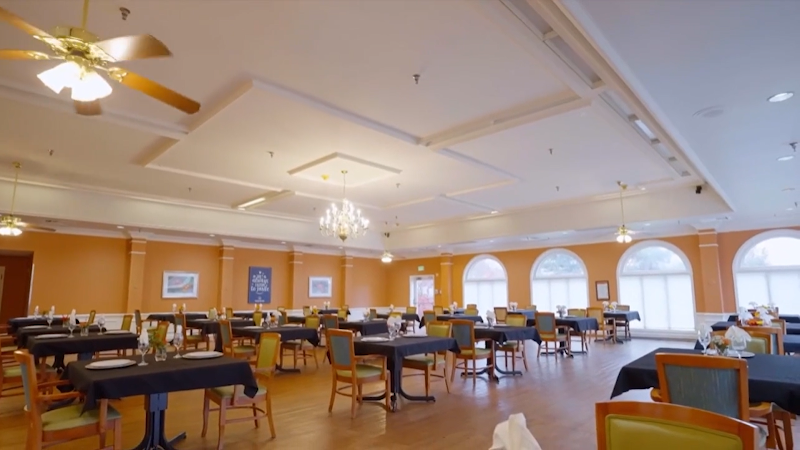
Who Owns and Operates Chateau Rehabilitation And Healthcare Center?

CHATEAU REHABILITATION AND HEALTHCARE CENTER is owned by a non-profit organization. Non-profit facilities reinvest revenue into operations rather than distributing to shareholders. The facility is operated by CASTLE HEALTHCARE, a chain that manages multiple nursing homes. With 99 certified beds and approximately 83 residents (about 84% occupancy), it is a smaller facility located in FORT WAYNE, Indiana.
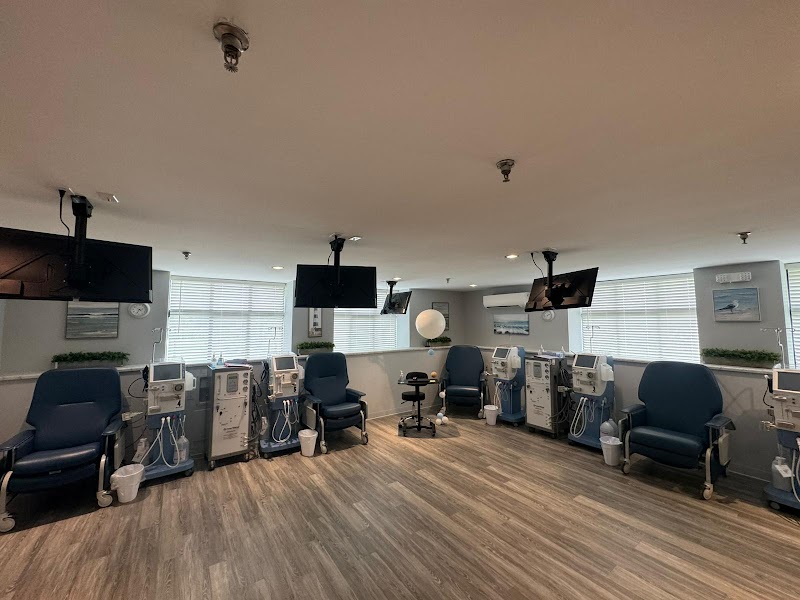
How Does Chateau Rehabilitation And Healthcare Center Compare to Other Indiana Nursing Homes?

Compared to the 100 nursing homes in Indiana, CHATEAU REHABILITATION AND HEALTHCARE CENTER's overall rating (1 stars) is below the state average of 3.1, staff turnover (59%) is significantly higher than the state average of 46%, and health inspection rating (1 stars) is much below the national benchmark.

What Should Families Ask When Visiting Chateau Rehabilitation And Healthcare Center?

Based on this facility's data, families visiting should ask: "What changes have been made since the serious inspection findings, and how are you preventing similar issues?" "How do you ensure continuity of care given staff turnover, and what is your staff retention strategy?" "Can you walk me through typical staffing levels on day, evening, and night shifts?" "Can I visit during a mealtime to observe dining assistance and food quality?" These questions are particularly relevant given the facility's Immediate Jeopardy citations, the facility's high staff turnover rate, and the below-average staffing rating.

Is Chateau Rehabilitation And Healthcare Center Safe?

Based on CMS inspection data, CHATEAU REHABILITATION AND HEALTHCARE CENTER has documented safety concerns. Inspectors have issued 1 Immediate Jeopardy citation (the most serious violation level indicating risk of serious injury or death). The facility has a 1-star overall rating and ranks #100 of 100 nursing homes in Indiana. Families considering this facility should ask detailed questions about what corrective actions have been taken since these incidents.

Do Nurses at Chateau Rehabilitation And Healthcare Center Stick Around?

Staff turnover at CHATEAU REHABILITATION AND HEALTHCARE CENTER is high. At 59%, the facility is 13 percentage points above the Indiana average of 46%. High turnover means new staff may not know residents' individual needs, medications, or preferences. It can also be disorienting for residents, especially those with dementia who rely on familiar faces. Families should ask: What is causing the turnover? What retention programs are in place? How do you ensure care continuity during staff transitions?

Was Chateau Rehabilitation And Healthcare Center Ever Fined?

CHATEAU REHABILITATION AND HEALTHCARE CENTER has been fined $109,257 across 1 penalty action. This is 3.2x the Indiana average of $34,171. Fines at this level are uncommon and typically indicate a pattern of serious deficiencies, repeated violations, or failure to correct problems promptly. CMS reserves penalties of this magnitude for facilities that pose significant, documented risk to resident health or safety. Families should request specific documentation of what issues led to these fines and what systemic changes have been implemented.

Is Chateau Rehabilitation And Healthcare Center on Any Federal Watch List?

CHATEAU REHABILITATION AND HEALTHCARE CENTER is not on any federal watch list. The most significant is the Special Focus Facility (SFF) program, which identifies the bottom 1% of nursing homes nationally based on persistent, serious quality problems. Not being on this list means the facility has avoided the pattern of deficiencies that triggers enhanced federal oversight. This is a positive indicator, though families should still review the facility's inspection history directly.