COVENTRY MEADOWS

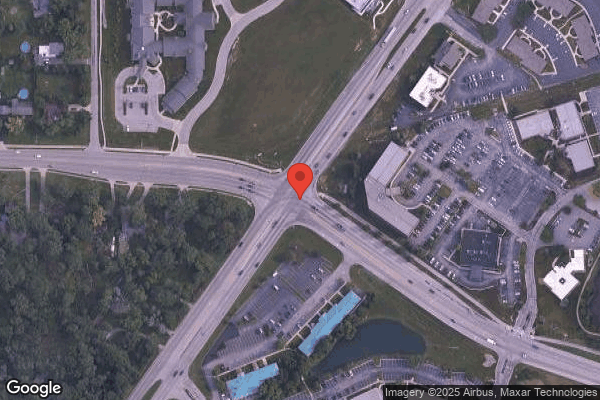
7843 W JEFFERSON BLVD, FORT WAYNE, IN 46804 (260) 432-4848
Government - County 150 Beds AMERICAN SENIOR COMMUNITIES Data: November 2025
Trust Grade
90/100
#24 of 505 in IN
Last Inspection: September 2024

Within standard 12-15 month inspection cycle. Federal law requires annual inspections.

Overview

Coventry Meadows in Fort Wayne, Indiana, has received a Trust Grade of A, indicating it is an excellent facility highly recommended for families. It ranks #24 out of 505 nursing homes in the state and #4 out of 29 in Allen County, placing it in the top half overall. The facility is improving, with issues decreasing from three in 2023 to just one in 2024. However, staffing is a concern, with only 2 out of 5 stars and a turnover rate of 41%, which is slightly better than the state average. While there have been no fines, which is a positive sign, recent inspections revealed that some residents were not receiving their scheduled showers and that food temperature checks were not consistently documented. Additionally, there was an incident involving a staff member that required immediate action to ensure resident safety, highlighting the need for careful monitoring of staff interactions. Overall, Coventry Meadows shows promise with its strong care rating but has areas that need attention to improve resident experience.

Trust Score
A
90/100
In Indiana
#24/505
Top 4%
Safety Record
Low Risk
No red flags
Inspections
Getting Better
3 → 1 violations
Staff Stability
○ Average
41% turnover. Near Indiana's 48% average. Typical for the industry.
Penalties
✓ Good
No fines on record. Clean compliance history, better than most Indiana facilities.
Skilled Nurses
○ Average
Each resident gets 35 minutes of Registered Nurse (RN) attention daily — about average for Indiana. RNs are the most trained staff who monitor for health changes.
Violations
✓ Good
Only 5 deficiencies on record. Cleaner than most facilities. Minor issues only.
★★★★★
5.0
Overall Rating
★★☆☆☆
2.0
Staff Levels
★★★★★
5.0
Care Quality
★★★★★
5.0
Inspection Score
Stable
2023: 3 issues
2024: 1 issues

The Good

  • 5-Star Quality Measures · Strong clinical quality outcomes
  • Full Sprinkler Coverage · Fire safety systems throughout facility
  • No fines on record
  • Staff turnover below average (41%)

    7 points below Indiana average of 48%

Facility shows strength in quality measures, fire safety.

The Bad

Staff Turnover: 41%

Near Indiana avg (46%)

Typical for the industry

Chain: AMERICAN SENIOR COMMUNITIES

Part of a multi-facility chain

Ask about local staffing decisions and management

The Ugly 5 deficiencies on record

Nov 2024 1 deficiency
CONCERN (D) 📢 Someone Reported This

A family member, employee, or ombudsman was alarmed enough to file a formal complaint

Potential for Harm - no one hurt, but risky conditions existed

Free from Abuse/Neglect (Tag F0600)

Could have caused harm · This affected 1 resident

Based on interview and record review, the facility failed to ensure a resident's right to be free from physical abuse was protected for 1 of 3 resident's reviewed (Resident B). The deficient practice ...

Read full inspector narrative →
Based on interview and record review, the facility failed to ensure a resident's right to be free from physical abuse was protected for 1 of 3 resident's reviewed (Resident B). The deficient practice was corrected on 10/24/24 prior to the start of the survey and was therefore past non-compliance. Findings include: An Indiana Department of Health (IDOH) incident report, dated 10/22/24 at 6:20 p.m., indicated the Administrator had been notified, Certified Nurse Aid 5 (CNA) had made contact with Resident B while he had been combative with staff. The resident's safety had been insured and he was provided quiet space. CNA 5 was immediately sent home and removed from the schedule pending investigation. On 11/6/24 at 11:06 A.M., Resident B's record was reviewed. Diagnoses included severe dementia with behavioral disturbance, mood disorder, and restlessness and agitation. A quarterly Minimum Data Set (MDS) assessment, dated 10/7/24, indicated the resident had severely impaired cognition. He required moderate to fully dependent care from staff for his activities of daily living. He resided on the secured memory care unit and was prescribed a mood stabilizer for his behaviors. A care plan, revised 10/15/24, indicated the resident had behavioral symptoms. He would hit staff when care was being provided and at times, had episodes of kicking, hitting, and grabbing staff's arms and fingers during care. The goal was for his behaviors to be altered with staff interventions. Interventions were: notify spouse to bring photo of herself to help calm him when he was agitated; allow resident time to calm; attempt care at a later time and with different care giver; and observe for indicators of pain. A care plan, revised 10/15/24, indicated the resident displayed anxious behaviors and at times, would try to hit staff when told to sit down so he wouldn't fall. Interventions were: offer to lay down; medication per order; assist him to go for a walk when he appeared anxious and was attempting to stand on his own; assist him with activities of his interest as a distraction-he liked listening to oldies, eating snacks, and being outdoors; talk calmly to the resident and explain to him to sit down so he doesn't fall and redirect. On 11/6/24 at 1:48 P.M., the Administrator was interviewed. She indicated, on 10/22/24, she had been notified by a staff member, they had witnessed an event. The Resident B had been agitated and hit CNA 5. CNA 5 then struck Resident B with an open hand on the back of his right shoulder while he was seated in the dining room. The Administrator came to the building, interviewed CNA 5 who indicated she was assisting the resident to eat dinner when he had punched her in the stomach. She swatted him back as a reflex but had not intended to harm the resident. CNA 5 was suspended pending investigation. Resident B was assessed, found with no injury, and was monitored for psychosocial distress. The Administrator interviewed witnesses and reviewed video recording of the incident. A thorough investigation was conducted. This included skin assessments, interviews of residents on the memory care unit, staff interviews, and family member interviews who were frequent visitors to the unit. All staff were re-educated on managing aggressive behaviors and abuse and on 10/24/24. A current facility policy, titled Abuse Prohibition, Reporting, and Investigation, was provided by the Administrator on 11/6/24, and indicated: It is the policy to provide each resident with an environment that is free from abuse, neglect, misappropriation of resident property, and exploitation. This includes but is not limited to verbal abuse, sexual abuse, physical abuse, mental abuse, corporal punishment, and involuntary seclusion The past non-compliance deficiency began on 10/22/24 and deficient practice corrected on 10/24/24 after the facility suspended and then terminated CNA 5's employment and reported the incident to IDOH as required. Resident B was immediately assessed for injury and monitored for psychosocial distress related to the incident. The facility completed education with staff on managing aggressive behaviors and abuse. This Citation relates to Complaint IN00445849. 3.1-27(a)(1)
Aug 2023 2 deficiencies
CONCERN (D)

Potential for Harm - no one hurt, but risky conditions existed

Resident Rights (Tag F0550)

Could have caused harm · This affected 1 resident

Based on observation, interview and record review, the facility failed to ensure dignity with dining for 2 of 8 residents reviewed(Resident 14 and Resident 51). Findings include: On 8/21/23 from 12:01...

Read full inspector narrative →
Based on observation, interview and record review, the facility failed to ensure dignity with dining for 2 of 8 residents reviewed(Resident 14 and Resident 51). Findings include: On 8/21/23 from 12:01-12:50 P.M., the dining room on the memory care unit was observed during mealtime. Per staff, there were 2 tables where a total of 8 residents sat who required supervision, cues, and/or assistance with eating. Lunch was to be served at 12:00 P.M. All residents, including those who required assistance, were observed with a glass of yellow juice on the table in front of them. The meal trays were late and hadn't arrived to the unit until 12:40 P.M. Resident 51 sat in a high back wheelchair at the end of a table where 3 other residents sat. She was observed trying to reach out and take hold of her drink placed out of her reach on the table. The Memory Care Support Specialist (MCSS) was observed to move quickly across the dining room to Resident 51 and moved her drink away from her. Resident 51 was not offered a drink and her glass was moved further away from her. Resident 51 reached out again to get the glass of juice and knocked the glass over which then spilled onto her tablemate's lap. The tablemate raised her voice at Resident 51 for spilling juice on her. The resident appeared confused and surprised and began to raise her voice to the tablemate. The 2 residents bickered back and forth until staff intervened. Resident 14 sat in her wheelchair at the end of a table where 3 other residents, needing assistance, sat. She had her eyes closed and her head hung over the back of the chair. She awakened prior to the trays arriving. She tried to take a drink of her juice on the table in front of her. A staff member gave her a small sip and then moved the drink out of her reach. She was observed to pick up her rolled silverware, put it up to her mouth and tipped it back trying to take a drink. Resident 14 then tried to suck on it like a straw, then began to chew on it. When lunch trays arrived, Resident 14 used her fingers to scoop the mashed potatoes off her plate. 1. On 8/22/23 at 2:08 P.M., Resident 14's record was reviewed. Diagnosis included severe dementia and generalized anxiety disorder. A significant change MDS (Minimum Data Set) assessment, dated 6/30/23, indicated the resident required extensive assistance of 1 staff member for eating. Care plans indicated the following: -Initiated 9/8/22 and revised 8/24/23: Resident was at risk for altered nutritional status. A mechanically altered diet was in place. She needed feeding assistance as needed (PRN) and had trending weight loss the past 30 days. Interventions included to serve a regular, soft bite-sized diet. -Initiated 9/8/22 and revised 7/17/23: Resident required assistance with bed mobility, transfers, eating, and toileting. The resident was able to feed self, but required cues/reminders. Nursing staff would provide cues/reminders to resident during meal times. Interventions included to assist with eating and drinking as needed. -Initiated 9/19/22 and revised 7/10/23: Resident was at risk for fluid imbalance due to impaired mobility, required cues/reminders; staff to anticipate fluid needs. Interventions included to encourage and give fluids. On 8/24/23 at 12:05 P.M., Resident 14 was observed seated in her wheelchair at the end of the table where residents passed by behind her and lunch tray carts sat. She was observed with an anxious and perplexed expression on her face as she spoke with the Executive Director (ED) about a trivia puzzle on a paper she held. After the ED left she continued with a frown on her face, talking to those around her although no one answered or spoke to her. Her chair was moved in 2 times so other residents could go past her wheelchair to their tables. CNA (Certified Nurse Aide) 2 sat at the other end of the table and began to assist another resident to eat. Resident 14 was served her plate with large uncut potato wedges and ground meat on it. She attempted to use her spoon to pick up the potato wedge, got it up to her mouth and spit it back out onto the spoon and back onto her plate. She used her spoon to try and eat the ground meat with barbecue sauce covering it. She spilled the ground meat onto her light colored pants and fiddled with wiping them off. The ground meat kept falling of the plate and onto the table and her pants due to difficulty scooping the meat off the plate with her spoon. Resident 14 then began to eat her applesauce with her fingers. After finishing the applesauce, she drank her drink and then put her fingers into the cup and tried to scoop up any remaining fluid/food from the empty cup. She then reached over and tried to take her tablemate's cup. CNA 2 took the cup away and told the resident it wasn't hers. Niether the CNA nor staff observing the dining room, offered the resident more food or drink. After finishing her meal, she began to move herself away from the table and propel herself toward the exit of the dining room where she asked a visitor if they could wash her soiled hands which had visible food debris on both hands. A staff member was summoned to assist the resident to wash her hands. On 8/25/23 at 9:42 A.M., CNA 2 was interviewed. She indicated Resident 14 required assistance at times with eating. She wasn't aware of any care plan to cut up the residents food or assist with drinking fluids and indicated the resident hadn't used a plate guard but would be a good idea to help keep the food from falling off her plate. 2. On 8/22/23 at 1:49 P.M., Resident 51's record was reviewed. Diagnoses included severe dementia with anxiety. A quarterly MDS assessment, dated 7/3/23, indicated the resident required extensive assistance of 1 staff member for eating. Care plans were: -Initiated 12/7/20 and revised 8/16/23: Resident required assistance with bed mobility, transfers, eating, and toileting. Interventions included to assist with eating and drinking as needed. -Initiated 12/18/20 and revised 7/10/23: Resident was at risk for fluid imbalance due to impaired mobility and dementia. Interventions included to encourage fluids. On 8/24/23 at 12:19 P.M., the resident was observed at the end of the table in the dining room, seated in her high back wheelchair. The wheelchair was not up close to the table. Her food was placed in front of her in bowls and she proceeded to eat from them with her fingers. On 8/25/23 at 9:40 A.M., Resident 51 was observed seated in her wheelchair, in the dining room, at the end of the table, with 2 bowls and a glass of juice. She was eating with her fingers while all other residents were gathered around the TV to watch an exercise video. On 8/25/23 at 9:42 A.M., CNA 2 was interviewed. She indicated Resident 51 hadn't liked staff assisting her to eat or drink so she was just given her food and allowed to eat by herself at each meal. She indicated Resident 51 did not require assistance with beverages. A current policy, titled Resident Rights, provided by the Director of Nursing on 8/25/23 at 9:06 A.M., stated the following: The resident has the right to a dignified existence .A facility must protect and promote the rights of each resident .The resident has the right to be treated with respect and dignity 3.1-3(a) 3.1-3(t)
CONCERN (D)

Potential for Harm - no one hurt, but risky conditions existed

Deficiency F0697 (Tag F0697)

Could have caused harm · This affected 1 resident

Based on observation, interview, and record review the facility failed to implement an effective pain management regimen for 1 of 4 residents reviewed for pain. (Resident 20). Findings include: Reside...

Read full inspector narrative →
Based on observation, interview, and record review the facility failed to implement an effective pain management regimen for 1 of 4 residents reviewed for pain. (Resident 20). Findings include: Resident 20 was observed lying on her left side in her bed on 8/22/23 10:20am, holding onto her lower back. Resident 20 complained of pain and indicated she was unsure if it was her sciatica or her hip. Resident 20 had no heat or ice applied. The light and tv were on and Resident 20 was wincing. On Resident 20's bedside table were 2 oblong red pills and a small round pill. Resident 20 indicated the red ones were for her eyes and the small one was a bowel softener. Resident 20 indicated they were, no big deal. Throughout the interview on 8/22/23 Resident 20 indicated her pain was not well controlled. She indicated she had not done much of anything the last couple days because she had been in so much pain. Resident 20 explained that she had recently been administered her pain medication, but it was not effective yet. Resident 20 indicated the nurses always watch her take that pill because it was a big deal. Resident 20 indicated the pain medication was helpful but did not last all day. Resident 20 indicated they did not offer ice, heat, a massage, or any other non-pharmacological intervention prior to administering the medication, therefore she was unsure if any of those things would be helpful. Resident 20's record was reviewed on 8/22/23 at 10:40AM. Resident 20's diagnosis included chronic pain syndrome, mild unspecified dementia, unspecified neuropathy, and unspecified osteoarthritis. Resident 20's orders included physical therapy to treat three times a week started 8/10/23, gabapentin 200mg three times a day started 11/22/21, icy hot advance relief patch apply as needed started 7/20/23, and hydrocodone-acetaminophen 5-325mg for severe pain every 6 hours as needed on 6/23/23. Resident 20's MDS (Minimum Data Set) comprehensive quarterly assessment; Section C (cognitive patterns) indicated her BIMS (Brief Interview Mental Status) score was 15, indicated no cognitive decline. The facility indicated Resident 20 was interviewable. Resident 20's MAR (Medication Administration Record), dated June, July and August 2023, indicated the following administration documentation: There were 7 documented times of non-pharmacological interventions not being offered or attempted. There was one refusal documented. There were 33 documented times nonpharmacological interventions were attempted. There were no pain assessments indicating the increased use of pain medication, the type of pain (stabbing, pinching, throbbing, sharp, dull, etc), what made the pain worse, what relieved the pain, if the pain could be anticipated by an activity, sleep position, or of any significant changes. Resident 20's current care plan indicated she had a problem of pain. Some of the approaches were to administer medication as ordered. Assist with positioning to comfort. Observe for nonverbal signals of pain. Offer nonpharmacological interventions such as quiet environment, rest, shower, back rub, and repositioning. Resident 20 was also care planned for mood distress and anxiety neither of them mentioned distress by offering nonpharmacological interventions for pain. The anxiety approaches were similar in nature to nonpharmacological interventions and included provide 1 on 1 time, give a diversional activity, offer snack or beverage, and maintain calm environment. On 8/24/23 at 12:03PM the DON (Director of Nursing) indicated she received a new order from primary care physician as follows: Acetaminophen 650mg every 4 hours as needed for mild pain. Indication non pharm interventions not needed prior to administering due to potential psychosocial distress. The tasks to be documented were pain, nonpharmacological tried yes or no, and pain location. Hydrocodone-acetaminophen (Schedule 2 drug; narcotic) 5-325mg tablet every 6 hours as needed for pain. Indication nonpharmacological interventions not needed prior to administering due to potential for psychosocial distress. The tasks to be documented prior to administering were pain, non-pharmacological tried yes or no, and location. In an interview, on 8/24/23 at 12:05PM, the DON indicated that resident was at increased risk of having a behavior if offered nonpharmacological interventions. The DON indicated she had no documentation prior to the interview to indicate Resident 20 had a psychosocial or behavioral event directly linked to nonpharmacological interventions being offered. The most recent 3 documented behaviors provided by the DON, on 8/25/23 at 11:03AM: On 7/29/23 Resident 20 was demanding her pain patch the nurse offered her an asper crème patch and Resident 20 indicated she didn't want that one, she wanted the other one she was ordered. Resident 20 had an order for an icy hot patch not an asper creme patch. 10/26/20 she was requesting an anxiety pill due to going to have a needle stuck in her eye. 10/11/20 seeing someone who recently passed poking her in the eye and smoke coming from under roommates' bed and hurting her eyes. A policy titled, Pain Management Policy provided by the DON on 8/24/23 at 12:03PM, the original date 01/03, revisions on 1/06, 3/10, 9/2013, 2, 2015, 1/2016, 9/2016, 7/20, 10/20, and last revised 4/2023. The policy indicated, 6. Physician orders for pain medication will be prescribed based upon the resident's intensity of pain The Policy did not mention or indicate a need for non-pharmacological interventions for as needed pain medication administration. No other information was provided at time of exit. 3.1-37(a)
Mar 2023 1 deficiency
CONCERN (E) 📢 Someone Reported This

A family member, employee, or ombudsman was alarmed enough to file a formal complaint

Potential for Harm - no one hurt, but risky conditions existed

ADL Care (Tag F0677)

Could have caused harm · This affected multiple residents

**NOTE- TERMS IN BRACKETS HAVE BEEN EDITED TO PROTECT CONFIDENTIALITY** Based on observation, record review, and interview, the facility failed to ensure showers or bed baths were offered twice weekly...

Read full inspector narrative →
**NOTE- TERMS IN BRACKETS HAVE BEEN EDITED TO PROTECT CONFIDENTIALITY** Based on observation, record review, and interview, the facility failed to ensure showers or bed baths were offered twice weekly (Residents M, K, and L) and nail care was provided (Residents K and L) for 3 of 4 residents reviewed for activities of daily living. Findings include: On 2/27/23 at 1:38 P.M., the Resident Council President (RCP) was interviewed. She indicated everything was generally well within the facility except for some resident complaints about staffing. She indicated the facility used agency staff who were not familiar with residents routines. The RCP indicated there had been reports from some residents showers were not being given timely on 3 of the 5 hallways. 1. On 2/28/23 at 10:35 A.M., Resident M, identified by the facility as interviewable, was interviewed. They indicated they didn't always receive showers 2 times per week as care planned. They indicated the facility was short staffed and when fully staffed, the care provided depended on who was working and how well they worked together. A quarterly MDS, dated [DATE], indicated the resident required physical help with transfers and set up support for bathing. A care plan, dated 6/25/20, indicated the resident required assistance with ADL's. Staff were to offer showers 2 times per week and provide bathing assistance. A review of paper shower reports and electronic bathing documentation indicated a shower was not offered, provided, or refused the week of 2/2/23 to 2/8/23. 2. On 2/28/23 at 10:25 A.M., Resident K was observed seated in her room in a wheelchair. Her fingernails were observed with chipped and peeling fingernail polish. Her nails were long, ragged, and had dark material beneath the tips of the nails. A significant change MDS assessment, dated 1/17/23, indicated the resident required total assistance of 1 staff member with bathing. A care plan, dated 6/9/21, indicated the resident required assistance with ADL's A review of paper shower reports, dated January to February 2023, indicated the resident received a bed bath twice weekly, but a shower on 1/25/23, 1/28/23, and 2/11/23. The reports did not include documentation of why the resident received a bed bath instead of a shower, except 1/14/23, when the resident received a bed bath related to the Certified Nursing Assistant (CNA) working the unit alone. The reports did not include documentation the resident was offered or refused nail care. 3. On 2/28/23 at 10:35 A.M., Resident L, identified as interviewable, was interviewed. She indicated she wasn't sure when she was supposed to get showers-staff would just come and tell her it was time for one. She indicated they gave her bed baths which was okay with her. Her fingernails were observed to be long, ragged and she had dark material beneath the tips of her nails. A significant change MDS assessment, dated 1/31/23, indicated the resident required extensive assistance with personal hygiene and was dependent on 1 staff member for bathing. A care plan, dated 12/6/18, indicated the resident required assistance with ADL's. Staff were to offer showers 2 times per week and provide bathing assistance. The care plan didn't indicate she had refused of care. A review of paper shower reports indicated the resident received a shower or a bed bath on 2/4/23, 2/11/23, 2/18/23, 2/22/23, 2/25/23 and refused a shower on 1/25/23, 2/1/23, 2/8/23, and 2/15/23. There was no other documentation additional showers or bed baths were offered or refused in January 2023. The reports did not include documentation the resident was offered or refused nail care. On 3/1/23 at 1:34 P.M., the 500 hall Unit Manager was interviewed. She indicated residents were offered showers 2 times per week. Nail care was to be done following a shower/bath and any time they needed cut or cleaned. On 3/1/23 at 3:30 P.M., the Director of Nursing Services indicated the facility had no specific policy for showers or bathing. Staff were to offer 2 showers per week to the residents. This Federal tag relates to Complaint IN00402413. 3.1-38(a)(3)
Oct 2022 1 deficiency
CONCERN (E)

Potential for Harm - no one hurt, but risky conditions existed

Food Safety (Tag F0812)

Could have caused harm · This affected multiple residents

Based on observation, interview, and record review the facility failed to ensure proper temperature of food. 124 residents resided in the facility. Findings include: During an observation on 10/03/22...

Read full inspector narrative →
Based on observation, interview, and record review the facility failed to ensure proper temperature of food. 124 residents resided in the facility. Findings include: During an observation on 10/03/22 09:06 AM, there was no thermometer observed in the walk in refridgerator. The Dietary Manager (CDM) was unable to provide temperature logs for October. In an interview, the CDM indicated October was a new month and she was unable to provide logs. The CDM indicated she was working 12hr days 7 days a week therefore she could ensure they were taken and within range. The CDM was unable to recall what the temps were on the night prior and asked a [NAME] for them. The [NAME] indicated the soup was 175 degrees and the tuna salad was 38. There were no temperatures relayed for any alternate menu or mechanically altered food. There was no documentation to indicate the temperatures were checked. Food temperature logs dated July 2022 through October 2022 indicated the following: No temperature logs dated July 1 to July 24 were provided. The log dated 7/24- 7/30 had no initials on any date and no entries for Saturday 7/30. The log dated July 31 - 8/6/22 had no initials documented to indicate staff responsibelf rochecking the temperatures. The log dated 8/7-8/13 had no initials documented. No log was provided dated 8/14-8/20 The log dated 8/21-8/27 had no initials documented. There were no entres for dinner on Monday. No entries for breakfast or lunch on Tuesday and Wednesday. No entries for breakfast, lunch, or dinner for Thursday or Saturday. No other logs dated for August 2022 were provided. No food temperature logs dated September 2022 were provided. No food temperature logs dated October 2022 were provided. The temperature logs for the high temp dish machine indicated the following: The logs dated July 2022 had no recordings for the 30th or 31st. An undated log was provided with no documentation for the 23, 24, 25, 26, 27, 28, 29, 30, or 31. There were no logs provided dated August, September, or October 2022. The temperature logs for the walk in freezer indicated the following: The logs dated July 2022 did not have documentation on 30 or 31. The logs dated August 2022 had no documentation for 24, 25, 26. 27, 28, 29, 30, or 31. No logs were provided for September or October 2022. The milk temperature monitoring form indicated the following: The forms dated July 2022 had no documentation on 30 or 31. The forms dated August 2022 had no documentation on 24, 25, 26, 27, 28, 28, 30, or 31. There were no forms provided for September or October 2022. The reach in freezer temperature monitoring logs indicated the following: The logs dated July 2022 had no documentation on 30 or 31. The logs dated August 2022 had no documentation on 24, 25, 26, 27, 28, 28, 30, or 31. There were no logs provided for September or October 2022. The walk-in refrigerator temperature logs indicated the following: The logs dated July 2022 had no documentation on 30 or 31. The logs dated August 2022 had no documentation on 24, 25, 26, 27, 28, 28, 30, or 31. There were no forms provided for September or October 2022. The reach in cooler temperature monitoring logs indicated the following: The logs dated July 2022 had no documentation on 30 or 31. The logs dated August 2022 had no documentation on 24, 25, 26, 27, 28, 28, 30, or 31. There were no logs provided for September or October. A policy titled, Recording Temperatures was revised 10/17, and was provided by Administrator on 10/5/22 at 1:58 PM. The recording temperatures policy indicated. food temperature logs shall be kept. temperature logs for dish machine shall be recorded and monitored routinely. The food service manager shall monitor temperatures for food and equipment routinely. 3.1-21 (a)(2)
Understanding Severity Codes (click to expand)
Life-Threatening (Immediate Jeopardy)
J - Isolated K - Pattern L - Widespread
Actual Harm
G - Isolated H - Pattern I - Widespread
Potential for Harm
D - Isolated E - Pattern F - Widespread
No Harm (Minor)
A - Isolated B - Pattern C - Widespread

Questions to Ask on Your Visit

  • "Can I speak with families of current residents?"
  • "What's your RN coverage like on weekends and overnight?"

Our Honest Assessment

Strengths
  • • Grade A (90/100). Above average facility, better than most options in Indiana.
  • • No major safety red flags. No abuse findings, life-threatening violations, or SFF status.
  • • No fines on record. Clean compliance history, better than most Indiana facilities.
  • • Only 5 deficiencies on record. Cleaner than most facilities. Minor issues only.
Concerns
  • • No significant concerns identified. This facility shows no red flags across CMS ratings, staff turnover, or federal penalties.
Bottom line: Generally positive indicators. Standard due diligence and a personal visit recommended.

About This Facility

What is Coventry Meadows's CMS Rating?

CMS assigns COVENTRY MEADOWS an overall rating of 5 out of 5 stars, which is considered much above average nationally. Within Indiana, this rating places the facility higher than 99% of the state's 100 nursing homes. This rating reflects solid performance across the metrics CMS uses to evaluate nursing home quality.

How is Coventry Meadows Staffed?

CMS rates COVENTRY MEADOWS's staffing level at 2 out of 5 stars, which is below average compared to other nursing homes. Staff turnover is 41%, compared to the Indiana average of 46%. This relatively stable workforce can support continuity of care.

What Have Inspectors Found at Coventry Meadows?

State health inspectors documented 5 deficiencies at COVENTRY MEADOWS during 2022 to 2024. These included: 5 with potential for harm.

Who Owns and Operates Coventry Meadows?

COVENTRY MEADOWS is owned by a government entity. Government-operated facilities are typically run by state, county, or municipal agencies. The facility is operated by AMERICAN SENIOR COMMUNITIES, a chain that manages multiple nursing homes. With 150 certified beds and approximately 121 residents (about 81% occupancy), it is a mid-sized facility located in FORT WAYNE, Indiana.

How Does Coventry Meadows Compare to Other Indiana Nursing Homes?

Compared to the 100 nursing homes in Indiana, COVENTRY MEADOWS's overall rating (5 stars) is above the state average of 3.1, staff turnover (41%) is near the state average of 46%, and health inspection rating (5 stars) is much above the national benchmark.

What Should Families Ask When Visiting Coventry Meadows?

Based on this facility's data, families visiting should ask: "Can you walk me through typical staffing levels on day, evening, and night shifts?" "Can I visit during a mealtime to observe dining assistance and food quality?" "How do you handle medical emergencies, and what is your hospital transfer rate?" "Can I speak with family members of current residents about their experience?" These questions are particularly relevant given the below-average staffing rating.

Is Coventry Meadows Safe?

Based on CMS inspection data, COVENTRY MEADOWS has a clean safety record: no substantiated abuse findings (meaning no confirmed cases of resident harm), no Immediate Jeopardy citations (the most serious violation level indicating risk of serious injury or death), and is not on the Special Focus Facility watch list (a federal program monitoring the lowest-performing 1% of nursing homes). The facility has a 5-star overall rating and ranks #1 of 100 nursing homes in Indiana. While no facility is perfect, families should still ask about staff-to-resident ratios and recent inspection results during their visit.

Do Nurses at Coventry Meadows Stick Around?

COVENTRY MEADOWS has a staff turnover rate of 41%, which is about average for Indiana nursing homes (state average: 46%). Moderate turnover is common in nursing homes, but families should still ask about staff tenure and how the facility maintains care continuity when employees leave.

Was Coventry Meadows Ever Fined?

COVENTRY MEADOWS has no federal fines on record. CMS issues fines when nursing homes fail to meet care standards or don't correct problems found during inspections. The absence of fines suggests the facility has either maintained compliance or corrected any issues before penalties were assessed. This is a positive indicator, though families should still review recent inspection reports for the full picture.

Is Coventry Meadows on Any Federal Watch List?

COVENTRY MEADOWS is not on any federal watch list. The most significant is the Special Focus Facility (SFF) program, which identifies the bottom 1% of nursing homes nationally based on persistent, serious quality problems. Not being on this list means the facility has avoided the pattern of deficiencies that triggers enhanced federal oversight. This is a positive indicator, though families should still review the facility's inspection history directly.