GOLDEN YEARS HOMESTEAD
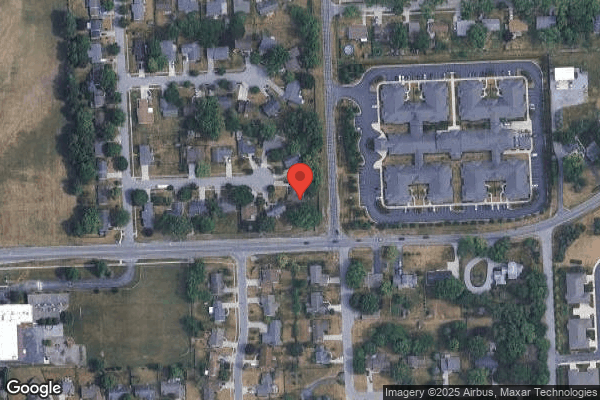
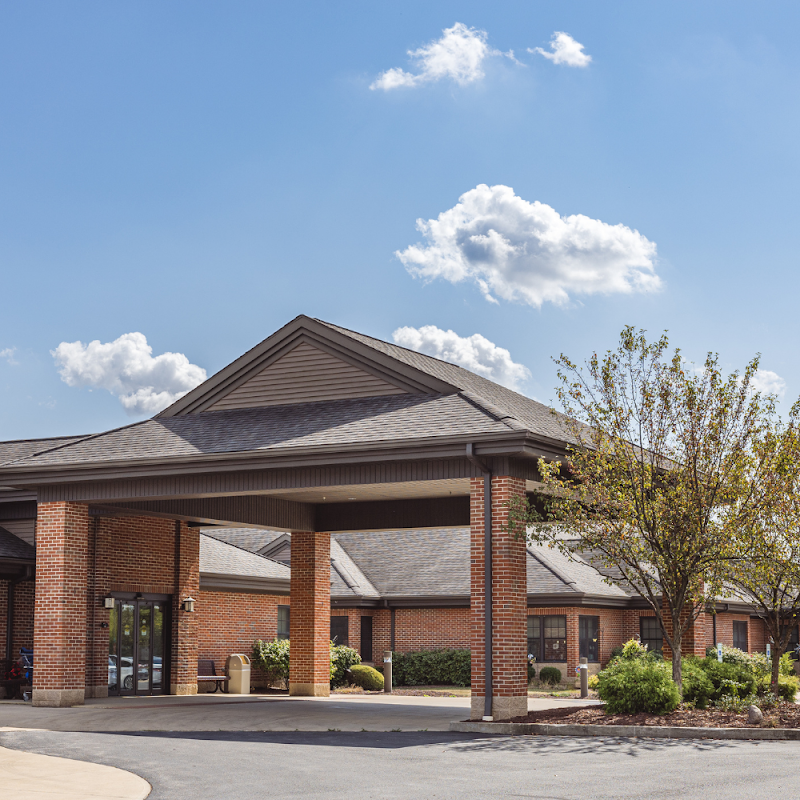
3136 GOEGLEIN RD, FORT WAYNE, IN 46815 (260) 749-9655
Non profit - Church related 111 Beds Independent Data: November 2025 1 Immediate Jeopardy citation
Trust Grade
41/100
#348 of 505 in IN
Last Inspection: September 2024

Within standard 12-15 month inspection cycle. Federal law requires annual inspections.

Overview

Golden Years Homestead has a Trust Grade of D, indicating below-average performance with some concerning issues. In Indiana, it ranks #348 out of 505 facilities, placing it in the bottom half, and #24 out of 29 in Allen County, meaning only a few local options are worse. While the facility is improving, reducing issues from 8 in 2024 to 4 in 2025, it still has significant concerns, including $15,646 in fines, which is higher than 86% of Indiana facilities. Staffing is a relative strength with a 4/5 star rating and low turnover at 22%, but RN coverage is below average, with less than 96% of Indiana facilities. Notable incidents include a critical finding where a resident fell from a wheelchair during transport, sustaining a spinal injury, and concerns about improper medication handling, such as failing to date medications when opened. Overall, while there are some strengths, the facility has serious weaknesses that families should carefully consider.

Trust Score
D
41/100
In Indiana
#348/505
Bottom 32%
Safety Record
High Risk
Review needed
Inspections
Getting Better
8 → 4 violations
Staff Stability
✓ Good
22% annual turnover. Excellent stability, 26 points below Indiana's 48% average. Staff who stay learn residents' needs.
Penalties
⚠ Watch
$15,646 in fines. Higher than 81% of Indiana facilities, suggesting repeated compliance issues.
Skilled Nurses
⚠ Watch
Each resident gets only 22 minutes of Registered Nurse (RN) attention daily — below average for Indiana. Fewer RN minutes means fewer trained eyes watching for problems.
Violations
⚠ Watch
25 deficiencies on record. Higher than average. Multiple issues found across inspections.
★★☆☆☆
2.0
Overall Rating
★★★★☆
4.0
Staff Levels
★★★★☆
4.0
Care Quality
★★☆☆☆
2.0
Inspection Score
Stable
2024: 8 issues
2025: 4 issues

The Good

  • 4-Star Staffing Rating · Above-average nurse staffing levels
  • 4-Star Quality Measures · Strong clinical quality outcomes
  • Low Staff Turnover (22%) · Staff stability means consistent care
  • Full Sprinkler Coverage · Fire safety systems throughout facility
  • No fines on record
  • Staff turnover is low (22%)

    26 points below Indiana average of 48%

Facility shows strength in staffing levels, quality measures, staff retention, fire safety.

The Bad

2-Star Overall Rating

Below Indiana average (3.1)

Below average - review inspection findings carefully

Federal Fines: $15,646

Below median ($33,413)

Minor penalties assessed

The Ugly 25 deficiencies on record

1 life-threatening
Jul 2025 1 deficiency
CONCERN (D) 📢 Someone Reported This

A family member, employee, or ombudsman was alarmed enough to file a formal complaint

Potential for Harm - no one hurt, but risky conditions existed

Report Alleged Abuse (Tag F0609)

Could have caused harm · This affected 1 resident

Based on interview and record review, the facility failed to ensure allegations of verbal abuse and mistreatment were reported to the Administrator and state agency within required timeframes for 3 of...

Read full inspector narrative →
Based on interview and record review, the facility failed to ensure allegations of verbal abuse and mistreatment were reported to the Administrator and state agency within required timeframes for 3 of 5 residents reviewed (Resident B, Resident D, and Resident H).Findings include:A report, dated 6/29/25, alleged Resident B and Resident H were involved when Certified Nurse Aid (CNA) 5 had yelled at the residents and not provided care according to their individual care plans. The report alleged the incidents had been reported to management, but nothing had been done. The report indicated Resident D had alleged physical abuse, reported to Human Resource staff instead of the Administrator or Director of Nursing (DON) per facility policy, and no investigation had allegedly been done.1.The report, dated 6/29/25, alleged on 5/26/25, Resident B had wanted to have his brief changed and had been trying to get staff's attention. He had been seated in his wheelchair next to his bed. His call light was on the other side of the bed and out of his reach. Employee 2 indicated they had observed the call light out of the resident's reach, had turned the call light on and placed it on his overbed table in front of him. Approximately, 1 and 1/2 hours later, Employee 2 returned to check on the resident. He indicated staff had not come to help him although his call light was turned off. Employee 2 turned the call light on again, verified it was on and working correctly, and told the resident they would be back to check on him. A half hour later, Employee 2 returned, observed the call light off and the call light moved out of the resident's reach. Resident B indicated staff had not yet assisted him to change his brief. Employee 2 summoned their supervisor (Employee 3) who went to the resident's room and waited for staff to provide the resident assistance. Employee 3 indicated they would report the incident.On 7/16/25 at 12:43 P.M., Resident B's record was reviewed. Diagnoses included Parkinson's disease and dementia.A quarterly Minimum Data Set (MDS) assessment, dated 5/23/25, indicated the resident had no cognitive impairment. He had no behaviors or indicators of delirium. He required partial to maximal assistance with his activities of daily living (ADL) due to his Parkinson's disease symptoms.Care Plans indicated:5/26/25-Resident B required assistance with his ADL's and was able to make his needs known without difficulty. Interventions included: assist with dressing, toileting and transfers; and encourage the resident to use the call light to ask for assistance.5/26/25-The resident was incontinent of bowel and bladder and required assistance with incontinent care; he could usually recognize the urge to toilet but required assistance with toileting. Interventions included: change incontinent briefs frequently and assist to toilet frequently.On 7/16/25 at 11:05 A.M., Resident B's spouse was interviewed. She indicated she came to the facility every other day for long periods of time. When asked about staff, she indicated Resident B had multiple issues with CNA 5 for some time and had reported her last fall. She believed care from CNA 5 had improved but remained concerned with the call light placement and it not being placed within the resident's reach. She had witnessed this several times when CNA 5 cared for him. She indicated the resident was becoming more fearful due to increasing dependency from Parkinson's disease and he needed to have access to the call light to summon help from staff. On 7/16/25 at 1:56 P.M., the Clinical Nurse Leader (CNL), for the unit where all 3 residents resided, was interviewed. She indicated she had been made aware of resident's complaints about CNA 5. She spoke with CNA 5 about resident care but hadn't reported the complaints to the DON. When asked, the CNL indicated putting a resident's call light out of their reach or yelling at resident's could be considered abuse and she should have reported it.On 7/16/25 at 3:50 P.M., Employee 2 was interviewed. The employee indicated they had reported the concerns to the CNL due to the seriousness of resident's complaints and alleged lack of follow up. The employee indicated Resident B and his spouse had reported, CNA 5 had a rectangular shaped device in her pocket, pulled partly out and shown to the resident. CNA 5 allegedly told Resident B, they were recording him so he couldn't say anything about the CNA. On 7/17/25 at 10:45 A.M., Resident B was interviewed. He indicated having issues with CNA 5. The CNA was temperamental and never knew what kind of mood she would be in. He indicated approximately 1 month ago, CNA 5 had gotten really angry with him, had pulled his call light out from the socket and threw it against the wall. Around the same time, the CNA had shown him a device in her pocket and said she was recording him so he couldn't say things about her. He indicated there were times when CNA 5 would turn off his call light and leave the room without helping him or would place his call light out of his reach so he couldn't call for help. When questioned, he indicated he had not reported the incident with the recording device as he hadn't wanted the CNA to get mad at him.On 7/17/25 at 11:06 A.M., in an interview, Employee 3 indicated on 5/26/25, Employee 2 had reported Resident B had his call light turned off, placed out of his reach, and was not provided care as requested. Employee 3 went to the resident's room and turned on the call light. Employee 3 stayed in the room with Resident B until staff came in and assisted him to change. They indicated they had notified the CNL of the incident but hadn't been made aware of follow up. When asked, Employee 3 indicated, in the past, allegations of abuse were reported to the DON however, a new Administrator was employed at the facility and she had instructed all employees to notify her immediately of any allegations of abuse, neglect, mistreatment or any grievance which could be potential abuse.2. A report, dated 6/29/25, indicated Employee 2 had been told on 5/26/25, by Qualified Nurse Aid (QMA) 7, Resident D had been very agitated and reported CNA 5 had hit him. QMA 7 had allegedly reported Resident H's allegation to the Human Resource's (HR) office.On 7/17/25 at 1:55 P.M., Resident D's record was reviewed. Diagnoses included Parkinson's disease and dementia.A quarterly MDS Assessment, dated 4/30/25, indicated Resident D had severely impaired cognition. Most days he felt down and depressed. He had no behaviors but was prescribed an antipsychotic medication to treat hallucinations caused by Parkinson's. He required partial to moderate assistance with his activities of daily living. Care Plans indicated Resident D had severely impaired cognition/memory due to dementia and required assistance with his ADL's. He was care planned for trauma care due to serving in the armed forces during war time. He had behaviors of yelling and wanting to get out of the facility.On 7/17/25 at 12:45 P.M., the DON was interviewed. She indicated neither HR staff nor any other staff had reported an allegation of abuse by Resident D. She had no knowledge of QMA 7 having concerns with the resident nor why the QMA would report an allegation to the HR department. QMA 7 was unavailable for interview.3. A report, dated 6/29/25, indicated Resident H alleged CNA 5 always yelled at her. CNA 5 was overheard telling the resident she (CNA 5) was done with their shit.On 7/17/25 at 2:19 P.M., Resident H's record was reviewed. Diagnoses included dementia, major depressive disorder, anxiety disorder, and mixed incontinence of bladder.A quarterly MDS assessment, dated 5/1/25, indicated a Brief Interview Mental Status score of 10-moderate cognitive impairment. Resident H had refused to answer all the BIMS questions to calculate her score nor would she answer questions regarding her mood. She had no indicators of delirium or behaviors. The resident required maximal assistance with transfers and toileting and was always incontinent of bowel and bladder.Care plans indicated:-5/2/25: Resident H had a diagnosis of dementia with short and long term memory deficits. She recently scored a 10 out 15 on her BIMS assessment due to refusing to participate in interviews.-5/2/25: Resident H had psychosocial well-being problems related to anxiety, depression and dementia. She was able to effectively make her needs known however tended to be easily annoyed with others and become agitated. She could be condescending during conversations and tended to keep to herself. Interventions included: provide encouragement; provide 1:1 visits frequently; continue sessions with counselor and monitor for symptoms of distress.-5/2/25: The resident was incontinent of bowel and bladder and required assistance with toileting. Resident H was able to recognize urges however would delay notifying staff of her need to transfer to the commode. Interventions included: assist her to toilet frequently.On 7/16/25 at 3:50 P.M., Employee 2 was interviewed. Employee 2 indicated Resident H could be antagonistic with staff but staff were trained to deal with behaviors and shouldn't yell or curse at residents. On 7/17/25 at 10:10 A.M., Resident H was interviewed. She appeared guarded and initially, annoyed at being asked questions. She indicated CNA 5 always yelled at her and told her not to put her call light on. On 7/16/25 at 11:05 A.M., Resident M, identified as interviewable without cognitive impairment by the facility, was interviewed. The resident resided in the room next to Resident H. Resident M identified herself as a nurse for many years. She expressed much empathy for the staff due to work required to care for residents. When asked, she indicated regret at having to say she had overheard CNA 5 yell several times at Resident H.On 7/17/25 at 3:30 P.M., the Administrator and Director of Nursing were interviewed. The Administrator was new and hadn't been employed by the facility at the time the incidents allegedly occurred so was unable to provide further information. The Administrator indicated all staff had been educated on the abuse policy and chain of command for reporting. She was to be notified of any grievance which could indicate abuse or allegations of actual abuse immediately. The Director of Nursing indicated she was not notified of the incidents reported regarding Resident B, Resident D, or Resident H but should have been.A current facility policy, titled Abuse, Neglect, Exploitation Policy, was provided by the Administrator on 7/16/25 at 12:00 P.M., and indicated the following: Mistreatment means inappropriate treatment of resident .Verbal Abuse means the use of oral .communication or sounds that willfully includes disparaging and derogatory terms to residents .Prevention of Abuse .The campus will implement policies and procedures to identify, correct, and intervene in situations in which abuse could occur .5. Verbal abuse overheard .7. Psychological abuse overheard 8. Failure to provide care needs such as comfort, safety .An immediate investigation is warranted when suspicion of abuse, neglect, or reports of abuse or neglect occur .Reporting of all alleged violations will be made to the Administrator and required agencies .a. Immediately but no later than 2 hours after the allegation is made, if the events that cause the allegation involve abuse or results in body injury or b. Not later than 24 hours if the events that cause the allegation do not involve abuse and do not result in serious bodily injury This Citation relates to Complaint 1229505.3.1-28(c)
May 2025 3 deficiencies
CONCERN (D) 📢 Someone Reported This

A family member, employee, or ombudsman was alarmed enough to file a formal complaint

Potential for Harm - no one hurt, but risky conditions existed

Quality of Care (Tag F0684)

Could have caused harm · This affected 1 resident

Based on interview and record review, the facility failed to ensure a resident was administered medication as ordered by the physician for 1 of 3 residents reviewed (Resident Q). Findings include: On ...

Read full inspector narrative →
Based on interview and record review, the facility failed to ensure a resident was administered medication as ordered by the physician for 1 of 3 residents reviewed (Resident Q). Findings include: On 5/7/25 at 10:45 A.M., Resident Q's record was reviewed. Diagnoses included epilepsy with partial seizures and dementia. A physician order, dated 11/14/25, indicated to give Levetiracetam (anti-seizure medication) 750 milligrams (mg); take 1 tablet by mouth every 12 hours for seizures. A physician order, dated 4/30/25, was to discontinue Levetiracetam 750 mg; take 1 tablet by mouth every 12 hours and start Lacosamide 100 mg tablets; take 1 tablet by mouth 2 times per day for seizures. An Interdisciplinary (ID) note, dated 4/30/25 at 2:05 p.m., indicated Resident Q had gone out for an appointment with the Neurologist. She returned to the facility with new orders to discontinue Levetiracetam and begin Lacosamide 100 mg tablets; take 1 tablet by mouth 2 times per day for seizures. The pharmacy was notified of the change in orders. A Medication Administration Record (MAR), dated May 2025, indicated Lacosamide 100 mg; 1 tablet by mouth 2 times per day was not administered on 5/1, 5/2, 5/3, and 5/4/25. The order was put on the MAR on 5/5/25. Resident Q received the first dose of Lacosamide on 5/5/25 at 9:00 p.m. The MAR, dated May 2025, indicated the resident received Levetiracetam 750 mg 1 tablet by mouth every 12 hours at 9:00 a.m. and 9:00 p.m. on 5/1, 5/2, 5/3, 5/4, 5/5 and 5/6/25 and 9:00 a.m. on 5/7/25. Levetiracetam was not discontinued on 4/30/25 as ordered and was administered without a physician order from 5/1/25 until 5/7/25 after the 9:00 a.m. dose when the error was identified and the medication discontinued as ordered. On 5/7/25 at 11:17 A.M., Registered Nurse (RN) 9 was interviewed. She indicated when a resident goes out to see a specialist, they should return with a progress note. The note may contain physician orders. When a resident returned from an appointment, the nurse on duty was responsible for reviewing the progress note, noting any new physician orders, transcribing the order onto a physician order form, MAR and notifying the pharmacy of the new medication order. RN 9 had been aware of the new order for Lacosamide and had administered the medication as ordered. She had not been aware the Levetiracetam was to have been discontinued on 4/30/25 and administered the medication as scheduled on the MAR. On 5/7/25 at 12:15 P.M., the Director of Nursing (DON) was interviewed. She indicated the order for Lacosamide was noted and put in place on 5/5/25 when it was discovered the order had not been transcribed onto the MAR nor administered as ordered. She had not been aware of the order to discontinue the Levetiracetam. The Levetiracetam was discontinued and the physician notified as soon as the error was discovered. The facility had no written policy for following physician orders but the DON indicated nurses were expected to follow physician orders as part of the nursing practice. This Citation relates to Complaint IN00457512. 3.1-37
CONCERN (D) 📢 Someone Reported This

A family member, employee, or ombudsman was alarmed enough to file a formal complaint

Potential for Harm - no one hurt, but risky conditions existed

Deficiency F0740 (Tag F0740)

Could have caused harm · This affected 1 resident

Based on interview and record review, the facility failed to ensure a resident's inappropriate touching behavior was identified, prevention interventions implemented and the behavior trended for 2 of ...

Read full inspector narrative →
Based on interview and record review, the facility failed to ensure a resident's inappropriate touching behavior was identified, prevention interventions implemented and the behavior trended for 2 of 3 residents reviewed for behaviors (Resident D and Resident E). Findings include: Reports, dated 4/12/25 and 4/13/25, alleged Resident D had inappropriately touched a female resident (Resident E) on her legs and chest. Both reports indicated there had been no documented interventions put in place to protect the residents and ensure no further inappropriate touching occurred. The reports alleged there was no documentation in either resident's record regarding the behaviors on 4/7/25. 1. On 5/5/25 at 1:44 P.M., Resident D's record was reviewed. Diagnoses included, Parkinson's, dementia, anxiety, and depression. A quarterly Minimum Data Set (MDS) assessment, dated 2/6/25, indicated a Brief Interview Mental Status (BIMS) assessment indicated Resident D had no cognitive impairment. He had several mood indicators as follows: little interest or pleasure in doing things, feeling down, depressed, hopeless, and feeling tired with little energy. He ambulated short distances without aids and was independent in mobility when using his wheelchair. He was receiving hospice services for end stage Parkinson's disease. A care plan, dated 4/7/25, indicated the resident had socially inappropriate behavior. Interventions included to monitor Resident D's behavior, assist him to determine the cause, intervene as needed to ensure safety of self and others, divert attention, assist to quiet location, modify environment, discuss behavior with him and observe behavioral clues to help understand the behavior. A care plan, dated 2/10/25, indicated Resident D was at risk for adverse effects related to use of a hypnotic for insomnia and anti-depressant medications for depression and anxiety. Interventions were to administer medications as ordered and monitor for adverse effects. The care plan hadn't indicated type of behaviors staff were to monitor for, how often Resident D was to be monitored, nor the type of behavioral clues to help understand the behavior. The care plan hadn't indicated the resident had depression. The care plan hadn't indicated behaviors the resident expressed when feeling depressed or anxious such as fatigue, appetite changes, agitation, expressions of guilt, apathy, anger or acting out towards self or others. Interdisciplinary Notes (ID) indicated the following: -4/3/25 at 11:53 a.m., Resident D was observed sitting in the fireplace room talking with other residents who were not responsive. He held one the resident's hands. -4/7/25 at 11:28 a.m., staff reported to the unit manager, over the weekend, Resident D had been feeding his tablemate at meal times. He was observed in his tablemates (Resident F) room, sitting in her recliner, rubbing her shoulders and neck. He had been observed in her room off and on during the morning. -11:42 a.m., Resident D was observed in Resident F's room, standing behind the resident and attempting to lift her up in her wheelchair. Staff spoke with him about not doing this as he or Resident F could hurt themselves. -11:47 p.m., the nurse indicated she had been notified by staff, Resident D had engaged in inappropriate behavior (not documented type of inappropriate behavior) throughout the day. The nurse notified the Director of Nursing (DON) and Assistant Director of Nursing (ADON). -4/8/25 at 3:26 p.m., the hospice case manager was in to visit and reported to the hospice physician, Resident D was having behaviors out of character for him. New orders were given to decrease Resident D's Carbidopa (treats Parkinsons) from every 4 hours to every 6 hours. The physician explained to the hospice case manager, the amount of Carbidopa prescribed may have overstimulated his brain causing a type of psychosis (disconnection from reality). The resident indicated he was feeling down and having family issues at the time. New order given for anti-depressant medication to be given for increased depression and anxiety. -4/9/25 at 3:26 p.m., Resident D had no changes in his condition and remained in his room for the duration of the shift. -10:54 p.m., Resident D had spent a lot of time in his room and hadn't socialized with anyone. -4/14/25 at 1:57 p.m., Resident D had some confusion during the day. At lunch, he spoke of someone coming for lunch but had no visitors. He told the Certified Nurse Aid (CNA) he doesn't know what is wrong with him today. -4/16/25 at 11:22 a.m., the ID team met to review the resident's use of psychotropic medications. Resident D was prescribed Zoloft (anti-depressant), Restoril (for sleep), and Cymbalta (anti-depressant). His dose of Restoril was decreased. There was no documentation of the residents behaviors. A Hospice Plan of Care, updated on 4/14/25, indicated Resident D had been involved in an inappropriate incident at the facility the incident had involved other residents. Support was being provided to the residents family as they dealt with the consequences of the incidents. The resident was on 15 minute watches. The resident had been started on Zoloft on 4/8/25 for inappropriate sexual behavior. His Carbidopa was decreased due to inability to tolerate increased dose for leg pain, stiffness, and spasms. There was no documentation to indicate Resident D had been on 15 minute watches or time frames in which the 15 minute watches had been active. A psychiatric Nurse Practitioner (NP) progress note, dated 4/16/25, indicated Resident D was seen for follow-up psychiatric medication management to assess mood, behavior and efficacy of psychotropic medications prescribed for depression and insomnia. The resident reported his mood was pretty good. He had no signs or symptoms of depression or anxiety and had no reported changes in mood, sleep or appetite. Staff denied any acute concerns. Medication review indicated he was prescribed Carbidopa 5 times per day (every 4 hours). The resident was alert and awake; oriented to person, place and situation; had impaired judgement and insight; flat affect; and no delusions or hallucinations were verbalized. The resident was to continue on his medications for depression and Parkinsons. His medication for insomnia would be decreased. The psychiatric NP progress note hadn't indicated the NP was aware of hand holding observed on 4/3/26 or Resident D's inappropriate touching of female residents on 4/7/25. The progress note hadn't indicated the resident's dose of Carbidopa had been decreased from 5 times per day to 4 times due to psychosis like behaviors observed on 4/7/25. 2. On 5/5/25 at 3:12 P.M., Resident E's record was reviewed. Diagnoses included Lewy body dementia with psychotic disturbance, recurrent major depressive disorder and anxiety. A quarterly MDS assesment, dated 4/11/25, indicated Resident E had severely impaired cognition. She was verbal with clear speech but was rarely understood or able to understand others. She had no mood indicators or behaviors. Resident E was dependent on staff for all activities of daily living (ADL's), was non-ambulatory, had contractures to her legs, and sat in a Broda chair where placed by staff. She was receiving hospice services for end stage dementia. Care plans, with start dates of 4/12/25, indicated the following: -Resident E had periods of restlessness with a recent decline in condition. She was receiving hospice services to aid with care and pain management. She had periods of calling out and being easily distracted. Interventions were to administer her medications as ordered. -Resident E had signs of depression, had multiple losses over the past year and a half including death of husband, decline in health and admission to a nursing home. Interventions included to provide psychiatric services. -Resident E tended to be resistive to care and had behaviors of calling out without a known reason for doing so. She was prescribed anti-depressant medication for depression and anxiety and anti-psychotic medications for Parkinsons psychosis. Interventions included dependent care, hospice care, and inclusion of family with care. ID notes indicated: -4/3/25 at 11:56 a.m., Resident E was seated by the fireplace and was fidgeting with her clothes and blanket. -4/7/25 at 2:45 a.m., hospice services continued. Residnet E had no change of condition observed or reported. -11:33 a.m., Resident E was resting quietly in her broda chair sitting by the fireplace. No changes noted; no verbal/non-verbal signs of pain or discomfort. No changes made to her care plan. -4/8/25 at 4:22 p.m., Resident E had been stable; slept off and on throughout the day; and had no verbal/non-verbal signs of pain or discomfort. -4/9/25 at 3:05 a.m., Resident E continued with hospice services. She had no change in condition and rested comfortably. -10:56 p.m., Resident E was resting quietly in her broda chair sitting by the fireplace. No changes noted; no verbal/non-verbal signs of pain or discomfort. No changes made to her care plan. -4/10/25 at 1:23 p.m., Resident E had no significant changes. She had no verbal/non-verbal signs of pain or discomfort. -4/11/25 at 10:55 a.m., Resident E was seated by the fireplace and was fidgeting with her clothes. She's had no noted changes and no changes to her care plan. -4/15/25 at 12:17 p.m., Resident E and her belongings were moved to a room on another wing. A hospice visit note, dated 4/8/25 at 8:30 a.m., indicated the hospice nurse had been notified by the Unit Manager, another resident had been observed to touch Resident E inappropriately. The other resident was observed to hold Resident E's hand, rub her leg, and was observed putting his hand up her pant leg. There had been no sexual contact made due to presence of resident's incontinence brief and her positioning in the broda chair. The incident was discussed with the DON who reported she and the Unit Manager viewed the camera footage of the incident and there was no sexual contact observed. Resident D was no longer able to go into other resident's rooms and would be closely monitored in common areas. The hospice nurse visited Resident E observed resting comfortably in bed without signs of distress. Resident E was provided a bedbath by the hospice aide. Her skin was observed to be without discoloration or edema. Resident E denied pain and had no signs of increased anxiety. She was unable to recall anything inappropriate or uncomfortable over the past week. On 5/5/25 at 2:54 P.M., Qualified Medication Aid (QMA) 2 was interviewed. She indicated on 4/7/25, she was giving report to the on-coming nurse (Licensed Practical Nurse-LPN 3) at approximately 7:00 p.m. when Certified Nurse Aid (CNA) 4 reported to her and LPN 3, she had just observed Resident D and Resident E in the fireplace room. Resident D had his hand up Resident E's pant leg. CNA 4 reported she moved Resident E to her room and Resident D to his room. QMA 2 left for the evening and on her next scheduled day to work, Resident E had been moved to another wing. QMA 2 indicated she tried to keep Resident D away from the ladies. On 5/5/25 at 3:15 P.M., CNA 4 was interviewed. She indicated on 4/7/25, she had been picking up supper trays when she observed Resident D seated in his wheelchair next to Resident E, seated in her broda chair in the fireplace room. She contined to pick up trays from resident's rooms when she observed Resident D with his hand up Resident E's pant leg. She removed Resident E, took her to her room and left Resident D by the fireplace. She indicated Resident D asked if CNA 4 was going to tell his wife and if what he'd done would be put in the paper. CNA 4 then reported what she had seen to QMA 2 and LPN 3. CNA 4 indicated she had assisted Resident E with putting on her pajamas and hadn't observed any skin issues. A written statement by CNA 5, dated 4/7/25 at 6:47 p.m., indicated she had observed Resident D propel himself into Resident E's room. She went to the room and observed Resident D with his hand on Resident E's chest. Resident D was removed from Resident E's room. There was no cdocumentation of Resident D having his hand on Resident E's chest. On 5/6/25 at 9:45 A.M., CNA 6 was interviewed. She indicated she worked with Resident D daily and had worked with Resident E until she was moved to another wing. She indicated she had never observed him with behaviors of inappropriately touching his peers and it was very surprising. She indicated she had observed Resident D on 4/7/25, in Resident F's room rubbing her shoulders. Resident F was alert and oriented and able to make decisions for herself. She appreciated the shoulder rubbing and indicated liking the attention. CNA 6 reported her observations to the Unit Manager but had not believed it to have been inappropriate. CNA 6 indicated Resident D liked to visit a resident on another wing and would get all spiffed up before going to visit. She was not aware of who the resident was, only he had a friend he liked to visit. Resident D was independent in mobility in his wheelchair and was able to visit other wings of the facility as desired. A CNA work sheet, dated 4/29/25, had not indicated any behavior interventions were in place to monitor Resident D's visits with other female residents. On 5/6/25 at 10:22 A.M., CNA 7 was interviewed. He indicated Resident D used to come over on his wing to visit with Resident X in her room but hadn't done so recently due to Resident D's spouse's wishes. He indicated Resident E resided on the wing but Resident D had not been observed visiting her room. On 5/6/25 at 11:32 A.M., the DON was interviewed. She provided a copy of her investigation of the 4/7/25 incident between Resident D and Resident E. She indicated Resident D had resided in the facility for over a year and she had not been informed of behaviors related to inappropriately touching female residents. He had been having odd behaviors described as inattention, difficulty focusing, looking above her when speaking to him, not making eye contact, and seeming out of touch with reality. She had been notified of the incident and the Unit Manager had come to the building to investigate. LPN 3 had been instructed to put the resident on 15 minute checks and keep a close eye on Resident D. The DON indicated on 4/8/25, she and the Unit Manager viewed the camera footage of the incident and observed the resident holding Resident E's hand and then rubbing her arm and knee and placing his hand under her pant leg where he rubbed her leg. Resident E's family was notified of the incident. She indicated Resident E was moved to another wing per family request. On 5/7/25 at 10:15 A.M., the Social Services Director (SSD) was interviewed. She indicated she and her assistant managed behaviors in conjunction with the ID team and psychiatric NP. She indicated she gets notified of a new behavior through an alert documented on a paper form and given to her or her assistant. The care plan and behaviors were then reviewed and changes made as required. She had no precise knowledge of the incident between Resident D and Resident E, had been unable to find documentation her assistant had been made aware of and followed up on the incident. The care plan had not been updated with specific behavioral interventions related to the incident, how to prevent further recurrence and protect residents involved or other residents with the potential to be affected. The SSD provided a copy of Resident D's monthly behavior monitoring flowsheet for April. She indicated the flowsheets were used for psychotropic medication reviews. Targeted behaviors being monitored for Resident D was insomnia and depression. The flowsheet had not indicated how Resident D expressed depression such as sad face, decreased appetite, anger with spouse, verbalizing hopelessness, changes in sleep, inappropriate touching, etc. On 5/7/25 at 12:57 P.M., the DON provided a current copy of the facility policy, titled Behaviorial Health Services-Social Services, which stated: It is the policy of this community to ensure all residents receive necessary behavioral health services to assist them in reaching and maintaining their highest level of mental and psychosocial functioning .The community utilizes the comprehensive assessment process .The assessment and care plan will include goals that are person centered and individualized .Monitor the resident closely for expressions or indications of distress. Evaluate whether the resident's distress was attributable to their clinical condition and demonstrate the change in behavior was unavoidable .Share concerns with the ID team to determine underlying causes of mood and behavior changes .Accurately document the changes, including the frequency of occurrence and potential triggers in the resident's record. Ensure appropriate follow-up assessment This Citation relates to Complaints IN00457494 and IN00457512. 3.1-37
CONCERN (D) 📢 Someone Reported This

A family member, employee, or ombudsman was alarmed enough to file a formal complaint

Potential for Harm - no one hurt, but risky conditions existed

Medical Records (Tag F0842)

Could have caused harm · This affected 1 resident

Based on interview and record review, the facility failed to maintain complete and accurate medical records for 2 of 3 residents reviewed (Resident D and Resident E). Findings include: Reports, dated ...

Read full inspector narrative →
Based on interview and record review, the facility failed to maintain complete and accurate medical records for 2 of 3 residents reviewed (Resident D and Resident E). Findings include: Reports, dated 4/12/25 and 4/13/25, alleged Resident D had inappropriately touched a female resident (Resident E) on her legs and chest. Both reports indicated there had been no documented interventions put in place, following the alleged incident, to protect the residents and ensure no further inappropriate touching occurred. The reports alleged there was no documentation in either resident's record regarding the incidents on 4/7/25. 1. On 5/5/25 at 1:44 P.M., Resident D's record was reviewed. Diagnoses included, Parkinson's, dementia, anxiety, and depression. An Interdisciplinary (ID) note, dated 4/7/25 at 11:47 p.m., indicated the nurse had been notified by staff, Resident D had engaged in inappropriate behavior throughout the day. The nurse notified the Director of Nursing (DON) and Assistant Director of Nursing (ADON). An ID note, dated 4/8/25 at 3:26 p.m., indicated the hospice case manager had spoken with the hospice physician and reported the resident was having behaviors out of character for him. The ID notes, dated 4/7 through 4/8/25, hadn't indicated what inappropriate behaviors the resident was having, who was affected by the behaviors and interventions taken by the facility to address the behaviors. A Hospice Plan of Care, updated on 4/14/25, indicated Resident D had been involved in an inappropriate incident at the facility which involved other residents. The resident was on 15 minute checks. There was no documentation of the resident being on 15 minute checks when inappropriate behaviors were observed on 4/7/25. There was no documentation of 15 minute checks being completed when the hospice plan of care was updated on 4/14/25. A psychiatric Nurse Practitioner (NP) progress note, dated 4/16/25, indicated Resident D was seen for follow-up psychiatric medication management to assess mood, behavior and efficacy of psychotropic medications prescribed for depression and insomnia. Staff denied any acute concerns. Medication review indicated he was prescribed Carbidopa 5 times per day (every 4 hours). The psychiatric NP progress note hadn't indicated the NP was aware of the incidents of inappropriate touching on 4/7/25. The progress note hadn't indicated the resident's dose of Carbidopa had been decreased from 5 times per day to 4 times due to psychosis like behaviors observed on 4/7/25. 2. On 5/5/25 at 3:12 P.M., Resident E's record was reviewed. Diagnoses included Lewy body dementia with psychotic disturbance, recurrent major depressive disorder and anxiety. An ID note, dated, 4/7/25 at 2:45 a.m., indicated hospice services continued for Resident E and she had no change of condition observed or reported. The ID note hadn't indicated the resident had been observed to be touched inappropriately by Resident D. There was no documented notification to the physician or family. There was no skin assessment completed immediately to check for injury due to the contact nor documentation of how the resident was being kept safe through the night until further assessment could be completed and the care plan updated. A hospice visit note, dated 4/8/25 at 8:30 a.m., indicated the hospice nurse had been notified by the Unit Manager, another resident had been observed to touch Resident E inappropriately. The other resident was observed to hold Resident E's hand, rub her leg, and was observed putting his hand up her pant leg. There had been no sexual contact made due to presence of resident's incontinence brief and her positioning in the broda chair. The incident was discussed with the DON who reported she and the Unit Manager viewed the camera footage of the incident and there was no sexual contact observed. The other resident was no longer able to go into other resident's rooms and would be closely monitored in common areas. The hospice nurse visited Resident E who was observed resting comfortably in bed without signs of distress. Resident E was provided a bedbath by the hospice aid and her skin observed without discoloration or edema. Resident E denied pain and had no signs of increased anxiety. She was unable to recall anything inappropriate or uncomfortable over the past week. The hospice visit note hadn't indicated how Resident D was no longer able to go into other resident's rooms. There was no documentation in the clinical record for either Resident D or Resident E to indicate the DON and Unit Manager had conducted to rule out no sexual contact had occurred. Neither resident's record indicated families were notified of the incident nor interventions put into place to keep each resident safe. On 5/6/25 at 11:32 A.M., the DON was interviewed. She provided a copy of her investigation of the 4/7/25 incident between Resident D and Resident E. She had been notified of the incident and the Unit Manager had come to the building to investigate on 4/7/25. The nurse in charge, who reported the incident, had been instructed to put the resident on 15 minute checks and keep a close eye on Resident D. There was no documentation to indicate this had been implemented. On 5/7/25 at 4:34 P.M., the DON provided a current copy of the facility policy, titled Documentation in the Medical Records which stated: Each resident's medical record shall contain an accurate representation of the actual experiences of the resident and include enough information to provide a picture of the resident's progress through complete, accurate, and timely documentation .Licensed team members and interdisciplinary team members shall document all assessments, observations, and services provided in the resident's medical record at the time of service, but no later than the shift in which the assessment, observation, or care service occurred This Citation relates to Complaints IN00457494 and IN00457512. 3.1-50(a)
Sept 2024 4 deficiencies
CONCERN (D) 📢 Someone Reported This

A family member, employee, or ombudsman was alarmed enough to file a formal complaint

Potential for Harm - no one hurt, but risky conditions existed

Free from Abuse/Neglect (Tag F0600)

Could have caused harm · This affected 1 resident

Based on observation, interview, and record review the facility failed to ensure 1 of 5 residents reviewed were free of abuse. (Resident 26). Findings include. Resident 26's record was reviewed 9/17/2...

Read full inspector narrative →
Based on observation, interview, and record review the facility failed to ensure 1 of 5 residents reviewed were free of abuse. (Resident 26). Findings include. Resident 26's record was reviewed 9/17/24 at 2:18PM. Resident 26's diagnoses included dementia, depression, and muscle weakness. A Minimal Data Set (MDS) assessment, dated 8/21/24, indicated Resident 26's Brief Interview for Mental Status score (BIMS ) was 3. A score of 3 indicated severe cognitive decline. Section E of MDS indicated Resident 26 had no behavioral symptoms of aggression. Resident 26 was continent of bowel and used a catheter due to urine retention. Resident 26's care plan, dated 9/17/24, indicated he had cognitive loss. Interventions were to allow plenty of time for care, do not rush or push, do not show impatience. Resident 26's care plan, dated 9/17/24, had a problem of argumentative behavior and becoming agitated easily by others. Interventions were to please intervene as needed to ensure safety and the safety of others, please talk with resident in calm manner; do not give directions, do not argue. Resident 26's September 2024 behavior sheet was reviewed. There were 48 documentations missing. There were 3 behaviors being monitored. Anxiety, aggression, and sleep disturbance per shift. Of the 108 documented there were 4 behaviors noted. 2 on 9/16/24 aggression and anxiety and 2 on 9/18/24 aggression and anxiety. The behavior on 9/16/24 was documented as 1st shift. The intervention was documented as redirection and as effective. The behaviors on 9/18/24 were also recorded as 1st shift. The intervention was redirection. The outcome was zero. Resident 26 was observed on 9/17/24 at approximately 10AM, playing bingo in the main activity room. He was sitting at a table with others calmly. Resident 26 was observed on 9/18/24 at approximately noon eating a meal at table with peers talking quietly, no distress noted. During an observation, on 9/19/24 at 12:17 PM, the video taped footage of an incident between Resident 26 and Qualified Medication Assistant (QMA) 6 on 9/16/24 at 6:18AM was viewed. The video tape showed Resident 26 and QMA 6 at a med cart near the corner of a hall. Talking for several minutes. The resident had no hand gestures, pacing, or other signs of agitation noted. QMA 6 had a relaxed posture. QMA 6 pushed Resident 26 against the wall. Resident 26 walks away and comes back with something in his hand. He approaches QMA 6, they again have a brief discussion. Resident 26 reaches towards her and begins to walk away. QMA 6 then perused Resident 26 reaching around his body and grabbed his glasses from his face while he was in motion. Resident 26 immediately turns back around and begins another discussion. The video then goes to another view of the hall and shows Resident 26 with an arm on QMA 6 and another reaching for something. At the time QMA 6 was up against the wall. QMA 6 then pushes Resident 26 across the entire width of the hall into the opposite wall. Resident 26 falls down the wall onto the ground. Resident 26 loses his shoe during this interaction. QMA then walks away leaving Resident 26 on the ground alone, she looks back states something and walks around the corner. The incident took place on a secured memory care unit. Throughout the video there was another staff member going in and out of rooms on the unit. The other staff member never showed any alarm. There was another resident present who was not interviewable and was unharmed. In an interview, on 9/19/24 at 12:17 PM, the Director of Nursing (DON ), indicated her reaction as disbelief and shock. The DON described the footage as QMA 6 pushed Resident 26 against the wall. The DON presented statements from QMA 6 and other staff as part of her investigation of incident. In an interview, on 9/20/24 at 10:06AM, HR (Human Resources) indicated there was a 3.5 min gap missing in the recordings. The view of cameras changed from Hickory Dining to Hickory Living cameras. There was no visualization of QMA 6 or Resident 26 from 6:14:25AM to 6:18:12AM on 6/16/24. The cameras were meant to pick up any motion and record. The HR director indicated the Memory Care Manager (MCM) came to her around 9:30AM and asked to see the videos. Notification was then made to the DON, the Administrator, family, and the Physician An observation of the Hickory Living video, on 9/20/24 at 10:06AM, indicated after the incident, Resident 26 laid on the floor for 5 seconds before gathering his shoe and getting himself up from the floor. A fall statement, dated 9/16/24, indicated Resident 26 was pulling QMA 6's hair and grabbing her. She tripped over own shoes and fell up against wall down to floor while being abused by the resident A statement from QMA 6, dated 9/16/24 at 3:10PM, indicated Resident 26 indicated he was going to walk with her. Resident 26 accused QMA 6 of waking him up. She reminded him when she came to him room, he was on the toilet soiled. He then reminded her she said she would come back, and she did not. He called her an idiot and then spelled it out IDOT (sic). QMA 6 then explained that idiot had 2 I's. He asked for her name. she told him. He returned with a pad of paper and asked her to write it down. He was going to report her. QMA 6 explained she already told him . QMA 6 refused to write her name. Resident 26 grabbed QMA 6's badge. QMA 6 attempted to grab it back. QMA 6 then quickly slid Resident 26's glasses off. He demanded his glasses back. QMA said for the badge. Resident 26 had QMA 6 up against the wall. QMA 6 asked Resident 26 to let her go. Resident 26 refused. An unidentified resident came closer, QMA 6 wrote in her statement a distraction was possible and she pushed Resident 26. An MCM statement indicated upon arriving for work on 9/16/24, she was met by QMA 6 who requested her to get the badge from Resident 26. The MCM went to Resident 26, he indicated he turned it in downtown. After he felt around for it, he gave it easily to the MCM who gave Resident 26 his glasses. Resident 26 stated, oh there those are. The DON's statement indicated Resident 26 complained of back pain and was given an Xray to rule out any injuries. He also fell a few days prior to the incident, during an activity and had minor complaints then as well. DON indicated disciplinary action was taken for QMA 6. In an interview, , the Maintenance Supervisor indicated the cameras were set to record on movement to allow for longer saving time. Less recording increased ability to save for more days. Maintenance measured the width of the hallway where incident occurred at 7ft. 8 inches. There were no other signs of struggle. No holes in the wall, and no scratches at time of incident to Maintenances knowledge. During an observation, on 9/20/24 at 12:24PM, there were no pictures, fire extinguishers, doors, or other items attached to the walls during observation. In an interview, on 9/23/24 at 9:38A , the Restorative Aid indicated facility training related to abuse indicated staff was never to put hands on a resident.The abuse training module was on the computer. The Restorative Aid indicated the facility did not do any simulated trainings to her knowledge. A policy and procedure titled, Abuse, Neglect, Exploitation Policy dated 9/20/22 last updated 4/23/24 was obtained from DON on 9/23/24 at 9:40AM. The policy indicated . Abuse means the willful infliction of injury, unreasonable confinement, intimidation, or punishment with resulting physical harm, pain, or mental anguish It can include verbal abuse, sexual abuse, physical abuse, and mental abuse This Federal Citation is realted to complaint IN00443361. 3.1-27(a)
CONCERN (D)

Potential for Harm - no one hurt, but risky conditions existed

Deficiency F0699 (Tag F0699)

Could have caused harm · This affected 1 resident

**NOTE- TERMS IN BRACKETS HAVE BEEN EDITED TO PROTECT CONFIDENTIALITY** Based on observation, interview, and record review the facility failed to ensure interventions were implemented to prevent feeli...

Read full inspector narrative →
**NOTE- TERMS IN BRACKETS HAVE BEEN EDITED TO PROTECT CONFIDENTIALITY** Based on observation, interview, and record review the facility failed to ensure interventions were implemented to prevent feelings of fear for 1 of 2 residents reviewed. (Resident 3) Findings include: In an interview, on 9/17/24 at 11:09AM, She indicated she had been overwhelmed since her husband's passing in May 2024. Resident 3 pointed to several boxes against the wall across from her bed of memorabilia she felt responsible to sort and disperse to family members. Resident 3 explained her diagnosis of PTSD realted to sexual, verbal, and physical abuse as a child. Resident 3 indicated the only times she was triggered in the facility was when a peer (Resident 85) was coming into her room uninvited especially at night. Resident 3 described a male peer coming into her room sometimes making it to the foot of her bed before she would see him or feel him looking at her. Resident 3 reported she would be the one to alert staff to his continued unwanted presence in her room, and he would be redirected back to his room. After several incidents, more than 5 times of redirecting peer back to his room, the Resident 85 was moved to another room and the visits stopped. Resident 3 indicated no other solution was given to her or offered. The facility placed no stop signs on her door, no net was placed to deter the peer. Resident 3 requested to be able to lock her door and was told that was not allowed for safety concerns. Resident 3 indicated she felt safe at this time. Resident 3 indicated Resident 85 never got far enough to do anything physically to her but she felt very anxious and extremely uncomfortable in the situation. During an observation, on 9/17/24 at 11:09AM, Resident 3 was observed to be tearful. Resident 3's record was reviewed on 9/18/24 at 10:59AM. Diagnoses included anxiety, depression, and post traumatic stress disorder. A Minimum Data Set (MDS) assessment, dated 7/3/24, indicated Brief Interview of Mental Status (BIMS ) score was 15. A score of 15 indicated no cognitive decline. Section D for mood indicated Resident 3 had difficult falling, staying, or sleeping too much nearly every day. Section E for behaviors indicated Resident 3 had no behaviors. Monthly Behavior Monitoring Flowsheets were reviewed, dated August 2024. No incidents of behaviors were recorded. The behaviors being monitored were mood disorders, depression, and insomnia. August 23 was without documentation. Monthly Behavior Monitoring Flowsheets were reviewed, dated September 2024. No incidents of behaviors were recorded. The behaviors being monitored were mood disorders, depression, and insomnia. Resident 3's Brief Trauma Questionaire was not dated. The DON dated it for the date of admission. The DON indicated no other trauma assessment was performed. In the questionnaire it was identified Resident 3 had trauma related to the following: Accident were she was seriously injured, a life threatening illness and cancer, before age [AGE] was physically punished and would feel threatened or in danger. and was pressured into having unwanted sexual contact and would feel in danger. A Care Plan, dated 6/3/24, indicated a problem of mood state, signs of depression, diagnoses of anxiety, depression, personality disorder, PTSD (post traumatic stress disorder). The goal was the resident would like her mood to improve. Interventions were as follows: administer medications as ordered, schedule psych eval and follow any treatment recommendations, and provide an opportunity to vent issues. There was no trauma specific problem in the care plan. No goal made for trauma needs. There were no interventions or triggers identified. A care plan, dated 9/20/24, included a problem of trauma. The problem indicated a potential for mood disturbance related to history of childhood trauma- moved on and healed from traumatic events in their life and denies having any triggers for remininscing. The goal indicated the resident would be able to verbalize if they become triggered and remembering past events through next review. The interventions were as follows: Observe for non verbal cues regarding traumatic events Offer resident safe place to vent feelings Encourage resident to participate in activities of enjoyments such as Offer psych services if willing to participate A physician note, dated 8/26/24, indicated Resident 3 had an acute complaint of a male peer coming into her room. Resident 3 was given PRN hydroxyzine every 8hrs and details were discussed with social services. A policy and procedure titled, Trauma Informed Care dated 11/2019, last updated 8/21/2024 was provided by DON on 9/19/24 at 2:16PM. The policy indicated .provide care and services account for experiences and preferences, and address the needs of trauma survivors by minimizing triggors and/or retraumatization .d. physical, sexual, mental, and/or emotional abuse (past or present). i. Traumatic life events (death of a loved one, personal illness, etc) a. safety. Ensuring residents have a sense of emotional and physical safety. d. empowerment. voice. and choice. 7. Trauma specific care plan will interventions will recognize the interrelationship between trauma and symptoms of trauma.
CONCERN (D)

Potential for Harm - no one hurt, but risky conditions existed

Infection Control (Tag F0880)

Could have caused harm · This affected 1 resident

Based on observation, interview and record review the facility failed to ensure infection control measures were maintained for oxygen tank tubing for 2 of 3 residents reviewed. (Resident 16 and Reside...

Read full inspector narrative →
Based on observation, interview and record review the facility failed to ensure infection control measures were maintained for oxygen tank tubing for 2 of 3 residents reviewed. (Resident 16 and Resident 247) During an observation, on 9/17/24 at 12:20 PM, there were 2 oxygen tanks in the hallway on the floor. The tubing for both tanks were observed to be wrapped around the hand rail outside of the beauty shop. There were no covers, any bags, or dates observable for the tubing to be placed into. In an interview, on 9/17/24 at 12:25 PM, the Director of Nursing (DON), indicated the resident would wear their oxygen to the beauty shop and leave the tank outside. 1. A record review of Resident 16 was completed on 9/17/24 at 1:05 PM. Diagnosis included, chronic obstructive pulmonary disease. A physician order for Oxygen 2 liter (L)/ min, indicated to give nasal oxygen every shift for chronic obstructive pulmonary disease with (acute) exacerbation. 2. A record review of Resident 247 was completed on 9/17/24 at 1:05 PM . Diagnosis included, dependence on supplemental oxygen. A physician order of Oxygen- 2L/min indicated to give nasal oxygen every shift for chronic obstructive pulmonary disease. In an interview, on 9/19/24 at 9:00 AM, DON indicated the facility did not have a current facility policy. 3.1-18(a)
CONCERN (E)

Potential for Harm - no one hurt, but risky conditions existed

Deficiency F0761 (Tag F0761)

Could have caused harm · This affected multiple residents

**NOTE- TERMS IN BRACKETS HAVE BEEN EDITED TO PROTECT CONFIDENTIALITY** Based on observation, interview and record review, the facility failed to ensure medications were dated when opened, and destroy...

Read full inspector narrative →
**NOTE- TERMS IN BRACKETS HAVE BEEN EDITED TO PROTECT CONFIDENTIALITY** Based on observation, interview and record review, the facility failed to ensure medications were dated when opened, and destroyed when expired in 2 of 4 medication carts. Findings include: During an observation, on [DATE] at 1:36 PM, with License Practical Nurse (LPN) 4 on the D hall medication cart, Trelegy 100/ 62.5, inhaler was without a box and no open date for Resident 47. LPN 4 indicated medication should not be in the cart without the date. During an observation on [DATE] at 1:50 PM, with Qualified Medication Aide (QMA) 5 on C hall medication cart, there was an open bottle of Nystatin [NAME] 100 mg with no open date for Resident 27. On the second medication Cart on C hall with QMA 5, was a bottle of Lidoncaine Sol 2% oral with no open date for Resident 25. In the same medication cart, was the medication Insulin Lispro INJ 100 U with an open date of [DATE] and an expiration date of [DATE] for Resident 37. In the same drawer there was a medication of Lantus INJ 100 U with an open date of [DATE] and expiration date of [DATE] for Resident 13. 1. A record review for Resident 47 on [DATE] at 9:05 AM. Diagnoses included, Chronic Pulmonary Disease unspecified. A review of the Physician orders indicated to give Trelegy Ellipta 100 mcg (microgram)-62.5 mcg- 25 mcg powder for inhalation ( Fluticasone-umecclidin-vilanter) inhale 1 puff daily at noon, rinse mouth with water after use- 1 puff inhalation every day for chronic pulmonary disease with a start date of [DATE]. A review of the medication administration record (MAR), dated [DATE], indicated Trelegy Ellipta was given on the following dates: 1, 2, 3, 4, 5, 6, 7, 8, 9, 10, 11, 12, 13, 14, 15, 16, and 17. There was no open date for this medication. 2. A record review of Resident 27, on [DATE] at 9:35 AM. Diagnoses included, Alzheimer's disease with late onset. A review of the physician orders indicated there were no active orders for the Nystatin [NAME] 100. 3. A record review of Resident 25, on [DATE] at 9:45 AM. Diagnoses included, Chronic Obstructive pulmonary disease. A review of the physician ordersindicated to give Lidocaine 2% mucosal solution (generic) 15 milliliter (ml). Swish and spit every 8 hours before meals. A review of the MAR, dated [DATE], indicated Lidocaine 2% solution was given on the following dates: 1, 2, 3, 4, 5, 6, 7, 8, 9, 10, 11, 12, 13, 14, 15, 16, and 17. There was no open date for this medication. 4. A record review of Resident 37, at [DATE] at 10:05 AM. Diagnoses included, Type 2 diabetes mellitus. A review of the physician orders indicated to give Humalog U-100 insulin 100 units/ml-subcutaneous solution (insulin lispro)- 2 units subcutaneous three times a day for diabetes with each meal, and Insulin lispro ( U-100) 100 unit/ml subcutaneous solution (generic)-100 unit/ml: give 2 units- 201 through 250 4 units- 251 through 350 6 units- 351 through 400 A review of the MAR, dated [DATE], indicated Insulin lispro was given on the following dates: 17. The medication had expiration date of [DATE]. 5. A record review of Resident 13 at [DATE] at 10:25 AM. Diagnoses included, Type 2 diabetes mellitus. A review of the physician orders indicated to give Lantus INJ 100/ml-inject 50 units subcutaneous daily. A review of the MAR, dated [DATE], indicated Lanuts INJ 100 units was given on the following dates: 15, 16, and 17. This medication had a expiration date of [DATE]. A current facility policy, Medication storage Policy, dated [DATE], was provided by the Director of Nursing on [DATE] at 8:51 AM. The policy indicated . it is the policy of this facility to ensure all medications housed on out premises will be stored in the pharmacy and/or medication rooms according to the manufacturer's recommendations and sufficient to ensure proper sanitation, temperature, light, ventilation, moisture control, segregation, and security 3.1-25(j)(m) and (n)
Apr 2024 1 deficiency
CONCERN (D) 📢 Someone Reported This

A family member, employee, or ombudsman was alarmed enough to file a formal complaint

Potential for Harm - no one hurt, but risky conditions existed

Report Alleged Abuse (Tag F0609)

Could have caused harm · This affected 1 resident

**NOTE- TERMS IN BRACKETS HAVE BEEN EDITED TO PROTECT CONFIDENTIALITY** Based on interview and record review, the facility failed to enure an injury of unknown origin was reported for 1 of 3 residents...

Read full inspector narrative →
**NOTE- TERMS IN BRACKETS HAVE BEEN EDITED TO PROTECT CONFIDENTIALITY** Based on interview and record review, the facility failed to enure an injury of unknown origin was reported for 1 of 3 residents reviewed (Resident D). Findings include: On 4/4/24 at 1:27 P.M., Resident D's record was reviewed. Diagnoses included dementia with behavioral disturbance. An IDT (Interdisciplinary Team) note, dated 2/26/24 at 11:00 a.m., indicated the resident was observed with swelling and discoloration of the right side of her face. She was not wearing her dentures becasue they were broken. The resident's family was notified of the swelling and broken dentures. The family member indicated too the IDT they were aware of the injury to her face and had taken her to the ER on [DATE] to be evaluated and treated. A late entry progress note dated 2/23/24 at 4:00 p.m., indicated the resident's right cheek and side of her face had been swollen without bruising. An IDT note, dated 3/23/24 at 12:27 p.m., indicated Resident D had swelling near and blue bruising below her right eye. She had no signs of discomfort or pain. Staff were interviewed by the facility about the swelling and bruising, but no one knew what had occurred. There was no further documentation in progress or event notes regarding the resident's injuries documentated on 2/23/24 and 3/23/24. There was no investigation into the cause, affect of injury on the resident or follow up for resolution of the injury. In an interview on 4/24/24 at 2:35 P.M., the Director of Nursing (DON) indicated staff had assumed the resident had fallen and had gotten herself back up in both incidents. Staff removed the resident's enabler bars to her bed and her nightstand to prevent fall with injury however, it was unknown whether her injuries were due to falls. She indicated neither she nor the Administrator reported the injuries observed on 2/23/24 or 3/22/24 but should have as the resident was unable to tell staff how they occurred, had no witnessed or reported falls, wasn't prescribed blood thinners, and the injuries had occurred to her face/head. A current policy, titled Compliance with Reporting Abuse, Neglect, Exploitation Policy was provided at 2:37 P.M. by the DON which stated: It is the policy of this facility to report all allegations of abuse/neglect/exploitation or mistreatment, including injuries of unknown sources .immediately to the Administrator of the facility and to other appropriate agencies in accordance with current state and federal regulations within prescribed times .d. Injuries of unknown source: Includes circumstances when both the following conditions are met; The source of the injury was not observed by any person or could not be explained by the resident. The injury is suspicious because of the extent of the injury, location of the injury This tag relates to Complaint IN00431247. 3.1-28(c)
Mar 2024 1 deficiency
CONCERN (D) 📢 Someone Reported This

A family member, employee, or ombudsman was alarmed enough to file a formal complaint

Potential for Harm - no one hurt, but risky conditions existed

Notification of Changes (Tag F0580)

Could have caused harm · This affected 1 resident

**NOTE- TERMS IN BRACKETS HAVE BEEN EDITED TO PROTECT CONFIDENTIALITY** Based on interview and record review, the facility failed to notify the physician and family timely of a significant change in c...

Read full inspector narrative →
**NOTE- TERMS IN BRACKETS HAVE BEEN EDITED TO PROTECT CONFIDENTIALITY** Based on interview and record review, the facility failed to notify the physician and family timely of a significant change in condition for 1 of 1 residents reviewed (Resident D). Findings include: On 3/11/24 at 10:57 A.M., Resident D's family member/POA (Power of Attorney) was interviewed. The family member indicated the resident had been admitted to the facility following hospitalization for C. Diff colitis (Clostridium Difficile infection of colon). She had completed her therapy and family was waiting until her C. Diff infection was completely resolved to take her home due to home health refusing to provide care at home with an active C. Diff infection. The POA alleged on 12/25/23, another family member had been in to visit the resident. Reidnet D complained of right sided pain in her midsection. The family indicated they did not inform the facility. On 12/27/23, 2 other family members visited and the resident was observed to grab at her right side and stated oh that hurts. Family asked staff to assess the resident and inform the doctor or NP (Nurse Practitioner) of the pain. The staff member was alleged to have put the resident's name on the NP list to be seen at the next scheduled visit. On 12/29/23, a family member contacted the DON (Director of Nursing). The DON indicated she hadn't been aware of the right sided pain Resident D had been having and she was unable to find documentation of the NP visiting her to assess the pain. On 12/31/23, family members came in to visit. Resident D was observed lying in bed, on her right side, in a fetal position. She was lethargic and only responded with mumbles. The family members observed an isolation cart outside the resident's room and asked a CNA (Certified Nurse Aide) why the cart was outside the room. They indicated the CNA hadn't known why the cart was there but thought it was due to the resident having diarrhea. The family asked to speak with the nurse. QMA 2 (Qualified Medication Aid) indicated to the family there was nothing wrong with Resident D. The QMA indicated the resident was having diarrhea and at some point, she was put into isolation. LPN 3 was informed by the family about the concerns with the Resident D's right sided pain, lethargy and diarrhea. The family requested the resident be sent to the hospital for evaluation. The POA indicated the facility hadn't notified the family Resident D was having diarrhea, had been placed in isolation and indicated niether the physician nor the NP were notified of her symptoms until family came in and asked for her to be sent to the hospital. The POA indicated the resident was hospitalized [DATE] until 1/8/24 and hadn't returned to the facility per family's wishes. On 3/12/24 at 10:22 A.M., Resident D's record was reviewed. Diagnoses included Alzheimer's dementia and C. Diff colitis. An admission MDS (Minimum Data Set) assessment, dated 11/16/23, indicated the resident had severely impaired cognition. A Discharge summary, dated [DATE], indicated Resident D's expected date of discharge would be 11/30/23 following discharge from therapies. Her diarrhea had improved however, staff reported Resident D had loose, malodorous stools containing mucous, occurring over 11/25/23 through 11/26/23. An order to check for C. Diff was given and a sample was obtained on 11/28/23. The stool culture was positive for C. Diff. Resident D was prescribed a 10 day course of antibiotics beginning 12/4/23. An NP progress note, dated 12/14/23, indicated Resident D had been seen for a post acute care visit. The resident had a history of C. Diff and had been taking Vancomycin (antibiotic) with the last dose scheduled for 12/15/23. She was waiting to go home until her C. Diff infection was resolved as home healthcare wouldn't accept her with an active C. Diff infection. Assessment and Plan indicated C. Diff: resident had a known history of C. Diff and had been on a course of Vancomycin. She would likely undergo testing to assess resolution of the infection. Her return home had been delayed due to concerns from home healthcare about C. Diff infection so ensuring resolution of the infection would be crucial for her transition back home. Staff were to notify the NP of any acute changes in conditions, concerns, or needs. An NP progress note, dated 12/27/23 indicated the resident was seen for chronic care follow up. Resident D's C. Diff infection had resolved on 12/19/23, she had formed stools and was awaiting discharge. Both the resident and staff denied any acute concerns or needs at the time of the visit. The note indicated the resident should continue to be monitored for signs of C. Diff recurrence following completion of antibiotics on 12/15/23. The NP progress note, dated 12/27/23, hadn't indicated the NP was aware of the resident's complaint of right sided flank pain or the family's voiced concerns. Nurse notes, dated 12/31/23 indicated the following: -10:10 a.m., the resident was having mucous like stools which had an odd odor. -2:37 p.m., the resident was resting in bed. She'd had very loose stools with mucous and unusual odor. -3:05 p.m., the family was in and wanted the resident sent to the hospital. The on-call NP was notified and orders given to transport to the hospital for evaluation. Family all came in her room even though was aware of possible C. Diff. On 3/12/24 at 1:25 P.M., QMA 2 was interviewed. She indicated she recalled the resident had complained of back pain but she hadn't observed any obvious injury. She couldn't recall details but indicated if concerns had been reported to her, she would've told the nurse and either she or the nurse would put the request to be seen by the NP in the NP folder for the next visit. She indicated QMA's don't place isolation carts outside resident's rooms as nurses make determinations about isolation. On 3/12/24 at 1:49 P.M., LPN 3 was interviewed. She indicated she was the weekend supervisor who was in charge on 12/31/23. She hadn't put the resident into isolation and assumed Resident D had been placed in isolation the week. She indicated she had been going to notify the family of the resident's loose stools but hadn't had a chance to call either the family or the NP prior to the family's visit. LPN 3 indicated she had not been told Resident D had loose stools or she was in isolation for suspected C. Diff infection. She hadn't recalled the resident complaining of pain however, she had complained of being tired and she had adamantly refused to eat her lunch. On 3/12/24 at 2:30 P.M., the Director of Nursing (DON) was interviewed. She was able to review Resident D's bowel movement chart. The chart indicated the resident had loose stools on day shift on 12/30/23. There was no documentation to indicate the NP or family had been notified. The DON indicated if the resident had been having loose stools and put back into isolation, the doctor or NP and family should've been notified. A current policy, provided by the Assistant Director of Nursing on 3/12/24 at 3:06 P.M. and titled Notification of Changes, stated the following: The purpose of the policy is to ensure the campus promptly informs the residents, consults the resident's physician and notifies, consistent with his or her authority, the resident's representative when there is a change requiring notification .Circumstances requiring notification include .Significant change in the resident's physical, mental or psychosocial condition such as deterioration in health, mental or psychosocial status. This may include .clinical complications This tag relates to Complaint IN00429037. 3.1-5(a)(2)
Jan 2024 2 deficiencies 1 IJ
CRITICAL (J) 📢 Someone Reported This

A family member, employee, or ombudsman was alarmed enough to file a formal complaint

Immediate Jeopardy (IJ) - the most serious Medicare violation

Accident Prevention (Tag F0689)

Someone could have died · This affected 1 resident

Based on interview and record review, the facility failed to ensure a resident was effectively secured in the wheelchair following manufacturer recommendations during a van transport. This deficient p...

Read full inspector narrative →
Based on interview and record review, the facility failed to ensure a resident was effectively secured in the wheelchair following manufacturer recommendations during a van transport. This deficient practice resulted in the resident falling out of the wheelchair when a van driver applied the brakes and incurring a spinal injury. (Resident Z) The Immediate Jeopardy began on 1/3/24 when Resident Z slid out of his wheelchair during transport when the facility van made a sudden stop. The Administrator and Director of Nursing (DON) were notified of the Immediate Jeopardy on January 29, 2024 at 4:06 P.M. The immediate jeopardy was removed on 1/30/2024 Findings include: On 1/29/24 at 10:25 A.M., Resident Z's record was reviewed. Diagnoses included lumbar stenosis (narrowing of open spaces in lower spine which puts pressure on spinal cord and nerves traveling through the spine). The resident admitted to the facility 12/19/23 for short-term rehabilitation following reconstructive surgery to his spine. On 1/3/24, the resident was seen at the emergency room and diagnosed with a new acute compression fracture to his 4th lumbar vertebrae following a fall from his wheelchair while being transported in the facility van. He discharged from the facility on 1/4/24. An admission MDS (Minimum Data Set) assessment, dated 12/26/24, indicated the resident experienced mild cognitive impairment and no impairment to upper or lower body range of motion. A written statement by Resident Z, dated 1/3/24, indicated Van Driver 3 was transporting him back to the facility when the driver slammed on his brakes causing the resident to slide forward and out of the wheelchair. His legs went 2 different directions and he was stuck and in pain and couldn't get up. Van Driver 3 grabbed me and lifted him back into the chair. The resident alleged the van driver commented we need to replace those referring to the safety belts. The van driver asked if he wanted to go to the hospital but he hadn't seen any obvious injuries so he told the driver it was okay to take him back to the facility. When he returned to the facility, staff came to his room to assess and talk with him about the incident. He told them his back and leg hurt and requested an x-ray be done. Staff indicated they would get an order for the x-ray but weren't sure if it would be completed and read that evening. The resident called his daughter who then transported him to the hospital where he was diagnosed with a compression fracture to his spine. An investigation of the incident was provided by the Administrator on 1/29/24 at 9:52 A.M. He indicated he had interviewed the van driver about how he secured the resident in the van. Van Driver 3 indicated, after loading the resident and his wheelchair into the van, he secured the frame of the wheelchair with 4 straps-one for each corner of the wheelchair. He then secured the harness seatbelt and made sure it fit him snuggly, however the lap belt had not been utilized. The van driver indicated there were 2 additional straps which could be used for the wheelchair frame to keep the wheelchair in place but he didn't normally use those. Van Driver 3 secured the resident in the van the way he had been trainedby the Maintenace Director to secure residents. The Administrator indicated Van Driver 3 had been terminated for unrelated issues but had the drivers written statement of the incident. the Administrator indicated there was not a facility policy regarding safety in the van nor was there a safety assessment to ensure resident safety while riding in the van. A written statement by Van Driver 3, indicated on 1/3/24 at approximately 4:30 p.m., he was transporting Resident Z back to the facility following an appointment. He came to a busy intersection of the road and had to hit his brakes hard to avoid a collision. The resident slid out of his wheelchair and onto the floor of the van. Van Driver 3 stopped at a nearby gas station where he was able to assist the resident back up into the chair by putting his arms under the resident's armpits and pulling him back up and resecuring him again in the wheelchair. The resident complained of some pain but when asked, denied need to call ambulance. Van Driver 3 returned to the facility at 4:48 p.m. and told the charge nurse and Assistant Director of Nursing (ADON) about the incident. There was no documentation in the statement of the shoulder harness or lap belt being utilized. On 1/29/24 at 1:12 P.M., the Maintenance Director, who was responsible for training and management of the van drivers, was interviewed in the van where the incident occurred. He indicated he trained Van Driver 3 as per training provided to him by the company the van was purchased from 3 years earlier. He indicated use of both the shoulder and lap belt together to secure the resident in the wheelchair was optional but not required according to his training. In the vehicle, an empty wheelchair was observed positioned in the front portion of the van, secured by 4 straps, attached at one end to the metal portion of the wheelchair with J hooks. The other ends of the straps were attached to 4 floor retractors which secured the wheelchair in place. The Maintenance Director demonstrated use of the combination lap/shoulder belt system used to secure residents in the wheelchair. The combination belt could be used as a shoulder belt only or used as a combination lap and shoulder belt. He indicated during his training, he was told use of a lap restraint was optional when securing residents in wheelchairs and only shoulder belts were required. He provided an instruction manual for installation of the 4-point wheelchair securement system and brief user manual for their installed system-Q-5000 series by Qstraint. He indicated he had contacted someone at the company who verbally indicated use of both the lap and shoulder belts were optional. Since the incident with Resident Z occurred, the Maintenance Director indicated staff would use the combination lap and shoulder belt for transporting residents. The Qstraint manual indicated manufacturer's recommendations were to use both the lap and shoulder restraint when securing a resident in the wheelchair for transport. The training given to the van drivers did not include securing the lap belts. The New Hire checklist for transportation for new van drivers included a section for how to lock in the wheelchair for transport, but did not indicate shoulder or body belts for security were necessary. A Use and Care Manual-Vehicle Anchorages and Accessories for 4-Point Wheelchair Securement Systems: Q-5000 Series was retrieved from www.qstraint.com on 1/29/24 at 1:46 P.M. which indicated the following: Important Safeguards and Warnings .Compliant shoulder and pelvic belt restraint must go across occupant's shoulder and pelvis (lap), and not be worn twisted or held away from the occupant's body by wheelchair components. We recommend using both a pelvic and shoulder belt together and not individually since it will compromise the performance of the system Under IC 9-19-10-2 safety belt instruction indicates (sic) each occupant shall have a safety belt properly fastened about the occupant's body at all times when the vehicle is in forward motion. The Immediate Jeopardy that began on 1/3/24 was removed and the deficient practice corrected on 1/30/2024 when the facility completed training of van drivers to use both shoulder and lap belt restraints for securing residents in wheelchairs during transportation, but will remain at the lower scope and severity of no actual harm with potential for more than minimal harm that is not immediate jeopardy. This tag relates to Complaints IN00425478 and IN00426117. 3.1-45(a)
CONCERN (E) 📢 Someone Reported This

A family member, employee, or ombudsman was alarmed enough to file a formal complaint

Potential for Harm - no one hurt, but risky conditions existed

Deficiency F0865 (Tag F0865)

Could have caused harm · This affected multiple residents

Based on observation, interview and record review, the facility failed to implement a comprehensive QAPI program to ensure residents were provided with safe transportation provided by the facility. 43...

Read full inspector narrative →
Based on observation, interview and record review, the facility failed to implement a comprehensive QAPI program to ensure residents were provided with safe transportation provided by the facility. 43 of 90 residents residing in the facility utilized van transportation. Findings include: During a complaint survey, dated 1/29/24 to 1/30/24, a deficiency was cited at Immediate Jeopardy-F689 when the facility failed to ensure a resident was secured in the wheelchair following manufacturer recommendations during transport. The resident slid out of the wheelchair and onto the floor when the transportation van made an abrupt stop causing the resident to sustain a spinal injury. Cross reference F689. On 1/29/24 at 9:52 A.M., the Administrator was interviewed. He indicated the facility conducted an investigation of the incident occurring on 1/3/24 which resulted in a resident's injury. During interviews, he determined staff had secured the resident with the harness belt as trained per manufacturer's recommendations. According to staff, use of a lap belt along with the harness belt was recommended for use, but not required. The Administrator indicated to prevent reoccurrence, facility staff would begin to use the lap belt in addition to the standard wheelchair security system. All transport staff would be trained in the updated procedure however, the facility had not yet developed a written policy/procedure. The facility did not have a policy regarding safety in the van nor was there a safety assessment used to ensure resident safety while riding in the van. The facility had no QAPI plan in place to ensure the updated procedure for securing resident's in wheelchairs during transport was followed accurately and consistently and was being monitored. On 1/30/24 at 1:14 P.M., the Administrator provided a current copy of the facility policy titled Quality Assurance and Performance Improvement (QAPI) which stated: It is the policy of this facility to develop, implement, and maintain an effective, comprehensive, data driven QAPI program that focuses on indicators of the outcomes of care and quality of life and addresses all the care and unique services the facility provides .'Adverse Event' is an untoward, undesirable and usually unanticipated event that causes death or serious injury, or risk thereof .The QA program will develop and implement appropriate plans of action to correct identified quality deficiencies .The QAPI plan will address the following elements .b. Policies and procedures for feedback, data collection systems, and monitoring .d. A prioritization of program activities that focus on resident safety, health outcomes, autonomy, choice and quality of care, as well as, high-risk, or problem prone areas as identified in the facility assessment that reflects the specific units, programs, departments, and unique population the facility serves .f. A process to ensure care and services delivered meet accepted standards of quality .The facility will maintain documentation and demonstrate evidence of it's ongoing QAPI program. Documentation may include, but is not limited to .Systems and reports demonstrating systematic identification, reporting, investigation, analysis, and prevention of adverse events .2. The governing body will .ensure that corrective actions address gaps in systems, and are evaluated for effectiveness This tag relates to Complaints IN00425478 and IN00426117.
Sept 2023 7 deficiencies
CONCERN (D)

Potential for Harm - no one hurt, but risky conditions existed

Deficiency F0561 (Tag F0561)

Could have caused harm · This affected 1 resident

Based on interview and record review, the facility failed to ensure preferences and options for showers and meals were offered and observed for 1 of 2 residents reviewed. (Resident 40) Findings inclu...

Read full inspector narrative →
Based on interview and record review, the facility failed to ensure preferences and options for showers and meals were offered and observed for 1 of 2 residents reviewed. (Resident 40) Findings include: During an interview on 9/8/23 at 11:26 AM, Resident 40 indicated the inability to have meal options or to choose shower times and days was concerning. Resident 40 indicated they only got whatever meal that was available to them. They did not get to choose other options. Resident 40 further indicated she did not get her showers on Wednesday and Saturdays as she was told she would. When she gripes loud and hard enough she may get a shower on Thursdays when it was conveient for the staff. She preferred shower times to be in the afternoon. Resident 40's record review began on 9/8/23 at 2:19 PM. Diagnoses included, chronic obstructive pulmonary disease with acute exacerbation. Resident 40's BIMS (brief interview mental status) was a 13 out of 15 (cognitively intact). A physician order dated 5/18/23, indicated a diet order of regular with mechanical soft textures. During an interview on 9/8/23 at 1:27 PM, Dietary [NAME] 6 indicated the facility did not offer a menu or substitutes to residents with therapeutic diets (mechanical soft). They also did not give residents with low BIMS or diagnoses of Dementia/Alzheimer's any choice of meal options. Resident 40's bathing detail from 8/1/23 through 9/8/23 indicated the following: 8/2/23( Wednesday) on 1st shift, a bed bath was given. 8/5/23( Saturday) on 1st shift, a shower was given. There was no indication a shower or bed bath was offered or given on the following dates in August 2023: 6, 7, 8, 9, 10, 11, 12, 13, 14, and 15. 8/16/23( Wednesday) 1st shift, a bed bath was given. 8/19/23( Saturday) 1st shift, a shower was given. There was no indication a shower or bed bath was offered or given on the following dates in August 2023: 20, 21, 22, 23, 24, 25, 26, 27, 28, 29, 30, 31, and September 1, 2023. 9/2/23( Saturday) 1st shift, a shower was given. 9/6/23 (Wednesday) 1st shift a shower was given. During an interview on 9/11/23 at 11:51 AM, the Director of Nursing indicated Resident 40's shower times were changed and staff was informed. She indicated the facility did not have a policy for resident choices and the closest thing would be resident rights. A review of facility's admission Agreement, was provided by the Director of Nursing. The facility's admission agreement indicated . self-determination .you have the right to and the facility must promote and facilitate self-determination through support of resident choices, including: The right to choose activities, schedules (including sleeping and waking times), health care and providers of health care services consistent with your interests, assessments, plan of care and other applicable provisions of this part .You have the right to make choices about aspects of your life in the facility that significant to you 3.1-3(u)
CONCERN (D) 📢 Someone Reported This

A family member, employee, or ombudsman was alarmed enough to file a formal complaint

Potential for Harm - no one hurt, but risky conditions existed

Quality of Care (Tag F0684)

Could have caused harm · This affected 1 resident

Based on interview and record review the facility failed to ensure physician orders were followed for 2 of 2 residents reviewed. (Resident 9 and Resident 198) Findings include: 1 In an interview on 9/...

Read full inspector narrative →
Based on interview and record review the facility failed to ensure physician orders were followed for 2 of 2 residents reviewed. (Resident 9 and Resident 198) Findings include: 1 In an interview on 9/6/23 at 1:04 PM, Resident 9 and her daughter indicated she was confused. Resident 9 indicated the bandage on her leg was from a fall she had at a named facility. Resident 9 was unable to idientify her current facility. Resident 9 was unable to recall why she fell or when. Resident 9 complained of being tired but denied any other complaints. Resident 9's daughter indicated there were times her mother's pain medication was not available when it was to be given. The daughter had no other complaints. In an interview, on 9/11/23 at 1:31PM, RN 4 indicated she removed (2) 25mcg Fentanyl patches and a 100mcg Fentanyl patch from Resident 9 and replaced them with a 100mcg Fentanyl patch. RN 4 indicated there was a onetime order for the (2) 25mcg patches until the 100mcg patches were received from the facility pharmacy. Residents 9's record review began on 9/11/23 at 2:22PM, her diagnoses included chronic pain, osteoarthritis, and polyneuropathy. Resident 9's Current Quarterly MDS (Minimum Data Set) assessment on 8/24/23, Section C for Cognitive Patterns indicated her BIMS (Brief Interview of Mental Status) was a 12 showing mild cognitive decline. Section N of Resident 9's MDS indicated she received Opioid medication for 7 of the 7 days reviewed. Resident 9's history and physical dated September 6, 2023, listing current medications did not include Fentanyl patch. Subsequent history and physicals did include Fentanyl patch. The current order for the Fentanyl patch was dated January of 2023. Resident 9's MAR (Medication Administration Record), narcotic count sheets, and physician orders indicated medications were not given as ordered. The last 3 months of physician orders were reviewed. Orders for narcotic medications were as follows: Norco 5-325mg tablet four times a day start date 8/8/23 stopped 9/10/23. Fentanyl Patch check placement every shift start date 1/28/23. Fentanyl 100mcg/hr. transdermal path apply 1 patch topically every 72 hours start date 1/28/23. From September 1 through September 10th the MARs documented Fentanyl patch was administered and placement was checked as indicated by staff initials as follows: 9/1/23 11am Fentanyl 100mcg patch med not available supervisor called pharmacy to resolve the issue. The note indicated the facility had not heard from the pharmacy that day 9/4/23 11am Fentanyl 100mcg patch med not available. The patches had been delivered. The staff member removed the old patch, and the ADON (Assistant Director of Nursing) was notified. 9/10/23 11am Fentanyl 100mcg patch med not available supervisor notified. 9/10/23 11am Norco 5-325mg med not available 9/10/23 4pm Norco 5-325mg med not available 9/10/23 9pm Norco 5-325mg med not available Resident 9's controlled substance count sheet indicated no Norco was removed for the 9/6/23 bedtime dose. The missed dose was not documented in Resident 9's chart. Resident 9's controlled substance count sheets for Fentanyl patches indicated there were gaps from 8/23/23 to 8/29/23 and from 8/29/23 to 9/5/23. There was documentation on the September 2023 MAR and count sheet to support the Fentanyl patch administration was on 9/5/23 and 9/7/23; 48 hours not 72 hours as prescribed. On 9/12/23 at 9:18AM the DON provided a onetime order for (2) 25mcg Fentanyl patches for Resident 9 due to the medication available in emergency medication supply. The DON further provided a hand written note from a facility staff to indicate she placed them on Resident 9 on 9/10/23 at 12:05AM there was no physician's order, no MAR, no progress note, and no narcotic sign off sheet to indicate Resident 9 received the medication. In an interview on 9/12/23 at 9:18AM the DON indicated the problem was the QMAs (Qualified Medication Assistant) were prohibited from documenting. The DON indicated they had a backup local pharmacy. The DON indicated the facility stopped their contract with the current facility pharmacy with a required 90 days' notice. The DON indicated in this case the problem was not the just the pharmacy lack of timeliness but also the doctor was on vacation. 2) Resident 198's Record review began on 9/11/23 at 2:33 PM. His diagnoses included dementia and end of life care. Resident 198's orders for the last 60 days were reviewed. The orders included Oxycodone 20mg/ml give 0.5ml by mouth every 2 hours as needed for break through pain start date 8/23/23; Fentanyl 25mcg 1 patch every 3 days start date 8/20/23; Oxycodone 20mg/ml give 0.5ml by mouth every 12 hours start date 8/13/23; Apply Fentanyl patch to area of hairless, clean skin out of reach of resident and cover with transparent dressing start date 8/19/23. The orders did not match the documented count sheet orders nor the MAR. Resident 198's MARs dated August 2023 indicated to apply Fentanyl patch to area of hairless clean skin out of resident reach was documented on 8/3/23, 8/6/23; 8/9/23; 8/12/23; 8/15/23; 8/18/23; and 8/21/23. The application did not match the administration record or the controlled count record sheet. Resident 198's controlled substance record dated August 2023 documented the Fentanyl patch was signed out on 8/5/23; 8/6/23; 8/8/23; 8/11/23; 8/11/23; 8/15/23; 8/18/23; 8/20/23; and 8/23/23. The controlled substance sign out sheet did not indicate the patch was administered or removed from stock every 3 days as ordered. Resident 198's MARs dated August 2023 indicated Fentanyl 25mcg/hr. transdermal patch was administered on 8/5/23; 8/8/23; and 8/20/23. The period of 8/8/23 to 8/20/23 was not 72 hours as ordered. At the end of the August 2023 MAR documentation there was one documentation of Fentanyl patch on 8/6/23 placed on the right back shoulder. One Fentanyl patch on 8/21/23 1:04 PM was a new patch administered 8/20/23, due to the one admiinistered on 8/18/23 was missing. In an interview on 9/12/23 at 11:18AM, the DON indicated Resident 9's last 60 days of medication requisitions was retrieved from trash cans. Resident 198's medication requisitions were unavailable. The DON indicated she was unaware others were discarding the requisitions after receiving the supply from pharmacy. No policy or further information was available by time of exit. This Federal Citation is related to Complaint IN00415824 and IN00417181. 3.1-37
CONCERN (D)

Potential for Harm - no one hurt, but risky conditions existed

Accident Prevention (Tag F0689)

Could have caused harm · This affected 1 resident

**NOTE- TERMS IN BRACKETS HAVE BEEN EDITED TO PROTECT CONFIDENTIALITY** Based on observation, interview, and record review the facility failed to ensure safety for 1 of 5 people reviewed. (Resident 9)...

Read full inspector narrative →
**NOTE- TERMS IN BRACKETS HAVE BEEN EDITED TO PROTECT CONFIDENTIALITY** Based on observation, interview, and record review the facility failed to ensure safety for 1 of 5 people reviewed. (Resident 9) During an observation and interview with Resident 9 on 9/6/23 at 1:04 PM she appeared with a white criss cross bandage wrapped around leg. She indicated she fell at a facility and referred to it as some place else. She was unable to indicate when or how she fell. She was unable to tell what she had for breakfast or lunch. During an interview on 9/11/23 at 1:08PM, Resident 9 did not remember going outside at all. Resident 9 indicated she blacks out at times. She was further able to indicate the memory loss was off and on. Resident 9 complained of being tired. During an interview on 9/11/23 at 1:11PM, Resident 9's daughter indicated Resident 9 had began to wander and more confused in the last two months. The daughter was unable to indicate where the Resident 9 was found or how long she was missing. The daughter indicated she got a phone call to explain Resident 9 eloped and refused to come in for a period but was safe. Resident 9's daughter further indicated she was glad they did find her mother as she would not have been able to get back into the building because of the needed code. During an interview on 9/11/23 at 1:31PM, RN (Registered Nurse) 4 indicated Resident 9 was looking out the door near room [ROOM NUMBER] on 9/7/23 around lunch time, when RN 4 went to another unit to give meds. RN 4 indicated a CNA (Certified Nursing Assistant) saw Resident 9 through the window near room [ROOM NUMBER] outside by herself. RN 4 immediately sent the CNA out to be with Resident 9 and alerted social services to go out and assess. RN 4 indicated Resident 9 refused to return to the facility. She was upset, wanted to leave, and she was going home. Resident 9 consented to returning to the building with RN 4 after a stroll. Upon returning, RN 4 alerted staff, filled out a social service report (on paper), and started 15min checks. RN 4 indicated she told everyone. RN 4 admitted to forgetting to put in a progress note or to update the CNA assignment sheet with the information. RN 4 indicated Resident 9 had attempted to elope a couple of times in the past but would always come right back without hesitation. RN 4 indicated Resident 9 had increased confusion and looking for her husband who has passed. Resident 9's record review began on 9/11/23 at 2:22PM, indicated diagnoses included history of falls, major depression, glaucoma, and dementia. Resident 9's current Quarterly MDS (Minimum Data Set) assessment on 8/24/23, Section C for Cognitive Patterns indicated her BIMS (Brief Interview of Mental Status) was a 12 showing some moderate cognitive decline. Resident 9's history and physical from 8/15/23 indicated she has been becoming more confused and had an increase in wandering than she usually had despite medication reductions. On the 8/22/23 note, the doctor indicated the confusion continued. Resident 9's most recent elopement risk completed 7/13/23 indicated the facility assumed no elopement risk potential. The assessment had not been updated to indicate the changes in Resident 9. The mental stability assessment was marked as alert and oriented, but the resident was not alert and oriented as evidenced by an inablility to indicate where she was or what she had eaten. The elopement attempts section was not marked, but there were recent attemps with success. The emotional status assessment indicated the resident was happy, but Resident 9 was not happy with placement as evidenced by wanting to leave and not wanting to come back in. The dementia or mental disorders portion was marked as 1, no dementia or mental disorders. The elopement number of days without attempts assessment was marked as greater than 120, but there were attempts with in 30 days. Resident 9 was not care planned for elopement or wandering. Resident 9's most recent care plan 9/5/23 did not address her elopment attempts or give the staff any interventions to attempt to prevent elopement. No policy or further information was provided by time of exit. 3.1-45(a)
CONCERN (D)

Potential for Harm - no one hurt, but risky conditions existed

Deficiency F0697 (Tag F0697)

Could have caused harm · This affected 1 resident

Based on observation, interview, and record review the facility failed to provide adequate pain management for 1 of 3 residents reviewed. (Resident 13). Findings include: During an observation and int...

Read full inspector narrative →
Based on observation, interview, and record review the facility failed to provide adequate pain management for 1 of 3 residents reviewed. (Resident 13). Findings include: During an observation and interview on 9/6/23 at 9:52AM, Resident 13 was lying in bed clutching one hand inside of the other. Resident 13 indicated he was always in pain. Resident was aware of his diagnoses and medications. Resident 13 indicated he did not receive any non-pharmaceutical interventions for his pain prior to as needed narcotic pain medication. Resident 13 indicated he tried not to take the medication on days he did not have therapy. Resident13 rated his pain during this interview a 7 with the majority being in his hands and back. Resident 13 indicated when he was home and able to care for himself running his hands under warm water helped loosen up the joints and greatly improved the pain and mobility. During an observation and interview with Resident 13, on 9/7/23 at 11:18 AM, in his room sitting in a wheelchair next to his bed. During this interview he rated his pain an 8. He described the pain as crunching and stabbing. Resident 13 indicated he last had pain medication at 6am. Resident 13 indicated the lifts were not made for people with curved spines. Resident 13 indicated getting in and out of bed were the worst part of his day. Resident 13 indicated his back spasms most times. Resident 13's record review, began on 9/7/23 at 12:01PM, his diagnoses included polyosteoarthritis, hypertrophic osteoarthropathy, anxiety, and chronic pain. Resident 13's current MDS (Minimum Data Set) section C: BIMS (Brief Interview of Mental Status) assessment score was a 15. A score of 15 indicated no cognitive decline. Section N: Medications indicated Resident 13 received an opioid medication 7 of 7 days in review period. Resident 13 had an order for hydrocodone-Acetaminophen 5-325mg by mouth twice daily start date 5/25/23 and hydrocodone-Acetaminophen 5-325mg 1 tablet every 6 hours as needed for chronic pain. From September 1st through September 7th Resident 13 received hydrocodone-Acetaminophen 5-325mg as needed three times. On 9/3/23 at 11:27AM, on 9/4/24 at 12:00PM, and 9/7/23 at 12:04PM. There was no documented assessments of pain intensity, type, place, or effectiveness of the medication. There was no documentation of non-pharmacological interventions attempted prior to as needed pain medication being administered. Resident 13's care plan did not indicate any non-pharmacological interventions. The care plan indicated an assessment regarding the cause of his pain and the effectiveness of the medication was yet to be performed. A policy titled, Pain Management first effect date 5/2019 with most recent revision date 10/24/22, was provided by the DON (Director of Nursing) on 9/8/23 at 2:06PM. The policy indicated, Pain assessment .2. e. Identify key characteristics of the pain. Duration. Frequency. Location. Timing. Pattern. Radiation. F. obtaining descriptors of the pain (stabbing, aching, pressure, spasms). G. identifying activities, resident care or treatment that precipitate or exacerbate pain and those that reduce or relieve pain. H. impact of pain on quality of life. I. current prescribed medications. J. Resident's goals for pain management. Pain Management and Treatment. 1. Based upon evaluation, the facility in collaboration with the attending physician/prescriber, the resident will develop, implement, monitor, and revise as necessary interventions to prevent or manage individual resident's pain. 6. non-pharmacological interventions will include but are not limited to: a. environmental comfort measure b. loosening any constrictive bandage c. applying splint/pillows . 3.1-37(a)
CONCERN (D)

Potential for Harm - no one hurt, but risky conditions existed

Deficiency F0699 (Tag F0699)

Could have caused harm · This affected 1 resident

Based on interview and record review the facility failed to ensure residents receive culturally competent, trauma-informed care for 1 of 1 residents reviewed (Resident 49). Findings include: Resident...

Read full inspector narrative →
Based on interview and record review the facility failed to ensure residents receive culturally competent, trauma-informed care for 1 of 1 residents reviewed (Resident 49). Findings include: Resident 49's record was reviewed on 09/06/23 at 11:44 AM. Diagnoses included cognitive communication deficit, major depressive disorder, and history of falling. There was no PTSD (Post Traumatic Stress Disorder) diagnosis present at time of review. A review of Resident 49's current quarterly MDS indicated their BIMS (Basic Interview for Mental Status) score was 15 (cognitively intact). There were no care plans for PTSD. A review of progress notes dated 08/01/2023 at 2:40 PM indicated Resident 49 informed the Nurse Practitioner (NP) of recent PTSD flare ups caused by loud noises, scaring Resident 49. In an interview on 09/08/23 at 11:53 AM, Resident 49 indicated they had not been depressed recently, but loud noises have been more irritating, upsetting and recalling PTSD situations. Resident 49 indicated they had spoken to the NP regarding these concerns. A current policy dated 03/01/2023 provided by the Director of Nursing indicated the facility should provide care and services delivered using multiple approaches to address the needs of trauma survivors.
CONCERN (D)

Potential for Harm - no one hurt, but risky conditions existed

Food Safety (Tag F0812)

Could have caused harm · This affected 1 resident

Based on interview, observation, and record review the facility failed to ensure to maintain a sanitary kitchen for 3 of 3 observations. Findings include: 1. In an interview on 9/6/23 at 9:47 AM, th...

Read full inspector narrative →
Based on interview, observation, and record review the facility failed to ensure to maintain a sanitary kitchen for 3 of 3 observations. Findings include: 1. In an interview on 9/6/23 at 9:47 AM, the Dietary Manager (DM) indicated the kitchen had a low temperature dishwasher. During an observation on 9/6/23 at 9:47 AM, the dishwasher wash was 80 F and the rinse was 85 F. During an observation on 9/6/23 at 1:06 PM, the dishwasher wash was 82 F and the rinse was 82 F. In an interview on 9/6/23 at 1:06 PM, the DM indicated this was a normal temperature for the dishwasher. An email, dated 9/6/23, by the dishwasher servicing company was provided by the DM at 1:06 PM. The email indicated the wash temperature should be 120 F and the rinse should be 50-100 parts per million for chlorine to properly sanitize. A policy was requested from the Director of Nursing (DON) on 9/6/23 at 1:28 PM. The facility did not provide a policy by the survey exit. 3.1-21(i)(3)
CONCERN (D)

Potential for Harm - no one hurt, but risky conditions existed

Garbage Disposal (Tag F0814)

Could have caused harm · This affected 1 resident

Based on observation and interview the facility failed to ensure garbage and refuse were contained inside the dumpster for 2 of 3 observations. Findings include: During an observation on 9/6/23 at 9...

Read full inspector narrative →
Based on observation and interview the facility failed to ensure garbage and refuse were contained inside the dumpster for 2 of 3 observations. Findings include: During an observation on 9/6/23 at 9:56 AM with the Dietary Manager, there were 2 bags of trash, piles of used gloves, and 2 empty cardboard containers on the ground around the dumpster. In an interview on 9/6/23 at 9:56 AM, the Dietary Manager indicated the maintenance department maintained the dumpster. The Dietary Manager indicated there should not be trash lying around the dumpster. The Dietary Manager also indicated the trash present appeared as it had been on the ground for awhile. In an interview on 9/6/23 at 10:04 AM, the Maintenance Director indicated the maintenance department maintained the cleanliness of the dumpster. The Maintenance Director indicated there should not be trash lying around the dumpster. The Maintenance Director also indicated the trash appeared as it had been on the ground for a long time. In an interview on 9/6/23 at 1:28 PM, the Director of Nursing (DON) indicated the dumpster should not have trash or debris around it. The DON indicated the facility did not have a policy regarding the dumpster maintenance. 3.1-21(i)(5)
Oct 2022 6 deficiencies
CONCERN (D)

Potential for Harm - no one hurt, but risky conditions existed

Deficiency F0645 (Tag F0645)

Could have caused harm · This affected 1 resident

**NOTE- TERMS IN BRACKETS HAVE BEEN EDITED TO PROTECT CONFIDENTIALITY** Based on interview and record review the facility failed to ensure assessment for appropriate placement was completed for 1 of 5...

Read full inspector narrative →
**NOTE- TERMS IN BRACKETS HAVE BEEN EDITED TO PROTECT CONFIDENTIALITY** Based on interview and record review the facility failed to ensure assessment for appropriate placement was completed for 1 of 5 residents reviewed. (Resident 95) Findings include: Resident 95's record was reviewed on [DATE] at 11:33 AM. Resident 95's diagnosis included heart failure, schizophrenia, insomnia, depression, paraplegia, and chronic kidney disease. The quarterly MDS (minimal data set) section C indicated Resident 95 had no cognitive impairment. Resident 95's provider orders included foley catheter care, an antidepressant, and 2 medications for insomnia. Resident 95's PASRR (Preadmission Screening and Resident Review) was determined in [DATE] and expired in [DATE]. The PASRR had short term approval without specialized services. The conclusion of the PASRR was for a level 2 evaluation to be completed at facility. There were no level 2 documents on file available for review. In an interview, on [DATE] at 9:27 AM, SS4 (Social Services) indicated the admission coordinator does the initial screening and social services was responsible for any thereafter. Situations that could require more than the initial screening was identified as the following: payor source changed, resident began experiencing increased behaviors, psychotropic medication changes, and when PASRR was a temporary approval. SS4 indicated the facility did a new level 1 PASRR after being made aware the old one was only for a short term stay. SS4 indicated it was 30 days late. SS4 indicated they would need to develop a system to catch ones that are expiring in the future. There was no policy and procedure availble at time of exit related to PASRR. 3.1-16(d)
CONCERN (D)

Potential for Harm - no one hurt, but risky conditions existed

Quality of Care (Tag F0684)

Could have caused harm · This affected 1 resident

Based on observation, interview, and record review the facility failed to coordinate care with hospice for 1 of 4 residents reviewed. (Resident 92) Findings include: During an observation and family i...

Read full inspector narrative →
Based on observation, interview, and record review the facility failed to coordinate care with hospice for 1 of 4 residents reviewed. (Resident 92) Findings include: During an observation and family interview on10/17/22 11:47 AM, Resident 92 and her husband were present in her room. Resident 92 had nasal cannula oxygen running at 2 Liters per minute (l/m). The nasal cannula was directed into her chin rather than her nose. Husband indicated Resident 92 was on hospice and majority of her direct care was done by hospice staff. Husband did put oxygen back into Resident 92's nose and indicated she fidgeted. Resident 92 was nonverbal throughout the interview. Resident 92's record was reviewed on 10/18/22 at 02:12 PM. Resident 92's diagnosis included dementia, high blood pressure, atrial fibrillation, anxiety, depression, and delusional disorder. There was no diagnosis of dyspnea listed. Resident 92's orders included admit to hospice with prognosis of less than 6 months to live, oxygen at 2 liters via nasal cannula every shift as needed for dyspnea, and several medications for pain and anxiety. The current care plan for Resident 92 indicated under the area of hospice the following interventions: hospice will provide ADL (activities of daily living) care twice a week at minimum, hospice nurse and facility nurse will work together on pain and changes in medical condition, offer psychosocial support, offer clergy visits, support and care for family. None of the care planned areas addressed Resident 92's oxygen use. A hospice comprehensive assessment and plan of care update report was provided by DON on 10/21/22 at 9am. The most recent date of coordination was 9/11/22. The facility provided no additional information regarding coordination of care between themselves and hospice providers. In an interview on 10/20/22 at 10:16AM, the DON indicated Resident 92 should have had oxygen care planned. A contract for all hospice providers was requested at entrance 10/17/22 at 9:02AM and on 10/20/22 at 9:00AM. No contract for Resident 92's provider was available prior to exit on 10/21/22 at 11:47AM. A current facility policy, Oxygen Administration, dated 05/2022, was provided by the DON on 10/20/22 at 9:00AM. The policy indicated .oxygen is administered to residents who need it, the comprehensive care plan, and resident's goals and preferences. 4. The residents care plan shall identify the intervention for oxygen therapy based upon the resident's assessment and orders. a) the type of oxygen delivery system. b) when to administer oxygen. When to discontinue oxygen. d) monitor of oxygen levels. 6) oxygen warning signs must be placed on the door of the resident's room where oxygen is in use . A current facility policy, Care Plan Revisions, dated 10/2019, was provided by the DON on 10/20/22 at 9:00AM. Purpose: it is the policy of this facility to ensure care plans are maintained and updated timely. Policy: The purpose of this procedure is to provide a consistent process for reviewing and revising the are plan for those residents experiencing a change. 3.1-37
CONCERN (D)

Potential for Harm - no one hurt, but risky conditions existed

Accident Prevention (Tag F0689)

Could have caused harm · This affected 1 resident

Based on observation, interview, and record review the facility failed to implement resident specific fall interventions for 1 of 4 residents reviewed. (Resident 69) Findings include: During an observ...

Read full inspector narrative →
Based on observation, interview, and record review the facility failed to implement resident specific fall interventions for 1 of 4 residents reviewed. (Resident 69) Findings include: During an observation, on 10/17/22 at 10:18 AM, noted Resident 69 was using a walker for ambulation. Resident 69's room was tidy. Resident 69 had no fall mats on floor or inside room. Resident 69's bed had grab bars to assist in repositioning. The bed was not in lowest position. In an interview, on 10/17/22 at 10:18AM, Resident 69 indicated she has fallen several times at home and since at the facility. Resident 69 indicated she currently had minor pain and slightly limited rotation of left arm after breaking her humerus as result of fall in the facility. Resident 69 indicated she also fell and broke her pelvis while residing in the facility. Resident 69 described her most recent fall and explained that she was straightening her bed sheets near head of the bed and the next thing she knew she was past the foot of the bed on the floor. She was unable to remember losing her balance, feeling unsafe, or falling. Resident 69 was unable to think of any changes in care or abilities due to falls other than slight stiffness of her left shoulder. Resident 69 indicated the only change in assistance from staff had been the therapy she has completed. Resident 69's record review, began on 10/18/22 at 01:45 PM, indicated Resident 69's diagnosis included repeated falls, fracture of left pubis, fracture of left humerus, heart failure, and presence of heart pacemaker. Resident 69 had no diagnosis of osteoporosis or any other bone density (strength) indications. Resident 69's most recent quarterly MDS (minimal data set) section C (cognitive patterns) indicated Resident 69 had a BIMS (brief interview of memory score) of 14 showing little to no cognitive deficit. The facility listed resident as interview able at entrance, indicating her answers were reliable. Resident 69's physician orders included up as tolerated, Lasix, pain medication, several heart medications, weigh daily, and therapy. There were no orders to check pacemaker, watch for signs of pacemaker failure, or to see cardiologist. Resident 69's progress notes indicated she fell 5/1/22, 5/10/22, 6/14/22 (broken humerus), and 8/18/22 (broken pelvis). Resident 69's care plan indicated a problem of falls. The interventions were listed were initiated on 3/30/22: be sure call light was always within reach, proper fitting nonskid footwear, bed in low position, complete fall risk assessments, side rail assessments, and if fall occurs notify nurse. Interventions specific to after falls included: After fall on 5/1/22, staff educated to ensure call light and personal items within reach. After fall on 5/10/22 resident education to use call light for assistance prior to getting up. After fall on 6/14/22 sent to emergency room for evaluation and treatment for fracture of humerus. After fall on 8/19/22 reeducation of resident to call for help and wait for help to arrive. Follow up with cardiology, also recently received pacemaker transmitter to send results to cardiologist as ordered. Follow up with optometrist. There were no resident specific needs addressed in the care plan. None of the interventions addressed reduction of fractures from falls. None of the interventions addressed fall trend time of before meals and bedtime. The care plan did not include pacemaker insertion on 8/19/22. There was no policy addressing falls available for review. 3.1-45(a)
CONCERN (D)

Potential for Harm - no one hurt, but risky conditions existed

Deficiency F0757 (Tag F0757)

Could have caused harm · This affected 1 resident

Based on interview and record review the facility failed to ensure adverse medication side effects were monitored for 2 of 3 residents reviewed. (Resident 63, and Resident 25) Findings include: 1. A r...

Read full inspector narrative →
Based on interview and record review the facility failed to ensure adverse medication side effects were monitored for 2 of 3 residents reviewed. (Resident 63, and Resident 25) Findings include: 1. A record review on 10/19/22 at 03:16 PM indicated Resident 63 had the following medical diagnoses: Type 2 diabetes with diabetic neuropathy. A physician order dated 08/13/22, Novolog 100 unit/mL (milliliters) subcutaneous insulin solution as directed three times a day for DM type 2. A physician order dated 05/12/22, indicated to utilize a Trulicity pen injector 0.75mg/0.5mL subcutaneous every week for Diabetes type 2. A physician order dated 05/12/22 indicated to complete blood sugar checks AC, HS (before meals and at bedtime), four times a day. A care plan for hyperglycemia and hypoglycemia monitoring indicated: Problem: potential for hypo/hyperglycemia r/t (related to) diabetes. Goal: to be free from complications r/t diabetes through next review. The approaches were: administer medications as ordered. Observe for s/s (signs and symptoms) of hyperglycemia: increased urinary output, weakness, fatigue, headache, nausea and vomiting, abdominal cramps, loss of appetite, thirst, dry/flushed skin. Observe for s/s of hypoglycemia: diaphoresis, moist/cool skin, pallor, drooling, hunger, blurred vision, shaking, shallow/rapid respirations, weakness, stupor, decrease in cognition. Monitor blood sugar as ordered. A medication administration record (MAR) for the month of October 2022, indicated Resident 63 was given the medication Novolog on 10/03/2022, and 10/15/2022 at 07:30 AM. There were no indications adverse side effects were monitored. A MAR for the month of October 2022, indicated Resident 63 was given the medication Trulicity for the days 3, 11, and 18. There were no indications adverse side effects were monitored. 2. A record review, began on 10/19/22 at 11:38 AM, indicated Resident 25 had the following medical diagnoses: auditory hallucinations, vascular dementia unspecific severity, without behavior/psychosis/mood/anxiety and major depressive disorder. A brief interview for mental status indicated Resident 25 had a score of 3 of 15. A physician order dated 11/21, indicated to give Eliquis 5 mg tablet (anticoagulant), take 1 tablet by mouth twice a day for Atrial Fibrillation. There were no physician orders to monitor for side effects for this medication. A care plan for medications and treatments had the focus of: Resident has potential for adverse effects and injury related to use of anticoagulant therapy. The goal: Resident will show no signs and symptoms of adverse effects or injury related use of anticoagulant through the next review. The interventions: administered medications as ordered. Staff to monitored labs as ordered. Notify physician of results. Observe for signs and symptoms of bleeding, bleeding gums, nose bleeding, unusual bruising, tarry black stools, hematuria, decreased HCT or blood pressure. Document and notify physician if noted. A medication administration record (MAR) for the month of September 2022, indicated Resident 25 was given the medication Eliquis 5 mg tablet twice a day at 9:00 AM and 5:00 PM. There were no indications adverse side effects were monitored. A MAR for October 2022 indicated Resident 25 was given the medication Eliquis 5 mg tablet twice a day at 9:00 AM and 5:00 PM for the dates 1, 2, 3, 4, 5, 6, 7, 8, 9,10, 11, 12, 13, 14, 15, 16, 17, 18 and 19. There were no indications that adverse side effects were monitored. A review of the interdisciplinary notes from September 2022 to October 2022, did not indicated staff were monitoring adverse side effects for the medications. In an interview on 10/19/22 at 12:11 PM, the Director of Nursing indicated there should be a physician order to monitor adverse side effects for every shift. 3.1-48(a)
CONCERN (D)

Potential for Harm - no one hurt, but risky conditions existed

Unnecessary Medications (Tag F0759)

Could have caused harm · This affected 1 resident

Based on observation, interview, and record review the facility failed to ensure medication administration errors were under 5%. With 25 opportunities and 14 errors the error rate was 56% were for 2 o...

Read full inspector narrative →
Based on observation, interview, and record review the facility failed to ensure medication administration errors were under 5%. With 25 opportunities and 14 errors the error rate was 56% were for 2 of 4 residents observed during medication administration. (Resident 76 and Resident 53) Findings include: During an observation with an interview, on 10/18/22 beginning at 8:03AM, QMA 3 (Qualified Medical Assistant) gathered 6 of Resident 76's medications. QMA 3 took the medications into Resident 76's room and sat them on the bedside table. QMA 3 then left the room. There was no monitoring of administration nor assurance medication was taken. QMA 3 verbally indicated Resident 76 was capable and good about taking the medication when she woke up. QMA3 proceeded to gather Resident 53's 9 medications and took them into the Resident 53's room, took Resident 53's blood pressure. QMA3 then removed one of the medications, and indicated to Resident 53, her blood pressure medication was to be held due to her blood pressure reading. Resident 53's husband was present in the room. QMA 3 then left the room. There was no monitoring of administration or assurance the medication was taken. QMA 3 stated she could not and did not leave everyone's meds at bedside. The QMA 3 then documented the medications as being administered. An interview with the DON (Director of Nursing) on 10/18/22 at 10:04AM indicated there were a handful of residents who were able to self-administer eye drops, inhalers, and lotions with oversight from qualified medical staff. The DON indicated there were no residents approved to administer their own medications. The DON indicated medications were to be administered by qualified nursing staff and documented. 1) Resident 76's record was reviewed on 10/18/22 at 9:29AM. The record indicated the medications left at bedside were prescribed by the physician to be administered. The medications included a blood thinner, and a medication used for nerve pain. There was not a physician order for self-administration of medication or leaving medications at bedside. There was no assessment for ability to self-administer medication. Resident 76's care plan stated under several categories the need for staff to administer medications. In the care plan there was no indication regarding self-administration of medications or medications to be kept at bedside. The medication administration record had documentation of medication administration by QMA 3 without any indication of medications left at bedside. 2)Resident 53's record, reviewed on 10/18/22 at 9:29AM, indicated the medications left at bedside were prescribed by the physician to be administered. The medications included a blood thinner, a diuretic, and a medication used for depression. Resident 53's diagnosis included acute kidney failure, major depression, and anxiety. There was not a physician order for self-administration of medication or leaving medications at bedside. There was no assessment for ability to self-administer medication. Resident 76's current care plan stated under several categories the need for staff to administer medications as ordered. In the care plan there was no indication regarding self-administration of medications or medications to be kept at bedside. The medication administration record had documentation of medication administration by QMA 3 without any indication of medications left at bedside or given outside of time frame. A current facility policy, Medication Administration, dated 05/20/22, was provided by DON on 10/20/22 at 11:16 am. The policy indicated .14. Administer medication as ordered .15. Observe resident consumption of medications .17. Sign MAR (Medication Administration Record) after administration. A current facility policy, Resident Self Administration of Medications, dated 4/9/2019, was provided by DON on 10/20/22 at 11:16 am. The policy indicated .A resident may only self-administer medications after the facilities interdisciplinary team has determined which medications may be administered safely. 3) When determining if self-administration is clinically appropriate for a resident, the interdisciplinary team should at a minimum consider. a. medication appropriate and safe for self-administration . c. The resident's cognitive status, including ability to correctly name their medications and know what condition they are taken for e. The resident's comprehension of instruction for the medication they are taking, including, the dose, timing, and signs of side effects, and when to report to facility staff g. The resident's ability to ensure that medication is stored safely and securely. 7)Bedside medication storage is permitted only when it does not present a risk to confused residents who wander into others resident's rooms. 12) The care plan must reflect self-administration and storage arrangements for each medication . 3.1-48(c)(2)
CONCERN (E)

Potential for Harm - no one hurt, but risky conditions existed

Medication Errors (Tag F0758)

Could have caused harm · This affected multiple residents

3. Resident 82's record was reviewed on 10/18/22 at 1:28 PM. Diagnoses included generalized anxiety disorder, anxiety disorder, unspecified, unspecified dementia, unspecified severity with behavioral ...

Read full inspector narrative →
3. Resident 82's record was reviewed on 10/18/22 at 1:28 PM. Diagnoses included generalized anxiety disorder, anxiety disorder, unspecified, unspecified dementia, unspecified severity with behavioral disturbances, depression, unspecified, and unspecified psychosis not due to a substance or known physiological condition. A brief interview for mental status, dated 9/12/22, indicated Resident 82 had a score of 15 (cognitively intact). A physician order, dated 12/2/21, indicated to give Abilify 5 mg tablet (anti-psychotic, medication used to treat psychosis, a mental disorder characterized by a disconnection from reality), 1 tablet by mouth every day for psychosis. There was no physician order to monitor for side effects of this medication. A physician order, dated 4/14/21, indicated to give Lexapro 20mg tablet (anti-depressant/ anti- anxiety, medication used to treat depression and anxiety) 1 tablet by mouth every day for anxiety. There was no physician order to monitor for side effects of this medication. A physician order, dated 8/18/22, indicated to give Cymbalta 20mg capsule, delayed release (anti-depressant), 20mg by mouth every HS (bedtime) for depression/hand pain. There was no physician order to monitor for side effects of this medication. A current care plan, titled psychotropic drug use, indicated the resident had the potential for adverse effects related to daily use of psychotropic medication. The goal indicated the resident would have no adverse effects related to the use of the antidepressant. The interventions included administer the medication as ordered, monitor vital signs weekly and as needed for changes, monitor for adverse side effects (nausea, vomiting, weight gain, diarrhea, sleepiness, thoughts about suicide, agitation, restlessness, insomnia, etc.). The pharmacist was to review the resident's drug regime per policy. The physician or nurse practitioner was to be notified with concerns. A MAR, for the month of September 2022, indicated Resident 82 was given the medication Abilify 5mg tablet every day at 9:00 AM. There was no documentation indicating side effects of this medication were monitored. A MAR, for the month of September 2022, indicated Resident 82 was given the medication, Lexapro 20mg tablet every day at 9:00 AM. There was no documentation indicating side effects of this medication were monitored. A MAR, for the month of September 2022, indicated Resident 82 was given the medication, Cymbalta 20mg capsule, delayed release, every day at bedtime (9:00 PM). There was no documentation indicating side effects of this medication were monitored. A MAR, for the month of October 2022, indicated Resident 82 was given the medication, Abilify 5mg tablet every day at 9:00 AM for the dates 1, 2, 4, 5, 6, 7, 8, 9, 10, 11, 12, 13, 14, 15, 16, 17, and 18. Documentation indicated Resident was not given Abilify 5mg tablet on October 3; the medication was not available. There was no documentation indicating side effects of this medication were monitored. A MAR, for the month of October 2022, indicated Resident 82 was given the medication, Lexapro 20 mg tablet every day at 9:00 AM for the dates 1, 2, 3, 4, 5, 6, 7, 8, 9, 10, 11, 12, 13, 14, 15, 16, 17, and 18. There was no documentation indicating side effects of this medication were monitored. A review of the interdisciplinary notes, from September 2022 to October 2022, indicated no documentation related to monitoring Resident 82 for side effects of the administered psychotropic medication. 4. Resident 88's record was reviewed on 10/19/22 at 10:24 AM. Diagnoses included Parkinson's disease, unspecified dementia, unspecified severity with behavioral disturbances, major depressive disorder, single episode, anxiety disorder, unspecified, delusional disorders, restlessness and agitation, hallucinations, unspecified, psychotic disorder with delusions due to known physiological condition, neurocognitive disorder with Lewy bodies. A brief interview for mental status, dated 9/12/22, indicated Resident 88 had a score of 12 (moderate cognitive impairment). A physician order, dated 5/20/22, indicated to give Lorazepam 2mg/ml (milliliter) oral concentration, (anti-depressant/anti-anxiety), 0.5ml by mouth every HS (bedtime) for restlessness. There was no physician order to monitor for side effects of this medication. A physician order, dated 12/23/21, indicated to give Trazadone 50mg tablet, (antidepressant/ sedative- medication to help a person sleep), 1 tablet by mouth every HS for insomnia (trouble sleeping). There was no physician order to monitor for side effects of this medication. A physician order, dated 12/23/21, indicated to give Seroquel 50mg tablet, (anti-psychotic), 1 tablet by mouth every HS for Parkinson's psychosis, hold for sedation. There was no physician order to monitor for side effects of this medication. A physician order, dated 12/1/21, indicated to give Buspirone 5 mg tablet, (antianxiety), 1 tablet by mouth three times a day for restlessness with behaviors. There was no physician order to monitor for side effects of this medication. A physician order, dated 4/9/20, indicated to give Citalopram 20mg tablet, (antidepressant), 1 by mouth every day for depression. There was no physician order to monitor for side effects of this medication. A physician order, dated 9/18/19, indicated to give Donepezil 10mg tablet, (medication to improve thinking), give 1 tablet by mouth daily for Alzheimer's dementia. There was no physician order to monitor for side effects of this medication. A current care plan, psychotropic drug use, indicated the resident had the potential for adverse effects related to daily use of psychotropic medication. A goal indicated the resident would have no adverse effects related to the use of antidepressant medication. The interventions for this goal included administer the medication as ordered, monitor vital signs weekly and as needed for changes, monitor for adverse side effects (nausea, vomiting, weight gain, diarrhea, sleepiness, thoughts about suicide, agitation, restlessness, insomnia, etc.). The pharmacist was to review the resident's drug regime per policy. The physician or nurse practitioner was to be notified with concerns. A second goal indicated the resident would have no adverse side effects related to the use of antipsychotic medication. The interventions for this goal included administer the medication as ordered, monitor vital signs weekly and as needed for changes, monitor for adverse side effects (drowsiness, dizziness, restlessness, weight gain, dry mouth, constipation, nausea, vomiting, etc.). The pharmacist was to review the resident's drug regime per policy. The physician or nurse practitioner was to be notified with concerns. An Abnormal Involuntary Movement Scale (AIMS) test (assess for abnormal movements) was to be completed every 6 months. A third goal indicated the resident would have no adverse side effects related to the use of anti-anxiety medication. The interventions for this goal included administer the medication as ordered, monitor vital signs weekly and as needed for changes, monitor for adverse side effects (nausea, nervousness, restlessness, dizziness, drowsiness, insomnia, weight gain or loss, headache, etc.). The pharmacist was to review the resident's drug regime per policy. The physician or nurse practitioner was to be notified with concerns. A MAR, for the month of September 2022, indicated Resident 88 was given the medication Lorazepam 2mg/ml, 0.5ml dose every day at bedtime (9:00 PM). There was no documentation indicating side effects of this medication were monitored. A MAR, for the month of September 2022, indicated Resident 88 was given the medication Trazadone 50mg tablet every day at bedtime (9:00 PM). There was no documentation indicating side effects of this medication were monitored. A MAR, for the month of September 2022, indicated Resident 88 was given the medication Seroquel 50mg tablet every day at bedtime (9 :00PM). There was no documentation indicating side effects of this medication were monitored. A MAR, for the month of September 2022, indicated Resident 88 was given the medication Buspirone 5mg three times a day (8:00 AM, 12:00 PM, 5:00 PM) on September 1, 2, 3, 4, 5, 6, 7, 8, 10, 11, 12, 13, 14, 16, 17 18, 19, 20, 22, 23, 24, 25, 26, 27, 28, 29, and 30. On September 9, the documentation indicated the resident was given the medication at 8:00 AM and 12:00 PM; the resident refused the 5:00 PM dose. On September 15, the documentation indicated the resident was given the dose at 8:00 AM and 5:00 PM; the resident refused the dose at 12:00 PM. On September 21, the documentation indicated the resident refused the medication at 8:00 AM, 12:00 PM, and 5:00 PM. There was no documentation indicating side effects of this medication were monitored. A MAR, for the month of September 2022, indicated Resident 88 was given the medication Citalopram 20mg every day at 9:00 PM. There was no documentation indicating side effects of this medication were monitored. A MAR, for the month of September 2022, indicated Resident 88 was given Donepezil 10mg every day at 5:00 PM on September 1, 2, 3, 4, 5, 6, 7, 8, 10, 11,12, 13, 14, 15, 16, 17, 18, 19, 20, 22, 23, 24, 25, 26, 27, 28, 29 and 30. On September 9 and 21, the documentation indicated the resident refused the medication. There was no documentation indicating side effects of this medication were monitored. A MAR, for the month of October 2022, indicated Resident 88 was given the medication Lorazepam 2mg/ml oral concentration, 0.5ml every HS at 9:00 PM for the dates 1, 2, 3, 4, 5, 6, 7, 8, 9, 10, 11, 12, 13, 14, 15, 16, 17, and 18. There was no documentation indicating side effects of this medication were monitored. A MAR, for the month of October 2022, indicated Resident 88 was given the medication Trazadone 50mg tablet every HS at 9:00 PM for the dates 1, 2, 3, 4, 5, 6, 7, 8, 9, 10, 11, 12, 13, 14, 15, 16, 17, and 18. There was no documentation indicating side effects of this medication were monitored. A MAR, for the month of October 2022, indicated Resident 88 was given the medication Seroquel 50 mg tablet every HS at 9:00 PM for the dates 1, 2, 3, 4, 5, 6, 7, 8, 9, 10, 11, 12, 13, 14, 15, 16, 17, and 18. There was no documentation indicating side effects of this medication were monitored. A MAR, for the month of October 2022, indicated Resident 88 was given the medication Buspirone 5mg three times a day (8:00 AM, 12:00 PM, 5:00 PM) on October 1, 2, 4, 5, 6, 7, 8, 9, 11, 12, 13, 14, 15 16, 17, and 18. On October 3, the documentation indicated the resident was given the medication at 8:00 AM and 12:00 PM; the medication was not available for the 5:00 PM dose. On October 10, the documentation indicated the resident was given the medication at 8:00 AM and 5:00 PM; the resident refused the 12:00 PM dose. On October 19, the documentation indicated the resident received the medication as scheduled at 8:00 AM and 12:00 PM. There was no documentation indicating side effects of this medication were monitored. A MAR, for the month of October 2022, indicated Resident 88 was given the medication Citalopram 20 mg tablet every day at 9:00 PM for the dates 1, 2, 3, 4, 5, 6, 7, 8, 9, 10, 11, 12, 13, 14, 15, 16, 17, and 18. There was no documentation indicating side effects of this medication were monitored. A MAR, for the month of October 2022, indicated Resident 88 was given the medication Donepezil 10 mg tablet every day at 5:00 PM for the dates 1, 2, 4, 5, 6, 7, 8, 9, 10, 11, 12, 13, 14, 15, 16, 17, and 18. On October 3, the documentation indicated the resident was not given the medication; the medication was not available. There was no documentation indicating side effects of this medication were monitored. A review of the interdisciplinary notes, from September 2022 to October 2022, indicated no documentation related to monitoring Resident 88 for side effects of the administered psychotropic medication. On 10/19/22 at 2:10 PM, a facility policy was requested from the DON regarding monitoring for side effects of psychotropic medication. On 10/19/22 at 2:23PM, the DON indicated she could not locate a policy for monitoring for side effects for psychotropic medication but was having other staff continue to look and would provide the policy if found. 10/21/22 11:47PM During the exit conference, the DON and Administrator indicated they had no further questions or additional information to provide. A policy regarding monitoring for the side effects of psychotropic medication was not provided by the facility. 3.1-48(a)(3) Based on interview and record review the facility failed to ensure adverse psychotropic medication side effects were monitored for 4 of 4 residents reviewed. (Resident 25, Resident 15, Resident 82 and Resident 88) Findings include: 1. A record review, began on 10/19/22 at 11:38 AM, indicated Resident 25 had the following medical diagnoses: auditory hallucinations, vascular dementia unspecific severity, without behavior/psychosis/mood/anxiety and major depressive disorder. A brief interview for mental status indicated Resident 25 had a score of 3 of 15. A physician order dated 8/18/22, indicated to give Citalopram 30 mg (milligrams) capsule (anti-depressant) 1 cap by mouth every AM for depression. There were no physician orders to indicate to monitor for side effects for this medication. A physician order dated 5/6/22, indicated to give Olanzapine 5 mg tablet (anti-psychotic) 1 tablet by mouth at bedtime for hallucinations. There were no physician orders to indicated to monitor for side effects for this medication. A care plan for psychotropic drug use indicated the focus was: Resident has potential for adverse effects related to daily use of psychotropic medications. The goal was: Resident will have no adverse effects related to use of antidepressant. The interventions were: administer medications as ordered. Monitor vital signs weekly and as needed for changes. Monitor for adverse side effects. Nausea, vomiting, weight gain, diarrhea, sleepiness, thoughts of suicide, agitation, restlessness, insomnia, etc. Pharmacist to review drug regime per policy. Notify physician with concerns. A goal was: Resident will have no adverse side effects related to use of antipsychotic medication. The interventions: administered medications as ordered. Monitor vital signs weekly and as needed for changes. Monitor for adverse side effects. Drowsiness, dizziness, restlessness, weight gain, dry mouth, constipation, nausea, vomiting, etc. Pharmacist to review drug regime per policy. Notify physician with concerns. AIMS test every 6 months. A MAR for the month of September 2022, indicated Resident 25 was given the medication Citalopram 30 mg capsule every morning at 9:00 AM. There were no indications that adverse side effects were monitored. A MAR for the month of September 2022, indicated Resident 25 was given the medication Olanzapine 5 mg tablet every night at 9:00 PM. There were no indications that adverse side effects were monitored. A MAR for October 2022 indicated Resident 25 was given the medication Citalopram 30 mg capsule every morning at 9:00 AM for the dates 1, 2, 3, 4, 5, 6, 7, 8, 9,10, 11, 12, 13, 14, 15, 16, 17, 18 and 19. There were no indications that adverse side effects were monitored. A MAR for October 2022 indicated Resident 25 was given the medication Olanzapine 5 mg tablet every night at 9:00 PM for the dates 1, 2, 3, 4, 5, 6, 7, 8, 9,10, 11, 12, 13, 14, 15, 16, 17, 18 and 19. There were no indications that adverse side effects were monitored. A review of the interdisciplinary notes from September 2022 to October 2022, did not indicate staff were monitoring adverse side effects for the medications. 2. A record review, began on 10/19/22 at 12:32 AM, indicated Resident 15 had the following medical diagnoses: dementia unspecific severity, without behavior/psychosis/mood/anxiety and depressive episodes, insomnia, and anxiety disorder. A brief interview for mental status (BIMS) was not done due to severely impairment. A physician order dated 8/18/22, indicated to gove Lexapro 10 mg tablet (antidepressant) 1 and ½ tablets by mouth every morning, give a total of 15 mg. There were no physician orders to monitor for side effects for this medication. A physician order dated 8/18/22, indicated to give Risperidone 1 mg tablet (antipsychotic). ½ tablet by mouth every morning. There were no physician orders to monitor for side effects for this medication. A physician order dated 5/20/22, indicated to give Buspirone 5 mg tablet (antianxiety) 1 tablet by mouth 3 times a day. There were no physician orders to monitor for side effects for this medication. A physician order dated 5/19/22, indicated to give Risperidone 2 mg tablet (antipsychotic) 1 tablet by mouth every night. There were no physician orders to monitor for side effects for this medication. A physician order dated 7/28/21, indicated to give Trazadone 100 mg tablet (antidepressant) 1 tablet by mouth every night. There were no physician orders to monitor for side effects for this medication. A care plan for psychotropic drug use indicated the focus was: the resident had potential for adverse effects related to daily use of psychotropic medications. The goal was: the resident would have no adverse effects related to use of antidepressant. The interventions were: Administer medications as ordered. Monitor vital signs weekly and as needed for changes. Monitor for adverse side effects. Nausea, vomiting, weight gain, diarrhea, sleepiness, thoughts of suicide, agitation, restlessness, insomnia, etc. Pharmacist to review drug regime per policy. Notify physician with concerns. A goal was: Resident will have no adverse side effects related to use of antipsychotic medication. The interventions: administered medications as ordered. Monitor vital signs weekly and as needed for changes. Monitor for adverse side effects. Drowsiness, dizziness, restlessness, weight gain, dry mouth, constipation, nausea, vomiting, etc. Pharmacist to review drug regime per policy. Notify physician with concerns. AIMS test every 6 months. A goal was: to have no adverse effects related to use of antianxiety medication. The interventions: administer medication as ordered monitor vitals signs weekly and as needed for changes. Monitor for adverse side effects. Drowsiness, dizziness, restlessness, weight gain, dry mouth, constipation, nausea, vomiting, etc. Pharmacist to review drug regime per policy. Notify physician with concerns. A MAR for the month of September 2022, indicated Resident 15 was given the medication Lexapro 10 mg tablet every morning at 9:00 AM. There were no indications adverse side effects were monitored. A MAR for the month of September 2022, indicated Resident 15 was given the medication Risperidone 1 mg tablet every morning at 9:00 AM. There were no indications adverse side effects were monitored. A MAR for the month of September 2022, indicated Resident 15 was given the medication Buspirone 5 mg tablet 3 times a day 9:00 AM, 1:00 PM, and 5:00 PM. There were no indications adverse side effects were monitored. A MAR for the month of September 2022, indicated Resident 15 was given the medication Risperidone 2 mg tablet every night at 9:00 PM. There were no indications adverse side effects were monitored. A MAR for the month of September 2022, indicated Resident 15 was given the medication Trazadone 100 mg tablet every night at 9:00 PM. There were no indications adverse side effects were monitored. A MAR for the month of October 2022, indicated Resident 15 was given the medication Lexapro 10 mg tablet every morning at 9:00 AM for the dates 1, 2, 3, 4, 5, 6, 7, 8, 9,10, 11, 12, 13, 14, 15, 16, 17, 18 and 19. There were no indications adverse side effects were monitored. A MAR for the month of October 2022, indicated Resident 15 was given the medication Risperidone 1 mg tablet every morning at 9:00 AM for the dates 1, 2, 3, 4, 5, 6, 7, 8, 9,10, 11, 12, 13, 14, 15, 16, 17, 18 and 19. There were no indications adverse side effects were monitored. A MAR for the month of October 2022, indicated Resident 15 was given the medication Buspirone 5 mg tablet 3 times a day 9:00 AM, 1:00 PM, and 5:00 PM for the dates 1, 2, 3, 4, 5, 6, 7, 8, 9,10, 11, 12, 13, 14, 15, 16, 17, 18 and 19. There were no indications adverse side effects were monitored. A MAR for the month of October 2022, indicated Resident 15 was given the medication Risperidone 2 mg tablet every night at 9:00 PM for the dates 1, 2, 3, 4, 5, 6, 7, 8, 9,10, 11, 12, 13, 14, 15, 16, 17, 18 and 19. There were no indications adverse side effects were monitored. A MAR for the month of October 2022, indicated Resident 15 was given the medication Trazadone 100 mg tablet every night at 9:00 PM for the dates 1, 2, 3, 4, 5, 6, 7, 8, 9,10, 11, 12, 13, 14, 15, 16, 17, 18 and 19. There were no indications adverse side effects were monitored. A review of the interdisciplinary notes from September 2022 to October 2022, did not indicate staff were monitoring adverse side effects for the medications. In an interview on 10/19/22 at 12:11 PM, the Director of Nursing indicated there should be a physician order to monitor adverse side effects for every shift.
Understanding Severity Codes (click to expand)
Life-Threatening (Immediate Jeopardy)
J - Isolated K - Pattern L - Widespread
Actual Harm
G - Isolated H - Pattern I - Widespread
Potential for Harm
D - Isolated E - Pattern F - Widespread
No Harm (Minor)
A - Isolated B - Pattern C - Widespread

Questions to Ask on Your Visit

  • "What changes have you made since the serious inspection findings?"
  • "Can I speak with families of current residents?"
  • "What's your RN coverage like on weekends and overnight?"

Our Honest Assessment

Strengths
  • • 22% annual turnover. Excellent stability, 26 points below Indiana's 48% average. Staff who stay learn residents' needs.
Concerns
  • • Multiple safety concerns identified: 1 life-threatening violation(s). Review inspection reports carefully.
  • • 25 deficiencies on record, including 1 critical (life-threatening) violation. These warrant careful review before choosing this facility.
  • • $15,646 in fines. Above average for Indiana. Some compliance problems on record.
  • • Grade D (41/100). Below average facility with significant concerns.
Bottom line: Trust Score of 41/100 indicates significant concerns. Thoroughly evaluate alternatives.

About This Facility

What is Golden Years Homestead's CMS Rating?

CMS assigns GOLDEN YEARS HOMESTEAD an overall rating of 2 out of 5 stars, which is considered below average nationally. Within Indiana, this rating places the facility higher than 0% of the state's 100 nursing homes. A rating at this level reflects concerns identified through health inspections, staffing assessments, or quality measures that families should carefully consider.
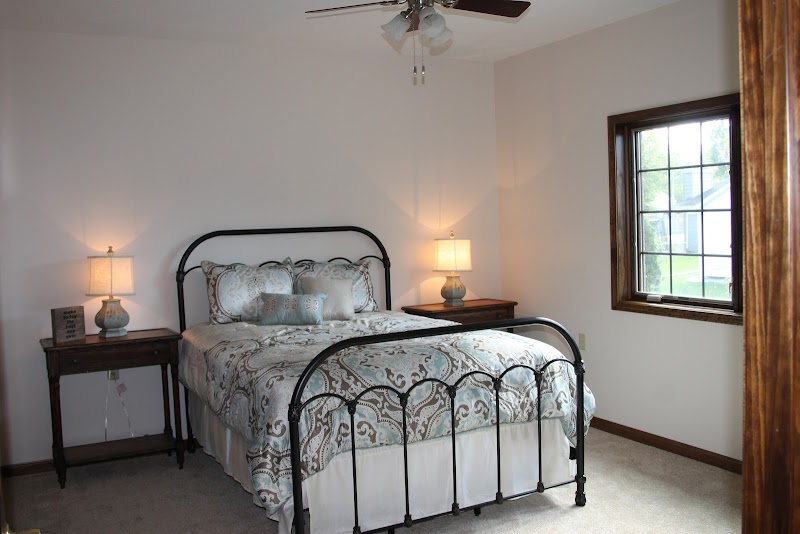
How is Golden Years Homestead Staffed?

CMS rates GOLDEN YEARS HOMESTEAD's staffing level at 4 out of 5 stars, which is above average compared to other nursing homes. Staff turnover is 22%, compared to the Indiana average of 46%. This relatively stable workforce can support continuity of care.

What Have Inspectors Found at Golden Years Homestead?

State health inspectors documented 25 deficiencies at GOLDEN YEARS HOMESTEAD during 2022 to 2025. These included: 1 Immediate Jeopardy (the most serious level, indicating potential for serious harm or death) and 24 with potential for harm. Immediate Jeopardy findings are rare and represent the most serious regulatory concerns. They require immediate corrective action.
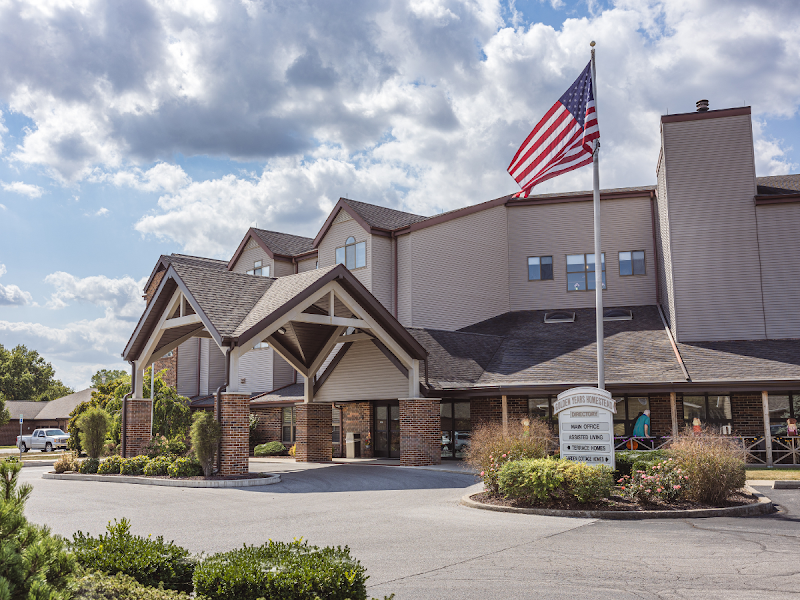
Who Owns and Operates Golden Years Homestead?

GOLDEN YEARS HOMESTEAD is owned by a non-profit organization. Non-profit facilities reinvest revenue into operations rather than distributing to shareholders. The facility operates independently rather than as part of a larger chain. With 111 certified beds and approximately 85 residents (about 77% occupancy), it is a mid-sized facility located in FORT WAYNE, Indiana.
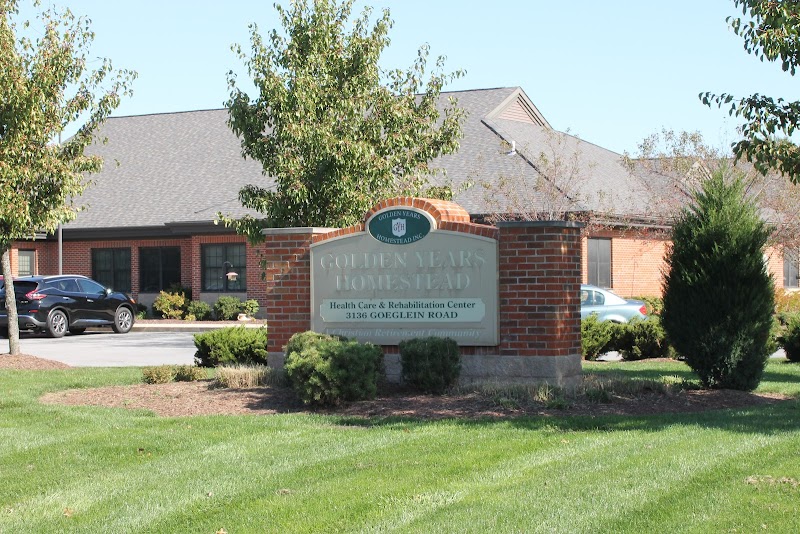
How Does Golden Years Homestead Compare to Other Indiana Nursing Homes?

Compared to the 100 nursing homes in Indiana, GOLDEN YEARS HOMESTEAD's overall rating (2 stars) is below the state average of 3.1, staff turnover (22%) is significantly lower than the state average of 46%, and health inspection rating (2 stars) is below the national benchmark.

What Should Families Ask When Visiting Golden Years Homestead?

Based on this facility's data, families visiting should ask: "What changes have been made since the serious inspection findings, and how are you preventing similar issues?" "Can I visit during a mealtime to observe dining assistance and food quality?" "How do you handle medical emergencies, and what is your hospital transfer rate?" "Can I speak with family members of current residents about their experience?" These questions are particularly relevant given the facility's Immediate Jeopardy citations.

Is Golden Years Homestead Safe?

Based on CMS inspection data, GOLDEN YEARS HOMESTEAD has documented safety concerns. Inspectors have issued 1 Immediate Jeopardy citation (the most serious violation level indicating risk of serious injury or death). The facility has a 2-star overall rating and ranks #100 of 100 nursing homes in Indiana. Families considering this facility should ask detailed questions about what corrective actions have been taken since these incidents.

Do Nurses at Golden Years Homestead Stick Around?

Staff at GOLDEN YEARS HOMESTEAD tend to stick around. With a turnover rate of 22%, the facility is 24 percentage points below the Indiana average of 46%. Low turnover is a positive sign. It means caregivers have time to learn each resident's needs, medications, and personal preferences. Consistent staff also notice subtle changes in a resident's condition more quickly. Registered Nurse turnover is also low at 29%, meaning experienced RNs are available to handle complex medical needs.

Was Golden Years Homestead Ever Fined?

GOLDEN YEARS HOMESTEAD has been fined $15,646 across 1 penalty action. This is below the Indiana average of $33,235. While any fine indicates a compliance issue, fines under $50,000 are relatively common and typically reflect isolated problems that were subsequently corrected. Families should ask what specific issues led to these fines and confirm they've been resolved.

Is Golden Years Homestead on Any Federal Watch List?

GOLDEN YEARS HOMESTEAD is not on any federal watch list. The most significant is the Special Focus Facility (SFF) program, which identifies the bottom 1% of nursing homes nationally based on persistent, serious quality problems. Not being on this list means the facility has avoided the pattern of deficiencies that triggers enhanced federal oversight. This is a positive indicator, though families should still review the facility's inspection history directly.