GREY STONE HEALTH & REHABILITATION CENTER
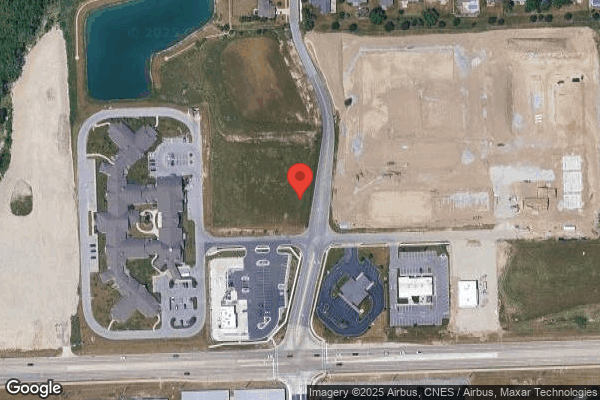

10445 DUPONT OAKS BLVD, FORT WAYNE, IN 46845 (260) 471-4770
For profit - Limited Liability company 100 Beds SABER HEALTHCARE GROUP Data: November 2025 1 Immediate Jeopardy citation
Trust Grade
0/100
#452 of 505 in IN
Last Inspection: September 2024

Within standard 12-15 month inspection cycle. Federal law requires annual inspections.

Overview

Grey Stone Health & Rehabilitation Center has received a Trust Grade of F, indicating significant concerns and poor performance. Ranked #452 out of 505 facilities in Indiana, they sit in the bottom half, and are the lowest-ranked facility in Allen County at #29 out of 29. The facility's trend is improving, reducing issues from 8 in 2024 to 4 in 2025; however, they still have a high number of fines totaling $237,983, which is concerning given that it exceeds fines imposed on all other Indiana facilities. Staffing is rated at 2 out of 5 stars, with a turnover rate of 56%, which is average but may affect care continuity. Specific incidents highlighted by inspectors include a critical failure to assess a resident's condition after surgery, leading to hospitalization and death, as well as serious issues with wound care that resulted in infections for other residents. While there are some improvements, families should weigh these serious deficiencies against the facility's efforts to enhance care.

Trust Score
F
0/100
In Indiana
#452/505
Bottom 11%
Safety Record
High Risk
Review needed
Inspections
Getting Better
8 → 4 violations
Staff Stability
⚠ Watch
56% turnover. Above average. Higher turnover means staff may not know residents' routines.
Penalties
⚠ Watch
$237,983 in fines. Higher than 90% of Indiana facilities. Major compliance failures.
Skilled Nurses
○ Average
Each resident gets 32 minutes of Registered Nurse (RN) attention daily — about average for Indiana. RNs are the most trained staff who monitor for health changes.
Violations
⚠ Watch
29 deficiencies on record. Higher than average. Multiple issues found across inspections.
★☆☆☆☆
1.0
Overall Rating
★★☆☆☆
2.0
Staff Levels
★★★☆☆
3.0
Care Quality
★☆☆☆☆
1.0
Inspection Score
Stable
2024: 8 issues
2025: 4 issues

The Good

  • Full Sprinkler Coverage · Fire safety systems throughout facility
  • No fines on record

Facility shows strength in fire safety.

The Bad

1-Star Overall Rating

Below Indiana average (3.1)

Significant quality concerns identified by CMS

Staff Turnover: 56%

Near Indiana avg (46%)

Frequent staff changes - ask about care continuity

Federal Fines: $237,983

Well above median ($33,413)

Significant penalties indicating serious issues

Chain: SABER HEALTHCARE GROUP

Part of a multi-facility chain

Ask about local staffing decisions and management

Staff turnover is elevated (56%)

8 points above Indiana average of 48%

The Ugly 29 deficiencies on record

1 life-threatening 3 actual harm
Apr 2025 1 deficiency 1 IJ
CRITICAL (J) 📢 Someone Reported This

A family member, employee, or ombudsman was alarmed enough to file a formal complaint

Immediate Jeopardy (IJ) - the most serious Medicare violation

Quality of Care (Tag F0684)

Someone could have died · This affected 1 resident

**NOTE- TERMS IN BRACKETS HAVE BEEN EDITED TO PROTECT CONFIDENTIALITY** Based on interview and record review, the facility failed to ensure residents were adequately assessed and provider orders were ...

Read full inspector narrative →
**NOTE- TERMS IN BRACKETS HAVE BEEN EDITED TO PROTECT CONFIDENTIALITY** Based on interview and record review, the facility failed to ensure residents were adequately assessed and provider orders were followed after a change in condition post-surgery for 1 of 4 residents reviewed. The facility failed to ensure the resident was assessed and a doppler study completed timely as ordered when Resident B's leg showed a change in condition. This deficient practice resulted in hospitalization and death. (Resident B). The Immediate Jeopardy began on 3/20/25 when the facility failed to assess Resident B's change of condition. The Assistant Director of Nursing (ADON) and Minimum Data Assessment (MDS) Nurse were notified of the Immediate Jeopardy on April 29, 2025 at 3:51 P.M. The immediate jeopardy was removed on 4/30/25 but noncompliance remained at the lower scope and severity of no actual harm with potential for more than minimal harm that is not immediate jeopardy. Findings include: In an interview on 4/29/25, Resident B's family indicated Resident B fell on 3/10/25. The family indicated the fall resulted in a left hip fracture with surgical intervention on 3/11/25. The family indicated Resident B returned to the facility on 3/14/25. On 3/20/25, the family received a call from the facility regarding a change of condition. The family indicated the nurse indicated Resident B's leg was red and swollen and a doppler ultrasound was ordered to rule out a blood clot. The family indicated she received no updates 3/21, 3/22 or 3/23. The family indicated on 3/24/25, Resident B was admitted to the hospital due to significant bruising and mottling without a pulse to her left leg. The family indicated the hospital indicated Resident B was not a surgical candidate and decided to elect inpatient hospice. The resident passed away on 4/8/25. Resident B's record was reviewed on 4/29/25 at 11:07 AM. Diagnosis included fracture of the left femur, type 2 diabetes mellitus and dementia. A nursing note, dated 3/10/25, indicated Resident B had a fall on 3/10/25, with resultant left hip fracture. The note indicated Resident B was sent to the hospital. A care plan, dated 3/14/25, indicated surgical hip precautions to be taken after hip surgery included encourage mobility, but did not include specific interventions to prevent blood clots. A nursing note, dated 3/14/25, indicated Resident B had surgery on 3/11/25 and returned to the facility 3/14/25. The note indicated Resident B's doctor ordered heparin three times a day (TID) for 2 weeks for deep vein thrombus prevention and initiated skilled therapy. A nurse practitioner (NP) note, dated 3/20/25, indicated Resident B was seen for left hip fracture follow up. The note indicated Resident B attempted to pull out her staples and an antibiotic was ordered. The NP noted Resident B's left leg was swollen and ordered a doppler ultrasound to rule out a blood clot. There was no doppler ultrasound order in Resident B's physician orders, on the Treatment Administration Record (TAR) or referenced in the progress notes including therapy notes between 3/20/25 and 3/ 24/25 to indicate a new order for doppler study had been received. A nursing note, dated 3/24/25 at 8:30 AM, indicated Qualified Medication Aide (QMA) 6 observed a deep purple discoloration of Resident B's posterior left thigh all the way to her ankle. The left leg was cold to touch, and the staff were unable to palpate a pedal (foot) pulse. A nursing note, dated 3/24/25 at 9:10 AM, indicated the Assistant Director of Nursing (ADON) and the NP assessed Resident B's leg on 3/24/25. Edema was noted from the left hip extending to the left foot with dark purple discoloration/mottling to the back, medial, lateral thigh and left foot up to the ankle. The note indicated Resident B complained of pain to left lower extremity and was unable to move her foot and toes. The note indicated the ADON was unable to locate a pedal [NAME] per palpation. The note indicated Resident B was sent to the hospital. An NP note, dated 3/24/25 at 9:22 AM, indicated she assessed Resident B due to changes in her left leg. The NP observed swelling, significant bruising, mottling to left leg, extended to back of thigh and wrapped around the sides with some bruising noted to foot and toes. The NP indicated she was not able to feel a pedal pulse and capillary refill was greater than 3 seconds. The note indicated doppler ultrasound was ordered but not completed and indicated Resident B was sent to the hospital. Hospital records, dated 3/24/25 - 4/8/24 were reviewed on 4/29/25 at 2:50 PM. An Emergency Department (ED) note, dated 3/24/25, indicated Resident B was brought to the hospital via ambulance for a cold, pulseless left leg and foot. The medics indicated the staff at the facility were unable to answer questions because the staff was not familiar with Resident B. The facility staff indicated the last time Resident B's left leg was seen normal was Thursday, 3/20/25. The ED note indicated a physical exam showed Resident B's left leg was swollen, mottled and cold. No pulses were present in the thigh, behind the knee or behind the ankle on palpitation or with doppler. The ED note indicated Resident B was consulted by 3 cardiology doctors. The doctors indicated Resident B was not a candidate for surgical intervention as the left leg was extremely ischemic and beyond effective surgical intervention. The note indicated the family was updated and indicated they would like admission to inpatient hospice. The hospital admission diagnosis included heparin - induced thrombocytopenia, other acute pulmonary embolism without acute cor pulmonale (heart involvement) and arterial embolism and thrombosis of lower extremity. An ultrasound, dated 3/24/25 at 6:17 PM, indicated Resident B had an occlusive thrombus (blood clot) extending greater than 5 cm in length and less than 3 cm away from the bend in the knee with edema present in the left leg. The report indicated extensive left lower deep vein thrombus. A CAT (CT) Scan, dated 3/24/25, indicated Resident B had a pulmonary embolism involving the left mainstem bronchus (big airway in the lung) as well multiple blood clots of the left upper lobe, left lower lobe and right middle lobe. An inpatient hospice note, dated 3/25/25 - 4/8/25, indicated Resident B was admitted with a diagnosis of critical limb ischemia of left lower extremity and closed displaced fracture of greater trochanter of left femur. The note indicated Resident B passed away on 4/8/25. In an interview, on 4/29/25 at 10:45 AM, Registered Nurse (RN) 2 indicated she observed Resident B's left leg on 3/20/24. The leg was red, swollen, warm to touch. RN 2 indicated she notified the NP. RN 2 indicated on 3/22 and 3/23, Resident B expressed pain with little to no difference appearance from 3/20. The leg remained swollen, redness, warm to touch, with no discoloration. RN 2 indicated on 3/22/25 she checked the order status for the doppler ultrasound through the mobile ultrasound company website. RN 2 indicated the order was still pending, so she submitted the STAT order request. RN 2 indicated the doppler ultrasound was not completed on 3/22 nor 3/23. RN 2 indicated she did not communicate with the NP regarding Resident B's status or lack of doppler ultrasound. RN 2 indicated when a STAT request is sent through the website, the company was onsite within 24-48 hours. RN 2 indicated she was unsure if the mobile company was open on the weekends. RN 2 indicated the nurse who took the order from the NP was responsible for entering the order in the resident's health record and submitting a request on the website. Progress notes dated 3/20/25 through 3/24/25 did not include any assessment of Resident B's left lower extremity, any vital signs, or any documentation of redness, pain, swelling, or to address pedal pulses. In an interview, on 4/29/25 at 11:10 AM, the ADON indicated the NP ordered a doppler ultrasound for Resident B on 3/20/25. The ADON indicated the nurse was responsible for entering the order into Resident B's chart as well as a request on the mobile doppler website. The ADON indicated the order was not entered into Resident B's chart on 3/20/25. The ADON also indicated the order through the website was not entered until 3/22/25 and was not completed. The ADON indicated the mobile doppler company was not open on the weekends so the ultrasound would have been completed on the following Monday. The ADON indicated the nurse should have reached out to the NP when the ultrasound was not available, or the resident had a change of condition. The ADON indicated on 3/21/24 Resident B's leg was still red but less swollen than 3/20/25. The ADON indicated during assessment on 3/24/25, Resident B was noted to have a swollen left leg, discoloration and absent pedal pulse. The ADON indicated Resident B was sent to the hospital, went to inpatient hospice and passed away. The ADON indicated staff should document on resident condition, physician orders to follow, and staff actions to prevent blood clots, but there was no documentation. In an interview, on 4/29/25 at 10:31 AM, RN 5 indicated when a change of condition was observed, she reached out to the NP for next steps. RN 5 indicated signs/symptoms of a blood clot would include redness, swollen, warm to touch, increased pain and absent or weak pedal pulses. In an interview, on 4/29/25 at 10:42 AM, Licensed Practical Nurse (LPN) 3 indicated signs/symptoms of a blood clot included redness, swelling and pain. LPN 3 indicated when a resident had a change of condition, she reached out to the NP for direction. In an interview, on 4/29/25 at 12 PM, RN 4 indicated she worked on 3/20/25. RN 4 indicated the NP ordered a doppler ultrasound but was unsure if the request was submitted into the mobile doppler website. RN 4 indicated STAT requests are completed within 48-72 hours. RN 4 indicated she was unsure if the mobile doppler company was open on the weekends. A current policy, last revised 5/27/2024, titled Resident Change in Condition was provided by the ADON on 3/24/25 at 4/29/25. The policy indicated a significant change of condition is a decline or improvement in a resident's status that would not normally resolve without intervention. The policy indicated the physician/provider were updated of resident's change of conditions, including a need to alter the medical treatment/orders. The policy also indicated a change of condition was documented in the resident's health record. The Immediate Jeopardy that began on 3/20/25 was removed and the deficient practice corrected on 4/30/25 when the facility re-educated all licensed nurses on facility policies for change of condition identification, assessments, documentation and following physician orders but will remain at the lower scope and severity of no actual harm with potential for more than minimal harm that is not immediate jeopardy. This tag relates to Complaint IN00458344. 3.1-37
Mar 2025 1 deficiency
CONCERN (D) 📢 Someone Reported This

A family member, employee, or ombudsman was alarmed enough to file a formal complaint

Potential for Harm - no one hurt, but risky conditions existed

Quality of Care (Tag F0684)

Could have caused harm · This affected 1 resident

**NOTE- TERMS IN BRACKETS HAVE BEEN EDITED TO PROTECT CONFIDENTIALITY** Based on interview and record review, the facility failed to ensure 1 of 3 residents reviewed were assessed and findings reporte...

Read full inspector narrative →
**NOTE- TERMS IN BRACKETS HAVE BEEN EDITED TO PROTECT CONFIDENTIALITY** Based on interview and record review, the facility failed to ensure 1 of 3 residents reviewed were assessed and findings reported to the physician related to a change in condition. (Resident C). Findings include: On 3/31/25 at 10:23 A.M., Resident C's record was reviewed. Diagnoses included colostomy status, recurrent small bowel obstructions and congestive heart failure (CHF). A hospital note, dated 9/17/24, indicated the resident had been sent to the hospital with symptoms of abdominal pain, distention, and nausea developed the morning of 9/6/24. The resident denied vomiting but had indicated output in her colostomy bag had abruptly stopped. A CT scan indicated the resident had a small bowel obstruction in the right lower abdomen. She was admitted to the hospital for treatment of the obstruction. Medical records indicated she had a left hemicolectomy (removal of left side bowel) with a colostomy due to a perforated bowel (years prior) and had been treated for a small bowel obstruction on 3/17/23 and 5/24/24. A hospital Emergency Department (ER) Provider Note, dated 3/24/25 at 6:32 a.m., indicated Resident C, had a history of CHF requiring continued oxygen use at 2 liters per minute by nasal cannula, colostomy with multiple abdominal surgeries and recurrent small bowel obstructions. Resident C came to the ER for nausea, vomiting and shortness of breath. The resident had complained of increased fatigue and decreased oral intake. Physical exam indicated Resident C was ill-appearing, was positive for confusion, had dry mucous membranes, fast heart and respiratory rates, decreased blood pressure, abdominal distention, and tenderness over the right side of her abdomen. CT x-rays of her chest, abdomen, and pelvis indicated the resident had right sided pneumonia and small bowel obstruction. Resident C was admitted to the medical intensive care unit (ICU) with acute illness that posed a threat to her life and bodily functions. A hospital Discharge summary, dated [DATE] at 1:17 p.m., indicated the residents' condition worsened with respiratory and circulatory failure and she passed away. The final discharge diagnosis and cause of Resident C's death was small bowel obstruction. An annual Minimum Data Set (MDS) assessment, dated 1/3/25, indicated Resident C had no cognitive impairment and no behaviors of rejecting care. She had a colostomy with no constipation. Care plans indicated: -Revised 2/15/25: the resident was at risk for impaired skin integrity as she required a colostomy related to history of colon resection due to cancer. The goal was to maintain the skin integrity around the stoma and have no signs or symptoms of complications related to the colostomy. Interventions included: monitor skin for irritation around the stoma; empty and cleanse the ostomy pouch on a routine basis; and change the colostomy bag as ordered. The care plan did not indicate specific signs and symptoms for staff to monitor related to identification of small bowel obstructions such as nausea, vomiting, abdominal pain, or lack of output in her colostomy pouch. Physician orders for routine medications to maintain bowel function and prevent constipation/lack of stool in the colostomy pouch were: -Miralax powder 17 grams by mouth 3 times per day. -Linzess 72 micrograms by mouth 1 time per day. -Senna laxative 8.6 milligram tablet by mouth 2 times per day. A Medication Administration Record (MAR), dated March 2025, indicated Resident C's colostomy bag was to be changed 1 time every 3 days and skin barrier appliance changed 1 time every 7 days. Documentation indicated the bag and skin barrier changes were completed as ordered. A Nurse Practitioner (NP) progress note, dated 3/7/25 at 6:27 a.m., indicated Resident C was seen for chronic illness management. The resident indicated stool output in her colostomy was normal without any issues. An NP progress note, dated 3/17/25 at 8:36 a.m., indicated Resident C was seen for pain management and follow up of routine labs. The resident had chronic pain in her back, legs and abdomen relieved with her routine prescribed medications. The resident had a colostomy and denied any changes with stool output due to narcotic medication use. Prescriptions for Lyrica-used to manage neuropathic pain and Tramadol-used on as needed basis for pain, were given and refilled. There were no further NP progress notes or nurse progress notes from 3/18/25 through 3/23/25. Bowel movement records, dated 3/20/25 at 11:32 a.m. indicated Resident C had a medium amount of stool in her colostomy bag. On 3/21, 3/22, 3/23, and 3/24/25, the records indicated there was no stool in her colostomy bag. A nurse progress note, dated 3/24/25 at 3:49 a.m., indicated at 2:15 a.m., Resident C had been having nausea and vomiting for the past 24 hours. She had been administered Zofran (anti-nausea/vomiting medication) per as-needed orders, but it had not been effective. The resident was weak, skin pale and cool to touch, and she had no stool in her colostomy bag since 3/23/25. Her blood pressure was low at 99/56, pulse 99, respirations 24, and her oxygen saturation was 85% (normal oxygen saturation is >90%) with oxygen on at 3 liters per minute per nasal cannula. The resident requested to go to the hospital. The on-call NP was notified and orders given to transport to the hospital. The EMS arrived at 2:45 a.m. and the resident transported to the hospital. On 3/31/25 at 12:45 P.M., Qualified Medication Aide (QMA) 2 was interviewed. She indicated she had worked on 3/22/25 and 3/23/35, 10:00 p.m. to 6:00 a.m. During those 2 nights, she cared for Resident C who had been ill with nausea and vomiting. QMA 2 indicated she had been told the resident had been vomiting since Friday 3/21/25 but hadn't wanted to go to the hospital. Resident C had a large emesis on the morning of 3/23/25. It was reported to her, when she returned to work, the resident had continued with vomiting all day on 3/23/25. She reported the vomiting to the nurse in charge. On 3/31/25 at 1:00 P.M., QMA 4 was interviewed. She indicated she had worked 3/21, 3/22, and 3/23/25. On 3/21/25, she worked 10:00 to 6:00 a.m. and was told in report, Resident C had begun vomiting earlier in the day. During her shift on 3/21/25, Resident C had a small emesis colored like spit or sputum. On 3/22/25, she began her shift at 6:00 p.m. and worked until 6:00 a.m. 3/23/25. In report at the beginning of her shift, the off-going QMA 2 reported the resident was still vomiting and had been given Zofran by Licensed Practical Nurse (LPN) 7 earlier in the day 3/22/25. QMA 4 indicated she'd intended to give the resident more Zofran for the nausea but hadn't found an order for the medication. QMA 4 returned on 3/23/25 for night shift but had not worked with Resident C as she was scheduled on another wing. On 3/31/25 at 2:00 P.M., LPN 7 was interviewed. She indicated she worked on 3/22/25 and 3/23/25, from 6:00 a.m. until 6:00 p.m. When she received report on 3/22/25, she had not been informed Resident C had been vomiting or had been sick. On 3/22/25, at approximately 3:00 p.m., Resident C reported to LPN 7, she wasn't feeling good and wanted to lie down. On 3/23/25, she was told in report the resident had vomited 1 time during the night. During her shift (6:00 a.m. to 6:00 p.m.) on 3/23/25, Resident C had 2 more episodes of vomiting. LPN 7 indicated she had not contacted the on-call NP but had put a note in the NP's folder to be seen on Monday. When questioned, LPN 7 indicated she had not been aware the resident had a history of small bowel obstructions as she was new to the facility. She indicated she had not administered Zofran to the resident becasue the resident had no orders for the medication. On 3/31/25 at 2:07 P.M., LPN 9 was interviewed. She indicated she worked 3/22/25 and 3/23/25, on the night shift (6P-6A). She was scheduled to work on the memory care unit but was responsible for covering the QMA's scheduled on the other hall. She indicated QMA 2 reported to her Resident C had been vomiting over the past 2 days and was ill. LPN 9 assessed the resident and obtained her vital signs. Resident C was very ill and when asked, agreed to go to the hospital. LPN 9 indicated, she reported the information to the on-call NP and hospital staff the resident had been sick with nausea and vomiting the past 24 hours; she had no stool in her colostomy bag; and had been given as needed Zofran as ordered, which had not been effective in relieving the resident's symptoms. On 3/31/25 at 3:53 P.M., the Assistant Director of Nursing (ADON) was interviewed. She indicated she had not been made aware of Resident C being ill with nausea and vomiting, only that she had been sent to the hospital. When questioned, the ADON indicated the NP/Physician should have been notified immediately of the resident's symptoms due to her previous small bowel obstructions resulting in hospitalizations. A current facility policy, titled Resident Change in Condition was provided, on 3/31/25 at 4:00 P.M., by the ADON which indicated the following: Resident Change in Condition: The nurse will recognize and intervene in the event of a change in resident condition. The physician and family will be notified as soon as the nurse had identified the change in condition and the resident is stable. A Significant change of condition is a decline or improvement in the resident's status that 1. Will not normally resolve itself without intervention by staff or by implementing standard disease-related clinical intervention; and/or one that 2. Impacts more than one area of the resident's health status This Citation relates to Complaint IN00456458. 3.1-37
Feb 2025 2 deficiencies
CONCERN (D) 📢 Someone Reported This

A family member, employee, or ombudsman was alarmed enough to file a formal complaint

Potential for Harm - no one hurt, but risky conditions existed

Report Alleged Abuse (Tag F0609)

Could have caused harm · This affected 1 resident

Based on interview and record review, the facility failed to ensure an allegation of missing medication was reported for 1 of 3 residents reviewed (Resident B). Findings include: A complaint, submitte...

Read full inspector narrative →
Based on interview and record review, the facility failed to ensure an allegation of missing medication was reported for 1 of 3 residents reviewed (Resident B). Findings include: A complaint, submitted to the Indiana Department of Health on 1/31/25, alleged Resident B had brought medications to the facility during his stay. The allegations included the medications were not returned to him upon discharge. While at the facility, he alleged he told nursing staff what medications he needed but they refused to give him any medication unless he brought in his home medications. He had someone go to his home and return with the medication. The home medication was given to a staff member to administer. The resident was then discharged home. After returning home, Resident B alleged he had been unable to find the 2 medications he had brought to the facility from home. Resident B notified the facility of the missing medications. The facility was unable to find the 2 missing medications brought from home. Resident B then contacted the sheriff's department and reported the 2 missing medications. The missiong medications were Nexium (for acid reflux) and Mitagare (brand name for Colchicine used to treat gout). Resident B indicated both medications (90 pills each) had been filled in December 2024. On 2/25/25 at 10:50 A.M., Resident B's record was reviewed. Diagnoses included fall with fractured right femur requiring surgical repair, gastro-esophageal reflux disease (GERD), and gout. The resident was admitted from the hospital for short-term rehabilitation services. A Medication Administration Record (MAR) dated January 2025, indicated the resident was administered Mitagare 0.6 mg-1 tablet by mouth daily on 1/23 and 1/24/25 for gout and the brand name Nexium daily on 1/23 and 1/24/25. The MAR indicated both Mitagare and Nexium were from his home supply. On 2/25/25 at 11:05 A.M., Licensed Practical Nurse 5 (LPN) was interviewed. She indicated she had discharged the resident from the facility on 1/24/25. The resident had 2 bottles of medication, supplied from home, stored in the upper drawer of the secured nurses medication cart. 1 bottle was Mitagare 0.6 mg tablets and 1 bottle of Nexium 40 mg delayed release capsules. She removed the medications from the medication cart and placed them in a facility blue bag on the day of discharge. She indicated the resident had 2 of the facility blue bags filled with medications to take home with him. LPN 5 indicated she had gone over discharge instructions, including his medications, and told him when he was ready to leave, he could pick up the medication in the 2 blue bags sitting on the nurses desk at the nurses station. She was not at the nurse's desk when Resident B left the facility and did not see who had picked up the bags of medications. On 2/25/25 at 12:05 P.M., the Administrator was interviewed. She and the Director of Nursing (DON) had been made aware Resident B's 2 missing medications. On 1/28/25, the DON offered to replace his 2 missing medications becasue the facility had not found the Nexium or the Mitagare. Resident B did not accept the offer and did not return phone calls to the facility. The Administrator indicated staff hadn't known what happened to the 2 bottles of missing medications and she hadn't been aware medications had been left unsecured on the nurse's station desk when the medications had gone missing. She was notified by the manager on duty, on 2/1/25, a police report had been filed regarding the 2 missing medications and a police officer was in the building to follow up on the report. The Administrator indicated she had not reported the incident but should have according to the facility policy. A current facility policy, titled Indiana Resident Abuse Policy, was provided by the Administrator on 2/25/25 at 10:45 A.M., and stated: The facility will not tolerate abuse, neglect, mistreatment, exploitation of residents, and misappropriation of resident property by anyone .Allegations of misappropriation of resident property must be reported immediately .The facility will contact the police for any allegation of misappropriation of resident property .Complete reporting per state specific procedure This Citation relates to Complaint IN00452515. 3.1-28(c)
CONCERN (D) 📢 Someone Reported This

A family member, employee, or ombudsman was alarmed enough to file a formal complaint

Potential for Harm - no one hurt, but risky conditions existed

Pharmacy Services (Tag F0755)

Could have caused harm · This affected 1 resident

Based on interview and record review, the facility failed to ensure medications brought from home were reconciled and securely stored for 2 of 3 residents reviewed (Resident B and Resident F). Finding...

Read full inspector narrative →
Based on interview and record review, the facility failed to ensure medications brought from home were reconciled and securely stored for 2 of 3 residents reviewed (Resident B and Resident F). Findings include: A complaint, submitted to the Indiana Department of Health on 1/31/25, alleged Resident B had brought medications to the facility, but the medications were not returned to him upon discharge. While at the facility, he alleged he told nursing staff what medications he needed but they refused to give him the medication unless he brought in his home medications. He had someone go to his home, retrieve the medicaitons, return, and give the medications, Nexium (for acid reflux) and Mitagare (brand name for Colchicine used to treat gout) to a staff member. The resident was then discharged with his medications except for 2 he had brought from home. After returning home, Resident B alleged he had been unable to find the 2 medications and had erroneously been given a bag containing 22 bottles of another resident's medication (Resident F). The resident notified facility staff who went to his home to collect the bag of medications belonging to the other resident but were unable to find his 2 missing medications. Resident B then contacted the sheriff's department and reported the 2 missing medications. 1. On 2/25/25 at 10:50 A.M., Resident B's record was reviewed. Diagnoses included fall with fractured right femur requiring surgical repair, gastro-esophageal reflux disease (GERD), and gout. The resident was admitted from the hospital, following right hip replacement, for short-term rehabilitation services. Hospital discharge medication orders, dated 1/14/25, included Colchicine (Mitagare 0.6 mg oral capsule)-take 1 capsule by mouth daily for gout, Esomeprazole (Nexium 40 mg oral delayed release capsule, 1 capsule by mouth daily, brand name only) for GERD, and Pantoprazole 40 mg 1 tablet by mouth daily. A Nurse Practitioner (NP) note, dated 1/16/25 at 6:55 a.m., indicated the resident was seen for a post-hospital visit. The resident had gout and was prescribed Allopurinol and Colchicine daily, however, he indicated these 2 medications hadn't worked well and he needed the brand name of Colchicine, which was Mitagare, to manage his gout. The plan was to continue Allopurinol and Colchicine for gout and discontinue Nexium as he was also prescribed Pantoprazole which was duplicate therapy. An NP note, dated 1/20/25 at 7:15 a.m., indicated the resident was seen for a 2nd post-hospital visit. Resident B complained about not having Mitagare to treat his gout and his left lower extremity was beginning to hurt. He indicated if he went 7 days without that medication, he would want to cut his leg off because of the pain. The resident took Allopurinol and Colchicine daily but had indicated the Colchicine was ineffective. The change from Mitagare to the generic Colchicine was due to a pharmacy interchange but if he had Mitagare at home, he could bring it to the facility and staff would administer. Additional concerns he had was about the Nexium he was taking for GERD. He indicated he was getting Omeprazole 1 tablet but required 2 to equal the strength of Nexium (he was prescribed pantoprazole and nexium at the facility). Nexium was to be discontinued and the Pantoprazole continued. The plan indicated if the resident was able to provide Mitagare, the order could be changed from Colchicine (generic) to Mitagare (brand name). A nurse note, dated 1/20/25 at 9:30 a.m., indicated Resident B had been refusing Colchicine because it wasn't the correct medication. He refused the generic form of Nexium and indicated he needed the brand name of these medications. A Medication Administration Record (MAR) dated January 2025, indicated the resident had been prescribed and had taken Colchicine and generic Nexium daily on 1/15, 1/16, 1/17, 1/18, 1/19, 1/21 and 1/22/25 and had refused on 1/20/25 after stating they were not the correct medications. He was administered Mitagare 0.6 mg-1 tablet by mouth daily on 1/23 and 1/24/25 and the brand name Nexium daily on 1/23 and 1/24/25. The MAR indicated both Mitagare and Nexium were from his home supply. Resident B's medical record did not indicate when his home supply of Mitagare and name brand Nexium had been brought into the facility nor amount of medication he supplied from home. On 2/25/25 at 11:05 A.M., Licensed Practical Nurse 5 (LPN) was interviewed. She indicated she had discharged the resident from the facility on 1/24/25. The resident had 2 bottles of medication stored in the upper drawer of the secured nurses medication cart. 1 bottle was Mitagare 0.6 mg tablets and 1 bottle was Nexium 40 mg delayed release capsules. She removed the medications from the medication cart and placed them in a facility blue bag on the day of discharge. She indicated the resident had 2 of the facility blue bags filled with medications to take home with him. She didn't know when the bottles of medication had been brought in or how much medication had been in the bottles. LPN 5 indicated she had gone over discharge instructions, including his medications, and told him when he was ready to leave, he could pick up the medication in the 2 blue bags sitting on the nurses desk at the nurses station. She did not indicate what time she had gone over the discharge instructions or when the blue bags containing medications had been placed on the nurses desk. LPN 5 indicated next to Resident B's 2 blue bags, was a Walmart bag filled with an unknown number of bottles of Resident F's medications, brought from Resident F's home. The bag of medications was being picked up by Resident F's family member. LPN5 indicated she was not at the nurse's desk when Resident B left the facility and did not see who had picked up the bags of medications. She indicated all 3 bags were removed. A progress note, dated 1/24/25 at 6:28 p.m., indicated Resident B had discharged with a friend, all his belongings and medications sent home with him. Refer to F609. 2. On 2/25/25 at 3:12 P.M., Resident F's record was reviewed. Diagnoses included chronic pain syndrome and weakness. Prior to admission, she'd been hospitalized for acute respiratory issues and was receiving rehabilitation services with plans to go back home. Neither Resident F's progress notes nor admission assessments indicated home medications had been brought to the facility. An MAR, dated January 2025, listed medications prescribed and administered by staff. The MAR did not indicate any medications were from Resident F's home supply. Progress notes, dated 1/17/25 through 2/4/25, did not indicate home supplied medications had been returned to the resident. Resident F's record did not indicate Resident F's home medications had been erroneously given to another resident discharged home. A discharge assessment, dated 2/4/25, did not indicate home supplied medications had been returned to the resident. Resident F's record did not indicate her home medications had been erroneously given to another resident discharged home. On 2/25/25 at 12:05 P.M., the Administrator and Assistant Directors of Nursing (ADON 8 and ADON 9) were interviewed. The Administrator indicated staff didn't know what happened to Resident B's 2 bottles of missing medications and she wasn't aware 3 bags of medications had been left unsecured on the nurse's station desk. Both ADON's indicated neither Resident B's nor Resident F's medications should've been left unsecured at the nurses station. Medications brought in from home by residents were to be documented in the resident record when received, when returned to the resident, and kept securely stored. ADON 8 indicated there had been no documentation in the record of the number of medications placed in a bag to be returned to Resident F's family. The Administrator indicated she had been notified of the missing medications reported to the sheriff's office. Prior to being notified of the police report, she indicated, on 1/28/25, the Director of Nursing (DON) had picked up Resident F's medications from Resident B's home and the facility offered to pay for the missing medications but had received no response from the resident. Current facility pharmacy policies, provided by the Administrator on 2/25/25 at 10:45 A.M., indicated the following: -Medication Brought into the Facility policy stated: Procedure: Facility staff should not administer medications .brought to facility by a resident .without physician/prescriber's order .Facility staff should return any unused medications brought into the facility by the resident .to the resident's family .A facility nurse should store unused non-controlled substance medications securely -Loss or Theft of Medications policy stated: Where facility staff suspect theft or loss of medications, staff should take such actions as required by applicable law and facility policy. Appropriate actions may include, without limitation: 1. Immediately reporting suspected theft of loss of drugs to supervisor/manager or Director of Nursing for appropriate investigation and follow up; and 2. Investigating and reconciling discrepancies This Citation relates to Complaint IN00452515. 3.1-25
Dec 2024 2 deficiencies
CONCERN (D) 📢 Someone Reported This

A family member, employee, or ombudsman was alarmed enough to file a formal complaint

Potential for Harm - no one hurt, but risky conditions existed

Report Alleged Abuse (Tag F0609)

Could have caused harm · This affected 1 resident

Based on interview and record review, the facility failed to ensure an allegation of abuse and injury of unknown origin was reported for 1 of 3 residents reviewed for abuse (Resident F). Findings incl...

Read full inspector narrative →
Based on interview and record review, the facility failed to ensure an allegation of abuse and injury of unknown origin was reported for 1 of 3 residents reviewed for abuse (Resident F). Findings include: An anonymous complaint, reported to the Indiana Department of Health, dated 11/12/24, alleged Resident F had been hit by a visitor and was found with a black eye the following day. On 12/6/24 at 1:15 P.M., Resident F's record was reviewed. Diagnoses included vascular dementia with agitation, impulsiveness, delusional disorder, anxiety disorder, and major depressive disorder. She resided on the secured memory care unit. 1. A nurse progress note, dated 10/20/24 at 5:00 p.m., indicated a nurse manager notified the floor nurse Resident F had wandered into another resident's room and was hitting their visitor on the shoulder. In response, the visitor grabbed Resident F's shoulder to get her out of the room. The situation was reported to the Administrator and witness statements were obtained by the nurse manager. Witness statements indicated: -On 10/20/24 at unknown time, the Minimum Data Set (MDS) nurse was asked to go to the secured memory care unit after reports Resident F had been hit by another resident's visitor. The MDS nurse went to the peer's room and spoke with the visitor who confirmed the events. The visitor indicated they had stepped between the 2 residents when Resident F entered the room. Resident F hit the visitor on the shoulder. The visitor told Resident F not to hit and leave the room. Resident F hit the visitor on the other shoulder. The visitor then grabbed Resident F by the shoulders and removed her from the room. Resident F had no observed injuries at the time and continued to roam the halls without issues. -On 10/20/24 at unknown time, a peer's visitor wrote he had been near the door of his loved one's room, when Resident F moved the STOP sign banner across the doorway and came into the room, directly in front of him. The visitor told the resident to leave as did the other resident. Resident F hit the visitor in the left chest/shoulder. The visitor told her Do not hit me-leave. Resident F hit him in the right chest/shoulder in response. The visitor grabbed Resident F's upper arms near her shoulders, moved her backwards towards the door and told her to leave. The resident left the room and went across the hall. There was no further documentation completed, no reporting the incident as required, nor further investigation of the incident. In an interview, on 12/6/24 at 1:51 P.M., the MDS nurse indicated on 10/20/24, he told the nurse who documented the incident in the resident's record and reported the incident to the Administrator. 2. On 10/21/24 at 7:00 a.m., a nurse progress note indicated Resident F had been observed with a 1 inch laceration above her right eye and a 2 inch skin tear on her right hand above her thumb. Both areas were cleansed but the resident was observed to get frustrated with first aid attempts. Resident F showed no signs of distress or discomfort but was unable to tell nurse how the injuries occurred and she'd had no recent falls. A Focused Head to Toe Observation, dated 10/21/24 at 12:09 p.m., indicated Resident F was involved in a possible altercation. During the assessment, the resident was anxious/nervous/restless. She had right eyelid bruising, a scrape in her eyebrow, and right wrist skin tear. There was no further documentation indicating the incident had been reported, the cause of the resident's injuries nor was the resident able to tell staff how the injuries had occurred. On 12/6/24 at 3:30 P.M., the Administrator indicated both incidents should have been reported to her immediately as well as the State agency, and investigations started. A current policy, titled Indiana Resident Abuse Policy, was provided by the Administrator on 12/6/24 at 11:00 A.M. which indicated the following: It is the facility's policy to investigate all allegations, suspicions and incidents of abuse, neglect, involuntary seclusion, and exploitation of residents, misappropriation of resident property and injuries of unknown source. Facility staff must immediately report all such allegations to the Administrator/Abuse Coordinator. The Administrator/Abuse Coordinator will immediately begin an investigation and notify the applicable local and state agencies in accordance with the procedures in this policy .Abuse includes actions such as the willful infliction of injury, unreasonable confinement, intimidation, or punishment with resulting physical harm, pain or mental anguish. Abuse includes .verbal abuse, physical abuse .and injuries of unknown origin .Injury of unknown source is when both the following conditions are met: a. The source of the injury was not observed by any person, or the source of the injury could not be explained by the resident AND b. The injury is suspicious because of the extent of the injury, location of the injury .All allegations of Abuse, Neglect, Involuntary Seclusion, Injuries of Unknown Source .must be reported immediately to the Administrator, Director of Nursing and to the applicable State Agency .Protect the Resident .If a person not on staff is accused of Abuse .the facility will take action to protect the resident including, but not limited to, contacting the third party and addressing the issue directly with him/her, preventing access to resident during the investigation, and/or referring the matter to the appropriate authorities This Citation relates to Complaint IN00447189. 3.1-28(c)
CONCERN (D) 📢 Someone Reported This

A family member, employee, or ombudsman was alarmed enough to file a formal complaint

Potential for Harm - no one hurt, but risky conditions existed

Investigate Abuse (Tag F0610)

Could have caused harm · This affected 1 resident

Based on interview and record review, the facility failed to ensure a thorough investigation of allegation of abuse and injury of unknown source was completed for 2 of 3 residents reviewed for abuse (...

Read full inspector narrative →
Based on interview and record review, the facility failed to ensure a thorough investigation of allegation of abuse and injury of unknown source was completed for 2 of 3 residents reviewed for abuse (Resident F and Resident G). Findings include: An anonymous complaint, reported to the Indiana Department of Health, dated 11/12/24, alleged Resident F had been hit by a visitor and was found with a black eye the following day. On 12/6/24 at 1:15 P.M., Resident F's record was reviewed. Diagnoses included vascular dementia with agitation, impulsiveness, delusional disorder, anxiety disorder, and major depressive disorder. She resided on the secured memory care unit. An annual Minimum Data Set (MDS) assessment, dated 9/6/24, indicated Resident F had severely impaired cognition and rarely spoke. She had behaviors of inattention continually present and disorganized intermittant thinking behaviors which changed in severity. Staff assessment of her mood indicated she had little interest or pleasure in doing things, trouble concentrating, and trouble falling asleep almost daily. She had no wandering behaviors, no verbal or physical behaviors, and had not rejected care. She was independent with eating, walking and transfers, had no falls in the past 3 months, required maximal assistance with personal hygiene and bathing, and was dependent for toileting and dressing. Care plans, revised on 12/5/24 and 12/6/24, included: -Psychosocial well-being: Resident F resided on a secured unit due to dementia. She exhibited exit seeking tendencies, was an elopement risk, and had episodes of wandering in and out of others room at times, were difficult to redirect. Interventions included: attempt to redirect when wandering; encourage daily participation in activities and social events; and encourage family visits. -Behavioral symptoms: The resident was at risk for elopement and wandering. She wandered without purpose, wandered into other resident rooms, and disregarded STOP signs across other residents doorways. Interventions were to keep resident occupied; calmly redirect her; divert her attention; and relocate her to a different area. A nurse progress note, dated 10/20/24 at 5:00 p.m., indicated a nurse manager notified the nurse Resident F had wandered into another resident's room and hit their visitor in the shoulder. In response, the visitor grabbed Resident F's shoulder to get her out of the room. The situation was reported to the Administrator. Witness statements were obtained by the nurse manager from the visitor and staff present. Witness statements indicated: -On 10/20/24 at unknown time, the MDS nurse was approached by Certified Nurse Aide 2 (CNA) and asked to go to the secured memory care unit. CNA 2 indicated Resident F had hit Resident G's visitor. Resident G's visitor removed Resident F from the room by grabbing her shoulders. CNA 2 went into Resident G's room to find out what happened when the visitor re-enacted the incident by grabbing CNA 2's shoulders. CNA 2 told the visitor not to touch her but he still grabbed her by the shoulders. The MDS nurse went to Resident G's room and spoke with the visitor who confirmed the events. The visitor indicated they had stepped between Resident G and Resident F when she entered the room. Resident F hit the visitor on the shoulder and was told not to hit and leave the room. Resident F hit the visitor on the other shoulder and then the visitor grabbed her by the shoulders and removed her from the room. Resident F had no observed injuries at the time and continued to roam the halls without issues. -On 10/20/24 at unknown time, Resident G's visitor wrote he had been near the door of Resident G's room, when Resident F moved the STOP sign banner across the doorway and came into the room, directly in front of him. The visitor told the resident to leave as did Resident G. Resident F hit the visitor in the left chest/shoulder. The visitor told her Do not hit me-leave then she hit him in the right chest/shoulder. The visitor grabbed Resident F's upper arms near her shoulders, moved her backwards towards the door and told her to leave. The resident left the room and went across the hall. There was no further documentation completed regarding further investigation of the incident including protection of Resident F or others who could wander into Resident G's room. Confidential interviews, conducted during the survey, indicated Resident G's visitor had grabbed the resident by the shoulders and moved her backwards towards the door. The visitor had not put Resident G's call light on nor summoned staff for help. After the incident, Resident G's visitor was not asked to leave the facility nor were his visits restricted. Visitors were not allowed to grab or push residents around when visiting the facility. Action of grabbing or pushing could be indicative of abuse. There was no documentation completed from 10/20/24 at 5:00 p.m. until 10/21/24 at 7:00 a.m. when a nurse note indicated Resident F had been observed with a 1 inch laceration above her right eye and a 2 inch skin tear on her right hand above her thumb. Both areas were cleansed but the resident was observed to get frustrated with first aid attempts. Resident F showed no signs of distress or discomfort but was unable to tell nurse how the injuries occurred and she'd had no recent falls. The Assistant Director of Nursing (ADON) and Medical Nurse Practitioner (NP) were notified. A Focused Head to Toe Observation, dated 10/21/24 at 12:09 p.m., indicated Resident F was involved in a possible altercation. During the assessment, the resident was anxious/nervous/restless. She had right eyelid bruising and scrape in her eyebrow, and right wrist skin tear. A nurse progress note, dated 10/21/24 at 3:31 p.m., indicated an order was given to apply steri-strips to the resident's skin tear on her right wrist. The scrape above her right eye was superficial and left open to air. A Wound Care NP progress note, dated 10/22/24 at 11:49 a.m., indicated the resident was seen following a fall and sustaining abrasions. She was pleasantly confused and wandered around the memory care unit. Her right eye was dark purple and blue around the rim with slight swelling noted. She had a right lateral skin tear with wound edges flat and attached. Assessment/Plan: Right hand skin tear-okay to leave open to air. Right orbital (eye) hematoma-staff to monitor. A nurse progress note, dated 10/22/24 at 5:23 p.m., indicated bruising to the resident's right eye remained purple in color and she denied pain/discomfort. A Psychiatric NP progress note, dated 10/22/24 at 7:19 p.m., indicated Resident F was seen for follow-up. She was observed wandering the unit and intruding into other resident's rooms. Despite multiple attempts by staff, she'd been difficult to redirect. The Assessment/Plan was Unspecified fall: The resident recently had an unwitnessed fall, likely due to her impulsivity and intrusive wandering. It was unclear exactly what happened during the incident. The Psychiatric NP progress note didn't indicate the resident had been involved in an altercation with a visitor prior to her injuries being observed or if the 2 incidents were related. A Interdisciplinary (IDT) note for skin integrity, dated 10/24/24 at 12:15 p.m., indicated Resident F had returned from a walk during mealtime with a laceration above her right eye and right hand. Steri-strips were applied to the right wrist skin tear. Her right forehead scrape was superficial and left open to air. Resident F had no signs of psychosocial distress; continued to walk, pace, and participate in activities of choice. The IDT note didn't include an investigation of the injury of unknown origin nor mention of the altercation between Resident F and the visitor on 10/20/24. There was no documentation to indicate Resident F had been assessed for injury following the incident and being grabbed on the shoulders by a visitor. On 12/6/24 at 2:30 P.M., the ADON was interviewed. She indicated the altercation between Resident F and Resident G's visitor had not been reported to her as documented in the record. She had been told of the injury to the resident's right eye and wrist and had called the night shift nurse on 10/21/24 at 1:30 p.m. to see if the nurse had seen any injuries to the resident or if she had fallen through the night. The night shift nurse indicated she hadn't seen any injuries or skin issues and staff hadn't reported any to her. Resident F had laid on a recliner chair in the dayroom for most of the night and had no known falls. She was unaware of any further investigation into either incident. On 12/6/24 at 2:50 P.M., Licensed Practical Nurse 3 (LPN) was interviewed. She indicated she served as the facility's in-house wound nurse. On Monday, 10/21/24, she had gone to the memory care unit to see if the nurse needed any assistance. She observed Resident F with a black eye which looked as if someone had hit the resident which had shocked her. The nurse, on duty, had indicated she saw it when she first arrived to the facility that morning, had immediately reported it to the Assistant Director of Nursing (ADON) and medical NP. LPN 3 indicated, late morning, she had been asked to perform a head to toe skin assessment which she had done with staff assistance. She indicated it had been very brief because of the resident's resistance to having her clothes removed. She observed Resident F with a black/purple right eye with a swollen eyelid. She had an abraised area in her right eyebrow which measured 0.2 centimeters (cm) by 0.1 centimeters. A skin tear to her right wrist, measured 2 cm by 0.2 cm, was cleansed, steri-strips applied followed by antibiotic ointment. She indicated she hadn't been told how the resident got the injuries nor been involved in investigating their cause. LPN 3 had not known about the altercation on 10/20/24 between the resident and Resident G's visitor, but hadn't seen any bruises on the resident's arms during her brief assessment. On 12/6/24 at 3:30 P.M., the Administrator indicated both incidents should have been investigated immediately. A current policy, titled Indiana Resident Abuse Policy, was provided by the Administrator on 12/6/24 at 11:00 A.M. which indicated the following: It is the facility's policy to investigate all allegations, suspicions and incidents of abuse, neglect, involuntary seclusion, and exploitation of residents, misappropriation of resident property and injuries of unknown source. Facility staff must immediately report all such allegations to the Administrator/Abuse Coordinator. The Administrator/Abuse Coordinator will immediately begin an investigation and notify the applicable local and state agencies in accordance with the procedures in this policy .Abuse includes actions such as the willful infliction of injury, unreasonable confinement, intimidation, or punishment with resulting physical harm, pain or mental anguish. Abuse includes .verbal abuse, physical abuse .and injuries of unknown origin .Injury of unknown source is when both the following conditions are met: a. The source of the injury was not observed by any person, or the source of the injury could not be explained by the resident AND b. The injury is suspicious because of the extent of the injury, location of the injury .All allegations of Abuse, Neglect, Involuntary Seclusion, Injuries of Unknown Source .must be reported immediately to the Administrator, Director of Nursing and to the applicable State Agency .Once the Administrator and DOH are notified, an investigation of the allegation or suspicion will be conducted .The person investigating the incident should generally take the following actions: Interview the resident, accused, and all witnesses .If there are no direct witnesses, then the interviews may be expanded. For example, to cover all employees on the unit, or, as appropriate, the shift. For Injuries of Unknown Source, the investigation will generally involve talking with both the shift on duty when the injury was discovered and prior shifts as well. Obtain written statements from the resident, if possible, the accused, and each witness .Documentation: Evidence of the investigation should be documented This Citation relates to Complaint IN00447189. 3.1-28(c)
Oct 2024 1 deficiency
CONCERN (D) 📢 Someone Reported This

A family member, employee, or ombudsman was alarmed enough to file a formal complaint

Potential for Harm - no one hurt, but risky conditions existed

Quality of Care (Tag F0684)

Could have caused harm · This affected 1 resident

Based on interview and record review, the facility failed to ensure monitoring and assessment related to recurrent urinary retention for 1 of 1 residents reviewed (Resident E). Findings include: On 10...

Read full inspector narrative →
Based on interview and record review, the facility failed to ensure monitoring and assessment related to recurrent urinary retention for 1 of 1 residents reviewed (Resident E). Findings include: On 10/15/24 at 2:15 P.M., Resident E's record was reviewed. Diagnoses included dementia, chronic obstructive pulmonary disease (COPD), and anxiety disorder. An annual Minimum Data Set (MDS) assessment, dated 6/3/24, indicated Resident E had severely impaired cognition, was always incontinent of bladder and bowel and was dependent on staff for transfers on and off the toilet and toileting hygiene. A urinary care area assessment (CAA), dated 6/4/24, indicated the resident was incontinent of bladder and bowel and a care plan had been initiated to prevent/minimize complications. A care plan, revised on 7/24/24, indicated the resident was incontinent of bowel and bladder. The goal was for Resident E to receive assistance with toileting, be comfortable, clean, dry and free from skin breakdown. Interventions, dated 12/19/23, were: administer medications per physician order; assess resident's pattern of episodes of incontinence; monitor for redness, irritation, skin excoriation and breakdown; and provide incontinence care as needed. A nurse progress note, dated 8/2/24 at 9:52 a.m., indicated the resident was constantly yelling out for help but was unable to tell staff what he needed help with. The Nurse Practitioner (NP) was notified and order given for one time dose of anti-anxiety medication. -At 1:09 p.m., Resident E was observed perspiring and having anxiety. His oxygen saturation levels were low at 82% (Normal is >90%). He was given oxygen and began to calm down. His daughter was informed and indicated he could become hypoxic (low oxygen) and had orders for oxygen when his happened because it created anxiety for him. The NP ordered a STAT chest x-ray and supplemental oxygen to be on continuously until the chest x-ray results were in. -At 4:01 p.m., the NP and resident's daughter were notified of the normal chest x-ray results. He became anxious again, as his daughter was leaving the facility and began yelling out for staff to help him. The NP ordered Ativan (anti-anxiety) by mouth every 8 hours as needed (PRN) for 14 days in addition to his routine dose of Ativan given daily at 5:00 p.m. An NP progress note, dated 8/5/24 at 3:23 p.m., indicated Resident E had been seen for follow up of worsening anxiety from 8/2/24. A urinalysis was ordered on 8/2/24, then successfully collected on 8/5/24 to rule out an infection worsening his anxiety. A nurse progress note, dated 8/6/25 at 6:00 a.m., indicated the resident was straight cathed for not having any urine output with a distended abdomen. 1000 milliliters of urine was removed. The NP was notified of his urinary retention and an order given to administer 1 dose of antibiotic intramuscularly for urinary retention. The order included a urine for culture (obtained and taken to hospital on 8/5/24) and to obtain labwork. The resident displayed anxiety. He had a low oxygen level of 84%. Oxygen was applied and his oxygen level increased and he was given PRN Ativan for the anxiety. An NP progress note, dated 8/9/24 at 6:08 p.m., indicated the resident was seen for follow up of anxiety. The note indicated his x-rays, lab work and urinalysis were all unremarkable. There was no documentation or follow up of the resident's urinary retention. There was no abdominal assessment or documentation of urine output monitoring. There was no documentation in the nurse notes, NP progress notes or care plan addressing the urinary retention observed on 8/6/24. NP progress notes and nurse progress notes, from 8/8/24 at 6:00 a.m. until 8/28/24, indicated Resident E had intermittent episodes of anxiety, a fast heart rate and low oxygen levels. The resident was not monitored or assessed for cause of the urinary retention or reoccurrence of the condition. Vital signs obtained 8/28/24 indicated Resident E had a low grade temperature of 98.8. Hospital records, dated 8/28-8/30/24, indicated the resident had been seen in the emergency room due to lethargy, shortness of breath, low oxygen blood levels, and not eating or drinking well. On arrival to the hospital, on 8/28/24, his heart rate was elevated, respirations were fast and hard, oxygen level low, temperature elevated at 101 degrees, and he had abnormal lab results with a high white blood count (indicated infection). A CAT scan x-ray was done of his pelvis which showed marked distention of the urinary bladder with mild enlargement of both kidneys due to back up of urine from the bladder. A urinalysis showed pus and bacteria in his urine and blood cultures were positive with E. Coli bacteria. Resident E was diagnosed with sepsis due to E. Coli bacteremia from a urinary tract infection and urinary retention. A copy of Resident E's documentation of bladder incontinence, dated August 2024, indicated there was no output documented for 1 to 2 shifts on 9 of the 22 days between 8/6 and 8/28/24. On 10/15/24 at 3:38 P.M., Resident E's daughter was interviewed. She indicated the resident had been admitted to hospice following his hospitalization. When asked, she indicated the resident had no history of urinary retention. She alleged chronic issues with her father's toileting and personal hygiene and her belief these issues contributed to his infection and death. On 10/15/24 at 3:00 P.M., the Director of Nursing (DON) and Regional Director of Clinical Services (RDCS) were interviewed. They indicated there was no facility policy for assessing and monitoring residents for urinary retention. The DON indicated the Certified Nurse Aids (CNA) documented, each shift, resident's urinary output by charting continent or incontinent. This Citation relates to Complaint IN00444452. 3.1-37
Sept 2024 4 deficiencies 1 Harm
SERIOUS (G)

Actual Harm - a resident was hurt due to facility failures

Pressure Ulcer Prevention (Tag F0686)

A resident was harmed · This affected 1 resident

**NOTE- TERMS IN BRACKETS HAVE BEEN EDITED TO PROTECT CONFIDENTIALITY** Based on observation, interview, and record review, the facility failed to ensure services were effectively provided to identify...

Read full inspector narrative →
**NOTE- TERMS IN BRACKETS HAVE BEEN EDITED TO PROTECT CONFIDENTIALITY** Based on observation, interview, and record review, the facility failed to ensure services were effectively provided to identify, monitor, and treat an area of facility-acquired skin impairment and failed to ensure interventions were implemented to provide effective pressure relief to the wound for a resident admitted without skin impairment for 1 of 4 residents reviewed for pressure injuries. (Resident 243) This deficient practice resulted in the facility-acquired skin impairment deteriorating to a stage three pressure injury with infection that required antibiotic therapy. Findings include: Resident 243's record was reviewed on 9/17/24 at 10:46 AM. Diagnoses included unspecified focal traumatic brain injury with loss of consciousness status unknown, type 2 diabetes mellitus with diabetic polyneuropathy, and paresthesia of skin. A hospital Discharge summary, dated [DATE] at 12:25 PM, indicated no skin rashes or lesions were present on Resident 243's skin. An admission assessment, dated 9/1/24 at 5:52 PM, indicated Resident 243's skin was warm, dry, and intact, had normal color and turgor with two abrasions noted on the left knee. No pressure ulcers were indicated on the admission skin assessment. A section of the admission assessment labeled care plan included selections of continue current care plan, initiate care plan and plan of care updated. None of the selections indicated a care plan was initiated, or interventions were implemented. A Braden Scale assessment, dated 9/1/24 at 5:52 PM, included in the admission assessment indicated Resident 243 had a slightly limited ability to respond meaningfully to pressure or discomfort, his skin was occasionally moist, and required a linen change about once a day. The assessment indicated Resident 243 was bedfast, was able to make frequent slight position changes, and had adequate meal intakes. The assessment indicated friction and shear were not an apparent problem. Intervention and care plan actions were blank with no interventions selected for pressure ulcer prevention. A weekly skin assessment, dated 9/2/24 at 2:09 PM, was blank with no indication whether skin conditions were present or not. A skilled nursing note, dated 9/3/24 at 2:34 PM, indicated skin impairment was present, but no corresponding wound assessment was available for review. The type, characteristics, and location of skin impairment was not specified on the assessment. A skilled nursing note, dated 9/4/24 at 4:23 PM, indicated Resident 243's skin was intact with no impairment. No skilled nursing notes, progress notes or wound assessment records for 9/5/24 were available for review. A skilled nursing note, dated 9/6/24 at 3:42 AM, indicated Resident 243's skin was intact with no impairment. No skilled nursing notes, progress notes or wound assessment records for 9/7/24 were available for review. A skilled nursing note, dated 9/8/24 at 1:51 AM, indicated skin impairment was present, but no corresponding wound assessment was available for review. The type, characteristics, and location of skin impairment was not specified on the assessment. Resident 243's current admission Minimum Data Set (MDS) assessment, dated 9/8/24, indicated his Basic Interview for Mental Status (BIMS) score was 12 (mild cognitive impairment). The MDS indicated Resident 243 was dependent on staff to roll back and forth in bed and move from a lying to sitting position in bed. The MDS indicated Resident 243 did not have recorded occurrences of rejection of care. The MDS indicated he was at risk for development of pressure ulcers and had no current pressure ulcers. The comprehensive plan of care, dated 9/3/24 through 9/9/24, did not include documentation to indicate a plan of care to provide pressure relief to the left elbow skin impairment was developed. Resident 243's current care plan, initiated 9/9/24, titled Skin Integrity? indicated Resident 243 was at risk for skin breakdown related to incontinence, impaired mobility, diabetes mellitus, and indicated the resident had a problem of risk for skin breakdown. Interventions included: remove the headboard from the bed and place an air mattress; assess for presence of risk factors, treat, reduce, and eliminate factors to extent possible; avoid shearing resident's skin during positioning, transferring, and turning; conduct a systematic skin inspection, pay particular attention to bony prominences; keep clean and dry as possible; minimize skin exposure to moisture; keep linen dry and wrinkle free; pressure reducing cushion to wheelchair; pressure reducing mattress to bed; report any signs of skin breakdown(sore, tender, or broken areas); and use moisture barrier product to perineal area. A skilled nursing note, dated 9/9/24 at 10:38 PM, indicated Resident 243's skin was intact with no impairment. A progress note, dated 9/10/24 at 8:55 AM, indicated Nurse Practitioner (NP) 5 had been notified of an open area on the left elbow NP 4 had addressed earlier and a bandage was in place. A Wound Management Detail Report, dated 9/10/24 at 10:11 AM, indicated the facility-acquired skin impairment on the left elbow was a Stage III (three) pressure ulcer measured 2.0 centimeters (cm) length (L) by 1.8 cm width (W) by 0.0 cm depth (D), had light exudate (drainage), 20 precent granulation tissue and 80 percent slough (necrotic tissue). The report indicated the ulcer had well defined wound edges and edema (swelling) of the skin surrounding the wound. A skilled nursing note, dated 9/10/24 at 10:53 AM, indicated skin impairment was observed but no corresponding wound assessment was available for review. The type, and location of skin impairment was not specified on the assessment. A progress note, dated 9/10/24 at 11:26 AM, indicated NP 4 had been notified of a skin tear on the left elbow by nursing staff. She indicated the left elbow wound had full thickness loss, with 80 percent slough in the wound bed, 20 percent granulation tissue and a small amount of serosanguinous exudate (blood-tinged drainage) with blanchable redness surrounding the area. NP 4 provided orders to cleanse the wound, pat dry, apply Medi-honey to the wound bed, cover with a foam dressing, change every other day and as needed upon soilage or dislodgement. The Centers for Medicare and Medicaid Services (CMS) Long-Term Care (LTC) Facility Resident Assessment Instrument (RAI) User's Manual Version 1.18.11 October 2023 Section M0300C, page M-13, indicated, .Stage 3 [three] Pressure Ulcer .Full thickness tissue loss. Subcutaneous fat may be visible, but bone, tendon or muscle is not exposed. Slough may be present but does not obscure the depth of tissue loss. Untimed Physician orders, dated 9/10/24, indicated Resident 243's pressure sore should be measured with progress documented weekly. Untimed Physician's orders, dated 9/10/24, indicated an air mattress was ordered. A Treatment Administration Record (TAR), dated September 2024, indicated beginning 9/10/24 at 2:00 PM, through 9/18/24, staff should change Resident 243's position every two hours or more often, and pressure should be avoided to the affected area. A skilled nursing note, dated 9/11/24 at 9:23 AM, indicated a skin impairment was observed and indicated Resident 243 had no orders for any type of dressing. No description of the left elbow ulcer or assessment details were available for review. A skilled nursing note, dated 9/12/24 at 11:25 PM, indicated a skin impairment was observed and indicated Resident 243 had no orders for any type of dressing. No description of the left elbow ulcer or assessment details were available for review. No skilled nursing notes, progress notes or wound assessment records for 9/13/24 were available for review. No skilled nursing notes, progress notes or wound assessment records for 9/14/24 were available for review. A skilled nursing note, dated 9/15/24 at 7:00 AM, indicated skin was intact without impairment, and Resident 243 had no orders for any type of dressing. The September 2024 TAR indicated the resident should have an air mattress and staff should measure and document wound progress weekly. The record did not include documentation to indicate staff measured the left elbow wound or the wound progress was evaluated between 9/10/24 and 9/17/24. A skilled nursing note, dated 9/16/24 at 3:59 AM, indicated a skin impairment was observed, but Resident 243 had no orders for any type of dressing. No description of the left elbow ulcer or assessment details were available for review. A Braden Scale assessment, dated 9/16/24 at 12:58 PM, indicated Resident 243 had very limited ability to feel or communicate pain, had very moist skin, required linen change at least once a shift, and was chairfast with very limited ability to make frequent or significant changes in position. The assessment indicated Resident 243 had adequate meal intakes, and shearing and friction were a problem. The assessment indicated Resident 243 was at high risk for skin breakdown. The assessment indicated no interventions or care plan changes were made to increase pressure relief for Resident 243's left elbow. A skilled nursing note, dated 9/17/24 at 12:20 AM, indicated a skin impairment was observed, but Resident 243 had no orders for any type of dressing. No description of the left elbow ulcer or assessment details were available for review. A Wound Management Detail Report, dated 9/17/24 at 10:38 AM, indicated a Stage III pressure ulcer on the left elbow measured 2.0 cm (L) by 1.5 cm (W) by 0.0 cm (D), moderate serous (clear) exudate and 80 percent covered by slough. The left elbow ulcer had well defined wound edges and edema (swelling) of the skin surrounding the wound. A progress note, dated 9/17/24 at 11:41 AM, indicated NP 4 determined there was a decline in the left elbow ulcerated area with evidence of cellulitis. She indicated an antibiotic would be started to treat the cellulitis. No description of the left elbow ulcer or assessment details were documented in the notes. Physician's orders, dated 9/17/24, indicated to give doxycycline hyclate (an antibiotic) 100 milligrams twice daily for ten days. An untimed progress note, dated 9/18/24, indicated an ABD pad may be substituted for the foam dressing ordered to the left elbow due to foam dressing not being available one time only. During an observation on 9/18/24 at 10:25 AM, Resident 243 was observed lying on his back in bed with his left arm propped on a pillow and covered with a sheet. Registered Nurse (RN)2 entered the room carrying an abdominal (ABD) pad and a package of Medi-honey (a treatment to dissolve dead tissue in a wound). She indicated she was not prepared, returned a few minutes later carrying a bottle of wound cleanser and was accompanied by the Infection Preventionist (IP). She approached the resident with the wound cleanser when the IP prompted her to don a gown prior to beginning the procedure. After donning the gown and gloves, RN 2 pulled the sheet back and cleansed the wound. The tip of Resident 243's elbow had a nickel-sized, brown centered, round wound surrounded on all edges by yellow slough with bright red skin surrounding the immediate edges and swollen, pink skin surrounding two to three inches of the arm. RN 2 performed hand hygiene, changed her gloves and applied a piece of Medi-honey to the wound bed, touching the wound bed with her gloved hand in the process. She then picked up the dressing, placed it on the wound, secured it in place without performing hand hygiene use or applying clean gloves after touching the wound bed. According to medihoney.com an article, titled Manufacturer's Guideline, dated January 2024, indicated Medi-honey was used to promote a moist wound environment to aid and supports autolytic debridement (dissolves dead tissue). During an interview on 9/18/24 at 10:25 AM, Resident 243's wife indicated he had an infected left elbow, and the nurse was going to return to the room to perform a dressing change within the next few minutes. Resident 243's wife indicated she was concerned about Resident 243's elbow because she reported to the nurses that it had looked infected and was warm to touch several days before a Nurse Practitioner saw it and ordered an antibiotic. During an interview on 9/18/24 at 10:45 AM, the IP indicated hand hygiene should be done before each procedure, after removing any dressing, and after wound care is complete. She indicated she would have to review the policy to see if hand hygiene and glove change is required after touching the wound during the packing of a treatment product. During an interview on 9/19/24 at 10:22 AM, CNA 3 indicated the facility did not use a written reporting system for CNA staff to notify the nurse of skin concerns. She indicated she informed her nurse verbally sometime during her shift over that weekend and she believed the nurses were aware of the area on the elbow prior to that because it had been there for a while. She could not recall when she first observed the area on the elbow. She indicated the area looked like a scab but could not recall the size or what the skin around it looked like. During an interview, on 9/19/24 at 1:18 PM, Nurse Practitioner 5 indicated on 9/10/24 an unidentified CNA asked if she needed to order a bandage for Resident 243's left elbow. She indicated the elbow had an area around the size of the end of her thumb (about the size of a dime) with slough in the center. She indicated it did not appear to be a result of a skin tear. She indicated the area was positioned on a pressure point and was the result of pressure. She indicated she was not aware of any skin impairment on the left elbow prior to that encounter. A current policy titled Clean Dressing Change Policy, dated 3/10/24, provided by the IP on 9/18/24 at 1:00 PM, indicated hand hygiene and donning new gloves should occur if a wound is touched during the assessment process. A current policy titled Skin and Wound Care Best Practices, last revised 6/10/22, provided by the IP, on 9/18/24 at 3:07 PM, indicated pressure reduction and redistribution should be provided to residents determined to be at risk. The policy indicated full body skin assessments should be conducted upon admission, with a second full body assessment conducted within the first 24 hours of admission. Staff should complete a Weekly Skin Check and review nursing assistant's shower sheet skin reviews. The policy indicated pressure injuries and wounds should be treated with evidenced based interventions as ordered by the provider. 3.1-40(a)(1) 3.1-40(a)(2)
CONCERN (D)

Potential for Harm - no one hurt, but risky conditions existed

Accident Prevention (Tag F0689)

Could have caused harm · This affected 1 resident

**NOTE- TERMS IN BRACKETS HAVE BEEN EDITED TO PROTECT CONFIDENTIALITY** Based on interview, and record review the facility failed to ensure interventions were followed to prevent falls for 1 of 24 res...

Read full inspector narrative →
**NOTE- TERMS IN BRACKETS HAVE BEEN EDITED TO PROTECT CONFIDENTIALITY** Based on interview, and record review the facility failed to ensure interventions were followed to prevent falls for 1 of 24 residents reviewed (Resident 22). Findings include: During an interview on 9/17/24 at 2:13 PM, Resident 22 indicated she had been in the facility for about a month and was concerned because she fell 3 times since she was admitted . She indicated she had just fallen the evening before during a transfer with the sit to stand lift. She indicated her knees gave out during the transfer and as her body lowered toward the bed, the bed moved away because the wheels were not locked, causing the staff to lower her to the floor. Resident 22's record was reviewed on 9/20/24 at 10:15 AM. Diagnoses included drug-induced polyneuropathy, repeated falls, unsteadiness on feet, and muscle weakness, generalized. Resident 22's current admission Minimum Data Set (MDS), dated [DATE], indicated her Basic Interview for Mental Status (BIMS) score was 15 (cognitively intact). The MDS indicated the resident needed substantial assistance transferring from a chair to a bed and bed to chair. Resident 22's current care plan titled At risk for falls . indicated the resident had a problem of being at risk for falls, with a goal date of 11/26/24. Interventions included keep bed in lowest position with brakes locked, and obtaining a physical therapy consult for transfer training. The care plan did not indicate to use any type of lift for transfer or the number of staff required for transfer. During an interview on 9/20/24 at 10:54 AM, the therapy director indicated upon admission and as needed, therapy staff evaluates a resident's transfer status and gives recommendations to nursing. She indicated therapy had recommended nursing transfers with Resident 22 be conducted using a Hoyer (full-body mechanical lift). She indicated therapy had not at any time approved the nursing staff to use the sit to stand lift without therapy assistance since admission. Resident 22's current care plan titled Resident requires staff assistance to complete ADLS (activities of daily living) with a goal date of 11/26/24 indicated therapy recommendations should be followed. A therapy note, dated 9/9/24, Physical Therapy Assistant (PTA) 7 performed a sit to stand transfer with nursing staff. The note indicated Resident 22 was able to maintain a standing position for around 10 seconds. The note indicated Resident 22 used the sling for increased support and displayed limited standing tolerance. A physician's order, dated 9/10/24, indicated staff may use a Hoyer lift when fatigue was present. Progress notes, dated 9/17/24 at 1:57 AM, indicated at 8:30 PM, Resident 22 was transferring using the stand-up lift, the bed locks were not activated and the bed slid away causing the resident to slide down to the floor. In an interview on 9/20/24 at 11:01 AM, Certified Nurse Aide (CNA) 6 indicated a resident's transfer status should be found on the care plan. She indicated Resident 22 had been using a sit to stand lift but changed to a Hoyer lift around a week prior because her legs were too weak to use a sit to stand lift. CNA 6 indicated she had no knowledge of a [NAME] or care card to direct staff care of the residents. In an interview on 9/20/24 at 11:08 AM, the Director of Nursing (DON) indicated transfer status was found on the [NAME] for CNAs and therapy recommendations should be followed. She indicated Resident 22's bed should have been locked prior to her transfer. A current policy titled Mechanical Lift Policy dated 7/1/24 provided by the DON indicated a resident's transfer status should be determined upon admission, quarterly, and as needed with any change in the resident's transfer ability. The policy indicated the decision should be based on nursing judgement or therapy recommendation. 3.1-45(a)2
CONCERN (D) 📢 Someone Reported This

A family member, employee, or ombudsman was alarmed enough to file a formal complaint

Potential for Harm - no one hurt, but risky conditions existed

Incontinence Care (Tag F0690)

Could have caused harm · This affected 1 resident

**NOTE- TERMS IN BRACKETS HAVE BEEN EDITED TO PROTECT CONFIDENTIALITY** Based on observation, interview and record review, the facility failed to ensure nephrostomy incision care was provided for 1 of...

Read full inspector narrative →
**NOTE- TERMS IN BRACKETS HAVE BEEN EDITED TO PROTECT CONFIDENTIALITY** Based on observation, interview and record review, the facility failed to ensure nephrostomy incision care was provided for 1 of 2 residents reviewed (Resident Z). Findings include: A report to the Indiana Department of Health indicated Resident Z's nephrostomy dressing had not been changed since the resident's admission to the facility on 9/3/24. Resident Z's record was reviewed on 9/18/24 at 4:01 PM. Diagnoses included prostate cancer, bladder cancer, bone cancer, end stage kidney disease, urinary tract infection (UTI) and artificial openings of the urinary tract status of bilateral (both sides) nephrostomy (tube surgically place into the kidney) tubes. Resident Z's physician orders did not include orders for nephrostomy tube site care. An admission Observation, dated 9/3/24 at 11:36 PM, indicated Resident Z was occasionally incontinent (unable to control) of urine and occasionally used a urinal. Resident Z did not have a urinary catheter (drainage tube). Resident Z did not have any surgical incisions. A Skilled Nursing Note, dated 9/7/24 at 11:44 PM, indicated Resident Z had a urinary catheter. Resident Z did not have a surgical incision. A Skilled Nursing Note, dated 9/8/24 at 5:41 PM, indicated Resident Z did not have a urinary catheter. Resident Z had surgical incisions for bilateral nephrostomy tubes. The incisions were intact and well approximated. The resident did not have any dressing change orders. The physician and family had been notified of the skin condition. A progress note, dated 9/11/24 at 4:31 PM, indicated Resident Z's daughter had voiced concern related to a nephrostomy tube being displaced 2 inches. The daughter was offered verbal assurance the nephrostomy tube was fine since it was still draining, and the nursing staff would monitor the tube. Resident Z's nephrostomy tube exchange scheduled for 9/30/24 was entered and transportation was notified. A Skilled Nursing Note, dated 9/14/24 at 12:48 AM, indicated Resident Z did not have a urinary catheter. Resident Z did not have a surgical incision. A Skilled Nursing Note, dated 9/17/24 at 2:25 AM, indicated Resident Z did not have a urinary catheter. Resident Z did not have a surgical incision. A Skilled Nursing Note, dated 9/19/24 at 1:13 PM, indicated Resident Z had a urinary catheter. The resident had an order for a dressing and the dressing was dry and intact. Resident Z's Care Plan, dated 9/4/24, indicated the resident had nephrostomy tubes to divert urine. The target goal was to avoid skin breakdown and maintain proper drainage through 12/4/24. Interventions included reporting complications and stoma (opening) care as needed. The Care Plan did not indicate Resident Z required dressing changes of the nephrostomy tube insertion sites. In an interview on 9/19/24 at 11:37 AM, the Director of Nursing (DON) indicated they were not aware of Resident Z's nephrostomy care needs as they had worked in the facility for less than 1 week. The DON was made aware the resident did not have physician orders for nephrostomy care. The DON was made aware Resident Z's hospital discharge summary did not include dressing change instructions. The DON indicated the nursing staff should have contacted the physician for dressing change orders. The DON indicated the nurses were responsible for dressing changes. The DON indicated they did not know if the nurses or the nurse assistants were responsible for emptying the nephrostomy drainage bags. On 9/19/24 at 11:52 AM, the DON provided Resident Z's [NAME] (care plan summary for nurse assistants). A care plan approach, dated 9/18/24, indicated the resident had nephrostomy tubes. In a phone interview on 9/19/24 at 11:59 AM, Resident Z's daughter indicated Resident Z had nephrostomy (drains kidneys) tubes in both kidneys. Resident Z's daughter indicated they had cared for Resident Z at home for 18 months prior to the resident's hospitalization. The daughter indicated they were instructed at the hospital to change the nephrostomy dressing every 3 or 4 days. The daughter indicated they did not believe Resident Z's dressing had been changed since they had been admitted to the facility. The daughter indicated Resident Z had been hospitalized for a severe kidney infection. The daughter indicated they would change the dressing but was told the nurse would do the dressing changes. In an interview on 9/20/24 at 11:43 AM, Resident Z's daughter indicated they were concerned about the condition of the right nephrostomy tube. The daughter indicated the right sutures had gotten caught on the bed during a therapy transfer pulling the nephrostomy tube out approximately 2 inches. During an observation on 9/20/24 at 11:43 AM, A tan, plastic covered adhesive bandage was observed at the right nephrostomy site. The right nephrostomy tube bandage was missing a quarter sized portion of the tan, plastic covering. The right nephrostomy tube bandage was labeled 9/1/24. The right nephrostomy tube sutures were hanging freely below the bandage. A tan adhesive bandage was also observed at the left nephrostomy site. The left nephrostomy tube bandage was observed to be creased and the label was not legible. In a phone interview on 9/20/24 at 3:03 PM, Resident Z's urology nurse indicated the resident's nephrostomy tube insertion sites should be cleansed with soap and water and covered with drain sponges every 3 to 7 days. The urology nurse indicated the loose sutures were not harmful if the tube was draining properly. The urology nurse indicated nephrostomy tubes were sutured internally, and the external sutures were for reinforcement. On 9/23/24 at 11:13 AM, Certified Nurse Aide (CNA) 9 assisted Resident Z with leaning forward in their wheelchair. The right nephrostomy tube bandage was observed to be missing a quarter sized portion of the tan, plastic covering. The right nephrostomy tube bandage was labeled 9/1/24. CNA 9 indicated they could not read the date on the left nephrostomy tube bandage. The left nephrostomy tube bandage was observed to be creased, and the label was not legible. An undated current facility policy, provided by the DON on 9/23/24 at 1:10 PM, indicated wounds were to be assessed and new dressings applied as ordered by the physician. A current facility policy, dated 1/27/11 and revised 12/14/21, provided by the DON on 9/23/24 at 1:10 PM, indicated the nurse should review all referring facility information to determine appropriate admission orders. The physician should review and confirm the orders. The nurse should document the date, time, and the confirming physician's name. A current facility policy, dated 1/27/11 and revised 6/27/24, indicated the nurse may contact the physician to request additional orders based on the resident's medical treatment needs. This citation relates to Complaint IN00443537. 3.1-41(a)(1)
CONCERN (D)

Potential for Harm - no one hurt, but risky conditions existed

Pharmacy Services (Tag F0755)

Could have caused harm · This affected 1 resident

**NOTE- TERMS IN BRACKETS HAVE BEEN EDITED TO PROTECT CONFIDENTIALITY** Based on observation, interview and record review, the facility failed to ensure a prescribed medication was provided for 1 of 4...

Read full inspector narrative →
**NOTE- TERMS IN BRACKETS HAVE BEEN EDITED TO PROTECT CONFIDENTIALITY** Based on observation, interview and record review, the facility failed to ensure a prescribed medication was provided for 1 of 4 residents reviewed (Resident 64). Findings include: On 9/19/24 at 9:11 AM, Licensed Practical Nurse (LPN) 8 was observed preparing medication for Resident 67. LPN 8 was unable to locate the medication Xtandi (a cancer medication) in the medication cart. The medication was not available in the facility medication dispensary machine. In an interview on 9/19/24 at 9:19 AM, LPN 8 indicated in the event of an unavailable medication, the resident's prescribing physician and the pharmacy should be notified. Resident 67's record was reviewed on 9/19/24 at 10:30 AM. Diagnoses included bone cancer, prostate cancer and bladder cancer. Resident 67's admission Minimum Data Set, (MDS) dated [DATE], indicated the resident's Brief Interview for Mental Status (BIMS) score was 3 (severe cognitive impairment). Resident 67's Medication Administration Record (MAR), dated 9/1/24 through 9/19/24, indicated the resident was to be administered Xtandi 1 time a day beginning on 9/11/24. The MAR indicated the resident had been administered Xtandi on 9/12/24, 9/14/24, 9/17/24 and 9/18/24. The MAR indicated the resident had not been administered Xtandi on 9/13/24 due to the medication being on order. The MAR indicated Resident 67 had not been administered Xtandi on 9/15/24, but no reason for the medication not being administered was documented. The MAR indicated Resident 67 had not been administered Xtandi on 9/16/24 due to the medication being unavailable. Resident 67's progress notes, dated 9/11/24 through 9/18/24 did not indicate the pharmacy or the prescribing physician had been notified of Xtandi being unavailable. In an interview on 9/19/24 at 11:37 AM, the Director of Nursing (DON) indicated Resident 67's wife was to supply Xtandi to the facility. The DON indicated 9/19/24 was the first day the medication had been unavailable. The DON indicated Resident 67's wife did not supply a dose for 9/19/24 as the resident was to be discharged on 9/19/24. A current facility policy, dated 12/1/07 and revised on 8/1/24, provided by the DON on 9/19/24 at 11:20 AM indicated the facility should notify the resident's physician if a medication is unavailable from the pharmacy. The policy indicated the nurse should document the circumstances surrounding the missed on the MAR and in the progress notes if a missed dose is unavoidable. 3.1-25(a) and (b)(1) and (c)
Jan 2024 1 deficiency 1 Harm
SERIOUS (G) 📢 Someone Reported This

A family member, employee, or ombudsman was alarmed enough to file a formal complaint

Actual Harm - a resident was hurt due to facility failures

Quality of Care (Tag F0684)

A resident was harmed · This affected 1 resident

Based on observation, interview and record review, the facility failed to prevent a non-pressure related wound from resting directly on the floor for 1 of 2 residents reviewed (Resident E). This resul...

Read full inspector narrative →
Based on observation, interview and record review, the facility failed to prevent a non-pressure related wound from resting directly on the floor for 1 of 2 residents reviewed (Resident E). This resulted in Resident E's wound becoming infected requiring antibiotics. Findings include: On 1/24/24 at 11:01 A.M., Resident E was observed seated in a wheelchair next to her bed. Her bare feet was in direct contact with the floor with no barrier. The right foot was wrapped with a gauze dressing from the midfoot to above her ankle. Her right pant leg was pulled up and her calf was visible. The exposed calf was red in color with thick white scales of skin. The exposed forefoot skin was swollen, reddened with thick scales. There were old non-skid strips beneath her feet. There were numerous food and skin particles beneath her feet and across the floor. The mattress on her bed was stained and had no linens on it. On 1/24/24 at 1:20 P.M., the resident was observed still seated in her wheelchair next to the bed. Black socks had been put on and covered the forefoot of both feet. The right foot gauze dressing remained in direct contact with the floor. Her bed remained without bedding. When questioned, the resident indicated she couldn't sit in the recliner chair and elevate her feet because the path was too narrow between her bed and window. She had to back herself into the chair with her walker and staff assistance. It wasn't safe for her to do this so she was unable to elevate her legs. She indicated she'd had an episode of confusion the other night and thought she had been in another home. She was taking antibiotics for her wound, had some diarrhea and indicated that could be what was causing the confusion. -At 3:05 P.M., Resident E was observed still seated in her wheelchair with feet in direct contact on the floor and black socks pulled over both forefeet. She appeared to be sleeping with her eyes closed. On 1/25/24 at 9:57 A.M., Resident E was observed seated in her wheelchair with both feet flat on the ground. On her right foot, she wore a sock over the forefoot while the gauze dressing on her heel wound was in direct contact with the floor. On her left foot, she wore a blue slipper. She indicated she hadn't felt well all night and felt confused at times. She complained of having diarrhea again and her mattress was bare of linens. She indicated staff told her they were going to get a stool culture to check for infection due to the antibiotics she was taking. On 1/25/24 at 1:50 P.M., LPN 4 left the resident's room carrying a stool sample. She indicated staff had just laid the resident down after the resident had a very large watery stool and would return to the room to complete the resident's wound care. -At 1:57 P.M., Resident E was observed lying in bed with gray colored skin. She indicated she hadn't felt good. LPN 4 and the LPN 5 (facility wound care nurse) assisted the resident to turn to her side and pulled up her leg pant. On the bed sheet, where the right heel had sat, was red-brown wet drainage and the gauze dressing around the right heel was saturated with red-brown drainage. LPN 4 removed the saturated dressing and a very large wound engulfing the entire swollen right heel was observed. The wound was round and approximately 5 inches around. The wound bed was gray to green in color and appeared very moist. In the center of the wound was an elevated eschar (necrotic-dead skin tissue) cap, black in color. On the outer edge of the circular shaped wound, was an area of pale gray moist and soft appearing tissue. Surrounding the entire wound were deep scales of thickened, dry and reddened skin extended onto the resident toes. The wound itself and drainage had a strong foul odor. The resident had been given pain medication prior to the dressing change and denied pain during the procedure. On 1/24/24 at 1:00 P.M., Resident E's record was reviewed. Diagnoses included diabetes with polyneuropathy and peripheral vascular disease with an arterial ulcer to her right heel since 8/4/23. A Doppler study, done on 8/23/23, indicated the resident had arterial stenosis (blood vessels which are narrowed or blocked) to 3 arteries in her right leg. There were no nursing assessments of the wound available for review. A quarterly MDS (Minimum Data Set) assessment, dated 11/29/23, indicated the resident was alert and oriented without cognitive impairment. She had no behaviors or rejection of care. She had no functional impairment to her upper or lower extremities but had impaired balance and weakness due to effects of childhood illness. She walked very short distances using her walker or wheelchair along with maximal assistance from staff. She was dependent on staff for putting on and taking off her footwear. She had an arterial ulcer which was being treated. Care plans were as follows: 12/1/23-Resident had skin breakdown. The goal was to have no further skin breakdown. Interventions included: turn and reposition as indicated; pressure reducing cushion to wheelchair and pressure reducing mattress; and float heels when in bed as the resident allows. 12/1/23-Resident with actual skin impairment: right heel arterial wound, surgical wound to top of head, and moisture associated skin disorder to buttocks. The goal was for areas to heal without signs or symptoms of infection. Interventions were: diet as ordered; complete skin checks and assessment per protocol; follow physician orders and treatments as indicated; refer to registered dietician; and use pressure reducing devices as indicated. 1/3/24-Resident with infection to right heel ulcer: the goal was for the ulcer to heel. Interventions included: assess for pain every shift; encourage activity as tolerated; encourage to be out of bed as tolerated; provide medications and antibiotics as ordered; monitor the right heel ulcer; and notify physician of changes. Wound Management Detail Reports, dated 11/6/23, 11/13, 11/20, 11/27, 12/5, 12/11, and 12/18/23, indicated the right heel wound had remained stable with daily treatment and dressing changes. The wound remained approximately the same size of 6 cm (centimeters) by 6 cm with black eschar and no drainage. The peri wound was consistently described as pink. A Wound Management Detail Report, dated 12/26/23 at 6:48 p.m., indicated the wound was stable but had light serosanguineous (blood and serum) drainage with no odor. The resident was encouraged to elevate the right leg when able to. A Wound Management Detail Report, dated 1/2/24 at 7:56 p.m., indicated the wound had purulent (pus) drainage, the peri wound was pink to red, with a mild odor. The medical NP was notified and ordered lab work, an x-ray to be done of the right foot to check for a bone infection, and a course of antibiotics. The resident was encouraged to elevate the right leg when able to. On 1/2/24 the medical NP ordered doxycycline (an antibiotic)100 mg po BID for 10 days. A Wound Care note by the Wound NP (Nurse Practitioner), dated 1/3/24, indicated the resident had been seen for care of her chronic arterial wound. The wound measured 6 cm by 6.5 cm and was covered with an eschar cap that was starting to lift up with open edges to the wound. The wound had a small amount serosanguineous drainage without odor and wound bed was 20% slough and 80% eschar. Assessment and Plan: x-ray of the foot was negative for osteomyelitis (bone infection) per LPN 5. Orders were given to change the treatment and continue with the antibiotics as ordered by the house NP. The right heel was to be offloaded (pressure off of heel) at all times. Wound Management Detail Reports, dated 1/8/24 at 6:23 p.m. and 1/15/24 at 10:48 p.m., indicated the right heel wound measured 6.5 cm by 7 cm with seropurulent drainage with mild odor. The resident was encouraged to elevate the right leg when able to. A Wound Care note by the Wound NP, dated 1/19/24, indicated the resident's right heel wound measured 6.5 cm by 7 cm and had a small amount of serosanguineous drainage with odor. The wound bed had 30% slough, 60% eschar and 10% granulation tissue. Edges of the wound were open and the eschar cap was lifting. Skin surrounding the wound was reddened and the wound was worsening in size, increased drainage and wound odor. Assessment and Plan: X-ray reordered by Medical NP as well as venous ultrasound. Treatment to wound was changed and right leg was to be offloaded at all times. On 1/25/24 at 10:55 A.M., CNA 6 (Certified Nurse Aid) was interviewed. They indicated the resident still walked with assistance to the bathroom but was very shaky and last week had almost fallen while being assisted. CNA 6 indicated the resident wasn't able to sit in her recliner chair because she had to back up with the walker to get to the chair which was not safe. On 1/25/24 at 2:42 P.M., the Infection Control Nurse was interviewed. She indicated Resident E's right heel wound and it's dressing should not be sitting directly on the floor. A current facility policy, titled Skin and Wound Care Best Practices was provided by the Director of Nursing on 1/25/24 at 2:15 P.M., which stated: Skin Care and Pressure Injury Prevention: Provide pressure reduction/redistribution for those at risk: offload/suspend heels for at risk residents .Pressure injuries and wounds will be treated with evidence-based interventions as ordered by the provider .All clinical staff will receive education on pressure injury prevention and treatment .with focus on education staff in the importance of basic care such as skin care and protection and pressure redistribution WebMD.com indicated aterial wounds are slow to heal, the goals are to remove contact irritation and pressure and dressing should be kept dry and clean. This tag relates to Complaint IN00425543. 3.1-37
Aug 2023 7 deficiencies
CONCERN (D)

Potential for Harm - no one hurt, but risky conditions existed

Deficiency F0554 (Tag F0554)

Could have caused harm · This affected 1 resident

**NOTE- TERMS IN BRACKETS HAVE BEEN EDITED TO PROTECT CONFIDENTIALITY** Based on observation, interview, and record review the facility failed to ensure assessment and consent for self-administration ...

Read full inspector narrative →
**NOTE- TERMS IN BRACKETS HAVE BEEN EDITED TO PROTECT CONFIDENTIALITY** Based on observation, interview, and record review the facility failed to ensure assessment and consent for self-administration of medication was obtained prior to self-administration of medication for 1 of 8 residents reviewed (Resident 1). Findings include: During an observation and interview on 8/11/23 at 9:38 AM, a one-ounce clear plastic cup was observed on Resident 1's food tray filled about half full of pills and capsules. Resident 1 indicated staff did not always watch her take her medication because it took her a long time to take her medicine. Resident 1 indicated she did not wish to self-administer her medication and believed staff should watch her because she had difficulty at times due to gastroparesis. Resident 1's record was reviewed on 8/14/23 at 9:42 AM. Diagnoses included hemiplegia effecting left, non-dominant side, type 2 diabetes mellitus with unspecified complications, and gastroparesis. Resident 1's current annual Minimum Data Set (MDS) dated [DATE] indicated her BIMS (Basic Interview for Mental Status) score was 15 (cognitively intact). Resident 1's current care plan titled Resident has Potential for Nausea and Vomiting due to Gastroparesis indicated the resident had a problem of nausea and vomiting, with a goal date of 7/27/23 Interventions included administration of medications by facility staff. Physician orders dated 6/1/23 indicated Resident 1's fish oil 1200 mg capsule should be administered by staff. Orders dated 6/2/23 indicated Resident 1's anastrozole 1 mg tablet, aspirin 81 mg tablet, calcium carbonate with vitamin d 600-10 mg-mcg tablet, linaclotidine 290 mg capsule, loratadine 10 mg tablet, myrbetriq 50 mg tablet, florastor 250 mg capsule, and rytery 48.75-195 mg capsule should be administered by staff. Orders dated 6/7/23 indicated Resident 1's venlafaxine HCl ER 75 mg capsule should be administered by staff. Orders dated 6/8/23 indicated Resident 1's lotrel 10-40 mg capsule should be administered by staff. Orders dated 7/20/23 indicated Resident 1's buspirone HCl 10 mg tablet should be administered by staff. A medication self- administration assessment was not available for review. In an interview on 8/11/23 at 9:43 AM, Registered Nurse 21 indicated she was new to the facility and did not know which residents could self-administer their medication. She indicated she should have watched Resident 1 take her medication when she did not know for certain that she was able to self-administer. A current policy titled Self-Administration of Medication, last revised on 1/28/23, provided on 8/15/23 at 8:40 AM indicated a resident should express desire to self-administer medication and demonstrate the ability to do so safely prior to self-administering medications. 3.1-11
CONCERN (D)

Potential for Harm - no one hurt, but risky conditions existed

Deficiency F0583 (Tag F0583)

Could have caused harm · This affected 1 resident

**NOTE- TERMS IN BRACKETS HAVE BEEN EDITED TO PROTECT CONFIDENTIALITY** Based on observation, interview, and record review the facility failed to ensure privacy was maintained for 2 of 19 residents re...

Read full inspector narrative →
**NOTE- TERMS IN BRACKETS HAVE BEEN EDITED TO PROTECT CONFIDENTIALITY** Based on observation, interview, and record review the facility failed to ensure privacy was maintained for 2 of 19 residents reviewed (Resident 1 and Resident 58). Findings include: 1. During an observation on 8/11/23 at 9:46 AM, Certified Nurse Aide (CNA) 23 walked into the room and began to converse with Resident 1. CNA 23 did not knock on the door or ask permission to come in prior to entering the room. Resident 1's record was reviewed on 8/14/23 at 9:42 AM. Diagnoses included hemiplegia effecting left, non-dominant side, type 2 diabetes mellitus with unspecified complications, and gastroparesis. Resident 1's current annual Minimum Data Set (MDS) dated [DATE] indicated her BIMS (Basic Interview for Mental Status) score was 15 (cognitively intact). A care plan titled resident has impaired vision with a goal date of 7/27/23 had an intervention of announcing self when entering Resident 1's space. 2. During an observation with Resident 58 and her husband on 8/11/23 at 10:36 AM, Central Supply 24 entered the room, indicated she had a question to ask Resident 58. Central Supply 24 did not knock on the door nor ask permission to come in prior to entering the room. Resident 58's record was reviewed on 8/11/23 at 11:10 AM Diagnoses included post-traumatic stress disorder (PTSD), anxiety disorder, and vascular dementia, unspecified severity, without behavioral disturbance. A review of Resident 58's current quarterly Minimum Data Set (MDS) indicated her BIMS (Basic Interview for Mental Status) score was 7 (cognitively impaired). A review of Resident 58's current care plan titled Resident can show trauma, indicated the resident had a problem of PTSD with a goal date of 12/6/23. The care plan identified invasion of privacy as a trauma trigger. Interventions included knock before entering room and introduce self and reducing triggers such as invasion of privacy. In an interview on 8/14/23 at 12:34 PM, Registered Nurse 22 indicated staff should knock on doors and wait for a response before entering resident rooms to ensure privacy. In an interview on 8/15/23 at 11:33 AM, the Director of Nursing (DON) indicated the facility did not have a specific policy addressing knocking on doors, but staff was expected to knock on doors prior to entering. A current policy, undated, titled Federal Resident Rights and Facility Responsibilities provided by the DON on 8/15/23 at 1:50 PM indicated residents had the right to privacy during visits. 3-1(p)(5)
CONCERN (D) 📢 Someone Reported This

A family member, employee, or ombudsman was alarmed enough to file a formal complaint

Potential for Harm - no one hurt, but risky conditions existed

ADL Care (Tag F0677)

Could have caused harm · This affected 1 resident

**NOTE- TERMS IN BRACKETS HAVE BEEN EDITED TO PROTECT CONFIDENTIALITY** Based on interview and record review the facility failed to ensure personal care was provided for 1 of 7 residents reviewed. (Re...

Read full inspector narrative →
**NOTE- TERMS IN BRACKETS HAVE BEEN EDITED TO PROTECT CONFIDENTIALITY** Based on interview and record review the facility failed to ensure personal care was provided for 1 of 7 residents reviewed. (Resident K) Findings include: During a phone interview on 8/10/23 at 9:23 AM, Resident K's guardian indicated the resident had been admitted to the facility on [DATE]. The guardian indicated they took the resident back home on 7/17/23 due to the resident not being provided with adequate care. The guardian indicated the resident had not received adequate personal care on Saturday 7/15/23 and Sunday 7/16/23. The guardian indicated over the weekend, Resident K had been left in bed all day with wet and soiled clothing, had not received oral care, had not been offered fluids, and had not been provided with a dinner meal on 7/16/23. The guardian indicated the resident's skin was excoriated due to their brief not being changed frequently enough. Resident K's record was reviewed on 8/14/23 at 10:20 AM. Diagnoses included ataxic (poor muscle control) cerebral palsy, expressive language disorder and cachexia (body wasting). A review of Resident K's current Discharge Minimum Data Set (MDS) indicated the resident had no memory problems. The MDS indicated the resident required extensive staff assistance for all activities of daily living (ADLs). A review of Resident K's current care plan for ADLs indicated the resident was at risk for self-care problems. Interventions included the provision of assistance with dressing, grooming, toileting, eating and oral care. A review of the resident's physician orders dated 7/12/23 indicated the resident was to be turned and repositioned while in bed every shift as tolerated. The physician orders indicated the resident was to be administered barrier cream every shift and as needed for incontinence episodes. A review of Resident K's ADL record dated July 2023 did not indicate the resident had been assisted with bed mobility on the following shifts: 7/13/23 10:00 PM to 6:00 AM 7/14/23 10:00 PM to 6:00 AM 7/15/23 2:00 PM to 10:00 PM 7/15/23 10:00 PM to 6:00 AM 7/16/23 6:00 AM to 2:00 PM Resident K's ADL record dated July 2023 did not indicate the resident had been assisted with dressing on the following shifts: 7/15/23 2:00 PM to 10:00 PM 7/16/23 6:00 AM to 2:00 PM Resident K's ADL record dated July 2023 did not indicate the resident had been assisted with oral care or toileting on the following shifts: 7/13/23 10:00 PM to 6:00 AM 7/14/23 10:00 PM to 6:00 AM 7/15/23 2:00 PM to 10:00 PM 7/15/23 10:00 PM to 6:00 AM 7/16/23 6:00 AM to 2:00 PM Resident K's ADL record dated July 2023 did not indicate the resident's skin condition had been monitored or that barrier cream had been applied on the following shifts: 7/13/23 10:00 PM to 6:00 AM 7/14/23 10:00 PM to 6:00 AM 7/15/23 2:00 PM to 10:00 PM 7/15/23 10:00 PM to 6:00 AM 7/16/23 6:00 AM to 2:00 PM Progress notes dated 7/17/23 at 2:02 PM related to a care plan meeting indicated Resident K's family had requested the resident to be assisted out of bed daily, to be provided personal care, to be provided an explanation before and during care procedures, and to be assisted to the dining room. In an interview on 8/16/23 at 11:53 AM the Administrator indicated they were aware of Resident K's report of not been provided with personal care. The Administrator indicated they were unaware of blank documentation related to personal care. In an interview on 8/16/23 at 12:03 PM the Administrator indicated the facility nursing management team had reported Resident K had been out of the facility on 7/15/23 and 7/16/23. The Administrator indicated the resident being out of the facility explained the blank documentation related to personal care. The Administrator indicated they were unaware of the documentation process related to residents being out of the facility. In a confidential staff interview on 8/16/23, direct care staff indicated the resident was out of the building for a few hours on 7/15/23, but was returned to the facility in the afternoon. A current policy dated 9/1/22 indicated morning care would be provided daily. Some procedures of morning care included explaining morning care to the resident, oral care, toileting, and dressing. A current policy dated 6/15/20 indicated evening care would be provided daily. Some procedures of evening care included explaining evening care to the resident, oral care, toileting, dressing for bed, and offering fluids. A current policy dated 8/12/20 indicated ADLs would bed documented every shift. The policy indicated the nurse would review the ADL record before the end of the shift to ensure completion of care before staff depart. This citation is related to complaint IN00413328. 3.1-38(a)(3)
CONCERN (D)

Potential for Harm - no one hurt, but risky conditions existed

Quality of Care (Tag F0684)

Could have caused harm · This affected 1 resident

**NOTE- TERMS IN BRACKETS HAVE BEEN EDITED TO PROTECT CONFIDENTIALITY** Based on observation, interview, and record review the facility failed to ensure nursing assessments were performed when indicat...

Read full inspector narrative →
**NOTE- TERMS IN BRACKETS HAVE BEEN EDITED TO PROTECT CONFIDENTIALITY** Based on observation, interview, and record review the facility failed to ensure nursing assessments were performed when indicated for 2 of 19 residents reviewed. (Resident 1, and Resident 18) Findings include: During an observation and interview on 8/11/23 at 9:38 AM Resident 1 indicated she had gone to the hospital the previous weekend after a flare up of gastroparesis. Resident 1's record was reviewed on 8/14/23 at 9:42 AM. Diagnoses included hemiplegia effecting left, non-dominant side, type 2 diabetes mellitus with unspecified complications, and gastroparesis. A review of Resident 1's current annual Minimum Data Set (MDS) dated [DATE] indicated her BIMS (Basic Interview for Mental Status) score was 15 (cognitively intact). A review of Resident 1's current care plan titled Resident has Potential for Nausea and Vomiting due to Gastroparesis indicated the resident had a problem of nausea and vomiting, with a goal date of 7/27/23 Interventions included monitoring for weakness and unsteadiness and assessing and documenting emesis. A review of a medication administration note dated 8/3/23 at 9:43 AM indicated Resident 1 refused her morning medications and breakfast due to nausea, and the nurse had been notified. A medication administration note dated 8/3/23 at 12:54 PM indicated Resident 1 refused all medications and lunch due to nausea, and the nurse had been notified. A medication administration note dated 8/3/23 at 5:29 PM indicated Resident 1 requested medication for nausea and after nurse notification, Ondansetron 8 mg was provided. A medication administration note dated 8/3/23 at 6:28 PM indicated Resident 1 refused all medications due to nausea, and the nurse had been notified. A medication administration note dated 8/3/23 at 9:40 PM indicated Ondansetron 8 mg was given for nausea. A medication administration note dated 8/4/23 at 5:54 AM indicated Ondansetron 8 mg was given for nausea. A medication administration note dated 8/4/23 at 1:15 PM indicated Resident 1 refused all medications. A medication administration note dated 8/4/23 at 9:25 PM indicated Resident 1 refused all medications due to nausea. A triage note dated 8/4/23 with no time noted was electronically signed by Nurse Practitioner (NP) 25 on 8/14/23 at 6:03 PM. The note indicated NP 25 was notified of nausea and vomiting that morning and the use of ondansetron. NP 25 indicated nursing was to continue to monitor. No physical assessment was recorded. A progress note dated 8/5/23 at 9:24 AM indicated Resident 1 experienced abdominal pain, behavioral symptoms, and nausea/vomiting pain, uncontrolled, and went to the hospital. A review of progress notes and nursing assessments between 8/2/23 at the onset of nausea and the 8/5/23 departure to the hospital did not indicate any nursing assessments were performed. In an interview on 8/15/23 at 10:20 AM, the Director of Nursing (DON) indicated upon a Qualified Medicine Aide notification of nausea, the nurse should see the resident and inquire about the symptoms. A nurse should check for abdominal distention and bowel sounds. She indicated assessment could vary with chronic conditions. In an interview on 8/16/23 at 12:09 PM, Resident 1 indicated she had flare ups of gastroparesis that required intravenous medication in the hospital setting and she felt as if her episode prior to the 8/5/23 hospitalization was on such a level. Resident 1 indicated she called her gastrointestinal specialist's office herself on 8/4/23 and they advised her to go to the hospital. Resident 1 indicated she notified the Assistant Director of Nursing (ADON) 20 and she said she could not send her due to not having a physician's order. Resident 1 indicated she asked ADON 20 to contact the doctor and she did not hear back from her for the rest of the day. Resident 1 indicated her daughter transported her to the hospital on 8/5/23 as she did not feel enough was being done at the facility. In an interview on 8/16/23 at 8/16/23 at 12:20 PM, the ADON 20 indicated she spoke to Resident 1's son on 8/5/23 and told him intravenous medications could be administered in the building and there was no need to go to the hospital. The ADON 20 denied performing any assessments on Resident 1 that day, and no further orders for interventions were received. A current policy titled Resident Change in Condition Policy last revised 7/2/21 provided by the Director of Nursing on 8/14/23 at 3:40 PM indicated the licensed nurse should recognize and intervene in the event of a change in the resident's condition. 2. During an observation and interview on 8/11/23 at 1:35 PM Resident 18 had a partial cast on his right hand wrapped with ace wrap. Resident 18 indicated he had carpal tunnel surgery the week before. Resident 18's record was reviewed on 8/16/23 at 10:44 AM. Diagnoses included end stage renal disease, type 2 diabetes mellitus with chronic kidney disease, and carpal tunnel syndrome, bilateral upper limbs. A review of Resident 18's current quarterly Minimum Data Set (MDS) dated [DATE] indicated his BIMS (Basic Interview for Mental Status) score was 15 (cognitively intact). A care plan addressing Resident 18's carpal tunnel syndrome and surgery was not available for review at the time of exit. A review of physician orders dated 8/1/23 indicated staff should call on 8/1/23 to obtain the surgery time for the surgery scheduled on 8/4/23. In an interview on 8/16/23 at 11:05 am, Resident 18 indicated he had surgery on 8/4/23 and only one nurse on one occasion had looked at his wrist and asked him if he could move his fingers and if he felt any pain or tingling since. A review of a post procedure note dated 8/4/23 at 4:18 PM indicated Resident 18 had a right sided carpal tunnel release surgery performed. A review of a monthly nurses note dated 8/10/23 at 6:06 PM indicated Resident 18 had dull pain of the right wrist, intermittent, rated 3 on a scale of 1-10 with 10 with 1 meaning very little pain, and 10 meaning excruciating pain. The note indicated an incision was present, but a dressing was to remain in place until he returned to the orthopedic office on 8/17/23. No further progress notes regarding assessment of circulation, sensation, movement, or pain were available for review. In an interview on 8/16/23 at 1:08 PM, the DON indicated the facility did not have a specific policy addressing assessments after a surgery, but indicated the resident should have been assessed for circulation, sensation, movement, and pain. 3.1-37(a)
CONCERN (D)

Potential for Harm - no one hurt, but risky conditions existed

Incontinence Care (Tag F0690)

Could have caused harm · This affected 1 resident

Based on record review and interview, the facility failed to ensure indwelling catheter care and maintenance was provided for 2 of 3 residents reviewed for urinary catheter. (Resident 39 and Resident ...

Read full inspector narrative →
Based on record review and interview, the facility failed to ensure indwelling catheter care and maintenance was provided for 2 of 3 residents reviewed for urinary catheter. (Resident 39 and Resident 194). Findings include: 1. Resident 39's record was reviewed on 08/14/23 09:44 PM. Diagnoses included neuromuscular dysfunction of bladder, cerebral infarction, chronic kidney disease, dependence on renal dialysis, and type 2 diabetes mellitus with complications. Resident 39 's current quarterly Minimum Data Set (MDS) assessment indicated their Basic Interview for Mental Status (BIMS) score was 13 (cognitively intact). The MDS indicated the resident had an indwelling catheter. Resident 39's current care plan titled Alteration of Elimination indicated the resident had a problem of neuromuscular dysfunction of the bladder and foley catheter use, with a goal the resident would be free of complications from her foley catheter. Interventions included to ensure the foley bag was covered with a dignity bag, irrigate as ordered, provide catheter care as ordered, empty the foley catheter bag every shift, and keep the foley catheter bag below the level of the bladder. Resident 39's physician order dated 9/8/22 at 7:30 PM indicated the staff would change the foley catheter every thirty days at bedtime. An order dated 7/13/23 at 11:00 PM indicated the staff would check the catheter for placement every shift. An order dated 2/19/23 at 2:00 PM indicated the staff would flush the foley catheter with 60 milliliters of water every shift for foley catheter maintenance. An order dated 12/27/21 at 2:00 PM indicated staff would document foley output every shift. An order dated 2/19/23 at 2:00 PM indicated the staff would ensure the resident had a foley catheter size 18 French with a 30-milliliter balloon every shift. A physician order dated 2/27/21 at 2:00 PM indicated the staff would ensure the foley catheter bag was covered every shift. A physician order dated 2/27/21 at 2:00 PM indicated staff would provide foley catheter care every shift. A physician order dated 12/27/21 at 2:00 PM indicated the staff would ensure the foley catheter was to continuous drainage every shift. Resident 39's Treatment Administration Record (TAR) dated 7/1/23 to 7/31/23 and 8/1/23 to 8/13/23 indicated the following: - Staff changed the resident's foley catheter at bedtime on 7/6/23 but failed to change the foley catheter in thirty days on 8/5/23. - Staff failed to check the catheter placement every shift on: 6:00 AM 7/25/23, 8/10/23 2:00 PM 7/17/23, 7/27/23, 7/28/23 11:00 PM 8/11/23 - Staff failed to flush the foley catheter with 60 milliliters of water for foley catheter maintenance on: 6:00 AM 7/15/23, 7/29/23 - Staff failed to document foley output every shift on: 6:00 AM 7/3/23, 7/12/23, 7/13/23, 7/14/23, 7/17/23, 7/25/23, 7/28/23, 7/31/23, 8/10/23, 8/13/23 2:00 PM 7/3/23, 7/9/23, 7/17/23, 7/24/23, 7/27/23, 7/28/23 11:00 PM 7/3/23, 7/9/23, 7/17/23, 7/24/23, 7/27/23, 7/28/23, 8/11/23 - Staff failed to ensure the resident had a foley catheter size 18 French with a 30-milliliter balloon every shift on: 6:00 AM 7/25/23, 8/10/23 2:00 PM 7/3/23, 7/17/23, 7/27/23, 7/28/23 11:00 PM 8/11/23 - Staff failed to ensure the resident's foley catheter bag was covered every shift on: 6:00 AM 7/25/23, 8/10/23 2:00 PM 7/3/23, 7/17/23, 7/27/23, 7/28/23 11:00 PM 8/11/23 - Staff failed to ensure they provided foley catheter care every shift on: 6:00 AM 7/25/23, 8/10/23 2:00 PM 7/3/23, 7/17/23, 7/27/23, 7/28/23 11:00 PM 8/11/23 - Staff failed to ensure the foley catheter was to continuous drainage every shift on: 6:00 AM 7/25/23, 8/10/23 2:00 PM 7/3/23, 7/17/23, 7/27/23, 7/28/23 11:00 PM 8/11/23 2. Resident 194's record was reviewed on 08/15/23 at 12:09 PM. Diagnoses included obstructive and reflux uropathy, hydronephrosis, urinary tract infection, and a profound intellectual disability. A review of Resident 194's current admission MDS assessment indicated her BIMS score was 5 (severe impairment). A review of Resident 194's current care plan indicated the resident required a urinary catheter due to obstructive and reflux uropathy, urinary tract infections and hydronephrosis with a goal she would be free of complications from her foley catheter. Interventions included: administer peri-care, change catheter and draining system per physician orders, ensure foley bag is covered, maintain drainage bag below the bladder level, and flush with 60 milliliters of normal saline for blockage. A review of Resident 194's physician order dated 8/2//22 at 2:00 PM indicated the staff would check placement every shift. A physician order dated 8/2/23 at 6:00 AM indicated staff would document the resident had a foley catheter size 16 French with a 30 ml balloon every shift, staff would record the resident's foley catheter output every shift, staff would ensure the foley catheter was to continuous drainage every shift, the staff would ensure the resident received foley catheter care every shift, the staff would ensure the foley catheter bag was covered every shift. A review of Resident 194's TAR dated 8/2/23 to 8/13/23 indicated the following: staff failed to check the catheter placement every shift on: 6:00 AM 8/4/23, 8/10/23, 8/11/23 11:00 PM 8/11/23 - The staff failed the document the resident had a foley catheter size 16 French with a 30 ml balloon every shift on: 6:00 AM 8/4/23, 8/10/23, 8/11/23 11:00 PM 8/11/23 - The staff failed to document the resident's foley catheter output every shift on: 6:00 AM 8/4/23, 8/10/23, 8/11/23 11:00 PM 8/11/23 -Tthe staff failed to ensure the resident's foley catheter was to continuous drainage every shift on: 6:00 AM 8/4/23, 8/10/23, 8/11/23 11:00 PM 8/11/23 - The staff failed to ensure the resident received foley catheter care every shift on: 6:00 AM 8/4/23, 8/10/23, 8/11/23 11:00 PM 8/11/23 - The staff failed to ensure the foley catheter bag was covered every shift on: 6:00 AM 8/4/23, 8/10/23, 8/11/23 11:00 PM 8/11/23 In an interview on 08/15/23 at 10:20 AM, the DON indicated documentation was absent for various physician orders on Resident 39 and 194's catheter care and maintenance, catheter outputs, and Resident 39's catheter change should had been completed. Policies were requested for following medical doctor's orders and failure to document foley catheter: changing, flushing, bag being covered, catheter care, to hang to continuous drainage, and output recording. A current policy titled Intake and Output (I&O) Policy, revised 8/12/18, provided by the DON on 8/15/23 at 2:30 PM indicated output would be recorded for residents with indwelling urinary catheters. A current policy titled Urinary Catheterization and Removal Procedure (Female), revised 1/5/23, provided by the DON on 8/15/23 at 2:30 PM contained no information related to the survey. No further policies concerning catheter documentation was provided prior to survey exit. State Rule does not apply
CONCERN (D) 📢 Someone Reported This

A family member, employee, or ombudsman was alarmed enough to file a formal complaint

Potential for Harm - no one hurt, but risky conditions existed

Deficiency F0692 (Tag F0692)

Could have caused harm · This affected 1 resident

**NOTE- TERMS IN BRACKETS HAVE BEEN EDITED TO PROTECT CONFIDENTIALITY** Based on interview and record review the facility failed to ensure adequate nutrition for 1 of 7 residents reviewed. (Resident K...

Read full inspector narrative →
**NOTE- TERMS IN BRACKETS HAVE BEEN EDITED TO PROTECT CONFIDENTIALITY** Based on interview and record review the facility failed to ensure adequate nutrition for 1 of 7 residents reviewed. (Resident K) Findings include: During a phone interview on 8/10/23 at 9:23 AM, Resident K's guardian indicated the resident had been admitted to the facility on [DATE]. The guardian indicated they took the resident back home on 7/17/23 due to the resident not receiving meal trays. The guardian indicated they had a meeting with facility staff on 7/17/23 at approximately 2:00 PM. The guardian indicated an agreement was made to assist the resident to the dining room for meals. The guardian indicated they returned to the facility on 7/17/23 at 5:40 PM and observed Resident K in their room. The Guardian indicated the resident had not been assisted to the dining room and had not been provided with a meal. Resident K's record was reviewed on 8/14/23 at 10:20 AM. Diagnoses included ataxic (poor muscle control) cerebral palsy, expressive language disorder and cachexia (body wasting). A review of Resident K's current Discharge Minimum Data Set (MDS) indicated the resident had no memory problems. The MDS indicated the resident required extensive staff assistance for eating. A review of Resident K's current care plan for nutrition indicated the resident was at risk of nutritional problems and the resident required extensive assistance with meals. Interventions included serving the resident the prescribed diet and recording meal intake daily. A review of progress notes dated 7/17/23 at 2:02 PM indicated the Resident K's family was okay with the resident eating in the dining room. A progress note dated 7/17/23 at 7:30 PM by the Director of Nursing (DON) indicated Resident K's family was upset the resident was not taken to the dining room and had not received a meal tray. The progress note indicated the DON had been aware of the resident's choice to eat all meals in the dining room. A review of Resident K's nutrition record dated July 2023 did not indicate the resident had received eating assistance for the following meals: breakfast on 7/16/23 lunch on 7/16/23 Resident K's record did not indicate they had received a meal for the following meals: breakfast on 7/16/23 lunch on 7/16/23 Resident K's record did not indicate the resident had received fluid intake on the following shifts: 7/15/23 from 2:00 PM until 10:00 PM 7/16/23 from 6:00 AM until 2:00 PM. In an interview on 8/16/23 at 11:53 AM the Administrator indicated they were aware of Resident K's report of not receiving meals and fluids. The Administrator indicated they were unaware of blank documentation related to meal and fluid intake records. In an interview on 8/16/23 at 12:03 PM the Administrator indicated the facility nursing management team had reported Resident K had been out of the facility on 7/15/23 and 7/16/23. The Administrator indicated the resident being out of the facility explained the blank documentation related to meal and fluid intake. The Administrator was made aware Resident K's record did not reflect they had been out of the facility on 7/15/23 and 7/16/23. The Administrator indicated they were unaware of the process of documentation related to residents being out of the facility. In an interview on 8/16/23 at 12:17 PM the Assistant Director of Nursing (ADON 20) indicated Resident K's actual intake records were not visible to writer due to the resident having been discharged . ADON 20 provided individual pages of Resident K's meal intake records. ADON 20 did not provide documentation for the following meals: breakfast on 7/16/23 lunch on 7/16/23 A current policy dated 9/21/20 indicated meals would be distributed promptly with supervision as needed by nursing staff. The policy indicated the nursing staff would notify dietary services in writing of residents who chose to eat in their rooms. This citation is related to complaint IN00413328. 3.1-46
CONCERN (E)

Potential for Harm - no one hurt, but risky conditions existed

Deficiency F0625 (Tag F0625)

Could have caused harm · This affected multiple residents

**NOTE- TERMS IN BRACKETS HAVE BEEN EDITED TO PROTECT CONFIDENTIALITY** 2. Resident 1's record was reviewed on 8/14/23 at 9:42 AM. Diagnoses included hemiplegia effecting left, non-dominant side, type...

Read full inspector narrative →
**NOTE- TERMS IN BRACKETS HAVE BEEN EDITED TO PROTECT CONFIDENTIALITY** 2. Resident 1's record was reviewed on 8/14/23 at 9:42 AM. Diagnoses included hemiplegia effecting left, non-dominant side, type 2 diabetes mellitus with unspecified complications, and gastroparesis. Resident 1's current annual Minimum Data Set (MDS) dated [DATE] indicated her BIMS (Basic Interview for Mental Status) score was 15 (cognitively intact). Progress notes dated 5/23/23 at 6:07 PM indicated Resident 1 experienced a decline in cognitive functioning, vital signs and she was sent to the hospital. A progress note dated 5/23/23 at 6:39 PM indicated Resident 1's son was notified of the transfer to the hospital. A bed hold policy was not discussed in any progress notes on 5/23/23 and 5/24/23. A review of a Notice of Transfer or discharge date d 5/23/23 did not identify the date and time of family notification of the transfer, discharge, or the bed hold policy. 3. Resident 8's record was reviewed on 8/11/23 at 9:24 AM. Diagnoses included chronic kidney disease, stage 4, retention of urine, unspecified, and benign prostatic hyperplasia with lower urinary tract symptoms. Resident 8's current quarterly Minimum Data Set (MDS) dated [DATE] indicated his BIMS (Basic Interview for Mental Status) score was 14 (cognitively intact). Progress notes dated 6/20/23 at 12:24 PM indicated Resident 8 had been sent to the hospital for a change in level of consciousness. The progress note did not indicate the bed hold policy was discussed when the family was notified. A bed hold policy was not documented as discussed in any progress notes on 6/20/23 and 6/21/23. A Notice of Transfer or discharge date d 6/20/23 did not identify the date and time of family notification of the transfer or discharge and bed hold policy. 3. Resident T's record was reviewed on 8/15/23 at 11:30 AM. Diagnoses included type 2 diabetes mellitus without complications, cognitive communication deficit and adult failure to thrive. Resident T's current annual Minimum Data Set (MDS) indicated her BIMS (Basic Interview for Mental Status) score was 6 (cognitively impaired). Progress notes dated 8/5/23 at 6:14 PM indicated Resident T's feeding tube had been pulled out and she was sent to the hospital for replacement. The progress note did not indicate the bed hold policy was discussed when the family was notified. A bed hold policy was not documented as discussed in any progress notes on 8/5/23 and 8/6/23. A review of a Notice of Transfer or discharge date d 8/6/23 did not identify the date and time of family notification of the transfer, discharge and bed hold policy. In an Interview on 08/16/23 09:45 AM, the DON indicated upon transfer from the facility to another facility the nursing staff should ensure the resident, or their representative received a transfer/discharge notice within 24 hours signed and dated and that information would be documented in the chart by Social Services or designee. A current policy titled Resident Discharge/Transfer Letter Policy, revised 4/19/23, provided by the DON on 8/15/23 at 2:45 PM indicated Social Services or designee would document in the chart all discharge/transfer reasons and any notices given to the resident or the guardian/sponsor. This citation is related to complaint IN00414546. 3.1-12(a)(25)(26) Based on interview and record review the facility failed to provide the resident with a written explanation of the Notice of Transfer or Discharge, Bed Hold Policy, and the Bed Hold Policy Notice within 24 hours of a hospital transfer for 4 of 19 residents reviewed. (Resident 14, Resident 1, Resident 8, and Resident T). Findings include: 1.Resident 14's record was reviewed on 08/14/23 at 1:45 PM. Diagnoses included cerebral infarction affecting left dominant side, hemiplegia, chronic kidney disease stage 3, anemia, atherosclerotic heart disease of native coronary artery without angina pectoris, and type 2 diabetes mellitus. A review of Resident 14's current quarterly Minimum Data Set (MDS) assessment indicated he was unable to complete the Basic Interview for Mental Status (BIMS) assessment but was able to recall staff names/faces and was in a nursing home; his cognitive skills for daily decision making were severely impaired. The MDS indicated the resident had no speech. A review of Resident 14's Notice of Transfer or Discharge form dated 4/13/23 was reviewed. The form had an unrecognizable signature with no date or time. The form did not indicate when the copy had been provided during the transfer process, mailed to the resident or resident representative. A review of Resident 14's Notice of Transfer or Discharge form dated 4/19/23 was reviewed. The form had an unrecognizable signature with no date or time. The form did not indicate when the copy had been provided during the transfer process, mailed to the resident or resident representative. A review of Resident 14's Notice of Transfer or Discharge form dated 6/6/23 was reviewed. The form had an unrecognizable signature with no date or time. The form did not indicate when the copy had been provided during the transfer process, mailed to the resident or resident representative. A review of Resident 14's progress notes, dated 4/11/23 through 6/8/23, did not contain any indication of resident or representative notification of the Notice of Transfer or Discharge form, the Bed Hold Policy, or Request for Hearing and Appeal Rights.
Mar 2023 1 deficiency 1 Harm
SERIOUS (G) 📢 Someone Reported This

A family member, employee, or ombudsman was alarmed enough to file a formal complaint

Actual Harm - a resident was hurt due to facility failures

Accident Prevention (Tag F0689)

A resident was harmed · This affected 1 resident

**NOTE- TERMS IN BRACKETS HAVE BEEN EDITED TO PROTECT CONFIDENTIALITY** Based on observation, interview and record review, the facility failed to provide adequate staff and assistive devices to preven...

Read full inspector narrative →
**NOTE- TERMS IN BRACKETS HAVE BEEN EDITED TO PROTECT CONFIDENTIALITY** Based on observation, interview and record review, the facility failed to provide adequate staff and assistive devices to prevent a fall for 1 of 3 residents reviewed for accidents. This deficient practice resulted in a fall with fracture, pain, and increased anxiety (Resident M). Findings include: A facility reported incident to the Indiana Department of Health, dated 3/13/23 at 1:22 p.m., indicated Resident M rolled out of bed while being assisted with care. She was sent to the hospital where x-rays indicated a tibia/fibula left ankle fracture. On 3/27/23 at 9:43 A.M., Resident M's record was reviewed. Diagnoses included acute fracture of left tibia and fibula from fall, anxiety disorder, major depressive disorder, and mild cognitive impairment. A quarterly MDS (Minimum Data Set) assessment, dated 12/23/22, indicated the resident had moderately impaired cognition. She had no behaviors of rejecting care. She required extensive assistance from 2 staff for bed mobility and toileting. She was always incontinent of bladder, frequently incontinent of bowel, and was non-ambulatory. Care plans indicated the following: -The resident had a self-care deficit related to impaired mobility, cataracts, and failure to thrive (last revised 8/4/21). The goal was for her needs to be met. Interventions included: assist with activities of daily living (ADL), dressing, grooming, toileting, feeding, and oral care; bed mobility with assist; dressing/grooming with assist; and toileting with assist. The care plan hadn't indicated the number of staff required to assist the resident to perform ADL's safely. -The resident was at risk for falls due to history of falls, injuries, and multiple risk factors (last revised 8/4/21). The goal was for the resident to have no fall related injuries. Interventions included: bed in the lowest position; call bell within reach; provide assistance with toileting as needed; and implement preventative fall interventions/devices. -The resident was incontinent of bladder (initiated 8/3/21). The goal was for her to receive assistance with toileting. Interventions included: provide incontinence care as needed. The care plan hadn't indicated the number of staff required to assist the resident with incontinent care while in bed or out. On 3/27/23 at 10:05 A.M., Resident M was observed lying in her bed. The left side of the bed was against the air conditioning unit. The unit's level was below the window. There were quarter bedrails on both sides of the bed. The resident had a flat affect and complained of pain in her left ankle. She indicated she didn't remember the fall that had occurred from bed and wasn't sure how she had gotten back into bed after falling. -1:47 P.M., the resident was observed lying in her bed. The bed had been moved away from the air conditioning unit with an approximate distance of 3 feet between the bed and unit. The Unit Manager (UM), indicated the bed brakes were locked. She tried to move the bottom of the bed which did not move however, when she moved the head of the bed, it was able to move despite the bed brake being on. The resident was observed to have purse lipped breathing and indicated she was having a lot of pain in her left ankle. She indicated she would be much better after the cast was removed from her ankle. Progress notes indicate the following: -3/13/23 at 3:12 a.m., a head to toe evaluation for an occurrence was completed. The nurse had been called to the resident's room where she'd had a witnessed fall from bed. A CNA (Certified Nurse Aide) indicated she had been changing the resident and as she rolled her to the side of the bed, the resident let go and slid out of the bed. A left ankle X-ray was ordered and the resident given Tylenol for pain. The left ankle was elevated on a pillow and ice applied. She complained of throbbing pain to her left ankle at a pain level of 4 out of 10 with 10 being the worst. The nurse indicated the resident needed side rails to hold onto during bed changes. -7:36 a.m., a fall follow-up note indicated the resident was alert and oriented with neurological checks within normal limits. She complained of throbbing pain in her left ankle and rated her pain at a 8 out of 10 with 10 being the worst. -8:00 a.m., the resident had dark purple bruising to the left lateral ankle. The bruising measured 5 centimeters by 6 centimeters. -11:20 a.m., an Interdisciplinary team progress note indicated on 3/13/23 at 2:38 a.m., the resident was being given incontinent care when she rolled towards the window and fell from the bed. Physical assessment had shown there was an acute injury with swelling around the left ankle. X-ray of the left ankle was ordered. The resident had increased complaints of pain and requested to go to the hospital. She was to be transferred to the hospital for evaluation and treatment of the left ankle injury. -3:09 p.m., quarter bed rails were applied to both side of the resident's bed to assist with bed mobility and positioning. -4:22 p.m., the resident returned from the hospital. She had increased anxiety and stated I just don't like hospitals; they make me very anxious. She received routine anti-anxiety medication but was not due for the next dose until 8:00 p.m. The psychiatric Nurse Practitioner (NP) was notified and ordered a one time dose of Buspar 5 mg (a different anti-anxiety medication) with the hope the resident's anxiety would be reduced until it was time for her usual anti-anxiety medication at 8:00 p.m. -8:44 p.m., an NP progress note indicated Resident M was seen for a post hospital visit. The resident had sustained a fall from bed while receiving care from staff. She had been to the hospital and returned with a soft cast in place to the left ankle. She was complaining of pain at a level of 9 out of 10, was anxious, and observed to be shaking from the pain. She had an order for as needed pain medication with recommendation to make this a routine order. -3/14/23 at 4:54 a.m., the resident was given an opioid pain medication-Norco 5-325 milligrams (mg) 1 tablet by mouth every 6 hours as needed for pain level of 8 out of 10. -11:41 a.m., fall follow-up documentation indicated the resident had pain in her left ankle which was rated at 7 out of 10. Her pain medication was ordered to be given routinely every 8 hours. -3/15/23 at 9:51 a.m., a psychiatric NP progress note indicated the resident was seen for an increase in anxiety status post fall. Since her fall with fracture, she'd had an increase in anxiety. She was observed to move her hands constantly, was fidgety and restless. She told the NP that she was more anxious and worried but shared no further information. Her mental status exam indicated she was alert and oriented to self, place, and time. She had fair eye contact and was anxious, restless, and fidgety. The plan was to start her on a second anti-anxiety medication-Buspar 5 mg tablets by mouth 3 times per day due to increased, observed anxiety since fall with fracture. -At 2:45 p.m., a fall follow up indicated the resident's pain level was 0 out of 10. The note indicated the NP had discontinued the resident's routine Norco and ordered Percocet 5-325 mg by mouth every 8 hours due to ineffectiveness of Norco for pain management. The NP's note indicated the resident had been on Norco 5-325 mg tablets-1 tablet every 8 hours but her pain had not been controlled. -3/17/23 at 11:07 a.m., an NP progress note indicated the resident had an episode of hypoxia (low blood oxygen) early in the morning and her oxygen level had dropped to 66% on room air (normal is >90%). She was placed on oxygen. The NP suspected the hypoxia had been due to the change in narcotics. Due to the resident's uncontrolled pain, she was being sent STAT to the orthopedic's office for evaluation. The Percocet was discontinued and the routine Norco re-started for pain management. The resident's routine Ativan (anti-anxiety medication) was to be held for 1 week while she was on narcotics. An Orthopedic progress note, indicated the resident had been seen on 3/17/23 and a short leg cast applied to her left ankle. During the visit, the resident was observed with an elevated blood pressure of 160/100 and pulse at 104. -3/22/23 at 7:14 a.m., a psychiatric NP progress note indicated the resident was visited for follow up of increased anxiety following a fall with fracture and not eating. The resident had not been eating, had complaints of her stomach not being right, increase in pain, and multiple fixations on changes. During the visit, the resident indicated she was trying to eat but her stomach was in knots. The plan was to continue her Ativan as ordered and increase her Buspar to 10 mg 3 times per day by mouth. On 3/27/23 at 10:00 A.M., Nurse 2 was interviewed. She indicated CNA's referred to the [NAME], located on IPADs, to direct them how to care for a resident and how the CNA's were to document care they provided. She indicated the [NAME] should indicate how many staff members were required to assist a resident with ADL's such as bed mobility, transfers, and incontinent care. A [NAME] report, dated 3/12/23, before the resident's fall and used by CNA's to provide care to Resident M, had interventions for activities, safety, care, skin care, activities of daily living, devices, and daily routine. The [NAME] report hadn't indicated the number of staff required to provide care to the resident. On 3/27/23 at 11:16 A.M., a witness statement was provided by the Unit Manager indicated CNA 3 worked the night shift on 3/12-3/13/23 and cared for Resident M. The CNA was changing the resident's brief and had rolled her onto her left side facing the window. As the CNA pushed the bed pad and brief under the resident, the resident let go of the bed and her body started rolling off. The CNA tried to grab her so she wouldn't fall but the resident's entire body rolled off the bed and landed on the air conditioner unit. CNA 3 moved the bed away from the air conditioner unit so she could turn the resident on her back. The resident's right leg was extended in front of her but her left leg was underneath her and she was sitting on it. CNA 3 pulled the resident beneath her arms away from being between the wall and air conditioner unit. The CNA got the resident's left leg out from underneath her and extended her left leg. The resident's left ankle was swollen immediately. CNA 3 then went to get the night supervisor. On 3/27/23 at 2:26 P.M., Nurse 5, was interviewed. During the interview, she indicated on 3/13/23 at approximately 2:40 a.m., she was summoned to Resident M's room. When she came into the room, she saw Resident M on the floor, between the bed and air conditioner unit, with her head towards the head of the bed. She and CNA 3, along with a mechanical hoyer lift, got the resident off the floor and back into bed. The resident complained of pain in her left ankle. The ankle was swollen and discolored. Nurse 5 indicated the resident's ankle and foot hit the air conditioner as she fell over the side of the bed. The resident did not have side rails or transfer rails on her bed. The nurse indicated when staff assisted the resident to turn over for incontinence care, the resident would reach over the side of the bed and hold on to the bed frame to support herself. When questioned, the nurse indicated either 1 or 2 staff members could assist the resident with bed mobility and incontinence care. A current policy, titled Fall Prevention and Management Policy was provided by the unit manager on 3/27/23 at 2:13 P.M. The policy indicated: Residents will be assessed for fall risk(s) on admission, quarterly, after any fall, and as needed. If risks are identified, preventive measures will be put in place and care planned. All falls will be reviewed and investigated .Individualized interventions will be implemented based on this assessment and care planned accordingly .Falls will be reviewed by an interdisciplinary team and any new interventions identified will be implemented and the care plan updated as necessary. Such review should include results of the new fall risk assessment, discussion with resident and/or any witnessing parties as to potential causal factors, review of the environment where the fall occurred, and discussion as to any new interventions which may help to prevent further falls The deficient practice was corrected by 3/14/2023 after the facility implemented a systemic plan that included the following actions: an audit was completed to ensure resident assistance was clear on CNA [NAME] and appropriate fall prevention devices were in place for residents at high risk, the staff was reeducated regarding giving care accoring to the [NAME], and m onitoring was initiated and completed regarding observations of giving care according to the [NAME]. This Federal tag relates to Complaint IN00403968. 3.1-45(a)
Feb 2023 1 deficiency
CONCERN (D) 📢 Someone Reported This

A family member, employee, or ombudsman was alarmed enough to file a formal complaint

Potential for Harm - no one hurt, but risky conditions existed

Tube Feeding (Tag F0693)

Could have caused harm · This affected 1 resident

Based on observation, interview and record review, the facility failed to implement interventions to prevent complications of enteral feedings for 1 of 2 residents reviewed with enteral nutrition (Res...

Read full inspector narrative →
Based on observation, interview and record review, the facility failed to implement interventions to prevent complications of enteral feedings for 1 of 2 residents reviewed with enteral nutrition (Resident L). Findings include: On 2/22/23 at 1:59 P.M., Resident L's record was reviewed. Diagnoses included diabetes, dysphagia, and severe protein-calorie malnutrition; nutritional deficiency requiring enteral tube feedings. A quarterly MDS (Minimum Data Set) assessment, dated 1/20/23, indicated the resident had moderately impaired cognition and required extensive assistance from 1-2 staff members for her activities of daily living. She had an enteral feeding tube and had no skin issues noted on the assessment. A care plan, initiated 6/20/22 and revised 8/25/22, indicated the resident had the potential for skin breakdown due to impaired mobility and MASD ( Moisture Associated Dermatitis) around her J-tube (Jejunal enteral feeding tube) site. Interventions were to complete Braden scale/skin checks per protocol; diet as ordered; turn and reposition as indicated; use pressure relieving devices as indicated; and complete skin assessment per protocol. On 2/22/23 at 1:12 P.M., Resident L was observed lying in bed with the head of her bed elevated. A bag of enteral solution was hanging on a pole, attached to a pump, and tubing was going from the pump to underneath the resident's sheet/blanket. A family member was present. The family member, when interviewed, indicated much concern with the resident's skin where her jejunal tube was inserted into her abdomen. The family member uncovered the resident's abdomen and a jejunal tube (J-tube) was observed with a split gauze dressing, dated 2/22/23, around the insertion site. The dressing was saturated with dark yellow liquid and smelled of sour formula. The family member lifted up the saturated dressing. The skin around the insertion site was reddened with thick green yellow drainage attached to the skin and dressing. The family member indicated she found the resident with a saturated sponge around her J-tube insertion site daily and had shared her concerns with the staff. An NP (Nurse Practitioner) progress note, dated 1/13/23, indicated the resident had been seen for a routine visit. She had mild leaking around the J-tube site and mild redness to the immediate area. Interval history indicated the resident had a recent episode of sepsis related to abdominal wall cellulitis (infection of the skin). The assessment and plan was for nursing to apply a topical barrier cream to the abdomen to prevent further breakdown of the skin of the abdominal wall surrounding the J-tube. The resident had chronic leaking around the J-tube site. Nursing staff were to monitor for any further skin breakdown, evidence of infection at the tube site and ensure split gauze dressings were changed routinely to prevent skin breakdown. Weekly Skin Evaluations, dated 2/7/23 and 2/14/23, indicated the resident had MASD to her abdomen around her J-tube site. A Weekly Skin Evaluation, dated 2/21/23, indicated the resident had no skin issues. A TAR (Treatment Administration Record) dated February 2023, indicated the J-tube insertion site was to be cleaned and split gauze dressing applied one time per day. The TAR did not indicate cleansing of the J-tube insertion site and dressing change had been completed on 2/10, 2/13, or 2/21/23. On 2/23/23 at 2:09 P.M., Nurse 3 was interviewed. The nurse indicated Resident L's J-tube insertion site had always had leakage since admission to the facility. It had been replaced at the end of December 2022 and the leakage improved for a short period of time, however, after the tube was replaced the leakage gradually increased and occurred daily leaving the skin red and irritated. On 2/23/23 at 2:13 P.M., the NP was interviewed. During the interview, she indicated the resident would always have some leakage around the J-tube insertion site according to physician and hospital documentation. She indicated staff had been instructed to monitor the insertion site for signs of infection and ordered the dressing to be changed every 4 hours and as needed to keep the skin as dry as possible. On 2/23/23 at 4:20 P.M., the Director of Nursing provided a current copy of the facility policy, titled Enteral Feeding Tube Policy which stated the following: Site care: Enteral tube entrance sites will be monitored daily and observed for the following: Redness or edema, Drainage: quantity, odor, appearance This Federal tag relates to Complaint IN00401776. 3.1-44(a)(2)
Dec 2022 2 deficiencies
CONCERN (D) 📢 Someone Reported This

A family member, employee, or ombudsman was alarmed enough to file a formal complaint

Potential for Harm - no one hurt, but risky conditions existed

Report Alleged Abuse (Tag F0609)

Could have caused harm · This affected 1 resident

Based on interview and record review, the facility failed to ensure an injury of unknown source was reported immediately to the Administrator and State agency for 1 of 2 residents reviewed (Resident Z...

Read full inspector narrative →
Based on interview and record review, the facility failed to ensure an injury of unknown source was reported immediately to the Administrator and State agency for 1 of 2 residents reviewed (Resident Z). Findings include: An Indiana report form, received on 11/16/22 at 2:40 p.m., indicated Resident Z had an injury of unknown origin to her upper right extremity which was bruised and discolored. Immediate action, taken on 11/15/22, was to obtain labs, x-rays, and doppler studies. Preventative measures taken on 11/15/22 were to identify like residents and complete skin assessments on them. Alert and oriented residents were interviewed for abuse and staff educated on reporting injuries of unknown origin. On 12/13/22 at 7:20 A.M., Resident Z's record was reviewed. Diagnoses included, dementia with agitation. A Pressure/Non-Pressure Skin Assessment, dated 11/15/22 at 1:27 p.m., indicated Resident Z had a wound to her right upper extremity. The wound was 30 centimeters (cm) in length by 10 cm wide by no depth. The wound was red in color. A Head to Toe Evaluation, dated 11/15/22 at 1:50 p.m., indicated the resident had been observed with a large discoloration to her right upper extremity. She had no complaints of pain and she had full range of motion to her right arm. The physician, nurse practitioner (NP) and family were notified of the injury and small pillows were placed for her comfort and prevention. The Administrator provided a copy of the facility investigation for Resident Z's injury of unknown origin on 12/12/22 at 9:57 A.M. A typed and signed statement by CNA 2 (Certified Nurse Aid), indicated on 11/15/22 at 8:30 p.m., she had completed a bed check on the resident and observed her to be leaning to the right side while sitting up in her bed. She assisted the resident to change into her gown and repositioned her by putting her arm around the residents back and moving her. At 12:30 a.m., CNA 2 did another bed check and observed redness to the resident's right arm. CNA 2 reported the redness to the night shift supervisor-Registered Nurse 3 (RN). The investigation hadn't indicated what actions the night shift supervisor took upon being notified of the residents injury on her right arm or that the Administrator or Director of Nursing (DON) had been notified of the injury. On 12/13/22 at 1:22 P.M., CNA 2 was interviewed. She indicated, on 11/14/22, her shift began at 6:00 p.m. Upon clocking in, she went to the hall where Resident Z resided and began picking up dinner trays from resident rooms. She went into the resident's room and observed her sitting up in bed with her overbed table and dinner tray in front of her. She was leaning heavily to the right side against the transfer rail. She moved the overbed table and assisted the resident out of her shirt and pants and put on a gown. She positioned the resident onto her back with her arms lying at her sides and left the room. She had seen no bruising or redness while assisting her into her gown. She returned to the resident's room around 8:30 p.m. to do a bed check and observed the resident's right arm, from her shoulder down to her wrist, to be dark purple in color. CNA 2 indicated it had scared her because she hadn't understood how the resident's arm could've gotten so bruised. She immediately notified the QMA (Qualified Medication Aid) who was responsible for passing medications on the hall and was her immediate supervisor. She indicated the QMA was going to notify the night shift supervisor-RN 3. Around 12:30 a.m., RN 3 came and looked at the bruising on her right arm, took pictures of the area, and marked her arm with a marker so she could monitor if the area of bruising worsened. On 12/13/22 at 2:06 P.M., RN 3 was interviewed. She indicated her shift began on 11/14/22 at 10:00 p.m. She was notified of Resident Z's bruise shortly after starting her shift. She assessed the resident's right arm and observed redness and warmth from her shoulder down the entire arm to just above her wrist. The resident denied pain and was able to move the arm without difficulty. She took pictures of the injury and marked the beginning and end of the discolored area so she could monitor if the area was expanding in size. She indicated she called the DON at 12:45 a.m. (11/15/22) and left a message for her to call her at the facility. She texted the pictures of the injury to the DON. She indicated she had not heard back from the DON until shortly before the end of her shift which ended at 6:00 a.m. The DON indicated she would follow up on the injury when she got to the facility that morning. RN 3 had not contacted the Administrator. During an interview on 12/13/22 at 9:57 A.M., the Administrator and Senior DON indicated they had not been made aware of the resident's injury to her right arm until 11/15/22 during lunch when the Senior DON observed the resident's extensive bruising to her right arm. The Administrator indicated he should have been notified immediately of the injury when first observed so it could have been reported as required and an investigation begun. A current facility policy, titled Indiana Resident Abuse Policy with a revision date of 10/3/22, was provided by the Administrator on 12/13/22 at 4:30 A.M. and stated the following: The facility will not tolerate abuse, neglect, mistreatment, exploitation of residents, and misappropriation of resident property by anyone. It is the facility's policy to investigate all allegations, suspicions and incidents of abuse, neglect, involuntary seclusion, exploitation of residents, misappropriation of resident property and injuries of unknown source .All allegations of abuse, neglect, involuntary seclusion, injuries of unknown source and misappropriation of resident property must be reported immediately to the administrator, Director of Nursing (DON) and to the applicable State agency. If the event that caused the allegation involves an allegation of abuse or serious bodily injury, it should be reported to the Department of Health immediately, but not later than 2 hours after the allegation is made This Federal tag relates to Complaint IN00395007. 3.1-28(c)
CONCERN (D) 📢 Someone Reported This

A family member, employee, or ombudsman was alarmed enough to file a formal complaint

Potential for Harm - no one hurt, but risky conditions existed

Investigate Abuse (Tag F0610)

Could have caused harm · This affected 1 resident

Based on interview and record review, the facility failed to immediately identify and thoroughly investigate an injury of unknown source for 1 of 2 residents reviewed for abuse (Resident Z). Findings ...

Read full inspector narrative →
Based on interview and record review, the facility failed to immediately identify and thoroughly investigate an injury of unknown source for 1 of 2 residents reviewed for abuse (Resident Z). Findings include: On 12/13/22 at 7:20 A.M., Resident Z's record was reviewed. Diagnoses included, dementia with agitation. A quarterly MDS (Minimum Data Set) assessment, dated 10/16/22, indicated the resident had severely impaired cognition and highly impaired hearing. She'd had no behaviors or rejection of care. The resident was non-ambulatory and required extensive assistance from 2 staff members for bed mobility, transfers, and toileting. An Indiana report form, received on 11/16/22 at 2:40 p.m., indicated Resident Z had an injury of unknown origin to her upper right extremity which was bruised and discolored. The report indicated the injury had been identified on 11/15/22 at 12:35 a.m. A nurse progress note, dated 11/15/22 at 1:27 p.m., indicated the resident had a discolored area to the right upper extremity that measured 30 cm (centimeters) in length by 10 cm width and was red in color. A head to toe evaluation, dated 11/15/22 at 1:50 p.m., indicated Resident Z had been observed that morning with a large area of discoloration to the right upper extremity. Her skin was warm and dry with some edema observed in the right upper extremity. She had full range of motion to her right arm and denied pain. The Administrator and Senior Director of Nursing (DON) were notified of the assessment. There was no documentation completed at the time the injury was found which was identified on 11/15/22 at 12:35 a.m. according to the facility report. There was no monitoring nor documentation completed after the injury was observed. During an interview, on 12/13/22 at 9:57 A.M., the Administrator and Senior Director of Nursing (DON) indicated they had not been made aware of the resident's injury to her right arm until 11/15/22, during lunch, when the Senior DON observed the resident's extensive bruising to her right arm while she was eating in the dining room. Following this observation, the Administrator began an investigation into the cause of the resident's injury. He obtained statements from CNA 8 who cared for the resident during the day shift and CNA 2 who cared for her on the evening shift and had found the injury and reported it to her supervisor. CNA 8's written statement indicated she hadn't noticed any bruising to the resident's arm during her shift. CNA 2's statement indicated she had done a bed check on the resident at 8:30 p.m. and the resident had no bruising. At 12:30 a.m., she had done another bed check and had observed the bruising at that time. There was no documentation by the supervisor who CNA 2 reported the injury to nor an immediate investigation started to rule out abuse as the cause of the injury of unknown origin. During a follow up interview, on 12/13/22 at 11:52 A.M., the Administrator indicated the DON, who was unavailable to be interviewed directly, had been made aware of the injury during the night but hadn't followed their abuse protocol or risk tools to help determine if the injury was a result of abuse. He indicated the CNA caring for the resident prior to and after the injury had been interviewed and their Human Resource (HR) Manager had reviewed 5 random employee records for accuracy and staff issues that could lead to abuse of a resident and found no problems. The HR Manager had not reviewed the records of the staff who had directly cared for the resident when the injury had been observed. The Administrator indicated an inservice had been done with staff to review abuse protocol and reporting of injuries of unknown source on 11/15/22. On 12/13/22 at 1:22 P.M., CNA 2 was interviewed. She indicated, on 11/14/22, her shift began at 6:00 p.m. Upon clocking in, she went to the hall where Resident Z resided and began picking up dinner trays from resident rooms. She went into the resident's room and observed her sitting up in bed with her overbed table and dinner tray in front of her. She was leaning heavily to the right side against the grab bar. She moved the overbed table and assisted the resident out of her shirt and pants and put on a gown. She positioned the resident onto her back with her arms lying at her sides and left the room. She had seen no bruising or redness while assisting her into her gown. She returned to the resident's room around 8:30 p.m. to do a bed check and observed the resident's right arm, from her shoulder down to her wrist, to be dark purple in color. CNA 2 indicated it had scared her because she hadn't understood how the resident's arm could've gotten so bruised. She immediately notified the QMA (Qualified Medication Aid) who was responsible for passing medications on the hall. She indicated the QMA was going to notify the night shift supervisor-RN 3. Around 12:30 a.m., RN 3 came and looked at the bruising on the residents right arm, took pictures of the area, and marked her arm with a marker so she could monitor if the area of bruising worsened. On 12/13/22 at 2:06 P.M., RN 3 was interviewed. She indicated her shift began on 11/14/22 at 10:00 p.m. She was notified of Resident Z's bruise shortly after starting her shift. She assessed the resident's right arm and observed redness and warmth from her shoulder down the entire arm to just above her wrist. The resident denied pain and was able to move the arm without difficulty. She took pictures of the injury and marked the beginning and end of the discolored area so she could monitor if the area was expanding in size. She indicated she called the DON at 12:45 a.m. (11/15/22), left a message for her to the facility and texted the pictures of the injury to her. She indicated she had not heard back from the DON until shortly before the end of her shift which ended at 6:00 a.m. The DON indicated she would follow up on the injury when she got to the facility that morning. RN 3 had not contacted the Administrator. RN 3 indicated she was a new nurse and had only been with the facility for the past 9 months. She indicated she had been given computer access to report injuries of unknown origin to the State Department of Health but hadn't been trained yet. She had also been given paperwork on how to complete the facility's internal risk tools to determine if an injury of unknown origin was due to abuse but hadn't been trained on the system yet. On 12/14/22 at 10:01 A.M., the Administrator was interviewed regarding how injuries of unknown source should be investigated to determine if they were a result of abuse. He indicated all staff present, when an injury was found, should be interviewed and written statements collected. The schedule of staff worked the days prior to discovery of an injury should be reviewed and those employees interviewed. When questioned about completing random employee file checks as part of an investigation into the unknown cause of an injury, he indicated it would be helpful to complete employee file checks on the staff who were caring for the resident at the time an injury was observed. A current facility policy, titled Indiana Resident Abuse Policy with a revision date of 10/3/22, was provided by the Administrator on 12/13/22 at 4:30 A.M. and stated the following: The facility will not tolerate abuse, neglect, mistreatment, exploitation of residents, and misappropriation of resident property by anyone. It is the facility's policy to investigate all allegations, suspicions and incidents of abuse, neglect, involuntary seclusion, exploitation of residents, misappropriation of resident property and injuries of unknown source .Protect the Resident: d. A nurse should perform an initial assessment of the resident. The assessment should generally include the following: range of motion; full body assessment for signs of injury; and vital signs .Initial reports .injuries of unknown source and misappropriation of resident property must be reported immediately to the Administrator .Investigation Protocol. The person investigating the incident should generally take the following actions: Interview the resident, the accused, and all witnesses. Witnesses generally include anyone who .came in close contact with the resident the day of the incident and employees who worked closely with the alleged victim the day of the incident .For injuries of unknown source, the investigation will generally involve talking with both the shift on duty when the injury was discovered and prior shifts as well. Obtain written statements from the resident if possible, the accused, and each witness .If the accused is an employee, then review his/her employment records This Federal tag relates to Complaint IN00395007. 3.1-28(d)
Oct 2022 6 deficiencies
CONCERN (D)

Potential for Harm - no one hurt, but risky conditions existed

Deficiency F0561 (Tag F0561)

Could have caused harm · This affected 1 resident

**NOTE- TERMS IN BRACKETS HAVE BEEN EDITED TO PROTECT CONFIDENTIALITY** Based on observation, interview, and record review, the facility failed to ensure 1 of 1 resident reviewed was able to get out o...

Read full inspector narrative →
**NOTE- TERMS IN BRACKETS HAVE BEEN EDITED TO PROTECT CONFIDENTIALITY** Based on observation, interview, and record review, the facility failed to ensure 1 of 1 resident reviewed was able to get out of bed when requested. (Resident 68). Findings include: During an observation on 10/4/22 at 9:29 AM, Resident 68 was observed lying in bed watching television. Resident 68 indicated that she wanted to attend facility activities including church services, bingo, and exercise programs. She indicated that two staff were needed to assist her to a wheelchair because she uses a mechanical lift. She indicated that staff was not always available to help her get up in time for activities. During an observation on 10/5/22 at 2:25 PM, Resident 68 was lying in bed watching television. She indicated she had not been out of bed all day. During an observation on 10/6/22 at 4:16 PM, Resident 68 was lying in bed using an activity book. She indicated she had not been out of bed all day. During an observation on 10/7/22 at 11:14 AM, Resident 68 indicated she had not been assisted out of bed yet and indicated she wanted to go to activities. During an interview conducted with Activity Aide 13 on 10/7/22 at 9:49 AM, Activity Aide 13 indicated Resident 68 enjoys the group activities that she attends, but she is frequently in bed and not available to go to many group activities. Activity Aide 13 provided activity logs and indicated the last group activity recorded as attended by Resident 68 occurred on 9/5/22. During an interview on 10/7/22 at 11:18 AM Certified Nursing Assistant (CNA) 15 indicated assisting residents to transfer out of bed was part of daily care. CNA 15 indicated any refusals are reported to the nurse. During an interview on 10/7/22 at 11:21 AM Licensed Practical Nurse (LPN) 14 indicated when she was informed of a refusal, she would wait for 30 to 45 minutes and reapproach the resident. If the resident continued to refuse, she offered an alternative activity. LPN 14 indicated refusals and alternative approaches should be documented. A record review conducted on 10/7/22 at 10:23 AM indicated Resident 68 had diagnoses including paraplegia, unspecified, major depressive disorder, and morbid (severe) obesity due to excess calories. A Minimum Data Set (MDS) dated [DATE] indicated Resident 68 was alert and oriented. A facility census form with interviewable residents received on 10/3/22 from the Nurse Consultant identified Resident 68 as interviewable. Tracking forms titled tasks-ADL (activity of daily living) transfers indicated from 10/3/22 to 10/7/22 not applicable was checked. A care plan dated 7/6/21 indicated Resident 68 needed assistance with activities of daily living, including hygiene tasks. The care plan did not indicate any preference of staying in bed or any pattern of refusal to transfer out of bed. A progress note dated 9/29/22 indicated the care plan was reviewed by the Interdisciplinary Team and had no new changes. No notes indicating refusal to get up were available for review. 3.1-3(u)(1)
CONCERN (D)

Potential for Harm - no one hurt, but risky conditions existed

Quality of Care (Tag F0684)

Could have caused harm · This affected 1 resident

**NOTE- TERMS IN BRACKETS HAVE BEEN EDITED TO PROTECT CONFIDENTIALITY** Based on observation, interview, and record review, the facility failed ensure a cervical collar was applied correctly for 1 of ...

Read full inspector narrative →
**NOTE- TERMS IN BRACKETS HAVE BEEN EDITED TO PROTECT CONFIDENTIALITY** Based on observation, interview, and record review, the facility failed ensure a cervical collar was applied correctly for 1 of 1 resident reviewed. (Resident 57). Findings include: During an observation conducted on 10/4/22 at 11:53 AM, Resident 57 was observed sitting in a reclining wheelchair in the dining area. Resident 57's nose was resting on the chin plate of the cervical collar. During an interview with Licensed Practical Nurse (LPN) 6, conducted on 10/4/22 at 11:53 AM, LPN 6 indicated she did not know who applied the cervical collar in the morning, but it was not applied correctly. LPN 6 indicated Resident 57's chin should rest on the chin plate. During an observation conducted on 10/6/22 at 11:05 AM, Resident 57 was observed with her bottom lip resting on the chin plate and her chin inside the collar. During an observation conducted on 10/6/22 at 12:28 PM, Resident 57 was observed with her chin inside the collar and her lips were not visible. A record review conducted on 10/4/22 at 12:20 PM indicated Resident 57 had diagnoses including unspecified dementia, hemiplegia and hemiparesis following cerebral infarction affecting dominant side, and nondisplaced fracture of the fifth cervical vertebra, sequela. A Minimum Data Set (MDS) dated [DATE] indicated Resident 57 was cognitively impaired and unable to be interviewed. An order dated 7/28/22 indicated a cervical collar should be applied as the resident allowed. The cervical collar was not addressed on the care plan. No records indicating refusals of cervical collar care were available for review. An in-service record dated 7/26/22 included a document titled How to Use the Aspen Cervical Collar, 2019 by University Health Network. The document provided detailed instructions on applying the cervical collar, including ensuring the collar sits under the chin and supports the jawbone. It indicated the chin should not slip down into the collar. No facility policy specific to cervical collar application was available for review. 3.1-37
CONCERN (D)

Potential for Harm - no one hurt, but risky conditions existed

Deficiency F0688 (Tag F0688)

Could have caused harm · This affected 1 resident

**NOTE- TERMS IN BRACKETS HAVE BEEN EDITED TO PROTECT CONFIDENTIALITY** Based on observation, assessment and record review, the facility failed to ensure range of motion was maintained for 1 of 2 resi...

Read full inspector narrative →
**NOTE- TERMS IN BRACKETS HAVE BEEN EDITED TO PROTECT CONFIDENTIALITY** Based on observation, assessment and record review, the facility failed to ensure range of motion was maintained for 1 of 2 residents reviewed. (Resident 38). Findings include: During an observation conducted on 10/3/22 at 11:04 AM, Resident 38 was seated in her wheelchair with deformation and limited range of motion in both hands. Both hands were in a fist position with thumbs extended. No splints, braces, or other assistive devices were observed. Resident 38 was unable to open either hand more than one inch when asked. During an observation conducted on 10/6/22 at 11:19 AM, Resident 38 was observed lying in bed. Assistant Director of Nursing (ADON) 10 partially extended Resident 38's fingers. Fingers were extended with very little flexibility, and the lower joints of each hand had less than 90- degree range of motion. A record review conducted at 3:29 PM on 10/4/22 included a Minimum Data Set (MDS) dated [DATE]. The MDS indicated she was cognitively impaired and unable to be interviewed. The MDS indicated Resident 38 had diagnoses including primary generalized osteoarthritis and Alzheimer's disease. Occupational Therapy notes dated 8/12/22 indicated Resident 38 had impaired range of motion in both hands. An interview with Occupational Therapist (OT) 11 on 10/ 6/22 at 2:25 PM indicated splints are not indicated because Resident 38 was able to use her hands, but she should have been receiving gentle range of motion exercises to prevent range of motion from worsening. A care plan dated 8/12/22 did not address any interventions for range of motion management. A [NAME] (form used to indicate care needs for Certified Nursing Assistant staff) dated 10/4/22 did not address range of motion management. A current policy, dated 10/12, titled Range of Motion, Active and Passive indicated a range of motion program should be used to prevent any further loss of range of motion in a joint that is limited or contracted. 3.1-42(a)(2)
CONCERN (D)

Potential for Harm - no one hurt, but risky conditions existed

Food Safety (Tag F0812)

Could have caused harm · This affected 1 resident

Based on observation, interview and record review the facility failed to ensure proper hand hygiene was performed while serving residents beverages in 1 of 2 observations in dining room. Findings incl...

Read full inspector narrative →
Based on observation, interview and record review the facility failed to ensure proper hand hygiene was performed while serving residents beverages in 1 of 2 observations in dining room. Findings include During an observation on 10/6/22 at 12:09 PM, LPN 10 wiped her hands on her pants on three occasions and adjusted her surgical mask while passing out beverages to the residents in the main dining room. LPN 10 did not perform hand hygiene between touching her pants/mask and touching the clean cup. In an interview on 10/5/22 at 2:36 PM, LPN 10 indicated she unaware of a policy related to dining room hand hygiene. In an interview on 10/6/22 at 4:06 PM, the nurse consultant indicated staff should touch the outer surface of the cup and not touch any other surface including the resident or themselves without hand hygiene. On 10/7/22 at 10:30 AM, a current policy titled Handwashing in the Kitchen, last revised 3/6/20, provided by the nurse consultant, indicated when staff engaged in any activity that contaminate their hands, they should perform hand hygiene. 3.1-21(i)(1) -(2)
CONCERN (E)

Potential for Harm - no one hurt, but risky conditions existed

ADL Care (Tag F0677)

Could have caused harm · This affected multiple residents

**NOTE- TERMS IN BRACKETS HAVE BEEN EDITED TO PROTECT CONFIDENTIALITY** Based on observation, interview, and record review, the facility failed to ensure nail care was provided for 4 of 4 residents re...

Read full inspector narrative →
**NOTE- TERMS IN BRACKETS HAVE BEEN EDITED TO PROTECT CONFIDENTIALITY** Based on observation, interview, and record review, the facility failed to ensure nail care was provided for 4 of 4 residents reviewed. (Resident 28, Resident 34, Resident 38, and Resident 68). Findings include: 1.During an observation conducted on 10/3/22 at 10:06 AM, Resident 28 was observed lying on his bed with bare feet. His toenails were excessively long and thick with visible cracks and rough edges. When asked if he preferred not to wear socks and shoes, Resident 28 indicated his toenails caught on his socks and made them difficult to wear. During an observation conducted on 10/3/22 at 10:11 AM with Registered Nurse (RN) 8, RN 8 indicated due to the excessive length and thickness of Resident 28's nails, he needed to be treated by a podiatrist. She indicated she did not know why the resident had not had his feet cared for by a Podiatrist. A record review conducted on 10/5/22 at 10:17 AM indicated Resident 28 had diagnoses including uncontrolled diabetes type 2, hypertension, and hyperlipidemia. A Minimum Data Set (MDS) dated [DATE] indicated Resident 28 was cognitively impaired. No records of podiatry visits were available for review. No notes indicating refusal of nail care were available for review. A care plan dated 7/26/22 indicated Resident 28 had a self-care deficit related to impaired mobility, diabetes mellitus and dementia. The care plan indicated staff should assist him with completion of activities of daily living. 2. During an observation conducted on 10/4/22 at 10:58 AM, Resident 34 was observed with long, jagged fingernails. Nails were of varying lengths with dark brown debris observed under the nails. During an interview conducted on 10/4/22 at 10:58 AM, Certified Nursing Assistant (CNA) 9 indicated nails should be checked, cleaned, and trimmed on shower days. She did not know why his nails had not been trimmed. During an observation on 10/5/22 at 10:37 AM, Resident 34's nails remained of varying lengths and jagged. [NAME] matter was observed under the nails. A record review conducted on 10/5/22 at 10:37 AM indicated Resident 34 had diagnoses including hemiplegia/hemiparesis affecting dominant side related to cerebral vascular accident and dementia. A Minimum Data Set (MDS) dated [DATE] indicated resident 34 was cognitively impaired and unable to be interviewed. A care plan dated 8/15/21 indicated Resident 34 had a self-care deficit related to dementia and hemiplegia/hemiparesis affecting his dominant side. The care plan indicated hygiene assistance should be provided as needed. No records indicating nail care refusals were available for review. 3. During an observation conducted on 10/3/22 at 10:11 AM, Resident 38 had long, jagged fingernails of varying lengths. [NAME] matter was observed under the fingernails. An interview conducted with Director of Nursing (DON) on 10/4/22 at 8:49 AM indicated she was unaware the nails had not been cut and indicated she would provide the care. The DON indicated nail care was a part of routine care and nails should be checked, cleaned, and trimmed by nursing staff. A record review conducted on 10/4/22 at 3:29 PM indicated Resident 38 had diagnoses including primary generalized arthritis, anxiety, and Alzheimer's disease. A Minimum Data Set (MDS) dated [DATE] indicated Resident 38 was cognitively impaired. A care plan dated 8/12/22 indicated Resident 38 had a self-care deficit related to impaired mobility, weakness, osteoarthritis, and Alzheimer's. The care plan indicated she should receive assistance with activities of daily living. No notes indicating refusal of nail care were available for review. 4. During an observation conducted on 10/7/22 at 10:11 AM, Resident 68's fingernails were of varying lengths, with some about an inch beyond the nailbed. [NAME] matter was observed underneath the nails. Grey, chipped nail polish was observed on part of each nail, with no polish on new growth portion of the nail, encompassing about one half inch from the base of the nail. An interview with Resident 68 conducted on 10/7/22 at 10:11 AM indicated she is unable to perform her own nail care and had not had her nails done in a long time. A record review conducted on 10/7/22 at 10:23 AM indicated Resident 68 had diagnoses including paraplegia, unspecified, major depressive disorder, and morbid (severe) obesity due to excess calories. A Minimum Data Set (MDS) dated [DATE] indicated Resident 68 was alert and oriented. Resident 68 had her nails done by activity staff on 9/7/22. No further nailcare records were available for review. A care plan dated 7/6/21 indicated Resident 68 had a self-care deficit related to dementia and impaired mobility. The care plan indicated Resident 68 needed assistance with activities of daily living, including hygiene tasks. No notes indicating refusal of nail care were available for review. A policy titled Morning Care/AM Care dated 9/1/22 indicated fingernail care should be provided during am care. Toenail care was not addressed in the policy. No further policies were received by the time of exit. 3.1-38(a)(3)
CONCERN (E)

Potential for Harm - no one hurt, but risky conditions existed

Deficiency F0757 (Tag F0757)

Could have caused harm · This affected multiple residents

**NOTE- TERMS IN BRACKETS HAVE BEEN EDITED TO PROTECT CONFIDENTIALITY** Based on record review and interview, the facility failed to ensure medication side effects were monitored for 5 of 5 residents ...

Read full inspector narrative →
**NOTE- TERMS IN BRACKETS HAVE BEEN EDITED TO PROTECT CONFIDENTIALITY** Based on record review and interview, the facility failed to ensure medication side effects were monitored for 5 of 5 residents reviewed for opioid/opiate medications. (Residents 14, Resident 32, Resident 46, Resident 67, and Resident 71). Findings include: 1. On 10/4/22 at 10:13 AM, Resident 14's record was reviewed.The resident's diagnoses included accidental poisoning by 4-aminophenol, cervical radiculopathy, pain in left elbow and arm, and uncomplicated opioid dependence. A physician order dated 9/7/22 indicated the resident was to be administered 7.5-325mg Percocet tablet every 6 hours for pain. There was no order to monitor for the side effects of Percocet. Resident 14's comprehensive Minimum Data Set (MDS) assessment, dated 6/28/22, was reviewed. The MDS indicated his Brief Interview for Mental Status (BIMS) score was 12, he was alert, oriented and could understand and be understood. A review of the resident's current care plan, last reviewed 7/21/22, indicated he was at risk for side effects from opiate therapy with a goal to have no side effects through the next review of 12/27/22. Interventions for this risk included: administer medications as ordered, monitor side effects, and review medications for gradual dose reduction. A review of Resident 14's MAR, dated 9/7/22 through 10/4/22, indicated the resident was administered a 7.5-325mg Percocet tablet by mouth every 6 hours for pain. Resident 14's antidepressant medications were monitored for side effects. The MAR did not indicate the resident was being monitored for side effects of Percocet. 2. On 10/3/22 at 4:06 PM, Resident 71's record was reviewed. The resident's diagnoses included a closed fracture of the neck of left femur, wound of left great toe, artificial opening of gastrointestinal tract, adult failure to thrive, diabetes mellitus type 2, severe protein-calorie malnutrition, chronic obstructive pulmonary disease, and hepatitis. A physician order dated 9/14/22 indicated the resident was to be administered 5mg oxycodone HCl tablet every 6 hours as needed for mild to moderate pain. There was no order to monitor for side effects of oxycodone HCl. Resident 71's quarterly MDS assessment, dated 8/25/22, was reviewed. The MDS indicated her BIMS score was 6, she was alert, oriented to self, and could understand and be understood. A review of the resident's current care plan, last reviewed 7/15/22, indicated she was at risk for potential pain related to left quadrant pain, open wound of great toe and fracture of neck of left femur. Her care plan made no reference to opioid side effect monitoring. A review of Resident 71's MAR, dated 9/7/22 through 10/4/22, indicated the resident was administered a 5mg oxycodone HCl tablet every 6 hours as needed for mild to moderate pain on twelve occassions. The MAR did not indicate the resident was being monitored for side effects of oxycodone HCL.3. On 10/5/22 at 10:15 AM, Resident 32's record was reviewed. The resident diagnoses included diabetes, end stage renal disease, dependence on dialysis, atrial fibrillation and low back pain. A physician order dated 8/10/22 indicated the resident was to be administered hydrocodone-acetaminophen 5-325 milligrams (mg) every 12 hours as needed for pain. There was no order to monitor for side effects of hydrocodone. A comprehensive MDS assessment dated [DATE] indicated the resident had no cognitive deficit and required extensive staff assistance for activities of daily living. The MAR for 9/2022 indicated the resident received hydrocodone-acetaminophen on 9/2/22 and 9/16/22. The MAR did not indicate the resident was being monitored for side effects of hydrocodone. 4. On 10/5/22 at 10:00 AM, Resident 46's record was reviewed. The resident's diagnoses included chronic kidney disease, diabetes, and chronic pain syndrome. A physician order dated 6/11/22 indicated the resident was to be administered tramadol 50 mg every 24 hours as needed for chronic pain syndrome. There was no order to monitor for side effects of tramadol. A physician order dated 8/14/22 indicated the resident was to be administered methadone hydrochloride 10 mg 3 times a day for chronic pain syndrome. There was no order to monitor for side effects of methadone hydrochloride. A quarterly MDS assessment dated [DATE] indicated the resident was severely cognitively impaired and required extensive staff assistance for activities of daily living. A MAR for 9/2022 indicated the resident was administered methadone hydrochloride 3 times a day every day for the month of September. The MAR did not indicate the resident was being monitored for side effects of methadone hydrochloride. 5. On 10/4/22 at 12:13 PM, Resident 67's record was reviewed. The resident's diagnoses included diabetes, end stage renal disease, stroke, and dependence on dialysis. A physician order dated 6/28/22 indicated the resident was to be administered oxycodone-acetaminophen 7.5-325 mg 5 times a day for pain management. A physician order dated 3/15/22 indicated the resident was to be administered buprenorphine 30 micrograms per hour via transdermal patch every week. The physician's orders did not indicate the resident was to be monitored for opioid side effects. A quarterly MDS assessment dated [DATE] indicated the resident had no cognitive deficit and required minimal staff assistance for activities of daily living. A MAR for the month of 8/2022 indicated the resident was administered buprenorphine 30 micrograms per hour via transdermal patch every week. The MAR for 8/22 indicated the resident was administered oxycodone-acetaminophen 7.5-325 mg 5 times a day. The MAR for 8/2022 did not indicate the resident was to be monitored for side effects of opioids. During an interview with LPN 10 on 10/7/22 at 11:40 am, she indicated was not aware the facility was required to monitor for side effects of opioids that were managed by a pain specialist. During an interview with the Nurse Consultant on 10/6/22 at 9:37 am she indicated the resident should have been monitored for side effects of opioid medications. She indicated side effects of opioid medications could include sedation, increased falls, and constipation. On 10/6/22 at 11:30 AM, a current policy titled Pain Management Protocol, revised 8/25/21, provided by the Nurse Consultant, indicated the purpose of the policy was to ensure residents admitted with pain or potential pain reach or maintain his/her highest practicable level of physical, mental and psychosocial well-being. The policy indicated documentation of the administration of medication and the response of the medication would be documented in the electronic medication admistration record (eMAR). On 10/6/22 at 11:30 AM, a Pain Decision Tree, date unknown, provided by the Nurse Consultant, indicated pain management prototol should be re-evaluated if the resident's pain relief goal was not met. The Pain Decision Tree did not reference monitoring the side effect of opioids. 3.1-48(a)(3)
Understanding Severity Codes (click to expand)
Life-Threatening (Immediate Jeopardy)
J - Isolated K - Pattern L - Widespread
Actual Harm
G - Isolated H - Pattern I - Widespread
Potential for Harm
D - Isolated E - Pattern F - Widespread
No Harm (Minor)
A - Isolated B - Pattern C - Widespread

Questions to Ask on Your Visit

  • "What changes have you made since the serious inspection findings?"
  • "Why is there high staff turnover? How do you retain staff?"
  • "Can I speak with families of current residents?"
  • "What's your RN coverage like on weekends and overnight?"

Our Honest Assessment

Strengths
  • • Licensed and certified facility. Meets minimum state requirements.
Concerns
  • • Multiple safety concerns identified: 1 life-threatening violation(s), 3 harm violation(s), $237,983 in fines, Payment denial on record. Review inspection reports carefully.
  • • 29 deficiencies on record, including 1 critical (life-threatening) violation. These warrant careful review before choosing this facility.
  • • $237,983 in fines. Extremely high, among the most fined facilities in Indiana. Major compliance failures.
  • • Grade F (0/100). Below average facility with significant concerns.
Bottom line: Trust Score of 0/100 indicates significant concerns. Thoroughly evaluate alternatives.

About This Facility

What is Grey Stone Health & Rehabilitation Center's CMS Rating?

CMS assigns GREY STONE HEALTH & REHABILITATION CENTER an overall rating of 1 out of 5 stars, which is considered much below average nationally. Within Indiana, this rating places the facility higher than 0% of the state's 100 nursing homes. A rating at this level reflects concerns identified through health inspections, staffing assessments, or quality measures that families should carefully consider.

How is Grey Stone Health & Rehabilitation Center Staffed?

CMS rates GREY STONE HEALTH & REHABILITATION CENTER's staffing level at 2 out of 5 stars, which is below average compared to other nursing homes. Staff turnover is 56%, which is 10 percentage points above the Indiana average of 46%. High turnover can affect care consistency as new staff learn residents' individual needs.

What Have Inspectors Found at Grey Stone Health & Rehabilitation Center?

State health inspectors documented 29 deficiencies at GREY STONE HEALTH & REHABILITATION CENTER during 2022 to 2025. These included: 1 Immediate Jeopardy (the most serious level, indicating potential for serious harm or death), 3 that caused actual resident harm, and 25 with potential for harm. Immediate Jeopardy findings are rare and represent the most serious regulatory concerns. They require immediate corrective action.

Who Owns and Operates Grey Stone Health & Rehabilitation Center?

GREY STONE HEALTH & REHABILITATION CENTER is owned by a for-profit company. For-profit facilities operate as businesses with obligations to shareholders or private owners. The facility is operated by SABER HEALTHCARE GROUP, a chain that manages multiple nursing homes. With 100 certified beds and approximately 82 residents (about 82% occupancy), it is a mid-sized facility located in FORT WAYNE, Indiana.
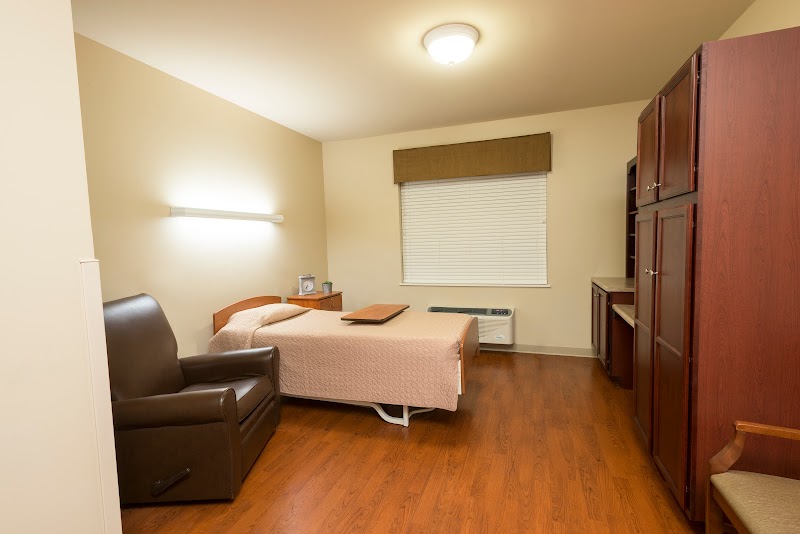
How Does Grey Stone Health & Rehabilitation Center Compare to Other Indiana Nursing Homes?

Compared to the 100 nursing homes in Indiana, GREY STONE HEALTH & REHABILITATION CENTER's overall rating (1 stars) is below the state average of 3.1, staff turnover (56%) is near the state average of 46%, and health inspection rating (1 stars) is much below the national benchmark.

What Should Families Ask When Visiting Grey Stone Health & Rehabilitation Center?

Based on this facility's data, families visiting should ask: "What changes have been made since the serious inspection findings, and how are you preventing similar issues?" "How do you ensure continuity of care given staff turnover, and what is your staff retention strategy?" "Can you walk me through typical staffing levels on day, evening, and night shifts?" "Can I visit during a mealtime to observe dining assistance and food quality?" These questions are particularly relevant given the facility's Immediate Jeopardy citations, the facility's high staff turnover rate, and the below-average staffing rating.

Is Grey Stone Health & Rehabilitation Center Safe?

Based on CMS inspection data, GREY STONE HEALTH & REHABILITATION CENTER has documented safety concerns. Inspectors have issued 1 Immediate Jeopardy citation (the most serious violation level indicating risk of serious injury or death). The facility has a 1-star overall rating and ranks #100 of 100 nursing homes in Indiana. Families considering this facility should ask detailed questions about what corrective actions have been taken since these incidents.

Do Nurses at Grey Stone Health & Rehabilitation Center Stick Around?

Staff turnover at GREY STONE HEALTH & REHABILITATION CENTER is high. At 56%, the facility is 10 percentage points above the Indiana average of 46%. High turnover means new staff may not know residents' individual needs, medications, or preferences. It can also be disorienting for residents, especially those with dementia who rely on familiar faces. Families should ask: What is causing the turnover? What retention programs are in place? How do you ensure care continuity during staff transitions?

Was Grey Stone Health & Rehabilitation Center Ever Fined?

GREY STONE HEALTH & REHABILITATION CENTER has been fined $237,983 across 2 penalty actions. This is 6.7x the Indiana average of $35,459. Fines at this level are uncommon and typically indicate a pattern of serious deficiencies, repeated violations, or failure to correct problems promptly. CMS reserves penalties of this magnitude for facilities that pose significant, documented risk to resident health or safety. Families should request specific documentation of what issues led to these fines and what systemic changes have been implemented.

Is Grey Stone Health & Rehabilitation Center on Any Federal Watch List?

GREY STONE HEALTH & REHABILITATION CENTER is not on any federal watch list. The most significant is the Special Focus Facility (SFF) program, which identifies the bottom 1% of nursing homes nationally based on persistent, serious quality problems. Not being on this list means the facility has avoided the pattern of deficiencies that triggers enhanced federal oversight. This is a positive indicator, though families should still review the facility's inspection history directly.