HERITAGE POINTE OF FORT WAYNE
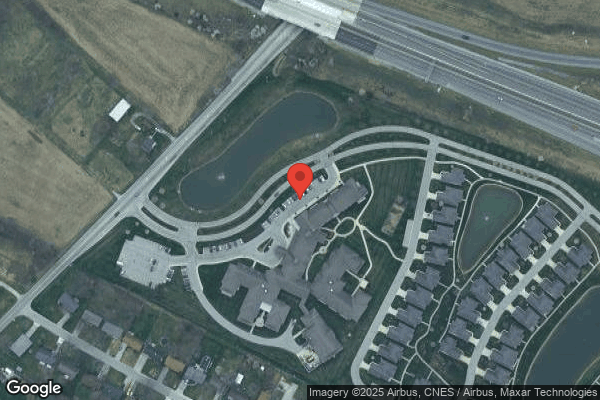
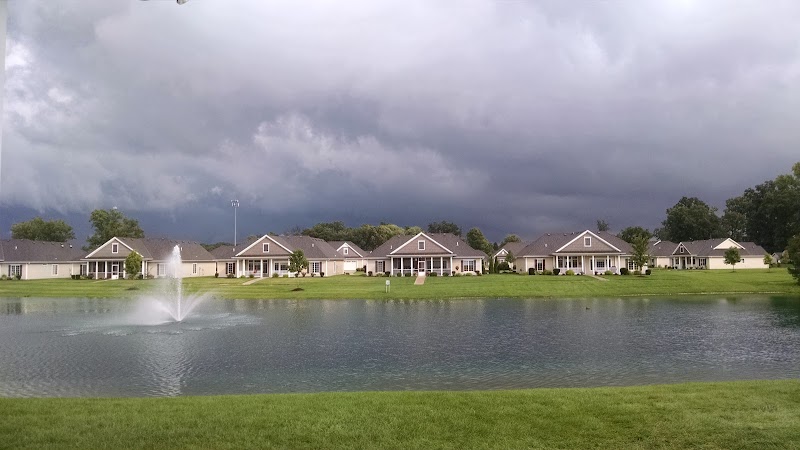
5250 HERITAGE PARKWAY, FORT WAYNE, IN 46835 (260) 209-6279
Government - County 68 Beds Independent Data: November 2025
Trust Grade
95/100
#49 of 505 in IN
Last Inspection: February 2025

Within standard 12-15 month inspection cycle. Federal law requires annual inspections.

Overview

Heritage Pointe of Fort Wayne has an impressive Trust Grade of A+, indicating it is an elite facility in the top tier of nursing homes. It ranks #49 out of 505 in Indiana and #8 out of 29 in Allen County, placing it in the top half of facilities statewide and among the better options locally. The facility is showing improvement, with issues decreasing from three in 2024 to one in 2025. Staffing is a strong point, boasting a perfect 5/5 star rating and a low turnover rate of 20%, significantly better than the state average. However, there are some concerns, including issues with food storage practices, such as not dating opened items, and lapses in following infection control protocols for a resident with COVID-19. Overall, while the facility has notable strengths, families should be aware of these specific weaknesses.

Trust Score
A+
95/100
In Indiana
#49/505
Top 9%
Safety Record
Low Risk
No red flags
Inspections
Getting Better
3 → 1 violations
Staff Stability
✓ Good
20% annual turnover. Excellent stability, 28 points below Indiana's 48% average. Staff who stay learn residents' needs.
Penalties
✓ Good
No fines on record. Clean compliance history, better than most Indiana facilities.
Skilled Nurses
○ Average
Each resident gets 36 minutes of Registered Nurse (RN) attention daily — about average for Indiana. RNs are the most trained staff who monitor for health changes.
Violations
○ Average
9 deficiencies on record. Average for a facility this size. Mostly minor or procedural issues.
★★★★★
5.0
Overall Rating
★★★★★
5.0
Staff Levels
★★★★★
5.0
Care Quality
★★★★☆
4.0
Inspection Score
Stable
2024: 3 issues
2025: 1 issues

The Good

  • 5-Star Staffing Rating · Excellent nurse staffing levels
  • 5-Star Quality Measures · Strong clinical quality outcomes
  • Low Staff Turnover (20%) · Staff stability means consistent care
  • Full Sprinkler Coverage · Fire safety systems throughout facility
  • No fines on record
  • Staff turnover is low (20%)

    28 points below Indiana average of 48%

Facility shows strength in staffing levels, quality measures, staff retention, fire safety.

The Bad

No Significant Concerns Identified

This facility shows no red flags. Among Indiana's 100 nursing homes, only 1% achieve this.

The Ugly 9 deficiencies on record

Feb 2025 1 deficiency
CONCERN (D) 📢 Someone Reported This

A family member, employee, or ombudsman was alarmed enough to file a formal complaint

Potential for Harm - no one hurt, but risky conditions existed

Infection Control (Tag F0880)

Could have caused harm · This affected 1 resident

**NOTE- TERMS IN BRACKETS HAVE BEEN EDITED TO PROTECT CONFIDENTIALITY** Based on observation, interview, and record review the facility failed to ensure enhanced barrier precautions were maintained fo...

Read full inspector narrative →
**NOTE- TERMS IN BRACKETS HAVE BEEN EDITED TO PROTECT CONFIDENTIALITY** Based on observation, interview, and record review the facility failed to ensure enhanced barrier precautions were maintained for 1 of 1 resident reviewed related to infection control (Resident 158). Findings include: During an observation, on 2/4/25 at 2:11 PM, Resident 158's door was closed and had a large rack containing bags of isolation gowns, N-95 masks, and boxes of gloves hanging on the outside of the door. Signage was posted on the door indicating the room was in isolation, provided instructions for application of gowns, gloves and N-95 masks. During an observation, on 2/4/25 at 2:18 PM, Certified Nurse Aide (CNA) 2 approached the door to Resident 158's room, applied a gown, surgical mask and gloves, knocked on the door, entered the room and approached Resident 158. According to CDC face mask guidelines, dated March 1, 2024, surgical masks are not appropriate for protection from the COVID 19 infection. Resident 158's record was reviewed on 2/4/25 at 12:45 PM. Diagnoses included COVID-19 infection and chronic systolic heart failure. Resident 158's current admission Minimum Data Set (MDS) dated [DATE] indicated their Basic Interview for Mental Status (BIMS) score was 15 (cognitively intact). Resident 158's current care plan titled I require isolation . indicated the resident had a positive COVID-19 diagnosis, with a goal date of 2/17/25. Interventions included using transmission based (droplet) isolation precautions. Physician orders dated 2/4/25 indicated transmission- based precautions including an N-95 mask were required to enter the room. In an interview, on 2/4/25 at 2:22 PM, the Assistant Director of Nursing indicated all employees entering a COVID positive room must wear an N-95 mask. A current policy, titled COVID-19 Infection Prevention and Control, dated 3/28/20, provided by the Assistant Director of Nursing on 2/7/25 at 11:11 AM, indicated residents testing positive for COVID-19 require the use of proper personal protective equipment including N-95 masks if available. 3.1-18(a)
Dec 2024 2 deficiencies
CONCERN (D) 📢 Someone Reported This

A family member, employee, or ombudsman was alarmed enough to file a formal complaint

Potential for Harm - no one hurt, but risky conditions existed

Report Alleged Abuse (Tag F0609)

Could have caused harm · This affected 1 resident

**NOTE- TERMS IN BRACKETS HAVE BEEN EDITED TO PROTECT CONFIDENTIALITY** Based on interview and record review, the facility failed to ensure an allegation of physical abuse was reported for 1 of 3 resi...

Read full inspector narrative →
**NOTE- TERMS IN BRACKETS HAVE BEEN EDITED TO PROTECT CONFIDENTIALITY** Based on interview and record review, the facility failed to ensure an allegation of physical abuse was reported for 1 of 3 residents reviewed for abuse (Resident B). Findings include: An anonymous complaint reported to the Indiana Department of Health, dated 11/15/24, alleged on 11/12/24, Resident B had reported to her family, a Certified Nurse Aide (CNA 3) had been rough while providing incontinent care. The resident alleged she slapped CNA 3 to stop hurting her and the CNA slapped her back. Resident B slapped the CNA a second time and CNA 3 slapped the resident back a second time. The incident had been reported to the Director of Nursing (DON) but the complainant alleged there had been no follow up to the reported altercation. On 12/12/24 at 11:15 A.M., Resident B's record was reviewed. Diagnoses included recurrent urinary tract infections (UTI), dementia, and cerebral atherosclerosis (Arteries in the brain become hard, thick, and narrow due to buildup of plaque inside the artery walls). A significant change in condition Minimum Data Set (MDS) assessment, dated 10/12/24, indicated the resident had moderately impaired cognition with no behaviors. She required moderate assistance to being dependent with all activities of daily living (ADL). A nurse progress note, dated 11/11/24 at 8:06 a.m., indicated the resident had complained of discomfort while urinating and had increased incontinence. She was observed with a functional decline and had voiced some intermittent confusion. A nurse progress note, dated 11/12/24 at 11:20 p.m., indicated a urinalysis had been sent out to the hospital on [DATE] and facility was waiting on results. There was no documentation or follow-up completed in the resident's record regarding the resident's allegation of being slapped by CNA 3 the morning of 11/12/24. On 12/12/24 at 1:25 P.M., the DON was interviewed. She indicated she had spoken with both family members on the phone on 11/12/24, and had initiated an investigation but had not reported the incident as required for an allegation of abuse. On 12/12/24 at 3:09 P.M., Resident B's family member was interviewed. The family member indicated, the morning of 11/12/24, she had been in to visit the resident, who reported to her, CNA 3 had been rough with her and slapped her twice. The family member indicated she was told of this and told another family member who immediately reported to the DON. At the time of the allegation, the family member believed the resident was cognitively aware, able to accurately describe what had occurred and who the CNA was, however, the resident would not be able to describe the incident at this time due to overall decline in condition. A current facility policy, titled Abuse, Neglect and Exploitation, was provided on 12/12/24 at 11:00 A.M. by the DON, which stated the following: .Physical Abuse includes, but is not limited to hitting, slapping, punching, biting, and kicking .Identification of Abuse, Neglect and Exploitation .possible indicators of abuse include, but are not limited to: Resident, staff or family report of abuse .Reporting/Response: The facility will have written procedures that include: Reporting of all alleged violations to the Administrator, state agency, adult protective services and to all other required agencies within specified timeframe's This Citation relates to Complaint IN00447537. 3.1-28(c)
CONCERN (D) 📢 Someone Reported This

A family member, employee, or ombudsman was alarmed enough to file a formal complaint

Potential for Harm - no one hurt, but risky conditions existed

Investigate Abuse (Tag F0610)

Could have caused harm · This affected 1 resident

**NOTE- TERMS IN BRACKETS HAVE BEEN EDITED TO PROTECT CONFIDENTIALITY** Based on interview and record review, the facility failed to ensure a thorough investigation of alleged physical abuse was condu...

Read full inspector narrative →
**NOTE- TERMS IN BRACKETS HAVE BEEN EDITED TO PROTECT CONFIDENTIALITY** Based on interview and record review, the facility failed to ensure a thorough investigation of alleged physical abuse was conducted for 1 of 3 residents reviewed for abuse (Resident B). Findings include: An anonymous complaint, reported to the Indiana Department of Health, dated 11/15/24, alleged on 11/12/24, Resident B had reported to her family, a Certified Nurse Aide (CNA 3) had been rough while providing incontinent care. The resident alleged she slapped CNA 3 to stop hurting her and the CNA slapped her back. Resident B slapped the CNA a second time and CNA 3 slappeded her back a second time. The incident had been reported to the Director of Nursing (DON) but the complainant alleged there had been no follow up to the reported altercation. On 12/12/24 at 11:15 A.M., Resident B's record was reviewed. Diagnoses included recurrent urinary tract infections (UTI), dementia, and cerebral atherosclerosis (Arteries in the brain become hard, thick, and narrow due to buildup of plaque inside the artery walls). A significant change in condition Minimum Data Set (MDS) assessment, dated 10/12/24, indicated the resident had moderately impaired cognition with no behaviors. She required moderate assistance to being dependent with all activities of daily living (ADL). A care plan, revised 11/25/24, indicated the resident had anxiety with episodes of agitation and yelling at staff during care. Interventions included: If agitated and yelling at others, offer 1:1 conversation and reassurance, explain the behavior wasn't appropriate and ask to stop-initiated 11/25/24. A care plan, revised on 12/3/23, indicated the resident had bladder and bowel incontinence. Interventions included: Offer care in pairs-initiated 11/15/24. A nurse progress note, dated 11/11/24 at 8:06 a.m., indicated the resident had complained of discomfort while urinating and had increased incontinence. She was observed with a functional decline and had voiced some intermittent confusion. A nurse progress note, dated 11/12/24 at 11:20 p.m., indicated a urinalysis had been sent out to the hospital on [DATE] and facility was waiting on results. There was no documentation or follow-up completed in the Resident B's record regarding the resident's allegation of being slapped by CNA 3 the morning of 11/12/24. On 12/12/24 at 1:25 P.M., the DON was interviewed. She indicated, on 11/12/24, she had spoken with family members on the phone. They reported an alleged altercation between Resident B and CNA 3 had occurred that morning. After speaking with family, she called and spoke with staff who had worked on night shift and the morning of 11/12/24. On 11/12/24, she spoke with CNA 3 by phone. CNA 3 indicated when she went to get Resident B up for the morning, she noticed the resident was more agitated by the tone of her voice. CNA 3 had trouble rolling the resident in bed and tried to get her to put her hand on the side rail to help with rolling. Resident B would not keep her hand on the side rail where placed but denied slapping the resident or being hit by the resident. CNA 3 indicated the resident was tearful at breakfast but had calmed down after talking with her. The resident was unable to say why she had been crying. The DON indicated, after speaking with CNA 3 by phone, she had not suspended the CNA because she had determined there was no abuse that occurred. There were no interviews conducted with other residents who were cared for by CNA 3 nor skin assessments completed on non-interviewable residents to check for injuries of unknown source. CNA 3 came back into work her next scheduled day (11/13/24) and provided care to Resident B. The DON indicated the family had requested CNA 3 not provide care to the resident and was no longer assigned to care for her. When asked, the DON indicated CNA 3 should have been suspended and not allowed to return to duty until a thorough investigation had been completed. A current facility policy, titled Abuse, Neglect and Exploitation, was provided on 12/12/24 at 11:00 A.M. by the DON, which stated the following: .Physical Abuse includes, but is not limited to hitting, slapping, punching, biting, and kicking .Identification of Abuse, Neglect and Exploitation .possible indicators of abuse include, but are not limited to: Resident, staff or family report of abuse .Investigation of Alleged Abuse, Neglect and Exploitation: An immediate investigation is warranted when suspicion of abuse .are reported .Written procedures for investigations include: Identifying and interviewing all involved persons, including the alleged victim, alleged perpetrator, witnesses, and others who might have knowledge of the allegations .Providing complete and thorough documentation of the investigation .Protection of Resident: The facility will make efforts to ensure all residents are protected from physical and psychosocial harm as well as additional abuse, during and after the investigation. Examples include by are not limited to: Responding immediately to protect the alleged victim and integrity of the investigation; examining the alleged victim for any sign of injury, including a physical examination or psychosocial assessment if needed; increased supervision of the alleged victim and residents; room or staffing changes to protect the resident from the alleged perpetrator; protection from retaliation; providing emotional support and counseling to the resident; and revision of resident's care plan .as a result of an incident of abuse This Citation relates to Complaint IN00447537. 3.1-28(d)
Mar 2024 1 deficiency
CONCERN (F)

Potential for Harm - no one hurt, but risky conditions existed

Food Safety (Tag F0812)

Could have caused harm · This affected most or all residents

Based on observation, interview, and record review the facility failed to ensure opened items were dated, labeled and baking pans were thoroughly dried prior to storage in the facility kitchen. 54 of ...

Read full inspector narrative →
Based on observation, interview, and record review the facility failed to ensure opened items were dated, labeled and baking pans were thoroughly dried prior to storage in the facility kitchen. 54 of 54 residents residing in the facility consumed food prepared in the kitchen. Findings include: During an observation and interview on 2/29/24 at 9:18 AM, a bag of tilapia fillets on a shelf inside the walk- in freezer had been opened and was sealed shut with a Ziploc style closure. The bag was not marked with the date on which it was opened. The Director of Dining Services (DDS) indicated the bag should have been labeled with an open date. A metal container filled with french fries, covered loosely with a piece of plastic wrap was observed on the shelf of the walk-in cooler. The DDS indicated he was unable to find a date indicating when the container was filled and prepared. A plastic container containing cupcakes was observed on the shelf in the freezer. The sticker that had sealed the package was torn. There were 2 cupcakes and 2 open spots in the container with smears of red frosting. The DDS indicated the cupcakes should have been labeled and dated. During an observation and interview on 2/29/24 at 9:32 AM Chef 3 separated 4 baking sheets. Upon separation, liquid present on the pans dripped to the floor. Chef 3 indicated the baking sheets should have been air dried prior to stacking and storing. During an interview on 3/1/24 at 12:04 PM, the DSS indicated all 54 residents in the nursing facility consumed food prepared in the kitchen. A current policy titled Freezer Storage Life of Foods dated January 2023 provided by the DDS at 12:39 PM on 3/1/24 indicated when a case of food was partially used and the remaining food was exposed to the air, the remaining food should be relabeled as opened and used within 3 months. A current policy titled Sanitation and Infection Prevention/Control dated January 2023 provided by the DDS at 12:39 PM on 3/1/24 indicated all food contact surfaces including pots, and dishes should be air dried and not stacked when wet. 3.1-21(i)(2) 3.1-21(i)(3)
Oct 2023 1 deficiency
CONCERN (D) 📢 Someone Reported This

A family member, employee, or ombudsman was alarmed enough to file a formal complaint

Potential for Harm - no one hurt, but risky conditions existed

Deficiency F0726 (Tag F0726)

Could have caused harm · This affected 1 resident

Based on interview and record review the facility failed to ensure staff competency for 1 of 1 staff reviewed. (Activity Assistant) In an interview with Activity Assistant 1, on 10/20/23 at 11:38 AM, ...

Read full inspector narrative →
Based on interview and record review the facility failed to ensure staff competency for 1 of 1 staff reviewed. (Activity Assistant) In an interview with Activity Assistant 1, on 10/20/23 at 11:38 AM, he indicated on 10/4/23 he was attempting to assist Resident Q to scoot forward in her seat to transfer to her wheelchair, to go to an activity. He indicated he was aware he was not to assist in transfers for residents. He identified a transfer was from sitting to standing or from laying to sitting. The Activity Assistant indicated, I wish I would have stopped and thought prior to assisting her. The Activity Assistant indicated he was simply attempting to give her a steady hand while she scooted forward in her chair. He indicated he was unable to complete the transfer and got a CNA from the hall to do the task. The Activity Assistant indicated he did not have any prior training as a home health aid, CNA (Certified Nurse Assistant), or any other training on transfers or direct patient care. In an interview with Resident Q, on 10/20/23 at 12:31 PM, she indicated on 10/4/23 the activity guy was assisting her from her chair into her wheelchair. Resident Q indicated he was not trained to assist. Resident Q stated she was unaware she was bleeding until later when she was in an activity. Resident Q sustained a skin tear during the attempted transfer. The skin tear measurements were 6 cm x 8 cm. Resident Q's record review, began on 10/20/23 at 2:10PM, indicated diagnoses included hypertension, muscle weakness, and anxiety. In an interview with the Executive Director (ED), on 10/20/23 at 1:36PM, he indicated he was unable to produce a completed job specific orientation for Activity Assistant 1 from the incident on 10/4/23. The job description for Activity Assistant did not include assisting with transfers. The job description was signed by Activity Assistant 1 on 4/10/22. Activity Assistance 1's references indicated he worked previously at a nursing home with excellent reviews. Activity Assistant 1's resume did not include any certifications for CNA, HHA (Home Health Aid), or any other related certifications. Activity Assistant 1's resume indicated 3 years experience in a skilled nursing facility in the activities department. No policy or procedure for transfers by Ativity Assistants was made available at time of exit. Thos citation is related IN00418966 3,1-17(a)
Mar 2023 3 deficiencies
CONCERN (D)

Potential for Harm - no one hurt, but risky conditions existed

Deficiency F0742 (Tag F0742)

Could have caused harm · This affected 1 resident

Based on observation, interview, and record review the facility failed to document and monitor behaviors to for 2 of 3 residents reviewed. (Resident 38 and Resident 48). Findings include: 1) An interv...

Read full inspector narrative →
Based on observation, interview, and record review the facility failed to document and monitor behaviors to for 2 of 3 residents reviewed. (Resident 38 and Resident 48). Findings include: 1) An interview with LPN 2 (Licensed Practical Nurse) on 03/13/23 at 11:03 AM indicated Resident 38 frequently refused to get up until closer to lunch. LPN 2 indicated Resident 38 did not stay up late or wander, she simply was unwilling to participate in life at times. LPN 2 indicated the behavior was normal for Resident 38. LPN 2 indicated Resident 38 did have some behaviors, but they were not overly aggressive or disruptive. Resident 38's record review began on 03/15/23 at 10:26 AM. Diagnosis included dementia, anxiety, depression, vitamin deficiency, and malnutrition. Resident 38's current annual MDS (Minimal Data Set) dated 2/1/23 indicated BIMS (Brief Interview for Mental Status) score was a 6. A score of 6 indicated significant cognitive decline. Section D for mood indicated no problems with mood regarding interest or pleasure in doing things, feeling down or depressed, trouble falling or staying asleep, feeling tired or low energy, poor appetite, or overeating, feeling bad about self, or thoughts of better off dead, or hurting self in some ways in the 14 days prior to the assessment. Section E for Behavior indicated Residnet 38 had no hallucinations or delusions, physical behaviors towards others, verbal behaviors directed towards others, nor other behavior symptoms not directed towards others. The assessment further indicated Residnet 38 had no rejection of care. A review of Resident 38's progress notes included on December 23, 2022, the Social Worker (SW) indicated she was informed by the staff Resident 38 refused to get out of bed, was tearful and making negative statements. Staff indicated to the SW Resident 38 had periods of crying, being tearful when speaking of husband and how much she missed him. The documented note indicated when the SW inquired about statements Resident 38 stated oh I was just kidding. The note indicated Resident 38 woke up excited about an idea to share with her husband and then remembered he was no longer living. A progress note dated 12/22/22 indicated Resident 38 had some tearful episodes, was staying in bed later and not getting up until the afternoon, sometimes after 2pm. The note indicated Resident 38 was grieving for her husband and her first Christmas without him. A progress note dated 12/29/22 indicated Resident 38 slept in, was having some sadness over loss of husband, and moving slowly. A progress note dated 1/30/23 indicated Resident 38 had no behaviors noted during the assessment period. A progress note dated 2/16/23 indicated Resident 38 refused care and medications. Resident 38 stated let me lie down and die and throw me in the streets. A psych prescriber indicated Resident 38 did not take part in any conversation and nursing was to monitor. A physician note dated 2/22/23 indicated to continue to monitor behaviors. A progress note dated 3/6/23 indicated Resident 38 was tearful and upset regarding missing her husband when she recalls he was no longer living. A progress note dated 3/6/23 indicated the resident stated to a CNA (Certified Nursing Aid) I just want to die. Resident 38 indicated she was not a harm to herself she was just ready to go. A physician note dated 3/6/23 indicated recent statements of wanting to die, no plans, thoughts, or intent to harm herself. The resident continued to grieve the loss of her husband. The staff were to continue to provide support as Resident 38 continued to grieve. Resident 38's current care plan indicated she had focus of verbal aggression. An intervention listed was to monitor/record occurrence of target behavior symptoms: pacing, wandering, disrobing, inappropriate response to verbal communication, violence/aggression towards staff/others. etc. and document per facility protocol. There was no behavior tracking for aggression, tearfulness, refusal of care, or statements of wishing to die in Resident 38's behavior tracker. There were no documented specific problems related to trauma triggers, symptoms, or approaches. No behavior plan was provided. A follow up interview with LPN 2 and observation of Resident 38 on 3/16/23 at 10:35AM indicated Resident 38 was sitting in her room slightly disheveled with her head in between her hands. LPN 2 indicated this was Resident 38's normal, therefore it was not considered a behavior and not documented or tracked. LPN 2 indicated Resident 38 refused to get up and refused care including showers. In an interview on 3/16/23 at 2:34PM, SS 5 (Social Services) indicated the MDS section for mood was to evaluate for depression along with verbalization of depression. Answers positive for depression would be cause to investigate. SS 5 indicated the psychologist for the facility indicated talk therapy was not appropriate for people who have low BIMS scores due to need for carry over from session to session. SS 5 indicated they have a behavior notes template to address what was occurring before behavior, what interventions were tried, and what was found to be helpful. SS 5 indicated she looks at all progress notes for the last 24 hrs. when she begins her day. SS 5 indicated she cannot depend on the notes being in behavior notes format. SS 5 indicated despite if the behavior was known or frequent it required documentation and tracking to determine behavior plan needs. SS 5 indicated Resident 38 was seen by a psych prescriber every Tuesday, Resident 38 was not a threat to self or others, and that Resident 38 did not receive therapy for the trauma of losing her husband. 2) During an observation on 03/13/23 from 9:30AM to 11:45AM, Resident 48 was making loud non articulate noises. As Resident 48 sat at a table with the assistance of 2 staff and gait belt she stated I made it; showing the ability to speak clearly and softly. Resident 48's record review began on 03/13/23 at 11:10 AM. Resident 48's diagnosis included dementia, PBA (pseudobulbar affect), and lower back pain. Resident 48's current admission MDS (Minimal Data Set) dated 2/14/23 had a BIMS score of 3, this indicated a significant impairment of cognitive status. Section D for mood indicated Resident 48 felt down or depressed 2-6 days in the 2 weeks of the observation period. Section E for Behavior indicated other behavior symptoms not directed at others such as verbal/vocal symptoms like screaming, disruptive sounds 1 to 3 days of the week prior to assessment. Resident 48's current care plan included the focus of episodes of loud, explosive laughter not appropriate to the environment. Interventions included receive medication as ordered, monitor for side effects, and to offer conversation when distressed. A review of Resident 48's social services note dated 2/13/23 late entried for 2/8/23 indicated Resident 48 had an episode of laughing loudly when not appropriate. A progress note dated 2/25/23 at 3:45 PM indicated Resident 48 slept well with no unwanted behaviors. An observation of Resident 48 and an interview with LPN 2 on 03/16/23 at 10:31 AM indicated she was involved in activity sitting quietly. During the interview LPN 2 indicated Resident 48 had a diagnosis related to loud outbursts. She indicated Resident 48 was unable to help it; therefore, it was not considered a behavior. LPN 2 indicated she had been disruptive and upsetting to other residents a couple times. She had been removed from peers. LPN 2 indicated Resident 48 took medication for the condition, the loud outbursts were expected to happen and therefore were not documented. An interview on 3/16/23 at 10:36 AM, Activities 6 indicated Resident 48 does upset peers at times and requires direct 1 to 1 care to calm down. A current policy and procedure titled, Behavior Management Plan revised 04/2022, was provided by the executive director on 3/16/23 at 12:12PM. The policy indicated; .quality of life through the management of problematic behaviors that are distressing or harmful . 1. Staff will document behavior in the EMR (electronic medical record) .Residents enrolled in Behavioral Management will be reviewed monthly by Social Services to ensure Behavior Care Plan accuracy 3.1-43(a)(1)
CONCERN (D)

Potential for Harm - no one hurt, but risky conditions existed

Medication Errors (Tag F0758)

Could have caused harm · This affected 1 resident

**NOTE- TERMS IN BRACKETS HAVE BEEN EDITED TO PROTECT CONFIDENTIALITY** 3. Resident 3's record was reviewed on 3/14/23 at 1:56 PM. Diagnoses included unspecified diastolic (congestive) heart failure, ...

Read full inspector narrative →
**NOTE- TERMS IN BRACKETS HAVE BEEN EDITED TO PROTECT CONFIDENTIALITY** 3. Resident 3's record was reviewed on 3/14/23 at 1:56 PM. Diagnoses included unspecified diastolic (congestive) heart failure, anxiety disorder, unspecified, major depressive disorder, single episode, unspecified, chronic pain syndrome, primary osteoarthritis, unspecified site, scoliosis, unspecified, rheumatoid arthritis, unspecified. A Minimum Data Set (MSD) assessment, dated 1/23/2023, indicated Resident 3 had a brief interview for mental status (BIMS) score of 13 (cognitively intact). A physician's order, dated 3/6/23, indicated to give Ativan (Lorazepam) oral tablet 0.5 milligram (mg.) (medication used to treat anxiety), 1 tablet by mouth every 6 hours prn (as needed) for anxiety/agitation for 14 days. A physician's order, dated 3/7/23, indicated to give Ativan (Lorazepam) oral tablet 0.5 mg. by mouth at bedtime related to anxiety disorder, unspecified. A physician's order, dated 3/15/23, indicated Resident 3 received anti-anxiety medication, to monitor for drowsiness, slurred speech, dizziness, nausea, aggressive/impulsive behavior. If any signs or symptoms observed, note findings in a progress note every shift. There was no order to monitor Resident 3 for side effects of anti-anxiety medication prior to 3/15/23. A current care plan, titled Behavior Management Program, dated 2/17/23, indicated Resident 3 had episodes of verbal aggression (talk in a threatening manner) and would yell at, curse, belittle (make feel unimportant) staff when upset or during care. Resident 3 would refuse care at times, refuse to take medication, refuse to wear a gait belt (belt used to aid in safe movement when transferring or walking) for walking or transfers, refuse to change positions in bed, refuse to change his clothes, would threaten to be on his call light all day if things weren't done correctly. Resident 3 has episodes of smacking at and hitting at staff during care when agitated and/or anxious. Resident 3 had a diagnosis of anxiety and was taking an anti-anxiety medication. The goal indicated Resident 3 would accept care from staff and would refrain from negative, aggressive and/or demeaning (negative) remarks toward staff when he was upset. The interventions included: educate Resident 3 on the purpose and safety risks for using the gait belt verses not using the gait belt, encourage Resident 3 to participate in activities of daily living (ADLs) (dressing, bathing, etc.) as much as he was able to, explain the behavior was inappropriate and ask calmly for Resident 3 to stop, explain the care you would like to provide prior to giving the care , engage in conversation with Resident 3 during and prior to the care being given, and Resident 3 would receive his medication as ordered. This care plan did not indicate to monitor Resident 3 for adverse side effects of anti-anxiety medication. A current care plan, dated 2/8/23, indicated Resident 3 used anti-anxiety medication. The goals indicated Resident 3 would be free from discomfort or adverse (harmful) reactions related to anti-anxiety therapy through the review. The interventions included: administer anti-anxiety medications as ordered by the physician, monitor for side effects and effectiveness every shift. Monitor, document, and report as needed any adverse reactions to anti-anxiety therapy: drowsiness, lack of energy, clumsiness, slow reflexes, slurred speech, confusion and disorientation, depression, dizziness, lightheadedness, impaired thinking and judgment, memory loss, forgetfulness, nausea, stomach upset, blurred or double vision, unexpected side effects: mania (extremely elevated and excitable mood), hostility (unfriendly behavior), rage (uncontrollable anger), aggressive (ready or likely to attack) or impulsive ( done without thought) behavior, and hallucinations (where you hear, see, smell, taste, or feel things that appear to be real but are not). A progress note, dated 3/5/23 at 7:38 PM, indicated Resident 3's prn Ativan remained effective with no adverse drug reactions indicated. A progress note, dated 3/6/23 at 4:08 PM, indicated Resident 3 was very drowsy and unable to perform normal tasks such as drinking his own Boost. Resident 3's Ativan order was decreased to 0.5mg every 6 hours as needed per hospice and the Nurse Practitioner due to confusion and drowsiness. A progress note, dated 3/13/23 at 3:30 PM, indicated Resident 3 did have drowsiness after taking Ativan. No other adverse drug reactions were noted from the medication. There were no other progress notes to indicate Resident 3 was monitored for adverse side effects of the anti-anxiety medication he was receiving. Resident 3's Medication Administration Record (MAR) and Treatment Administration Record (TAR), dated March 2023, indicated Resident 3 was given the medication, Ativan (Lorazepam) oral tablet 0.5mg, 1 tablet by mouth every 6 hours as needed (prn) for anxiety/agitation for 14 days (start date 2/27/23 at 10:30 AM, discontinued on 3/4/23 at 5:27 PM) on 3/2/23 at 12:57 AM and 3/4/23 at 10:15 AM. Resident 3's MAR and TAR, dated March 2023, indicated Resident 3 was given the medication, Ativan (Lorazepam) oral tablet 0.5mg, 2 tablet by mouth every 6 hours as needed (prn) for anxiety/agitation for 14 days (start date 3/4/23 at 5:30PM, discontinued on 3/6/23 at 12:14 PM) on 3/4/23 5:34 PM and 3/5/23 at 8:03 PM. Resident 3's MAR and TAR, dated March 2023, indicated Resident 3 was given the medication, Ativan (Lorazepam) oral tablet 0.5mg, 1 tablet by mouth every 6 hours as needed (prn) for anxiety/agitation for 14 days (start date 3/6/23 at 12:15 PM) on 3/7/23 at 12:30 AM, 3/9/23 at 10:48 AM, 3/12/23 at 9:53 AM and 6:39 PM, and 3/13/23 at 6:58 AM. Resident 3's MAR and TAR, dated March 2023, indicated Resident 3 was given the medication, Ativan (Lorazepam) 0.5mg oral tablet, 0.5mg by mouth at bedtime related to anxiety disorder, unspecified (start date 3/7/23 at 9:00 PM) on 3/7/23, 3/8/23. 3/9/23, 3/10/23, 3/11/23, 3/12/23, 3/13/23, and 3/14/23. Resident 3's MAR and TAR, dated March 2023, indicated Resident 3 received an anti-anxiety medication. Resident 3 was to be monitored for drowsiness, slurred speech, dizziness, nausea, or aggressive/impulsive behavior. If any signs or symptoms were observed, findings were to be noted in a progress note every shift. The start date was 3/15/23. There was no documentation on this date. There was no other documentation on the MAR or TAR to indicate Resident 3 was monitored for adverse side effects of anti-anxiety medication. In an interview on 3/16/23 at 10:20 AM, RN 9 indicated she monitored for adverse side effects when a resident received blood pressure medication, any new medication, and any behavior medication. RN 9 indicated an order or alert note would indicate a resident needed monitored for side effects of a medication. RN 9 indicated residents were monitored for adverse side effects every shift. Documentation of the monitoring for adverse side effects was done on the MAR and TAR and any specific observations of adverse side effects were documented in a health status progress note. In an interview on 3/16/23 at 11:00 AM, LPN 3 indicated residents were monitored for adverse side effects if they received antianxiety medication (relieve/control anxiousness), antipsychotic medication (relieve/control symptoms of hallucinations-thinking something is present when it's not, paranoia- unjustified suspicion or mistrust , hearing voices, delusion-false beliefs, anxiety) , an anticoagulant (blood thinner), a sedative (cause sleepiness), a hypnotic (cause sleepiness), an antidepressant (control anxiety and feeling severe sadness), a diuretic (used to get rid of excess fluid in the body, water pill), or insulin (used to treat high blood sugar). LPN 3 indicated there were templates on the computer program to indicate a resident needed to be monitored for adverse side effects of a medication. These templates needed to be added to the orders by the nurse when the order for the medication was entered. LPN 3 indicated there was a reference guide in the narcotic books listing the medications that required a resident to be monitored for adverse side effects. Documentation was done on the MAR and TAR to indicate the resident was being monitored for adverse side effects of the medication. Documentation of the observed adverse side effects was done in a progress note and the doctor or Nurse Practitioner (NP) would be notified. A current policy, titled Antipsychotic Medications, dated 1/2020, was provided by the Executive Director on 3/16/23 at 11:10 AM. The policy indicated .Antipsychotic medication must be used with great caution in residents as they can cause adverse effects .Prior to use of Antipsychotics .Must evaluate the effectiveness of the medication and monitor for adverse consequences (i.e., Increased confusion or over sedation) .Monitoring and Follow-up-up: 2. The Behavior Management Team will .Detect emergence or presence of adverse consequences: a. Anticholinergic effects (dry mouth, constipation, urinary retention (urine remaining in the bladder), bowel obstruction (blockage), dilated pupils (pupils looking large), blurred vision, increased heart rate and decreased sweating), b. signs and symptoms of Cardiac Arrythmias (abnormal heart rhythm) c. Metabolic Effects (increased blood pressure, high blood sugar, excess fat around the waist, and abnormal cholesterol or triglyceride levels), d. Neurological effects (paralysis, muscle weakness, poor coordination, loss of sensation, seizures, confusion, pain and altered levels of consciousness), e. Individualized monitoring parameters, 3. Concerns that are identified related to the effectiveness or potential and/or actual adverse consequences of a resident's medical regimen must be relayed to the physician and must respond with changes as necessary. 4. If the physician does not provide a timely and appropriate response to the notification, staff must contact the medical director and the Director of Nursing for further review and intervention .Monitoring for Continued Use at Least Quarterly: Document rationale for continuing medication, including evidence the following was evaluated .c. whether the resident experienced any medication-related adverse consequences during the previous quarter This policy did not indicate specific guidelines for monitoring a resident receiving an anti-anxiety or anti-depresant medication for adverse side effects. A current policy, titled Antipsychotic Medications in Residents with Dementia, dated 1/2020, was provided by the Executive Director on 3/16/23 at 11:10 AM. The policy indicated .Antipsychotic medication must be used with great caution in residents with dementia as they can cause adverse effects . Prior to use of Antipsychotics .3. Must evaluate the effectiveness of the medication and monitor for adverse consequences (i.e., Increased confusion or over sedation) . Monitoring and Follow-up: 2. The Behavior Management Team will .Detect emergence or presence of adverse consequences: a. Anticholinergic effects (dry mouth, constipation, urinary retention, bowel obstruction, dilated pupils, blurred vision, increased heart rate and decreased sweating), b. signs and symptoms of Cardiac Arrythmias (abnormal heart rhythm) c. Metabolic Effects (increased blood pressure, high blood sugar, excess fat around the waist, and abnormal cholesterol or triglyceride levels), d. Neurological effects (paralysis, muscle weakness, poor coordination, loss of sensation, seizures, confusion, pain and altered levels of consciousness), e. Individualized monitoring parameters, , 3. Concerns that are identified related to the effectiveness or potential and/or actual adverse consequences of a resident's medical regimen must be relayed to the physician and must respond with changes as necessary. 4. If the physician does not provide a timely and appropriate response to the notification, staff must contact the medical director and the Director of Nursing for further review and intervention . Monitoring for Continued Use at Least Quarterly: Document rationale for continuing medication, including evidence the following was evaluated .c. whether the resident experienced any medication-related adverse consequences during the previous quarter This policy did not indicate specific guidelines for monitoring a resident receiving an anti-anxiety or anti-depressant medication for adverse side effects. 3.1-48(a)(3) Based on record review and interview the facility failed to ensure monitoring of psychotropic medications for 3 of 4 residents reviewed (Resident 3, Resident 38, and Resident 201). Findings include: Resident 201's record review began on 03/15/23 at 9:21 AM. Diagnoses include traumatic subarachnoid hemorrhage with loss of consciousness of unspecified duration, muscle weakness, type 2 diabetes mellitus with diabetic neuropathy, and major depressive disorder. A Minimum Data Set (MDS) assessment dated [DATE] indicated Resident 201 had a BIMS (brief interview for mental status) score of 14 (cognitively intact). A physician's order, dated 2/23/23, indicated to give Sertraline HCL (hydrochloride) oral tablet 25mg 1 tablet by mouth one time a day for depression was administered daily starting 2/23/23 to 3/14/23. A physician's orders dated 3/13/23 included to monitor antidepressant medication - monitor for headache, nausea and vomiting, diarrhea, fatigue, drowsiness, lethargy, dizziness, agitation, irritability. If any signs and symptoms observed, note findings in a progress note every shift. A review of progress notes between 2/23/23 and 3/13/23 did not indicate side effects of Steraline had been monitored. There were no orders prior to 03/13/23 to monitor for side effects of antidepressant medication. 2) Resident 38's record review began on 03/14/23 at 12:17 PM. Diagnosis included dementia, anxiety, depression, vitamin deficiency, arthritis, and non-displaced fracture. Resident 38's current annual MDS (Minimal Data Set) dated 2/1/23 indicated BIMS (Brief Interview for Mental Status) score was a 6. A score of 6 indicated significant cognitive decline. Section N for Medications of MDS indicated Resident 38 took antianxiety medication for 7 of the last 7 days of the assessment period. Resident 38's physician orders included to monitor for side effects of the following medications; antidepressant, antipsychotic, and diuretics. There were no orders to monitor for side effects of antianxiety medication side effects. Resident 38 had the following order for Buspirone 5mg 1 tablet three times a day started on 12/23/22. In the medication administration record for Buspirone 5mg tablet for February and March 2023 up to the 13th documented administered three times a day. There was no indication the side effects of Buspar had been monitored.
CONCERN (E)

Potential for Harm - no one hurt, but risky conditions existed

Deficiency F0757 (Tag F0757)

Could have caused harm · This affected multiple residents

**NOTE- TERMS IN BRACKETS HAVE BEEN EDITED TO PROTECT CONFIDENTIALITY** 4. Resident 3's record was reviewed on 3/14/23 at 1:56 PM. Diagnoses included unspecified diastolic (congestive) heart failure, ...

Read full inspector narrative →
**NOTE- TERMS IN BRACKETS HAVE BEEN EDITED TO PROTECT CONFIDENTIALITY** 4. Resident 3's record was reviewed on 3/14/23 at 1:56 PM. Diagnoses included unspecified diastolic (congestive) heart failure, anxiety disorder, unspecified, major depressive disorder, single episode, unspecified, chronic pain syndrome, primary osteoarthritis, unspecified site, scoliosis, unspecified, rheumatoid arthritis, unspecified. A Minimum Data Set (MSD) assessment, dated 1/23/2023, indicated Resident 3 had a brief interview for mental status (BIMS) score of 13 (cognitively intact). The MDS assessment indicated Resident 3 received scheduled pain medication and prn (as needed) pain medication or prn pain medication was offered and declined. The MDS assessment indicated Resident 3 received opioid pain medication 2 of 7 days prior to the MDS assessment. A physician's order, dated 12/28/22, indicated Fentanyl (an opioid pain medication)72-hour patch 12 micrograms (mcg)/hour (hr.), apply 1 patch transdermally (on the skin) every 72 hrs. for chronic pain. Rotate the site (place the patch in a different area of the body) and remove per schedule. Resident 3's record did not include an order to monitor for adverse (harmful) side effects of opioids. A current care plan, dated 7/19/22, indicated Resident 3 had potential for pain related to decreased mobility, weakness, and osteoarthritis (a type of arthritis that occurs when the flexible tissue at the ends of bones wears down). The goal indicated Resident 3 would maintain comfort to the highest degree possible through the next review. The interventions included use a cervical collar (neck support brace) prn, monitor and assess Resident 3 for pain every shift, administer medication as ordered, monitor for side effects, perform nondrug interventions (use means other than medication to help relieve pain- massage, position change, etc.). Resident 3's Progress Notes, dated February 1-28, 2023, indicated no documentation for monitoring for side effects of opioid medication. Resident 3's Progress Notes, dated March 1-15, 2023, indicated no documentation for monitoring for side effects of opioid medication. Resident 3's Medication Administration Record (MAR) and Treatment Administration Record (TAR), dated February 2023, indicated Resident 3 had a Fentanyl 12mcg/hr. patch applied on 2/2/23 at 11:35 AM, 2/5/23 at 7:37 AM, 2/8/23 at 8:17 AM, 2/11/23 at 8:15 AM, 2/14/23 at 9:56 AM, 2/17/23 at 7:55 AM, 2/20/23 at 8:43 AM, 2/23/23 at 10:23 AM, and 2/26/23 at 8:36 AM. Resident 3's MAR and TAR, dated March 2023, indicated Resident 3 had a Fentanyl 12mcg/hr. patch applied on 3/1/23 at 9:36 AM, 3/4/23 at 9:07 AM, 3/7/23 at 7:41 AM, 3/10/23 at 9:42 AM, and 3/13/23 at 7:10 AM. Resident 3's MARs and TARs, dated February 2023 and March 2023, indicated no documentation for monitoring for side effects of opioid medication. In an interview on 3/16/23 at 10:20 AM, RN 9 indicated she monitored for adverse side effects when a resident received blood pressure medication, any new medication, and any behavior medication. RN 9 did not indicate she monitored for adverse side effects when a resident received an opioid pain medication. RN 9 indicated an order or alert note would indicate a resident needed monitored for side effects of a medication. RN 9 indicated residents were monitored for adverse side effects every shift. Documentation of the monitoring for adverse side effects was done on the MAR and TAR and any specific observations of adverse side effects were documented in a health status progress note. In an interview on 3/16/23 at 11:00 AM, LPN 3 indicated residents were monitored for adverse side effects if they received antianxiety medication (relieve/control anxiousness), antipsychotic medication (relieve/control symptoms of hallucinations-thinking something is present when it's not, paranoia- unjustified suspicion or mistrust , hearing voices, delusion-false beliefs, anxiety) , an anticoagulant (blood thinner), a sedative (cause sleepiness), a hypnotic (cause sleepiness), an antidepressant (control anxiety and feeling severe sadness), a diuretic (used to get rid of excess fluid in the body, water pill), or insulin (used to treat high blood sugar). LPN 3 indicated she did not know if they had to monitor for adverse side effects if a resident received an opioid medication. She indicated she would check with other staff. LPN 3 indicated there were templates on the computer program to indicate a resident needed to be monitored for adverse side effects of a medication. These templates needed to be added to the orders by the nurse when the order for the medication was entered. LPN 3 indicated there was a reference guide in the narcotic books listing the medications that required a resident to be monitored for adverse side effects. Documentation was done on the MAR and TAR to indicate the resident was being monitored for adverse side effects of the medication. Documentation of the observed adverse side effects was done in a progress note and the doctor or Nurse Practitioner (NP) would be notified. In an interview on 3/16/23 at 11:12 AM, LPN 3 indicated monitoring for adverse side effects of a medication was considered a nursing measure. Nurses would notify the doctor/NP if adverse side effects were observed. An order to monitor for adverse side effects of opioid medication would have to be entered as an order when the order for the medication was placed. A current policy, titled Opioid Overdose Management, dated 10/2022, was provided by the Executive Director (ED) on 3/16/23 at 11:44 AM. The policy indicated it was the policy of the facility to recognize and treat opioid overdose per current standards of practice. The compliance guidelines indicated .4. The facility will train all staff to recognize the signs of opioid overdose and respond to it according to facility policy. 5. If a resident exhibits any of the following overdose symptoms, the facility will call 911, initiate basic life support, if indicated, and administer naloxone as per facility protocol and manufacturer's instructions: a. extremely pale face or clammy to the touch, b. limp body, c. blue or purplish color to fingernails or lips, d. vomiting or making gurgling noises, e. inability to awaken or speak, f. breathing or heartbeat slows or stops This policy did not indicate specific guidelines for monitoring a resident, receiving an opioid medication, for adverse side effects. A current policy, titled Medication Error and Adverse Reaction Reporting, dated 1/2020, was provided by the ED on 3/16/23 at 11:55 AM. The policy indicated medication errors and adverse drug reactions shall be documented in the resident's clinical record and reported to the resident's attending physician. The procedure indicated .1. In the event of a medication error or adverse reaction, nursing personnel should first take whatever immediate action is necessary to protect the resident's safety and welfare. 2. Notify the attending physician promptly of the error or significant adverse drug reaction (heavy sedation, extrapyramidal symptoms-(restlessness, muscles contract involuntarily, tremors, stiff muscles, involuntary facial movements), agitation, psychotic manifestations-(delusions, hallucinations, nonsense speech, inappropriate behavior for the situation), severe cramping, nausea, vomiting, diarrhea, allergic manifestations-(swelling, rash, itching, shortness of breath), and ataxia-(impaired balance or coordination). 3. Implement physician's orders and monitor the resident closely for 24 hrs., or as directed by the physician. 4. Document the following in the resident's clinical record. Clearly describe the error or adverse reaction. Limit documentation to the facts; avoid opinions This policy did not indicate specific guidelines for monitoring a resident receiving an opioid medication for adverse side effects. In an interview on 3/16/23 at 11:55 AM, the ED indicated the facility did not have any other policies regarding the monitoring for adverse side effects of medication. The policies provided did not address any medications requiring monitoring for adverse side effects other than opioids. The policies provided did not indicate specific guidelines for monitoring for adverse side effects of medication, the frequency of monitoring, and the documentation of monitoring and observations. 3.1-48(a)(3) Based on record review and interview the facility failed to ensure monitoring of opioid medication side effects for 4 of 4 residents reviewed (Resident 3, Resident 38, Resident 48, and Resident 201). Findings include: 1) Resident 201's record review began on 03/15/23 at 9:21 AM. Diagnoses include traumatic subarachnoid hemorrhage with loss of consciousness of unspecified duration, muscle weakness, type 2 diabetes mellitus with diabetic neuropathy, and major depressive disorder. A Minimum Data Set (MDS) assessment dated [DATE] indicated Resident 201 had a BIMS (brief interview for mental status) score of 14 (cognitively intact). The MDS indicated resident 201 received opioid pain medication 2 out of the prior 7 days of the assessment period. A physician's order dated 02/22/23 indicated Tramadol HCL (hydrochloride) oral tablet 50MG was to be given 1 tablet by mouth every 6 hours as needed for pain. Start date 02/22/23 1430, DC date, 03/13/23. A subsequent physician's order indicated Tramadol HCL oral tablet 50MG was to be given 0.5 tablet by mouth every 6 hours as needed for pain. Start date 03/13/23. There were no care plans regarding opioid medication for Resident 201. A review of the Medication Administration Record (MAR) indicated Resident 201 received Tramadol HCL 50MG 1 tablet on 02/27/23 and 02/28/23. There were no orders to monitor for the side effects of opioid administration. 2) Resident 38's record review began on 3/14/23 at 12:17 PM. Diagnosis included dementia, anxiety, depression, vitamin deficiency, arthritis, and non displaced fracture. The current annual MDS (Minimal Data Set) for Resident 38 dated 2/1/23 indicated a BIMS (Brief Interview for Mental Status) score was a 6. A score of 6 indicated significant cognitive decline. Section J for Health Conditions addressed pain management. The pain assessment indicated Resident 38 receives pain medication routinely and has pain frequently. The assessment indicated Resident 38 rated her pain a 2 at the worst point in the previous 5 days of the assessment period. Section N of the assessment for Medications indicated Resident 38 received opioids for 7 of 7 days in week prior to assessment period. Resident 38's physician orders included to monitor for side effects of the following medications; antidepressant, antipsychotic, and diuretics. There were no orders to monitor for side effects of opiod medications. Resident 38 had the following order for opioid medication started on 2/1/22, give Norco 5-325 1 tablet by mouth one time a day for pain management. A review of Resident 38's medication administration record for Norco was documented as given for the time period of 2/1/23 to 3/13/23. A review of Resident 38's progress notes indicated there were no non medication interventions for pain documented for the period of 30 days. A review of Resident 38's current care plan indicated the focus of pain with the following interventions: medication as ordered, monitor for side effects, and use non-drug interventions. 3) Resident 48's record review began on 03/13/23 at 11:10 AM. Resident 48's diagnosis included dementia, spinal stenosis, compression fracture of lumbar spine, and lower back pain. Resident 48's admission MDS (Minimal Data Set) dated 2/14/23 indicated a BIMS score of 3, indicated a significant impairment of cognitive status. Section J for Health Conditions indicated Resident 48 received pain medication routinely. Pain frequency was documented at occasionally with the highest pain rating in 5 days of the assessment period as 4. Section N in the data set for Medications indicated Resident 48 received opiods 6 of the 7 days in the prior week of the assessment period. Resident 48's physician orders included to monitor for side effects of the following medications; antipsychotic and diuretics. Resident 48 did not have physician orders to monitor for side effects of opioid medication. Resident 48 had a physician order for Norco 5-325 one tablet as needed for pain on 2/7/23 and 2/8/23; it was not documented as given. Resident 48 had an order for Norco5-325mg three times a day for chronic pain on 2/9/23. A review of Resident 48's medication administration record (MAR) documented Resident 48 was administered Norco three times a day from February 9th through March 13th. During this review period Resident 48's pain level was documented as below: A review Resident 48's progress notes indicated there were no non medication interventions for pain documented for the period of 30 days.
Dec 2022 1 deficiency
CONCERN (D) 📢 Someone Reported This

A family member, employee, or ombudsman was alarmed enough to file a formal complaint

Potential for Harm - no one hurt, but risky conditions existed

Accident Prevention (Tag F0689)

Could have caused harm · This affected 1 resident

Based on interview and record review, the facility failed to implement care plan interventions to prevent falls for 1 of 5 residents reviewed. (Resident T). Findings include: On 12/28/22 at 12:09 P.M....

Read full inspector narrative →
Based on interview and record review, the facility failed to implement care plan interventions to prevent falls for 1 of 5 residents reviewed. (Resident T). Findings include: On 12/28/22 at 12:09 P.M., Resident T's record was reviewed. Diagnoses included hemiplegia and hemiparesis affecting the right non-dominant side. MDS (Minimum Data Set) assessments, dated 9/8/22 and 12/6/22, indicated a BIMS (Brief Interview Mental Status) score of 9-moderately impaired cognition. The resident required extensive assistance from 2 staff members for transfers. Care plans indicated the following: -Resident T had an ADL self-care deficit due to right sided hemiplegia. Interventions included: (initiated on 9/17/21) Hoyer-mechanical lift as needed; provide extensive to total assistance from 1-2 staff members and use of hemiwalker for all transfers. -The resident was at high risk for falls due to weakness and right hemiplegia. Interventions included: place a sign as a reminder to use the hemiwalker for transfers (created 12/28/22). Progress notes indicated: -11/23/22 at 6:53 p.m., the resident had a fall witnessed by the nurse, CNA (Certified Nurse Aid) and resident spouse. He was being assisted from his wheelchair to his recliner, was very unstable, fell back against the chair with his bottom at the edge of the seat, and slid down to the floor. -11/24/22 at 10:28 a.m., a fall follow up was completed. He had a skin tear present from his fall, on the right lateral wrist. -12/1/22 at 3:53 p.m., per the CNA, they had attempted to transfer the resident from his wheelchair to his recliner after lunch. The resident was unable to complete the transfer and was lowered to the floor. He had no obvious injuries. -12/6/22 at 4:45 p.m., the CNA reported the resident was on the floor in front of his recliner. He had no obvious injuries. The CNA indicated she had attempted to transfer him from his recliner to the wheelchair when his leg gave out and she lowered him to the floor. On 12/29/22 at 9:28 A.M., CNA 5 was interviewed. During the interview, she indicated at times, Resident B could be transferred with 1 staff member. She would try to assist him to stand but if he was weak or unable to, she would set him back down and get another staff member to help her. She indicated he was tall which made it more difficult to transfer him. There was no documentation in Resident B's record to indicate care plan interventions were put into place to prevent further falls from occurring. The resident's MDS assessments indicated he required extensive assistance from 2 staff members for transfers. Falls on 11/23, 12/1, and 12/6/22 occurred when the resident was transferred by only 1 staff member. A current facility policy, titled Fall Program, provided by the Administrator on 12/28/22 at 10:30 A.M., stated the following: Purpose: 1. To identify residents who are at risk for falling. 2. Identification of precipitating events leading up to falls that do occur. 3. Identify pattern in falls. 4. Implement interventions to prevent or reduce the incidence of further falls .Procedure .3. Any resident that sustains a fall will be discussed at the the fall IDT committee meeting. Discussion to include all factors noted on the incident report, Fall Scene Investigation, Fall Huddle, and Root Cause Analysis This Federal tag relates to Complaint IN00395994. 3.1-45(a)
Understanding Severity Codes (click to expand)
Life-Threatening (Immediate Jeopardy)
J - Isolated K - Pattern L - Widespread
Actual Harm
G - Isolated H - Pattern I - Widespread
Potential for Harm
D - Isolated E - Pattern F - Widespread
No Harm (Minor)
A - Isolated B - Pattern C - Widespread

Questions to Ask on Your Visit

  • "Can I speak with families of current residents?"
  • "What's your RN coverage like on weekends and overnight?"

Our Honest Assessment

Strengths
  • • Grade A+ (95/100). Above average facility, better than most options in Indiana.
  • • No major safety red flags. No abuse findings, life-threatening violations, or SFF status.
  • • No fines on record. Clean compliance history, better than most Indiana facilities.
  • • 20% annual turnover. Excellent stability, 28 points below Indiana's 48% average. Staff who stay learn residents' needs.
Concerns
  • • No significant concerns identified. This facility shows no red flags across CMS ratings, staff turnover, or federal penalties.
Bottom line: Generally positive indicators. Standard due diligence and a personal visit recommended.

About This Facility

What is Heritage Pointe Of Fort Wayne's CMS Rating?

CMS assigns HERITAGE POINTE OF FORT WAYNE an overall rating of 5 out of 5 stars, which is considered much above average nationally. Within Indiana, this rating places the facility higher than 99% of the state's 100 nursing homes. This rating reflects solid performance across the metrics CMS uses to evaluate nursing home quality.

How is Heritage Pointe Of Fort Wayne Staffed?

CMS rates HERITAGE POINTE OF FORT WAYNE's staffing level at 5 out of 5 stars, which is much above average compared to other nursing homes. Staff turnover is 20%, compared to the Indiana average of 46%. This relatively stable workforce can support continuity of care.

What Have Inspectors Found at Heritage Pointe Of Fort Wayne?

State health inspectors documented 9 deficiencies at HERITAGE POINTE OF FORT WAYNE during 2022 to 2025. These included: 9 with potential for harm.
Who Owns and Operates Heritage Pointe Of Fort Wayne?

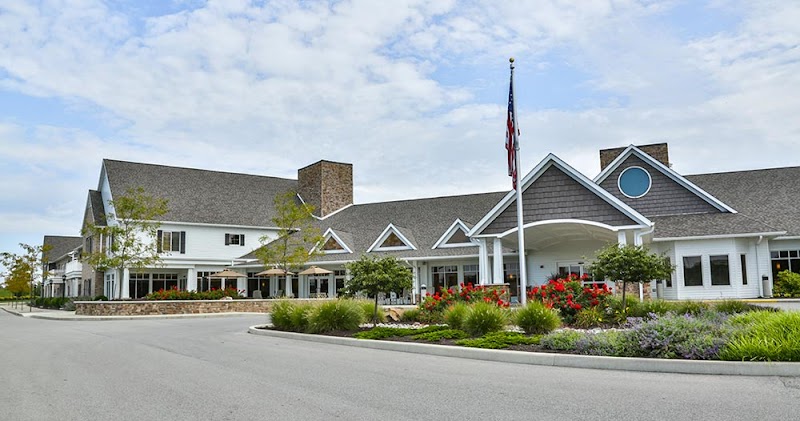
HERITAGE POINTE OF FORT WAYNE is owned by a government entity. Government-operated facilities are typically run by state, county, or municipal agencies. The facility operates independently rather than as part of a larger chain. With 68 certified beds and approximately 57 residents (about 84% occupancy), it is a smaller facility located in FORT WAYNE, Indiana.
How Does Heritage Pointe Of Fort Wayne Compare to Other Indiana Nursing Homes?

Compared to the 100 nursing homes in Indiana, HERITAGE POINTE OF FORT WAYNE's overall rating (5 stars) is above the state average of 3.1, staff turnover (20%) is significantly lower than the state average of 46%, and health inspection rating (4 stars) is above the national benchmark.

What Should Families Ask When Visiting Heritage Pointe Of Fort Wayne?

Based on this facility's data, families visiting should ask: "Can I visit during a mealtime to observe dining assistance and food quality?" "How do you handle medical emergencies, and what is your hospital transfer rate?" "Can I speak with family members of current residents about their experience?"

Is Heritage Pointe Of Fort Wayne Safe?

Based on CMS inspection data, HERITAGE POINTE OF FORT WAYNE has a clean safety record: no substantiated abuse findings (meaning no confirmed cases of resident harm), no Immediate Jeopardy citations (the most serious violation level indicating risk of serious injury or death), and is not on the Special Focus Facility watch list (a federal program monitoring the lowest-performing 1% of nursing homes). The facility has a 5-star overall rating and ranks #1 of 100 nursing homes in Indiana. While no facility is perfect, families should still ask about staff-to-resident ratios and recent inspection results during their visit.

Do Nurses at Heritage Pointe Of Fort Wayne Stick Around?

Staff at HERITAGE POINTE OF FORT WAYNE tend to stick around. With a turnover rate of 20%, the facility is 26 percentage points below the Indiana average of 46%. Low turnover is a positive sign. It means caregivers have time to learn each resident's needs, medications, and personal preferences. Consistent staff also notice subtle changes in a resident's condition more quickly.

Was Heritage Pointe Of Fort Wayne Ever Fined?

HERITAGE POINTE OF FORT WAYNE has no federal fines on record. CMS issues fines when nursing homes fail to meet care standards or don't correct problems found during inspections. The absence of fines suggests the facility has either maintained compliance or corrected any issues before penalties were assessed. This is a positive indicator, though families should still review recent inspection reports for the full picture.

Is Heritage Pointe Of Fort Wayne on Any Federal Watch List?

HERITAGE POINTE OF FORT WAYNE is not on any federal watch list. The most significant is the Special Focus Facility (SFF) program, which identifies the bottom 1% of nursing homes nationally based on persistent, serious quality problems. Not being on this list means the facility has avoided the pattern of deficiencies that triggers enhanced federal oversight. This is a positive indicator, though families should still review the facility's inspection history directly.