KINGSTON CARE CENTER OF FORT WAYNE
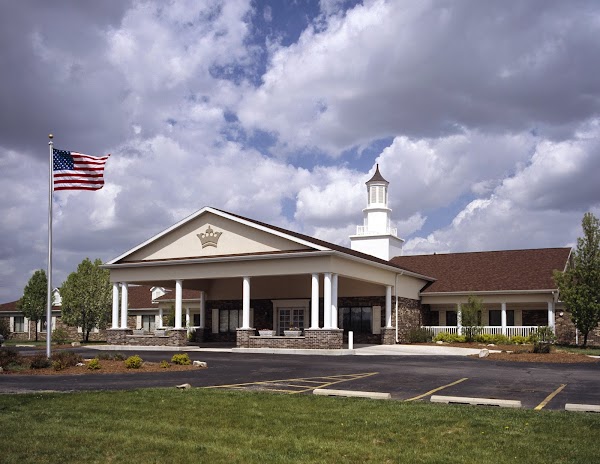
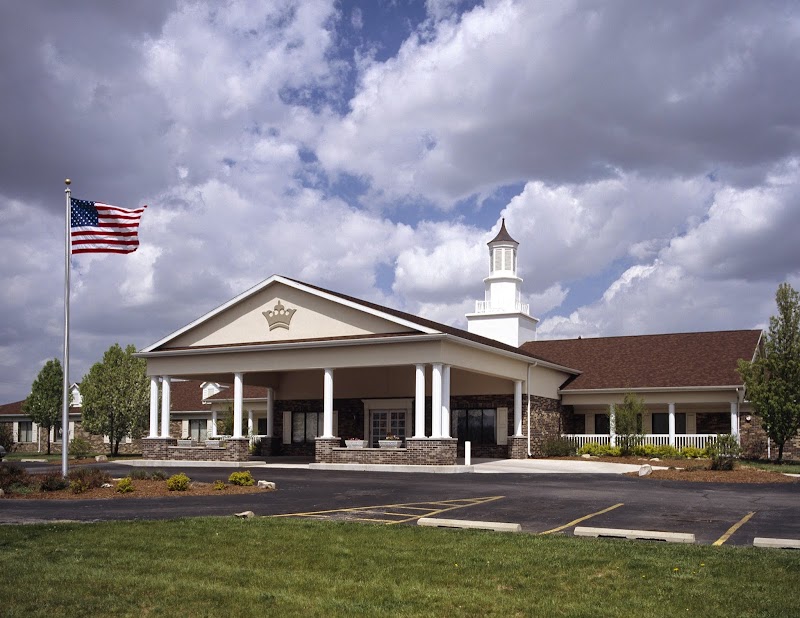
1010 W WASHINGTON CENTER RD, FORT WAYNE, IN 46825 (260) 489-2552
For profit - Corporation 137 Beds KINGSTON HEALTHCARE Data: November 2025 1 Immediate Jeopardy citation
Trust Grade
46/100
#259 of 505 in IN
Last Inspection: June 2025

Inspected within the last 6 months. Data reflects current conditions.

Overview

Kingston Care Center of Fort Wayne has a Trust Grade of D, which indicates below-average performance with some concerning issues. It ranks #259 out of 505 nursing homes in Indiana, placing it in the bottom half, and #18 out of 29 in Allen County, meaning there are only a few local options that are better. Unfortunately, the facility is worsening, with issues increasing from 8 in 2024 to 9 in 2025. Staffing is average, rated at 3 out of 5 stars, with a 55% turnover rate, which is on par with the state average. However, the facility has accumulated concerning fines totaling $12,649, higher than 83% of other Indiana facilities, indicating potential compliance problems. There are serious strengths to consider, such as excellent quality measures rated at 5 out of 5 stars. However, there are significant weaknesses as well. A critical incident involved a major medication error where a resident received 20 times the prescribed dose of morphine, leading to respiratory distress and emergency treatment. Additionally, a staff member worked with an expired license, raising concerns about compliance and care standards. The facility also failed to maintain proper sanitization standards in the kitchen, which could impact resident safety. Families should weigh these factors carefully when considering Kingston Care Center for their loved ones.

Trust Score
D
46/100
In Indiana
#259/505
Bottom 49%
Safety Record
High Risk
Review needed
Inspections
Getting Worse
8 → 9 violations
Staff Stability
⚠ Watch
55% turnover. Above average. Higher turnover means staff may not know residents' routines.
Penalties
✓ Good
$12,649 in fines. Lower than most Indiana facilities. Relatively clean record.
Skilled Nurses
✓ Good
Each resident gets 44 minutes of Registered Nurse (RN) attention daily — more than average for Indiana. RNs are trained to catch health problems early.
Violations
⚠ Watch
28 deficiencies on record. Higher than average. Multiple issues found across inspections.
★★★☆☆
3.0
Overall Rating
★★★☆☆
3.0
Staff Levels
★★★★★
5.0
Care Quality
★★☆☆☆
2.0
Inspection Score
Stable
2024: 8 issues
2025: 9 issues

The Good

  • 5-Star Quality Measures · Strong clinical quality outcomes
  • Full Sprinkler Coverage · Fire safety systems throughout facility
  • No fines on record

Facility shows strength in quality measures, fire safety.

The Bad

3-Star Overall Rating

Near Indiana average (3.1)

Meets federal standards, typical of most facilities

Staff Turnover: 55%

Near Indiana avg (46%)

Higher turnover may affect care consistency

Federal Fines: $12,649

Below median ($33,413)

Minor penalties assessed

Chain: KINGSTON HEALTHCARE

Part of a multi-facility chain

Ask about local staffing decisions and management

The Ugly 28 deficiencies on record

1 life-threatening
Jun 2025 7 deficiencies
CONCERN (D)

Potential for Harm - no one hurt, but risky conditions existed

Deficiency F0628 (Tag F0628)

Could have caused harm · This affected 1 resident

**NOTE- TERMS IN BRACKETS HAVE BEEN EDITED TO PROTECT CONFIDENTIALITY** Based on record review and interview the facility failed to ensure a bed hold policy was given prior to discharge to 3 of 3 resi...

Read full inspector narrative →
**NOTE- TERMS IN BRACKETS HAVE BEEN EDITED TO PROTECT CONFIDENTIALITY** Based on record review and interview the facility failed to ensure a bed hold policy was given prior to discharge to 3 of 3 residents reviewed. (Resident 26, Resident 28, and Resident 109) Findings include: 1) Resident 26's record review began on 06/20/25 at 01:11 PM. Diagnoses included stroke, heart failure, and seizures. A reveiw of progress notes, dated 10/14/24, indicated Resident 26 was sent to the hospital. There was no mention of a bed hold being explained to her or family in the progress or event notes. The facility provided an unsigned and undated discharge packet, The notice of transfer and discharge had a section requiring a signature and date which was left blank. The [NAME] Bed Holds and Leaves of Absence form had a place to designate whether the resident or resident representative prefers a bed to be held or do not hold a bed. The Bed Hold form further required a signature and date. On the form given, dated 10/14/24, all of the information was left blank. Progress notes indicated, on 11/21/24, Resident 26 was sent to the hospital. There was no mention of a bed hold being explained to her or family in Resident 26's medical record. The facility was unable to provide proof a bed hold was given prior to discharge. There was no discharge packet documented for 11/21/24. In an interview, on 06/24/25 at 08:08 AM, the Administrator indicated the facility did not have a bed hold for Resident 26 on the date of 11/21/24. The Administrator indicated the facility attempted to give discharge packets prior to leaving the building when for any reason the facility was not able to mail the form the following day. The Administrator indicated she was unaware of any requirement to show documentation of a bed hold being given or discussed prior to discharge requiring a signature. 2) Resident 28's record review began on 6/19/25 at 2:35PM. Diagnoses included diabetes, respiratory disease, and heart failure. Progress notes indicated Resident 28 was sent to the hospital on [DATE]. There was no mention of a bed hold being explained to him or his family in the medical record. The Facility provided an unsigned and undated discharge packet. The notice of transfer and discharge had a section requiring a signature and date which was left blank. The [NAME] Bed Holds and Leaves of Absence form had a place to designate whether the resident or resident representative prefered a bed to be held or do not hold a bed. The Bed Hold form further required a signature and date. On the form given for 12/2/24 all of the information was left blank. 3) Resident 109's record review began on 6/24/25 at 10:22AM. Diagnoses included dementia, heart failure, and respiratory disease. Progress notes indicated Resident 109 was sent to the hospital on 4/2/25. There was no mention of a bed hold being explained to her or her family in Resident 26's medical record. The facility was unable to provide proof a bed hold was given prior to discharge. There was no discharge packet found dated 4/2/25. In an interview, on 06/24/25 at 11:21 AM, the Administrator indicated no bed hold policy was available dated 4/2/25. A current policy titled, Bed Hold, Transfer and Discharge Notice dated March 2025 provided by the Administrator on 6/24/25 at 10:48AM, indicated .at the time of transfer to an Acute Care Facility or in cases of emergency, within 24hours the residing and their representative will be issued the appropriate [NAME] Bed Hold Notice and Bed Hold Policy via the preferred communication method No state rule applies.
CONCERN (D)

Potential for Harm - no one hurt, but risky conditions existed

ADL Care (Tag F0677)

Could have caused harm · This affected 1 resident

Based on observation, interview and record review the facility failed to ensure facial hair and nail care was provided for 1 of 10 residents reviewed (Resident 41). Findings include: During an observa...

Read full inspector narrative →
Based on observation, interview and record review the facility failed to ensure facial hair and nail care was provided for 1 of 10 residents reviewed (Resident 41). Findings include: During an observation, on 6/20/25 at 1:36 PM, Resident 41 was observed in the dining room with many white chin hairs about 2 cm long and dark brown debris present under her first, second, and third fingernails of her right hand. During an observation, on 6/23/25 at 9:12 AM, Resident 41 was observed in the dementia care dining room eating her breakfast with dark brown debris under the nails of her right 2nd 3rd and 4th fingernails and 4th and 5th fingernails of her left hand. Her breakfast meal was scrambled eggs and toast, with no food item matching the color of the debris under her nails. Resident 41 had many white hairs about 3 cm long on her chin and upper lip. During an interview, on 6/23/25 at 9:23 AM, Certified Nurse Aide (CNA) 4 indicated Resident 41 had dark brown debris under her fingernails on both hands. She indicated it was dark brown and did not match the color of any item she ate that morning. She indicated Resident 41's hands should have been washed and nails cleaned prior to being served her breakfast. She indicated her facial hair was long and should have been groomed. She indicated Resident 41 had not been resistant to facial hair and nail care in the past. Resident 41's record was reviewed on 6/20/25 at 2:16 PM. Diagnoses included dementia without behavioral disturbance, and hemiplegia and hemiparesis following cerebral infarction affecting right dominant side. A review of Resident 41's current quarterly Minimum Data Set Assessment (MDS) indicated their Basic Interview for Mental Status (BIMS) score was 3 (cognitively impaired). The MDS indicated Resident 41 did not have any occurrences of rejection of care and needed substantial assistance with personal hygiene. A review of Resident 41's current care plan titled Resident requires activity of daily living (ADL) assist indicated the resident had a problem of a recent stroke affecting her right side and weakness, with a goal date of 7/5/25. The care plan indicated Resident 41 should receive appropriate assistants for ADLs. Interventions included staff should document the care provided in dressing and grooming. Resident 41's current care plan titled Altered cardiac output indicated Resident 41 had a problem of dysarthria, hemiplegia and hemiparesis with a goal date of 7/5/25. Interventions included providing ADL assistance as appropriate. A review of progress notes for 6/2025 did not include any documentation of care refusal. In an interview, on 6/23/25 at 1:48 PM, the Director of Nursing (DON) indicated residents' hands and nails should be clean prior to meal service. Facial hair on female residents should be removed unless they indicate a preference to not receive the care. She indicated care refusal should be documented in the progress notes. She indicated trends of refusal of care or preferences not to receive specific care should be noted in the care plan. A current policy, dated 1/24, provided by the Administrator on 6/23/25 at 1:07 PM, indicated facial shaving should be provided to promote cleanliness and provide skin care. The policy indicated any refusals should be documented. A current policy, dated 5/23, provided by the Administrator on 6/23/25 at 1:07 PM, indicated nail care included regular cleaning and trimming. The policy indicated debris should be gently removed from under the nails during cleaning. 3.1-38(a)(3)(D) 3.1-38(a)(3)(E)
CONCERN (D) 📢 Someone Reported This

A family member, employee, or ombudsman was alarmed enough to file a formal complaint

Potential for Harm - no one hurt, but risky conditions existed

Accident Prevention (Tag F0689)

Could have caused harm · This affected 1 resident

**NOTE- TERMS IN BRACKETS HAVE BEEN EDITED TO PROTECT CONFIDENTIALITY** Based on observation, interview and record review the facility failed to ensure an exit door remained secure for 1 of 5 resident...

Read full inspector narrative →
**NOTE- TERMS IN BRACKETS HAVE BEEN EDITED TO PROTECT CONFIDENTIALITY** Based on observation, interview and record review the facility failed to ensure an exit door remained secure for 1 of 5 residents reviewed (Resident 98). Findings include: Resident 98's record was reviewed on [DATE] at 10:19 AM. Diagnoses included Alzheimer's disease with early onset, restlessness and agitation, and psychotic disorder with delusions due to known physiological condition. A review of Resident 98's current admission Minimum Data Set Assessment (MDS), dated [DATE], indicated their Basic Interview for Mental Status (BIMS) score was 10 (cognitively impaired). The MDS indicated Resident 98 had displayed verbal behavioral symptoms toward others 1-3 days per week and puts others at risk of significant risk of physical injury. The MDS indicated Resident 98 wandered with a significant risk of getting into potentially dangerous places. A review of Resident 98's current care plan titled Risk for Elopement indicated the resident had a problem of being independently ambulatory, having dementia, exit seeking behaviors, and poor safety awareness with a goal date of [DATE]. Interventions included using a wanderguard and checking the wanderguard's function. An elopement assessment, dated [DATE] at 1:48 PM, indicated Resident 98 was fully ambulatory, wandered aimlessly with redirectable behavior, and was content with placement. The assessment indicated Resident 98 had not made any attempts to leave the facility. A review of physician orders dated [DATE] at 2:09 PM, indicated a wanderguard was ordered to be placed on Resident 98's left ankle and staff should check placement and function each shift. A physician's order, dated [DATE] at 7:50 PM, indicated Resident 98 could reside in the facility's locked memory care unit. A review of progress notes, dated [DATE] at 7:00 PM, indicated Assistant Director of Nursing (ADON) 3 was notified by phone Resident 98 exited the building using a side exit and was promptly escorted back into the building. Progress notes, dated [DATE], did not include an account of Resident 98 exiting the facility, any immediate intervention or physical assessment. Progress notes, dated [DATE] at 7:20 PM, indicated Resident 98 had moved to the memory care unit due to increased wandering and family request. No assessments were included in the progress note. An elopement assessment, signed by the Director of Nursing (DON) on [DATE] with an effective date of [DATE] at 7:00 PM, indicated Resident 98 was fully ambulatory, wandered aimlessly, voiced desire to leave, was difficult to redirect and made at least one attempt to leave the facility. In an interview, on [DATE] at 11:17 AM, ADON 3 indicated he was on call when he received notice of Resident 98 exiting the building. He indicated Resident 98 was originally admitted to a room that was not located on the secured memory care unit. On the day of his admission, Resident 98 was observed to exit the facility through the service hall doorway by a dietary employee who was placing trash in the dumpster located about 50 feet from the service hall doorway. The dumpster was in an outdoor area open to the parking lot near the rehabilitation entrance to the facility. He indicated the door was not armed with wanderguard locking devices, but had alarms in place that should have sounded when the door was pushed open. He indicated the staff did not hear the alarm go off. He demonstrated opening the door with no sounding of the alarm. He indicated the alarm should have sounded and did not know why it had been disarmed. He placed a key in the lock on the push bar on the door, turned it, and pushed on the door. The door alarmed loudly when pushed and released after 15 seconds. He indicated each unit nurse had a key to the door to activate the lock clearly marked. He indicated he did not know who had disarmed the door or for what purpose. He indicated the door should be armed when not in direct attendance by staff. In an interview, on [DATE] at 1:19 PM, Maintenance Assistant 6 indicated he checked the service hall exit door earlier on [DATE]. The door had been armed, alarmed and locked properly. He indicated he was not aware of who disarmed the door or for what purpose. He indicated the door alarm should have sounded, and the door should have been locked when pushed. In an interview, on [DATE] at 1:28 PM, the Administrator indicated the door had not locked when pushed because the door became armed after a one-minute delay after the door closed. In an interview, on [DATE] at 1:30 PM, The ADON indicated he had not been aware of the one-minute delay on the service exit door. During a record review, on [DATE] at 1:30 PM, in-service documents provided by the Administrator on [DATE] at 9:00 AM indicated 17 staff members signed in-service sign-in forms beginning [DATE], conducted by the DON pertaining to the topic of the elopement policy. In-service sign-in forms indicated 60 staff members signed in for in-services provided by the Administrator, beginning [DATE] on secured door systems, discussion and demonstration. An employee listing provided by the Administrator on [DATE] at 9:00 AM indicated 199 employees worked at the facility. In an interview, on [DATE] at 1:41 PM, the Director of Nursing (DON) indicated she had presented in-services to staff after the elopement event and covered the information in the elopement policy. She indicated the Administrator performed additional in-servicing including a demonstration of the secured door system. She indicated the facility utilized agency staff to supplement facility staffing to ensure staffing needs were met. During an observation, on [DATE] at 1:51 PM, the DON entered the door code and opened the service hallway door to the outside of the building. About 10-15 seconds later, she pushed the door, and it opened without delay. The door alarm sounded upon opening. The DON indicated she was not aware of any delay in the locking mechanism engaging after the door closed. During an observation, on [DATE] at 1:58 PM, the Administrator entered the door code and opened the service hallway door to the outside of the building. After allowing the door to close, she waited until a red light appeared on the push bar of the door and pushed on the door again. The door remained locked, and the alarm sounded. She indicated she had performed this demonstration during her in-service to show staff how to ensure the door was armed. She indicated staff were instructed to push on the door after closing it to ensure the alarm sounded. During an interview, on [DATE] at 6:02 AM, Certified Nurse Aide (CNA) 2 indicated the code pad on the wall next to the door armed the door. She indicated when the door was closed it was armed and should alarm when open. She indicated she was not aware of any delay between when the door closed and when it would arm. During an observation, on [DATE] at 6:03 AM, CNA 2 entered a code into the keypad and opened the service hallway door to the outside of the building. She pushed on the door about 15 seconds after it closed. The alarm sounded and the door opened immediately. She indicated she did not know why the locking mechanism did not engage when the door closed. In an interview, on [DATE] at 12:14 PM, the Administrator indicated the exit door used by Resident 98 to exit the facility was about 349 feet from the road. The road was a 4-lane main city thorofare. A document titled Chexit, manufacturers guidelines for use of a controlled egress device was provided by the Administrator on [DATE] at 8:01 AM. The document indicated the Chexit device should sound an alarm and keep the door secured for 15 seconds following an exit attempt with immediate release upon fire. The guideline indicated a rearm delay was the amount of time after the key switch was activated before the alarm sounded. The guideline indicated the rearm time could be changed from 2 seconds to 28 seconds in 2 second increments. The document indicated if the rearm time was set to 30 seconds and a door position switch (DPS) was used, the door would not alarm after the rearm time expired. The Chexit would not rearm until the door was closed. If not using a DPS, the Chexit would rearm in 30 seconds. If the DPS detected the door closed during a rearm delay, the Chexit ended the rearm delay and allowed 2 seconds for the latch to clear the strike before rearming. A current policy, dated 11/23 provided by the Administrator on [DATE] at 1:31 PM, indicated the facility staff should immediately assist the resident in returning to the building and document the event in the medical record. This citation is related to complaint IN00459756. 3.1-45(a)(2)
CONCERN (D)

Potential for Harm - no one hurt, but risky conditions existed

Respiratory Care (Tag F0695)

Could have caused harm · This affected 1 resident

Based on observation, interview, and record review the facility failed to ensure physician's orders were followed for 1 of 1 residents reviewed. (Resident 112) Findings include: During an observation,...

Read full inspector narrative →
Based on observation, interview, and record review the facility failed to ensure physician's orders were followed for 1 of 1 residents reviewed. (Resident 112) Findings include: During an observation, on 06/19/25 at 09:25 AM, the oxygen concentraor in Resident 112's room was turned off, and the nasal cannula was secured in a plastic bag on top of the machine. Resident 112 was in the bed with his eyes closed. During an observation, on 06/20/25 at 09:40 AM, the oxygen machine in Resident 112's room was turned off, and the nasal cannula was secured in a plastic bag on top of the machine. Resident 112 was resting in bed. His respirations were easy. During an observation, on 06/23/25 at 09:29 AM, oxygen was placed on Resident 112 via nasal cannula at 5LPM (liters per minute). Employee 5 indicated in an interview, on 6/23/25 at 9:30 AM, Resident 112 had a change in condition and oxygen was placed on him via nasal cannual at 5LPM. During an observation, on 06/23/25 at 01:41 PM, Resident 112's oxygen was running via nasal cannula at a rate of 5LPM. During an observation, on 06/24/25 at 08:45 AM, oxygen was placed on Resident 112 via nasal cannual at 5LPM. In an interview, on 6/24/25 at 8:46 AM, Employee 5 indicated Resident 112's oxygen was set to 5LPM, and their oxygen saturation was 95%. Employee 5 indicated their oxygen should be set at 2LPM per physician order, then was observed to turn the resident's oxygen down to 2LPM. Employee 5 indicated the oxygen levels should be checked at least once per shift. In an interview, on 06/24/25 at 08:56 AM, the Director of Nursing (DON) indicated when a resident requires more or less oxygen than indicated on the physician's order, then they would need to obtain a new physician order. Resident 112's record was reviewed on 06/24/25 at 12:30 PM, diagnoses included Parkinson's, restlessness and agitation, and squamous cell carcinoma. A review of physician's orders dated 06/24/25 at 12:30 PM indicated oxygen should be titrated via nasal cannula between room air and 2LPM to keep oxygenation greater than or equal to 90% every shift. A current policy, dated 06/24/25, provided by the DON, indicated physician orders and progress notes shall be maintained in accordance with current OBRA regulations and facility policy. The policy did not indicate physician orders should be followed. 3.1-47(a)(4)(5)(6)
CONCERN (D)

Potential for Harm - no one hurt, but risky conditions existed

Deficiency F0698 (Tag F0698)

Could have caused harm · This affected 1 resident

Based on record review and interview, the facility failed to ensure ongoing communication and collaboration with the dialysis facility regarding dialysis care and services for 2 of 3 residents reviewe...

Read full inspector narrative →
Based on record review and interview, the facility failed to ensure ongoing communication and collaboration with the dialysis facility regarding dialysis care and services for 2 of 3 residents reviewed. (Resident 17 and Resident 163) Findings include: 1) Resident 17's record review began on 06/23/25 at 02:17 PM. Resident 17's diagnoses included end stage renal disease, diabetes, and hypertension. Resident 17 had a physician order for dialysis on Tuesdays, Thursdays, and Saturdays. A review of Resident 17's dialysis communication book indicated the Hemodialysis communication forms had the following missing information: - 6/14/25 Had no communication from the dialysis center. No vital signs. No weight. No run time. No dry weight. No post dialysis assessment. No information regarding if there were any complications. No information regarding medications given. No information regarding if labs were drawn. - 6/17/25 Had no communication from the dialysis center. No vital signs. No weight. No run time. No dry weight. No post dialysis assessment. No information regarding if there were any complications. No information regarding medications given. No information regarding if labs were drawn. A review of Resident 17's medical record indicated there was no documentation the facility further attempted to get the information from the dialysis center. 2) Resident 163's record review began on 06/19/25 at 11:42 AM. Resident 163's diagnoses included end stage renal disease, diabetes, and hypotention. Resident 162 had a physician order for dialysis on Tuesdays, Thursdays, and Saturdays. A review of Resident 163's dialysis communication book indicated the Hemodialysis communication forms had the following missing information: - 6/14/25 Had no communication from the dialysis center. No vital signs. No weight. No run time. No dry weight. No post dialysis assessment. No information regarding if there were any complications. No information regarding medications given. No information regarding if labs were drawn. - 6/17/25 Had no communication from the dialysis center. No vital signs. No weight. No run time. No dry weight. No post dialysis assessment. Indicated medications were given and to see attachment. There was no attachment or medications with dosages written. - 6/21/25 the form had vital signs but no weights pre dialysis weight and dry weight to see how much was taken off. There were no post dialysis vital signs. Indicated medications were given and to see attachment. There was no attachment or medications with dosages written. A review of Resident 163's medical record indicated there was no documentation the facility further attempted to get the information from the dialysis center. In an interview, on 06/23/25 at 02:04 PM, the Assistant Director of Nursing (ADON) indicated the importance of communication with the dialysis center was to ensure there were no complications to monitor and to know the follow up required to properly care for the resident. The ADON indicated the expectation was to call the dialysis center and get information, then either write it onto the form or to make a progress note in the resident's medical record. A current policy titled Dialysis dated October 2019 indicated The facility shall provide a safe environment for residents receiving treatments, including monitoring the resident before, during, and after dialysis treatments .collaborates with an End Stage Renal Disease facility to provide dialysis care coordination . 3.1-37(a)
CONCERN (E)

Potential for Harm - no one hurt, but risky conditions existed

Deficiency F0726 (Tag F0726)

Could have caused harm · This affected multiple residents

**NOTE- TERMS IN BRACKETS HAVE BEEN EDITED TO PROTECT CONFIDENTIALITY** Based on record review and interview the facility failed to ensure a license was current for 1 of 159 licensed staff. (Qualified...

Read full inspector narrative →
**NOTE- TERMS IN BRACKETS HAVE BEEN EDITED TO PROTECT CONFIDENTIALITY** Based on record review and interview the facility failed to ensure a license was current for 1 of 159 licensed staff. (Qualified Medical Assistant (QMA) 9). Findings include: A review of the facility licensure book, on [DATE] at 12:PM, indicated QMA 9's license expired on [DATE]. In an interview, on [DATE] at 1:45PM, the Administrator was informed QMA 9's license was expired. In an interview, on [DATE] at 10:30AM, the administrator provided QMA 9's license renewed [DATE]. The Administrator was unsure if QMA 9 had worked any hours while the license was expired. In an interview, on [DATE] at 11:15 AM, the DON indicated the dates QMA 9 worked in the facility without a license was [DATE] and [DATE]. A timesheet was provided by the DON, on [DATE] at 12:18PM, for QMA 9 indicated she had worked on [DATE] and [DATE] administering medications on a hall to 10 residents. No policy was provided by time of exit. 3.1-17(b)(1)
CONCERN (E)

Potential for Harm - no one hurt, but risky conditions existed

Food Safety (Tag F0812)

Could have caused harm · This affected multiple residents

**NOTE- TERMS IN BRACKETS HAVE BEEN EDITED TO PROTECT CONFIDENTIALITY** Based on observation and interview, the facility failed to ensure safe sanitization parameters were maintained for cleaning solu...

Read full inspector narrative →
**NOTE- TERMS IN BRACKETS HAVE BEEN EDITED TO PROTECT CONFIDENTIALITY** Based on observation and interview, the facility failed to ensure safe sanitization parameters were maintained for cleaning solutions used in the kitchen. 106 of 109 residents eat food prepared in the facility kitchen. Findings include: During an observation, on 06/19/25 at 09:15 AM, the following was observed: the Dietary Manager (DM) performed dipstick testing on the red sanitization bucket in the main kitchen. The solution did not cause the test strip to change color. The DM indicated the test strip should change color to confirm the solution is a minimum of 150ppm (parts per million). The DM indicated chemical release towels were used that [NAME] chemical solution into the water in the bucket The bucket was emptied, refilled, and new chemical release towels were placed in the water. During an observation, on 06/19/25 at 10:30 AM, the Dietary Manager performed dipstick testing in the main kitchen and the test strip did not change colors. The DM indicated the water still did not meet the minimum requirements of 150ppm. Employee 8 indicated they just changed the bucket with new water and chemical release towels, but the solution did not have time to [NAME] into the water yet. During an observation, on 06/19/25 at 11:30 AM, the Dietary Manager performed dipstick testing in the main kitchen and the test strip changed colors to meet minimum parameters for 150ppm. The dipstick test in the sanitization bucket in the secondary kitchen did not change colors to meet the minimum test strength. The DM indicated the solution should meet the minimum strength to effectively sanitize. The bucket was emptied, then taken to the main kitchen and filled from the wall-mounted sanitizer solution dispenser. The solution then was tested at 300ppm. There were no policies provided regarding the use of towels as a replacement for wall-mounted sanitization units. 483.60(i)(1)(2)
May 2025 1 deficiency
CONCERN (D) 📢 Someone Reported This

A family member, employee, or ombudsman was alarmed enough to file a formal complaint

Potential for Harm - no one hurt, but risky conditions existed

Grievances (Tag F0585)

Could have caused harm · This affected 1 resident

Based on observation, interview and record review, the facility failed to ensure grievances were thoroughly investigated, contained required documentation, and appropriate corrective actions taken for...

Read full inspector narrative →
Based on observation, interview and record review, the facility failed to ensure grievances were thoroughly investigated, contained required documentation, and appropriate corrective actions taken for 1 of 3 residents reviewed with grievances (Resident Q). Findings include: A report, dated 4/23/25, alleged Resident Q was rushed and handled roughly during personal care provided by Certified Nurse Aide (CNA) 2. On 5/14/25 at 12:55 P.M., Resident Q's record was reviewed. Diagnoses included hemiplegia (paralysis) and hemiparesis (weakness) following a stroke affecting the right side. A nurse note, dated 4/6/25 at 1:26 p.m., indicated Resident Q had arrived to the facility from the hospital. She was alert, oriented and able to make her needs known to staff. She'd had a recent stroke with expressive aphasia (difficulty speaking fluently) and paralysis on the right side. She reported having some pain on her entire right side. She required assistance of 1 with completing her activities of daily living (ADL). A respiratory therapy note, dated 4/10/25 at 9:55 a.m., indicated Resident Q was to receive assistance with using her incentive spirometer but had refused due to being upset about how the CNA had gotten her up. A nurse note, dated 4/10/25 at 11:12 a.m., indicated Resident Q's daughter had gone to the nurses station to speak with the nurse about the morning care her mother had received from CNA 2. The nurse immediately went to the resident's bedside to check on her where no bruising or other concerns were observed. Management was notified. There was no follow up documentation in the medical record after Resident Q's daughter had expressed care concerns on 4/10/25 through the resident's discharge from the facility on 4/23/25. On 5/14/25 at 1:30 P.M., the Social Services Director (SSD) was interviewed. She indicated the facility hadn't used grievance forms and when a concern was brought to a staff members attention, staff were to address the issue at the time. When asked, the SSD was unsure of how the facility was tracking grievances or concerns to ensure prompt efforts were being made to resolve the grievance, prevent further potential violations, and ensure appropriate corrective actions were taken while the grievance/concern was being reviewed. The SSD indicated she had no concerns or grievances reported to her for the month of April or May. On 5/15/25 at 3:15 P.M., the Administrator was interviewed and a current copy of the facility policy for grievances provided. The Administrator indicated the SSD was the facility's designated Grievance Officer who was responsible for overseeing the grievance process, receiving and tracking grievances through to conclusion and leading any necessary investigations by the facility. The Administrator indicated the facility used grievance forms, located outside the door of the SSD for residents, staff, families or visitors to use to convey grievances. On 5/15/25 at 3:20 P.M., the Director of Nursing (DON) was interviewed regarding care concerns of Resident Q, reported on 4/10/25. She indicated she wasn't sure if a formal grievance had been written but she and the Unit Manager followed up with the resident and her daughter on 4/11/25. The resident had indicated CNA 2 had rushed her and pulled on her right/paralyzed side while providing care. Resident Q indicated she hadn't been hurt but was rushed. The DON indicated she didn't know why there had been no follow up documentation in the resident's record to indicate the grievance had been addressed promptly or actions taken to prevent further violation of the resident's rights while the grievance/concern was investigated. During an observation on 5-14-25 through 5-15-25, no grievance or concern forms were readily available at common area, nurse's stations or at the SSD office. A current copy of the facility policy, titled Grievance Policy/Grievance Officer, was provided by the Administrator on 5/15/25 at 3:15 P.M., and stated: [Facility] ensures the right of residents, and the resident representative to voice and have prompt resolutions to their grievance .maintains a formal policy when the Grievance Officer (GO) is approached .The Grievance Officer is responsible for overseeing the grievance process, receiving and tracking grievances through to their conclusion; leading any necessary investigations by the facility .Other concerns are addressed via the concern form and if there is not resolution the concern will be brought to the GO by the resident or resident representative .3. If there is a grievance that needs to be given to the GO, the GO will lead the investigation. This will be tracked on the tracking log. 4. The Grievance Officer will follow up with the person who brought forward the concern in approximately 72 hours following review of the concern .After the investigation the GO will issue final decision to the resident and/or representative This Citation relates to Complaint IN00458140. 3.1-7(a)(2)
Mar 2025 1 deficiency
CONCERN (D) 📢 Someone Reported This

A family member, employee, or ombudsman was alarmed enough to file a formal complaint

Potential for Harm - no one hurt, but risky conditions existed

Quality of Care (Tag F0684)

Could have caused harm · This affected 1 resident

Based on interview and record review, the facility failed to ensure a surgical wound was assessed and monitored for 1 of 3 residents reviewed (Resident P). Findings include: On 3/14/25 at 11:15 A.M.,...

Read full inspector narrative →
Based on interview and record review, the facility failed to ensure a surgical wound was assessed and monitored for 1 of 3 residents reviewed (Resident P). Findings include: On 3/14/25 at 11:15 A.M., Resident P's record was reviewed. Diagnoses included dementia with behavioral disturbance and fracture of the right femur (12/23/24). A nurse note, dated 12/17/24 at 6:35 p.m., indicated Resident P had a fall and was observed on the floor of room in his doorway. The resident was yelling in pain and holding his right hip. He was sent to the emergency room for evaluation and treatment. A hospital operative report, dated 12/19/25, indicated the resident had fallen and fractured the top of his right femur. A right hip cemented hemiarthroplasty (replacing the ball at the top of the femur bone with a metal implant and securing with cement-National Institue of Health) was performed and the surgical incision closed with staples. An admission Evaluation, dated 12/23/24 at 4:00 p.m., indicated Resident P was readmitted to the facility from the hospital. He was alert and denied pain. He was bed bound at the time following surgery related to fractures. Skin observation indicated the resident had no skin issues. A Baseline Plan of Care, dated 12/23/24 included the resident would be comfortable, would receive therapy services, was at risk for falls, had impaired skin integrity due to a skin tear on his left lower extremity, was at risk for further impaired skin integrity due to decreased mobility, and had pain related to osteoarthritis. The admission Evaluation with Baseline Plan of Care did not indicate the resident had a surgical wound incision, closed with staples, or dressings present or not present. There was no description of the surgical incision and no documentation of signs or symptoms of infection. An admission Minimum Data Set (MDS) assessment, dated 12/28/24, indicated the resident had a surgical wound and received surgical wound care (Surgical wound care may include any intervention for treating or protecting any type of surgical wound. Examples may include topical cleansing, wound irrigation, application of antimicrobial ointments, application of dressings of any type, suture/staple removal, and warm soaks or heat application-Resident Assessment Instrument [RAI] 2024). A care plan, dated 1/8/25, indicated the resident was at risk for impaired skin integrity related to decreased mobility, impaired circulation, impaired sensation, and incontinence. Interventions included: encourage/assist to turn/reposition; pressure reduction surface in wheelchair; pressure redistribution surface to bed; and treatments as ordered. A Medication Administration Record (MAR) and Treatment Administration Record (TAR), dated December 2024, did not indicate the resident received surgical wound care, surgical wound assessment, monitoring, nor observation for signs and symptoms of infection. A nurse note, dated 12/24/24 at 1:39 p.m., indicated the resident had moderate bleeding to his right hip and the dressing was changed. The note did not indicate notification to the physician had occurred nor further assessment completed of the surgical wound appearance. There was no further documentation completed on the resident's surgical wound, status of staples, signs or symptoms of infection, bleeding, nor dressings applied from 12/25/24 through 1/6/25. A nurse note, dated 1/7/25 at 2:51 p.m., indicated a follow up appointment with the orthopedic surgeon was made for 1/22/25 at 2:45 p.m. pending response from the orthopedic (ortho) team regarding staple removal. Skilled nurse notes, dated 1/9/25 at 1:25 a.m., 1/10/25 at 6:48 p.m., 1/11/25 at 6:57 p.m., 1/12/25 at 7:00 p.m., 1/13/25 at 3:11 p.m., and 1/15/25 at 9:52 a.m. indicated Resident P had no surgical wounds. A nurse note, dated 1/10/25 at 2:39 p.m., indicated clarification of staple removal had been given by the ortho team. Staples were to remain in and not to be removed by staff. The staples would be removed at his appointment on 1/22/25. An electronic MAR (eMAR), dated 1/19/25 at 7:27 p.m., indicated staples were dry and intact without signs or symptoms of infection. A nurse note, dated 1/22/25 at 4:00 p.m., indicated Resident P had returned to the facility from his orthopedic appointment with new orders for showering and may get incision wet. A TAR, dated January 2025, indicated an order, dated 1/15/25-1/22/25, was for staff to monitor staples to the residents right hip and notify the physician of signs or symptoms of infection every shift. There was no care plan put in place to assess, monitor, or observe the surgical wound for signs or symptoms of infection. Skilled nurse notes didn't indicate Resident P had a surgical wound. Assessment of the surgical wound occurred 1 time on 1/19/25 when it had been assessed as dry, intact, and without signs or symptoms of infection. Evaluation of Surgical Wounds was retrieved from woundsource.com on 3/14/25 which indicated: A general physical examination including current pain assessment should be completed and documentation of the wound completed which includes the anatomic location and length of the surgical incision, the closure method such as sutures or staples, bleeding, inflammation (redness/swelling) or drainage present. Assess and monitor any sutures, staples, and glue sites and make sure an order is in place for removal-timing of suture or staple removal varies from 3-21 days. Monitoring the surgical site can prevent or minimize surgical site infections. Symptoms of infection may include fatigue, malaise, fever, warmth/redness around the incision, excessive bleeding or foul smelling drainage. On 3/14/25 at 11:59 A.M., Registered Nurse (RN) 2 was interviewed. She indicated upon admission, the resident's skin was to be assessed including any wounds-surgical or pressure, and documented in the progress notes. Resident P's surgical wound should have been assessed and documented upon admission and the wound assessed and monitored for signs of infection daily. On 3/14/25 at 12:36 P.M., the Director of Nursing (DON) was interviewed. She indicated Resident P's surgical wound should have been assessed upon admission and every shift until removal of the staples or follow up with the surgeon had occurred. Staff should've observed the surgical incision for signs of non-healing, signs of infection, and obtained a date for staple removal when he returned from the hospital. A current facility policy, titled Wound and Skin Management Protocol was provided by the DON on 3/14/25 at 2:03 P.M. The DON indicated the facility had no specific policy regarding surgical wound care and the current policy was used for all resident skin impairments. The protocol indicated: An admission assessment/observation should be completed within the first 8 hours but no greater than 24 hours .a plan of care for skin integrity was to be initiated including treatment orders if applicable and appropriate interventions put in place This Citation refers to Complaint IN00454446. 3.1-37
Oct 2024 1 deficiency
CONCERN (D) 📢 Someone Reported This

A family member, employee, or ombudsman was alarmed enough to file a formal complaint

Potential for Harm - no one hurt, but risky conditions existed

Medical Records (Tag F0842)

Could have caused harm · This affected 1 resident

Based on interview and record review, the facility failed to ensure complete and accurate medical records were maintained for 1 of 3 residents reviewed (Resident D). Findings include: On 10/18/24 at 2...

Read full inspector narrative →
Based on interview and record review, the facility failed to ensure complete and accurate medical records were maintained for 1 of 3 residents reviewed (Resident D). Findings include: On 10/18/24 at 2:21 P.M., Resident D's spouse was interviewed. During the interview, she indicated several concerns with the care provided the resident during his stay. She alleged Resident D's medication to treat his bi-polar disorder was decreased and a new medication given. She had spoken with the Nurse Practitioner (NP) and indicated she had not wanted the residents medication to be decreased and had not wanted him to be placed on a new medication. Additionally, she alleged the staff hadn't noticed the resident had no teeth or dentures and had not served him soft foods. She indicated the resident was given food he was unable to chew so he just hadn't eaten. On 10/18/24 at 3:07 P.M., Resident D's record was reviewed. Diagnoses included bradycardia (slow heart rate), chronic obstructive pulmonary disease (COPD), chronic kidney disease, diabetes, dementia and bi-polar disorder. 1. A physician order, dated 9/13/24, was written for Lithium Carbonate (used to treat bi-polar disorder) 300 milligrams (mg) extended release (ER) by mouth, 2 times per day to treat bi-polar disorder. On 9/18/24 at 8:47 a.m., the Psychiatric NP visited with the resident. The resident had recently been sent to the hospital from his assisted living (AL) apartment. The NP had been providing services to the resident for the past 3 years. During the visit, the resident was observed to be weak and confused and it took him a few minutes to recall who the NP was. He had intermittent tremors in both of his arms. He was to continue his current dose of Lithium 300 mg ER by mouth 2 times per day. -At 2:39 p.m., the Medical NP visited the resident to review his lab results obtained on 9/17/24. There were no new orders. A Lab Results Report, collected on 9/20 and reported on 9/21/24, indicated the residents blood lithium level was elevated at 1.6 (normal 1.0-1.2 mmol/L). There was no physician order documented to indicate the residents blood lithium level was to be drawn and there were no nurse notes documented on 9/20/24 to indicate labs had been drawn from the resident. There were no nurse notes, documented on 9/21/24, to indicate the doctor or NP had been notified of the abnormal lab results. On 9/23/24 at 11:04 a.m., the medical NP visited the resident for his increased tremors and review of lab results. Tremors in both arms/hands had increased over the past week interfering with his ability to help care for himself. Lab results from 9/20/24 were reviewed. His lithium level was elevated at 1.6. His dosage of Lithium ER 300 mg, 2 times per day would be decreased to 1 time per day for 4 days, then resume 2 times daily dosing. His lithium level would be rechecked on 9/26/24. If his tremors worsened, she would prescribe Amantadine (antiviral medicine used to treat tremors) 100 mg by mouth daily. On 9/24/24 at 9:32 a.m., the medical NP documented she had spoken with the resident's wife the night before (9/23/24) by phone. His wife indicated the resident had taken Lithium for years due to his drastic mood changes when not taking the medication regularly and she hadn't wanted his dosage changed. The NP reordered the resident's Lithium ER 300 mg woul back to 2 times per day and his blood lithium level rechecked on 9/26/24. If his tremors worsened, he could be given Amantadine 100 mg by mouth daily. A physician order, dated 9/24/24 at 9:06 a.m., was to give Lithium ER 300 mg by mouth 2 times per day. -At 8:00 p.m., Lithium ER 300 mg by mouth 2 times per day was discontinued by the psychiatric NP and decreased to Lithium (immediate release) 150 mg by mouth 2 times per day. There was no nursing documentation to indicate the reason for or the change in the Lithium orders. On 10/21/24 at 10:57 A.M., the psychiatric NP was interviewed. She indicated she had received a secure message from the medical NP indicating the concern with the residents increased tremors and elevated blood lithium level. She had reviewed the secure message, the evening of 9/24/24, had responded back to the facility, and decreased Resident D's lithium dosage. On 10/21/24 at 11:36 P.M., the Director of Nursing (DON) was interviewed. She indicated it was a company policy to allow the use of secured messaging between healthcare professionals providing care to residents at the facility but facility nursing staff were expected to document new order changes in the residents record. 2. A Nursing Admission/Observation form, dated 9/13/24 at 1:18 p.m., indicated an observation of Resident D's oral (mouth/teeth/gums) status was completed. The observation indicated there were no issues observed. The resident was prescribed a no concentrated sweet diet (NCS) (low carbohydrate due to diabetes) which was regular texture with thin liquids. There was no documentation Resident D was endentulous (without teeth) A Speech Therapy Evaluation and Plan of Treatment, dated 9/17/24, indicated the resident had been referred to speech therapy to assess the residents cognition and safety awareness. A swallow study was suggested due to the resident indicating he had difficulty taking multiple pills at once, needed his food cut into smaller pieces, and had difficulty chewing and swallowing food like lettuce. A consultation, evaluation, and management report for dysphasia (difficulty swallowing), dated 9/17/24, indicated the resident was being evaluated due to coughing when swallowing and feeding/swallowing difficulties. The evaluation was done to determine the safest diet for the resident. On visual inspection of the residents mouth, he was observed with no teeth. He indicated his dentures no longer fit well so he didn't wear them. There were no physician orders documented for a speech therapy evaluation or a swallow study to be completed due to chewing and swallowing difficulties. Resident care plans hadn't indicated the resident was edentulous (lacking teeth) and required meals with soft foods. In an interview, on 10/21/24 at 2:54 PM, the DON indicated there was not a policy regarding documentation. A policy regarding complte and accurate documentation was not available for review by time of exit. This Citation relates to Complaint IN00444543. 3.1-50(a)(1) 3.1-50(a)(2)
Aug 2024 6 deficiencies
CONCERN (D)

Potential for Harm - no one hurt, but risky conditions existed

Deficiency F0578 (Tag F0578)

Could have caused harm · This affected 1 resident

Based on interview and record review the facility failed to ensure formulation of an advanced directive after admission for 1 of 1 residents reviewed. (Resident 30) Findings include: Resident 30's re...

Read full inspector narrative →
Based on interview and record review the facility failed to ensure formulation of an advanced directive after admission for 1 of 1 residents reviewed. (Resident 30) Findings include: Resident 30's record was reviewed on 8/21/24 at 9:40 AM. Diagnoses included respiratory failure, Parkinson's disease, and type 2 diabetes with chronic kidney disease. A review of Resident 30's current quarterly Minimum Data Set (MDS) indicated their Basic Interview for Mental Status (BIMS ) score was 14 (cognitively intact). A review of Resident 30's current care plan, dated 8/14/24, titled Resident and family have chosen a DNR order, indicated Resident 30 would not have life-saving measures performed, and all caregivers would be informed of code status. A review of physician orders dated 8/21/24 at 11:00 AM indicated Resident 30's DNR order was discontinued 8/14/24, and not reinstated until 8/21/24. A review of progress notes dated 8/20/24 indicated Resident 30 declined to decide an advanced directive status upon readmission from hospital on 8/19/24. In an interview on 8/21/24 at 10:30 AM, the Administrator indicated code status should be found in physician orders and care plan. If code status is not there then the resident would be assumed to be full code. In an interview on 8/21/24 at 12:45 PM, the DON (Director of Nursing) indicated the resident came back from the hospital on 8/19/24 and was unsure what code status he wanted. Advance Directive documents presented at 12:45 PM indicated Resident 30's code status was updated to DNR on 8/21/24 at 12:00 PM. A current policy dated 8/21/24 provided by the DON indicated the facility would determine whether the resident had executed advanced directives, and whether the resident would like a DNR order issued while in the facility. 3.1-4(d)
CONCERN (D)

Potential for Harm - no one hurt, but risky conditions existed

MDS Data Transmission (Tag F0640)

Could have caused harm · This affected 1 resident

**NOTE- TERMS IN BRACKETS HAVE BEEN EDITED TO PROTECT CONFIDENTIALITY** Based on interview, and record review the facility failed to ensure all Minimum Data Set (MDS) sections were completed for 2 of ...

Read full inspector narrative →
**NOTE- TERMS IN BRACKETS HAVE BEEN EDITED TO PROTECT CONFIDENTIALITY** Based on interview, and record review the facility failed to ensure all Minimum Data Set (MDS) sections were completed for 2 of 32 residents reviewed (Resident 76, and Resident 66). Findings include: 1) Resident 76's record was reviewed on 8/23/24 at 1:40 PM. Diagnoses included hemiplegia and hemiparesis following cerebral infarction affecting left non-dominant side, major depressive disorder, recurrent severe without psychotic features, and prediabetes. Resident 76's current quarterly MDS dated [DATE] indicated their Basic Interview for Mental Status (BIMS) score was not completed. Each question in the BIMS assessment was answered not assessed. In an interview on 8/26/24 at 8:30 AM, the Director of Therapy indicated the therapy department was responsible for the completion of the MDS section C for all MDS assessments for all residents. He indicated a problem with completion was identified and the department heads began reviewing MDS assessments in the morning meeting each day around two weeks ago. In an interview on 8/26/24 at 8:45 AM, the MDS Coordinator 6 indicated he was aware of several occurrences of Section C of the MDS not being completed or not be completed timely. He indicated this had been an issue for several months. He indicated the MDS department should receive completed MDS sections from all departments by the end of the business day on the Assessment Reference Date. 2) Resident 66's record was reviewed on 8/20/24 at 11:04AM. Resident 66 was admitted on [DATE]. An admission MDS dated [DATE] did not have a BIMS score assessment. completed. In an interview on 8/21/24 at 1:35 PM, Resident 66 indicated he was able to carry on a conversation. Resident 66 was giving fact-based responses and was showing use of reasoning skills. Resident 66 recalled information given at the beginning of interview with ease and was able to explain and demonstrate his answers appropriately. A Performance Improvement Plan (PIP) from the facility regarding comprehensive assessment and timing provided by the MDS coordinator on 8/26/24 at 9:17AM, indicated the facility had a meeting on 5/16/24, 6/14/24, and 8/9/24. The target end date for the PIP was 8/17/2024. The last activity documented an intervention was discussed on 8/23/24, however, the intervention was not listed. TheResident Assessment Instrument (RAI) manual dated October 2023 indicated the following: CMS's RAI Version 3.0 Manual CH 3: MDS Items [C] Page C-1 SECTION C: COGNITIVE PATTERNS Intent: The items in this section are intended to determine the resident's attention, orientation and ability to register and recall new information and whether the resident has signs and symptoms of delirium. These items are crucial factors in many care-planning decisions. A current policy titled MDS Completion Guidelines dated 8/26/24 provided by MDS Coordinator 6 on 8/26/24 at 9:17 AM did not provide guidelines for completion of each MDS section. An undated document titled MDS Parts, provided by MDS Coordinator 6 on 8/26/24 at 9:17 AM indicated the therapy department was responsible for completing BIMS scoring for the MDS completion. A policy and procedure titled MDS Completion Guidelines dated April 2014, indicated .1. MDS Nurses are to complete every MDS within seven (7) days of the assessment date
CONCERN (D)

Potential for Harm - no one hurt, but risky conditions existed

Deficiency F0699 (Tag F0699)

Could have caused harm · This affected 1 resident

**NOTE- TERMS IN BRACKETS HAVE BEEN EDITED TO PROTECT CONFIDENTIALITY** Based on interview and record review the facility failed to identify and initiate plans to mitigate trauma informed care for 1 o...

Read full inspector narrative →
**NOTE- TERMS IN BRACKETS HAVE BEEN EDITED TO PROTECT CONFIDENTIALITY** Based on interview and record review the facility failed to identify and initiate plans to mitigate trauma informed care for 1 of 1 resident reviewed. (Resident 66) Resident 66's record review began on 8/20/24 at 11:04AM. Diagnoses included heart disease, depression, and Post Traumatic Stress Disorder (PTSD ). Resident 66's Trauma Screening Questionnaire dated 7/30/24, was not completed on admission. Resident 66 did not have a plan of care in place to minimize or alleviate triggers, no PTSD related triggers were identified. Resident 66 had a care plan related to alteration in amount of sleep secondary to insomnia. The insomnia was not identified as a sign or symptom of his PTSD. There were no progress notes to indicate family had collaborated to assist in identifying PTSD triggers. Prior to admission, Resident 66 lived at home with his wife. There were no progress notes to indicate counseling or talk therapy had been attempted. Resident 66's admission Minimum Data Set (MDS) dated [DATE] was not fully completed. Section C for BIMS (Brief Interview of Mental Status) indicated the resident had not been completely assessed. The assessment did not include assessment through staff interview. Section D for mood was not completed. Section I for Diagnosis did indicate depression nor PTSD. In an interview, on 08/21/24 at 01:35PM, Resident 66 talked about his time in the Vietnam war. He discussed his ongoing sickness from agent orange. He stated, my hands are useless, so am I. Resident 66 was crying yet easily consoled. Resident 66 expressed feelings of gratitude of the time spent with him. He indicated his wife would visit twice a week. Other than her visits, no one attempted to understand him. In an interview, on 8/21/24 at 2:18PM Social Services Director (SSD) 5 indicated she did not understand why Resident 66's BIMS score was not completed. She indicated therapy was responsible for Section C of MDS. She explained Resident 66 only triggered for sleep disturbance on the trauma assessment. She further explained the team felt by talking to Resident 66 further they may upset him, so they only care planned him for sleep disturbance. SSD 5 was unable to identify Resident 66's PTSD triggers. SSD 5 was unable to identify why the mood section D was not completed because SSD 5 was responsible for Section D. In an interview, on 08/22/24 at 10:26 AM, the Director of Nursing (DON) indicated Resident 66 would not talk to us about it. The management team had discussed the resident in behavior meeting on 8/22/24 and discussed a referral to the psychologist since he wasn't comfotable discussing the PTSD with staff. Resident 66 would not tell the facility what his PTSD triggers were. She indicated Resident 66 should have been care planned for the PTSD diagnosis and watched for any signs of triggers. The DON indicated she was unsure if the family had been contacted regarding the PTSD or any triggers they may have been aware of. A policy titled, Trauma-Informed Care, dated October 2022 was received 8/22/24 at 12:16PM by SSD 5. The policy indicated .trauma informed care in accordance with professional standards of practice and accounting for residents' preferences to eliminate or mitigate triggers that may cause re-traumatization of the resident. To determine if the resident is currently experiencing trauma or is at risk the Trauma Screening Questioner will be completed on all resident at the time of admission and as needed during the stay. 1) Ensure that appropriate staff is trained to provide support to residents with a trauma related diagnosis .2) Trauma Screening will be completed by LSW (Licensed Social Worker) upon admission .3) The LSW to provide support and care plan interventions upon admission and throughout resident stay and educate other staff as needed .
CONCERN (E)

Potential for Harm - no one hurt, but risky conditions existed

Resident Rights (Tag F0550)

Could have caused harm · This affected multiple residents

**NOTE- TERMS IN BRACKETS HAVE BEEN EDITED TO PROTECT CONFIDENTIALITY** Based on observation, interview, and record review the facility failed to ensure a dignified dining experience for 5 of 20 resid...

Read full inspector narrative →
**NOTE- TERMS IN BRACKETS HAVE BEEN EDITED TO PROTECT CONFIDENTIALITY** Based on observation, interview, and record review the facility failed to ensure a dignified dining experience for 5 of 20 residents reviewed (Resident 49, Resident 76, Resident 77, Resident 82, and Resident 100). Findings include: During an observation on 8/21/24 at 12:46 PM, Resident 49, Resident 76 and Resident 82 were seated together at a table. Resident 49 and two unidentified residents had plates of food in front of them, but Resident 76 and Resident 82 had not yet been served. [NAME] 8 served trays to each table where other residents were waiting before taking lunch orders for Residents 76 and 82. Resident 76 and Resident 82 were served lunch at 1:18 pm. Resident 49 did not engage in eating tasks until her tablemates were served. Resident 49 indicated her food had become cold while she waited to eat. During an observation and interview on 8/21/24 at 1:19 PM, Resident 77 picked up plates, glasses and silverware from tables, placing them in a large dishpan on top of a cart. Resident 77 propelled herself by grabbing the tables where residents were seated while they were eating their lunch, and grabbed the handle on Resident 49's wheelchair, pulling the wheelchair forward. Resident 77 indicated she was trying to help the staff because they were running behind. She indicated she was concerned the room would not be cleared in time for the BINGO activity to start as scheduled at 2:00 PM. Resident 77 approached Resident 100 asking if she could clear his dishes from the table. Resident 100 had an irritated facial expression, shook his head, and indicated he did not understand what Resident 77 was trying to prove. [NAME] 8 spoke to Resident 100 and indicated Resident 77 was just trying to help. Resident 77 approached Resident 49, Resident 76 and Resident 82 and began taking their plates and silverware without asking. Resident 76 and Resident 82 had not had time to complete eating their desserts. In an interview on 8/21/24 at 1:24 PM, Dietary Aide 7 indicated residents should be served table by table. If residents arrive late, they should be worked in as soon as possible, before beginning service to an unserved table. In an interview on 8/21/24 at 1:27 PM, [NAME] 8 indicated trays are served on a first come, first serve basis. In an interview on 8/22/24 at 10:25 AM, the Director of Nursing indicated residents at a table should be served at the same time. She indicated any late arriving residents should be worked in as soon as possible rather than serving in order of arrival. In an interview on 8/23/24 at 9:21 AM, Resident 76 indicated she had bussed tables in the dining room to help the staff before. She indicated no training or oversight was provided. In the same interview, Resident 82 indicated residents bussing table in the dining room was not an unusual occurrence. She indicated residents frequently help when short staffing occurs. 1) Resident 49's record was reviewed on 8/23/24 at 1:01 PM. Diagnoses included major depressive disorder, unspecified dementia, moderate, with other behavioral disturbance, and generalized anxiety disorder. Resident 49's current quarterly, Minimum Data Set (MDS) dated [DATE] indicated their Basic Interview for Mental Status (BIMS) score was 8 (cognitively impaired). 2) Resident 76's record was reviewed on 8/23/24 at 1:40 PM. Diagnoses included major depressive disorder recurrent severe without psychotic features, hemiplegia and hemiparesis following cerebral infarction affecting left non-dominant side, and dysphagia following cerebral infarction. Resident 76's current quarterly MDS dated [DATE] indicated indicated her Basic Interview for Mental Status score not available due to not being assessed. Resident 76's quarterly MDS dated [DATE] indicated her BIMS score was 15 (cognitively intact). 3 )Resident 77's record was reviewed on 8/23/24 at 10:15 AM. Diagnoses included hemiplegia and hemiparesis following nontraumatic intracerebral hemorrhage affecting left dominant side, unspecified psychosis not due to a substance or known psychological condition, and generalized anxiety disorder. Resident 77's current quarterly MDS dated [DATE] indicated her BIMS score was 15 (cognitively intact). 4) Resident 82's record was reviewed on 8/23/24 at 12:36 PM. Diagnoses included chronic kidney disease, stage 3, unspecified, generalized anxiety disorder, and essential hypertension. Resident 82's current quarterly MDS dated [DATE] indicated her BIMS score was 15 (cognitively intact). 5) Resident 100's record was reviewed on 8/23/24 at 12:42 PM. Diagnoses included unspecified fracture of shaft of right femur, subsequent encounter for closed fracture with routine healing, displaced fracture of body of scapula left shoulder, subsequent encounter for fracture with routine healing, multiple fractures of ribs, left side, subsequent encounter for fracture with routine healing. Resident 100's current admission MDS dated [DATE] indicated his BIMS score was 14 (cognitively intact). A current policy titled SNF Meal Service and Distribution provided by the Administrator on 8/22/24 at 2:30 PM indicated meals should be distributed to residents promptly and the dining room should be cleaned after each meal. The policy did not indicate each meal should be served table by table. 3.1-3(a)
CONCERN (E)

Potential for Harm - no one hurt, but risky conditions existed

Deficiency F0805 (Tag F0805)

Could have caused harm · This affected multiple residents

Based on observation, interview, and record review the facility failed to ensure pureed food was prepared to guideline specifications. 5 of 5 residents requiring pureed diets consumed food prepared by...

Read full inspector narrative →
Based on observation, interview, and record review the facility failed to ensure pureed food was prepared to guideline specifications. 5 of 5 residents requiring pureed diets consumed food prepared by the dietary staff. (Resident 5, Resident 10, Resident 27, Resident 39, and Resident 68). In an observation followed by an interview, on 8/20/24 at 11:16AM, [NAME] 8 identified a pan of meat with charred spots, and sticking to wax paper as pork tenderloin. [NAME] 8 took 8 varied size pieces of the meat and put into the grinder adding 3 soup ladles of gravy. [NAME] 8 was shaking the grinder and then using a spatula to wipe the sides. [NAME] 8 added 1 additional ladle of gravy. There was no recipe visible. [NAME] 8 indicated she was unable to determine the measurement of soup ladle. [NAME] 8 asked [NAME] 7 if there was a recipe for the pork tenderloin puree. [NAME] 7 located the recipe book. The book did not include the recipe for tenderloin puree. The kitchen manager was surprised the recipe did not include puree. He indicated he would locate a recipe and bring it for review along with a policy later in the day. On 8/20/24 at 1:16PM, the Administrator provided the production recipe for pork tenderloin roasted pureed thick. Yield was 20 portions. [NAME] 8 was yielding 6 so she would have cut this and done 1/3. The recipe called for 3lbs and 12 ounces of roasted pork tenderloin, 1 1/3 cup beef base , 1 quart hot water, and ½ cup food thickener. [NAME] 8 used 8 breaded pork tenderloin patties (no weight was measured on the patties). The patties were not similar in style to the pork tenderloin being served to other residents. In lieu of hot water, beef base and thickener, [NAME] 8 used gravy. The gravy was not measured, and she did not use thickener, so the consistency of the puree was not uniform. 1) Resident 5's record was reviewed, on 8/20/24 at 9:16AM, diagnoses included respiratory disease, heart disease, dementia, and dysphagia. Resident 5 had an order for pureed/dysphagia thin consistency, dated 12/6/23. 2) Resident 10's record was reviewed, on 8/20/24 at 9:21AM, diagnoses included heart disease, lung diseases, dementia, and dysphagia. Resident 10's diet order was pureed/dysphagia, thin consistency, dated 12/30/23. 3) Resident 27's record was reviewed, on 8/23/24 at 9:26AM, diagnoses included stroke, diabetes, heart disease, dementia, and dysphagia. Resident 27's was ordered blenderized texture thin consistency, dated 6/8/23. 4) Resident 39's record was reviewed, on 8/23/24 at 9:52AM, diagnoses included Alzheimer's, adult failure to thrive, and dysphagia. Resident 39's diet order was blenderized texture, nectar thick consistency, dated 12/17/22. 5) Resident 68's record was reviewed, on 8/23/24 at 9:58AM, diagnoses included malnutrition, heart disease, dementia, and dysphagia. Resident 68 had an order pureed/dysphagia thin consistency diet, dated 10/30/23. A policy and procedure titled, Use of Recipes, dated April 2014 was received from the Administrator on 8/22/24 at 12:16PM. The policy indicated recipes were to be used when preparing menu items. 3.1-21(a)(3)
CONCERN (E)

Potential for Harm - no one hurt, but risky conditions existed

Infection Control (Tag F0880)

Could have caused harm · This affected multiple residents

**NOTE- TERMS IN BRACKETS HAVE BEEN EDITED TO PROTECT CONFIDENTIALITY** Based on observation, interview, and record review the facility failed to ensure a sanitary environment for dining in the crown ...

Read full inspector narrative →
**NOTE- TERMS IN BRACKETS HAVE BEEN EDITED TO PROTECT CONFIDENTIALITY** Based on observation, interview, and record review the facility failed to ensure a sanitary environment for dining in the crown dining room. 20 residents of 108 residents residing in the facility consumed meals in the crown dining room. Findings include: During an observation and interview on 8/21/24 at 1:19 PM, Resident 77 picked up plates, glasses and silverware from tables, placing them in a large dishpan on top of a cart. No gloves were worn, and no hand hygiene was observed. A white fluffy substance was observed on Resident 77's hand, consistent in appearance to the mashed potatoes served at the lunch meal. Resident 77 propelled herself by grabbing the tables where residents were seated. She grabbed the handle on Resident 49's wheelchair and pulled her wheelchair forward. Resident 77's hands still contained remnants of white fluffy residue. She had not utilized had hygiene. [NAME] 8 indicated Resident 77 liked to help, but she was not capable of maintaining sanitation standards. [NAME] 8 indicated she had difficulty stopping Resident 77 from bussing the tables because she was busy serving other residents and she was the only employee in the dining room. In an interview on 8/23/24 at 9:21 AM, Resident 76 indicated she had bussed tables in the dining room to help the staff before. She indicated no training or oversight was provided. In the same interview, Resident 82 indicated residents bussing tables in the dining room was not an unusual occurrence. She indicated residents frequently help when short staffing occurs. She indicated no training about hand washong had been provided. 1) Resident 49's record was reviewed on 8/23/24 at 1:01 PM. Diagnoses included major depressive disorder, unspecified dementia, moderate, with other behavioral disturbance, and generalized anxiety disorder. Resident 49's current quarterly, Minimum Data Set (MDS) dated [DATE] indicated their Basic Interview for Mental Status (BIMS) score was 8 (cognitively impaired) 2) Resident 76's record was reviewed on 8/23/24 at 1:40 PM. Diagnoses included major depressive disorder recurrent severe without psychotic features, hemiplegia and hemiparesis following cerebral infarction affecting left non-dominant side, and dysphagia following cerebral infarction. Resident 76's current quarterly MDS dated [DATE] indicated her indicated her Basic Interview for Mental Status score not available due to not being assessed. Resident 76's quarterly MDS dated [DATE] indicated her BIMS score was 15 (cognitively intact) 3) Resident 77's record was reviewed on 8/23/24 at 10:15 AM. Diagnoses included hemiplegia and hemiparesis following nontraumatic intracerebral hemorrhage affecting left dominant side, unspecified psychosis not due to a substance or known psychological condition, and generalized anxiety disorder. Resident 77's current quarterly Minimum Data Set (MDS) dated [DATE] indicated her Basic Interview for Mental Status) BIMS score was 15 (cognitively intact). Resident 77's current care plan titled .displays manipulative behavior .indicated the resident had a problem of needing diversional activities, with a goal date of 10/22/24. Interventions included removing Resident 77 from the public area when behavior was disruptive and providing a diversional activity. Resident 77's current care plan titled .choices are important .indicated Resident 77 wanted to do therapeutic work, such as collecting dirty dishes with a goal date of 10/22/24. Interventions included educating the resident and family on infection control policy. 4) Resident 82's record was reviewed on 8/23/24 at 12:36 PM. Diagnoses included chronic kidney disease, stage 3, unspecified, generalized anxiety disorder, and essential hypertension. Resident 82's current quarterly MDS dated [DATE] indicated her BIMS score was 15 (cognitively intact). In an interview on 8/22/24 at 10:25 AM, the Director of Nursing (DON) indicated education on hand hygiene, instructions to not interfere with others while they eat and sanitation principles for Resident 77 was not available for review. The DON indicated she could not recall when her appropriateness to perform bussing activities was last reviewed. A current policy titled Policies and Practices - Infection Control dated August 2019 provided by the Administrator on 8/20/24 at 10:30 AM indicated the facility's policies and procedures are intending to facilitate maintaining a safe, sanitary and comfortable environment to help prevent and manage transmission of diseased and infections. The policy indicated infection control policies and practices apply equally to all personnel, residents and visitors. The policy indicated training should occur when indicated. The policy indicated having an objective of maintaining a safe, sanitary and comfortable environment. 3.1-18(a)
Apr 2024 1 deficiency
CONCERN (D) 📢 Someone Reported This

A family member, employee, or ombudsman was alarmed enough to file a formal complaint

Potential for Harm - no one hurt, but risky conditions existed

Deficiency F0697 (Tag F0697)

Could have caused harm · This affected 1 resident

Based on interview and record review, the facility failed to ensure pain management for 1 of 3 residents experiencing pain reviewed (Resident Q). Findings include: On 4/15/24 at 10:16 A.M., Resident Q...

Read full inspector narrative →
Based on interview and record review, the facility failed to ensure pain management for 1 of 3 residents experiencing pain reviewed (Resident Q). Findings include: On 4/15/24 at 10:16 A.M., Resident Q was interviewed. She'd had a recent stay at the facility for rehabilitation services following a fracture due to a fall. During her stay, she experienced unrelieved pain. This led to her early discharge from the facility. She indicated she believed her pain worsened during her stay becasue she sat in a chair and on the toilet for long periods of time. This increased the pain in her hip and pelvis. Additionally, she alleged pain medications were not given timely and when administered, were ineffective in relieving the pain. She indicated she had entered the facility on 3/21/24, asked for prescribed pain medication but wasn't given anything until 3:30 a.m. on 3/22/24. She indicated this put her behind with pain management making it difficult to regain control of the pain. She initiated early discharge due to ineffective pain management. On 4/16/24 at 11:44 A.M., Resident Q's record was reviewed. Diagnoses included a fractured pelvis from a fall and required skilled therapy services. She had a diagnosis of chronic pain syndrome and was prescribed an anti-seizure medication used for chronic pain but was not on any routine opioid medications. A 5 day Medicare MDS (Minimum Data Set) assessment, dated 3/26/24, indicated the resident was cognitively intact. She was admitted for a short stay to complete therapy prior to returning to her home. There was no pain assessment completed on the MDS. A care plan, dated 3/21/24, indicated the resident had pain due to a fall. Interventions included: provide pain medications as ordered; monitor and record pain characteristics; monitor response to pain prevention/interventions; evaluate the effectiveness of pain interventions and review for compliance, alleviating of symptoms, dosing schedules and resident satisfaction with results and impact on functional ability; and attempt non-pharmacological interventions for pain management as indicated/appropriate (distraction, repositioning, massage, cryotherapy, etc). A hospital note, dated 3/19/24 at 9:37 a.m., indicated the resident had been receiving Hydrocodone-Acetaminophen 5-325 mg (milligram) 2 tablets by mouth every 4 hours as needed for pain. A physician order, dated 3/20/24 (day prior to admission) was for Hydrocodone-Acetaminophen 5-325 mg 1 tablet by mouth every 8 hours as needed for pain. A MAR (Medication Administration Record) dated March 2024, indicated the resident had not received pain medication on 3/21/24. Hydrocodone-Acetaminophen 5-325 mg was administered on the following dates and times: -3/22/24: 3:41 a.m., 12 noon, and 8:17 p.m. There was no further pain medication administered until the following morning. The record didn't indicate any non-pharmacological interventions had been offered to the resident. -3/23/24: 7:27 a.m. and 3:26 p.m. There was no further pain medication administered until the following morning. The record didn't indicate any non-pharmacological interventions had been offered to the resident. -3/24/24: 2:58 a.m. and 11:51 a.m. for a pain level of 10 out of 10 (worst pain ever), and 8:37 p.m. for continued pain at a level 8 out of 10. The record didn't indicate any non-pharmacological interventions had been offered to the resident. -3/25/24: 4:42 a.m. for pain level of 6 out of 10, and 12:57 p.m. for continued pain level at 6. There was no further pain medication administered until the following morning. The record hadn't indicated if or what non-pharmacological interventions had been offered to the resident. -3/26/24: 2:02 a.m. for pain level of 5, and 11:06 a.m. for continued pain level of 7. The record didn't indicate any non-pharmacological interventions had been offered to the resident. A Physical Therapy- PT evaluation and Plan of Treatment form, dated 3/22/24 at 10:54 a.m., indicated the resident complained of pain at rest at a level 10 out of 10. The pain was in her left hip and was sharp. She indicated her pain level with movement was 5 out of 10. The pain was in her left hip and felt sharp. The pain limited the resident's activities. The pain was relieved with rest and pain medications but worsened with prolonged sitting, standing, or inactivity. Physical Therapy encounter notes indicated: -3/22/24 at 2:36 p.m., indicated the resident had been sitting up in her wheelchair and complained of left hip pain from sitting too long. The resident was provided with an ice bag to use on the left hip to alleviate pain. -3/23/24 at 3:24 p.m., indicated the resident reported she had received her pain medication later than she was supposed to and had sharper pain in her hip, in the morning, as a result. Occupational Therapy-OT evaluation and Plan of Treatment form, dated 3/22/24 at 2:10 p.m., indicated the resident was provided with a different wheelchair to decrease discomfort. She was offered ice to decrease pain but declined at the time. The nurse reported the resident had not yet been due for her pain pill while in session. She reported pain at rest and with movement, was a 7 out of 10, constant, throbbing, and located in her left pelvis. Her pain was relieved with pain medications. Occupational Therapy encounter notes indicated: -3/22/24 at 2:45 p.m., the resident complained of left pelvic pain. The nurse indicated the resident wasn't due for pain medications yet. The resident was offered ice which she declined. She was provided with a smaller wheelchair with a cushion becaue the wheelchair was too large for her and the cushion added additional pain relief. -3/25/24 at 3:09 p.m., indicated the therapist was notified the resident was discharging the following day. During the session, she reported pain in her left groin 6 out of 10 and indicated she had been overdue for her pain medications. The nurse administered them during the OT session. A nurse progress note, dated 3/24/24 at 3:46 p.m., indicated the NP (Nurse Practitioner) was notified of difficulty controlling the resident's pain with pain medication only given every 8 hours as needed. The NP replied she would address it in the morning because she had not yet met the resident. A physician progress note, dated 3/25/24 at 1:34 p.m., indicated the resident had been seen for a 2nd day follow up to her hospitalization. The note indicated the resident wanted to discharge as soon as possible. There was no documentation about the resident's pain and difficulty controlling with her current pain medications. There were no changes made to the plan of care to address timing of medications in relation to therapy, limitations set to limit her time up in a wheelchair, possible changes in pain medication, or additional pain medications added (such as Tylenol or topical pain medication). No new non-pharmacological interventions had been added to the care plan On 4/16/24 at 2:30 P.M., the Director of Nursing was interviewed. She indicated staff were to develop and implement a comprehensive pain management plan for residents experiencing pain, including use of non-pharmacological interventions in addition to pain medications. Pain medications were to be administered per physician orders. She indicated the facility did not use a comprehensive pain assessment form. On 4/16/24 at 1:20 P.M., a current copy of the facility policy, titled Pain Assessment and Management provided by the Administrator, indicated: 3. Pain management is a multidisciplinary care process that includes the following: Assessing the potential for pain; effectively recognizing the presence of pain; identifying characteristics of pain; addressing the underlying causes of the pain; developing and implementing approaches to pain; identifying and using specific strategies for different levels and sources of pain; monitoring effectiveness of interventions; and modifying approaches as necessary. Conduct a comprehensive pain assessment upon admission to the facility .and when there is onset of new or worsening pain .Assessing pain: 1. During the comprehensive pain assessment gather the following information .a. history of pain and it's treatment including pharmacological and non-pharmacological interventions; b. characteristics of pain: intensity, description of pain, pattern of pain, location and radiation of pain, frequency/timing/duration of pain .d. factors that precipitate or exacerbate pain. e. factors and strategies that reduce pain .Defining goals and appropriate interventions .Implementing pain management strategies: non-pharmacological interventions may be appropriate alone or in conjunction with medications .Monitoring and modifying approaches .Documentation: 1. Document the resident's reported level of pain with adequate detail This tag relates to Complaint IN00431781. 3.1-37(a)
Dec 2023 2 deficiencies
CONCERN (E) 📢 Someone Reported This

A family member, employee, or ombudsman was alarmed enough to file a formal complaint

Potential for Harm - no one hurt, but risky conditions existed

Deficiency F0692 (Tag F0692)

Could have caused harm · This affected multiple residents

Based on interview and record review the facility failed to ensure meal consumption percentage was documented for 4 of 4 residents reviewed (Resident B, Resident D, Resident E and Resident F). Findin...

Read full inspector narrative →
Based on interview and record review the facility failed to ensure meal consumption percentage was documented for 4 of 4 residents reviewed (Resident B, Resident D, Resident E and Resident F). Findings include: 1. A record review was completed for Resident B on 12/21/23 at 12:33 PM. Resident B's point of care charting, dated 11/22/23 - 12/20/23 indicated meal consumption percentage was not documented for the following dates and meals: 11/23/23: no lunch or supper documentation 11/24/23: no supper documentation 11/26/23: no breakfast or supper documentation 12/1/23: no supper documentation 12/2/23: no supper documentation 12/3/23: no breakfast documentation; lunch documentation indicated resident was not available 12/4/23: no lunch or supper documentation 12/5/23: no breakfast or supper documentation 12/6/23: no supper documentation 12/8/23: no supper documentation 12/12/23: no supper documentation 12/15/23: no supper documentation 12/16/23: no supper documentation Resident B's progress notes, dated 11/22/23 - 12/20/23, were reviewed. There was no documentation regarding meal consumption or indication the resident was not available for meals. 2. A record review was completed for Resident D on 12/21/23 at 12:30 PM. Resident D's point of care charting, dated 11/22/23 - 12/20/23, indicated meal consumption percentage were not documented for the following dates and meals: 11/24/23: no supper documentation 12/1/23: no supper documentation 12/3/23: no lunch documentation 12/4/23: no supper documentation 12/7/23: no breakfast documentation 12/8/23: no supper documentation 12/9/23: no supper documentation 12/10/23: no supper documentation 12/12/23: lunch documentation indicated resident was not available 12/15/23: no lunch documentation 12/18/23: no breakfast documentation 12/19/23: no breakfast documentation Resident D's progress notes, dated 11/22/23 - 12/20/23, were reviewed. There was no documentation regarding meal consumption or indication the resident was not available for meals. 3. A record review was competed for Resident E on 12/21/23 at 12:37 PM. Resident E's point of care charting, dated 11/22/23 - 12/20/23, indicated meal consumption percentage was not documented for the following dates and meals: 11/24/23: no supper documentation 11/25/23: no supper documentation 11/30/23: no breakfast or lunch documentation 12/3/23: no lunch documentation 12/4/23: no breakfast or supper documentation 12/6/23: no lunch documentation 12/7/23: no breakfast or lunch documentation 12/8/23: no supper documentation 12/9/23: no supper documentation 12/10/23: no supper documentation 12/13/23: no lunch documentation 12/14/23: no breakfast documentation 12/15/23: no lunch documentation 12/19/23: no breakfast documentation Resident E's progress notes, dated 11/22/23 - 12/20/23, were reviewed. There was no documentation regarding meal consumption or indication the resident was not available for meals. 4. A record review was completed for Resident F on 12/21/23 at 12:27 PM. Resident F's point of care charting, dated 11/22/23 - 12/20/23, indicated meal consumption percentage was not documented for the following dates and meals: 11/25/23: no supper documentation 12/3/23: no lunch documentation 12/9/23: no supper documentation 12/10/23: no breakfast or lunch documentation 12/11/23: no breakfast or lunch documentation 12/14/23: no breakfast documentation 12/17/23: no breakfast or supper documentation; the breakfast documentation indicated resident was not available 12/18/23: no supper documentation 12/19/23: no breakfast documentation Resident F's progress notes, dated 11/22/23 - 12/20/23, were reviewed. There was no documentation regarding meal consumption or indication the resident was not available for meals. During an interview on 12/21/23 at 12:03 PM, Registered Nurse (RN) 2 indicated when a resident ate their meal in their room the Certified Nursing Aide (CNA) documented the resident's meal consumption percentage. RN 2 indicated when a resident ate their meal in the dining room, the dietary staff documented the resident's meal consumption percentage. During an interview on 12/21/23 at 1:05 PM, CNA 3 indicated she documented meal consumption percentage for the residents who ate their meals in the room. CNA 3 indicated when the resident ate in the dining room, the dietary staff documented the resident's meal consumption percentage. During an interview on 12/21/23 at 1:18 PM, the Administrator indicated the CNA documented meal consumption percentage for the residents who ate their meals in their room. The Administrator indicated the dietary staff documented meal consumption percentage for the residents who ate their meal in the dining room. The Admininstrator also indicated the department heads monitored the documentation. A current policy, dated July 2018, titled Recording Precent of Meal Consumed, was provided by the Administrator on 12/21/23 at 1:59 PM. The policy indicated staff documented meal consumption percentage for residents. This citation relates to Complaint IN00422127. 3.1-46(1)
CONCERN (E) 📢 Someone Reported This

A family member, employee, or ombudsman was alarmed enough to file a formal complaint

Potential for Harm - no one hurt, but risky conditions existed

Food Safety (Tag F0812)

Could have caused harm · This affected multiple residents

Based on observation, interview and record review the facility failed to ensure sanitation procedures were followed. 108 of 110 residents residening in the facility ate their meals prepared from the k...

Read full inspector narrative →
Based on observation, interview and record review the facility failed to ensure sanitation procedures were followed. 108 of 110 residents residening in the facility ate their meals prepared from the kitchen. Findings include: 1. During an observation on 12/21/23 at 9:23 AM, there were 4 pots/pan and 3 baking dishes stacked with moisture visible in between the dishes. In an interview on 12/21/23 at 9:23 AM, [NAME] 4 indicated there shouldn't be moisture between dishes. During a continuous observation on 12/21/23 at 10:56 AM-10:58 AM, Dietary Aide 7 removed plate covers from the dishwasher, stacked the covers then placed the stack in the serving line. The plate covers were still wet. Dietary Aide 7 was observed removing cups from the dishwasher, stacked the cups onto a tray. The cups were observed to still be wet. Dietary Aide 5 grabbed the tray of cups and placed the tray on a cart to transport to another dining room. In a interview on 12/21/23 at 10:57 AM, Dietary aide 5 indicated the cups were still wet. Dietary aide 5 indicated it was okay to use the wet cups to serve in the other dining room. In an interview on 12/21/23 at 10:58 AM, Dietary Manager indicated all dishes should be air dried prior to use. Dietary Manager also indicated wet dishes should not be used. During a continuous observation on 12/21/23 at 11:09 AM-11:47 AM, there were multiple wet plates and plate covers being used to serve food. In an interview on 12/21/23 at 11:13 AM, [NAME] 6 indicated the plates were wet as the plates were just cleaned. [NAME] 6 indicated it was okay to use wet plates to serve food on. 2. During an observation on 12/21/23 at 11:22 AM, [NAME] 6 donned gloves on both hands, obtained a plate, grabbed a skillet handle, walked away, returned with bag of bread and placed the bag on the stove. [NAME] 6 then dished up a plate of chicken and grabbed a knife. [NAME] 6 then grabbed the chicken with her gloved hands and cut the chicken up. [NAME] 6 then grabbed the chicken with the same gloved hands and placed the chicken back on the plate and placed the plate on the tray. Another dietary aide placed the tray in the hall cart. [NAME] 6 did not use hand hygiene or change her gloves during the observation During an interview on 12/21/23 at 11:30 AM, [NAME] 6 indicated her gloved hands were still clean. In an interview on 12/21/23 at 1:18 PM, the Administrator indicated 108 residents received food from the kitchen. A current policy, dated April 2014, titled Cleaning Dishes - Dish Machine, was provided by the Administrator on 12/21/23 at 12:44 PM. The policy indicated to allow dishes to dry on racks and prior to putting away inspect for dryness. A current policy, dated April 2022, titled Dietary Infection Control, was provided by the Administrator on 12/21/23 at 12:44 PM. The policy indicated all staff should wash their hands in an unsanitary condition, such as dirty dishes This citation relates to Complaint IN00422127. 3.1-21(i)(3)
Aug 2023 3 deficiencies
CONCERN (D)

Potential for Harm - no one hurt, but risky conditions existed

Deficiency F0697 (Tag F0697)

Could have caused harm · This affected 1 resident

Based on observation, interview, and record review the facility failed to ensure pain was controlled in 1 of 1 resident reviewed. (Resident 249) Findings include: During an interview and observation, ...

Read full inspector narrative →
Based on observation, interview, and record review the facility failed to ensure pain was controlled in 1 of 1 resident reviewed. (Resident 249) Findings include: During an interview and observation, on 8/2/23 at 11:45am, Resident 249 indicated she was in a great deal of pain frequently. Resident 249 indicated the pain medication was able to be given every 6 hours and was not effective for the entire time. Resident 249 indicated the pain medication took the sharpness of the pain away. Resident 249 was observed holding onto her right wrist area and holding her right arm close to her body. No brace or other device was applied. Resident 249 indicated a brace does not help with the pain. Resident 249 indicated the facility did not offer ice, heat, or any other reliefs for the pain. Resident 249 indicated pain was attempted to be controlled by routine and as needed pain medications. Resident 249 indicated she had chronic and acute pain. Resident 249 indicated a pain level of 3 was acceptable to her. Resident 249 indicated her pain was a 6 at the time of the interview. Resident 249 indicated her pain was not well controlled. Resident 249's record review, on 8/3/23 at 1:23 PM, indicated diagnoses included fracture of shaft of humerus right arm, adult failure to thrive, history of falls, and arthritis. Resident 249's current MDS (Minimum Data Set) entry assessment indicated her BIMS (Brief Interview of Mental Status) score was a 15. The score of 15 reflected no cognitive decline. Section N of the MDS indicated Resident 249 was administered Opioid pain medication 7 of 7 days assessed. Resident 249's care plan dated 7/25/23 indicated the focus on pain related to a fracture of her right arm, arthritis, and general discomfort. The goal was for Resident 249 to be free from adverse effects of analgesia and verbalize adequate relief of pain or ability to cope with incompletely relieved pain through the next review period. The interventions were listed as follows: Resident's stated acceptable pain level was: (there was no number to indicate what Resident 249's acceptable pain level was assessed) Assess pain at least daily and PRN. Observe for non-verbal signs and symptoms of pain. Attempt non-pharmacological interventions for pain management as indicated/appropriate (distraction, repositioning, massage, cryotherapy, etc.) Evaluate the effectiveness of pain interventions. Review for compliance, alleviating of symptoms, dosing schedules and resident satisfaction with results, impact on functional ability and impact on cognition. Monitor/record pain characteristics: Quality (sharp, stabbing, dull, achy, etc.). Severity (0-10 pain scale), anatomical location, onset, duration, non-verbal signs/symptoms. Meds as ordered. Monitor response to pain prevention/interventions and document as indicated. Monitor/document side effects of analgesic medication. Notify Physician of signs/symptoms or complaints of pain unrelieved by medications. Provide support devices as needed (pillows, cushions, etc.) Educate resident and or responsible party on risks and benefits of pain prevention approaches. Identify and treat causes of pain. Therapy referral as indicated. There were no resident specific interventions in the care plan regarding non-pharmacological interventions that were effective. Resident 249's progress notes were reviewed from 7/27/23 to 8/4/23 at 8:45AM. The progress notes documented pain as follows: On 7/28/23 at 10:27AM a skilled nursing note indicated pain status: Verbally expressed pain. Non-pharmacological pain relief interventions: None needed at this time. The skilled nursing note indicated pain was expressed yet no nonpharmacological interventions were attempted. On 7/31/23 at 1:37AM a skilled nursing note stated pain status: No verbal/nonverbal expressions of pain observed. Non-pharmacological pain relief interventions: Cold. There was no indication why cold had been applied, or follow up documentation of the outcome of the non-pharmacological intervention. On 8/1/23 at 2:48PM a nurse practioner (prescriber) note indicated; Chronic pain of right upper extremity/Right humerus fracture. Pain control with Percoset, will increase to 7.5mg/325mg every 6 hours as needed for now. Continue Zanaflex (a muscle relaxer) as needed. On 8/2/23 at 9:38AM a skilled nursing note indictated pain status: Verbally expressed pain. Non-pharmacological pain relief interventions was blank with two **. The nursing note indicated pain was expressed yet there were no non-pharmacological interventions documented. On 8/3/23 at 1:24AM a skilled nursing note indicated pain status: No verbal/nonverbal expressions of pain observed. Non-pharmacological pain relief interventions: Cold, Relaxation techniques, rest. There was no indication why the cold was applied and no follow up documentation. There were no other progress notes to indicate the use or effectiveness of non-pharmacological interventions prior to use of Opioid medication administration. There were no further progress notes to indicate the characteristics of the pain when pain had been indicated as outlined in the care plan. There were no progress notes to identify the effect of the pain on Resident 249's overall well being. Resident 249's MAR (Medication Administration Record) documented she was administered the following Opioid medications: Percocet oral tablet 5-325mg 7/26/23 at 7:25PM and on 7/27/23 at 4:22AM and 10:25AM. The order for oxycodone-acetaminophen was changed to 7.5-325mg on 7/27/23. Resident 249's MAR was documented administered at the following times: 7/27/23 at 4:34PM and 11:46PM. 7/28/23 at 6:37AM, 12:37PM, and 6:40PM. 7/29/23 at 12:40AM, 6:43AM, 12:44PM, and 6:54PM. 730/23 at 6:57AM, 1:17PM, and 7:18PM. 8/1/23 at midnight, 6:40AM, 1:11PM, and 7:15PM. 8/2/23 at 4:59AM, 11:04AM, 4:40PM and 10:44PM. 8/3/23 at 5:03AM, 11:03AM,5:09PM, and 11:21PM. 8/4/23 at 6:39AM, 12:39PM, and 6:40PM. There were 3 documented uses of non-pharmacological interventions in progress notes and 30 documented administrations of Opioid medications on MAR from 7/27/23 to 8/4/23. In an interview, on 8/4/23 at 1:16PM, ADON 1 (Assistant Director of Nursing) indicated non-pharmacological interventions should be documented in progress notes and attempted prior to Opioid medication administration. A policy titled, Pain Assessment and Management provided by the Administrator on 8/5/23 at 9:03AM, dated October 2022 indicated the following: General Guidelines: 6. Assess the resident's pain and consequences of pain at least each shift. Assessing Pain: a. History of pain and its treatment, including pharmacological and non-pharmacological interventions; b. Characteristics of pain: (1) Intensity of pain (2) Description of pain (3) Pattern of pain (constant or intermittent) (4) Location and radiation of pain (5) Frequency, timing and duration of the pain Implementing Pain Management Strategies: 1. Non-pharmacological interventions may be appropriate alone or in conjunction with medications. 2. Pharmacological interventions (i.e., analgesics) may be prescribed to manage pain, however they do not usually address the cause of pain and can have adverse effects on the resident (e.g., drowsiness, increased risk of falling; loss of appetite) . 3.1-37(a)
CONCERN (D)

Potential for Harm - no one hurt, but risky conditions existed

Dental Services (Tag F0791)

Could have caused harm · This affected 1 resident

Based on observation, interview, and record review the facility failed to ensure denture care and replacement was provided for 1 of 3 residents reviewed (Resident 66). Findings include: In an intervi...

Read full inspector narrative →
Based on observation, interview, and record review the facility failed to ensure denture care and replacement was provided for 1 of 3 residents reviewed (Resident 66). Findings include: In an interview on 8/2/23 at 10:34 AM, Resident 66 indicated her bottom denture was broken. Resident 66 indicated a couple months ago she gave her bottom denture to Social Services. Resident 66 indicated when she followed up with Social Services, they indicated they never received her bottom denture. During an observation on 8/2/23 at 10:34 AM, Resident 66 did not have a bottom denture in her mouth. A record review was completed on 8/2/23 at 2 PM for Resident 66. Diagnosis included gastro-esophageal reflux disease with esophagitis and dysphagia pharyngoesophageal phase. A recent quarterly Minimal Data Set (MDS) Assessment, dated 5/26/23, indicated Resident 66 had a Brief Mental Interview Status (BIMS) score of 15/15 (cognitively intact). A dental note, dated 4/27/23, was provided by the Administrator on 8/7/23 at 9 AM. The note indicated Resident 66 was seen by the Dentist on 4/27/23 at the facility. The note indicated on 4/27/23 Resident 66 indicated her bottom denture was broken and she gave the broken denture to Social Service Director (SSD), but SSD indicated Resident 66 did not give the denture to her. A dental note, dated 5/8/23, was provided by the Administrator on 8/7/23 at 9 AM. The note indicated Resident 66 was seen by the Dental Hygienist on 5/8/23 at the facility. The note indicated Resident 66's bottom denture was not present. A dental note, dated 7/20/23, was provided by the Administrator on 8/7/23 at 9 AM. The note indicated Resident 66 was seen by the Dental Hygienist on 7/20/23 at the facility. The note indicated Resident 66's bottom denture was not present. In an interview on 8/4/23 at 1:31 PM, Medical Records indicated after dental visits she forwarded the notes to the Assistant Director of Nursing (ADON) for review. In an interview on 8/4/23 at 1:43 PM, ADON 1 indicated the SSD followed up on missing dentures and replacement of dentures if needed. In an interview on 8/4/23 at 2:38 PM, the SSD indicated she did not receive Resident 66's bottom broken denture. The SSD indicated the 4/27/23 dental note should have been reviewed and a replacement denture should have been ordered. A current policy, undated, titled Dental Services, was provided by the Administrator on 8/7/23 at 9 AM. The policy indicated the facility should refer residents with damaged or lost dentures, within three days, for dental services The policy also indicated the Director of Nursing Services was responsible for notifying Social Services of a resident's need for dental services and replacements. 3.1-24
CONCERN (E)

Potential for Harm - no one hurt, but risky conditions existed

Deficiency F0761 (Tag F0761)

Could have caused harm · This affected multiple residents

**NOTE- TERMS IN BRACKETS HAVE BEEN EDITED TO PROTECT CONFIDENTIALITY** Based on observation, interview and record review, the facility failed to date medication when opened in 4 of 4 medication carts...

Read full inspector narrative →
**NOTE- TERMS IN BRACKETS HAVE BEEN EDITED TO PROTECT CONFIDENTIALITY** Based on observation, interview and record review, the facility failed to date medication when opened in 4 of 4 medication carts reviewed. (400 A cart, 400 B cart, 400 C cart, 300 cart Finding include: During a medication storage observation with LPN 3 (Licensed nurse), on 8/3/2023 at 7:55 AM, on the 400 (A) medication cart the following was observed: A medication of insulin aspart for Resident 23 with no open date. There were 38 units remaining of 250 dispensed. A medication vial of Lantus for Resident 39 with no open date. The vial of medication had ¾ of the vial left remaining. Medications of MiraLAX and Lantus for Resident 54 were observed opened and undated. There were 140 cc (cubic centimeter) of 250 cc remaining in the MiraLAX, and 190 units of 260 units remaining of Lantus. A medication of MiraLAX for Resident 6 was observed open with no open date. During an interview on 8/3/2023 at 7:55 AM, LPN 3, indicated the medications should have open dates, she usually didn't work the cart so she was not sure why the cart had opened medications without open dates. During a medication storage observation with ADON (assisting director of nursing), on 8/3/2023 at 8:00 AM, on the 400 B medication cart the following was observed: A 1/2 empty medication of cough syrup labeled for Resident 8. An opened bottle of lactulose with no open date for Resident 4. An opened medication of MiraLAX with no open date for Resident 197. During an interview on 8/3/2023 at 8:00 AM, the ADON indicated since the medications had no open dates, they should be thrown out. During a medication storage observation with ADON on 8/3/2023 at 8:05 AM, on the 400 C medication cart the following was observed: An opened medication of MiraLAX with no open date for Resident 88. An opened medication of Milk of Magnesium with no open date for Resident 92. During a medication storage observation with ADON on 8/3/2023 at 8:10 AM, on the 300 medication cart the following was observed: An opened medication vial of Lantus with no open date for Resident 27. An opened bottle of guaifenesin (cough syrup) with no open date for Resident 14. The medial record was reviewed on 8/3/2023 for the following: Resident 23 had a diagnosis of Type 2 diabetes mellitus without complications. A physician order for Insulin Aspart injection solution (insulin aspart). Inject 12 units subcutaneous two times a day for Diabetes Mellitus, had a start date of 6/5/2023. Resident 39 had a diagnosis of type of 2 diabetes mellitus with hyperglycemia and other diabetic kidney complications. A physician order for [NAME] Subcutaneous solution 100 unit (insulin glargine). Inject 21 units subcutaneous one time a day for diabetes mellitus had a start date 5/24/23. Another physician order for [NAME] Subcutaneous solution 100 unit (insulin glargine). Inject 60 units subcutaneous one time a day for diabetes mellitus had a start date 5/25/23. Resident 54 had a diagnosis type of 2 diabetes mellitus with other circulatory complications and diabetic chronic kidney disease. A physician order for insulin glargine solution 100 units. Inject 26 units subcutaneous two times a day for diabetes-use vial, may use home supply had a start date 5/15/23. A physician order for Polyethylene glycol 3350 17 grams/scoop powder. Give 1 packet by mouth every 12 hours as needed for constipation had a start date of 5/22/23. Resident 6 had a diagnosis of Autistic disorder. A physician order for polyethylene glycol 3350 powder. Give 17 milligrams via peg-tube (percutaneous endoscopic gastrostomy) one time a day for constipation had a start date of 11/6/18. Resident 8 had a diagnosis of type 2 diabetes mellitus without complications. A physician order for Robitussin Peak cold oral syrup 100-10 milligram/5 milliliters (ML) (dextromethorphan-guaifenesin), give 20 ml by mouth every 4 hours as needed for cough or congestion had a start date of 2/28/23. Resident 4 had a diagnosis of constipation, unspecified. A physician order for Lactulose Solution 20 grams/30 ml. give 30 ml by mouth one time a day every Monday, Wednesday, and Friday for constipation had a start date of 5/11/22. Resident 197 with a diagnosis of chronic kidney disease stage 3. A physician order of polyethylene glycol 3350 powder. Give 17 grams by mouth one time a day for constipation with a start date of 7/29/22. Resident 92 had a diagnosis of gastro-esophageal reflux. A physician order for milk of magnesia oral suspension 400 mg/5ml (magnesium hydroxide), give 30ml by mouth every 12 hours as needed for constipation had a start date of 7/14/23. Resident 27 had type 2 diabetes mellitus without complications. A physician order for [NAME] Subcutaneous solution 100 unit (insulin glargine), inject 46 units subcutaneous one time a day for diabetes mellitus had a start date 7/13/23. Resident 14 had a diagnosis of heart failure, unspecified. There were no active physician orders for the guaifenesin (cough syrup). A current facility policy, labeling of medication containers dated 9/2022, was provided by the Administrator on 8/3/23 at 1:24 PM. The policy indicated . All medications maintained in the facility shall be properly labeled in accordance with current state and federal regulations .Medication labels must be always legible .Any medication packaging or containers that are inadequately or improperly labeled shall be returned to the issuing pharmacy .date that it was opened A current facility policy, storage of medication dated 1/7/21, was provided by the Administrator on 8/3/23 at 1:24 PM. The policy indicated . Nursing staff shall be responsible for maintain medication storage and preparation areas in a clean, safe, and sanitary manner .Drug containers that have missing, incomplete, improper, or incorrect labels shall be returned to the pharmacy for proper labeling before storing 3.1-25(j)(m) and (n)
May 2023 1 deficiency
CONCERN (D) 📢 Someone Reported This

A family member, employee, or ombudsman was alarmed enough to file a formal complaint

Potential for Harm - no one hurt, but risky conditions existed

Free from Abuse/Neglect (Tag F0600)

Could have caused harm · This affected 1 resident

Based on interview and record review the facility failed ensure freedom from verbal abuse for 1 of 3 residents reviewed (Resident B). Findings include: In an interview on 5/30/23 at 9:34 AM, Resident...

Read full inspector narrative →
Based on interview and record review the facility failed ensure freedom from verbal abuse for 1 of 3 residents reviewed (Resident B). Findings include: In an interview on 5/30/23 at 9:34 AM, Resident B indicated Certified Nursing Aide (CNA) 4 had walked by her room often and made disrespectful statements relating to Resident B's need for care in a rude tone. Resident B indicated she had not responded and tried to ignore the comments, but the comments made her feel low. Resident B indicated she refused to receive care from CNA 4. In an interview on 5/30/23 at 10:33 AM, Respiratory Therapist (RT) 3 indicated on 5/18/23 she had started a breathing treatment on Resident B then the resident indicated she needed to use the bathroom. CNA 4 assisted Resident B to the bathroom. RT 3 indicated she had overheard CNA 4 make multiple comments about how Resident B had been to the bathroom multiple times. RT 3 indicated she heard CNA 4 yell at the resident while she stood outside the room. RT 3 indicated she heard CNA 4 indicate all you did was b** and complain toward Resident B. Resident B said it back to CNA 4. At that time RT 3 intervened. RT 3 indicated Resident B had cried and was upset. RT 3 then reported the incident to the Administrator. RT 3 indicated all residents should be treated with respect. A reported incident, dated 5/18/23, was provided by the Administrator on 5/30/23 at 10:46 AM. The report indicated RT3 had been outside Resident B's room and overheard CNA 4 tell the resident all you do is b****, b****, b****. An investigation file was provided by the Administrator on 5/30/23 at 10:46 AM. The file included statements. the statements indicated the following: RT 3's statement, dated 5/18/23, indicated around 7:05 AM, Resident B had asked to be taken to the bathroom. RT 3 indicated CNA 4 yelled at Resident B and indicated she was just in her room minutes prior. CNA 4 indicated she couldn't keep coming in every 5 minutes. Resident B's door was shut and RT 3 was outside the room charting. RT 3 overheard CNA 4 yell at Resident B for b****ing and complaining all the time. RT 3 intervened and CNA 4 left the room. RT 3 also indicated Resident B was upset and cried. The Director of Nursing's statement indicated on 5/18/23 RT 3 reported around 7:05 AM she had overheard CNA 4 communicating with Resident B loudly and with swear words. Registered Nurse (RN) 7's statement indicated around 6:45 AM, CNA 4 had walked up to her medication cart. CNA 4 indicated Resident B does this everyday and gets on my nerves to RN 7. RN 7 indicated Resident B just needed to use the bathroom, CNA 4 indicated okay and walked away. CNA 6's statement indicated she had heard CNA 4 talk loudly in Resident B's room at around 6:45 AM. Resident B's statement, dated 5/18/23 at 8:30 AM, indicated CNA 4 upset her all the time and Resident B doesn't say anything. CNA 4 always had remarks for her. Resident B indicated every time she returned from a meal she had to utilize the bathroom and CNA 4 told her to put her light on as she was tired of helping her. Resident B indicated on 5/18/23 she had went into the hallway because she needed assistance to the bathroom. CNA 4 indicated she wouldn't help Resident B to the bathroom. Resident B had told CNA 4 if she did not help her then there would be a mess and then CNA 4 assisted her. Resident B indicated she overheard CNA 4 tell someone else that she was tired of messing with me (Resident B) and had done it for a long time. Resident B indicated she had not wanted to say anything so there was not any trouble, but RT 3 had reported the conversation. Resident B also indicated CNA 4 always had nasty comments and was short fused when Resident B had to go to the bathroom. CNA 4's statement indicated Resident B had went out into the hallway and insisted to be assisted in utilizing the bathroom. CNA 4 indicated she had told Resident B she had been with another resident and would be with her next. CNA 4 indicated Resident B was upset and told other staff CNA 4 would not help her. CNA 4 indicated she then assisted Resident B and tried to explain this goes on everyday and the resident denied. CNA 4 indicated RT 3 then entered the room and asked CNA 4 to leave the room. A list of interviewable residents was provided by the Administrator on 5/30/23 at 10:46 AM. The list indicated Resident B was interviewable. A record review for Resident B was completed on 5/30/23 at 11:18 AM. Diagnoses included: overactive bladder, depression and anxiety. A nursing note, dated 5/18/23 at 7:05 AM indicated RT 3 had overheard the resident ask CNA 4 for assistance with the bathroom and the CNA had yelled at her stating she was just in there 15 minutes ago and she couldn't keep coming in there every 5 minutes. The RT stood outside the door and overheard CNA 4 yell at resident for b****ing and complaining all the time. The CNA told the resident multiple times all she does is b****. The resident told the CNA she bitches and complains all the time too. RT 3 entered the room and asked CNA 4 to leave the room. Resident B was visibly upset and crying. In an interview on 5/30/23 at 10:07 AM, CNA 8 indicated abuse can be emotional, which included yelling and screaming. CNA 8 indicated no one should make negative statements/comments about residents, in front of them or around them. A policy, dated March 2020, titled Abuse Reporting - Staff Treatment of Residents, was provided by the Administrator on 5/30/23 at 10:46 AM. The report indicated .verbal abuse: means any use of oral, written or gestured language that included disparging and derogatory terms to residents or their families, or within their hearing distance, to describe regardless of their age the resident's ability to comprehend or disability. This Federal citation is related to Complaint IN00408892. 3.1-27(b)
Feb 2023 3 deficiencies 1 IJ
CRITICAL (J) 📢 Someone Reported This

A family member, employee, or ombudsman was alarmed enough to file a formal complaint

Immediate Jeopardy (IJ) - the most serious Medicare violation

Deficiency F0760 (Tag F0760)

Someone could have died · This affected 1 resident

Based on interview and record review, the facility failed to ensure 1 of 3 residents reviewed were free from a significant medication error. The error resulted in respiratory distress, need for emerge...

Read full inspector narrative →
Based on interview and record review, the facility failed to ensure 1 of 3 residents reviewed were free from a significant medication error. The error resulted in respiratory distress, need for emergent treatment and the potential for death (Resident D). The Immediate Jeopardy began on 1/11/23 when Resident D was administered 100 milligrams of Morphine by mouth, 20 times the amount of medication prescribed. The facility failed to assess and monitor the resident for side effects after identifying the medication error. This resulted in respiratory distress and need for emergent treatment. The Administrator was notified of the Immediate Jeopardy on February 8, 2023 at 4:09 P.M. The Immediate Jeopardy was removed, and the deficient practice corrected, on 1/27/23 when the facility implemented a systemic plan that included all nurses were in-serviced on safe medication administration, an initial audit of physician's orders for morphine sulfate, and completed medication administration competencies with nursing staff. The correction date was prior to the start of the survey and was therefore past noncompliance. Findings include: On 2/8/23 at 10:15 A.M., Resident D's record was reviewed. Diagnoses included insulin dependent diabetes, dementia, pressure ulcers, and peripheral vascular disease. The resident was receiving hospice services for end-of-life care and pain management. A physician order, dated 8/13/22, for Morphine Sulfate (Concentrate) Solution 20 milligrams per 1 milliliter (20 mg/ml); indicated to give 5 milligrams (mg) by mouth every 2 hours as needed for pain (0.25 ml). The order was discontinued on 1/11/23, a new order for Morphine Sulfate 20 mg/ml-give 0.5 ml (10 mg) every 2 hours as needed for pain and Morphine Sulfate 20 mg/ml-give 0.5 ml every 6 hours (routine) was written. A review of the Medication Administration Record (MAR) indicated to give Morphine Sulfate 20 mg/5 ml-give 5 ml by mouth every 2 hours as needed and Morphine Sulphate 20 mg/5 ml-give 5 ml by mouth every 6 hours (routine). A Controlled Substance Accountability Sheet for Morphine Sulfate 20 mg/ml: take (0.25 ml) (5 mg) by mouth every 2 hours as needed for pain, indicated Morphine Sulfate 0.25 ml had been signed out and administered as ordered, between the dates of 11/11/22 and 1/4/23. On 1/11/23 at 4:45 p.m., Morphine Sulfate 5 ml (milliliters) was signed out and administered to the resident. This would equal a dose of 100 mg, 20 times the dose prescribed. The MAR dated January 2023 indicated the resident received 100 mg of Morphine on 1/11/23 at 5 p.m. Progress notes indicated the following: -1/12/23 at 12:00 a.m., 2 nurses identified a medication error for the resident. The resident was assessed and responsible parties notified. The hospice nurse came in to assess the resident, the medication order was clarified and corrected with the hospice nurse. A verbal order was received to hold the 10:00 p.m. dose on 1/11/23 and reassess in the morning before administering the 5:00 a.m. dose on 1/12/23. -1/12/23 at 11:02 a.m., indicated the resident's son had been notified the resident had been given an incorrect Morphine dose the previous evening and now had a change in his condition prompting need for a dose of Narcan (medication used to treat opioid overdose). The resident had been assessed with a respiratory rate of 4 per minute (normal 16-20 breaths per minute) with periods of apnea (no breaths). He was started on oxygen at 4 liters per nasal cannula. There was no indication in the note a physician had been notified of the resident's low respiratory rate. -1/12/23 at 1:05 p.m., a respiratory note indicated the resident had an observed change in condition. The respiratory therapist (RT) had been asked by nursing to assess the resident. Upon assessment, his respirations were at 8 breaths per minute and his oxygen saturation was at 80% (normal oxygen saturation-greater than 90%). The resident was placed on 4 liters of oxygen via nasal cannula, his oxygen saturations increased to 93-96% and his heart rate was 117 beats per minute (normal-60-100 beats per minute). -1/12/23 at 1:17 p.m., the note indicated the resident had been unresponsive due to morphine overdose. His blood pressure (BP) was low at 80/40, pulse (P) elevated at 112, respirations (R) were 10 per minute and oxygen saturation was at 99% on oxygen at 4 liters per nasal cannula. At 10:46 a.m., the NP (Nurse Practitioner) was notified and order given to administer Narcan 0.4 mg/ml per intramuscular injection. This was administered into the left deltoid. At 10:50 a.m., the resident started responding and talking. His BP was 116/67, P: 107, and R: 15. At 12:07 p.m., the resident was unresponsive with a BP of 95/62, P: 106, R: 7 and oxygen saturation at 91%. The NP was notified and an order received for Narcan 0.4/0.1 ml nasal spray. This was administered at 12:17 p.m. At 12:25 p.m., the resident started to respond and talk. His BP was 113/68, P: 106, R: 15, and oxygen saturation was 94%. At 1:00 p.m., the resident was able to consume 240 ml of orange juice. In an interview on 2/8/23 at 2:47 P.M., the facility pharmacist indicated 100 mg of Morphine given to the resident would've caused lethargy, slowed respiratory rate, clammy skin, slurred speech, blurry vision and potentially, respiratory arrest. On 2/8/23 at 3:25 P.M., the RT was interviewed. She indicated on the morning of 1/12/23, she'd arrived at the facility between 6-6:30 a.m. A night nurse told her the resident had been given a high dose of morphine and wasn't responding. The RT went to Resident D's room to assess him, observed that he was unconscious and non-responsive. His respirations were shallow at 8 breaths per minute and his oxygen saturation on room air was 80%. She administered oxygen at 4 liters per minute per nasal cannula. She reported her concerns with the resident's change in condition to the oncoming shift nurses and the management team which included the Director of Nursing Services. On 2/8/23 at 4:00 P.M., the Administrator was interviewed. She indicated she was notified the evening of 1/11/23 when the medication error had been identified and staff had been instructed to monitor and document the resident's condition. A current facility policy, provided by the Administrator on 2/9/23 at 1:00 P.M., and titled Administering Medications, stated the following: Medications shall be administered in a safe and timely manner, as prescribed .3. Medications must be administered in accordance with the orders .7. The individual administering the medication shall check the label three (3) times to verify the right resident, right medication, right dosage, right time and right method (route) of administration before giving the medication The past noncompliance Immediate Jeopardy began on 1/11/23. The Immediate Jeopardy was removed, and the deficient practice corrected, on 1/27/23 when the facility implemented a systemic plan that included all nurses were in-serviced on safe medication administration, an initial audit of physician's orders for morphine sulfate, and completed medication administration competencies with nursing staff. The correction date was prior to the start of the survey and was therefore past noncompliance This Federal tag relates to Complaint IN00401079. 3.1-48(c)(2)
CONCERN (D) 📢 Someone Reported This

A family member, employee, or ombudsman was alarmed enough to file a formal complaint

Potential for Harm - no one hurt, but risky conditions existed

Quality of Care (Tag F0684)

Could have caused harm · This affected 1 resident

Based on interview and record review, the facility failed to assess and monitor the resident following a significant medication error for 1 of 3 residents reviewed (Resident D). Findings include: On 2...

Read full inspector narrative →
Based on interview and record review, the facility failed to assess and monitor the resident following a significant medication error for 1 of 3 residents reviewed (Resident D). Findings include: On 2/8/23 at 10:15 A.M., Resident D's record was reviewed. Diagnoses included insulin dependent diabetes, dementia, pressure ulcers, and peripheral vascular disease. The resident was receiving hospice services for end-of-life care and pain management. A physician order, dated 8/13/22, for Morphine Sulfate (Concentrate) Solution 20 milligrams per 1 milliliter (20 mg/ml); indicated to give 5 milligrams (mg) by mouth every 2 hours as needed for pain (0.25 ml). The order was discontinued on 1/11/23 and new orders given for Morphine Sulfate 20 mg/ml-give 0.5 ml (10 mg) every 2 hours as needed for pain and Morphine Sulfate 20 mg/ml-give 0.5 ml every 6 hours (routine). A review of the Medication Administration Record (MAR) indicated to give Morphine Sulfate 20 mg/5 ml-give 5 ml by mouth every 2 hours as needed and Morphine Sulphate 20 mg/5 ml-give 5 ml by mouth every 6 hours (routine). A Controlled Substance Accountability Sheet for Morphine Sulfate 20 mg/ml: take (0.25 ml) (5 mg) by mouth every 2 hours as needed for pain, indicated Morphine Sulfate 0.25 ml had been signed out and administered as ordered, between the dates of 11/11/22 and 1/4/23. On 1/11/23 at 4:45 p.m., Morphine Sulfate 5 ml (milliliters) (100 mg) was signed out and administered to the resident. Progress notes indicated the following: -1/12/23 at 12:00 a.m., 2 nurses identified a medication error for the resident. The resident was assessed and responsible parties notified. The hospice nurse came in to assess the resident, the medication order was clarified and corrected with the hospice nurse. A verbal order was received to hold the 10:00 p.m. dose on 1/11/23 and reassess in the morning before administering the 5:00 a.m. dose on 1/12/23. -1/12/23 at 11:02 a.m., indicated the resident's son has been notified the resident had been given an incorrect Morphine dose the previous evening and now had a change in his condition prompting need for a dose of Narcan (medication used to treat opioid overdose). The resident had been assessed with a respiratory rate of 4 per minute (normal 16-20 breaths per minute) with periods of apnea (no breaths). He was started on oxygen at 4 liters per nasal cannula. There was no indication in the note a physician had been notified of the resident's low respiratory rate. -1/12/23 at 1:05 p.m., a respiratory note indicated the resident had an observed change in condition. The respiratory therapist (RT) had been asked by nursing to assess the resident. Upon assessment, his respirations were at 8 breaths per minute and his oxygen saturation was at 80% (normal oxygen saturation-greater than 90%). The resident was placed on 4 liters of oxygen via nasal cannula, his oxygen saturations increased to 93-96% and his heart rate was 117 beats per minute (normal-60-100 beats per minute). -1/12/23 at 1:17 p.m., the note indicated the resident had been unresponsive due to morphine overdose. His blood pressure (BP) was low at 80/40, pulse (P) elevated at 112, respirations (R) were 10 per minute and oxygen saturation was at 99% on oxygen at 4 liters per nasal cannula. At 10:46 a.m., the NP (Nurse Practitioner) was notified and order given to administer Narcan 0.4 mg/ml per intramuscular injection. This was administered into the left deltoid. At 10:50 a.m., the resident started responding and talking. His BP was 116/67, P: 107, and R: 15. At 12:07 p.m., the resident was unresponsive with a BP of 95/62, P: 106, R: 7 and oxygen saturation at 91%. The NP was notified and an order received for Narcan 0.4/0.1 ml nasal spray. This was administered at 12:17 p.m. At 12:25 p.m., the resident started to respond and talk. His BP was 113/68, P: 106, R: 15, and oxygen saturation was 94%. At 1:00 p.m., the resident was able to consume 240 ml of orange juice. There were no documented assessments, vital signs taken, or monitoring of the resident for signs and symptoms due to morphine overdose after the medication error on 1/11/23 at 4:45 p.m. was identified on 1/12/23 at 12 a.m. until the morning of 1/12/23 when the respiratory therapist performed an assessment due to the resident's change in condition. In an interview on 2/8/23 at 2:47 P.M., the facility pharmacist indicated 100 mg of Morphine given to the resident would've caused lethargy, slowed respiratory rate, clammy skin, slurred speech, blurry vision and potentially, respiratory arrest. On 2/8/23 at 3:25 P.M., the RT was interviewed. She indicated on the morning of 1/12/23, she'd arrived to the facility between 6-6:30 a.m. A night nurse told her that the resident had been given a high dose of morphine and wasn't responding. The RT went to Resident D's room to assess him, observed he was unconscious and non-responsive. His respirations were shallow at 8 breaths per minute and his oxygen saturation on room air was 80%. She administered oxygen at 4 liters per minute per nasal cannula. She reported her concerns with the resident's change in condition to the oncoming shift nurses and the management team which included the Director of Nursing Services. On 2/8/23 at 4:00 P.M., the Administrator was interviewed. She indicated she was notified the evening of 1/11/23 when the medication error had been identified and staff had been instructed to monitor and document the resident's condition. A policy regarding medication errors and assessment was not available for review. This Federal tag relates to Complaint IN00401079.
CONCERN (D) 📢 Someone Reported This

A family member, employee, or ombudsman was alarmed enough to file a formal complaint

Potential for Harm - no one hurt, but risky conditions existed

Deficiency F0692 (Tag F0692)

Could have caused harm · This affected 1 resident

Based on interview and record review, the facility failed to provide a therapeutic diet for 1 of 3 residents reviewed with therapeutic diets (Resident E). Findings include: On 2/8/23 at 10:05 A.M., Re...

Read full inspector narrative →
Based on interview and record review, the facility failed to provide a therapeutic diet for 1 of 3 residents reviewed with therapeutic diets (Resident E). Findings include: On 2/8/23 at 10:05 A.M., Resident E's record was reviewed. Diagnoses included diabetes, hypertensive heart disease, and pressure ulcers. An admission MDS (Minimum Data Set) assessment, dated 12/19/22, indicated the resident had no cognitive impairment and no moods or behaviors. A care plan, dated 12/12/22, indicated the resident had the potential for alteration in nutrition, risk for weight changes/fluctuations, and required a no added salt, no concentrated sweet diet (NAS/NCS). Interventions included: give diet per order NAS/NCS, monitor oral intakes, and record meal intakes daily. On 2/8/23 at 11:09 A.M., Resident E was interviewed. He indicated he was not always served his ordered diet/meals. He indicated a grievance had been filed with the facility but had not been resolved. A review of grievances indicated the resident had filed a grivance about not receiving meals. Review of his meal intakes indicated there were no meal intakes documented for breakfast or lunch on 1/13/23, no supper intake on 1/14/23, no breakfast documented on 1/15/23, and there were no meal intakes documented for 1/16/23. On 2/9/23 at 12:51 P.M., the Administrator indicated residents were provided diets as ordered per the physician and meal intakes were to be documented. If meal intakes were not documented, it would indicate a meal had not been provided. A current facility policy, titled Recording Percent of Meal Consumed, was provided by the Administrator on 2/9/23 which stated: Staff will document the percentage of each meal consumed for a resident This Federal tag relates to IN00400348. 3.1-46
Nov 2022 2 deficiencies
CONCERN (D) 📢 Someone Reported This

A family member, employee, or ombudsman was alarmed enough to file a formal complaint

Potential for Harm - no one hurt, but risky conditions existed

Comprehensive Care Plan (Tag F0656)

Could have caused harm · This affected 1 resident

Based on observation, interview and record review, the facility failed to ensure showers and medicated shampoo was provided per the care plan for 1 of 3 residents reviewed (Resident F). Findings inclu...

Read full inspector narrative →
Based on observation, interview and record review, the facility failed to ensure showers and medicated shampoo was provided per the care plan for 1 of 3 residents reviewed (Resident F). Findings include: On 11/14/22 at 12:32 P.M., Resident F's record was reviewed. Diagnoses included hemiplegia and hemiparesis on non-dominant left side, diabetes, below right knee amputation, and seborrheic dermatitis. A quarterly MDS (Minimum Data Assessment) dated 9/28/22, indicated a BIMS (Brief Interview Mental Status) score of 13-no cognitive impairment. The resident had no refusals of care. He was dependent on 2 staff for transfers with use of a hoyer mechanical lift and required physical help with bathing of 1 staff member. A care plan, initiated 7/27/21 and revised 1/26/22, indicated Resident F required assistance with his ADL's (Activities of Daily Living) due to decreased mobility, left hemiparesis, right below knee amputation and traumatic brain injury. The goal was for the resident to be assisted daily with ADL's and to be clean, dry, and appropriately dressed and groomed. Interventions included: Assist with showers twice weekly or per resident's preference. A care plan, initiated on 9/1/22, indicated that while at the facility, the choice of bathing was important to the resident. The goal was to honor his preferences. Interventions were: Resident F preferred bed baths and showers to remain scheduled on 1st shift on Monday and Thursdays. On 11/14/22 at 12:49 P.M., Resident F was observed lying in bed wearing a hospital gown. His hair was greasy and he had stubble covering his chin. He was eating lunch in bed and his tray was moved farther away than he could easily reach and he dropped food on his gown and sheet. There was a red liquid spilled onto his bed spread. He indicated he hadn't gotten his shower yet and hadn't been getting them as scheduled. He wanted them on Monday and Thursday during 1st shift. On 11/15/22 at 12:52 P.M., the resident was observed lying in bed eating his lunch. His hair remained greasy and stubble covered his chin. He indicated he had gotten a bed bath yesterday afternoon but preferred to have showers. He wanted his hair washed, indicated he had seen the dermatologist for his scaly scalp and was prescribed medicated shampoo to be used with showers. When he didn't get a shower, his hair wasn't washed. He indicated the dermatologist said his scaly scalp would worsen if he didn't use the shampoo. A physician order, dated 10/25/22, was for Ketoconazole 2% shampoo. It was to be applied topically to his scalp every day for 2 weeks. It was to be applied, lathered, and allowed to sit for 5 minutes before rinsing. After 2 weeks, the shampoo was to be used 2-3 times per week and as needed. Review of Resident F's record indicated the following: -10/20/22-the indicated a bed bath had been given. -10/24/22- a shower was given but a bathing record indicated a bed bath was given. -10/27 and 10/31/22 bathing records indicated a shower was given. -11/3/22- a bed bath was provided. -11/7 and 11/10/22- showers were given. -11/14/22- a shower was provided but the bathing record and resident's interview indicated a bed bath was given. A Treatment Administration Record for October and November 2022, indicated Ketoconazole 2% shampoo was applied on 10/31, 11/3, 11/7, 11/10, and 11/14. There was no documentation to indicate Ketoconazole 2% shampoo had been provided as ordered nor were showers given per the resident's preference and per the care plan. On 11/15/22 at 2:47 P.M., the Director of Nursing (DON) was interviewed. She indicated the resident had not received the Ketoconazole 2% shampoo as ordered. Resident F should receive showers per his preference and according to the care plan. This Federal tag relates to Complaint IN00394521. 3.1-35(a)
CONCERN (E) 📢 Someone Reported This

A family member, employee, or ombudsman was alarmed enough to file a formal complaint

Potential for Harm - no one hurt, but risky conditions existed

Deficiency F0804 (Tag F0804)

Could have caused harm · This affected multiple residents

Based on observation and interview, the facility failed to provide food that was appealing to eat and served at a palatable temperature for 7 of 7 residents reviewed (Resident D, Resident F, Resident ...

Read full inspector narrative →
Based on observation and interview, the facility failed to provide food that was appealing to eat and served at a palatable temperature for 7 of 7 residents reviewed (Resident D, Resident F, Resident G, Resident H, Resident J, Resident K, and Resident R). Findings include: During confidential interviews, completed on 11/14/22, residents indicated the following concerns with meals: -Resident F, identified as able to be interviewed by the facilitiy, indicated the food was always served cold. He had a half eaten tray of food on his overbed table. He indicated he hadn't known what the clump of food on his plate was and his piece of bread was stale and hard. -Resident G, identified as able to be interviewed by the facilitiy, indicated they ate meals in their room. The food was always cold and tasteless. The resident indicated they never knew what time the meal trays were going to be delivered as they never came at consistent times. -Resident H, identified as able to be interviewed by the facilitiy, indicated much frustration with the meals. The food served never tasted good and was always cold and unappealing looking. -Resident J, identified as able to be interviewed by the facilitiy, was observed with an untouched lunch tray on their overbed table. They indicated the meal was terrible and the food always cold. They lifted up the cover on their plate and indicated the bread had come on the plate, covered, and was soggy and inedible. They were unable to say what was on their plate. The plate held a scoop of unidentifiable tan appearing meat, limp broccoli and tan pureed substance. -Resident K, identified as able to be interviewed by the facilitiy, was observed in their room with an untouched lunch tray on their overbed table. They indicated they had gone down to eat in the dining room but staff had brought a tray to their room. They indicated room trays were always cold but meals would be warm in the dining room. The plate contained a scoop of unidentifiable tan appearing meat, limp broccoli and tan mush. A piece of bread was on top of the scoop of mush. Resident K indicated food served at the facility was not good. On 11/14/22 at 1:17 P.M., Resident R, idedntified as able to be interviewed by the facilitiy, was interviewed. He indicated issues with dietary continued and were unending. Residents were frustrated with the food served at the facility and wanted better food quality. He indicated when the independent dining room was open, residents could get warm meals and staff did a good job when serving. However, if there was a shortage of dietary workers on a given day/meal, the independent dining room would be closed and residents would have to receive room trays where the food was always cold and not served timely. He indicated on 11/13/22, the dining room was closed and lunch room trays were served at 1:00 p.m., then at 4:00 p.m., they were served dinner room trays leaving a large gap of time between dinner and breakfast on Monday. He indicated administrative staff were well aware of the continued issues but there had not been any consistent resolution to the concerns. On 11/14/22 at 12:25 P.M., the Administrator was interviewed. She indicated she spoke frequently with the Resident Council President and continuous attempts were made to provide timely meal trays served in resident rooms that were warm and appealing. This Federal tag relates to Complaint IN00393206 and IN00394521. 3.1-21(a)(2)
Understanding Severity Codes (click to expand)
Life-Threatening (Immediate Jeopardy)
J - Isolated K - Pattern L - Widespread
Actual Harm
G - Isolated H - Pattern I - Widespread
Potential for Harm
D - Isolated E - Pattern F - Widespread
No Harm (Minor)
A - Isolated B - Pattern C - Widespread

Questions to Ask on Your Visit

  • "What changes have you made since the serious inspection findings?"
  • "Can I speak with families of current residents?"
  • "What's your RN coverage like on weekends and overnight?"

Our Honest Assessment

Strengths
  • • Licensed and certified facility. Meets minimum state requirements.
Concerns
  • • Multiple safety concerns identified: 1 life-threatening violation(s). Review inspection reports carefully.
  • • 28 deficiencies on record, including 1 critical (life-threatening) violation. These warrant careful review before choosing this facility.
  • • $12,649 in fines. Above average for Indiana. Some compliance problems on record.
  • • Grade D (46/100). Below average facility with significant concerns.
Bottom line: Trust Score of 46/100 indicates significant concerns. Thoroughly evaluate alternatives.

About This Facility

What is Kingston Of Fort Wayne's CMS Rating?

CMS assigns KINGSTON CARE CENTER OF FORT WAYNE an overall rating of 3 out of 5 stars, which is considered average nationally. Within Indiana, this rating places the facility higher than 0% of the state's 100 nursing homes. This mid-range rating indicates the facility meets federal standards but may have areas for improvement.
How is Kingston Of Fort Wayne Staffed?

CMS rates KINGSTON CARE CENTER OF FORT WAYNE's staffing level at 3 out of 5 stars, which is average compared to other nursing homes. Staff turnover is 55%, compared to the Indiana average of 46%.

What Have Inspectors Found at Kingston Of Fort Wayne?

State health inspectors documented 28 deficiencies at KINGSTON CARE CENTER OF FORT WAYNE during 2022 to 2025. These included: 1 Immediate Jeopardy (the most serious level, indicating potential for serious harm or death) and 27 with potential for harm. Immediate Jeopardy findings are rare and represent the most serious regulatory concerns. They require immediate corrective action.
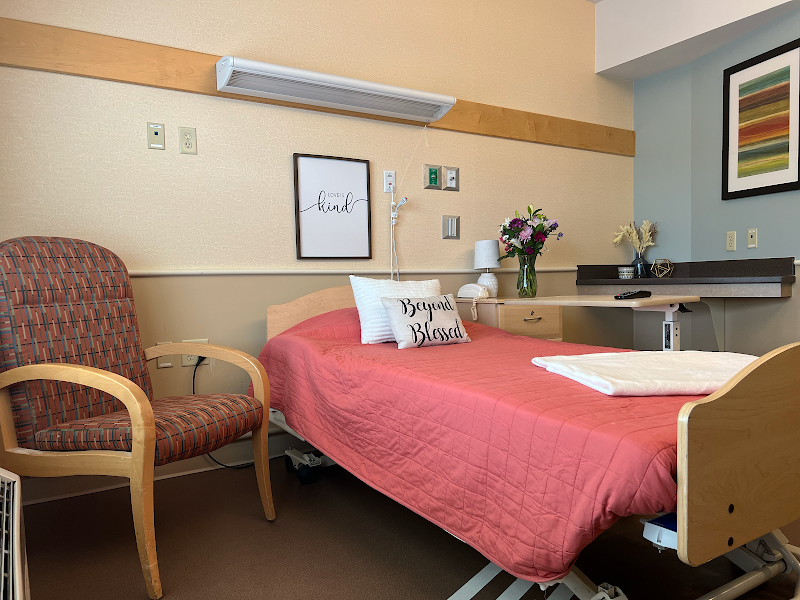
Who Owns and Operates Kingston Of Fort Wayne?

KINGSTON CARE CENTER OF FORT WAYNE is owned by a for-profit company. For-profit facilities operate as businesses with obligations to shareholders or private owners. The facility is operated by KINGSTON HEALTHCARE, a chain that manages multiple nursing homes. With 137 certified beds and approximately 108 residents (about 79% occupancy), it is a mid-sized facility located in FORT WAYNE, Indiana.
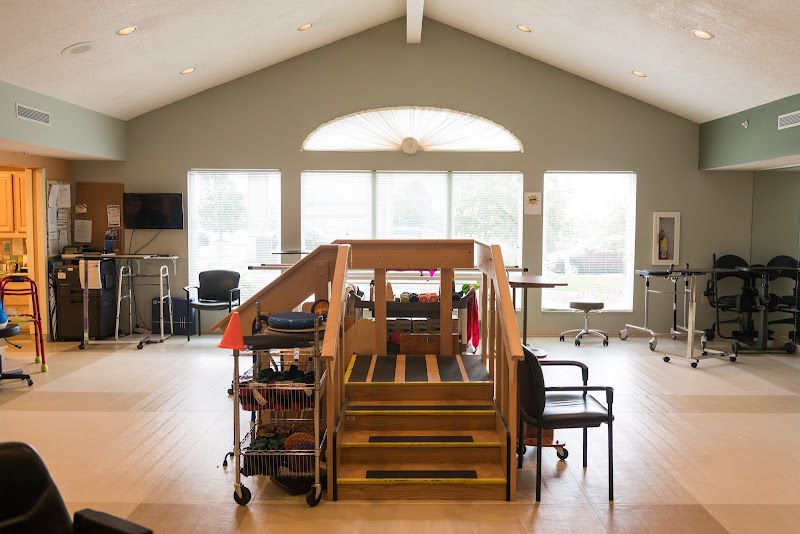
How Does Kingston Of Fort Wayne Compare to Other Indiana Nursing Homes?

Compared to the 100 nursing homes in Indiana, KINGSTON CARE CENTER OF FORT WAYNE's overall rating (3 stars) is below the state average of 3.1, staff turnover (55%) is near the state average of 46%, and health inspection rating (2 stars) is below the national benchmark.

What Should Families Ask When Visiting Kingston Of Fort Wayne?

Based on this facility's data, families visiting should ask: "What changes have been made since the serious inspection findings, and how are you preventing similar issues?" "Can I visit during a mealtime to observe dining assistance and food quality?" "How do you handle medical emergencies, and what is your hospital transfer rate?" "Can I speak with family members of current residents about their experience?" These questions are particularly relevant given the facility's Immediate Jeopardy citations.

Is Kingston Of Fort Wayne Safe?

Based on CMS inspection data, KINGSTON CARE CENTER OF FORT WAYNE has documented safety concerns. Inspectors have issued 1 Immediate Jeopardy citation (the most serious violation level indicating risk of serious injury or death). The facility has a 3-star overall rating and ranks #100 of 100 nursing homes in Indiana. Families considering this facility should ask detailed questions about what corrective actions have been taken since these incidents.

Do Nurses at Kingston Of Fort Wayne Stick Around?

KINGSTON CARE CENTER OF FORT WAYNE has a staff turnover rate of 55%, which is 9 percentage points above the Indiana average of 46%. Moderate turnover is common in nursing homes, but families should still ask about staff tenure and how the facility maintains care continuity when employees leave.

Was Kingston Of Fort Wayne Ever Fined?

KINGSTON CARE CENTER OF FORT WAYNE has been fined $12,649 across 1 penalty action. This is below the Indiana average of $33,205. While any fine indicates a compliance issue, fines under $50,000 are relatively common and typically reflect isolated problems that were subsequently corrected. Families should ask what specific issues led to these fines and confirm they've been resolved.

Is Kingston Of Fort Wayne on Any Federal Watch List?

KINGSTON CARE CENTER OF FORT WAYNE is not on any federal watch list. The most significant is the Special Focus Facility (SFF) program, which identifies the bottom 1% of nursing homes nationally based on persistent, serious quality problems. Not being on this list means the facility has avoided the pattern of deficiencies that triggers enhanced federal oversight. This is a positive indicator, though families should still review the facility's inspection history directly.