LUTHERAN LIFE VILLAGES
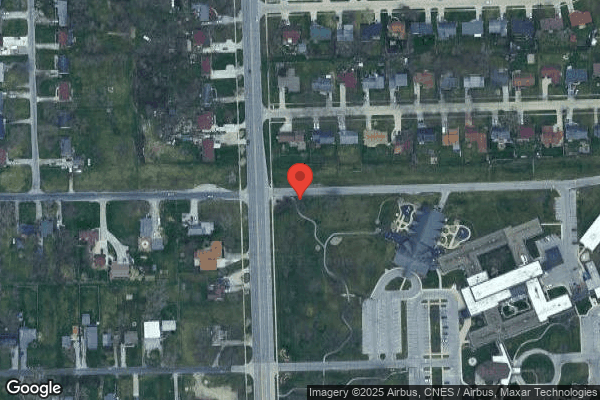
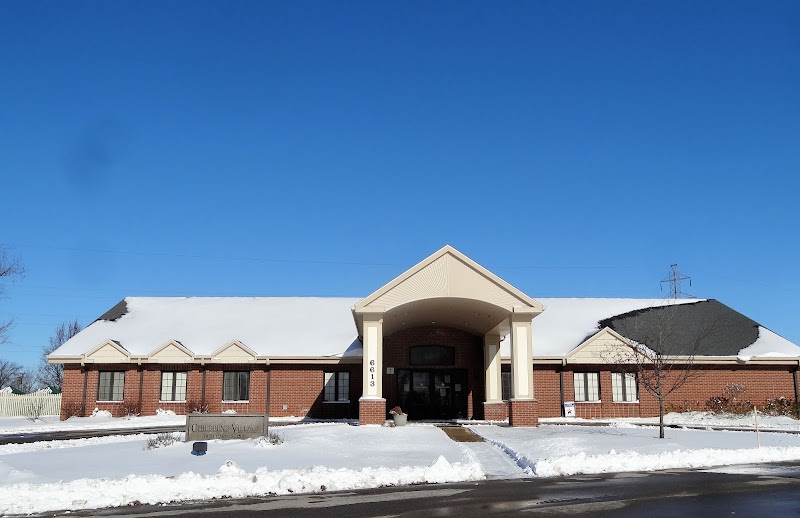
6701 S ANTHONY BLVD, FORT WAYNE, IN 46816 (260) 447-1591
Non profit - Corporation 120 Beds Independent Data: November 2025
Trust Grade
90/100
#63 of 505 in IN
Last Inspection: October 2024

Within standard 12-15 month inspection cycle. Federal law requires annual inspections.

Overview

Lutheran Life Villages in Fort Wayne, Indiana, has received an excellent Trust Grade of A, indicating it is highly recommended for families seeking a nursing home. It ranks #63 out of 505 facilities in the state, placing it in the top half, and #10 out of 29 in Allen County, suggesting there are only nine local options that are better. The facility's performance has been stable, maintaining three issues over the last two years. Staffing is average, with a 3/5 star rating and a 33% turnover rate, which is below the Indiana average of 47%, indicating that staff generally stay longer and build relationships with residents. While there are no fines on record, some concerns have been noted, such as failure to update care plans for residents and inadequate supervision leading to falls, which can pose risks to resident safety. Overall, while there are strengths in staffing and no fines, attention to care plans and fall prevention measures could be improved.

Trust Score
A
90/100
In Indiana
#63/505
Top 12%
Safety Record
Low Risk
No red flags
Inspections
Holding Steady
3 → 3 violations
Staff Stability
○ Average
33% turnover. Near Indiana's 48% average. Typical for the industry.
Penalties
✓ Good
No fines on record. Clean compliance history, better than most Indiana facilities.
Skilled Nurses
○ Average
Each resident gets 31 minutes of Registered Nurse (RN) attention daily — about average for Indiana. RNs are the most trained staff who monitor for health changes.
Violations
○ Average
7 deficiencies on record. Average for a facility this size. Mostly minor or procedural issues.
★★★★★
5.0
Overall Rating
★★★☆☆
3.0
Staff Levels
★★★★★
5.0
Care Quality
★★★★☆
4.0
Inspection Score
Stable
2024: 3 issues
2025: 3 issues

The Good

  • 5-Star Quality Measures · Strong clinical quality outcomes
  • Full Sprinkler Coverage · Fire safety systems throughout facility
  • No fines on record
  • Staff turnover below average (33%)

    15 points below Indiana average of 48%

Facility shows strength in quality measures, fire safety.

The Bad

Staff Turnover: 33%

13pts below Indiana avg (46%)

Typical for the industry

The Ugly 7 deficiencies on record

Jun 2025 1 deficiency
CONCERN (D) 📢 Someone Reported This

A family member, employee, or ombudsman was alarmed enough to file a formal complaint

Potential for Harm - no one hurt, but risky conditions existed

Accident Prevention (Tag F0689)

Could have caused harm · This affected 1 resident

Based on interview and record review, the facility failed to ensure the root cause of falls was assessed, care plan interventions were developed and implemented to prevent further falls from occurring...

Read full inspector narrative →
Based on interview and record review, the facility failed to ensure the root cause of falls was assessed, care plan interventions were developed and implemented to prevent further falls from occurring for 1 of 3 residents reviewed for accidents (Resident B). Findings include: A report, dated 6/5/25, indicated Resident B had 2 falls, within a couple days, resulting in a fractured leg. Resident B's family member alleged the facility hadn't provided adequate supervision and care to prevent the falls and injury. On 6/23/25 at 11:41 A.M., Resident B's record was reviewed. Diagnoses included Alzheimer's dementia and post-hip fixation after a fall causing fracture. The resident was admitted to the facility for rehabilitation with a goal of discharging back to her daughter's home where she had lived. A nursing admission screen form, dated 5/8/25 at 10:26 a.m., indicated Resident B was alert and oriented to self and time; had short-term memory issues; used briefs for bladder and bowel incontinence; had unsteady gait, weakness, poor balance; and was to stand/pivot/sit using her left leg only. An admission Minimum Data Set (MDS) assessment, dated 5/15/25, indicated Resident B had severely impaired cognition; no moods or behaviors; used a walker and wheelchair; walked 10 feet with moderate assistance; and required maximal assistance for transfers to chair/bed/toilet, toileting hygiene, and putting on/taking off her footwear. The MDS assessment indicated the resident was frequently incontinent of bladder and occasionally incontinent of bowel however, no trial of a toileting program had been attempted. A Fall Care Area Assessment (CAA), dated 5/15/25, triggered for falls due to risk of injury related to balance issues. The resident was not stable and required stabilization with assistance of 1 staff member. She required help moving on and off the toilet and surface to surface. Resident B was to receive physical and occupational therapy services. She required assistance from nursing staff for care and was at high risk for falls. The care plan would address falls with a goal of no fall related injuries. A Urinary Incontinence CAA, dated 5/15/25, triggered due to Resident B being frequently incontinent of urine and requiring staff assistance of 1 for toileting. The resident was at risk for skin breakdown, falls, isolation, and urinary tract infection. The care plan would address urinary incontinence for monitoring and minimizing risks. Care plans indicated: -5/8/25: Resident B required assistance with Activities of Daily Living (ADL) from staff related to deconditioning secondary to multiple falls prior to admission. The goal was to improve her physical function with bed mobility, eating, toileting and transfers. One intervention had been put in place, dated 6/2/25, which was for staff to provide limited assistance with bed mobility. -6/2/25: Resident B was at moderate risk for falls related to confusion and gait/balance problems. The goal was to be free from falls. Interventions, all initiated on 6/2/25 after the resident's falls and discharge to the hospital, included: ensure proper footwear and call light within reach; Stat x-ray ordered and sent to hospital ER, staff to increase scheduled toileting; anticipate and meet her needs; be sure the call light is within reach and encourage her to use it; staff to provide prompt response to all requests for assistance; encourage to participate in activities to promote exercise; ensure she is wearing appropriate footwear; and follow facility fall protocol. -6/2/25: Resident B had stress bladder incontinence related to history of urinary tract infection with a goal of being free from skin breakdown due to incontinence and brief use. Intervention, dated 6/2/25, was for staff to monitor, document, and report any possible causes of incontinence-bladder infection, constipation, loss of bladder tone, weakening of control muscles, decreased bladder capacity, etc. Resident B's care plans had not indicated the amount of assistance required for ADL's other than bed mobility. The care plan hadn't indicated her weight bearing status, ability to ambulate and which assistive devices to use. She had no scheduled toileting plan but had a fall intervention to increase her scheduled toileting after being discharged to the hospital following her fall with fracture. A nurse note, dated 5/29/25 at 8:09 p.m., indicated staff heard a noise and turned around to observe Resident B falling. She had gotten up from the recliner (in her room) to toilet and had been wearing slick shoes causing her to loose balance and fall. She was assisted to her feet and walked to the bathroom per her request. She had no observed injuries and full range of motion (ROM) to her extremities. She had no complaints of discomfort. Resident B was dressed for bed and taken out to the dining room where staff could observe her. An Interdisciplinary Team (IDT) review, dated 5/30/25 at 3:09 p.m., indicated Resident B had a fall on 5/29/25 at 8:00 p.m. when she got up from her room recliner and attempted to walk to the bathroom. The IDT determined the root cause of the fall was weakness and the intervention was to ensure she wore proper footwear and her call light was within reach. A nurse note, dated 5/31/25 at 12:48 p.m., indicated at 12:00 p.m., Resident B was observed on the floor in her room. She indicated she had walked herself to the bathroom and when returning to her recliner, her legs gave out and she went down on her bottom. She complained of pain in the back of her upper leg, above the knee. She was assisted to stand up, was able to bear weight and pivot into her recliner chair, but indicated it had hurt. The nurse administered pain medication and notified the on-call Nurse Practitioner (NP) and resident's family. Resident B was educated to not get up by herself and use the call light for assistance. Staff were to monitor her more frequently to anticipate her needs. -5:28 p.m., a STAT x-ray of the resident's right leg and knee was ordered, completed, and results received at 4:38 p.m. The X-ray indicated a fracture to the resident's distal femur (above the knee). An order was given to send the resident to the hospital for evaluation and treatment. An IDT review, dated 6/2/25 at 3:20 p.m., indicated Resident B had an unwitnessed fall on 5/31/25 at 12:00 p.m. after getting up by herself and going to the bathroom. Resident B was walking in her room back to the recliner chair after using the bathroom when her legs gave out and she went down on her bottom. The root cause of the fall was weakness and poor balance. The new intervention to her care plan was to increase her scheduled toileting. On 6/23/25 at 3:00 P.M., the Executive Director, Assistant Administrator, and Unit Manager (UM) were interviewed regarding investigation of falls and development of fall interventions to prevent further falls. The Assistant Administrator indicated the IDT reviewed fall reports at morning meetings where all disciplines were present, including therapy staff. She indicated falls were reviewed, analyzed, root cause analysis determined, and appropriate interventions put into place. Review of the facility fall reports for Resident B on 5/29 and 5/31/25, indicated both falls occurred when the resident was trying to get to/from the bathroom. The UM indicated the resident had not been on a scheduled toileting plan nor had an assessment been completed to indicate the need for a plan. The Executive Director, Assistant Administrator and UM indicated Resident B's root cause of her falls was needing to use the bathroom, incontinence, and not having an established toileting plan for staff to follow. The care plan should have been updated to indicate her increased risk for falls related to need for toileting. On 6/23/25 at 3:41 P.M., the Rehabilitation Therapy Director and Physical Therapist were interviewed. Both indicated Resident B always required staff assistance for ambulation in her room. She required a staff member to stand by and provide cues and stabilization due to confusion and weakness at times. On 6/23/25 at 10:48 A.M., the Assistant Administrator provided a current copy of the facility policy, titled Fall Policy-Resident Safety which stated: This policy establishes guidelines and explains the methods used to assess/screen residents at risk for falling and develop interventions to assist in the prevention of further falls .Standard safety precautions will be implemented on all residents upon entry into the nursing home setting .non-skid shoes/slippers; mobility devices .If the resident falls: assess for injury; notify medical staff; document all factors contributing to the falls; interventions currently in place and implementation of any additional safety measures and assessments of resident; an incident report will be completed in the record .the fall care plan interventions will be reviewed and revised if necessary. The resident's fall risk will be communicated to caregivers .Additionally all resident falls will be reviewed daily by the IDT to ensure all documentation and interventions are correct and root cause analysis determined This Citation relates to Complaint IN00460903. 3.1-45(a)
May 2025 1 deficiency
CONCERN (D) 📢 Someone Reported This

A family member, employee, or ombudsman was alarmed enough to file a formal complaint

Potential for Harm - no one hurt, but risky conditions existed

Quality of Care (Tag F0684)

Could have caused harm · This affected 1 resident

**NOTE- TERMS IN BRACKETS HAVE BEEN EDITED TO PROTECT CONFIDENTIALITY** Based on interview and record review, the facility failed to ensure a resident was assessed and the physician notified timely fo...

Read full inspector narrative →
**NOTE- TERMS IN BRACKETS HAVE BEEN EDITED TO PROTECT CONFIDENTIALITY** Based on interview and record review, the facility failed to ensure a resident was assessed and the physician notified timely following acute changes in condition, advance directives for transfer to a hospital were followed, and physician orders followed for 1 of 3 residents reviewed (Resident B). Findings include: A report, dated 5/21/25 at 12:41 p.m., indicated Resident B had been transferred to the hospital where she passed away. A family member alleged the resident hadn't been assessed and sent to the hospital timely, per the resident's advanced directives, when she required emergency care for a change in condition. The family member alleged the resident had been administered a higher dosage of medication than prescribed which she believed, led to the resident's demise. She alleged when family spoke with facility staff about the medication, the staff's explanations were inconsistent as was documentation of the administered medication in the resident's medical record. On 5/28/25 at 11:43 A.M., Resident B's record was reviewed. Diagnoses included congestive heart failure, syncope (fainting) and collapse, hypomagnesemia (low levels of magnesium in blood), muscle weakness, and malaise. A hospital Discharge summary, dated [DATE], indicated Resident B had been hospitalized for weakness, syncope, and low blood levels of sodium and magnesium twice in December 2023. She was admitted to the facility for rehabilitation with the goal of returning to her home. An admission Summary note, dated 1/2/24 at 6:54 p.m., indicated the resident had arrived at the facility via ambulance. Initially, facility transportation had attempted 2 times to bring her to the facility however, when sitting in the wheelchair, she fainted. She arrived to the facility at 5:42 p.m., accompanied by family. Family indicated the resident had a huge decline in drinking fluids. Assessment of skin turgor indicated she had slight tenting (indicator of dehydration) of her skin. Resident B was alert, able to make her needs known and was able to use her call light. Her vital signs were: Blood pressure-112/55, Pulse-84 very irregular, Respirations-16, Temperature-97.1 and blood oxygen saturation level-94%. admission physician orders, dated 1/2/24, included Magnesium Oxide (supplement) 420 milligrams (mg)-give 1 tablet by mouth every day for 14 days. A History and Physical progress note, dated 1/3/24 and completed by the Medical Director/Physician, indicated the resident had been admitted from her home to the hospital following episodes of fainting and weakness. She was admitted to skilled care for physical and occupational therapies to restore her baseline activities of daily living (ADL) and discharge back to her home. A discussion between the Medical Director and Resident B's son, indicated concern the resident's continued weakness and eye drooping could be due to a medical condition. The Medical Director was going to order medication to treat the medical condition for 3 days and then re-evaluate. The resident was to continue on the magnesium supplement at the dose prescribed by the hospital (420 mg) in addition to her other prescribed medications. The resident was to continue with physical, occupational therapy and her progress closely monitored. A Physician Orders for Scope of Treatment (POST) form, dated 1/3/2023, indicated Resident B's wishes regarding end of life medical interventions. If she had a pulse and was breathing, she wanted to receive full interventions including transfer to the hospital and/or intensive care unit to meet her medical needs. A Nurse Practitioner (NP) progress note, dated 1/4/24, indicated the resident was visited due to being a new admission to the skilled unit. Resident B's medications were reviewed and current. The resident had been prescribed a short course of medication to treat a medical condition possibly contributing to her weakness. The resident was alert during her assessment but weak. She required 1 person assist with transfers to her wheelchair. The Assessment and Plan included: Generalized weakness-there was concern about a medical condition as potential cause of her weakness. Labs to test for the condition were ordered and a short course of medication prescribed to see if it improved her weakness; Advanced Care Planning-the resident was alert but unable to make her own medical decisions. Her family wanted her advanced directives to continue as she'd written them. Family understood if the resident would become medically unstable, she would be returned to the hospital with all life saving measures intiated. She was to continue taking her Magnesium supplement and other medications as prescribed. An NP progress note, dated 1/8/24, indicated Resident B was seen for a post-acute visit due to syncope, weakness, and fatigue. The resident had recently completed a 3 day course of medication for her weakness. During the visit, she appeared tired but was able to open her eyes, move her arms and legs and follow commands. She was still waiting on results of lab tests done last week to confirm if she had a medical condition causing her symptoms. Since her admission, she had lost weight. From 1/6-1/7/24, she experienced nausea and was started on anti-nausea medication. She was tested for respiratory pathogens due to fluctuating blood oxygen saturation levels. Assessment and Plan included: Her magnesium supplementation was temporarily discontinued due to a recent bout of diarrhea-staff were to monitor her bowel movements and her medications adjusted accordingly. Nurse progress notes, dated 1/6-1/8/24 hadn't indicated Resident B had diarrhea. A nurse progress note, dated 1/8/24 at 11:23 a.m., indicated Resident B had been involved in some therapy but remained lethargic. She was observed with low blood oxygen levels and was started on oxygen which initially, increased her oxygen levels to 97% (normal blood oxygen saturation levels >90%), but declined to the 80's with exertion. - At 5:29 p.m., the resident complained of nausea and was given medication to treat which was effective. -7:35 p.m., Resident B complained of pain in her body and she couldn't get comfortable. She was administered Acetaminophen (Tylenol) 650 mg by mouth for the pain. -8:56 p.m., the resident continued with pain. She indicated she'd had no relief from the Acetaminophen and rated her pain at a 7 on a scale of 1-10 with 10 being the worst pain. There was no documentation in Resident B's record to indicate the Physician/NP or family had been notified of the resident's unrelieved pain. A nurse progress note, dated 1/9/24 at 1:56 a.m., indicated Resident B had been assisted with care and her vital signs checked which were: blood pressure (BP)-94/70 (normal above 100/60), pulse-93, respirations-16 and blood oxygen saturation was 81%. Her oxygen was re-applied and oxygen level increased to 92%. -At 7:13 a.m., the resident's magnesium supplement was held with no reason documented. -2:38 p.m., a new order was given to restart the medication used to treat her weakness, previously administered 1/5-1/7/24. A nurse progress note, dated 1/10/24 at 3:27 p.m., indicated the resident had an episode of low blood pressure following therapy. Her BP had been 79/44. Resident B was becoming dehydrated due to not taking in what the facility gave her and she did not eat full meals. She had been sleeping most of the day with family at her bedside. A physician progress note, dated 1/10/24 at unknown time, indicated the Medical Director had visited the resident. There were no concerns relayed by the resident, staff or family. Her systolic (top number) blood pressure ranged from 89-158. Resident B had recently completed a short term medication treatment for her weakness which afforded her notable improvement. Her oxygen saturation levels had been fluctuating between 87-97% and she was currently on 2 liters of nasal oxygen. She had transitioned from requiring 1 assist to 2 assist for mobility. She was eating well and denied pain. The resident's magnesium supplement was placed on hold due to a recent bout of diarrhea otherwise, there were no changes in her medications. On 1/6-1/7/24, she had complained of nausea and was started on anti-nausea medication. She finished her therapy on 1/10/24 but appeared more lethargic afterward. Assessment and Plan included: Diarrhea-recent bout of diarrhea led to the temporary discontinuation of her magnesium supplement. There had been no other changes in her medication regimen. The plan was to continue to monitor the resident's bowel movements and adjust medications as necessary; Generalized weakness-the resident was able to move her extremities and follow commands during visit. She had responded to the 3 day medication challenge so this would be continued and she would be encouraged to continue with therapies. There was no documentation in Resident B's record to indicate the Physician/NP had been notified of the resident's episode of low blood pressure following therapy or the resident exhibiting signs of dehydration due to poor drinking/eating. A nurse progress note, dated 1/10/24 at 9:02 p.m., indicated Resident B put on her call light and reported she couldn't breathe. Nasal oxygen was applied and she indicated she felt better. Nurse progress notes, dated 1/11/24, indicated the following: -At 1:29 a.m., Resident B had been coughing and stating she was having a hard time breathing. Her lung sounds were clear but her oxygen saturation level was 88%. Oxygen was put on and her oxygen level went to 100%. Her BP was 110/62, pulse-84 and respirations 16. (There was no documentation of the resident's temperature). The resident was anxious so staff stayed with her and provided reassurance. She was administered Tylenol for general discomfort but promptly vomited it back up. Staff remained at her bedside. -2:58 a.m., the resident was given her anti-nausea medication which she stated had been helpful. -3:58 a.m., the resident was restless but denied pain. Staff had been with her frequently; most recently, the past 20 minutes, reassuring her, holding her hand, adjusting the room temperature, her blankets, etc. Her lungs remained clear, bowel sounds present, and skin without changes (sweating). The resident finally settled and staff continued to monitor her. There was no documentation in Resident B's record to indicate the Physician/NP or family had been immediately notified of the acute change in the resident's condition of difficulty breathing, anxiety, restlessness and vomiting. An NP progress note, dated 1/11/24 at unknown time, indicated the resident had been visited due to increased lethargy, poor appetite and weakness for the past 6 weeks. Her family member reported Resident B hadn't eaten, had been more tired and lethargic than usual and was mostly wanting to sleep. The resident was reportedly awake until 4 a.m. and hadn't slept much since. She had been having diarrhea and later reported vomiting. Her magnesium supplement had been put on hold due to complaints of diarrhea and she was started on a new medication for gastritis (stomach inflammation). Assessment and Plan included: Diarrhea: The resident's diarrhea was likely related to the magnesium supplementation- placed on hold; Nausea: She had been having nausea possibly related to her medications; Vomiting: She had vomited twice possibly related to nausea and decreased appetite. The plan was to monitor her vomiting and adjust medications as necessary. A nurse progress note, dated 1/11/24, indicated at 11:50 a.m., the respiratory pathogens lab result was received and were negative. A new panel of blood labs were ordered and drawn. -A late entry at 1:15 p.m., indicated the resident was given her medications in applesauce, however, her family member at the bedside, reported she vomited them back up approximately 5 minutes after given. The resident was alert; would only take sips of water and then would go back to sleep. The resident had diarrhea 4 times. She required full assistance with personal care. The resident would awaken if her name was called but her words were soft and not understandable. Her daughter remained at bedside. -At 2:47 p.m., the resident continued with diarrhea x 3. She was very tired and not communicating well. Her daughter was present to talk about options and medications. The nurse was going to message the resident's Power of Attorney (POA) about the medication suggestions made by the NP. -A late entry at 4:15 p.m., indicated Resident B's daughter was at bedside. The resident had been very fatigued and had not participated in therapy due to weakness. Her daughter asked how long had the resident been this weak and was told it had started the morning of 1/11/24 with assessment. The resident had been weak, fatigued, and unable to answer questions. The night shift nurse had reported the resident had been restless overnight. Blood work had been done but the results had not yet been received. Approximately an hour later, the daughter came to the nurse's station where the day and evening shift nurses were giving report, and asked if her mother was dying. The daughter was crying and asked the 2 nurses to be honest with her. Both nurses indicated the resident was close to dying and suggested the daughter contact other family members to advise. The daughter texted her family members at approximately 4:30 p.m. The resident's son and daughter in law/POA, texted the daughter to have the resident sent out to the emergency room. -4:41 p.m., Resident B was declining and she appeared to be dying. Family was notified and they wanted her sent to the ER. The EMS was called per family request. -5:09 p.m., the resident left with the EMS. A nurse progress note, dated 1/12/24 at 12:31 a.m., indicated the hospital had been contacted for an update on Resident B's condition. She spoke with the resident's POA who indicated the resident had passed away. A Medication Administration Record (MAR) dated January 2024, indicated by nurse initials, Resident B had been administered Magnesium Oxide, as ordered, 1 time per day on 1/3, 1/4, 1/5, 1/6, 1/7, 1/8, 1/10, and 1/11/24. The MAR, indicated on 1/9/24, the Magnesium supplement was held without documentation of reason. The MAR had not indicated Magnesium Oxide had been temporarily discontinued or held due to diarrhea. The MAR indicated an as-needed order for anti-diarrheal medication had been given on 1/8/24 but had not indicated the medication had been administered. On 5/28/25 at 3:37 P.M., Resident B's daughter was interviewed. She verbalized her continued anguish over her mother's death and belief her death could have been prevented. She had been in to see her mother the morning of 1/11/24 and had returned in the afternoon. She indicated the resident looked dreadful and was declining quickly. She had asked the day and evening shift nurses if her mother was dying because she would want to go to the hospital for treatment. The 2 nurses told her she was dying and should contact her family for further guidance. She indicated the resident was supposed to return home where she had lived with her prior to being hospitalized . The daughter indicated 6 weeks prior to her death, the resident had been driving a car and walking her dog. She alleged her mother's death was due to an excess of magnesium administered. On 5/29/25 at 10:05 A.M., Resident B's POA was interviewed. The POA was a nurse and her husband/resident's son, a physician. After her mother in laws death, copies of her medical records were requested and provided by the facility. The family had several questions about inconsistencies in the resident's care and medical records which had not been fully explained nor understood. She indicated the family had been upset because the resident's advance directives had been very clear about her wish to be hospitalized and all life saving interventions initiated. On the day of the resident's death, the evening shift nurse indicated to the resident's daughter, the resident was dying and he hadn't wanted to call the EMS, rather he wanted her to be comfortable and stay at the facility against the resident's wishes. The family felt guilt and remorse because they hadn't been able to honor her wishes even though, her death may have still occurred. The POA indicated family had been told Resident B had a fever the night before her death and her blood pressure normal but her medical record hadn't indicated this. The resident had experienced acute restlessness and anxiety the night prior to her death. This was not normal for her indicating something was wrong and neither the doctor nor family were notified. On 5/29/25 at 11:35 A.M., the Nurse Practitioner was interviewed. She indicated, on 1/11/24, she had seen the resident sometime between 12 and 2 p.m. At the time of her visit, Resident B hadn't appeared different from prior visits on 1/4 and 1/8/24. The NP indicated there had been no signs of the resident's decline or need for emergent transfer to the hospital when visited. She had been notified, the morning of 1/11/24, Resident B had been more tired and lethargic than usual. Orders had been given for labs. The labs were drawn immedicately that morning. She indicated, at the time of her visit, the lab results had not been in and weren't available. When questioned about the resident's magnesium supplement, she indicated she had not written an order, rather had verbally told the nurse to hold the medication due to diarrhea. She was not notified the resident had received the magnesium supplements every day but 1 and had not been held as verbally ordered. She indicated belief the resident's diarrhea was related to the administration of the magnesium supplements. She had been told the supplements were held on 1/11/24. She indicated she had not been notified of the resident's decline in condition following her visit. On 5/29/25 at 2:30 P.M., the Executive Director (ED) and Director of Nursing (DON) were interviewed. Neither the ED or DON had been in their positions at the time of the resident's stay and had no knowledge of the events. When asked, the DON indicated staff were expected to notify the physician/NP, resident, and families of changes in condition and follow resident's advance directives and physician orders. On 5/29/25 at 4:23 P.M., the DON provided current copies of facility policies as follows: Notification of Changes: Staff will immediately inform the resident; consult with the resident's physician; and notify the resident representative when there is a .significant change in the resident's condition .a need to alter treatment .decision to transfer or discharge the resident from the facility Advanced Directives: Resident's have the right to make decisions concerning medical care, including the right to accept, refuse, or discontinue medical treatment .Resident wishes will be communicated to the staff via the person-centered care plan noted in the medical record, and to the resident physician Electronic Medical Record-Physician Orders: Practitioners will enter orders directly into the EMR to provide timely resident care .Physician orders shall be written in a manner to clearly convey the intent of the physician to any nurse .The nurse should provide, to the practitioner, any additional information needed for the practitioner to write an effective order .The nurse is required to electronically acknowledge orders. The nurse should review the order for clarity and completeness, making an entry into the nurse notes, adding an additional care plan problem or augmenting an existing problem .Acknowledging/noting orders takes place in the EMR This Citation relates to Complaint IN00460004. 3.1-37
Mar 2025 1 deficiency
CONCERN (D) 📢 Someone Reported This

A family member, employee, or ombudsman was alarmed enough to file a formal complaint

Potential for Harm - no one hurt, but risky conditions existed

Deficiency F0744 (Tag F0744)

Could have caused harm · This affected 1 resident

**NOTE- TERMS IN BRACKETS HAVE BEEN EDITED TO PROTECT CONFIDENTIALITY** Based on observation, interview and record review, the facility failed to ensure dementia care and services was provided to 2 of...

Read full inspector narrative →
**NOTE- TERMS IN BRACKETS HAVE BEEN EDITED TO PROTECT CONFIDENTIALITY** Based on observation, interview and record review, the facility failed to ensure dementia care and services was provided to 2 of 3 residents reviewed for dementia care (Resident J and Resident K). Findings include: On 3/10/25 at 10:30 A.M., the secured Memory Care Unit (MCU) was toured. Several residents were observed seated at tables in the dining room/activity area. Some were sleeping while others stared blankly ahead. There were no activities occurring. A television, mounted on the wall was not turned on and there was no music played. In one corner of the room, on shelves, were games and other activity equipment. The equipment was not being used by any residents in the area. One resident was observed standing near one of the tables, repetitively wiping the table while his table mate sat across from him looking on. A female resident, with a white/yellow substance on her teeth and lips, sat at another table fidgeting with her hair and clothing while another female resident, was propelling her wheelchair and asking if anyone could help her to the bathroom. The resident fidgeting with her clothing, removed her shirt, looked at it and put it back on. She remained fidgeting and moving around in her wheelchair, muttering to herself. No staff were seen in the area. -At 11:28 A.M., residents were observed to be served drinks while waiting for lunch. The area was quiet except for a few residents talking in low voices with each other. There was little conversation between staff and residents as they were served lunch. The television wasn't on nor other background music. -At 1:20 p.m., several residents were observed in the dining area, sleeping or just staring out. There were no activities occurring nor staff present in the room. 1. On 3/10/25 at 11:19 A.M., Resident J's record was reviewed. Diagnoses included dementia with mood disturbance, insomnia, major depressive disorder, anxiety disorder and diabetes. He was hospitalized 1/27-2/6/25 at a psychiatric hospital for medication management and was prescribed antipsychotic medication to control his dementia related behaviors. A quarterly Minimum Data Assessment (MDS), dated [DATE], indicated the resident had moderately impaired cognition with no mood indicators. He had physical and verbal behaviors towards others 4-6 days and rejection of care 1-3 days during the assessment. He required supervision for eating and oral hygiene, maximum assistance with dressing and personal hygiene, and was dependent for transfers, toileting, and bed mobility. He was non-ambulatory and used a wheelchair for mobility. He was prescribed antipsychotic, antianxiety, antidepressant medications as well as blood thinners for atrial fibrillation. Care plans were: -12/20/24: Resident J was resistant to care, verbally aggressive, would barricade self in room, curse at staff, yell and scream due to dementia. Interventions included: allow resident to make decisions about his care; approach him in a calm, friendly manner; educate him on outcomes of not complying with care/treatment; give clear explanation of all care activities prior to contact; if resident resists care, reassure and leave to calm; return 5-10 minutes later and try again; negotiate a time for care; offer reassurance and emotional support; update and involve staff, physician/NP, and family in care and changes. -10/23/24: the resident's preferred activities included bible study, bingo, conversing with friends, country rides, exercises, physical games, going outside, special visitors such as children and pets, student volunteers, quiet time by self, mentally challenging games, music programs, reading, social hour, worship and hymns. The goal was for the resident to be involved with activities of choice, maximizing participation with encouragement and assistance. Interventions included: assist to each activity; encourage interaction and facilitate participation with other residents of similar backgrounds/interests; provide a program of activities of interest which provides empowerment by encouraging choice, self-expression and responsibility. Resident J had no specific care plan for need to reside on a secured memory care unit or benefits of dementia care programming. On 3/10/25 at 10:38 A.M., Resident J was observed seated in his wheelchair alone in a back hallway. He moved slowly with his left arm appearing flaccid as it lay on his lap. He was drooling and had a washcloth beneath his chin. He was observed to repeatedly put his right hand on the door knob of a room with a sign stating it was a shower room. When asked, he indicated he was having a bad day and hadn't wanted to share what his name was. -At 11:28 A.M., Resident J was observed seated by himself at a dining room table in the corner of the room, facing a bookcase, where he ate his lunch. He was observed to be more alert while eating. -At 1:15 P.M., Resident J was observed seated in his wheelchair, sitting in the doorway to his room. He appeared alert, wide awake and engaged in small talk. He was then observed to quickly roll his wheelchair across the hallway, frontward's and backwards, in between the doorway of his room and another residents room. Nurse progress notes indicated: -2/26/25 at 11:20 p.m., the Resident was rolling on the mat when in bed and pushed his call light for help. He would demand staff pick him up off the floor. Staff tried to put him in his wheelchair but he would fall out of the chair and was observed with a skin tear to his right elbow. He kicked the door and trash can in his room. He was offered a snack and to watch a movie. The supervisor was notified of the behavior. -2/28/25 at 9:58 a.m., a nurse tried to enter the secured unit and when going through the door, the resident told the nurse to hold the door open so he could get out. After the door closed, the resident was upset and stated now he was stuck here. He was upset the nurse hadn't held the door open for him. He hadn't wanted to move away from the door as he was leaving and going back to his home. The nurse stayed with him while he stayed by the door and kept pushing on the handle and buttons on the key pad. An activity was offered and individual attention but were ineffective in changing the behavior. -At 8:55 p.m., Resident J was threatening to hit staff and had been found on the floor and mattress next to his bed. There were no interventions documented to respond to the behaviors. -At 10:17 p.m., the resident rolled around on his mat and refused assistance from staff to get back in bed or his chair. He told staff to leave him alone or he would punch them in the face. After an hour, the resident allowed staff to assist him back into bed. He had refused supper and assistance with care. He had been offered coffee and snack, coloring, and movie, but refused. A Psychiatric Nurse Practitioner (NP) progress note, dated 3/2/25, indicated the resident was seen for medication management. Staff reported aggression, agitation, and intermittent exit seeking. He was seen on the MCU where he was cooperative and had fair eye contact. He'd had a visitor who he indicated made him feel safe when they were present. Staff indicated his behaviors tended to worsen in the evening hours. The plan was to continue use of Risperidone (antipsychotic) for dementia with agitated and aggressive behaviors and increase medication if symptoms intensified. Staff were to provide 1:1 time, activities including card games, music, television and other activities as distraction. He was prescribed antianxiety medication (Ativan) 1 mg by mouth 2 times per day as needed for 14 days with follow up in 2 weeks. An activity report for dementia programming for the past 14 days was requested. The report provided by the Activity Director on 3/10/25 at 1:45 P.M. was for the past 11 days. The report indicated Resident J was provided with no activities on 2/25, 3/1, and 3/2/25. He was offered and participated in activities the following days/times: 2/26, 2/27, and 2/28/25-2 activities during the day and none in the evening; 3/3 and 3/4/25- 1 activity during the day and none in the evening; 3/5 and 3/6/25-3 activities during the day and none in the evening; and 3/7/25- 2 activities during the day and none in the evening. There were no activities provided in the evenings when his behaviors usually worsened nor was his dementia care plan updated with new interventions related to his behaviors. 2. On 3/10/25 at 10:30 A.M., Resident K was observed seated at a table, in her wheelchair, with legs down on the pedals. She had a white/yellow colored substance on her teeth and lips, was fidgety, putting her hands in her hair, eyebrows furrowed and she making unintelligible noises. She was playing with the a short sleeve shirt she had on and was observed with multiple bruises on her forearms. A Certified Nurse Aide (CNA) was observed to sit next to the resident and attempted to make small talk with her. When asked, the CNA indicated she hadn't known who the resident was because it had been her first day back after an extended leave. The CNA got up from the table and went to help another resident. The resident continued fidgeting with her clothing, removed her shirt, looked at it and put it back on. She remained fidgety, moving around in her wheelchair and muttering to herself. No staff were seen in the area. -At 11:28 A.M., Resident K remained in her wheelchair with her legs down on the pedals, at the same table she was observed at earlier. The white/yellow colored substance remained on her teeth and lips. A staff member placed a plate of food in front of her. She then pushed the food away across the table. She continued to be fidgety, playing with her clothes and attempting to remove her shirt. Her table mates kept telling her not to remove her clothes. The nurse tried to put the plate of food back in front of the resident but she pushed it away. The resident indicated she wanted to go lie down and didn't want any lunch. She was removed from the table and taken back to her room to lie down. -At 1:15 P.M., Resident K was observed lying in bed on her left side. Her eyes were closed and she appeared asleep. -At 3:32 P.M., the resident remained lying in bed on her left side. Licensed Practical Nurse (LPN) 2 went to the resident's room and asked her if she would turn over on her back. On 3/10/25 at 2:14 P.M., Resident K's record was reviewed. Diagnoses included dementia with behavioral disturbance, anxiety disorder, essential thrombocythemia (type of blood cancer) and venous and arterial ulcers on her lower legs/feet. A quarterly MDS assessment, dated 1/11/25, indicated the resident had severely impaired cognition. She had clear speech, was usually understood and was able to understand others when communicating. She had no mood indicators but had verbal behaviors and wandering 1-3 days during assessment. She required supervision with eating and oral hygiene; moderate assistance with dressing, personal hygiene, bed mobility and transfers; and maximal assistance with toileting. Care plans included: -1/7/25: the resident had severely impaired cognition and could have difficulty making her needs known. Interventions included: ask yes or no questions when communicating; provide mind-stimulating materials to keep mind active and provide a safe environment. -10/23/24: Resident K was dependent on staff for meeting her emotional, intellectual, physical and social needs due to physical limitations and cognitive impairments. Religious services and music were important to her. Interventions included: address the resident by her desired name; encourage staff to converse with her while providing care; encourage religious and music program attendance and provide escort to/from activities. -1/7/25: the resident used psychotropic medications due to dementia. Interventions included: observe/record occurrences of targeted behavior symptoms such as pacing, wandering, disrobing, inappropriate response to verbal communication, and aggression towards others. Resident K had no specific care plan for need to reside on a secured memory care unit or benefits of dementia care programming. An activity report for dementia programming for the past 14 days was requested. The report provided by the Activity Director on 3/10/25 at 1:45 P.M. was for the past 11 days. The report indicated Resident K was provided with no activities on 2/25, 3/1, and 3/2/25. She was offered and participated in activities the following days/times: 2/26 and 2/27/25-2 activities during the day and none in the evening; 2/28/25-1 activity during the day and none in the evening; 3/3 and 3/4/25- 1 activity during the day and none in the evening; 3/5, 3/6 and 3/7/25, the resident was provided 2 activities during the day and none in the evening. On 3/10/25 at 1:19 P.M., Registered Nurse 5 (RN) was interviewed. She indicated the MCU was her usual assigned hallway. When questioned, she indicated resident's were kept busy on the unit and provided with many activities daily. She opened a closet door filled with activity equipment and supplies and indicated staff were able to use these to keep residents engaged. There was no specific activity programming for residents on the dementia unit but they had a facility wide activity schedule on a white board facing the wall. The board was unable to be seen by staff or residents. When asked why there had been no activities on 3/10/25, she indicated on Mondays, several ladies went to the beauty shop so there were no activities on the unit until the afternoon when there would be church services. RN 5 was asked about resident behaviors on the unit and dementia interventions used to decrease them. She indicated staff documented behaviors however, there were no specific behavioral interventions other than re-direct and try and engage the resident in another activity. On 3/10/25 at 1:38 P.M., the dementia unit manager, LPN 7, was interviewed. She indicated there had been several changes in personnel at the facility, their dementia program was being reviewed and changes made. Residents were to be provided with dementia programming with activities and behavior modifications with dementia specific interventions. A current facility policy, titled Memory Care Program Philosophy and Memory Care admission Criteria, was provided by the Administrator in Training (AIT) on 3/10/25 at 2:31 p.m. The policy indicated the following: Alzheimer's disease and related dementia disorders are relentless and irreversible .We believe that the quality of life for our residents is enriched when their days are filled with meaningful and enjoyable structured activity. We believe that this activity serves as a powerful coping mechanism in times of fear and stress .We believe that the behaviors displayed by Alzheimer's and related dementia disorders are caused by a progressive degeneration of the brain, and that these residents have very little control of their behavior. Based on this belief, we avoid reprimanding inappropriate behavior. We choose rather to modify the environment, change our expectations, and focus on intervention and redirection .It is the intent of LLV to admit residents to the memory care unit that meet the agreed upon criteria for a specialized dementia unit. This is to ensure that the resident's receive appropriate care regarding the cognitive impairment disease process .Resident should have a primary diagnosis of Alzheimer's or other related untreatable dementia, be a safety risk at home, elopement/wandering risk, and require close monitoring. Does not demonstrate danger to self or others. Communication skills and/or limited language does not prevent the resident from participating in the memory care program. Easily over-stimulated, responds best to 1:1 intervention and small groups. Behaviors are easily redirected through the use of intervention up to and including psychiatric consult, adaptive programming and treatments that are appropriate for admission. Display of behaviors that are unmanageable through therapeutic approaches or moderate medication would warrant an immediate care plan meeting to determine appropriateness of continued placement .Resident should be able to participate, even to a limited degree, in some aspects of self-care and program activities .Resident should be ambulatory whether this is walking without assistance or walking with an assistive device or wheelchair This Citation relates to Complaint IN00454576. 3.1-37
Oct 2023 1 deficiency
CONCERN (D)

Potential for Harm - no one hurt, but risky conditions existed

Respiratory Care (Tag F0695)

Could have caused harm · This affected 1 resident

Based on observation, record review and interview, the facility failed to ensure a resident received appropriate oxygen therapy for 1 of 2 residents reviewed for respiratory care. (Resident 74). Findi...

Read full inspector narrative →
Based on observation, record review and interview, the facility failed to ensure a resident received appropriate oxygen therapy for 1 of 2 residents reviewed for respiratory care. (Resident 74). Findings include: During an observation on 9/26/22 at 11:18 AM, Resident 74 was in her wheelchair with oxygen at 3 liters per minute (LPM) on nasal cannula (tubing used to deliver oxygen through the nostrils) by her portable oxygen concentrator (a light, small and quiet device that allows you to receive supplemental oxygen). During an observation on 9/27/22 at 10:51 AM, Resident 74 was in her wheelchair with oxygen at 3 LPM via nasal cannula. During an observation on 9/28/22 at 9:57 AM, Resident 74 was in her wheelchair with oxygen at 3 LPM via nasal cannula. On 09/29/23 at 10:18 AM, Resident 74's record was reviewed. Diagnoses included chronic obstructive pulmonary disease (COPD), hypothyroidism, obesity, and a personal history of COVID-19. Resident 74's quarterly Minimum Data Set (MDS) assessment, dated 7/22/23, indicated the resident's Brief Interview for Mental Status (BIMS) score was 4 (severe impairment) and she was not interviewable. The resident's MDS indicated she wore oxygen. Resident 74's orders, dated 4/14/23, indicated she was to receive oxygen at 2 liters every shift related to COPD. Resident 74's care plan, last reviewed 7/27/23, indicated the resident had altered respiratory status with difficulty breathing related to COPD and the goal was she should have no complications related to her shortness of breath. One intervention, dated 4/14/23, indicated her oxygen settings should be via nasal cannula at 2 liter or more continuously or as needed. In an interview on 9/28/23 at 10:00 AM, RN 4 indicated Resident 74's flow rate was on 3 LPM, but the physician order indicated her oxygen flow rate should be at 2 LPM. In an interview on 9/28/23 at 10:12 AM, the Director of Nursing indicated Resident 74's physician order indicated the resident's oxygen flow rate should be at 2 LPM but her flow rate was on 3 LPM. A current policy titled Oxygen, revised 2/16/18, provided by the Administrator on 9/28/23 at 11:30 AM indicated the flow rate was to be set per the prescribed LPM of the physician. 3.1-47(a)(4)(5)(6)
Nov 2022 3 deficiencies
CONCERN (D)

Potential for Harm - no one hurt, but risky conditions existed

Respiratory Care (Tag F0695)

Could have caused harm · This affected 1 resident

**NOTE- TERMS IN BRACKETS HAVE BEEN EDITED TO PROTECT CONFIDENTIALITY** 2. During an observation at on 11/2/22 at 1:40 PM, Resident 53 was observed sitting in her recliner with oxygen administered by ...

Read full inspector narrative →
**NOTE- TERMS IN BRACKETS HAVE BEEN EDITED TO PROTECT CONFIDENTIALITY** 2. During an observation at on 11/2/22 at 1:40 PM, Resident 53 was observed sitting in her recliner with oxygen administered by a nasal cannula (tubing used to deliver oxygen through the nostrils) from an oxygen concentrator (a machine used to produce oxygen) at the bedside. The oxygen concentrator was set to deliver 3 liters of oxygen per minute. The nasal cannula used by Resident 53 was not dated. A nasal cannula attached to a portable tank on Resident 53's wheelchair was dated 10/25/22. During a record review conducted on 11/3/22 at 11:48 AM, a Minimum Data Set (MDS) dated [DATE] indicated Resident 53 had diagnoses including end stage heart failure, pulmonary hypertension, and bradycardia. A physician's order, dated 10/7/22, indicated oxygen was ordered to be administered at 3 liters per minute by nasal cannula. In an interview on 11/2/22 at 1:42PM with Licensed Practical Nurse 2 indicated oxygen tubing should be changed and dated every seven days. A current policy titled Oxygen, last revised 2/16/18, indicated all portable tanks should be filled nightly and as needed, with levels assessed during hourly rounds and filled when needed. The policy also indicated oxygen tubing should be changed weekly on the night shift. 3.1-47(a)(6) Based on observation, record review and interview, the facility failed to ensure residents received appropriate respiratory care for 2 of 2 residents reviewed. (Resident 20 and Resident 53.) Findings include: 1. During an observation on 11/2/22 at 9:49 PM, Resident 20 was observed sitting in her wheelchair with oxygen administered by a nasal cannula (tubing used to deliver oxygen through the nostrils) from a portable oxygen tank attached to the back of her wheelchair push handles. The portable oxygen machine flow rate was set to deliver 2 liters of oxygen per minute. The oxygen pressure gauge indicated the tank was empty. A record review was conducted on 11/03/22 at 3:32 PM. The resident diagnoses included acute and chronic respiratory failure with hypoxia, chronic obstructive pulmonary disease, unspecified systolic congestive heart failure, paroxysmal atrial fibrillation, cerebral infarction due to embolism of right middle cerebral artery and severe morbid obesity. Resident 20's quarterly Minimum Data Set (MDS) assessment, dated 8/10/22, was reviewed. The MDS indicated the resident has been on oxygen while a resident at the facility and would get short of breath while lying flat. A physician order, dated 7/8/22, indicated oxygen was ordered to be administered at 2 liters per minute nasal cannula continuous every shift related to chronic obstructive pulmonary disease. In an interview on 11/3/22 at 5:05 PM, the DON indicated when Resident 20 was assisted back to her room after breakfast the staff member should had hooked her oxygen tubing to her oxygen concentrator (a machine used to produce oxygen) at the bedside. The DON indicated the staff member should have checked the resident's portable oxygen tank to see if it needed refilled and refilled the tank as needed.
CONCERN (E)

Potential for Harm - no one hurt, but risky conditions existed

Deficiency F0657 (Tag F0657)

Could have caused harm · This affected multiple residents

**NOTE- TERMS IN BRACKETS HAVE BEEN EDITED TO PROTECT CONFIDENTIALITY** Based on observation, interview and record review, the facility failed to ensure care plans were updated to accommodate changes ...

Read full inspector narrative →
**NOTE- TERMS IN BRACKETS HAVE BEEN EDITED TO PROTECT CONFIDENTIALITY** Based on observation, interview and record review, the facility failed to ensure care plans were updated to accommodate changes for 4 of 4 residents reviewed (Resident 19, Resident 40, Resident 53, and Resident 77). Findings include: 1. During a record review conducted on 11/2/22 at 11:21 AM, a Minimum Data Set (MDS) dated [DATE] indicated Resident 19 had diagnoses including COVID-19, non-pressure chronic ulcer of other part of right foot, unspecified severity, and peripheral vascular disease. An interview was deferred due to positive COVID-19 status. A physician's order dated 10/21/22 gave instructions to wash the right great toe and apply betadine for enzymatic debridement. The comprehensive care plan was reviewed and no records addressing care of a non-pressure ulcer of the foot were available for review. During an interview conducted with the Director of Nursing (DON) on 11/3/22 at 1:40 PM, the DON confirmed the right great toe ulcer was present and indicated the care plan should address the wound care. 2. During an interview with Resident 40 on 11/2/22 at 12:14 PM, Resident 40 indicated staff provided dressing changes to her foot. During a record review conducted on 11/2/22 at 12:16 PM, a Minimum Data Set (MDS) dated [DATE] indicated Resident 40 had diagnoses including diabetes mellitus type 2 without complications, pressure ulcer of other site, unspecified stage, and major depressive disorder. A physician's order dated 10/22/22 indicated Resident 40's left 5th toe and right great toe wounds should be washed with wound cleanser, rinsed, and treated with medihoney, covered with gauze, and wrapped with kerlix. The comprehensive care plan was reviewed and no records addressing a plan of care for the ulcers were available for review. During an interview conducted with the Director of Nursing (DON) on 11/3/22 at 1:40 PM, the DON confirmed the left 5th toe and right great toe ulcers were present and indicated the care plan should address the wound care. 3. During an observation on 11/2/22 at 1:40 PM, Resident 53 was observed sitting in her recliner with oxygen administered by a nasal cannula from an oxygen concentrator at the bedside. During a record review conducted on 11/3/22 at 11:48 AM, a Minimum Data Set (MDS) dated [DATE] indicated Resident 53 had diagnoses including end stage heart failure, pulmonary hypertension, and bradycardia. Oxygen was ordered to be administered at 3 liters per minute by nasal cannula. The comprehensive care plan was reviewed and no records addressing oxygen in the care plan were available for review. An interview on 11/3/22 at 4:48 PM with the DON indicated oxygen should be addressed in the care plan. 4. During an interview with Resident 77 on 11/2/22 at 10:15 AM, Resident 77 indicated he receives wound care and assistance with dressing, showering, and transferring in and out of his wheelchair. During a record review conducted on 11/2/22 at 4:25 PM, a Minimum Data Set (MDS) dated [DATE] indicated Resident 77 had diagnoses including Type 2 diabetes, unspecified fracture of lower end of right femur with routine healing, and muscle weakness. The MDS indicated Resident 77 received extensive assistance from staff to complete his dressing, grooming, hygiene, transferring and toileting tasks. A physician's order dated 10/21/22 indicated Resident 77's sacral ulcers should be washed with wound cleanser, patted dry and treated with santyl and bordered foam dressings. The comprehensive care plan was reviewed. Care plans pertaining to assistance with activities of daily living, such as hygiene and transfers, and wound care were not available for review. During an interview conducted with the Director of Nursing (DON) on 11/3/22 at 1:40 PM, the DON confirmed the right great toe ulcer was present and indicated the care plan should address the activities of daily living and wound care. A current policy titled Care Plans dated 11/28/16 indicated the comprehensive care plan should include measurable objectives and timeframes to meet a resident's medical needs and indicate services furnished to provide quality of care. 3.1-35(d)(2)(B)
CONCERN (E)

Potential for Harm - no one hurt, but risky conditions existed

Food Safety (Tag F0812)

Could have caused harm · This affected multiple residents

Based on observation, interview and record review, the facility failed to ensure cookware was properly air dried and stored. 103 of 104 residents residing in the facility consume food from the kitchen...

Read full inspector narrative →
Based on observation, interview and record review, the facility failed to ensure cookware was properly air dried and stored. 103 of 104 residents residing in the facility consume food from the kitchen. Findings include: During an observation with the Dietary Manager on 11/2/22 at 9:06 AM, metal pans used to contain food were observed stacked together on a storage rack. Upon separation of the pans, water dripped from each separated pan. During an interview with the Dietary Manager on 11/2/22 at 9:06 AM, he indicated the pans should be air dried prior to stacking. A current policy last revised 11/10/09 titled Handling Cleaned Equipment and Utensils indicated pots, pans and utensils should be air dried before being stored. 3.1-21(i)(3)
Understanding Severity Codes (click to expand)
Life-Threatening (Immediate Jeopardy)
J - Isolated K - Pattern L - Widespread
Actual Harm
G - Isolated H - Pattern I - Widespread
Potential for Harm
D - Isolated E - Pattern F - Widespread
No Harm (Minor)
A - Isolated B - Pattern C - Widespread

Questions to Ask on Your Visit

  • "Can I speak with families of current residents?"
  • "What's your RN coverage like on weekends and overnight?"

Our Honest Assessment

Strengths
  • • Grade A (90/100). Above average facility, better than most options in Indiana.
  • • No major safety red flags. No abuse findings, life-threatening violations, or SFF status.
  • • No fines on record. Clean compliance history, better than most Indiana facilities.
  • • 33% turnover. Below Indiana's 48% average. Good staff retention means consistent care.
Concerns
  • • No significant concerns identified. This facility shows no red flags across CMS ratings, staff turnover, or federal penalties.
Bottom line: Generally positive indicators. Standard due diligence and a personal visit recommended.

About This Facility

What is Lutheran Life Villages's CMS Rating?

CMS assigns LUTHERAN LIFE VILLAGES an overall rating of 5 out of 5 stars, which is considered much above average nationally. Within Indiana, this rating places the facility higher than 99% of the state's 100 nursing homes. This rating reflects solid performance across the metrics CMS uses to evaluate nursing home quality.

How is Lutheran Life Villages Staffed?

CMS rates LUTHERAN LIFE VILLAGES's staffing level at 3 out of 5 stars, which is average compared to other nursing homes. Staff turnover is 33%, compared to the Indiana average of 46%. This relatively stable workforce can support continuity of care.

What Have Inspectors Found at Lutheran Life Villages?

State health inspectors documented 7 deficiencies at LUTHERAN LIFE VILLAGES during 2022 to 2025. These included: 7 with potential for harm.

Who Owns and Operates Lutheran Life Villages?

LUTHERAN LIFE VILLAGES is owned by a non-profit organization. Non-profit facilities reinvest revenue into operations rather than distributing to shareholders. The facility operates independently rather than as part of a larger chain. With 120 certified beds and approximately 92 residents (about 77% occupancy), it is a mid-sized facility located in FORT WAYNE, Indiana.

How Does Lutheran Life Villages Compare to Other Indiana Nursing Homes?

Compared to the 100 nursing homes in Indiana, LUTHERAN LIFE VILLAGES's overall rating (5 stars) is above the state average of 3.1, staff turnover (33%) is significantly lower than the state average of 46%, and health inspection rating (4 stars) is above the national benchmark.

What Should Families Ask When Visiting Lutheran Life Villages?

Based on this facility's data, families visiting should ask: "Can I visit during a mealtime to observe dining assistance and food quality?" "How do you handle medical emergencies, and what is your hospital transfer rate?" "Can I speak with family members of current residents about their experience?"

Is Lutheran Life Villages Safe?

Based on CMS inspection data, LUTHERAN LIFE VILLAGES has a clean safety record: no substantiated abuse findings (meaning no confirmed cases of resident harm), no Immediate Jeopardy citations (the most serious violation level indicating risk of serious injury or death), and is not on the Special Focus Facility watch list (a federal program monitoring the lowest-performing 1% of nursing homes). The facility has a 5-star overall rating and ranks #1 of 100 nursing homes in Indiana. While no facility is perfect, families should still ask about staff-to-resident ratios and recent inspection results during their visit.

Do Nurses at Lutheran Life Villages Stick Around?

LUTHERAN LIFE VILLAGES has a staff turnover rate of 33%, which is about average for Indiana nursing homes (state average: 46%). Moderate turnover is common in nursing homes, but families should still ask about staff tenure and how the facility maintains care continuity when employees leave.

Was Lutheran Life Villages Ever Fined?

LUTHERAN LIFE VILLAGES has no federal fines on record. CMS issues fines when nursing homes fail to meet care standards or don't correct problems found during inspections. The absence of fines suggests the facility has either maintained compliance or corrected any issues before penalties were assessed. This is a positive indicator, though families should still review recent inspection reports for the full picture.

Is Lutheran Life Villages on Any Federal Watch List?

LUTHERAN LIFE VILLAGES is not on any federal watch list. The most significant is the Special Focus Facility (SFF) program, which identifies the bottom 1% of nursing homes nationally based on persistent, serious quality problems. Not being on this list means the facility has avoided the pattern of deficiencies that triggers enhanced federal oversight. This is a positive indicator, though families should still review the facility's inspection history directly.