LUTHERAN LIFE VILLAGES
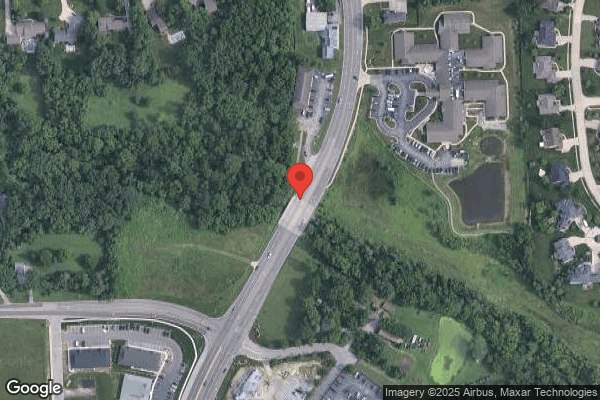
9802 COLDWATER ROAD, FORT WAYNE, IN 46825 (260) 469-0600
Non profit - Church related 84 Beds Independent Data: November 2025
Trust Grade
90/100
#65 of 505 in IN
Last Inspection: March 2025

Within standard 12-15 month inspection cycle. Federal law requires annual inspections.

Overview

Lutheran Life Villages in Fort Wayne, Indiana, has received an impressive Trust Grade of A, indicating that it is highly recommended and provides excellent care. With a state ranking of #64 out of 505, they are performing well, placing them in the top half of nursing facilities in Indiana, and they rank #11 out of 29 facilities in Allen County. The facility's overall trend is stable, with eight identified issues remaining consistent over the past two years, and they have a solid staffing rating of 4 out of 5 stars, although the turnover rate is 43%, which is slightly below the state average. Despite having no fines on record, concerns were noted regarding RN coverage, which is less than what 84% of Indiana facilities provide, indicating that some critical oversight may be lacking. Specific incidents include a resident experiencing swelling and bruising due to inadequate monitoring of their IV line, and another resident did not have their medication recommendations followed, which could pose a risk to their health. Overall, while the facility has numerous strengths, these weaknesses warrant careful consideration.

Trust Score
A
90/100
In Indiana
#65/505
Top 12%
Safety Record
Low Risk
No red flags
Inspections
Holding Steady
3 → 3 violations
Staff Stability
○ Average
43% turnover. Near Indiana's 48% average. Typical for the industry.
Penalties
✓ Good
No fines on record. Clean compliance history, better than most Indiana facilities.
Skilled Nurses
⚠ Watch
Each resident gets only 28 minutes of Registered Nurse (RN) attention daily — below average for Indiana. Fewer RN minutes means fewer trained eyes watching for problems.
Violations
○ Average
8 deficiencies on record. Average for a facility this size. Mostly minor or procedural issues.
★★★★★
5.0
Overall Rating
★★★★☆
4.0
Staff Levels
★★★★★
5.0
Care Quality
★★★★☆
4.0
Inspection Score
Stable
2024: 3 issues
2025: 3 issues

The Good

  • 4-Star Staffing Rating · Above-average nurse staffing levels
  • 5-Star Quality Measures · Strong clinical quality outcomes
  • Full Sprinkler Coverage · Fire safety systems throughout facility
  • No fines on record
  • Staff turnover below average (43%)

    5 points below Indiana average of 48%

Facility shows strength in staffing levels, quality measures, fire safety.

The Bad

Staff Turnover: 43%

Near Indiana avg (46%)

Typical for the industry

The Ugly 8 deficiencies on record

Mar 2025 3 deficiencies
CONCERN (D)

Potential for Harm - no one hurt, but risky conditions existed

Quality of Care (Tag F0684)

Could have caused harm · This affected 1 resident

Based on interview and record review the facility failed to ensure physician orders were followed though regarding a laboratory blood draw for 1 of 1 residents reviewed. (Resident 8) Findings include:...

Read full inspector narrative →
Based on interview and record review the facility failed to ensure physician orders were followed though regarding a laboratory blood draw for 1 of 1 residents reviewed. (Resident 8) Findings include: A record review began on 3/14/25 at 2:04 PM. Resident 8's diagnosis included Alzheimer's disease, bipolar disorder, and depression. A review of the physician orders indicated the following: Lamotrigine oral tablet 150 MG (milligrams) (Lamotrigine), give 1 tablet by mouth one time a day related to Bipolar disorder, current episode depressed, mild or moderate severity, unspecified. Start date 7/26/24. Lamotrigine level every 6 months, due 8/28/24: one time only for labs until 8/28/24 at 11:59 PM. order date 2/26/24. start date 8/28/24. end date 8/28/24. A review of the lab results report, dated 3/3/24, indicated a lamtrigine level was not observed on the report. A review of the lab results report, dated 3/12/24, indicated a lamtrigine level was not observed on the report. A review of the lab results report, dated 3/25/24, indicated a lamtrigine level was completed for Resident 8 on the report. The next lab was due to be drawn in September 2024. There were no lab report with a lamtrigine level for Resident 8 between 3/25/24 and March 2025. In an interview, on 3/14/25, the Director of Nursing ( DON) indicated they missed the lamtrigine level lab for September 2024. She indicated the lab was ordered to be drawn every 6 months and that's when it should have been done. The order was put in as one time only and it was missed. She indicated the facility called the Nurse Practitioner, and will get the lab to come out to get it done. The facility fixed the order to reflect the lab was to be drawn every 6 months. A current facility policy titled Medical Record, dated 12/21/16, was provided by the DON on 3/17/25 at 9:31 AM. The policy indicated .the nurse is required to electronically acknowledge orders. The nurse should review the order for clarity and completeness, making an entry into the nurses notes, adding an additional Care Plan problem or augmenting an existing problem, an entry into a communication device or shift report and notify any ancillary department required to execute the order. When applicable, the nurse should notify pharmacy and dinning services. Acknowledging/noting orders takes place in the Electronic Medical Record (EMR), nurse notes to be in the EMR, care plans to be added, changed or updated within the EMR 3.1-37
CONCERN (D)

Potential for Harm - no one hurt, but risky conditions existed

Deficiency F0694 (Tag F0694)

Could have caused harm · This affected 1 resident

**NOTE- TERMS IN BRACKETS HAVE BEEN EDITED TO PROTECT CONFIDENTIALITY** Based on observation, interview and record review, the facility failed to ensure vascular access device was monitored and mainta...

Read full inspector narrative →
**NOTE- TERMS IN BRACKETS HAVE BEEN EDITED TO PROTECT CONFIDENTIALITY** Based on observation, interview and record review, the facility failed to ensure vascular access device was monitored and maintained for 1 of 1 resident reviewed (Resident 52). Findings include: On 3/14/25 at 10:25 AM, Resident 52 was observed sitting in their wheelchair in their room. Resident 52's right lower arm and right hand were observed to be swollen. Resident 52's right lower arm and right hand were observed to be red and purple in color. In an interview, on 3/14/25 at 10:40 AM, Resident 52 indicated their right arm and right hand were swollen and bruised due to a problem with an intravenous (IV) line. Resident 52 indicated an IV line had to be removed from their right arm. Resident 52 raised their left shirt sleeve. A transparent dressing above the left elbow bend was observed. A stabilization device (Stat Lock) securing an IV line was observed under the transparent dressing. A dark brown substance was observed on the Stat Lock and on Resident 52's skin at the IV insertion site. The dressing did not include a start or change date or time. On 3/14/25 at 10:43 AM, a sign, dated 3/9/25 at 9:22 PM, was observed taped to the wall in Resident 52's room. The sign had the name and phone number of an IV service. The sign indicated Resident 52 had a midline catheter in their left arm. The sign indicated Resident 52's left upper arm circumference was 26 centimeters. The sign indicated the external length of the PICC line was 0 centimeters. Resident 52's record was reviewed on 3/14/25 at 11:23 AM. Diagnoses included coronary artery disease, high blood pressure and irregular heartbeat. Resident 52's Annual Minimum Data Set (MDS) dated [DATE], indicated Resident Brief Interview for Mental Status (BIMS) score was 15 (no cognitive loss). The MDS indicated Resident 52 had 1 arterial or venous ulcer. The MDS indicated Resident 52 required the application of dressings to their feet. A physician order, dated 3/9/25, indicated a PICC line was to be inserted into Resident 52's left basilic vein for antibiotic use. A physician order, dated 3/10/25, indicated Resident 52's left arm PICC line was to be inspected for phlebitis and infiltration every shift. The order indicated the location and appearance of the PICC line site was to be documented in the progress notes. A physician order, dated 3/12/25, indicated Resident 52 required a PICC line dressing change every 7 days and as needed for soilage or dislodgement. The order indicated Resident 52's upper arm circumference and external catheter length were to be measured at each dressing change. A progress note, dated 3/9/25 at 5:40 PM, indicated a nurse had arrived for PICC line insertion. A late entry progress note, dated 3/11/25 at 11:40 AM, indicated there had been active bleeding from Resident 52's right arm PICC line insertion site. The PICC line was removed and a pressure dressing was applied. The dressing to the left arm PICC insertion site was changed and the area cleansed. Resident 52's progress notes, dated 3/6/25 at 1:46 PM through 3/18/25 at 8:15 AM, did not indicate the date or time of PICC line removal from the resident's right arm. Resident 52's progress notes, dated 3/6/25 at 1:46 PM through 3/18/25 at 8:15 AM, did not indicate the date or time of PICC line placement to the resident's left arm. Resident 52's Treatment Administration Record, (TAR) dated 3/1/25 through 3/31/25, indicated the following: PICC line dressing instructions: 1. Transparent dressing change to PICC site every 7 days as needed for soilage or dislodgement. The start date was 3/9/25 at 1:03 PM. The discontinued date was 3/12/25 at 12:19 PM. 2. Transparent dressing change to PICC site every 7 days, measure upper arm circumference and external catheter length upon admission and each dressing change and as needed. The start date was 3/16/25 at 11:00 PM. The discontinued date was 3/12/19 at 12:19 PM. 3. Transparent dressing change to PICC site every 7 days as needed for soilage or dislodgement. The start date was 3/12/25 at 12:30 PM. Resident 52's Treatment Administration Record, (TAR) dated 3/1/25 through 3/31/25, did not indicate the PICC dressing had been changed. The TAR did not indicate the resident's upper arm circumference had been measured. On 3/17/25 at 9:45 AM, Registered Nurse (RN) 2 was observed flushing Resident 52's PICC line. The PICC line dressing did not include a date or time. RN 2 indicated the PICC line dressing was to be changed the following day. RN 2 indicated they knew the PICC line dressing was to be changed tomorrow as they were sure the dressing was applied on Tuesday. On 3/18/25 at 9:42 AM, Registered Nurse (RN) 2 was observed changing Resident 52's PICC line dressing. RN 2 indicated they did not observe a date on the PICC line dressing. RN 2 removed the dressing and cleansed the resident's skin at the insertion site. RN 2 cleansed the Stat Lock. RN 2 allowed the area to air dry. RN 2 applied a transparent dressing over the Stat Lock and the PICC insertion site. RN 2 measured the external catheter and indicated the external catheter length was 1 centimeter. RN 2 applied a label with the date, time and their initials. RN 2 did not measure Resident 52's upper arm circumference. In an interview, on 3/18/25 at 9:47 AM, RN 2 indicated they were not aware of how often the Stat Lock should be changed. RN 2 indicated they did not know if the pharmacy supplied Stat Locks. RN 2 indicated they should have measured the resident's upper arm circumference. In an interview, on 3/18/25 at 10:35 AM, the Director of Nursing (DON) indicated the prior PICC line dressing should have been labeled with date, time and nurse initials. The DON indicated the resident's arm circumference should have been measured. The DON indicated the Stat Lock should have been removed and discarded prior to cleansing the area. A current facility policy, dated 8/3/24, provided by the DON on 3/17/25 at 11:35 AM, indicated PICC line dressings would be changed in a manner that decreased potential for infection. The policy indicated the Stat Lock should be removed and discarded. The policy indicated the PICC line dressing should be labeled with the date, time and initials. 3.1-47(a)(2)
CONCERN (D)

Potential for Harm - no one hurt, but risky conditions existed

Drug Regimen Review (Tag F0756)

Could have caused harm · This affected 1 resident

Based on interview and record review, the facility failed to ensure pharmacy recommendations were followed through for 1 of 5 residents reviewed. (Resident 22) Findings include: A record review began ...

Read full inspector narrative →
Based on interview and record review, the facility failed to ensure pharmacy recommendations were followed through for 1 of 5 residents reviewed. (Resident 22) Findings include: A record review began on 3/18/25 at 9:14 AM. Resident 22's diagnosis included, chronic obstructive pulmonary disease. A review of the physician orders indicated: Methocarbamol oral tablet (methocarbamol) give 250 mg ( milligrams) by mouth every 8 hours as needed for Muscle relaxer. Start date 12/9/24. A review of the pharmacy consultation report dated February 25, 2025 through February 26, 2025: indicated Resident 22 received a muscle relaxant, Methocarbarnol. The medication had not been used since 12/18/24. Recommendation: please discontinue Methocarbmol. Rational for recommendation: Muscle relaxants have strong, sedating anticholinergic properties, are associated with increased risk for fractures and have questionable effectiveness at doses tolerated by old adults. The physician accepted the recommendations signed on 2/27/25. There was a note the Director of Nursing acknowledged the recommendation signed on 3/4/25. In an interview, on 3/18/25 at 9:52 AM, the Director of Nursing (DON) indicated, they did not discontinued the medication. A current facility policy, Pharmacy-Drug Review, dated 2/28/27, was provided by the DON on 3/18/25 at 10:15 AM. The policy indicated . It is the intent of facility that a licensed pharmacist will review the resident drug regimen including the resident chart at least once a month. The consultant pharmacist may need to conduct the medication regimen review more frequently depending on the resident condition, review of short stay residents and risk of adverse consequences. The licensed pharmacist will report in writing, any irregularities to the attending physician, the facility's medical director, and the director of nursing to be acted upon 3.1-25(h)
Feb 2024 3 deficiencies
CONCERN (D)

Potential for Harm - no one hurt, but risky conditions existed

Quality of Care (Tag F0684)

Could have caused harm · This affected 1 resident

**NOTE- TERMS IN BRACKETS HAVE BEEN EDITED TO PROTECT CONFIDENTIALITY** Based on interview and record review the facility failed to ensure an implanted intrathecal pump (ITP) morphine delivery system ...

Read full inspector narrative →
**NOTE- TERMS IN BRACKETS HAVE BEEN EDITED TO PROTECT CONFIDENTIALITY** Based on interview and record review the facility failed to ensure an implanted intrathecal pump (ITP) morphine delivery system was monitored for 1 of 3 residents reviewed (Resident 8). Findings include: In an interview on 2/13/24 at 9:48 A.M., Resident 8 indicated their pain was managed by a pain management clinic. Resident 8 indicated they received a continuous infusion of morphine by a pump inserted in their spinal fluid. Resident 8's record was reviewed on 2/13/24 at 10:06 A.M. Diagnoses included degeneration of cervical spine, carpal tunnel syndrome, ulnar neuropathy, brachial neuritis, cervico-occipital neuralgia, degeneration of lumbar spine, post-laminectomy syndrome and chronic pain syndrome. A review of Resident 8's most recent annual Minimum Data Set (MDS), dated [DATE], indicated their Basic Interview for Mental Status (BIMS) score was 15 (cognitively intact). The MDS did not indicate Resident 8 was being administered morphine for pain control. A physician order, dated 12/12/23, indicated Resident 8 had an appointment for a morphine pump refill on 2/14/24. Resident 8's medication orders did not include morphine. Resident 8's current care plan, dated 7/20/21, indicated Resident 8 was at risk for chronic pain. The target goal was for Resident 8 to have no alteration in daily schedule through 2/20/24. Interventions did not include an implanted intrathecal morphine pump. A pain management clinic visit summary, dated 12/12/23, indicated Resident 8's ITP had been refilled with 40 milliliters of preservative free morphine. The concentration of morphine was 9 milligrams per milliliter. The ITP infusion rate was programmed to infuse at 0.2 milligrams per hour. In an interview on, 2/16/24 at 9:29 A.M., the Director of Nursing (DON) indicated the facility did not have a physician order for Resident 8's ITP due to the ITP being managed at the pain clinic. The DON indicated they were unaware of the medication in Resident 8's ITP due to the medication not being administered by the facility staff. The DON indicated the facility did not have a copy of Resident 8's ITP identification number. A pain management clinic visit summary, dated 12/12/23, provided by the DON on 2/19/24 at 9:02 A.M. indicated Resident 8's ITP had been refilled with 40 milliliters of preservative free morphine on 12/12/23. The concentration of morphine was 9 milligrams per milliliter. The ITP infusion rate was programmed to infuse at 0.2 milligrams per hour. A current policy, dated 8/15/08 and revised 6/1/21, provided by the DON on 2/16/24 at 10:26 A.M., indicated the facility must ensure nurses responsible for the care and management of an implanted intrathecal pump are knowledgeable and competent in the administration procedures and potential complications. The policy indicated potential complications interfering with the delivery of the medication could include migration of the ITP catheter, fracture of the ITP catheter or erosion of the ITP catheter. In an interview, on 2/16/24 at 1:41 A.M., the above stated policy The DON and the Administrator indicated the ITP medication should be included in the physician orders. 3.1-37
CONCERN (D)

Potential for Harm - no one hurt, but risky conditions existed

Pressure Ulcer Prevention (Tag F0686)

Could have caused harm · This affected 1 resident

**NOTE- TERMS IN BRACKETS HAVE BEEN EDITED TO PROTECT CONFIDENTIALITY** Based on observation, interview, and record review the facility failed to ensure pressure ulcer care was provided according to p...

Read full inspector narrative →
**NOTE- TERMS IN BRACKETS HAVE BEEN EDITED TO PROTECT CONFIDENTIALITY** Based on observation, interview, and record review the facility failed to ensure pressure ulcer care was provided according to physician's orders for 1 of 2 residents reviewed (Resident 48). Findings include: During a dressing change observation on 2/16/24 at 11:07 A.M., Registered Nurse (RN) 10 removed Resident 48's right sock to reveal white gauze wrapped around Resident 48's right heel. No date was observed on the gauze or tape securing the gauze. RN 10 cut the gauze to remove it and the gauze was stuck to the right heel. RN 10 sprayed a liquid from a container labeled wound wash and allowed the liquid to soak for a few minutes before slowly pulling the dressing away from the right foot. The gauze removed from the right heel was white with no color or residues observed. RN 10 used the liquid on a clean piece of gauze to clean the right heel wound bed and surrounding skin. No residue of any color was observed on the gauze used to clean the area, on the wound bed, or surrounding tissue. Resident 48's record was reviewed on 2/16/24 at 10:33 A.M. Diagnoses included chronic diastolic heart failure, peripheral vascular disease, unspecified, and essential hypertension. A review of Resident 48's current quarterly Minimum Data Set (MDS), dated [DATE], indicated her Basic Interview for Mental Status (BIMS) score was 15 (cognitively intact). The MDS indicated Resident 48 had an unstageable pressure injury presenting as a deep tissue injury on the right heel. A review of Resident 48's current care plan, titled deep tissue pressure injury, indicated Resident 48 had a problem of a pressure injury to her right heel with a goal date of 5/18/24. Interventions included administering treatments as ordered. Physician orders, dated 2/13/24 at 11:45 A.M., indicated the wound on the right heel should be washed with wound cleanser and patted dry. Skin prep should be applied around the right heel wound bed, betadine (a dark brown liquid) soaked gauze to the wound bed, then covered with an ABD pad (thick, padded gauze pad) and kerlix (rolled gauze used to wrap around a body part). In an interview, on 2/16/24 at 11:31 A.M., RN 10 indicated she saw no signs betadine had been used on the dressing she removed from Resident 48's right heel during the wound care observation that morning. She indicated brown residue would have been observed on the dressing, on surrounding tissue and the right heel wound bed if betadine had been used. RN 10 indicated when she prepared for the dressing change, she noticed the betadine had not been delivered by the pharmacy. She indicated she was able to use betadine contained in stock supplied betadine swab stick packets to perform her dressing change. RN10 indicated the pharmacy should have been contacted when the betadine did not arrive as expected and a stat delivery requested. When an item was not able to be delivered, the physician should have been contacted for an alternative treatment until the product was available. In an interview, on 2/16/24 at 11:37 A.M,, the Director of Nursing (DON) indicated pharmacy orders placed before 5:00 P.M. Monday through Saturday should be delivered the same night. Any undelivered items should have been reported to her. She indicated since the betadine had been ordered on a Tuesday, it should have been available for the ordered treatment to the right heel. The DON indicated betadine was readily available, an over the counter item, and could have been obtained from the local pharmacy. A current policy titled Wound Treatment Management, dated 3/22/20, provided by the DON 2/16/24 at 1:26 P.M., indicated wound treatments should be provided in accordance with physician's orders, including the cleansing method, type of dressing and frequency of changes. 3.1-40(a)(2)
CONCERN (D)

Potential for Harm - no one hurt, but risky conditions existed

Respiratory Care (Tag F0695)

Could have caused harm · This affected 1 resident

**NOTE- TERMS IN BRACKETS HAVE BEEN EDITED TO PROTECT CONFIDENTIALITY** Based on observation, interview, and record review the facility failed to ensure oxygen was addressed in the plan of care and tu...

Read full inspector narrative →
**NOTE- TERMS IN BRACKETS HAVE BEEN EDITED TO PROTECT CONFIDENTIALITY** Based on observation, interview, and record review the facility failed to ensure oxygen was addressed in the plan of care and tubing was contained when not in use for 1 of 5 residents reviewed (Resident 75). Findings include: During an observation on 2/12/24 at 09:37 A.M., an oxygen concentrator was observed beside Resident 75's bed, turned off with a nasal cannula lying across the top of the concentrator. The oxygen tubing was not contained in a bag. Resident 75's Broda (high backed semi-reclining style) wheelchair was across the room from the bed where Resident 75 was lying. A portable oxygen tank was attached to the back of the Broda chair was turned on to 2 liters per minute. The nasal cannula was draped across the top of the chair, not contained in a bag. An unidentified hospice aide came into the room carrying linens and indicated she was going to provide care for the resident. During an observation on 2/12/24 at 10:52 A.M., the oxygen supplies remained in the same positions as observed earlier that morning, with no coverings. During an observation on 2/14/24 at 9:40 A.M., Resident 75 was observed lying in bed with a nasal cannula lying across her abdomen. The nasal cannula was attached to the bedside oxygen concentrator and was turned on to 2 liters per minute. A Broda chair was observed sitting across the room from Resident 75's bed with a portable oxygen tank turned on to 2 liters per minute with an attached nasal cannula draped across the top of the chair. During an observation and interview, on 2/14/24 at 10:15 A.M., Licensed Practical Nurse (LPN) 11 indicated oxygen tubing not in use should be contained in a dated plastic bag to prevent contamination and oxygen equipment should be turned off when not in use. Resident 75's record was reviewed on 2/14/24 at 10:42 AM. Diagnoses included pulmonary embolism, unspecified dementia with other behavioral disturbance, and myocardial infarction. A review of Resident 75's current significant change Minimum Data Set (MDS), dated [DATE], indicated her Basic Interview for Mental Status (BIMS) score was 4 (cognitively impaired). A review of Resident 75's care plan, dated 2/8/24, indicated a problem of dyspnea had been resolved on 11/30/23. A hospice care plan titled Safety Precautions, dated 1/26/24, indicated staff should maintain patient safety by ensuring all oxygen is functioning properly, stored correctly, and there were no open flames around. A review of physician orders, dated 12/8/23, indicated oxygen was ordered to be administered at a rate of 2 liters per minute by nasal cannula to keep oxygen saturation above 90 percent. In an interview, on 2/14/24 at 10:52 A.M., the Director of Nursing (DON) indicated oxygen tubing should be bagged when not in use, oxygen equipment should be turned off when not in use and oxygen should be incorporated into the nursing plan of care. A current policy, titled Oxygen, dated 2/16/18, provided by the Director of Nursing on 2/14/24 at 10:52 A.M., did not address storage of tubing when not in use nor incorporation of oxygen into the care plan. 3.1-47(a)(6)
Apr 2023 1 deficiency
CONCERN (D)

Potential for Harm - no one hurt, but risky conditions existed

Deficiency F0742 (Tag F0742)

Could have caused harm · This affected 1 resident

**NOTE- TERMS IN BRACKETS HAVE BEEN EDITED TO PROTECT CONFIDENTIALITY** Based on observation, interview, and record review the facility failed to implement intervention strategies for agitation and re...

Read full inspector narrative →
**NOTE- TERMS IN BRACKETS HAVE BEEN EDITED TO PROTECT CONFIDENTIALITY** Based on observation, interview, and record review the facility failed to implement intervention strategies for agitation and refusal of care for 1 of 1 resident reviewed for behavioral services (Resident 74). Findings include: On 4/11/23 at 10:01 AM Resident 74 was observed verbalizing to staff that she did not require any help and she preferred to be left alone. A record review on 4/11/23 at 10:14 AM indicated the resident had diagnoses of unspecified dementia, psychotic disturbance, mood disturbance, and anxiety. A Comprehensive Minimum Data Set (MDS) assessment dated [DATE] indicated the resident had severe cognitive impairment. The MDS indicated the resident was dependent on extensive staff assistance for activities of daily living. A behavior note dated 4/14/23 at 6:47 AM indicated the resident had formed fecal matter into balls. The progress note indicated a care plan intervention had been initiated for specific behavior. A behavior note dated 3/25/23 at 8:00 PM indicated the resident had hit staff during care. A behavior note dated 3/26/23 at 12:34 PM indicated the resident was sitting on a couch with her pants down. The resident had been incontinent of bowel. A behavior note dated 3/29/23 at 9:17 PM indicated the resident had refused care. A behavior note dated 3/30/23 at 6:33 AM indicated the resident had resisted care by pushing and pulling on staff. A behavior note dated 3/31/23 at 8:10 PM indicated the resident refused care by yelling at staff to get out of her house. A behavior note dated 4/3/23 at 7:42 AM indicated the resident refused care by physically pushing staff away. Verbal assurance was not effective. The provision of an alternate staff member was ineffective. A behavior note dated 4/3/23 at 5:37 PM indicated the resident refused vital sign assessment. A behavior note dated 4/4/23 at 6:24 AM indicated the resident was agitated with staff by yelling and pushing staff away. Behavior monitoring documentation dated 3/4/23 through 4/13/23 indicated the resident did not exhibit any behaviors. The resident's care plan did not address exhibited behaviors of care rejection, hitting staff, pushing staff, or yelling at staff. The resident's physician orders did not indicate the resident was a candidate for a psychiatric evaluation. During an interview on 4/12/23 at 1:13 PM LPN 2 indicated staff was made aware of new resident behaviors during daily morning meetings. She indicated the Social Service Director (SSD) was responsible for behavioral documentation and monitoring. During an interview on 4/12/23 at 1:19 PM, the Administrator indicated the SSD updated care plans for behavioral issues. She indicated the SSD would be made aware of behavioral issues at daily morning meetings. She indicated Resident 74 should have received a psychiatric evaluation. She indicated the resident's care plan should reflect the resident's specific behaviors. A current policy titled Behavior Monitoring/Documentation provided by the Administrator on 4/12/23 at 1:40 PM indicated new behaviors were to be care planned with targeted interventions and goals. The policy indicated residents who exhibited behaviors such as hitting, pushing, yelling, or rejection of care are candidates for behavior management. 3.1-43(a)(1)
Dec 2022 1 deficiency
CONCERN (D) 📢 Someone Reported This

A family member, employee, or ombudsman was alarmed enough to file a formal complaint

Potential for Harm - no one hurt, but risky conditions existed

Grievances (Tag F0585)

Could have caused harm · This affected 1 resident

**NOTE- TERMS IN BRACKETS HAVE BEEN EDITED TO PROTECT CONFIDENTIALITY** Based on observation, interview and record review, the facility failed to ensure grievances were thoroughly investigated, contai...

Read full inspector narrative →
**NOTE- TERMS IN BRACKETS HAVE BEEN EDITED TO PROTECT CONFIDENTIALITY** Based on observation, interview and record review, the facility failed to ensure grievances were thoroughly investigated, contained required documentation and appropriate corrective actions were taken for 1 of 3 residents reviewed (Resident H). Findings include: An anonymous complaint, reported to the Indiana Department of Health, alleged staff yelled at Resident H, threw her things and said her room was messy. On 12/6/22 at 9:52 A.M., Resident H was observed seated in her wheelchair in the hall near the nurses station and indicated she needed assistance cleaning her room. She'd had a shower the day before and hadn't had her bed linens changed. There were no staff observed and the resident propelled herself back to her room. Her room was observed to be messy and had a foul odor of stool and vomit. In her bathroom, were wet, soiled towels and washcloths on the floor. Multiple personal items were on the floor, covering the sink, and overflowing in the corner where a small drawer stand sat. There were various personal items strewn across the floor of her room, included unraveled skeins of yarn, clothing items, blankets and pillows. There were several piles of personal items on the dresser, [NAME], and bedside stand. On the [NAME] near the door, sat a rotten banana-black in color. Her soiled bedding was wrapped up in a large pile in the middle of her bed. Resident H indicated she needed assistance with cleaning her room and staff hadn't wanted to help her. She was observed to be pale and fatigued. She wanted to stand and struggled to rise up from the wheelchair. She indicated she had pain, was short of breath and fatigued as she sat back in the chair. She indicated she needed to rest. On 12/6/22 at 10:55 A.M., Resident H's record was reviewed. Diagnoses included shortness of breath, chronic obstructive pulmonary disease (COPD), dementia, generalized anxiety disorder, and chronic pain. A quarterly MDS (Minimum Data Set) assessment, dated 9/30/22, indicated the resident had no cognitive impairment, no behaviors, and no rejection of care. A review of care plans indicated the following: -The resident required assistance from staff with her activities of daily living due to COPD, shortness of breath, chronic pain, and weakness. -The resident had a tendency to collect large amounts of personal items in her room. Staff were to encourage her to maintain order with collections of personal items and provide education as needed regarding personal choices and their effects on her health. -The resident was at high risk for falls due to decreased mobility, unsteady gait/balance, and potential for poor decision making. Staff were to assist her in keeping her room clutter free (revised 3/18/22) and encourage her to allow staff to clean her room (initiated 7/18/22). On 12/6/22 at 11:31 A.M., 2 grievance reports, submitted by Resident H, were reviewed and indicated the following: -On 11/1/22, Resident H reported a concern with a housekeeper. The form didn't indicate what the concern had been about, but involved customer service. The form indicated the housekeeper was spoken to about their actions and another housekeeper was assigned to clean the resident's room. The form didn't indicate what had actually occurred with the housekeeper nor further investigation of the incident. The grievance was neither confirmed nor unconfirmed and there was no documentation of the grievance completed in the resident's record. There was no documentation to indicate if the change in housekeepers was a permanent or temporary resolution to the concern and there were no changes made to the care plan. -On 11/17/22, Resident H reported concerns related to cleaning her room and emptying her trash. Nursing staff were educated on emptying her trash and housekeeping was to provide a schedule of cleaning. The form hadn't confirmed nor unconfirmed the grievance, there was no documentation of the grievance completed in the resident's record, and there were no changes made to the care plan to ensure staff would empty her trash and provide routine cleaning. On 12/6/22 at 2:03 P.M., the Director of Nursing (DON) and Director of Social Services were interviewed. When questioned, neither were able to say what actions the housekeeper had taken which resulted in the grievance. Both indicated there was no concern for abuse but had no documentation to indicate how the facility had determined the concern was not abuse related. The DON indicated staff cleaned the resident's room several times daily due to the resident's illness-related behaviors however, this was not on the care plan. A current facility policy, titled Concerns/Grievance Policy, was provided by the DON on 12/6/22 at 10:10 A.M. and stated the following: The resident has the right to voice grievances .Procedure .2. Staff will complete the concern/grievance form and document the issue/resolution in the EMR (Electronic Medical Record) .7. The grievance decision will include the date the grievance was received, a summary statement of the resident's grievance, the steps taken to investigate the grievance, a summary of the pertinent findings or conclusions regarding the resident's concern(s), a statement as to whether the grievance was confirmed or not confirmed, any corrective action taken or to be taken by the facility as a result of the grievance, and the date the written decision was issued This Federal tag relates to Complaint IN00395272. 3.1-7(a)(2)
Understanding Severity Codes (click to expand)
Life-Threatening (Immediate Jeopardy)
J - Isolated K - Pattern L - Widespread
Actual Harm
G - Isolated H - Pattern I - Widespread
Potential for Harm
D - Isolated E - Pattern F - Widespread
No Harm (Minor)
A - Isolated B - Pattern C - Widespread

Questions to Ask on Your Visit

  • "Can I speak with families of current residents?"
  • "What's your RN coverage like on weekends and overnight?"

Our Honest Assessment

Strengths
  • • Grade A (90/100). Above average facility, better than most options in Indiana.
  • • No major safety red flags. No abuse findings, life-threatening violations, or SFF status.
  • • No fines on record. Clean compliance history, better than most Indiana facilities.
  • • 43% turnover. Below Indiana's 48% average. Good staff retention means consistent care.
Concerns
  • • No significant concerns identified. This facility shows no red flags across CMS ratings, staff turnover, or federal penalties.
Bottom line: Generally positive indicators. Standard due diligence and a personal visit recommended.

About This Facility

What is Lutheran Life Villages's CMS Rating?

CMS assigns LUTHERAN LIFE VILLAGES an overall rating of 5 out of 5 stars, which is considered much above average nationally. Within Indiana, this rating places the facility higher than 99% of the state's 100 nursing homes. This rating reflects solid performance across the metrics CMS uses to evaluate nursing home quality.

How is Lutheran Life Villages Staffed?

CMS rates LUTHERAN LIFE VILLAGES's staffing level at 4 out of 5 stars, which is above average compared to other nursing homes. Staff turnover is 43%, compared to the Indiana average of 46%. This relatively stable workforce can support continuity of care.

What Have Inspectors Found at Lutheran Life Villages?

State health inspectors documented 8 deficiencies at LUTHERAN LIFE VILLAGES during 2022 to 2025. These included: 8 with potential for harm.

Who Owns and Operates Lutheran Life Villages?

LUTHERAN LIFE VILLAGES is owned by a non-profit organization. Non-profit facilities reinvest revenue into operations rather than distributing to shareholders. The facility operates independently rather than as part of a larger chain. With 84 certified beds and approximately 80 residents (about 95% occupancy), it is a smaller facility located in FORT WAYNE, Indiana.

How Does Lutheran Life Villages Compare to Other Indiana Nursing Homes?

Compared to the 100 nursing homes in Indiana, LUTHERAN LIFE VILLAGES's overall rating (5 stars) is above the state average of 3.1, staff turnover (43%) is near the state average of 46%, and health inspection rating (4 stars) is above the national benchmark.

What Should Families Ask When Visiting Lutheran Life Villages?

Based on this facility's data, families visiting should ask: "Can I visit during a mealtime to observe dining assistance and food quality?" "How do you handle medical emergencies, and what is your hospital transfer rate?" "Can I speak with family members of current residents about their experience?"

Is Lutheran Life Villages Safe?

Based on CMS inspection data, LUTHERAN LIFE VILLAGES has a clean safety record: no substantiated abuse findings (meaning no confirmed cases of resident harm), no Immediate Jeopardy citations (the most serious violation level indicating risk of serious injury or death), and is not on the Special Focus Facility watch list (a federal program monitoring the lowest-performing 1% of nursing homes). The facility has a 5-star overall rating and ranks #1 of 100 nursing homes in Indiana. While no facility is perfect, families should still ask about staff-to-resident ratios and recent inspection results during their visit.

Do Nurses at Lutheran Life Villages Stick Around?

LUTHERAN LIFE VILLAGES has a staff turnover rate of 43%, which is about average for Indiana nursing homes (state average: 46%). Moderate turnover is common in nursing homes, but families should still ask about staff tenure and how the facility maintains care continuity when employees leave.

Was Lutheran Life Villages Ever Fined?

LUTHERAN LIFE VILLAGES has no federal fines on record. CMS issues fines when nursing homes fail to meet care standards or don't correct problems found during inspections. The absence of fines suggests the facility has either maintained compliance or corrected any issues before penalties were assessed. This is a positive indicator, though families should still review recent inspection reports for the full picture.

Is Lutheran Life Villages on Any Federal Watch List?

LUTHERAN LIFE VILLAGES is not on any federal watch list. The most significant is the Special Focus Facility (SFF) program, which identifies the bottom 1% of nursing homes nationally based on persistent, serious quality problems. Not being on this list means the facility has avoided the pattern of deficiencies that triggers enhanced federal oversight. This is a positive indicator, though families should still review the facility's inspection history directly.