MAJESTIC CARE OF FORT WAYNE
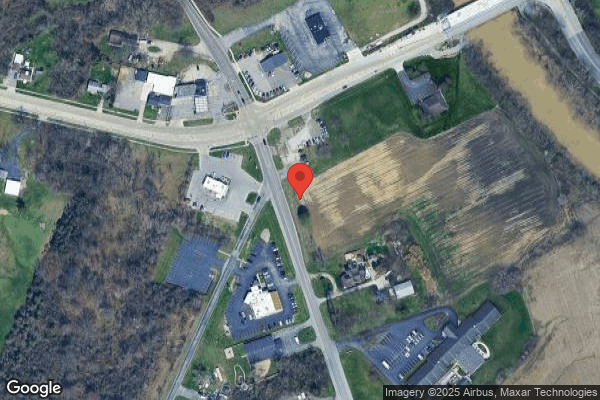
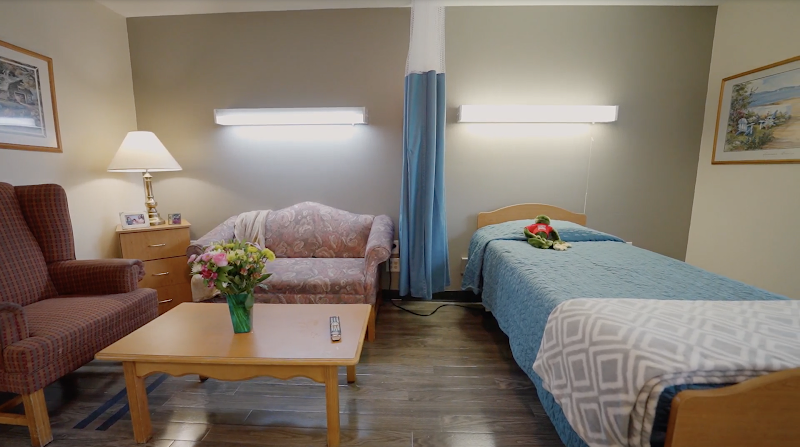
7519 WINCHESTER RD, FORT WAYNE, IN 46819 (260) 747-7435
For profit - Corporation 70 Beds MAJESTIC CARE Data: November 2025
Trust Grade
75/100
#158 of 505 in IN
Last Inspection: December 2024

Within standard 12-15 month inspection cycle. Federal law requires annual inspections.

Overview

Majestic Care of Fort Wayne has a Trust Grade of B, indicating it is a good choice among nursing homes, offering solid care but with room for improvement. It ranks #158 out of 505 facilities in Indiana, placing it in the top half, and #16 out of 29 in Allen County, meaning only a few local options are better. However, the facility's trend is worsening, with issues increasing from 3 in 2023 to 5 in 2024. Staffing is a concern, rated at only 1 out of 5 stars, although the turnover rate of 44% is slightly below the state average. While the facility has not incurred any fines, it has had serious incidents, including a medication error that contributed to a resident's hospitalization and a reported incident of potential abuse that was difficult to verify. Overall, while Majestic Care of Fort Wayne has strengths in quality measures and no fines, families should be aware of the staffing issues and recent incidents that raise concerns about resident safety.

Trust Score
B
75/100
In Indiana
#158/505
Top 31%
Safety Record
Moderate
Needs review
Inspections
Getting Worse
3 → 5 violations
Staff Stability
○ Average
44% turnover. Near Indiana's 48% average. Typical for the industry.
Penalties
✓ Good
No fines on record. Clean compliance history, better than most Indiana facilities.
Skilled Nurses
⚠ Watch
Each resident gets only 20 minutes of Registered Nurse (RN) attention daily — below average for Indiana. Fewer RN minutes means fewer trained eyes watching for problems.
Violations
○ Average
8 deficiencies on record. Average for a facility this size. Mostly minor or procedural issues.
★★★★☆
4.0
Overall Rating
★☆☆☆☆
1.0
Staff Levels
★★★★★
5.0
Care Quality
★★★★☆
4.0
Inspection Score
Stable
2023: 3 issues
2024: 5 issues

The Good

  • 5-Star Quality Measures · Strong clinical quality outcomes
  • Full Sprinkler Coverage · Fire safety systems throughout facility
  • No fines on record
  • Staff turnover below average (44%)

    4 points below Indiana average of 48%

Facility shows strength in quality measures, fire safety.

The Bad

Staff Turnover: 44%

Near Indiana avg (46%)

Typical for the industry

Chain: MAJESTIC CARE

Part of a multi-facility chain

Ask about local staffing decisions and management

The Ugly 8 deficiencies on record

1 actual harm
Jul 2024 1 deficiency 1 Harm
SERIOUS (G) 📢 Someone Reported This

A family member, employee, or ombudsman was alarmed enough to file a formal complaint

Actual Harm - a resident was hurt due to facility failures

Deficiency F0760 (Tag F0760)

A resident was harmed · This affected 1 resident

Based on interview and record review, the facility failed to ensure 1 of 3 residents reviewed were free from a significant medication error. This error resulted in a change of condition and hospitaliz...

Read full inspector narrative →
Based on interview and record review, the facility failed to ensure 1 of 3 residents reviewed were free from a significant medication error. This error resulted in a change of condition and hospitalization (Resident K). Findings include: An anonymous complaint, submitted to the Indiana Department of Health, indicated Resident K had been administered a double dose of medication which was alleged to have contributed to his death. On 7/5/24 at 10:23 A.M., Resident K's record was reviewed. Diagnoses included Schizoaffective disorder, bipolar type, alcohol induced persisting dementia, moderate dementia with psychotic disturbance, generalized anxiety disorder, major depressive disorder, and chronic obstructive pulmonary disease (COPD) with current tobacco use. The resident was prescribed several psychotropic medications to treat his behavior symptoms. His behaviors included verbal fights with staff, verbal aggression with other residents, peer to peer altercations, and physical aggression towards staff. A nurse progress note, dated 6/3/24 at 2:11 p.m., indicated a call had been placed to the psychiatrist regarding Resident K's continued behaviors. Orders were given for Clozaril 150 mg (milligrams) by mouth-give 2 times per day and start weekly lab draws for complete blood counts. A physician order, dated 6/4/24, was for Clozaril 100 mg tablet by mouth-give 2 times per day along with Clozaril 50 mg tablet to equal Clozaril 150 mg by mouth, given 2 times per day. A timeline, provided by the Director of Nursing (DON) on 7/5/24 at 10:26 A.M., indicated: -On 6/5/24 at 2:29 p.m., Clozaril was delivered to the facility and one time order received to give the medication when it arrived. Clozaril 100 mg tablet and Clozaril 50 mg tablet equaled 150 mg was given by mouth to Resident K. -At 3:30 p.m., a second dose of Clozaril 100 mg tablet and Clozaril 50 mg tablet equaled 150 mg was given by mouth to Resident K. -At 4:00 p.m., the resident was observed to be lethargic. He was taken to his room and laid down in bed. Staff discovered the resident had erroneously been given 2 doses of Clozaril 150 mg which equaled 300 mg of Clozaril administered within an hour. A call was placed to the psychiatric Nurse Practitioner (NP) to notify of the medication error and resident's current condition. -At 4:17 p.m., the psychiatric NP returned call to the facility and indicated she would contact the Psychiatrist for further orders. -At 4:20 p.m., the psychiatric NP called back the facility with recommendations to monitor the resident's vital signs (blood pressure, pulse, respirations, temperature, and pulse oximetry) every 2 hours for 8 hours, then every 4 hours until the resident was awake. Vital signs on 6/5/24 were: -4:00 p.m., Blood pressure (BP): 160/74 (normal-120/80); pulse (P): 77 (normal-60-100); respirations (R): 18 (normal-16-20); temperature (T): 96.4 (normal 98.6); Pulse oximetry (normal >90%): 90% on room air. -6:00 p.m., BP: 198/80, P: 81, R: 20, T: 96.5, Pulse oximetry: 92% on oxygen. -8:00 p.m., BP: 166/76, P: 91, R: 20, T: 96, Pulse oximetry: 88% on oxygen. -10:05 p.m., BP: 150/59, P: 79, R: 18, T: 96, Pulse oximetry: 83% on oxygen. Nurse progress notes indicated the following on 6/5/24: -5:12 p.m., the NP and doctor were updated on the resident receiving Clozaril. Staff were monitoring vital signs with no concerns. -9:08 p.m., the resident was sleeping without change in condition. -9:20 p.m., the resident was started on a new medication on this day; his vital signs were monitored closely; he was currently resting in bed with the head of the bed elevated; oxygen in place; would continue to monitor. -10:05 p.m., the resident was resting comfortably in bed with oxygen in place and no apparent distress. There was no adverse reaction to the new medication observed; would continue to monitor. -11:00 p.m., the resident continued to rest comfortably with no adverse reaction or distress noted. -11:15 p.m., the resident was observed with no pulse or respirations. CPR (Cardiopulmonary Resuscitation) initiated and 911 called. Once medics arrived, they continued with CPR and resident taken to the hospital. A hospital History and Physical and Consultation notes, dated 6/6/24 at 11:19 a.m., indicated the resident had increased behaviors at his nursing home and had been started on Clozaril. The resident had accidentally received 2 doses in a very short length of time which had occurred yesterday (6/5/24). Yesterday evening, the resident was found unresponsive, around 11:15-11:20 p.m., CPR was initiated and EMS called. The resident was asystole (no heartbeat) which required 4 rounds of epinephrine and intubation. While hospitalized he remained unresponsive, on the ventilator with questionable aspiration pneumonia (when food or liquid is breathed into the airways or lungs instead of being swallowed) and cardiac/respiratory arrest of unknown origin. On 7/5/24 at 1:40 P.M., the Psychiatrist was interviewed. He indicated he had been notified of the medication error and 2 doses of Clozaril 150 mg given within an hour of each other. He indicated there was no antidote to be given and the resident was to have his vital signs, including his oxygen saturation, monitored frequently. He indicated if there had been changes in his vital signs, the only intervention to have done was administer intravenous fluids until the resident's vitals stabilized. On 7/5/24 at 3:00 P.M., Clozaril information was obtained from the website, drugs.com. The website indicated Clozaril was an antipsychotic medication used to treat schizophrenia in adults after other treatments had failed. Clozaril came with a black box warning the medication could cause severe neutropenia (low white blood cell count), low blood pressure, slow heart rate, dizziness, seizures, inflammation of the heart and death in elderly patients with dementia related psychosis; side effects were dose related; starting dose was 12.5 mg one to two times per day which could be increased 25-50 mg per day if well tolerated; target dose of 300-450 mg in divided doses by the end of 2 weeks. Low blood pressure, slow heart rate, and cardiac arrest could occur with Clozaril treatment with the highest risk during the initial titration period, especially with rapid dose escalation. These reactions could occur with the first dose, at doses as low as 12.5 mg, which could be fatal. Overdosage: The most commonly reported signs and symptoms associated with Clozaril overdose were sedation, delirium, coma, fast heart rate, low blood pressure, respiratory failure, aspiration pneumonia, heart arrythmias and seizures. The past non-compliance deficiency began on 6/5/24 and deficient practice corrected on 6/6/24 after the facility in-serviced all nurses and QMAs (Qualified Medication Aid) on safe medication administration, including signing out of the MAR immediately after administering a medication. All resident MAR (Medication Administration Record) were reviewed for completion the prior 30 days, resident charts audited for documentation accuracy, medication administration policy and procedures reviewed and medication pass competencies completed on all licensed nursing and QMA staff. The facility is monitoring by completing medication pass observations routinely for 6 months. This tag relates to Complaint IN00437523. 3.1-48(c)(2)
Jun 2024 1 deficiency
CONCERN (D) 📢 Someone Reported This

A family member, employee, or ombudsman was alarmed enough to file a formal complaint

Potential for Harm - no one hurt, but risky conditions existed

Medication Errors (Tag F0758)

Could have caused harm · This affected 1 resident

Based on interview and record review, the facility failed to ensure safe medication administration was completed resulting in medication error for 1 of 3 residents reviewed. (Resident E) Finding inclu...

Read full inspector narrative →
Based on interview and record review, the facility failed to ensure safe medication administration was completed resulting in medication error for 1 of 3 residents reviewed. (Resident E) Finding includes: A self-reported incident, submitted to Indiana State department of health, Resident E was given a dose of the medication Clozaril 150 milligrams (mg) during day shift. Shortly after, on second shift a second dose of 150 mg was given. On 6/21/24 at 9:41 AM, Resident E's record was reviewed. Diagnoses included, bipolar disorder, current episode manic without psychotic features, moderate. Chronic Obstructive Pulmonary disease. A review of physician orders indicated the following: Clozapine oral tablet (clozapine): give 150 mg by mouth one time only related to bipolar disorder unspecified. Order date: 6/5/24. Start date 6/5/24. End date 6/6/24. Clozaril oral tablet 100 mg (clozapine): give 1 table by mouth two times a day related to schizoaffective disorder; bipolar disorder unspecified current episode manic without psychotic features. Give with 50 mg to = 150mg. Order date: 6/3/24. Start date: 6/4/24. Clozaril oral tablet 50 mg (clozapine): give 1 table by mouth two times a day related to schizoaffective disorder; bipolar disorder unspecified current episode manic without psychotic features. Give with 100 mg to = 150mg. Order date: 6/3/24. Start date: 6/4/24. A review of progress notes indicated: Dated 6/3/24 at 2:11 PM: Call placed to physician regarding Resident E's continued behaviors. Update physician on Resident E's lab levels, physician indicated no changes in those orders. The physician gave the following orders for behaviors 1). Start Clozaril 150 mg twice a day. 2). Weekly Complete Blood Count (CBC). 3). Discontinue Risperdal. Dated 6/10/24 3:39 AM by Nurse Practitioner: On Wednesday June 5, 2024, facility requested an update on the status of the Clozaril registry. Confirmed it had been registered for Resident E that morning. The DON was notified. Later in the day, a call was placed by the DON to the office. The writer called back, was informed that Resident E had been dosed twice with 150 mg of Clozaril and was very sleepy. Writer advised they would inform the physician, which was done. The physician agreed that Resident 6 should have vitals signs monitor every 1-2 hours for 8 hours. DON was notified, order given to monitor vitals every 1-2 hours and to call with any other concerns or questions. In an interview on 6/21/24 at 11:33 AM Licensed Practical Nurse 5 (LPN) indicated she was asked by a QMA trainee, when the order was yellow in the medication record administration (MAR), is she to give the medication to Resident E. LPN 5 indicated to the trainee the medication was to be given. In an interview on 6/21/24 at 11:43 AM Qualified Medication Aide 4 (QMA) indicated they had been waiting for the medication (Clozaril) for a couple of days for Resident E. Pharmacy dropped it off, QMA 4 asked if she was to give the medication, the nurse indicated they would ask the DON. The DON indicated to give it, put in a one-time only order and give it. The nurse was putting the order in and QMA 4 gave the medication. When she went back to sign it out, it would not allow her to. She checked it several times but could not sign it out. During that time, she was asked if she could train another QMA. This QMA told her they were experienced, so QMA 4 agreed. QMA 4 indicated they were leaving on break, but advised the trainee not to give any medications. There were some treatments to be done, but they would start when QMA 4 returned. On the way back from break, QMA 4 received a text message from the DON asking if Resident E received the dose of Clozaril 150 mg. QMA 4 indicated the resident had recevied the medication. QMA 4 indicated it wasn't that long between receiving and when she was told Resident E received a second dose of Clozaril 150 mg. IN an interview on 6/21/24 at 12:19 PM the DON indicated the nurse was supposed to put a one time only entry for the medication of Clozaril 150 mg for Resident E, and it was to be given right away. She was not sure why it was not signed out by QMA 4. The text message was sent to QMA 4, to ask about the early dose of medication because it was yellow in the computer, but they gave Resident E the dose due to him having a behavior. Then they found out that they did give the earlier dose. The DON indicated, the physician was called, they noticed Resident E was becoming sleepier. The physician indicated the adverse reactions were lethargic and drowsiness, to monitor vitals every 1-2 hours. The DON indicated they are not sure why the medication didn't show up for QMA 4 to sign out. But after this error, they did an audit/plan of action of the whole building to make sure that physician orders are getting entered, and medications are being given correctly. A review of the facility's plan of action dated 6/5/24: Deficiency: Resident E received a second dose of the medication due to the first dose not being signed out. GOAL: All residents will receive correct medication dosage. Actions to be taken . Nursing staff in-service on safe medication administration, including signing out of the EMAR, immediately after administering a medication . Statements obtained from nursing staff involved . All resident's MAR were reviewed for last 30 days for any missed documentation noted. Resident chart reviewed for accuracy of documentation . Audits to be completed each business day of the new order review/holes in MAR time 6 months and will evaluate in Quality Assurance and adjust accordingly . Interivews with staff indicated they had received reeducation regarding medication administration and signing out medications. Audits were visualized as having begun. A review of the current facility polices was provided by the Nurse Regional consultant on 6/11/24 at 9:48 AM: A policy, Administering medications, date 4/2019. The policy indicated . Medications are administered in a safe and timely manner, and as prescribed A policy, Charting and Documentation, dated 7/2017. The policy indicated . the following information is to be documented in the resident medical record .Medication administered A policy, Medication Error, dated 7/2020. The policy indicated .to ensure residents remain free from medication errors This citation is related to Complaint IN00436120. 3.1-48(b)
Jan 2024 3 deficiencies
CONCERN (D) 📢 Someone Reported This

A family member, employee, or ombudsman was alarmed enough to file a formal complaint

Potential for Harm - no one hurt, but risky conditions existed

Free from Abuse/Neglect (Tag F0600)

Could have caused harm · This affected 1 resident

Based on interview and record review the facility failed to ensure 1 of 4 residents reviewed were free from abuse. (Resident 22) Findings include: During an interview with Resident 22 on 1/8/24 at 10:...

Read full inspector narrative →
Based on interview and record review the facility failed to ensure 1 of 4 residents reviewed were free from abuse. (Resident 22) Findings include: During an interview with Resident 22 on 1/8/24 at 10:16AM she indicated; she did have water thrown on her once, she did not like living at the facility, and she had nothing further to say. During an interview with the Executive Director (ED) and Regional Consulting Nurse (RCN), on 1/08/24 at 1:24PM; they indicated beyond a reasonable doubt CNA 2 (Certified Nurse Assistant) threw a full cup of ice water on Resident 22 while Resident 22 was lying in bed after dinner and before bedtime medication pass on the evening of 12/21/23. The ED explained his investigation process and the difficulty regarding staff interviews not validating the abuse and not all cohesive. The ED indicated Resident 22's lack of extreme behavior he would expect if such an incident did occur was initially considered. The lack of eyewitnesses further increased the difficulty in determining if the abuse happened. Resident 22's roommate indicated she did not see the face of the person who came in and had some sort of altercation with Resident 22. The ED was able to determine Resident 22's hair, only a little of a sleeve, and some of the garment's collar was wet in one frame of the footage from a hall camera. The ED was able to see Resident 22 changed her shirt and returned to the nurses' station multiple times. He was further able to determine from cameras CNA 2 had a full pitcher of ice water, went down East Hall where Resident 22 resided and returned with an empty pitcher. CNA 2 was not assigned to East Hall on 12/21/23. The ED indicated in his interview with CNA 2 she denied taking any water down the hall and was unsure what he was talking about. He offered her to come watch the video and she declined. The ED indicated she was unable to account for why she took down a full pitcher of ice water and returned with an empty pitcher. The ED indicated she was unable to account for why she was on East Hall when she was assigned to West. The ED indicated CNA 2 had no prior accusations of abuse or reprimands for performance. Resident 22's chart was reviewed on 1/8/24 at 11:14AM. Resident 22's diagnoses included schizoaffective disorder, major depressive disorder, dementia, insomnia, and anxiety. Resident 22's most recent comprehensive MDS (Minimum Data Set) on 12/14/23 was reviewed. Section C: BIMS (Brief Interview of Mental Status) indicated a score of 13. The score of 13 shows mild cognitive loss. Section D Mood indicated Resident 22 had little or no interest in doing things most days, feeling down, depressed, or hopeless most days, trouble falling or staying asleep most days, feeling tired or no energy several days, poor appetite or overeating most days, and trouble of concentration on things most days. Section E behavior indicated resident had verbal behavior directed toward others and rejection of care for 1 to 3 days out of 14-day period reviewed for assessment. A review of the facility investigation on 1/9/24 at 3:29PM indicated the following: An altercation occurred on 12/20/23, involving Resident 22 and CNA 2. Resident 22 slapped CNA 2. Resident 22 reportedly got upset regarding showering, walked up to CNA 2 at the nurse' station and hit her. A verbal statement was taken from CNA 4 who worked in the evening on 12/21/22 on [NAME] Hall and was unaware of any events taking place. A written statement from CNA 3 who worked 12/21/23 in the evening indicated Resident 22 was asked about an incident between her and CNA 2 the day prior. Resident 22 indicated she apologized yet still felt CNA 2 deservedv to be hit. The statement indicated CNA 2 stated I'm about to go throw some water on her. Then CNA 3 indicated she observed CNA 2 go down East Hall with a full pitcher of ice water. Upon returning, Resident 22 was right behind CNA 2 stating she threw water on me. 30 to 45 minutes later, Resident 22 came back to nurses' station and indicated CNA 2 threw water on her again. CNA 3 could not confirm if the second incident occurred. A statement from the DNS (Director of Nursing Services) indicated she asked CNA 2 if she knew anything about water being thrown on Resident 22 and CNA 2 indicated she had no idea what she was talking about. A statement from SSD (Social Services Director) indicated a staff reported to her Resident 22 was very upset due to another staff pouring ice water on her. The statement indicated the SSD spoke with Resident 22 who confirmed the allegation and indicated there was a verbal altercation of statements, I don't like you and I'm going to get even with you. 7 resident abuse questionnaires were completed. Four of the seven indicated the residents also had an issue with CNA 2 but did not report it. CNA 2 was terminated for the abuse. CNA 3 was terminated for failure to report the abuse. During an interview with Resident 22 on 1/10/24 at 1:46PM she indicated she was not more or less depressed than she was prior to the holidays. She denied fearing staff or peers. She denied being bullied or harassed. A policy and procedure were obtained at entrance on 1/7/24 at 9:22AM from ED. The policy Abuse Prevention Program original date February 2019 with last revision date March 2021, indicated .The protection of resident during abuse investigations. The development of investigative protocols governing abuse . Striving to maintain adequate staffing on all shifts to ensure the needs of each resident were met; and expect all personnel, residents, visitors, to report and signs or suspected abuse to facility management immediately This citation is realted to Complaint IN00424619. 3.1-27 (a)
CONCERN (D)

Potential for Harm - no one hurt, but risky conditions existed

Deficiency F0699 (Tag F0699)

Could have caused harm · This affected 1 resident

Based on interview and record review the facility failed to ensure residents with trauma had triggers identified for 3 of 3 residents reviewed (Resident 18, Resident 58, & Resident 270). Findings inc...

Read full inspector narrative →
Based on interview and record review the facility failed to ensure residents with trauma had triggers identified for 3 of 3 residents reviewed (Resident 18, Resident 58, & Resident 270). Findings include: 1. Resident 18's record was reviewed on 01/11/24 at 10:31 AM. Diagnoses included Post Traumatic Stress Disorder (PTSD), dementia, and bipolar disorder. A review of Resident 18's current quarterly MDS indicated their BIMS (Basic Interview for Mental Status) score was 10 (moderately impaired). The care plan for PTSD did not indicate specific triggers or intervetions to prevent re-traumatization of Resident 18. During an interview an observation on 1-8-24 at 8:10 AM, QMA 6 indicated Resident 18 always had the room dark and cluttered, but there was no direction given the staff on approaches or triggers to behavior. 2. Resident 58's record was reviewed on 01/08/24 at 09:38 AM. Diagnoses included PTSD, major depressive disorder, and anxiety disorder. A review of Resident 58's current quarterly MDS indicated their BIMS score was 15 (no cognitive impairment). The care plan for PTSD did not indicate specific triggers to prevent re-traumatization of Resident 58. A review of progress notes dated 11/2/2023 at 1:00 PM indicated Resident 58 continued to have nightmares when he slept, and flashbacks due to trauma from his past. The care plan did not indicate triggers or interventions to be utilized for his nightmares or flashbacks. 3. Resident 270's record was reviewed on 01/11/24 at 12:36 PM. Diagnoses included PTSD, dementia, and generalized anxiety disorder. A review of Resident 270's current quarterly MDS indicated their BIMS score was 99 (resident was unable to complete interview). There were no care plans, approaches, or triggers identifies regarding Residents 270's PTSD. A current policy dated 03/01/2019 provided by the Regional Nurse Consultant indicated the facility should provide care and services identifying triggers, and using multiple person centered approaches to address the needs of trauma survivors. An interview with the Social Service Director on 01/11/24 at 1:07 PM indicated trauma or PTSD should be documented in the care plans along with triggers.
MINOR (C)

Minor Issue - procedural, no safety impact

Staffing Data (Tag F0851)

Minor procedural issue · This affected most or all residents

Based on interview and record review, the facility failed to ensure accurate reporting to the Payroll-Based Journal (PBJ) system regarding Nursing hours for third quarter 2023. Findings include: A re...

Read full inspector narrative →
Based on interview and record review, the facility failed to ensure accurate reporting to the Payroll-Based Journal (PBJ) system regarding Nursing hours for third quarter 2023. Findings include: A record review on 1/7/2024 at 9:15 AM, of the Certification And Survey Provider Enhanced Reports (CASPER) report: the Payroll-Based Journal (PBJ) data report Quarter 4 2023, July 1-September-30, indicated are of concern that will be triggered (requires follow-up during the survey). The metric: One star staffing rating, triggered. Excessively low weekend staffing, triggered. Failure to have licensed nursing coverage 24 hours/day, triggered. The infarction dates for failure to have Licensed Nursing Coverage 24 hours/day: 7/1/23, 7/2/23, 7/15/23, 7/15/23, 7/29/23, 7/30/23, 8/12/23, 8/20/23, and 9/2/23. A record review on 1/10/24 at 11:28 of the following hours worked (clocked in/out) indicated, 7/1/23, 7/2/23, 7/15/23, 7/15/23, 7/29/23, 7/30/23, 8/12/23, 8/20/23, and 9/2/23 all had Licensed nursing coverage 24 hours/day but was not accurately reported to the PBJ. An interview on 1/10/24 at 1:03 PM with Director of Nursing and Regional Nurse Consultant indicated, they do not report all of the hours to the PBJ, especially if they are salary positions. When a salary employee would work 16 hours then the facility would report they worked 8 hours. The facility knew the problem of reporting, but the home office did the reporting to the PBJ. A currently facility policy, Staffing, was provided by the Director of Nursing on 1/10/24 at 1:03 PM. The policy indicated . Direct care staffing information per day (including agency and contract staff) is submitted to payroll-based journal system on the schedule specified by CMS, but no less once a quarter
Aug 2023 1 deficiency
CONCERN (D) 📢 Someone Reported This

A family member, employee, or ombudsman was alarmed enough to file a formal complaint

Potential for Harm - no one hurt, but risky conditions existed

Free from Abuse/Neglect (Tag F0600)

Could have caused harm · This affected 1 resident

Based on interview and record review, the facility failed to ensure facility abuse protocols were implemented for 1 of 3 incidents reviewed. (Resident B) Findings include: On 8/24/2023 at 9:45 AM, a r...

Read full inspector narrative →
Based on interview and record review, the facility failed to ensure facility abuse protocols were implemented for 1 of 3 incidents reviewed. (Resident B) Findings include: On 8/24/2023 at 9:45 AM, a review of a facility's self-reported incident of abuse reported to the Indiana Department of Health (IDOH) on 8/22/2023 indicated an incident of abuse had occurred on 8/22/2023 at 7:01 A.M. The report named Resident B and RN (Registered Nurse) 1 as the persons involved. The description of the incident indicated RN 1 told Resident B to stop crying and was not taking care of Resident B's needs. Resident B became upset, stood up to the nurse's desk and pushed the computer monitor over. RN 1 then reacted by slapping Resident B on the cheek. On 8/24/2023 at 10:08 AM, the Administrator provided the facility's investigation of the abuse incident. The administrator indicated they had substantiated the abuse by the nurse after they viewed the camera video. On 8/24/2023 at 1:30 P.M., A review of Resident B's records began and indicated diagnosis of paranoid personality disorder, intellectual disabilities, vascular dementia with severe anxiety and agitation, delusional disorders, major depressive disorder, and chronic pain syndrome. Resident B's current MDS (Minimum Data Set) assessment dated , 7/27/2023, indicated a BIMS (Brief Interview for Mental Status) Score was 09; moderately impaired cognition. The MDS assessment indicated during the time period of the assessment, the resident had wandered 1-3 days and the behavior had worsen from the prior assessment. The Functional Status and Activity of Daily Living (ADL) assistance required, indicated the resident required extensive assistance of 1 person to transfer but limited assist of 1 to walk. Their balance was not steady and could only stabilize with assistance of staff. The MDS also indicated a wheelchair was used for mobility. Resident B's progress notes indicated the following: On 8/22/2023 at 12:54 P.M., a Social Service note indicated the Social Service Director (SSD) had spoken with Resident B in their room. Resident B indicated they felt safe at the facility with staff. Resident B displayed signs of agitation and sadness by yelling out and crying. The resident reported they were emotional because their roommate would not talk to them since being kicked by the resident. Resident B stated they were not upset with facility staff, just wanted their roommate to forgive them. On 8/23/2023 at 9:17 A.M., an IDT (Interdisciplinary Team) note indicated the Team met to discuss the incident between the staff member and the resident. The incident indicated the resident was struck in the face by a staff member. The resident had no complaints of pain or injury on the initial assessment or the follow-up. The resident continued daily routine without changes, was participating in therapies and activities, and showed no hostility or fear towards other residents or staff members. Progress notes on 8/24/23 and 8/25/23 by IDT and SSD indicated Resident B continued typical daily routine, attended activities, showed no hostility or fear towards other residents or staff., had no displayed signs of psychosocial distress and was at their baseline behaviors. Resident B's Care Plan initiated on 1/24/2023 with a Revision Date of 2/8/23 indicated Resident B exhibits behavior related to anxiety. Resident B would ask repetitive questions and become obsessive with needs, obsessive with attention. Resident would also become impulsive when needs are not addressed at that very second. Resident would get tearful and lash out when feeling not enough attention was given. Interventions included the following: Allow resident to vent feelings and needs. Approach resident in a calm and friendly manor. Assess resident's needs including comfort level, pain and treat as indicated. Explain to resident what you were going to do before initiating task. If resident becomes combative or resistive, postpone care/activity and allow resident to regain their composure, re-approach as needed. Listen to resident's needs and adjust plan as appropriate. Maintain a safe environment for the resident. The facility's investigation of the abuse incident regarding Resident B indicated RN 1 was suspended, the investigation began and included interviews with staff and residents. Written statements by staff on duty were collected. CNA (Certified Nursing Aide) 2's statement indicated on the morning of Monday, August 21st, she witnessed the nurse, RN 1 smack Resident B in the face at the nurses station. Resident B was agitated due to the nurse teasing the resident and things escalated. The statement was signed by CNA 2. The email sent to the facility DNS (Director of Nursing Services) from RN 1, dated 8/23/2023 at 5:31 AM., contained RN 1's written statement. The statement indicated on 5/21/23 around 5:20 A.m., Resident B was yelling to get up in their wheelchair. A CNA assisted Resident B up in the wheelchair and brought them out to the nurses station. Resident B wanted something for their foot. RN 1 indicated she administered Tylenol ordered for them. RN 1 indicated she had a hard time understanding Resident B. The CNA reported Resident B wanted the foot dressing (bandage) changed, even though it was intact. RN 1 indicated she changed the dressing, and applied the pressure relieving protector pillow. RN 1 seen a sock was missing. Resident B became mad and wanted the sock now. RN 1 indicated she told the resident she would get the socks when she finished entering computer information. She indicated Resident B walked to the computer, lifted the monitor as if to hit her with it. She indicated she told the resident to not be a jerk and please do not break the facility's equipment. She wrote, all she could think was to connect with the resident so she cupped Resident B's left cheek with her right hand. Resident B gave no eye contact. RN 1 indicated she did not know what set the resident off that morning. The follow-up to the facility's incident investigation conclusion reported to IDOH on 8/24/2023 indicated the following: The nurse reacted to the resident pushing over the monitor and made contact with the resident's face. The resident had become upset about their foot. The nurse had stated she was going to have day shift change the dressing, but a short time later she did the dressing change with no concerns. Resident B continued to be upset per the aide (CNA), the nurse not addressing the resident's concerns. The resident stood up at the nurses' station stating they wanted something to be done with their foot. The resident then pushed over the computer monitor onto the desk. The nurse grabbed the monitor, then reached out to the resident and made contact with the resident's cheek. RN 1 was suspended pending investigation, and was later terminated. Abuse in-servicing was initiated for all staff. The resident was assessed and no injury was noted. Multiple residents were interview with no concerns. There were no skin issues of unknown origin for residents in the past 2 weeks. The counselor will meet with the resident to continue to follow up for any psychosocial needs. Resident B had not shown any adverse side effects from the incident and continued in their normal daily routine. Resident B had not mentioned the incident further. The facility's Care Team Member Corrective Action Form indicated Investigatory Suspension pending determination for RN 1. The infraction date was listed as 8/21/2023. The Infraction/Policy Violation was related to resident abuse, neglect, or misappropriation. Description of Violation: RN 1 was witnessed on camera after another Care Team Member/Staff called the Administrator, the DNS and reported abuse. RN 1 was witnessed on camera to have slapped a resident, continued to taunt and then stick her tongue out at the resident. Corrective Action: RN 1 would be placed on suspension. The form indicated RN 1 was notified by phone of the suspension. The form was signed by the DNS and witnessed by LPN 3. In an interview on 4/24/2023 at 5:00 P.M., the DNS indicated CNA 2 had called the Administrator on 8/22/2023 in the morning before they arrived at the facility. CNA 2 reported Nurse 1 had hit Resident B in the face. The DNS indicated the Administrator was at the facility when she arrived and had begun the investigation. She indicated she notified RN 1 she was suspended pending the investigation of abuse. She indicated they viewed the camera video. The video indicated RN 1 was observed to slap Resident B on the face. She indicated RN 1 was terminated after the video was viewed. A current facility policy, titled, Abuse Prevention Program, with Revision Date of March 2021, was provided by the Administrator on 8/24/2023 at 10:08 A.M., indicated, .Our facility is committed to protecting our residents from abuse by anyone including, but not necessarily limited to: facility staff .Comprehensive policies and procedures have been developed to aid our facility in preventing abuse, neglect, or mistreatment of our residents .Abuse - The willful infliction of injury, unreasonable confinement, intimidation, or punishment with resulting physical harm, pain or mental anguish. Abuse also includes the deprivation by an individual, including a caretaker, of goods or services that are necessary to attain or maintain physical, mental and psychosocial well-being. Instances of abuse of all residents, irrespective of any mental or physical condition, cause physical harm, pain or mental anguish. It includes verbal abuse, sexual abuse, physical abuse and mental abuse including abuse facilitated or enabled through the use of technology. Willful, as used in this definition of abuse, means the individual must have acted deliberately, not that the individual must have intended to inflict injury or harm This Federal tag relates to Complaint IN00415764. 3.1-27(a)(b)
Jun 2023 1 deficiency
CONCERN (D) 📢 Someone Reported This

A family member, employee, or ombudsman was alarmed enough to file a formal complaint

Potential for Harm - no one hurt, but risky conditions existed

Deficiency F0557 (Tag F0557)

Could have caused harm · This affected 1 resident

Based on interview and record reviews the facility failed to ensure 1 of 3 residents reviewed was treated with dignity and respect. (Resident B) Findings include: On 6/26/2023 at 10:15 A.M., Review of...

Read full inspector narrative →
Based on interview and record reviews the facility failed to ensure 1 of 3 residents reviewed was treated with dignity and respect. (Resident B) Findings include: On 6/26/2023 at 10:15 A.M., Review of a facility's state reported incident investigation indicated Resident B was left in the shower room for several hours after shift change. A record review for Resident B began on 6/26/2023 at 10:15 AM, indicated diagnoses included but were not limited to Alzheimer's Disease, schizoaffective disorder and bipolar disorder. A review of Resident B's MDS (Minimal Data Set) Assessments dated 3/24/23 indicated a BIMS (Brief Interview for Mental Status) was 13/15, meaning cognitively intact. The annual assessment also indicated the resident required supervision with set up only for walking in room, halls and locomotion on and off the unit. A significant change MDS assessment, dated 5/21/2023 was completed when the resident was admitted to hospice. His BIMS was 07/15, meaning modreate cognitive impairment, although functional status remained as supervision and set up only for walking in room and halls, locomotion on and off the unit and dressing. A review of Resident B's Care Plans indicated the goal for needing assistance with activities of daily living was revised on 6/16/2023, and indicated Resident B would have care needs met daily with assistance of staff. The Intervention for Bathing/Showering was also revised on 6/19/23 and indicated Resident B required assistance of up one staff member for bathing task, may require CNA to exit and return due to history of behavioral outbursts and paranoia. The plan indicated the resident's needs could fluctuate and to encourage to be as independent as possible. Provide additional assistance as needed. A review of the facility state reported incident dated 6/8/2023 at 8:01 p.m., indicated Resident B was left in the shower during a staffing change. The report indicated the resident was a very private person, kept the door closed, preferred to not have visitors and often kicked people out of the room. Resident B preferred to do self-care despite needing assistance, and showers without direct over-sight. The investigation found the resident to have been given a shower, staff checked on the resident throughout the process. CNA (Certified Nurse Aide) 5 was scheduled to leave at 8:00 P.M. and handed off Resident B's care to the remaining aides. The investigation indicated CNA 10 thought Resident B's shower was completed. At the 10 PM, shift change, Resident B's room door was closed as normal for the resident. During midnight bed check round, Resident B was not in their room. A search for Resident B began and he was found sitting in the shower room. Resident B was in good spirits, dressed and stated they could not remember how to open the door. A review of the facility's investigation timeline of the incident dated June 8th indicated Resident B came to the nurses' station, asked for a shower and CNA 5 took the resident for a shower. CNA 9 indicated Resident B came to the nurses' station around 6:00 PM asking for a shower and CNA 5 took the resident for a shower sometime after supper. CNA 5 put Resident B in the shower room around 7:00 P.M., went back around 7:45 P.M. and got clean clothes for him to put on. It was time for CNA 5 to leave and Resident B was still in the shower room getting dressed. CNA 5 left at 8:03 PM. There was no indication in the report CNA 5 had reported to any staff Residnet B was in the shower room prior to leaving her shift. CNA 8 indicated she had gone into the shower room around 7:30 P.M., as Resident B had turned on the call light. The Resident requested CNA 8 to give them their clothes. CNA 8 handed the resident their clothes. CNA 5 came to check on the resident and CNA 8 told CNA 5 the resident was putting on dirty clothes. CNA 5 proceeded to get the resident clean clothes. CNA 8 left the shower room. CNA 10 indicated she was not aware Resident B was in the shower room, but when she went to the resident room for a complete bed check, Resident B was not there. CNA 10 indicated she checked the shower room and found the resident sitting there in good spirits. Resident B indicated they had forgotten how to open the door. CNA 11 indicated CNA 10 had found Resident B in the shower room around midnight. The facility investigation records dated June 8, 2023 indicated Care team Member Corrective action Forms were completed for the following staff, CNA 2, CNA 5, CNA 8, CNA 9, and CNA 13. On 6-26-2023 at 11:00 A.M. facility grievance records, provided by the Administrator at 10:10 A.M., indicated a grivance was filed by Resident B's family member on 6/12/2023 and was received on 6/12/2023 by Social Services. The Report of Concern indicated an incident date of 6/8/2023. Resident B reported to their family member, they were left in the shower room for several hours. The grievance was assigned to Nursing on 6/13/2023 and found Resident B was left to shower by themselves, as per they had always done. The CNA was unaware of Resident B's recent decline since hospice admission. Resident B was now unable to shower themselves. Corrective Actions were taken, staff education and in-service were completed. Staff was educated Resident B was not a total care and required assistance in the shower. Staff were educated on staff hand-off when changing staff providing care. On 6/14/2023 Resident B's family member was notified of the changed to the care plan. The family member was in agreement and signed the form as resolved and satisfied with the resolution. In an interview on 6/26/2023 at 9:40 AM, the Administrator indicated he had reported the incident per policy. He indicated through the investigation it was determined the resident was in the shower room for 4 hours. He indicated the facility did not have cameras on the south hall to determine the exact time in the shower. He indicated the resident was very private, did not like people coming into their room, always keeps the door shut, and rarely came out of their room. Resident B often yelled at persons coming into the room and has been known to throw items at the staff. The resident did not like to take a shower or be touched. He also indicated Resident B's family was very involved and visited often. The family reported the resident said they were in the shower room for 14 hours. The Administrator indicated the resident was known to have delusions, and knew the resident had been seen during the 14 hours reported in the shower. The Administrator indicated Resident B had a decline since being admitted to Hospice. He indicated the facility had a care plan meeting with facility staff, Hospice staff and family. All were in agreement with changes to the care plan to provide total assistance with care and showers. On 6/26/2023 at 10:50 AM, the DNS (Director of Nursing Services) was in interviewed. She indicated the education in-service was provided by herself, the ADON (Assistant Director of Nursing) and Unit Manager to cover all staff on all shifts. The DON indicated the hand-off report shift to shift was for all residents in the facility. She indicated she was not made aware of the incident until the family reported to the Administrator, and the investigation had already begun. As the investigation was completed, it was determined to report the incident to State on 6/19/2023. She also indicated written corrective action was given to all staff involved. On 6/24/23 at 2:10 P.M., in an interview, CNA 2 indicated at shift change a room to room hand-off report was to be given about each of the residents, and lay eyes on them. Report how they were doing on their shift, when last changed, if having behaviors. She indicated bed checks should be done every 2 hours. She indicated if a resident would tell her to get out of the room, she would report it to the nurse, and would attempt later with nurse or another staff member to come along. On 6/24/23 at 2:20 P.M., in an interview, CNA 3 indicated she worked day shift. There were usually 2 CNA's on East and [NAME] Halls, and 1 CNA on South Hall, since residents were mostly independent. She indicated a walk through shift to shift report was to be done and need to visualize the residents during the report. She indicated she usually does not work on the South Hall, but indicated Resident B was not on total care and was more accepting of care from staff. On 6/24/2023 at 2:42 P.M., in an interview, CNA 4 indicated the staff had assignment sheets and waould get a report from the prior shift. They would walk room to room, visualize the residents, and check to see if they needed changed prior to leaving. She indicated residents should be checked on at least every 2 hours. She indicated the staff were educated on visually seeing the residents during the report. On 6/24/2023 at 2:50 P.M., in an interview, CNA 5 indicated Resident B was not her assigned resident, The resident had come up to the nurses' station and wanted to get a shower. She indicated she assisted them to get in the shower and told him to pull the light cord. She indicated he didn't want to put on different clothes on, but she asked and he indicated he would put on clean clothes, so she went to get the clean clothes. She indicated she assisted with clean pants, but the resident would not allow her to put on a clean brief, and wanted to dress himself. She indicated she reported to the 4 CNA's who were at the nurses' station, Resident B still needed to get a shirt and jacket on. She indicated her shift ended and she left. She indicated they have been educated to do a shift to shift, room to room report on the residents. They were to inform the oncoming staff how the resident was, if the resident needed showered, or was having behaviors. The staff were instructed to go in the room and check on them. She indicated she waited until the next shift arrived and report was given before leaving, even if it was late and their shift had ended. A current facility policy, titled, Quality of Life-Dignity, revised on February 2020, was provided by the Administrator on 6/26/2023 at 4:55 P.M., indicated, .Each resident shall be cared for in a manner that promotes and enhances his or her sense of well-being, level of satisfaction with life, feeling of self-worth and self-esteem .1. Residents are treated with dignity and respect at all times. 2. The facility culture is one that supports and encourages humanization and individuation of residents, and honors resident choices, preferences, values and beliefs .11. Demeaning practices and standards of care that compromise dignity are prohibited. Staff are expected to promote dignity and assist residents .12. Staff are expected to treat cognitively impaired residents with dignity and sensitivity This Federal tag relates to complaint IN00411119. 3.1-9(a)
Jan 2023 1 deficiency
CONCERN (D)

Potential for Harm - no one hurt, but risky conditions existed

Deficiency F0757 (Tag F0757)

Could have caused harm · This affected 1 resident

Based on interview and record review, the facility failed to ensure adverse side effects and effectiveness of medication were monitored for 3 of 8 residents reviewed. (Resident 55, and Resident 12) Fi...

Read full inspector narrative →
Based on interview and record review, the facility failed to ensure adverse side effects and effectiveness of medication were monitored for 3 of 8 residents reviewed. (Resident 55, and Resident 12) Findings included: 1. Resident 55's record was reviewed on 1/5/2023 at 9:22 AM. Diagnoses included multiple sclerosis, type 2 diabetes mellitus without complications, restless leg syndrome, low back pain, unspecified, fibromyalgia, chronic pain syndrome, and migraine, unspecified, intractable, with status migrainosus. A Minimum Data Set (MSD) assessment, dated 11/23/2022, indicated Resident 55 had a brief interview for mental status (BIMS) score of 12 (moderate cognitive impairment). An order, dated 10/13/2022, indicated Lispro Insulin inject, per sliding scale (dosage based on resident's blood glucose reading): if resident's blood glucose reading was 150-200=2 units, 201-250 = 3 units, 251-300 =4 units, 301-350 =5 units, 351-400= 6 units, 401-450= 8 units, inject subcutaneously (beneath the skin) before meals ( 7:30 AM, 11:30 AM, and 4:30 PM) and at bedtime (8:00 PM) related to type 2 diabetes mellitus without complications. Call provider if blood glucose reading was over 451. An order, dated 12/3/2022, indicated Hydromorphone HCl 4 milligrams (mg) tablet (an opioid pain medication), give 1 tablet by mouth every 4 hours as needed for pain/discomfort. An order, dated 10/13/2022, indicated Hydromorphone HCl 4mg tablet, give 1 tablet by mouth every 4 hours (12:00 AM, 4:00 AM, 8:00 AM, 12:00 PM, 4:00 PM, and 8:00 PM) for pain. Resident 55's orders did not include an order to monitor for signs and symptoms of hypoglycemia (low blood sugar level) and hyperglycemia (high blood sugar level). Resident 55's record did not include an order to monitor for adverse side effects or effectiveness of opioids. A review of Resident 55's vital sign documentation for December 2022 indicated pain level documentation on 12/2/22 at 9:52PM 5, 12/2/22 at 11:50 PM 1, 12/3/22 at 10:06 PM 6, 12/4/22 at 12:38 AM 0, 12/5/22 at 3:34 AM 7, 12/5/22 at 4:09 AM 0, 12/06/22 at 1:10 AM 5, 12/6/22 at 5:47 AM 0, 12/13/22 at 6:21 AM 6, 12/13/22 at 6:24 AM 2, 12/29/22 at 1:39 AM 8, 12/29/22 at 4:59 AM 1, and 12/30/22 at 1:56 AM 2. No other pain level documentation was found in the December 2022 vital sign section in Resident 55's record. A review of Resident 55's vital sign documentation for January 1-6,2023 indicated pain level documentation on 1/6/2023 at 11:07 AM 8. No other pain level documentation was found in the January 2023 vital sign section in Resident 55's record. A care plan, dated 11/09/2022, indicated Resident 55 was at risk for complications and symptoms of hypoglycemia or hyperglycemia due to a diagnosis of diabetes mellitus. The goal indicated Resident 55 would be free from symptoms and complications of hypoglycemia or hyperglycemia. Interventions included administer diabetes medication as ordered by the doctor, observe for side effects and effectiveness, observe for signs or symptoms of hyperglycemia such as increased thirst and appetite, frequent urination, weight loss, fatigue (tiredness), dry skin, poor wound healing, muscle cramps, abdominal pain, Kussmaul breathing (fast, deep breathing), acetone breath (fruity smelling breath), stupor (near unconsciousness) and coma (unconscious), observe for signs and symptoms of hypoglycemia such as sweating, tremor (shaking), increased heart rate, pallor (pale skin), nervousness, confusion, slurred speech ( unclear speech), lack of coordination and staggered gait (unsteady walking). A care plan, dated 9/1/2021, indicated Resident 55 had chronic pain (constant pain). The goal indicated Resident 55 would verbalize adequate relief of pain. The interventions included administer medication as ordered, observe and report changes in usual routine, sleep patterns, decrease in functional abilities (taking care of own needs like bathing, dressing), decreased range of motion (movement of arms and legs), withdrawal or resistance to care ( not allowing staff to assist), observe for symptoms of non-verbal pain: changes in breathing (noisy, deep, shallow, labored, fast/slow), vocalizations (grunting, moans, yelling out, silence), mood/behavior changes (more irritable, restless, aggressive, squirmy, constant motion), eyes (wide open, narrow slits/shut, glazed, tearing, no focus), face (sad, crying, worried, scared, clenched teeth, grimacing, body tense, rigid (stiff), rocking, curled up, thrashing), report to the nurse any change in usual activity attendance pattern or refusal to attend activities related to signs and symptom or complaint of pain. Resident 55's pain care plan did not include an intervention to monitor for side effects of opioid medication. A review of Resident 55's Progress Notes for December 2022 indicated no documentation for monitoring for signs and symptoms of hypoglycemia or hyperglycemia. There was no documentation for monitoring for side effects for scheduled and as needed opioid medication. There was no documentation of pain level or effectiveness for the administered scheduled opioid medication. A review of Resident 55's Progress Notes for January 2023 indicated no documentation for monitoring for signs and symptoms of hypoglycemia or hyperglycemia. There was no documentation for monitoring for side effects for scheduled and as needed opioid medication. There was no documentation of pain level or effectiveness for the administered scheduled opioid medication. The Medication Administration Record (MAR) and Treatment Administration Record (TAR) dated December 2022 indicated Resident 55 received Lispro Insulin on 12/1 at 11:30 AM & 4:30 PM, 12/3 at 4:30 PM & 8:00 PM, 12/4 at 11:30 AM & 4:30 PM, 12/5 at 4:30 PM & 8:00 PM, 12/6 at 7:30 AM, 12/7 at 11:30 AM, 4:30 PM, & 8:00 PM, 12/8 at 11:30 AM,12/9 at 11:30 AM & 4:30 PM, 12/10 at 7:30 AM, 11:30 AM, 4:30 PM, & 8:00 PM, 12/11 at 8PM, 12/12 at 11:30 AM & 8:00 PM, 12/13 at 7:30 AM, 11:30 AM, 4:30 PM, & 8:00PM, 12/14 at 4:30PM, 12/15 at 11:30AM & 8:00 PM, 12/16 at 4:30 PM, 12/17 at 7:30 AM & 11:30 AM, 12/18 at 7:30 AM & 4:30 PM, 12/19 at 11:30 AM, 4:30 PM, & 8:00 PM, 12/20 at 11:30 AM, 4:30 PM, & 8:00 PM, 12/21 at 4:30 PM, 12/22 at 11:30 AM & 4:30 PM, 12/23 at 8:00 PM, 12/24 at 11:30 AM & 4:30 PM, 12/25 at 8:00 PM, 12/26 at 8:00 PM, 12/27 at 11:30 AM, 12/28 at 4:30 PM, 12/29 at 11:30 AM & 4:30 PM, 12/30 at 8:00 PM, and 12/31 at 4:30 PM & 8:00 PM. The MAR and TAR dated January 2023 (1/1 through 1/6 11:30 AM) indicated Resident 55 received Lispro Insulin on 1/1 at 8:00 PM, 1/4 at 8 PM, and 1/5 at 11:30 AM & 8:00 PM. The MARs and TARs for December 2022 and January 2023 indicated no documentation for monitoring for signs and symptoms of hypoglycemia or hyperglycemia. The MAR and TAR dated December 2022 indicated Resident 55 received Hydromorphone HCl 4mg tablet every 4 hours at 12:00 AM, 4:00 AM, 8:00 AM, 12:00 PM, 4:00 PM and 8:00 PM on 12/1, 12/2, 12/3, 12/4, 12/5, 12/6, 12/7, 12/8, 12/9, 12/10, 12/11, 12/12, 12/13, 12/14, 12/15, 12/18, 12/19,12/20, 12/21, 12/22, 12/23, 12/24, 12/25, 12/26, 12/27, 12/28, 12/29, 12/30, and 12/31. Resident 55 received Hydromorphone HCl 4mg tablet on 12/16 at 12:00 AM, 4:00 AM, 8:00 AM, 12:00 PM, and 4:00 PM. A dose was not given at 8:00 PM. Resident 55 received Hydromorphone HCl 4mg tablet on 12/17 at 4:00 AM, 8:00 AM, 12:00 PM, 4:00 PM, and 8:00 AM, A dose was not given at 12:00 AM. There was no documentation of pain level or effectiveness of the scheduled pain medication on the MAR and TAR. The MAR and TAR dated January 2023 (1/1 through 1/6 12:00 PM) indicated Resident 55 received Hydromorphone HCl 4mg tablet every 4 hours at 12:00 AM, 4:00 AM, 8:00 AM, 12:00 PM, 4:00 PM and 8:00 PM on 1/1, 1/2, 1/3, 1/4, and 1/5. On 1/6, Resident 55 received doses at 12:00 AM, 4:00 AM, 8:00 AM, and 12:00 PM. There was a pain level 8 documented with the 12/6 12:00 PM dose, no other documentation of pain level or documentation of effectiveness for the scheduled pain medication was found on the MAR and TAR. The MAR and TAR dated December 2022 indicated Resident 55 received Hydromorphone HCl 4mg tablet every 4 hours as needed for pain/discomfort on 12/3 at 10:06 PM, 12/5 at 3:34 AM, 12/6 at 1:10 AM, 12/13 at 6:21 AM, and 12/29 at 1:39 AM. A pain level was documented with each administration, effectiveness was documented in the progress notes. The MAR and TAR dated January 2023 (1/1 through 1/6 12:00 PM) indicated Resident 55 received Hydromorphone HCl 4mg tablet every 4 hours as needed for pain/discomfort on 1/6 at 11:07 AM. A pain level was documented with the administration but no documentation for effectiveness was found. The MARs and TARs dated December 2022 and January 2023 indicated no documentation for monitoring for side effects of opioid medication. In an interview on 1/6/23 at 9:25 AM, RN2 indicated side effects were monitored for psychotropic medications, antibiotics, insulin, and pain medication. Documentation was done in the MAR, a general note or progress note every shift. If the resident did not have any side effects, a general note indicated the resident was okay. RN2 indicated a pain level was documented before administering an as needed pain medication, noted on the MAR or in a progress note. RN2 indicated pain levels were not documented for scheduled pain medication. The Assistant Director of Nursing (ADON) was present during the interview with RN2 and indicated pain levels were only documented when as needed pain medication was administered. In an interview on 1/6/23 at 9:50 AM, the Director of Nursing (DON) indicated side effects were to be monitored for anticoagulants, antipsychotics, antidepressants, antibiotics, and any medication that had been changed. Residents who received insulin were to be monitored for hypoglycemia. This monitoring was part of the MAR and documented there. The DON indicated they had not been monitoring for side effects of opioids. The DON indicated monitoring side effects of medication was documented on the MAR, or nurse's notes. Pain levels were documented when an as needed pain medication was given and reassessed after for effectiveness, documented on the MAR which carried over to a progress note. The DON indicated they did not monitor pain levels for routinely scheduled pain medication, but she was working on adding this because more residents were receiving scheduled pain medication. 2. The record review began on 1/5/2023 at 10:07 AM. Diagnosis for Resident 12 included, chronic pain syndrome, rheumatoid arthritis, contracture of muscle (left hand), and abnormal posture. A quarterly MDS assessment was completed on 11/7/2022 for Resident 12, indicated a BIMS (Brief Interview for Mental Status) score was 10 of 15, which indicated the resident was mildly cognitively impaired. A physician order for the medication Norco tablet 5-325 mg (Hyrdocodone-Acetmaninophen). Give 1 tablet by moth at bedtime for pain with a start date 11/22/2022. There was not an order to assess for pain/side effects for this medication. A physician order for the medication Mobic tablet 15 mg (Meloxicam). Give 1 tablet by mouth one time a day for chronic pain with a start date of 11/8/2022. There was not an order to assess for pain/side effects for this medication. A review of a vitals summary of the pain level, indicated one pain level was assessed on 1/2/2023 of 0 out of 10 for Resident 12. There was no other pain level assessed after this date. A care plan indicated Resident 12 is at risk for pain due to, abnormal gait/mobility, muscle weakness, contracture of right and left hand. The interventions indicated, administered medication as ordered. Observe for side effects of pain medication-constipation, new onset or increased agitation, restlessness, confusion, hallucinations, dysphoria, nausea, vomiting, dizziness, and falls. Report occurrences to the physician. A MAR (medication administration record) dated December 2022, indicated the medication of Noro tablet 5-325 mg was given at 8:00 PM, for the following dates: 1, 2, 3, 4, 5, 6, 7, 8, 9, 10, 11, 12, 13, 14, 15, 16, 17, 18, 19, 20, 21, 22, ,23, 24, 25, 26, 27, 28, 29, 30, and 31. There are no indications the assessment/effectiveness of pain level was asked. There are no indications the side effects for this mediations were monitored. A MAR dated December 2022, indicated the medication of Mobic tablet 15 mg was given at 8:00 AM for the following dates. 1, 2, 3, 4, 5, 6, 7, 8, 9, 10, 11, 12, 13, 14, 15, 16, 17, 18, 19, 20, 21, 22, ,23, 24, 25, 26, 27, 28, 29, 30, and 31. There are no indications the assessment/effectiveness of pain level was asked. There are no indications the side effects for this mediations were monitored. A MAR dated January 2023, indicated the medication of Noro tablet 5-325 mg was given at 8:00 PM, for the following dates: 1, 2, 3, 4, and 5. There are no indications the assessment/effectiveness of pain level was asked. There are no indications the side effects for this mediations were monitored. A MAR dated January 2023, indicated the medication of Mobic tablet 15 mg was given at 8:00 AM, for the following dates: 1,2, 3, 4, and 5. There are no indications the assessment/effectiveness of pain level was asked. There are no indications the side effects for this mediations were monitored. A current facility policy, Pain Management, dated 1/2022, was provided by the Regional Clinical Consultant on 1/6/2022 at 11:22 AM. The policy indicated . Residents are assessed for pain upon admission, quarterly, as needed and during medication administration .Residents receiving routine pain medication should be assessed each shift by the charge nurse during rounds and/or medication pass .Additional information including, but not limited to reasons for administration, and effectiveness of pain medication will be documented in the electronic medical record A current facility policy, Hypoglycemia management, dated 2022, was provide by the Regional Clinical Consultant on 1/6/2022 at 11:22 AM. The policy indicated . The facility will identify residents that are at risk for hypoglycemia and observed them for signs and symptoms of low blood glucose .Residents that have a diagnosis of diabetes or on medications that could lower the blood sugar should have orders for glucose monitoring and treatments of hypoglycemia, unless otherwise by the practitioner 3.1-48(a)(1)-(6)
Understanding Severity Codes (click to expand)
Life-Threatening (Immediate Jeopardy)
J - Isolated K - Pattern L - Widespread
Actual Harm
G - Isolated H - Pattern I - Widespread
Potential for Harm
D - Isolated E - Pattern F - Widespread
No Harm (Minor)
A - Isolated B - Pattern C - Widespread

Questions to Ask on Your Visit

  • "Can I speak with families of current residents?"
  • "What's your RN coverage like on weekends and overnight?"

Our Honest Assessment

Strengths
  • • No fines on record. Clean compliance history, better than most Indiana facilities.
  • • 44% turnover. Below Indiana's 48% average. Good staff retention means consistent care.
Concerns
  • • 8 deficiencies on record, including 1 serious (caused harm) violation. Ask about corrective actions taken.
Bottom line: Generally positive indicators. Standard due diligence and a personal visit recommended.

About This Facility

What is Majestic Care Of Fort Wayne's CMS Rating?

CMS assigns MAJESTIC CARE OF FORT WAYNE an overall rating of 4 out of 5 stars, which is considered above average nationally. Within Indiana, this rating places the facility higher than 99% of the state's 100 nursing homes. This rating reflects solid performance across the metrics CMS uses to evaluate nursing home quality.
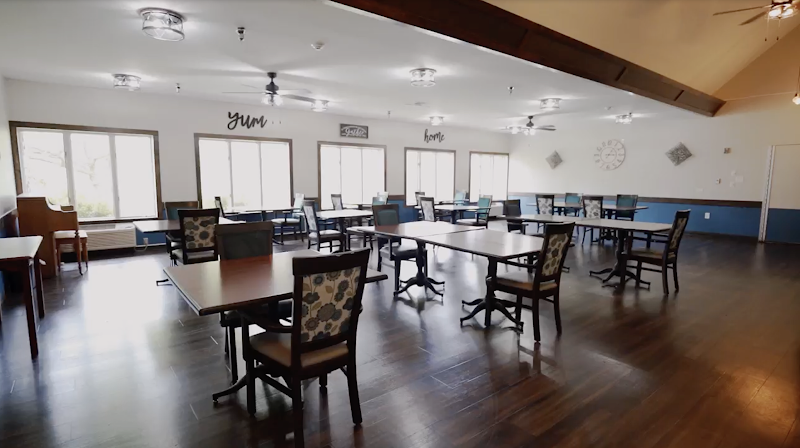
How is Majestic Care Of Fort Wayne Staffed?

CMS rates MAJESTIC CARE OF FORT WAYNE's staffing level at 1 out of 5 stars, which is much below average compared to other nursing homes. Staff turnover is 44%, compared to the Indiana average of 46%. This relatively stable workforce can support continuity of care.

What Have Inspectors Found at Majestic Care Of Fort Wayne?

State health inspectors documented 8 deficiencies at MAJESTIC CARE OF FORT WAYNE during 2023 to 2024. These included: 1 that caused actual resident harm, 6 with potential for harm, and 1 minor or isolated issues. Deficiencies causing actual harm indicate documented cases where residents experienced negative health consequences.
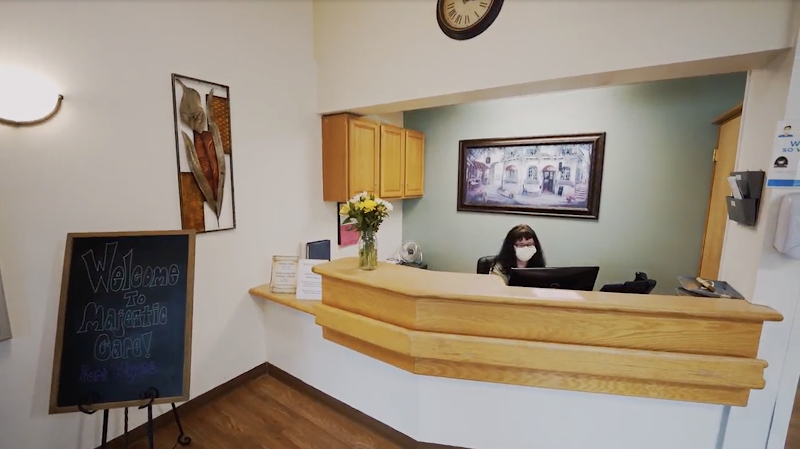
Who Owns and Operates Majestic Care Of Fort Wayne?

MAJESTIC CARE OF FORT WAYNE is owned by a for-profit company. For-profit facilities operate as businesses with obligations to shareholders or private owners. The facility is operated by MAJESTIC CARE, a chain that manages multiple nursing homes. With 70 certified beds and approximately 69 residents (about 99% occupancy), it is a smaller facility located in FORT WAYNE, Indiana.
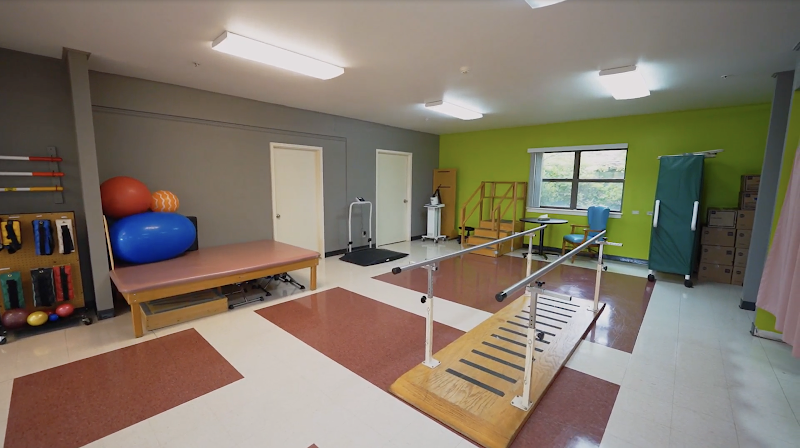
How Does Majestic Care Of Fort Wayne Compare to Other Indiana Nursing Homes?

Compared to the 100 nursing homes in Indiana, MAJESTIC CARE OF FORT WAYNE's overall rating (4 stars) is above the state average of 3.1, staff turnover (44%) is near the state average of 46%, and health inspection rating (4 stars) is above the national benchmark.

What Should Families Ask When Visiting Majestic Care Of Fort Wayne?

Based on this facility's data, families visiting should ask: "Can you walk me through typical staffing levels on day, evening, and night shifts?" "Can I visit during a mealtime to observe dining assistance and food quality?" "How do you handle medical emergencies, and what is your hospital transfer rate?" "Can I speak with family members of current residents about their experience?" These questions are particularly relevant given the below-average staffing rating.

Is Majestic Care Of Fort Wayne Safe?

Based on CMS inspection data, MAJESTIC CARE OF FORT WAYNE has a clean safety record: no substantiated abuse findings (meaning no confirmed cases of resident harm), no Immediate Jeopardy citations (the most serious violation level indicating risk of serious injury or death), and is not on the Special Focus Facility watch list (a federal program monitoring the lowest-performing 1% of nursing homes). The facility has a 4-star overall rating and ranks #1 of 100 nursing homes in Indiana. While no facility is perfect, families should still ask about staff-to-resident ratios and recent inspection results during their visit.

Do Nurses at Majestic Care Of Fort Wayne Stick Around?

MAJESTIC CARE OF FORT WAYNE has a staff turnover rate of 44%, which is about average for Indiana nursing homes (state average: 46%). Moderate turnover is common in nursing homes, but families should still ask about staff tenure and how the facility maintains care continuity when employees leave.

Was Majestic Care Of Fort Wayne Ever Fined?

MAJESTIC CARE OF FORT WAYNE has no federal fines on record. CMS issues fines when nursing homes fail to meet care standards or don't correct problems found during inspections. The absence of fines suggests the facility has either maintained compliance or corrected any issues before penalties were assessed. This is a positive indicator, though families should still review recent inspection reports for the full picture.

Is Majestic Care Of Fort Wayne on Any Federal Watch List?

MAJESTIC CARE OF FORT WAYNE is not on any federal watch list. The most significant is the Special Focus Facility (SFF) program, which identifies the bottom 1% of nursing homes nationally based on persistent, serious quality problems. Not being on this list means the facility has avoided the pattern of deficiencies that triggers enhanced federal oversight. This is a positive indicator, though families should still review the facility's inspection history directly.