MAJESTIC CARE OF JEFFERSON POINTE
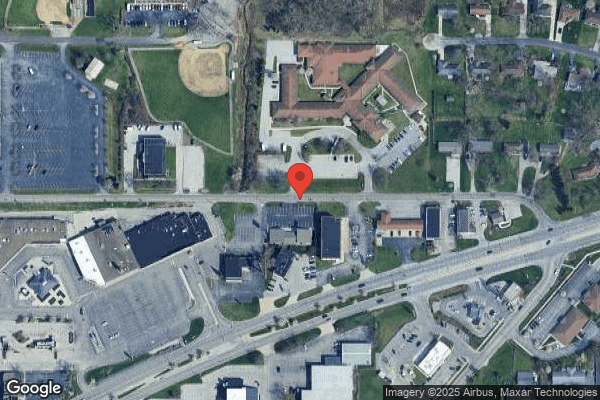
5700 WILKIE DR, FORT WAYNE, IN 46804 (260) 432-7556
For profit - Corporation 145 Beds MAJESTIC CARE Data: November 2025
Trust Grade
45/100
#363 of 505 in IN
Last Inspection: April 2025

Within standard 12-15 month inspection cycle. Federal law requires annual inspections.

Overview

Majestic Care of Jefferson Pointe has a Trust Grade of D, indicating below-average performance with some concerns. It ranks #363 out of 505 facilities in Indiana, placing it in the bottom half, and #25 out of 29 in Allen County, meaning only a few local options are worse. The facility is showing improvement, with issues decreasing from 6 in 2024 to 3 in 2025. Staffing is average, with a turnover rate of 47%, matching the Indiana state average, and no fines have been recorded, which is a positive sign. However, there have been serious incidents, including a medication error where a resident received an overdose of opioids, requiring emergency treatment, and concerns about sanitary conditions in the kitchen that could impact all residents' health.

Trust Score
D
45/100
In Indiana
#363/505
Bottom 29%
Safety Record
Moderate
Needs review
Inspections
Getting Better
6 → 3 violations
Staff Stability
⚠ Watch
47% turnover. Above average. Higher turnover means staff may not know residents' routines.
Penalties
✓ Good
No fines on record. Clean compliance history, better than most Indiana facilities.
Skilled Nurses
○ Average
Each resident gets 31 minutes of Registered Nurse (RN) attention daily — about average for Indiana. RNs are the most trained staff who monitor for health changes.
Violations
⚠ Watch
26 deficiencies on record. Higher than average. Multiple issues found across inspections.
★★☆☆☆
2.0
Overall Rating
★★☆☆☆
2.0
Staff Levels
★★★☆☆
3.0
Care Quality
★★☆☆☆
2.0
Inspection Score
Stable
2024: 6 issues
2025: 3 issues

The Good

  • Full Sprinkler Coverage · Fire safety systems throughout facility
  • No fines on record

Facility shows strength in fire safety.

The Bad

2-Star Overall Rating

Below Indiana average (3.1)

Below average - review inspection findings carefully

Staff Turnover: 47%

Near Indiana avg (46%)

Higher turnover may affect care consistency

Chain: MAJESTIC CARE

Part of a multi-facility chain

Ask about local staffing decisions and management

The Ugly 26 deficiencies on record

1 actual harm
Apr 2025 3 deficiencies
CONCERN (D)

Potential for Harm - no one hurt, but risky conditions existed

Deficiency F0557 (Tag F0557)

Could have caused harm · This affected 1 resident

Based on observation and interview the facility failed to ensure dignity was mainatined for 1 of 18 residents reviewed. (Resident 38) Findings include: During an observation, on 4/7/25 at 12:33 PM, in...

Read full inspector narrative →
Based on observation and interview the facility failed to ensure dignity was mainatined for 1 of 18 residents reviewed. (Resident 38) Findings include: During an observation, on 4/7/25 at 12:33 PM, in the dinning room on the men's memory unit, Certified Nursing Assistant (CNA) 2 was heard yelling from Resident 38's room. CNA 2 yelled down to other staff, I need a brief, pants, linens, and towels. I just don't want him walking down the hall. In an interview, on 4/7/25 at 12:50 PM, CNA 2 indicated I should have waved someone down to me. I was thinking safety over dignity. I didn't even think to use the call light. Yelling down the hall is a dignity issue. Resident 38's record review began on 4/8/25 at 8:47 AM. Diagonsis included Alzheimer's diease, unspecified. A current policy, titled Dignity dated 12/12/2024, indicated . 10. Speak respectfully to residents; avoid discussions about residents that may be overheard .12. Maintain resident privacy . 3.1-3(a)
CONCERN (E)

Potential for Harm - no one hurt, but risky conditions existed

Food Safety (Tag F0812)

Could have caused harm · This affected multiple residents

**NOTE- TERMS IN BRACKETS HAVE BEEN EDITED TO PROTECT CONFIDENTIALITY** Based on observation, record review, and interview, the facility failed to maintian sanitary conditions related to kitchen equip...

Read full inspector narrative →
**NOTE- TERMS IN BRACKETS HAVE BEEN EDITED TO PROTECT CONFIDENTIALITY** Based on observation, record review, and interview, the facility failed to maintian sanitary conditions related to kitchen equipment, hand hygiene while serving a meal, and use proper labeling. 74 of 74 residents who resided in the facility ate food received from kitchen. Findings include: During an initial observation of the kitchen on 4/6/25 at 9:00 AM, the following was observed: At the handwashing sink, inside was brown and yellow food debris. The paper towel dispenser was broken at handwashing sink. No paper towels were avilable to dry staff hands. In the dry storage, there was a cardboard box of thicker open to air. On the kitchen floor, there were spills of red and yellow liquid. terry cloth Towels were observed on the floor. The floor was greasy, visible, were large and small debris of white, black and grey pieces of food on the ground. Inside the walk-in refrigerator, there was a metal can of mustard opened with seran wrap covering the entire open top. There were 3 containers of brown liquid with no label or date. There was fruit with a date of 10/20. Inside the walk-freezer, there was ice on the floor. Also visible were peas, cardboard, asparagus and smaller unidentifiable debris on the floor. The stoves, and the grill trap was full of hot unidentifiable liquid. There were tiles missing on the wall behind the stove. At the dish washing station, there were pans, bowls, plates turned facing upside, preventing protection from debris. One the garbage can was missing a lid. During a second observation of kitchen, on 04/06/25 11:08 AM, the Dietary Manager was preparing foods for 13 resident with special diets. The Dietary Manager was observed with ungloved hands, placing meat into the grinder, then wiping her hands on her pants. A review of the cleaning schedules, dated 2/16, 2/17, 2/18, 2/19, 2/20, 2/21, and 2/22/2025 indicated there were different stations to clean on AM and PM shifts. Only 2 dates (2/18 and 2/19/25) had initials all cleaning tasks were complete. On 2/20/25 only one initial for one task was completed. The rest of the dates,had no initials to indicate the tasks were completed. The cleaning schedules dated 2/23, 2/24, 2/25, 2/26, 2/27, 2/28, and 3/1/25 indicted only one date (2/25) was initialed with one task completed. There were no other initials to indicate the tasks were completed. The cleaning schedules dated 3/2, 3/3, 3/4, 3/5, 3/6, 3/7, and 3/8/25 indicated there were no initials to indicate the tasks were completed. The cleaning schedules dated 3/9, 3/10, 3/11, 3/12, 3/13, 3/14, and 3/15/25 indicated there were no initials to indicate the tasks were completed. The cleaning schedules dated 3/16, 3/17, 3/18, 3/19, 3/20, 3/21, and 3/22/25 indicated there were no initials to indicate the tasks were completed. The cleaning schedules dated 3/23, 3/24, 3/25, 3/26, 3/27, 3/28, and 3/29/25 indicated there were no initials to indicate the tasks were completed. The cleaning schedules dated 3/30, 3/31, 4/1, 4/2, 4/3, 4/4, and 4/5/25 indicated there were no initials to indicate the tasks were completed. In an interview, on 04/07/25 at 09:18 AM, the Administrator indicated everyone residing in the facility [NAME] food prepared in the kitchen. A current facility policy, Environment, was provided by the Administrator on 4/7/25 at 9:32 AM. The policy indicated . All food preparation areas, food service areas, and dinning areas will be maintained in a clean and sanitary condition .The dinning services director will ensure that the kitchen is maintained in a clean and sanitary manner, including floors, walls, ceiling, lightings, and ventilation .The dinning services director will ensure that all employees are knowledgeable in the proper procedures for cleaning and sanitizing of all food service equipment and surfaces .All food contact surfaces will be cleaned and sanitized after each use .The dinning service director will ensure that a routine cleaning schedule is in place for all cooking equipment, food storage areas, and surfaces .All trash will be contained in covered, leak-proof containers that prevent cross contamination 3.1-21(i)(1) and (3)
CONCERN (F)

Potential for Harm - no one hurt, but risky conditions existed

Staffing Information (Tag F0732)

Could have caused harm · This affected most or all residents

Based on observation, and interview, the facility failed to ensure the daily report of nursing staff directly responsible for resident care was accurately posted. This had the potential to effect 74 o...

Read full inspector narrative →
Based on observation, and interview, the facility failed to ensure the daily report of nursing staff directly responsible for resident care was accurately posted. This had the potential to effect 74 of 74 residents. Findings include: During an observation, on 4/6/25 at 9:01 AM, next to the front desk on the wall, visible to all. There was a plastic slot with several daily staffing postings inside. The date of the visible sheet was 4/3/25. The daily posting behind was dated for 4/2/25. The third one was dated 3/28/25. The last one was dated 3/6/25. There were several staff members observed to pass by the daily postings. In an interview, on 4/6/25 at 9:15 AM, the Maintenance Director indicated, he was not sure who was supposed to change the daily posts, he thought it might be the receptionist changed them every day she worked. The manager on duty was Medical Records. In an interview, on 4/6/25 at 9:31 AM, Medical Records indicated the scheduler changed the daily posting every day, she was inthe building and would be asked to change the staffing posting. In an interview, on 4/6/25 at 11:21 AM, the scheduler indicated the postings were filled out, placed into a binder, and when she was not at the building, the staff were supposed to replace them. She did not indicate which staff were responsible for changing the postings. A current facility policy, Posting direct care daily staffing Numbers, dated 7/2016, was provided by the Regional Nurse Consultant on 4/9/25 at 8:27 AM. The policy indicated . Our facility will post, on a daily basis for each shift, the number of nursing personnel responsible for providing direct care to residents .1. within two (2) hours of the beginning of each shift, the number of Licensed Nurses ( RNs, LPNs, and LVNs) and the number of unlicensed nursing personnel (CNAs) directly responsible for resident care will be posted in a prominent location ( accessible to residents and visitors) and in a clear and readable format
Dec 2024 1 deficiency
CONCERN (D) 📢 Someone Reported This

A family member, employee, or ombudsman was alarmed enough to file a formal complaint

Potential for Harm - no one hurt, but risky conditions existed

Pharmacy Services (Tag F0755)

Could have caused harm · This affected 1 resident

Based on interview and record review, the facility failed to ensure medications were available for resident use as directed by the physician for 1 of 1 residents reviewed. (Resident S) Findings includ...

Read full inspector narrative →
Based on interview and record review, the facility failed to ensure medications were available for resident use as directed by the physician for 1 of 1 residents reviewed. (Resident S) Findings include: In an interview on 12/4/24 at 9:05 AM, LPN 2 indicated when staff administered medications, they were to check the 5 rights of the resident to prevent medication errors. She indicated when a medication was not available staff were to call the pharmacy and get authorization to use the onsite medication dispensing machine. If the machine did not have the medication, the physician and family were to be notified for further direction. In an interview on 12/4/2024 at 2:10 PM, Resident S indicated the medication he was prescribed for weight loss (Ozempic) was not being given. Resident S indicated medication was to start in August, but had not been given as directed because the facility would not obtain the medication for him. Resident S's record review began on 12/4/24 at 3:58 PM. Diagnoses included diabetes and morbid obesity. Resident S's Physicians orders dated 8/8/24 indicated to give Ozempic 0.5 mg every Thursday between 8/8 and 8/31, then give 1 mg every Thursday between 9/1 and 9/30, then give 2 mg every Thursday thereafter. Resident S's Medication Administration Record (MAR) indicated the following: Dated August 2024 indicated there was no documentation the Ozempic was given on 8/15/24. Dated November 2024 indicated Ozempic had not been given on 11/7/24 Progress notes dated 8/14/24 through 8/16/24 did not indicate the reason the Ozempic was not given, and did not include physician or family notification. Progress notes, dated 11/6/24 through 11/8/24, did not indicate the reason the Ozempic was not given, and did not include physician or family notification. In an interview, on 12/4/24 at 4:33 PM, the Director of Nursing indicated the pharmacy had supply issues with obtaining the Ozempic. She indicated the Endocrinologist had wanted the resident to only be on Ozempic, but the medication had been difficult to obtain. She indicated the facility tried to offer alternative medications suggested by the pharmacy, but the resident and physician refused the alternatives. She indicated the facility was able to finally receive a multi-dose/use pen and was administering Ozempic to the resident as prescribed. She was unable to proved documentation of the pharmacy supply issue. This Federal citation is related to complaint IN00447546. 3.1-25(a)
May 2024 2 deficiencies
CONCERN (D) 📢 Someone Reported This

A family member, employee, or ombudsman was alarmed enough to file a formal complaint

Potential for Harm - no one hurt, but risky conditions existed

Resident Rights (Tag F0550)

Could have caused harm · This affected 1 resident

Based on interview and record review, the facility failed to ensure a resident was treated with respect and dignity for 1 of 3 residents reviewed. (Resident F) Findings include: A record review bega...

Read full inspector narrative →
Based on interview and record review, the facility failed to ensure a resident was treated with respect and dignity for 1 of 3 residents reviewed. (Resident F) Findings include: A record review began on 5/22/24 at 10:30 AM of an incident that occurred between Resident F and Certified Nurses Aide 6 (CNA). On 4/18/24, no time specified, CNA 6 was observed having a disagreement with Resident F. Resident F was also on the phone with a family member at the time. CNA 6, heard the resident mention something regarding CNA 6 to the family member. Then CNA 6 put their middle finger up and gestured toward the resident. The immediate action from facility: CNA 6 was immediately suspended pending investigation. Physician, Pysch services, and family were notified. On 5/22/24 at 10:45 AM, Resident F's record was reviewed. Diagnoses included, Chronic Obstructive Pulmonary disease with acute exacerbation. A quarterly MDS (Minimum Data Set) assessment, dated 4/12/24, brief mental status interview indicated Resident F had no cognitive impairment. In an interview on 05/22/24 at 2:08 PM, Resident F indicated CNA 6 put a finger in their face. The resident indicated she had never been scared of her and wasn't then. The resident was beyond pissed off, not intimidated, scared, or fearful. The resident was so mad she hung up the phone on her niece who called right back. In an interview on 05/23/24 at 7:59 AM, the Executive Director indicated CNA 6 was employed by the facility 26 yrs with no prior incidents or issues and was well liked. Resident F showed no signs of distress following the incident with no further complaints. The Executive Director confirmed the incident did apparently happen regarding Resident F being flipped off. The employee was terminated. A current facility policy, Resident's Right, date 10/19 was provided by the Regional Clinical Nurse on 5/23/24 at 12:30 PM. The policy indicated . All care team members recognize the rights of residents at all times and residents assume their responsibilities to enable dignity, respect, and proper delivery of care This Federal citation is related to complaint IN00432880. 3.1-3(a)
CONCERN (D)

Potential for Harm - no one hurt, but risky conditions existed

Deficiency F0761 (Tag F0761)

Could have caused harm · This affected 1 resident

Based on observation, interview, and record review the facility failed to ensure labeling of open date for 1 of 3 carts reviewed affecting 3 residents. (Resident 9, Resident 14, Resident 92). Findings...

Read full inspector narrative →
Based on observation, interview, and record review the facility failed to ensure labeling of open date for 1 of 3 carts reviewed affecting 3 residents. (Resident 9, Resident 14, Resident 92). Findings include: During an observation with interview on 05/21/24 at 9:33 AM on [NAME] Hall with QMA 3 (Qualified Medical Assistant), the medication room and medication cart was well labeled. QMA 3 indicated all meds were to be labeled with an open date when opened and a discard or expiration date. During an observation with interview on 05/22/24 at 01:12 PM in the East Hall medication room and medication cart. The East Hall cart had three opened medications without an open date. The medications were as follows: Resident 9 cough syrup liquid the silver seal was punctured. Resident 14 polyethylene glycol powder the seal was removed; about a half a bottle remained. Resident 92 milk of magnesia the seal was removed. QMA 4 was labeling Resident 14's and Resident 92's medication bottles with the date 5/15/24. QMA 4 indicated one of the 2 residents was a recent admit and she was aware the other resident's meds came near the same time. 1) Resident 9's record was reviewed on 5/23/24 at 9:03AM. Her diagnosis included lung disease and muscle weakness. Resident 9' s MAR (Medication Administration Record) indicated cough syrup was not administered in the month of May 2024. The bottle of cough syrup was labeled during observation with an open date of 5/15/24. The order for cough syrup was as needed every 4 hours. 2) Resident 14's record was reviewed on 5/23/24 at 9:32AM. His diagnosis included chronic kidney disease and constipation. An order for polyethylene glycol powder was dated 4/29/23. The polyethylene glycol powder for constipation was last administered 5/22/24. 3 )Resident 92's record was reviewed on 5/23/24 at 9:40AM. Her diagnosis included adult failure to thrive and cognitive impairment. An order for milk of magnesia every 24 hours as needed for constipation if no bowel movement for 3 days; was dated 4/26/24. Milk of Magnesia was not administered from May 1 to May 22, 2024, according to a review of the May MAR (Medication Administration Record). The bottle of Milk of Magnesia should not have been opened on 5/15/24 as Resident 92 record indicated she was not administered the medication on 5/15/24. In an interview on 5/23/24 at 10:07AM the Regional Nurse Consultant indicated they were doing quality measures with cart audits. A review of the cart audits indicated ongoing issues of medications without dates from February, March, and April 2024. The May audit was not available for review. A policy titled, Medication Storage, was not dated. The policy did not indicate the labeling of medications in the cart in multiple use packaging. Including labeling with open and discard date. No other policy was made available at the time of exit. 3.1-25(j)(m)(n)
Feb 2024 2 deficiencies 1 Harm
SERIOUS (G) 📢 Someone Reported This

A family member, employee, or ombudsman was alarmed enough to file a formal complaint

Actual Harm - a resident was hurt due to facility failures

Deficiency F0760 (Tag F0760)

A resident was harmed · This affected 1 resident

**NOTE- TERMS IN BRACKETS HAVE BEEN EDITED TO PROTECT CONFIDENTIALITY** Based on interview and record review the facility failed to ensure residents were free from significant medication errors for 2 ...

Read full inspector narrative →
**NOTE- TERMS IN BRACKETS HAVE BEEN EDITED TO PROTECT CONFIDENTIALITY** Based on interview and record review the facility failed to ensure residents were free from significant medication errors for 2 of 4 residents reviewed for medication errors. The deficient practice resulted in Resident B experiencing altered mental status that required emergent treatment at the facility for opioid overdose and hospitalization for chest pain. The deficient practice resulted in Resident C experiencing altered mental status with lethargy that required hospitalization. (Resident B, Resident C). 1. An Indiana Department of Health (IDOH) facility-reported incident report was provided by the Administrator on 2/13/24 at 1:00 P.M. The report indicated Resident B had returned from the pain management clinic on 1/19/24 with a new medication order for Suboxone 2.0-0.5 milligram one tablet SL every eight hours for pain. The report indicated the Assistant Director of Nursing (ADON) entered the new order into the electronic medication administration record (EMAR). The report indicated the correct amount of tablets for administration had been inaccurately transcribed into the EMAR as eight and LPN 5 incorrectly administered eight tablets of the opioid medication on 1/19/24 at 9:00 P.M. and 1/20/24 at 5:00 A.M. The report indicated Resident B required a rescue dose of Narcan (an antagonist medication to reverse an opioid overdose) and emergent transfer to the hospital for treatment of altered mental status. The incident report indicated LPN 6 questioned the amount of tablets during medication preparation activities, on 1/20/24 at 1:00 P.M. and held the dose. Resident B's record was reviewed on 2/13/24 at 1:00 P.M. Diagnoses included congestive heart failure, end stage renal disease and chronic pain syndrome. A Quarterly MDS (Minimum Data Set) assessment dated [DATE], indicated Resident B had no cognitive impairment, was able to understand and able to make himself understood. A pain management visit note, dated 01/18/2024, indicated Resident B received a new medication order to refill Suboxone (brand name for buprenorphine/naloxone) (an opioid pain medication) 2.0-0.5 milligram (mg) one tablet sublingual (SL) every eight hours for pain. A nursing note, dated 1/20/24 at 1:00 P.M., indicated staff noted Resident B was lethargic and was unable to speak. The nurse indicated the resident had a medication order for Suboxone 8 tablets. The note indicated Narcan was administered three minutes apart. An order to send to the emergency room was obtained. The note also indicated Resident B had refused to go to the emergency room. A nursing note, dated 1/20/24 at 9:30 PM, indicated Resident B was very lethargic with garbled speech. The note indicated Narcan was given twice and the resident had clear speech after 15 minutes. The note indicated Resident B expressed chest pain and was sent to the hospital. The Medication Administration Record (MAR), dated 1/19/24 - 1/20/24 indicated Resident B received eight tablets of Suboxone on 1/19/24 at 9:00 P.M. and 1/20/24 at 5:00 A.M. During an interview on 2/14/24 at 11:30 AM, the Administrator indicated Resident B had returned from the pain management doctor with a new prescription for Suboxone. The Administrator indicated the ADON (Assistant Director of Nursing) assisted nursing staff by entering the order into the resident's MAR, but the ADON entered the order incorrectly. The Administrator indicated the order from the pain management doctor was to administer 1 tablet of Suboxone 2-0.5 mg every 8 hours for pain, but the ADON incorrectly entered the amount of tablets as eight. The Administrator indicated the medication was inaccurately administered on 01/19/24 at 9:00 P.M. and 01/20/24 at 5:00 A.M. and LPN 6 identified the error on 01/20/24 at 1:00 P.M. The Administrator indicated Resident B was sent to the emergency room. According to drugs.com, in the event of overdose, the respiratory and cardiac status of the patient should be monitored carefully. When respiratory or cardiac functions are depressed, primary attention should be given to the re-establishment of adequate respiratory exchange through provision of a patent airway and institution of assisted or controlled ventilation. Oxygen, IV fluids, vasopressors, and other supportive measures should be employed as indicated. 2. In a confidential interview on 2/13/24 at 1:45 P.M., a family member indicated Resident C had received three times the ordered dosage of gabapentin (an anticonvulsant medication) and the wrong dosage of Depakote (divalproex sodium) (an anticonvulsant medication). The family indicated Resident C was in the hospital for 3 days. Resident C's record was reviewed on 2/13/24 at 2 PM. Diagnoses included end stage renal disease, bipolar disorder, schizophrenia, behavioral disturbances, and seizures. A nursing note, dated 1/11/24, entered by LPN 3, indicated a new order was received for gabapentin 300 mg TID (three times a day) and Depakote 500mg BID (two times a day) for behavioral disturbances, seizures, and bipolar disorder. An untimed neurology physician's order, dated 1/11/24, indicated Resident C should receive gabapentin 300 mg one capsule at hs (bedtime). (total 300 mg daily) The January 2024 MAR indicated Resident C received gabapentin 300 mg as follows: 01/12/24- 9:00 AM, 1:00 P.M., and 5:00 P.M. 01/13/24- 9:00 AM, 1:00 P.M., and 5:00 P.M. 01/14/24- 9:00 AM, 1:00 P.M., and 5:00 P.M. An untimed neurology physician's order, dated 1/11/24, indicated Resident C should receive Depakote ER (extended release) 500 mg two tablets twice daily. (total 2,000 mg daily) The January 2024 MAR indicated Resident C received Depakote 500 mg one tablet as follows: 01/12/24- 7:00 A.M. and 6:00 P.M. 01/13/24- 7:00 A.M. and 6:00 P.M. 01/14/24- 7:00 A.M. and 6:00 P.M. The MAR indicated Resident C received 1000 mg of the anticonvulsant medication daily for three days. A nursing note, dated 1/15/24, indicated Resident C had an altered mental status, was lethargic, and was sent to the hospital. During an interview on 2/14/24 at 1:09 P.M., LPN 2 indicated when a new order was received from the physician, he would verify the order and enter the data into the computer. LPN 2 indicated if he didn't have time the unit manager entered orders. LPN 2 indicated when while entering and/or administering medication he would verify the order with the Nurse Practitioner if anything seemed odd. During an interview on 2/14/24 at 1:14 P.M., Qualified Medication Aide (QMA) 4 indicated new orders were entered into the patient's chart by the nurse or unit manager. QMA 4 indicated it is her usual practice to doublecheck an order with the nurse, unit manager, or MDS Coordinator when she has questions while preparing medication for administration. QMA 4 also indicated nurses are not to enter orders of medication changes without permission from the nurse practitioner and/or prescribing doctor. According to Mayoclinic.org, Depakote levels need to be kept within therapeutic levels to prevent seizure activity. The website indicated the medication should be taken exactly as ordered. Taking inadequate dosages of the medication Depakote could result in intractable seizures (seizures that cannot be stopped easily). According to Drugs.com, Gabapentin side effects may result in dizziness, sleepinesss, and weakness. If overdose is suspected, poison control should be called right away and medical care should be started immediately. The website indicated to be ready to tell or show what was taken, how much and when it happened. A policy, dated 10/2023, titled Medication Errors, was provided by the Regional Consultant on 2/14/24 at 1:34 PM. The policy indicated medications are administrated per the physician's orders. The policy also indicated when dosage orders were written and not within the usual dosages/frequency range, the nurse was to clarify the orders with the physician and/or NP. The facility corrected the deficient practice prior to the beginning of the current survey, on 2/1/2024, after completing review of all orders of residents who received orders from the pain management clinic, progress notes, educating staff on questioning orders outside of dosage/ frequency range, and monitoring new orders daily x 4 weeks, then every weekday x 5 months. This citation relates to Complaints IN00426663 and IN00426877. 3.1-48(c)(2)
CONCERN (D) 📢 Someone Reported This

A family member, employee, or ombudsman was alarmed enough to file a formal complaint

Potential for Harm - no one hurt, but risky conditions existed

Free from Abuse/Neglect (Tag F0600)

Could have caused harm · This affected 1 resident

Based on interview and record review the facility failed to ensure residents were free from verbal abuse for 1 of 6 residents reviewed (Resident F). Findings include: A facility reported incident wa...

Read full inspector narrative →
Based on interview and record review the facility failed to ensure residents were free from verbal abuse for 1 of 6 residents reviewed (Resident F). Findings include: A facility reported incident was provided by the Administrator on 2/13/24 at 1 PM. The report indicated Resident F had reported to the staff about an incident with Licensed Practical Nurse 3. The report indicated on 1/22/24, LPN 3 had made the comment you mean, miserable man - people like you in my country, we cut their heads off. An investigation file was provided by the Administrator on 2/14/24 at 11:30 AM. The filed statements indicated the following: - Dated 1/23/24 by Resident F indicated on 1/22/24 LPN 3 had assisted with setting up Resident F's breathing treatment and LPN 3 had knocked a few things off the resident's night stand. The statement indicated Resident F stated to LPN 3 you just don't know what you are doing, do you? LPN 3 responded Im African, people like you get their heads cut off in my country. - Dated 1/29/24 by LPN 3 indicated on 1/22/24 LPN 3 while setting up Resident F's breathing treatment, Resident F stated 'you just don't know what you are doing, do you? The statement indicated Resident F then called LPN 3 a stupid Africian. LPN 3 indicated he responded I'm am trying to get along with you. LPN 3 indicated he stated I'm African, people like you get their heads cut off in my country. During an interview on 2/14/24 at 11:30 AM, the Administrator indicated Resident F had reported an incident with LPN 3. Resident F indicated LPN 3 made inappropriate comments to the resident, such as I'm African, people like you in my country, we chopped their heads off. The Administrator indicated he interviewed Resident F and LPN 3 and found the statements to be accurate. The Administator indicated LPN 3 was terminated. A policy, dated 2/2018, titled Abuse prevention program, was provided by the Regional Consultant on 2/14/24 at 1:34 PM. The policy indicated verbal abuse was the use of any oral, written or gestured language that willfully included disparaging and derogatory terms to the residents and/or families regardless of age, ability to comprehend or disability. This citation relates to Complaint IN00426890. 3.1-27(b)
Jan 2024 1 deficiency
CONCERN (E) 📢 Someone Reported This

A family member, employee, or ombudsman was alarmed enough to file a formal complaint

Potential for Harm - no one hurt, but risky conditions existed

Food Safety (Tag F0812)

Could have caused harm · This affected multiple residents

**NOTE- TERMS IN BRACKETS HAVE BEEN EDITED TO PROTECT CONFIDENTIALITY** Based on observation, interview, and record review the facility failed to ensure safe food handling, serving temperatures, and s...

Read full inspector narrative →
**NOTE- TERMS IN BRACKETS HAVE BEEN EDITED TO PROTECT CONFIDENTIALITY** Based on observation, interview, and record review the facility failed to ensure safe food handling, serving temperatures, and storage. 87 residents resided in the facility. Findings include: 1. During an observation on, 1/17/24 at 8:06AM, gnats were flying around near the dish washing sink and food serving island. There was a moderate amount of food debris around the serving island. Under the island there were crumbs noted. The crumbs varied in size, consistency, and color (yellow, brown, and black) The two smaller trash cans did not have liners present. The one closest to the serving island had debris visualized inside. Observed built up black residue in all corners of the floor under cabinets, the serving island, and in the corners of the rooms. In an interview on 1/17/24 at 8:15AM, the Dietary Manager (DM), indicated the gnats had been a problem for around 6 weeks. She indicated she spoke with her supervisor, the Dietician, and was told to speak with the facilities maintenance director. The DM indicated she did this four weeks ago and then again 2 weeks later. The DM indicated she did not fill out any maintenance requests or work orders or document these conversations. The DM indicated she had been replacing all the liners under the pans herself and cleaned out the trap on the grease container on 1/1/24 herself. The DM indicated the machines such as sanitizer, grease trap, plate warmer, refrigerators, freezers, etc. were the responsibility of maintenance. The DM indicated pest control came, sprayed once for the gnats and it made them worse rather than better. The DM was under the impression maintenance was to aid in getting rid of the gnats. In an interview, on 1/18/24 at 8:41AM, Maintenance indicated the gnats in the kitchen were from the garbage disposal down to the drain. The catch was there to catch anything too big to go in the grease trap or the drain and should be thoroughly cleaned at a minimum every other day. Maintenance indicated the catch was where gnats were nesting and feasting. Maintenance indicated dietary was aware they were to clean the catch and how to clean the catch. Maintenance further indicated pest control had been out and taken care of the issue. Maintenance indicated he did not receive nor had any outstanding work orders from dietary or the kitchen. The DM provided their current cleaning list. The DM indicated the kitchen did not have a weekly, monthly, or deep cleaning list to follow. A sheet labeled [NAME] Cleaning Assignments did have an area for initials. No initials or date was present on the list provided. There was no date on the cleaning sheet. The list held a check off for Monday through Friday on one sheet of paper with boxes in column for am and pm. The task was listed as follows: Steam table (Drain/clean out) Deep Clean wall by Robot Coup Clean out Toaster. Clean griddle/grease trap Clean out left over cooler. Steamer Wipe counters In/out of trash can Sweep and mop kitchen. Pot and pan storage area. Below table counters Utensil drawer Back wall The AM had check marks on Monday, Tuesday, Thursday, and Friday, but none on Wednesday. The PM had check marks on Tuesday and Wednesday only, but no mrks for Monday, Thursday, or Friday. 2. A review of food temperature logs on 1/17/24 at 8:32 with DM indicated on 1/6/24 Oatmeal, vegetable blend and carrots temped at 100 degrees. The DM indicated all food should be served at 135 degrees or more. The DM indicated if food was below 135 it should have been reheated. Food temperature logs indicated hot foods were to be 135 degrees or greater and all cold foods under 41. Logs dated: 12/23/23 indicated Breakfast Main entrée 100. Main entrée, Mechanical soft 100, Main Entrée, Puree 100. 12/25/23 Breakfast Main entrée 100, Main entrée, Mechanical soft 100, Main Entrée, Puree 100. Lunch Alternate entrée 100, Alternate, mechanical soft 100, alternate, puree 100, main starch 120, main starch mechanical soft 120, main starch puree 120, and alternate starch 120 12/27/23 Breakfast Main entrée eggs 120, main entrée mechanical soft 120, main entrée puree 120. 1/2/24 Breakfast Hot cereal 120, hot cereal puree 120, main entrée (listed as eggs) 130, main entrée mechanical soft 130. There is no temp listed for main entrée puree. 1/3/24 Dinner Main starch 125, Main starch Mechanical soft 125, Main starch Puree 125, alternate starch 125, alternate starch Mechanical soft 125, alternate starch Puree 125 1/4/24 Lunch Main vegetable 100, Main vegetable puree 100. 3. During an interview and observation, on 1/18/24 at 8:32AM, CNA 3 (Certified Nursing Assistant) indicated it was everyone responsibility to ensure temperatures were taken daily for refrigerator and freezer in the pantry of 300 East Hall. CNA 3 indicated she was unable to locate a temp log for the freezer and the refrigerator was not up to date as noted. CNA 3 indicated only client food went into the refrigerator and freezer. CNA 3 indicated housekeeping cleaned the pantry. The room had a strong sour odor. The trash can had no liner and was visibly dirty. The refrigerator temperature log had a spot for month which indicated [DATE]. Then columns for date, temp, food date with expiration, clean yes/no. The findings were as follows: Date 1/1 temp 38 food date with expiration checked clean not checked yes or no. Date 1/2 temp 38 no other information for food date with expiration or checked clean yes or no. Date 1/3 temp 39 no information for food date and expiration checked or clean yes or no. Date ¼ temp 39 no information for food date and expiration checked or clean yes or no. Dates 1/5 through 1-11 temps 38 no information for food date and expiration or clean yes or no No information for dates 1/12 through 1/18 and no freezer information on the form or found on the unit. During an interview and observation, on 1/18/24 at 8:52AM, QMA 6 located on [NAME] Hall indicated the refrigerator and freezer temps should be current in the pantry. QMA 6 was of the understanding only resident food was to be stored in the pantry. There was no liner in trash can with food and gnats visible. The freezer had a frozen bottle of soda. There was no temp log for the freezer visible or of known location. The refrigerator temp log same form used as east hall had temps for dates 1/1 through 1/11 with no information regarding if food date with expiration was checked or if the refrigerator was clean yes or no. No information was recorded for 1/12. On 1/13 there was a temperature. There was no information for 1/14 through 1/18. A policy titled, Monitoring of Cooler/Freezer Temperature with a date 2023, provided by the Regional Nurse Consultant on 1/18/24 at 4:18PM, indicated .1. Logs for recording temperatures for each refrigerator or freezer will be posted visible location outside the freezer or refrigerator unit. A. temperatures will be checked and logged at least twice per day by designated personnel. A policy titled, Environment with a date 6/2021, provided by the Administrator on 1/18/24 at 4:28PM, indicated .1. The dining services director will ensure the kitchen is maintained in a clean and sanitary manner, including floors, walls, ceilings, lighting, and ventilation. A policy titled, Food Preparation with a date 2/2023, provided by the Administrator on 1/18/24 at 4:38PM, indicated .4. The dining services director/cook will be responsible for food preparation techniques to minimize the amount of time food items are exposed to temperatures less135 degrees per state regulation. This Citation is related to Complaint IN00425293. 3.1-4.5-5
Oct 2023 4 deficiencies
CONCERN (D) 📢 Someone Reported This

A family member, employee, or ombudsman was alarmed enough to file a formal complaint

Potential for Harm - no one hurt, but risky conditions existed

Quality of Care (Tag F0684)

Could have caused harm · This affected 1 resident

**NOTE- TERMS IN BRACKETS HAVE BEEN EDITED TO PROTECT CONFIDENTIALITY** Based on interview and record review the facility failed to ensure timely physician notification for 1 of 3 residents reviewed. ...

Read full inspector narrative →
**NOTE- TERMS IN BRACKETS HAVE BEEN EDITED TO PROTECT CONFIDENTIALITY** Based on interview and record review the facility failed to ensure timely physician notification for 1 of 3 residents reviewed. (Resident B) Findings include: An event reported by the facility to the Indiana Department of Health indicated there was a concern for a resident who had inflicted self-injuries with a razor. In an interview on 10/27/23 at 10:25 AM the Administrator indicated Resident B had self-injured their left arm with a razor. The Administrator indicated they were unaware of how the resident had obtained a razor. Resident B's record was reviewed on 10/27/23 at 10:50 AM. Diagnoses included schizoaffective disorder, bipolar disorder, alcohol dependence, nicotine dependence, major depressive disorder, generalized anxiety disorder, non-Alzheimer's dementia, insomnia, other unspecified behavioral disturbances and impulse disorder. Resident B's current comprehensive Minimum Data Set (MDS) dated [DATE] indicated their Basic Interview for Mental Status (BIMS) score was 9 (moderate cognitive impairment). The MDS indicated the resident felt hopeless or depressed, had trouble sleeping, felt tired with minimal energy, felt restless, moved slowly and spoke slowly nearly every day. A physician order dated 8/1/23 indicated Resident B could be treated by a Psychiatrist and a Psychologist. Resident B's Level 2 Preadmission Screening and Resident Review (PASRR) dated 12/10/21 indicated the resident had an extensive history of inpatient psychiatric admissions due to elopement, refusing medications and physical aggression. The resident was no longer a candidate for assisted living arrangements due to frequent alcohol intoxication and disruptive behaviors. Resident B required specialized mental health services. Resident B's current care plan focus dated 8/2/23 and revised on 8/16/23 with a goal of psychosocial, mental and behavioral needs being met dated 11/1/23 indicated the resident had a problem of behaviors. Interventions included allowing time for resident to answer questions and verbalize feelings. Other interventions included behaviors and follow Level 2 PASSR recommendations. Resident B's behaviors were not specified. Resident B's Level 2 PASSR recommendations were not specified. Resident B's current care plan focus of schizoaffective disorder, substance use disorder, alcohol abuse and alcohol dependence dated 8/13/23 and a goal date of 11/1/23 indicated the resident had a risk of decreased psychosocial wellbeing. Interventions included mental health services. A progress note dated 10/17/23 indicated Resident B had been evaluated due to the facility nursing staff's report of self-inflicted wounds on the resident's left arm. The writer indicated the nursing staff had reportedly observed Resident B's self inflicted cuts over the weekend on 10/14/23. Resident B had indicated to the staff their injuries were from scratching. The writer indicated the nursing staff later reported the resident had been eating gloves and placing foreign objects wrapped in gloves inside their body cavities. The writer referred the resident to psychiatric services. There was no documentation of the physician having been notified of Residnet B's self injurous behavior on 10/14/23. A Psychiatry Initial Consult dated 10/18/23 at 11:09 AM indicated Resident B had been evaluated for an initial baseline visit for management of psychotropic medications and psychiatric conditions.The consult indicated Resident B had been admitted to a different long-term care facility on 12/3/21 due to a significant history of alcohol and substance abuse which could not be managed in assisted living facilities. Resident B had no permanent address and no support system. Resident B had exhibited poor insight and poor safety awareness at previous facilities. Resident B had displayed behaviors including rapid mood change, striking nursing staff, disobeying facility rules and elopement at previous facilities. The current facility staff had reported removing 3 razors from Resident B's room. The current facility staff had reported Resident B had been eating non-edible items and had placed cigarettes and soap inside their body cavities. Resident B indicated scratches on their arm was due to having had a fall. The writer had then confirmed the facility staff who had worked the previous weekend had observed Resident B's cuts. In an interview on 10/27/23 at 11:25 AM the Administrator indicated Resident B's self-inflicted injury had occurred on 10/17/23. The Administrator indicated they were unaware of 3 documentation entries that reflected the event happened on 10/14/23. The Administrator indicated they were made aware of Resident B's self-injury on 10/17/23. RN 4 indicated they were present when the Administrator was made aware of the event of 10/17/23. The Administrator and RN 4 indicated the physician and facility management should have been made aware immediately. The Administrator indicated the facility had been without a full time Social Service Dirctor (SSD) until a month ago. In an interview on 10/27/23 at 12:43 PM Registered Nurse (RN) 4 indicated Resident B did not voice a history of trauma, self-harm or suicidal ideation. RN 4 indicated Resident B is self-isolating and likes to be alone. RN 4 indicated they did not believe self-isolating behavior was a predictor of self-harm. RN 4 indicated a resident who presented with the combination of self-isolation, various mental health diagnoses, no family support, addiction and aggressive behavior would benefit from receiving psychiatric services. RN 4 indicated the facility had been trying to transfer Resident B to a more appropriate environment, but choices were limited due to the resident's age. In an interview on 10/27/23 at 12:53 PM the SSD indicated they had not been employed at the facility when Resident B was admitted . The SSD indicated all residents should be assessed for trauma upon admission. The SSD indicated the resident should have been receiving mental health services since the time of admission. The Facility assessment dated 5/23 indicated the facility would manage the care of individuals with depression, trauma, post-traumatic stress disorder, (PTSD) and other psychiatric diagnoses. The Facility Assessment indicated the facility would identify hazards and risks for residents. This citation is related to complaint IN00419911. 3.1-37
CONCERN (D) 📢 Someone Reported This

A family member, employee, or ombudsman was alarmed enough to file a formal complaint

Potential for Harm - no one hurt, but risky conditions existed

Deficiency F0699 (Tag F0699)

Could have caused harm · This affected 1 resident

**NOTE- TERMS IN BRACKETS HAVE BEEN EDITED TO PROTECT CONFIDENTIALITY** Based on interview and record review the facility failed to ensure the recognition provision of trauma informed care for 1 of # ...

Read full inspector narrative →
**NOTE- TERMS IN BRACKETS HAVE BEEN EDITED TO PROTECT CONFIDENTIALITY** Based on interview and record review the facility failed to ensure the recognition provision of trauma informed care for 1 of # 3 residents reviewed. (Resident B) Findings include: An event reported by the facility to the Indiana Department of Health indicated there was a concern for a resident who had inflicted self-injuries with a razor. Resident B's record was reviewed on 10/27/23 at 10:50 AM. Diagnoses included schizoaffective disorder, bipolar disorder, alcohol dependence, nicotine dependence, major depressive disorder, generalized anxiety disorder, non-Alzheimer's dementia, insomnia, other unspecified behavioral disturbances and impulse disorder. Resident B's current comprehensive Minimum Data Set (MDS) dated [DATE] indicated their Basic Interview for Mental Status (BIMS) score was 9 (moderate cognitive impairment). The MDS indicated the resident felt hopeless or depressed, had trouble sleeping, felt tired with minimal energy, felt restless, moved slowly and spoke slowly nearly every day. Resident B's Level 2 Preadmission Screening and Resident Review (PASRR) dated 12/10/21 indicated the resident had an extensive history of inpatient psychiatric admissions due to elopement, refusing medications and physical aggression. The resident was no longer a candidate for assisted living arrangements due to frequent alcohol intoxication and disruptive behaviors. A progress note dated 10/17/23 indicated Resident B had been evaluated by the Nurse Practitioner due to the facility nursing staff's report of self-inflicted wounds on the resident's left arm. The Writer indicated the nursing staff had reportedly observed Resident B's self- injuries over the weekend on 10/14/23. Resident B had indicated their injuries were from scratching. The writer indicated the nursing staff later reported the resident had been eating gloves and placing foreign objects wrapped in gloves inside their body cavities. A Psychiatry Initial Consult dated 10/18/23 at 11:09 AM indicated Resident B had been evaluated for an initial baseline visit for management of psychotropic medications and psychiatric conditions. The consult indicated Resident B had been admitted to a long-term care facility on 12/3/21 due to a significant history of alcohol and substance abuse which could not be managed in assisted living facilities. Resident B had no permanent address and no support system. Resident B had exhibited poor insight and poor safety awareness at previous facilities. Resident B had displayed behaviors including rapid mood change, striking nursing staff, disobeying facility rules and elopement at previous facilities. The current facility staff had reported removing 3 razors from Resident B's room. The current facility staff had reported Resident B had been eating non-edible items and had placed cigarettes and soap inside their body cavities. Resident B indicated they had scratches due to having had a fall. The writer indicated staff had observed Resident B cutting themselves with a razor. A Social Service History Initial Review dated 10/9/23 indicated Resident B had memories of a difficult early childhood. The review indicated Resident B did not have any family support and her parents' names were unknown. The review indicated Resident B indicated they did not want to discuss past traumatic events that had continued to impact their life. Resident B's current care plan focus of being newly admitted to the facility with a goal of psychosocial, mental and behavioral needs being met dated 11/1/23 indicated the resident had a problem of behaviors. Interventions included allowing time for resident to answer questions and verbalize feelings. Other interventions included behaviors and to follow Level 2 PASSR recommendations. Resident B's behaviors were not specified. Resident B's Level 2 PASSR recommendations were not specified. In an interview on 10/27/23 at 12:43 PM Registered Nurse (RN) 4 indicated Resident B did not voice a history of trauma. RN 4 indicated Resident B was self-isolating and liked to be alone. RN 4 indicated they did not believe self-isolating behavior meant the resident had a history of trauma. RN 4 indicated the combination of self-isolation, various mental health diagnoses, no family support, addiction and aggressive behavior could be signs of a traumatic history. RN 4 indicated the facility had been trying to transfer Resident B to a more appropriate environment, but choices were limited due to the resident's age. In an interview on 10/27/23 at 12:53 PM the Social Service Director (SSD) indicated they had not been employed at the facility when Resident B was admitted . The SSD indicated all residents should be assessed for trauma upon admission. A current policy dated 3/2019 provided by the DON indicated the facility would implement universal trauma screenings for all residents. The Facility assessment dated 5/23 indicated the facility would manage the care of individuals with depression, trauma, post-traumatic stress disorder, (PTSD) and other psychiatric diagnoses. The Facility Assessment indicated the facility would identify hazards and risks for residents. This citation is related to complaint IN00419911.
CONCERN (D) 📢 Someone Reported This

A family member, employee, or ombudsman was alarmed enough to file a formal complaint

Potential for Harm - no one hurt, but risky conditions existed

Deficiency F0742 (Tag F0742)

Could have caused harm · This affected 1 resident

**NOTE- TERMS IN BRACKETS HAVE BEEN EDITED TO PROTECT CONFIDENTIALITY** Based on interview and record review the facility failed to assess and track behavior for 1 of 3 residents reviewed. (Resident B...

Read full inspector narrative →
**NOTE- TERMS IN BRACKETS HAVE BEEN EDITED TO PROTECT CONFIDENTIALITY** Based on interview and record review the facility failed to assess and track behavior for 1 of 3 residents reviewed. (Resident B) Findings include: An event reported by the facility to the Indiana Department of Health indicated there was a concern for a resident who had inflicted self-injuries with a razor. In an interview on 10/27/23 at 10:25 AM the Administrator indicated Resident B had self-injured their left arm with a razor. The Administrator indicated they were unaware of how the resident had obtained a razor. Resident B's record was reviewed on 10/27/23 at 10:50 AM. Diagnoses included schizoaffective disorder, bipolar disorder, alcohol dependence, nicotine dependence, major depressive disorder, generalized anxiety disorder, non-Alzheimer's dementia, insomnia, other unspecified behavioral disturbances and impulse disorder. Resident B's current comprehensive Minimum Data Set (MDS) dated [DATE] indicated their Basic Interview for Mental Status (BIMS) score was 9 (moderate cognitive impairment). The MDS indicated the resident felt hopeless or depressed, had trouble sleeping, felt tired with minimal energy, felt restless, moved slowly and spoke slowly nearly every day. A physician order dated 8/1/23 indicated Resident B could be treated by a Psychiatrist and a Psychologist. Resident B's Level 2 Preadmission Screening and Resident Review (PASRR) dated 12/10/21 indicated the resident had an extensive history of inpatient psychiatric admissions due to elopement, refusing medications and physical aggression. The resident was no longer a candidate for assisted living arrangements due to frequent alcohol intoxication and disruptive behaviors. Resident B required specialized mental health services. Resident B's current care plan focus with a goal of psychosocial, mental and behavioral needs being met dated 11/1/23 indicated the resident had a problem of behaviors. Interventions included allowing time for resident to answer questions and verbalize feelings. Other interventions included behaviors and to follow Level 2 PASSR recommendations. Resident B's behaviors were not specified. Resident B's Level 2 PASSR recommendations were not specified. There was no triggering events identified. A progress note dated 10/1/23 at 11:54 PM indicated Resident B had been pacing and peeking into other resident's rooms. A progress note dated 10/19/23 at 11:08 AM indicated Resident B had been wandering, rummaging through cabinets and nurse station drawers and Lysol had been found in rooms. A progress note dated 10/19/23 at 1:41 PM indicated Resident B had been wandering, talking to a wall hanging and laughing. A progress note dated 10/17/23 indicated Resident B had been evaluated due to the facility nursing staff's report of self-inflicted wounds on the resident's left arm. The Writer indicated the nursing staff had reportedly observed Resident B's wounds over the weekend on 10/14/23. Resident B had indicated their injuries were from scratching. The writer indicated the nursing staff later reported the resident had been eating gloves and placing foreign objects wrapped in gloves inside their body cavities. There was no indication on behavior tracking of the self injurous behavior or of the PICA. A Psychiatry Initial Consult dated 10/18/23 at 11:09 AM indicated Resident B had been evaluated for an initial baseline visit for management of psychotropic medications and psychiatric conditions. The consult indicated Resident B had been admitted to a long-term care facility on 12/3/21 due to a significant history of alcohol and substance abuse which could not be managed in assisted living facilities. Resident B had no permanent address and no support system. Resident B had exhibited poor insight and poor safety awareness at previous facilities. Resident B had displayed behaviors including rapid mood change, striking nursing staff, disobeying facility rules and elopement at previous facilities. The current facility staff had reported removing 3 razors from Resident B's room. The current facility staff had reported Resident B had been eating non-edible items and had placed cigarettes and soap inside their body cavities. Resident B indicated they had scratches due to having had a fall. The writer had then confirmed the facility staff had observed Resident B cutting themselves with a razor. A Social Service History Initial Review dated 10/9/23 indicated Resident B had memories of a difficult early childhood. The review indicated Resident B did not have any family support and her parents' names were unknown. The review indicated Resident B indicated they did not want to discuss past traumatic events that had continued to impact their life. Resident B's behavior monitor dated 9/28/23 through 10/26/23 indicated the resident had displayed wandering and grabbing behaviors. The behavior monitor did not include the resident's behaviors of rummaging, talking to inanimate objects, talking to themselves, injuring themselves or taking items that do not belong to them. There was no indication of tracking prior events to behaviors to identify triggers. In an interview on 10/27/23 at 11:25 AM the Administrator indicated Resident B's self-inflicted injury had occurred on 10/17/23. The Administrator indicated they were unaware of 3 documentation entries that reflected the event happened on 10/14/23. The Administrator indicated they were made aware of Resident B's self-injury on 10/17/23. RN 4 indicated they were present when the Administrator was made aware of the event of 10/17/23. The Administrator and RN 4 indicated the physician and facility management should have been made aware immediately. The Administrator indicated the facility had been without a full time Social Service Director (SSD) until a month ago. In an interview on 10/27/23 at 12:43 PM Registered Nurse (RN) 4 indicated Resident B did not voice a history of trauma, self-harm or suicidal ideation. RN 4 indicated Resident B was self-isolating and liked to be alone. RN 4 indicated they did not believe self-isolating behavior was a predictor of self-harm. RN 4 indicated a resident who presented with the combination of self-isolation, various mental health diagnoses, no family support, addiction and aggressive behavior would benefit from receiving psychiatric services. RN 4 indicated the facility had been trying to transfer Resident B to a more appropriate environment, but choices were limited due to the resident's age. In an interview on 10/27/23 at 12:53 PM the SSD indicated they had not been employed at the facility when Resident B was admitted . The SSD indicated all residents should be assessed for mental health needs upon admission. The SSD indicated the resident should have been receiving mental health services since the time of admission. The Facility assessment dated 5/23 indicated the facility would manage the care of individuals with depression, trauma, post-traumatic stress disorder, (PTSD) and other psychiatric diagnoses. The Facility Assessment indicated the facility would identify hazards and risks for residents. The Facility Assessment indicated the facility would identify the causes of psychiatric symptoms and behaviors and implement personalized interventions to maintain psychosocial wellness. This citation is related to complaint IN00419911. 3.1-43(a)(1)
CONCERN (D) 📢 Someone Reported This

A family member, employee, or ombudsman was alarmed enough to file a formal complaint

Potential for Harm - no one hurt, but risky conditions existed

Deficiency F0745 (Tag F0745)

Could have caused harm · This affected 1 resident

**NOTE- TERMS IN BRACKETS HAVE BEEN EDITED TO PROTECT CONFIDENTIALITY** Based on interview and record review the facility failed to ensure the provision medically related Social Services for 1 of 3 re...

Read full inspector narrative →
**NOTE- TERMS IN BRACKETS HAVE BEEN EDITED TO PROTECT CONFIDENTIALITY** Based on interview and record review the facility failed to ensure the provision medically related Social Services for 1 of 3 residents reviewed. (Resident B) Findings include: An event reported by the facility to the Indiana Department of Health indicated there was a concern for a resident who had inflicted self-injuries with a razor. In an interview on 10/27/23 at 10:25 AM the Administrator indicated Resident B had self-injured their left arm with a razor. The Administrator indicated they were unaware of how the resident had obtained a razor. Resident B's record was reviewed on 10/27/23 at 10:50 AM. Diagnoses included schizoaffective disorder, bipolar disorder, alcohol dependence, nicotine dependence, major depressive disorder, generalized anxiety disorder, non-Alzheimer's dementia, insomnia, other unspecified behavioral disturbances and impulse disorder. Resident B's current comprehensive Minimum Data Set (MDS) dated [DATE] indicated their Basic Interview for Mental Status (BIMS) score was 9 (moderate cognitive impairment). The MDS indicated the resident felt hopeless or depressed, had trouble sleeping, felt tired with minimal energy, felt restless, moved slowly and spoke slowly nearly every day. A physician order dated 8/1/23 indicated Resident B could be treated by a Psychiatrist and a Psychologist. Resident B's Level 2 Preadmission Screening and Resident Review (PASRR) dated 12/10/21 indicated the resident had an extensive history of inpatient psychiatric admissions due to elopement, refusing medications and physical aggression. The resident was no longer a candidate for assisted living arrangements due to frequent alcohol intoxication and disruptive behaviors. Resident B required specialized mental health services. Resident B's current care plan focus of being newly admitted to the facility dated 8/2/23 and revised on 8/16/23 with a goal of psychosocial, mental and behavioral needs being met dated 11/1/23 indicated the resident had a problem of behaviors. Interventions included allowing time for resident to answer questions and verbalize feelings. Other interventions included behaviors and to follow Level 2 PASSR recommendations. Resident B's behaviors were not specified. Resident B's Level 2 PASSR recommendations were not specified. Resident B's current care plan focus of schizoaffective disorder, substance use disorder, alcohol abuse and alcohol dependence dated 8/13/23 and a goal date of 11/1/23 indicated the resident had a risk of decreased psychosocial wellbeing. Interventions included mental health services. A progress note dated 10/17/23 indicated Resident B had been evaluated due to the facility nursing staff's report of self-inflicted wounds on the resident's left arm. The writer indicated the nursing staff had reportedly observed Resident B's self-mutilation over the weekend on 10/14/23. Resident B had indicated their injuries were from scratching. The writer indicated the nursing staff later reported the resident had been eating gloves and placing foreign objects wrapped in gloves inside their body cavities. The writer referred the resident to psychiatric services. A Psychiatry Initial Consult dated 10/18/23 at 11:09 AM indicated Resident B had been evaluated for an initial baseline visit for management of psychotropic medications and psychiatric conditions. The consult indicated Resident B had been admitted to a long-term care facility on 12/3/21 due to a significant history of alcohol and substance abuse which could not be managed in assisted living facilities. Resident B had no permanent address and no support system. Resident B had exhibited poor insight and poor safety awareness at previous facilities. Resident B had displayed behaviors including rapid mood change, striking nursing staff, disobeying facility rules and elopement at previous facilities. The current facility staff had reported removing 3 razors from Resident B's room. The current facility staff had reported Resident B had been eating non-edible items and had placed cigarettes and soap inside their body cavities. Resident B indicated scratches on their arm was due to having had a fall. The writer had then confirmed the facility staff who had worked the previous weekend had observed Resident B cutting themselves with a razor. In an interview on 10/27/23 at 11:25 AM the Administrator indicated Resident B's self-inflicted injury had occurred on 10/17/23. The Administrator indicated they were unaware of 3 documentation entries that reflected the event happened on 10/14/23. The Administrator indicated they were made aware of Resident B's self-injury on 10/17/23. RN 4 indicated they were present when the Administrator was made aware of the event of 10/17/23. The Administrator and RN 4 indicated the physician and facility management should have been made aware immediately. The Administrator indicated the facility had been without a full time Social Service Director (SSD) until a month ago. In an interview on 10/27/23 at 12:43 PM Registered Nurse (RN) 4 indicated Resident B did not voice a history of trauma, self-harm or suicidal ideation. RN 4 indicated Resident B is self-isolating and likes to be alone. RN 4 indicated they did not believe self-isolating behavior was a predictor of self-harm. RN 4 indicated a resident who presented with the combination of self-isolation, various mental health diagnoses, no family support, addiction and aggressive behavior would benefit from receiving psychiatric services. RN 4 indicated the facility had been trying to transfer Resident B to a more appropriate environment, but choices were limited due to the resident's age. In an interview on 10/27/23 at 12:53 PM the SSD indicated they had not been employed at the facility when Resident B was admitted . The SSD indicated all residents should be assessed for trauma upon admission. The SSD indicated the resident should have been receiving mental health services since the time of admission. The Facility assessment dated 5/23 indicated the facility would manage the care of individuals with depression, trauma, post-traumatic stress disorder, (PTSD) and other psychiatric diagnoses. The Facility Assessment indicated the facility would identify hazards and risks for residents. This citation is related to complaint IN00419911. 3.1-34(a)
Oct 2023 2 deficiencies
CONCERN (D) 📢 Someone Reported This

A family member, employee, or ombudsman was alarmed enough to file a formal complaint

Potential for Harm - no one hurt, but risky conditions existed

Report Alleged Abuse (Tag F0609)

Could have caused harm · This affected 1 resident

**NOTE- TERMS IN BRACKETS HAVE BEEN EDITED TO PROTECT CONFIDENTIALITY** Based on interview and record review, the facility failed to ensure staff reported an allegation of abuse immediately to the fac...

Read full inspector narrative →
**NOTE- TERMS IN BRACKETS HAVE BEEN EDITED TO PROTECT CONFIDENTIALITY** Based on interview and record review, the facility failed to ensure staff reported an allegation of abuse immediately to the facility administrator for 1 of 4 allegations of abuse reviewed. (Resident F) Findings include. On 9/27/2023 at 3:50 P.M., the Administrator provided State Reportable Incidents for September 2023. On 9/28/2023 at 9:40 A.M., the facility reported reviewed indicated the incident date was 09/04/2023 at 4:59 AM, and involved Resident F and CNA (Certified Nurse Aide) 2. The report indicated the Administrator had filed the report with Indiana Department of Health (IDOH) on 9/5/2023. The Description of the Incident indicated CNA 2 alleged she was walking by the room of a resident whose door was closed and thought she overheard the resident saying, Don't hit me. The report indicated Resident F's baseline was nonsensical speech. CNA 2 entered the room to see if she could help. The report indicated Resident F had no complaints of pain and no new injuries when assessed on 9/5/2023. Psychosocial assessment was completed and would be monitored for 72 hours. CNA 3 was suspended immediately when the Administrator was made aware. An investigation of the alleged abuse began on 9/5/2023. The Report indicated the follow up, reported to IDOH on 9/8/2023, indicated the residents with a BIMS (Brief Interview for Mental Status) Score of 8 or higher were interviewed and voiced no concerns. Residents with BIMS less than 8, which indicated severe cognitive impairment, had skin assessments completed with no findings. The nursing staff working during the time of the allegations provided written statements. CNA 4 indicated she had witnessed CNA 3 curse at Resident F. The follow-up report indicated all staff were re-educated on abuse policy and procedures and reporting abuse immediately to the administrator. On 9/28/2023 at 4:35 P.M., a review of Resident F's records began and indicated diagnosis included, encephalopathy, cognitive communication deficit, schizoaffective disorder, bipolar disorder, history of traumatic brain injury, history of repeated falls. Review of Resident F's Quarterly MDS (Minimum Data Set) assessment dated [DATE] indicated a BIMS score of 00, which indicated severe cognitive impairment. Review of Resident F's skin assessments indicated on 9/5/2023 at 2:03 P.M., had an initial assessment of a bruise measuring 15 cm (centimeter, a measurement) x 5 cm on the left hip. On 9/5/2023 at 2:54 P.M., had an initial assessment of a skin tear on upper medial chest which measured 2 cm x 2 cm x 0 depth. A treatment with triple antibiotic ointment, to be left open to air. Review of Resident F's Progress Notes, indicated on 9/5/2023, the Interim Director of Nursing (IDON) and the ADON (Assistant Director of Nursing) spoke with a family member in person to discuss the occurrance with Resident F, pending the investigation. A review of the Facility's investigation included staff statements. A written statement dated 9/5/2023 from CNA 2 indicated she was walking down the hall and heard Resident F yelling, don't hit me. CNA 2 opened the door, saw CNA 3 smack the resident on her back and tell her to shut up B*#%* She indicated she stepped into help but CNA 3 kept yelling at the resident and began poking her hard in her face. The investigation indicated she told CNA 3 to leave and she would finish her care. She reported CNA 3 left the room and went home early. She indicated she had reported it to the nurse. A typed statement from RN 5, the Nurse on the hall Resident F resided, indicated she did not hear any commotion or yelling from Resident F's room. She indicated her position between the medication carts was close enough to Resident F's room she would have heard yelling coming from the room. The statement was signed by RN 5 A typed statement from LPN 6 who worked on the hall opposite on 9/7/2023, indicated she was asked why CNA 2 would come to her, on the opposite hall to inform about abuse. LPN 6 reported CNA 2 believed that she was the only one who would do something about it. The statement was signed by LPN 6 on 9/7/2023. A summary of the incident was typed by the Administrator, indicated on 9/5/2023 CNA 3 had met with the DON and himself. CNA 3 reported she had worked on 3rd shift starting on 9/3/2023 at 10:00 P.M., and ended on 9/4/2023. CNA 3 indicated she was working with CNA 2 and RN 5 on the [NAME] Hall. CNA 3 stated at approximately 4:54 A.M., she asked CNA 2 to assist her with providing care for Resident F. She indicated they entered the room together. She indicated Resident F began to resist care, so she asked CNA 2 to gently hold her hands so Resident F would not swing their arms and strike one of them. CNA 3 indicated the care was completed and the floor mat was put in place by the resident's bed. When asked, CNA 3 denied ever smacking the resident on the back when they resisted care. CNA 3 replied she would never abuse any resident. CNA 3 was informed she would be suspended immediately pending the results of the investigation. An interview with the Administrator on 9/28/2023 at 10:15 A.M., indicated the incident was reported to IDOH as soon as it was reported to him and an investigation began. He indicated the facility had received conflicting reports from CNA 2 and CNA 3. He indicated it would be unusual to hear Resident F speak words because they usually only made noises, grunts, verbal non-sensical words and sounds was her baseline. He indicated Resident F was assessed and had no redness or bruising on their back or face. They believed the abrasion and bruising on her hip was from a recent fall. He indicated CNA 4 had reported during the investigation she stated CNA 3 had made a statement about shutting up to Resident F. The Administrator indicated all staff were provided education on the facility's Abuse Policy and Procedure and had to complete test on their next scheduled day. On 10/3/2023 at 9:50 A.M., reviewed Employee Records which indicated the following staff were educated on the facility's abuse policy during their orientation to the facility on their first day of work on the following dates: CNA 3 has a start day of 6/8/2023, CNA 2 had a started date of 8/3/2023, LPN 6 had a start date of 6/15/2023. On 9/28/2023 at 10:00 A.M., the Administrator provided the facility's Plan of Action related to the alleged physical and verbal abuse to a resident (Resident F) Goal: All residents will be free from any form of Abuse. Actions to be taken, staff responsible and completion date. All items listed were completed between 9/5/2023 ant 9/11/2023 and included, staff member immediately suspended on 9/5/2023. Staff interviews completed on 9/6/23. Head to toe assessments of residents on [NAME] hall with a BIMS less than 8, no negative findings., completed on 9/6/2023. All interviewable residents on [NAME] Hall were interviewed using the abuse questionnaire. No negative findings, completed on 9/6/2023. All staff will be educated on abuse and abuse reporting prior to their next scheduled shift, completed on 9/11/2023. Background checks audited and validated completed for all CTM (Care Team Members), no negative findings, completed on 9/7/2023. Weekly audits of 5 random residents will be completed using abuse questionnaire until deemed compliant with QA (Quality Assurance) meeting reviews, listed as ongoing. Weekly audit of 5 random staff members will be completed regarding how and when to report abuse until deemed compliant in QA meeting review, listed as ongoing. Grievances reviewed for last 30 days to identify any trends with no concerns noted, completed on 9/6/2023. Psychosocial follow up completed on Resident F with no concerns noted and no changes in behaviors, completed on 9/11/2023. A review of the current facility policy provided by the Administrator on 9/27/2023 at 3:50 P.M., titled, Abuse Prevention Program, with last revision date of March 2011, indicated, .Our facility is committed to protecting out residents from abuse by anyone including, but not necessarily limited to, facility staff .Employees, facility consultants and//or attending Physicians must immediately report any suspected abuse or incidents of abuse to the Administrator. In the absence of the Administrator, such reports may be made to his/her designee. The Administrator must be immediately notified of alleged abuse or neglect or incidents of abuse or neglect. If such incidents occur or are discovered after hours, the Administrator and Director of Nursing Services must be called at home or must be paged and informed of such incident This Federal tag relates to Complaint IN00417615. 3.1-28(c)
CONCERN (D) 📢 Someone Reported This

A family member, employee, or ombudsman was alarmed enough to file a formal complaint

Potential for Harm - no one hurt, but risky conditions existed

Deficiency F0728 (Tag F0728)

Could have caused harm · This affected 1 resident

**NOTE- TERMS IN BRACKETS HAVE BEEN EDITED TO PROTECT CONFIDENTIALITY** Based on interview and record review the facility failed to ensure a CNA (Certified Nurse Aide)worked in the facility was certif...

Read full inspector narrative →
**NOTE- TERMS IN BRACKETS HAVE BEEN EDITED TO PROTECT CONFIDENTIALITY** Based on interview and record review the facility failed to ensure a CNA (Certified Nurse Aide)worked in the facility was certified within 120 days of completion of training. (CNA 8) Findings include: In an interview on 9/28/2023 at 11:15 A.M., Resident D indicated he had fallen because his legs just gave out. When asked if the call light was on when he fell, he indicated it was not. He indicated he had used the call light and it worked. CNA 8 had turned off the call light and didn't come back. Resident D indicated he was not hurt when he fell and did not feel abused or neglected. Resident D indicated he had not reported the fall to anyone. Resident D agreed to report to the Administrator. In an interview on 9/28/2023, At 11:30 A.M., the Administrator, reported CNA 8 had been educated by the ADON (Assistant Director of Nursing) about answering call lights, completing care, and to not turn off the call light when the care was not completed. The Administrator indicated he would check with the ADON and if she would provide the education provided to CNA 8. The Administrator provided an email dated 9/26/2023. The email indicated CNA 8 was educated at the beginning of his shift on 9/26/2023 at 2:30 P.M. CNA 8 was informed of the complaints from staff and residents about turning off the call light and not assisting the resident. CNA 8 reported they were understaffed on that date, he was doing his best to keep up. He indicated the nurse helped occasionally, but he handled most of the work load. CNA 8 was offered additional training and he declined. A review of Resident D's records began on 9/28/2023 at 3:50 P.M., indicated diagnosis included congestive heart failure, chronic respiratory failure with hypoxia, chronic pain syndrome, chronic obstructive pulmonary disease, atrial fibrillation, and muscle weakness. Resident D's Quarterly MDS (Minimal Data Set) assessment dated [DATE] indicated a BIMS (Brief Interview for Mental Status) indicated a score of 10, which indicated moderately impaired cognition. The assessment also indicated Resident D had 1 fall with no injury since the prior assessment. The Morse Fall Risk assessment dated [DATE] indicated the resident was a moderate risk for falls. On 10/3/2023 at 9:50 A.M., Employee Records for CNA 8, indicated CNA 8 had a start date on 8/17/2023, the CNA license was not available for review. In an interview on 10/3/2023 at 10:30 A.M., Human Resources (HR), she indicated CNA 8 had recently finished CNA training and had not taken the CNA test yet. She indicated she would have to check when he had completed the training. In an interview on 10/3/2023 at 11:50 A.M., HR indicated she had just started working at the facility in July, and was catching up on the employee files. She indicated she was not in the interview when CNA 8 was hired. She indicated CNA 8 came to facility orientation on 8/17/2023, but his 1st day to work in the facility with residents was 8/31/23. .In an interview on 10/3/2023 at 2:00 P.M. the Administrator and HR indicated they CNA8 was past his 120 days to complete CNA testing. She provided CNA 8's Certificate of Completion for 105 hour CNA program dated April 14th, 2023. She indicated CNA's 120 days was up on 8/11/2023. Review of current facility policy provided by the Administrator at 4:40 P.M., titled, Certified Nursing Assistant CNA, dated 3/2021, which indicated, .The CNA is a member of the community nursing team whose responsibilities to assist professional nursing personnel by delivering direct hands-on nursing care to ambulatory and non-ambulatory residents on a daily basis. The CNA is also responsible for assisting the residents to achieved the highest level of functioning while living as normal a lifestyle as possible .To perform or assist the resident with completing Activities of Daily Living (ADL). Respond to resident's call lights to provide maximum comfort, and privacy Certified as a Certified Nursing Assistant in the state employee; certificate must be active, valid, and in good standing or be an active student in a S.N.A. program with the ability to obtain S.N.A. certification within 120 days This Federal tag relates to Complaint IN00418308. 3.1-14(b)
Aug 2023 1 deficiency
CONCERN (E) 📢 Someone Reported This

A family member, employee, or ombudsman was alarmed enough to file a formal complaint

Potential for Harm - no one hurt, but risky conditions existed

Safe Environment (Tag F0921)

Could have caused harm · This affected multiple residents

Based on observation, interview and record review the facility failed to maintain a clean environment for 7 of 10 residents reviewed (Resident C, Resident E, Resident F, Resident H, Resident I, Reside...

Read full inspector narrative →
Based on observation, interview and record review the facility failed to maintain a clean environment for 7 of 10 residents reviewed (Resident C, Resident E, Resident F, Resident H, Resident I, Resident J, Resident K). Findings include: On 8/9/23 at 10:52 AM the Administrator indicated Resident C, Resident H, Resident I, and Resident K were interviewable. 1. During an observation on 8/9/23 at 10:07 AM, Resident C pulled an overflowed trash can out of the activity room into the hallway. In an interview on 8/9/23 at 10:07 AM, Resident C indicated he pulled the overflowed trash can out into the hallway so someone would see it and empty it. Resident C indicated the trash cans in the common areas tend to overflow more than the ones in the residents' rooms. 2. During an observation on 8/9/23 at 10:25 AM, Resident H's trash can was overflowing with trash. In an interview on 8/9/23 at 10:25 AM, Resident H indicated his trash can had not been emptied for 1-2 days and he had requested staff to empty it. 3. In an interview on 8/9/23 at 10:29 AM, Resident I indicated there was been dried bowel movement in front of her toilet for 3 weeks. During an observation on 8/9/23 at 10:38 AM, Resident I's toilet had dried brown matter in front of it on the ground. In an interview on 8/9/23 at 10:40 AM, RN 2 indicated there should not have been dried brown matter on the floor in the bathroom. RN 2 indicated the Certified Nursing Aide (CNA) or housekeeping cleaned the area. 4. In an interview on 8/9/23 at 10:30 AM, Resident J and Resident K indicated their room was only cleaned every 3 days and it should have been cleaned more often. 5. During an observation on 8/9/23 at 10:39 AM, there was dried brown food matter on the floor outside the 200 hall shower room. In an interview on 8/9/23 at 10:39 AM, the Maintenance Director and Registered Nurse (RN) 2 indicated the dried food matter was brownies from last evening. The Maintence Director and RN 2 indicated residents utilized the 200 hall shower room and there should not have been food on the floor. 6. During an observation on 8/9/23 at 11:30 AM, Resident E and Resident F's bathroom had dried brown matter on the wall behind the toilet, on the wall to the right of the toilet and on the floor in front of the toilet. There was also a used disposable undergarment on the floor by the toilet. In an interview on 8/9/23 at 11:31 AM, RN 3 indicated dried brown matter should not be on the floor or walls. RN 3 also indicated a used disposable undergarment should not be on the floor. In an interview on 8/9/23 at 11:38 AM, CNA 4 indicated housekeeping cleaned resident rooms daily, including emptying the resident's trash cans. CNA 4 indicated there should not be brown matter left on the walls or floor of the bathroom. An as worked housekeeping schedule was provided by the Regional Consultant on 8/9/23 at 12:38 PM. The schedule indicated the following: 8/7/23: 0 of 4 housekeeping staff worked/scheduled 8/8/23: 1 of 4 housekeeping staff worked/scheduled 8/9/23: 1 of 4 housekeeping staff was scheduled In an interview on 8/9/23 at 12:40 PM, the Administrator indicated the facility did not have a policy regarding housekeeping. This Federal citation is related to Complaint IN00412864. 3.1-19(f)(5)
Jun 2023 2 deficiencies
CONCERN (D) 📢 Someone Reported This

A family member, employee, or ombudsman was alarmed enough to file a formal complaint

Potential for Harm - no one hurt, but risky conditions existed

Deficiency F0578 (Tag F0578)

Could have caused harm · This affected 1 resident

Based on interview and record review the facility failed to ensure code status was indicated on the resident's profile page for 1 of 5 residents reviewed (Resident B). Findings include: In an interv...

Read full inspector narrative →
Based on interview and record review the facility failed to ensure code status was indicated on the resident's profile page for 1 of 5 residents reviewed (Resident B). Findings include: In an interview on 6/9/23 at 11:49 AM, Licensed Practicial Nurse (LPN) 3 indicated Resident B was unresponsive on 5/13/23. LPN 3 reviewed Resident B's profile page on her chart and the code status was blank. LPN 3 indicated she instructed Certified Nurse Aide (CNA) 2 to call Resident B's family to confirm code status. In an interview on 6/8/23 at 9:41 AM, Resident B's family indicated CNA 2 called and requested Resident B's code status as she was unresponsive. Resident B's record was reviewed on 6/8/23 at 3 PM. Diagnoses included: chronic respiratory failure and tracheotomy status. An order, dated 5/2/23 - 5/8/23, indicated Resident B's code status was full code. There were no active order for code status. Resident B's profile page following the code status section was blank. Statements were provided by the Regional Consultant on 6/9/23 at 1:45 PM. The statements indicated the following: CNA 5's statement indicated on 5/13/23 she called the family to confirm Resident B's code status. LPN 3's statement indicated CNA 2 called the family and requested code status as no one could find the code status in Resident B's chart. CNA 2's statement indicated no one knew if Resident B was a full code. In an interview on 6/9/23 at 12:01 PM, the Regional Consultant indicated the code status should be listed in the resident's profile page and orders. This Federal Finding relates to Complaint IN00409786. 3.1(4)(f)(5)
CONCERN (D) 📢 Someone Reported This

A family member, employee, or ombudsman was alarmed enough to file a formal complaint

Potential for Harm - no one hurt, but risky conditions existed

Respiratory Care (Tag F0695)

Could have caused harm · This affected 1 resident

**NOTE- TERMS IN BRACKETS HAVE BEEN EDITED TO PROTECT CONFIDENTIALITY** Based on interview and record review the facility failed to ensure tracheostomy care was performed for 1 of 2 residents reviewed...

Read full inspector narrative →
**NOTE- TERMS IN BRACKETS HAVE BEEN EDITED TO PROTECT CONFIDENTIALITY** Based on interview and record review the facility failed to ensure tracheostomy care was performed for 1 of 2 residents reviewed (Resident B). Findings include: In an interview on [DATE] at 9:41 AM, Resident B's family indicated tracheostomy care was not performed as ordered. Resident B's family indicated on [DATE] Certified Nurse Aide (CNA) 2 called and notified the family Resident B fell and her trach tube fell out. In an interview on [DATE] at 11:49 AM, Licensed Practical Nurse (LPN) 3 indicated on [DATE] she was paged STAT to the unit as Resident B fell and her trach tube fell out. LPN 3 indicated she instructed CNA 2 and 4 to get the crash cart and call 911. LPN 3 indicated the CNAs and Qualified Medication Aide (QMA)s indicated they couldn't find spare trach tubes or an ambu bag in the crash cart or at bedside. LPN 3 indicated she performed (CPR) cardiopulmonary resuscitation until Emergency Medical Services (EMS) arrived. LPN 3 indicated every resident with a tracheostomy should have a trach tube, ambu bag and suction machine at bedside in case of an emergency. LPN 3 indicated there should have been extra supplies in the crash cart and the medication room. LPN 3 indicated the nurses should have checked to ensure the extra supplies were at bedside. Statements were provided by the Regional Consultant on [DATE] at 1:45 PM. The statements indicated the following: LPN 3's statement indicated she was paged overhead to return to the unit. LPN 3 entered Resident B's room and saw her on the floor with her trach tube dislodged on the floor. LPN 3 indicated she told the CNAs to look in Resident B's drawer for an extra trach tube. The CNAs indicated they could not find it. LPN 3 instructed CNA 4 to call 911 and LPN 3 placed oxygen over Resident B's neck stoma. LPN 3 indicated CNA 2 notified the family and once the resident became unresponsive LPN 3 performed CPR until the EMS arrived. CNA 2's statement indicated CNA 4 yelled for CNA 2's assistance as Resident B was on the floor. CNA 2 indicated she paged LPN 3 overhead. CNA 2 indicated LPN 3, CNA 6 and CNA 5 arrived to the room and CNA 6 tried to put Resident B's tracheostomy back in. CNA 2 called 911 and LPN 3 started CPR on Resident B. CNA 4's statement indicated she answered Resident B's call light. Resident B was observed to be on the floor at the end of her bed and her trachea was out. CNA 4 yelled to CNA 2 for assistance. LPN 3 arrived with an aide and QMA then CNA 4 exited the room. CNA 6's statement indicated she responded to the STAT overhead page. CNA 6 indicated when she got to Resident B's room, the resident was on the floor unresponsive with her trach tube out. CNA 6 indicated she went to get the crash cart and tried to look for what LPN 3 requested. CNA 6 indicated she also tried to put the trach tube back into Resident B's throat. CNA 5's statement indicated she responded to the STAT overhead page. CNA 5 indicated when she arrived, Resident B was on the floor unresponsive with her trach tube out. LPN 3 instructed CNA 5 to call the family. In an interview on [DATE] at 1:04 PM, QMA 9 indicated she did not know where extra trachea supplies were located. In an interview on [DATE] at 1:07 PM, QMA 10 indicated extra trachea supplies would be in the medication room and would go to another hall if needed. QMA 10 indicated she did not know what an ambu bag looked like. In an interview on [DATE] at 10:51 AM, LPN 7 indicated extra trachea supplies are located at bedside, in the crash cart or medication room. Resident B's record was reviewed on [DATE] at 3 PM. Diagnoses included: chronic respiratory failure and tracheostomy status. A nursing note, dated [DATE], indicated LPN 3 was notified by staff that Resident B fell and her tracheostomy tube dislodged. The note indicated LPN 3 told the CNA to get another inner cannula/trachea tube and the CNA indicated there was none in the drawer. LPN 3 instructed staff to call 911. LPN 3 indicated she performed (CPR) cardiopulmonary resuscitation as the resident stopped breathing. The Medication Administration Record (MAR) dated [DATE] -[DATE] was reviewed: An order, dated [DATE] - [DATE], indicated to keep an ambu bag at bedside every shift. The MAR indicated no documentation regarding the ambu bag being at bedside on the following daates and shifts: 1st shift: [DATE], [DATE], [DATE], [DATE], [DATE], [DATE] 2nd shift: [DATE], [DATE], [DATE], [DATE], [DATE], [DATE] 3rd shift: [DATE], [DATE], [DATE], [DATE], [DATE] An order, dated [DATE] - [DATE], indicated to monitor the tracheostomy tube for placements and function every shift. The MAR indicated no documentation regarding the tracheostomy tube on the following dates and shifts: 1st shift: 4/19,23, [DATE], [DATE], [DATE], [DATE], [DATE] 2nd shift: [DATE], [DATE], [DATE], [DATE], [DATE], [DATE] 3rd shift: [DATE], [DATE], [DATE] [DATE], [DATE] An order, dated [DATE] -[DATE] and [DATE]-[DATE], indicated to monitor the tracheostomy site for signs and symptoms of infection. The MAR indicated no documentation regarding signs and symptoms of infection on the following dates and shifts: 1st shift: [DATE], [DATE], [DATE], [DATE] 2nd shift: [DATE], [DATE], [DATE], [DATE], [DATE], [DATE] 3rd shift: [DATE], [DATE], [DATE], [DATE], [DATE], [DATE], [DATE] An order, dated [DATE] -[DATE] and [DATE] - [DATE], indicated to keep a spare tracheal tube of the same size and smaller at bedside every shift. The MAR indicated no documentation regarding the availablility of a tracheal tube on the following dates and shifts: 1st shift: [DATE], [DATE], [DATE], [DATE], [DATE], [DATE] 2nd shift: [DATE], [DATE], [DATE], [DATE], [DATE], [DATE] 3rd shift: [DATE], [DATE], [DATE], [DATE] An order, dated [DATE] -[DATE], indicated to change the disposable inner cannula with trach care every 12 hours and as needed. The MAR indicated no documentation regarding changing the inner cannula or trach care on the following dates and shifts: 1st shift: [DATE], [DATE], [DATE], [DATE], [DATE] 3rd shift: [DATE], [DATE], [DATE], [DATE], [DATE], [DATE], [DATE], [DATE], [DATE], [DATE] An order, dated [DATE] -[DATE] and [DATE] - [DATE], indicated to cleanse trachea stoma site with normal saline twice daily and as needed. The MAR indicated no documentation regarding cleansing the stoma site on the following dates and times: 1st shift: [DATE], [DATE], [DATE], [DATE], [DATE], [DATE], [DATE], [DATE], [DATE] 2nd shift: [DATE], [DATE], [DATE], [DATE], [DATE], [DATE] There were no active tracheostomy orders for [DATE]. A current policy, undated, titled Tracheostomy Care was provided by the Regional Consultant on [DATE] at 9:40 AM. The policy indicated tracheostomy care should be provided per physician orders .general considerations are: tracheostomy provided at least twice daily and to maintain supplies easily accessible for immediate emergency care. These supplies included: suction machine, a supply of suction catheters, correctly sized cannulas, and an ambu bag. This Federal Finding relates to Complaint IN00409786. 3.1-47(a)(4)(6)
May 2023 3 deficiencies
CONCERN (D)

Potential for Harm - no one hurt, but risky conditions existed

Accident Prevention (Tag F0689)

Could have caused harm · This affected 1 resident

Based on interview and record review the facility failed to ensure adequate supervision to prevent accidents for 2 of 4 residents reviewed. (Resident 3 & Resident 4) Findings include: 1. Resident 3's ...

Read full inspector narrative →
Based on interview and record review the facility failed to ensure adequate supervision to prevent accidents for 2 of 4 residents reviewed. (Resident 3 & Resident 4) Findings include: 1. Resident 3's record was reviewed on 5/22/23 at 10:03 AM. Diagnoses included repeated falls, impulse disorder, and vascular dementia. A review of Resident 3's current admission MDS indicated their BIMS (Basic Interview for Mental Status) score was 5 (severely impaired). A review of Resident 3's current care plan dated 5/22/23 at 1:06 PM titled risk for falls or fall related injury indicated the resident had a problem of falls with injury with a goal date of 6/30/2023. Interventions included: dycem (padding to help stabilize objects, hold objects firmly in place, or to provide a better grip) to wheelchair, assist with toileting, assist with transfers, therapy to evaluate and treat for positioning, keep call light and frequently used personal items within reach, and encourage and assist to wear appropriate nonskid footwear. The care plan was not updated after Resident 3's falls. A review of Resident 3's incident note dated 5/8/23 at 9:55 PM indicated staff reported resident had transferred self and was found on the floor, resident was sitting on buttocks on the floor in the doorway to the bathroom. No injuries were noted at the time of the incident. There were no assessments documented after the fall. A review of Resident 3's progress note dated 5/9/23 at 09:50 AM indicated staff were brought to the room and observed edema (swelling) and misalignment of the right lower extremity. Per the Nurse Practitioners' order, Resident 3 was sent to emergency room for evaluation. A review of a fall follow-up note dated 5/18/23 at 1:50 PM indicated staff found Resident 3 on floor in a supine position lying on footrests of wheelchair with the wheelchair tilted forward. There were no neurological assessments completed for Resident 3 post fall. In an interview on 5/22/23 at 10:38 AM, RN 9 indicated when a resident falls a general head to toe assessment would be performed, and when a fall is unwitnessed or a resident hits their head then neurological assessments should be done alongside a progress note. In an interview on 5/23/23 at 8:00 AM, the DON (Director of Nursing) indicated a fall should be immediately reported to a nurse, an assessment performed, and protocol followed. 2. Resident 4's record was reviewed on 5/22/23 at 9:15 AM. Diagnoses included: acquired absence of right leg below knee (amputation below right knee), hemiplegia and hemiparesis following cerebral infarction affecting left non-dominant side (paralysis affecting left side of body following a stroke), and generalized anxiety. A review of Resident 4's current quarterly MDS indicated their BIMS score was 11 (moderately impaired). The MDS indicated the resident required extensive assistance in bed mobility and transferring. Resident 4 was determined unable to walk on their own and required only supervision when in the wheelchair. A review of Resident 4's current care plan titled risk for falls or fall related injury due to impaired cognition and impaired mobility indicated the resident had a problem of falls with injury with a goal date of 8/02/23. Interventions included: encourage to participate in activities to promote exercise, physical activity for strengthening and improved mobility, encourage and assist to wear appropriate nonskid footwear, keep call light and frequently used personal items within reach, keep pathways clear and well lit, Occupational Therapy to eval for wheelchair positioning, therapy to screen quarterly and as needed, notify therapy of changes in gait or balance and therapy to treat as ordered, assist with toileting, and assist with transfers. A review of progress notes dated 03/26/23 at 2:24 AM indicated Resident 4 fell and hit the toilet on 03/25/23. A faint discoloration on the left outer eye was noted. On 03/26/23 at 3:29 AM a progress note indicated there were no notes regarding any fall. On 03/27/23 at 2:32 PM a progress note indicated Resident 4 was unable to stand and flopped back onto bed upon assistance getting up. Upon further assessment the LUE (left upper extremity, left arm) was flaccid, speech and smile were normal, and left pupil was nonreactive. The Nurse Practitioner was notified, and Resident 4 was sent to the Emergency Room. There was no indication Resident 4 had fall prevention measures in place. A current fall management policy dated 01/2023 provided by the RNC (Regional Nurse Consultant) on 5/23/23 at 2:28 PM indicated a neurological assessment would be initiated on all unwitnessed falls: every 15 minutes for 1 hour then every 30 minutes for 1 hour, then every 1 hour for four hours, then every 4 hours for 24 hours, then every 8 hours for 72 hours. 3.1-45(a)
CONCERN (D)

Potential for Harm - no one hurt, but risky conditions existed

Deficiency F0698 (Tag F0698)

Could have caused harm · This affected 1 resident

2. Resident 11's Record was reviewed on 5/19/23 at 2:40 PM. Diagnoses included dependence on renal dialysis, and end stage renal disease. A review of Resident 11's current admission Minimum Data Set ...

Read full inspector narrative →
2. Resident 11's Record was reviewed on 5/19/23 at 2:40 PM. Diagnoses included dependence on renal dialysis, and end stage renal disease. A review of Resident 11's current admission Minimum Data Set Assessment (MDS), indicated his Brief Interview for Mental Status (BIMS) score was 13 (cognitively intact). The MDS indicated Resident 11 was receiving dialysis. A copy of Resident 11's current physician orders was provided by the Regional Nurse Consultant (RNC) on 5/24/23 at 8:30 AM. A review of a physician order, dated 5/16/23, indicated Resident 11 received hemodialysis (a treatment to filter wastes and water from the blood) 3 times a week (Monday, Wednesday, and Friday) at the (name of company) in house dialysis center. A review of a physician order, dated 5/23/23, indicated Resident 11 had a left upper arm dialysis AV fistula (an access made by joining an artery with a vein in the arm to be used for dialysis) with checks to be completed every shift for thrill (vibration at the fistula site) and bruit (sound heard when placing a stethoscope on a fistula site), swelling, pain, change in temperature, and/or bleeding. There was no order to assess Resident 11's dialysis fistula site prior to 5/23/23. A review of Resident 11's Medication Administration Record (MAR) and Treatment Administration Record (TAR), dated May 2023, indicated Resident 11's AV fistula was assessed for thrill and bruit, swelling, pain, change in temperature, and/or bleeding on the 5/23/23 night shift. There was no documentation on the MAR and TAR to indicate an assessment of Resident 11's AV fistula was completed prior to 5/23/23 night shift. A review of Resident 11's progress notes, dated 5/1/23 9:46 AM to 5/22/23 2:09 PM, indicated there was no documentation indicating an assessment of Resident 11's AV fistula for thrill and bruit, swelling, pain, change in temperature, and/or bleeding had been completed. A review of Resident 11's care plans was completed. A current care plan, dated 4/6/23, indicated Resident 11 had potential for nutritional risk related to end stage renal disease with hemodialysis, type 2 diabetes mellitus, history of diverticulitis, and depression. The goal indicated Resident 11 would not exhibit significant weight change through the next review. The interventions did not include assessment of Resident 11's AV fistula site. There were no other care plans addressing Resident 11's dialysis or AV fistula. 3. Resident 72's record was reviewed on 5/23/23 at 11:10 AM. Diagnoses included acute kidney failure, and dependence on renal dialysis. A review of Resident 72's current quarterly MDS indicated his BIMS score was 14 (cognitively intact). The MDS indicated Resident 72 received dialysis. A copy of Resident 72's current physician orders was provided by the RNC on 5/23/23 at 3:18 PM. A review of a physician order, dated 5/15/23, indicated Resident 72 received hemodialysis 3 times a week (Monday, Wednesday, and Friday) at the (name of company) in house dialysis center. There was no order to assess Resident 72's perm catheter (a catheter inserted into a blood vessel in the neck or upper chest to be used for short term dialysis) site. A review of Resident 72's MAR and TAR, dated May 2023, was completed. The MAR and TAR indicated there was no documentation indicating an assessment of Resident 72's perm catheter site was completed. A review of 72's progress notes, dated 5/1/23 10:11 PM to 5/22/23 10:10 AM, indicated there was no documentation indicating an assessment of Resident 72's perm catheter site was completed. A review of Resident 72's care plans was completed. A care plan, dated 1/27/23, indicated Resident 72 required dialysis due to renal failure. The goal was Resident 72 would be free from complications related to dialysis. The interventions included dressing change per medical doctor order, notify dialysis of changes in Resident 72's condition or abnormal findings related to the access site, observe for signs of infection to Resident 72's right chest port access site: redness, swelling, warmth or drainage, observe for signs of the following: bleeding, hemorrhage (massive bleeding), bacteremia (infection in the blood), septic shock (widespread infection causing organ failure and low blood pressure), document abnormal findings and notify the medical doctor and dialysis. In an interview on 5/23/23 at 2:38 PM, LPN 8 indicated an assessment of a resident's dialysis access site was completed every shift and before and after dialysis. An assessment of a dialysis fistula site included checking for bruit and thrill, observing for anything unusual, edema (swelling), bleeding, assuring the dressing was clean and dry, and assuring the resident was not picking at the site. An assessment of a perm catheter site included assessing for signs of infection and assuring the dressing was clean and dry. Documentation of the dialysis access site was completed in the computer on the MAR and TAR or in a progress note. LPN 8 indicated, when a resident receiving dialysis had no order for assessment and care of a dialysis access site, the Director of Nursing (DON) would be notified to place the order. LPN 8 indicated when a problem with the dialysis site was observed, the resident's vital signs would be taken, and the Nurse Practitioner would be notified. This would be documented in a progress note. In an interview on 5/23/23 at 3:01 PM, the DON indicated an assessment of a dialysis access site was to be completed every shift. The assessment of a fistula included checking for bruit and thrill and assessing the site. The assessment of a perm catheter site included assessing the site and assuring the dressing was intact. Documentation was done on the MAR and TAR or in a nurse's progress note. The NP was to be notified of any problems. The DON indicated residents on dialysis should have an order for assessment and care of their dialysis access site. A current policy, titled Dialysis Care, dated July 2020, was provided by the RNC on 5/18/23 at 1:36 PM. The policy indicated residents requiring dialysis would receive services consistent with their plan of care. The policy indicated the facility would assure each resident requiring dialysis received such services consistent with professional standards.Continued assessment of the resident's condition and monitoring for complications before and after dialysis treatments received at an off-site dialysis center .Assessment of the resident before, during, and after dialysis treatments . The procedure indicated 1. Physician orders will be received at time of admission specific to the resident including access site care, current schedule, exchanges (if applicable) and any orders related to the resident's specific dialysis needs. 2. For residents receiving treatment at an off-site facility the following will be completed: Assess and document vital signs upon return. Assess access sites and ensure dressings are clean, dry, and intact if applicable. Assess bruit and thrill if applicable A current policy, titled Hemodialysis Access Care, dated September 2010, was provided by the RNC on 5/18/23 at 1:36 PM. The policy indicated .Care of AVF's (Arterio-Venous Fistula) and AVG's (Arterio-Venous Grafts-fistula using a synthetic or animal derived tubing to connect the artery and vein) .3. Care involves the primary goals of preventing infection and maintaining patency of the catheter (preventing clots). 4. To prevent infection and/or clots: a Keep the access site clean at all times . d. Check for signs of infection (warmth, redness, tenderness, or edema) at the access site when performing routine care and at regular intervals . g. Check the color and temperature of the fingers, and the radial pulse of the access arm when performing routine care and at regular intervals. h. Check patency of the site at regular intervals. Palpate the site to feel the thrill or use a stethoscope to hear the whoosh or bruit of the blood flow through the access . Care immediately following dialysis treatment indicated . 2. If the dressing becomes wet, dirty, or not intact, the dressing shall be changed by a licensed nurse trained in this procedure .3. Mild bleeding from the site post dialysis can be expected. Apply pressure to the insertion site and contact the dialysis center for instructions. 4. If there is major bleeding from the site post dialysis, apply pressure to the insertion site and contact emergency services and the dialysis center. Verify the clamps are closed on the lumens. This is a medical emergency. Do not leave the resident alone until emergency services arrive .Care of Central Dialysis Catheters .1. The central catheter site must be kept clean and dry at all times .5. Those caring for the catheter site must wear a mask and gloves when doing so. Dressing changes, if ordered, should be done using sterile technique . Documentation: The general medical nurse should document in the resident's medical record every shift as follows: 1. Location of the catheter. 2. Condition of the dressing (interventions if needed). 3. If dialysis was done during the shift. 4. Any part of the report from the dialysis nurse post-dialysis being given. 5. Observations post-dialysis A current procedure, titled Wound Care, dated October 2010, was provided by the RNC on 5/18/23 at 1:36 PM. The policy indicated the purpose of this procedure was to provide guidelines for the care of wounds to promote healing. Preparation included 1. Verify there is a physician's order for this procedure. 2. Review the resident's care plan to assess for any special needs of the resident. Documentation included The following should be recorded in the resident's medical record: 1. The type of wound care given .5. Any change in the resident's condition. 6. All assessment data (i.e., wound bed color, size, drainage, etc.) obtained when inspecting the wound .8. Any problems or complaints made by the resident related to the procedure .Reporting included 1. Notify the supervisor if the resident refuses the wound care. 2. Report other information in accordance with facility policy and professional standards of practice 3.1-37(a) Based on interview and record review the facility failed to ensure care of dialysis access site for 3 of 7 residents reviewed. (Resident 3, Resident 11, and Resident 72). Findings include: 1)During an interview on 5/18/23 at 1:36PM, Resident 3's POA (Power of Attorney), indicated the facility did not care for Resident 3's dialysis fistula. The POA indicated he had required a repair of his dialysis fistula. The POA indicated there was a lack of care to fistula before and after the repair. Resident 3's record was reviewed, on 5/19/23 at 2:16PM. The review indicated his diagnoses included intellectual difficulties, dependent on renal dialysis, and end stage renal disease. Resident 3's comprehensive MDS (Minimal Data Set) assessment, completed on 5/16/23, had the following findings: Section C- Cognitive Patterns had documented a BIMS (Brief Interview of Mental Status) indicated a score of 5. The score of 5 indicated moderate cognitive impairment. Section E-Behaviors indicated he had physical behaviors towards others and himself. Section O-Special Treatments, Procedures, and Programs-indicated he received dialysis. Resident 3's physician orders were reviewed on 5/19/23 at 3:15PM. An order for dialysis fistula right arm to check for thrill and bruit, swelling, pain, change in temperature, and bleeding every shift began on 2/13/23. An order for Meropenem-Sodium Chloride (an antibiotic) intravenous solution daily from 5/4/23 to 5/13/23 was noted. Resident 3's MAR indicated there was no documentation for the following dates and times in April 2023: 4/1/23 day shift 4/2/23 evening shift 4/3/23 evening shift 4/4/23 evening and night shift 4/7/23 night shift 4/9/23 night shift 4/13/23 evening shift 4/14/23 day shift 4/23/23 day and evening shift 4/24/23 night shift 4/25/23 night shift 4/26/23 day shift 4/27/23 night shift 4/28/23 day and night shift 4/29/23 night shift 4/30/23 day and evening shift Resident 3's hospital discharge paperwork dated 5/13/23 was reviewed. Resident 3 went to the hospital on 4/16/23 and had a repair to right arm fistula. Resident 3 was discharged back to the facility on 4/21/23. Hospital discharge record indicated on 4/27/23 Resident 3 returned with pus coming from right arm fistula where there were still a couple of staples remaining . Resident 3's progress note dated 4/26/23 at 10:21AM indicated the facility nurse was notified by the dialysis nurse; dialysis would not be done due to Resident 3's fistula having drainage. The Th progress note indicated the dialysis nurse was attempting to get Resident 3 into a radiology clinic. The progress note indicated if the dialysis nurse was not able to get Resident 3 into clinic, the nephrologist wanted him sent to emergency room. There were no further progress notes on this date to indicate why resident was not sent to hospital or an assessment of fistula. A nursing progress note on 4/27/23 at 4:30PM indicated there was a miscommunication between the dialysis nurse and radiology. Radiology indicated they did not receive the referral the dialysis nurse sent. The DON received physician orders for Resident 3 for an oral antibiotic and to have Resident 3 sent to emergency room for a temporary port placement for dialysis. In an interview with RN 6 on 5/23/23 at 10:38 AM, she indicated to know when something was done and to show physician ordered treatments had been completed; they were to be signed off on the MAR. She indicated any unusual findings would require a progress note and any concerns were to be communicated to the DON, the POA, and the physician.
CONCERN (D)

Potential for Harm - no one hurt, but risky conditions existed

Safe Environment (Tag F0921)

Could have caused harm · This affected 1 resident

**NOTE- TERMS IN BRACKETS HAVE BEEN EDITED TO PROTECT CONFIDENTIALITY** Based on observation and interview the facility failed to ensure a clean homelike environment for 1 of 3 residents reviewed. (Re...

Read full inspector narrative →
**NOTE- TERMS IN BRACKETS HAVE BEEN EDITED TO PROTECT CONFIDENTIALITY** Based on observation and interview the facility failed to ensure a clean homelike environment for 1 of 3 residents reviewed. (Resident 61). Findings include: During an interview on 5/18/23 at 9:18AM, Resident 61 indicated her room was dirty and she requested it to be cleaned several times. During an observation in room [ROOM NUMBER], on 5/18/23 at 9:18AM, there were 2 empty pop bottles, 6 plastic medication dose cups, and 10 used alcohol wipe pads around and under bed observed. The 10 alcohol wipes had dark red spots, the size of a pencil, on them. Resident 61 indicated they were from when they checked her blood sugars at bedside. Resident 61 indicated staff took her blood sugar three times per day. During an interview, on 5/18/23 at 9:46AM, QMA 7 (Qualified Medication Aid) indicated there should not be trash on floor and under bed in residents' rooms. The QMA indicated she observed 2 empty pop bottles, 6 empty medication cups, and 10 used alcohol wipe pads. The QMA was observed sweeping Resident 61's side of the room on 5/18/23 at 9:50AM. Resident 61's record review began on 5/23/23 at 8:15AM. Resident 61 diagnosis included chronic obstructive pulmonary disease, type 2 diabetes, and heart failure. Resident 61's comprehensive MDS (Minimum Data Set) assessment indicated the following; Section C for cognitive patterns indicated a BIMS (Brief Interview of Mental Status) score of 15. The score of 15 indicated no cognitive impairment. The RNC (Regional Nurse Consultant) provided, on 5/23/23 at 9:23 AM, a copy of the cleaning schedule for Resident 61's room. The cleaning schedule indicated the room was to be dust swept and damp mopped. The housekeeper was unavailable for an interview. In an interview, on 5/23/23 at 9:26AM, the RNC indicated they did not have a policy for maintaining a clean environment. 3.1-483.10 (I)(2)
Feb 2023 1 deficiency
CONCERN (D) 📢 Someone Reported This

A family member, employee, or ombudsman was alarmed enough to file a formal complaint

Potential for Harm - no one hurt, but risky conditions existed

Deficiency F0741 (Tag F0741)

Could have caused harm · This affected 1 resident

Based on interview and record review the facility to ensure the behavioral care was provided according to the care plan for 1 of 5 residents reviewed (Resident B). Findings include: A list of interv...

Read full inspector narrative →
Based on interview and record review the facility to ensure the behavioral care was provided according to the care plan for 1 of 5 residents reviewed (Resident B). Findings include: A list of interviewable residents were provided by the Regional Consultant (RC) on 2/9/23 at 10:17 AM. The list indicated Resident B was interviewable. A facility reported incident, dated 2/1/23, was provided by the RC on 2/9/23 at 1:43 PM. The reported indicated Resident B had alleged Certified Nursing Assistant (CNA) 2 had struck her while care was provided. The report indicated it was found CNA 2 did not make physical contact with the resident. The report did not indicate any other staff were present in the room at the time of the incident. Resident B was interviewed on 2/9/23 at 10:24 AM. Resident B indicated CNA 2 was the only staff present during the incident on 2/1/23. A record review was completed on 2/9/23 at 12 PM for Resident B. Diagnoses included: major depressive disorder, generalized anxiety disorder, dementia in other diseases classified elsewhere, unspecified severity with other behavioral disturbance and other sleep disorders. A current care plan, initiated 5/15/2022, indicated Resident B could become agitated and irritable with results in the following behavioral expressions: yelling, screaming, abusive language, calling staff names, hitting/kicking, grabbing, and using motorized wheelchair to corner staff and attempt to hit them. The care plan indicated an intervention, initiated 6/5/22, to give care in pairs (2 persons in the room). In an interview on 2/9/23 at 2:10 PM, the RC indicated CNA 2 was the only staff present in Resident B's room during the reported incident. The RC indicated the care plan should have been followed and care should have been performed in pairs. A policy, dated 9/28/17, was provided by the RC on 2/9/23 at 3:01 PM. The policy did not indicate the care plan needed to be followed. This Federal citation relates to Complaint IN00400682.
Feb 2023 1 deficiency
CONCERN (E) 📢 Someone Reported This

A family member, employee, or ombudsman was alarmed enough to file a formal complaint

Potential for Harm - no one hurt, but risky conditions existed

Safe Environment (Tag F0921)

Could have caused harm · This affected multiple residents

Based on observation, interview and record review, the facility failed to maintain comfortable water temperatures for 45 of 87 residents residing in the facility. Findings include: A complaint, submit...

Read full inspector narrative →
Based on observation, interview and record review, the facility failed to maintain comfortable water temperatures for 45 of 87 residents residing in the facility. Findings include: A complaint, submitted to the Indiana Department of Health on 1/31/23, indicated the facility hadn't had hot water on one side of the building since 1/27/23 and resident's weren't able to be bathed. On 2/1/23 at 10:11 A.M., an environmental tour and interview was completed with the Maintenance Director. He indicated he had been notified on Sunday, 1/29/23, there wasn't hot water on the east side of the building. He contacted a plumbing company who came out on 1/30/23. The heating element for 1 of 2 hot water tanks (on the east side of the building) needed replaced. The tanks were replaced on 1/31/23. -10:23 A.M., the buildings east side water tanks were observed. There were 2 tanks. Each held 300 gallons of water. The left tank had a sticker to indicate the heating element had been replaced on 1/31/23. The Maintanance Director indicated the right tank, also the holding tank, hadn't required repair. -Water temperature checks were completed in resident bathrooms and the shower room on the east side of the building. All were within the normal range of 100-120 degrees Fahrenheit. Confidential resident interviews conducted on 2/1/23 indicated the following: -Resident C indicated they had not received their scheduled shower on Saturday, 1/28/23 due to no hot water. They received their regularly scheduled shower on the morning of 2/1/23. -Resident D indicated the facility had been without hot water since Friday afternoon on 1/27/23 and they hadn't received their shower on Saturday due to the hot water issue. They indicated they had just gotten hot water in their room restored this morning. -Resident E indicated they hadn't got their shower on Friday, 1/27/23 because there had been no hot water. They indicated they hadn't been offered to shower in another part of the building where there was hot water. -Resident F, who resided in the room furthest away from the hot water tanks, indicated the water had been cold for a long time. They had been cleaned with a cold washcloth on Monday, 1/30/23. Confidential employee interviews, conducted during the survey indicated: E 2-(Employee) There had been no hot water on the east side of the building from Friday evening, through the weekend and Monday. They indicated administrative staff had been notified, the Maintenance Director had tried to fix it but hadn't been able, so the residents on that side of the building had been left without hot water. E 3-The water had been lukewarm all day Friday and through the weekend. They had notified management. This Federal tag relates to Complaint IN00400606. 3.1-19(e)
Jan 2023 3 deficiencies
CONCERN (D) 📢 Someone Reported This

A family member, employee, or ombudsman was alarmed enough to file a formal complaint

Potential for Harm - no one hurt, but risky conditions existed

Notification of Changes (Tag F0580)

Could have caused harm · This affected 1 resident

**NOTE- TERMS IN BRACKETS HAVE BEEN EDITED TO PROTECT CONFIDENTIALITY** Based on interview and record review, the facility failed to notify the family of a significant change in condition for 1 of 3 r...

Read full inspector narrative →
**NOTE- TERMS IN BRACKETS HAVE BEEN EDITED TO PROTECT CONFIDENTIALITY** Based on interview and record review, the facility failed to notify the family of a significant change in condition for 1 of 3 residents reviewed (Resident B). Findings include: On 1/19/23 at 12:25 P.M., Resident B's family member was interviewed. The family member indicated concerns with the resident's decline. The decline occurred while the family member was out of town. She was notified on 11/21/22, the resident had declined and was a candidate for hospice services. She came to the facility on [DATE] and observed the resident appeared dehydrated with a dry, cracked tongue. She was told the resident was no longer walking, talking, eating or drinking well, had been diagnosed with a urinary tract infection (UTI) and had been given a course of antibiotics. The family member indicated prior to her short absence, the resident had been able to walk and feed herself. She was never notified the resident had declined or had a UTI until she received the phone call from the facility asking if she wanted the resident on hospice services for end of life care. The family member requested the resident be sent to the hospital for treatment due to not eating or drinking. While hospitalized , the resident was diagnosed with metastatic cancer and passed away. On 1/19/23 at 11:45 A.M., Resident B's record was reviewed. Diagnoses included dementia, chronic obstructive pulmonary disease, and heart failure. A significant change MDS (Minimum Data Set) assessment, dated 11/15/22, indicated the resident had severely impaired cognition. She had significant changes in her activities of daily living (ADL). This included the need for increased assistance to 2 staff members for transfers and toileting. Prior to the significant change, she had ambulated independently with staff supervision but was no longer able to walk, was always incontinent of bladder, and had a significant change in her weight over the past 9 months. Review of progress notes indicated the following: -11/9/22 at 1:57 a.m., the resident appeared to be declining. She wanted to stay in bed, was requiring maximum assistance to get into the wheelchair and appeared to be in pain at times. -11/9/22 at 2:00 p.m., the IDT (Interdisciplinary team) reviewed the resident due to a decline in her ADL's and physical condition. She required increased assistance in mobility, transfers, eating, and mobility. The resident was now using a wheelchair due to unsteadiness and she was not eating or drinking. The nurse practitioner (NP) and family were to be notified of the change. -11/21/222 at 12:52 p.m., the Social Service Director (SSD) spoke with the resident's family member about her being a candidate for hospice services. The family member indicated she would be in the following day to speak with staff. Progress notes did not indicate the resident's family member had been notified of the change in condition prior to 11/21/22, 12 days after the IDT had discussed the change. On 1/19/23 at 3:32 P.M., the SSD was interviewed. She indicated a discussion had been held during a morning meeting to review the decline in the resident's condition. She indicated had been asked by the previous Administrator and Director of Nursing Services to contact the family and inquire about hospice services. The SSD indicated she wasn't aware nursing staff hadn't told the family about the decline in Resident B's condition. She indicated the family had been surprised and upset they hadn't been told of the resident's deteriorating condition. The family should have been notified of her condition prior to being asked about end of life services/hospice care. On 1/20/22 at 11:17 A.M., a current facility policy, titled Notification of Changes provided by the Consultant Nurse, stated the following: The purpose of this policy is to ensure the facility promptly informs the resident, consults the resident's physician and notified consistent with his or her authority, the resident's representative when there is a change requiring notification .Circumstances requiring notification include .2. significant change in the resident's physical, mental or psychosocial condition such as deterioration in health, mental or psychosocial status. This may include: a. Life-threatening conditions or b. Clinical complications This Federal tag relates to IN00398685. 3.1-5(a)(2)
CONCERN (D) 📢 Someone Reported This

A family member, employee, or ombudsman was alarmed enough to file a formal complaint

Potential for Harm - no one hurt, but risky conditions existed

Deficiency F0773 (Tag F0773)

Could have caused harm · This affected 1 resident

Based on interview and record review, the facility failed to obtain physician ordered laboratory tests for 2 of 3 residents reviewed (Resident B and Resident D). Findings include: 1. On 1/19/23 at 11:...

Read full inspector narrative →
Based on interview and record review, the facility failed to obtain physician ordered laboratory tests for 2 of 3 residents reviewed (Resident B and Resident D). Findings include: 1. On 1/19/23 at 11:45 A.M., Resident B's record was reviewed. Diagnoses included dementia, chronic obstructive pulmonary disease, and heart failure. She'd had a recent decline in condition which led to hospitalization, diagnosis of metastatic cancer and death. A physician order, dated 11/22/22, was to obtain a complete blood count (CBC) with differential and comprehensive metabolic panel (CMP) one time a day. Progress notes indicated the following: -11/22/22 at 12:53 p.m., the resident's family had concerns regarding hydration, believed the resident was dehydrated and had concerns about use of diuretics. The Nurse Practitioner (NP) was notified and lab orders obtained for a CBC with differential and CMP to be done in the morning. CNA's (Certified Nurse Assistants) were instructed to offer fluids/water frequently and clean/moisten the resident's mouth and tongue with toothettes. -11/23/22 at 2:48 p.m., the NP saw the resident due to her family member's concern that she was off compared to her baseline and could have a urinary tract infection (UTI) due to history of. An order had been previously placed for a UA (urinalysis), CBC with diff, and CMP for the morning collection on 11/23/22, but the nurse denied knowing if the labs had been collected. The orders for the CBC with diff and CMP would be changed to STAT and nursing was to collect the UA if not already collected. The resident was prescribed a diuretic due to heart failure but had no edema. Her mouth was dry and blood pressure was in the low 100's. Orders were given to hold the diuretic if the resident's systolic (top number) blood pressure was less than 120. -11/25/22 at 5:53 a.m., the resident was declining and she hadn't wanted to eat or drink anything. There was no indication in the notes the ordered labs had been obtained. -11/25/22 at 2:41 p.m., the resident's family member requested the resident be sent to the hospital due to her decline in condition. Orders were obtained and the resident was transferred to the hospital. Review of the resident's record didn't indicate the labs for a CBC with diff, CMP, or UA had been completed as ordered. 2. On 1/19/23 at 3:50 P.M., Resident D's record was reviewed. Diagnoses included dementia and left hip pain. An NP progress note, dated 11/8/22 at 2:50 p.m., indicated the resident had been seen for left hip pain. Per nursing, she had a history of falls and left hip pain for several weeks. She'd had no known recent injuries or falls. Her left hip and groin was observed to be reddened with pain when touched. She was observed wearing an incontinent brief with redness around the brief line on the left side of her body. She had no fever. She was given Tylenol for pain. The medication wasn't effective. The plan was to obtain an x-ray of her left hip, obtain labs for a CBC and BMP (Basic Metabolic Profile), and start short term pain management with an opioid for 10 days. A physician order, dated 11/8/22, was to obtain a CBC and BMP once for left hip redness. Resident D's record had no results for the lab work ordered on 11/8/22 nor follow up documentation to indicate why the labs had not been completed. On 1/20/23 at 11:17 A.M., the Nurse Consultant was interviewed. She indicated she was not aware why the labs for Resident B or Resident D had not been completed as ordered due to her recent employment with the company. The facility had no policy for lab procedures but labs, including those ordered for Resident B and Resident D, should be obtained when ordered by the physician or NP and reported promptly upon receipt of results. This Federal tag relates to Complaint IN00398685. 3.1-49(a)
CONCERN (D) 📢 Someone Reported This

A family member, employee, or ombudsman was alarmed enough to file a formal complaint

Potential for Harm - no one hurt, but risky conditions existed

Deficiency F0777 (Tag F0777)

Could have caused harm · This affected 1 resident

**NOTE- TERMS IN BRACKETS HAVE BEEN EDITED TO PROTECT CONFIDENTIALITY** Based on interview and record review, the facility failed to obtain physician ordered x-rays for 1 of 2 residents reviewed (Resi...

Read full inspector narrative →
**NOTE- TERMS IN BRACKETS HAVE BEEN EDITED TO PROTECT CONFIDENTIALITY** Based on interview and record review, the facility failed to obtain physician ordered x-rays for 1 of 2 residents reviewed (Resident D). Findings include: On [DATE] at 3:50 P.M., Resident D's record was reviewed. Diagnoses included dementia and left hip pain. An NP progress note, dated [DATE] at 2:50 p.m., indicated the resident had been seen for left hip pain. Per nursing, she had a history of falls and left hip pain for several weeks. She'd had no known recent injuries or falls. Her left hip and groin was observed to be reddened with pain when touched. She was observed wearing an incontinent brief with redness around the brief line on the left side of her body. She had no fever. She was given Tylenol for pain The medication hadn't been effective. The plan was to obtain an x-ray of her left hip, obtain labs for a CBC and BMP (Basic Metabolic Profile), and start short term pain management with an opioid for 10 days. An NP progress note, dated [DATE] at 1:52 p.m., indicated the resident was seen for left hip pain. She had recently been evaluated for left hip pain on [DATE] and an x-ray completed on [DATE], showed no acute findings. She was assessed and reported pain in her buttock/tailbone area. There was no redness, protrusion, or pain when touched. The resident had complained of some nausea and a short term trial of anti-nausea medication was prescribed. The order for opioid pain medication had expired and she had Tylenol available as needed for pain. An NP progress note, dated [DATE] at 2:26 p.m., indicated the resident was seen for continued left hip pain. She continued to report pain overnight and was currently having pain. She had an x-ray of the left hip completed on [DATE] with no acute findings. A repeat x-ray was to be obtained and the opioid pain medication restarted routinely until imaging was obtained. The resident was observed lying on her right side during the visit, with her eyes closed and yelling out with pain in her left hip. A physician order, dated [DATE], was to obtain a pelvic and left hip x-ray for pain. The resident's record hadn't indicated the pelvic and left hip x-ray had been obtained as ordered. The resident passed away on [DATE] without the ordered x-rays completed. On [DATE] at 11:17 A.M., the Nurse Consultant was interviewed. She indicated she was not aware why the x-rays for Resident D had not been completed as ordered due to her recent employment with the company. The facility had no policy for x-rays but indicated x-rays should be obtained as ordered per the physician or NP and results reported promptly. This Federal tag relates to Complaint IN00398685. 3.1-49(j)(1)
Understanding Severity Codes (click to expand)
Life-Threatening (Immediate Jeopardy)
J - Isolated K - Pattern L - Widespread
Actual Harm
G - Isolated H - Pattern I - Widespread
Potential for Harm
D - Isolated E - Pattern F - Widespread
No Harm (Minor)
A - Isolated B - Pattern C - Widespread

Questions to Ask on Your Visit

  • "Can I speak with families of current residents?"
  • "What's your RN coverage like on weekends and overnight?"

Our Honest Assessment

Strengths
  • • No fines on record. Clean compliance history, better than most Indiana facilities.
Concerns
  • • 26 deficiencies on record, including 1 serious (caused harm) violation. Ask about corrective actions taken.
  • • Grade D (45/100). Below average facility with significant concerns.
Bottom line: Trust Score of 45/100 indicates significant concerns. Thoroughly evaluate alternatives.

About This Facility

What is Majestic Care Of Jefferson Pointe's CMS Rating?

CMS assigns MAJESTIC CARE OF JEFFERSON POINTE an overall rating of 2 out of 5 stars, which is considered below average nationally. Within Indiana, this rating places the facility higher than 0% of the state's 100 nursing homes. A rating at this level reflects concerns identified through health inspections, staffing assessments, or quality measures that families should carefully consider.
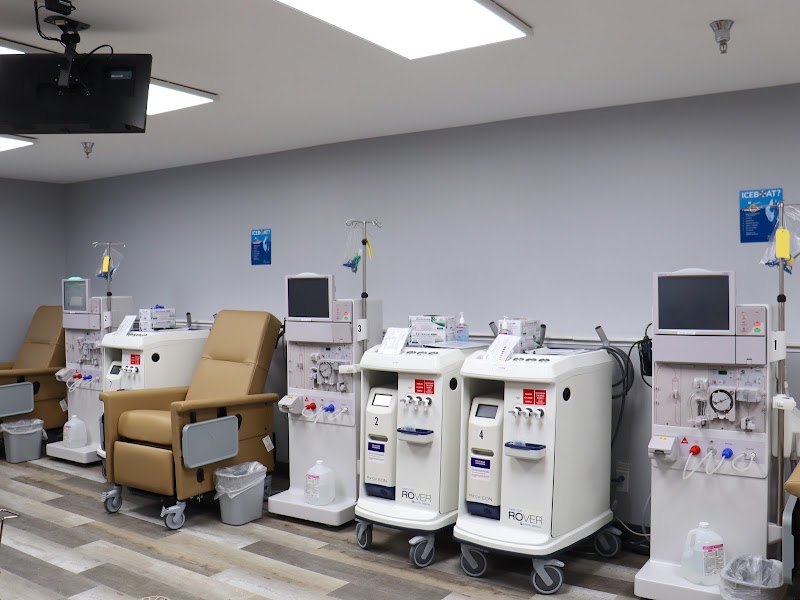
How is Majestic Care Of Jefferson Pointe Staffed?

CMS rates MAJESTIC CARE OF JEFFERSON POINTE's staffing level at 2 out of 5 stars, which is below average compared to other nursing homes. Staff turnover is 47%, compared to the Indiana average of 46%.

What Have Inspectors Found at Majestic Care Of Jefferson Pointe?

State health inspectors documented 26 deficiencies at MAJESTIC CARE OF JEFFERSON POINTE during 2023 to 2025. These included: 1 that caused actual resident harm and 25 with potential for harm. Deficiencies causing actual harm indicate documented cases where residents experienced negative health consequences.
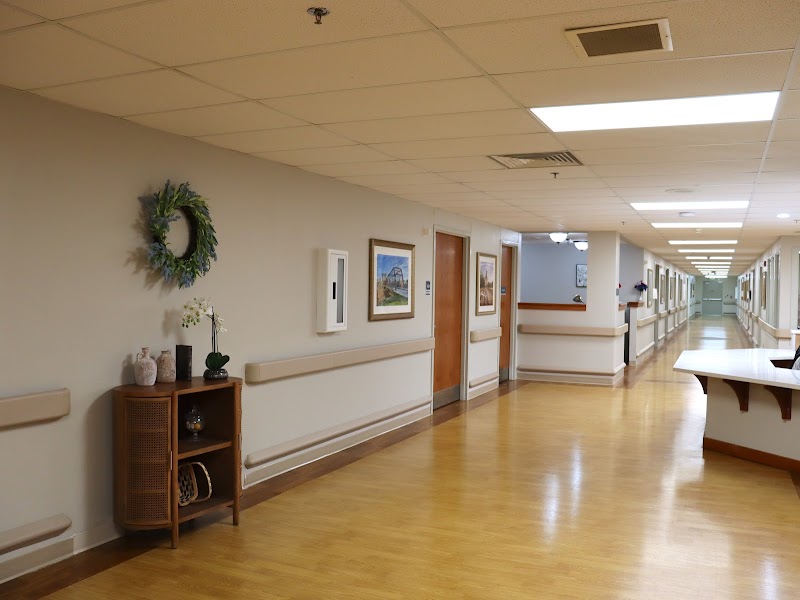
Who Owns and Operates Majestic Care Of Jefferson Pointe?

MAJESTIC CARE OF JEFFERSON POINTE is owned by a for-profit company. For-profit facilities operate as businesses with obligations to shareholders or private owners. The facility is operated by MAJESTIC CARE, a chain that manages multiple nursing homes. With 145 certified beds and approximately 71 residents (about 49% occupancy), it is a mid-sized facility located in FORT WAYNE, Indiana.
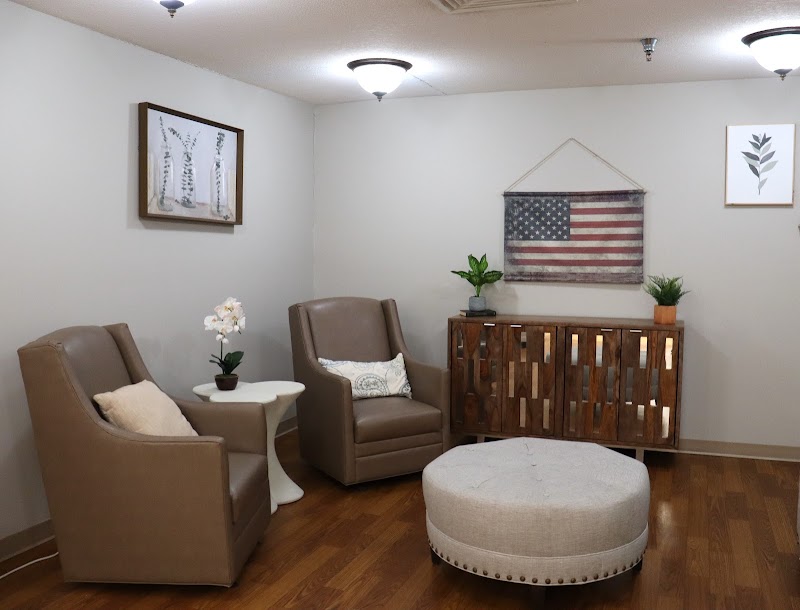
How Does Majestic Care Of Jefferson Pointe Compare to Other Indiana Nursing Homes?

Compared to the 100 nursing homes in Indiana, MAJESTIC CARE OF JEFFERSON POINTE's overall rating (2 stars) is below the state average of 3.1, staff turnover (47%) is near the state average of 46%, and health inspection rating (2 stars) is below the national benchmark.

What Should Families Ask When Visiting Majestic Care Of Jefferson Pointe?

Based on this facility's data, families visiting should ask: "Can you walk me through typical staffing levels on day, evening, and night shifts?" "Can I visit during a mealtime to observe dining assistance and food quality?" "How do you handle medical emergencies, and what is your hospital transfer rate?" "Can I speak with family members of current residents about their experience?" These questions are particularly relevant given the below-average staffing rating.

Is Majestic Care Of Jefferson Pointe Safe?

Based on CMS inspection data, MAJESTIC CARE OF JEFFERSON POINTE has a clean safety record: no substantiated abuse findings (meaning no confirmed cases of resident harm), no Immediate Jeopardy citations (the most serious violation level indicating risk of serious injury or death), and is not on the Special Focus Facility watch list (a federal program monitoring the lowest-performing 1% of nursing homes). The facility has a 2-star overall rating and ranks #100 of 100 nursing homes in Indiana. While no facility is perfect, families should still ask about staff-to-resident ratios and recent inspection results during their visit.

Do Nurses at Majestic Care Of Jefferson Pointe Stick Around?

MAJESTIC CARE OF JEFFERSON POINTE has a staff turnover rate of 47%, which is about average for Indiana nursing homes (state average: 46%). Moderate turnover is common in nursing homes, but families should still ask about staff tenure and how the facility maintains care continuity when employees leave.

Was Majestic Care Of Jefferson Pointe Ever Fined?

MAJESTIC CARE OF JEFFERSON POINTE has no federal fines on record. CMS issues fines when nursing homes fail to meet care standards or don't correct problems found during inspections. The absence of fines suggests the facility has either maintained compliance or corrected any issues before penalties were assessed. This is a positive indicator, though families should still review recent inspection reports for the full picture.

Is Majestic Care Of Jefferson Pointe on Any Federal Watch List?

MAJESTIC CARE OF JEFFERSON POINTE is not on any federal watch list. The most significant is the Special Focus Facility (SFF) program, which identifies the bottom 1% of nursing homes nationally based on persistent, serious quality problems. Not being on this list means the facility has avoided the pattern of deficiencies that triggers enhanced federal oversight. This is a positive indicator, though families should still review the facility's inspection history directly.