UNIVERSITY PARK REHABILITATION AND HEALTHCARE
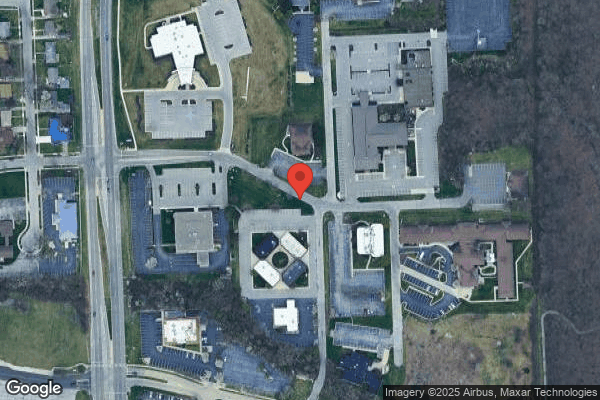
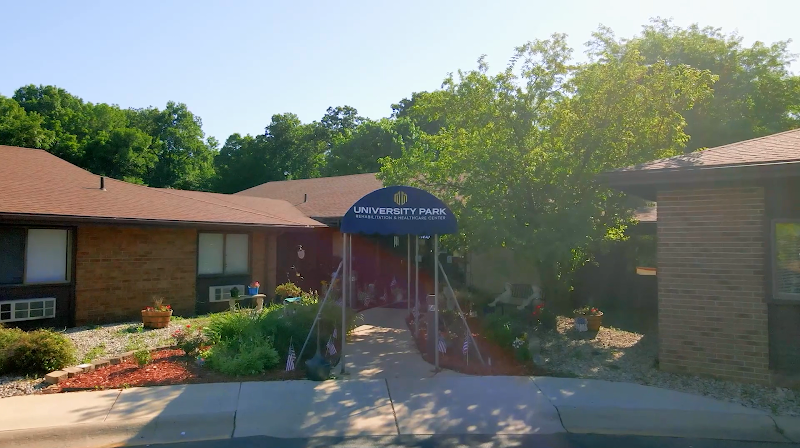
1400 MEDICAL PARK DR, FORT WAYNE, IN 46825 (260) 484-1558
For profit - Corporation 104 Beds CASTLE HEALTHCARE Data: November 2025 1 Immediate Jeopardy citation
Trust Grade
31/100
#391 of 505 in IN
Last Inspection: April 2025

Within standard 12-15 month inspection cycle. Federal law requires annual inspections.

Overview

University Park Rehabilitation and Healthcare in Fort Wayne, Indiana has received a Trust Grade of F, indicating significant concerns about the quality of care provided. They rank #391 out of 505 facilities in Indiana, placing them in the bottom half, and #26 out of 29 in Allen County, meaning there are only a few local options that are better. The facility is improving slightly, having reduced the number of issues from 15 in 2024 to 11 in 2025, yet it still faces serious staffing challenges with a poor rating of 1 out of 5 stars and a turnover rate of 62%, considerably higher than the state average. The facility has incurred $15,646 in fines, which is concerning as it exceeds the fines of 87% of Indiana facilities, suggesting ongoing compliance issues. Registered nurse coverage is below average, with less RN presence than 88% of facilities statewide, which is critical for catching potential problems. Notable incidents include a failure to supervise a resident who was smoking unsupervised, which posed a fire risk, and issues with food safety in the kitchen, such as unlabelled and improperly stored food items. Overall, while there are some improvements, the facility has significant weaknesses that families should carefully consider.

Trust Score
F
31/100
In Indiana
#391/505
Bottom 23%
Safety Record
High Risk
Review needed
Inspections
Getting Better
15 → 11 violations
Staff Stability
⚠ Watch
62% turnover. Above average. Higher turnover means staff may not know residents' routines.
Penalties
○ Average
$15,646 in fines. Higher than 56% of Indiana facilities. Some compliance issues.
Skilled Nurses
⚠ Watch
Each resident gets only 19 minutes of Registered Nurse (RN) attention daily — below average for Indiana. Fewer RN minutes means fewer trained eyes watching for problems.
Violations
⚠ Watch
36 deficiencies on record. Higher than average. Multiple issues found across inspections.
★★☆☆☆
2.0
Overall Rating
★☆☆☆☆
1.0
Staff Levels
★★★★★
5.0
Care Quality
★☆☆☆☆
1.0
Inspection Score
Stable
2024: 15 issues
2025: 11 issues

The Good

  • 5-Star Quality Measures · Strong clinical quality outcomes
  • Full Sprinkler Coverage · Fire safety systems throughout facility
  • No fines on record

Facility shows strength in quality measures, fire safety.

The Bad

2-Star Overall Rating

Below Indiana average (3.1)

Below average - review inspection findings carefully

Staff Turnover: 62%

16pts above Indiana avg (46%)

Frequent staff changes - ask about care continuity

Federal Fines: $15,646

Below median ($33,413)

Minor penalties assessed

Chain: CASTLE HEALTHCARE

Part of a multi-facility chain

Ask about local staffing decisions and management

Staff turnover is elevated (62%)

14 points above Indiana average of 48%

The Ugly 36 deficiencies on record

1 life-threatening
Apr 2025 11 deficiencies
CONCERN (D)

Potential for Harm - no one hurt, but risky conditions existed

Deficiency F0692 (Tag F0692)

Could have caused harm · This affected 1 resident

**NOTE- TERMS IN BRACKETS HAVE BEEN EDITED TO PROTECT CONFIDENTIALITY** Based on observation, interview and record review the facility failed to ensure accurate weights were obtained for 2 of 16 resi...

Read full inspector narrative →
**NOTE- TERMS IN BRACKETS HAVE BEEN EDITED TO PROTECT CONFIDENTIALITY** Based on observation, interview and record review the facility failed to ensure accurate weights were obtained for 2 of 16 residents reviewed (Resident 48 and Resident 5). Findings include: 1. Resident 48's record was reviewed on 4/7/25 at 1:21 PM. Diagnoses included adult failure to thrive, major depressive disorder, recurrent, and type 2 diabetes without complications. A review of Resident 48's current quarterly Minimum Data Set (MDS) dated [DATE] indicated their Basic Interview for Mental Status (BIMS) score was 13 (cognitively intact, etc.). The MDS indicated Resident 48 had a significant weight loss. A review of Resident 48's current care plan titled .altered nutritional status . indicated the resident had a problem of being severely underweight with a goal date of 5/20/25. Interventions included obtaining weights as indicated and reporting significant changes to the dietician, physician and family. A review of current physician orders did not contain orders specific to obtaining weight. A review of a document titled Weight and Vitals Summary indicated Resident 48's weights were recorded as follows: On 7/18/24 at 2:24 PM, 140.2 lbs. On 7/19/24 at 5:54 PM, 139 lbs. On 8/2/24 2:28 PM, 144 lbs. On 9/16/24 at 11:28 PM, 132 lbs. On 10/10/24 at 11:06 PM, 141 lbs. On 11/12/24 at 8:32 AM, 120.4 lbs. On 12/5/24 at 2:19 PM, 101.5 lbs. On 12/10/24 at 2:05 PM, 98.4 lbs. On 12/18/24 at 12:20 PM, 101 lbs. On 12/23/24, at 2:41 PM, 101 lbs. On 12/24/24, at 3:15 PM, 99 lbs. On 12/27/24, at 2:31 PM, 99.3 lbs. On 1/6/25 at 9:42 AM, 98.5 lbs. On 1/13/25 at 12:07 PM, 100.4 lbs. On 1/13/25 at 12:31 PM, 100.4 lbs. On 2/5/25 at 4:44 PM, 109 lbs. On 2/5/25 at 6:38 PM, 109 lbs. On 3/5/25 at 4:11 PM, 112 lbs. On 4/10/25 at 11:02 AM, 117.8 lbs. No additional weights were available for review. A review of progress notes, dated 11/12/24 at 9:59 AM, indicated the Dietician recommended a reweight due to a 21 lb. weight loss in 30 days. A progress note, dated 11/27/24 at 12:21 PM, indicated the Dietician had requested a reweight and a re-weight had not been obtained. The note indicated the Dietician recommended weekly weights. A progress note, dated 12/27/24 at 2:34 PM, indicated the Clinical Support Nurse had reviewed hospital notes prior to admission, recording Resident 48's weight at 116 lbs. prior to admission to the facility and weights obtained around the time of admission were 135-140 lbs. Daily weights were ordered, and staff should have been using the same scale and the wheelchair weight should have been subtracted if used. Progress notes reviewed, dated between 10/1/24 and 4/10/25, did not include any record of weight refusals. In an interview, on 4/11/25 at 2:30 PM, the Administrator indicated staff had not been weighing residents as they should. During an interview, on 4/10/25 at 11:10 AM, the Director of Nursing (DON) indicated she noticed weight inconsistencies around October 2024. She indicated weight variances might have been due to not using the same scale or not subtracting off a wheelchair weight. She indicated daily unit huddles included discussion of using the same device and accurately recording weight device in the medical record. She indicated this topic was also covered during a November 2025 in-service. She indicated she and the dietician reviewed weights monthly and would request reweights if a weight was significantly different than the prior month. She indicated she had not identified any inconsistent weights since December. She indicated any weight refusals would be documented in the progress notes. 2. Resident 5's record was reviewed on 4/10/25 at 2:00 PM. Diagnoses included hypertension, heart failure, chronic respiratory failure with hypoxia, chronic obstructive pulmonary disease, and chronic kidney disease stage 3. A review of Resident 5's current quarterly Minimum Data Set (MDS) dated [DATE] indicated their Basic Interview for Mental Status (BIMS) score was 15 (cognitively intact, etc.). The MDS indicated Resident 5 had a significant weight gain. A review of a document titled Weight and Vitals Summary indicated Resident 5's weights were recorded as follows: On 11/8/24 at 5:30 PM, 184.0 lbs. On 11/15/24 at 5:53 PM, 184.0 lbs. On 11/30/24 at 12:49 PM, 211.5 lbs. On 12/6/24 at 4:56 PM, 211.0 lbs. On 1/3/25 at 4:50 PM, 198.5 lbs. On 2/5/25 at 4:44 PM, 198.5 lbs. On 3/5/25 at 4:11 PM, 197.0 lbs. On 4/10/25 at 8:12 AM, 168.5 lbs. On 4/10/25 at 2:55 PM, 187.0 lbs. During an interview, on 04/10/25 at 3:03 PM, CNA 4 indicated, when a weight was 5 lbs. or more different than the previous weight, they would let the nurse know. A current procedure undated, received from the DON at 4/11/25 at 1:45 PM, indicated staff should zero the scale, record weight immediately, and report unusual readings to the nurse. The procedure indicated accuracy is necessary. A current policy, dated 8/1/23, provided by the Administrator, on 4/10/25 at 11:37 AM, indicated nursing staff should measure weights on admission and at least monthly unless otherwise ordered by the physician. The policy indicated the dietician should follow the individual weight trends over time and the team should evaluate negative trends to determine whether the criteria were met for significant weight changes. The policy indicated the threshold for significant, unplanned weight loss should be based on the following criteria: Greater than 5% in 1 month Greater than 7.5% in 3 months Greater than 10% in 6 months. 3.1-46
CONCERN (D)

Potential for Harm - no one hurt, but risky conditions existed

Deficiency F0740 (Tag F0740)

Could have caused harm · This affected 1 resident

**NOTE- TERMS IN BRACKETS HAVE BEEN EDITED TO PROTECT CONFIDENTIALITY** Based on observation, interview and record review, the facility failed to ensure behavioral interventions were resident specific...

Read full inspector narrative →
**NOTE- TERMS IN BRACKETS HAVE BEEN EDITED TO PROTECT CONFIDENTIALITY** Based on observation, interview and record review, the facility failed to ensure behavioral interventions were resident specific for 1 of 2 residents reviewed (Resident 37). Findings include: On 4/8/25 at 9:22 AM, Resident 37 was observed sitting in the activity room. Resident 37 was yelling loudly to be assisted to the restroom. An unknown male resident indicated Resident 37 yells all day. Resident 37's record was reviewed on 4/10/25 at 10:28 AM. Diagnoses included congestive heart failure, emphysema, cognitive communication deficit and tobacco use. Resident 37's admission Minimum Data Set, (MDS) dated [DATE], indicated the resident's Brief Interview for Mental Status (BIMS) score was 8 (moderate cognitive impairment). A physician order, dated 2/13/25, indicated Resident 37 could be treated by counseling services. A physician order, dated 2/14/25, indicated Resident 37 could receive mental health services as needed. A Baseline Care Plan, dated 2/17/25, indicated Resident 37 had a history of substance abuse. The Baseline Care Plan indicated Resident 37 had a BIMS score of 13. A progress note, dated 3/18/25 at 11:58 AM, indicated Resident 37 was tearful and missed her family. A physician order, dated 3/25/25, indicated Resident 37 was to be administered methadone 10 milligrams once daily for pain and for substance abuse. A progress note, dated 3/27/25 at 8:54 AM, indicated Resident 37 refused to participate in a doctor's appointment. The resident refused to be examined and refused to answer questions. A progress note, dated 3/27/25 at 3:27 PM, indicated Resident 37 had refused to allow their eye drops to be administered. A progress note, dated 3/27/25 at 3:28 PM, indicated Resident 37 had refused to take their supplement. A progress note, dated 3/27/25 at 10:06 PM, indicated Resident 37 had refused to allow their eye drops to be administered. A progress note, dated 4/1/25 at 2:44 PM, indicated Resident 37 had been repeatedly yelling for help. Resident 37 began yelling for help again immediately after their needs were met. Resident 37 had been repeatedly asking to go smoke. A progress note, dated 4/2/25 at 7:50 PM, indicated Resident 37 had refused to allow their eye drops to be administered. A progress note, dated 4/3/25 at 2:49 PM, indicated Resident 37 had been continuously yelling out. Redirection was not effective. A progress note, dated 4/3/25 at 9:16 PM, indicated Resident 37 had refused to allow their eye drops to be administered. A progress note, dated 4/3/25 at 2:49 PM, indicated Resident 37 had been continuously yelling out. Redirection was not effective. A progress note, dated 4/5/25 at 11:52 AM, indicated Resident 37 had been continuously yelling out. Redirection was not effective. A progress note, dated 4/5/25 at 12:57 PM, indicated Resident 37 had been continuously yelling out. Redirection was not effective. A progress note, dated 4/6/25 at 3:49 PM, indicated Resident 37 had been continuously yelling out. Redirection was not effective. A progress note, dated 4/7/25 at 3:37 PM, indicated Resident 37 had refused to take all their medications. A progress note, dated 4/8/25 at 8:33 AM, indicated Resident 37 had refused their supplement. A progress note, dated 4/8/25 at 9:48 AM, indicated Resident 37 had been continuously yelling out. Resident 37 repeatedly asked to smoke. Resident 37 continued to yell after numerous needs had been met. The Psychiatric Nurse Practitioner had been notified of the resident's increased yelling. A progress note, dated 4/9/25 at 3:15 PM, indicated Resident 37 had been continuously yelling out. The resident continued to yell after their needs were met. Redirection was not effective. A progress note, dated 4/9/25 at 9:01 PM, indicated Resident 37 had refused to take all their medications. Resident 37's Care Plan, dated 2/17/25, indicated the resident was at risk for impaired psychosocial well-being. The resident had a history of substance abuse. Interventions for mood and behavior included encourage socializing, non-judgmental support, discussing possible conflict solutions, and psychiatric services as needed. Resident 37's Care Plan did not include resident specific behaviors such as refusal of medications, refusal of care, being tearful or frequent yelling. The Care Plan did not include resident specific stressors. In an interview, on 4/10/25 at 2:10 PM, Resident 37 reported displeasure due to the smoke break being 10 minutes late. Resident 37 abruptly ended the interview and started yelling for help. In an interview, on 4/11/25 at 2:13 PM, the Social Service Director (SSD) indicated they had not been made aware of Resident 37's behaviors of yelling, refusal of meds or refusal to be evaluated by a doctor. The SSD indicated they learned of behaviors on report sheets and behavior logs. The SSD indicated new behaviors are reviewed at Interdisciplinary (IDT) meetings. The SSD indicated regular IDT meetings had not been completed this week due to the annual state survey. The SSD indicated Resident 37 had signed on for substance abuse counseling but had refused to attend the sessions. In an interview on 4/11/25 at 2:40 PM, the Administrator indicated Resident 37's behavior of yelling was new. The Administrator indicated the resident had signed the substance abuse contract. The Administrator indicated the resident had not participated in the substance abuse program due to refusal. A current facility policy, dated 12/26/24, provided by the SSD on 4/11/25 at 2:20 PM indicated documentation of behaviors should be precise. The policy indicated documentation should include specific behaviors and possible triggers. The policy indicated identified behaviors should be included in the resident's plan of care. 3.1-37 3.1-43
CONCERN (D)

Potential for Harm - no one hurt, but risky conditions existed

Deficiency F0761 (Tag F0761)

Could have caused harm · This affected 1 resident

**NOTE- TERMS IN BRACKETS HAVE BEEN EDITED TO PROTECT CONFIDENTIALITY** Based on observation, interview, and record review the facility failed to ensure medications are stored and labeled properly in ...

Read full inspector narrative →
**NOTE- TERMS IN BRACKETS HAVE BEEN EDITED TO PROTECT CONFIDENTIALITY** Based on observation, interview, and record review the facility failed to ensure medications are stored and labeled properly in 2 of 4 storage areas. Findings include: During a continuous observation, on [DATE] at 1:57 PM - 2:10 PM, the following was observed: In the 200 hall medication room, 6 of 7 boxes of Pulmicort were found to be expired on 12/2024. In an interview, on [DATE] at 1:59 PM, Licensed Practice Nurse (LPN) 10 indicated third shift was supposed check for outdates and the expired medication removed from the current storage area. In the 200 hall medication cart, 2 open vials of insulin did not have an opened date. The insulin was delivered by the pharmacy on 1-2-25. A bottle of liquid Konvomep was expired on [DATE]. The bottle was labeled to refrigerate, but was not refrigerated. In an interview, on [DATE] at 2:05 PM, LPN 10 indicated insulin should be labeled, and the expired medication should be removed from the cart. In an interview, on [DATE] at 01:57 PM, the Director of Nursing indicated medications should be labeled when opened. A current policy, dated [DATE], provided by Administration on [DATE] at 3:10 PM, indicated medications requiring refrigeration should not be stored in the medication cart. Temperatures for refrigerated medications will be kept at 36-46 degrees Fahrenheit. Disposal of outdated medications should be timely and removed immediately from stock. 3.1-25 (1)
CONCERN (D)

Potential for Harm - no one hurt, but risky conditions existed

Deficiency F0773 (Tag F0773)

Could have caused harm · This affected 1 resident

Based on interview and record review the facility failed to ensure notification of significant abnormal results for 1 of 2 reviewed. (Resident 12) Findings include: A review of Resident 12's record o...

Read full inspector narrative →
Based on interview and record review the facility failed to ensure notification of significant abnormal results for 1 of 2 reviewed. (Resident 12) Findings include: A review of Resident 12's record on 04/10/25 at 2:53 PM, indicated diagnoses of diabetes type 2, obesity, depression, and hypertension. During a record review, on 4/10/2024 at 2:53 PM, a blood glucose, dated 4/4/25 at 7:31 PM, measured 527 mg/dL. The progress notes did not indicate a physician was notified of a glucose measurement of > 500 mg/dL. During a record review, on 4/10/2024 at 2:53 PM, a blood glucose, dated 4/10/2025 12:01 AM, measured 560 mg/dL. The progress notes did not indicate a physician was notified of >500 blood glucose. In an interview, on 04/10/25 at 3:01 PM, LPN 11 indicated notifying a physician when a glucose measurement was over 500mg/dL was the facility policy. A current policy, dated 9/11/2023, provided by the Director of Nursing, on 4/9/25 at 1:32 PM, indicated the physician should be notified for a glucose > 500 mg/dL. 3.1-49 (2)
CONCERN (D) 📢 Someone Reported This

A family member, employee, or ombudsman was alarmed enough to file a formal complaint

Potential for Harm - no one hurt, but risky conditions existed

Deficiency F0809 (Tag F0809)

Could have caused harm · This affected 1 resident

Based on observation, interview and record review the facility failed to ensure snacks were available at night for 3 of 24 residents reviewed (Resident B, Resident C and Resident D) Findings include: ...

Read full inspector narrative →
Based on observation, interview and record review the facility failed to ensure snacks were available at night for 3 of 24 residents reviewed (Resident B, Resident C and Resident D) Findings include: During an observation, on 4/8/25 at 10:18 AM, the west hall refrigerator contained a few packages of snacks with names of residents written on the packages. No general snacks available to all residents on the unit were observed. No dry storage of snacks was observed on the unit. In an interview, on 4/18/25 at 10:19 AM, Registered Nurse (RN) 7 indicated general snacks for all residents were not stored on the unit. She indicated snacks were delivered by the kitchen staff and given to residents when the snacks were received. During an interview, on 4/9/25 at 1:55 PM, Resident B indicated snacks were usually gone in the evening and there was nothing available during the night when a person was hungry. They indicated when snacks were available, they were not always diabetic friendly or easy for people without teeth to consume. During an interview, on 4/9/25 at 1:56 PM, Resident C indicated snacks were delivered to the unit most evenings, but the same people would take them all off the tray and back to their rooms so no one else would be able to receive any. They indicated when residents were not waiting at the desk as the snacks were delivered, they wouldn't get any. During an interview, on 4/9/25 at 1:57 PM, Resident D indicated no food was available during the nighttime hours when a person needed it. During an interview on, 4/9/25 at 3:30 PM, Certified Nurse Aide (CNA) 5 indicated snacks were brought down to the unit by dietary staff and offered to each resident. When some snacks were left over, they were kept on the unit. The sncaks were left at the desk until they run out. She indicated there was nothing staff could do when they ran out of snacks. During an interview, on 4/9/25 at 3:32 PM, CNA 4 indicated there were not always snacks available when residents call for snacks in the night. She indicated she had gone into the kitchen to retrieve food once, although she was not allowed to be in there. During an interview, on 4/9/25 at 3:33 PM, Qualified Medicine Aide 6 indicated dietary staff were supposed to bring snacks to the unit each day, but they did not always bring them. He indicated nursing staff signs for snacks when they are delivered to the unit and then they offer them to the residents. He indicated any leftover snacks were kept at the nurses station for residents to eat during the night but they normally run out. When residents requested snacks and they were not available, he indicated he would buy residents food with his own money, so they had something to eat. He indicated staff could not access the kitchen. A current undated policy titled Mealtimes and Frequency, provided by the Administrator on 4/10/25 at 11:37 AM, indicated the facility should provide at least 3 meals daily at regular times in accordance with resident's needs, preferences and requests. The policy indicated all residents should be offered a snack at bedtime. This citation is related to Complaint IN00456775. 3.1-21(i)(e)
CONCERN (D)

Potential for Harm - no one hurt, but risky conditions existed

Garbage Disposal (Tag F0814)

Could have caused harm · This affected 1 resident

Based on observation, record review and interview, the facility failed to ensure garbage and refuse were contained inside the dumpster for 2 of 3 observations. Findings include: During an observatio...

Read full inspector narrative →
Based on observation, record review and interview, the facility failed to ensure garbage and refuse were contained inside the dumpster for 2 of 3 observations. Findings include: During an observation, on 4/7/25 at 9:05 AM, a dumpster lid was observed flipped up leaving the dumpster wide open and fully accessible. A large plastic bag was observed partially hanging out of the dumpster door. Multiple tears were observed in the trash bag with a fast-food cup, lid and straw partially hanging out of the bag. Cups, straws, snack and candy packages, gloves, and plastic bags were observed strewn throughout the lawn near the dumpster. Additional cups, candy and snack wrappers, cigarette packs and straw papers were observed in the parking lot, sidewalks, and grassy enclosures in the parking lot area. During an interview, on 4/7/25 at 9:32 AM, the Dietary Manager (DM) indicated all dumpster doors should be closed to prevent rodent access. The DM indicated trash should not be present in the lawn area. During an observation, on 4/7/25 at 1:22 PM, the side door of the dumpster was observed to be partially open with a trash bag partially hanging out of the door. Trash remained (cups, candy and snack wrappers, cigarette packs and straw papers) in the parking lot, sidewalks, and grassy enclosures in the parking lot area were observed. In an interview, on 4/7/25 at 1:35 PM, the Administrator indicated he had closed the dumpster at the beginning of his shift at 7:45 AM and did not know why it had been left open. He indicated the dumpster should have had all lids and doors closed to prevent access to rodents He indicated trash items should never be found in the lawn, sidewalks and parking lots. A current policy titled Waste Storage, dated 5/2012, indicated the Maintenance supervisor or designee should verify the lids were closed three times daily after each meal service. The policy indicated waste should be stored in such a way to protect it from animals. 3.1-21(i)(5)
CONCERN (D)

Potential for Harm - no one hurt, but risky conditions existed

Infection Control (Tag F0880)

Could have caused harm · This affected 1 resident

Based on observation, interview, and record review, the facility failed to maintain procedures to help prevent the development and transmission of communicable diseases and infections during 3 of 3 ob...

Read full inspector narrative →
Based on observation, interview, and record review, the facility failed to maintain procedures to help prevent the development and transmission of communicable diseases and infections during 3 of 3 observations. Findings include: 1. During an observation on 04/09/25 at 09:53 AM, Licensed practical nurse (LPN) 2 placed her laptop on the mattress of Resident 23. The resident's covered foot contacted the laptop during a blood glucose measurement. LPN 2 placed the laptop and the glucometer on top of the medication cart without disinfecting the devices. LPN 2 placed the glucometer into the drawer of the medication cart. In an interview, on 04/09/25 at 10:05 AM, LPN 2 indicated Resident 23 was the only resident that used the glucometer. 2. During an observation, on 04/09/25 at 10:42 AM, LPN 2 had gloves on, gave an intramuscular injection, removed the gloves, but did not perform hand hygiene before touching the medication cart. In an interview, on 04/09/25 at 10:59 AM, the Assistant Director of Nursing (ADON), indicated staff should perform hand hygiene before and after giving medications to each resident. 3. During an observation on 04/09/25 at 11:02 AM LPN 2 returned from the medication room and placed medication on the cart. LPN 2 took the pitcher of water from the cart to the ice chest and scooped new ice into the pitcher without performing hand hygiene before touching the ice scoop. In an interview, on 04/09/25 at 11:15 AM, the Director of Nursing (DON) indicated staff should wipe down the glucometer with Super Sani-Cloth Wipes before putting the meter into a drawer. She also indicated the laptop should not have been on the bed with a resident. A current policy, dated 6/11/24, titled Capillary Blood Sampling Devices, provided by the DON on 4/9/25 at 1:32 PM, indicated blood glucose meters are cleaned and disinfected between resident use. Use an approved disinfectant, wipe the meter clean and allow the meter to stay wet during the duration of the manufacturer's contact time. Remove gloves and wash hands. A current policy, dated 9/11/23, titled Handwashing/ Hand Hygiene/ Gloving, provided by the DON on 4/9/25 at 1:32 PM, indicated staff should use an alcohol-based hand rub before and after direct contact with residents, before preparing or handling medications, after contact with resident's intact skin, after contact with blood and body fluid, after removing gloves, and before handling food. A current policy, undated, titled Intramuscular Injections, provided by the DON on 4/9/25 at 1:32 PM, indicated staff should perform hand hygiene before putting on gloves. After removing gloves, staff should wash and dry hands. 3.1-18(a)(l)
CONCERN (F) 📢 Someone Reported This

A family member, employee, or ombudsman was alarmed enough to file a formal complaint

Potential for Harm - no one hurt, but risky conditions existed

Deficiency F0727 (Tag F0727)

Could have caused harm · This affected most or all residents

Based on observation, interview and record review, the facility failed to ensure a registered nurse was on duty for 8 consecutive hours every day. 65 residents resided at the facility. Findings includ...

Read full inspector narrative →
Based on observation, interview and record review, the facility failed to ensure a registered nurse was on duty for 8 consecutive hours every day. 65 residents resided at the facility. Findings include: On 4/11/25 at 10:14 AM, a review of the as worked nursing schedule, dated 4/3/25 through 4/10/25, indicated the following: On 4/4/25, Registered Nurse (RN) 4 clocked in at 8:44 AM and clocked out at 2:10 PM. On 4/5/25, RN 4 clocked in at 9:49 AM and clocked out at 2:05 PM. On 4/7/25, RN 4 clocked in at 11:20 AM and clocked out at 2:41 PM. In an interview, on 4/11/25 at 10:51, the Director of Nursing (DON) indicated RN 4 was the only RN scheduled on 4/4/25 and 4/7/25. The DON indicated they had split the shift with RN 4 on 4/5/25. The DON indicated the Assistant Director of Nursing (ADON) covered the rest of the required 8 hours on 4/4/25 and 4/7/25. The DON indicated the time clock entries were accurate for RN 4. In an interview, on 4/11/15 at 11:00 AM, the ADON indicated they had been in the facility on 4/4/25 and 4/7/25. There were no time clock entries or other documentation to indicate the DON or ADON, in conjunction with RN 4, had filled the consecutive 8 hour RN requirement available for review by the time of exit. This citation is related to Complaint IN00456775. 3.1-17(b)(3)
CONCERN (F)

Potential for Harm - no one hurt, but risky conditions existed

Food Safety (Tag F0812)

Could have caused harm · This affected most or all residents

Based on observation, interview and record review the facility failed to ensure open items in the kitchen and unit refrigerators were labeled, dated, discarded when appropriate, and hair was covered f...

Read full inspector narrative →
Based on observation, interview and record review the facility failed to ensure open items in the kitchen and unit refrigerators were labeled, dated, discarded when appropriate, and hair was covered for all employees present in the kitchen. 65 of 65 residents residing in the facility were served food prepared in the kitchen. Findings include: During an observation, on 4/7/25 at 9:16 AM, a container of a brown lumpy substance covered with clear plastic wrap and a plastic bag of parsley with its original seal opened, twist ied shut were observed on a shelf in the walk-in cooler. Neither item was labeled or dated. A container of strawberries soaking in red liquid on a shelf in the cooler was dated 3/28. A bag of corn observed in the walk-in freezer was tied closed and did not have an open date. A large, uncovered cart holding trays with food items was observed adjacent to the tray line where two dietary staff members were assembling and serving food items to residents. A tray containing bowls of uncovered lettuce salads and a tray of cups of fruit cocktail was observed on the cart. In an interview, on 4/7/25 at 9:18 AM, the Dietary Manager (DM) indicated the container with the lumpy brown substance was left over bananas foster from a previous day. He indicated leftovers should be labeled and dated. He indicated all bags of fresh produce should be labeled and dated when opened. He indicated the bowls of salad and fruit cocktail were left over from the evening meal and should not have been stored on the tray line with the drinks and food items set up for the current breakfast service. He indicated the items were not covered or dated and should have been discarded. During an observation, on 4/7/25 at 9:28 AM, Certified Nurse Aide (CNA 3) walked into the dish room entrance to the kitchen, walked throughout the food prep and service area stopping at the tray line to obtain food items. CNA 3's waist length hair was not restrained or contained in a hairnet. In an interview, on 4/7/25 at 9:29 AM, the DM indicated no employees should be in the kitchen without a hairnet. During an observation, on 4/8/25 at 10:18 AM, a container of grapes with no label or date was observed in the west hall nurses station refrigerator. A snack package containing cheese and crackers had a piece of tape partially closing the container with the cellophane cover turned up, allowing air to the product. The package had a resident's name, but no open date. Three separate containers were labeled with resident names but did not have dates. The containers appeared to contain leftover food items. A Styrofoam cup of ice and a container half full of ice cream were observed in the freezer with no label or date. In an interview, on 4/8/25 at 10:36 AM, Registered Nurse 7 indicated all items in the refrigerator should be labeled with a resident's name and date. During an observation, on 4/8/25 at 10:34 AM, a large bowl of grapes, cut up melon and a cup of foamy, coffee colored liquid was observed in the unit refrigerator with no label or date. Four insulated, zippered bags were observed in the refrigerator. The freezer contained an open ice cream container with no date and a candy bar with no label or date. In an interview, on 4/8/25 at 10:35 AM, Qualified Medicine Aide 8 indicated there were not many resident items in the refrigerator. Most of the items in the refrigerator belonged to staff. In an interview, on 4/8/25 at 10:42 AM, the Administrator indicated he had asked an employee to check the unit refrigerators, and was displeased that it had not been done. He indicated items should be labeled, dated and staff should not be storing their lunches in resident designated refrigerators. A current policy titled General Food Preparation and Handling, undated, provided by the Administrator on 4/8/25 at 10:45 AM indicated leftover food must be dated, labeled, covered, cooled and stored. Leftovers should be used within 7 days and then discarded. A current policy titled Employee Hygiene for Food Safety, dated 2022, provided by the Administrator on 4/8/25 at 10:45 AM indicated Hair restraints should be worn to prevent hair from contact with exposed food. A current policy titled Food Safety for Your Loved One, dated 2022, provided by the Administrator on 4/8/25 at 10:45 AM indicated foods in unmarked, unlabeled containers should be marked with the current date the food item was stored and the resident's name. A current policy titled Food Brought in from Outside Sources and Personal Food Storage, undated, provided by the Administrator on 4/8/25 at 10:45 AM indicated food and beverages brought in from outside sources that require refrigeration or freezing should be labeled with the resident's name and date, and stored in the refrigerator or freezer apart from facility food. Unlabeled or undated foods dated outside facility policy should be disposed of by staff. 3.1-21(i)(3)
CONCERN (F)

Potential for Harm - no one hurt, but risky conditions existed

QAPI Program (Tag F0867)

Could have caused harm · This affected most or all residents

Based on interview and record review the facility failed to ensure a process was in place to correct deficiencies and keep them from re-occurring. 65 residents resided in the building. Findings inclu...

Read full inspector narrative →
Based on interview and record review the facility failed to ensure a process was in place to correct deficiencies and keep them from re-occurring. 65 residents resided in the building. Findings include: An annual survey completed on 6/7/2024 identified non-compliance of labeling and dating food items in the kitchen. The facility indicated the deficient practice would be corrected by 7/5/24. An annual survey completed on 6/7/2024 identified non-compliance of maintaining facility waste in the dumpster. The facility indicated the deficient practice would be corrected by 7/5/24. See F812 for additional information about current kitchen findings. See F814 for additional information about current maintenance of facility waste findings. A review of the current Quality Assurance and Improvement Program (QAPI) did not include performance improvement plans pertaining to labeling and dating items in the kitchen or maintenance of the facility dumpster. During an interview, on 4/11/25 at 2:30 PM, the Administrator indicated he had reviewed the kitchen and waste container concerns cited last annual survey for six months as committed to in the plan of correction. He indicated at the end of six months the concerns were closed and the Quality Assurance team moved on to different areas of concern, including the physical environment, infection control, weights and falls. A current policy titled Quality Assurance and Improvement Program Policy, dated 10/1/23 provided by the Administrator on 4/11/24 at 2:51 PM, indicated the facility's QAPI plan should develop corrective actions to ensure the monitoring of effectiveness of performance improvement activities. The policy indicated the program should ensure the improvements are sustained. 3.1-52
CONCERN (F) 📢 Someone Reported This

A family member, employee, or ombudsman was alarmed enough to file a formal complaint

Potential for Harm - no one hurt, but risky conditions existed

Safe Environment (Tag F0921)

Could have caused harm · This affected most or all residents

**NOTE- TERMS IN BRACKETS HAVE BEEN EDITED TO PROTECT CONFIDENTIALITY** Based on observation, interview and record review, the facility failed to ensure a clean and sanitary environment was maintained...

Read full inspector narrative →
**NOTE- TERMS IN BRACKETS HAVE BEEN EDITED TO PROTECT CONFIDENTIALITY** Based on observation, interview and record review, the facility failed to ensure a clean and sanitary environment was maintained on 3 of 3 units observed. 65 residents resided in the facility. Findings include: During a facility tour, on 4/11/25 from 9:50 AM until 10:07 AM, an air vent above the 200 hall nurses' station was observed to be covered with grey clumps too numerous to count. Near the 300-hall entrance, an air vent was observed to be covered with grey clumps. An air vent near room [ROOM NUMBER], was observed to have grey clumps around the edges. During an observation, on 4/11/25 at 11:14 AM, pencil eraser sized grey clumps too many to count were observed on the vented cover of the return air duct above the hallway near the east nurses' station. The Maintenance Director opened the cover causing clumps to fall to the counter of the nurses' station and nearby floor. The Maintenance Director pulled out the filter covering the circle shaped return air duct and revealed a covering of dust on the outside of the filter (part of the filter facing the cover). The filter was dated 3/26/25. During an interview, on 4/11/25 at 11:17 AM, the Maintenance Director indicated the filters were changed monthly. The Maintenance Director indicated the vent covers were cleaned monthly. The Administrator indicated due to the filter's proximity to the residents' smoking area door and high traffic of the unit, the filter typically accumulated a lot of dust and debris. A current facility policy, dated 9/11/23, indicated the facility would maintain the cleanliness of exhaust fans monthly. The policy indicated all the dust from the vents would be removed with a vacuum and an air compressor when needed. This citation is related to Complaint IN00456775. 3.1-19(e)
Dec 2024 1 deficiency
CONCERN (D) 📢 Someone Reported This

A family member, employee, or ombudsman was alarmed enough to file a formal complaint

Potential for Harm - no one hurt, but risky conditions existed

Notification of Changes (Tag F0580)

Could have caused harm · This affected 1 resident

Based on interview and record review, the facility failed to ensure the physician was notified of a change in condition following a fall for 1 of 3 residents reviewed. (Resident R) Findings include: O...

Read full inspector narrative →
Based on interview and record review, the facility failed to ensure the physician was notified of a change in condition following a fall for 1 of 3 residents reviewed. (Resident R) Findings include: On 12/16/24 at 10:56 A.M., Resident R's record was reviewed. Diagnoses included, non-alcohol related cirrhosis of the liver with liver cancer, dementia, muscle wasting and atrophy, and protein-calorie malnutrition. He was admitted to the facility for rehabilitation services following hospitalization for a fall with fractured neck vertebrae. An admission Minimum Data Set (MDS) assessment, dated 10/1/24, indicated the resident had no cognitive impairment; no signs of delirium; and no behaviors. He required set-up assistance with eating, oral hygiene, and personal hygiene. He was independent with bed mobility and required moderate assistance with toileting hygiene, showering and dressing. He was able to walk with his walker and supervision to touch assistance. He was receiving therapy services with speech, physical, and occupational therapies. A care plan, revised on 11/13/24, indicated Resident R had chronic conditions with risk for discomfort, complication and/or decline related to dementia, anemia, cirrhosis, renal disease, dysphasia (difficulty swallowing), and hypertension. Interventions included: medications per physician orders, monitor for side effects and report to physician; observe for and report to physician signs/symptoms of hypertension (headache, visual problems, confusion/disorientation, lethargy, etc); observe for and report to physician signs/symptoms of anemia complications (pallor, headache, weakness, feeling cold, changes in condition, abnormal bleeding and bruising, etc); report to physician signs/symptoms of hepatic (liver) impairment [malaise, fatigue, loss of appetite, significant weight loss or gain, increased swelling, altered level of consciousness, increased confusion, ascites (fluid/swelling on abdomen), confusion/disorientation, etc]. Skilled Charting, dated 12/6/24 at 9:55 p.m., indicated Resident R was alert and oriented to person, place, time, and situation. He had no acute changes in his mental status. His speech was clear and distinct, he understood others and was easily understood by others. He required one staff assistance with bed mobility and toilet hygiene, and supervision with eating. He was continent of bladder and had no complaints related to his bowels. He had no wounds or skin concerns and his appetite was adequate. An Initial Occurrence Note, dated 12/8/24 at 7:30 a.m., indicated the resident was found lying on the floor, next to his bed. The resident indicated he slid out of the bed. He had no apparent injuries and was alert and oriented to time, person, place and situation. A 72 HR. Occurrence F/U (Follow up) Charting note, dated 12/8/24 at 7:30 p.m., indicated the resident was alert and disoriented-same as baseline. The resident had no pain and no new injuries. Skilled Charting, dated 12/8/24 at 11:03 p.m., indicated Resident R was alert to person and was confused. This was an acute change in his mental status. His speech was unclear with slurred and mumbled words. The resident was incontinent of bowel and bladder and he had no wounds. He usually understood others and his speech was usually understood with difficulty finishing his thoughts and finding words. The skilled charting, follow up occurrence charting nor nurse progress notes indicated the physician or Nurse Practitioner (NP) was not notified of the acute change in his mental status and unclear speech until 12/8/24 at 11:03 p.m. On 12/16/24 at 3:00 P.M., the Administrator was interviewed. He indicated the physician should be notified when a resident had a change in condition. He indicated notification should be documented in the resident record. There was no policy provided by the facility for notification of changes in resident condition to the physician. This Citation relates to Complaint IN00449065. 3.1-5(a)(2)
Nov 2024 2 deficiencies
CONCERN (D) 📢 Someone Reported This

A family member, employee, or ombudsman was alarmed enough to file a formal complaint

Potential for Harm - no one hurt, but risky conditions existed

Assessment Accuracy (Tag F0641)

Could have caused harm · This affected 1 resident

Based on interview and record review, the facility failed to ensure a quarterly Minimum Data Set (MDS) assessment was coded accurately for 1 of 3 residents reviewed for assessments (Resident F). Findi...

Read full inspector narrative →
Based on interview and record review, the facility failed to ensure a quarterly Minimum Data Set (MDS) assessment was coded accurately for 1 of 3 residents reviewed for assessments (Resident F). Findings include: On 11/25/24 at 11:03 A.M., Resident F's record was reviewed. Diagnoses included chronic obstructive pulmonary disease, chronic kidney disease, and lymph edema. The resident had been hospitalized 9/16-9/27/24 due to altered mental status, abnormal labs, and hypotension. An admission Observation form, dated 9/27/24 at 2:30 p.m., indicated the resident had been re-admitted to the facility following hospitalization for encephalopathy (altered brain function). Her skin assessment indicated she had a pressure area to her left heel measuring 6 centimeters (cm) by 6 cm and a pressure wound to her right ankle. The right ankle wound measured 0.5 cm by 0.5 cm. A quarterly MDS assessment, dated 10/3/24, indicated in Section M-Skin Condition, a formal and clinical assessment was completed and the resident was at risk for pressure ulcers. The assessment indicated Resident F had no unhealed pressure ulcers. A quarterly MDS assessment, dated 10/4/24, indicated in Section M-Skin Condition, a formal and clinical assessment was completed and the resident was at risk for pressure ulcers. She had 1 unhealed pressure ulcer which was unstageable with suspected deep tissue injury in evolution. The MDS indicated the pressure ulcer was present on re-entry to the facility. On 11/25/24 at 3:30 p.m., the Administrator and Regional Nurse Consultant indicated MDS assessments should be completed according to the Resident Assessment Instrument (RAI) guidance. The RAI guidance indicated for Section M-Skin Condition, the medical record was to be reviewed, direct care staff interviewed, and the resident examined to determine if skin conditions were present, the type of skin condition such as related to pressure, and coded appropriately on the MDS assessment. This Citation relates to Complaint IN00447233.
CONCERN (D) 📢 Someone Reported This

A family member, employee, or ombudsman was alarmed enough to file a formal complaint

Potential for Harm - no one hurt, but risky conditions existed

Quality of Care (Tag F0684)

Could have caused harm · This affected 1 resident

**NOTE- TERMS IN BRACKETS HAVE BEEN EDITED TO PROTECT CONFIDENTIALITY** Based on interview and record review, the facility failed to ensure monitoring and assessments were completed for a resident wit...

Read full inspector narrative →
**NOTE- TERMS IN BRACKETS HAVE BEEN EDITED TO PROTECT CONFIDENTIALITY** Based on interview and record review, the facility failed to ensure monitoring and assessments were completed for a resident with a history of substance use disorder, and multiple falls for 1 of 3 residents reviewed (Resident C). Findings include: A complaint, reported to the Indiana Department of Health on 11/4/24, indicated Resident C had been hospitalized following multiple falls at the facility and acute illness. While hospitalized , a urine drug test was completed and was positive for illegal drugs. The complainant indicated Resident C had a substance use disorder (SUD) but hadn't used any drugs or alcohol the past year. The complainant indicated they were unsure where the resident had gotten the illegal substances from. The complainant indicated the family hadn't been notified of the resident's deteriorating condition and multiple falls. The facility was aware of the resident's SUD prior to admission to the facility. On 11/22/24 at 11:45 A.M., Resident C's record was reviewed. Diagnoses included diabetes, major depressive disorder, anxiety disorder, psychoactive substance abuse, alcohol dependence, and history of stroke affecting her left side. She admitted to the facility for rehabilitation services following hospitalization for falls and diabetic ketoacidosis (complication of diabetes in which acids build up in the blood to life-threatening levels) due to not taking her diabetes medications as prescribed. Hospital records indicated drug and alcohol tests were completed and had been negative. A quarterly Minimum Data Set (MDS), dated [DATE], indicated Resident C had no cognitive impairment. She had no mood indicators or behaviors. She required set-up help, supervision or touching assistance with her activities of daily living. She denied pain and had not received any pain medications. She'd had no falls since admission to the facility on 9/5/24. Care plans indicated: -Initiated 9/5/24: The resident was at risk for impaired psychosocial well-being due to anxiety, depression, history of substance abuse, insomnia, and recent admission to the facility. Interventions included: monitor for side effects of medications and disease conditions which could affect cognition and orientation; review new/changed medications for adverse effects; behavior health consults as needed; follow up with psychiatric services as needed; observe and report any changes in mental status caused by situational stressors. -Initiated 9/5/24: Resident was at risk for impaired safety/injury due to weakness, non-compliance with fall interventions, and unsafe smoking (10/18/24-assessed as needing supervision to smoke). Interventions included a smoking assessment to be completed quarterly and as needed. An intervention, dated 10/22/24, was for STAT labs and to decrease the resident's routine opioid medication to every 12 hours as needed for 7 days and then discontinue. Care plans hadn't indicated what steps were to be taken when the resident had a relapse or a positive drug test was observed. A facility form, titled Guidelines for Admissions with a History of Substance Abuse was signed and dated on 9/6/24 and 10/28/24 by Resident C. The form included: 1. Random drug screens and/or alcohol level checks would be made if a resident was non-compliant with the facility substance abuse guidelines and could be asked to voluntarily or involuntarily discharge from the facility. 2. If any positive drug screens or alcohol level checks came back as failed, the resident's medications would be reviewed and any prescribed narcotics subjected to discontinuing or lowered dosage. 3. Room checks with the resident present if suspicion of relapse. 4. Only cigarettes were approved as allowable smoking item. 5. Residents would need to attend substance abuse meetings if provided by the facility. 6. Residents would be seen by psychiatric services. A physician order, dated 9/5/24 at 6:45 p.m., indicated to give Hydrocodone-Acetaminophen (Opioid pain medication) 5-325 milligram tablets; take 1 tablet every 4 hours as needed for pain. Additionally, she was prescribed Baclofen 4 times per day for muscle relaxant and Pregabalin 3 times per day for nerve pain. A Medical Nurse Practitioner (NP) progress note, dated 9/6/24 at 1:03 p.m., indicated the resident had been seen for admission to the facility. Prior to admission, she had been hospitalized and was at the facility for medical management and therapy. She a formerly used tobacco, had previous alcohol abuse, and previous substance abuse. During the visit she complained of pain in her right ankle from previous fall/fracture prior to admission. A Social Services Director (SSD) progress note, dated 9/6/24 at 4:14 p.m., indicated the the resident had intact intellectual functioning and no communication deficits. She had diagnoses of major depression, insomnia, anxiety, was prescribed Trazodone (used to treat depression and help with sleep disorders) and Hydroxyzine (anti-histamine used to treat anxiety) to manage her symptoms. She was referred to the psychiatric NP for her mental health needs and medication management. A Psychiatric Nurse Practitioner (NP) progress note, dated 9/24/24 at 7:25 a.m., indicated the resident was seen to establish care and psychiatric assessment of anxiety, depression, insomnia, and psychoactive substance abuse. She was a former smoker, had no drug or alcohol use for the past year, and currently vaped. The plan was to continue with Trazodone 200 mg and Melatonin 3 mg at bedtime for insomnia; and continue with Hydroxyzine 3 times per day for anxiety. Staff were to contact the NP for any psychiatric related questions, changes, or concerns. Resident C had falls on the following dates and times: -10/11/24 at 3:40 a.m. -10/13/24 at 12:16 a.m. -10/16/24 at 11:17 a.m. -10/18/24 at 6:52 a.m. -10/19/24 at 12:37 a.m. and 9:45 p.m. -10/22/24 at 9:00 a.m., 10:40 a.m., and at 10:15 p.m. A Medical NP progress note, dated 10/21/24 at 1:44 p.m., indicated the resident was seen due to having several falls. Staff indicated she had been found falling asleep while sitting up in her wheelchair and would then fall forward. They indicated she had not sustained injuries from the falls nor had she lost consciousness. Upon examination, the resident was sitting up in her wheelchair and appeared slightly drowsy. She denied head, neck or back pain. The NP informed her due to her increased drowsiness, the dosages of some of her medications, which may be contributing to her falls, would be decreased. She had no concerns or complaints. This was discussed with nursing. Her Baclofen (muscle relaxant) dosage was decreased from 4 times per day to 3 times and her Pregabalin (for nerve pain) was decreased from 3 times per day to 2 times. Staff were to continue monitoring her closely. Nurse progress notes, dated 10/22/24, indicated: -At 9:00 a.m., the resident was heard yelling for help and had been found on her left side between the toilet and wall. She indicated she had turned to fast when transferring herself from the wheelchair onto the toilet. She had no injuries and denied pain. She was assisted off the floor and neuro checks started. Her vital signs were obtained and within normal limits except for her pulse which was elevated at 120 beats per minute (bpm-normal 60-100), The medical NP was notified. -At 10:40 a.m., the resident was heard yelling after a loud noise came from her bathroom. The resident was found sitting on the floor in the middle of the bathroom. She indicated she had been trying to get back on the toilet again and knew she should have called for assistance. She was assisted back into her chair, neuro checks continued and her vital signs checked. Her pulse remained elevated at 120 bpm. The medical NP was notified. -At 12:52 p.m., the resident complained of inability to urinate in the toilet for residual. The medical NP was notified and order given to try and catheterize her. This was completed and over 300 milliliters of dark yellow urine was collected. The NP ordered an indwelling foley catheter be anchored and urine sample sent for urinalysis. A urine drug screen was ordered and completed at the facility using the facility in-house urine drug test. The urine drug test was positive for tricyclic anti-depressants. Resident F was not prescribed antidepressants, and positive for Morphine. The resident was not prescribed Morphine. The NP was notified and new order given to decrease the resident's Hydrocodone-Acetaminophen 5-325 mg dose from every 4 hours as needed to every 12 hours as needed for 7 days and then discontinue the medication. -At 5:15 p.m., the resident was heard yelling out for help. She was observed leaning forward in her wheelchair and had been unable to sit herself back up. She was assisted to scoot back in the wheelchair. When asked, the resident indicated she had no idea what she had been doing but had not fallen asleep. -At 9:15 p.m., the resident was observed lying on the floor, fully clothed. She complained of pain but there was no evidence of injury. She refused to have neuro checks completed. An NP progress note, dated 10/23/24 at 2:20 p.m., indicated the resident was visited for acute urinary retention and placement of an indwelling catheter. She had yellow, clear urine in the catheter bag and a urinalysis was pending. The plan was to continue her current medication regimen, plan of care, and continued monitoring. The note had not indicated the resident had a positive urine drug screen on 10/22/24 nor the change in pain medication addressed. There was no documentation to indicate the Medical NP had spoken with the resident regarding the positive drug screen and informed her pain medications would be discontinued on 10/29/24. A Psychiatric NP progress note, dated 10/25/24 at 11:27 a.m., indicated the resident was visited for continued assessment of moods, changes in behaviors, efficacy and possible side effects of psychotropic medications, and review of labs related to psychotropic medications. The resident was noted with urinary retention and an indwelling catheter placed. The Medical NP had asked provider to review her medications. The resident was not prescribed medication which would lead to urinary retention. The resident's appetite was fair and she had no insomnia. During the visit, Resident C was awake, alert, but made little eye contact. Her mood was appropriate and she had no visible anxiety, agitation or worry. She was animated with a short attention span. The plan was to continue Trazodone 200 mg and Melatonin 3 mg at bedtime for insomnia and Hydroxyzine 25 mg 3 times per day for anxiety. The note had not indicated the resident had a positive urine drug screen on 10/22/24. The note did not include pain medications had been decreased and would be discontinued at the end of 7 days (10/29/24). The Medical NP saw the resident on 10/25/24 at 12:40 p.m. to follow up on the resident's urinary retention. Her urinalysis results had been negative for acute findings and she continued with good urine output in her foley catheter. She was informed a new medication would be prescribed to help with the urinary retention and a voiding trial would be attempted the following week which she was agreeable to. The note had not indicated the resident had a positive urine drug screen on 10/22/24, change in pain medication, nor upcoming date of discontinuation for her pain medications. An SSD progress note, dated 10/28/24 at 4:07 p.m., indicated staff had reported the resident was non-compliant with the smoking policy. The SSD reviewed the smoking policy with Resident C and she signed the policy in acknowledgement. She remained supervised with smoking. The SSD spoke with the resident's mother on 10/25/24 and informed her the resident was now a supervision with smoking and when cigarettes were brought in for her, the smoking materials needed to be given to nursing staff for safety. The note hadn't indicated the mother was made aware of the positive urine drug screen. A nurse progress note, dated 10/30/24 at 11:06 a.m., indicated the resident had complained of nausea and vomiting, requested and given Zofran. She refused her routine insulin due to not eating because of the nausea and vomiting. At 3:35 p.m., the medical NP was notified of the resident's change in condition. She had an altered level of consciousness, required more assistance and had general weakness. Her pulse was elevated at 116 bpm and her blood pressure low at 71/41(Normal 120/80). She continued to complain of nausea and no appetite but had stopped vomiting. Orders were given to give a 1 time dose of Midodrine 5 mg by mouth to increase her blood pressure and re-check. On re-check, her blood pressure was lower at 66/40. Additional orders were given to obtain STAT labs and start IV or hypodermoclysis (under skin) and give 1000 milliliters of fluid. Documentation indicated the family was not notified because the resident was aware of the orders. At 5:00 p.m., the fluids were to be given via IV or hypodermoclysis but the resident refused and pulled her hand back and pushed the nurse with her legs. She refused to have STAT labs drawn. Her blood pressure was 64/40 and pulse 115. The NP was made aware and indicated oral fluids were to be encouraged. The resident was asked if she wanted to go to the hospital but she refused and told the nurse to leave her alone. There was no further assessments or documentation completed after 10/30/24 at 5:00 p.m. until 10/31/24 at 4:34 a.m. when the resident was observed lying in bed, unresponsive with a pulse of 42, blood pressure of 97/52, labored breathing, clammy to touch and oxygenation at 78% (normal >90%). The NP was notified and new order given to send resident to the emergency room where she was treated for a brain bleed and sepsis. Hospital records indicated the resident had a positive drug test for amphetamines and meth. Confidential interviews, conducted during the survey, indicated staff knew the signs and symptoms of substance use relapse were changes in behavior, changes in vital signs including elevated pulse rate, changes in consciousness and alertness, changes in pupils of the eye, etc. One staff member indicated they hadn't known the resident had a positive urine test done at the facility or what monitoring or assessments were to be done following the positive test. On 11/25/24 at 2:00 P.M., the SSD was interviewed. She indicated the only policy and protocol the facility had regarding substance use in residents was the form residents with substance use were asked to sign upon admission. The form indicated drug tests could be done when suspected; positive results could be cause for discharge; and the medical provider would be notified which could result in lowering dosages of or discontinuation of prescribed narcotics. Residents with substance use diagnoses had no specific care planned interventions to address relapse. On 11/25/24 at 3:30 P.M., the Administrator indicated the facility accepted residents who had substance use diagnoses and they were expected to sign the facility form for guidelines/consequences of not following upon admission had no policy/procedure or monitoring/assessing guidelines regarding care of residents who had a diagnosis of substance use and were found to have a positive urine test for drugs. This Citation relates to Complaint IN00446547. 3.1-37
Jun 2024 1 deficiency
CONCERN (D) 📢 Someone Reported This

A family member, employee, or ombudsman was alarmed enough to file a formal complaint

Potential for Harm - no one hurt, but risky conditions existed

Deficiency F0742 (Tag F0742)

Could have caused harm · This affected 1 resident

Based on observation, interview and record review, the facility failed to ensure an effective behavior care plan, behavioral assessments, behavior monitoring and documentation was completed for 1 of 3...

Read full inspector narrative →
Based on observation, interview and record review, the facility failed to ensure an effective behavior care plan, behavioral assessments, behavior monitoring and documentation was completed for 1 of 3 residents reviewed for behavioral health (Resident K). Findings include: On 6/25/24 at 10:26 A.M., Resident K's record was reviewed. Diagnoses included major depressive disorder, bipolar disorder, Schizophrenia, and diabetes. She had a history of urinary tract infections (UTI) and had been treated with antibiotics on 2/12/24 for a positive urinalysis and mild confusion and again, on 3/6/24 followed by hospitalization and treatment with intravenous (IV) antibiotics. A quarterly MDS (Minimum Data Set) assessment, dated 4/27/24, indicated the resident had no cognitive impairment and no behaviors, delusions, or hallucinations. She had several mood indicators including little interest or pleasure in doing things; feeling down, depressed or hopeless; trouble falling asleep or sleeping too much; feeling tired or little energy; poor appetite or overeating; feeling bad about herself; and trouble concentrating on things such as reading or watching TV. She had moderately severe depression according to her score of 17 on the Patient Health Questionnaire (PHQ2-9). A care plan, revised 6/18/24, indicated the resident was at risk for impaired psychosocial well-being, sensory deficits, communication deficits and cognitive deficits due to bipolar disorder, generalized anxiety disorder, Schizophrenia, major depressive disorder with psychotic features, psychosis, and history of hallucinations and delusions; she may threaten self harm, refuse or be resistant to care, or make false allegations/confabulation. Interventions included: care in pairs; approach resident in a calm manner to avoid frustration and behavior escalation-if becomes agitated and shows signs of escalation, re-approach later; assess for verbal and non-verbal signs and symptoms of pain; assist her to cope by discussing possible solutions to conflict; behavioral health consults as needed; encourage to ask questions about medical condition to reduce anxiety;give non-judgmental support; maintain a consistent routine; offer choices; and observe and document episodes of inappropriate behaviors and notify physician when behaviors persist or won't de-escalate. The care plan didn't indicate the resident had a history of UTI's accompanied by changes in her behaviors. A facility-reported incident, to the Indiana Department of Health, indicated on 6/10/24 at 1:05 p.m., Resident K reported an employee had touched her inappropriately. She was transported to the hospital and returned to the facility following evaluation. On 6/25/24 at 11:00 A.M., Resident K was observed in her room, seated in a wheelchair. She indicated she was doing well since returning from the hospital but wanted to know if her family was aware she had returned. She hadn't known why she'd gone to the hospital. She indicated one minute she'd been sitting in her room and the next, she was being taken to the hospital. She indicated she had been sitting in front of her TV, talking to herself and the TV because she had no roommate or anyone else to talk with. A Psychosocial Assessment, dated 6/10/24 at 4:35 p.m., indicated the reason for the assessment was due to a sexual allegation from staff to resident. The resident had full recollection and awareness of the event and could provide details. She had no observed changes in her mood or behaviors. She would be referred to the psychologist for evaluation and counseling, have her cognition re-assessed and her care plan updated. A Social Service progress note, dated 6/11/24 at 4:22 p.m., indicated Resident K had been sent to the hospital on 6/10/24 and had returned later in the evening with no new orders. On 6/12/24 at 12:50 p.m., a nurse progress note indicated the psychiatric NP (Nurse Practitioner) had been given an update of the resident's behaviors. New orders were received to obtain a urinalysis and administer Rocephin (antibiotic) 1 gram intramuscularly for 3 days for UTI. A Social Service progress note, dated 6/14/24 at 1:42 p.m., indicated the resident was going to be sent to the neuropsychiatric hospital due to her behaviors. On 6/14/24 at 3:47 p.m., a nurse progress noted indicated the resident was transferred to the neuropsychiatric hospital. She was alert and oriented at time of transfer; denied pain or discomfort; was assisted by 2 to get on the gurney. Resident K's belongings, paper work, and medication was sent with her. A nurse progress note, dated 6/21/24 at 3:00 p.m., indicated Resident K had returned to the facility. She arrived per gurney and transferred to bed with 2 assist. Her mood was pleasant, she spoke appropriately and was alert and oriented to person, place, and time. A Psychiatric NP progress note, dated 6/22/24 at 9:05 a.m., indicated the resident was visited to follow up on her psychiatric hospital stay. Prior to her hospital stay, the NP had been notified several times over the past few weeks Resident K believed she was being digitally raped by others. She was sent to inpatient psychiatric hospital where she was treated for a urinary tract infection. The medication changed were her Prozac (anti-depressant), reduced in dosage to 20 milligrams (mg) by mouth every day. During the visit, the resident was pleasantly confused and indicated she was doing well but was part of the royal family. She was not distressed by the delusion and was smiling and pleasant. She would be monitored closely and re-evaluated for signs of UTI. Infections can be cause of delusions, paranoia and hallucinations and the resident had a long history of these positive/negative symptoms of Schizophrenia. A Psychiatric Progress Note, dated 6/17/24 from the neuropsychiatric hospital, indicated the resident's history of present illness upon admission was due to being non-compliant with her medications for some time and experiencing auditory and visual hallucinations. She had been sent to the local emergency room where she had an elevated blood glucose level and altered mental status. She had a history of bipolar disorder and needed urgent rapid stabilization for mental health safety and care. Review of the MAR (Medication Administration Record) dated May 2024 and June 2024, indicated the resident was prescribed the following psychotropic medications to treat her mental disorders: -Prozac 60 mg by mouth every day for depression. -Latuda (antipsychotic) 60 mg by mouth every day for bipolar and Schizophrenia. -Risperdal (antipsychotic) 6 mg by mouth at bedtime every day for depression. On 6/25/24 at 11:20 A.M., the Director of Nursing (DON) was interviewed. She indicated behaviors were to be documented in the nurse progress notes or on the MAR and emar notes. LPN 2 (Licensed Practical Nurse) was interviewed, on 6/25/24 at 11:30 A.M., and asked where behaviors were charted. She indicated behaviors were charted in the progress notes. She indicated some residents had orders for specific behaviors to be monitored which would be documented on the MAR. The MAR dated May 2024 indicated the resident had not refused any of her psychotropic medications.There were no behaviors documented on the MAR The MAR dated June 2024 indicated the resident had not refused any of her psychotropic medications.There were no behaviors documented on the MAR A review of progress notes between May 1, 2024 and June 25, 2024 indicated there were no behaviors or notes a history of UTI's accompanied changes in Resident K's behaviors documented. On 6/25/24 at 11:50 A.M., the SSD (Social Services Designee) and Administrator were interviewed. Both indicated Resident K's allegation of being inappropriately touched by a staff member had been unsubstantiated and her behaviors attributed to a UTI. Both indicated the resident was seen at the hospital on 6/10/24 and upon her return she continued with behaviors of delusions and hallucinations the behaviors, delusions and hallucinations should have been documented in the progress notes but were not. A current facility policy, titled Behavioral Assessment and Monitoring, was provided by the Administrator on 6/25/24 at 2:08 P.M., which stated: It is the policy of the facility to provide residents with behavioral health services as needed to attain or maintain the highest practicable physical, mental and psychosocial well-being in accordance with the comprehensive assessment and plan of care .'Behavior' is the response of an individual to a wide variety of factors. These factors may include medical, physical, functional, psychosocial, emotional, psychiatric, or environmental causes .The nursing staff will identify, document, and inform the physician about specific details regarding changes in an individuals mental status, behavior, and cognition including: a) onset, duration, intensity and frequency of behavioral symptoms; b) any recent precipitating or relevant factors or environmental triggers [e.g., medication changes, infection, recent transfer from hospital]; and appearance and alertness of the resident and related observations .The interdisciplinary team will thoroughly evaluate new or changing behavioral symptoms in order to identify underlying causes and address any modifiable factors that may have contributed to the resident's change in condition including: physical or medical changes; emotional, psychiatric and/or psychological stressors; or functional, social or environmental factors .interventions (for behaviors) will be individualized and part of an overall care environment supports physical, functional and psychosocial needs and strives to understand, prevent or relieve the resident's distress or loss of abilities .The care plan will include, as a minimum: description of the behavioral symptoms including; frequency; intensity; duration; outcomes; location; and environment and precipitating factors or situations .Monitoring: if the resident is being treated for altered behavior or mood, the IDT will seek and document any improvements or worsening in the individual's behavior, mood, and function. The IDT will monitor the progress of individuals with impair cognition and behavior until stable This tag relates to Complaint IN00436372. 3.1-43(a)(1)
Jun 2024 9 deficiencies
CONCERN (D)

Potential for Harm - no one hurt, but risky conditions existed

Deficiency F0688 (Tag F0688)

Could have caused harm · This affected 1 resident

**NOTE- TERMS IN BRACKETS HAVE BEEN EDITED TO PROTECT CONFIDENTIALITY** Based on observation, interview and record review, the facility failed to ensure services and assistance was provided to maintai...

Read full inspector narrative →
**NOTE- TERMS IN BRACKETS HAVE BEEN EDITED TO PROTECT CONFIDENTIALITY** Based on observation, interview and record review, the facility failed to ensure services and assistance was provided to maintain correct posture for 1 of 1 resident reviewed (Resident 4). Findings include: On 6/2/24 at 12:08 PM, Resident 4 was observed sitting in their wheelchair in the hallway. Resident 4 was leaning to the far right bent over at the waist. On 6/2/24 at 12:10 PM a staff member was observed assisting Resident 4 into an upright position. On 6/2/24 at 1:38 PM, Resident 4 was observed sitting in their wheelchair in the hallway. Resident 4 was bent over at the waist leaning to the far right. Resident 4's lower body was nearly off the chair. A staff member instructed Resident 4 to straighten up. Resident 4 attempted to raise their torso and was not successful. Resident 4 did not assume an upright position in the wheelchair. On 6/2/24 at 1:40 PM, a staff member was observed assisting Resident 4 to an upright sitting position in the wheelchair. The staff member placed Resident 4's right foot into the right wheelchair footrest. On 6/2/24 at 3:10 PM, Resident 4 was observed sitting in their wheelchair in the smoking section. Resident 4 was leaning to their far-right side bent over at the waist. Resident 4 was smoking a cigarette while their lower body was hanging off the edge of their wheelchair. A staff member was present. Resident 4's record was reviewed on 6/3/24 at 10:25 AM. Diagnoses included generalized muscle weakness, wheelchair dependence, polyneuropathy, (malfunction of numerous nerves) cognitive communication deficit, peripheral vascular disease, (poor blood circulation of arms and legs) and chronic pain syndrome. Resident 4's Annual MDS dated [DATE] indicated the resident's BIMS score was 10 (moderate cognitive impairment). The MDS indicated Resident 4 was impaired on 1 side of their upper and lower body. Resident 4's Care Plan dated 3/25/24 indicated the resident had a risk for falls as evidenced by agitation, fall risk assessment, impaired mobility, impaired cognition, weakness, traumatic brain injury, pseudobulbar affect, (inappropriate and/or uncontrollable laughing or crying) neuropathy, cardiomyopathy, (heart disorder) and dementia. The target goal was for Resident 4 to have minimal falls and minimal injuries by the next review. Interventions included medications as ordered, therapy evaluations as indicated, psychiatry services as needed, new shoes for transfers, non-skid footwear, and non-skid strips on the floor. Resident 4's care plan dated 6/2/24 indicated the resident was at risk for functional decline due to depression, falls, impaired mobility, pain, poor balance, neuropathy, impaired vision, poor balance, past myocardial infarction, (heart attack) anxiety, behaviors, generalized weakness, dementia, peripheral vascular disease, cardiomyopathy, bipolar disorder, coronary artery disease, post-traumatic stress disorder and high blood pressure. The Care Plan focus indicated Resident 4 was able to sit up with proper posture in their wheelchair but chose to lean to the sides. The care plan indicated Resident 4 had been resistant to wheelchair positioning support efforts from therapy. The target goal was for Resident 4 to maintain their current level of functioning through 6/26/23. Interventions included Resident 4 occasionally likes to sit on the floor, encourage to request staff assistance for transfers, keep urinal within reach, wheelchair for mobility, the resident does not walk, brace to right foot and call light in reach. Resident 4's Care Plan did not indicate the resident was at risk of leaning to the right while in their wheelchair. Resident 4's Care Plan did not indicate the resident was at risk for falls due to leaning to the right side while in their wheelchair. Resident 4's Care Plan did not indicate they required an assistive device to avoid leaning to the right while in their wheelchair. A progress note dated 9/27/23 at 2:21 PM indicated Resident 4 had been evaluated after having a fall. Resident 4 had displayed right sided weakness. A progress note dated 12/1/23 at 10:49 AM indicated Resident 4 had right sided weakness. A progress note dated 12/27/23 at 2:44 PM indicated Resident 4 had been evaluated after having a fall. Resident 4 was noted as having weakness on their right side. A progress note dated 1/24/24 at 9:34 PM indicated Resident 4 had been evaluated after multiple falls. Resident 4 displayed weakness to their right side. A progress note dated 1/26/24 at 12:35 PM indicated Resident 4 had weakness to their right side. A progress note dated 1/31/24 at 1:03 PM indicated Resident 4 had weakness to their right side. A progress noted dated 5/20/24 at 6:19 PM indicated Resident 4 had continued to get their right hand stuck in their wheelchair. The note indicated Resident 4 chronically leaned to the right while in their wheelchair. The note indicated Resident 4 had a strap-like device to help keep the resident upright. The note indicated Resident 4 was noncompliant with the strap-like device. An Initial Occurrence Note dated 5/20/24 at 1:43 PM indicated Resident 4 had injured their right 5th finger in the wheel of their wheelchair. Resident 4's right 5th fingernail was missing. Resident 4's 4th fingernail bed was noted to be discolored. An Initial Occurrence Note dated 5/27/24 at 6:13 AM indicated Resident 4 had gotten their right hand caught in the wheel of their wheelchair while outside. A progress note dated 5/27/24 at 9:22 PM indicated Resident 4 had caught their right hand in the wheel of their wheelchair causing a skin tear to their right middle finger. An Occupational Therapy Evaluation and Plan of Treatment dated 1/10/24 at 2:58 PM indicated Resident 4's diagnoses included an encounter for orthopedic aftercare following surgical amputation and muscle wasting. Resident 4's goal was to increase participation during care. Resident 4's prior equipment was a manual wheelchair and a shower chair. An Occupational Therapy Discharge summary dated [DATE] at 6:54 PM indicated Resident 4 had been discharged due to refusal of treatment. The goal of increasing Resident 4's strength in both arms had been met on 5/8/24 (page 2). Resident 4's prior equipment was a manual wheelchair and a shower chair (page 3). Resident 4 had reached their maximum potential with skilled services (page 4). Resident 4's strength in their arms was not tested due to the resident's request to be discharged (page 4). An Occupational Therapy Evaluation and Plan of Treatment dated 6/3/24 at 4:03 PM indicated resident 4's diagnoses were diffuse traumatic brain injury, abnormal posture and muscle wasting. Resident 4's goal was to decrease right sided leaning while in their wheelchair. Resident 4's current posture score was 40 out of 100. Resident 4 was expected to increase their posture score to 75 out of 100. The current reason for referral was Resident 4 had gotten their right hand caught in the wheel of their wheelchair resulting in a skin tear. Resident 4's prior treatment outcome was maximum rehab potential had been met. Resident 4's prior equipment was a manual wheelchair and a shower chair. Resident 4's current equipment included a reclining wheelchair, lateral supports on the right and left sides and a right arm bolster. In an interview on 6/5/24 at 11:19 AM, Resident 4 indicated the left side of their brain was injured in a motorcycle crash when they were [AGE] years old (Resident 4 was currently [AGE] years old). Resident 4 indicated they were weak on their right side due to the left side of the brain controlling the right side of the brain. Resident 4 indicated they had been weak on the right side since the motorcycle crash. Resident 4 indicated they had experienced a problem with involuntarily leaning to the right side since the motorcycle crash. Resident 4 indicated they used to be able to realize they were leaning and return to an upright position. Resident 4 indicated it was getting harder to adjust themselves into an upright position after their body decided to lean to the right. Resident 4 indicated the staff did not like to assist the resident with returning to a sitting position and they were often instructed to do it themselves. Resident 4 indicated they were also unable to sit upright on the edge of the bed. Resident 4 indicated they had received therapy services. Resident 4 indicated they did not recall being educated about upright posture in therapy. Resident 4 indicated they did not recall the use of positional assistive device. In an interview on 6/5/24 at 2:50 PM, the Chief Nursing Officer indicated Resident 4 had received therapy services after the resident had a series of falls. The Chief Nursing Officer indicated Resident 4 had a behavior of leaning to the right and placing themselves on the floor when they were upset. The Chief Nursing Officer indicated they did not believe Resident 4's falls were related to the resident leaning to the right. The Chief Nursing Officer indicated Resident 4 had refused therapy's recommendations for assistive devices to maintain upright posture in the past. The Chief Nursing Officer indicated they were not aware postural assistive devices were not included in Resident 4's Care Plan. The Chief Nursing Officer indicated they were not aware of upright posture not being a focus of therapy. The Chief Nursing Officer indicated they had observed Resident 4 leaning to the far right bent over at their waist and believed the resident could sit up straight if they chose to. The Chief Nursing Officer indicated reducing Resident 4's leaning to the right was a therapy goal as of yesterday (6/4/24). In an interview on 6/5/24 at 3:01 PM, Physical Therapy Assistant (PTA) 6 indicated they did not believe Resident 4's falls were due to their right leaning posture. PTA 6 indicated Resident 4 had expressed to the therapy staff leaning to the right was the most comfortable position for them. PTA 6 indicated therapy services had provided Resident 4 with a new wheelchair on 6/4/24. PTA 6 indicated Resident 4 had been using a high back wheelchair since the resident had been admitted to the facility. PTA 6 indicated the new wheelchair would be better for upright posture. PTA 6 indicated Resident 4 had always leaned to the right. PTA 6 indicated Resident 4's leaning to the right had gotten more severe the last month or two. PTA 6 indicated they had observed Resident 4 leaning to the far right bent over at their waist. PTA 6 indicated Resident 4 had refused several different postural assistive devices. PTA 6 indicated they were not aware postural assistive devices were not included in Resident 4's Care Plan. PTA 6 indicated they were aware posture had not been a focus of therapy in the past. PTA 6 indicated upright posture was a therapy goal for Resident 4 starting on 6/3/24. PTA 6 indicated Resident 4 had refused further therapy services in the past. PTA 6 indicated therapy had offered a variety of postural assistance devices. PTA 6 indicated posture training had not been a therapy goal, but therapy had encouraged Resident 4 to sit upright in their chair. On 6/5/24 at 3:33 PM, PTA 6 provided Occupational Therapy Treatment Encounter Notes. A therapy note dated 5/14/24 at 8:32 PM indicated Resident 4 had self-propelled in the hallway with a new support in place without issues. Resident 4 had been educated on the importance of not leaning to the right while in their wheelchair. Resident 4 actively participated during the session. A therapy note dated 5/16/24 at 6:59 PM indicated upon the therapist's arrival, Resident 4 was leaning over the right armrest of their wheelchair. Resident 4 allowed the application of lateral support during the treatment session. Resident 4 indicated the support was easy to remove and they could remove the support after the therapy session was completed if they desired to do so. Resident 4 required encouragement for active participation due to decreased motivation. In an interview on 6/6/24 at 12:40 PM the Chief Nursing Officer indicated the facility had missed some things related to Resident 4's decline. The Chief Nursing Officer indicated the issue had already been corrected as therapy's new goal was for posture training. A current facility policy dated 9/11/23 provided by the Chief Nursing Officer on 6/4/24 at 1:24 PM indicated residents would be provided with care, treatment and services to prevent or minimize functional decline unless their decline is declared unavoidable. 3.1-42(a)(1) 3.1-42(a)(2)
CONCERN (D)

Potential for Harm - no one hurt, but risky conditions existed

Accident Prevention (Tag F0689)

Could have caused harm · This affected 1 resident

**NOTE- TERMS IN BRACKETS HAVE BEEN EDITED TO PROTECT CONFIDENTIALITY** Based on observation, interview and record review, the facility failed to ensure adequate supervision for prevention of falls fo...

Read full inspector narrative →
**NOTE- TERMS IN BRACKETS HAVE BEEN EDITED TO PROTECT CONFIDENTIALITY** Based on observation, interview and record review, the facility failed to ensure adequate supervision for prevention of falls for 1 of 1 resident reviewed (Resident 4). Findings include: On 6/2/24 at 12:08 PM, Resident 4 was observed sitting in their wheelchair in the hallway. Resident 4 was leaning to the far right bent over at the waist. On 6/2/24 at 12:10 PM a staff member was observed assisting Resident 4 into an upright position. On 6/2/24 at 1:38 PM, Resident 4 was observed sitting in their wheelchair in the hallway. Resident 4 was bent over at the waist leaning to the far right. Resident 4's lower body was slightly off the chair. A staff member instructed Resident 4 to straighten up. Resident 4 attempted to raise their torso and was not successful. Resident 4 did not assume and was not assisted to an upright position in the wheelchair. On 6/2/24 at 1:45 PM, a staff member was observed assisting Resident 4 to an upright sitting position in the wheelchair. The staff member placed Resident 4's right foot into the right wheelchair footrest. On 6/2/24 at 3:10 PM, Resident 4 was observed sitting in their wheelchair in the smoking section. Resident 4 was leaning to their far-right side bent over at the waist. Resident 4 was smoking a cigarette while their lower body was hanging off the edge of their wheelchair. The staff member present did not assist Resident 4 to an upright position. Resident 4's record was reviewed on 6/3/24 at 10:25 AM. Diagnoses included traumatic brain injury, generalized muscle weakness, wheelchair dependence, polyneuropathy, (malfunction of numerous nerves) cognitive communication deficit, chronic pain syndrome and vascular dementia. Resident 4's Annual MDS dated [DATE] indicated the resident's BIMS score was 10 (moderate cognitive impairment). The MDS indicated Resident 4 was impaired on 1 side of their upper and lower body. Resident 4's Care Plan dated 3/25/24 indicated the resident had a risk for falls as evidenced by agitation, fall risk assessment, impaired mobility, impaired cognition, weakness, traumatic brain injury, pseudobulbar affect, (inappropriate and/or uncontrollable laughing or crying) neuropathy, cardiomyopathy, (heart disorder) and dementia. The target goal was for Resident 4 to have minimal falls and minimal injuries by the next review. Interventions included medications as ordered, therapy evaluations as indicated, psychiatry services as needed, new shoes for transfers, non-skid footwear, and non-skid strips on the floor. The care pplan did not address leaning in the wheelchair. Resident 4's care plan dated 6/2/24 indicated the resident was at risk for functional decline due to depression, falls, impaired mobility, pain, poor balance, neuropathy, impaired vision, poor balance, past myocardial infarction, (heart attack) anxiety, behaviors, generalized weakness, dementia, peripheral vascular disease, cardiomyopathy, bipolar disorder, coronary artery disease, post traumatic stress disorder and high blood pressure. The Care Plan focus indicated Resident 4 was able to sit up with proper posture in their wheelchair but chose to lean to the sides. The care plan indicated Resident 4 had been resistant to wheelchair positioning support efforts from therapy. The target goal was for Resident 4 to maintain their current level of functioning through 6/26/23. Interventions included Resident 4 occasionally liked to sit on the floor, encourage to request staff assistance for transfers, keep urinal within reach, wheelchair for mobility, the resident does not walk, brace to right foot, call light in reach and evaluations by physical therapy, occupational therapy or speech language therapy as needed. Resident 4's Care Plan did not indicate the resident had a tendency to lean to their right side while in their wheelchair. Resident 4's Care Plan did not indicate the resident was at risk for falls due to leaning to the right side while in their wheelchair. Resident 4's Care Plan did not indicate they required an assistive device to avoid leaning to the right while in their wheelchair. Resident 4's falls and Fall Risk Assessments for the past year included the following: - A progress note dated 6/22/23 at 1:00 PM indicated Resident 4 had been found sitting on the floor next to their wheelchair. Resident 4 indicated they wanted to sit on the floor. Resident 4 was noted to have right sided weakness. A Fall Risk assessment dated [DATE] at 1:21 PM indicated Resident 4's fall risk score was 16. The note did not indicate any actions or interventions were added to prevent falls. - An Initial Occurrence Note dated 9/26/23 at 2:53 PM indicated Resident 4 had an unwitnessed fall. A progress note recorded as a late entry dated 9/27/23 at 2:21 PM indicated Resident 4 had been evaluated for a ground level fall. A Fall Risk assessment dated [DATE] at 2:52 PM indicated Resident 4's fall risk score was 9.The note did not indicate any actions or interventions were added to prevent falls. - An Initial Occurrence Note dated 10/30/23 at 1:08 AM indicated Resident 4 had an unwitnessed fall. A progress note dated 10/30/23 at 10:36 AM indicated Resident 4's wheelchair would be removed while the resident was in bed. A Fall Risk assessment dated [DATE] at 1:19 PM indicated Resident 4's fall risk score was 14.The note did not indicate any actions or interventions were added to prevent falls. - An Initial Occurrence Note dated 11/14/23 at 12:00 AM indicated Resident 4 had an unwitnessed fall. The note did not indicate an assessment was completed or any actions or interventions added to prevent falls. - An Initial Occurrence Note dated 11/14/23 at 12:15 AM indicated Resident 4 had an unwitnessed fall. A Fall Risk assessment dated [DATE] at 12:44 PM indicated Resident 4's fall risk score was 9.The note did not indicate any actions or interventions were added to prevent falls. - A progress note dated 12/9/23 at 11:36 PM indicated Resident 4 had been found lying on the floor on their right side. A Fall Risk assessment dated [DATE] at 6:37 AM indicated Resident 4's fall risk score was 14.The note did not indicate any actions or interventions were added to prevent falls. - A progress note dated 12/10/23 at 11:05 PM indicated Resident 4 had slid from their chair while attempting to turn off the light.The note did not indicate an assessment was completed or any actions or interventions added to prevent falls. - An Initial Occurrence Note dated 12/24/23 at 12:55 AM indicated Resident 4 had an unwitnessed fall. A progress note dated 12/24/23 at 12:42 AM indicated Resident 4 had been found lying face down in their room. A Fall Risk assessment dated [DATE] at 3:57 AM indicated Resident 4's fall risk score was 11.The note did not indicate any actions or interventions were added to prevent falls. - A progress note dated 12/27/23 at 2:44 PM indicated Resident 4 had been evaluated after having a fall. Resident 4 was noted as having weakness on their right side. The note did not indicate any actions or interventions were added to prevent falls. - An Initial Occurrence Note dated 1/23/24 at 5:18 PM indicated Resident 4 had an unwitnessed fall. A progress note dated 1/24/24 at 9:39 PM indicated Resident 4 had fallen multiple times over the last couple of days. A Fall Risk assessment dated [DATE] at 5:17 PM indicated Resident 4's fall risk score was 9.The note did not indicate any actions or interventions were added to prevent falls. - An Initial Occurrence Note dated 1/24/24 at 3:55 PM indicated Resident 4 had an unwitnessed fall. The note did not indicate any actions or interventions were added to prevent falls. - A Fall Risk assessment dated [DATE] at 12:07 PM indicated Resident 4's fall risk score was 11.The note did not indicate any actions or interventions were added to prevent falls. - An Initial Occurrence Note dated 3/22/24 at 5:45 PM indicated Resident 4 had an unwitnessed fall. A Fall Risk assessment dated [DATE] at 5:37 PM indicated Resident 4's fall risk score was 9.The note did not indicate any actions or interventions were added to prevent falls. - A progress note dated 3/26/24 at 10:14 AM indicated Resident 4 had been found in their room on their knees on 3/22/24. The note did not indicate any actions or interventions were added to prevent falls. - An Initial Occurrence Note dated 3/28/24 at 1:07 AM indicated Resident 4 had a witnessed fall. A progress note dated 3/28/24 at 12:56 AM indicated Resident 4 had been angry and had a witnessed fall in the hallway. A Fall Risk assessment dated [DATE] at 1:03 AM indicated Resident 4's fall risk score was 7.The note did not indicate any actions or interventions were added to prevent falls. - An Initial Occurrence Note dated 4/17/24 at 11:35 PM indicated Resident 4 had an unwitnessed fall. A progress note dated 4/18/24 at 10:29 AM indicated Resident 4 had fallen on 4/17/24. Resident 4 had fallen while transferring themselves from the wheelchair to the bed. A Fall Risk assessment dated [DATE] at 11:34 PM indicated Resident 4's fall risk score was 8.The note did not indicate any actions or interventions were added to prevent falls. - An Initial Occurrence Note dated 5/13/24 at 3:26 PM indicated Resident 4 had an unwitnessed fall. A progress note dated 5/14/24 at 9:56 AM indicated Resident 4 had been bleeding from their right knee. The note indicated Resident 4 had fallen from their bed. A Fall Risk assessment dated [DATE] at 3:24 PM indicated Resident 4's fall risk score was 7. Resident 4 was alert, oriented, ambulatory and continent. Resident 4 had fallen 1 to 2 times in the past 3 months. Resident 4 was prescribed 1 to 2 high fall risk medications (anesthetics, antihistamines, antihypertensives, benzodiazepines, cathartics, diuretics, hypoglycemics, narcotics, psychotropics, anticonvulsants, sedatives or hypnotics) and had no medication changes.The note did not indicate any actions or interventions were added to prevent falls. - An Initial Occurrence Note dated 5/29/24 at 1:00 Pm indicated Resident 4 had an unwitnessed fall. A Fall Risk assessment dated [DATE] at 1:00 PM indicated Resident 4's fall risk score was 17. Resident 4 had intermittent confusion and was chairbound. Resident 4 had fallen 3 or more times in the past 3 months. Resident 4 had been prescribed 3 to 4 high fall risk medications and had no medication changes. The note did not indicate any actions or interventions were added to prevent falls. In an interview on 6/5/24 at 11:19 AM, Resident 4 indicated the left side of their brain was injured in a motorcycle crash when they were [AGE] years old. Resident 4 indicated they were weak on their right side due to the left side of the brain controlling the right side of the brain. Resident 4 indicated they had been weak on the right side since the motorcycle crash. Resident 4 indicated they had had a problem with involuntarily leaning to the right side since the motorcycle crash. Resident 4 indicated they used to be able to realize they were leaning and return to an upright position. Resident 4 indicated it was getting harder to adjust themselves into an upright position after their body decided to lean to the right. Resident 4 indicated the staff did not like to assist the resident with returning to a sitting position and was often instructed to do it themselves. Resident 4 indicated they were unable to sit upright on the edge of the bed. Resident 4 indicated they had received therapy services. Resident 4 indicated they did not recall being educated about upright posture in therapy. Resident 4 indicated they did not recall having a positional assistive device. In an interview on 6/5/24 at 2:50 PM, the Chief Nursing Officer indicated Resident 4 had received therapy services after the resident had a series of falls. The Chief Nursing Officer indicated Resident 4 had a behavior of leaning to the right and placing themselves on the floor when they were upset. The Chief Nursing Officer indicated they did not believe Resident 4's falls were related to the resident leaning to the right. The Chief Nursing Officer indicated Resident 4 had refused therapy's recommendations for assistive devices to maintain upright posture. The Chief Nursing Officer indicated they were not aware of positional assistive devices not being included on Resident 4's Care Plan. The Chief Nursing Officer indicated they were not aware of upright posture not being a focus of therapy until the most recent therapy evaluation dated 6/2/24. The Chief Nursing Officer indicated they were not aware of Resident 4's fall risk score of 7 on 5/13/24 and their fall risk score had raised to 17 on 5/29/24. The Chief Nursing Officer indicated the facility's Fall Risk Scale was low to high with the higher number corresponding with a higher fall risk. In an interview on 6/5/24 at 3:01 PM, Physical Therapy Assistant (PTA) 6 indicated they did not believe Resident 4's falls were due to their right leaning posture. PTA 6 indicated Resident 4 had explained to the therapy staff they leaned to the right due to comfort. PTA 6 indicated therapy services had provided Resident 4 with a new wheelchair on 6/4/24. PTA 6 indicated Resident 4 had been using a high back wheelchair since the resident had been admitted to the facility. PTA 6 indicated the new wheelchair would be better for upright posture. PTA 6 indicated Resident 4 had always leaned to the right. PTA 6 indicated Resident 4's leaning to the right had gotten more severe the last month or two. PTA 6 indicated Resident 4 had refused postural assistive devices. PTA 6 indicated they were aware posture had not been a focus of therapy in the past. PTA 6 indicated upright posture was a therapy goal for Resident 4 with a start of care date of 6/3/24. PTA 6 indicated Resident 4 had refused further therapy services in the past. PTA 6 indicated they would provide documentation of posture assistance. Occupational Therapy Treatment Encounter Notes included: A therapy note dated 5/14/24 at 8:32 PM indicated Resident 4 had self-propelled in the hallway with a new support in place without issues. Resident 4 had been educated on the importance of not leaning to the right while in their wheelchair. Resident 4 actively participated during the session. A therapy note dated 5/16/24 at 6:59 PM indicated upon the therapist's arrival, Resident 4 was leaning over the right armrest of their wheelchair. Resident 4 allowed the application of lateral support during the treatment session. Resident 4 indicated the support was easy to remove and they could remove the support after the therapy session was completed if they desired to do so. Resident 4 required encouragement for active participation due to decreased motivation. In an interview on 6/6/24 at 12:40 PM the Chief Nursing Officer indicated the facility had missed some things related to Resident 4's decline. The Chief Nursing Officer indicated the issue had already been corrected as therapy's new goal for Resident 4 was for posture training. A current facility policy dated 2/22/22 provided by the Chief Nursing Officer on 6/4/24 at 1:24 PM indicated all residents would be assessed for a fall risk upon admission, with a significant change, annually and as needed post fall. Each resident would have a resident centered plan of care for a risk for falls with relevant interventions. If falls continued, staff would try different interventions until falling is reduced or stopped or until the reason for continued falls is identified as unavoidable. 3.1-45(a)
CONCERN (D)

Potential for Harm - no one hurt, but risky conditions existed

Respiratory Care (Tag F0695)

Could have caused harm · This affected 1 resident

**NOTE- TERMS IN BRACKETS HAVE BEEN EDITED TO PROTECT CONFIDENTIALITY** During an observation on 6/2/24 at 11:28 AM, on the bedside stand next to Resident 38's bed, a respiratory face mask was observe...

Read full inspector narrative →
**NOTE- TERMS IN BRACKETS HAVE BEEN EDITED TO PROTECT CONFIDENTIALITY** During an observation on 6/2/24 at 11:28 AM, on the bedside stand next to Resident 38's bed, a respiratory face mask was observed lying on top of a nebulizer machine, undated, unbagged, with cloudiness observed on edges of clear plastic mask. A suction machine with an attached suction container full of cloudy light tan liquid was observed next to the nebulizer machine on the bedside stand. The suction container had a clear, plastic tube extending from it open to air. No dates were found on the suction container or tubing. Resident 38's record was reviewed on 6/2/24 at 1:05 PM. Diagnoses included cerebral infarction due to unspecified occlusion or stenosis of left middle cerebral artery, type 2 diabetes mellitus with hyperglycemia, acute respiratory failure with hypoxia. Resident 38's current quarterly Minimum Data Set (MDS) dated [DATE] indicated her Basic Interview for Mental Status (BIMS) score was 9 (moderately cognitively impaired). The MDS indicated Resident 38 received tracheostomy care and suctioning. Resident 38's current care plan titled . altered respiratory status .indicated the resident had a problem of difficulty breathing, with a goal date of 8/31/24. Interventions included administering nebulizer treatments as ordered. Resident 38's current care plan titled .tracheostomy .indicated the resident had a problem with respiratory failure, with a goal date of 8/31/24. Interventions included suctioning as necessary. Physician orders dated 12/22/22 indicated suction tubing and canisters should be changed every Sunday night and as needed. Physician orders dated 3/20/24 indicated nebulizer tubing should be changed every Sunday night. In an interview on 06/02/24 at 10:39 AM, the Corporate Nursing Officer (CNO) indicated the resident 52's NC oxygen tubing was not labeled and should have been. In an interview on 6/4/24 at 9:38 AM, the CNO indicated nebulizers masks and tubing should be replaced weekly, labeled and dated. She indicated the full suction canister and its tubing should have been discarded. She indicated respiratory equipment should be bagged and dated at bedside. She indicated the suction equipment should have been covered. A current policy titled Respiratory, Oxygen Therapy, General Standard, last revised 11/23 provided by the Administrator on 6/3/24 at 8:56 AM indicated tubing should be changed and dated weekly. A current policy titled Tracheostomy Care, dated 8/1/23, provided by the CNO on 6/5/24 at 1:50 PM did not address storage guidelines for respiratory equipment not in use. In an interview on 6/4/24 at 10:08 AM the CNO indicated there were no further policies pertaining to respiratory care were available for review. 3.1-47(a)(6) Based on observation, record review, and interview, the facility failed to ensure residents respiratory equipment was maintained to prevent contamination for 1 of 2 residents reviewed respiratory care (Resident 38). Findings include:
CONCERN (D)

Potential for Harm - no one hurt, but risky conditions existed

Deficiency F0699 (Tag F0699)

Could have caused harm · This affected 1 resident

**NOTE- TERMS IN BRACKETS HAVE BEEN EDITED TO PROTECT CONFIDENTIALITY** Based on observation, interview and record review, the facility failed to ensure triggers were identified, communicated, and int...

Read full inspector narrative →
**NOTE- TERMS IN BRACKETS HAVE BEEN EDITED TO PROTECT CONFIDENTIALITY** Based on observation, interview and record review, the facility failed to ensure triggers were identified, communicated, and interventions in place to avoid or alleviate re-traumatization for 2 of 2 residents reviewed (Resident 2 and Resident 22). Findings include: 1) On 6/2/24 at 11:22 AM, Resident 2 was observed to have a flat facial expression. In an interview on 6/2/24 at 11:23 AM, Resident 2 avoided eye contact. Resident 2 answered 2 survey questions and abruptly ended the interview. Resident 2's record was reviewed on 6/5/24 at 1:28 PM. Diagnoses included anxiety, major depressive disorder, current nicotine use and post-traumatic stress disorder (PTSD). Resident 2's Quarterly Minimum Data Set (MDS) dated [DATE] indicated the resident's Brief Interview for Mental Status (BIMS) was 15 (no cognitive impairment). The MDS indicated Resident 2 sometimes displayed social isolation. The MDS indicated Resident 2 had not displayed behaviors of verbal aggression, physical aggression, wandering or resistance of care. The MDS indicated Resident 2 had diagnoses of anxiety, depression and PTSD. A Social Service Abuse and Neglect Screening dated 4/12/24 at 10:36 AM indicated Resident 2 had a moderate problem with severe mental health diagnoses and possible misinterpretation of events and the intentions of others. Resident 2 had a moderate problem with recent aggressive or agitated behavior and/or resistance to care. Resident 2 had a moderate problem of a history or recent relapse of substance abuse or compulsive behaviors. Resident 2 had a moderate problem with a history of abuse or neglect either as a recipient or a perpetrator. Resident 2 had a moderate problem with a history of criminal behavior. Resident 2 had a moderate problem with factors that increase vulnerability such as severe mental illness, poor insight, poor judgement, dementia, confusion or poor ambulation abilities. Resident 2 had a moderate problem with depressive symptoms such as distressed mood, low self-esteem, isolation, withdrawn behavior, illness, chronic pain or self-destructive behavior. Resident 2 had no problem or minimal problem with denial of mental illness or minimizing the significance of psychosocial issues or mental health. A Social Service Psychosocial assessment dated [DATE] at 4:20 PM indicated Resident 2 had a diagnosis of PTSD. Resident 2 had full recollection and awareness of the event. Resident 2 did not display any changes in mood or behavior. Resident 2's relevant psychosocial history was physical and emotional trauma. Resident 2's triggers that caused them alarm or distress were loud noises, touch or affection and certain environmental odors. A physician order dated 1/17/24 indicated Resident 2 was to be administered paliperidone palmitate once every 28 days for delusions. A physician order dated 3/9/24 indicated Resident 2 was to be administered divalproex sodium once daily for major depressive disorder. A progress note dated 1/2/24 at 3:33 PM indicated Resident 2's delusions were intermittent. A progress note dated 1/8/24 at 12:58 PM indicated Resident 2 had intermittent delusions, paranoia and PTSD from burns. A progress note dated 4/15/24 at 7:25 AM Resident 2 had intermittent confusion. The note indicated Resident 2 had some paranoia and delusions but less than before. Resident 2's Care Plan focus dated 6/26/23 indicated the resident was at risk for psychosocial impairment related to anxiety, depression, insomnia/sleep disorder, domestic violence, and PTSD. The target goal was for Resident 22 to be free of psychosocial complications through the next review date. Interventions included medications as ordered, do not overwhelm with too many choices, familiar items for a homelike environment, encourage to socialize with others, approach in a calm manner, reapproach later if the resident is agitated, attempt to redirect when the resident is displaying behaviors, psychiatric services as needed, monitor sleep patterns, promote quiet sleeping environment, trauma triggers to avoid and coping strategies. Resident 2's Care Plan focus dated 12/23/23 indicated the resident was at risk for altered activity patterns as evidenced by the need for reminders and encouragement to attend activities and the resident likes to spend a lot of time in their bed. The target goal was for the resident to express satisfaction with activities by 8/27/24. Interventions included getting consent for facility outings, informing the resident of outings, and praising the resident for increased attendance in group activities. Resident 2's Care Plan did not include a focus for anxiety, depression, delusions, paranoia or PTSD. Resident 2's Care Plan did not include resident specific behaviors. Resident 2's Care Plan did not include the resident's signs and symptoms of distress or behaviors such as self-isolation and insomnia. Resident 2's Care Plan did not include resident specific stressors such as loud noises, touch, affection or certain smells. Resident 22's Care Plan did not include interventions to reduce their stressors. 2) On 6/2/24 at 10:50 AM, Resident 22 was observed sitting in a wheelchair in their room. Resident 22 made eye contact and smiled. In an interview on 6/2/24 at 10:51 AM, Resident 22 indicated they sometimes experienced bad feelings related to being a trauma survivor. Resident 22 indicated they managed their feelings by keeping to themselves and getting along with everybody. Resident 22 indicated they did not like to ask for much. Resident 22 indicated they occasionally had bad dreams and had to remind themselves the trauma was a long time ago. Resident 22 indicated they put the traumatic memories in the back of their mind. Resident 22 indicated they had been shot in their head, had been in a coma for 1 year, had been wrongfully convicted for selling drugs and had been in prison for 5 years. Resident 22's record was reviewed on 6/5/24 at 12:26 PM. Diagnoses included generalized anxiety disorder, major depressive disorder, traumatic brain injury (TBI), impulsiveness, current daily nicotine use and PTSD. Resident 22's Annual MDS dated [DATE] indicated the resident's BIMS score was 12 (mild to no cognitive impairment). The MDS indicated Resident 22 sometimes displayed social isolation. The MDS indicated Resident 22 had not displayed behaviors of verbal aggression, physical aggression, wandering or resistance of care. The MDS indicated Resident 22 had diagnoses of TBI, anxiety, depression and PTSD. A Social Service Psychosocial assessment dated [DATE] at 7:14 PM indicated Resident 22 had been involved in a verbal and physical alteration with another resident. Resident 22 had full recollection and awareness of the event. Resident 22 did not display any observable changes in mood or emotion. Resident 22's relevant psychosocial history was alcohol use, illicit or prescription drug use and traumatic injury. Resident 22's triggers that alarmed or distressed them were a change in routine or a change in living arrangement. The assessment indicated no follow-up was needed. A Social Service Abuse and Neglect Screening dated 1/20/24 at 12:30 AM indicated Resident 22 had a moderate problem with severe mental health diagnoses and possible misinterpretation of events and the intentions of others. Resident 22 had a moderate problem with recent aggressive or agitated behavior and/or resistance to care. Resident 22 had a moderate problem of a history or recent relapse of substance abuse or compulsive behaviors. Resident 22 had a moderate problem with a history of abuse or neglect either as a recipient or a perpetrator. Resident 22 had a moderate problem with a history of criminal behavior. Resident 22 had a moderate problem with factors that increase vulnerability such as severe mental illness, poor insight, poor judgement, dementia, confusion or poor ambulation abilities. Resident 22 had no problem or minimal problem with depressive symptoms such as distressed mood, low self-esteem, isolation, withdrawn behavior, illness, chronic pain or self-destructive behavior. Resident 22 had no problem or minimal problem with denial of mental illness or minimizing the significance of psychosocial issues or mental health. A progress note dated 1/18/24 at 2:40 PM indicated Resident 22 had behaviors of physical aggression and refusing care. Resident 22 had been hard to redirect when the behaviors occurred. The note did not indicate any trigger had been identified related to her behavior, A progress note dated 1/19/24 indicated Resident 22 had felt depressed for the last 7 to 11 days. Resident 22 was unable to state the reason they felt depressed. A progress note dated 3/11/24 at 5:02 PM indicated Resident 22 and their sister had attended a Care Plan Meeting. Resident 22's sister indicated they had plans to move the resident out of state to be closer to their family. Resident 22's sister indicated although they wanted Resident 22 closer to their family, they did not want relocating the resident from the facility to cause the resident any stress. A progress note dated 3/18/24 at 7:04 AM indicated Resident 22 had an acute (serious or severe) psychiatric evaluation for increased insomnia. Resident 22 had denied insomnia at the time of the evaluation. Resident 22 had denied feeling depressed, anxious or worried. Resident 22 had a short attention span. Resident 22 had maintained fair eye contact. Resident 22 had poor insight and poor judgement. Resident 22's visit diagnoses were anxiety and insomnia. Resident 22's treatment plan was for the staff to provide support for the resident's anxiety and insomnia. Resident 22's lack of hygiene was noted. Resident 22's Care Plan focus dated 1/7/24 indicated the resident was at risk for altered activity patterns as evidenced by minimal involvement in scheduled group programs. The target goal was for the resident to express satisfaction in self-directed activities through the next review date. Interventions included encouragement to attend group activities, respect choices and allowance of choices, there was no indication of triggers for the altered pattern. Resident 22's Care Plan focus dated 6/3/24 indicated the resident had a risk of impaired safety or injury as evidenced by chronic obstructive pulmonary disease, psychosis, PTSD and unsteadiness on their feet. The target goal was for the resident to have a minimized risk for falls and injuries through the next review date. Interventions included medications as ordered, call light within reach, items within reach, adequate lighting, safe footwear, psychiatry services as needed, and therapy evaluations as needed. The plan did not indicate triggers related to PTSD. Resident 22's Care Plan did not include a focus for depression, anxiety or PTSD. Resident 22's Care Plan did not include resident specific behaviors. Resident 22's Care Plan did not include the resident's signs and symptoms of distress or behaviors such as poor hygiene, self-isolation, denial of feelings and insomnia. Resident 22's Care Plan did not include resident specific stressors such as a change in routine or a change in living arrangement. Resident 22's Care Plan did not include interventions to reduce their stressors. In an interview on 6/4/24 at 8:20 AM, Qualified Medication Aide (QMA) 8 indicated they were not aware of Resident 22's triggers of change in routine or living arrangement. QMA indicated they were not aware of Resident 22's sister plan to relocate the resident. QMA 8 indicated they were not aware of Resident 22's anxiety and insomnia after the resident spoke with their sister about moving from the facility. In an interview on 6/5/24 at 4:10 PM, the Chief Nursing Officer indicated they were unaware of the facility's process of monitoring behaviors. The Chief Nursing Officer indicated they were not aware of the lack of a Care Plan for the residents' mental health diagnoses. The Chief Nursing Officer indicated they were not aware of the lack of resident specific triggers on resident Care Plans. The Chief Nursing Officer indicated the Social Service department was responsible for mental health diagnoses. The Chief Nursing Officer indicated the Social Service Director was not available. A current facility policy dated 1/26/23 provided by the Administrator on 6/6/24 at 12:33 PM indicated the facility would identify residents who were trauma survivors by interview, observation and screening assessment tools. The policy indicated the facility must identify triggers that may re-traumatize residents who are trauma survivors. The policy indicated the facility would ensure each resident's Care Plan would describe resident specific interventions to eliminate or mitigate triggers that may cause traumatization and/or psychosocial harm. Symptoms of depression can include insomnia, feeling anxious, feeling sad, restlessness, difficulty with concentration, self-isolation and poor hygiene (CDC, 2024). Factors that may increase the risk of depression include a life changing event even if the event was planned, experiencing a traumatic event, alcohol use, nicotine use and experiencing chronic medical problems. Symptoms of PTSD can include insomnia, difficulty with concentration, self-isolation, memories or dreams of the event, and avoidance of thoughts or feelings associated with the event (NIMH, 2024). Risk factors for PTSD include exposure to traumatic events, history of mental illness, history of substance abuse, added stress after the event such as loss of home, loss of income, loss of support system, and engagement in high risk or destructive behaviors. References Center for Disease Control and Prevention, (cdc.gov, 2024) https://www.cdc.gov/tobacco/campaign/tips/diseases/depression-anxiety.html# National Institute of Mental Health, (nimh.nih.gov, 2024). https://www.nimh.nih.gov/health/topics/post-traumatic-stress-disorder-ptsd
CONCERN (D)

Potential for Harm - no one hurt, but risky conditions existed

Deficiency F0761 (Tag F0761)

Could have caused harm · This affected 1 resident

**NOTE- TERMS IN BRACKETS HAVE BEEN EDITED TO PROTECT CONFIDENTIALITY** Based on observation, interview, and record review the facility failed to ensure medications were secured for 2 of 19 residents ...

Read full inspector narrative →
**NOTE- TERMS IN BRACKETS HAVE BEEN EDITED TO PROTECT CONFIDENTIALITY** Based on observation, interview, and record review the facility failed to ensure medications were secured for 2 of 19 residents reviewed (Resident 21, and Resident 35). Findings include: 1) During an observation and interview on 6/2/24 at 11:42 AM, a cup containing two round white pills were observed on Resident 21's bedside table. Resident 21 indicated the pills were Tylenol and the nurse had left them for him to take when he was ready. He indicated he had never been told that medication needed to be secured if he was not ready to take it at the time it was offered. At the end of the interview, Resident 21 left the room with the pills remaining in the cup at his bedside. Residnet 21 had a roommate in the room. Resident 21's record was reviewed on 6/5/24 at 9:24 AM. Diagnoses included old myocardial infarction, lumbago with sciatica, and low back pain. Resident 21's current quarterly Minimum Data Set (MDS) dated [DATE] indicated his Basic Interview for Mental Status (BIMS) score was 15 (cognitively intact). Resident 21's current care plan titled resident has chronic conditions with risk for discomfort . indicated the resident had a problem of pain, with a goal date of 10/11/23. Interventions included provide medications as ordered. Physician orders dated 5/29/24 indicated 2 Tylenol extra strength oral tablets, 500 milligrams, were to be given 3 times daily for pain. No physician's orders for self-administration of medications for Resident 21 were available for review. No medication self-administration assessments for Resident 21 were available for review. In an interview on 6/4/24 at 10:10 AM, the Chief Nursing Officer (CNO) indicated Resident 21 did not have an assessment to self-administer his medications. She indicated the medications should not have been left at bedside. She indicated the staff member providing the medication should have watched him swallow the pills before leaving the room. A current policy titled Medication Administration General Guidelines, dated 5/20/22, provided by the CNO on 6/5/24 at 3:50 PM indicated the licensed nurse or authorized personnel administering medication must stay with the resident to ensure medications were completely ingested. 2) During an observation and interview on 6/2/24 at 12:07 PM a bottle of povidone iodine was observed on Resident 35's dresser in plain sight of the doorway. Several residents were walking through the hallway. Resident 35 indicated the staff left the dressing supplies in the room so they would not have to go down the hall to get it from the treatment cart each time they changed the dressing on her leg. Resident 35's record was reviewed on 6/5/24 at 09:40 AM. Diagnoses included type 2 diabetes mellitus without complications, pressure ulcer of the right heel stage 3, and peripheral vascular disease. Resident 35's current quarterly MDS dated [DATE] indicated her BIMS score was 13 (mild cognitive impairment). The MDS indicated Resident 35 had a stage 3 pressure ulcer. Physician orders dated 6/2/24 indicated Resident 35's right food should be cleansed with wound cleanser, povidone-iodine solution 10 % should be applied and then covered with an abdominal pad (large, padded gauze bandage) and wrapped with kerlex (rolled gauze). Resident 35's current care plan titled .at risk for impaired skin integrity . indicated Resident 35 had a problem of peripheral vascular disease and non-compliance with wound care and treatment, with a goal date of 5/31/24. Interventions included providing treatment as ordered. No physician's orders for self-administration of medications for Resident 35 were available for review. No medication self-administration assessments for Resident 35 were available for review. A current policy titled Medication and Biological Storage Requirements, dated 5/20/22, provided by the CNO on 6/5/24 at 3:50 PM indicated the facility should secure all medication in a locked storage area with access limited to authorized personnel. 3.1-25 (m)
CONCERN (D)

Potential for Harm - no one hurt, but risky conditions existed

Garbage Disposal (Tag F0814)

Could have caused harm · This affected 1 resident

Based on observation, record review and interview the facility failed to ensure garbage and refuse were contained inside the dumpster for 1 of 2 observations. Findings include: During an observation...

Read full inspector narrative →
Based on observation, record review and interview the facility failed to ensure garbage and refuse were contained inside the dumpster for 1 of 2 observations. Findings include: During an observation and interview on 6/2/24 at 9:59 AM, the kitchen door leading to the outside loading dock was propped open. All kitchen staff had been at the opposite end of the kitchen performing meal service. The dumpster was located about 34 feet from the kitchen door. The dumpsters' lids were open with bags of trash inside. A bag of trash was observed on the ground in front of the dumpster torn open. Piles of food debris including partial pieces of pizza, open Chinese food containers with bits of food, fast food cups, straws, and bags, soda bottles and cans, used gloves, lip balm, plastic bags and other debris were lying on the ground around the dumpster, in the grassy area near the dumpster and scattered throughout the parking lot. Cigarette butts, too many to count, were observed on the pavement of the loading area in front of the dumpster area. [NAME] 4 indicated all departments should make sure the lids were closed on the dumpster. [NAME] 4 also indicated there should not be trash lying on the ground around the dumpster. During an interview on 6/2/24 at 2:16 PM. The Regional Director of Operations indicated the dumpster lids should be closed and there should not have been anything on the ground around the dumpster. He indicated the kitchen door should be closed and not propped open when not directly attended to. A current policy titled Store, Distribute, and Serve Food Safely and Disposal of Garbage and Refuse, dated 11/22, titled was provided by the Administrator on 6/3/24 at 1:34 PM. The policy indicated facility dumpsters should always remain covered, with no garbage on the ground and waste properly contained. The policy indicated loading docks used for transport of garbage and clean food transport should be kept clean and free of debris. The policy indicated the garbage storage area should be maintained in a sanitary condition to prevent the harborage and feeding of pests. 3.1-21(i)(5)
CONCERN (E)

Potential for Harm - no one hurt, but risky conditions existed

Safe Environment (Tag F0921)

Could have caused harm · This affected multiple residents

**NOTE- TERMS IN BRACKETS HAVE BEEN EDITED TO PROTECT CONFIDENTIALITY** Based on observation, interview and record review, the facility failed to ensure a clean environment was maintained in 4 of 5 ro...

Read full inspector narrative →
**NOTE- TERMS IN BRACKETS HAVE BEEN EDITED TO PROTECT CONFIDENTIALITY** Based on observation, interview and record review, the facility failed to ensure a clean environment was maintained in 4 of 5 rooms reviewed. 4 residents resided in the 4 rooms affected (Resident 35, Resident 14, Resident 21, Resident 5, and Resident 32). Findings include: During an observation on 6/2/24 at 10:49 AM, Resident 35's floor (room [ROOM NUMBER]) had multiple dime to quarter sized yellow/orange spots on the right side of the bed. The resident had a foley catheter hanging in this location. The catheter was emptied by staff. On the left side of Resident 35's bed, near the top, 5 disposable chucks/chux pads (incontinence pad used under resident to protect mattresses by containing urine or feces) were observed wadded up and piled on the floor in the corner of the room by the left side near the head of the bed. A strong urine odor was in the room and radiated to the hall. A Mountain Dew and empty pop bottles were on the floor. During an observation on 6/2/24 at 10:32 AM, Resident 14's floor (room [ROOM NUMBER]) had multiple gray spots and marks consistent with wheelchair wheels. The floor in the area of the marks was sticky. During an observation on 6/2/24 at 1:52 PM, Resident 5's (room [ROOM NUMBER]) dirty clothes were observed on the floor behind her bed. During an observation on 6/3/24 at 9:31 AM, Resident 32's (room [ROOM NUMBER]) room had a pervasive urine odor eminating into the hall. The Assistant Director of Nursing (ADON) indicated the urine odor was coming frim the matterss. Daily Housekeeping Schedules indicated housekeeping should wipe furniture (tables, dressers, etc ), toilet bowl and seat (spot clean walls, etc ), restock paper supplies, empty waste basket, sweep, and mop. The Daily Housekeeping Schedule dated from 5/20/24 to 6/4/24 indicated 300 Hall rooms were cleaned 5/27/24, 5/31/24, 6/4/24. The Floor Tech Cleaning Schedule indicated on 5/24/24 room [ROOM NUMBER] no mention what was done, and 6/4/24 room [ROOM NUMBER]'s floor was waxed. In an interview on 06/04/24 at 10:23 AM, the Chief Nursing Officer (CNO) indicated the hall was hard to keep clean and smelling good because so many residents refuse to bathe, ad/or leave the room. The CNO indicated the facility had thrown away 2 mattresses. In an interview on 06/06/24 11:36 PM with the Executive Director (ED) and Regional Director of Operations (RDO) they indicated the environment of the facility was part of their Performance Improvement Plan (PIP). The facility Quality Assurance and Performance Improvement (QAPI) indicated the facility had been focusing on the East and South halls (100 and 200 units) deep cleaning one to two resident rooms daily and developed a cleaning guide for housekeeping with a completion timeline of 7/5/24. There was no indication the 300 hall had been included in the plan. A current policy titled, Daily Cleaning in Residents Rooms, provided by the ED on 6/4/24 at 11:30 AM, indicated the floor should be swept and mopped thoroughly; mattresses should be washed if bed is stripped and needed cleaned. 3.1-19(4)(f)
CONCERN (F)

Potential for Harm - no one hurt, but risky conditions existed

Food Safety (Tag F0812)

Could have caused harm · This affected most or all residents

Based on observation, interview, and record review, the facility failed to ensure the kitchen was maintained in a sanitary manner to promote food safety. 59 of 59 residents residing in the facility at...

Read full inspector narrative →
Based on observation, interview, and record review, the facility failed to ensure the kitchen was maintained in a sanitary manner to promote food safety. 59 of 59 residents residing in the facility ate food prepared in the facility kitchen. Findings include: During an observation and interview on 6/2/24 at 9:41 AM red spots of dried liquid in a splattered pattern were observed on the wall containing the kitchen entry door. In the meal service area where bowls of cereal and condiments were stored, a partial piece of toast with jelly with missing portions in a bite pattern on a napkin. A Styrofoam cup filled with oatmeal and a spoon sat next to the toast. Dietary aide (DA) 2 indicated both items belonged to DA 3. The back door leading to the outside of the building was open, leading to a receiving area including the dumpsters. The closest dumpster had open lids and was located about 34 feet from the kitchen door. [NAME] 4 indicated the staff would leave the back door open to help keep the kitchen cool. She indicated she was not aware the door should be shut when not directly attended to. In the dry storage area, a box containing thickener contained an open plastic bag with the product open to air. [NAME] 4 indicated the bag should have been secured shut and dated. In the walk-in cooler and walk-in freezer, no interior thermometer was found. [NAME] 4 indicated she did not know what device was used to record temperatures on the temperature log. In the walk-in cooler, a large cart containing trays of individual servings of mixed fruit and individual servings of chocolate pudding was uncovered and undated, with each individual serving open to air. [NAME] 4 indicated the servings were in the cooler when she arrived for work that morning and she did not know when they were prepared. On a shelf in the walk-in cooler, a bag of parmesan cheese was observed open with the product open to air. A tray containing bags of shredded cheese, chopped lettuce, shredded carrots, and hot dogs. None of the bags were labeled and dated. A container of sliced black olives was covered with plastic wrap with no label or date. [NAME] 4 indicated each item should be covered, labeled, and dated. The floor throughout the kitchen and service area had gray dime to quarter sized spots, too many to count and scattered multicolored crumbs and particles, speck to dime sized, too many to count. In an interview, [NAME] 4 indicated there were not any housekeeping or maintenance staff available to clean the kitchen floors when they get ready to leave for the day, so the floor does not get cleaned. During an observation in the kitchen on 6/2/24 at 1:10 PM, the Dietary Manager (DM) washed her hands for 11 seconds between washing dishes and moving to another kitchen area. [NAME] 4 dropped a serving spoon on the floor, rinsed her hands under water for 5 seconds, dried them with a paper towel and returned to her workstation. A current policy titled Employee Hygiene and Handwashing, undated, provided by the Administrator on 6/3/24 at 8:56 AM, indicated hands should be washed using posted handwashing procedures and work areas should be cleaned after each use. A current policy titled Food Safety and Sanitation, undated, provided by the Administrator on 6/3/24 at 8:56 AM, indicated all foods requiring temperature control for safety should be labeled, covered, and dated. The policy indicated when a food package is opened, the food item should be marked to indicate the open date, and the open date should be used to determine when to discard the food. A current policy titled Food Storage, undated, provided by the Administrator on 6/3/24 at 8:56 AM, indicated plastic containers with tight fitting covers or sealable bags must be used for dry stored products. All containers or storage bags must be legible and accurately labeled and dated. The policy indicated refrigerators should be equipped with an internal thermometer. A current policy titled Handwashing/Hand Hygiene/Gloving, provided on 6/5/24 at 1:01 PM by the Regional Director of Operations indicated hands should be washed with soap and water rubbing vigorously for at least 20 seconds. 3.1-21(i)(2) 3.1-21(i)(3)
CONCERN (F)

Potential for Harm - no one hurt, but risky conditions existed

QAPI Program (Tag F0867)

Could have caused harm · This affected most or all residents

Based on observation, record review, and interview, the facility failed to ensure a process was in place to identify and correct deficiencies from re-occurring. 59 residents resided in the facility Fi...

Read full inspector narrative →
Based on observation, record review, and interview, the facility failed to ensure a process was in place to identify and correct deficiencies from re-occurring. 59 residents resided in the facility Findings include: The facility annual survey completed on 6/16/23 identified noncompliance regarding labeling and dating of food products. The facility indicated the noncompliance would be corrected by 7/5/23. See F812 for additional information about current kitchen sanitation findings. A QAPI (Quality Assurance Performance Improvement) committee list was provided by the Executive Director (ED) on 6/3/24 at 11:41 AM. The member list included Executive Director, DON, ADON, Admissions director, MDS coordinator, Medical Records in central supply, Therapy Director, Business Office manager, HR director, Director of Food services, Maintenance Director, Medical Director, Nurse practitioner. The 2nd quarter QAPI Plan, dated 5/24/24, was reviewed. The QAPI Plan indicated segments of care including Performance Improvement Plan (PIP) for environment, human resources, social services, operations, dietary, staff development, environmental services, and maintenance were reviewed in each monthly QAPI meeting. The dietary discussion included: 1) development of the ballpark style menu that catered to the request of residents, 2) development of an alternative menu option that catered to the request of residents, 3) hiring and development of dining and food service staff, 4) staff development, and 5) deep clean of kitchen with staff assistance. Completion timeline goal 6/21. In an interview on 06/06/24 at 11:36 PM, the Executive Director (ED) indicated dietary was an ongoing topic in QAPI meetings. He indicated there was a current PIP pertaining to dietary but the PIP was not located in the 5/24/24 QAPI Plan. A current policy titled Food Safety and Sanitation, undated, provided by the Administrator on 6/3/24 at 8:56 AM, indicated all foods requiring temperature control for safety should be labeled, covered, and dated. The policy indicated when a food package is opened, the food item should be marked to indicate the open date, and the open date should be used to determine when to discard the food. A current policy titled Food Storage, undated, provided by the Administrator on 6/3/24 at 8:56 AM, indicated plastic containers with tight fitting covers or sealable bags must be used for dry stored products. All containers or storage bags must be legible and accurately labeled and dated. 3.1-52
Mar 2024 1 deficiency
CONCERN (E) 📢 Someone Reported This

A family member, employee, or ombudsman was alarmed enough to file a formal complaint

Potential for Harm - no one hurt, but risky conditions existed

Menu Adequacy (Tag F0803)

Could have caused harm · This affected multiple residents

Based on observation, interview and record review the facility failed to ensure menus were followed for 5 of 5 residents reviewed (Resident B, Resident C, Resident D, Resident E, and Resident F). Fin...

Read full inspector narrative →
Based on observation, interview and record review the facility failed to ensure menus were followed for 5 of 5 residents reviewed (Resident B, Resident C, Resident D, Resident E, and Resident F). Findings include: A resident roster was provided by the Administrator on 3/26/24 at 12:45 PM. The roster indicated Resident B, Resident C, Resident E and Resident F were interviewable. In an interview on 3/26/24 at 11:30 AM, Resident B indicated even though a meal ticket, matching the menu was completed, the facility did not serve what was on the menu. Resident B indicated many times she did not receive what was on the meal ticket or menu. She indicated the facility had not informed the residents of the menu change. In an interview on 3/26/24 at 11:47 AM, Resident F indicated often she didn't receive meals per the menu or meal tickets. She indicated the facility had not informed the residents of a menu change. In an interview on 3/26/24 at 12:11 PM, Resident E indicated there had been a few times when the meal served did not match the menu posted. The resident indicated the facility had not informed the residents of a menu change In an interview on 3/26/24 at 12:11 PM, Resident D indicated there had been a few times when the meal served did not match the menu posted. The resident indicated the facility had not informed the residents of a menu change In an interview on 3/26/24 at 12:19 PM, Resident C indicated many times the food she received for meals was not what was listed on the menu. She indicated the facility had not informed the residents of the menu change A monthly menu was provided by the Administrator on 3/26/24 at 12:45 PM, the menu indicated the lunch for 3/26/24 consisted of: honey glazed ham, roasted/diced sweet potatoes, buttered spinach, peanut butter cookie, and milk. During an observation on 3/26/24 at 12:53 PM of Resident E's meal ticket indicated the resident ordered: honey glazed ham, roasted/diced sweet potatoes, buttered spinach, peanut butter cookie, and milk. Resident E's tray consisted of: ham, a slice of bread, roasted regular potatoes, mixed vegetables, milk and lemonade. Resident E's tray did not contain buttered spinach, a peanut butter cookie, any other type of dessert or sweet potatoes. Resident E indicated she was not notified of any changes to the menu. During an observation on 3/26/24 at 12:53 PM of Resident D's meal ticket indicated the resident ordered: honey glazed ham, buttered spinach, peaches, peanut butter cookie, and milk. Resident D's tray consisted of: ham, roasted/diced regular potatoes, 1 slice of bread, cottage cheese, milk and lemonade. Resident D's tray did not contain a peanut butter cookie or creamed spinach. Resident D indicated she was not notified of any changes to the menu. During an observation on 3/26/24 at 1:05 PM of Resident F's meal ticket indicated the resident ordered: honey glazed ham, roasted/diced sweet potatoes, buttered spinach, peanut butter cookie, and milk. Resident F's tray consisted of: ham, 1 slice of bread, mixed vegetables, potato chips, a crisp dessert, milk and lemonade. Resident F's tray did not contain sweet potatoes, peanut butter cookie or buttered spinach. Resident F indicated she was not notified of any changes to the menu. During an observation on 3/26/24 at 1:09 PM, Resident C's meal ticket indicated the resident ordered: honey glazed ham, roasted/diced sweet potatoes, buttered spinach, peanut butter cookie, and milk. Resident C's tray consisted of: ham, 1 slice of bread, mixed vegetables, cake, mashed potatoes, milk and lemonade. Resident C's tray did not contain sweet potatoes, peanut butter cookie or buttered spinach. Resident C indicated she was not notified of any changes to the menu. During an observation on 3/26/24 at 1:20 PM, Resident B's meal ticket indicated the resident ordered: honey glazed ham, roasted/diced sweet potatoes, buttered spinach, a banana, grape juice and milk. Resident B's tray consisted of: ham, diced regular potatoes, mixed vegetables, grape juice and milk. Resident B's tray did not contain a banana, sweet potatoes or buttered spinach. Resident B indicated she was not notified of any changes to the menu. An observation was made on 3/26/24 at 2:44 PM. The menu for 3/26/24 was posted in the hallway and included breakfast, lunch and dinner. The menu indicated - lunch: honey glazed ham, roasted/diced sweet potatoes, buttered spinach, peanut butter cookie, and milk. There was not a notice posted regrding a change in the menu. In an interview on 3/26/24, the Administrator indicated residents completed meal tickets the prior day for the following day. The Administrator indicated when the kitchen was out of an item the staff would update the resident when they filled out the meal tickets. The Administrator also indicated menus should be followed. A policy, undated, titled Dietary Policy and Procedure Manual, was provided by the Administrator on 3/26/24 at 2:27 PM. The policy indicated dietary staff will notify the nursing staff as soon as possible of an resident changes to the menus and the nursing staff notified the residents of changes. The policy also indicated the dietary staff, when possible, would notify the residents over the intercom of any substitutions to the menu prior to the meal. This citation relates to Complaint IN00430365. 3.1-20(i)(4)
Feb 2024 1 deficiency 1 IJ
CRITICAL (J) 📢 Someone Reported This

A family member, employee, or ombudsman was alarmed enough to file a formal complaint

Immediate Jeopardy (IJ) - the most serious Medicare violation

Accident Prevention (Tag F0689)

Someone could have died · This affected 1 resident

Based on observation, interview, and record review, the facility failed to ensure adequate supervision was provided to prevent unsupervised smoking inside the facility and failed to ensure hazardous s...

Read full inspector narrative →
Based on observation, interview, and record review, the facility failed to ensure adequate supervision was provided to prevent unsupervised smoking inside the facility and failed to ensure hazardous smoking materials were not accessible to residents who required supervised smoking for 1 of 3 residents reviewed for smoking (Resident B). The Immediate Jeopardy began on 1/30/24 when Resident B was observed with cigarettes and lighter smoking in her room. Unsupervised smoking could result in fire or burn injury to herself and other residents residing in the facility. The Chief Operating Officer (COO), Chief Nursing Officer (CNO), Regional Director of Operations (RDO), and Director of Nursing (DON) were notified of the Immediate Jeopardy on February 13, 2024 at 1:39 P.M. The Immediate Jeopardy was removed on February 14, 2024. Findings include: On 2/12/24 at 12:13 P.M., Resident B's record was reviewed. Diagnoses included Schizoaffective disorder and depression. A quarterly MDS (Minimum Data Set) assessment, dated 11/9/23, indicated the resident did not experience cognitive impairment. The assessment indicated the resident had behaviors of refusing care 4-6 days of the week, was prescribed daily anti-psychotic medications, and ambulated independently without use of assistive devices. Smoking Safety Risk Assessments, dated 11/7/23 and 2/6/24, indicated the resident currently smoked. She had the potential for/history of causing injury to herself or others from smoking in unauthorized areas or careless use of smoking materials. She required supervision and assistance with smoking materials. A care plan, dated 7/27/23 indicated the resident was at risk for impaired safety/injury due to smoking. She was noncompliant with supervised smoking. The goal was for the resident to smoke safely in designated areas and follow all facility safety protocols. Interventions: Inform resident regarding the center's smoking rules dated 8/11/23, designated smoking areas dated 8/10/23, and safe storage of smoking materials 8/11/23. A care plan, dated 2/11/24, indicated the resident was at risk for impaired safety/injury due to smoking. She was noncompliant with supervised smoking. She was re-educated on the facility smoking policy on 2/11/24.The goal was for the resident to smoke safely in designated areas and follow all facility safety protocols. Interventions included: Inform resident regarding the center's smoking rules dated 8/11/23, designated smoking areas 8/10/23, and storage of smoking materials 8/11/23. A progress note, dated 1/30/24 at 11:03 p.m., indicated the CNA (Certified Nurse Aid) confiscated a lighter and cigarettes from Resident B after observing the resident was smoking in her room. The note indicated the CNA re-educated Resident B on the center's smoking rules, the resident began yelling and cursing, and the on call staff person was notified. The note did not include documentation to show the established interventions were effectively implemented or a new, effective intervention was implemented to prevent further events of unsupervised smoking. The care plan for impaired safety/injury due to smoking risk, did not include documentation to show a new, effective intervention to prevent further events of unsupervised smoking were implemented. A progress note, dated 1/31/24 at 9:05 p.m., indicated a CNA notified the nurse the room of Resident B smelled like smoke. The nurse went to the resident's room and observed Resident B with a cigarette and lighter and removed the smoking materials. The resident was yelling and cursing for the nurse to get out of her room. The NP (Nurse Practitioner) and on call staff were notified. The note did not include documentation to indicate how Resident B obtained the smoking materials, to show the established interventions were implemented, or to indicate a new, effective intervention was implemented to prevent further events of unsupervised smoking. There were no new orders from the NP. The progress notes, dated 02/04/24, included the following: - 2:34 a.m.: The nurse was notified by another resident, the smell of cigarette smoke was emanating from Resident B's room. The nurse entered the resident's room and found a cigarette pack with 1 cigarette and lighter in the resident's possession. The cigarette and lighter were removed and secured away from the resident. She was reminded of the smoking policy and educated on dangers of smoking in her room. She was aggressive towards staff, using obscene and offensive language to address staff. The on-call NP, Administrator and DON were updated. -4:11 a.m.: Resident B was awake through the night, was waking other residents up and begging them for cigarettes. There were no new interventions attempted from IDT review. -5:12 a.m.: The resident came to the nurse's station holding a brand-new cigar. Staff were able to retrieve the cigar and put it safely away. The resident continued walking around the hall, speaking profanities to staff. She had not slept all night. - 4:56 p.m.: The nurse went into the resident's room due to smelling cigarette smoke. In the resident's room, smoke was observed in the air. The resident was told she couldn't smoke in the building. The resident replied she hadn't been smoking and someone else had come into her room and smoked. -2/6/24 at 1:07 a.m.: The resident was awake and was begging staff for cigarettes. She was asked to stop begging and told it was past smoke time. The resident started cursing and calling staff profane names. She was unable to be redirected and would be monitored for safety. The notes did not include documentation to indicate the manner in which Resident B obtained the smoking materials, to show the established interventions were implemented, or to indicate a new, effective intervention was implemented to prevent further events of unsupervised smoking. A NP progress note, dated 2/7/24 at 1:13 p.m., indicated the resident was seen by the NP for altered mental status and Nnursing staff reported Resident B had been hoarding items from around the facility in her room. During the visit, the NP observed the resident in her room yelling out at staff. A urinalysis was ordered to check for urinary tract infection. The progress note didn't indicate the resident was found with smoking materials and had been smoking in her room unsupervised. The progress note didn't include documentation to show the NP was aware Resident B was repeatedly found with hazardous smoking materials and smoking unsupervised in her room. A progress note, dated 2/8/24 at 4:06 a.m., indicated the resident had been awake all night. Her room was full of all sorts of items she had picked up from various areas of the facility and was hoarding them in her room. Items littered every corner of the room including her bed and floor. There were items from the activity room, boxes of gloves, a water pitcher from the nurses cart, and cleaning supplies. The resident became aggressive and began cussing at staff. Attempts to redirect the resident were unsuccessful and the Psychiatric NP, Administrator, and DON were updated. The note indicated interventions were intiated for Resident B to be monitored closelyand staff to conduct safety checks every 15 minutes. The note did not include documentation to show the NP was aware Resident B was repeatedly found with hazardous smoking materials and smoking unsupervised in her room. A progress note, dated 2/08/24 at 2:02 p.m., indicatedThe note did not include documentation to indicate the resident had access to hazardous smoking materials or events of unsupervised smoking occurred. Resident B remained on 15 minute checks for safety. A progress note, dated 2/10/24 at 6:34 a.m., indicated the resident was going into other resident's rooms, taking their stuff (remote controls, cigarette lighter, etc), bringing it back to her room and hiding them. Another resident reported to the nurse that Resident B had taken his lighter out of his room. Staff went to her room and questioned her about the lighter. Resident B denied having it and allowed staff to search her room and her person. A lighter was not found. The DON was updated and the resident placed on 1:1 (continuous) supervision. An Indiana IDOH (Indiana Department of Health) incident report, dated 2/11/24, indicated Resident B had been outside smoking with another resident at approximately 6:30 a.m. When the other resident finished smoking, she had placed her cigarette on the ground. Resident B tried to pick up the remains of the cigarette when the other resident told her to stop. Resident B continued to try and pick up the cigarette butt and the other resident pushed her knocking her to the ground. The report didn't indicate Resident B was supervised while smoking. No statements regarding the smoking time were available for review. Progress notes, dated 2/11/24 at 7:30 a.m., 11:00 a.m., and 3:00 p.m., indicated Resident B remained on 1:1 direct staff supervision without any changes in condition.The notes did not include documentation to show new interventions were initiated when the established interventions were ineffective. A progress note, dated 2/12/24 at 8:24 a.m., indicated the resident remained on 1:1 with staff. She continued going into other residents' room, waking them up, asking for cigarettes and asked staff for money for cigarettes. She was heard cursing at another resident when she was told to get out of the resident's room. The note did not include documentation to show new interventions were initiated when the established intervention of continuous observation was ineffective. On 2/12/24 at 1:42 P.M., in a confidential interview with an interviewable resident, cigarettes and a lighter were observed on the resident's bedside table and, cigarettes were observed on the overbed table of the resident's roommate. The smoking materials were observed to be accessible to residents who needed supervision when smoking. The resident indicated on 2/10/24, Resident B had come into his room in the middle of the night and took his lighter. He had been very angry and had reported it to staff. He indicated she would often come into his room, begging for cigarettes. He had asked for a locked box to keep his cigarettes and lighter but hadn't been given one. His roommate, who was present and interviewable, indicated he wore a satchel around his neck to keep his smoking materials in and on his person so Resident B couldn't take his items. The progress notes, dated 2/13/24 indicated the following: -2/13/24 at 8:36 a.m., indicated Resident B was attempting to light a cigarette in her room and the CNA confiscated the lighter from the resident. Resident B was told she could not smoke in her room and had to smoke outside during smoke breaks.The note did not include documentation to show the established interventions were implemented or to indicate a new, effective intervention was implemented to prevent further events of unsupervised smoking. The note did not include documentation to indicate staff was providing continuous supervision or to show the manner in which Resident B obtained the hazardous smoking materials. -2/13/24 at 10:16 A.M., LPN 3 (Licensed Practical Nurse) was interviewed. She indicated CNA 5 had reported to her Resident B had a cigarette and lighter in her room. The CNA had removed the hazardous smoking materials. LPN 3 indicated she didn't know how the resident had gotten the cigarette and lighter as she remained on 1:1 supervision with staff. The note did not include documentation to indicate staff effectively provided continuous supervision or to indicate a new, effective intervention was implemented to prevent further events of unsupervised smoking. - 2/13/24 at 10:20 A.M., in a confidential interview, an interviewable resident indicated prior to 3 days ago, Resident B was always out smoking unsupervised on the smoking patio. He indicated she was always begging for cigarettes from other smokers and would go into other resident's rooms to try and take their smoking materials. He indicated over the past weekend (2/10 and 2/11/24), Resident B had been going into various residents' rooms in the middle of the night asking for cigarettes and a lighter. Residents who lived on the unit were afraid of Resident B because she was always yelling, cursing, and going into other resident's rooms to take cigarettes and lighters. He kept his smoking materials in his bedside drawer and kept the door to his room closed at all times. He indicated staff including the Administrator, DON, and Social Services Director (SSD) were aware of the concerns with Resident B. - 2/13/24 at 10:45 A.M., CNA 5 was interviewed. She was assigned to be 1:1 supervision with Resident B. CNA 5 indicated she reported to work and relieved the night shift CNA, assigned to provide 1:1 care, at 7:00 a.m. CNA 5 indicated the night shift CNA was at the nurse's station upon her arrival and was not effectively providing continuous supervision to Resident B who was in her room and not at the nurse's station. When CNA 5 went into Resident B's room, she observed the resident sitting on the side of her bed. The resident had a cigarette in her mouth, a lighter in her hand and was trying to light the cigarette. She removed the cigarette and lighter and reported it to LPN 3. CNA 5 indicated she had no idea where the resident had gotten the smoking items. - 2/13/24 at 10:50 A.M., CNA 6 and CNA 8 were interviewed. CNA 6 indicated cigarettes and lighters were kept in a smoking box at the nurse's station or front desk and were given out to residents during scheduled smoke times. CNA 8 indicated only residents who required supervision while smoking had their smoking materials kept in the smoke box while residents who did not require supervision to smoke were allowed to keep their smoking materials in their rooms or on their person. Residents who smoked unsupervised were not required to lock up or secure their smoking materials in their rooms. On 2/13/24 at 12:10 P.M., the SSD was interviewed. She indicated Resident B required supervision while smoking and was not allowed to have smoking materials in her room or on her person. She was aware the resident had been observed with smoking materials and smoking in her room while receiving 1:1 supervision from staff. The resident had been reminded of the smoking policy and was not allowed to smoke in her room. The SSD indicated residents who could smoke independently were not required to keep their smoking materials secured. The SSD provided a current copy of the facility's smoking policy, on 2/12/24 at 12:12 P.M. The policy indicated: Purpose: To provide a safe and healthy living environment .It is also the objective of this policy to communicate to each resident that they are responsible for following each rule and on-going compliance with this policy. Guidelines: If smoking, e-cigarette or vaping, the facility will designate areas approved for smoking. The designated area will be outside in accordance with state/local standards. The facility has the right to enforce a policy prohibiting residents from keeping any smoking, e-cigarettes, vape materials in his/her possession for health, safety, and security reasons .Smokers will be evaluated to determine their ability to comply with safety rules and their ability to smoke independently .Residents deemed to be safe independent smokers will smoke in designated areas and adhere to smoking requirements. Individuals who are non-compliant, potentially dangerous, exercise poor judgement, and show a lack of concern for the welfare of others will be counseled accordingly with potential for facility discharge .The facility recognizes the potential harm that may result from careless, hazardous smoking and has implemented this policy to maintain a safe living environment. Violation of this policy will be taken seriously, and appropriate action will be forthcoming The policy did not include documentation of a system to ensure hazardous smoking materials were effectively stored to limit their accessibility to residents who require supervision when smoking. The Immediate Jeopardy that began on 1/30/24 was removed and the deficient practice corrected on 2/14/24 when the facility completed training of staff on the revised facility smoking policy and 1:1 monitoring but will remain at the lower scope and severity of no actual harm with potential for more than minimal harm that is not immediate jeopardy. This tag relates to Complaint IN00427156. 3.1-45(a)
Dec 2023 2 deficiencies
CONCERN (D) 📢 Someone Reported This

A family member, employee, or ombudsman was alarmed enough to file a formal complaint

Potential for Harm - no one hurt, but risky conditions existed

Quality of Care (Tag F0684)

Could have caused harm · This affected 1 resident

Based on interview and record review the facility failed to follow physician orders for 1 of 3 residents reviewed (Resident G). Findings include: Resident G's record was reviewed on 12/5/23 at 2 PM....

Read full inspector narrative →
Based on interview and record review the facility failed to follow physician orders for 1 of 3 residents reviewed (Resident G). Findings include: Resident G's record was reviewed on 12/5/23 at 2 PM. Diagnoses included atherosclerotic heart disease, edema and dementia. An active order, dated 5/27/2022, indicated weekly weights were to be completed every Friday. The weight log, reviewed 8/2/2023 - 12/2/2023, indicated Resident B was not weighed during the following weeks: 8/13/2023 - 8/19/2023 8/20/2023 - 8/26/2023 9/3/2023 - 9/9/2023 9/10/2023 - 9/16/2023 9/17/2023 - 9/22/2023 10/1/2023 - 10/7/2023 10/8/2023 - 10/14/2023 10/22/2023 - 10/28/2023 10/29/2023 - 11/4/2023 11/12/2023 - 11/18/2023 Resident G's nursing notes indicated there were no refusal and/or documentation of refusal of weights during the missed weekly weights above. During an interview on 12/5/23 at 1:13 PM, Qualified Medication Aide (QMA) 2 indicated orders were to be followed. QMA 2 indicated when the resident refused then the refusal was documented. A policy, dated 12/1/2023, titled Physician Services and Orders, was provided by the Director of Nursing on 12/6/23 at 10:21 AM. The policy indicated all physician orders will be followed as prescribed and if not followed, the reason shall be documented in the resident's medical record. This Citation relates to Complaint IN00422638. 3.1-37(a)
CONCERN (E) 📢 Someone Reported This

A family member, employee, or ombudsman was alarmed enough to file a formal complaint

Potential for Harm - no one hurt, but risky conditions existed

Deficiency F0761 (Tag F0761)

Could have caused harm · This affected multiple residents

Based on observation and interview the facility failed to ensure medication and treatment carts were secured/locked for 2 of 3 observations. Findings include: During an continuous observation on 12/...

Read full inspector narrative →
Based on observation and interview the facility failed to ensure medication and treatment carts were secured/locked for 2 of 3 observations. Findings include: During an continuous observation on 12/5/23 at 1:10 PM - 1:13 PM, 2 medication carts on 200 hall were unlocked and 1 treatment cart on 300 hall was unlocked. There were no staff present at the medication or treatment carts. 3 staff and 2 residents were also observed walking past the carts. During an observation on 12/5/23 at 1:20 PM, the 100 hall treatment cart was unlocked. There were no staff present at the treatment cart. In an interview on 12/5/23 at 1:13 PM, Qualified Medication Aide (QMA) 2 indicated all medication carts should be locked when not in use. In an interview on 12/5/23 at 1:20 PM, Licensed Practical Nurse (LPN) 3 indicated all medication and treatment carts should be locked when not in use. A resident roster was provided by the Administrator on 12/5/23 at 1:40 PM. The roster indicated 17 residents resided on the 100 hall, 28 residents resided on the 200 hall and 46 residents resided on the 300 hall. A policy, dated 2007, titled Medication Storage, was provided by the Director of Nursing on 12/6/23 at 10:21 AM. The policy indicated medication rooms, carts, cabinets and supplies should remain locked when not in use or attended by a person with authorized access. This Citation relates to Complaint IN00422638. 3.1-25(m)
Oct 2023 1 deficiency
CONCERN (D) 📢 Someone Reported This

A family member, employee, or ombudsman was alarmed enough to file a formal complaint

Potential for Harm - no one hurt, but risky conditions existed

Accident Prevention (Tag F0689)

Could have caused harm · This affected 1 resident

**NOTE- TERMS IN BRACKETS HAVE BEEN EDITED TO PROTECT CONFIDENTIALITY** Based on observation, interview, and record review the facility failed to ensure elopement prevention interventions were in plac...

Read full inspector narrative →
**NOTE- TERMS IN BRACKETS HAVE BEEN EDITED TO PROTECT CONFIDENTIALITY** Based on observation, interview, and record review the facility failed to ensure elopement prevention interventions were in place for 1 of 3 residents reviewed. Findings include: During an observation on 10/12/23 at 9:18 AM, the surveyor pulled on the facility entrance door causing an alarm to sound. Resident A came to the front door, entered a code, and pushed the door open. 2 employees voices were heard coming from offices near the front door, but no employee was present in the office area when the surveyor entered the building. Within a few minutes, the Business Office Manager (BOM) came to the receptionist area and greeted the surveyor. She did not inquire how the surveyor as able to enter the facility. Resident A's record was reviewed on 10/12/23 at 11:22 AM. Diagnoses included depression, unspecified, generalized anxiety disorder, and hypothyroidism. A review of Resident A's current admission Minimum Data Set (MDS), dated [DATE], indicated her Basic Interview for Mental Status (BIMS) score was 15 (cognitively intact). Resident A was out of the building for an appointment and not available for interview at the time of the review. In an interview on 10/12/23 at 10:17 AM, the Administrator in Training (AIT) indicated only staff should have access to the door code. In an interview on 10/12/23 at 10:55 AM, the Admissions Coordinator indicated staff maintains the door code and does not share it with residents or families. She indicated the door remains locked with controlled entry due to a history of visitors bringing illicit substances to residents with histories of addictions. She indicated the door code is changed on a frequent, routine basis and upon discovery of an unauthorized person having knowledge of the code to promote resident safety. In an interview on 10/12/23 at 11:17 AM, the AIT indicated she would not be able to ensure an alert and oriented resident would be able to discern who should be allowed entry, be safe to exit the building, or if they would maintain privacy of the door code. She indicated due to privacy standards; an alert and oriented resident would not know the elopement risk status of other residents. A current policy dated Administrative Elopements, undated, provided by the Regional Nurse Consultant on 10/12/23 at 11:44 AM did not address keeping the door code secure. This citation is related to complaint IN00417648. 3.1-45(a)(2)
Jun 2023 3 deficiencies
CONCERN (D) 📢 Someone Reported This

A family member, employee, or ombudsman was alarmed enough to file a formal complaint

Potential for Harm - no one hurt, but risky conditions existed

Deficiency F0694 (Tag F0694)

Could have caused harm · This affected 1 resident

**NOTE- TERMS IN BRACKETS HAVE BEEN EDITED TO PROTECT CONFIDENTIALITY** Based on interview, observation, and record review the facility failed to ensure a resident's port (a type of central line, surg...

Read full inspector narrative →
**NOTE- TERMS IN BRACKETS HAVE BEEN EDITED TO PROTECT CONFIDENTIALITY** Based on interview, observation, and record review the facility failed to ensure a resident's port (a type of central line, surgically implanted under the skin) dressing was changed per the physician orders for 1 of 2 residents reviewed. (Resident 165). Findings include: During an interview on 06/11/23 at 2:01 pm, Resident 165 indicated he was receiving intravenous (IV) antibiotics through his right chest port and the port dressing had not been changed since he arrived at the facility. A piece of tape, attached to the port dressing, was labeled with the date 5/22/23. There was no other access for intravenous medication. Resident 165's record was reviewed on 6/13/23 at 10:55. Diagnoses included hypo- osteomyelitis of lumbar vertebra region and malignant neoplasm of the colon and rectum. Resident 165's current Minimum Data Set (MDS) assessment dated [DATE] indicated his Basic Interview for Mental Status (BIMS) score was 15 (cognitively intact). The MDS indicated the resident received antibiotics 7 days a week and was on IV medications prior to and while a resident of the facility. Resident 165's current care plan, undated, indicated he had a focus of being at risk for medication side effects related to antibiotics with a goal to be free of drug related complications and/or side effects. Interventions included port dressing changes per orders. Resident 165's admission Observation dated 5/11/23 at 6:29 pm indicated he had a central line, received IV medications prior to and while a resident of the facility. A physician order dated 5/11/23 at 8:00 PM indicated Resident 165 received 350 mg of Daptomycin by IV at bedtime for lumbar spine discitis/osteomyelitis. A physician order dated 5/11//23 at 7:00 PM indicated the IV central line was to be observed when not in use for IV therapy every shift. The order indicated the site was in the RUE. A review of progress notes between 5/13/23 and 6/16/23 did not indicate the physician had been called to clarify the location of the catheter/port site. The Medication Administration Record (MAR) dated 5/1/23 -5/31/23 and 6/1/23 - 6/16/23 indicated the right upper extremity (RUE) catheter site dressing was changed on 5/14/23, 5/21/23, 6/4/23 and 6/11/23. The MAR indicated the RUE IV central line was observed when not in use for IV therapy every shift from 5/12/23 day shift to 6/13/23 day shift. In an interview on 6/13/23 at 10:49 PM, the Administrator, indicated a physician order showed the catheter dressing was to be changed every week and the MAR indicated it was changed on 6/4/23 and 6/11/23. She indicated the catheter site in the RUE orders were being applied to the port site. In an observation of Resident 165's port site, the Administrator indicated the port dressing was labeled 5/22/23. The Administrator indicated the port dressing was to be changed every Sunday per the order and it had not been changed. A current policy, revised 9/1/22, titled, IV - Peripheral Insertion and Maintenance CENTRAL LINE/PICC/MIDLINE/IMPLANTED PORTS, provided by the Administrator on 6/13/23 at 12:50 PM, indicated the guidelines were to reduce the risk or prevent infections during the insertion of a peripheral IV. No policies were provided regarding port dressing change by survey exit. This citation is related to complaint IN00409749. 3.1-47(a)(2)
CONCERN (E)

Potential for Harm - no one hurt, but risky conditions existed

Food Safety (Tag F0812)

Could have caused harm · This affected multiple residents

Based on observation, interview and record review, the facility failed to maintain the cleanliness of the kitchen and 4 of 4 dumpsters in 2 observations. 60 of 62 residents residing in the facility at...

Read full inspector narrative →
Based on observation, interview and record review, the facility failed to maintain the cleanliness of the kitchen and 4 of 4 dumpsters in 2 observations. 60 of 62 residents residing in the facility ate food prepared in the kitchen. Findings include: On 6/11/13 at 10:00 AM, 3 of 4 outside dumpster lids were observed to be open. 3 trash bags were over the top of the dumpster. On 6/11/23 at 10:05 AM, a milk container dated 6/6/23 was observed sitting on a ledge in the dining room. There were soiled dishes on the dining room ledge. During a tour with [NAME] 2 on 6/11/23 at 10:33 AM, 2 trash cans in the kitchen were observed containing trash. The trash cans were not covered with lids. A tray of clean coffee cups was soiled with dried green debris. Stored steam table pans stacked on one another had water between them. There were brown flecks of debris and grey splash marks on the bottom shelves where the steam table pans were stored. In a cooler, there were 3 packages of cheese slices without dates. A plastic container of soup did not have a label on it. 4 of 4 outside dumpster lids were open. 3 trash bags were over the top of the dumpster. In an interview on 6/11/23 at 10:44 AM, [NAME] 2 indicated the milk on the ledge in the dining room was outdated. [NAME] 2 indicated the outside dumpster lids should remain closed. [NAME] 2 indicated pans should be air dried before being placed on storage shelves. [NAME] 2 indicated 2 residents did not eat food prepared in the kitchen, A current policy dated 9/1/21 titled Dispose of Garbage and Refuse provided by the Administrator on 6/12/23 at 8:46 AM indicated appropriate lids should be provided for all containers. The policy indicated all garbage and refuse would be collected and disposed of in a safe and efficient manner. A current policy dated 9/1/21 titled Safe Storage of Food provided by the Administrator on 6/12/23 at 8:46 AM indicated all foods would be labeled and dated. A current policy dated 9/1/21 titled Cleaning and Sanitizing and Proper Hair Restraints provided by the Administrator on 6/12/23 at 8:46 AM indicated food contact surfaces, utensils and dishes would be washed, sanitized and allowed to air dry before food preparation use. 3.1-21(i)(1) (3)
CONCERN (F)

Potential for Harm - no one hurt, but risky conditions existed

Staffing Information (Tag F0732)

Could have caused harm · This affected most or all residents

Based on observation and interview, the facility failed to ensure the daily report of nursing staff directly responsible for resident care was posted daily. This had the potential to effect 62 of 62 r...

Read full inspector narrative →
Based on observation and interview, the facility failed to ensure the daily report of nursing staff directly responsible for resident care was posted daily. This had the potential to effect 62 of 62 residents. Findings included: On 6/11/23 at 10:55 AM the daily staffing post was observed to be posted at the reception area. The staffing hours post was a single sheet dated 6/8/23. In an interview on 6/11/23 at 12:20 PM, the Administrator indicated the staffing hours should be posted daily. The Administrator indicated the 3rd shift charge nurse was responsible for the daily posting. In an interview on 6/16/23 at 10:10 AM the Regional Operations Manager indicated the facility did not have a policy related to the posting of daily staffing hours. No State rule is applicable.
May 2023 3 deficiencies
CONCERN (D) 📢 Someone Reported This

A family member, employee, or ombudsman was alarmed enough to file a formal complaint

Potential for Harm - no one hurt, but risky conditions existed

Accident Prevention (Tag F0689)

Could have caused harm · This affected 1 resident

Based on observation, interview and record review, the facility failed to initiate practices to prevent avoidable accidents due to environmental issues for 2 of 3 residents reviewed for accidents (Res...

Read full inspector narrative →
Based on observation, interview and record review, the facility failed to initiate practices to prevent avoidable accidents due to environmental issues for 2 of 3 residents reviewed for accidents (Resident J and Resident P). Findings include: 1. An Incident Audit Report, provided by the Consultant Nurse on 5/25/23 at 3:06 p.m., indicated on 5/16/23 at 2:32 p.m., Resident J was observed sitting up against the wall in her bathroom. Her sink was detached from the wall and lying on the floor. The resident indicated the sink had been loose and came off the wall so I fell. She was assessed for injury, vitals taken, and neurological checks completed. During a confidential interview on 5/25/23, Staff 3 indicated although the room had been opened to be occupied, the sink was loose from the wall and had not been secured prior to Residnet J's fall. 2. An Incident Audit Report, provided by the Consultant Nurse on 5/25/23 at 3:06 P.M., indicated on 4/26/23 at 1:45 p.m., Resident P reported the resident next door who shared his bathroom, slammed the bathroom door shut, the closet door in his room fell and hit him behind his right ear. There was a small scabbed abrasion behind his right ear. The report indicated he was assessed for injury, vital signs taken, neurological checks done, the Nurse Practitioner and Director of Nursing notified. The report hadn't indicated what interventions were put in place to prevent the accident from occurring again. During an observation on 5/25/23 at 9:55 AM, the closet door in Resident P's room was obsereved to be leaning on the wall between the closet and the bathroom door. During a confidential interview on 5/25/23, Staff 3 indicated the Rehab hall, where Resident J and Resident P had accidents, was closed for a period of time so repairs could be made to the rooms and equipment in them. This closure had occurred prior to the 2 residents admission into rooms on the hall. They indicated, the Rehab hall had been reopened prior to all the repairs being completed. Staff 3 indicated they witnessed the closet door on top of Resident P when she entered the room, and she took the door off the resident then stood the door up against the wall between the clset and the bathroom. On 5/25/23 at 2:50 P.M., the Administrator was interviewed. He indicated the closet door, for Resident P, had been fixed previously but he had not been aware it had fallen off again nor that it had not yet been repaired. He indicated they had closed off the Rehab hall due to census and implementation of facility wide changes but had to re-open for needed space and rooms. Refer to F921 for findings related to failure to provide a clean and safe environment for Resident J and Resident P. This Federal tag relates to Complaint IN00408505. 3.1-45(a)
CONCERN (D) 📢 Someone Reported This

A family member, employee, or ombudsman was alarmed enough to file a formal complaint

Potential for Harm - no one hurt, but risky conditions existed

Deficiency F0740 (Tag F0740)

Could have caused harm · This affected 1 resident

**NOTE- TERMS IN BRACKETS HAVE BEEN EDITED TO PROTECT CONFIDENTIALITY** Based on interview, and record review, the facility failed to develop and implement a comprehensive behavioral care plan for sub...

Read full inspector narrative →
**NOTE- TERMS IN BRACKETS HAVE BEEN EDITED TO PROTECT CONFIDENTIALITY** Based on interview, and record review, the facility failed to develop and implement a comprehensive behavioral care plan for substance use disorder for 1 of 1 residents reviewed (Resident J). Findings include: On 5/24/23 at 1:45 P.M., Resident J's record was reviewed. Diagnoses included diabetes, cardiomyopathy (disorders of the heart muscle), alcohol dependence, and cocaine use. An admission MDS (Minimum Data Set) assessment, dated 4/27/23, indicated she had no cognitive impairment. She was non-ambulatory and required extensive assistance with her activities of daily living. A care plan, initiated on 4/22/23, indicated the resident had the potential to be physically aggressive. The goals were the resident would demonstrate effective coping skills and would verbalize understanding of need to control physically aggressive behavior. Interventions were to analyze times of day, places, circumstances, triggers, what de-escalates behavior, document; give resident choices with care; and monitor pain and provide meds. The care plan hadn't indicated if the resident had ever been physically aggressive nor was there a care plan to address the residents substance abuse disorder. A facility form with guidelines for admissions of persons with a history of drug and/or alcohol abuse, was signed and dated by Resident J on 4/21/23. The form provided guidelines residents needed to adhere to while residing in the facility. This included random drug screening, participation in therapy, and discharge from the facility for non-compliance with the rules. An initial history and physical, completed on 4/24/23 by the NP (Nurse Practitioner), indicated the resident admitted to the facility for inpatient rehabilitation. Her diagnoses included diabetes, alcohol dependence, cocaine use, cardiomyopathy, and chronic obstructive pulmonary disease. Prior to admission, she had been hospitalized for a gastrointestinal bleed, respiratory distress, and pneumonia. During the NP's exam, the resident was alert, answered questions appropriately, and had no concerns. There was no documentation regarding the resident's current substance use or recommendations made. A Social Services note, dated 4/27/23 at 2:05 p.m., indicated the Social Services Director (SSD) had met with the resident on 4/26/23 to complete an interview. The resident had no cognitive impairment. She indicated she felt depressed and had several mood indicators. She had no mental illness but had diagnoses of alcohol dependence and cocaine use. She was to be referred to psychiatric services. The resident's goal was to return home following completion of therapy. A nurse progress note, dated 4/27/23 at 4:15 p.m., indicated the resident's oxygen level was low, she was lethargic and non-responsive and sent to the hospital for evaluation and treatment. Hospital records, provided by the Administrator on 5/25/23 at 3:06 p.m., indicated the resident was hospitalized from [DATE] to 5/3/23. She arrived in the ER with shortness of breath, atrial fibrillation (abnormal heart beat), high blood pressure, and weakness in her left arm and face. She had a urine test positive for cocaine. An addendum, documented by the hospital physician indicated the resident's drug screen had been positive for cocaine. It indicated it would explain the residents symptoms and he was curious how the patient had exposure to cocaine despite being a nursing home resident. A nurse progress note, dated 5/10/23 at 2:56 p.m., the resident had been in her room shivering and saying she was cold. She had a blanket over her and the heater turned up to 88 degrees. The NP was notified. Orders were obtained for a chest x-ray and urine drug screen. The resident had a male visitor in her room. The visitor had brought her food and then took her outside to smoke. Per staff, the male visitor had an odor of marijuana. The NP and Director of Nursing (DON) was notified. On 5/11/23 at 11:33 a.m., a urine drug screen was obtained. On 5/15/23 at 11:58 a.m., the resident was visited by the psychiatric NP for an initial visit for alcohol dependence and cocaine use. The progress note hadn't indicated the resident had recently been hospitalized with symptoms of cocaine usage and positive drug screen. The note indicated, during her visit, the resident had been sitting up in a chair, engaged in conversation, and talked about having anxiety though there was no visible anxiety observed. The resident was not on any psychotropic medications. The assessment was alcohol dependence and cocaine abuse. The plan was to provide support and guidance. A nurse progress note, dated 5/16/23 at 7:42 a.m., the NP was notified of positive cocaine urine drug screen from 5/11/23. -At 2:32 p.m., an incident report indicated the resident was observed sitting up against the wall in her bathroom. Her sink was detached from the wall and lying on the floor. She was assessed for injury, vitals taken, and neurological checks completed. -At 4:29 p.m., the resident vomited in a cup at the bedside and appeared lethargic. She was falling asleep while trying to answer questions. She complained of a headache and nausea. The NP gave orders to send to the hospital for evaluation and treatment. -At 6:51 p.m., the hospital notified the nurse that the resident could be picked up and brought back to the facility. Her scans were negative but some of her bloodwork was abnormal. She was eating and drinking with no further vomiting or nausea. -At 8:40 p.m., Resident J returned to the facility. There were no new orders and the plan of care was to continue. On 5/25/23 at 1:56 P.M., the SSD was interviewed. She indicated there had been a care plan meeting conducted on 5/15/23 with the resident and her sister regarding the resident's positive drug screen. She indicated she had not finished the documentation in the medical record and was unable to locate her notes. There were no changes made to the care plan following Resident J's hospitalizations and positive drug screens. A current policy, titled Castle Healthcare Drug and Alcohol Abuse and provided by the Consultant Nurse on 5/25/23 at 4:29 P.M., indicated the following: Guidelines for admission with History of Drug and/or Alcohol Abuse: The resident will be asked to sign an agreement to adhere to the guidelines upon admission. This facility is not a drug or alcohol rehabilitation center. Random drug screens and/or alcohol level checks. If any positive drug screens or alcohol level checks come back as failed the resident's medications will be reviewed and any prescribed narcotics will be subject to discontinuing or lowering the dosage. Room checks if there is any suspicion of relapse. Resident may be present at time of the check. Visiting hours will be from 8 am to 5 pm for those residents identified with recent history of drug/alcohol abuse. If needing Medicaid application submitted by the facility, the resident may be asked to stay at least 60 days. Resident MAY need to attend AA meetings provided at the facility. Resident will be seen by psychiatric services and OR psychiatric NP. Residents are not permitted to keep their personal vehicles on facility property during their stay. The facility encourages no LOA's (leave of absence) from the facility during the first 14 days due to assessment period unless going out to a physician appointment. Failure to follow above guidelines may result in discharge. This Federal tag relates to Complaint IN00408505. 3.1-37
CONCERN (E) 📢 Someone Reported This

A family member, employee, or ombudsman was alarmed enough to file a formal complaint

Potential for Harm - no one hurt, but risky conditions existed

Safe Environment (Tag F0921)

Could have caused harm · This affected multiple residents

**NOTE- TERMS IN BRACKETS HAVE BEEN EDITED TO PROTECT CONFIDENTIALITY** Based on observation and interview, the facility failed to maintain a clean and functional environment for 19 rooms affecting 36...

Read full inspector narrative →
**NOTE- TERMS IN BRACKETS HAVE BEEN EDITED TO PROTECT CONFIDENTIALITY** Based on observation and interview, the facility failed to maintain a clean and functional environment for 19 rooms affecting 36 residents residing in the facility. Findings include: On 5/24/23 at 9:36 A.M., during an initial tour, the following was observed: -In room [ROOM NUMBER], where 2 residents resided, the floors were streaked with brown debris. -In room [ROOM NUMBER], where 2 residents resided, the floors were streaked with brown debris. -In room [ROOM NUMBER], where 1 resident resided, a top dresser drawer was broken and laid in the drawer. 1 of 2 closet doors was off the top track and hung by the bottom track. The floor was streaked with brown debris. In the bathroom, shared with 2 residents in room [ROOM NUMBER], the floor had brown and black streaks, smelled of ammonia, and had an orange bedpan sitting across the stool with a brown streaked plunger resting in the bedpan. -In room [ROOM NUMBER], where 2 residents resided, there was a strong odor of ammonia and body odor. The window blinds were torn in half and hadn't covered the window. The closet doors were missing and on the closet floor were several stuffed cardboard boxes. Personal items were overflowing over the bedside stand and onto the floor which had black scuff marks and brown debris. 1 of the residents present during the observation, indicated he had requested, numerous times over the past years for the blinds to be replaced but they never had been. -In room [ROOM NUMBER], where 2 residents resided, was crowded and cluttered. Both residents had many personal items including perishable and non-perishable food items that overflowed on both overbed tables and bed stands. 1 resident had a bariatric bed which took up a large amount of space in the crowded room. The resident was lying in his bed with 2 brown stained urinals which contained small amounts of yellow liquid. He had an electric scooter in the corner of his side of the room that held a mini-refrigerator still in it's cardboard box. On top of the cardboard box were open food items and personal care items. The resident, identified as interviewable, indicated he'd had the refrigerator for several months but had no where to put it because there was no space. The floor in the room was sticky and streaked with brown debris. His roommates bed was unmade with bunched up blankets with amber-brown colored stains on them. His overbed table sagged down from all the personal items heaped upon it. On 5/24/23 at 11:06 A.M., an environmental tour was conducted with the Environmental Services Director (ESD). The ESD indicated she had been employed at the facility for only 4 days. -In room [ROOM NUMBER], where 2 residents resided, there was a missing closet door and several cardboard boxes on the floor which were streaked with brown debris. -In room [ROOM NUMBER], where 2 residents resided, both overbed tables were overflowing with old food items. The floor was very sticky with brown streaked debris. -In room [ROOM NUMBER], where 2 residents resided, there were personal items on the floor in bags and boxes. 1 resident, identified as interviewable, indicated he got flies and gnats in his room frequently due to space between the wall and air conditioner unit. He pointed out and it was observed, sunlight coming in the space between the air conditioner unit and the wall. The ESD indicated she had picked up the resident's meal tray, from his room, the day before because there had been flies around the tray. The bathroom, shared between the 2 residents of room [ROOM NUMBER] and 2 residents in room [ROOM NUMBER], had brown streaked debris on the floor and brown/black debris on the stool seat and in toilet bowl. -A bathroom, shared between 3 residents from rooms [ROOM NUMBERS], had missing floor tile and smelled strongly of ammonia. -In room [ROOM NUMBER], where 1 resident resided, there was a large dark colored stain in the middle of the room carpet. There were several personal items and food scattered on the floor along with bags and cardboard boxes. Briefs and pads sat on the floor next to the bed. -In room [ROOM NUMBER], where 1 resident resided, the bed was stripped of bedding and in the middle of the bare mattress was a large indent with a brown/amber/black stain which smelled strongly of ammonia. The adjoining bathroom was cluttered with several personal items on the floor and smelling strongly of ammonia. The EDS indicated the mattress would be removed and a new one placed on this day. -A bathroom, shared between 2 residents in rooms [ROOM NUMBERS], had a full garbage can which smelled of ammonia. On the toilet stool were streaks of brown. -In room [ROOM NUMBER], where 1 resident resided, the threshold floor molding was missing and bare concrete was observed. -A bathroom, shared between 2 residents in rooms [ROOM NUMBERS], had a soiled brief lying on the floor, beneath the sink. Next to the toilet was a large brown clump of stool. The ESD immediately summoned the nursing staff to clean up the floor. -In room [ROOM NUMBER], where 1 resident resided, the floor was streaked with brown debris. There were 2 cigarette butts on the floor and the window was covered by broken blinds which were missing slates. The bathroom, shared with 2 residents in room [ROOM NUMBER], smelled strongly of ammonia. The floor had brown debris and hanging on the wall grab bar, was a orange bedpan with brown/black debris on the outside of the pan. -In room [ROOM NUMBER], where 2 residents resided, there were multiple open food items on bedside stands and overbed tables along with several pop cartons on the floor. 1 garbage can was full with soiled briefs and the other had no bag in it. -In room [ROOM NUMBER], where 2 residents resided, there were multiple personal items on the window sill, overbed table, bedside table, beneath the air conditioner unit and on the outer edges of the bed. The roommate had a milk crate filled with overflowing items at the bottom of her bed and personal items stacked up on a bedside stand. The closet floor held several cardboard boxes overflowing with personal items. The floor had black streaks and debris scattered throughout the room. -In room [ROOM NUMBER], where 1 resident resided and according to the ESD, had voiced several environmental concerns, was observed with the garbage can to be full and bed sheets with red-pink stains on them. In his bathroom was a towel on the floor in front of the stool that had red stains. There was dried red and brown debris on the toilet seat and soiled clothing on the floor in the corner of the bathroom. On 5/25/23 at 9:55 A.M., Resident P, identified as interviewable, indicated a few weeks ago, he had been sitting at the end of his bed when the door to his shared bathroom was slammed shut which caused his closet door to fall on him, striking his head behind his right ear. The closet door was observed standing upright against the wall nearest the room door and had not been replaced. He indicated when he first admitted to the facility, the closet door had come off the track but was supposedly fixed and this was the second time the door had come off. On 5/25/23 at 10:20 A.M., the Administrator was interviewed. He indicated the facility was in transition and had hired a new ESD. He acknowledged there were environmental issues and had a plan to address and fix the issues which would officially be put into place the following week. Refer to F689 for findings related to accidents secondary to a clean and safe environment for Resident J and Resident P. This Federal tag relates to Complaint IN00408505. 3.1-19(e)
Dec 2022 1 deficiency
CONCERN (D) 📢 Someone Reported This

A family member, employee, or ombudsman was alarmed enough to file a formal complaint

Potential for Harm - no one hurt, but risky conditions existed

ADL Care (Tag F0677)

Could have caused harm · This affected 1 resident

Based on interview and record review the facility failed to ensure 1 of 4 residents received bathing at least 2x weekly (Resident C). Findings include: In an interview on 12/1/22 at 11:54 AM, Reside...

Read full inspector narrative →
Based on interview and record review the facility failed to ensure 1 of 4 residents received bathing at least 2x weekly (Resident C). Findings include: In an interview on 12/1/22 at 11:54 AM, Resident C indicated he had not received bathing at least 2x a week. Resident C indicated he had not refused any bathing. Resident C indicated his hair was oily and was supposed to be washed with each bath. An observation was made on 12/1/22 at 11:54 AM, Resident C's hair was oily. A record review for Resident C was completed on 12/1/22 at 11:43 AM. Diagnosis included neuromuscular dysfunction of the bladder. An annual Minimum Data Set (MDS) Assessment, dated 10/1/22, indicated Resident C had a Brief Interview Mental Status (BIMS) of 13/15. (cognitively intact) The MDS also indicated Resident C was total dependent with 1 person physical assistance for bathing. A current care plan indicated Resident C choose to stay in bed and received bed baths instead of showers. Progress notes were reviewed from 11/1/22-12/1/22, no documentation indicated Resident C refused bathing. A point of care history report dated, 11/1/22 -12/1/22 for Resident C was provided by the Director of Nursing (DON) on 12/1/22 at 12:35 PM. The report indicated Resident C received bed bath/shower Tuesday and Friday AM with shampoo. The report indicated the following: 11/4/22: Not applicable 11/8/22: bed bath given There was no other documentation regarding Resident C's bathing. Shower report sheets, dated 11/1/22 - 12/1/22 for Resident C were provided by the DON on 12/1/22 at 11:43 AM. The documentation indicated Resident C received: 11/1/22: complete bed bath given, no shampoo 11/6/22: bath given with shampoo 11/22/22: completed bed bath given with shampoo There was no other documentation to indicate Resident C had reviewved showers between 11-8 and 11-22-22 In an interview on 12/1/22 at 11:58 AM, Certified Nursing Assistant (CNA) 2 indicated the resident received bathing 2x a week at least. CNA 2 also indicated a complete shower and/or bed bath included head to toe and a hair wash with shampoo unless the resident refused. If a resident refused bathing the CNA would ask at least 3 times then notified the nurse. In an interview on 12/1/22 at 12:04 PM, the DON indicated Resident C received bed baths on Tuesday and Fridays. The DON indicated she was unable to find any other documentation regarding the missed bed bathes. A policy was requested on 12/1/22 at 12:04 PM. A policy was not provided by the exit of the survey. 3.1-38(a)(3)
Understanding Severity Codes (click to expand)
Life-Threatening (Immediate Jeopardy)
J - Isolated K - Pattern L - Widespread
Actual Harm
G - Isolated H - Pattern I - Widespread
Potential for Harm
D - Isolated E - Pattern F - Widespread
No Harm (Minor)
A - Isolated B - Pattern C - Widespread

Questions to Ask on Your Visit

  • "What changes have you made since the serious inspection findings?"
  • "Why is there high staff turnover? How do you retain staff?"
  • "Can I speak with families of current residents?"
  • "What's your RN coverage like on weekends and overnight?"

Our Honest Assessment

Strengths
  • • Licensed and certified facility. Meets minimum state requirements.
Concerns
  • • Multiple safety concerns identified: 1 life-threatening violation(s). Review inspection reports carefully.
  • • 36 deficiencies on record, including 1 critical (life-threatening) violation. These warrant careful review before choosing this facility.
  • • $15,646 in fines. Above average for Indiana. Some compliance problems on record.
  • • Grade F (31/100). Below average facility with significant concerns.
Bottom line: Trust Score of 31/100 indicates significant concerns. Thoroughly evaluate alternatives.

About This Facility

What is University Park Rehabilitation And Healthcare's CMS Rating?

CMS assigns UNIVERSITY PARK REHABILITATION AND HEALTHCARE an overall rating of 2 out of 5 stars, which is considered below average nationally. Within Indiana, this rating places the facility higher than 0% of the state's 100 nursing homes. A rating at this level reflects concerns identified through health inspections, staffing assessments, or quality measures that families should carefully consider.
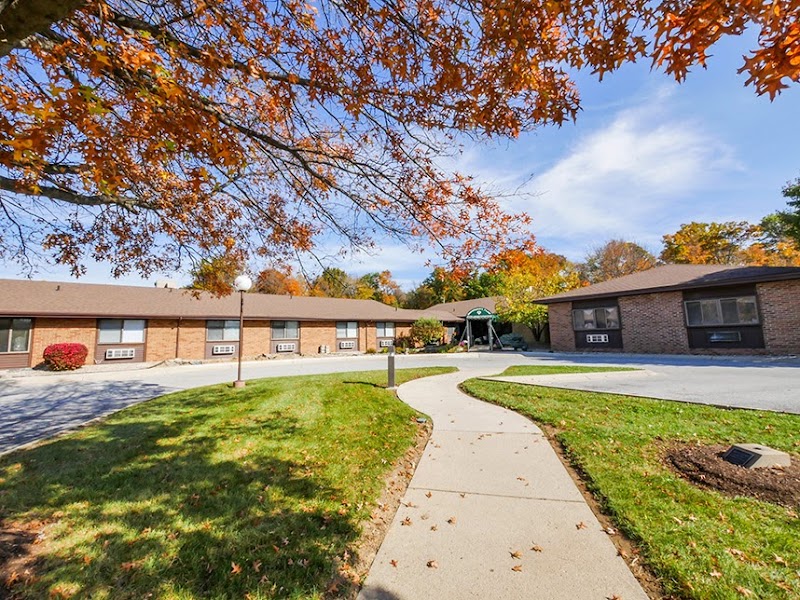
How is University Park Rehabilitation And Healthcare Staffed?

CMS rates UNIVERSITY PARK REHABILITATION AND HEALTHCARE's staffing level at 1 out of 5 stars, which is much below average compared to other nursing homes. Staff turnover is 62%, which is 16 percentage points above the Indiana average of 46%. High turnover can affect care consistency as new staff learn residents' individual needs. RN turnover specifically is 57%, which is notably high. RNs provide skilled clinical oversight, so turnover in this role can affect medical care quality.

What Have Inspectors Found at University Park Rehabilitation And Healthcare?

State health inspectors documented 36 deficiencies at UNIVERSITY PARK REHABILITATION AND HEALTHCARE during 2022 to 2025. These included: 1 Immediate Jeopardy (the most serious level, indicating potential for serious harm or death) and 35 with potential for harm. Immediate Jeopardy findings are rare and represent the most serious regulatory concerns. They require immediate corrective action.
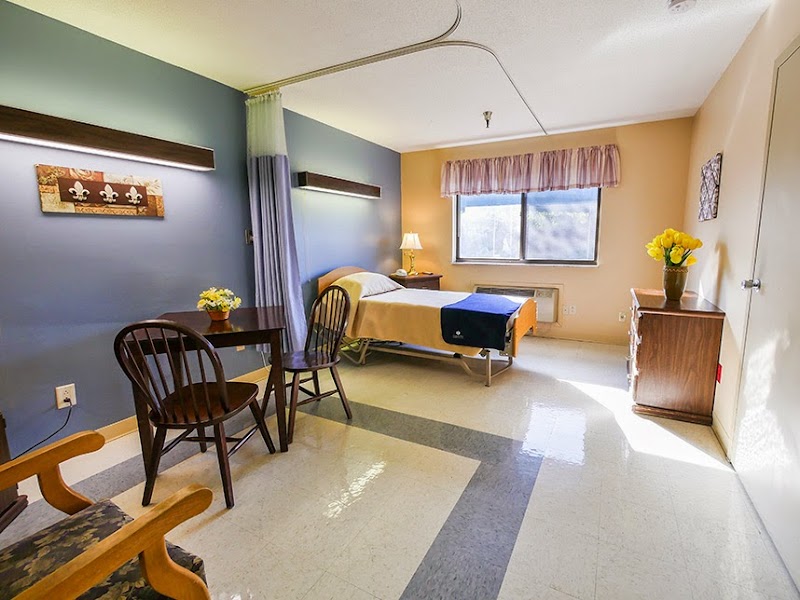
Who Owns and Operates University Park Rehabilitation And Healthcare?

UNIVERSITY PARK REHABILITATION AND HEALTHCARE is owned by a for-profit company. For-profit facilities operate as businesses with obligations to shareholders or private owners. The facility is operated by CASTLE HEALTHCARE, a chain that manages multiple nursing homes. With 104 certified beds and approximately 65 residents (about 62% occupancy), it is a mid-sized facility located in FORT WAYNE, Indiana.
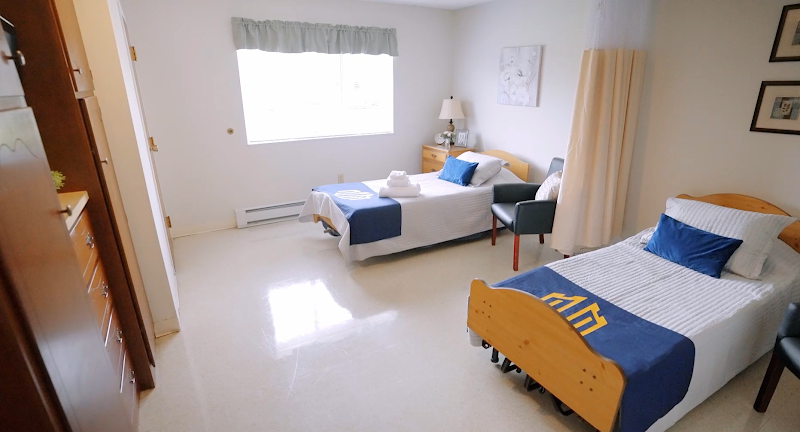
How Does University Park Rehabilitation And Healthcare Compare to Other Indiana Nursing Homes?

Compared to the 100 nursing homes in Indiana, UNIVERSITY PARK REHABILITATION AND HEALTHCARE's overall rating (2 stars) is below the state average of 3.1, staff turnover (62%) is significantly higher than the state average of 46%, and health inspection rating (1 stars) is much below the national benchmark.

What Should Families Ask When Visiting University Park Rehabilitation And Healthcare?

Based on this facility's data, families visiting should ask: "What changes have been made since the serious inspection findings, and how are you preventing similar issues?" "How do you ensure continuity of care given staff turnover, and what is your staff retention strategy?" "Can you walk me through typical staffing levels on day, evening, and night shifts?" "Can I visit during a mealtime to observe dining assistance and food quality?" These questions are particularly relevant given the facility's Immediate Jeopardy citations, the facility's high staff turnover rate, and the below-average staffing rating.

Is University Park Rehabilitation And Healthcare Safe?

Based on CMS inspection data, UNIVERSITY PARK REHABILITATION AND HEALTHCARE has documented safety concerns. Inspectors have issued 1 Immediate Jeopardy citation (the most serious violation level indicating risk of serious injury or death). The facility has a 2-star overall rating and ranks #100 of 100 nursing homes in Indiana. Families considering this facility should ask detailed questions about what corrective actions have been taken since these incidents.

Do Nurses at University Park Rehabilitation And Healthcare Stick Around?

Staff turnover at UNIVERSITY PARK REHABILITATION AND HEALTHCARE is high. At 62%, the facility is 16 percentage points above the Indiana average of 46%. Registered Nurse turnover is particularly concerning at 57%. RNs handle complex medical decisions and coordinate care — frequent RN changes can directly impact care quality. High turnover means new staff may not know residents' individual needs, medications, or preferences. It can also be disorienting for residents, especially those with dementia who rely on familiar faces. Families should ask: What is causing the turnover? What retention programs are in place? How do you ensure care continuity during staff transitions?

Was University Park Rehabilitation And Healthcare Ever Fined?

UNIVERSITY PARK REHABILITATION AND HEALTHCARE has been fined $15,646 across 1 penalty action. This is below the Indiana average of $33,235. While any fine indicates a compliance issue, fines under $50,000 are relatively common and typically reflect isolated problems that were subsequently corrected. Families should ask what specific issues led to these fines and confirm they've been resolved.

Is University Park Rehabilitation And Healthcare on Any Federal Watch List?

UNIVERSITY PARK REHABILITATION AND HEALTHCARE is not on any federal watch list. The most significant is the Special Focus Facility (SFF) program, which identifies the bottom 1% of nursing homes nationally based on persistent, serious quality problems. Not being on this list means the facility has avoided the pattern of deficiencies that triggers enhanced federal oversight. This is a positive indicator, though families should still review the facility's inspection history directly.