MILLER'S MERRY MANOR
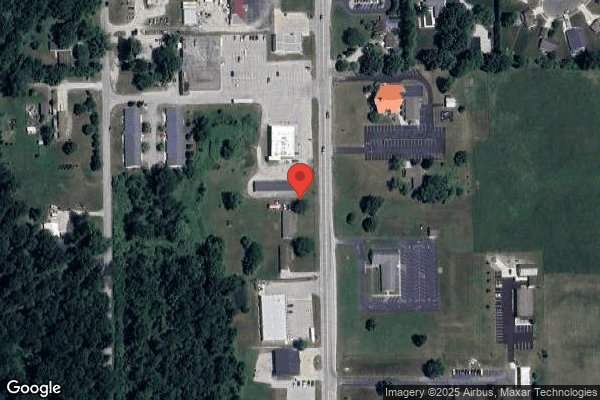
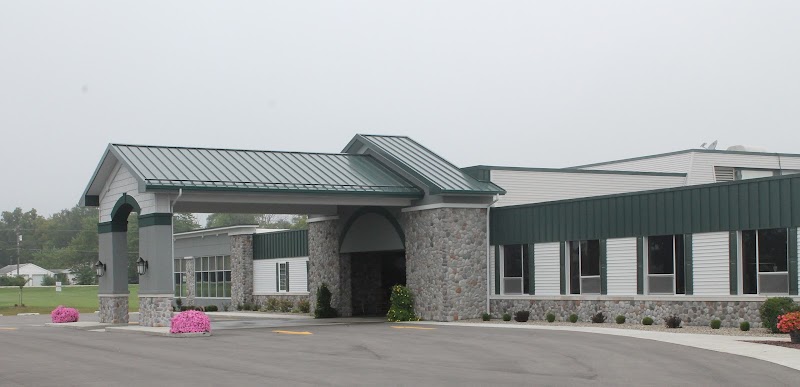
1367 S RANDOLPH ST, GARRETT, IN 46738 (260) 357-5174
For profit - Corporation 76 Beds MILLER'S MERRY MANOR Data: November 2025
Trust Grade
85/100
#78 of 505 in IN
Last Inspection: April 2025

Within standard 12-15 month inspection cycle. Federal law requires annual inspections.

Overview

Miller's Merry Manor in Garrett, Indiana, has a Trust Grade of B+, indicating it is above average and recommended for families considering options for their loved ones. It ranks #75 out of 505 facilities in Indiana, placing it in the top half, and #3 out of 4 in De Kalb County, meaning there is only one local option that performs better. The facility is improving, having reduced issues from three in 2024 to none in 2025. However, staffing is a concern with a 59% turnover rate, higher than the state average, which may affect the consistency of care. Notably, there were incidents where a resident's neck was improperly positioned during meals, increasing the risk of choking, and another resident had an untreated infected wound due to inadequate infection control practices. Despite these concerns, the facility has no fines on record and maintains a good level of RN coverage, which is important for catching potential issues.

Trust Score
B+
85/100
In Indiana
#78/505
Top 15%
Safety Record
Low Risk
No red flags
Inspections
Getting Better
3 → 0 violations
Staff Stability
⚠ Watch
59% turnover. Above average. Higher turnover means staff may not know residents' routines.
Penalties
✓ Good
No fines on record. Clean compliance history, better than most Indiana facilities.
Skilled Nurses
○ Average
Each resident gets 39 minutes of Registered Nurse (RN) attention daily — about average for Indiana. RNs are the most trained staff who monitor for health changes.
Violations
✓ Good
Only 5 deficiencies on record. Cleaner than most facilities. Minor issues only.
★★★★★
5.0
Overall Rating
★★★☆☆
3.0
Staff Levels
★★★★★
5.0
Care Quality
★★★★★
5.0
Inspection Score
Stable
2024: 3 issues
2025: 0 issues

The Good

  • 5-Star Quality Measures · Strong clinical quality outcomes
  • Full Sprinkler Coverage · Fire safety systems throughout facility
  • No fines on record

Facility shows strength in quality measures, fire safety.

The Bad

Staff Turnover: 59%

13pts above Indiana avg (46%)

Frequent staff changes - ask about care continuity

Chain: MILLER'S MERRY MANOR

Part of a multi-facility chain

Ask about local staffing decisions and management

Staff turnover is elevated (59%)

11 points above Indiana average of 48%

The Ugly 5 deficiencies on record

May 2024 3 deficiencies
CONCERN (D)

Potential for Harm - no one hurt, but risky conditions existed

Quality of Care (Tag F0684)

Could have caused harm · This affected 1 resident

**NOTE- TERMS IN BRACKETS HAVE BEEN EDITED TO PROTECT CONFIDENTIALITY** 2. During an observation on 5/21/24 at 12:01 PM Resident 17 was observed semi-reclined in a wheelchair with her neck hyperextend...

Read full inspector narrative →
**NOTE- TERMS IN BRACKETS HAVE BEEN EDITED TO PROTECT CONFIDENTIALITY** 2. During an observation on 5/21/24 at 12:01 PM Resident 17 was observed semi-reclined in a wheelchair with her neck hyperextended backward. A grey, rounded neck cushion was observed on the back and sides of her neck. Qualified Medicine Aide (QMA) 3 was seated next to Resident 17 physically assisting her to eat and drink by bringing food to her mouth by spoon, bringing a cup to her lips and pouring fluids into her mouth. Resident 17 was observed coughing several times. During an observation on 5/22/24 at 11:57 AM, Resident 17 was observed in the dining room, semi-reclined in a wheelchair, her neck hyperextended backward, with a grey neck cushion in place. Certified Nurse Aide (CNA) 4 was seated next to Resident 17 assisting her with eating and drinking. Resident 17's record was reviewed on 5/22/24 at 10:11 AM. Diagnoses included unspecified dementia, unspecified severity, with psychotic disturbance, abnormal posture, dysphagia, oropharyngeal phase. Resident 17's current quarterly Minimum Data Set (MDS) dated [DATE] indicated her Basic Interview for Mental Status (BIMS) was not conducted because she was rarely or never able to make herself understood. The MDS indicated Resident 17 had severely impaired ability to make daily decisions and was unable to perform any of the effort to perform tasks of bringing eating utensils or liquids to her mouth. Resident 17's current care plan titled Brace Program indicated the resident had a problem of needing assistance to apply a brace for positioning, with a goal date of 6/24/24. Interventions included applying a blue collar around Resident 17's neck. Resident 17's current care plan titled Risk for Aspiration indicated Resident 17 had swallowing difficulties and frequently leaned her head back during eating, with a goal date of 6/24/24. Interventions included monitoring coughing or choking with meals and monitoring breath sounds as needed. No progress notes from 5/21/24 or 5/22/24 were available for review. Occupational therapy notes dated 10/17/23 indicated Resident 17 should have a blue collar support device in place during eating. A restorative program in the [NAME] indicated a blue collar should be applied before meals and removed after meals. A current CNA assignment sheet, provided by Registered Nurse (RN) 2 for Resident 17 did not include any instructions regarding any support device to be worn while eating or drinking. In an observation and interview on 5/22/24 at 12:08 PM, Resident 17 was observed in her room, a tan neck cushion with grey gripper socks placed over the ends in place behind her neck. Certified Occupational Therapy Assistant (COTA) 6 indicated she did not know what happened to the grey neck cushion Resident 17 was using at lunch. She indicated Resident 17 had a blue cervical collar in the past, but she had not seen it in a long time, so she gave staff the tan cushion. She indicated the therapy department had not been notified of any occurrences of Resident 17 coughing while eating or drinking. In an interview on 5/22/24 at 12:51 PM, RN 2 indicated she was on duty on 5/21/24 and had not been notified of any coughing or choking during lunch that day. In an interview on 5/22/24 at 12:56 PM, CNA 4 indicated CNA assignment sheets provide the staff information needed to care for a resident, including any devices used for positioning. She indicated the kiosk was only used for documentation of activities of daily living, intakes, bowel movements, behaviors and it would not be used to find instructions for resident care. She indicated any coughing or choking during eating or drinking should be reported to the nurse. A current policy titled Feeding Dependent Resident Procedure dated 3/1/2001 provided by the Administrator on 5/22/24 at 2:28 PM did not address positioning or use of positioning devices. A current policy titled Therapy Screening Procedure dated 10/17/23 provided by the Administrator on 5/22/24 at 2:28 PM indicated nursing staff should document a resident's decline in the medical record and complete a therapy notification form. 3. During a record review on 5/21/24 at 12:40 PM a Nursing New Skin Alteration assessment dated [DATE] indicated Resident 17 had bug bites on her upper arm and chest. No number of areas, description of areas or measurement of areas was available for review. No physician's orders regarding treatment of the areas were available for review. No care plans pertaining to the areas were available for review. No progress notes or skin assessment forms pertaining to follow-up assessments of the area were available for review. In an interview and observation on 5/21/24 at 3:15 PM, RN 2 indicated she was on duty when a CNA notified her of red skin areas on Resident 17's arm and chest. Resident 17 had 4 areas on her left upper arm and one on her neck, each round, about 3 centimeters in diameter with a darkened center about 3 millimeters in diameter. She indicated she and Nurse Practitioner 8 looked at the areas and believed they were bug bites. She indicated she did not find any bugs in the room currently or at the time of the discovery of the skin areas. During an interview on 5/22/24 at 11:41 AM, the Director of Nursing (DON) indicated upon finding a new skin area, the area should be assessed, measured, and documented. She indicated follow-up assessments should also be documented. A current policy titled Skin Management Program, dated 8/14/14, provided by the Director of Nursing on 5/22/24 at 11:27 AM indicated the plan of care should be updated as changes occur. The policy also indicated skin alterations will be monitored and assessed by the staff nurse, with the DON or designee overseeing completion of documentation. 3.1-37(a) Based on observation, interview, and record review the facility failed to ensure safe positioning, skin and wound care was provided for 2 of 4 residents reviewed (Resident 17 and Resident 34). Findings include: 1. In an interview on 5/21/24 at 2:25 PM, Resident 34 indicated they had an infected wound on their left foot. Resident 34 indicated the wound on their left foot was caused by wearing their shoes without wearing socks. Resident 34's record was reviewed on 5/21/24 at 2:40 PM. Diagnoses included diabetes, chronic kidney disease, congestive heart failure, and an unstageable pressure ulcer of the left heel. Resident 34's Quarterly Minimum Data Set (MDS) dated [DATE] indicated the resident's Brief Interview for Mental Status (BIMS) score was 15 (cognitively intact). The MDS indicated Resident 34 had 1 unstageable pressure ulcer with suspected deep tissue injury in evolution. The MDS indicated there were no unstageable pressure ulcers present upon Resident 34's admission to the facility. A podiatry visit note dated 8/18/22 indicated Resident 34 had a diagnosis of diabetic neuropathy (numbness, tingling, burning or decreased sensation) of their feet. The visit note indicated Resident 34's feet were cool to touch, both feet were red, and both feet were absent of hair growth. The visit note indicated the skin on Resident 34's feet was thin, shiny, and dry. The visit note indicated Resident 34 was to be examined in 2 to 3 months. A podiatry visit note dated 1/6/23 indicated Resident 34's feet were cool to touch, both feet were red, and both feet were absent of hair growth. The visit note indicated the skin on the resident's feet was thin, shiny, and dry. The visit note indicated Resident 34 was to be examined in 2 to 3 months. Resident 34's record did not include further podiatry visit notes. A Weekly Nursing assessment dated [DATE] at 3:15 AM indicated Resident 34's feet were swollen. The assessment indicated Resident 34's skin had been assessed, the resident had been turned and repositioned per the plan of care. A Skilled Nursing assessment dated [DATE] at 12:35 PM indicated pressure prevention interventions for Resident 34's lower extremities were not applicable. The assessment indicated Resident 34 had been turned and repositioned per the plan of care, but no other interventions to prevent skin breakdown had been initiated. A Pressure Injury assessment dated [DATE] at 10:16 PM indicated Resident 34 had a new in-house deep tissue pressure injury 3.5 centimeters long and 5 centimeters wide. The assessment indicated the wound had no odor, no drainage, and no eschar (dead skin). The assessment indicated the skin surrounding the wound was swollen and red. A progress note dated 1/26/24 at 10:16 PM indicated Resident 34's left heel deep tissue pressure injury had been evaluated by a Nurse Practitioner. The note indicated new orders received included skin prep to the left heel twice daily, offloading pressure injury interventions, x-ray to the left heel and doxycycline twice daily for 10 days. A physician order dated 1/1/24 with an end date of 1/15/24 indicated Resident 34 had been admitted to a skilled COVID-19 isolation unit at the facility. A physician order dated 1/16/24 indicated the facility staff was to monitor Resident 34's foot and extremity skin condition every day for 30 days post COVID-19. The staff was to monitor for changes in color, temperature, and skin integrity. A physician order dated 1/26/24 indicated Resident 34 was to have an x-ray of their left foot and heel. A physician order dated 1/26/24 indicated Resident 34 was not to wear shoes. A physician order dated 1/26/24 indicated Resident 34's left heel was to be monitored every shift until resolved. The left heel was to be monitored for signs of infection, increased pain or unusual changes. A physician order dated 1/26/24 and discontinued 2/23/24 indicated Resident 34 was to have skin prep to the left heel every shift. A physician order dated 1/26/24 indicated Resident 34 was to be administered doxycycline (an antibiotic) two times a day for 10 days for cellulitis. A physician order dated 5/3/24 indicated Resident 34 was to be administered doxycycline two times a day for 10 days for wound healing. A physician order dated 2/23/24 and discontinued on 4/19/24 indicated Resident 34 was to have a povidone and iodine solution applied to their left heel two times a day for wound care. A physician order dated 4/19/24 and discontinued on 5/3/24 indicated Resident 34 was to have a povidone and iodine solution applied to their left heel two times a day for wound care. The left heel wound was to be cleansed, covered with an ABD (thick pad) and wrapped with gauze. A physician order dated 5/3/24 and discontinued on 5/17/24 indicated Resident 34's left heel wound was to be cleansed, silver ointment applied, covered with an ABD and wrapped with gauze every day. A physician order dated 5/17/24 indicated Resident 34's left heel wound was to have collagenase ointment applied, covered with an ABD and wrapped with gauze every day. A physician order dated 5/17/24 indicated a wound culture from Resident 34's left heel was to be collected due to drainage and odor. A physician order dated 5/21/24 indicated Resident 34 was to be administered amoxicillin (an antibiotic) every 8 hours for 10 days for wound infection. Resident 34's care plan dated 3/29/22 indicated the resident had diabetes. The target goal was to have no episodes of high or low blood sugar through 7/30/24. Interventions included floating heels while in bed and foot care by a licensed nurse or podiatrist as needed. Interventions did not include diabetic foot care such as heel protectors or visual inspection of Resident 34's feet. Resident 34's care plan dated 3/29/22 indicated the resident was at risk for skin breakdown and pressure ulcers due to heart failure, kidney disease and diabetes. Risk factors did not include diabetic neuropathy. The target goal was to avoid skin breakdown through 7/30/24. Interventions included floating heels while in bed, monitoring skin daily during care, and weekly skin assessment by the nurse. Interventions did not include diabetic foot care such as visual inspection or heel protectors. Resident 34's care plan dated 1/26/24 indicated the resident had an unstageable pressure injury to the left heel that presented dark, hardened, non-blanchable, intact eschar related to end stage renal disease and diabetes. The target goal was for the wound to reduce in size without complications through 7/30/24. Interventions included floating heels while in bed, povidone-iodine treatments, and weekly assessments by a nurse. Interventions did not include diabetic foot care such as visual inspection or heel protectors. In an interview on 5/22/24 at 12:25 PM the Director of Nursing (DON) indicated skin assessments were documented weekly on every resident. The DON indicated skin assessments were documented daily while residents required skilled daily assessments. The DON indicated the skin assessments referred to all the resident's skin including their feet. The DON indicated facility Certified Nurse Aides (CNAs) inspect each resident's skin while performing resident showers. The DON indicated the CNAs report new skin issues to the nurses. The DON indicated the CNAs document skin inspections by hand onto shower sheets. The DON indicated the shower sheets were not scanned into the resident's medical record. The DON indicated shower sheets from January 2024 were not available as the shower sheets were only kept for 1 month. The DON indicated the facility did not have a specific assessment for diabetics or diabetic foot care. The DON indicated most diabetics are treated by the facility podiatrist for foot care. The DON indicated they were not aware of when Resident 34 had most recently been evaluated by the podiatrist. The DON indicated the podiatrist was at the facility the previous Friday and would look to see if Resident 34 had been seen by the podiatrist. In an interview on 5/22/24 at 1:00 PM the DON indicated the facility did not have a diabetic foot care policy. The DON indicated they were not able to provide further documentation of the condition of Resident 34's left heel prior to 1/16/24. The DON indicated they believed the sudden development of Resident 34's left heel pressure injury was related to the resident having had Covid-19 and pneumonia in January 2024. A current facility policy dated 8/14/14 provided by the DON on 5/22/24 at 12:50 PM indicated interventions would be implemented according to individual resident risk factors. The policy indicated individual resident risk factors would guide the interventions that would best reduce the risks of the development of pressure ulcers, diabetic ulcers, arterial ulcers, and venous ulcers. The policy indicated the interventions would promote the most effective healing of existing ulcers. The policy indicated heel protection devices should elevate the heels above the bed. The policy indicated the skin on the heels should be inspected on a regular basis.
CONCERN (D)

Potential for Harm - no one hurt, but risky conditions existed

Pressure Ulcer Prevention (Tag F0686)

Could have caused harm · This affected 1 resident

**NOTE- TERMS IN BRACKETS HAVE BEEN EDITED TO PROTECT CONFIDENTIALITY** Based on observation, interview and record review, the facility failed to ensure procedures were maintained per facility policy ...

Read full inspector narrative →
**NOTE- TERMS IN BRACKETS HAVE BEEN EDITED TO PROTECT CONFIDENTIALITY** Based on observation, interview and record review, the facility failed to ensure procedures were maintained per facility policy to prevent infection and to promote comfort during the healing of pressure injuries for 1 of 1 resident reviewed (Resident 34). Findings include: In an interview on 5/21/24 at 2:25 PM, Resident 34 indicated they had an infected wound on their left foot. Resident 34 indicated they had been taking antibiotics for the wound infection. Resident 34 indicated the wound on their left foot was caused by wearing new shoes without wearing socks. Resident 34's record was reviewed on 5/21/24 at 2:40 PM. Diagnoses included diabetes, chronic kidney disease, congestive heart failure, and an unstageable pressure ulcer of the left heal. A Pressure Injury assessment dated [DATE] at 10:16 PM indicated Resident 34 had a new in-house deep tissue pressure injury 3.5 centimeters long and 5 centimeters wide. The assessment indicated the wound had no odor, no drainage, and no eschar (dead skin). The assessment indicated the skin surrounding the wound was swollen and red. A physician order dated 5/17/24 indicated Resident 34's left heel wound was to have collagenase ointment applied, covered with an ABD (type of gauze pad) and wrapped with gauze every day. A progress note dated 5/17/24 at 11:19 AM indicated Resident 34's left heel wound had been debrided and a wound culture was collected. A physician order dated 5/21/24 indicated Resident 34 was to be administered amoxicillin (an antibiotic) every 8 hours for 10 days for wound infection. On 5/22/24 at 10:24 AM Resident 34's left heel dressing change was observed. Registered Nurse (RN) 2 explained the procedure to Resident 34. RN 2 did not provide a pain assessment for Resident 34. Dressing supplies were observed to be on a clean barrier on an over bed table. Certified Nurse Aide (CNA) 5 held Resident 34's foot above a clean barrier on the resident's bed. RN 2 donned gloves and removed the previous dressing. RN 2 placed the prior dressing in a trash bag, removed their gloves and washed their hands. RN 2 washed and dried their hands within 15 seconds. RN 2 donned gloves and cleansed the wound with wound cleanser. RN 2 did not inquire if Resident 34 was experiencing pain from the procedure. RN 2 removed their gloves and washed their hands. RN 2 washed and dried their hands within 15 seconds. RN 2 donned gloves and applied the ointment, placed the ABD pad, wrapped the wound with gauze, and secured with tape. RN 2 placed their gloves in a trash bag, tied the trash bag and walked to the bathroom. RN 2 touched the bathroom door with an ungloved hand after placing the trash bag in the trash can. RN 2 did not wash their hands after disposing of the trash. RN 2 placed Resident 34's ointment into a clear plastic bag after disposing of trash, touching the bathroom door, and not washing their hands. In an interview on 5/22/24 at 10:32 AM Resident 34 indicated the dressing change to their left heel pressure injury had been a little bit painful. In an interview on 5/22/24 at 1:24 PM RN 2 indicated Resident 34 had not been assessed for pain prior to, during, or after the dressing change procedure. RN 2 indicated Resident 34 did not appear to be in pain. RN 2 indicated Resident 34 has repeatedly denied the need for pain control prior to their dressing changes in the past. A current facility policy dated 7/14/14 provided by the DON on 5/22/24 at 10:30 AM indicated gloves should be changed and hands washed after removing the previous dressing, after cleansing the wound and before applying medication and dressing to the wound. A current facility policy dated 10/27/16 provided by the DON on 5/22/24 at 11:10 AM indicated the entire handwashing procedure should take 40 to 60 seconds. The policy indicated the hands should be washed with soap, water and rubbing action for at least 20 seconds. The policy indicated handwashing assists in the prevention of disease and infection. A current facility policy dated 4/10/24 provided by the DON on 5/22/24 at 12:50 PM indicated a pain assessment would be completed with all wound assessments. 3.1-40
CONCERN (D)

Potential for Harm - no one hurt, but risky conditions existed

Infection Control (Tag F0880)

Could have caused harm · This affected 1 resident

**NOTE- TERMS IN BRACKETS HAVE BEEN EDITED TO PROTECT CONFIDENTIALITY** Based on observation, interview and record review, the facility failed to ensure standard precautions for infection prevention w...

Read full inspector narrative →
**NOTE- TERMS IN BRACKETS HAVE BEEN EDITED TO PROTECT CONFIDENTIALITY** Based on observation, interview and record review, the facility failed to ensure standard precautions for infection prevention were maintained during a dressing change for 1 of 1 resident reviewed (Resident 34). Findings include: In an interview on 5/21/24 at 2:25 PM, Resident 34 indicated they had a wound on their left foot. Resident 34 indicated the wound on their left foot was caused by wearing their shoes without socks. Resident 34 indicated they had started taking antibiotics due to an infection in the wound. Resident 34's record was reviewed on 5/21/24 at 2:40 PM. Diagnoses included diabetes, chronic kidney disease, congestive heart failure, and an unstageable pressure ulcer of the left heel. Resident 34's Quarterly Minimum Data Set (MDS) dated [DATE] indicated the resident's Brief Interview for Mental Status (BIMS) was 15 (cognitively intact). The MDS indicated Resident 34 had 1 unstageable pressure ulcer with suspected deep tissue injury in evolution. The MDS indicated there were no unstageable pressure ulcers present upon Resident 34's admission to the facility. A physician order dated 1/26/24 indicated Resident 34 was to be administered doxycycline (an antibiotic) two times a day for 10 days for cellulitis. A physician order dated 5/3/24 indicated Resident 34 was to be administered doxycycline two times a day for 10 days for wound. A physician order dated 5/17/24 indicated Resident 34's pressure ulcer to the left heel was to have collagenase ointment applied, covered with an ABD (thick gauze pad) and wrapped with gauze every day. A physician order dated 5/21/24 indicated Resident 34 was to be administered amoxicillin (an antibiotic) every 8 hours for 10 days for wound infection. On 5/22/24 at 10:24 AM Resident 34's left heel dressing change was observed. Dressing supplies were observed to be on a clean barrier on an over bed table. Certified Nurse Aide (CNA) 5 held Resident 34's foot above a clean barrier on the resident's bed. Registered Nurse (RN) 2 donned gloves and removed the previous dressing. RN 2 placed the prior dressing in a trash bag, removed their gloves and washed their hands. RN 2 washed and dried their hands within 15 seconds. RN 2 donned gloves and cleansed the wound with wound cleanser. RN 2 removed their gloves and washed their hands. RN 2 washed and dried their hands within 15 seconds. RN 2 donned gloves and applied the ointment, placed the ABD pad, wrapped the wound with gauze, and secured with tape. RN 2 placed their gloves in a trash bag, tied the trash bag and walked to the bathroom. RN 2 touched the bathroom door with an ungloved hand after placing the trash bag in the trash can. RN 2 did not wash their hands after disposing of the trash. RN 2 placed Resident 34's ointment into a clear plastic bag after disposing of trash, touching the bathroom door, and not washing their hands. In an interview on 5/22/24 at 10:35 AM RN 2 indicated they did not realize they had not washed their hands after placing the trash in the trash can. RN 2 indicated they did not realize they had touched surfaces or placed the ointment into a plastic bag after handling trash and failing to wash their hands. RN 2 indicated they did not realize they had washed and dried their hands within 15 seconds. RN 2 indicated they would have to review the facility handwashing policy to be certain but believed proper handwashing should take about 20 seconds. In an interview on 5/22/24 at 10:30 AM the DON indicated RN 2 had made them aware of the handwashing concerns that had been observed while RN 2 changed Resident 34's left heel wound dressing. The DON indicated they were aware of Resident 34 being prescribed antibiotics for the left heel wound infection on 1/26/24, 5/3/24 and 5/21/24. The DON indicated Resident 34's left heel wound was slow healing due to the resident having had Covid-19 in January 2024. A current facility policy dated 7/14/14 provided by the DON on 5/22/24 at 10:30 AM indicated gloves should be changed and hands washed after removing the previous dressing, after cleansing the wound and before applying medication and dressing to the wound. A current facility policy dated 10/27/16 provided by the DON on 5/22/24 at 11:10 AM indicated the entire handwashing procedure should take 40 to 60 seconds. The policy indicated the hands should be washed with soap, water and rubbing action for at least 20 seconds. 3.1-18(a) 3.1-18(b) 3.1-18(b)(1)
May 2023 2 deficiencies
CONCERN (D)

Potential for Harm - no one hurt, but risky conditions existed

Deficiency F0557 (Tag F0557)

Could have caused harm · This affected 1 resident

**NOTE- TERMS IN BRACKETS HAVE BEEN EDITED TO PROTECT CONFIDENTIALITY** Based on observation, interview and record review, the facility failed to ensure personal possessions were labeled and stored fo...

Read full inspector narrative →
**NOTE- TERMS IN BRACKETS HAVE BEEN EDITED TO PROTECT CONFIDENTIALITY** Based on observation, interview and record review, the facility failed to ensure personal possessions were labeled and stored for only individual use for 2 of 6 residents reviewed (Resident 8 and Resident 48). Findings include: During an observation of room [ROOM NUMBER] on 5/11/23 at 10:12 AM, Resident 8 and Resident 48 were residing in the room as roommates with a shared bathroom. In the bathroom, two bottles of [NAME] body wash, a bottle of Softsoap body wash and a bottle of [NAME] de Terre shampoo were observed sitting on the grab bar inside the shower. None of the items had names or markings identifying their owner. During an observation of the bathroom in room [ROOM NUMBER] on 5/12/23 at 8:23 AM, two bottles of [NAME] body wash, a bottle of Softsoap body wash, a bottle of [NAME] de Terre shampoo and two mesh body scrubbers were observed sitting on the grab bar inside the shower. A bottle of Biotene mouth rinse was observed on the sink. None of the items had names or markings identifying their owner. During an observation and interview on 5/12/23 at 8:26 AM Licensed Practical Nurse (LPN) 2 indicated personal items should be kept in Resident's individual closets or personal storage areas. She indicated the unmarked personal items should be marked with a resident's name to ensure they are only used by the owner of the item. During an interview on 5/12/23 09:55 AM, the Director of Nursing (DON) indicated personal items should be labeled and stored in resident's personal storage areas. She indicated personal items should not be stored in a shared bathroom. During a record review beginning 5/12/23 at 2:20 PM, a Minimum Data Set (MDS) dated [DATE] indicated Resident 8 had diagnoses including unspecified fracture of the lumbar spine, arthritis, and unspecified urinary incontinence. The MDS also indicated resident 8 was alert, oriented, and received substantial assistance with showering tasks. An MDS dated [DATE] indicated Resident 48 had diagnoses including fibromyalgia, low back pain and muscle weakness. The MDS also indicated Resident 48 was alert, oriented, and received moderate assistance with showering tasks. A current policy titled General Instructions for Cleaning Supplies/Equipment dated 11/10/16 was received from the Administrator on 5/12/23 at 1:25 PM. During an interview at that time the Administrator indicated the policy was current and no additional policies were available pertaining to storage of personal items. The policy indicated items intended for personal use should be stored in the resident's bedside drawer or closet. 3.1-9(a)
CONCERN (D)

Potential for Harm - no one hurt, but risky conditions existed

Medication Errors (Tag F0758)

Could have caused harm · This affected 1 resident

**NOTE- TERMS IN BRACKETS HAVE BEEN EDITED TO PROTECT CONFIDENTIALITY** Based on interview and record review, the facility failed to ensure medication was administered per physician's order as specifi...

Read full inspector narrative →
**NOTE- TERMS IN BRACKETS HAVE BEEN EDITED TO PROTECT CONFIDENTIALITY** Based on interview and record review, the facility failed to ensure medication was administered per physician's order as specified for a specific condition for 1 (Resident 13) of 7 residents reviewed for medications. Findings include: A record review on 5/17/23 at 10:40 AM indicated Resident 13 had a diagnosis of epilepsy (a seizure disorder). A Comprehensive Minimum Data Set (MDS) assessment dated [DATE] indicated the resident had no cognitive impairment. The MDS also indicated the resident had a diagnosis of a seizure disorder. A physician order dated 11/4/22 indicated the resident was to be administered lorazepam every 6 hours as needed (PRN) by mouth for seizures. This order was discontinued on 2/4/23. A physician order dated 2/14/23 indicated lorazepam was to be administered PRN every 6 hours by mouth for seizures. The order was limited to 120 days. The resident's care plan indicated interventions for seizure activity included administration of medication as ordered. The resident's Medication Administration Record (MAR) dated February 2022 indicated the resident had been administered PRN lorazepam by mouth on 2/3/23 and 2/4/23 for seizure activity. Progress notes dated February 2023 did not include documentation of seizure activity. The resident's MAR dated March 2023 indicated the resident had been administered PRN lorazepam on 3/4/23, 3/11/23, 3/12/23, 3/20/23, 3/26/23, 3/27/23, and 3/28/23 for seizure activity. Progress notes dated March 2023 did not include documentation of seizure activity. The resident's MAR dated April 2023 indicated the resident had been administered PRN lorazepam by mouth on 4/7/23 for seizure activity. Progress notes dated April 2023 did not include documentation of seizure activity. During an interview on 5/18/23 at 11:27 AM, RN 3 indicated seizure activity should be documented in the progress notes. She indicated she was unaware of Resident 13 having had any seizure activity for the last year. During an interview on 5/18/23 at 2:31 PM, MD 4 indicated he prescribed PRN lorazepam for seizures on 2/14/23 for a duration of 120 days. During an interview on 5/18/23 at 2:31 PM, the Director of Nursing (DON) indicated she was unaware of lorazepam being prescribed on a PRN basis specifically for seizures. A current policy titled First Aid-Convulsions dated 1/1/09 provided by RN 4 on 5/18/23 at 12:06 PM indicated documentation of convulsions should include the length of the episode, type of movements, and level of consciousness. A current policy titled Medication Administration Procedure dated 8/29/16 provided by the DON on 5/19/23 at 9:25 AM indicated administration of PRN medications are to include documentation of the reason being administered. 3.1-48(b)
Understanding Severity Codes (click to expand)
Life-Threatening (Immediate Jeopardy)
J - Isolated K - Pattern L - Widespread
Actual Harm
G - Isolated H - Pattern I - Widespread
Potential for Harm
D - Isolated E - Pattern F - Widespread
No Harm (Minor)
A - Isolated B - Pattern C - Widespread

Questions to Ask on Your Visit

  • "Why is there high staff turnover? How do you retain staff?"
  • "Can I speak with families of current residents?"
  • "What's your RN coverage like on weekends and overnight?"

Our Honest Assessment

Strengths
  • • Grade B+ (85/100). Above average facility, better than most options in Indiana.
  • • No major safety red flags. No abuse findings, life-threatening violations, or SFF status.
  • • No fines on record. Clean compliance history, better than most Indiana facilities.
  • • Only 5 deficiencies on record. Cleaner than most facilities. Minor issues only.
Concerns
  • • 59% turnover. Above average. Higher turnover means staff may not know residents' routines.
Bottom line: Generally positive indicators. Standard due diligence and a personal visit recommended.

About This Facility

What is Miller'S Merry Manor's CMS Rating?

CMS assigns MILLER'S MERRY MANOR an overall rating of 5 out of 5 stars, which is considered much above average nationally. Within Indiana, this rating places the facility higher than 99% of the state's 100 nursing homes. This rating reflects solid performance across the metrics CMS uses to evaluate nursing home quality.

How is Miller'S Merry Manor Staffed?

CMS rates MILLER'S MERRY MANOR's staffing level at 3 out of 5 stars, which is average compared to other nursing homes. Staff turnover is 59%, which is 13 percentage points above the Indiana average of 46%. High turnover can affect care consistency as new staff learn residents' individual needs.

What Have Inspectors Found at Miller'S Merry Manor?

State health inspectors documented 5 deficiencies at MILLER'S MERRY MANOR during 2023 to 2024. These included: 5 with potential for harm.

Who Owns and Operates Miller'S Merry Manor?

MILLER'S MERRY MANOR is owned by a for-profit company. For-profit facilities operate as businesses with obligations to shareholders or private owners. The facility is operated by MILLER'S MERRY MANOR, a chain that manages multiple nursing homes. With 76 certified beds and approximately 60 residents (about 79% occupancy), it is a smaller facility located in GARRETT, Indiana.

How Does Miller'S Merry Manor Compare to Other Indiana Nursing Homes?

Compared to the 100 nursing homes in Indiana, MILLER'S MERRY MANOR's overall rating (5 stars) is above the state average of 3.1, staff turnover (59%) is significantly higher than the state average of 46%, and health inspection rating (5 stars) is much above the national benchmark.

What Should Families Ask When Visiting Miller'S Merry Manor?

Based on this facility's data, families visiting should ask: "How do you ensure continuity of care given staff turnover, and what is your staff retention strategy?" "Can I visit during a mealtime to observe dining assistance and food quality?" "How do you handle medical emergencies, and what is your hospital transfer rate?" "Can I speak with family members of current residents about their experience?" These questions are particularly relevant given the facility's high staff turnover rate.

Is Miller'S Merry Manor Safe?

Based on CMS inspection data, MILLER'S MERRY MANOR has a clean safety record: no substantiated abuse findings (meaning no confirmed cases of resident harm), no Immediate Jeopardy citations (the most serious violation level indicating risk of serious injury or death), and is not on the Special Focus Facility watch list (a federal program monitoring the lowest-performing 1% of nursing homes). The facility has a 5-star overall rating and ranks #1 of 100 nursing homes in Indiana. While no facility is perfect, families should still ask about staff-to-resident ratios and recent inspection results during their visit.

Do Nurses at Miller'S Merry Manor Stick Around?

Staff turnover at MILLER'S MERRY MANOR is high. At 59%, the facility is 13 percentage points above the Indiana average of 46%. High turnover means new staff may not know residents' individual needs, medications, or preferences. It can also be disorienting for residents, especially those with dementia who rely on familiar faces. Families should ask: What is causing the turnover? What retention programs are in place? How do you ensure care continuity during staff transitions?

Was Miller'S Merry Manor Ever Fined?

MILLER'S MERRY MANOR has no federal fines on record. CMS issues fines when nursing homes fail to meet care standards or don't correct problems found during inspections. The absence of fines suggests the facility has either maintained compliance or corrected any issues before penalties were assessed. This is a positive indicator, though families should still review recent inspection reports for the full picture.

Is Miller'S Merry Manor on Any Federal Watch List?

MILLER'S MERRY MANOR is not on any federal watch list. The most significant is the Special Focus Facility (SFF) program, which identifies the bottom 1% of nursing homes nationally based on persistent, serious quality problems. Not being on this list means the facility has avoided the pattern of deficiencies that triggers enhanced federal oversight. This is a positive indicator, though families should still review the facility's inspection history directly.